Driving From Marla To Alice Springs: Fuel, Sites & Tips

Driving From Marla To Alice Springs: Fuel, Sites & Tips

Driving From Marla To Alice Springs: Fuel, Sites & Tips

Experience the 450km drive from Marla to Alice Springs. Discover essential fuel stops, wildlife, road conditions, and scenic highlights along the Stuart Highway.

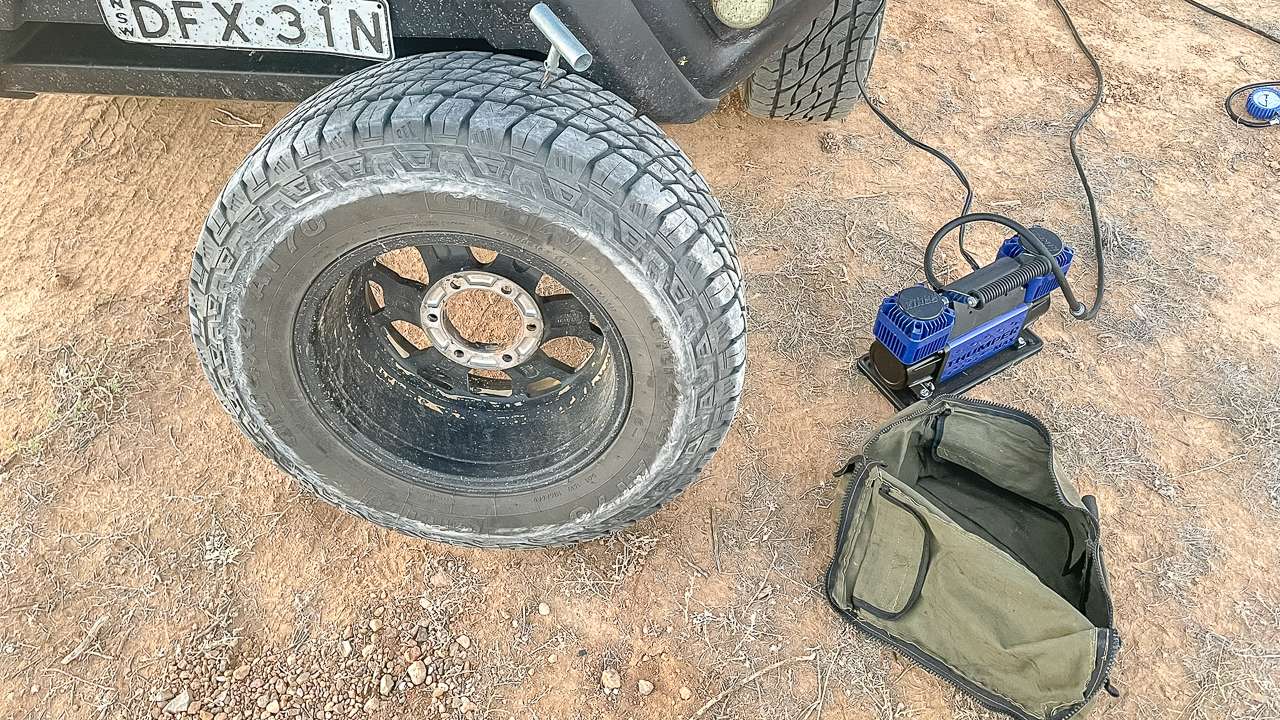
We left Coongra Creek on the Oodnadatta Track where we had camped for the night and headed into Marla. When we got to Marla we pulled over just before the roadhouse on the side of the Oodnadatta Track and put air back into our tyres. Then it was a quick stop at the roadhouse for fuel and something to eat and we headed north on the Stuart Highway on the drive from Marla to Alice Springs.

Driving from Marla South Australia to Alice Springs, Northern Territory is a true outback adventure! It’s a stretch of around 450 km (about 5-6 hours of driving) along the Stuart Highway, giving you a real taste of the Aussie outback. Here’s a simple guide to help you plan your journey including fuel stops, things to see and road conditions.
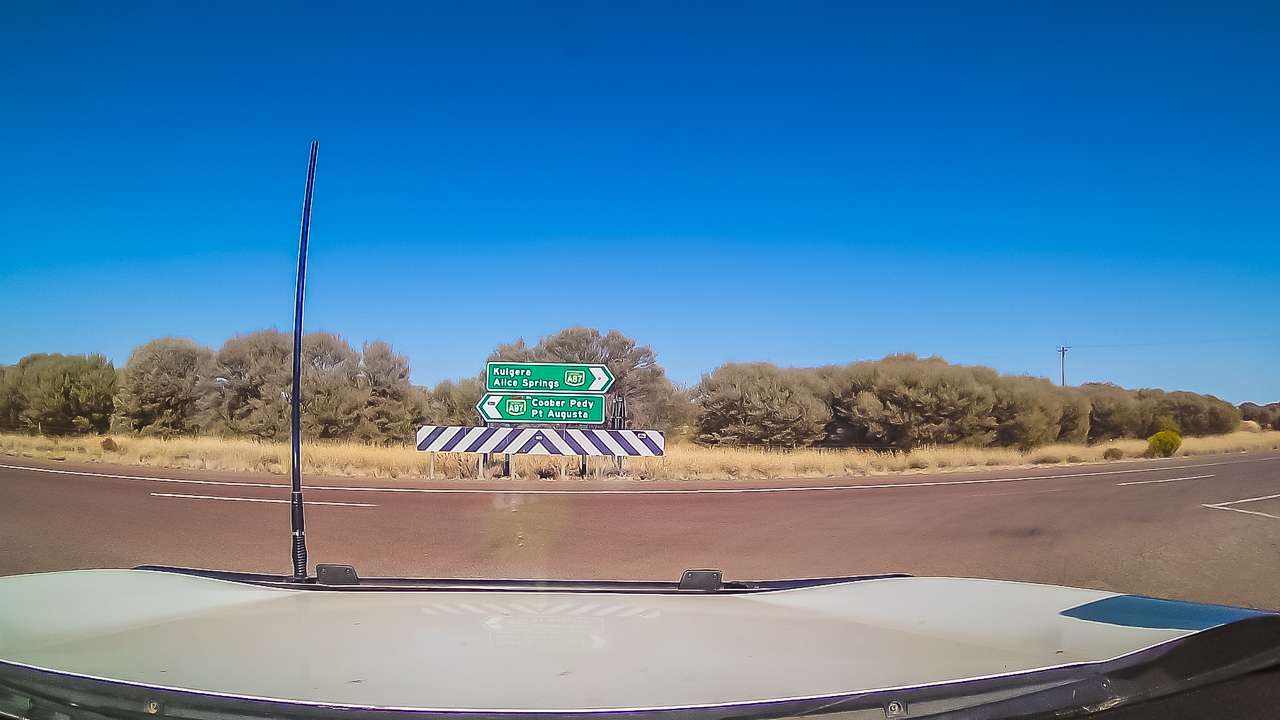
Tun Right Out Of Marla Roadhouse To Drive From Marla To Alice Springs

Tun Right Out Of Marla Roadhouse To Drive From Marla To Alice Springs

Distance Between Fuel Stops

There aren’t heaps of places to fuel up, so plan ahead. Here’s where you can stop along the way:

  • Marla: Your starting point. Fill up here before you hit the road.
  • Kulgera Roadhouse (about 180 km from Marla): The first fuel stop. It’s also a good place to stretch your legs, grab a feed and maybe a cold drink.
  • Erldunda Roadhouse (around 100 km from Kulgera): Another fuel stop where you can top up your tank. There’s also a café, a caravan park and some cool emus wandering around.
  • Alice Springs (165 km from Erldunda): Your destination. Make sure to fill up when you get here especially if you plan to explore more remote areas.

Tip: Always fuel up when you can, as distances between stops can be long, and sometimes roadhouses may run out of supplies.
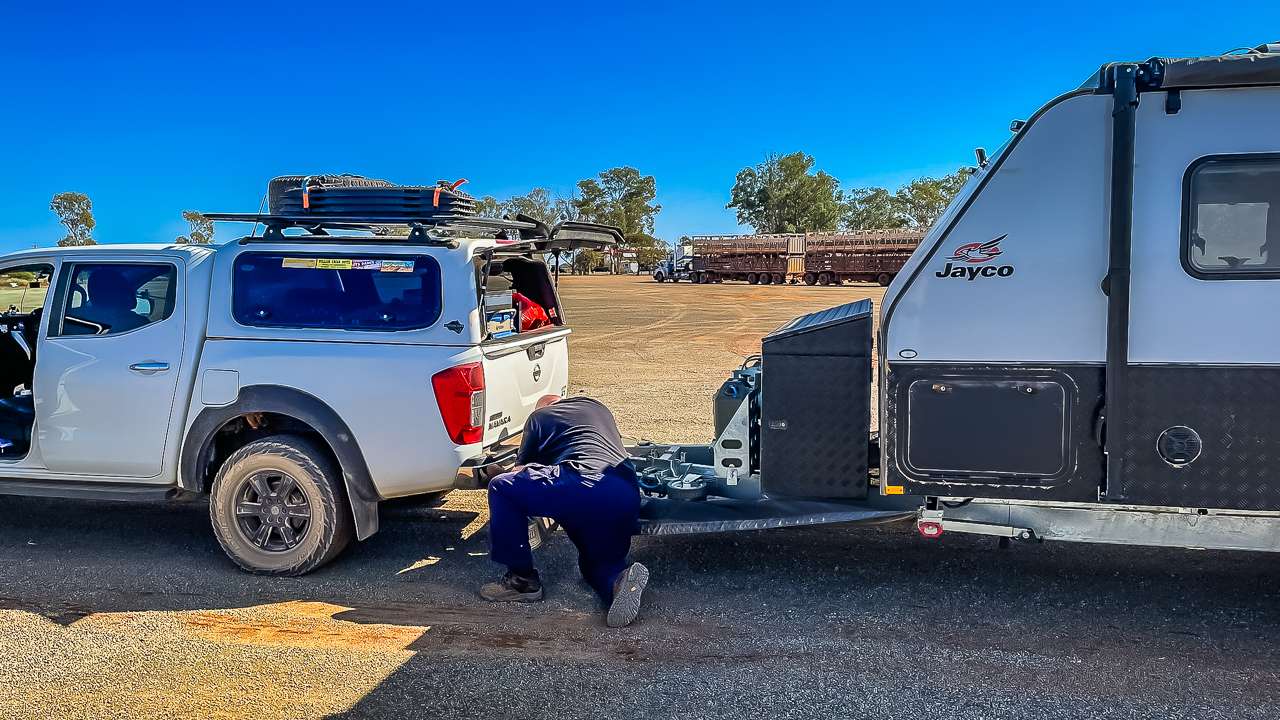
Airing Tyres Back Up At Marla After Completing The Oodnadatta Track

Airing Tyres Back Up At Marla After Completing The Oodnadatta Track

Things To Do When Driving Between Marla SA and Alice Springs NT

Driving from Marla, South Australia, to Alice Springs, Northern Territory, is a real outback adventure. It’s a long stretch through the red centre, but there are plenty of unique stops and sights along the way. Here’s a simple guide to things you can do to make the trip more interesting.

1. Stop at the Roadhouses

The outback roadhouses are not just for fuel—they’re a good spot to stretch your legs, grab a bite, and meet some friendly locals.

  • Kulgera Roadhouse: About 180 km from Marla, it’s your first proper pit stop. Grab a cold drink and check out the quirky outback vibe.
  • Erldunda Roadhouse: About 100 km further, this roadhouse is known as the “Centre of the Centre.” You’ll also see emus wandering about!

1. Look for Wildlife

The outback is full of Aussie wildlife, and you’re likely to spot kangaroos, emus, and even wedge-tailed eagles. But be careful—especially at dusk and dawn, as roos have a habit of hopping onto the road without warning.

2. Take in the Desert Landscape

The drive is long, but the changing colours of the outback landscape are worth admiring. From the red dirt to the striking desert oaks, it’s a truly unique view. Keep an eye out for wildflowers, which bloom after rain, and add bursts of colour to the desert.

3. Detour to Rainbow Valley

If you’ve got a bit of time and a 4WD, you can take a detour to Rainbow Valley Conservation Reserve. It’s around 75 km south of Alice Springs and is famous for its colourful sandstone bluffs that glow red and orange, especially at sunset.

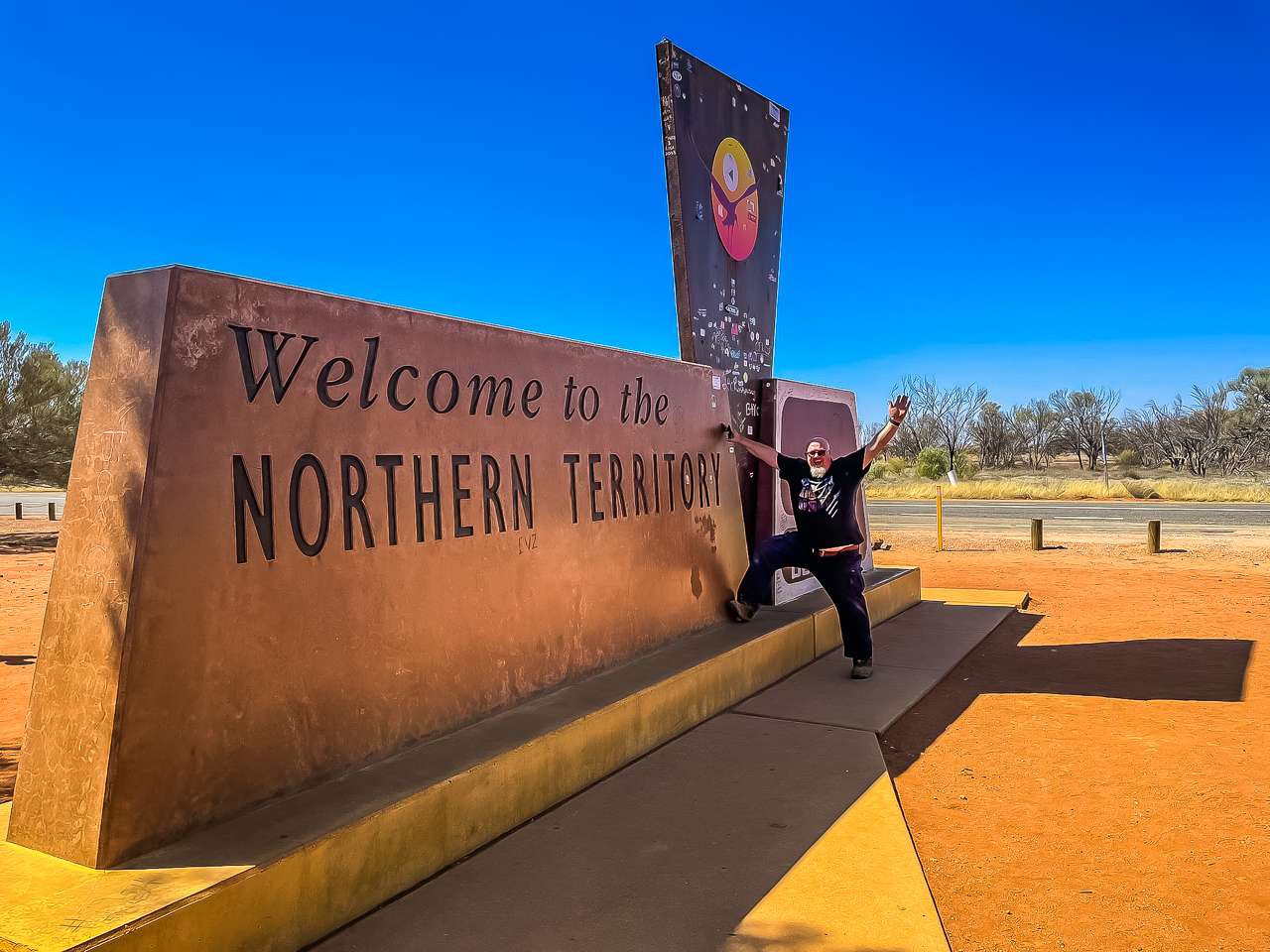
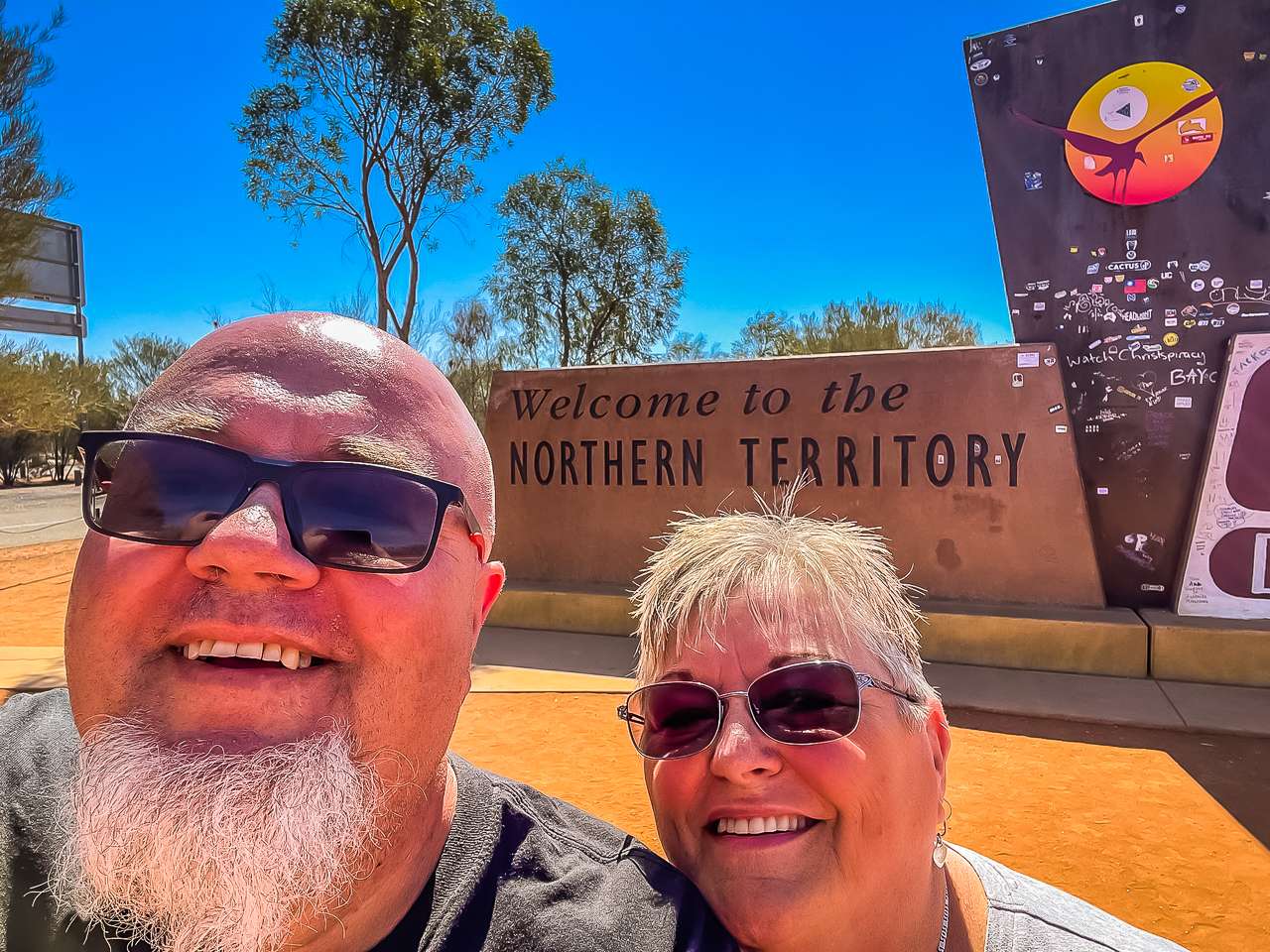
4. Take a Photo at the Northern Territory Border

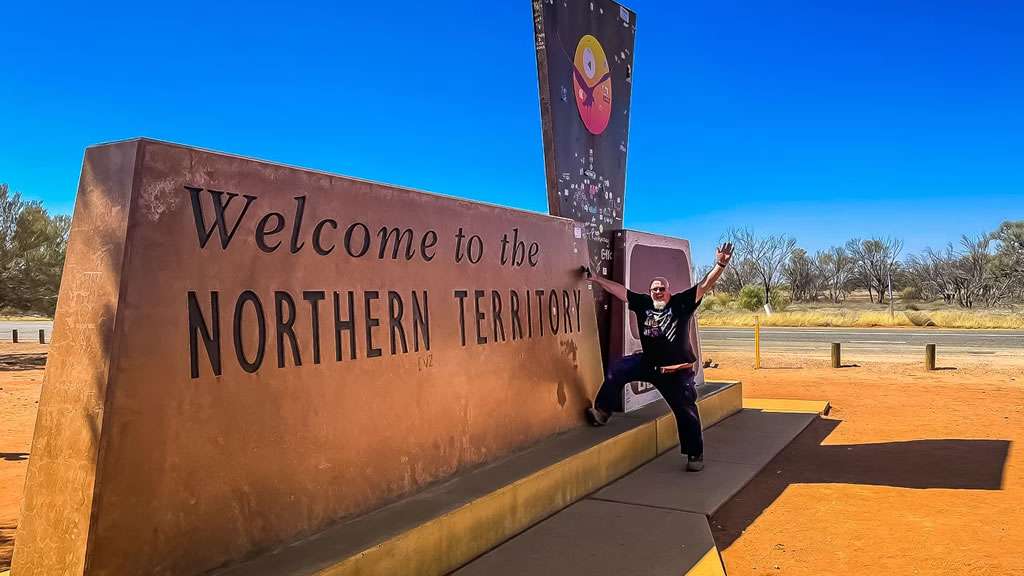
You’ll cross from South Australia into the Northern Territory, and there’s a big sign marking the border. It’s a must-do for a quick photo to remember your outback adventure.

5. Relax at Desert Oaks Rest Stop

Just before you reach Erldunda you’ll notice a rest area surrounded by tall desert oaks. These iconic trees make for a perfect spot to take a break, have a picnic and enjoy the shade.

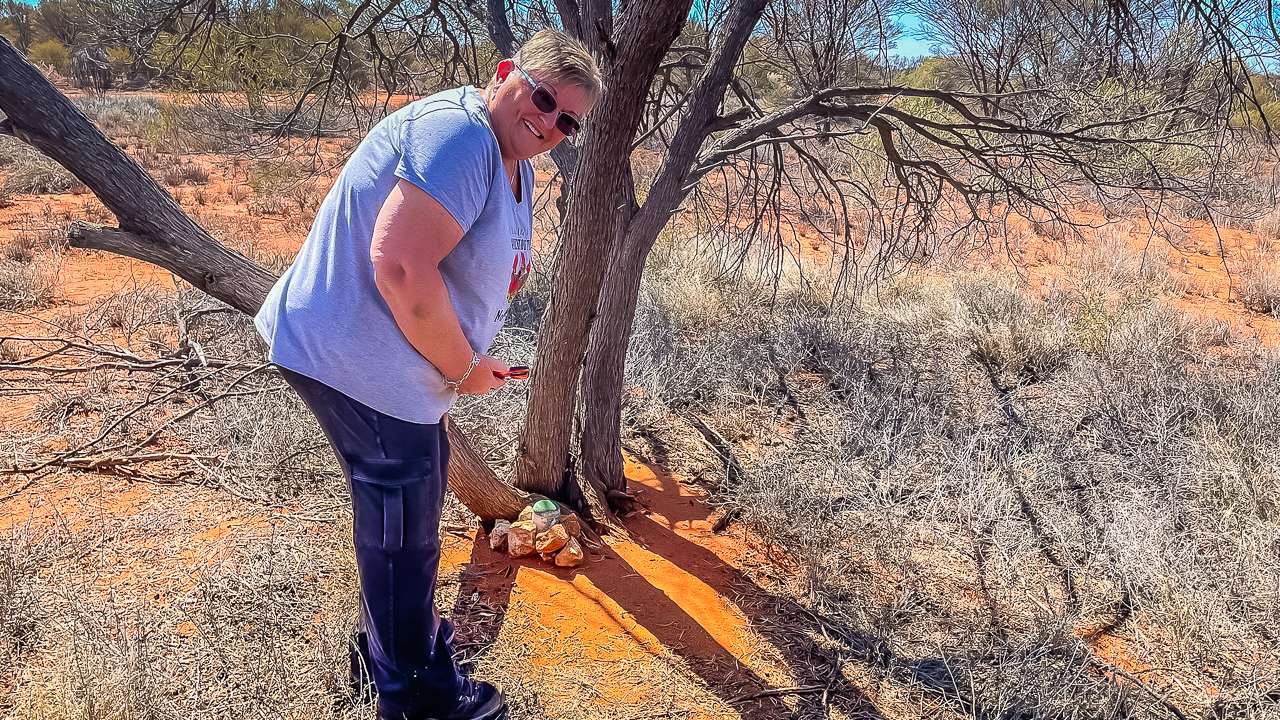
6. Geocaching

if you’re into geocaching as we are then you will find quite a few of them on the Stuart Highway along the stretch between Marla and Alice Springs. Here’s your chance to pick up a few that not a lot of people have!
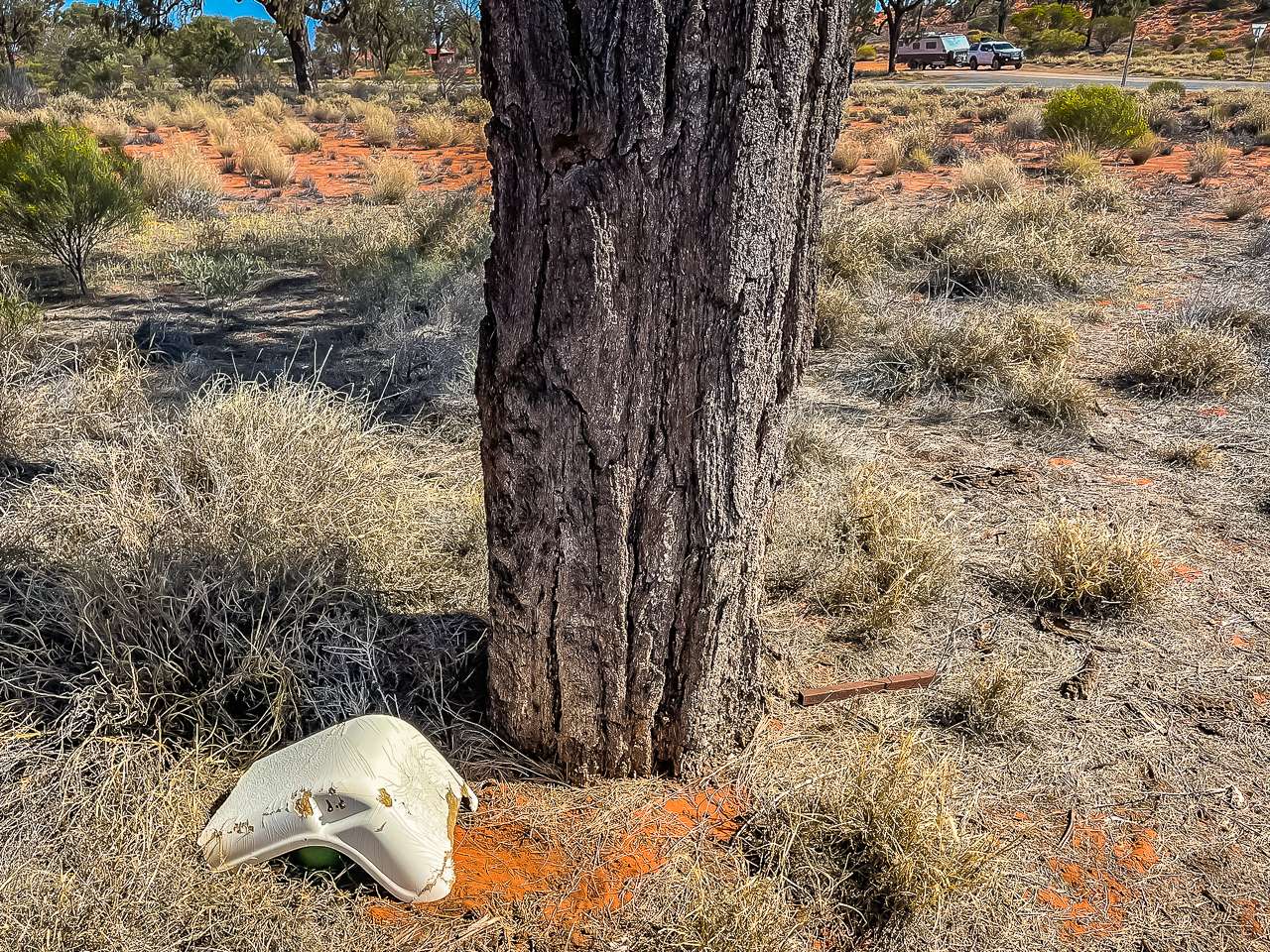
Geocache Found Across The Road From The Pines Rest Area On The Stuart Highway

Geocache Found Across The Road From The Pines Rest Area On The Stuart Highway

Road Conditions – Marla To Alice Springs

The Stuart Highway is sealed (paved) all the way, so you won’t need a 4WD for this trip. However it’s still important to be prepared:

  • Long straight roads: The highway is mostly straight, with long stretches of road. It can get monotonous, so take breaks and keep hydrated.
  • Wildlife: Kangaroos and emus can pop up unexpectedly especially early morning or around dusk. Keep an eye out and don’t drive too fast when it’s dark.
  • Road trains: These huge trucks can be intimidating. If you’re overtaking, make sure you have plenty of room.
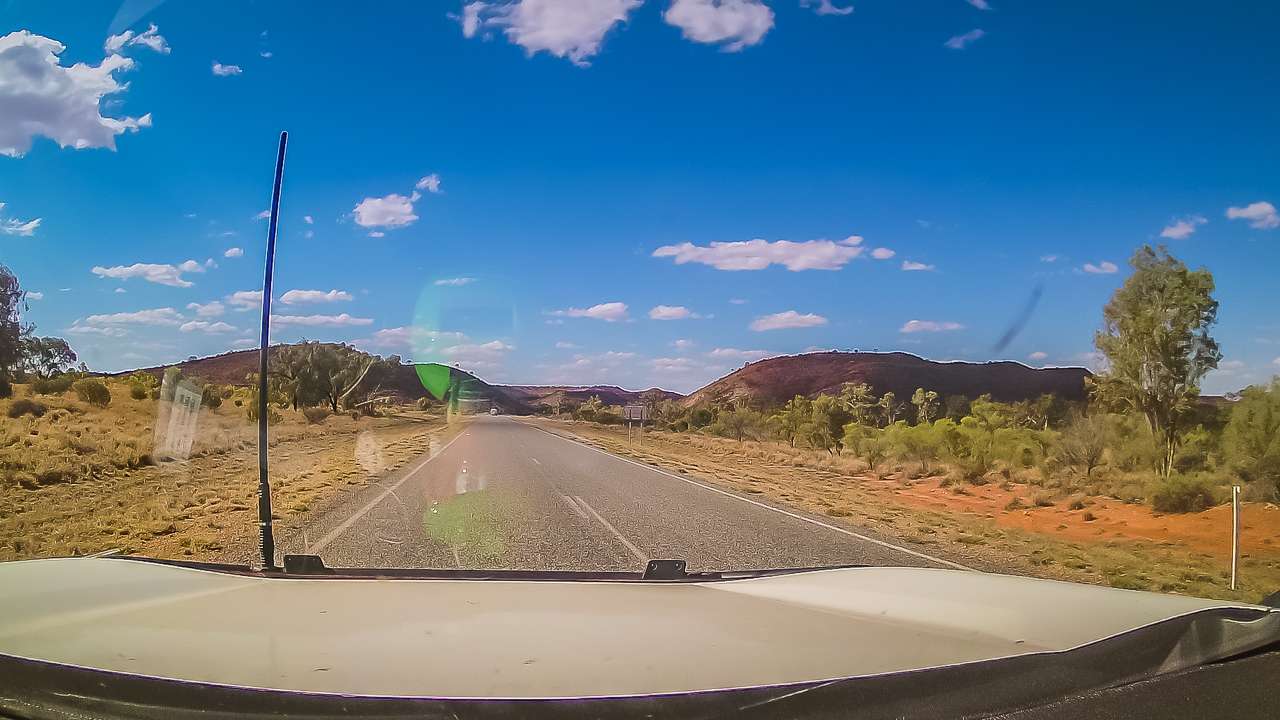
Stuart Highway Between Marla And Alice Springs
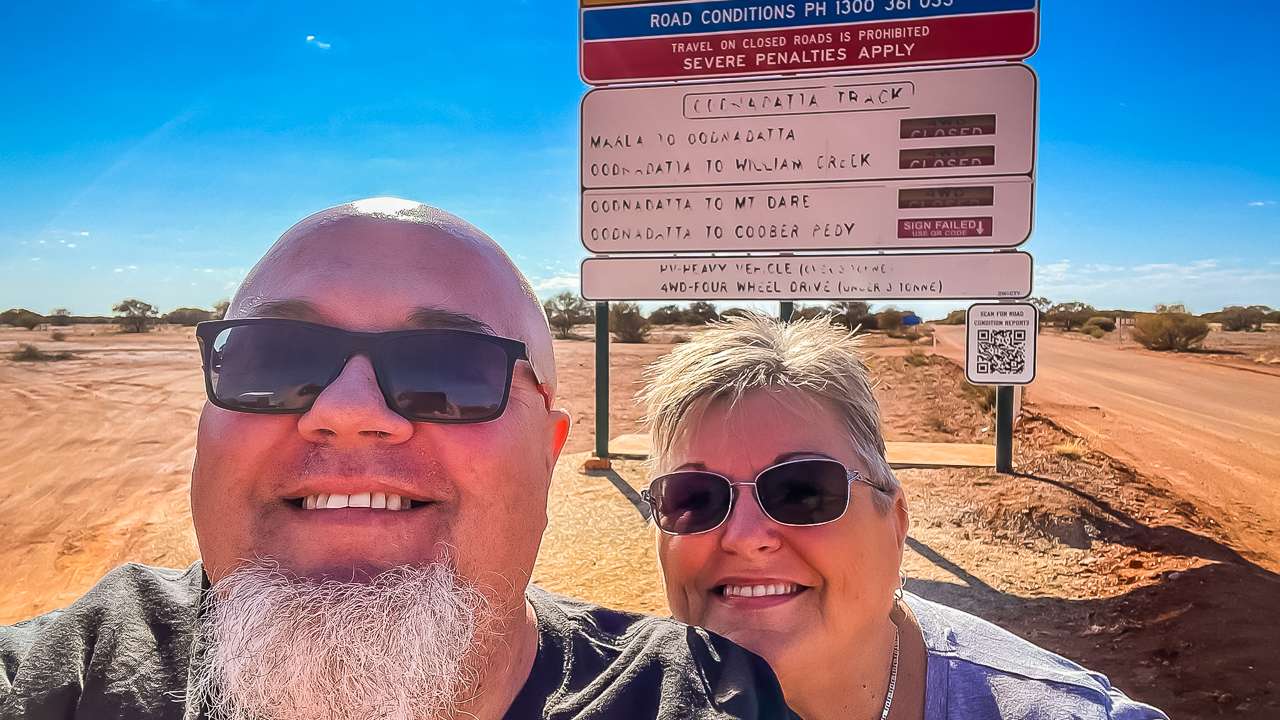
Stuart Highway Between Marla And Alice Springs

Final Tips

  • Pack Water and Snacks: It’s a long drive with limited stops, so make sure you have plenty of supplies.
  • Watch for Road Trains: These huge trucks can be tricky to overtake so take your time and only pass when it’s safe. Have your UHF radio turned on and listen for information from the pilot vehicles.
  • Fuel Up When You Can: Always top up your tank at each roadhouse as fuel stops are few and far between. And you never know if the next roadhouse has just run out of fuel.

Driving from Marla to Alice Springs is more than just a trip—it’s an outback experience. Take your time, soak in the wide-open spaces, and enjoy the unique stops along the way. Safe travels, mate!

Final Thoughts

Driving from Marla to Alice Springs is a fantastic way to experience the Aussie outback. Make sure your car’s in good nick, bring plenty of water and enjoy the rugged beauty of the desert. Remember to take it slow and enjoy the journey after all you’re in the heart of Australia!

Driving From Marla To Alice Springs Photo Gallery
Coongra Creek Camping At Todmorden On The Oodnadatta Track

Coongra Creek Camping At Todmorden On The Oodnadatta Track

Coongra Creek Camping At Todmorden On The Oodnadatta Track

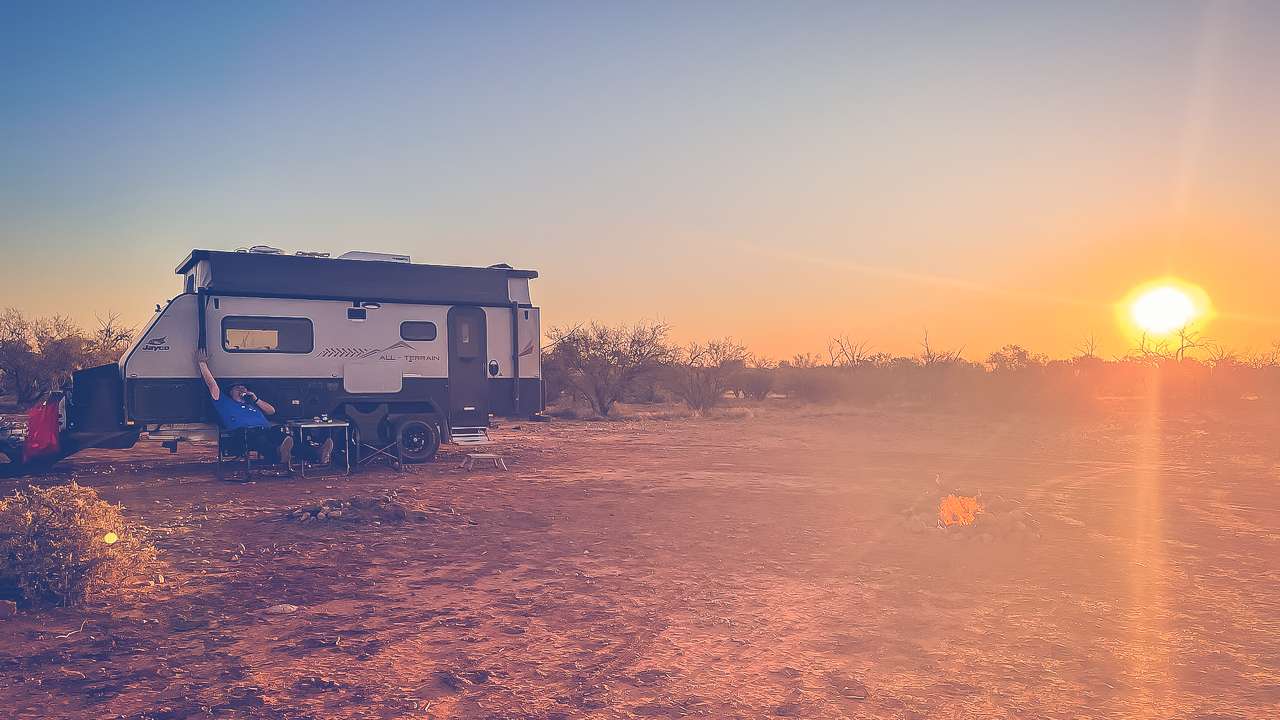
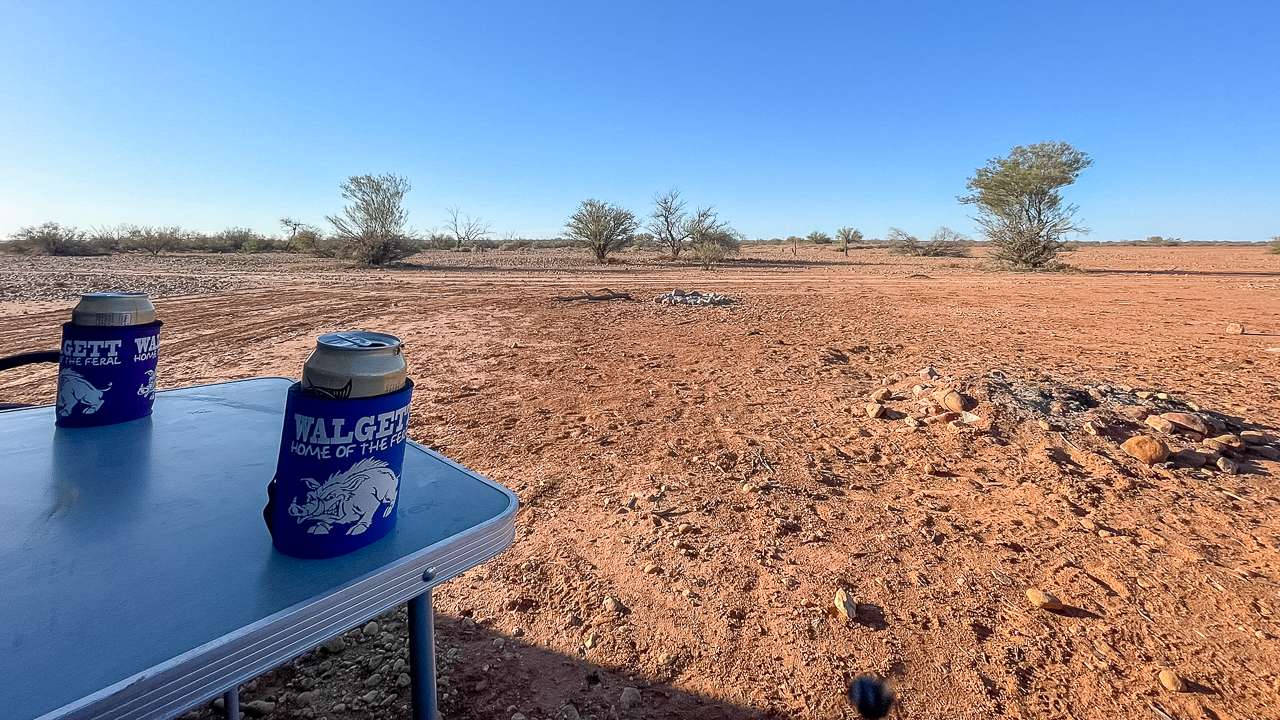
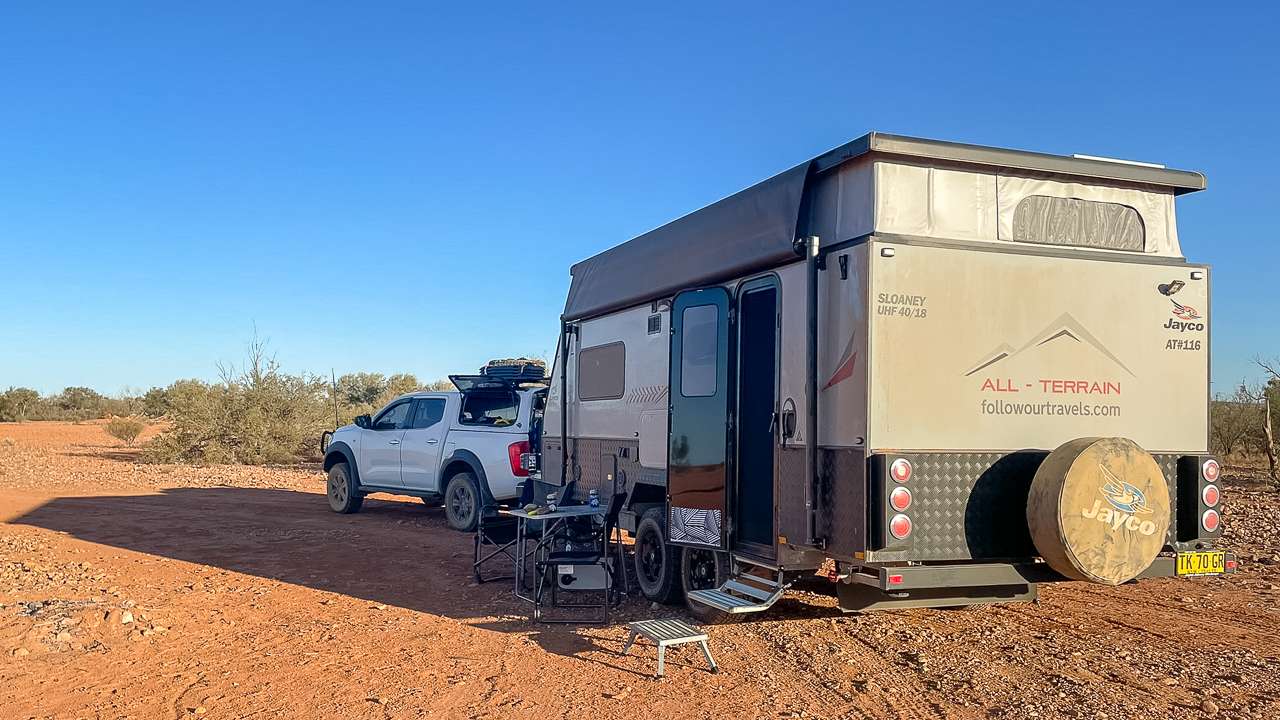
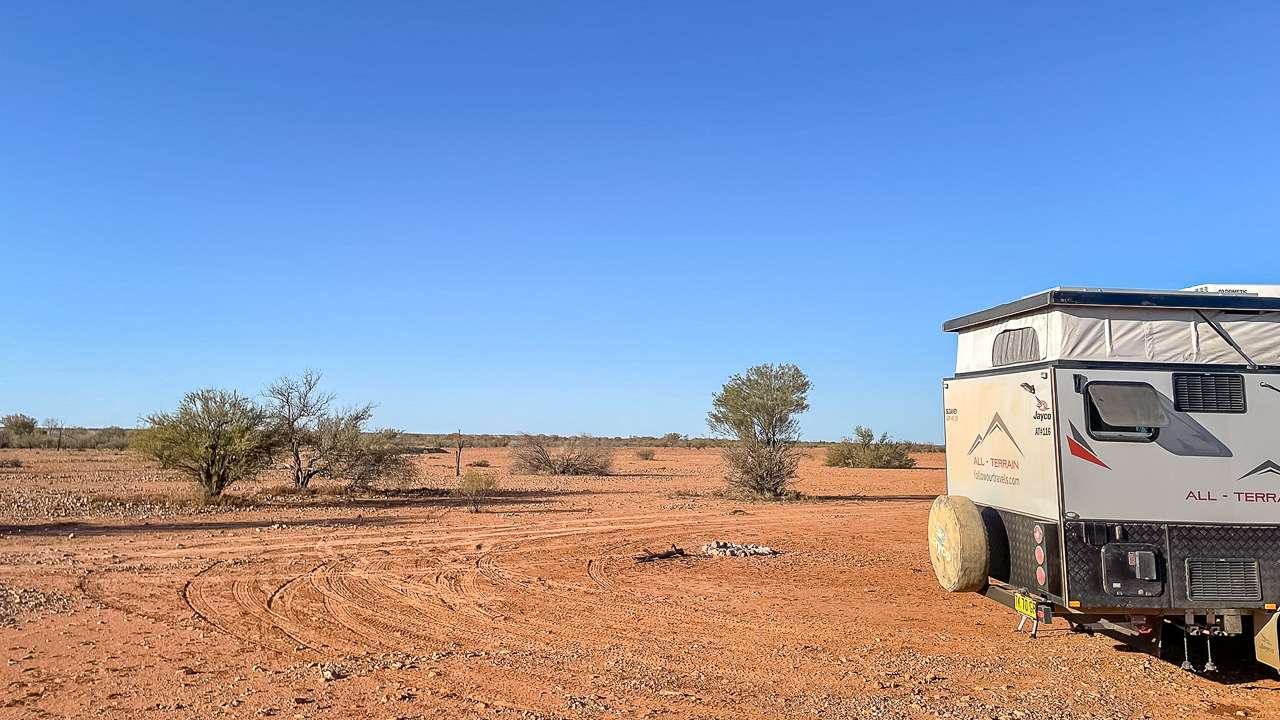
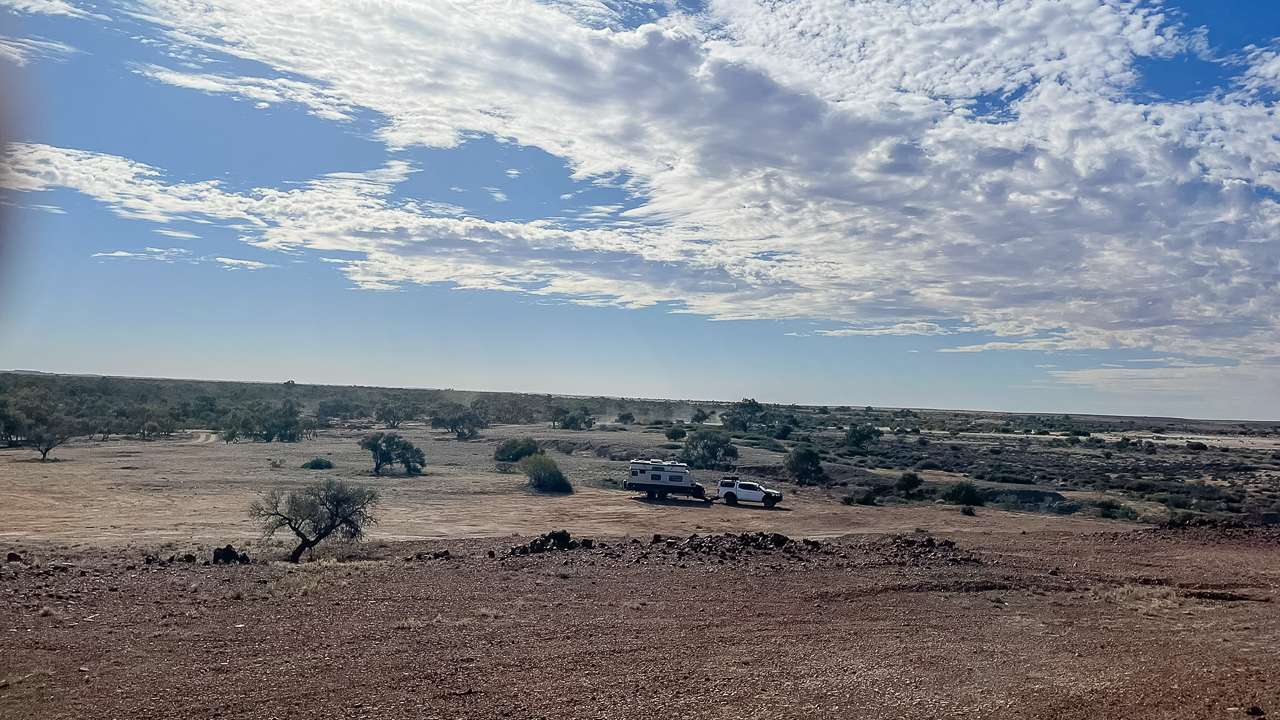
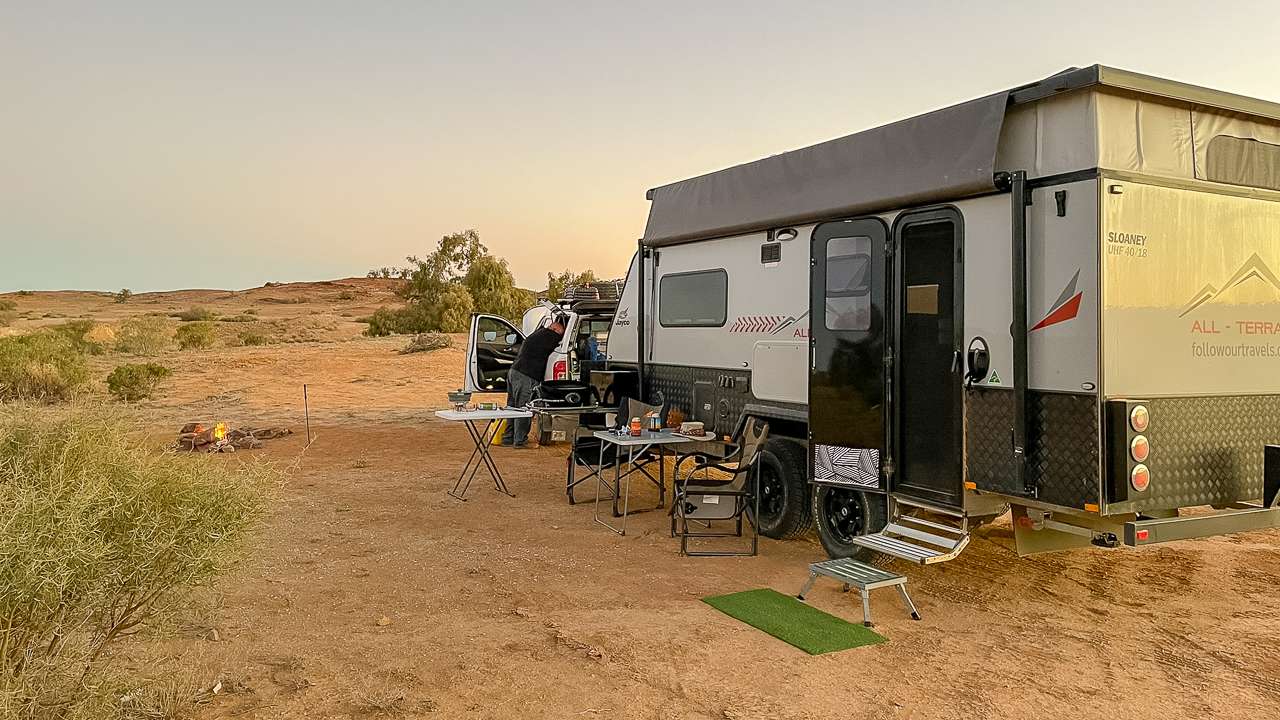
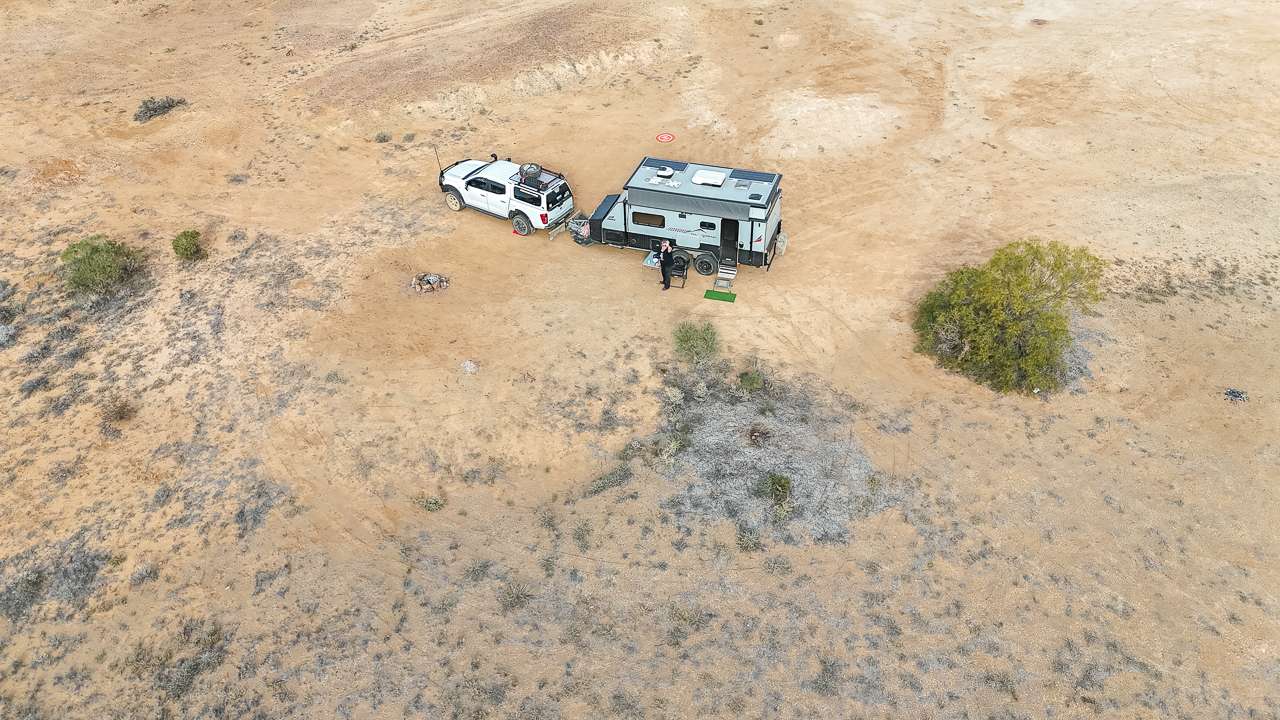
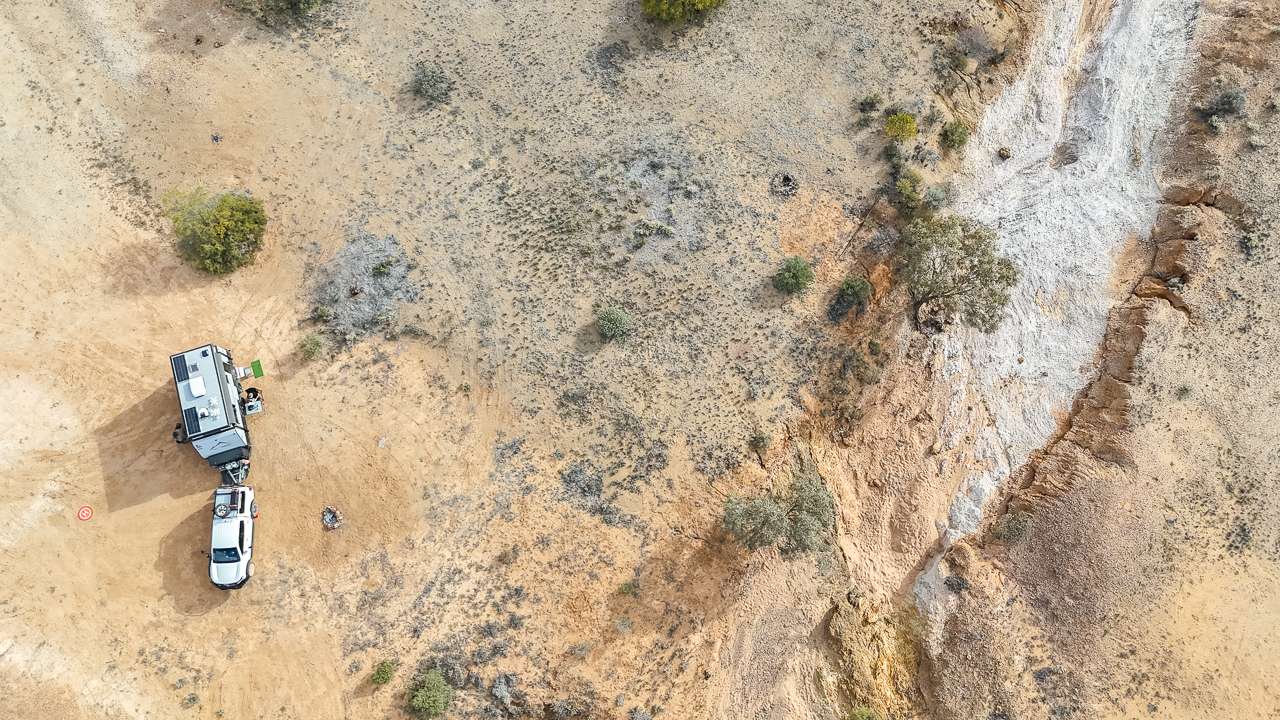
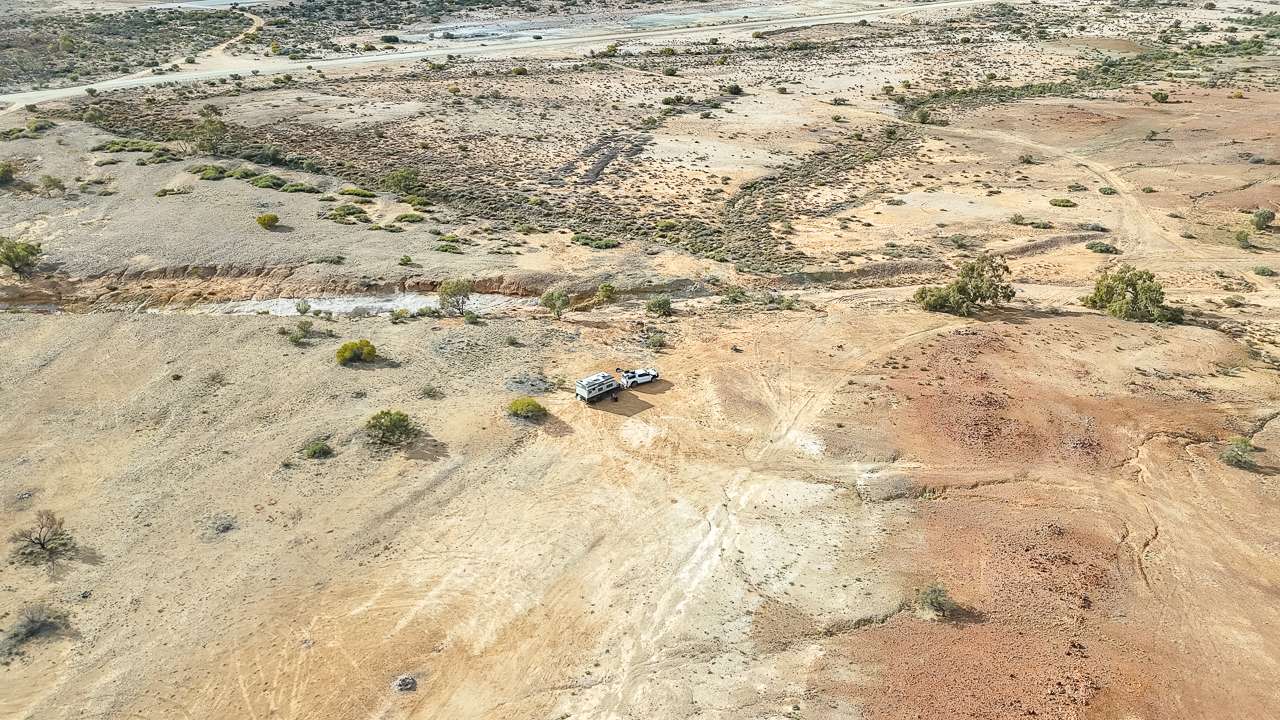
Coongra Creek at Todmorden isn’t a well known spot for camping on the Oodnadatta Track but it bloody well should be! Add it to your list of must camp at places on the Oodnadatta Track. WikiCamps has it listed as being the area on the left when travelling towards Marla however we followed some tracks to the right and camped on that side. The ground on the left was still very wet, my boots sunk into it a bit when walking in to check so no way I was going to drive in. I’m happy that we did go to the right as it was one of the better remote area camp sites we’ve been lucky enough to spend a night at. Absolutely awesome.

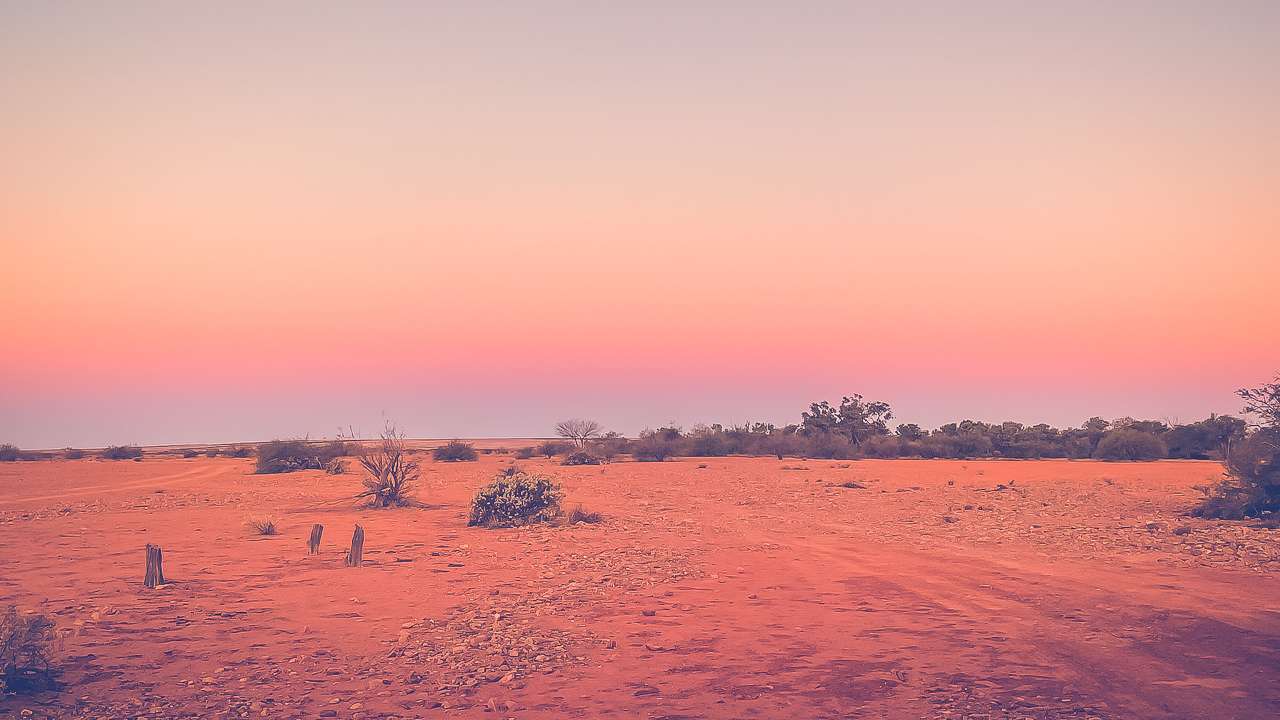
There’s nothing there except wide open spaces and amazing views. There was nobody camped where we were or on the other side of the Oodnadatta Track the night we were there so it was completely silent. Basically zero road noise or traffic after the sun went down. I can’t recommend camping at Coongra Creek highly enough. The campsite at Coongra Creek is only a bit over a 100 kilometres away from Marla making it a great place to spend either your first or last night while on the Oodnadatta Track.

Coongra Creek Location And Information

Cost: Free
Type: Free Camping / Bush Camping
GPS Location: -27.177435°, 134.320392°
Distance From Marree: 534km
Distance From Oodnadatta: 129km
Distance From Marla: 125km

Free Camping On The Oodnadatta Track

Free Camping On The Oodnadatta Track

The Day We Camped At Coongra Creek

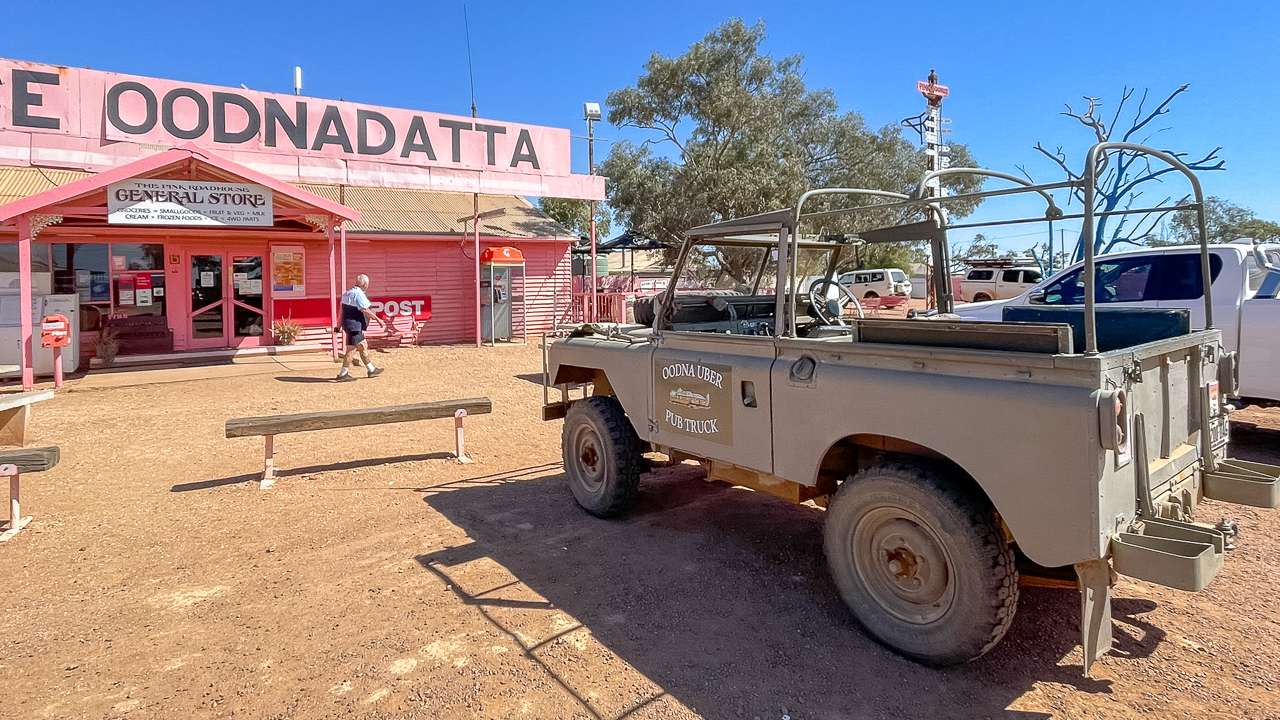
We left camp at Algebuckina Bridge and drove through to Oodnadatta. We had something to eat at the Pink Roadhouse like we always do. I had another “Oodna Burger” and it was again very very nice. I’m a big fan of a hamburger and again this time it didn’t disappoint. Amanda grabbed a few souvenirs from the shop, another number plate to add to my growing collection on the back wall in the BBQ area at home plus a t-shirt for the grand-daughter. We then went for a walk around town and found a couple of geocaches. We called into the Oodnadatta Hotel for a beer, it would be rude not to wouldn’t it!

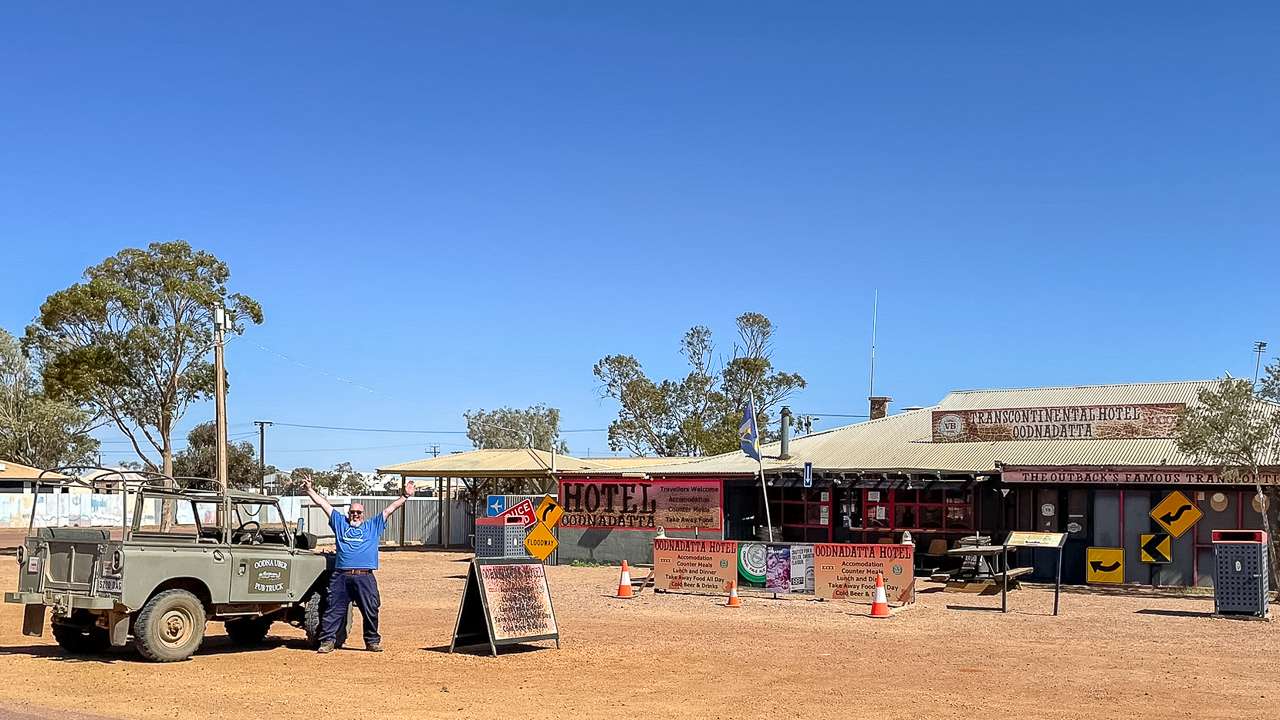
Transconinental Hotel Oodnadatta

Transconinental Hotel Oodnadatta

Then it was back on the road for the run through to Coongra Creek. This part of the Oodnadatta Track was pretty good with a few corrugated stretches but nowhere near as bad as the part from Maree to William Creek we had travelled in the previous days. What was interesting was that there were three bulldust holes across the track. One must have been there for a while as people had made a well defined and very well used side track around it. I thought it was unusual because in the three previous times we’d driven the track we’d not encountered bulldust.

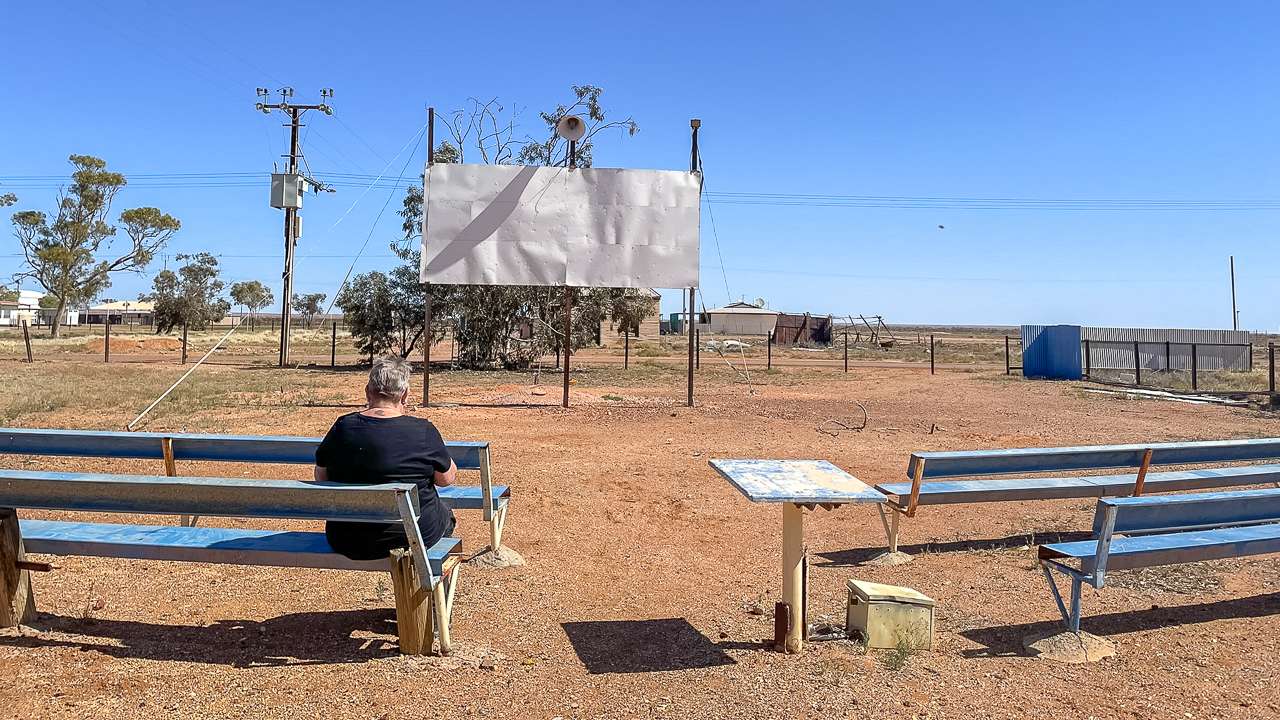
Ooodnadatta Outdoor Cinema We Found A Geocache Here

Ooodnadatta Outdoor Cinema We Found A Geocache Here

Location And Access

Coongra Creek is located along the Oodnadatta Track, a famous unsealed road that stretches through the vast South Australian outback. The creek provides a natural stopping point for travellers, offering a quiet and beautiful setting surrounded by rugged landscapes.

What To Expect When Coongra Creek Camp Near Marla On The Oodnadatta Track

The camping area at Coongra Creek is basic but ideal for those looking to connect with nature. There are no formal facilities, so campers should be prepared for a self-sufficient stay. However, the peaceful atmosphere and stunning views make it a great spot to rest and enjoy the natural beauty of the outback.

Things To Do

  • Birdwatching: Coongra Creek attracts various bird species making it a great place for birdwatchers.
  • Photography: The striking outback scenery provides excellent opportunities for photography especially at sunrise and sunset.
  • Star Gazing: The clear night skies offer some of the best stargazing experiences far from the lights of any town.

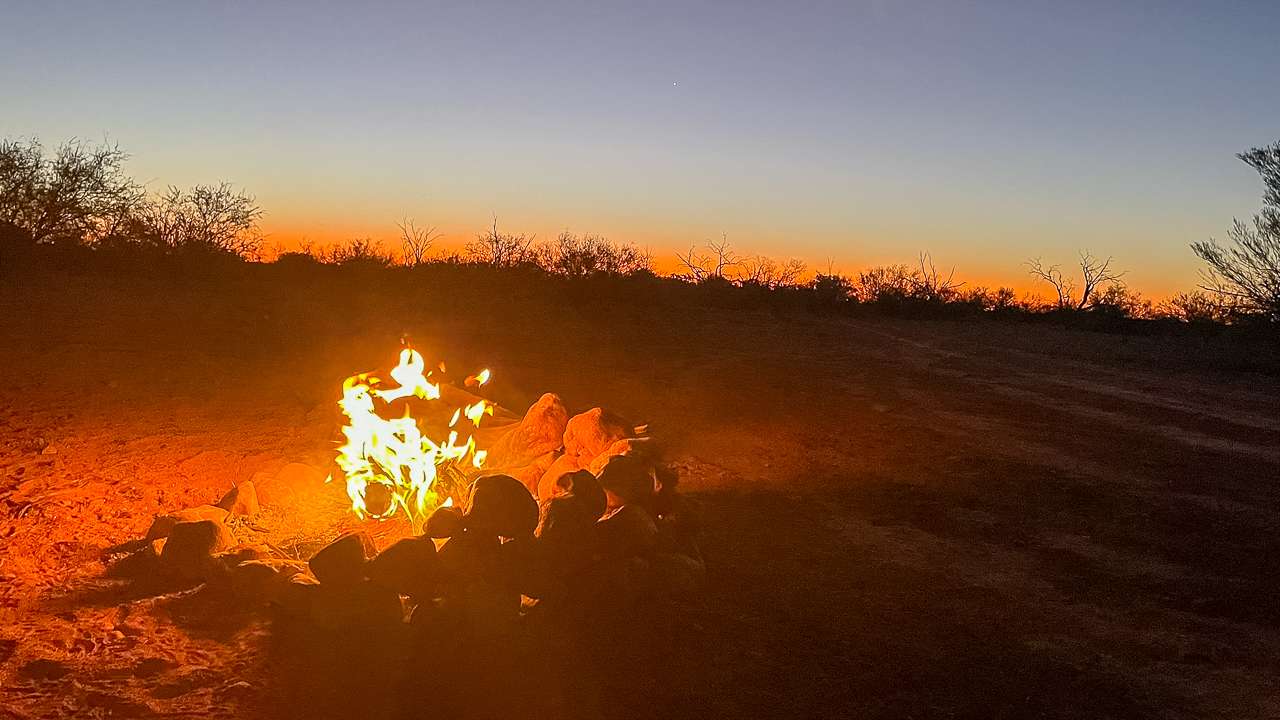
Campfire On The Oodnadatta Track

Campfire On The Oodnadatta Track

Tips For Camping

  • Come Prepared: Since there are no facilities, bring plenty of water, food, and camping gear.
  • Check Weather Conditions: The Oodnadatta Track can be badly affected by rain so it’s important to check conditions before heading out.
  • Respect the Environment: Leave no trace by taking all rubbish with you and respecting the natural environment.
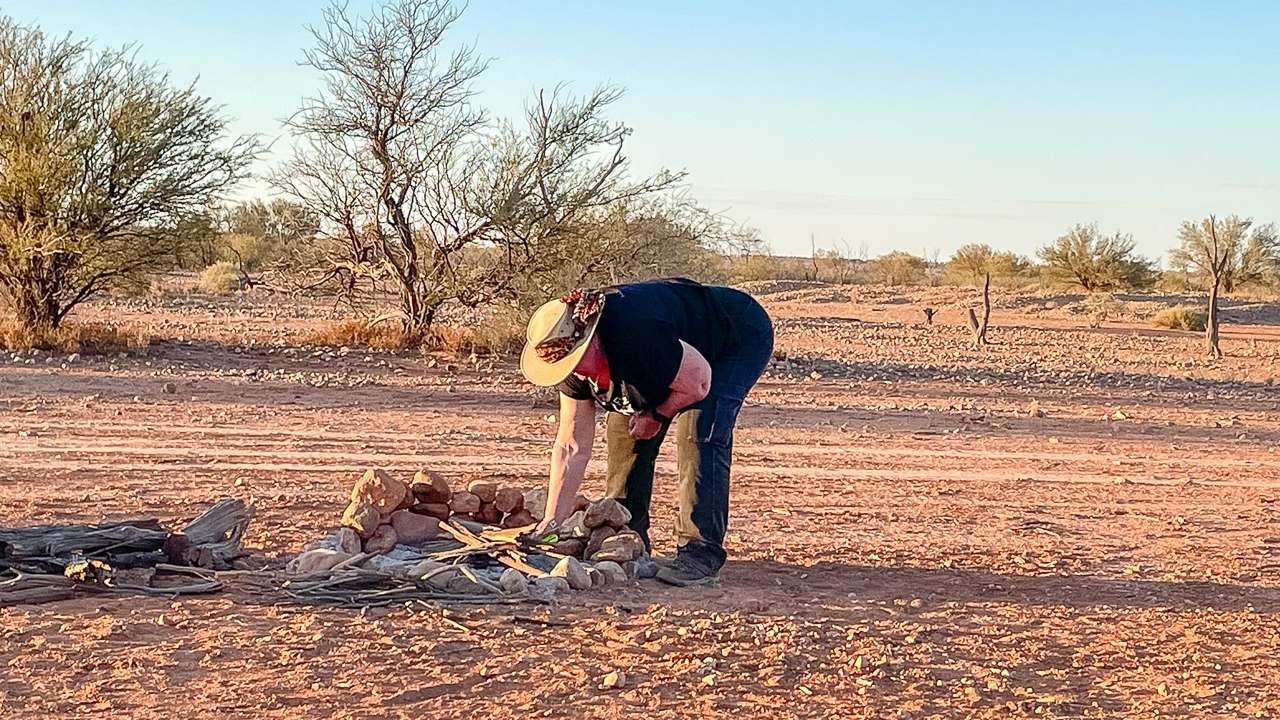
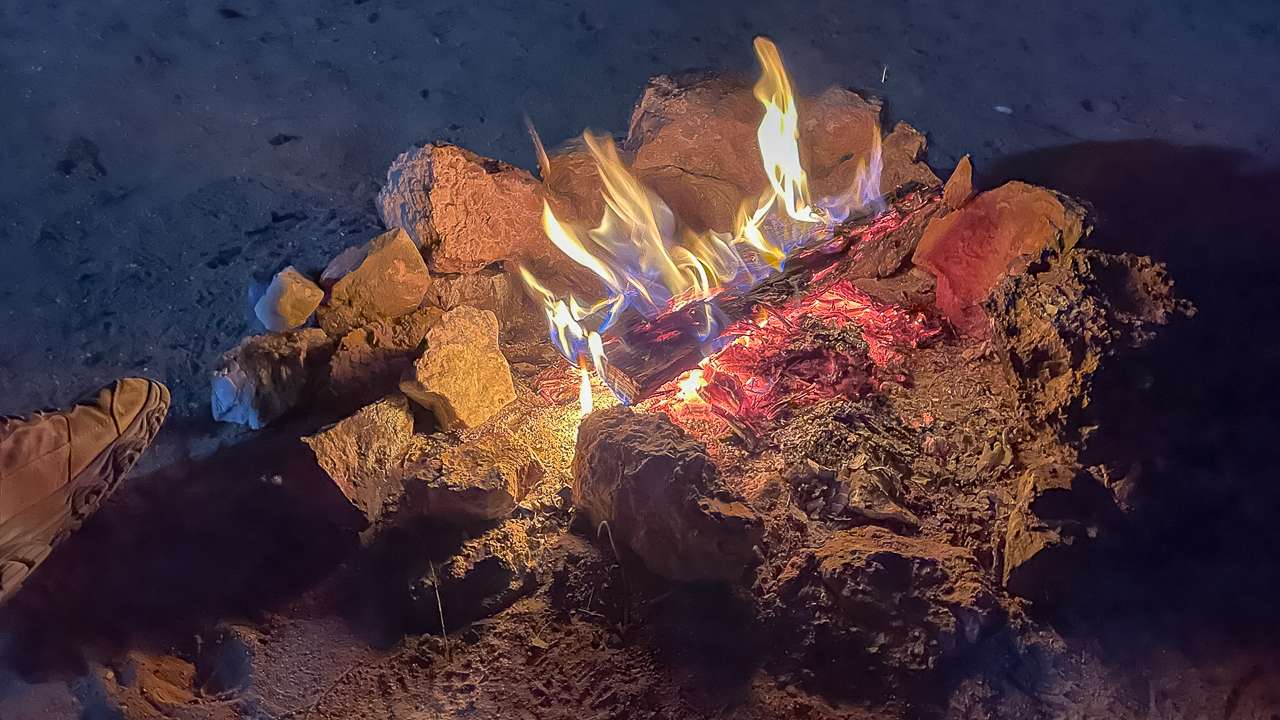
  • Campfires: If you have a campfire make sure it’s completely out before moving on. We follow the old thing I was told in the scouts as a young fella – “if you aren’t willing to put the palm of your hand on it face down for 10 seconds then it isn’t out”.
  • Firewood: There was pretty much zero firewood to scavenge. We found few bits of kindling and that was it. we used some of the wood we’d been carting around for a bout a week.

Conclusion

Camping at Coongra Creek is a serene and authentic outback experience, offering a perfect retreat into the Australian wilderness. Whether you’re just passing through or spending a night under the stars, this spot on the Oodnadatta Track is worth exploring.

Coongra Creek Camping At Todmorden On The Oodnadatta Track Photo Gallery

Algebuckina Bridge – Camping On The Oodnadatta Track

Algebuckina Bridge – Camping On The Oodnadatta Track

Algebuckina Bridge – Camping On The Oodnadatta Track

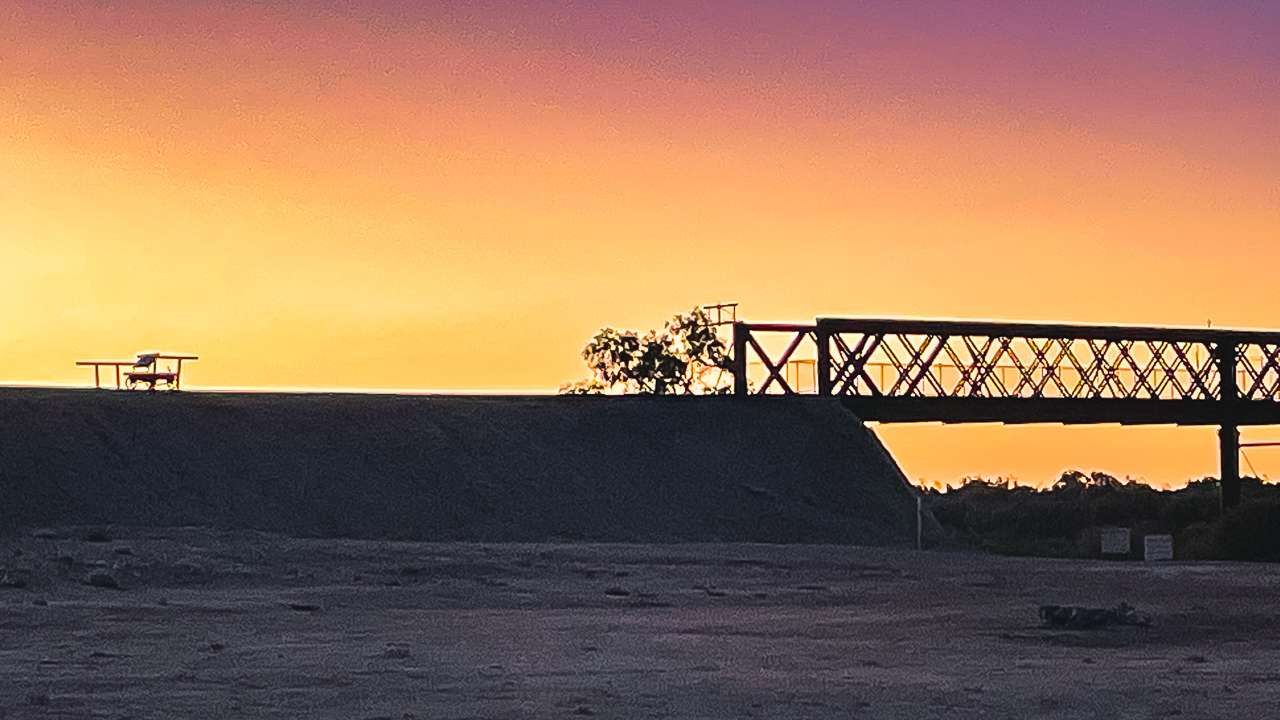
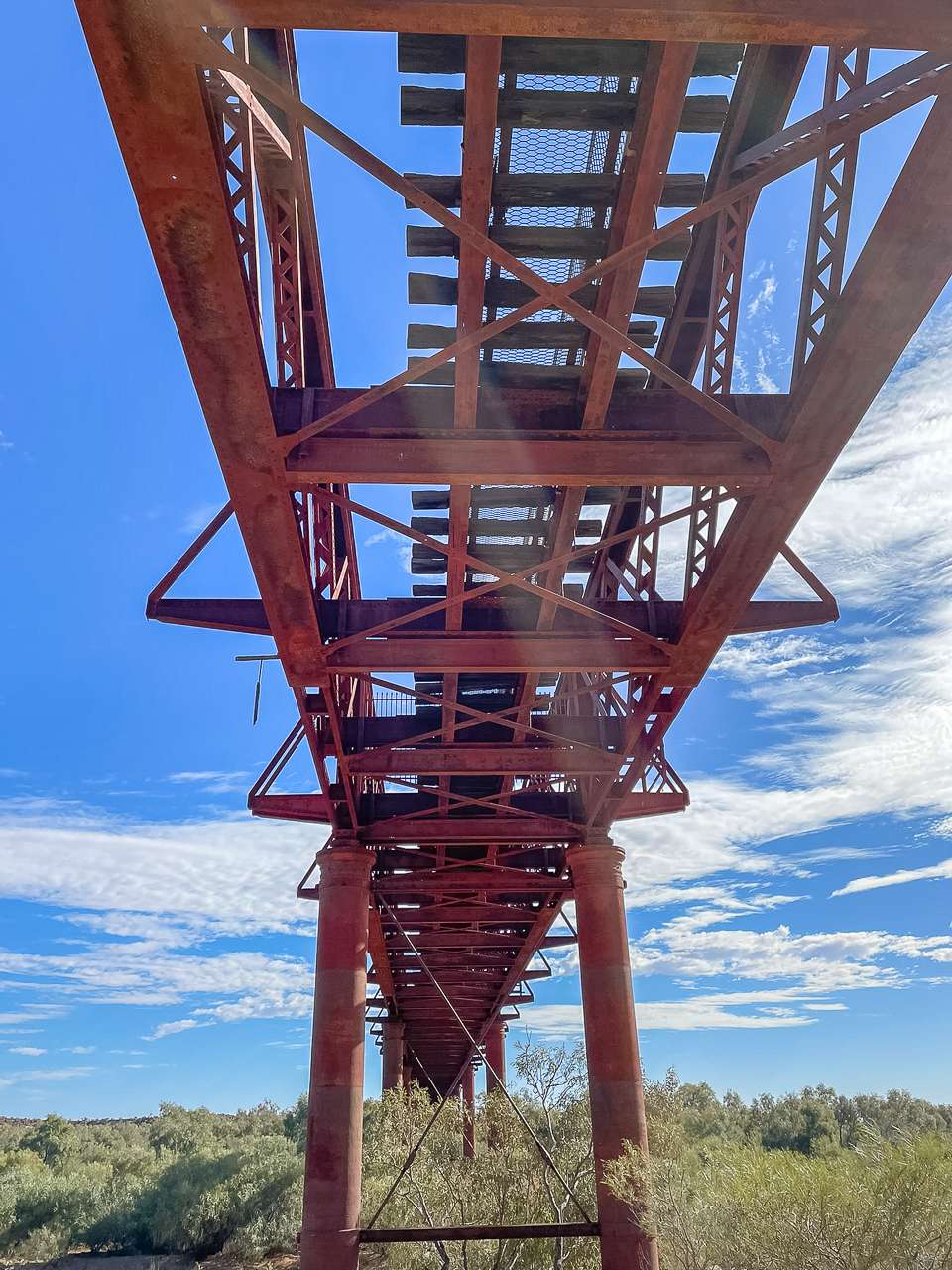
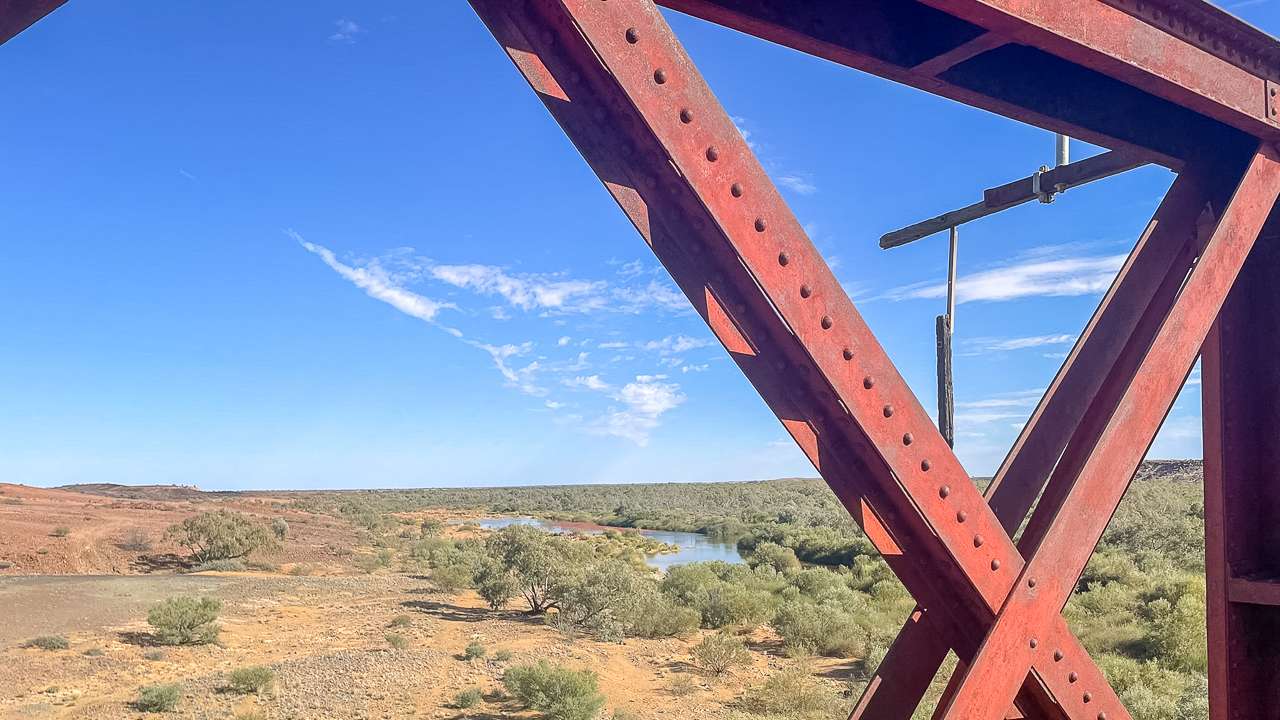
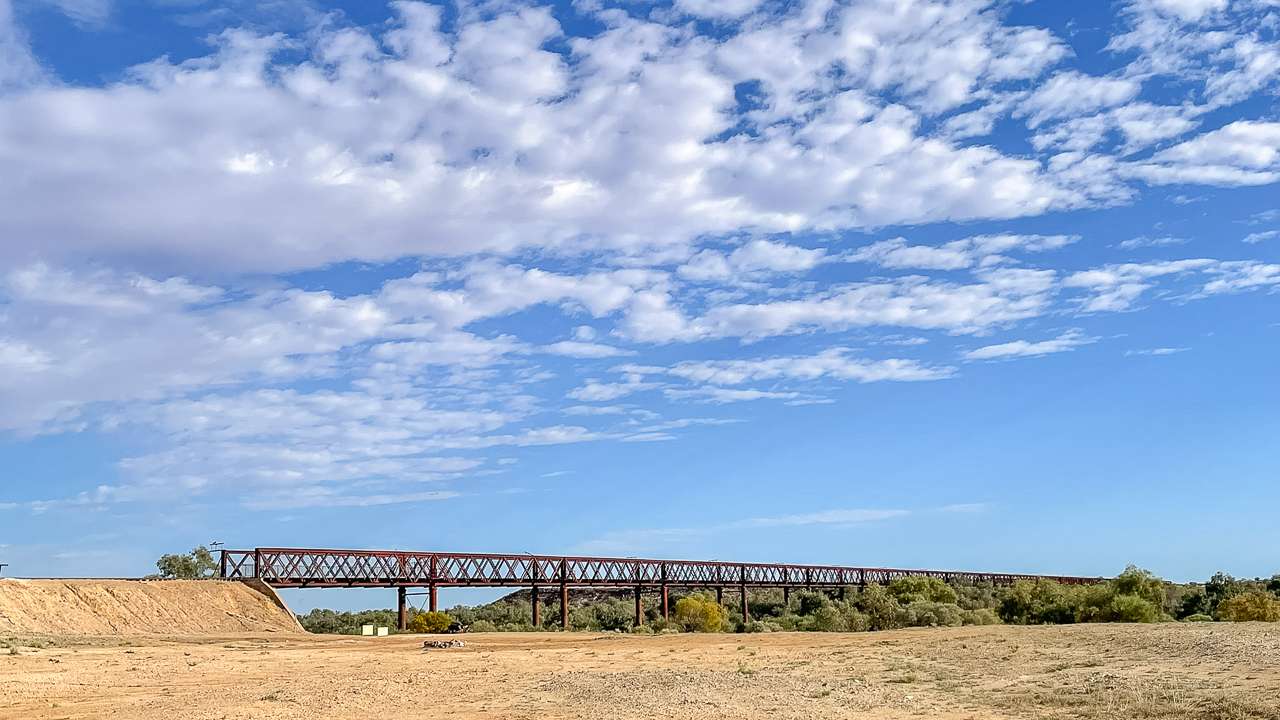
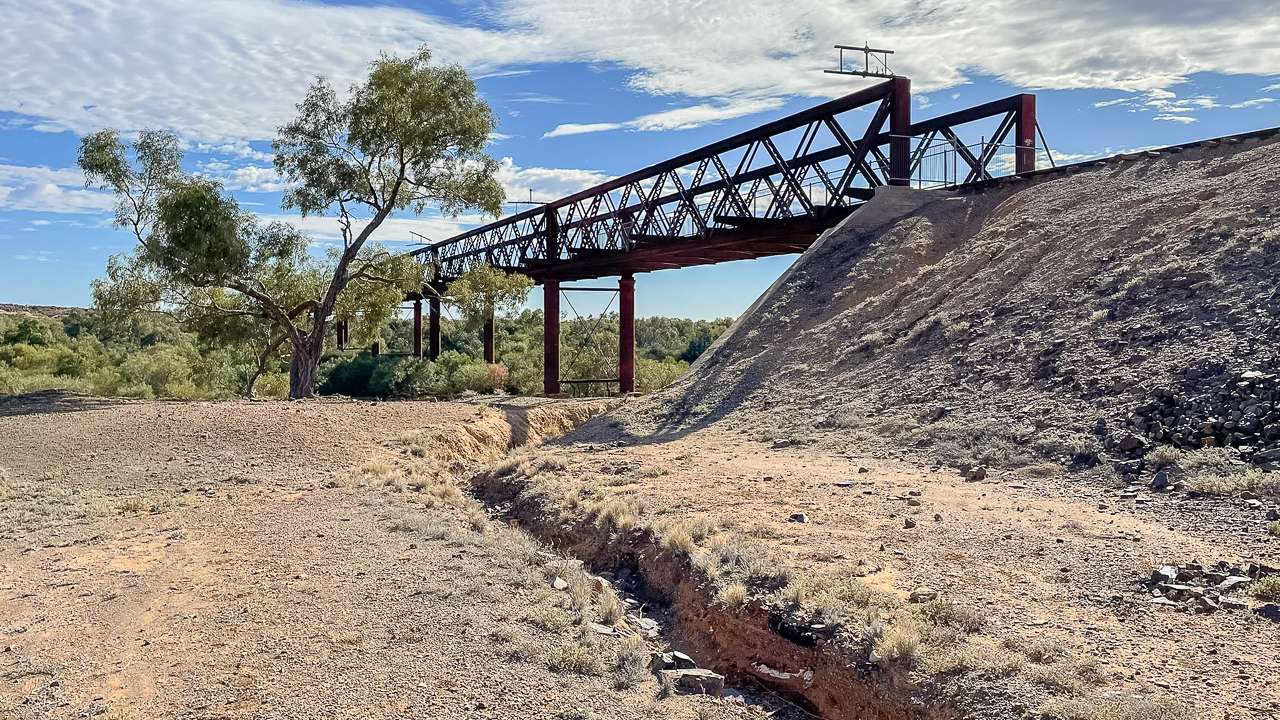
What you need to know about camping at Algebuckina Bridge on the Oodnadatta Track. South Australia’s longest railway bridge on the Old Ghan Railway. Algebuckina Bridge is a must-see destination for travelers along the Oodnadatta Track. The bridge is in the remote outback of South Australia, this historic site offers a unique camping experience in a rugged and scenic setting.

After leaving Curdimurka we travelled through to William Creek and had some lunch. William Creek was absolutely packed this trip as they had a gymkhana on so the lunch menu was limited to pies or sausage rolls. No problem for us and it was good to see the place so alive and full of people all having a great time.

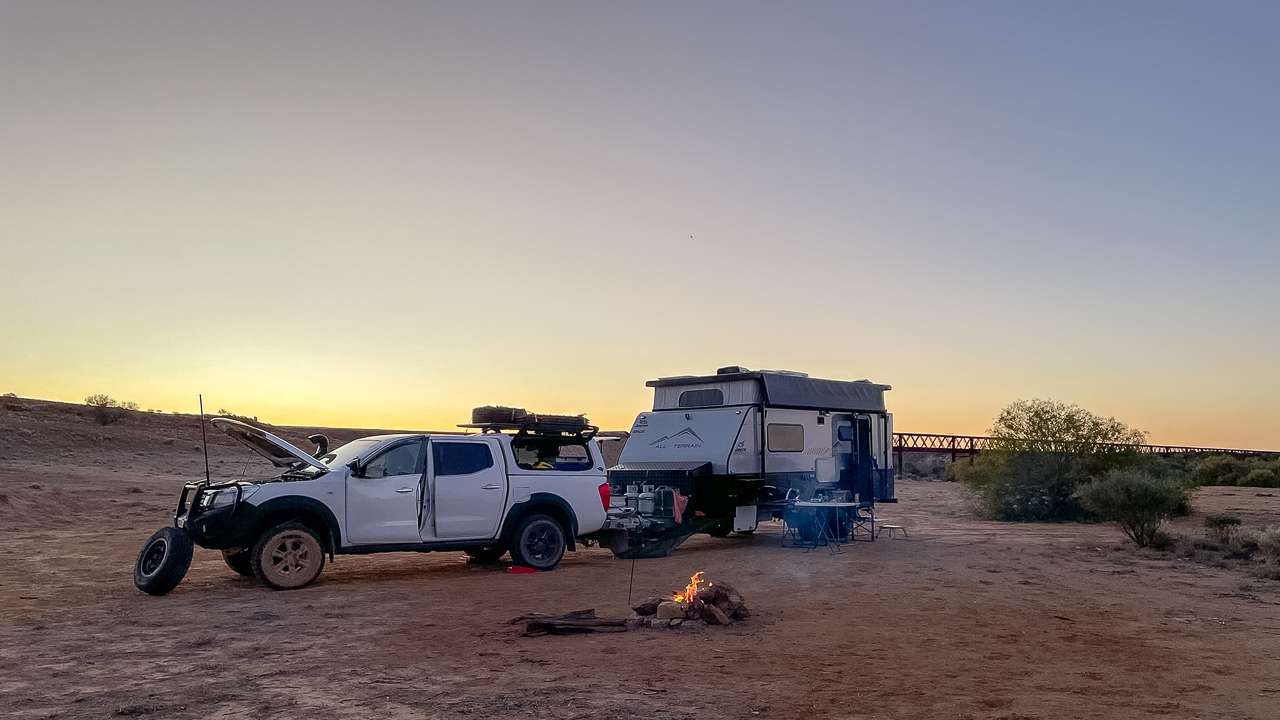
We drove through to Algebuckina with the intention of camping on the other side of the road to the bridge this time at the waterhole. When we got out to the waterhole it was quite crowded and all the good spots were taken so we headed back across the road to the Algebuckina Bridge campsite. We’ve camped there a few times before and it’s one of our all time favourite camps so it was no hardship missing out on camping at the waterhole. We’ll camp at the waterhole next time.

Fire Going While I Do A Tyre Repair

Fire Going While I Do A Tyre Repair

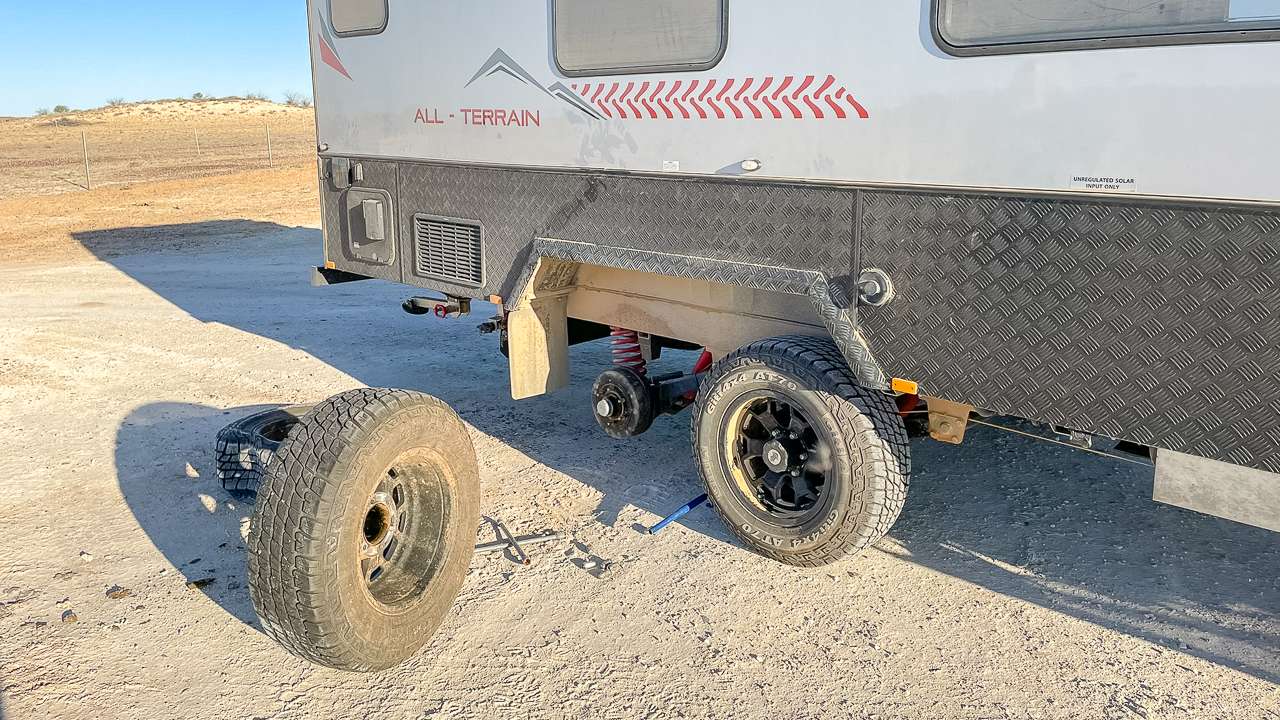
As an added bonus to missing out at the waterhole we picked up a flat tyre on the van on the track out so had to stop and change it. It was a little rock that I managed to remove and plug after we had set up camp at the bridge.

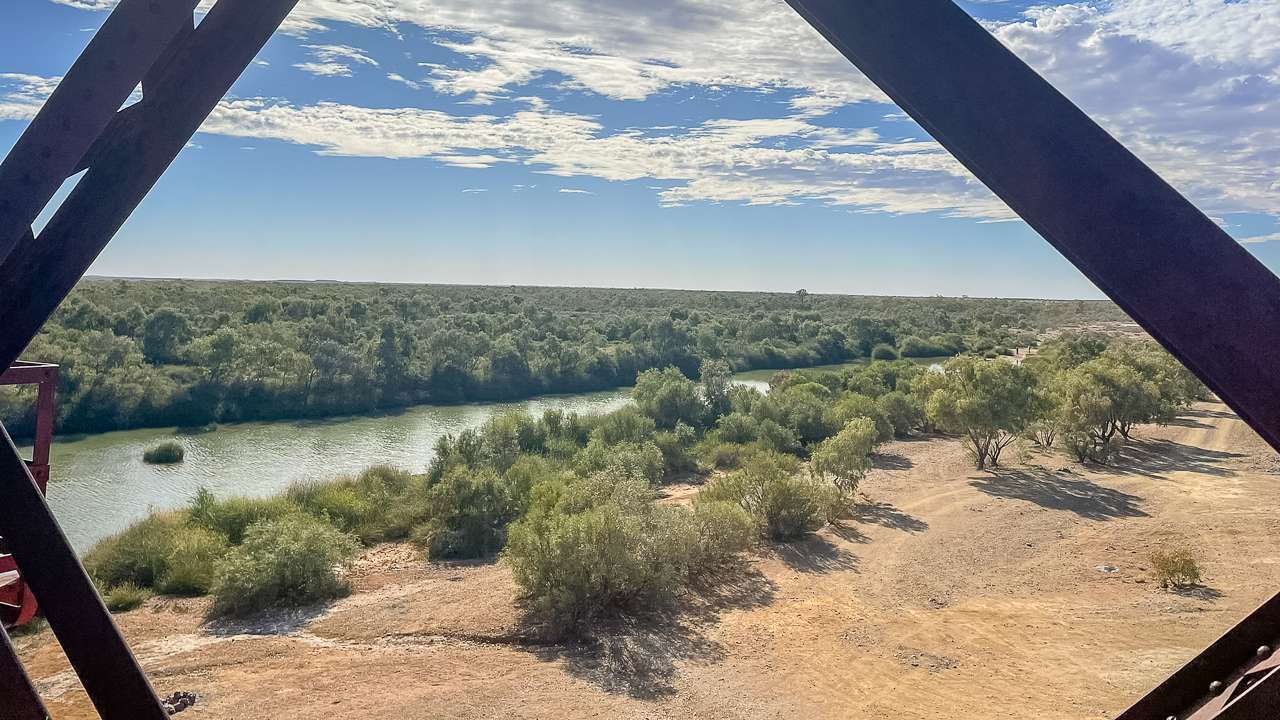
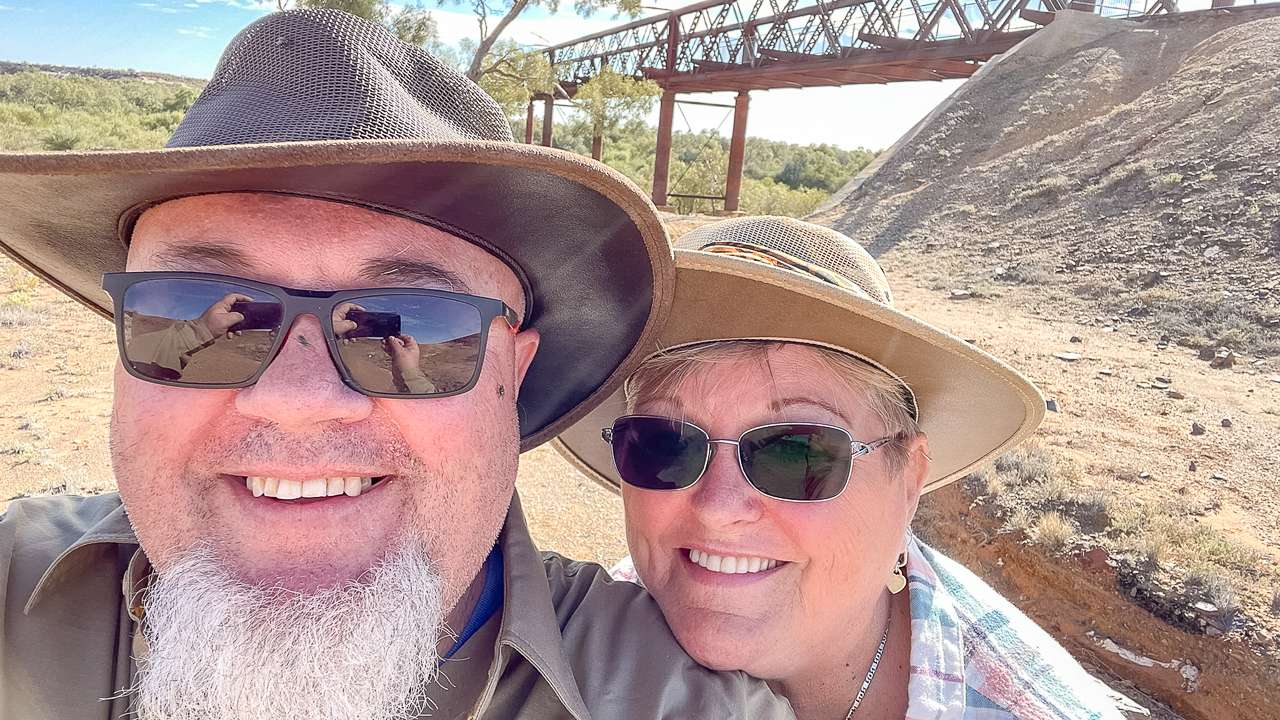
It was a great evening with a fire and a dark star filled sky. The following morning we went for a long walk around the place again and marvelled at just how awesome the bridge is. The river had a lot of water in it from recent rain so that was nice to see.

History Of The Algebuckina Bridge

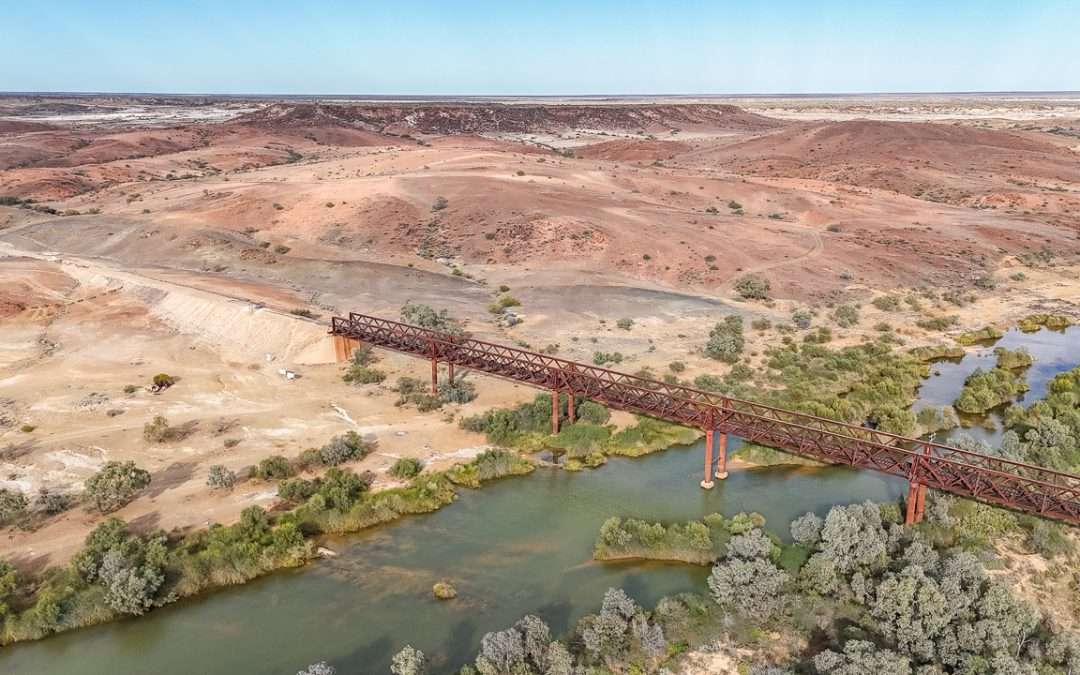
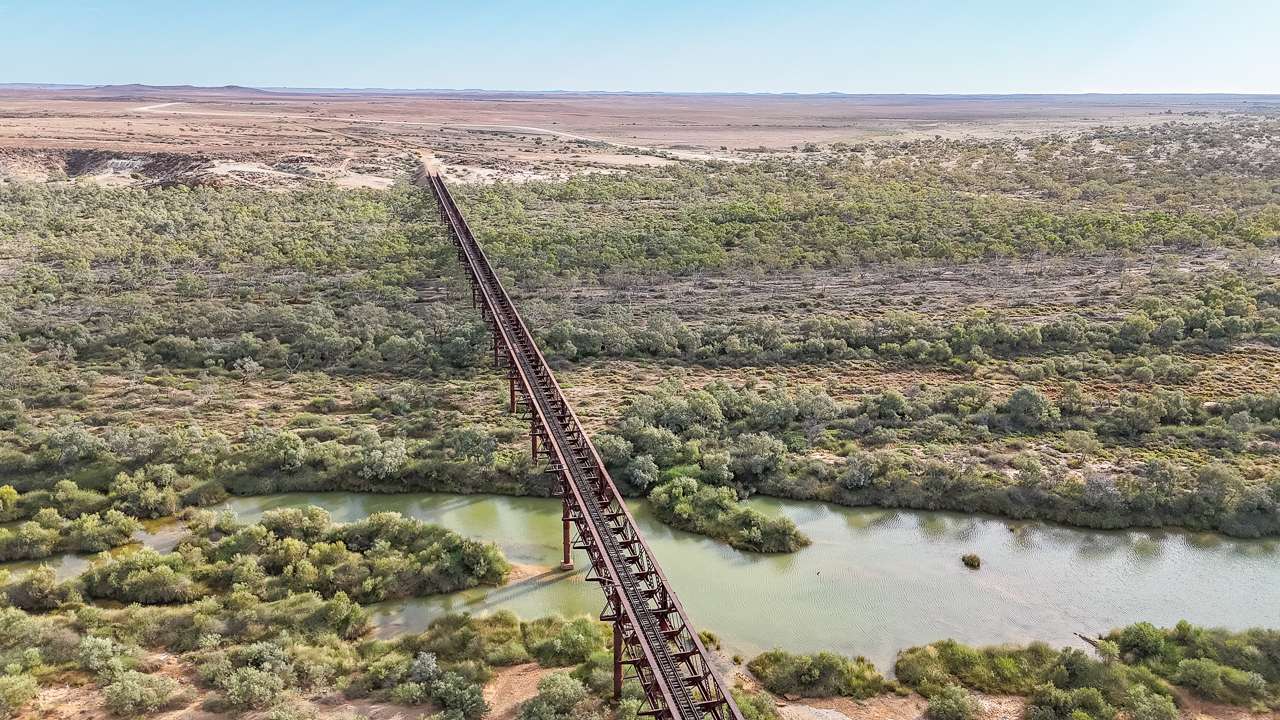
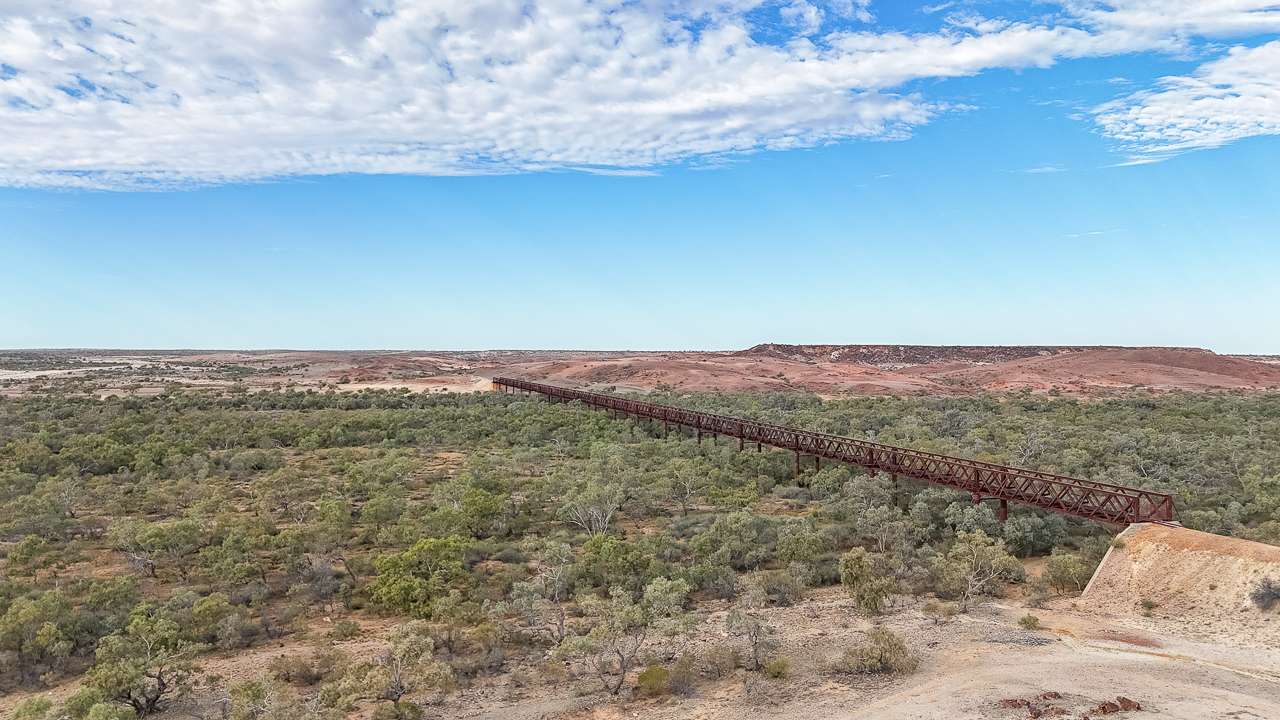
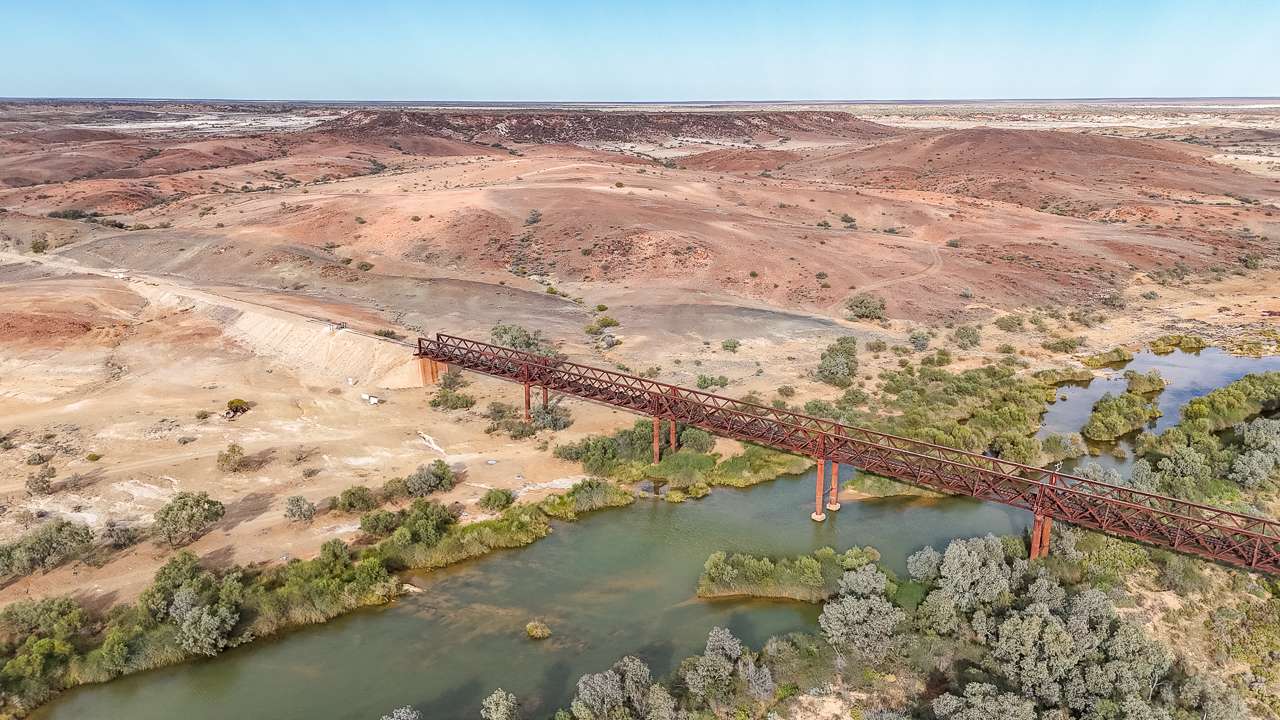
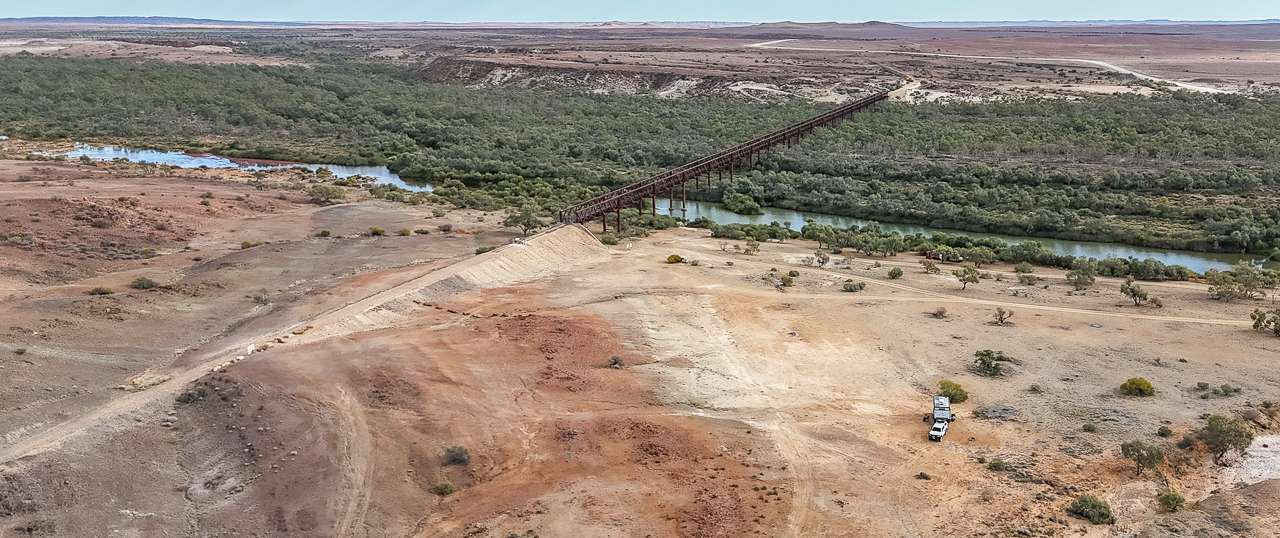
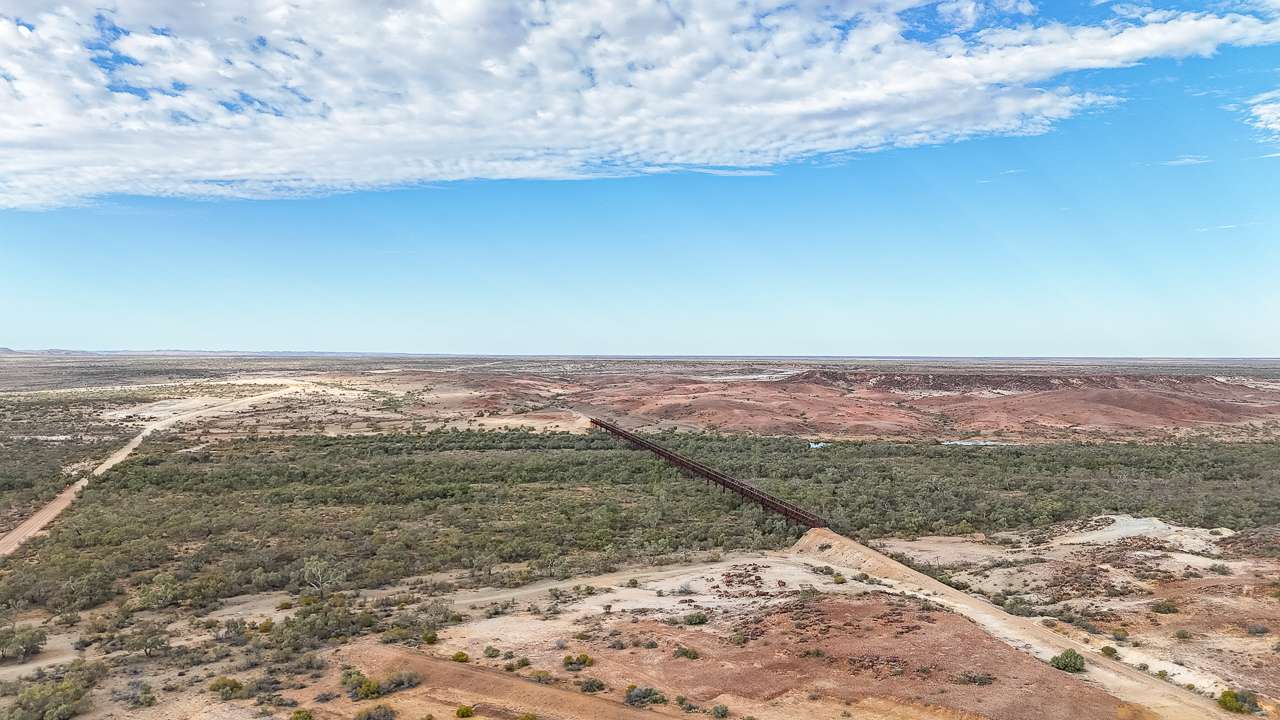
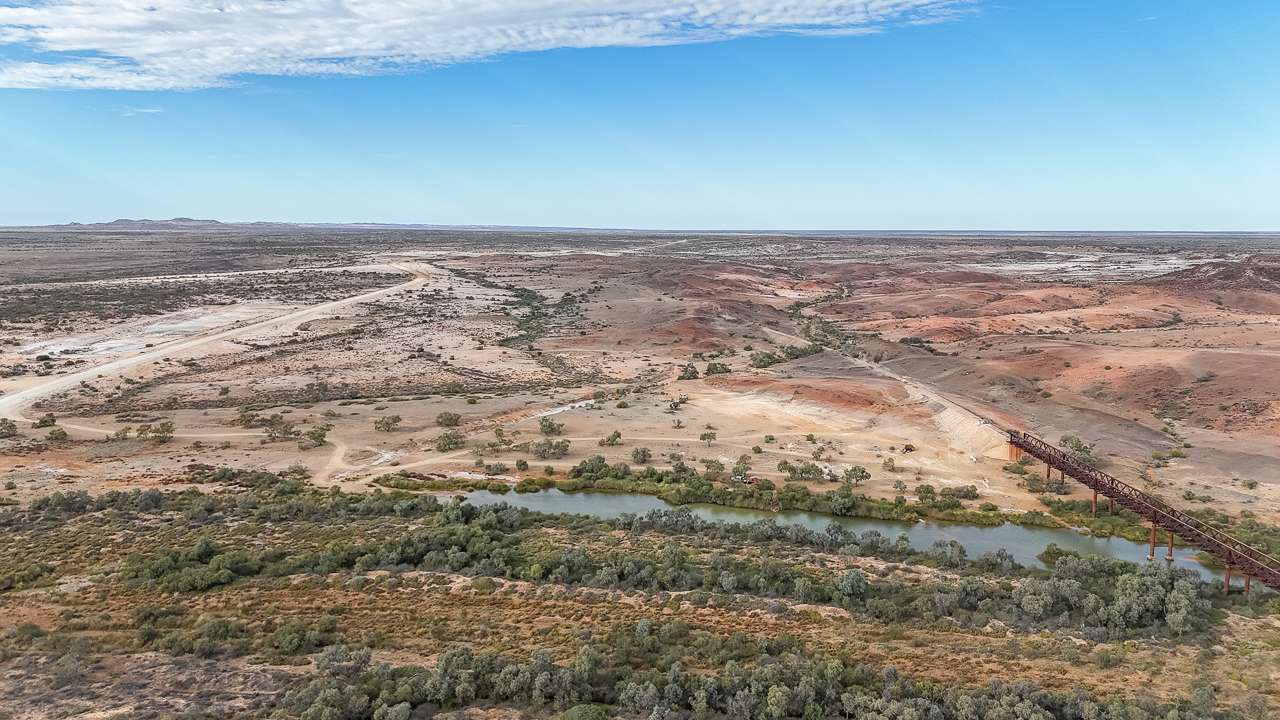
Algebuckina Bridge is the longest railway bridge in South Australia, built in the 1890s as part of the Great Northern Railway (later known as the Old Ghan Railway). The bridge spans the Neales River and its impressive iron structure stands as a reminder of Australia’s pioneering rail history. The railway is no longer in use however the remaining bridge structure the bridge is a dominant and striking feature on the landscape.

Bridge At Algebuckina From Above

Bridge At Algebuckina From Above

Camping at Algebuckina

Camping at Algebuckina Bridge is a fantastic way to experience the isolation and beauty of the outback. The camping area is near the bridge and has awesome views of the structure and the surrounding desert. There are no formal facilities so you’ll have to be fully self-sufficient. Make sure that you bring enough water, food and supplies for your stay at Algebuckina. If you want to have a campfire you’ll have to bring wood with you as the surrounding area has been stripped bare.

Nearby Neales River is a great spot for birdwatching and the whole area is rich in wildlife. Wide open skies make for incredible stargazing at night, with minimal light pollution offering clear views of the Milky Way.

Nice Campfire

Nice Campfire

Things To Do While Camping At Algebuckina Bridge

  • Look at and explore the Bridge: Take a walk around the bridge and admire its construction.
  • River Walks: Stroll along the Neales River for a chance to see local birdlife and other wildlife.
  • Stargazing: The clear night skies of the outback provide perfect conditions for stargazing. You can spot the constellations and enjoy the peaceful atmosphere.
  • Campfires: If conditions allow, a campfire is a great way to enjoy the cool desert nights. Always follow fire safety guidelines.

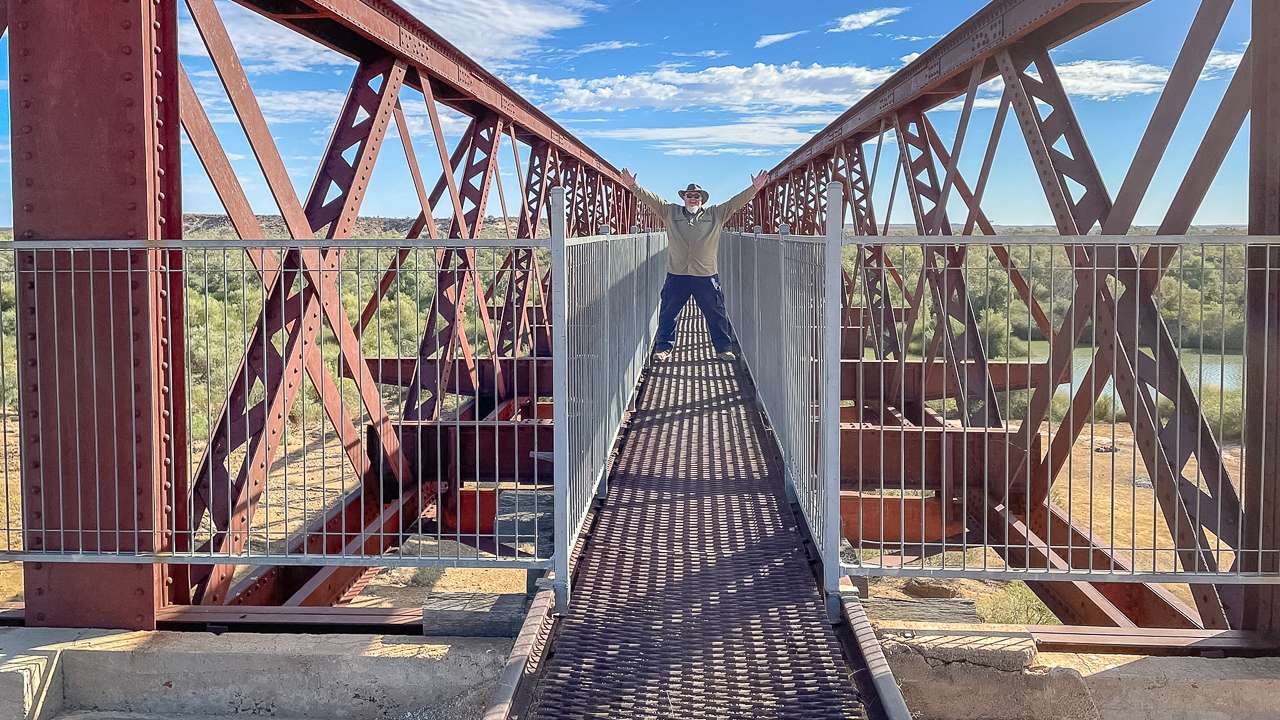
A Pretty Famous Bridge On The Oodnadatta Track

A Pretty Famous Bridge On The Oodnadatta Track

Tips for Camping at Algebuckina Bridge

  • Self Sufficiency: There are no facilities, so come prepared with all necessities, including food, water, and camping gear.
  • Respect the environment: Make sure that you leave no trace of your visit. Take all rubbish with you and respect the historical significance of the area.
  • 4WD Recommended: The Oodnadatta Track is a rough and remote route so a 4WD vehicle is recommended for access.

Jayco All Terrain Algebuckina Waterhole Flat Bloody Tyre

Jayco All Terrain Algebuckina Waterhole Flat Bloody Tyre

Conclusion

Camping at Algebuckina Bridge offers a great outback experience. It’s an ideal stop for adventurers traveling the Oodnadatta Track combining history, nature and stunning night skies.

Strangways Springs: A Ghost Town On The Oodnadatta Track

Strangways Springs: A Ghost Town On The Oodnadatta Track

Strangways Springs: A Ghost Town On The Oodnadatta Track

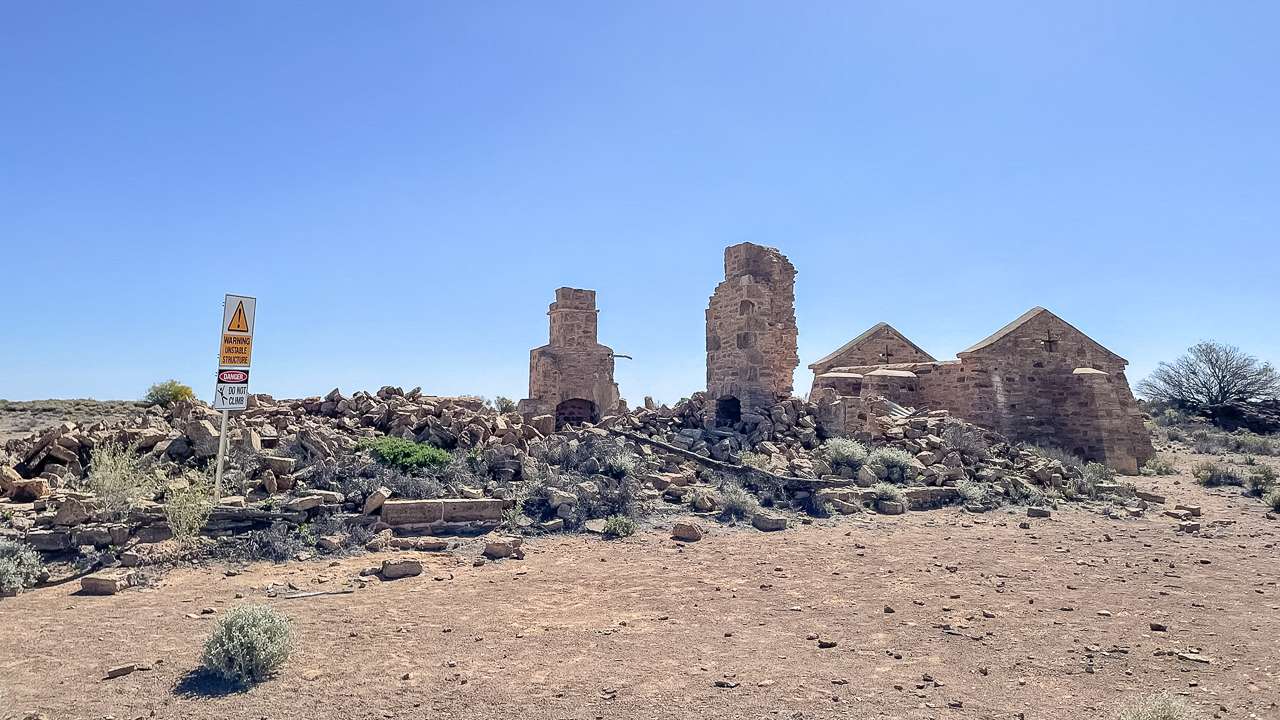
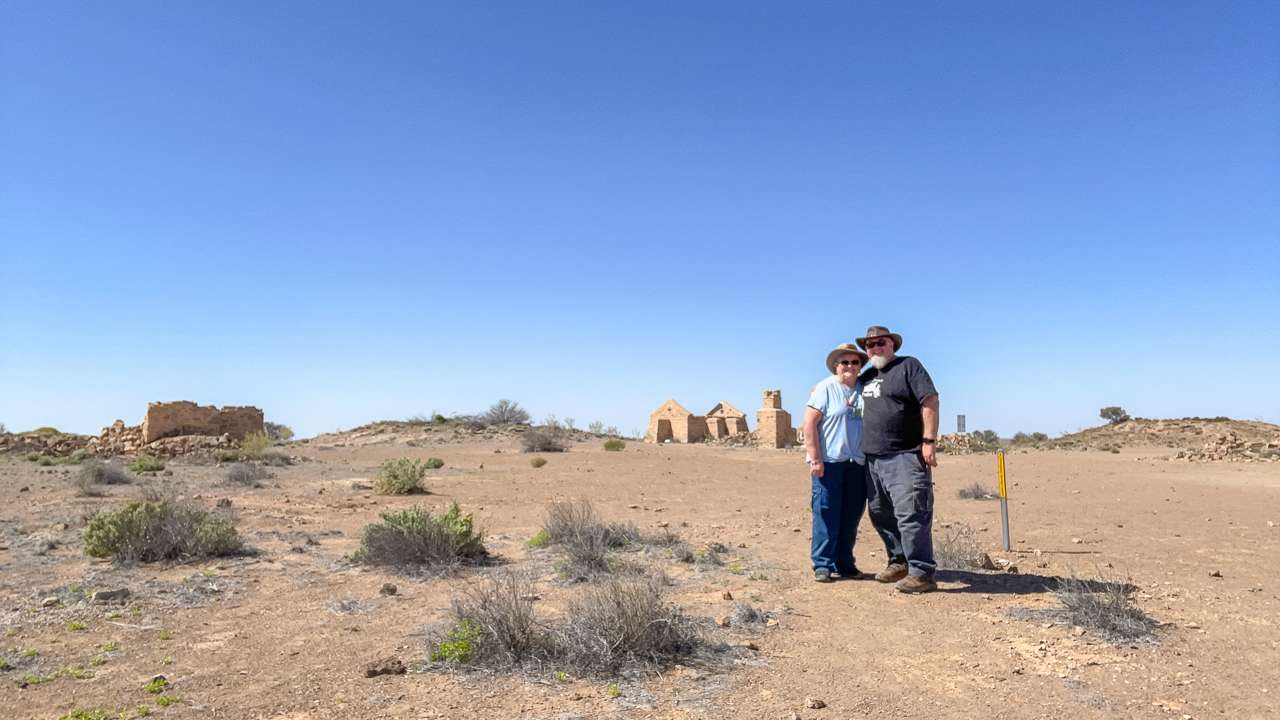
We called in to Strangways Springs on the Oodnadatta Track and spent a couple of hours exploring what is left and there is quite a lot to see. Strangways is an historic and not to be missed stop along the Oodnadatta Track located in the South Australian outback. Strangways used to be a telegraph repeater station. It now offers visitors a glimpse into Australia’s pioneering past.
History Of Strangways Springs
Strangways Springs played a key role in the Overland Telegraph Line, which connected Australia to the rest of the world in the late 19th century. Built in the 1870s the station served as an important relay point for messages sent between Adelaide and Darwin. The station was also part of the important infrastructure that allowed communication across vast distances before the advent of modern technology.
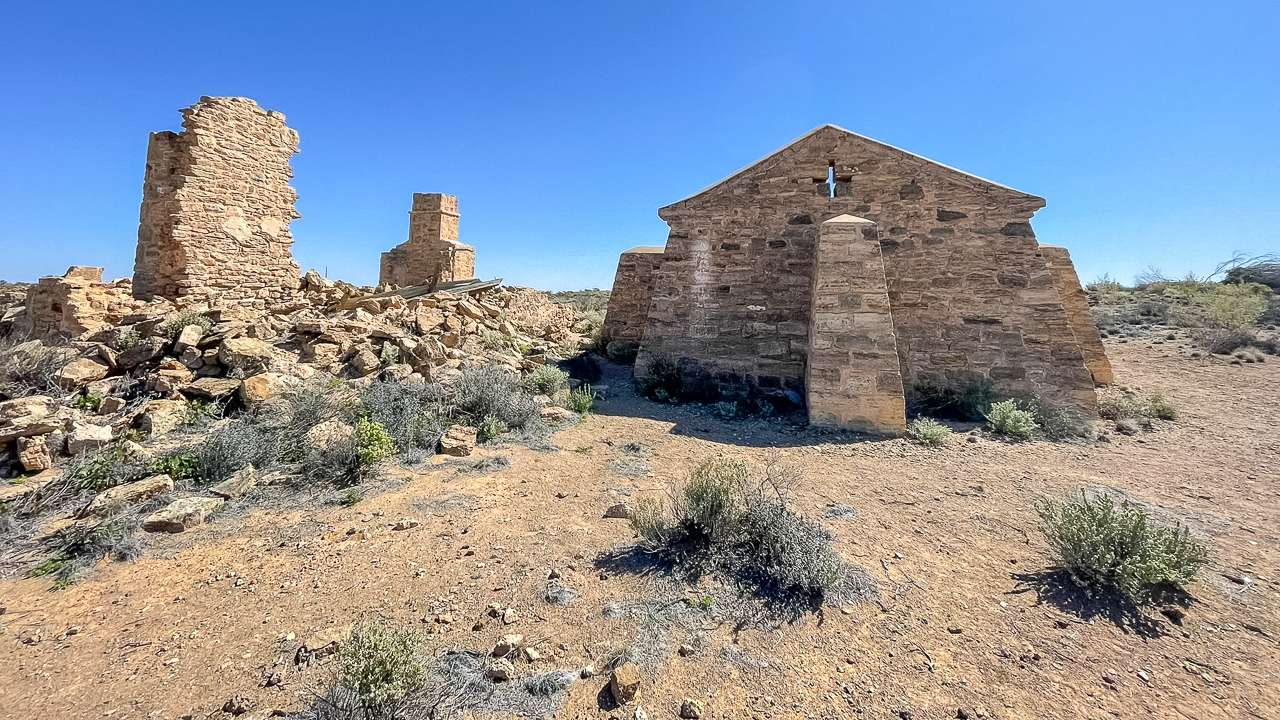
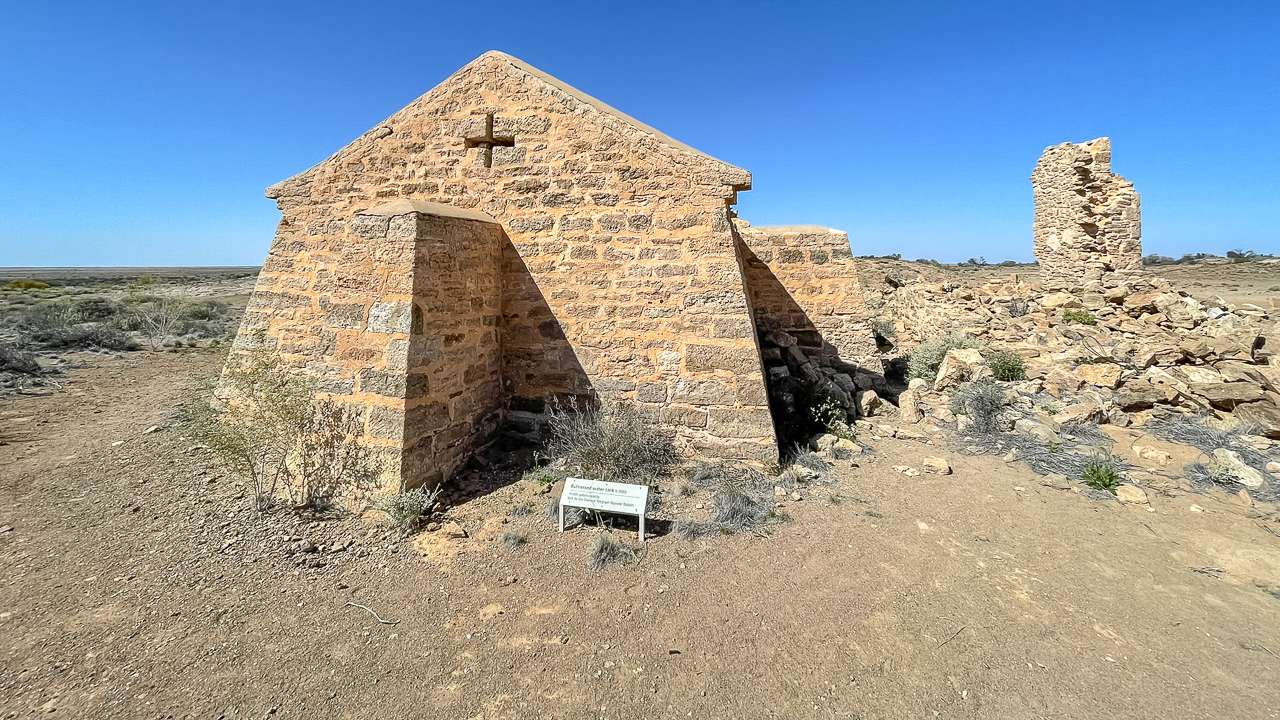
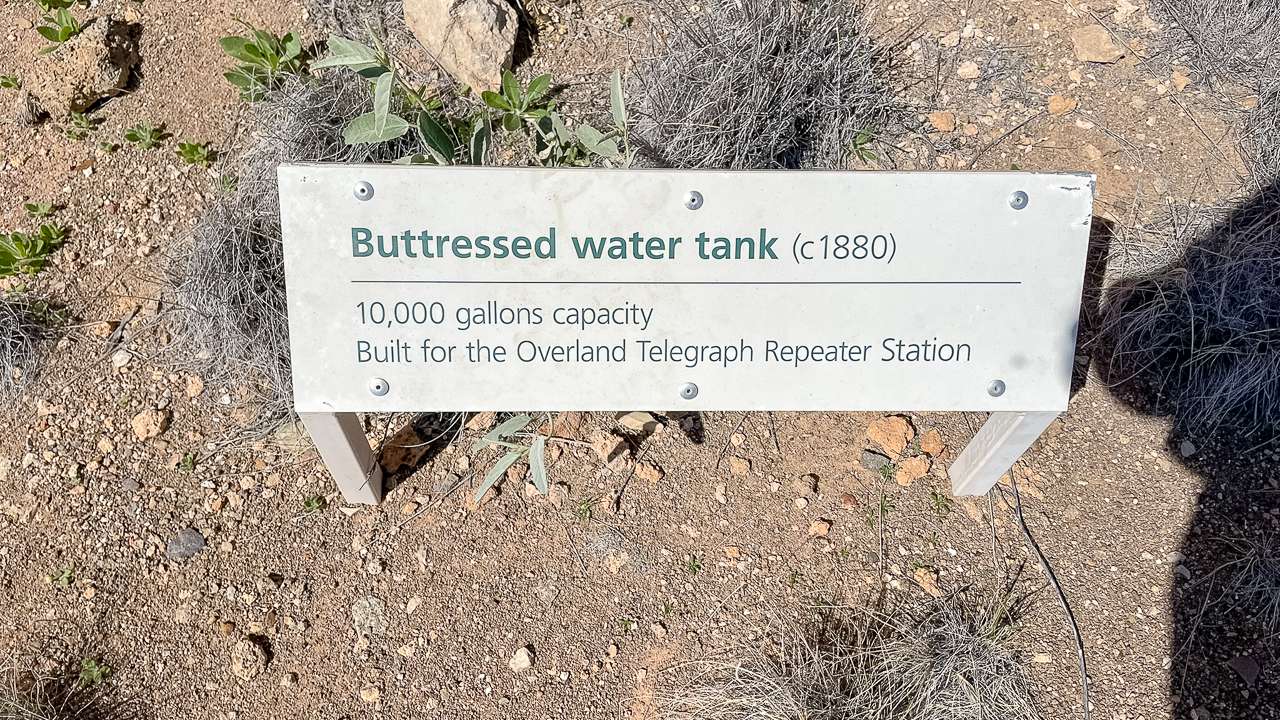
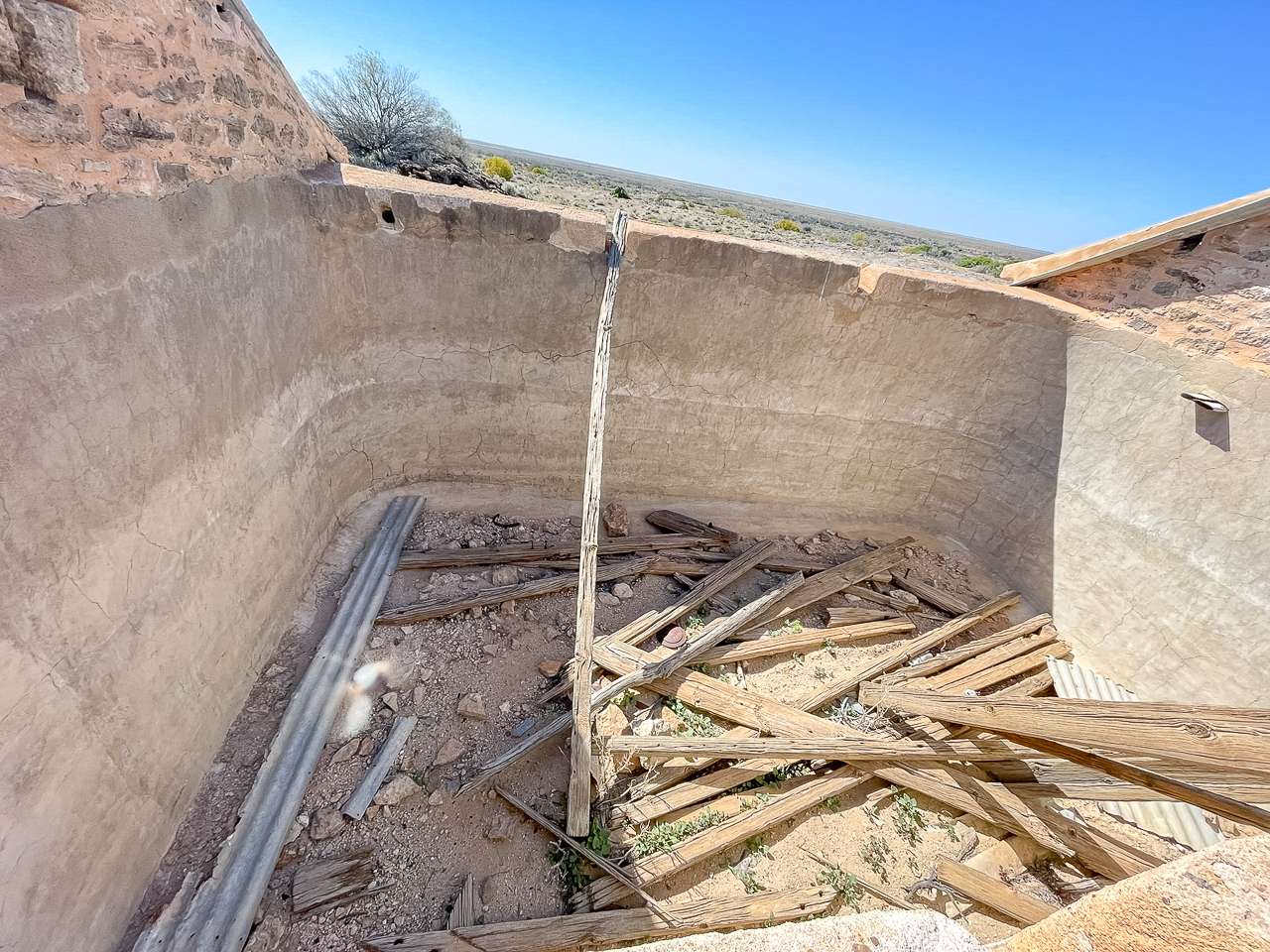
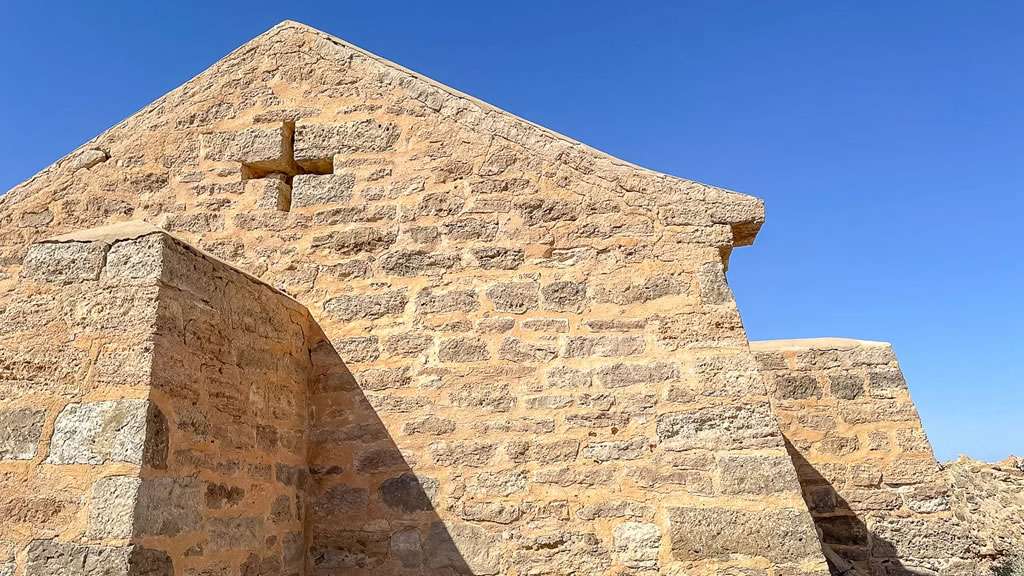
Abandoned Water Tank At Strangways

Abandoned Water Tank At Strangways

What To See At Strangways Springs
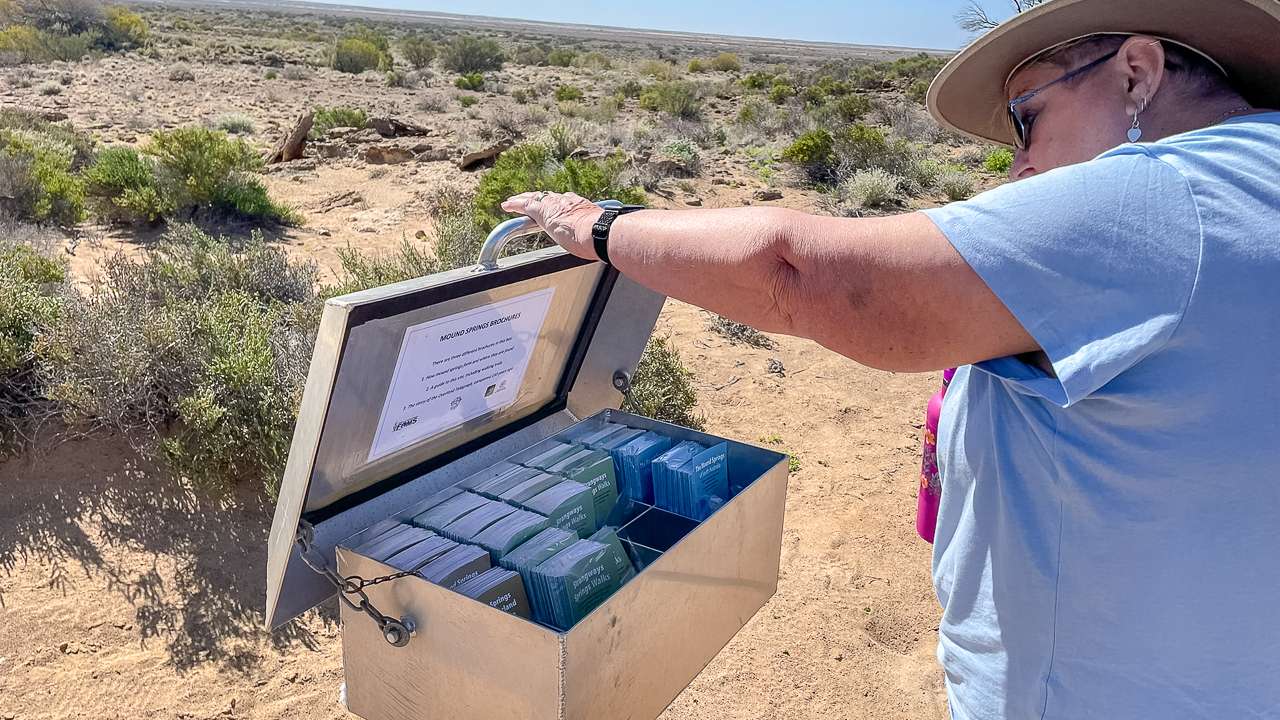
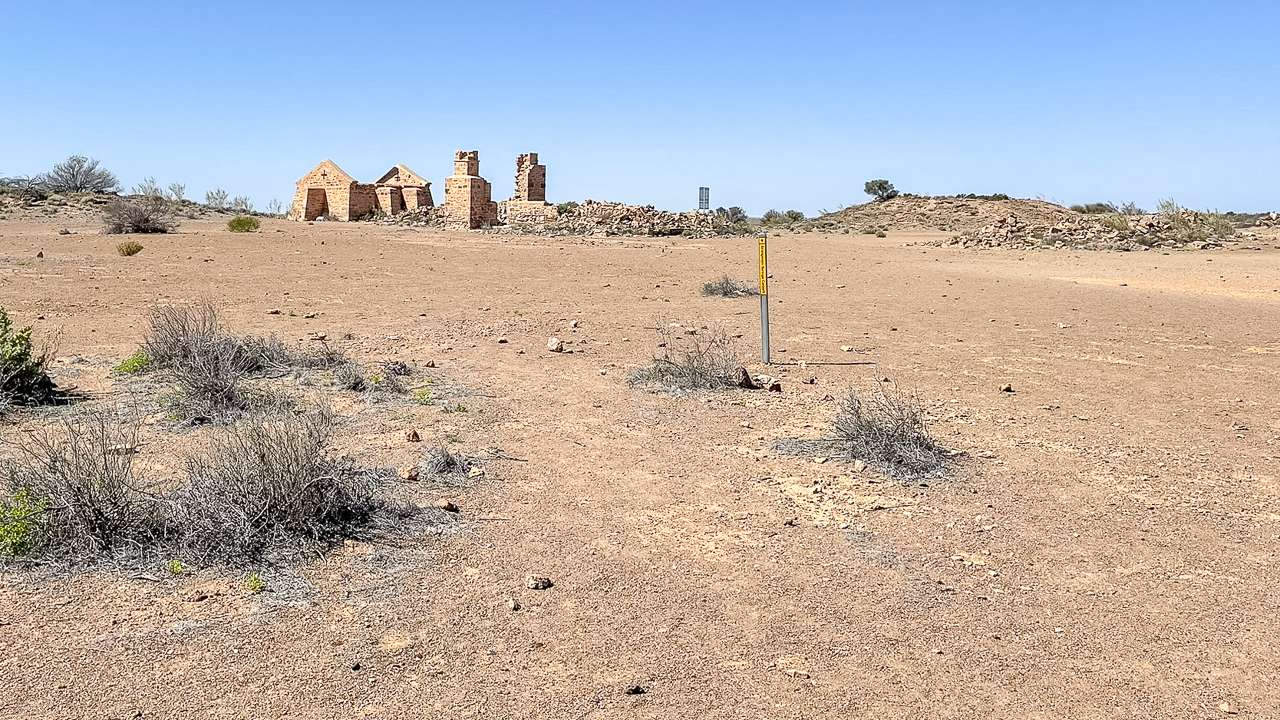
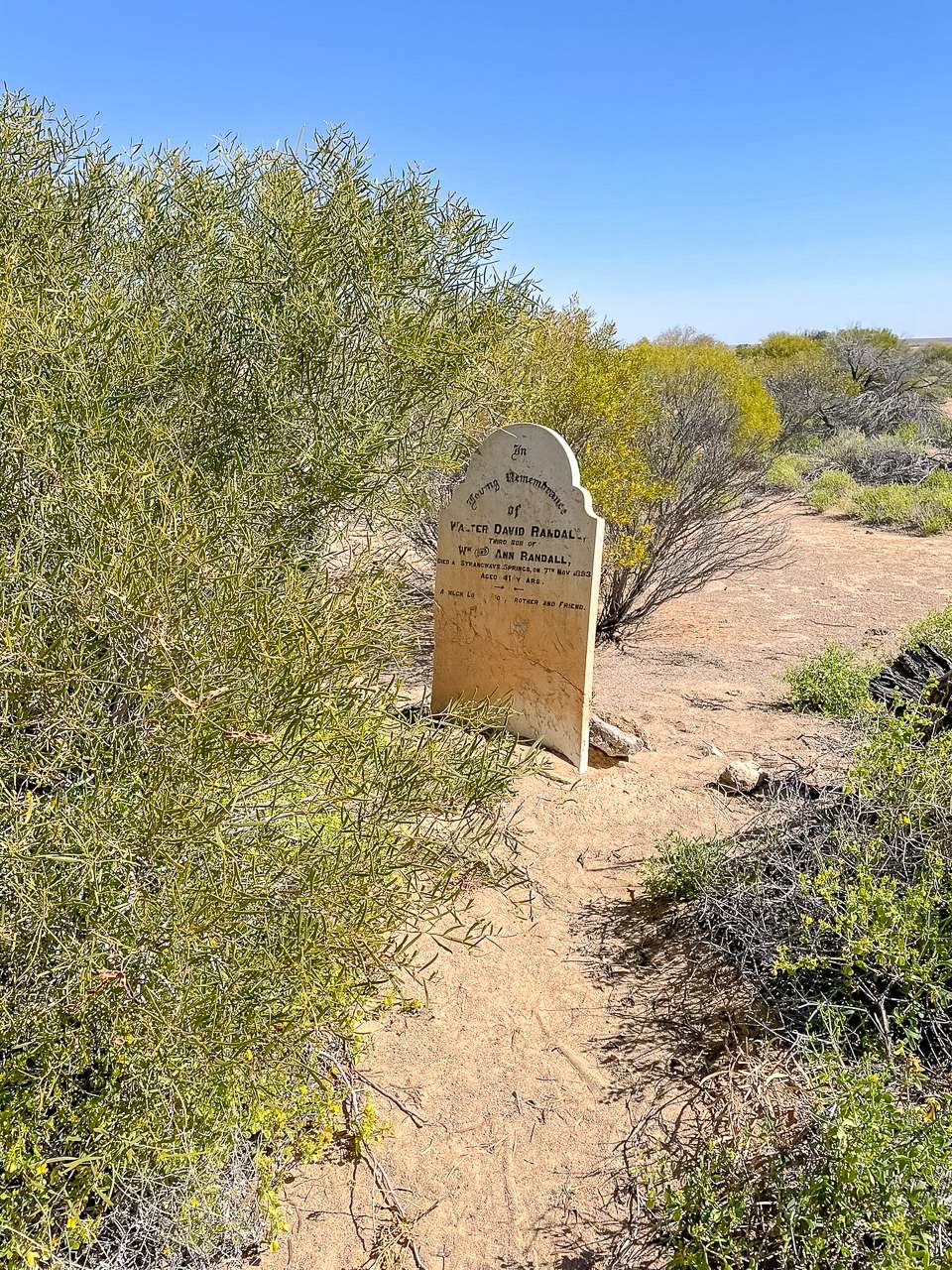
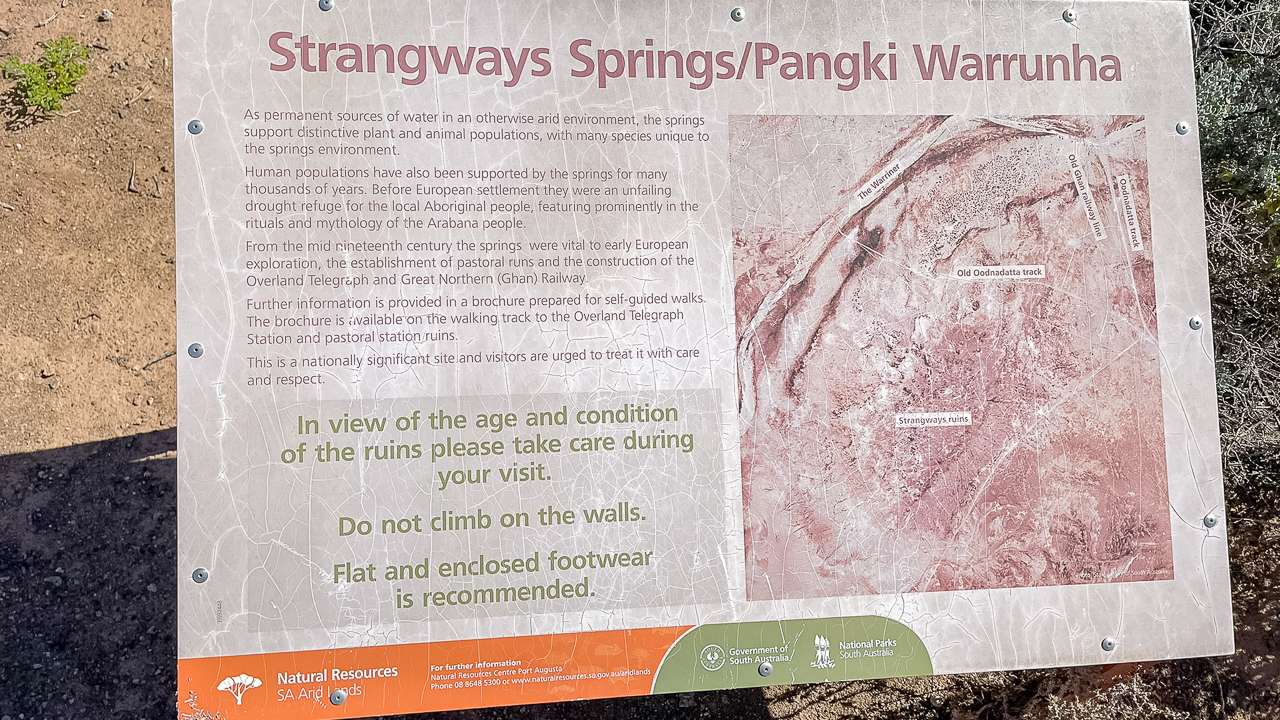
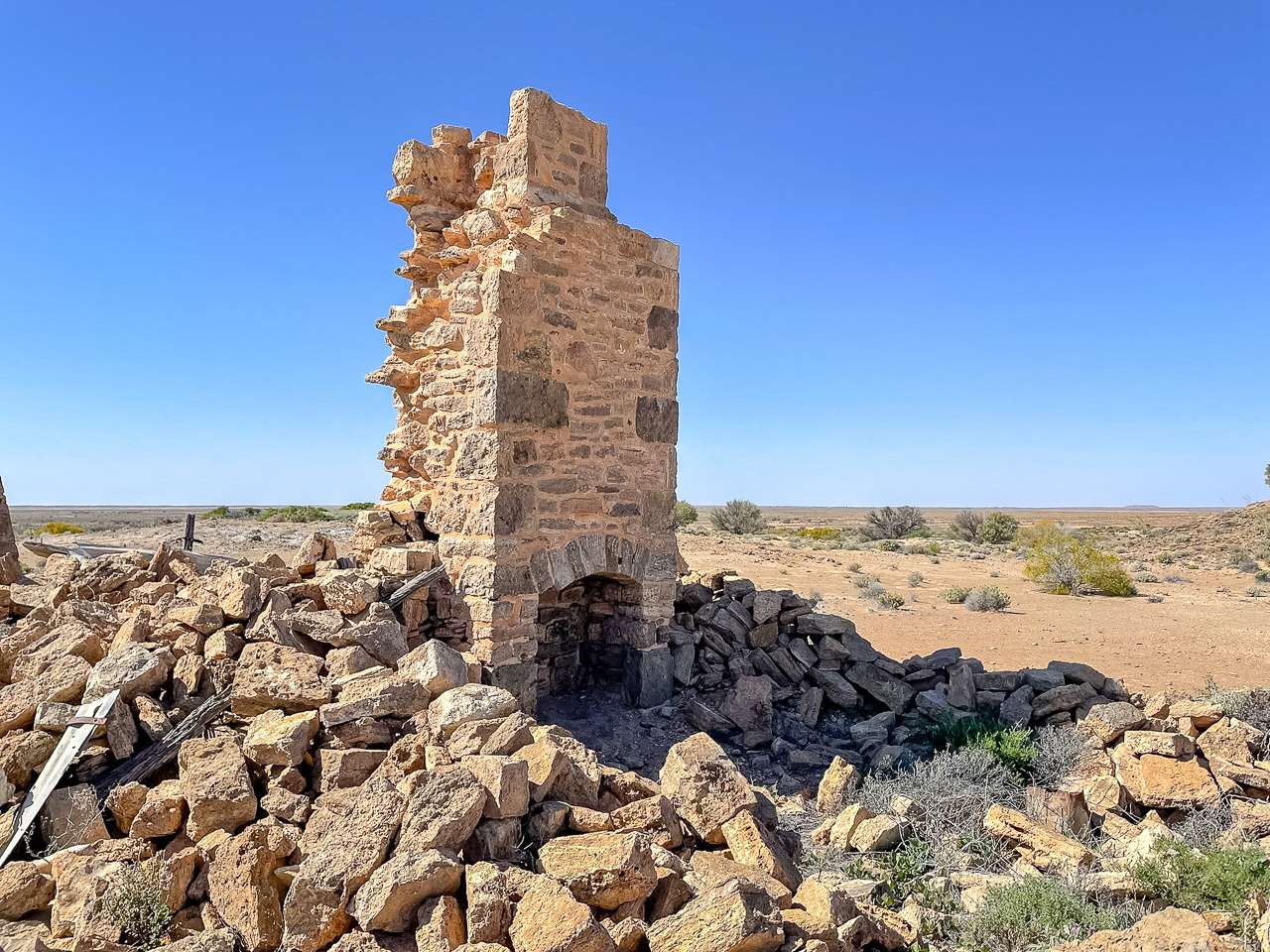
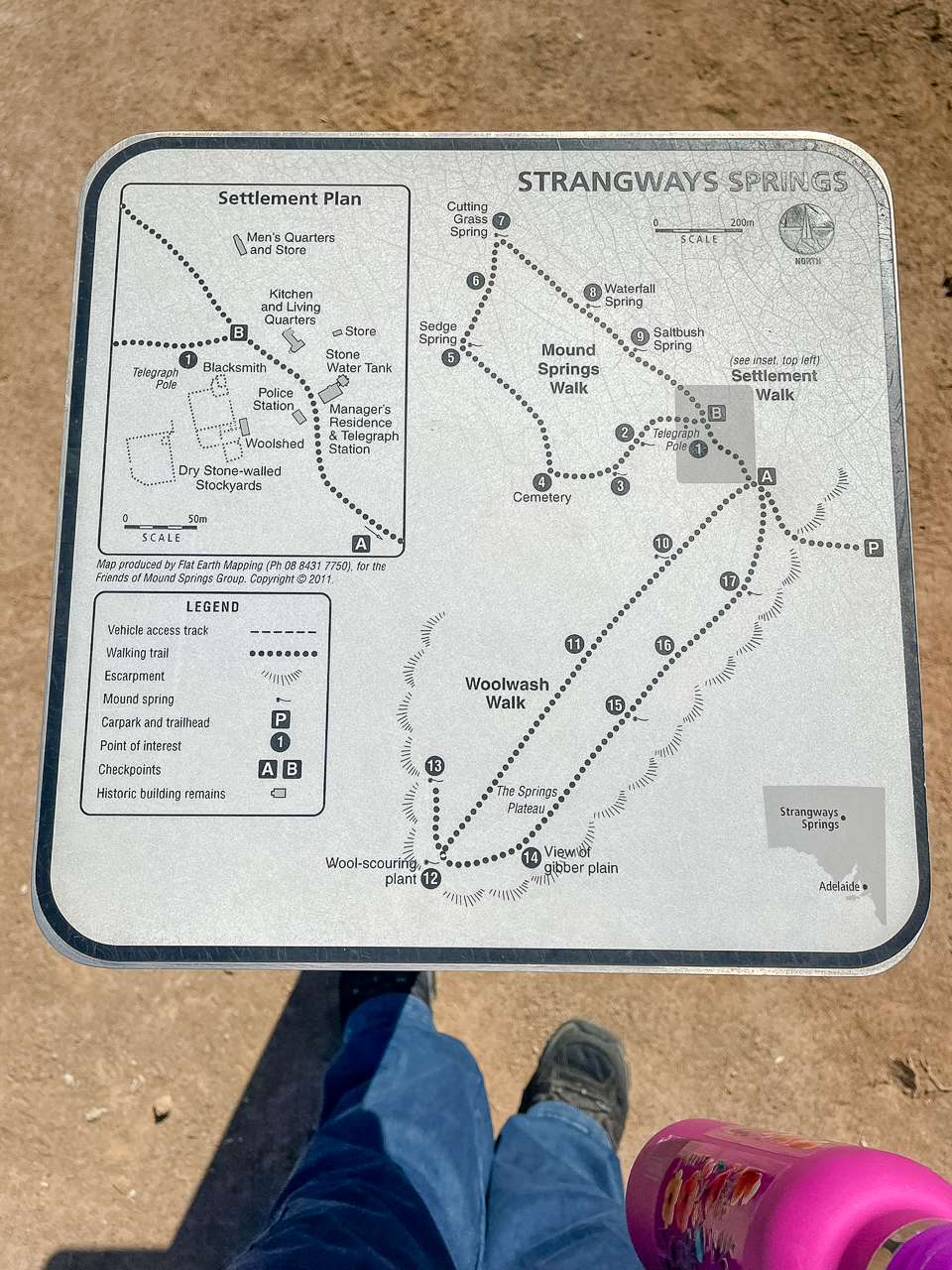
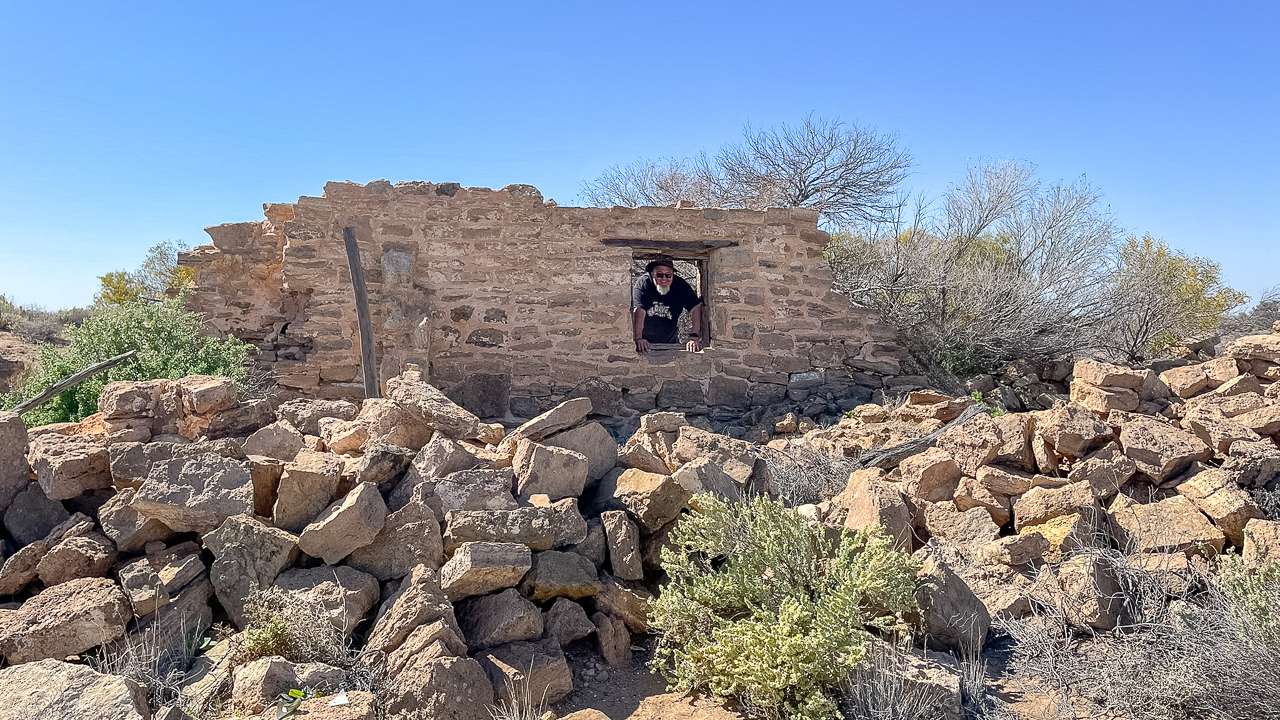
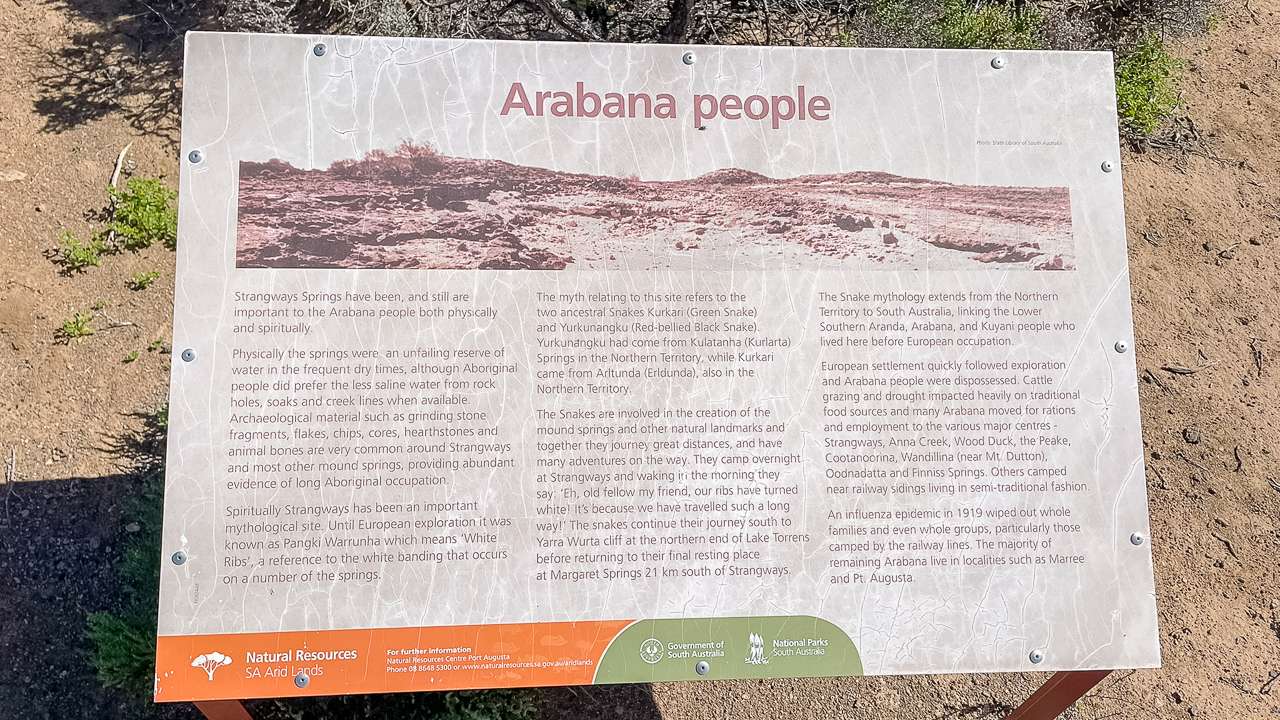
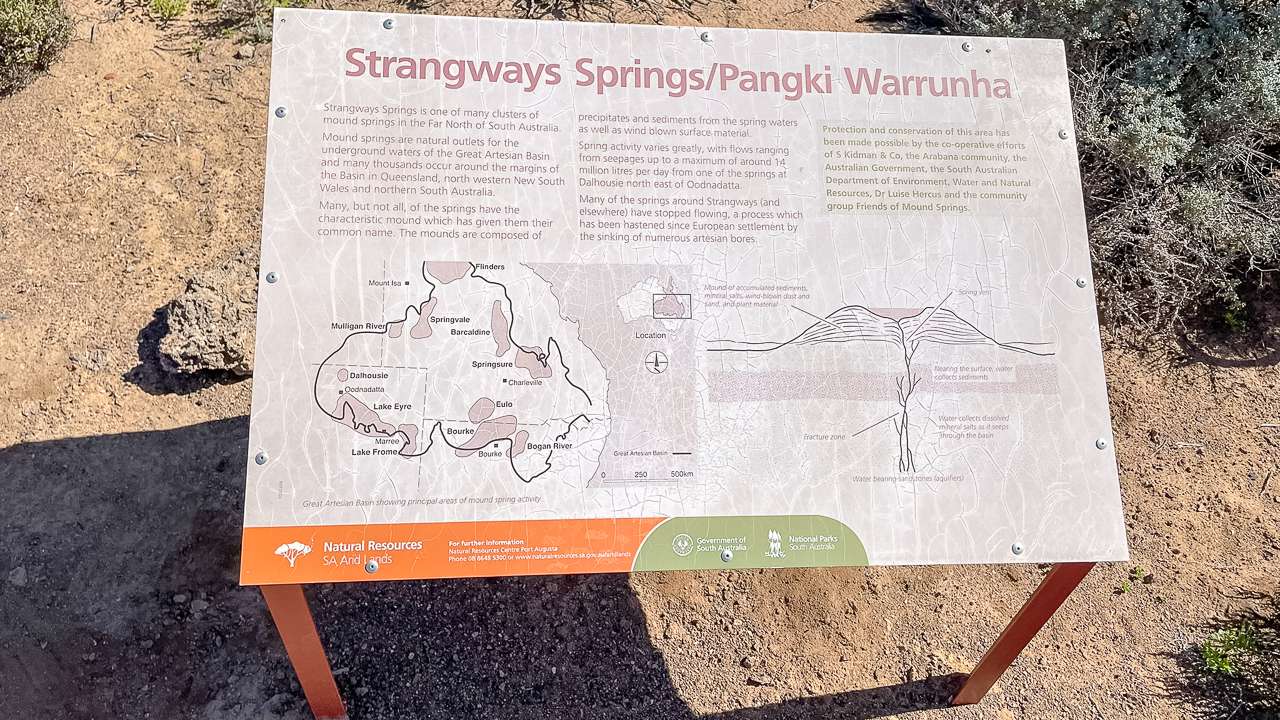
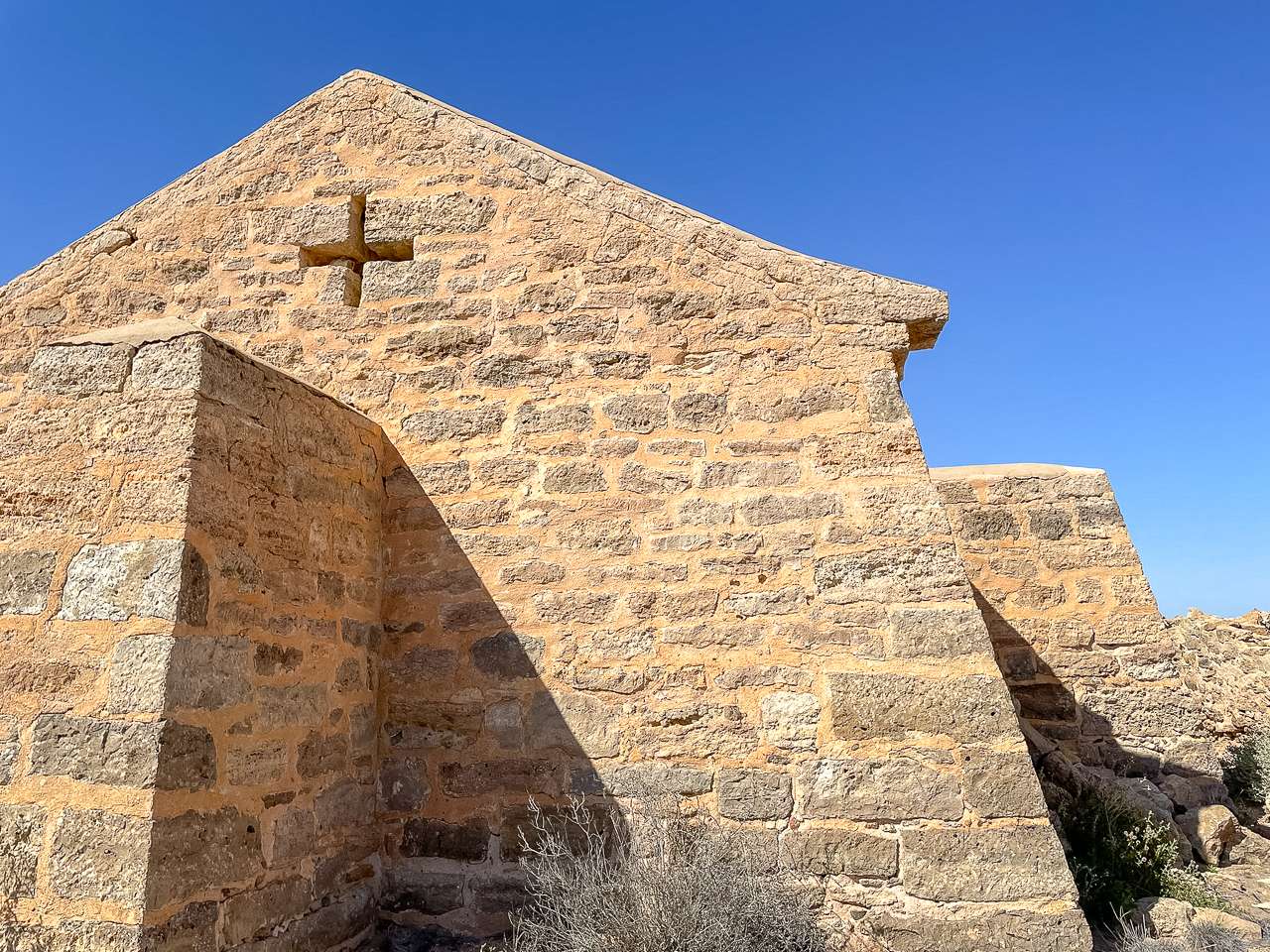
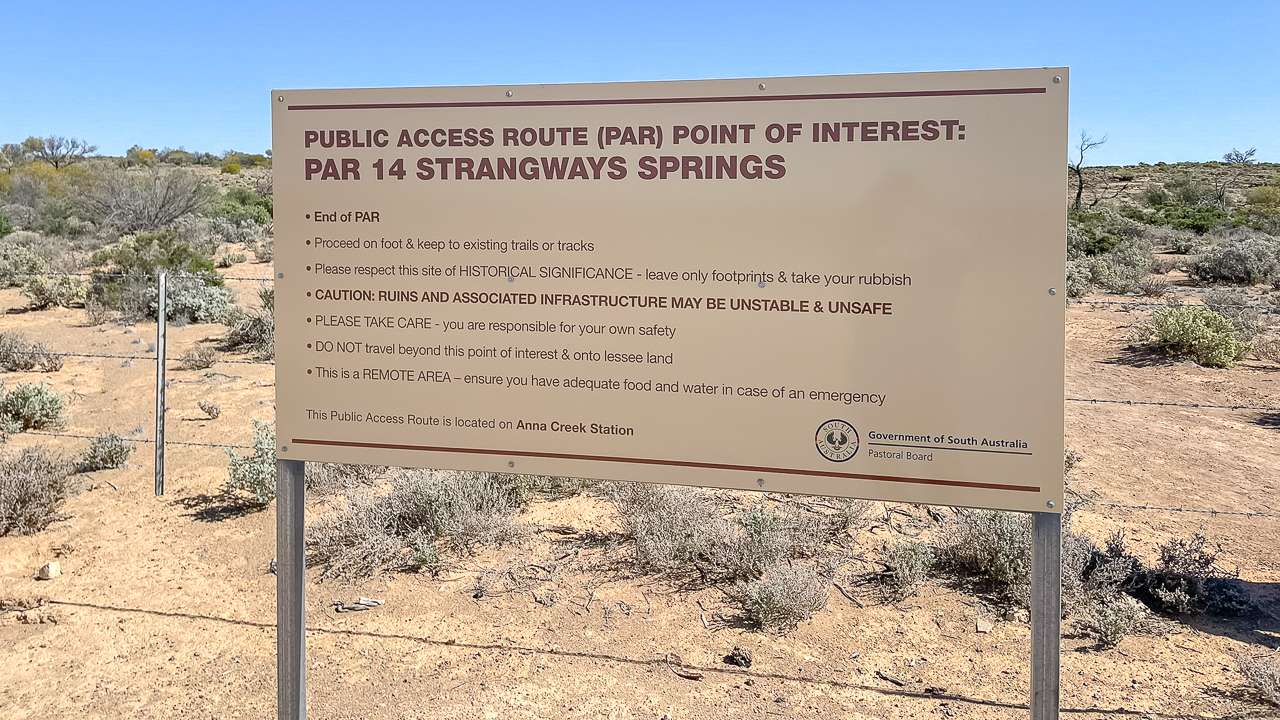
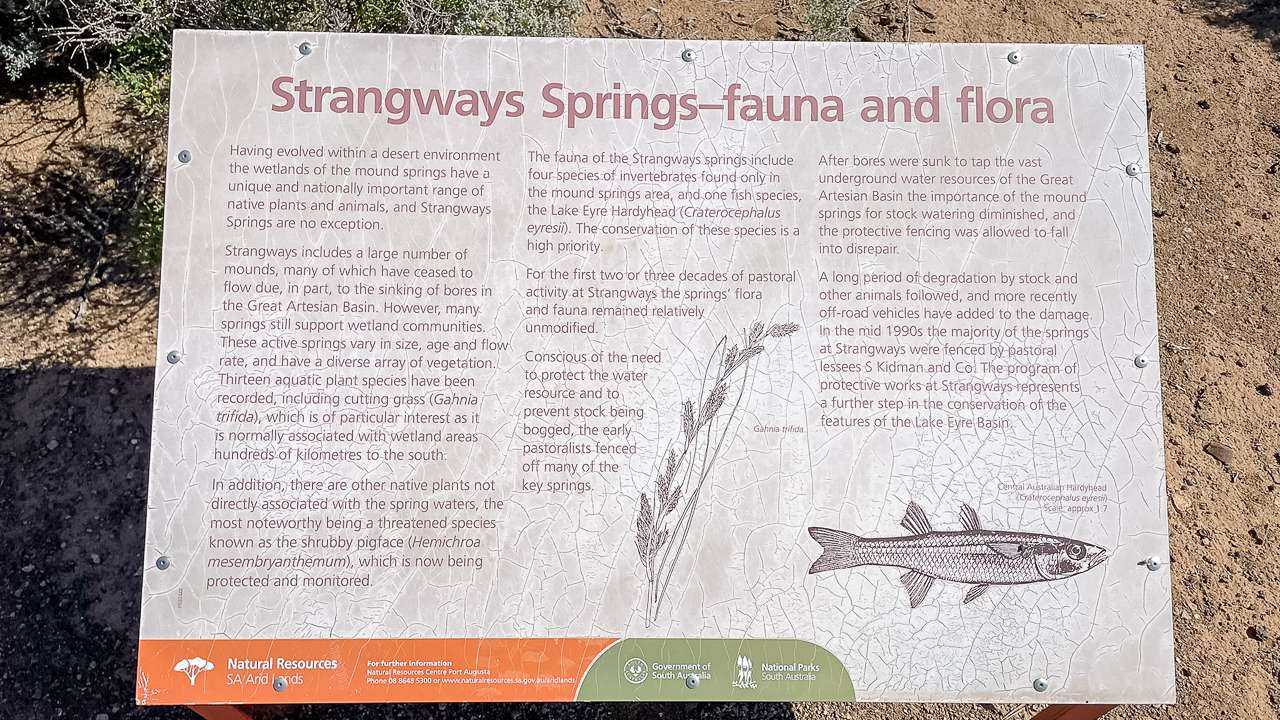
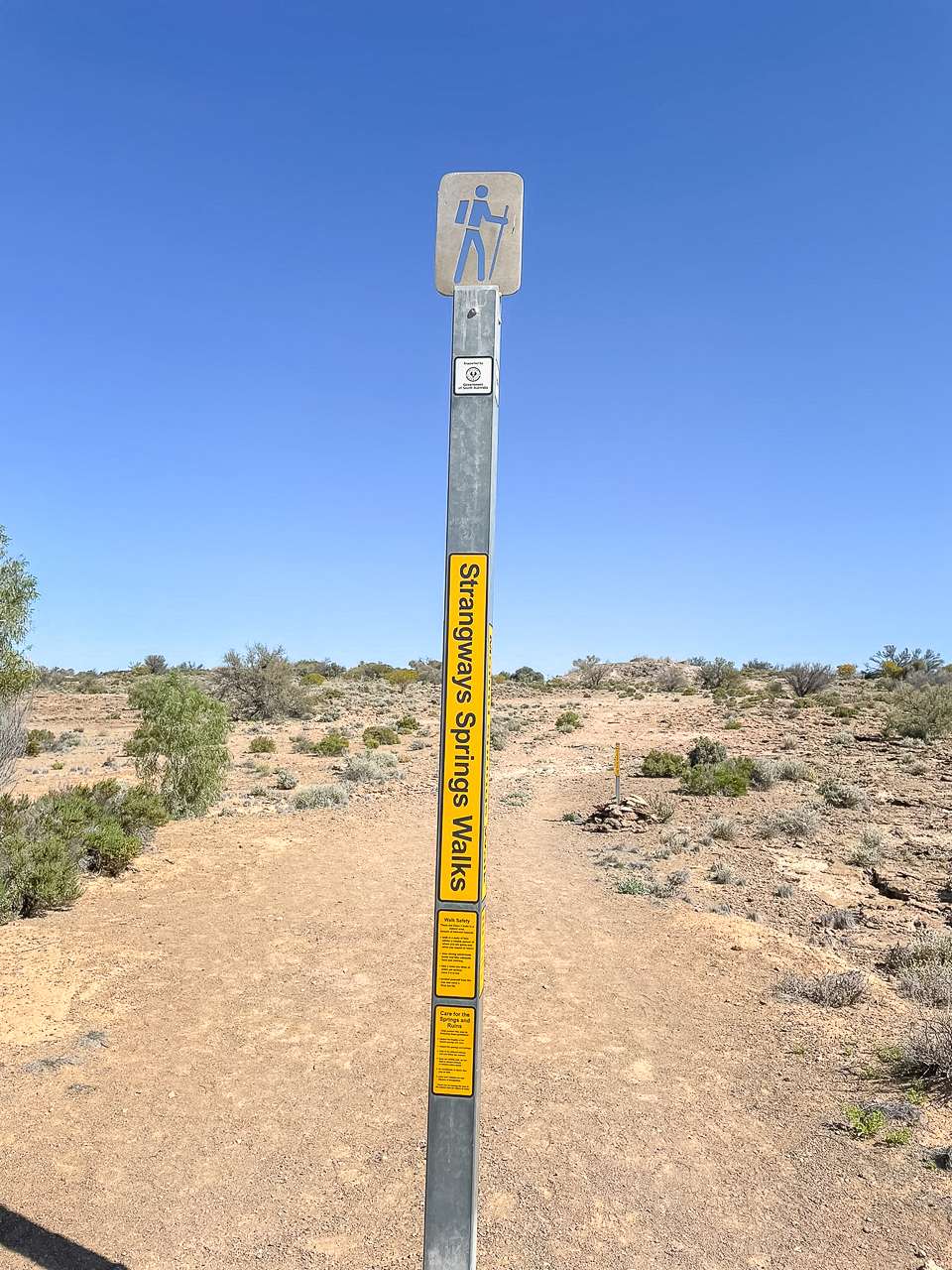
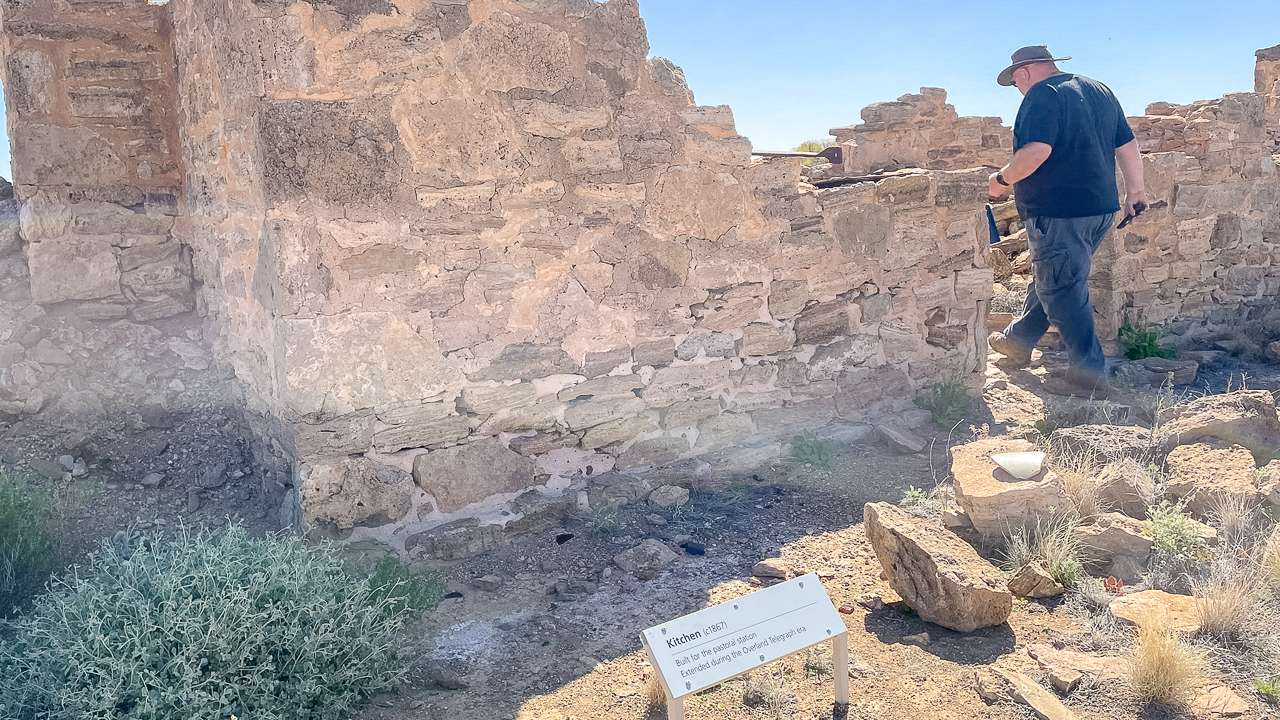
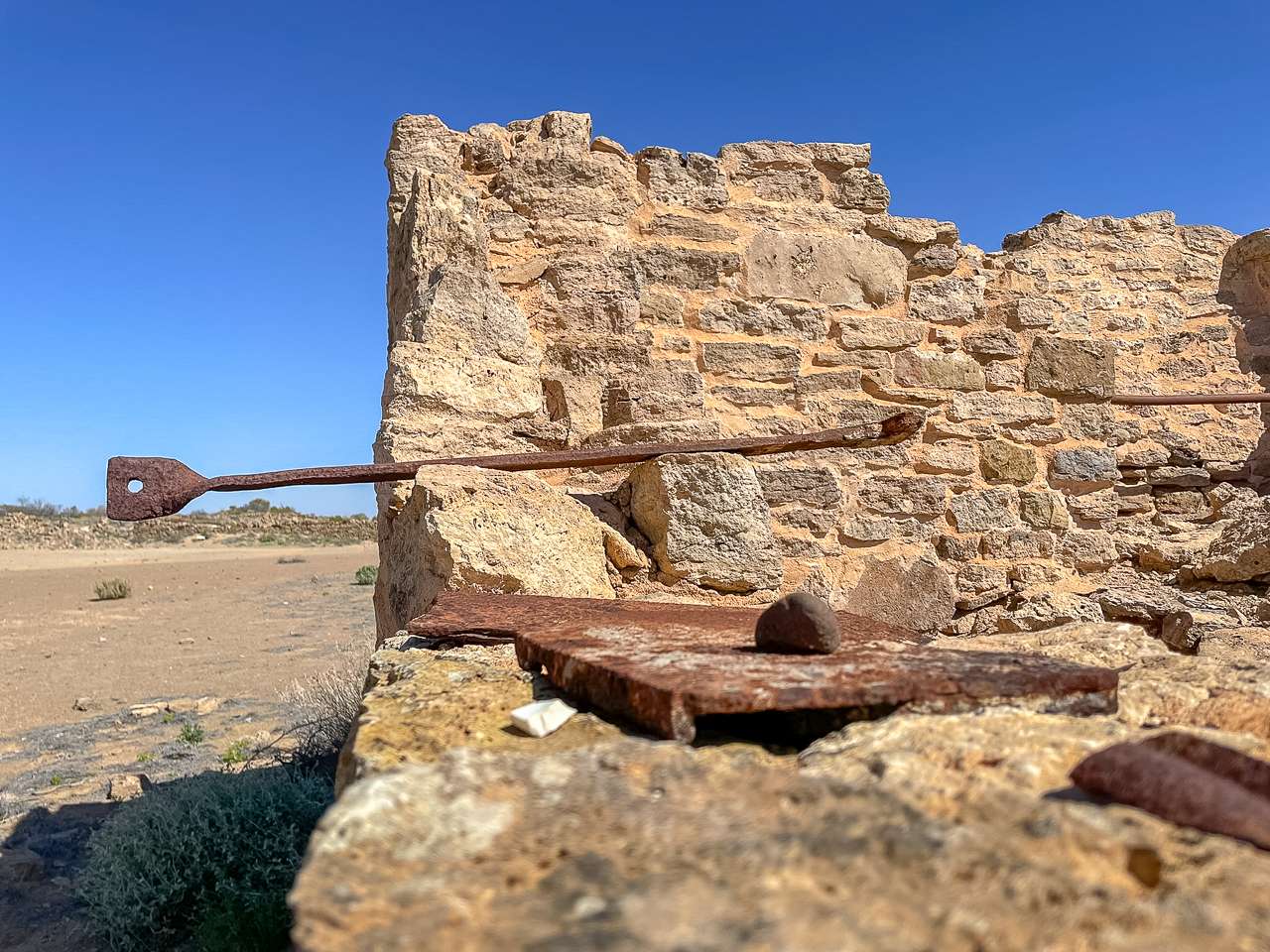
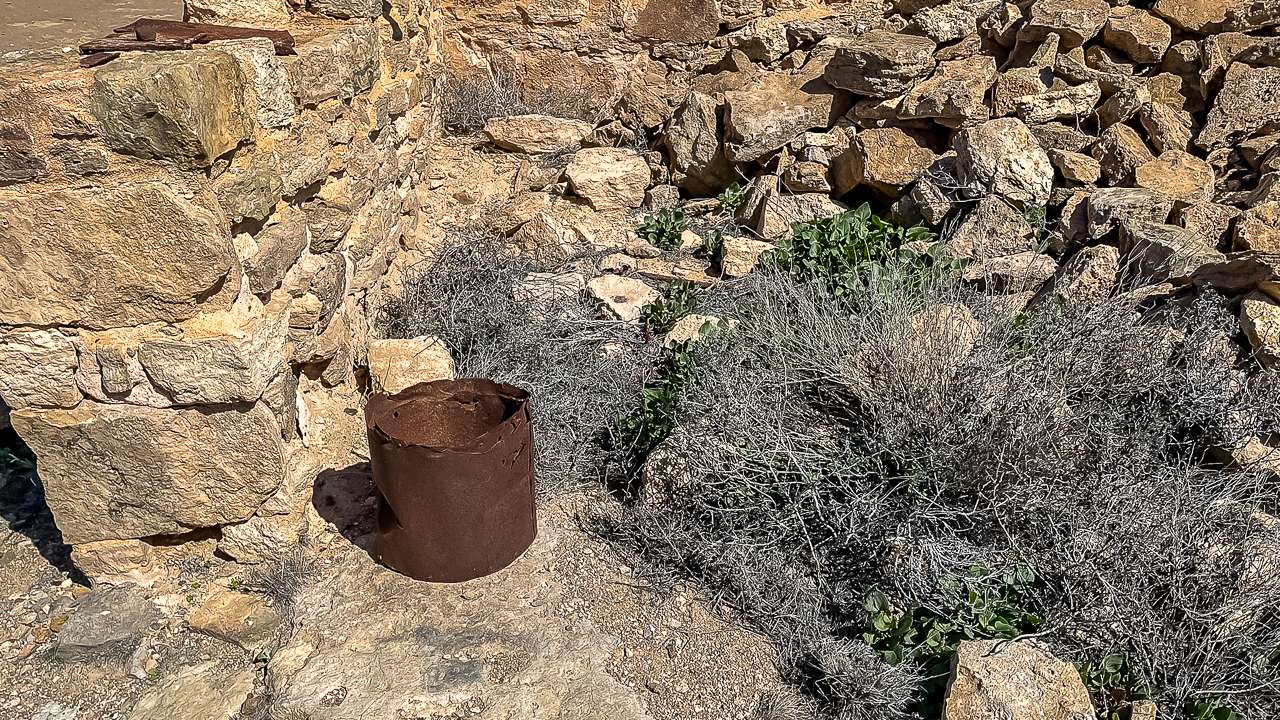
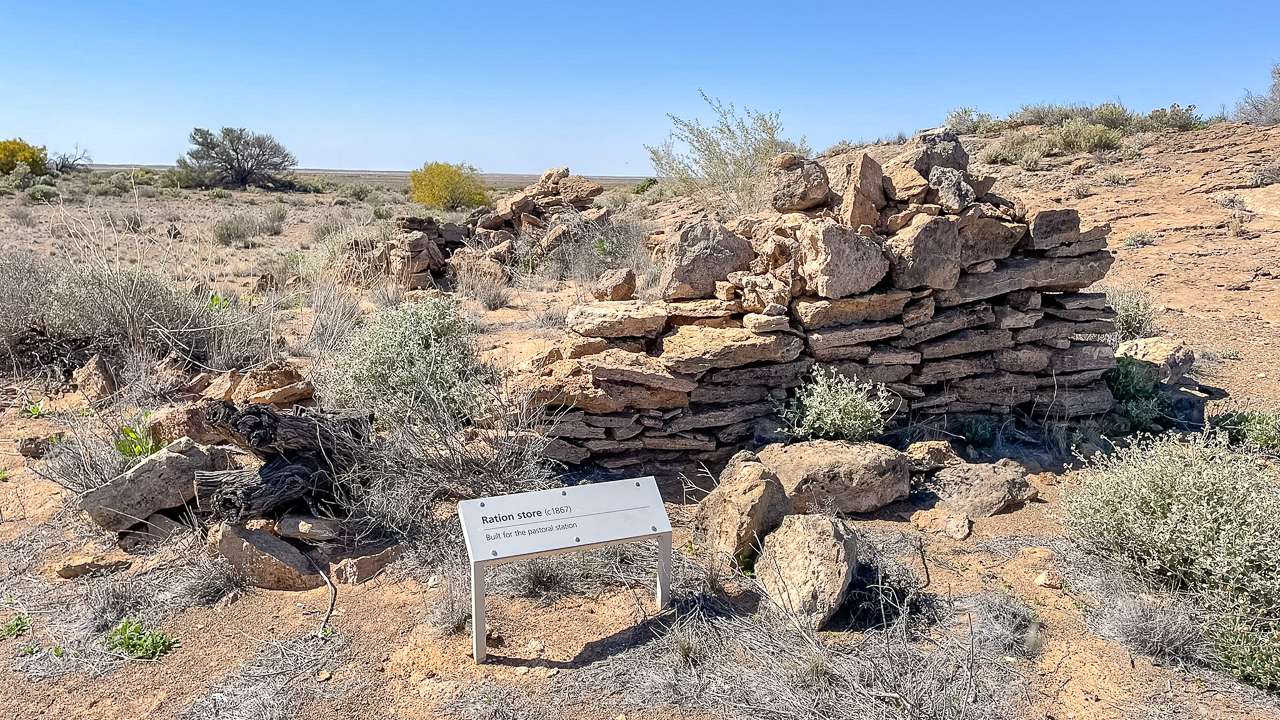
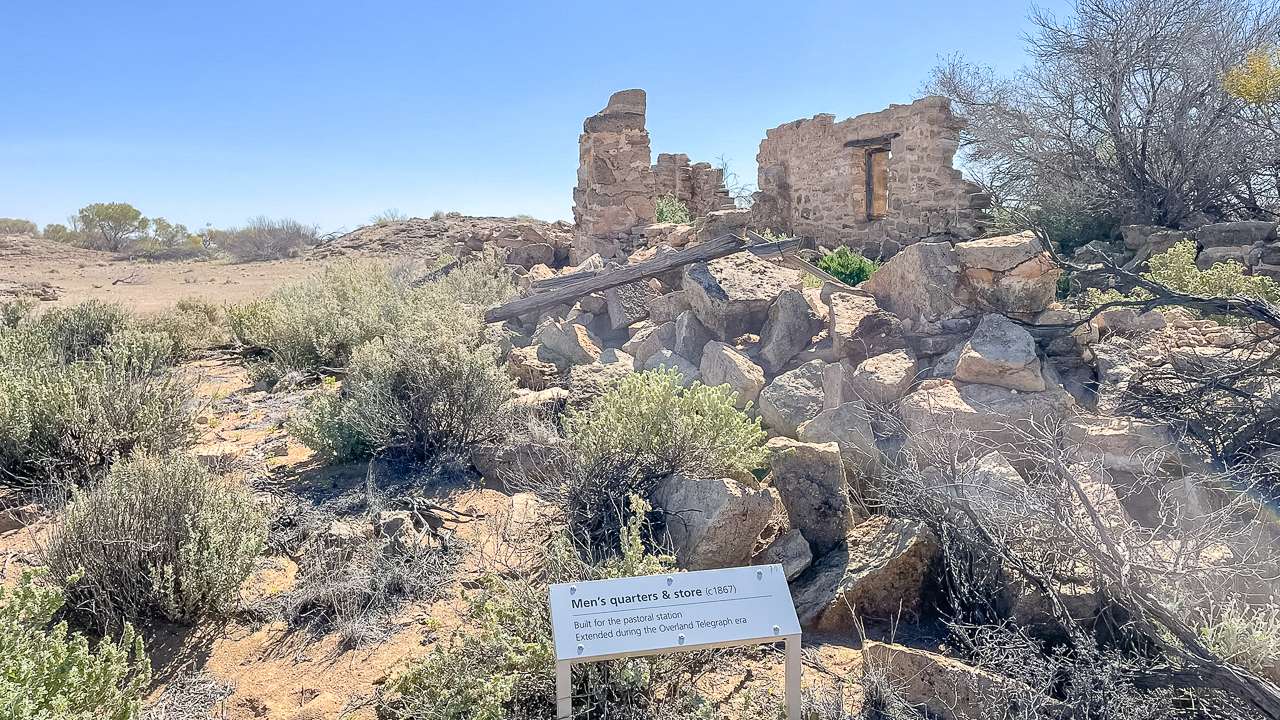
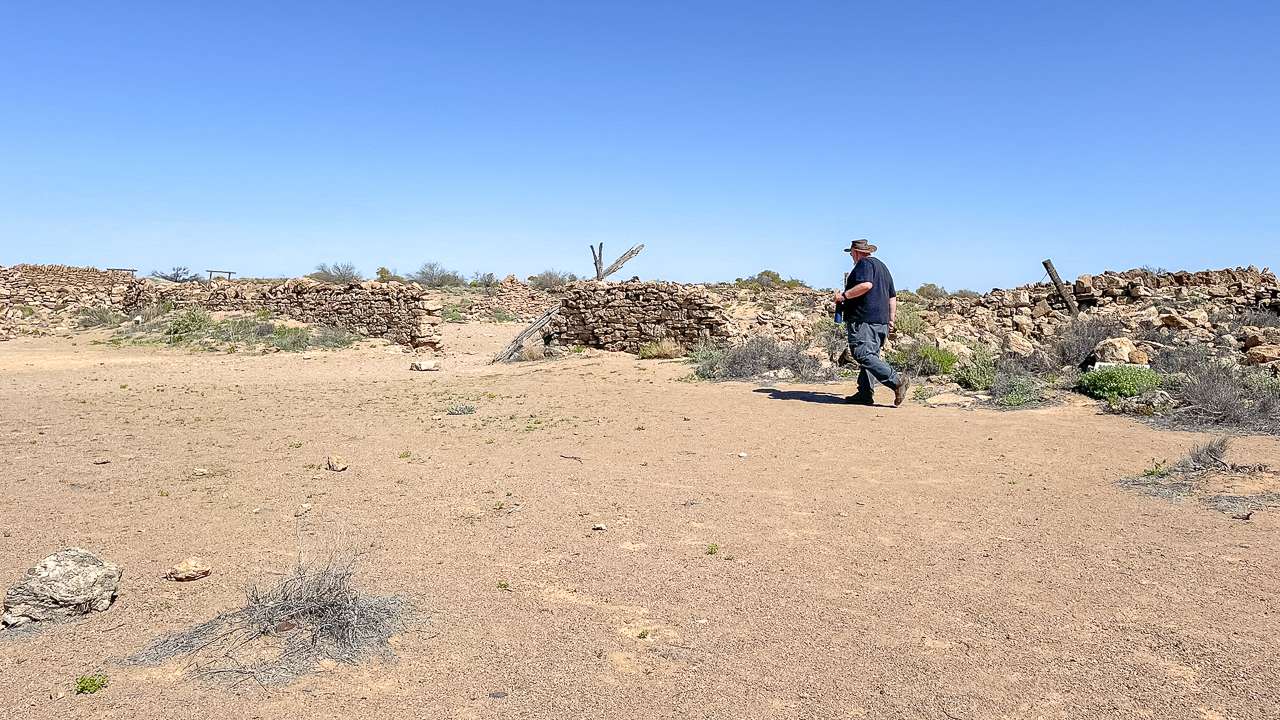
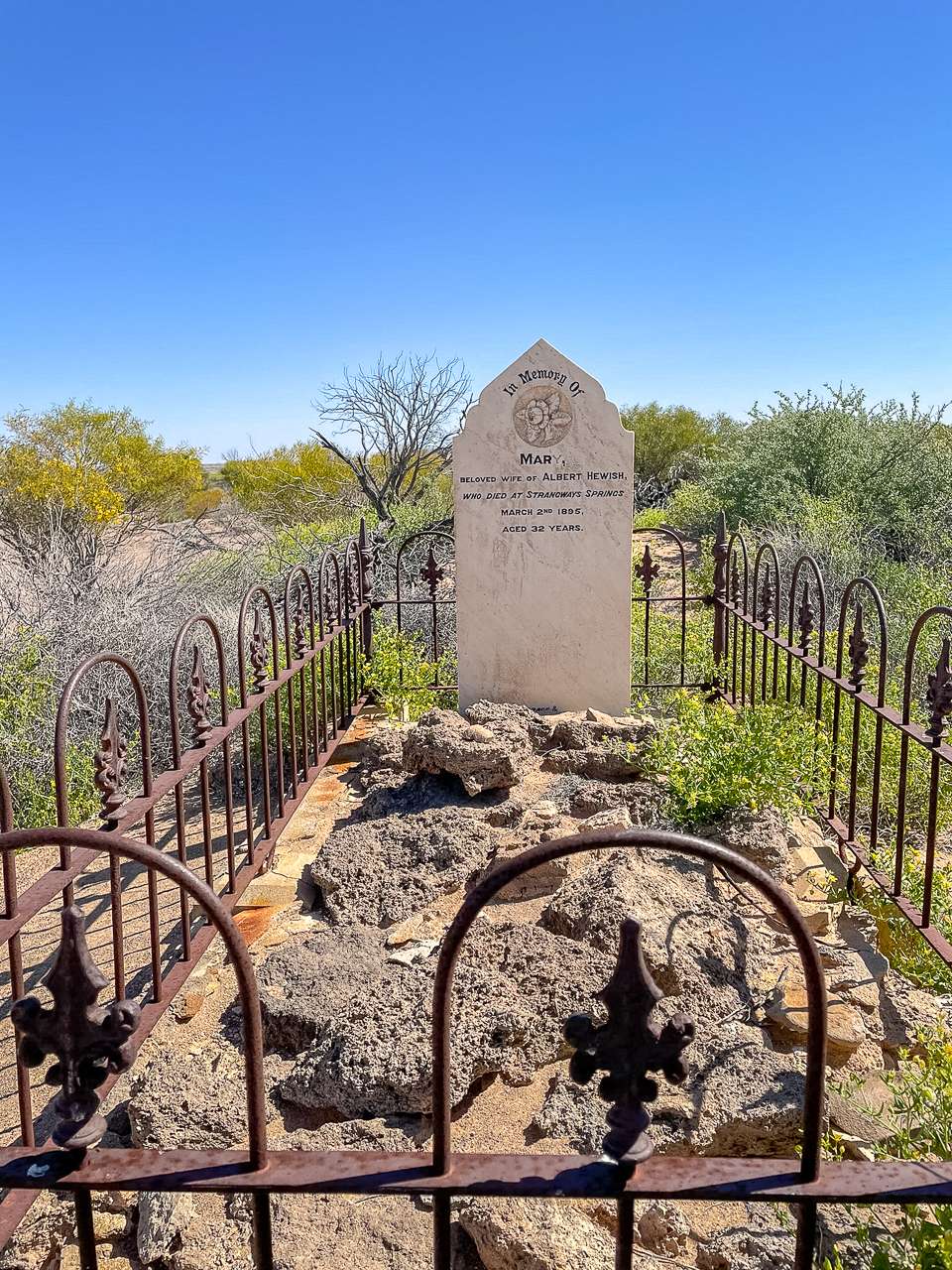
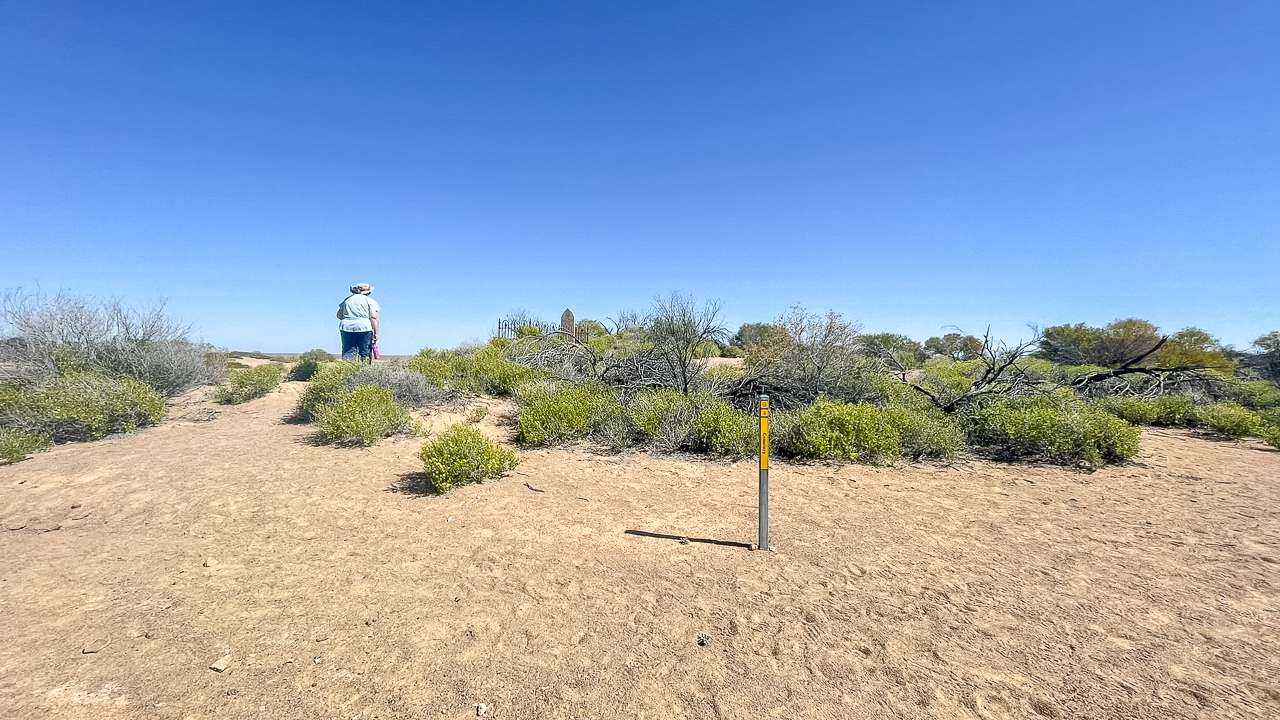
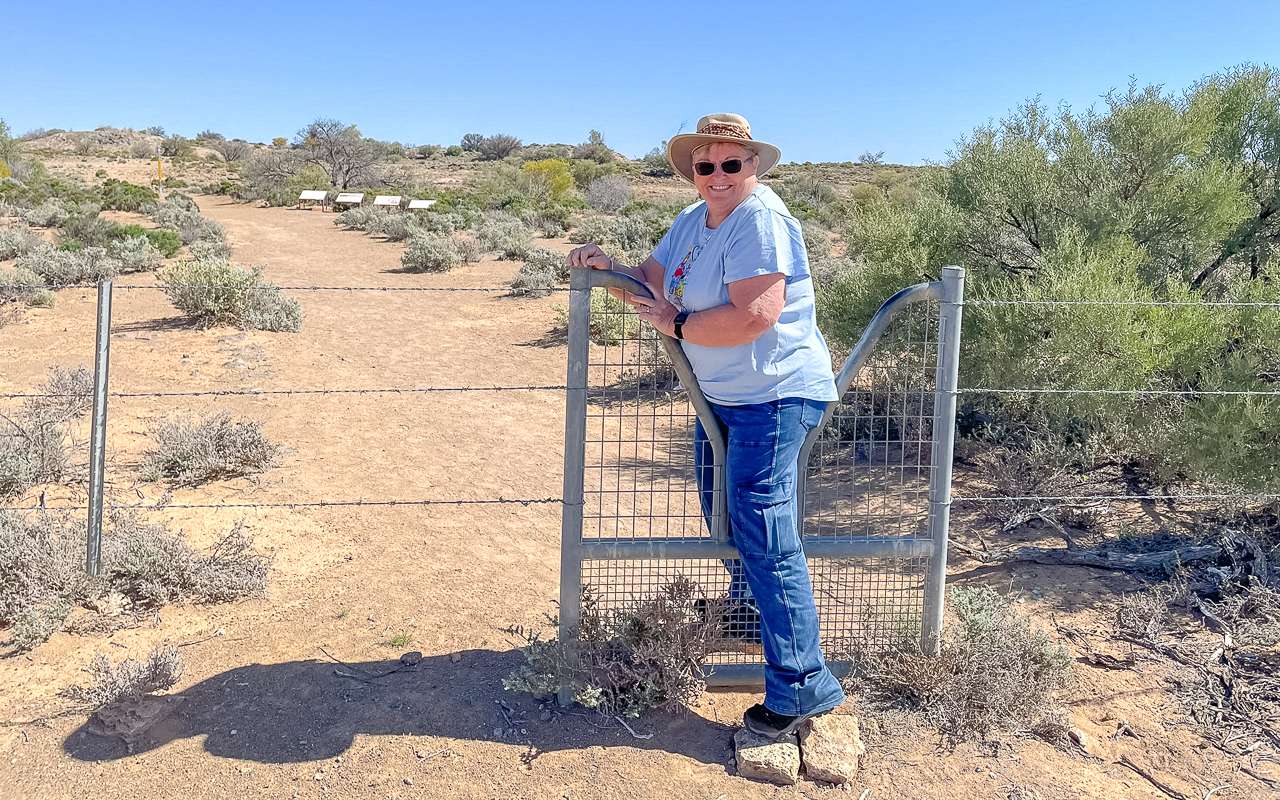
Although the telegraph station was abandoned in the 1890s the ruins of Strangways remain. Visitors can explore the stone buildings that once housed the telegraph equipment and staff. The surrounding area also contains a small cemetery which serves as a reminder of the harsh conditions faced by early settlers and workers in this remote region. An information board at the beginning of a self guided walk explains a lot about what is still there. There are maps available from within a box located at the beginning of the walk.
Getting There

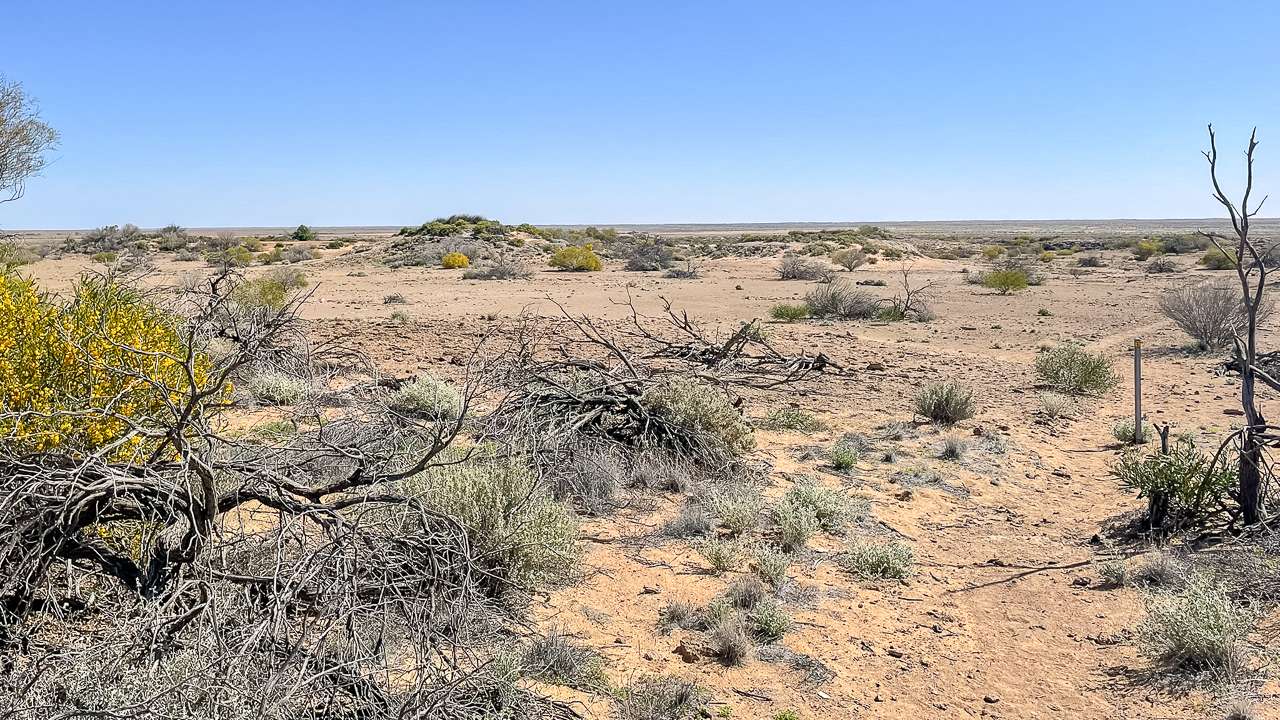
Strangways is located along the Oodnadatta Track, a famous dirt road that follows the route of the old Ghan Railway. It’s about 60 kilometers northwest of William Creek. The drive offers stunning outback scenery, with red desert landscapes, dry riverbeds, and wide-open plains. A 4WD vehicle is recommended, as the track can be rough and dusty.

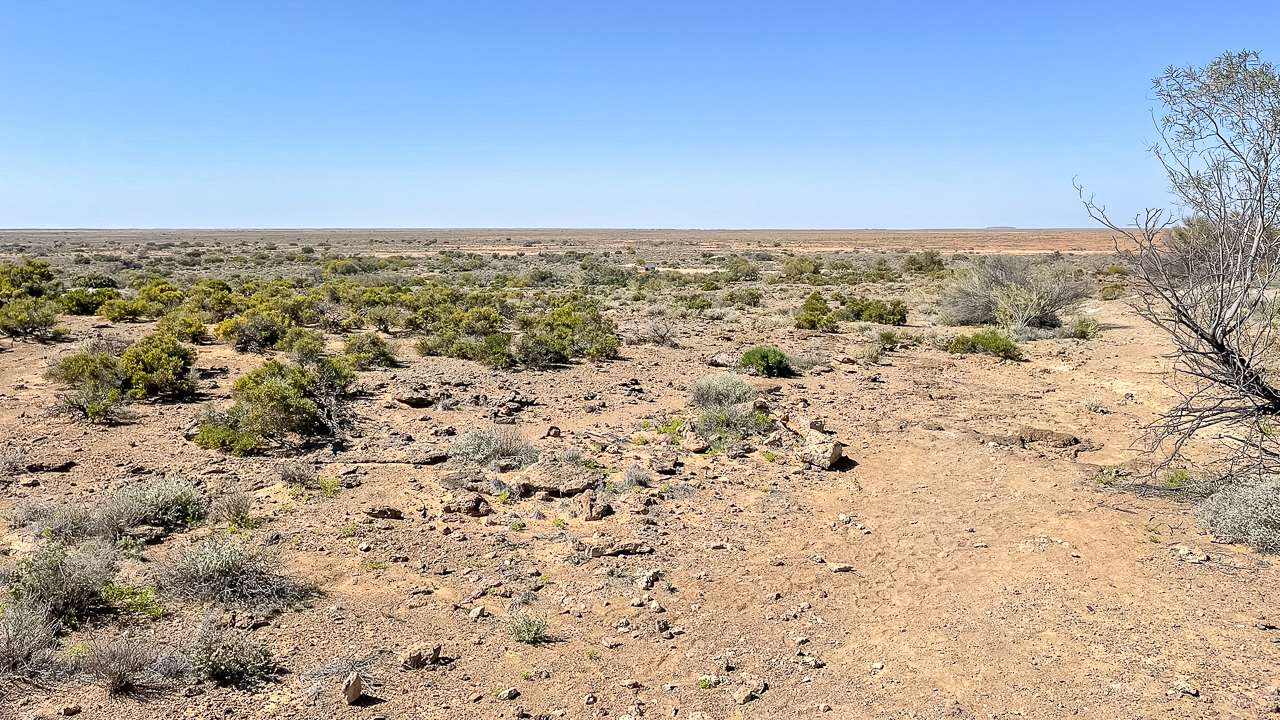
Strangways Rugged Landscape

Strangways Rugged Landscape

Things To Do Nearby
  • Visit Lake Eyre: Not far from Strangways Springs is Lake Eyre, Australia’s largest salt lake, which occasionally fills with water after heavy rains.
  • Explore William Creek: A small outback settlement with a pub and camping facilities William Creek is a great base for exploring the surrounding area.
  • Oodnadatta Track: Continue along the track to see more historic ruins such as the Algebuckina Bridge and old railway sidings.

Camping At Strangways Springs

While there are no official camping facilities at Strangways many travellers on the Oodnadatta Track choose to camp nearby at one of the sidings or it’s also an easy day trip from William Creek. We camped at Curdimurka Siding the night before we visited Strangways and were on our way to William Creek and then camped the night at Algebuckina Bridge.

Maps Available At Beginning Of Strangways Springs Walking Trail

Maps Available At Beginning Of Strangways Springs Walking Trail

Who First Settled Strangways On The Oodnadatta Track?

Strangways Springs located on the Oodnadatta Track in South Australia, was first settled by European pastoralists in the mid-19th century. It was established as part of the early pastoral expansion into the arid regions of South Australia.

The Strangways Springs area was first settled in 1862 by William Benjamin Rounsevell a prominent South Australian businessman and politician. Rounsevell established a sheep and cattle station there. However the area gained greater significance in the 1870s when it became a key repeater station for the Overland Telegraph Line which connected Australia to the rest of the world via telegraph communication.

The telegraph station was critical in ensuring communication between Adelaide and Darwin and then onwards to international locations, and Strangways became a central point for telegraph operators and maintenance crews. After the decline of the telegraph, the Strangways area reverted to being used primarily for pastoral purposes.

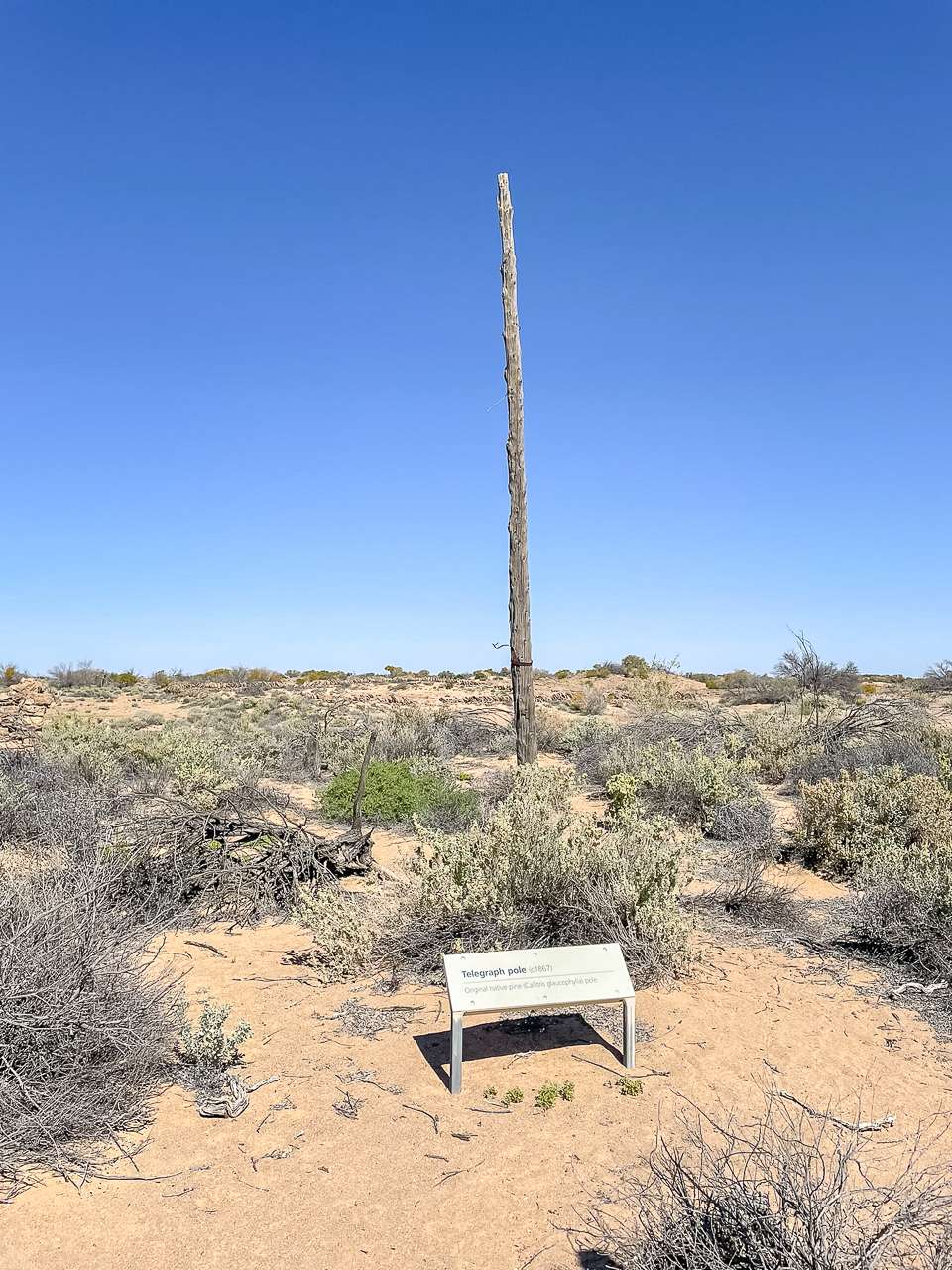
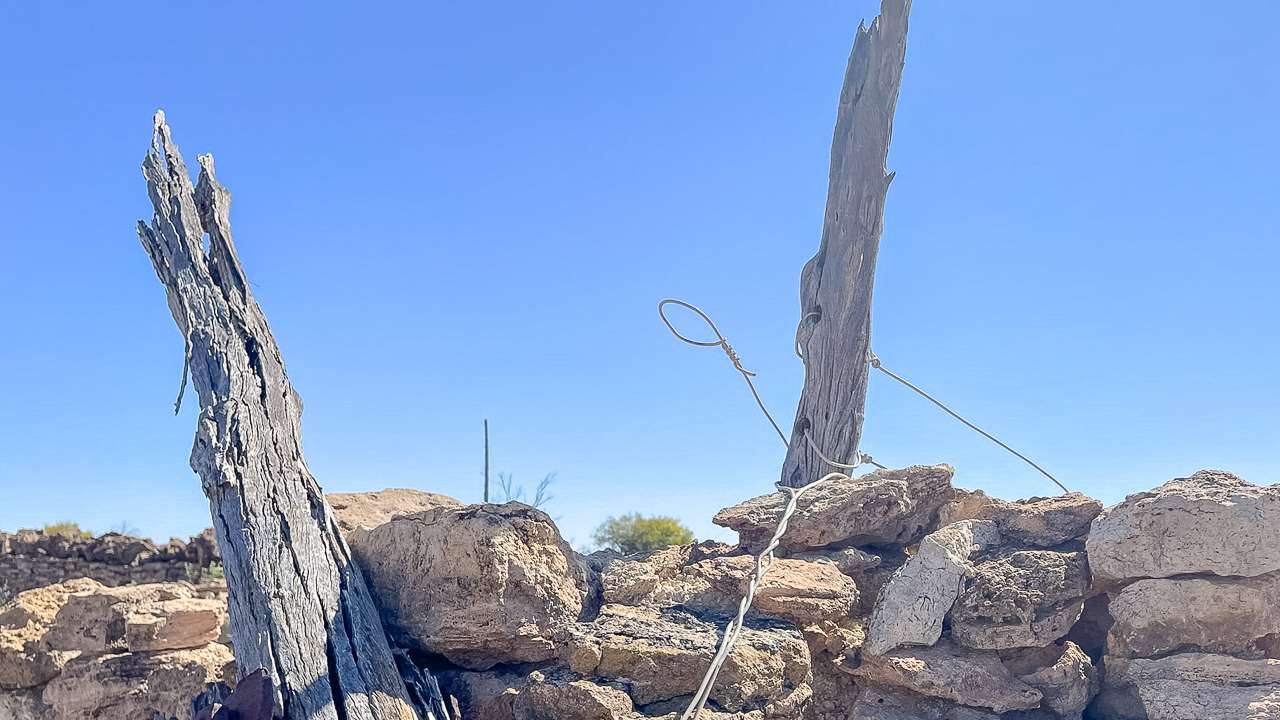
Telegraph Pole At Strangways Telegraph Original Repeater Station

Telegraph Pole At Strangways Telegraph Original Repeater Station

Conclusion

Visiting Strangways on the Oodnadatta Track is a not to be missed opportunity to step back in time and experience a key piece of Australia’s telegraph history. The remote location and rugged landscape make it an ideal stop for those seeking adventure and a deeper connection to the country’s pioneering past.

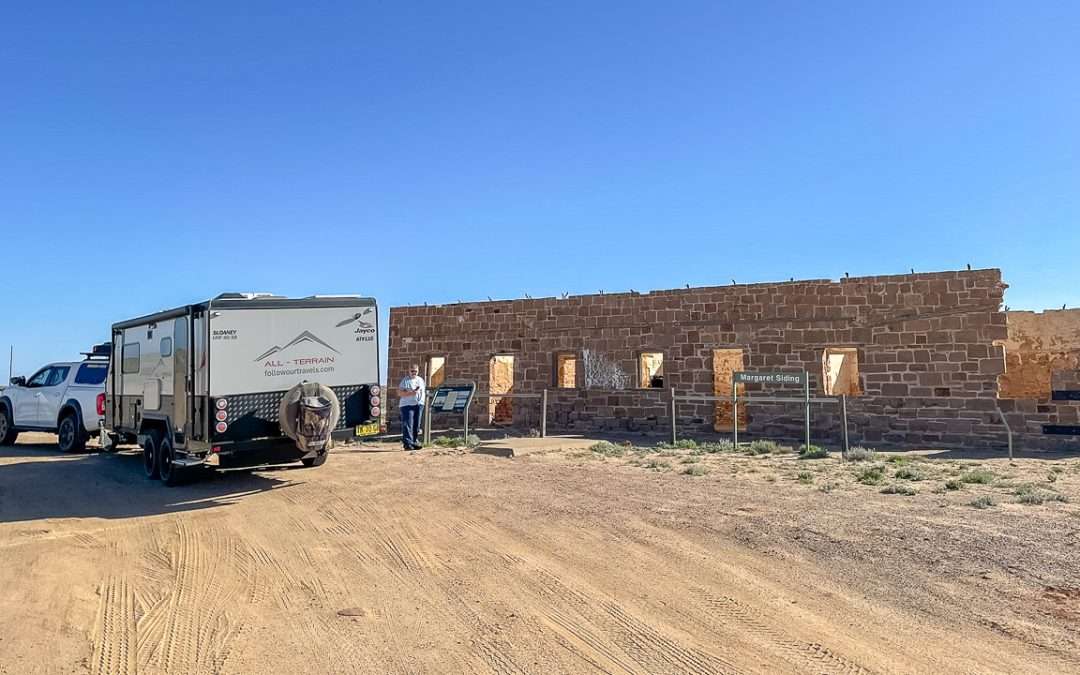
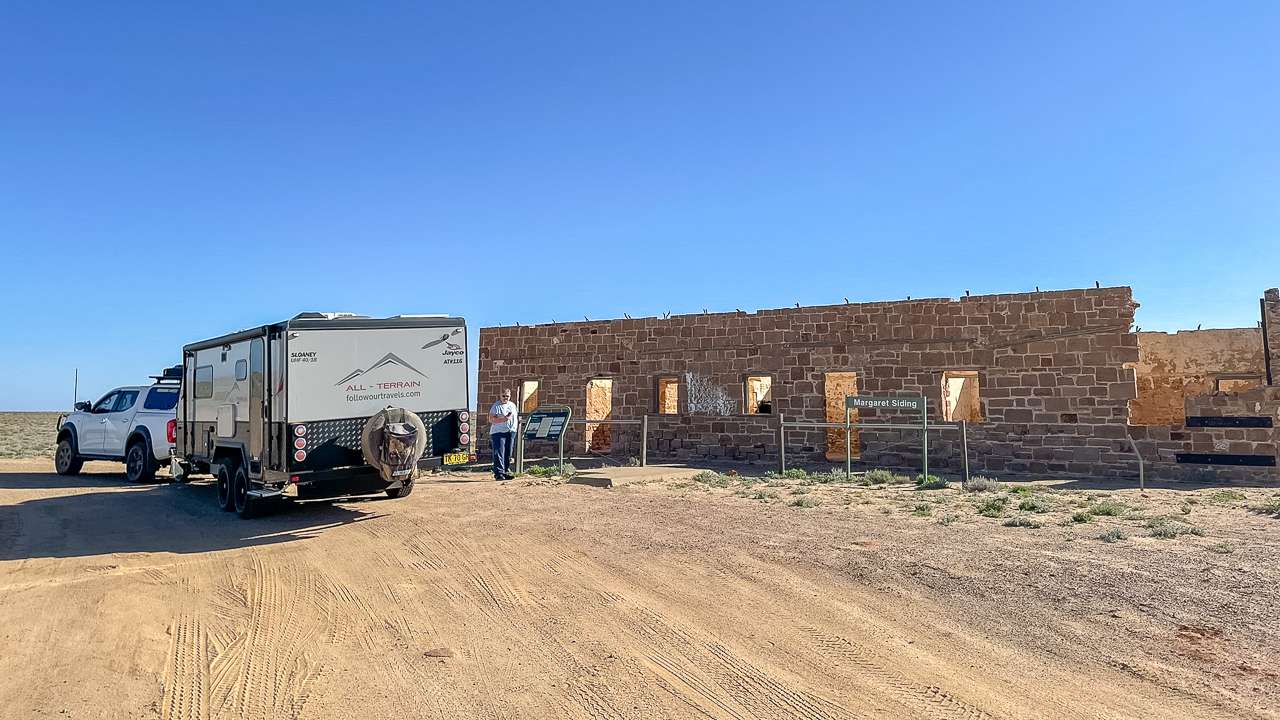
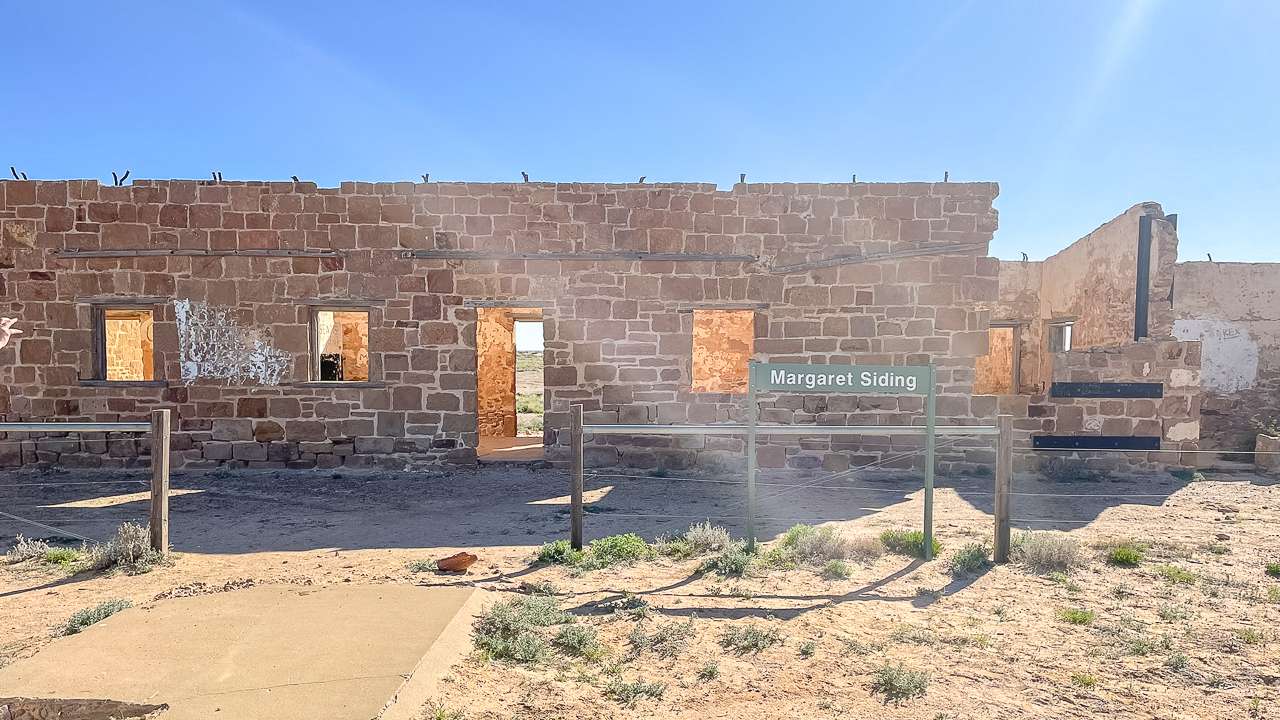
Margaret Siding On Old Ghan Railway Along Oodnadatta Track

Margaret Siding On Old Ghan Railway Along Oodnadatta Track

Margaret Siding On Old Ghan Railway Along Oodnadatta Track

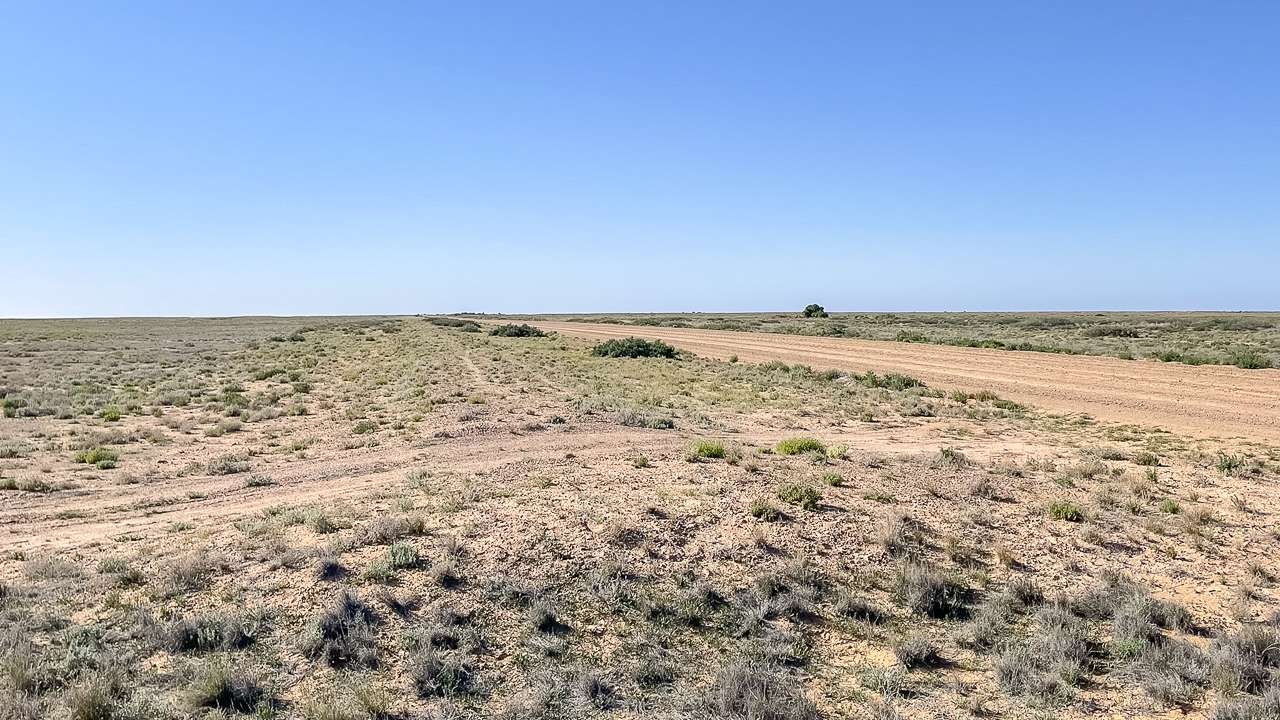
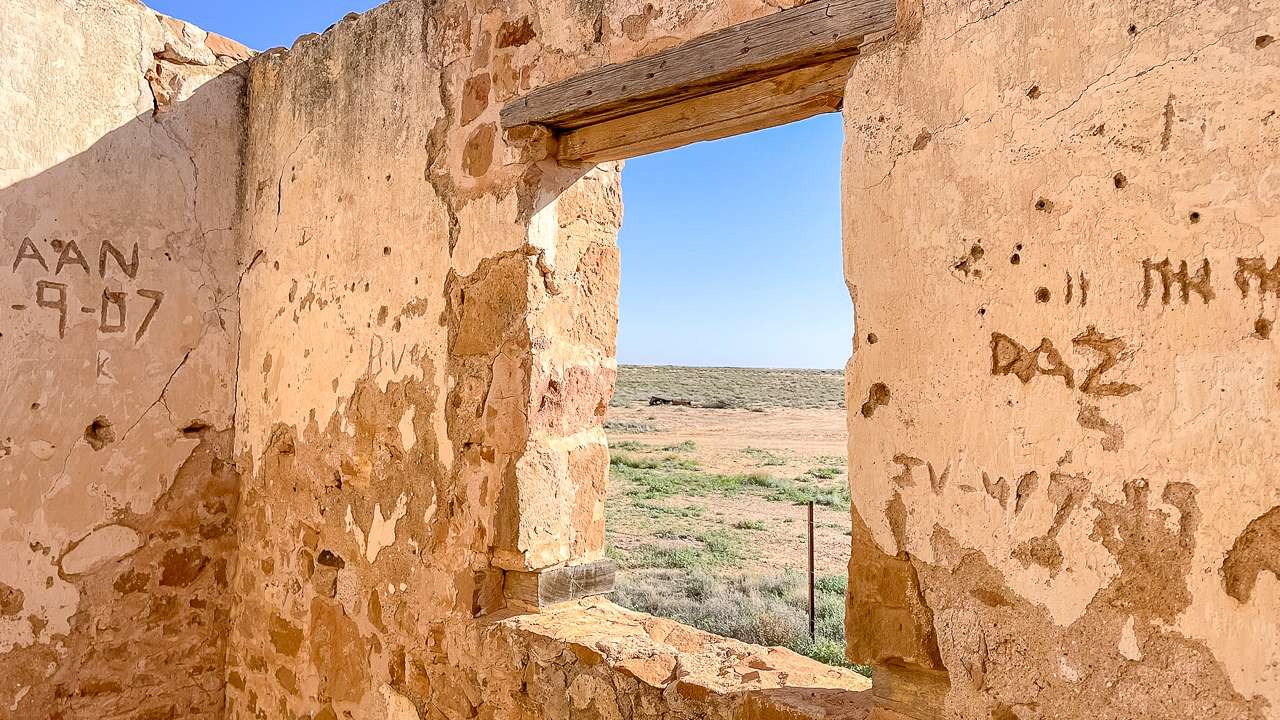
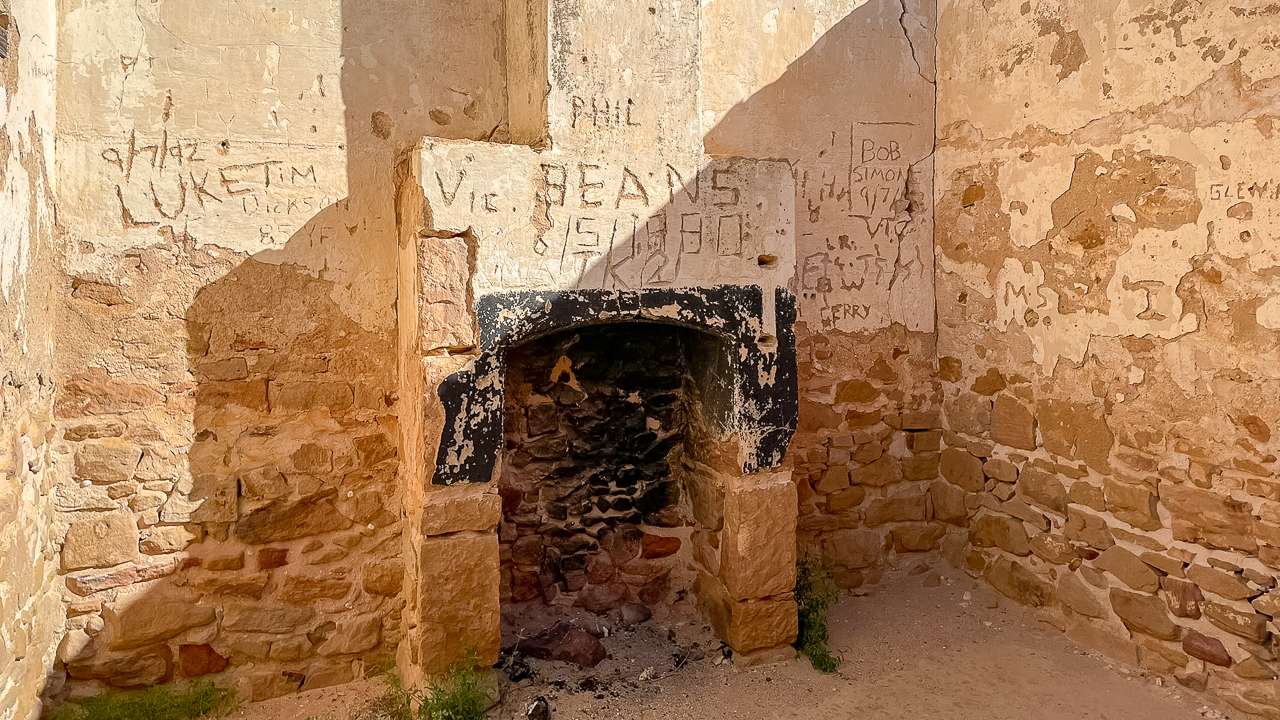
Margaret Siding was one of many small stops along the historic Old Ghan Railway in South Australia. After leaving Curdimurka Siding where we had camped overnight we stopped in at Margaret Railway Siding for a look. It’s a really interesting site with a lot still left to explore. It played an important role in supporting the railway as it crossed the remote outback landscape.

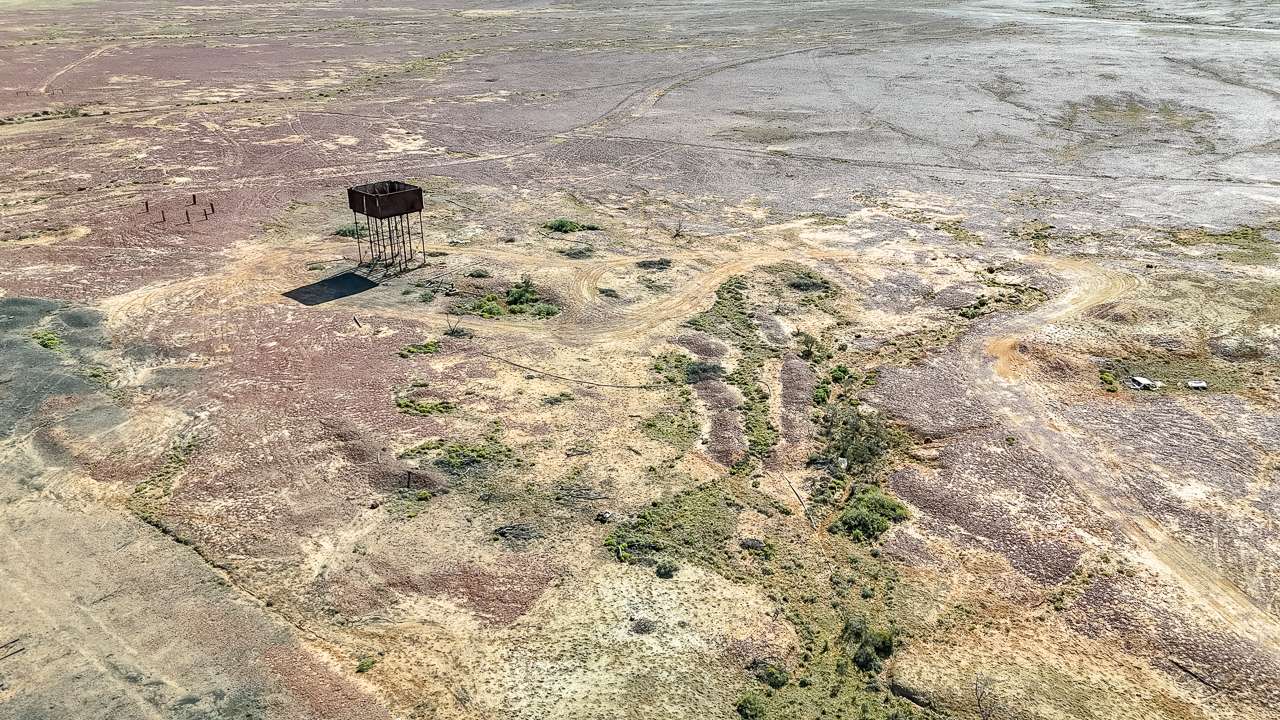
Just as well we stopped for a look as Amanda found that an unopened jar of crushed garlic had unscrewed it’s own lid on the corrugations along the Oodnadatta Track and spread its contents throughout the fridge. I decided to send up the drone to take some video and photos and left Amanda to clean up the mess – I’m pretty good like that!

Siding On The Oodnadatta Track

Siding On The Oodnadatta Track

Purpose Of Margaret Siding

Built during the late 19th century Margaret Railway Siding served as a minor stop for maintenance and refueling on the Old Ghan line which connected Adelaide to Alice Springs. It was primarily used for water supply and as a place where trains could pass one another on the single-track line.

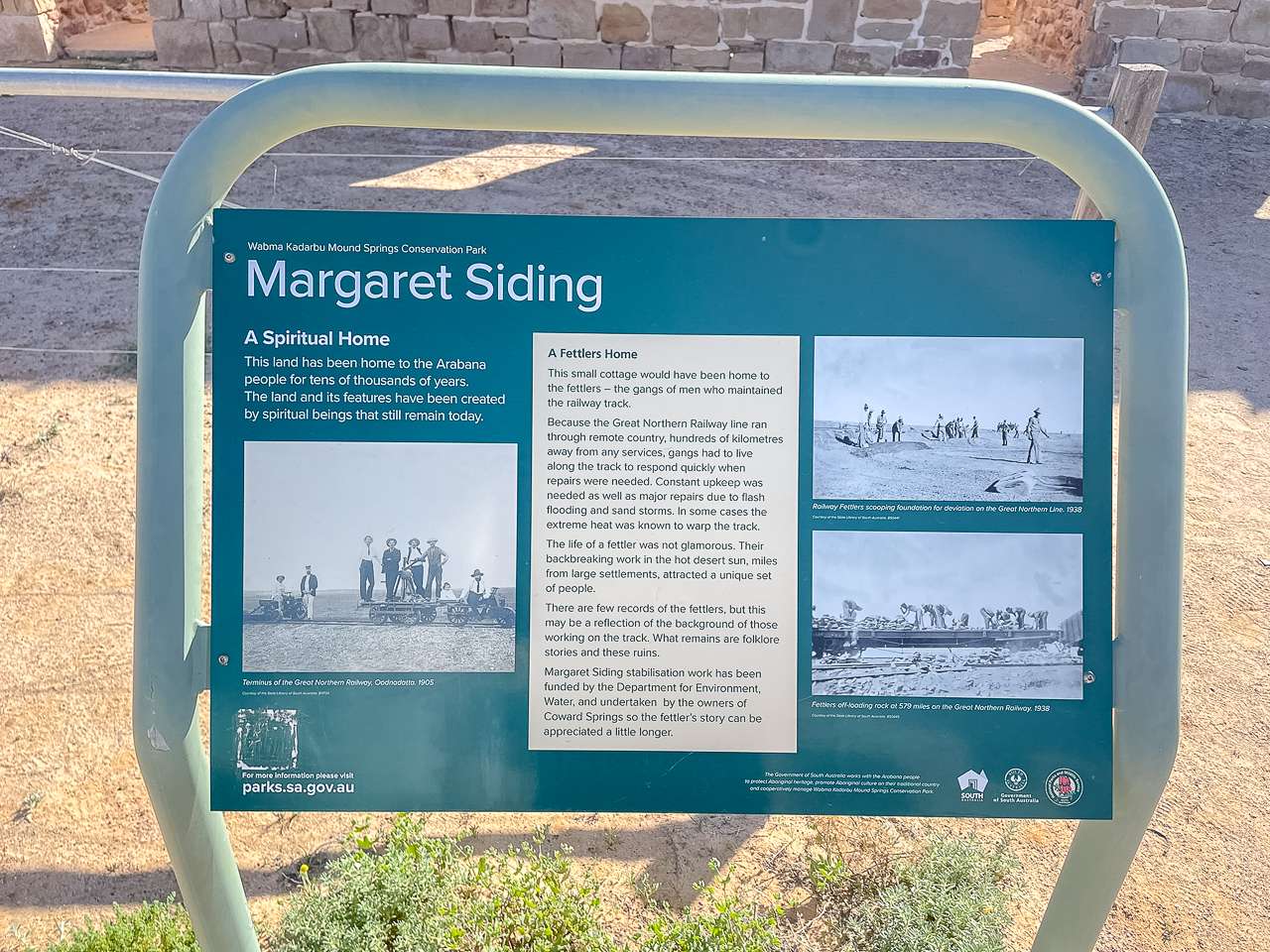
The Old Ghan Railway

The Old Ghan Railway was a key transportation route traversing the Australian outback. It operated through some of the toughest environments. Ranging from desert plains to rugged mountain ranges. Sidings like Margaret siding were essential for ensuring that trains could complete the long journey particularly when steam engines required frequent stops for water.

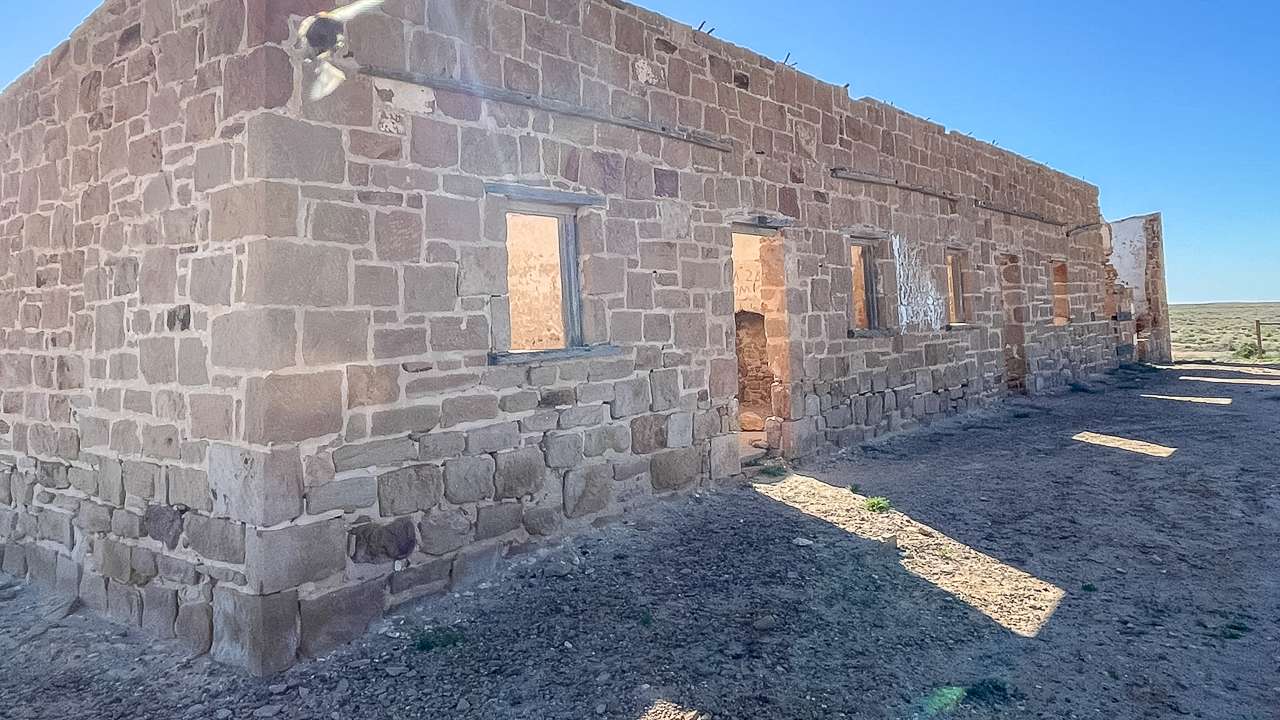
Siding On The Oodnadatta Track

Siding On The Oodnadatta Track

Decline And Abandonment

With the introduction of diesel engines and the construction of a more direct and flood-proof rail line, the Old Ghan route became obsolete. By the 1980s, the railway was rerouted and Margaret Railway Siding like many other stops along the old line was abandoned.

Margaret Siding Today

Today very little remains of Margaret Siding but it continues to hold historical significance for railway enthusiasts. The site is a reminder of the determination and engineering needed to build and maintain a railway through the harsh Australian interior.

Abandoned Water Tank On Ghan Railway

Abandoned Water Tank On Ghan Railway

Can You Camp At Margaret Railway Siding On The Oodnadatta Track?

Unfortunately you can’t. There is no camping allowed at Margaret Railway Siding on the Old Ghan Railway alongside the Oodnadatta track.

Conclusion

Although Margaret Railway Siding no longer functions as a railway stop. Its legacy is part of the broader story of the Old Ghan Railway. It symbolises the hard work and perseverance required to connect the remote parts of Australia via one of the country’s most iconic railroads.