
Free Camping Explained: Pros, Cons & Finding The Best Locations
What Is Free Camping?
Free camping means staying the night in a place that isn’t an official campground or holiday park. Depending on where you are in Australia, you might be able to free camp on public land for free, sometimes there will be a small overnight charge managed with an honesty box.
Free camping in Australia is easier than you think. Tips on finding legal sites, safety & making the most of the free camping revolution. Free camping in Australia is turning into a revolution for many caravanners and campers. With the lure of remote bushland, pristine beaches and outback serenity, it’s no wonder that free camping continues to grow in popularity. This comprehensive guide explores everything you need to know about free camping, including its definition, pros and cons, safety tips and how to find the best sites.
Table Of Contents
- What Is Free Camping?
- Freedom Camping Vs Paid Campsites
- Pros And Cons Of Free Camping
- Can You Free Camp Anywhere In Australia?
- Free Camping: Top 20 Free Camping Sites In Australia By State
- Free Camping: Essential Tips And What To Pack
- Safety Concerns With Free Camping In Australia
- How To Find Free Camping Spots In Australia
- Final Tips For Safe Free Camping
- Article Summary: Free Camping In Australia
Free Camping – also known as freedom camping, bush camping or wild camping refers to staying overnight in a location that isn’t an official commercial campground or holiday park. Instead, these are typically public lands, designated free campgrounds, state forests, or remote wilderness areas where you can set up camp without paying a fee or, in some cases, for a nominal charge managed by an honesty box. The experience is all about immersing yourself in nature, away from the crowds and amenities of traditional caravan parks.
Notably free camping does not mean you can set up camp anywhere you like. Each state and territory has specific regulations and camping is only permitted in designated areas or where local councils allow it. Always check local signage and rules before settling in.
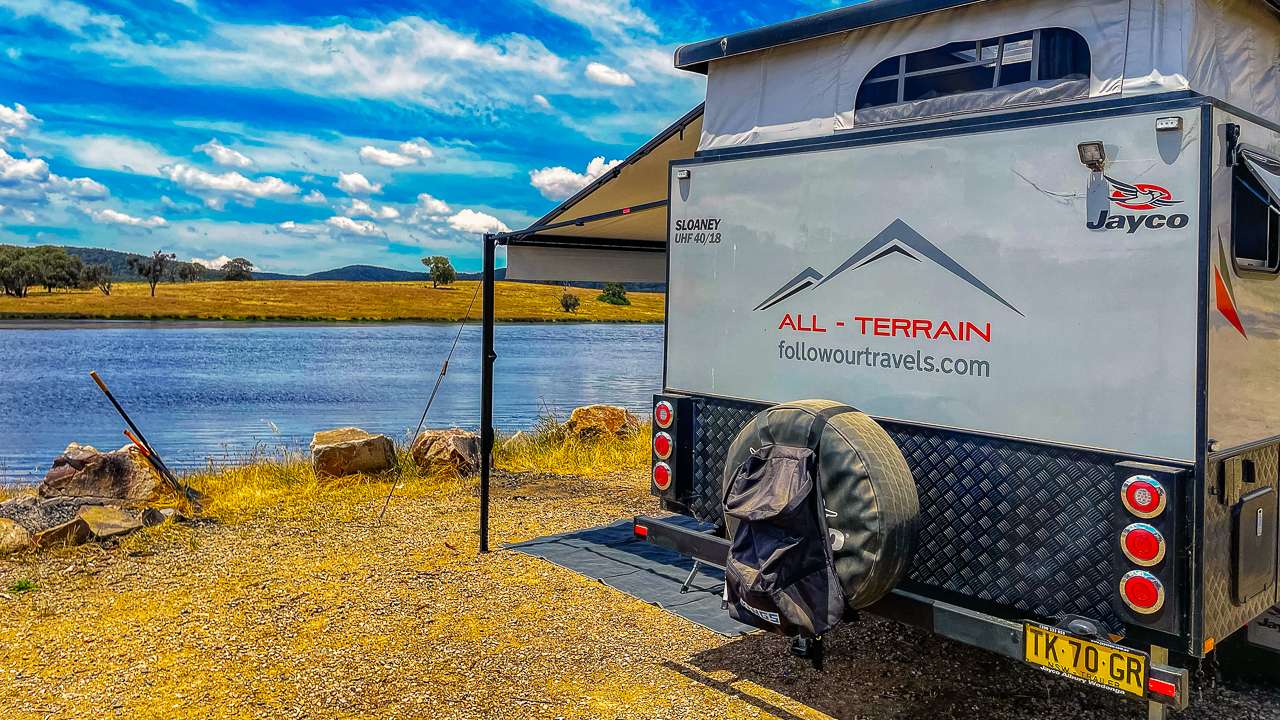
Bethungra Dam Free Camping
Freedom Camping Vs Paid Campsites
| Feature | Free Camping | Paid Campsites & Caravan Parks |
|---|---|---|
| Cost | Free or nominal fee | Nightly fees (vary by location) |
| Facilities | Minimal or none (may lack toilets, water) | Full amenities (showers, power, etc.) |
| Location | Remote, secluded, off-the-beaten-track | Often near towns or attractions |
| Booking | Usually first-come, first-served | Often require advance booking |
| Flexibility | High-spontaneous stops possible | Lower-bound by reservations |
| Social Atmosphere | Quiet, fewer people | Busier, more social |
| Regulations | Strict-must follow local rules | Managed and regulated |
Pros And Cons Of Free Camping
Pros Of Free Camping
- Cost Saving: The most obvious benefit is saving money, as you avoid nightly campsite fees.
- Seclusion And Tranquility: Enjoy remote locations, peace and the sounds of nature without the bustle of a crowded park.
- Flexibility: Change your plans on a whim, stay longer if you love a spot, or move on if you don’t.
- Unique Experiences: Discover hidden gems, stunning landscapes and wildlife encounters that commercial parks rarely offer.
- Adventure: Embrace the spirit of adventure and self-sufficiency-perfect for those who love to “rough it” and connect with the land.
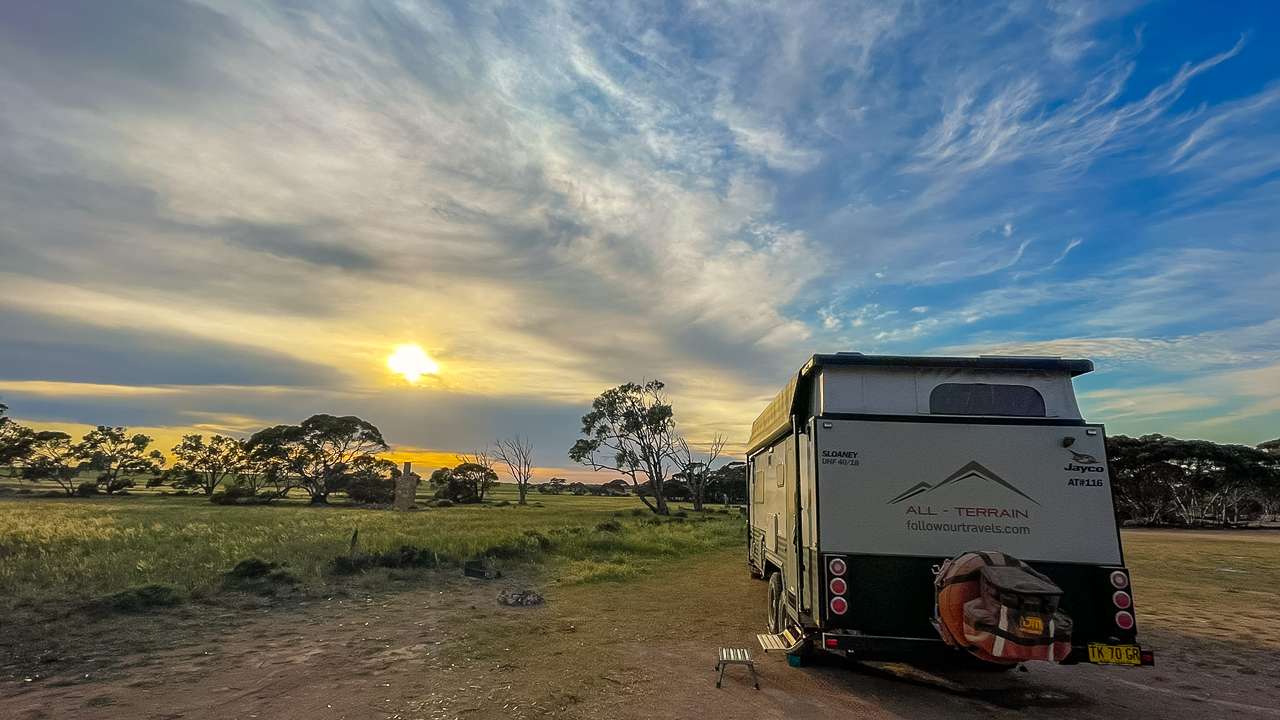
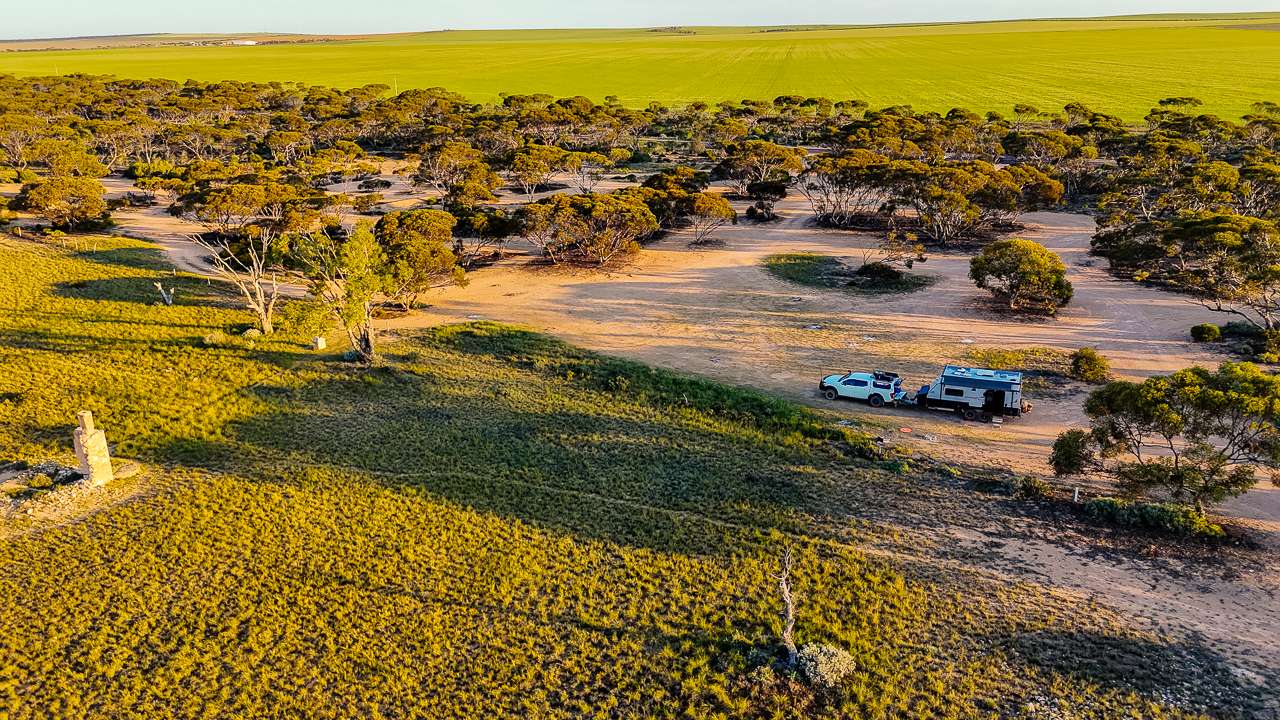
Camping Free Near Penong SA
Cons Of Freedom Camping
- Limited Facilities: Most free campsites lack basic amenities such as toilets, showers, potable water and power.
- Legal Restrictions: Regulations vary by state, council and even suburb. Fines apply if you camp where it’s not permitted.
- Safety Concerns: Remote locations may pose risks, including wildlife, weather, or security issues (see Safety Considerations below).
- Environmental Impact: Without proper care, free camping can lead to environmental degradation. Campers must follow Leave No Trace principles.
- Access: Some free camping spots may be accessible only by 4WD or require a long drive on unsealed roads.
Can You Free Camp Anywhere In Australia?
No. Definitely No. Free camping is only legal in designated areas, which are managed by state governments, councils, or parks authorities. Each state and council area has its own rules.
- New South Wales & Victoria: Legal only in designated free campsites, some national parks and certain rest areas. Fines apply for illegal camping, especially in urban or tourist hotspots.
- Queensland: Options are limited along the coast, but roadside rest areas and designated campgrounds allow overnight stays.
- Western Australia & Northern Territory: Vast open spaces, but bush camping is regulated and often requires a permit.
- Tasmania: Many conservation areas and national parks offer freedom camping, with clear regulations.
- South Australia: A mix of designated free campgrounds and relaxed bush camping rules in less populated areas.
Always check with local authorities, apps like WikiCamps, or tourist information centres to confirm where freedom camping is permitted.
Free Camping: Top 20 Free Camping Sites In Australia By State
Looking for the best free camping spots in Australia? Whether you’re after bushland, beach or outback there are plenty of great places to pitch your tent or park your van without spending a cent. Here’s a simple, state by state list of the top 20 freedom camping sites around the country. Always check local rules and book ahead if needed especially at popular sites.
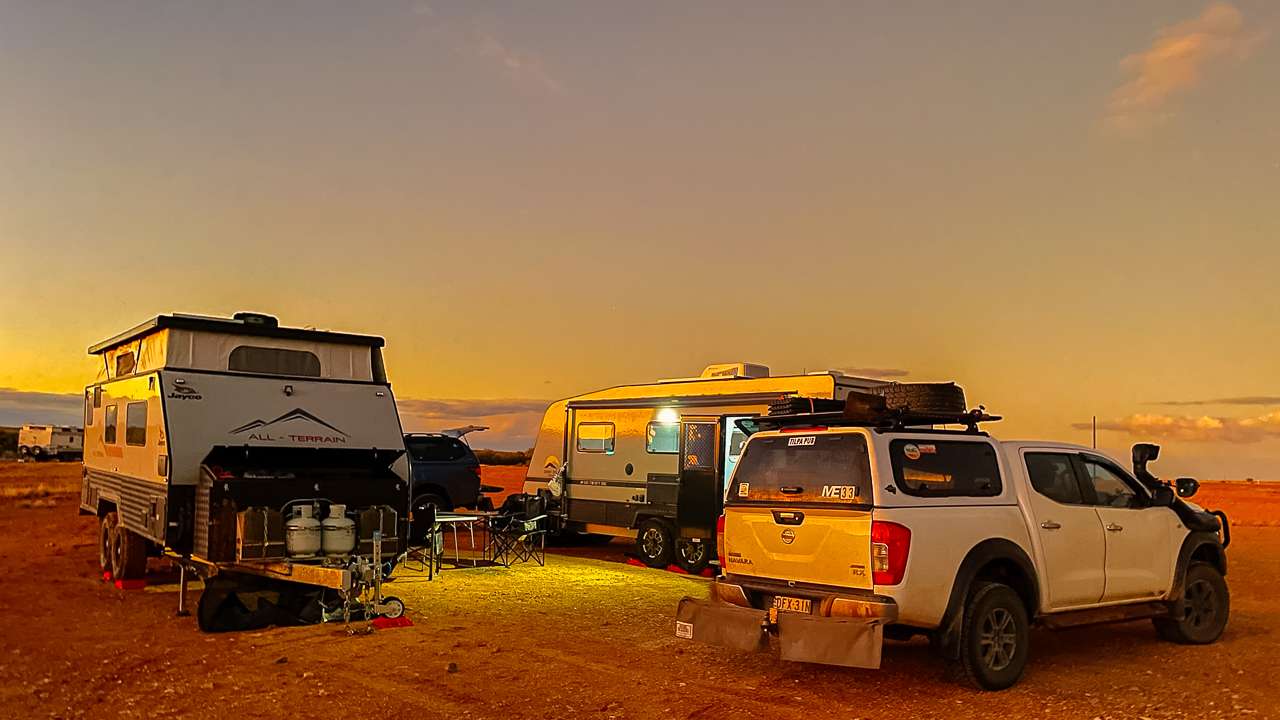
Coober Pedy Free Camp
New South Wales
- Thredbo Diggings Campground, Kosciuszko National Park
Bush setting by the Thredbo River, great for fishing and wildlife. - Woolshed Flat Campground, Woomargama National Park
Quiet bush camp with picnic tables and fire pits. - Bendeela Recreation Area, Kangaroo Valley
Riverside camping, toilets, and lots of wildlife. - Swans Creek Crossing, Kerewong State Forest
Secluded forest site with basic facilities.
Victoria
- Blue Pool Campground, Briagolong State Forest
Natural swimming hole, drop toilets, and picnic tables. - Stapylton Campground, Grampians (Gariwerd) National Park
Mountain views, bush setting, and basic amenities. - Little River Campground, Alpine National Park
Riverside camp with toilets and plenty of shade. - Gunbower Island State Forest
Lakeside bush camping, good for fishing and kayaking.
Queensland
- Julia Creek Free RV Park
Outback stopover with picnic tables and bush cook camps. - Babinda Rotary Park, Babinda
Rainforest setting, toilets, and showers. - Calliope River Rest Area, Calliope
Large riverside area, toilets, and easy access from the highway. - Fletcher Creek, Charters Towers
Spacious riverside camp with basic facilities.
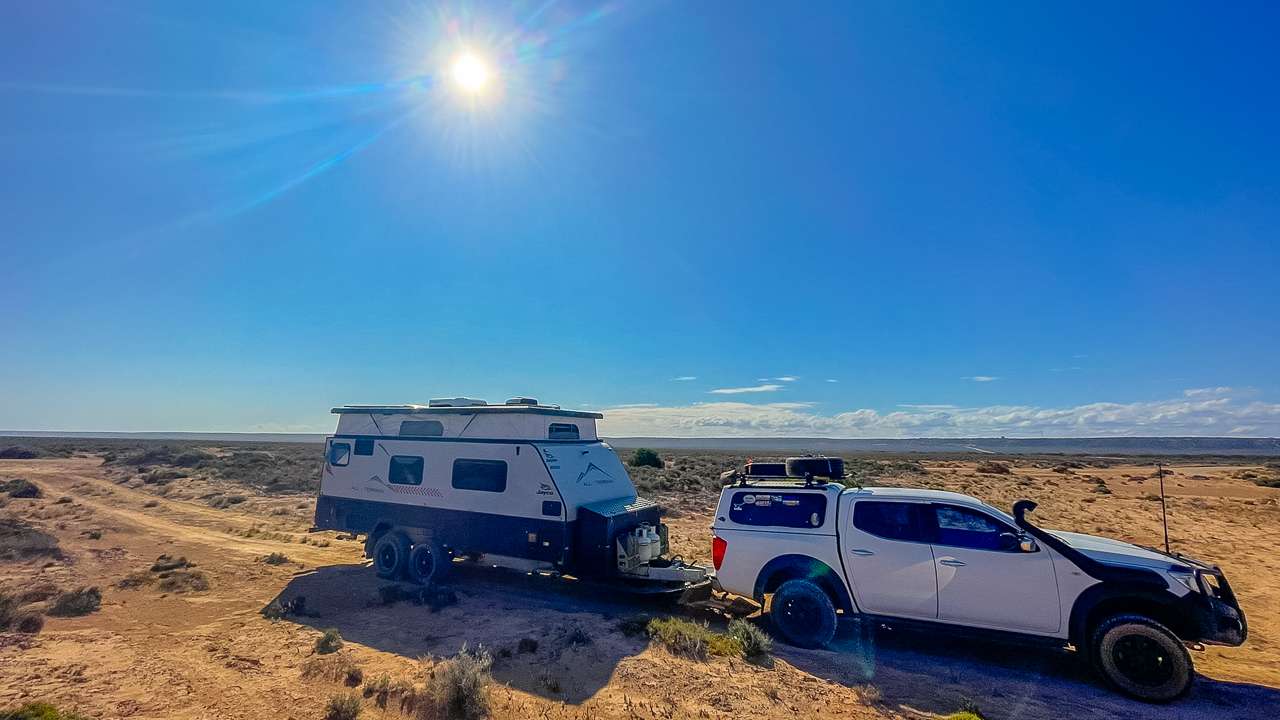
Eucla WA Free Camping In 2024
Western Australia
- Peak Charles National Park Campground
Remote bush camp, toilets, and stunning granite peak views. - Jaurdi Conservation Park, Coolgardie
Quiet bush camp with picnic tables and fire pits. - Roadhouse 360, Nullarbor Plain
Iconic outback rest stop, basic facilities. - Coalmine Beach, Walpole
Free bush camping near the beach, toilets provided.
South Australia
- Point Lowly Camping Area, Whyalla
Coastal camp with toilets and great fishing. - Aroona Dam, Leigh Creek
Lakeside bush camping, toilets, and walking trails.
Tasmania
- Friendly Beaches Campground, Freycinet National Park
Beachfront camping, toilets, and stunning views. - Bay of Fires Conservation Area
Pristine beach camping, basic facilities, and crystal clear water.
Free Camping: Essential Tips And What To Pack
Facilities At Free Campsites
- Toilets: Some have drop toilets or none at all.
- Water: Rarely provided; bring your own supply.
- Rubbish Disposal: Take all rubbish with you.
- Power: Off-grid-bring solar panels or generators if needed.
- Fires: Permitted only in designated fire pits and subject to fire bans.
What To Pack For Freedom Camping
- Ample drinking water and food supplies
- Portable toilet or shovel (for remote sites)
- Rubbish bags
- First aid kit
- Maps or GPS (phone coverage can be patchy)
- Solar panels, battery packs, or generator
- Insect repellent and sunscreen
- Emergency contact numbers
Safety Concerns With Free Camping In Australia
Freedom camping offers adventure and cost savings, but it does come with notable safety concerns that every traveller should consider before heading off the beaten track.
Personal Security And Theft
Free camping sites, especially those outside regulated caravan parks, can pose a higher risk of theft and property damage. Opportunistic crimes such as the theft of fridges, barbecues, solar panels and personal items are more common in free camps, particularly those closer to towns or in less visible areas. Campers are advised to:
- Lock up valuables and secure equipment when away from the site.
- Avoid hiding your setup in isolated or concealed spots, as visibility can deter thieves.
- Introduce yourself to neighbouring campers and establish a sense of community, as fellow travellers can help keep an eye out for suspicious activity.
- Always have a plan for a quick exit, keeping keys, wallets and phones accessible in case you need to leave suddenly.
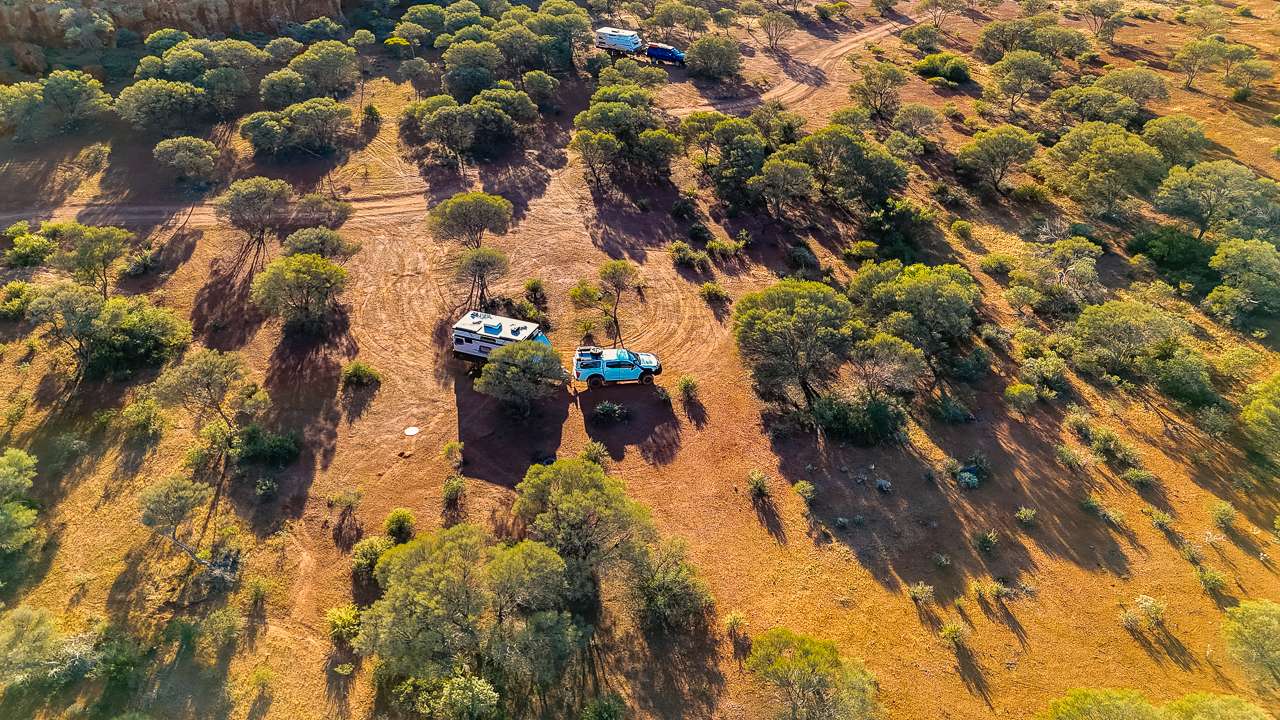
Freedom Camping In WA
Site Selection And Environmental Hazards
Choosing the right site is crucial for safety. Avoid camping under overhanging branches, near long grass (which can harbour snakes or become a fire hazard), or in low lying areas prone to flooding. In remote locations, help may not be readily available, so consider carrying a satellite phone if travelling far from towns.
Behavioural And Social Risks
Large gatherings at popular free camping spots can sometimes lead to antisocial behaviour, driving violations, or even dangerous activities such as setting off flares or starting unauthorised fires. Such incidents have prompted authorities to increase ranger patrols and consider stricter regulations to maintain safety and public order.
Wildlife And Fire Risks
Wildlife encounters are part of the experience, but food left unsecured can attract animals, posing risks to both campers and fauna. Fire safety is also paramount; always observe fire bans and use designated fire pits to prevent bushfires, especially during hot or windy conditions.
Facilities And Self Sufficiency
Most free camping sites offer limited or no facilities. Campers must be self sufficient, bringing their own water, toilet solutions and rubbish disposal systems. This lack of infrastructure can pose health and hygiene risks if not managed properly.
Legal And Regulatory Risks
Camping outside designated areas or overstaying time limits can result in fines or being asked to move on. Always check local regulations, signage and whether self contained vehicles are required.
Summary Table: Key Safety Concerns With Free Camping
| Safety Concern | Description & Tips |
|---|---|
| Theft & Vandalism | Lock valuables, secure equipment, build rapport with neighbours |
| Site Hazards | Avoid overhanging branches, long grass, flood-prone areas |
| Antisocial Behaviour | Be aware of large crowds, avoid high-risk times and locations |
| Wildlife | Secure food, never feed animals, keep campsite clean |
| Fire Risk | Follow fire bans, use designated fire pits, avoid risky conditions |
| Lack of Facilities | Be self sufficient, manage waste and water responsibly |
| Legal Issues | Camp only in permitted areas, obey time limits and local rules |
How To Find Free Camping Spots In Australia
Finding freedom camping spots in Australia is easier than ever thanks to a range of digital tools, directories and resources tailored for caravanners and campers. Here’s how you can discover the best free camping locations across the country:
Use Camping Apps
Several dedicated apps are designed to help travellers find free camping spots:
- WikiCamps: This is Australia’s most comprehensive camping app, featuring over 40,000 sites, including free camps, caravan parks, dump points and water refill stations. It works offline, offers a trip planner and allows filtering by amenities and site type. There’s a one-off fee, but WikiCamps is widely regarded as the “king” of camping apps in Australia.
- CamperMate: A free, ad supported app that provides real time user feedback, local tips and an interactive map. It’s ideal for finding free camping sites, especially when you need up to date information on facilities and road conditions. CamperMate also works offline if you download maps in advance.
- Camps Australia Wide: Available as an app and guidebook, this resource lists over 13,000 verified campgrounds, including many free and low-cost sites. It features offline maps, user reviews and detailed site information, making it a reliable choice for planning your trip.
- Hipcamp: While primarily focused on paid private land sites, Hipcamp sometimes lists unique free or low-cost options. It’s useful for finding out of the way spots, especially on rural properties.
Check Online Directories And Websites
- Full Range Camping: Their Free Campgrounds Directory lists over 2,500 free campsites across Australia, complete with GPS coordinates, directions, facilities and user reviews. Many of these are council- or community-provided and are updated regularly.
- Free Camping Australia: This website provides detailed listings of free campsites by state, including rest areas, bush camps and beachside locations. Each listing includes site descriptions, directions and facility information.
Explore National Parks, State Forests and Crown Land
- National Parks: Many national parks offer designated free or low-cost camping areas. Always check the park’s official website or contact rangers for up to date information, as some sites require permits or have seasonal restrictions.
- State Forests: State forests often have fewer restrictions than national parks and may allow bush camping at no cost. These sites typically offer basic amenities and are ideal for self sufficient travellers.
- Crown Land: In remote areas, certain Crown land parcels permit free camping. Rules vary by state and local council, so always confirm whether a permit is needed and what conditions apply.
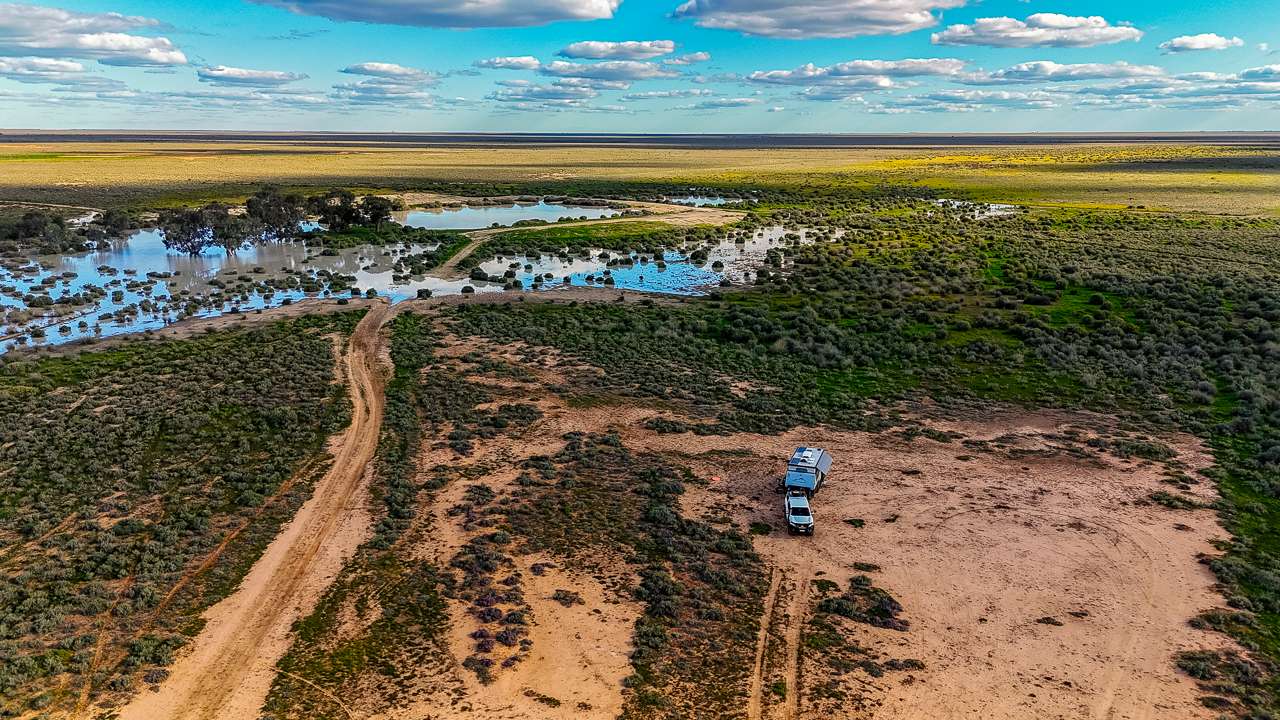
Freedom Camping Near Hay NSW
Utilise Local Knowledge And Visitor Centres
- Visitor Information Centres: Local centres are invaluable for up to date advice on free camping sites, road conditions and any recent changes to regulations.
- Word Of Mouth: Fellow travellers, caravan park hosts and local residents often know about hidden gems not listed online.
Look For Signage And Council-Provided Sites
Many towns and communities provide free or low-cost camping areas to attract visitors. These are usually well-signposted and may be located near showgrounds, sports ovals, or behind local pubs. Always read and follow posted rules, including stay limits and self containment requirements.
Key Tips For Finding Free Camping In Australia
- Plan Ahead: Download maps and site details before you travel, as mobile coverage can be patchy in remote areas.
- Check Facilities: Free camps often have limited amenities. Be prepared to be self sufficient with water, food and waste disposal.
- Respect Local Rules: Only camp in designated areas and adhere to stay limits and permit requirements to avoid fines.
- Support Local Communities: Many free camps are provided by small towns-consider buying supplies or fuel locally to support them.
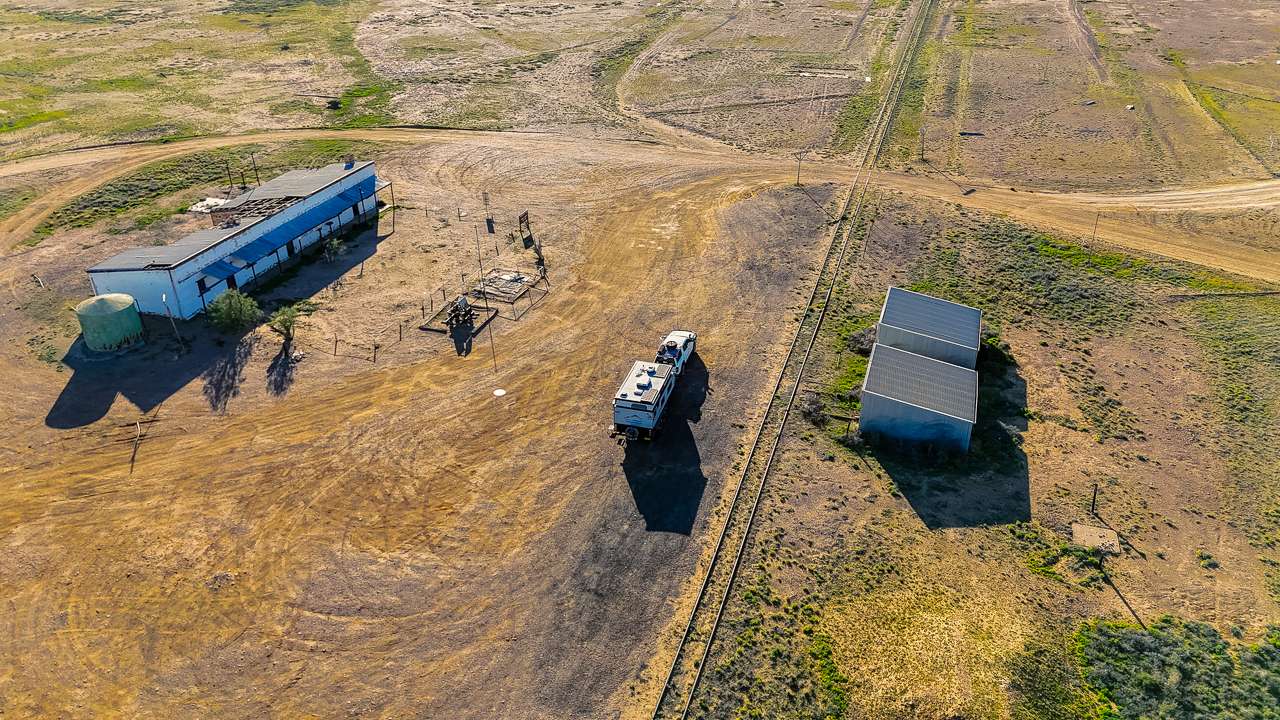
Oodnadatta Track Free Camping At Curdimurka Siding
Summary Table: Top Resources For Finding Free Camping
| Resource | Description | Offline Capable |
|---|---|---|
| WikiCamps | Comprehensive app with 40,000+ sites | Yes |
| CamperMate | Free app with real-time tips and reviews | Yes |
| Camps Australia Wide | App and guidebook with 13,000+ listings | Yes |
| Full Range Camping | Online directory with 2,500+ free campsites | Yes (app) |
| Free Camping Australia | Website with detailed listings by state | No |
| Hipcamp | App for private land sites, some free/low-cost | No |
| Visitor Centres | Local advice and printed maps | N/A |
By combining these resources, you’ll have no trouble finding a free camping spot that suits your needs, whether you’re after bushland solitude, a riverside retreat, or a convenient overnight rest area. Always double-check local regulations and enjoy the freedom that comes with exploring Australia’s great outdoors.
Final Tips For Safe Free Camping
- Always trust your instincts-if a site feels unsafe, move on.
- Ask local information centres or police for advice on the safest free campsites in the area.
- Maintain low noise levels and respect other campers and the environment.
- Carry a list of emergency numbers and keep your phone charged, or consider a satellite phone for remote areas.
By preparing thoroughly and staying aware, you can enjoy the freedom of free camping while minimising the risks.
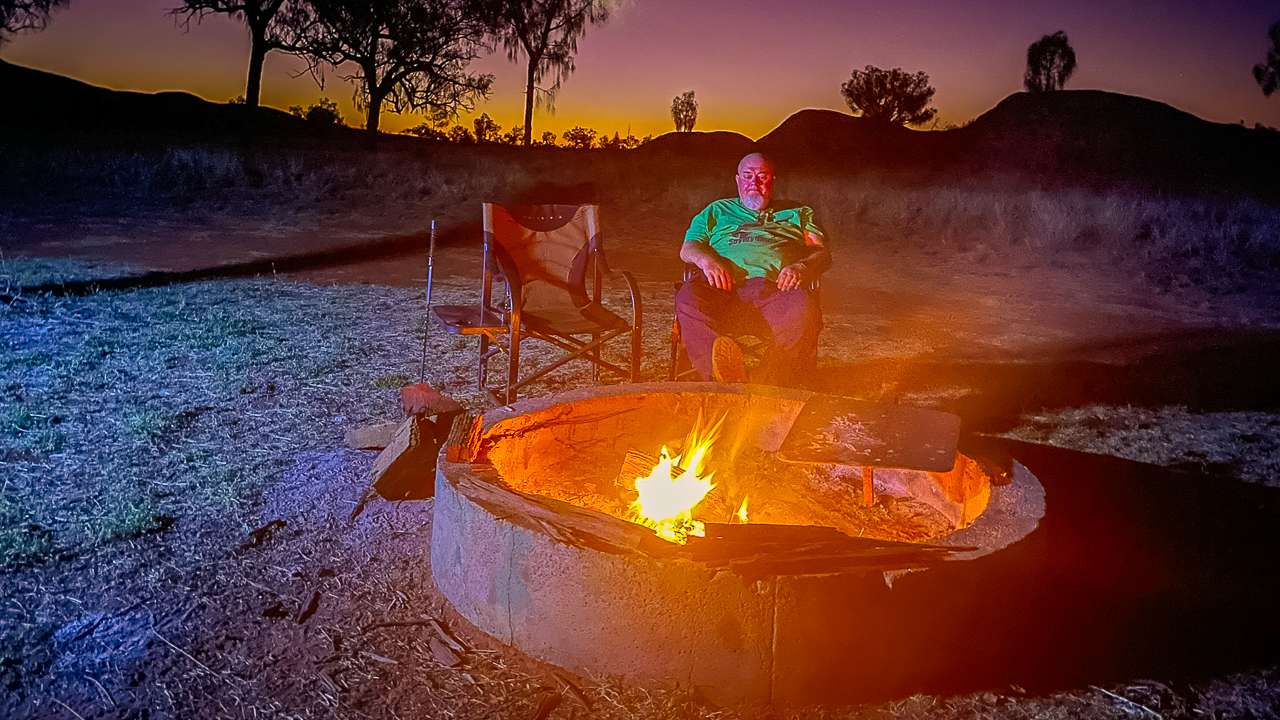
Great Central Road Free Camp At Docker River
Article Summary: Free Camping In Australia
Free camping in Australia is a rewarding budget friendly way to explore Australia. It gives travellers the freedom to immerse themselves in nature and discover hidden locations off the beaten track. Defined as staying overnight in locations outside commercial caravan parks or paid campgrounds, free camping allows for greater flexibility and adventure, but it also comes with important responsibilities and considerations.
To enjoy free camping safely and legally, it’s essential to camp only in designated or council approved areas, respect local rules, and be aware of time limits for each site. Many free camping locations require self contained vehicles, as facilities like toilets, water, and rubbish disposal are often limited or nonexistent. Preparation is key-travellers should pack all necessary supplies, including water, food, sun protection, first aid, and navigation tools, and ensure their vehicle is equipped for off grid living.
Safety remains a top priority. Campers should avoid setting up under large trees, stay alert to weather and bushfire risks, and trust their instincts when choosing a site. Personal security can be improved by camping near others, keeping valuables secure, and maintaining communication with family or friends. Wildlife encounters and environmental hazards are part of the experience, so following Leave No Trace principles and protecting native flora and fauna is vital.
Ultimately, free camping is about balancing freedom with responsibility. By respecting the environment, adhering to local regulations, and prioritising safety, travellers can make the most of Australia’s incredible free camping opportunities-enjoying unforgettable adventures while preserving these special places for future generations.
Free Camping Near Penong WA