Margaret Siding On Old Ghan Railway Along Oodnadatta Track
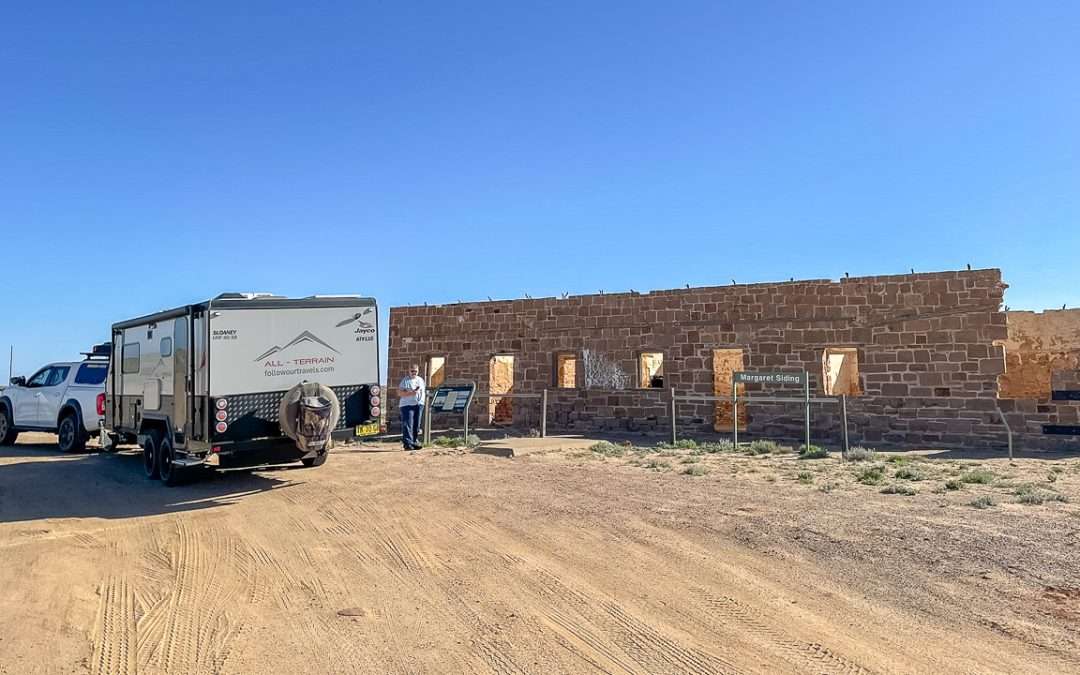
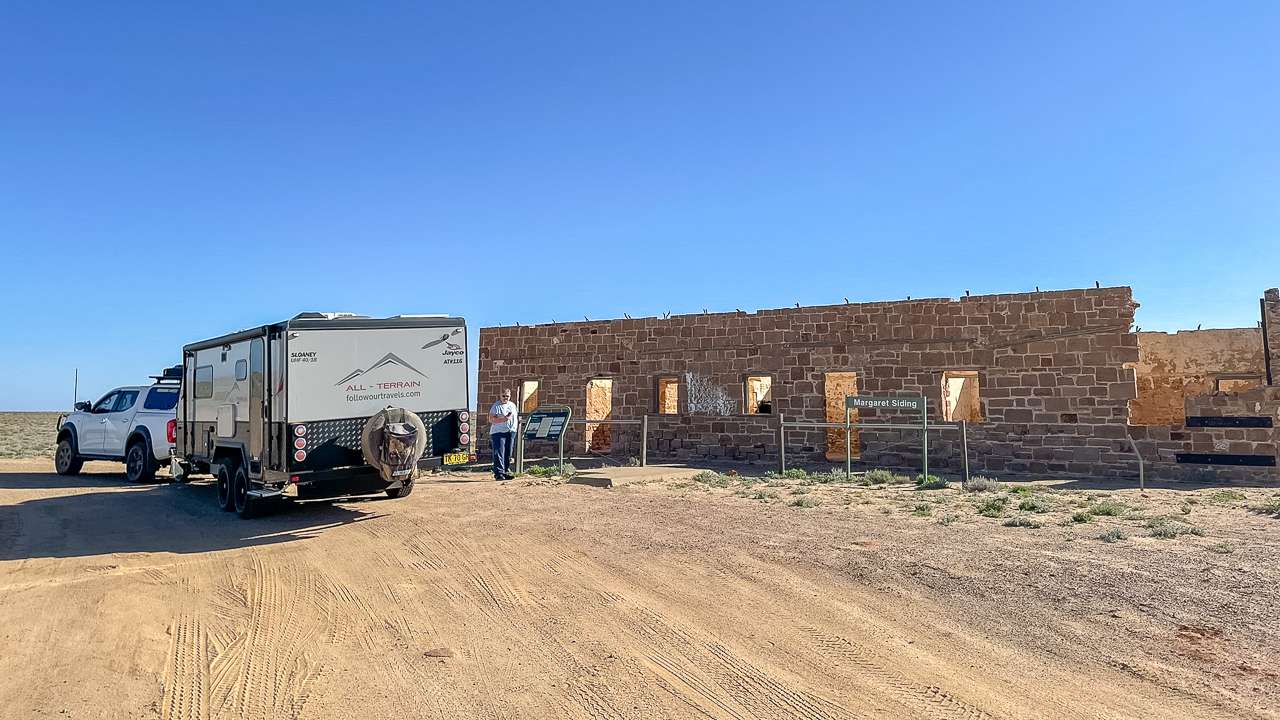
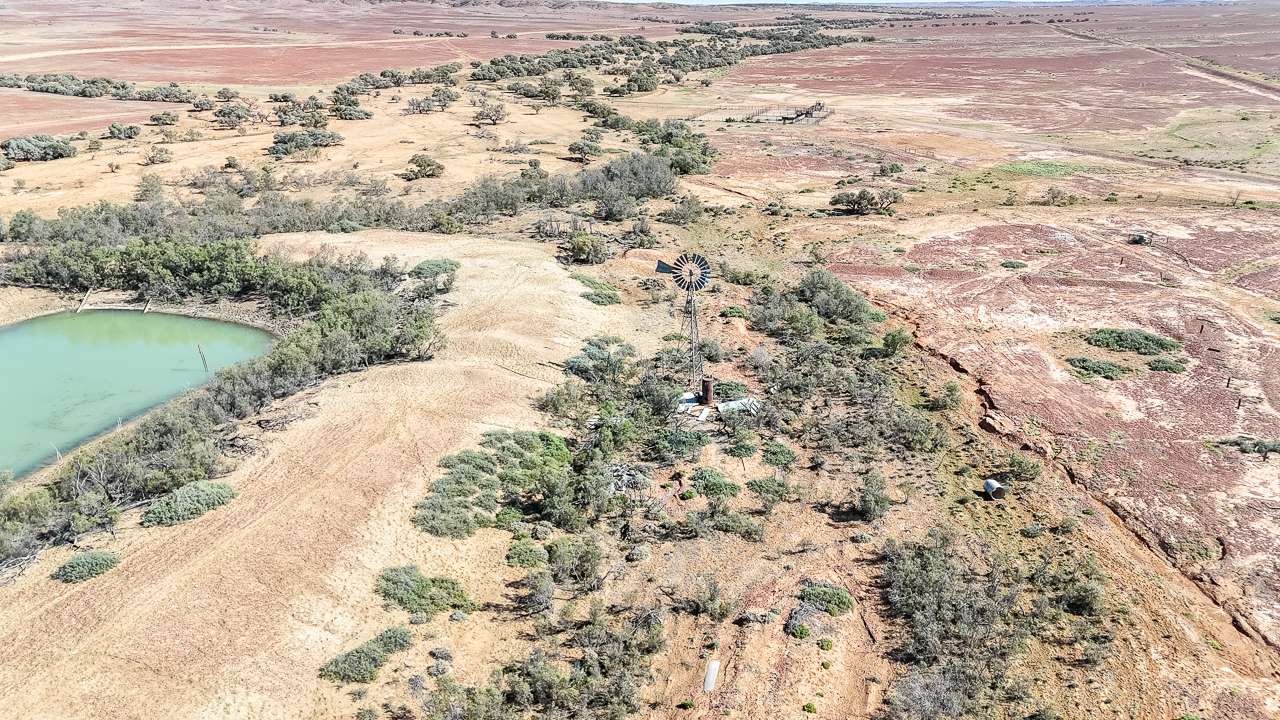
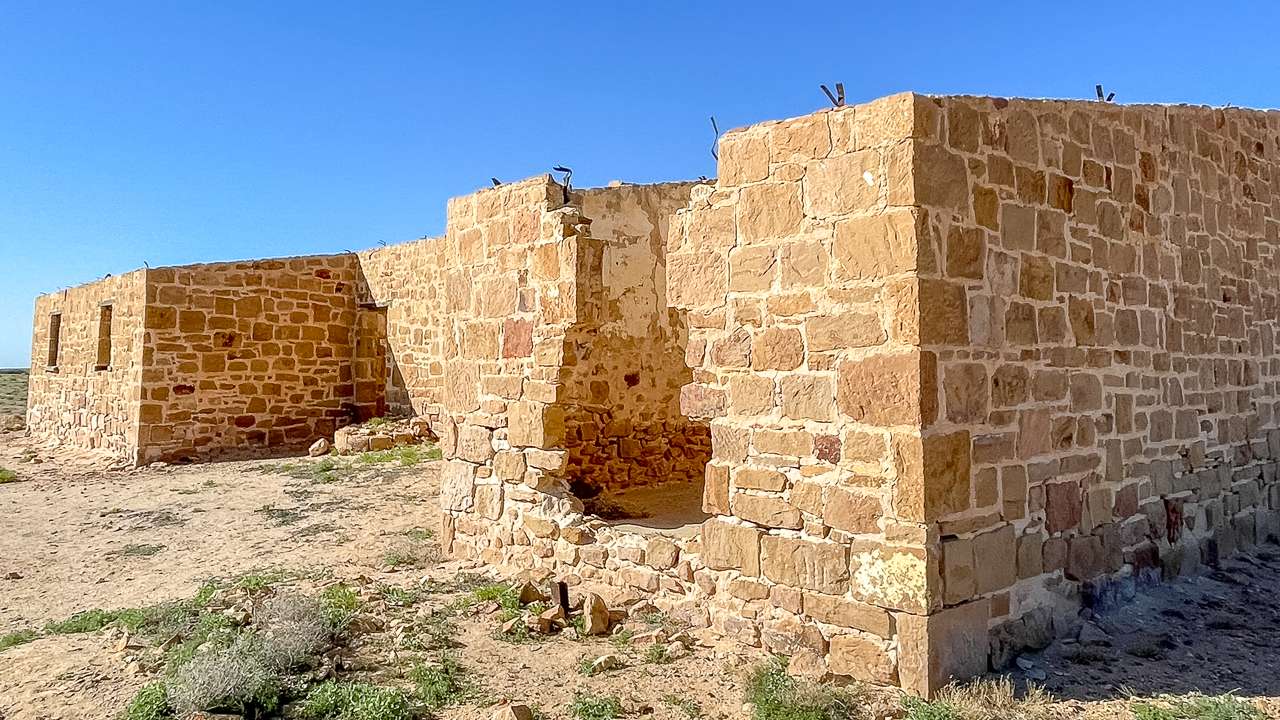
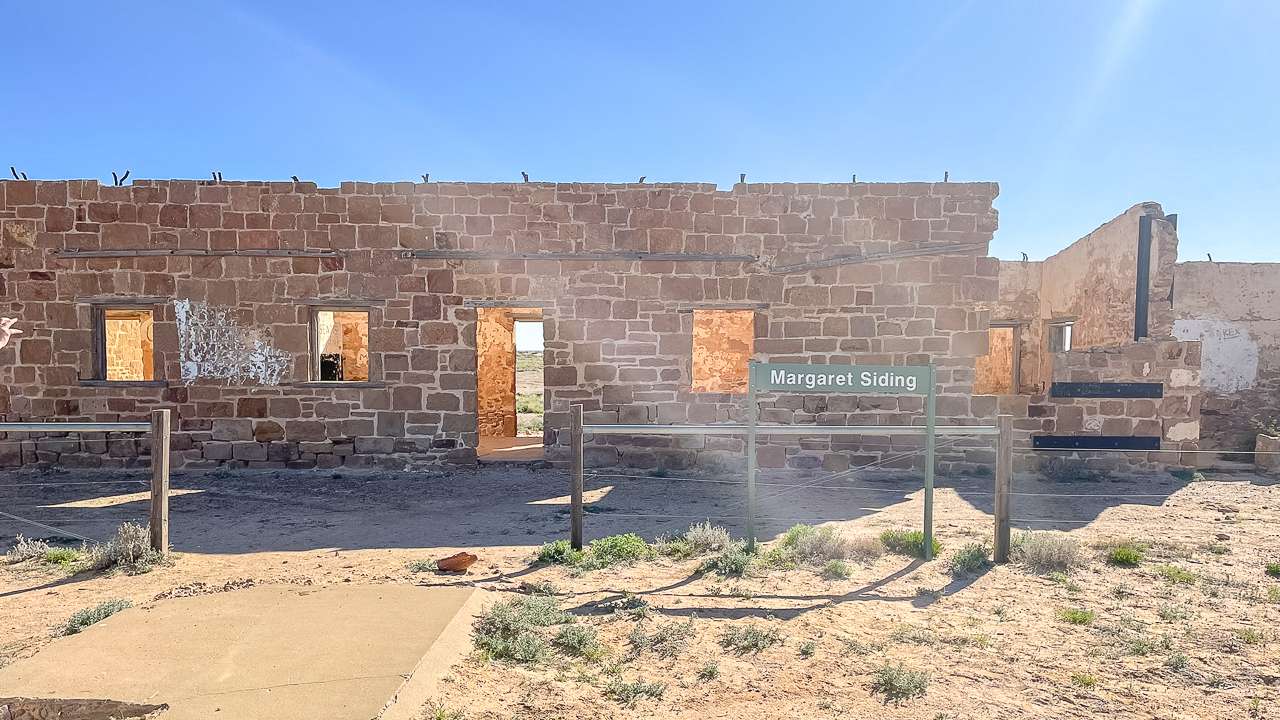
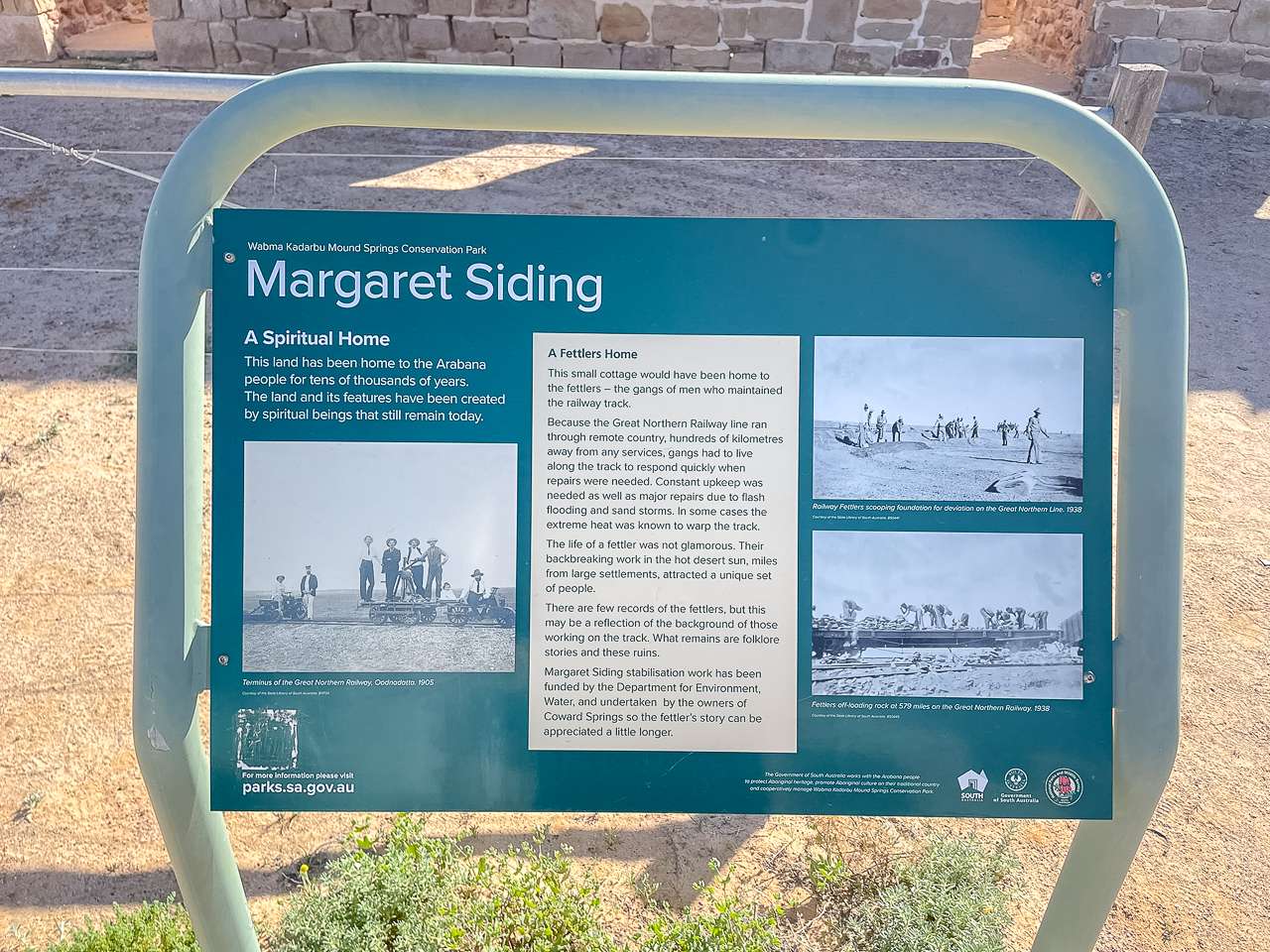
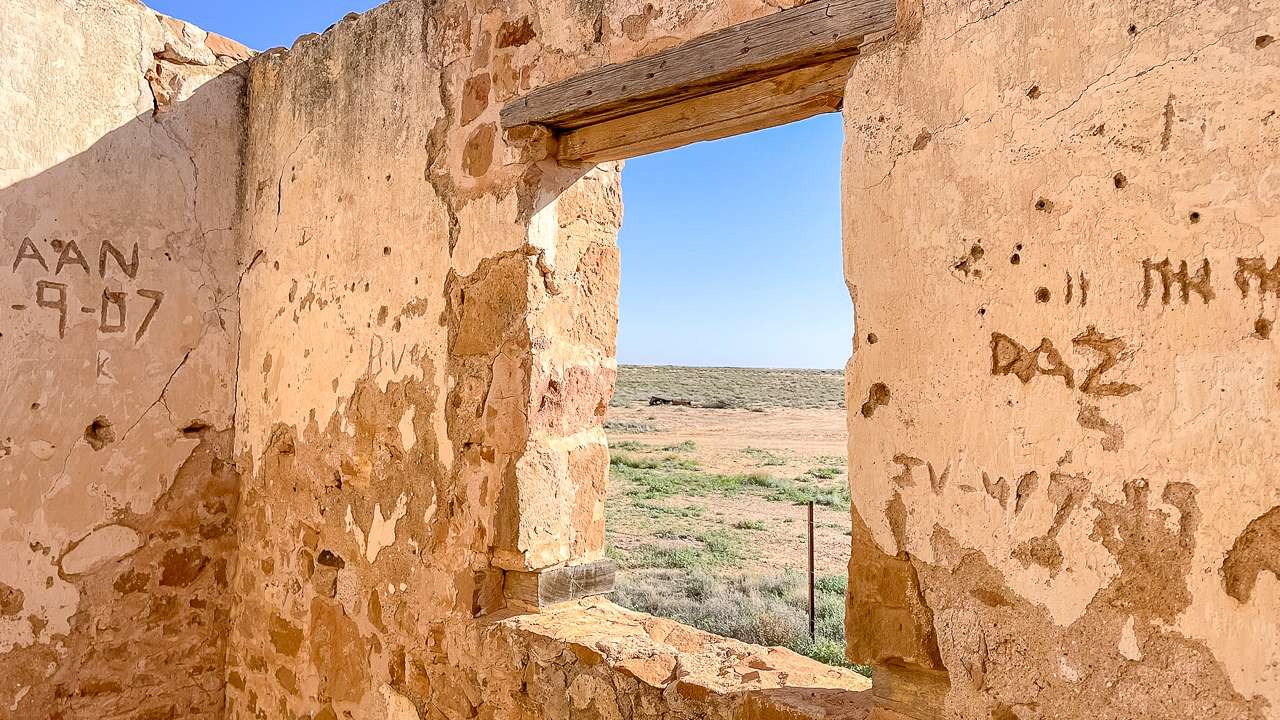
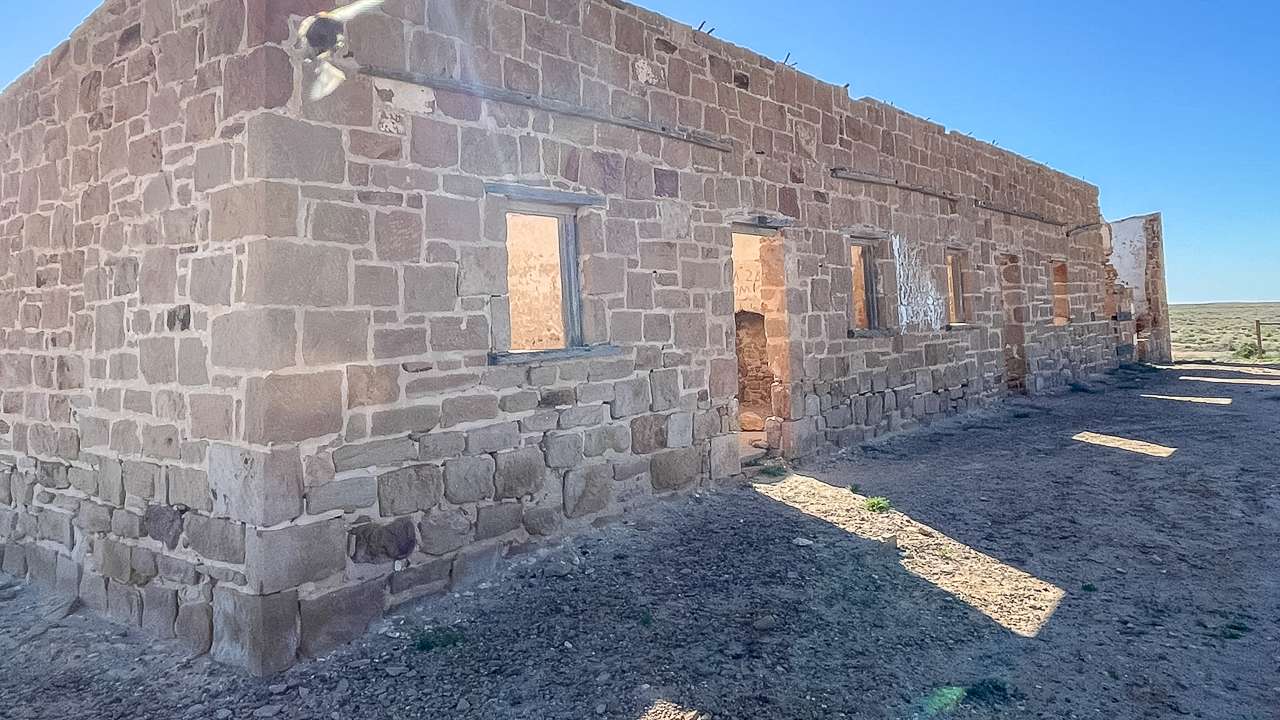
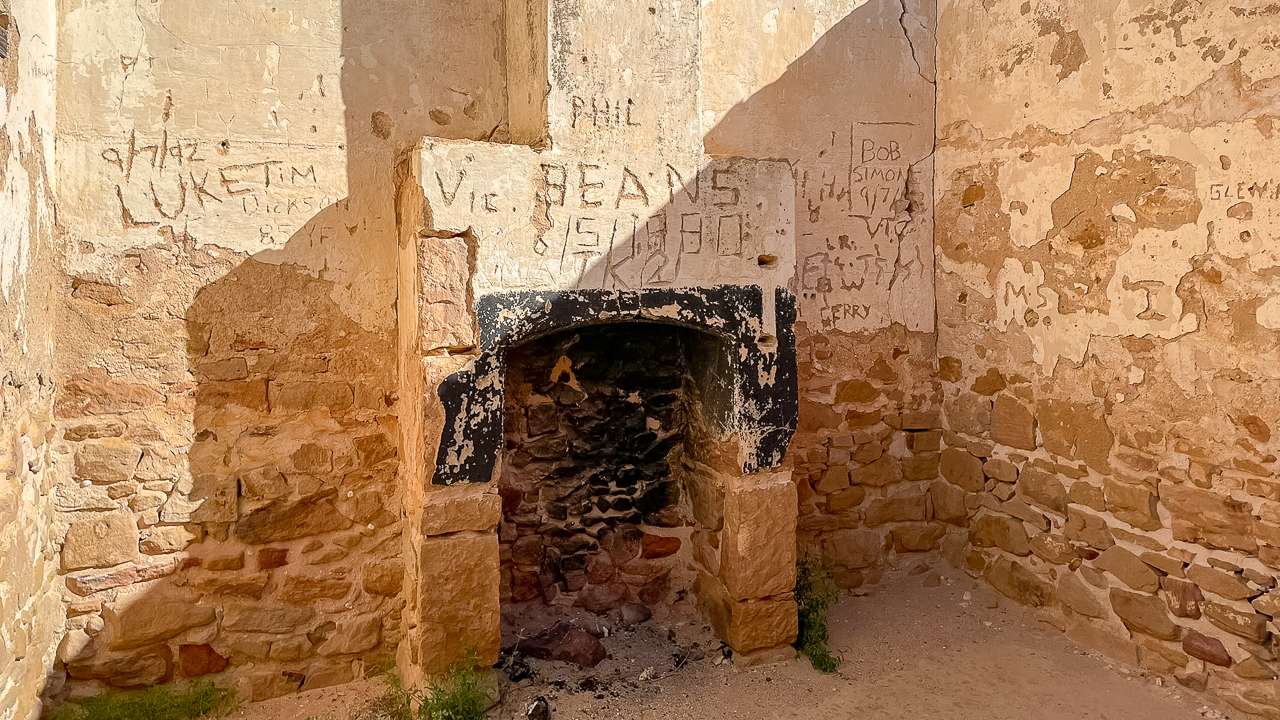
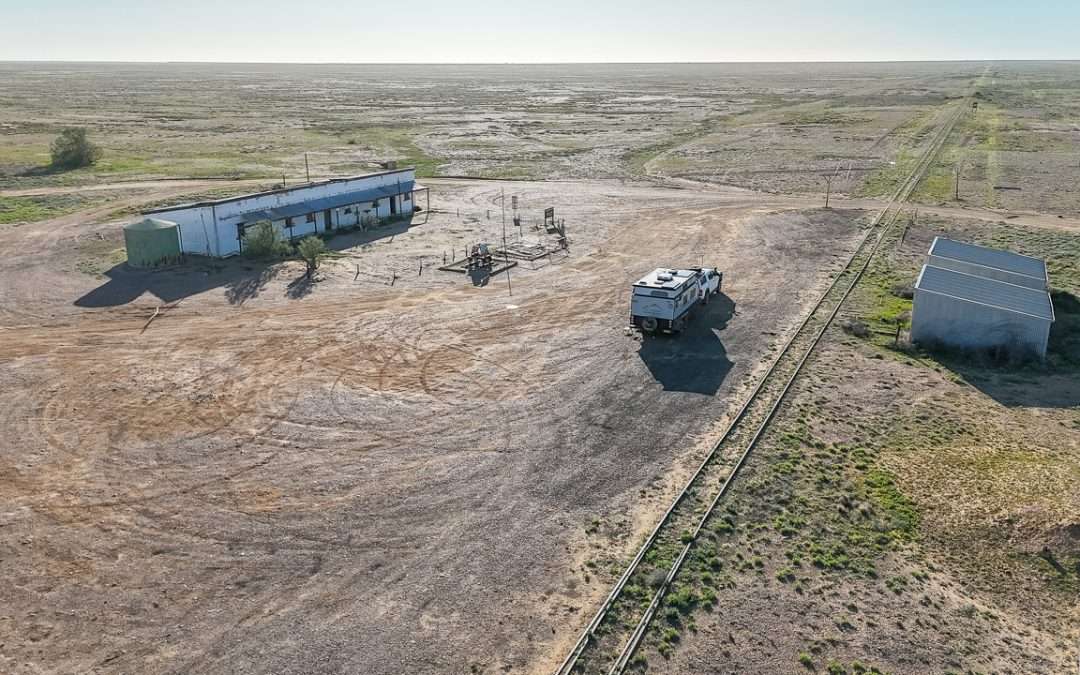
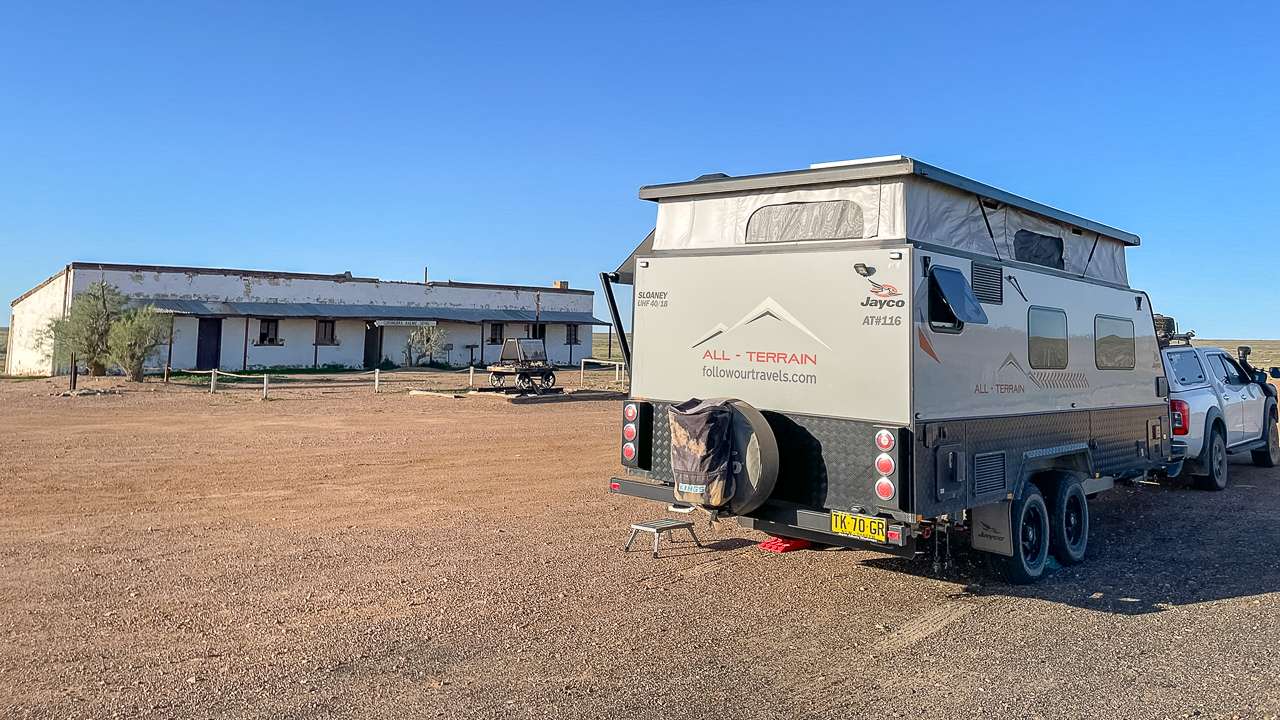
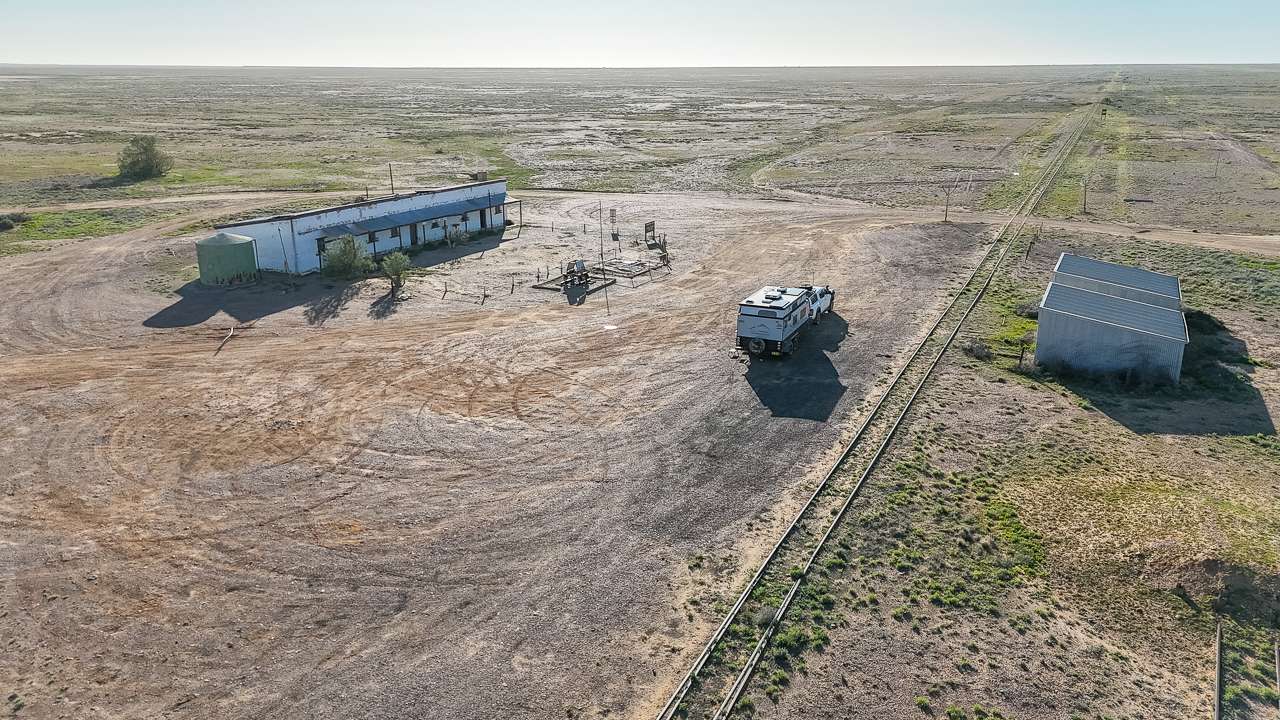
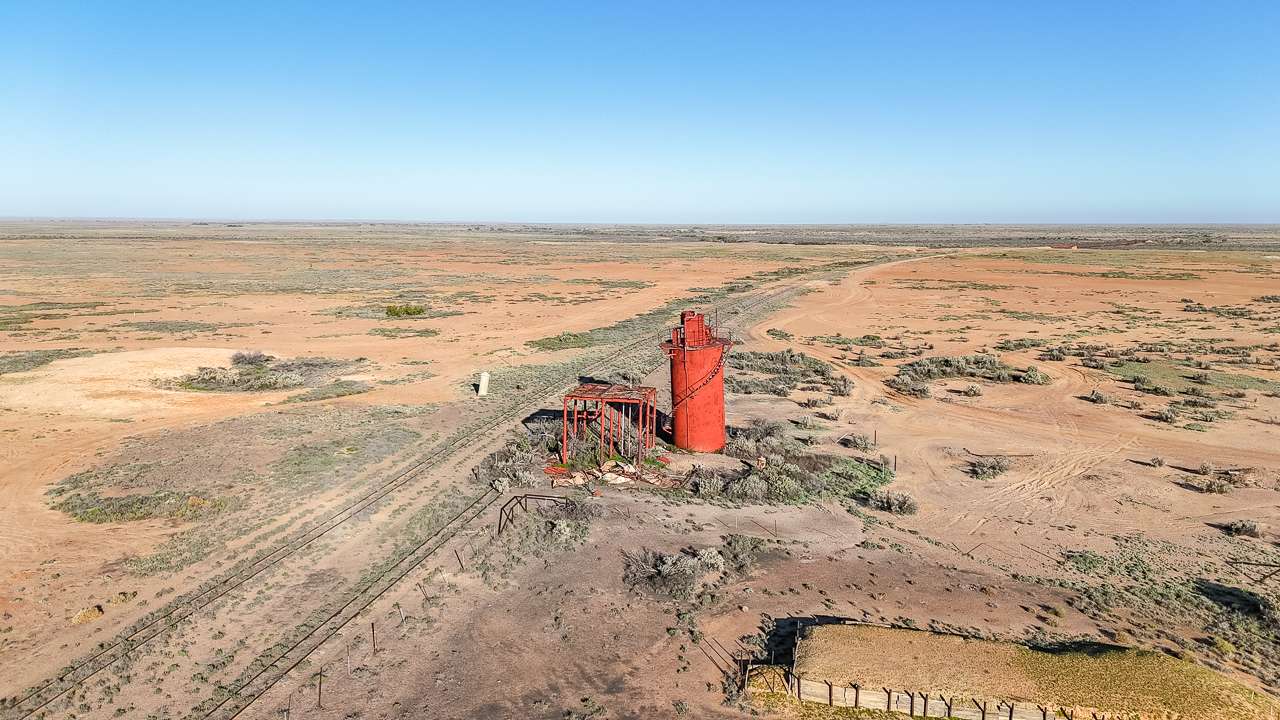
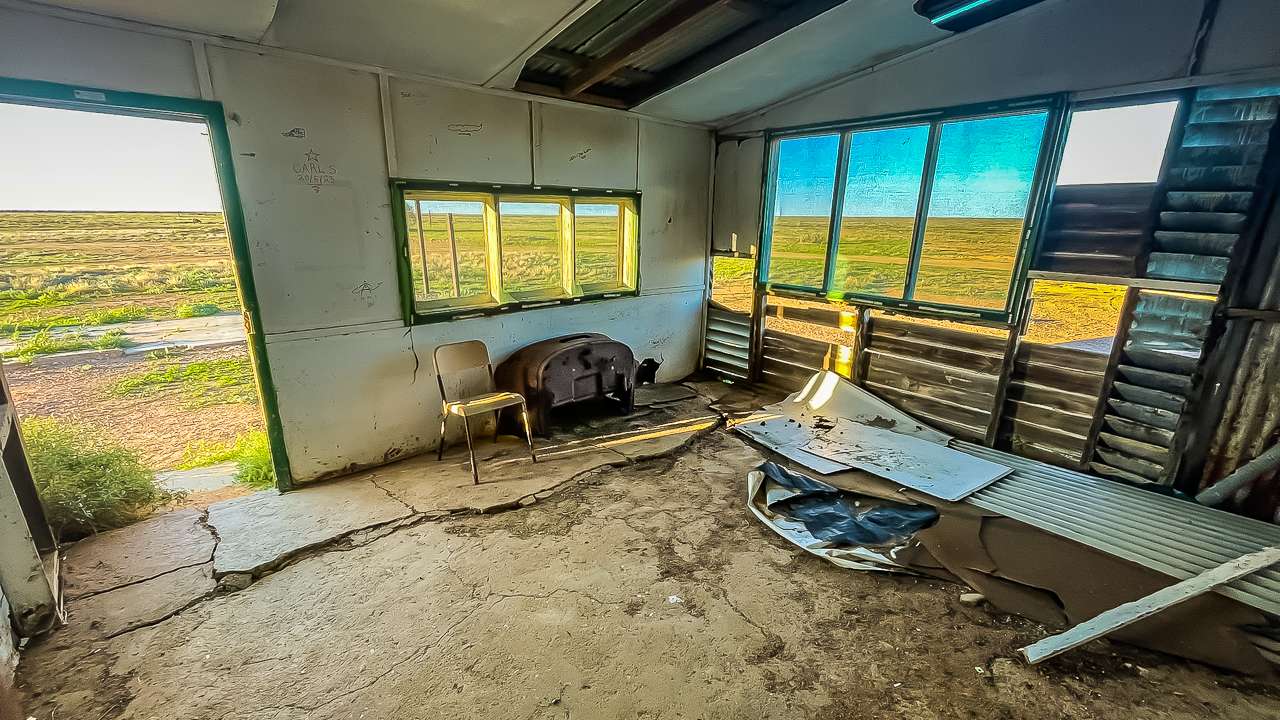
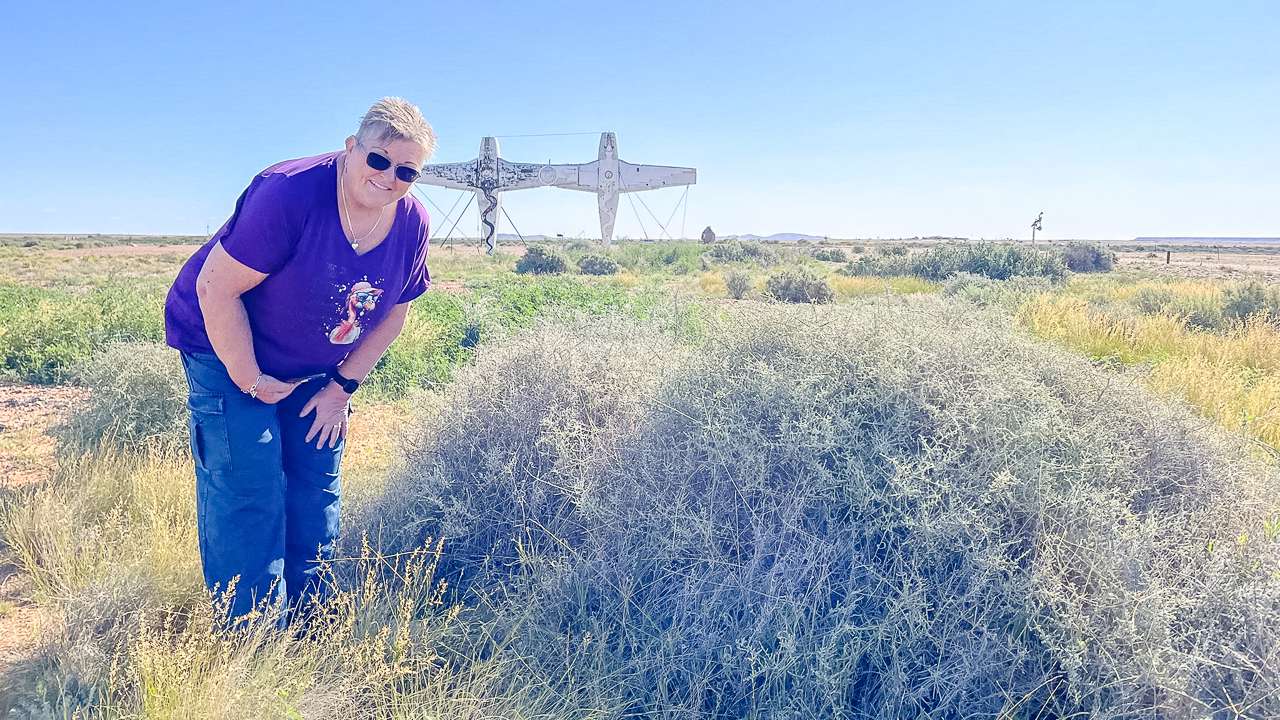
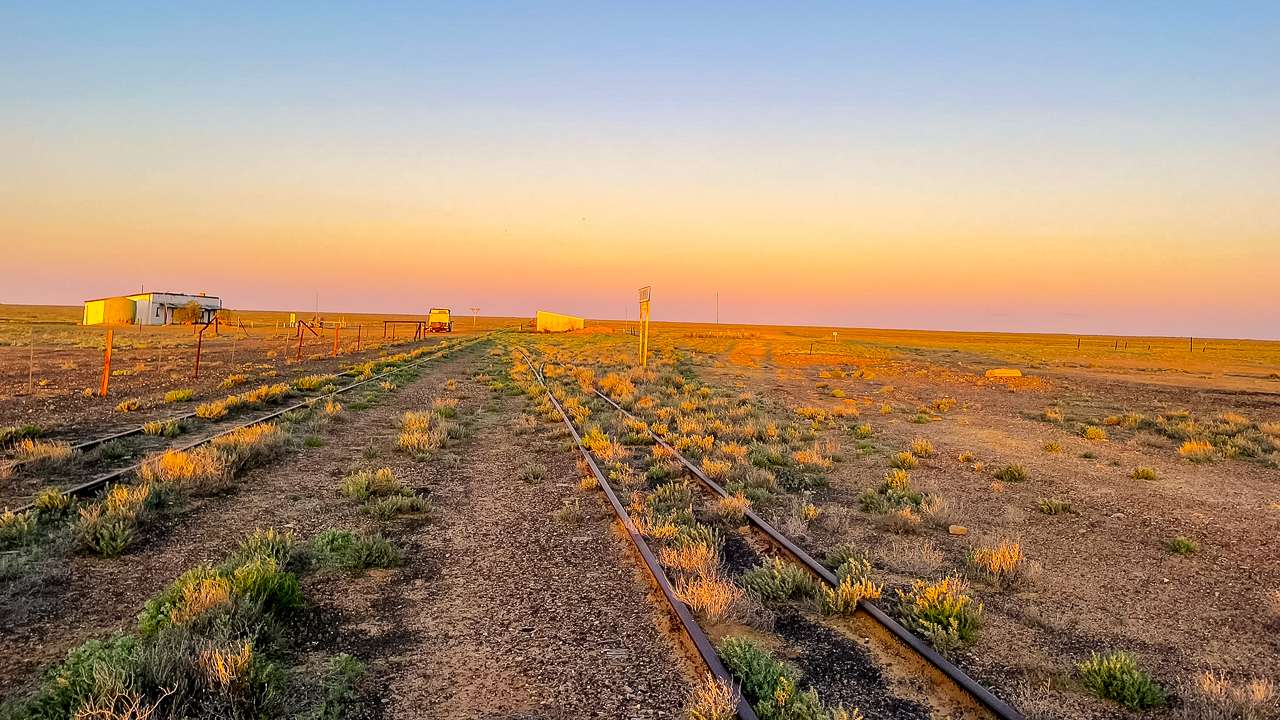
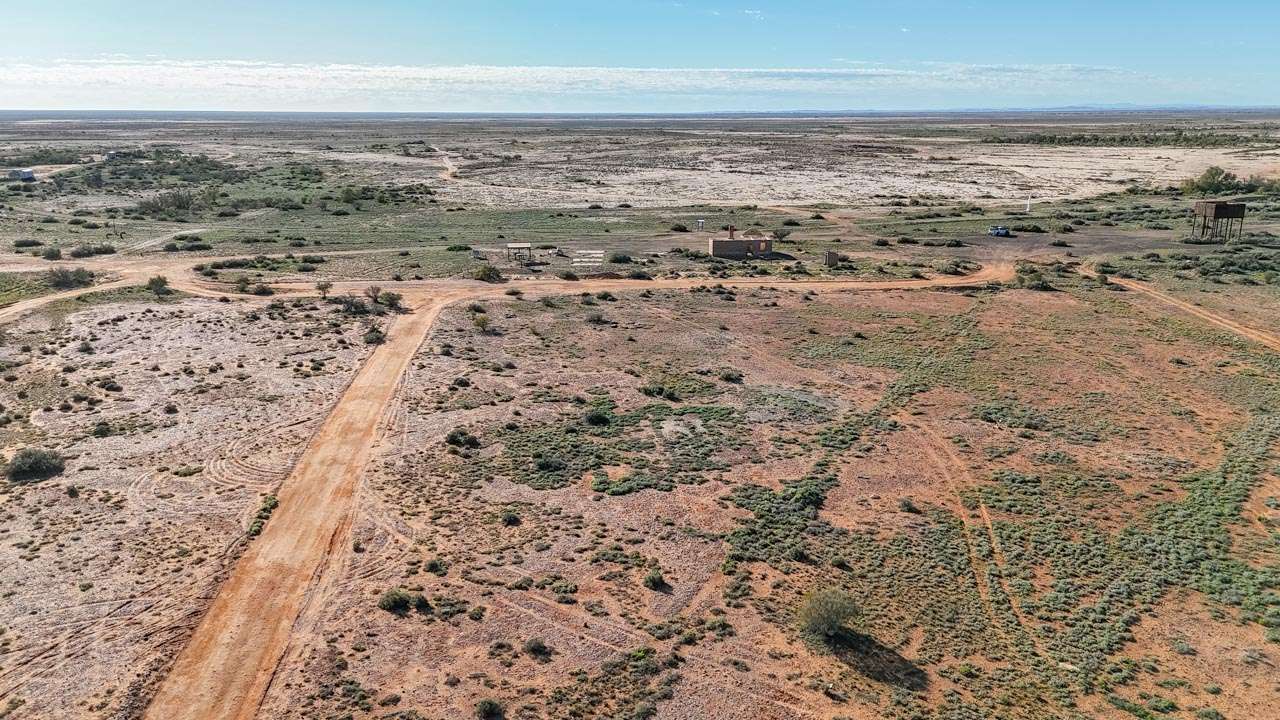
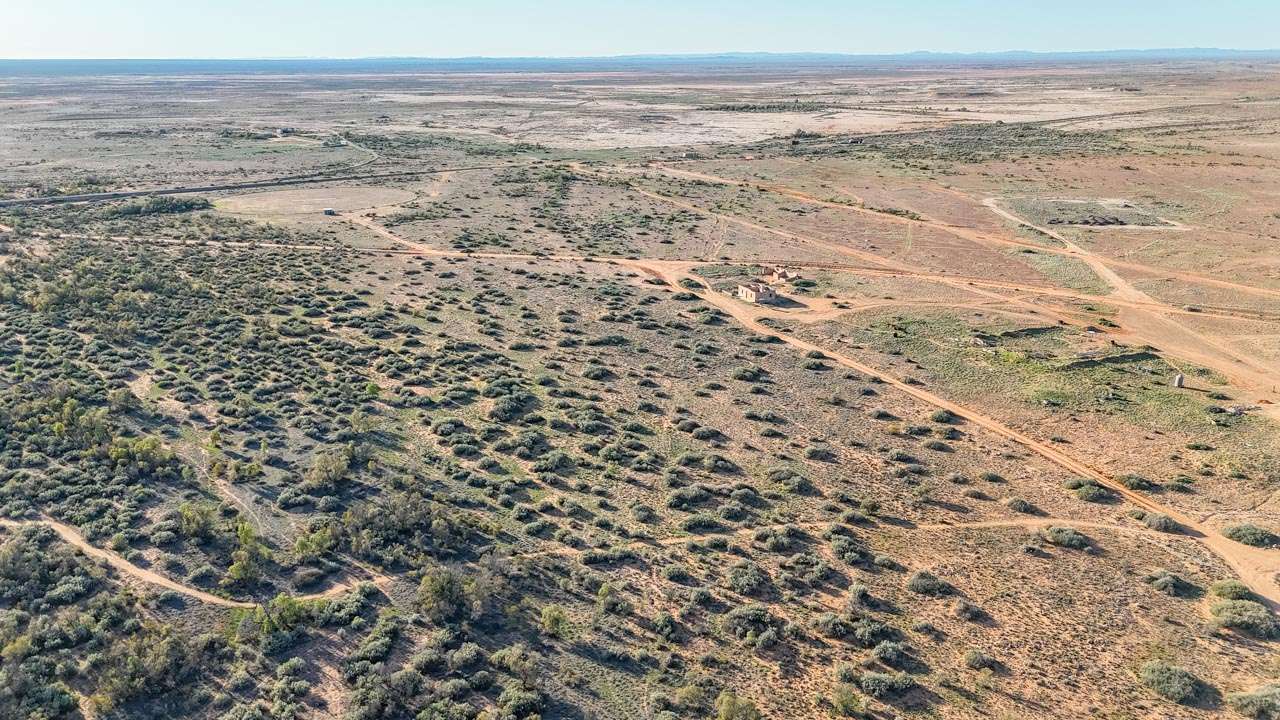
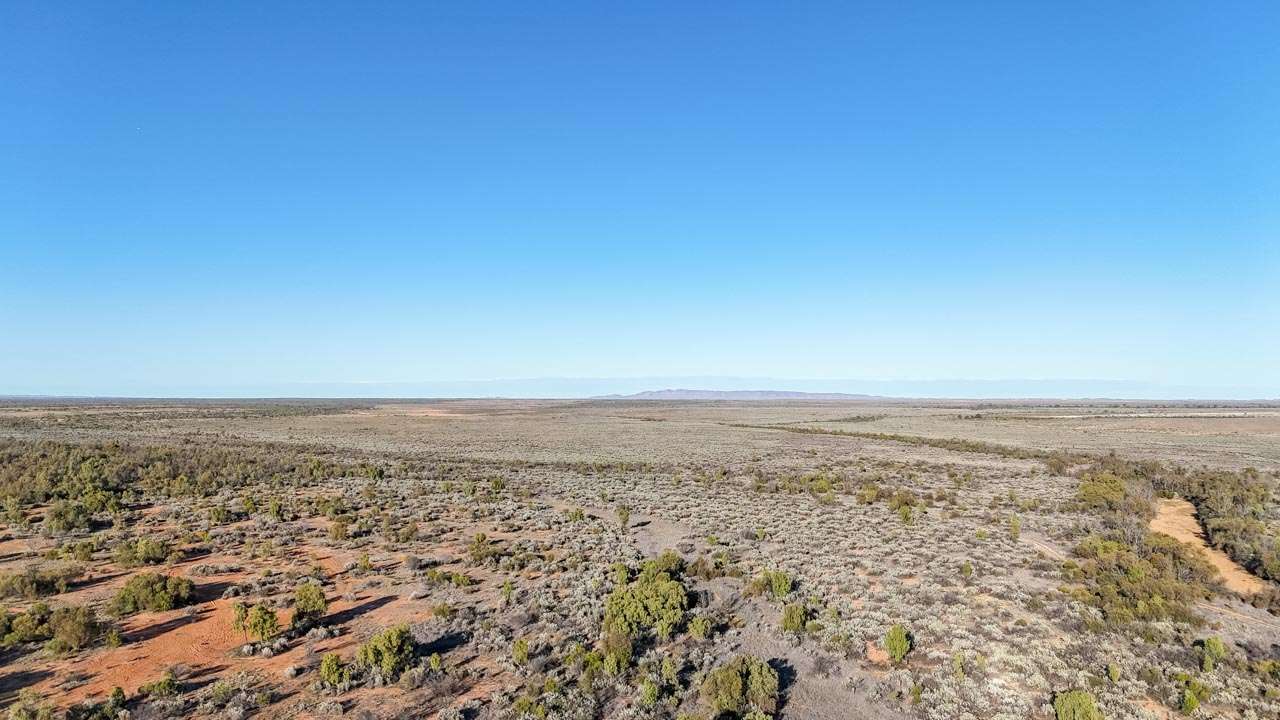
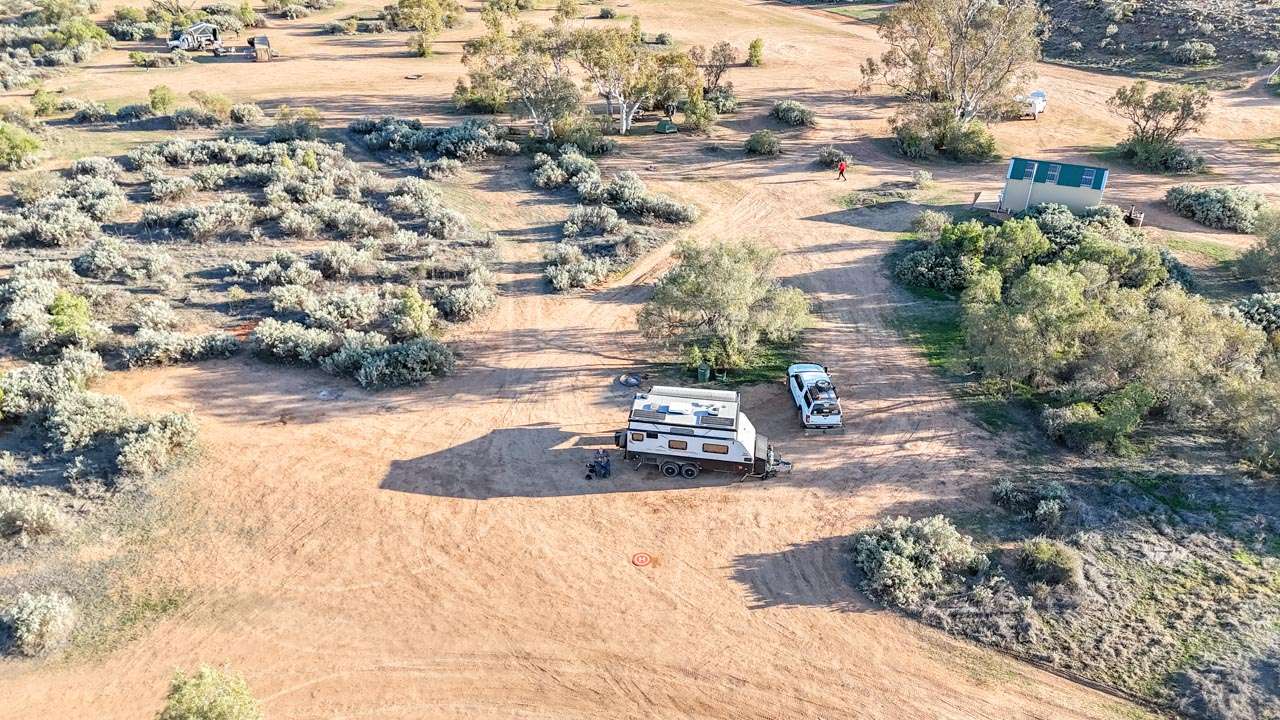
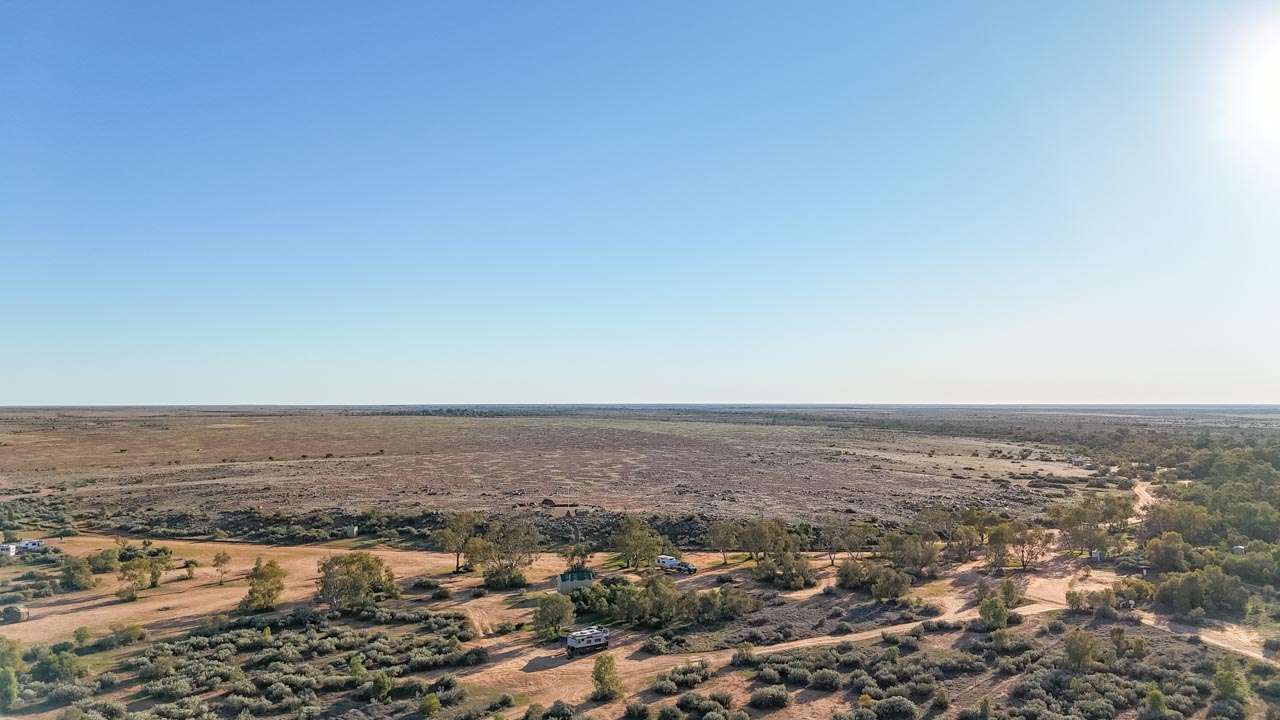
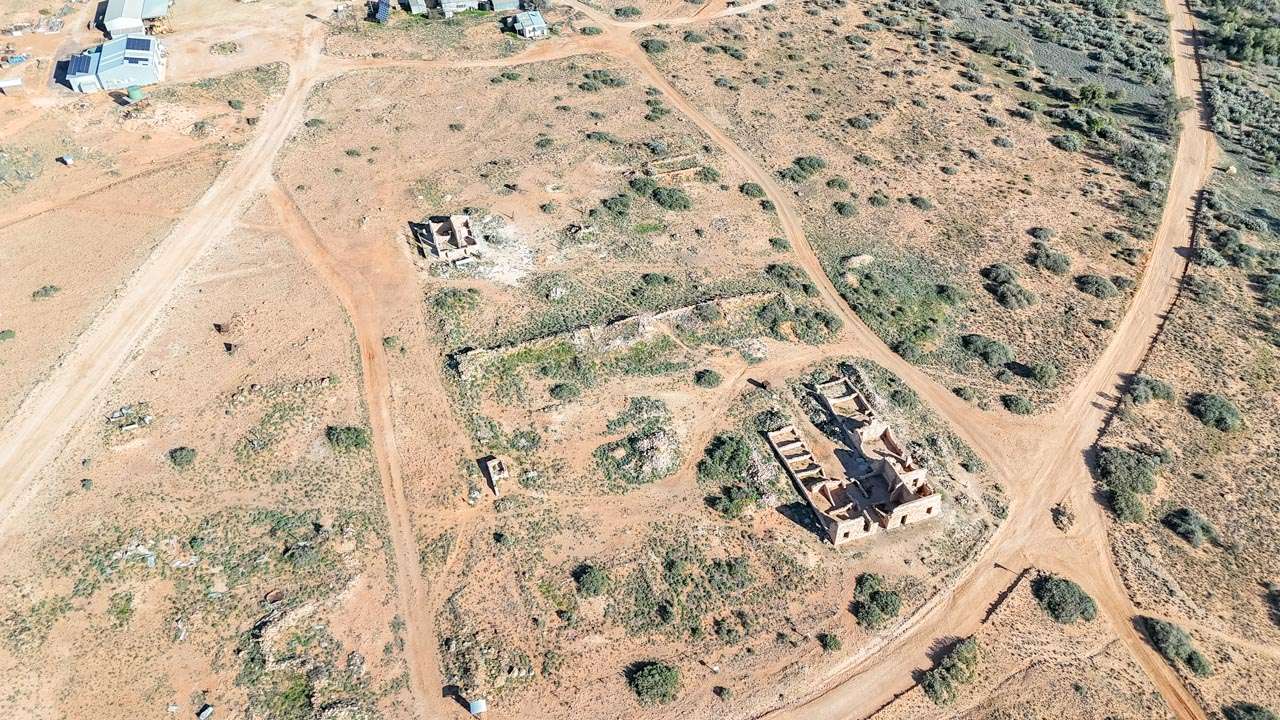
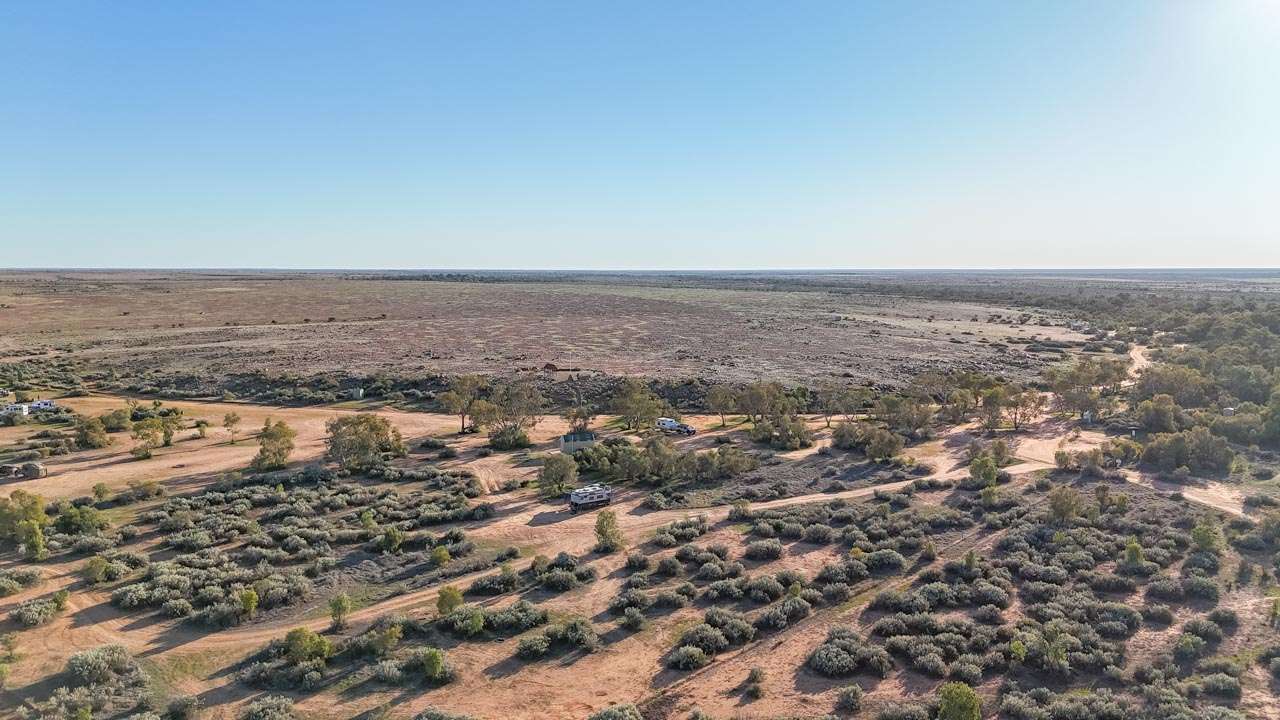
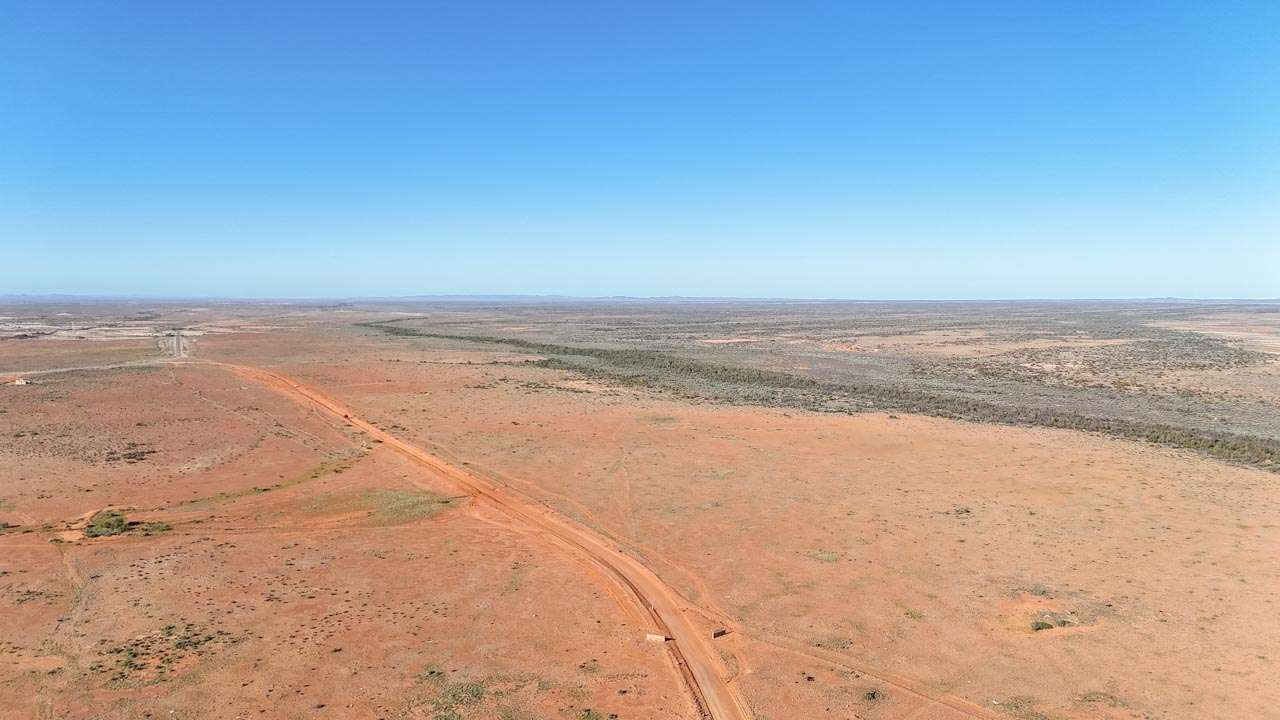
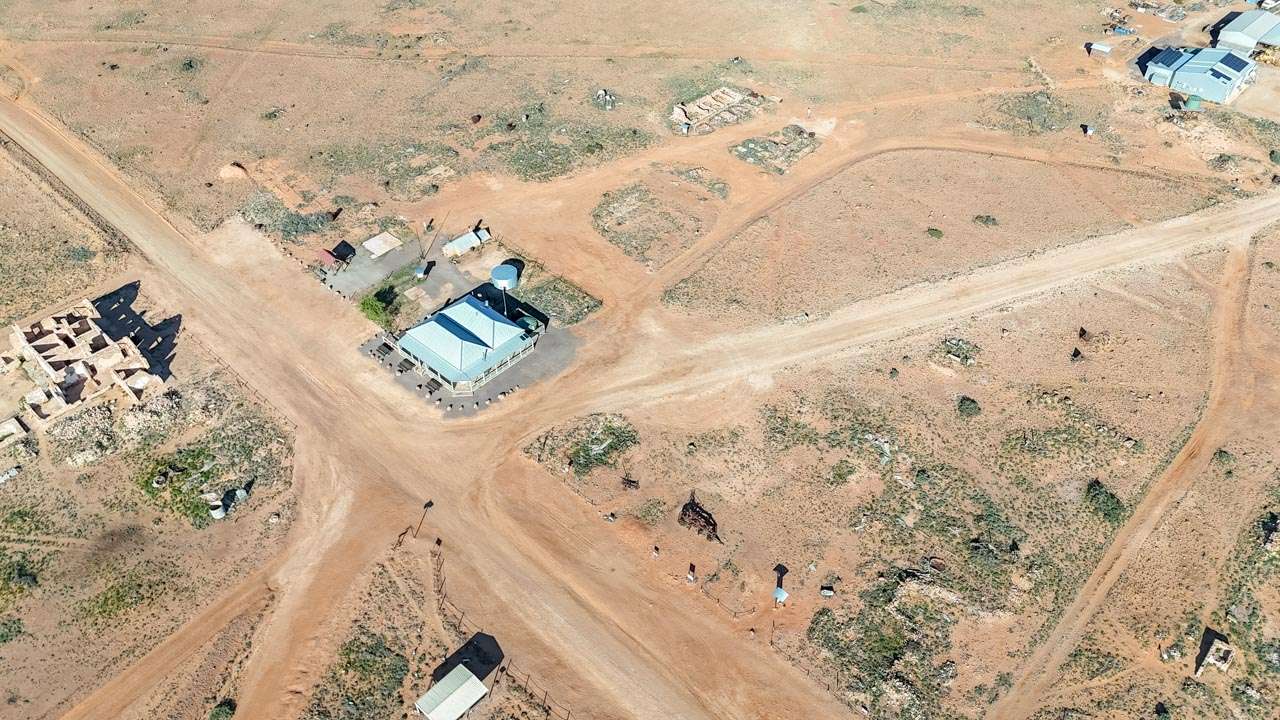
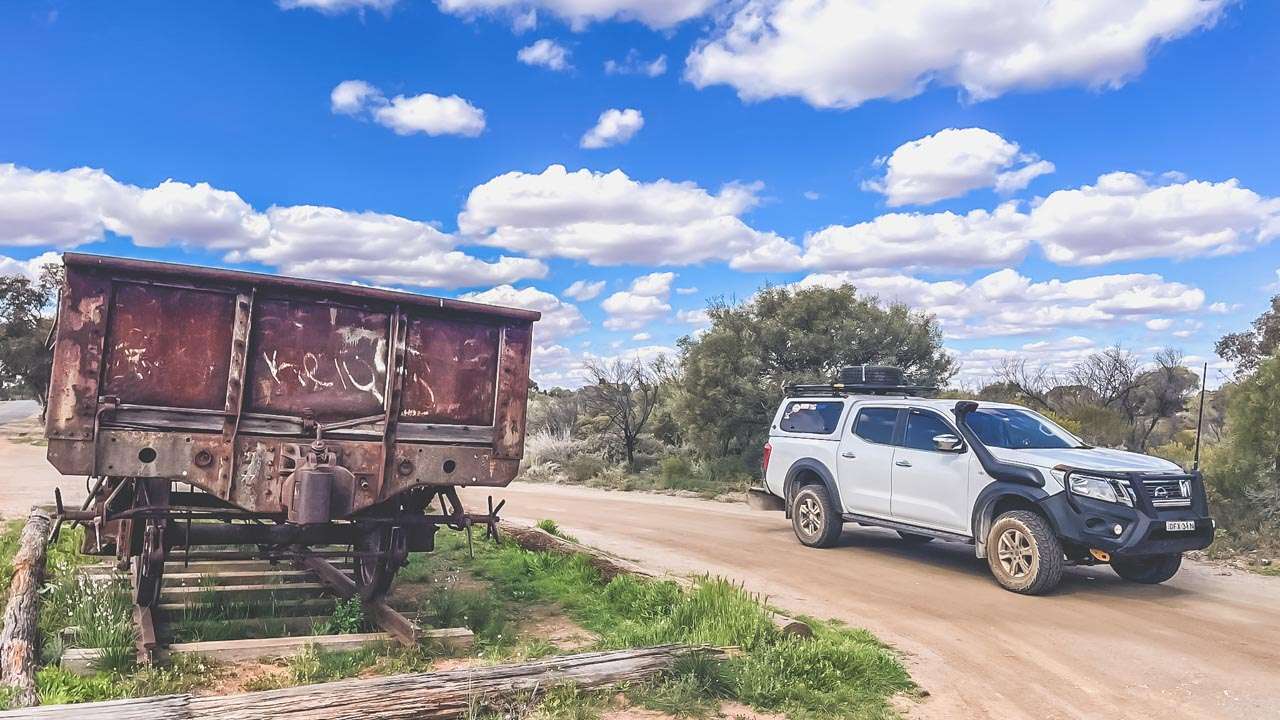
Margaret Siding was one of many small stops along the historic Old Ghan Railway in South Australia. After leaving Curdimurka Siding where we had camped overnight we stopped in at Margaret Railway Siding for a look. It’s a really interesting site with a lot still left to explore. It played an important role in supporting the railway as it crossed the remote outback landscape.
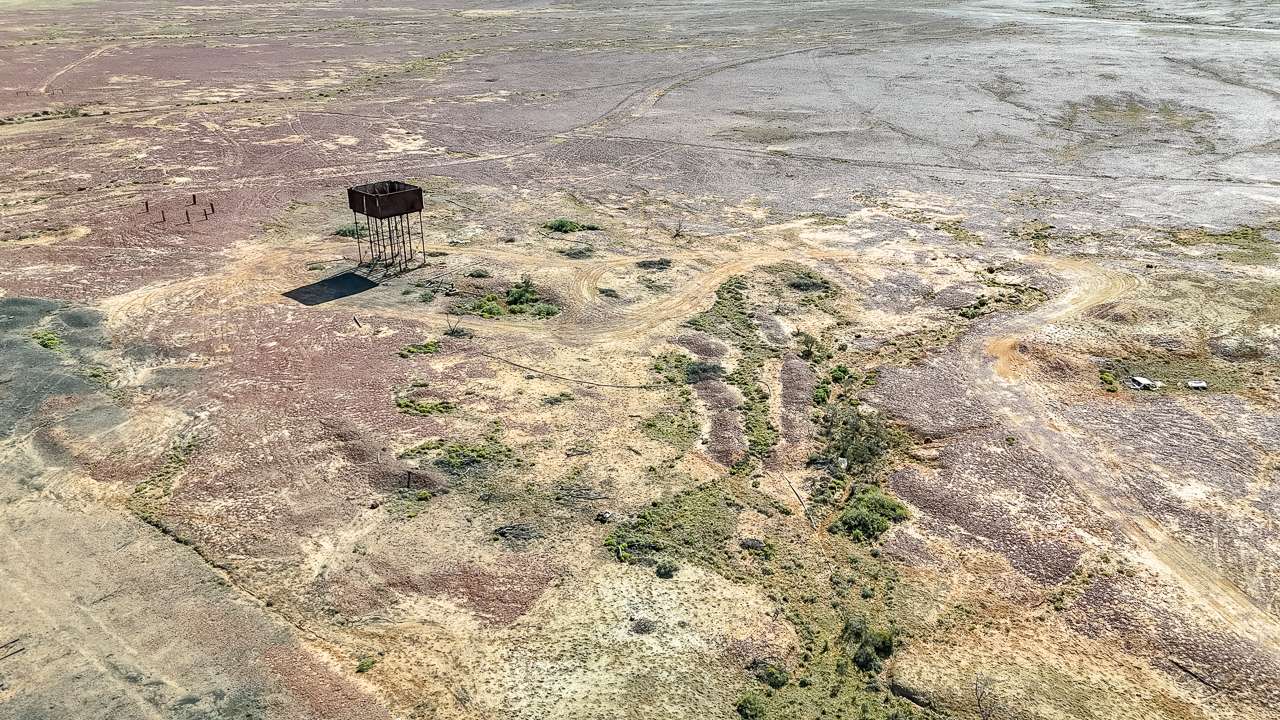
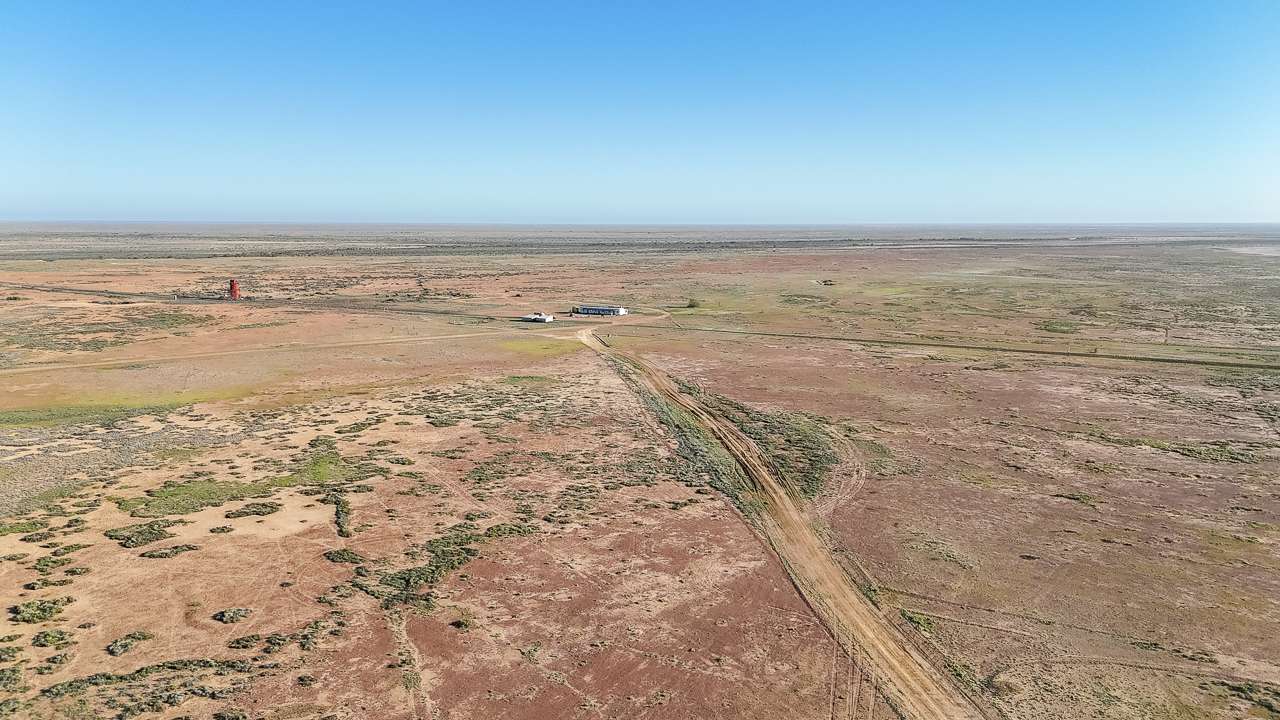
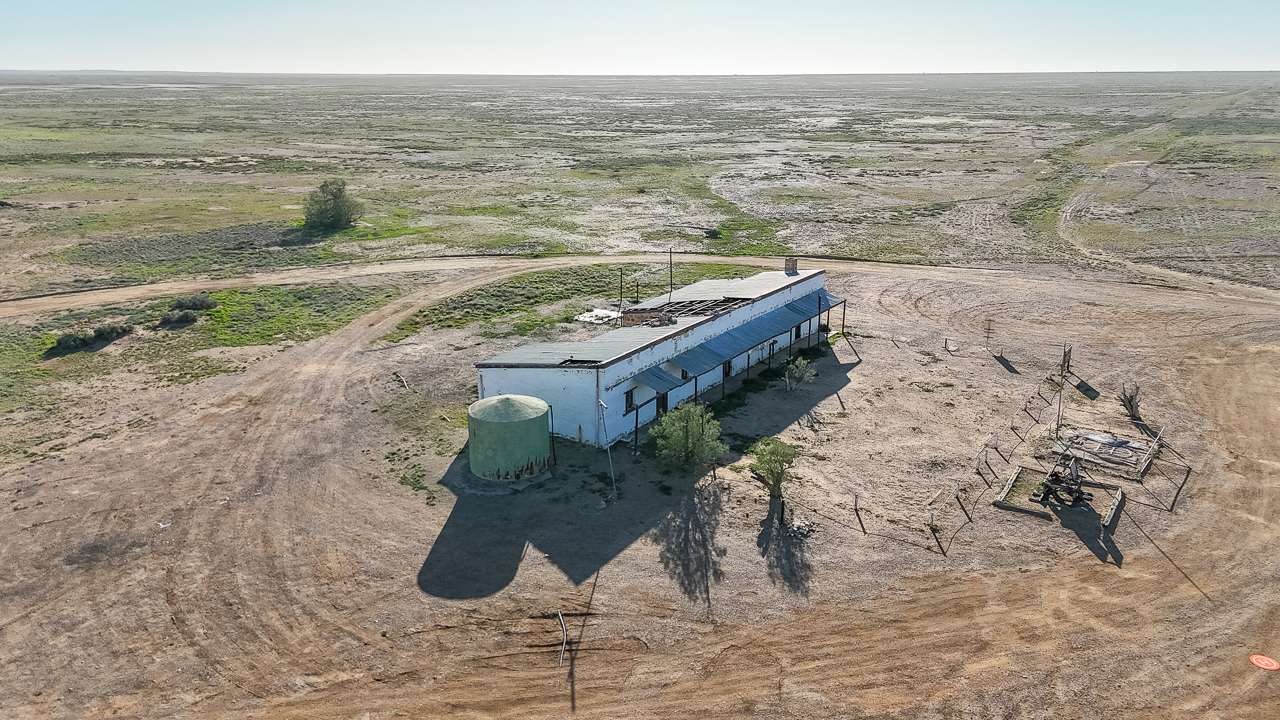
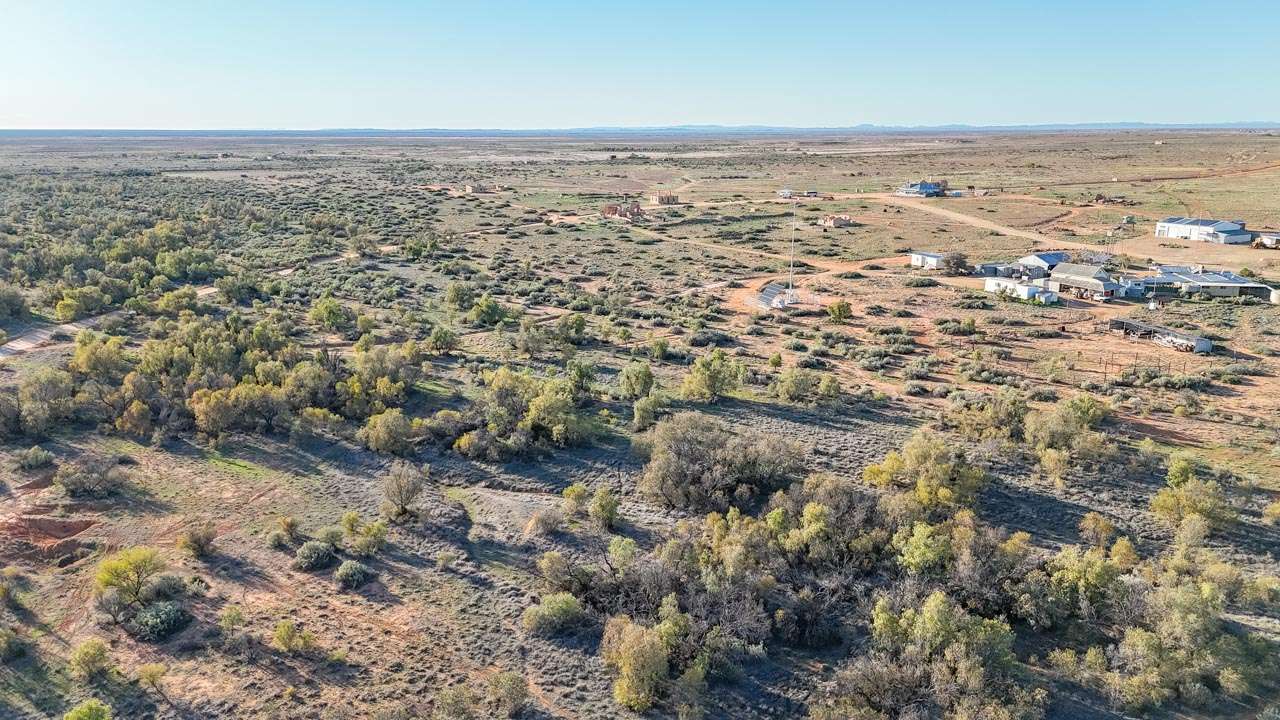
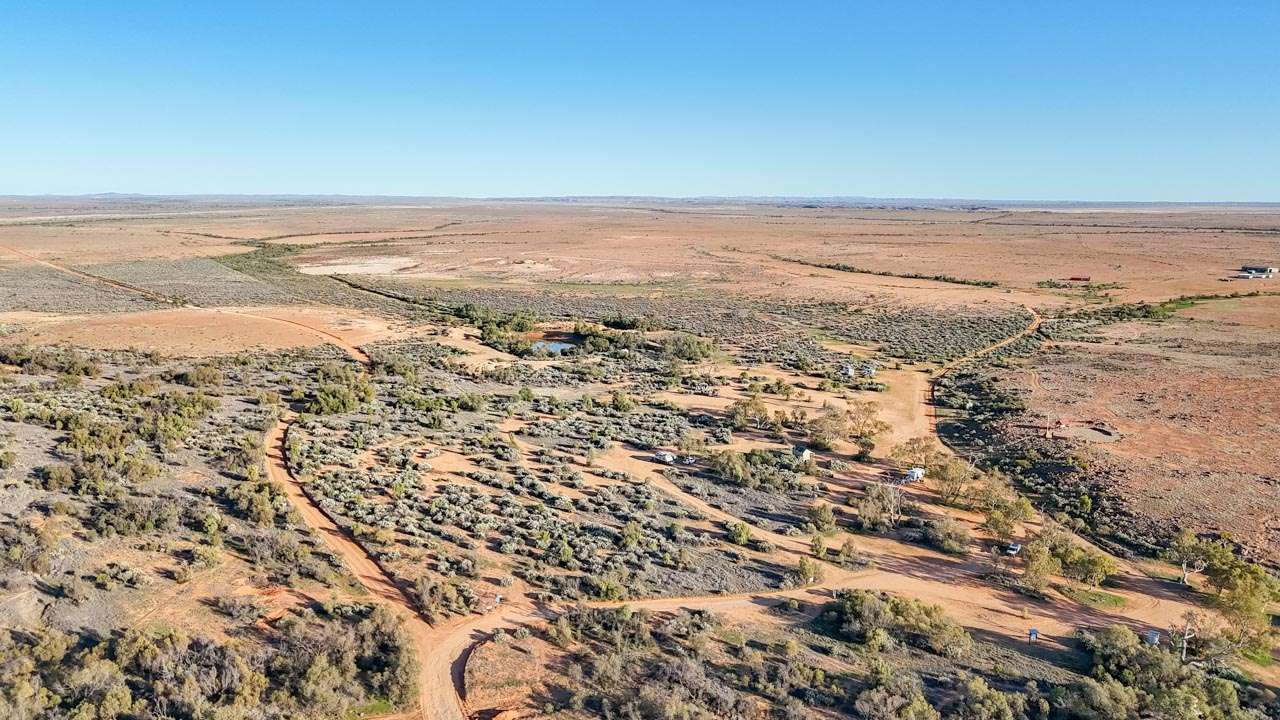
Just as well we stopped for a look as Amanda found that an unopened jar of crushed garlic had unscrewed it’s own lid on the corrugations along the Oodnadatta Track and spread its contents throughout the fridge. I decided to send up the drone to take some video and photos and left Amanda to clean up the mess – I’m pretty good like that!
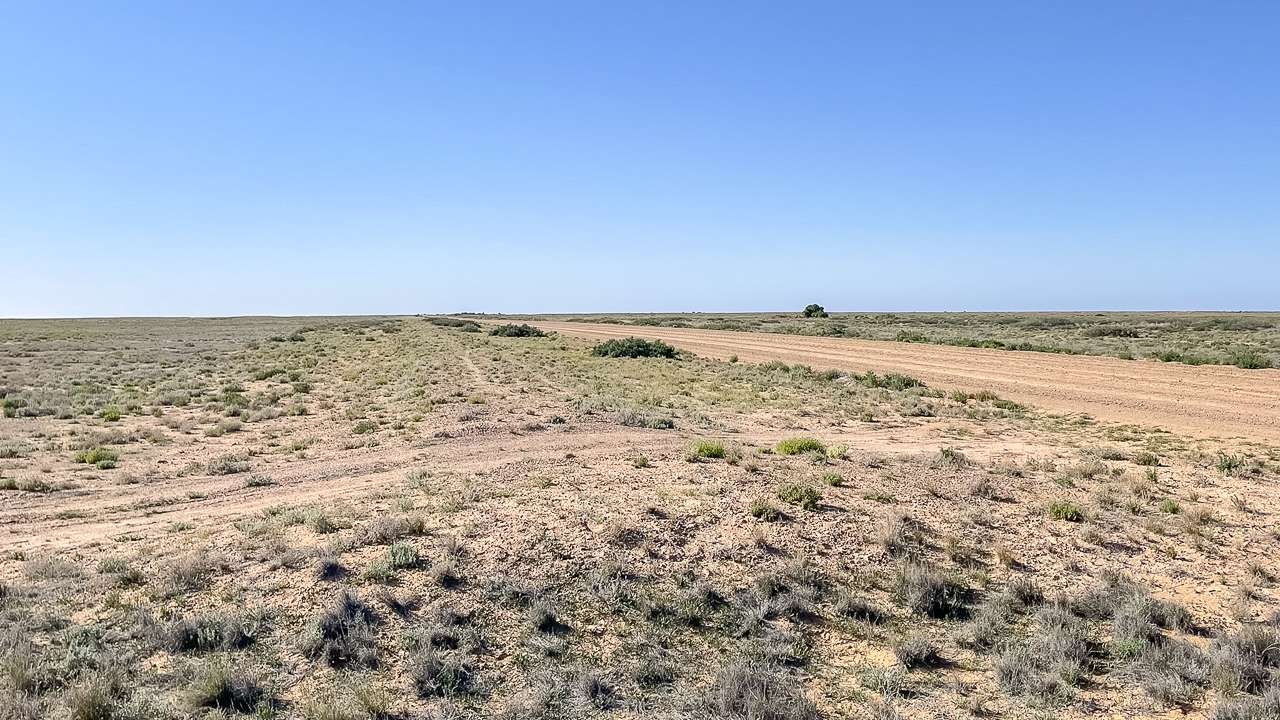
Siding On The Oodnadatta Track
Purpose Of Margaret Siding
Built during the late 19th century Margaret Railway Siding served as a minor stop for maintenance and refueling on the Old Ghan line which connected Adelaide to Alice Springs. It was primarily used for water supply and as a place where trains could pass one another on the single-track line.
The Old Ghan Railway
The Old Ghan Railway was a key transportation route traversing the Australian outback. It operated through some of the toughest environments. Ranging from desert plains to rugged mountain ranges. Sidings like Margaret siding were essential for ensuring that trains could complete the long journey particularly when steam engines required frequent stops for water.
Siding On The Oodnadatta Track
Decline And Abandonment
With the introduction of diesel engines and the construction of a more direct and flood-proof rail line, the Old Ghan route became obsolete. By the 1980s, the railway was rerouted and Margaret Railway Siding like many other stops along the old line was abandoned.
Margaret Siding Today
Today very little remains of Margaret Siding but it continues to hold historical significance for railway enthusiasts. The site is a reminder of the determination and engineering needed to build and maintain a railway through the harsh Australian interior.
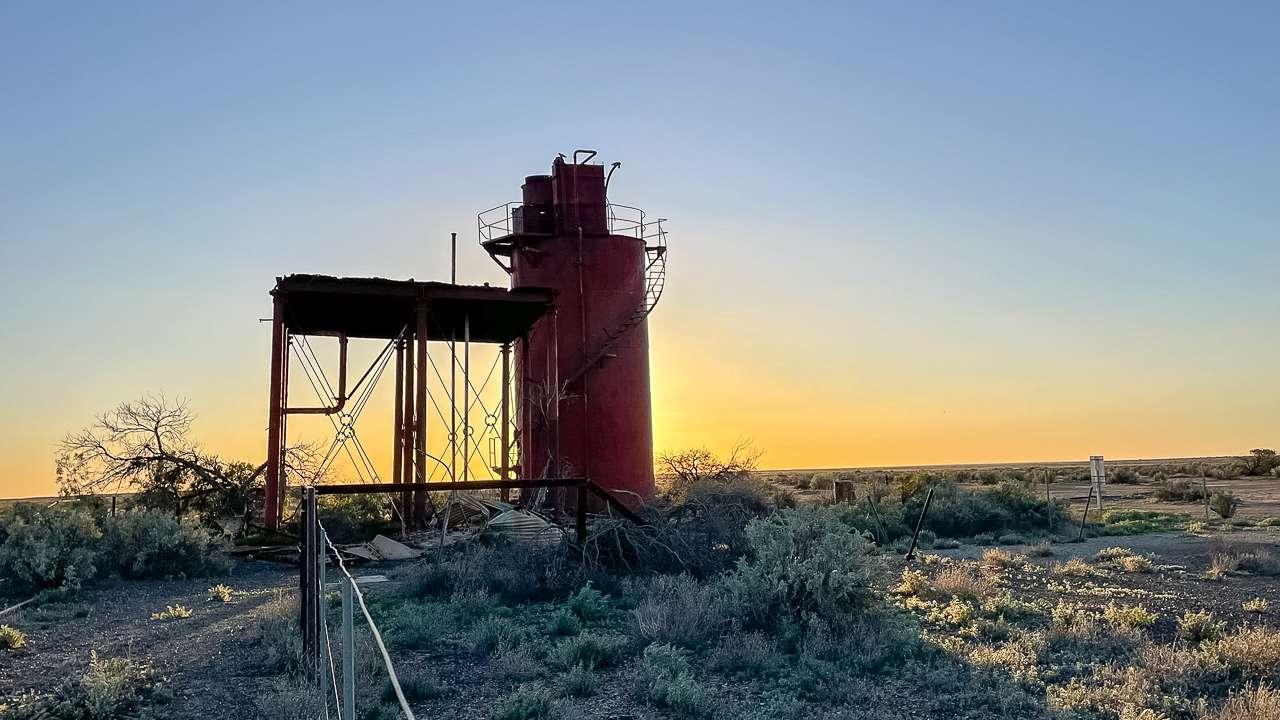
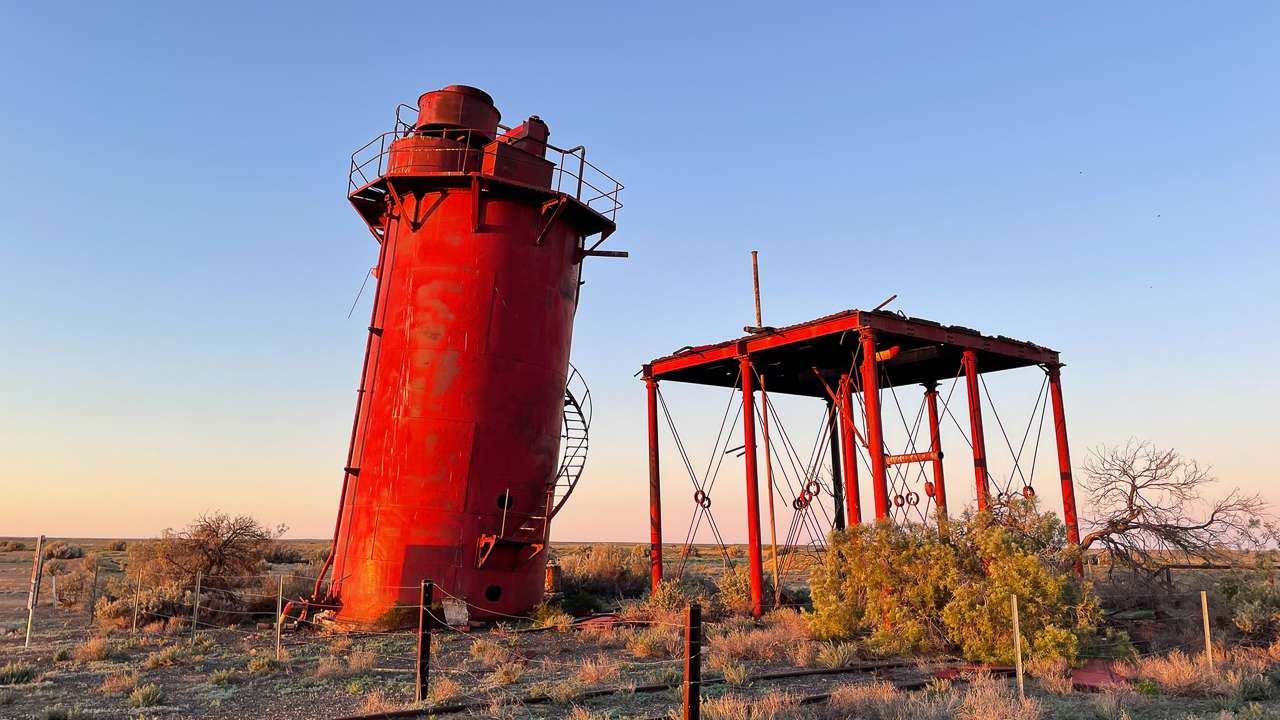
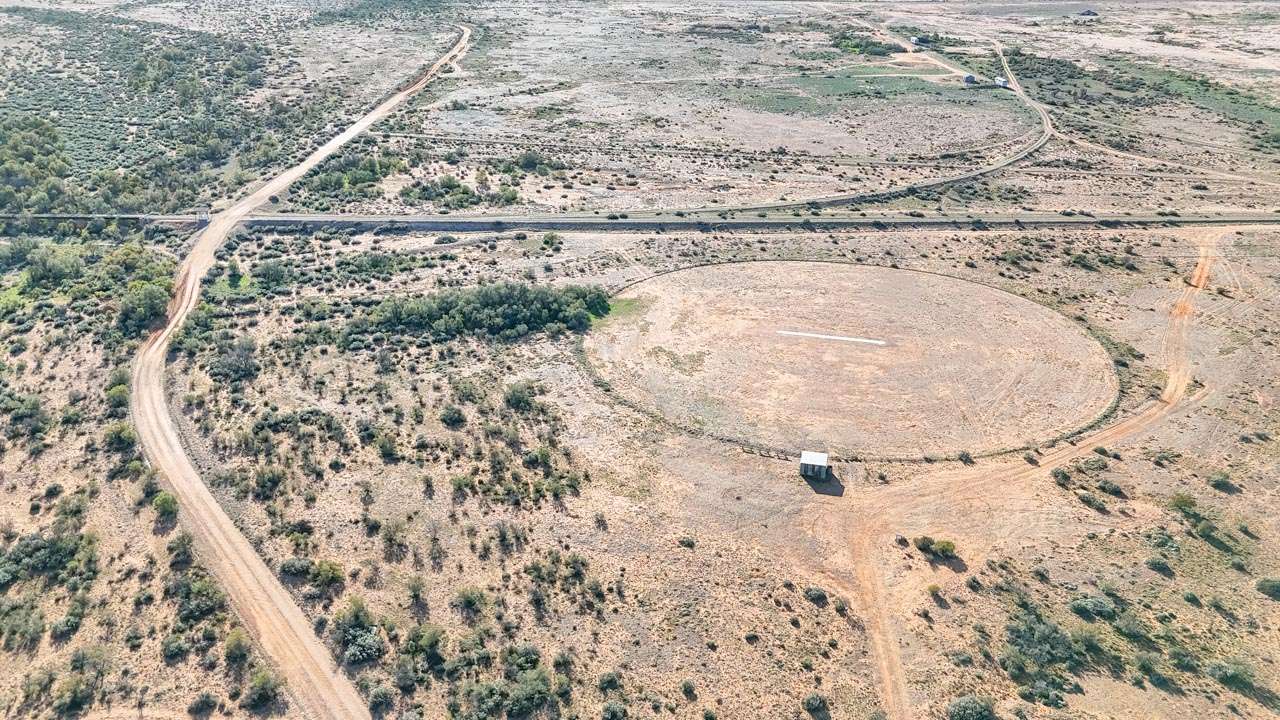
Abandoned Water Tank On Ghan Railway
Can You Camp At Margaret Railway Siding On The Oodnadatta Track?
Unfortunately you can’t. There is no camping allowed at Margaret Railway Siding on the Old Ghan Railway alongside the Oodnadatta track.
Conclusion
Although Margaret Railway Siding no longer functions as a railway stop. Its legacy is part of the broader story of the Old Ghan Railway. It symbolises the hard work and perseverance required to connect the remote parts of Australia via one of the country’s most iconic railroads.
Camping At Curdimurka Siding On The Oodnadatta Track
Camping at Curdimurka Railway Siding located on the Oodnadatta Track in outback South Australia 101km west of Marree is a unique and remote camping experience.
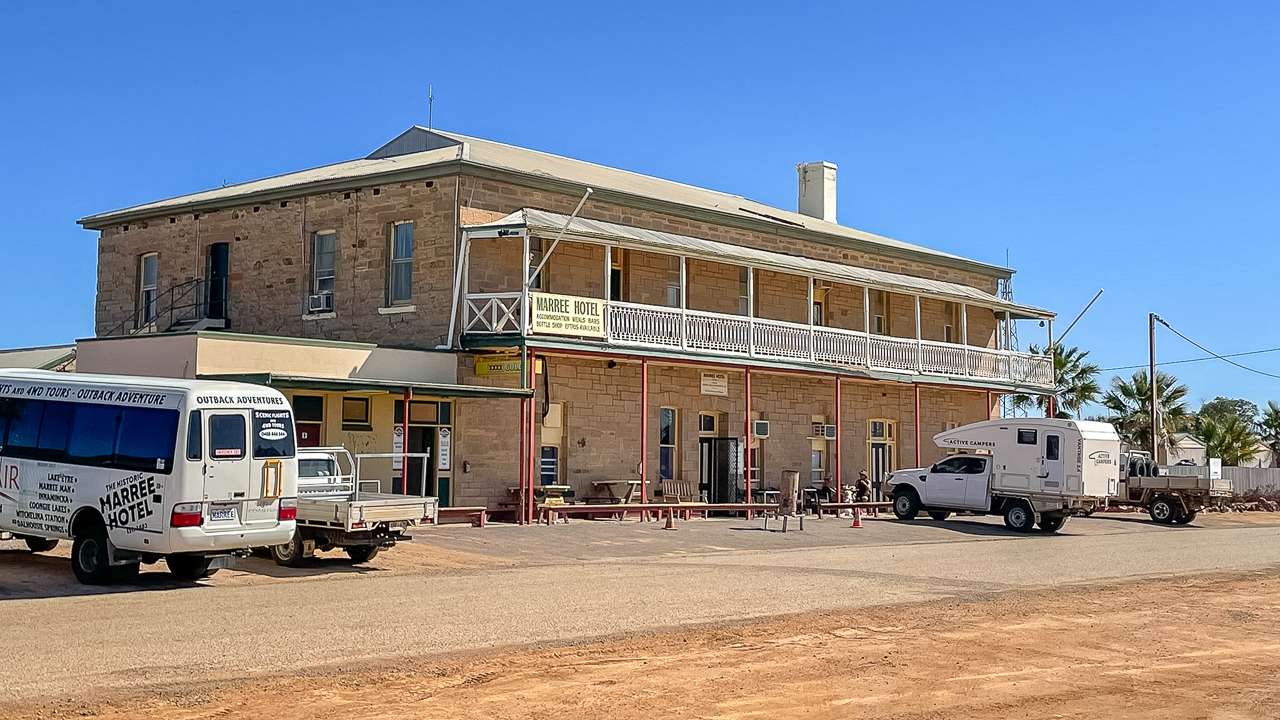
We left Farina and headed into Marree for some lunch at the pub. I had the hamburger as I have a few times before and once again it did not disappoint – it was magnificent. Next task was lowering the tyre pressure on the van and the ute. Before this trip I bought a set of iCheck TPMS Pro Series Automatic Tyre Deflators. The iCheckTPMS Automatic Tyre Deflators allows you to preset your desired pressure then screw them on and walk away. This saves time and your knees from having to kneel down and deflate one tyre at a time and my knees are absolute rubbish! They worked so well I wish I’d had a set of them years ago.
Curdimurka Siding Campsite Location And Info At A Glance
Cost: Free Type: Free Camping / Bush Camping Location: -29.476580°, 137.084610° Pet Friendly: Yes Distance From Marree: 101km Distance From Oodnadatta: 305km Distance From Marla: 559km
Camping At Curdimurka Siding
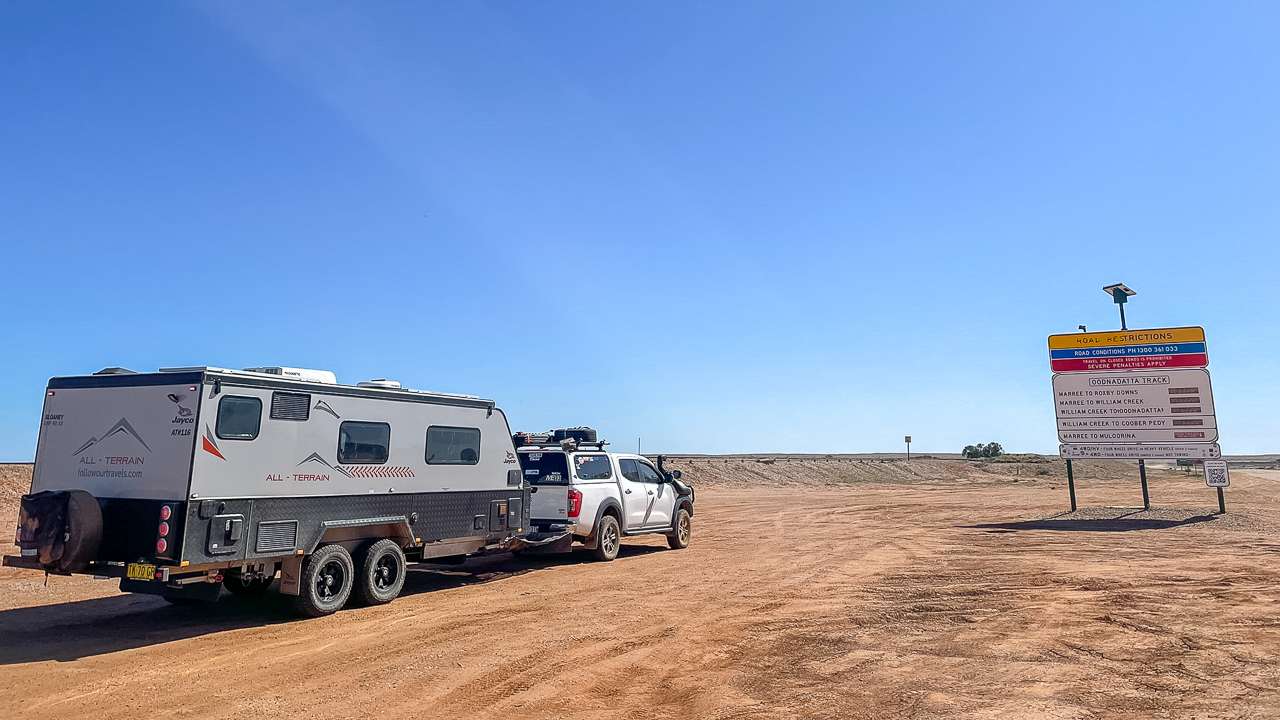
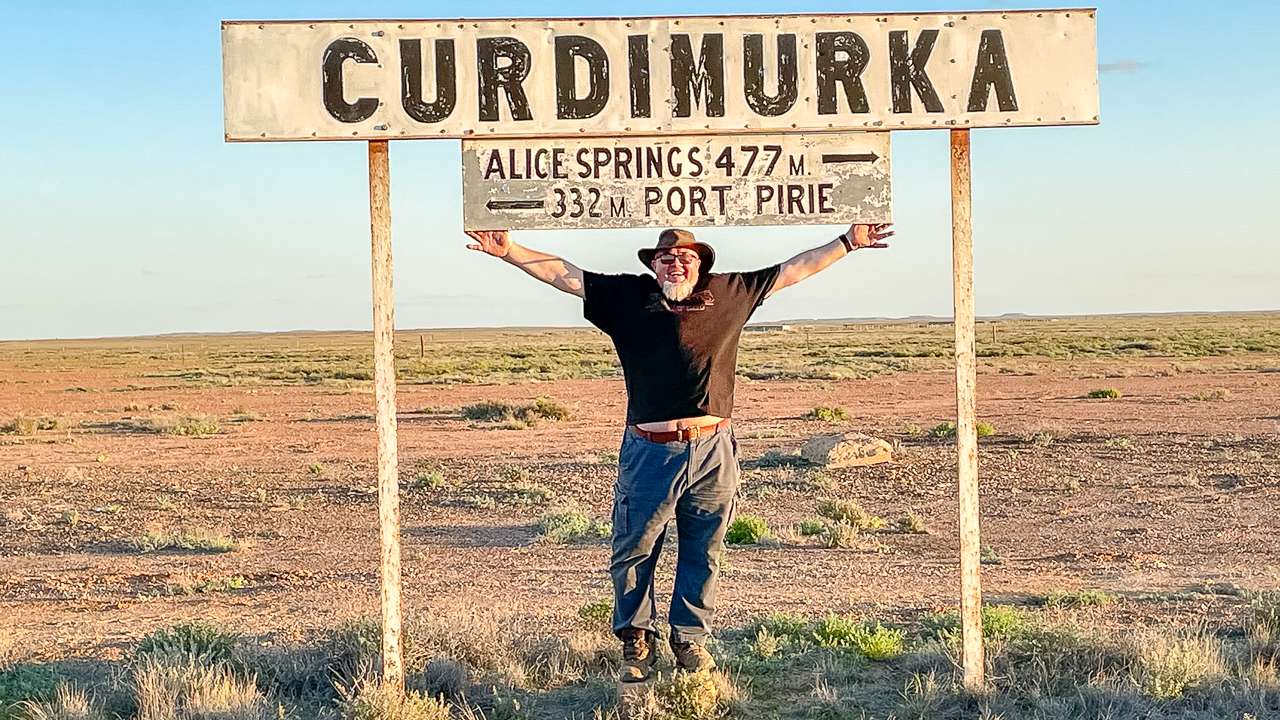
Then we stopped in at the Marree Roadhouse for some supplies as it was our last chance to do so for quite a few days. I love the Marree Roadhouse as it’s quirky and has just about every basic item you could need. Then we stopped at the road sign for the obligatory photo before heading off down the Oodnadatta Track.
Our Jayco All Terrain And Nissan navara On The Oodnadatta Track
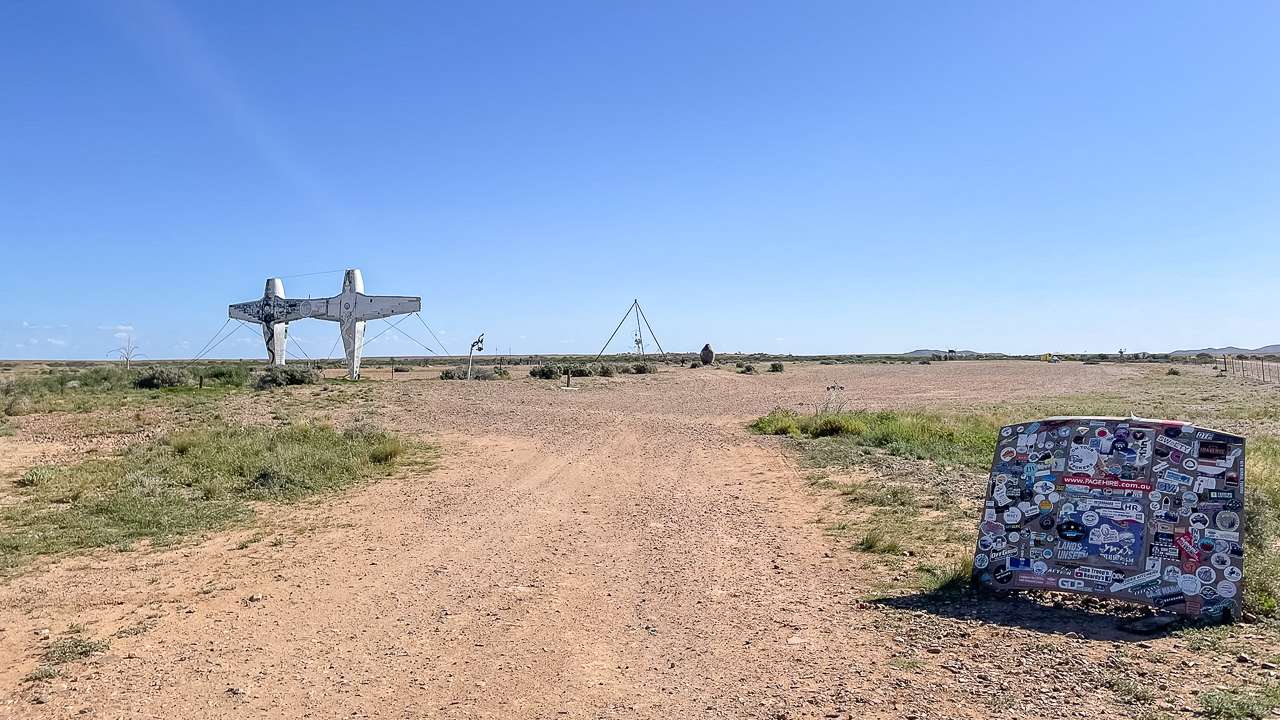
We called in for a look at the sculpture park. We weren’t going to this time however when we got close to it Amanda noticed that there was geocache located there so we called in and grabbed it. Whist there Amanda saw a pure white owl being chased and harassed by a couple of hawks – it was quite something to see.
The Lake Eyre lookout was cool this time as you could clearly see water off in the distance. I wouldn’t have liked to walk out to the waters edge as it was a long way off however it was nice to be able to see the water. As an added bonus we found another geocache down in the dunes.
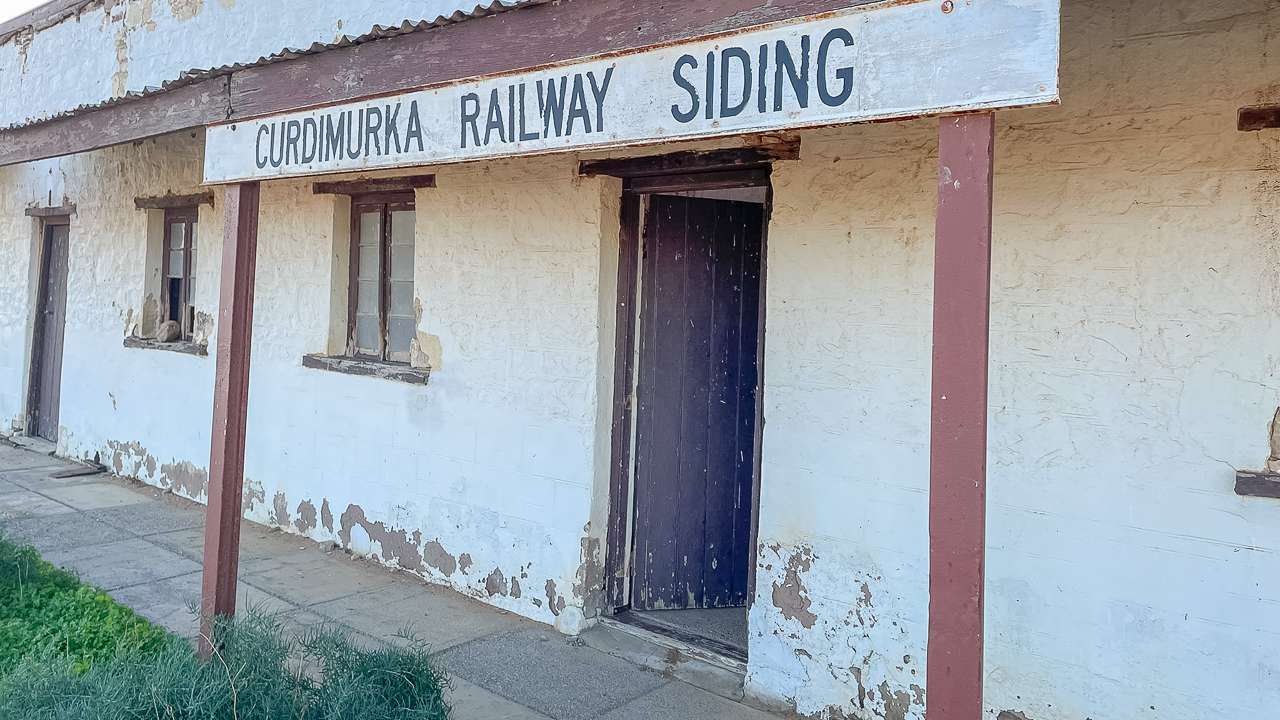
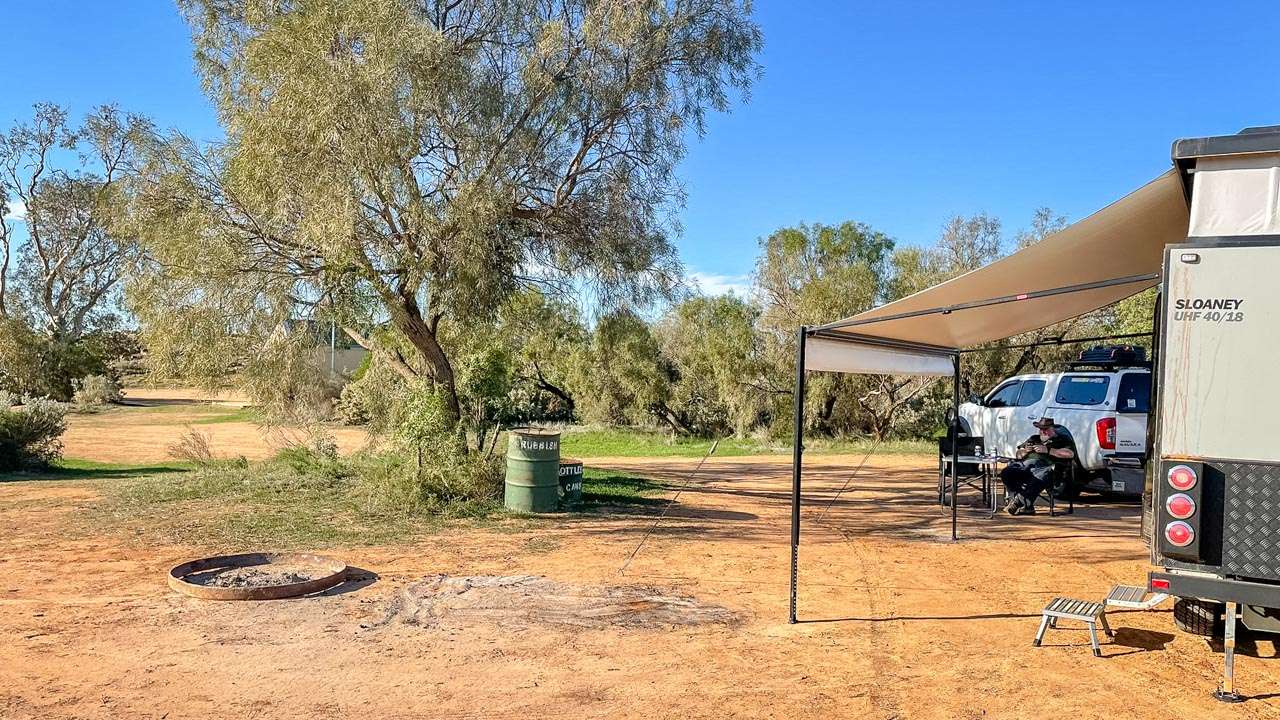
We set up camp at Curdimurka Siding and then spent a couple of hours exploring what is left of Curdimurka Siding and there is quite a lot left to see. It’s still all in fairly decent condition. We walked out along the tracks to the water tower and bore and it’s in a sad state of decline. It was interesting to have a look at the Curdimurka Siding water softener as well. There’s another water softener at Beresford Siding where we camped on a previous trip along the Oodnadatta Track. These softeners were used to remove minerals from the bore water that created scaling in the boilers of the steam engines that travelled the Ghan.
Water Softener And Tank At Curdimurka
Oodnadatta Track Road Conditions
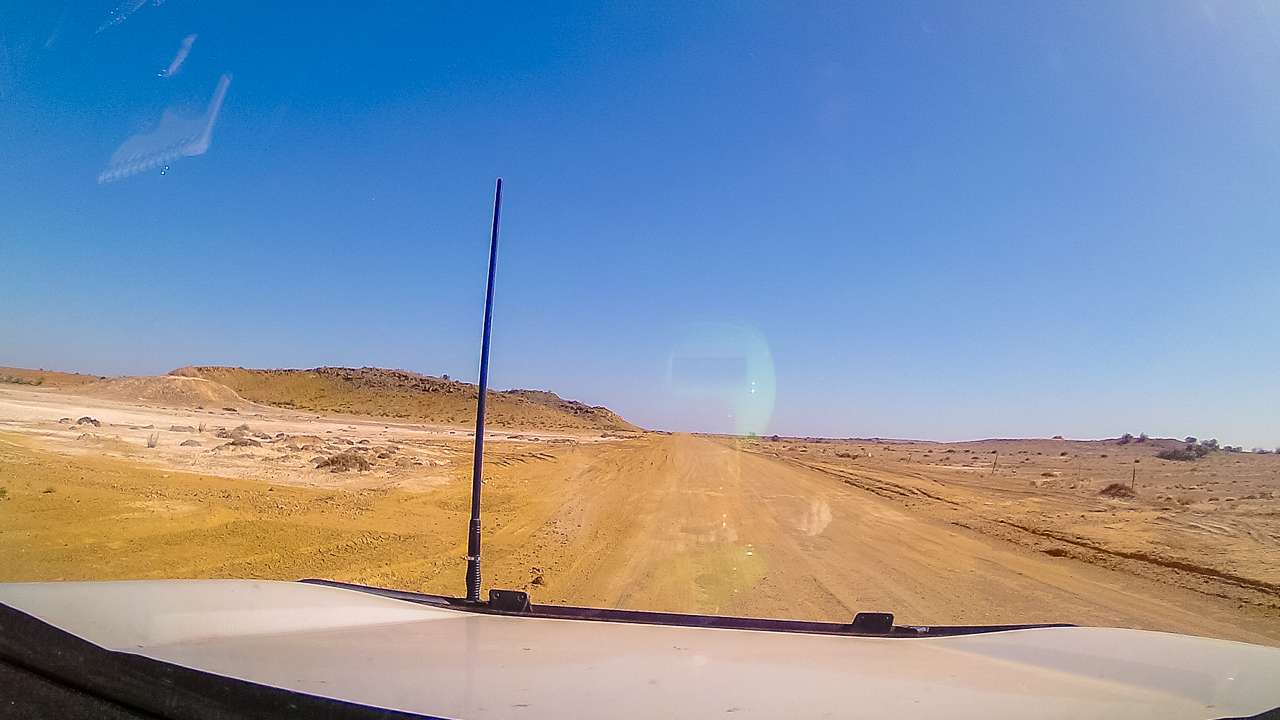
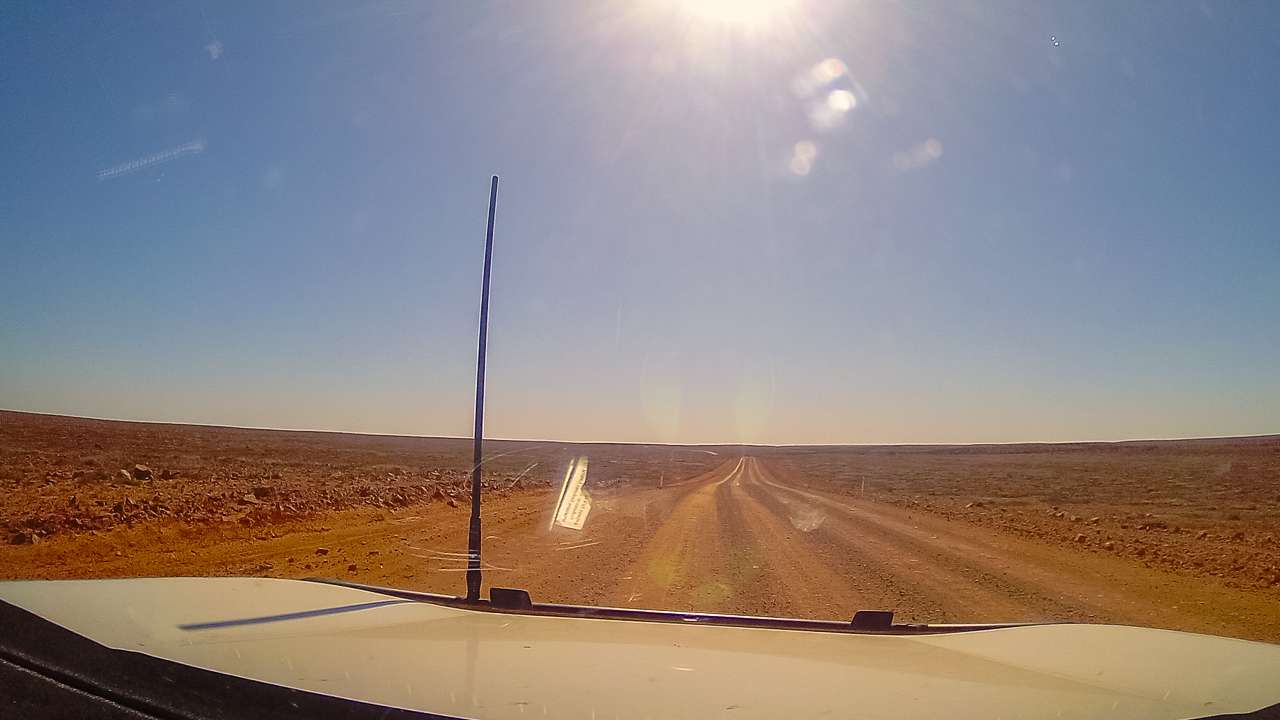
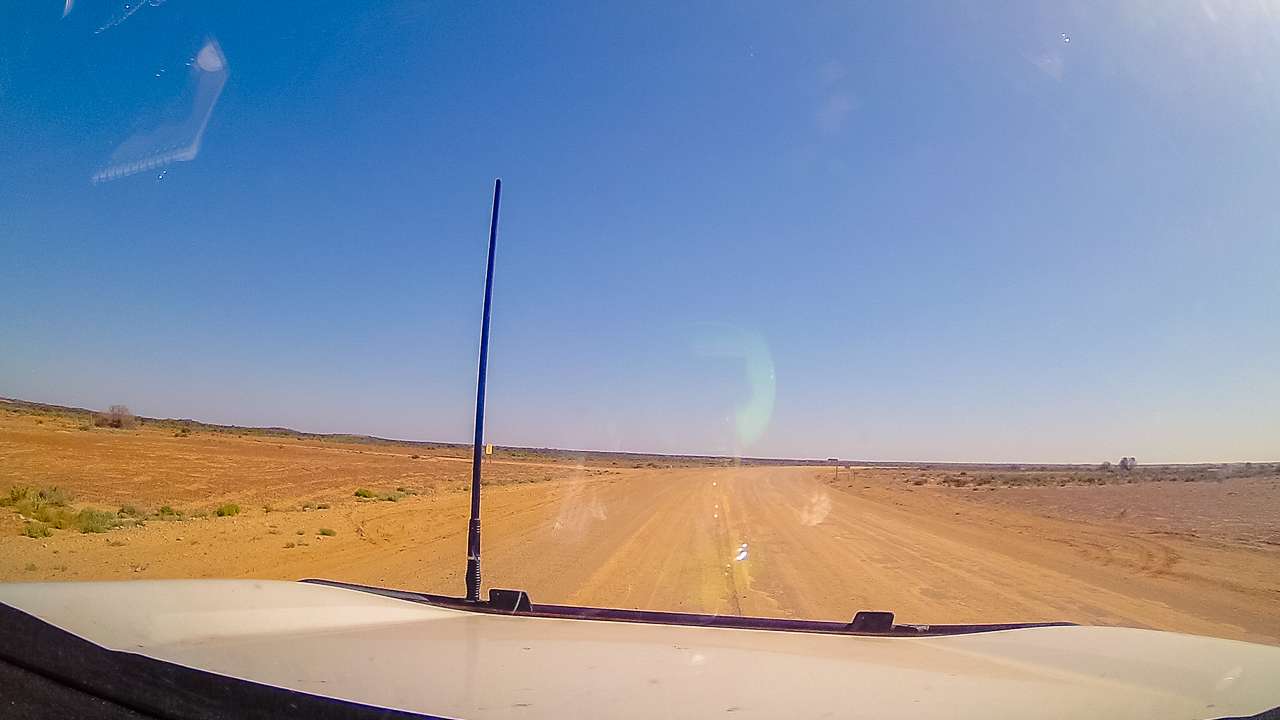
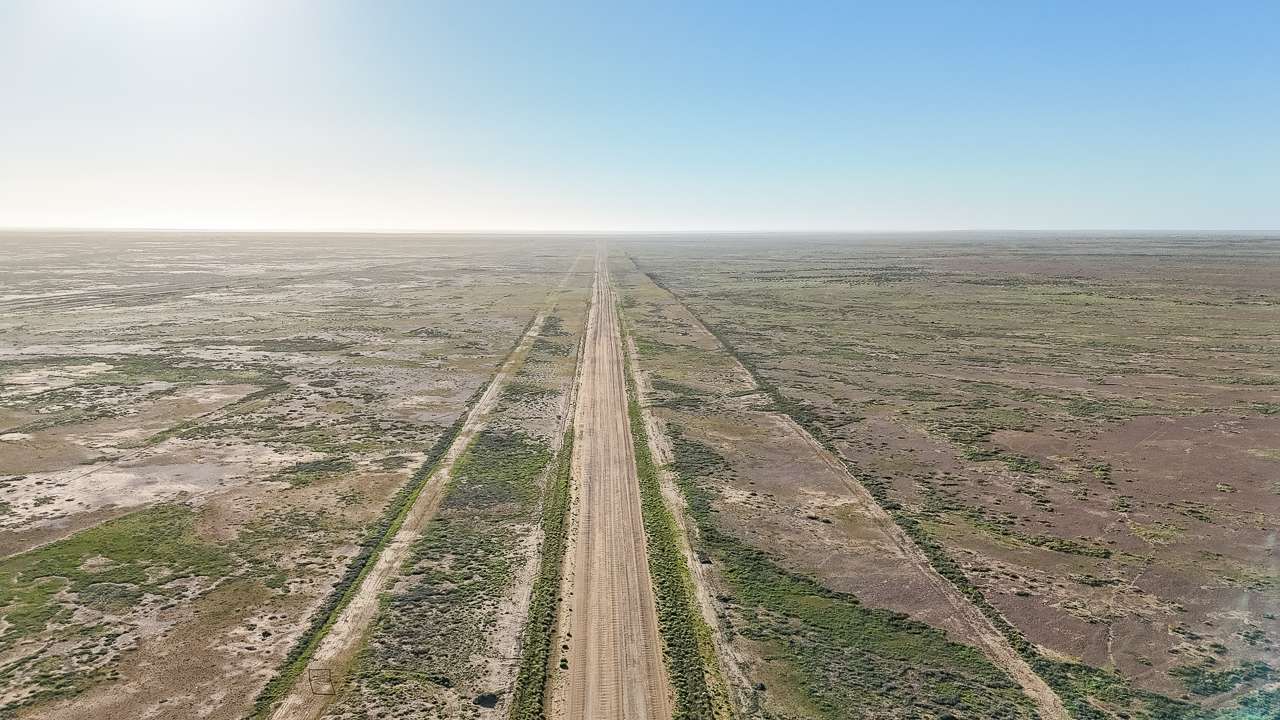
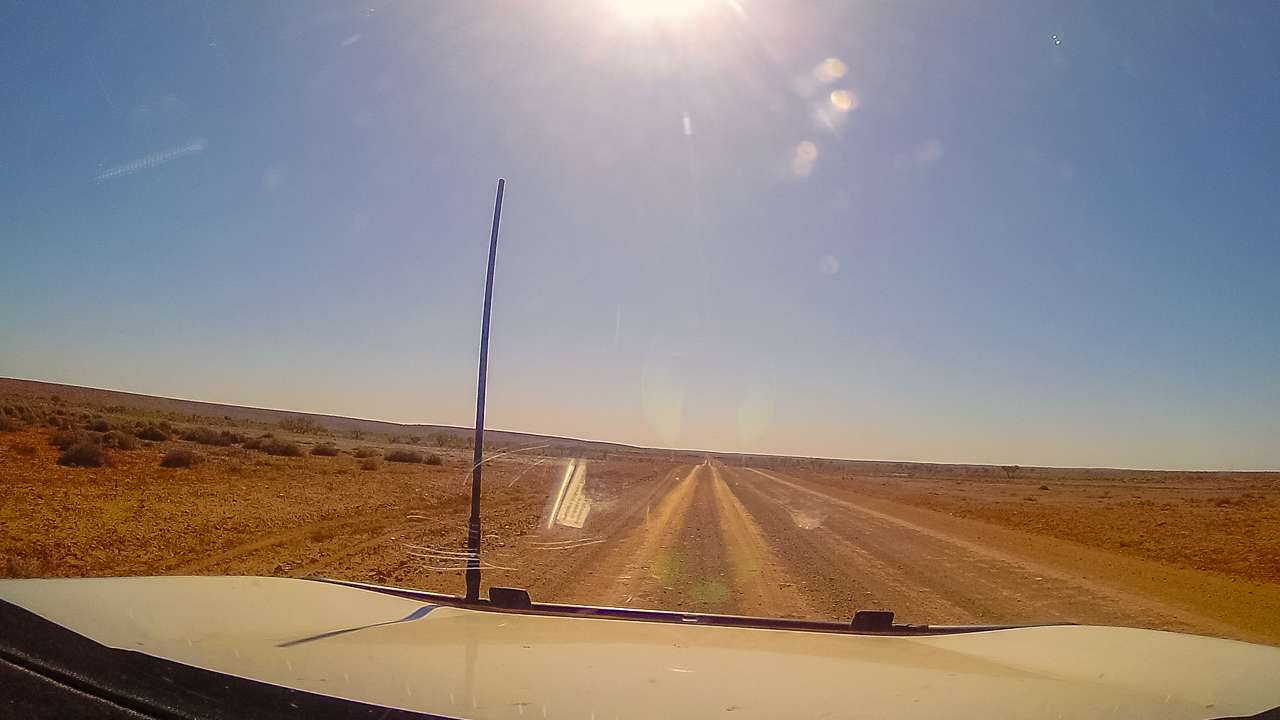
This is the third time we have travelled the oodnadatta Track and it wasn’t in great condition with the bit between Marree and William Creek being particularly rough. There had been recent rain and the track had suffered as a consequence. We just took our time and it was ok. There were a lot of rutted sections and a few corrugated stretches between Marree and Curdimurka Siding.
Travelling The Oodnadatta Track 2024
Camping At Curdimurka Siding
Curdimurka Railway Siding located on the Oodnadatta Track in outback South Australia 101km west of Marree is a unique and remote camping destination. Once a stop on the historic Ghan railway line, this site offers a glimpse into the region’s rich railway history while providing a serene spot for campers.
Camping At Curdimurka
What To Expect At Curdimurka Siding
Historic Railway Siding: Curdimurka was an important part of the old Ghan railway network, and the remnants of the railway buildings and infrastructure are still visible today. The old water tower and railway structures add character to the camping experience.
Remote Camping: There are no formal camping facilities at Curdimurka, making it a true off-the-grid experience. When camping at Curdimurka railway siding you will need to be self-sufficient as it’s 101 kilometres from the nearest roadhouse at Marree.
Quiet and Scenic: The isolation of Curdimurka offers a quiet and peaceful environment, surrounded by vast desert landscapes.
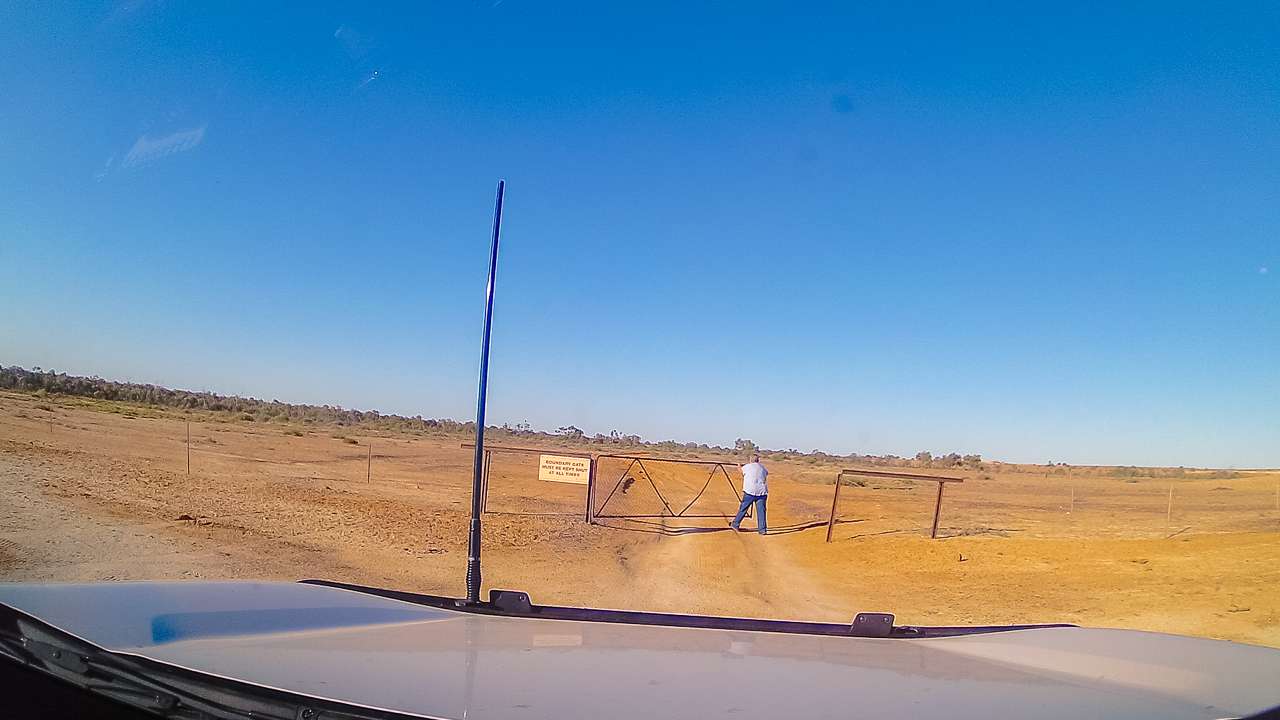
Curdimurka Siding Entry Gates
Things To Do While Camping
Explore the Railway History: Wander around the old railway buildings and imagine the days when the Ghan trains passed through this remote outpost.
Birdwatching: The nearby Lake Eyre Basin attracts a variety of birdlife, especially after rains. Keep an eye out for birds in the area if you’re visiting during the right season.
Photography: The stark, rugged landscapes provide excellent opportunities for photography, particularly at sunrise and sunset.
Camping Tips
Be Self Sufficient: There are no facilities or shops nearby, so make sure you bring all your supplies, including plenty of water.
Check Road Conditions: The Oodnadatta Track can be rough especially after rain. It’s important to check road conditions before heading out.
Respect the Environment: As this is a remote and untouched area campers should follow the “leave no trace” principle, taking all rubbish with them and respecting the historic site.
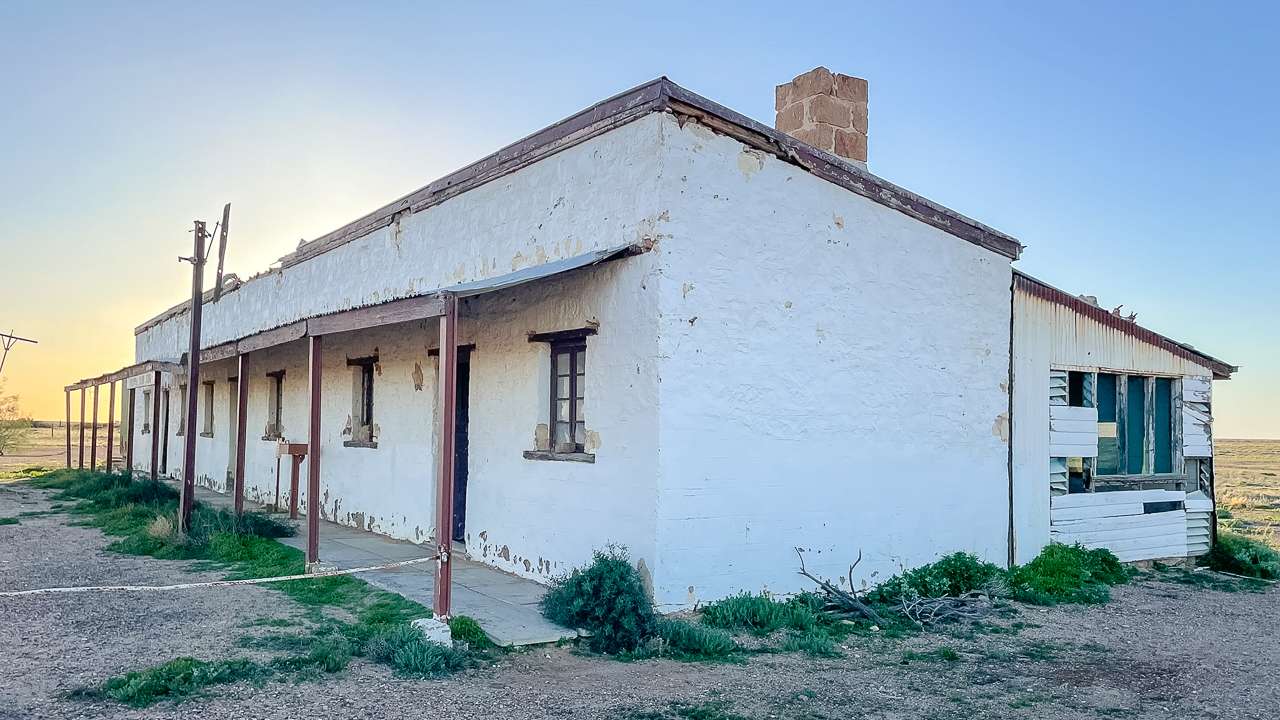
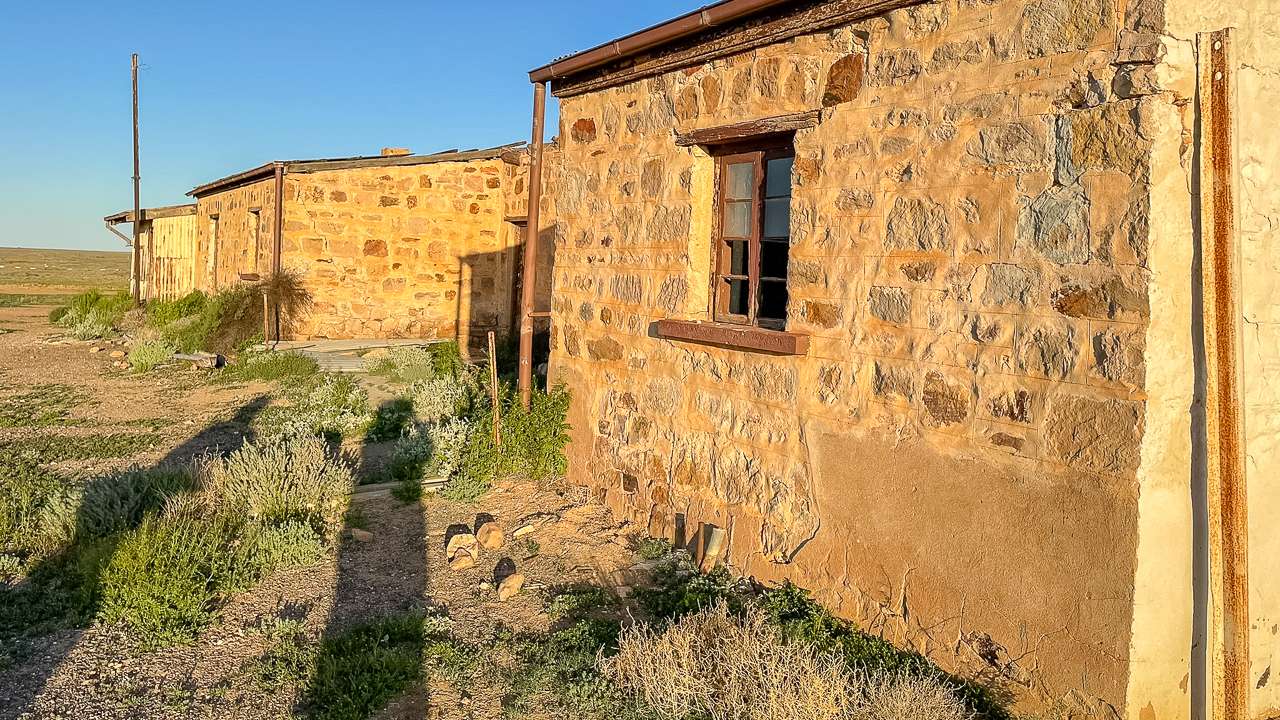
Curdimurk Siding Building
History Of The Curdimurka Siding
Curdimurka Railway Siding is a significant piece of South Australia’s railway history. It is located on the old Ghan railway line. Built in the late 19th century, Curdimurka served as a vital watering stop for steam locomotives travelling between Port Augusta and Alice Springs.
Early Years
Curdimurka was established in the 1880s as part of the Great Northern Railway, commonly known as the Ghan Railway. The siding was essential because it provided water for steam engines, which needed frequent refuelling during their long journeys through the arid landscape. A large water tank was constructed to store water from nearby bores ensuring trains could make the trip across the harsh outback.
The Ghan Railway
The Ghan Railway is one of Australia’s most famous railways. Curdimurka played a small but crucial role in keeping the trains running smoothly, especially during the era when steam engines dominated. The siding was part of the line that connected Adelaide to Alice Springs helping to develop the remote interior of Australia.
Along The Ghan
Decline And Abandonment
As diesel engines replaced steam locomotives in the mid-20th century the need for water stops like Curdimurka diminished. By the 1980s, the railway line was rerouted, bypassing many of the original sidings, including Curdimurka. The last train passed through Curdimurka in 1980. The station was abandoned but it still remains as a site of historical interest.
Bit Late For That
Curdimurka Railway Siding Today
Curdimurka Siding is a reminder of Australia’s pioneering railway history. Although no longer in use the original buildings and water tank are still intact giving a look into the past. The site is popular with history enthusiasts and travellers on the Oodnadatta Track looking to camp for the night as well as explore the remnants of the old Ghan Railway.
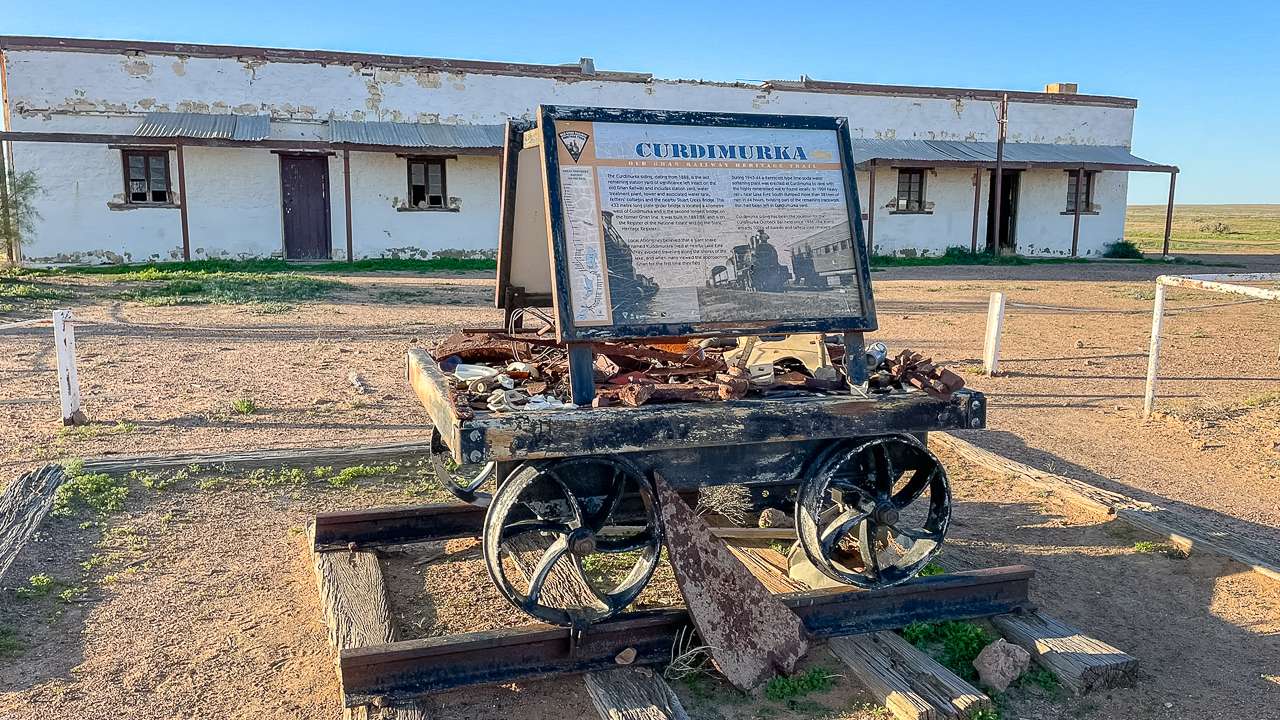
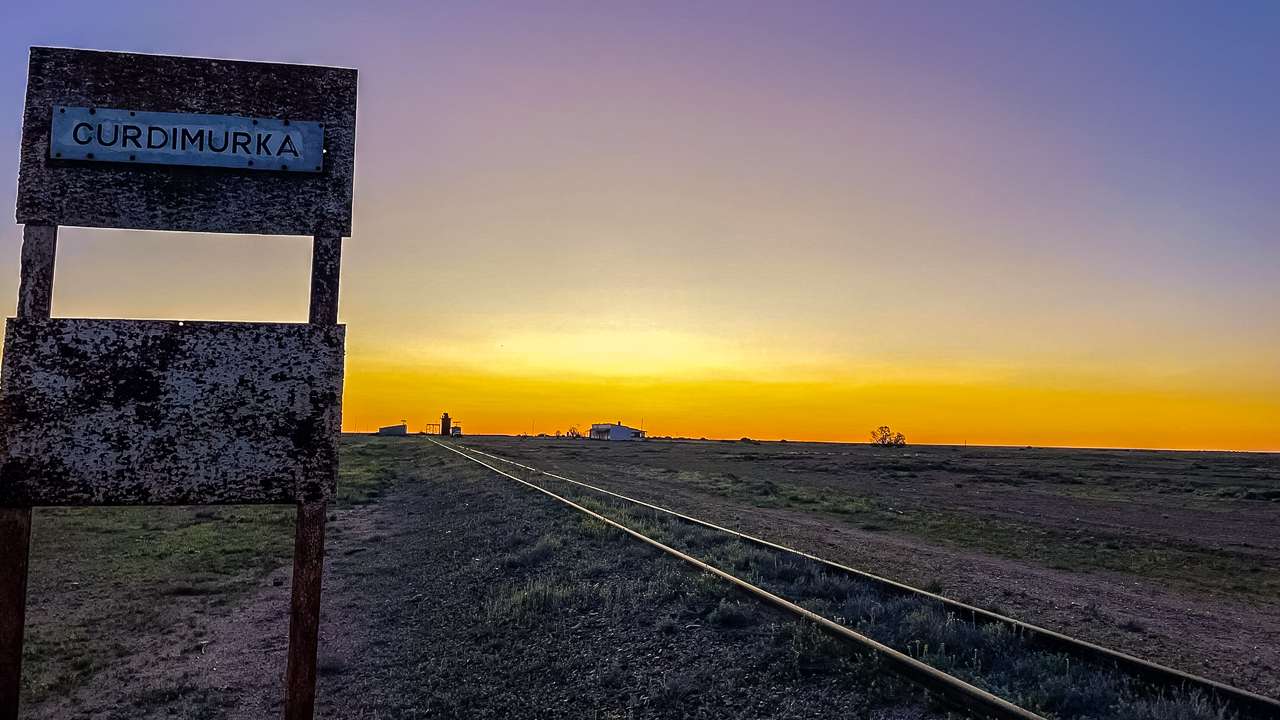
Curdimurka Siding Station Board
Conclusion
The Curdimurka Railway Siding is a symbol of the determination to conquer Australia’s vast and challenging interior. Though no longer operational its history remains an integral part of the story of the Ghan Railway and the development of outback Australia. Camping at Curdimurka Railway Siding offers a rare chance to experience the Australian outback’s history and natural beauty. For those who enjoy remote camping and are prepared for the rugged conditions, it’s a rewarding destination with a deep connection to Australia’s railway past.
Camping At Curdimurka Siding Photo Gallery
Oodnadatta Track Near Curdimurka
Oodnadatta Track Near Curdimurka
Curdimurka Railway Siding Info Board
Curdimurka Railway Siding Info Board
Behind The Siding
Behind The Siding
TEST JPG00000
TEST JPG00000
Bit Late For That
Bit Late For That
Curdimurk Siding Building
Curdimurk Siding Building
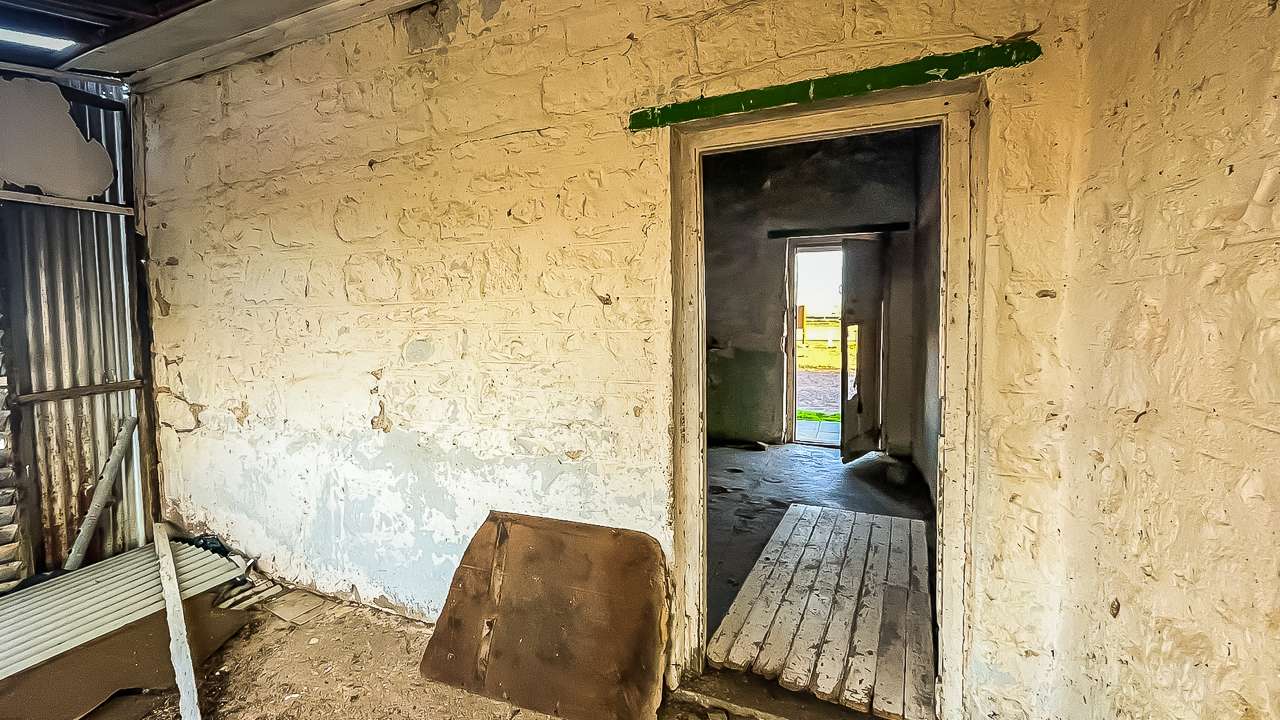
Inside Station Building
Inside Station Building
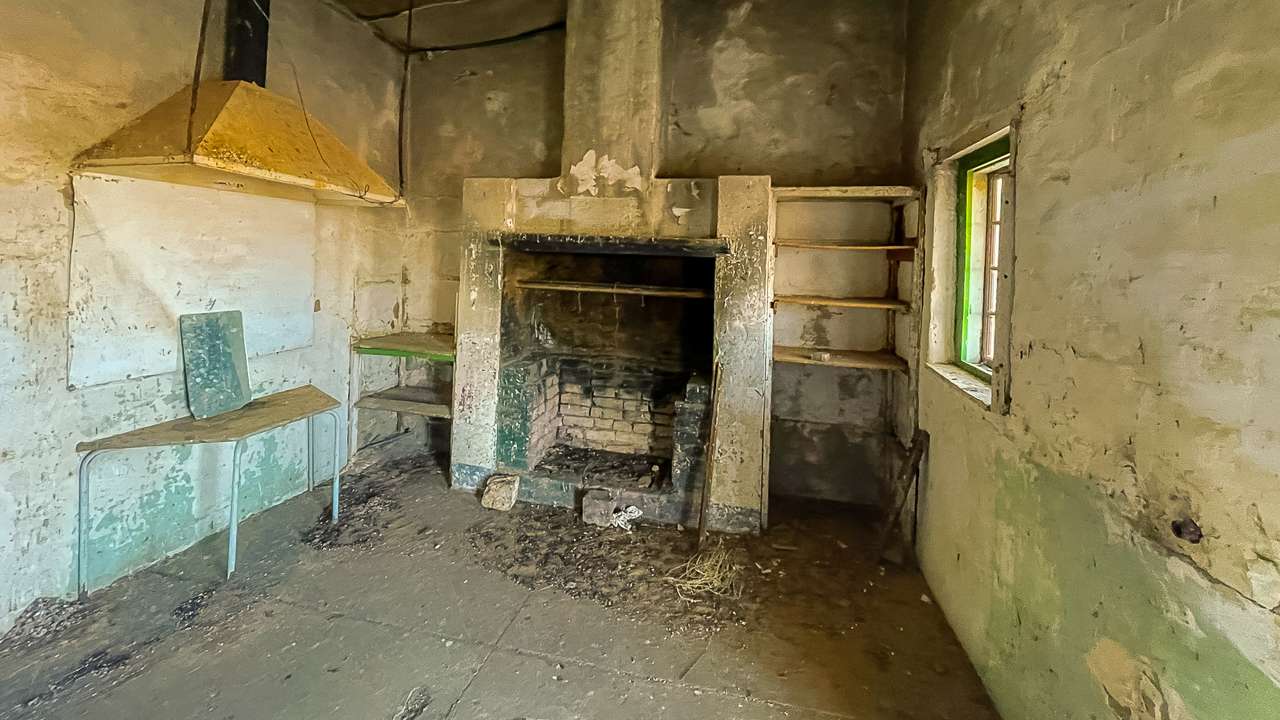
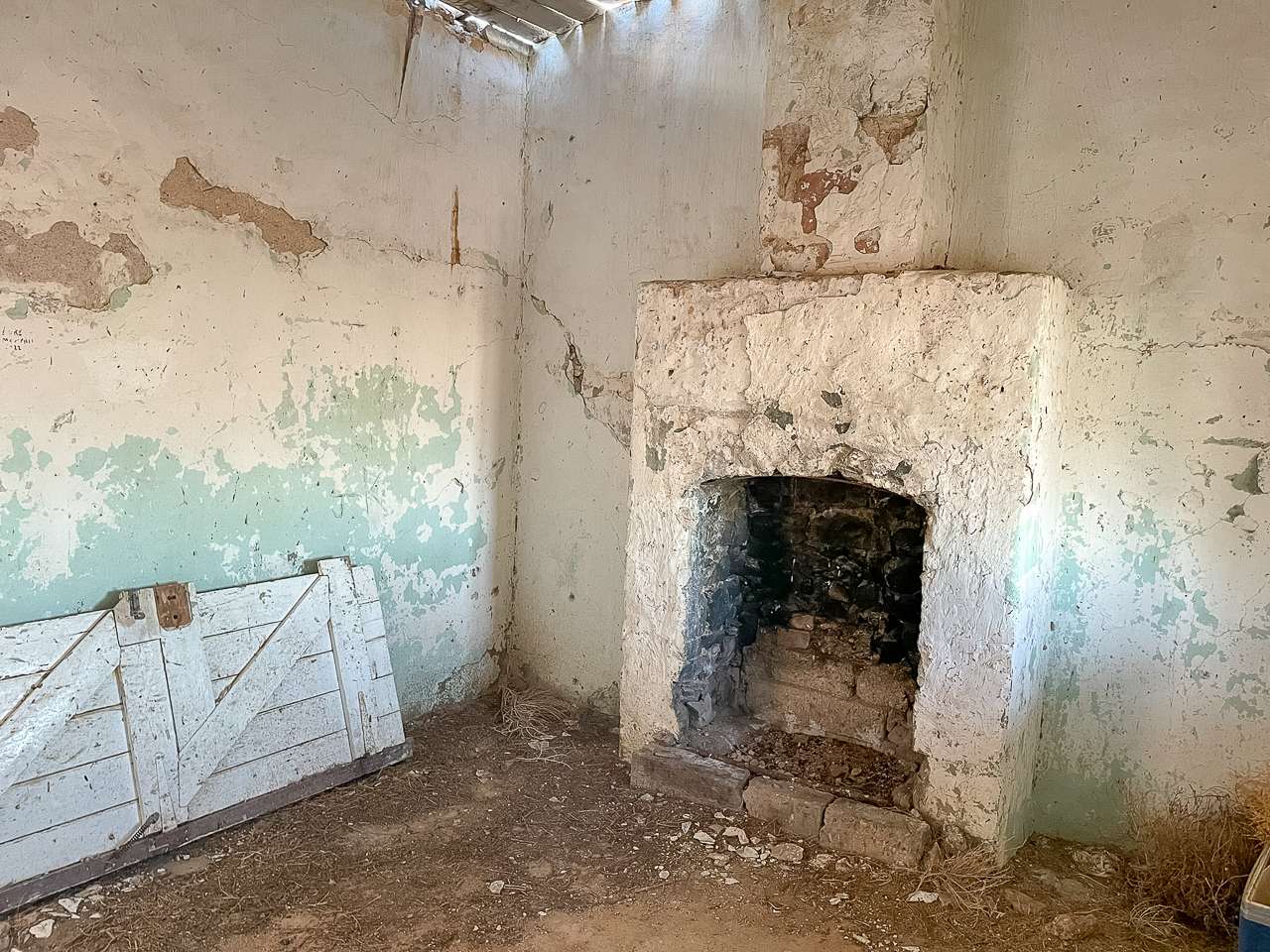
Lots Of Fireplaces Inside The Curdimurka Station
Lots Of Fireplaces Inside The Curdimurka Station
Camping At Curdimurka
Camping At Curdimurka
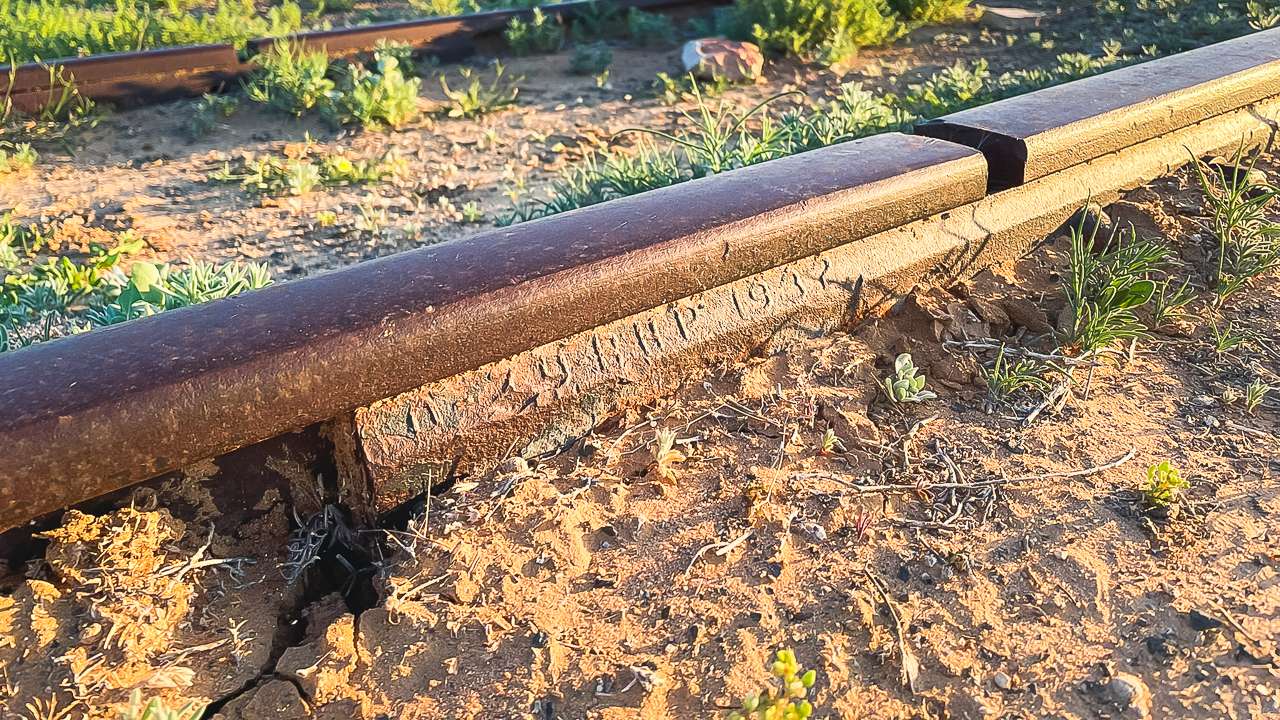
Good Old BHP Steel
Good Old BHP Steel
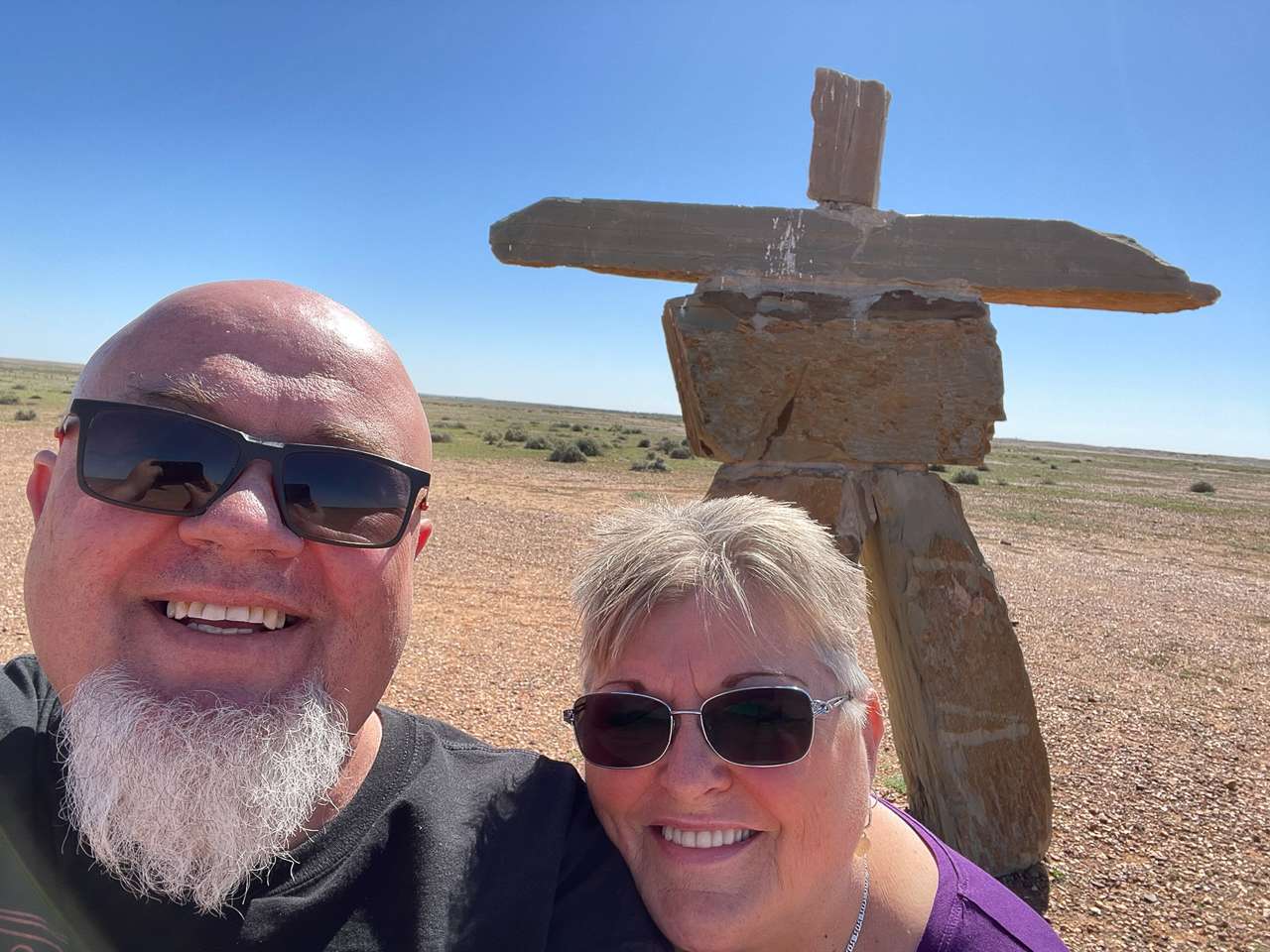
Obligatory Marree Man Selfie
Obligatory Marree Man Selfie
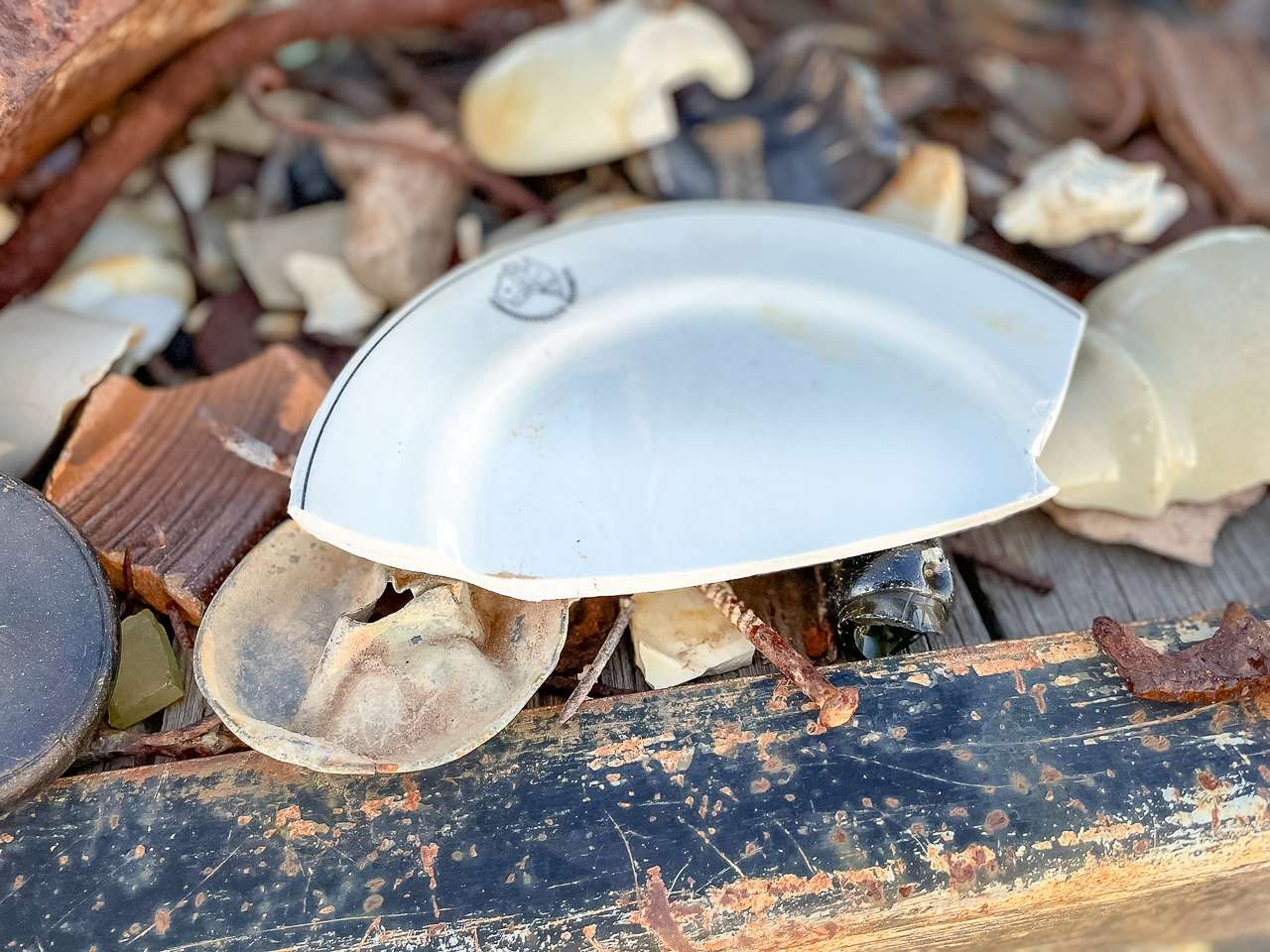
Broken Plate At Curdimurka
Broken Plate At Curdimurka
Hamburger At Marree Hotel
Hamburger At Marree Hotel
More Fireplaces
More Fireplaces
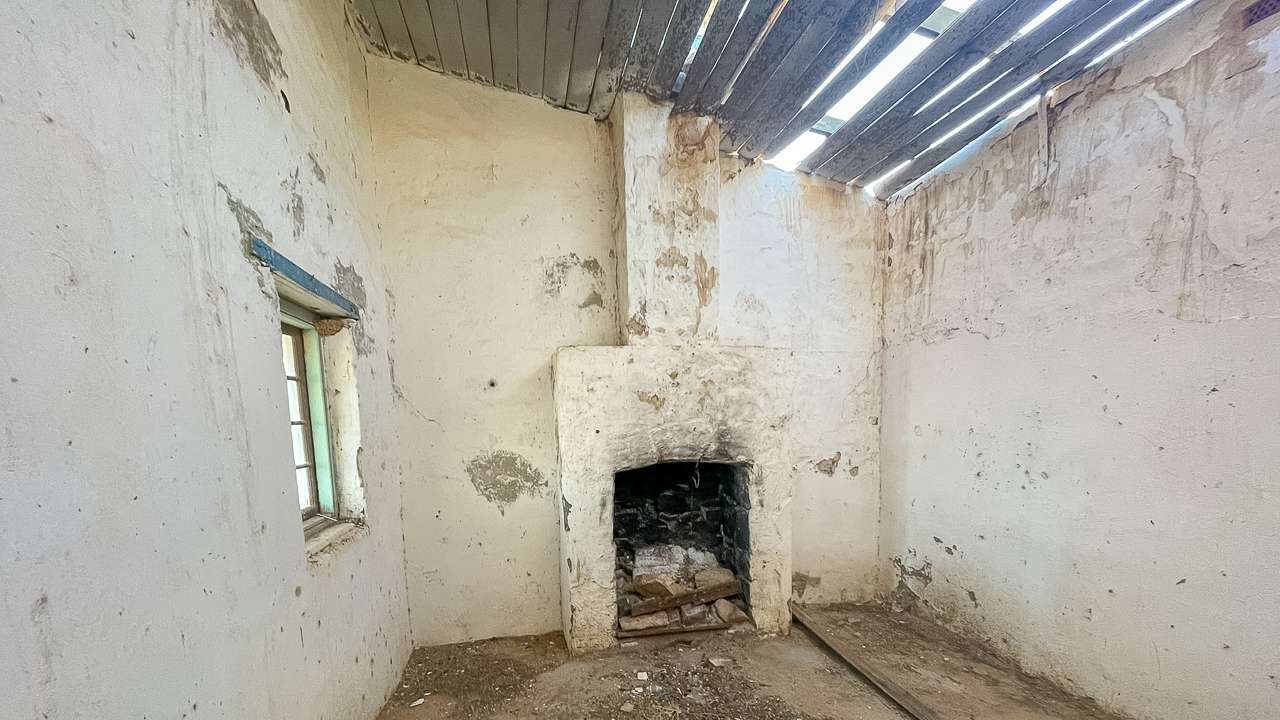
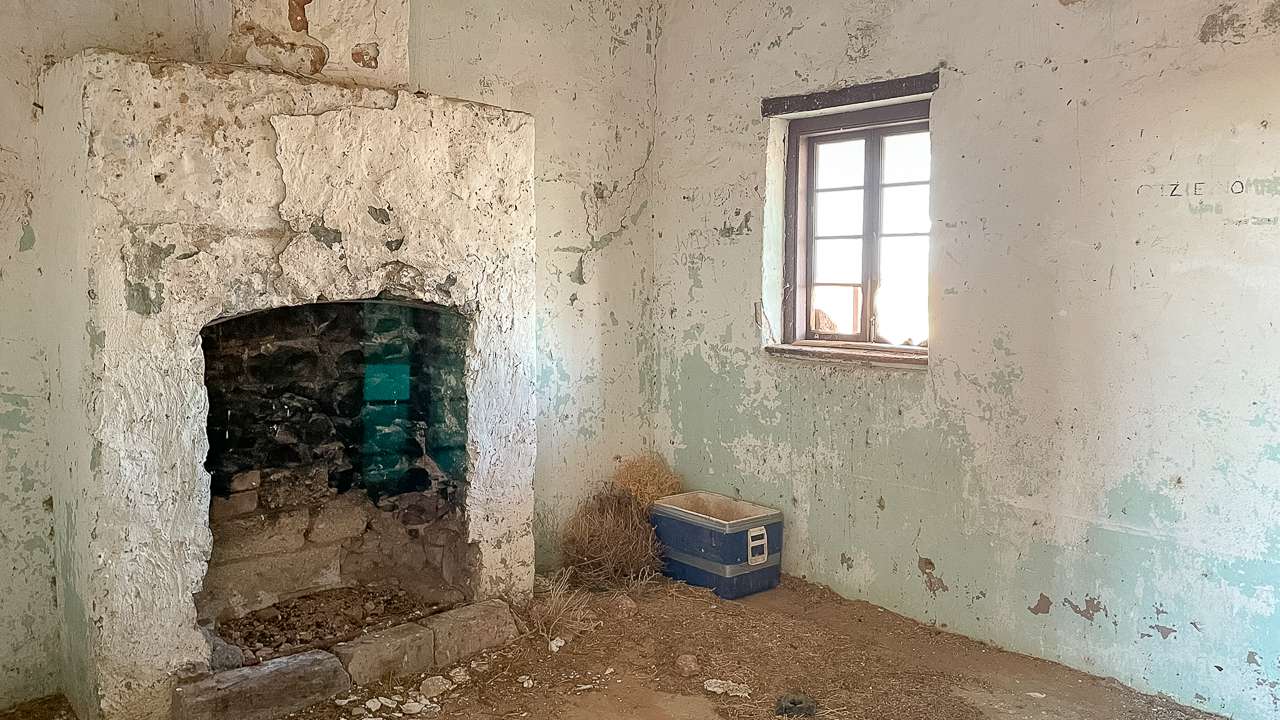
Yet Another Fireplace At Curdimurka
Yet Another Fireplace At Curdimurka
Marree Hotel
Marree Hotel
Water Softener And Tank At Curdimurka
Water Softener And Tank At Curdimurka
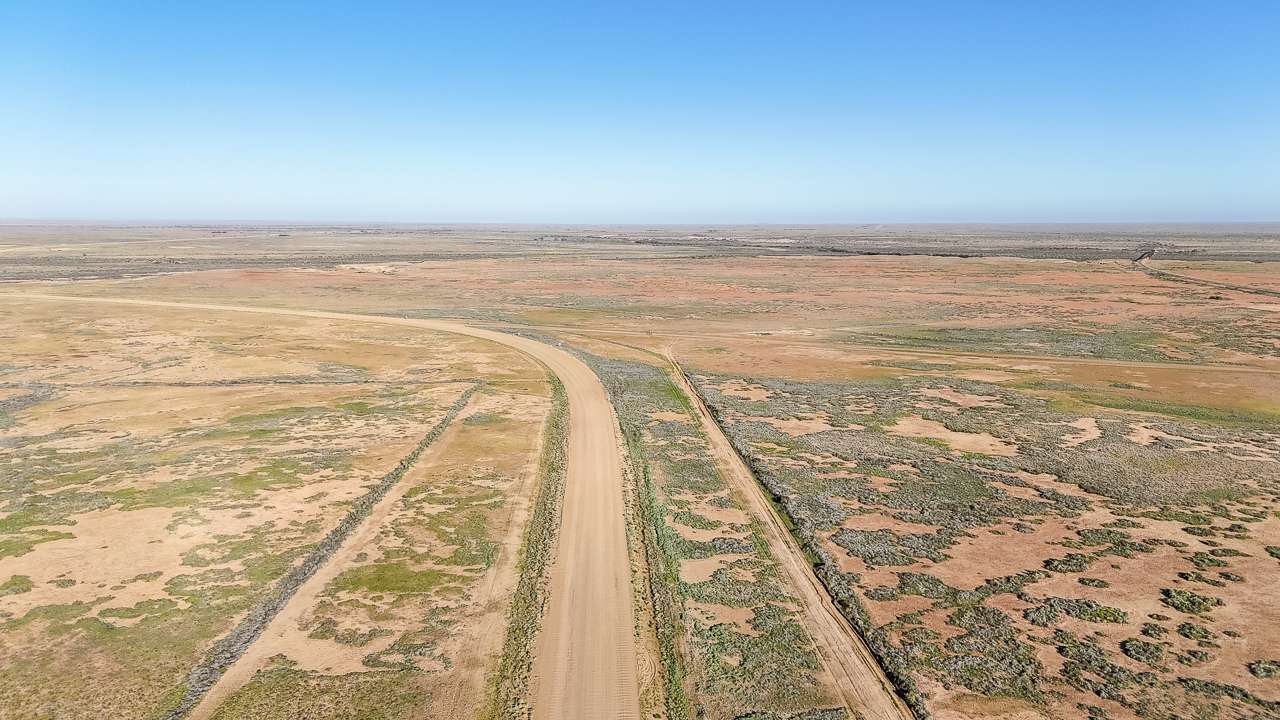
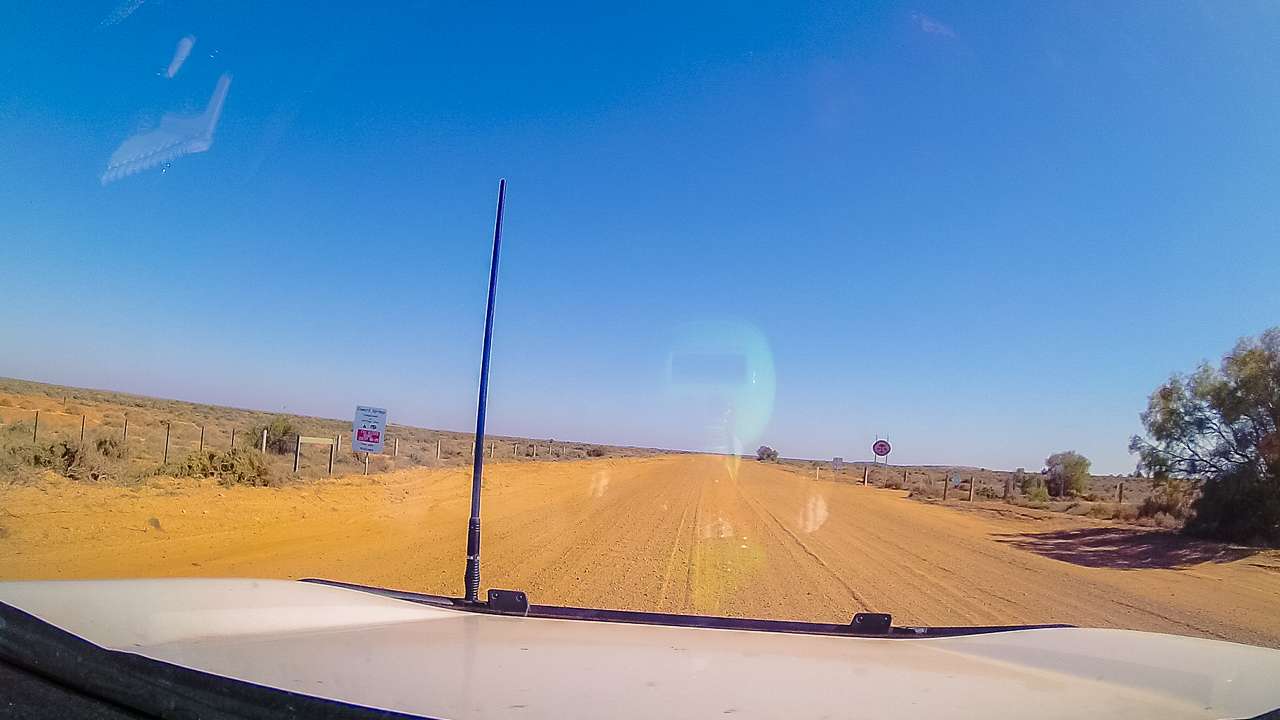
Road In To Curdimurka
Road In To Curdimurka
TEST JPG00000
TEST JPG00000
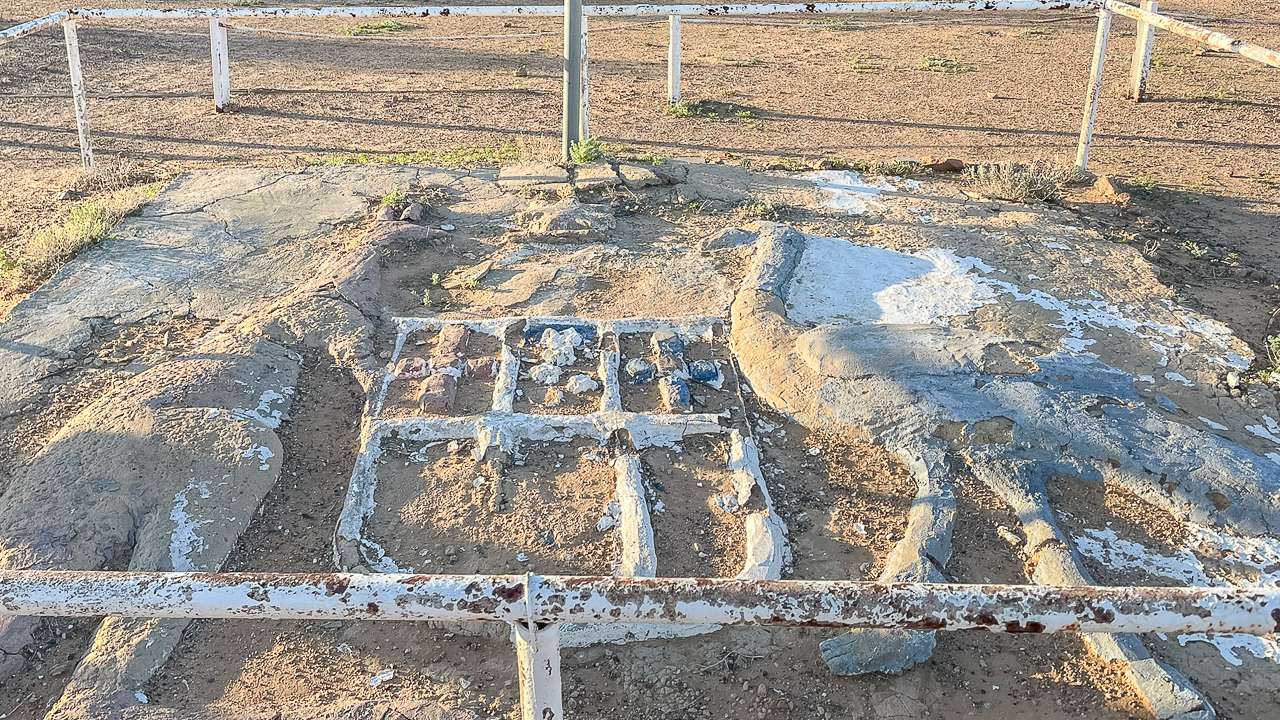
Concrete Coat Of Arms
Concrete Coat Of Arms
Welcome To Curdimurka
Welcome To Curdimurka
Our Jayco All Terrain And Nissan navara On The Oodnadatta Track
Our Jayco All Terrain And Nissan navara On The Oodnadatta Track
Curdimurka Siding Entry Gates
Curdimurka Siding Entry Gates
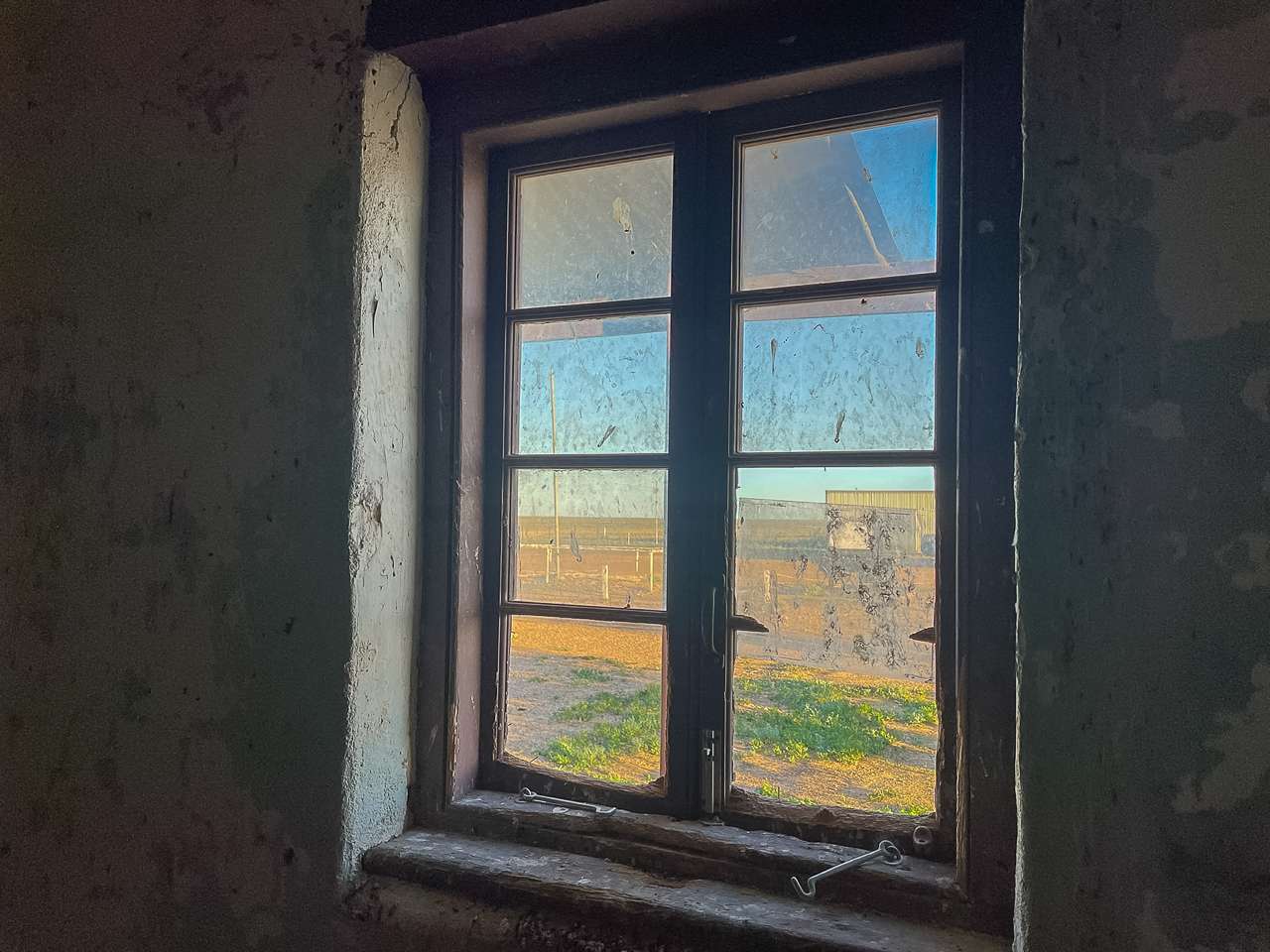
Nice Old Window At Curdimurka
Nice Old Window At Curdimurka
The Sculpture Park
The Sculpture Park
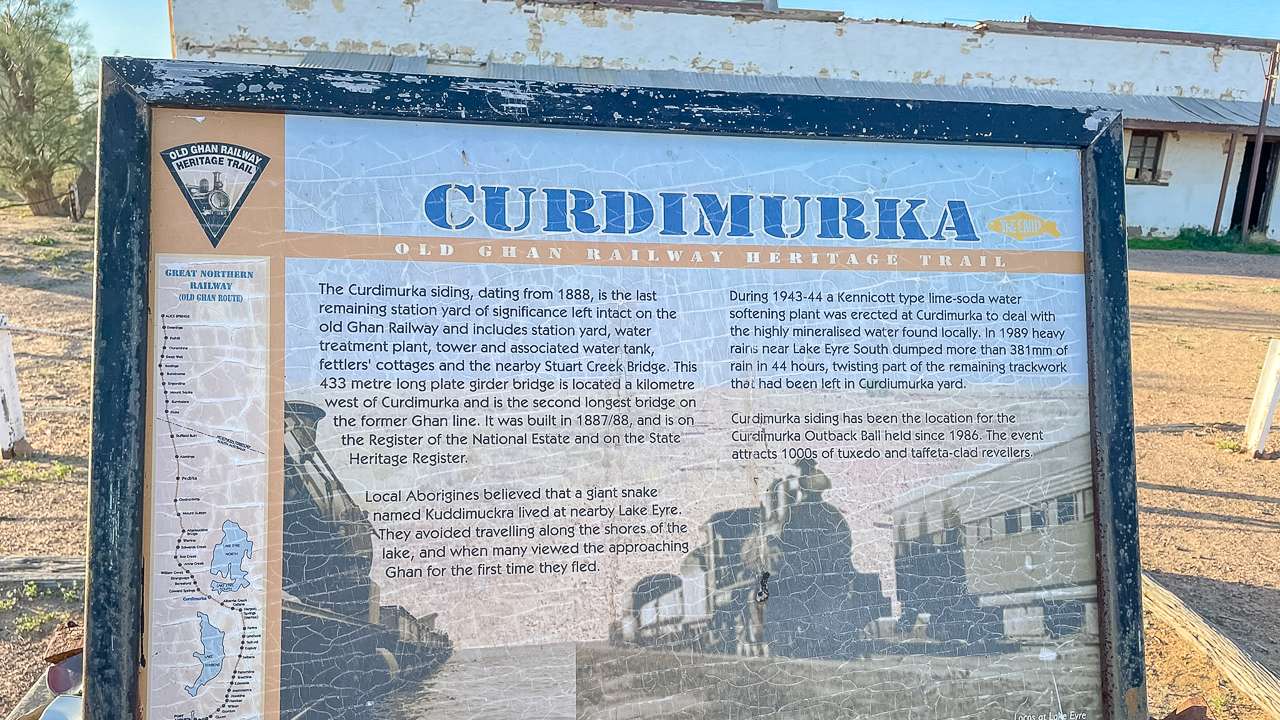
Curdimurka Siding Information Board
Curdimurka Siding Information Board
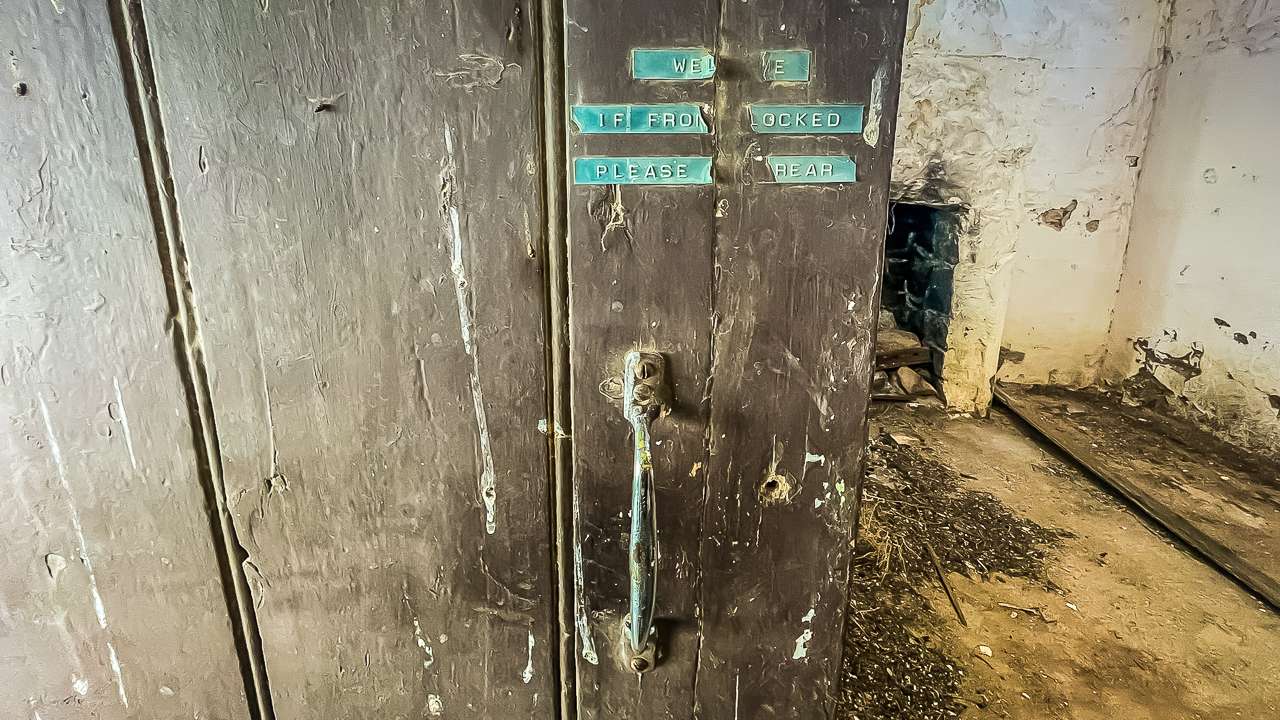
Use The Other Door
Use The Other Door
TEST JPG00000
TEST JPG00000
Water Softener At Curdimurka Siding
Water Softener At Curdimurka
Travelling The Oodnadatta Track 2024
Travelling The Oodnadatta Track 2024
Atmospheric Photo
Atmospheric Photo
Water Softener On Old Ghan Railway At Curdimurka
Water Softener On Old Ghan Railway At Curdimurka
Inside Curdimurka Siding
Inside Curdimurka Station Building
Camping At Curdimurka Siding
Camping At Curdimurka
Curdimurka Siding Station Board
Curdimurka Siding Station Board
Amanda Finding A Geocache At The Sculpture Park On Oodnadatta Track
Amanda Finding A Geocache At The Sculpture Park On Oodnadatta Track
Along The Ghan
Along The Ghan
Ghan Railway Tracks
Ghan Railway Tracks
Curdimurka Railway Siding Building
Curdimurka Railway Siding Building
Oodnadatta Track Near Curdimurka
Oodnadatta Track Near Curdimurka
Old Railway Siding At Curdimurka On The Ghan Railway
Old Railway Siding At Curdimurka On The Ghan Railway
West Mount Hut Near Witchelina SA Day Trip From Farina
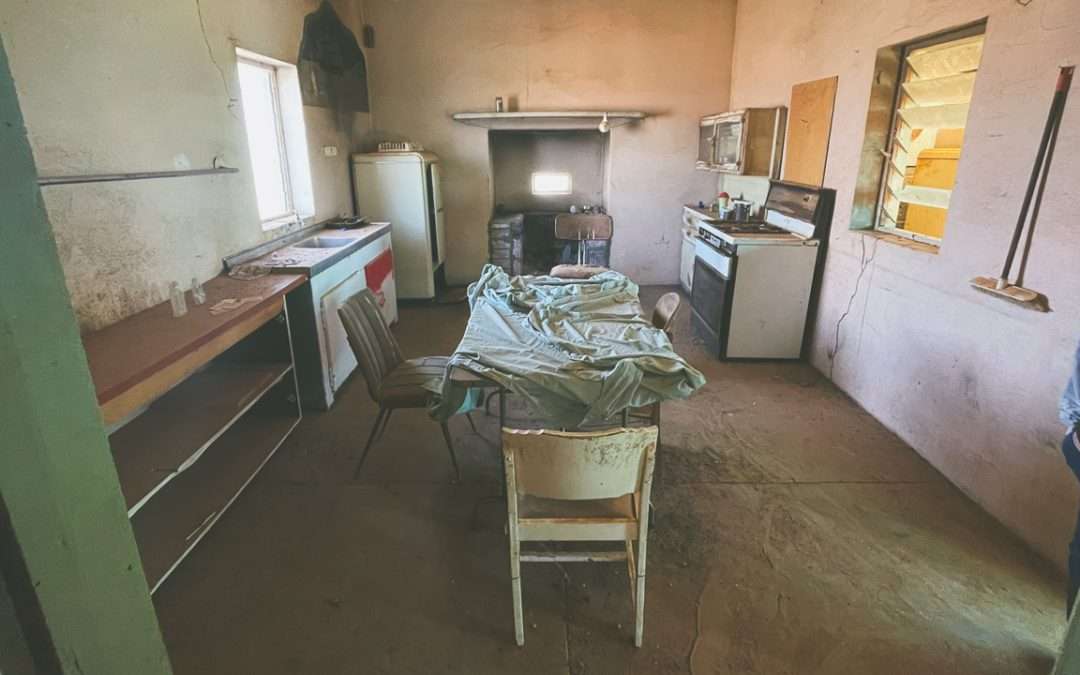
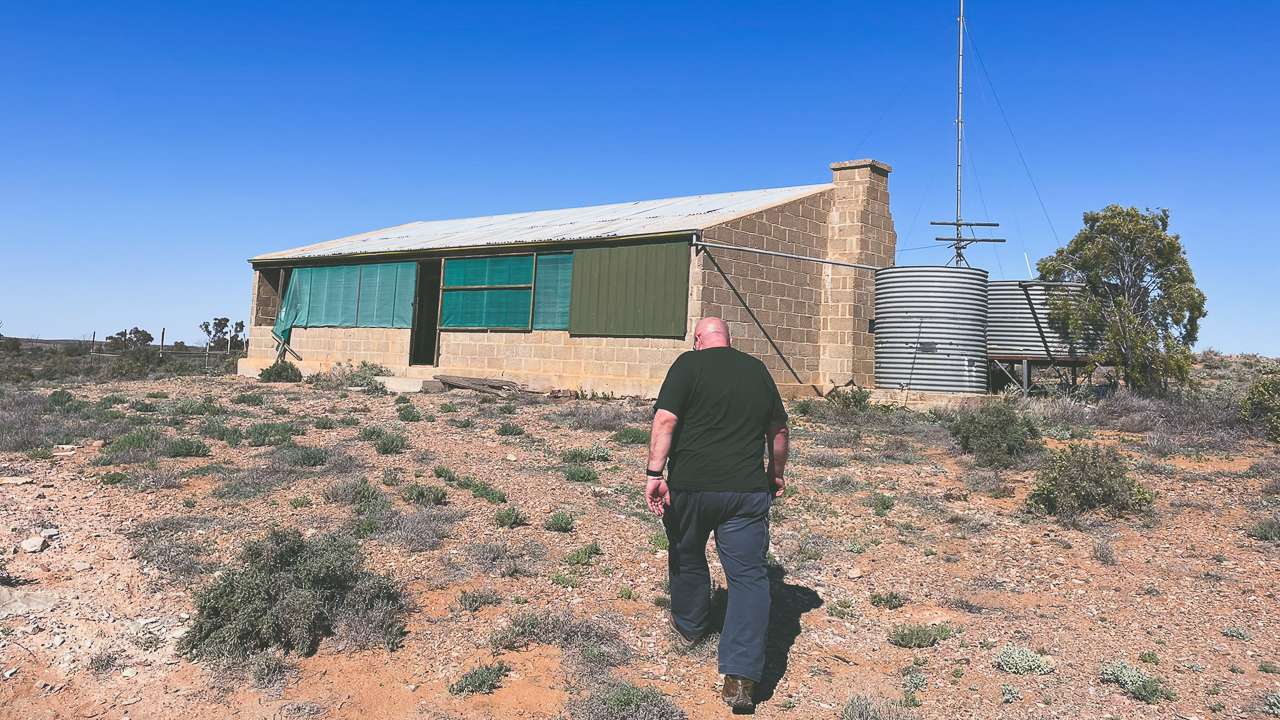
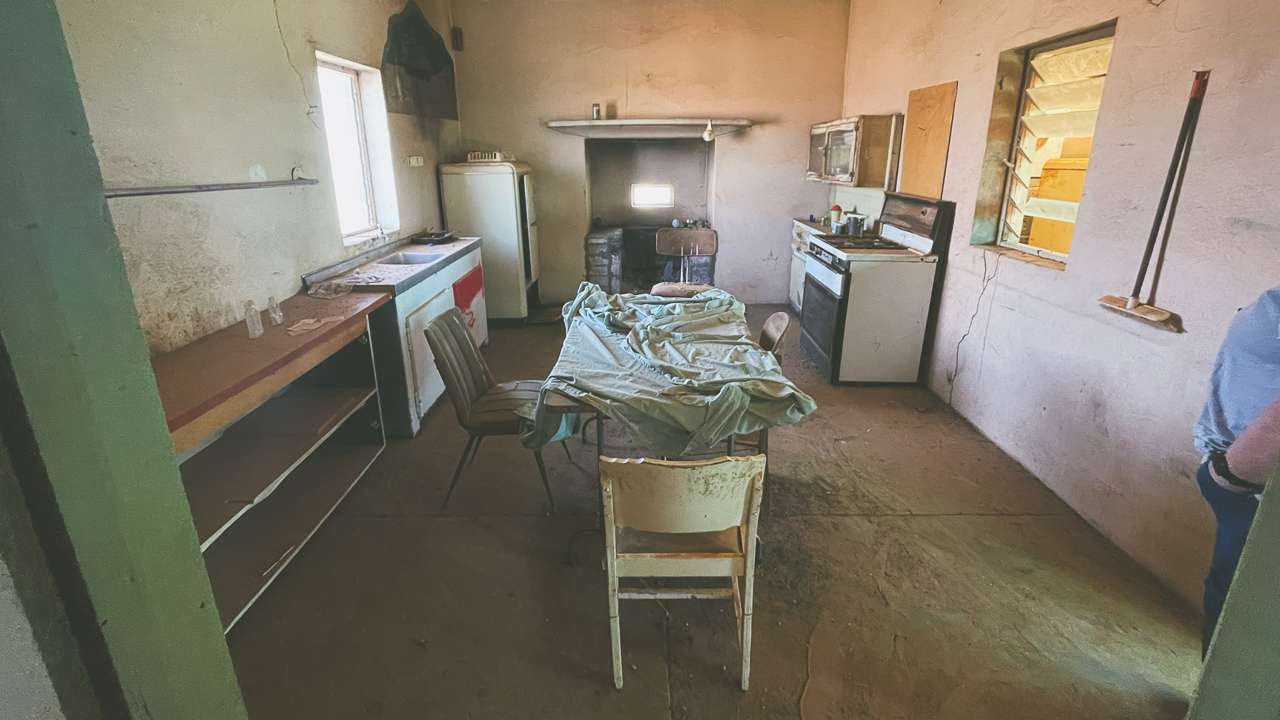
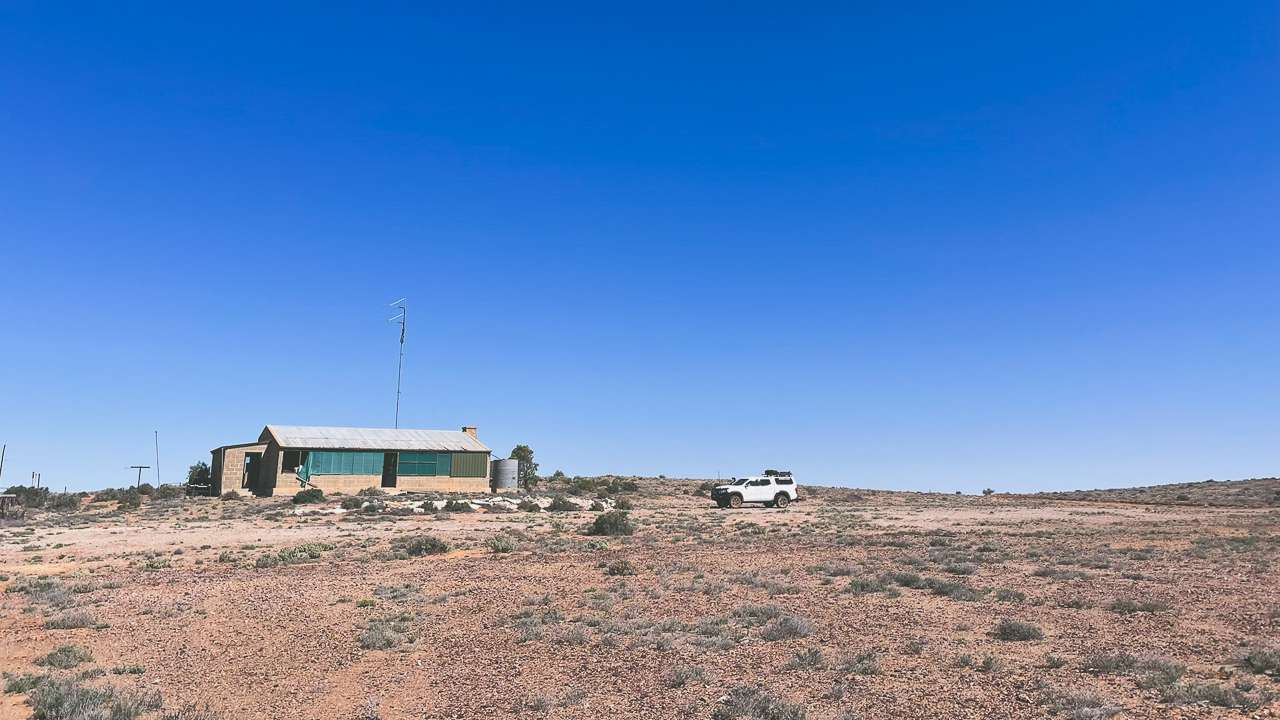
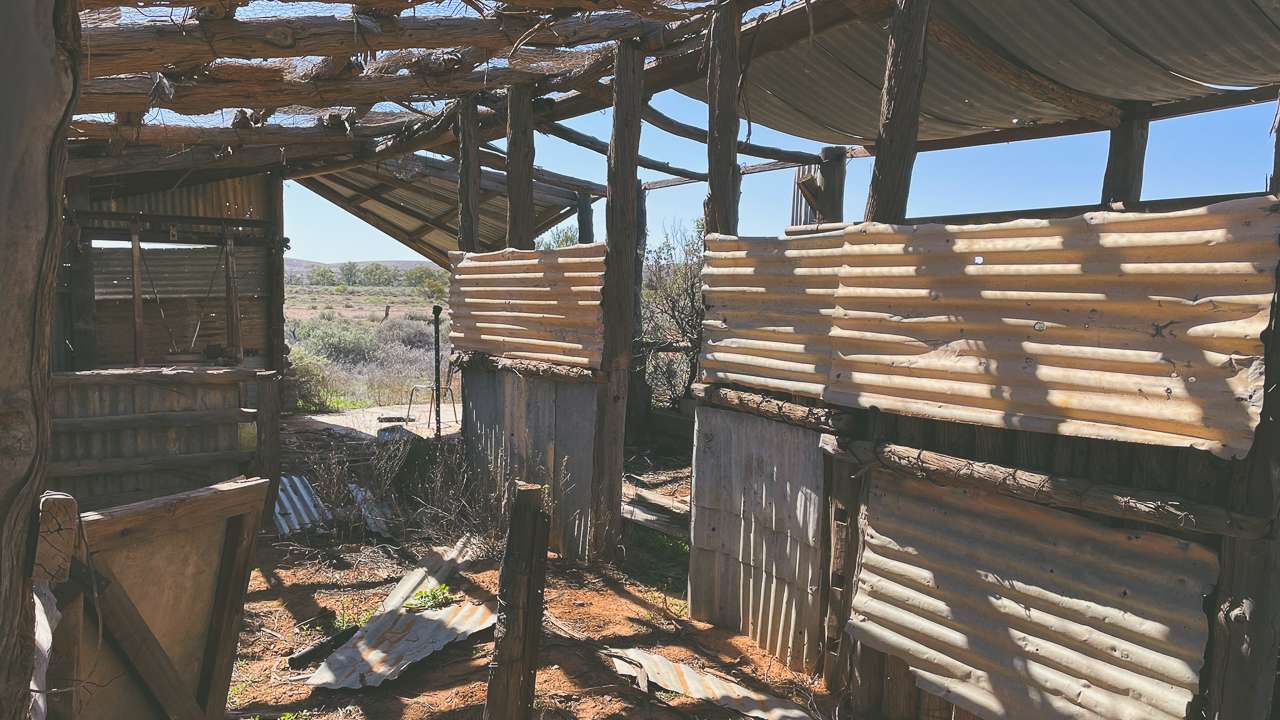
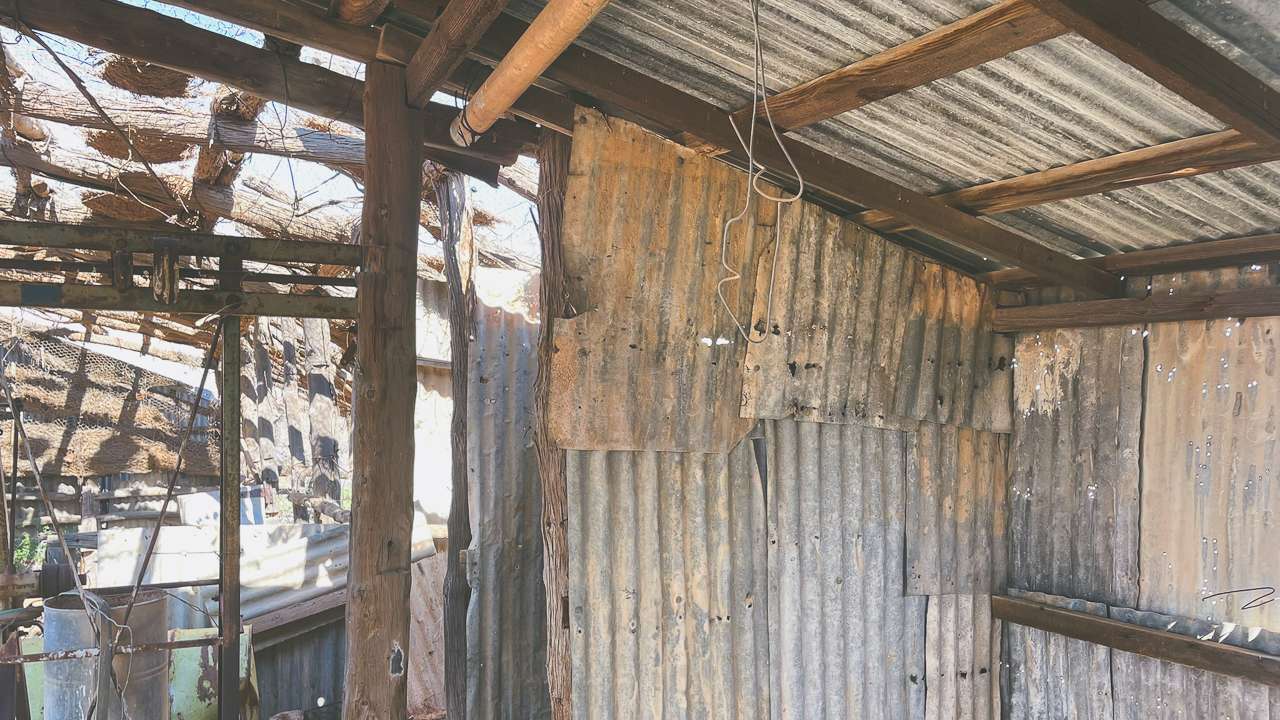
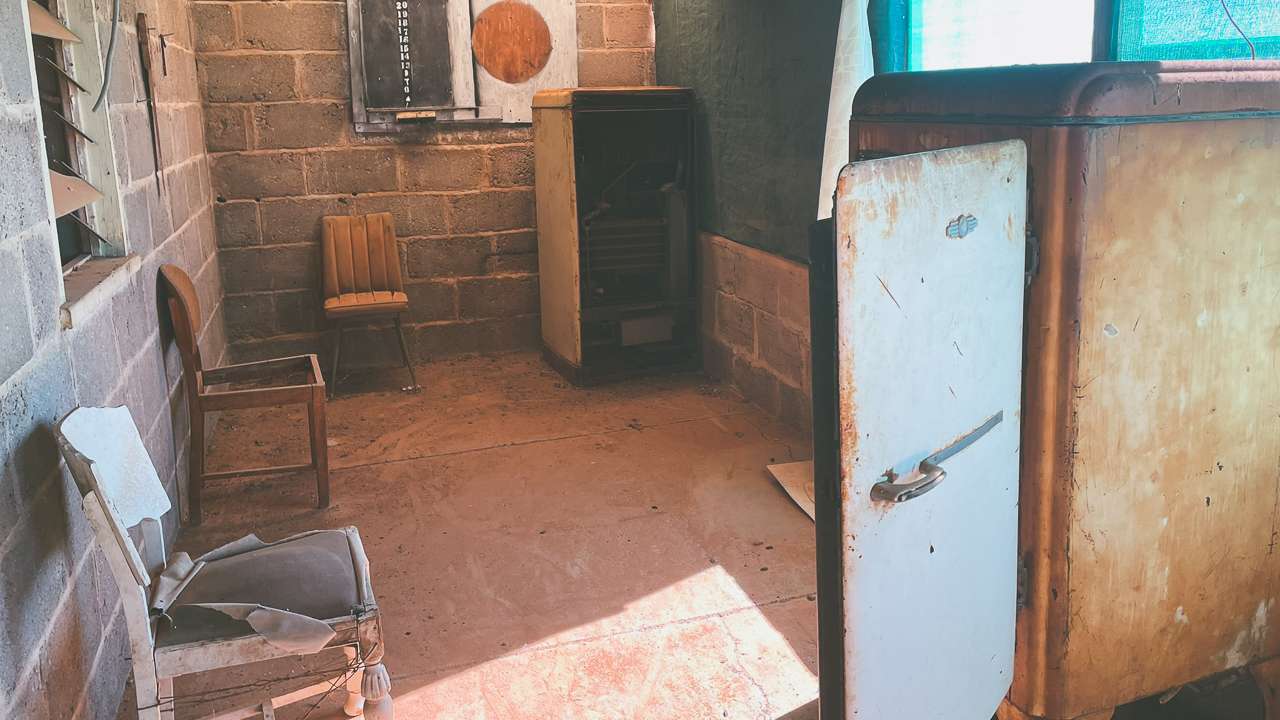
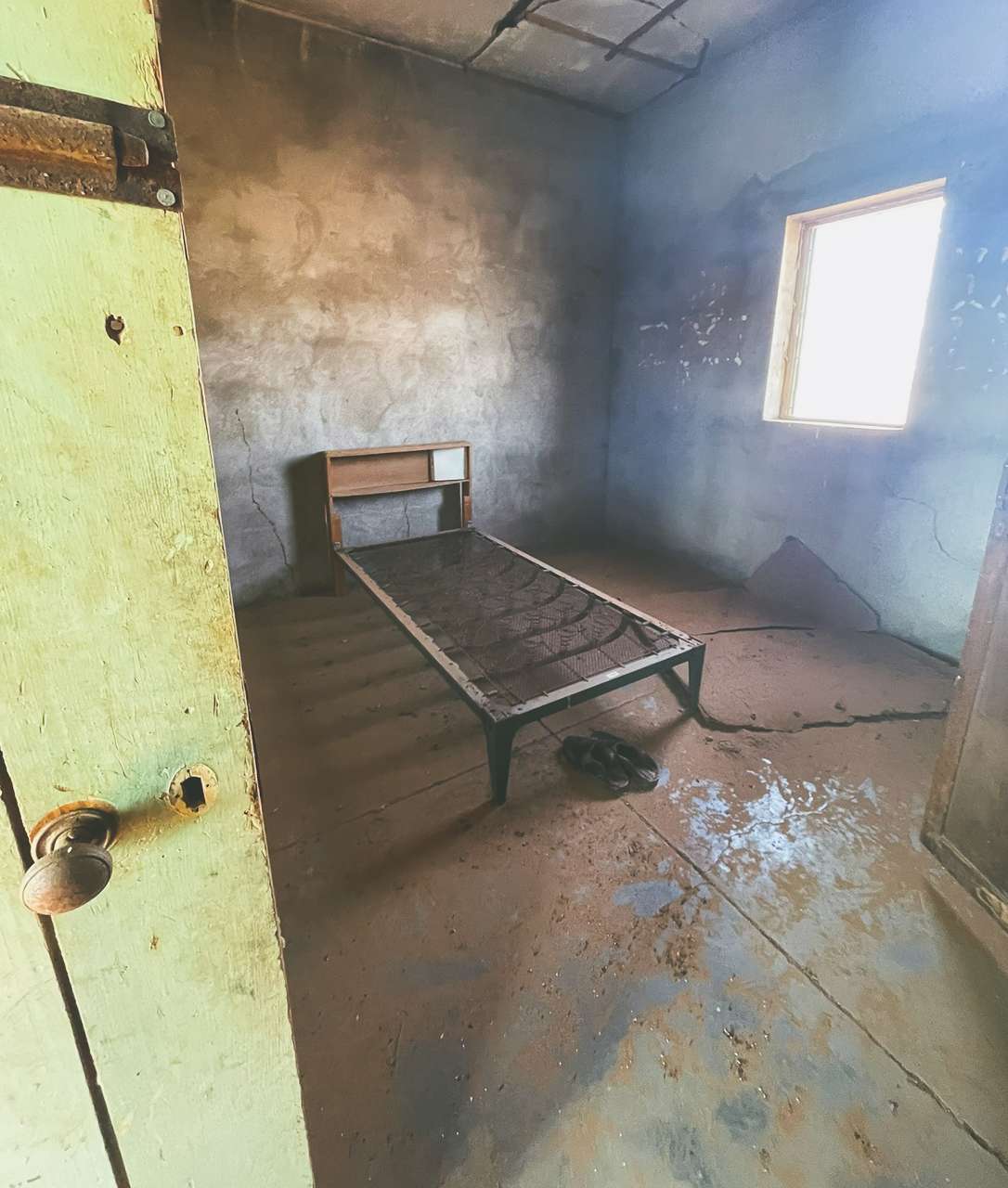
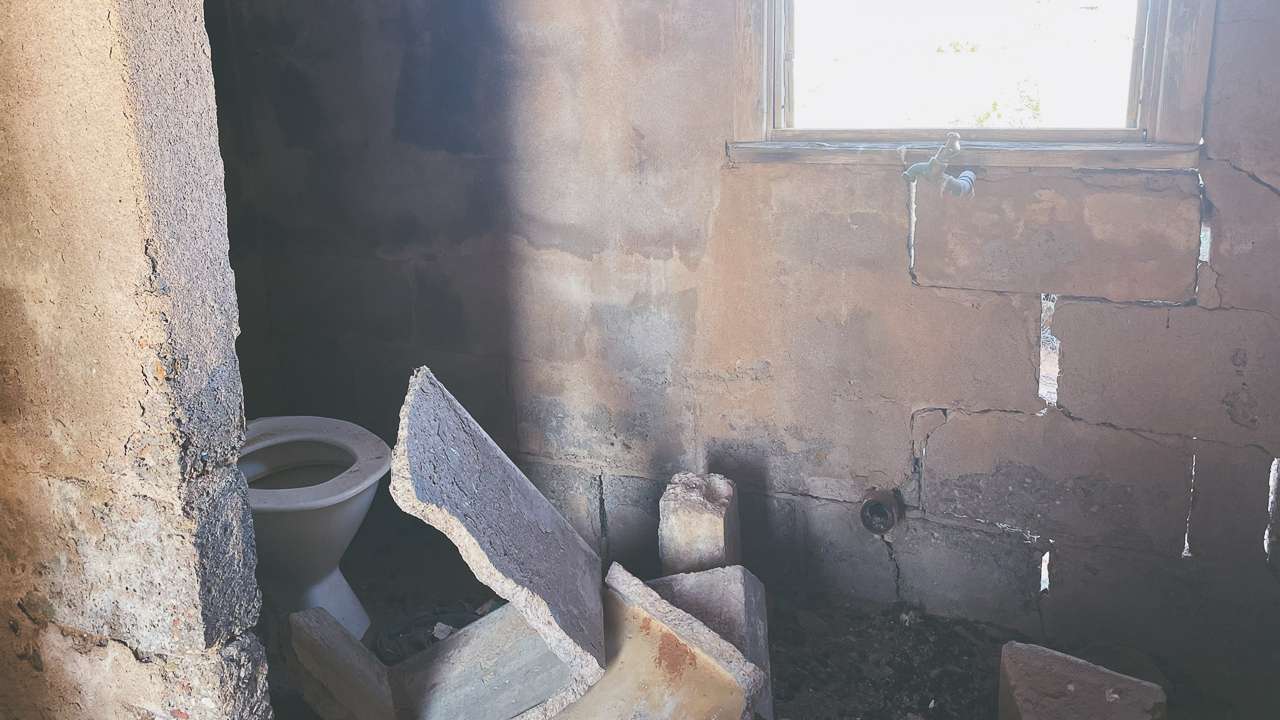
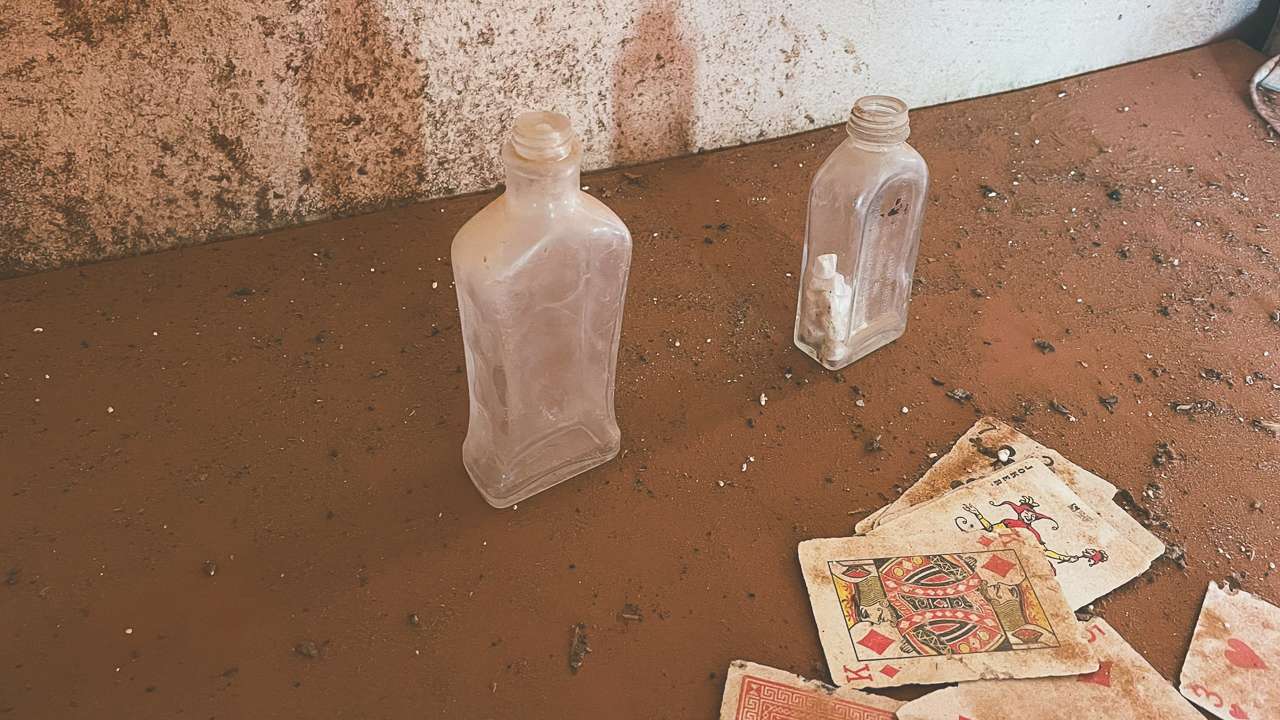
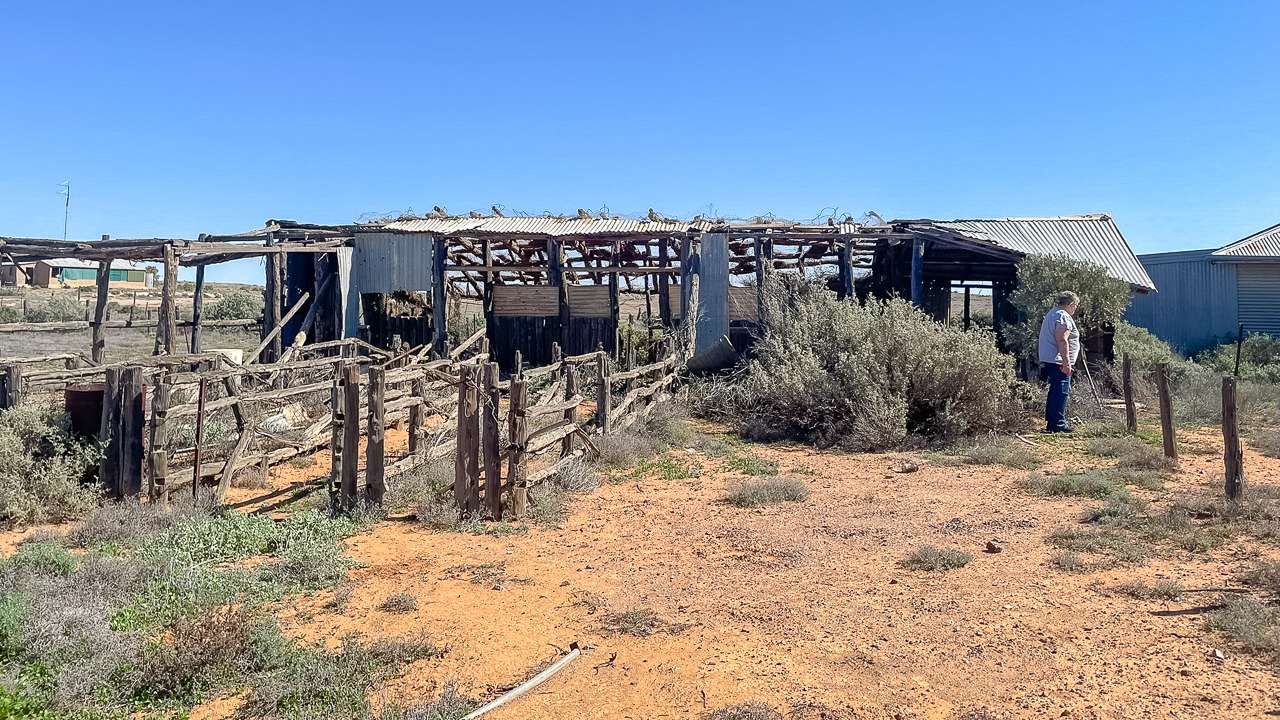
West Mount Hut via Witchelina is an awesome day trip out of Farina SA. We went for a 35 kilometre drive out to Witchelina from Farina and then decided to drive another 40 kilometres or so out to West Mount Hut on Mularia Road. West Mount Hut is an abandoned hut with an old shearing shed. It was a cool place to explore. We spent a good hour or more looking around and could easily have spent a lot longer. There are more abandoned huts out that way so will have another look around next time we’re at Farina.
About West Mount Hut Near Witchelina SA
West Mount Hut on the West Mount Creek in South Australia is a hut about 550 kilometres north of Adelaide. West Mount Hut is at an altitude of approximately 127m. West Mount Hut is one of the northernmost huts in South Australia. The nearest ocean is the Southern Ocean about 270 kilometres south of West Mount Hut. The nearest more populous place is the village of Andamooka which is 76 kilometres away with a population of around 500.
West Mount Hut On Mularia Road
Why Was The Old Hut Abandoned?
West Mount Hut and huts of its type were never really homes as such. They’re more like outbuildings that got used during shearing or when work was being done in the area. A lot of the properties are absolutely massive out this way and maybe 50 kilometres or more from the main homestead to these outbuildings. The land is so poor that massive areas were needed to run relatively small quantities of sheep. With the world fabric market moving more and more to synthetics there just isn’t the market for top quality merino wool that Australia used to supply so the big properties have had to change resulting in these huts and shearing sheds no longer being used.
If you plan on visiting west Mount Hut please be respectful and responsible. Have a look around and take as many photos as you like but leave everything exactly as you found it. It looks as if everyone that has visited here has done exactly that.
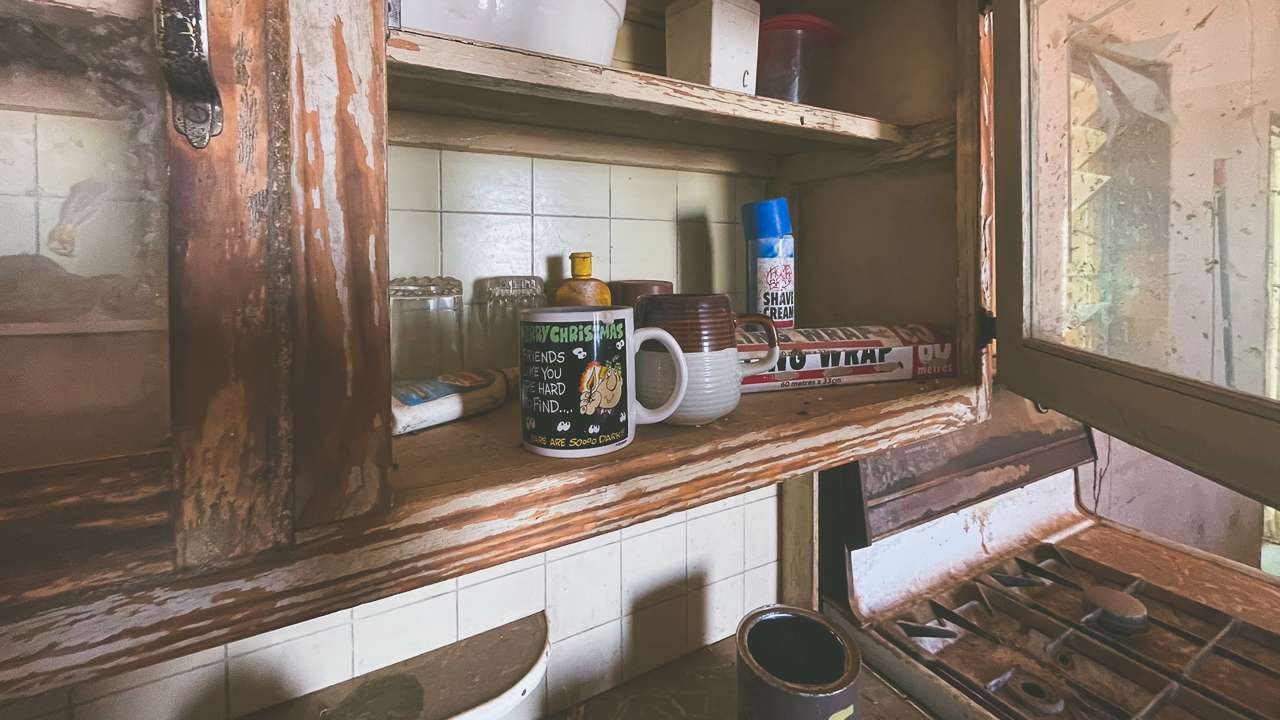
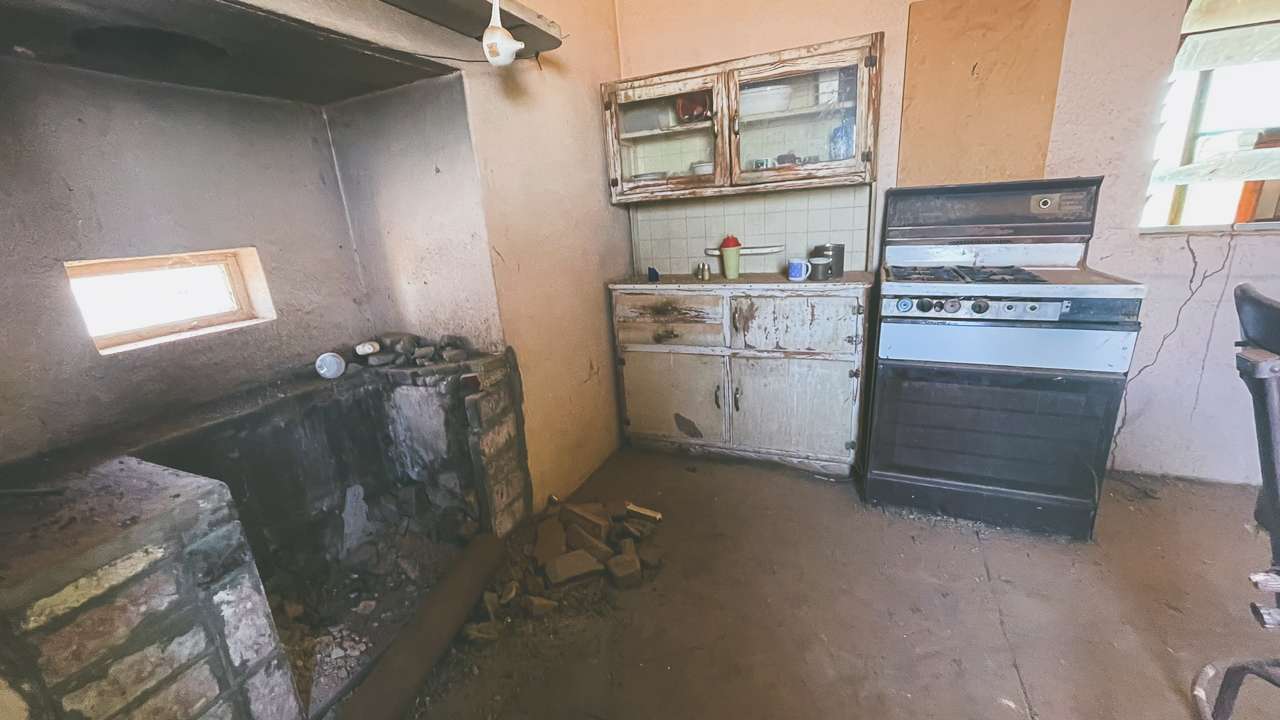
Kitchen At west Mount Hut
Exploring Witchelina In South Australia
If you’re looking for a unique adventure in South Australia Witchelina is a fantastic destination to consider. Nestled in the outback this area offers stunning landscapes, diverse wildlife, and a chance to connect with nature. Here’s a guide to help you make the most of your visit.
Witchelina Entry Gates
Getting To Witchelina And West Mount Hut
Witchelina is about 800 kilometres northeast of Adelaide making it a bit of a trek but well worth the effort. You can drive or join a tour group to explore this beautiful region. The roads can be rugged, so make sure your vehicle is ready for some outback driving.
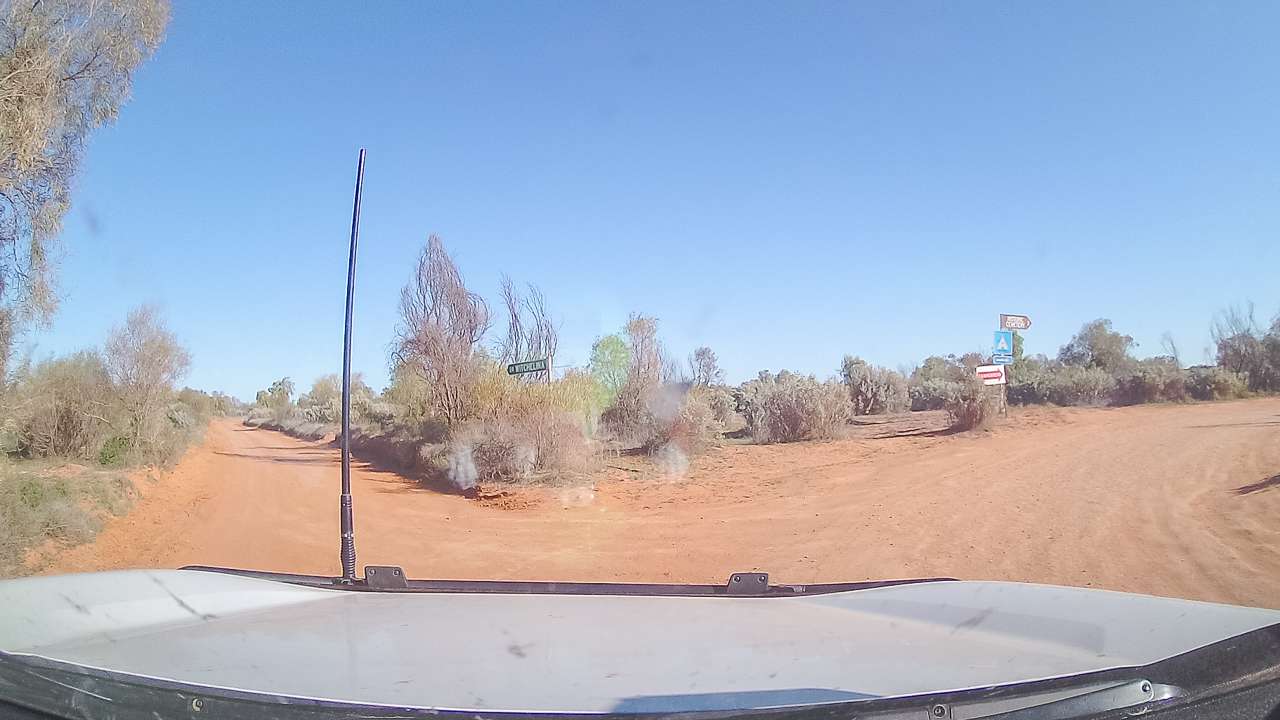
Leaving Farina Campground And Heading Towards Witchelina
What to See And Do
Scenic Landscapes One of the biggest draws of Witchelina is its breathtaking scenery. You’ll see vast open plains, sand dunes and rocky outcrops. Don’t forget your camera! Sunrise and sunset offer especially stunning views, with the sky painted in vibrant colours.
Wildlife Watching Witchelina is home to a variety of wildlife. Keep your eyes open for kangaroos, emus and a range of different bird species. If you’re lucky you might spot a rare species like the Western Ground Parrot. Bring binoculars for a closer look!
Camping Under the Stars For a true outback experience, consider camping. Witchelina offers several camping spots where you can pitch a tent and enjoy the peaceful surroundings. At night, the stars come alive, and you can enjoy some of the clearest skies in Australia.
Bushwalking And Hiking There are several walking tracks in the area, ranging from short strolls to longer hikes. These tracks will take you through diverse ecosystems ranging from desert scrub to lush riverbeds. Always remember to carry plenty of water and wear sturdy shoes.
Tips For Your Visit
Stay Hydrated: The outback can be hot, so drink plenty of water.
Plan Your Trip: Check weather conditions and plan your activities in advance.
Respect Nature: Follow the “Leave No Trace” principles to help protect this beautiful environment.
Conclusion
Witchelina in South Australia is a unique experience for nature lovers and adventure seekers. Whether you’re camping under the stars or exploring the beautiful landscapes, you’ll create memories that last a lifetime. So pack your bags, hit the road, and discover all that Witchelina has to offer!
West Mount Hut Near Witchelina SA Day Trip From Farina Photo Gallery
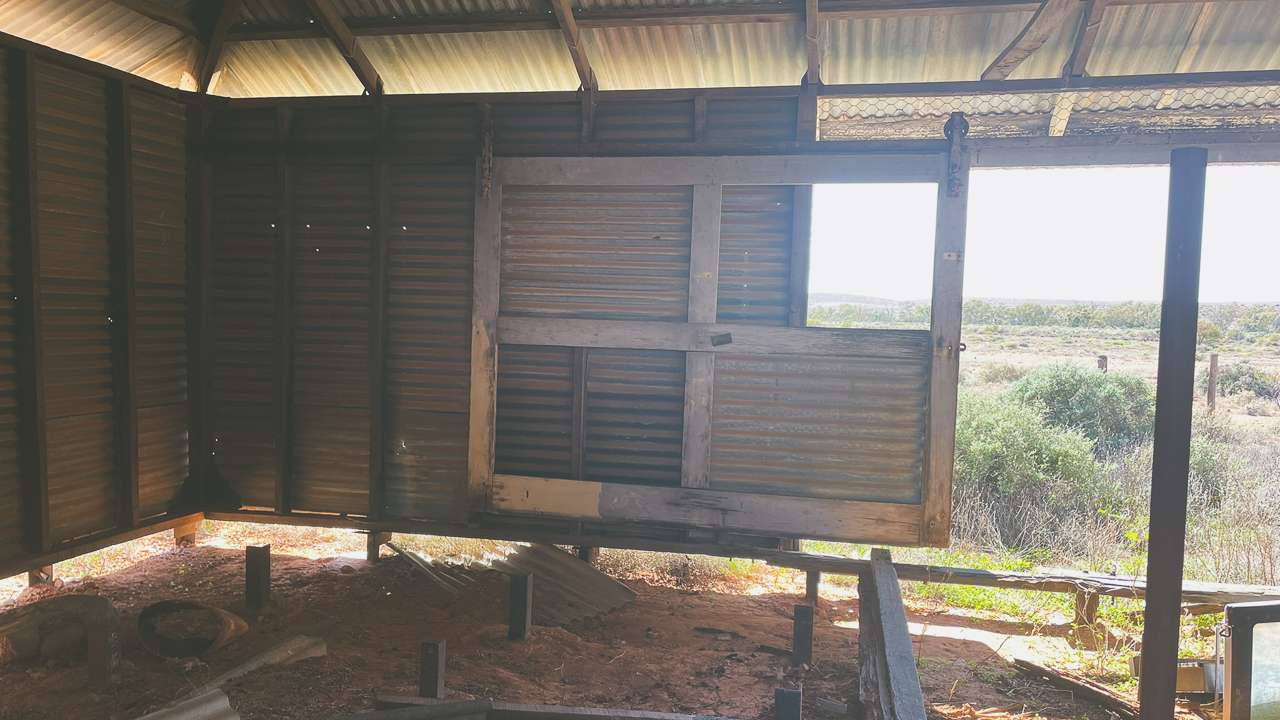
Inside Shearing Shed At Abandoned Hut Near Witchelina
Inside Shearing Shed At Abandoned Hut Near Witchelina
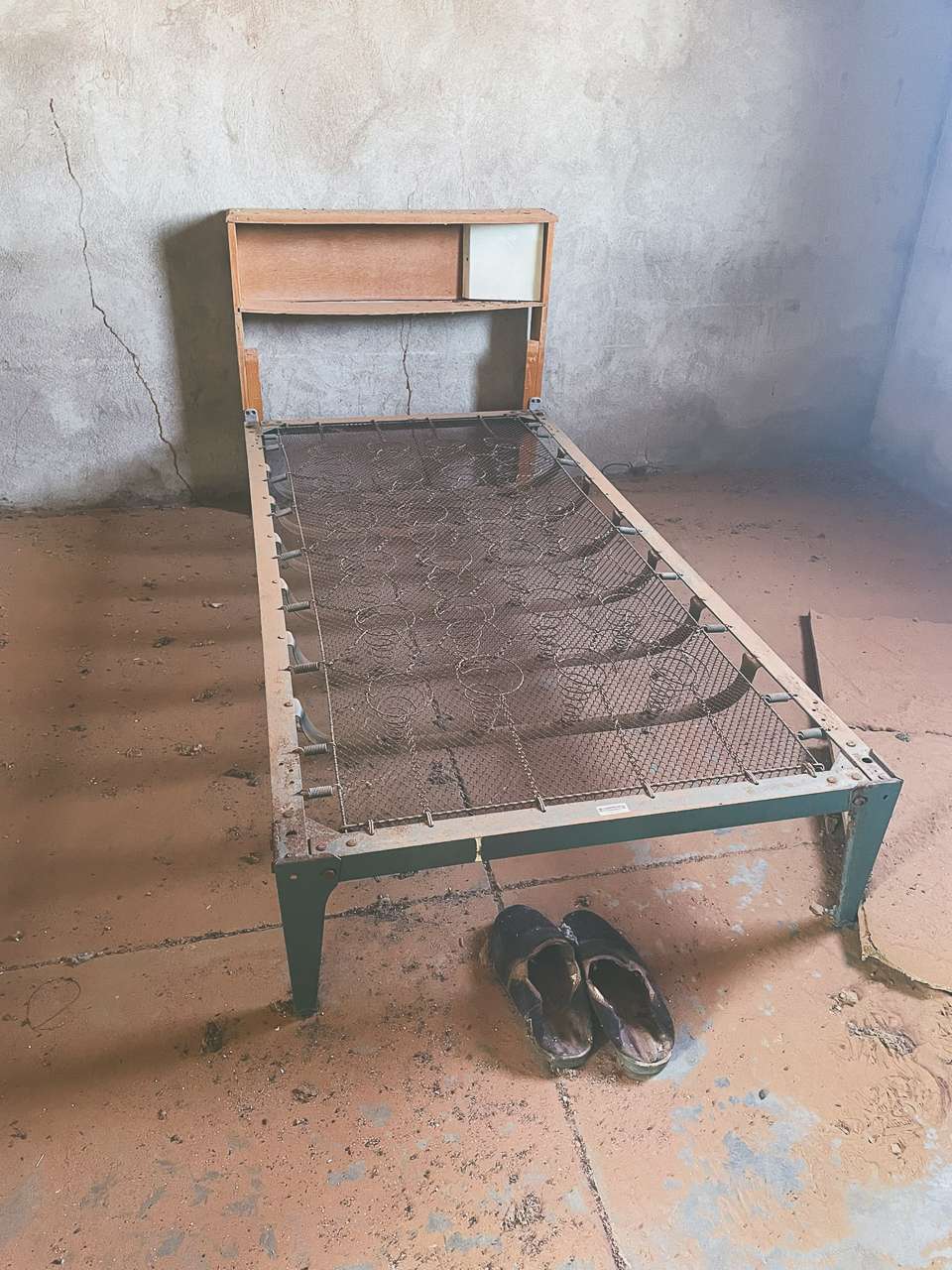
Old Bed In Abandoned Hut
Old Bed In Abandoned Hut
Directions To Farina Near Witchelina On Mularia Road
Directions To Farina Near Witchelina On Mularia Road
Kitchen At west Mount Hut
Kitchen At west Mount Hut
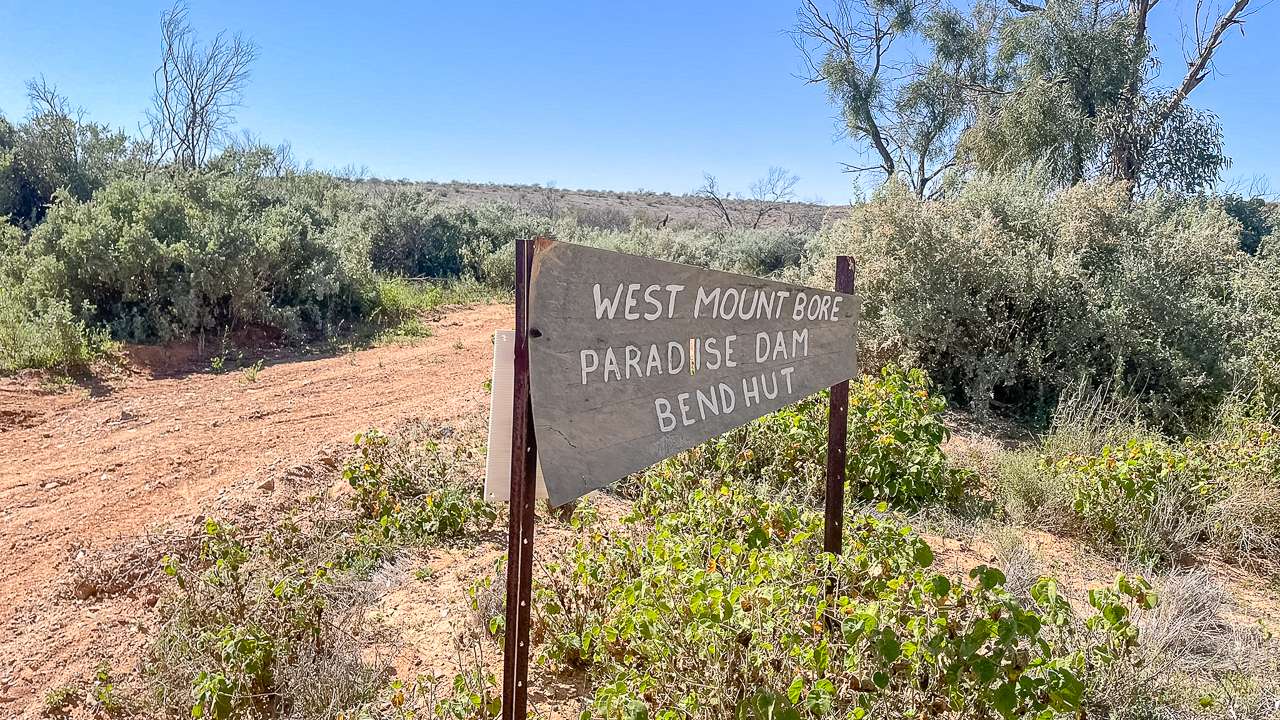
Sign To West Mount Bore About 40 Kilometres From Witchelina
Sign To West Mount Bore
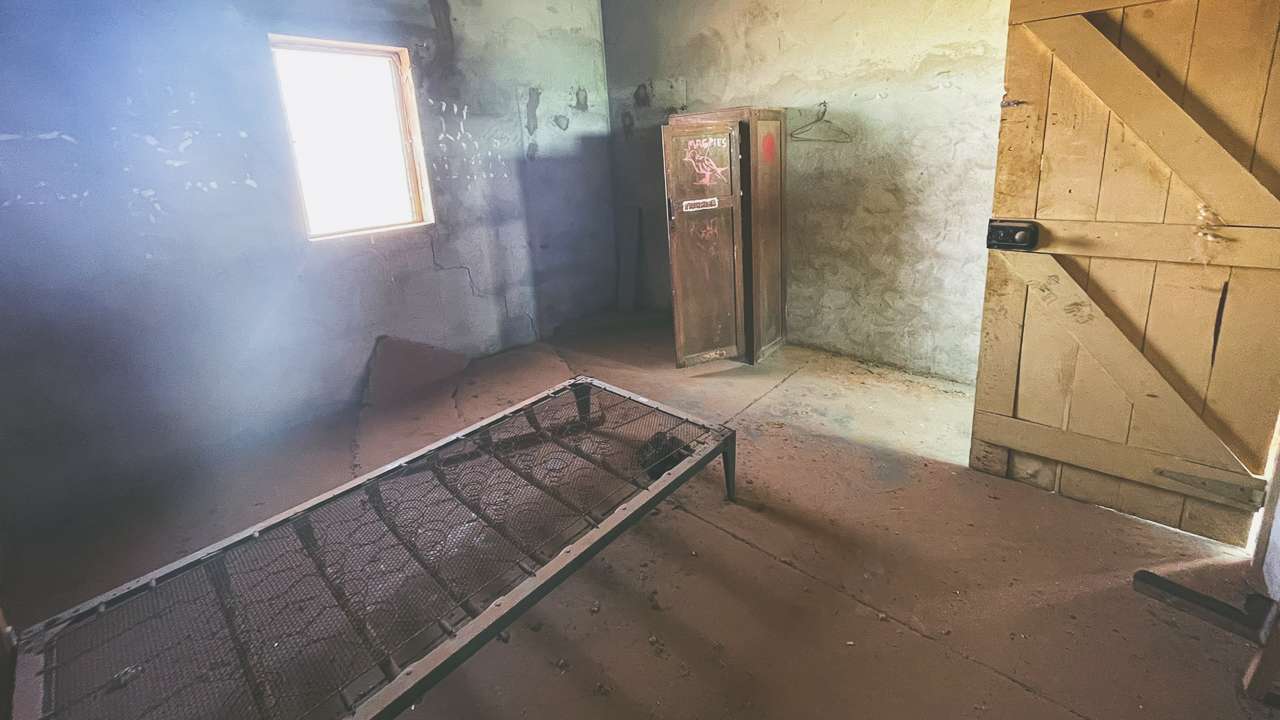
Bedroom At West Mount Hut
Bedroom At West Mount Hut
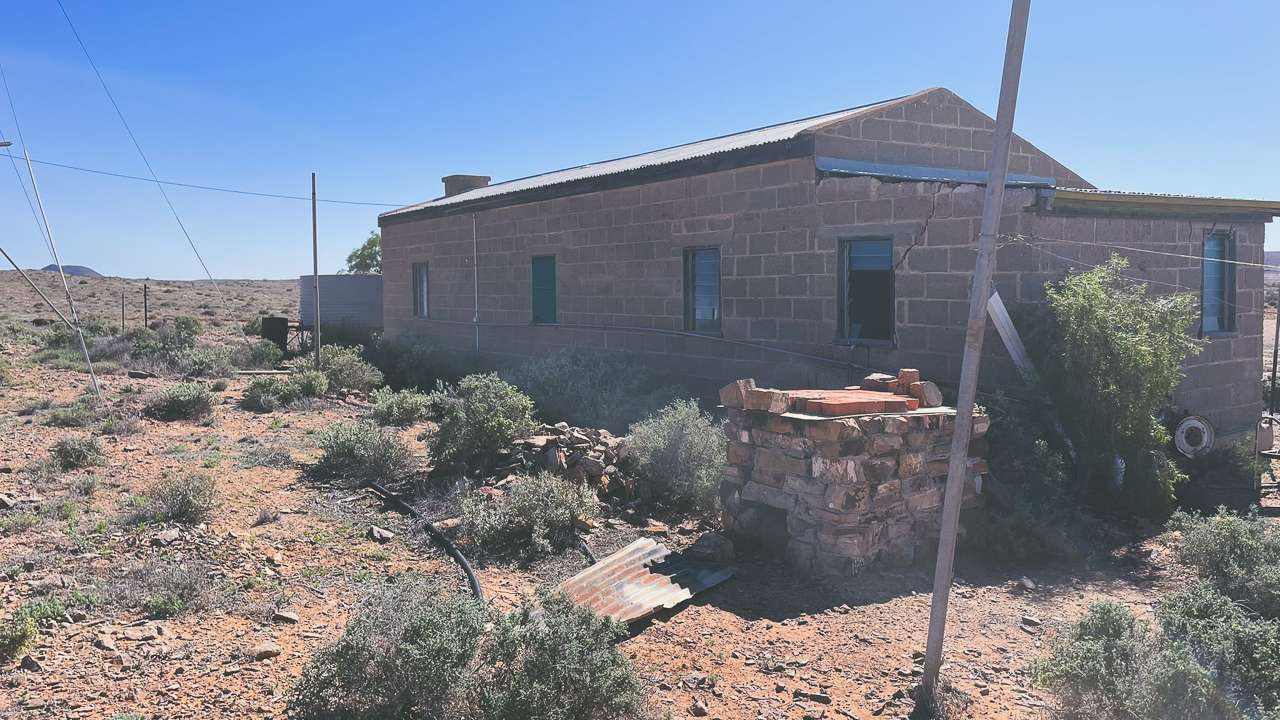
West Mount Hut
West Mount Hut
Just Packed Up And Left Abandoned Hut Near Witchelina
Just Packed Up And Left Abandoned Hut Near Witchelina
Old Shed On Mularia Road Interior
Old Shed On Mularia Road Interior
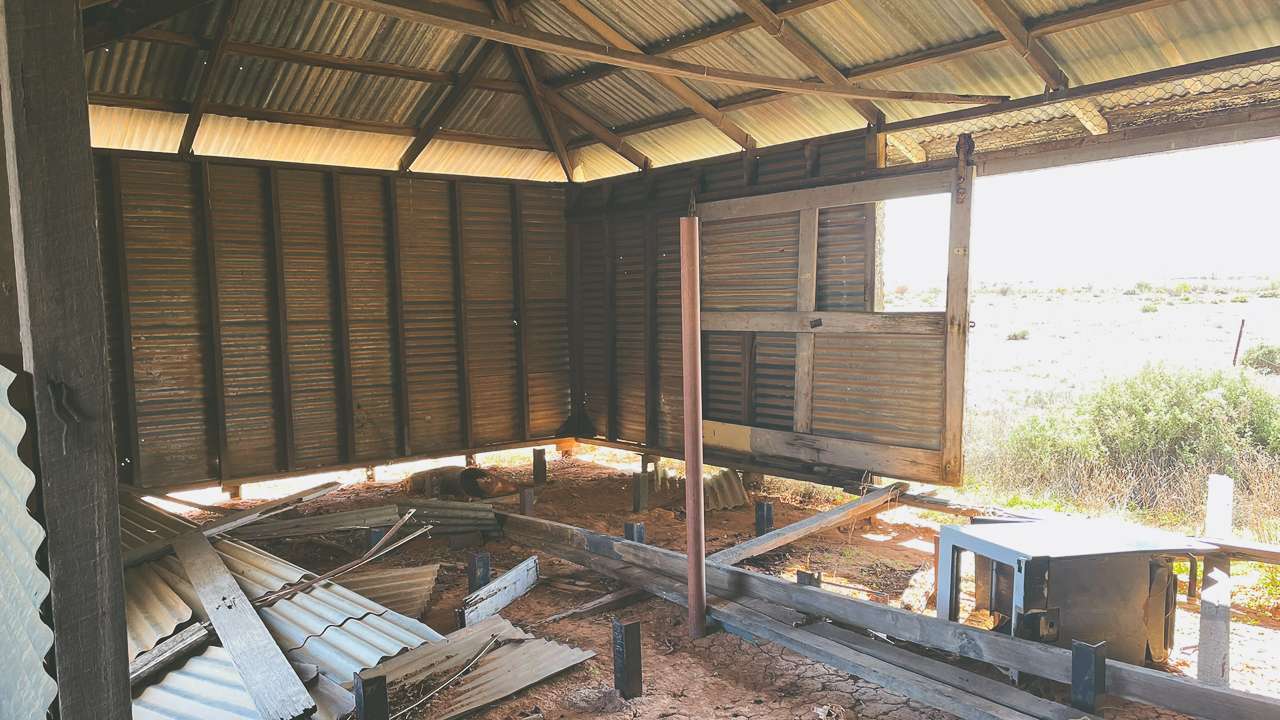
Shearing Shed At West Mount Hut
Shearing Shed At West Mount Hut
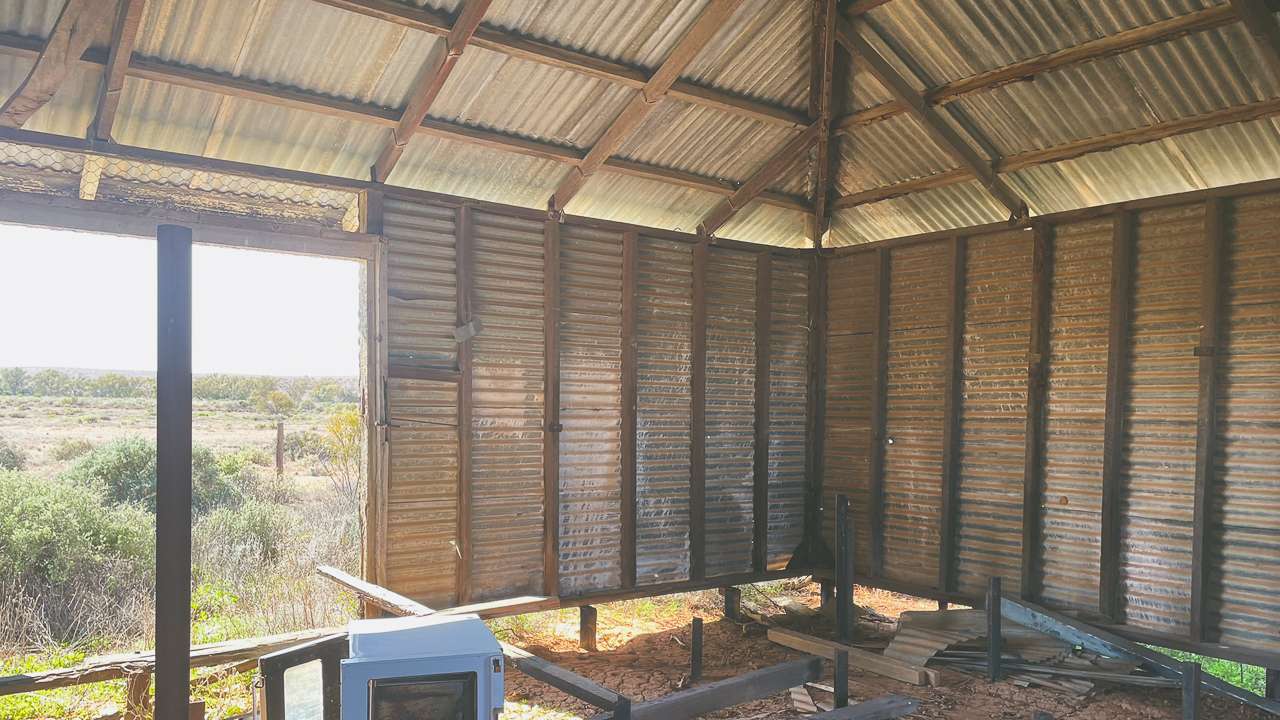
Building Details Inside Shearing Shed At West Mount Hut
Building Details Inside Shearing Shed At West Mount Hut
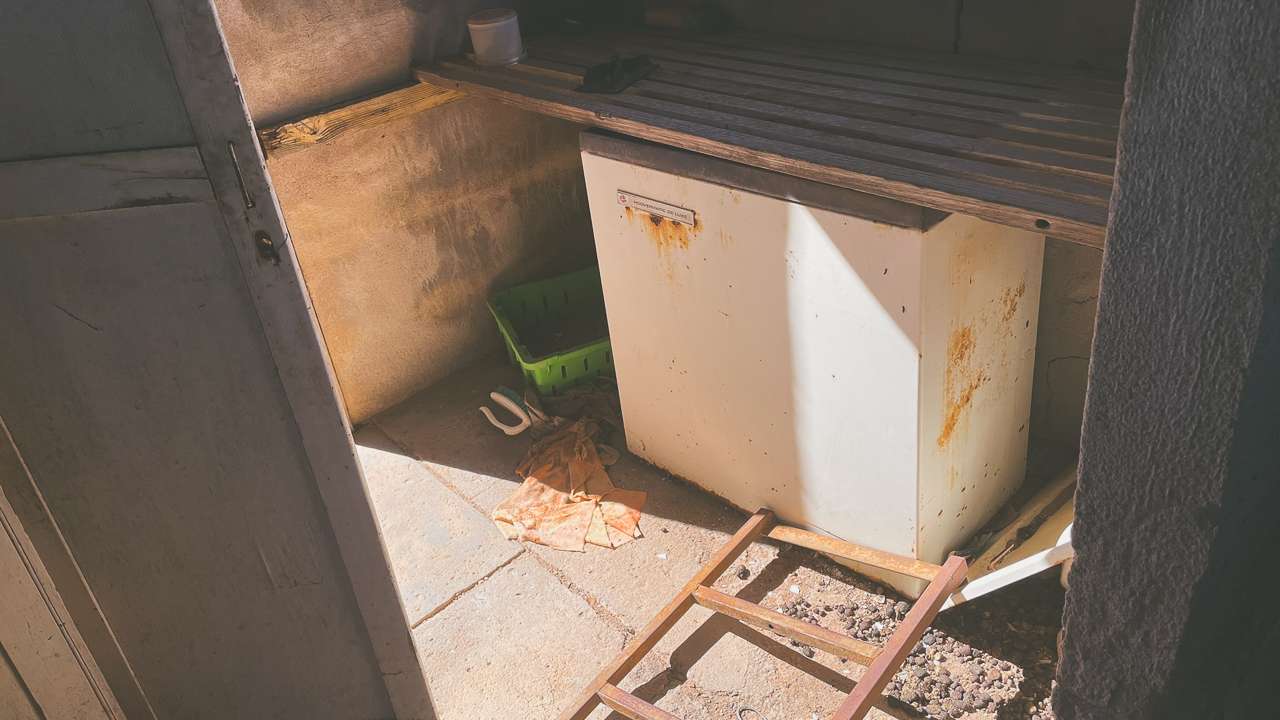
Collection Od Fridges At West Mount Hut
Collection Od Fridges At West Mount Hut
Old Shed On Mularia Road
Old Shed On Mularia Road
Not The Most Comfortable Bed
Not The Most Comfortable Bed
Witchelina Entry Gates
Witchelina Entry Gates
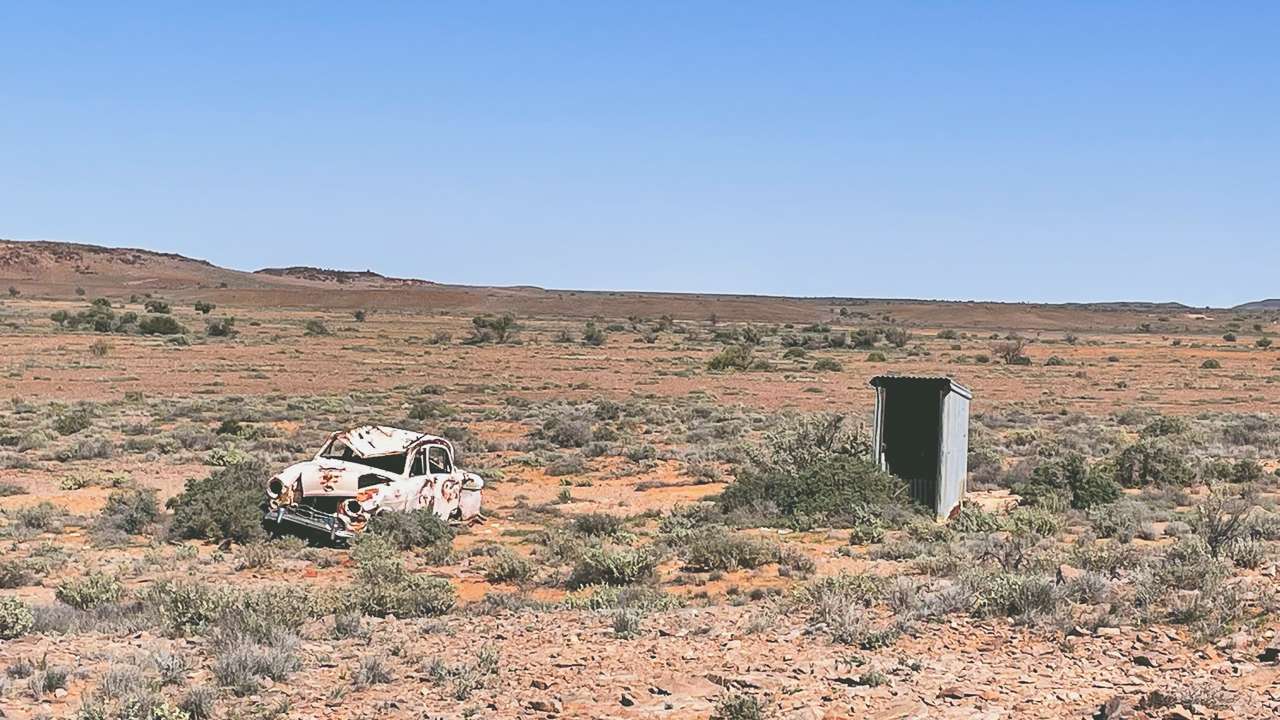
Old Dunny At Abandoned Hut Near Witchelina
Old Dunny At Abandoned West Mount Hut
Old Bottles Inside West Mount Hut
Old Bottles Inside West Mount Hut
Old Washing Machine At Abandoned Hut Near Witchelina
Old Washing Machine At Abandoned West Mount Hut
Inside Old Shed On Mularia Road
Inside Old Shed On Mularia Road
At Abandoned Hut Near Witchelina
Abandoned Shed
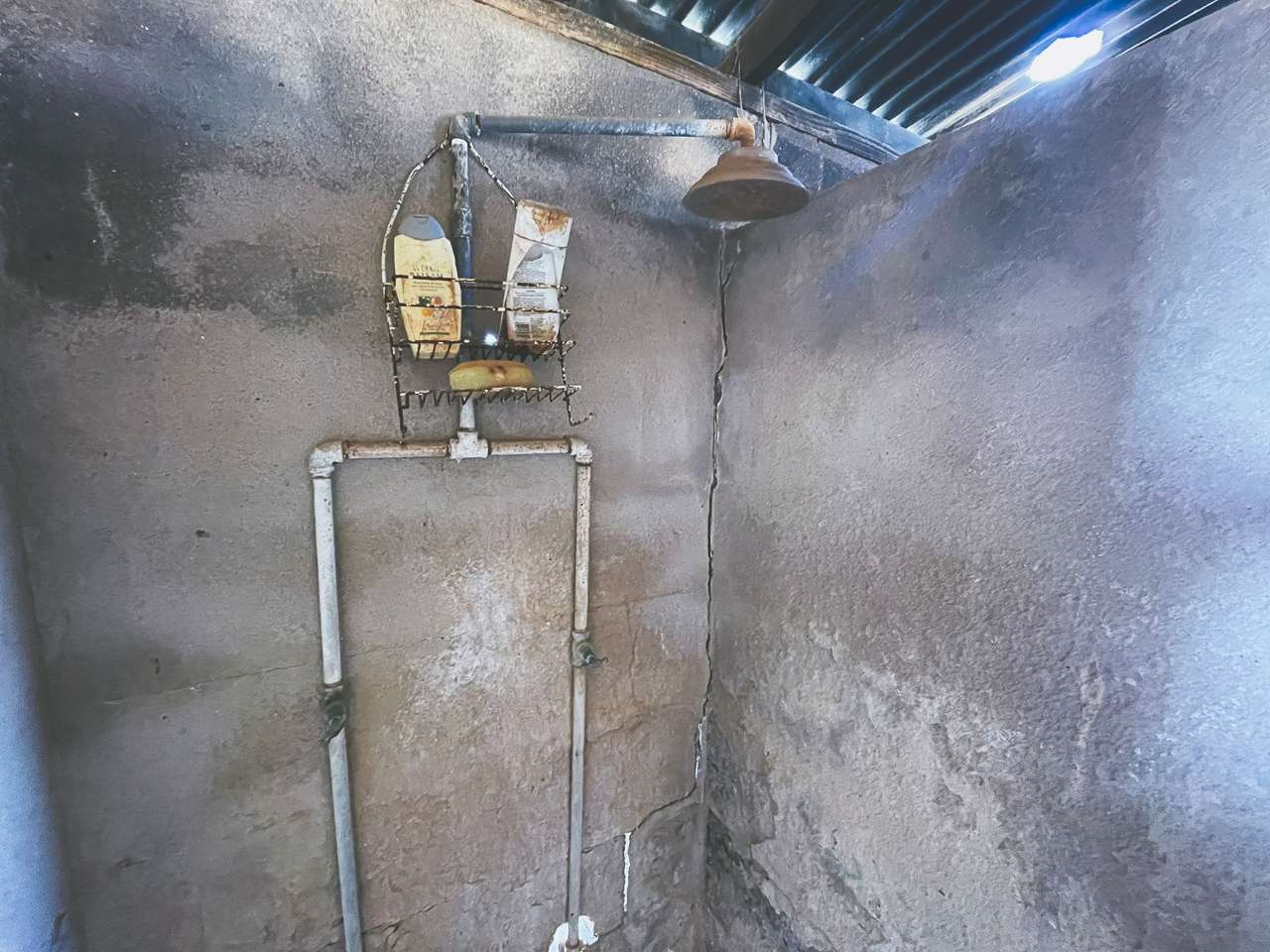
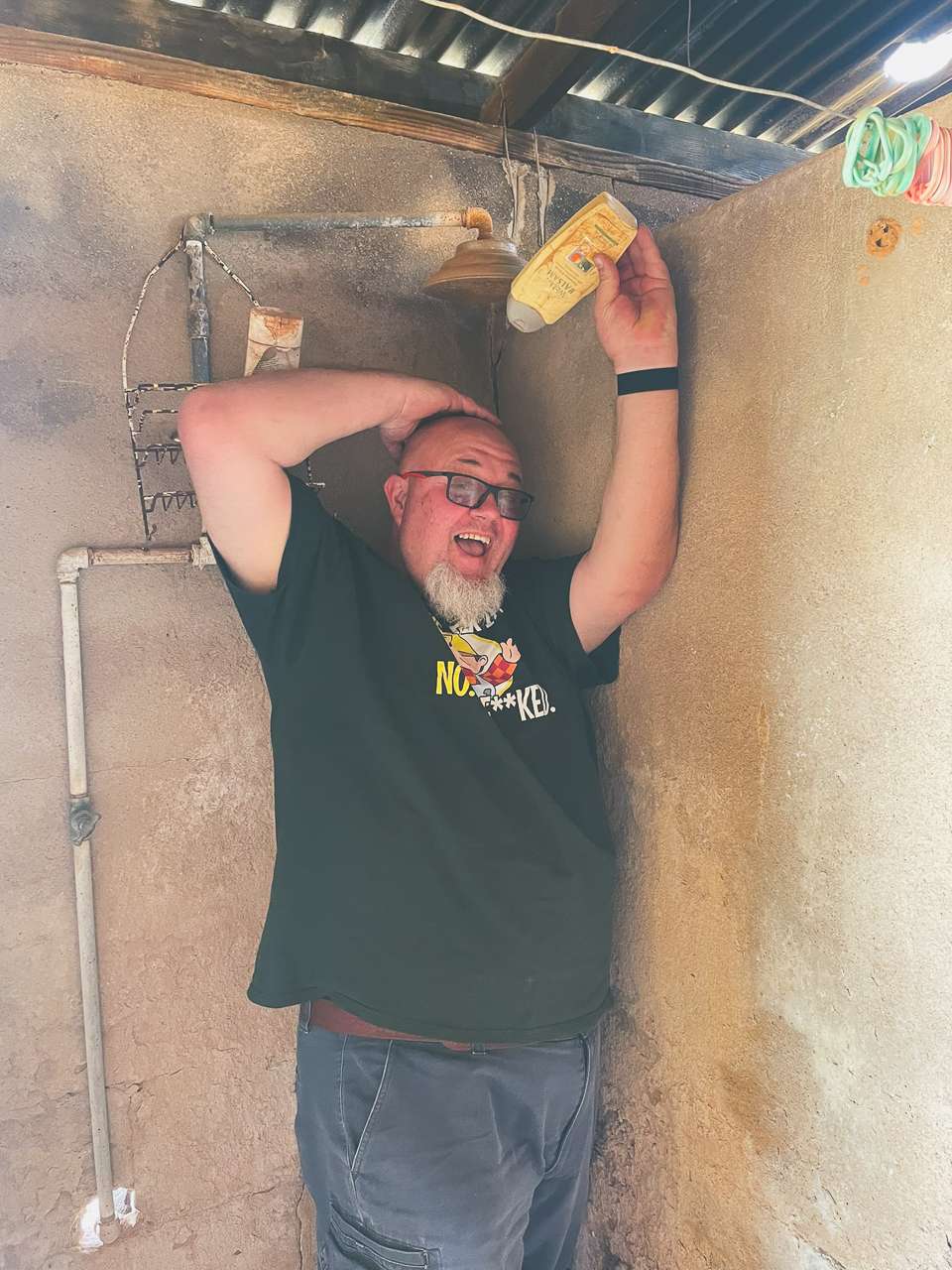
Shower Time At West Mount Hut
Shower Time At West Mount Hut
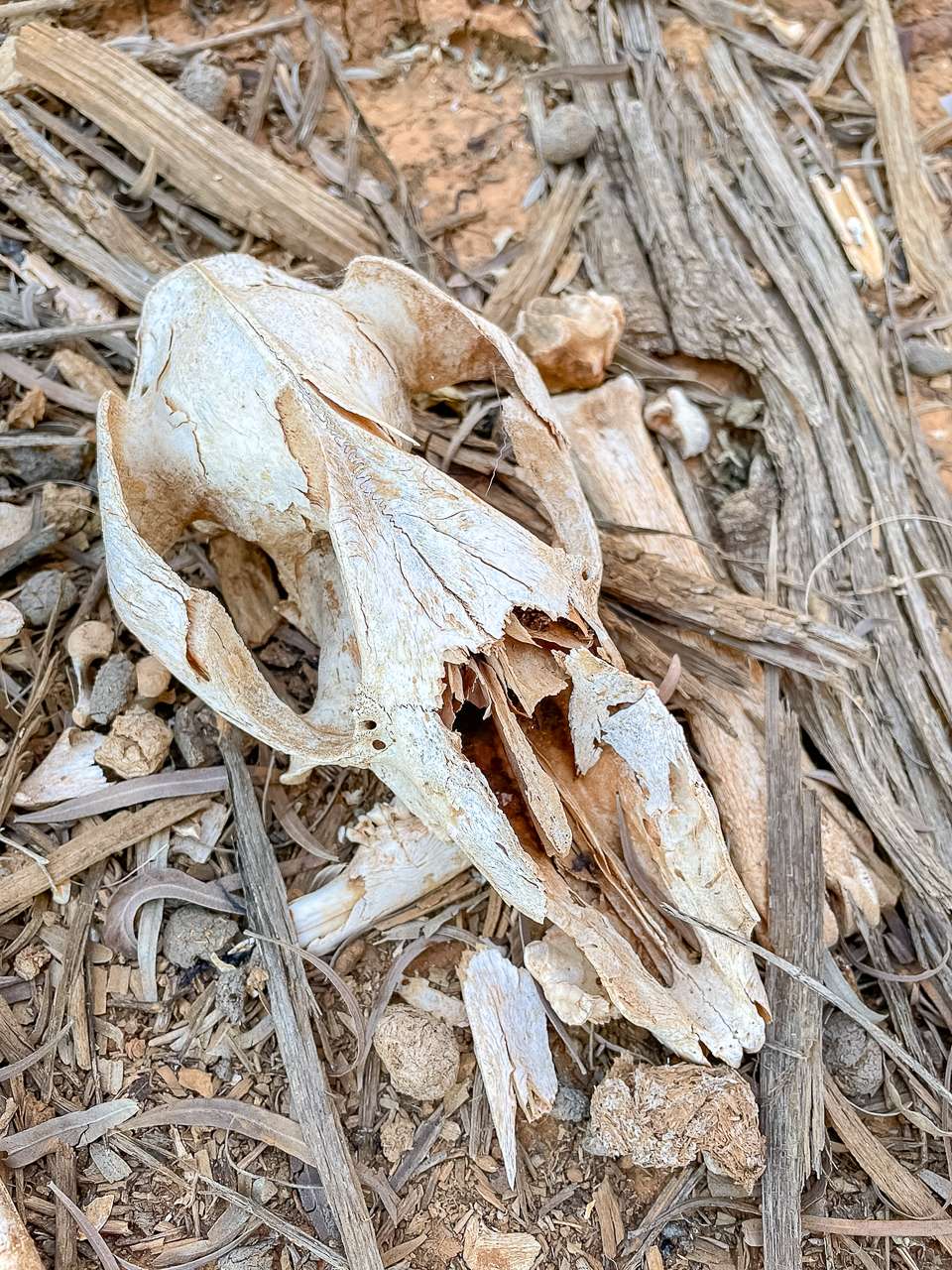
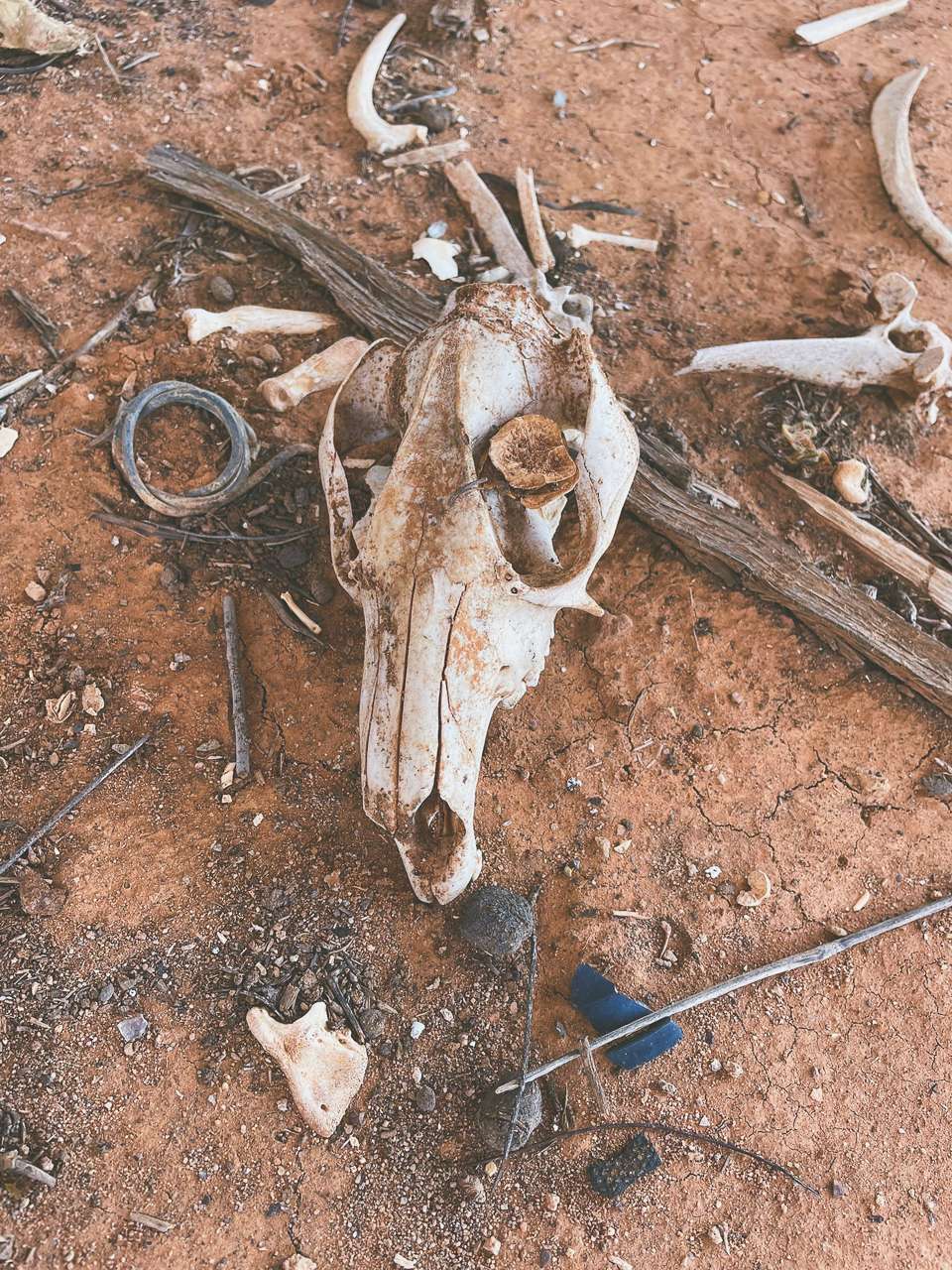
Sheep Skull
Sheep Skull
Stuff Left In Old Pantry Dresser West Mount Hut
Stuff Left In Old Pantry Dresser West Mount Hut
At Abandoned Hut Near Witchelina The Old Donkey Boiler
The Old Donkey Boiler At Abandoned West Mount Hut
Inside An Old Shed At Abandoned Hut Near Witchelina
Inside An Old Shed At Abandoned Hut Near Witchelina
Looking Out Over Plains At West Mount Hut
Looking Out Over Plains At West Mount Hut
Kitchen Table And Chairs At Abandoned West Mount Hut
Kitchen Table And Chairs At Abandoned West Mount Hut
West Mount Hut Shesring Shed
West Mount Hut Shesring Shed
Old Sheep Skull
Old Sheep Skull
Leaving Farina Campground And Heading Towards Witchelina
Leaving Farina Campground And Heading Towards Witchelina
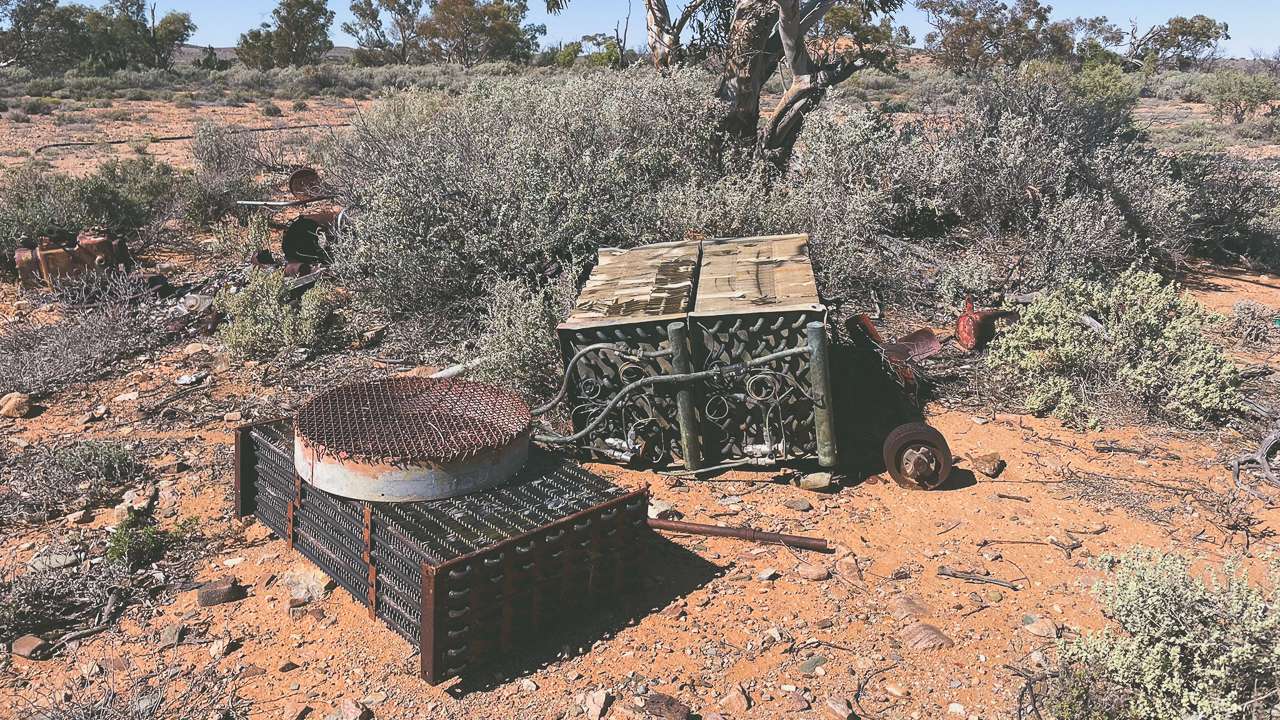
Old Airconditioner Abandoned At West Mount Hut
Old Airconditioner Abandoned At West Mount Hut
West Mount Hut On Mularia Road
West Mount Hut On Mularia Road
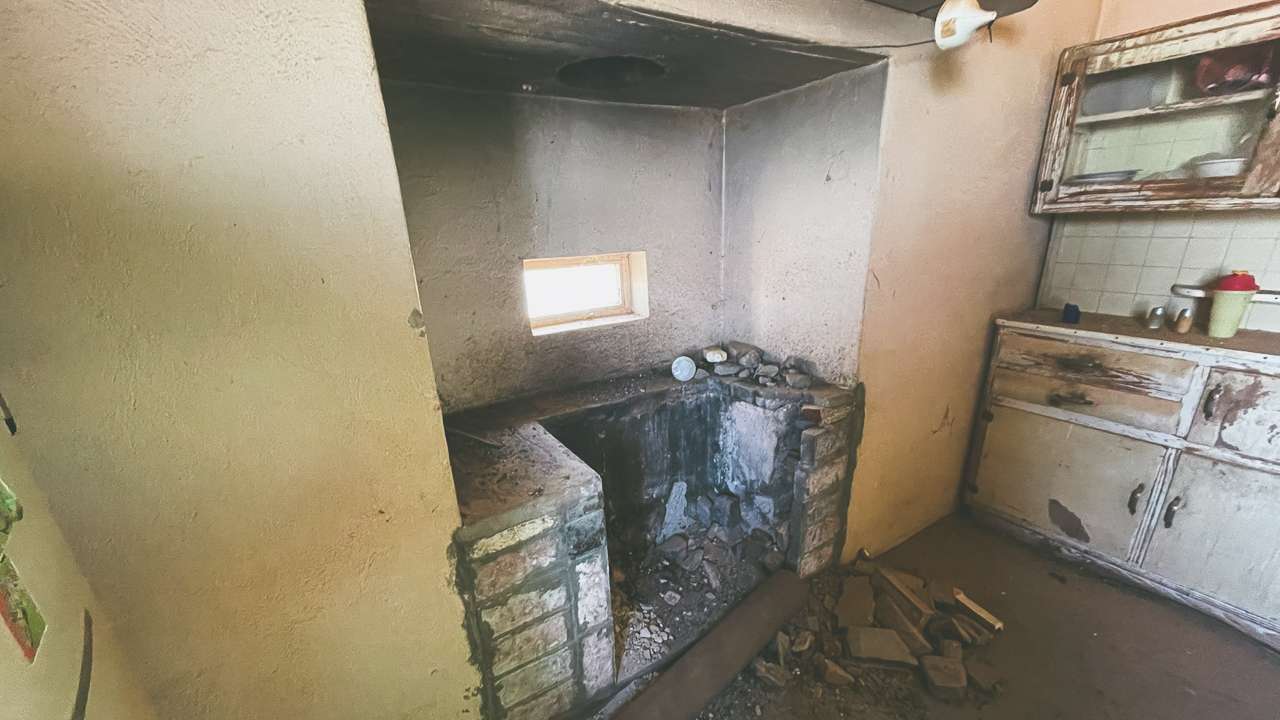
Wood Fired Stove Has Been Removed
Wood Fired Stove Has Been Removed
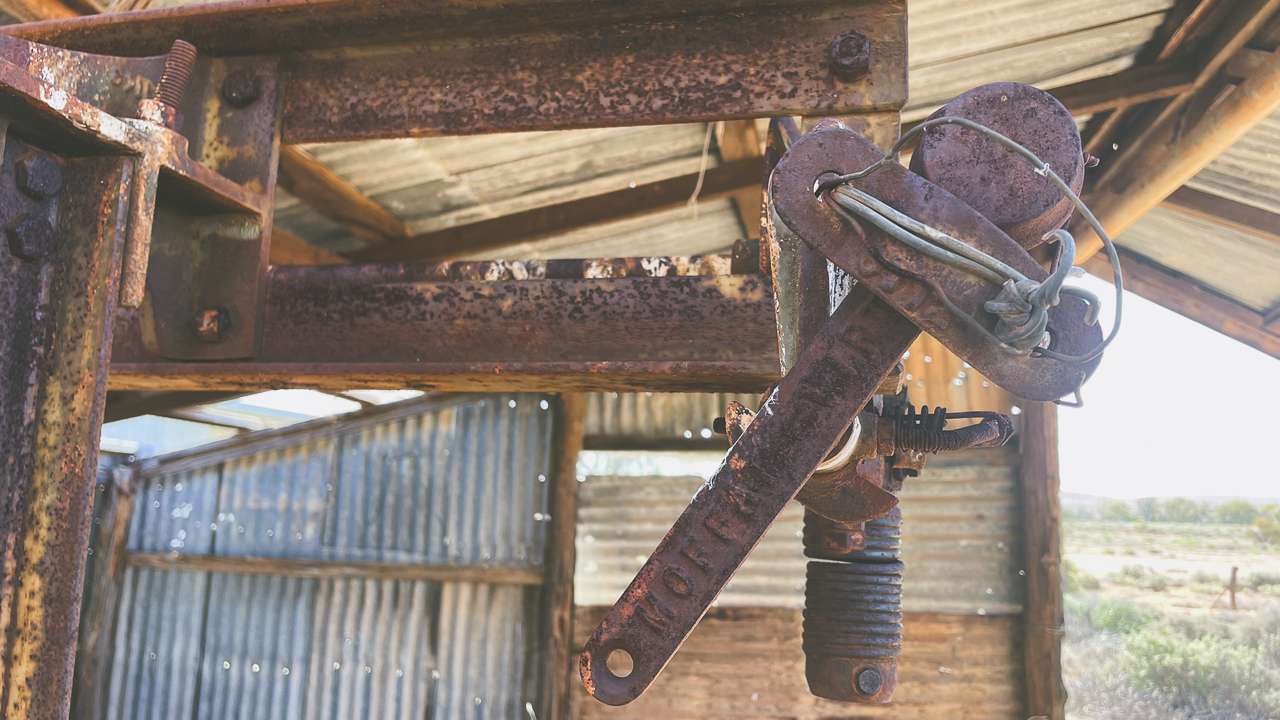
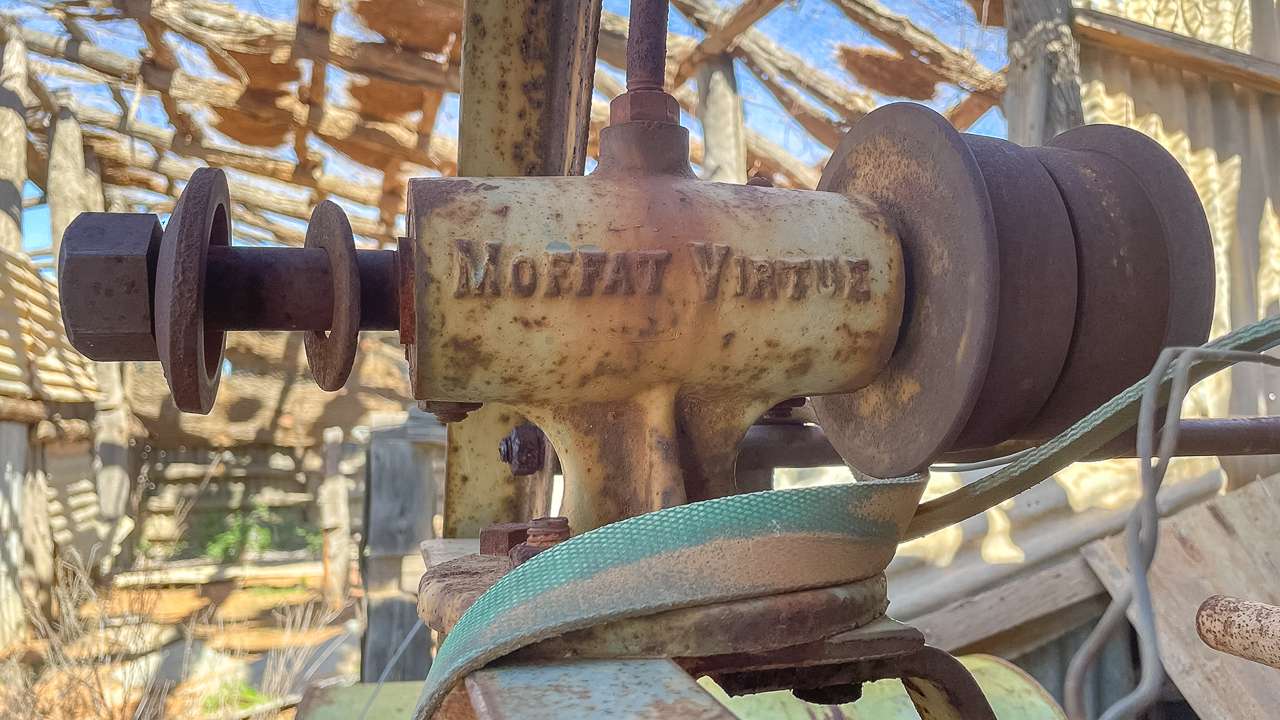
Old Machinery At Abandoned Shearing Shed Near Witchelina
Old Machinery At Abandoned Shearing Shed At West Mount Hut
Discover the rich history of Farina Ghost Town an abandoned outback town in Australia preserved as a testament to pioneering spirit and resilience. This has been our fifth visit here as we love the place. Each time we come we find that the volunteers have done more work and we find things we have missed on our previous visits. We’ll keep coming back here for years to come.
The Farina ghost town is a place where time seems to stand still, sits in the remote outback of South Australia. What was once a thriving settlement has these days become a symbol of resilience and history. Farina gives visitors a glimpse into the harsh realities of pioneering life. Today Farina stands as a preserved ghost town drawing in travellers and history enthusiasts alike. In this article we’ll have a good look into the history of the Farina Ghost Town, its significance in Australian history, what you can expect when visiting, and why it has become a must-see destination for adventurers and history buffs alike.
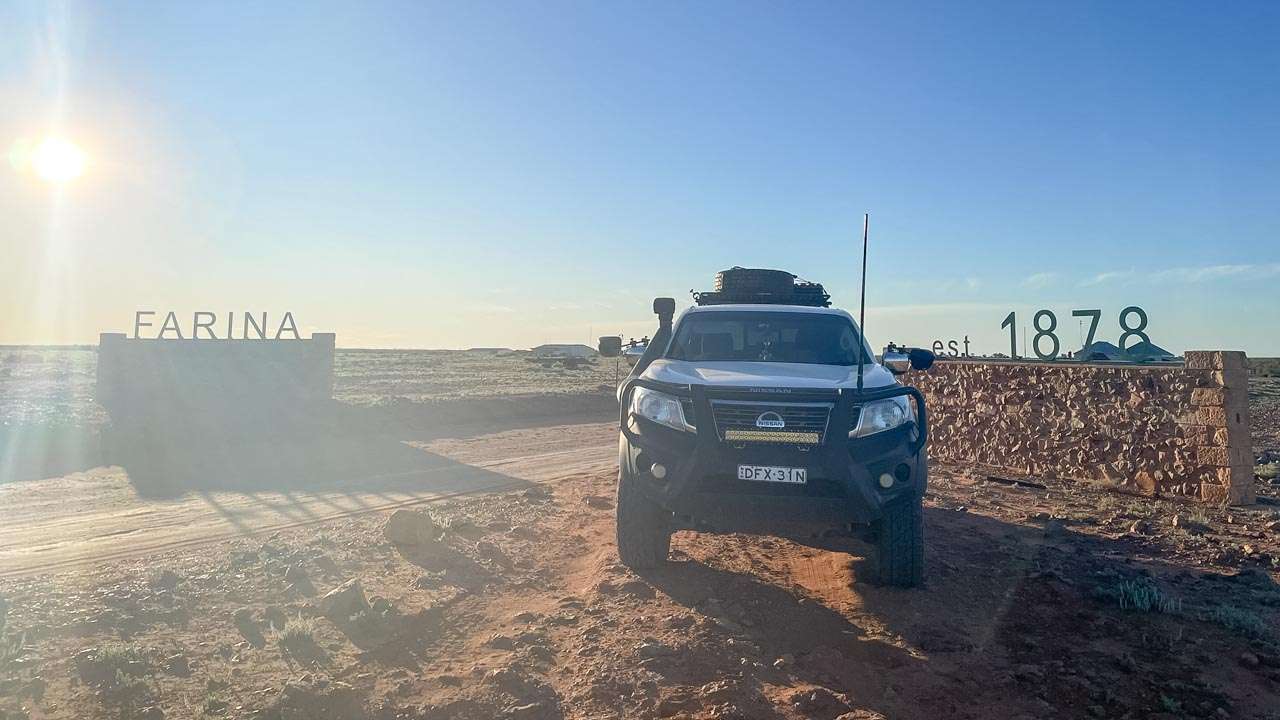
Farina, meaning “flour” in Latin, was founded in 1878 with high hopes of becoming a major wheat-growing hub in the region. The town was strategically located at the northern end of the Ghan railway line which connected South Australia to the northern parts of Australia. At its peak in the late 1800s Farina had a population of around 600 complete with two hotels, a post office, a police station and even a bakery.
However, the harsh desert climate and lack of reliable water sources soon made wheat farming unsustainable. Repeated droughts and dust storms devastated crops, and by the early 20th century, many residents had abandoned the town. The final nail in Farina’s coffin came in 1980 when the Ghan railway line was rerouted, cutting off the town’s main transportation link.
These days Farina stands as a well preserved ghost town offering a window into Australia’s pioneering past and the challenges faced by early settlers.
Farina Cemetery
The Restoration Of The Farina Ghost Town
Despite being abandoned Farina’s story didn’t end there. In 2008 the Farina Restoration Group was established with the goal of preserving the town’s historical buildings and infrastructure. Volunteers from across Australia and around the world work for a few months each year to restore the town’s crumbling structures and breathe new life into its forgotten history.
One of the group’s most successful projects is the reopening of the Farina Bakery, which operates during the winter months. Volunteers use the original underground bakery ovens to produce fresh bread, pies, and pastries, allowing visitors to taste a piece of history while exploring the ghost town.
What To Expect When Visiting The Farina Ghost Town
Farina Ghost Town offers a unique blend of history and adventure for visitors. The town’s ruins, which include the remains of homes, businesses, and public buildings, provide a stark reminder of the challenges faced by early settlers in the unforgiving outback. Visitors can explore these ruins at their own pace, with many structures marked with informative plaques detailing their historical significance.
In addition to the ruins, Farina offers camping facilities for those looking to experience the outback. The Farina Campground is located just outside the town. It’s an increasingly popular spot for travellers looking to explore the surrounding area including the famous Oodnadatta Track.
Farina is located in the heart of South Australia’s arid zone, meaning that the climate can be extremely harsh, especially during the summer months. The best time to Visit the Farina Ghost Town is during the cooler months, from April to September, when temperatures are more moderate, and the restoration group is active.
During this time, visitors have the opportunity to witness the volunteers at work restoring the town and baking fresh goods in the underground ovens. This adds an extra bit of magic to the experience making a visit to Farina even more memorable.
Key Attractions In And Around The Farina Ghost Town
While the town’s ruins are the main attraction, there are several other points of interest worth exploring in and around Farina.
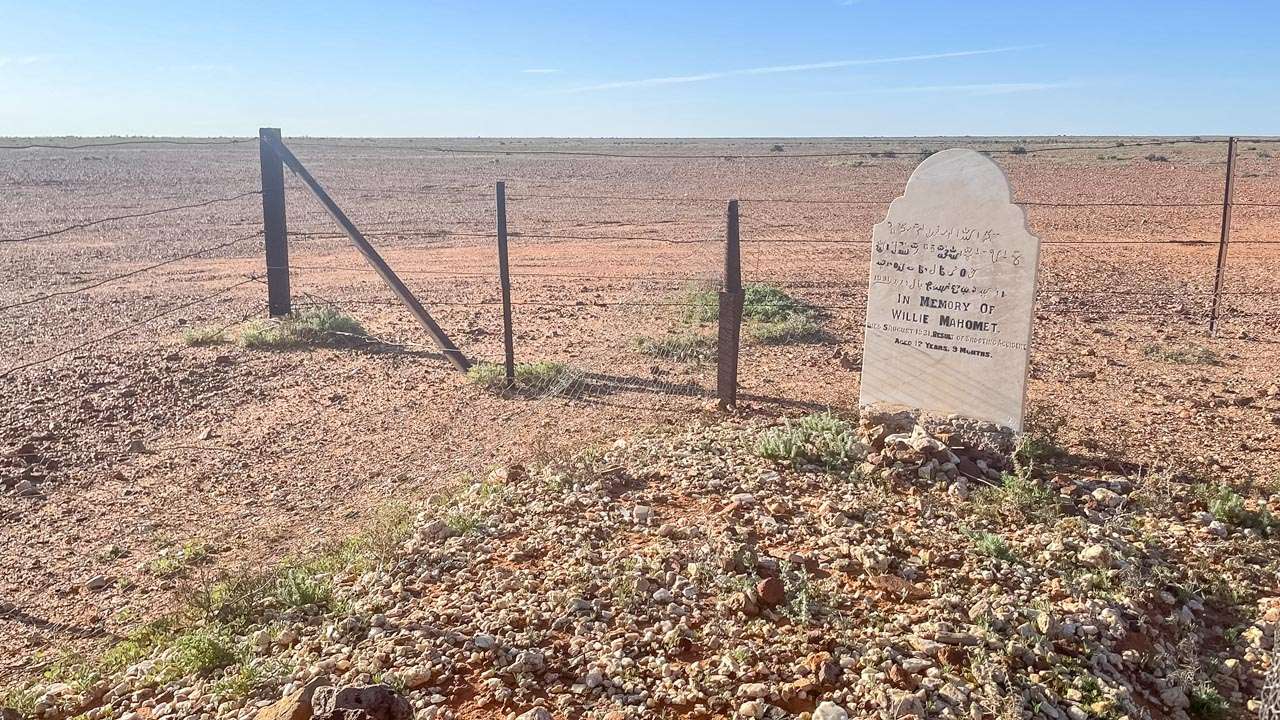
Farina Cemetery The Farina Cemetery offers a look backwards into the lives of the town’s early settlers. Many of the gravestones bear witness to the hardships faced by those who tried to tame the outback, with several graves belonging to infants and children who succumbed to disease or malnutrition. The cemetery provides a sombre but important perspective on the struggles of pioneering life.
The Ghan Railway The remains of the original Ghan railway line can still be seen in Farina, serving as a reminder of the town’s once-thriving connection to the rest of the country. Visitors can explore the partially restored old railway station restored by the Farina Restoration Group and imagine what life was like when trains regularly passed through the town.
Lake Eyre Located about 150 kilometres from Farina, Lake Eyre (now known as Kati Thanda-Lake Eyre) is Australia’s largest salt lake and one of the most unique natural attractions in the country. When the lake fills with water after rare rainfall events it attracts an abundance of birdlife making it an awesome spectacle for nature lovers. Visiting Farina offers an excellent opportunity to explore this incredible natural wonder.
The Significance Of Farina In Australian History
Farina Ghost Town is more than just an abandoned settlement; it represents the dreams and failures of Australia’s early pioneers. The town’s rise and fall are symbolic of the larger struggles faced by settlers across the country, many of whom battled against impossible odds to carve out a life in the harsh Australian interior.
The story of Farina is one of resilience, and its preservation serves as a reminder of the determination and grit that characterised early Australian life. Today, Farina stands as a testament to the pioneering spirit, offering visitors a chance to connect with the past and gain a deeper understanding of the country’s history.
The Role Of Volunteers In Preserving Farina’s Legacy
The ongoing preservation of the Farina Ghost Town would not be possible without the efforts of the Farina Restoration Group and its dedicated volunteers. Every year, volunteers from all walks of life come together to maintain the town’s structures, ensuring that future generations can continue to learn from its history.
The restoration work is challenging, especially given the town’s remote location and harsh climate, but the volunteers’ passion for preserving Farina’s legacy is evident in every project they undertake. Through their efforts, Farina continues to stand as a monument to Australia’s pioneering history.
How To Get To The Farina Ghost Town
The Farina Ghost Town is located approximately 600 kilometres north of Adelaide, easily accessible by road. The town is situated at the Adelaide (Lyndhurst) end of the Oodnadatta Track – a famous outback road that stretches across some of the most remote parts of South Australia. While the journey to Farina can be long and challenging especially for those unfamiliar with outback driving the rewards are well worth the effort.
Visitors are advised to plan their trip carefully, ensuring they have enough supplies, fuel, and water, as services in the area are limited. It’s also recommended to check road conditions before embarking on the journey, as outback roads can be unpredictable, especially after rain.
Camping At The Farina Ghost Town
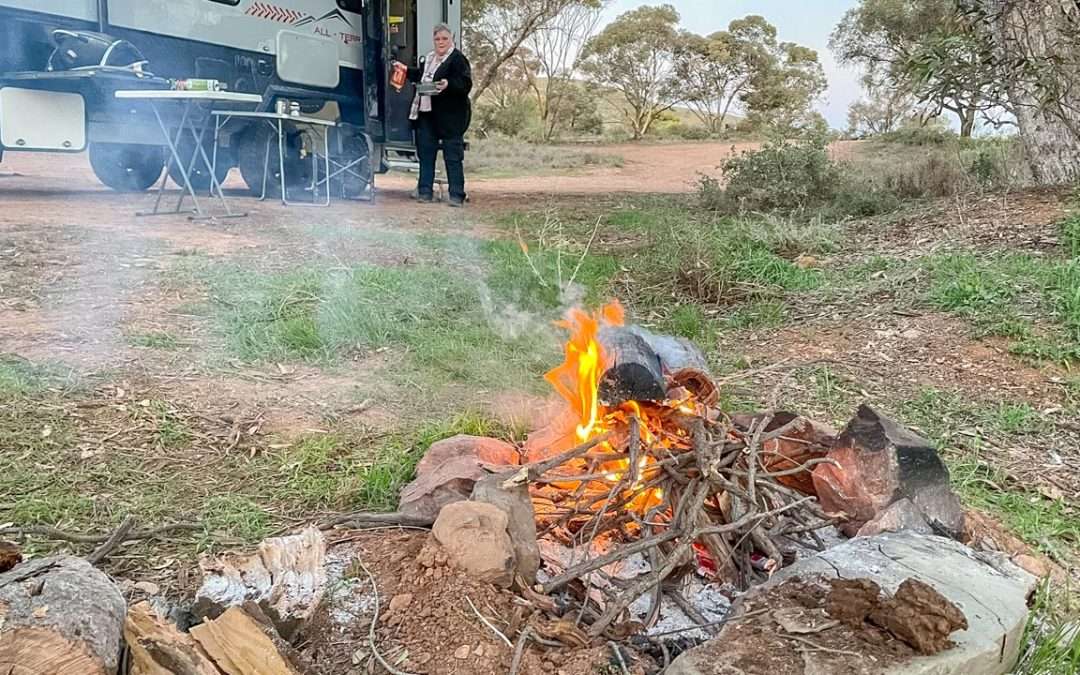
For those looking to immerse themselves fully in the Farina experience, camping is a popular option. The Farina Campground offers basic facilities including toilets and showers making it a comfortable base for exploring the town and surrounding area. Hot water for the showers is provided by a donkey boiler system. Whenever we camp there we find it amusing to watch people go into the showers and wonder why there isn’t any hot water. After we show them how to light up the donkey boiler to get the hot water going everyone’s happy! Camping under the vast, star-filled outback sky is an experience in itself and adds to the sense of isolation and adventure that Farina offers.
During the winter months, the campground is often busy with visitors, many of whom come to see the restoration work and enjoy freshly baked goods from the Farina Bakery.
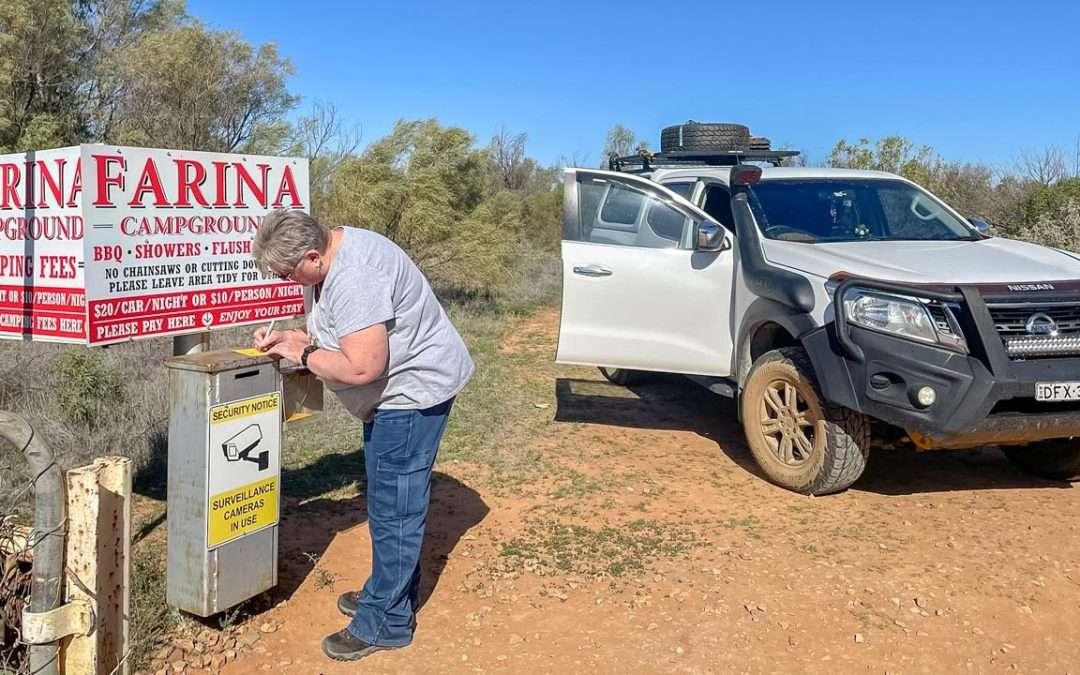
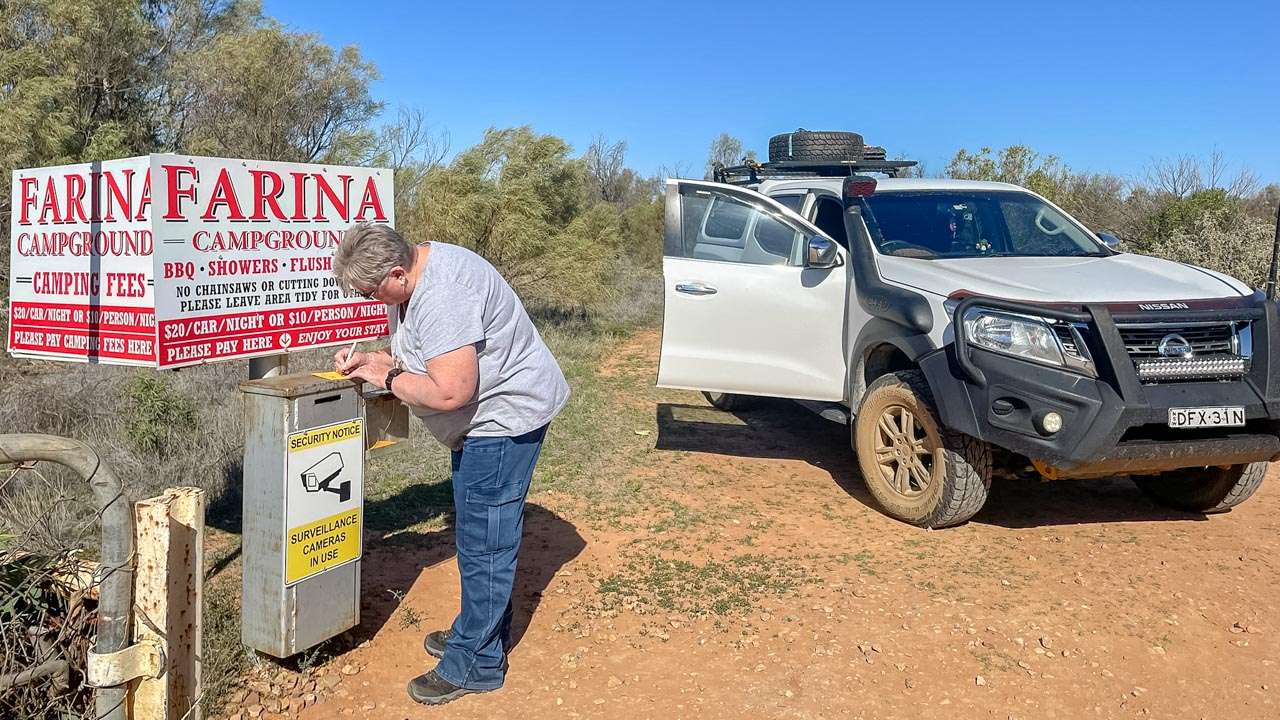
Paying Camping Fees At Farina
Why Farina Is Worth A Visit
The Farina Ghost Town is not just a historical site – it’s a living piece of Australian history. The town’s well preserved ruins, ongoing restoration efforts and unique location make it a destination for anyone interested in the country’s pioneering past. Whether you’re a history enthusiast, an adventurer, or simply looking for a unique outback experience, Farina Ghost Town offers something for everyone.
Conclusion
The Farina Ghost Town is a place where with a bit of imagination history comes back to life. Its abandoned buildings and ongoing restoration work tell the story of Australia’s early pioneers and the challenges they faced in the brutally harsh and unforgiving outback. From exploring the town’s ruins to tasting freshly baked bread from the underground ovens, a visit to Farina is an unforgettable journey into the past. As more and more visitors are finding this hidden gem, Farina’s legacy continues to grow, ensuring that its story will be told for generations to come.
Farina Photo Gallery
Fettlers Hut At Farina On Old Ghan Railway
Fettlers Hut At Farina On Old Ghan Railway
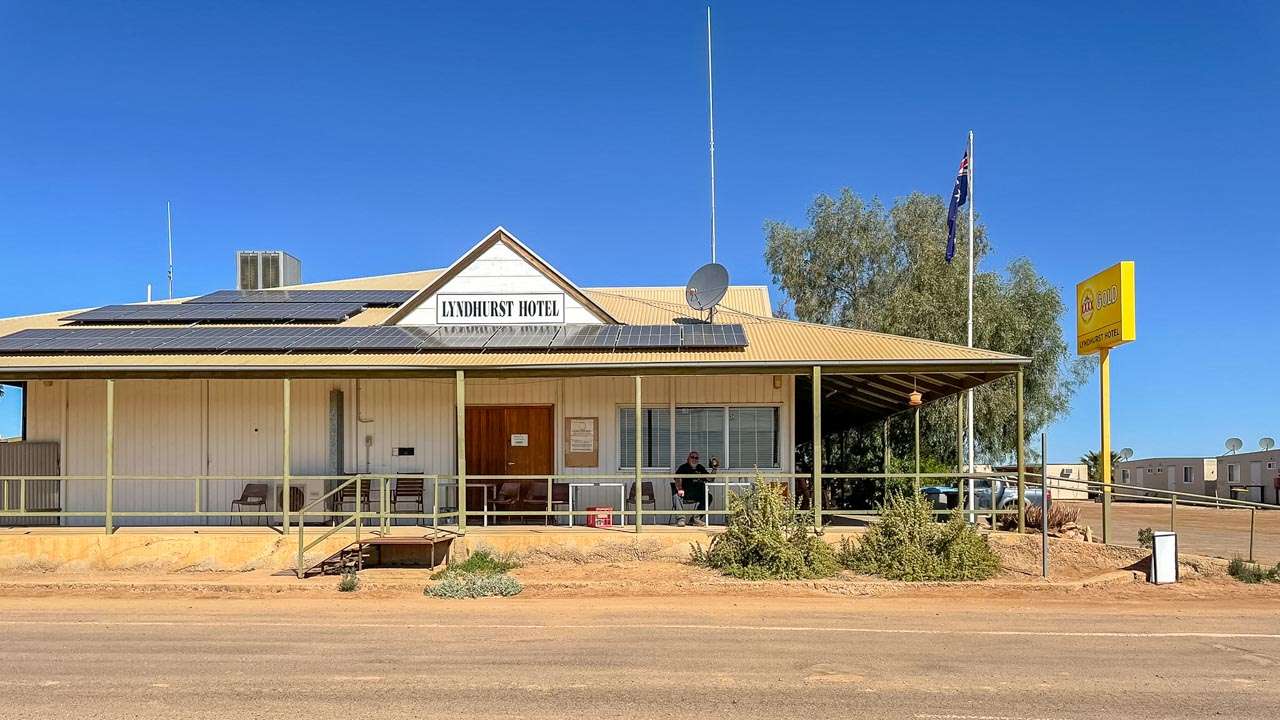
Lyndhurst Hotel
Lyndhurst Hotel
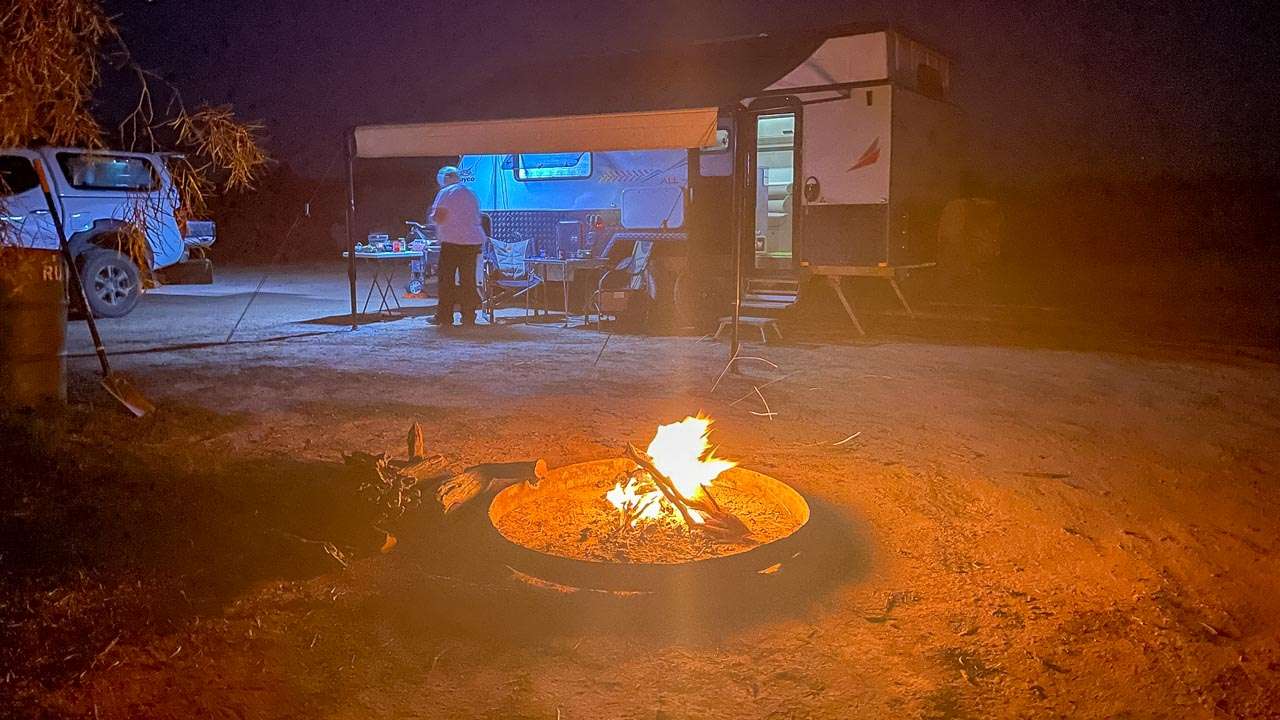
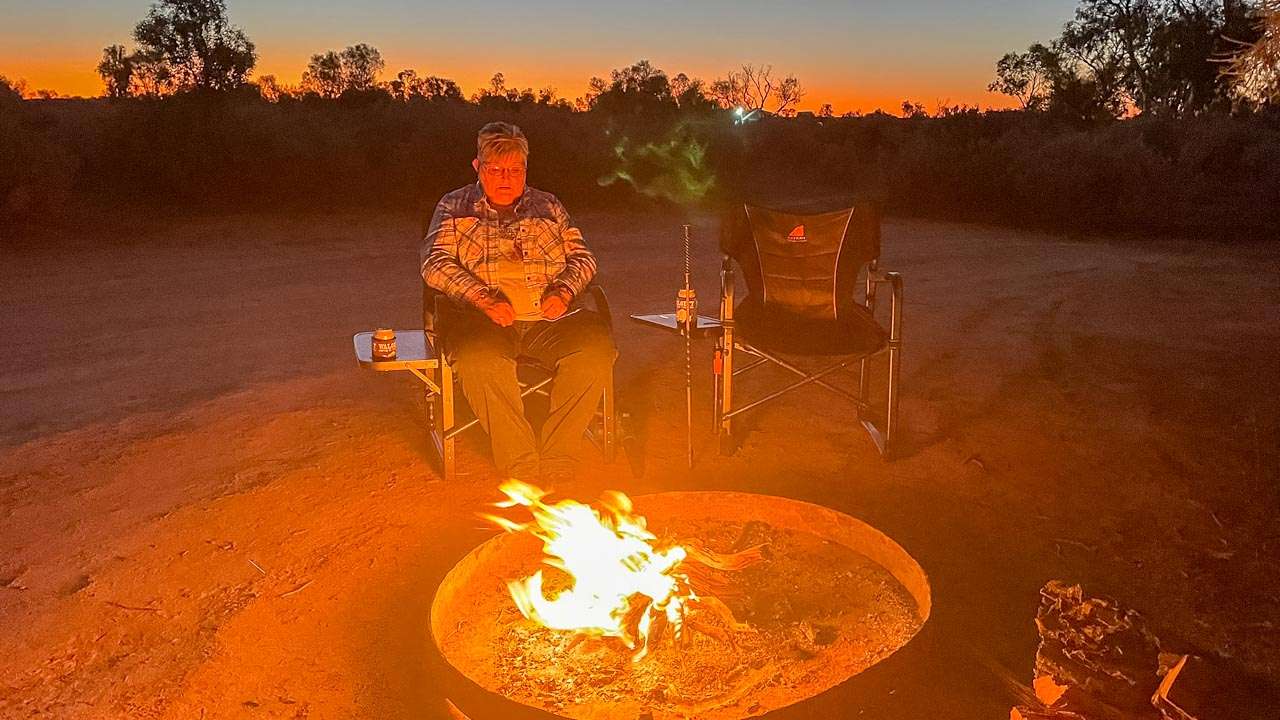
Another Farina Campfire
Another Farina Campfire
Farina Ghost Town
Farina Ghost Town
Lookg down On The Camping Area At Farina
Lookg down On The Camping Area At Farina
High Above Farina
High Above Farina
All Set Up For Camping At The Farins Ghost Town
All Set Up For Camping At The Farins Ghost Town
Farina Town Entry
Farina Town Entry
Farina Camping Area
Farina Camping Area
Camping Area At Farina Ghost Town
Camping Area At Farina Ghost Town
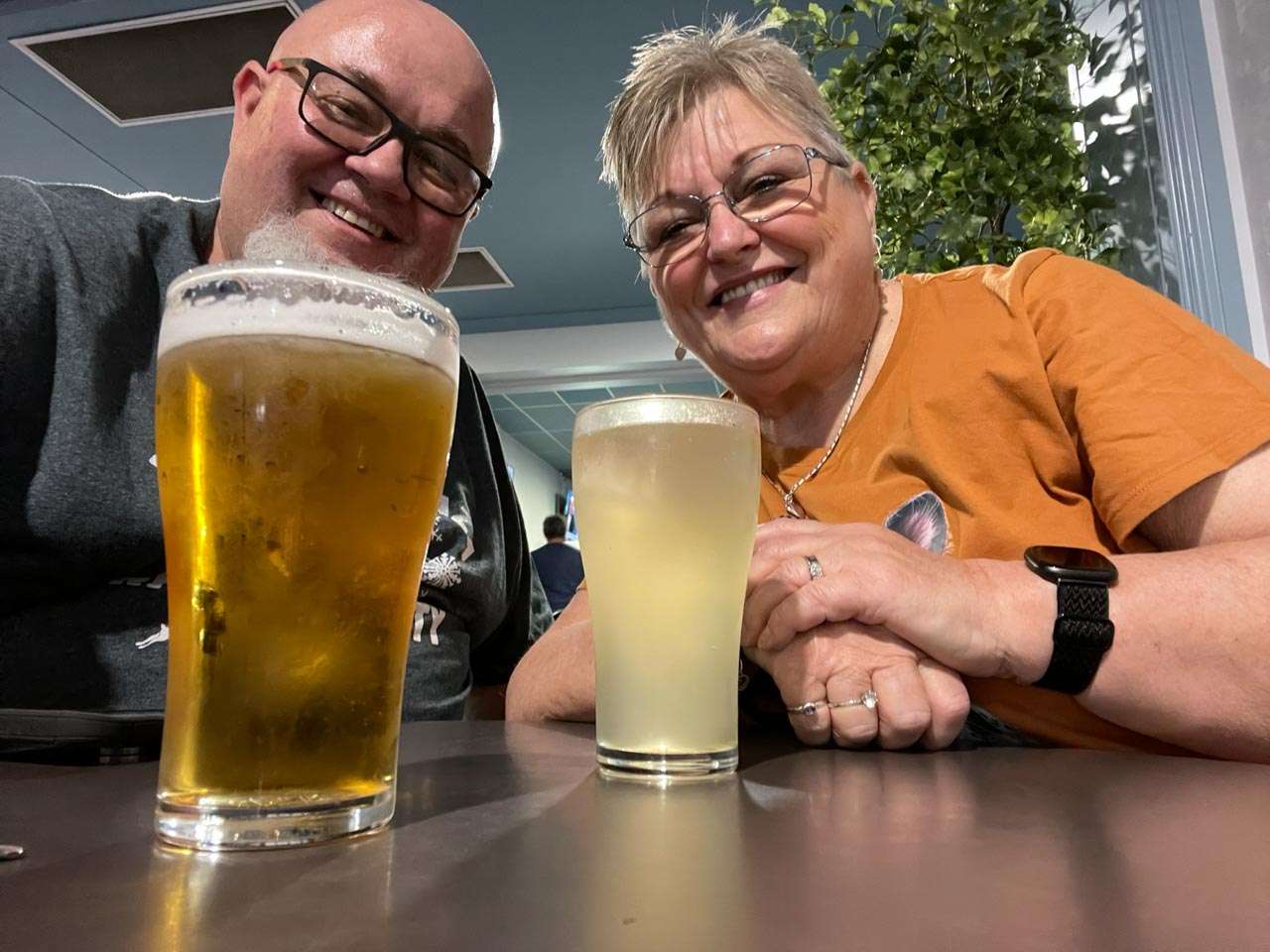
Drinks At The Lyndhurst Hotel
Drinks At The Lyndhurst Hotel
DJI 20240816092523 0038 D
DJI 20240816092523 0038 D
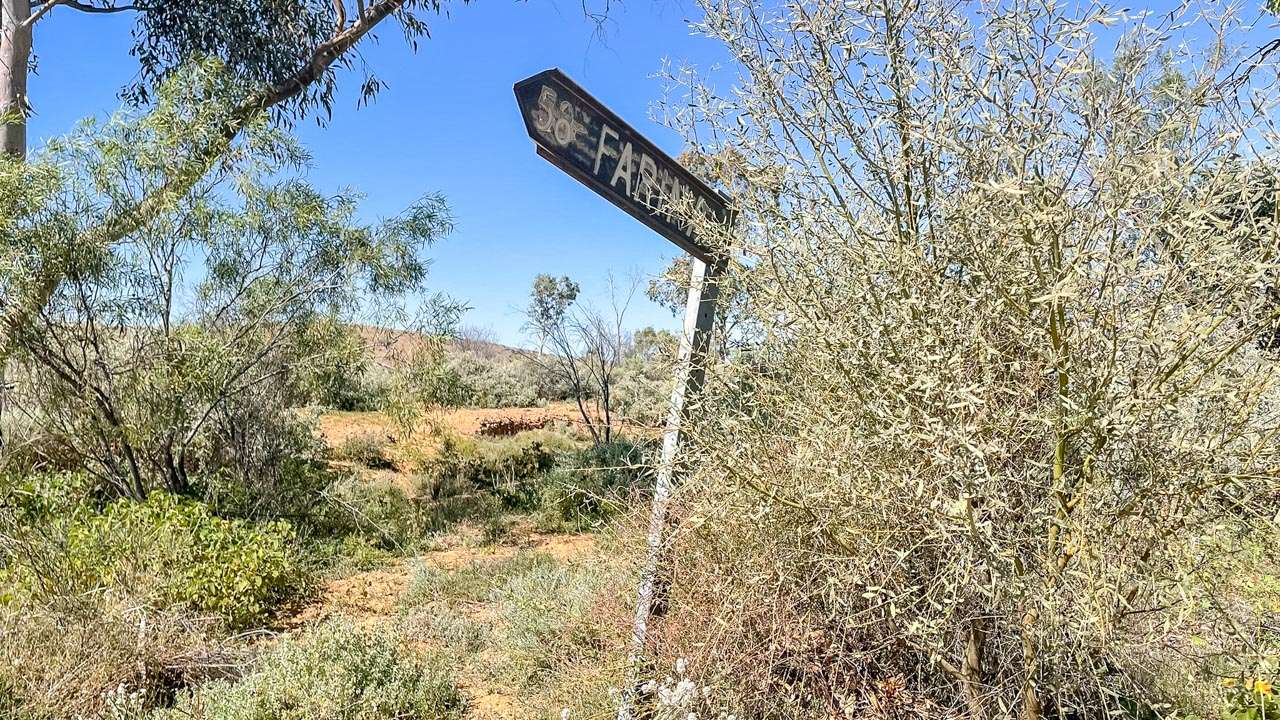
Old Sign To Farina Near Witchelina
Old Sign To Farina Near Witchelina
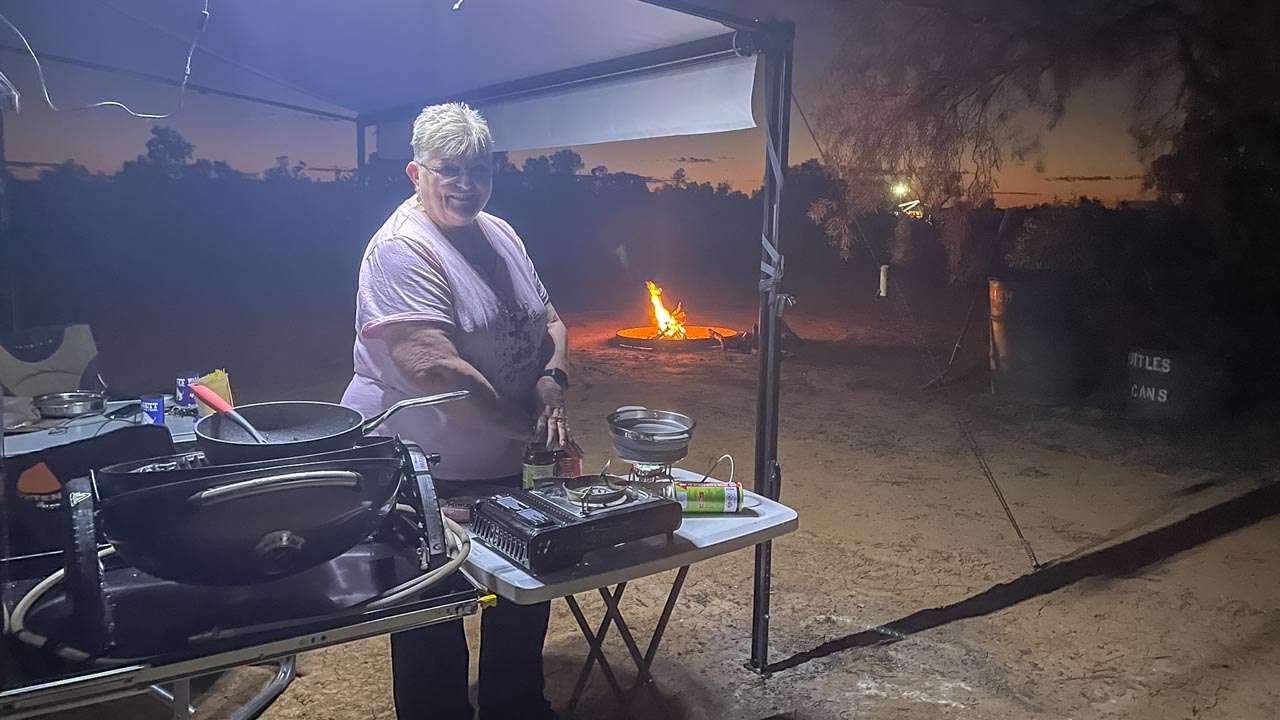
Amand Cooking Dinner At Farina
Amand Cooking Dinner At Farina
Farina Ghost Town Seen From Above
Farina Ghost Town Seen From Above
Farina Cemetery
Farina Cemetery
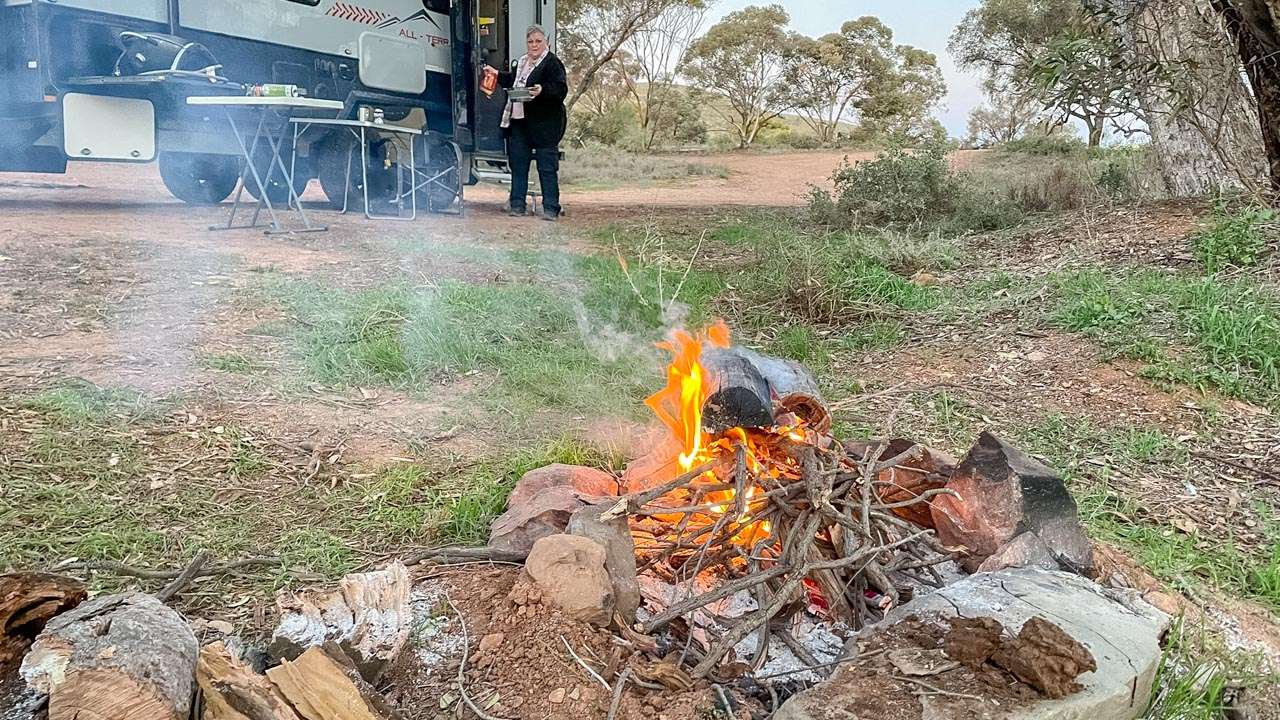
Campfire While Camping At Farina Ghost Town Camping Area
Campfire While Camping At Farina Ghost Town Camping Area
There is free camping at Orroroo Rest Area located just west of Orroroo in South Australia. It’s a great stop for travellers looking to rest and camp for a night. We’ve stayed here on previous trips and will do so again in the future as it’s very convenient. Situated just to the west outside the small town of Orroroo this rest area is ideal if you are exploring the region or passing through on a road trip.
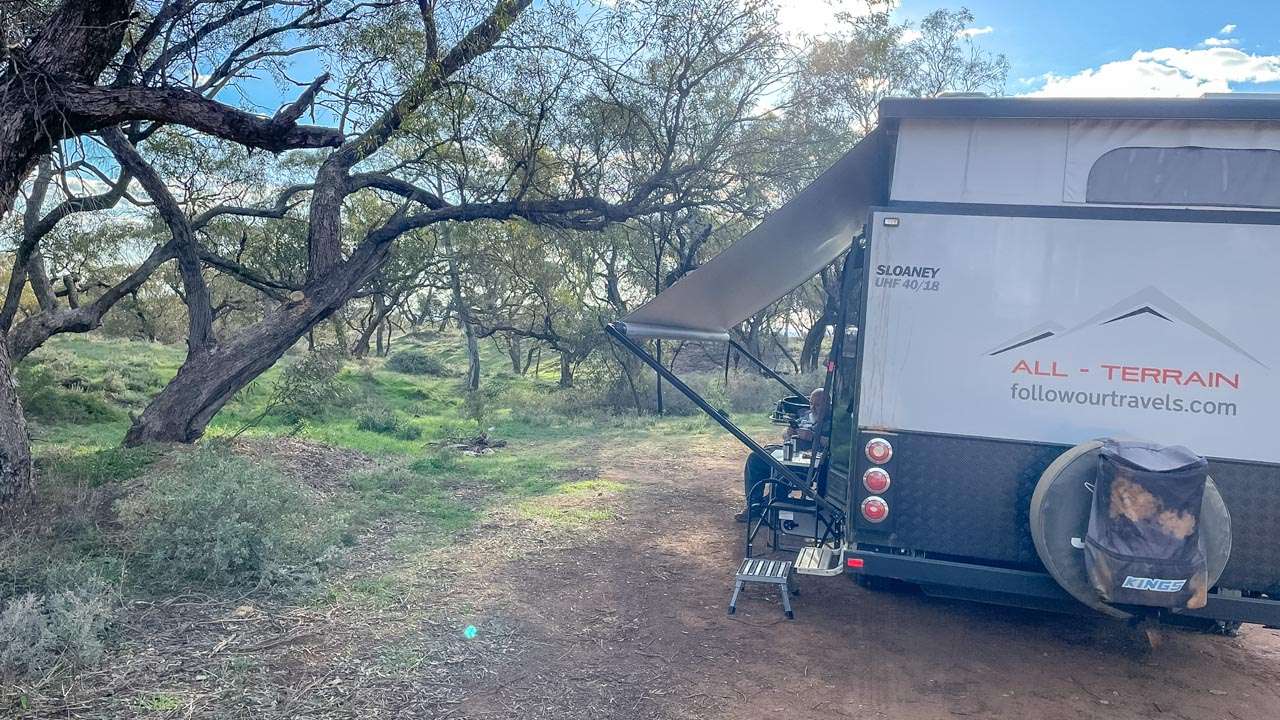
Camping At Orroroo Rest Area Just West Of Town
After leaving Menindee we called in at Broken Hill to grab a few things. We needed a new tyre inflator because some dumbarse (Dave) ran over the one we already had with the car after putting air back into the tyres at Menindee. We also had to pick up a part for Dave’s ResMed AirMini sleep apnoea machine because he forgot to pack it and Amanda was going to stab him if he kept on snoring! While in Broken Hill we got some groceries and another carton of beer. Broken Hill is a great town and has every possible shopping option you could possibly need.
We filled up with fuel in town and bought breakfast in Orroroo when leaving the following day. We always like to spend some money in town whenever we make use of nearby free camping options. It’s just the right thing to do.
The Barrier Highway On Our Way To Camp At Orroroo
Features Of Free Camping At Orroroo Rest Area
Free Camping: The rest area allows free camping, making it a popular choice for budget conscious travelers. There’s plenty of space to park caravans, camper trailers and motorhomes.
Basic Amenities: Free camping at Orroroo Rest Area offers basic facilities including a picnic table and rubbish bins. There are no toilets or water available there. Toilets and potable water are both available in the town of Orroroo a few kilometres away. There is also a public dump point in the caravan park.
Quiet Surroundings: The peaceful and quiet atmosphere of the rest area makes it a relaxing spot to unwind after a long day on the road.
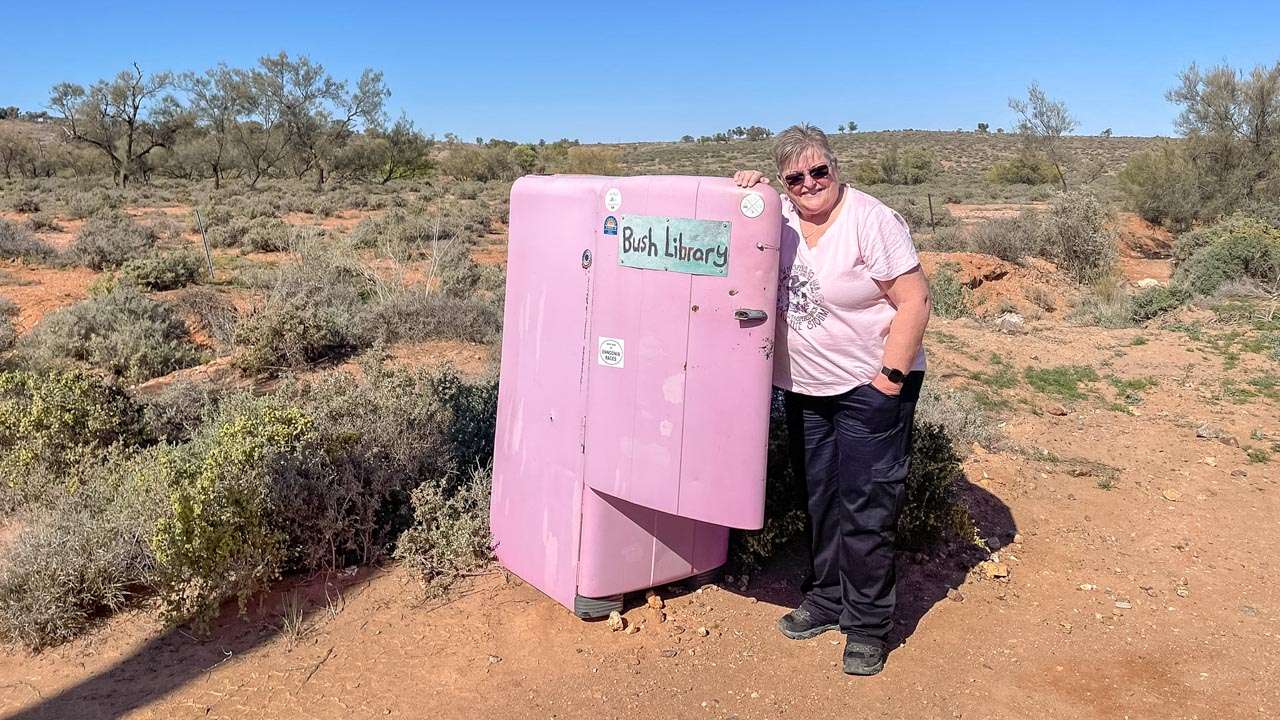
Bush Library At Rest Area Between Broken Hill And Cockburn
Things To Do Around Orroroo
Explore Orroroo: Just a short drive from the rest area the town of Orroroo offers attractions such as the Giant Red Gum Tree estimated to be over 500 years old and local heritage sites.
Nature Walks: The nearby countryside offers scenic walking trails for those who want to stretch their legs and take in the natural beauty of the area.
Wildlife Spotting: The surrounding area is home to native Australian wildlife including kangaroos and many different bird species.
Tips For Campers
Bring Supplies: The rest area has no shops within walking distance. An IGA is in town a short drive away and there is also a newsagent, a couple of hotels and fuel.
Stay Safe: Always check weather conditions before camping especially in the hotter months. Make sure you follow any fire safety regulations if you plan to cook outdoors.
Conclusion To Free Camping At Orroroo Rest Area
Camping at Orroroo Rest Area is great overnight free camping option when travelling through this section of South Australia. Whether you’re exploring the local area or just stopping for a night it’s a great place to rest and enjoy the natural beauty of the area.
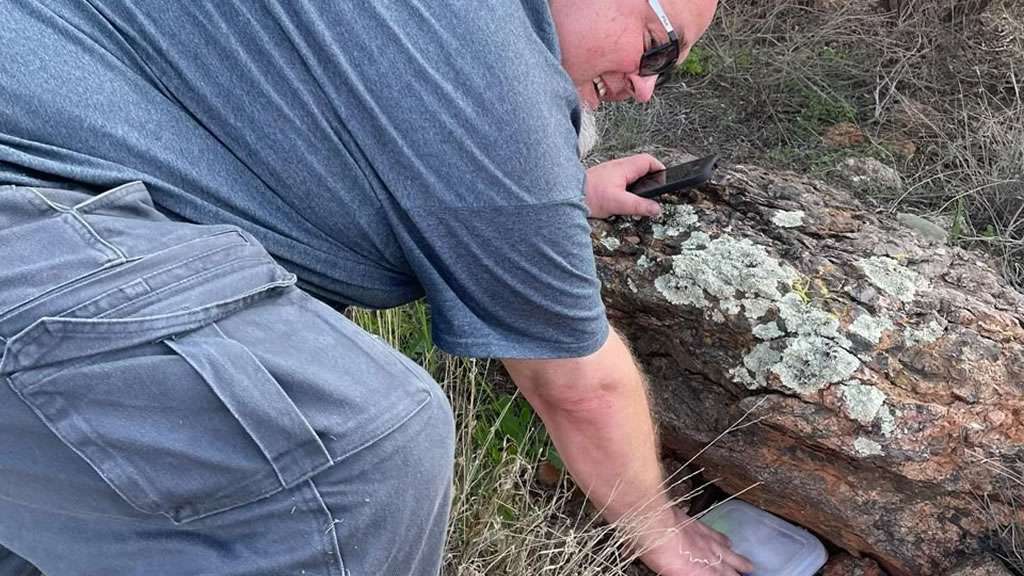
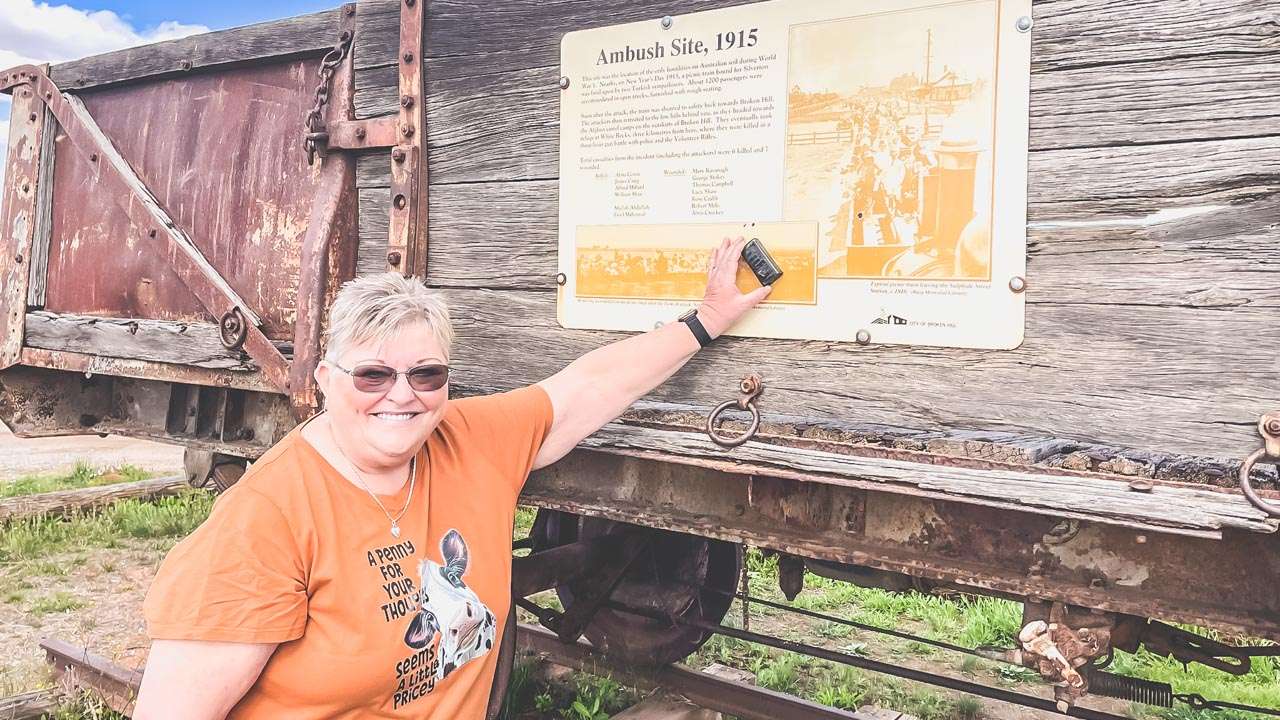
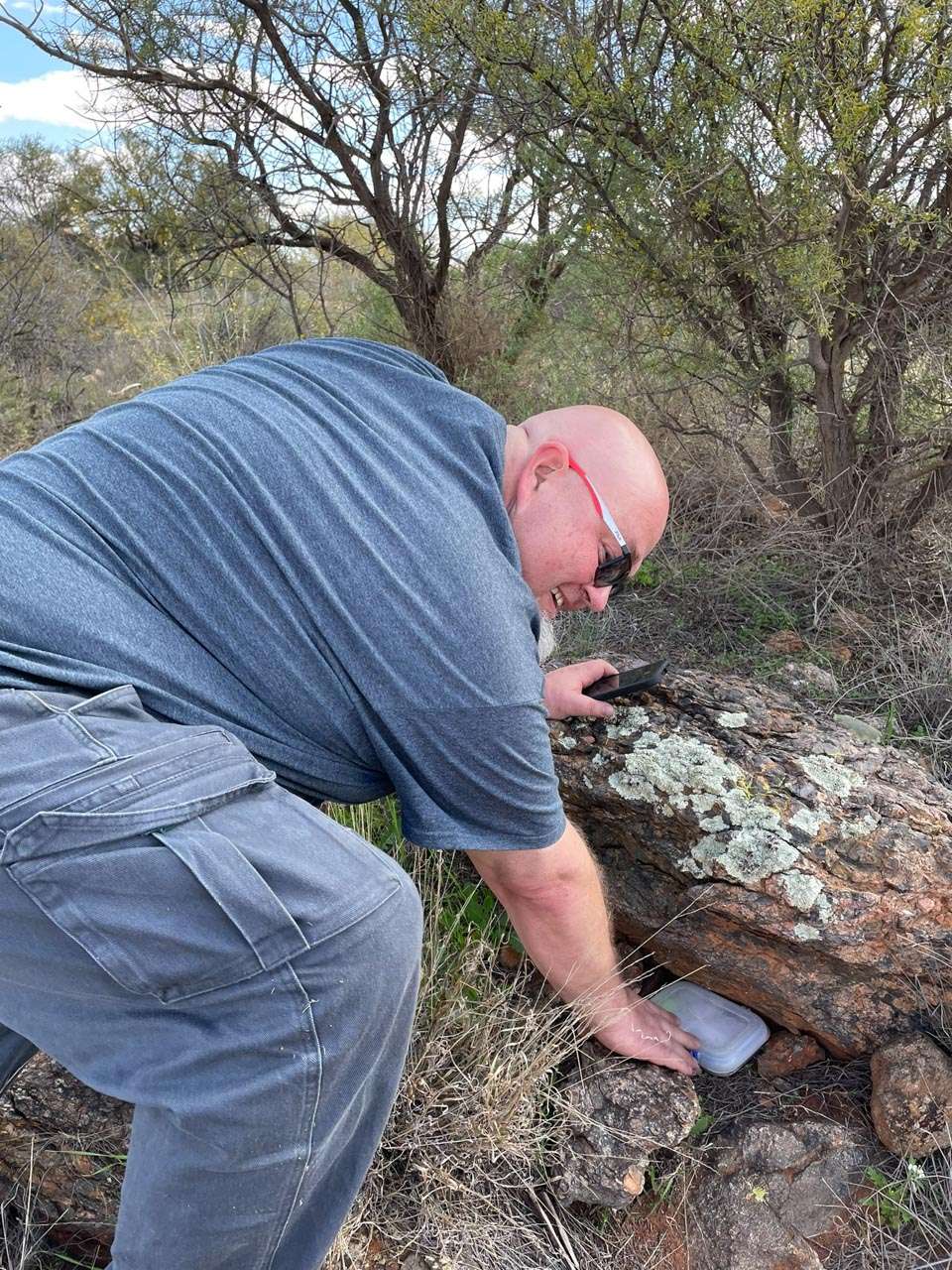
A day out geocaching Broken Hill NSW. We located 22 of them. Had lunch at the Workers Club and then did some geocaching around town.
Out and about today doing some more geocaching this time around Broken Hill. Most of the ones we found were pretty easy. There were some great stories behind some of the hides.
First Act Geocaching Broken Hill
What Did We Find Geocaching Broken Hill NSW
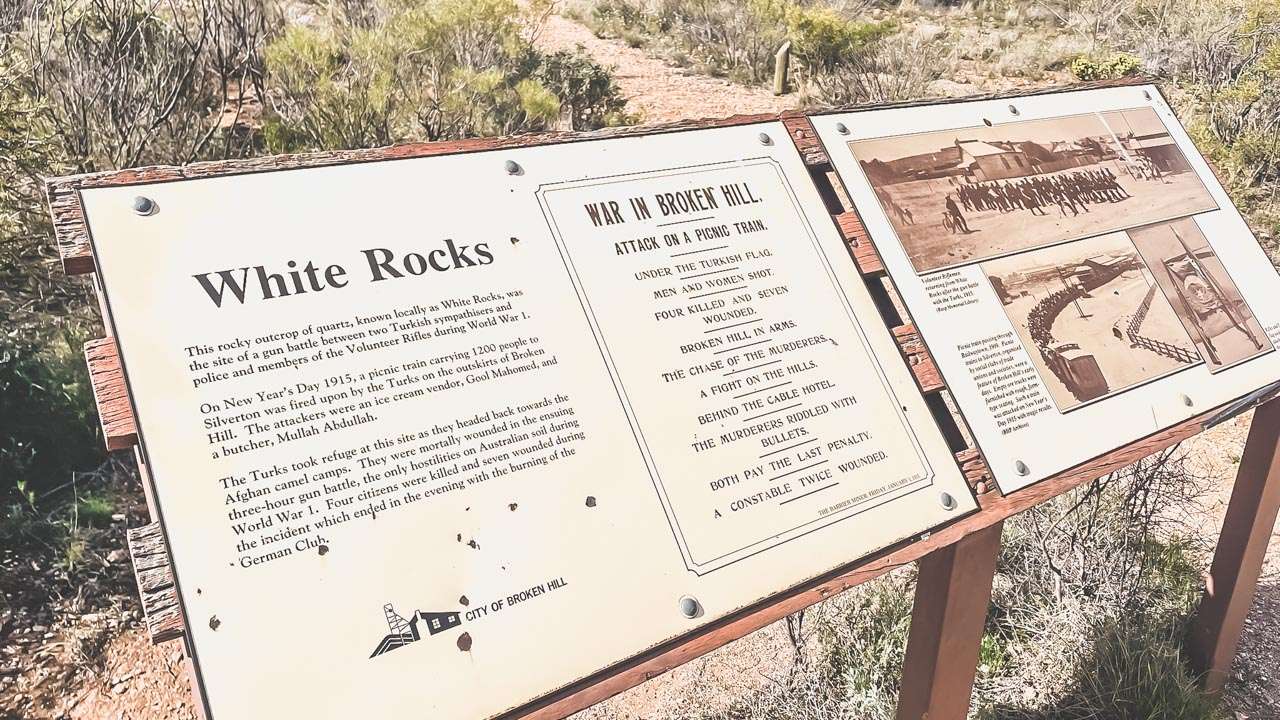
Found White Rocks | GC606FG Found it
Found Brown / Kangaroo | GC4R118 Found it
Found The Pinnacle of Views | GC9PEZZ Great hide found it
Found First Act | GC1PHN4 Awesome hide. We have been to Broken Hill about 5 times and never knew this was here so thank you
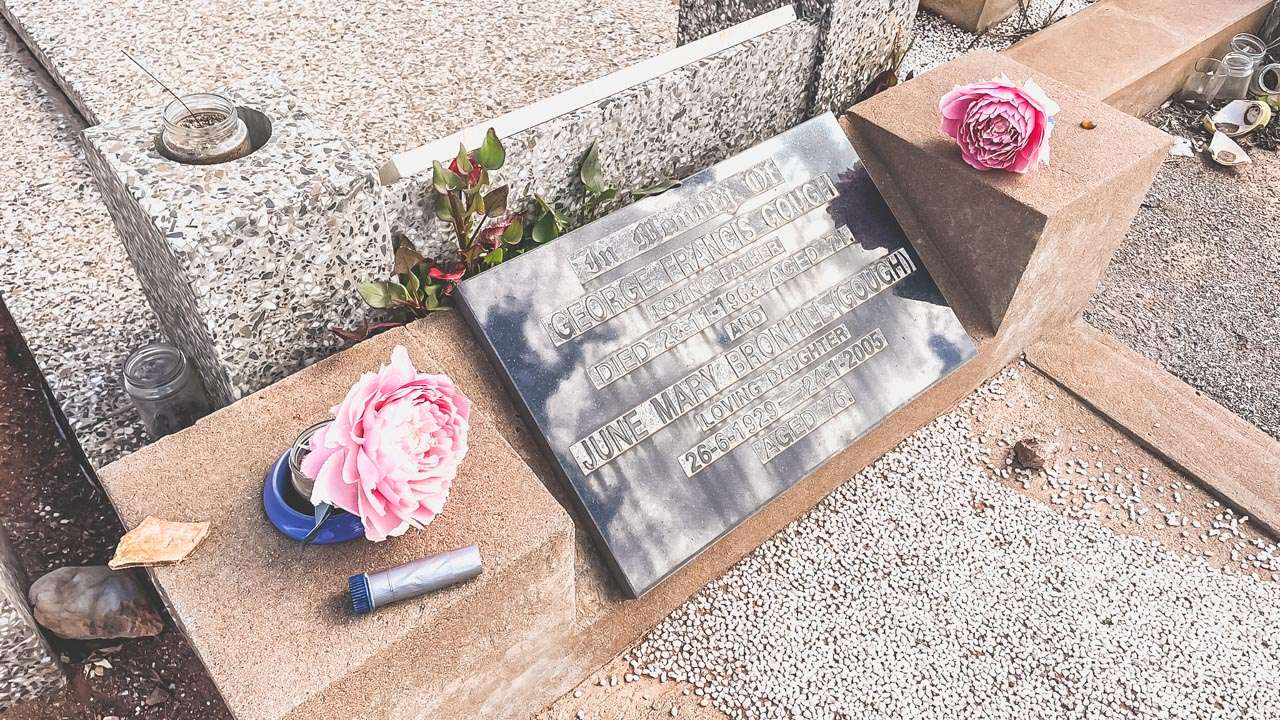
Found June Bronhill OBE | GC8JQ59 Thankyou. What are great Cache
Found Oh Mr Hart!! | GC7XZQX Found it on our way to Uluṟu
Notable Caches And A Bit About Them
Oh Mr Hart!!
Born at Broken Hill in 1928 Kevin Charles Hart grew up on the family sheep station “Larloona” near Menindee before beginning work in the mines at the age of 18.
He was considered the father of the Australian Outback painting movement and his works are widely admired for capturing the true spirit of the outback.
Whilst working in the mines Pro Hart acquired the nickname Pro(fessor) for his wide general knowledge and inventing skills. In 1960 he left the mines to pursue a career in Art. Pro Harts vibrant paintings bore a recognisable Australian image and not only won numerous awards, but were also exhibited world-wide.
Using mainly oils and acrylics Hart layered, glazed, scumbled and scratched – or as he put it: “I chucked the paint on.”
He also created sculptures with welded steel, bronze and ceramics.
In 1976, Hart was awarded an MBE for his services to art in Australia and in 1982 received an Honorary Life Membership of Society International Artistique for outstanding artistic achievement.
June Bronhill OBE
June Bronhill OBE (26 June 1929 – 24 January 2005) was an internationally acclaimed Australian coloratura soprano opera singer, performer and actress. She was well known for light opera and musical theatre in London West End theatres and Australia as well as on the opera stage.
Bronhill was born June Mary Gough in Broken Hill, New South Wales.
Her hometown Broken Hill honoured her by declaring a minute’s silence during the 2005 Australia Day celebrations two days after her death. Mayor Ron Page noted, “She is very special to us; if you ask every householder in Broken Hill, they’ll be able to say, yes, they are proud of June Bronhill.” Then acting prime Minister, John Anderson noted, “The world is mourning the loss of someone who entertained millions, but it’s good to see the local community here recognise one of their own in … a very proud community celebrating the life of one of their daughters.”