Docker River Camping & Exploring The Great Central Road GCR

Docker River Camping & Exploring The Great Central Road GCR

Docker River Camping & Exploring The Great Central Road GCR

Discover what makes Docker River a must see stop on your Great Central Road GCR trip with camping tips & stunning outback scenery to explore. Seeking a real outback adventure? Then Docker River on The Great Central Road (GCR) should be on your list.

Located in the Northern Territory near the Western Australia border. Docker River (also known as Kaltukatjara) is a small remote Aboriginal community with a rugged landscape that’s bound to leave an impression on any traveller. From camping under the stars to exploring ancient rock formations. There’s plenty to do and the journey itself is as much a part of the adventure as the destination.

Let’s dive into what makes Docker River such an incredible spot, how to get there from Yulara, what you’ll see along the way and what to expect when you arrive.
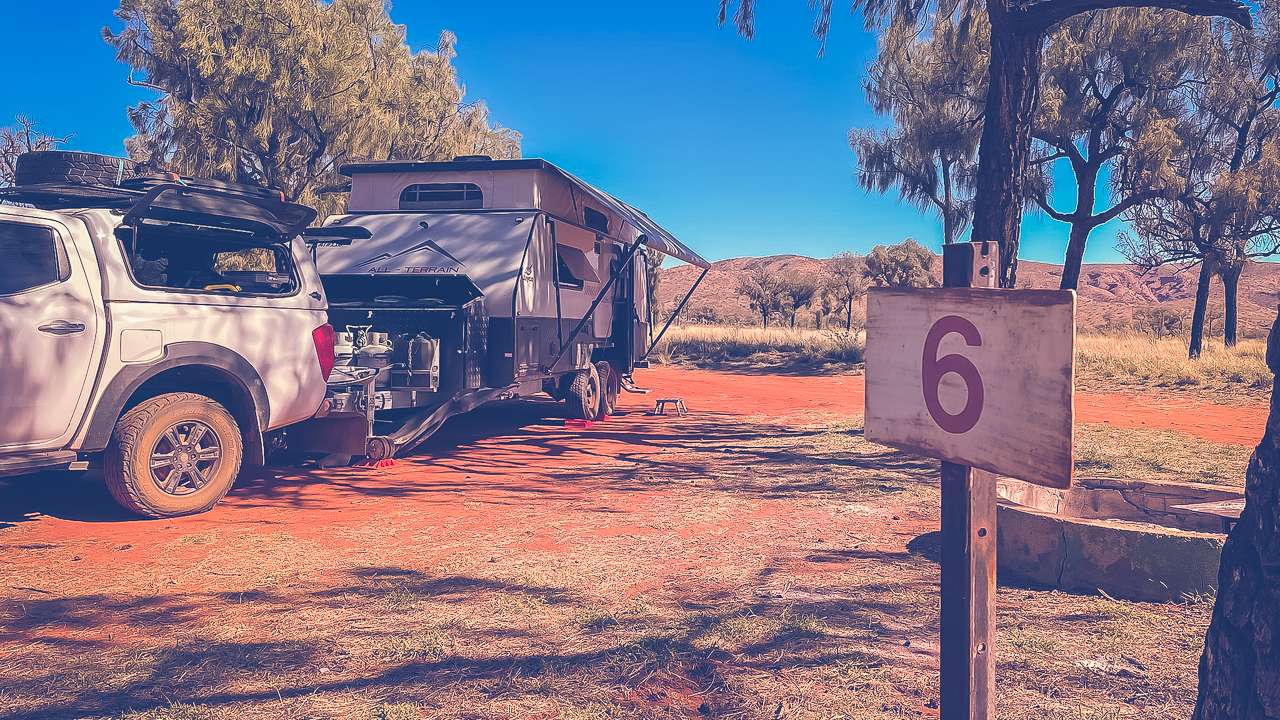
Camp Site 6 At Docker River

Camp Site 6 At Docker River

Travelling From Yulara To Docker River

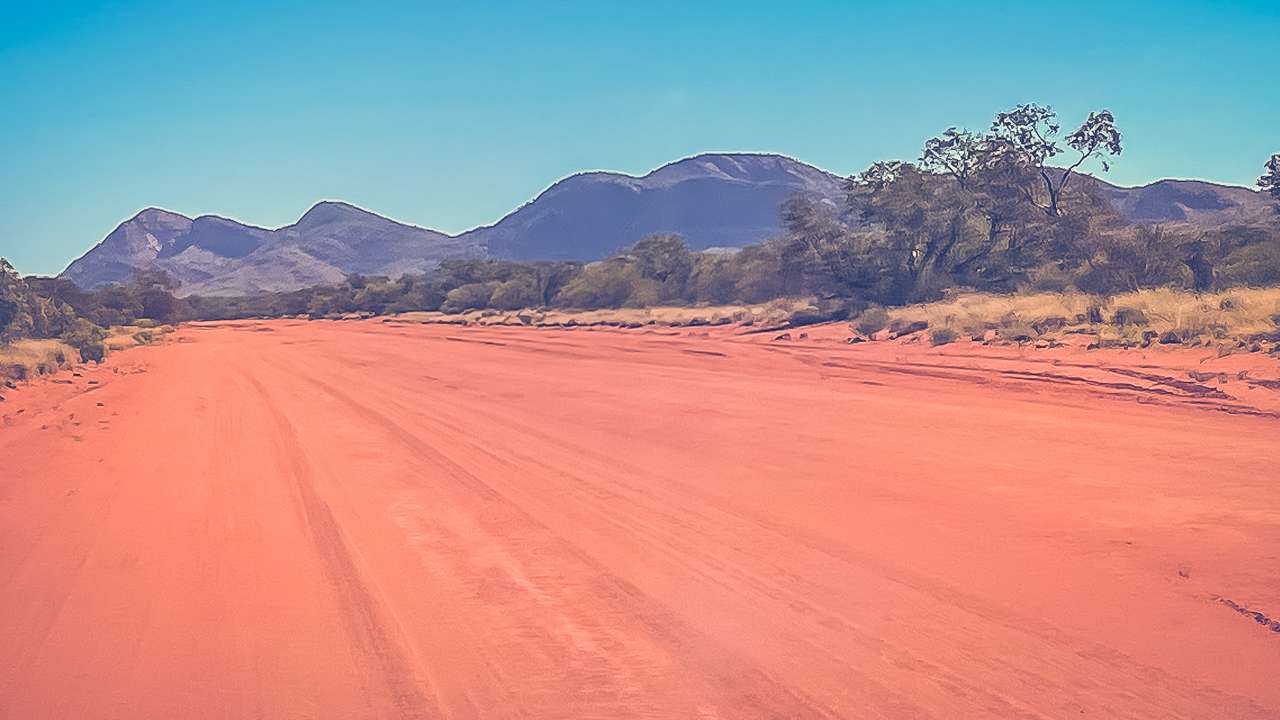
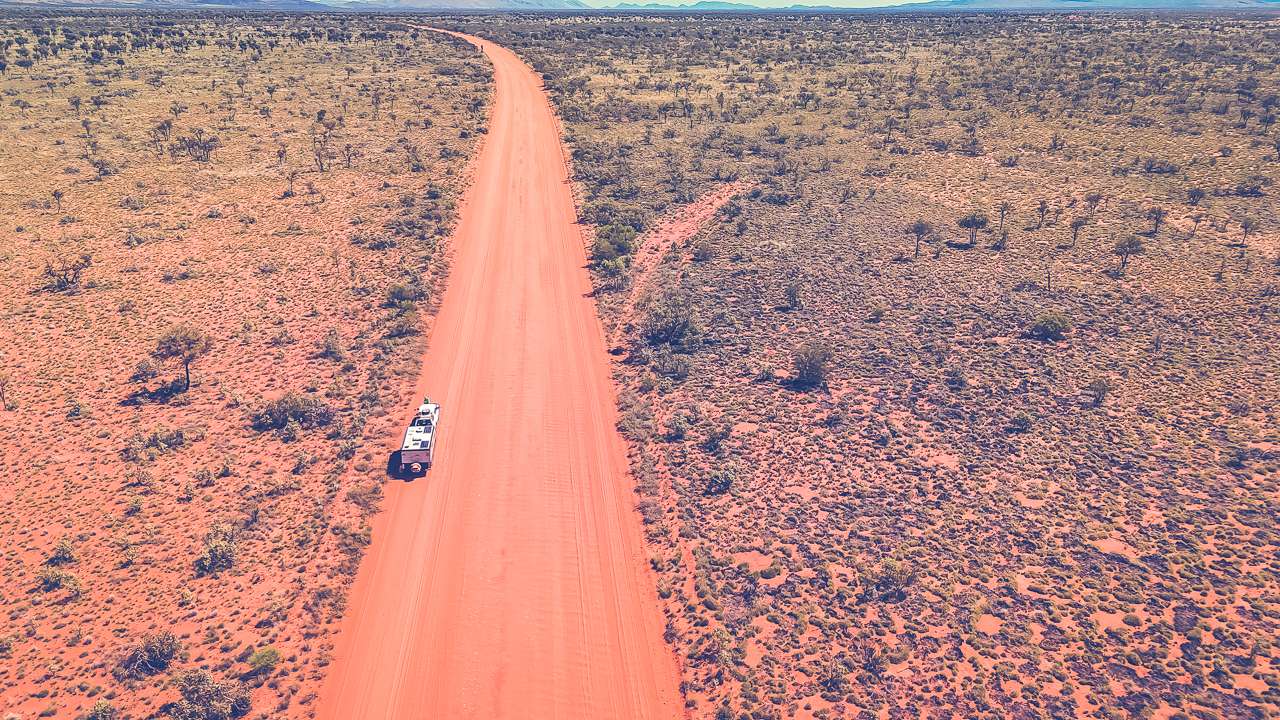
First things first, getting to Docker River is half the fun. The drive from Yulara to Docker River is about 225 kilometres and it takes around 3 hours if the weather and road conditions are on your side. You’ll be driving along the Lasseter Highway and then joining the Great Central Road which is unsealed. A 4WD vehicle is recommended.

If you’re planning to travel from Yulara to Docker River, yep, you’ll need permits. If you’re planning to travel from Yulara to Docker River, yep, you’ll need permits. This route takes you through Aboriginal land, so it’s important to get the right permissions before you hit the road.

Permits And Pricing

For a trip from Yulara to Docker River, you’ll need to apply for two permits:

  1. Northern Territory Permit (free): This covers the NT portion of the trip. Apply through: Central Land Council or call +61 8 8951 6211.
  2. Western Australia Permit (free): Once you cross into WA, you’ll need this one. Apply via the Department of Planning, Lands and Heritage or ring +61 8 6551 8002.

Make sure you apply for these permits at least 10 days before your trip. It’s simple and won’t cost you a cent, but it’s a must-do to ensure you’re respecting the traditional landowners.
default

default

Why Permits?

This isn’t just red tape it’s about respecting Aboriginal land and culture. These permits ensure travellers do the right thing by the communities in the area. Getting permits might sound like a hassle, but it’s worth it for the epic adventure you will have have.

Quick Travel Tips

  • Make sure your vehicle’s in good condition – the roads can be rough.
  • Check the weather (it can get scorching), and bring extra water.
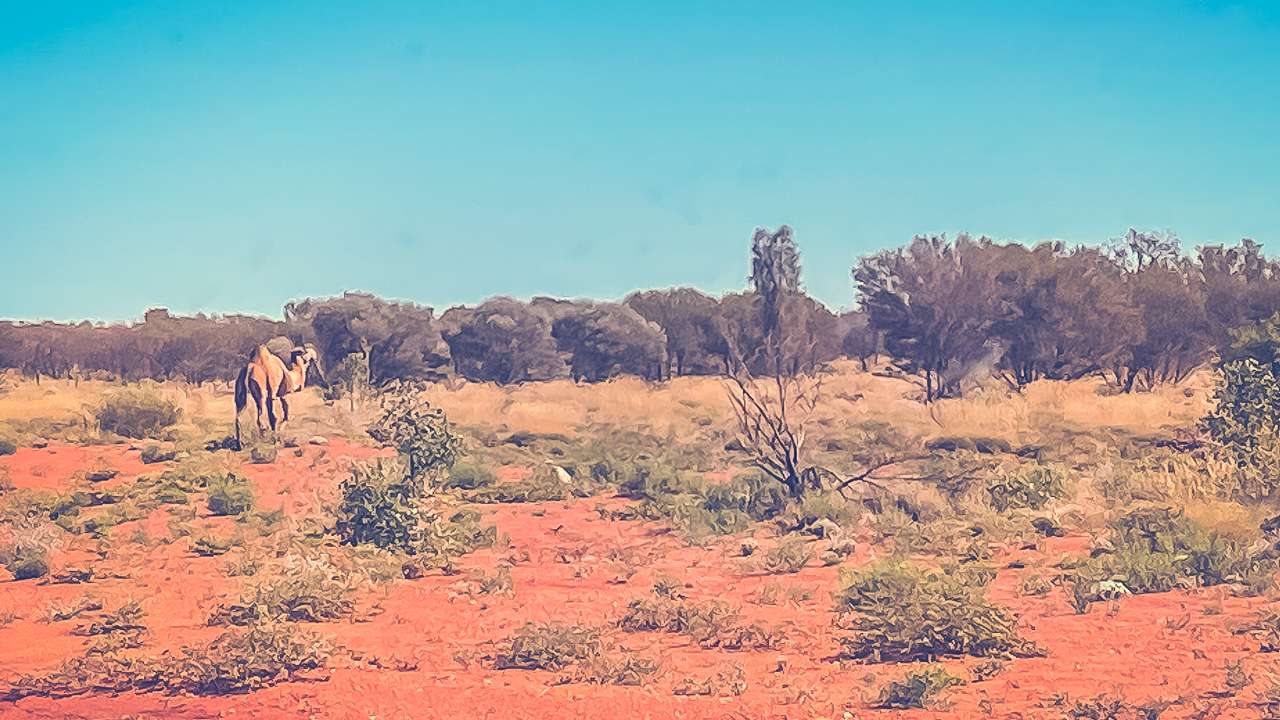
  • Look out for wildlife along the way – it’s not unusual to see camels or roos!
  • Carry an extra spare tyre – when you blow your first tyre and have 500 kilometres to go before you can replace it you will be happy you brought an extra!

What You’ll See Along the Way

The drive itself is a true outback experience. Here’s what you can expect to see along the way.

  • Uluru and Kata Tjuta: As you head out of Yulara, you’ll be treated to stunning views of Uluru and Kata Tjuta in the distance. These iconic rock formations never get old and are a great backdrop as you start your journey.
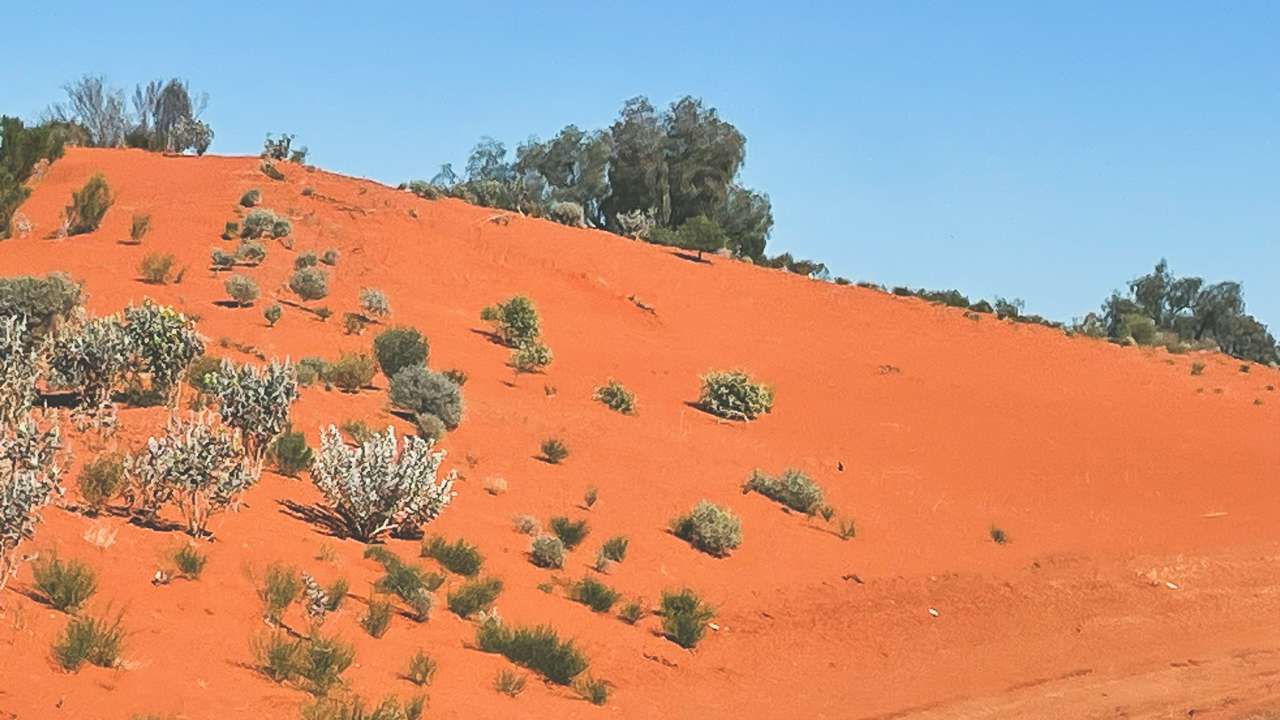
  • Red Desert Landscape: The landscape quickly turns into vast stretches of red dirt, spinifex and low scrub. The red desert scenery is stunning in its starkness and gives you a true sense of the isolation of the outback.
  • Wildlife: You might spot a few kangaroos, emus or even a camel or two wandering around. But keep in mind, wildlife tends to be more active around dawn and dusk, so take it easy if you’re driving during these times to avoid an unwanted run-in.
  • Remote Communities: You’ll pass by a few smaller communities and stations, but for the most part, it’s just you, the open road and a big blue sky. The solitude is part of what makes this trip so special.
  • Cattle Stations: You’ll pass by vast cattle stations with seemingly endless fences. This is true outback station country and it’s not uncommon to see cattle wandering near the road.
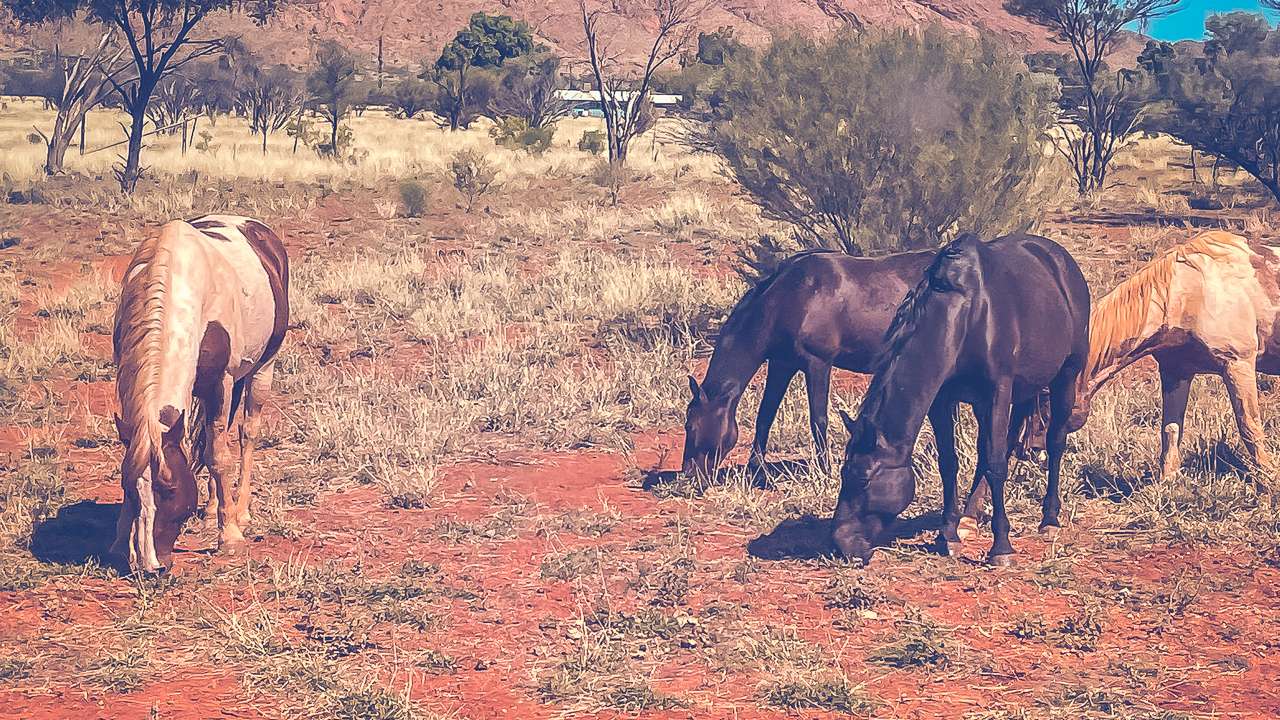
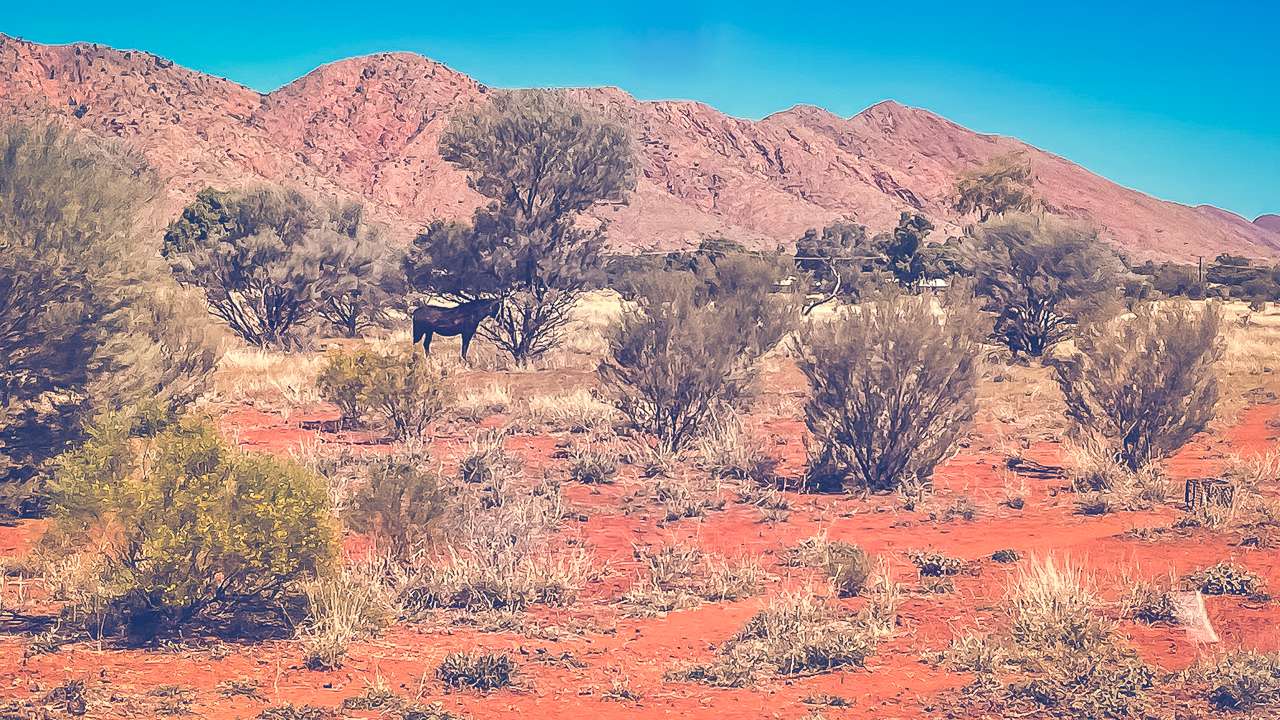
Wild Brumbies Visiting our Camp At Docker River

Wild Brumbies Visiting our Camp At Docker River

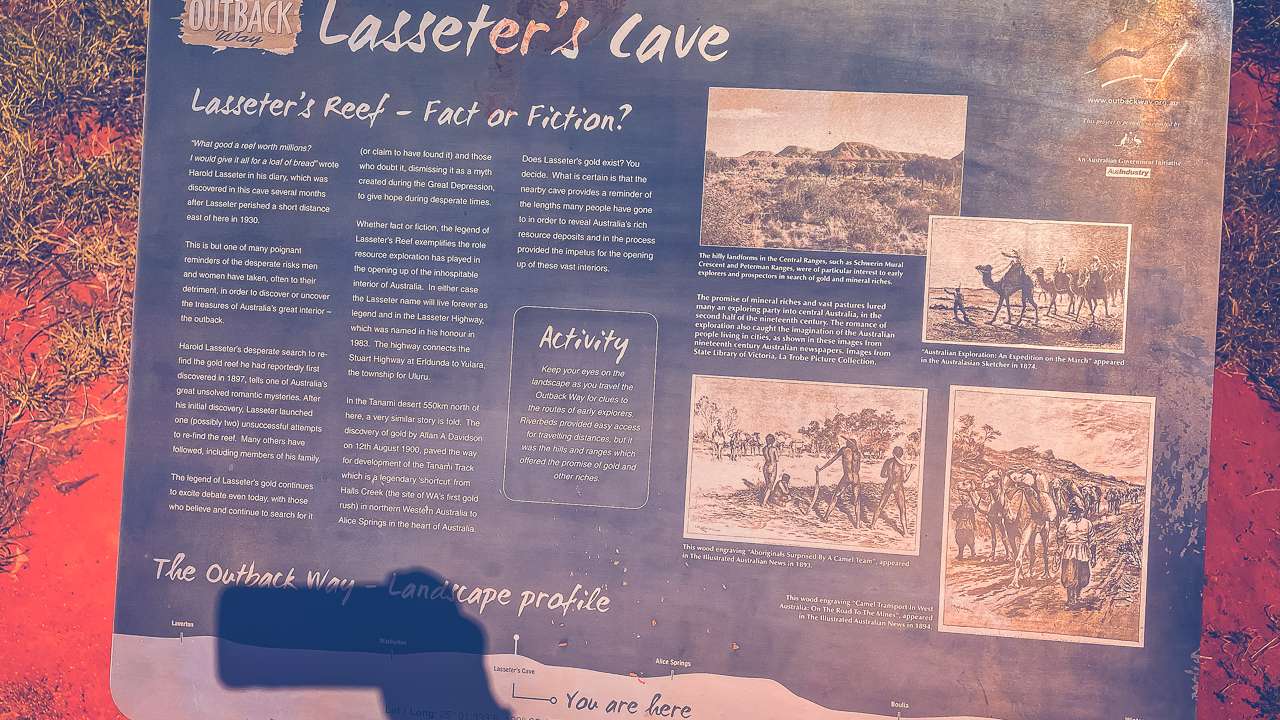
We Visited Lasseters Cave

Lasseter’s Cave has always held a special interest to me. Visiting it has been on my bucket list for years. It’s not just another outback stop; it’s a slice of Australian history wrapped in mystery, legend and a dash of adventure. For anyone who’s into Aussie folklore. Or if you simply love exploring the vast, rugged beauty of the outback Lasseter’s Cave is a must see.

Who Was Lasseter?
Harold Bell Lasseter is a name that stirs curiosity among many Aussies especially those who love a good story about hidden treasures. In the 1930s Lasseter claimed he had discovered a gold reef rich beyond belief. Hidden somewhere in Central Australia. According to him this reef was so large that it could change the fortunes of Australia. His story captured the imagination of many and an expedition (not the first) was launched to find the legendary “Lasseter’s Reef.”

However things took a turn for the worse. The expedition faced harsh desert conditions and Lasseter was separated from his team. In his desperation he sought shelter in a small cave along the Hull River. this cave later became known as Lasseter’s Cave. This humble shelter is where Lasseter stayed for several weeks waiting for help that never came. Unfortunately he perished in the desert and the location of his supposed gold reef remains one of Australia’s greatest unsolved mysteries.
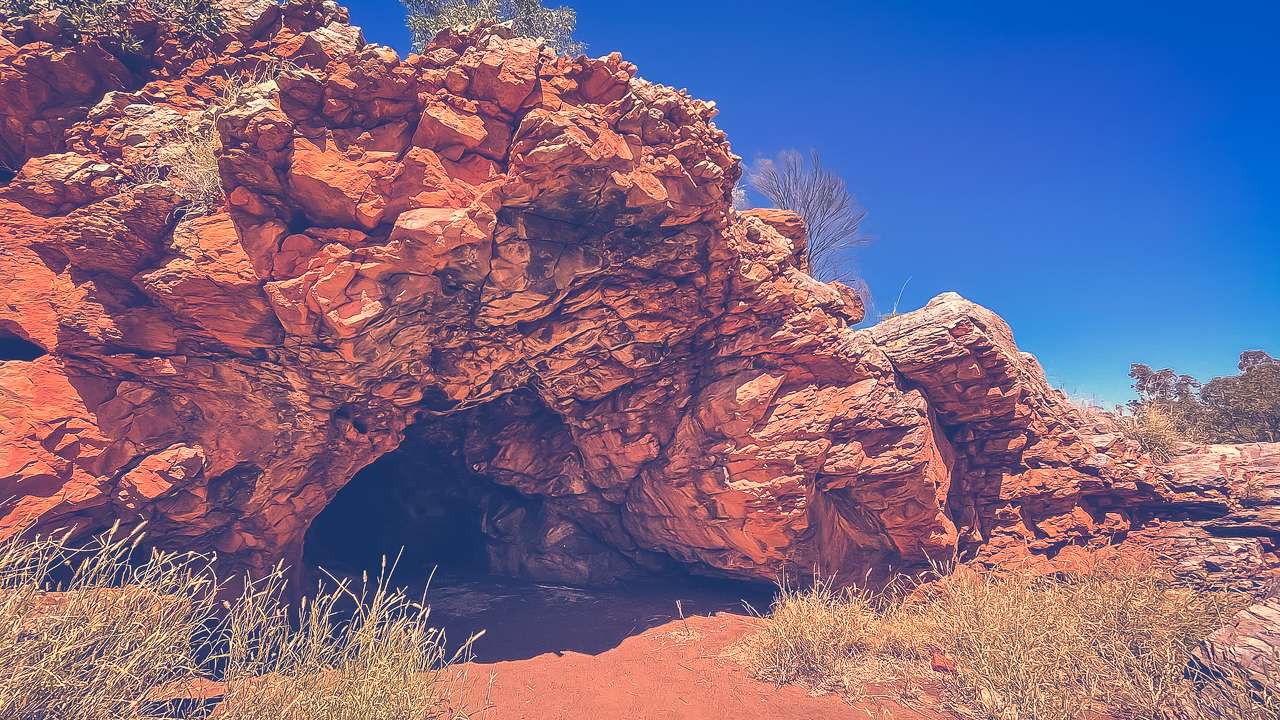
Lasseters Cave He Went No Further

Lasseters Cave He Went No Further

Why Visit Lasseter’s Cave?
For me Lasseter’s Cave isn’t just a bit of rock; it’s a monument to the determination, adventure and mystery that define much of Australia’s pioneering history. Whether Lasseter was a bullshitter of the highest order or not visiting the cave gives you a real sense of the isolation and harshness of the Australian outback. It’s a sobering reminder of the extremes that explorers like Lasseter endured in the hope of striking it rich or making a name for themselves. The cave itself is tucked along the Hull River and is a quiet spot where you can sit and reflect on Lasseter’s fate. While the cave isn’t large or particularly impressive in appearance the history behind it makes it a significant site.

Getting There
Lasseter’s Cave is located along the Great Central Road between Uluru and Docker River. Do if you’re heading that way it’s an easy stop.

Why It Matters
Lasseter’s story is one of hope, perseverance and mystery. It’s a classic Aussie tale that reminds us of the harshness of the outback and the spirit of those who ventured into it, often against all odds. Whether or not Lasseter’s Reef ever existed, his story has become a part of Australian folklore, a legend that still draws people into the heart of the country, searching for treasure, or perhaps just a deeper connection to Australia’s past.

For me visiting Lasseter’s Cave wasn’t just about seeing a historical site; it was about paying homage to the adventurers and dreamers who shaped Australia’s rugged history. And who knows, maybe one day someone will actually stumble across that elusive gold reef!

Camping At Docker River: What To Expect

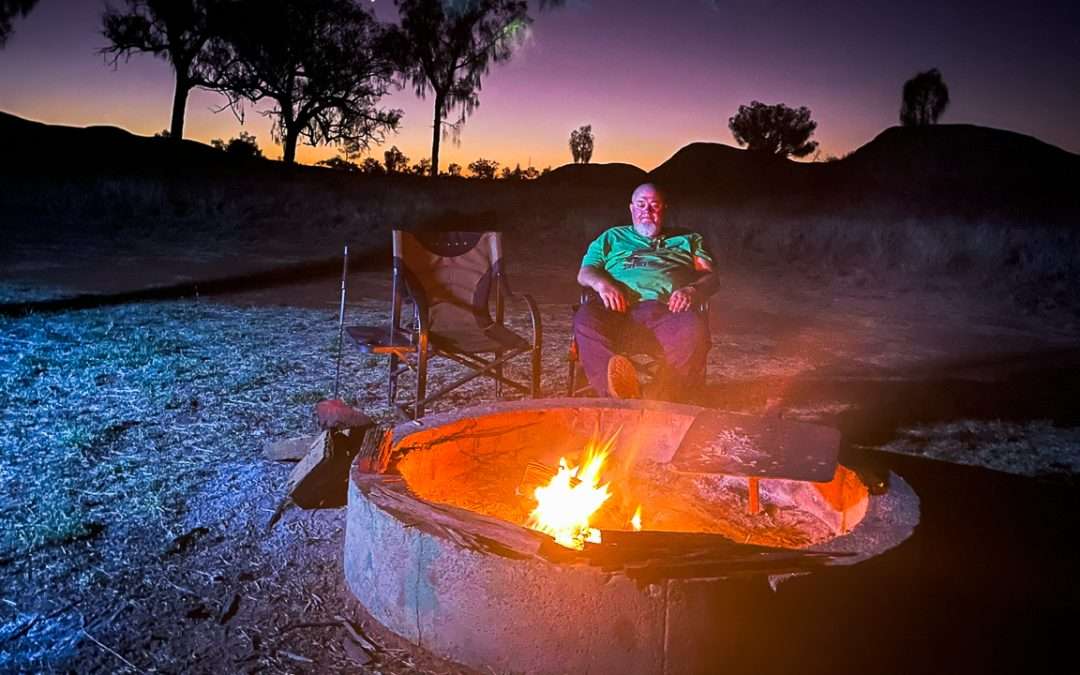
Camping at Docker River is definitely for people who are keen on a shall we say “more rustic experience”. There are fire pits but you’ll have to bring your own wood. It’s a free camping area. We quite enjoyed the location. There are a few small amenity blocks dotted around the camp grounds. However these are all locked up and don’t appear to have been in use for quite a while.
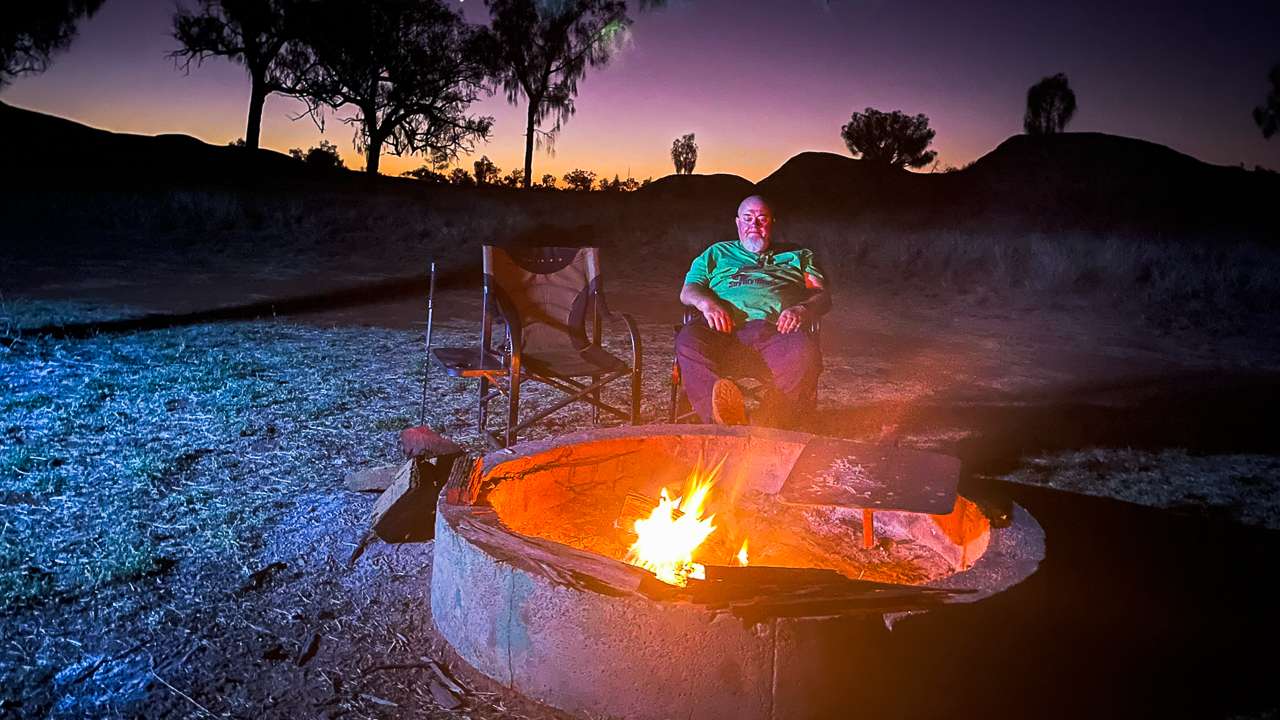
Evening Fire While Camping At Docker River

Evening Fire While Camping At Docker River

Amenities At Docker River Campground

Fire Pits: If you’re up for a campfire (and it’s allowed) you’ll find fire pits available. Nothing beats sitting around a fire under the stars in the middle of the desert. Make sure to bring your own wood though as there’s none available at the camp ground.

Is It Safe To Camp At Docker River?

We had no problems at all camping at Docker River. However as with any remote outback destination there are a few things to keep in mind.

  • Wildlife: You’ll be in the outback, so expect wildlife to be around. Dingoes are known to roam the area so keep your food secured and don’t leave anything out overnight. Watch out for snakes during the warmer months. We had a few groups of wild brumbies come through our camp – it was a great thing to see.
  • Weather: The weather can be extreme. It’s important to be prepared for hot days and cold nights, especially during the winter months when temperatures can drop dramatically after the sun sets.
  • Respect the Community: Docker River is an Aboriginal community and it’s important to respect local customs and traditions. Make sure to stick to designated camping areas and avoid trespassing on community land.
  • Road Conditions: Always check the road conditions before heading out especially if there’s been rain. The Great Central Road can become impassable after heavy rain and you don’t want to get bogged down in the middle of nowhere.

Weather At Docker River

Docker River’s weather is typically outback extreme. Summers (December to February) are scorching, with daytime temperatures often reaching over 40°C. If you’re planning to camp during summer, be prepared for the heat and pack plenty of water, sun protection and a good hat.

Winter (June to August) is more forgiving, with daytime temperatures around 20°C to 25°C, but nights can be cold, dropping to near freezing. If you’re camping in winter, be sure to pack warm gear for the nights, as the desert temperature can dip quickly after sunset.

Spring and autumn are ideal times to visit, with pleasant daytime temperatures and cooler nights.

Things to Do While Camping at Docker River

Docker River offers a handful of unique outback experiences for those willing to explore. Here’s what you can do while camping in this remote part of Australia:

  1. Visit the Petermann Ranges
    The Petermann Ranges lie just to the north of Docker River and offer some incredible hiking opportunities. These rugged ranges are not heavily trafficked, so you’ll likely have them to yourself. Make sure to take plenty of water and let someone know where you’re going, as it’s easy to get lost out here.
  2. Birdwatching and Wildlife Spotting
    The outback is home to a surprising amount of wildlife and Docker River is no exception. Bring a pair of binoculars and see how many bird species you can spot. You might catch sight of wedge-tailed eagles, galahs, or even some rare desert parrots. There are brumbies in the area as well as camels so keep your eyes open.
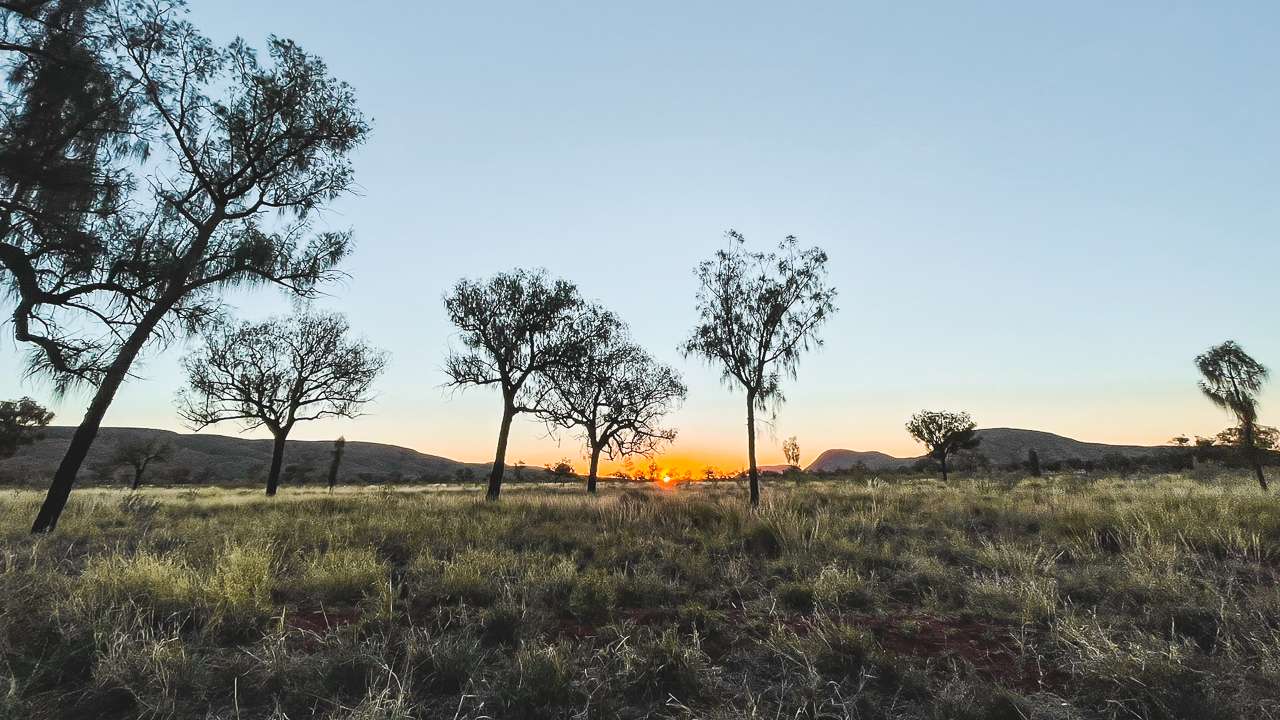
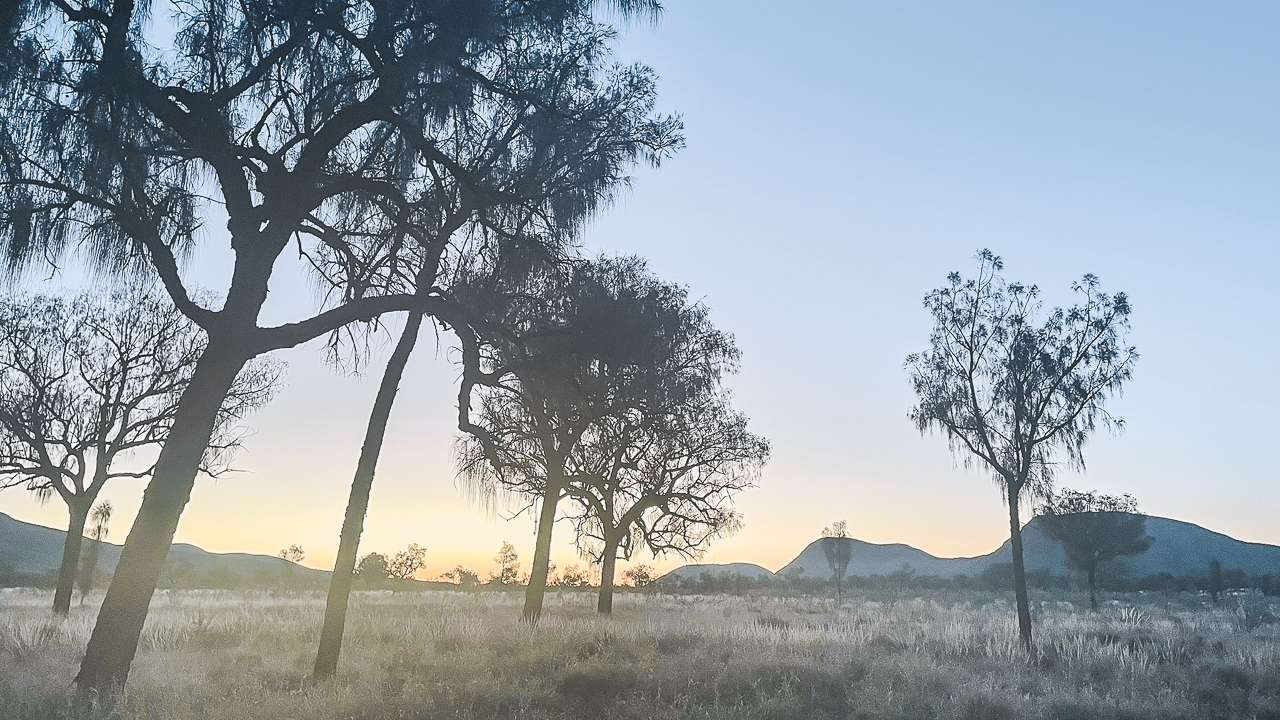
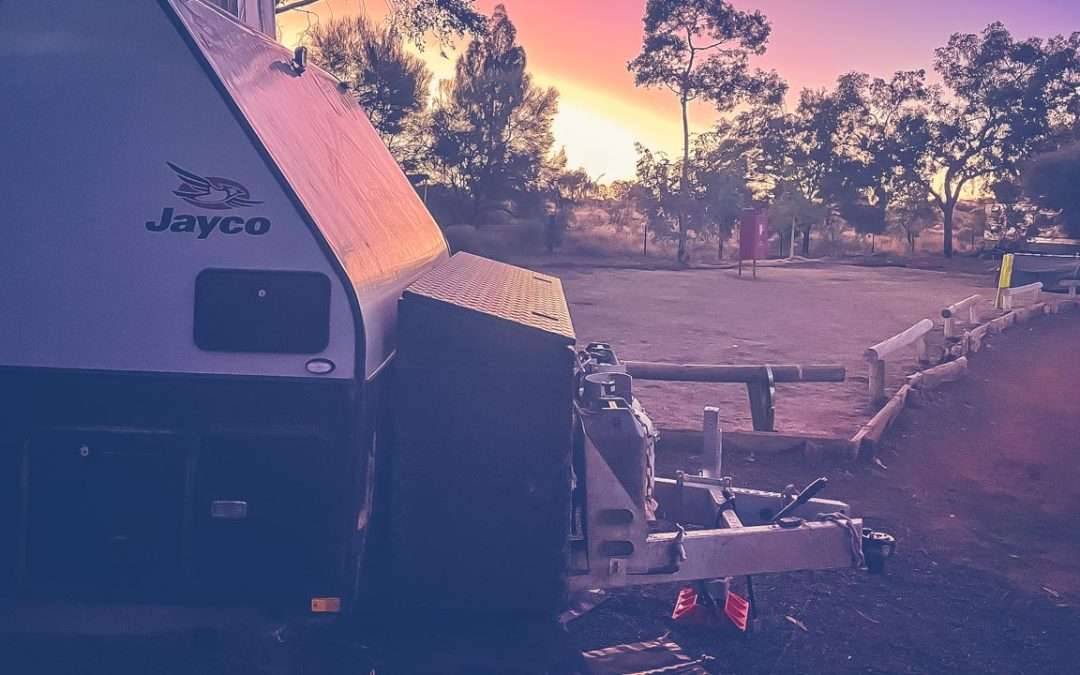
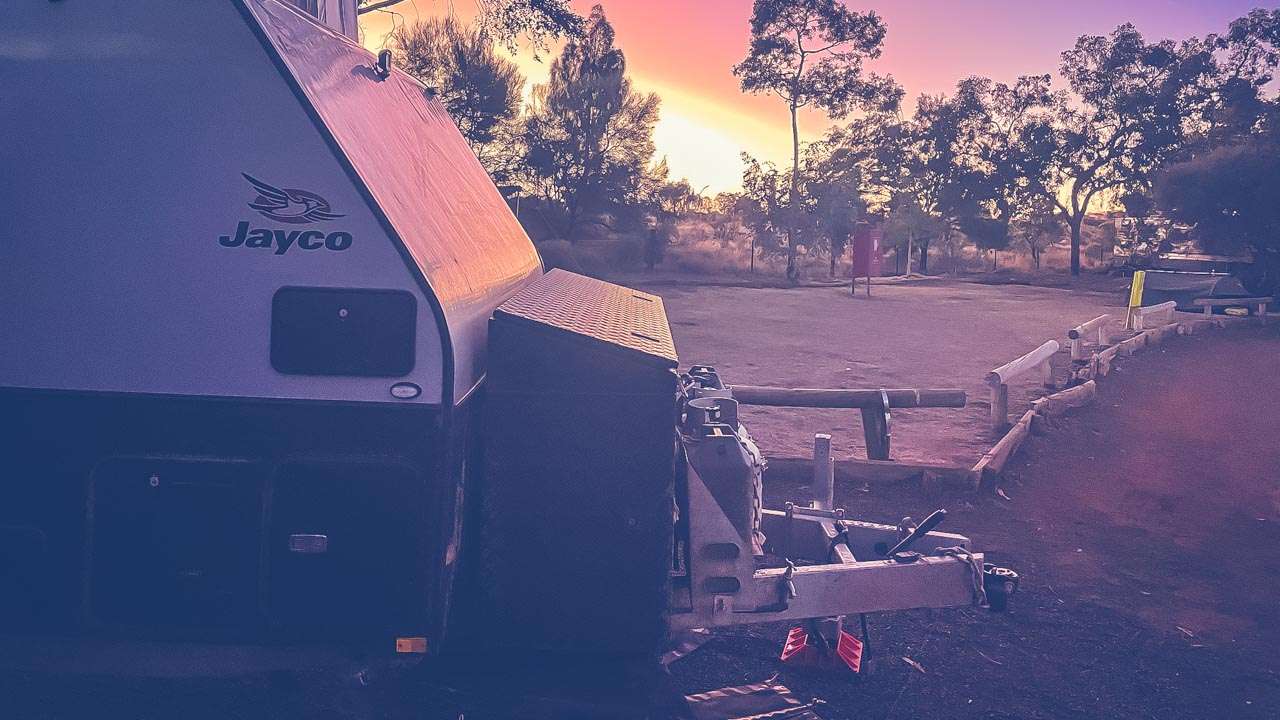
Sunset At Docker River Campground

Sunset At Docker River Campground

Historical Information on Docker River

Docker River, or Kaltukatjara as it’s known to the local Pitjantjatjara people, has a fascinating history. The community was established in the 1960s as a settlement for Aboriginal people who had been displaced from their traditional lands. The town itself is named after the nearby Docker River, which was named by explorer Ernest Giles in 1872.

Historically, the area has been inhabited by Aboriginal people for thousands of years, with rich cultural traditions tied to the land. The local population continues to practise many of these traditions and visiting Docker River is a chance to learn about a way of life that has endured for millennia in one of the most challenging environments on earth.

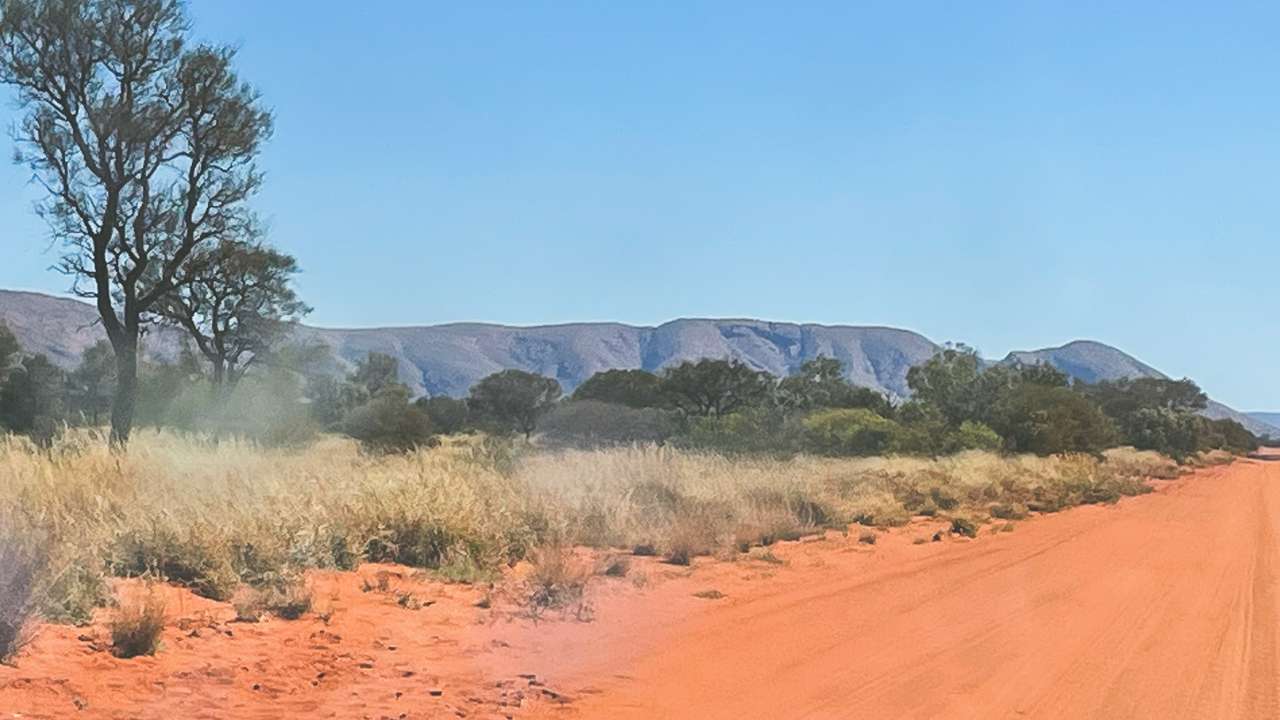
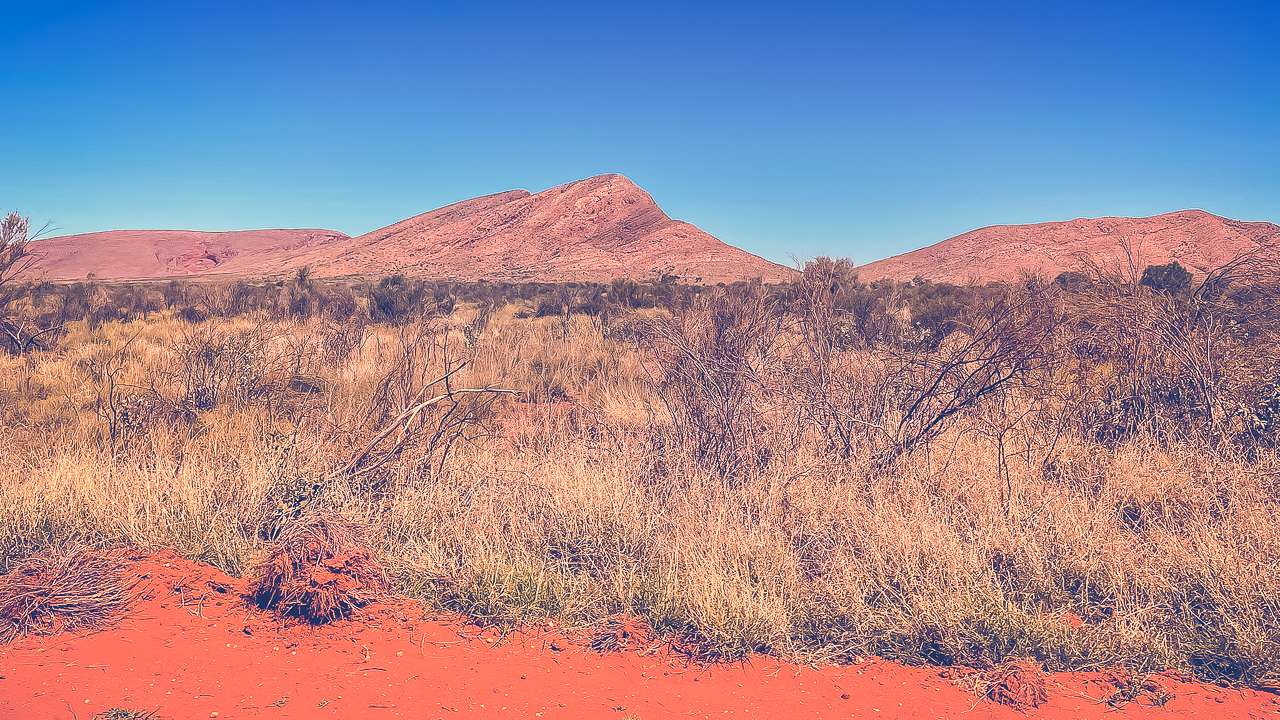
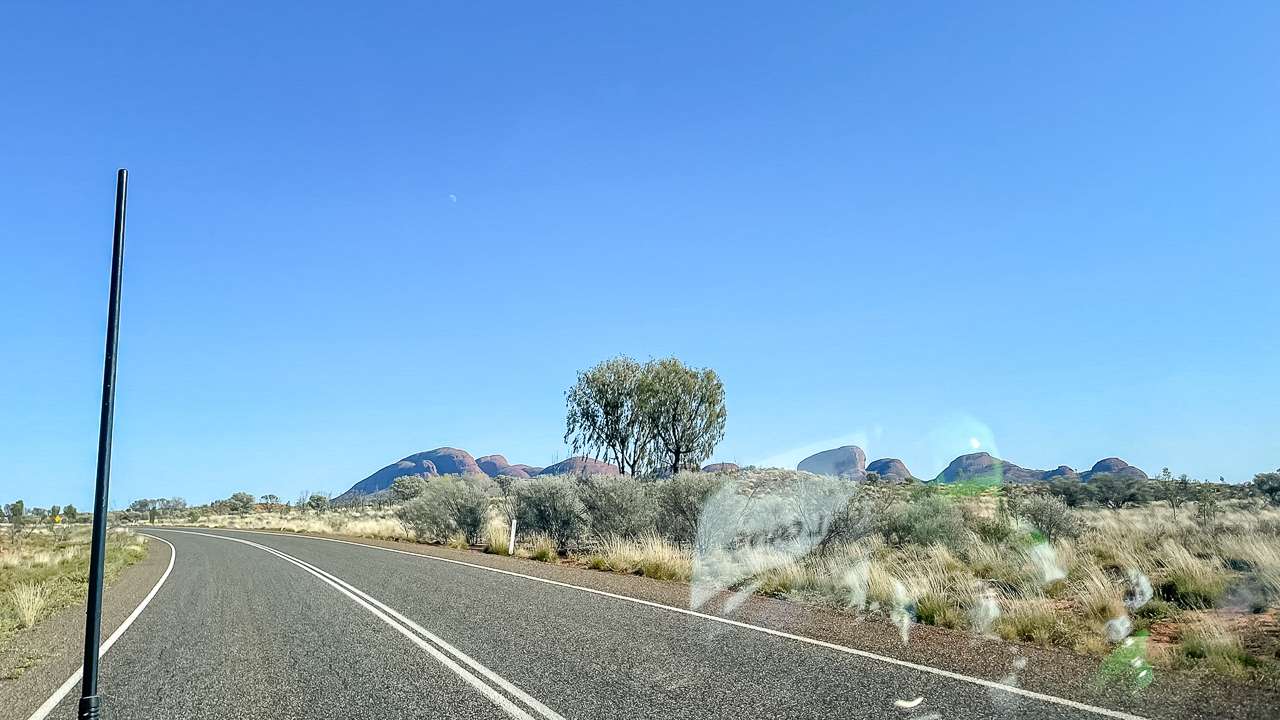
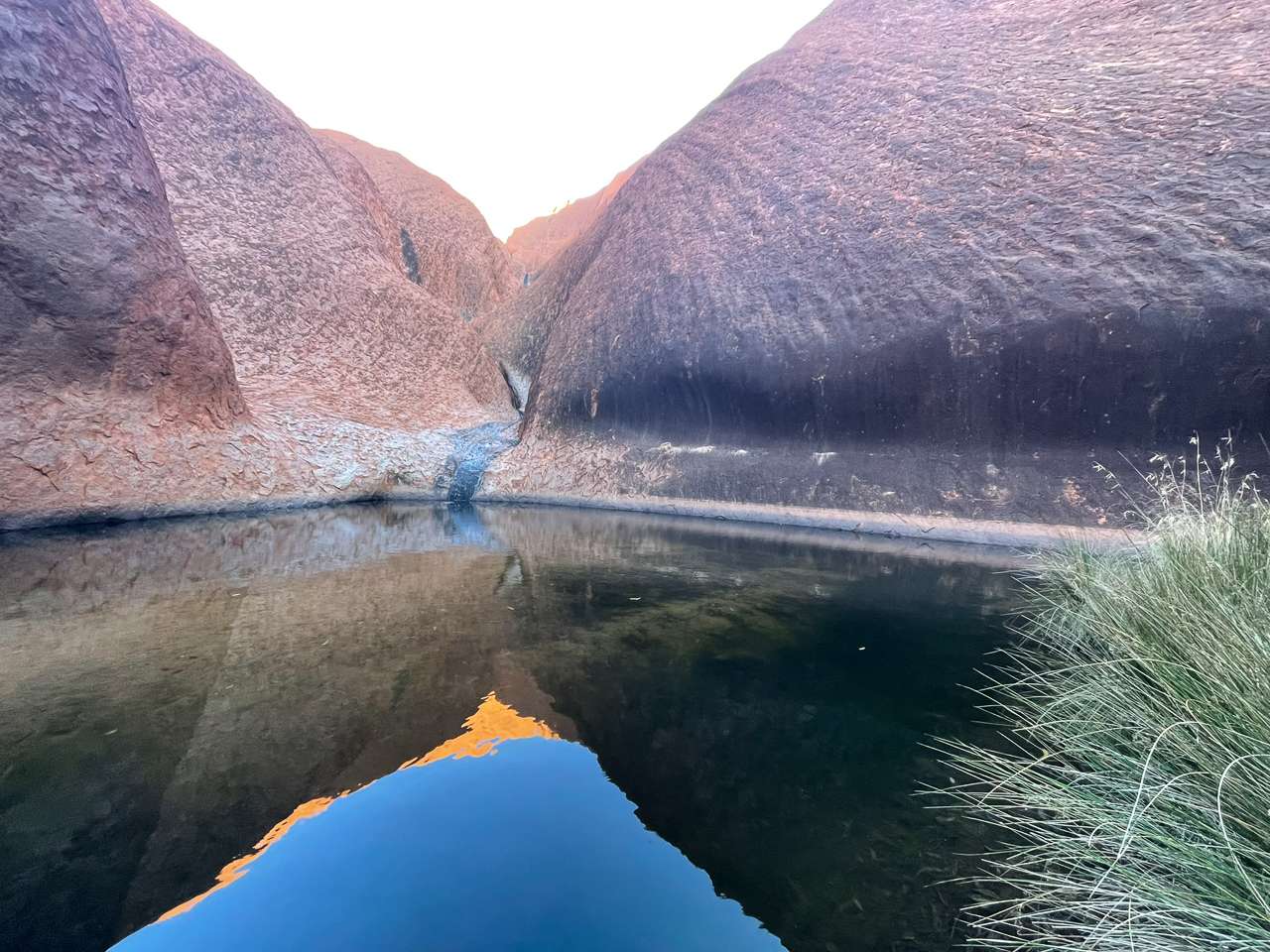
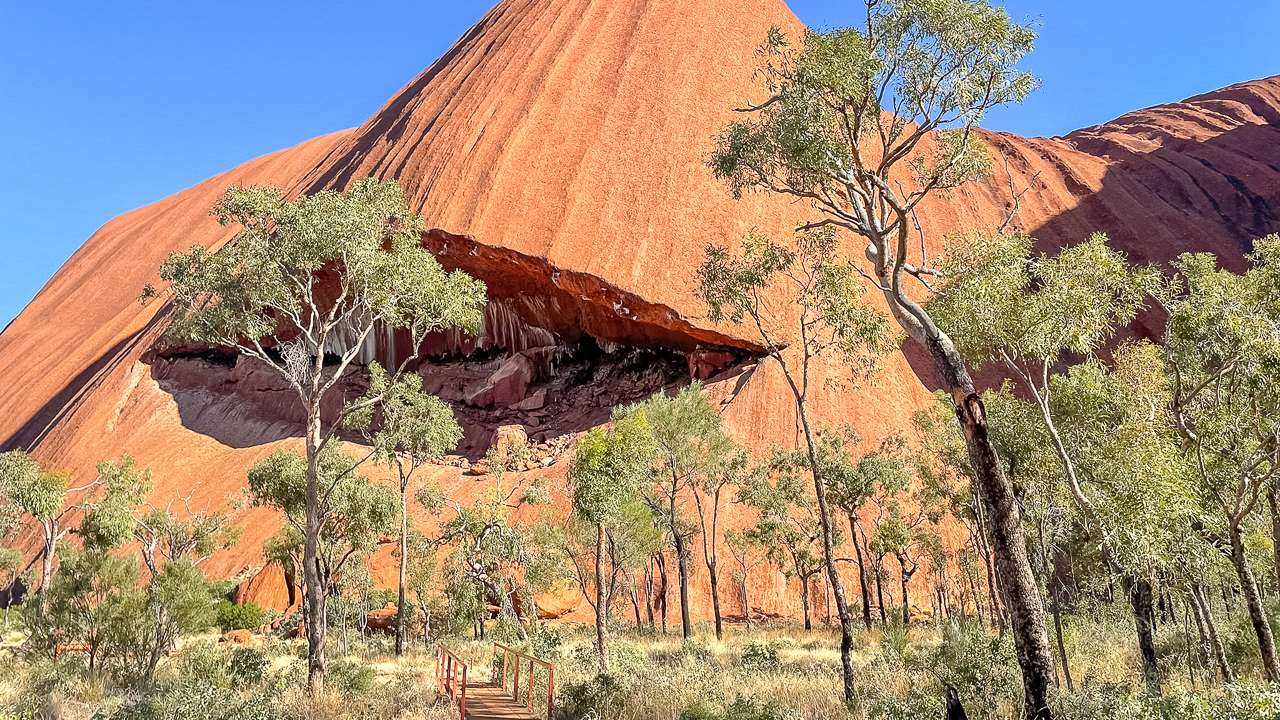
Great Central Road Between Uluru And Docker River

Great Central Road Between Uluru And Docker River

Final Thoughts

If you’re up for a true outback adventure, Docker River is a fantastic destination. The journey from Yulara to Docker River is filled with breathtaking landscapes, wildlife and a sense of isolation that makes the outback so special. Once you arrive you’ll find a peaceful, rugged campsite that offers a chance to connect with nature.

Just remember to prepare well – bring plenty of water, check the road conditions and respect the local community and environment. Whether you’re sitting around a campfire. Exploring the nearby ranges or gazing up at the stars. Docker River is sure to leave you with lasting memories of the Australian outback.

Docker River Camping & Exploring The Great Central Road GCR Photo Gallery
Kata Tjuta Walpa Gorge Walk: Don’t Overlook It!

Kata Tjuta Walpa Gorge Walk: Don’t Overlook It!

Kata Tjuta Walpa Gorge Walk: Don’t Overlook It!

Find out about the breathtaking Kata Tjuta Walpa Gorge Walk. A short, easy adventure awaits you – don’t miss out on this stunning experience! Australia’s Red Centre is full of jaw dropping landscapes and one that often gets overshadowed by Uluru is Kata Tjuta. Kata Tjuta is also known as the Olgas.

If you’re planning a trip to Uluru make sure to add Kata Tjuta to your itinerary. Especially the Walpa Gorge Walk. It’s an easy walk that takes you right into the heart of one of the more unique geological wonders in the world. In this blog post we’ll take you through everything you need to know about the Walpa Gorge Walk. How long it takes, where it is, what to expect and whether or not you need to be fitter than a Mallee bull to enjoy it.

Walpa Gorge Walk Suitable For All Fitness Levels

Walpa Gorge Walk Suitable For All Fitness Levels

Where Is Kata Tjuta And Walpa Gorge?

Kata Tjuta aka “The Olgas” is located in the Uluru Kata Tjuta National Park about 50km west of Uluru. While Uluru grabs most of the glory Kata Tjuta (meaning “many heads” in the local Anangu language) is just as impressive. It’s made up of 36 massive rock domes that rise out of the desert floor like giant red marbles.

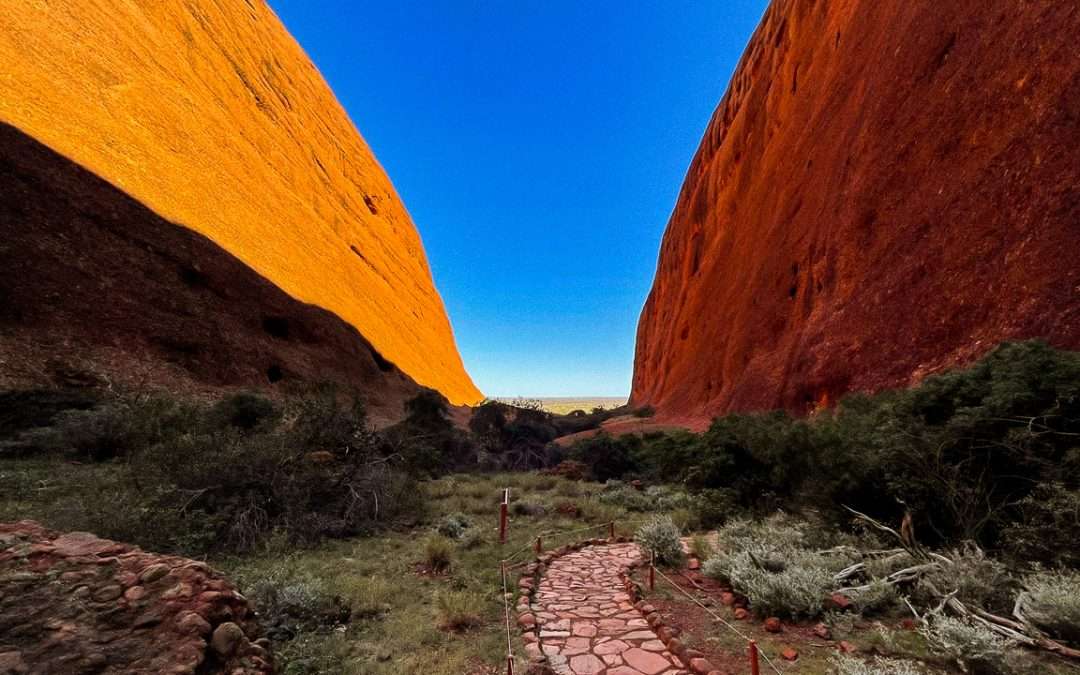
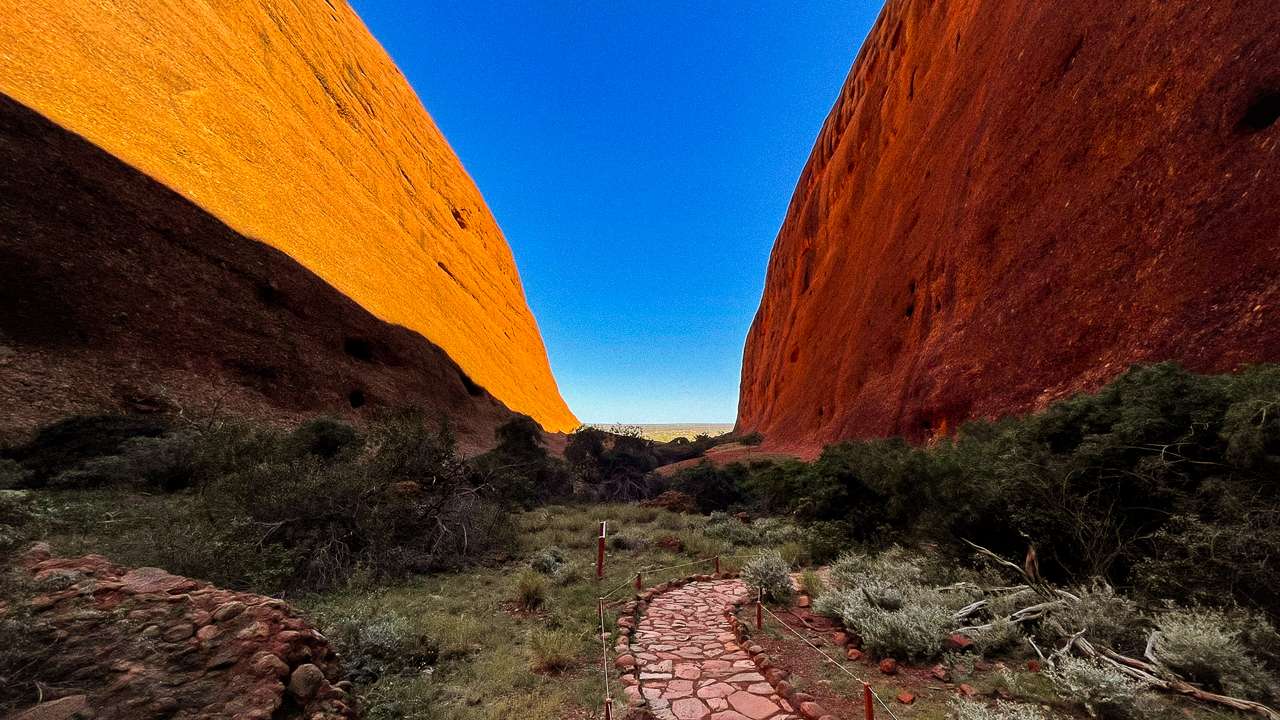
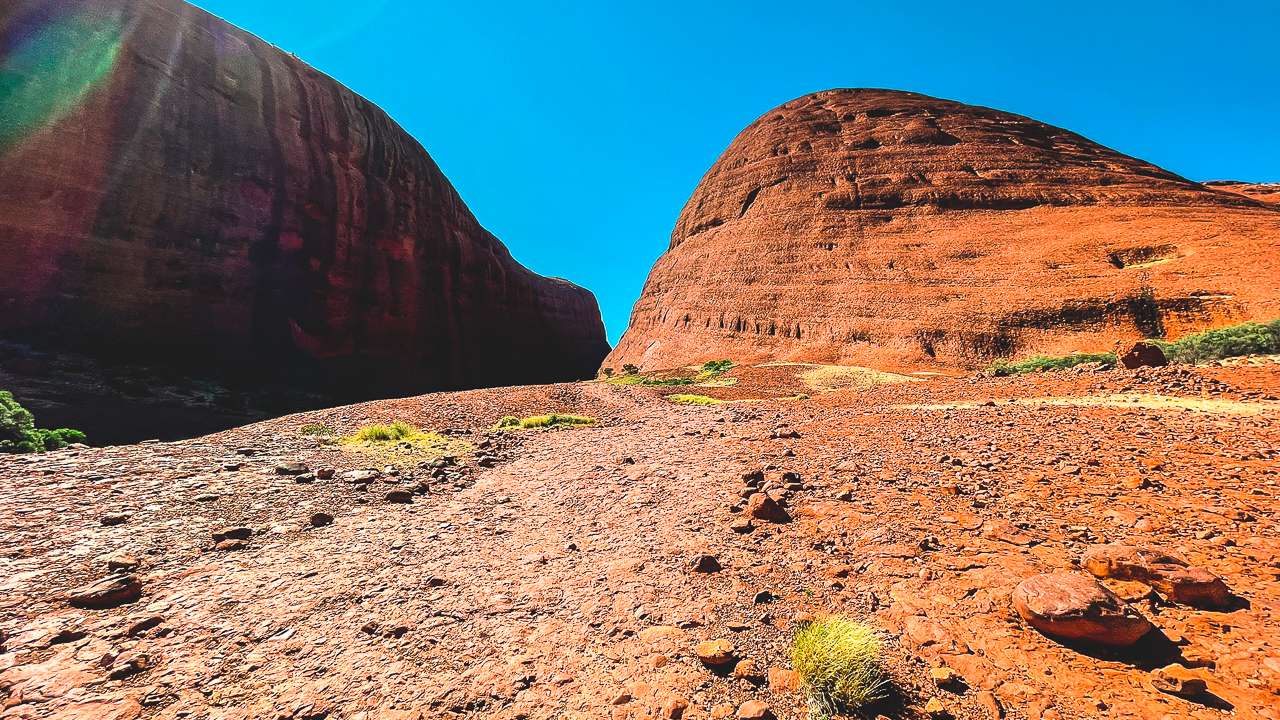
The Walpa Gorge Walk takes you into a deep gorge between two of these towering domes. The gorge is named after the wind (Walpa means “wind” in the Anangu language) because of the cooling breezes that funnel through the gap. It’s a nice reprieve from the desert heat.

How Long Does The Walpa Gorge Walk Take?

One of the best things about the Walpa Gorge Walk is that it’s short and sweet making it perfect for all types of adventurers. The entire walk is 2.6 kilometres return and it’ll take you about 45 minutes to an hour to complete. This will depend on how many times you stop for photos or take in the views. The track is well maintained with a relatively flat surface, though there are a few rocky sections to watch out for. No need for hiking boots. Your everyday runners will do just fine.

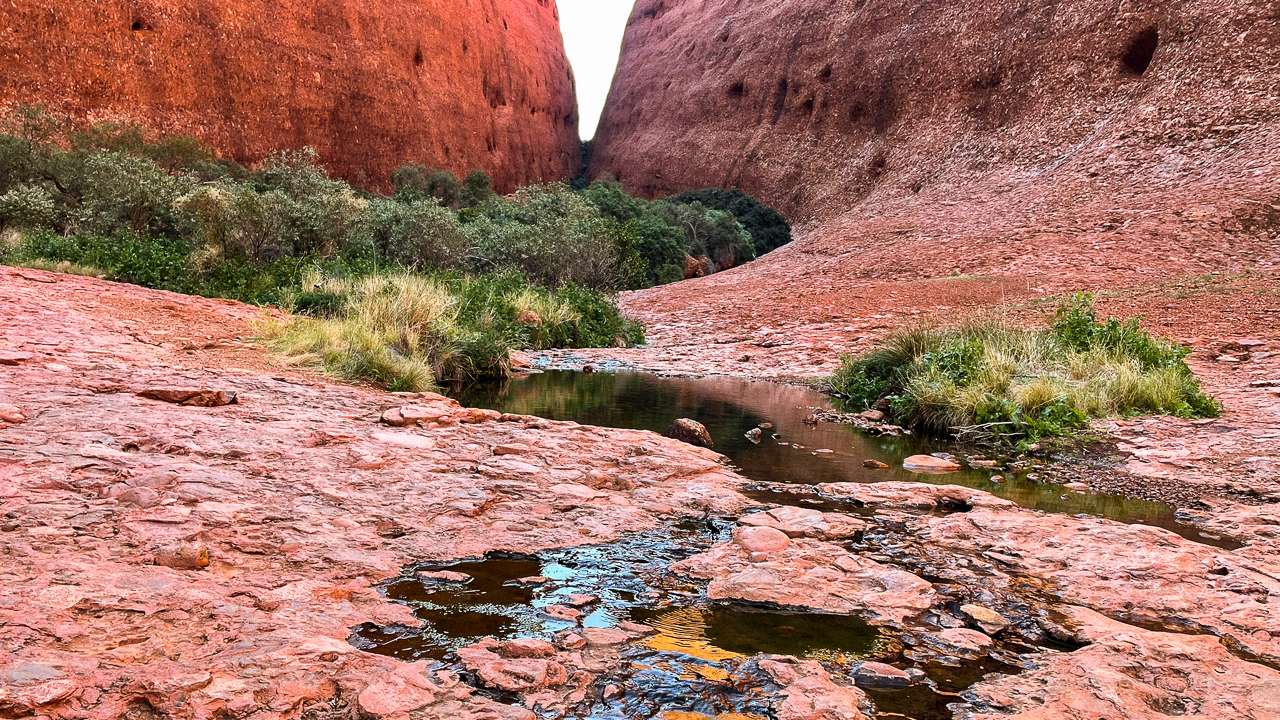
Creek Running Through Walpa Gorge

Creek Running Through Walpa Gorge

Fitness Level: Do I Need To Be An Athlete?

Hell no! Amanda and I have done it and found it very easy so there’s irrefutable evidence that you don’t need to be an Olympic athlete to tackle this walk! The Walpa Gorge Walk is rated as an easy to moderate walk, suitable for most fitness levels. If you can walk around the block without needing a nap afterwards you’ll likely be as right as rain with this one.

There’s a bit of uneven terrain with some rocks scattered along the path. Nothing too tricky. Just take your time keep your eyes peeled for loose stones and you’ll be fine. The hardest part of the walk is keeping your jaw off the ground as you take in the views. The towering red walls around you are pretty spectacular.

What To Expect On The Kata Tjuta Walpa Gorge Walk

The Walpa Gorge Walk is one of those walks that hits you with its beauty right from the start. As soon as you set foot on the track you’re surrounded by massive rock domes that seem to defy gravity. The further you walk the narrower the gorge becomes until you’re deep within the towering walls of Kata Tjuta.

You’ll notice the gorge has a surprising amount of greenery thanks to the wind and moisture that passes through. Keep an eye out for some of the local desert flora. Hardy plants like wattles, spinifex and fig trees cling to life in this otherwise harsh environment.

As you stroll through the gorge you’ll feel the wind picking up. That’s the “Walpa” effect in action. It’s a welcome breeze on a hot day and a reminder that even in the outback nature has its ways of keeping things interesting. Think of it as “desert air conditioning”.

Towards the end of the trail you’ll reach a viewing platform where you can stop, take in the scenery and soak in the tranquillity of the gorge. It’s the perfect spot to catch your breath, get some photos and just enjoy the moment.

On The Kata Tjuta Walpa Gorge Walk

On The Kata Tjuta Walpa Gorge Walk

When’s The Best Time To Do The Walk?

The Red Centre gets stinking hot in summer (think temperatures soaring above 40°C) so it’s best to do this walk in the cooler months between May and September. If you are visiting in summer try to head out early in the morning before the sun has had a chance to roast the landscape or yourself!

No matter when you go make sure to slap on plenty of sunscreen, wear a hat and bring a good amount of water. The desert sun is unforgiving and you don’t want to end up as red as the rocks!

How To Get There

Getting to Kata Tjuta and the Kata Tjuta Walpa Gorge Walk is pretty straightforward. From Yulara (the resort town near Uluru), it’s about a 50-minute drive along Lasseter Highway. Once you’re inside Uluru Kata Tjuta National Park follow the signs to Kata Tjuta and the Walpa Gorge carpark.

The national park has an entrance fee (currently $38 per adult for a three-day pass) but it’s a small price to pay to access the park. Not only does it give you access to Kata Tjuta but you can also visit Uluru and explore the surrounding area at your leisure.

There are no food or drink facilities at Kata Tjuta so make sure to bring your own snacks and water. The car park has toilets but that’s about it for facilities. The dunnies can be a bit feral (ask Amanda she’s been talking about it for years) but hey, if you needs to go you needs to go!

Tips For The Walk

Here are a few handy tips to make sure you have a great and safe time on the Walpa Gorge Walk.

  1. Take your time: This walk isn’t a race. Stop, breathe and take in the stunning scenery around you. It’s not every day you get to be surrounded by ancient rock formations millions of years in the making.
  2. Watch your step: While the trail is generally easy some parts are rocky. Keep an eye on the ground so you don’t trip and take an unintended nap in the gorge.
  3. Respect the land: Kata Tjuta is a sacred site for the Anangu people. Stick to the designated paths and take any rubbish with you. It’s their home so let’s help keep it beautiful.
  4. Bring water: Even on a short walk like this you’ll need to stay hydrated especially in the desert heat. A water bottle is a must.
  5. Pack a camera: You’ll want to capture the towering walls, the unique landscape and maybe even a selfie to show off later.

Why Do The Kata Tjuta Walpa Gorge Walk?

You might be wondering, “Why should I bother with the Walpa Gorge Walk when I could be looking at Uluru?”

Kata Tjuta aka “The Olgas” offers a different kind of magic. While Uluru is all about the singular iconic monolith Kata Tjuta is a collection of domes that feels more rugged, more untamed.

Walking through Walpa Gorge gives you a sense of how vast and ancient the Australian outback really is. The scale of the rock walls combined with the quietness of the gorge and the contrast between the red rocks and the greenery make this a must do walk for anyone visiting the area.

And unlike some of the longer more intense hikes in the region (looking at you Valley of the Winds that nearly ended us!), the Walpa Gorge Walk is accessible to just about anyone. It’s perfect for families, those short on time, or travellers who just want to get a taste of Kata Tjuta without working up too much of a sweat.

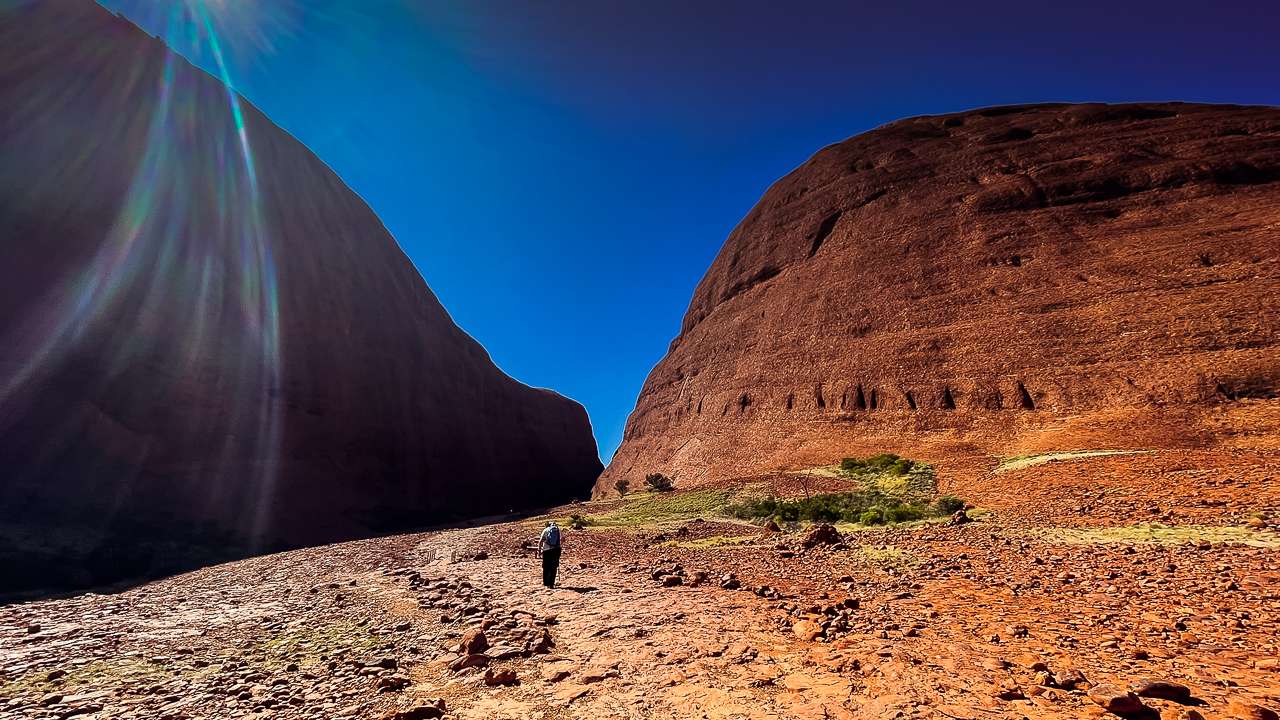
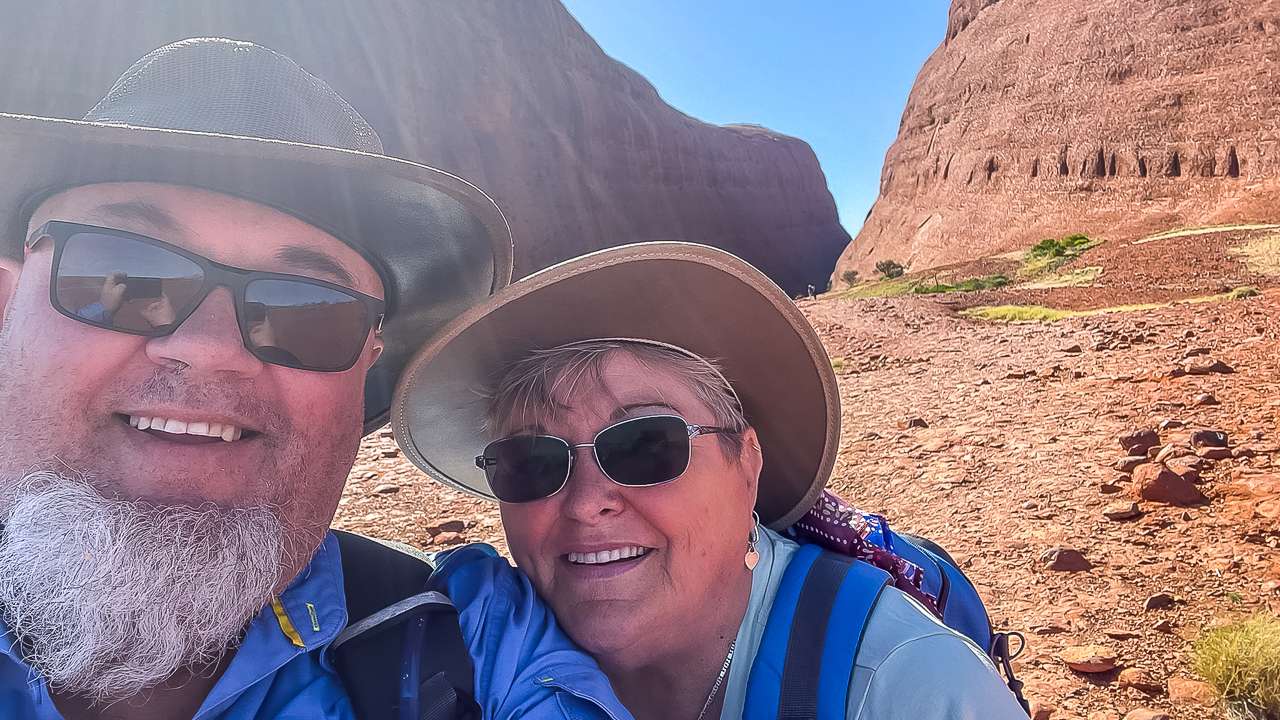
Us On The Walpa Gorge Walking Track

Us On The Walpa Gorge Walking Track

Final Thoughts

The Kata Tjuta Walpa Gorge Walk is a hidden gem in the Red Centre. It’s short, it’s scenic and it gives you a glimpse into the wild beauty of Kata Tjuta. This walk is something you really need to do when visiting Uluru Kata Tjuta National Park.

So pack your water bottle, slap on some sunscreen and get ready to be wowed by the magic of Walpa Gorge. It’s an easy walk with big rewards and you don’t have to be a bushwalking GOAT to enjoy it.

Kata Tjuta Walpa Gorge Walk Photo Gallery

FAQs Frequently Asked Questions About The Kata Tjuta Walpa Gorge Walk At The Olgas

What is the Kata Tjuta Walpa Gorge Walk?

It’s a stunning walking trail through the Walpa Gorge, part of the Kata Tjuta (the Olgas) rock formation in the Northern Territory.

How long does the Walpa Gorge walk take?

You’re looking at about 1 to 1.5 hours to complete the walk, depending on how many stops you take for photos and a breather!

What’s the distance of the Walpa Gorge walk?

The Walpa Gorge Walk is roughly 2.6 kilometres return. It’s a nice, manageable stroll for most people.

Is it suitable for families?

Absolutely! It’s an easy walk so families with kids can enjoy it too. Just keep an eye on the little ones; it can get rocky!

What’s the fitness level required?

You don’t need to be a fitness fanatic but a basic level of fitness will help. If you can manage a casual walk you’ll be ok!

Are there any facilities at the trailhead?

Yep! There’s a car park and toilets available so you can sort out your business before hitting the trail.

What should I wear for the walk?

Dress for the weather - comfortable walking shoes, a hat and sunscreen are a must. The Outback sun can be brutal!

Is there any wildlife to see along the walk?

You bet! Keep your eyes peeled for local inhabitants like kangaroos, wallabies and plenty of birdlife.

Can I do the walk in the early morning?

For sure! Early mornings are a great time to go. You’ll beat the heat and enjoy the beautiful sunrise over the gorge.

Is the walk accessible for people with mobility issues?

Not really. Parts of the track are relatively flat but most sections are rocky. It’s best to check in advance if you have specific mobility concerns.

Review: Staying In A Caravan At Ayers Rock Campground Yulara

Review: Staying In A Caravan At Ayers Rock Campground Yulara

Review: Staying In A Caravan At Ayers Rock Campground Yulara

Read our honest review of Ayers Rock Campground, including pricing, amenities, pros, cons and nearby activities. If you want to stay in a caravan park near Uluru then your only option is Ayers Rock Campground. Located at Yulara this campground provides an authentic Outback experience giving you a front-row seat to one of Australia’s most famous landmarks: Uluru.

Let’s have a look at the ins and outs of staying here from pricing to amenities and all the great (and maybe not so great) bits.

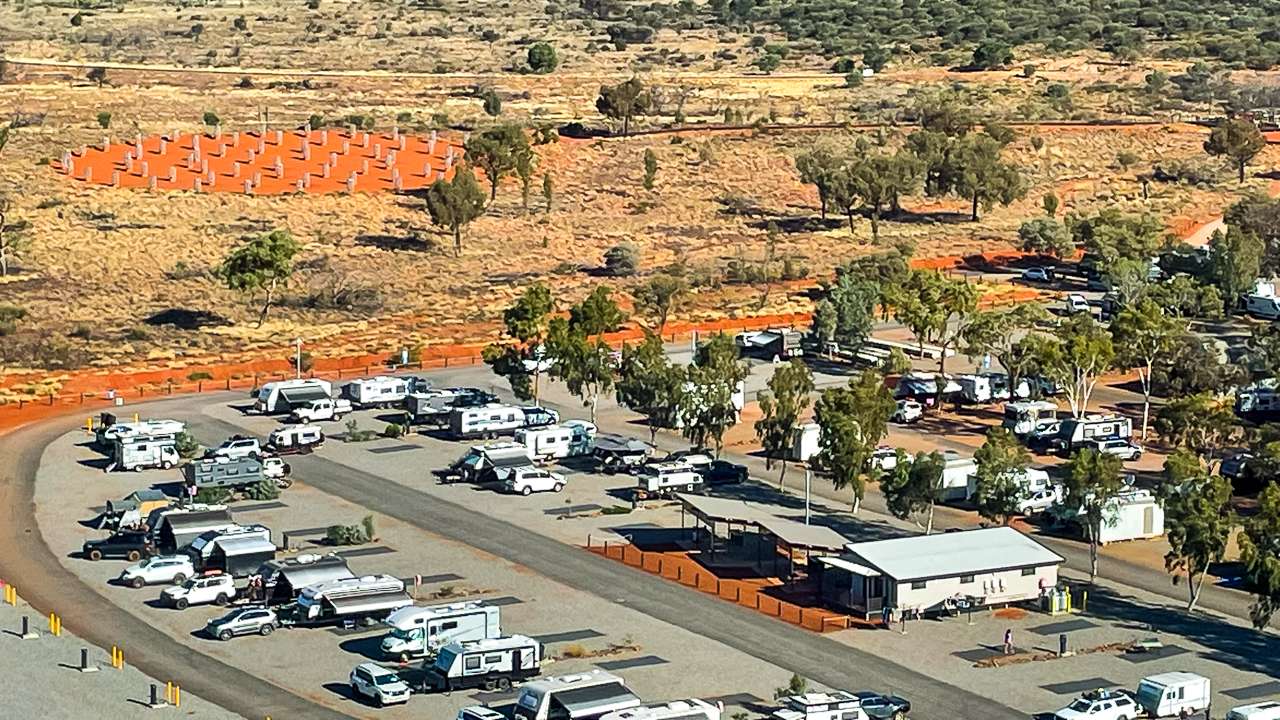
In The Caravan Park At Uluru Ayers Rock Campground Yulara

In The Caravan Park At Uluru Ayers Rock Campground Yulara

First Impressions

Pulling into Ayers Rock Campground you’ll see the dry reddish landscape that lets you know you’re in the outback. It’s a proper desert feel with the convenience of a modern campground. The reception area is welcoming with friendly staff who are more than happy to answer any questions. This place is extremely popular so it’s worth booking ahead especially during peak season.

Pricing Information

When it comes to pricing, staying in a caravan at Ayers Rock Campground is pretty reasonable considering the location. As of 2024 prices for powered sites range around $85 per night for two people. You can also opt for an unpowered site if you’re looking to save a bit of money. Unpowered sites will set you back about $60 per night for two people. These prices vary a lot depending on the time of year. We stayed for three nights in August 2024 on a powered site at $85 per night for the two of us.

Contact Information

Phone: +61 8 8957 7001
Website: ayersrockresort.com.au
Email: reservations@ayersrockresort.com.au

Caravan Amenities

  • The caravan sites are a bit on the small side but they’re big enough.
  • We stayed on a powered site so had power connection as well as water. Additional water access points are scattered around the campground.
  • The shower blocks are kept fairly clean – nothing too flash but you’re not roughing it either.
  • There are laundry facilities with both washers and dryers. There are plenty of both. They are in at least two different locations as we’ve stayed here twice and used different laundries each time.
  • Wi-Fi is available but fair warning it’s spotty at best. But let’s be real you’re out here to disconnect and take in the views not binge watch Netflix right? The good news is you’ll have a good 4G phone connection.

Things To Do While Staying at Ayers Rock Campground Yulara

So, what’s there to do besides marvelling at Uluru? Quite a bit, actually! Here’s a handy list of activities you can enjoy while staying at the campground:

  1. Sunrise and Sunset Viewing Of Uluru
    This is an absolute must. The colours of Uluru change throughout the day but sunrise and sunset are absolute magic. Pro tip: the sunset viewing spot tends to be packed so get there early.
  2. Field of Light
    This art installation by Bruce Munro is a stunning display of 50,000 spindles of light covering a vast area near the base of Uluru. It’s a bit otherworldly and seeing it in the evening is an unforgettable experience.
  3. Cultural Centre
    Learn about the traditional owners of the land, the Anangu people and their connection to Uluru. The Cultural Centre is a great spot to dive into the history and stories of the area.
  4. Cultural Talks At The Resort
    Staying at the resort in the caravan park gives you free access to lots of different talks and workshops. These are scheduled daily. We’ve been to all of these across our two stays and we can’t recommend them highly enough.
    1. Bush Food Experience
    2. Bush Yarns
    3. Capturing the Cosmos
    4. Didgeridoo Workshop
    5. Gallery Of Central Australia (GOCA)
    6. Guided Garden Walks
    7. An Ancient Story Takes Flight – The Making of Wintjiri Wiru
  5. Walking Tracks Around Uluru
    There are several walking paths around Uluru ranging from short walks to more challenging hikes. The Mala Walk is popular and offers some incredible up-close views of the rock.
  6. Camel Rides
    Feeling adventurous? Hop on a camel and take a sunset ride through the desert. It’s a unique way to see the landscape and the camels are surprisingly comfy.
  7. Helicopter Flights
    For a birds-eye view of Uluru, take a helicopter tour. It’s a bit pricey, but well worth it for the stunning views. If Amanda can handle it (and she’s not big on heights), anyone can!
  8. The Olgas (Kata Tjuta)
    Don’t just stop at Uluru – the Olgas are another impressive set of rock formations about a 45-minute drive from Yulara. The Valley of the Winds walk is a favourite for those keen to explore.
  9. Sounds of Silence Dinner
    Dine under the stars with the Sounds of Silence dinner experience. You get to enjoy a meal while listening to the stories of the stars and learning about Aboriginal culture.
  10. Shopping in Yulara
    If you’re after a souvenir or two, Yulara has a decent shopping complex with some fantastic Aboriginal art and locally made crafts.
  11. Swimming Pool
    After a long day exploring, the campground’s pool is a welcome retreat. It’s not massive but a quick dip will help beat the heat.

Uluru Rent A Car And Visit Yulara Resort

Uluru Rent A Car And Visit Yulara Resort

Pros And Cons Of Staying At Ayers Rock Campground

Every spot has its ups and downs. Here’s what we reckon about Ayers Rock Campground.

Pros

  1. Location, location, location – You’re minutes away from one of Australia’s most iconic landmarks.
  2. Affordable – For the location, the pricing is pretty decent.
  3. Sites have enough room – The caravan sites aren’t overly generous size but they are big enough. Keep in mind that you’ll be out all day checking out what Uluru has to offer. You likely won’t be setting up the old totem tennis for a hit!
  4. Family friendly – With a pool and playground, it’s great for families.
  5. Clean Facilities – Bathrooms and communal areas are reasonably well maintained.
  6. Pet friendly – You can bring your furry mates along but double-check the restrictions before booking.

Cons

  1. Wi-Fi is Dodgy – If you’re planning to stay connected, you might be disappointed.
  2. Can Get Crowded – During peak season, the place is packed and privacy can be a bit of an issue.
  3. Noisy at Times – With so many people coming and going, it can be a bit noisy, especially early in the morning when people head out to catch the sunrise.
  4. Heat – Well it’s the desert so what else can you expect? Be prepared for scorching days during summer.
  5. Limited Shade – While there’s some shade it’s limited and finding a spot can be a challenge.
  6. IGA can be low on stock – The IGA is the only place available to stock up on groceries. We’ve been here a couple of times both times in peak season. They can have low stocks of a lot of products at these times. We’ve found that you generally get whatever you need but it might not be your favourite brand. You have to get what you can get kind of thing.

Driving And Getting Around

Getting to Ayers Rock Campground is pretty straightforward. If you’re driving from Alice Springs, it’s about a 4.5-hour drive on sealed roads. The roads are in good nick, but it’s best to have a full tank before you head out. Yulara also has a service station, so you won’t be stuck if you need to fill up.

If you’re not driving, there are regular buses from Alice Springs, or you can fly into Ayers Rock Airport (Yulara). From there, it’s a short drive to the campground. Most people hire a car to get around Yulara and explore the area.

Tips for Staying at Ayers Rock Campground

Book Ahead: This place fills up fast especially during the cooler months (May to September). Booking in advance is essential. It’s a hell of a long way to drive only to turn up and find the place is full.

Bring Insect Repellent: Flies can be relentless in the warmer months.

Stay Hydrated: It gets hot so keep a water bottle handy at all times.

Pack Warm Clothes: The desert can get surprisingly chilly at night, even in summer.

Don’t Rush: There’s so much to see and do so give yourself enough time to take it all in. You need more than two days.

Final Thoughts

Overall, staying in a caravan at Ayers Rock Campground is a fantastic experience for anyone keen to explore Uluru and its surroundings. The amenities are decent, the location is unbeatable and there’s plenty to keep you busy. Sure it has its quirks (hello, dodgy Wi-Fi) but the pros far outweigh the cons. Whether you’re a seasoned traveller or a first time visitor to the Red Centre we reckon Ayers Rock Campground should be on your list. We’ve been a couple of times and will go again for sure. So hook up your van and get ready for an adventure!

Helicopter Flight Over Kings Canyon: Our Full Review

Helicopter Flight Over Kings Canyon: Our Full Review

Helicopter Flight Over Kings Canyon: Our Full Review

Our review of a scenic helicopter flight over Kings Canyon that showcases Australia’s spectacular outback from an aerial perspective. We decided to take a short helicopter flight over Kings Canyon and I have to say it turned out to be one of the best experiences we’ve ever had.

Not only did Amanda manage to overcome her fear and give it a go but she actually ended up loving it. Here’s how it happened. Convincing someone who’s scared of heights to jump into a helicopter and go on a helicopter flight over Kings Canyon, one of Australia’s most iconic landscapes sounds like a recipe for disaster right? Well that’s exactly what I did with Amanda. She’s always been scared of heights but with her birthday just a week away I figured it was the perfect time to try and talk her into it. I’d tried a few times before at different places but always had zero luck. Let’s call it an attempt at playing on a pre-birthday adrenaline rush.

Helicopter Flight Over Kings Canyon

Helicopter Flight Over Kings Canyon

The Plan

Amanda’s birthday was coming up in a week and I thought this would be a perfect little adventure before the big day. Plus a sunset flight over Kings Canyon? You can’t get much more epic than that. Amanda’s always been a legend about trying new things but heights have always been a “nah not doing it” thing for her. When I suggested the helicopter ride she looked at me like I’d just asked her to swim with crocodiles (she’s not real good with crocs either!). But after a bit of convincing she agreed to give it a go.

The Helicopter Flight Over Kings Canyon: Late Arvo Magic

The time for the the flight came around and we were both buzzing with excitement (well, I was; Amanda was more like wanting to stab me!). We booked the late afternoon flight which meant we’d get to see the canyon the afternoon golden light as the sun started to set. Perfect timing for some great views.

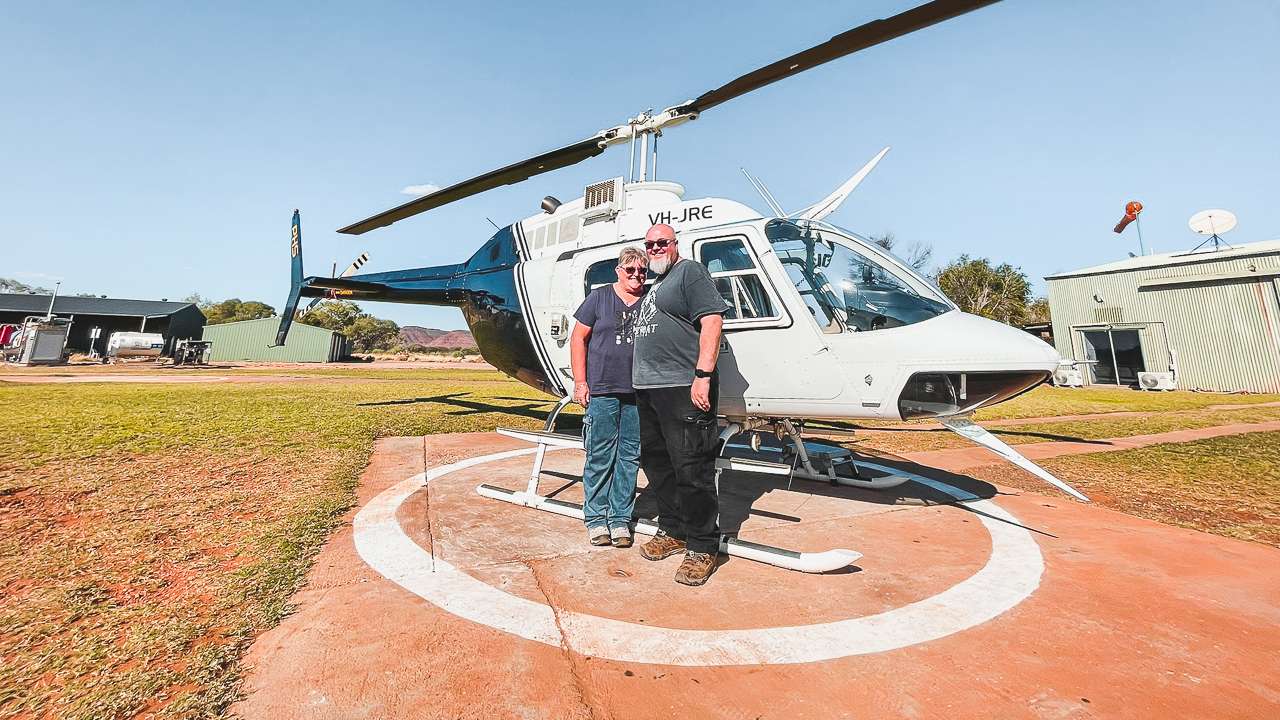
We rocked up to the helipad where Professional Helicopter Services was running the flights. Now I’ve got to give these guys a massive shoutout – they really are professionals in every sense of the word. Based in the Northern Territory they’ve been operating in some of the most remote and rugged parts of Australia for years. Whether you want a scenic flight over Kings Canyon, Uluru or anywhere else in the Red Centre they’ve got you covered.

The pilots are legends, too. Ours was calm, confident and had a good sense of humour which helped put Amanda at ease (well as much as you can ease someone’s mind when they’re potentially just about to shit their pants).

Amanda Just Before Take Off

Amanda Just Before Take Off

Take Off

As we boarded the helicopter Amanda’s knuckles turned white from gripping her seat. She gave me one of those “what the hell have you gotten me into?” looks but there was no turning back now. The rotors started spinning and before we knew it we were lifting off the ground.

I have to admit there’s something magical about taking off in a helicopter. It’s not like a plane where you’re stuck on a runway for ages. With a chopper you just lift straight up and suddenly you’re floating above the landscape. It’s unreal.

The View: Kings Canyon From Above

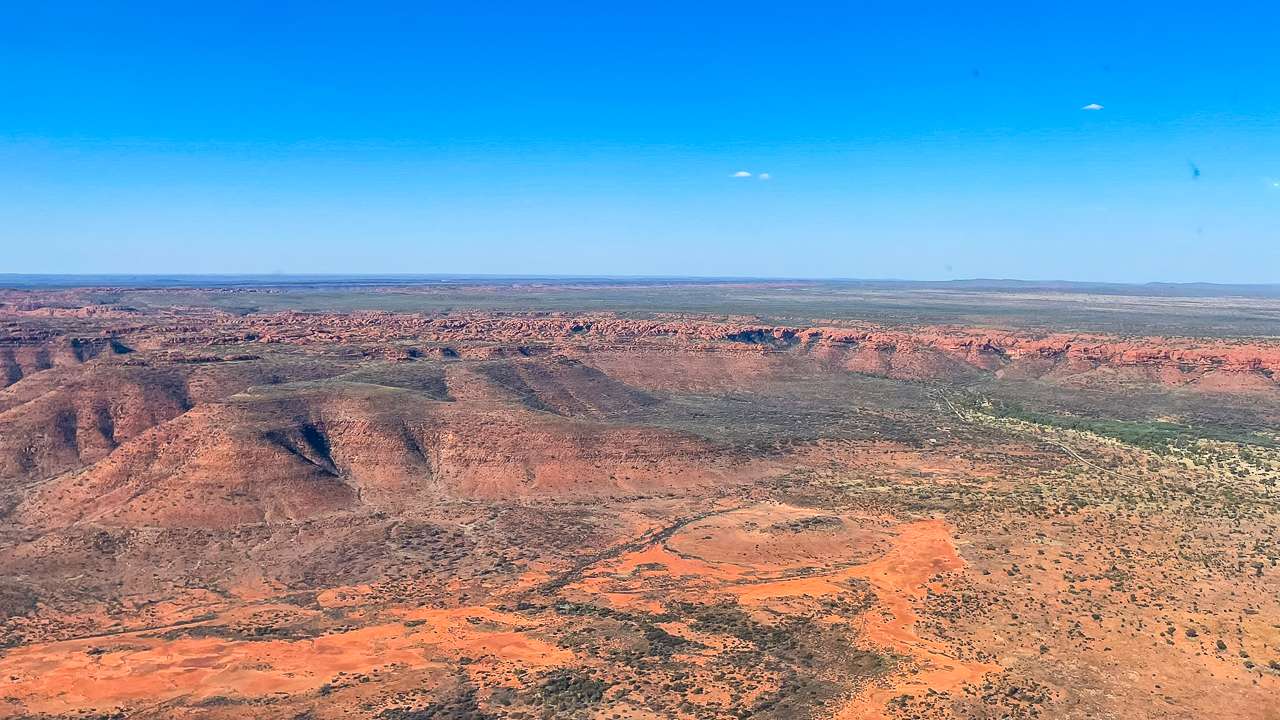
As we flew over Kings Canyon the late afternoon light was doing all sorts of spectacular things to the landscape. The red cliffs looked like they were glowing and the shadows stretching across the canyon floor gave the whole place a sense of depth and mystery. You could see the sheer size of the canyon in a way that’s just impossible from the ground.

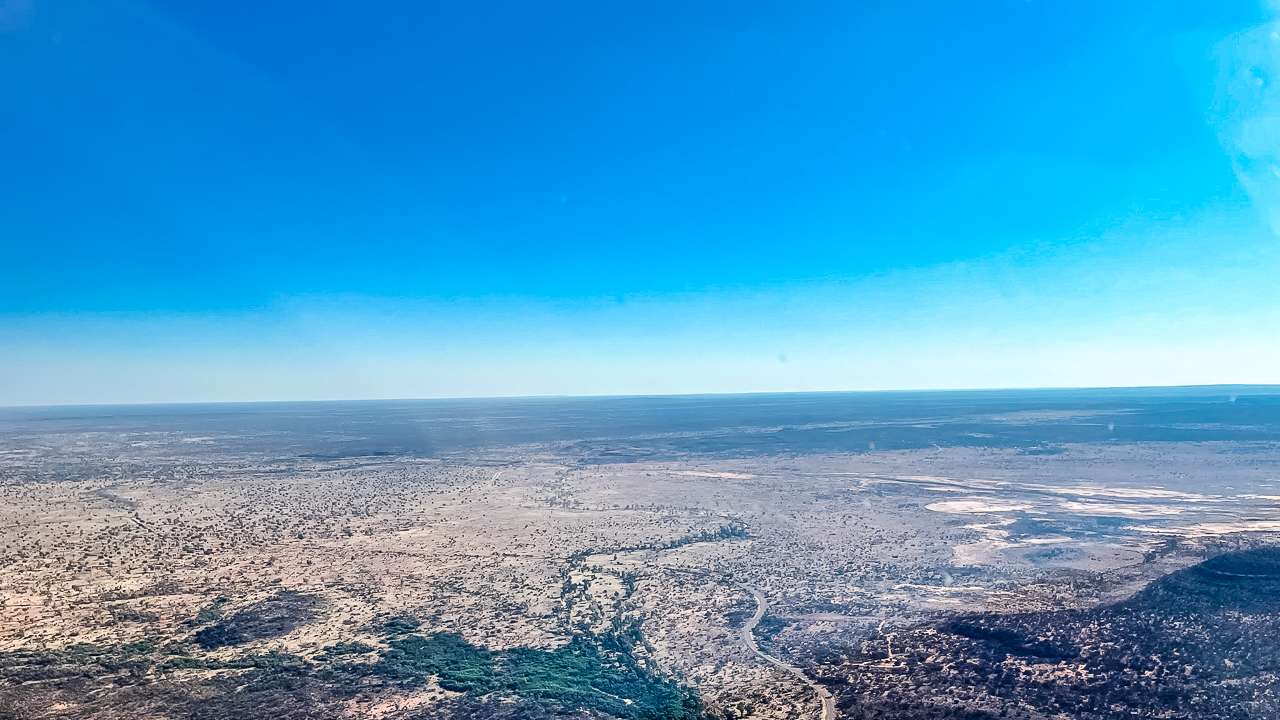
The pilot pointed out all the highlights massive rock formations, the Garden of Eden waterhole and the sheer drop offs that make Kings Canyon famous. From above it all looked peaceful but also grand and rugged. You could even see the vast stretches of the Outback out way beyond the canyon going on to the horizon.

Amanda by now had stopped gripping her seat and was actually starting to enjoy the ride said through the headphones microphone, “This is bloody amazing.” I couldn’t help but laugh this was the same person who just half an hour earlier was ready to bolt from the helipad.

Overcoming Fear

It was really cool to see Amanda enjoying herself. She went from being scared shitless to grinning from ear to ear. Pointing out things below and soaking in the views. There’s something about being in a helicopter that feels more freeing than other ways of flying. You’re not stuck inside a pressurised cabin with 200 other people. Instead you’re in a small, agile machine that lets you feel a bit more connected to the world outside.

Amanda even admitted afterwards that she could see herself doing it again. I’m not sure if that was the adrenaline talking or if she’s really conquered her fear but either way I was stoked she loved it.

Update: I’m writing this a month after our helicopter flight over Kings Canyon and Amanda is still keen on doing something like this again. I’m currently working on convincing her to try a light plane and go for a flight over Lake Eyre! We’ll be at Marree again next year…

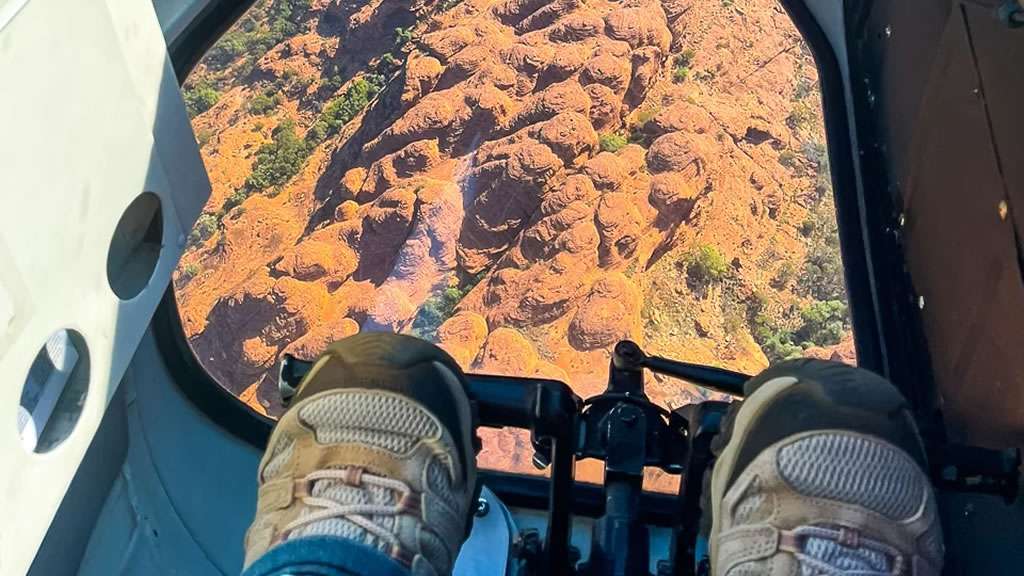
View Of Kings Canyon From A Helicopter (Plus Amandas Feet!)

View Of Kings Canyon From A Helicopter (Plus Amandas Feet!)

Professional Helicopter Services Helicopter Flights Over Kings Canyon

I can’t recommend Professional Helicopter Services enough. These guys know their stuff. They’ve been flying tourists and locals alike over some of Australia’s most rugged and remote areas for years and their experience shows. The whole process was smooth – from booking the flight to the take-off and landing.

Their pilots are top-notch, with loads of experience flying in the Northern Territory. Plus they’ve got a great sense of humour, which helps calm the nerves if you’re feeling a bit jumpy (Amanda can vouch for that). They offer a range of flights, from short scenic tours like ours to longer, more in-depth adventures if you want to explore the Outback in style.

We booked our flight at the front office at the Kings Canyon Resort where we were staying in our caravan. They were very efficient and very helpful.

Back On Solid Ground

After about 10 minutes in the air we started to descend back to the helipad. Amanda, who’d gone from terrified to thrilled in that short time was now actually sad the flight was coming to an end. We touched down smoothly and as soon as we stepped out of the chopper Amanda turned to me and said, “That was unreal. I’m so glad I did it.”

It was one of those moments where you know you’ve helped someone face their fear and come out the other side stronger. Plus, I reckon I’ve set the bar pretty high for her birthday present next week!

Final Thoughts

If you ever get the chance to take a helicopter flight over Kings Canyon, do it. The views are spectacular and if you’re lucky enough to go with Professional Helicopter Services, you’ll be in safe hands the whole time. And if you’ve got a mate like Amanda who’s scared of heights, give them a gentle nudge. They might just love it.

So, here’s to Amanda for being a legend and facing her fear head on. And here’s to more high-flying adventures in the future – just maybe not too soon!

Kings Canyon From Above

Kings Canyon From Above

Helicopter Flight Over Kings Canyon Photo Gallery

Kings Canyon To Uluru – An Awesome Outback Road Trip

Kings Canyon To Uluru – An Awesome Outback Road Trip

Kings Canyon To Uluru – An Awesome Outback Road Trip

Take an awesome road trip from Kings Canyon to Uluru with top recommendations for sights, distances, activities & scenic stops on the journey. If you’re road tripping the heart of the Aussie outback the journey from Kings Canyon to Uluru is a cracker of a trip. We’ve just done it and would like to do it again tomorrow.

You’ll experience the red centre’s iconic landscapes, sweeping plains and maybe even the odd kangaroo hopping across the road. This drive is all about big skies, beautiful emptiness and the chance to get up close and personal with two of Australia’s most jaw dropping natural wonders. So pack your gear, load up the car and let’s hit the road!

Bike Ride Around Uluru Base

Bike Ride Around Uluru Base

The Drive: Kings Canyon To Uluru

Kings Canyon to Uluru is about 300 kilometres of classic outback driving. It takes around 3.5 to 4 hours. Total time taken will depend on how many times you stop to soak in the views or snap a few pics of the endless landscape. The road is sealed so it’s an easy drive even for a 2WD but make sure your car is in good nick and you’ve got plenty of water and snacks. There is only one roadhouse / fuel station between Kings Canyon and Uluru and that’s at Curtin Springs about 217 kilometres from Kings Canyon. It’s a good idea to fuel up before you leave Kings Canyon.

Here’s a rough guide to your road trip:

  • Starting point: Kings Canyon (Watarrka National Park)
  • Distance: About 300 km
  • Driving time: Approximately 3.5 to 4 hours
  • Road conditions: Sealed (easy for all vehicles)

Once you leave Kings Canyon, follow the Luritja Road out of the national park. It’s a pretty straightforward route with one main turn-off to the Lasseter Highway which takes you straight to Uluru. Not much to navigate so you can focus on the stunning views and avoid getting too tired behind the wheel. I keep saying driving from Kings Canyon to Uluru but in reality you are probably going to stay at Yulara. So I should be really saying the drive from Kings Canyon to Yulara! You’ll see the signs to Yulara so I’m sure you can work out what to do and where to go.

Things To Do On The Drive From Kings Canyon To Uluru (Uluru To Kings Canyon Distance Is About 300km)

As the Uluru to Kings Canyon distance is about 300 kilometres it’s a great idea to break up your trip. The journey between Kings Canyon and Uluru is packed with scenic stops and quirky outback experiences. You don’t have to just sit behind the wheel and zoom by the red dirt—make the most of the drive with these top things to do along the way:

  1. Check Out Curtin Springs Station
    About halfway between Kings Canyon and Uluru you’ll come across Curtin Springs. It’s a working cattle station, but they’ve got a roadhouse, accommodation and even a quirky little pub where you can grab a cold one. It’s a top spot to stretch your legs, fill up the tank and have something to eat. We’ve called in there a couple of times and we reckon it’s great.
  2. Mount Conner Lookout
    As you’re driving along the Lasseter Highway you might think you’ve spotted Uluru early but hang on, that’s actually Mount Conner. Also known as “Fool-uru”! This flat-topped mountain looks like Uluru’s cousin and makes for a cracking photo stop. Pull over at the Mount Conner Lookout for a great view and a bit of a leg stretch. If you stop at Mount Conner Lookout make sure you cross the road and walk up the dune. There’s a pretty clearly defined path as lots of people do the little walk. There’s a view over a giant salt lake that you’d never see otherwise!
  3. Enjoy the Vast Outback Views
    The wide, open landscapes are part of what makes this road trip so special. You’ll be driving through the desert with endless red dirt stretching out to the horizon. Keep an eye out for wildlife, emus, camels and even wild brumbies have been known to cross the road. And if you’re lucky you might even spot a wedge-tailed eagle soaring above.
  4. Snap a Few Sunset or Sunrise Shots
    While you might not time your drive exactly at sunrise or sunset if you’re close make sure you stop and admire the colours. The outback comes alive with shades of red, orange and pink during these times and it’s a photographer’s dream. Keep in mind though that the wildlife is more likely to be on or around the road at sunrise and sunset and definitely after dark so take extra care.
  5. Geocaching
    If you’re into geocaching and you have your app open on your phone you’ll find several geocaches along the drive from Kings Canyon to Yulara. The best one we picked up on the other side of the road at Mount Conner Lookout.

Sand Dune Opposite Mt Conner Lookout

Sand Dune Opposite Mt Conner Lookout

Arriving At Uluru

As you get closer to Uluru the big red rock starts to dominate the horizon. And trust me even if you’ve seen a thousand photos nothing prepares you for seeing Uluru in person. It’s like stepping into a postcard and you’ll feel a sense of awe as you approach. The couple of times we’ve been to Uluru we’ve had the awesome Aussie rock song “Solid Rock” by Goanna cued up and ready to play! It makes the words even more meaningful.

Once you’ve settled in it’s time to explore! There’s heaps to do at Uluru, so don’t just rock up and tick it off your list—take your time and enjoy the magic of this special place.

Things to Do at Uluru

Uluru is more than just a giant rock. It’s a place rich in culture, history and natural beauty. Here are the top things you absolutely must do while you’re at Uluru:

  1. Walk Around the Base of Uluru
    Walking around the base of Uluru is one of the best ways to get up close and personal with the rock. The base walk is about 10.6 kilometres, so it’ll take you a couple of hours, but it’s worth every step. You’ll see different sides of Uluru, from ancient rock art to sacred waterholes. Be sure to pack plenty of water and a hat—it gets hot out there!
  2. Ride A Bike Around the Base of Uluru
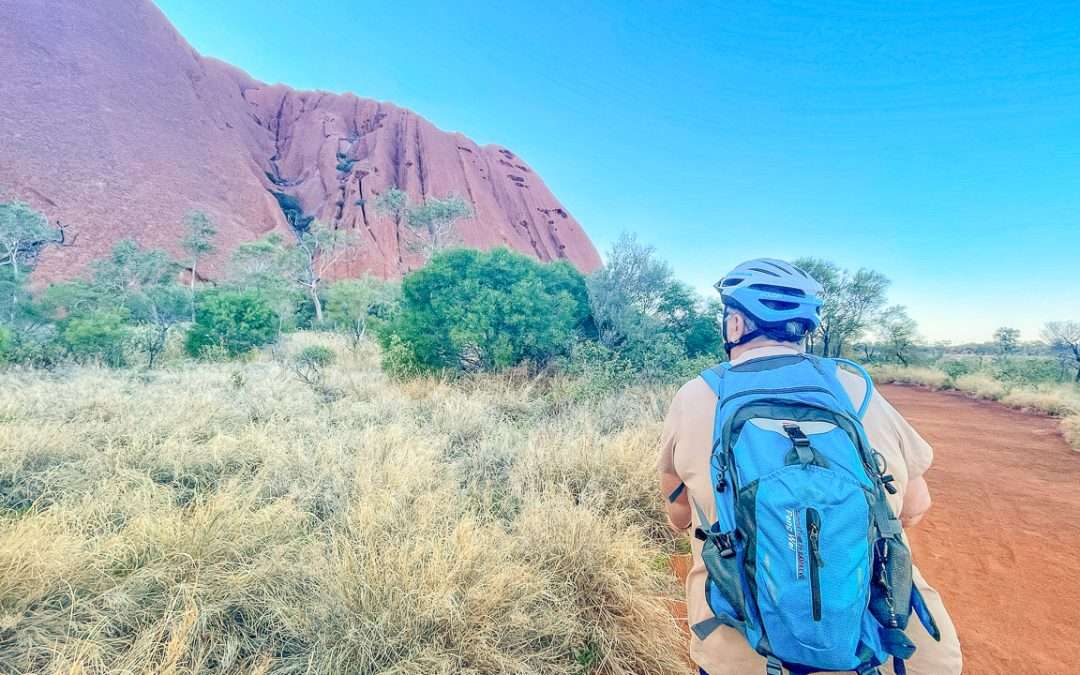
    Riding a bike around the base of Uluru is one of the best ways to get up close and personal with the rock. We hired bikes from Outback Cycling and the bikes were great plus they provided us with helmets. The base walk is about 10.6 kilometres so getting on a pushy made it a lot easier. You’ll see different sides of Uluru, from ancient rock art to sacred waterholes. Be sure to pack plenty of water and a hat as it gets hot out there!
  3. Watch The Sunrise and Sunset Over Uluru
    Watching the sun rise and set over Uluru is one of those unforgettable moments. The way the rock changes colour as the light shifts is just magical. There are designated viewing areas for both sunrise and sunset and it’s well worth getting up early or staying out late to see it.
  4. Watch The Sunrise and Sunset Over Kata Tjuta (The Olgas)
    Watching the sun rise and set over Kata Tjuta (The Olgas) is pretty bloody awesome. We’ve seen sunsets over both Uluru and Kata Tjuta (The Olgas) and it’s hard to pick a favourite. If you have time to do just one then I’d pick Uluru – but if you can see both then absolutely do it. There are designated viewing areas for both sunrise and sunset and it’s well worth getting up early or staying out late to see it.
  5. Visit the Uluru-Kata Tjuta Cultural Centre
    To learn more about Uluru’s cultural significance call in at the Uluru-Kata Tjuta Cultural Centre. You’ll learn about the Anangu people, the traditional owners of the land and their connection to Uluru. It’s a great way to gain insight into the area’s rich Indigenous heritage. They have local art available in a couple of different galleries – we’ve bought more than a few items here! On our recent trip I ummed and ahhed about buying a carved snake and didn’t. It’s still irritating me that I didn’t.
  6. Take a Scenic Helicopter Flight
    If you’ve got a bit of extra cash and want to see Uluru from a new perspective hop on a scenic helicopter flight. You’ll get an incredible view of Uluru and the surrounding landscape including Kata Tjuta (The Olgas), the group of domed rock formations nearby.
  7. Explore Kata Tjuta
    While Uluru gets most of the attention, Kata Tjuta (also known as the Olgas) is equally stunning and definitely worth a visit. There are a few walking trails around Kata Tjuta including the Valley of the Winds walk which offers breathtaking views of the giant rock formations. We have done both the Valley of The winds and Walpa Gorge walks and I can’t speak highly enough of either of them. The Valley Of The Winds Walk is much more difficult than the Walpa Gorge walk and requires a pretty decent level of fitness. The Walpa Gorge walk is easily completed by a fat old bastard such as myself.
  8. Camel Ride at Sunset
    For something a little different, why not hop on a camel for a sunset ride? You’ll ride through the desert, with Uluru in the distance and experience the outback in a truly unique way. Plus, it’s a great story to tell when you get back home!
  9. Stargazing
    The outback is one of the best places in the world to see the stars and Uluru is no exception. On a clear night, the sky is absolutely filled with stars and you can even see the Milky Way. You can join a guided stargazing tour, or just lie back and enjoy the view on your own.

Walpa Gorge At Kata Tjuta (The Olgas)

Walpa Gorge At Kata Tjuta (The Olgas)

Things to Remember

  • National Park Pass: To visit Uluru you’ll need to purchase a National Park Pass. This can be done online or at the entrance to the park.
  • Respect the Land: Uluru is a deeply sacred site for the Anangu people so be mindful of their culture and traditions. Climbing Uluru is not permitted and certain areas are off limits so make sure to follow all signs and guidelines.
  • Pack Water and Sunscreen: The outback sun is no joke. Make sure you’ve got plenty of water, sunscreen and a good hat to protect yourself from the heat.

Driving Tips for the Outback

  • Fuel Up Beforehand: Fuel stations are few and far between in the outback, so make sure to fill up whenever you can. There’s fuel at Kings Canyon, but after that, your next reliable stop is at Curtin Springs or Uluru itself.
  • Carry Extra Water: It’s always a good idea to have extra water with you when driving in the outback. It’s easy to underestimate how hot and dry it can get.
  • Watch for Wildlife: Especially at dawn and dusk, when animals are more active, keep an eye out for kangaroos, emus and even camels. You don’t want to be that poor bugger who hits a ‘roo in the middle of nowhere!
  • Road Conditions: While the road from Kings Canyon to Uluru is sealed, be cautious on the gravel roads that lead to some of the side attractions. If you’re driving a 2WD, make sure you’re comfortable with the conditions.

Final Thoughts

The drive from Kings Canyon to Uluru is one of the most iconic road trips in Australia. It’s a chance to see the true outback, with its wide-open spaces, stunning landscapes and rich cultural history. So load up the car, grab your mates and get ready for an adventure you won’t forget! Uluru and its surrounding area are more than just places to tick off your bucket list – they’re experiences to be savoured. Whether you’re walking around the base of Uluru, exploring Kata Tjuta, or simply soaking in the outback vibes, you’re in for a real treat. Safe travels and remember to keep your eyes peeled for that perfect sunset photo!

Watching The Sunset At Kata Tjuta (The Olgas)

Watching The Sunset At Kata Tjuta (The Olgas)

Kings Canyon to Uluru Photo Gallery

FAQs Frequently Asked Questions About Driving From Kings Canyon To Uluru

How long does it take to drive from Kings Canyon to Uluru?

It’s about a 3.5 to 4-hour drive. No need to rush – take it easy and enjoy the red dirt views.

Is the road sealed or am I gonna be off-roading?

Good news! The main route via Lasseter Highway is fully sealed. No need to take the 4WD out for this one.

Can I stop anywhere along the way?

Yeah there’s not a whole lot but Curtin Springs is a good pit stop for a feed, fuel or a quick beer.

Do I need a 4WD to drive from Kings Canyon to Uluru?

Nah, any regular car will do the trick, unless you fancy taking the off-road shortcut via the Mereenie Loop.

How much fuel do I need?

Fill up before you leave Kings Canyon and you’ll be all good. You can top up at Curtin Springs if you're going through a bit of it.

Is there phone reception on the drive?

Reception’s a bit dodgy out there. Don’t rely on your mobile – it’s better to let someone know where you’re heading beforehand.

What’s the scenery like? Will I be bored stiff?

Nah it’s anything but boring! You’ll get those classic outback views – red dirt, big skies and maybe a roo hopping by.

Is it safe to drive at night?

Wouldn’t recommend it mate. Roos and other wildlife love to jump out at dawn, dusk and in the dark so stick to driving in daylight.

Can I camp along the way?

You can camp at Curtin Springs or make it to Yulara for more options. Just watch out for the flies if you’re outdoors!

What’s the best time of year to make the trip?

The cooler months from May to September are your best bet. You don’t want to be cooking yourself like a Bunnings sausage on the BBQ in summer!