
Lake Eyre: Visit Australia Largest Lake
Everything you need to know about Lake Eyre in Australia: location, access, camping & the highlights of Kati Thanda Lake Eyre National Park. Lake Eyre in Australia, officially known as Kati Thanda – Lake Eyre, is one of the most iconic natural wonders in the country. Its vast salt flats, remote location, and rare flooding events make it a must-see destination for caravanners and campers seeking the true outback experience.
Have you ever wondered where Lake Eyre in Australia is located and what makes it so unique?
Lake Eyre, officially known as Kati Thanda Lake Eyre, is Australia’s largest salt lake situated about 647 kilometres north of Adelaide in South Australia. It’s the continent’s lowest natural point, lying roughly 15 metres below sea level, and is famous for transforming from a vast dry salt pan into a shimmering inland sea after rare floods. This remarkable outback destination offers unforgettable experiences for caravanners and campers alike.
This blog post explores the location, history, geography, and practical information for visiting Lake Eyre, with a special focus on Kati Thanda Lake Eyre National Park, Lake Eyre camping, and how to get to Lake Eyre.
Table Of Contents
- Introduction To Lake Eyre In Australia
- Lake Eyre In Australia: Location And Geography
- Kati Thanda Lake Eyre National Park
- Lake Eyre Camping: Outback Adventure
- How To Get To Lake Eyre
- The Unique Nature Of Lake Eyre In Australia
- Aboriginal Heritage And Cultural Significance
- Wildlife And Birdwatching
- Lake Eyre In Australia: Climate And Best Time To Visit
- Practical Tips For Caravanners And Campers
- Lake Eyre In Australia: A Must-See For Adventurers
- References
Introduction To Lake Eyre In Australia
Lake Eyre in Australia is the largest salt lake in the country and sits at the lowest natural point on the continent, about 15 metres below sea level. Located in the Far North of South Australia, it is approximately 700 kilometres north of Adelaide. The lake is renowned for its dramatic transformations – from a shimmering salt pan to a vast, shallow inland sea during rare flood events. Its official name, Kati Thanda–Lake Eyre, honours both its European and Aboriginal heritage, with native title held by the Arabana people.
Lake Eyre In Australia: Location And Geography
Where Is Lake Eyre In Australia?
Lake Eyre is situated in the Far North region of South Australia, within the arid heart of the continent. The lake’s coordinates are approximately 28°40′S 137°20′E. It lies about 647 to 718 kilometres north of Adelaide, depending on the access point. The nearest outback towns are Marree (about 134 kilometres south) and William Creek, both popular bases for Lake Eyre camping and scenic flights.
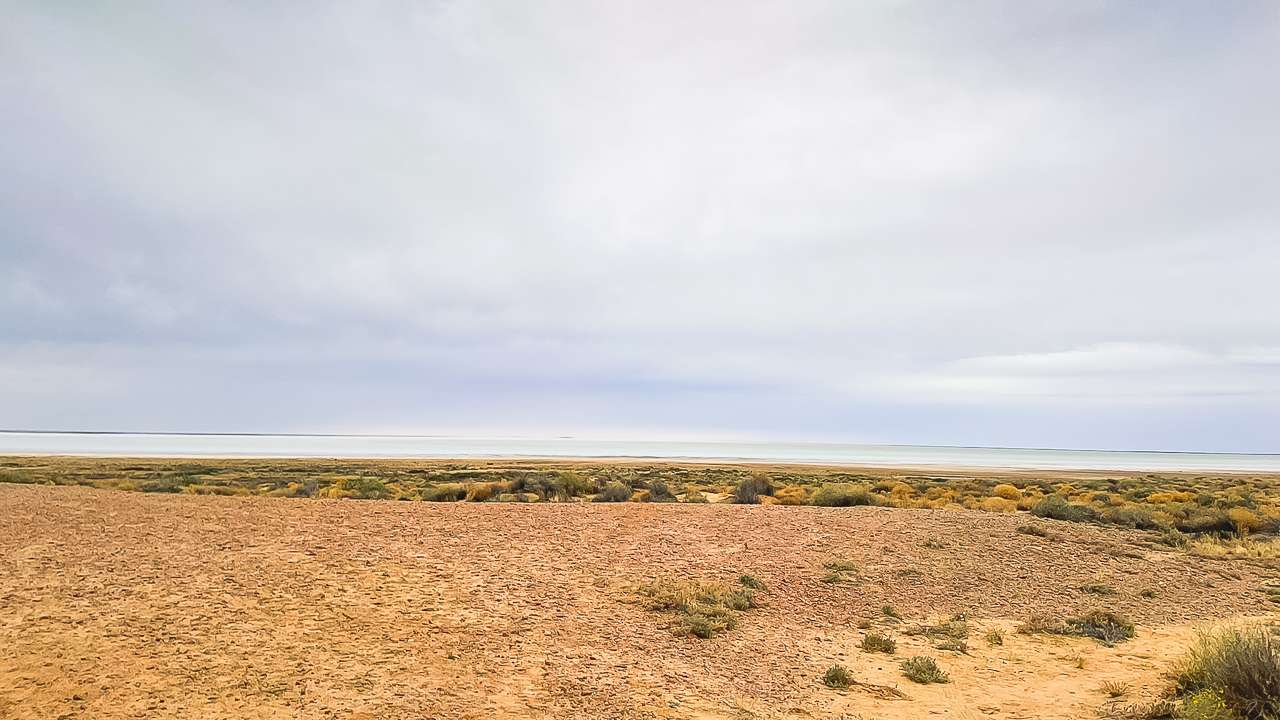
From The Lake Eyre Viewing Area In Aug 2022
The Structure Of Lake Eyre
Lake Eyre is made up of two main basins: Lake Eyre North and Lake Eyre South. These are connected by the Goyder Channel, a 15-kilometre-long waterway. When full, the combined lake stretches up to 144 kilometres long and 77 kilometres wide, covering a surface area of up to 9,500 square kilometres. However, the lake is usually dry, with water only present after significant rainfall in its vast catchment area.
| Feature | Lake Eyre North | Lake Eyre South | Combined Lake Eyre |
|---|---|---|---|
| Surface Area (km²) | 8,430 | 1,260 | 9,500 |
| Length (km) | ~144 | – | ~144 |
| Width (km) | ~77 | – | ~77 |
| Depth When Full (m) | Up to 4 | Up to 4 | Up to 4 |
| Elevation (m below sea) | -15 | -15 | -15 |
Kati Thanda Lake Eyre National Park
Kati Thanda Lake Eyre National Park: A Protected Icon
Kati Thanda Lake Eyre National Park encompasses the entire lake and much of the surrounding desert landscape. The park is managed for conservation and cultural heritage, reflecting its significance to the Arabana people and its unique ecosystem. The area is home to rare plants, wildlife, and, during flood years, becomes a haven for thousands of waterbirds.
Visiting The National Park
Access to Kati Thanda Lake Eyre National Park is typically via the Oodnadatta Track, with entry points at Halligan Bay and Level Post Bay. Facilities are basic, reflecting the remote and rugged nature of the region. Visitors should be well-prepared for self-sufficient travel, especially when planning Lake Eyre camping adventures.
Lake Eyre Camping: Outback Adventure
Lake Eyre Camping Options
Lake Eyre camping is a unique experience, offering a front-row seat to the stark beauty of the outback. The most popular camping area is at Halligan Bay, within Kati Thanda Lake Eyre National Park. This site provides basic toilets but no showers, water, or other amenities. Campers must bring all supplies, including drinking water, food, and fuel.
Other nearby options include bush camping along the Oodnadatta Track and more developed caravan parks in Marree and William Creek. These towns also serve as hubs for guided tours and scenic flights over Lake Eyre.
Tips For Lake Eyre Camping
- Be Self-Sufficient: Carry all essentials, including water, food, and fuel.
- Check Road Conditions: Outback roads can be closed after rain.
- Respect The Environment: Leave no trace and respect cultural sites.
- Prepare For Extremes: Temperatures can be extreme, especially in summer.
How To Get To Lake Eyre
How To Get To Lake Eyre: Routes And Travel Tips
Reaching Lake Eyre in Australia is an adventure in itself. Most travellers drive from Adelaide, heading north via Port Augusta and then either the Oodnadatta Track or the Birdsville Track. The roads are mostly unsealed and can be rough, so a high-clearance 4WD is recommended. Always check road conditions before setting out, as rain can make tracks impassable.
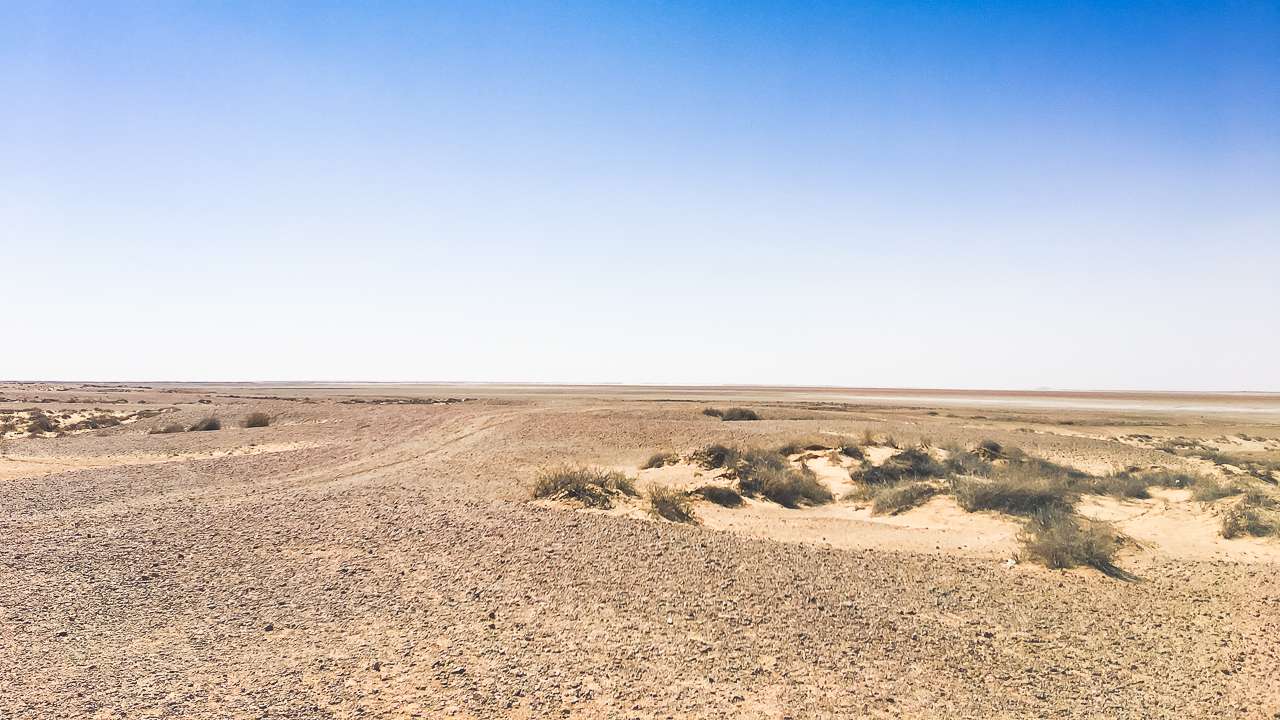
From The Lake Eyre Viewing Area In Oct 2019
Main Access Routes
- Oodnadatta Track: The most popular route, with access points at Marree and William Creek.
- Birdsville Track: Connects from the north-east, joining the Oodnadatta Track near Marree.
- Scenic Flights: Available from Marree, William Creek, and Coober Pedy, providing a bird’s-eye view of the lake.
Distance Table: How To Get To Lake Eyre
| Starting Point | Distance to Lake Eyre (km) | Typical Route |
|---|---|---|
| Adelaide | 647–718 | Port Augusta, Oodnadatta Track |
| Marree | 134 | Oodnadatta Track |
| William Creek | 60 | Oodnadatta Track |
| Coober Pedy | 220 | William Creek, Oodnadatta Track |
The Unique Nature Of Lake Eyre In Australia
An Ephemeral Wonder
Lake Eyre is classified as an endorheic lake, which means water flows in but never out—it only leaves through evaporation. The lake fills only occasionally, usually after heavy rainfall in the Queensland catchment area. When full, it becomes the largest lake in Australia, attracting a surge of birdlife and transforming the landscape into a temporary oasis.
Rare Flood Events
Lake Eyre has only filled completely a handful of times in the past century, with major floods recorded in 1950, 1974, and 2011. Even partial fills are rare and unpredictable, making each event a spectacle for visitors and wildlife alike.
Aboriginal Heritage And Cultural Significance
The Arabana People And Kati Thanda
The traditional owners of Lake Eyre in Australia are the Arabana people, who know the lake as Kati Thanda. The area holds deep spiritual and cultural importance, featuring in Dreamtime stories and serving as a meeting place for generations. In 2012, native title was formally recognised, and the dual name Kati Thanda–Lake Eyre was adopted.
Wildlife And Birdwatching
Birdlife Bonanza
During flood years, Lake Eyre becomes one of Australia’s most important breeding grounds for waterbirds, including pelicans, banded stilts, and gulls. The transformation from salt pan to inland sea draws thousands of birds from across the continent, providing a rare opportunity for birdwatchers and photographers.
Lake Eyre In Australia: Climate And Best Time To Visit
Outback Weather
Lake Eyre sits in Australia’s driest region, receiving only about 100 millimetres of rain per year. Summers are scorching, with daytime temperatures often exceeding 40°C. The best time to visit is during the cooler months from April to October, when conditions are more comfortable for camping and exploring.
Practical Tips For Caravanners And Campers
Essential Preparation
- Vehicle: A well-maintained 4WD is recommended for outback tracks.
- Supplies: Stock up on food, water, and fuel in Marree or William Creek.
- Permits: Check if park entry or camping permits are required.
- Safety: Carry a satellite phone or EPIRB for emergencies.
- Respect: Honour the cultural significance of Kati Thanda and follow park guidelines.
Lake Eyre In Australia: A Must-See For Adventurers
Lake Eyre in Australia is a destination like no other. Its remote beauty, cultural heritage, and rare natural phenomena make it a bucket-list stop for caravanners and campers. Whether you’re marvelling at the endless salt flats, camping under the stars, or witnessing a rare flood, Kati Thanda–Lake Eyre promises an unforgettable outback adventure.
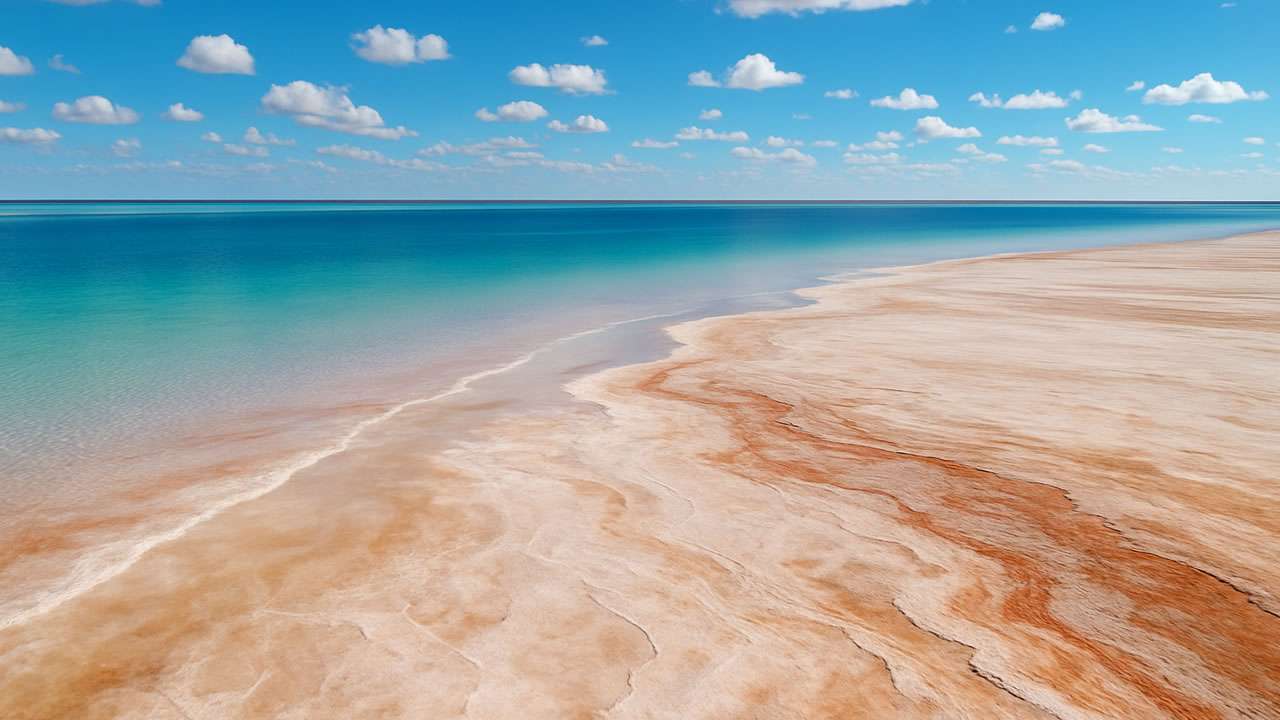
Where Is Lake Eyre In Australia
References
- Lake Eyre – Wikipedia
- Lake Eyre Facts – Travel Outback Australia
- Lake Eyre | History, Salt Deposit & Water Levels – Britannica
- South Australia’s guide to Kati Thanda-Lake Eyre
- Lake Eyre, South Australia – Wikipedia
- Lake Eyre Facts for Kids
- About Lake Eyre – Wrightsair
- Kati Thanda-Lake Eyre Facts – Rita’s Outback Guide