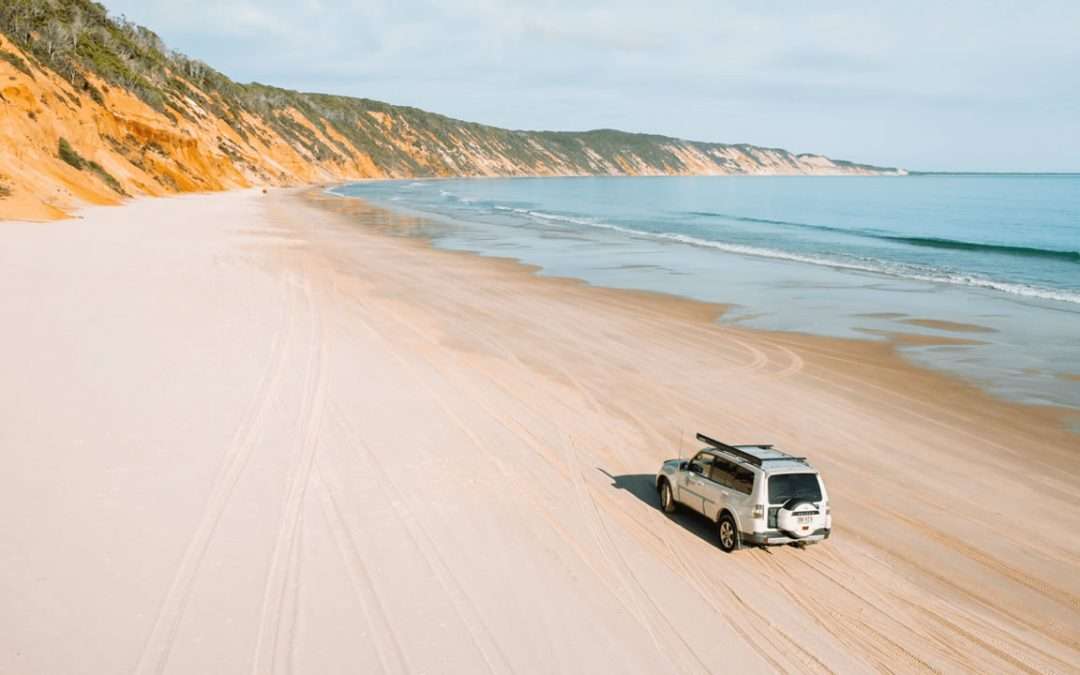
23 BEST Camping Sites Rainbow Beach
23 BEST Camping Sites Rainbow Beach
Research the best camping sites Rainbow Beach here. Camping paradise found! Wake to waves, explore rainforests & soak in the views. Rainbow Beach is a small coastal village situated on an unspoiled stretch of Pacific Ocean coastline between Noosa and the World Heritage-listed Fraser Island (K’gari).
This idyllic spot is located approximately three hours north of Brisbane and offers pristine beaches, impressive coloured sands and various outdoor activities that make it perfect for camping enthusiasts. The region boasts numerous camping options suitable for families, solo travellers and everyone in between, whether you’re travelling with a caravan, setting up a tent, or looking for cabin accommodation.
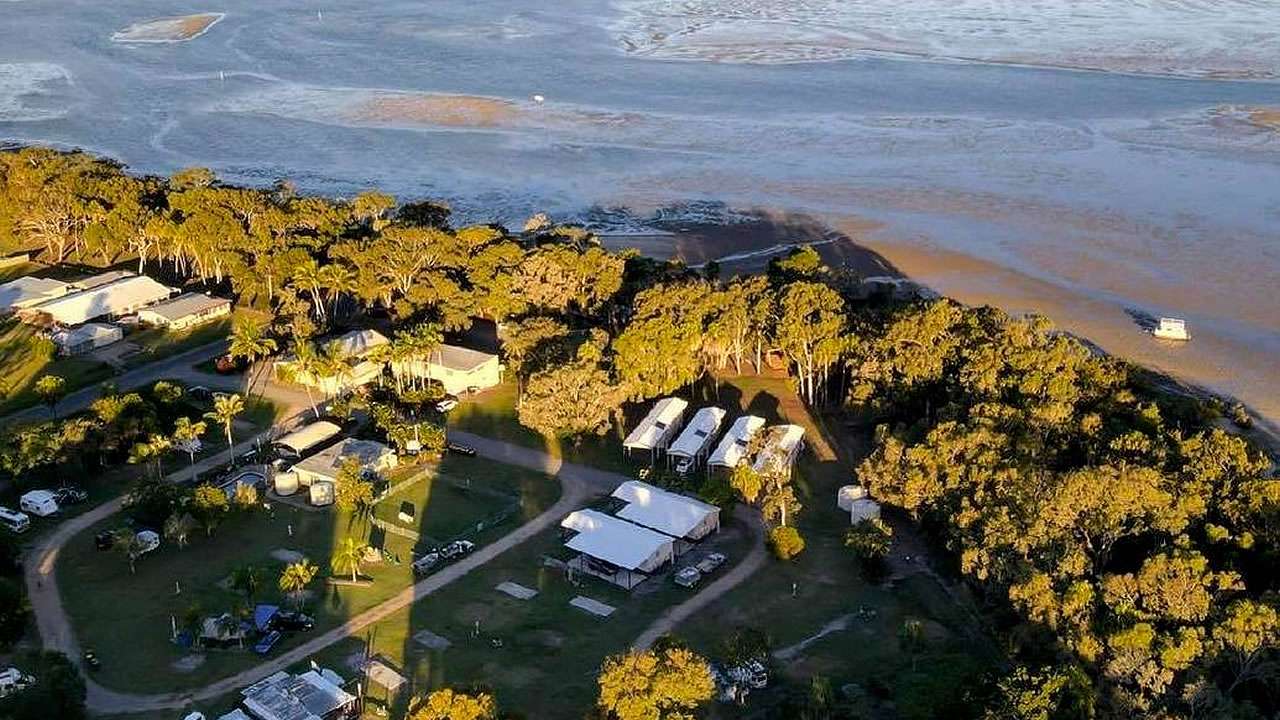
Poona Palms Caravan Park
Table Of Contents
- Popular Camping Sites Rainbow Beach
- Unleash Your Adventure: The 23 BEST Camping Sites Rainbow Beach
- 1. Rainbow Beach Holiday Village
- 2. BIG4 Breeze Holiday Parks – Rainbow Beach
- 3. Kingfisher Caravan Park
- 4. Tin Can Bay Tourist Park
- 5. Standown Park
- 6. Poona Palms Caravan Park
- 7. Boonooroo-Tuan Caravan Park
- 8. Poverty Point
- 9. Freshwater – Cooloola National Park
- 10. Pelican Bay
- 11. Dorrigo South
- 12. S.S. Dorrigo 4WD
- 13. MV Natone Inskip 4WD
- 14. MV Sarawak
- 15. MV Sarawak West
- 16. MV Beagle 4WD
- 17. Log Dump Camp
- 18. Hedleys Camping Area
- 19. Rustic Retreat
- 20. Teewah Beach
- 21. Cooloola Beach
- 22. Teewah Camp Zone 7
- 23. Maaroom Caravan Park (Kui Parks)
- Comparison Table: Camping Sites At Rainbow Beach, Queensland
- Summary Table for Remaining Sites (Generalised)
- Key Takeaways
- 10 Must Do Activities When Staying At Camping Sites Rainbow Beach
- Practical Information For Camping Sites Rainbow Beach
- Conclusion
Popular Camping Sites Rainbow Beach
Inskip Peninsula Recreation Area
Inskip Peninsula is a narrow, sandy finger of land that forms a natural breakwater at the entrance to Tin Can Inlet and Great Sandy Strait. The peninsula features five popular camping areas ringed by open ocean beaches and sheltered estuary shores, all within 15 minutes’ drive of Rainbow Beach.
These camping sites are shaded by beach she-oaks, cypress pine and other coastal trees and shrubs, providing natural shelter from the Queensland sun. What makes this camping destination particularly appealing is that it’s dog friendly, allowing campers to bring their pets as long as they remain on a leash and under control at all times.
Important information for campers planning to stay at Inskip Peninsula:
- Camping permits are required and fees apply
- A tag with your booking number must be displayed at your campsite
- Bookings can be made online, over the counter, or by phone
- Portable toilets are mandatory at Dorrigo South and Pelican Bay camping areas
The area is popular year round but is often full during peak periods like school holidays, long weekends and the Christmas/New Year and Easter periods, so booking in advance is absolutely essential.
Unleash Your Adventure: The 23 BEST Camping Sites Rainbow Beach
Looking for the perfect outdoor escape? Discover the 23 BEST Camping Sites Rainbow Beach has to offer, where golden sands meet technicolor cliffs and the ocean whispers adventure. Whether you’re chasing 4WD thrills on Fraser Island’s doorstep, craving a secluded spot under starry skies, or hunting for family-friendly sites with epic sunrise views, this list has it all. Dive into hidden gems, beachfront paradises and rainforest retreats – plus pro tips to snag prime spots before they vanish! Ready to trade ordinary for extraordinary? Pack your gear and get ready to explore Rainbow Beach’s wild side.
1. Rainbow Beach Holiday Village
Rainbow Beach Holiday Village is the perfect base for your Rainbow Beach/Fraser Coast holiday with or without a caravan in tow. RBHV has seven types of holiday accommodation on offer.
Powered sites are either Beach Front or Regular. They also have unpowered sites for tents. The park has wide sealed roads, concrete pads and ample space for all sized vehicles, RV’s and towed vans or trailer boats. There is a 24hr security boom gate and a large swimming pool with a shallow ‘beach entry’. There are two covered BBQ sites with push button gas BBQs and washing up facilities. There is an onsite BP servo and convenience store for supplies, ice creams and cold drinks.
Type: Caravan Park
Cost: With Power & Water $50 Per Night
Location: 13 Rainbow Beach Rd, Rainbow Beach, Queensland
GPS: -25.903353°, 153.092741°
Pet Friendly: Yes
Phone: (07) 5486 3222
Website: https://Gdayparks.com.au/parks/Queensland/rainbow-beach
2. BIG4 Breeze Holiday Parks – Rainbow Beach
Rainbow Beach is a nature lovers paradise. It’s the launch pad for the worlds largest sand island K’gari (Fraser Island), there’s epic fishing, coloured sands and a beach that doubles as a Highway. The ultimate base for all this and more is BIG4 Breeze Holiday Parks – Rainbow Beach.
Just minutes from the holiday parks is the centre of this seaside village with cafes, pubs and clubs boasting epic ocean views. Right next door is the town’s main boat ramp and with a choice of cabins, powered and unpowered sites, your next holiday should be a Breeze.
Type: Caravan Park
Cost: With Power & Water $51 Per Night
Location: 308 Carlo Rd, Rainbow Beach, Queensland, Queensland
GPS: -25.900222°, 153.060509°
Pet Friendly: Yes
Phone: (07) 5486 3200
Email: rainbowbeach@breezeholidayparks.com.au
Website: https://book.wikicamps.com.au/big4-breeze-holiday-parks-rainbow-beach
3. Kingfisher Caravan Park
Kingfisher Caravan Park is located at 48 The Esplanade on beautiful Tin Can Bay, Queensland.
Owner manager Mark Debra and their staff ensure a quiet and relaxing holiday is enjoyed by all who stay at the Kingfisher Caravan Park. Sites in the park range from tent sites to van sites, that can accommodate large buses and mobile homes. Or choose to stay in one of our modern Bayview Bungalows.
Type: Caravan Park
Cost: With Power & Water $50 Per Night
Location: Tin Can Bay Rd, Tin Can Bay, Queensland
GPS: -25.909164°, 153.007615°
Pet Friendly: Yes
Phone: (07) 5486 4198
Email: info@kingfishercp.com.au
Website: http://www.kingfishercaravanpark.com.au
4. Tin Can Bay Tourist Park
Picturesque Tin Can Bay Tourist Park, located in Tin Can Bay on the beautiful Cooloola Coast. Superb cabin and camping accommodation located in a relaxing atmosphere with surrounding bush that hosts an abundance of bird life. Enjoy brand new modern facilities, including the camp kitchen, poolside BBQ hut, laundry and family amenities, featuring disability access.
Just a short stroll from shops, cafes, restaurants & the foreshore. Feed the rare Indo-Pacific humpback dolphins! Markets every 3rd Saturday of the month. Located on the beautiful Cooloola Coast 2 1/2 hours drive north of Brisbane and just off the southern tip of World Heritage listed Fraser Island. Tin Can Bay is best known for being a boating and fishing paradise! For those who love the serenity of the coastal lifestyle, the Cooloola National Park, the Great Sandy Straits and World Heritage Fraser Island are all just minutes away.
Type: Caravan Park
Cost: With Power & Water $61 Per Night
Location: 54-74 Trevally St, Tin Can Bay, Queensland
GPS: -25.923102°, 153.006184°
Pet Friendly: Yes
Phone: (07) 5486 4411
Email: enquiries@tincanbaytouristpark.com.au
Website: https://www.tincanbaytouristpark.com.au
5. Standown Park
Standown Park is a privately owned, affordable, well established, well respected Caravan Park free from Jumping Castles, Tennis Courts and playgrounds. It is a clean, relaxed and unique getaway experience with all your amenities and extensive camp
It’s a place to relax, meet old friends and make new ones around the open campfire and where happy hour seems to last a bit longer. A place to bring your family and your friends where you can unplug from technology and take in the peacefulness that is Standown Park. The Park provides a comfortable, relaxing and peaceful destination for families as well as service men and women of the ADF and 000 personnel. We offer special discounts to Veterans young and old, current and past serving members of the ADF and 000 personnel, groups and CMCA members.
Type: Caravan Park
Cost: With Power & Water $45 Per Night
Location: 91 Radtke Rd, Kia Ora 4570, Queensland
GPS: -26.027758°, 152.793543°
Pet Friendly: Yes
Phone: (07) 5486 5144
Email: admin@standown.com.au
Website: http://www.standown.com.au
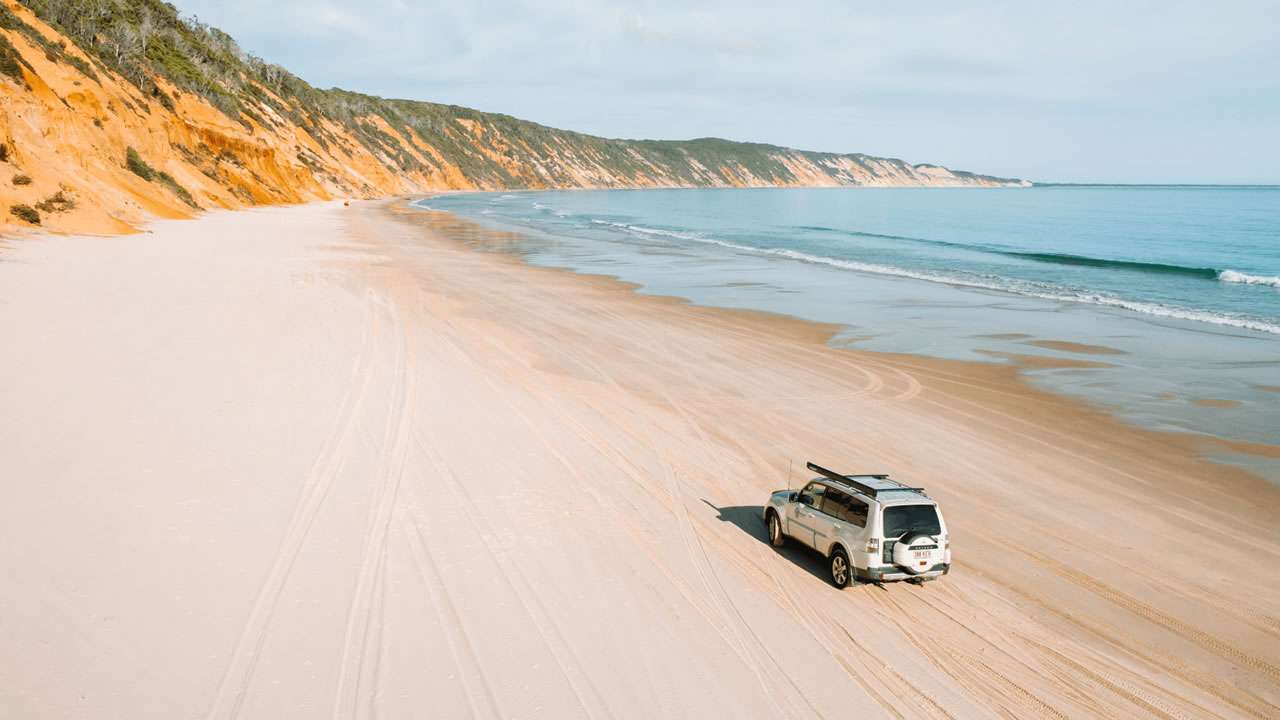
Camping Sites Rainbow Beach (Image Courtesy Visit Sunshine Coast)
6. Poona Palms Caravan Park
Poona Palms Caravan Park offers,
- Self contained units (no pets)
- Spacious caravan & tent sites (pets welcome)
- Dump points available on all sites
- Shop & Convenience store
- Digital Free-to-Air TV transmission to ALL sites
- Pool with water slide
- Kayak hire
- Fenced off leash dog area
- Kids pedal bike hire
Type: Caravan Park
Cost: With Power & Water $45 Per Night
Location: 101 Boronia Dr, Poona, Queensland
GPS: -25.722230°, 152.912691°
Pet Friendly: Yes
Phone: (07) 4129 8167
Email: enquiries@poonapalms.com.au
Website: http://www.poonapalms.com.au
7. Boonooroo-Tuan Caravan Park
Fronting the Sandy Straits the park offers sites for tents to large vans on 5 landscaped acres. Park convenience store has EFTPOS, bait, ice etc. Fully licenced bowls club and golf course in walking distance. Groups welcome.
Type: Caravan Park
Cost: With Power & Water $30 Per Night
Location: 18 Oak St, Boonooroo 4650, Queensland
GPS: -25.672720°, 152.884923°
Pet Friendly: Yes
Phone: (07) 4129 8211
Email: evelyn.fish@live.com.au
8. Poverty Point
Poverty Point camping area offers small, undeveloped coastal camping overlooking the tranquil, tidal waters of the Tin Can Inlet.
Turn off to Poverty Point is 13km south of Rainbow Beach off Rainbow Beach Road. The camping area is a further 6.3km from the turn off on a 4WD only track, Camping is in an open area without separately defined sites. Maximum capacity of 24 people.
- The campground is suitable for: Tent camping beside a car and off-road camper trailers with high clearance.
- There are no facilities so campers will need to be self sufficient. Telstra mobile phone reception available.
- Advance bookings required.
Type: National Park Camping
Cost: $6.75 Per Person Per Night
Location: Cooloola Cove, Great Sandy National Park, Queensland
GPS: -25.959567°, 153.024569°
Pet Friendly: No
Phone: 13 74 68
Email: info@des.qld.gov.au
Website: https://parks.des.qld.gov.au/parks/cooloola/camping/poverty-point-cooloola
9. Freshwater – Cooloola National Park
Permits are required before setting up your camp, fees apply, Vehicle Access Permits (VAPs) are also required when traversing beaches and some inland sand tracks in the Cooloola Recreation Area. A camping tag with booking number recorded on it must be displayed at camp sites. Penalties apply for non compliance. Camping and vehicle access permits must be obtained prior to arrival.
Freshwater camping area is located 8km south of Double Island Point along Teewah Beach or approximately 40km north of 3rd cutting on the Noosa North Shore. The camping area can be accessed by 4WDs only via Freshwater Road from Rainbow Beach Road or Teewah Beach. Vehicle permits are required to access this camping area.
Sites are unpowered and suitable for tents and camper trailers. Facilities include water (treat before use), flushing toilets, hot ($2 coins needed) and cold showers, rubbish bins and a pay phone. There is a 9pm noise curfew at this campground. Generators, fires and pets are not permitted. Mobile phone coverage is not available. There is a pay phone opposite the amenities facility at the camping area.
Type: National Park Camping
Cost: $6.75 Per Person Per Night
Location: Access from Beach or Rainbow Beach Rd,, Queensland
GPS: -26.002609°, 153.148011°
Pet Friendly: No
Phone: 13 74 68
Email: info@des.qld.gov.au
Website: https://parks.des.qld.gov.au/parks/cooloola/camping/freshwater
10. Pelican Bay
Beach she-oaks, cypress pine and other coastal trees and shrubs shade Inskip Peninsulas camping areas, which are ringed by open ocean beaches and sheltered estuary shore sall within 15 minutes drive of Rainbow Beach.
Camping permits are required for Inskip and fees apply. Camping permits must be obtained prior to arrival. A permit tag with your booking number must be displayed at your campsite.
- Individual sites cannot be booked it’s “first in, best placed”.
- No vehicle access permits are needed for any Inskip camping areas.
- Maximum length of stay is 30 days.
- 2WD vehicles, camper trailers, caravans and boat trailers cannot get into every camping area.
No toileting facilities onsite. BYO portable toilet as bush toileting, including digging pit toilets and emptying contents of portable toilets is not permitted. Rangers will enforce the portable toilet rule – $464 fine for failing to comply. Dump point located on Clarkson Drive in Rainbow Beach.
- Collect all your rubbish in a strong container and take it with you. Disposal facility available in Rainbow Beach.
- Camping structures belonging to all people registered under a tag must be in one place no more than 3 metres apart.
- When setting up camp, use an established site and camp within the tree line not on the foredunes.
- Keep noise to a minimum after 9 pm. Use only low decibel generators up to 2.0Kva. Turn generators off after 9pm.
Campfires are permitted at Inskip camping areas, except when QPWS imposed fire prohibitions or QFES imposed fire bans are in place. Use a pre-existing site and extinguish campfires with water, not sand. Bring clean, untreated firewood such as
milled off cuts. Preferably bring a gas or fuel stove for cooking.
Dogs are permitted at Inskip, but must remain on a leash and under control at all times. Camping with any other domestic animals, including birds, is prohibited. Dogs are not permitted in vehicles while traversing beaches.
Type: National Park Camping
Cost: $6.75 Per Person Per Night
Location: Inskip Ave, Inskip, Queensland
GPS: -25.825699°, 153.064925°
Pet Friendly: Yes With Conditions (See Above)
Phone: 13 74 68
Email: qpws@des.qld.gov.au
Website: https://parks.des.qld.gov.au/camping/bookings
11. Dorrigo South
This paid campground offers fishing and swimming. It is dog friendly.
- It is accessible to four wheel drives.
- Camping in tents is allowed.
- You must book in advance.
- Bookings essential.
From June 1, 2024, those who camp at Dorrigo South or Pelican Bay camping area in Inskip Peninsula Recreation Area, near Queensland’s Great Sandy National Park will be required to bring a portable toilet. Bag and open bucket style toilets are not permitted and Rangers will be making sure you have your loo. Anyone found violating the new rule can be hit with an on-the-spot penalty of $464.
Type: National Park Camping
Cost: 2 People Per night $14.50
GPS: 13 74 68
Pet Friendly: Yes
Phone: 13 74 68
Email: qpws@des.qld.gov.au
Website: https://parks.des.qld.gov.au/camping/bookings
12. S.S. Dorrigo 4WD
Bookings essential. This paid campground offers toilets and swimming. It is dog friendly. It is accessible to camper trailers, off road caravans and four wheel drives. Camping in tents is allowed.
Type: Paid Campground
Cost: 2 People Per night $14.50
Location: Inskip Point Rd, Inskip, Queensland
GPS: -25.819872°, 153.071856°
Pet Friendly: Yes
Phone: 13 74 68
Website: https://parks.des.qld.gov.au/camping/bookings
13. MV Natone Inskip 4WD
Camping permits are required for Inskip and fees apply. Camping permits must be obtained prior to arrival. Book online via the website. No vehicle access permits are needed for any Inskip camping areas.
M.V, Natone camping area is accessible by 4WD only, It is an open camping area without separately defined sites. All sites are occupied on a first in, best placed basis. Reserving or roping off areas is not permitted at any time. Not suitable for trailers, caravans or buses. Maximum length of stay is 30 days.
- Campfires are permitted at Inskip camping areas, except when QPWS imposed fire prohibitions or QFES imposed fire bans are in place. Preferably bring a gas or fuel stove for cooking. Chainsaws cannot be used.
- Dogs are permitted at Inskip, but must remain on a leash and under control at all times. Camping with any other domestic animals, including birds, is prohibited.
Type: National Park Camping
Cost: $6.75 Per Person Per Night
GPS: -25.811345°, 153.068033°
Pet Friendly: Yes With Conditions (See Above)
Phone: 13 74 68
Website: https://parks.des.qld.gov.au/camping/bookings
14. MV Sarawak
Camping permits are required for Inskip and fees apply. Camping permits must be obtained prior to arrival. A permit tag with your booking number must be displayed at your camp site. Individual sites cannot be booked – first in, best placed. No vehicle access permits are needed for any Inskip camping areas. Booking is available online or by phone. Vehicle access to and from the beach is via signed tracks only. Driving, parking or camping on vegetated dunes is prohibited.
M.V. Sarawak camping area is 2WD accessible from the bitumen road and only in normal conditions. 4WD is recommended. The camping area has limited number of sites for caravans, campervans and camper trailers. Sites are unpowered. Toilet facilities are available.
Campfires are permitted at Inskip camping areas, except when QPWS imposed fire prohibitions or QFES imposed fire bans are in place. Use a pre-existing site and extinguish campfires with water, not sand. Bring clean, untreated firewood such as milled off-cuts. Bring kindling and fire lighters as collecting and burning wood, including leaves and twigs, from the protected area is illegal and penalties apply. Don’t bring bush timber for firewood. It may contain pests and diseases, which could kill native plants. Chainsaws cannot be used. Preferably bring a gas or fuel stove for cooking.
Keep noise to a minimum after 9pm. Use only low decibel generators up to 2.0Kva. Turn generators off after 9pm. Keep groups small, as large groups have more environmental impact and can adversely affect the experience of other visitors. Dogs are permitted at Inskip, but must remain on a leash and under control at all times.
Type: National Park Camping
Cost: $7.25 Per Person Per Night
Location: Inskip Point Rd, Inskip, Queensland
GPS: -25.809838°, 153.058875°
Pet Friendly: Yes With Conditions (See Above)
Phone: 13 74 68
Email: info@des.qld.gov.au
Website: https://parks.des.qld.gov.au/camping/bookings
15. MV Sarawak West
Camping permits are required for Inskip and fees apply. Camping permits must be obtained prior to arrival. A permit tag with your booking number must be displayed at your camp site. Individual sites cannot be booked – first in, best placed. No vehicle access permits are needed for any Inskip camping areas. Booking is available online or by phone. Vehicle access to and from the beach is via signed tracks only. Driving, parking or camping on vegetated dunes is prohibited.
M.V. Sarawak West camping area is 2WD accessible from the bitumen road and only in normal conditions. 4WD is recommended. The camping area has limited number of sites for caravans, campervans and camper trailers. Sites are unpowered. Toilet facilities are available.
Campfires are permitted at Inskip camping areas, except when QPWS imposed fire prohibitions or QFES imposed fire bans are in place. Use a pre-existing site and extinguish campfires with water, not sand. Bring clean, untreated firewood such as milled off-cuts. Bring kindling and fire lighters as collecting and burning wood, including leaves and twigs from the protected area is illegal and penalties apply. Don’t bring bush timber for firewood. It may contain pests and diseases, which could kill native plants. Chainsaws cannot be used. Preferably bring a gas or fuel stove for cooking.
Keep noise to a minimum after 9pm. Use only low decibel generators up to 2.0Kva. Turn generators off after 9pm. Keep groups small, as large groups have more environmental impact and can adversely affect the experience of other visitors. Dogs are permitted at Inskip, but must remain on a leash and under control at all times.
Type: National Park Camping
Cost: $7.25 Per Person Per Night
Location: Inskip Point Rd, Inskip, Queensland
GPS: -25.809838°, 153.058875°
Pet Friendly: Yes With Conditions (See Above)
Phone: 13 74 68
Email: info@des.qld.gov.au
Website: https://parks.des.qld.gov.au/camping/bookings
16. MV Beagle 4WD
Behind the foredunes, off Clarkson Road. This is the fourth camping area from the entrance of the Inskip Peninsula Recreation Area.
Camping permits are required for Inskip and fees apply. Camping permits must be obtained prior to arrival. A permit tag with your booking number must be displayed at your camp site. Individual sites cannot be bookedit’s “first in, best placed”. No vehicle access permits are needed for any Inskip camping areas.
M.V Beagle camping area is a small camping area behind the foredunes. No formally defined sites. Coastal trees provide dappled shade in some areas. A few camp sites offer views across the ocean towards Fraser Island. Other inland sites provide shelter from the sun and prevailing ocean winds. The beach is a short walk away.
- AWD vehicles are strongly recommended as 2WD access is very limited, even in good conditions.
- Limited sites suitable for large caravans or buses.
- Three hybrid toilet blocks are provided in this camping area. One has a wheelchair access ramp.
- Open fires are permitted in pre-existing fire sites, except when QPWS-imposed fire prohibitions or QFES fire bans are in place. Fuel stoves are recommended.
- Only low decibel generators up to 2.0Kva are permitted. Turn generators off after 9pm.
- Mobile phone coverage is intermittent.
- Dogs are permitted but must be on a leash and under control at all times.
Type: National Park Camping
Cost: $7.25 Per Person Per Night
GPS: -25.809435°, 153.061329°
Pet Friendly: Yes With Conditions (See Above)
Website: https://parks.des.qld.gov.au/camping/bookings
17. Log Dump Camp
Located in the Tuan State Forest, Log Dump camping area is accessible by boat or vehicle on unsealed roads. Travel 7km along Tinnanbar Road to the turn-off and a further 1km to the camping area may be inaccessible in wet weather conditions. Camping permits are required and fees apply. Book prior to arrival. A tag with your booking number must be displayed at your camp site.
Camping is unpowered in an open area without separately defined sites. Maximum group size is 15 people. Camp sites are suitable for: tent camping beside your car; small caravans; camper trailers and motor homes, This camping area is not recommended for large caravans.
- Toilets are available.
- Bring your own drinking water.
- Open fires are permitted in designated fire rings only prohibited during fire bans.
- Fuel stoves are recommended.
- Generator use is allowed but you must be present at the camp site while the generator is running. Please be considerate to other campers when using your generator.
- Mobile phone coverage is intermittent at camping area. Available at main road turn-off.
- Dogs are allowed on leashes.
Type: National Park Camping
Cost: $7.00 Per Person Per Night
Location: Inskip Peninsula Recreation Area, Queensland
GPS: -25.811078°, 152.924541°
Pet Friendly: Yes – Must Remain On Leash
Phone: 13 74 68
Email: info@des.qld.gov.au
Website: https://www.npsr.qld.gov.au/parks/tuan/about.html
18. Hedleys Camping Area
This paid campground offers a dump point. It is dog friendly. It is accessible to camper trailers, off road caravans and four wheel drives. Camping in tents is allowed.
Type: Paid Campground State Forest Camping
Cost: $7.25 Per Person Per Night
Location: Tuan State Forest, Queensland
GPS: -25.797223°, 152.942241°
Pet Friendly: Yes
Website: https://parks.desi.qld.gov.au/parks/tuan/camping/hedleys
19. Rustic Retreat
The property is situated on the banks of the great sandy straight at Tuan. It is surrounded by State forests and wetland. The site has plenty of space for off grid camping in caravans, RV’s camper trailers and tents. It’s close to the Tuan boat ramp with Fraser Island access. Off lead dogs if friendly and fires are permitted. Host is very helpful and friendly.
Bring mozzie spray and coils and protective clothing such as long sleeved shirts and pants for midgees and mozzies they come out at dusk and will smash you.
Type: Hipcamp
Location: Wilkinson Road, Big Tuan, Queensland
GPS: -25.687953°, 152.874315°
Pet Friendly: Yes
Website: https://www.hipcamp.com/queensland/rees-rustic-retreat/rustic-retreat-unfurled
20. Teewah Beach
Permits are required before setting up your camp, fees apply. Vehicle Access Permits (VAPs) are also required when traversing beaches and some inland sand tracks in the Cooloola Recreation Area. A camping tag with booking number recorded on it must be displayed at camp sites. Penalties apply for non-compliance. Camping and vehicle access permits must be obtained prior to arrival. Teewah Beach camping area offers beach camping without formally defined sites. Only use existing access tracks and camp behind vegetated foredunes.
The campground is located along Teewah Beach in a 15km zone between the Sunshine Coast Regional Council boundary and Little Freshwater Creek; 20km north of 3rd cutting on the Noosa North Shore.
The beach camping area can be reached by 4WD only. Vehicle access permits are required to access this camping area. Access campsites via formed tracks only. Vehicles, tents and camping equipment are not permitted on the foredunes for area protection.
Sites are suitable for tent camping beside a vehicle; walk in camping; off-road caravans and camper trailers with high clearance.
Campers should bring a portable toilet for hygiene reasons. The nearest toilets are located at Freshwater day use area (just north of Teewah Beach camping zone). Located opposite Freshwater day-use area is a QPWS beach camper service facility that offers a portable toilet waste disposal facility, untreated tap water and cold outdoor showers.
- Open fires are permitted (except when fire bans or prohibitions apply). Collecting and burning wood (including leaves and twigs for kindling) from the recreation area is illegal.
- Only low decibel generators up to 2.0Kva are permitted between 7am and 9pm.
- Consider neighbours especially at night. Please turn generators off at 9pm.
- Mobile phone coverage is not available. There is a pay phone at Freshwater camping area, just north of Teewah Beach camping area.
- Pets are not permitted
Type: National Park Camping
Cost: $7.25 Per Person Per Night
Location: Freshwater-Teerwah Beach Rd, Cooloola, Queensland
GPS: -26.092747°, 153.117463°
Pet Friendly: No
Phone: 13 74 68
Email: info@des.qld.gov.au
Website: http://www.nprsr.qld.gov.au/parks/cooloola/index.html
21. Cooloola Beach
This paid campground offers swimming. Dogs are not permitted. It is accessible to camper trailers, off road caravans and four wheel drives. Camping in tents is allowed.
Type: National Park Camping
Cost: $7.00 Per Person Per Night
Location: Teewah Beach, Queensland
GPS: -26.127481°, 153.105181°
Pet Friendly: No
22. Teewah Camp Zone 7
This paid campground offers swimming. Dogs are not permitted. It is accessible to camper trailers, off road caravans and four wheel drives. Camping in tents is allowed.
Type: National Park Camping
Cost: $7.00 Per Person Per Night
Location: Teewah Beach, Queensland
GPS: -26.143971°, 153.099733°
Pet Friendly: No
23. Maaroom Caravan Park (Kui Parks)
Maaroom Caravan Park is situated 400 meters from the boat ramp and floating pontoon, this shady friendly and peaceful park is a beautiful place to unwind. The shop is open daily, unleaded petrol is sold onsite & pets are welcome by prior arrangement, strictly no pets for cabin bookings.
Type: Caravan Park
Cost: Cost: With Power & Water $40 Per Night
Location: 32 Granville Rd, Maaroom, Queensland
GPS: -25.612651°, 152.870320°
Pet Friendly: Yes With Conditions (See Above)
Phone: (07) 4129 8222
Email: maaroomcaravanpark@hotmail.com
Website: facebook.com/maaroomcaravanpark
Comparison Table: Camping Sites At Rainbow Beach, Queensland
| Site Name | Good Points | Bad Points |
|---|---|---|
| Rainbow Beach Holiday Village |
|
|
| BIG4 Breeze Holiday Parks – Rainbow Beach |
|
|
| Kingfisher Caravan Park |
|
|
| Tin Can Bay Tourist Park |
|
|
| Standown Park |
|
|
| Poona Palms Caravan Park |
|
|
Summary Table for Remaining Sites (Generalised)
| Site Name | Good Points | Bad Points |
|---|---|---|
| Boonooroo-Tuan Caravan Park | Quiet, near water, basic amenities | Dated facilities, limited shops |
| Poverty Point | Remote, scenic, fishing, 4WD access | No facilities, 4WD only, exposed, insects |
| Freshwater – Cooloola National Park | Beautiful bush/beach camping, nature, affordable | Basic/no facilities, can be crowded, insects, 4WD access |
| Pelican Bay | Secluded, nature, fishing | Minimal facilities, 4WD only, insects |
| Dorrigo South | Beachfront, nature, affordable | Basic/no facilities, 4WD access, exposed, insects |
| S.S. Dorrigo 4WD | Beach camping, 4WD adventure | No facilities, 4WD only, insects |
| MV Natone Inskip 4WD | Beach camping, nature, fishing | No facilities, 4WD only, insects |
| MV Sarawak | Beach camping, nature | No facilities, 4WD only, insects |
| MV Sarawak West | As above | As above |
| MV Beagle 4WD | As above | As above |
| Log Dump Camp | Bush camping, quiet, affordable | Basic/no facilities, insects, 4WD access |
| Hedleys Camping Area | Bush camping, fishing, nature | Basic/no facilities, insects, 4WD access |
| Rustic Retreat | Quiet, nature, affordable | Basic/no facilities, insects, 4WD access |
| Teewah Beach | Iconic beach camping, surfing, fishing, 4WD adventure | No facilities, 4WD only, exposed to weather, insects |
| Cooloola Beach | Beach camping, nature | No facilities, 4WD only, insects |
| Teewah Camp Zone 7 | As above | As above |
| Maaroom Caravan Park (Kui Parks) | Basic amenities, quiet, near water | Dated facilities, limited shops |
Key Takeaways
- Holiday Parks and Tourist Parks (e.g., Rainbow Beach Holiday Village, BIG4 Breeze, Kingfisher, Tin Can Bay, Standown, Poona Palms) tend to offer more amenities (showers, kitchens, pools), are more family friendly and are close to towns or beaches, but may be crowded or have dated facilities.
- Bush and Beach Camping Areas (e.g., Inskip Peninsula, Cooloola, Teewah) excel for nature, fishing and 4WD enthusiasts, but offer minimal facilities and require self sufficiency.
For the most up-to-date and detailed information, especially for the less documented sites, check recent reviews or official park websites before booking.
10 Must Do Activities When Staying At Camping Sites Rainbow Beach
Rainbow Beach offers far more than just camping; there’s a wealth of activities to keep visitors entertained throughout their stay. Here are ten fantastic things to do during your visit:
- Swim at Rainbow Beach
The main beach at Rainbow Beach is patrolled year round, making it safe for swimming for the whole family. Located right at the end of the main street, this gorgeous stretch of sand is perfect for a refreshing dip in the ocean after a hot day of exploring. - Explore Carlo Sand Blow
Carlo Sand Blow is a 15-hectare moonscape-like sand formation located just a short 10-minute stroll from the car park. This iconic spot offers spectacular views, particularly at sunset when you can look out over Tin Can Bay. The sand blow was formed approximately 50,000 years ago by natural movements of wind and Earth and was named by Captain Cook in 1770 after one of his deckhands. - Marvel at the Coloured Sands
The famous coloured sands are massive striped dunes that extend along the beach from the cliffs down to the ocean. Starting about 2km from the Rainbow Beach Surf Club, these natural wonders are formed by layers of sediment in the sand becoming exposed due to coastal winds. The colours are particularly vibrant after windy or rainy periods, making for spectacular photographs. - Go Horse Riding on the Beach
Experience the thrill of galloping along the sand with Rainbow Beach Horse Riding. All riding experience levels can be accommodated, from complete beginners to experienced riders and visitors can choose between beach rides, country rides, or even special full moon rides for a truly magical experience. - Try 4WDing on the Beach
Rainbow Beach is a paradise for 4WD enthusiasts. Low tide is the easiest time to drive on the beach and also offers the best views of the coloured sand scenery. If you’re driving at high tide, you can still reach the beach campsites, but you might need to consider the inland track instead for safety. - Visit Double Island Point
Located about 30km south of Rainbow Beach town, Double Island Point offers spectacular views and is home to a historic lighthouse. It’s accessible only by 4WD and is a popular spot for fishing, surfing and wildlife watching throughout the year. - Go Fishing
The waters around Rainbow Beach are known for excellent fishing opportunities throughout the year. Whether you prefer beach fishing, estuary fishing in Tin Can Bay, or taking a fishing charter further offshore, there are plenty of options for anglers of all skill levels to catch a variety of species. - Experience Wildlife Encounters
Tin Can Bay, just a 30-minute drive from Rainbow Beach, is famous for its daily wild dolphin feeding near the boat ramp at Norman Point. This unique experience allows visitors to get up close with these intelligent marine mammals in their natural environment, creating unforgettable memories for the whole family. - Try Water Sports
Rainbow Beach offers various water activities for all ages and skill levels, including stand-up paddle boarding, kayaking with dolphins and surfing. The protected waters of the bay and the open ocean swells provide options for both beginners and experienced water sports enthusiasts looking for adventure. - Bushwalk in Cooloola National Park
Located on the edge of Rainbow Beach, Cooloola National Park offers beautiful bushwalking tracks through diverse landscapes. Hikers can explore rainforest areas, coastal paths and even visit natural attractions like the tea tree stained Lake Poona and Searys Creek for a change of pace from beach activities.
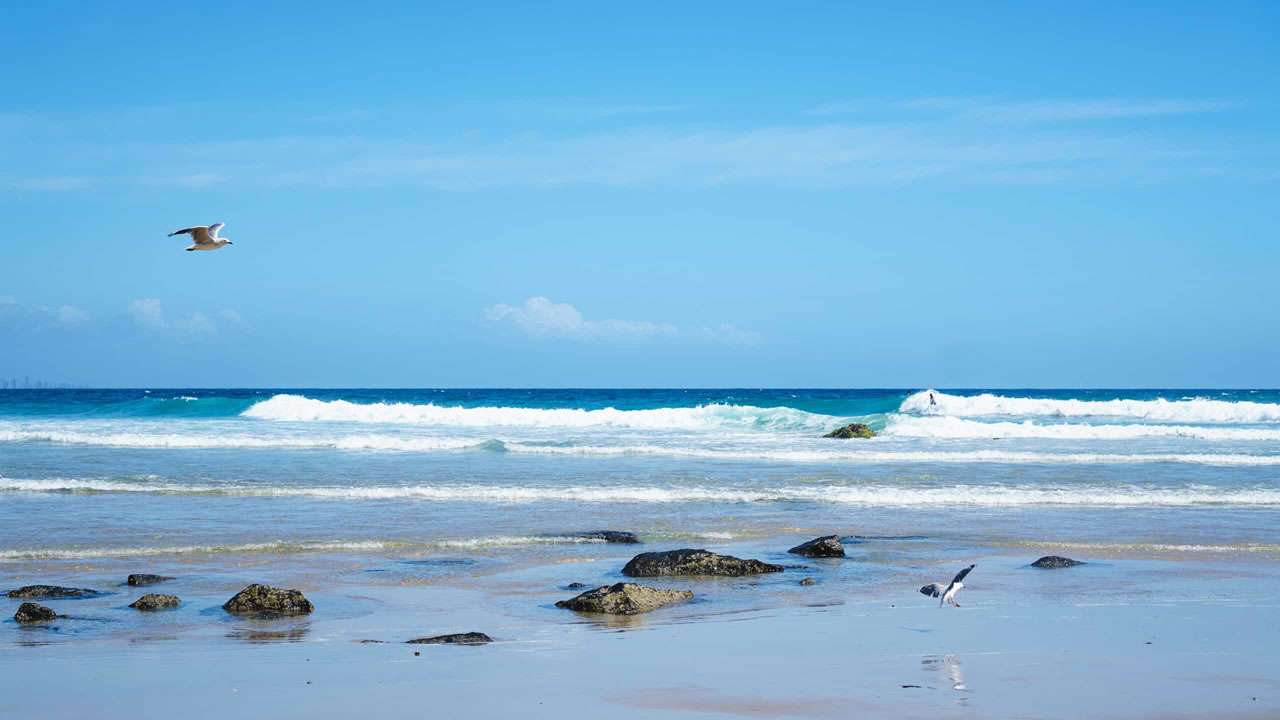
Camping Sites Rainbow Beach (Image Courtesy Rainbow Beach Holiday Village)
Practical Information For Camping Sites Rainbow Beach
Best Time to Visit
Rainbow Beach enjoys a subtropical climate with warm, humid summers and mild, dry winters. The best time to visit the camping sites Rainbow Beach depends on your preferences and camping style:
- Summer (December-February): Perfect for beach activities but can be hot and humid with occasional storms. This is also peak tourist season, so camping areas may be crowded and bookings essential.
- Autumn (March-May): Offers pleasant temperatures and fewer crowds after the Easter holiday period, making it ideal for a more relaxed camping experience.
- Winter (June-August): Mild days and cooler nights make this a comfortable time for camping and outdoor activities, with less competition for camping spots.
- Spring (September-November): Another excellent time to visit with warming temperatures and before the summer crowds arrive, offering a good balance of weather and availability.
It’s worth noting that camping areas at Inskip Peninsula are popular all year but are often full during peak periods: school holidays, long weekends, Christmas, New Year and Easter.
How To Get To Camping Sites Rainbow Beach
Rainbow Beach is located approximately 240km north of Brisbane. Here are the main ways to reach this coastal paradise:
- By car: Take the Bruce Highway (M1) north from Brisbane, then turn off toward Tin Can Bay and Rainbow Beach following the signs.
- Great Beach Drive: If you have a 4WD vehicle, you can take the scenic Great Beach Drive all the way to Rainbow Beach from Noosa North Shore, starting with the ferry across the Noosa River at Tewantin for a truly memorable journey along the coast.
Essential Tips For Camping At Rainbow Beach
- Book well in advance, especially during peak periods, to secure your preferred camping spot
- Bring portable toilets if staying at Dorrigo South or Pelican Bay camping areas at Inskip Peninsula
- If planning to visit Fraser Island, ensure your vehicle is suitable for sand driving (4WD only)
- Be aware of tide times if planning beach driving to avoid getting stranded
- Pack for variable weather conditions, including sun protection and rain gear
- Follow fire safety rules and restrictions, particularly during dry periods
- Take all rubbish with you when leaving camping sites to preserve the natural environment
- Respect wildlife and keep a safe distance for your safety and theirs
- Check vehicle access requirements for different camping areas before setting out
- Consider bringing fishing gear to take advantage of the excellent fishing opportunities in the area
Conclusion
Camping sites Rainbow Beach offers a diverse range of camping experiences to suit all preferences, from the convenience of holiday parks with modern amenities to more rustic, natural settings in the recreation areas. The region’s stunning natural beauty from its namesake rainbow coloured sand cliffs to the vast Carlo Sand Blow provides a spectacular backdrop for your camping adventure.
With activities ranging from relaxing beach days to adventurous 4WD expeditions, wildlife encounters and water sports, there’s something to entertain every member of your camping party, regardless of age or interests.
Whether you’re planning a weekend getaway or an extended stay, camping sites Rainbow Beach allows you to immerse yourself in one of Queensland’s most picturesque coastal environments. The combination of convenient facilities, natural wonders and accessibility makes it an ideal destination for camping enthusiasts looking to experience the best of Australia’s east coast.
So pack your camping gear, book your site and prepare for an unforgettable outdoor adventure at Rainbow Beach where pristine beaches vibrant coloured sands and the gateway to Fraser Island await your exploration.