Diesel Heater In Caravan: A Comprehensive Guide

Diesel Heater In Caravan: A Comprehensive Guide

Diesel Heater In Caravan: A Comprehensive Guide

Stay warm on every trip with this guide to choosing, installing and maintaining a diesel heater in caravan setups for comfort and efficiency. Staying warm on cold nights is a top priority when travelling in a caravan.

A diesel heater in caravan setups is an efficient and reliable solution that many caravan owners swear by. Here’s everything you need to know about diesel heaters in caravans, from how they work to maintenance tips.

1. What Is a Diesel Heater and How Does It Work?

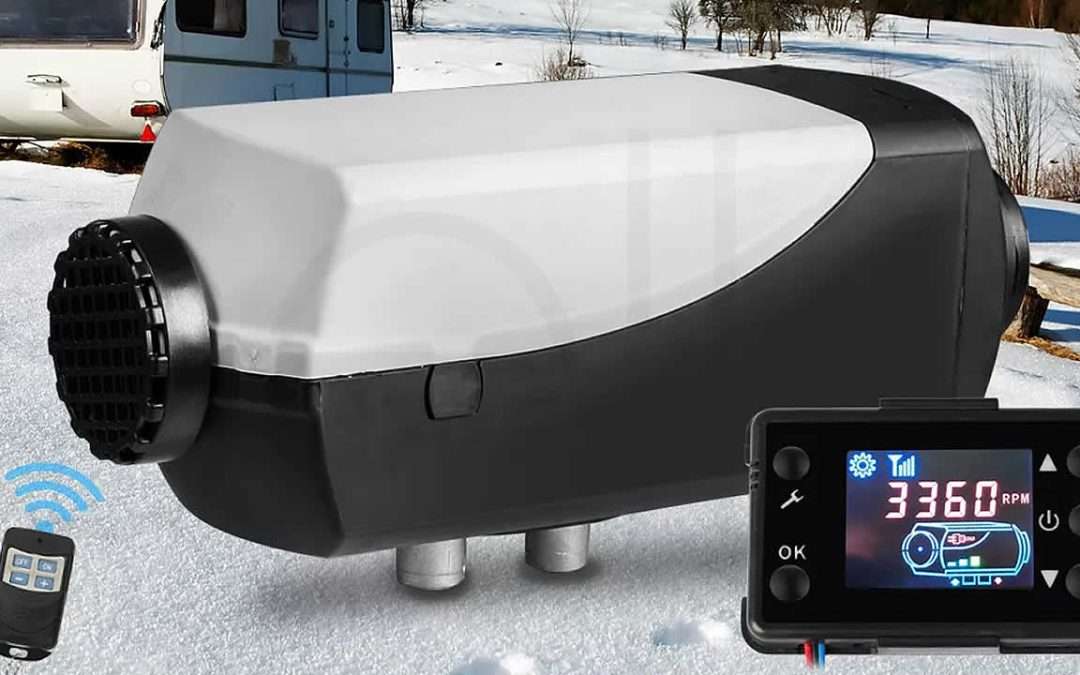
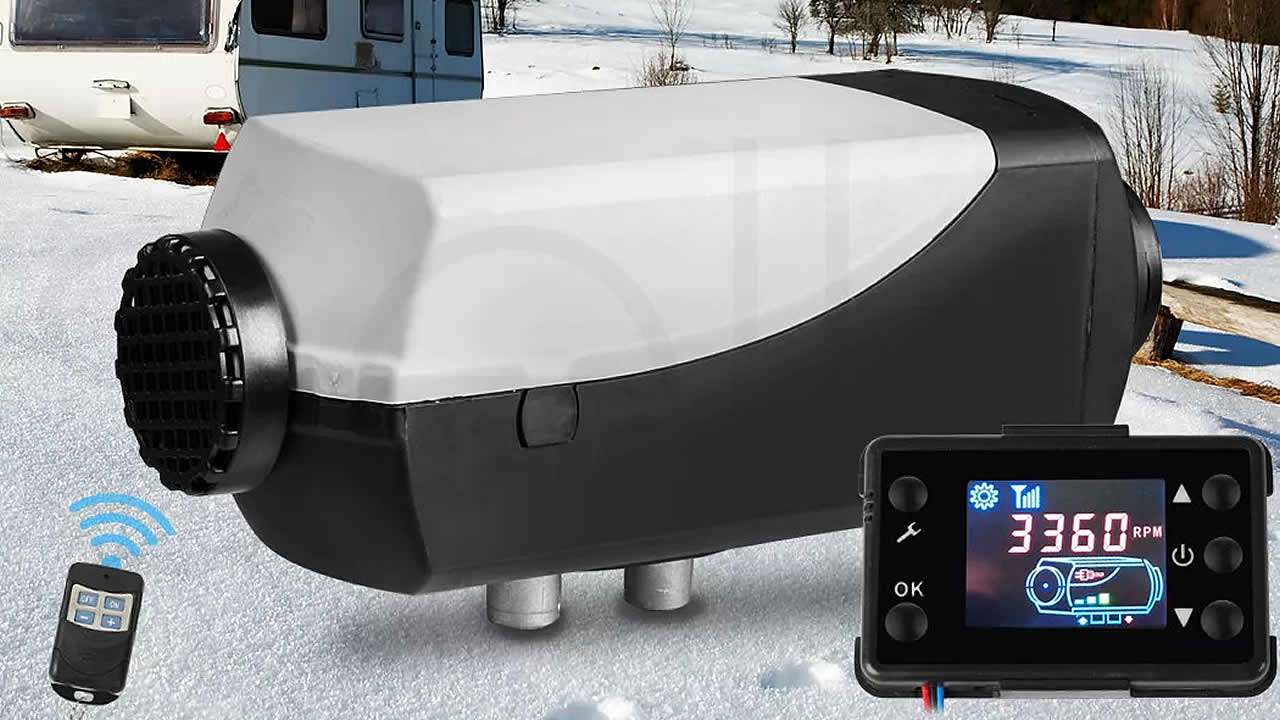
A diesel heater in caravan setups is a compact heating system designed to warm the interior of your caravan using diesel as its fuel source. The system draws in air from outside, heats it using a combustion process, and releases warm air into the living space.

The process is highly efficient, with minimal diesel consumption and low power requirements. Most diesel heaters are designed to run on the same fuel used by your tow vehicle, making them convenient and cost-effective.

2. Benefits of Using a Diesel Heater in Caravan Setups

There are several reasons why a diesel heater in caravan setups is a popular choice:

  • Efficiency: Diesel heaters are fuel-efficient, often using less than a litre of diesel over an eight-hour period.
  • Reliability: They provide consistent heat, even in sub-zero temperatures, making them perfect for winter camping.
  • Low Power Consumption: They draw minimal power from your caravan’s battery, allowing you to use them off-grid.
  • Compact Design: Diesel heaters are small and can be installed out of sight, saving valuable space.

3. Types of Diesel Heaters

Diesel heaters come in two main types:

  • Single Outlet Heaters: These are ideal for smaller caravans, providing heat through one vent.
  • Multiple Outlet Heaters: Suitable for larger caravans, they distribute heat evenly across multiple areas.

When choosing a heater, consider the size of your caravan and the number of people who’ll need warmth.

4. Installation Tips for Diesel Heater in Caravan Use

Installing a diesel heater in caravan setups is a straightforward process, but there are some key points to keep in mind:

  • Positioning: Install the heater where it won’t take up valuable living space, such as under a bench seat or bed.
  • Exhaust System: Ensure the exhaust is vented outside to avoid fumes inside the caravan.
  • Electrical Connection: Diesel heaters require a power connection to run the fan and control unit. Use a professional installer if you’re unsure.

5. Popular Brands of Diesel Heaters for Caravans

Several brands are trusted by caravan owners across Australia:

  • Eberspacher: Known for reliability and durability.
  • Webasto: Offers a range of high-performance heaters.
  • Planar: A budget-friendly option with solid performance.
  • Chinese Diesel Heaters: Affordable and widely available, though quality can vary.

Each brand has its pros and cons, so research carefully before purchasing.
Diesel Heater In Caravan

Diesel Heater In Caravan

6. Running Costs and Fuel Consumption

One of the biggest advantages of a diesel heater in caravan use is its low running cost. On average, a diesel heater uses 0.1 to 0.5 litres of diesel per hour, depending on the size and power setting.

Diesel fuel is readily available, and many caravanners carry a small jerry can to top up as needed. If your tow vehicle runs on diesel, you can use the same fuel source for added convenience.

7. Safety Considerations

Safety is critical when using a diesel heater in caravan setups. Here’s how to stay safe:

  • Regular Maintenance: Clean the heater and check for blockages or leaks.
  • Carbon Monoxide Alarm: Install a carbon monoxide detector to monitor for dangerous fumes.
  • Proper Ventilation: Ensure vents and exhaust outlets are clear and functioning correctly.

By following these precautions, you can enjoy your heater worry-free.

8. Troubleshooting Common Issues

While diesel heaters are reliable, occasional problems can arise:

  • Heater Won’t Start: Check the fuel level, battery charge, and air intake.
  • Unusual Noises: This could indicate a blockage or a problem with the fan.
  • Smell of Diesel: Inspect for leaks in the fuel line or exhaust system.

Consult the manufacturer’s manual or seek professional help if issues persist.

9. Maintenance Tips

Regular maintenance keeps your diesel heater in caravan use running smoothly:

  • Clean the Filter: Prevent blockages by cleaning the air filter periodically.
  • Check the Exhaust: Ensure the exhaust pipe is free of debris.
  • Test Before Trips: Run the heater before heading out to confirm it’s working properly.

Proper care extends the life of your heater and ensures optimal performance.

10. Is a Diesel Heater in Caravan Right for You?

A diesel heater in caravan setups is an excellent investment for caravanners who enjoy year-round travel, especially in colder regions. While the upfront cost can be significant, the efficiency, reliability, and comfort they provide make them a worthwhile addition to your caravan setup.

If you value warmth and comfort on chilly nights, a diesel heater could be just what you need to elevate your camping experience.

Final Thoughts On A Diesel Heater In caravan Setups

A diesel heater in caravan setups is a game-changer for caravan enthusiasts. They’re efficient, reliable, and make camping in cooler climates far more enjoyable. By understanding how they work, choosing the right model, and maintaining it properly, you’ll ensure your caravan stays cosy no matter where your adventures take you.

Whether you’re exploring the snowy highlands or camping by the coast on a crisp winter evening, a diesel heater is the ultimate companion for a comfortable and warm journey.

FAQs Frequently Asked Questions About Diesel Heater in Caravan

How does a diesel heater in a caravan work?

A diesel heater operates by drawing in air from outside the caravan, heating it through a combustion process using diesel fuel, and circulating warm air into the living space. The exhaust gases are vented outside, ensuring clean and safe indoor air. These heaters are powered by a small amount of diesel and electricity, making them efficient and ideal for off-grid camping.

Are diesel heaters safe to use in a caravan?

Yes, diesel heaters are safe when installed and maintained properly. Key safety features include sealed combustion chambers and external exhausts that keep fumes outside. To enhance safety, it’s essential to have a carbon monoxide detector installed in the caravan and to conduct regular maintenance checks on the heater and exhaust system.

What are the running costs of a diesel heater in a caravan?

Diesel heaters are highly efficient, typically consuming between 0.1 to 0.5 litres of diesel per hour, depending on the size and heat output. Electricity usage is minimal, often less than 1 amp per hour. Overall, the running costs are low, making diesel heaters an economical choice for caravanners who need reliable heating.

Can a diesel heater run off the same fuel as my vehicle?

Yes, most diesel heaters can run off the same diesel fuel used by your tow vehicle, provided it’s standard diesel and not biodiesel. This eliminates the need to carry a separate fuel source, simplifying your setup and ensuring easy refuelling during trips.

How noisy is a diesel heater in a caravan?

Modern diesel heaters are relatively quiet, with most of the noise coming from the fuel pump and fan. Some brands, like Eberspacher and Webasto, offer models with reduced noise levels. To minimise noise, ensure the heater is installed correctly, and consider adding noise dampening kits or insulating the fuel pump.

How do I maintain a diesel heater in a caravan?

Regular maintenance is essential to keep your diesel heater running smoothly. This includes:
  • Cleaning or replacing the air and fuel filters periodically.
  • Checking the exhaust for blockages or damage.
  • Running the heater occasionally, even during warmer months, to prevent components from seizing.
  • Following the manufacturer’s maintenance guidelines for your specific model.
Proper care extends the life of the heater and ensures efficient performance year-round.

List Of Australian Caravan Brands

Adventura Caravans, Adventure Caravans, Aliner Caravans, Alpha Fibreglass, AOR (Australian Off Road Caravans), Apollo Caravans, Aussie Wide Caravans, Australian Motor Homes Pty Ltd, Australian Off Road Caravans, Avan Campers, Avan Caravans, Avida RV, Bailey Caravans, Ballina Campervans, Beachmere Caravans, Big Red Caravan Co., Billabong Custom Caravans, Black Series Caravans, Broadwater Caravans, Bushtracker Caravans, Camprite Campers, Caravan Manufacturer, Caria Caravan Trailer, Challenge Camper Trailers Caravans, Chapman Caravans, Classic RTM Caravans, Concept Caravans, Coromal Caravans, Creative Caravans, Crusader Caravans, Customline Caravans, Davsher Caravans, Desert Edge Trailers, Designer Vans Caravans, Discoverer Campers, Dreamhaven Caravans, Dreamland Trailers, Driftaway Caravans, Dryden Trailers Caravans, Eagle Caravans, Elddis Caravans, Elross Caravans, Emerald Caravans, Evernew Caravans, Exodus Campers, Ezytrail Campers, Ezytrail Caravans, Galaxy Caravans, Goldstream Recreational Vehicles, Goldstream RV, Golf Caravans, Grand Tourer Caravans, Heaslip Campers, Horizon Motorhomes, I & D Industries, Imperial Caravans, Jayco, Jayco Caravans, Jurgens Australia, Jurgens Caravans, Kea Campers Australia Caravans, Kingdom Caravans, Knaus Caravans, La Vista Caravans, Lifestyle Leisure RV, Limit Seeker Camper Trailers Caravans, Lotus Caravans, Majestic Caravans, Mandurah Caravans, MARS Campers, MARS Caravans, May West Caravans, Melbourne RV, Metro Caravans, Millard Caravans, Montana Caravans, New Age Caravans, Nova Caravans, Olympic Caravans, Opalite Caravans, Outback Caravans, Paradise Caravans, Paradise Motor Homes, Paramount Caravans, Regal Caravans, Regent Caravans, Retreat Caravans, Rhinomax, Rivenlee Caravans, Roadstar Caravans, Roma Caravans, Royal Flair Caravans, Shasta Caravans, Snowy River Caravans, Spaceland Industries Caravans, Spinifex Caravans, Suncamper Caravans, Sunland Caravans, Sunliner Recreational Vehicles, Supreme Caravans, Swagman Aust Caravans, Toy Haulers Manufacturer, Track Trailer, Trackabout Caravan Co., Trailblazer Caravans, Trailblazers RV Caravans, Trailer Manufacturer, Trailstar Caravans, Trakka, Trakka Caravans, Trakmaster Caravans, Travelhome, Traveller Caravans, Truelux 5th Wheel, Universal Caravans, Vanguard Caravans, Victory Caravans, Western Caravans, Windsor Caravans, Winnebago Industries, Wirraway Motorhomes, Zone RV
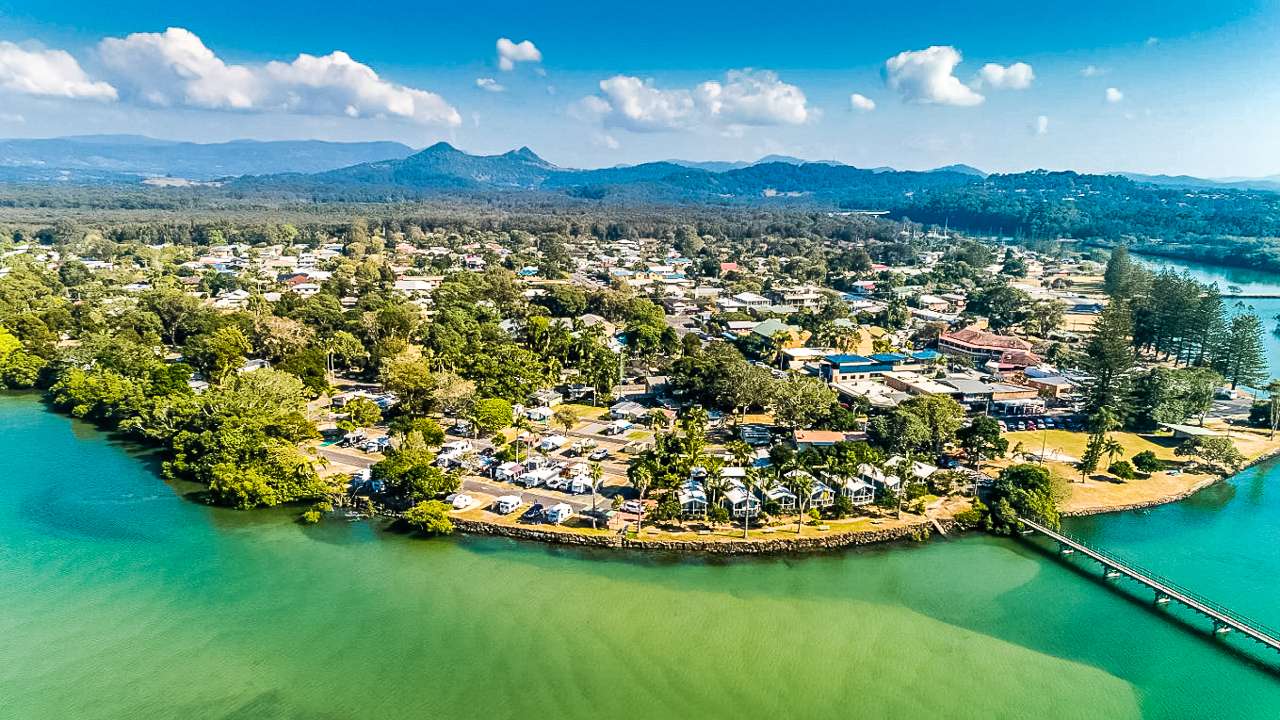
 

List Of All Caravan Parks In Brunswick Heads NSW

List Of All Caravan Parks In Brunswick Heads NSW

List Of All Caravan Parks In Brunswick Heads NSW

Discover your perfect getaway spot with this detailed listing of all caravan parks in Brunswick Heads NSW, featuring top amenities and local highlights.

There Are 3 Caravan Parks In Brunswick Heads.

  1. Reflections Brunswick Heads

  2. Reflections Massy Greene

  3. Reflections Ferry Reserve

1. Reflections Brunswick Heads

Located near the heart of Brunswick Heads this park boasts waterfront views and easy access to beaches and local shops. Ideal for families, couples and solo travellers seeking tranquillity, the park features modern amenities and lush surroundings.

Facilities: Powered and unpowered sites, BBQ areas, camp kitchen, laundry, Wi-Fi, playground.
Pets: Not allowed.
Recommended For: Families and couples.
Address: 2 The Terrace, Brunswick Heads NSW 2483.
Phone: (02) 6685 1233.
Email: brunswickheads@reflectionsholiday.com.au.
Website: https://www.reflectionsholidayparks.com.au
Cost: Powered sites from $50 per night; unpowered sites from $40 per night.

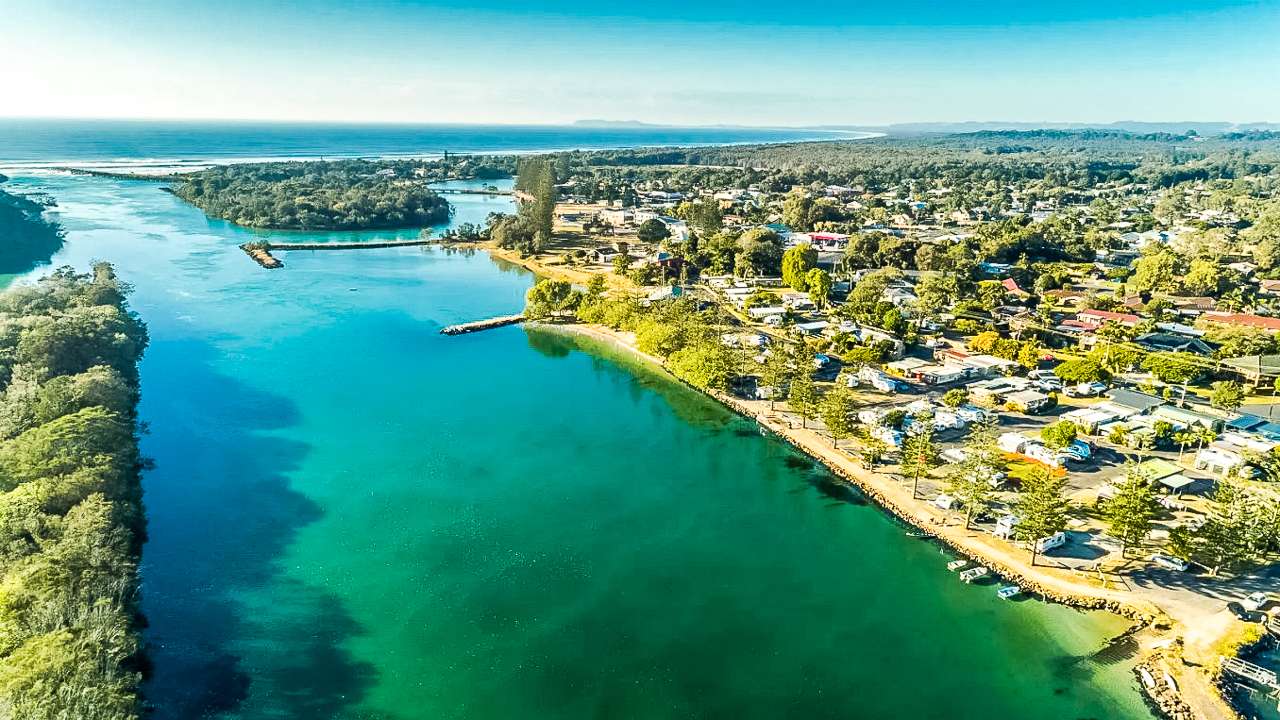
Brunswick Heads Holiday & Caravan Park (Photo Courtesy Reflections Holidays)

Brunswick Heads Holiday & Caravan Park (Photo Courtesy Reflections Holidays)

2. Reflections Massy Greene

This park is a haven for those who love water activities with direct access to the Brunswick River. It’s perfect for anglers, kayakers, and families looking for a serene getaway.

Facilities: Waterfront sites, camp kitchen, BBQ areas, laundry, Wi-Fi, boat ramp access.
Pets: Not allowed.
Recommended For: Water enthusiasts and families.
Address: Tweed Street, Brunswick Heads NSW 2483.
Phone: (02) 6685 1233.
Email: massygreene@reflectionsholiday.com.au.
Website: https://www.reflectionsholidayparks.com.au
Cost: Powered sites from $55 per night; unpowered sites from $45 per night.

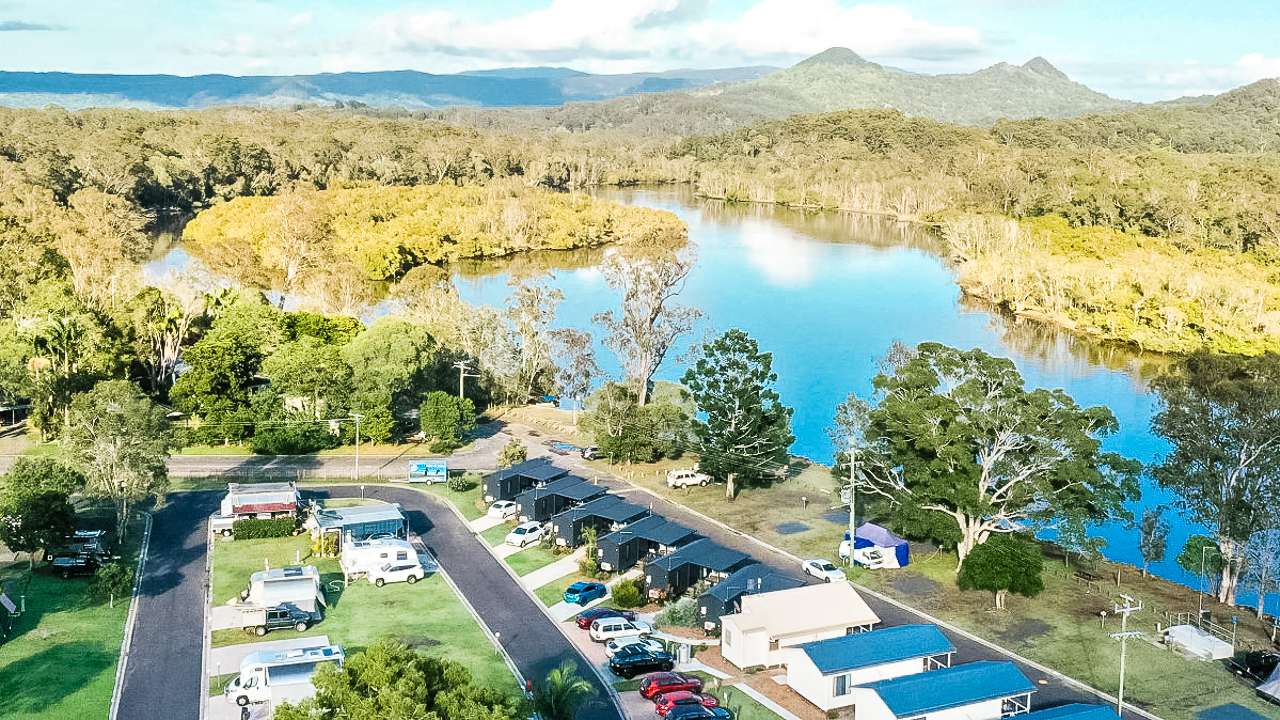
Massy Greene Holiday & Caravan Park (Photo Courtesy Reflections Holidays)

Massy Greene Holiday & Caravan Park (Photo Courtesy Reflections Holidays)

3. Reflections Ferry Reserve

Nestled along the riverbank this park provides stunning views and a peaceful retreat. It’s popular among nature lovers and travellers who enjoy a slower pace.

Facilities: Waterfront sites, camp kitchen, BBQ areas, laundry, Wi-Fi, kayak hire.
Pets: Not allowed.
Recommended For: Nature lovers and families.
Address: Riverside Crescent, Brunswick Heads NSW 2483.
Phone: (02) 6685 1233.
Email: ferryreserve@reflectionsholiday.com.au.
Website: https://www.reflectionsholidayparks.com.au
Cost: Powered sites from $55 per night; unpowered sites from $45 per night.

Caravan Parks In Brunswick Heads NSW Ferry Reserve Caravan Park (Photo Courtesy Reflections Holidays)

Caravan Parks In Brunswick Heads NSW Ferry Reserve Caravan Park (Photo Courtesy Reflections Holidays)

Brunswick Heads NSW Caravan Parks

Brunswick Heads, nestled along the scenic North Coast of New South Wales, offers a relaxed atmosphere perfect for a beachside holiday. Here’s a detailed look at all three excellent caravan parks in Brunswick Heads. Brunswick Heads is situated on the North Coast of New South Wales. Brunswick Heads is a little seaside town that offers a blend of natural beauty and a relaxed lifestyle. For travellers seeking a comfortable and scenic base, the Caravan Parks in Brunswick Heads provide an ideal option to enjoy the region’s attractions.

Among the standout options are Reflections Brunswick Heads, Reflections Massy Greene, and Reflections Ferry Reserve. These parks boast excellent facilities, including waterfront sites, camp kitchens, and family-friendly amenities, making them perfect for a variety of travellers. Located near the Brunswick River and pristine beaches they offer access to kayaking, fishing and other outdoor activities.

Each of the Caravan Parks in Brunswick Heads caters to different needs. Reflections Brunswick Heads is great for families looking for proximity to the village centre. Massy Greene is a favourite among anglers and water enthusiasts, while Ferry Reserve provides a tranquil setting ideal for nature lovers.

With a mix of powered and unpowered sites, these parks ensure comfort while staying close to nature. Brunswick Heads is a destination where the charm of a small town meets the allure of Australia’s coastal beauty, and its caravan parks enhance the experience with convenience and serenity.

Top 10 Things to While Staying At One Of The Caravan Parks In Brunswick Heads NSW

Brunswick Heads is a coastal gem offering a mix of natural beauty, outdoor activities, and laid back charm. Here are the top ten things to do while staying at one of the caravan parks in Brunswick Heads.

  1. Explore Brunswick Heads Nature Reserve
    Take a leisurely walk or bike ride through this serene reserve. It’s perfect for spotting local wildlife and enjoying peaceful river views.
  2. Relax on Torakina Beach
    This family-friendly beach features calm waters ideal for swimming and picnicking. Torakina Beach is just a short stroll from the town centre.
  3. Go Kayaking on the Brunswick River
    Rent a kayak or paddleboard and glide along the pristine river, taking in the lush mangroves and abundant birdlife.
  4. Visit the Brunswick Heads Fairy Trail
    Kids and adults alike will love spotting whimsical fairy houses hidden throughout the town.
  5. Enjoy Fresh Seafood by the River
    Indulge in freshly caught seafood at one of the local eateries. The Fishermen’s Co-Op is a must visit for a great feed of fish and chips.
  6. Cast a Line and Go Fishing
    The Brunswick River and nearby beaches are prime spots for fishing enthusiasts. Bring your gear or join a local fishing tour.
  7. Stroll Along the Brunswick Heads Bridge
    The old timber bridge offers stunning views of the river and ocean. It’s a great spot for photography especially at sunset.
  8. Take a Day Trip to Byron Bay
    Byron Bay is just a 15-minute drive away. Explore its vibrant culture, famous beaches, and the Cape Byron Lighthouse.
  9. Shop at the Brunswick Heads Markets
    Held monthly, these markets are packed with handmade crafts, local produce, and unique souvenirs.
  10. Join a Brunswick River Cruise
    Relax on a scenic river cruise and learn about the area’s ecology and history from knowledgeable guides.

While staying at one of the caravan parks in Brunswick Heads, these activities offer a mix of relaxation and adventure. From nature trails to vibrant markets, there’s something for everyone in this coastal paradise.

Caravan Parks In Brunswick Heads NSW

Whether you’re looking for a waterfront retreat or a convenient spot near the village centre, these caravan parks in Brunswick Heads provide excellent options for your next getaway.

Frequently Asked Questions About Caravan Parks In Brunswick Heads NSW

What are the best caravan parks in Brunswick Heads?

Brunswick Heads is home to top-rated parks like Reflections Holiday Parks Brunswick Heads, Reflections Massy Greene, and Reflections Ferry Reserve. These parks offer stunning locations near the river or beach, ensuring a great stay for families, couples, and solo travellers alike.

Are the caravan parks in Brunswick Heads pet-friendly?

Yes, many caravan parks in Brunswick Heads are pet-friendly, including Reflections Ferry Reserve. However, policies vary by park, so it’s best to check with your chosen location to confirm specific rules and conditions.

What facilities can I expect at caravan parks in Brunswick Heads?

Facilities typically include powered and unpowered sites, BBQ areas, camp kitchens, laundry services, and playgrounds. Some parks also offer cabins, free Wi-Fi, and direct access to water activities like kayaking and fishing.

How much does it cost to stay at a caravan park in Brunswick Heads?

The cost for powered sites generally ranges from $40 to $60 per night, while unpowered sites can be slightly cheaper. Prices can fluctuate during peak holiday seasons, so booking ahead is recommended.

Are caravan parks in Brunswick Heads suitable for families?

Absolutely. Brunswick Heads caravan parks are ideal for families, with facilities like children’s play areas, picnic spots, and easy access to the beach. Their relaxed atmosphere makes them perfect for family holidays.

How can I book a site at a caravan park in Brunswick Heads?

Most caravan parks allow online bookings through their websites or via phone. It’s advisable to book early, especially during school holidays or festival seasons, as spots fill up quickly.

8 Caravan Parks In Albany: The Complete List

8 Caravan Parks In Albany: The Complete List

8 Caravan Parks In Albany: The Complete List

Plan your Albany getaway with our full list of caravan parks in Albany offering affordable stays and easy access to all the local attractions.

Albany Western Australia is a destination filled with breathtaking coastlines, lush forests and rich history. To make the most of your visit, these top caravan parks in Albany offer a range of accommodations to suit every traveller’s needs. Here’s a detailed guide to the best eight caravan parks in Albany WA each with its unique charm and facilities.

List Of Caravan Parks In Albany Western Australia

Albany in Western Australia is home to a range of exceptional holiday destinations for travellers. The Caravan Parks In Albany offer diverse options for every kind of visitor, from budget-conscious adventurers to families seeking comfort. Many parks provide powered and unpowered sites, modern amenities, and stunning natural surroundings. Locations such as Emu Beach and Middleton Beach are perfect for enjoying Albany’s coastline, while inland parks offer tranquillity and a retreat from bustling tourist areas. Whether you’re after pet-friendly options or luxury facilities, the Caravan Parks In Albany deliver convenience, quality, and an excellent base for exploring the region’s attractions. If we’ve missed any caravan parks in Albany please let us know and we’ll add them in.

1. Panorama Caravan Park

Located in a tranquil bushland setting, Panorama Caravan Park is a perfect getaway for nature lovers. It offers easy access to Albany’s top attractions, including Torndirrup National Park and the Wind Farm. The park is known for its friendly service and spacious sites, making it ideal for families and solo travellers alike.

Facilities: Powered and unpowered sites, BBQ areas, laundry facilities, camp kitchen and playground.
Pet Policy: Pets allowed with prior approval.
Address: 28 Panorama Road, Big Grove, Albany WA 6330
Phone: (08) 9844 3240
Email: info@panoramacaravanpark.com.au
Website: http://www.panoramacaravanpark.com.au
Cost for Powered Site: $40 per night
Cost for Unpowered Site: $30 per night

2. BIG4 Middleton Beach Holiday Park

Located along Middleton Beach, this BIG4 park is a favourite for families and beach lovers. The park combines luxury amenities with proximity to cafes, walking trails and scenic views. It’s a fantastic spot for those wanting a premium holiday experience.

Facilities: Heated pool, spa, playground, BBQ facilities, camp kitchen and beachfront access.
Pet Policy: No pets allowed.
Address: 28 Flinders Parade, Middleton Beach WA 6330
Phone: (08) 9841 3588
Email: stay@middletonbeach.com.au
Website: http://www.big4middletonbeach.com.au
Cost for Powered Site: $55 per night
Cost for Unpowered Site: Not available

3. Albany Holiday Park

Albany Holiday Park is a budget-friendly option with all the essentials. Located near major shopping centres, it provides a convenient base for exploring Albany’s attractions, including the historic ANZAC Centre and Mount Clarence.

Facilities: Camp kitchen, BBQ areas, laundry, free Wi-Fi and dog-friendly sites.
Pet Policy: Pets allowed on request.
Address: 550 Albany Highway, Milpara WA 6330
Phone: (08) 9841 4616
Email: info@albanyholidaypark.com.au
Website: http://www.albanyholidaypark.com.au
Cost for Powered Site: $38 per night
Cost for Unpowered Site: $25 per night

4. BIG4 Emu Beach Holiday Park

This award-winning park is located just steps from Emu Beach. It offers top-notch facilities and activities for families and couples, from beach walks to fishing. It’s an excellent choice for those seeking a mix of relaxation and recreation.

Facilities: Modern camp kitchen, mini-golf, games room, BBQ areas and beach access.
Pet Policy: No pets allowed.
Address: 8 Medcalf Parade, Emu Point WA 6330
Phone: (08) 9844 1147
Email: info@big4emubeach.com.au
Website: http://www.big4emubeach.com.au
Cost for Powered Site: $50 per night
Cost for Unpowered Site: Not available

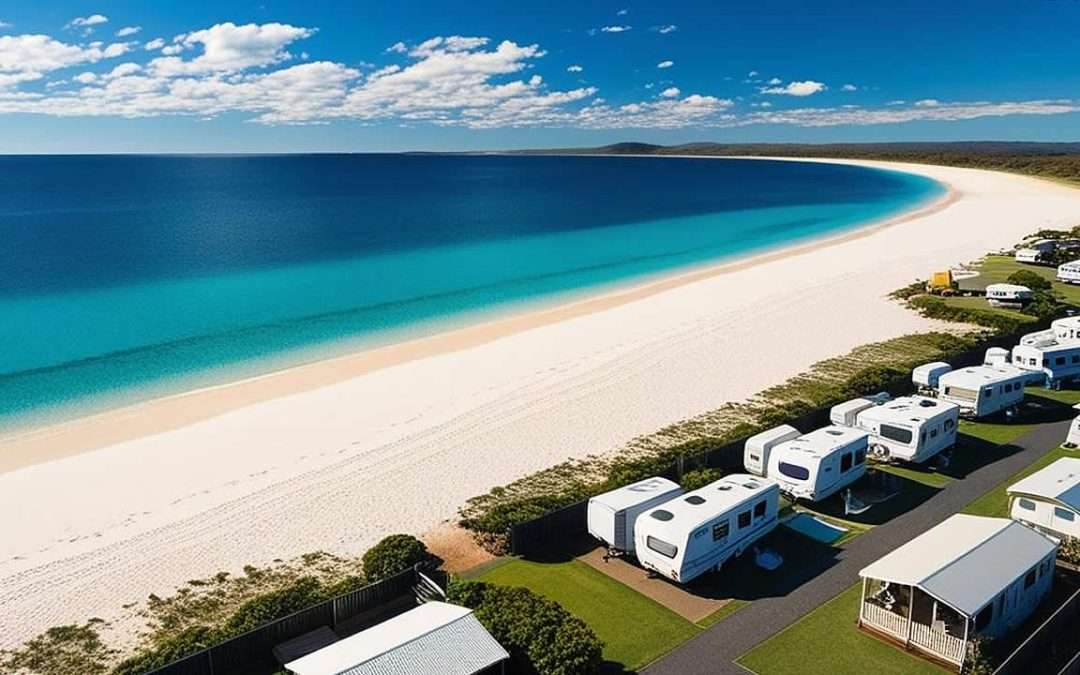
Caravan Parks In Albany (Photo Courtesy Of Big4 Emu Beach)

Caravan Parks In Albany (Photo Courtesy Of Big4 Emu Beach)

5. Rose Gardens Beachside Holiday Park

Situated on the stunning coastline near Emu Point, Rose Gardens offers panoramic views and direct beach access. This park is ideal for those wanting to wake up to the sound of the ocean and enjoy a laid-back holiday.

Facilities: Beachfront access, BBQ areas, camp kitchen and laundry.
Pet Policy: Pets allowed in designated areas.
Address: 45 Mermaid Avenue, Emu Point WA 6330
Phone: (08) 9844 1868
Email: info@rosegardenspark.com.au
Website: http://www.rosegardenspark.com.au
Cost for Powered Site: $42 per night
Cost for Unpowered Site: $30 per night

6. Kalgan River Caravan Park

Located along the Kalgan River, this peaceful park is perfect for fishing enthusiasts and nature lovers. The serene setting offers opportunities for kayaking and wildlife spotting.

Facilities: Riverfront sites, camp kitchen, boat ramp, BBQ facilities and playground.
Pet Policy: Pets allowed.
Address: 247 Nanarup Road, Kalgan WA 6330
Phone: (08) 9844 7937
Email: stay@kalganriverpark.com.au
Website: http://www.kalganriverpark.com.au
Cost for Powered Site: $40 per night
Cost for Unpowered Site: $28 per night

7. Albany Happy Days Caravan Park

Known for friendly service this park is a great escape from the hustle and bustle. It’s a convenient base to explore Albany’s attractions.

Facilities: Quiet bush setting, BBQ facilities, laundry and camp kitchen.
Pet Policy: Pets allowed.
Address: 1584 Millbrook Road, King River WA 6330
Phone: (08) 9844 3267
Email: info@happydaypark.com.au
Website: http://www.happydaypark.com.au
Cost for Powered Site: per night
Cost for Unpowered Site: per night

8. King River Palms Caravan Park

Tucked away near the King River, this small and quiet park provides a relaxed atmosphere for travellers. Its proximity to Albany’s highlights ensures a comfortable and convenient stay.

Facilities: Shady sites, BBQ facilities, laundry and Wi-Fi.
Pet Policy: Pets allowed.
Address: 102 Millbrook Road, King River WA 6330
Phone: (08) 9844 4425
Email: stay@kingriverpalms.com.au
Website: http://www.kingriverpalms.com.au
Cost for Powered Site: per night
Cost for Unpowered Site: per night

Exploring the Best Caravan Parks in Albany WA

  • Located on the southern coast of Western Australia, Albany is a picturesque destination that blends natural beauty with historic charm. Visitors come from far and wide to this coastal town for its pristine beaches, rugged national parks and rich cultural heritage. A convenient way to experience all that Albany has to offer is by staying at one of the many Caravan Parks In Albany, each providing unique amenities and proximity to the region’s attractions.
  • Caravan Parks In Albany cater to a variety of travellers, from families seeking a relaxed beachside getaway to adventurers eager to explore rugged trails. Among the standout options, BIG4 Middleton Beach Holiday Park stands out for its beachfront access and modern amenities, including a heated pool and camp kitchen. Families can enjoy a luxurious experience with direct views of the Southern Ocean.
  • For nature enthusiasts, the Kalgan River Caravan Park offers a serene riverside setting with opportunities for fishing, kayaking and wildlife spotting. Its tranquil surroundings make it an excellent choice for those wanting to unwind in peace. Similarly, Panorama Caravan Park is a bushland retreat, providing a rustic escape just a short drive from Albany’s iconic Wind Farm and Torndirrup National Park.
  • Travellers on a budget will appreciate Albany Holiday Park, which combines affordability with essential facilities like a well-equipped camp kitchen and pet-friendly options. Those seeking a mix of relaxation and recreation might opt for Rose Gardens Beachside Holiday Park, where panoramic ocean views meet convenient beach access.
  • With diverse offerings, Caravan Parks In Albany provide more than just a place to rest. They serve as gateways to some of Western Australia’s most captivating landscapes, including Two Peoples Bay and the historic whaling station. Whether you’re visiting during the wildflower season or planning a summer escape, these parks ensure a comfortable and memorable stay.

Albany’s caravan parks are more than accommodation – they’re an invitation to immerse yourself in the region’s natural splendour and welcoming community.

Top 10 Things to Do in Albany, WA

Albany, Western Australia, is a treasure trove of history, natural beauty and outdoor adventure. Whether you’re a nature enthusiast or a history buff, there’s something for everyone. Here are the top ten things to do in Albany.

  1. Explore Torndirrup National Park
    Discover dramatic coastal scenery at Torndirrup National Park. Highlights include The Gap, a rugged rock formation with a 25-metre drop and Natural Bridge, a stunning rock arch.
  2. Visit the National Anzac Centre
    Step back in time at this state-of-the-art museum dedicated to Australia and New Zealand’s soldiers in World War I. Interactive exhibits and personal stories bring history to life.
  3. Walk Along Middleton Beach
    Take a relaxing stroll on the white sands of Middleton Beach. The nearby Ellen Cove Boardwalk offers spectacular views and is perfect for walkers and cyclists alike.
  4. Climb Mount Clarence and Mount Melville
    Hike up Mount Clarence for panoramic views and explore the Anzac memorials along the way. Mount Melville provides a peaceful escape with lookouts offering stunning vistas.
  5. Spot Whales at Albany’s Coastline
    From June to October, Albany becomes a prime spot for whale watching. Head to King George Sound or book a boat tour to see humpbacks and southern right whales.
  6. Historic Whaling Station
    Learn about Albany’s whaling past at this former whaling station that’s been transformed into a museum. Explore exhibits, a giant whale skeleton and the Cheynes IV whaling ship.
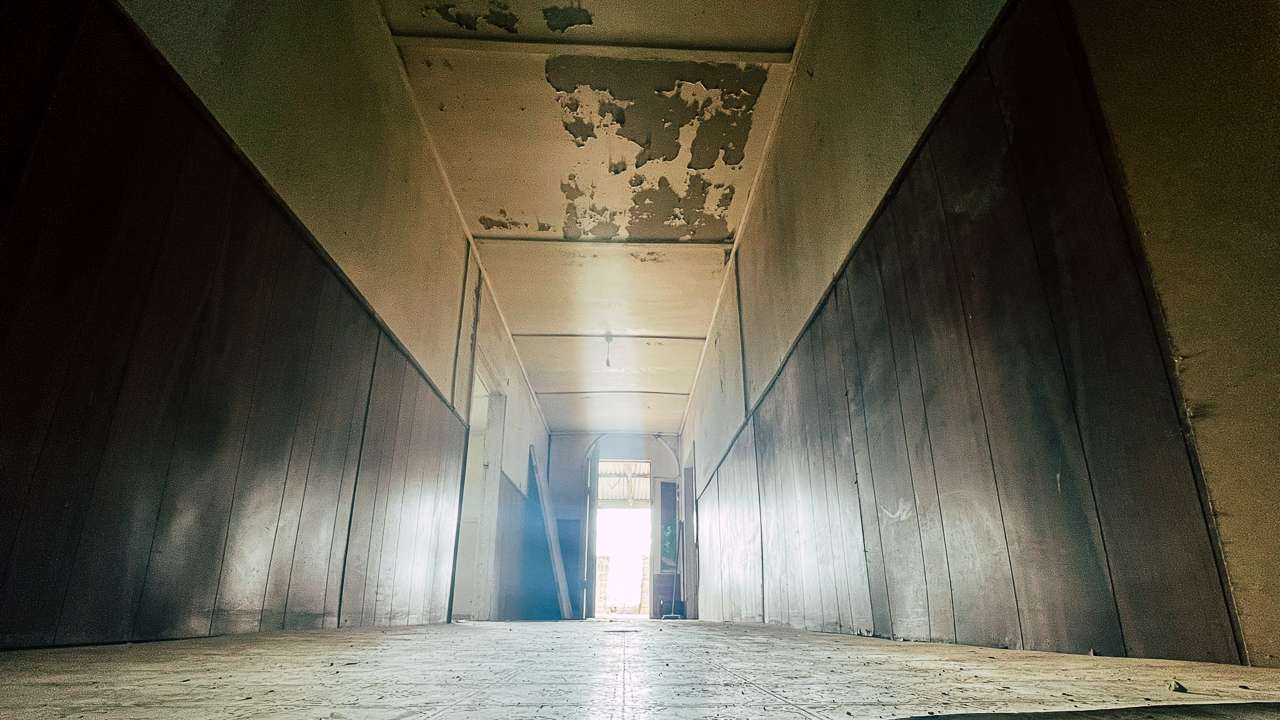
  7. Discover Two Peoples Bay Nature Reserve
    This beautiful reserve is known for its turquoise waters, secluded beaches and diverse wildlife, including the rare noisy scrub-bird.
  8. Enjoy the Views at Albany Wind Farm
    Albany Wind Farm offers sweeping views of the coastline. Walk the scenic trails and marvel at the towering turbines, a testament to sustainable energy.
  9. Explore Emu Point
    This family-friendly spot is great for swimming, kayaking and picnicking. The calm waters and nearby cafes make it a favourite for locals and visitors.
  10. Visit Porongurup National Park
    Just a short drive from Albany, this park features the Granite Skywalk, a suspended walkway atop Castle Rock. The views of the Stirling Range are unforgettable.

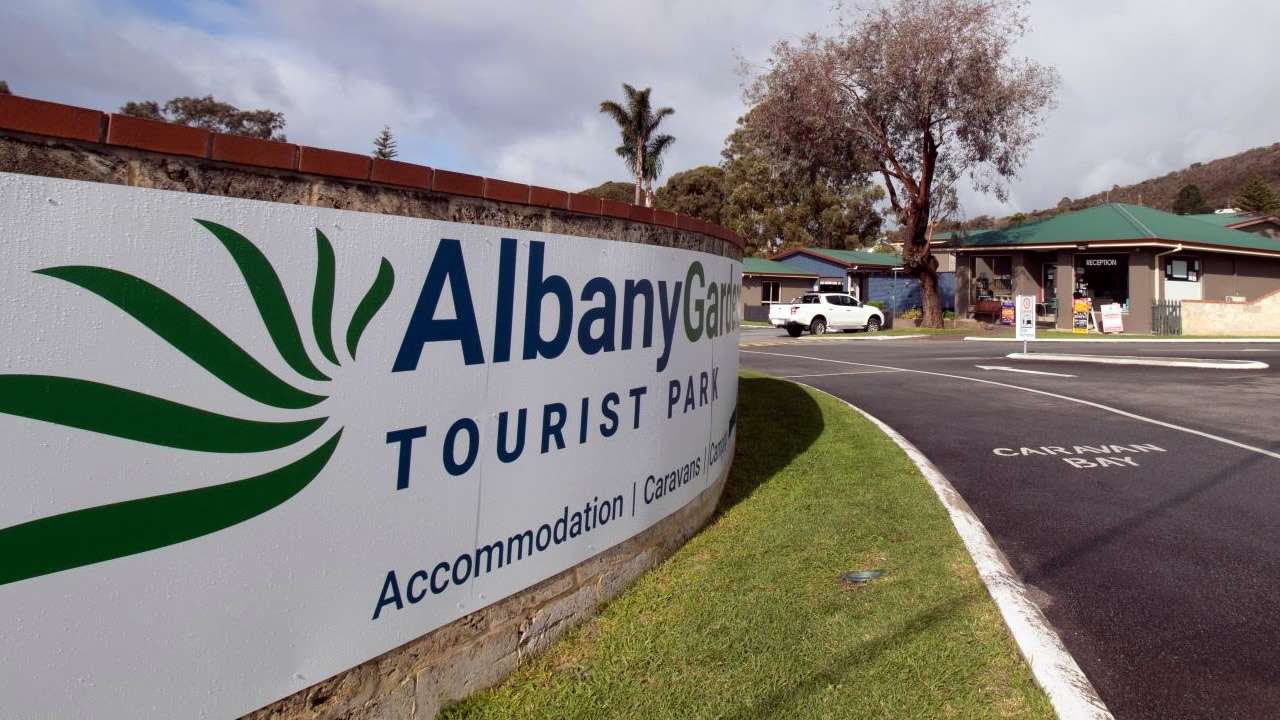
Caravan Parks In Albany (Photo Courtesy Of Albany Gardens Tourist Park)

Caravan Parks In Albany (Photo Courtesy Of Albany Gardens Tourist Park)

Conclusion To Caravan Parks In Albany

From history to nature, Albany is packed with unforgettable experiences. Make sure to explore these highlights and discover why it’s one of WA’s must-visit destinations! With options ranging from luxurious beachfront parks to quiet bush retreats, Albany’s caravan parks cater to every kind of traveller. Whether you’re looking for family-friendly amenities or a peaceful riverside escape, there’s a spot waiting for you in this stunning coastal town.

Frequently Asked Questions Caravan Parks In Albany WA

Are caravan parks in Albany pet-friendly?

Many caravan parks in Albany welcome pets, but policies vary. Parks like Kalgan River Caravan Park and Albany Happy Days Caravan Park allow pets, often with conditions such as keeping animals on a leash. It’s best to confirm directly with the park before booking.

What facilities do caravan parks in Albany typically offer?

Facilities at caravan parks in Albany include powered and unpowered sites, camp kitchens, BBQ areas, laundry facilities, and clean amenities blocks. Some parks, such as BIG4 Middleton Beach Holiday Park, offer extras like swimming pools and playgrounds for added convenience.

How much does it cost to stay at a caravan park in Albany?

Prices vary depending on the park and site type. Powered sites typically range from $35 to $50 per night, while unpowered sites cost around $25 to $35 per night. Seasonal rates may apply, so check with the park for current pricing.

What’s the best time of year to visit caravan parks in Albany?

Albany is a year-round destination, but spring (September to November) is particularly popular for wildflower season. Summer offers warm days for beach activities, while winter is perfect for whale watching and exploring Albany's lush landscapes.

Do caravan parks in Albany accommodate large groups or families?

Yes, most caravan parks in Albany cater to groups and families. They provide spacious sites, family cabins, and communal areas for gatherings. Parks like BIG4 Middleton Beach Holiday Park even have kid-friendly facilities like playgrounds and activity programs.

How far are Albany’s caravan parks from local attractions?

Many caravan parks in Albany are conveniently located near key attractions. Middleton Beach is within walking distance of BIG4 Middleton Beach Holiday Park, while other parks provide easy access to the National ANZAC Centre, Torndirrup National Park, and Albany’s Historic Whaling Station.

Camping And Exploring Eucla Western Australia, Australia

Camping And Exploring Eucla Western Australia, Australia

Camping And Exploring Eucla Western Australia, Australia

Experience camping and exploring Eucla Western Australia, Australia where the ruins meet the ocean and history tells its story in the sands.

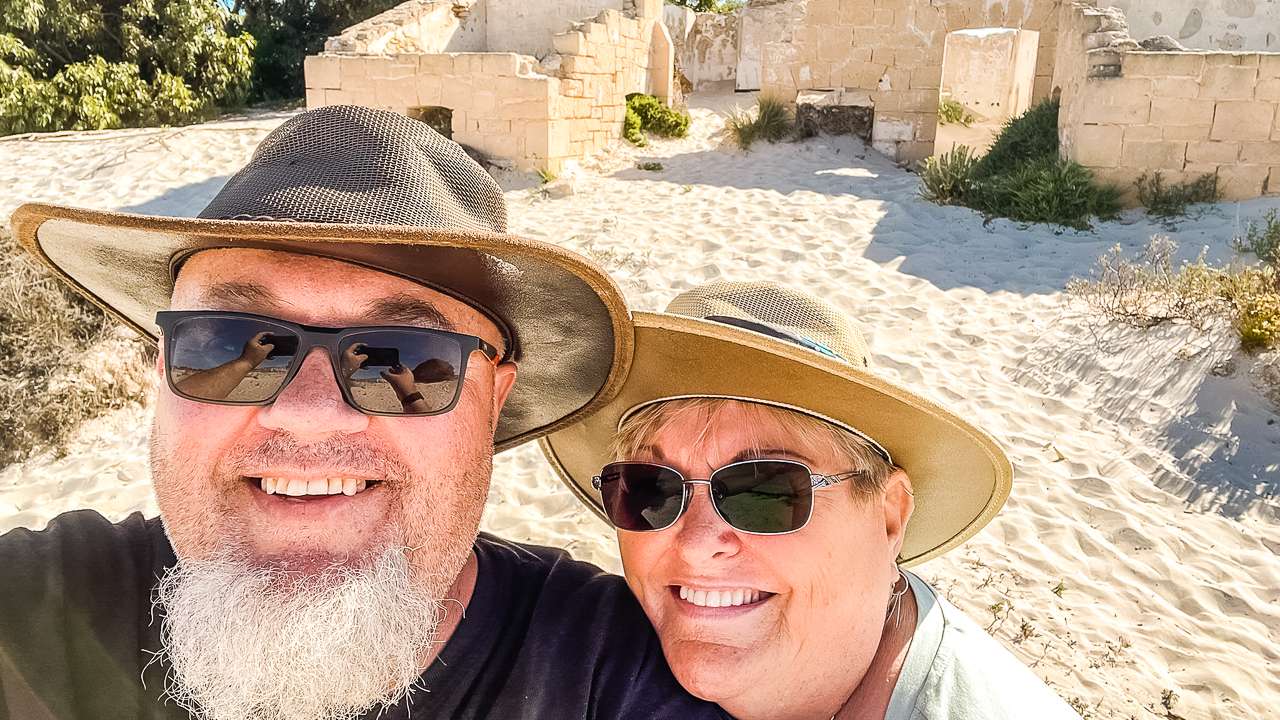
In September 2024 Amanda and I checked out trip to Eucla Western Australia, Australia. We camped the night at the Old Telegraph Station Campground. We spent more than half a day and the evening visiting the many historical sites.

History Of Eucla Western Australia, Australia

Eucla began as a vital communication hub in the late 19th century. The Eucla Telegraph Station, built in 1877, was a key link in the intercolonial telegraph line that connected South Australia and Western Australia.

By the 1920s, Eucla faced problems from a rabbit plague and encroaching sand dunes. These issues forced the town to relocate closer to the highway and the telegraph station was abandoned. These days the ruins of the station are a reminder of the challenges faced by early settlers.

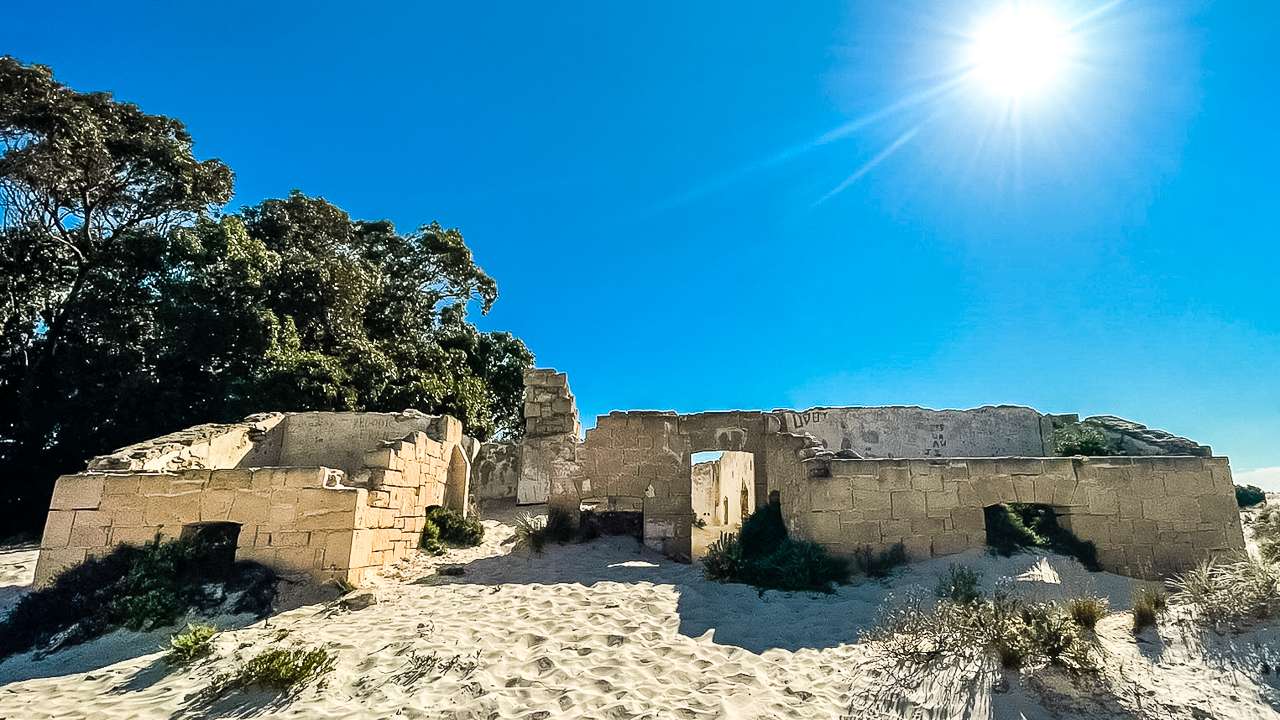
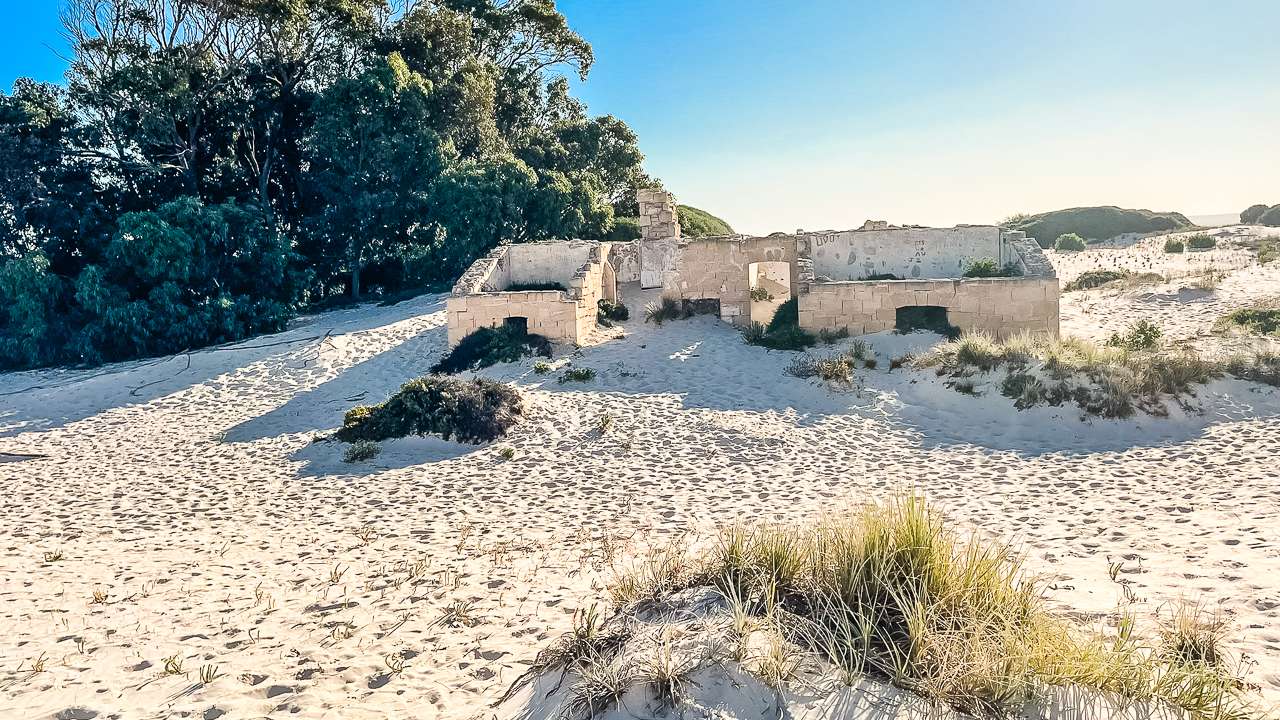
Abandoned Eucla Telegraph Station Ruins

Abandoned Eucla Telegraph Station Ruins

Exploring The Eucla Telegraph Station

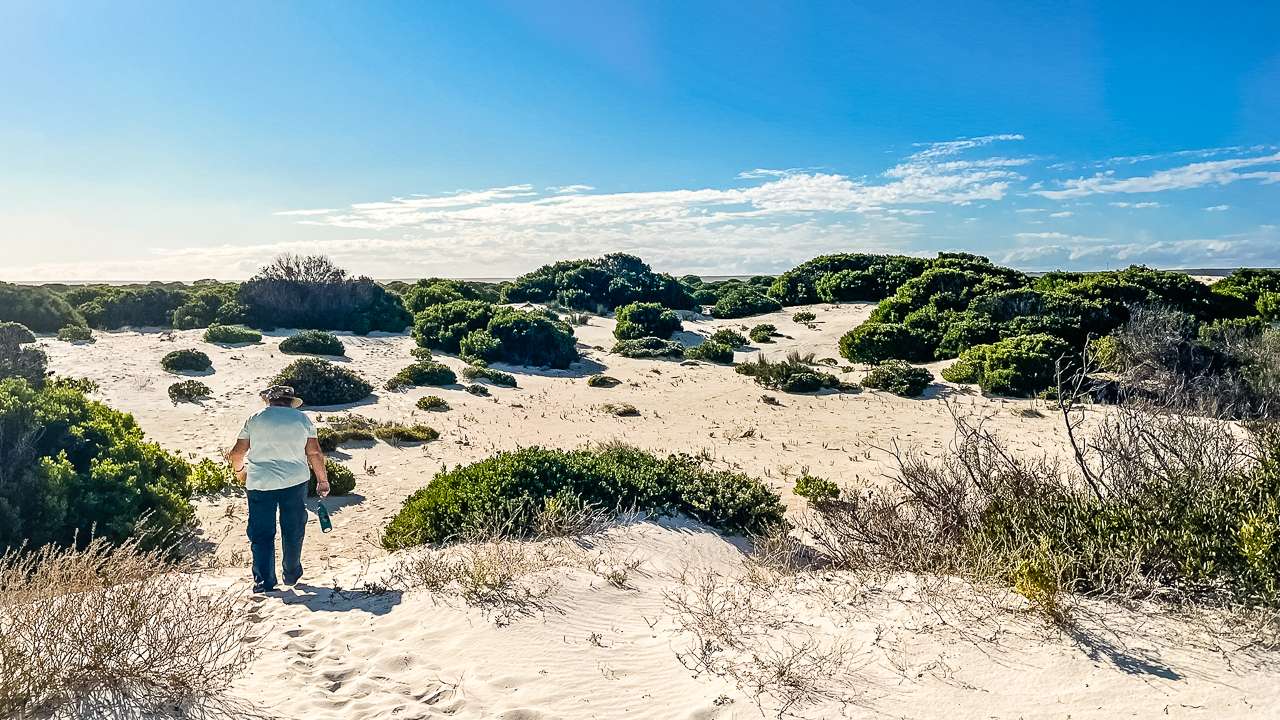
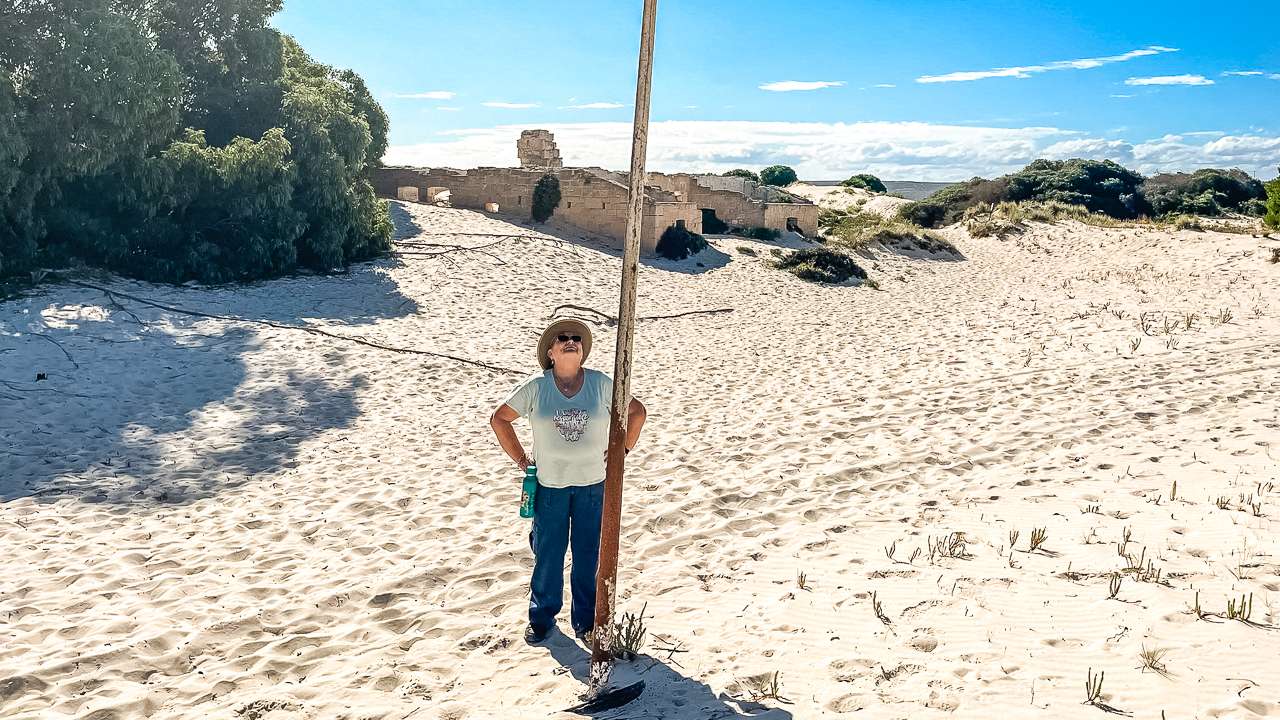
One of the highlights of our visit was a walk to the Old Telegraph Station ruins. It’s a short trek through the sand dunes that have partly buried the old buildings. What was left of the station gave us a sense of how isolated life must have been for the people who lived and worked there.

The surrounding dunes are constantly shifting, making the site feel unique and ever-changing. We spent time walking around, taking photos and soaking in the quiet atmosphere.

The Beach And Jetty

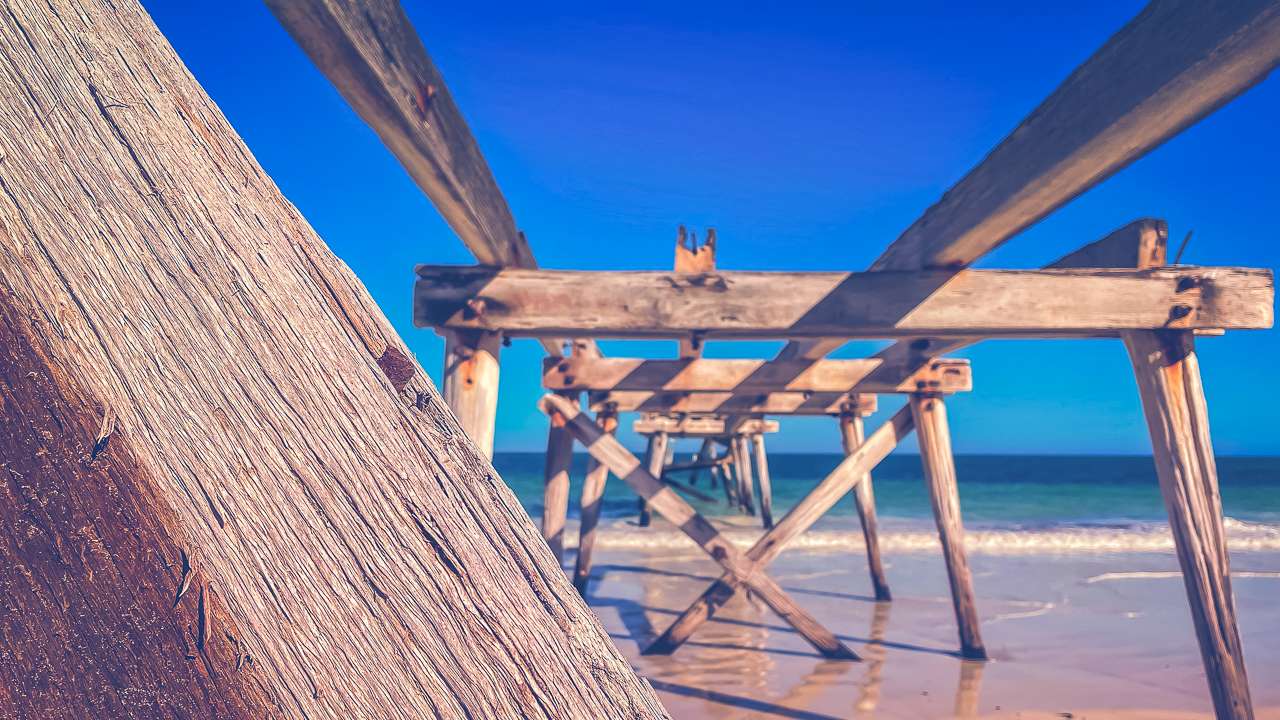
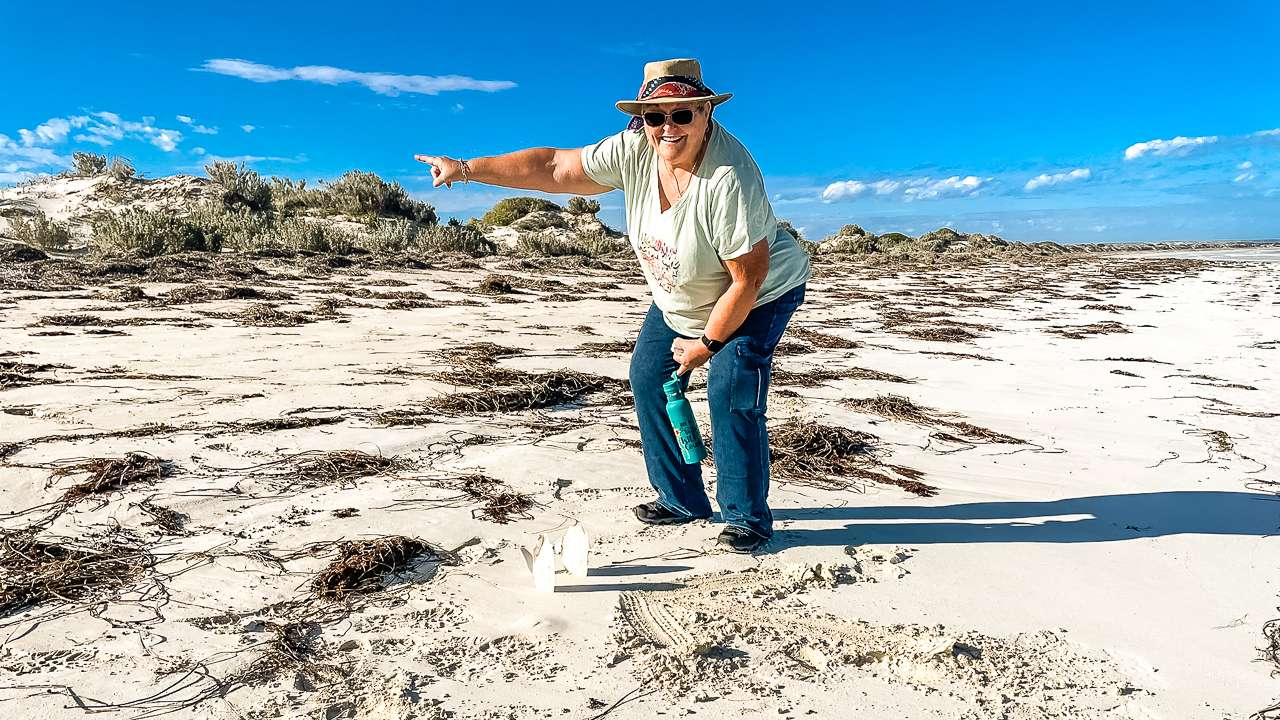
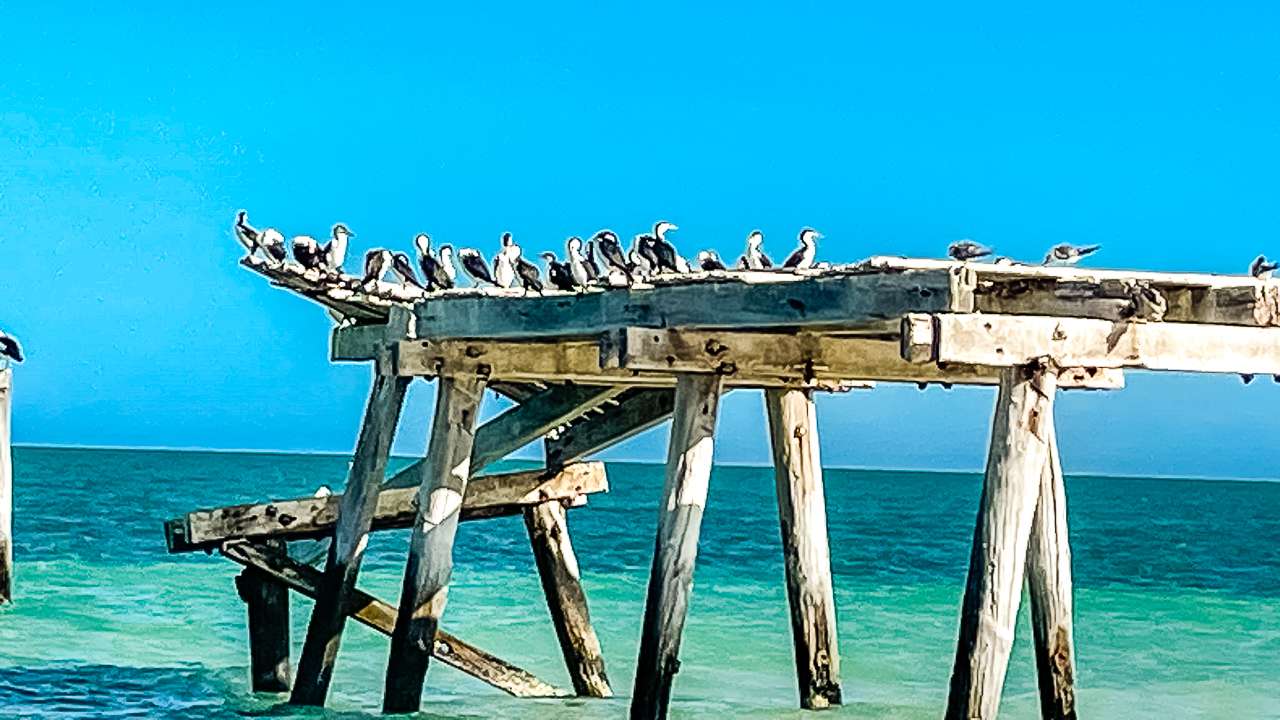
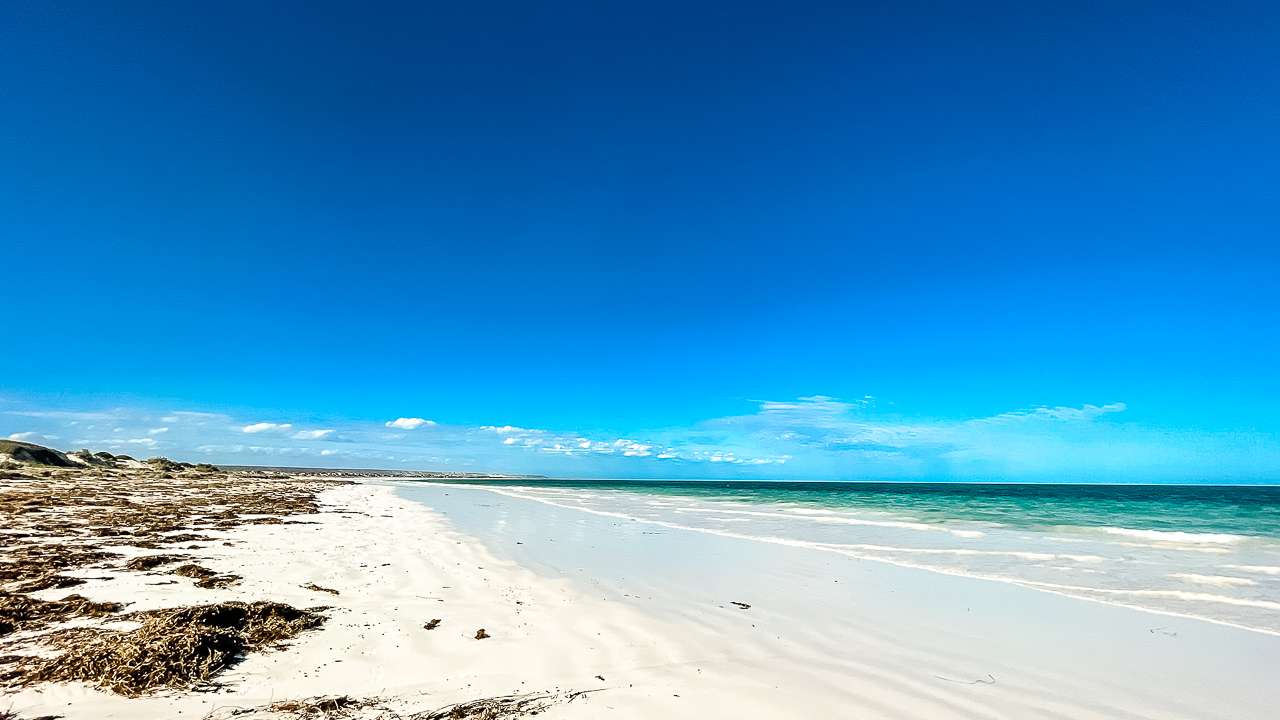
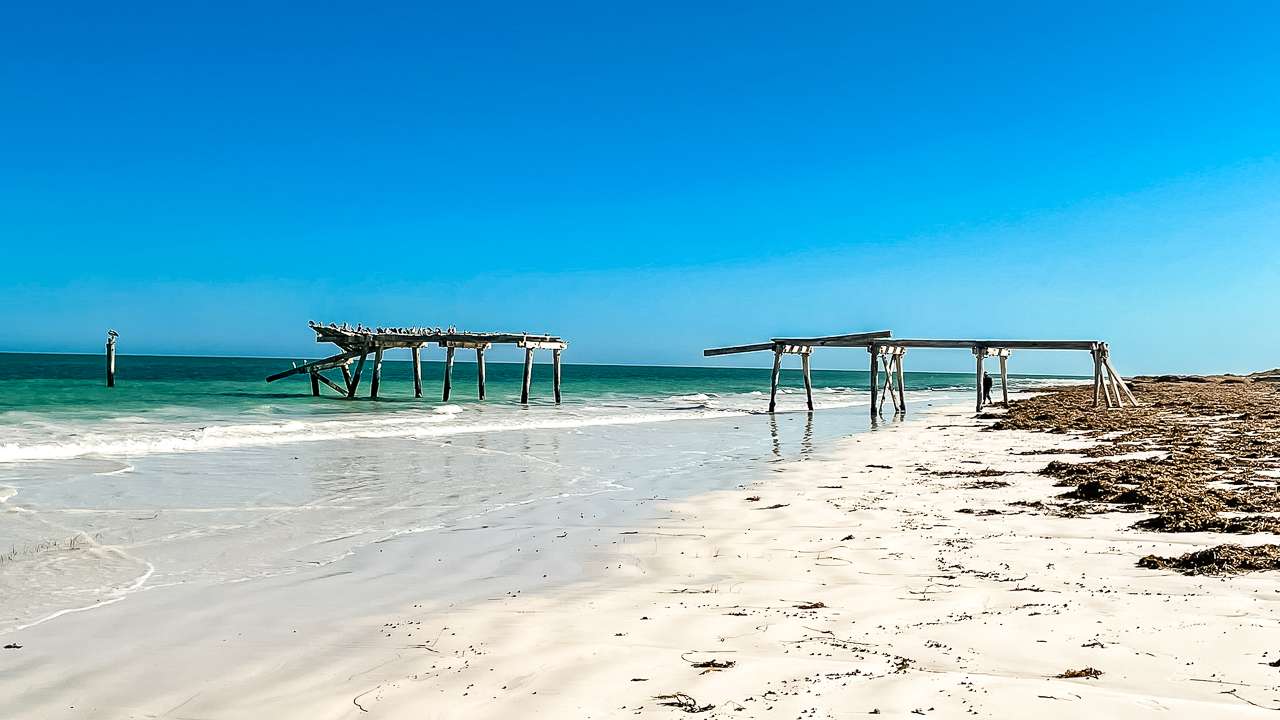
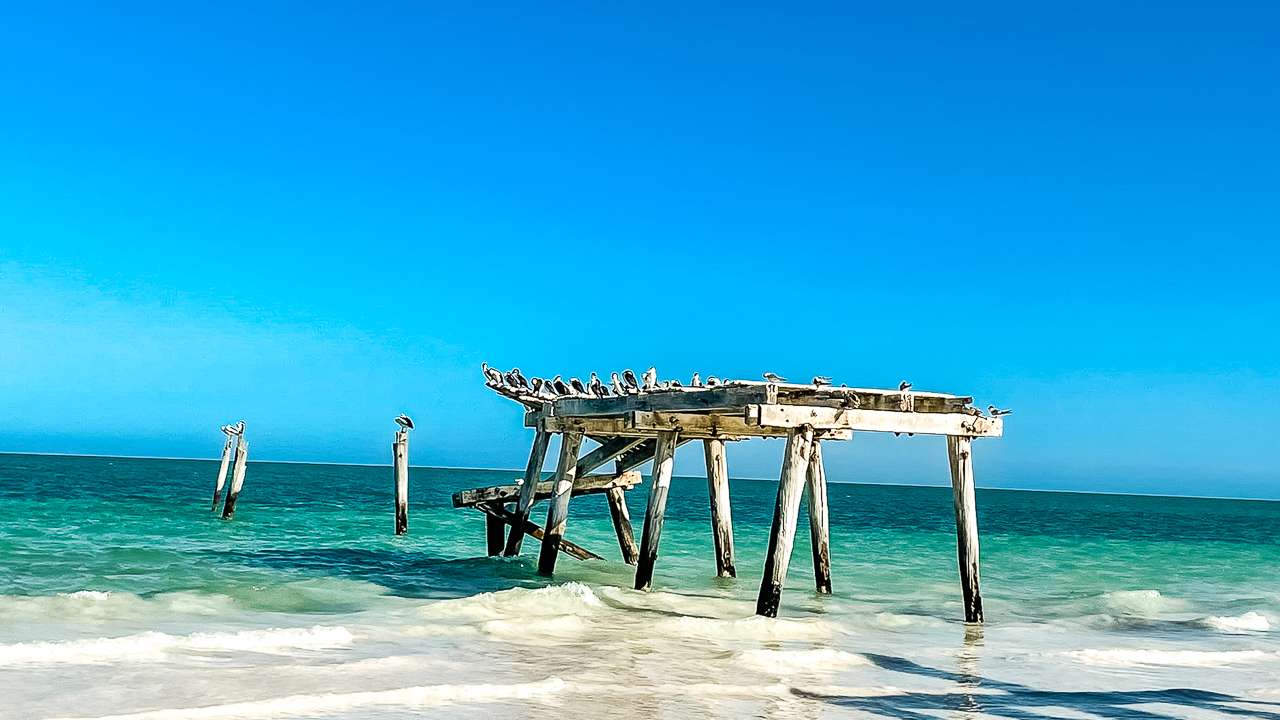
Eucla’s coastline is simple but beautiful. We walked along the beach and visited the remains of the old timber jetty, which was once used for transporting goods. The jetty is weathered and partially collapsed, but it’s still a striking sight.

The beach is also a good place for wildlife spotting. You might see seabirds and sometimes kangaroos are nearby. It’s a peaceful spot, perfect for taking photos or just enjoying the sea breeze.

Old Wooden Jetty At Eucla Western Australia Australia

Old Wooden Jetty At Eucla Western Australia Australia

Essentials: Fuel and Food

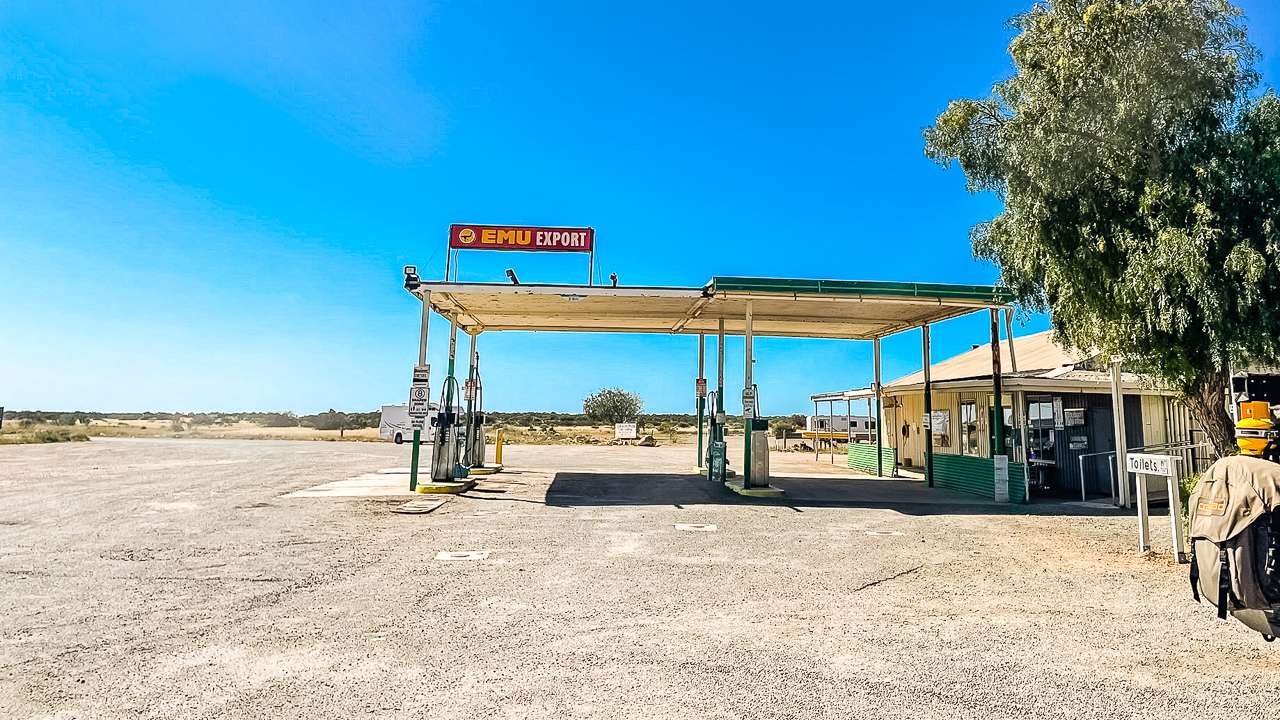
We refuelled at the Eucla Roadhouse, which is the main stop for travellers. It’s a convenient place to top up your fuel, buy snacks and grab basic supplies. After that, we had breakfast at the Eucla Motel. The food was simple but tasty and the café is a good spot to take a break.

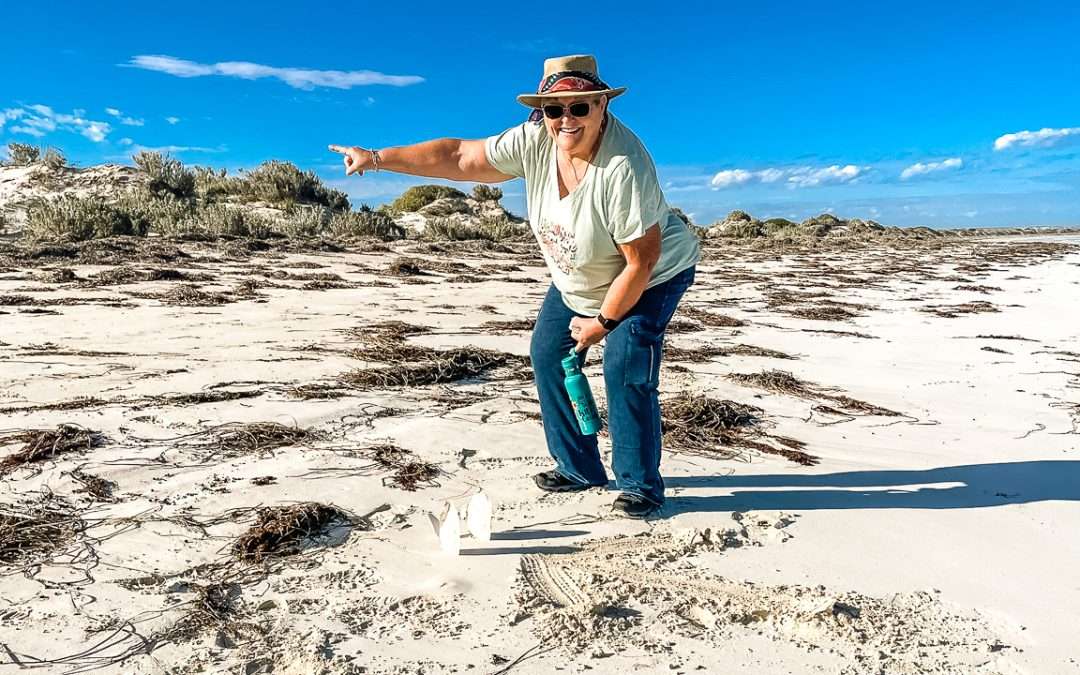
Outside the motel, we found a geocache hidden near the big whale statue. If you’re into geocaching this is a fun little challenge to add to your visit.

Camping Options in Eucla, Western Australia, Australia

Whether you’re looking for a basic bush camping experience or a spot with modern amenities, Eucla, Western Australia, Australia, offers a range of camping options to suit different preferences and budgets. On our trip, Amanda and I camped at the Old Telegraph Station Campground, but we also explored other options for travellers passing through this historic area.

  1. Old Telegraph Station Campground
    This basic camping spot was our choice and it offered a peaceful stay with direct access to the telegraph station ruins. The lack of facilities means you need to be self-sufficient, so bring plenty of water, a portable toilet if needed and other essentials. The setting is simple but atmospheric with soft sand underfoot and a quiet, remote vibe. It’s perfect for history buffs or those looking to immerse themselves in Eucla’s unique landscape.
    Location: Near the ruins of the Eucla Telegraph Station
    Cost: Free or a small voluntary donation
    Facilities: None (no toilets, showers, or powered sites)
    How to Book: No booking required; first come, first served
  2. Eucla Caravan Park
    The Eucla Caravan Park is a convenient option for travellers who prefer some creature comforts. Located near the Eucla Roadhouse and the Eucla Motel, it’s ideal for those wanting easy access to fuel, food and supplies. We stopped by to check it out and the park is clean and well-maintained. It’s a great option for families or travellers with caravans who need powered sites. The park’s proximity to the highway makes it a popular stop, so calling ahead during peak travel seasons is a good idea.
    Location: Adjacent to the Eucla Motel, just off the Eyre Highway
    Cost: Powered sites $25–$30 per night / Unpowered sites Approximately $20 per night
    Facilities: Showers and toilets – laundry facilities – powered and unpowered sites – drinking water
    How to Book: Call the Eucla Motel directly or book on arrival
  3. Border Village Caravan Park
    While technically across the state border, the Border Village Caravan Park is a short drive from Eucla and offers similar amenities to the Eucla Caravan Park. It’s a great alternative if Eucla’s sites are full or if you want a change of scenery. The caravan park is part of a larger roadhouse complex, so you can also stock up on fuel and supplies. It’s a practical and comfortable option for travellers continuing their journey across the Nullarbor.
    Location: 12 kilometres east of Eucla, just across the South Australian border
    Cost: Powered sites $25–$35 per night / Unpowered sites: $20–$25 per night
    Facilities: Showers and toilets – Laundry facilities – BBQ area – Small general store – Playground for kids
    How to Book: Walk in or call Border Village directly
  4. Nullarbor Bush Camps (DIY Camping)
    For those seeking a more rugged camping experience, there are plenty of opportunities for bush camping in the surrounding area. If you’re travelling with a fully self-contained setup, you can pull over at various spots along the Eyre Highway and set up camp. Always ensure you’re on public land or have the landowner’s permission and follow Leave No Trace principles to protect the environment.
    Cost: Free
    Facilities: None
    How to Book: No booking required

Old Telegraph Station Campground Eucla

Old Telegraph Station Campground Eucla

Choosing The Right Spot

The best camping option depends on your preferences and needs:

  • For history and isolation: The Old Telegraph Station Campground offers proximity to the ruins and a peaceful atmosphere, but you’ll need to be self-sufficient.
  • For comfort and amenities: The Eucla Caravan Park or Border Village Caravan Park provide powered sites, showers and access to other facilities.
  • For offgrid adventurers: Bush camping along the Nullarbor is a great way to enjoy the wide-open landscapes, as long as you’re prepared.

Tips for Camping in Eucla

  • Be Self Sufficient: Water and supplies can be limited, especially at free campsites like the Old Telegraph Station. Bring everything you need, including water, food and garbage bags so you can take your rubbish with you.
  • Check the Weather: The weather in Eucla can be unpredictable. Bring layers for cooler nights and plenty of sun protection for the day.
  • Plan Ahead: While the free and bush camping options don’t require bookings, caravan parks can fill up, especially during peak travel seasons (spring and autumn). Call ahead to secure your spot.
  • Respect the Environment: Follow Leave No Trace principles, especially in remote areas, to keep the landscape clean and enjoyable for future travellers.
  • Watch for Wildlife: Kangaroos and other animals are common, particularly at dawn and dusk. Be careful when driving as there are plenty of the hoppy buggers around.

Camping with History And Comfort

Camping in Eucla, Western Australia, Australia, offers a mix of historical intrigue, natural beauty and practical amenities. Whether you’re exploring the Old Telegraph Station, relaxing at a caravan park, or enjoying the solitude of bush camping, Eucla has something for every type of traveller. Amanda and I loved the variety and simplicity of camping here. It’s a great way to experience this unique part of the country while staying connected to its fascinating past.

Weather in Eucla

In September, the weather was mild, with daytime temperatures between 15°C and 25°C. Nights were cooler, so we made sure to pack warm clothes. Spring is also a good time to see wildflowers in the area.

Things to Do in Eucla

Here’s what you can do while visiting Eucla:

  • Walk to the Old Telegraph Station ruins
  • Explore the beach and photograph the old jetty
  • Find the geocache near the big whale statue
  • Refuel and stock up at the Eucla Roadhouse
  • Have a meal at the Eucla Motel café
  • Look for wildlife in the dunes and along the coast
  • Visit Border Village for extra amenities

A Side Trip to Koonalda Homestead

A short drive from Eucla is the Koonalda Homestead, a historic site on the old Eyre Highway. It operated as a roadhouse during the mid-20th century, serving travellers crossing the Nullarbor. Now abandoned, it’s known for its corrugated iron buildings and a nearby car graveyard. The site offers a fascinating glimpse into a different era of travel.

A Detailed Look at the Eucla Telegraph Station

The Eucla Telegraph Station is one of the most significant historical sites in this remote part of Australia. It was built in 1877 and played an important role in the Australian communication network. Located near the border between South Australia and Western Australia, the station was part of the intercolonial telegraph line, which connected Perth to Adelaide and beyond.

This isolated station was staffed by operators who manually relayed messages sent via Morse code. Back then it was a cutting edge communication system reducing the time it took to send messages across the country from weeks to seconds.

Walking The Dunes At Eucla Western Australia Australia

Walking The Dunes At Eucla Western Australia Australia

The Early Days: A Vital Link
In the late 19th century, Australia’s colonies were largely disconnected from each other. The telegraph line between Adelaide and Perth was a monumental project aimed at bridging this gap. The Eucla Telegraph Station was strategically placed about halfway along the line, making it a key repeater station. Operators decoded incoming signals, checked for errors and retransmitted the messages along the line.

This was no easy task. The station’s remote Location: meant supplies had to be shipped in via a nearby jetty and then transported to the site. The staff lived in basic conditions, isolated from the rest of the world apart from the messages they relayed.

Challenges and Decline
Despite its importance, the Eucla Telegraph Station faced numerous challenges. One of the biggest was the rabbit plague of the early 20th century. Introduced to Australia in the 1850s, rabbits multiplied rapidly, devastating vegetation across the Nullarbor Plain. With little vegetation left, the sand dunes around Eucla began to shift, encroaching on the town and eventually burying parts of the station.

Advances in technology made the telegraph line obsolete. By the 1920s wireless radio communications began to take over and the telegraph system was gradually phased out. The Eucla station was officially closed in 1927 and the town moved closer to the highway, leaving the original site to the mercy of the elements.

What Remains Today
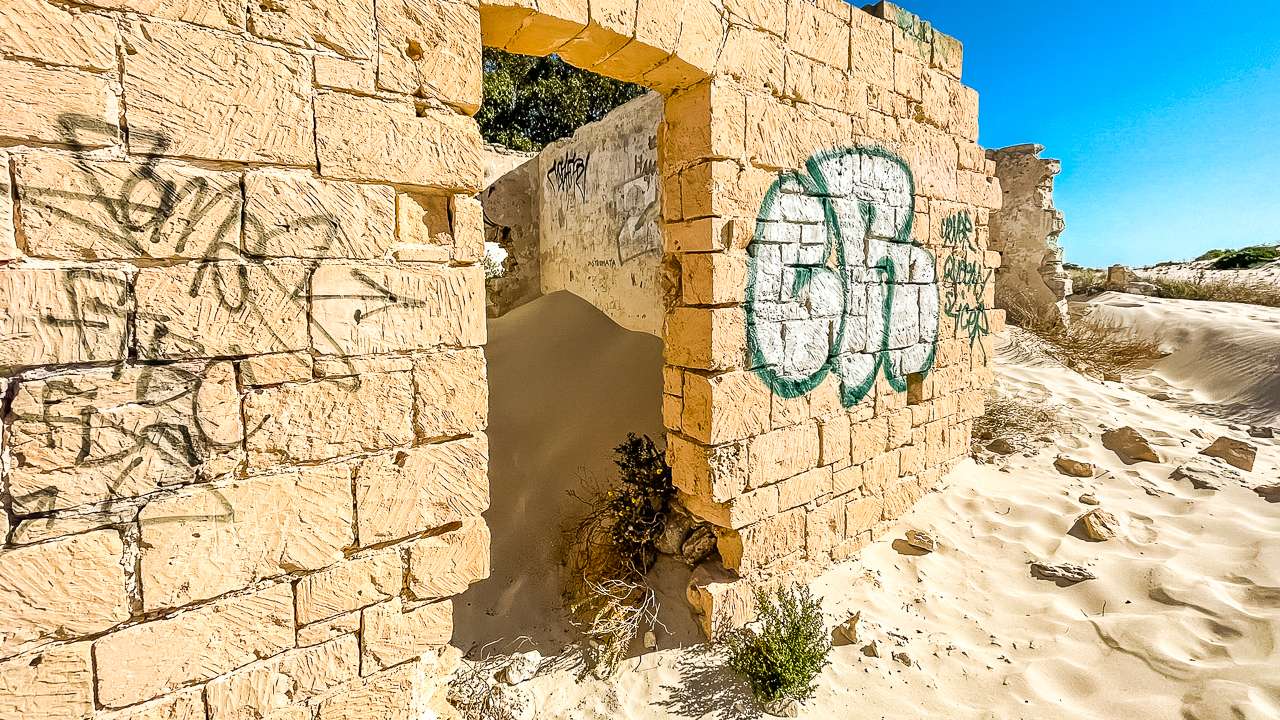
The Eucla Telegraph Station ruins are now a popular attraction, offering visitors a glimpse into the past. The buildings, made from limestone, are partially buried by sand dunes, giving the site a unique and almost surreal appearance.

When Amanda and I visited, we walked through the ruins, imagining what life must have been like for the people who worked there. The station’s thick limestone walls, now weathered and crumbling, are a testament to the craftsmanship of the builders.

You can still see remnants of the main office, living quarters and storage areas. Interpretive signs provide historical context, helping you understand the significance of what you’re seeing. The surrounding dunes add to the atmosphere, creating a sense of timelessness.

Visiting Tips
If you plan to visit the Eucla Telegraph Station, here’s what you need to know:

  • Accessibility: The site is a short walk from the Old Telegraph Station Campground. Sturdy shoes are recommended, as you’ll be walking through soft sand.
  • Best Time to Visit: Early morning or late afternoon is ideal, as the light is softer for photography and the temperatures are cooler.

Why The Eucla Telegraph Station Matters
The Eucla Telegraph Station is more than just a set of ruins. It represents an era of innovation and determination, showcasing how people overcame immense challenges to connect a vast and isolated continent. For Amanda and me, standing in the shadow of this once-thriving communication hub was a humbling experience.

If you’re travelling through Eucla Western Australia, Australia, make sure to take the time to explore this incredible piece of history. It’s a window into a time when technology, human effort and nature intersected in one of the most remote parts of the country.

Eucla Western Australia, Australia – Both Practical And Memorable

Our visit to Eucla, Western Australia, Australia was both practical and memorable. It’s a great stop for travellers on the Eyre Highway. It has a spot on mix of history, natural beauty and services like the Eucla Roadhouse and Eucla Motel. Whether you’re camping, exploring, or just passing through, Eucla has a little something for everyone.

– David & Amanda


Eucla Western Australia, Australia Photo Gallery

Frequently Asked Questions About Eucla, Western Australia, Australia

What is Eucla, and why should I visit?

Eucla is a small town on the Eyre Highway, near the border between Western Australia and South Australia. It’s famous for its rich history, including the ruins of the Old Telegraph Station, stunning coastal views, and its location as a key stop for travellers crossing the Nullarbor Plain. Whether you’re into history, photography, or just need a break on the road, Eucla has something to offer.

What is there to do in Eucla?

Eucla is known for its unique attractions. You can visit the ruins of the Old Telegraph Station, take a walk along the beach and see the remains of the old timber jetty, explore the surrounding sand dunes, and spot wildlife. The Eucla Motel and Roadhouse also provide good spots to refuel, grab a meal, or relax.

Where can I camp in Eucla?

There are several options for camping in and around Eucla. The Old Telegraph Station Campground offers free, no-frills camping near the historic site. The Eucla Caravan Park provides powered and unpowered sites with amenities like showers and toilets. Alternatively, you can bush camp along the Eyre Highway or stay at Border Village Caravan Park, just 12 kilometres away.

What is the weather like in Eucla?

Eucla Western Australia, Australia has a semi-arid climate. Summers can be hot, with temperatures often exceeding 30°C, while winters are mild, with daytime highs around 18°C. Spring and autumn offer the most pleasant weather, with cooler nights and comfortable daytime temperatures. Winds can be strong at times, so plan accordingly.

Is there much history to explore in Eucla?

Yes, Eucla Western Australia, Australia is steeped in history. The Old Telegraph Station, built in 1877, was a vital link in the intercolonial telegraph line connecting South Australia and Western Australia. The station played a key role in Australia’s early communication network before it was abandoned due to shifting sand dunes and technological advancements. The nearby Koonalda Homestead also offers a glimpse into the area’s roadhouse history.

Are there any facilities or services for travellers in Eucla?

Eucla Western Australia, Australia has basic but essential services for travellers. The Eucla Roadhouse provides fuel, snacks, and supplies, while the Eucla Motel offers accommodation, meals, and a place to rest. Caravan parks in the area offer amenities like showers, toilets, and powered sites. While it’s not a big town, Eucla has everything you need for a comfortable stop on your journey.

Koonalda Homestead – Camping And Exploring History

Koonalda Homestead – Camping And Exploring History

Koonalda Homestead – Camping And Exploring History

We visited Koonalda Homestead and experienced the remains of an abandoned Nullarbor icon. We camped and explored including nearby Koonalda Cave. Amanda and I recently camped for two nights at Koonalda Homestead just off the Eyre Highway on the Nullarbor. Koonalda Homestead is an iconic slice of history tucked away in South Australia’s Nullarbor Plain.

This leg of our roadtrip journey started after we’d camped near Eucla at the Old Telegraph Station Campground. The drive to Koonalda Homestead after leaving the Eyre Highway was a bit more exciting than usual with rough roads and whackjob overtakers along the way. Let me tell you about it.

Koonalda Homestead

Koonalda Homestead

The Drive to Koonalda Homestead

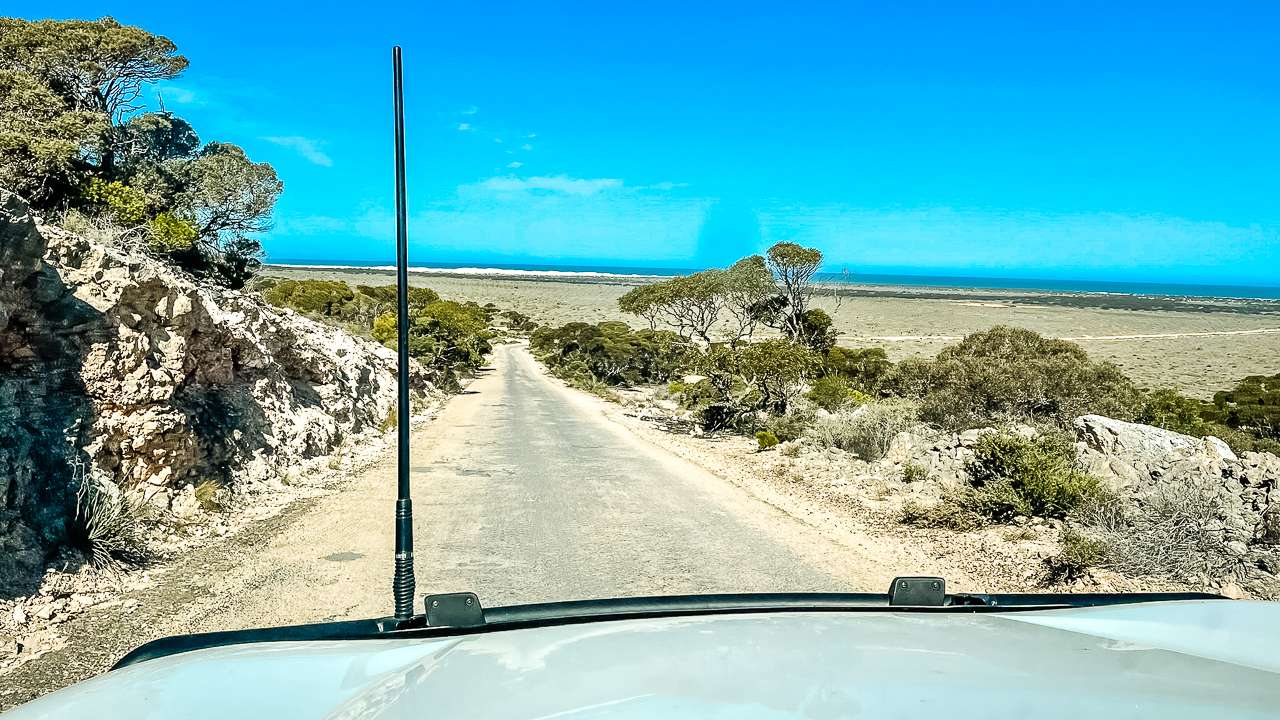
Leaving our campsite near Eucla we hit the Eyre Highway after breakfast at the Border Village Roadhouse. The road was long and straight as the Nullarbor tends to be with the occasional bit of roadkill to break the monotony. About 40km past Border Village, we reached the turnoff to Koonalda Homestead – marked by a small, easy to miss sign. From there it’s a 14km dirt road to the homestead itself.

The gravel road in is typical National Parks style that hasn’t seen any maintenance for a long time. It was as rough as guts, with corrugated sections that shook the bejeesus out of everything. We took it slow and steady, sticking to about 40-50 km/h to avoid shaking the car and caravan to bits. We’ve done thousands and thousands of kilometres on this kind of road over the years and have learned that a cautious approach saves you a world of trouble in the outback.

Unfortunately not everyone shares our patience. About halfway along the track an idiot in a big rig overtook us without so much as a call on the UHF. I continually check our mirrors but with the dust we were chucking up I didn’t see him coming. The dust cloud he kicked up was impressive and Amanda muttered a few colourful words as we waited for it to clear.

Three minutes later we found him pulled over on the side of the track. Turns out karma worked fast with this clown. Old mates’ caravan had lost a wheel. We slowed down and offered him a hand but he wasn’t in the mood for a chat. He just waved us on. He must have sorted it in some way shape or form as he wasn’t there the following day and we didn’t see his caravan or car in the Koonalda Homestead camping area.

Lesson of the day? Take it easy on these roads. They’ll catch you out if you’re not careful.

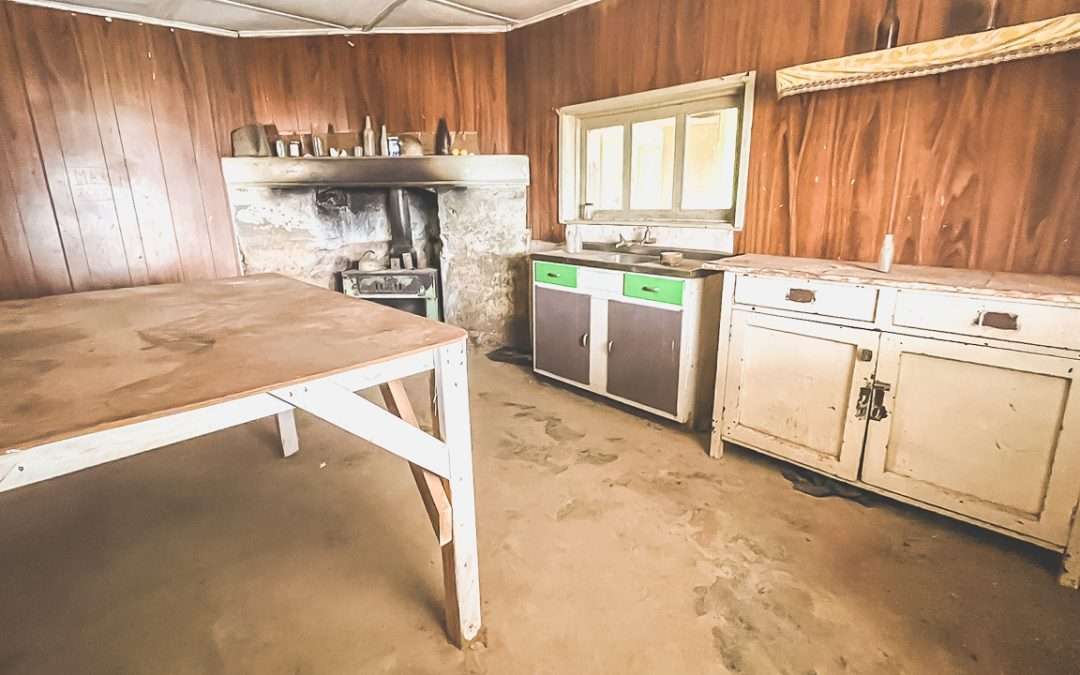
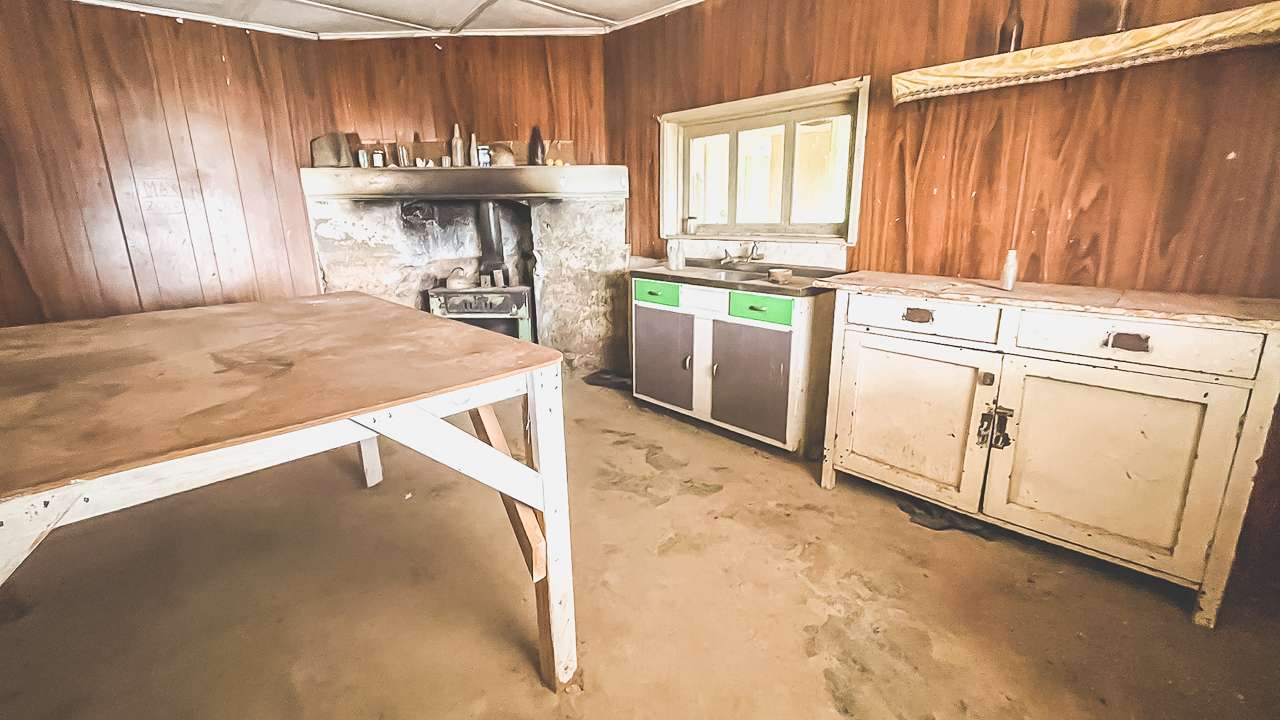
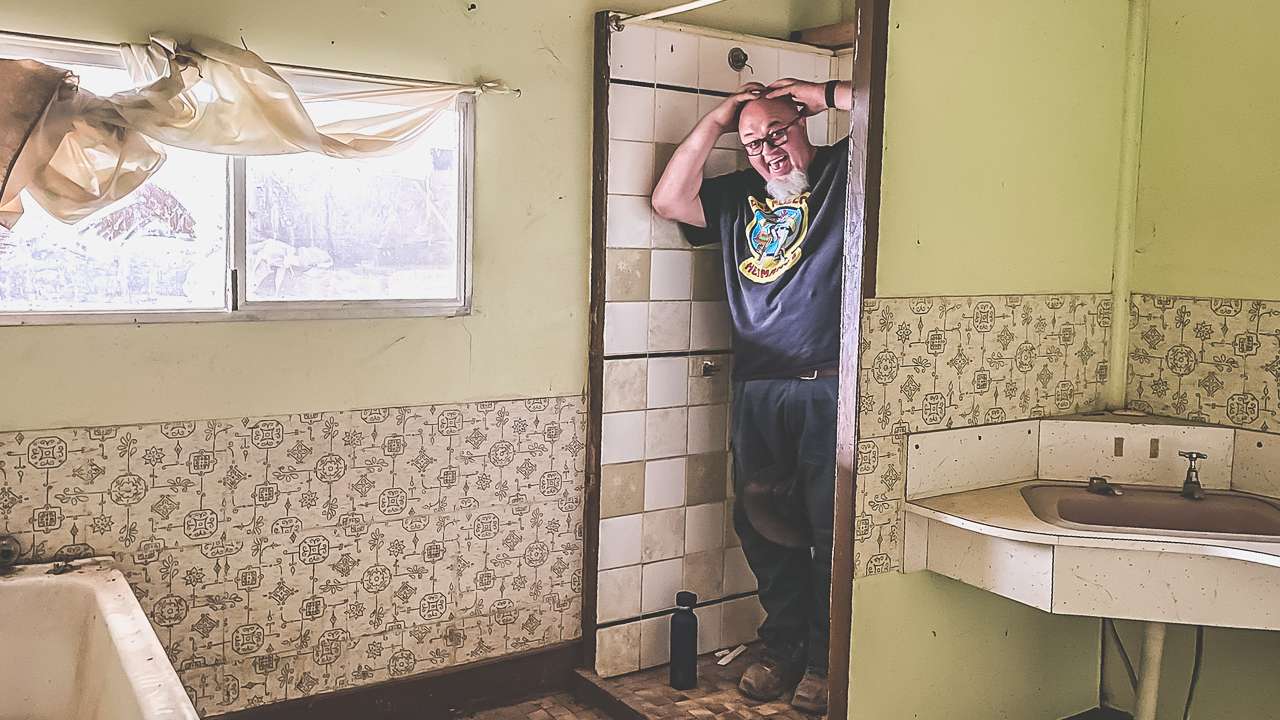
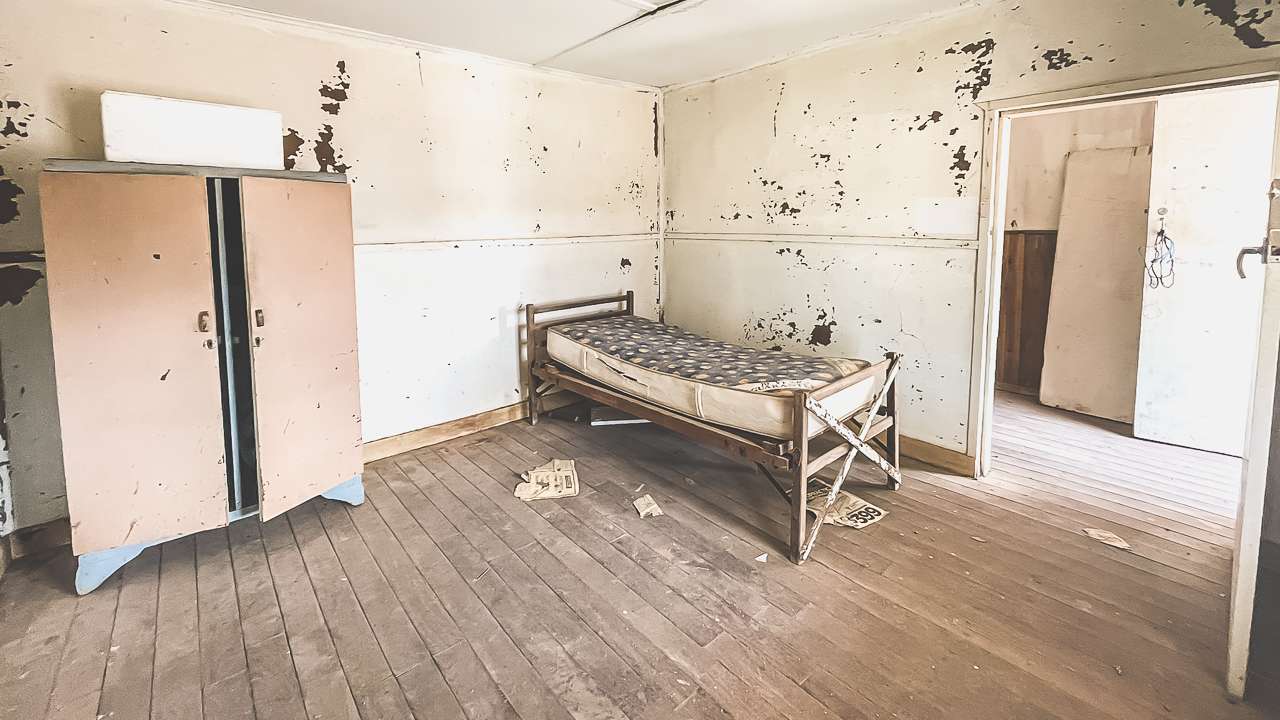
Kitchen At Koonalda Station

Kitchen At Koonalda Station

Koonalda Homestead: A Step Back in Time

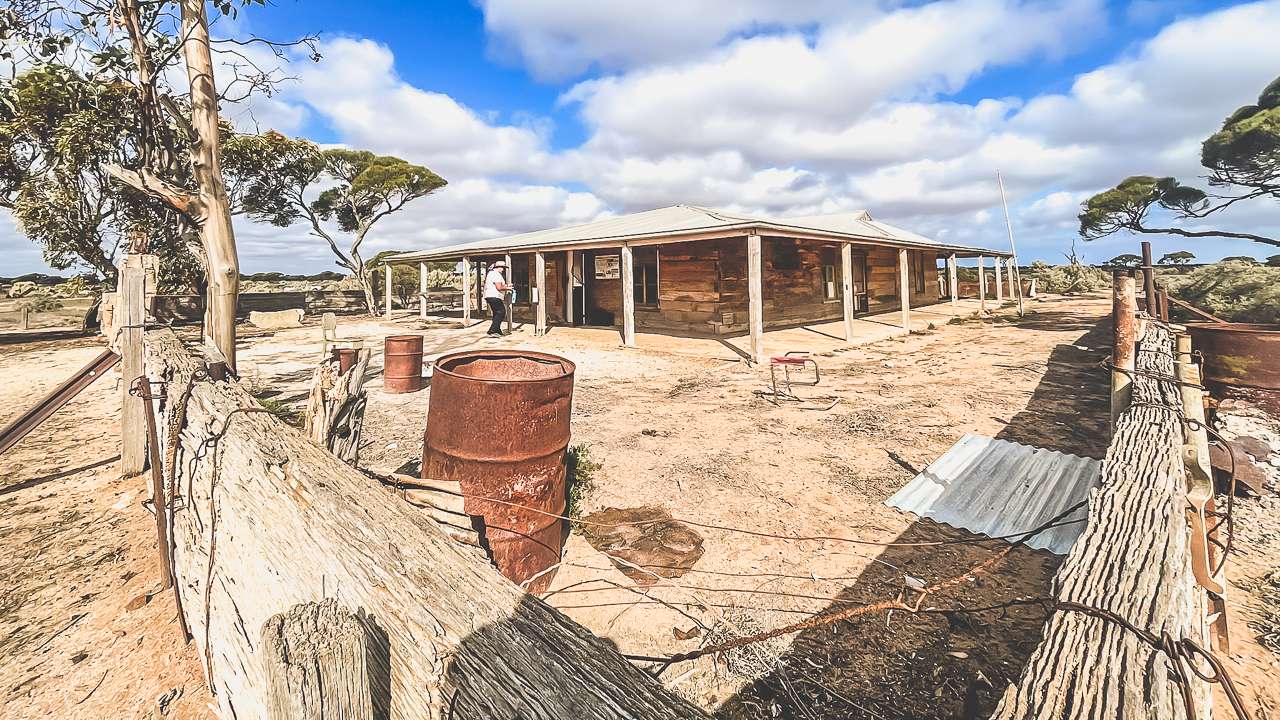
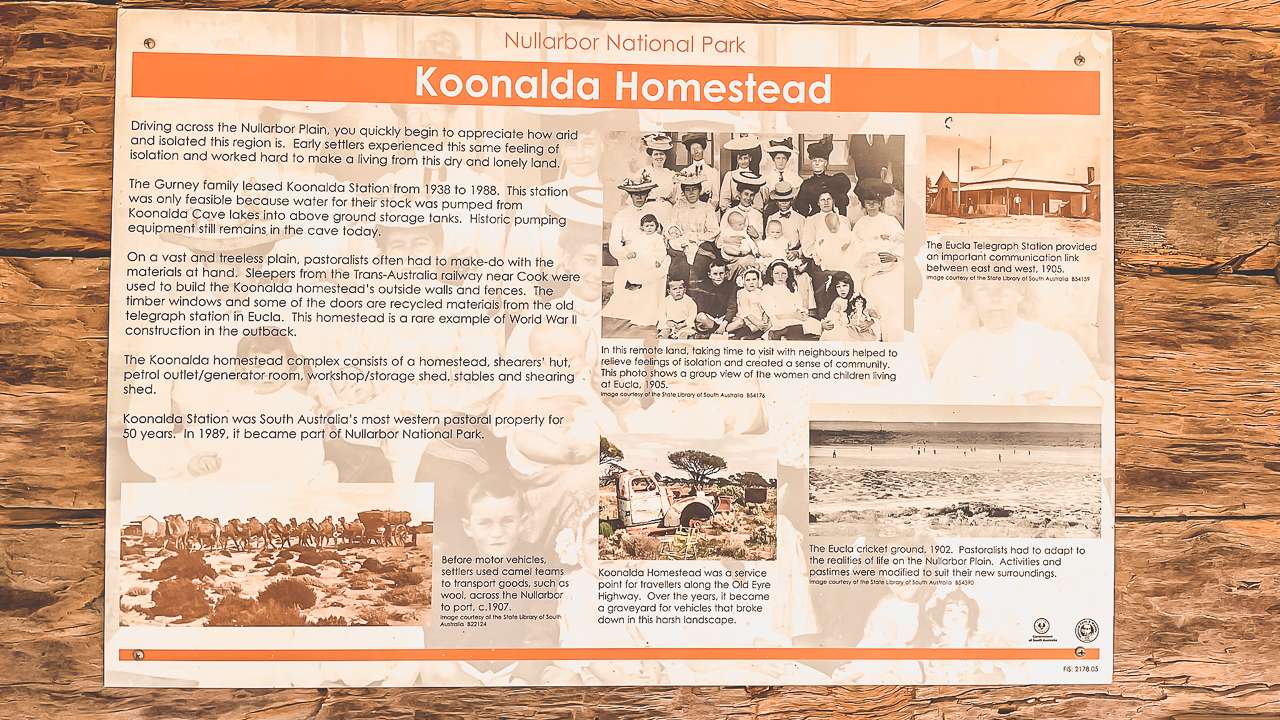
When we finally rolled into Koonalda Homestead the landscape opened up to reveal the remains of this Koonalda Homestead and the wrecked car graveyard at this historic site. Built in the 1930s Koonalda was originally a sheep station before becoming a roadhouse on the old Eyre Highway. From the 1950s to the 1970s it was a lifeline for travellers crossing the Nullarbor, offering fuel, food and a bit of human connection in the middle of nowhere.

But when the new Eyre Highway was built further south in the late 1970s Koonalda’s days as a roadhouse came to an end. What’s left today is an almost fully intact homestead surrounded by endless plains and steeped in stories of resilience and isolation.

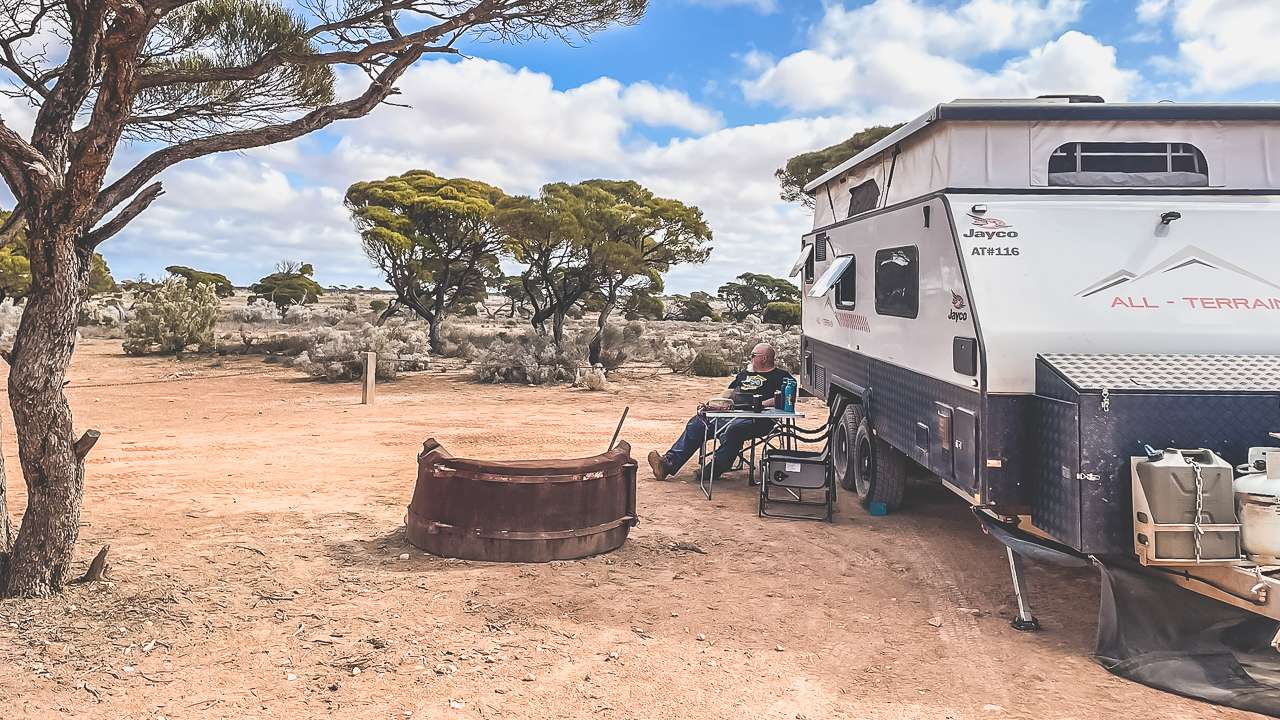
The first thing Amanda and I did was set up camp at the national park campground just a short walk from the homestead ruins. At $13 per night it’s a bargain and booking online was straightforward – although we suspect not everyone bothers. Make sure to book before you get to the Koonalda Homestead camping area as unless you have Starlink you won’t have an internet connection. The campsite is basic but well maintained with flat areas for tents and caravans and a few fire pits.

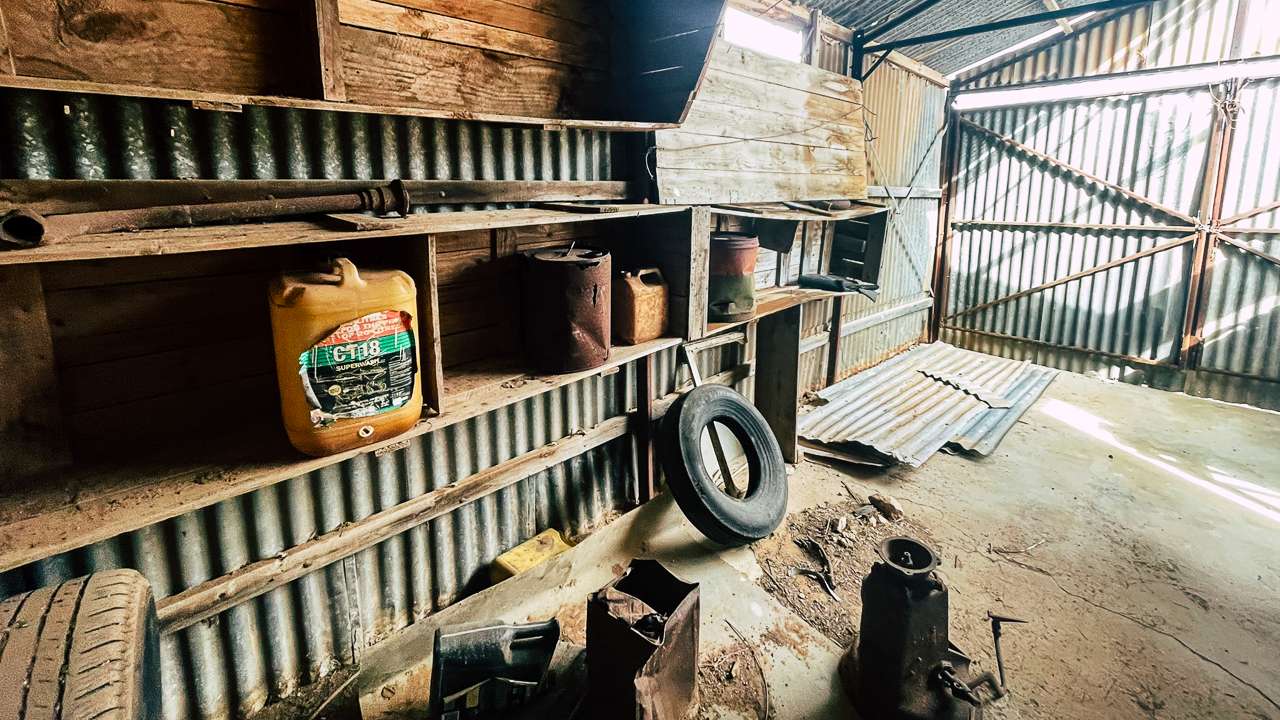
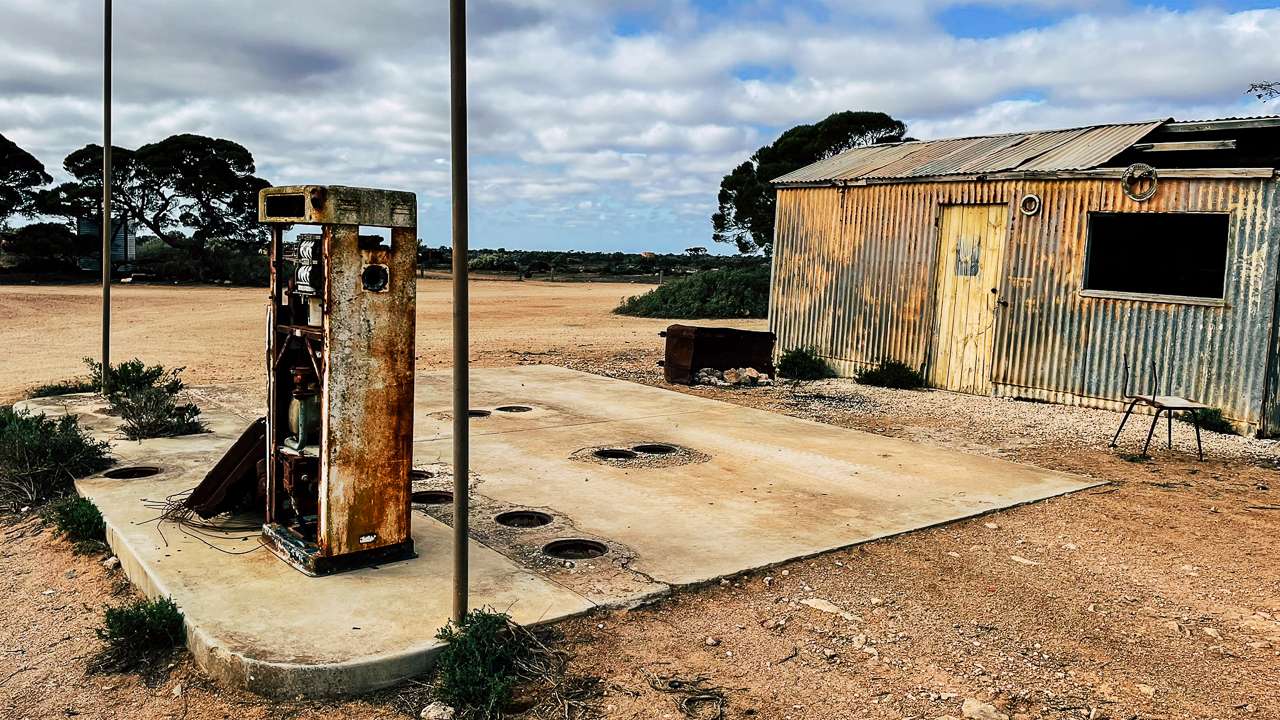
Inside The Abandoned Station Servo At Koonalda Homestead

Inside The Abandoned Station Servo At Koonalda Homestead

Exploring the Old Homestead

After setting up we spent hours exploring the old Koonalda Station buildings. The main roadhouse structure is still standing. The servo with its old abandoned pumps makes for some awesome photos. Its weathered timbers, rusting tin roofs and old walls tell a story of survival in one of Australia’s harshest environments.

I found myself imagining the bustling days of the 1960s when travellers and truckies would have gathered here swapping stories over cups of billy tea. Amanda on the other hand was fascinated by the little details – old bottles, rusting machinery and remnants of old gardens scattered around.

The Car Graveyard And A Geocache

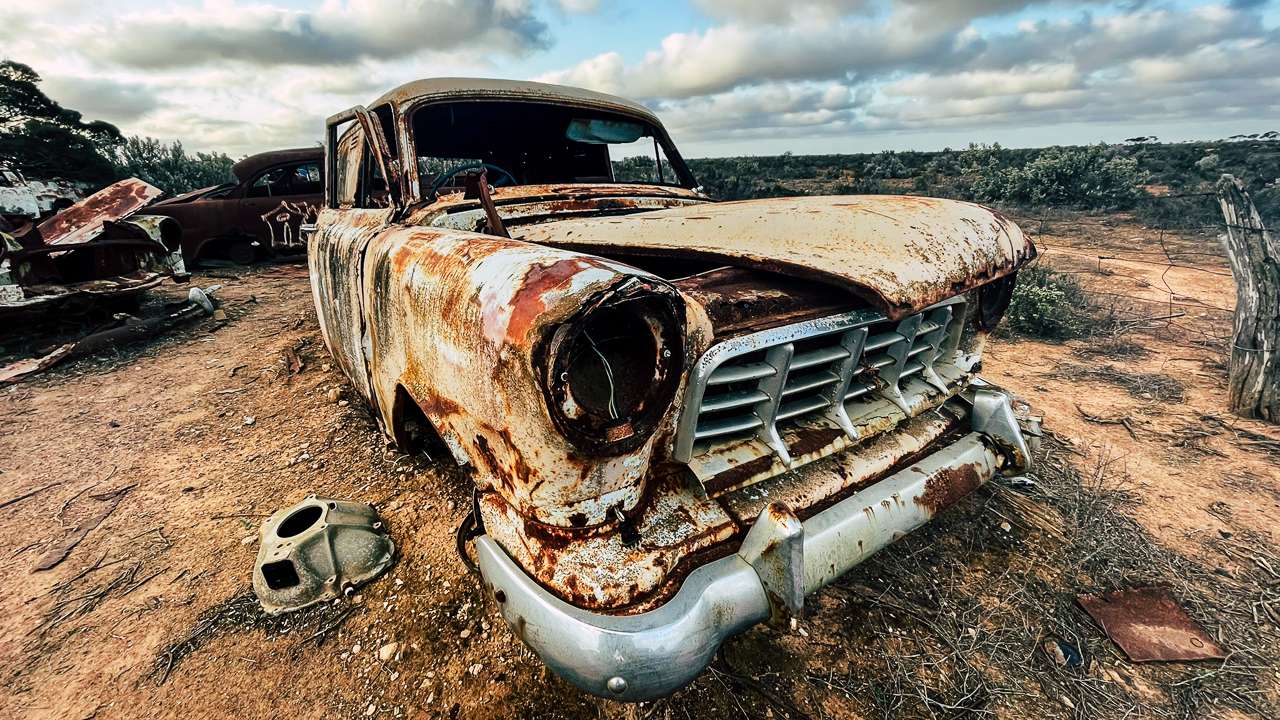
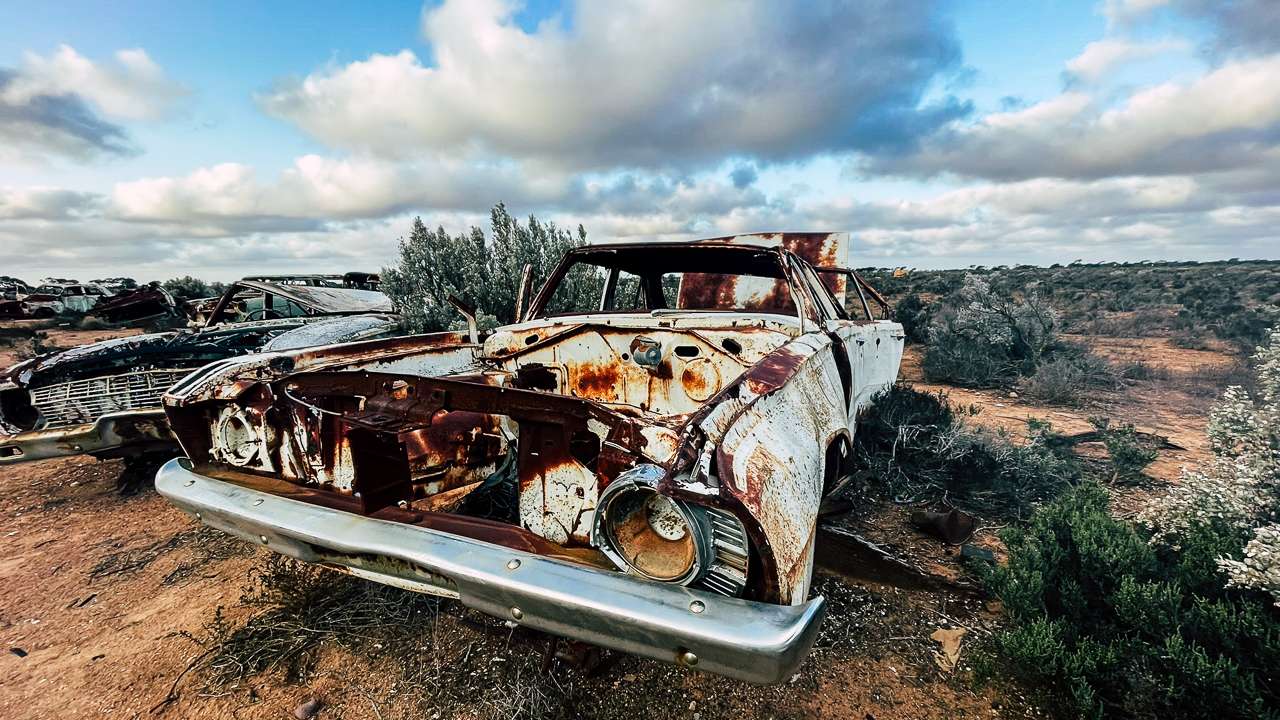
Not far from the homestead lies one of Koonalda’s best and most interesting attractions – the car graveyard. This sprawling collection of abandoned vehicles is a testament to the challenges of crossing the Nullarbor back in the day. Rusting sedans, utes and even quite a few trucks sit scattered like forgotten relics of the past.

While Amanda snapped photos of nature reclaiming these wrecks I set off on a geocaching mission. Somewhere in this mechanical graveyard, I knew there was a hidden cache. It took a bit of searching – and a lot of muttering when I walked through the car graveyard – but I finally found it tucked away under one of hundreds of sheets of corrugated iron. There’s something oddly satisfying about finding a geocache in such a remote and spooky spot.

Long Abandoned Vehicle At Koonalda Roadhouse

Long Abandoned Vehicle At Koonalda Roadhouse

Koonalda Cave: A Cultural and Geological Marvel

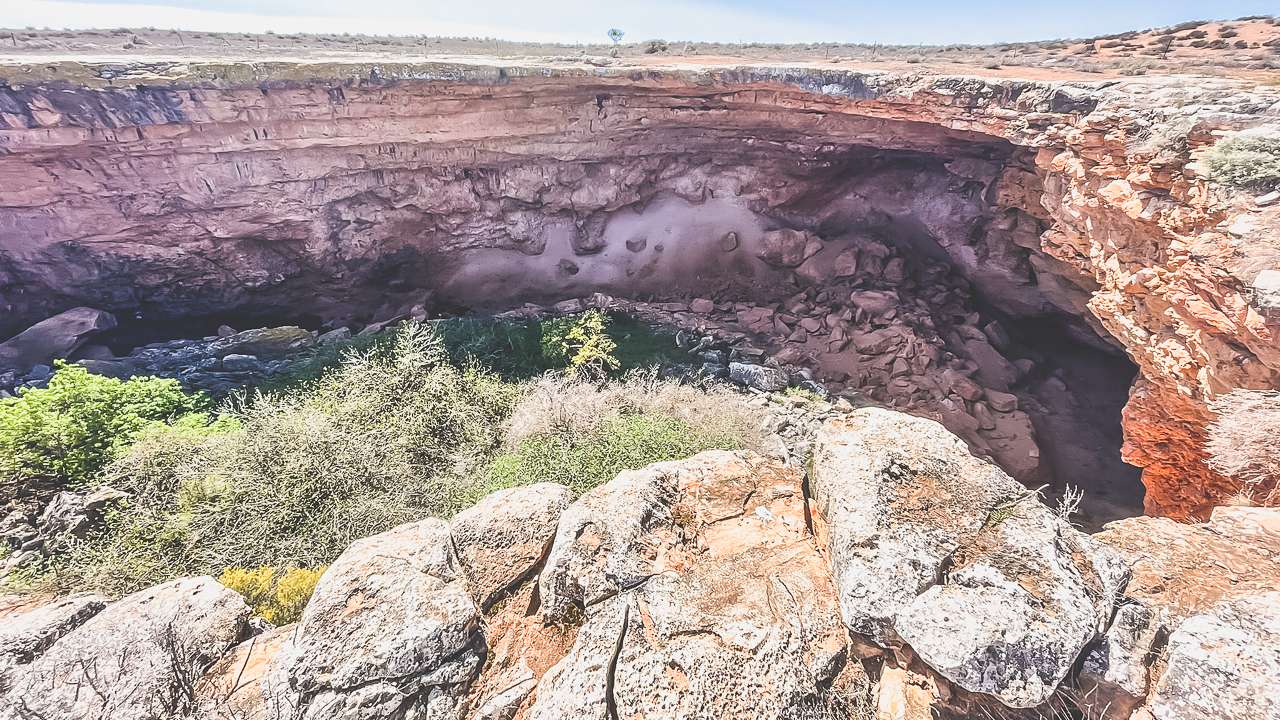
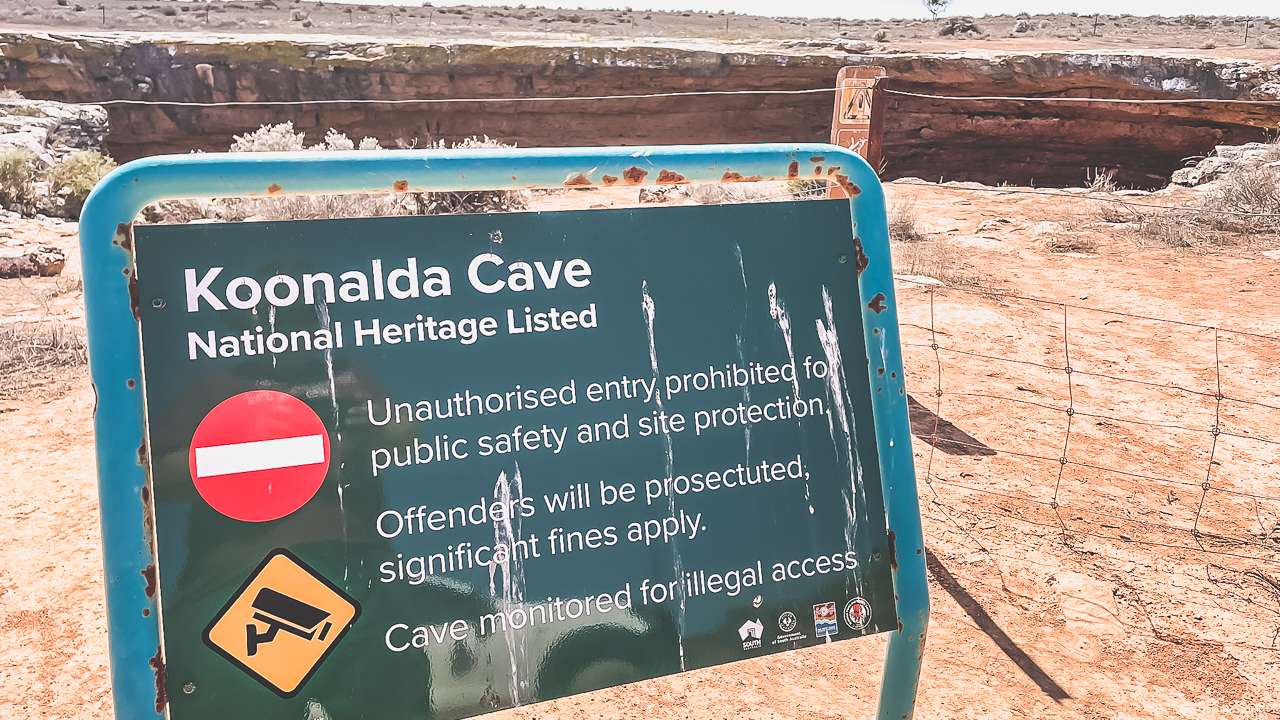
Day two took us to Koonalda Cave, a must-see for anyone visiting the area. This enormous sinkhole has deep cultural significance for the Mirning people and is one of the oldest archaeological sites in Australia. Artefacts found here date back tens of thousands of years, offering a glimpse into the lives of the Nullarbor’s earliest inhabitants.

The cave’s entrance is fenced off to protect it, but just standing near the edge and peering into the darkness is enough to give you chills. I asked Amanda if the fence hadn’t been there if she’d fancied climbing in for a closer look. Her response? Yeah I won’t repeat it but I will say it contained a few references to “idiot”.

Koonalda Cave

Koonalda Cave

The Hunt for the Koonalda Homestead Blowhole

Next on our list was the Koonalda Blowhole. Blowholes are natural vents in the limestone plains where air from underground caves escapes to the surface. Finding this one was a bit of an adventure in itself.

With little in the way of signage or directions we relied on a dodgy map and a lot of trial and error. After what felt like hours of walking around in circles searching we figured out we’d been standing next to it for an hour. It wasn’t what we were expecting!

While the Koonalda Blowhole wasn’t particularly active that day it was still a fascinating thing. Standing over a hidden cave system with air gushing up from below is pretty cool.

Driving the Old Eyre Highway

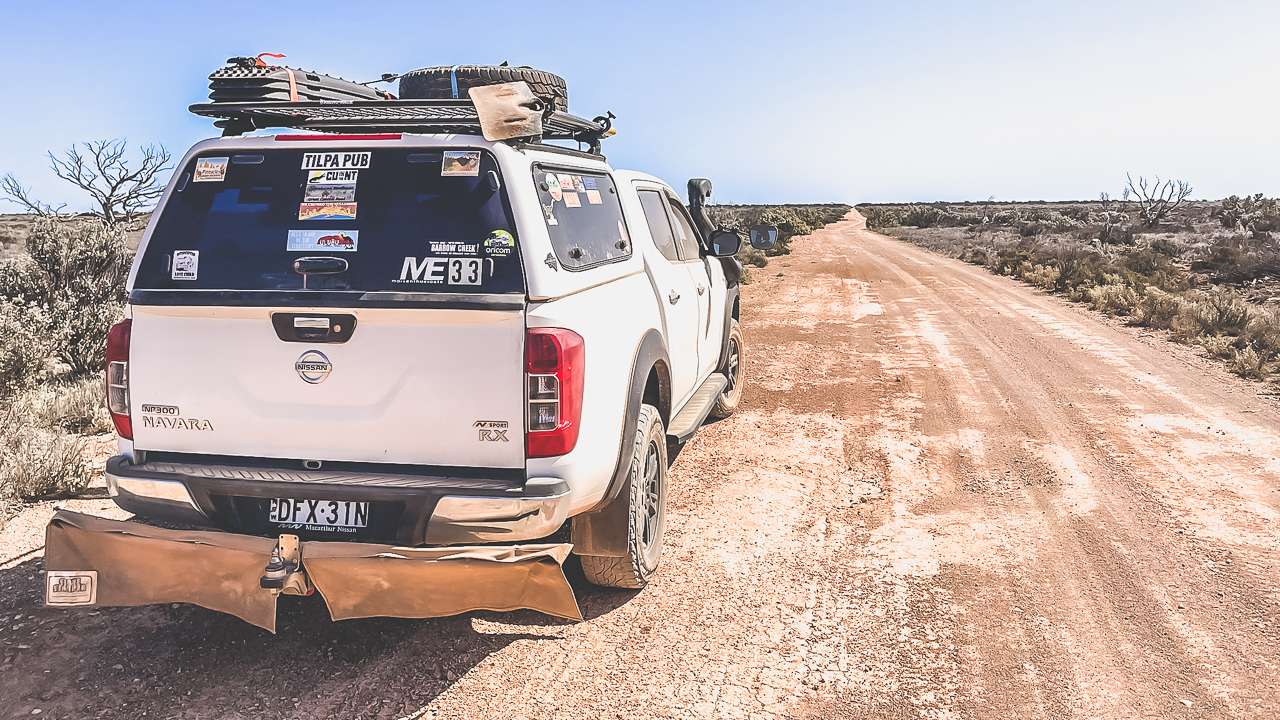
To round out our trip we decided to go for a drive along a section of the old Eyre Highway. This dirt track was once the main route across the Nullarbor and driving it is like stepping back in time.

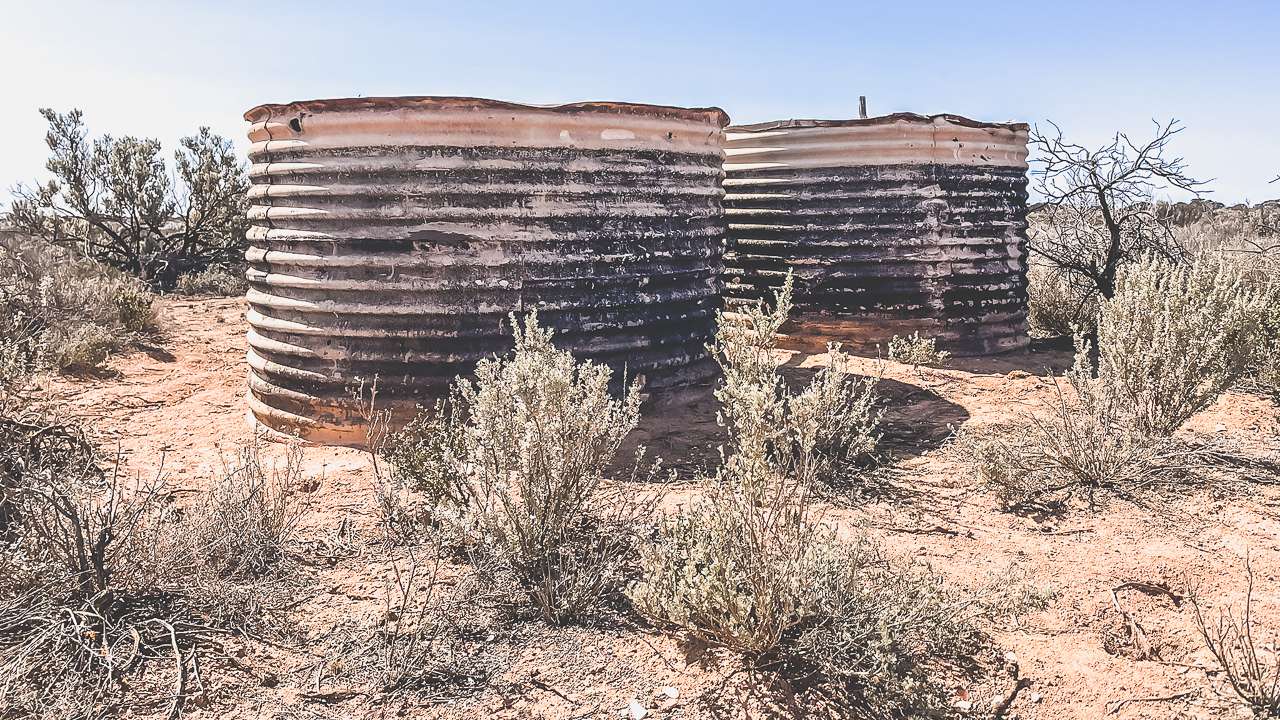
The road was rough and rugged, but it had a charm all its own. We managed about 30 km before turning back. We’d have liked to go further however it was getting late in the day. There were a surprising number of relics to be found including the remains of a substantial set of tanks. There were also a couple more sinkholes / caves.

Driving The Old Eyre Highway Near Koonalda

Driving The Old Eyre Highway Near Koonalda

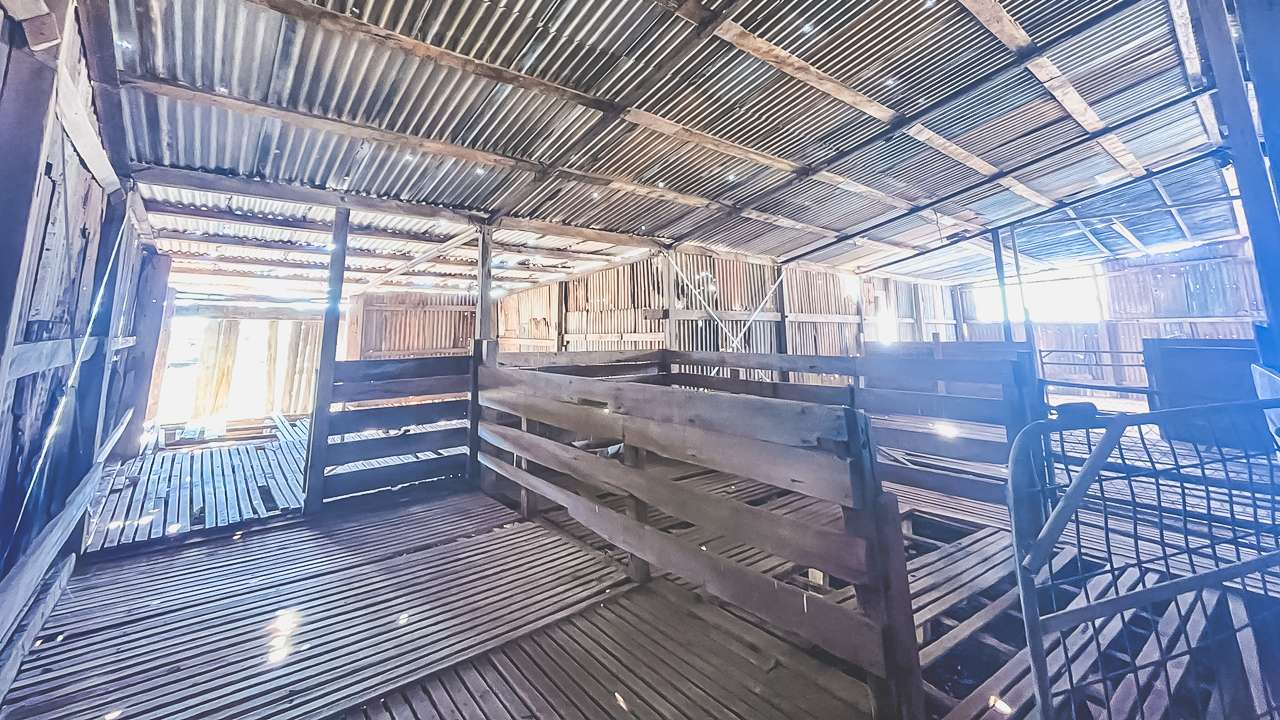
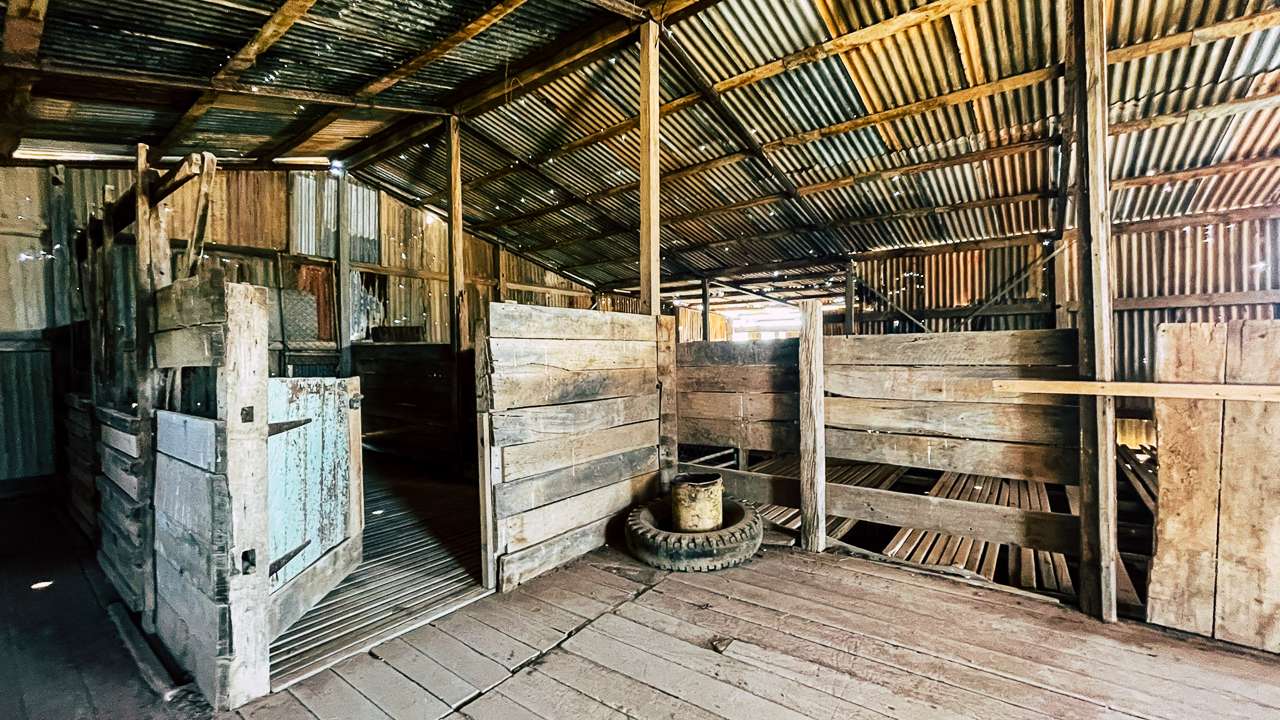
The Koonalda Homestead Shearing Shed

The Koonalda Homestead shearing shed stands as a testament to the rugged ingenuity of early Australian pastoral life. Constructed with timber and corrugated iron, this weathered structure echoes the days when wool production sustained remote communities.

Once the lifeblood of the station, the shed housed shearers who laboured tirelessly in harsh conditions, helping to shape the economic heartbeat of the Nullarbor Plain. Today, the shearing shed offers visitors a glimpse into a bygone era, with its rustic charm and utilitarian design. Its proximity to the decaying Koonalda Homestead further enhances the site’s historical significance, capturing the resilience of outback life.

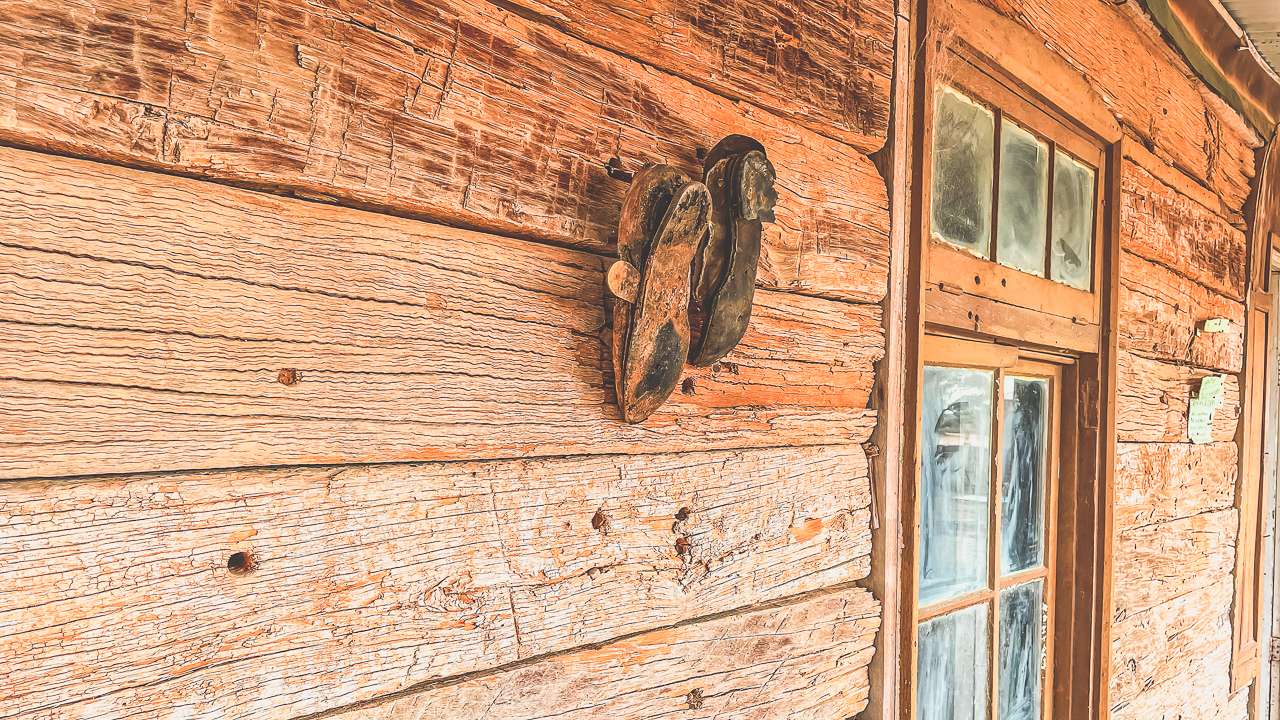
The Koonalda Homestead Sleeper Hut

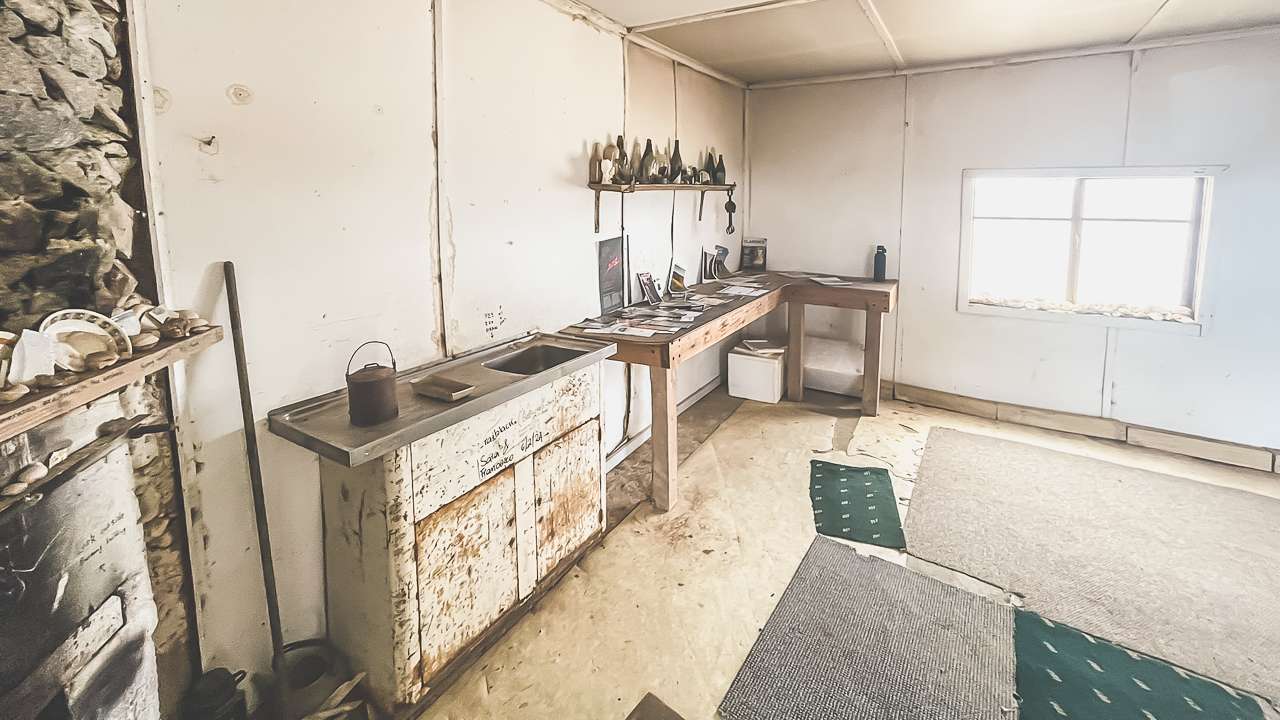
The Koonalda Homestead sleeper hut is a stark reminder of the resourceful practices that defined life on the Nullarbor. Constructed from railway sleepers, the hut exhibits a pragmatic design tailored to the harsh, arid environment. These heavy wooden beams, once intended for rail infrastructure, were repurposed to create sturdy, insulated walls capable of withstanding extreme weather. The sleeper hut, located near the iconic Koonalda Homestead, offers a tangible link to the past, showcasing the ingenuity and adaptability of those who lived and worked in isolation. This modest structure embodies the resilience required to thrive in one of Australia’s most unforgiving landscapes.

Inside The Sleeper Hut At Koonalda Homestead

Inside The Sleeper Hut At Koonalda Homestead

Weather and Camping Tips

In September, the Nullarbor weather was just about perfect. Days were sunny and mild, sitting around 20°C, while nights were cool enough for a campfire without being too chilly. But the Nullarbor is a place of extremes, so if you’re planning a visit at another time of year, be prepared for scorching summers or biting winter winds.

If you’re thinking of camping at Koonalda Homestead, here are a few tips:

  1. Book Ahead: Reserve your spot online for per night.
  2. Take It Slow: The road in is rough, so drive carefully and avoid rushing.
  3. Bring Supplies: There are no facilities, so pack plenty of water, food and fuel.
  4. Respect the Site: The homestead is fragile – look, but don’t touch.
  5. Check the Weather: Plan for hot days, cold nights and potential storms.

Final Thoughts

Koonalda Homestead is more than just a camping spot – it’s a step back in time, a slice of Aussie history and a reminder of how resilient people can be. Amanda and I left feeling inspired, a little dusty and with plenty of stories to share. If you’re looking for an outback adventure with a healthy dose of Aussie history then Koonalda Station is a place to go.

Just remember: take it slow, book ahead and don’t be the bloke who loses a wheel on the track in. Safe travels and happy camping!

-David & Amanda

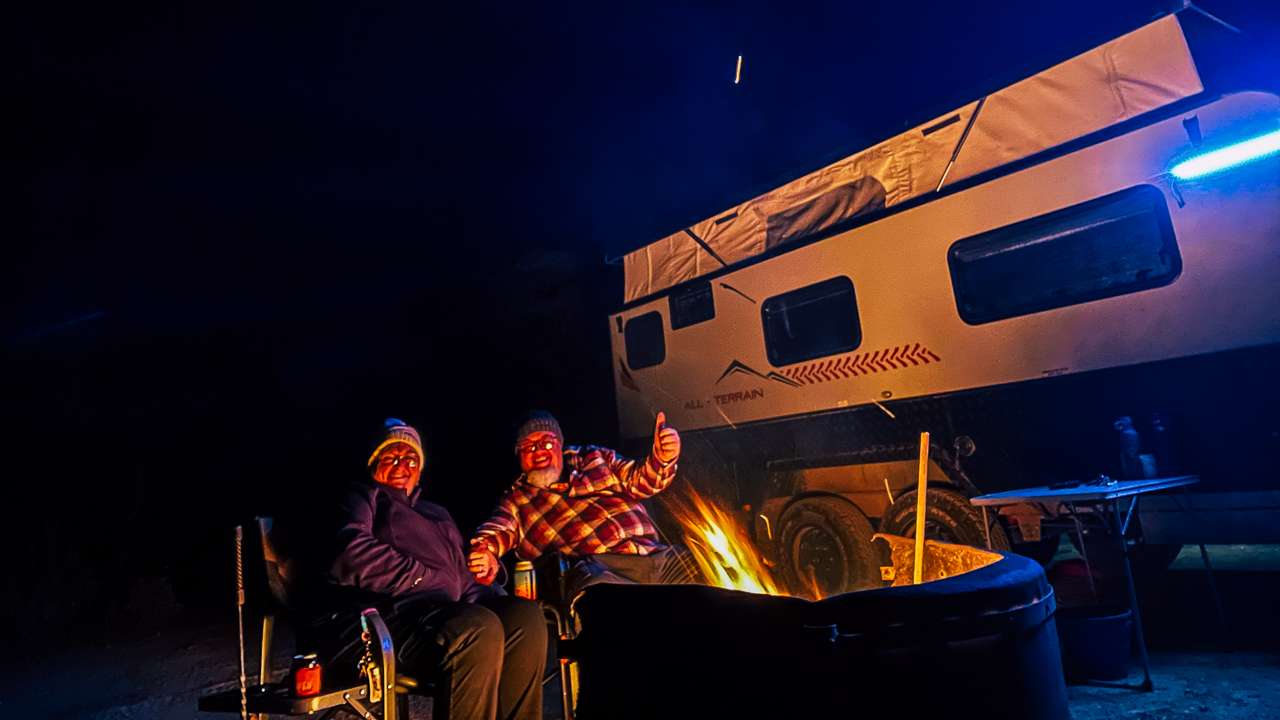
Camping With A Fire At Koonalda Homestead

Camping With A Fire At Koonalda Homestead

Koonalda Homestead Photos

FAQs About Koonalda Homestead Camping And Exploring

What is Koonalda Homestead and why is it significant?

Koonalda Homestead is a historic site on the Nullarbor Plain that once served as a sheep station and later as a roadhouse on the old Eyre Highway. It is significant for its connection to Australia’s outback history and the resilience of those who lived and worked in this isolated region.

How can I get to Koonalda Homestead?

Koonalda Homestead is located off the Eyre Highway, approximately 40km east of Border Village. A 14km dirt road leads to the site, but the track can be rough with corrugations. Driving carefully and allowing extra time is essential.

Can visitors camp at Koonalda Homestead?

Yes, you can camp at Koonalda Homestead within the national park-managed campground. It costs $13 per night, and bookings should be made online. Facilities are basic, so bring plenty of water, food, and other essentials.

What can I see and do at Koonalda Homestead?

Visitors can explore the ruins of the homestead, visit the nearby car graveyard, and take in the stark beauty of the surrounding Nullarbor Plain. Other attractions include Koonalda Cave, a site of archaeological significance, and the Koonalda Blowhole.

What is the history behind the car graveyard near Koonalda Homestead?

The car graveyard is a collection of abandoned vehicles left by travellers on the old Eyre Highway. It reflects the challenges of crossing the Nullarbor in earlier decades when breakdowns often meant leaving vehicles behind.

Is Koonalda Homestead part of a national park?

Yes, Koonalda Homestead is located within Nullarbor National Park. This status helps preserve the site’s historical and cultural significance while allowing visitors to experience its unique outback setting.