
Caravan Underbody Protection: The Essential Guide
Caravan underbody protection safeguards your caravan against stone chips, corrosion and costly repairs. Discover DIY tips, materials and cost saving strategies for Aussie adventurers!
Australia’s vast outback, corrugated tracks and gravel roads offer caravanners unparalleled freedom. However these same elements pose a constant threat to your caravan’s underbody. From stone chips to corrosion, neglecting this critical area can lead to costly repairs and safety hazards. Consider the story of John and Maria, a couple from Brisbane whose coastal caravan trip ended abruptly when saltwater corrosion destroyed their chassis. A $15,000 repair bill later, they vowed never to overlook underbody protection again. This guide unpacks the best DIY strategies for caravan underbody protection, compares materials, analyses costs and offers long-term maintenance tips – so you can explore with confidence.
Table Of Contents
- Why Caravan Underbody Protection Matters
- Key Caravan Underbody Protection Risks Explained
- Caravan Underbody Stone Protection: Materials Compared
- Caravan Stone Protection: Top DIY Solutions
- Cost Benefit Analysis: DIY vs. Professional Installation
- Safety First: Avoiding Common Pitfalls
- Maintenance: Extending The Life Of Your Underbody Protection
- Environmental Considerations: Tailoring Protection To Climate
- Caravan Stone Protection: Long Term Strategies
- Case Study: A Success Story from the Simpson Desert
- Conclusion: Protect Your Investment, Embrace the Journey
Why Caravan Underbody Protection Matters
The underbody is your caravan’s first line of defence against road debris, moisture and corrosion. According to the [Caravan Council of Australia](https://caravancouncil.com.au/), unprotected wiring, plumbing and chassis components are vulnerable to damage, which can compromise safety systems like electric brakes or freshwater tanks. A 2022 survey by [Caravan World](https://www.caravanworld.com.au/) found that 68% of owners who experienced underbody damage spent over $3,000 on repairs – a cost easily mitigated with proactive measures.
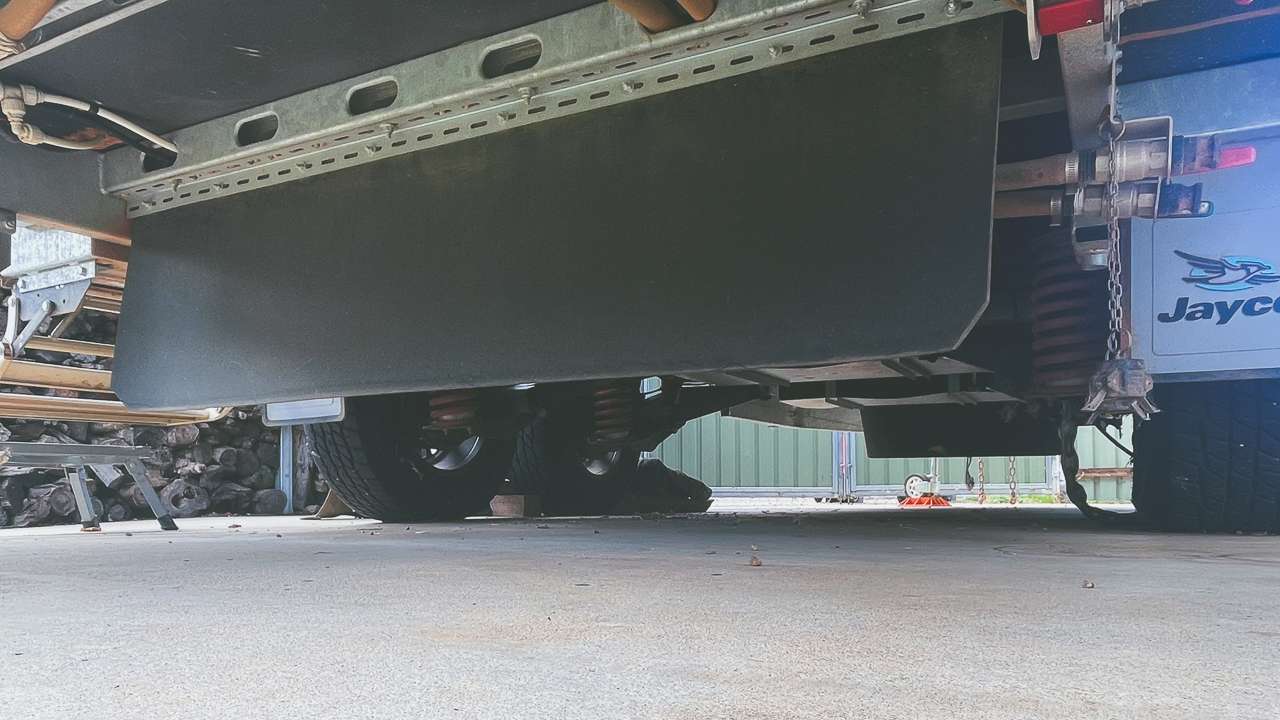
Caravan Underbody Protection Insertion Rubber Flap Protecting Plumbing Fittings
Key Caravan Underbody Protection Risks Explained
- Stone Strikes: Flying debris isn’t just a nuisance. A single rock can puncture a $1,500 freshwater tank or sever brake wiring, as reported in a 2023 case study by Outback Travel Australia.
- Corrosion: Coastal humidity and outback salt flats accelerate rust. The Australian National Transport Insurance notes that 40% of caravan insurance claims in Queensland relate to underbody corrosion.
- Resale Value: Visible underbody damage can deter buyers. Dealerships like Caravanland estimate a 30% price drop for caravans with unaddressed underbody issues.
Caravan Underbody Stone Protection: Materials Compared
When selecting protection, consider your travel style. Bitumen road travellers need lighter solutions, while off-road explorers require heavy duty armour. Below, we break down popular methods, their pros and cons, cost effectiveness and lifespan.
| Material | Pros | Cons | Cost (AUD) | Lifespan | Best For |
|---|---|---|---|---|---|
| Flexible Conduit | Affordable, easy DIY install | Limited sharp-object resistance | $2–$5 per metre | 3–5 years | Wiring, plumbing |
| Aluminium Guards | High impact resistance, customisable | Requires fabrication skills | $50–$200+ | 10+ years | Exposed fittings, tanks |
| Rubber Flaps | Debris deflection, simple mounting | May loosen on rough terrain | $20–$100+ | 2–4 years | General stone deflection |
| Spray On Coating | Corrosion prevention, uniform coverage | Less effective against large impacts | $50–$200+ (DIY kits) | 5–8 years | Rust-prone regions |
| Foam Sleeves / Pool Noodles | Insulates pipes, cheap | Low durability, visually bulky | $3–$8 per metre | 1–3 years | Plumbing insulation |
| Polyurethane Sheets | Lightweight, high abrasion resistance | Difficult to shape without tools | $30–$80 per sheet | 5–7 years | Floor protection |
Caravan Stone Protection: Top DIY Solutions
1. Flexible Conduit for Wiring and Plumbing
Ideal for safeguarding electrical lines and PVC pipes, corrugated plastic conduit is a budget friendly choice. Slit tubing allows easy installation without disconnecting existing systems. However, as noted by Trader VS, it’s less effective against sharp rocks.
Implementation Tips
- Tools Required: Cable ties, utility knife, measuring tape.
- Time Estimate: 2–4 hours for a standard caravan.
- Common Mistakes: Using undersized conduit (aim for 20% larger than the pipe/wire diameter).
2. Custom Aluminium or Steel Guards
For critical components like water tanks or gas lines, metal guards offer unmatched durability. While fabrication demands tools like angle grinders, forums like Caravaners Forum highlight their popularity among off-roaders.
Implementation Tips
- Tools Required: Angle grinder, drill, rivet gun.
- Case Study: Mick, a Grey Nomad, shares on Facebook: “After bending a chassis on the Gibb River Road, I installed 3mm steel guards. Five years later, not a dent!”
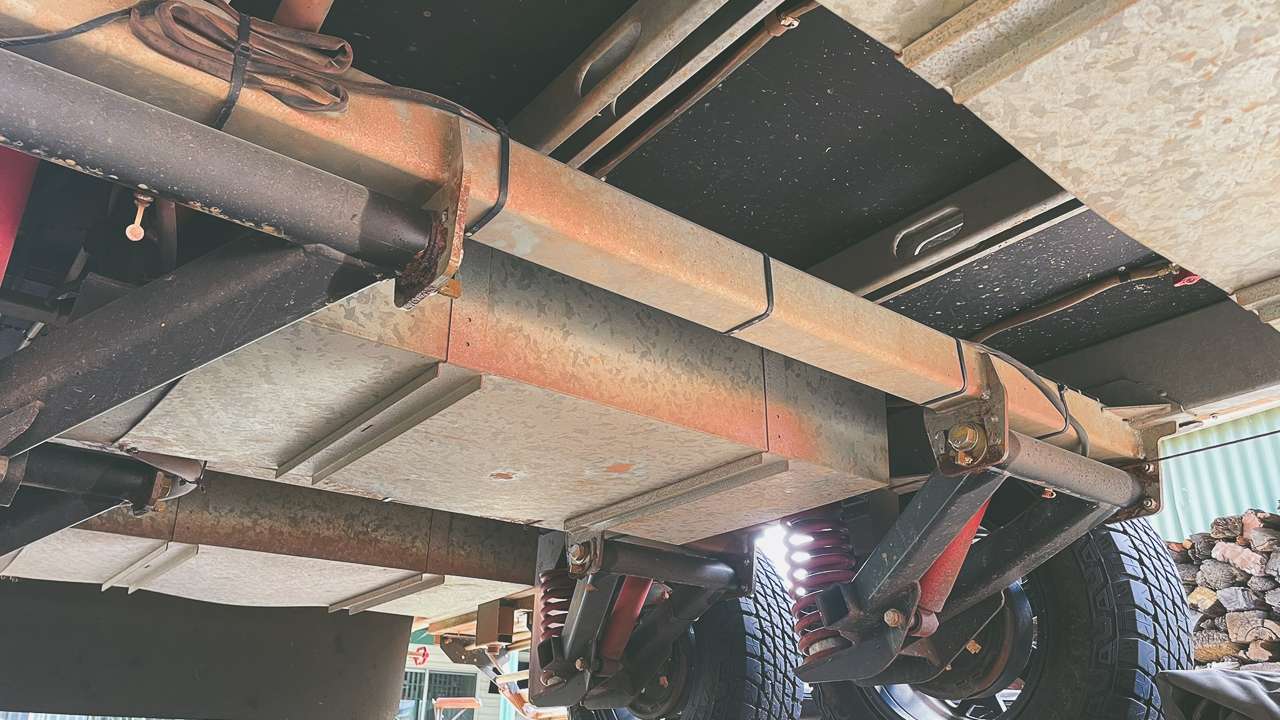
Protection Beneath Caravan
3. Rubber Mud Flaps
Heavy duty rubber flaps mounted behind wheels or along the chassis deflect stones effectively. Users on Facebook groups like “Aussie Caravan Adventures” recommend combining flaps with conduit for layered protection. Another great option is a fantastic Aussie made StoneStomper.
Implementation Tips
- Optimal Positioning: Install flaps 10–15 cm above ground level to balance debris deflection and clearance.
- Reinforcement: Use galvanised brackets to prevent tear offs on corrugations.
4. Spray On Underbody Coatings
Products like Raptor Coatings provide a waterproof, anti-corrosive barrier. While DIY kits are affordable, professional application ensures even coverage. A 2023 review by [Practical Caravan](https://www.practicalcaravan.com/) found spray coatings reduced road noise by 15%—a bonus for long hauls.
Implementation Tips
- Surface Prep: Use a degreaser and wire brush to remove rust flakes.
- Layering: Apply 3–4 thin coats instead of one thick layer to prevent drips.
5. Polyurethane Sheets for Floor Protection
A lesser known but effective option, 6mm polyurethane sheets shield the caravan floor from abrasion. Adhesive backed variants simplify installation.
Implementation Tips
- Cutting: Use a jigsaw with a fine tooth blade for clean edges.
- Sealing: Apply silicone sealant to sheet edges to prevent moisture ingress.
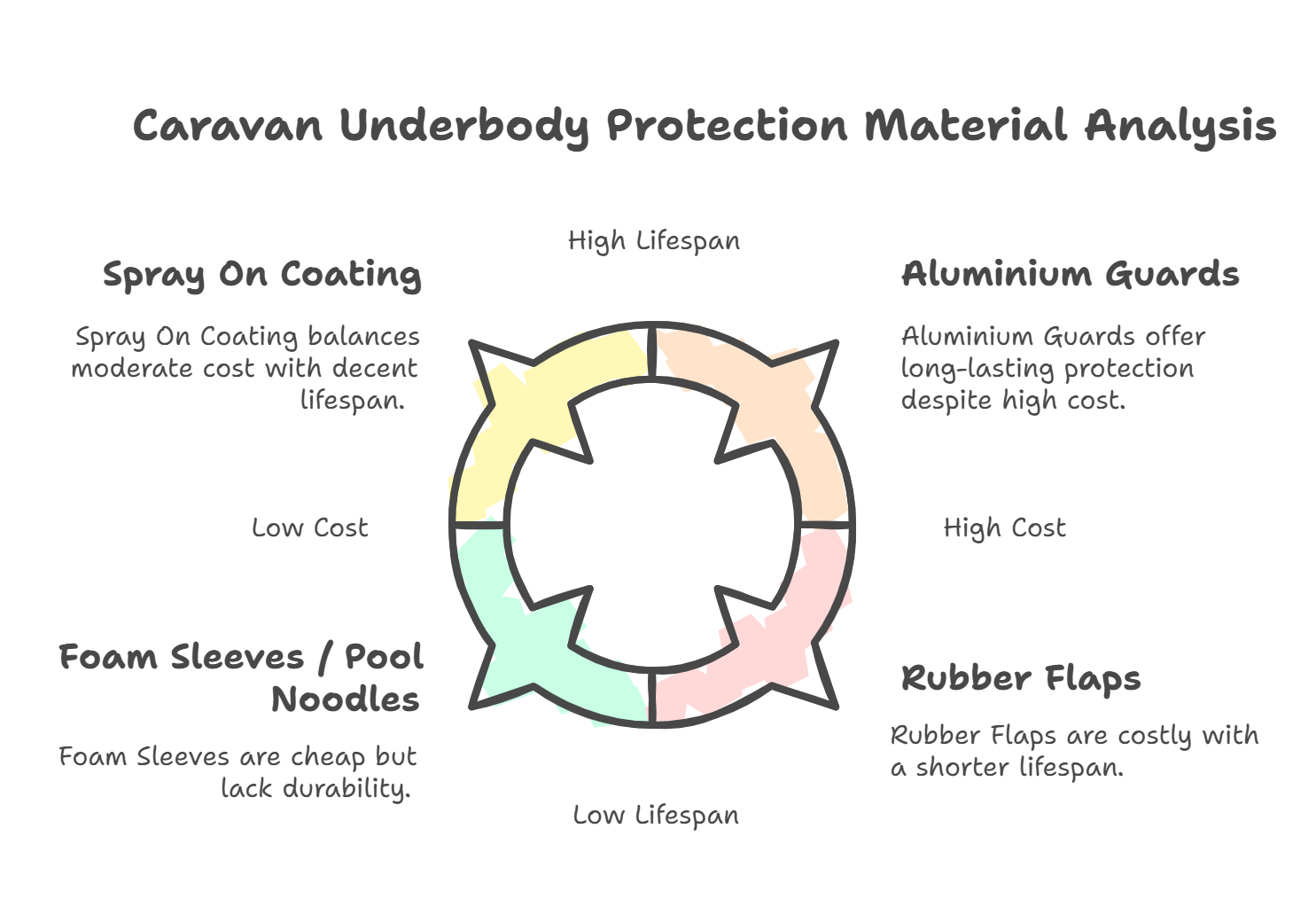
Infographic Caravan Underbody Protection Material Analysis
Cost Benefit Analysis: DIY vs. Professional Installation
Investing $300–$500 in materials can save thousands in repairs. For example:
- Flexible conduit: A $50 investment protects $1,500+ in plumbing.
- Aluminium water tank guards: A $200 setup shields a $3,000 water tank.
- Spray coating: A $150 DIY kit prevents $2,000+ in rust repairs.
However, DIY isn’t always cheaper. Complex jobs like fabricating guards may require professional tools, costing $800+ if outsourced. Insurance providers like [Youi](https://www.youi.com.au/) also offer 5–10% premium discounts for caravans with certified underbody protection—a perk worth exploring.
Safety First: Avoiding Common Pitfalls
- Secure your caravan: Use axle stands rated for your caravan’s weight—never rely solely on jockey wheels.
- Galvanic corrosion: Match metals (e.g., stainless steel bolts with aluminium guards).
- Clearance checks: After installation, test ground clearance on a steep ramp or uneven surface.
- Ventilation: Ensure protective covers don’t block airflow to brakes or exhaust systems.
Maintenance: Extending The Life Of Your Underbody Protection
Even the best protections fail without upkeep. Follow this seasonal checklist:
Post Trip Inspection
- Check for loose bolts, cracks, or abrasions on guards and flaps.
- Clean mud and debris from conduits and coatings to prevent moisture traps.
Annual Deep Clean
- Pressure wash the underbody (avoid direct spray on electrical components).
- Reapply spray coatings every 3–5 years, depending on wear.
Corrosion Hotspots
- Focus on weld points and bolt holes. Apply a rust converter like Penetrol at the first sign of oxidation.
Environmental Considerations: Tailoring Protection To Climate
Australia’s diverse climates demand tailored solutions:
- Coastal Regions: Prioritise stainless steel fittings and anti corrosion sprays.
- Outback: Opt for thick rubber flaps and metal guards to combat sharp rocks.
- Tropical North: Use UV resistant materials to prevent sun degradation.
Expert Insights: What the Pros Say
We interviewed Dave – a mechanic at a Brisbane caravan repairer for insider tips:
- “80% of underbody damage I see starts with poor installation. Never rush the prep work.”
- “Composite materials like carbon-kevlar are gaining traction for high impact areas, but they’re pricey.”
Caravan Stone Protection: Long Term Strategies
Layering multiple methods yields the best results. For example:
- Spray coatings defend against corrosion.
- Rubber flaps deflect large debris.
- Conduit and foam sleeves protect pipes and wiring.
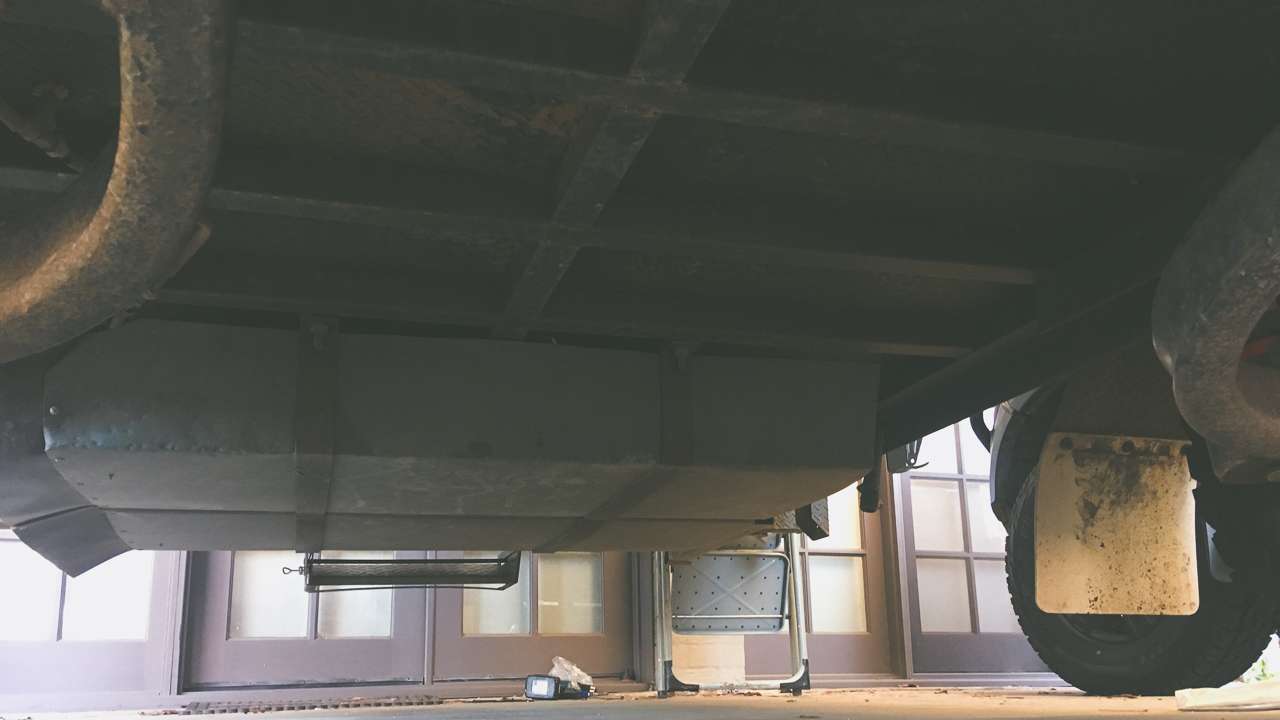
Protection Under Supreme Getaway Caravan
Case Study: A Success Story from the Simpson Desert
Karen and Tim, frequent outback travellers, shared their experience on [ExplorOz](https://www.exploroz.com.au/):
- Challenge: Repeated stone damage to their greywater tank.
- Solution: Installed 3mm aluminium guards and added rubber flaps.
- Result: Zero damage after 15,000 km of outback travel.
Conclusion: Protect Your Investment, Embrace the Journey
Caravan underbody protection isn’t a luxury – it’s insurance for your caravanning lifestyle. By understanding the pros, cons and costs of each method, you can tailor a defence strategy that lets you conquer Australia’s toughest terrains without hesitation. As the saying goes in caravan circles: “Protect the bottom and the journey stays on top.”
Share your underbody protection tips in the comments or tag us in your DIY project photos on social media. Ready to start? Grab a torch and inspect your caravan’s underbody today – you might spot vulnerabilities you never knew existed!
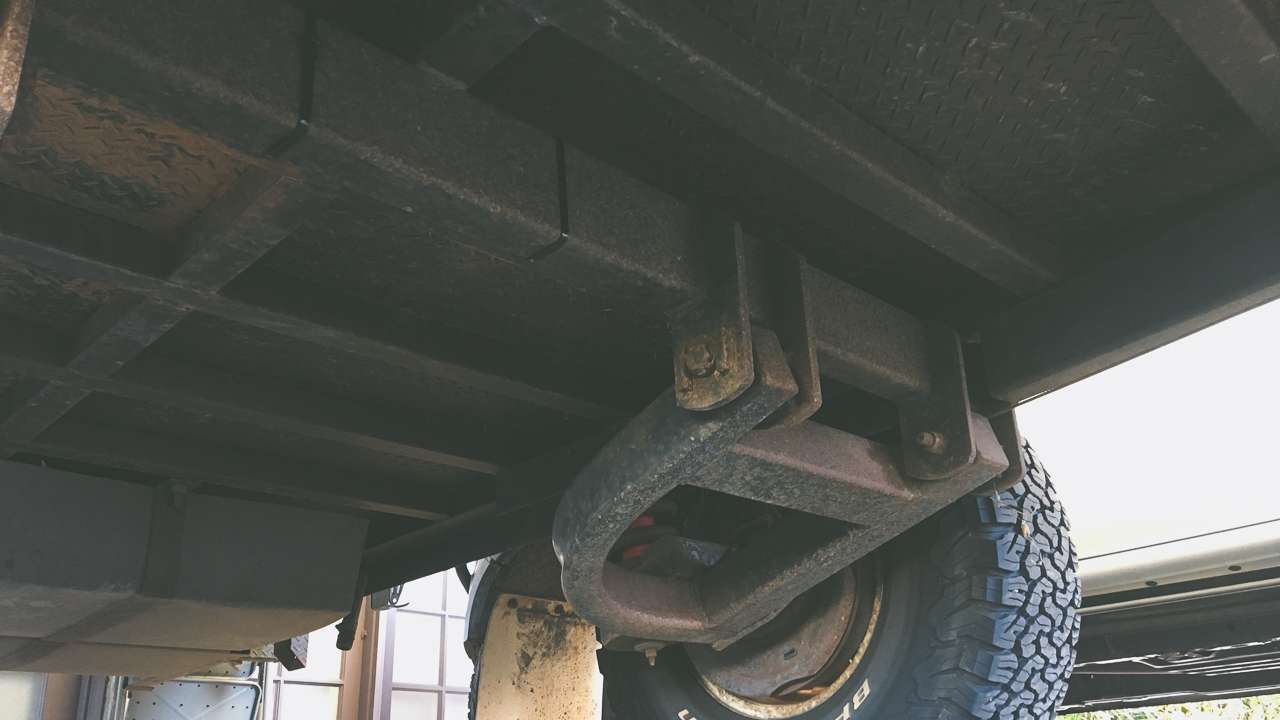
Ultra Heavy Duty Underbody Protection On A Supreme Getaway Offroad Caravan