Road Trip From Melbourne To Adelaide: 3 Unique Itineraries

Road Trip From Melbourne To Adelaide: 3 Unique Itineraries

Road Trip From Melbourne To Adelaide: 3 Unique Itineraries

Plan your ultimate road trip from Melbourne to Adelaide with 3 unique itineraries! Explore scenic stops, free camping spots and must see highlights for caravanners and campers. Adventure awaits! Embarking on a road trip from Melbourne to Adelaide is a quintessential Australian adventure.

Whether you’re a time pressed traveller or a leisurely explorer this journey offers something for everyone. With a road trip from Melbourne to Adelaide driving distance of approximately 900 kilometres, the route is packed with scenic coastal drives, historic landmarks and natural wonders.

Below we’ve come up with three distinct itineraries – 3 days, 7 days and a 14 Day return trip. Each taking a different route to minimise location duplication. All overnight stops prioritise free or low cost camping. Absolutely perfect for caravanners and campers.

Table Of Contents

Road Trip From Melbourne To Adelaide
Key Comparisons And Insights

Itinerary Duration Route Focus Overnight Stops Best For
3 Day Express 3 Days Coastal & Mountain Free Camping Time pressed travellers
7 Day Coastal 7 Days Limestone Coast Low Cost Camping Leisurely coastal explorers
14 Day Return 14 Days Inland & Coastal Mix of Free & Paid Camping Comprehensive exploration

Key Insights On Travel Times And Distances

  1. The 3 Day itinerary is the most time efficient, covering approximately 1,097 km in total, with daily driving times ranging from 3.5 to 6 hours.
  2. The 7 Day itinerary is more relaxed, totalling around 1,143 km, with most driving days under 4 hours.
  3. The 14 Day return trip is the most comprehensive, covering roughly 2,226 km round trip, with driving times averaging 3-5 hours per day.

Each itinerary offers a unique perspective on the Melbourne to Adelaide road trip stops, ensuring you’ll find one that suits your travel style.

3 Day Express Adventure: Coastal And Mountain Highlights

This fast-paced itinerary is ideal for those short on time but eager to experience the best of Victoria’s coastline and mountains.

Day 1: Melbourne to Port Campbell (285 km)

  • Stops: Torquay, Lorne, Apollo Bay
  • Overnight: Port Campbell Recreation Reserve (free camping).

Highlights

  • Twelve Apostles: Iconic limestone stacks rising from the Southern Ocean.
  • Loch Ard Gorge: A stunning gorge with a rich shipwreck history.

Day 2: Port Campbell to Halls Gap (287 km)

  • Stops: Warrnambool, Port Fairy
  • Overnight: Plantation Campground, Grampians (free camping).

Highlights

  • Tower Hill Wildlife Reserve: A volcanic crater teeming with native wildlife.
  • Grampians National Park: Spectacular mountain ranges and waterfalls.

Day 3: Halls Gap to Adelaide (525 km)

  • Stops: Horsham, Bordertown
  • Arrival in Adelaide.

Highlights

  • Little Desert National Park: A unique arid landscape.
  • The Bend Motorsport Park: A must visit for car enthusiasts.

Alternative Stops

Bells Beach, Otway National Park, Hamilton.
Road Trip From Melbourne To Adelaide

Road Trip From Melbourne To Adelaide

3 Day Express Adventure: Coastal And Mountain Highlights At A Glance

Day Route Distance Travel Time Stops Highlights Overnight Stay
1 Melbourne to Port Campbell 285 km 3.5 hours Torquay, Lorne, Apollo Bay Twelve Apostles, Loch Ard Gorge Port Campbell Recreation Reserve (Free)
2 Port Campbell to Halls Gap 287 km 3.5 hours Warrnambool, Port Fairy Tower Hill Wildlife Reserve, Grampians Plantation Campground, Grampians (Free)
3 Halls Gap to Adelaide 525 km 6 hours Horsham, Bordertown Little Desert NP, The Bend Motorsport Arrival in Adelaide

7 Day Coastal Expedition: Exploring the Limestone Coast

This relaxed route hugs the coastline, showcasing the beauty of Victoria and South Australia’s southern shores.

Day 1: Melbourne to Apollo Bay (187 km)

  • Stops: Geelong, Anglesea
  • Overnight: Apollo Bay Recreation Reserve (low-cost camping).

Highlights

  • Great Ocean Road Memorial Arch: The gateway to this iconic drive.
  • Erskine Falls: A picturesque waterfall near Lorne.

Day 2: Apollo Bay to Port Fairy (188 km)

  • Stops: Twelve Apostles, Port Campbell
  • Overnight: Southcombe Park, Port Fairy (low-cost camping).

Highlights

  • Gibson Steps: A dramatic coastal viewpoint.
  • The Arch: A natural rock formation.

Day 3: Port Fairy to Mount Gambier (178 km)

  • Stops: Portland, Nelson
  • Overnight: Mount Gambier Central Caravan Park.

Highlights

  • Cape Bridgewater: Known for its blowholes and seal colony.
  • Glenelg River: Perfect for kayaking or fishing.

Day 4: Mount Gambier to Robe (138 km)

  • Stops: Tantanoola Caves, Millicent
  • Overnight: Long Beach Campground, Robe (free camping).

Highlights

  • Blue Lake: A stunning crater lake that changes colour seasonally.
  • Umpherston Sinkhole: A sunken garden with lush greenery.

Day 5: Robe to Victor Harbor (367 km)

  • Stops: Kingston SE, Meningie
  • Overnight: Adare Camp and Caravan Park, Victor Harbor.

Highlights

  • Cape Jaffa Lighthouse: A historic maritime landmark.
  • Coorong National Park: A haven for birdwatchers.

Day 6: Victor Harbor to McLaren Vale (44 km)

  • Stops: Port Elliot, Goolwa
  • Overnight: Moana Beach Tourist Park.

Highlights

  • Granite Island: Home to a colony of little penguins.
  • Cockle Train: A heritage steam train ride.

Day 7: McLaren Vale to Adelaide (41 km)

  • Stops: Willunga, Hallett Cove
  • Arrival in Adelaide.

Highlights

  • McLaren Vale Wineries: Sample world class wines.
  • Hallett Cove Conservation Park: Known for its geological significance.

Alternative Stops

Cape Otway, Tower Hill, Naracoorte Caves, Currency Creek.

7 Day Coastal Expedition: Exploring the Limestone Coast At A Glance

Day Route Distance Travel Time Stops Highlights Overnight Stay
1 Melbourne to Apollo Bay 187 km 2.5 hours Geelong, Anglesea Great Ocean Road Memorial Arch, Erskine Falls Apollo Bay Recreation Reserve (Low-cost)
2 Apollo Bay to Port Fairy 188 km 2.5 hours Twelve Apostles, Port Campbell Gibson Steps, The Arch Southcombe Park, Port Fairy (Low-cost)
3 Port Fairy to Mount Gambier 178 km 2 hours Portland, Nelson Cape Bridgewater, Glenelg River Mount Gambier Central Caravan Park
4 Mount Gambier to Robe 138 km 1.5 hours Tantanoola Caves, Millicent Blue Lake, Umpherston Sinkhole Long Beach Campground, Robe (Free)
5 Robe to Victor Harbor 367 km 4 hours Kingston SE, Meningie Cape Jaffa Lighthouse, Coorong NP Adare Camp and Caravan Park, Victor Harbor
6 Victor Harbor to McLaren Vale 44 km 45 minutes Port Elliot, Goolwa Granite Island, Cockle Train Moana Beach Tourist Park
7 McLaren Vale to Adelaide 41 km 40 minutes Willunga, Hallett Cove McLaren Vale Wineries, Hallett Cove CP Arrival in Adelaide

14 Day Return Trip Odyssey: Inland and Coastal Exploration

This comprehensive itinerary combines inland and coastal routes, offering a diverse experience of Victoria and South Australia.

Days 1-2: Melbourne to Grampians (260 km)

  • Stops: Ballarat, Ararat
  • Overnight: Stapylton Campground, Grampians (free camping).

Highlights

  • Sovereign Hill: A living museum of the gold rush era.
  • Grampians National Park: Hiking trails and Aboriginal rock art.

Days 3-4: Grampians to Robe (435 km)

  • Stops: Naracoorte, Penola
  • Overnight: The Pines Campground, Little Dip Conservation Park (free camping).

Highlights

  • Naracoorte Caves: A UNESCO World Heritage Site.
  • Coonawarra Wine Region: Renowned for its Cabernet Sauvignon.

Days 5-6: Robe to Victor Harbor (367 km)

  • Stops: Kingston SE, Meningie
  • Overnight: Waitpinga Campground, Newland Head Conservation Park (low-cost camping).

Highlights

  • Cape Jaffa Lighthouse: A historic maritime landmark.
  • Coorong National Park: A haven for birdwatchers.

Days 7-8: Victor Harbor to Adelaide (83 km)

  • Stops: Port Elliot, McLaren Vale
  • Overnight: Adelaide Shores Caravan Park.

Highlights

  • Granite Island: Home to a colony of little penguins.
  • McLaren Vale Wineries: Sample world-class wines.

Days 9-10: Adelaide to Mount Gambier (449 km)

  • Stops: Murray Bridge, Keith
  • Overnight: Mount Gambier Central Caravan Park.

Highlights

  • Monarto Safari Park: An open-range zoo.
  • Blue Lake: A stunning crater lake.

Days 11-12: Mount Gambier to Port Campbell (267 km)

  • Stops: Portland, Warrnambool
  • Overnight: Port Campbell Recreation Reserve (free camping).

Highlights

  • Cape Bridgewater: Known for its blowholes and seal colony.
  • Flagstaff Hill Maritime Village: A recreated 19th-century port.

Days 13-14: Port Campbell to Melbourne (285 km)

  • Stops: Apollo Bay, Lorne
  • Return to Melbourne.

Highlights

  • Twelve Apostles: Iconic limestone stacks.
  • Great Otway National Park: Lush rainforests and waterfalls.

Alternative Stops: Horsham, Bordertown, Tailem Bend, Robe, Port Fairy, Torquay.

14 Day Return Trip Odyssey: Inland and Coastal Exploration At A Glance

Day Route Distance Travel Time Stops Highlights Overnight Stay
1-2 Melbourne to Grampians 260 km 3 hours Ballarat, Ararat Sovereign Hill, Grampians NP Stapylton Campground, Grampians (Free)
3-4 Grampians to Robe 435 km 5 hours Naracoorte, Penola Naracoorte Caves, Coonawarra Wine Region The Pines Campground, Little Dip CP (Free)
5-6 Robe to Victor Harbor 367 km 4 hours Kingston SE, Meningie Cape Jaffa Lighthouse, Coorong NP Waitpinga Campground, Newland Head CP (Low-cost)
7-8 Victor Harbor to Adelaide 83 km 1 hour Port Elliot, McLaren Vale Granite Island, McLaren Vale Wineries Adelaide Shores Caravan Park
9-10 Adelaide to Mount Gambier 449 km 5 hours Murray Bridge, Keith Monarto Safari Park, Blue Lake Mount Gambier Central Caravan Park
11-12 Mount Gambier to Port Campbell 267 km 3 hours Portland, Warrnambool Cape Bridgewater, Flagstaff Hill Port Campbell Recreation Reserve (Free)
13-14 Port Campbell to Melbourne 285 km 3.5 hours Apollo Bay, Lorne Twelve Apostles, Great Otway NP Return to Melbourne

Final Thoughts On A Road Trip From Melbourne To Adelaide

A road trip from Melbourne to Adelaide is more than just a drive – it’s an opportunity to explore Australia’s diverse landscapes and rich history. Whether you choose the 3 Day express, the 7 Day coastal route, or the 14 Day odyssey, each journey promises unforgettable memories. Amanda and I have done all of these routes in parts and visited all of the places outlined. We can highly recommend it.

Remember to check campground availability, especially during peak seasons and always practice responsible camping. Happy travels!
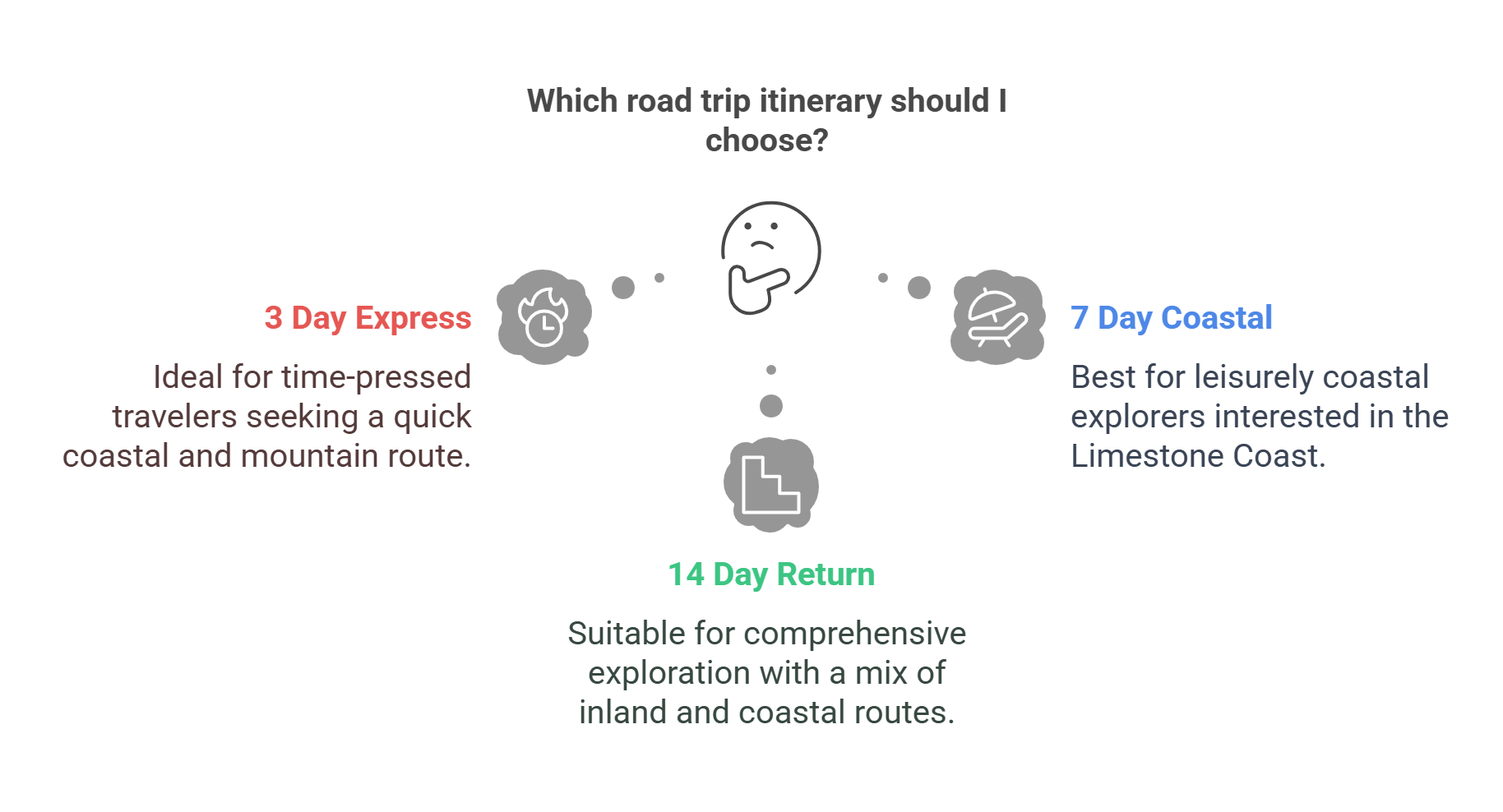
Road Trip From Melbourne To Adelaide Itinerary Decisions

Road Trip From Melbourne To Adelaide Itinerary Decisions

6 Frequently Asked Question FAQs About A Road Trip From Melbourne To Adelaide

What is the best route for a road trip from Melbourne to Adelaide?

The best route depends on your timeframe and interests. For a quick trip, take the Great Ocean Road and Grampians National Park (3-day itinerary). For a coastal adventure, explore the Limestone Coast (7-day itinerary). For a comprehensive journey, combine inland and coastal routes (14-day return trip).

How long does a road trip from Melbourne to Adelaide take?

The road trip from Melbourne to Adelaide can take anywhere from 3 days to 2 weeks, depending on your itinerary. The direct drive is about 9 hours (900 km), but exploring scenic stops and attractions will extend your travel time.

Where can I camp overnight on a road trip from Melbourne to Adelaide?

There are plenty of camping options, including free and low-cost sites. Popular stops include Port Campbell Recreation Reserve, Plantation Campground (Grampians), and Long Beach Campground (Robe). Always check availability and book in advance during peak seasons.

What are the must-see highlights on a road trip from Melbourne to Adelaide?

Key highlights include the Twelve Apostles, Grampians National Park, Blue Lake (Mount Gambier), and Coorong National Park. Each route offers unique attractions, from coastal views to historic landmarks and wildlife encounters.

Can I do a road trip from Melbourne to Adelaide on a budget?

Absolutely! Prioritise free camping sites like Port Campbell Recreation Reserve and The Pines Campground (Robe). Many attractions, such as the Twelve Apostles and Coorong National Park, are free to visit, making the road trip from Melbourne to Adelaide budget-friendly.

Is a road trip from Melbourne to Adelaide suitable for families?
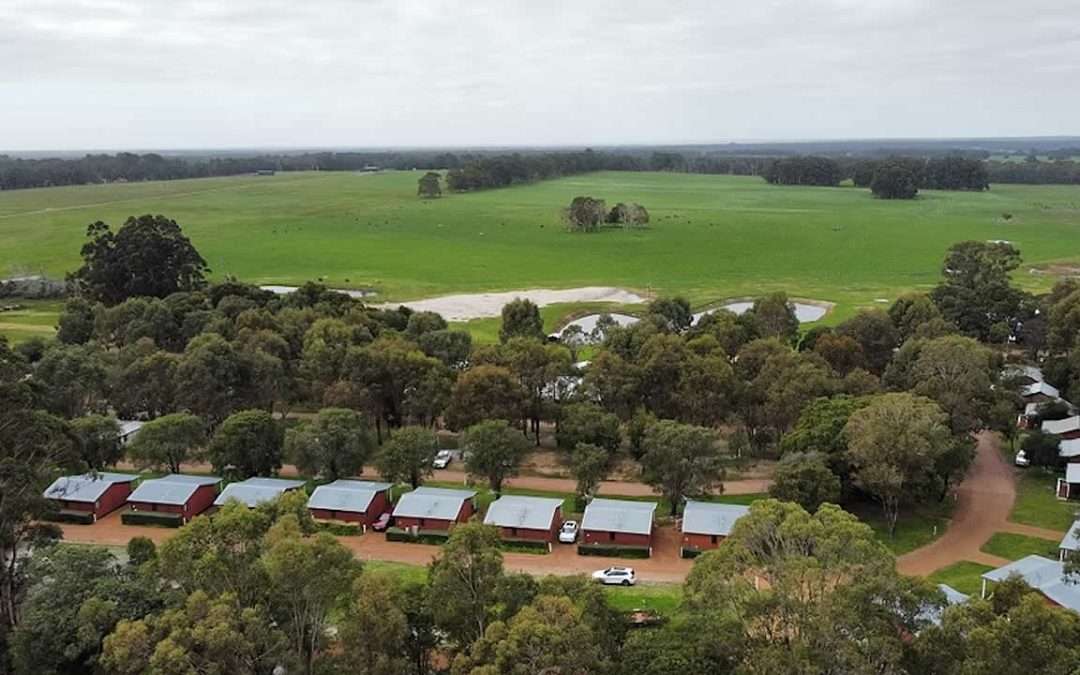
Yes, the road trip from Melbourne to Adelaide is family-friendly. With stops like Tower Hill Wildlife Reserve, Granite Island, and Monarto Safari Park, there are plenty of activities for kids. Choose a relaxed itinerary, such as the 7-day coastal route, for a stress-free family adventure.

Camping Margaret River: Your Ultimate Guide

Camping Margaret River: Your Ultimate Guide

Camping Margaret River: Your Ultimate Guide

Discover the best camping sites in Margaret River WA. Compare free camps, national parks, caravan parks & glamping spots with our complete guide – perfect for budget-friendly adventures or luxury escapes.

Beautiful Margaret River. Famous for its world class wineries, epic surf breaks and towering karri forests. But for campers and caravanners, it’s also a paradise of diverse camping options from beachside caravan parks to secluded bush hideouts. Whether you’re chasing a budget friendly free camp or a glamping experience with a side of chardonnay, this guide breaks down every camping site in and around Margaret River. Let’s dive in!

Camping Margaret River: Where Nature Meets Adventure

Margaret River isn’t just a destination; it’s a vibe. Nestled in Western Australia’s Southwest, this region offers everything from rugged coastal cliffs to serene forest canopies. But with so many camping sites Margaret River options, choosing the right spot can feel overwhelming. Fear not! We’ve scouted the pros, cons and quirks of every caravan park, national park, free camp and even a permaculture farm.

This guide isn’t just a list – it’s your roadmap to balancing comfort, cost and connection with nature. We’ll compare amenities, highlight hidden gems and even throw in a few pro tips to help you dodge crowds or snag the best sunset views. Ready? Let’s explore!

Caravan Parks: Comfort Meets Convenience

If you’re after amenities like hot showers, powered sites and WiFi (because let’s face it, Instagramming your camp setup is half the fun), Margaret River’s caravan parks deliver. These spots are perfect for families, retirees, or anyone who wants a hassle free basecamp for exploring the region.

1. RAC Margaret River Nature Park

Nestled in Wooditjup National Park

Pros

  • Eco-friendly with solar powered facilities: This park takes sustainability seriously, offering solar heated showers and energy efficient lighting.
  • Options galore: Choose from cabins, safari tents, dormitories, or powered sites. The safari tents are a hit for glampers who want a touch of luxury without sacrificing the outdoorsy feel.
  • Proximity to town: Just 10 minutes from Margaret River’s cafes and shops, but surrounded by bushland for that “away from it all” vibe.
  • On site fun: Fire pits, BBQs and even table tennis keep everyone entertained after a day of wine tasting or surfing.

Cons

  • Pricey for budget campers: Powered sites start at around $50/night, which is steep compared to free camps. But for the location and facilities, many say it’s worth the splurge.
  • Bookings essential: Popular year round, especially during school holidays.

Learn more about their sustainability efforts here.

2. Margaret River Tourist Park

44 Station Rd, Margaret River

Pros

  • Central location: Walk to the town’s breweries, boutiques and the Margaret River Chocolate Company (dangerously close, if you ask us).
  • Family friendly: A pool, playground and BBQ areas make this a hit with kids.
  • Pet friendly: Dogs are welcome in selected areas—just keep them on a leash.
  • Spotless amenities: Recent visitors rave about the clean showers and friendly staff.

Cons

  • Peak season chaos: This park books out months in advance during summer. If you’re planning a December trip, set a reminder to reserve your spot!
  • Tight spaces: Some powered sites feel a bit snug for larger caravans or rigs.

Check availability here.

3. Discovery Parks – Margaret River

Bussell Hwy, Cowaramup

Pros

  • RV friendly: Designed for caravans and motorhomes, with electric and water hookups.
  • Accessibility: Wheelchair accessible facilities, including bathrooms and pathways.
  • Pet friendly: Another great option for traveling with furry friends.

Cons

  • Out of town: Located 10km north of Margaret River in Cowaramup (though this puts you closer to iconic spots like Canal Rocks and Injidup Natural Spa).
  • Basic vibe: Less “luxe” than RAC Nature Park, but ideal for no fuss stays.

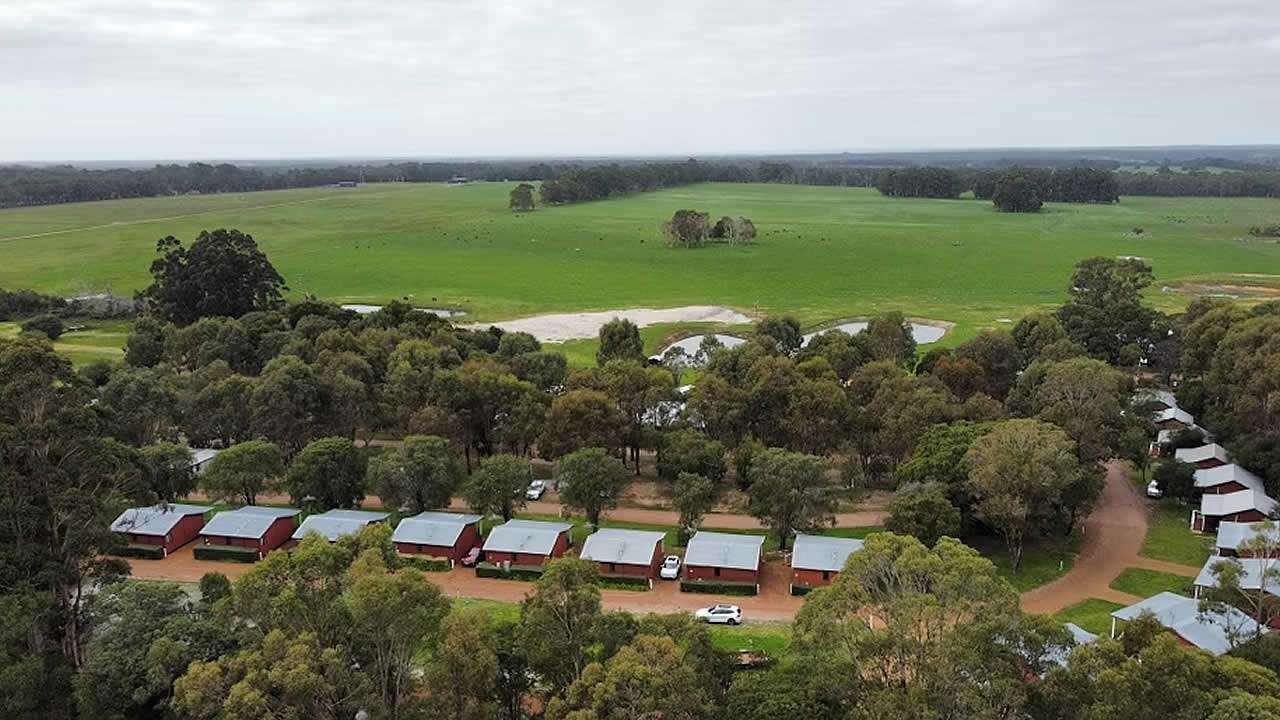
Camping Margaret River Discovery Parks Margaret River (Image Courtesy Discovery Parks)

Camping Margaret River Discovery Parks Margaret River (Image Courtesy Discovery Parks)

National Park & State Forest Camping Sites: For the Wild at Heart

Prefer waking up to birdsong rather than WiFi? These bush camps balance accessibility with raw natural beauty. They’re perfect for hikers, surfers and anyone craving a digital detox.

Conto Campground

Leeuwin-Naturaliste National Park

Pros

  • Surf and forest combo: Pitch your tent among jarrah trees, then walk 10 minutes to Conto’s surf breaks.
  • Family friendly: Flat, shaded sites and fire pits (bring your own wood!) make this a hit with kids.
  • Well maintained: Clean pit toilets and picnic tables, plus rangers often patrol the area.

Cons

  • No powered sites: Solar panels or generators are a must if you need electricity.
  • Basic facilities: No showers or drinking water – pack in, pack out.

Explore Conto’s hiking trails here.

Boranup Campground

Leeuwin-Naturaliste National Park

Pros

  • Magical karri forest setting: Towering trees create a cathedral-like atmosphere. Perfect for photographers and nature lovers.
  • Proximity to Boranup Beach: A short drive to this secluded stretch of sand, ideal for beachcombing or sunset picnics.
  • Stargazing heaven: Minimal light pollution = epic Milky Way views.

Cons

  • Crowds in peak season: Sites fill fast during school holidays. Arrive early or visit in shoulder seasons (autumn is divine).
  • No water: Bring plenty for drinking, cooking and cleaning.
  • Pro Tip: Combine Boranup with a drive through the Boranup Forest Loop Road – a 12km scenic route through some of WA’s tallest karri trees.

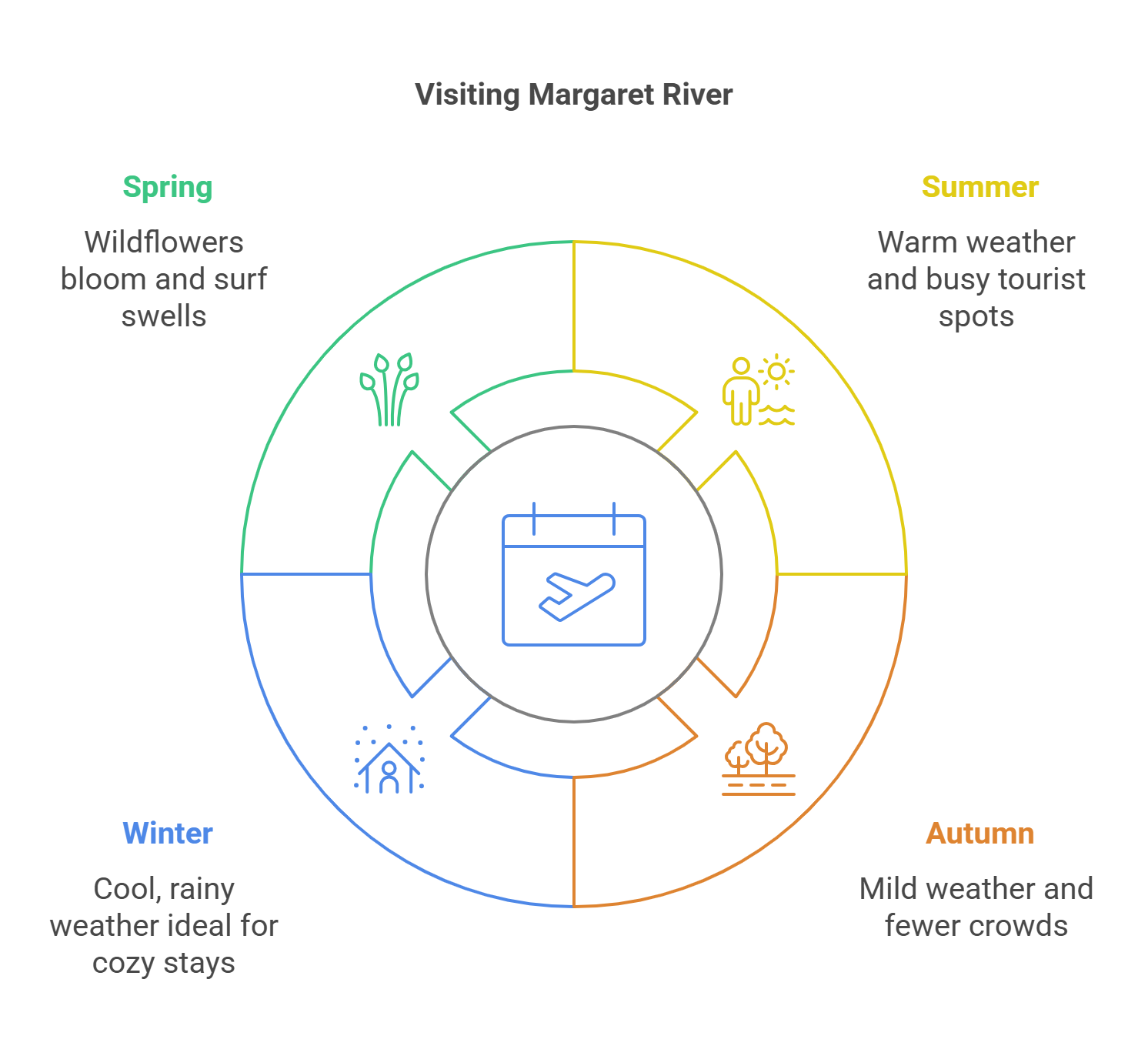
Camping Margaret River Seasonal Considerations - When To Visit Margaret River?

Camping Margaret River Seasonal Considerations – When To Visit Margaret River?

Free Camping Sites: Budget Friendly Bliss

For those who believe the best things in life are free (or at least under $10), these spots offer no-frills stays with killer views. Just remember: free camps require self sufficiency. Pack a portaloo, extra water and a sense of adventure!

Karri Gully Picnic Site

Pros

  • Free and serene: 10 designated spots nestled in a karri forest perfect for campervans and small trailers.
  • Close to town: Only 15 minutes from Margaret River, making it a handy base for day trips.

Cons

  • First come, first served: No bookings, so arrive early on weekends.
  • Basic amenities: Just a picnic table and pit toilet.

Brockman/Stewart Rest Area

Pros

  • Free overnight stop: Ideal for road trippers passing through.
  • Easy access: Right off Bussell Highway, with room for caravans and RVs.

Cons

  • Road noise: Not the quietest spot if you’re a light sleeper.
  • No facilities: Strictly for self contained vehicles.

Other Free Options

  • Capel RV Stop: Free 24-hour stays for self contained vehicles. Great for a quick pit stop north of Margaret River.
  • Darradup Roadside Rest Area: Riverside setting, but better suited for small vans due to tight spaces.

Check this guide for up to date info on time limits and vehicle restrictions.

Margaret River Camping Site: Unique Stays You Won’t Forget

Want to spice up your camping game? Try these quirky options that blend nature with novelty.

Olio Bello Lakeside Glamping

Pros

  • Luxe tents on an olive farm: Think king sized beds, private terraces and lake views. Perfect for anniversaries or romantic getaways.
  • On site café: Feast on wood fired pizzas and olive oil tastings—no camp cooking required!

Cons

Price tag: Starts at $300/night – ouch. But hey, you’re paying for the ‘grammable moments.

Glamp in style here.

Fair Harvest Permaculture Campground

Pros

  • Eco warriors rejoice: Learn about sustainable farming while camping on a working permaculture property.
  • Chill vibes: BYO tent or van and enjoy farm fresh eggs for breakfast.

Cons

  • Rustic facilities: Compost toilets and outdoor showers – embrace the simplicity!

The Great Comparison: Which Camping Style Suits You?

To simplify your decision, here’s a quick breakdown of what each camping style offers:

Camping Type Cost Amenities Best For Vibe
Caravan Parks $$$ Power, pools, Wi-Fi Families, comfort-seekers Social, lively
National Parks $ Basic toilets Hikers, nature lovers Rustic, tranquil
Free Camps Free – $ Minimal (self-contained) Budget travelers Adventurous, quiet
Glamping/Unique $$$$ Luxury/eco-focused Couples, special trips Romantic, Insta-worthy

Camping Murray River Seasonal Considerations: When To Visit

  • Summer (Dec-Feb): Warm and busy. Book caravan parks months in advance. Free camps get crowded – arrive early.
  • Autumn (Mar-May): Mild weather, fewer crowds. Ideal for national park stays.
  • Winter (Jun-Aug): Cool and rainy, but perfect for cozy cabin stays and storm watching.
  • Spring (Sep-Nov): Wildflowers bloom and surf swells pick up. A camper’s dream!

Pro Tips For Camping In Margaret River

  1. Fire Safety: Check [DFES alerts](https://www.emergency.wa.gov.au/) for fire bans. Many sites prohibit fires in summer.
  2. Wildlife Wisdom: Store food securely – quendas (bandicoots) and possums are cheeky thieves!
  3. Leave No Trace: Pack out all waste, especially in free camps and national parks.
  4. Water Wisdom: Many bush camps lack drinking water. Fill up at town visitor centres.

Key Takeaways for Your Margaret River Camping Adventure

  1. Book Ahead: Popular spots like Conto and RAC Nature Park fill fast in summer.
  2. Pack Smart: Free camps require self sufficiency – bring water, a porta-loo and firewood.
  3. Location Matters: Want surf? Prevelly Caravan Park. Want wine? Stay near town.

Final Thoughts: Margaret River Camping Site Perfection Awaits

Whether you’re pitching a tent under karri trees or sipping wine in a glamping tent, Margaret River’s camping scene has something for everyone. Weigh your priorities (budget vs. comfort, solitude vs. convenience) and you’ll find your perfect patch of paradise. Just don’t forget the marshmallows – you’re in for a treat.

Always check parks and caravan parks websites for fire bans and booking updates.

6 Frequently Asked Question FAQs About Camping Margaret River

What’s the best time of year for camping in Margaret River?

Autumn (March-May) and spring (September-November) offer mild weather and fewer crowds. Summer is popular but busy, while winter is ideal for storm-watching and cabin stays.

Are there pet-friendly camping sites in Margaret River?

Yes! Caravan parks like Margaret River Tourist Park and Discovery Parks allow dogs. Free camps like Karri Gully also permit pets, but always check leash rules.

Can I free camp near Margaret River?

Absolutely. Try Karri Gully Picnic Site (15 mins from town) or Brockman/Stewart Rest Area for quick stops. Note: Most free sites require self-contained vehicles.

Do I need to book campsites in advance?

For caravan parks (e.g., RAC Nature Park) and popular national parks like Conto Campground, book months ahead in peak season. Free camps are first-come, first-served.

Are there showers and drinking water at national park campsites?

Most, like Boranup Campground, have pit toilets but no showers or drinking water. Pack your own supply or fill up at town visitor centres.

What’s the best camping option for a romantic getaway?

Splurge on Olio Bello Lakeside Glamping for luxury tents and vineyard views, or try secluded free camps like Willow Springs for a private forest escape.

The Best Camping Sites In Byron Bay (And Worst)

The Best Camping Sites In Byron Bay (And Worst)

The Best Camping Sites In Byron Bay (And Worst)

Compare all camping sites in Byron Bay NSW – free camps, caravan parks & national parks. Discover pros/cons, hidden gems, booking tips & avoid fines. Your complete guide for the perfect coastal escape!

Ah, Byron Bay – the iconic coastal gem of NSW, where golden beaches meet lush hinterland and the vibe is as laid back as a Sunday arvo barbecue. Whether you’re a seasoned caravanner, a tent toting adventurer, or a budget conscious road tripper, finding the perfect camping spot here can make or break your trip. But with so many options – from beachfront holiday parks to sneaky free camps – how do you choose?

Let’s cut through the noise. In this guide, we’ll break down every camping site in and around Byron Bay, including the good, the bad, and the “you might get fined” realities. Buckle up!

Why Camp In Byron Bay?

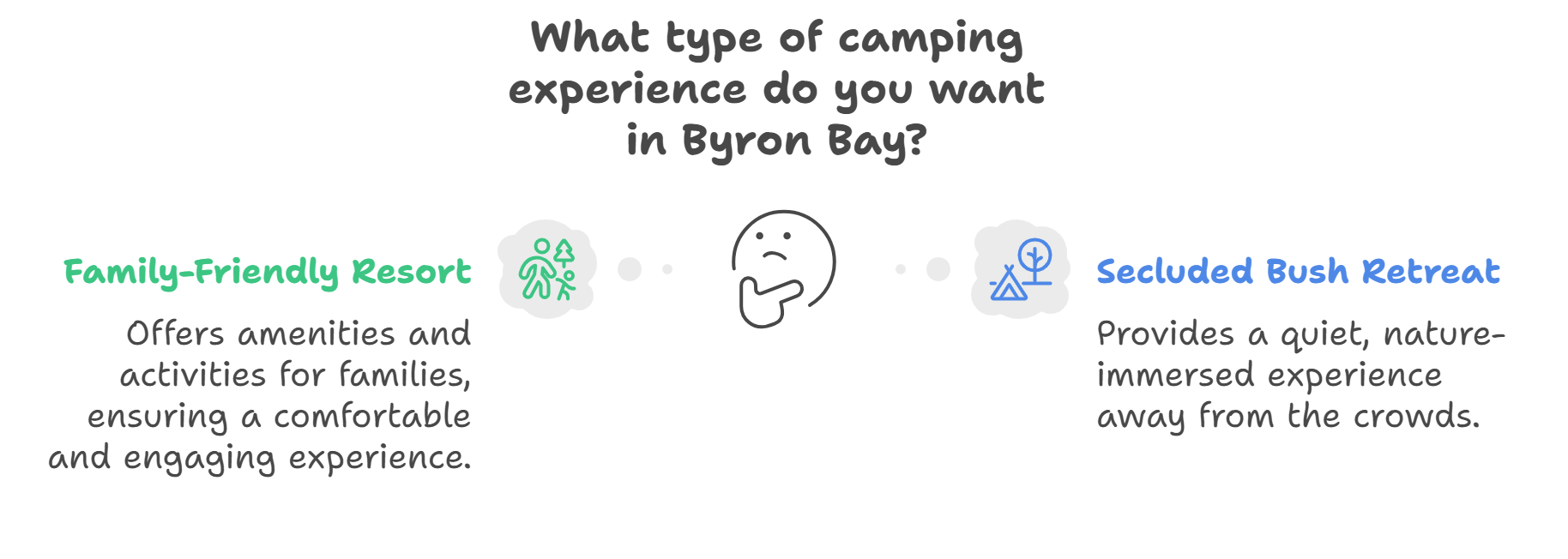
Byron Bay isn’t just a destination – it’s a lifestyle. Famous for its pristine beaches, vibrant arts scene, and thriving café culture, it’s a magnet for surfers, yogis, and sunset chasers. Camping here lets you soak up the natural beauty while staying close to the action. But with popularity comes competition: sites book out months in advance, and prices soar in peak seasons. Whether you’re after a family friendly resort or a secluded bush retreat, understanding your options is key.

Choosing Camping Sites In Byron Bay

Choosing Camping Sites In Byron Bay

Camping Sites Byron Bay: Caravan Parks and Holiday Parks

If you’re after amenities like powered sites, swimming pools and proximity to Byron’s bustling cafes, caravan parks are your best bet for camping sites in Byron Bay. Here’s the lowdown:

Discovery Parks – Byron Bay

Discovery Parks is the Disneyland of caravan parks. With a water park, café, and dog friendly policy, it’s ideal for families and fur babies. You’re just 5 minutes from Belongil Beach, and RV sites come with electric hookups. But be warned: peak seasons turn this place into a circus. Prices are steep (think $150+ per night in summer), and privacy is scarce when it’s packed.

  • Nearby Attractions: Pop into the Belongil Beach House Café for a post surf coffee or hit the Byron Markets on weekends for local crafts and live music.
  • Good for: Families, social butterflies, and those who like a resort vibe.
  • Skip if: You’re on a tight budget or crave peace.

Reflections Byron Bay – Holiday Park

Nestled near Clarkes Beach and the town’s main strip, Reflections is all about location. Powered sites, cabins, and a kids’ playground make it a hit with families. The downside? Noise from nearby clubs and crowds, especially during school holidays.

  • Eco Friendly Perks: Reflections has solar heated showers and recycling stations, so you can tread lightly while enjoying the beach.
  • Good for: Beach lovers and families wanting convenience.
  • Skip if: You’re noise sensitive or prefer seclusion.

First Sun Holiday Park

Imagine waking up to the sound of waves at First Sun, which sits right on Wreck Beach. This beachfront gem offers unpowered and powered sites, plus cozy cabins. It’s a short stroll to Byron’s shops, but popularity means cramped spaces during busy periods. Bring earplugs if your neighbour’s ukulele jam session isn’t your thing.

  • Surf Tip: Wreck Beach is quieter than Main Beach – perfect for beginners.
  • Good for: Surfers and beach bums.
  • Skip if: You dislike crowds or paying premium prices.

Glen Villa Resort

A quieter option near Cumbebin Wetlands, Glen Villa offers powered sites, villas, and a pool. It’s walking distance to the beach and town, but some visitors grumble about dated facilities and snug sites.

  • Budget Hack: Weekly rates drop the price to around $40/night – ideal for long stays.
  • Good for: Budget travellers wanting a central location.
  • Skip if: You need modern amenities or space.

Suffolk Beachfront Holiday Park

Located 10 minutes south in Suffolk Park, this spot boasts spacious sites and squeaky clean amenities. It’s quieter than Byron’s central parks but further from the action.

  • Local Secret: The Suffolk Bakery does a killer meat pie – worth the detour.
  • Good for: Peace seekers and couples.
  • Skip if: You want to be in the heart of Byron.

Belongil Fields Conference & Holiday Centre

With weekly rates and pet friendly policies Belongil Fields is affordable but polarising. Reviews mention worn facilities so set expectations low.

  • Pet Perk: The off leash dog beach at Belongil is a 10 minute walk away.
  • Good for: Budget road trippers with pets.
  • Skip if: You’re fussy about cleanliness.

Comparison Table: Byron Bay Caravan Parks

Park Name Location Price Best For Pros Cons
Discovery Parks Near Belongil Beach $$$ Families, socialising Water park, dog-friendly Crowded, pricey
Reflections Holiday Park Clarkes Beach $$-$$$ Beach access Central location, playground Noisy, busy
First Sun Holiday Park Wreck Beach $$$ Surfers Beachfront, close to town Expensive, cramped
Glen Villa Resort Cumbebin Wetlands $-$$ Budget travellers Quiet, pool Dated facilities
Suffolk Beachfront Suffolk Park $$ Couples Spacious, clean Far from Byron’s centre
Belongil Fields Belongil $ Pet owners Affordable, weekly rates Run-down facilities

Camping Sites in Byron Bay: National Park and Nature Based Options

For those craving raw nature, Byron’s national parks offer stunning backdrops – but fewer frills.

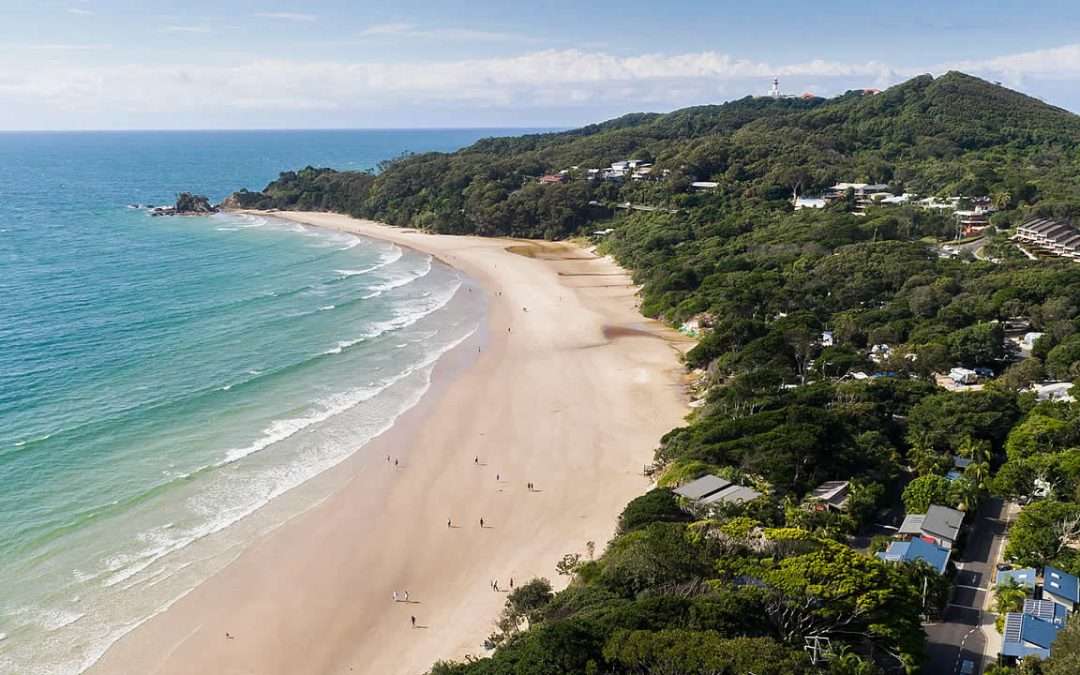
Camping Sites In Byron Bay Byron Bay Holiday Caravan Park (Image Courtesy Reflections Holidays)

Camping Sites In Byron Bay Byron Bay Holiday Caravan Park (Image Courtesy Reflections Holidays)

Cape Byron State Conservation Area

Home to the iconic Cape Byron Lighthouse, this conservation area is a hiker’s paradise. While overnight camping isn’t permitted, it’s worth a day trip for whale watching (June-November) and rainforest walks. Nearby, Nightcap National Park (45 minutes inland) has basic campsites like Rummery Park but you’ll need to BYO everything.

  • Pro Tip: The 3.7km Cape Byron Walking Track offers jaw dropping coastal views – pack a picnic!
  • Good for: Day trips and hardy adventurers.
  • Skip if: You need amenities or dislike dirt road drives.

State Forest Camping Near Byron Bay

Venture inland for serene bush camping in state forests. Mount Jerusalem State Forest, 90 minutes west, offers secluded sites like Upper Horseshoe Creek Campground. Facilities are bare bones (think pit toilets and fire pits), but the birdwatching is stellar.

  • Need to Know: Permits are required – book via NSW Forestry.
  • Good for: Off-grid explorers and stargazers.
  • Skip if: You rely on amenities or fear bush critters.

Free Camping Sites Byron Bay: The Reality and Risks

Let’s be real: free camping in Byron Bay is a no go. The local council bans overnight stays in streets, parks, and reserves, with fines up to $2,200. Crackdowns are common, especially near popular rest areas:

Yelgun Rest Area (20 mins north): Toilets and picnic tables, but rangers patrol regularly.
Tyagarah Rest Area (15 mins north): Popular for van sleepovers, but still illegal.
Sunnycrest Lane (30 mins west): Quiet but remote, with zero facilities.

A Cautionary Tale

A traveller In 2022 Copped A $1,100 Fine At Tyagarah – Hardly A Budget Win

Legal Alternatives: Head 90 minutes west to Toonumbar Dam for free, legal campsites with basic facilities.

Seasonal Considerations: When To Stay At Camping Sites In Byron Bay

  1. Peak Season (Dec-Feb): Expect crowds, higher prices, and booked out parks. Book 12+ months ahead.
  2. Shoulder Seasons (Mar-May, Sep-Nov): Mild weather, fewer tourists, and discounted rates.
  3. Winter (Jun-Aug): Cooler temps (perfect for hiking) but quieter beaches.
  4. Pro Tip: Avoid school holidays unless you love competing for BBQ space.

Eco Camping: Tread Lightly While Camping In Byron Bay

Byron’s eco conscious vibe extends to camping. Many parks, like Reflections, use solar power and rainwater tanks. Follow these tips:

  • Use biodegradable soap.
  • Stick to marked trails to protect dunes.
  • Dispose of waste in designated bins.

Beyond the Campground: Byron’s Must Do Experiences

  • Surf Lessons: Book a session at Passport to Surf.
  • Farm-to-Table Dining: The Farm Byron Bay serves paddock-to-plate feasts.
  • Crystal Castle: Not talking about “Breaking Bad” here but the association with Byron Bay is sometimes made. Wander among giant amethyst geodes in the hinterland.

Transportation Tips: Getting Around While Staying At Camping Sites In Byron Bay

  • Bike Rentals: Most caravan parks offer rentals – cycle the Cape Byron Trail.
  • Shuttle Buses: Byron Bay Shuttle connects major parks to the town centre.
  • Parking: Street parking in Byron is tight – arrive early or use paid lots.

Safety And Etiquette

  • Wildlife: Store food securely – curious possums and goannas abound.
  • Campfires: Only permitted in designated areas – check fire bans in summer.
  • Noise: Keep music low after 10pm – respect the Byron chill.

Final Thoughts On Camping Sites In Byron Bay

Byron Bay’s camping scene is as diverse as its sunsets. Whether you’re splurging on a beachfront cabin or roughing it in a national park, there’s a spot for every traveller – just know what you’re signing up for. And remember: while free camping might seem tempting, the legal options keep your trip stress free (and your wallet fine free). Now, grab your swag, slap on sunscreen, and get ready to fall in love with Byron’s salty air and sandy toes. Happy camping!

Advice On Remote Camping Safety In Australia

Advice On Remote Camping Safety In Australia

Advice On Remote Camping Safety In Australia

From extreme weather to wildlife risks. Here’s some practical advice on remote camping safety in Australia before your next trip. Camping in remote areas offers a unique adventure but also presents significant challenges. Ensuring remote camping safety is critical, as isolation increases the risks of unpredictable weather, limited resources and difficult terrain.

Camping in the outback Australia requires thorough preparation to avoid dangerous situations. Proper planning, knowledge and awareness can significantly enhance safety, making the experience both enjoyable and secure. By following these essential safety tips for outback camping, travellers can better protect themselves while experiencing nature. Knowing how to prepare for remote camping trips in Australia ensures a smoother, safer journey.

Choosing A Safe Location

Selecting an appropriate campsite is the first step to a secure trip. Research designated camping areas with reliable resources, avoid flood-prone regions and be aware of wildlife hazards. National parks and permitted sites often have safety guidelines that should be followed. When choosing a site, consider:

  • Proximity to water sources
  • Shelter from harsh weather
  • Access to emergency exits
  • Stability of the ground and distance from cliff edges
  • Clear paths for emergency vehicles

Prioritising remote camping safety starts with choosing the right location to minimise risks associated with camping in the outback Australia.

Remote Camping Safety In Australia

Remote Camping Safety In Australia

Essential Gear For Remote Camping

Proper gear ensures preparedness for emergencies. Carry a first aid kit, survival tools and reliable navigation devices such as maps, GPS and compasses. A well-packed emergency kit can mean the difference between a minor inconvenience and a major problem.

Essential items include:

  • First aid kit
  • Snake bite first aid kit
  • Multi tool / knife
  • Head torches with extra batteries
  • Fire starting equipment
  • Emergency blankets
  • Emergency food
  • A way of filtering water for drinking

Having these essentials ensures you are ready to face unexpected situations while following essential safety tips for outback camping.

Vehicle Preparation And Safety

Your vehicle is your lifeline in remote areas. Ensure it is in good condition, carry spare parts and bring extra fuel. Off-road travellers should invest in recovery gear, including:

Before heading out, inform someone of your planned route and expected return date. Additionally, carrying a mechanic’s manual or knowing basic repair skills can help in case of mechanical failures, reinforcing remote camping safety.

Water And Food Supplies

Access to clean drinking water is critical. Carry more than needed, use proper storage methods and have purification options such as filtration systems or boiling techniques.

Recommended food supplies:

  • Dehydrated meals
  • Canned goods
  • Vacuum sealed snacks
  • High energy bars
  • Long lasting fruits and vegetables

Properly storing food away from wildlife is crucial. Use lockable containers or hang food in a tree if necessary to prevent unwanted animal visits. Staying well-nourished is a key aspect of how to prepare for remote camping trips in Australia.

Fire Safety And Campfire Regulations

Check fire bans before lighting a campfire. Use designated fire pits when available and always fully extinguish fires before leaving. Portable cooking stoves are a safer alternative in high-risk fire zones.

Fire safety tips:

  • Keep a bucket of water or sand nearby
  • Never leave a fire unattended
  • Build fires away from overhanging branches and dry vegetation
  • Use only the wood you need
  • Stir the ashes and ensure all embers, coals and ash are cold before leaving

Emergency Communication Devices

Regular mobile phones may not work in remote locations. A satellite phone or a Personal Locator Beacon (PLB) ensures contact in case of an emergency. Two-way radios are useful for group camping. These devices can be lifesaving when traditional networks fail, playing a key role in remote camping safety.

Wildlife Awareness And Safety

Australia’s outback is home to venomous snakes, dingoes and other potentially dangerous wildlife. Store food securely to prevent attracting animals, avoid disturbing wildlife and know how to respond to encounters.

Wildlife safety measures:

  • Never approach or feed wild animals
  • Store food and rubbish in sealed containers
  • Wear protective clothing in snake prone areas
  • Carry a snakebite kit and learn how to use it
  • Stay inside your shelter at night

Weather Considerations And Planning

The outback’s weather can be extreme, from scorching heat to unexpected storms. Check forecasts, prepare for temperature changes and have adequate shelter for adverse conditions.

Prepare for varying weather conditions by:

  • Packing layered clothing
  • Using sun protection (hat, sunscreen, sunglasses)
  • Carrying insulated gear for cold nights
  • Bringing emergency rain protection
  • Checking weather alerts regularly

Being prepared for extreme weather is part of how to prepare for remote camping trips in Australia.

Basic Tool Kit For Caravan and 4WD

Basic Tool Kit For Caravan and 4WD

First Aid And Medical Preparedness

A well equipped first aid kit is essential. Know how to treat common injuries like cuts, burns and insect bites. In areas with venomous snakes, carry compression bandages and learn how to apply them. Doing an accredited first aid course is highly advisable.

Basic first aid essentials:

  • Antiseptic wipes and bandages
  • Tweezers and scissors
  • Pain relief medication
  • Allergy medication
  • Hydration salts

Navigation And Avoiding Getting Lost

Stick to known trails and avoid venturing off-track alone. Learn how to read a topographic map and always inform someone of your planned route. If lost:

  1. Stay put and avoid wandering aimlessly
  2. Use a whistle or signal mirror to attract attention
  3. Conserve energy and stay hydrated
  4. Look for prominent landmarks to orient yourself
  5. Use emergency devices if available

Remote Camping Safety = Use Basic Common Sense

In reality all of this article can be summed up by saying use common sense. If somethings feels like it might be a bit dodgy and dangerous then it probably is so don’t do it! A lot of small misadventures that can happen in suburbia take on a whole new level of being “in the shit” when you are hundreds of kilometres away from the nearest help. So just stop and think about the consequences if something goes wrong before you “give it a crack”. You’re not being a “softcock” or a “pussy” if you say no to doing something potentially dangerous.

Conclusion To Article About Remote Camping Safety In Australia

Camping in the outback Australia requires caution, preparation and respect for nature. By following these essential safety tips for outback camping, adventurers can enjoy the experience while minimising risks. Being well-prepared ensures a safer, more enjoyable journey into Australia’s vast wilderness. Taking the time to learn how to prepare for remote camping trips in Australia makes all the difference in ensuring a successful remote camping adventure. Proper planning, knowledge and awareness are the keys to remote camping safety, allowing for a rewarding and unforgettable outdoor experience.

Legal Disclaimer: The information provided in this article on remote camping safety and camping in the outback Australia is for general guidance only. While every effort has been made to ensure accuracy, camping in remote areas carries inherent risks and conditions may change unexpectedly. Readers are responsible for their own safety and should conduct independent research, adhere to local regulations and seek professional advice where necessary. The author and publisher are not liable for any injuries, losses or damages resulting from the use of this information. Always exercise caution, carry appropriate emergency equipment and follow official guidelines when venturing into remote areas.
7 GREAT Free Campsites Sunshine Coast For You To Stay At

7 GREAT Free Campsites Sunshine Coast For You To Stay At

7 GREAT Free Campsites Sunshine Coast For You To Stay At

Save money and camp in paradise. These top free campsites Sunshine Coast options offer stunning locations for an awesome camping experience. The Sunshine Coast is a prime destination for travellers. For those seeking budget friendly camping options amidst stunning natural landscapes options are unfortunately few and far between.

We’ve done our best to list what is available within 100 kilometres of Maroochydore. With the variety of free campsites Sunshine Coast has to offer, visitors can enjoy pristine beaches, lush hinterland and tranquil bush settings without the cost of traditional caravan parks. Some of these sites are located within national parks, state forests and designated rest areas providing a mix of coastal and inland camping experiences. Some free campsites Sunshine Coast travellers frequent offer basic amenities such as toilets, picnic tables and fire pits, while others require full self-sufficiency. Popular locations include spots near Noosa, Glass House Mountains and Kenilworth, each offering unique outdoor activities like hiking, fishing and wildlife spotting.

Regulations vary between sites, with some allowing short term stays of up to 24 hours and others permitting longer visits. While some of the free campsites Sunshine Coast provide require permits, many operate on a first come, first served basis. Campers should check local council or Queensland Parks guidelines before setting up.

List Of 7 GREAT Free Campsites Sunshine Coast For You To Stay At

Whether you’re exploring the coastline or escaping into the hinterland the free campsites Sunshine Coast offer an affordable and rewarding way to experience this iconic Australian region.

Note: We’ve tried to be as accurate as possible with compiling this list but mistakes and changes do happen. If you see anything that needs updating, is incorrect or we’ve missed please let us know – you can contact us by email.

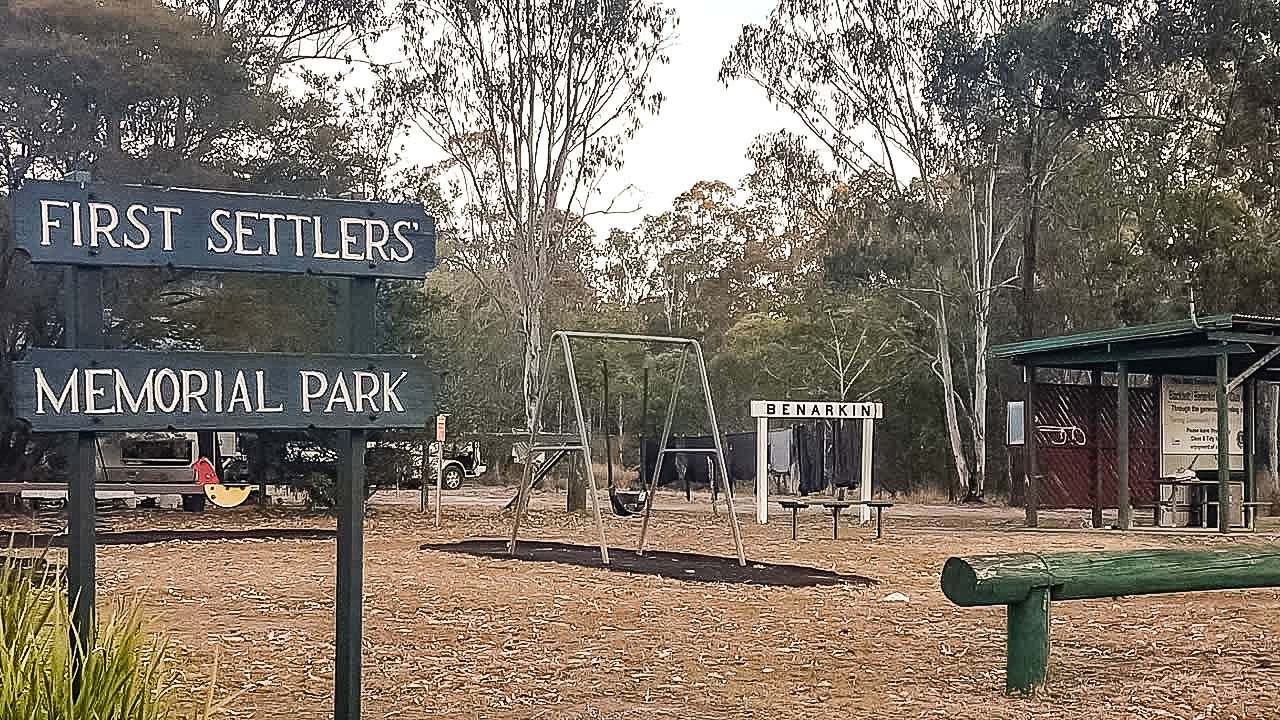
Free Campsites Sunshine Coast First Settlers Memorial Park Benarkin

Free Campsites Sunshine Coast First Settlers Memorial Park Benarkin

1. Jowarra Park Rest Area

This area offers access to the Jowarra section of Mooloolah River National Park where short walks are available. Domestic animals are not permitted within Mooloolah River National Park. Enter the site from the ‘That Pizza Guy’s’ driveway. Some navigation apps can give misleading directions.

  • Rest area offering toilets
  • It is dog friendly
  • Accessible to RVs, camper trailers and caravans
  • Camping in tents is allowed
  • You can stay here for up to 20 hours
  • Take all rubbish with you and leave no trace

Type: Roadside Rest Area
Cost: Free
Address: Caloundra Road, CALOUNDRA, Sunshine Coast, Queensland
GPS: -26.773063°, 153.038584°
Website URL: https://parks.des.qld.gov.au/parks/mooloolah-river/about.htmlcamping_and_accommodation
Pet Friendly: Yes
Maximum Stay: 20 Hours
Distance From Maroochydore: 14km SW

2. Cruice Park

  • This free campground offers toilets
  • It is dog friendly
  • It is accessible to RVs, camper trailers, caravans and big rigs
  • Camping in tents is allowed
  • You can stay here for up to 24 hours

Type: Free Camping
Cost: Free
Address: 27 Cruice Dr, Woodford, Queensland
GPS: -26.928169°, 152.757947°
Pet Friendly: Yes
Maximum Stay: 24 Hours
Distance From Maroochydore: 45km SW

Free Campsites Sunshine Coast View From Cruice Park

Free Campsites Sunshine Coast View From Cruice Park

3. Little Yabba Park West

  • This free campground offers toilets
  • It is dog friendly
  • It is accessible to RVs, camper trailers, caravans and big rigs.
  • NO potable water
  • Camping in tents is allowed
  • You can stay for up to 24 hours

Type: Free Camping
Cost: Free
Address: Maleny Kenilworth Road, Cambroon, Queensland
GPS: -26.625144°, 152.689222°
Pet Friendly: Yes
Maximum Stay: 24 Hours
Distance From Maroochydore: 40km W

4. Amamoor Bridge Free Camp

Not marked as a campsite but fine to stay the night. A fairly small area over the bridge but overall is considered a good spot. No toilets or bins. Straight after you pass the store on your left turn right before going over the bridge. It is just a small patch of grass in front of the fenced horse paddock.

  • No signage
  • This is a free campground
  • It is dog friendly
  • It is accessible to motorbikes, RVs, camper trailers and caravans
  • Camping in tents is allowed. You can stay here for up to 24 hours

Note this is a small site and could accommodate up to about four vehicles at a time. There is a great little country general store about 100m away.

Type: Free Camping
Cost: Free
Address: Amamoor Creek Rd, Amamoor, Queensland
GPS: -26.342475°, 152.673112°
Pet Friendly: Yes
Maximum Stay: 24 Hours
Distance From Maroochydore: 54km NW

5. Six Mile Creek Rest Area

Roadside rest area located along the Bruce Highway south of Gympie. Rest areas are a place where you can stop and rest making your journey safer and more enjoyable. You can stop at a rest area for up to 20 hours.

  • Toilets
  • Picnic tables
  • Rubbish bins
  • Dump point
  • On leash dogs only

Type: Roadside Rest Area
Cost: Free
Address: Bruce Hwy, Glanmire, Queensland
GPS: -26.232184°, 152.696736°
Phone: 0130 030 780
Website URL: https://www.qld.gov.au/transport/safety/holiday-travel/stops/rest
Pet Friendly: Yes
Maximum Stay: 20 Hours
Distance From Maroochydore: 61km NW

6. No Name

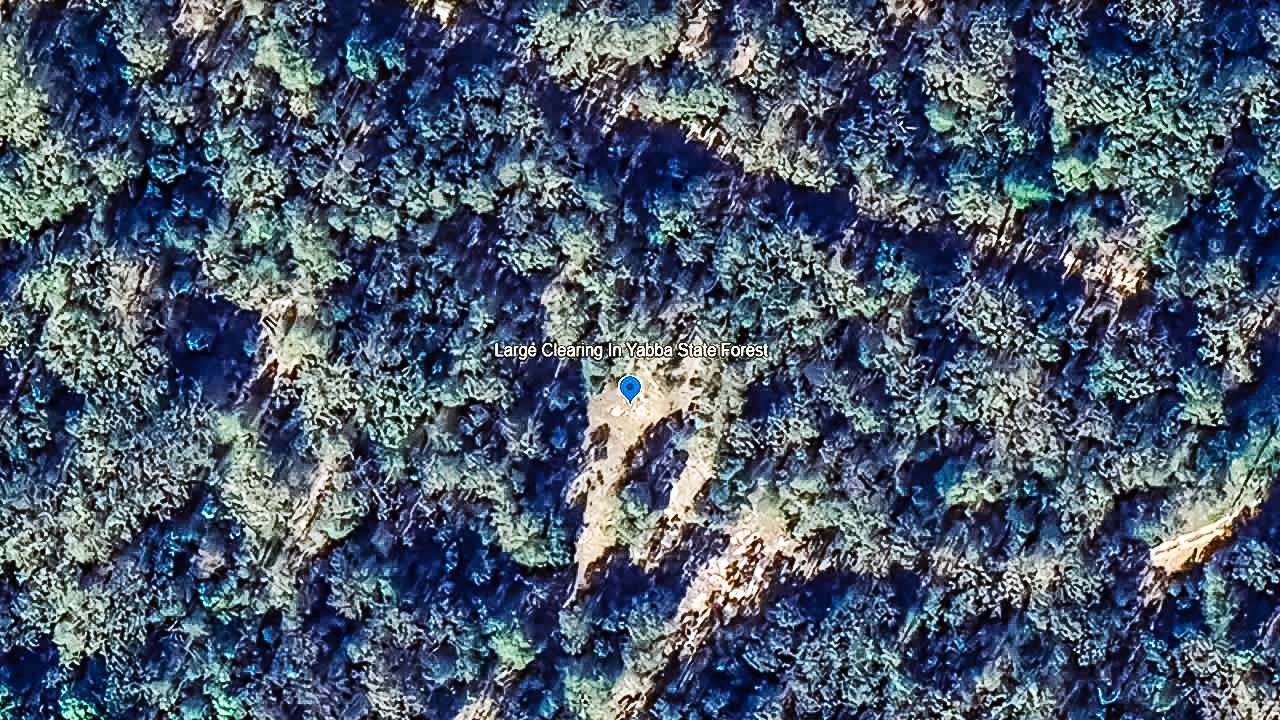
  • Large sized clearing
  • Far enough away from main track
  • Plenty of room
  • Road noise is very audible

Type: State Forest Camping
Cost: Free
Address: Kingaham Road, Queensland
GPS: -26.564565°, 152.380833°
Pet Friendly: Yes
Distance From Maroochydore: 72km W

7. First Settlers Park Rest Area

  • Toilets
  • Paid drinking water
  • Dog friendly
  • It is accessible to motorbikes, RVs, camper trailers, caravans and big rigs
  • Camping in tents is allowed
  • Donation tin on the counter in the shop

Type: Donation Campground
Cost: Donation
Address: Scott Street, Benarkin, Queensland
GPS: -26.887846°, 152.137269°
Phone: (07) 4189 9100
Website URL: https://www.southburnett.qld.gov.au/facilities-recreation/caravan-stops-24hr
Email: info@southburnett.qld.gov.au
Pet Friendly: Yes
Maximum Stay: 48 Hours
Distance From Maroochydore: 98km W

Free Campsites Sunshine Coast Yabba State Forest

Free Campsites Sunshine Coast Yabba State Forest

Top 10 Things to Do While Staying in Free Campsites on the Sunshine Coast

The Sunshine Coast is a prime destination for travellers looking to enjoy stunning beaches, lush hinterland and a laid-back lifestyle. For those camping on a budget, there are several free campsites Sunshine Coast has to offer. While staying at these campsites, there are plenty of activities to keep you entertained. Here are the top 10 things to do while enjoying free camping in this beautiful region.

  1. Relax on the Beaches
    The Sunshine Coast is famous for its pristine beaches. Whether you’re staying near Coolum, Noosa, or Caloundra, you’ll find stunning shorelines perfect for swimming, sunbathing, or surfing. Many free campsites Sunshine Coast offers are within a short drive of these world-class beaches.
  2. Explore Noosa National Park
    A visit to Noosa National Park is a must. It offers breathtaking coastal views, well-maintained walking tracks and the chance to spot native wildlife, including koalas. The scenic Coastal Walk leads to the famous Hell’s Gates, a spectacular lookout over the ocean.
  3. Visit Local Markets
    The Eumundi Markets, held every Wednesday and Saturday, are among the best in Queensland. Here, you can browse handcrafted goods, fresh produce and unique souvenirs. Smaller markets in Yandina, Noosa and Caloundra also offer a great local experience.
  4. Go Fishing
    If you enjoy fishing, the Sunshine Coast has excellent spots for casting a line. Popular locations include the Maroochy River, Noosa River and Pumicestone Passage. Many free campsites Sunshine Coast visitors stay at are close to fishing-friendly areas.
  5. Hike the Glass House Mountains
    For those who love hiking, the Glass House Mountains provide stunning trails with rewarding views. Mount Ngungun is one of the easiest climbs and offers a panoramic view at the summit. For a more challenging trek, Mount Tibrogargan will test your endurance.
  6. Discover Waterfalls and Swimming Holes
    The hinterland is home to some fantastic waterfalls and swimming holes. Kondalilla Falls, Gardners Falls and Booloumba Creek are all great spots to cool off on a warm day. These natural attractions make for a refreshing break from the coastal heat.
  7. Take a Scenic Drive
    A scenic drive through the Sunshine Coast Hinterland is a great way to explore the region. The route through Montville and Maleny offers breathtaking views, boutique shops and charming cafes. You can stop for a coffee and soak in the peaceful atmosphere.
  8. Spot Wildlife
    Many free campsites Sunshine Coast provides are located near national parks and bushland, making them great spots for wildlife watching. Keep an eye out for kangaroos, wallabies, kookaburras and possums. If you’re lucky, you might even spot a platypus in one of the region’s creeks.
  9. Enjoy a Campfire Cookout
    Some free campsites Sunshine Coast allows campfires, giving you the perfect opportunity to cook over an open flame. Roasting marshmallows, making damper, or grilling fresh fish you’ve caught adds to the camping experience. Always check local fire restrictions before lighting a fire.
  10. Visit Local Breweries and Distilleries
    For those who enjoy craft beer or spirits, the Sunshine Coast has an impressive range of local breweries and distilleries. Brouhaha Brewery in Maleny, Heads of Noosa and Sunshine & Sons Distillery are excellent places to sample locally made beverages.

Final Thoughts On Free Campsites Sunshine Coast

Staying at free campsites Sunshine Coast has available is a fantastic way to experience the region without spending a fortune. Whether you prefer beachside relaxation, outdoor adventures, or local attractions, there’s plenty to do. Pack your gear, hit the road and make the most of what the Sunshine Coast has to offer.

11 BEST Spots For A Free Camp Blue Mountains Escape

11 BEST Spots For A Free Camp Blue Mountains Escape

11 BEST Spots For A Free Camp Blue Mountains Escape

Plan your next getaway with 11 Free Camp Blue Mountains spots offering incredible nature, wildlife encounters and zero camping fees. Up in the rugged landscapes of the Blue Mountains NSW a Free Camp Blue Mountains experience offers an unparalleled opportunity to immerse yourself in nature. Towering sandstone cliffs, dense eucalyptus forests and misty valleys create a breathtaking backdrop for those seeking a budget friendly escape.

Several designated Free Camp Blue Mountains sites cater to campers looking for a secluded retreat. Old Ford Reserve and Blackheath Glen Reserve are among the most popular, providing access to walking trails, waterfalls and scenic lookouts. While these sites lack full amenities, most offer basic facilities such as fire pits and pit toilets. Campers should arrive well prepared with drinking water, food supplies and waste disposal options.

Wildlife encounters are common, with kangaroos, wombats and lyrebirds often seen wandering through campsites. However, caution is advised during warmer months when snakes may be active. Campfires are permitted in designated areas, but restrictions apply during bushfire season.

How We Qualified A Free Camp Blue Mountains Listing

To make our list of free camp Blue Mountains sites we had the following criteria that needed to be met.

Note: We’ve tried to be as accurate as possible with compiling this list but mistakes and changes do happen. If you see anything that needs updating, is incorrect or we’ve missed please let us know – you can contact us by email.

  • Accessible to all types of camping – such as tents, camper trailers and caravans.
  • Not a caravan park – because caravan parks aren’t really camping now are they?
  • Blue Mountains feel to it – The free camp Blue Mountains site had to have a Blue Mountains feel to it. There were quite a few that were near the Blue Mountains but were big open clearings without the Blue Mountains feel that didn’t make the list.
  • We had to have actually been there – not just found it on a Google search and then tried to pretend we were experts on the place.
  • Free or cheap camping – no big dollar Hipcamp sites here. Hipcamp sites have their place just not on this list.

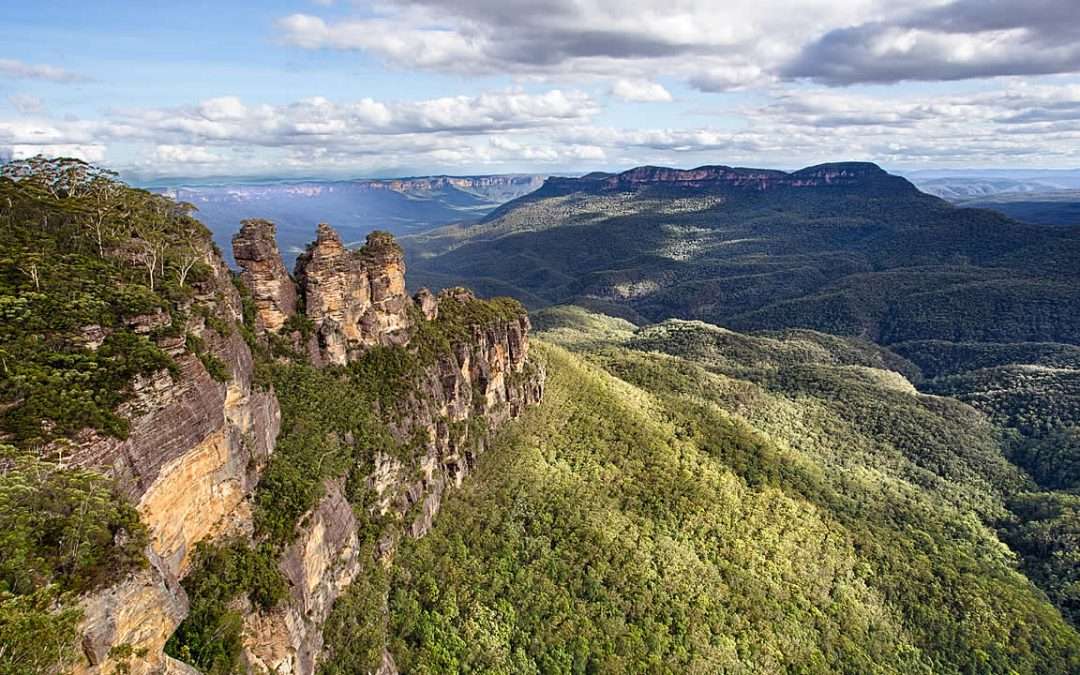
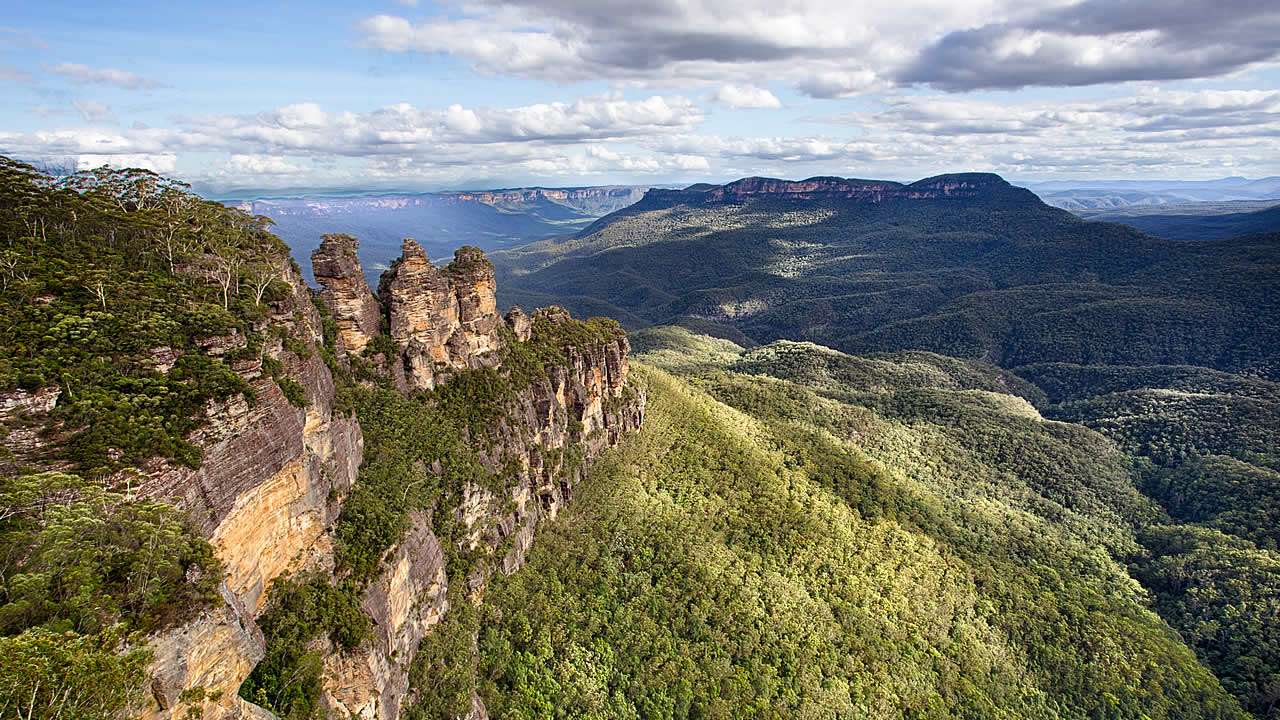
Three Sisters Blue Mountains New South Wales Australia (Source Wikimedia Commons)

Three Sisters Blue Mountains New South Wales Australia (Source Wikimedia Commons – Anne Dirkse www.annedirkse.com)

List Of 11 Best Spots For A Free Camp Blue Mountains Escape

For those who enjoy adventure, staying at a Free Camp Blue Mountains site means easy access to world renowned trails such as the Grand Canyon Walk and the Three Sisters lookout. Whether you seek tranquillity or exploration, camping here is an affordable way to experience the raw beauty of the Blue Mountains.

1. Old Ford Reserve

This free campground offers pit toilets, fire pits (byo wood), picnic tables, rubbish bins and swimming. It is a medium sized campground, adjacent to Megalong Creek. Access is via a sealed road.

  • It is accessible to motorbikes, RVs, camper trailers and caravans. Big rigs will find the road in very tight and finding a level site difficult.
  • Camping in tents is allowed
  • Maximum camping stay is 10 days
  • Dogs are permitted

Type: Free Camping
Cost: Free
Address: 1363 Megalong Rd, Megalong Valley, New South Wales
GPS: -33.731648°, 150.235481°
Website URL: https://www.bmcc.nsw.gov.au/stay-blue-mountains/camping-blue-mountains
Pet Friendly: Yes

Free Camp Blue Mountains At Cathedral Reserve

Free Camp Blue Mountains At Cathedral Reserve

2. Blackheath Glen Reserve

Free camping permitted at Blackheath Glen Reserve. Maximum camping stay for 10 days only.

  • Pit toilets
  • Fire pits (byo firewood)
  • Picnic tables
  • Rubbish bins
  • Bring your own drinking water
  • Pets on leash are permitted

2WD access on a narrow winding road. Care needs to be taken. NOT suitable for large motorhomes or caravans. This is a popular camping area and sites fill up quickly.

Type: Free Camping
Cost: Free
Address: 540 Megalong Rd, Megalong Valley, New South Wales
GPS: -33.675445°, 150.268465°
Pet Friendly: Yes

3. Lockyer’s Track Campground

  • This free campground offers toilets
  • Dog friendly
  • It is accessible to motorbikes, RVs, camper trailers and caravans
  • Camping in tents is allowed

Type: Free Camping
Cost: Free
Address: 261 Hartley Vale Rd, Hartley Vale, New South Wales
GPS: -33.536082°, 150.232935°
Pet Friendly: Yes

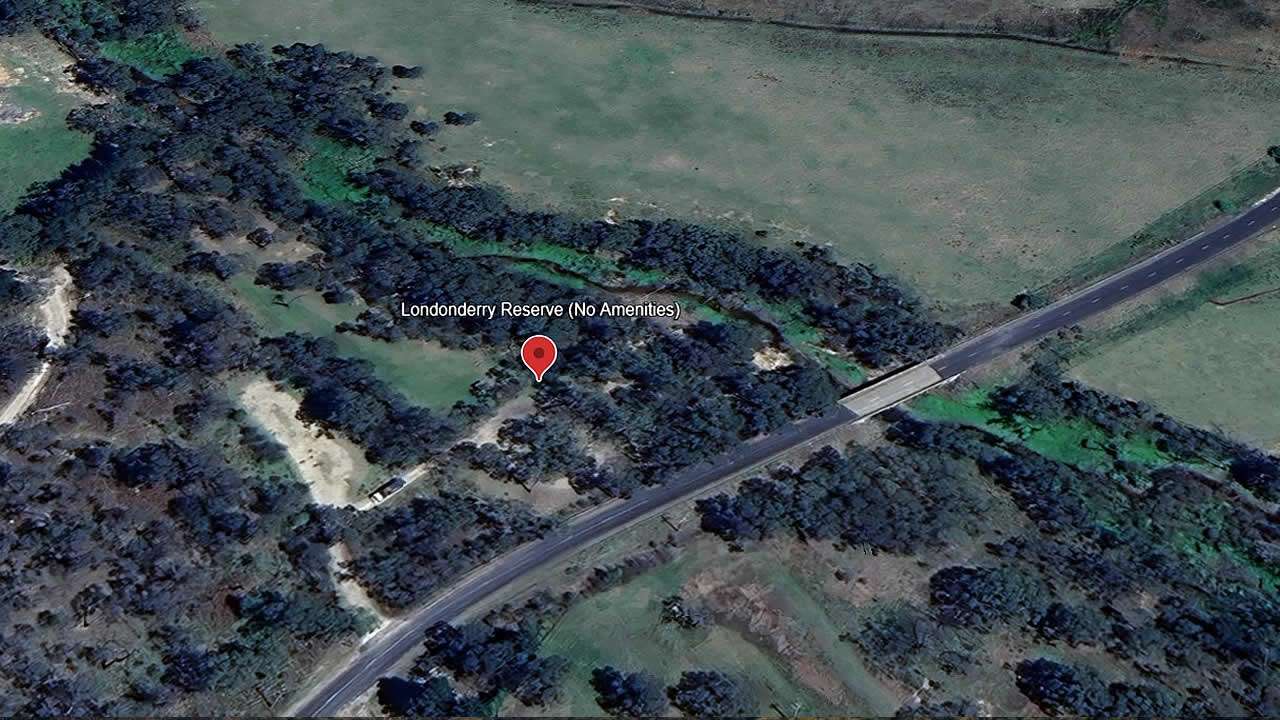
4. Londonderry Reserve

  • This free campground offers toilets
  • Dog friendly
  • It is accessible to motorbikes, RVs, camper trailers and caravans
  • Camping in tents is allowed

Type: Free Camping
Cost: Free
Address: 751 Browns Gap Rd, Hartley Vale, New South Wales
GPS: -33.528214°, 150.200416°
Pet Friendly: No

5. Cathedral Reserve (Free Camp Blue Mountains)

Cathedral Reserve is on the Mt Irvine Rd on the way out of the Mt Wilson village travelling towards Mt Irvine opposite the Cathedral of Ferns. It is a large open area with liquid ambers along the Mt Irvine Rd and rainforest behind the reserve. The Reserve has two modern composting toilets and campers the choice of camping in the open or amongst the trees.

Bollards have been installed to prevent cars driving on the grassed areas and also driving into camping areas so these areas are protected. Car parking areas have been extended to cater for the large numbers of campers and picnickers who use the area.

  • Camping is free and no booking is required.
  • There are toilets, tank water (not suitable for drinking but can be boiled or used for other purposes)
  • Fireplaces
  • Picnic tables
  • Garbage bins

Remember to bring your own drinking water, firewood, warm clothes (it gets cold at night), toilet paper and your own camping gear. Dogs are allowed in the Mt Wilson Village and at Cathedral Reserve, however dogs are not allowed in the National Park adjacent to the reserve and village. So walks around the village are ok providing they are not into the National Park. Users are reminded to securely lock up any valuables during their stay.

Type: Free Camping
Cost: Free
Address: 117 Mount Irvine Rd, Mount Wilson, New South Wales
GPS: -33.502094°, 150.390169°
Website URL: https://www.mtwilson.com.au/stay/camping
Pet Friendly: Yes

6. Boyd River Camping Area

This location is a free campground, however a booking fee of $6 per site applies. Money collected will be used to manage campground numbers and improve your safety. You are now required to make a booking for all campgrounds and campsites in NSW national parks. This includes locations that were previously available for use without a booking.

  • This free campground offers toilets
  • Dogs are not permitted
  • It is accessible to camper trailers and caravans
  • Camping in tents is allowed

Type: National Park Camping
Cost: $6 booking fee
Address: Kanangra Rd, Kanangra, New South Wales
GPS: -33.970912°, 150.057168°
Phone: 0130 007 275
Website URL: https://www.nationalparks.nsw.gov.au/camping-and-accommodation/boyd-river-campground
Pet Friendly: No

7. Millionth Acre Recreation Area

  • This free campground offers toilets
  • Dog friendly
  • It is accessible to motorbikes, RVs, camper trailers and caravans
  • Camping in tents is allowed

Type: State Forest Camping
Cost: Free
Address: Duckmaloi Rd, Hampton, New South Wales
GPS: -33.676944°, 150.050272°
Website URL: http://www.forests.nsw.gov.au
Pet Friendly: Yes

8. Thill Ridge Campground

This is a free campground. Located at the top of a ridge at 1250m ASL at Bindo Pinch in Hampton State Forest.

  • It is dog friendly
  • It is accessible to motorbikes, RVs, camper trailers and caravans
  • Camping in tents is allowed. You must be fully self contained
  • Access is off old bindi road just before Hampton going east

Type: State Forest Camping
Cost: Free
Address: LOT 72 Bindo Boundary Rd, Hampton, New South Wales
GPS: -33.668502°, 150.022474°
Website URL: http://www.forestrycorporation.com.au/visit/forests/hampton-state-forest
Pet Friendly: Yes

9. Fireman’s Lookout (Back Of Mt Bindo)

Just off the 4WD track at the back of Mt Bindo summit in Hampton State Forest. Perfect spot with great views out over the valley to the east and north. No amenities or water. Must be fully self contained and take all rubbish with you. Unmarked state forest camp site. There is only enough space for a couple of vehicles. Can get windy and very cold and snows in winter due to elevation of over 1300m above sea level. Can be chilly at any time of the year. A couple of well used fire pits. Site is not completely level but is level enough.

Type: State Forest Camping
Cost: Free
Address: Bindo Boundary Road, Hampton, New South Wales
GPS: -33.675723°, 150.008334°
Pet Friendly: Yes

Free Camp Blue Mountains Fireman's Lookout (Back Of Mt Bindo)

Free Camp Blue Mountains Fireman’s Lookout (Back Of Mt Bindo)

10. Glen Davis Campground

  • This campground offers toilets, showers and drinking water
  • It is dog friendly
  • It is accessible to RVs, camper trailers and caravans
  • Camping in tents is allowed

Type: Donation Camping
Cost: Donation
Address: Glen Davis, New South Wales
GPS: -33.126095°, 150.281240°
Pet Friendly: Yes

11. Mount Airly Camping Area

Grassy camping area without facilities but with nice bush walks in the area. Bushland with a few cleared flattish areas, many under big trees

Type: State Forest Camping
Cost: Free
Address: The Tramway, Capertee, New South Wales
GPS: -33.109614°, 150.040055°
Pet Friendly: No

Free Camp Blue Mountains Londonderry Reserve

Free Camp Blue Mountains Londonderry Reserve

Top 10 Things To Do While Staying At A Free Camp Blue Mountains

The Blue Mountains offer awesome scenery, rugged bushland and a load of outdoor activities. If you’re staying at a free camp in the Blue Mountains, you’re in for an adventure without the hefty price tag. From bushwalking to cultural experiences, there’s something for everyone. Here are the top 10 things to do while enjoying the region’s best free camping spots.

  1. Hike the National Pass Trail
    One of the most iconic bushwalks in the Blue Mountains, the National Pass Trail takes you through lush rainforest, past cascading waterfalls and along dramatic cliff edges. It’s a moderate to challenging hike, but the views are worth the effort. Make sure to pack plenty of water and wear sturdy footwear.
  2. Visit the Three Sisters Lookout
    No trip to the Blue Mountains is complete without a visit to Echo Point Lookout to see the Three Sisters. These towering rock formations are one of Australia’s most famous natural landmarks. The lookout offers a panoramic view of the Jamison Valley, making it a perfect spot for sunrise or sunset photography.
  3. Explore Jenolan Caves
    If you’re up for an underground adventure, take a trip to Jenolan Caves, one of the world’s oldest cave systems. These limestone caves feature stunning stalactites, crystal formations and underground rivers. Guided tours are available, but even just exploring the surrounding bushland is a great experience.
  4. Go Wild Swimming at Jellybean Pool
    After a day of hiking, cool off at Jellybean Pool in Glenbrook. This natural swimming hole is a favourite among locals and visitors alike. The sandy banks make it ideal for relaxing, while the calm waters are perfect for a refreshing dip. It’s a must visit when staying at a free camp Blue Mountains.
  5. Visit Govetts Leap Lookout
    For one of the most dramatic views in the Blue Mountains, head to Govetts Leap Lookout. Overlooking the Grose Valley, this spot offers breathtaking scenery, especially in the early morning mist. The nearby walking tracks take you to hidden waterfalls and quiet forest trails.
  6. Enjoy Stargazing in the Wilderness
    One of the biggest perks of staying at a free camp Blue Mountains is the chance to experience clear, unpolluted night skies. Away from city lights, you’ll see thousands of stars, constellations and even the Milky Way. Bring a telescope or simply lay back and take in the view.
  7. Take a Scenic Drive Along Bells Line of Road
    A drive along Bells Line of Road offers some of the best scenic views in the Blue Mountains. The winding road takes you through lush forests, past orchards and offers spectacular lookout points. Stop at Bilpin for fresh apples and homemade pies.
  8. Walk the Grand Canyon Track
    The Grand Canyon Track is a must do for nature lovers. This loop trail takes you through fern lined gullies, narrow canyon paths and alongside flowing creeks. It’s a moderate hike that showcases the diverse landscapes of the Blue Mountains.
  9. Spot Wildlife in the Bush
    Camping in the Blue Mountains gives you a chance to see some of Australia’s unique wildlife. Keep an eye out for kangaroos, lyrebirds and even the occasional wombat. Early morning and dusk are the best times for wildlife spotting.
  10. Visit the Mount Tomah Botanic Garden
    If you want a break from rugged bushland, visit the Mount Tomah Botanic Garden. Located on the edge of the Blue Mountains, this cool climate garden features a stunning collection of native and exotic plants. The views over the valley are spectacular and it’s a great place for a relaxing stroll.

Final Thoughts On Free Camp Blue Mountains

Staying at a free camp Blue Mountains is an excellent way to experience the natural beauty of the region without spending a fortune. Whether you’re hiking through ancient rainforests, swimming in secluded waterholes, or taking in jaw dropping views, there’s no shortage of incredible things to do. Pack your gear, embrace the wilderness and make the most of your adventure in the Blue Mountains.