Beach Camping New South Wales – 25 Awesome Locations

Beach Camping New South Wales – 25 Awesome Locations

Beach Camping New South Wales – 25 Awesome Locations

All the best Beach Camping New South Wales has to offer with our guide to top coastal campgrounds, caravan parks and free camping spots. Whether you’re a seasoned caravanner or a first time camper NSW’s stunning coastline delivers unforgettable camping experiences.

From pristine national parks to family friendly holiday parks and hidden free camps, this guide highlights the most spectacular locations for your next beachside adventure. Get ready to wake up to the sound of the surf and explore the very best of beach camping in New South Wales.

Beach Camping New South Wales – what are the best locations?

The finest beach camping locations in New South Wales include Diamond Head in Crowdy Bay National Park, Trial Bay Gaol Campground in Arakoon National Park, Woody Head in Bundjalung National Park, and The Basin in Ku-ring-gai Chase National Park. These sites offer spectacular beachfront camping experiences with excellent facilities, stunning ocean views, and direct beach access for swimming, fishing, and surfing.
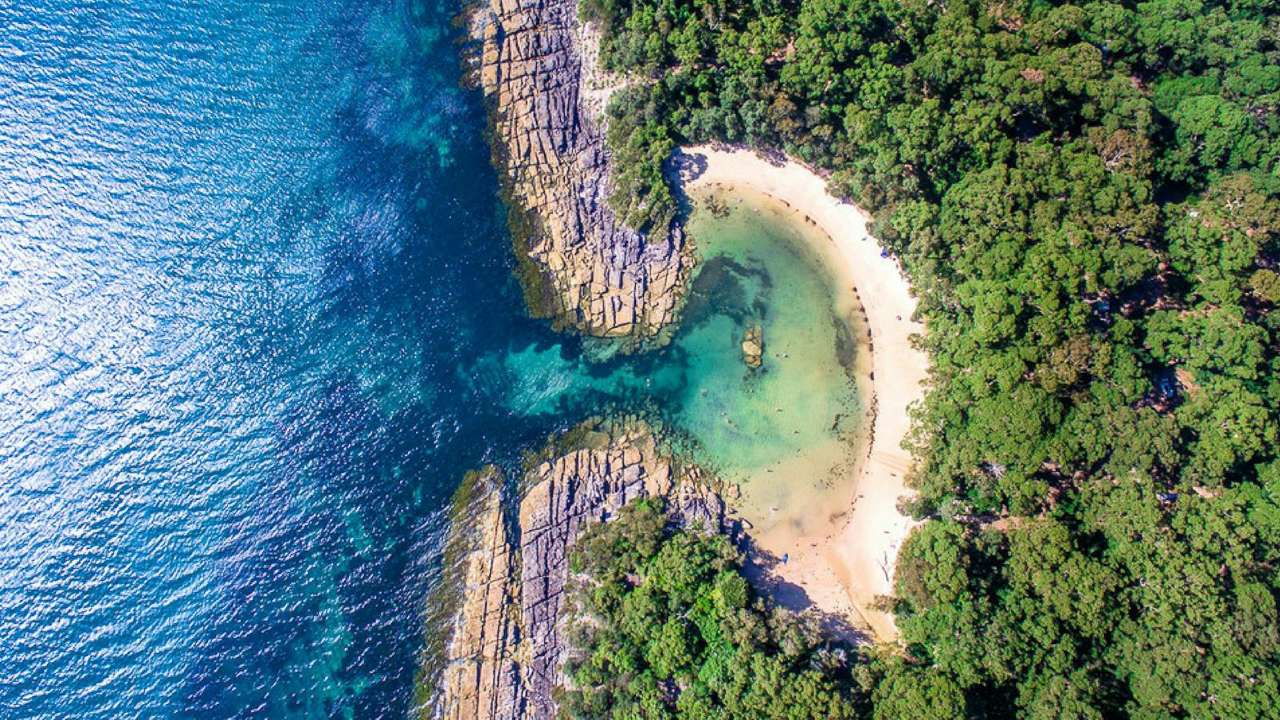
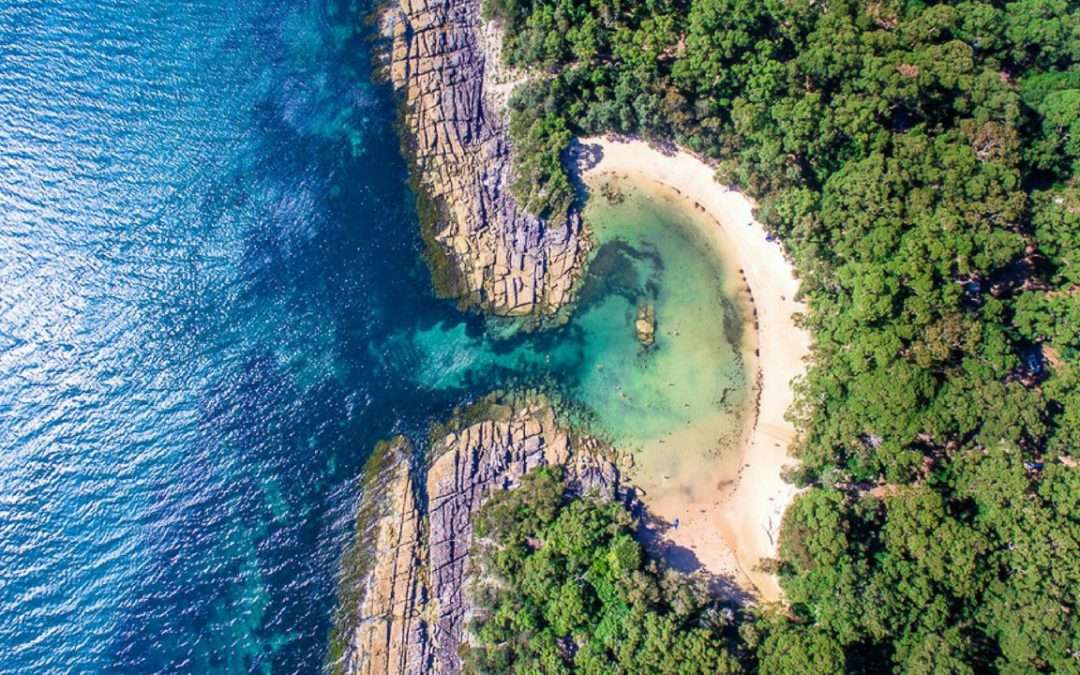
Honeymoon Bay Jervis Bay (Courtesy Shoalhaven Tourism) Beach Camping New South Wales

Honeymoon Bay Jervis Bay (Courtesy Shoalhaven Tourism) Beach Camping New South Wales

New South Wales boasts some of Australia’s most spectacular coastal camping destinations, stretching from pristine northern beaches to dramatic southern headlands. Whether you’re seeking adventure in national parks, comfort in caravan parks, or free camping experiences, the NSW coastline delivers unforgettable beach camping opportunities.

This comprehensive guide explores more than 25 premier beach camping destinations across New South Wales. Additionally, we’ll examine what makes each location special for caravanners and tent campers alike.

Why Choose Beach Camping New South Wales

Beach camping in New South Wales offers unparalleled diversity along 2,000 kilometres of stunning coastline. Furthermore, camping beside crashing waves provides therapeutic benefits while offering endless recreational opportunities.

The state’s coastal camping infrastructure accommodates all camping styles and budgets. From basic bush camping to resort-style caravan parks, NSW delivers exceptional beach camping experiences. Moreover, many locations provide direct beach access, essential facilities, and spectacular ocean views.

Beach Campgrounds NSW: National Park Locations

National parks across NSW offer some of the most pristine beach camping experiences in Australia. These protected environments combine natural beauty with excellent facilities while maintaining ecological integrity.

1. Diamond Head Campground, Crowdy Bay National Park

Diamond Head represents one of NSW’s most popular beach camping destinations. This spectacular location offers 75 campsites with direct beach access and comprehensive facilities. The campground features amenities blocks, hot showers, and gas barbecues right beside the beach.

Visitors enjoy excellent swimming, surfing, and fishing opportunities at this renowned location. Furthermore, the 4.8-kilometre Diamond Head loop walk provides panoramic coastal views. The campground accommodates tents, caravans, and motorhomes with suitable sites for all vehicle types.

2. Trial Bay Gaol Campground, Arakoon National Park

Trial Bay Gaol Campground delivers exceptional beachside camping with 97 sites available. This family-friendly location provides powered sites, amenities blocks, and the convenient Trial Bay Kiosk Restaurant. The campground sits directly beside Front Beach, offering immediate ocean access.

Consequently, campers enjoy swimming, fishing, snorkelling, and exploring the historic Trial Bay Gaol ruins. The location serves as an excellent whale watching vantage point during migration seasons. Additionally, the campground offers boat launching facilities and comprehensive picnic areas.

Beach Camping NSW: Byron Bay Region

The Byron Bay region encompasses some of Australia’s most celebrated beach camping locations. These destinations combine world-class surf breaks with laid-back coastal atmospheres.

3. Reflections Byron Bay Holiday Park

Reflections Byron Bay offers premium beach camping on stunning Clarkes Beach. The park provides both powered and unpowered sites nestled among native vegetation. Moreover, guests enjoy a ten-minute stroll to Byron Bay’s famous cafes, restaurants, and nightlife.

This location delivers direct beach access with excellent swimming and surfing conditions. Furthermore, the park features modern amenities, camp kitchens, and a convenient kiosk. The beachfront setting provides spectacular sunrise views over the Pacific Ocean.

4. First Sun Holiday Park, Byron Bay

First Sun Holiday Park sits directly on The Wreck beach in Byron Bay. This prime location offers camping sites, cabins, and various accommodation options. Additionally, guests access Byron Bay’s attractions without requiring vehicle transport.

The park provides first-class facilities including amenities blocks, barbecue areas, and recreational spaces. Moreover, campers enjoy immediate beach access and proximity to Byron Bay Lighthouse. The location offers world-renowned surfing conditions and spectacular coastal scenery.

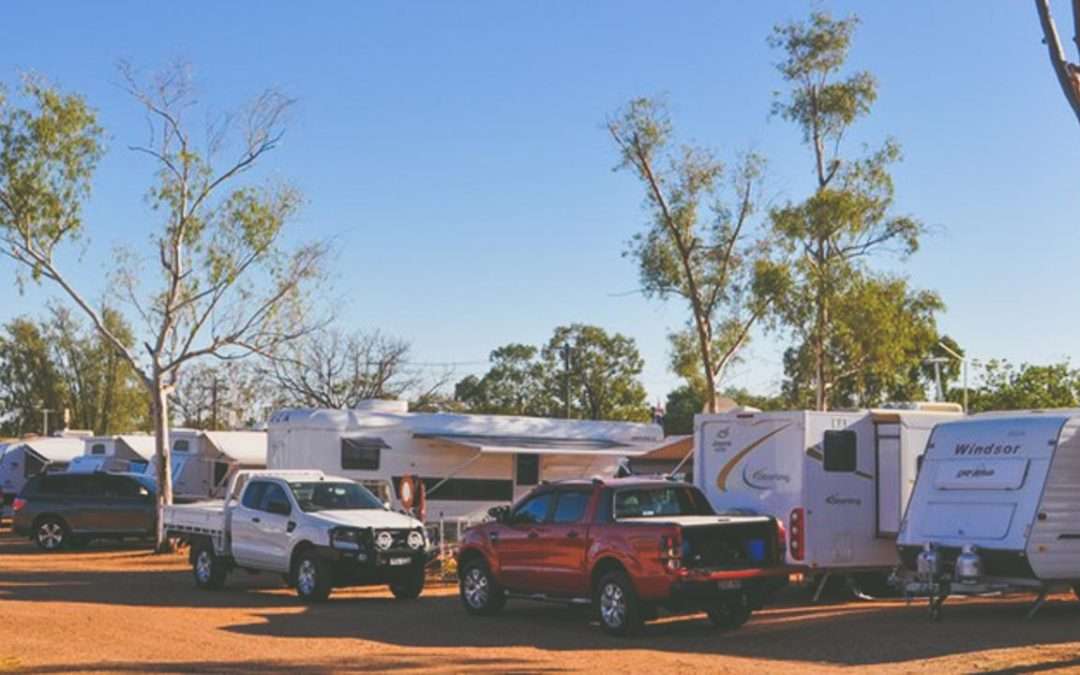
Camping Sites In Byron Bay Byron Bay Holiday Caravan Park (Image Courtesy Reflections Holidays) Beach Camping New South Wales

Camping Sites In Byron Bay Byron Bay Holiday Caravan Park (Image Courtesy Reflections Holidays)

Beach Camping Spots NSW: Central Coast Destinations

The Central Coast region provides numerous beach camping options within easy reach of Sydney. These locations offer convenience without compromising natural beauty or recreational opportunities.

5. Little Beach Campground, Bouddi National Park

Little Beach Campground offers intimate beachfront camping for nature enthusiasts. This small campground features six sites tucked into a scenic cove surrounded by littoral rainforest. Furthermore, the location provides excellent surfing conditions and pristine swimming opportunities.

Access requires a 750-metre walk through bushland, ensuring a peaceful camping experience. The campground includes sheltered barbecues, toilets, and spectacular ocean views. Additionally, the Bouddi coastal walk begins from this scenic location.

6. Putty Beach Campground, Bouddi National Park

Putty Beach represents one of Bouddi National Park’s largest campgrounds with excellent facilities. The location offers 18 sites easily accessible by vehicle from Killcare. Moreover, campers enjoy flush toilets, drinking water, and free gas barbecues.

This family-friendly destination provides safe swimming conditions and excellent fishing opportunities. Furthermore, the campground serves as a base for exploring Bouddi’s coastal walks and scenic lookouts. The location accommodates tents, caravans, and motorhomes comfortably.

Camping Beach NSW: South Coast Beach Camping New South Wales Experiences

The South Coast delivers diverse beach camping experiences from pristine wilderness to well-appointed caravan parks. These destinations offer excellent fishing, surfing, and wildlife viewing opportunities.

Beach Campgrounds NSW: Jervis Bay Area

Jervis Bay provides world-renowned beach camping with crystal-clear waters and white sand beaches. The region offers both national park camping and commercial caravan parks.

7. Honeymoon Bay, Jervis Bay

Honeymoon Bay offers secluded beach camping in a pristine natural setting. This picturesque inlet provides excellent swimming conditions for families with young children. Furthermore, the location operates on weekends and school holidays with first-come, first-served allocation.

The campground requires self-sufficiency but rewards visitors with spectacular scenery. Additionally, kangaroos frequently visit the camping area, creating memorable wildlife encounters. The crystal-clear waters provide excellent snorkelling and fishing opportunities.

8. Green Patch, Booderee National Park

Green Patch offers exceptional beach camping within Booderee National Park. The campground provides hot showers, fresh water, and sheltered barbecue facilities. Moreover, the protected waters suit stand-up paddleboarding, snorkelling, and swimming.

Friendly kangaroos commonly graze throughout the campground area. Furthermore, the location provides access to Jervis Bay’s famous white sand beaches. Sites require advance booking with random allocation ensuring fair access.

9. Holiday Haven Huskisson Beach

Holiday Haven Huskisson Beach is a sought after destination within the Jervis Bay Camping Area, offering a blend of convenience and natural beauty. Located on the edge of Huskisson this holiday park provides direct beach access and a range of accommodation options, including powered sites, cabins and camping facilities.

10. Holiday Haven White Sands Huskisson

Holiday Haven White Sands in Huskisson offers a prime location for anyone exploring the Jervis Bay Camping Area. Nestled along the waterfront, this holiday park provides a mix of camping, caravanning and cabin accommodations to suit a variety of travel styles.

11. Jervis Bay Holiday Park

Jervis Bay Holiday Park is a standout choice for travellers seeking a relaxing escape within the Jervis Bay Camping Area. Located along the peaceful Currambene Creek, this park offers a variety of accommodations, including cabins, powered caravan sites and waterfront camping options.

12. Tasman Holiday Parks – Myola

Tasman Holiday Parks – Myola is a hidden gem within the Jervis Bay Camping Area, offering a serene retreat surrounded by natural beauty. Situated near the northern shores of Jervis Bay, this holiday park provides a peaceful atmosphere while remaining close to the region’s major attractions.

13. Hidden Creek Campsite

Hidden Creek Campsite, located near Huskisson, is a peaceful escape within the Jervis Bay Camping Area, perfect for those seeking a natural retreat. Surrounded by lush bushland, this campsite offers a secluded setting with easy access to the attractions of Jervis Bay.

Holiday Haven Currarong

Holiday Haven Currarong offers a scenic and comfortable camping experience just a short drive from the Jervis Bay Camping Area. Located at beautiful Currarong Beach this campground is perfect for those seeking a peaceful retreat. With its close proximity to pristine waters it provides ideal conditions for swimming, fishing and kayaking. The surrounding area is rich in natural beauty, with rugged cliffs and sandy beaches perfect for exploration.

Beach Camping NSW: Murramarang National Park

Murramarang National Park spans 44 kilometres of dramatic coastline with multiple camping options. The park combines spotted gum forests with pristine beaches, creating unique camping environments.

14. Pretty Beach Campground

Pretty Beach Campground offers 60 sites with comprehensive facilities including hot showers and powered sites. The spacious campground provides lovely ocean views and direct beach access. Furthermore, campers enjoy excellent wildlife viewing with kangaroos, lyrebirds, and possums commonly observed.

This location serves as an excellent base for coastal walks and fishing expeditions. Additionally, the campground accommodates tents, caravans, and offers cabin accommodation. The beach provides safe swimming conditions and spectacular scenery.

15. Depot Beach Campground

Depot Beach Campground nestles among spotted gums with a short walk to beautiful swimming beaches. This idyllic location provides excellent snorkelling opportunities and dolphin watching. Moreover, the campground offers modern facilities and scenic camping sites.

Nearby walking tracks provide excellent exploration opportunities. Furthermore, the location offers excellent fishing prospects and wildlife viewing. The campground accommodates various camping setups with suitable facilities.

Beach Camping Spots NSW: Northern Rivers Region

The Northern Rivers region encompasses diverse beach camping opportunities from Byron Bay to Tweed Heads. These locations combine excellent surf conditions with subtropical rainforest environments.

Beach Campgrounds NSW: Evans Head Area

Evans Head provides excellent beach camping with river and ocean access. The location offers both commercial caravan parks and national park camping options.

16. Reflections Evans Head Holiday Park

Reflections Evans Head occupies one of NSW’s most enviable positions with beach and river frontage. This expansive park accommodates various camping preferences with powered sites, cabins, and beach houses. Furthermore, the location provides excellent fishing, surfing, and kayaking opportunities.

The park offers comprehensive facilities including camp kitchens, amenities blocks, and recreational areas. Additionally, dog-friendly sites accommodate travelling families with pets. The location provides direct access to both Evans River and Main Beach.

Beach Camping NSW: Bundjalung National Park

Bundjalung National Park offers pristine beach camping experiences with excellent facilities. The park provides multiple campgrounds with varying levels of infrastructure.

17. Woody Head Campground

Woody Head Campground represents one of NSW’s premier family beach camping destinations. This large campground offers 94 sites with comprehensive facilities including hot showers and camp kitchens. Moreover, the protected sandy beach provides excellent swimming conditions for families.

The campground features a boat ramp, kiosk, and spectacular rock platform exploration opportunities. Furthermore, surrounding rainforest and shallow reefs provide excellent wildlife viewing. The location accommodates tents, caravans, and offers cabin accommodation.

Camping Beach NSW: Comprehensive Location Comparison

Location Park Type Sites Key Features Best For
Diamond Head National Park 75 Beach access, loop walk Families, hikers
Trial Bay Gaol National Park 97 Historic site, whale watching History buffs, families
Byron Bay Reflections Commercial Multiple Town access, surf beach Surf enthusiasts
Honeymoon Bay National Park Variable Pristine waters, wildlife Nature lovers
Woody Head National Park 94 Boat ramp, rainforest Families, fishing
Little Beach National Park 6 Secluded, surfing Surfers, privacy seekers
Pretty Beach National Park 60 Wildlife, facilities Wildlife watchers
Evans Head Commercial Multiple River/ocean access Water sports

Beach Camping NSW: Additional Premier Destinations

18. The Basin, Ku-ring-gai Chase National Park

The Basin offers unique waterfront camping accessible only by ferry or walking track. This car-free environment provides 350 camping spaces with excellent facilities. Furthermore, the location offers sheltered beach swimming and inland lagoon access.

19. Seal Rocks Caravan Park

Seal Rocks provides exceptional coastal camping between pristine beaches and rainforest. The location offers diverse accommodation options from tent sites to luxury cabins. Moreover, nearby Sugarloaf Point Lighthouse provides spectacular whale watching opportunities.

20. Yagon Campground, Myall Lakes National Park

Yagon Campground offers 33 sites with short beach access near Seal Rocks. The location provides excellent surfing, fishing, and swimming opportunities. Furthermore, walking tracks connect to extensive wetland systems.

21. Coledale Beach Camping Reserve

Coledale Beach features 42 sites running directly onto a beautiful surfing beach. This managed reserve provides excellent facilities while maintaining proximity to the ocean. Additionally, the location offers access to the iconic Seacliff Bridge and weekend markets.

22. Stockton Beach

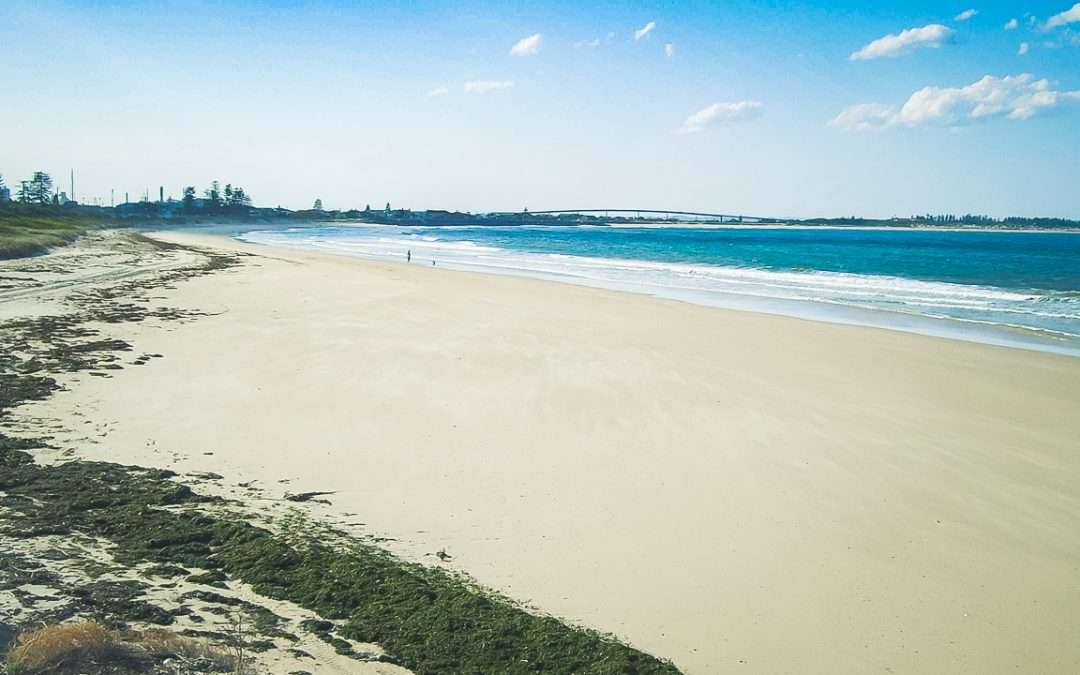
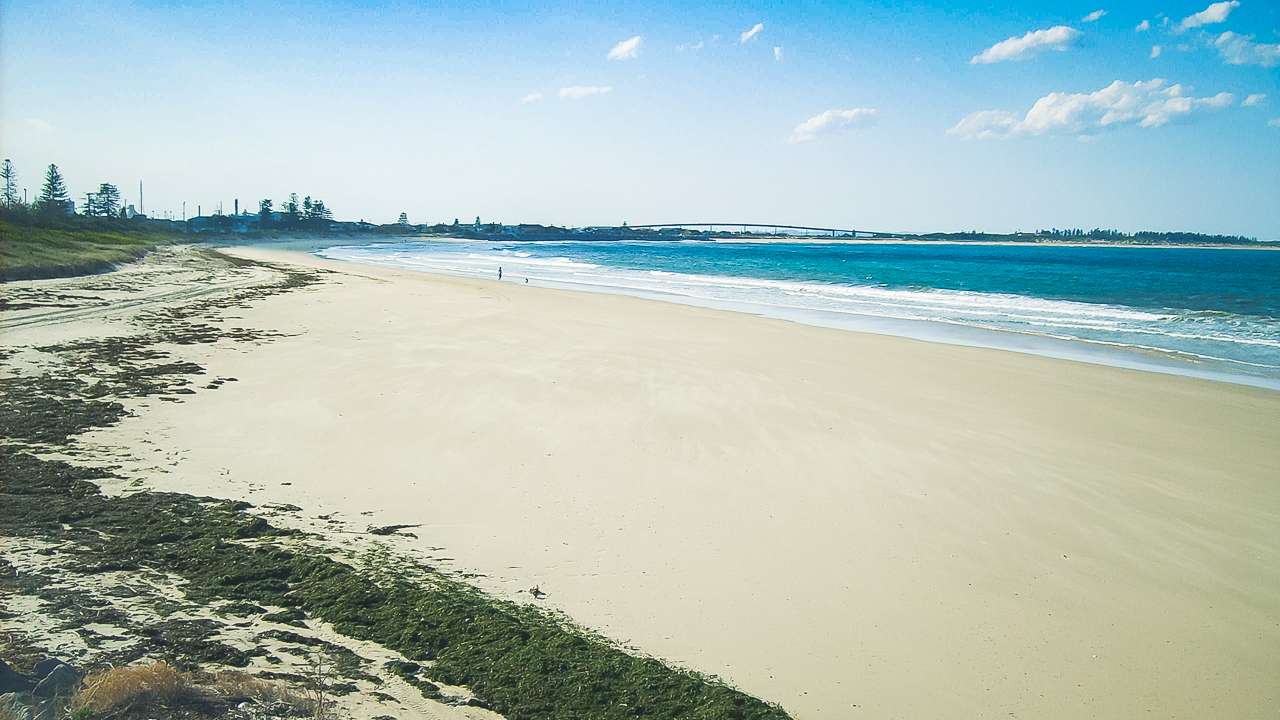
Stockton Beach camping operates under strict guidelines following environmental impacts from major storms in 2012. Consequently, the traditional free camping that once characterised this coastal paradise has been replaced by the Ganyamalbaa Camping Trial. This managed approach protects the fragile dune ecosystem while providing controlled access to one of Australia’s most spectacular camping destinations. The Ganyamalbaa Camping Area, meaning “place to camp” in Worimi Gathang language, represents the only legal camping option within the Worimi Conservation Lands. Moreover camping elsewhere on the beach, including overnight stays in vehicles will result in penalties and potential vehicle removal. So as a result advance planning becomes essential for anyone seeking an authentic Stockton Beach camping experience.
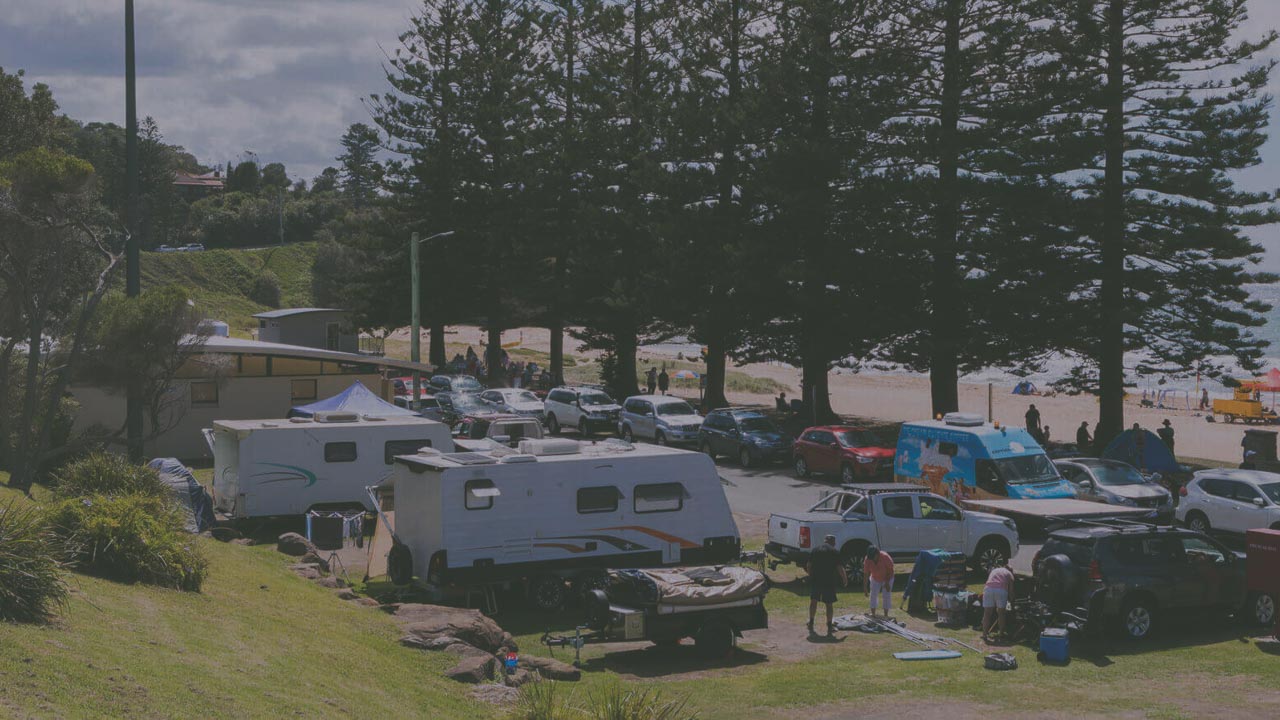
Coledale Camping Reserve

Coledale Camping Reserve Beach Camping New South Wales

Beach Camping Spots NSW: Far South Coast

23. Bittangabee Campground, Beowa National Park

Bittangabee offers 31 campsites with excellent beach access and comprehensive facilities. This remote location provides exceptional fishing, swimming, and snorkelling opportunities. Moreover, the campground serves as a stop on the renowned Light to Light walking track.

24. Mimosa Rocks National Park Campgrounds

Mimosa Rocks features three beachfront campgrounds between Bermagui and Tathra. These locations provide basic facilities with spectacular coastal settings. Furthermore, campers enjoy excellent fishing prospects and scenic walking opportunities.

Beach Campgrounds NSW: Essential Planning Information

Successful beach camping requires advance planning, particularly during peak seasons. Most national park campgrounds require online booking, while some commercial parks accept walk-ins. Additionally, school holidays and long weekends fill quickly, necessitating early reservations.

Weather conditions significantly impact beach camping experiences across NSW. Consequently, checking forecasts and park conditions before departure ensures safer, more enjoyable trips. Furthermore, many coastal locations experience strong winds and sudden weather changes.

Essential equipment for beach camping includes sun protection, wind-resistant camping gear, and water storage. Moreover, salt air accelerates equipment corrosion, requiring careful maintenance and protection. Additionally, many beach locations have limited freshwater availability.

Beach Camping NSW: Regional Seasonal Considerations

Northern NSW beaches offer year-round camping opportunities with mild winter conditions. However, summer brings humid conditions and potential severe weather. Furthermore, whale watching opportunities peak between May and November.

Central Coast locations provide excellent winter camping with moderate temperatures. Spring and autumn offer optimal conditions with comfortable temperatures and reduced crowds. Additionally, school holiday periods significantly increase visitor numbers.

Southern coastal areas experience cooler winter conditions but remain accessible. Summer provides excellent swimming conditions with warm water temperatures. Furthermore, many southern locations offer excellent fishing opportunities year-round.

Conclusion: Beach Camping New South Wales Excellence

Beach camping New South Wales delivers unmatched coastal experiences across diverse landscapes and climates. From pristine national park wilderness to well-appointed commercial facilities, NSW accommodates every camping preference. These 25+ premier destinations represent the finest beach camping opportunities available along Australia’s eastern coastline.

Whether seeking adventure, relaxation, or family experiences, NSW beach camping delivers memorable holidays. Furthermore, the combination of natural beauty, excellent facilities, and diverse activities ensures exceptional camping experiences. Plan your next beach camping adventure to discover why New South Wales remains Australia’s premier coastal camping destination.

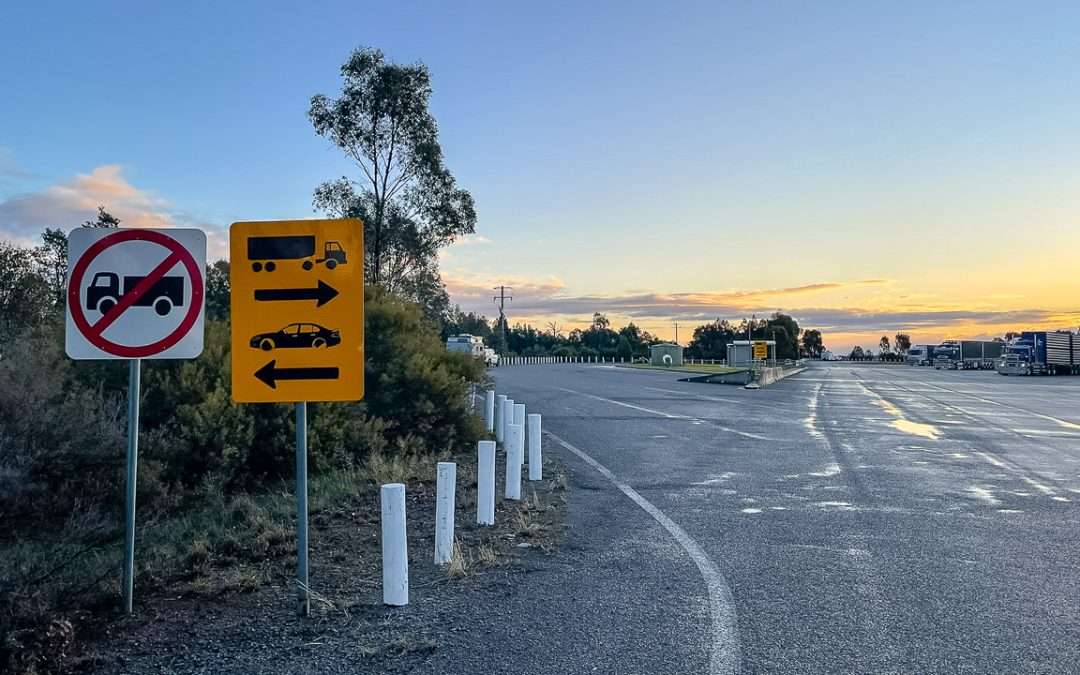
Stockton Beach NSW Camping Made Easy: A Beginners Guide

Stockton Beach NSW Camping Made Easy: A Beginners Guide

Stockton Beach NSW Camping Made Easy: A Beginners Guide

Plan your Stockton Beach NSW camping adventure with permits, bookings & tips. Find where to camp and how to explore this iconic coastal dune.

Is Stockton Beach NSW camping allowed? Yes, Stockton Beach NSW Camping is allowed. But only at the designated Ganyamalbaa Camping Area through advance online bookings. Free camping and overnight stays in vehicles on the beach are strictly prohibited throughout the Worimi Conservation Lands.

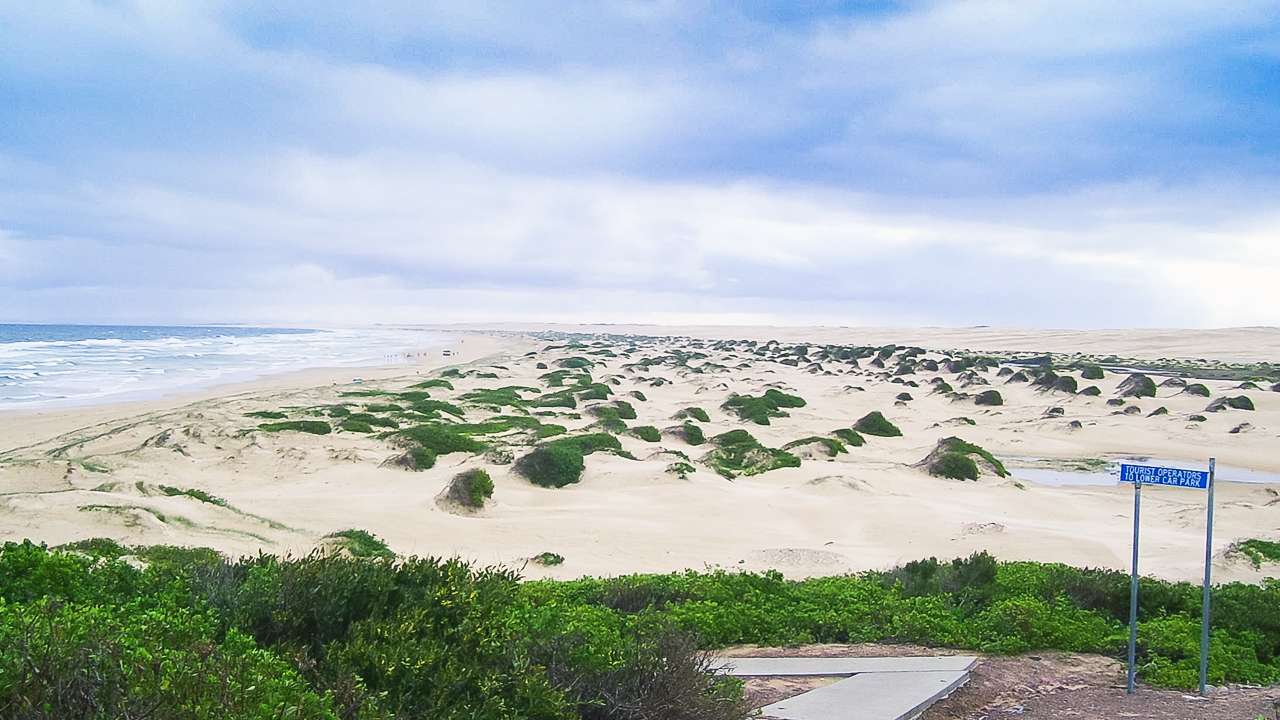
Australia’s largest coastal dune system stretches across 32 kilometres of pristine coastline, offering adventure seekers an unparalleled camping experience. However, Stockton Beach camping has evolved significantly from its unrestricted past to become a carefully managed conservation initiative. Understanding current regulations, booking requirements and access conditions ensures your camping adventure proceeds smoothly whilst respecting this unique environment.

Stockton Beach Southern End

Stockton Beach Southern End – Wikimedia Commons Licence – Author = AussieLegend

Understanding Stockton Beach NSW Camping Regulations

Table Of Contents

Can You Camp On Stockton Beach?

Stockton Beach camping operates under strict guidelines following environmental impacts from major storms in 2012. Consequently, the traditional free camping that once characterised this coastal paradise has been replaced by the Ganyamalbaa Camping Trial. This managed approach protects the fragile dune ecosystem while providing controlled access to one of Australia’s most spectacular camping destinations. The Ganyamalbaa Camping Area, meaning “place to camp” in Worimi Gathang language, represents the only legal camping option within the Worimi Conservation Lands. Moreover camping elsewhere on the beach, including overnight stays in vehicles will result in penalties and potential vehicle removal. So as a result advance planning becomes essential for anyone seeking an authentic Stockton Beach camping experience.

Stockton Beach Free Camping – Why It’s No Longer Available

Previously Stockton Beach attracted thousands of campers seeking free camping opportunities along its expansive coastline. Unfortunately severe weather events in 2012 washed away significant portions of the beachfront, creating safety hazards and environmental damage. Additionally, uncontrolled camping led to vegetation destruction, erosion issues and cultural site disturbance. Consequently, authorities implemented the current permit-based system to balance recreational access with conservation needs.

While Stockton Beach free camping no longer exists, the structured approach ensures sustainable tourism that preserves this remarkable landscape for future generations. Furthermore, the camping fees directly support conservation efforts and facility maintenance within the Worimi Conservation Lands. So unfortunately Stockton Beach free camping is no longer allowed.

Ganyamalbaa Camping Area – Your Gateway To Stockton Beach NSW Camping

Essential Details For Stockton Beach Camping Bookings

The Ganyamalbaa Camping Area offers up to 30 designated campsites strategically located southwest of the famous Tin City settlement. Each campsite accommodates a maximum of eight campers, ensuring adequate spacing between groups whilst maintaining the remote camping atmosphere. Additionally, the sites welcome tents and single-axle camper trailers, though larger recreational vehicles cannot access these remote locations. Bookings operate exclusively through the Worimi Conservation Lands website, requiring advance payment before arrival. Currently, no walk-in camping options exist, making online reservations absolutely essential for securing your Stockton Beach camping experience. Furthermore, booking confirmation serves as your camping permit, which rangers verify electronically during regular patrols.

Stockton Beach Camping Facilities And Amenities

Remote camping means bringing everything you need for a comfortable stay. Consequently, campsites provide minimal infrastructure beyond designated fire places for approved timber only. Importantly, firewood collection within the conservation lands remains strictly prohibited, including driftwood gathering from the beach. Essential self-sufficiency requirements include portable camping toilets, as no sewage facilities exist at individual campsites. However, plans include constructing toilet facilities at the Lavis Lane entry point, potentially incorporating camping toilet dump points for visitor convenience. Additionally, all camping equipment, water supplies and food provisions must accompany your group to these remote locations.

Where To Buy Stockton Beach Permit – Essential Vehicle Access

Stockton Beach Permit Purchasing Locations

Vehicle access to Stockton Beach camping areas requires valid Worimi Conservation Lands permits, available from multiple convenient locations throughout the Hunter Region. Traditional permit retailers include service stations in Williamtown, Salt Ash and Anna Bay, providing 24-hour availability for last-minute purchases. Additionally, specialised retailers like Tackle Power in Mayfield West and ARB in Lambton cater specifically to four-wheel drive enthusiasts. Moreover, the Port Stephens Visitor Centre in Nelson Bay offers comprehensive information alongside permit sales during business hours. Meanwhile, the NSW National Parks & Wildlife Service office on Teramby Road provides official guidance for complex permit requirements. Furthermore, online purchasing options may become available, following trends established at nearby Belmont Wetlands State Park.

Stockton Beach NSW Camping Stockton Beach North Eastern End

Stockton Beach NSW Camping Stockton Beach North Eastern End – Wikimedia Commons Licence – Author = AussieLegend

Understanding Stockton Beach Permit Types And Costs

Multiple permit options accommodate different camping and recreation needs across the Worimi Conservation Lands. The annual permit, priced at $88, offers excellent value for frequent visitors planning multiple Stockton Beach camping trips. Alternatively, three day permits cost $33, perfect for weekend camping adventures or trial visits before committing to annual access. Pensioners benefit from discounted annual permits at $44, recognising the significant community of retirees enjoying four-wheel drive camping throughout Australia. Additionally, recreational vehicle permits cost $88 annually for conditionally registered quads and motorbikes accessing designated driving areas. Replacement permits, necessary for lost or damaged stickers, cost $20 regardless of remaining validity periods.

Permit Type Cost Validity Best For
Three-day permit $33 3 consecutive days Weekend camping trips
Annual permit $88 12 months Regular visitors
Pensioner annual $44 12 months Eligible concession holders
RV annual permit $88 12 months Quad/motorbike access
Replacement permit $20 Remaining validity Lost/damaged permits

Can You Drive On Stockton Beach – Access Requirements And Restrictions

Current Access Points For Stockton Beach Camping

Four-wheel drive capability remains mandatory for reaching Stockton Beach camping areas, as conventional vehicles cannot navigate the soft sand conditions. Currently, two main access points serve the Worimi Conservation Lands: Lavis Lane at Williamtown and Gan Gan Road at Anna Bay. However, recent weather events have temporarily closed the Fern Bay access track, limiting entry options for camping visitors. Importantly, beach driving conditions change rapidly due to tides, weather and seasonal variations. Therefore, drivers must exercise extreme caution, particularly avoiding sea water, foam and large water pools that can trap vehicles. Additionally, the Ganyamalbaa Campground itself remains temporarily closed following recent weather impacts, though authorities expect reopening once safety assessments conclude.

Stockton Beach Camping Vehicle Requirements

All vehicles accessing Stockton Beach camping areas must hold current NSW registration and display valid WCL permits. Furthermore, drivers must comply with standard road regulations, including speed limits, blood alcohol restrictions and licensing requirements. Recreational vehicles like quads and motorbikes require conditional registration from NSW Roads and Maritime Services for legal beach access. Consequently, vehicle preparation becomes crucial for successful Stockton Beach camping expeditions. Essential equipment includes tyre pressure gauges for sand driving, recovery gear for stuck vehicles and communication devices for emergency situations. Moreover, UHF radio channel 21 provides beach access coordination, while emergency situations require immediate 000 contact for police, fire, or ambulance services.

Planning Your Stockton Beach NSW Camping Adventure

Booking Process For Stockton Beach Camping

Securing your Stockton Beach camping reservation requires advance planning through the official Worimi Conservation Lands website. The online booking system operates continuously, allowing 24-hour reservation access for maximum convenience. Additionally, payment must accompany bookings, with confirmation emails serving as official camping permits for ranger verification. Booking demand varies seasonally, with summer months and school holidays experiencing highest competition for available campsites. Therefore, early booking ensures preferred dates, particularly for popular periods like Easter, Christmas and winter school holidays. Furthermore, group bookings may require special arrangements for parties exceeding eight people, necessitating direct contact with park management. Here’s the latest information for Stockton Beach, NSW, based on official sources (Newcastle City Council and NSW National Parks). Note: Always verify details before traveling, as conditions, fees and rules can change.

1. Stockton Beach Vehicle Permit Costs

A permit is required for all vehicles entering Stockton Beach. Current fees (as of 2025) are:

  • 1-Day Permit: $20
  • 3-Day Permit: $35
  • Annual Permit: $90
  • Concession discounts may apply for pensioners.
  • Permits cover vehicle access only. Camping fees are separate.

2. Where to Buy Stockton Beach Permits

Permits are sold online or in person.

Online

In Person

  1. Newcastle Council Customer Service Centre Address: 12 Stewart Avenue, Newcastle West, NSW 2302 Hours: Mon–Fri, 8:30 am – 4:30 pm. Phone: (02) 4974 2000
  2. Stockton Surf Life Saving Club (SLSC) Address: Pitt Street, Stockton, NSW 2295 Hours: Vary (typically weekends/public holidays during patrol season; call ahead). Phone: (02) 4928 1266
  3. Service NSW Centers (e.g., Newcastle, Raymond Terrace) – limited stock.

3. Booking Camping at Ganyamalbaa Beach Camping Area

Ganyamalbaa (formerly “Stockton Beach Camping Area”) is managed by NSW National Parks (NPWS). Key Details

  • Address: Lavis Lane, Williamtown, NSW 2318 (access via Lavis Lane; drive 7km north on the beach to reach the campsite).
  • Booking: Mandatory – Only via the NPWS website or phone.

Camping Fees (2025):

  • Adults: $10 per night
  • Children (5–15 years): $5 per night
  • Family (2 adults + 2 children): $25 per night
  • Infants (0–4 years): Free

How To Book

Online

Conditions

  • Permits Required: You must have a valid Stockton Beach Vehicle Permit (Section 2) to drive to the campsite.
  • Access: 4WD only. Check tide times – beach driving is safest 2 hours either side of low tide.
  • Facilities: Basic toilets; no showers, power, or drinking water. Bring all supplies.
  • Max Stay: 14 nights.

Important Reminders

  1. Beach Safety: Check tide charts, weather and beach conditions via Surf Life Saving NSW https://www.beachsafe.org.au or the Stockton Dune Driving Guide https://www.newcastle.nsw.gov.au/Explore/Beaches-and-coast/Stockton-Beach.
  2. Permits: Display permits clearly on your vehicle. Fines apply for non-compliance.
  3. Camping Rules: No pets, fires, or generators. Pack out all waste.

For real time updates

  1. Newcastle Council (Stockton Beach): https://www.newcastle.nsw.gov.au/stocktonbeach | Phone: (02) 4974 2000
  2. NPWS (Ganyamalbaa): Website https://www.nationalparks.nsw.gov.au/ganyamalbaa | Phone: (02) 4984 8200

Essential Preparation For Remote Stockton Beach Camping

Remote camping demands comprehensive preparation covering equipment, supplies and safety considerations. Consequently, camping checklists should include portable toilets, approved firewood, comprehensive first aid supplies and multiple days’ food and water provisions. Additionally, weather protection becomes crucial given the exposed coastal environment and rapidly changing conditions. Navigation equipment helps locate campsites within the expansive dune system, as GPS coordinates may prove unreliable in shifting sand environments. Therefore, traditional compass and map skills complement electronic navigation tools for safe travel to and from camping areas. Moreover, emergency communication devices provide essential safety backup for groups venturing into these remote locations.

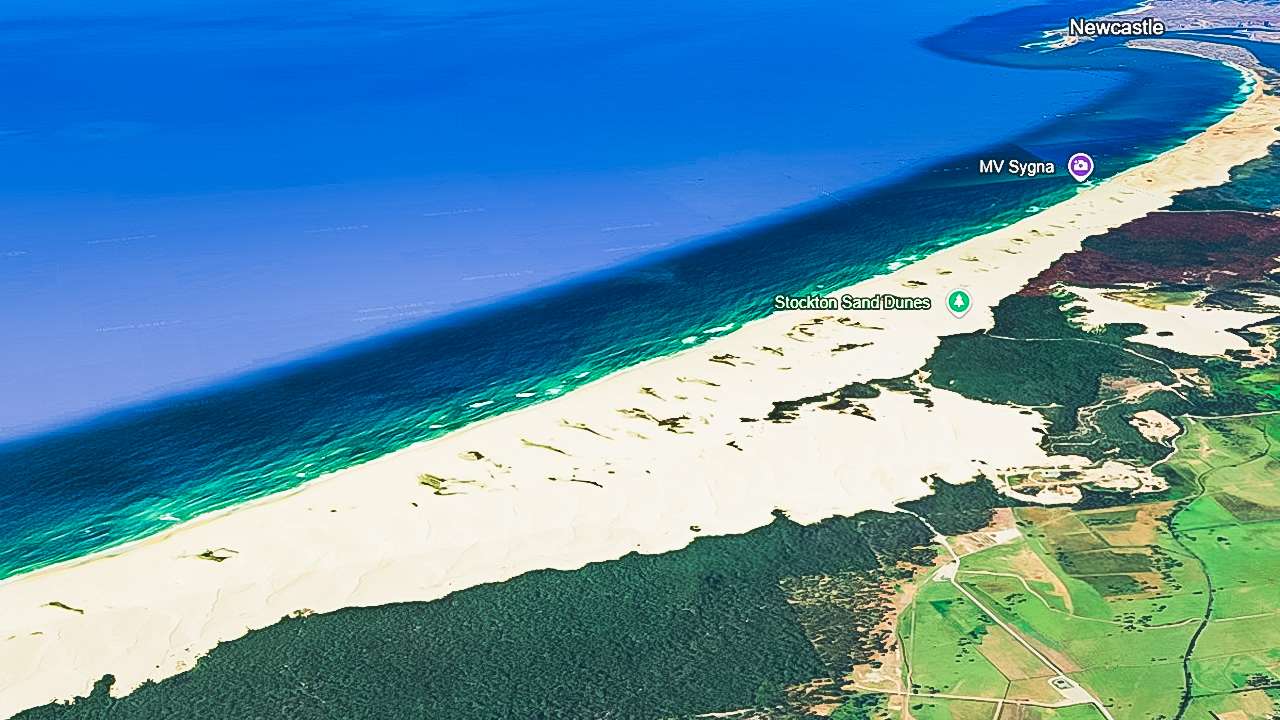
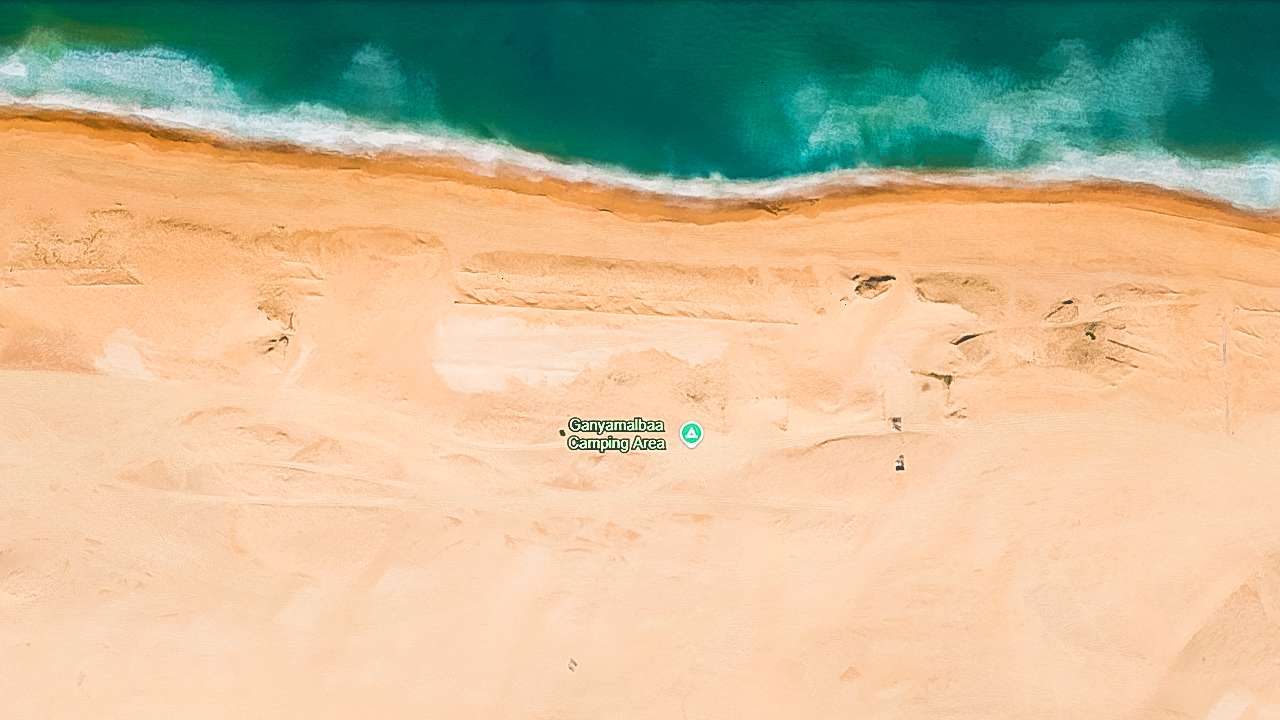
Stockton Beach On Google Earth

Stockton Beach On Google Earth

Guide To Driving On Sand At Stockton Beach

Here’s a practical guide to driving on sand at Stockton Beach, NSW, including emergency contacts if you get bogged and can’t get yourself out.

Driving on Sand: Essential Tips for Stockton Beach Stockton Beach’s dynamic dunes and soft sand require specialised driving techniques.

Follow these key steps

1. Lower Tire Pressure

  • Deflate tires to 15–18 PSI (check your vehicle’s manual for limits). This increases traction by spreading the tire’s footprint.
  • Carry a quality air compressor to reinflate before hitting paved roads.

2. Momentum is Key

  • Maintain steady, gentle throttle – avoid sudden acceleration or braking.
  • If you slow down in soft sand, gradually increase speed to prevent bogging.

3. Tide & Terrain Awareness

Drive only 2 hours before/after low tide (check [tides via BeachSafe](https://beachsafe.org.au)). Stick to the hard-packed sand near the waterline – avoid dry, soft dunes unless necessary. Steer clear of vegetated areas (protected habitat) and obey signposted closures.

4. Use 4WD Correctly

  • Engage 4WD High before entering the beach. Use Low Range for steep dunes.
  • If bogged, stop immediately to avoid digging deeper.

5. Essential Gear

  • Recovery boards (e.g., Maxtrax), shovel, snatch strap and rated shackles.
  • UHF radio (Channel 18 for beach communications).

If You Get Bogged: Recovery Contacts & Costs

Despite precautions, vehicles can get stuck. Do not rely on NPWS or council for recovery – they won’t tow you. Instead:

  1. Self Recovery First
    • Dig sand from around tires/wheels.
    • Place recovery boards under driven wheels.
    • Gently roll forward or backward – don’t accelerate harshly.
  2. Call a Professional Tow Service
    • If self-recovery fails, contact specialized 4WD recovery operators:
    • Traction 4×4 Recovery Phone: 0403 288 625 Cost: From $400+ (depending on location/tide urgency).
    • Stockton Tilt Tray & Transport Phone: 0414 492 888 Cost: $350–$800 (tide-dependent).
    • Hunter 4×4 Recovery Phone: 0427 201 222 Cost: $300–$700.
  3. Critical Notes
    • Tides are life-threatening: If stuck near rising water, call 000 immediately.
    • Tow costs surge during high tide/night—budget $500–$1,500 for complex recoveries.
    • Never attach recovery straps to tow balls—use rated vehicle recovery points.
    • Prevention is Cheaper Than Recovery
    • Check conditions: Avoid driving 1–3 days after heavy rain (saturation = softer sand).
    • Travel with other 4WDs: Never drive alone.
    • Permit requirement: Unrecovered vehicles may incur council fines ($300+) if abandoned.
    • For real time beach status
    • Newcastle Council Beach Hotline: (02) 4974 2000
    • NSW NPWS Hunter Coast Office: (02) 4984 8200
    • Remember: Alcohol/drugs void insurance and increase recovery costs. Respect the beach – its beauty demands caution.

Exploring Stockton Beach While Camping

Stockton Beach Camping Near Tin City

The famous Tin City settlement provides a fascinating historical backdrop for your Stockton Beach camping experience. This unique collection of eleven self-built shacks represents Australia’s last surviving squatter community, operating under a 100-year lease since 1920. Consequently, visitors can observe this remarkable settlement while respecting private property boundaries and cultural significance. Additionally, Tin City serves as a navigation landmark for locating nearby camping areas within the Ganyamalbaa zone. The settlement’s off-grid lifestyle, powered by solar panels and wind turbines, demonstrates sustainable living principles relevant to modern camping practices. Furthermore, the constantly shifting dunes around Tin City illustrate the dynamic environment that camping visitors experience throughout their stay.

Recreational Activities During Stockton Beach Camping

Beyond the camping experience itself, Stockton Beach offers numerous recreational opportunities for adventurous visitors. The expansive dune system provides excellent four-wheel driving opportunities across 350 hectares of designated recreational vehicle areas. Additionally, the 19 kilometres of accessible beachfront accommodate fishing, swimming and beachcombing activities during suitable conditions. Photography enthusiasts particularly appreciate the dramatic landscape changes throughout different times of day. Golden hour lighting, occurring approximately 40 minutes before sunset, creates spectacular colour displays across the sand dunes. Moreover, drone photography remains permitted over the dunes, allowing unique aerial perspectives of this remarkable coastal environment.

Seasonal Considerations For Stockton Beach NSW Camping

Weather Impacts On Stockton Beach Camping

Coastal weather significantly influences Stockton Beach camping conditions throughout the year. Summer months bring warm temperatures and longer daylight hours, ideal for extended outdoor activities and beach exploration. However, afternoon thunderstorms and high UV exposure require appropriate preparation and protective equipment during these periods. Winter camping offers cooler temperatures and dramatic stormy weather that showcases the beach’s raw natural power. Consequently, winter visitors need comprehensive weather protection and emergency preparedness for rapidly changing conditions. Additionally, winter sunsets occur earlier, around 3:45-4:00pm, requiring adjusted planning for optimal photography and recreational timing.

Long Term Planning For Stockton Beach Camping

Regular Stockton Beach camping enthusiasts benefit from annual permit purchases and advanced seasonal planning. Understanding peak periods, weather patterns and facility maintenance schedules enables strategic booking decisions for optimal camping experiences. Furthermore, staying informed about conservation land management updates ensures compliance with evolving regulations and access restrictions. Additionally, building relationships with local retailers and park authorities provides valuable insights for successful camping adventures. Many experienced campers maintain equipment caches and establish preferred camping routines that maximise enjoyment whilst minimising environmental impact throughout their Stockton Beach camping journeys.

Conservation And Responsible Stockton Beach Camping

Environmental Protection During Stockton Beach Camping

Responsible camping practices ensure the preservation of Stockton Beach’s unique ecosystem for future generations. Consequently, all waste must be packed out, including food scraps that could attract pest animals or disrupt natural food chains. Additionally, vehicle movements should remain within designated tracks to prevent vegetation damage and erosion acceleration. Water conservation becomes particularly important given the remote location and limited natural freshwater sources. Therefore, greywater disposal requires careful consideration, with all wastewater transported off-site for appropriate treatment. Furthermore, soap and detergent use should minimise environmental impact through biodegradable product selection and responsible disposal practices.

Cultural Respect In Stockton Beach Camping Areas

The Worimi Conservation Lands hold significant cultural importance for Aboriginal communities, requiring respectful behaviour from all camping visitors. Traditional cultural sites may exist throughout the camping areas, necessitating careful observation and immediate reporting of any archaeological discoveries. Additionally, understanding and acknowledging the cultural significance enhances the camping experience whilst demonstrating appropriate respect. Moreover, the Ganyamalbaa name itself reflects the integration of traditional language and contemporary conservation management. This partnership between traditional owners and modern land management creates unique opportunities for cultural learning alongside recreational camping experiences throughout the Stockton Beach environment.

Stockton Beach NSW Camping: Future Developments

Upgraded Facilities For Stockton Beach NSW Camping

Planned improvements to Stockton Beach NSW camping infrastructure include new toilet facilities at Lavis Lane and expanded dump points for portable camping systems. These upgrades aim to enhance convenience while maintaining the remote character that defines Stockton Beach NSW camping adventures. Future initiatives may introduce interpretive signage detailing the area’s ecological and cultural significance.

Stockton Beach NSW Camping: Flora And Fauna Considerations

Birdwatching Opportunities During Stockton Beach NSW Camping

The adjacent Stockton Sandspit provides exceptional birdwatching opportunities for Stockton Beach NSW camping enthusiasts. Over 189 bird species frequent this area, including migratory wonders like the bar-tailed godwit that completes 11,000km non-stop flights from Alaska. These ecological treasures underscore why Stockton Beach NSW camping regulations prohibit disturbing coastal habitats beyond designated areas.

Protecting Native Vegetation During Stockton Beach NSW Camping

The foredune ecosystem supporting Stockton Beach NSW camping areas relies on critical native species like Spinifex sericeus, which stabilises shifting sands. Campers must avoid trampling these grasses or introducing invasive plants through equipment contamination. Recent flora surveys identified 159 plant species within the conservation lands, with managed camping helping protect vulnerable populations like the Senecio pinnatifolius found near Tin City.

Enhancing Your Stockton Beach NSW Camping Experience

Cultural Immersion Through Stockton Beach NSW Camping

The Worimi people’s ongoing stewardship of their traditional lands adds profound cultural depth to Stockton Beach NSW camping experiences. Over 50 significant cultural sites exist within the conservation area, ranging from midden deposits to ceremonial grounds. Responsible Stockton Beach NSW camping involves respecting these sites by staying on marked trails and avoiding artifact collection.

Conclusion – Stockton Beach NSW Camping

Stockton Beach NSW camping represents a unique opportunity to experience Australia’s largest coastal dune system whilst supporting sustainable tourism practices. The transition from unrestricted free camping to the managed Ganyamalbaa Camping Trial demonstrates successful balance between recreational access and environmental protection. Understanding permit requirements, booking procedures and access conditions ensures your camping adventure proceeds smoothly whilst respecting this remarkable landscape.

Consequently, advance planning becomes essential for successful Stockton Beach camping experiences. From securing appropriate permits and making online reservations to preparing comprehensive equipment lists and understanding current access restrictions, thorough preparation maximises enjoyment whilst ensuring compliance with conservation requirements. Furthermore, the remote camping environment offers authentic Australian outback experiences rarely available so close to major population centres. Whether you’re seeking weekend camping adventures or extended four-wheel drive expeditions, Stockton Beach camping delivers unforgettable experiences across one of NSW’s most spectacular coastal environments.

Embrace the planning requirements, respect the environmental constraints and prepare for camping adventures that showcase the very best of Australia’s unique coastal wilderness areas.

Stockton Beach NSW Camping Ganyamalbaa Beach Camping Area

Stockton Beach NSW Camping Ganyamalbaa Beach Camping Area

BEST RV Campsites In Australia By State

BEST RV Campsites In Australia By State

BEST RV Campsites In Australia By State

Planning a camping adventure? Find the best RV campsites across Australia, including free RV campsites and top caravan parks in every state. Australia’s diverse landscape offers countless opportunities for camping with RV enthusiasts. From tropical Queensland beaches to Tasmania’s rugged wilderness. Each state provides unique experiences for caravanners and motorhome travellers.

Where can I find the best RV campsites across Australia?
Australia offers exceptional RV campsites across all states and territories, from commercial caravan parks with full amenities to free camping spots in national parks. Each state provides unique camping experiences. Whether you’re seeking beachfront locations, mountain retreats or outback adventures. The best RV campsites combine accessibility, facilities, and stunning natural settings to create memorable camping experiences for all travellers.

Australia’s vast network of RV campsites includes everything from luxury holiday parks to basic free camping. Selecting the right campsite depends on your travel style, budget and desired amenities. Many travellers combine stays at powered sites with free RV campsites to balance comfort and cost during extended trips. Understanding the options available in each state helps you plan the perfect Australian adventure.

BEST RV Campsites In Australia By State

BEST RV Campsites In Australia By State

New South Wales RV Campsites

New South Wales delivers exceptional diversity for RV travellers, spanning coastal regions, mountain areas and inland plains. The state’s extensive network of caravan parks and camping areas caters to all preferences and budgets. if riverside camping is your thing then there are loads of free camping areas on the Murray River.

Jenolan Holiday Park

Located in Oberon, this peaceful caravan park sits just two hours from Sydney. The park provides excellent access to the famous Jenolan Caves and Blue Mountains region. Facilities include communal camp kitchens, powered sites, and easy access to local restaurants and takeaway options.

The location offers an ideal base for exploring the Blue Mountains while maintaining a tranquil rural atmosphere. Additionally, the park welcomes both caravans and motorhomes with spacious sites suitable for larger rigs.

Lorikeet Holiday Park

Situated at Arrawarra on the North Coast, this caravan park features subtropical gardens and direct beach access. The park fronts onto seven kilometres of pristine beach within the Coffs Coast Regional Park. Guests enjoy swimming pools, hot tubs, and daily lorikeet feeding sessions.

The location provides easy access to Coffs Harbour while maintaining a peaceful beachfront setting. Furthermore, the park offers both powered and unpowered sites with modern amenities throughout.

Trial Bay Gaol Campground

This unique NSW National Parks campground combines history with beachfront camping. Located at Arakoon National Park, the site offers 97 camping spots suitable for tents, caravans, and motorhomes. The campground sits directly beside the beach, perfect for families seeking swimming and fishing opportunities.

Budget conscious travellers appreciate the reasonable fees and free park entry. The historic gaol buildings add cultural interest to the natural coastal setting.

Free RV Campsites New South Wales

Little River Rest Area near Gundagai provides shaded riverside camping with basic facilities. This spot suits overnight stops between Sydney and Melbourne with picnic tables and toilets available. Self-contained vehicles find this location particularly convenient for breaking long journeys.

Victoria RV Campsites

Victoria’s compact size allows easy exploration of diverse landscapes, from Great Ocean Road beaches to Alpine regions. The state’s caravan parks consistently rank among Australia’s best for facilities and locations.

River Bend Caravan Park

This 17-acre bushland park sits on the Goulburn River banks at Lower Moira. Located 20 minutes from Echuca, the park provides access to Murray Valley National Park walking tracks. On-site facilities include swimming pools, tennis courts, and excellent fishing opportunities. The peaceful rural setting attracts visitors seeking tranquillity while maintaining easy access to historic river towns. River beaches within the park boundaries offer safe swimming for families. This isn’t the only campsite on the Murray River – Victoria has lots of them.

Anglesea Family Caravan Park

Positioned on the Great Ocean Road, this community-focused park spans 16 hectares where the Anglesea River meets Bass Strait. The facility offers over 250 powered sites suitable for all RV types. Amenities include mini-golf, jumping pillows, and a heated indoor spa.

The park’s beachfront location provides direct access to excellent surfing and swimming beaches. Additionally, proximity to Point Addis Marine National Park offers excellent walking and wildlife viewing.

Stawell Caravan Park

Located near the Grampians National Park entrance, this park provides wild camping experiences. Halls Gap Zoo sits five minutes away, while MacKenzie Falls requires a 30-minute drive. The park permits campfires and provides barbecue facilities for guests.

Wildlife encounters are common, with kangaroos and other native animals frequently visiting the grounds. The location serves as an excellent base for exploring the Grampians’ hiking trails and rock formations.

Camping With RV Victoria Options

Green Hill Lake Reserve near Ararat offers lakeside camping with toilet facilities and open spaces. This free camping option suits families and solo travellers seeking longer stays. The peaceful lake setting provides fishing opportunities and scenic views.

Queensland RV Campsites

Queensland’s year-round warm climate makes it Australia’s premier RV destination. The state’s extensive coastline and tropical attractions draw caravanners from across the continent.

BIG4 Adventure Whitsunday Resort

Positioned near Airlie Beach on Pioneer Bay, this well-equipped family resort offers comprehensive facilities. Multiple waterslides, kids’ clubs, and open-air cinema provide entertainment for all ages. The location provides easy access to Whitsunday Great Walk and Proserpine.

Camping with RV becomes effortless with full hookups and spacious sites. The resort’s position makes it an ideal base for exploring the Whitsunday Islands.

Sunshine Coast Retreat

Located at Maroochydore, this peaceful site sits 10 minutes from Noosa Beach. The 25-acre wildlife haven includes private golf course and sports facilities. Shopping, restaurants, and nightlife in Maroochydore are just 15 minutes away.

The retreat offers a perfect balance between natural settings and modern conveniences. Bird watching and wildlife spotting opportunities abound throughout the property.

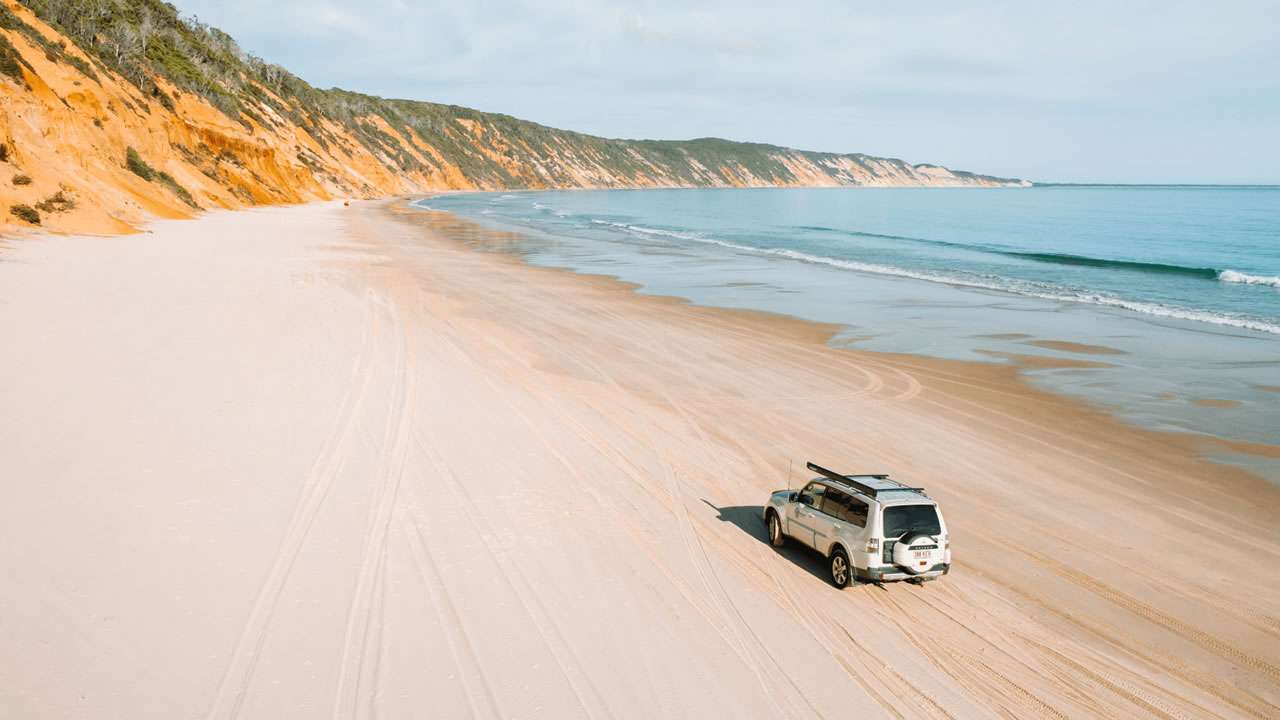
Camping Sites Rainbow Beach (Image Courtesy Visit Sunshine Coast)

Camping Sites Rainbow Beach (Image Courtesy Visit Sunshine Coast)

Binna Burra Campground

Situated within Lamington National Park at Beechmont, this secluded campground provides direct rainforest access. The location offers hiking trails suitable for all fitness levels and ages. Communal fire pits and electric barbecues enhance the camping experience.

The park’s elevated position provides cooler temperatures and spectacular views. Licensed teahouse facilities offer dining options within the national park setting.

Free RV Campsites Queensland

Fletcher Creek north of Charters Towers provides wide-open spaces perfect for self-contained vehicles. The site offers plenty of room for campfires during permitted seasons. Wildlife viewing opportunities include various bird species and occasional kangaroo sightings.

Western Australia RV Campsites

Western Australia’s vast distances require careful planning, but the state rewards visitors with spectacular coastal and desert landscapes. Remote locations often provide the most memorable camping experiences.

Riverside Park Eaton

This spacious park features pools and tennis courts beside the Collie River. Bunbury sits 15 minutes away, while Ferguson Valley’s hills and vineyards are easily accessible. Koombana Beach offers unique opportunities to swim with wild dolphins.

The park’s riverside location provides fishing and water sports opportunities. Shaded areas and modern facilities make extended stays comfortable.

Cheynes Beach Caravan Park

Located five minutes’ walk from Cheynes Beach, this well-maintained park sits on Waychinicup National Park’s edge. The facility includes takeaway options, camp kitchens, and a well-stocked shop. Communal barbecues and modern amenities serve all guests.

Whale watching from nearby cliffs provides seasonal entertainment. The park’s position offers excellent access to national park hiking trails and beaches.

RAC Cervantes Holiday Park

Positioned between the ocean and Nambung National Park north of Perth, this award-winning park offers coastal camping. The location provides staging access to The Pinnacles and other natural attractions. Modern facilities and excellent customer service earn consistent positive reviews.

Free RV Campsites Western Australia

Nanga Brook Campground near Lane Poole Reserve offers forest camping 90 minutes from Perth. Basic facilities include access to bushwalking trails and creek swimming opportunities. The forest setting provides a refreshing escape from city environments.

South Australia RV Campsites

South Australia combines excellent wine regions with rugged coastal landscapes and outback experiences. The state’s compact size allows easy movement between dramatically different environments.

Kingston On Murray Caravan Park

This peaceful rural site overlooks the Murray River with wineries just five minutes away. On-site canoe hire provides river exploration opportunities. Swimming pools and pedal cars entertain children during school holidays.

The riverside location offers excellent fishing and water sports access. Additionally, the park serves as a gateway to the Riverland wine region.

Jetty Caravan Park Normanville

Situated directly on Normanville beachfront, this well-maintained park offers coastal camping at its finest. The facility provides easy beach access with modern amenities throughout. Local attractions include fishing, swimming, and coastal walking opportunities.

The beachfront position allows guests to fall asleep to ocean sounds. Fishing from the nearby jetty provides entertainment and potential dinner options.

Millicent Lakeside Caravan Park

Located on the Limestone Coast, this friendly park sits beside a swimming lake. Canunda National Park lies within a short drive for hiking and wildlife viewing. Camp kitchens and barbecue areas facilitate outdoor cooking and socialising.

The lake setting provides safe swimming and fishing opportunities. Campfires are permitted, adding to the traditional camping atmosphere.

Free RV Campsites South Australia

Lake Hart Rest Area on the Stuart Highway offers breathtaking salt lake views. This remote location provides excellent stargazing opportunities under the Milky Way. The site suits self-contained vehicles seeking outback solitude.

Tasmania RV Campsites

Tasmania’s compact size and diverse landscapes make it perfect for RV exploration. The island state offers over 50 caravan parks across varied environments.

NRMA Port Arthur Holiday Park

Located in the historic Port Arthur area, this family-friendly park provides excellent access to convict history. Modern facilities include free WiFi and comprehensive amenities. The historical district location offers walking access to major attractions.

The park combines historical significance with modern camping comfort. Educational opportunities abound with guided tours and historical displays nearby.

Launceston Holiday Park Legana

Positioned on the West Tamar Highway, this park receives praise for helpful staff and excellent facilities. Kitchen facilities and laundry services cater to extended stays. Nearby attractions include wineries and Tamar Island Wetlands Centre.

The location provides easy access to Launceston while maintaining a peaceful rural atmosphere. River access offers fishing and recreational opportunities.

Scamander Sanctuary Holiday Park

This beachfront park offers direct beach access with modern facilities throughout. Free WiFi and parking complement the coastal location. The setting provides excellent opportunities for beach activities and relaxation.

Free RV Campsites Tasmania

Bay of Fires offers several free beachside camping areas with permits required. White sands and clear waters create spectacular sunrise viewing opportunities. Basic facilities are available at designated camping zones.

Northern Territory RV Campsites

The Northern Territory provides unique outback and tropical experiences for RV travellers. Darwin serves as the gateway to Top End adventures.

Nitmiluk Chalets

Located within Nitmiluk National Park, this facility offers camping in a spectacular gorge setting. Free parking and pool facilities complement the national park location. Kitchen facilities and modern amenities serve all guests.

The park provides direct access to gorge walking trails and cultural experiences. Additionally, the location offers opportunities for canoeing and wildlife viewing.

AAOK Lakes Resort & Caravan Park

Situated at Berry Springs on a lake setting, this pet-friendly park welcomes families. Free WiFi and parking complement the lakeside location. The facility provides easy access to Howard Springs Nature Park.

Swimming and fishing opportunities abound in the lake environment. Native wildlife viewing is common throughout the property.

Litchfield Tourist Park

Positioned within Litchfield National Park, this park offers waterfall and swimming hole access. Pet-friendly policies welcome travelling families with animals. The national park setting provides exceptional natural swimming opportunities.

Australian Capital Territory RV Campsites

The ACT’s small size concentrates excellent facilities around Canberra. Urban proximity combines with natural settings for convenient camping.

Capital Country Holiday Park

This Canberra-area park offers powered sites suitable for caravans, motorhomes, and tents. Sites feature half gravel, half grass surfaces for versatility. Modern amenities and barbecue facilities serve all guests.

The location provides easy access to national attractions while maintaining a peaceful atmosphere. Additionally, the park offers excellent value with comprehensive facilities.

RV Campsites Facilities Comparison

State Powered Sites Free Camping Beach Access National Parks
NSW Extensive Available Excellent Multiple Options
VIC Comprehensive Limited Good Several Parks
QLD Outstanding Moderate Exceptional Extensive Network
WA Good Excellent Outstanding Remote Options
SA Moderate Available Good Wine Region Access
TAS Comprehensive Limited Excellent Wilderness Focus
NT Basic Excellent Limited Unique Experiences
ACT Limited Minimal None Urban Parks

Choosing Between Powered And Unpowered Sites

Powered sites provide electricity for air conditioning, microwaves, and charging devices. These facilities suit travellers preferring comfort and convenience during their stays. Most caravan parks offer powered options with varying amp ratings for different needs.

Unpowered sites cost less and often provide more space and privacy. Self-contained RVs with solar panels and adequate battery capacity suit this camping style. Additionally, unpowered camping encourages a closer connection with natural environments.

Many experienced travellers combine both options during extended trips. Powered sites work well for longer stays and hot weather periods. Unpowered camping suits scenic locations and budget-conscious travel.

Free RV Campsites Considerations

Free camping requires self-sufficiency and respect for environmental regulations. Most free sites lack water, power, and waste disposal facilities. Preparation includes carrying adequate water, managing waste responsibly, and using solar power where possible.

Popular free camping areas can become crowded during peak seasons. Early arrival ensures better site selection and space. Additionally, many councils limit stays to 24-48 hours at roadside rest areas.

Camping Free Near Penong SA

Camping Free Near Penong SA

Planning Your RV Adventure

Route planning becomes essential for successful camping with RV across Australia’s vast distances. Fuel stops, supply points, and camping reservations require advance consideration. Peak season bookings fill quickly at popular destinations.

Weather patterns significantly impact camping experiences across different states. Northern areas experience wet seasons, while southern regions face cold winters. Timing visits according to seasonal conditions enhances comfort and safety.

RV maintenance and emergency preparedness become crucial during remote area travel. Carrying spare parts, tools, and emergency communication devices ensures safety. Additionally, understanding local regulations prevents issues with waste disposal and camping restrictions.

Australia’s RV campsites offer endless opportunities for exploration and adventure. Each state provides unique experiences, from tropical beaches to desert landscapes. Whether seeking luxury facilities or basic free camping, options exist for every preference and budget.

The key to successful RV camping lies in matching your needs with appropriate facilities and locations. Research, preparation, and flexibility create the foundation for memorable Australian camping adventures. With proper planning, camping with your RV across this diverse continent is an unforgettable experience.

Lightning Ridge Caravan Parks | Compare Facilities & Features

Lightning Ridge Caravan Parks | Compare Facilities & Features

Lightning Ridge Caravan Parks | Compare Facilities & Features

Compare the best Lightning Ridge caravan parks for your outback stay. Explore facilities, pet friendly options & tips for your Lightning Ridge adventure. Lightning Ridge, located in far north-western New South Wales, stands as one of Australia’s most fascinating destinations for caravan and camping enthusiasts.

This comprehensive guide examines five premier Lightning Ridge caravan parks that offer exceptional accommodation options for travellers seeking to explore the world’s largest black opal mining region. Each park provides unique amenities and experiences, catering to diverse preferences and budgets while maintaining the authentic outback character that makes Lightning Ridge such a compelling destination.
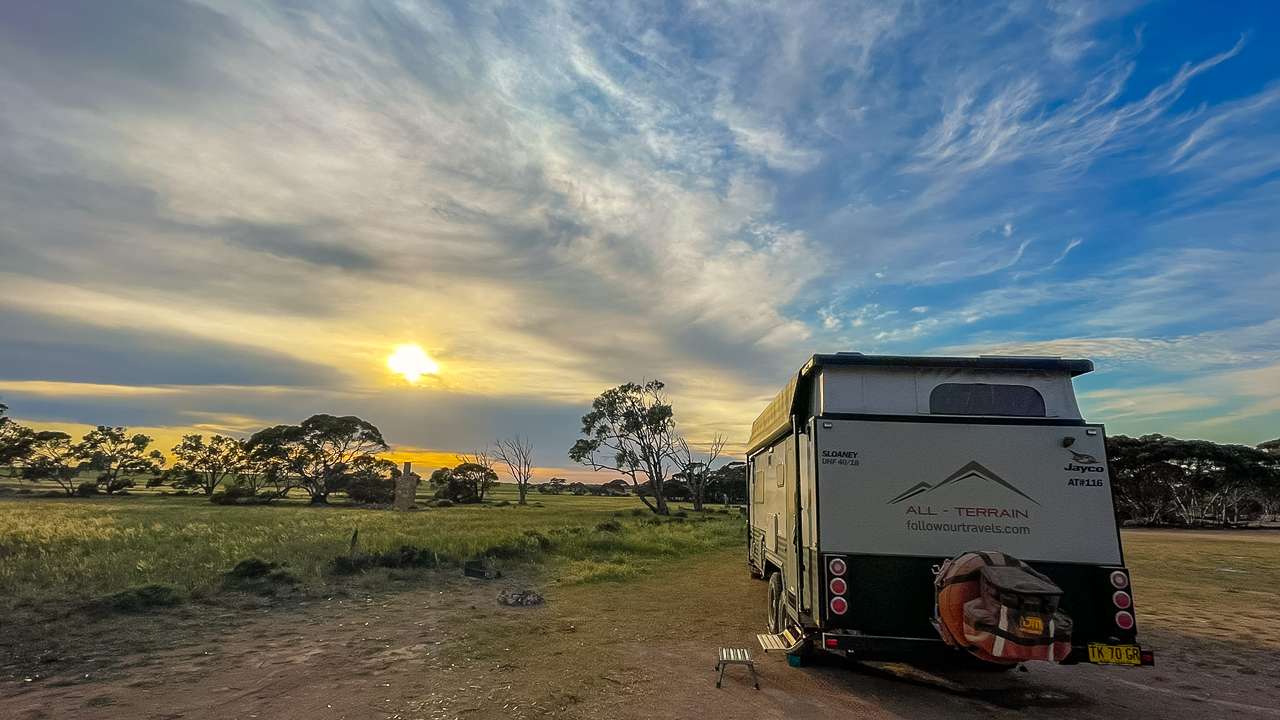
Lightning Ridge Caravan Parks - Lightning Ridge Opal Caravan Park Storm Coming

Lightning Ridge Caravan Parks – Lightning Ridge Opal Caravan Park Storm Coming

Lightning Ridge Caravan Parks Overview

Lightning Ridge attracts thousands of visitors annually, drawn by its rich opal mining heritage, unique artesian bore baths, and distinctive outback culture. The town’s caravan parks have evolved to meet the growing demand from grey nomads, mining enthusiasts, and adventure seekers exploring Australia’s remote regions. These accommodation providers offer everything from basic camping facilities to luxury ensuite cabins, ensuring every traveller finds suitable lodging.

The caravan park industry in Lightning Ridge has developed significantly over recent decades. Furthermore, competition between operators has resulted in improved facilities and competitive pricing structures. Most importantly, these parks maintain the friendly, relaxed atmosphere that characterises outback Australian hospitality.

BIG4 Opal Holiday Park

Lightning Ridge Caravan Parks Premium Option

BIG4 Opal Holiday Park represents the premium accommodation standard among Lightning Ridge caravan parks. Located at 142 Pandora Street, this expansive facility offers comprehensive amenities for discerning travellers. Moreover, its strategic positioning makes it the closest caravan park to Lightning Ridge’s famous Artesian Bore Baths .

The park’s extensive grounds accommodate all vehicle sizes, including large motorhomes and fifth wheelers. Additionally, the facility features modern amenities that cater to contemporary camping expectations. Significantly, BIG4 Opal Holiday Park maintains high standards through its affiliation with Australia’s most recognised caravan park network.

  • Website: BIG4 Opal Holiday Park
  • Address: 142 Pandora Street, Lightning Ridge NSW 2834
  • Phone: (02) 6829 4884
  • Pet Friendly: Yes
  • Approximate Cost: Around $45 for powered sites with water

Caravan Park In Lightning Ridge With Premium Facilities

BIG4 Opal Holiday Park distinguishes itself through exceptional recreational facilities. The swimming pool provides welcome relief from outback temperatures, whilst the playground ensures family entertainment. Furthermore, the park operates doggy day care services, demonstrating commitment to pet-friendly accommodation.

The fossicking area represents a unique attraction, allowing guests to search for opals without leaving the park grounds. This feature particularly appeals to visitors drawn by Lightning Ridge’s mining heritage. Additionally, the camp kitchen facilities include pizza ovens, enabling guests to prepare diverse meals during their stay.

Lightning Ridge Caravan Parks - Lightning Ridge Artesian Bore Baths

Lightning Ridge Caravan Parks – Lightning Ridge Artesian Bore Baths

Lightning Ridge Holiday Park

Historic Lightning Ridge Caravan Park

Lightning Ridge Holiday Park claims distinction as one of the original caravan parks in the mining town. Positioned at 44 Harlequin Street, this centrally located facility offers convenient access to shops, galleries, cafes, and the Lightning Ridge Bowling Club. Notably, its proximity to the Aquatic Theme Park and Indoor Olympic Diving heated pool enhances guest experiences.

The park’s quiet location, just off main roads, provides peaceful accommodation despite its central position. This balance between accessibility and tranquillity appeals to travellers seeking relaxation after exploring Lightning Ridge’s attractions. Moreover, the facility’s established reputation attracts return visitors who appreciate consistent service quality.

  • Website: Lightning Ridge Holiday Park
  • Address: 44 Harlequin Street, Lightning Ridge NSW 2834
  • Phone: (02) 6829 0532
  • Pet Friendly: Yes (excludes cabin accommodation)
  • Approximate Cost: Powered sites $45, Ensuite sites $60, Cabins from $120

Lightning Ridge Caravan Park With Traditional Outback Experience

Lightning Ridge Holiday Park offers diverse accommodation options across its four self-contained ensuite cabins, four powered ensuite sites, 60 powered sites, six unpowered sites, and ten tent sites. This variety ensures suitability for different travel styles and group sizes. Additionally, current promotional offers provide excellent value, with powered sites offering “stay five nights, pay for four” deals.

The camp kitchen facilities include free gas barbecues, pizza ovens, refrigeration, and microwave access. During cooler months, the outdoor fire pit creates a social focal point where guests share experiences and connect with fellow travellers. Furthermore, happy hour events during peak season (April-September) foster community atmosphere.

Lightning Ridge Outback Resort & Caravan Park

Comprehensive Lightning Ridge Caravan Parks Entertainment

Lightning Ridge Outback Resort & Caravan Park operates from Onyx Street, offering the most comprehensive entertainment facilities among local accommodation providers. The complex features the only hotel bar in Lightning Ridge, making it a central social hub for visitors and locals alike. Additionally, the beer garden and sunset watching area provide excellent venues for evening relaxation.

The resort’s accommodation diversity includes newly refurbished motel rooms alongside traditional caravan sites. All accommodations feature air conditioning, essential for comfort during Lightning Ridge’s extreme summer temperatures. Furthermore, the facility continuously adds new amenities, demonstrating ongoing commitment to guest satisfaction.

  • Website: Lightning Ridge Outback Resort
  • Address: Onyx Street, Lightning Ridge NSW 2834
  • Phone: (02) 6829 0304
  • Pet Friendly: Information not specified in current sources
  • Approximate Cost: Pricing varies by accommodation type

Caravan Park In Lightning Ridge With Hotel Services

The resort’s combination of caravan park facilities with hotel-style services creates a unique accommodation experience. The outdoor swimming pool and playground cater to families, whilst the hotel bar serves guests seeking evening entertainment. Moreover, the barbecue and dining facilities accommodate various meal preferences throughout the day.

The sunset watching area represents a thoughtful addition that acknowledges Lightning Ridge’s spectacular evening skies. This facility enhances the overall guest experience by providing dedicated space for one of the outback’s natural highlights. Additionally, the resort’s ongoing development ensures evolving amenities that meet changing traveller expectations.

Crocodile Caravan Park

Budget-Friendly Lightning Ridge Caravan Parks Option

Crocodile Caravan Park , located at 5 Morilla Street, positions itself as a budget-friendly option without compromising essential amenities. The facility offers ensuite cabins, standard cabins, on-site vans, and grass powered sites, ensuring accommodation diversity across different price points. Additionally, its walking distance to shops, clubs, and services provides convenience for guests without vehicles.

The park’s 24-hour video security system ensures guest safety whilst maintaining the relaxed atmosphere characteristic of outback accommodation. The swimming pool provides essential cooling during summer months, whilst the fully equipped camp kitchen enables self-catering options. Furthermore, the laundry facilities include coin-operated machines for extended stays.

  • Website: Crocodile Caravan Park
  • Address: 5 Morilla Street, Lightning Ridge NSW 2834
  • Phone: (02) 6829 0542
  • Pet Friendly: Yes (powered sites only)
  • Approximate Cost: Powered sites $35 for one person, $10 extra per additional person

Lightning Ridge Caravan Park With Competitive Pricing

Crocodile Caravan Park’s pricing structure reflects its commitment to accessible accommodation. The base rate of $35 for powered sites makes it among the most affordable options in Lightning Ridge. However, prices increase by $10 per night during school holidays and by $20 during Easter and Opal Festivals, reflecting seasonal demand fluctuations.

The park’s cancellation policy requires attention, with no refunds for cancellations within 24 hours of arrival. Conversely, cancellations with over 24 hours notice incur a $20 administration fee. Importantly, COVID-related cancellations with appropriate evidence receive full refunds, demonstrating accommodation provider flexibility during uncertain times.

Crocodile Caravan Park Caravan Park In Lightning Ridge

Crocodile Caravan Park Caravan Park In Lightning Ridge

Lorne Station Caravan Park

Authentic Outback Lightning Ridge Caravan Parks Experience

Lorne Station Caravan Park offers the most authentic outback experience among Lightning Ridge caravan parks. This family-operated business specialises in bush camping under stars with open fires and extensive space. Significantly, the property borders the opal fields, providing immediate access to fossicking opportunities without additional travel.

The park caters to all accommodation preferences, including camping, caravans, and cabins. Motor homes and fifth wheelers receive accommodation alongside smaller vehicles, ensuring inclusivity across different travel styles. Moreover, the extensive library and communal facilities foster social interaction among guests sharing similar adventurous spirits.

  • Website: Lorne Station
  • Address: Lightning Ridge NSW 2834
  • Phone: (02) 6829 1869
  • Pet Friendly: Yes
  • Approximate Cost: Pricing varies by accommodation type and season

Caravan Park In Lightning Ridge With Unique Bush Experience

Lorne Station’s bush camping emphasis distinguishes it from more conventional caravan parks. The open fire facilities and star gazing opportunities provide authentic outback experiences increasingly rare in modern travel. Additionally, the property’s border with opal fields creates unique recreational opportunities for guests interested in gemstone hunting.

The communal shower, toilet, kitchen, dining, and laundry facilities encourage social interaction whilst maintaining essential comfort standards. This community-focused approach appeals to travellers seeking connection with fellow adventurers. Furthermore, the family business operation ensures personalised attention and local knowledge sharing.

Lorne Station Caravan Park In Lightning Ridge

Lorne Station Caravan Park In Lightning Ridge

Lightning Ridge Caravan Parks Comparison

Park Name Address Phone Powered Sites Pet Friendly Unique Features
BIG4 Opal Holiday Park 142 Pandora Street (02) 6829 4884 $45 Yes Closest to Bore Baths, Doggy Day Care
Lightning Ridge Holiday Park 44 Harlequin Street (02) 6829 0532 $45 Yes (not cabins) Central location, Fire pit
Lightning Ridge Outback Resort Onyx Street (02) 6829 0304 Varies Unknown Only hotel bar in town
Crocodile Caravan Park 5 Morilla Street (02) 6829 0542 $35 base Yes (powered only) Budget-friendly, 24hr security
Lorne Station Lightning Ridge (02) 6829 1869 Varies Yes Bush camping, Borders opal fields

Lightning Ridge Caravan Park Facilities And Amenities

Essential Facilities Across Lightning Ridge Caravan Parks

Most Lightning Ridge caravan parks provide essential facilities including powered sites, camp kitchens, laundry services, and amenities blocks. Swimming pools feature prominently across facilities, reflecting the importance of cooling options in the outback climate. Additionally, barbecue facilities enable outdoor cooking, enhancing the camping experience for visitors.

Camp kitchens typically include gas barbecues, refrigeration, and microwave access. Some facilities extend to pizza ovens, demonstrating commitment to diverse cooking options. Furthermore, many parks provide communal areas that encourage social interaction among guests from different backgrounds and travel experiences.

Modern Conveniences In Lightning Ridge Caravan Parks

Contemporary expectations drive facility upgrades across Lightning Ridge caravan parks. Wi-Fi access, whilst not universal, becomes increasingly available as park operators recognise connectivity demands. Additionally, EFTPOS facilities simplify payment processes for guests preferring cashless transactions.

Dump points accommodate self-contained travellers, whilst car washing facilities enable vehicle maintenance during extended stays. Some parks provide tour booking services, connecting guests with local attraction operators. Moreover, book exchanges offer entertainment options for guests preferring quiet evenings.

Choosing The Right Caravan Park In Lightning Ridge

Factors Influencing Lightning Ridge Caravan Parks Selection

Budget considerations significantly influence caravan park selection in Lightning Ridge. Pricing varies substantially between basic powered sites and luxury ensuite accommodation. Additionally, seasonal pricing fluctuations affect costs, particularly during school holidays and festival periods.

Location preferences also impact decisions, with some travellers prioritising central town access whilst others prefer quieter outskirts positions. Pet ownership influences choices, as not all facilities accommodate animals equally. Furthermore, group size affects accommodation suitability, particularly for families requiring multiple beds.

Lightning Ridge Caravan Park Booking Considerations

Advance booking becomes essential during peak seasons, particularly April through September when weather conditions optimise outback travel. Popular events like Opal Festivals create accommodation shortages, necessitating early reservations. Additionally, some facilities require minimum stay durations during high-demand periods.

Cancellation policies vary between operators, requiring careful consideration when booking. Some facilities impose strict no-refund policies for late cancellations, whilst others demonstrate flexibility for legitimate circumstances. Moreover, deposit requirements and payment timing differ across parks.

Lightning Ridge Caravan Parks During Peak Seasons

Managing High Demand Periods

Peak season demand significantly impacts Lightning Ridge caravan parks availability and pricing. The cooler months from April to September attract maximum visitor numbers, creating accommodation challenges for unprepared travellers. Furthermore, special events compound normal seasonal pressures, sometimes requiring extended minimum stays.

Park operators implement various strategies to manage peak demand, including pricing premiums and advance booking requirements. Some facilities offer loyalty programs or repeat visitor discounts to maintain customer relationships.

References

Disclaimer: Prices for camping sites listed in this post are subject to change and may vary based on availability, season and park specific policies. Please contact the caravan park or camping area provider directly to confirm current rates and additional fees that may apply. Caravan park policies are subject to change. It's recommended to contact the parks or camping area provider directly or visit their websites for the most current information.
 
23 Sites For Camping Kangaroo Island South Australia Listed

23 Sites For Camping Kangaroo Island South Australia Listed

23 Sites For Camping Kangaroo Island South Australia Listed

Thinking about camping Kangaroo Island South Australia? Learn how to get there, where to camp and what to see for the best island experience.

Why should I consider camping on Kangaroo Island in South Australia?
Camping Kangaroo Island South Australia offers a unique chance to experience untouched wilderness, stunning beaches and incredible wildlife. All while enjoying the freedom of the great outdoors.

Table Of Contents

Introduction: Why Camping Kangaroo Island South Australia Is a Bucket List Experience

When it comes to camping in Australia, few destinations rival the wild beauty and diversity of Kangaroo Island. Located just off the coast of South Australia, Kangaroo Island is a haven for outdoor enthusiasts, nature lovers and those seeking a true escape from the hustle and bustle of city life. For many, the ultimate adventure is camping Kangaroo Island South Australia – a chance to immerse yourself in unspoiled bushland, pristine beaches and world class wildlife encounters.

Kangaroo Island is often described as “Australia’s Galapagos” thanks to its unique flora and fauna, dramatic coastal scenery and commitment to conservation. Whether you’re a seasoned caravanner, a tent camper, or a family looking for a memorable holiday, the island offers something for everyone. In this comprehensive guide, you’ll discover everything you need to know about camping Kangaroo Island South Australia, including how to get there, what to expect and essential tips for making the most of your trip.

23 Sites For Camping Kangaroo Island South Australia

Kangaroo Island in South Australia offers a fantastic variety of camping spots, from peaceful beachside sites to bushland retreats. Whether you’re after a family friendly caravan park, a quiet tent site under the stars or something a bit more adventurous for camping Kangaroo Island South Australia. This list of 23 top campgrounds will help you find the perfect place to enjoy the island’s stunning nature and wildlife.

West Bay Campground - Camping Kangaroo Island South Australia

West Bay Campground – Camping Kangaroo Island South Australia

1. Chapman River South Campground

Located on the southern and eastern side of the Chapman River, this campground consists of 12 campsites dotted along the banks of the Chapman River. Camping fees apply and must be booked and paid for online before arrival.

Sites are unpowered and suitable for caravans, camper trailers and tents. Facilities include drop toilets, fire pits, picnic shelter, gas BBQs. Wood fires and solid fuel fires are permitted within designated fire pits, other than on days of total fire ban (excluding fire danger season). Dogs are permitted on the south side of the Chapman River only.

Type: Paid Campground
Cost: $18.50 per night
Location: Creek Bay Road, Kangaroo Island Council, South Australia
GPS: -35.785693°, 138.066817°
Toilets: Yes
Showers: No
Drinking Water: No
Dump Point: No
Website: https://www.parks.sa.gov.au/find-a-park/Browse_by_region/kangaroo-island/lashmar-conservation-park#about
Email: dew.kiwtadmin@sa.gov.au
Phone: (08) 8553 4444
Pet Friendly: Yes (south side of Chapman River only)

2. Antechamber Bay North Campground

Located on the northern side of the Chapman River, this campground consists of 11 camp sites with nearby walking trails providing access to the beach and the river. Camping fees apply and must be booked and paid for online before arrival. Sites are suitable for caravans, camper trailers and tents. Facilities include flushing toilets and picnic tables. Campfires are not permitted at all times in this campground. Dogs are permitted on the south side of the Chapman River only.

Type: Paid Campground
Cost: $18 per night
Location: Lashmar Rd, Kangaroo Island Council, South Australia
GPS: -35.783344°, 138.066978°
Toilets: Yes
Showers: No
Drinking Water: No
Dump Point: No
Website: https://www.parks.sa.gov.au/find-a-park/Browse_by_region/kangaroo-island/lashmar-conservation-park#about
Email: dew.kiwtadmin@sa.gov.au
Phone: (08) 8553 4444
Pet Friendly: No

3. Brown Beach Campground

The camping ground is situated adjacent Brown Beach, a secluded area adjoining the Hog Bay Road. Visitors can stay a few hours or camp amongst native vegetation for a few days depending on their needs. There are unpowered sites suitable for tents, camper trailers, caravans and motorhomes.

Facilities Include

  • Toilets
  • Coin operated showers
  • Sheltered picnic area
  • BBQ
  • Playground

To guarantee your spot and bypass potential connectivity issues at the campsite be sure to book before you arrive. The booking system is managed by the trusted third-party service, Bookeasy. To make your reservation, you’ll first need to create an account, which can also be used to make amendments, view current bookings and more. Cancellations up to 7 days prior to your booking must be made directly through Bookeasy

  • Generators are permitted between 7:00am and 10:00pm.
  • Chainsaws are prohibited.
  • Campgrounds are closed on catastrophic fire danger days.
  • Pets are permitted.
  • Hot showers $2 per 3 min.

Type: Paid Campground
Cost: $23 per night unpowered
Location: Hog Bay Rd, Dudley West, South Australia
GPS: -35.792825°, 137.857369°
Toilets: Yes
Showers: Yes
Drinking Water: No
Dump Point: No
Website: https://www.kangarooisland.sa.gov.au/camping
Email: kicouncil@kicouncil.sa.gov.au
Phone: (08) 8553 4500
Pet Friendly: Yes

4. American River Camping Ground

The camping ground is located near the American River Boat Ramp. American River is a sheltered small village, popular for aquatic activities including boating, sailing and fishing. Although not located at the camping ground a sheltered playground is available nearby. There is a general store at American River and a number of options for eating out.

There are unpowered sites and 6 powered sites suitable for tents, camper trailers, caravans and motorhomes. Facilities include toilets, coin operated showers, sheltered picnic area and bbqs. Safety is a top priority: all campgrounds are closed on Catastrophic Fire Days, so planning ahead is essential for a seamless experience.

  • Generators are permitted between 7:00am and 10:00pm.
  • Chainsaws are prohibited.
  • Campgrounds are closed on catastrophic fire danger days.
  • Pets are permitted.

A new user friendly booking system for Council’s Camping launched as of Monday 4 November 2024. The system features enhanced functionality and convenience, with new signage installed at all locations that include QR codes for easy access. To guarantee your ideal spot and bypass potential connectivity issues at the campsite, be sure to pre-book before you arrive. The booking system is managed by a trusted third-party service, Bookeasy. To make your reservation, you’ll first need to create an account, which can also be used to make amendments, view current bookings, and more. Cancellations up to 7 days prior to your booking must be made directly through Bookeasy. For any technical assistance or cancellations, reach out to the friendly Bookeasy team at 07 5668 2542 or via email at support@bookeasy.com. For any website-related queries, please contact Impart Media at support@impartmedia.com.

Type: Paid Campground
Cost: $23 per night unpowered
Location: Tangara Dr, American River, South Australia
GPS: -35.787869°, 137.770287°
Toilets: Yes
Showers: Yes
Drinking Water: Yes
Dump Point: Yes
Website: https://www.kangarooisland.sa.gov.au/recreation/camping-facilities
Email: kicouncil@kicouncil.sa.gov.au
Phone: (08) 8553 4500
Pet Friendly: Yes

5. Pura-Vida By The Beach

This Paid campground offers swimming. Pets are allowed. It is accessible to motorbikes, RV’s, caravans and big rigs. Camping tents is allowed. You must be self contained. You must book in advance.

Type: Paid Campground
Cost: $15 per night mid week / $20 per night weekends and school holidays
Location: 42 Nepean Esplanade , Nepean Bay Kangaroo Island , South Australia, South Australia
GPS: -35.740957°, 137.680519°
Toilets: No
Showers: No
Drinking Water: No
Dump Point: No
Email: anjokerr3@gmail.com
Pet Friendly: Yes

6. Duck Lagoon Campground K.I. Council

Council run camping area on Kangaroo Island. Fees apply and booking is required via kangarooisland.sa.gov.au. Duck Lagoon offers picnic areas, bird watching (including from a bird hide and observation platform), quiet walks along the banks of the lagoon and interpretation of the history of the area. Open campfires are not permitted during the Fire Ban Season at most campgrounds – refer signage at the campground or contact Council (for more information on Fire Ban Season contact the CFS website cfs.sa.gov.au). Where possible, the use of liquid fuel or gas stoves is recommended.

  • Car Parking – On Site
  • Unpowered
  • Flushing Toilet
  • Suitable for Caravans
  • Picnic Area
  • Dogs Allowed (on leash)
  • Barbecue (shared)
  • Generators allowed (conditions apply)
  • Campfires allowed (conditions apply)
  • Bins

Type: Paid Campground
Cost: $25 per night
Location: 7FVV+97 Cygnet River SA, South Australia
GPS: -35.706587°, 137.493212°
Toilets: Yes
Showers: No
Drinking Water: No
Dump Point: No
Website: https://www.kangarooisland.sa.gov.au/recreation/camping
Phone: (08) 8553 4500
Pet Friendly: Yes

Views From Antechamber Bay North Campground - Camping Kangaroo Island South Australia

Views From Antechamber Bay North Campground – Camping Kangaroo Island South Australia

7. Discovery Lagoon Caravan & Camping Ground

Discovery Lagoon is a spacious and peaceful park situated in 5 acres of natural bush. The park is run using solar power and has a comfortable camp kitchen including BBQs, hobs, and a fridge. The amenities block contains flushing toilets and hot showers that are free to guests. They have a laundry, drinking water and abundant wildlife.

Type: Paid Campground
Cost: $35 per night unpowered / $50 per night powered
Location: 334 Emu Bay Road, Emu Bay, South Australia, South Australia
GPS: -35.617004°, 137.527831°
Toilets: Yes
Showers: Yes
Drinking Water: Yes
Dump Point: No
Laundry: Yes
Website: https://discoverylagooncampsite.com.au
Email: Stay@discoverylagooncampsite.com.au.
Phone: 0428 300 480
Pet Friendly: Yes

8. Emu Bay Camp Site

Council run camping area on Kangaroo Island. Fees apply. Sites must be booked via an online booking system accessible via the Kangaroo Island Web site. Sites 1 – 10 are designed/allocated for caravans. Sites 11 – 16 are designed/allocated for tents. The camping ground is situated in the picturesque small town of Emu Bay and is within walking distance of a fantastic white sandy beach. The level sites make this an ideal camping ground for caravans or motorhomes. Toilets, BBQ facilities, playground and sheltered picnic area are available nearby (approximately 500m). Open campfires are not permitted during the Fire Ban Season at most campgrounds – refer signage at the campground or contact Council (for more information on Fire Ban Season contact the CFS website cfs.sa.gov.au). Where possible, the use of liquid fuel or gas stoves is recommended.

  • Camp only in the designated areas.
  • Generators are permitted between 7:00am and 10:00pm.
  • Chainsaws are prohibited.
  • Campgrounds are closed on catastrophic fire danger days.
  • Pet friendly.

Type: Paid Campground
Cost: $23.50 per night
Location: Bates Rd, Emu Bay, South Australia
GPS: -35.594857°, 137.505764°
Toilets: Yes
Showers: No
Drinking Water: No
Dump Point: No
Website: https://www.kangarooisland.sa.gov.au/recreation/camping-facilities
Phone: (08) 8553 4500
Pet Friendly: Yes

9. Rose Cottage Farm Caravan Rest

Rest area for Caravans, RV, Campervans on our goat and sheep farm. Bring everything you need, they supply the parking area and the view. Lambs and kids usually around and always enjoy a cuddle.

Type: HipCamp
Cost: $30 per night / $25 per night if staying weekly
Location: 352 Rose Cottage Road, Wisanger, South Australia
GPS: -35.623474°, 137.429463°
Toilets: No
Showers: No
Drinking Water: No
Dump Point: No
Pet Friendly: Yes

10. Stokes Bay Campground

The camping ground is located on the north coast of Kangaroo Island, about 38kms west of Kingscote. Explore nature by walking through the rock tunnel to enter the bay where you will be greeted with a rock pool perfect for the kids. The camping ground is next to the Rock Pool café which is open from October to May. Camp only in the designated areas. Open campfires are not permitted during the Fire Ban Season at most campgrounds – refer signage at the campground or contact Council (for more information on Fire Ban Season contact the CFS website cfs.sa.gov.au).

  • Where possible, the use of liquid fuel or gas stoves is recommended.
  • Generators are permitted between 7:00am and 10:00pm.
  • Chainsaws are prohibited.
  • Campgrounds are closed on catastrophic fire danger days.
  • Pet friendly.

Fees apply for each location and are made onsite via a self-registration booth (iron ranger – cash only). Credit card (Visa or Mastercard only) payments can be made using the PARKEON Pay station. Council does not take bookings for the sites and availability is on a first come, first serve basis.

Type: Paid Campground
Cost: $25 for 2 people per night
Location: N Coast Rd, Cassini, South Australia
GPS: -35.624860°, 137.206770°
Toilets: Yes
Showers: No
Drinking Water: No
Dump Point: No
Website: https://www.kangarooisland.sa.gov.au/recreation/camping-facilities
Phone: (08) 8553 4500
Pet Friendly: Yes

11. Western River Cove Campground

Western River has the best of both worlds: a lovely, peaceful river that runs into a secluded white sandy beach. The beach is typical of the beaches along the North Coast of Kangaroo Island and is accessible from the camping ground by walking across the bridge. There are unpowered sites suitable for tents and camper trailers. Facilities include
toilets, sheltered picnic area and bbq.

  • Generators are permitted between 7:00am and 10:00pm.
  • Chainsaws are prohibited.
  • Campgrounds are closed on catastrophic fire danger days.
  • Pets are permitted.

Fees apply at this location and are made onsite via a self-registration booth, cash in the envelope so notes or coins, have the correct money, put the tear off section on your dash. Council does not take bookings for the sites and availability is on a first come, first serve basis.

Type: Paid Campground
Cost: $23 for 2 people per night
Location: Western River Rd, Western River, South Australia
GPS: -35.677831°, 136.971423°
Toilets: Yes
Showers: No
Drinking Water: No
Dump Point: No
Website: https://www.kangarooisland.sa.gov.au/recreation/camping-facilities/western-river-campground
Email: kicouncil@kicouncil.sa.gov.au
Phone: (08) 8553 4500
Pet Friendly: Yes

12. Kangaroo Island Marron Bush Camp

This campground’s amenities include,

  • Drop toilet
  • Power available
  • Drinking water
  • Pet friendly
  • Stunning flora and fauna
  • Great hiking
  • Fishing available

Type: Paid Campground
Cost: $50 per night
Location: Colmans Rd, Western River, South Australia
GPS: -35.729476°, 136.904712°
Toilets: Yes
Showers: No
Drinking Water: Yes
Dump Point: No
Email: sean@osheas.com.au
Phone: 0408 831 892 or 0422 807 858
Pet Friendly: Yes

Stokes Bay Kangaroo Island Camping

Stokes Bay Kangaroo Island Camping

13. Jump Off Road Experience Site 1

This site is located in a semi exposed area with beautiful views of the Cape Torrens, pine forest and scenic views of the property. You are welcome to set up anywhere within the paddock that suits your type of camping, however there is an allocated fireplace. The distance to the toilet from the fireplace is roughly 300 metres.

Type: Hipcamp
Cost: From $36 per night
Location: Jump Off Road, Kangaroo Island Council, South Australia
GPS: -35.746430°, 136.759820°
Toilets: Yes
Showers: No
Drinking Water: No
Dump Point: No
Website: https://www.hipcamp.com/en-AU/land/south-australia-kangaroo-island-jump-off-road-wz6hop9e/sites/671933
Email: 540jumpoff@gmail.com
Phone: 0467 339 858
Pet Friendly: Yes

14. Jump Off Road Experience Site 2

Private spacious camp site tucked away at the bottom of the property, next to a winter creek and dam. You are welcome to set up anywhere with in that paddock that suits your style of camping however there is an allocated fire place with a picnic table and it is in walking distance of toilet for convenience.

Type: Hipcamp
Cost: From $36 per night
Location: Jump Off Road, Kangaroo Island Council, South Australia
GPS: -35.743130°, 136.758295°
Toilets: Yes
Showers: No
Drinking Water: No
Dump Point: No
Website: https://www.hipcamp.com/en-AU/land/south-australia-kangaroo-island-jump-off-road-wz6hop9e/sites/667060
Email: 540jumpoff@gmail.com
Phone: 0467 339 858
Pet Friendly: Yes

15. Harveys Return Campsite

This campground is the old landing site for the light station and is near the historic light keepers’ cemetery. Cape Borda Lighthouse is within walking distance. There are 8 unpowered sites, suitable for tents, camper trailers and camper vans. Facilities include toilets and picnic area. No pets.

Campsites need to be booked prior to arrival.

Type: Paid Campground
Cost: $18.50 per night unpowered
Location: Playford Hwy, Flinders Chase, South Australia
GPS: -35.750553°, 136.637767°
Toilets: Yes
Showers: No
Drinking Water: No
Dump Point: No
Website: https://www.parks.sa.gov.au/find-a-park/Browse_by_region/kangaroo-island/flinders-chase-national-park
Email: flinderschase@sa.gov.au
Phone: (08) 8553-4465
Pet Friendly: No

16. West Bay Campsite

Located at the western end of the park, this secluded campground set within a stunning coastal landscape is a short walk from a tranquil bay. Picnic tables are available, This campsite is only accessible by 4WD. West Bay has 8 sites suitable for tents, camper trailers and campervans. Facilities include toilets and picnic area. No pets.

Campsites need to be booked prior to arrival.

Type: Paid Campground
Cost: $18.50 per night unpowered
Location: Unnamed Rd, Flinders Chase, South Australia
GPS: -35.888624°, 136.551572°
Toilets: Yes
Showers: NO
Drinking Water: No
Dump Point: No
Website: https://www.parks.sa.gov.au/parks/flinders-chase-national-park/booking/65342
Email: flinderschase@sa.gov.au
Phone: (08) 8553-4450
Pet Friendly: No

17. Snake Lagoon Camp Site

Snake Lagoon campground has 8 unpowered sites suitable for tents, camper trailers and camper vans. This campground is located 9km from the Visitor Centre and is the starting point for the Snake Lagoon Hike. Access is via unsealed road. The hike leads to the river mouth where you can enjoy impressive views of the Southern Ocean. The campground is set on the banks of a now dry lagoon. It’s the end point of the Rocky River Hike, which starts at the Flinders Chase Visitor Centre. Dogs are not permitted in this park.

Campsites need to be booked prior to arrival.

Type: Paid Campground
Cost: $16 per night
Location: Snake Lagoon Trail, Flinders Chase, South Australia
GPS: -35.952383°, 136.655094°
Toilets: Yes
Showers: NO
Drinking Water: No
Dump Point: No
Website: https://www.environment.sa.gov.au/parks/Home
Email: flinderschase@sa.gov.au
Phone: (08) 8553-4450
Pet Friendly: No

Rose Cottage Farm Caravan Rest - Camping Kangaroo Island South Australia

Rose Cottage Farm Caravan Rest – Camping Kangaroo Island South Australia

18. Rocky River Campground

Enjoy camping in the wilderness of Flinders Chase by camping under the stars at one of four secluded campgrounds available. Rocky River campground has 22 unpowered sites suitable for: tents, camper trailers, camper vans, caravans and motorhomes.

Facilities include

  • Toilets
  • Hot showers
  • Water (non-potable)
  • Gas barbecues
  • Picnic shelters
  • Campsites need to be booked prior to arrival.
  • No pets.

Type: Paid Campground
Cost: $32 per night
Location: Cape Du Couedic Rd, Flinders Chase, South Australia
GPS: -35.952808°, 136.735132°
Toilets: Yes
Showers: Yes
Drinking Water: No
Dump Point: No
Website: https://www.parks.sa.gov.au/find-a-park/Browse_by_region/kangaroo-island/flinders-chase-national-park
Email: flinderschase@sa.gov.au
Phone: (08) 8553 4471
Pet Friendly: No

19. Vivonne Bay Campground

Vivonne Bay Campground is located walking distance from the long curved sandy beach of Vivonne Bay. Vivonne Bay is a fantastic location for fishing (jetty, beach or boat), swimming, beach combing and surfing. A general store is located on the main road.

There are unpowered sites as well as 8 powered sites. Sites are suitable for tents, camper trailers, caravans and motorhomes. Facilities include toilets, coin operated showers, sheltered picnic area, bbq and playground.

  • Generators are permitted between 7:00am and 10:00pm.
  • Chainsaws are prohibited.
  • Campgrounds are closed on catastrophic fire danger days.
  • Shower 2$ for 3min.
  • Pets are permitted.

Must book online. Is no longer first in and are not able to pay at camp. No reception so book before coming.

Type: Paid Campground
Cost: $32 per night
Location: Samedi Dr, Vivonne Bay, South Australia
GPS: -35.984515°, 137.176991°
Toilets: Yes
Showers: Yes
Drinking Water: No
Dump Point: No
Website: https://www.kangarooisland.sa.gov.au/recreation/camping-facilities/vivonne-bay-campground
Email: kicouncil@kicouncil.sa.gov.au
Phone: (08) 8553 4500
Pet Friendly: Yes

20. Murray Lagoon Camp Ground

Murray Lagoon campground is in Cape Gantheaume Conservation Park. It’s a great spot for stargazing and catching beautiful sunrises and sunsets. It’s also a good base for checking out the South Coast of the island, including Seal Bay Conservation Park, which is close by. There are three walking trails near the campground: Timber Creek Walk, Bald Hill Walk, and Curley Creek Hike. You can get here with a 2WD or 4WD. The campground is good for tents, camper trailers, and caravans, and it can fit big school groups (over 30 people). This new campground has a camp shelter with a gas BBQ, picnic tables, four shared fire pits, and long-drop toilets. There are 8 campsites, some with shade. There’s no electricity.

Type: Paid Campground
Cost: $18 per night unpowered
Location: Seagers Rd, Macgillvray, South Australia
GPS: -35.905634°, 137.454327°
Toilets: Yes
Showers: No
Drinking Water: No
Dump Point: No
Website: https://www.parks.sa.gov.au/parks/cape-gantheaume-conservation-park-and-wilderness-protection-area/booking/83173
Pet Friendly: No

21. Wheaton Beach Individual Campsite

No Caravans. Wheatons Beach Campsite is in Cape Gantheaume Conservation Park and Wilderness Protection Area. It’s an unpowered site, good for a campervan or tent. The site is 6 metres by 5 metres. Toilets and other facilities are at Wreckers Beach Day Visitor Area, which you can drive to. The campsite is right on the coast, surrounded by bush. You can get there in a 2WD. It’s a quiet, remote spot – perfect for camping under the stars and enjoying the wild.

You have to pay fees to camp in this park. You must pay for your vehicle entry and camping online before you arrive because you can’t pay at the park anymore. No dogs are allowed in this park.

Type: Paid Campground
Cost: $17.50 per night unpowered
Location: D’Estrees Bay Rd, D’Estrees Bay, South Australia
GPS: -36.000723°, 137.607267°
Toilets: No
Showers: No
Drinking Water: No
Dump Point: No
Website: https://www.parks.sa.gov.au/booking/details#/accom/83172
Email: dew.kiwtadmin@sa.gov.au
Phone: (08) 8553 4444
Pet Friendly: No

22. Big Sand Dune Individual Campsite

Big Sand Dune Campsite is in Cape Gantheaume Conservation Park and Wilderness Protection Area. It’s an unpowered site that fits one campervan or tent. The site size is 9 metres by 3 metres. Toilets and other facilities are nearby at Wreckers Beach Day Visitor Area, which you can drive to. The campsite is open and right on the coast, surrounded by coastal bush. You can get there with a 2WD vehicle. Enjoy the quiet and wide-open nature by camping under the stars at this peaceful spot.

You need to pay fees to camp in this park. You must pay for vehicle entry and camping before you arrive as there are no self-registration stations anymore. Dogs are not allowed in this park.

Type: Paid Campground
Cost: $17.50 per night unpowered
Location: D’Estrees Bay Rd, D’Estrees Bay, South Australia
GPS: -35.988499°, 137.611199°
Toilets: No
Showers: No
Drinking Water: No
Dump Point: No
Website: https://www.parks.sa.gov.au/parks/cape-gantheaume-conservation-park-and-wilderness-protection-area/booking/83172
Email: dew.kiwtadmin@sa.gov.au
Phone: (08) 8553 4444
Pet Friendly: No

23. Tea Trees Campsites In D’Estrees Bay CG

You need to pay fees to camp in this park. You must pay for vehicle entry and camping before you arrive because there are no self-registration stations anymore.

Tea Trees is in Cape Gantheaume Conservation Park and Wilderness Protection Area. It has 6 small unpowered sites that are good for a campervan or tent. The sites were upgraded in 2021 with new facilities and a picnic shelter. These sites are open on the coast with some shade. You can get there with a 2WD. Enjoy the quiet and wide-open nature by camping under the stars at this peaceful spot. Dogs are not allowed in this park.

Type: Paid Campground
Cost: $17.50 per night unpowered
Location: D’estrees Bay Road, Kangaroo Island Council, South Australia
GPS: -35.971320°, 137.611333°
Toilets: Yes
Showers: No
Drinking Water: No
Dump Point: No
Website: https://www.parks.sa.gov.au/parks/cape-gantheaume-conservation-park-and-wilderness-protection-area/booking/83172
Email: dew.kiwtadmin@sa.gov.au
Phone: (08) 8553 4444
Pet Friendly: No

Camping Kangaroo Island: A Natural Wonderland

The Unique Appeal of Camping Kangaroo Island

Camping Kangaroo Island offers a rare chance to reconnect with nature in one of Australia’s most biodiverse regions. Over one-third of the island is protected as national or conservation park, ensuring that much of its landscape remains untouched. Here, you can wake to the sounds of native birds, watch kangaroos graze near your tent and gaze at starlit skies free from city lights.

The island’s varied terrain – ranging from rugged cliffs and windswept beaches to dense eucalypt forests and rolling farmland – means there’s a camping experience to suit every preference. Families, solo travellers and couples alike are drawn to the island’s laid-back pace and friendly community spirit.

Can You Camp on Kangaroo Island? Understanding the Options

One of the most common questions among travellers is can you camp on Kangaroo Island? The answer is a resounding yes. Kangaroo Island is home to a wide range of camping options, from council-run campgrounds and national park sites to private bush retreats and eco-friendly glamping experiences. Whether you prefer basic bush camping or sites with modern amenities, there’s a spot for you.

Camping on Kangaroo Island is regulated to protect its delicate ecosystems. Most official campgrounds require bookings and fees help support conservation efforts. Wild camping – camping outside of designated sites – is not permitted, ensuring the island’s natural beauty endures for generations to come (Kangaroo Island Council).

Can You Take a Caravan to Kangaroo Island?

Ferry Access and Vehicle Considerations

A critical consideration for many is can you take a caravan to Kangaroo Island? The good news is that the SeaLink ferry service, which operates between Cape Jervis on the South Australian mainland and Penneshaw on Kangaroo Island, welcomes caravans, camper trailers and motorhomes of various sizes (SeaLink). This makes the island a popular destination for caravanners and those embarking on extended road trips.

However, there are important factors to keep in mind. The ferry can accommodate vehicles up to 5.9 metres in length as standard, with larger vehicles accepted by prior arrangement. It’s essential to book early, especially during peak holiday periods, as spots for larger vehicles are limited.

Road Conditions and Caravan Suitability

While many of Kangaroo Island’s main roads are sealed and suitable for caravans, a significant portion of the island’s road network remains unsealed. Some of the most scenic and secluded camping areas are accessible only by gravel or dirt roads. If you’re towing a caravan, check your insurance and vehicle suitability for unsealed roads and drive with caution to avoid damage.

For those with off-road caravans or camper trailers the island’s wilder corners are within reach. Always consult the latest road conditions via the Kangaroo Island Council before setting out, as weather can impact accessibility.

Jump Off Road Experience Site 1 Kangaroo Island Hipcamp

Jump Off Road Experience Site 1 Kangaroo Island Hipcamp

How to Get to Kangaroo Island From Major Cities

How to Get to Kangaroo Island From Adelaide

The most straightforward route to Kangaroo Island is from Adelaide, the capital of South Australia. Here’s how the journey typically unfolds:

  1. Drive from Adelaide to Cape Jervis: The drive takes approximately 1.5 to 2 hours (about 107km), winding through the picturesque Fleurieu Peninsula.
  2. Ferry from Cape Jervis to Penneshaw: The SeaLink ferry crossing takes about 45 minutes. Ferries run several times daily and bookings are essential, especially if you’re bringing a vehicle or caravan.

How to Get to Kangaroo Island From Melbourne

Travellers often ask how to get to Kangaroo Island from Melbourne. There are two main options:

  • Fly to Adelaide, then Drive and Ferry: The fastest way is to fly from Melbourne to Adelaide (about 1 hour 20 minutes), then follow the same route as above. This is the most popular choice for those bringing camping gear or a caravan.
  • Direct Flight (Seasonal): Occasionally, direct flights from Melbourne to Kingscote (the island’s main airport) are available, especially during peak tourist seasons. Check with airlines for current schedules.

How to Get to Kangaroo Island From Sydney

For those wondering how to get to Kangaroo Island from Sydney, the process is similar:

  • Fly to Adelaide: Direct flights from Sydney to Adelaide take about 2 hours.
  • Drive and Ferry: From Adelaide, drive to Cape Jervis and take the SeaLink ferry as described above.

Travel Comparison Table

Departure City Transport Method Estimated Duration Approximate Cost (AUD) Booking Link
Adelaide Drive + Ferry (car+2 pax) 2.5–3 hours $398+ return SeaLink
Adelaide Flight (one-way) 35 minutes $150+ Qantas
Melbourne Flight + Drive + Ferry 6+ hours $400+ Jetstar + SeaLink
Sydney Flight + Drive + Ferry 7+ hours $450+ Qantas + SeaLink

Note: Costs are estimates and may vary based on season, vehicle size and availability. Always check current schedules and fares before booking.

Camping Kangaroo Island South Australia: What to Expect

Climate and Best Time to Visit

Kangaroo Island enjoys a Mediterranean climate, with warm, dry summers and mild, wet winters. The best time for camping is between November and April, when temperatures range from 20°C to 30°C and rainfall is minimal. Winter camping is possible but requires preparation for cooler nights and occasional storms.

Spring and autumn are particularly popular, offering pleasant weather, fewer crowds and vibrant wildflower displays. Wildlife is active year-round, but certain species such as southern right whales are more commonly seen in winter.

Essential Gear for Camping Kangaroo Island South Australia

Packing for camping Kangaroo Island requires careful planning. Essentials include:

  • Sturdy tent or caravan: Winds can be strong, especially near the coast.
  • Warm bedding: Nights can be chilly, even in summer.
  • Cooking equipment: Many campgrounds have BBQs, but a portable stove is handy.
  • Water containers: Not all sites provide potable water.
  • Insect repellent: Mosquitoes and sandflies are common in some areas.
  • First aid kit: Medical facilities are limited outside Kingscote.
  • Navigation tools: Mobile coverage is patchy; download offline maps.

Safety and Environmental Considerations

Kangaroo Island is a wild place and safety is paramount. Always check fire bans before lighting campfires and use designated fire pits where available (CFS). Be aware of local wildlife, including snakes and never feed native animals.

Leave no trace by packing out all rubbish, using eco-friendly toiletries and respecting signage. Many campgrounds have strict rules to protect fragile habitats and endangered species.

Can You Camp on Kangaroo Island? Permits and Bookings Explained

Camping on Kangaroo Island is regulated to preserve its unique environment. Most council and national park campgrounds require advance bookings, which can be made online via the Kangaroo Island Council website. Fees vary depending on the site and facilities, with proceeds supporting local conservation projects.

Wild camping is prohibited outside of designated areas. Rangers regularly patrol popular sites and penalties apply for unauthorised camping. Always display your booking confirmation and adhere to site rules.

Can You Take a Caravan to Kangaroo Island? Tips for Caravanners

Kangaroo Island is a favourite among caravanners, but preparation is key. Here are some tips for a smooth journey:

  • Book the ferry well in advance: Spaces for caravans fill quickly, especially during school holidays.
  • Check vehicle dimensions: Ensure your caravan fits within SeaLink’s guidelines. Oversized vehicles may incur additional fees.
  • Inspect your rig: Unsealed roads can be rough. Secure all items and lower tyre pressures if needed.
  • Plan your route: Some campgrounds are accessible only by 4WD. Research access before you go.
  • Stock up on supplies: While Kingscote and Penneshaw have supermarkets, options are limited elsewhere.

Camping Kangaroo Island: Wildlife Encounters

One of the highlights of camping Kangaroo Island South Australia is the chance to see native wildlife up close. The island supports thriving populations of kangaroos, wallabies, echidnas, koalas and goannas. Birdwatchers will be delighted by the presence of rare species such as the glossy black cockatoo.

Marine life is equally impressive. Seals and sea lions bask on remote beaches, while dolphins and whales are often spotted offshore. Remember to keep a respectful distance from all animals and follow local guidelines to avoid disturbing breeding or nesting sites (Parks SA).

Can You Camp on Kangaroo Island? Facilities and Amenities

Facilities at Kangaroo Island’s campgrounds vary widely. Some sites offer flushing toilets, hot showers and picnic shelters, while others are basic bush camps with only drop toilets and no running water. Power is rarely available, so campers should be self-sufficient with lighting and charging devices.

Many campgrounds have communal BBQs and fire pits (subject to fire restrictions). Drinking water is a precious resource on the island, so always bring enough for your stay. Rubbish bins are provided at most sites, but it’s good practice to minimise waste and recycle where possible.

Camping Kangaroo Island South Australia: Local Attractions and Activities

Camping Kangaroo Island is about more than just pitching a tent. The island is packed with attractions and activities for all ages:

  • Remarkable Rocks and Admirals Arch: Iconic geological formations in Flinders Chase National Park.
  • Seal Bay Conservation Park: Home to a large colony of Australian sea lions (Seal Bay).
  • Vivonne Bay: Regularly voted one of Australia’s best beaches.
  • Little Sahara: A unique inland sand dune system perfect for sandboarding.
  • Hanson Bay Wildlife Sanctuary: Spot koalas and kangaroos in their natural habitat.
  • Stokes Bay: A hidden gem with a family-friendly beach accessed through a rock tunnel.

Outdoor enthusiasts can enjoy bushwalking, fishing, kayaking, snorkelling and mountain biking. Guided tours are available for those seeking local knowledge and a deeper understanding of the island’s ecology.

How to Get to Kangaroo Island From Sydney, Melbourne and Adelaide: Detailed Breakdown

From Adelaide

  • Drive: Adelaide to Cape Jervis (1.5 – 2 hours).
  • Ferry: Cape Jervis to Penneshaw (45 minutes).
  • Alternative: Fly direct from Adelaide to Kingscote (35 minutes).

From Melbourne

  • Fly: Melbourne to Adelaide (1 hour 20 minutes).
  • Drive: Adelaide to Cape Jervis (1.5 – 2 hours).
  • Ferry: Cape Jervis to Penneshaw (45 minutes).
  • Alternative: Check for direct flights to Kingscote during peak periods.

From Sydney

  • Fly: Sydney to Adelaide (2 hours).
  • Drive: Adelaide to Cape Jervis (1.5 – 2 hours).
  • Ferry: Cape Jervis to Penneshaw (45 minutes).

Cost And Time Comparison Table

Route Total Travel Time Estimated Cost (AUD) Notes
Adelaide – Ferry 2.5 – 3 hours $398+ return Includes car and 2 adults; book early for caravans
Adelaide – Flight 35 minutes $150+ one-way Limited baggage; car hire available at Kingscote
Melbourne – Fly + Ferry 6+ hours $400+ Includes flights, drive and ferry; check for direct flights
Sydney – Fly + Ferry 7+ hours $450+ Includes flights, drive and ferry; direct flights rare

Always check the latest schedules and fares, as prices can fluctuate based on demand and season (SeaLink, Qantas, Jetstar).

Camping Kangaroo Island South Australia: Sustainability And Conservation

Kangaroo Island is renowned for its commitment to sustainability. After the devastating bushfires of 2019–2020, local communities and conservation groups have worked tirelessly to restore habitats and protect endangered species (ABC News). Campers play a vital role in this effort by following leave-no-trace principles and supporting eco-friendly businesses.

Many campgrounds and tour operators prioritise renewable energy, water conservation and waste reduction. By choosing responsible camping options, visitors help ensure the island remains a sanctuary for wildlife and a destination for future generations.

Chapman River Campsite Kangaroo Island

Chapman River Campsite Kangaroo Island

Can You Take a Caravan to Kangaroo Island? Practical Advice for Towing

If you’re planning to tow a caravan or camper trailer, here are some practical tips:

  • Insurance: Confirm your policy covers ferry crossings and unsealed roads.
  • Tyre Pressure: Lower tyre pressures on gravel roads to reduce puncture risk.
  • Speed Limits: Observe local speed limits; many roads are narrow and winding.
  • Fuel: Fill up before leaving Kingscote or Penneshaw, as fuel stations are scarce elsewhere.
  • Repairs: Basic mechanical services are available in Kingscote, but parts may be limited.

For a smooth trip, plan your itinerary to minimise long drives on unsealed roads and allow extra time for exploring.

Camping Kangaroo Island: Food, Supplies and Local Produce

While Kingscote and Penneshaw have supermarkets, supplies can be limited elsewhere on the island. Stock up on essentials before leaving the mainland, especially if you have dietary requirements. Many campers bring their own food, but don’t miss the chance to sample local produce.

Kangaroo Island is famous for its honey, artisan cheeses, fresh seafood and boutique wines. Farmers’ markets and roadside stalls offer the freshest ingredients, perfect for a campfire feast. Supporting local producers is a great way to contribute to the island’s economy and enjoy a true paddock-to-plate experience (Kangaroo Island Food and Wine).

Can You Camp on Kangaroo Island? Rules and Etiquette

Respect for the environment and fellow campers is central to the Kangaroo Island experience. Here are some key rules and etiquette tips:

  • Noise: Keep noise to a minimum, especially after dark.
  • Fires: Use only designated fire pits and observe fire bans.
  • Pets: Dogs are not permitted in national parks and some campgrounds.
  • Waste: Take all rubbish with you if bins are not provided.
  • Wildlife: Observe animals from a distance and never feed them.

By following these guidelines, you help preserve the island’s unique character and ensure a positive experience for all.

Duck Lagoon Kangaroo Island

Duck Lagoon Kangaroo Island

Camping Kangaroo Island South Australia: Planning Your Itinerary

A well-planned itinerary is key to making the most of your camping trip. Consider spending at least 4 to 5 days on the island to explore its diverse regions. Highlights include:

  • Western Kangaroo Island: Flinders Chase National Park, Remarkable Rocks, Admirals Arch.
  • North Coast: Emu Bay, Stokes Bay, Snellings Beach.
  • South Coast: Seal Bay, Vivonne Bay, Little Sahara.
  • East End: Penneshaw, Cape Willoughby Lighthouse, Dudley Peninsula wineries.

Allow time for spontaneous adventures, wildlife spotting and relaxing by the campfire.

Camping Kangaroo Island: Essential Contacts and Resources

Before you go, save these essential contacts:

Final Thoughts: Why Camping Kangaroo Island South Australia Should Be Your Next Adventure

Camping Kangaroo Island South Australia is more than just a holiday – it’s an opportunity to reconnect with nature, discover unique wildlife and experience the best of Australian outdoor living. Whether you’re pitching a tent under the stars, towing a caravan to a secluded beach, or exploring the island’s hidden gems, you’ll find a sense of freedom and adventure that’s hard to match.

With careful planning, respect for the environment and a spirit of curiosity, your Kangaroo Island camping trip will be a highlight of your Australian travels. Now is the perfect time to start planning your journey to this extraordinary destination.

References

Disclaimer: This article is intended as a resource for anyone considering camping Kangaroo Island South Australia. For the latest updates on travel, camping regulations and local conditions, always consult official sources before your trip.
Artesian Bore Baths & Mineral Springs Map & Information

Artesian Bore Baths & Mineral Springs Map & Information

Artesian Bore Baths & Mineral Springs Map & Information

Discover Australias top artesian bore baths and mineral springs complete with handy map – perfect for your next caravan or camping adventure. Australia’s vast outback conceals a remarkable secret beneath its surface – the Great Artesian Basin, home to numerous thermal springs and bores that provide some of the most unique bathing experiences in the world.

Have you ever wondered where you can soak in ancient, mineral rich waters beneath the Australian sky?
Australia’s artesian bore baths and mineral springs offer a unique chance to relax in naturally heated pools, with water drawn from deep underground aquifers like the Great Artesian Basin – some of it up to two million years old. These soothing spots are renowned for their therapeutic benefits and are popular stops for caravan and camping travellers seeking outback serenity and a memorable soak.

For caravan and camping enthusiasts, Artesian Bore Baths represent an extraordinary attraction, offering relaxation, rejuvenation and relief after long journeys across the country’s expansive landscapes. The healing properties of these natural thermal waters have drawn visitors for generations, creating a tradition of wellness that continues to thrive today.

Table Of Contents

Artesian Bore Baths Location Map – Map Includes Mineral Springs

Artesian Bore Baths And Mineral Springs by State: Your Perfect Caravan Camping Stops

If you’re dreaming of soaking your cares away under wide open skies, Australia’s artesian bore baths and mineral springs offer the perfect escape for caravan and camping travellers. Fed by the ancient waters of the Great Artesian Basin and other natural aquifers, these thermal pools are scattered across the country – each promising a unique blend of relaxation, outback scenery, and a touch of local history. Whether you’re after the therapeutic benefits of mineral rich waters or simply looking for a memorable stop on your next road trip, this state-by-state guide will help you discover some of Australia’s most inviting hot springs and artesian baths – many with campgrounds right next door for the ultimate soak and stay experience.

NSW – New South Wales Artesian Bore Baths And Mineral Springs

1. Artesian Spa Motel

The famous Moree Bore (Bore Baths) was completed in 1895. People from all over the world have enjoyed the healing qualities of the natural hot mineral springs for over one hundred years.

Address: 2 Boggabilla Rd, Moree, NSW 2400
View On Map: Google Maps
GPS: -29.458737574528836, 149.84296653897746
Phone: 02 6752 2466
Website: https://artesianspamotel.com.au/

2. Barmedman Mineral Pool

Barmedman Mineral Pool is a large relaxing cold water pool with a naturally high mineral content.

Address: Nobbys Rd, Barmedman, NSW 2668
View On Map: Google Maps
Email: barmedmanpool@gmail.com
Website: https://www.facebook.com/barmedmanmineralpool/

War Memorial Park In Barmedman

War Memorial Park In Barmedman

3. Boomi Artisian Spa Pools

The Boomi Artesian Pool draws artesian water from a depth of 1,222 metres and has been used to swim in since its construction in 1905. Construction of the present day baths was commenced in 1975 and the latest addition of the spa baths was in 1996.

Address: Boomi St, Boomi, NSW 2405
View On Map: Google Maps
GPS: -28.724929739484086, 149.57828765429144
Phone: 02 6753 5336
Website: https://www.moreetourism.com.au/

4. Burren Junction Bore Baths

The Burren Junction Bore Baths and Camp Ground are located in a rural setting, 100 metres off the Kamilaroi Highway on a sealed road. The baths are open 24 hours a day, seven days a week (may close seasonally) and are a popular meeting place for locals and visitors. The artesian water flowing from the bore maintains a constant temperature of approximately 36 degrees Celsius and contains reputed therapeutic qualities that relieve aching muscles.

Address: Kamilaroi Hwy, Burren Junction, NSW 2386
View On Map: Google Maps
GPS: -30.113182039281906, 148.995878883175
Email: admin@walgett.nsw.gov.au
Phone: 02 68286100
Website: https://www.walgett.nsw.gov.au/Departments/Infrastructure-Compliance/Swimming-pools-bore-baths/Burren-Junction-Bore-Baths

5. Collarenabri Artesian Hot Spring

[CURRENTLY CLOSED] Collarenebri Artesian Bore Bath was funded as part of the Murray Darling Basin Economic Development Program and seen as a significant opportunity for the local community, aiming to revitalise the Collarenebri economy and boost tourism in the town.

Address: 6 Wilson St, Collarenabri, NSW 2833
View On Map: Google Maps
GPS: -30.113154196789747, 148.99586815434012
Phone: 02 6828 6139
Website: https://www.nsw.gov.au/visiting-and-exploring-nsw/locations-and-attractions/collarenebri-bore-bath

6. Dragon Pheonix Resort

The property features open-air artesian thermal pool along with our salt water swimming pool, perfect for relaxation. The outdoor artesian thermal pool, with a temperature of 38 to 40°C and the refreshing swimming pool are both fully open and ready for guests to enjoy.

Address: 361 Frome St, Moree, NSW 2400
View On Map: Google Maps
GPS: -29.47576769240387, 149.8429222831525
Email: info@phoenixresort.com.au
Phone: 0409 981 172
Website: https://www.phoenixresort.com.au/

7. Goodooga Artesian Spa

Goodooga Artesian Springs are a serene oasis that promises relaxation and rejuvenation in the heart of the outback. Nestled in the picturesque landscape of western New South Wales, our artesian springs offer a unique experience for those seeking tranquillity and wellness.

Address: Queensland St, Goodooga, NSW 2838
View On Map: Google Maps
GPS: -29.1099185024653, 147.45826142546997
Email: info@brewarrina.nsw.gov.au
Phone: 02 6830 5100
Website: https://visitbrewarrina.com.au/goodooga-artesian-springs/

8. Gwydir Thermal Pools

The artesian thermal mineral pools are what brings many of their guests from far and wide . They have 5 fully tiled Artesian pools ranging from 39 to 34 degrees Celcius and a 25 metre Artesian lap pool kept at about 29 degrees . All of their pools are for exclusive use of their guests at no extra charge.

Address: 4 Amaroo St, Moree, NSW 2400
View On Map: Google Maps
GPS: -29.4850202970618, 149.8495019831528
Email: enquiries@gwydircarapark.com.au
Phone: 02 6752 2723
Website: https://www.gwydircarapark.com.au/

9. Hot Springs Pools & Units

Hot Springs Pools and Units love seeing their guests smile. There is nothing quite as relaxing and therapeutic as a soak in their Artesian Thermal Pool. As a guest you get to use the pool for free. Their 25 metre fully tiled pool has plenty of seating benches, water jets and water curtains to help maximize your Artesian Thermal Water experience. The pool is filled with pure Artesian water from the Great Artesian Basin and is drawn from 2,400 feet below the ground where it’s naturally warmed by the heat inside the earth. The high mineral content of the Artesian Thermal Water is absorbed from the earth as the water filters down to the lower areas of the basin. This process occurs very slowly which means that the water extracted from the basin to fill their pools may not have seen daylight for millions of years.

Address: Jones Ave, Moree, NSW 2400
View On Map: Google Maps
GPS: -29.480057361375177, 149.84230655431787
Email: enquire@hotspringspoolandunits.com.au
Phone: 02 6752 2723
Website: https://www.hotspringspoolandunits.com.au/

10. Lightning Ridge Bore Baths

The Lightning Ridge open air Artesian Baths were opened in 1962. The Artesian Baths are free of charge and open 24 hours a day 7 days a week (Closed for cleaning Monday, Wednesday & Friday between 10 am-12noon). The Bore Baths are a popular meeting place for locals and visitors to bathe, relax and socialise.

Address: Pandora St, Lightning Ridge, NSW 2834
View On Map: Google Maps
GPS: -29.422487949453384, 147.99787658315054
Phone: 02 6828 6100
Website: https://www.explorelightningridge.com.au/Things-To-Do/Hot-Artesian-Bore-Baths

Lightning Ridge Artesian Bore Baths

Lightning Ridge Artesian Bore Baths

11. Moree Artesian Aquatic Centre

The Moree Artesian Aquatic Centre is nature’s magic at work! The Moree Artesian aquatic centre is the region’s premier health and wellness centre. Home to Artesian water, it attracts both domestic and international travellers that come for the healing properties of the water. Open all year round as a family friendly facility that welcomes all.

Address: 20 Anne St, Moree, NSW 2400
View On Map: Google Maps
GPS: -29.47390114833185, 149.84666182732678
Phone: 02 6752 2272
Website: https://www.moreeartesianaquaticcentre.com.au/

12. Moree Tourist Park

Swimming pool & therapeutic hot pools. Please note: therapeutic hot pools are adults only.

Address: 28 Oak St, Moree, NSW 2400
View On Map: Google Maps
GPS: -29.470823301239157, 149.85056386596858
Email: stay@moreetouristpark.com.au
Phone: 02 6752 7188
Website: https://moreetouristpark.com.au/

13. Mungindi Swimming Pool

Artesian Water – Rest and rejuvenate in an ambience created by nature at the Mungindi Swimming Pool Complex.

Address: Bucknell St, Mungindi, NSW 2406
View On Map: Google Maps
GPS: -28.97984962600047, 148.99271692546546
Email: info@moreetourism.com.au
Phone: 02 6753 2347
Website: https://www.moreetourism.com.au/directory/128601/mungindi-hot-pool

14. Pilliga Artesian Bore Bath

Soak away those aches and pains in the 37-degree mineral-rich water of the Pilliga Artesian Bore Bath. It has become a popular recreational spot for swimming and camping, with the therapeutic value of the water having long been recognised by locals and visitors who make regular pilgrimages to the Bath. Open 24hrs a day, relax in the bath and enjoy the sunsets and serenity that Pilliga is known for.

Address: Narrabri Rd, Pilliga, NSW 2388
View On Map: Google Maps
GPS: -30.355082408515955, 148.90698866968842
Email: tourism@narrabri.nsw.gov.au
Phone: 02 6799 6760
Website: https://explorenarrabriregion.com.au/narrabri-directory/pilliga-hot-artesian-bore-baths/

15. Walgett Bore Baths

The original Walgett Bore Baths were located in Dewhurst Street and officially opened on the 8th of December 1933. The bore baths proved extremely popular from the start, particularly in the evening. Between the 8th and 17th December 1933, 1047 people passed through the turnstile. The current Bore Baths located on the corner of Montkeila and Fox Streets was opened in 1988 and built as part of the Bi Centenary celebrations. The water in Walgett Bore Baths, comes from the Great Artesian Basin and is approximately two million years old. Natural pressure sends the water to the surface through an artesian bore and it maintains a constant temperature of 38-40 degrees Celsius. The warm artesian waters are rich in potassium salts, which are reputedly therapeutic for tired and aching muscles.

Address: Montkeila St/Castlereagh Hwy, Walgett, NSW 2832
View On Map: Google Maps
GPS: -30.016419417421243, 148.11680876783208
Phone: 02 6828 6100
Website: https://www.explorelightningridge.com.au/Things-To-Do/Hot-Artesian-Bore-Baths

16. Yarrangobilly Caves Thermal Pool

Take the short Yarrangobilly Caves thermal pool walk and enjoy a swim in the spring-fed natural pool. It’s easily combined with a picnic, bushwalk or cave tour in the Yarrangobilly area of Kosciuszko National Park.

Address: Thermal Pool Walk, Yarrangobilly, NSW 2720
View On Map: Google Maps
GPS: -35.73105163522771, 148.48599452366827
Email: parks.info@environment.nsw.gov.au
Phone: 1300 072 757
Website: https://www.nationalparks.nsw.gov.au/things-to-do/walking-tracks/yarrangobilly-caves-thermal-pool-walk

NT – Northern Territory Artesian Bore Baths and Mineral Springs

17. Berry Springs Nature Park

Berry Springs is one of the most beautiful parks to cool off and relax in close to Darwin. It has great shaded picnic and barbeque areas close to clear swimming pools surrounded by trees and aquatic life.

Address: Berry Springs Nature Reserve, Berry Springs, NT 0837
View On Map: Google Maps
GPS: -12.702141864920096, 130.99759496736257
Phone: 08 8999 4555
Website: https://nt.gov.au/parks/find-a-park/berry-springs-nature-park

18. Bitter Springs

Bitter Springs is one of two natural thermal pools in Elsey National Park. Spring water rises from underground at a rate of 30.5million litres per day. The water is very warm all year round.

Address: Martin Road, Mataranka, NT 0852
View On Map: Google Maps
GPS: -14.899467756135369, 133.08320449718647
Phone: 08 8973 8888
Website: https://nt.gov.au/parks/find-a-park/elsey-national-park/bitter-springs

19. Tjuwaliyn (Douglas) Hot Springs Park

[CURRENTLY CLOSED] The park is on the traditional lands of the Wagiman people and contains sacred sites. The Wagiman women care for and work with Parks and Wildlife to manage the park and continue to perform ceremonies on the land. They ask that men do not go near the sacred site. Do not enter areas of the park closed for cultural and conservation reasons.

Address: Hot Springs Rd, Hayes Creek, NT 0822
View On Map: Google Maps
GPS: -13.764286809875374, 131.44068371155686
Phone: 08 8999 4555
Website: https://nt.gov.au/parks/find-a-park/tjuwaliyn-douglas-hot-springs-park

20. Katherine Hot Springs

These natural thermal springs are situated on the banks of the Katherine River, within the Katherine township and comprise of a series of clear pools framed by native vegetation.

Address: Riverbank Dr, Katherine, NT 0850
View On Map: Google Maps
GPS: -14.481940663415847, 132.25411130972677
Email: records@ktc.nt.gov.au
Phone: 08 8972 5500
Website: https://northernterritory.com/katherine-and-surrounds/see-and-do/katherine-hot-springs

21. Lorella Springs Wilderness Park

[CURRENTLY CLOSED] Until further notice, Lorella Springs will remain closed to the drive by market. Registered 4×4 guided tour groups are still permitted. Please contact them for details of groups currently booked for if you wish to join in.

Address: Savannah Way, Borroloola, NT 0854
View On Map: Google Maps
GPS: -15.720438341906464, 135.64029692324797
Email: mail@lorellasprings.com
Phone: 08 8975 9917
Website: https://www.lorellasprings.com.au/

22. Mataranka Thermal Pool And Rainbow Springs

Elsey National Park. The park is 8km from Mataranka and home to historical sites and crystal clear thermal pools. Enjoy a swim, scenic walk or fishing.

Address: 642 Homestead Rd, Mataranka, NT 0852
View On Map: Google Maps
GPS: -14.922271911338935, 133.1336325539102
Phone: 08 8973 8888
Website: https://nt.gov.au/parks/find-a-park/elsey-national-park/bitter-springs

QLD – Queensland Artesian Bore Baths and Mineral Springs

23. The Lake – Lake Houdraman

Want to make the most of your outback station visit at The Lake Quilpie with a delicious soak in warm artesian water? Then their new Lakeview bathhouse just might be the ticket. Relax into one of two large clawfoot baths steaming with mineralised artesian water.

Address: 20545 Diamantina Developmental Rd, Quilpie, QLD 4480
View On Map: Google Maps
GPS: -26.588717640116123, 144.31073832354096
Email: thelakequilpie@gmail.com
Phone: 0418 947 955
Website: https://www.thelakequilpie.com/

24. Alroy Camping Grounds

This is an amazing spot, with immaculate amenities and the giant outdoor tubs are magical under the stars. Plenty of space to camp and nice and level. Firewood delivery and a chat every afternoon is great.

Address: Eulo Toompine Rd, Yowah, QLD 4490

View On Map: Google Maps
GPS: -27.802211208417845, 144.70892299659027
Email: alroystation@gmail.com
Phone: 0427 992 889
Website: https://www.facebook.com/AlroyStationEulo/

25. Artesian Mud Baths Eulo

Picture yourself soaking in a clean bath of natural artesian water, filled with the rich minerals of smooth milky clay, sipping on your choice of beverage and some nibblies, all included in your package price…now that’s luxury. Soak in warm artesian water impregnated with clay, pat on milky grey natural mud and let your skin absorb the goodness from the rich minerals. The clays and minerals cleanse, tone and revitalise your body.

Address: 6889 Adventure Way, Eulo, QLD 4491
View On Map: Google Maps
GPS: -28.16284042042208, 145.04429576776752
Email: eulomudbaths@gmail.com
Phone: 0405 030 707
Website: https://www.artesianmudbathseulo.com.au/

26. Bedourie Artesian Spa Complex

Soothe your travel weary muscles in Bedourie’s 22 person therapeutic spa, filled with crystal clear water from the historic Artesian Bore, drilled in 1905. For over a century, visitors have found relief in the spa’s warm waters, maintained at a comforting 38 to 40 degrees Celsius.

Address: Nappa St, Bedourie, QLD 4829
View On Map: Google Maps
GPS: -28.162830961775448, 145.04432795427215
Email: visitors@diamantina.qld.gov.au
Phone: 1300 794 257
Website: https://www.outbackqueensland.com.au/attractions/bedourie-artesian-spa-and-aquatic-centre/

27. Blackall Aquatic Centre

In need of some rest and relaxation? Take a break at the Blackall Aquatic Centre. Unwind in the spa, where warm, bubbling artesian waters – naturally heated to 36-40 degrees – await you. If a swim is more your style, there’s also a 50 metre Olympic sized pool available. With walk in access, everyone can experience the therapeutic benefits of the artesian waters. Facilities include changing rooms, hot showers, toilets and a kiosk offering snacks and drinks. Stop by for a refreshing dip and enjoy this unexpected oasis – it’s bliss after a long day on the road.

Address: 1 Salvia St, Blackall, QLD 4472
View On Map: Google Maps
GPS: -24.42640237623522, 145.47513570997793
Email: binfo@btrc.qld.gov.au
Phone: 07 4657 4975
Website: https://www.outbackqueensland.com.au/attractions/blackall-aquatic-centre/

28. Carcory Bore

The Carcoory Homestead was built in 1877 of local limestone by Hector and Norman Wilson. Listed by the National Trust, this attraction is an example of the rich history of the Diamantina Shire. After years of drought and the loss of 4,000 bullocks, Carcoory was abandoned by Sir Sydney Kidman in 1906. Today, it is part of Roseberth Station and serves as a reminder of early settlement in the area. Located on the road between Bedourie and Birdsville, the closest town to this attraction is Birdsville.

Address: Eyre Development Road, Birdsville, QLD 4482
View On Map: Google Maps
GPS: -25.24392667623726, 139.56011958301244
Email: info@diamantina.qld.gov.au
Phone: 07 4656 2000
Website: https://www.queensland.com/au/en/things-to-do/attractions/p-56b25f64d5f1565045da24fb-carcoory-ruins

29. Cardwell Spa Pool

The Cardwell Spa Pool is a geological wonder, located in the beautiful coastal town of Cardwell in Tropical North Queensland. Although locals have been cooling off here for years, this magical swimming hole remained relatively unknown until a social media post went viral.

Address: Brasenose St, Cardwell, QLD 4849
View On Map: Google Maps
GPS: -18.2639372392526, 145.9697406251497
Email: cardwelltourism@ccrc.qld.gov.au
Phone: 07 4066 2412
Website: https://tropicalnorthqueensland.org.au/articles/cardwell-spa-pool/

30. Channel Country Tourist Park & Spas

Enjoy a relaxing dip in one of the three hot artesian spas. The water in the spas comes from the Great Artesian Basin, emerging from the ground at around 80° celsius. They have to cool the water down. Artesian water is known to have therapeutic qualities, a great way to shake off the day’s driving.

Address: 21 Chipu St, Quilpie, QLD 4480
View On Map: Google Maps
GPS: -26.616746724017926, 144.26444182538629
Email: channelpark@bigpond.com
Phone: 07 4656 2087
Website: https://channelcountrytouristpark.com.au/

31. Charlotte Plains

Charlotte Plains is a family owned and operated sheep station, featuring campgrounds and hot artesian springs located near Cunnamulla.

Address: 1993 Charlotte Plains Road, Cunnamulla, QLD 4490
View On Map: Google Maps
GPS: -28.080751151779353, 146.1777268404861
Email: stay@charlotteplains.com.au
Phone: 07 4588 8804
Website: http://www.charlotteplains.com.au/

32. Dunblane Pastoral

Experience the beauty and expanse of the outback’s night sky and spot a falling star. Slip into the Great Artesian Basin tubs for the sunsets that never fail to impress.

Address: 42164 Landsborough Hwy, Barcaldine, QLD 4725
View On Map: Google Maps
GPS: -23.54284779905855, 145.19487826857934
Website: https://www.hipcamp.com/en-AU/discover/au/dunblane

33. Ilfracombe Memorial Park

Located in the centre of town, on the Landsborough highway. This attractive park has access to a 20m swimming pool and heated mineral spa. Shade structures are situated throughout and there are Male/female/disabled toilets/showers. Enjoy a leisurely soak and take advantage of the playground equipment and free barbeque facilities.

Address: Landsborough Highway, Ilfracombe, QLD 4727
View On Map: Google Maps
GPS: -23.48921838315252, 144.50656388295917
Email: council@longreach.qld.gov.au
Phone: 07 4658 4111
Website: https://www.outbackqueensland.com.au/attractions/ilfracombe-memorial-park-swimming-pool-and-spa/

34. Innot Hot Springs

The Innot Hot Springs are naturally heated pools located on Nettle Creek in the Atherton Tablelands. They aren’t the greatest but they do offer a warm, natural place to relax – and they’re completely free

Address: Kennedy Highway, Innot Hot Springs, QLD 4872
View On Map: Google Maps
GPS: -17.66595818541053, 145.23956561305064

35. Innot Hot Springs Caravan and Leisure Park

[TEMPORARILY CLOSED] Whether you’re a guest staying there or a day visitor looking for a relaxing escape their doors are open to you. Natural hot springs and picturesque surroundings provide the perfect backdrop for a day to relax and unwind.

Address: 16018 Kennedy Hwy, Innot Hot Springs, QLD 4872
View On Map: Google Maps
GPS: -17.665778661593762, 145.23845249969685
Email: info@innothotspringscaravanpark.com.au
Phone: 07 4097 0136
Website: https://innothotspringscaravanpark.com.au/

36. Julia Creek Caravan Park

Artesian Bath Houses. Newly constructed private bath houses are an unexpected surprise in the Outback and something you’ll really enjoy. The baths are nice and roomy, two in each bath house, seating, pebble floor mats, authentic outback clothes hooks and a great view. Throw in some bath salts or bubble bath, sip on some chilled wine, snack on nibbles and enjoy the company of partner or friend or just on your own and enjoy the view.

Address: Old Normanton Rd, Julia Creek, QLD 4823
View On Map: Google Maps
GPS: -20.652367614813635, 141.74479205404495
Email: jccaravanpark@mckinlay.qld.gov.au
Phone: 07 4746 7108
Website: https://atthecreek.com.au/julia-creek-caravan-park/

37. Lara Station Wetlands

Thermal controlled Artesian therapeutic Hot Pool included in fee. Fresh Artesian drinking water. You are welcome to fill your tanks and drink as much as you like!

Address: Landsborough Hwy, Barcaldine, QLD 4725
View On Map: Google Maps
GPS: -23.80685604417638, 145.19254815413368
Email: larawetlands@gmail.com
Phone: 0457 661 243
Website: https://www.larawetlands.com.au/

38. Mitchell Great Artesian Spa

The Great Artesian Spa comprises two large pools of artesian water. The spa has been designed for easy access, which includes a hydro chair for those who have restricted mobility. One of the pools has naturally heated waters from the Great Artesian Basin which is maintained at a comfortable temperature designed to relax tired muscles, ease tension and revitalize both body and mind. The other pool is designed for those who prefer a cooler experience.

Address: 2 Cambridge St, Mitchell, QLD 4465
View On Map: Google Maps
GPS: -26.486114019035206, 147.9788460235378
Email: mitchell.spa@outlook.com
Phone: 07 4624 6923
Website: https://www.greatartesianspa.com/

39. Quilpie Country Tourist Park & Spas

The Channel Country Tourist Park & Spas has loads of features to make your stay enjoyable. Their hot artesian spas are popular with guests.

Address: 21 Chipu St, Quilpie, QLD 4480
View On Map: Google Maps
GPS: -26.6167179485258, 144.2644740118909
Email: channelpark@bigpond.com
Phone: 07 4656 2087
Website: https://www.channelcountrytouristpark.com.au/

40. St George Aquatic Centre

Facilities include a 50 metre lap pool, a heated artesian pool (BATHS) and the newly-build children’s splash park. Amenities, change rooms and a canteen are available to patrons.

Address: 148-154 Victoria St, St George, QLD 4487
View On Map: Google Maps
GPS: -28.03945701606526, 148.57747718125884
Phone: 0497 722 076
Website: https://www.balonne.qld.gov.au/Facilities-and-Recreation/Facilities/Swimming-Pools/St-George-Aquatic-Centre

41. Talaroo Hot Springs

Talaroo Hot Springs unite one of outback Queensland’s most extraordinary geological wonders with the Aboriginal hospitality of the Ewamian people. Set in the heart of Gulf Savannah country, Talaroo’s surreal landscape of pools and terraces, vivid colours and diverse formations provides a captivating backdrop for a truly unique visitor experience.

Address: Gulf Savannah Way (Gulf Development Road), Mt Surprise, QLD 4871
View On Map: Google Maps
GPS: -18.120845768529744, 143.96201910980682
Email: manager@talaroo.com.au
Phone: 0456 793 764
Website: https://www.talaroo.com.au/

42. Yowah Artesian Pool

There is a moderately hot bath with the hot water from the Artesian Basin cooled down by running the hot water down an automatic mining hoist coupled to a race and falling into the pool. Water from the moderately hot bath is then diverted into the slightly cooler pool. There is a cold shower to cool off in, dressing rooms and toilets with separate disabled access toilet.

Address: Harlequin Dr, Yowah, QLD 4490
View On Map: Google Maps
GPS: -27.970553386606934, 144.63533974077038
Email: visitor@paroo.qld.gov.au
Phone: 07 4655 8470
Website: https://www.outbackqueensland.com.au/attractions/yowah-artesian-pools/

SA – South Australian Artesian Bore Baths and Mineral Springs

43. Clayton Wetlands Campground

Camping is unpowered and suitable for all types of camping. Facilities include showers, flushing toilets and hot artesian spa.

Address: Birdsville Track, Clayton Station, SA 5733
View On Map: Google Maps
GPS: -29.27400993292405, 138.3745990813012
Email: claytonstation@bigpond.com
Phone: 08 8675 8311
Website: https://www.claytonstation.com.au

44. Coward Springs

Soak in the “natural spa” on the edge of the wetland – 29 degrees and high in mineral salts, it is always refreshing. Try it under the starry night sky or in the early morning in the rising steam.

Address: Oodnadatta Track, Stuarts Creek, SA 5720
View On Map: Google Maps
GPS: -29.40019561816687, 136.8143332951168
Phone: 08 8675 8336
Website: https://cowardsprings.com.au/

David & Amanda In The Spring At Coward Springs

David & Amanda In The Spring At Coward Springs

45. Dalhousie (Edith) Springs

The park is home to more than 120 mound springs, including the National Heritage-listed Dalhousie Springs, used by Aboriginal people for thousands of years as a source of food, shelter and medicine.

Address: Witjira National Park, Witjira, SA 5734
View On Map: Google Maps
GPS: -26.459734909978945, 135.52288703278163
Email: DEWDesertParks@sa.gov.au
Phone: 08 8648 5328
Website: https://southaustralia.com/products/flinders-ranges-and-outback/attraction/dalhousie-springs-witjira-national-park

46. Muloorina Hot Spring

Sit on the deck or relax in the hot tub overlooking Clayton Creek taking in the spectacular sunset.

Address: Un Named Rd, Muloorina, SA 5733
View On Map: Google Maps
GPS: -29.23859498974554, 137.90659355430938
Email: desertparks@sa.gov.au
Phone: 08 8648 5300
Website: https://www.parks.sa.gov.au/find-a-park/Browse_by_region/flinders-ranges-outback/kati-thanda-lake-eyre-national-park

TAS – Tasmanian Artesian Bore Baths and Mineral Springs

47. Hastings Caves & Thermal Springs

Thermal pool and barbeques. There is a fee for the swimming area which is set in a lush forest glade, picnic facilities and barbeques are available. Electric barbeques turn off 30 minutes prior to closing time. Portable cookers are not permitted.

Address: 754 Hastings Caves Rd, Hastings, TAS 7109
View On Map: Google Maps
GPS: -43.41294363694334, 146.87399192605815
Email: HastingsCaves@parks.tas.gov.au
Phone: 03 6298 3209
Website: https://parks.tas.gov.au/explore-our-parks/hastings-caves-state-reserve/hastings-caves-and-thermal-springs

48. Kimberley Warm Springs

Kimberley Warm Springs are a geothermal feature and semi-developed visitor site located in the town of Kimberley, North West Tasmania. The Springs are located within the Kimberley Warm Springs Reserve, which is managed by Parks and Wildlife Service Tasmania.

Address: Warm Springs Road, Kimberley, TAS 7304
View On Map: Google Maps
GPS: -41.39818941063854, 146.49284019713016

VIC – Victorian Artesian Bore Baths and Mineral Springs

49. Alba Thermal Springs And Spa

Enjoy the sense of relaxation and rejuvenation at Alba Thermal Springs & Spa, a wellness sanctuary on Victoria’s Mornington Peninsula. Immerse yourself in the healing powers of the hot springs, find peace in the gentle embrace of the rain pool, or nestle into the forest pools.

Address: 282 Browns Rd, Fingal, VIC 3939
View On Map: Google Maps
GPS: -38.39292547536062, 144.8446829816575
Phone: 03 5985 0900
Website: https://albathermalsprings.com.au/

50. Central Springs Mineral Reserve

Lake Daylesford is two minutes by car from the town centre. Around the lake is the peace mile walking track, the Boathouse Restaurant, a book store and the nearby Central Springs Reserve. The reserve is a grassy area alongside a creek, with three mineral water pumps.

Address: Leggett St, Daylesford, VIC 3460
View On Map: Google Maps
GPS: -37.35157049930289, 144.1372428816132
Website: https://www.hepburn.vic.gov.au/Places-activities/Venues/Lake-Daylesford-and-Central-Springs-Reserve

51. Deep Blue Hot Springs

The award-winning Deep Blue Hot Springs Warrnambool is the ultimate geothermal mineral bathing Sanctuary. Discover the myriad of open-air rock pools, sensory caves and cleansing waterfalls while soaking in the therapeutic waters, naturally rich in minerals and heat.

Address: Worm Bay Rd, Warrnambool, VIC 3280
View On Map: Google Maps
GPS: -38.39751112903683, 142.4737708969973
Email: reservations@thedeepblue.com.au
Phone: 03 5559 2000
Website: https://thedeepblue.com.au/hot-springs-sanctuary/

52. Glenlyon Mineral Springs

Alongside the Kangaroo Creek, Glenlyon Spring is easily accessed being on the outskirts of the township of Glenlyon. A popular picnic destination the area includes covered picnic shelters, free electric BBQ, toilets and parkland. Camping is permitted at the picturesque reserve which incorporates a cross-country course for horses, a cricket oval and small racetrack. The current Glenlyon mineral spring bore was drilled in 2006 and has a depth of 98m.

Address: Suttons Ln, Glenlyon, VIC 3461
View On Map: Google Maps
GPS: -37.29746353306806, 144.25430589695048
Website: https://www.mineralspringsvictoria.com.au/glenlyon-spring

53. Hard Hills Spring

Almost all of Australia’s mineral springs occur in Victoria and most are in the Central Highlands, concentrated mainly around Daylesford and Hepburn Springs.

Address: Fulcher St, Daylesford, VIC 3460
View On Map: Google Maps
GPS: -37.34828873480419, 144.13354615464527
Website: https://www.hepburn.vic.gov.au/Places-activities/Parks-and-recreation/Mineral-springs

54. Hepburn Bathhouse & Spa

Visit Hepburn Bathhouse & Spa. A peaceful place to relax that’s been around since 1895. For over 100 years people have visited to enjoy the natural, mineral rich water. You can soak in these waters and choose from different wellness packages to help you feel calm and refreshed. It’s a great way to enjoy the health benefits of mineral bathing in a historic setting

Address: Mineral Springs Reserve Rd, Hepburn Springs, VIC 3460
View On Map: Google Maps
GPS: -37.30985007101756, 144.13984341044628
Email: reservations@hepburnbathhouse.com
Phone: 03 8727 8901
Website: https://hepburnbathhouse.com/

55. Jubilee Lake

Walk the lake circuit and stop at the Jubilee Mineral Spring to try some of the area’s famous mineral water.

Address: Lane Rd, Daylesford, VIC 3460
View On Map: Google Maps
GPS: -37.365890006943914, 144.1494234273735
Email: info@jubileelake.com.au
Phone: 03 5348 2186
Website: https://www.visitmelbourne.com/regions/daylesford-and-the-macedon-ranges/see-and-do/nature-and-wildlife/lakes-and-waterways/jubilee-lake

56. Leitches Creek Mineral Springs

This small area has two mineral springs – one with a hand pump and another where water flows from a pipe in a concrete trench built in 1905. Mineral water still comes out of the pipe today. The Leitches Creek Pit is currently closed due to poor water quality. The Leitches Creek Pump remains open – always check conditions with Hepburn Shire Council before visiting.

Address: 194 Dairy Flat Rd, Musk, VIC 3461
View On Map: Google Maps
GPS: -37.35911757760153, 144.2062489392833
Website: https://www.mineralspringsvictoria.com.au/leitches-creek

57. Metung Hot Springs

Located on a natural hillside with views of the beautiful Gippsland Lakes, the award winning hot springs is now open and taking bookings.

Address: 73 Storth Ryes Ave, Metung, VIC 3904
View On Map: Google Maps
GPS: -37.882356112493646, 147.83398294114951
Email: info@metunghotsprings.com
Phone: 03 5141 2300
Website: https://www.metunghotsprings.com/

58. Peninsula Hot Springs

Peninsula Hot Springs is a natural mineral hot springs and day spa located less than 90 minutes from Melbourne. You can enjoy over 70 different bathing and wellness experiences set in nature, inspired by places around the world.

Address: 140 Springs Ln, Fingal, VIC 3939
View On Map: Google Maps
GPS: -38.40674191071168, 144.84267505282332
Email: info@peninsulahotsprings.com
Phone: 03 5950 8777
Website: https://www.peninsulahotsprings.com/

59. Sutton Spring Art & Spa Retreats

They offer 3 retreats each with a private outdoor jacuzzi, free unlimited Wi-Fi, unique artwork and a mix of interesting designs. Sutton Spring Art & Spa Retreats is the perfect place for a relaxing and romantic getaway.

Address: 10 Table Hill Rd, Daylesford, VIC 3460
View On Map: Google Maps
GPS: -37.342852179497676, 144.13011026996168
Phone: 0438 820 859
Website: http://www.suttonspringretreats.com/

60. Taradale Mineral Springs Reserve

The mineral spring in Taradale was first found during gold mining, when it started to flow into Back Creek near the Calder Highway. By 1928, a small area was set aside to protect it. The water gets fizzier the deeper you go. Taradale sits in a pretty valley with forests and farms around it and it’s known for the large Taradale Viaduct built in 1862. Once a busy gold rush town, Taradale is now a quiet and charming place with a mix of farmers, artists, business owners, commuters and retirees.

Address: Murchison St & Jackson St, Taradale, VIC 3447
View On Map: Google Maps
GPS: -37.1386057583605, 144.35007471228334
Email: info@mountalexander.vic.gov.au
Phone: 03 5471 1700
Website: https://www.mountalexander.vic.gov.au/Explore-the-shire/Parks-reserves-and-playgrounds/Taradale-Mineral-Springs-Reserve

61. Vaughan Mineral Spring

Vaughan Mineral Springs is in the southern part of Castlemaine Diggings Heritage Park. Walk along the Loddon River and see some local birds. Don’t forget to stop and try the mineral water while you’re there!

Address: Greville St, Daylesford, VIC 3460
View On Map: Google Maps
GPS: -37.158725963131694, 144.21559419694464
Website: https://www.parks.vic.gov.au/places-to-see/parks/castlemaine-diggings-national-heritage-park/attractions/vaughan-springs-and-southern-castlemaine-diggings

62. Wagga Spring

Wagga Spring is a quiet place for natural bathing, made easier to reach with added steps. You can easily see it while walking along the path.

Address: Dry Diggings Track, Daylesford, VIC 3460
View On Map: Google Maps
GPS: -37.347353042515294, 144.1324804779471
Website: https://tomelbourne.com.au/central-springs-mineral-reserve-and-mineral-springs-of-daylesford/wagga-springs/

63. Wombat Flat Mineral Spring

Wombat Flat Spring is on the edge of Lake Daylesford, just a short walk or drive from the town centre. It’s a great picnic spot with shady trees and grassy areas. There’s also a walking trail around the lake with nice views, places to sit and chances to see local wildlife.

Address: Bleakley St, Daylesford, VIC 3460
View On Map: Google Maps
GPS: -37.34979722410573, 144.13982412578744
Website: https://www.mineralspringsvictoria.com.au/wombat-flat

64. Woolnoughs Crossing Mineral Springs & Picnic Ground

Woolnough’s Crossing is a quiet picnic spot next to Kangaroo Creek near Glenlyon. The area’s mineral springs were first studied in 1893. The current spring was drilled in 2006 and goes 28 meters deep. It replaced an older one that mixed creek and spring water. Two more springs can be seen in the creek bed when water levels are low, especially in summer. These springs are small but flow strongly. There’s also a private spring nearby.

Address: 81 Woolnoughs Rd, Porcupine Ridge, VIC 3461
View On Map: Google Maps
GPS: -37.294043474181116, 144.20656245461998
Website: https://www.mineralspringsvictoria.com.au/woolnoughs-mineral-spring

WA – West Australian Artesian Bore Baths and Mineral Springs

65. Barrabup Pool

Saint John Brook Conservation Park is a beautiful spot with picnic and camping areas by the brook. At Barrabup Pool, you can walk out to enjoy the view or take photos. It’s a nice place for swimming and canoeing, with forest all around. Fishing and marroning are only allowed during certain seasons. If you’re having a fire, bring your own wood and use the fire rings during fire season. Also, bring your own drinking water.

Address: St John Brook Conservation Park, Barrabup, WA 6275
View On Map: Google Maps
GPS: -33.94418126354783, 115.6911001391443
Contact Form: https://exploreparks.dbca.wa.gov.au/contact/busselton-parks-and-wildlife-office
Phone: 08 9752 5555
Website: https://exploreparks.dbca.wa.gov.au/site/barrabup-pool

66. Bicton Pool (Melville Water Polo Club)

Geothermal Hydrotherapy Pool. Hydrotherapy pool is heated to 33.5 to 37.5 degrees C all year round.

Address: Bicton Baths Reserve 80 Blackwall Reach Parade, Bicton, WA 6157
View On Map: Google Maps
GPS: -32.02841556774145, 115.77701682557544
Email: office@melvillewaterpolo.com.au
View On Map: Google Maps
Website: https://melvillewaterpolo.com.au/bicton-pool/

67. Our Place at Nanga

Visit Nanga in the Shark Bay region, where you’ll find clean beaches, lots of unique sea life and interesting local history to explore.

Address: Lot 3 Nanga Rd, Nanga, WA 6537
View On Map: Google Maps
GPS: -26.25526927207811, 113.80743631187916
Email: hello@ourplaceatnanga.com
Phone: 08 9948 1136
Website: https://www.ourplaceatnanga.com/

68. Peron Heritage Precinct

Historic place with a small interpretive centre, walk trail and hot tub, where you can soak in the hot artesian waters on the former Peron Station.

Address: Peron Rd, Francois Peron Nat’l Park, WA 6537
View On Map: Google Maps
GPS: -25.838343290295292, 113.55634498303085
Contact Form: https://exploreparks.dbca.wa.gov.au/node/2385
Phone: 08 9948 2226
Website: http://exploreparks.dbca.wa.gov.au/site/peron-homestead-precinct

69. Wooramel Riverside Retreat

This one of a kind campground is set under big gum trees by the Wooramel River. You can relax in warm artesian baths from the Birdrong aquifer, watch birds and wildlife, enjoy your own campfire and see amazing stars at night. It’s a friendly, peaceful spot 120 km south of Carnarvon and just 2 km off the North West Coastal Highway on WA’s Coral Coast. Open from March 1 to December 1

Address: Wooramel Station North West Coastal Hwy, Carnarvon, WA 6701
View On Map: Google Maps
GPS: -25.7420949317137, 114.28314431186277
Email: info@wooramel.com.au
Phone: 0499 425 888
Website: https://www.wooramel.com.au/

Artesian Bore Baths & Mineral Springs Map & Info

Artesian Bore Baths & Mineral Springs Map & Info

The Great Artesian Basin: Australia’s Underground Marvel

The Great Artesian Basin (GAB) stands as a geological wonder that serves as the source for Australia’s famed artesian waters. Covering an astounding 1.7 million square kilometres – roughly one-fifth of the Australian continent – it stretches beneath Queensland, New South Wales, South Australia and the Northern Territory[1][8][9]. This makes it the largest and deepest artesian basin in the world, containing an estimated 64,900 cubic kilometres of groundwater[1].

Artesian Baths Australia: A Natural Phenomenon

Artesian Baths Australia offer a unique experience made possible by the remarkable geology beneath our feet. The water in these baths emerges from deep underground, where it has been trapped in sandstone layers formed during the Triassic, Jurassic and early Cretaceous periods[1]. This ancient water finds its way to the surface either naturally through springs or through human-made bores, bringing with it warmth and minerals accumulated during its long journey through the earth’s crust.

The waters of the GAB maintain temperatures ranging from 30 to 100°C[1], with most bathing facilities featuring waters around 38-47°C[2][5][9]. This natural warmth is what makes Artesian Bore Baths so appealing, especially for travellers seeking relaxation under the vast Australian skies.

Health Benefits Of Artesian Waters

Therapeutic Properties Of Artesian Bore Baths

The health benefits of bathing in artesian waters have been celebrated for generations. While Indigenous peoples likely recognised these properties centuries ago, European settlers quickly discovered the therapeutic potential of these mineral-rich waters.

Modern visitors to Artesian Bore Baths report a range of benefits, with many describing how “worldly cares and pains seem to have dissolved away” after soaking in the warm, mineral-rich waters[2]. Additionally, the combination of heat and minerals creates an experience that’s both physically and mentally rejuvenating.

Wellness Benefits Of Artesian Baths Australia

Research suggests that the benefits of thermal mineral bathing extend beyond simple relaxation. The waters from the Great Artesian Basin are believed to help reduce arthritic symptoms, ease muscle tension, boost circulation, improve mental health and provide better sleep[6][7].

These benefits occur partly because the minerals in the water are absorbed through the skin, “helping to repair tissue damage and also help the body fight illness”[7]. For travellers on long journeys through the Australian outback, these therapeutic properties make artesian baths particularly valuable for recovery and rejuvenation.

Experiencing Australia’s Artesian Waters

Popular Regions For Artesian Baths Australia

While specific listings of artesian baths are beyond the scope of this article, understanding the regions where these facilities are concentrated can help travellers plan their journeys. Queensland hosts numerous artesian facilities, particularly in the state’s western regions. New South Wales also features several notable locations, including the famous Lightning Ridge area and the Pilliga region.

The Narrabri Shire in north-west New South Wales is home to seven distinctive hot artesian spa facilities, with the Pilliga Artesian Bore Baths being particularly well-known[5]. These facilities provide accessible ways for travellers to experience the unique properties of artesian waters.

Artesian Baths Lightning Ridge: A Unique Experience

Lightning Ridge in New South Wales offers a particularly intriguing artesian bathing experience. The region, famous for its black opals, also provides visitors with the opportunity to soak in mineral-rich artesian waters. These facilities represent just one highlight of this fascinating opal mining town.

The connection between opals and artesian waters in the region is more than coincidental. As mentioned in the research, groundwater has played a role in the formation of opals throughout the Great Artesian Basin[3]. “Silicate minerals dissolved within the groundwater, under the right conditions, precipitate opal into various sites within the weathered portion of the basin rocks”[3]. This creates another layer of interest for visitors exploring the region’s natural wonders.

Modern Facilities At Artesian Baths QLD

Queensland’s artesian facilities range from rustic rural experiences to more developed wellness destinations. The recently established Cunnamulla Hot Springs represents a more sophisticated approach, offering “a constellation of geothermal mineral pools, as well as a cold plunge pool, sauna and steam room” nestled beside the Warrego River[6].

Modern facilities often blend the natural benefits of artesian waters with additional amenities that enhance the experience. These may include complementary treatments like the “Body Clay Ritual” offered at Cunnamulla, where “cooling Australian clays are painted onto the skin before being washed away under a mineral shower”[6].

Practical Information For Visitors

Planning Your Visit To Artesian Baths Lightning Ridge

For travellers planning to include artesian baths in their journey, timing considerations can enhance the experience. Many visitors find that early morning or evening soaks offer the most rewarding experiences. Evening visits, in particular, allow bathers to enjoy “the incredible starry skies of the outback while immersed in natural hot springs”[6].

Different seasons also affect the bathing experience. During cooler months, the warm waters provide welcome relief from chilly outback nights, while in summer, early morning or evening soaks help avoid the midday heat while still enjoying the therapeutic benefits.

Accommodations Near Artesian Bore Baths

Many artesian bathing facilities offer on-site or nearby accommodation options catering specifically to caravan and camping enthusiasts. For example, the Pilliga Artesian Bore Baths features camping pads alongside “new toilet and BBQ facilities”[5], making it an ideal stop for self-contained travellers.

Other locations like the Artesian Spa Motel in Moree[4] combine accommodation with bathing facilities, providing convenient options for those seeking multi-day experiences. For caravan and camping enthusiasts, these locations offer the perfect combination of natural therapy and outback adventure.

Conservation And Sustainability

Preserving Artesian Baths Australia For Future Generations

The Great Artesian Basin represents one of Australia’s most precious natural resources and conservation efforts are essential to ensure its long-term sustainability. Early uncontrolled boring practices led to significant pressure declines across the basin, with many bores being allowed to flow freely without caps or controls.

Modern management approaches, coordinated by bodies like the Great Artesian Basin Coordinating Committee (GABCC)[1], focus on capping and controlling bores to minimise water waste. These conservation efforts help ensure that artesian waters remain available for both practical use and recreational enjoyment.

Responsible Tourism At Artesian Baths QLD

As visitors to these unique natural attractions, travellers have a responsibility to practice sustainable tourism. This includes respecting usage guidelines at public facilities, avoiding wasteful practices and understanding the environmental context of these precious water resources.

Many facilities now incorporate educational elements that help visitors appreciate the geological and historical significance of the Great Artesian Basin. This awareness contributes to a culture of conservation among the travelling community, ensuring these resources remain available for future generations.

Comparing Artesian Experiences

To help travellers understand the variety of artesian bathing experiences available, the table below compares several aspects of artesian facilities across different regions:

Aspect Traditional Bore Baths Modern Spa Facilities Natural Mound Springs
Water Temperature Typically 38-47°C Controlled, often with multiple temperature options Variable, generally 30-40°C
Facilities Basic, often open-air pools Comprehensive with additional amenities (saunas, cold plunge pools) Minimal or undeveloped
Accessibility Varies, many are remote Generally good, often near towns Often remote with limited access
Accommodation Often basic camping facilities Ranging from motels to luxury options Typically undeveloped
Historical Significance High, many date to early 20th century Variable, some built on historical sites Highest, used by Indigenous peoples for millennia
Water Properties Natural, unfiltered mineral content Sometimes filtered or supplemented Completely natural with unique local mineral profiles

This comparison highlights the diversity of experiences available to travellers seeking artesian waters. From rustic outback bores to developed wellness facilities, the Great Artesian Basin provides a spectrum of bathing opportunities across eastern Australia.

The Formation Of Artesian Baths Australia

The formation of the Great Artesian Basin began millions of years ago when continental erosion deposited sandstone layers that would eventually become water-bearing aquifers. These permeable layers were later covered by marine sedimentary rock, forming a confining layer that trapped water within the sandstone[1]. The eastern edge of the basin was uplifted during the formation of the Great Dividing Range, creating the conditions for water to enter the aquifer system and gradually flow westward and southward.

Today, recharge primarily occurs along the basin’s eastern edge in Queensland and New South Wales, with water slowly percolating through the sandstone at a rate of just one to five metres per year[1]. This extremely slow movement means that by the time the water emerges in springs or bores in the southern parts of the basin, it may be up to 2 million years old[1].

Indigenous Heritage And European Discovery

Aboriginal Connection To Artesian Waters

Long before European settlement, Aboriginal peoples recognised the value of natural springs fed by the Great Artesian Basin. The Kamilaroi people, in particular, used these springs as reliable water sources during times of drought[5][9]. These natural oases held significant cultural importance and provided sustenance in an otherwise harsh environment.

Indigenous knowledge of these water sources proved invaluable to early explorers and settlers, who might otherwise have struggled to find reliable water in the arid interior. Consequently, this traditional knowledge represents one of the many deep connections Aboriginal peoples maintain with the Australian landscape.

European Utilisation Of Artesian Bore Baths QLD

European settlers discovered the potential of accessing the Great Artesian Basin’s waters when the first successful bores were drilled near Bourke in 1878[5]. This breakthrough led to a proliferation of bores throughout the basin, particularly in Queensland where the artesian water proved transformative for pastoral activities.

The famous Moree Bore, completed in 1895, became one of the earliest recreational uses of artesian water[4]. Since then, people from around the world have visited to enjoy the healing properties of these natural hot mineral springs for over a century. In Queensland, the development of artesian bores was particularly significant, enabling settlement and agricultural development in regions that would otherwise have been too dry for sustained human activity.

The Science Of Artesian Waters

Understanding Artesian Bore Baths

Artesian Bore Baths function on a simple yet fascinating principle. In a true artesian system, water in the aquifer is under sufficient pressure to rise naturally to the surface when the confining layer is penetrated by a bore. This pressure results from the weight of water in higher parts of the aquifer, creating hydrostatic pressure throughout the system.

The water’s journey through various rock formations enriches it with minerals and maintains its heat. When a bore is drilled into the pressurised aquifer, water rises to the surface without pumping – a phenomenon that early settlers found almost miraculous in Australia’s dry interior.

Mineral Content Of Artesian Baths QLD

The therapeutic value of artesian waters comes largely from their mineral content. As water travels through the basin’s rock formations, it dissolves and carries minerals that give each bore its unique properties. These waters typically contain high levels of calcium, magnesium, potassium, sulphur and bicarbonate[7].

In Queensland, where many popular artesian facilities are located, the waters often have a slightly alkaline pH of around 8, as observed at locations like Corella Country Farm Stay[2]. Furthermore, this mineral composition contributes to both the distinctive feel of the water and its reputed health benefits.

Conclusion: The Timeless Appeal Of Artesian Waters

The Enduring Attraction Of Artesian Bore Baths

The appeal of Artesian Bore Baths transcends trends in tourism and wellness. For over a century, Australians and international visitors have sought out these unique waters for their warmth, mineral content and therapeutic properties. As one source notes, “People from all over the world have enjoyed the healing qualities of the natural hot mineral springs for over one hundred years”[4].

For caravan and camping enthusiasts, these facilities offer something beyond the typical travel experience – a chance to connect with one of Australia’s most remarkable natural resources while enjoying its benefits firsthand. The combination of geological wonder, historical significance and wellness benefits creates an experience that resonates on multiple levels.

Artesian Baths Lightning Ridge And Beyond: Australia’s Hidden Gems

Whether exploring the opal fields of Lightning Ridge, the outback expanses of Queensland, or the diverse landscapes of New South Wales, artesian bathing opportunities provide memorable highlights for any journey. Each location offers its own unique character, water properties and surrounding attractions.

As travellers seek more authentic and meaningful experiences, Artesian Bore Baths represent a perfect blend of natural wonder, cultural heritage and personal wellness. They remind us of the extraordinary resources that lie beneath Australia’s surface and the ingenuity that has made them accessible to generations of visitors.

The next time you’re planning a caravan or camping journey through Australia’s interior, consider including stops at these remarkable thermal waters. The experience of soaking in water that may have begun its journey millions of years ago offers a unique perspective on Australia’s ancient landscape – and provides a welcome respite for travel-weary bodies and minds.

Citations
[1] https://en.wikipedia.org/wiki/Great_Artesian_Basin
[2] https://corellacreek.com.au/great-artesian-basin/
[3] https://www.iah.org.au/wp-content/uploads/2015/04/1_Great-Artesian-Basin.pdf
[4] https://artesianspamotel.com.au/history-of-the-artesian-spa/
[5] https://wanderer.cmca.net.au/Article/Display/ba909ee8-00ec-4a5d-895b-6254a77b4b4a
[6] https://www.cunnamullahotsprings.com
[7] https://www.hotspringspoolandunits.com.au/artesian-water-health-benefits.html
[8] https://www.ga.gov.au/scientific-topics/water/groundwater/gab
[9] https://greatartesiandrive.com.au/about/
[10] https://www.moreeartesianaquaticcentre.com.au/artesian-bathing/artesian-wellness-bathing
[11] https://gisera.csiro.au/resources/frequently-asked-questions/the-great-artesian-basin-and-coal-seam-gas/
[12] https://www.waterdropfilter.com.au/blogs/home-and-wellness/what-is-artesian-water
[13] https://www.youtube.com/watch?v=c-y_qrzWEcg
[14] https://www.moreeartesianaquaticcentre.com.au/day-spa/balneotherapy
[15] https://waterpartnership.org.au/news-item/fact-finding-in-australias-great-artesian-basin/
[16] https://runawayjuno.com/runaway-tales/great-artesian-basin-reason-australia-exists/
[17] https://www.britannica.com/place/Great-Artesian-Basin
[18] https://www.explorelightningridge.com.au/Things-To-Do/Hot-Artesian-Bore-Baths/Burren-Junction-Artesian-Bore-Bath
[19] https://www.youtube.com/watch?v=wERpJ4pFAp4
[20] https://www.outbackqueensland.com.au/attractions/julia-creek-artesian-baths/
[21] https://www.canberratimes.com.au/story/8923438/discovering-the-great-artesian-basins-hidden-gems/
[22] https://www.outbackqueensland.com.au/experiences/wellness-way-hot-springs-trail/
[23] https://www.homewater.com/blog/lets-take-a-deep-dive-into-artesian-water
[24] https://pmc.ncbi.nlm.nih.gov/articles/PMC5318167/
[25] https://www.pentair.com/en-us/water-softening-filtration/education/what-is-artesian-water.html
[26] https://www.hotspringspoolandunits.com.au/blog/world-going-crazy-over-artesian-water
[27] https://haydenwater.com/faqs/
[28] https://hepburnbathhouse.com/about/the-mineral-waters

Disclaimer

  • The information in this blog post about artesian bore baths and mineral springs is provided as a general guide only.
  • Details such as opening hours, access, facilities, water temperature, and accommodation options can change without notice.
  • We strongly recommend contacting each location directly to confirm the latest information before planning your visit.
  • While we strive to keep our listings accurate and up to date, changes may occur that are beyond our control.
  • Always check local rules, regulations, and safety advice before using any bore bath or mineral spring.
  • Your experience may vary depending on seasonal conditions, maintenance, or other factors.