Hyden Norseman Road – What To See And Do Plus More

Hyden Norseman Road – What To See And Do Plus More

Hyden Norseman Road – What To See And Do Plus More

We drove the Hyden Norseman Road in Sept 2024 and visited some of WA’s lesser known places – from salt lakes to ancient rock formations.

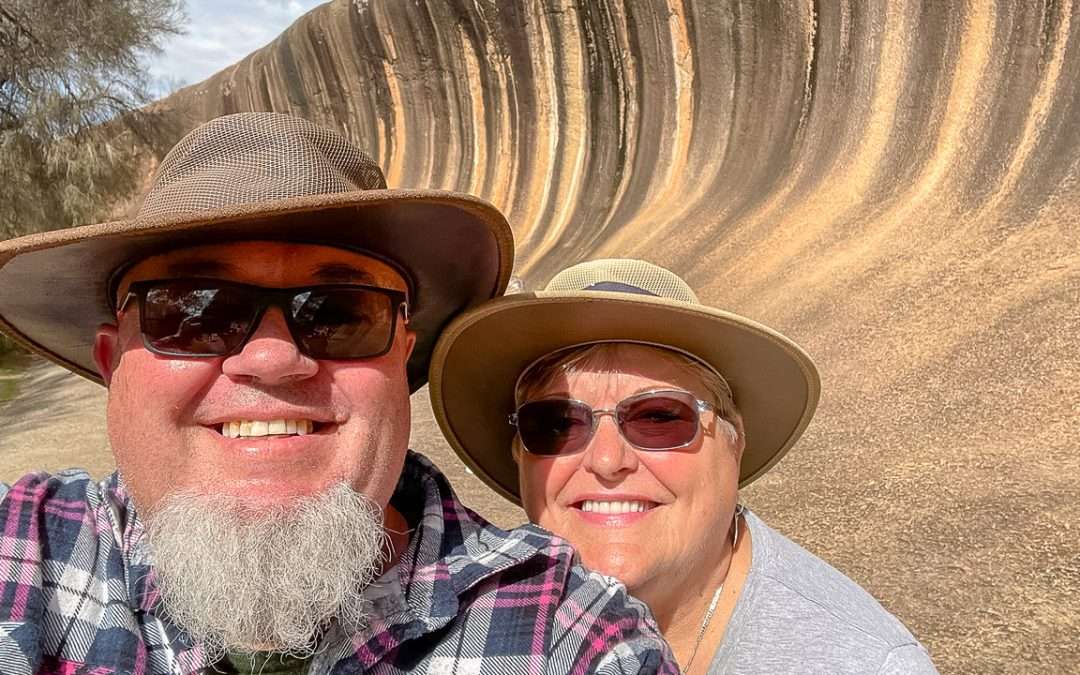
Amanda and I did a trip along the Hyden Norseman Road towing our caravan in early September 2024. We travelled this outback road that stretches from Hyden – home of the famous Wave Rock to Norseman – a town full of gold rush history. In this blog post I’ll go over what we experienced, what you can expect and some tips to make the most of this great road.

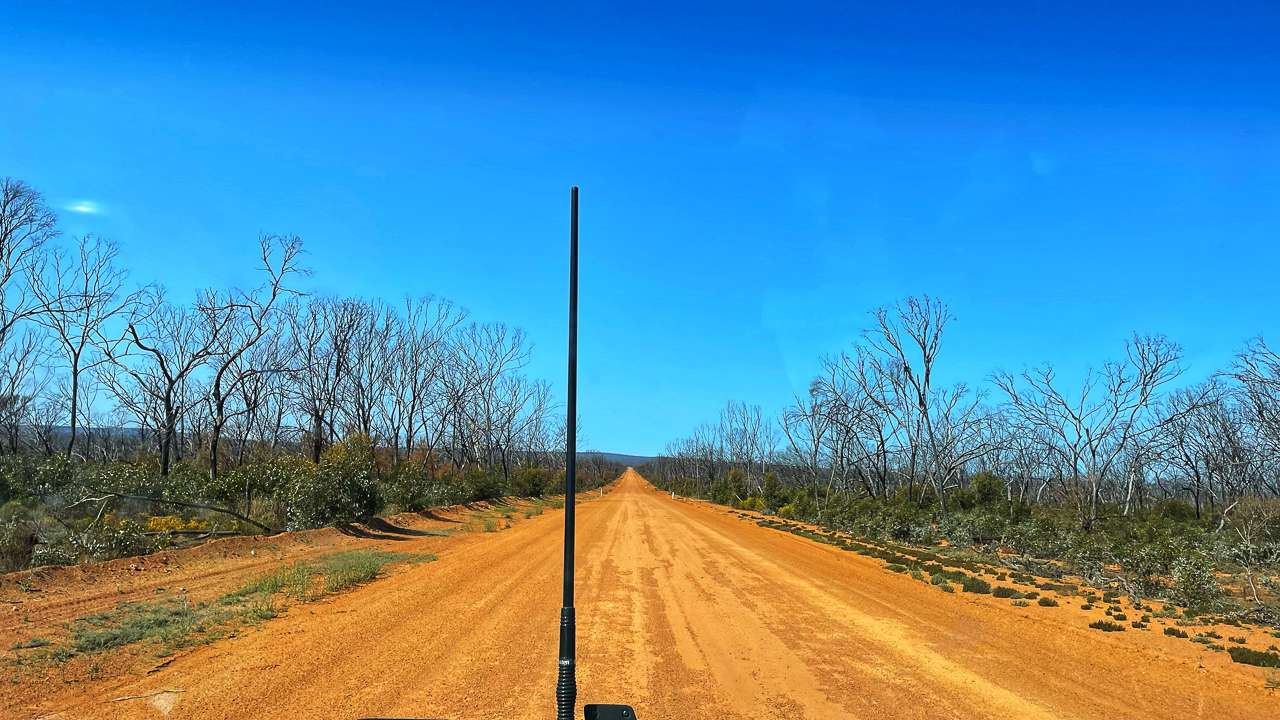
Changing Roadside Scenery Between Norseman And Hyden

Changing Roadside Scenery Between Norseman And Hyden

Road Conditions On The Hyden Norseman Road

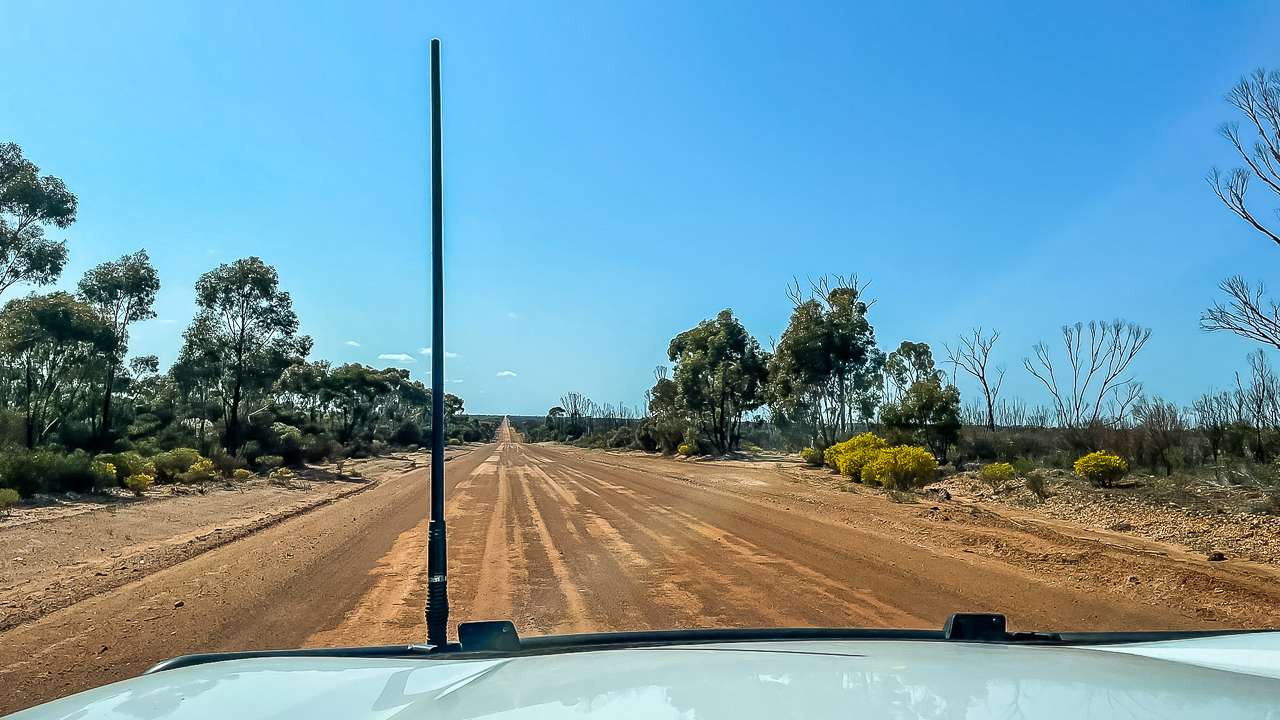
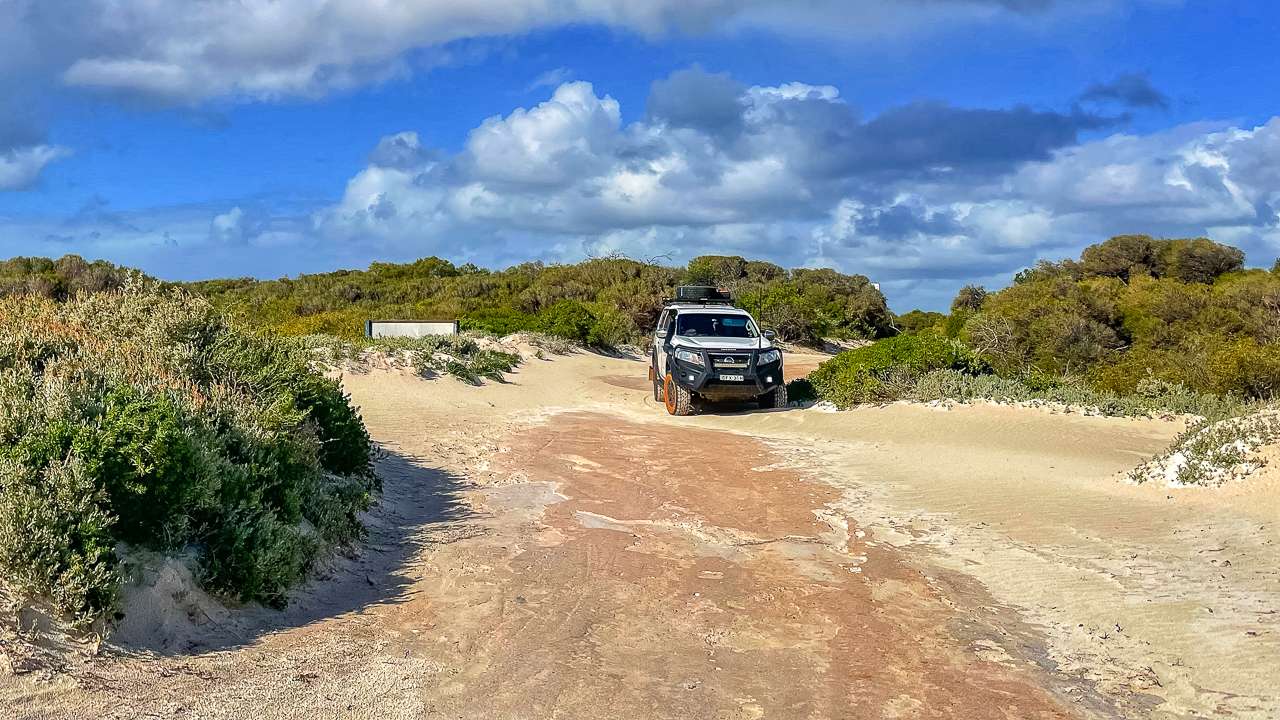
Road conditions on the Hyden Norseman Road can vary with the seasons. Whilst most of the road is unsealed it is usually well graded and accessible to 4WD vehicles. Caravans and even some 2WD vehicles will have no worries most of the time depending upon weather. After heavy rain the road can get slippery with soft patches and occasional washouts.

When we did it in September 2024 the road was in good condition. There were some rough stretches around the mine site entry points. We made sure to drive cautiously and check conditions beforehand. For the latest updates contact,

History Of The Hyden Norseman Road

There’s a lot of history behind the Hyden to Norseman Road. It was initially established as a stock route. Later on it was used as a pathway for miners and settlers heading out to the goldfields. Today it’s a well maintained gravel road used to connect the agricultural town of Hyden with Norseman in the Eastern Goldfields. At nearly 300 kilometres long the road crosses different terrains including the Great Western Woodlands and expansive salt lakes.

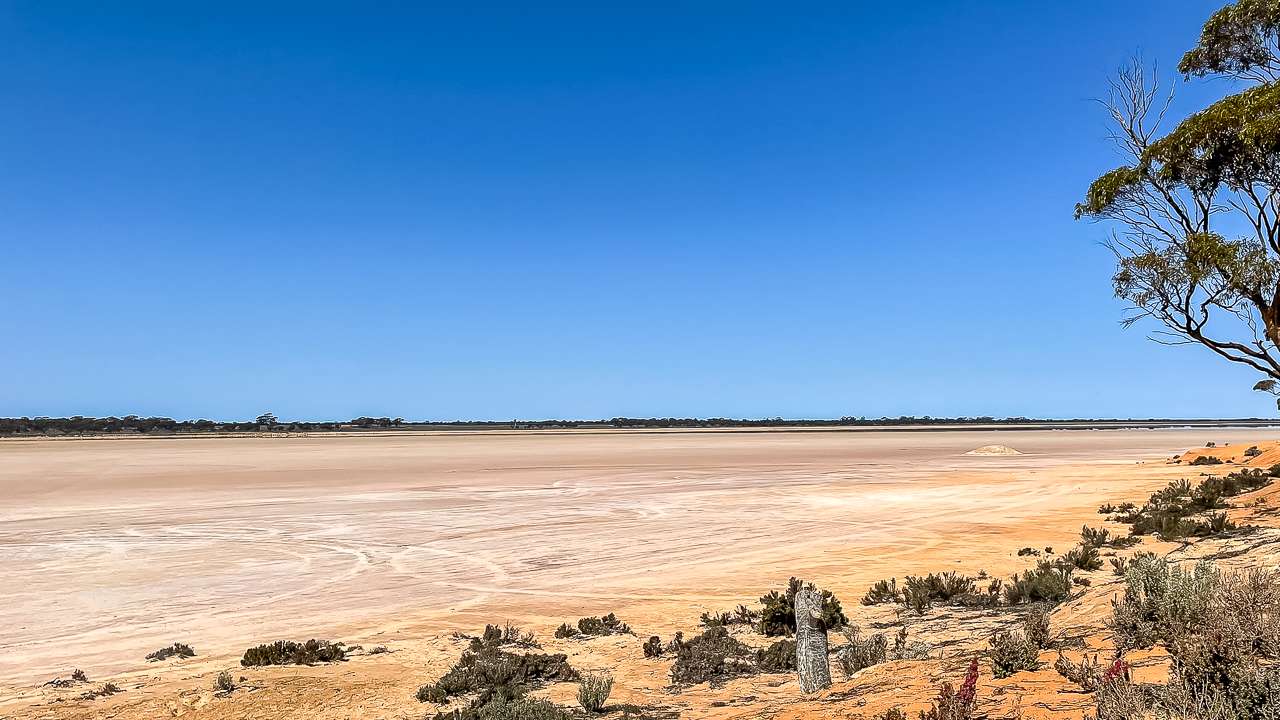
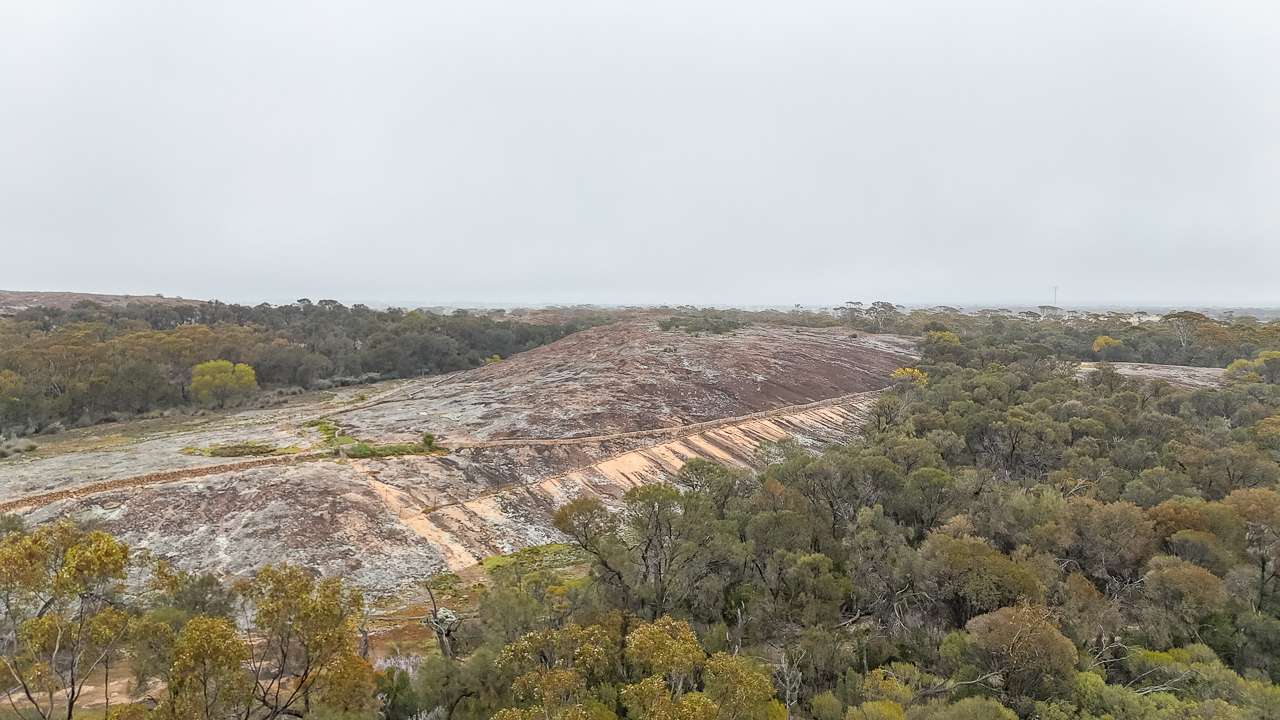
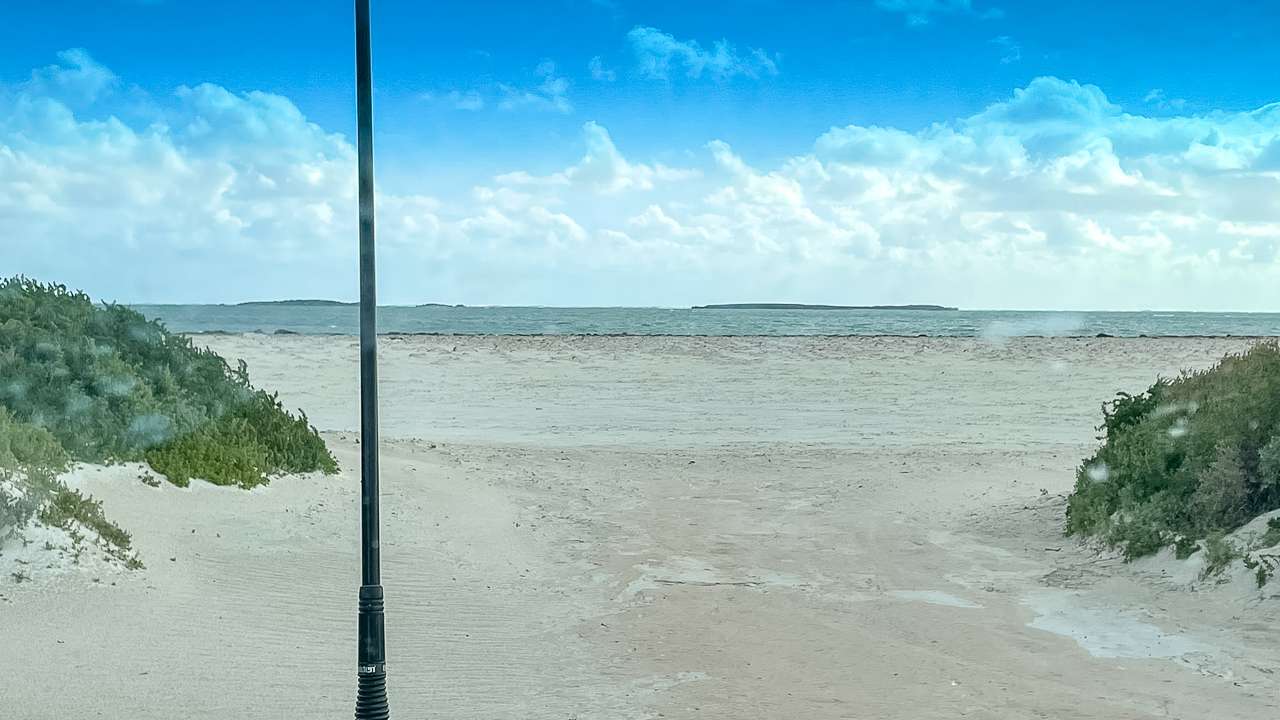
Lake Johnston Seen From The Camping Area

Lake Johnston Seen From The Camping Area

Highlights Of The Trip

The Hyden to Norseman Road is full of unique stops and stunning scenery. Here are some of the highlights we experienced along the way.

  1. Wave Rock (Hyden)
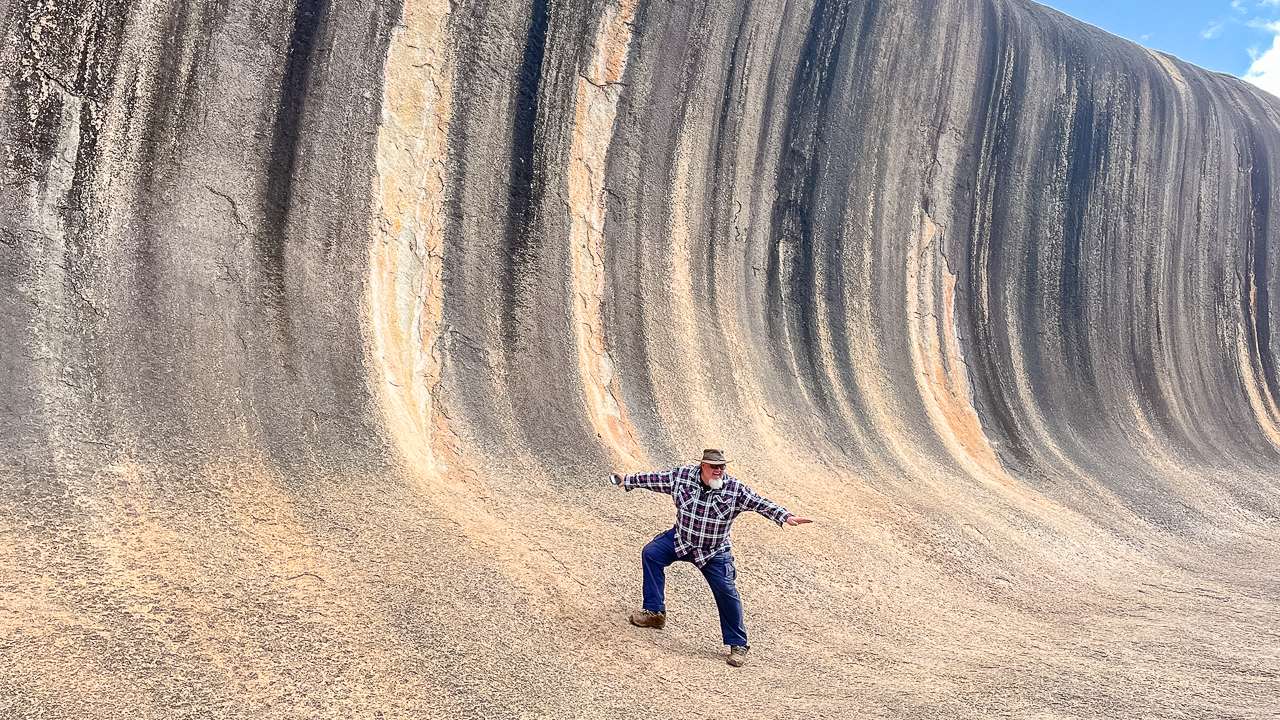
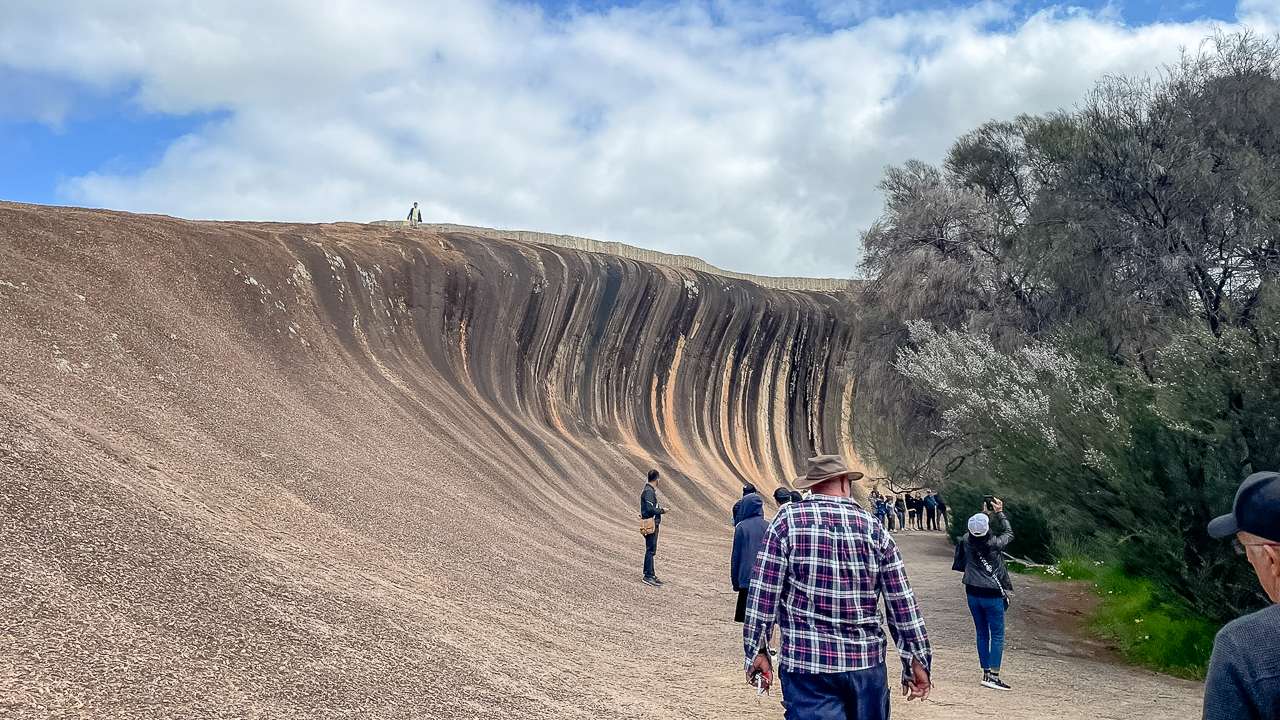
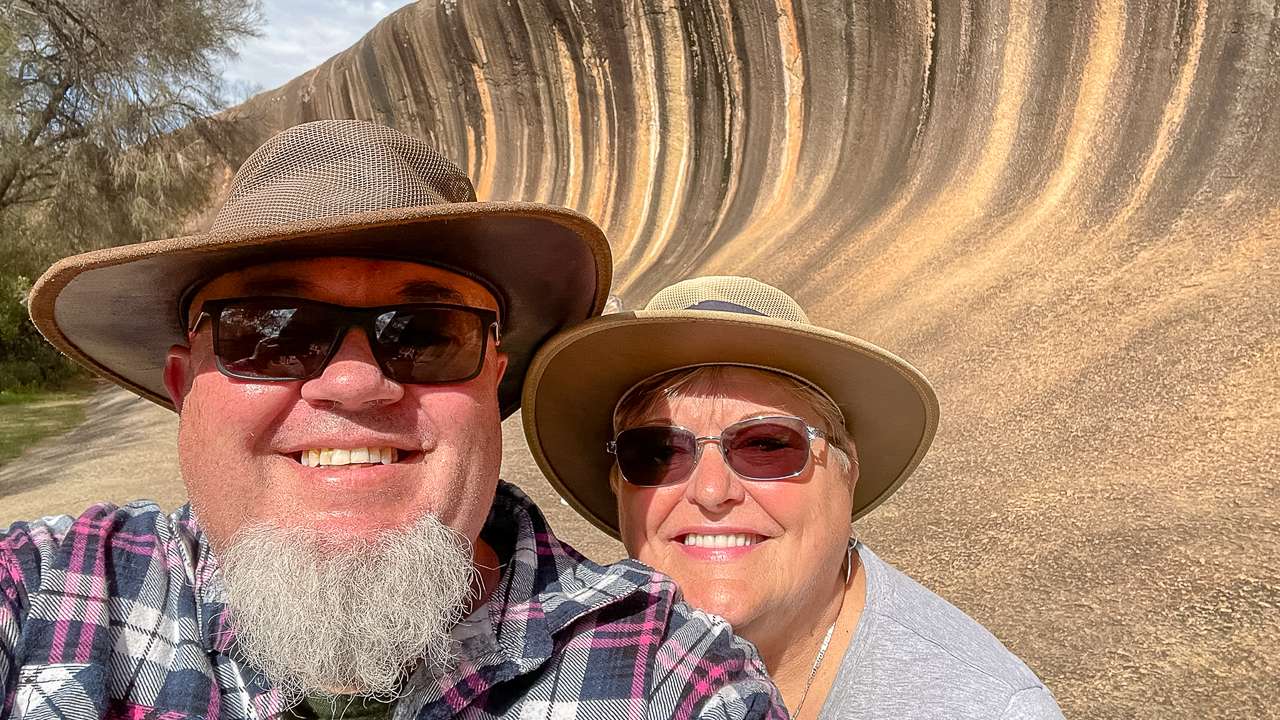
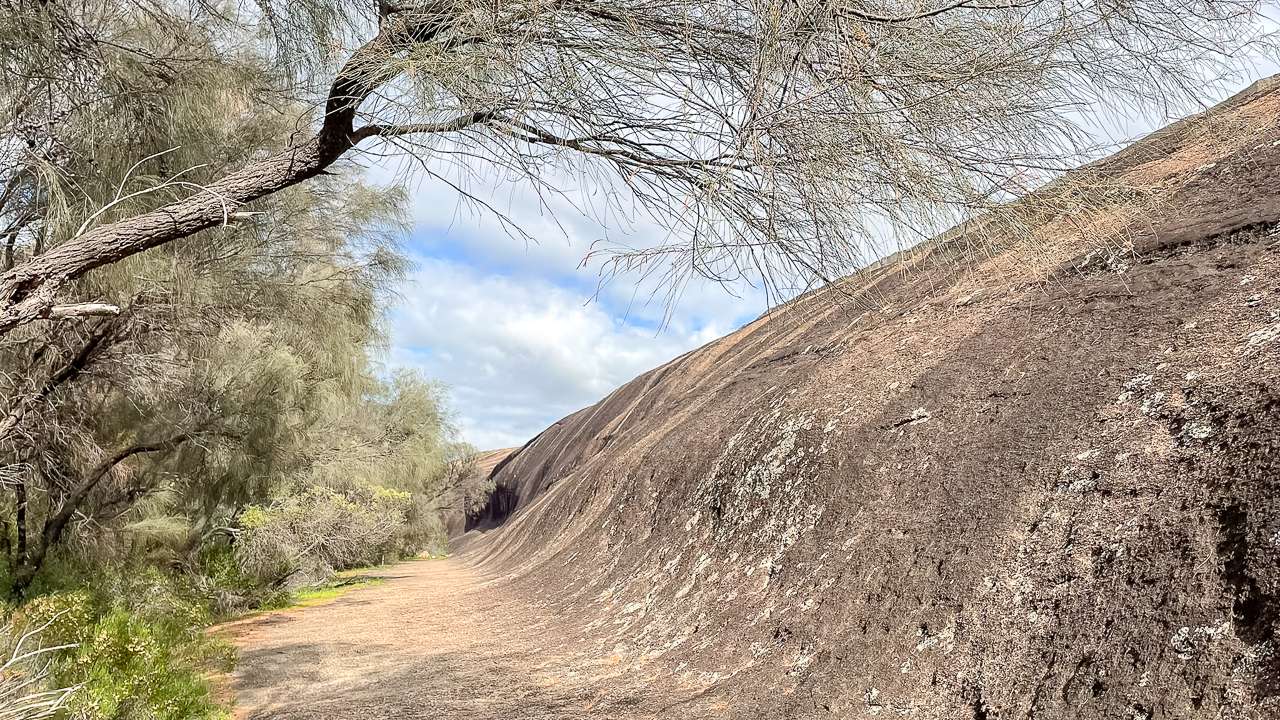
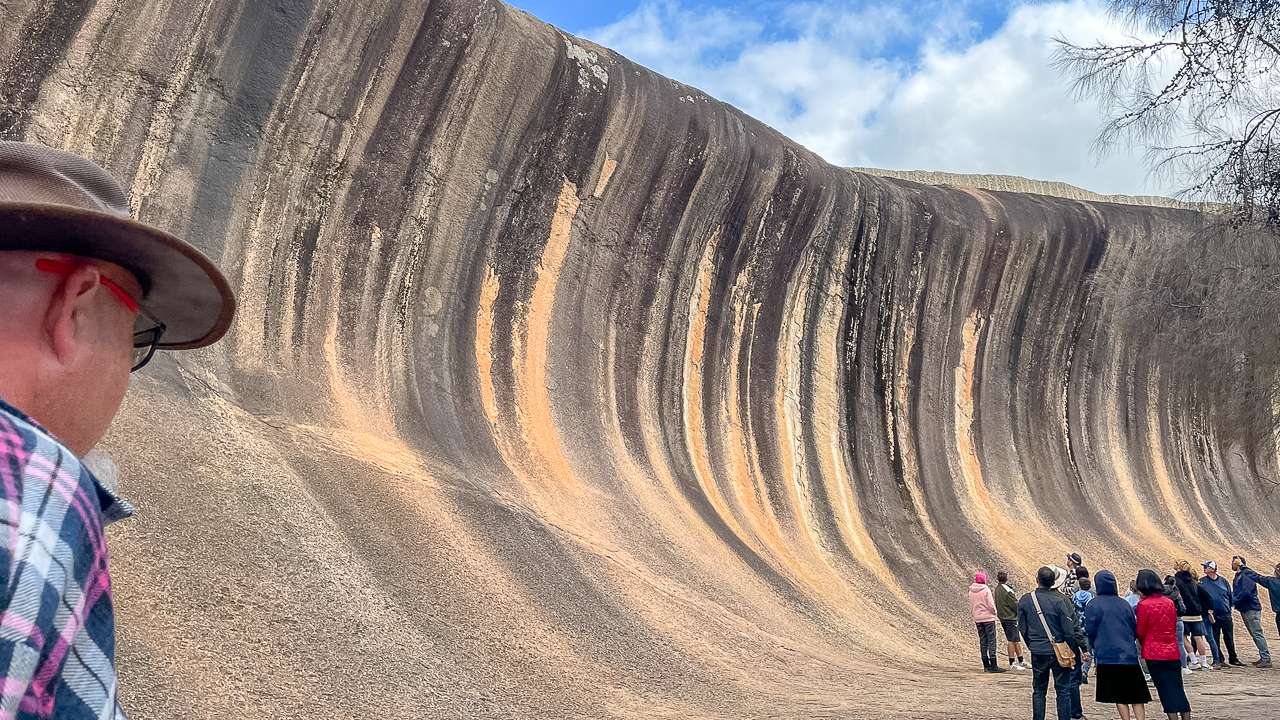
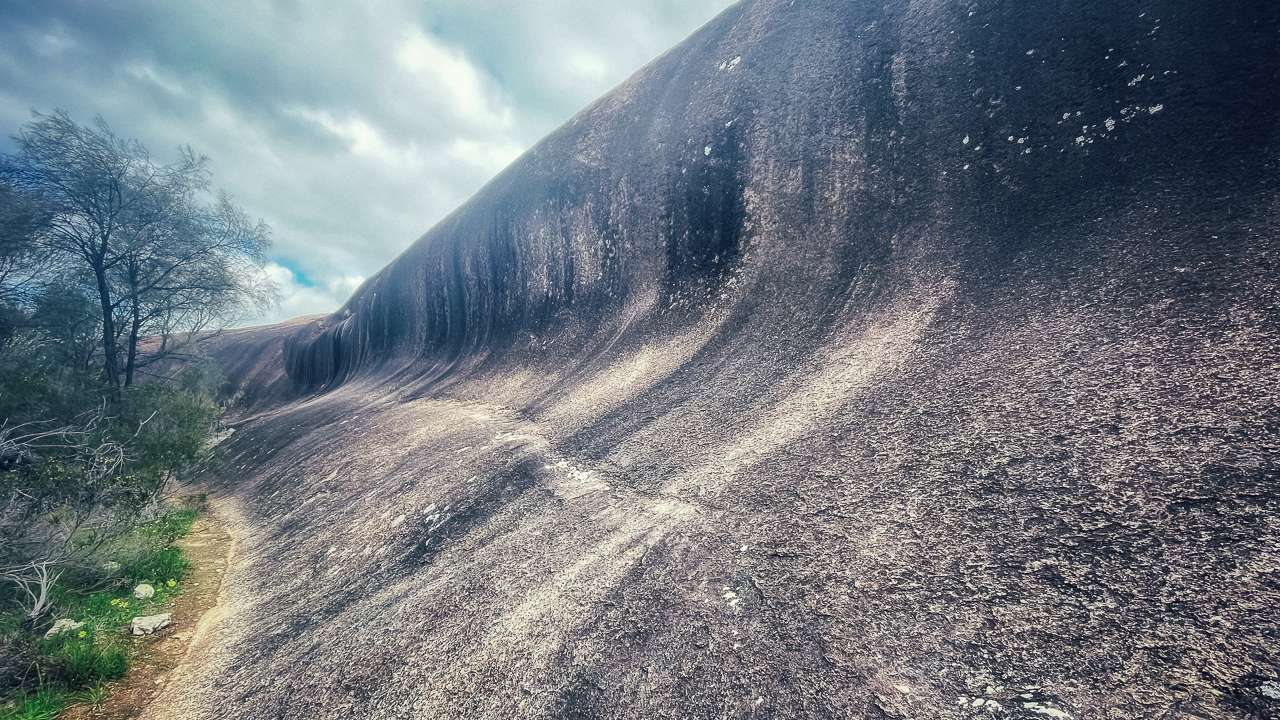
    We started our trip in Hyden, home to the iconic Wave Rock. This rock formation is shaped like a giant wave. It’s considered one of Australia’s natural wonders and a must-see before beginning your journey.
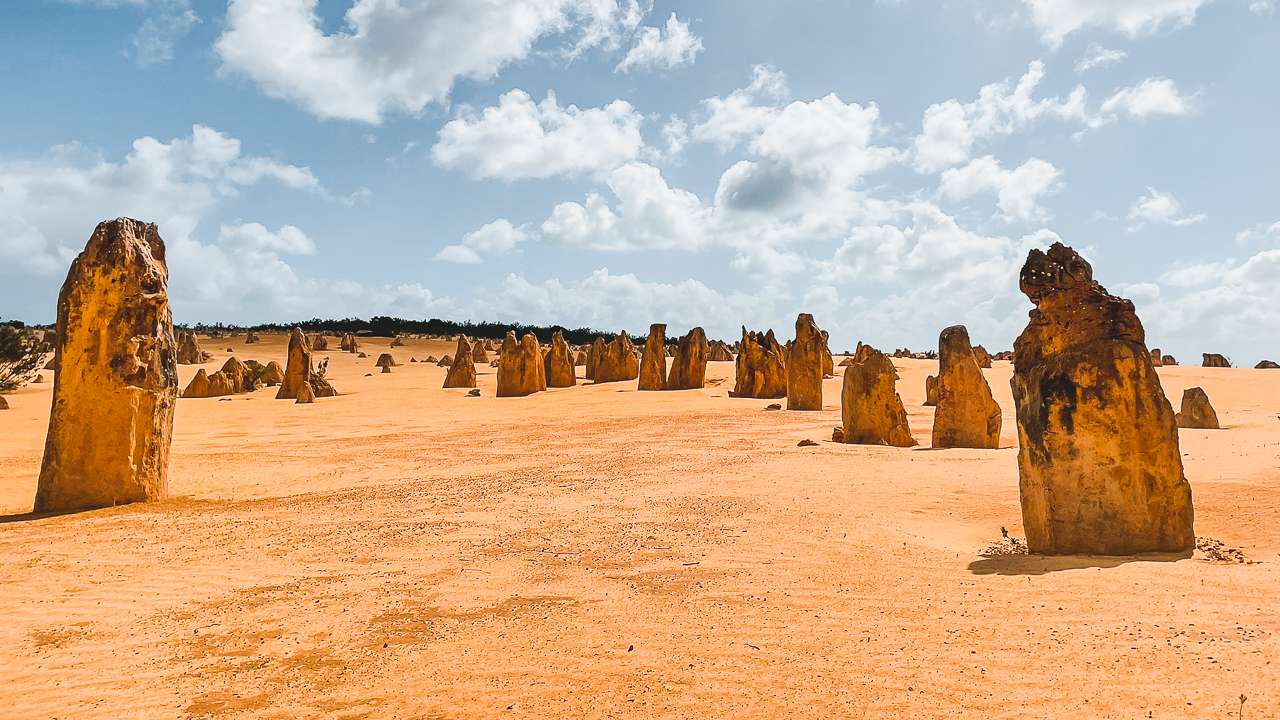
  2. The Breakaways
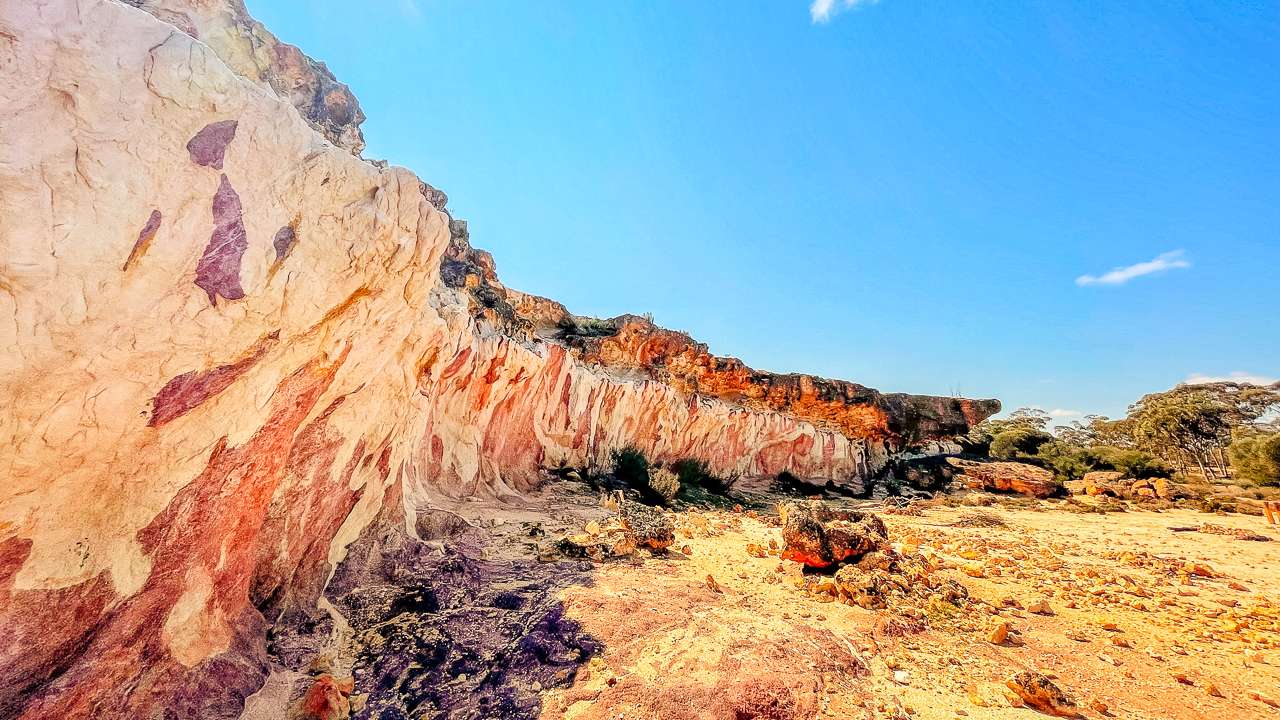
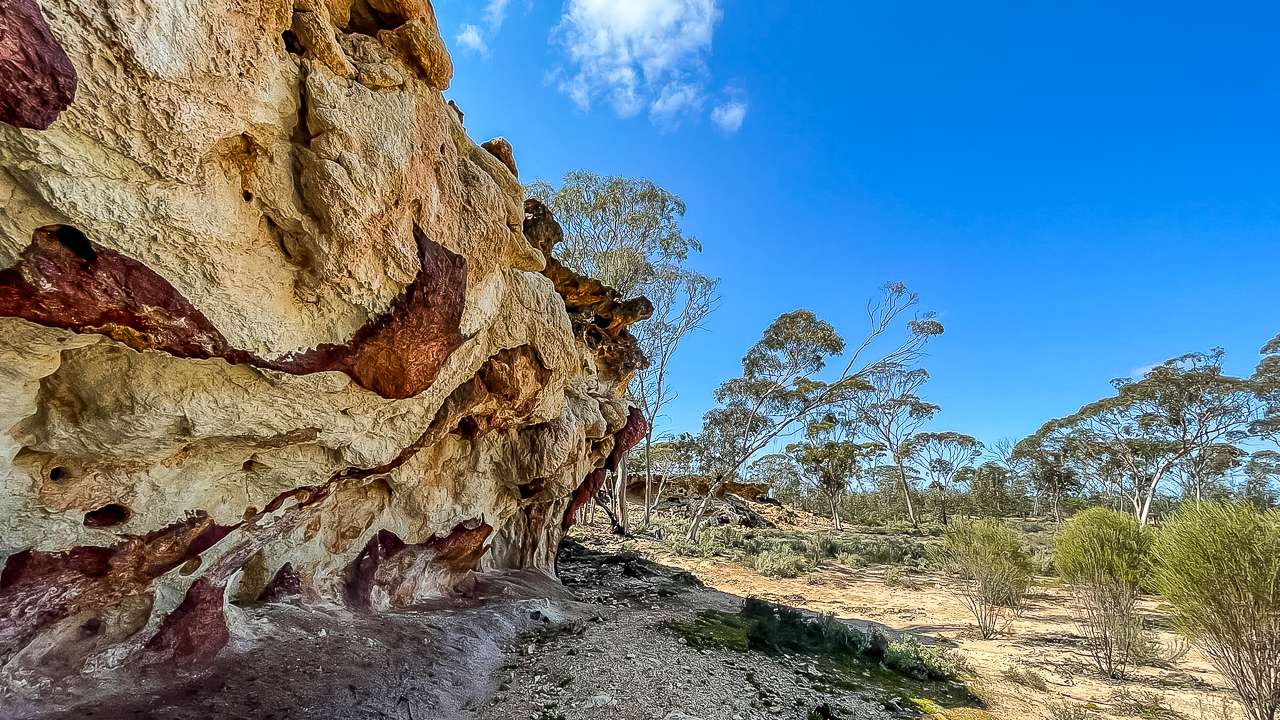
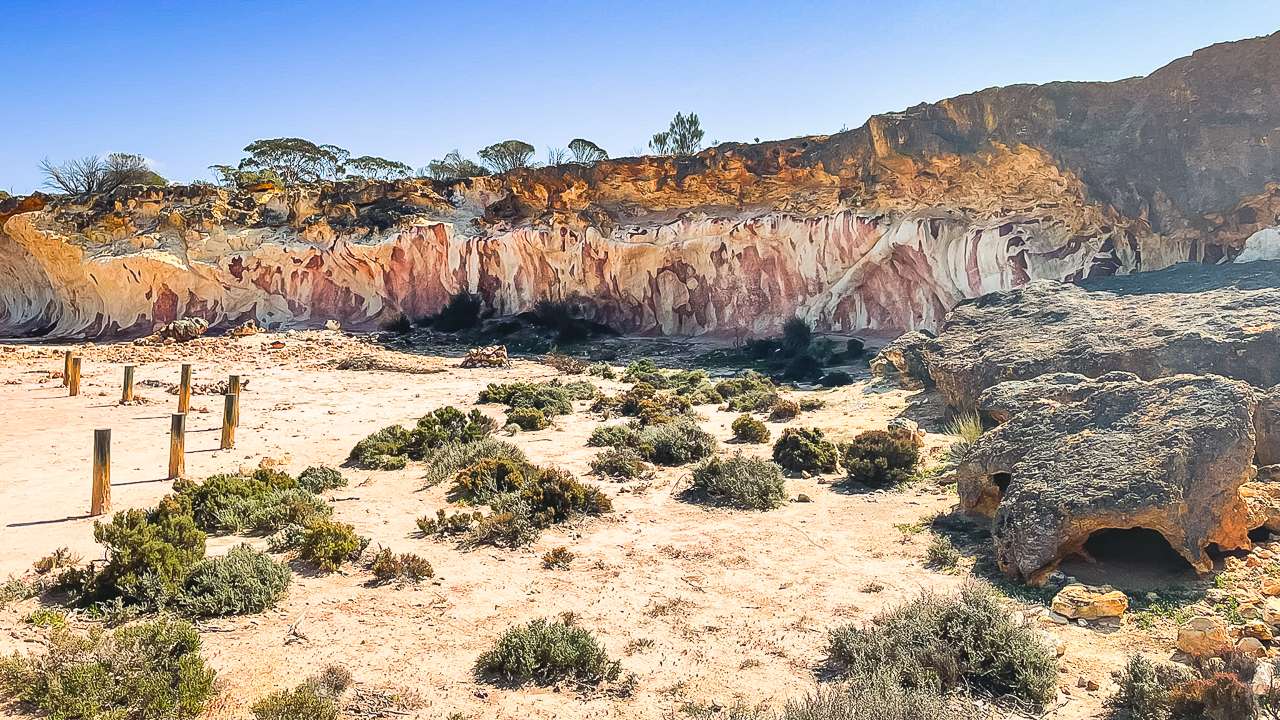
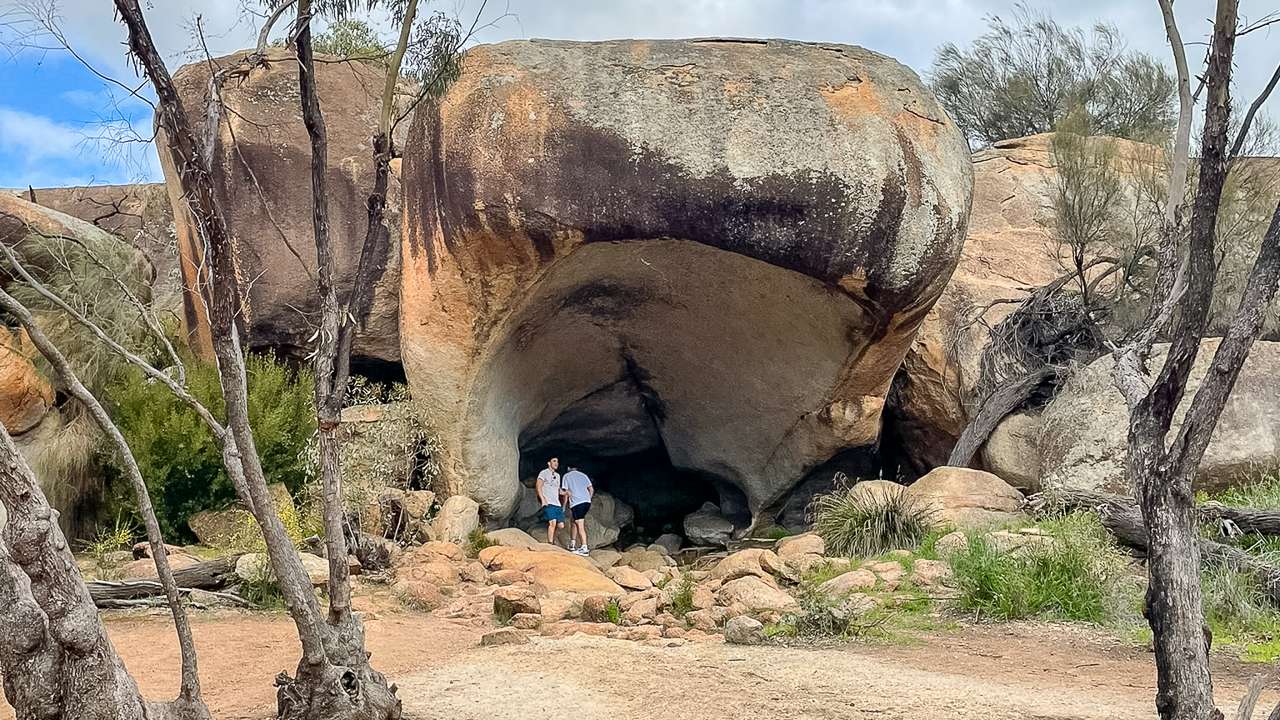
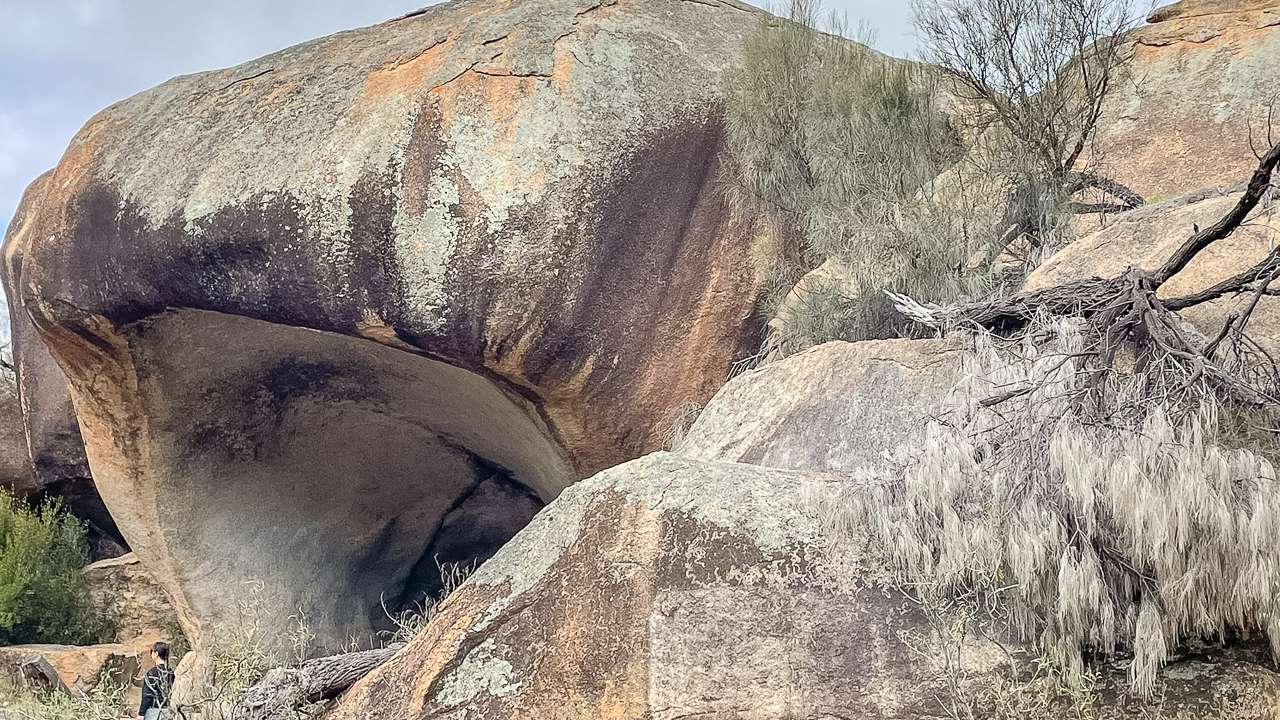
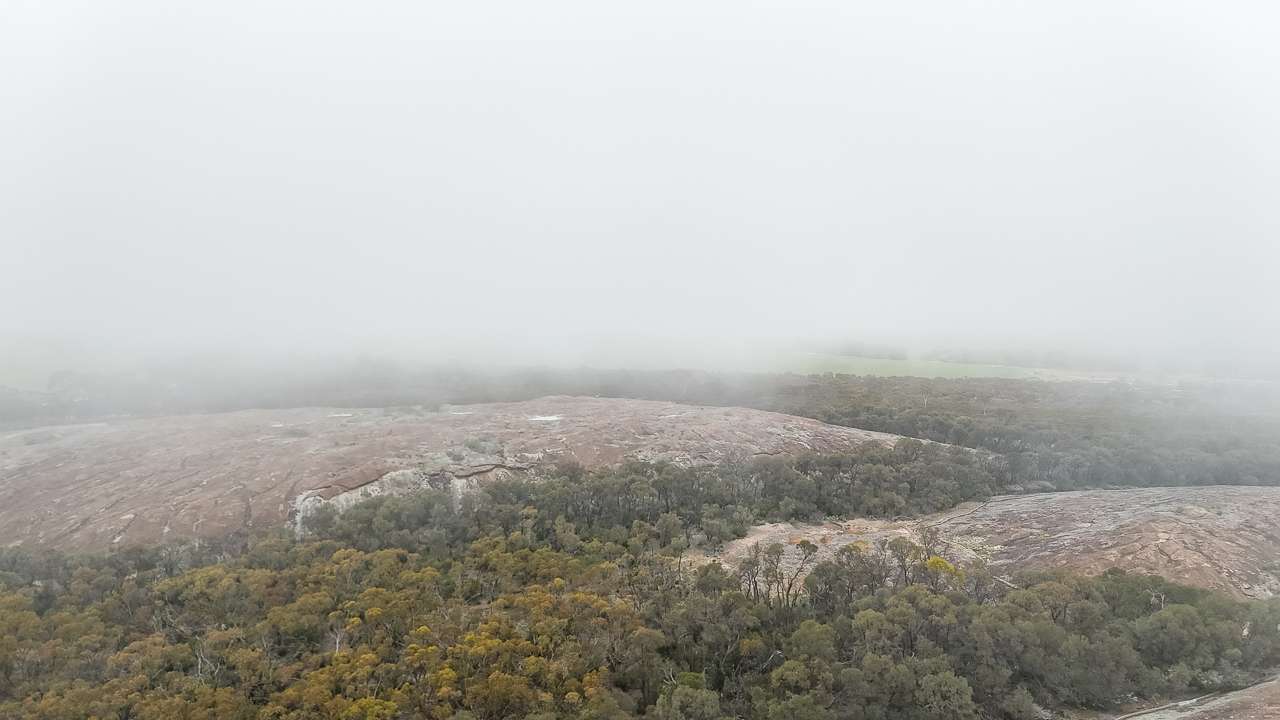
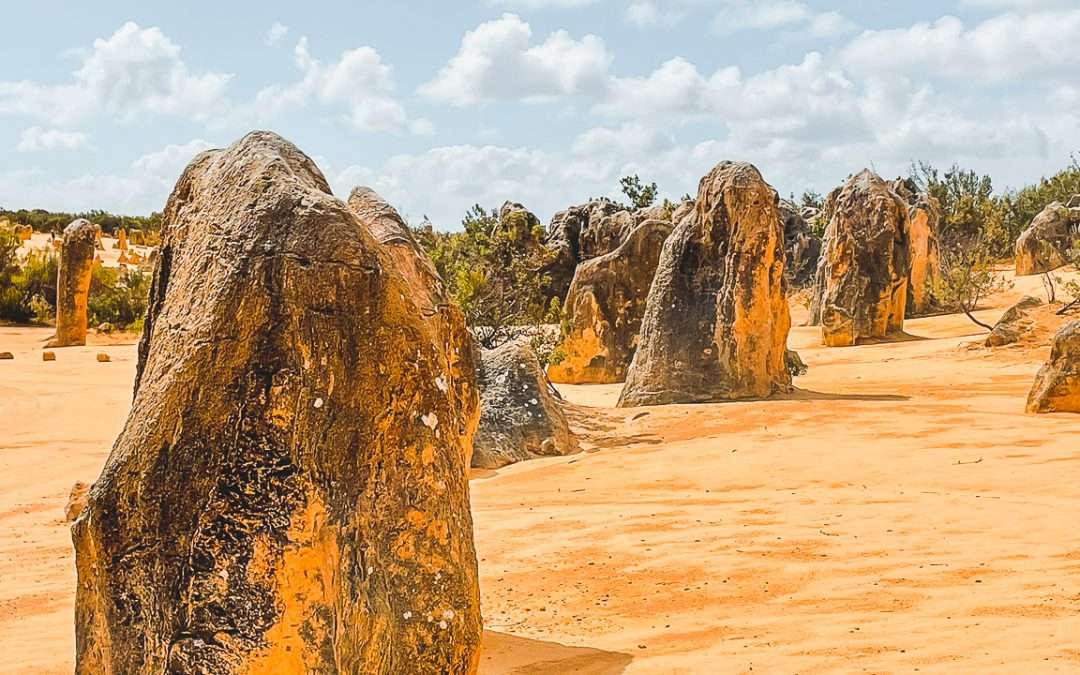
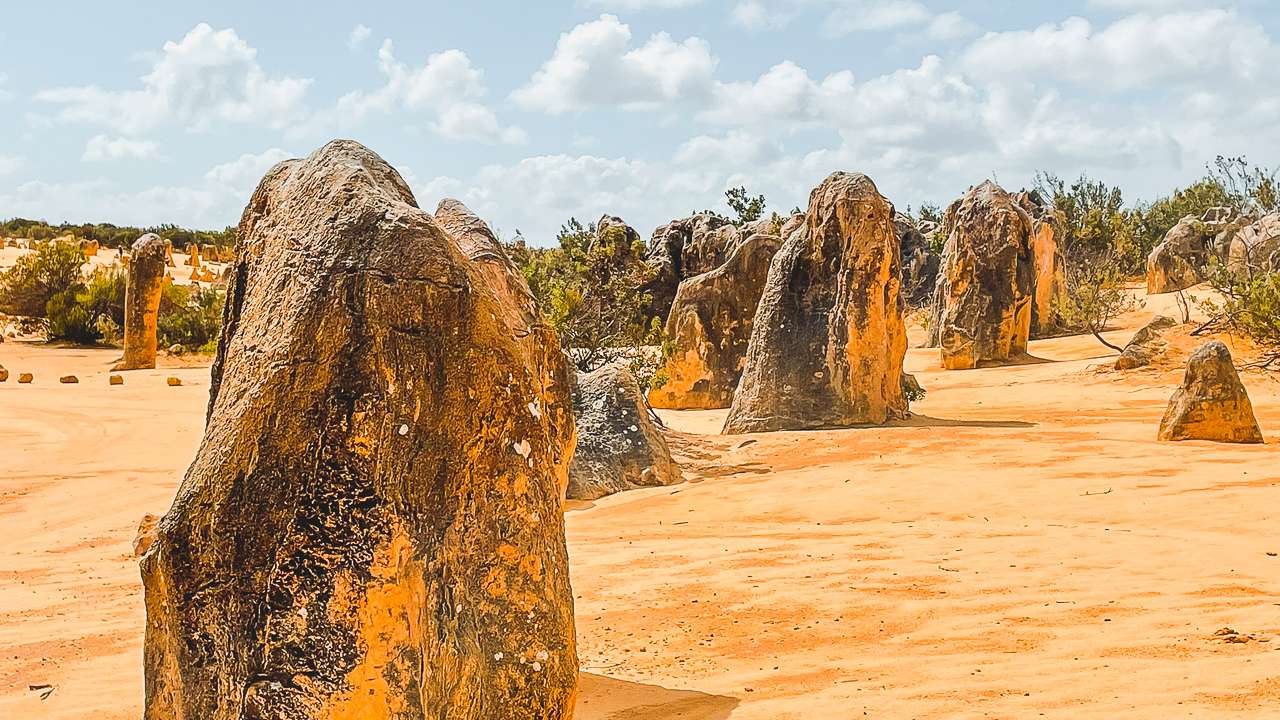
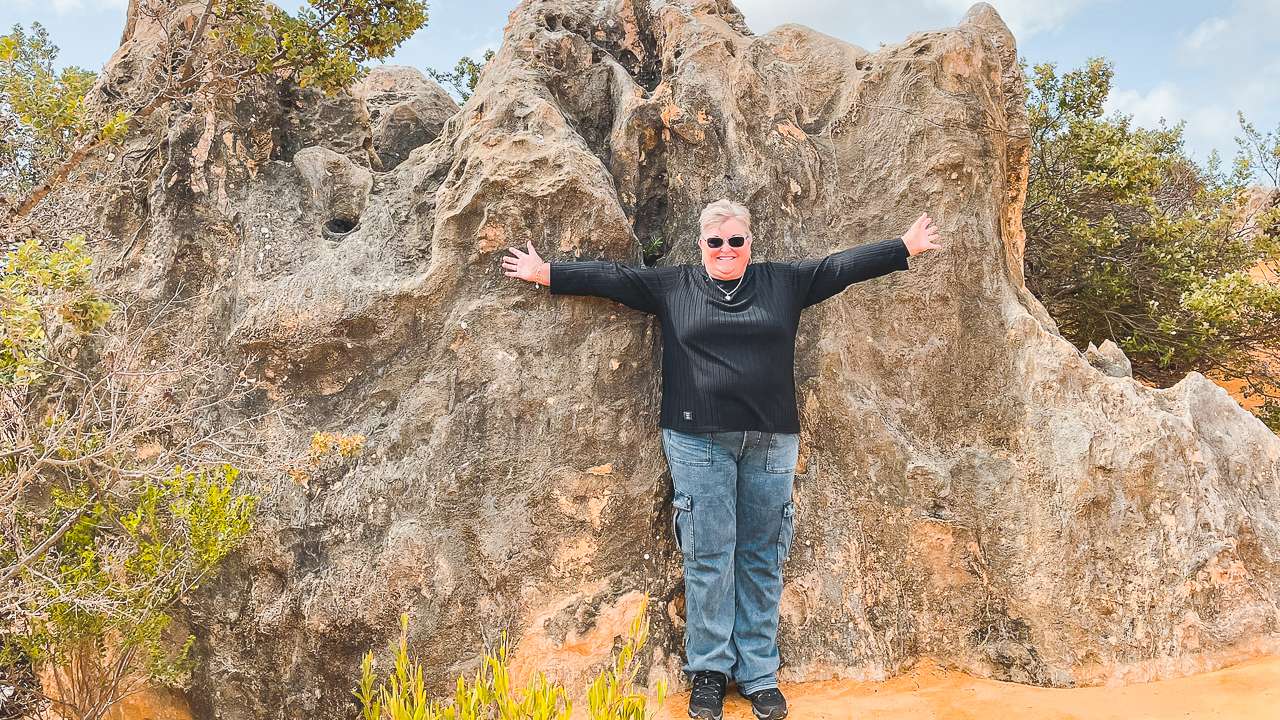
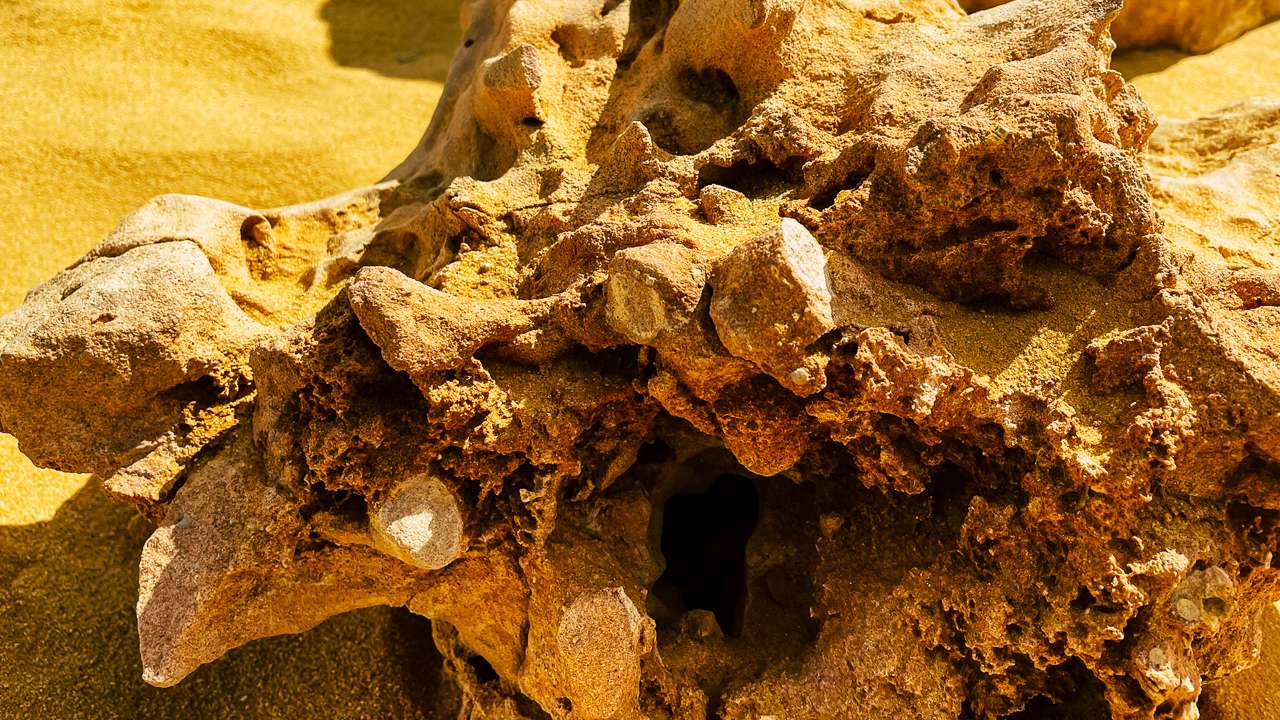
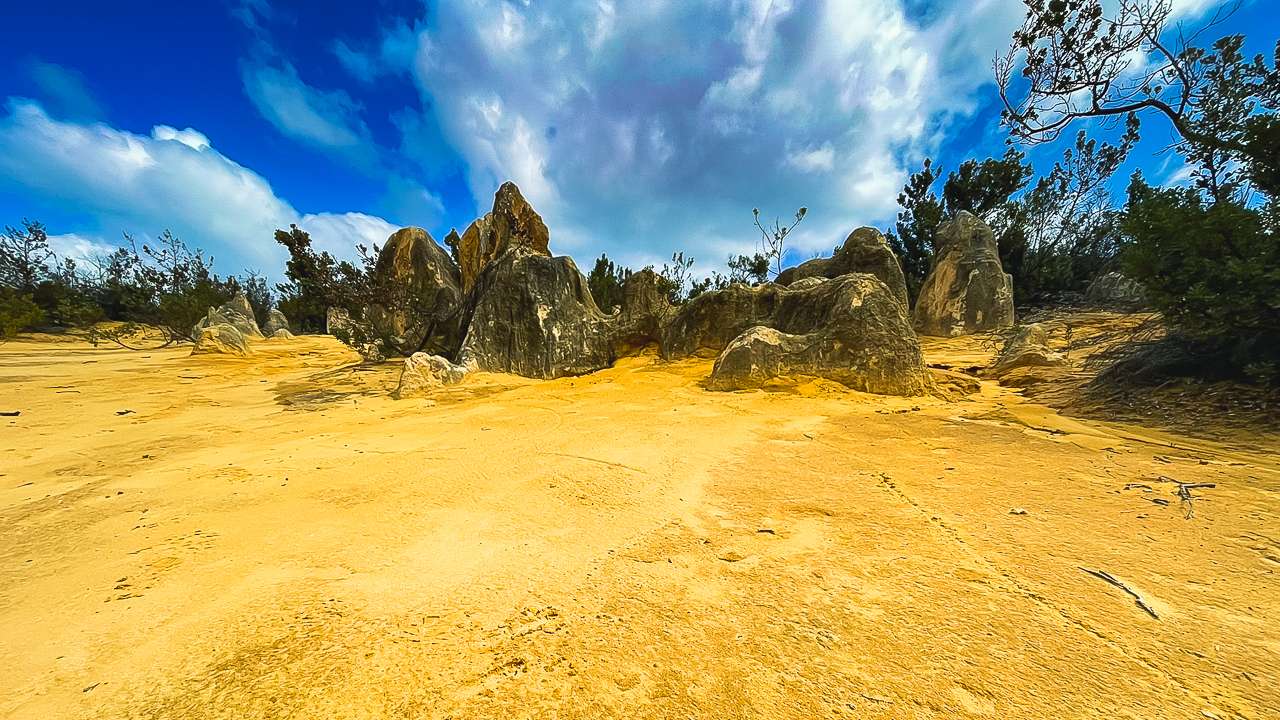
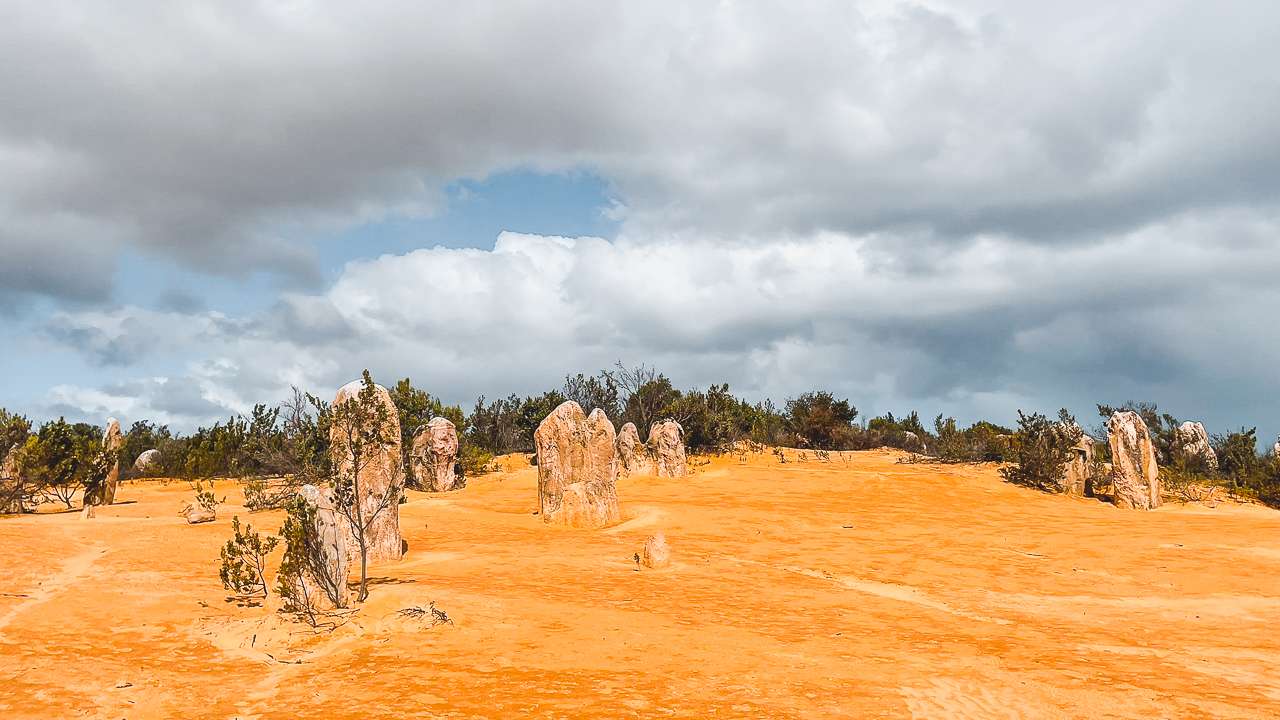
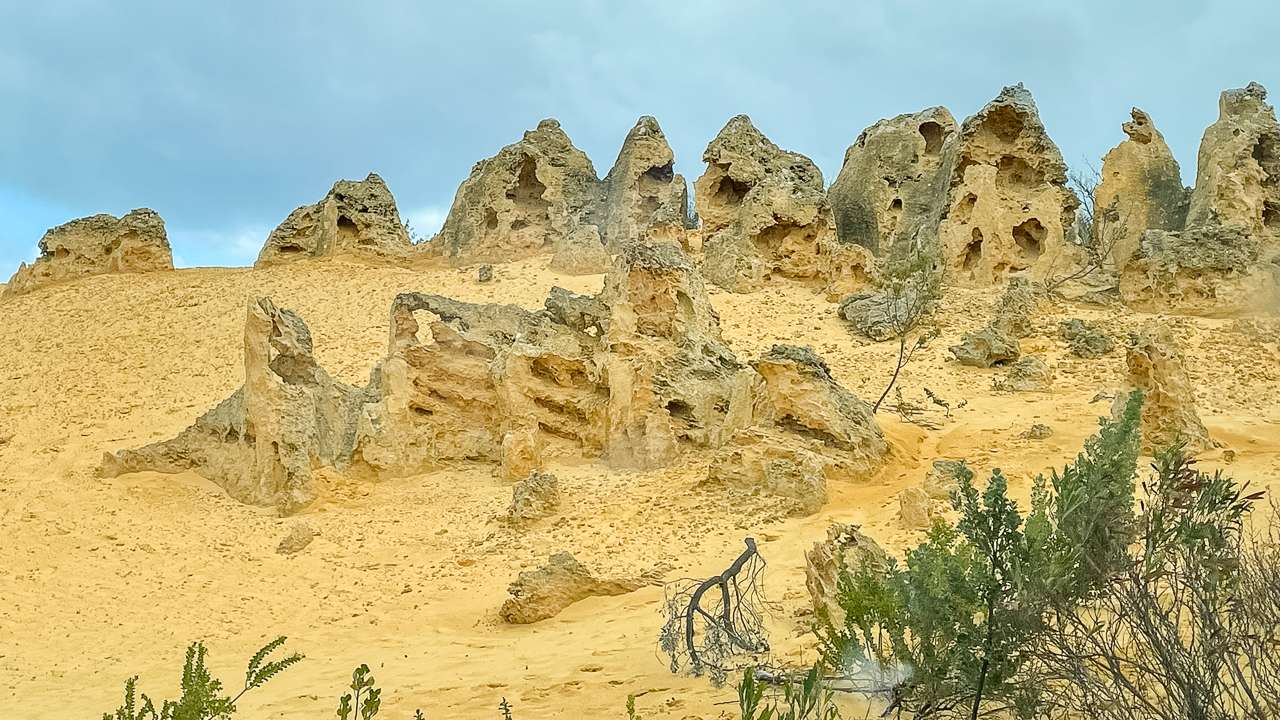
    About 80 kilometres along the road we pulled in at the Breakaways. The Breakaways are a series of ancient rock formations. These colourful cliffs offer incredible photo opportunities. While exploring we found a geocache adding a fun and unexpected element to our stop.
  3. Lake Johnston
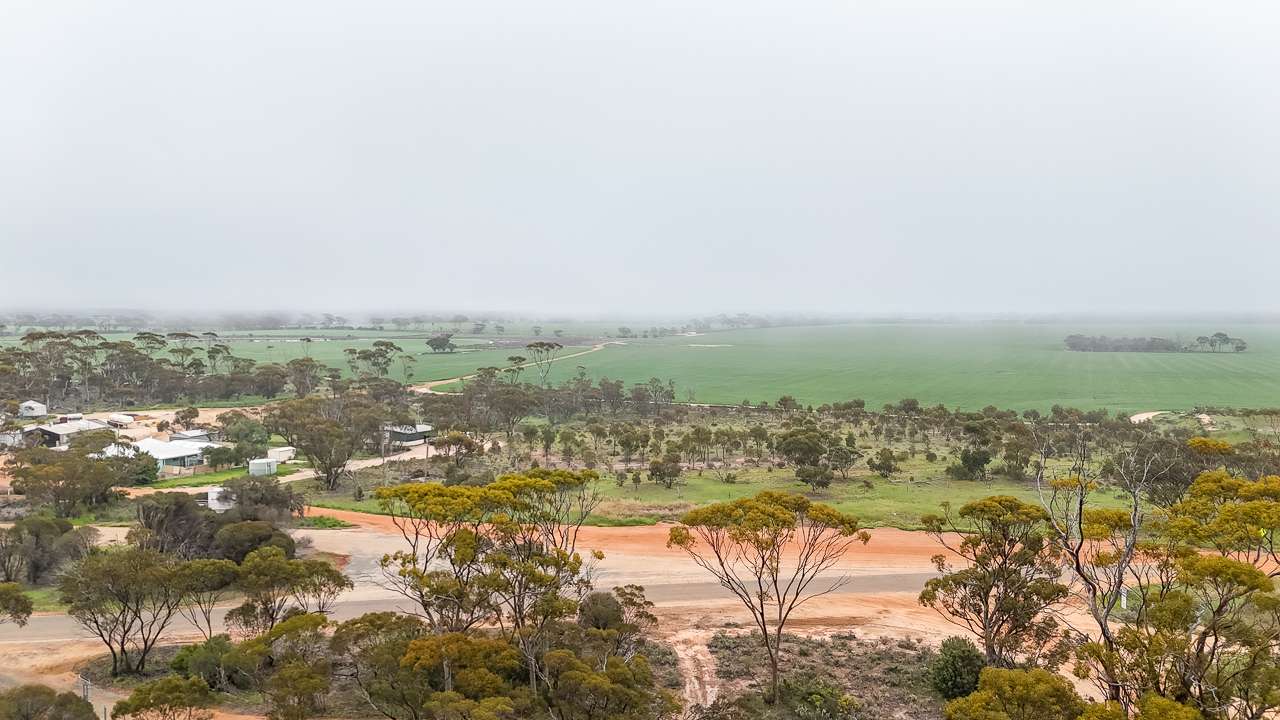
    Further down the road, we stopped at Lake Johnston, a vast salt lake. The shimmering white surface of the lake against the blue sky was stunning. Here, we discovered another geocache, which added to our sense of adventure.
  4. Holts Rock
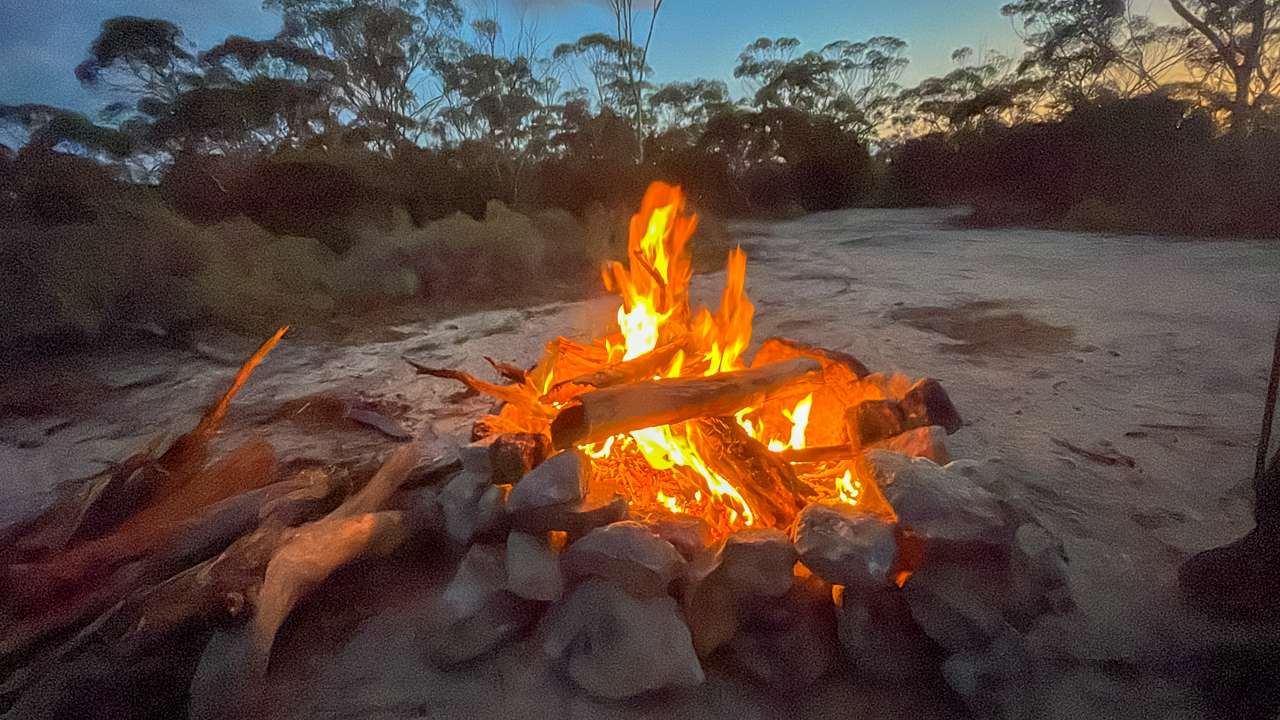
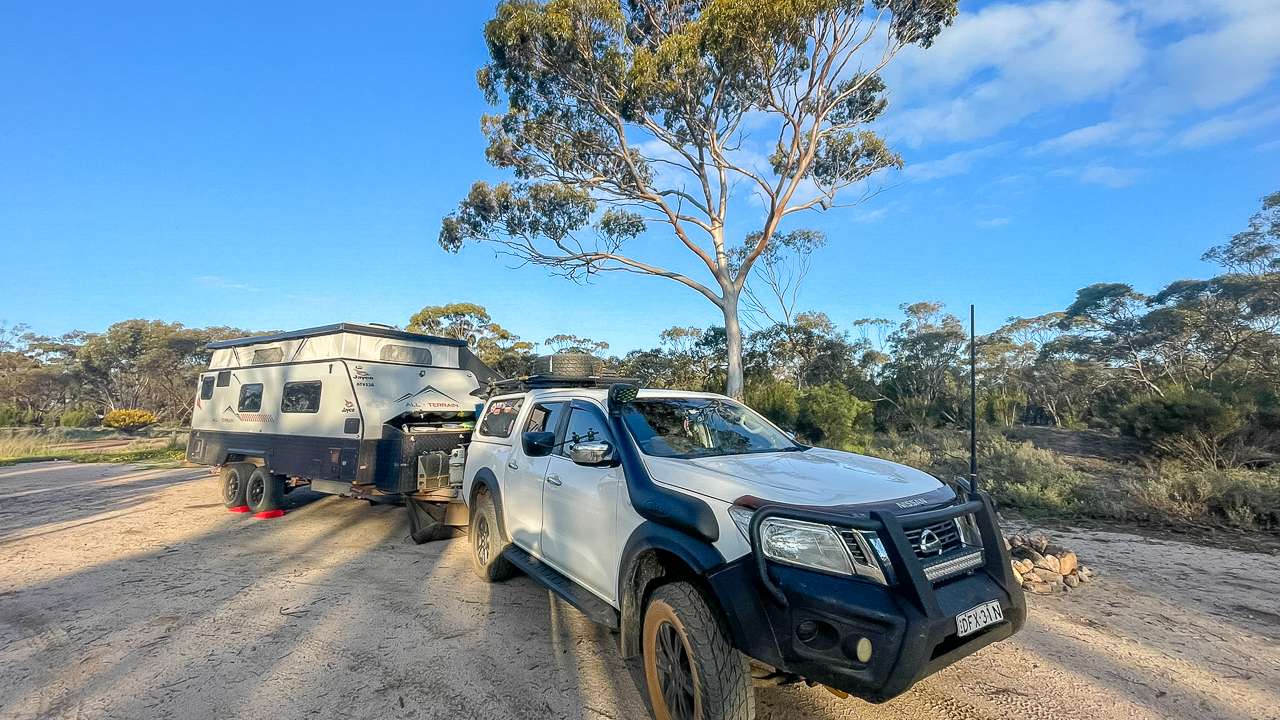
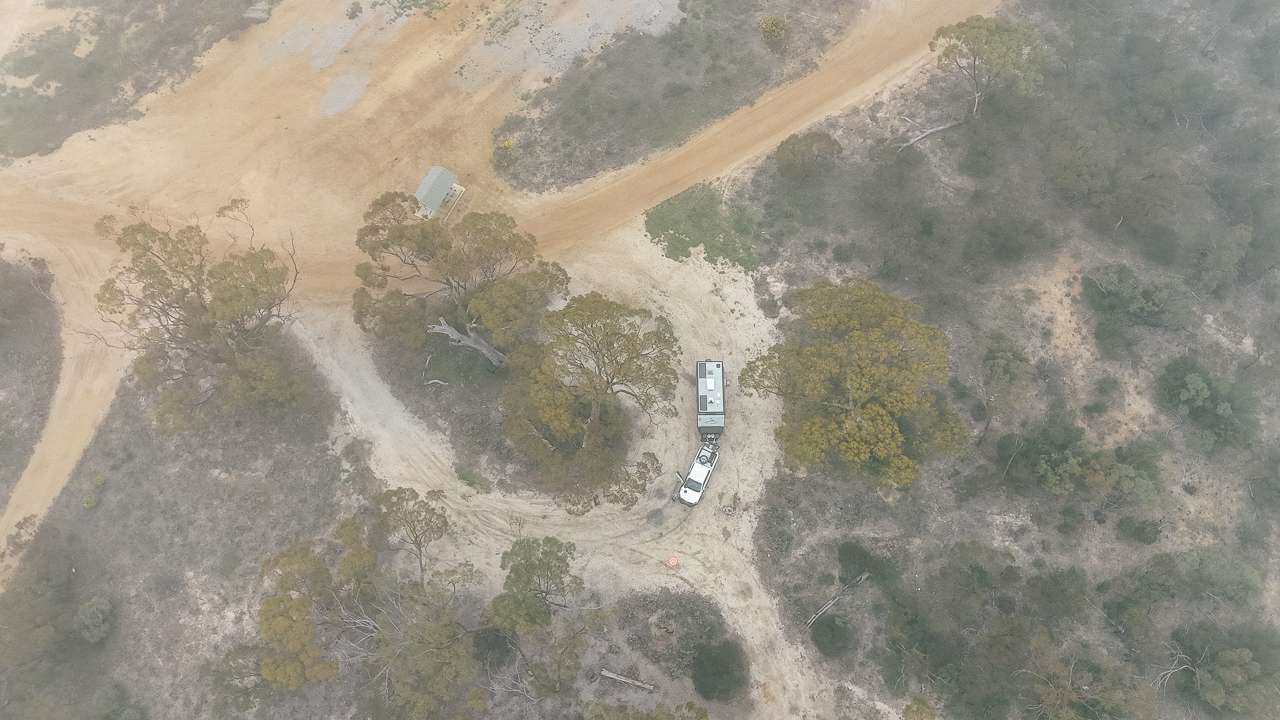
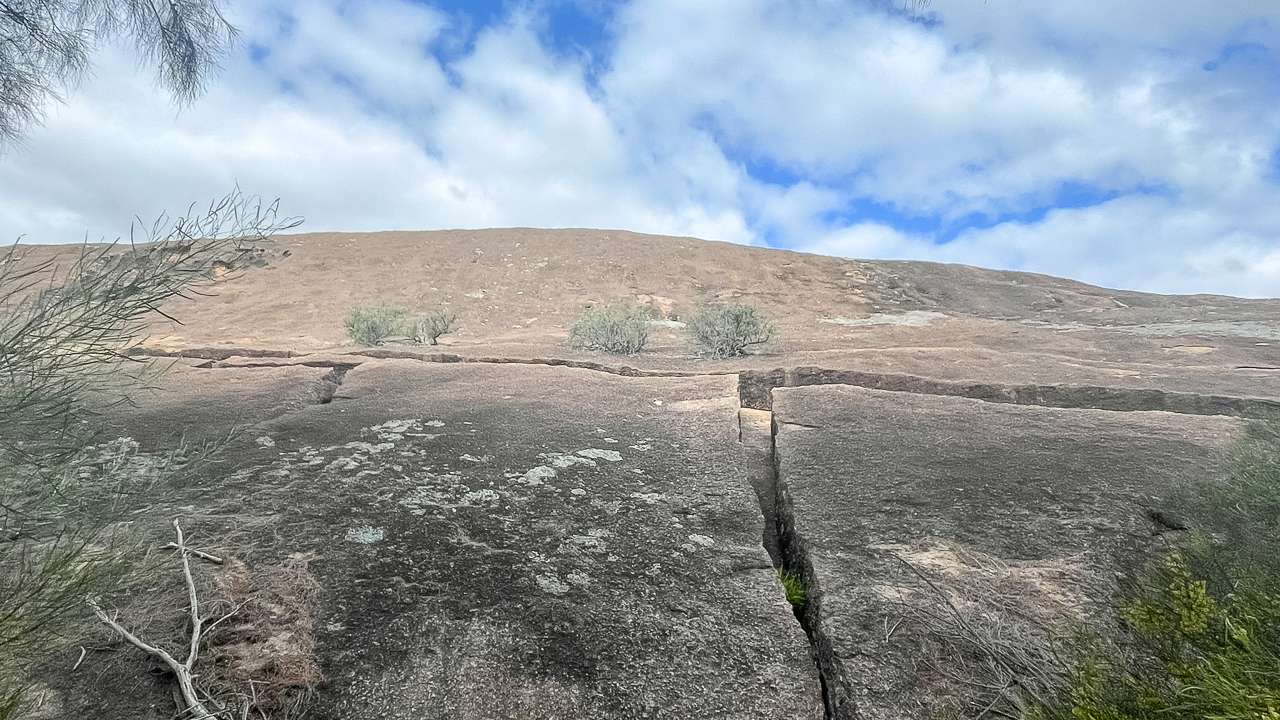
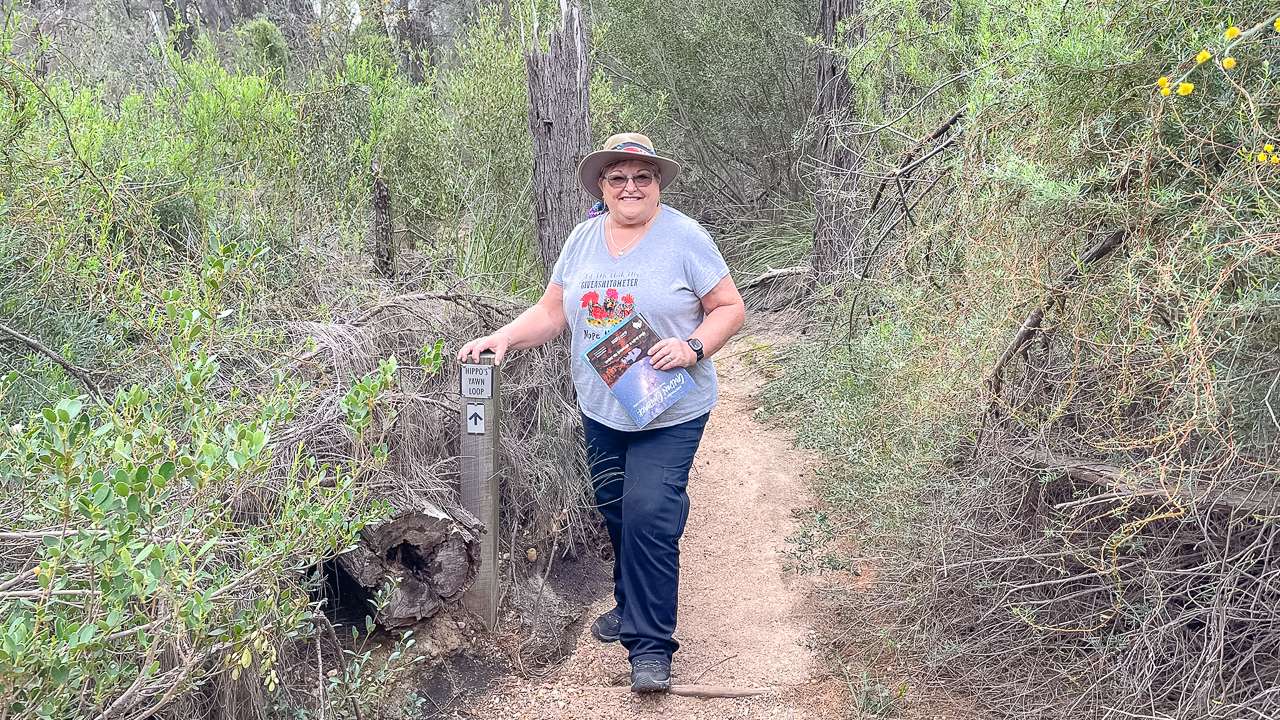
    We camped overnight at Holts Rock, a quiet and scenic spot surrounded by woodlands. The area features a short walking trail around the rock with lovely views of the surrounding landscape. It was a great free camp and nice and quiet. We only had one other camper sharing the whole area with us.
  5. Norseman
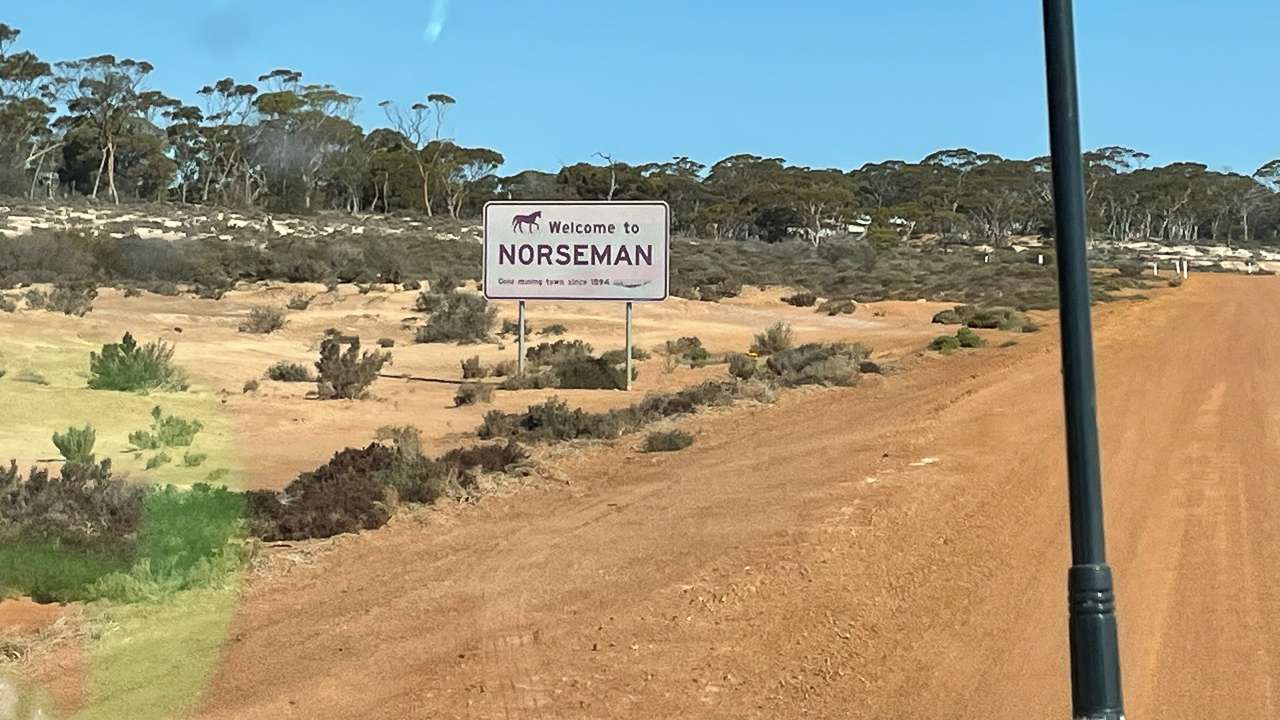
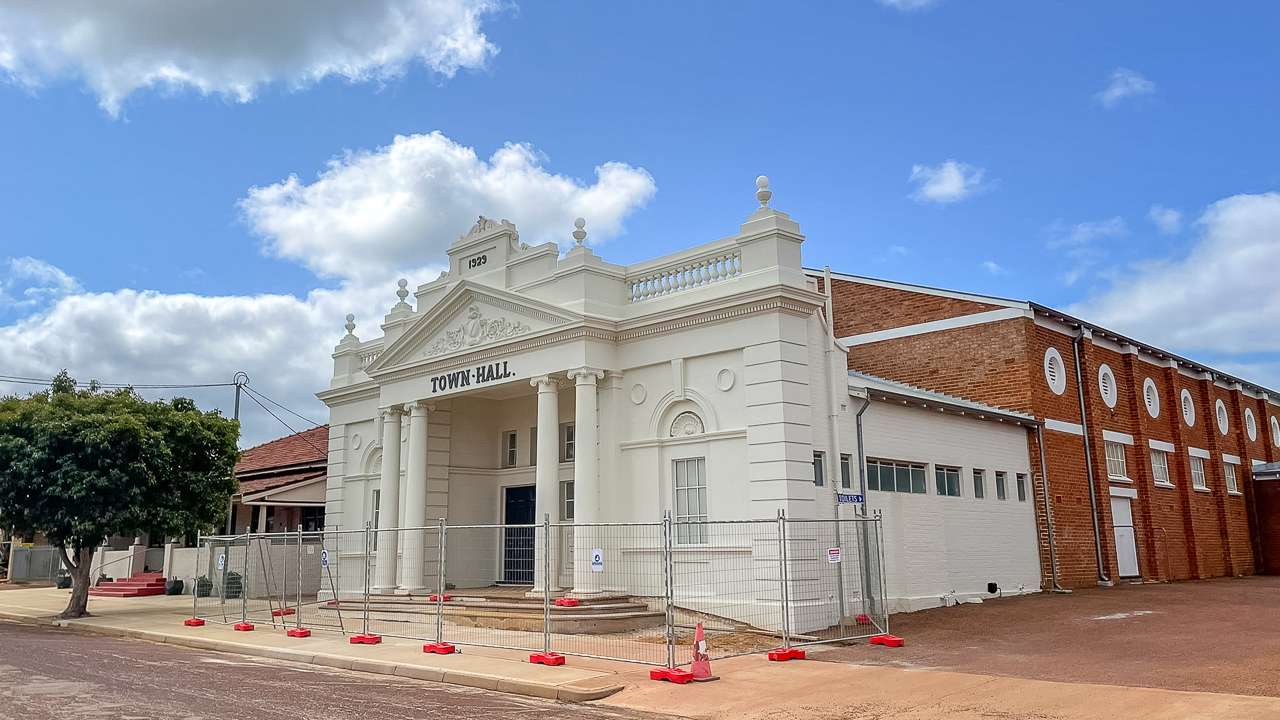
    The journey ended in Norseman. Norseman is an historic town that served as a gateway to the goldfields. The town features several attractions, including a striking display of corrugated iron camels that reflect its connection to camel transport during the gold rush era.

Camping Along The Hyden Norseman Road

There are several excellent camping options along the Hyden Norseman Road, ranging from formal caravan parks to informal bush camping spots. Here are some of the places we considered and experienced:

  1. Wave Rock Caravan Park (Hyden): A well equipped starting point with powered sites, hot showers and other amenities.
  2. Holt Rock: This is where we chose to camp. It’s a free camping area with plenty of space for caravans and tents. Be sure to bring your own water and supplies. Holt Rock camping area is about 34 kilometres south off the main road. It’s accessed by a good dirt road. Turn off towards Bushfire Rock and follow your GPS. GPS coordinates for Holt Rock are -32.674985°, 119.416316°.
  3. Lake Johnston: Informal camping is available here, offering stunning views of the salt lake.
  4. Newman Rock: Another free camping spot with basic facilities and beautiful surroundings.

When camping along the road, it’s essential to be self-sufficient as facilities are minimal. Always take your rubbish with you to keep these pristine areas clean for future visitors.

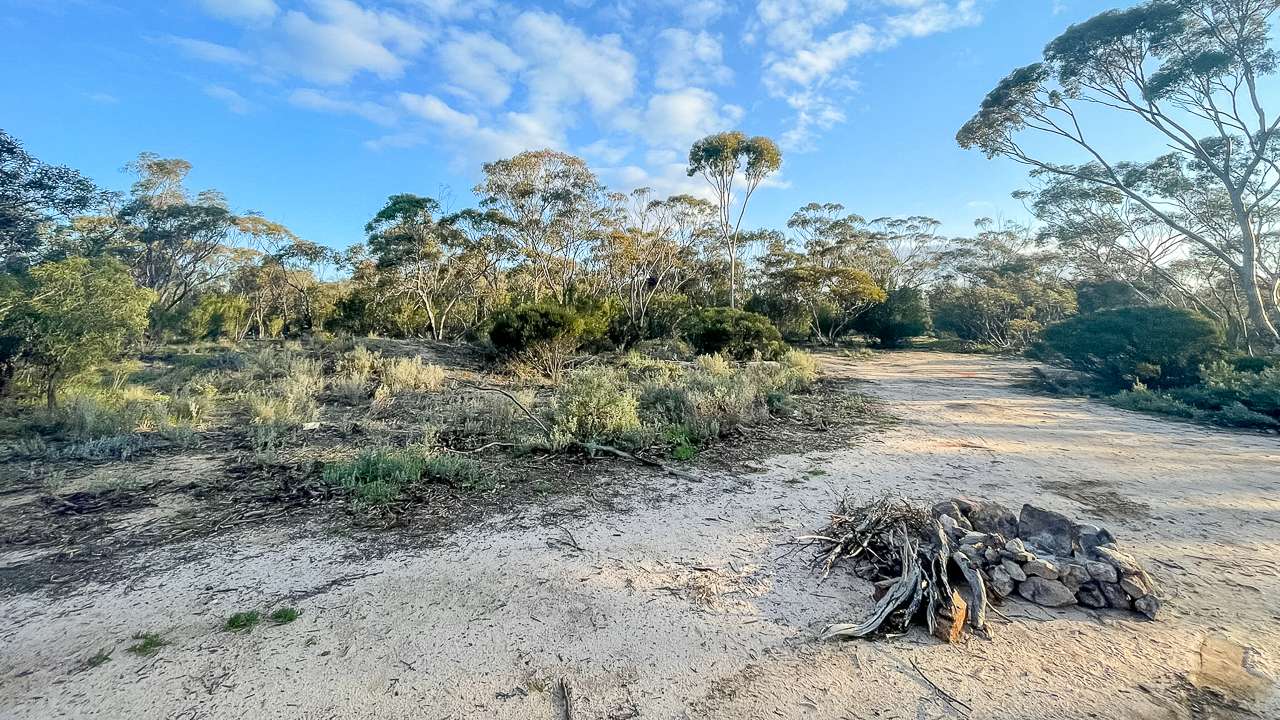
Campfire At Holt Rock Free Camping Area

Campfire At Holt Rock Free Camping Area

Weather On The Hyden Norseman Road

The weather along the road between Hyden and Norseman can significantly influence your travel experience. Summers are very hot, with daytime temperatures often exceeding 40°C, while winters are cooler but can bring cold nights. Rainfall is infrequent, but even a small amount of rain can make the unsealed road challenging to navigate.

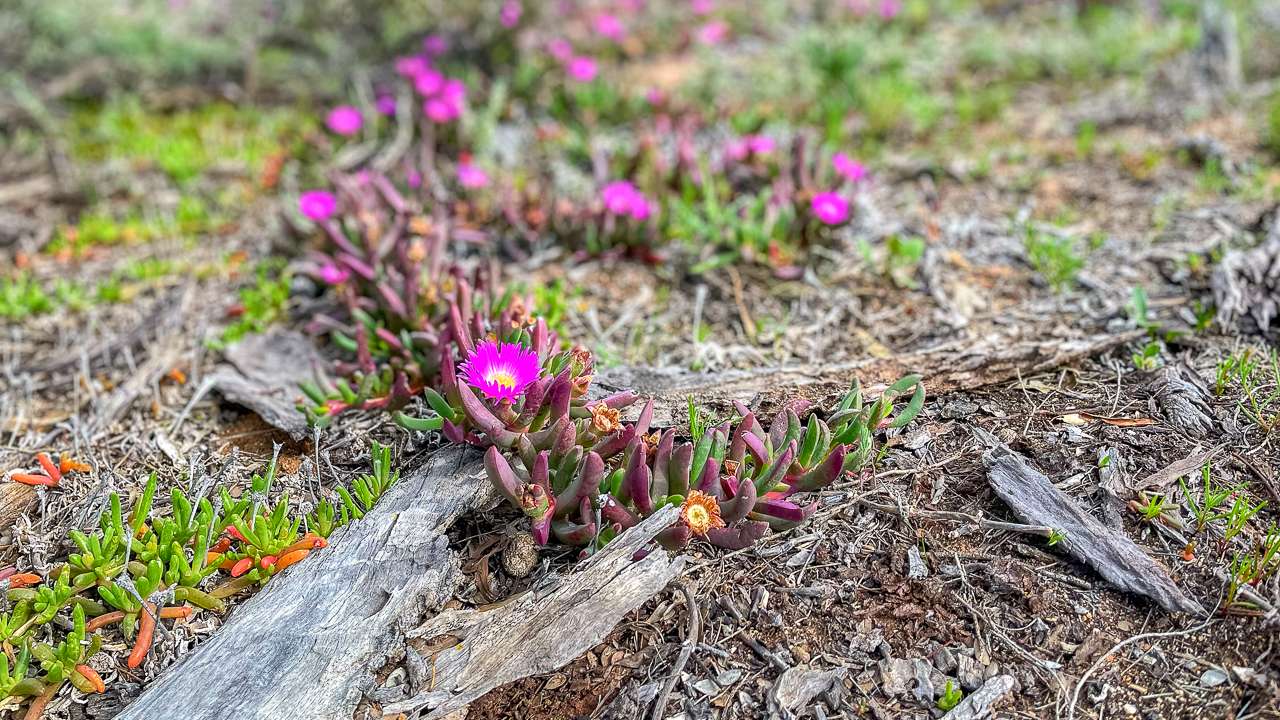
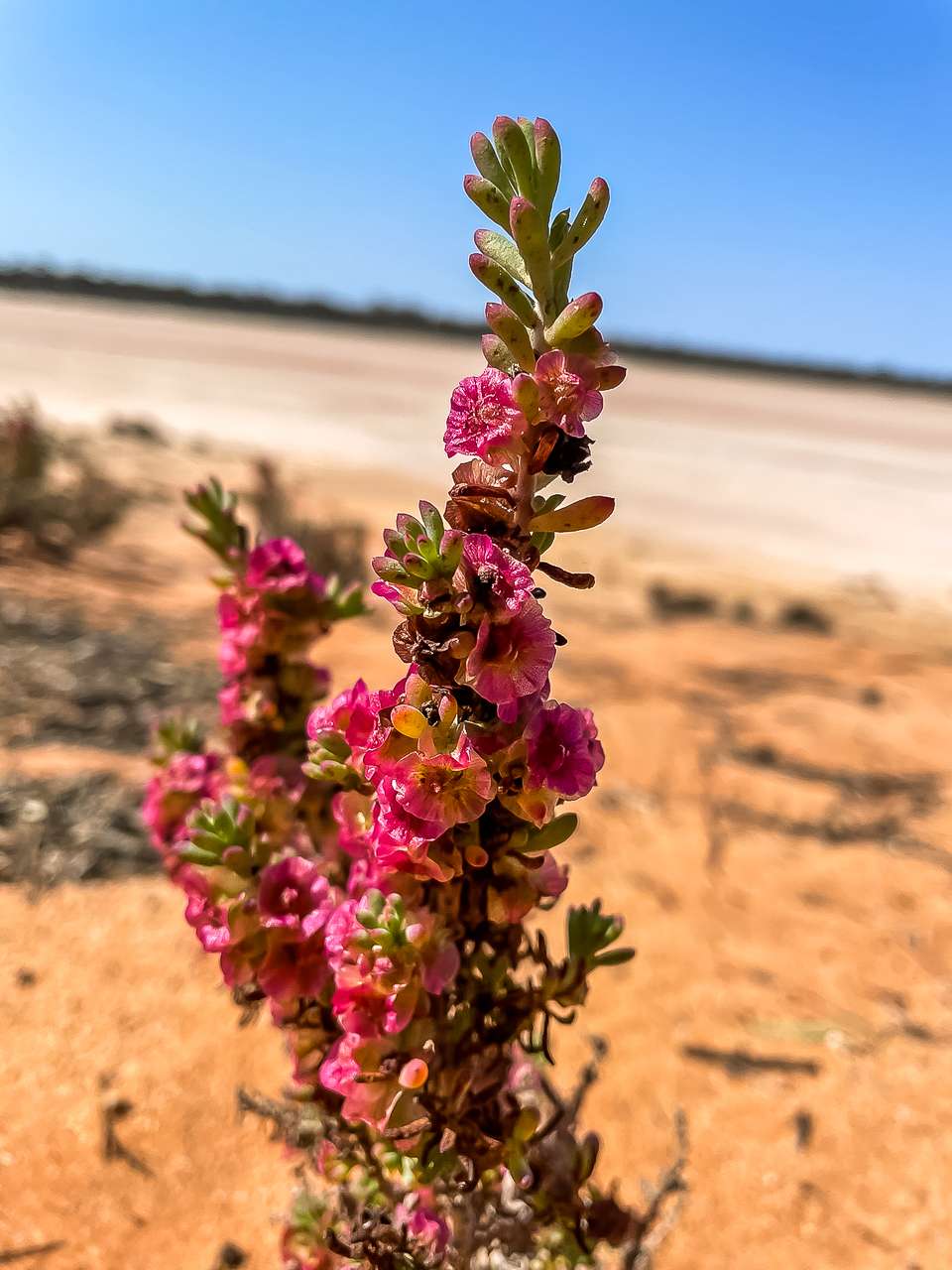
Spring and autumn are the best times to travel, with milder temperatures and, in spring, a spectacular display of wildflowers.

Wildflowers At Wave Rock WA

Wildflowers At Wave Rock WA

Fuel Stops On The Hyden To Norseman Road

Planning your journey along the Hyden to Norseman Road requires careful preparation, especially when it comes to fuel. This remote stretch of road offers no fuel stops between Hyden and Norseman, making it essential to top up your tank before departure. In Hyden, the local service station is your first and most reliable spot to refuel. Stock up on essentials here, as the next chance to refuel will be 300 kilometres away in Norseman. Both towns are well equipped with facilities.

Lots Of Colours In The Breakways On Hyden Norseman Road

Lots Of Colours In The Breakways On Hyden Norseman Road

Potable Water On The Hyden Norseman Road

Securing a reliable supply of potable water is essential when traversing the Hyden Norseman Road as this remote stretch offers few opportunities to refill. With no dedicated water stations between Hyden and Norseman, travellers must be fully self-sufficient to avoid unnecessary risks.

Before setting off, ensure you fill all water containers in Hyden. The town provides access to potable water, making it the best place to prepare for the journey. Norseman, at the other end of the route, is another opportunity to refill, but the 300-kilometre expanse between these points requires careful planning.

The dry and often unforgiving terrain along the road means water is not just for drinking. Cooking, washing, and even vehicle emergencies can deplete your supply faster than anticipated. We recommend carrying ample reserves in portable containers or a water tank fitted to your vehicle.

Be careful and conserve water whenever possible. Simple steps like using biodegradable wipes instead of water for cleaning or cooking with minimal water can make a significant difference. Adequate preparation for Hyden Norseman Road water needs will ensure a safe and comfortable journey across Western Australia’s rugged outback.

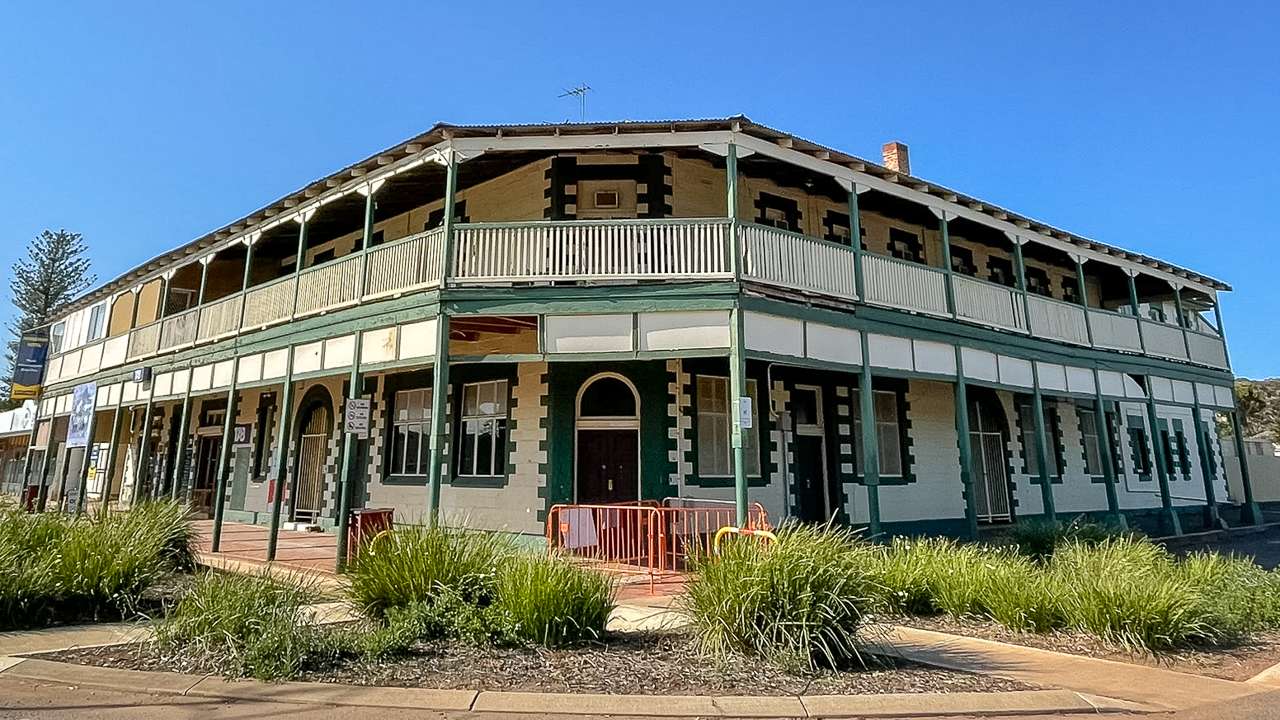
Norseman Hotel They Have Nice Cold Beer!

Norseman Hotel They Have Nice Cold Beer!

Final Thoughts

Driving the Hyden Norseman Road was an unforgettable journey for Amanda and I. It’s a road that offers a perfect mix of history, natural beauty and adventure. From the fascinating breakaways to the serene salt lakes, every stop along the way added something special to our trip.

If you’re looking to explore a unique and less travelled part of Western Australia the Hyden to Norseman Road is a fantastic choice. Be prepared, take your time and enjoy the remarkable landscapes and experiences this route has to offer.

Safe travels!

Photo Gallery

FAQs Frequently Asked Questions About The Hyden Norseman Road

Is the Hyden Norseman Road suitable for caravans?

Yes but it depends on your setup. If you’ve got an off-road caravan you should be fine as long as the road conditions are good. For standard caravans it’s best to check local advice before setting off. As always when travelling on gravel roads tyre pressure and driving to the conditions are keys to a good trip.

Do I need a 4WD to drive the Hyden Norseman Road?

A 4WD is recommended especially if there’s been rain as the road can get slippery and uneven. In dry conditions, a 2WD may manage, but it’s always safer to travel in a vehicle built for gravel roads.

Are there places to camp along the Hyden Norseman Road?

Yes, there are several great camping spots, like Holts Rock and Lake Johnston. These are bush camps, so you’ll need to bring all your supplies, including water.

Where can I get fuel for the Hyden Norseman Road?

There are no fuel stops along the road itself. Fill up in Hyden or Norseman before you begin the trip, and consider carrying extra fuel if needed.

Is the Hyden Norseman Road open year-round?

Generally, yes, but it’s always wise to check road conditions beforehand. Heavy rain can make sections impassable, so local updates are essential.

What can I expect to see along the Hyden Norseman Road?

You’ll pass stunning salt lakes, granite outcrops, and unique bushland. Highlights include the Breakaways and the ever-changing outback scenery that makes the journey unforgettable.

Great Ocean Road Free Camping – 55 Sites Listed

Great Ocean Road Free Camping – 55 Sites Listed

Great Ocean Road Free Camping – 55 Sites Listed

List of 55 free & low cost camps near the Great Ocean Road. Stunning views & perfect spots for tents, camper trailers, caravans & motorhomes. If you’re wanting an adventure on a budget, Free Camping Sites near the Great Ocean Road offer a perfect way to experience the beauty of this stunning coastline without breaking the bank. This list of free campsites near the Great Ocean Road provide a unique and cost effective way to experience this bloody awesome Australian drive.

We’ve picked 55 free and low cost camps near the Great Ocean Road. A remarkable journey along the wild and rugged Victorian coastline. From quiet campsites to the rich Indigenous culture and stunning landscapes. This adventure is a unique and unforgettable experience.

Table Of Contents

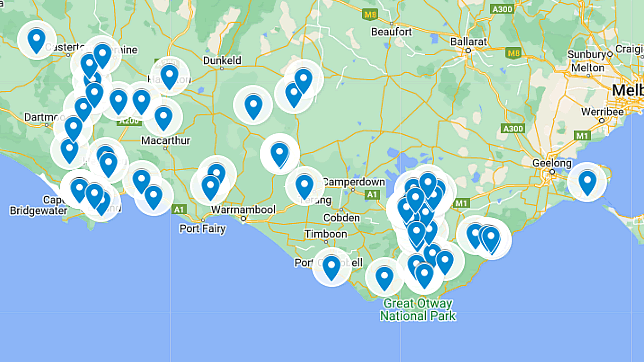
Great Ocean Road Free Camping Map

Note: We’ve tried to be as accurate as possible with compiling this list but mistakes and changes do happen. If you see anything that needs updating, is incorrect or we’ve missed please let us know. You can add a comment at the bottom of this page or alternatively contact us by email.

55 Best Great Ocean Road Free Camps & Donation Camps (Some Include Booking Fees)

We have selected 55 free and low cost camps along The Great Ocean Road. Ranging from free camping to low cost National Park and State Parks there is something here for all budgets and camping styles.

1. Aire Crossing

Address: 300 Wait-A-While Rd, Wyelangta, Victoria
GPS Coordinates: -38.3135, 143.6539
Amenities: Pit toilets, picnic tables, fire pits.
Accessibility: Camper trailers and tents. Not ideal for large caravans or big rigs due to the narrow access.
Cost: Free
Phone: (03) 5236 7777

2. Aire River East Campground

Address: Unnamed Rd, Hordern Vale, Victoria
GPS Coordinates: -38.6705, 143.5261
Amenities: Pit toilets, picnic tables, fire pits.
Accessibility: Better suited for tents and camper trailers. Not ideal for large caravans or big rigs.
Cost: Free
Phone: (03) 8427 2000 (Parks Victoria)
Email: info@parks.vic.gov.au
Website: https://www.parks.vic.gov.au/places-to-see/parks/great-otway-national-park/where-to-stay/aire-river-east-campground

3. Aire River West Camping Ground

Address: 310 Sand Road, Glenaire, Victoria
GPS Coordinates: -38.6180, 143.6217
Amenities: Pit toilets, picnic tables, fire pits.
Accessibility: Camper trailers and tents. Not ideal for big rigs or large caravans.
Cost: Free
Phone: (03) 8427 2000 (Parks Victoria)
Email: info@parks.vic.gov.au
Website: https://www.parks.vic.gov.au/places-to-see/parks/great-otway-national-park/where-to-stay/aire-river-west-campground

4. Allenvale Mill (Tents Only)

Address: Allenvale Rd, Lorne, Victoria
GPS Coordinates: -38.5479, 143.9842
Amenities: Pit toilets, picnic tables, fire pits.
Accessibility: Suitable for small camper trailers and tents. Not ideal for caravans or big rigs.
Cost: Free
Phone: (03) 5237 7400 (Parks Office)
Website: http://parkweb.vic.gov.au/explore/parks/great-otway-national-park/things-to-do/allenvale

5. Annya Camp

Address: Annya Rd, Hotspur, Victoria
GPS Coordinates: -38.3093, 143.5107
Amenities: Pit toilets, picnic tables, fire pits.
Accessibility: Camper trailers and tents are suitable. Not ideal for large caravans or big rigs.
Cost: Free
Phone: (03) 5233 9100 (Local council)
Website: Annya Road, Milltown, Victoria

6. Beauchamp Falls Reserve

Address: Beauchamp Falls Walking Track, Beech Forest, Victoria
GPS Coordinates: -38.5345, 143.5326
Amenities: Pit toilets, picnic tables, walking tracks.
Accessibility: Ideal for tents and camper trailers. Not suitable for large caravans or big rigs.
Cost: Free
Website: [Parks Victoria](https://www.parks.vic.gov.au)

7. Big Hill Track Campground

Address: 1265 Deans Marsh-Lorne Rd, Benwerrin, Victoria
GPS Coordinates: -38.5215, 143.8902
Amenities: Pit toilets, picnic tables, fire pits.
Accessibility: Suitable for tents and camper trailers. Not ideal for large caravans or big rigs.
Cost: Free
Website: https://www.parks.vic.gov.au/places-to-see/parks/great-otway-national-park/where-to-stay/big-hill-campground

8. Blanket Bay Campground

Address: Blanket Bay Road, Victoria
GPS Coordinates: -38.7225, 143.3307
Amenities: Pit toilets, picnic tables, fire pits.
Accessibility: Suitable for tents, camper trailers and caravans. Limited space for big rigs.
Cost: Free
Phone: (03) 5237 9263 (Great Otway National Park)
Email: info@parks.vic.gov.au
Website: https://www.parks.vic.gov.au/places-to-see/parks/great-otway-national-park/where-to-stay/blanket-bay-campground

Great Ocean Road Camping

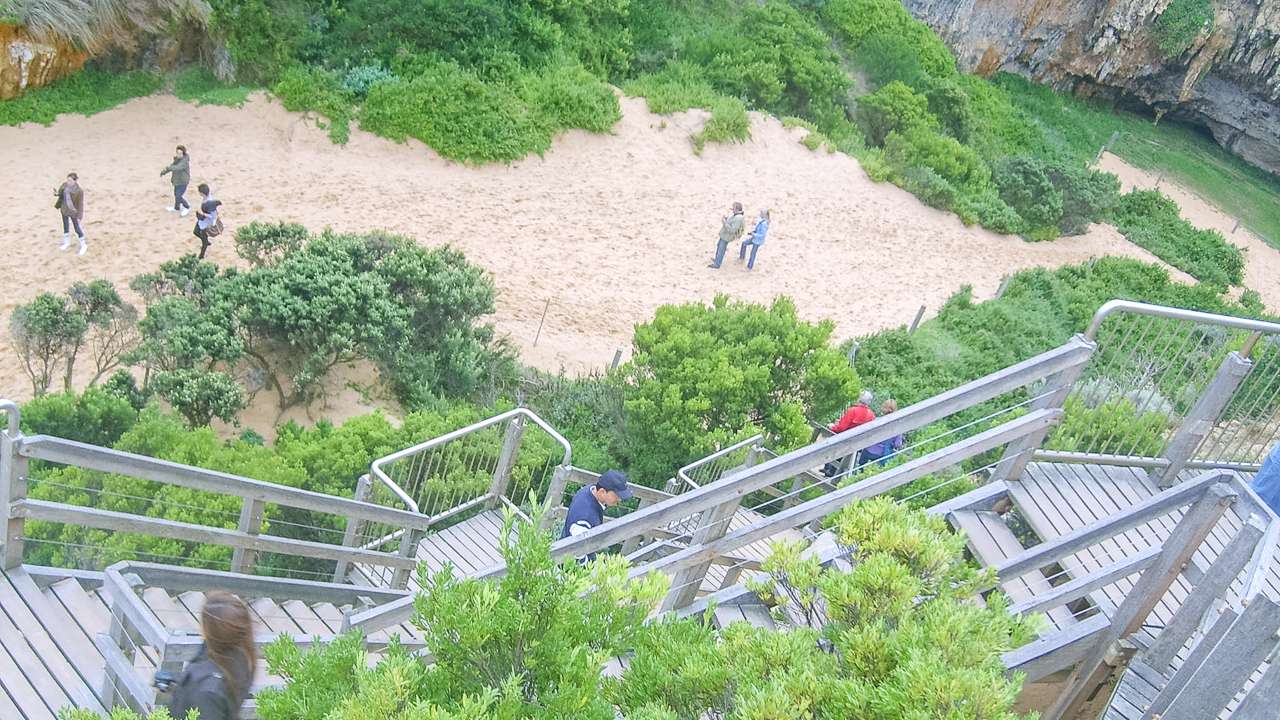
Great Ocean Road Camping

9. Bowd Campground

Address: River Fire Lane, Mumbannar, Victoria
GPS Coordinates: -38.1145, 141.4116
Amenities: Pit toilets, picnic tables.
Accessibility: Suitable for tents and camper trailers. Not ideal for large caravans or big rigs.
Cost: Free
Phone: 13 19 63
Email: info@parks.vic.gov.au
Website: https://www.parks.vic.gov.au

10. Camp On Crawford River

Address: Bronze Wing Track, Hotspur, Victoria
GPS Coordinates: -38.2341, 142.3083
Amenities: Pit toilets, picnic tables.
Accessibility: Suitable for tents, camper trailers and small caravans. Not ideal for large rigs.
Cost: Free

11. Caramut Western Hotel

Address: 16 Brown St, Caramut, Victoria
GPS Coordinates: -37.8447, 142.7789
Amenities: Toilets, picnic tables and pub access.
Cost: Free
Phone: (03) 5589 7072

12. Carlisle River Reserve

Address: 59 Gellibrand River Rd, Carlisle River, Victoria
GPS Coordinates: -38.3665, 143.4911
Amenities: Pit toilets, picnic tables, fire pits.
Cost: Free
Phone: (03) 5232 9400
Email: inq@colacotway.vic.gov.au
Website: https://www.colacotway.vic.gov.au

13. Cobden Free Camp Park

Address: Bond Street, Cobden, Victoria
GPS Coordinates: -38.2860, 142.8459
Amenities: Toilets, picnic tables.
Cost: Free
Phone: 0456 150 899

14. Crawford River

Address: Portland-Casterton Rd, Hotspur, Victoria
GPS Coordinates: -38.2893, 142.2669
Amenities: Pit toilets, picnic tables.
Cost: Free

15. Dando’s Campground

Address: Lardners Track, Gellibrand, Victoria
GPS Coordinates: -38.4992, 143.6010
Amenities: Pit toilets, picnic tables, fire pits.
Cost: Free

16. Elephant Bridge

Address: 2810 Hamilton Hwy, Darlington, Victoria
GPS Coordinates: -37.9571, 141.9842
Amenities: Pit toilets, picnic tables.
Cost: Free
Contact: Elephant Bridge Hotel
Phone: (03) 5236 3232

17. Ess Lagoon

Address: Ess Lagoon Rd, Casterton, Victoria
GPS Coordinates: -37.7827, 141.5478
Amenities: Pit toilets, picnic tables.
Cost: Free
Contact: Glenelg Shire Council
Phone: (03) 5522 2200
Email: enquiry@glenelg.vic.gov.au
Website: https://www.glenelg.vic.gov.au

18. Ferguson Recreation Ground

Address: 3815 Colac-Lavers Hill Rd, Ferguson 3237, Victoria
GPS Coordinates: -38.4172, 143.5807
Amenities: Toilets, picnic tables, sports grounds.
Cost: Free

19. Fitzroy River Camping

Address: Thompsons Road, Victoria
GPS Coordinates: -38.2580, 141.8484
Amenities: Pit toilets, picnic tables.
Cost: Free
Phone: 0412 832 910
Website: https://www.visitportland.com.au/camping-national-state-parks

20. Fort O’Hare

Address: Greenham St, Dartmoor, Victoria
GPS Coordinates: -37.8772, 141.8506
Amenities: Pit toilets, picnic tables.
Cost: Free
Contact: Glenelg Shire Council
Phone: (03) 5522 2200
Email: enquiry@glenelg.vic.gov.au
Website: https://www.glenelg.vic.gov.au

21. Goat Track

Address: 255 Mahers Rd, Barwon Downs, Victoria
GPS Coordinates: -38.4506, 143.4914
Amenities: Pit toilets, picnic tables, fire pits.
Accessibility: Suitable for tents and camper trailers. Not ideal for large caravans or big rigs.
Cost: Free
Phone: 136 186
Website: https://www.delwp.vic.gov.au

22. Greenhills Hotel

Address: 5191 Henty Hwy, Condah, Victoria
GPS Coordinates: -37.8802, 141.7073
Amenities: Toilets, pub access, picnic tables.
Cost: Free
Contact: Greenhills Hotel
Phone: (03) 5578 7222
Email: greenhillshotel@bigpond.com
Website: https://www.greenhillshotel.com.au)

23. Hammond Road Campground

Address: Hammond Rd, Wensleydale, Victoria
GPS Coordinates: -38.3435, 143.6250
Amenities: Pit toilets, picnic tables, fire pits.
Cost: Free
Phone: 13 1963
Email: info@parks.vic.gov.au
Website: https://www.parks.vic.gov.au/places-to-see/parks/great-otway-national-park/where-to-stay/hammonds-campground

24. Hammond Road North

Address: Hammonds Rd, Wensleydale VIC 3241, Victoria
GPS Coordinates: -38.3384, 143.6317
Amenities: Pit toilets, picnic tables.
Cost: Free
Website: https://www.exploreoutdoors.vic.gov.au/activities/camping/hammonds-road-north-campground

25. Hawkesdale Apex Campsite

Address: 2621 Penshurst-Warrnambool Rd, Hawkesdale, Victoria
GPS Coordinates: -38.1384, 142.6941
Amenities: Toilets, picnic tables, BBQ facilities.
Cost: Donation
Phone: (03) 5561 1112

26. Hawkesdale Racecourse & Rec Reserve

Address: Irving St, Hawkesdale, Victoria
GPS Coordinates: -38.1321, 142.6925
Amenities: Toilets, picnic tables.
Cost: Free
Phone: N/A
Email: N/A
Website: N/A

27. Henty Park

Address: Henty Park, Hamilton, Victoria
GPS Coordinates: -37.7556, 142.0213
Amenities: Toilets, picnic tables, playground.
Cost: Free
Contact: Glenelg Shire Council
Phone: (03) 5522 2200
Email: enquiry@glenelg.vic.gov.au
Website: https://www.glenelg.vic.gov.au

28. Heywood Apex Park

Address: 10 Cameron St, Heywood, Victoria
GPS Coordinates: -38.1461, 141.6296
Amenities: Toilets, picnic tables, BBQ facilities, playground.
Cost: Free
Contact: Glenelg Shire Council
Phone: (03) 5522 2200
Email: enquiry@glenelg.vic.gov.au
Website: https://www.glenelg.vic.gov.au

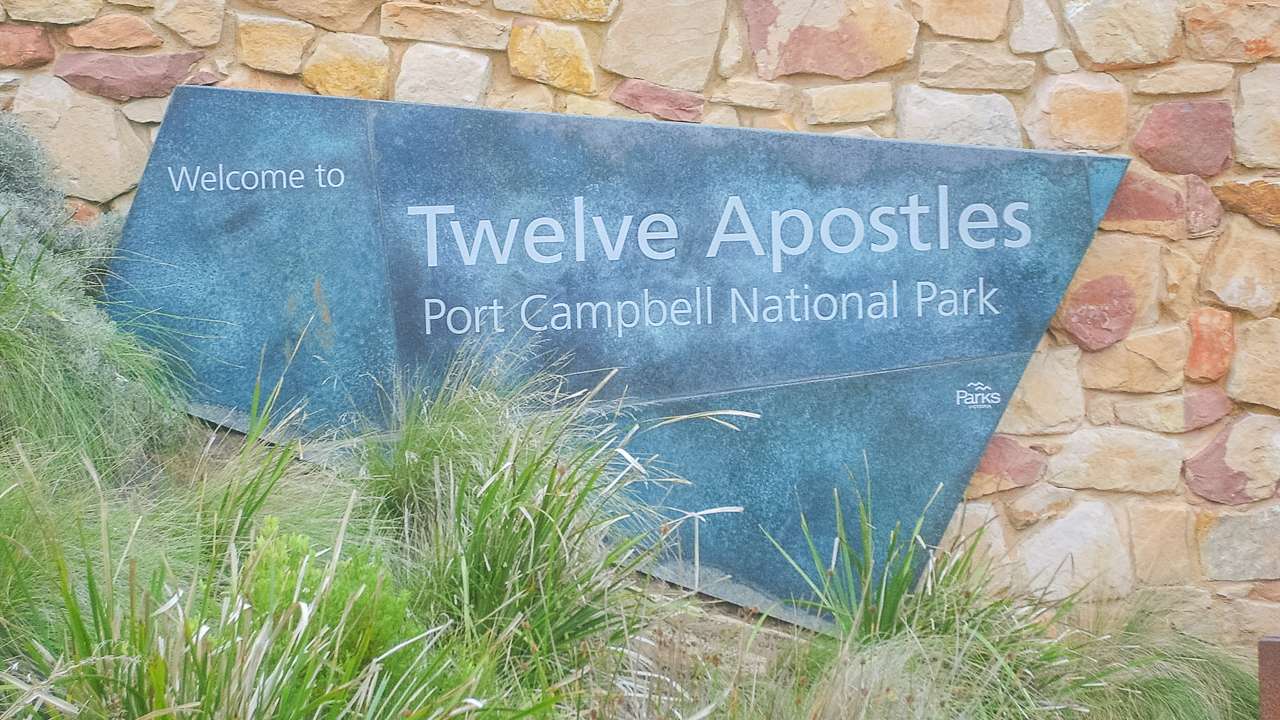
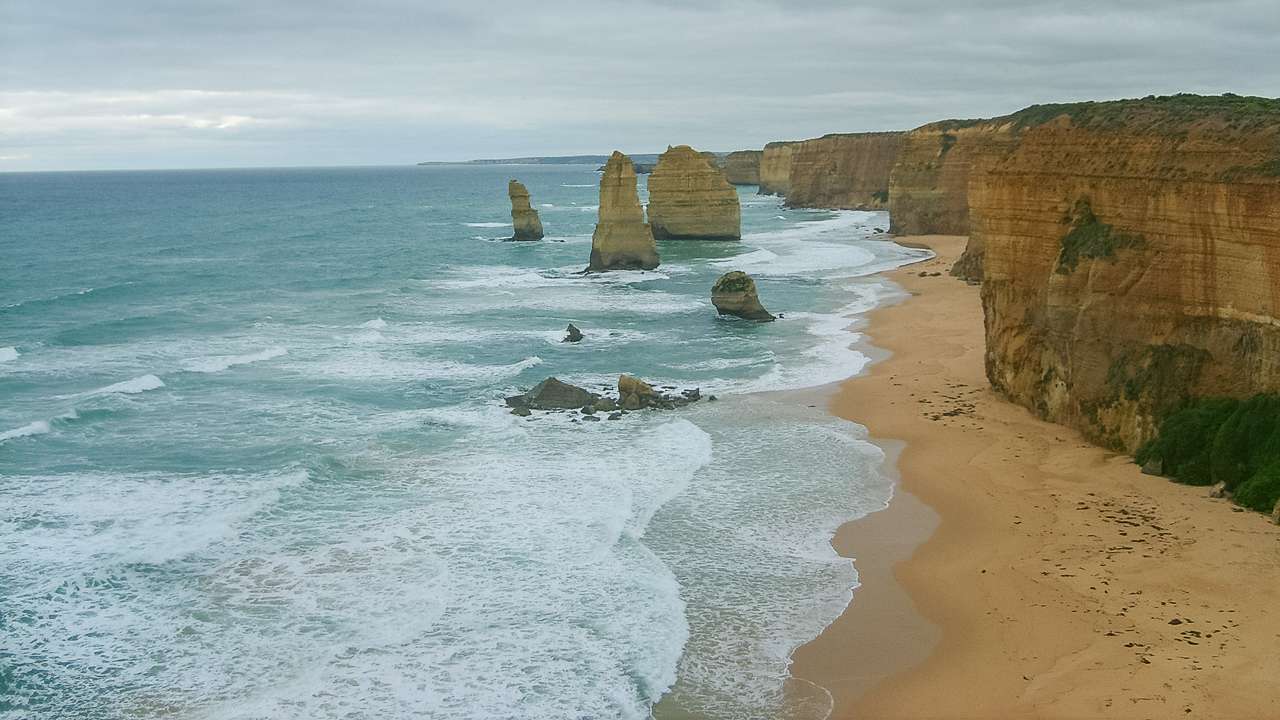
Port Campbell National Park Twelve Apostles

Port Campbell National Park Twelve Apostles

29. Hiscocks Camp

Address: The Boulevard, Winnap, Victoria
GPS Coordinates: -37.9128, 141.4931
Amenities: Pit toilets, picnic tables.
Cost: Free

30. Jackass Fern Gully Camp (Cobboboonee NP)

Address: Jackass Fern Gully Walk, Drumborg, Victoria
GPS Coordinates: -38.0089, 141.4306
Amenities: Pit toilets, picnic tables, walking tracks.
Cost: Free
Website: https://www.visitportland.com.au/cobboboonee-national-park

31. Jamieson Creek Campground

Address: Jamieson Track, Victoria
GPS Coordinates: -38.6460, 143.7020
Amenities: Pit toilets, picnic tables.
Cost: Free
Website: https://www.parks.vic.gov.au/places-to-see/parks/great-otway-national-park/where-to-stay/jamieson-creek-campground

32. Johanna Beach

Address: Great Otway National Park – Johanna, Victoria
GPS Coordinates: -38.7057, 143.5741
Amenities: Pit toilets, picnic tables, fire pits.
Cost: $14.70pn
Phone: 13 19 63
Email: info@parks.vic.gov.au
Website: https://www.parks.vic.gov.au/places-to-see/parks/great-otway-national-park/where-to-stay/johanna-beach-campground

33. Lake Elingamite

Address: 107 Oates Rd, Elingamite North, Victoria
GPS Coordinates: -38.3372, 141.9197
Amenities: Pit toilets, picnic tables.
Cost: Donation

34. Lake Elizabeth Campground – Tents Only

Address: Kents Rd, Barwon Downs, Victoria
GPS Coordinates: -38.5094, 143.5266
Amenities: Toilets, picnic tables, walking tracks.
Cost: $16pn
Website: https://www.parks.vic.gov.au/places-to-see/parks/great-otway-national-park/where-to-stay/lake-elizabeth-campground?utm_source=google&utm_medium=maps&utm_campaign=GMB-2020

35. Long Lead Bush Camp

Address: Victoria
GPS Coordinates: N/A
Amenities: None.
Accessibility: 4WD only, suitable for tents.
Cost: Free

36. Lookout

Address: 5800-5854 B160, Casterton, Victoria
GPS Coordinates: -37.7064, 141.5323
Amenities: None.
Accessibility: Suitable for tents and small caravans.
Cost: Free

37. Meredith Park Camping Ground

Address: Meredith Park Rd, Ondit (Colac), Victoria
GPS Coordinates: -38.2750, 143.5969
Amenities: Toilets, picnic tables, BBQ facilities.
Cost: Free
Contact: Colac Otway Shire
Phone: (03) 5232 9400
Email: inq@colacotway.vic.gov.au
Website: https://www.colacotway.vic.gov.au

38. Mt Emu Creek

Address: Castle Carey Rd, Gleormiston Nth, Victoria
GPS Coordinates: -37.8992, 142.5316
Amenities: Pit toilets, picnic tables.
Cost: Free

39. Panmure Campground

Address: 8830 Princes Hwy, Panmure, Victoria
GPS Coordinates: -38.3043, 141.4684
Amenities: Picnic tables, BBQ facilities, toilets.
Cost: Free

40. Panmure Free Camp

Address: 8830 Princes Hwy, Panmure, Victoria
GPS Coordinates: -38.3039, 141.4703
Amenities: Picnic tables, BBQ facilities.
Cost: Free

41. Panmure Hotel

Address: 8809 Princes Hwy, Panmure, Victoria
GPS Coordinates: -38.3034, 141.4708
Amenities: Toilets, BBQ facilities, nearby food and drinks.
Cost: Free (but it is encouraged to support the hotel with food or drinks)
Contact: Panmure Hotel
Phone: (03) 5576 5544
Email: info@panmurehotel.com.au
Website: https://www.panmurehotel.com.au

42. Parker Hill Campground

Address: Parker Hill Track, Otway National Park, Victoria
GPS Coordinates: -38.7104, 143.5763
Amenities: Pit toilets, picnic tables.
Cost: $15pn
Website: https://www.parks.vic.gov.au/places-to-see/parks/great-otway-national-park/where-to-stay/parker-hill-campground

43. Princetown Recreation Reserve

Address: 93 Old Coach Rd, Princetown, Victoria
GPS Coordinates: -38.6706, 143.0078
Amenities: Toilets, picnic tables, BBQ facilities, playground.
Cost: $35pn
Phone: 0457 198 662
Email: princetown@greatoceanroadauthority.vic.gov.au
Website: https://greatoceanroadparks.com.au/princetown

44. Queens Park Campground

Address: Armytage Street, Lorne, Victoria
GPS Coordinates: -38.5323, 143.9606
Amenities: Toilets, BBQ facilities, picnic tables, showers.
Pets: $50pn
Cost: Free
Website: https://greatoceanroadparks.com.au/find-a-park/lorne/queens-park-powered-sites?dateFrom=2024-10-05&dateTo=2024-10-06&adults=2&children=0&rvType=6&rvLength=3

45. Rennick State Forest

Address: Princess Margaret Rd, Mumbannar, Victoria
GPS Coordinates: -37.8439, 141.5610
Amenities: Pit toilets, picnic tables.
Cost: Free

46. Riverside – Seasonal Bush Camping

Address: Barwon Heads-Ocean Grove Rd, Ocean Grove, Victoria
GPS Coordinates: -38.2691, 144.5673
Amenities: Pit toilets, picnic tables.
Cost: $40pn
Phone: (03) 5256-1600
Email: riverview@barwoncoast.com.au
Website: https://riverviewfamilycaravanpark.com.au/riverside-camping-seasonal

47. Sawpit Campground

Address: Mount Clay MTB Trail, Off Boyers Rd, Narrawong, Victoria
GPS Coordinates: -38.1821, 141.6494
Amenities: Picnic tables, pit toilets.
Cost: Free

48. Sharps Camping

Address: Garvey Track, Lorne, Victoria
GPS Coordinates: -38.5344, 143.9804
Amenities: Pit toilets, picnic tables.
Cost: $20pn
Contact: Parks Victoria
Phone: 13 19 63
Email: info@parks.vic.gov.au
Website: https://www.parks.vic.gov.au

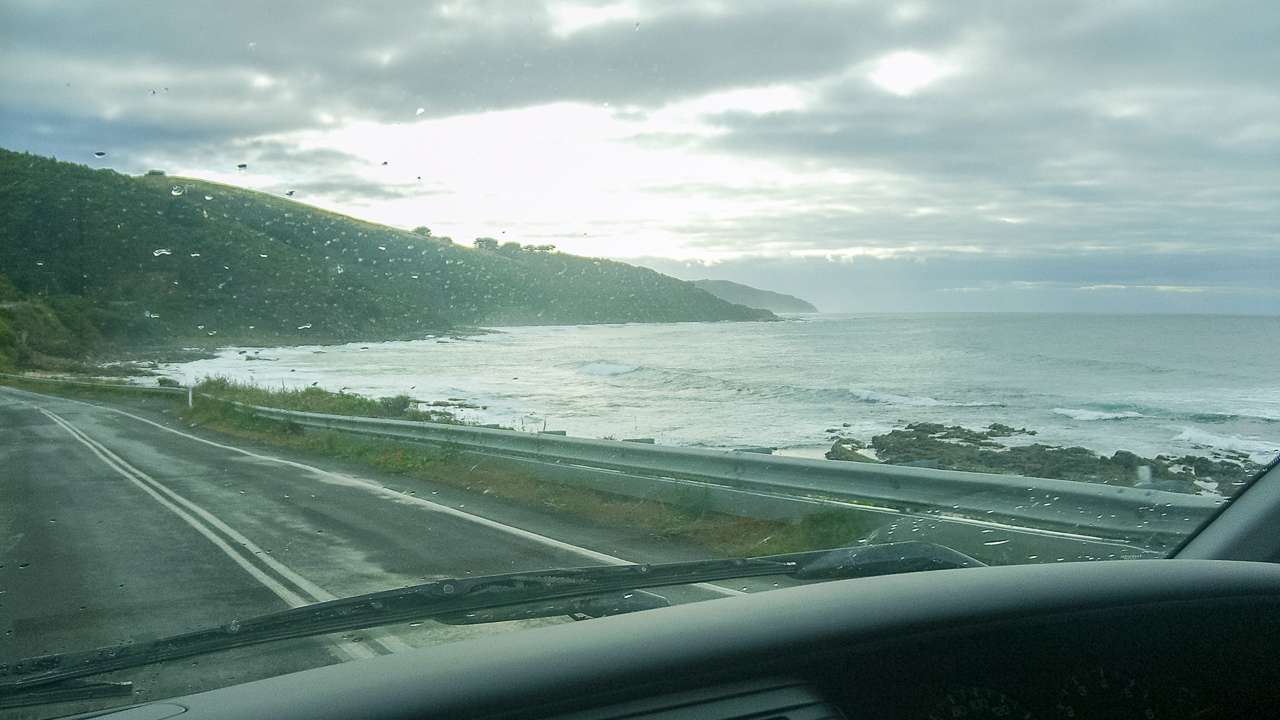
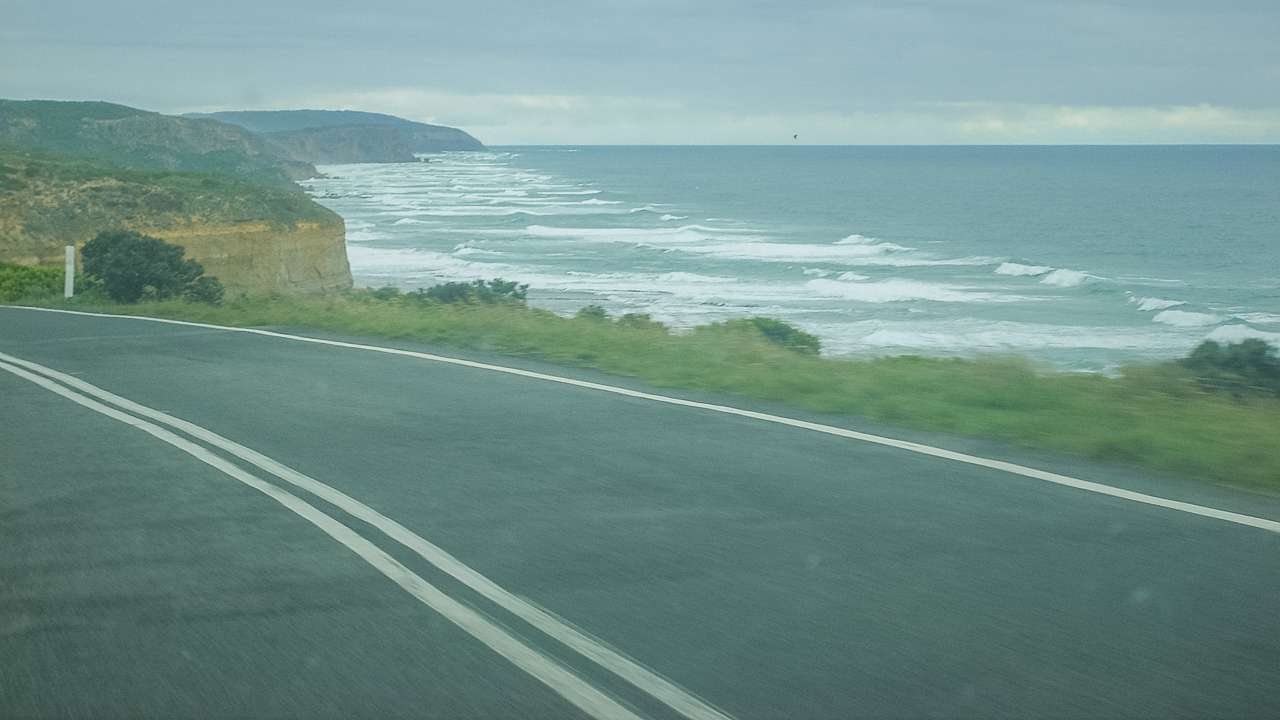
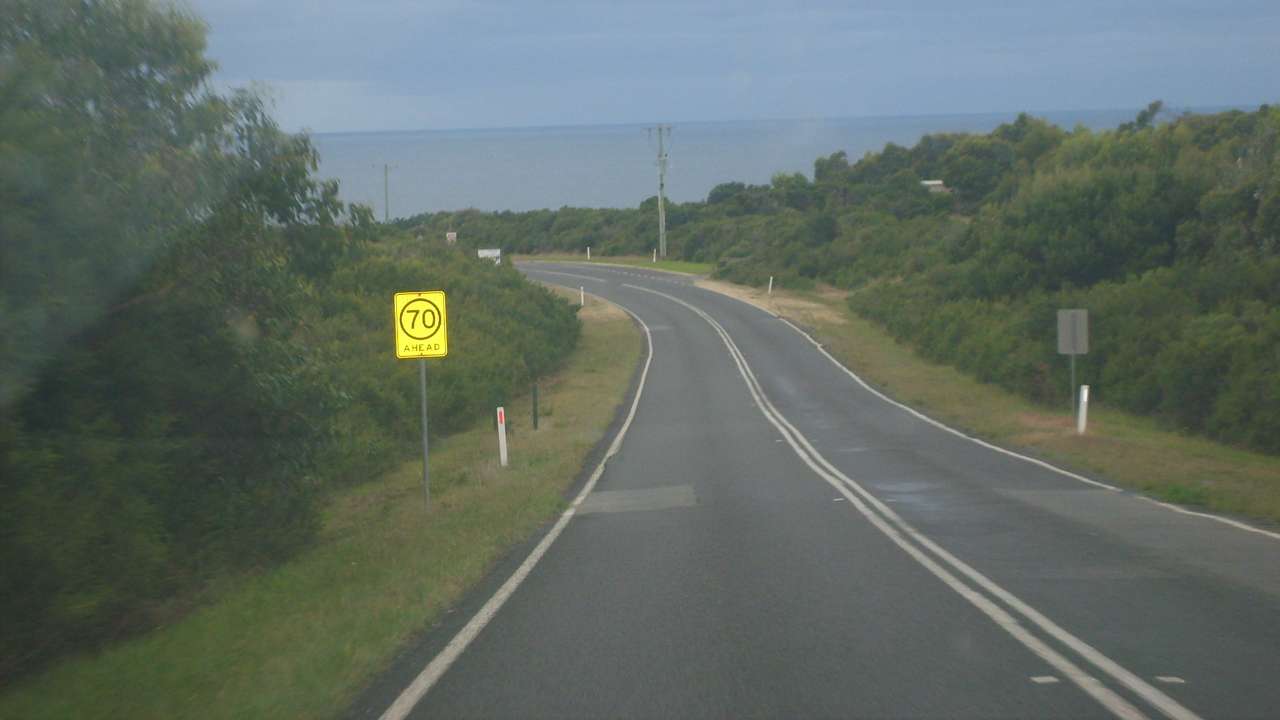
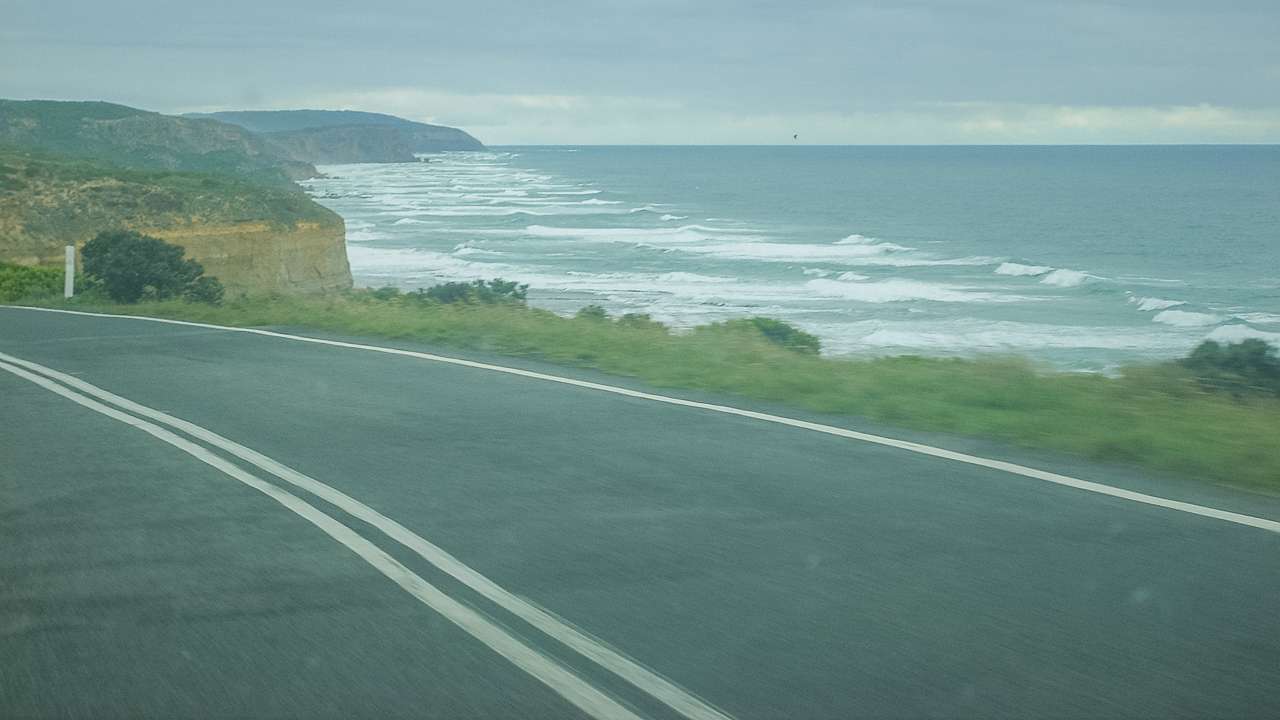
Looking Out The Car window On The Great Ocean Road

Looking Out The Car window On The Great Ocean Road

49. Stevensons Falls

Address: Colac Water Pipeline Track, Barramunga, Victoria
GPS Coordinates: -38.3995, 143.4658
Amenities: Toilets, picnic tables, BBQ facilities, walking tracks.
Cost: Free
Contact: Parks Victoria
Phone: 13 19 63
Email: info@parks.vic.gov.au
Website: https://www.parks.vic.gov.au

50. Stevensons Falls Campsite

Address: Colac Water Pipeline Track, Barramunga, Victoria
GPS Coordinates: -38.3990, 143.4665
Amenities: Toilets, picnic tables, BBQ facilities.
Cost: Free
Phone: 0491 302 712
Email: geoff70@hotmail.com

51. Surry Ridge Camp Ground

Address: Cut Out Dam Rd, Heywood, Victoria
GPS Coordinates: -38.3644, 141.6040
Amenities: Picnic tables, pit toilets.
Cost: Free
Contact: Parks Victoria
Phone: 13 19 63
Email: info@parks.vic.gov.au
Website: https://www.parks.vic.gov.au

52. Tanner’s Rd Bend

Address: Tanners Rd, Gherang, Victoria
GPS Coordinates: -38.3499, 143.5215
Amenities: Picnic tables, pit toilets.
Cost: Free

53. Trewalla Hike-in Camping Area

Address: Trewalla, Victoria
GPS Coordinates: -37.7733, 142.8399
Amenities: Picnic tables, basic facilities.
Cost: Free

54. Wattle Glen

Address: Casterton-Penola Rd, Casterton, Victoria
GPS Coordinates: -37.6598, 141.6070
Amenities: Picnic tables, pit toilets.
Cost: Free
Phone: N/A
Email: N/A
Website: N/A

55. Wright Horse Camp

Address: Wrights Swamp Rd, Greenwald, Victoria
GPS Coordinates: -38.3273, 141.5569
Amenities: Picnic tables, pit toilets.
Cost: Free
Contact: Parks Victoria
Phone: 13 19 63
Email: info@parks.vic.gov.au
Website: https://www.parks.vic.gov.au

Great Ocean Road Photo Gallery

Frequently Asked Questions About Free Camping On The Great Ocean Road

Is free camping allowed along the Great Ocean Road?

Yes, there are a few designated spots where you can camp for free. Just make sure you're not setting up in a "no camping" zone or on private property. Check for signs and stick to designated areas.

Do I need a 4WD for free camping on the Great Ocean Road?

Nah, most of the free camps are accessible by 2WD, but a 4WD might be handy if you’re keen on exploring some off-the-beaten-track spots.

Can I bring my dog to free camps along the Great Ocean Road?

You bet! Many free camps are pet-friendly, but make sure your furry mate is kept on a leash, especially in national parks and wildlife areas.

What amenities are at free campsites on the Great Ocean Road?

Free camps usually have the basics—think pit toilets, picnic tables, and maybe a fire pit. Don’t expect showers or powered sites, so come prepared with water and supplies.

Can I camp anywhere along the Great Ocean Road if it’s free camping?

Not exactly. Free camping doesn’t mean you can pitch your tent wherever you fancy. Stick to marked free camping spots to avoid fines and keep the area pristine.

Do I need to book a spot for free camping along the Great Ocean Road?

Nah, most of the free campsites operate on a first-come, first-served basis. It’s a good idea to get there early, especially during weekends and holidays!

15 TOP Caravan Parks In Townsville Queensland

15 TOP Caravan Parks In Townsville Queensland

15 TOP Caravan Parks In Townsville Queensland

Find the best caravan parks in Townsville Queensland. From beachfront sites to family, budget & pet friendly options for your QLD adventure. Townsville set on Queensland’s sunny coast is the perfect spot for anyone seeking a tropical escape filled with beach days, nature trails and endless sunshine. It’s one of those places where a caravan holiday just feels right.

Not only do caravan parks in Townsville offer an affordable and flexible way to experience the area, but they also let you make the most of the scenic coastline and relaxed lifestyle that make North Queensland so special. Whether you’re on a family holiday, travelling with a furry friend, or simply on a budget, Townsville’s caravan parks have something to offer.

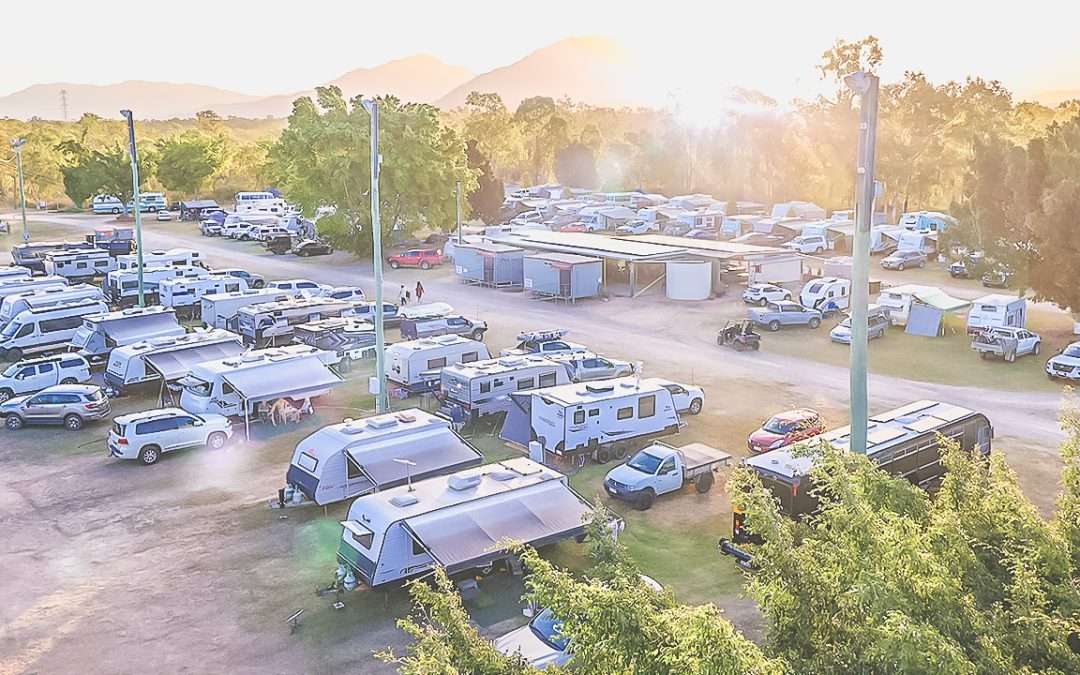
Black River Caravan Park Townsville (Photo Courtesy Of Black River Caravan Park)

Black River Caravan Park Townsville (Photo Courtesy Of Black River Caravan Park)

Table Of Contents

List Of The 15 Top Caravan Parks In Townsville

Here’s a list of the 15 top caravan parks in Townsville where you can enjoy the best of North Queensland’s laid-back lifestyle, stunning landscapes and laid back vibes. Whether you’re after a family friendly site, a pet-friendly park, a budget stay or just a great spot to unwind by the ocean there’s something here for everyone.

1. Bluewater Caravan Park

Set amidst 55 acres of native bushland, Bluewater Caravan Park is just 20 minutes drive north of Townsville CBD along the Bruce Highway heading north towards Cairns. Our sites are probably the largest in Qld, plenty of room for your caravan, car and  boat. Fifth wheelers, motorhomes and buses will love the huge sites.

Type: Caravan Park
Location: 41420 Bruce Hwy, Bluewater, Queensland
GPS: -19.197369°, 146.578826°
Phone: (07) 4778 6118
Email: bluewatercaravan@bigpond.com
Website: https://bluewatercaravanpark.com/accomodation
Pet Friendly: Yes

2. BIG4 Ingenia Holidays Townsville

Set among tropical landscaped grounds BIG4 Townsville Woodlands Holiday Park is the ideal Townsville caravan park for all of your cabin, caravan and camping needs. Only 16 kilometres to the CBD, 1 kilometre to the local shopping centre, only 10 minutes drive to the airport. New resort pool, Water park, Mini golf & licence bar/ kiosk area overlooking the pool.

Type: Caravan Park
Location: 40371 Bruce Hwy, Deeragun, Queensland
GPS: -19.240336°, 146.664189°
Phone: (07) 4751 6955
Email: townsville@ingeniaholidays.com.au
Website: https://book.bookeasy.com/agent/wikicamps/10725350/accom/ingenia-holidays-townsville/143601
Pet Friendly: Yes

3. Coral Coast Tourist Park

Coral Coast Tourist Park Townsville features a variety of stylish and comfortable accommodation options together with a selection of powered sites suitable for your caravan, motorhome or camper trailer. Most powered sites offer shade, annex pads and water. Guests have full use of the spacious and well appointed camp kitchen, saltwater pool, laundry, and a fresh clean amenities block. For guest’s enjoyment Foxtel is available in the TV Room, or simply relax with a book from the Lending Library. TV reception is excellent and wireless internet is available throughout the park with the Camp Kitchen and Office offering strong signal. The park kiosk provides snack foods, soft drinks, ice and swap and go gas. Our friendly staff can help with local information to help you plan your perfect Townsville experience.

Type: Caravan Park
Location: 547 Ingham Rd, Townsville 4818, Queensland
GPS: -19.262173°, 146.748091°
Phone: (07) 4774 5205
Email: admin@coralcoastpark.com.au
Website: http://coralcoastpark.com.au
Pet Friendly: Yes

4. Coconut Glen Van Park

Sites available for caravans, campervans, tents, fifth wheelers and motorhomes. Powered and unpowered sites available. Swimming pool, laundry, free wifi and camp kitchen. Book your ticket to Magnetic Island when you check-in.

Type: Caravan Park
Location: 910 Ingham Rd, Bohle, Townsville, Queensland
GPS: -19.262098°, 146.713779°
Phone: (07) 4774-5101
Email: coconutglenvanpark@gmail.com
Website: http://coconutglen.com
Pet Friendly: Yes

5. BIG4 Tasman Holiday Parks – Rowes Bay

Tasman Holiday Parks Rowes Bay truly has the premier location in Townsville, offering a beautiful beachfront outlook with picturesque views of Magnetic Island. Only a short distance from the popular Strand (Townsville’s seaside foreshore) or the city centre. They offer all your caravan, camping and accommodation needs in spectacular Tropical North Queensland. They are arguably Townsville’s top family park with all the mod cons and we are really BIG on customer service.

Type: Caravan Park
Location: 46 Heatleys Parade, Belgian Gardens, Townsville, Queensland
GPS: -19.241706°, 146.791522°
Phone: (07) 4444 4090
Email: rowesbay@tasmanholidayparks.com
Website: https://www.big4.com.au/caravan-parks/qld/townsville-surrounds/tasman-holiday-parks-rowes-bay
Pet Friendly: Yes

6. Townsville Lakes Holiday Park

Townsville Lakes Holiday Park is a tropical getaway in the heart of Townsville. Our central location is perfect for travellers to explore Townsville and it is only a short drive to attractions like The Strand, Jezzine Barracks and the Marina with easy access to Magnetic Island. Accommodation options include a range of Unit, Villa, Cabin & Bungalow accommodation to suit all budgets. Powered sites all have their own ensuite and 9m x 5m double cement slab (30 feet).

Type: Caravan Park
Location: 196 Woolcock St, Currajong, Townsville, Queensland
GPS: -19.271513°, 146.784414°
Phone: (07) 4725-1577
Email: info.@townsvillelakesholidaypark.com.au
Website: https://www.townsvillelakesholidaypark.com.au
Pet Friendly: Yes

7. Discovery Parks – Townsville

Placed in the dry tropics and a sailing trip away from the koalas of Magnetic Island, Discovery Parks – Townsville is a magnificent resort among the palms.

Tailor your getaway and choose from one of our spacious two-bedroom cabins and caravan sites. With attractions abound and facilities for the kids to play on, your stay at Discovery Parks Townsville will keep each member of the family busy and fully content.

Type: Caravan Park
Location: Townsville, Queensland
GPS: -19.317743°, 146.812079°
Website: https://www.discoveryholidayparks.com.au/caravan-parks/queensland/northqueensland-townsville?utm_source=WikiCamps&utm_medium=app
Pet Friendly: Yes

Bluewater Caravan Park Townsville (Photo Used Courtesy Of Bluewater Caravan Park)

Bluewater Caravan Park Townsville (Photo Used Courtesy Of Bluewater Caravan Park)

8. BIG4 Townsville Gateway Holiday Park

A tranquil holiday park only 10 minutes drive south of Townsville, Queensland. Nestled amongst shady native trees and beautiful bird life providing the perfect setting to unwind on your tropical holiday. Sites include both powered and unpowered grass and slab sites as well as a variety of cabins and worker studios.

Type: Caravan Park
Location: 88 Minehane St, Cluden, Townsville, Queensland
GPS: -19.319605°, 146.835949°
Phone: (07) 4778 2412
Website: https://book.bookeasy.com/agent/wikicamps/10725350/accom/big4-townsville-gateway-holiday-park/91531
Pet Friendly: Yes

9. Townsville Tourist & Lifestyle Village

Townsville Tourist and Lifestyle Village invites you to stay with us and experience Townsville, North Queensland’s vibrant, exotic, tropical city.

With its relaxed and friendly atmosphere and close proximity to all areas of town, Townsville Tourist and Lifestyle Village offers quality accommodation as well as caravan & camping sites to suit the most discerning traveller. It is an ideal and affordable destination conveniently located minutes from major attractions, shopping and dining, sporting facilities, the university and hospital, yet boasts an attractive and tranquil setting all set amongst beautifully landscaped gardens.

experience the city of Townsville and its fabulous attractions, whilst enjoying clean and wonderful facilities. You can choose to stay overnight or weekly in well-appointed self-contained cabins, villas or caravan sites. Accommodation has been designed to cater to all needs. Facilities are first class and are suited to the over 50’s. For peace of mind it’s fully gated and secured during and after hours. They are pet friendly,

Type: Caravan Park
Location: 405 Hervey Range Rd, Bohle Plains, Townsville, Queensland
GPS: -19.318416°, 146.691123°
Phone: (07) 4773 2419
Email: admin@townsvilletouristvillage.com.au
Website: http://www.townsvilletouristvillage.com.au
Pet Friendly: Yes

10. BIG4 Eco Resort Townsville

Townsville Eco Resort is a family owned and managed park, providing a friendly and relaxed setting on around 14 acres of undulating landscaped grounds. Only a short 12-15 minute drive to the city and strand via the Port Road. Advanced Eco
Tourism Accredited with numerous sustainable practices in place. Enjoy the local wildlife that make this their home. Heated pool and spa in winter with adults 24/7 and kids permitted between 9-6pm in the pool.

  • Big rigs, busses or large 5th wheelers are no problem
  • 2018 improvements include Free WIFI throughout the park
  • Luxurious Upgraded Amenity block
  • Gated Park

Type: Caravan Park
Location: 1 Muntalunga Dr, Nome, Townsville, Queensland
GPS: -19.375222°, 146.903834°
Phone: (07) 4778 8301
Email: stay@townsvilleecoresort.com.au
Website: http://www.Townsvilleecoresort.com.au
Pet Friendly: yes

11. Black River Caravan Park

The park is fully fenced and is a secure gated caravan park. We are just 30 minutes from Strand Park, 27 minutes to the airport, and 15 minutes to Cole’s supermarket. The caravan park offers various amenities such as clean and modern
bathrooms, laundry facilities, and a range of books for you to relax and read your days away. The park management has recently relaxed some pet rules, allowing visitors to bring their furry friends along for the trip. However, it is important to be mindful of other guests and ensure that pets are well-behaved and always kept under control.

One exciting feature of the park is the allowance of campfires. Before lighting up your fire, there are a few rules to follow. Firstly, the fire must be elevated off the ground, ensuring safety and minimising the risk of accidents. It is also essential to check with your neighbours to ensure that they are comfortable with the fire and that it won’t cause any inconvenience or disturbance.

While campfires are permitted, the park management encourages the use of smokeless fire pits. These fire pits are designed to minimise smoke production, making the experience more enjoyable for everyone. They are readily available for guests, ensuring they have a hassle-free and environmentally friendly campfire experience.

If cooking outdoors is your preference, the caravan park offers a well-equipped camp kitchen. This facility includes a pizza oven, two electric ovens, a cooktop, a microwave, and barbecues. Whether you’re in the mood for a homemade pizza or a delicious barbecue feast, the camp kitchen has everything you need to whip up a tasty meal.

Overall, the caravan park provides a relaxing and enjoyable environment for visitors aged 40 and above. With the relaxed pet rules and the option to have a campfire, guests can truly make the most of their stay. The well-equipped camp kitchen offers a convenient space to prepare meals, and the various amenities ensure a comfortable and enjoyable experience

Type: Caravan Park
Location: 772 Black River Rd, Black River,Townsville, Queensland
GPS: -19.288460°, 146.601056°
Phone: (07) 4788 8322
Email: admin@blackrivercaravanpark.com.au
Website: https://www.blackrivercaravanpark.com.au
Pet Friendly: Yes

12. Crystal Creek Caravan Park (Kui Parks)

A family owned park is situated along beautiful Crystal Creek in Mutarnee, Queensland on the Bruce Highway.

Relax by the pool, go for a walk on the property, or go to the boat ramp in Crystal Creek for some fishing, it’s just a few minutes drive! We are the only caravan park close to Paluma National Park. Only a few minutes drive, and you’ll find yourself at the beautiful Big Crystal Creek or Paradise Waterhole. A wonderful area for birdwatching, hiking, swimming and MTB riding.

Type: Caravan Park
Location: Cnr Bruce Hwy & Barrilgie Rd, Mutarnee, Queensland
GPS: -18.950457°, 146.284666°
Phone: (07) 4770 8274
Email: bookings@crystalcreekcaravanpark.com.au
Website: https://www.crystalcreekcaravanpark.com.au
Pet Friendly: Yes

13. Roamer Magnetic Island

Bungalow Bay Koala Village offers the only camping on Magnetic Island. The large shade trees, abundant wildlife and grassed camping areas provide guests the opportunity to fully integrate with the environment.

The Island bungalows and dorm offer a range of room sizes and configurations. All Islanders are fully refurbished with comfortable sprung mattresses, high ceilings, large screened openings & canopy of shade to ensure they are always cool. Retaining the 1930’s heritage of the site, 2 of the original buildings from the Swenson Family Guest House have been refurbished as ensuite doubles, with fridge, coffee making facilities and a private porch with table and chairs.

These fully refurbished bungalows offer comfortable fully sprung queen and single mattresses, bar fridges and a choice of bungalows with either air conditioning or natural ventilation with fans. Facilities are shared.

Type: Caravan Park
Location: 40 Horseshoe Bay Rd, Horseshoe Bay, Queensland
GPS: -19.121485°, 146.863253°
Email: magnetic@roamerhostels.com
Website: https://roamerhostels.com/magnetic-island
Pet Friendly: No

Coconut Glen Caravan Park Townsville (Photo Used Courtesy Of Coconut Glen Caravan Park)

Coconut Glen Caravan Park Townsville (Photo Used Courtesy Of Coconut Glen Caravan Park)

14. Town & Country Caravan Park

Offers powered and unpowered sites for caravans, campervans and tents. Facilities include sites with power and water.

  • Camp kitchen
  • Laundry

Type: Caravan Park
Location: 16 Kings Rd, Townsville, Queensland
GPS: -19.268458°, 146.793211°
Phone: (07) 4772 1487
Pet Friendly: No

15. Riverside Convention Centre

Bookings Are Required. This campground is owned and operated by the Seventh-Day Adventist Church. Bookings are only available to travellers that fall under the following categories:

  1. Respite accommodation for guests using Townsville’s medical facilities. Including guests referred by the Patient Travel Subsidy Scheme.
  2. Local events short term accommodation, Eg. Sporting, music, festivals, V8s.
  3. Educational use. Eg. School camps, temporary student accommodation, homeschooling travelling families.
  4. Religious use. Eg. Church camps or conferences.
  5. Emergency short term accommodation for guests referred by local aid agencies.
  6. Accommodation for Seventh-Day Adventist Church members and their families.

No alcohol to be consumed on site. It’s a smoke free venue.

Type: Paid Campground
Location: Anne Street, Townsville, Queensland
GPS: -19.305549°, 146.766543°
Phone: (07) 4779 6708 or 0406 871 514
Email: admin@riverscc.com.au
Website: https://www.riverscc.com.au
Pet Friendly: Yes

Best Caravan Parks In Townsville For Families

If you’re planning a family holiday, you’ll want to stay somewhere with activities for the kids and plenty of room to play. Townsville has several family friendly parks that tick all the boxes. Amenities like playgrounds, swimming pools and safe spacious grounds where little ones can run around to their hearts’ content.

Top Family Friendly Caravan Parks In Townsville Picks

  1. Rowes Bay Beachfront Holiday Park – This one’s a winner for families, located right by the beach with easy access to nearby attractions. The kids can splash in the pool and the park offers a lovely playground.
  2. BIG4 Townsville Woodlands Holiday Park – Known for its warm welcome, this park has a great pool, playground and even a jumping pillow. It’s a short drive from Townsville’s top attractions, making it a great base for family outings.

Beachfront Caravan Parks Townsville With Awesome Views

What could be better than waking up to the sound of waves and a beach view just outside your door? For those seeking a coastal getaway, Townsville’s beachfront caravan parks offer a serene setting right by the water. These parks are ideal if you’re craving the sea breeze and want easy access to the sand.

Top Caravan Parks With Ocean Views In Townsville Picks

  1. Rowes Bay Beachfront Holiday Park – Mentioned again for good reason! This park is right on the water and offers both powered sites and cabins with fantastic views. The peaceful vibe and ocean access make it a top choice for beach lovers.
  2. Bush Oasis Caravan Park – While not directly on the beach, it’s set in a lush tropical area and close enough to the coast for a quick trip to the sand. The park also has a large swimming pool to cool off in after a day of exploring.

Pet Friendly Caravan Parks In Townsville

For those of us who can’t bear to leave our four-legged friends behind, Townsville offers several pet-friendly caravan parks. These parks welcome pets so you and your dog can enjoy a holiday together.

Top Pet Friendly Caravan Parks In Townsville Picks

  1. Coral Coast Tourist Park – Coral Coast has pet-friendly sites and is conveniently located close to some excellent dog-walking areas.
  2. BIG4 Townsville Woodlands Holiday Park – This park is also pet-friendly, with plenty of open space for your furry mate to enjoy. It’s a great option if you’re travelling with kids and pets alike.

Tasman Holiday Parks Rowes Bay Townsville Caravan Park (Photo Courtesy Tasman Holiday Parks Rowes Bay)

Tasman Holiday Parks Rowes Bay Townsville Caravan Park (Photo Courtesy Tasman Holiday Parks Rowes Bay)

Affordable Caravan Parks Near Townsville

Travelling on a budget? You’ll be glad to know that Townsville has a range of affordable caravan parks offering essential facilities and comfortable sites at pocket-friendly prices. These parks are great for those who want to save money while still enjoying a memorable stay.

Top Affordable Caravan Parks Near Townsville Picks

  1. Black River Stadium Tourist Park – This is a straightforward, affordable option for those who don’t need all the bells and whistles. The park has powered sites and basic facilities, making it perfect for budget-conscious travellers.
  2. Secura Lifestyle Magnetic Gateway Townsville – Located just a bit out of the city, this park offers peaceful surroundings and a reasonable rate. With comfortable facilities and a relaxed atmosphere, it’s a budget-friendly gem.

Top Rated Caravan Parks In Townsville Queensland

If you’re after a unique experience, some of Townsville’s caravan parks offer standout features and special touches that make them worth checking out. From eco-friendly facilities to on-site eateries and even tour options, these parks go the extra mile to make your stay special.

Top Rated Caravan Parks In Townsville Queensland Picks

  1. BIG4 Townsville Woodlands Holiday Park – Yes, it’s back on the list! Known for going the extra mile, this park offers activities like outdoor movie nights and has some eco-friendly initiatives, making it both fun and environmentally conscious.
  2. Rowes Bay Beachfront Holiday Park – With its beachfront location, the park offers not just ocean views but a true sense of paradise. It’s one of the top-rated parks in Townsville and has a friendly community vibe that makes it special.

Top 10 Things To Do In Townsville Queensland

Here’s a list of the top 10 things to do in Townsville to make the most of your visit to this sun-soaked gem in North Queensland.

  1. Take a Trip to Magnetic Island
    Just a short ferry ride from Townsville, Magnetic Island is a slice of paradise with stunning beaches, bushwalking trails and adorable wildlife. Be sure to try the Forts Walk for incredible views and a chance to spot wild koalas lounging in the trees!
  2. Explore the Strand
    The Strand is a lively beachside promenade perfect for a leisurely stroll, swim, or picnic. With playgrounds, cafes and a stunning beachfront, it’s a favourite spot for both locals and visitors. Don’t miss the Rock Pool – a calm, saltwater pool ideal for a relaxing dip.
  3. Discover Reef HQ Aquarium
    If you’re fascinated by the Great Barrier Reef, Reef HQ Aquarium is a must-see. It’s the world’s largest living coral reef aquarium and offers a close-up look at reef life without getting wet. You’ll see everything from vibrant corals to tropical fish and even reef sharks!
  4. Hike up Castle Hill
    Castle Hill is the iconic pink granite monolith that towers over Townsville. It’s a bit of a workout to get to the top, but the 360-degree views of the city, ocean and nearby Magnetic Island make it well worth it. There are several walking tracks to choose from, each with its own unique views.
  5. Stroll through the Townsville Botanical Gardens
    For a touch of tranquillity, visit the Townsville Botanical Gardens. Anderson Gardens is the largest and showcases native and exotic plants, while Queens Gardens offers a more compact, historic setting. Both are excellent for a peaceful day out surrounded by beautiful greenery.
  6. Get Your History Fix at the Museum of Tropical Queensland
    Dive into the history of North Queensland at the Museum of Tropical Queensland. From exhibits on local Indigenous culture to shipwreck artefacts and natural history, there’s something to pique everyone’s interest. The HMS Pandora exhibit is particularly fascinating for history buffs.
  7. Check Out Billabong Sanctuary
    Perfect for families, Billabong Sanctuary offers up-close encounters with Australian wildlife. You can cuddle a koala, hand-feed kangaroos and get to know a crocodile (safely, of course!). It’s an interactive experience that’s as educational as it is fun.
  8. Explore the Jezzine Barracks
    History meets natural beauty at Jezzine Barracks, where you can walk through scenic coastal trails, military displays and Indigenous art installations. The views from the boardwalk are fantastic and there’s plenty of history to learn about along the way.
  9. Hit the Markets
    Townsville’s markets are the place to be for local produce, crafts and more. The Cotters Market on Sunday mornings in the city centre is the largest, with everything from fresh fruits and veggies to artisan goods. It’s a fantastic way to get a taste of the local community vibe.
  10. Day Trip to Paluma Range National Park
    If you’ve got a bit more time, a day trip to Paluma Range National Park is highly recommended. This lush rainforest escape is home to stunning waterfalls, swimming holes and walking trails. Crystal Creek is a top spot for a swim, with its crystal-clear pools and peaceful setting.
  11. Geocaching
    Yes I know it’s a top 10 list and this is now the eleventh but I just had to add it in. There are lots of geocaches hidden around Townsville so grab your favourite app and have a crack!

Townsville’s got it all – from nature and wildlife to history and culture, with plenty of beach time in between. Whether you’re after an adventure or a family-friendly day out Townsville has you covered. Enjoy your visit!

Townsville Tourist Village (Photo Courtesy Of Townsville Tourist Village)

Townsville Tourist Village (Photo Courtesy Of Townsville Tourist Village)

Brief History Of Townsville

Townsville, nestled in North Queensland’s tropical landscape, has a rich and colourful history that reflects Australia’s early settlement, economic growth and multicultural heritage. Originally inhabited by the Bindal and Wulgurukaba people, Townsville’s story began long before Europeans arrived, with Indigenous communities thriving in the area for thousands of years. Their connection to the land particularly to the coastlines, rivers and ranges is deep and enduring. Their cultural heritage continues to influence the region today.

European settlement in Townsville began in the 1860s, largely thanks to a man named Robert Towns, for whom the city is named. Towns, a businessman from Sydney, recognised the potential for a new port in North Queensland to support the cattle and sugar industries. In 1864, a few years after Towns funded the first settlement, Townsville was officially founded and quickly grew into a bustling port town, largely due to its strategic location and access to fertile lands. As Townsville became established, the port opened opportunities for trade, allowing the export of cattle, wool and minerals.

The gold rush of the 1870s and 1880s played a significant role in Townsville’s early growth. After the discovery of gold in nearby Charters Towers, Townsville became a vital hub for miners, merchants and prospectors looking to make their fortune. The economic boom brought a wave of settlers and immigrants which transformed Townsville into one of Queensland’s busiest ports and a thriving town that welcomed people from diverse backgrounds. The multicultural influence can still be felt today. Especially through the city’s mix of cultures which includes large Chinese and Italian communities.

Conclusion

No matter what type of holiday you’re after Townsville’s caravan parks offer plenty of options to suit every traveller. From beachside views to pet-friendly stays, family activities and budget-friendly picks, you’re bound to find the perfect spot to relax and enjoy the natural beauty of North Queensland. So pack up, hook up the van and get ready to explore all that Townsville has to offer!

Roamer Magnetic Island (Photo Courtesy Roamer Magnetic Island)

Roamer Magnetic Island (Photo Courtesy Roamer Magnetic Island)

FAQs Frequently Asked Questions About Caravan Parks In Townsville Queensland

What are the best caravan parks for families in Townsville?

Many parks in Townsville cater to families with amenities like playgrounds, swimming pools, and BBQ areas. Popular choices for families include Rowes Bay Beachfront Holiday Park and BIG4 Townsville Woodlands Holiday Park.

Are there pet-friendly caravan parks in Townsville?

Yes, quite a few caravan parks welcome pets! Places like Coral Coast Tourist Park and BIG4 Townsville Woodlands Holiday Park are known for their pet-friendly policies, so you don’t have to leave your furry friend behind.

How much does it cost to stay at a caravan park in Townsville?

Prices vary depending on the park, season, and type of site or accommodation. Basic powered sites can start around $30–$40 per night, while cabins or premium spots can go higher, especially during peak holiday times.

Are there beachfront caravan parks in Townsville?

Absolutely! Rowes Bay Beachfront Holiday Park is a favourite, offering direct beach access and lovely views. It’s a perfect choice for those who want to enjoy the ocean just steps from their campsite.

Do Townsville caravan parks offer long-term stays?

Yes, many caravan parks in Townsville provide options for longer stays, particularly for seasonal workers or retirees. It’s best to check with the individual park for specific rates and availability for extended stays.

What amenities can I expect at caravan parks in Townsville?

Most parks offer essential amenities like clean bathrooms, laundry facilities, BBQ areas, and camp kitchens. Some of the larger parks also have pools, playgrounds, Wi-Fi, and even activities for kids and families.

15 BEST Stradbroke Camping Sites & Essential Information

15 BEST Stradbroke Camping Sites & Essential Information

15 BEST Stradbroke Camping Sites & Essential Information

15 BEST North Stradbroke Island camping sites with a guide to the best sites, top amenities, what to do and some Straddie History thrown in for good measure. Stradbroke camping, or “Straddie camping” as the locals call it is all about kicking back and enjoying the beauty of one of Queensland’s best-loved islands.

Just a quick ferry ride from Brissie, North Stradbroke Island offers top spots for camping. Whether you’re putting a tent up by the beach, setting up a caravan or looking for a simple bush site. With stunning beaches, heaps of wildlife like kangaroos and dolphins and the easygoing island vibe. Straddie is a ripper choice for a weekend getaway or a longer adventure. Grab your gear, chuck it in the car and head to Straddie for a great camping experience.
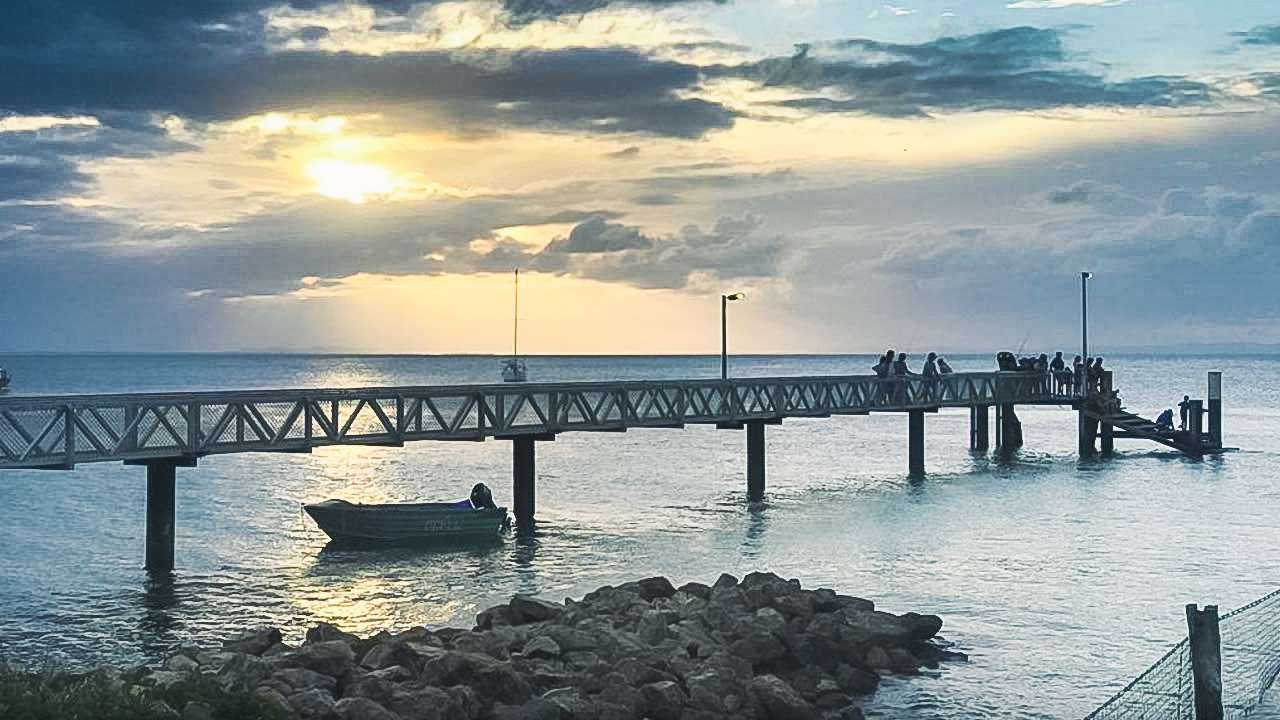
Amity Point Camping North Stradbroke Island

Amity Point Camping North Stradbroke Island

Table Of Contents

Introduction: Discovering the Magic of Stradbroke Camping

Camping on North Stradbroke Island, or “Straddie” as locals call it, is more than just pitching a tent; it’s a chance to immerse yourself in some of Queensland’s most stunning coastal scenery. North Stradbroke Island is known for long stretches of white sand beaches, crystal-clear waters, unique wildlife and a laid-back vibe that feels miles away from the rush of mainland Australia. Whether you’re a seasoned camper or new to the outdoor lifestyle, Stradbroke camping offers a chance to disconnect and rediscover the beauty of nature.

Located just a short ferry ride from Brisbane, North Stradbroke Island has become a haven for those seeking a blend of relaxation, adventure and even a dose of history. From indigenous cultural sites to historical relics, the island has a story to tell – all you need is a tent, a good sense of adventure and a little bit of planning.

A Look at North Stradbroke Island: Location, Attractions and Vibe

North Stradbroke Island is the second-largest sand island in the world and part of Queensland’s Moreton Bay Region. Known for its stunning beaches like Cylinder Beach and Main Beach, Straddie is accessible by ferry from Cleveland, making it a convenient and accessible weekend getaway.

In addition to beautiful beaches, North Stradbroke Island is also home to unique coastal ecosystems, freshwater lakes like Blue Lake and Brown Lake and scenic headlands. The island is perfect for those looking to escape the city and indulge in the pristine coastal landscape.

15 BEST North Stradbroke Island Camping Sites

North Stradbroke Island has a variety of camping spots, each with unique qualities to suit different campers.

1. Main Beach Stradbroke Island

Main Beach stretches for 38kms along the eastern side of the island. Camping is available in fifteen designated areas at the southern end of Main Beach, approximately 17km south of Point Lookout.

Type: Paid Campground
Location: Unnamed Road, North Stradbroke Island, Queensland
GPS: -27.634020°, 153.464180°
Website: https://www.minjerribahcamping.com.au/location/6-main-beach
Email: info@minjerribahcamping.com.au
Phone: (07) 3409 9668
Pet Friendly: Yes

  • 4WD required
  • You will need to book a campsite and 4WD Permit
  • 1 vehicle and 2 dogs allowed per campsite

There are no facilities (but you can grab an amenities pass) and access is by 4WD vehicles along the beach only. $10 per campsite per night for access to Adder Rock amenities block. Collect access card from the Dunwich Booking Centre or one of the campground offices between 8:00am – 4:00pm. Dogs are allowed when camping at Main Beach however they must be on a lead at all times.

2. Tappys Tours And Camping

This Stradbroke camping site has been set up with camp Kitchen, camp shower and toilets(compost). Fire pit available on non windy nights. Beach access only – need 4wd. Site is 5km south of Point Lookout on Stradbroke Island. Only 4 sites available at any one time.

  • 4 people per site
  • Bookings essential
  • Dogs need to be on leash. Dog baits have been set by nearby rangers in State forest
  • Easy access to beach and fresh water lagoons
  • Insect repellent and sunscreen is recommended
  • Beach permit required

Type: Paid Campground
Location: Main Beach Stradbroke Island, Queensland
GPS: -27.483510°, 153.517658°
Phone: 0400 406 447
Email: john.tapp@hotmail.com
Pet Friendly: Yes
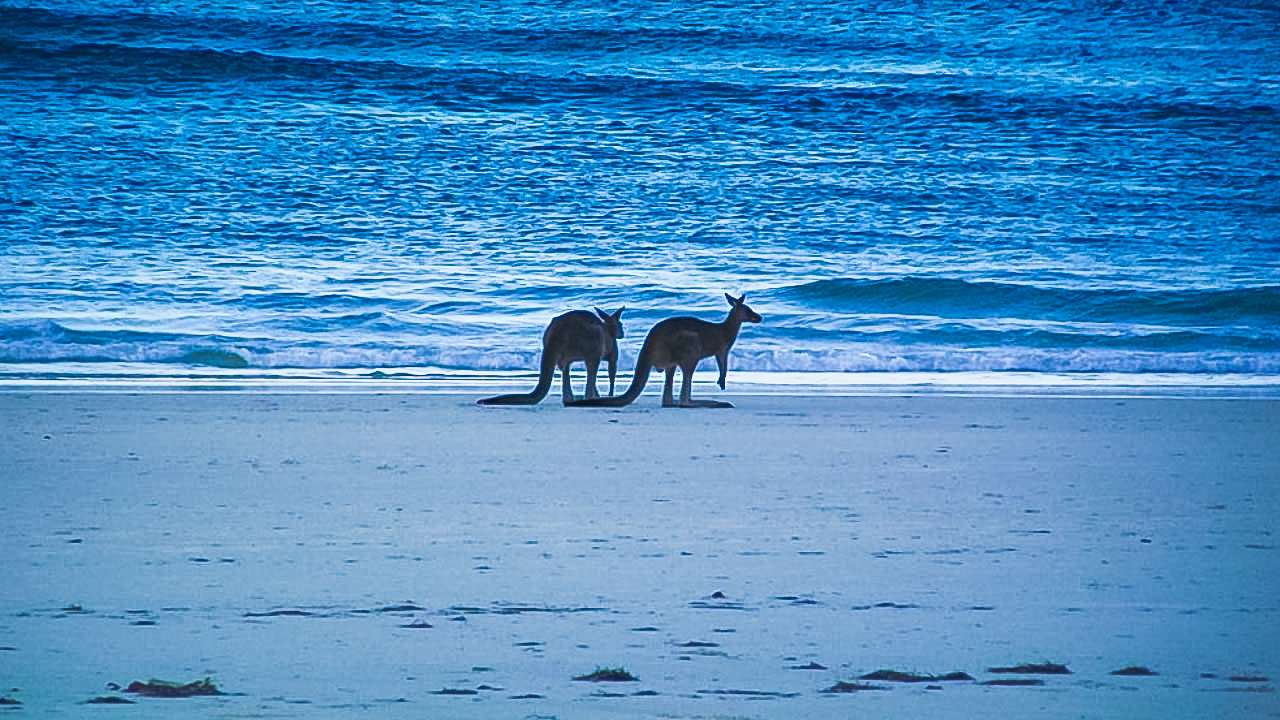
Kangaroos At Sunrise Cylinder Beach North Stradbroke Island

Kangaroos At Sunrise Cylinder Beach North Stradbroke Island

3. Cylinder Beach Camp Ground

This paid campground offers toilets, showers, drinking water, swimming and power hookups.

  • Dogs are not permitted
  • It is accessible to RVs, camper trailers and caravans
  • Camping in tents is allowed.

Type: Paid Campground
Location: North Stradbroke Island, Queensland
GPS: -27.426613°, 153.532497°
Phone: 07 3409 9668
Website: https://minjerribahcamping.com.au/camp-grounds/cylinder-beach
Pet Friendly: No

4. Home Beach

This paid campground offers toilets, showers, drinking water, swimming and power hookups.

  • Dogs are not permitted
  • It is accessible to RVs, camper trailers and caravans
  • Camping in tents is allowed

Type: Paid Campground
Location: 102 Dickson Way, Point Lookout, Queensland
GPS: -27.424933°, 153.519389°
Pet Friendly: No

5. Adder Rock

Adder Rock Camping Ground is situated on one of the Islands northern beaches in the local community of Point Lookout. The camping ground is in a shady location, sheltered behind native tea tree and pandanus forests.
The beach directly in front of the camping ground is patrolled during holiday periods and there is also direct access to Home Beach and Adder Rock surf beaches. Adjacent is a general store and the Manta Lodge Scuba Centre and Point Lookout Bowls Club is a short walk.

  • 107 (6×6) unpowered tents sites
  • 13 unpowered campervan/trailer/ caravan sites
  • 26 powered sites
  • 10 glamping tents
  • 7 cabins
  • 12 Eco Island Tents

All cabins include bed linen but you will need to bring your own towels. Facilities include Toilets, Showers, Power & water, Washing machine, Dishwashing area, BBQ facilities, Picnic areas, Playground and Free WiFi.

Type: Paid Campground
Location: North Stradbroke Island Track, Brisbane, Queensland
GPS: -27.422348°, 153.513936°
Phone: (07) 3409-9668
Pet Friendly: No

6. Flinders Beach Camping

Flinders Beach camp ground consists of twelve beachfront camping areas with 200 unpowered sites available, which are nestled in the Islands dunes. The camp sites are in natural areas and are only accessible by bush tracks, or from the beach outside of high tide times. Beach camping requires Vehicle Access Permit.

AWD vehicle is a necessity for access to the Flinders Beach sites. The only facilities provided on Flinders Beach are toilets at a number of key access points. Dogs are allowed when camping at Flinders Beach, however they must be on a lead at all times.

They allow 1 vehicle and 2 dogs per campsite. If you have more than 1 vehicle or more than 2 dogs please book more sites.

You can purchase an Amenities Pass – $10 per campsite per night for access to Adder Rock amenities block, Collect access card from the Dunwich Booking Centre or one of the camp ground offices between 8:00am – 4:00pm.

Type: Paid Campground
Location: North Stradbroke Island Track, Point Lookout, Queensland
GPS: -27.422576°, 153.503304°
Phone: 07 3409 9668
Email: info@minjerribahcamping.com.au
Website: https://www.minjerribahcamping.com.au
Pet Friendly: Yes

7. Flinders Beach Camp 5 / Track H

Flinders Beach camp ground consists of twelve beachfront camping areas with 200 unpowered sites available, which are nestled in the Islands dunes. The camp sites are in natural areas and are only accessible by bush tracks, or from the beach outside of high tide times. Beach camping requires Vehicle Access Permit.

AWD vehicle is a necessity for access to the Flinders Beach sites. The only facilities provided on Flinders Beach are toilets at a number of key access points. Dogs are allowed when camping at Flinders Beach, however they must be on a lead at all times.

They allow 1 vehicle and 2 dogs per campsite. If you have more than 1 vehicle or more than 2 dogs please book more sites.

You can purchase an Amenities Pass – $10 per campsite per night for access to Adder Rock amenities block, Collect access card from the Dunwich Booking Centre or one of the camp ground offices between 8:00am – 4:00pm.

Type: Paid Campground
Location: Stradbroke Island, Queensland
GPS: -27.418571°, 153.489480°
Email: info@minjerribahcamping.com.au
Website: https://www.minjerribahcamping.com.au
Pet Friendly: Yes

8. Flinders Beach Camps 7 & 8

Flinders Beach camp ground consists of twelve beachfront camping areas with 200 unpowered sites available, which are nestled in the Islands dunes. The camp sites are in natural areas and are only accessible by bush tracks, or from the beach outside of high tide times. Beach camping requires Vehicle Access Permit.

AWD vehicle is a necessity for access to the Flinders Beach sites. The only facilities provided on Flinders Beach are toilets at a number of key access points. Dogs are allowed when camping at Flinders Beach, however they must be on a
lead at all times.

They allow 1 vehicle and 2 dogs per campsite. If you have more than 1 vehicle or more than 2 dogs, please book more sites.

You can purchase an Amenities Pass – $10 per campsite per night for access to Adder Rock amenities block. Collect access card from our Dunwich Booking Centre or one of the camp ground offices between 8:00am – 4:00pm.

Type: Paid Campground
Location: North Stradbroke Island Track, North Stradbroke Is, Queensland
GPS: -27.406001°, 153.470529°
Email: info@minjerribahcamping.com.au
Website: https://www.minjerribahcamping.com.au
Pet Friendly: Yes

9. Amity Point Camping Ground

Fronting the calm waters of Moreton Bay, Amity Point Camping Ground is family friendly and offers spectacular sunsets over the bay islands. Local dolphins visit each day, and pelicans and koalas are seen in and around the campground. The area is ideal for fishing & boating and is a short drive to the island’s surf beaches.

  • 143 (6×6) unpowered tents sites
  • 28 unpowered campervan(trailer/caravan sites
  • 23 powered sites
  • 11 cabins (6 with ensuites)
  • 2 “glamping” EcoShacks

Type: Caravan Park
Location: Clayton’s Rd, North Stradbroke Island, via Brisbane, Queensland
GPS: -27.401660°, 153.438068°
Phone: 07 3409 9668
Website: https://www.minjerribahcamping.com.au
Pet Friendly: No

10. Myora Caravan Park

This paid caravan park offers toilets, showers, drinking water and power hookups. Dogs are not permitted. It is accessible to RVs, camper trailers and caravans.

Type: Caravan Park
Location: 75 East Coast Rd, North Stradbroke Island, Queensland
GPS: -27.477089°, 153.419908°
Phone: 07 3409 9322
Website: https://nsihousing.org
Pet Friendly: No

11. Bradburys Beach Camping Ground

This paid campground offers toilets, showers, drinking water and power hookups.

  • Dogs are not permitted
  • It is accessible to camper trailers and caravans
  • Camping in tents is not allowed

Type: Paid Campground
Location: Flinders Ave, Dunwich, Nth Stradbroke Is., Queensland
GPS: -27.494605°, 153.402225°
Phone: 07 3059 4042
Email: info@minjerribahcamping.net.au
Website: https://minjerribahcamping.com.au
Pet Friendly: No

12. Blakeslys Slip – Tents Only

Now a paid campground through QLD national parks. Camping in tents is allowed.

Type: Paid Campground
Location: North Stradbroke Island, Queensland
GPS: -27.574855°, 153.410192°
Pet Friendly: No
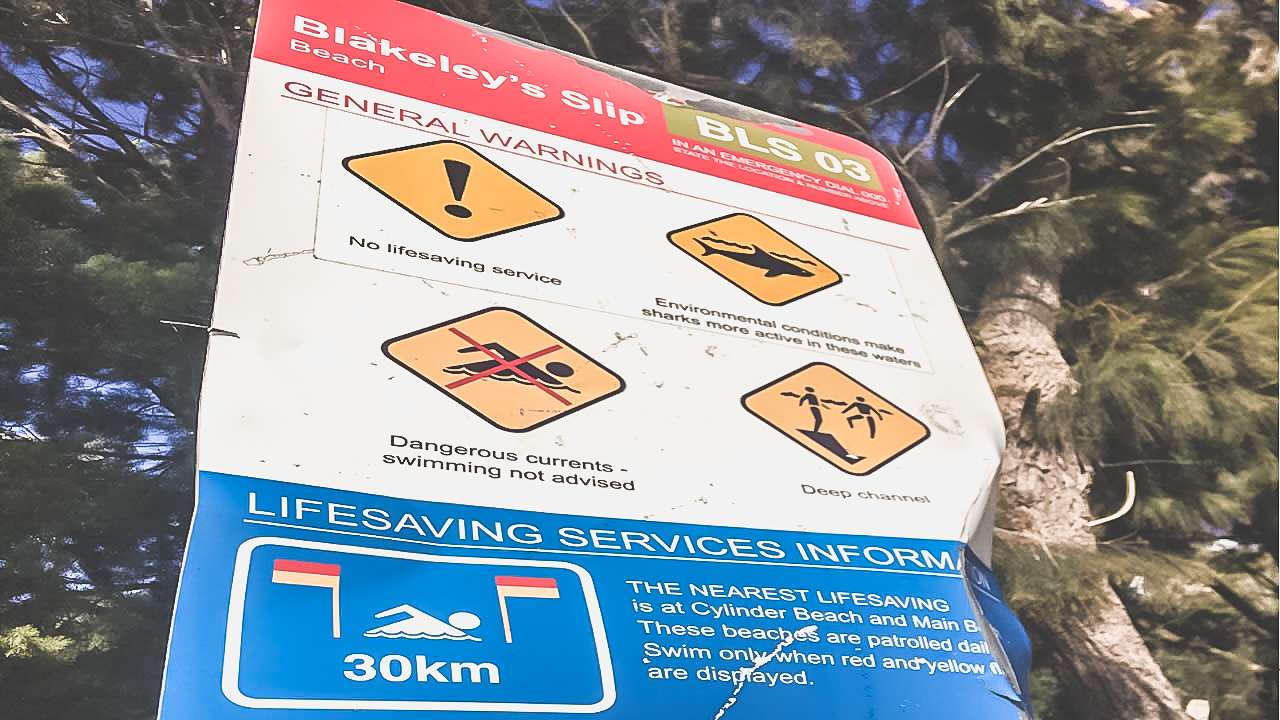
Blakeleys Slip Campground North Stradbroke Island

Blakeleys Slip Campground North Stradbroke Island

13. Track 5

Type: Beach Camping
Location: Track 5, North Stradbroke Island, Queensland
GPS: -27.621250°, 153.468858°
Pet Friendly: Yes

14. Camp Site 9

This is a paid campground. It is dog friendly. It is accessible to camper trailers and four wheel drives. Camping in tents is allowed. You must book in advance.

Type: Paid Campground
Location: Main Beach Stradbroke Island, Queensland
GPS: -27.650914°, 153.462087°
Pet Friendly: Yes

15. Track 5

This is a paid campground. It is dog friendly. It is accessible to camper trailers and four wheel drives. Camping in tents is allowed. You must book in advance.

Type: Paid Campground
Location: Track 5, North Stradbroke Island, Queensland
GPS: -27.621250°, 153.468858°
Pet Friendly: Yes

Activities And Highlights For Stradbroke Camping

North Stradbroke Island is a paradise for outdoor enthusiasts with countless activities to enjoy right from your campsite.

  • Snorkelling and Diving:The waters around Straddie are clear and full of marine life, making it an ideal spot for snorkelling and diving. Watch for dolphins, turtles and even manta rays in certain seasons.
  • Whale Watching at Point Lookout: Between June and November, Point Lookout becomes a prime location for whale watching, as humpback whales pass by on their migration.
  • Fishing: With rich waters surrounding the island, fishing is a popular activity, whether off the beach, on a jetty, or with a fishing charter.
  • 4WD Adventures: For those with a 4WD, there are plenty of tracks to explore, especially around Main Beach, where the soft sand adds to the adventure.
  • Geocaching: There are quite a few geocaches hidden on North Stradbroke Island. Combine your Stradbroke camping with a bit of geocaching – if you’re into it!

Conservation And Respecting Straddie’s Natural Beauty

The natural beauty of North Stradbroke Island is cherished by locals and visitors alike and conservation is a key part of maintaining its pristine environment. Campers are encouraged to follow “leave no trace” principles to ensure the island remains beautiful for future generations.

Stradbroke Camping Tips

Here are some practical tips for camping on Stradbroke Island to make the most of your trip.

  • Plan and Book Ahead: Campsites on the island can fill up, especially during peak seasons, so booking early is essential.
  • Weather Considerations: Queensland weather can be unpredictable, so pack for all conditions, including rain and sun.
  • Permits and Fees: Make sure to check for camping permits and any additional fees associated with your stay.

How To Get To North Stradbroke Island

Getting to North Stradbroke Island is a straightforward and enjoyable part of your adventure, with the Stradbroke Barge being the main way to reach this stunning island from the mainland. Departing from Cleveland, near Brisbane, the Stradbroke Barge takes you across Moreton Bay to Dunwich on North Stradbroke Island. Here’s a quick guide to making your trip to Straddie as smooth as possible.

Getting There: The Stradbroke Barge

The Stradbroke Barge, run by Stradbroke Ferries, is a convenient car and passenger ferry that operates regularly between Cleveland and Dunwich. Taking your car across means you’ll have the freedom to explore the island at your own pace and if you’re camping or planning a long stay, it’s the best way to bring everything you need with you. You can also book as a foot passenger if you’re planning to use the island’s bus service or bike hire options once you arrive.

Stradbroke Barge Location

The barge terminal is located at Toondah Harbour in Cleveland, about 30 kilometres southeast of Brisbane. It’s an easy drive if you’re coming from Brisbane or the Gold Coast and parking is available near the terminal if you don’t want to take your car on the ferry.

Address: 12 Emmett Drive, Cleveland QLD 4163

Stradbroke Barge Schedule

The Stradbroke Barge runs frequently throughout the day, with services starting in the early morning and running into the evening. You’ll find plenty of options to suit your travel schedule. It’s best to check the current timetable on the Stradbroke Ferries website as schedules can vary slightly depending on the season and demand. If you’re travelling during peak holiday periods or weekends, it’s wise to book your preferred time slot well in advance, as the barge can fill up quickly.

Stradbroke Barge Cost

The cost of the Stradbroke Barge depends on whether you’re bringing a vehicle and how many passengers you have. Here’s a general idea of the pricing:

  • Vehicle (includes driver): From around one-way, depending on the size of your vehicle.
  • Additional Passengers: Adults are typically around – each, while children (under 12) may travel for a lower fare.
  • Foot Passengers: Prices start around – for adults, with discounts for children and seniors.

These prices are a rough guide so it’s always a good idea to check the Stradbroke Ferries website for the latest rates. They also offer return fares and special discounts for locals, so if you’re making it a frequent destination, look into those options.

Stradbroke Barge Contact Info

If you have any questions or want to confirm details, you can contact Stradbroke Ferries directly. They can assist with bookings, pricing and anything else you might need for a smooth journey.

Phone: 1300 789 789
Website: https://stradbrokeferries.com.au

The Stradbroke Barge is a relaxing way to start your North Stradbroke Island adventure. It takes about 45 minutes, giving you a chance to sit back, enjoy the views across Moreton Bay and prepare for an unforgettable trip to one of Queensland’s most stunning islands. Whether you’re heading over for a weekend or a longer holiday, the Stradbroke Barge makes getting to Straddie easy and enjoyable.

North Stradbroke Island Dump Points

If you’re heading to North Stradbroke Island with a caravan or motorhome, you’ll be happy to know there are convenient dump points available to help make your stay easy and eco-friendly. North Stradbroke Island recognises the importance of keeping the island clean and safe for both visitors and locals, so you’ll find designated dump points that are easy to access.

The main dump point on North Stradbroke Island is located at Adder Rock Camping Ground near Point Lookout. This site is popular with campers and provides a safe, clean place to empty your wastewater tanks and dispose of rubbish. It’s well-maintained, so make sure to follow the guidelines and leave it as you found it to keep the facilities in top shape for others.

Additionally, many of the island’s campgrounds and holiday parks have their own dump points for guests. Cylinder Beach Camping Ground and Amity Point Campground are just two examples where campers have access to waste disposal amenities, provided you’re staying at those locations.

Using the dump points responsibly helps to protect North Stradbroke Island’s pristine beaches, freshwater lakes, and unique wildlife. Make sure to plan your stops, empty your tanks before leaving, and always leave no trace – it’s a simple way to help preserve the natural beauty of Straddie so future generations can enjoy it too.

1. Flinders Beach Dump Point

Using GPS may cause you to get lost as track is blocked. This dump point exists in the Flinders Beach camp ground

Location: North Stradbroke Island, Queensland
GPS: -27.419117°, 153.489575°

2. Amity Point Dump Point

This is a public dump point.

Location: Basin Dr, Amity Point, Queensland
GPS: -27.402333°, 153.439036°

North Stradbroke Island Potable Water

When you’re camping on North Stradbroke Island, having access to fresh water is essential, especially if you’re staying for a few days. Fortunately, there are convenient water fill points around the island to keep you stocked up without hassle.

One of the main places to refill is at the Point Lookout Bowls Club. They have a water fill point that’s accessible to campers, making it a handy spot to top up while exploring the northern side of the island. Just be sure to bring your own containers or hose to make the process quick and easy. If you’re staying at one of Straddie’s camping grounds, like Cylinder Beach, Adder Rock, or Amity Point, they often have potable water available for guests. This makes it simple to refill before you head out for the day or when you’re returning to camp.

Remember that the island’s water resources are precious so it’s best to use water mindfully and avoid any wastage. It’s also a good idea to bring some extra water containers if you’re camping at more remote sites or just to have on hand during busier seasons. Staying prepared with your water supply will keep your trip stress free allowing you to relax and make the most of your time on this beautiful island.

1. Point Lookout Life Saving Club Toilets

Public toilets with shower facilities at the Point Lookout Surf Lifesaving Club. No camping or overnight parking.

Location: Kennedy Drive, Point Lookout, Queensland
GPS: -27.436613°, 153.542685°

2. North Gorge Walk

This free water filling point offers toilets and drinking water.

Location: North Gorge Walk, Queensland
GPS: -27.434457°, 153.543475°

3. Adder Rock Campground

Water refill point outside of Adder Rock Campground boom gate, accessible to anyone.

Location: Mulmukul Road, Point Lookout, Queensland
GPS: -27.422414°, 153.515553°

4. Claytons Road Amity Point

Water tap on shower near carpark.

Location: Claytons Road, Amity Point, Queensland
GPS: -27.400715°, 153.437487°

A Brief History of North Stradbroke Island

North Stradbroke Island, or “Minjerribah” in the local Quandamooka language, is steeped in rich Indigenous history. The Quandamooka people have lived on the island for thousands of years. Their deep cultural connection to the land is evident in the traditional practices, stories and respect for the natural environment that they continue to uphold.

The island first appeared on European maps in the early 19th century and by the 1820s, British colonists had arrived. The island saw the development of industries, including sand mining, which continued until the late 20th century. Today, North Stradbroke Island is a place where history and natural beauty come together, with many sites paying homage to the Quandamooka heritage and early European influence. The island’s historical and cultural sites add depth to the camping experience, making it much more than just a scenic escape.

Why Stradbroke Camping? What Makes It Special

Camping on North Stradbroke Island offers a unique experience where you can wake up to the sounds of waves, explore natural wonders and soak up the relaxed island atmosphere. Here are a few reasons why Straddie camping is so popular:

  1. Scenic Beaches and Freshwater Lakes: Straddie’s beaches are unspoiled, offering incredible spots to surf, swim, or simply relax. The island’s freshwater lakes are serene spots to visit for a swim or a paddle.
  2. Wildlife Encounters: Stradbroke Island is known for its diverse wildlife, including dolphins, turtles, kangaroos and seasonal whale migrations.
  3. Adventure and Tranquility in One Place: Whether you’re up for an action-packed weekend of activities or a peaceful retreat by the water, Straddie offers both. There’s snorkelling, fishing and sandboarding for the adventurous, while secluded beaches provide quiet spaces for relaxation.

Conclusion

Camping on North Stradbroke Island, or “Straddie” as it’s fondly known, is an unforgettable way to experience Queensland’s natural beauty. Just a ferry ride from Brisbane, this island getaway offers stunning beaches, unique wildlife, and an easy-going vibe that makes it a camper’s paradise. Whether you’re pitching a tent on the sand, parking a caravan, or setting up at a powered site, Straddie has options for every type of camper.

Cylinder Beach and Adder Rock campgrounds are popular picks, with easy access to great surf spots, swimming, and local cafes. If you’re up for a more rustic experience, try Main Beach or Flinders Beach, where you can camp right on the sand and fall asleep to the sound of the waves. Wildlife lovers are in for a treat, with regular sightings of dolphins, koalas, and, if you’re lucky, even a passing whale during migration season.

Stradbroke Island’s facilities make camping convenient, with water fill points, dump points, and amenities at most camping areas. For a few extra comforts, the nearby shops and cafes have you covered, but the island’s natural beauty is the real star. Between snorkelling, fishing, bushwalks, and simply soaking up the serenity, Straddie lets you unplug and recharge in one of Australia’s most spectacular settings.

Camping on North Stradbroke Island is all about slowing down, connecting with nature, and enjoying the simplicity of life outdoors – all while being close to home.
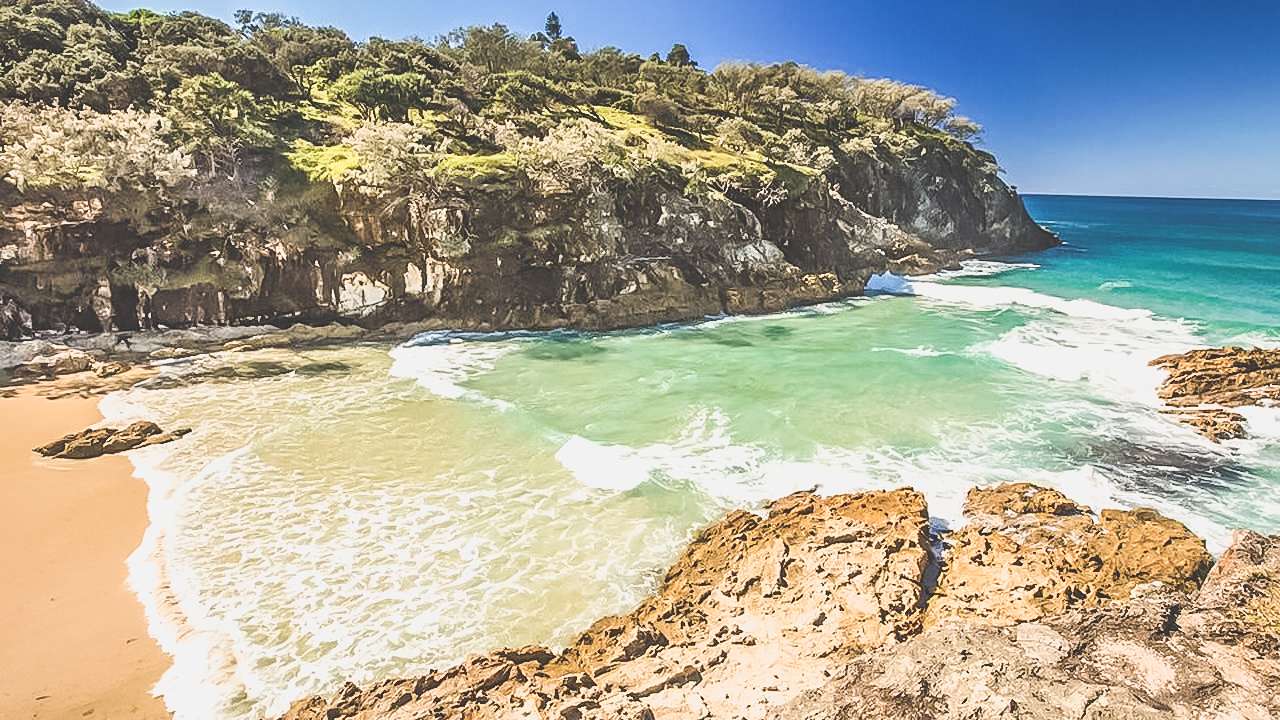
Stradbroke Camping On The North Island

Stradbroke Camping On The North Island

FAQs Frequently Asked Questions About Stradbroke Camping

What’s the best time of year to go camping on North Stradbroke Island?

Stradbroke Island is beautiful year-round, but the best time to camp is during the cooler months, from April to October. Summer can get pretty hot and there’s often more rainfall, which can make camping a bit trickier. Plus, winter is ideal for spotting migrating whales from Point Lookout!

Do I need a 4WD to camp on North Stradbroke Island?

It depends on where you want to camp. Many of the island’s camping areas, like Cylinder Beach and Adder Rock, are accessible by regular vehicles. But if you're after a more remote camping experience, like Main Beach or Flinders Beach, a 4WD is a must. These sites are right on the sand, so a 4WD helps you access those hard-to-reach spots.

Are there facilities at the campsites?

Yes, many of Straddie’s popular campsites have facilities like toilets, showers and BBQ areas. Cylinder Beach and Adder Rock have powered sites and are close to cafes and shops. For more remote spots like Main Beach, you’ll need to be more self-sufficient, as they offer fewer facilities.

Can I bring my dog camping on North Stradbroke Island?

Yes, you can bring your dog to certain campsites on the island, like Flinders Beach and Main Beach. Just be sure to check current regulations, keep your dog on a leash and clean up after them to keep the island pristine for everyone.

What’s there to do on North Stradbroke Island besides camping?

There’s so much to do! You can go snorkelling, fishing, or surfing at some of the island’s best beaches. Wildlife spotting is a must – think koalas, kangaroos and even dolphins. And if you’re here in winter, head to Point Lookout for whale watching!

Do I need a permit to camp on North Stradbroke Island?

Yes, you’ll need to book your campsite in advance, as North Stradbroke Island’s camping areas are managed and require a permit. It’s easy to book online, especially for the more popular sites, which can fill up quickly during holidays and long weekends.

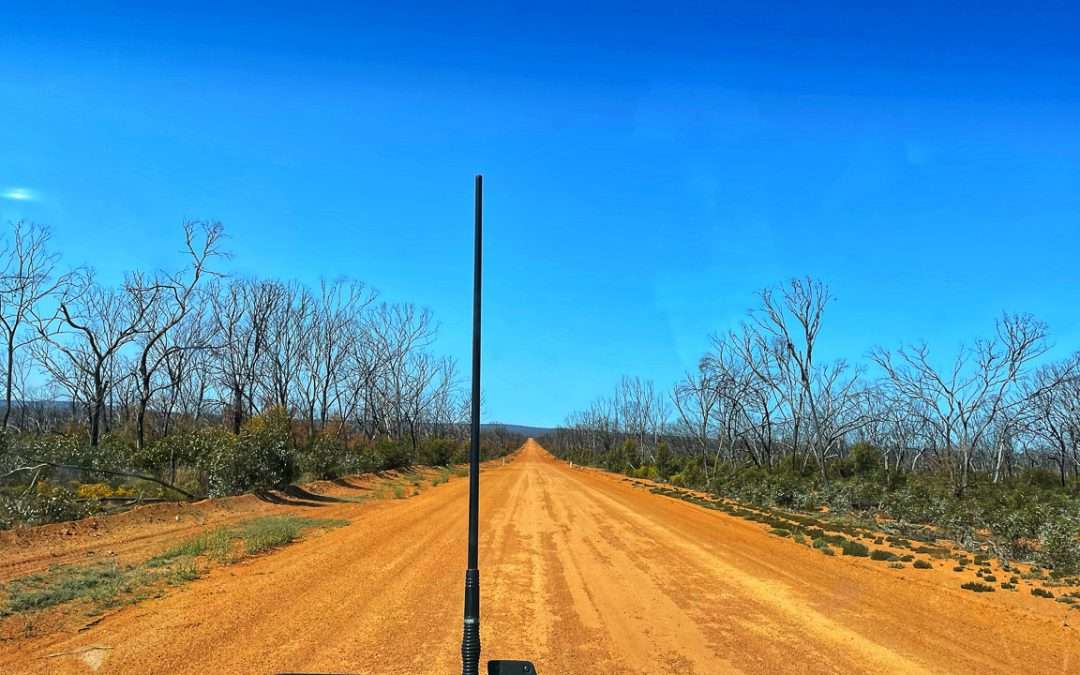
Add Wave Rock To Your Travel Bucket List

Add Wave Rock To Your Travel Bucket List

Add Wave Rock To Your Travel Bucket List

We visited Wave Rock. An awesome natural landmark in Western Australia that will leave you in awe of its beauty and history. Imagine a wave, frozen in time towering majestically in the heart of Australia’s red earth outback. That’s Wave Rock, an awe inspiring natural formation that draws travellers from all walks of life.

We camped up at a free camp at Holt Rock about 65 kilometres south west of Hyden WA. We drove through from Perth with a couple of stops. One stop was at Wave Rock – it’s an awesome piece of magnificence! They say the “wave” is 15m high but it seems a LOT bigger than that. We did the loop walk out to see Hippo Yawn Rock while we there and it was very interesting. We saw a load of different plants that we haven’t seen before. It’s awesome beauty coupled with a rich cultural and geological story make it a destination like no other.

Location And Accessibility

Wave Rock is nestled near the town of Hyden in Western Australia, about 340 kilometres southeast of Perth. The journey is a massive part of the adventure with scenic routes showcasing the rugged charm of the Australian bush. Road trips are the most popular way to reach it, though guided tours from Perth offer a stress free alternative.

Surfing The Rock Wave Rock WA

Surfing The Rock Wave Rock WA

We Camped At Holt Rock Free Camp

We camped at the free camping area at Holt Rock. It was nice and quiet, we only had one other caravan set up for the night but they were great and camped over on the other side of the camping area.

Tucked away in the rugged beauty of Western Australia’s Wheatbelt region Holt Rock Free Camp is a great place for travellers seeking an off the beaten path escape. This free camping spot offers a serene retreat surrounded by nature making it a perfect base for those exploring the area.

Located near the small town of Varley, Holt Rock Free Camp provides a slice of outback solitude. The camp is well suited for self contained travellers, with flat, spacious areas ideal for setting up caravans, motorhomes, or tents. While the amenities are basic, there are no powered sites or running water, the peaceful atmosphere more than makes up for it. With no urban lights to dim the view, the starry night skies here are nothing short of magical.

Campfire At Holt Rock Free Camping Area

Campfire At Holt Rock Free Camping Area

Nature lovers will find plenty to admire. The camp is named after Holt Rock, a striking granite formation just a short drive away. This ancient rock, similar to the famous Wave Rock invites exploration. Climbing to the top rewards you with panoramic views of the surrounding landscape, a patchwork of salt lakes, farmland and bushland stretching as far as the eye can see.

For adventurers keen to stretch their legs, walking trails around the area reveal native flora and fauna. In spring, wildflowers burst into bloom, painting the landscape with vibrant colours. Keep an eye out for kangaroos and an array of bird species that call this region home.

Wildflowers At Wave Rock WA

Wildflowers At Wave Rock WA

One of the most appealing aspects of Holt Rock Free Camp is its quiet with not much around. It’s a place where you can disconnect, unwind and soak in the Australian outback. Campfires are permitted in designated areas (when fire bans are not in effect), adding to the traditional camping experience. We brought some firewood with us however there was a bit lying around if you didn’t mind a decent walk into the bush.

The nearby Varley General Store is a handy stop for basic supplies and a friendly chat with locals. Whether you’re passing through on a broader Wheatbelt adventure or planning to stay a few days, this camp offers an authentic taste of Australia’s vast and varied landscapes.

If you’re searching for a peaceful retreat with plenty of natural beauty, Holt Rock Free Camp is a destination that delivers simplicity, solitude and unforgettable sunsets.

Travelling From Wave Rock To Holt Rock Free Camp

The journey from Wave Rock to Holt Rock Free Camp is another outback adventure that takes you through Western Australia’s breathtaking Wheatbelt region. It’s about a 90 kilometre drive which takes just over an hour. The best thing about it is it’s away from the tourist crowds, allowing you to experience the unspoiled beauty of the countryside in peace and quiet.

As you leave Wave Rock the iconic granite formation fades into your rearview mirror, replaced by endless plains dotted with salt lakes and resilient bushland. The road is sealed for much of the trip ensuring a smooth journey although some gravel adds a bit of adventure. Keep your camera handy, wildlife sightings are common, with kangaroos and emus often making an appearance.

Along the way you’ll pass through small rural communities where time seems to slow down. Stop to explore local history, grab a snack, or simply stretch your legs in the wide open spaces. The simplicity of these quiet towns is a reminder of the slower pace of life in Australia’s outback.

Arriving at Holt Rock Free Camp, you’re greeted by a peaceful haven surrounded by natural wonders. The camp is close to Holt Rock, a striking granite outcrop that invites exploration. Climbing the rock offers sweeping views of the surrounding landscape, a tapestry of farmland, salt lakes and untamed bush.

The Corrigin Road Board Offices Building

The Corrigin Road Board Offices Building

The camp itself provides flat, spacious sites perfect for self contained travellers. Its rustic charm, coupled with the spectacular star studded night skies, makes it a must visit destination.

This short journey from Wave Rock to Holt Rock Free Camp is more than a drive, it’s a chance to connect with the land, immerse yourself in nature and embrace the serene beauty of Australia’s heartland.

The Journey From Perth

Embarking on the trip from Perth to Wave Rock is more than just a drive, it’s an adventure through the heart of Western Australia’s diverse landscapes. A scenic journey of around 340 kilometres, this route offers travellers a chance to soak in the beauty of the Australian outback, discover quirky stops along the way and experience the unique charm of rural towns.

The drive typically takes around four hours, but there’s no need to rush. As you leave Perth behind, you’ll traverse open plains, salt lakes and rolling wheat fields. The ever changing scenery is a photographer’s dream, with vast horizons and striking colours that seem to shift with the sun’s position.
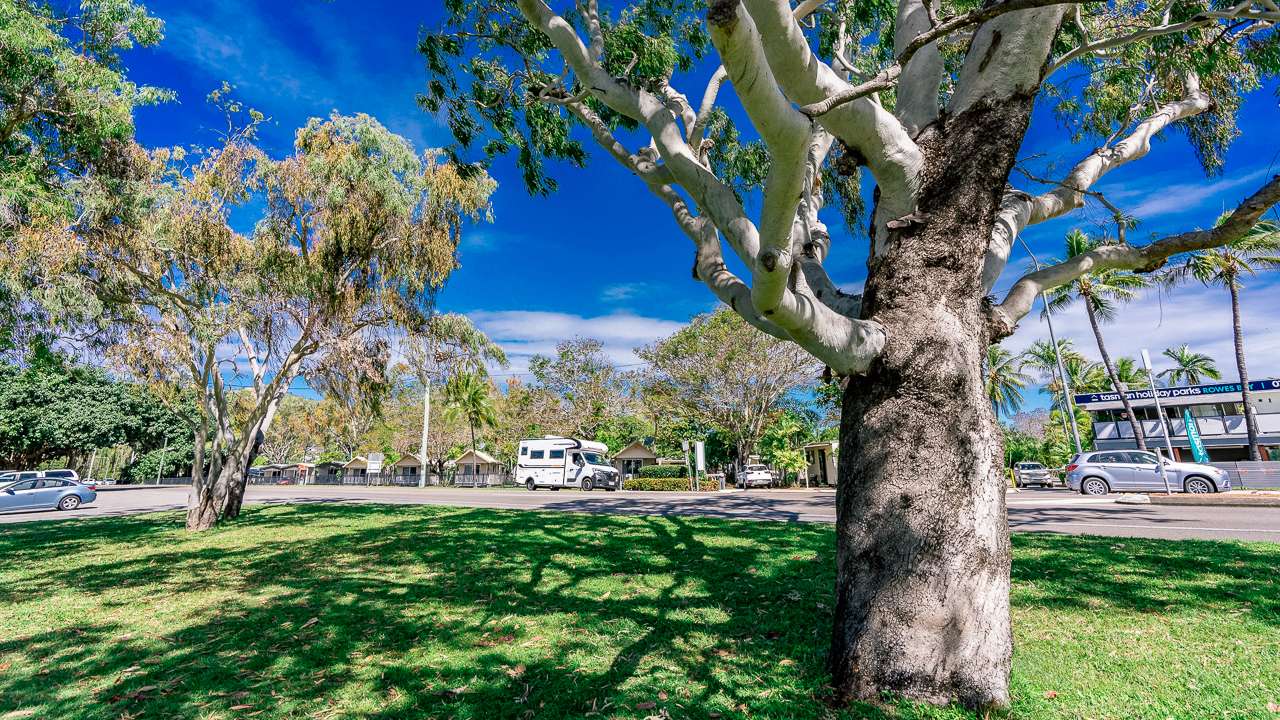
For those who enjoy offbeat attractions, consider detouring through Kulin to experience the Tin Horse Highway. This whimsical stretch of road features quirky, horse themed sculptures created by local artists. It’s a lighthearted stretch of road that perfectly encapsulates the creativity of regional Australia.
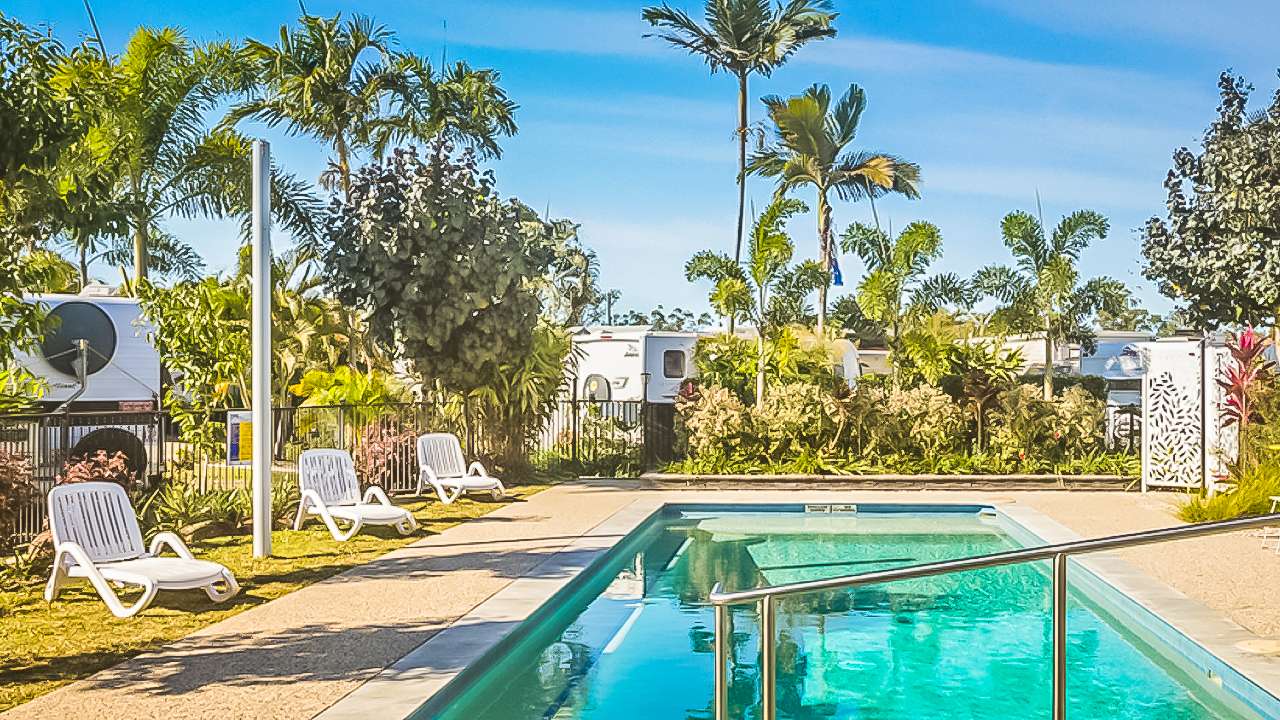
Further along the route you’ll come to the historic town of York. Considered to be the oldest inland settlement in Western Australia York has great historical colonial architecture, cafés and boutique shops. Stretch your legs here, wander the heritage listed streets and enjoy a bite to eat before continuing your journey.

The drive from Perth to Wave Rock also provides an excellent opportunity to learn about the region’s natural history. Salt lakes like Lake Grace or Lake King are found along the way, their pale, reflective surfaces creating an otherworldly landscape. These geological wonders remind you of the area’s ancient past.

As you leave Perth the scenery shifts once again. You drive through rolling hills and vineyards welcome as you leave the busy cityscape behind. Perth’s cosmopolitan energy feels like a world away from the quiet serenity of The Rock making the transition all the more striking.

Whether you take the direct route or wander amongst the towns and sights, the journey from Perth to Wave Rock is a great Aussie road trip. It’s not just about reaching your destination but immersing yourself in the natural and cultural treasures of Western Australia along the way.

A Geological Masterpiece

Carved over 2.7 billion years (Amanda can remember that far back or so I reckon) it is a marvel of nature’s artistry. Its vibrant hues of orange, red and grey are the result of chemical reactions between minerals and water. Standing before its 15 metre high, 110 metre long curve, you can’t help but marvel at the raw power of erosion and time.

The Science Behind The Wave Shape

Wave Rock’s iconic shape wasn’t sculpted by chance. Over millennia water trickled down its surface dissolved minerals leaving behind layers of sediment that accentuated its curve. Wind and sand got in and had a go and played their roles too. Smoothing and shaping the rock into the stunning formation we see today.

Wave Rock Near Hyden WA

Wave Rock Near Hyden WA

The Indigenous Connection

For the Noongar people, Wave Rock is sacred. Dreamtime stories tell of the rainbow serpent, a powerful spirit that shaped the land and brought life giving water. Visiting the site is not just about admiring its beauty, it’s also about honouring its deep cultural roots.

Wave Rock In Popular Culture

Wave Rock has transcended its geological origins to become a symbol of Australia’s vast landscapes. It’s been featured in films, documentaries and even international advertisements. Its surreal form inspires artists and travellers alike, solidifying its place as a cultural icon.

Exploring Beyond The Wave

The Wave Rock experience doesn’t end at the wave itself. Just a short walk away is Hippo’s Yawn, a rock formation resembling a yawning hippopotamus. Mulka’s Cave is full of indigenous folklore. It provides a look into ancient history with its eerie handprint markings.

Wave Rock Wildlife Park

The Wildlife Park is a haven for native fauna. Wander through and meet kangaroos, emus and dingoes. Conservation efforts at Wave Rock are intended to protect the region’s biodiversity while giving visitors a chance to learn about and appreciate Australia’s unique wildlife.

Seasonal Spectacles

Spring transforms the whole area into a kaleidoscope of colours, with wildflowers blanketing the landscape. Throughout the year, the weather varies from mild autumn days to scorching summer heat, so timing your visit can greatly enhance your experience.

The Flora Of The Hyden Region

From saltbush to eucalypts, the plants around Wave Rock have adapted to thrive in tough conditions. Many have medicinal or cultural significance, offering a fascinating insight into how nature and people coexist in this harsh environment.

The Fauna Of The Hyden Region

Beyond kangaroos and emus, the region teems with life. Look closely and you might spot echidnas, lizards and a dazzling array of bird species. These animals are masters of adaptation, surviving in one of the driest parts of the country.

Climbing To The Top Of Wave Rock

A short climb up Wave Rock rewards you with sweeping views of the surrounding outback. The ascent is relatively easy, but sturdy shoes and caution are advised, as the granite can be slippery.

Photographing Wave Rock

Sunrise and sunset are prime times for capturing Wave Rock’s beauty. The golden light accentuates its textures and colours, while a wide angle lens ensures you capture its full grandeur. For something different, try a close up shot of its mineral streaks.

Where To Stay: Your Guide To Wave Rock WA Accommodation

When planning a trip to the breathtaking Wave Rock in Western Australia, choosing the right place to stay is just as important as the destination itself. The good news? There’s a range of Wave Rock WA accommodation options to suit every traveller’s preference, whether you’re after a rustic camping experience or a touch of luxury.

For those who love to immerse themselves in nature, the Wave Rock Caravan Park is an unbeatable choice. Located just a stone’s throw from the iconic formation, this park offers powered and unpowered camping sites, as well as modest cabins. Staying here means you can wake up with the sun rising over the outback and enjoy uninterrupted views of the night sky.

Looking for something a bit more refined? The Wave Rock Motel in nearby Hyden combines comfort with convenience. Offering air conditioned rooms, private amenities and hearty meals at the on site café, it’s a cosy base for exploring the region. Hyden itself is a charming stopover, with local shops and galleries adding to its appeal.

For travellers who crave a unique experience, consider booking a stay at one of the region’s farmstays. These properties, scattered across the Hyden area, allow visitors to enjoy the rugged beauty of the outback while indulging in authentic rural hospitality. Some farm stays even offer opportunities to interact with livestock or sample fresh, locally produced food.

Budget conscious adventurers aren’t left out either. Backpacker style Wave Rock WA accommodation can be found in the form of shared facilities at caravan parks or modestly priced motels. These options are perfect for travellers keen to stretch their dollars while still soaking in the incredible scenery.

Holt Rock Camping Area

Holt Rock Camping Area

If privacy is a priority, self contained chalets or holiday homes around Hyden provide a homely atmosphere. Many come with fully equipped kitchens, so you can prepare meals after a day of exploring. These accommodations are ideal for families or groups looking to stay together and unwind in peace.

Regardless of where you choose to stay these accommodation options put you at the doorstep of one of Australia’s most unique landmarks. Whether under the stars or in a plush bed, you’ll find a place that feels just right for your adventure.

Eating And Drinking In Hyden

Local cafes and bakeries serve hearty meals perfect for fuelling your explorations. For a more intimate experience, pack a picnic and enjoy it in one of the scenic spots near Wave Rock.

Wave Rock Weekender Festival

Each September the Wave Rock Weekender transforms the area into a hub of music, art and community. This boutique festival brings together travellers and locals, creating a unique cultural celebration.

Environmental Challenges And Conservation

Wave Rock’s popularity has brought challenges, including erosion and waste. Conservation efforts aim to protect the site, from maintaining paths to educating visitors. Small actions like sticking to the clearly defined walking tracks make a big difference.

Planning Your Visit

Pack plenty of water, sunscreen and a hat. Essential items for the Australian outback. Plan your visit during cooler months and consider staying overnight to avoid the rush of day trippers.

Family Friendly Activities

The Rock is an excellent destination for families. Kids will love exploring the unique rock formations, spotting wildlife and learning about the area’s history through interactive exhibits.

Wave Rock: A Lasting Impression

Wave Rock isn’t just a place – it’s an experience. Standing before its grandeur, you feel connected to something ancient and enduring. It’s a memory that lingers, a reminder of the wonders our planet holds.

Hippo Yawn Rock

Hippo Yawn Rock

Wave Rock & Holt Rock Free Camping Photo Gallery

FAQs Frequently Asked Questions About Wave Rock WA

What is Wave Rock and how was it formed?

Wave Rock is a stunning natural rock formation shaped like a giant wave about to break. It was formed over millions of years through weathering and erosion of granite, creating its unique curved shape and striped patterns.

Where is Wave Rock located in Australia?

Wave Rock is located near the small town of Hyden in Western Australia, approximately 340 kilometres southeast of Perth.

What is the best time of year to visit Wave Rock?

The best time to visit Wave Rock is during spring (September to November) when the weather is mild, and the surrounding wildflowers are in full bloom.

How do I get to Wave Rock from Perth?

You can drive to Wave Rock from Perth, a journey of about 4 hours via the Brookton Highway or Great Eastern Highway. Tours are also available for those preferring guided trips.

Is there accommodation available near Wave Rock?

Yes, accommodation options include the Wave Rock Caravan Park, Wave Rock Motel in Hyden, and nearby farm stays, catering to a range of preferences and budgets.
We Visited The Pinnacles Desert: Awesome Day Trip From Perth

We Visited The Pinnacles Desert: Awesome Day Trip From Perth

We Visited The Pinnacles Desert: Awesome Day Trip From Perth

We visited the Pinnacles Desert Western Australia on day trip just 2 hours from Perth. Nambung National Park’s stunning limestone formations are as interesting as they are completely weird. When you’re visiting Western Australia, a day trip to The Pinnacles Desert is an absolute must.

Just a short two hour drive north of Perth this unique landscape is like stepping onto another planet. Imagine towering limestone formations scattered across golden sands under a big blue sky. This place truly has to be seen to be believed. So if you’re up for a little road trip hop in the car pack some snacks and let’s get going! Here’s what you need to know for a day trip to The Pinnacles plus a few things we didn’t and now do.

The Pinnacles

The Pinnacles

What Are The Pinnacles?

The Pinnacles Desert is a natural attraction located within Nambung National Park, around 200 kilometres north of Perth. These ancient, natural limestone formations rise out of the desert floor, some reaching up to four metres in height. Formed over millions of years the pillars are actually made from seashells. Remnants of an ancient seabed that once covered the area. Weathered by wind, sand and time they now stand as beautiful monoliths. Creating a surreal and almost otherworldly landscape.

It’s the type of spot that leaves you in awe with thousands of photo opportunities. But it’s more than just a pretty landscape it has cultural and scientific significance too. Indigenous stories link the Pinnacles to Dreamtime legends and scientists still study the formations to understand how they developed over millennia. Reading through the information boards in the visitors I got the impression that scientists aren’t completely sure how the Pinnacles formed. They have their theories but aren’t deadset sure.

Getting To The Pinnacles Desert From Perth

Getting to the Pinnacles from Perth is part of the fun. It’s roughly a two hour drive each way and you’ll travel along the scenic Indian Ocean Drive, which offers beautiful coastal views. Make sure you leave early if you want to enjoy a full day there without rushing.

Top Tip: If you’re not keen on driving there are plenty of day tour operators in Perth that can take you there and back. But honestly a self drive is a fantastic way to go. It gives you the freedom to explore at your own pace and pull over for photos whenever something catches your eye.

The Pinnacles Desert

The Pinnacles Desert

The Journey Begins: Perth to Cervantes

After leaving Perth, you’ll soon find yourself on the open road, heading north towards Cervantes, a charming coastal town that’s also the gateway to the Pinnacles. Cervantes is only about 17 kilometres from the Pinnacles, so it’s an ideal spot for a quick stop to stretch your legs, grab a bite and maybe even dip your toes in the ocean before you head inland to the desert.

There are also a few cool things to check out in Cervantes itself. There are also a few cool things to check out in Cervantes itself. If you have the time, Lake Thetis is worth a quick look. It’s one of only a few places in the world where you can see stromatolites, ancient life forms that give us a glimpse into the early history of life on Earth. They’re sort of like rock-like microbial reefs and they’re thought to be some of the oldest life forms on the planet.

We Called In At Two Rocks WA: A Great Little Village On The Coast

On the way to The Pinnacles we called in at Two Rocks for a coffee and a look around. Two Rocks in Western Australia is a top spot for a laidback day out. Only about 60 kilometres north of Perth. This little coastal town has a mix of history and beautiful scenery. Named after two prominent rocks in the ocean just offshore it’s got a fair bit of character and a few quirky sights that make it a fun place to explore.

A Quick History of Two Rocks, WA

Two Rocks started out as a quiet fishing village but gained a bit of fame in the 1970s when developer Alan Bond came up with a plan to turn it into a major tourist destination. Alan Bond might have been as dodgy as a three dollar note but I somehow manage to like the bloke despite his dodginess! He built the Yanchep Sun City project which included a marina and a massive Atlantis Marine Park.

This marine park featured dolphin shows, an underwater tunnel, and even a giant statue of King Neptune, which has become a bit of a local icon. Atlantis Marine Park drew crowds and had a good run, but it eventually shut down in the late 1980s. Now while the park may be gone King Neptune’s statue still stands proudly and has become a bit of a quirky landmark.

Things to Do in Two Rocks

Whether you’re keen for a bit of sightseeing, a dip in the ocean, or a casual feed by the sea, Two Rocks has a few top spots worth checking out.

Visit King Neptune’s Statue

You can’t visit Two Rocks without checking out this massive statue of King Neptune. Built as part of the old Atlantis Marine Park, the statue has a fair bit of character and is one of those “only in Australia” type attractions. It’s a bit kitschy but well worth a photo op. Over the years, it’s become a beloved symbol of the area, and you’ll see plenty of locals and tourists alike stopping by to snap a pic.

Relax at Two Rocks Marina

The Two Rocks Marina is a prime spot for a relaxing stroll, and if you’re a fan of fishing, it’s a great place to throw in a line. There are some beautiful ocean views here, and you might even spot a few dolphins cruising around. The marina area also has a few shops, so you can grab a bite or an ice cream while you enjoy the views.

Have a Swim or a Surf at Two Rocks Beach

The beaches around Two Rocks are quiet and stunning. They’re ideal for a bit of sunbathing, swimming, or just enjoying the coast. The waves here are usually pretty mellow, making it a good spot for beginner surfers or for just mucking around in the water. It’s also a great beach for families—there’s plenty of space to spread out, and the water’s generally safe for a dip.

Explore Yanchep National Park

While technically not in Two Rocks, Yanchep National Park is only a short drive away and is well worth a visit. You’ll find heaps of Aussie wildlife here, including koalas and kangaroos. The park has some great walking trails and even a few caves you can explore. It’s a fantastic spot to get out into nature and see a bit of the local flora and fauna.

Two Rocks may be small, but it’s got a lot of charm. With a quirky history, laid-back beaches, and that unbeatable coastal vibe, it’s the perfect little getaway from the hustle and bustle of Perth. So next time you’re up for a roadie, pack the car, bring some mates, and head up to Two Rocks for a good time by the sea.

Leeman’s Boat Landing Memorial

When we were at Two Rocks we called in and checked out the Leeman’s Boat Landing Memorial. It’s a simple but important tribute to the area’s history and the resilience of the people who settled there. Abraham Leeman was a Dutch sailor marooned in the area back in 1658. Part of an expedition led by the Dutch East India Company, Leeman and his crew were abandoned after their ship, the Waeckende Boey, sailed off without them.

Leeman came ashore with his men searching for survivors of the ship Vergulde Draeck. The Dutch East India Company (VOC) ship, Vergulde Draeck foundered in 1656, to the north of Two Rocks. Stranded with limited resources, Leeman eventually managed to reach Batavia (modern-day Jakarta) with only a small number of his original crew – a feat that’s still considered impressive even today.

The memorial marks the site and recognises the legacy of Leeman’s survival, as well as the area’s later development as a fishing town. It’s a great spot to pause and soak up some local history while you’re exploring Leeman’s Boat Landing. For locals and visitors alike it’s a reminder of both the town’s rugged beginnings and the spirit of adventure that still defines the area.

Leemans Boat Landing

Leemans Boat Landing

Arriving At The Pinnacles Desert

Once you enter Nambung National Park (small entrance fee applies) it’s only a short drive from the gate to the Pinnacles Desert. You can either park your car and explore on foot or take the drive through track. It’s an easy drive, we saw as many Corollas on it as we did 4WDs. The track allows you to get up close to the formations without even leaving your vehicle. However we got out and went for plenty of walks amongst the Pinnacles as you just have to. When you see them you’ll understand what I mean.

Whether you’re walking or driving, the sight of these towering limestone pillars set against a backdrop of blue sky and golden sands is truly breathtaking. It feels almost otherworldly, as though you’ve stepped onto the set of a sci-fi movie. The pinnacles rise out of the ground in all shapes and sizes and as you wander, you can let your imagination run wild. Some look like ancient towers, while others resemble strange creatures frozen in time.

Pinncacles Desert National Park Information Board

Pinncacles Desert National Park Information Board

The Perfect Time To Visit

The Pinnacles Desert is open year round, but the best time to visit depends on what kind of experience you’re after. If you want to avoid the heat, spring (September to November) is ideal. This is also the wildflower season in Western Australia and the landscape along the drive comes alive with colourful blooms. We visited in September and the weather was fantastic. About 20 degrees celsius with a breeze.

If you don’t mind a bit of warmth summer evenings offer the chance to see the Pinnacles under a blanket of stars. The desert is an official dark sky area making it perfect for stargazing.

Pinnacles In Nambung National Park

Pinnacles In Nambung National Park

What to Do at the Pinnacles Desert

You might think there’s not much to do in a desert full of limestone pillars but there’s more than enough to keep you occupied. Here are a few things that will make your visit even more memorable.

  • Drive the Pinnacles Desert Discovery Trail
    This 4-kilometre loop allows you to drive slowly around the desert. Along the way, there are several stopping points where you can get out, take photos and enjoy the formations up close.
  • Walk the Desert View Trail
    If you’re keen for a stroll, there’s a 1.5-kilometre walking trail that weaves through the Pinnacles. The walk allows you to get up close and personal with the formations and provides more opportunities to marvel at their intricate shapes.
  • Check Out the Pinnacles Desert Discovery Centre
    The Discovery Centre is a small but informative stop. It provides fascinating information on how the Pinnacles were formed, local Indigenous culture and the types of flora and fauna in the park. The building itself is magnificent. It looked like something that the famous American Architect Frank Lloyd-Wright designed. I’ve been to one of his buildings “Taliesin West” near Scottsdale Arizona and the pinnacles Discovery Centre has the same kind of feel as that.
  • Photography Galore
    Every angle of the Pinnacles offers something different. Try different times of the day for the best lighting, but sunrise and sunset provide the most dramatic lighting for photographs.
  • Picnic Among the Pinnacles
    If you’ve brought some snacks or a packed lunch, you’re in luck! There are picnic tables and restrooms near the entrance to the desert. Just be sure to keep an eye out for any cheeky crows looking to steal your lunch.
  • Geocaching
    There’s a geocache hidden within Nambung National Park out amongst the Pinnacles. We managed to find it. On the drive to the Pinnacles from Perth there are a LOT of geocaches. we pulled in found maybe half a dozen of them. If we’d had time we’d have picked up lots more.

Found A Geocache In Nambung National Park

Found A Geocache In Nambung National Park

Wildlife at Nambung National Park

Keep an eye out for wildlife while you’re here. You might spot kangaroos, emus, or even a curious echidna if you’re lucky. If you’re a bird lover, bring your binoculars—the area is home to a variety of native bird species, including galahs, cuckoos and black-shouldered kites.

Sunset and Stargazing at The Pinnacles

One of the best-kept secrets of the Pinnacles is how incredible they look at sunset. The golden hour bathes the landscape in a warm, reddish glow, transforming the pillars into shadowy silhouettes. And if you’re game to stay until dark, you’re in for a real treat: the Pinnacles is one of the best spots in Western Australia for stargazing.

Being away from the city lights, the skies here are inky black and the stars shine with unmatched clarity. If you’re there on a clear night, you’ll see constellations like the Southern Cross, as well as planets and maybe even the occasional shooting star.

Great Lunch Spot Down A 4wd Track At Hansens Bay Beach Near Cervantes WA

Great Lunch Spot Down A 4wd Track At Hansens Bay Beach Near Cervantes WA

Tips for a Great Day Trip to The Pinnacles Desert

Here are some tips to make sure your day trip to the Pinnacles is one to remember:

  • Bring Plenty of Water and Sunscreen: The desert can get hot and there isn’t much shade around.
  • Pack a Picnic or Snacks: While there are food options in Cervantes, it’s nice to have a bite to eat as you enjoy the view.
  • Start Early: Leave Perth early in the morning to get the most out of your day.
  • Wear Comfortable Shoes: You’ll likely be doing a bit of walking, so comfy footwear is a must.
  • Bring a Camera: The Pinnacles is a photographer’s paradise and you’ll want to capture every angle.
  • Respect the Wildlife and Environment: Take nothing but photos and leave nothing but footprints.

Heading Back to Perth

After a day of exploring, it’s time to make the drive back to Perth. It’s a good idea to start heading back before it gets too dark. Kangaroos are known to be more active near the road at dusk and after sunset. If you’re feeling hungry on the way home there are some great places along the way to stop for fish and chips or a pie.

By the time we got back to Perth we were feeling a mix of awe and wonder. The Pinnacles were great however the drive along the coast was also bloody magic. We were also a bit tired from all the walking we had done. The Pinnacles Desert really is one of those places that has to be seen to be believed and it’s sure to be a highlight of any trip to Western Australia.

Fish and Chips from the Lobster Shack to Hansen Bay: A Perfect Lunch in Cervantes

Before heading back to Perth we called into the Lobster shack Lobster Shack at Cervantes for some fish and chips. Known for its fresh seafood especially WA’s famous rock lobster this spot is popular with locals and visitors. But while the lobster’s definitely the star you really can’t go wrong with a classic fish and chips lunch. Crispy golden batter, a generous serve of chips and some tartare sauce – they do it right!

Lunch At Hansens Bay

Once we had our fish and chips we went on short drive down to Hansen Bay. We went out of town a little bit and followed a dirt track for about a kilometre or so. This beautiful beach was a great place to settle in for a laid back beach lunch. The water was nice and calm but too cold in September for a swim!  There’s plenty of space to set up a picnic spot but we just sat on the tailgate of the ute as we’re all about the easy option. Watching the waves and feeling the sea breeze with a pack of fish and chips to eat? Doesn’t get much better. If you’re lucky you might even spot a few dolphins in the distance. Hansen Bay and the Lobster Shack together make for a proper Aussie lunch experience by the coast – simple, fresh, and downright tasty. Perfect for a cruisy afternoon by the sea.

Down A 4wd Track At Hansens Bay Beach Near Cervantes WA

Down A 4wd Track At Hansens Bay Beach Near Cervantes WA

Wrapping Up: A Pinnacle Experience!

A day trip to The Pinnacles Desert from Perth is one of those bucket list experiences that you’ll remember forever. Whether it’s the unique landscape, the serene atmosphere, or simply the feeling of stepping away from the hustle and bustle of the city, The Pinnacles offers a taste of the extraordinary right here in Western Australia. So next time you’re in Perth and looking for an adventure. Grab a mate, jump in the car and set off to explore this unforgettable slice of WA. It’s worth every kilometre.

Our Day Trip From Perth To The The Pinnacles Western Australia Photo Gallery

FAQs Frequently Asked Questions About The Pinnacles Western Australia

How long does it take to get to the Pinnacles from Perth?

It’s a pretty cruisy drive up the Indian Ocean Drive—takes about two hours one way if you're not dawdling. You might want to leave early to make the most of your day and get a bit of time to explore Cervantes or stop for a snack along the way. Just make sure you leave enough time to get back before it’s too dark, as roos like to pop out around dusk.

Do I need a 4WD to get around the Pinnacles Desert?

Nah, a regular car will do just fine. The Pinnacles Desert drive-through track is easy enough for any vehicle, so you don’t need to bring out the big 4WD guns. Just go slow and take it easy on the sandy path—no need to go bush bashing here!

What should I bring with me for a day trip to the Pinnacles?

Pack plenty of water, sunscreen and maybe a hat—the sun can be pretty fierce out there! Some snacks or a packed lunch will come in handy, too. And definitely bring a camera, because you’ll want to snap a few pics of this epic landscape.

Is it worth sticking around for sunset at the Pinnacles?

Absolutely! If you can, sunset at the Pinnacles is magic. The whole place glows and it’s unreal watching the colours change over the limestone spires. Plus, once it gets dark, the stargazing is top-notch since there's not much light pollution out there.

Are there any facilities at the Pinnacles?

Yep, you’ll find restrooms and a picnic area near the car park. There’s also the Pinnacles Desert Discovery Centre, which has displays on the local wildlife, Indigenous culture and how these rock formations came to be. It’s a nice little stop to learn a bit more about the area.

Can I see any Aussie wildlife while I’m there?

Definitely keep an eye out! You might spot kangaroos, emus, or even a few cheeky crows (they’re pros at stealing a sanga if you’re not careful). And if you’re into birdwatching, bring the binocs—there’s a good range of native birds to see.