Geocaching Around Marrar, Belfrayden And Collingullie

Geocaching Around Marrar, Belfrayden And Collingullie

Geocaching Around Marrar, Belfrayden And Collingullie

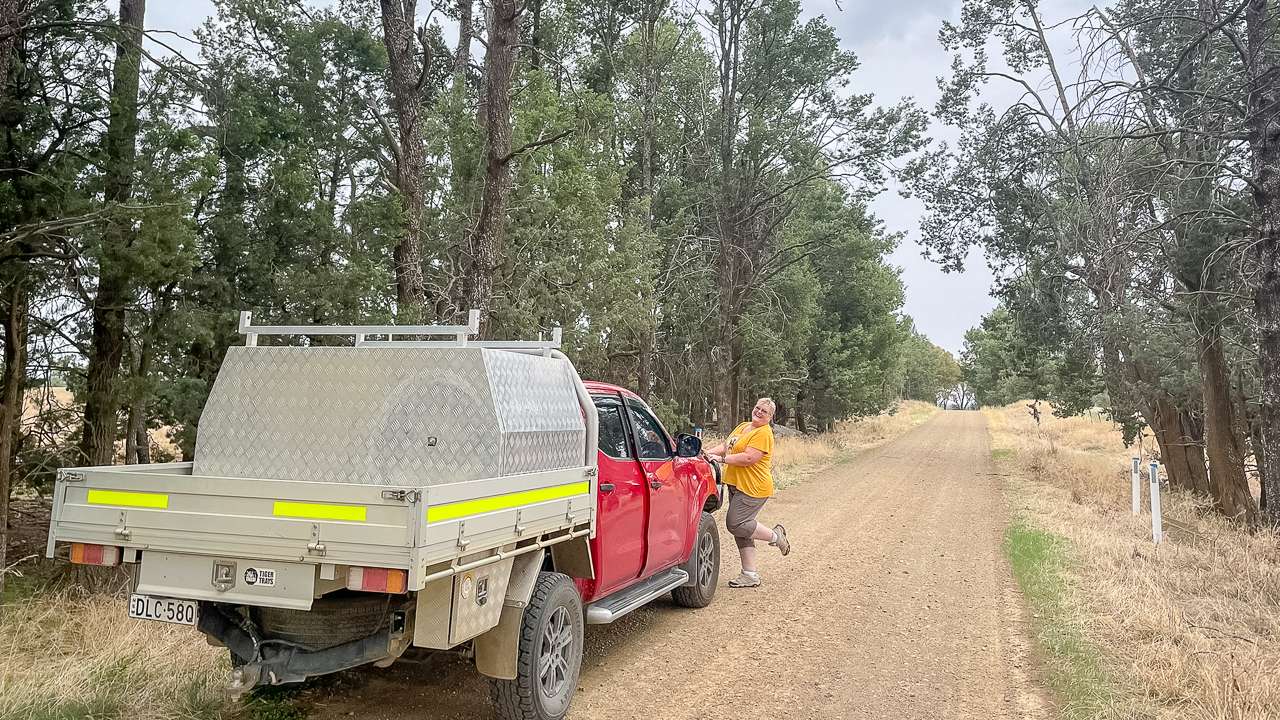
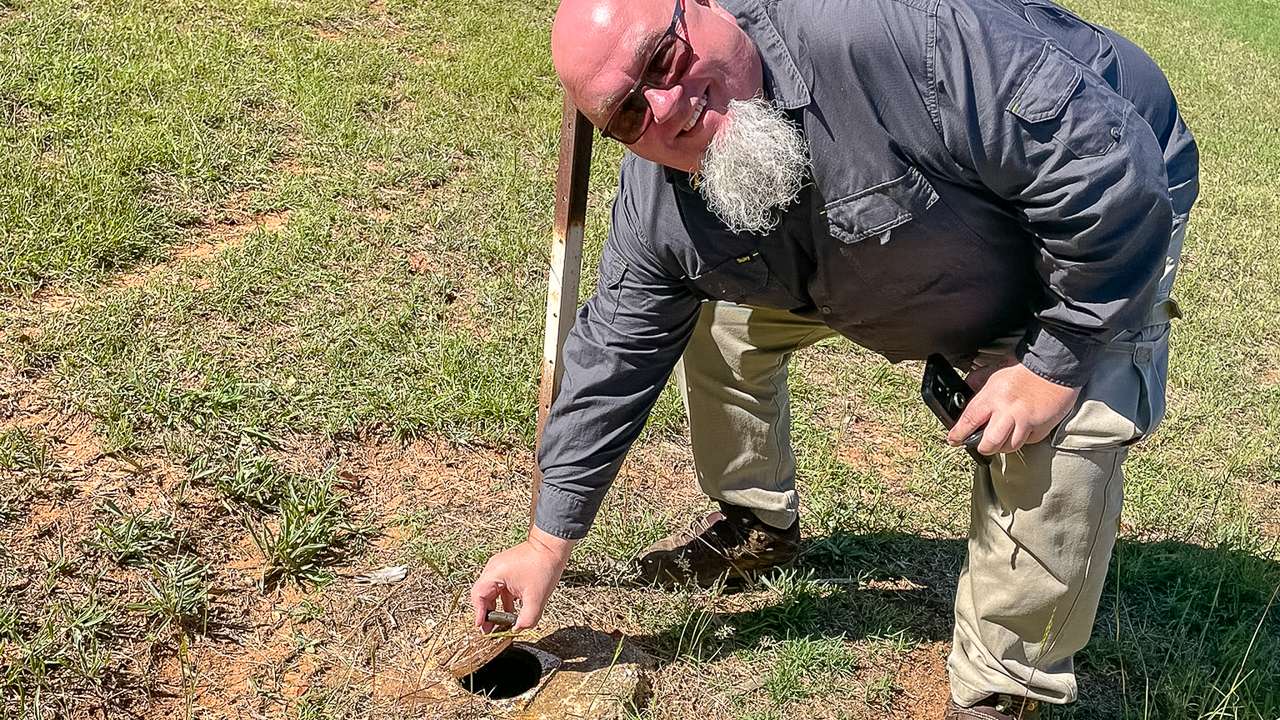
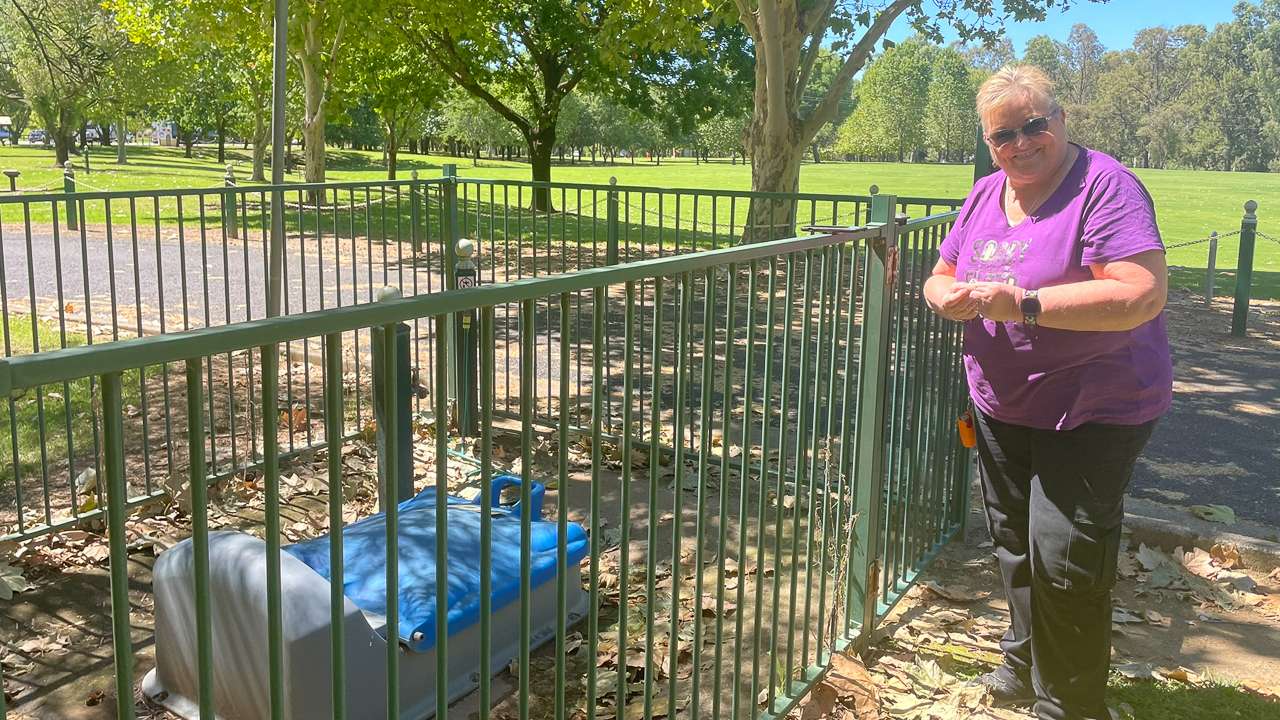
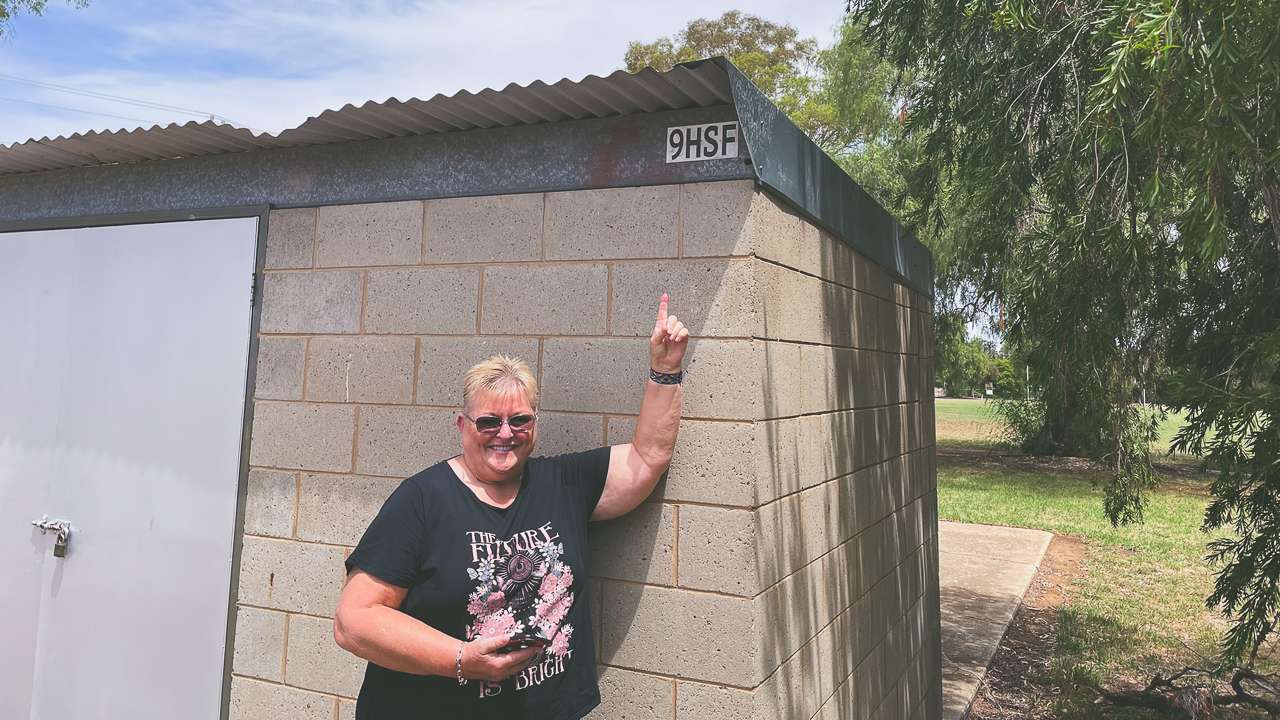
Another day out geocaching around Marrar, Belfrayden and Collingullie. Called in for a beer at the Red Cow Hotel in Junee on the way home. We headed out from home at Cootamundra at about 9.00am and didn’t get home until about 5.00pm. It was a pretty full day. All up I think we covered around 200kms.

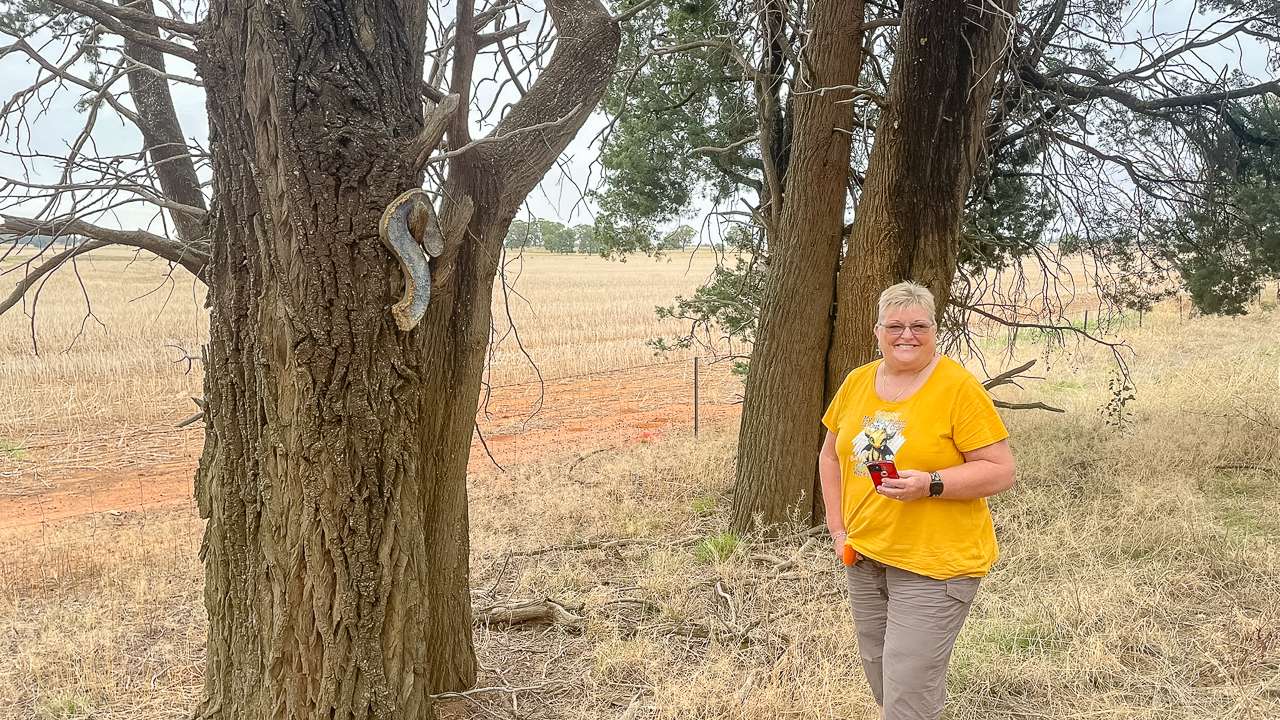
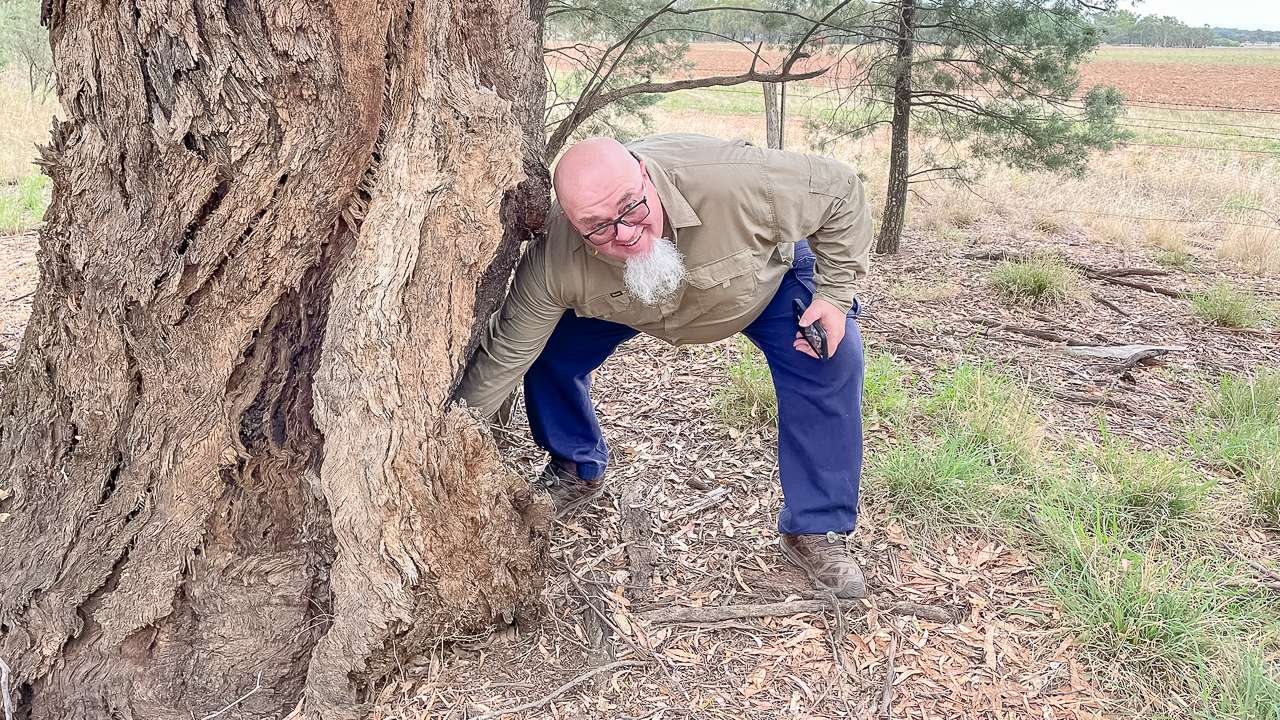
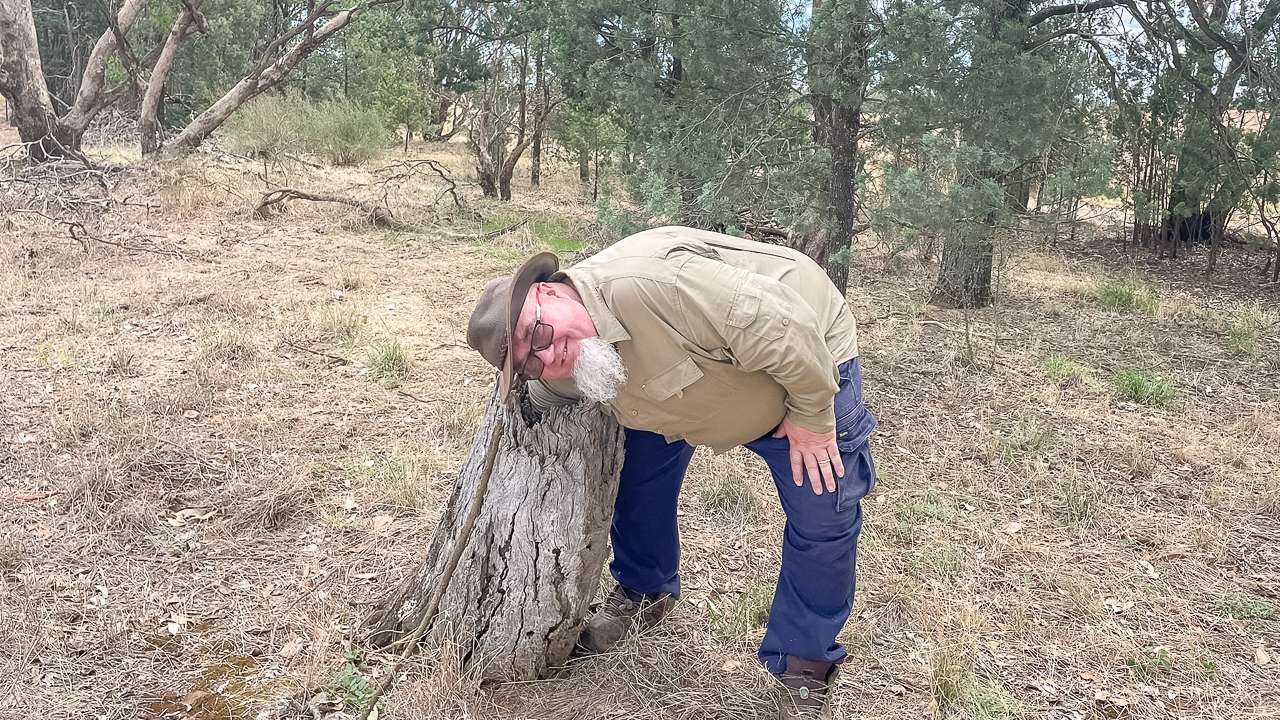
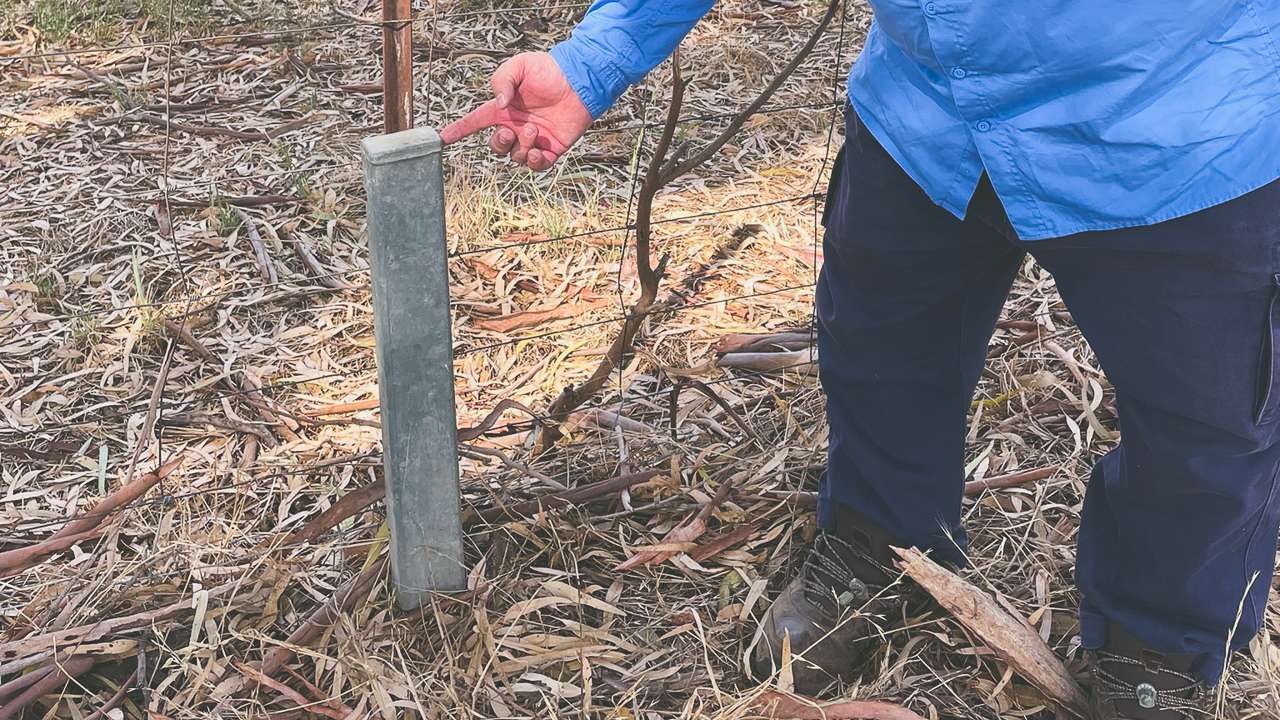
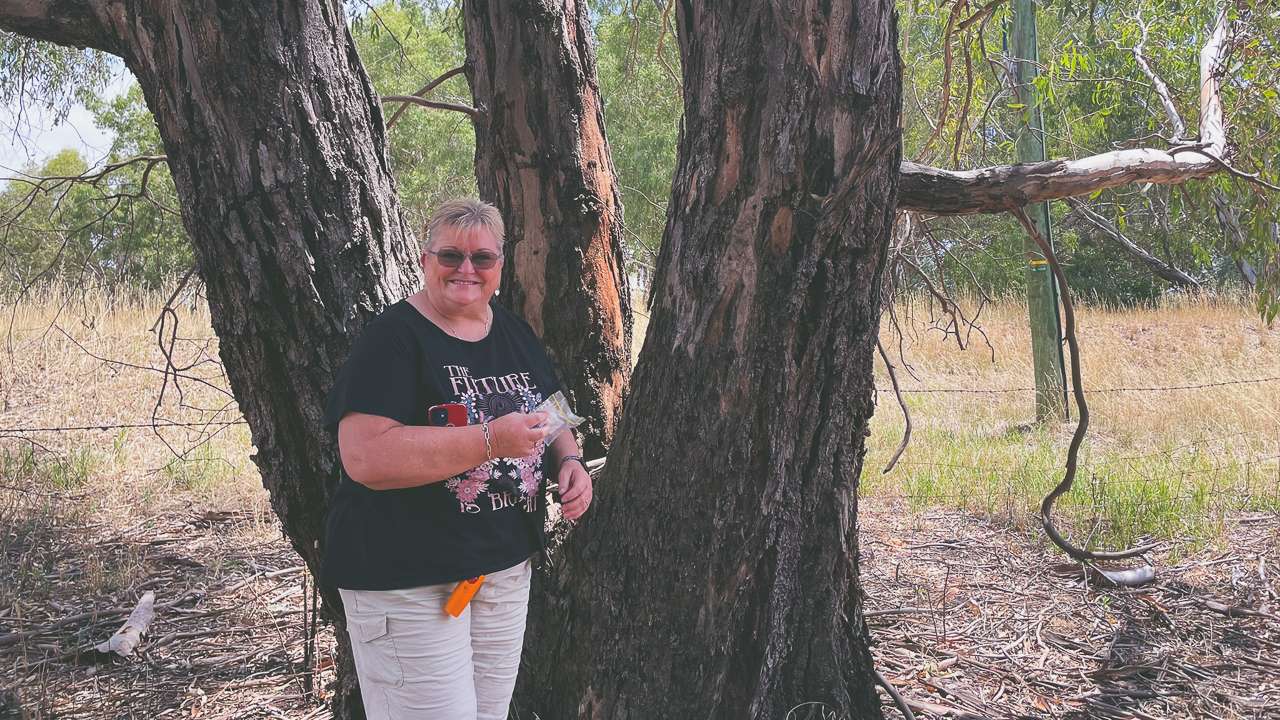
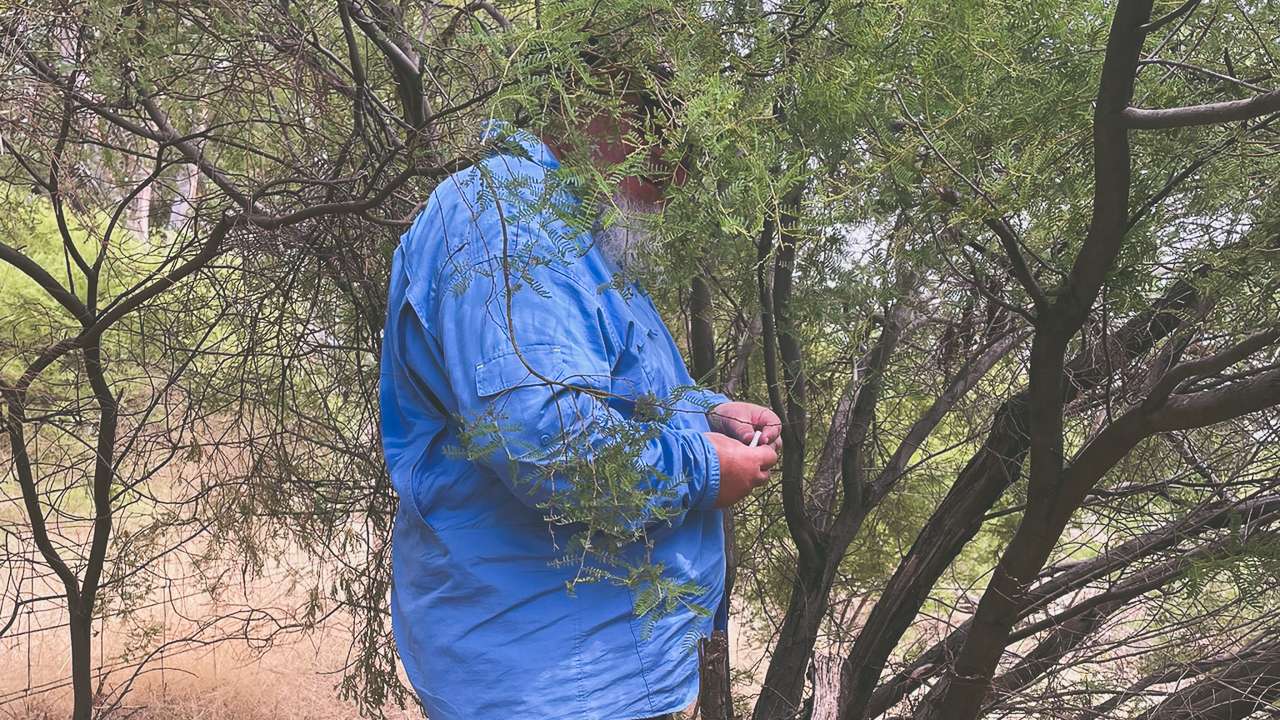
Out and about today doing some more geocaching around Marrar, Belfrayden and Collingullie in NSW. Found 30 of them and didn’t have any DNF’s at all. Either we’re getting better at geocaching or the finds today we’re easy. We initially intended to find some caches around Dirnaseer but a few glitches with the navigator (me) meant we didn’t get there.
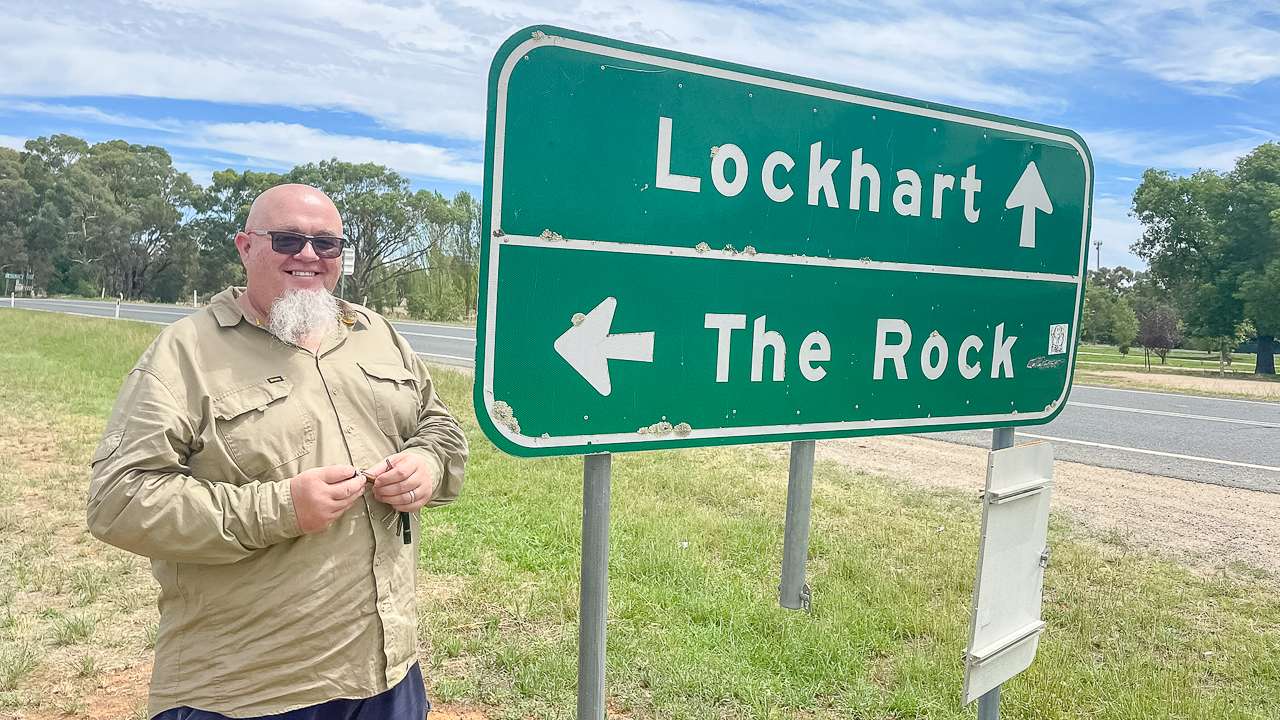
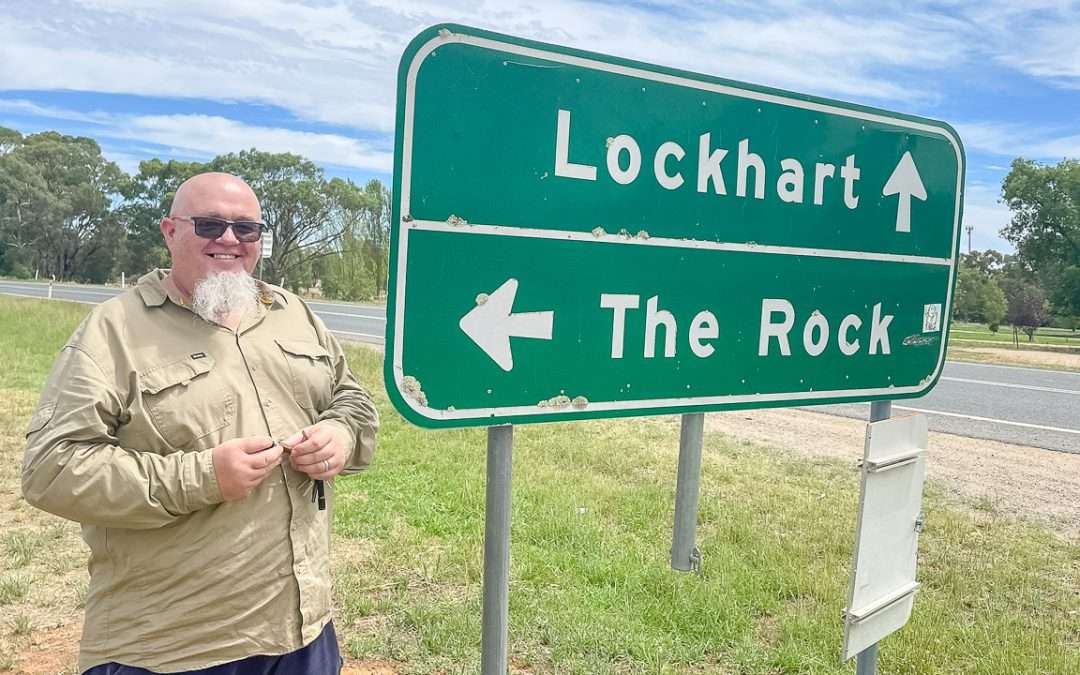
Not Exactly The Rock!

Not Exactly The Rock!

What Did We Find Geocaching Around Marrar, Belfrayden And Collingullie NSW

  1. You Found RGGT #050 | GC4EDBT
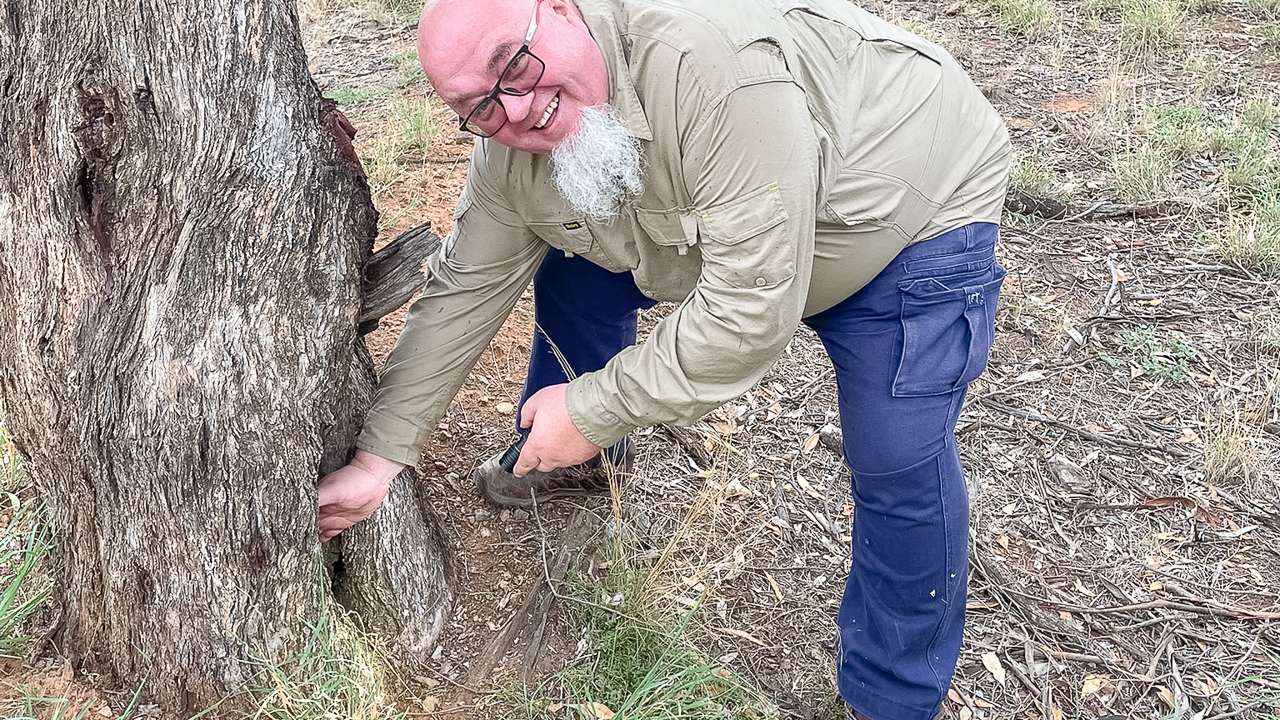
    Great hide watch for spiders
  2. You Found RGGT #051 | GC4EDBX
    Great hide
  3. You Found RGGT #052 | GC4EDBY
    TY for this cache
  4. You Found RGGT #053 | GC4EDC6
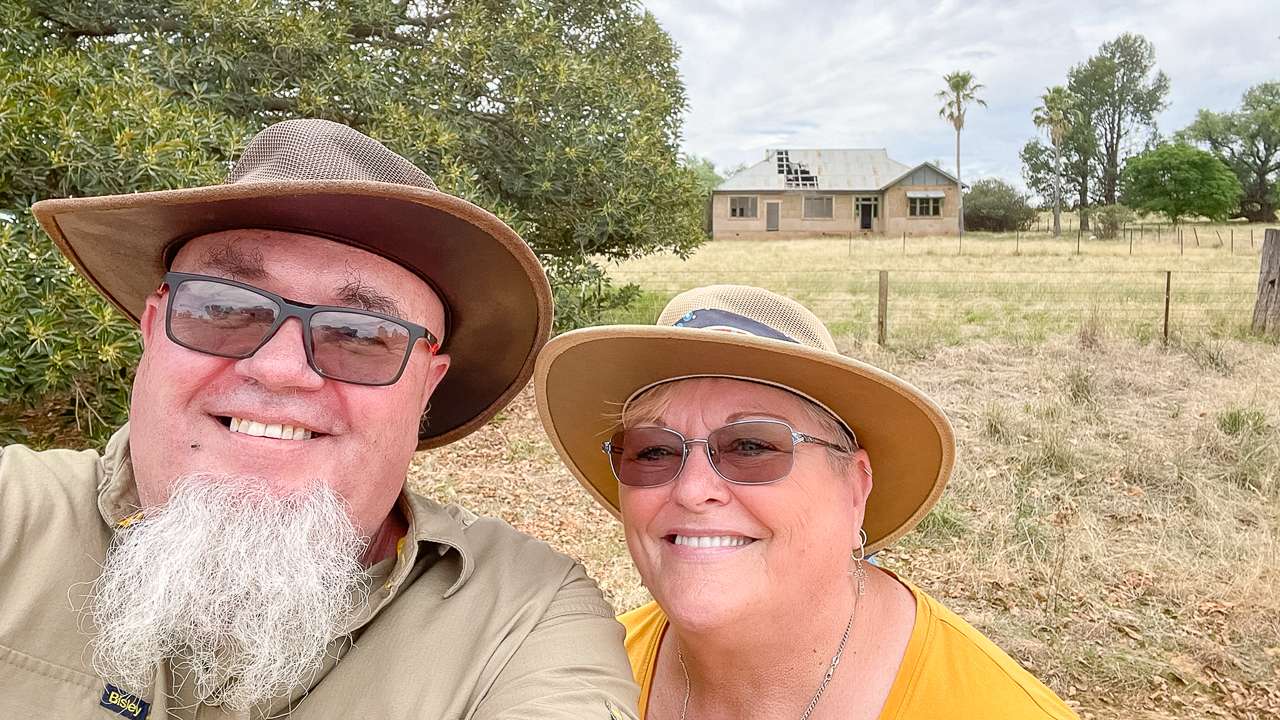
    What an awesome tree and old homestead. Such a shame that something so grand could be condemned
  5. You Found RGGT #054 | GC4EDCA
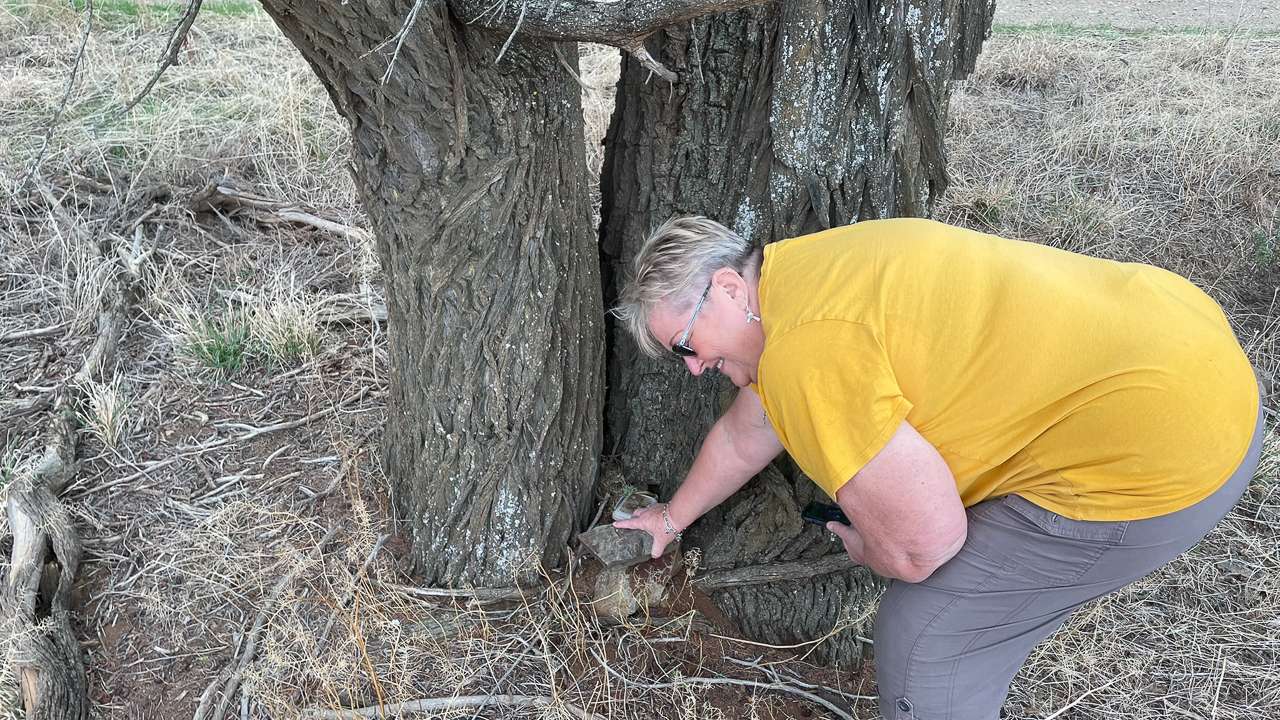
    One needs long arms for this beauty
  6. You Found RGGT #055 | GC4EDCJ
    This one was very moist
  7. You Found RGGT #056 | GC4EDCP
    Another perfectly made hiding spot
  8. You Found RGGT #057 | GC4EDCW
    Perfectly made for a cache
  9. You Found RGGT #058 | GC4EDD2
    Be careful where you put your hand
  10. You Found RGGT #059 | GC4EDD7
    This was a great hide ty
  11. You Found RGGT #060 | GC4EDDC
    The note pad was very wet inside this one
  12. You Found RGGT #061 | GC4EDDH
    Tftc
  13. You Found The Gullie Pub | GCATAWQ
    Nice hide shame the pub doesn’t open till 3pm could have gone a beer
  14. You Found Belfrayden Rail Siding. | GC3JW6N
    Love these kinds of cache great history
  15. You Found Belfrayden | GC2TYGE
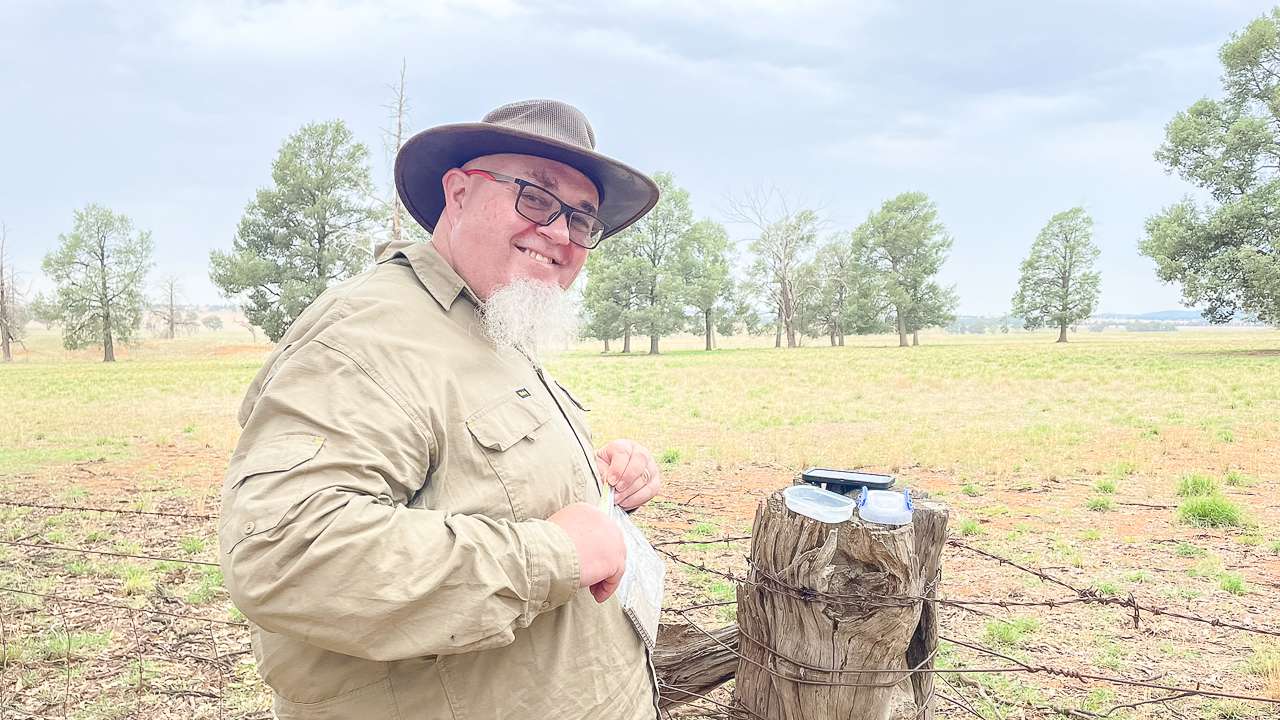
    Great hide make sure you close the gate on the way out
  16. You Found RGGT #076 | GC4EDV2
    Tftc
  17. You Found RGGT #075 | GC4EDTW
    Well this is a very spikey situation but we got it tftc
  18. You Found RGGT #074 | GC4EDTM
    All good with this one tftc
  19. You Found RGGT #073 | GC4EDTJ
    This was another repair job lid was all Broken up so we put the whole cache in a clip seal bag and hid it where we thought it should be
  20. You Found RGGT #072 | GC4EDT9
    Laying out in the open but in good condition. We hid it back where we thought it came from
  21. You Found RGGT #071 | GC4EDT6
    Tftc
  22. You Found RGGT #070 | GC4EDFC
    Tftc watch out for the spiders
  23. You Found RGGT #069 | GC4EDF4
    Plenty of spiders at this one tftc
  24. You Found RGGT #068 | GC4EDEW
    Another one bites the dust tftc
  25. You Found RGGT #067 | GC4EDER
    Had to to do a recovery on this one as the bottom half of the container was in a paddock. Found and repaired and on our way to the next one ☝️
  26. You Found RGGT #066 | GC4EDEH
    Tftc another one down
  27. You Found RGGT #065 | GC4EDEC
    Tftc another great hide we are on a roll now
  28. You Found RGGT #064 | GC4EDE2
    Tftc nice hide
  29. You Found RGGT #063 | GC4EDDW
    When we found it was laying out in the open with no lid. Did a search and found the lid and all fixed up now
  30. You Found RGGT #062 | GC4EDDQ
    Tftc

A Beer At The Red Cow Hotel In Junee

The Red Cow Hotel Hotel is another pub to add to our list of those that we’ve had a beer in. It’s a nice old pub and the beer was cold – can’t ask for much more than that. It was pretty busy considering that it was a Sunday. Had a nice chat with the lady behind the bar and a few locals. It’s a really great pub. I’m honestly surprised that we haven’t been here before considering we live less than an hour away.
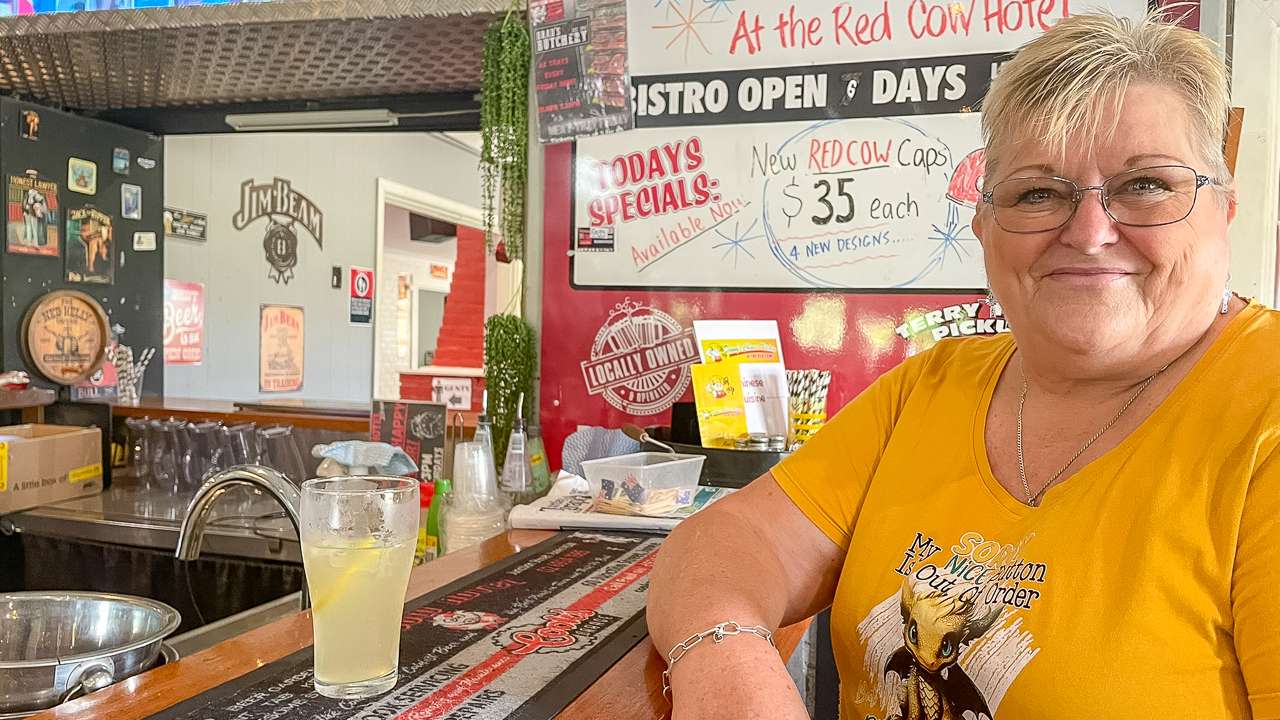
Having A Ginger Beer At The Red Cow Hotel In Junee

Having A Ginger Beer At The Red Cow Hotel In Junee

A Bit Information About Marrar

Marrar’s name is derived from the Wiradjuri word for “hand” or “claw,” a nod to the area’s Indigenous heritage. The town’s development was turbocharged by the arrival of the Main Southern Railway in 1878, which transformed it into a critical hub for transporting wheat and wool to Sydney and Melbourne. Today, its population hovers around 400 residents, but its quiet streets and preserved heritage sites make it a fascinating pitstop for travellers exploring the Riverina’s backroads.

Marrar’s Agricultural Legacy

Farming has always been Marrar’s lifeblood. By the 1890s, the town boasted three flour mills, servicing the vast wheat fields that still dominate the landscape. The Marrar Railway Station, now a heritage-listed site, once buzzed with activity as steam trains loaded grain bound for coastal ports. While the mills are long gone, the town’s agricultural roots remain visible. The annual Marrar Show, running since 1906, celebrates this legacy with sheepdog trials, produce competitions, and vintage machinery displays – a must see for anyone passing through in spring.

How Marrar Compares To Nearby Towns

Marrar’s charm lies in its understated simplicity. Unlike the wine-tourism hotspots of Griffith or the bustling caravan parks of Wagga Wagga, Marrar offers a quieter, nostalgia-soaked experience. For history-minded campers, it’s a stark contrast to the Junee Licorice Factory or Coolamon’s Art Deco silos, but that’s precisely its appeal. The town’s Marrar Reserve, a free camping area with basic facilities, provides a peaceful base for exploring the region’s hidden gems, like the Gunbar Cemetery or the Book Book State Forest’s geocaching trails.
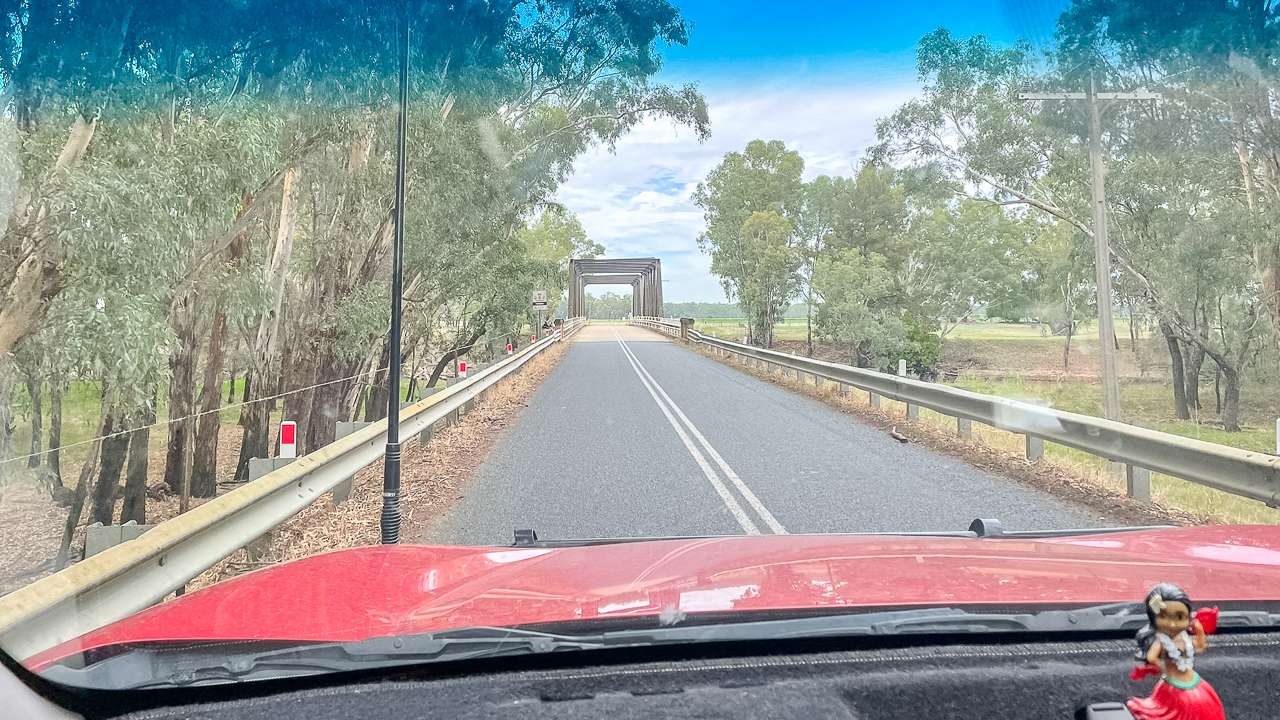
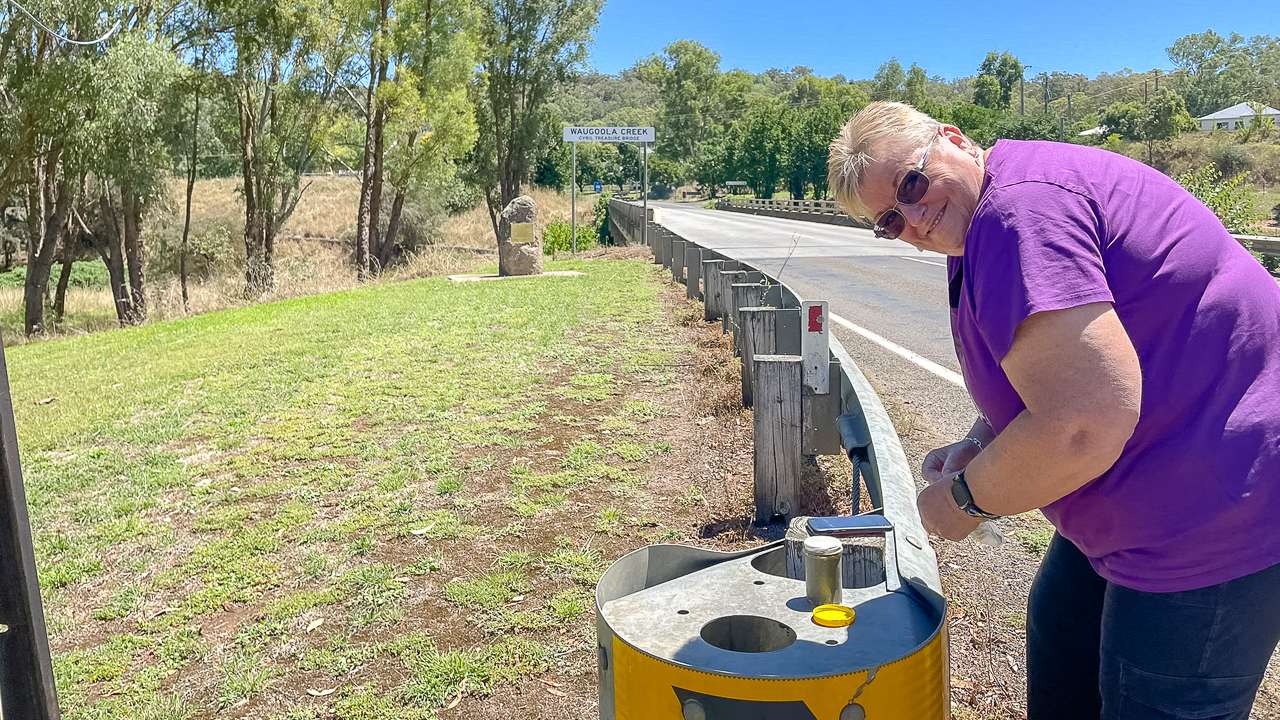
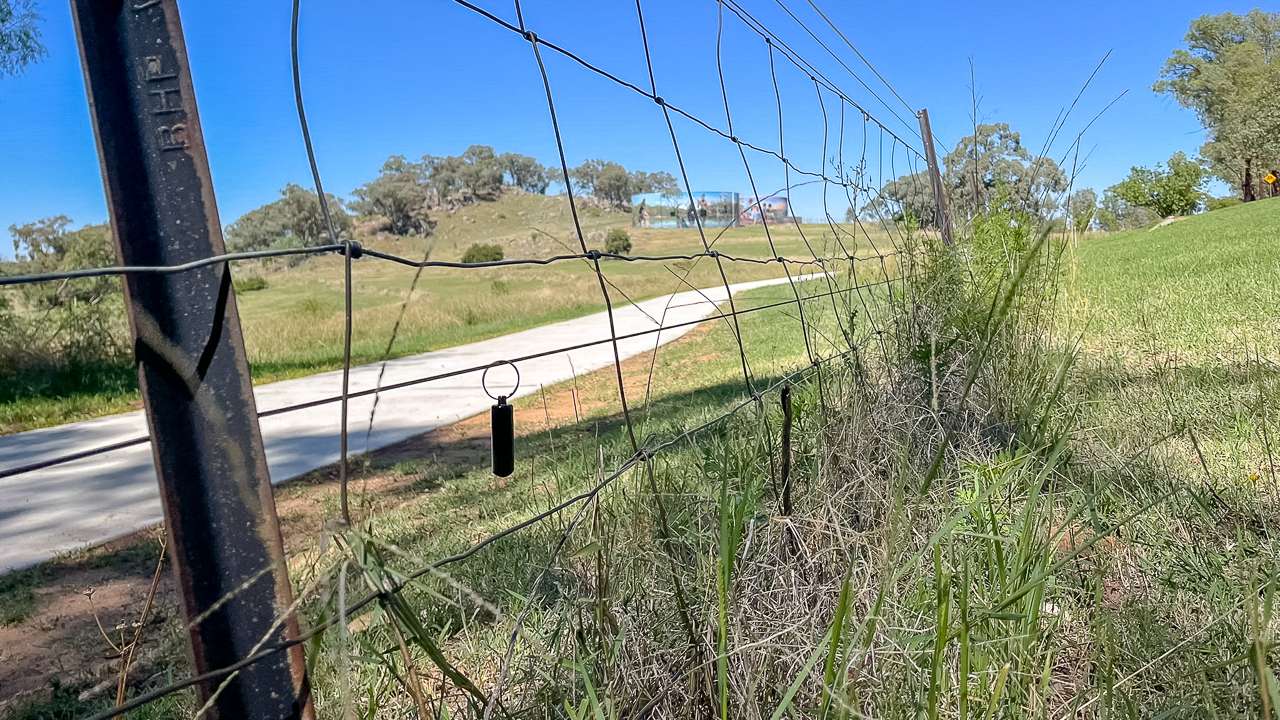
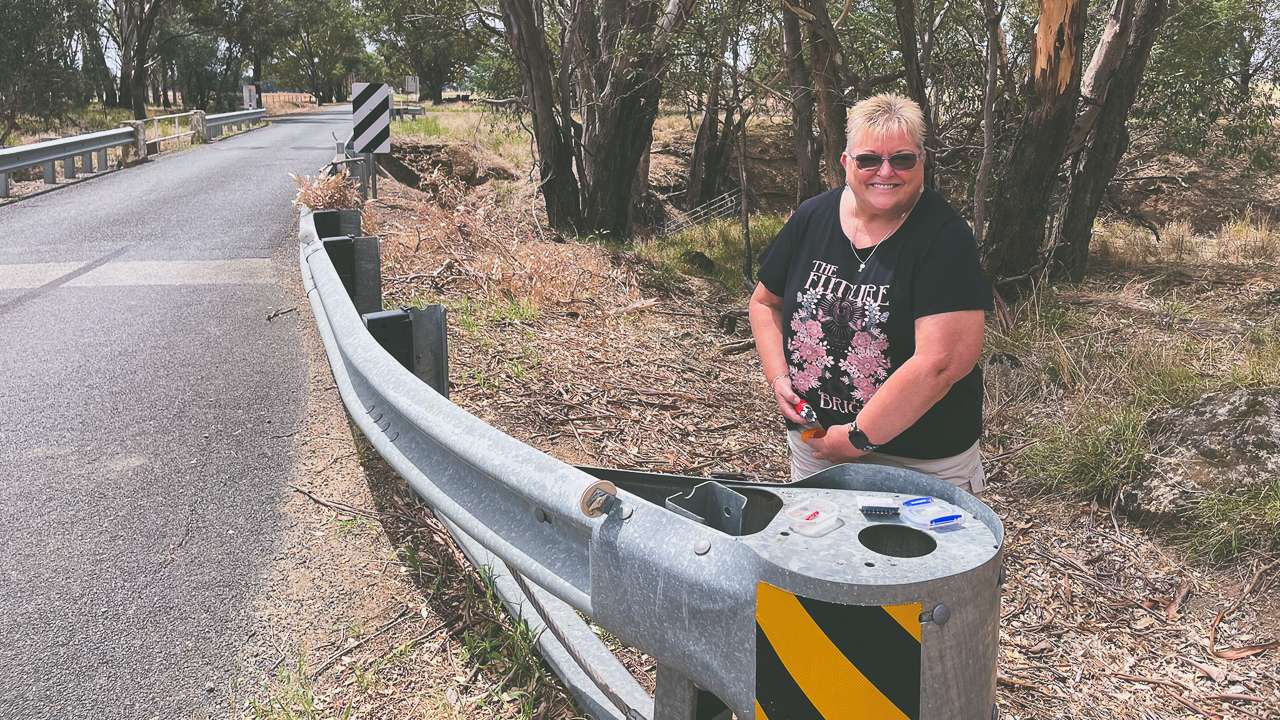
Old Bridge Near Collingullie

Old Bridge Near Collingullie

Marrar’s Key Attractions At A Glance

Feature Details Why It Matters
Marrar Railway Station Heritage-listed, built 1878 Historic photo op & insight into rail era
Marrar Reserve Free camping, toilets, picnic tables Budget-friendly overnight stop
Book Book State Forest 15-min drive, geocaching hotspots Adventurers’ playground
Annual Marrar Show September, agricultural showcases Cultural immersion
Geocaching There are many geocaches in the Marrar area It’s a reason to visit Marrar if you’re into geocaching

Why Marrar Appeals To Caravanners And Geocachers

For modern day explorers, Marrar is more than a relic – it’s a gateway to the Riverina’s quieter corners. The Marrar Reserve offers a no-frills camping experience, ideal for self sufficient travellers seeking starry skies over crowds. Geocachers, meanwhile, flock to the Book Book State Forest where caches hidden among ironbarks and grey box trees reward patience with trinkets and trail secrets. Compared to the amenities of Gundagai or Narrandera, Marrar’s simplicity is its strength: you’re here to unplug, not Instagram. You can easily spend a full day or more geocaching around Marrar and it’s surrounding areas.

But don’t mistake “quiet” for “uneventful.” The town’s war memorial and St. Brendan’s Catholic Church (built 1922) whisper stories of resilience, while the nearby Lake Albert in Wagga Wagga (45 minutes east) delivers fishing and kayaking for those craving action. Local historians also recommend a detour to Old Marrar, where crumbling foundations mark the original settlement – a haunting yet poignant contrast to today’s tidy streets.

Insights For Modern Visitors

Marrar’s trajectory mirrors many rural Australian towns: a golden age tied to rail, followed by gradual decline as highways replaced steam engines. Yet its survival hinges on adaptive reuse. The railway station, though no longer operational, draws history buffs, while the Showgrounds host camping groups during events. For caravanners, it’s a lesson in appreciating the slow lane – a place where community spirit outshines flashy attractions.

So next time you’re plotting a route through the Riverina consider Marrar. It’s not just a dot on the map – it’s a living postcard from Australia’s pastoral past, waiting to share its stories.
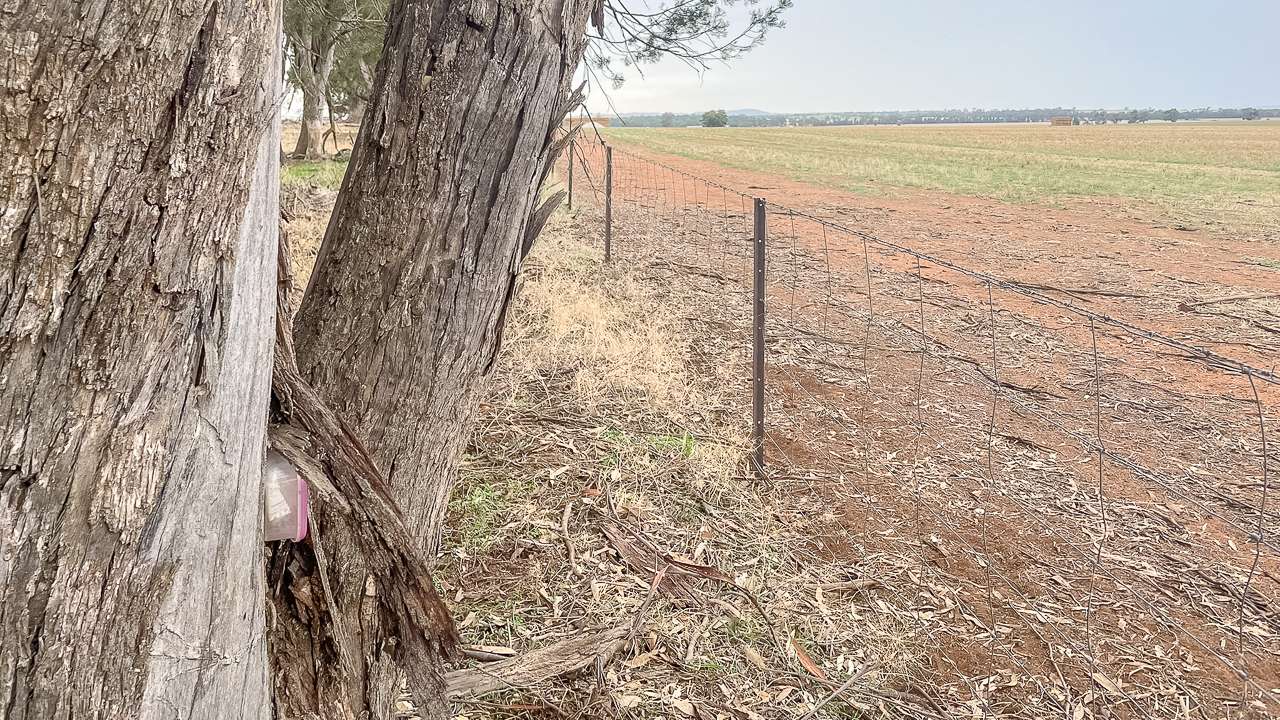
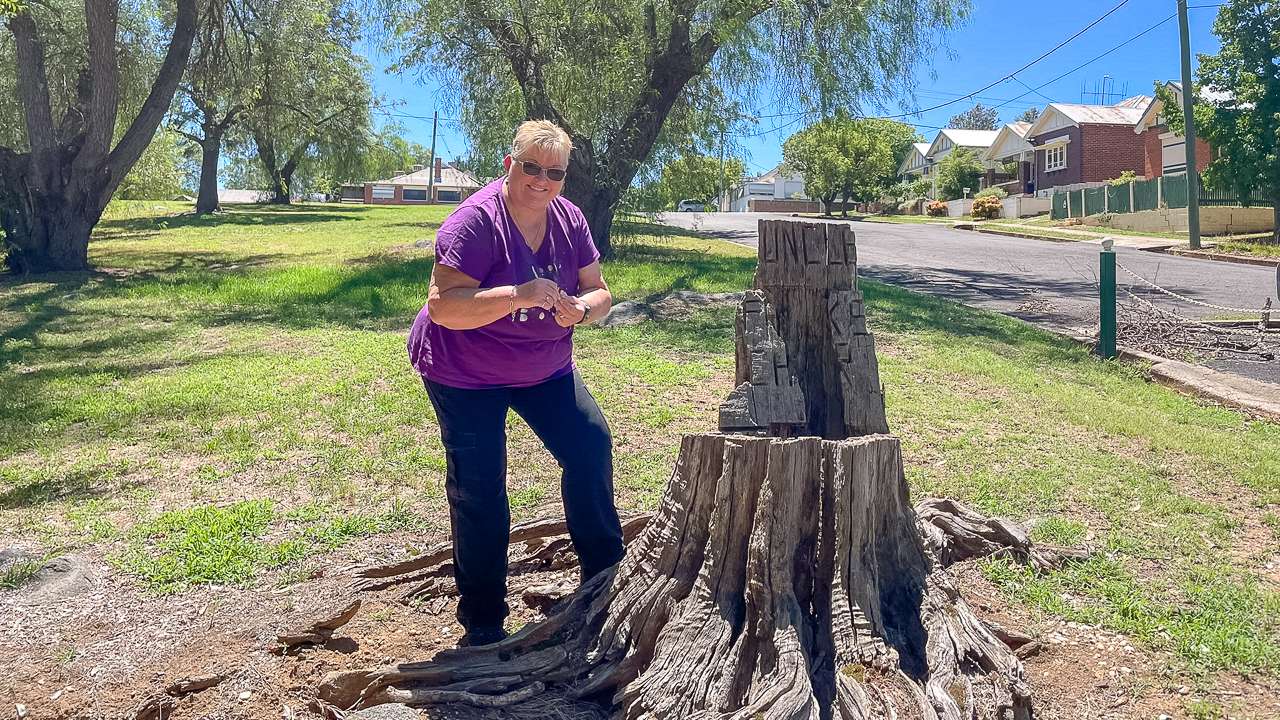
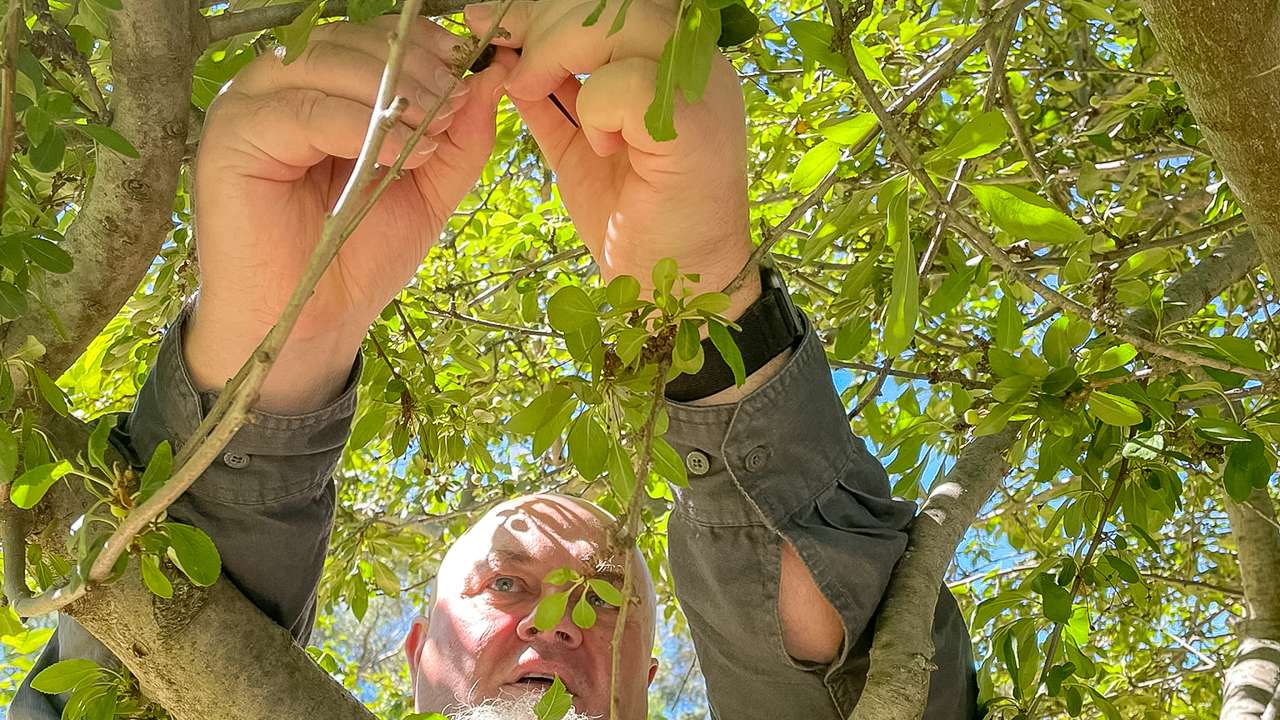
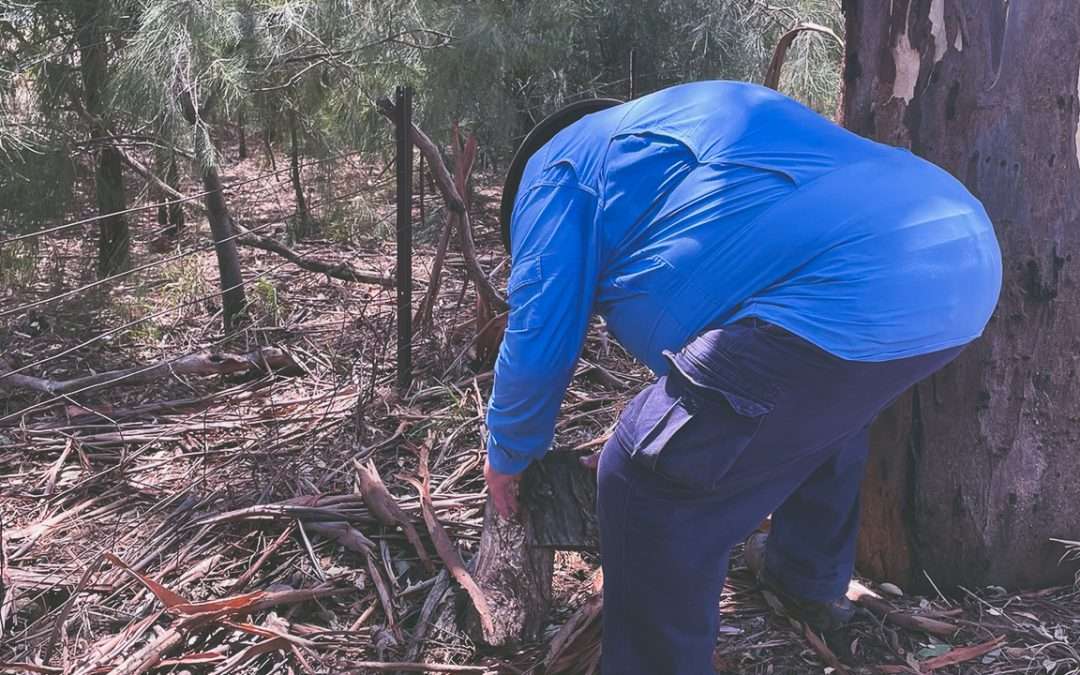
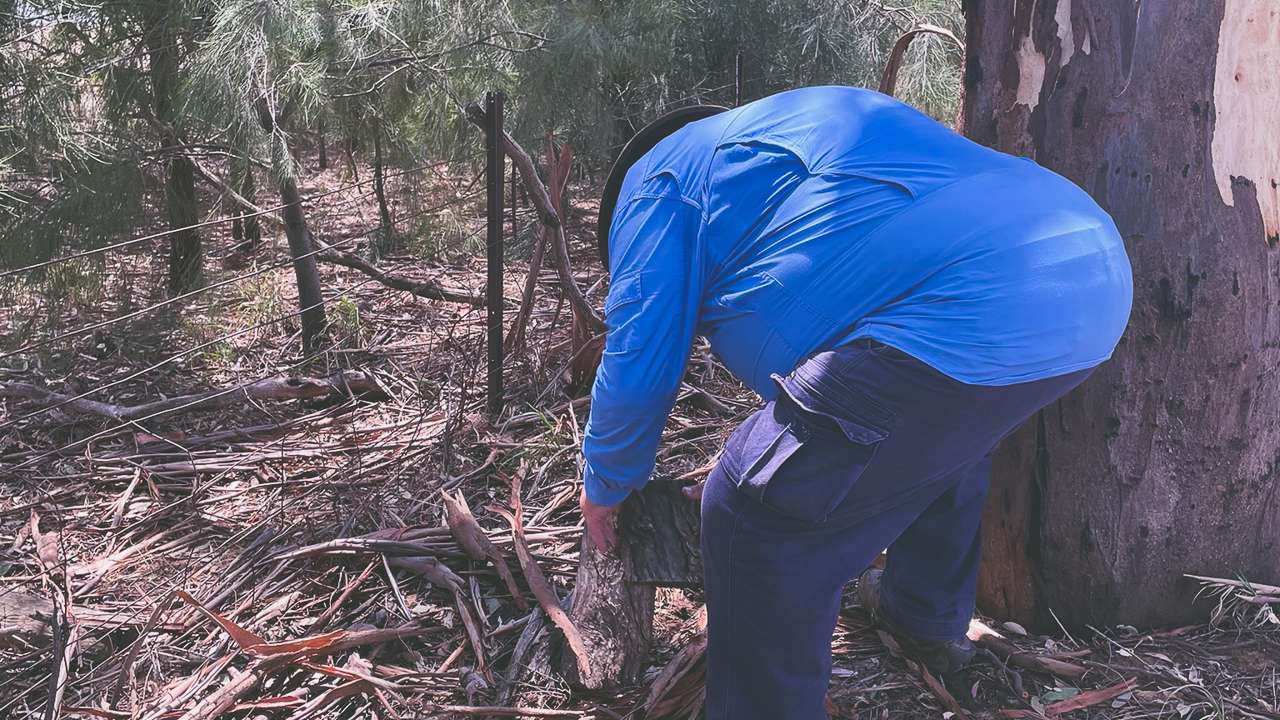
Hidden In A Tree

Hidden In A Tree

Sources:
Marrar Show Society
NSW Heritage Register: Marrar Railway Station
Riverina Tourism: Book Book State Forest

Geocaching Around Marrar, Belfrayden And Collingullie NSW Photo Gallery

Geocaching Around Cowra Including The POW Campsite

Geocaching Around Cowra Including The POW Campsite

Geocaching Around Cowra Including The POW Campsite

Take your exploration to the next level with geocaching around Cowra. History, scenery, and adventure rolled into one unique experience. Another day out geocaching this time around Cowra including the POW camp.

Called in for lunch at the Australian Hotel and had a beer at the Cowra Hotel. We headed out from home at Cootamundra at about 9.00am and didn’t get home until about 6.00pm. It was a full day. All up we covered around 260kms. Out and about today doing some more geocaching around Cowra NSW. We managed to find 26 geocaches in Cowra and couldn’t find one.

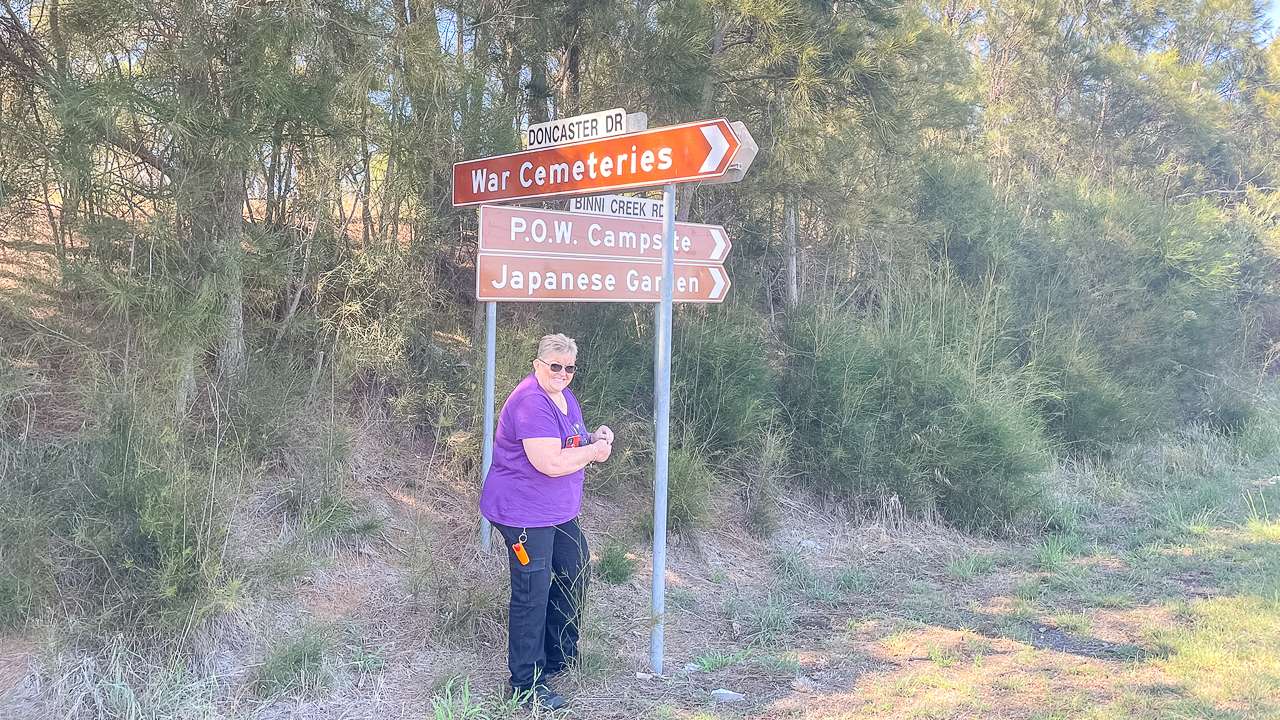
A lot of the geocaches were centred around the POW camp and botanic gardens. They weren’t inside the camp but were around the roads on the outside. We’ve been to the Cowra WW2 POW camp site lots of times in the past but not while geocaching. It was a good thing to do as it took us to a view historic locations around Cowra that we previously hadn’t visited.

Geocaching Around Cowra

Geocaching Around Cowra

What Did We Find Geocaching Around Cowra NSW

  1. You Found Timber | GC9M6ZK
    I know we said the last one was our last but this really our last one for the day. Tftc
  2. You Found Glen Logan | GC1K7D1
    Found it. This was our last one for the day. Thanks Cowra for a great day of Caching. Cache in good order. Paper will need replacing shortly as almost full.
  3. You Found Railway Bridge | GC62N81
    After a bit of persistence hubby found it tftc
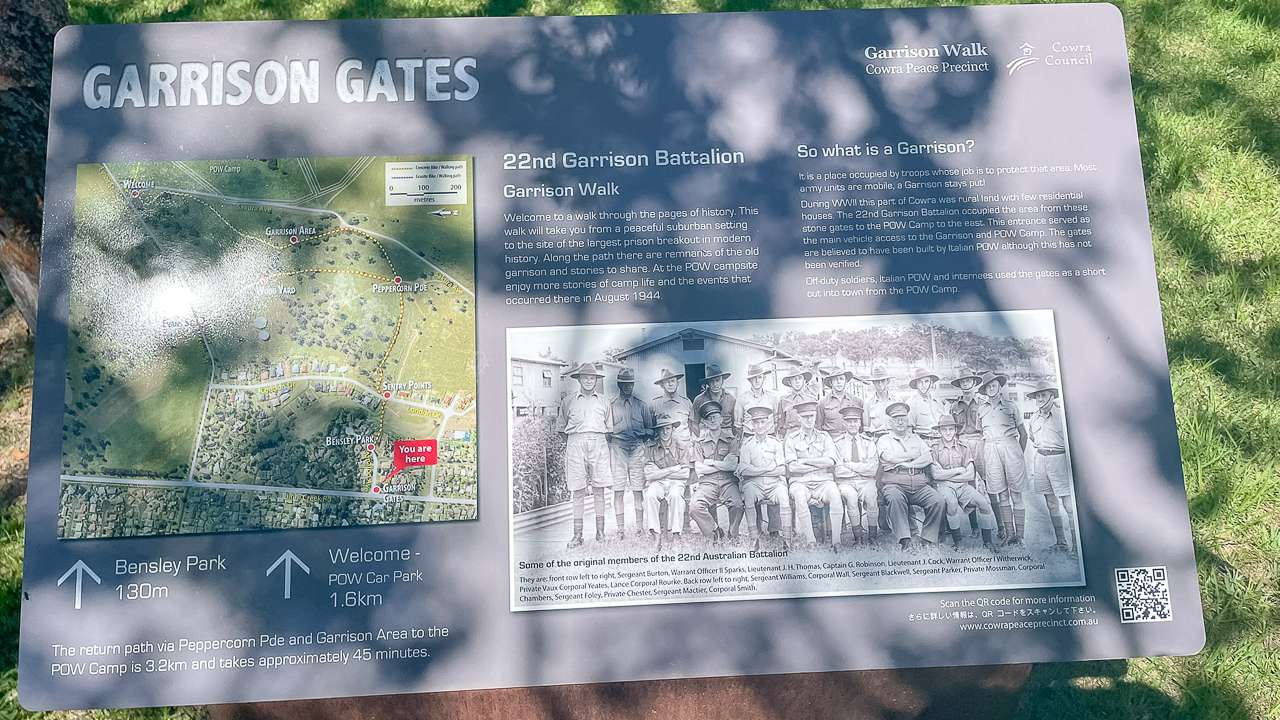
  4. You Found Garrison Gates | GC65V0J
    Paper inside very wet sitting out in open put it where we thought it should be. Great piece of history tftc
  5. You Found Soldiers Memorial Avenue | GC9RM1W
    TFTC one more to go and Cowra is finished
  6. You Found The eagle has landed! | GC9R1B1
    Found with lots of muggles hanging around. Had to take our time to not be noticed.
  7. You Found Edgell Park Rest Area | GC9W8D4
    Well that was a stinky little hide
  8. You Found River park | GC9QRCB
    Tftc now time for an ice cream
  9. You Found Kendal Cache | GC5RHAD
    Look up not down tyfc
  10. You Found Fred Arnold Park | GC9QXH7
    There are so many parks in Cowra tyfc
  11. You Found Europa Park and bike track | GC9Q2Z2
    Love these ones tftc
  12. You Found Scenic Drive Exit | GC9RM12
    What a track that was lucky hubby had the tools on hand
  13. You Found Rigaut Park | GC9V49N
    Didn’t take a seat but found cache.
  14. You Found Bob Muir Park Cowra | GC6F2D8
    Nice park tftc
  15. You Found Cowra Skate Park | GC9RM2C
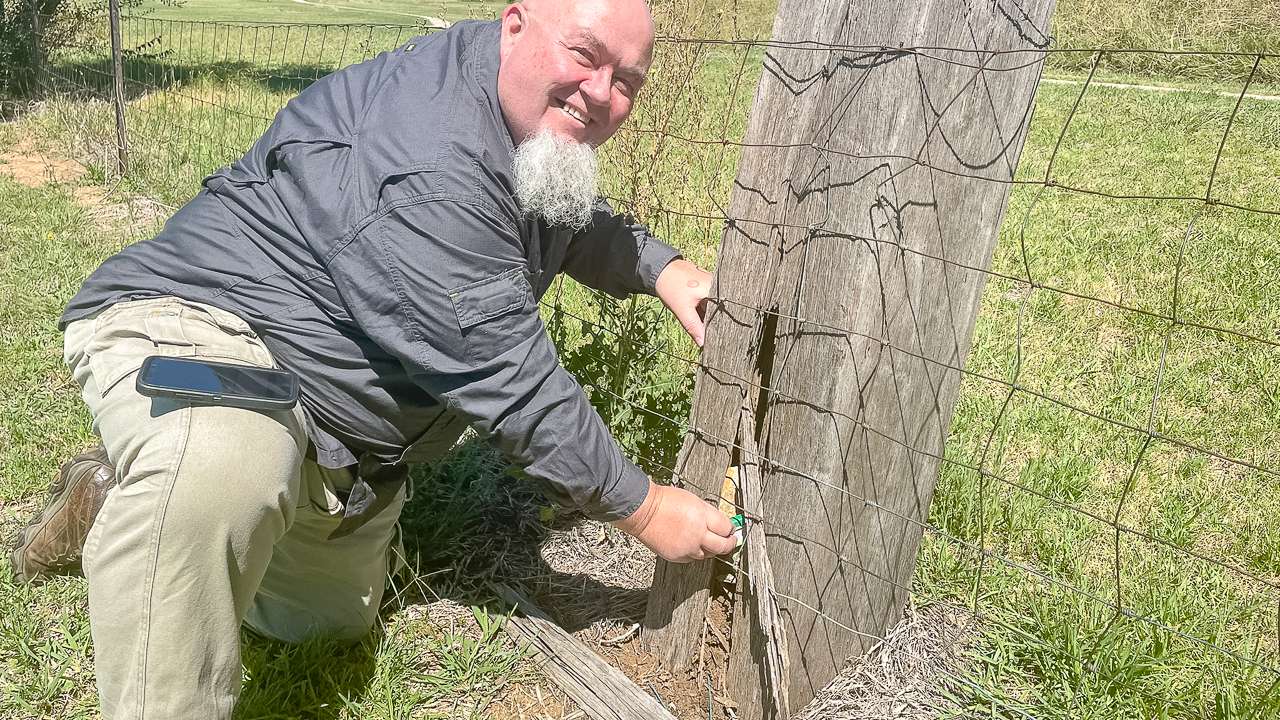
    On his knees he goes again. Tftc
  16. You Found Japanese Gardens Cowra | GC5RH9Q
    A very nice location for a cache. Tftc
  17. You Found P.O.W sunsets | GC9TD97
    Let bing our day out in Cowra. Such a beautiful town. Tftc
  18. You Found P.O.W sunsets #2 | GC9TGNC
    Love these hides. Tftc
  19. You Found Peppercorn Parade | GC9TGNM
    Scroll needs replacing as totally full found a small place to write abbreviated version of our name tftc
  20. You Found P.O.W prisoner’s view | GC9TGP2
    Watch out for the spiders with this one as they like to hide here too tftc
  21. You Found I’m getting a bit off track! | GC9TD9Y
    Another tricky one tftc
  22. You Found Between 2 entrances | GC9TGYG
    Nice easy one and some great history to be found here too. Tftc
  23. You Found Ned’s cherry blossom tree | GC9TGPF
    Wow very very small but we found it tftc
  24. You Found Cherry Blossom Trees again! | GC9V49F
    Very cleverly indeed torched
  25. You Found Still more Cherry Blossom Trees | GC9TRH1
    You would have to be blind not to see it thanks for the hide
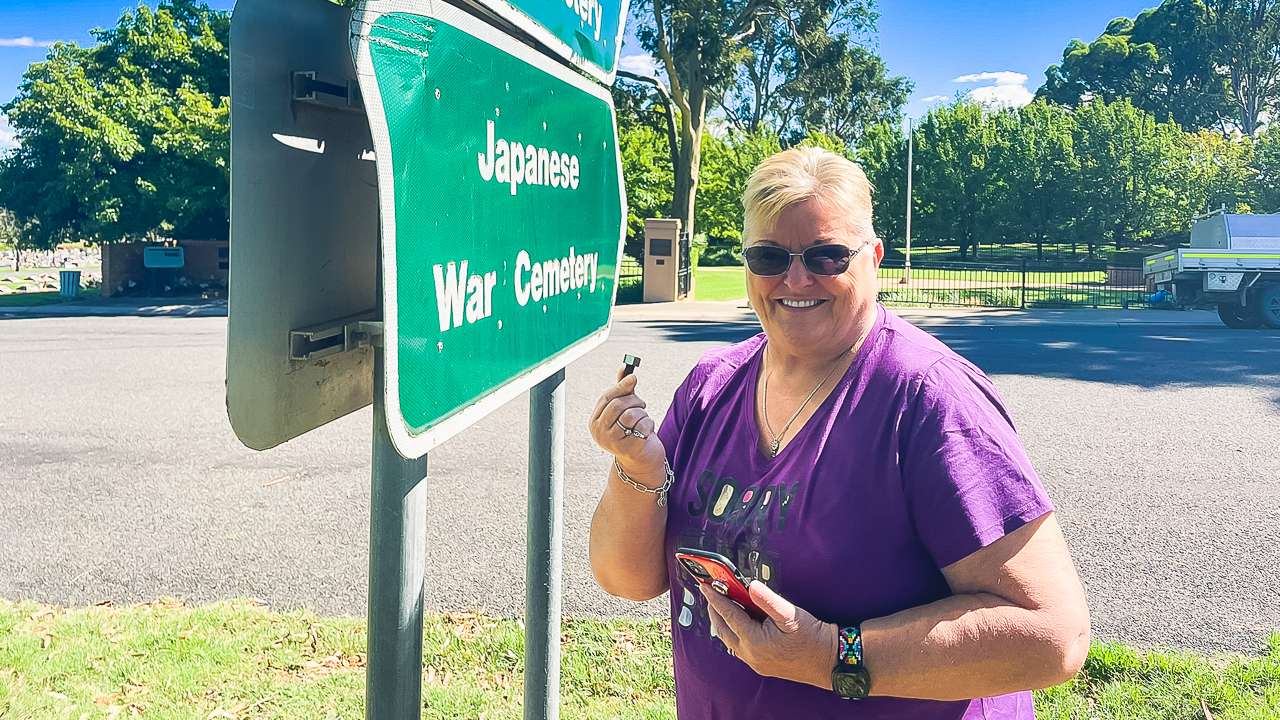
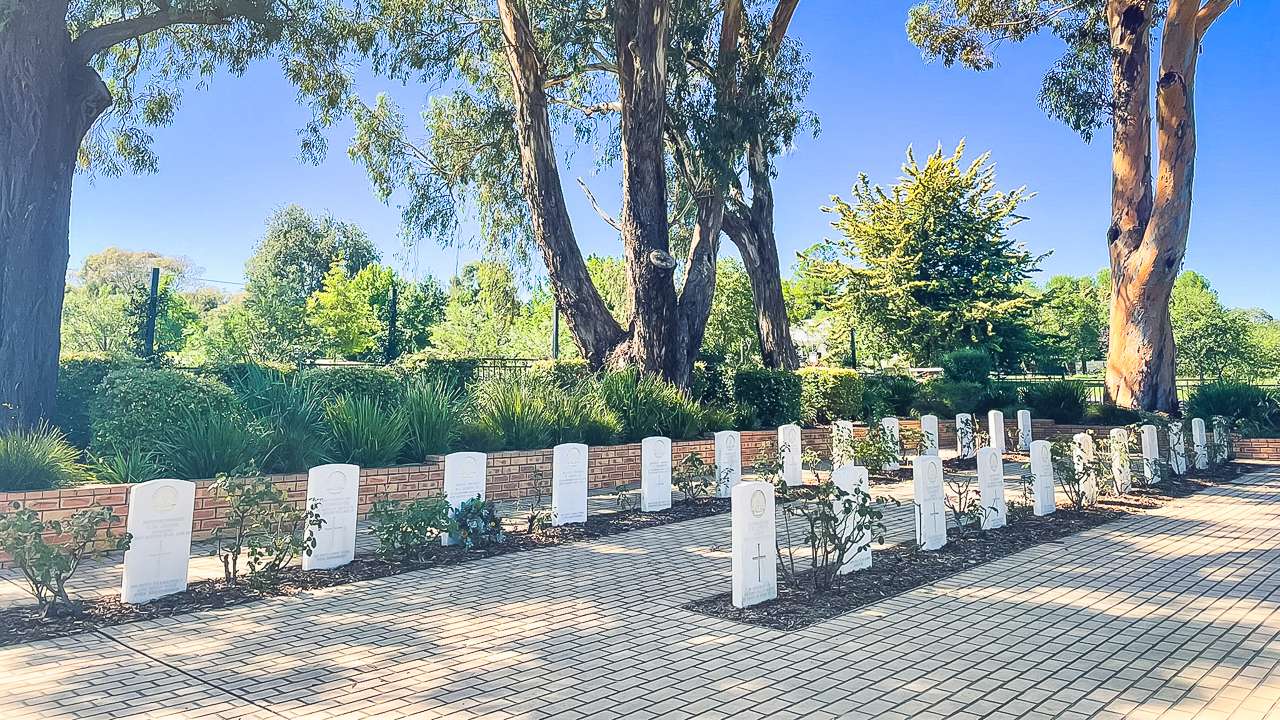
  26. You Found Cowra War Cemetery | GC9PF7E
    Great hide very clever. I’m a bit rusty and wet.

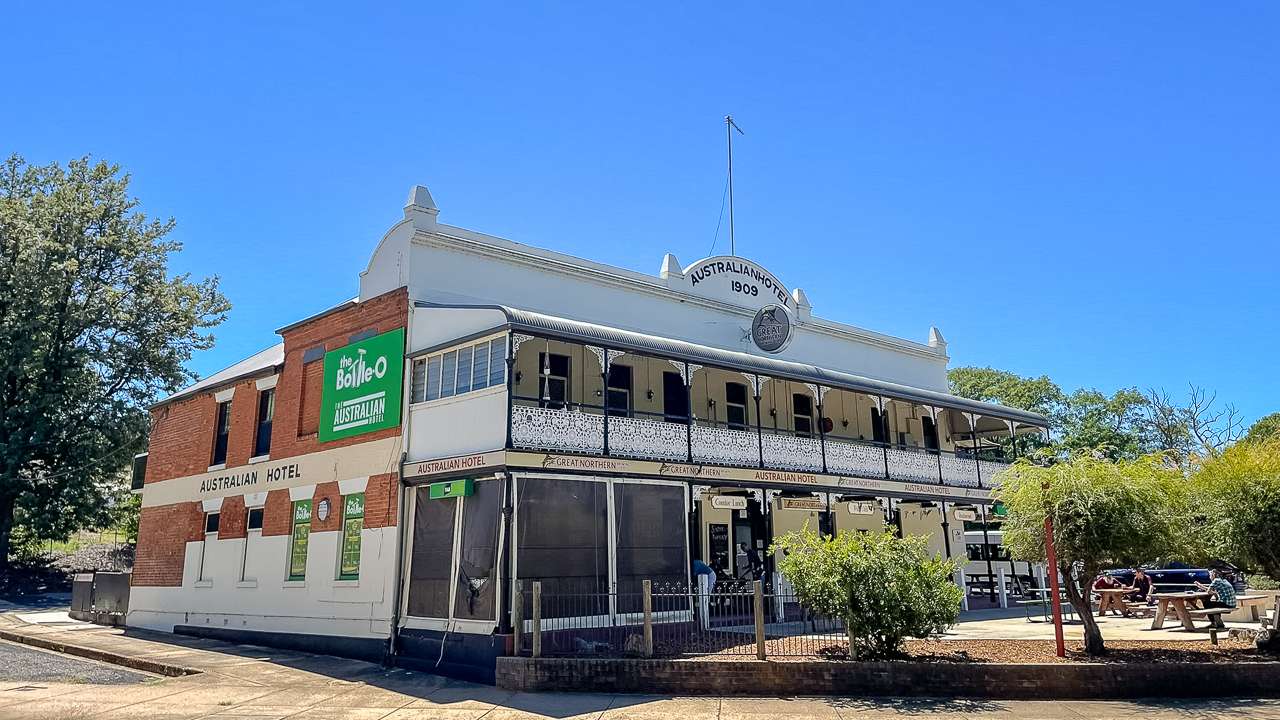
Lunch At The Australian Hotel While Geocaching Around Cowra

The Australian Hotel is another pub to add to our list of those that we’ve had a beer in! It’s a nice old pub and the beer was cold. I had a double cheeseburger and it was really good. It was pretty busy for a Sunday. I didn’t expect to see so many patrons but hey, everyone likes a beer!

The Australian Hotel Cowra

The Australian Hotel Cowra

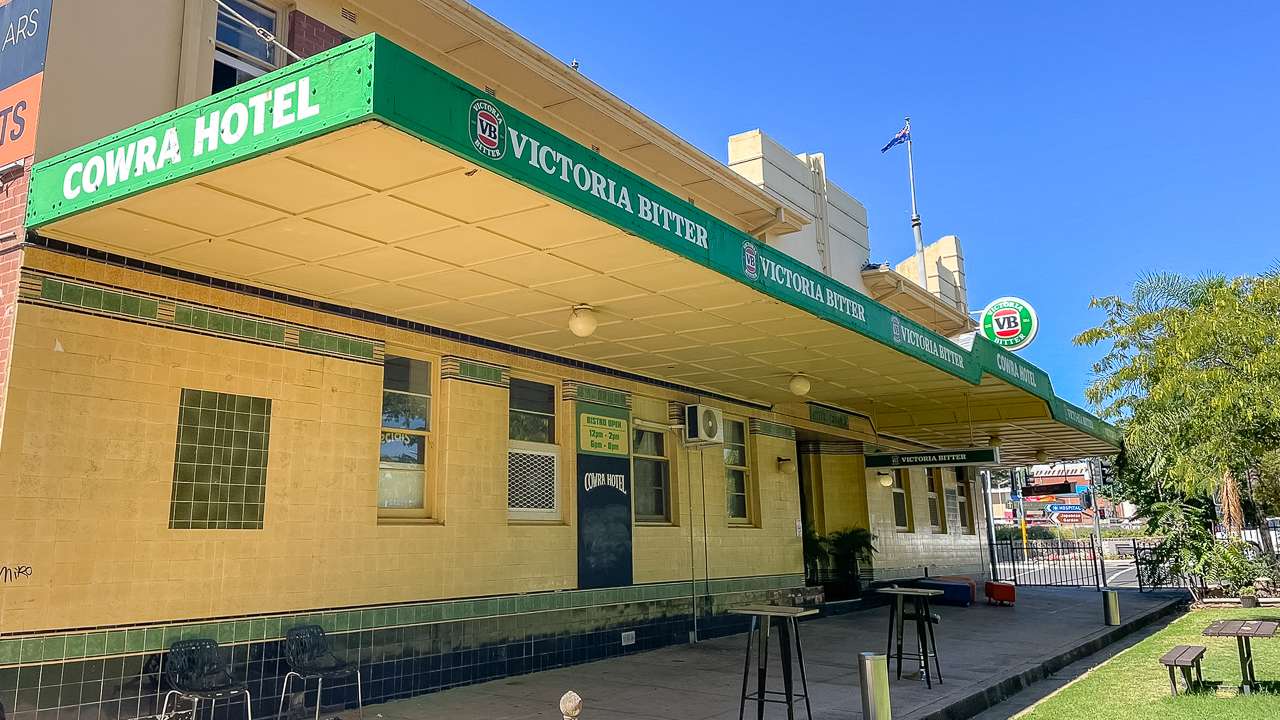
A Beer At The Cowra Hotel

We has a beer in the Cowra Hotel so we could add it to our list. It’s an older pub and was very quiet. It was interesting to see all of the photos on the walls showing how many times it had been flooded over the years.

Cowra Hotel

Cowra Hotel

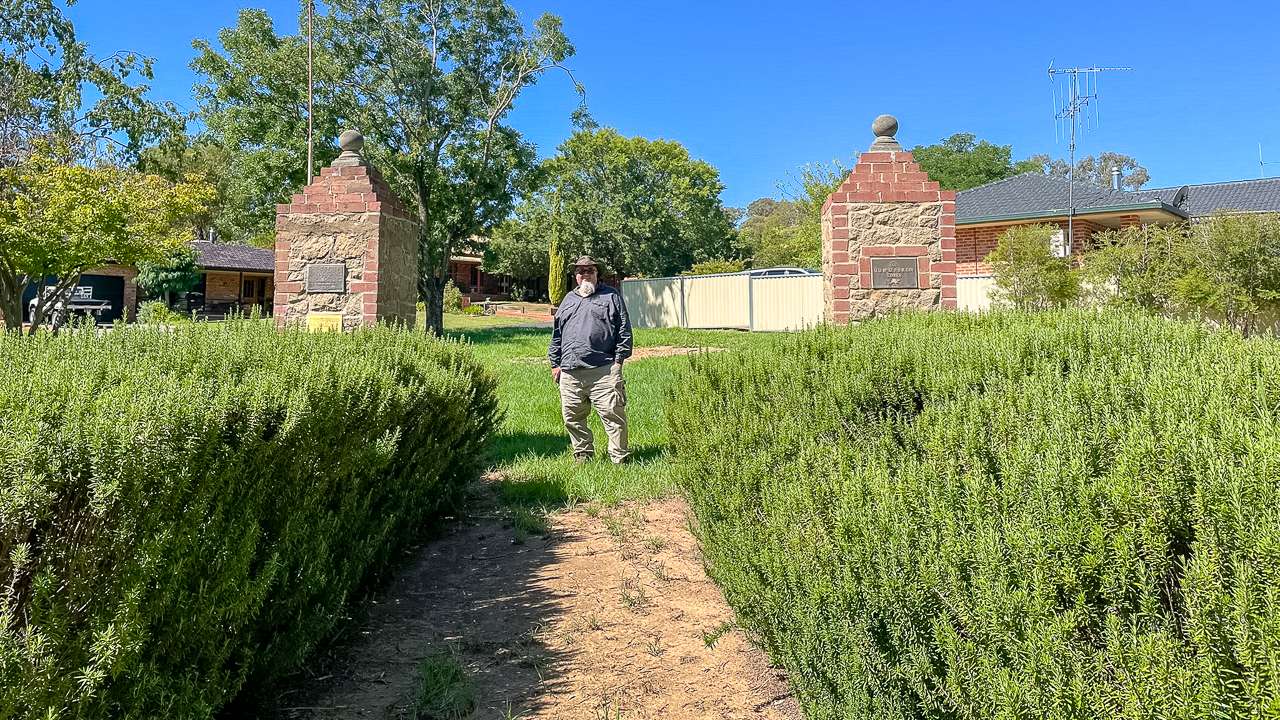
Geocache GC65V0J Garrison Gates

The gates are at the beginning of a walk that takes you from a peaceful suburban setting to the site of the largest prison breakout in modern history. Along the path there are the remains of the old garrison and boards with shared stories on them. At the POW campsite itself you can find many sign boards with stories of what happened here in August 1944.

What Is A Garrison?
A garrison is a place occupied by troops whose job it is to protect the area. Most army units are mobile whilst a garrison stays put.

During WW2 this part of Cowra was rural land with a few residential houses. The 22nd Garrison Battalion occupied the area from these stone gates to the POW camp to the east. The entrance was the main vehicle access to the Garrison and POW camp. The gates are believed to have been built by Italian POW although this has not been verified.

Off-duty soldiers, Italian POW and other internees used the gates as a shortcut into town from the POW camp.

Garrison Gates Cowra

Garrison Gates Cowra

Cowra NSW – A Quick Bit Of History

Cowra, NSW, is full of history with a strong wartime past and rural heritage. The town came to notice during World War II as the site of the Cowra Breakout, where hundreds of Japanese prisoners staged a daring escape from a local POW camp in 1944. This event is an important chapter in Australia’s military history. It is commemorated at the Cowra War Cemetery and the Japanese Garden, symbolising peace and reconciliation.Beyond its historical significance Cowra offers modern ways to explore its landscape including geocaching around Cowra. This activity combines adventure with discovery, allowing visitors to locate hidden caches while experiencing the town’s scenic countryside and historical landmarks. From heritage sites to the lush Lachlan River, Cowra provides a rich tapestry of stories and experiences that draw visitors seeking a mix of education, reflection, and outdoor exploration.

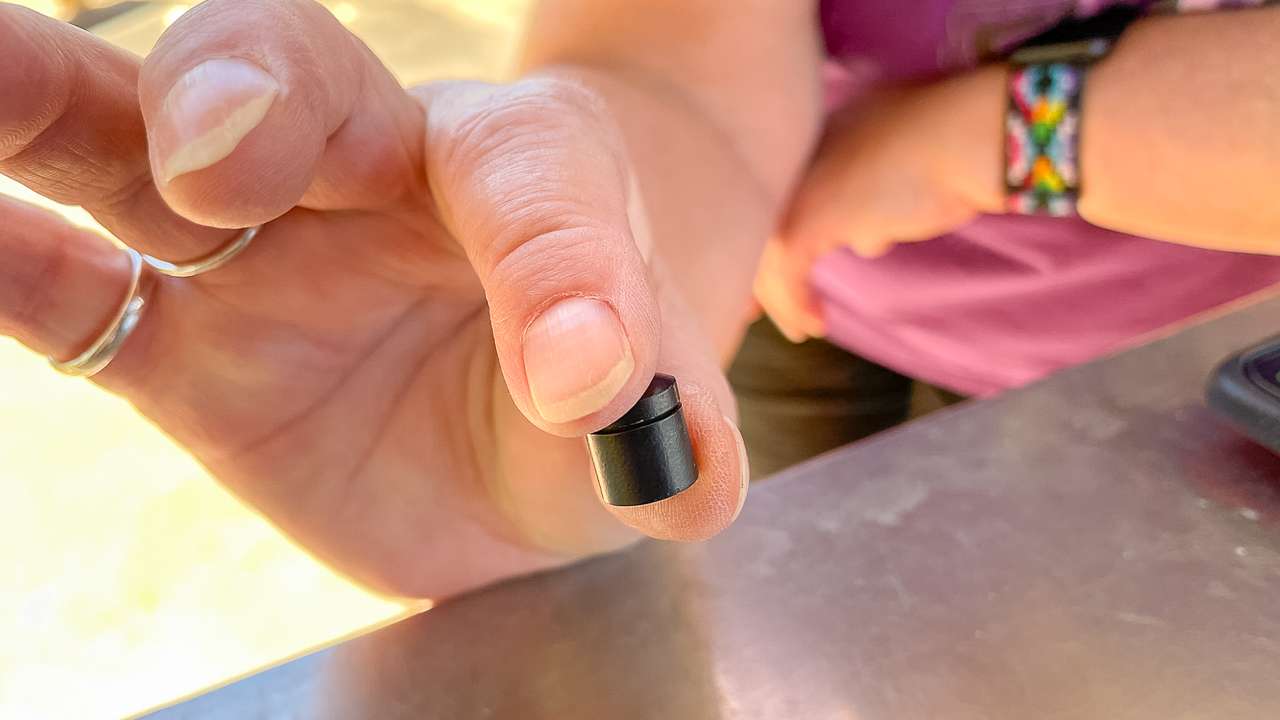
How Small Is A Nano Geocache You Might Well Ask

How Small Is A Nano Geocache You Might Well Ask

Geocaching Around Cowra NSW Photo Gallery

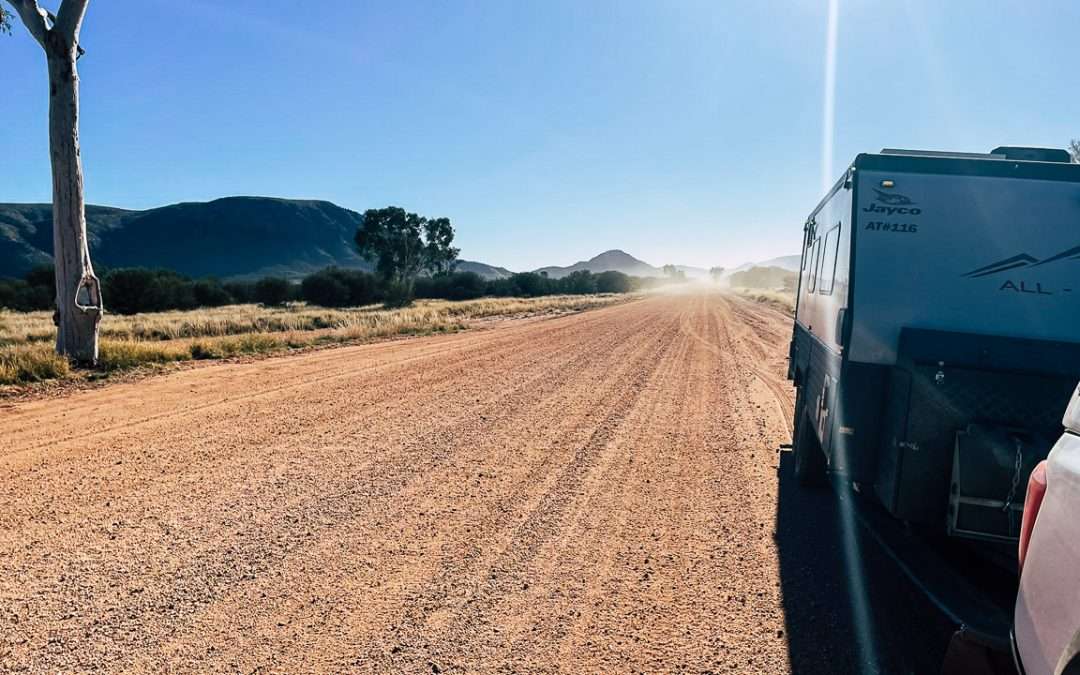
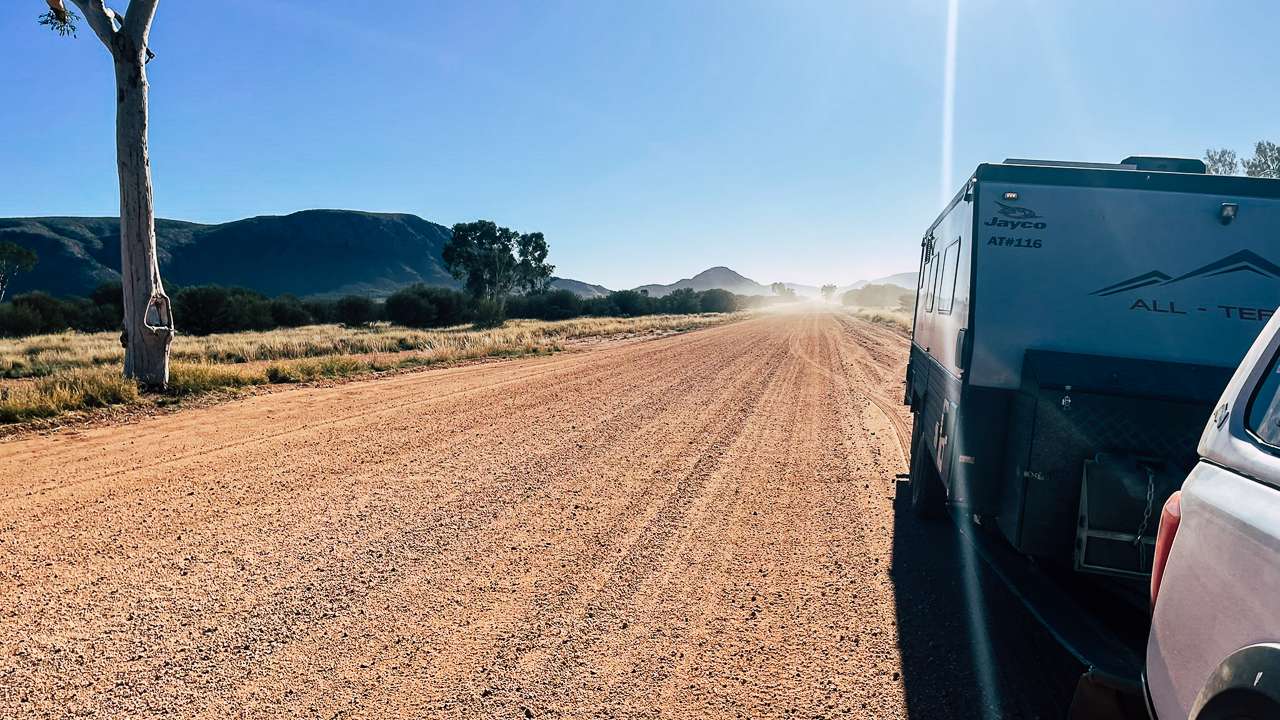
Towing A Caravan On The Great Central Road

Towing A Caravan On The Great Central Road

Towing A Caravan On The Great Central Road

Towing A Caravan On The Great Central Road is a true test of resilience and preparation. Find out how to make it a trip to remember. The Great Central Road is an iconic outback route spanning over 1,100 kilometres, is a bucket list destination for adventurers seeking a true taste of Australia’s rugged heartland.

Stretching from Laverton in Western Australia to Yulara in the Northern Territory, this remote journey traverses some of the country’s most breathtaking and desolate landscapes. Towing a caravan on the Great Central Road is a challenging yet rewarding experience, demanding preparation, resilience and a sense of adventure.

We Completed The Great Central Road Towing A Caravan In August 2024

We did the trip back in August 2024 and a really great time. We travelled from Yulara all the way through to Laverton in WA. Amanda was interested in seeing camels and brumbies and we got to see both. One of the highlights for me was calling in to see Lasseters Cave.

The campsites we stayed at were,

  1. Docker River
  2. Yarla Kutjarra
  3. Desert Surf Central
  4. Giles Breakaway

The Road Less Travelled

The Great Central Road is mostly unsealed, with stretches of gravel, corrugations and occasional soft sand. It cuts through diverse terrains, from the red dunes of the Gibson Desert to vast open plains and rocky outcrops. For those considering towing a caravan on the Great Central Road, understanding the road’s conditions is crucial. While the route is navigable by high clearance vehicles, towing adds complexity, especially when navigating loose gravel or uneven surfaces.

Towing A Caravan On The Great Central Road

Towing A Caravan On The Great Central Road

Preparing Your Vehicle and Caravan

Preparation is key when undertaking this journey. Vehicles must be robust and well maintained, with a capable towing setup. A reliable 4WD with sufficient ground clearance is strongly recommended. For caravans, an off-road or semi-off-road model is ideal, as standard caravans may struggle to withstand the harsh conditions. Reinforced suspension, all terrain tyres and a strong chassis are essential for towing a caravan on the Great Central Road.

Equally important is adjusting your tyre pressures to match the terrain. Lower tyre pressures reduce stress on your vehicle and caravan, providing better traction and a smoother ride over corrugations. Carrying a tyre repair kit and a compressor is non-negotiable, as punctures are common on this track.

Fuel And Water: The Lifelines

Fuel stops along the Great Central Road are infrequent, with major refuelling points at Laverton, Warburton, Warakurna and Docker River. Travellers should plan fuel usage carefully, as running out in this remote region can be both inconvenient and dangerous. A long range fuel tank or extra jerry cans are indispensable for towing a caravan on the Great Central Road.

Water is another critical resource. The arid environment means water sources are scarce and temperatures can soar. Carry enough drinking water for the duration of your journey, along with additional reserves for emergencies.

The Challenges Of Remote Travel

While the scenery along the Great Central Road is captivating, the remoteness poses unique challenges. Communication can be limited, with patchy mobile reception at best. A UHF radio or satellite phone is highly recommended for safety. Travellers should also carry a comprehensive first aid kit and a detailed map of the area, as GPS devices can occasionally fail in such remote conditions.

Permits are required to travel the Great Central Road, as it passes through Aboriginal lands. These permits are easy to obtain online and help support local communities. Always make sure that you have respect for the land and its cultural significance throughout your journey along the GCR.

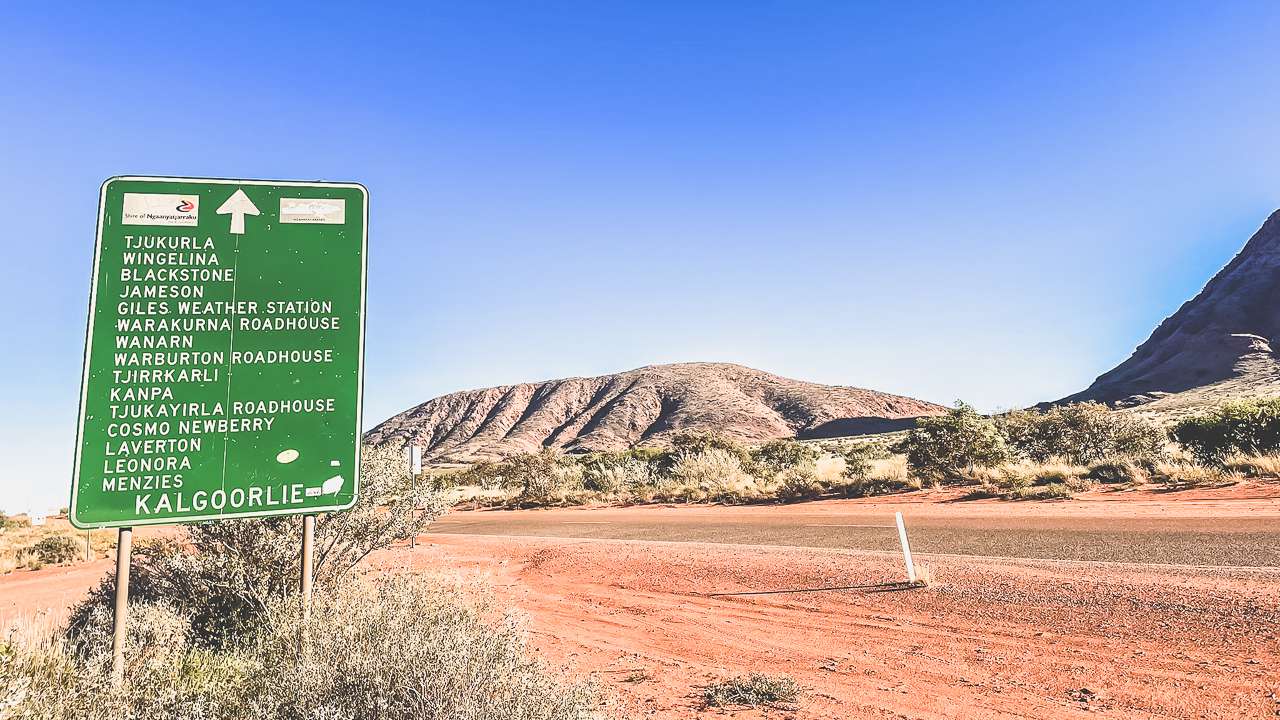
Sign At The Start Of The Great Central Road

Sign At The Start Of The Great Central Road

The Rewards Of The Great Central Road (GCR)

For those willing to have a crack at the challenge towing a caravan on the Great Central Road is an unforgettable experience. The landscapes are awe-inspiring, with endless horizons, ochre-red dunes and dramatic sunsets that light up the vast skies. Wildlife sightings are common, with kangaroos, emus and wedge-tailed eagles dotting the terrain.

The route also offers the chance to connect with Australia’s Indigenous culture. Passing through several Aboriginal communities, travellers can learn about local traditions, art and history. The cultural richness adds depth to the adventure, transforming it into more than just a scenic drive.

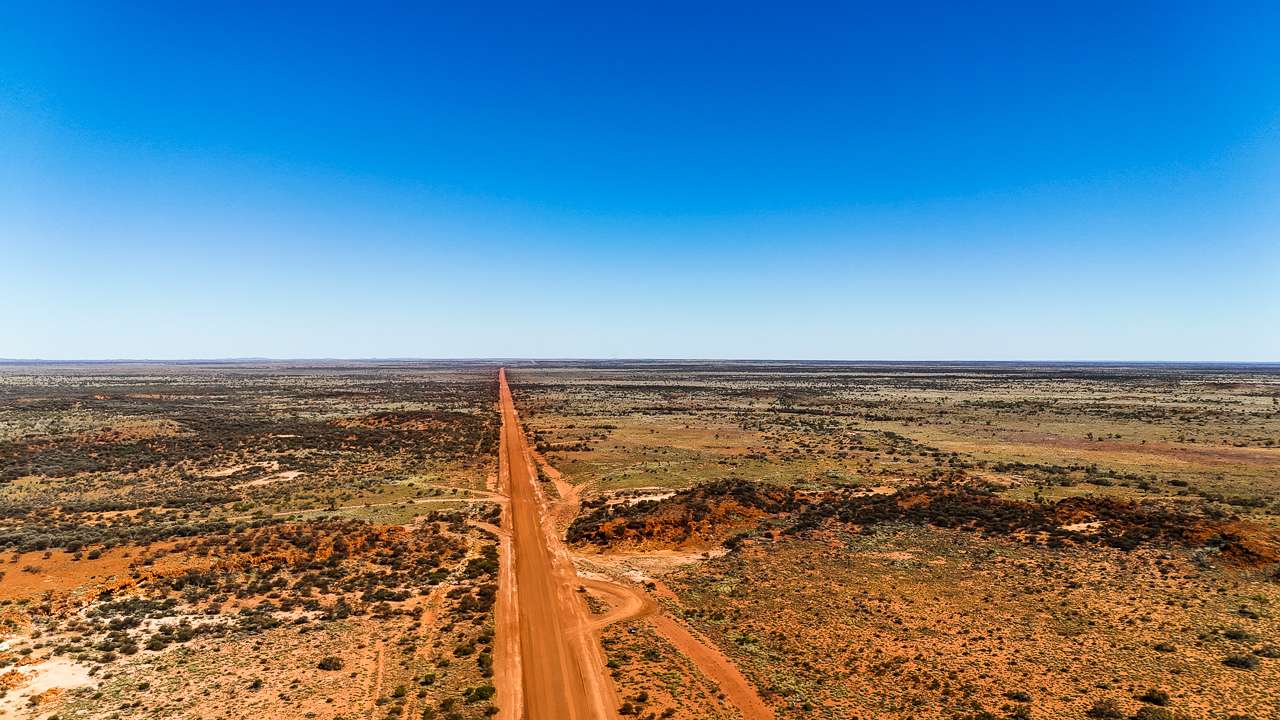
Great Central Road Near Yarla Kutjarra

Great Central Road Near Yarla Kutjarra

Tips For A Successful Journey

  1. Plan thoroughly: Research the route, obtain permits and check road conditions before departure.
  2. Pack strategically: Include spare tyres, a toolkit, extra fuel and plenty of water.
  3. Drive cautiously: Maintain moderate speeds to minimise wear on your caravan and reduce the risk of accidents on uneven surfaces.
  4. Communicate effectively: Use a UHF radio to stay in touch with other travellers and monitor road conditions.
  5. Respect the environment: Leave no trace and honour the cultural significance of the lands you traverse.

Conclusion To Towing A Caravan On The Great Central Road

Undertaking the challenge of towing a caravan on the Great Central Road is not for the faint-hearted, but for those prepared to take it on, the rewards are immense. From the awesome beauty of the outback to the cultural experiences along the way, this journey gives you the very best of remote Australian travel. With the right preparation, the Great Central Road can be the adventure of a lifetime, offering both trials and triumphs in equal measure.

William Creek: An Easily Doable Remote Outback Adventure

William Creek: An Easily Doable Remote Outback Adventure

William Creek: An Easily Doable Remote Outback Adventure

From checking out and having a drink in the iconic William Creek Hotel to breathtaking flights over Lake Eyre. This is your ultimate guide to South Australia’s remote Outback.

William Creek is located in the heart of South Australia’s Outback. It’s a uniquely Aussie outback destination that provides a blend of natural beauty, history and adventure. Whether you’re interested in exploring the famous Lake Eyre Basin, experiencing the rugged terrain or simply soaking in the quiet charm of the area. Here’s a detailed look at what you can do in this remote corner of Australia.

Activities Around William Creek, South Australia

While it’s remote, it is by no means lacking in things to do. The surrounding area offers a variety of activities for those keen to explore the Outback.

One of the highlights is visiting Lake Eyre. It is accessible by road or air and the views are truly spectacular. Whether the lake is full or dry, the landscape is a photographer’s dream. There are many opportunities for birdwatching in the area, making it a great base for outdoor activities.

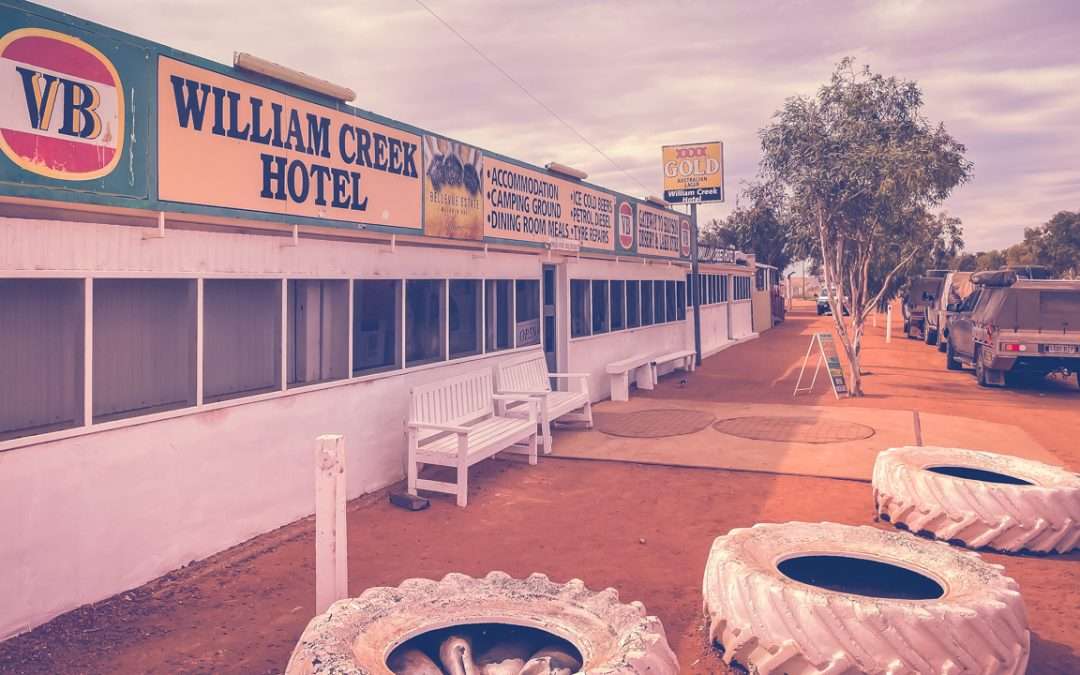
William Creek Hotel

William Creek Hotel

Exploring The Outback From William Creek

William Creek is an ideal starting point for exploring the vast and rugged Outback. From here you can travel along the Oodnadatta Track, an historic route that was once the railway line connecting Adelaide to Alice Springs. The track is full of fascinating sites, including the ruins of old telegraph stations and Aboriginal heritage sites.

If you’re in the mood for a scenic adventure, consider taking a flight over Lake Eyre. Several operators offer aerial tours that provide a unique perspective of the lake, the desert and the surrounding land. The Outback from above is truly an awe inspiring sight.

William Creek To Coober Pedy Road Trip

A road trip to Coober Pedy is an unforgettable adventure. The journey takes you through vast desert landscapes and wild outback desert terrain. Along the way, you’ll encounter ghost towns and historic ruins and experience the true spirit of Australia’s outback.

Coober Pedy, known as the opal capital of the world. Coober Pedy is just a few hours away from making it a perfect destination to pair with your Outback adventure. Once you arrive, you can explore the underground homes and opal mines that make this town so unique.

Visiting William Creek Hotel

The William Creek Hotel is the heart of the town and one of its most famous landmarks. Stepping into the historic pub is like stepping back in time. It’s a hub for locals and visitors alike, offering cold drinks, great food and a wealth of stories from the people who’ve passed through. The hotel also serves as a base for those looking to take scenic flights over Lake Eyre or explore the surrounding Outback. Make sure to stop by and soak up the unique atmosphere.

William Creek, Australia Attractions

While it may be small, it’s a gateway to some incredible attractions in the region. Lake Eyre, just a short drive away, is one of Australia’s most impressive natural wonders. It’s the largest saltwater lake in Australia. Depending on the rainfall it can either be a vast dry expanse or a thriving wetland teeming with birdlife. It’s the perfect spot for photography or simply appreciating the beauty of nature in its rawest form.

For history buffs, the Oodnadatta Track passes through William Creek. The oodnadatta Track is an historic route that was once used by the Ghan Railway. It’s a look back in time into Australia’s past and an important part of the region’s heritage.

Remote Camping In William Creek

If you’re looking for true isolation, remote camping near William Creek is the way to go. There are a number of sites around the area that are off the beaten track. Camping spots near William Creek are perfect for people who want to escape the crowds and enjoy nature in its rawest of forms.

Whether you’re camping in a tent or in a caravan, you’ll find that the night sky here is like nothing you’ve seen before. The lack of light pollution gives you a clear view of the stars and it’s the ideal place for stargazing.

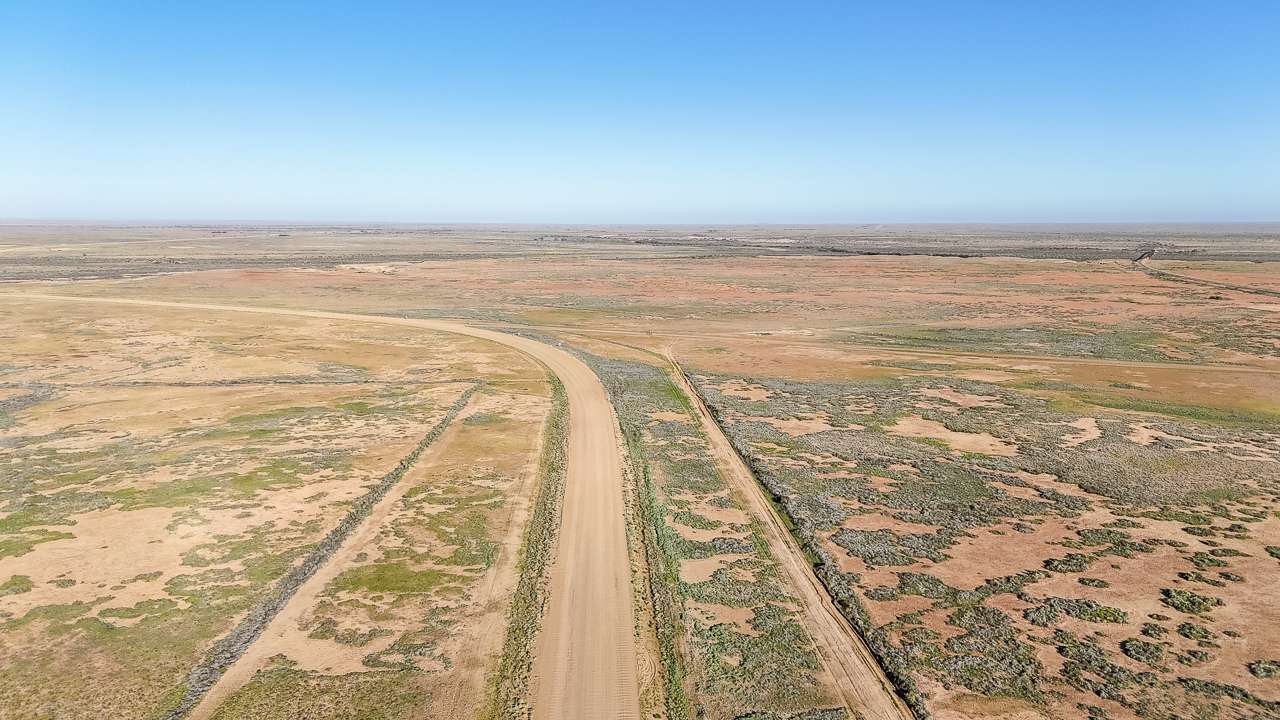
Oodnadatta Track Near Curdimurka

Oodnadatta Track Near Curdimurka

Historical Sites Near William Creek

If you happen to be interested in history there are a number of sites that offer a look backwards in time to the region’s past. The Old Ghan Railway, which once connected the south to the north of Australia, is a significant landmark. While some parts of the track are no longer in use it’s possible to visit sections of the old railway and learn about its importance to the country’s development.

There are also several Aboriginal cultural sites in the area that hold significant meaning to the local indigenous communities. These sites are usually not heavily advertised, but with the right guidance, you can learn about the region’s cultural heritage.

William Creek Lake Eyre Flight Tours

For those who want to see the full extent of Lake Eyre’s majesty, a flight tour is a must. The tours are run by local operators and offer sensational views of the lake, the surrounding desert and the Outback. Whether the lake is full or dry, the aerial view gives you a unique perspective that you simply cannot get from the ground.

The flights typically depart from the William Creek airstrip and take you over the salt flats, wetlands and nearby landmarks. These tours are also a great opportunity to spot wildlife and get a bird’s eye view of Australia’s outback like never before.

Best Time To Visit William Creek

The best time to visit William Creek largely depends on what kind of experience you’re after. The warmer months, from October to April, are ideal for those who want to see Lake Eyre in its most dramatic form. Temperatures during summer can be extreme to the max so it’s essential to be prepared for the heat.

Winter months (May to September) offer cooler temperatures and are a great time to visit if you prefer milder weather. This is also when stargazing is at its best, thanks to the clearer skies and cooler nights.

No matter what time of year you choose to visit it offers an experience that is as unique as it is unforgettable. Whether you’re taking in the beauty of Lake Eyre from the air or camping under the stars. It’s a destination that will stay with you long after you’ve left.

Scenic Flights Over Lake Eyre

One of the most popular activities is taking a scenic flight over Lake Eyre. Whether the lake is full or dry, the aerial view is breathtaking. You’ll witness a vast, seemingly endless landscape with its unique colours and contrasts. It’s an experience that will make you appreciate the scale of Australia’s Outback.

Where To Stay In William Creek

Accommodation in William Creek is limited but offers some great options for those wanting to stay close to nature. The pub is the focal point of the town. This iconic pub has been a favourite for locals and visitors alike for many years. It’s a great spot to relax after a long day of exploration, offering basic meals and drinks.

Camping is an excellent choice and the one we always go with. There are several camping grounds in and around William Creek, perfect for setting up under the stars. If you prefer something a bit more comfortable there is the William Creek caravan park nearby that has powered sites as well as all the usual amenities.

William Creek, Australia Travel Guide

Getting to William Creek requires a bit of preparation, as it is in a remote location. The journey is actually one of the main parts of the adventure. Located approximately 60 kilometres from the Oodnadatta Track and just over 500 kilometres from Coober Pedy, William Creek is far enough from major towns to offer a true Outback experience.

There are no major airports close to William Creek, so most visitors arrive by road. Whether you’re self driving or joining an organised tour, make sure your vehicle is in good condition and always carry extra supplies. The town is small (read tiny) but it has the essentials such as fuel, food and water.

William Creek Outback Adventure

For those seeking a true Outback adventure, William Creek offers a range of experiences. You can embark on a 4WD adventure across the desert, explore nearby dunes, or take a scenic flight to see the iconic salt lakes from the air. The isolation of the area gives you the opportunity to truly disconnect and experience the raw beauty of the Australian Outback.

The landscape around William Creek is harsh yet striking, offering both challenges and rewards for those who venture into it. Whether you’re camping in the wilderness or exploring by vehicle, there’s something profoundly rewarding about this remote region.

Road Conditions To William Creek

The road to William Creek is not for the faint hearted. The most common route is via the Oodnadatta Track, a well known 4WD track that spans 620 kilometres. While parts of the track are gravel, the road is generally well maintained, but it can be rough and dusty in places. It’s essential to have a reliable vehicle and preferably a 4WD with high clearance if you plan to drive.

Before you head out, check the road conditions, especially during the summer months when heavy rains can flood parts of the track. Ensure that your vehicle is equipped with enough water, spare tyres and other essential supplies. Travelling with a partner or group is always a good idea in case of emergencies.

How To Get To William Creek From Adelaide

Getting to William Creek from Adelaide is a straightforward journey, but it requires a bit of preparation. The most direct route is to take the Stuart Highway north towards Port Augusta, then turn east onto the Oodnadatta Track. The drive will take approximately 10-12 hours, depending on road conditions.

If you’re not keen on driving, you can also fly to Coober Pedy or a nearby airstrip and then travel to William Creek by road. There are also tour operators that offer guided trips to William Creek, providing an easy and stress free way to experience the Outback.

Leaving William Creek

William Creek And The Lake Eyre Basin

Situated in the Lake Eyre Basin, a vast inland drainage system that spans over 1 million square kilometres. The Lake Eyre Basin is one of the most important ecological areas in Australia. Lake Eyre is a significant natural landmark. The lake fills with water only during periods of extreme rainfall and when it does, it becomes a thriving wetland that attracts thousands of birds.

The Basin is an important site for conservation and research and visiting it is an opportunity to witness the delicate balance of Australia’s natural environment. The region is rich in biodiversity and the surrounding deserts and wetlands offer a glimpse into one of the world’s most unique ecosystems.

William Creek History

William Creek History traces its roots back to the early days of European exploration in South Australia. The town was originally established in the late 1800s as a pastoral station, named after the nearby creek that flows into the larger systems of Lake Eyre. Over the years William Creek history has been shaped by its remote location in the heart of the Outback. It became a key stop for those traveling along the Oodnadatta Track, once a significant route for the Ghan Railway.

In the early 20th century, the town’s history took another turn with the establishment of the iconic William Creek Hotel. The pub in typical Australian fashion became a hub for locals and passing travellers, further cementing the town’s status as an important Outback destination. William Creek Hotel remains a central landmark to this day.

Despite its isolation it’s closely tied to both Aboriginal and European histories. It had indigenous communities living in the area for thousands of years before European settlers arrived. The region’s history is a blend of ancient cultural significance and modern frontier life.

Top 10 Things To Do In William Creek

William Creek, a small settlement in South Australia’s Outback, offers a unique blend of history, adventure and stunning landscapes. While the area may be remote, it’s filled with opportunities for those seeking an authentic Outback experience. Here’s a list of the top 10 things to do in William Creek that will help you make the most of your visit.

  1. Take a Scenic Flight Over Lake Eyre
    One of the highlights of William Creek is its proximity to Lake Eyre, Australia’s largest saltwater lake. Taking a scenic flight from William Creek is an unforgettable experience. You’ll get a bird’s eye view of the vast lake, its dramatic salt flats and the surrounding desert landscape. Depending on the season, the lake can be either dry or full, but no matter the conditions, the aerial perspective is breathtaking.
  2. Visit the William Creek Hotel
    The William Creek Hotel is the heart of the town and an essential stop for visitors. This historic pub has been serving travellers for decades, offering cold drinks, hearty meals and a welcoming atmosphere. The walls are covered with photos and mementos from past visitors adding to the charm. It’s a great spot to unwind after a long day of exploring and soak up the local Outback culture.
  3. Explore the Oodnadatta Track
    The Oodnadatta Track is a famous Outback route that passes through William Creek. This historic track once home to the Ghan Railway is a must check out item for those interested in Australian history. The track is surrounded by stunning desert landscapes, ancient waterholes and a series of interesting landmarks. Old telegraph stations and relics from the railway. It’s perfect for 4WD enthusiasts and history minded people alike.
  4. Go Camping Under the Stars
    If you’re looking for a true Outback experience, camping near William Creek is a great option. Pretty much zero light pollution in the area makes it an ideal spot for stargazing. Whether you’re camping in a tent or with a caravan, you’ll enjoy the tranquillity of the vast desert surroundings. There are a few campsites in the area, offering the chance to disconnect from the world and enjoy nature in its rawest form.
  5. Experience Remote Fishing
    Fishing is another activity to enjoy in the region. With access to nearby waterfalls and creeks, fishing enthusiasts can try their luck at catching native fish species. The area is not heavily commercialised, so you can often fish in peace, surrounded by the beauty of the Outback. Just make sure to check local regulations and conditions before heading out. The main thing you need to check out is there water in any of the creeks!
  6. Take a Drive to Coober Pedy
    A visit to William Creek wouldn’t be complete without a road trip to Coober Pedy, a town known for its opal mines. Coober Pedy is only about 160 kilometres away and offers a fascinating glimpse into Australia’s mining history. The town is famous for its underground homes, where residents live to escape the extreme heat. It’s a great day trip and adds another layer to your Outback adventure.
  7. Learn About Aboriginal Culture
    The area around William Creek holds deep cultural significance for Aboriginal communities. While exploring, take the opportunity to learn more about the region’s traditional owners. Many guided tours offer insight into the local Aboriginal culture, stories and connections to the land. It’s a powerful experience that adds context to the landscapes you’re exploring.
  8. Go 4WDing in the Desert
    It’s surrounded by rugged Outback terrain, making it an excellent base for a 4WD adventure. The surrounding deserts and tracks offer plenty of opportunities for off-road driving. Whether you’re navigating sand dunes, rocky outcrops, or open plains, a 4WD adventure is a great way to explore the area. Just be sure to prepare your vehicle and carry plenty of water and supplies.
  9. Visit Lake Eyre from the Ground
    If you prefer to explore Lake Eyre on foot or by vehicle, there are several access points where you can get up close to the salt flats. The landscape around Lake Eyre is like nothing else in Australia. It’s vast, open and otherworldly. Whether you’re walking on the salt crust or just standing in awe of the horizon, the experience is humbling. It’s a perfect place for photography, as the light changes dramatically throughout the day.
  10. Experience the Outback Pub
    The William Creek Hotel is more than just a place to eat and drink. It’s a more than typical Outback Aussie pub that serves as a hub for the small community. Whether you’re staying for a meal or just stopping for a beer the hotel gives you a true taste of Outback hospitality.

In Summary

William Creek may be remote but it offers a wealth of experiences for those willing to venture into the heart of Australia’s Outback. From scenic flights over Lake Eyre to 4WDing across the desert, the town and its surroundings have plenty to offer. Whether you’re interested in history, nature, or simply enjoying the peace and beauty of the Outback, William Creek should be on your travel radar. It’s a destination that offers something for everyone.

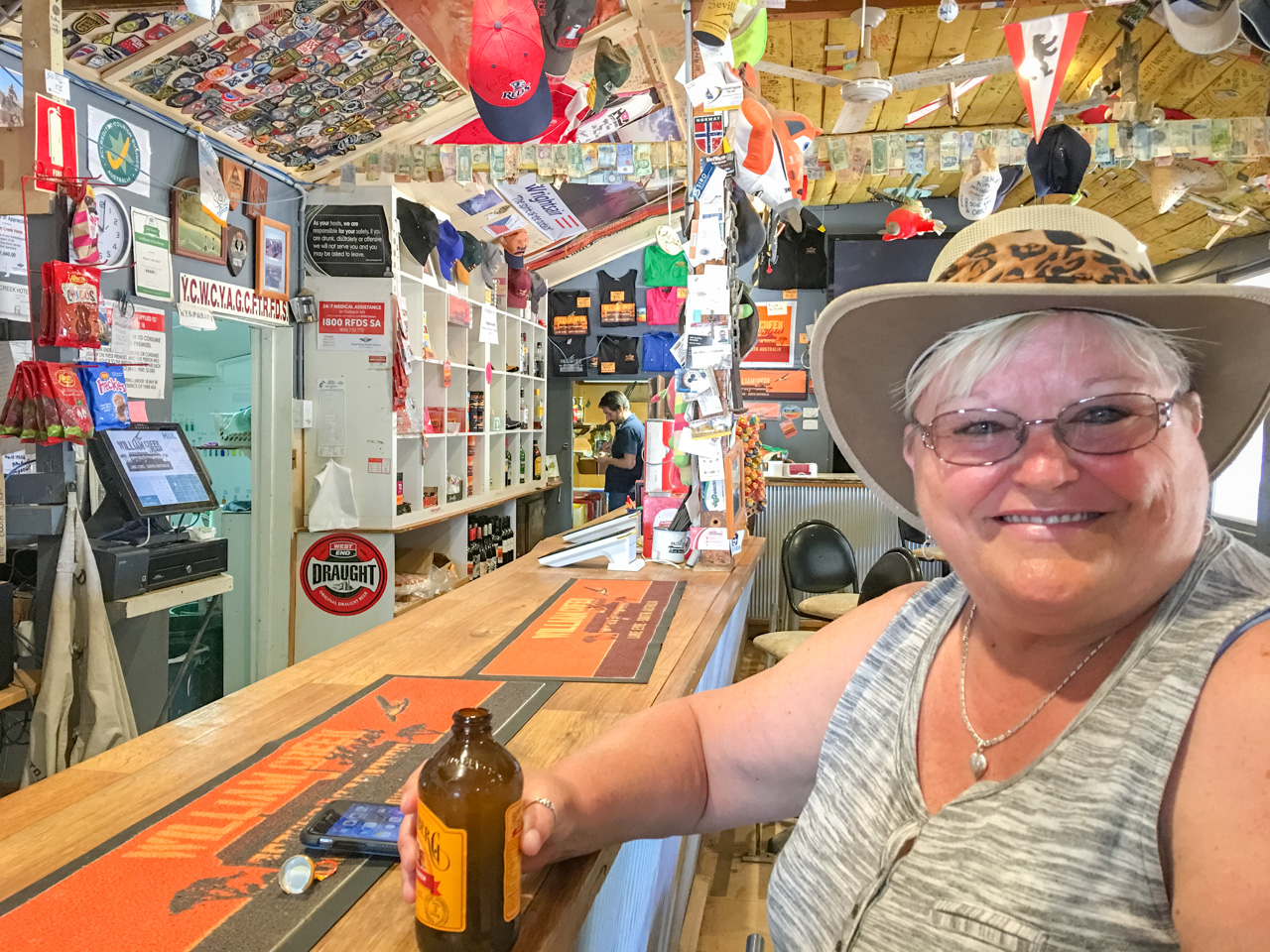
Amanda At William Creek Hotel

Amanda At William Creek Hotel

7 GREAT Free Campsites Sunshine Coast For You To Stay At

7 GREAT Free Campsites Sunshine Coast For You To Stay At

7 GREAT Free Campsites Sunshine Coast For You To Stay At

Save money and camp in paradise. These top free campsites Sunshine Coast options offer stunning locations for an awesome camping experience. The Sunshine Coast is a prime destination for travellers. For those seeking budget friendly camping options amidst stunning natural landscapes options are unfortunately few and far between.

We’ve done our best to list what is available within 100 kilometres of Maroochydore. With the variety of free campsites Sunshine Coast has to offer, visitors can enjoy pristine beaches, lush hinterland and tranquil bush settings without the cost of traditional caravan parks. Some of these sites are located within national parks, state forests and designated rest areas providing a mix of coastal and inland camping experiences. Some free campsites Sunshine Coast travellers frequent offer basic amenities such as toilets, picnic tables and fire pits, while others require full self-sufficiency. Popular locations include spots near Noosa, Glass House Mountains and Kenilworth, each offering unique outdoor activities like hiking, fishing and wildlife spotting.

Regulations vary between sites, with some allowing short term stays of up to 24 hours and others permitting longer visits. While some of the free campsites Sunshine Coast provide require permits, many operate on a first come, first served basis. Campers should check local council or Queensland Parks guidelines before setting up.

List Of 7 GREAT Free Campsites Sunshine Coast For You To Stay At

Whether you’re exploring the coastline or escaping into the hinterland the free campsites Sunshine Coast offer an affordable and rewarding way to experience this iconic Australian region.

Note: We’ve tried to be as accurate as possible with compiling this list but mistakes and changes do happen. If you see anything that needs updating, is incorrect or we’ve missed please let us know – you can contact us by email.

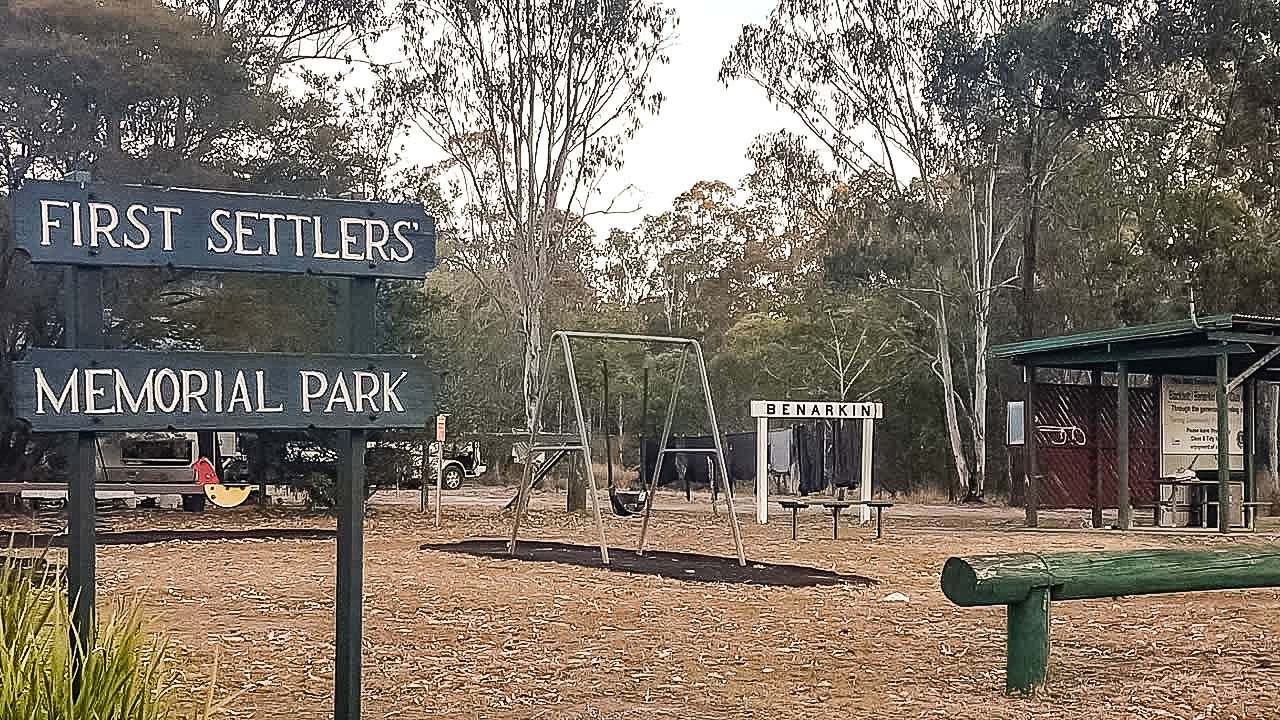
Free Campsites Sunshine Coast First Settlers Memorial Park Benarkin

Free Campsites Sunshine Coast First Settlers Memorial Park Benarkin

1. Jowarra Park Rest Area

This area offers access to the Jowarra section of Mooloolah River National Park where short walks are available. Domestic animals are not permitted within Mooloolah River National Park. Enter the site from the ‘That Pizza Guy’s’ driveway. Some navigation apps can give misleading directions.

  • Rest area offering toilets
  • It is dog friendly
  • Accessible to RVs, camper trailers and caravans
  • Camping in tents is allowed
  • You can stay here for up to 20 hours
  • Take all rubbish with you and leave no trace

Type: Roadside Rest Area
Cost: Free
Address: Caloundra Road, CALOUNDRA, Sunshine Coast, Queensland
GPS: -26.773063°, 153.038584°
Website URL: https://parks.des.qld.gov.au/parks/mooloolah-river/about.htmlcamping_and_accommodation
Pet Friendly: Yes
Maximum Stay: 20 Hours
Distance From Maroochydore: 14km SW

2. Cruice Park

  • This free campground offers toilets
  • It is dog friendly
  • It is accessible to RVs, camper trailers, caravans and big rigs
  • Camping in tents is allowed
  • You can stay here for up to 24 hours

Type: Free Camping
Cost: Free
Address: 27 Cruice Dr, Woodford, Queensland
GPS: -26.928169°, 152.757947°
Pet Friendly: Yes
Maximum Stay: 24 Hours
Distance From Maroochydore: 45km SW

Free Campsites Sunshine Coast View From Cruice Park

Free Campsites Sunshine Coast View From Cruice Park

3. Little Yabba Park West

  • This free campground offers toilets
  • It is dog friendly
  • It is accessible to RVs, camper trailers, caravans and big rigs.
  • NO potable water
  • Camping in tents is allowed
  • You can stay for up to 24 hours

Type: Free Camping
Cost: Free
Address: Maleny Kenilworth Road, Cambroon, Queensland
GPS: -26.625144°, 152.689222°
Pet Friendly: Yes
Maximum Stay: 24 Hours
Distance From Maroochydore: 40km W

4. Amamoor Bridge Free Camp

Not marked as a campsite but fine to stay the night. A fairly small area over the bridge but overall is considered a good spot. No toilets or bins. Straight after you pass the store on your left turn right before going over the bridge. It is just a small patch of grass in front of the fenced horse paddock.

  • No signage
  • This is a free campground
  • It is dog friendly
  • It is accessible to motorbikes, RVs, camper trailers and caravans
  • Camping in tents is allowed. You can stay here for up to 24 hours

Note this is a small site and could accommodate up to about four vehicles at a time. There is a great little country general store about 100m away.

Type: Free Camping
Cost: Free
Address: Amamoor Creek Rd, Amamoor, Queensland
GPS: -26.342475°, 152.673112°
Pet Friendly: Yes
Maximum Stay: 24 Hours
Distance From Maroochydore: 54km NW

5. Six Mile Creek Rest Area

Roadside rest area located along the Bruce Highway south of Gympie. Rest areas are a place where you can stop and rest making your journey safer and more enjoyable. You can stop at a rest area for up to 20 hours.

  • Toilets
  • Picnic tables
  • Rubbish bins
  • Dump point
  • On leash dogs only

Type: Roadside Rest Area
Cost: Free
Address: Bruce Hwy, Glanmire, Queensland
GPS: -26.232184°, 152.696736°
Phone: 0130 030 780
Website URL: https://www.qld.gov.au/transport/safety/holiday-travel/stops/rest
Pet Friendly: Yes
Maximum Stay: 20 Hours
Distance From Maroochydore: 61km NW

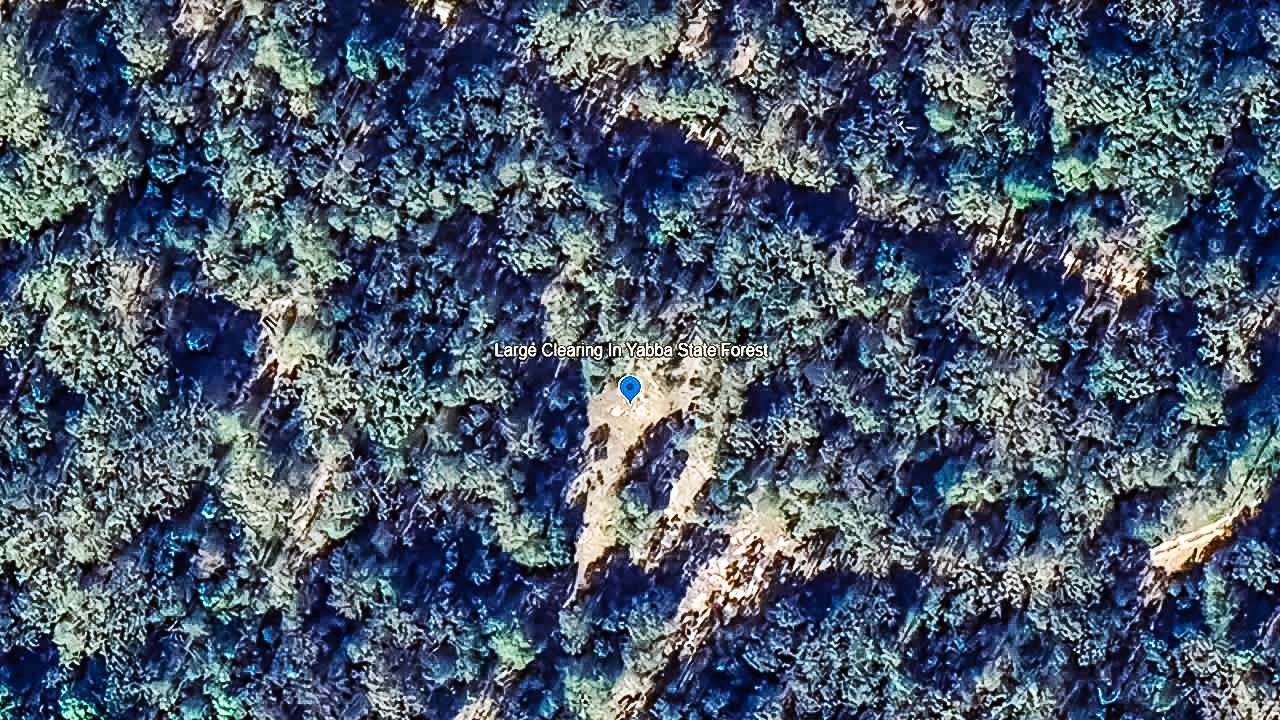
6. No Name

  • Large sized clearing
  • Far enough away from main track
  • Plenty of room
  • Road noise is very audible

Type: State Forest Camping
Cost: Free
Address: Kingaham Road, Queensland
GPS: -26.564565°, 152.380833°
Pet Friendly: Yes
Distance From Maroochydore: 72km W

7. First Settlers Park Rest Area

  • Toilets
  • Paid drinking water
  • Dog friendly
  • It is accessible to motorbikes, RVs, camper trailers, caravans and big rigs
  • Camping in tents is allowed
  • Donation tin on the counter in the shop

Type: Donation Campground
Cost: Donation
Address: Scott Street, Benarkin, Queensland
GPS: -26.887846°, 152.137269°
Phone: (07) 4189 9100
Website URL: https://www.southburnett.qld.gov.au/facilities-recreation/caravan-stops-24hr
Email: info@southburnett.qld.gov.au
Pet Friendly: Yes
Maximum Stay: 48 Hours
Distance From Maroochydore: 98km W

Free Campsites Sunshine Coast Yabba State Forest

Free Campsites Sunshine Coast Yabba State Forest

Top 10 Things to Do While Staying in Free Campsites on the Sunshine Coast

The Sunshine Coast is a prime destination for travellers looking to enjoy stunning beaches, lush hinterland and a laid-back lifestyle. For those camping on a budget, there are several free campsites Sunshine Coast has to offer. While staying at these campsites, there are plenty of activities to keep you entertained. Here are the top 10 things to do while enjoying free camping in this beautiful region.

  1. Relax on the Beaches
    The Sunshine Coast is famous for its pristine beaches. Whether you’re staying near Coolum, Noosa, or Caloundra, you’ll find stunning shorelines perfect for swimming, sunbathing, or surfing. Many free campsites Sunshine Coast offers are within a short drive of these world-class beaches.
  2. Explore Noosa National Park
    A visit to Noosa National Park is a must. It offers breathtaking coastal views, well-maintained walking tracks and the chance to spot native wildlife, including koalas. The scenic Coastal Walk leads to the famous Hell’s Gates, a spectacular lookout over the ocean.
  3. Visit Local Markets
    The Eumundi Markets, held every Wednesday and Saturday, are among the best in Queensland. Here, you can browse handcrafted goods, fresh produce and unique souvenirs. Smaller markets in Yandina, Noosa and Caloundra also offer a great local experience.
  4. Go Fishing
    If you enjoy fishing, the Sunshine Coast has excellent spots for casting a line. Popular locations include the Maroochy River, Noosa River and Pumicestone Passage. Many free campsites Sunshine Coast visitors stay at are close to fishing-friendly areas.
  5. Hike the Glass House Mountains
    For those who love hiking, the Glass House Mountains provide stunning trails with rewarding views. Mount Ngungun is one of the easiest climbs and offers a panoramic view at the summit. For a more challenging trek, Mount Tibrogargan will test your endurance.
  6. Discover Waterfalls and Swimming Holes
    The hinterland is home to some fantastic waterfalls and swimming holes. Kondalilla Falls, Gardners Falls and Booloumba Creek are all great spots to cool off on a warm day. These natural attractions make for a refreshing break from the coastal heat.
  7. Take a Scenic Drive
    A scenic drive through the Sunshine Coast Hinterland is a great way to explore the region. The route through Montville and Maleny offers breathtaking views, boutique shops and charming cafes. You can stop for a coffee and soak in the peaceful atmosphere.
  8. Spot Wildlife
    Many free campsites Sunshine Coast provides are located near national parks and bushland, making them great spots for wildlife watching. Keep an eye out for kangaroos, wallabies, kookaburras and possums. If you’re lucky, you might even spot a platypus in one of the region’s creeks.
  9. Enjoy a Campfire Cookout
    Some free campsites Sunshine Coast allows campfires, giving you the perfect opportunity to cook over an open flame. Roasting marshmallows, making damper, or grilling fresh fish you’ve caught adds to the camping experience. Always check local fire restrictions before lighting a fire.
  10. Visit Local Breweries and Distilleries
    For those who enjoy craft beer or spirits, the Sunshine Coast has an impressive range of local breweries and distilleries. Brouhaha Brewery in Maleny, Heads of Noosa and Sunshine & Sons Distillery are excellent places to sample locally made beverages.

Final Thoughts On Free Campsites Sunshine Coast

Staying at free campsites Sunshine Coast has available is a fantastic way to experience the region without spending a fortune. Whether you prefer beachside relaxation, outdoor adventures, or local attractions, there’s plenty to do. Pack your gear, hit the road and make the most of what the Sunshine Coast has to offer.

Geocaching Around Uranquinty And Frampton

Geocaching Around Uranquinty And Frampton

Geocaching Around Uranquinty And Frampton

Another day out geocaching around Uranquinty and Frampton. Called in for a beer at the Uranquinty Hotel. We headed out from home at Cootamundra at about 9.00am and didn’t get home until about 5.00pm. It was a pretty full day. All up I think we covered around 225kms.

Out and about today doing some more geocaching around Uranquinty and Frampton in NSW. Found 10 of them. We tried to find some around Wagga. Once again the ones we tried to find in Wagga were all in weird places and the logs stated they hadn’t been found many times or were suspected as missing. I don’t know what it is with the geocaches around Wagga but we’ve had no luck with them.

What Did We Find Geocaching Around Gundagai, Bethungra and Tumblong NSW

  1. Found Round the Bend #4 – Two Bushes | GC7H4K4
    Great hide TY
  2. Found Round the Bend #3 – Reflections | GC7H4JZ
    Another stop another cache TY
  3. Found Round the Bend #2 – Swiss Cheese | GC7H4JP
    Once again fantastic hide
  4. Found Round the Bend #1 – Not the water view you want | GC7H4JB
    Another great hide but be quick or get carried away by the ants
  5. Found Corner Country | GCQCZ7
    Wow what an awesome hide thankyou
  6. Found Stretch Your Legs | GC9FKH6
    What a great hide really made us stop and think
  7. Found Quinty Cemetery | GC62ENE
    Great hide
  8. Found Wrongly Placed artslet | GCAH58C
    Found this very clever hidden cache
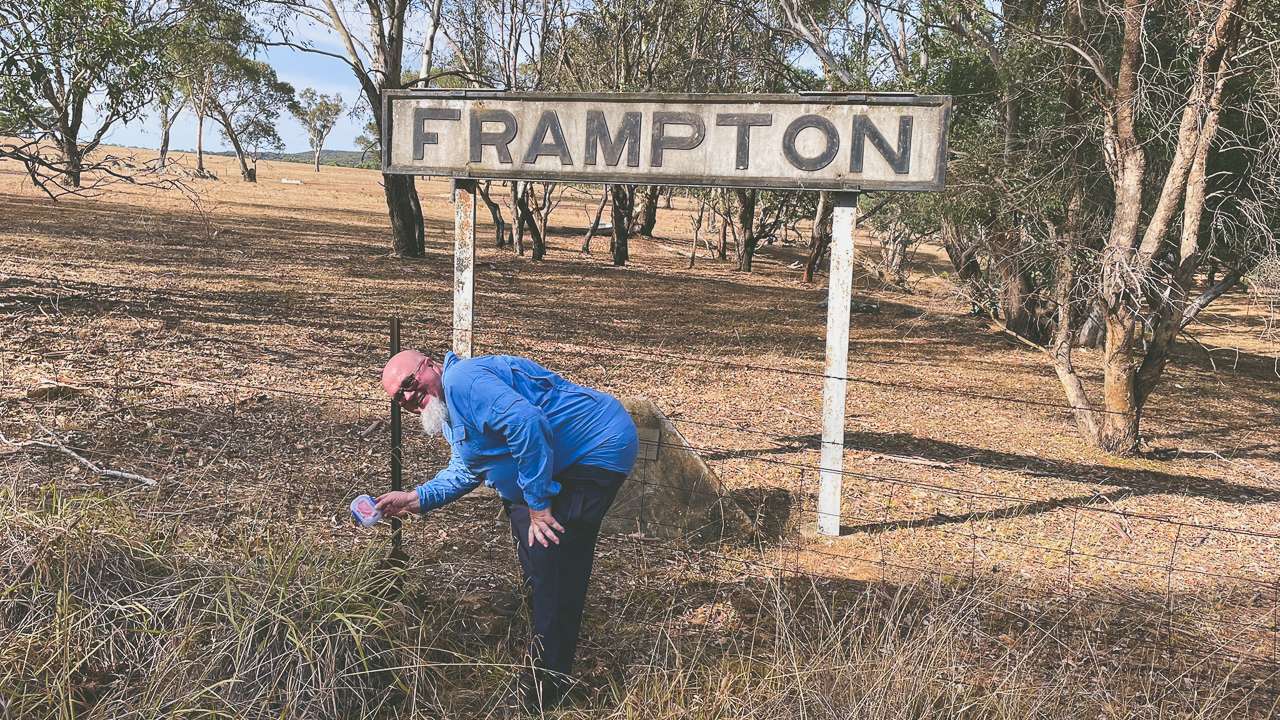
  9. Found Frampton | GC1R7N3
    Found thanks Frampton Farmers for the hide
  10. Found Rotary Park | GCQQ4Y
    Thanks for the hide. Cache in very poor condition but don’t have a spare container on us to replace it

A Roadside Geocache Hide

A Roadside Geocache Hide

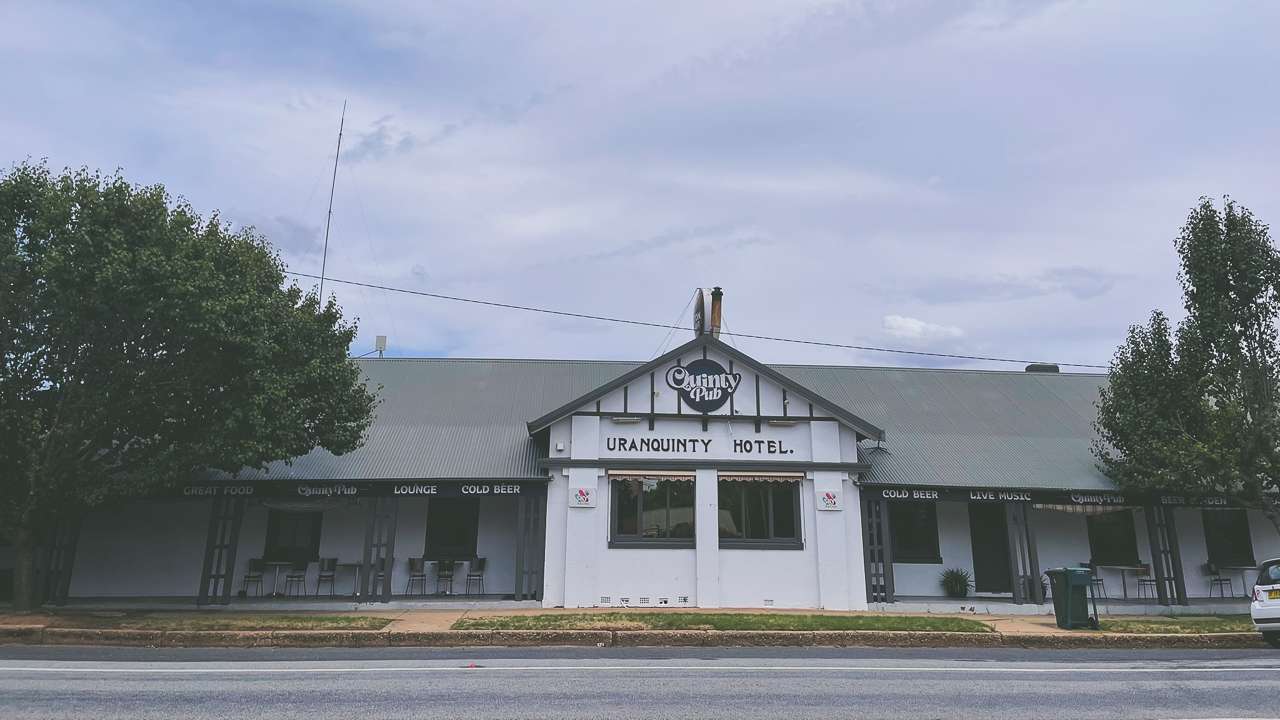
A Beer At The Uranquinty Hotel While Geocaching Around Uranquinty

The Uranquinty Hotel is another pub to add to our list of those that we’ve had a beer in! It’s a nice old pub and the beer was cold – can’t ask for much more than that. It was pretty quiet for a Sunday but I guess it’s a small town and it was well after lunch when we called in.

Uranquinty Hotel A Nice Break From Geocaching Around Uranquinty

Uranquinty Hotel A Nice Break From Geocaching Around Uranquinty

Going For A Walk Around Uranquinty NSW

Walking around Uranquinty NSW is a great way to experience a small Australian country town. You will find Uranquinty just south of Wagga Wagga in the NSW Riverina. Uranquinty is quiet has and a strong sense of community. The streets are lined with trees and the parks are well kept, with birds adding to the calm atmosphere.

As you walk you’ll notice signs of the town’s railway history. Old tracks run through the area, a reminder of when Uranquinty NSW was an important stop for trains. The local war memorial stands proudly, honoring those who served.

For anyone looking to slow down and enjoy a quiet moment, Uranquinty NSW is a great place for a walk. Whether you’re passing through or staying a while, the town’s simple beauty and welcoming feel make it a pleasant spot to explore.

Make sure to have a beer and a meal in the Uranquinty Hotel as it’s a great old pub. And if you’re just travelling through the pies at the bakery are magnificent. I’ve had a few pies from the bakery and my favourite is definitely the chicken korma.

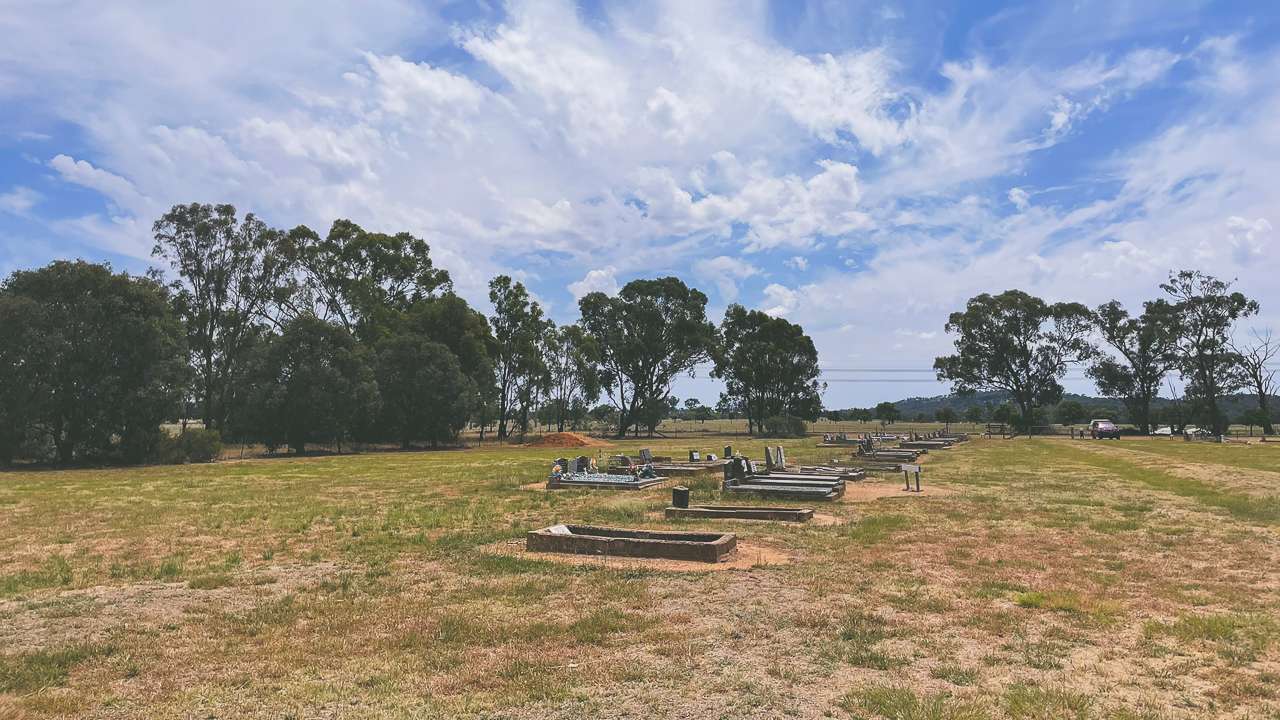
Geocaching Around Uranquinty In Uranquinty Cemetery

Geocaching Around Uranquinty In Uranquinty Cemetery

Frampton NSW – A Quick Bit Of History

Located in the Riverina region of New South Wales, Frampton NSW is a small rural locality. It’s history is tied to agriculture and transportation. First settled in the 19th century the area played a role in the expansion of farming and railway networks in southern New South Wales.

The arrival of the railway in the late 1800s was a turning point for Frampton NSW. It became an important location along the Main South railway line. The station no longer operates. However it once facilitated the transport of wool, grain and livestock, supporting the region’s economic growth.

Like many settlements in the Riverina district the community thrived on farming with sheep grazing and cropping forming the backbone of the local industry. Over time technological advances and shifts in transportation reduced the town’s prominence yet its agricultural legacy remains strong.

Today Frampton NSW is a quiet area reflecting the resilience of rural Australia. While the railway no longer defines its identity the landscape that remains tells the story of a once busy hub that contributed to the region’s progress.

Geocache Found At Frampton NSW

Geocache Found At Frampton NSW

Geocaching Around Uranquinty And Frampton NSW Photo Gallery

Pin It on Pinterest