
Eucla Telegraph Station Guide 2026 | Ruins, Jetty & Free Camping
Planning a Nullarbor trip? Visit the Eucla Telegraph Station ruins, walk to the old jetty, and camp near the coast. Our 2026 guide covers access, history, camping, and what to expect. The Eucla Telegraph Station is one of the most interesting historic stops on the Nullarbor.
Sitting among the sand dunes below the modern township of Eucla the ruins tell the story of how messages once crossed Australia long before mobile phones and the internet.
Amanda and I visited the Eucla Telegraph Station in 2024 while crossing the Nullarbor. During our visit we walked through the ruins, followed the track to the old jetty and spent a night at the nearby free campground. It was one of the highlights of our trip through this part of Western Australia. If you are travelling between South Australia and Western Australia this is a stop that deserves more than a quick photo.
Why Visit Eucla Telegraph Station?
Many travellers know Eucla as the border town on the Eyre Highway. However a short drive south reveals one of the most important communication sites in Australian history.
The station formed part of the East-West Telegraph Line which connected Western Australia with the eastern colonies in 1877. Before the telegraph messages could take weeks or months to arrive. After the line opened communication took minutes.
At its peak Eucla had homes, stores, staff accommodation and a busy jetty that supplied the settlement from the sea. Over time, shifting sand dunes swallowed much of the original town. Today the ruins remain partially buried beneath the sand.
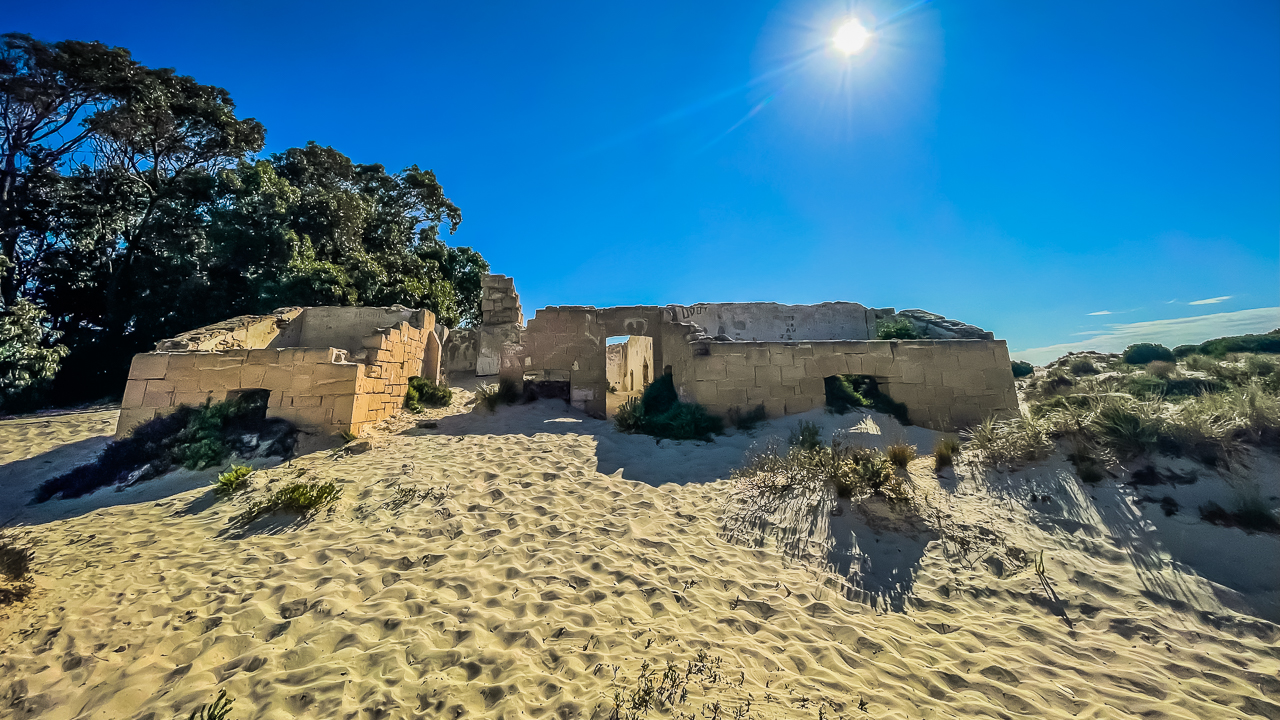
Old Eucla Telegraph Station
Quick Visitor Information
| Item | Details |
|---|---|
| Location | Approximately 4km south of Eucla township |
| Access | Unsealed road suitable for most vehicles in dry conditions |
| Entry Cost | Free |
| Time Needed | 1 to 2 hours |
| Camping Available | Yes |
| Pet Friendly | Generally yes at campground areas. Check current conditions. |
| Best Combined Attraction | Head of Bight |
Eucla Telegraph Station
The remaining ruins are easy to reach from Eucla. A short gravel road leads down from the Eyre Highway to the coast.
Once you arrive a walking track takes you directly to the main stone building. The structure visible today dates from the late 1890s and replaced the earlier timber station. Much of the building has been damaged by weather and moving sand, yet the remaining walls still give a good sense of its original size.
When we visited in 2024, the station was partly surrounded by sand dunes. The amount of exposed stonework changes over time as the dunes move. In some years more of the building becomes visible. In others, sections disappear beneath the sand.
The walk around the ruins is straightforward and suitable for most visitors.
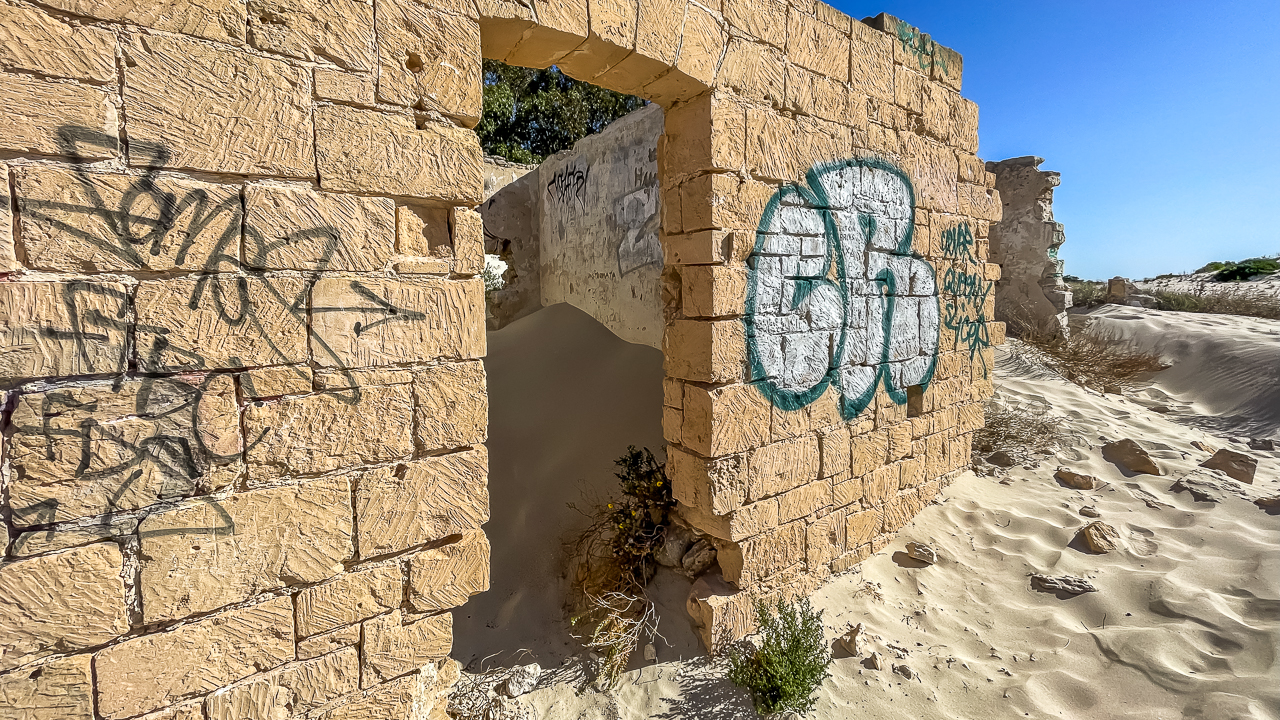
Remains Of Eucla Telegraph Station
Eucla Telegraph Station Ruins
The Eucla Telegraph Station Ruins are among the best preserved telegraph relics on the Nullarbor.
Unlike many historic sites that have been heavily restored, these ruins remain largely untouched. As a result, visitors can see the effects of more than a century of wind, salt air and drifting sand.
One of the interesting aspects of the site is its isolation. Standing among the ruins makes it easier to understand how remote this settlement once was. Staff and their families lived here for decades while handling communications between Western Australia and the eastern colonies.
For photographers, early morning and late afternoon provide the best light. The contrast between the limestone walls and the surrounding dunes creates excellent photo opportunities.
As an interesting side note, some of the windows and doors used at Koonalda Homestead came from the Eucla Telegraph Station. A fantastic example of recycling – it’s been going on forever.
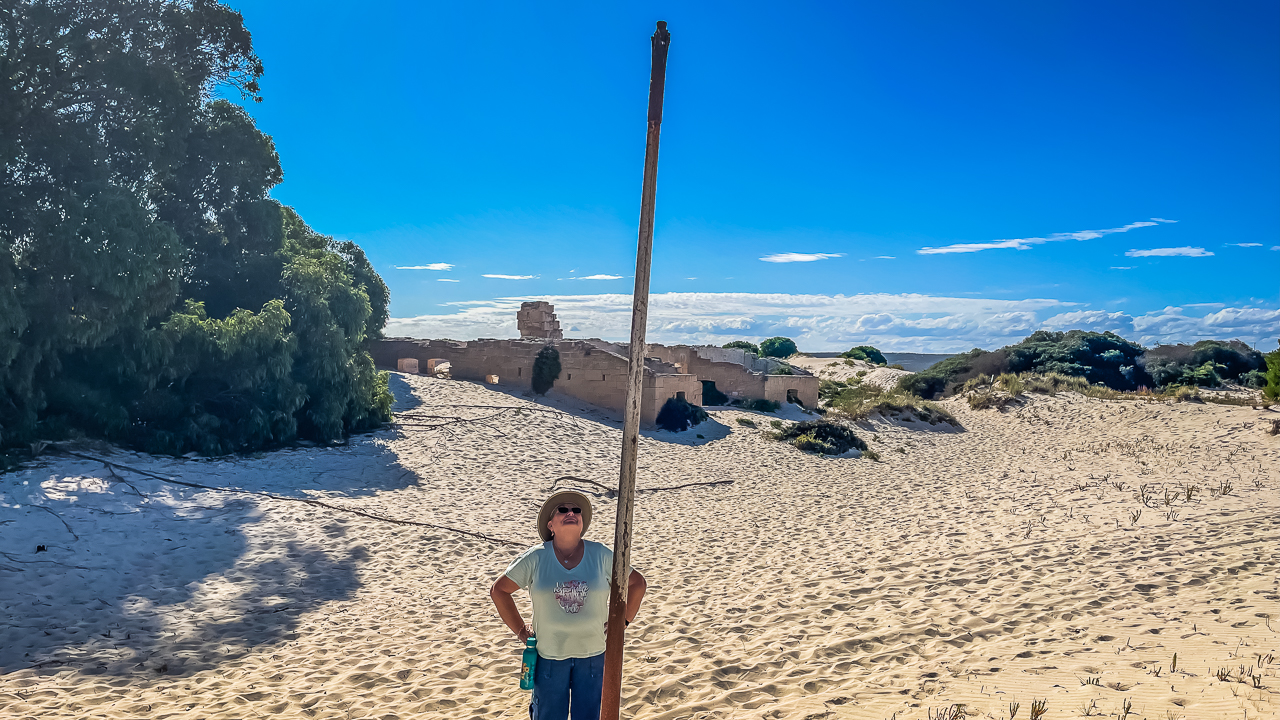
An Old Telegraph Post At Eucla Telegraph Station
Eucla Telegraph Station Jetty
After visiting the ruins, continue along the walking track to the remains of the Eucla Telegraph Station Jetty.
The jetty played a critical role in supplying the settlement before reliable road transport existed. Ships delivered food, building materials and equipment directly to the coast below the station. A tramway then carried supplies inland.
Today, only remnants of the jetty remain. Even so, it helps visitors understand how important maritime access once was to this isolated community.
Amanda and I enjoyed the walk from the ruins to the beach. The coastline is quiet and the views across the Great Australian Bight are impressive. It also provides a different perspective of the station ruins sitting among the dunes above.
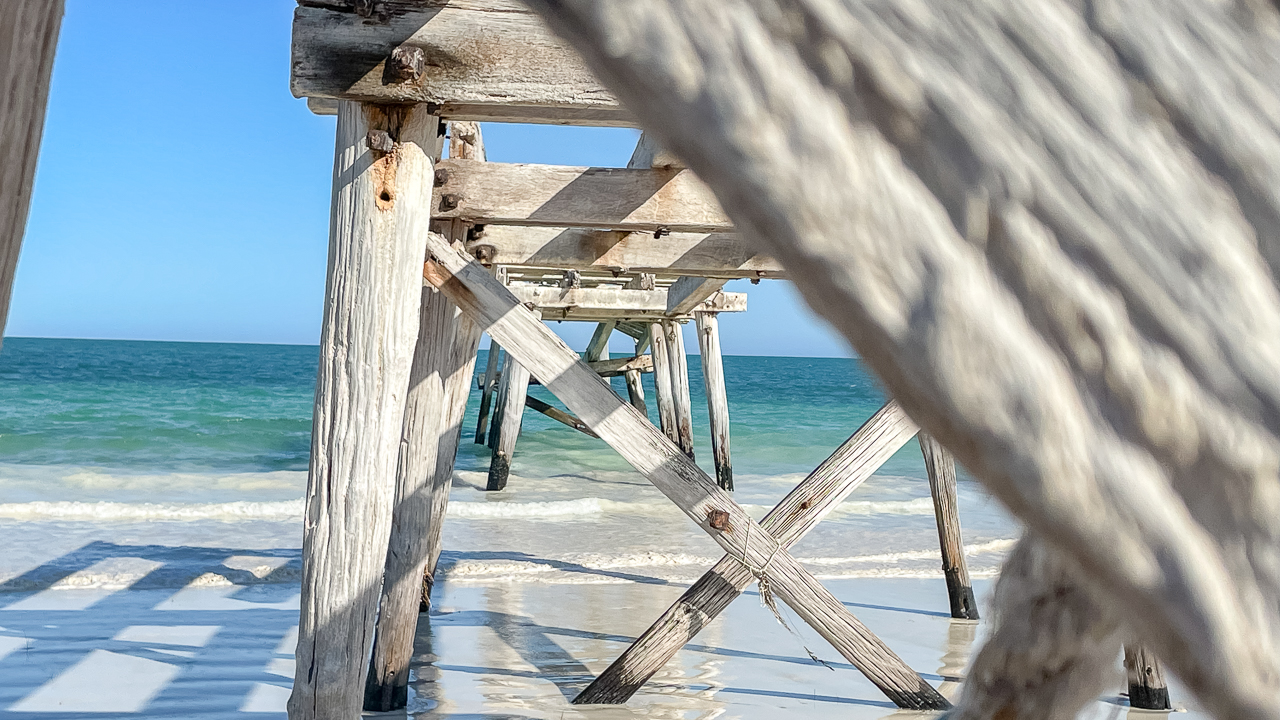
Eucla Jetty Remains Near Telegraph Station
Eucla Telegraph Station Camping
Camping is available near the ruins at the Old Telegraph Station Campground.
This campground is popular with caravanners, camper trailers and motorhome travellers crossing the Nullarbor. Sites are spread out and the location offers easy access to both the ruins and the beach.
During our 2024 visit, we stayed here overnight. The campground provided a peaceful stop after a day on the road. Being able to walk to both the ruins and jetty without driving was a bonus.
Facilities can change over time, so check current conditions before arriving. Travellers should also carry enough water and supplies as services are limited.
Eucla Telegraph Station Free Camp
Many travellers search for Eucla Telegraph Station Free Camp options.
Historically, informal camping has occurred around the area. However, camping arrangements can change due to local management decisions and environmental concerns.
As of July 2026, travellers should confirm current camping rules locally before setting up. The nearby Eucla township remains the best source of up-to-date information. Avoid assuming older online reports are still accurate.
Checking locally helps protect the site and prevents issues with changing regulations.
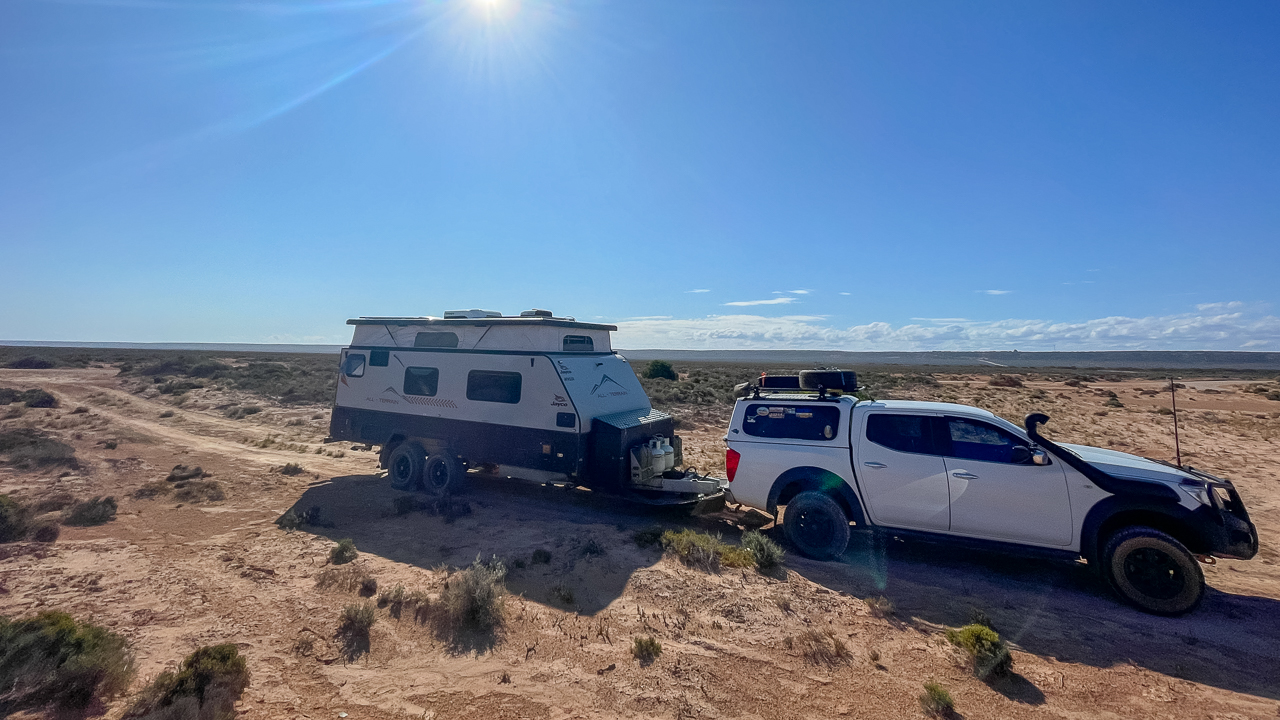
Free Camping Near Eucla Telegraph Station
Eucla Telegraph Station Or Head Of Bight?
Travellers often ask whether they should visit the Eucla Telegraph Station or Head of Bight.
The answer is simple. Visit both if your schedule allows.
| Attraction | Best For |
|---|---|
| Eucla Telegraph Station | History, photography, walking and camping |
| Head of Bight | Whale watching, coastal views and visitor facilities |
The Eucla Telegraph Station focuses on Australian history and the early communication network. Head of Bight focuses on natural attractions and Southern Right Whale viewing during the whale season.
The two locations complement each other well. Many travellers visit Head of Bight while crossing the Nullarbor and then continue west to Eucla later the same day.
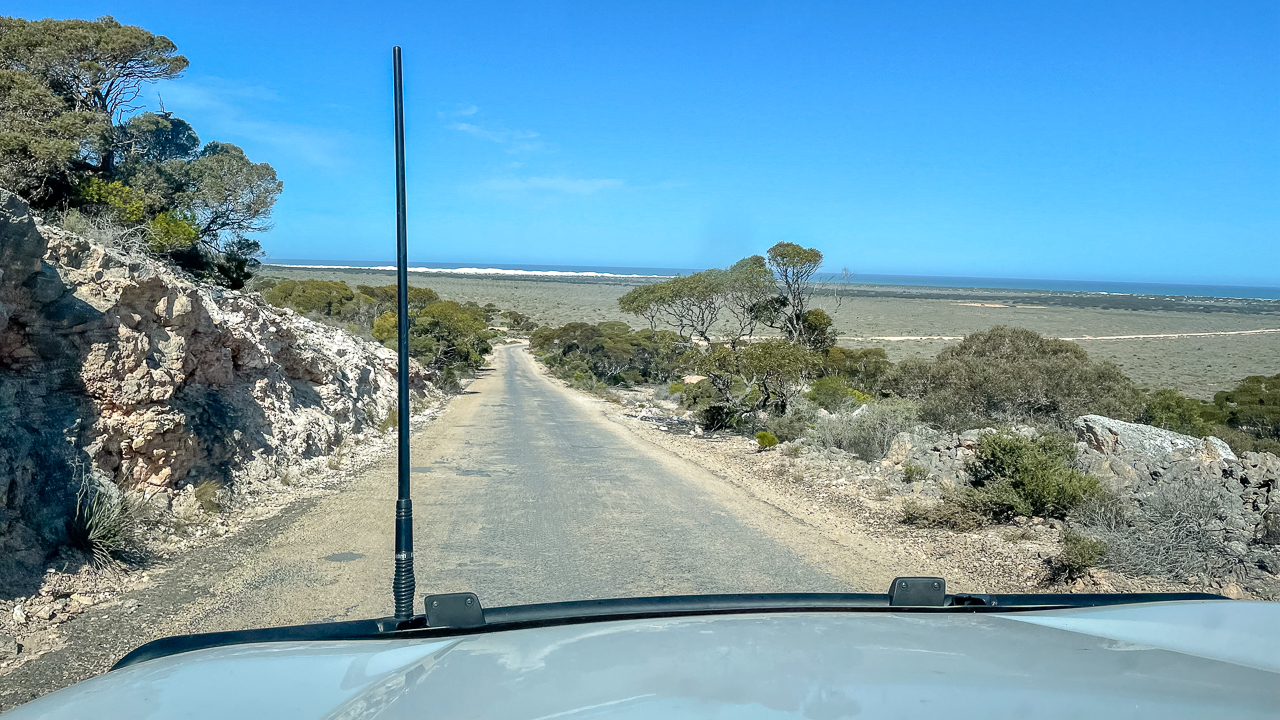
Heading Down To Eucla Telegraph Station Ruins
Tips For Visiting
- Wear sturdy footwear for walking on soft sand.
- Carry drinking water during warmer months.
- Allow time to walk to the jetty remains.
- Visit early or late in the day for better photography.
- Check local road conditions after heavy rain.
- Respect the historic ruins and avoid climbing on walls.
Is Eucla Telegraph Station Worth Visiting?
Yes. The Eucla Telegraph Station remains one of the most interesting historic stops on the Nullarbor.
It combines Australian history, coastal scenery, camping and easy walking access in one location. The moving sand dunes also make every visit slightly different.
Amanda and I found the site far more interesting than we expected during our 2024 visit. Walking through the ruins and along the beach helped bring the history of the Nullarbor to life.
If you are travelling between Western Australia and South Australia allow a few hours to visit. You will gain a much better understanding of how isolated this region once was and why Eucla played such an important role in connecting Australia.
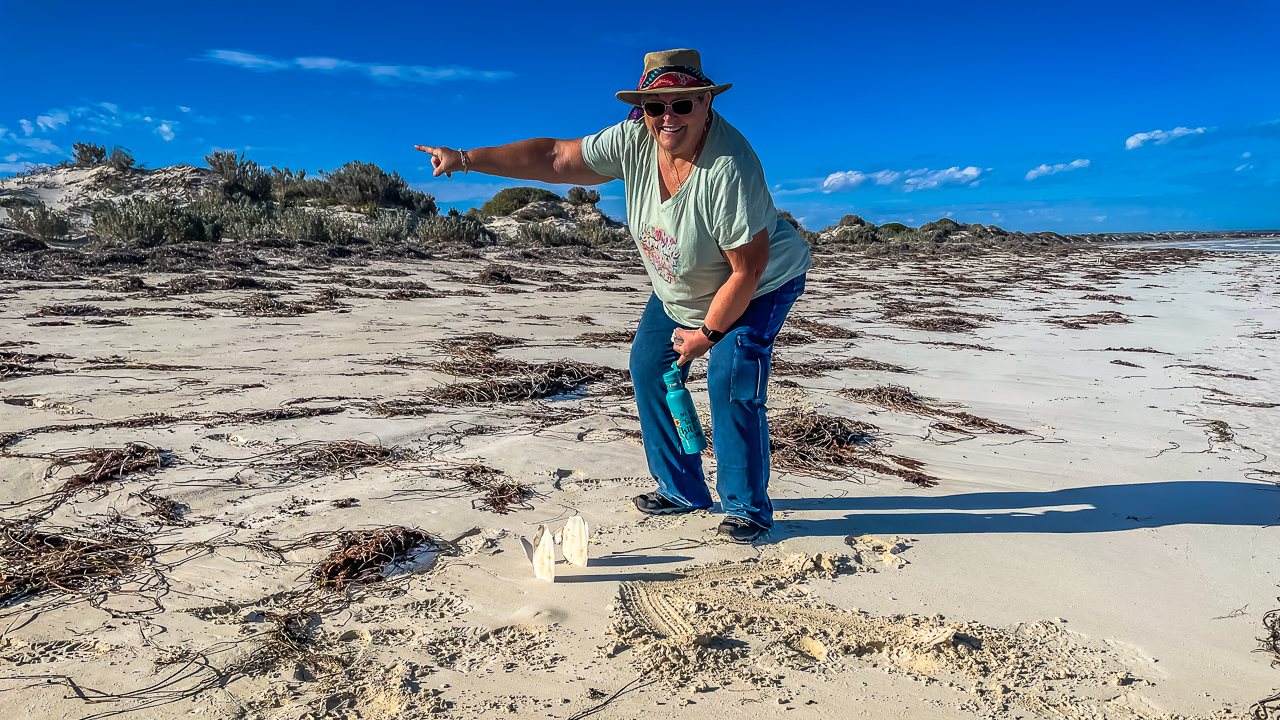
We Left A Mark On The Beach So We Could Find The Track
Eucla Telegraph Station Guide Photo Gallery
Heading Down To Eucla Telegraph Station Ruins
Heading Down To Eucla Telegraph Station Ruins
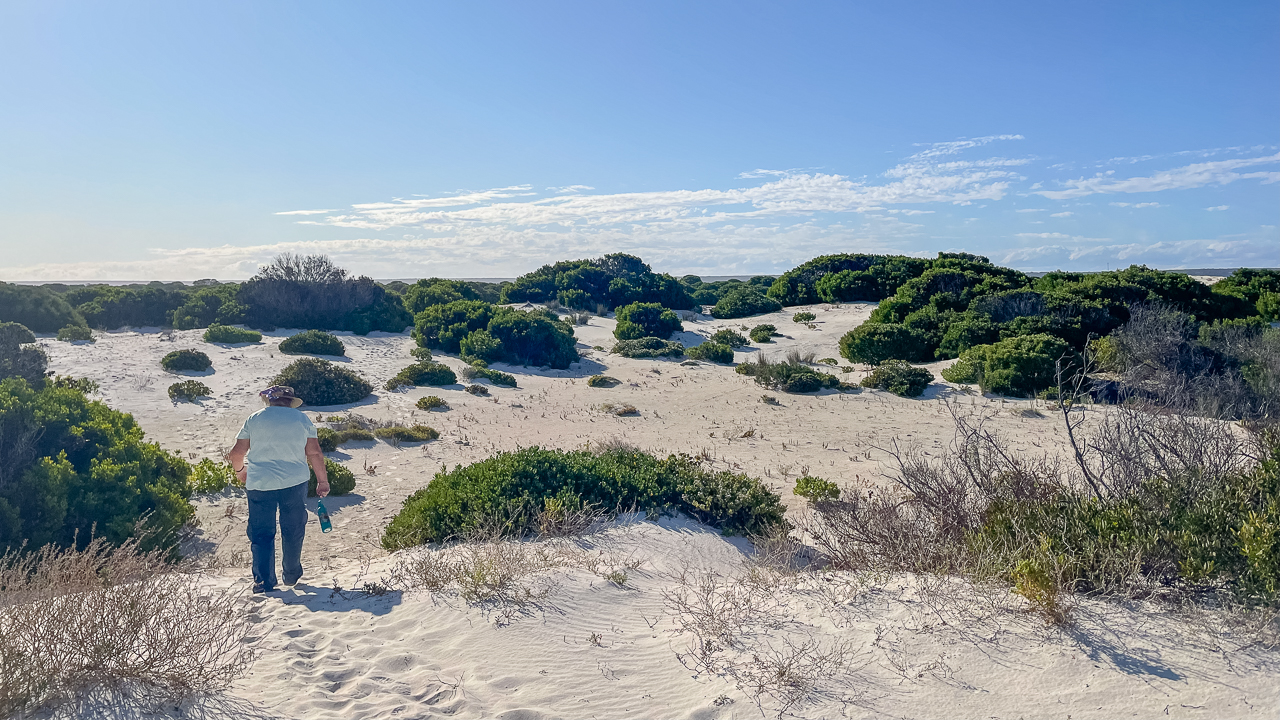
Bushwalk To Eucla Telegraph Station
Bushwalk To Eucla Telegraph Station
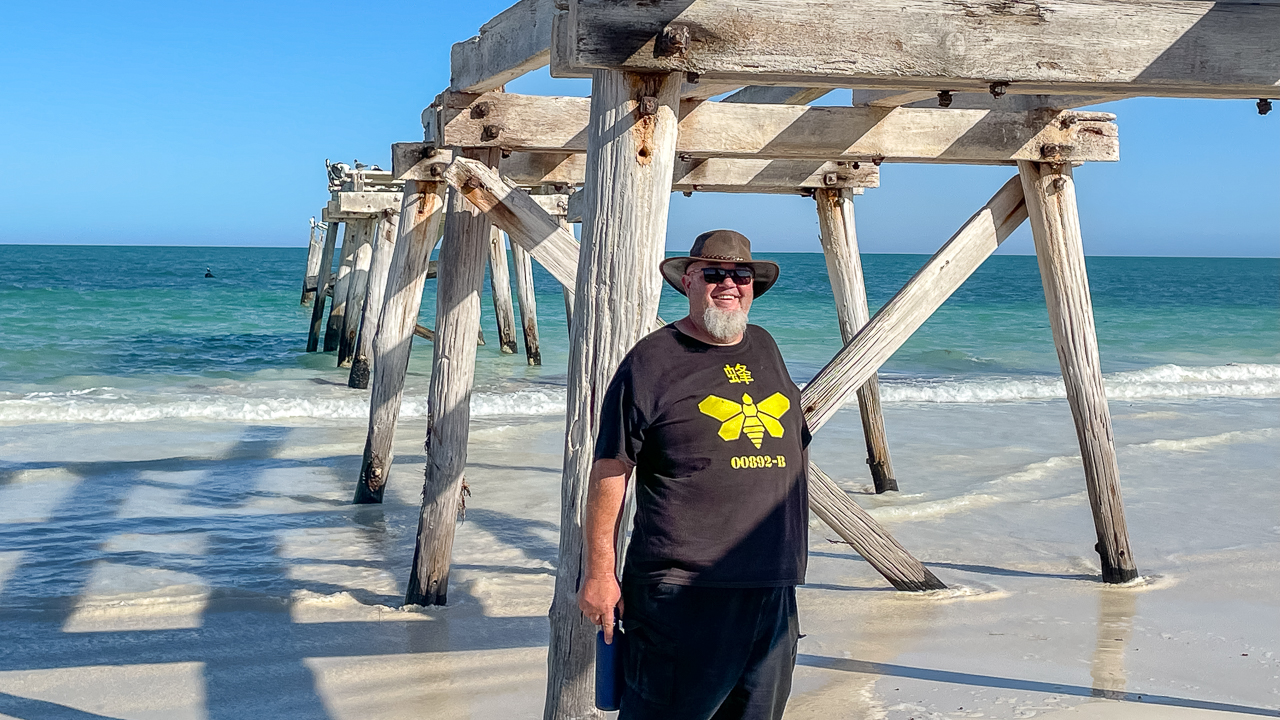
Old Jetty At Eucla And Old Bloke
Old Jetty At Eucla And Old Bloke
Old Eucla Telegraph Station
Old Eucla Telegraph Station
We Left A Mark On The Beach So We Could Find The Track
We Left A Mark On The Beach So We Could Find The Track
An Old Telegraph Post At Eucla Telegraph Station
An Old Telegraph Post At Eucla Telegraph Station
Eucla Jetty Remains Near Telegraph Station
Eucla Jetty Remains Near Telegraph Station
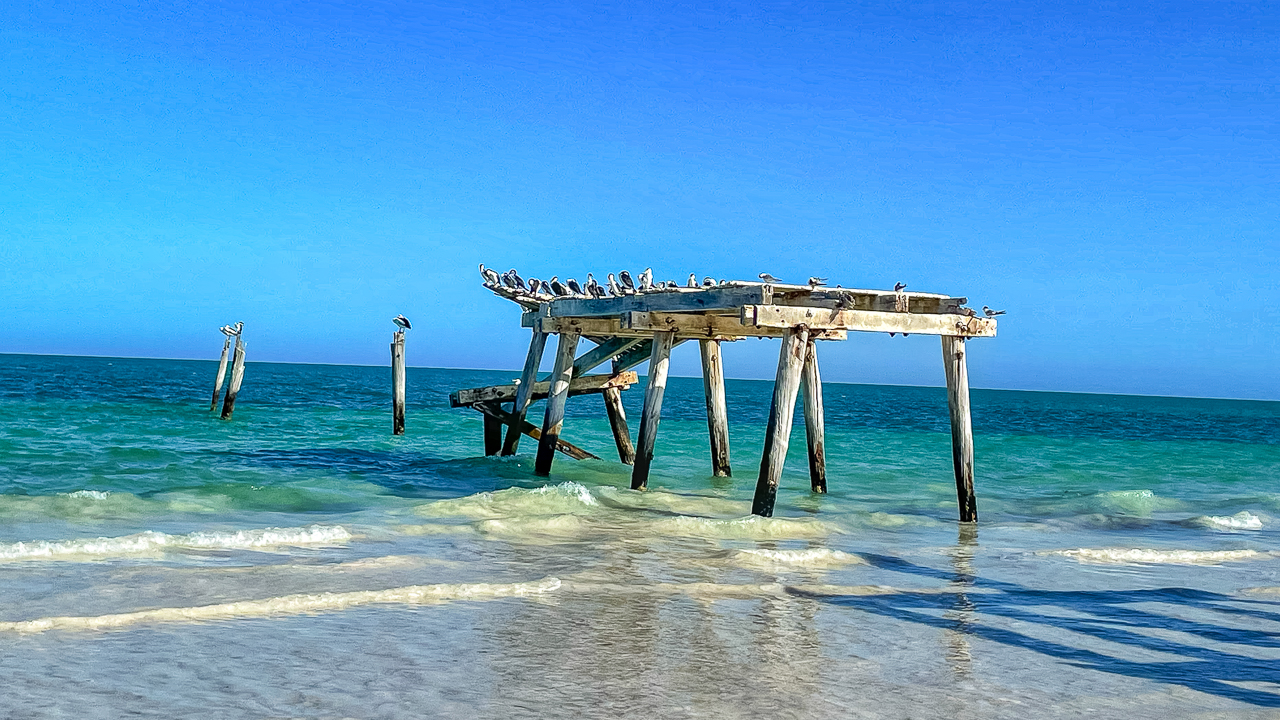
The Old Eucla Jetty
The Old Eucla Jetty
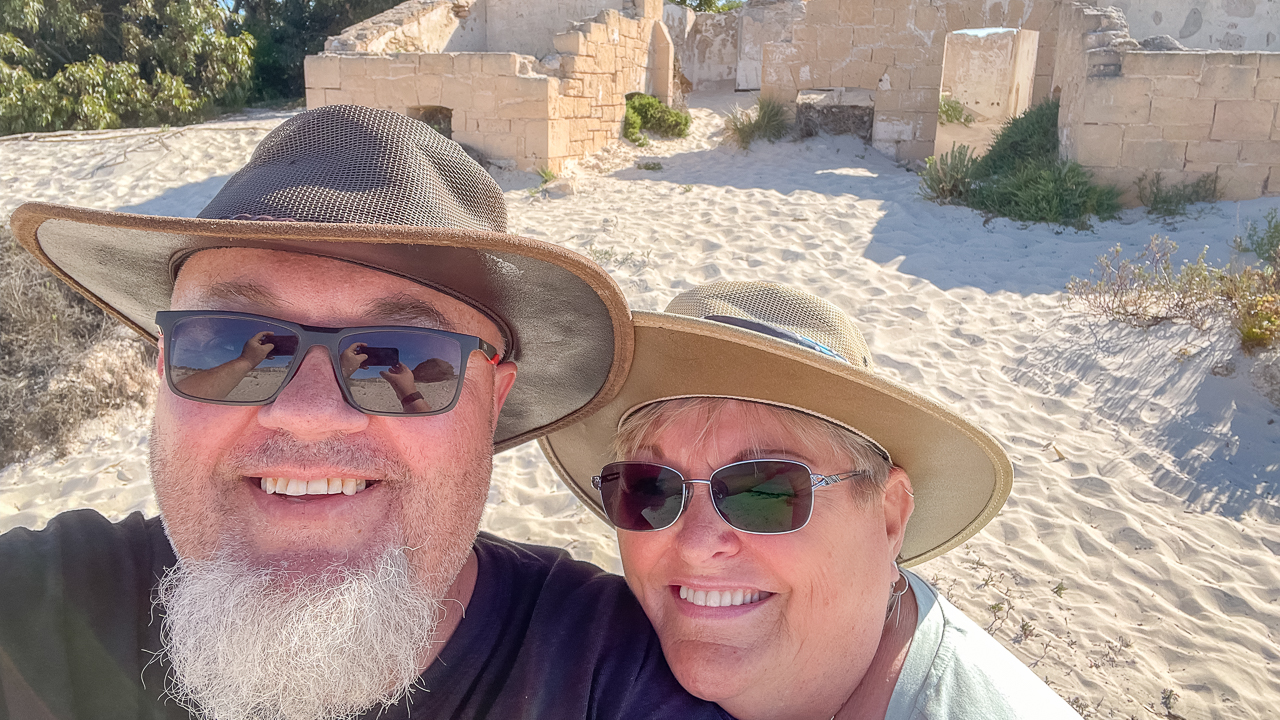
Dave And Amanda At Eucla
Dave And Amanda At Eucla
Free Camping Near Eucla Telegraph Station
Free Camping Near Eucla Telegraph Station
Remains Of Eucla Telegraph Station
Remains Of Eucla Telegraph Station
Eucla Telegraph Station FAQs – Things Travellers Ask About Eucla Telegraph Station
Where Is The Eucla Telegraph Station?
Is The Eucla Telegraph Station Worth Visiting?
Can You Camp At Eucla Telegraph Station?
Is There Free Camping At Eucla Telegraph Station?
How Long Does It Take To Visit The Eucla Telegraph Station Ruins?
What Is The History Of Eucla Telegraph Station?