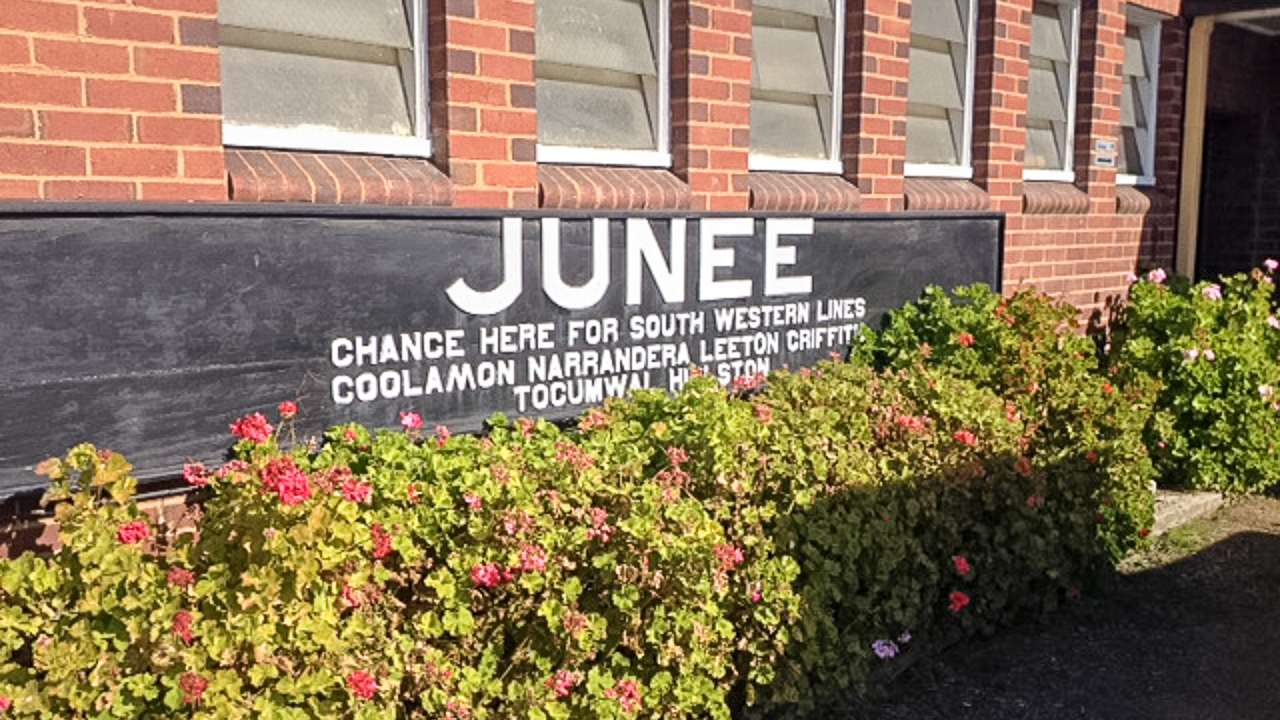
Junee Roundhouse Museum Review: A Rail Enthusiasts Heaven

Junee Roundhouse Museum Review: A Rail Enthusiasts Heaven

Junee Roundhouse Museum Review: A Rail Enthusiasts Heaven

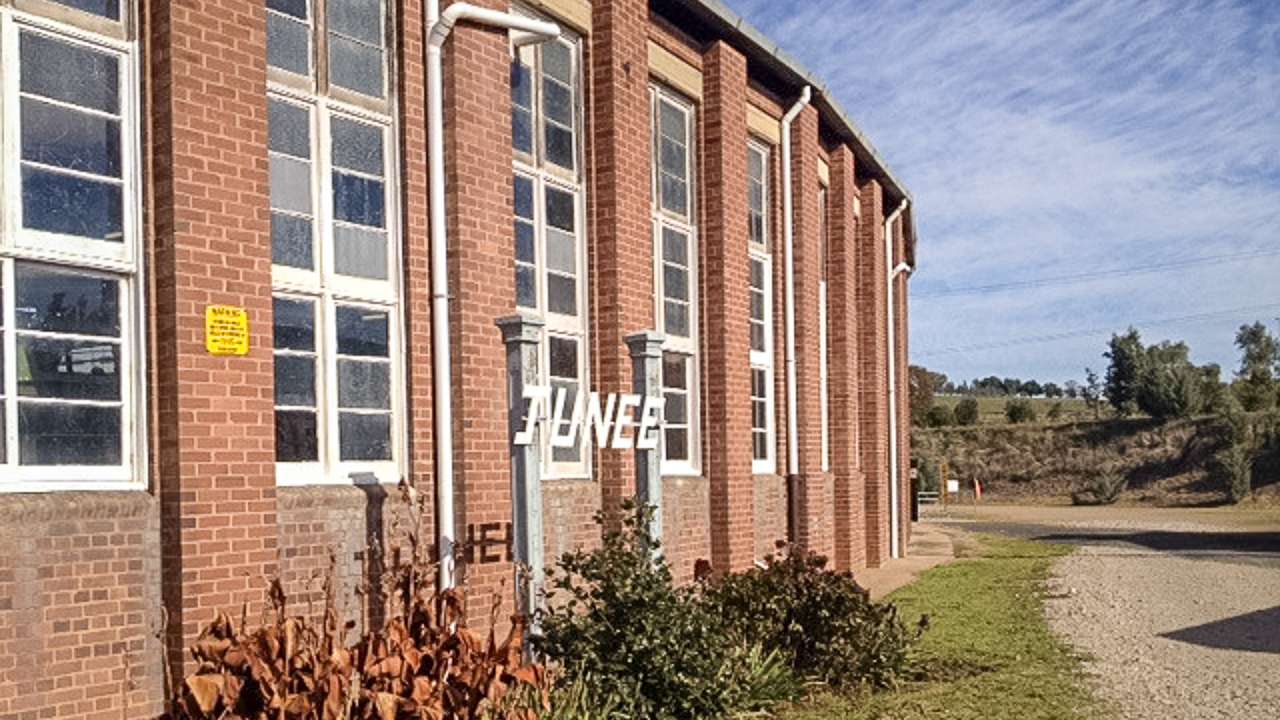
Our review of the Junee Roundhouse Museum: Step into NSW’s railway history with steam giants, diesel engines & a working turntable. Family friendly, budget friendly, packed with stories! As residents of Cootamundra just a 40-minute drive from Junee my wife Amanda and I have made the Junee Roundhouse Museum a staple destination for out of town guests over the past five years.

Located in the heart of the Riverina region, this museum isn’t just a relic of Australia’s railway history – it’s a living tribute to the ingenuity of steam and diesel eras. Here’s our candid review of its highs, lows and why it remains a must visit for caravanners, campers and history buffs alike.

A Glimpse Into The Junee Roundhouse’s Storied Past

The Junee Roundhouse isn’t merely a museum – it’s a monument to Australia’s railway golden age. Constructed during World War II and completed in September 1947, this engineering marvel was once the largest roundhouse in the Southern Hemisphere. Designed to replace an outdated depot, its 100 foot turntable and 42 repair bays serviced steam locomotives critical to NSW’s post war infrastructure.

By the 1990s, diesel locomotives dominated the rails, rendering the roundhouse obsolete. It closed in 1993, but thanks to grassroots efforts by volunteers and rail enthusiasts, the site reopened in 1994 as a museum. Today, it balances preservation with functionality: part of the facility still maintains active diesel engines, offering visitors a rare blend of past and present.
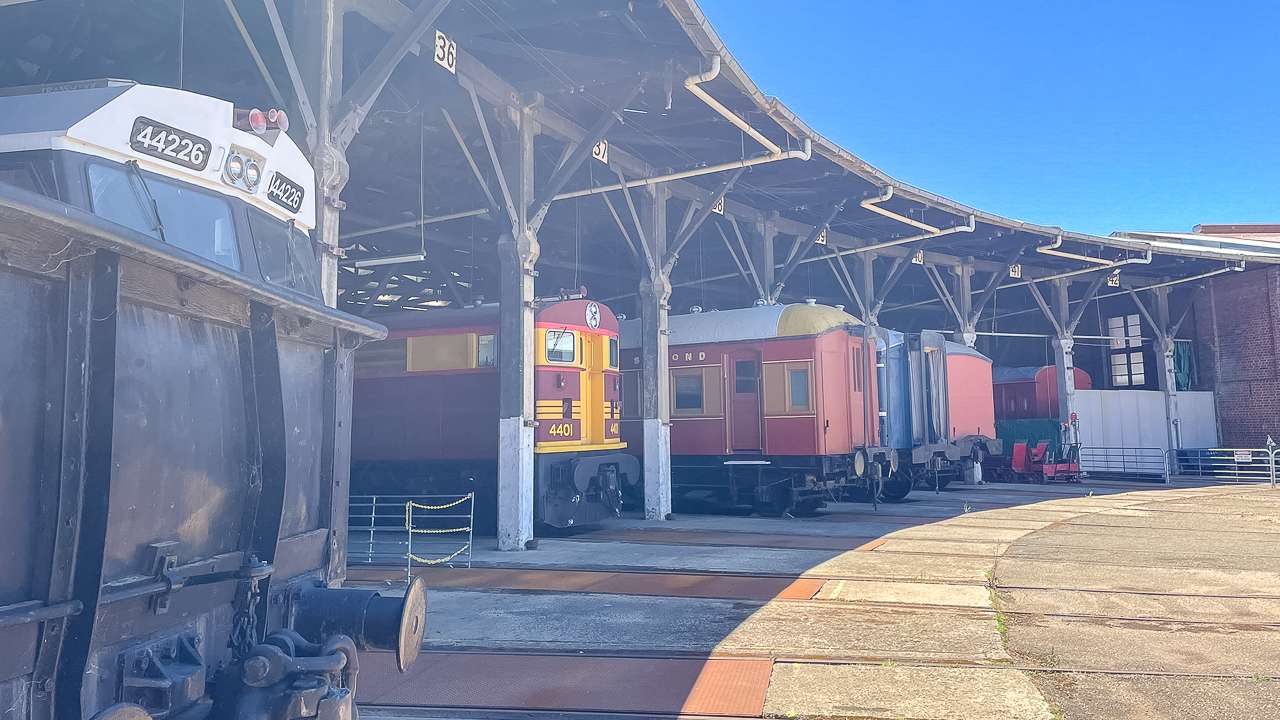
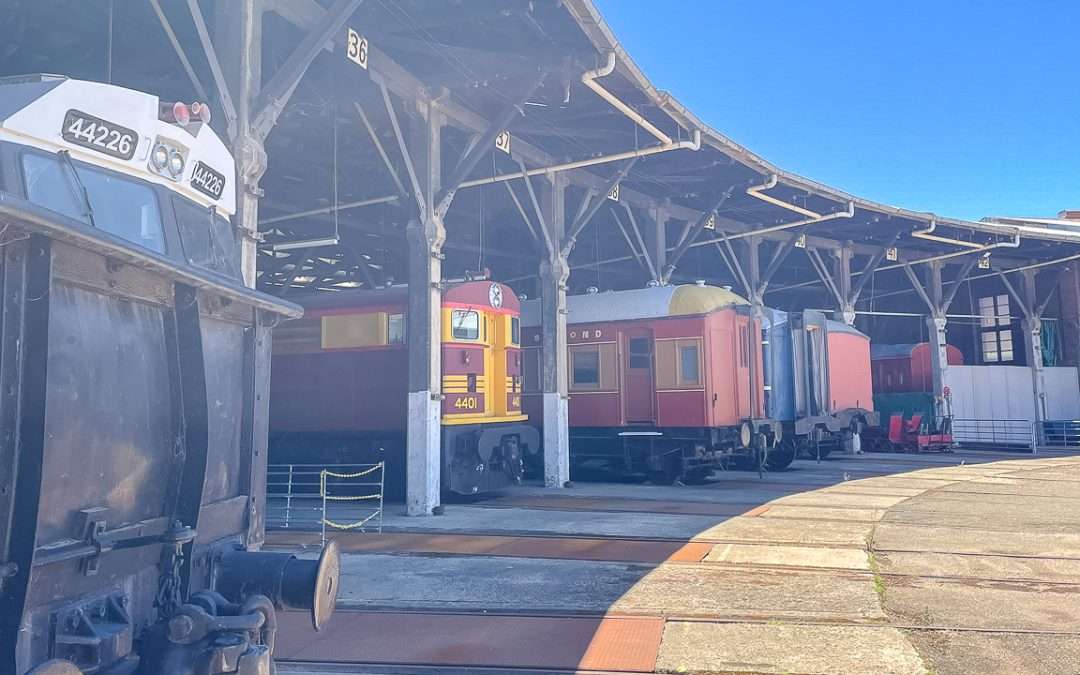
Inside The Junee Roundhouse Museum

Inside The Junee Roundhouse Museum

What You Can Do At The Junee Roundhouse Museum

  1. Explore Historical Locomotives and Rolling Stock
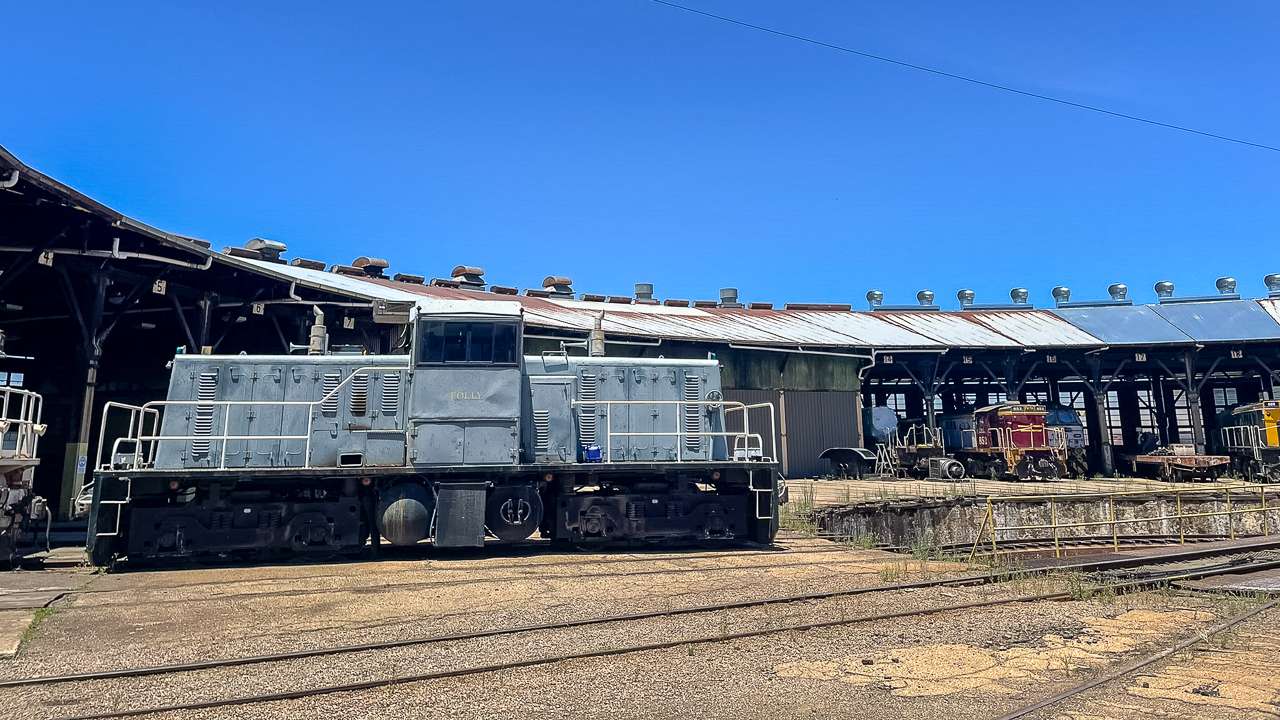
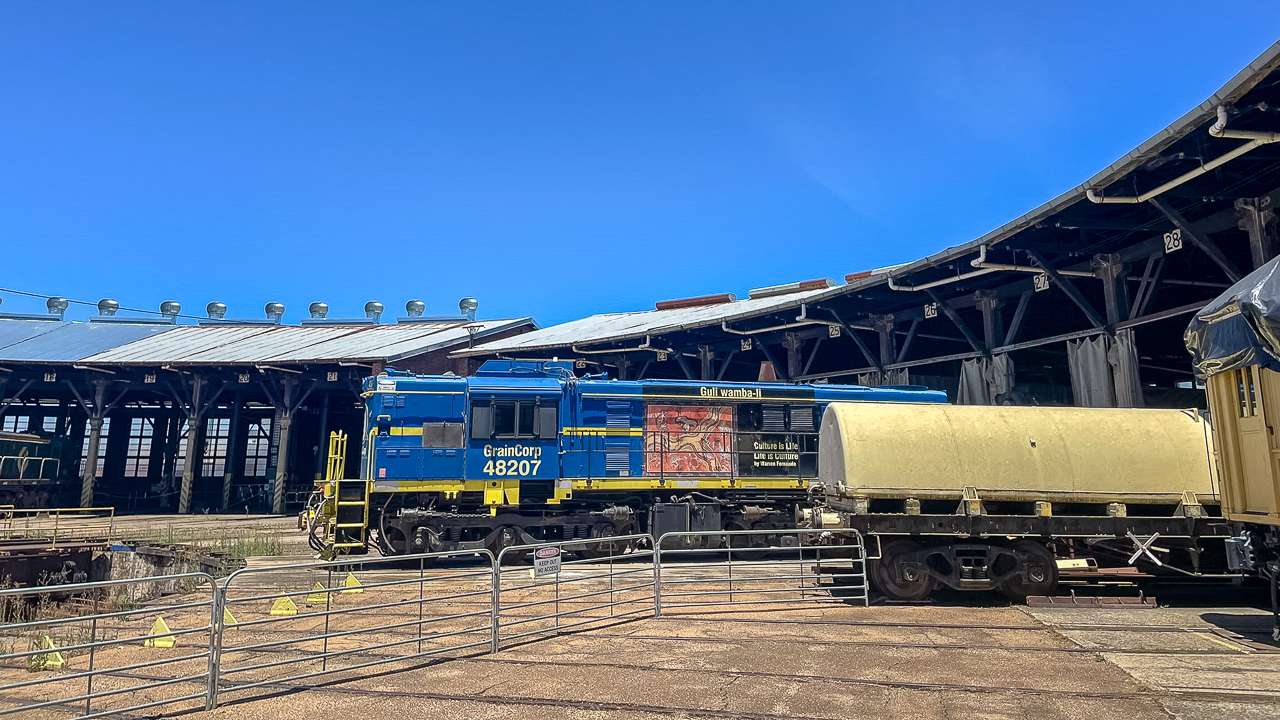
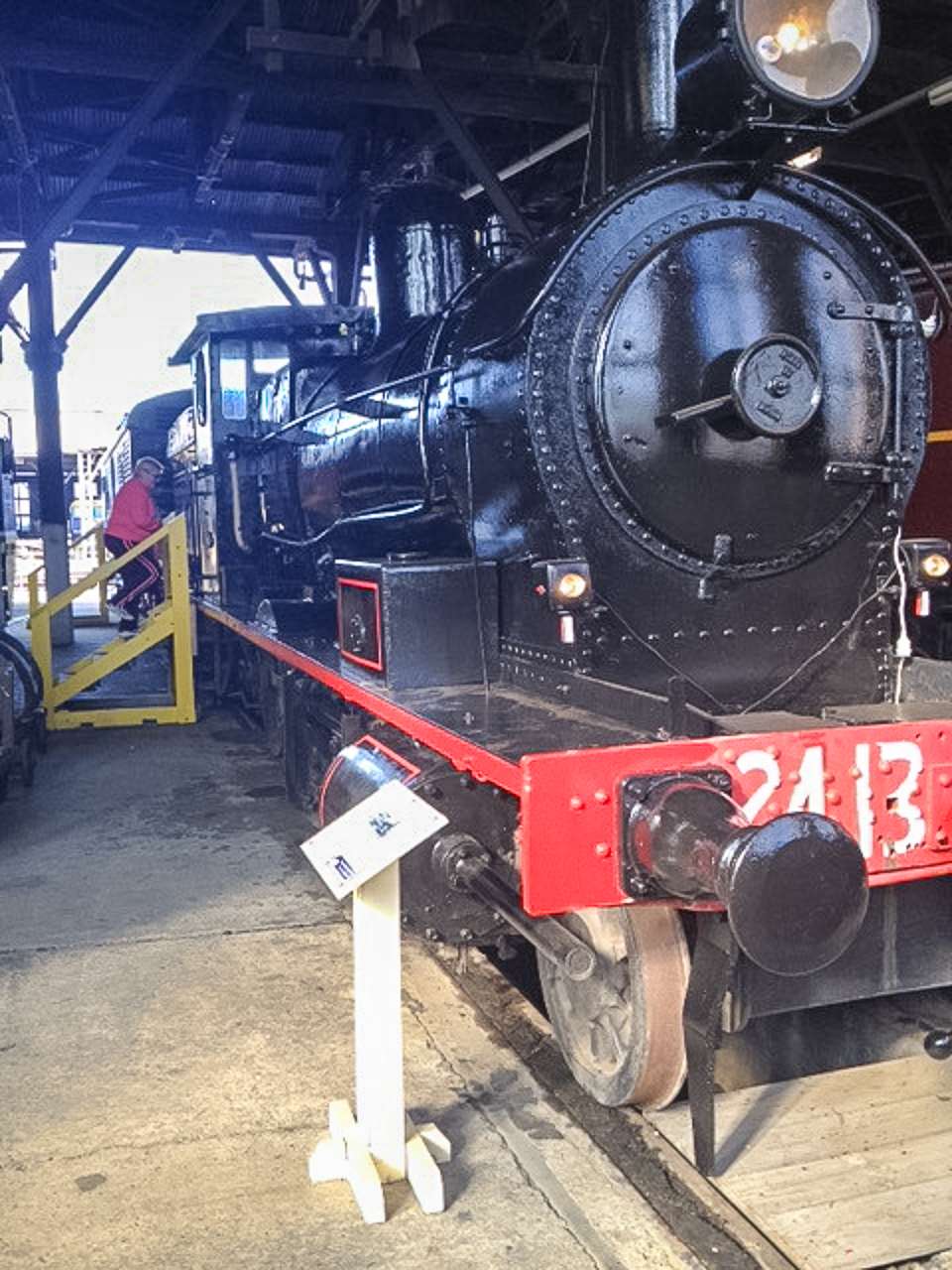
    The museum’s crown jewels are its meticulously preserved engines. Steam locomotives 2413 and 3609 stand as titans of the steam era, while diesel locomotive 4872 and U-set power cars showcase the transition to modern rail. Amanda’s personal favourite, the mail car, offers a tactile journey into 20th century communication, complete with original sorting equipment.
  2. Witness the Turntable in Action
    Few experiences match the thrill of seeing the 100 foot turntable rotate a 120 tonne locomotive. During a few of our visits, we’ve timed our trips to coincide with maintenance sessions – still conducted here for operational diesel engines. Check the museum’s web site for updates.
  3. Dive Into the Model Railway Display
    A highlight for families, the intricate model railway replicates Junee’s rail network in miniature. Kids (and adults) can operate trains via push button controls, making it a hands on crowd pleaser.
  4. Join a Guided Tour
    While self guided exploration is rewarding, the volunteer led tours unlock hidden stories. On our last visit, a guide recounted how locomotive 3609 hauled wartime supplies through the Snowy Mountains – a narrative absent from placards.

The Good Points: Why The Museum Shines

  1. Historical Authenticity
    From grease stained workshop tools to original blueprints, the museum avoids sterile displays. Climbing into the driver’s cab of locomotive 2413, you’re met with rusted levers and vintage gauges – a visceral nod to the past.
  2. Passionate Volunteers
    The volunteers, many retired railway workers, infuse tours with firsthand anecdotes. One TripAdvisor reviewer noted, “Their enthusiasm is contagious – you leave feeling like part of the rail family.”_
  3. Affordable Family Fun
    At $10 for adults and $25 for a family pass, it’s a budget friendly stop. Compare this to Sydney’s Powerhouse Museum ($15 adult entry) or the Australian Railway Historical Society ($12) and the value is clear.
  4. Active Maintenance Hub
    Unlike static museums the Junee roundhouse’s ongoing use for diesel repairs adds dynamism. We’ve watched engineers weld and test engines – an unexpected bonus for engineering buffs.
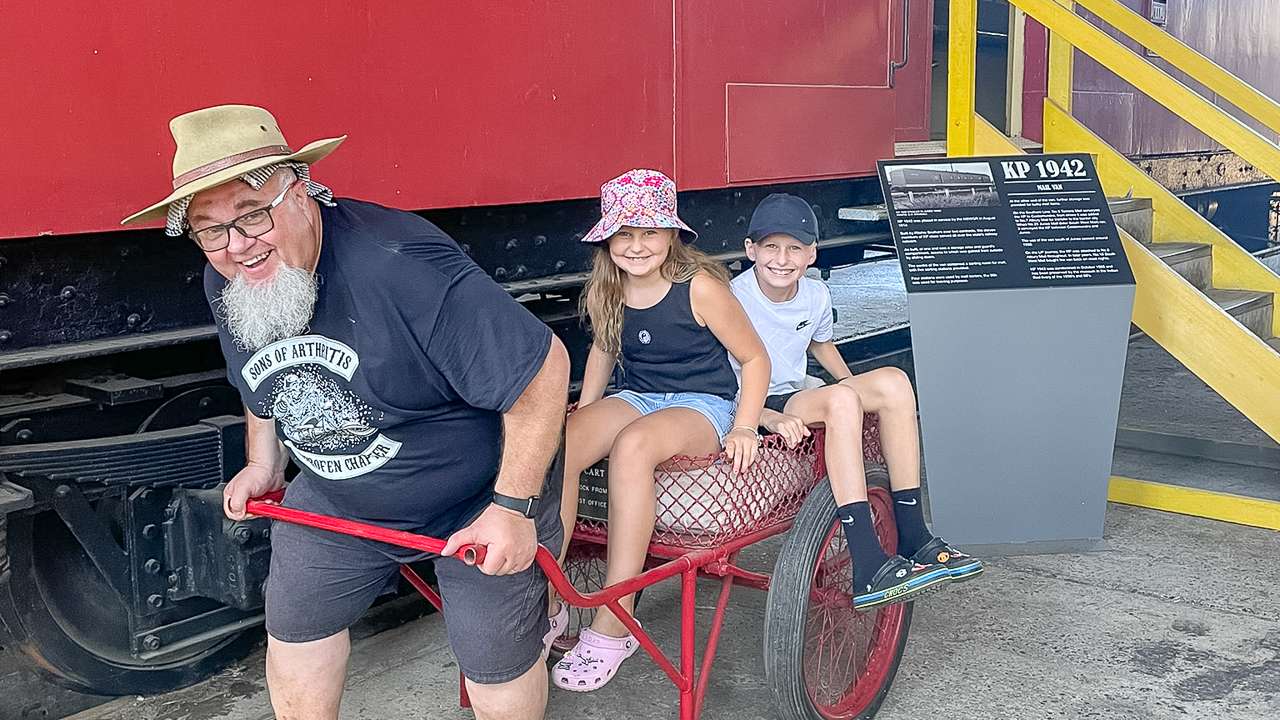
Dave Taking The Kids For A Ride At The Junee Roundhouse

Dave Taking The Kids For A Ride At The Junee Roundhouse

The Bad Points: Room For Improvement

  1. Limited Opening Hours
    Open Wednesday to Sunday (10 AM – 3 PM) so the schedule clashes with weekend road trippers and it can get a bit busy. It’s never ever over the top busy though. A Monday closure means caravanning groups arriving early in the week often miss out.
  2. Weather Woes
    The roundhouse’s open air design amplifies seasonal extremes. Summer visits demand hats and water bottles, while winter tours require jackets. As one Google Reviewer grumbled, “Loved the trains, but nearly melted in January.” As locals I can attest to the fact that yes it gets very hot at times in summer and it gets bloody cold in winter. However it is Australia, that’s how things are!
  3. Sparse Amenities
    A small kiosk sells drinks but there’s no café. Pack a picnic or head to Junee’s Licorice Factory after your visit.

Visitor Essentials: Plan Your Trip To The Junee Roundhouse

Address: 92 Harold St, Junee, NSW
Opening Hours: Wednesday – Sunday, 10 AM – 3 PM (closed public holidays).

Entry Fees:
Adult: $10
Concession: $5
Family: $25
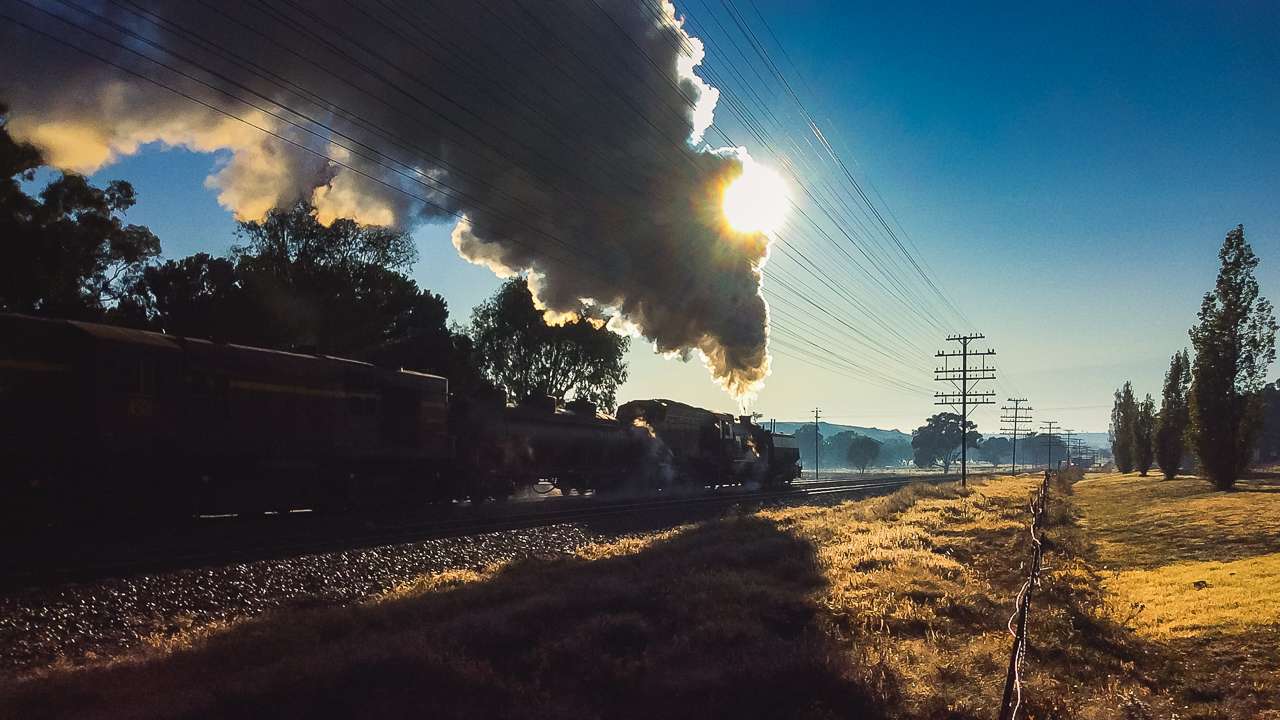
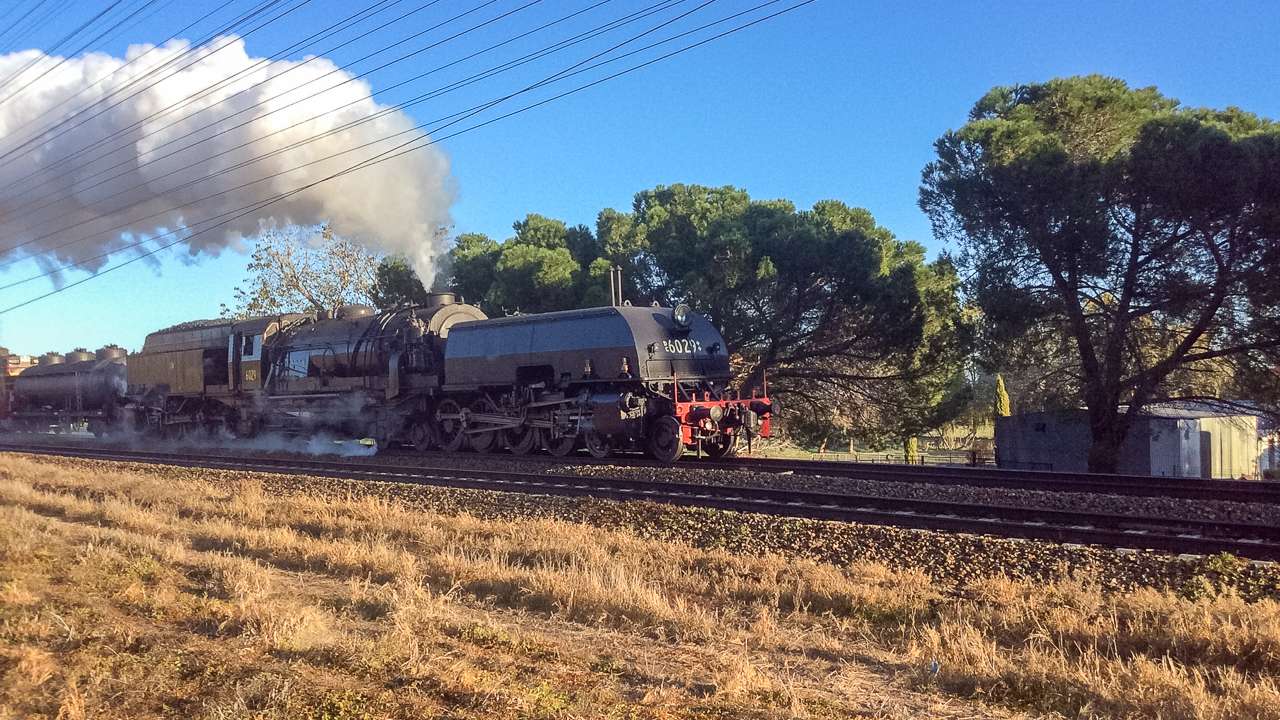
NSWGR Garratt Class Locomotive Outside Of Cootamundra

NSWGR Garratt Class Locomotive Outside Of Cootamundra
Nearby Stays

  • Junee Caravan Park: 5 minutes from the museum, with powered sites from $35/night.
  • The Railway Hotel: A heritage pub offering cozy rooms ($110/night) and hearty meals.

Historical Engines And Rolling Stock

Locomotives

The following table lists just some of the locomotives on display at the museum. There are lots more than this however the ones listed are fan favourites.

Locomotive Class/Type Year Built Historical Role
Steam Locomotive 2413 4-6-2 Pacific-class 1951 Hauled express passenger trains across NSW
Steam Locomotive 3609 2-8-2 1943 Transported freight during WWII and postwar era
Diesel Locomotive 4872 GM-EMD Model 1970s Symbolised the shift from steam to diesel power
U-set Power Cars Interurban EMU 1968 Operated on Sydney’s suburban rail network

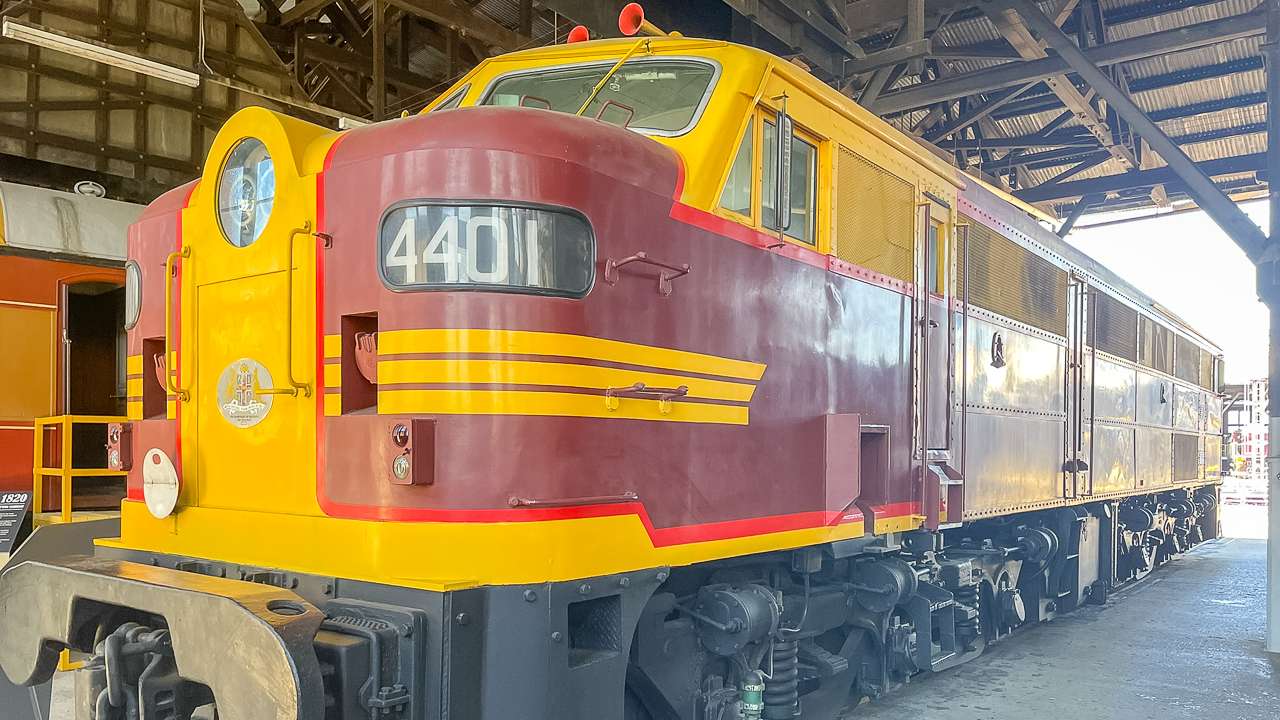
NSWGR 4401 At Junee

NSWGR 4401 At Junee

Rolling Stock

Some of the historic rolling on display at the Junee roundhouse is listed below. There are loads more than this but the ones listed are very popular.

Rolling Stock Type Year Built Key Features
Mail Car DS 3013 Postal carriage 1940s Original sorting tables and mailbags preserved
Water Tank Wagon Refuelling wagon 1930s Used to replenish steam locomotives mid journey
Sleeping Car BSC 2541 Passenger sleeper 1950s Compact bunks, fold-down sinks and vintage upholstery

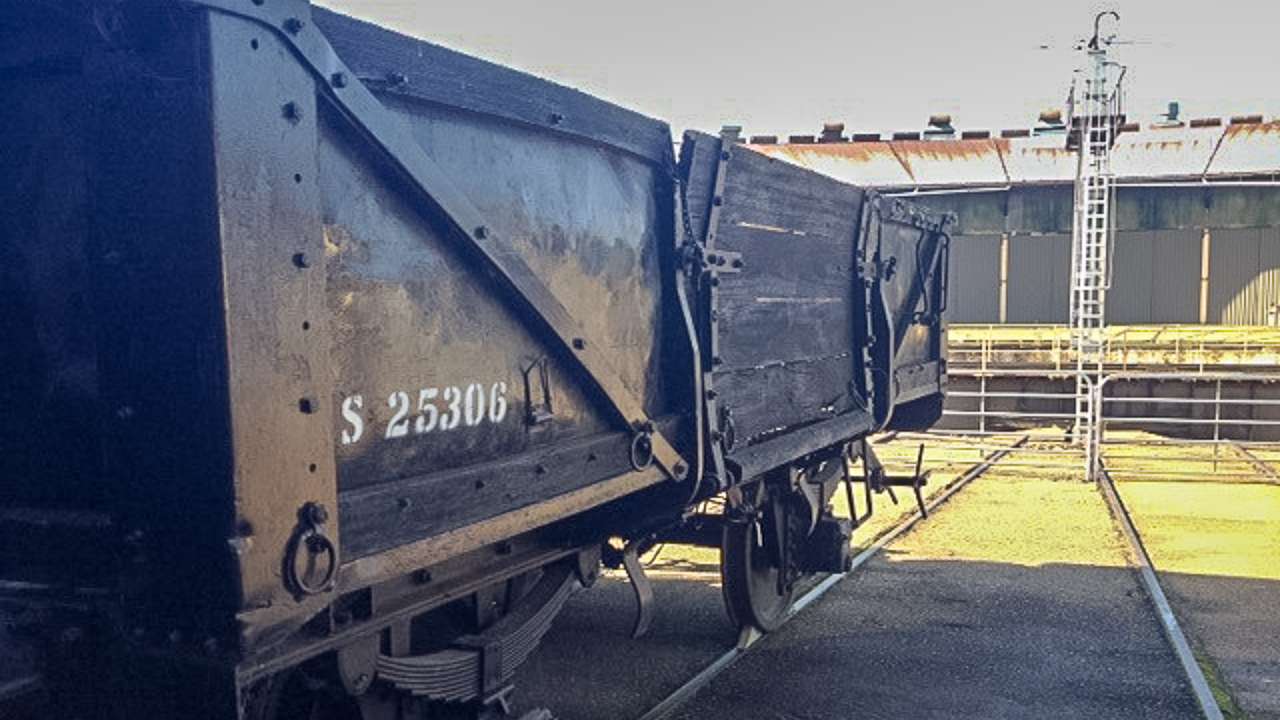
NSWGR S Class Wagon At Junee Roundhouse Museum
NSWGR S Class Wagon At Junee Roundhouse Museum

Why Junee Roundhouse Museum Matters Today

Beyond nostalgia, the museum plays a vital role in regional tourism. A 2022 report by Visit NSW highlighted its contribution to Junee’s economy, drawing 15,000 annual visitors. For caravanning families, it’s a strategic pit stop en route to Wagga Wagga or the Snowy Mountains.

Final Verdict: All Aboard for History At The Junee Roundhouse Museum
The Junee Roundhouse Museum isn’t flawless but its quirks add charm. Where else can you touch century old machinery, chat with ex-railway workers and watch a locomotive go for a spin on a turntable? For Amanda and I it’s a great example of community passion – and a reminder that history isn’t just preserved here; it’s kept alive.
Junee Roundhouse Railway Museum Photos

Junee Licorice & Chocolate Factory Review: By A Local

Junee Licorice & Chocolate Factory Review: By A Local

Junee Licorice & Chocolate Factory Review: By A Local

Discover Junee Licorice & Chocolate Factory: Organic treats, historic mill tours & great friendly dining in NSW’s Riverina. A local favourite! As residents of Cootamundra, my wife Amanda and I have made countless trips to the Junee Licorice & Chocolate Factory over the past five years.

Nestled in the historic Junee Flour Mill, this iconic destination has become a staple for both locals and travellers exploring the Riverina region. We break down what makes this factory a place you have to visit – and a few quirks to keep in mind.

A Slice of History: From Flour Mill To Chocolate Haven

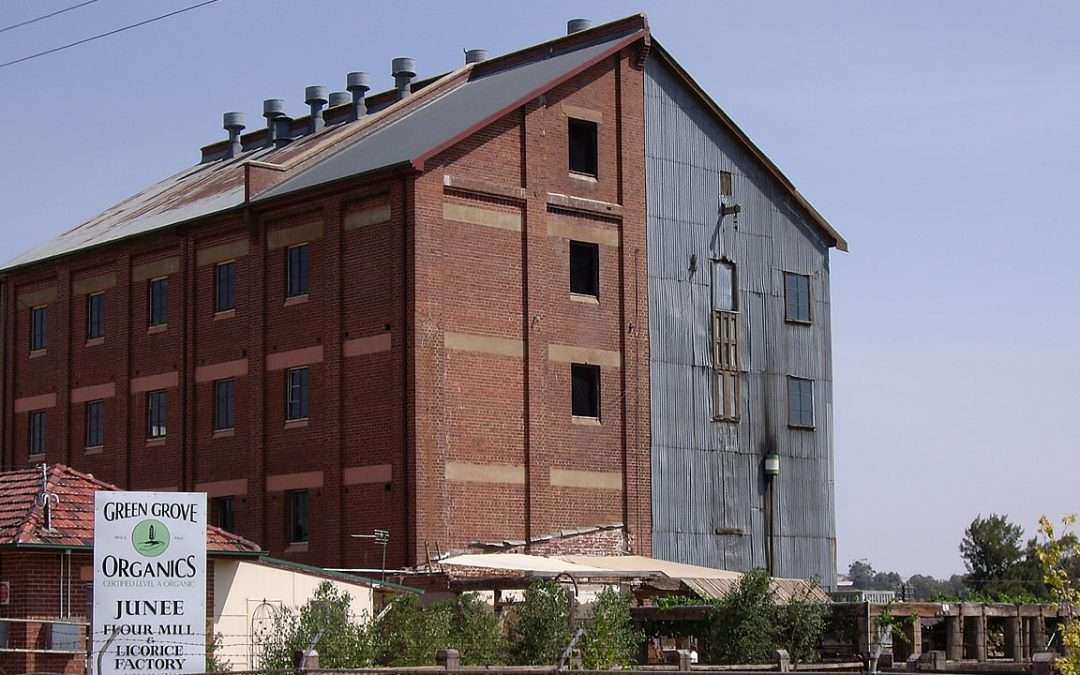
The Junee Licorice & Chocolate Factory occupies a building steeped in local heritage. Constructed between 1934 and 1935, the Junee Flour Mill once served as a critical hub for grain processing in southern New South Wales. After decades of decline, Neil Druce revitalised the site in 1998, transforming it into Australia’s first fully certified organic licorice and chocolate factory. Today, the mill’s industrial past blends seamlessly with its modern sweet-treat production, creating a unique backdrop for visitors.

The factory’s commitment to organic practices under its Green Grove Organics brand adds to its charm. Using Belgian style couverture chocolate and traditional licorice recipes, it’s a nod to quality that resonates with ethically minded consumers. Notably, the mill’s restoration retained original features like exposed brickwork and timber beams, which now frame the bustling café and production areas. This fusion of old and new makes the Junee Licorice & Chocolate Factory a living museum of sorts, where every corner tells a story.

Junee Chocolate & Licorice Factory

Junee Chocolate & Licorice Factory

The Good Points: Why We Keep Coming Back

1. Hands On Experiences and Educational Tours

One standout feature is the freestyle freckle making session, where guests drizzle organic chocolate over biscuits or marshmallows for just per plate. It’s a hit with kids and adults alike, offering a playful yet delicious activity.

Guided tours, running hourly from 10am to 3pm, provide a behind-the-scenes look at chocolate tempering and licorice twisting. While production visibility can vary (more on that later), the guides’ enthusiasm and knowledge – like explaining how organic wheat becomes licorice – keep the experience engaging. For caravanners, these tours are a perfect midday break, blending education with indulgence.

2. The Millroom Restaurant: More Than Just Sweets

The licensed Millroom Restaurant serves hearty breakfasts and lunches, with standout dishes like pulled lamb burgers and hot chocolates made from real melted Belgian chocolate. Live music on weekends elevates the ambiance, making it a relaxed pitstop for caravanners refuelling after a drive.

3. A Gift Shop That Celebrates Local Producers

Upstairs, the gift shop brims with local products: It’s a treasure trove of cookware items as well as reproduction antiques and that kind of thing. They also have plenty of souvenirs and we’ve yet to leave without a bag full of treats for friends back home.

4. Organic Credentials and Sustainability

As advocates for sustainable tourism, we appreciate the factory’s organic certification and zero-waste initiatives. The use of solar power and compostable packaging aligns with the values of many travellers today.

5. A Hub for Local Business Meetings

As someone who works locally, I’ve found the Junee Licorice & Chocolate Factory to be an unexpected gem for work-related lunches. The Millroom Restaurant’s relaxed yet professional atmosphere makes it ideal for hosting clients or brainstorming sessions. During one meeting, a colleague and I split the Junee Platter – a mix of local cheeses, dips and house-made licorice – while discussing projects over coffee. The free Wi-Fi and ample power outlets are a bonus for remote workers and the staff never rush you, even during peak hours.

Amanda and I have also noticed other professionals tapping into this space. On a recent visit, a group of farmers debated grain prices over lattes, while a tourism operator sketched out itineraries at a nearby table. The Junee Licorice & Chocolate Factory has quietly become a community hub where business and pleasure coexist.

The Bad Points: Room for Improvement

1. Long Wait Times at Peak Hours

While the Millroom’s food is delicious, its popularity can lead to frustrating delays. On a busy Sunday we waited over an hour for our meals – a common gripe echoed in Trip Advisor reviews. Planning an early visit or opting for takeaway coffees (which are quicker) helps sidestep the rush. The wait times have never bothered Amanda and myself as we know how good what is going to be served is and are more than willing to wait.

2. Hit-Or-Miss Production Viewing

Though the factory promises “live” production viewing through glass windows, machinery breakdowns or off-peak production days can leave little to see. One Google Review noted a motionless conveyor belt during their visit, though staff compensated with detailed explanations. To be honest though it’s just one of those things, breakdowns happen and sometimes due to production plans nothing is being made. It’s just how it is.

3. Limited Tour Availability

Tours cap at 15 people and often book out, especially during school holidays. First time visitors should reserve slots online to avoid disappointment.

Junee Licorice & Chocolate Factory: How It Compares

To contextualise its appeal here’s how the factory stacks up against typical regional attractions. This table highlights why the factory stands out: it combines education, sustainability and nostalgia in a way few regional stops achieve.

Feature Junee Factory Average Regional Attraction
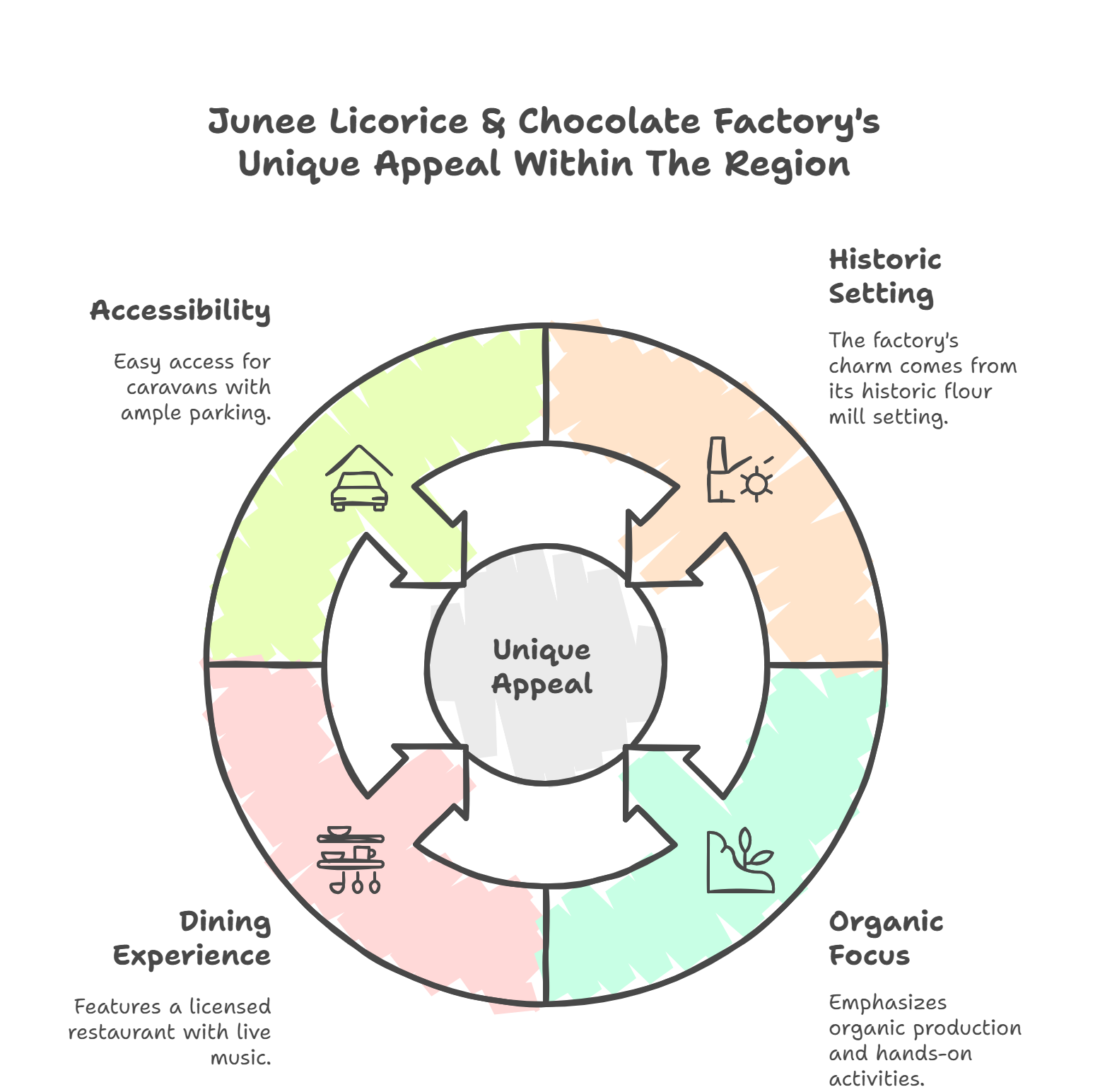
Setting Historic flour mill with industrial charm Often generic or purpose-built
Focus Organic production + hands-on activities Passive viewing or basic tastings
Dining Licensed restaurant with live music Basic café or picnic areas
Accessibility Easy for caravans (ample parking) Variable, often limited parking

Junee Licorice Factory's Unique Appeal Within The Region

Junee Licorice Factory’s Unique Appeal Within The Region

Insights For Caravanners And Campers

For those road tripping through the Riverina, the Junee Licorice & Chocolate Factory is a strategic pitstop. Its proximity to Junee’s Bethungra Spiral and Monte Cristo Homestead makes it ideal for day itineraries. Caravan friendly parking and pet friendly outdoor seating (for coffee breaks) add to its appeal.

If you’re staying overnight consider pairing your visit with the Junee Roundhouse Museum or a stroll through the town’s heritage listed streetscapes. The factory’s central location means you’re never far from the next adventure.
A Local’s Tip: Maximising Your Visit

Having visited the Junee Licorice & Chocolate Factory for both leisure and work, here’s our advice:

  • Weekday lunches are quieter, making them perfect for meetings or relaxed meals.
  • Pre-order gifts online if you’re short on time; the staff happily set aside items for pickup.
  • Combine tours with tastings to fully appreciate the craftsmanship behind each product.

Final Thoughts: Is It Worth A Visit To The Junee Licorice & Chocolate Factory?

In our many visits, the Junee Licorice & Chocolate Factory has consistently delivered a blend of education, indulgence and regional pride. While minor issues like wait times and tour availability persist, the overall experience remains a highlight for us and our guests.

As Amanda often says: “You haven’t really been to Junee until you’ve been to the Junee licorice and chocolate factory.” I couldn’t agree more. Whether you’re a caravanner, a local, or a professional blending work with pleasure, this factory offers a uniquely Australian experience that’s as rich as its chocolate.

Junee Chocolate & Licorice Factory Don't Be Like Old Mate Outside The Entry Door When You Visit!

Junee Chocolate & Licorice Factory Don’t Be Like Old Mate Outside The Entry Door When You Visit!

Placing Some Geocaches And Geocaching At Marrar Again

Placing Some Geocaches And Geocaching At Marrar Again

Placing Some Geocaches And Geocaching At Marrar Again

Another day out geocaching at Marrar. We placed some geocaches and called in for a beer at the Junee Hotel. We headed out from home at Cootamundra at about 9.00am and didn’t get home until about 4.00pm. It was a pretty full day. All up I think we covered around 230km.

Out and about today doing some more geocaching at Marrar. Our original intention was to finish off the “RGGT” series however there was just too many of them and it was a bloody hot day so we pulled up short. We’ll have to go back again and get the rest of them. We also made a start on the “Friends” series.

We Placed Some Geocaches

We also placed four of our own. One each at,

  • Bethungra Cemetery
  • Illabo Rest Area
  • Illabo Cemetery
  • Eulolo Track End

Just waiting on approval for them all. These are the first geocaches we have placed so we aren’t sure how long the approval process will take.

One Of Our Geocache Hides

One Of Our Geocache Hides

What Did We Find Geocaching At Marrar Again?

We found 20 of them and and only had the one DNF. we gave the one we missed a real good go too. I was up the stepladder and on my hands and knees. I had the torch out and everything. We just couldn’t find it.

  1. Found RGGT #036 | GC4EBFM
    Found lying out in the open and container was damaged so we have replaced the container and placed it back where we think it originally was.
  2. Found RGGT #037 | GC4EBFV
    TFTC
  3. Found RGGT #038 | GC4EBFY
    A few spider webs attached to this one so sent the hubby in
  4. Found RGGT #039 | GC4EBG6
    Another one bites the dust TFTC
  5. Found RGGT #040 | GC4EBGB
    Great day out so far 16 and counting TFTC
  6. Found RGGT #041 | GC4EBGH
    TFTC the sheep were not happy with us visiting
  7. Found RGGT #042 | GC4EBGV
    TFTC nice easy one this was
  8. Found RGGT #043 | GC4EBPX
    Container on this one needs attention TFTC
  9. Found RGGT #044 | GC4EBQ3
    TFTC all good here
  10. Found RGGT #045 | GC4EBQC
    Another great hide TFTC
  11. Found RGGT #046 | GC4EBQH
    Another one out in the open so we replace where we thought it should’ve been
  12. Found RGGT #047 | GC4EBQQ
    Out in the open so we replace it where we thought it should go
  13. Found RGGT #048 | GC4EDBH
    Nice easy one TFTC
  14. Found RGGT #049 | GC4EDBP
    Persistence in the end won this one tftc
  15. Found Cache With A Friend | GC6ZV7K
    Tftc another easy find
  16. Found Help A Friend | GC6ZV7M
    Tftc had fallen but is back where it originally was
  17. Found Just friends | GC6ZV7R
    Another great find we are on a roll now
  18. Found Friends Laugh Together | GC6ZV7Y
    Watch out for spiders tftc
  19. Found Friends Listen | GC6ZV7Z
    Tftc great hide
  20. Found A Thank You To My Friends | GC6ZV81
    Great hide found this one yay

Geocaching At Marrar Again

Geocaching At Marrar Again

A Beer At The Junee Hotel

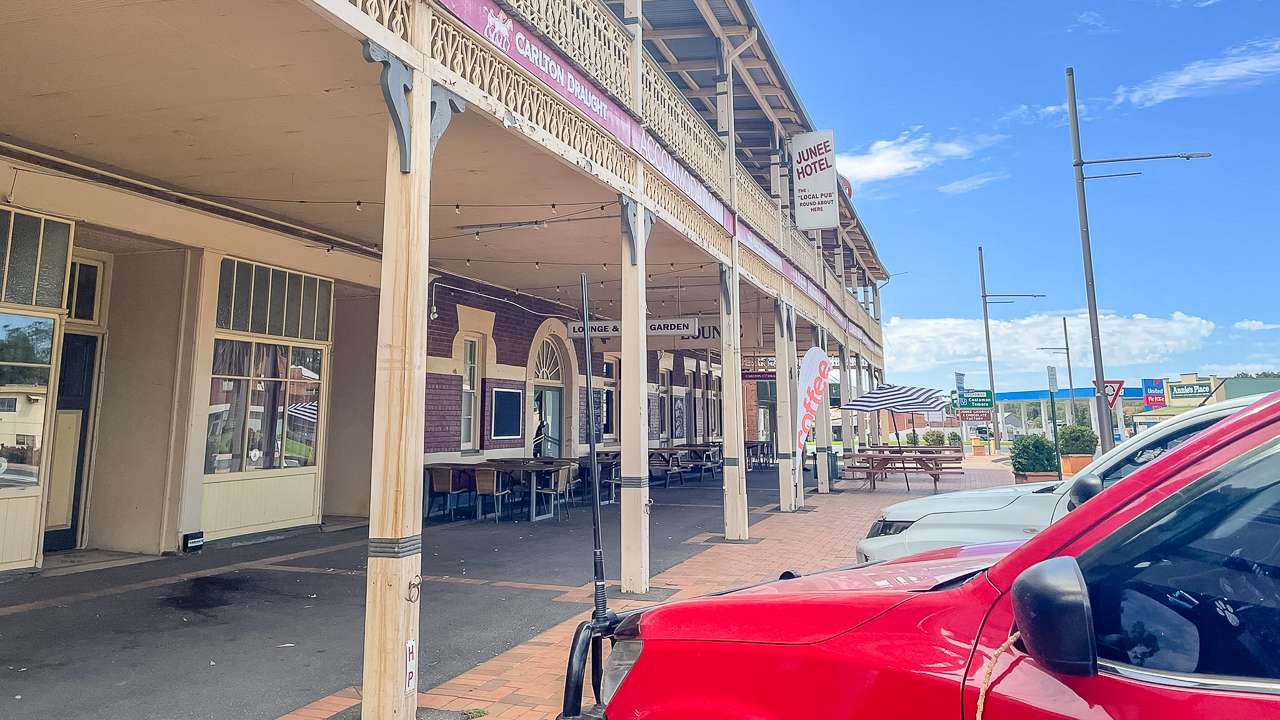
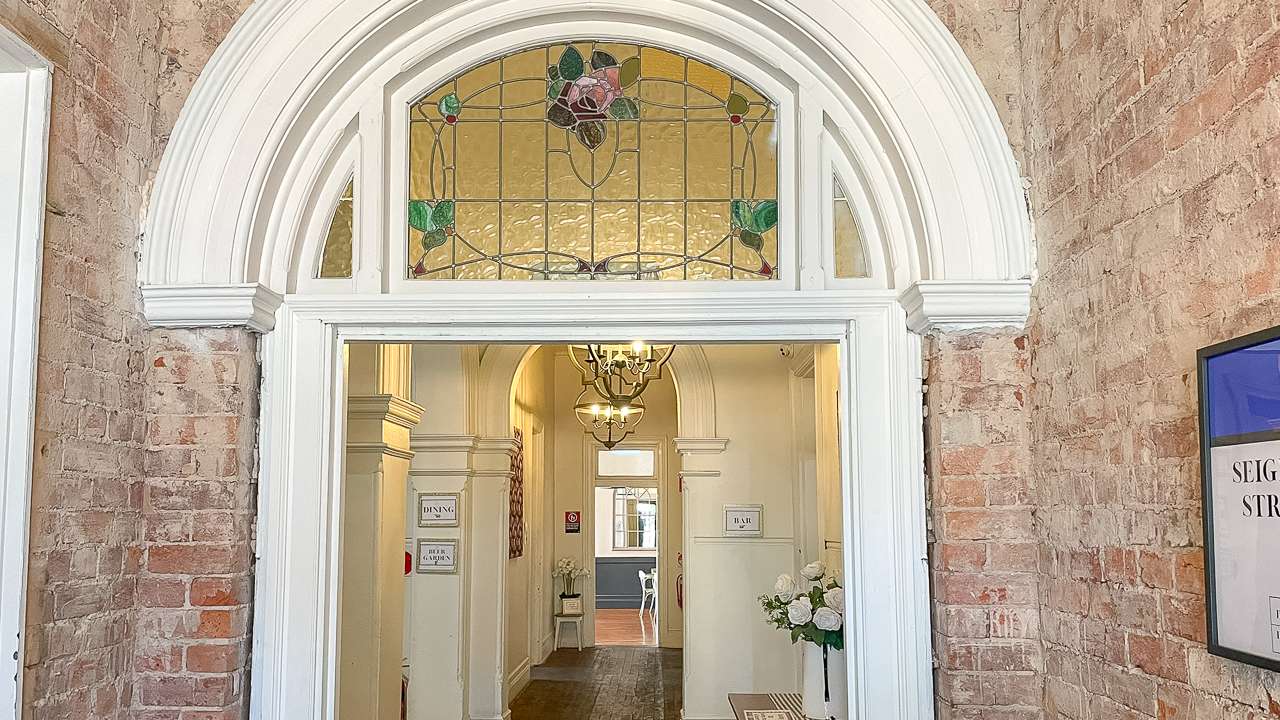
The Junee Hotel is another pub to add to our list of those that we’ve had a beer in. It’s a nice old pub and the beer was cold. Inside was really cool. The Junee Hotel has always been a landmark in the area. It was established in 1878 and has been maintained to retain its original character. It still has a lot of stained glass inside as well as what look to be the original ceilings. I’m honestly surprised that we haven’t been here before considering we live less than an hour away.

Parked Outside The Junee Hotel

Parked Outside The Junee Hotel

Geocaching At Marrar Again Photo Gallery

Road Trip From Melbourne To Adelaide: 3 Unique Itineraries

Road Trip From Melbourne To Adelaide: 3 Unique Itineraries

Road Trip From Melbourne To Adelaide: 3 Unique Itineraries

Plan your ultimate road trip from Melbourne to Adelaide with 3 unique itineraries! Explore scenic stops, free camping spots and must see highlights for caravanners and campers. Adventure awaits! Embarking on a road trip from Melbourne to Adelaide is a quintessential Australian adventure.

Whether you’re a time pressed traveller or a leisurely explorer this journey offers something for everyone. With a road trip from Melbourne to Adelaide driving distance of approximately 900 kilometres, the route is packed with scenic coastal drives, historic landmarks and natural wonders.

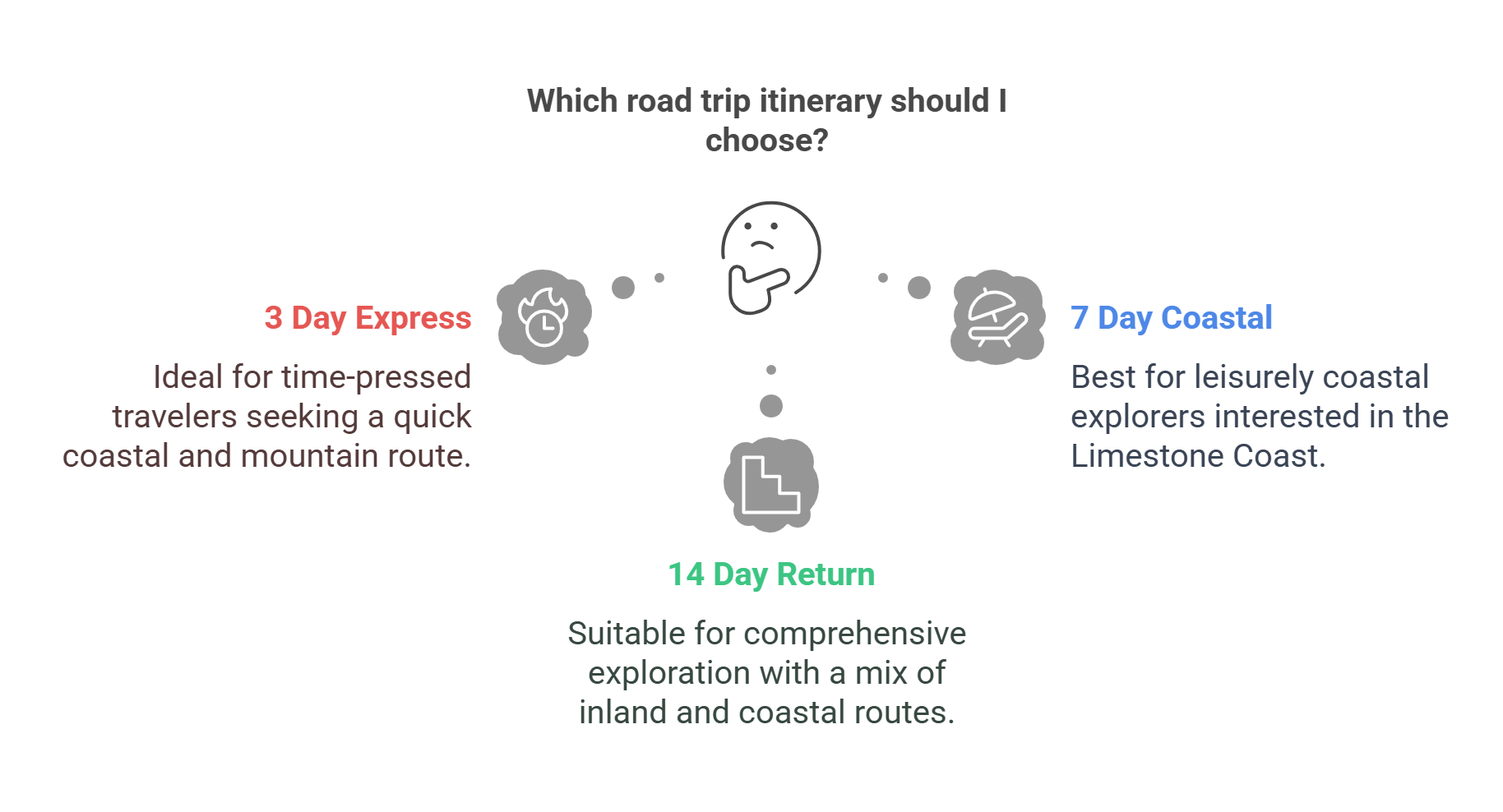
Below we’ve come up with three distinct itineraries – 3 days, 7 days and a 14 Day return trip. Each taking a different route to minimise location duplication. All overnight stops prioritise free or low cost camping. Absolutely perfect for caravanners and campers.

Road Trip From Melbourne To Adelaide
Key Comparisons And Insights

Itinerary Duration Route Focus Overnight Stops Best For
3 Day Express 3 Days Coastal & Mountain Free Camping Time pressed travellers
7 Day Coastal 7 Days Limestone Coast Low Cost Camping Leisurely coastal explorers
14 Day Return 14 Days Inland & Coastal Mix of Free & Paid Camping Comprehensive exploration

Key Insights On Travel Times And Distances

  1. The 3 Day itinerary is the most time efficient, covering approximately 1,097 km in total, with daily driving times ranging from 3.5 to 6 hours.
  2. The 7 Day itinerary is more relaxed, totalling around 1,143 km, with most driving days under 4 hours.
  3. The 14 Day return trip is the most comprehensive, covering roughly 2,226 km round trip, with driving times averaging 3-5 hours per day.

Each itinerary offers a unique perspective on the Melbourne to Adelaide road trip stops, ensuring you’ll find one that suits your travel style.

3 Day Express Adventure: Coastal And Mountain Highlights

This fast-paced itinerary is ideal for those short on time but eager to experience the best of Victoria’s coastline and mountains.

Day 1: Melbourne to Port Campbell (285 km)

  • Stops: Torquay, Lorne, Apollo Bay
  • Overnight: Port Campbell Recreation Reserve (free camping).

Highlights

  • Twelve Apostles: Iconic limestone stacks rising from the Southern Ocean.
  • Loch Ard Gorge: A stunning gorge with a rich shipwreck history.

Day 2: Port Campbell to Halls Gap (287 km)

  • Stops: Warrnambool, Port Fairy
  • Overnight: Plantation Campground, Grampians (free camping).

Highlights

  • Tower Hill Wildlife Reserve: A volcanic crater teeming with native wildlife.
  • Grampians National Park: Spectacular mountain ranges and waterfalls.

Day 3: Halls Gap to Adelaide (525 km)

  • Stops: Horsham, Bordertown
  • Arrival in Adelaide.

Highlights

  • Little Desert National Park: A unique arid landscape.
  • The Bend Motorsport Park: A must visit for car enthusiasts.

Alternative Stops

Bells Beach, Otway National Park, Hamilton.

Road Trip From Melbourne To Adelaide

Road Trip From Melbourne To Adelaide

3 Day Express Adventure: Coastal And Mountain Highlights At A Glance

Day Route Distance Travel Time Stops Highlights Overnight Stay
1 Melbourne to Port Campbell 285 km 3.5 hours Torquay, Lorne, Apollo Bay Twelve Apostles, Loch Ard Gorge Port Campbell Recreation Reserve (Free)
2 Port Campbell to Halls Gap 287 km 3.5 hours Warrnambool, Port Fairy Tower Hill Wildlife Reserve, Grampians Plantation Campground, Grampians (Free)
3 Halls Gap to Adelaide 525 km 6 hours Horsham, Bordertown Little Desert NP, The Bend Motorsport Arrival in Adelaide

7 Day Coastal Expedition: Exploring the Limestone Coast

This relaxed route hugs the coastline, showcasing the beauty of Victoria and South Australia’s southern shores.

Day 1: Melbourne to Apollo Bay (187 km)

  • Stops: Geelong, Anglesea
  • Overnight: Apollo Bay Recreation Reserve (low-cost camping).

Highlights

  • Great Ocean Road Memorial Arch: The gateway to this iconic drive.
  • Erskine Falls: A picturesque waterfall near Lorne.

Day 2: Apollo Bay to Port Fairy (188 km)

  • Stops: Twelve Apostles, Port Campbell
  • Overnight: Southcombe Park, Port Fairy (low-cost camping).

Highlights

  • Gibson Steps: A dramatic coastal viewpoint.
  • The Arch: A natural rock formation.

Day 3: Port Fairy to Mount Gambier (178 km)

  • Stops: Portland, Nelson
  • Overnight: Mount Gambier Central Caravan Park.

Highlights

  • Cape Bridgewater: Known for its blowholes and seal colony.
  • Glenelg River: Perfect for kayaking or fishing.

Day 4: Mount Gambier to Robe (138 km)

  • Stops: Tantanoola Caves, Millicent
  • Overnight: Long Beach Campground, Robe (free camping).

Highlights

  • Blue Lake: A stunning crater lake that changes colour seasonally.
  • Umpherston Sinkhole: A sunken garden with lush greenery.

Day 5: Robe to Victor Harbor (367 km)

  • Stops: Kingston SE, Meningie
  • Overnight: Adare Camp and Caravan Park, Victor Harbor.

Highlights

  • Cape Jaffa Lighthouse: A historic maritime landmark.
  • Coorong National Park: A haven for birdwatchers.

Day 6: Victor Harbor to McLaren Vale (44 km)

  • Stops: Port Elliot, Goolwa
  • Overnight: Moana Beach Tourist Park.

Highlights

  • Granite Island: Home to a colony of little penguins.
  • Cockle Train: A heritage steam train ride.

Day 7: McLaren Vale to Adelaide (41 km)

  • Stops: Willunga, Hallett Cove
  • Arrival in Adelaide.

Highlights

  • McLaren Vale Wineries: Sample world class wines.
  • Hallett Cove Conservation Park: Known for its geological significance.

Alternative Stops

Cape Otway, Tower Hill, Naracoorte Caves, Currency Creek.

7 Day Coastal Expedition: Exploring the Limestone Coast At A Glance

Day Route Distance Travel Time Stops Highlights Overnight Stay
1 Melbourne to Apollo Bay 187 km 2.5 hours Geelong, Anglesea Great Ocean Road Memorial Arch, Erskine Falls Apollo Bay Recreation Reserve (Low-cost)
2 Apollo Bay to Port Fairy 188 km 2.5 hours Twelve Apostles, Port Campbell Gibson Steps, The Arch Southcombe Park, Port Fairy (Low-cost)
3 Port Fairy to Mount Gambier 178 km 2 hours Portland, Nelson Cape Bridgewater, Glenelg River Mount Gambier Central Caravan Park
4 Mount Gambier to Robe 138 km 1.5 hours Tantanoola Caves, Millicent Blue Lake, Umpherston Sinkhole Long Beach Campground, Robe (Free)
5 Robe to Victor Harbor 367 km 4 hours Kingston SE, Meningie Cape Jaffa Lighthouse, Coorong NP Adare Camp and Caravan Park, Victor Harbor
6 Victor Harbor to McLaren Vale 44 km 45 minutes Port Elliot, Goolwa Granite Island, Cockle Train Moana Beach Tourist Park
7 McLaren Vale to Adelaide 41 km 40 minutes Willunga, Hallett Cove McLaren Vale Wineries, Hallett Cove CP Arrival in Adelaide

14 Day Return Trip Odyssey: Inland and Coastal Exploration

This comprehensive itinerary combines inland and coastal routes, offering a diverse experience of Victoria and South Australia.

Days 1-2: Melbourne to Grampians (260 km)

  • Stops: Ballarat, Ararat
  • Overnight: Stapylton Campground, Grampians (free camping).

Highlights

  • Sovereign Hill: A living museum of the gold rush era.
  • Grampians National Park: Hiking trails and Aboriginal rock art.

Days 3-4: Grampians to Robe (435 km)

  • Stops: Naracoorte, Penola
  • Overnight: The Pines Campground, Little Dip Conservation Park (free camping).

Highlights

  • Naracoorte Caves: A UNESCO World Heritage Site.
  • Coonawarra Wine Region: Renowned for its Cabernet Sauvignon.

Days 5-6: Robe to Victor Harbor (367 km)

  • Stops: Kingston SE, Meningie
  • Overnight: Waitpinga Campground, Newland Head Conservation Park (low-cost camping).

Highlights

  • Cape Jaffa Lighthouse: A historic maritime landmark.
  • Coorong National Park: A haven for birdwatchers.

Days 7-8: Victor Harbor to Adelaide (83 km)

  • Stops: Port Elliot, McLaren Vale
  • Overnight: Adelaide Shores Caravan Park.

Highlights

  • Granite Island: Home to a colony of little penguins.
  • McLaren Vale Wineries: Sample world-class wines.

Days 9-10: Adelaide to Mount Gambier (449 km)

  • Stops: Murray Bridge, Keith
  • Overnight: Mount Gambier Central Caravan Park.

Highlights

  • Monarto Safari Park: An open-range zoo.
  • Blue Lake: A stunning crater lake.

Days 11-12: Mount Gambier to Port Campbell (267 km)

  • Stops: Portland, Warrnambool
  • Overnight: Port Campbell Recreation Reserve (free camping).

Highlights

  • Cape Bridgewater: Known for its blowholes and seal colony.
  • Flagstaff Hill Maritime Village: A recreated 19th-century port.

Days 13-14: Port Campbell to Melbourne (285 km)

  • Stops: Apollo Bay, Lorne
  • Return to Melbourne.

Highlights

  • Twelve Apostles: Iconic limestone stacks.
  • Great Otway National Park: Lush rainforests and waterfalls.

Alternative Stops: Horsham, Bordertown, Tailem Bend, Robe, Port Fairy, Torquay.

14 Day Return Trip Odyssey: Inland and Coastal Exploration At A Glance

Day Route Distance Travel Time Stops Highlights Overnight Stay
1-2 Melbourne to Grampians 260 km 3 hours Ballarat, Ararat Sovereign Hill, Grampians NP Stapylton Campground, Grampians (Free)
3-4 Grampians to Robe 435 km 5 hours Naracoorte, Penola Naracoorte Caves, Coonawarra Wine Region The Pines Campground, Little Dip CP (Free)
5-6 Robe to Victor Harbor 367 km 4 hours Kingston SE, Meningie Cape Jaffa Lighthouse, Coorong NP Waitpinga Campground, Newland Head CP (Low-cost)
7-8 Victor Harbor to Adelaide 83 km 1 hour Port Elliot, McLaren Vale Granite Island, McLaren Vale Wineries Adelaide Shores Caravan Park
9-10 Adelaide to Mount Gambier 449 km 5 hours Murray Bridge, Keith Monarto Safari Park, Blue Lake Mount Gambier Central Caravan Park
11-12 Mount Gambier to Port Campbell 267 km 3 hours Portland, Warrnambool Cape Bridgewater, Flagstaff Hill Port Campbell Recreation Reserve (Free)
13-14 Port Campbell to Melbourne 285 km 3.5 hours Apollo Bay, Lorne Twelve Apostles, Great Otway NP Return to Melbourne

Final Thoughts On A Road Trip From Melbourne To Adelaide

A road trip from Melbourne to Adelaide is more than just a drive – it’s an opportunity to explore Australia’s diverse landscapes and rich history. Whether you choose the 3 Day express, the 7 Day coastal route, or the 14 Day odyssey, each journey promises unforgettable memories. Amanda and I have done all of these routes in parts and visited all of the places outlined. We can highly recommend it.

Remember to check campground availability, especially during peak seasons and always practice responsible camping. Happy travels!

Road Trip From Melbourne To Adelaide Itinerary Decisions

Road Trip From Melbourne To Adelaide Itinerary Decisions

6 Frequently Asked Question FAQs About A Road Trip From Melbourne To Adelaide

What is the best route for a road trip from Melbourne to Adelaide?

The best route depends on your timeframe and interests. For a quick trip, take the Great Ocean Road and Grampians National Park (3-day itinerary). For a coastal adventure, explore the Limestone Coast (7-day itinerary). For a comprehensive journey, combine inland and coastal routes (14-day return trip).

How long does a road trip from Melbourne to Adelaide take?

The road trip from Melbourne to Adelaide can take anywhere from 3 days to 2 weeks, depending on your itinerary. The direct drive is about 9 hours (900 km), but exploring scenic stops and attractions will extend your travel time.

Where can I camp overnight on a road trip from Melbourne to Adelaide?

There are plenty of camping options, including free and low-cost sites. Popular stops include Port Campbell Recreation Reserve, Plantation Campground (Grampians), and Long Beach Campground (Robe). Always check availability and book in advance during peak seasons.

What are the must-see highlights on a road trip from Melbourne to Adelaide?

Key highlights include the Twelve Apostles, Grampians National Park, Blue Lake (Mount Gambier), and Coorong National Park. Each route offers unique attractions, from coastal views to historic landmarks and wildlife encounters.

Can I do a road trip from Melbourne to Adelaide on a budget?

Absolutely! Prioritise free camping sites like Port Campbell Recreation Reserve and The Pines Campground (Robe). Many attractions, such as the Twelve Apostles and Coorong National Park, are free to visit, making the road trip from Melbourne to Adelaide budget-friendly.

Is a road trip from Melbourne to Adelaide suitable for families?

Yes, the road trip from Melbourne to Adelaide is family-friendly. With stops like Tower Hill Wildlife Reserve, Granite Island, and Monarto Safari Park, there are plenty of activities for kids. Choose a relaxed itinerary, such as the 7-day coastal route, for a stress-free family adventure.

Camping Margaret River: Your Ultimate Guide

Camping Margaret River: Your Ultimate Guide

Camping Margaret River: Your Ultimate Guide

Discover the best camping sites in Margaret River WA. Compare free camps, national parks, caravan parks & glamping spots with our complete guide – perfect for budget-friendly adventures or luxury escapes.

Beautiful Margaret River. Famous for its world class wineries, epic surf breaks and towering karri forests. But for campers and caravanners, it’s also a paradise of diverse camping options from beachside caravan parks to secluded bush hideouts. Whether you’re chasing a budget friendly free camp or a glamping experience with a side of chardonnay, this guide breaks down every camping site in and around Margaret River. Let’s dive in!

Camping Margaret River: Where Nature Meets Adventure

Margaret River isn’t just a destination; it’s a vibe. Nestled in Western Australia’s Southwest, this region offers everything from rugged coastal cliffs to serene forest canopies. But with so many camping sites Margaret River options, choosing the right spot can feel overwhelming. Fear not! We’ve scouted the pros, cons and quirks of every caravan park, national park, free camp and even a permaculture farm.

This guide isn’t just a list – it’s your roadmap to balancing comfort, cost and connection with nature. We’ll compare amenities, highlight hidden gems and even throw in a few pro tips to help you dodge crowds or snag the best sunset views. Ready? Let’s explore!

Caravan Parks: Comfort Meets Convenience

If you’re after amenities like hot showers, powered sites and WiFi (because let’s face it, Instagramming your camp setup is half the fun), Margaret River’s caravan parks deliver. These spots are perfect for families, retirees, or anyone who wants a hassle free basecamp for exploring the region.

1. RAC Margaret River Nature Park

Nestled in Wooditjup National Park

Pros

  • Eco-friendly with solar powered facilities: This park takes sustainability seriously, offering solar heated showers and energy efficient lighting.
  • Options galore: Choose from cabins, safari tents, dormitories, or powered sites. The safari tents are a hit for glampers who want a touch of luxury without sacrificing the outdoorsy feel.
  • Proximity to town: Just 10 minutes from Margaret River’s cafes and shops, but surrounded by bushland for that “away from it all” vibe.
  • On site fun: Fire pits, BBQs and even table tennis keep everyone entertained after a day of wine tasting or surfing.

Cons

  • Pricey for budget campers: Powered sites start at around $50/night, which is steep compared to free camps. But for the location and facilities, many say it’s worth the splurge.
  • Bookings essential: Popular year round, especially during school holidays.

Learn more about their sustainability efforts here.

2. Margaret River Tourist Park

44 Station Rd, Margaret River

Pros

  • Central location: Walk to the town’s breweries, boutiques and the Margaret River Chocolate Company (dangerously close, if you ask us).
  • Family friendly: A pool, playground and BBQ areas make this a hit with kids.
  • Pet friendly: Dogs are welcome in selected areas—just keep them on a leash.
  • Spotless amenities: Recent visitors rave about the clean showers and friendly staff.

Cons

  • Peak season chaos: This park books out months in advance during summer. If you’re planning a December trip, set a reminder to reserve your spot!
  • Tight spaces: Some powered sites feel a bit snug for larger caravans or rigs.

Check availability here.

3. Discovery Parks – Margaret River

Bussell Hwy, Cowaramup

Pros

  • RV friendly: Designed for caravans and motorhomes, with electric and water hookups.
  • Accessibility: Wheelchair accessible facilities, including bathrooms and pathways.
  • Pet friendly: Another great option for traveling with furry friends.

Cons

  • Out of town: Located 10km north of Margaret River in Cowaramup (though this puts you closer to iconic spots like Canal Rocks and Injidup Natural Spa).
  • Basic vibe: Less “luxe” than RAC Nature Park, but ideal for no fuss stays.

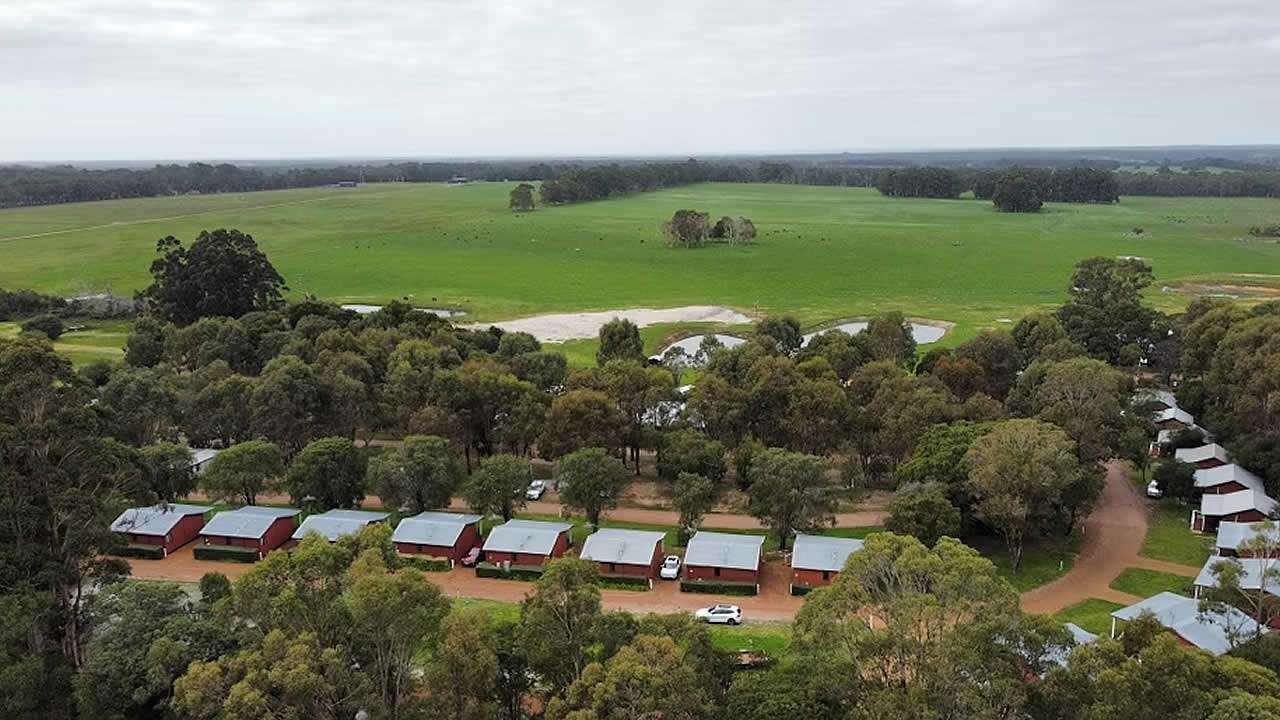
Camping Margaret River Discovery Parks Margaret River (Image Courtesy Discovery Parks)

Camping Margaret River Discovery Parks Margaret River (Image Courtesy Discovery Parks)

National Park & State Forest Camping Sites: For the Wild at Heart

Prefer waking up to birdsong rather than WiFi? These bush camps balance accessibility with raw natural beauty. They’re perfect for hikers, surfers and anyone craving a digital detox.

Conto Campground

Leeuwin-Naturaliste National Park

Pros

  • Surf and forest combo: Pitch your tent among jarrah trees, then walk 10 minutes to Conto’s surf breaks.
  • Family friendly: Flat, shaded sites and fire pits (bring your own wood!) make this a hit with kids.
  • Well maintained: Clean pit toilets and picnic tables, plus rangers often patrol the area.

Cons

  • No powered sites: Solar panels or generators are a must if you need electricity.
  • Basic facilities: No showers or drinking water – pack in, pack out.

Explore Conto’s hiking trails here.

Boranup Campground

Leeuwin-Naturaliste National Park

Pros

  • Magical karri forest setting: Towering trees create a cathedral-like atmosphere. Perfect for photographers and nature lovers.
  • Proximity to Boranup Beach: A short drive to this secluded stretch of sand, ideal for beachcombing or sunset picnics.
  • Stargazing heaven: Minimal light pollution = epic Milky Way views.

Cons

  • Crowds in peak season: Sites fill fast during school holidays. Arrive early or visit in shoulder seasons (autumn is divine).
  • No water: Bring plenty for drinking, cooking and cleaning.
  • Pro Tip: Combine Boranup with a drive through the Boranup Forest Loop Road – a 12km scenic route through some of WA’s tallest karri trees.

Camping Margaret River Seasonal Considerations - When To Visit Margaret River?

Camping Margaret River Seasonal Considerations – When To Visit Margaret River?

Free Camping Sites: Budget Friendly Bliss

For those who believe the best things in life are free (or at least under $10), these spots offer no-frills stays with killer views. Just remember: free camps require self sufficiency. Pack a portaloo, extra water and a sense of adventure!

Karri Gully Picnic Site

Pros

  • Free and serene: 10 designated spots nestled in a karri forest perfect for campervans and small trailers.
  • Close to town: Only 15 minutes from Margaret River, making it a handy base for day trips.

Cons

  • First come, first served: No bookings, so arrive early on weekends.
  • Basic amenities: Just a picnic table and pit toilet.

Brockman/Stewart Rest Area

Pros

  • Free overnight stop: Ideal for road trippers passing through.
  • Easy access: Right off Bussell Highway, with room for caravans and RVs.

Cons

  • Road noise: Not the quietest spot if you’re a light sleeper.
  • No facilities: Strictly for self contained vehicles.

Other Free Options

  • Capel RV Stop: Free 24-hour stays for self contained vehicles. Great for a quick pit stop north of Margaret River.
  • Darradup Roadside Rest Area: Riverside setting, but better suited for small vans due to tight spaces.

Check this guide for up to date info on time limits and vehicle restrictions.

Margaret River Camping Site: Unique Stays You Won’t Forget

Want to spice up your camping game? Try these quirky options that blend nature with novelty.

Olio Bello Lakeside Glamping

Pros

  • Luxe tents on an olive farm: Think king sized beds, private terraces and lake views. Perfect for anniversaries or romantic getaways.
  • On site café: Feast on wood fired pizzas and olive oil tastings—no camp cooking required!

Cons

Price tag: Starts at $300/night – ouch. But hey, you’re paying for the ‘grammable moments.

Glamp in style here.

Fair Harvest Permaculture Campground

Pros

  • Eco warriors rejoice: Learn about sustainable farming while camping on a working permaculture property.
  • Chill vibes: BYO tent or van and enjoy farm fresh eggs for breakfast.

Cons

  • Rustic facilities: Compost toilets and outdoor showers – embrace the simplicity!

The Great Comparison: Which Camping Style Suits You?

To simplify your decision, here’s a quick breakdown of what each camping style offers:

Camping Type Cost Amenities Best For Vibe
Caravan Parks $$$ Power, pools, Wi-Fi Families, comfort-seekers Social, lively
National Parks $ Basic toilets Hikers, nature lovers Rustic, tranquil
Free Camps Free – $ Minimal (self-contained) Budget travelers Adventurous, quiet
Glamping/Unique $$$$ Luxury/eco-focused Couples, special trips Romantic, Insta-worthy

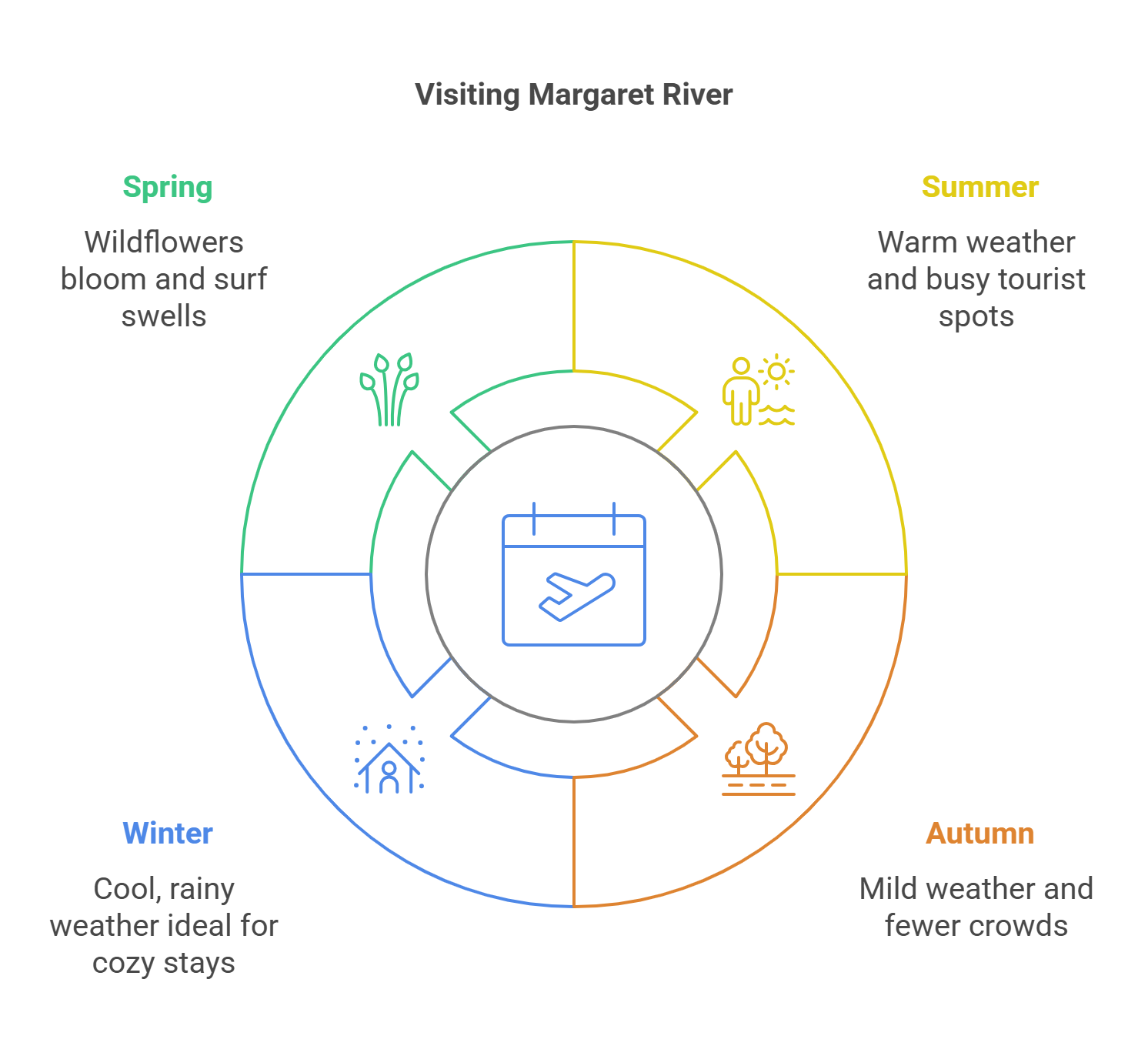
Camping Murray River Seasonal Considerations: When To Visit

  • Summer (Dec-Feb): Warm and busy. Book caravan parks months in advance. Free camps get crowded – arrive early.
  • Autumn (Mar-May): Mild weather, fewer crowds. Ideal for national park stays.
  • Winter (Jun-Aug): Cool and rainy, but perfect for cozy cabin stays and storm watching.
  • Spring (Sep-Nov): Wildflowers bloom and surf swells pick up. A camper’s dream!

Pro Tips For Camping In Margaret River

  1. Fire Safety: Check [DFES alerts](https://www.emergency.wa.gov.au/) for fire bans. Many sites prohibit fires in summer.
  2. Wildlife Wisdom: Store food securely – quendas (bandicoots) and possums are cheeky thieves!
  3. Leave No Trace: Pack out all waste, especially in free camps and national parks.
  4. Water Wisdom: Many bush camps lack drinking water. Fill up at town visitor centres.

Key Takeaways for Your Margaret River Camping Adventure

  1. Book Ahead: Popular spots like Conto and RAC Nature Park fill fast in summer.
  2. Pack Smart: Free camps require self sufficiency – bring water, a porta-loo and firewood.
  3. Location Matters: Want surf? Prevelly Caravan Park. Want wine? Stay near town.

Final Thoughts: Margaret River Camping Site Perfection Awaits

Whether you’re pitching a tent under karri trees or sipping wine in a glamping tent, Margaret River’s camping scene has something for everyone. Weigh your priorities (budget vs. comfort, solitude vs. convenience) and you’ll find your perfect patch of paradise. Just don’t forget the marshmallows – you’re in for a treat.

Always check parks and caravan parks websites for fire bans and booking updates.

6 Frequently Asked Question FAQs About Camping Margaret River

What’s the best time of year for camping in Margaret River?

Autumn (March-May) and spring (September-November) offer mild weather and fewer crowds. Summer is popular but busy, while winter is ideal for storm-watching and cabin stays.

Are there pet-friendly camping sites in Margaret River?

Yes! Caravan parks like Margaret River Tourist Park and Discovery Parks allow dogs. Free camps like Karri Gully also permit pets, but always check leash rules.

Can I free camp near Margaret River?

Absolutely. Try Karri Gully Picnic Site (15 mins from town) or Brockman/Stewart Rest Area for quick stops. Note: Most free sites require self-contained vehicles.

Do I need to book campsites in advance?

For caravan parks (e.g., RAC Nature Park) and popular national parks like Conto Campground, book months ahead in peak season. Free camps are first-come, first-served.

Are there showers and drinking water at national park campsites?

Most, like Boranup Campground, have pit toilets but no showers or drinking water. Pack your own supply or fill up at town visitor centres.

What’s the best camping option for a romantic getaway?

Splurge on Olio Bello Lakeside Glamping for luxury tents and vineyard views, or try secluded free camps like Willow Springs for a private forest escape.

The Best Camping Sites In Byron Bay (And Worst)

The Best Camping Sites In Byron Bay (And Worst)

The Best Camping Sites In Byron Bay (And Worst)

Compare all camping sites in Byron Bay NSW – free camps, caravan parks & national parks. Discover pros/cons, hidden gems, booking tips & avoid fines. Your complete guide for the perfect coastal escape!

Ah, Byron Bay – the iconic coastal gem of NSW, where golden beaches meet lush hinterland and the vibe is as laid back as a Sunday arvo barbecue. Whether you’re a seasoned caravanner, a tent toting adventurer, or a budget conscious road tripper, finding the perfect camping spot here can make or break your trip. But with so many options – from beachfront holiday parks to sneaky free camps – how do you choose?

Let’s cut through the noise. In this guide, we’ll break down every camping site in and around Byron Bay, including the good, the bad, and the “you might get fined” realities. Buckle up!

Why Camp In Byron Bay?

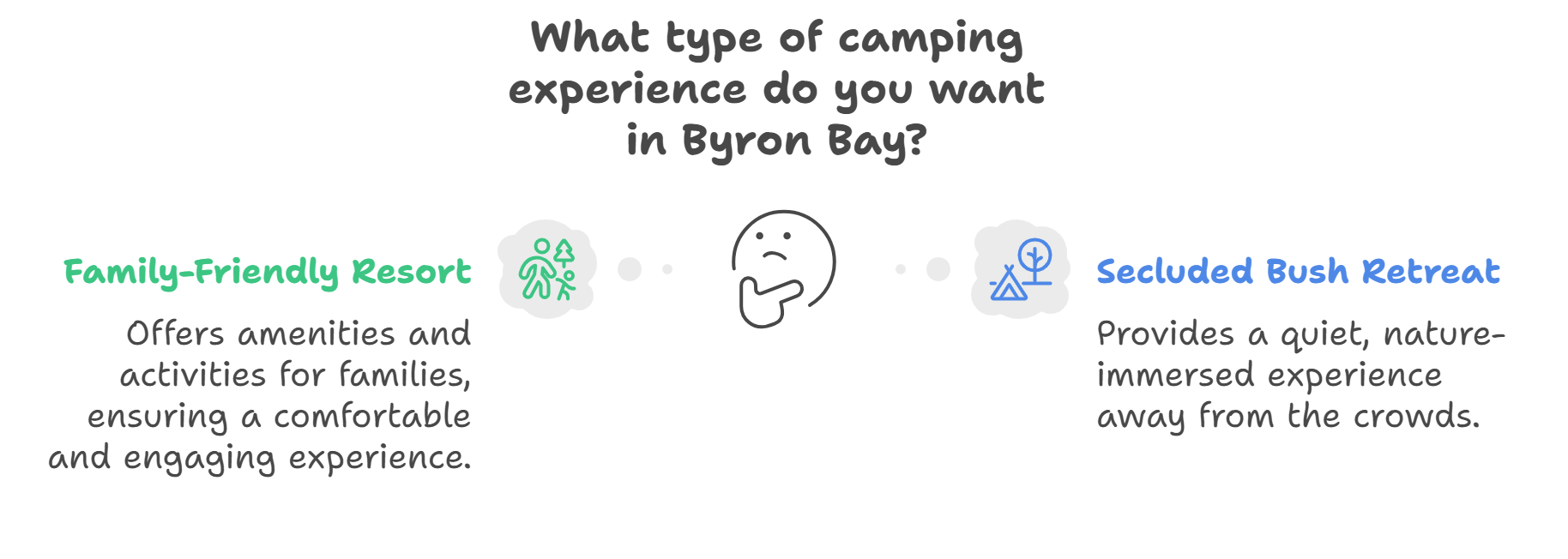
Byron Bay isn’t just a destination – it’s a lifestyle. Famous for its pristine beaches, vibrant arts scene, and thriving café culture, it’s a magnet for surfers, yogis, and sunset chasers. Camping here lets you soak up the natural beauty while staying close to the action. But with popularity comes competition: sites book out months in advance, and prices soar in peak seasons. Whether you’re after a family friendly resort or a secluded bush retreat, understanding your options is key.

Choosing Camping Sites In Byron Bay

Choosing Camping Sites In Byron Bay

Camping Sites Byron Bay: Caravan Parks and Holiday Parks

If you’re after amenities like powered sites, swimming pools and proximity to Byron’s bustling cafes, caravan parks are your best bet for camping sites in Byron Bay. Here’s the lowdown:

Discovery Parks – Byron Bay

Discovery Parks is the Disneyland of caravan parks. With a water park, café, and dog friendly policy, it’s ideal for families and fur babies. You’re just 5 minutes from Belongil Beach, and RV sites come with electric hookups. But be warned: peak seasons turn this place into a circus. Prices are steep (think $150+ per night in summer), and privacy is scarce when it’s packed.

  • Nearby Attractions: Pop into the Belongil Beach House Café for a post surf coffee or hit the Byron Markets on weekends for local crafts and live music.
  • Good for: Families, social butterflies, and those who like a resort vibe.
  • Skip if: You’re on a tight budget or crave peace.

Reflections Byron Bay – Holiday Park

Nestled near Clarkes Beach and the town’s main strip, Reflections is all about location. Powered sites, cabins, and a kids’ playground make it a hit with families. The downside? Noise from nearby clubs and crowds, especially during school holidays.

  • Eco Friendly Perks: Reflections has solar heated showers and recycling stations, so you can tread lightly while enjoying the beach.
  • Good for: Beach lovers and families wanting convenience.
  • Skip if: You’re noise sensitive or prefer seclusion.

First Sun Holiday Park

Imagine waking up to the sound of waves at First Sun, which sits right on Wreck Beach. This beachfront gem offers unpowered and powered sites, plus cozy cabins. It’s a short stroll to Byron’s shops, but popularity means cramped spaces during busy periods. Bring earplugs if your neighbour’s ukulele jam session isn’t your thing.

  • Surf Tip: Wreck Beach is quieter than Main Beach – perfect for beginners.
  • Good for: Surfers and beach bums.
  • Skip if: You dislike crowds or paying premium prices.

Glen Villa Resort

A quieter option near Cumbebin Wetlands, Glen Villa offers powered sites, villas, and a pool. It’s walking distance to the beach and town, but some visitors grumble about dated facilities and snug sites.

  • Budget Hack: Weekly rates drop the price to around $40/night – ideal for long stays.
  • Good for: Budget travellers wanting a central location.
  • Skip if: You need modern amenities or space.

Suffolk Beachfront Holiday Park

Located 10 minutes south in Suffolk Park, this spot boasts spacious sites and squeaky clean amenities. It’s quieter than Byron’s central parks but further from the action.

  • Local Secret: The Suffolk Bakery does a killer meat pie – worth the detour.
  • Good for: Peace seekers and couples.
  • Skip if: You want to be in the heart of Byron.

Belongil Fields Conference & Holiday Centre

With weekly rates and pet friendly policies Belongil Fields is affordable but polarising. Reviews mention worn facilities so set expectations low.

  • Pet Perk: The off leash dog beach at Belongil is a 10 minute walk away.
  • Good for: Budget road trippers with pets.
  • Skip if: You’re fussy about cleanliness.

Comparison Table: Byron Bay Caravan Parks

Park Name Location Price Best For Pros Cons
Discovery Parks Near Belongil Beach $$$ Families, socialising Water park, dog-friendly Crowded, pricey
Reflections Holiday Park Clarkes Beach $$-$$$ Beach access Central location, playground Noisy, busy
First Sun Holiday Park Wreck Beach $$$ Surfers Beachfront, close to town Expensive, cramped
Glen Villa Resort Cumbebin Wetlands $-$$ Budget travellers Quiet, pool Dated facilities
Suffolk Beachfront Suffolk Park $$ Couples Spacious, clean Far from Byron’s centre
Belongil Fields Belongil $ Pet owners Affordable, weekly rates Run-down facilities

Camping Sites in Byron Bay: National Park and Nature Based Options

For those craving raw nature, Byron’s national parks offer stunning backdrops – but fewer frills.

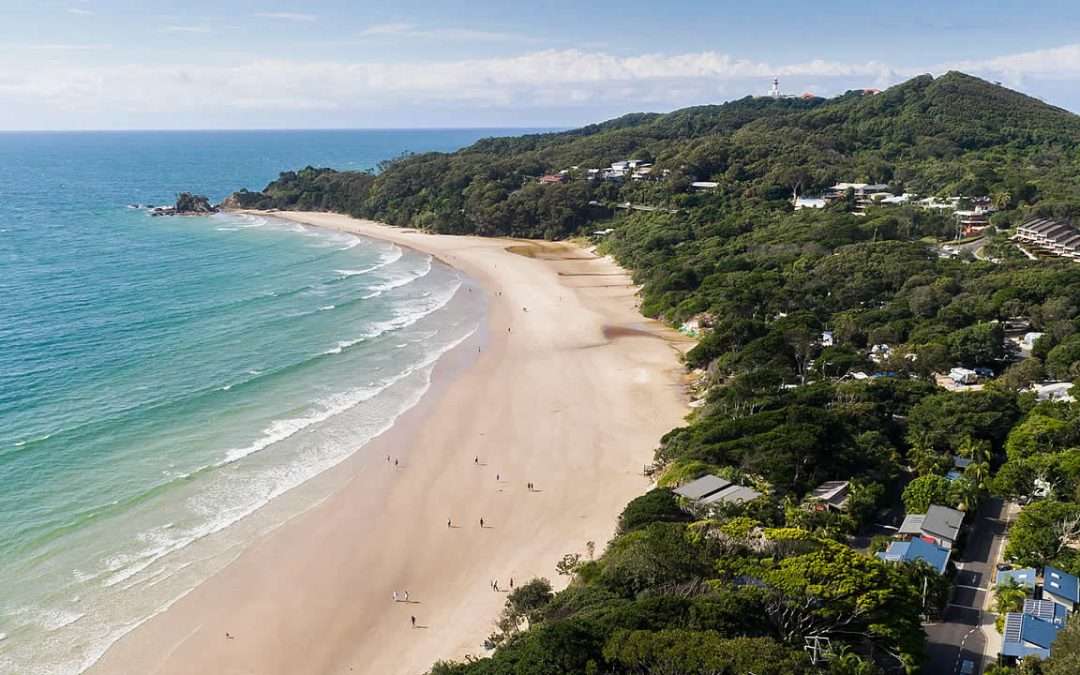
Camping Sites In Byron Bay Byron Bay Holiday Caravan Park (Image Courtesy Reflections Holidays)

Camping Sites In Byron Bay Byron Bay Holiday Caravan Park (Image Courtesy Reflections Holidays)

Cape Byron State Conservation Area

Home to the iconic Cape Byron Lighthouse, this conservation area is a hiker’s paradise. While overnight camping isn’t permitted, it’s worth a day trip for whale watching (June-November) and rainforest walks. Nearby, Nightcap National Park (45 minutes inland) has basic campsites like Rummery Park but you’ll need to BYO everything.

  • Pro Tip: The 3.7km Cape Byron Walking Track offers jaw dropping coastal views – pack a picnic!
  • Good for: Day trips and hardy adventurers.
  • Skip if: You need amenities or dislike dirt road drives.

State Forest Camping Near Byron Bay

Venture inland for serene bush camping in state forests. Mount Jerusalem State Forest, 90 minutes west, offers secluded sites like Upper Horseshoe Creek Campground. Facilities are bare bones (think pit toilets and fire pits), but the birdwatching is stellar.

  • Need to Know: Permits are required – book via NSW Forestry.
  • Good for: Off-grid explorers and stargazers.
  • Skip if: You rely on amenities or fear bush critters.

Free Camping Sites Byron Bay: The Reality and Risks

Let’s be real: free camping in Byron Bay is a no go. The local council bans overnight stays in streets, parks, and reserves, with fines up to $2,200. Crackdowns are common, especially near popular rest areas:

Yelgun Rest Area (20 mins north): Toilets and picnic tables, but rangers patrol regularly.
Tyagarah Rest Area (15 mins north): Popular for van sleepovers, but still illegal.
Sunnycrest Lane (30 mins west): Quiet but remote, with zero facilities.

A Cautionary Tale

A traveller In 2022 Copped A $1,100 Fine At Tyagarah – Hardly A Budget Win

Legal Alternatives: Head 90 minutes west to Toonumbar Dam for free, legal campsites with basic facilities.

Seasonal Considerations: When To Stay At Camping Sites In Byron Bay

  1. Peak Season (Dec-Feb): Expect crowds, higher prices, and booked out parks. Book 12+ months ahead.
  2. Shoulder Seasons (Mar-May, Sep-Nov): Mild weather, fewer tourists, and discounted rates.
  3. Winter (Jun-Aug): Cooler temps (perfect for hiking) but quieter beaches.
  4. Pro Tip: Avoid school holidays unless you love competing for BBQ space.

Eco Camping: Tread Lightly While Camping In Byron Bay

Byron’s eco conscious vibe extends to camping. Many parks, like Reflections, use solar power and rainwater tanks. Follow these tips:

  • Use biodegradable soap.
  • Stick to marked trails to protect dunes.
  • Dispose of waste in designated bins.

Beyond the Campground: Byron’s Must Do Experiences

  • Surf Lessons: Book a session at Passport to Surf.
  • Farm-to-Table Dining: The Farm Byron Bay serves paddock-to-plate feasts.
  • Crystal Castle: Not talking about “Breaking Bad” here but the association with Byron Bay is sometimes made. Wander among giant amethyst geodes in the hinterland.

Transportation Tips: Getting Around While Staying At Camping Sites In Byron Bay

  • Bike Rentals: Most caravan parks offer rentals – cycle the Cape Byron Trail.
  • Shuttle Buses: Byron Bay Shuttle connects major parks to the town centre.
  • Parking: Street parking in Byron is tight – arrive early or use paid lots.

Safety And Etiquette

  • Wildlife: Store food securely – curious possums and goannas abound.
  • Campfires: Only permitted in designated areas – check fire bans in summer.
  • Noise: Keep music low after 10pm – respect the Byron chill.

Final Thoughts On Camping Sites In Byron Bay

Byron Bay’s camping scene is as diverse as its sunsets. Whether you’re splurging on a beachfront cabin or roughing it in a national park, there’s a spot for every traveller – just know what you’re signing up for. And remember: while free camping might seem tempting, the legal options keep your trip stress free (and your wallet fine free). Now, grab your swag, slap on sunscreen, and get ready to fall in love with Byron’s salty air and sandy toes. Happy camping!

Pin It on Pinterest