11 BEST Spots For A Free Camp Blue Mountains Escape

11 BEST Spots For A Free Camp Blue Mountains Escape

11 BEST Spots For A Free Camp Blue Mountains Escape

Plan your next getaway with 11 Free Camp Blue Mountains spots offering incredible nature, wildlife encounters and zero camping fees. Up in the rugged landscapes of the Blue Mountains NSW a Free Camp Blue Mountains experience offers an unparalleled opportunity to immerse yourself in nature. Towering sandstone cliffs, dense eucalyptus forests and misty valleys create a breathtaking backdrop for those seeking a budget friendly escape.

Several designated Free Camp Blue Mountains sites cater to campers looking for a secluded retreat. Old Ford Reserve and Blackheath Glen Reserve are among the most popular, providing access to walking trails, waterfalls and scenic lookouts. While these sites lack full amenities, most offer basic facilities such as fire pits and pit toilets. Campers should arrive well prepared with drinking water, food supplies and waste disposal options.

Wildlife encounters are common, with kangaroos, wombats and lyrebirds often seen wandering through campsites. However, caution is advised during warmer months when snakes may be active. Campfires are permitted in designated areas, but restrictions apply during bushfire season.

How We Qualified A Free Camp Blue Mountains Listing

To make our list of free camp Blue Mountains sites we had the following criteria that needed to be met.

Note: We’ve tried to be as accurate as possible with compiling this list but mistakes and changes do happen. If you see anything that needs updating, is incorrect or we’ve missed please let us know – you can contact us by email.

  • Accessible to all types of camping – such as tents, camper trailers and caravans.
  • Not a caravan park – because caravan parks aren’t really camping now are they?
  • Blue Mountains feel to it – The free camp Blue Mountains site had to have a Blue Mountains feel to it. There were quite a few that were near the Blue Mountains but were big open clearings without the Blue Mountains feel that didn’t make the list.
  • We had to have actually been there – not just found it on a Google search and then tried to pretend we were experts on the place.
  • Free or cheap camping – no big dollar Hipcamp sites here. Hipcamp sites have their place just not on this list.
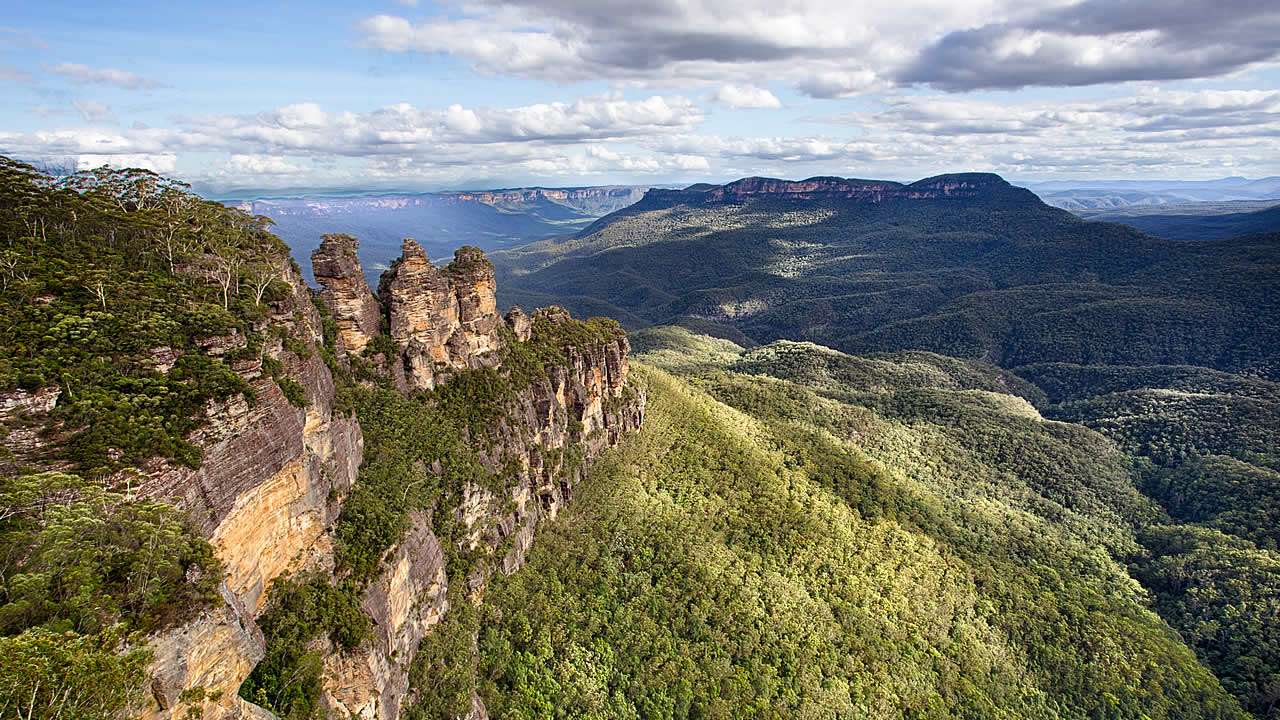
Three Sisters Blue Mountains New South Wales Australia (Source Wikimedia Commons)

Three Sisters Blue Mountains New South Wales Australia (Source Wikimedia Commons – Anne Dirkse www.annedirkse.com)

List Of 11 Best Spots For A Free Camp Blue Mountains Escape

For those who enjoy adventure, staying at a Free Camp Blue Mountains site means easy access to world renowned trails such as the Grand Canyon Walk and the Three Sisters lookout. Whether you seek tranquillity or exploration, camping here is an affordable way to experience the raw beauty of the Blue Mountains.

1. Old Ford Reserve

This free campground offers pit toilets, fire pits (byo wood), picnic tables, rubbish bins and swimming. It is a medium sized campground, adjacent to Megalong Creek. Access is via a sealed road.

  • It is accessible to motorbikes, RVs, camper trailers and caravans. Big rigs will find the road in very tight and finding a level site difficult.
  • Camping in tents is allowed
  • Maximum camping stay is 10 days
  • Dogs are permitted

Type: Free Camping
Cost: Free
Address: 1363 Megalong Rd, Megalong Valley, New South Wales
GPS: -33.731648°, 150.235481°
Website URL: https://www.bmcc.nsw.gov.au/stay-blue-mountains/camping-blue-mountains
Pet Friendly: Yes
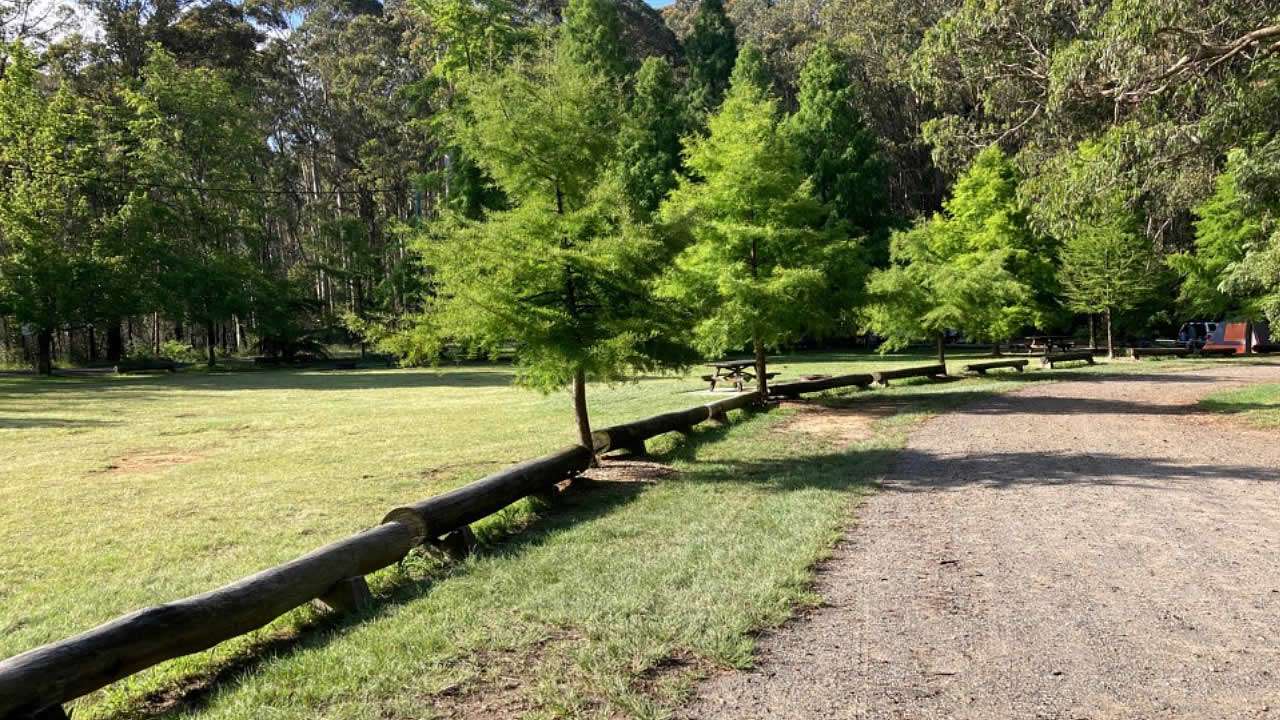
Free Camp Blue Mountains At Cathedral Reserve

Free Camp Blue Mountains At Cathedral Reserve

2. Blackheath Glen Reserve

Free camping permitted at Blackheath Glen Reserve. Maximum camping stay for 10 days only.

  • Pit toilets
  • Fire pits (byo firewood)
  • Picnic tables
  • Rubbish bins
  • Bring your own drinking water
  • Pets on leash are permitted

2WD access on a narrow winding road. Care needs to be taken. NOT suitable for large motorhomes or caravans. This is a popular camping area and sites fill up quickly.

Type: Free Camping
Cost: Free
Address: 540 Megalong Rd, Megalong Valley, New South Wales
GPS: -33.675445°, 150.268465°
Pet Friendly: Yes

3. Lockyer’s Track Campground

  • This free campground offers toilets
  • Dog friendly
  • It is accessible to motorbikes, RVs, camper trailers and caravans
  • Camping in tents is allowed

Type: Free Camping
Cost: Free
Address: 261 Hartley Vale Rd, Hartley Vale, New South Wales
GPS: -33.536082°, 150.232935°
Pet Friendly: Yes

4. Londonderry Reserve

  • This free campground offers toilets
  • Dog friendly
  • It is accessible to motorbikes, RVs, camper trailers and caravans
  • Camping in tents is allowed

Type: Free Camping
Cost: Free
Address: 751 Browns Gap Rd, Hartley Vale, New South Wales
GPS: -33.528214°, 150.200416°
Pet Friendly: No

5. Cathedral Reserve (Free Camp Blue Mountains)

Cathedral Reserve is on the Mt Irvine Rd on the way out of the Mt Wilson village travelling towards Mt Irvine opposite the Cathedral of Ferns. It is a large open area with liquid ambers along the Mt Irvine Rd and rainforest behind the reserve. The Reserve has two modern composting toilets and campers the choice of camping in the open or amongst the trees.

Bollards have been installed to prevent cars driving on the grassed areas and also driving into camping areas so these areas are protected. Car parking areas have been extended to cater for the large numbers of campers and picnickers who use the area.

  • Camping is free and no booking is required.
  • There are toilets, tank water (not suitable for drinking but can be boiled or used for other purposes)
  • Fireplaces
  • Picnic tables
  • Garbage bins

Remember to bring your own drinking water, firewood, warm clothes (it gets cold at night), toilet paper and your own camping gear. Dogs are allowed in the Mt Wilson Village and at Cathedral Reserve, however dogs are not allowed in the National Park adjacent to the reserve and village. So walks around the village are ok providing they are not into the National Park. Users are reminded to securely lock up any valuables during their stay.

Type: Free Camping
Cost: Free
Address: 117 Mount Irvine Rd, Mount Wilson, New South Wales
GPS: -33.502094°, 150.390169°
Website URL: https://www.mtwilson.com.au/stay/camping
Pet Friendly: Yes

6. Boyd River Camping Area

This location is a free campground, however a booking fee of $6 per site applies. Money collected will be used to manage campground numbers and improve your safety. You are now required to make a booking for all campgrounds and campsites in NSW national parks. This includes locations that were previously available for use without a booking.

  • This free campground offers toilets
  • Dogs are not permitted
  • It is accessible to camper trailers and caravans
  • Camping in tents is allowed

Type: National Park Camping
Cost: $6 booking fee
Address: Kanangra Rd, Kanangra, New South Wales
GPS: -33.970912°, 150.057168°
Phone: 0130 007 275
Website URL: https://www.nationalparks.nsw.gov.au/camping-and-accommodation/boyd-river-campground
Pet Friendly: No

7. Millionth Acre Recreation Area

  • This free campground offers toilets
  • Dog friendly
  • It is accessible to motorbikes, RVs, camper trailers and caravans
  • Camping in tents is allowed

Type: State Forest Camping
Cost: Free
Address: Duckmaloi Rd, Hampton, New South Wales
GPS: -33.676944°, 150.050272°
Website URL: http://www.forests.nsw.gov.au
Pet Friendly: Yes

8. Thill Ridge Campground

This is a free campground. Located at the top of a ridge at 1250m ASL at Bindo Pinch in Hampton State Forest.

  • It is dog friendly
  • It is accessible to motorbikes, RVs, camper trailers and caravans
  • Camping in tents is allowed. You must be fully self contained
  • Access is off old bindi road just before Hampton going east

Type: State Forest Camping
Cost: Free
Address: LOT 72 Bindo Boundary Rd, Hampton, New South Wales
GPS: -33.668502°, 150.022474°
Website URL: http://www.forestrycorporation.com.au/visit/forests/hampton-state-forest
Pet Friendly: Yes

9. Fireman’s Lookout (Back Of Mt Bindo)

Just off the 4WD track at the back of Mt Bindo summit in Hampton State Forest. Perfect spot with great views out over the valley to the east and north. No amenities or water. Must be fully self contained and take all rubbish with you. Unmarked state forest camp site. There is only enough space for a couple of vehicles. Can get windy and very cold and snows in winter due to elevation of over 1300m above sea level. Can be chilly at any time of the year. A couple of well used fire pits. Site is not completely level but is level enough.

Type: State Forest Camping
Cost: Free
Address: Bindo Boundary Road, Hampton, New South Wales
GPS: -33.675723°, 150.008334°
Pet Friendly: Yes
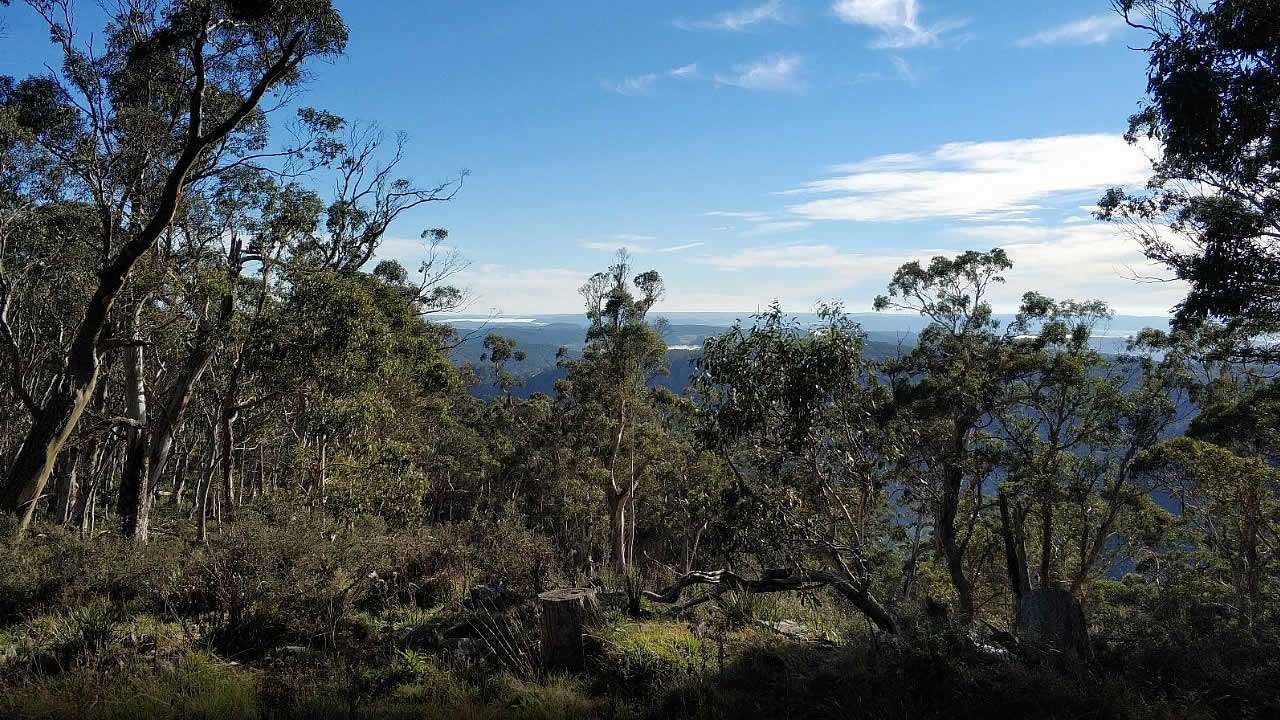
Free Camp Blue Mountains Fireman's Lookout (Back Of Mt Bindo)

Free Camp Blue Mountains Fireman’s Lookout (Back Of Mt Bindo)

10. Glen Davis Campground

  • This campground offers toilets, showers and drinking water
  • It is dog friendly
  • It is accessible to RVs, camper trailers and caravans
  • Camping in tents is allowed

Type: Donation Camping
Cost: Donation
Address: Glen Davis, New South Wales
GPS: -33.126095°, 150.281240°
Pet Friendly: Yes

11. Mount Airly Camping Area

Grassy camping area without facilities but with nice bush walks in the area. Bushland with a few cleared flattish areas, many under big trees

Type: State Forest Camping
Cost: Free
Address: The Tramway, Capertee, New South Wales
GPS: -33.109614°, 150.040055°
Pet Friendly: No
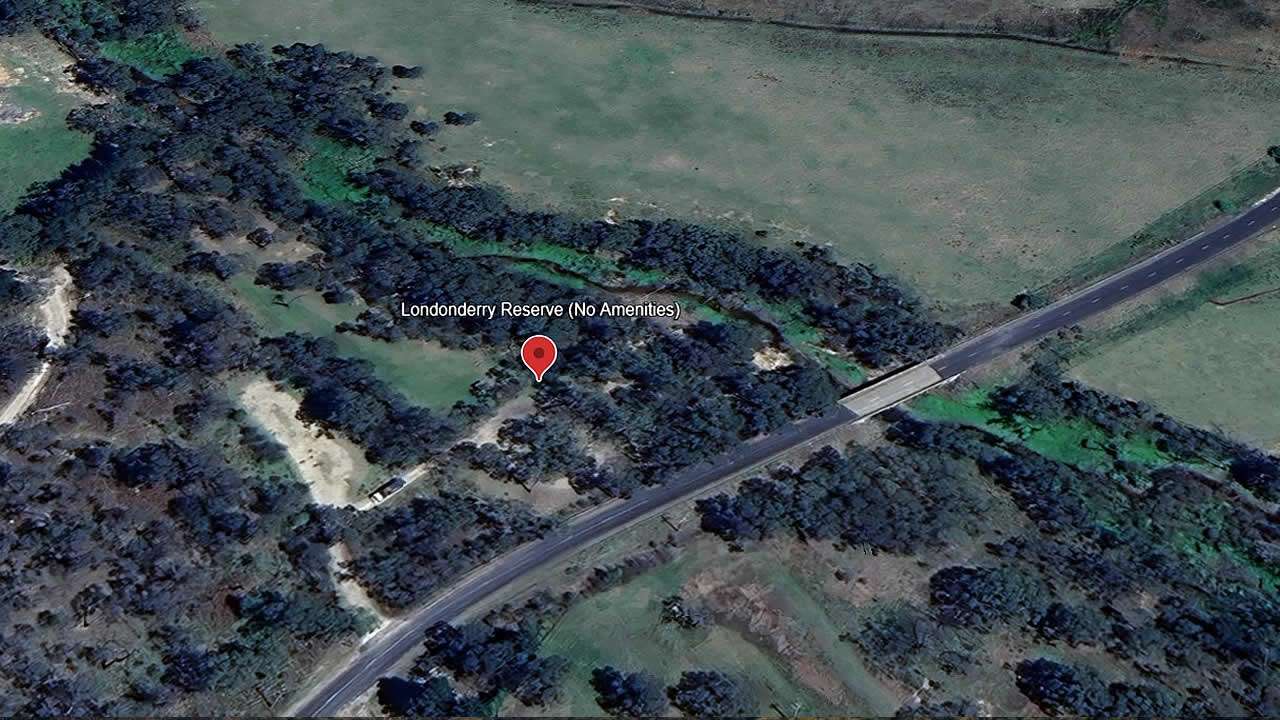
Free Camp Blue Mountains Londonderry Reserve

Free Camp Blue Mountains Londonderry Reserve

Top 10 Things To Do While Staying At A Free Camp Blue Mountains

The Blue Mountains offer awesome scenery, rugged bushland and a load of outdoor activities. If you’re staying at a free camp in the Blue Mountains, you’re in for an adventure without the hefty price tag. From bushwalking to cultural experiences, there’s something for everyone. Here are the top 10 things to do while enjoying the region’s best free camping spots.

  1. Hike the National Pass Trail
    One of the most iconic bushwalks in the Blue Mountains, the National Pass Trail takes you through lush rainforest, past cascading waterfalls and along dramatic cliff edges. It’s a moderate to challenging hike, but the views are worth the effort. Make sure to pack plenty of water and wear sturdy footwear.
  2. Visit the Three Sisters Lookout
    No trip to the Blue Mountains is complete without a visit to Echo Point Lookout to see the Three Sisters. These towering rock formations are one of Australia’s most famous natural landmarks. The lookout offers a panoramic view of the Jamison Valley, making it a perfect spot for sunrise or sunset photography.
  3. Explore Jenolan Caves
    If you’re up for an underground adventure, take a trip to Jenolan Caves, one of the world’s oldest cave systems. These limestone caves feature stunning stalactites, crystal formations and underground rivers. Guided tours are available, but even just exploring the surrounding bushland is a great experience.
  4. Go Wild Swimming at Jellybean Pool
    After a day of hiking, cool off at Jellybean Pool in Glenbrook. This natural swimming hole is a favourite among locals and visitors alike. The sandy banks make it ideal for relaxing, while the calm waters are perfect for a refreshing dip. It’s a must visit when staying at a free camp Blue Mountains.
  5. Visit Govetts Leap Lookout
    For one of the most dramatic views in the Blue Mountains, head to Govetts Leap Lookout. Overlooking the Grose Valley, this spot offers breathtaking scenery, especially in the early morning mist. The nearby walking tracks take you to hidden waterfalls and quiet forest trails.
  6. Enjoy Stargazing in the Wilderness
    One of the biggest perks of staying at a free camp Blue Mountains is the chance to experience clear, unpolluted night skies. Away from city lights, you’ll see thousands of stars, constellations and even the Milky Way. Bring a telescope or simply lay back and take in the view.
  7. Take a Scenic Drive Along Bells Line of Road
    A drive along Bells Line of Road offers some of the best scenic views in the Blue Mountains. The winding road takes you through lush forests, past orchards and offers spectacular lookout points. Stop at Bilpin for fresh apples and homemade pies.
  8. Walk the Grand Canyon Track
    The Grand Canyon Track is a must do for nature lovers. This loop trail takes you through fern lined gullies, narrow canyon paths and alongside flowing creeks. It’s a moderate hike that showcases the diverse landscapes of the Blue Mountains.
  9. Spot Wildlife in the Bush
    Camping in the Blue Mountains gives you a chance to see some of Australia’s unique wildlife. Keep an eye out for kangaroos, lyrebirds and even the occasional wombat. Early morning and dusk are the best times for wildlife spotting.
  10. Visit the Mount Tomah Botanic Garden
    If you want a break from rugged bushland, visit the Mount Tomah Botanic Garden. Located on the edge of the Blue Mountains, this cool climate garden features a stunning collection of native and exotic plants. The views over the valley are spectacular and it’s a great place for a relaxing stroll.

Final Thoughts On Free Camp Blue Mountains

Staying at a free camp Blue Mountains is an excellent way to experience the natural beauty of the region without spending a fortune. Whether you’re hiking through ancient rainforests, swimming in secluded waterholes, or taking in jaw dropping views, there’s no shortage of incredible things to do. Pack your gear, embrace the wilderness and make the most of your adventure in the Blue Mountains.
9 Top Rated FREE CAMPSITES Lakes Entrance VIC

9 Top Rated FREE CAMPSITES Lakes Entrance VIC

9 Top Rated FREE CAMPSITES Lakes Entrance VIC

Explore the great outdoors with these free campsites Lakes Entrance VIC, featuring picturesque settings, wildlife encounters and prime spots for fishing and boating. Located on the picturesque Gippsland Lakes free campsites Lakes Entrance VIC offer budget conscious travellers a chance to experience nature without the hefty price tag. Whether you prefer serene bushland settings or lakeside retreats, there are plenty of options to suit all camping styles.

For those who love hiking, nearby trails wind through coastal forests and wetlands, providing stunning views and a chance to reconnect with nature. The region’s diverse landscapes ensure that every camper, from seasoned adventurers to weekend travellers, finds a perfect spot to set up camp.

From secluded hideaways to open camping areas with lakefront views, free campsites Lakes Entrance VIC provide the perfect escape for travellers looking to unwind without the cost. With breathtaking scenery and endless outdoor activities, it’s an ideal destination for those seeking a peaceful, nature filled getaway.

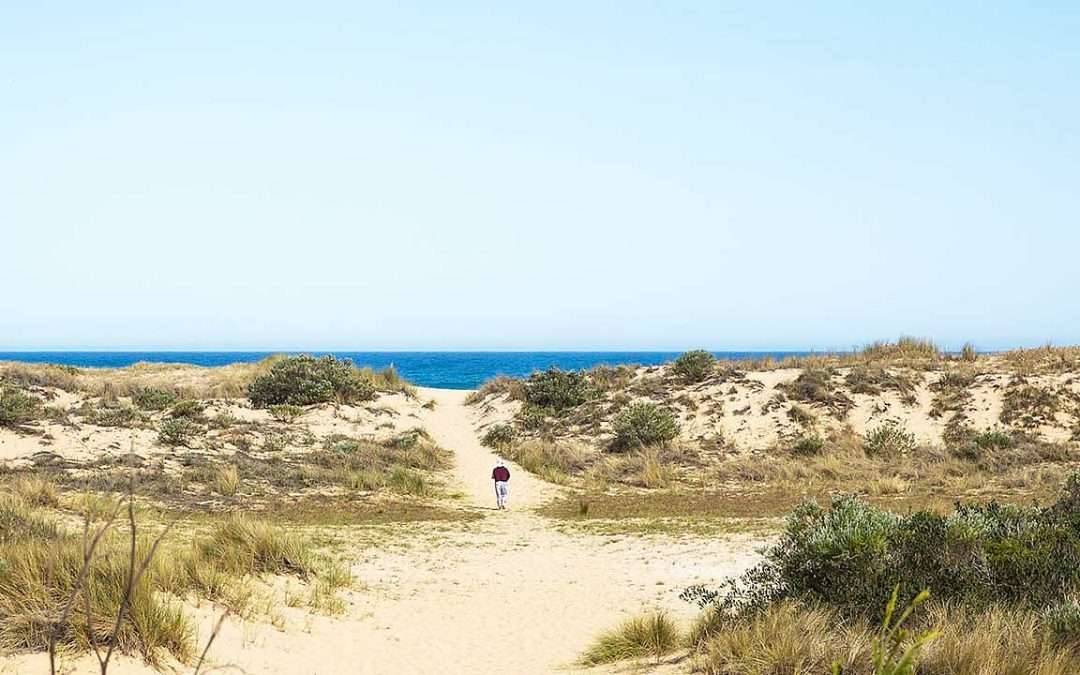
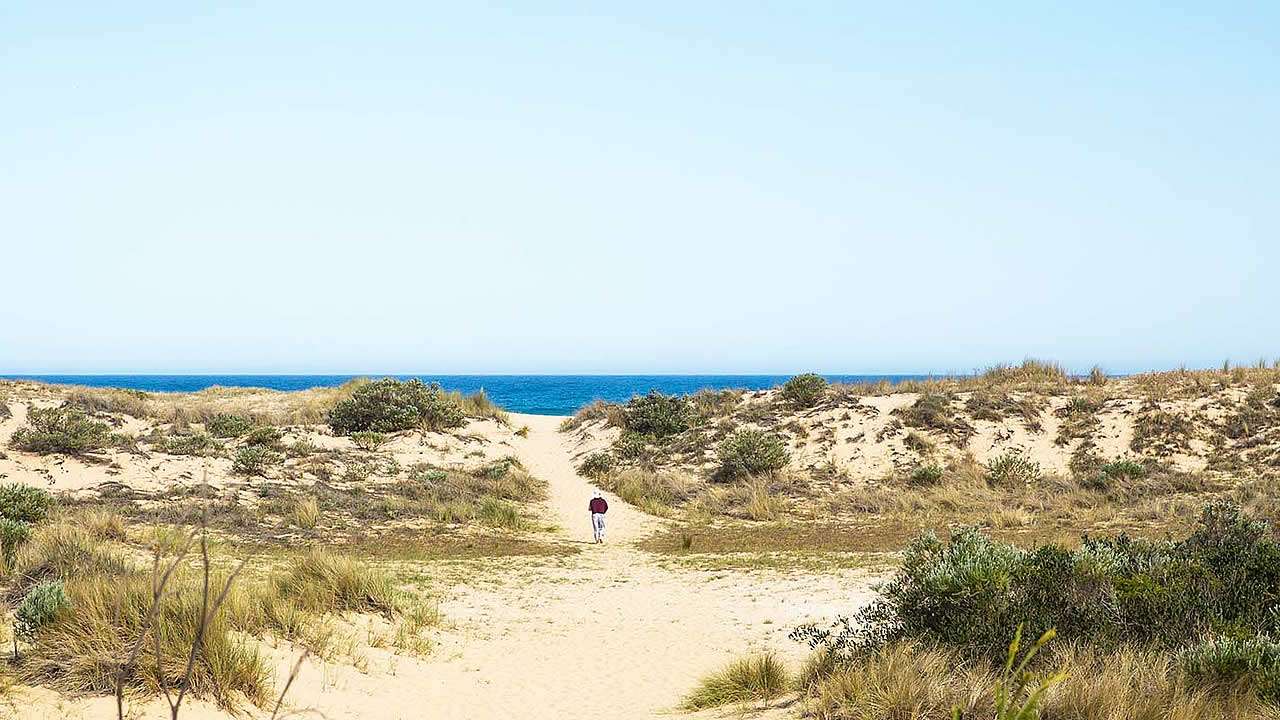
Beach Lake Tyers State Park (Photo Courtesy Parks Victoria)

Beach Lake Tyers State Park (Photo Courtesy Parks Victoria)

List Of 9 Top Rated Free Campsites Lakes Entrance VIC

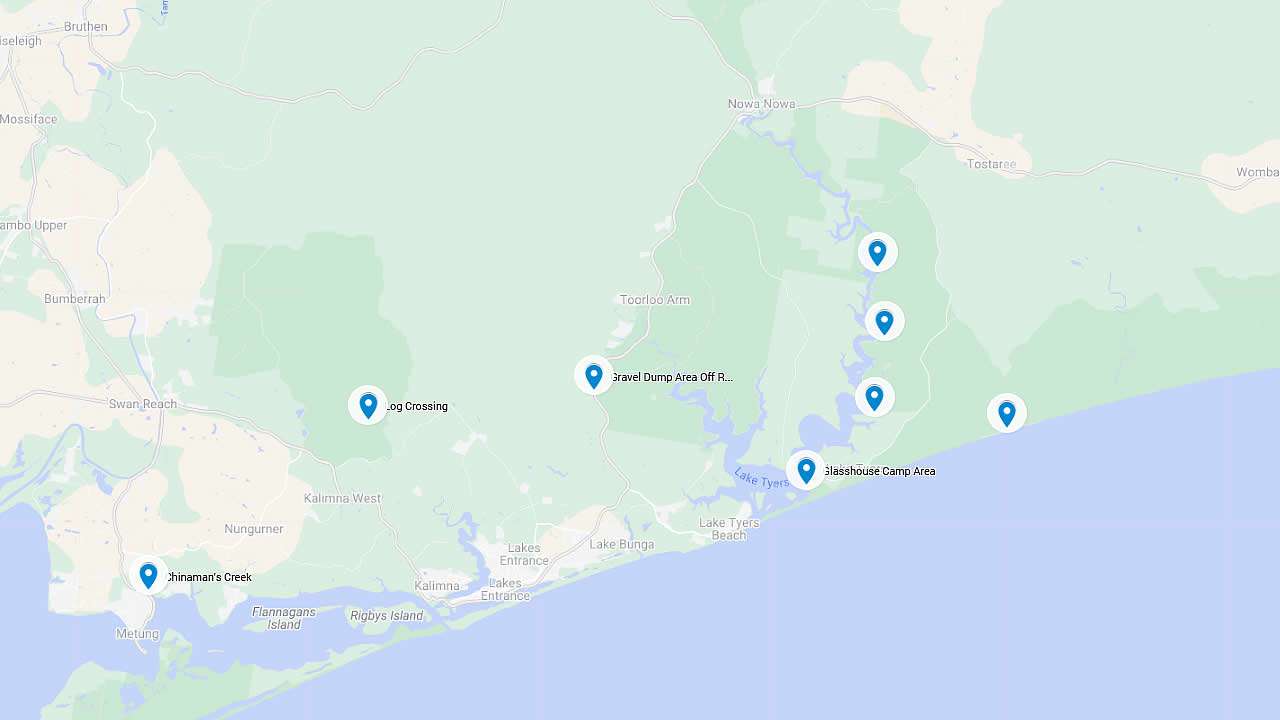
We have listed 9 free campsites Lakes Entrance VIC. Many Free Campsites Lakes Entrance VIC provide easy access to the water, making them ideal for fishing, kayaking and boating. Some sites feature basic facilities such as fire pits, picnic tables and drop toilets, while others are more remote offering a true off grid experience. Wildlife is abundant, with kangaroos, pelicans and kookaburras often making an appearance.

Note: We’ve tried to be as accurate as possible with compiling this list but mistakes and changes do happen. If you see anything that needs updating, is incorrect or we’ve missed please let us know. You can add a comment at the bottom of this page or alternatively contact us by email.

1. Lake Tyers Beach Tavern

Great spot located behind the tavern, accessed via Gully Road. Go into the bar or call up the tavern and Jet them know you’re coming to Camp with a van, a tent or pretty much anything.

  • No reservations accepted.
  • Free powered sites with water for each site and power point.
  • Free Hot showers and toilets.
  • Close walk to the general store and amazing pub.
  • Stay 2 nights for free and $25 after that.

Type: Free Camping / Pub Camping
Cost: Free
Address: Gully Road, Victoria
GPS: -37.857243°, 148.083363°
Phone: (03) 5156 5855
Email: waterwheelbeachtavern@hotmail.com
Website URL: https://Laketyersbeachtavern.com
Pet Friendly: Yes

2. Glasshouse Camp Area

The Lake Tyers State Park offers opportunities for low impact bush camping in a natural environment on the eastern shores of Nowa Nowa Arm.

  • Approx 16km dirt road of varying quality. Okay for 2WD and longer rigs.
  • No bookings or fees.
  • Camping is not permitted within 20m of the water.
  • There are no facilities at this site. Campers will need to be self sufficient. Take all rubbish with you and leave no trace,
  • Light fires only in fireplaces provided and extinguish fires before leaving. No fires, including barbecues may be lit on a day of Total Fire Ban.
  • Use existing toilets or bury your waste at least 100m from any water. Do not use soap, toothpaste or detergents near watercourses.
  • Please keep your dog on a leash at all times.

Lake Tyers State Park is situated about 20kms northeast of Lakes Entrance. The main access into the park is via Burnt Bridge Road or Tyers House Road. These are unsealed roads.

Type: State Forest Camping
Cost: Free
Address: Lake Tyers, Victoria
GPS: -37.846528°, 148.108833°
Phone: 13 19 63
Website URL: https://parkweb.vic.gov.au/explore/parks/lake-tyers
Pet Friendly: Yes

3. Trident Arm Campground

Bush camping area next to Lake Tyers in Lake Tyers State Park. There are picnic tables and fire pits but no other facilities, so campers must be self sufficient. Take all rubbish with you and leave no trace. This site is not suitable for large caravans.

There are no toilet facilities at this site. If you do not have your own toilet, bury human waste at least 100m from tracks and water bodies. Bury toilet paper or bag and dispose of it in a bin once you leave the site. Bury all faecal waste and toilet paper in holes 15cm deep and at least 100m from waterways, camps and tracks. Make sure you carry a small trowel or spade for this purpose.

  • Wash away from streams, gullies and watercourses, as all detergents, soaps, sunscreens, insect repellents and toothpastes pollute water and damage aquatic life,
  • Tree limbs may fall, take care.
  • Dogs are allowed but must be on a leash.
  • There is no access to the Lake.

Type: State Forest Camping
Cost: Free
Address: Trident Arm Track, Toorloo Arm, Victoria
GPS: -37.824362°, 148.134933°
Phone: (03) 8427 2002
Email: info@parks.vic.gov.au
Website URL: https://www.parks.vic.gov.au/places-to-see/sites/trident-arm-camping-area
Pet Friendly: Yes

4. Ironbark Track Campground

Bush camping next to Lake Tyers in Lake Tyers State Park. There are picnic tables and fire pits, but no other facilities. Campers must be self sufficient. Take all rubbish with you and leave no trace.

There are no toilet facilities at this site. If you do not have your own toilet, bury human waste at least 100m from tracks and water bodies. Bury toilet paper or bag and dispose of it in a bin once you leave the site. Bury all faecal waste and toilet paper in holes 15cm deep and at least 100m from waterways, camps and tracks. Make sure you carry a small trowel or spade for this purpose.

  • Sites are tight and best suited for tents.
  • Not suited for large caravans.
  • Wash away from streams, gullies and watercourses, as all detergents, soaps, sunscreens, insect repellents and toothpastes pollute water and damage aquatic life,
  • Beware of falling tree limbs.
  • Pets are permitted and must be kept on a leash. Be aware the baits are used in the area.

Type: State Forest Camping
Cost: Free
Address: Reedy Arm No 2 Track, Toorloo Arm, Victoria
GPS: -37.801692°, 148.138584°
Phone: 13 19 63
Email: info@parks.vic.gov.au
Website URL: https://www.parks.vic.gov.au/places-to-see/parks/
Pet Friendly: Yes

5. Camerons Arm

This free campground offers swimming. It is dog friendly. It is accessible to camper trailers and four wheel drives. Camping in tents is allowed.

Type: State Forest Camping
Cost: Free
Address: Camerons Arm No1 Track, Tostaree, Victoria
GPS: -37.780730°, 148.135865°
Pet Friendly: Yes

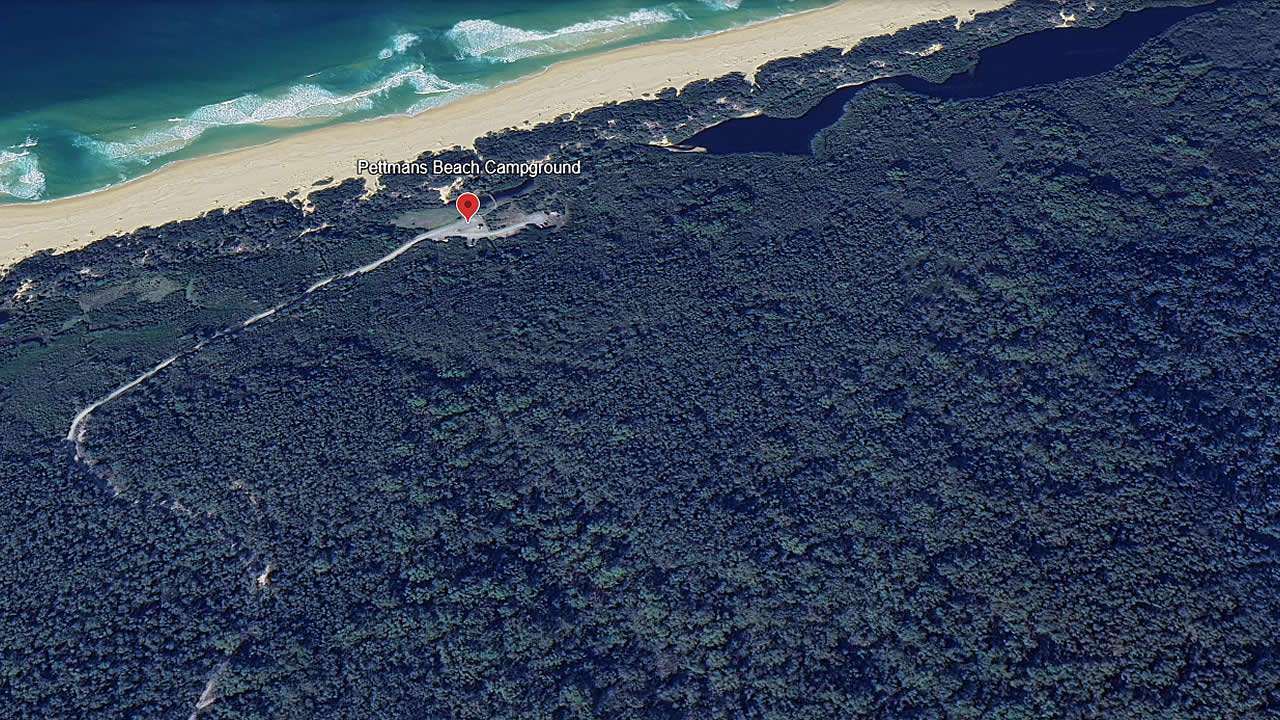
6. Pettmans Beach

Pettmans Campground is a beachside campground located in Lake Tyers state Park. Sites are unpowered and suitable for motorhomes, campervans, camper trailers and caravans. Camping in tents is permitted. There are no camping fees.

Facilities include toilets, picnic tables, 4WD tracks and swimming. Dogs are allowed but must be on a leash.

Type: State Forest Camping
Cost: Free
Address: Pettman Rd, Tostaree, Victoria
GPS: -37.829250°, 148.185404°
Phone: 13 19 63
Email: info@parks.vic.gov.au
Website URL: https://www.parks.vic.gov.au/places-to-see/sites/pettmans-beach
Pet Friendly: Yes

Pettmans Beach Campground

Pettmans Beach Campground

7. Gravel Dump Area Off Road

This is a free campground. It is dog friendly. It is accessible to RVs, camper trailers, caravans and big rigs. First left after Blackfellows Rd on Princess Hwy.

Type: Free Camping / Gravel Pit
Cost: Free
Address: Princes Hwy, Toorloo Arm, Victoria
GPS: -37.817916°, 148.027567°
Pet Friendly: Yes

8. Log Crossing

Log Crossing Picnic Area is on Mississippi Creek, 2km off the Princess Highway down Log Crossing Road and offers toilets and picnic facilities. There are 2 camping areas, one next to Uncle Road and a car park further in at the toilets. It is dog friendly.

  • Dogs must be under direct control and on a leash at all times. 24hr limit
  • It is accessible to RVs, camper trailers and caravans.
  • Camping in tents is allowed.
  • Take all rubbish with you and leave no trace.
  • Take care with fire and observe all fire regulations and total fire ban days.
  • Use existing fireplaces and ensure that they are completely extinguished when you leave.

The Gippsland Lakes Discovery Trail runs through this site. The GLDT is a bicycle track through the Colquhoun State Forest, linking the East Gippsland Rail Trail to Lakes Entrance. There are also a number of walks departing from the Logs Crossing Picnic Area.

Type: State Forest Camping
Cost: Free
Address: Log Crossing Rd (Picnic Track), Kalimna West, Victoria
GPS: -37.826921°, 147.941566°
Phone: 136 186
Website URL: https://www.ffm.vic.gov.au/__data/assets/pdf_file/0023/26456/Gippsland_Lakes_Discovery_Trail.pdf
Pet Friendly: Yes

9. Chinaman’s Creek

Designated RV rest stop in a small area near Chinaman’s Creek to the north of Metung, off of Rosherville Road.

  • Max stay 36 hours.
  • The site has flushing toilets. Take all rubbish with you and leave no trace.
  • Camping in tents is not permitted
  • Pet friendly.

Type: Designated RV Rest Stop
Cost: Free
Address: 402-404 Rosherville Rd, Metung, Victoria
GPS: -37.878208°, 147.857664°
Pet Friendly: Yes

Free Campsites Lakes Entrance VIC

Free Campsites Lakes Entrance VIC

Top 10 Things To Do While Staying In Free Campsites Lakes Entrance VIC

Lakes Entrance is located in Victoria’s stunning Gippsland region It is a paradise for outdoor lovers. With beautiful lakes, beaches and national parks it’s the perfect place for travellers looking to experience nature without the expense. If you’re staying at free campsites, Lakes Entrance VIC, there are plenty of activities to make the most of your trip. Here are the top 10 things to do while camping in this incredible region.

  1. Explore the Gippsland Lakes
    Lakes Entrance is famous for its waterways. Making it an ideal spot for kayaking, boating and fishing. Whether you paddle through the tranquil inlets or cruise along the larger lakes, the stunning scenery and abundant wildlife make it a must do experience. Bring your own gear or hire equipment locally.
  2. Relax on the Beaches
    From the surf friendly waves at Ninety Mile Beach to the calmer waters near Eastern Beach, there’s a stretch of sand for everyone. Spend the day swimming or taking a peaceful walk along the shoreline. The sunrises here are particularly breathtaking.
  3. Go Fishing
    Lakes Entrance is a top fishing destination with plenty of spots to cast a line. Fish from the shore, jetties, or even a boat for the chance to catch bream, flathead, or whiting. Many free campsites Lakes Entrance VIC are close to prime fishing locations, making it easy to enjoy a fresh catch for dinner.
  4. Walk Across the Footbridge to the Ocean
    The Lakes Entrance Footbridge is a local icon connecting the town to Ninety Mile Beach. It’s an easy, scenic walk offering fantastic views of the lakes and ocean. Keep an eye out for dolphins and seabirds along the way.
  5. Spot Wildlife in the Bush and Wetlands
    This region is home to diverse wildlife, from kangaroos and wombats to pelicans and black swans. Visit places like Nyerimilang Heritage Park or the local wetlands for a chance to see native animals in their natural habitat. Binoculars and a camera are highly recommended!
  6. Enjoy a Campfire Under the Stars
    Many free campsites Lakes Entrance VIC allow for campfires, creating the perfect setting for a relaxed evening under the stars. Enjoy toasting marshmallows, sharing stories and soaking in the peacefulness of the Australian bush.
  7. Hike the Coastal and Forest Trails
    The region has excellent walking tracks that showcase the area’s natural beauty. The Entrance Walk offers stunning views over the lakes, while trails in Colquhoun State Forest provide a more secluded experience among tall eucalypts and ferns.
  8. Visit the Local Markets
    If you’re in town on the right day, check out the Lakes Entrance Rotary Market or other pop-up markets selling fresh produce, crafts and local treats. It’s a great way to pick up unique souvenirs and support small businesses.
  9. Go for a Scenic Drive
    Take a drive along the Great Alpine Road or through the countryside surrounding Lakes Entrance. These routes offer breathtaking landscapes, charming small towns and plenty of places to stop and take in the view.
  10. Watch the Sunset Over the Water
    There’s nothing quite like watching the sky light up in shades of pink and orange as the sun sets over the Gippsland Lakes. Head to a quiet spot near the water, set up your camp chair and take in the spectacular sight to end your day.

Final Thoughts About Free Campsites Lakes Entrance VIC

Staying at free campsites Lakes Entrance VIC gives you access to some of the most beautiful and unspoiled landscapes in Victoria. Whether you’re looking for adventure or relaxation, there’s no shortage of things to see and do. Pack your camping gear, embrace the outdoors and make unforgettable memories in this incredible part of Australia.

Geocaching Around Gundagai, Bethungra and Tumblong Tavern

Geocaching Around Gundagai, Bethungra and Tumblong Tavern

Geocaching Around Gundagai, Bethungra and Tumblong Tavern

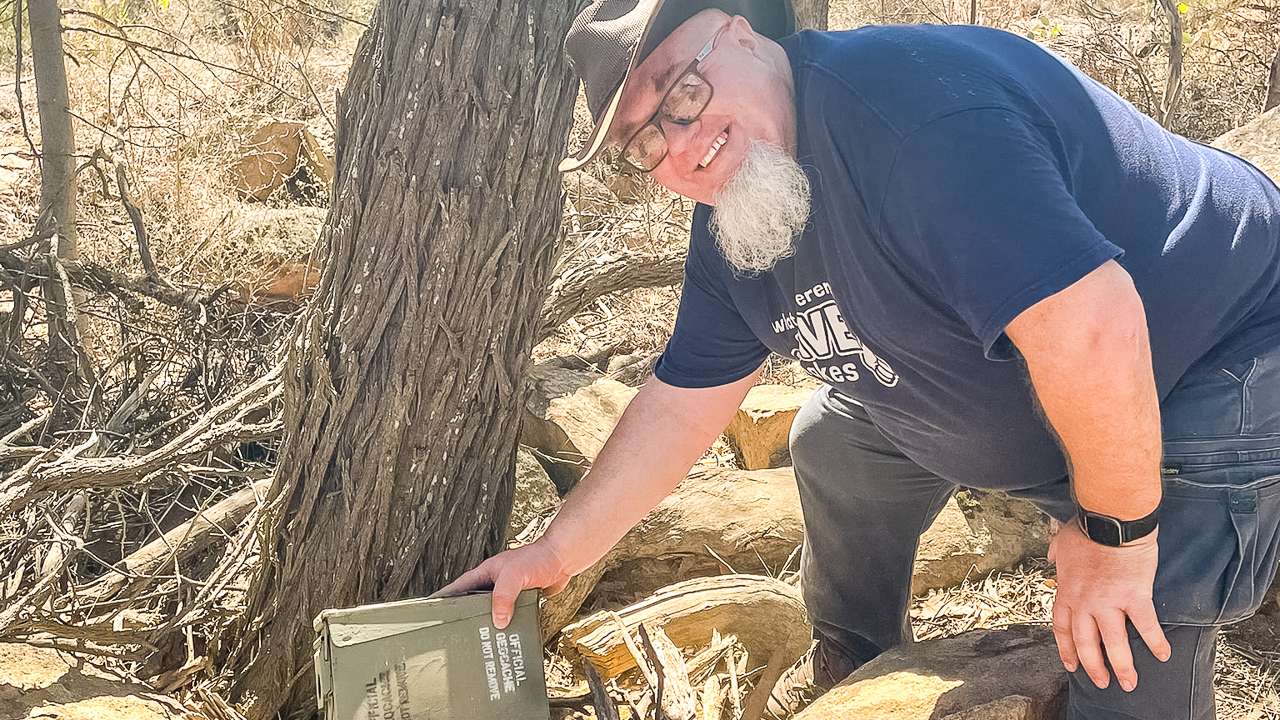
Another day out geocaching around Gundagai, Bethungra and the Tumblong Tavern for lunch. We headed out from home at Cootamundra at about 9.00am and didn’t get home until about 5.00pm. It was a pretty full day. All up I think we covered around 180kms.

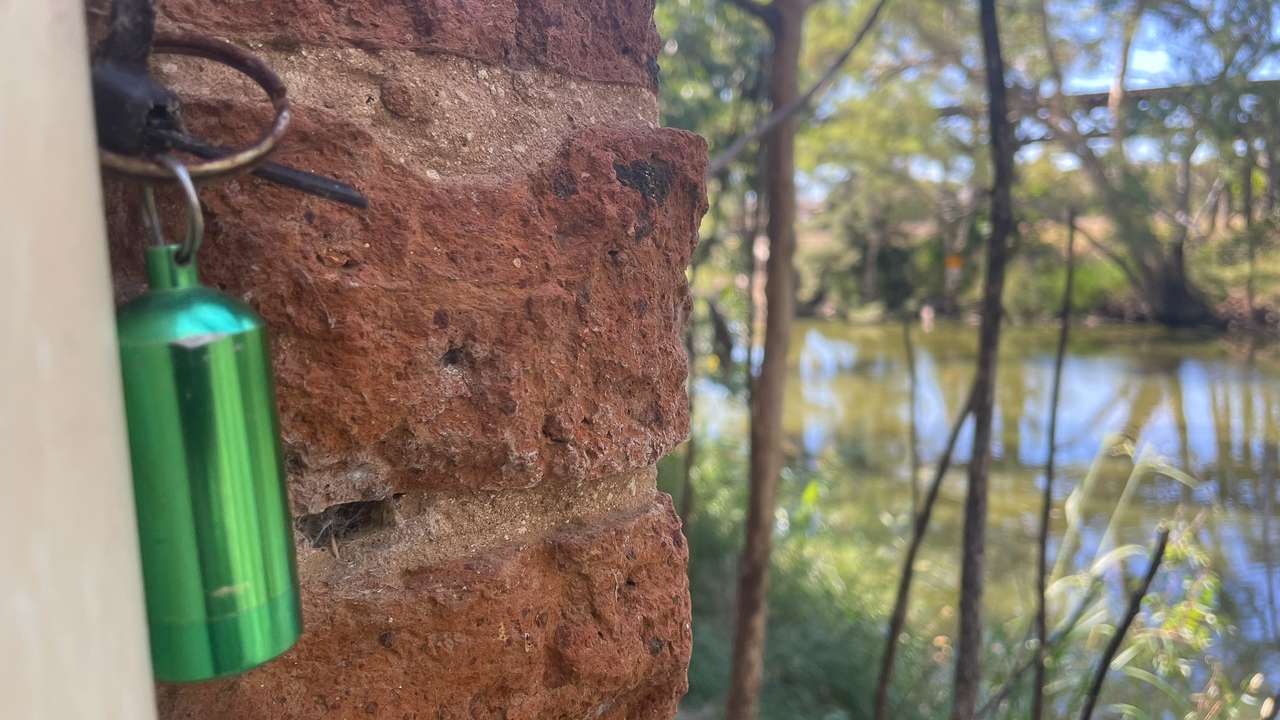
Out and about today doing some more geocaching around Gundagai, Bethungra and the Tumblong Tavern in NSW. Found 14 of them and didn’t have a single fail. No fails is a bit of a first for us I reckon. Mum came with us this time, it was her first time geocaching and she liked it. Mum actually spotted a couple that we missed.

Lunch At The Tumblong Tavern

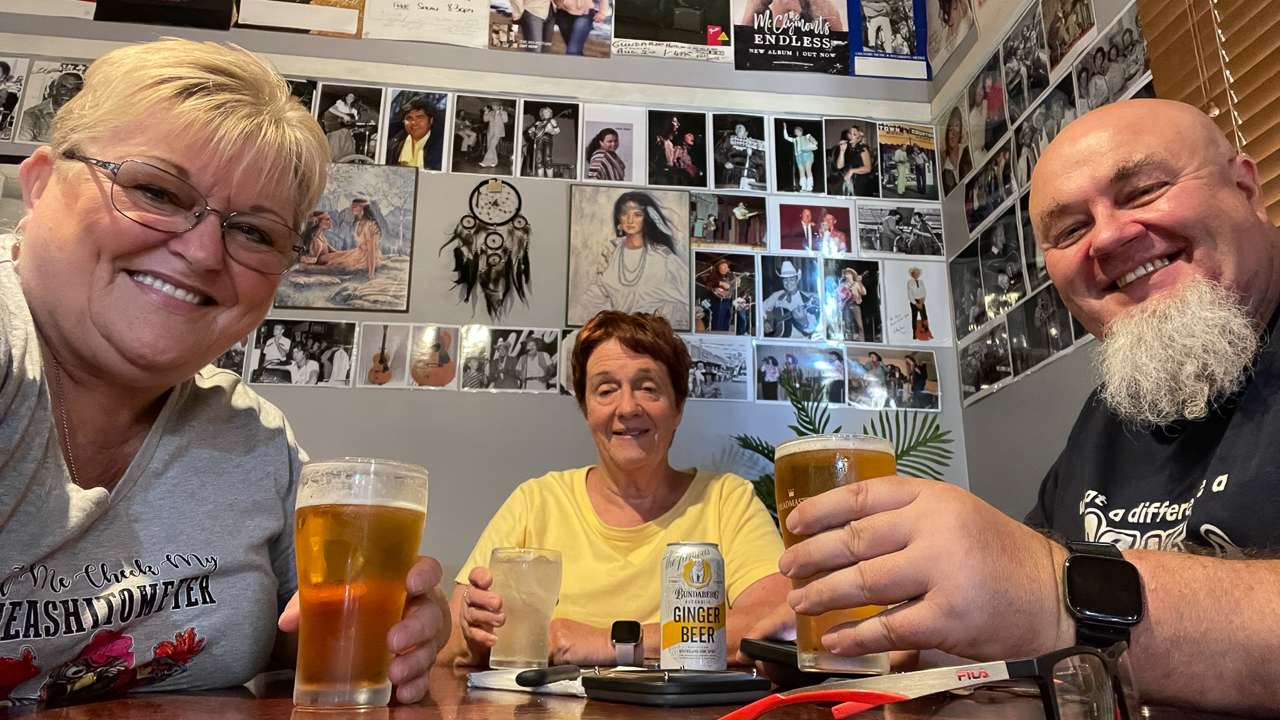
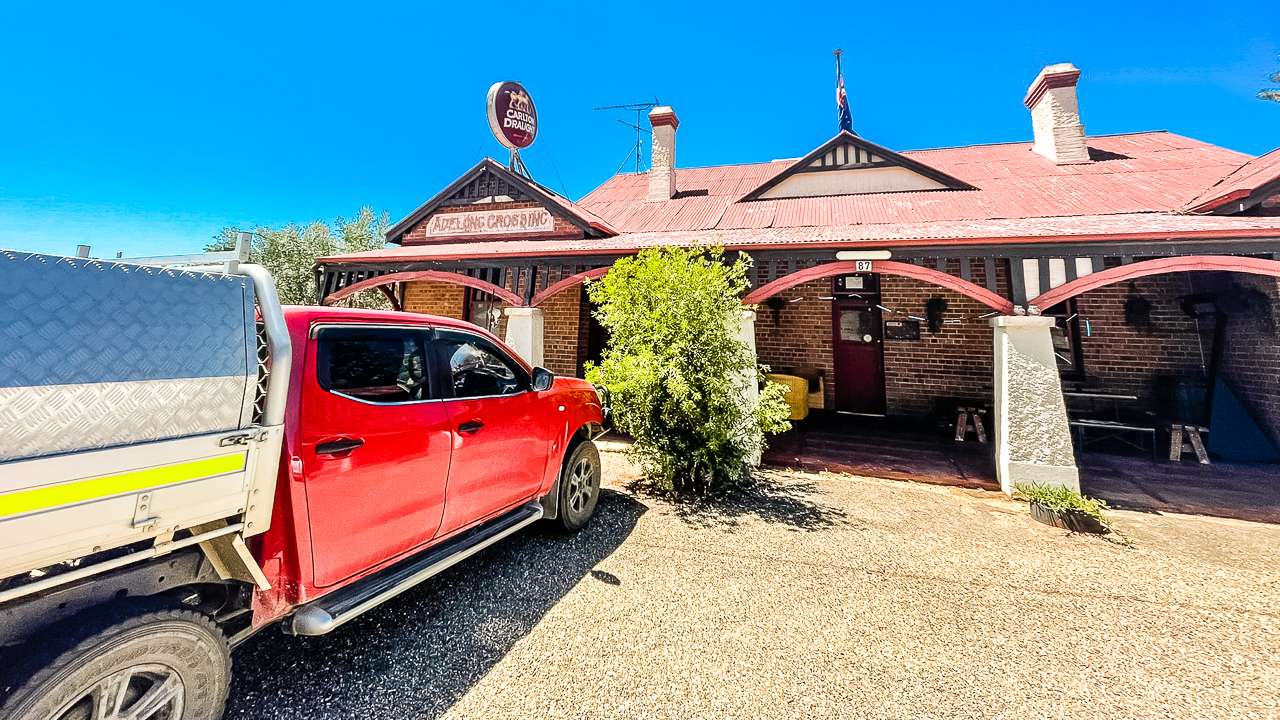
The Tumblong Tavern is another pub to add to our list of those that we’ve had a beer in! I always thought it was called the Adelong Crossing Hotel as that’s what it says on the front of it. We’ve driven past it hundreds of times but never called in. It’s a great old pub and lunch was awesome. I had rissoles and veggies and Amanda and mum went the steak sangas. The beer was nice and cold plus they had live music. It’s certainly a great old pub and well worth calling in at if your travelling up or down the Hume Highway.

Going For A Walk Around Gundagai NSW

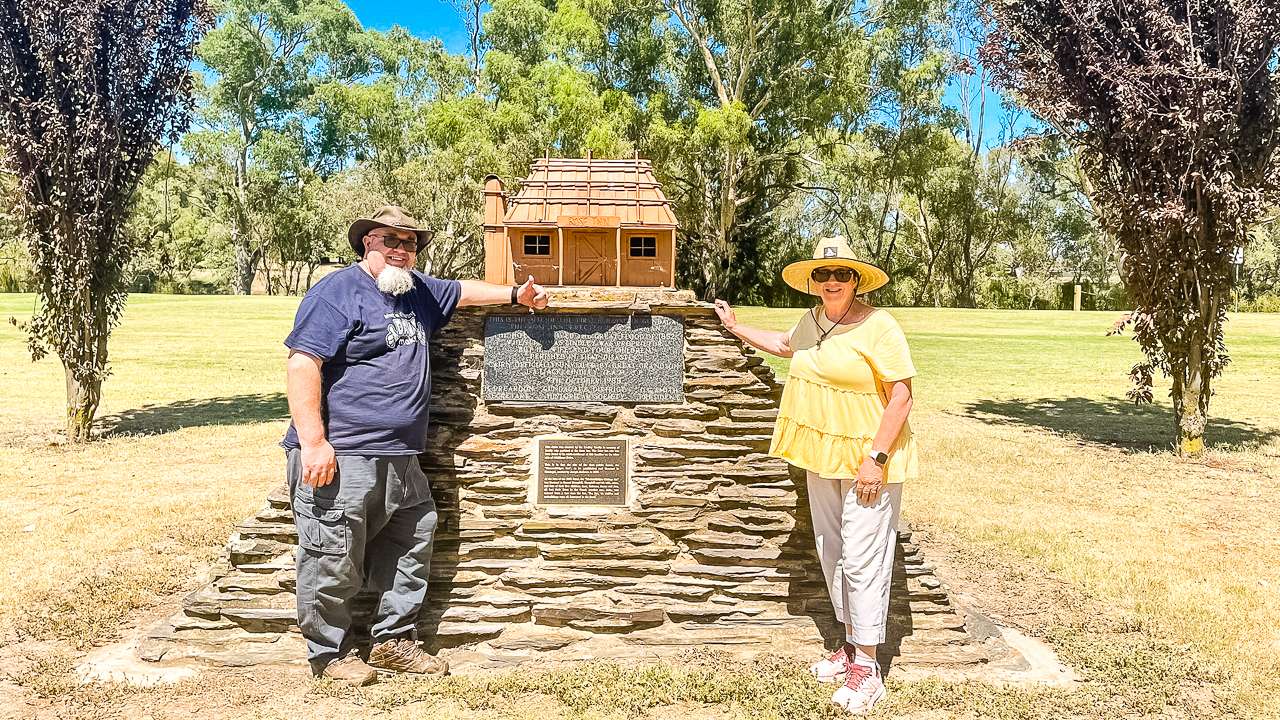
While doing some geocaching around Gundagai we went for a quick walk around town. A walk around Gundagai NSW offers a blend of rich history, scenic landscapes and great old Australian charm. The town is located on the banks of the Murrumbidgee River. Gundagai is steeped in cultural heritage, with landmarks like the iconic Dog on the Tuckerbox statue and the historic Prince Alfred Bridge.

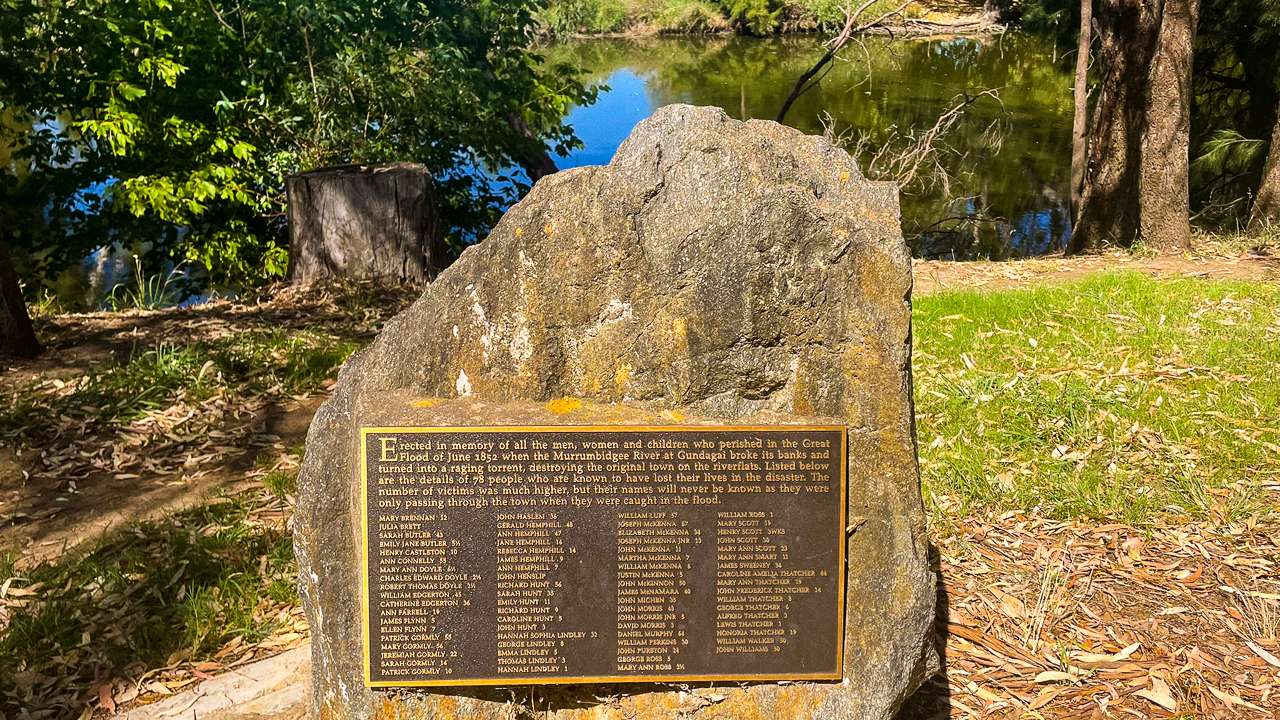
Walking through the town centre we saw heritage listed buildings, great cafés and pubs and art installations reflecting Gundagai’s storied past. For nature lovers the river walk provides tranquil views with abundant birdlife. Peaceful spots perfect for a reflective pause. The walking track along Yarri and Jacky Jacky Sculpture Trail tells the heroic tale of two Wiradjuri men who saved lives during the 1852 flood adding a profound historical layer to our walk.

Whether exploring the undulating hills or walking up and down the leafy streets a walk around Gundagai NSW reveals the town’s rustic beauty and deep-rooted connection to Australia’s colonial and Indigenous history.

What Did We Find Geocaching Around Gundagai, Bethungra and Tumblong NSW

  1. Found Gardiner’s Lookout | GC8X77K
    What a track but found it
  2. Found Loopy Train | GCG012
    What an awesome find
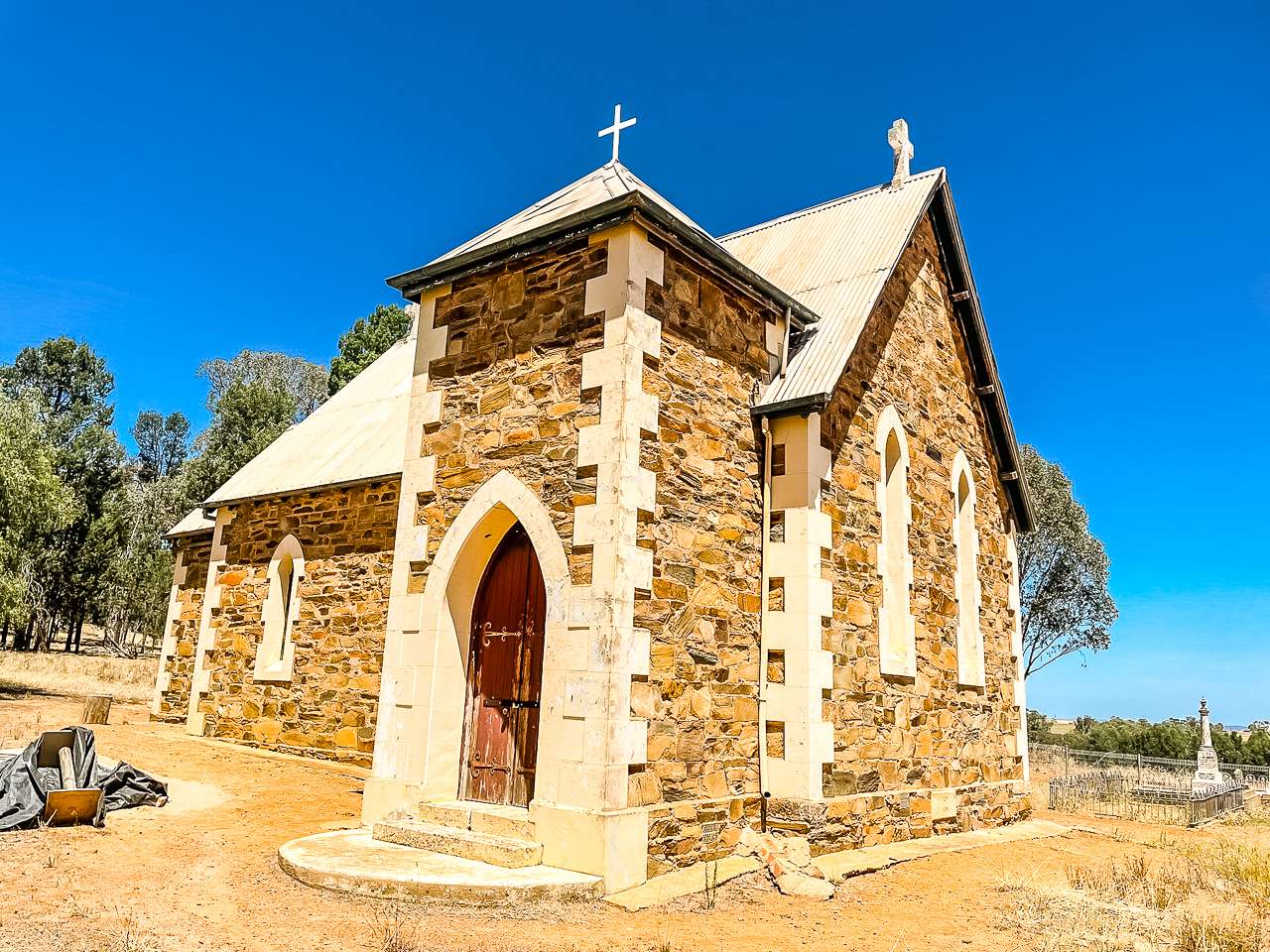
  3. Found Mitta | GC4ZWA1
    What a beautiful little church thanks for hide
  4. Found Tumbl’in along | GC2V9P4
    Great hide found after lunch at the pub
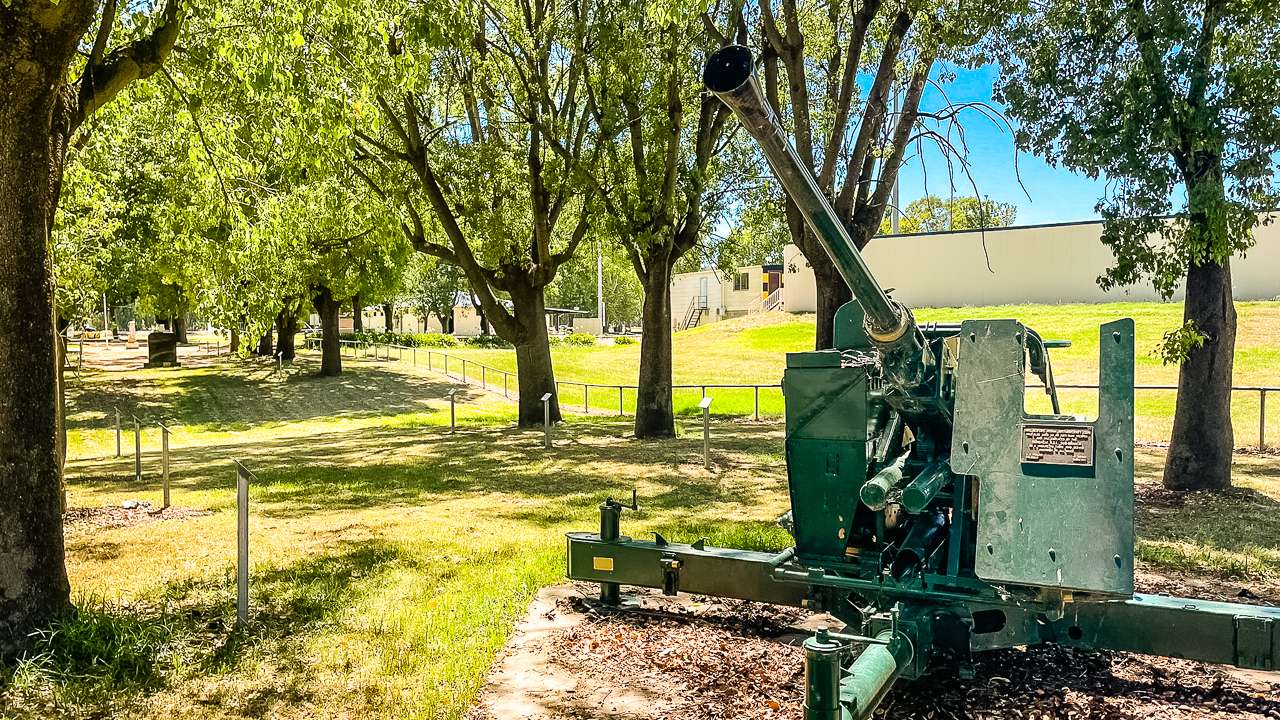
  5. Found Bofors | GC6583G
    Great hide and piece of history
  6. Found Rose Inn | GC1TYCX
    Great bit of history
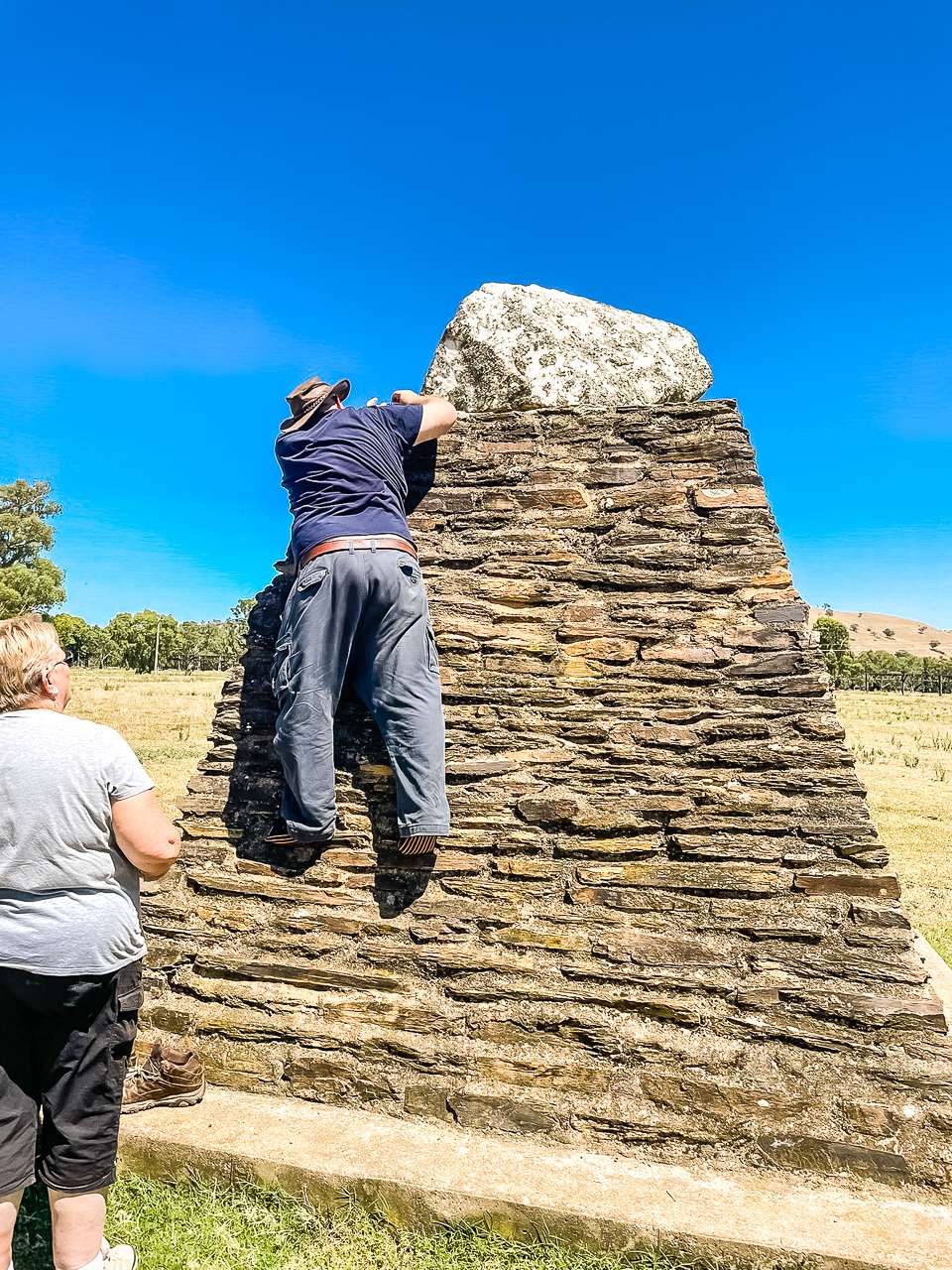
  7. Found National School | GC1TRWT
    Thankfully hubby is a good climber
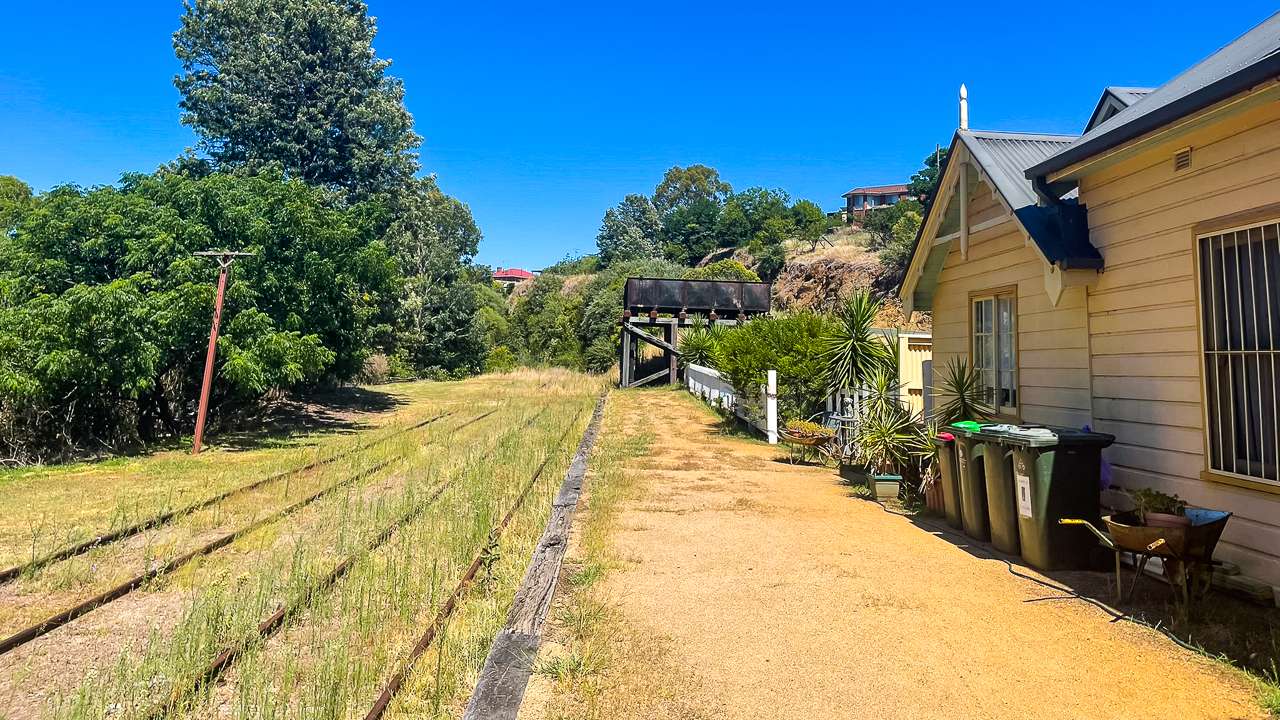
  8. Found Gundagai Railway Station | GC1TFJ8
    What a terrific place to hide a cache thankyou
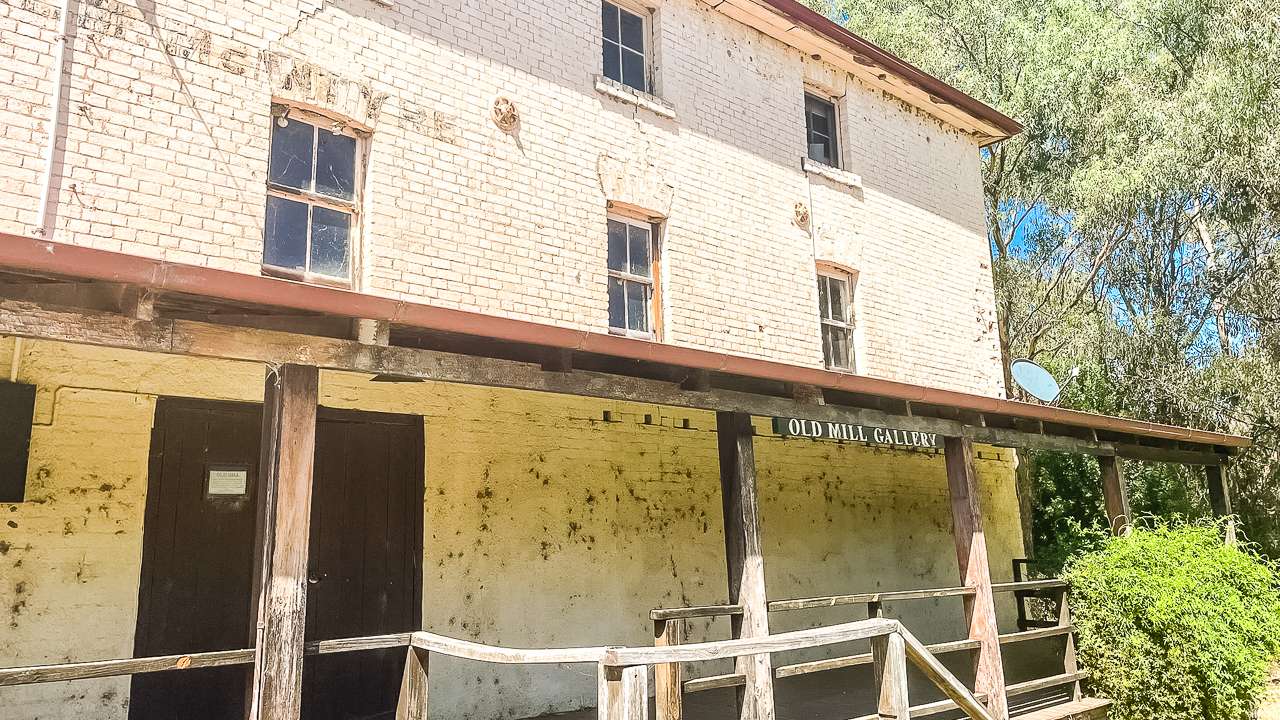
  9. Found The Old Flour Mill | GC1TJ1N
    What an awesome old building thankyou for the hide
  10. Found Yarri | GC1TW9X
    Watch for spiders
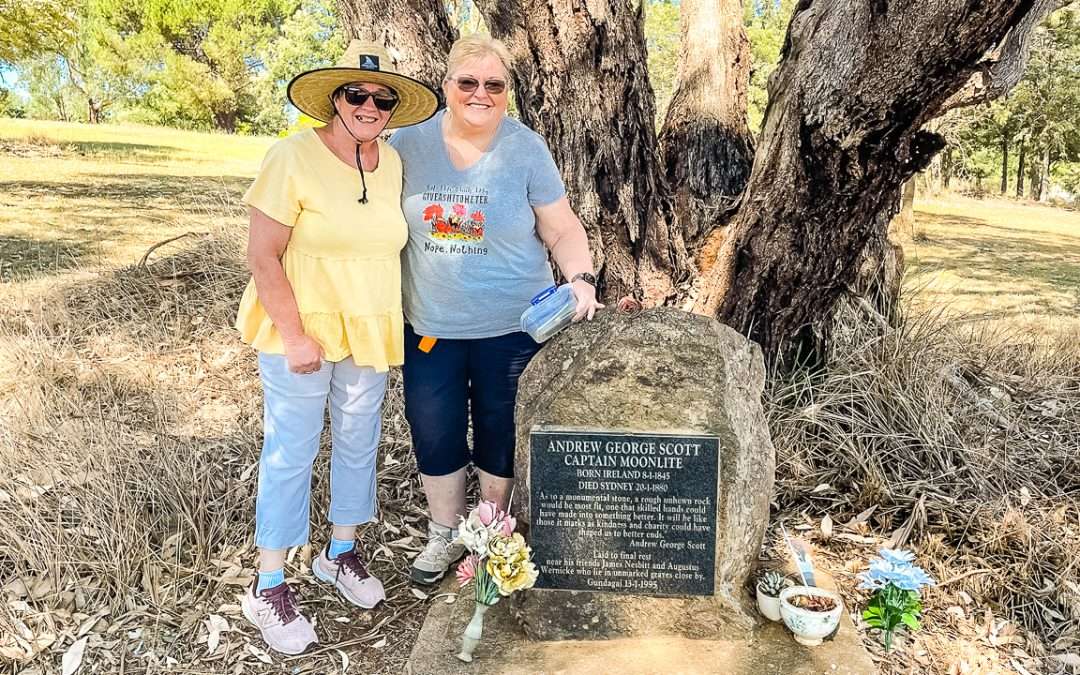
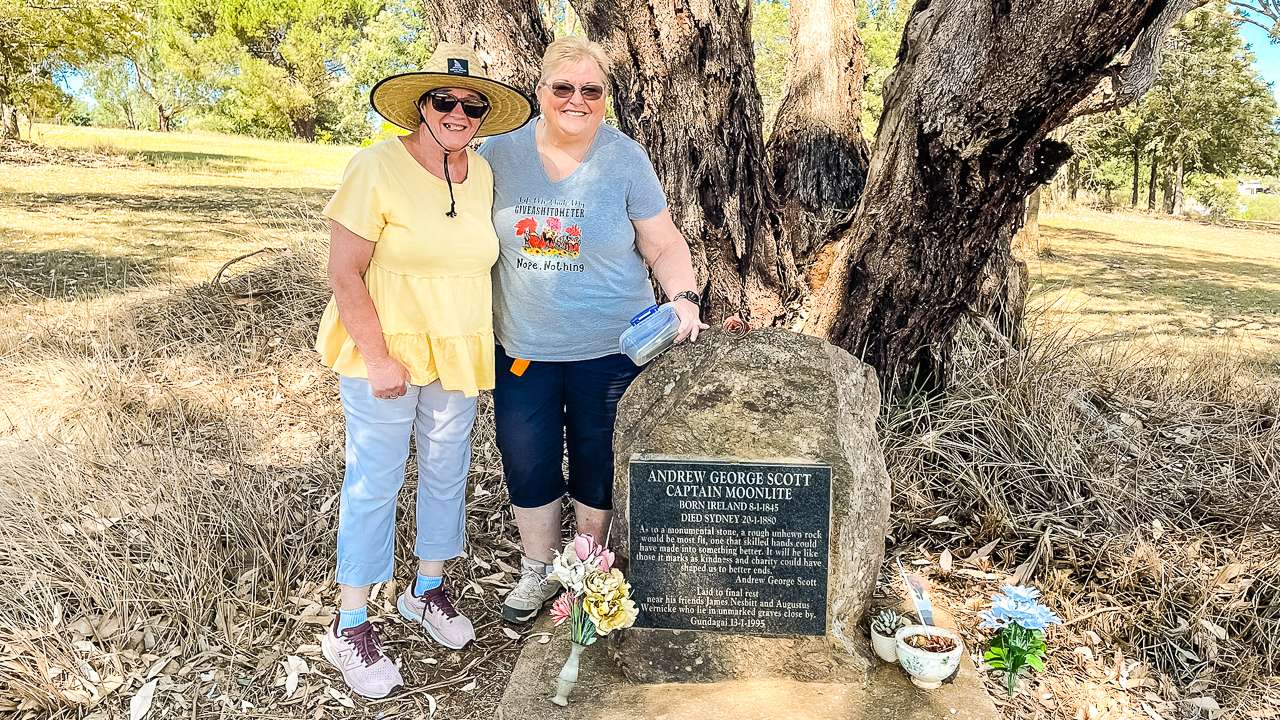
  11. Found Captain Moonlight’s Cell | GC2VAKJ
    Found looked in wrong tree at first
  12. Found Parnassus | GC110B5
    Great hide good to get the blood pumping
  13. Found Captain Moonlite | GC1TE4Z
    Awesome bit of history
  14. Found Coolac Rest Area | GC7NC0P
    Great spot watch where you are walking

Geocaching Around Gundagai, Bethungra And Tumblong NSW

Free Camping Overnight At Bottle Bend Conservation Reserve

Free Camping Overnight At Bottle Bend Conservation Reserve

Free Camping Overnight At Bottle Bend Conservation Reserve

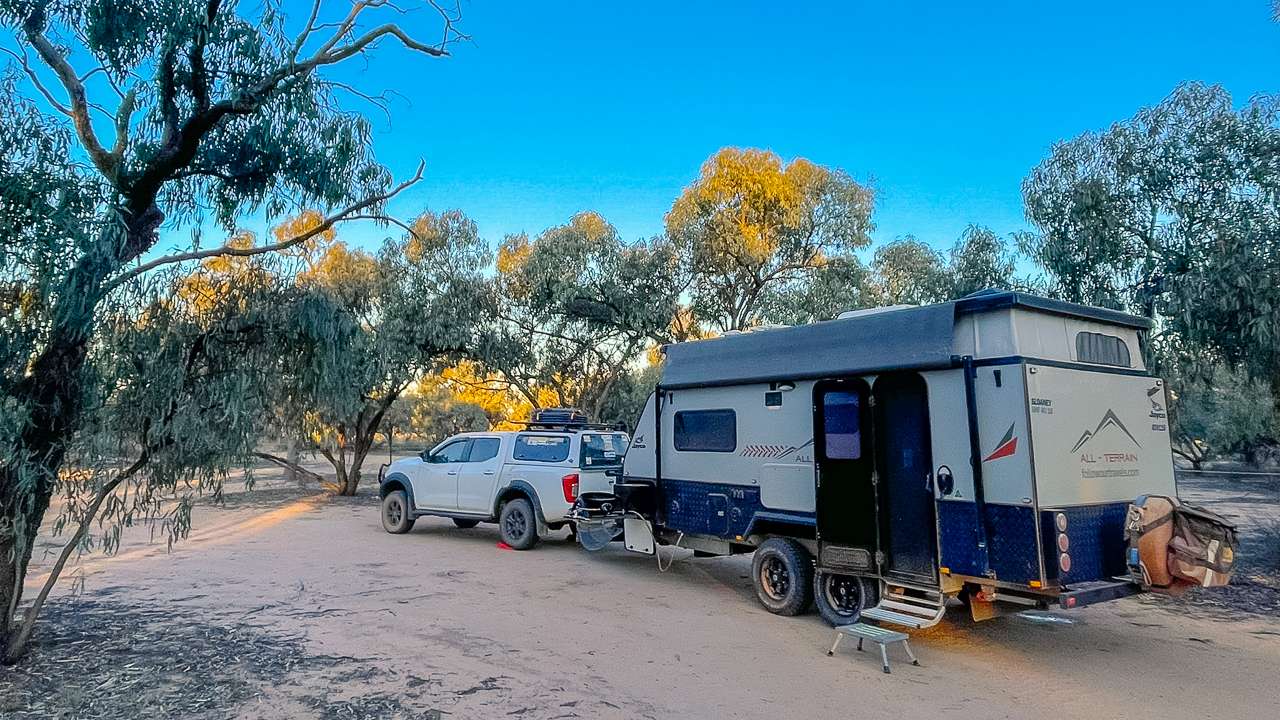
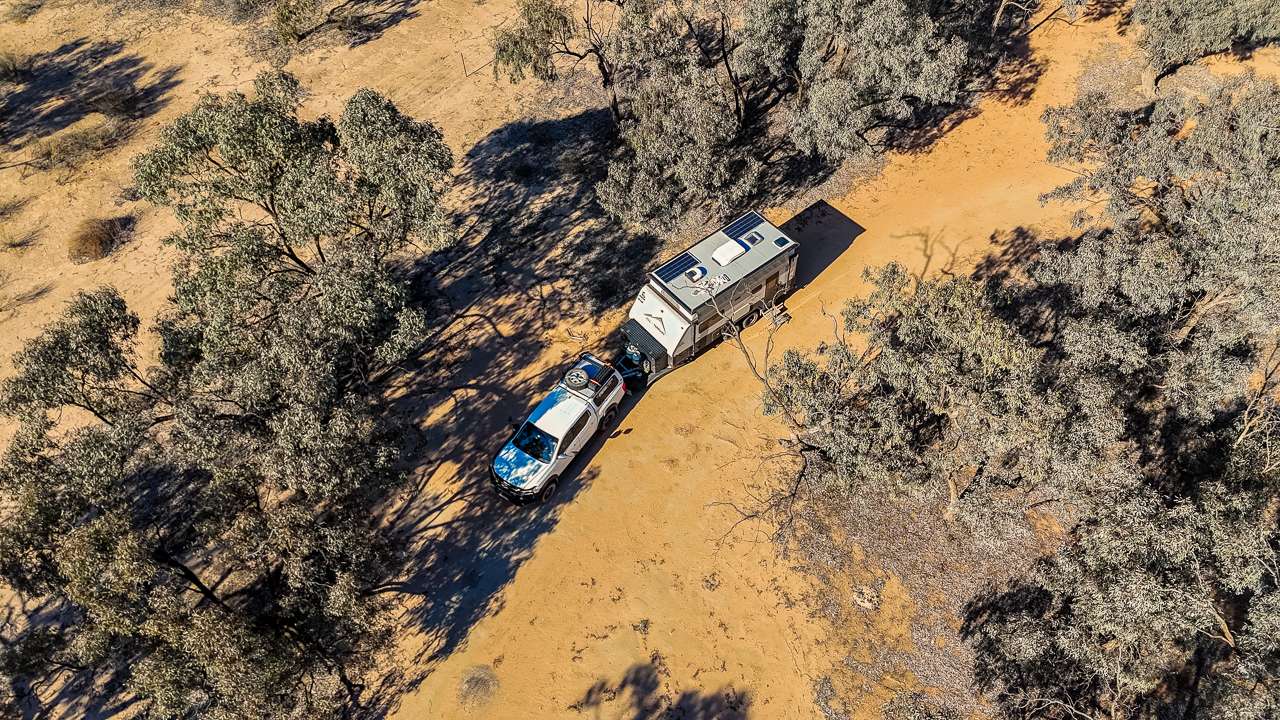
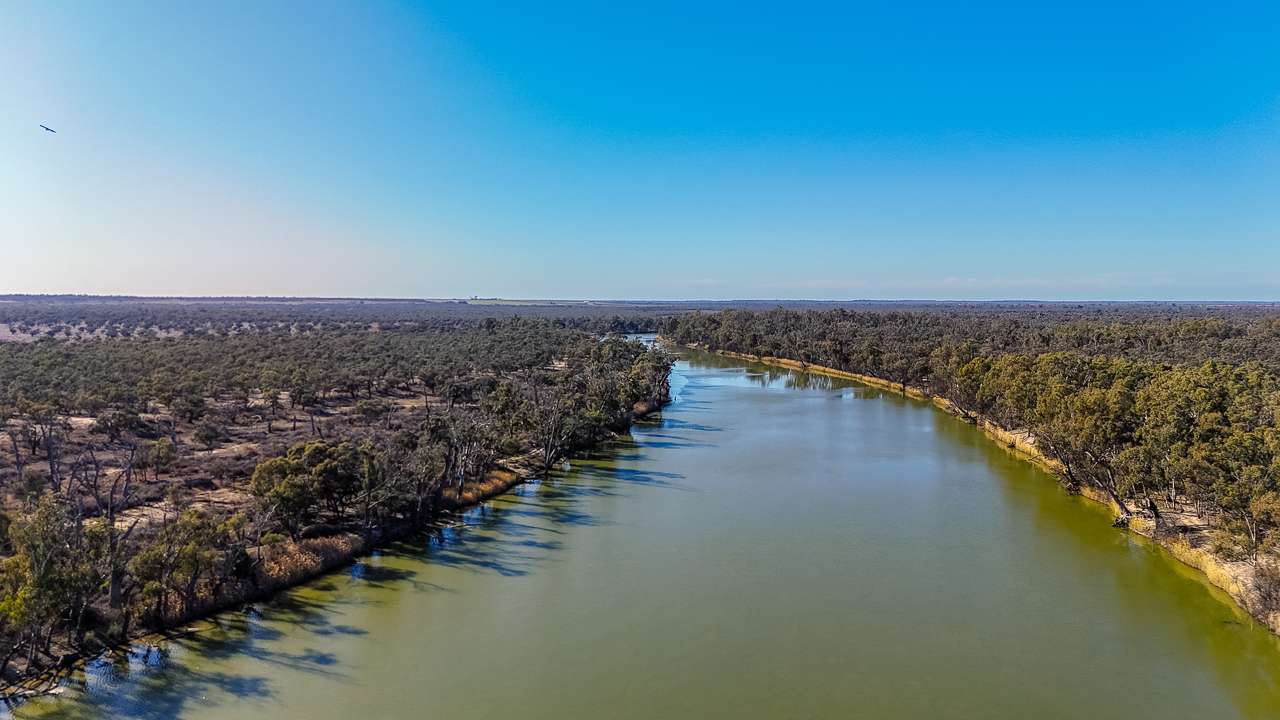
Looking for a quiet stop near Mildura? Camping at Bottle Bend Conservation Reserve offers the perfect nature escape with Murray river views and abundant wildlife.

✔ FREE Murray River campsite
✔ You can camp close to the highway for an easy overnight stop
✔ Easy river access

On our road trip back to Cootamundra from Western Australia, Amanda and I were looking for a nice quiet spot to rest before heading off home the following day. After camping the previous night at Cohens Schoolhouse near Penong South Australia we ended up spending the next evening at Bottle Bend Conservation Reserve Picnic Area just outside of Mildura. This awesome free camp on the Murray River offered the perfect mix of tranquillity, natural beauty and simplicity.

Free Camping Overnight At Bottle Bend Conservation Reserve

Free Camping Overnight At Bottle Bend Conservation Reserve

Why Choose Camping At Bottle Bend?

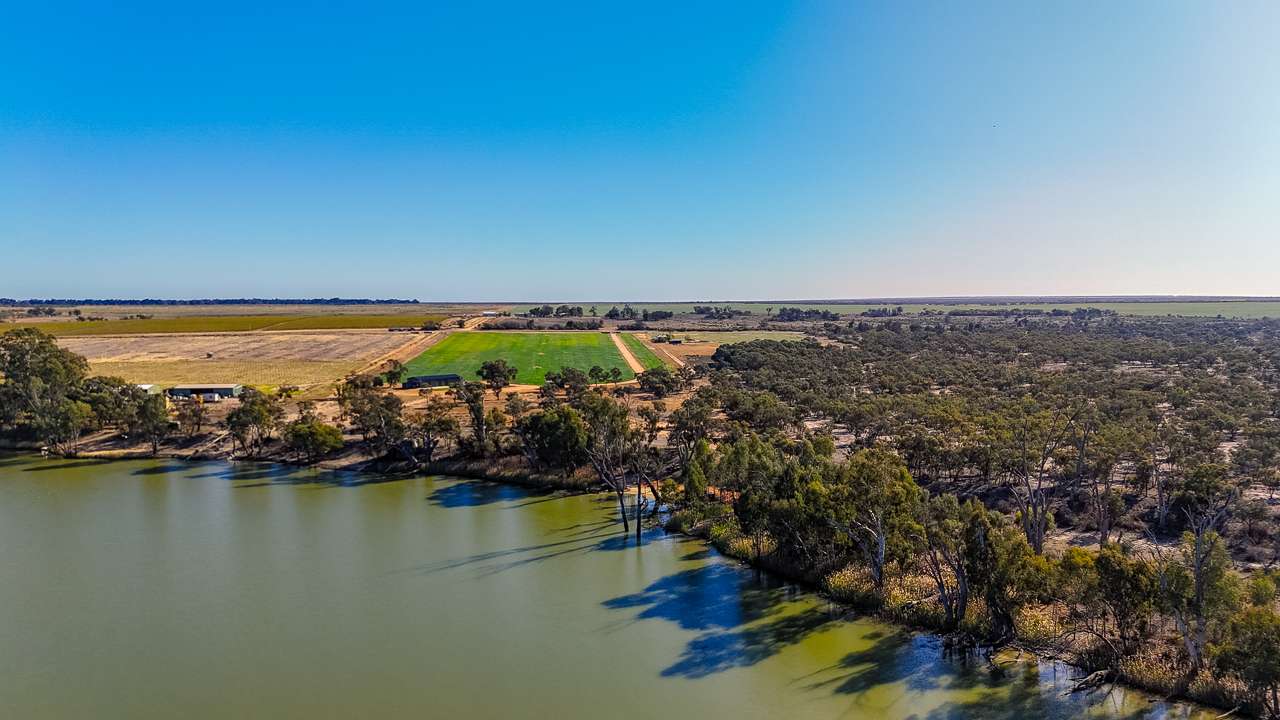
Camping At Bottle Bend Conservation Reserve Picnic Area is ideal for those seeking a quiet and scenic camping experience. Located a short drive from the Sturt Highway near Buronga, this conservation area is a slice of serenity. Surrounded by native bushland and the iconic Murray River, the area is a haven for nature lovers.

The picnic area is designed for those who appreciate minimalist camping. It’s not glamping or a caravan park – it’s pure bush camping. You’ll hear the sounds of birdsong in the morning and the rustle of the trees as the wind gently moves through. Amanda and I loved the simplicity and felt truly connected to the landscape.

What To Expect Free Camping At Bottle Bend Conservation Reserve

This isn’t a luxury campsite, but that’s part of its charm. The facilities at Bottle Bend Conservation Reserve Picnic Area are limited, so you’ll need to come prepared. There are no powered sites, running water, or flushing toilets. Bring enough water, a portable toilet if needed and a rubbish bag to carry out any waste.

There are picnic tables and some shaded areas for relaxing, but that’s about it in terms of amenities. For Amanda and me, this minimalist setup was perfect. It meant fewer crowds and more time to enjoy the peaceful surroundings.

default

default

Nature And Wildlife At Bottle Bend Conservation Reserve

One of the highlights of Camping At Bottle Bend is the incredible scenery. The Murray River winds lazily past the campsite, offering a stunning backdrop for your stay. If you’re into birdwatching, this spot won’t disappoint. We spotted kookaburras, galahs and even a few pelicans by the water.

As the sun set, the sky lit up in shades of orange and pink, reflecting beautifully on the river. It was a moment of pure magic that reminded us why we love camping. At night, the stars were bright, undisturbed by city lights and we even caught a glimpse of a shooting star.

Our Camping Experience

We arrived at Bottle Bend in the late afternoon, just in time to set up our tent before dusk. Finding a flat spot was easy and there was plenty of room to spread out. After a simple meal cooked on our portable stove, we settled in for a quiet evening.

The air was fresh and the only sounds were the chirping of crickets and the occasional splash from the river. Amanda and I sat by a small campfire, chatting about our journey through Western Australia and South Australia. It’s moments like these that make road trips so special.

Murray River Near Mildura Free Camping

Murray River Near Mildura Free Camping

Tips for Camping At Bottle Bend Conservation Reserve

If you’re planning to camp here a bit of preparation goes a long way. Here are some tips based on our experience:

  1. Pack Supplies: Bring enough water, food and a first-aid kit. Remember, this is bush camping and there are no shops nearby.
  2. Arrive Early: To snag the best spot, aim to arrive in the early afternoon. This also gives you time to explore the area before nightfall.
  3. Be Self Sufficient: Bring all your camping gear, including a torch, portable toilet and rubbish bags. Leave no trace to keep the area pristine.
  4. Watch for Wildlife: While most of the wildlife is harmless, it’s always good to keep an eye out, especially near the water.
  5. Respect the Environment: This is a conservation area, so stick to designated areas and follow any signage.

Murray River Near Bottle Bend

Murray River Near Bottle Bend

Why Bottle Bend Conservation Reserve Is Worth Visiting

Camping At Bottle Bend Conservation Reserve Picnic Area is an experience that’s all about connecting with nature. It’s not about fancy facilities or endless activities; it’s about slowing down, soaking in the peaceful surroundings and enjoying the simple things.

For Amanda and I this spot was a perfect contrast to our night at Cohens Schoolhouse and the bustling roads of our journey. It’s a reminder that sometimes, the best camping spots are the quiet, unassuming ones.

If you’re travelling through South Australia or along the Murray River, Bottle Bend is worth adding to your itinerary. Whether you’re staying overnight or just stopping for a picnic, it’s a place that stays with you long after you’ve left.

There are plenty of other free Murray River campsites in the area if this one isn’t to your liking.

Free Camping Near Penong SA At Cohens Old School Site

Free Camping Near Penong SA At Cohens Old School Site

Free Camping Near Penong SA At Cohens Old School Site

Free camping at Cohens Old School Site near Penong on the Eyre Highway is perfect if you’re looking to break up your trip with an overnight stop.

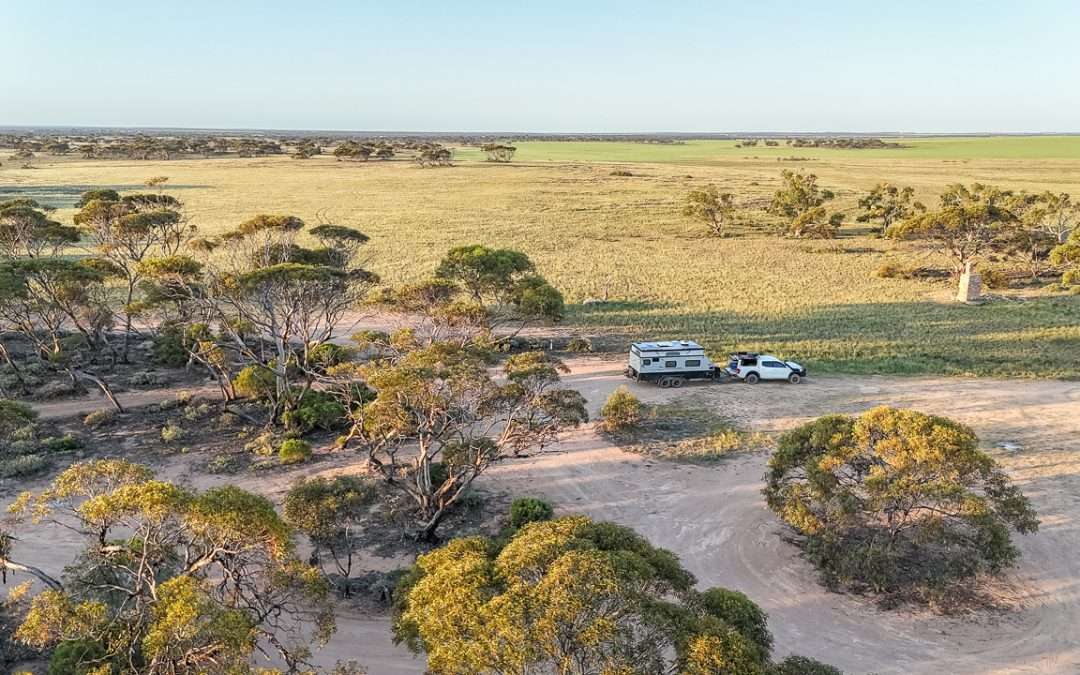
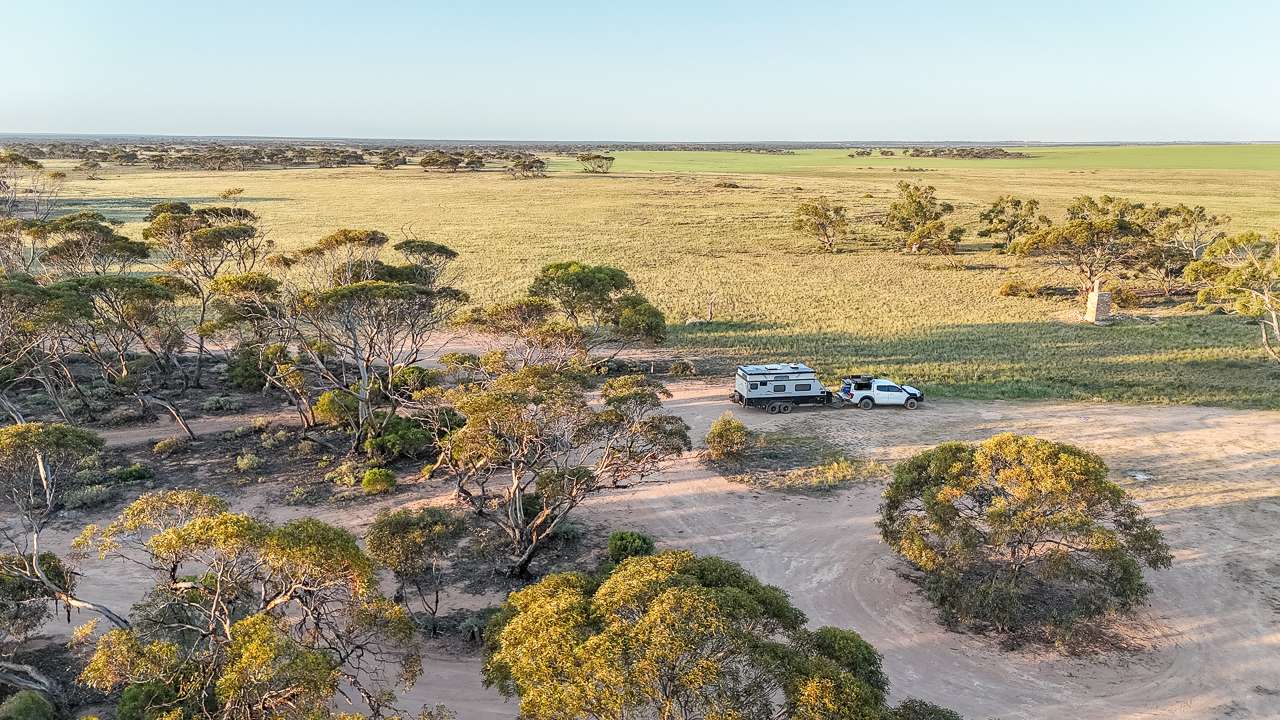
Located just off the Eyre Highway between Penong and Bookabie in South Australia. Cohens Old School Site offers a great overnight stop for travelers looking to break up their trip. This great free camp provides an authentic slice of outback Australia. Chuck in some historical intrigue with plenty of nature. And it’s the perfect place for adventurers in search of free camping near Penong SA. Amanda and I stayed here on our homeward leg across the Nullabor as part of our big 2024 Great Central Road trip.

A Glimpse Into History

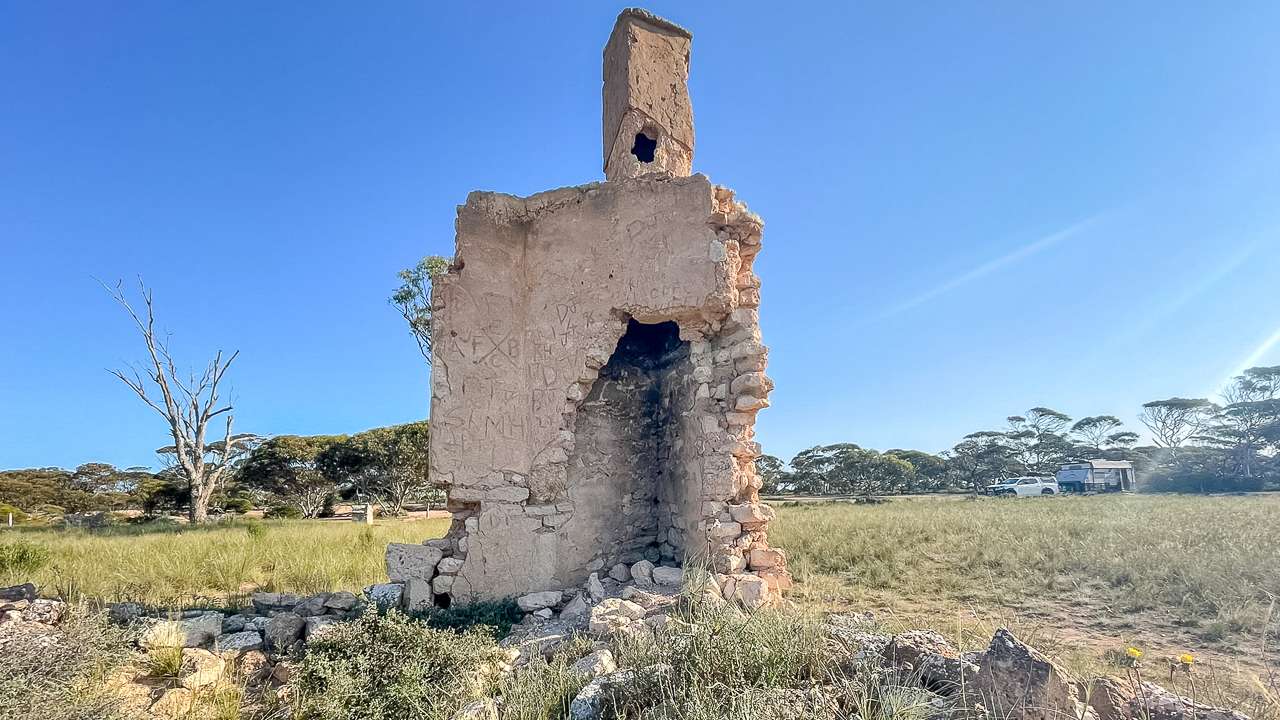
Cohens Old School Site stands as a testament to the resilience and ingenuity of early settlers in the Eyre Peninsula. Originally built as a modest schoolhouse in the late 19th century. The site once bustled with the laughter of children and the hum of community events. As things in the area died down the school closed its doors, but the remains of Cohens school became a notable local landmark. Today the area is a place for travellers on the Eyre Highway to pull over and rest for a night or two. Preserving the heritage of the area while offering a free camp for modern explorers.

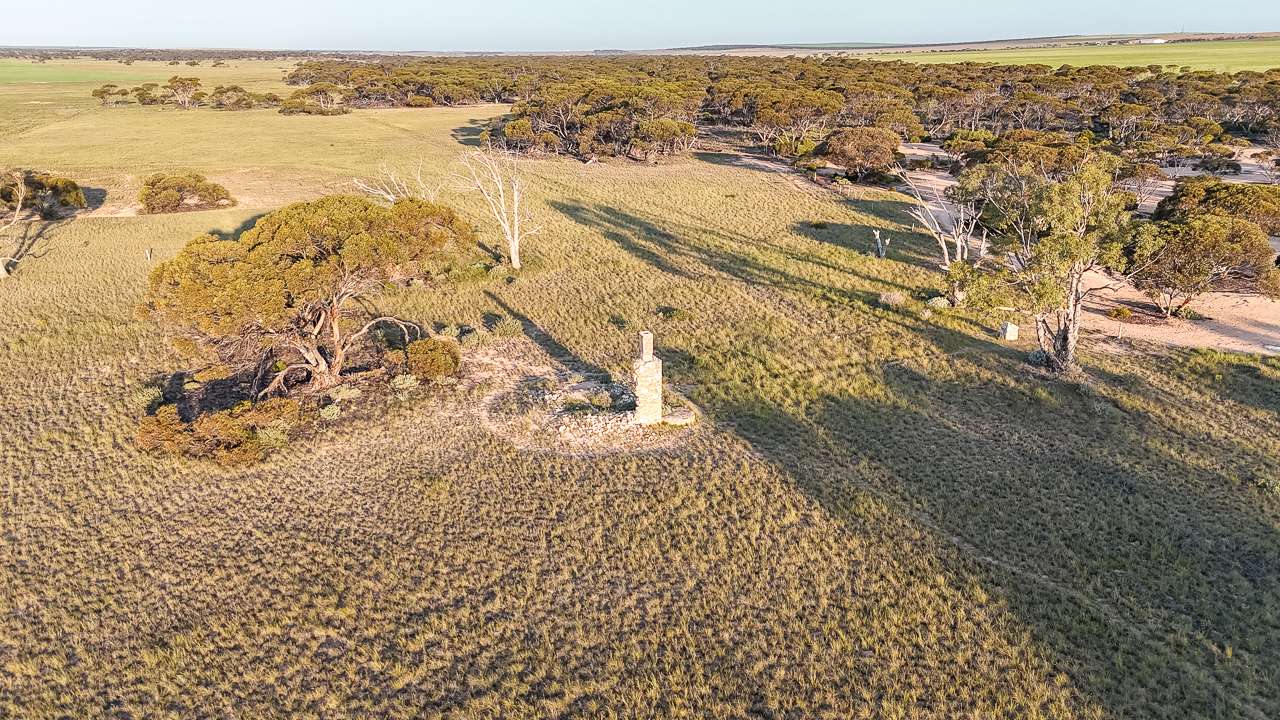
Remains Of Cohens Schoolhouse

Remains Of Cohens Schoolhouse

Location And Accessibility

Strategically located near Penong, Cohens Old School Site is easily accessible from the Eyre Highway. Travelers can follow well-marked signs leading to this serene spot, which lies just a short drive from Penong’s iconic windmills and salt lakes. Its proximity to the highway makes it an ideal stop for those needing a break either before or after crossing the Nullarbor Plain.

Remains Of Cohens Old School Site

Remains Of Cohens Old School Site

Bush Camping At The Ruins Of Old Cohen Public School

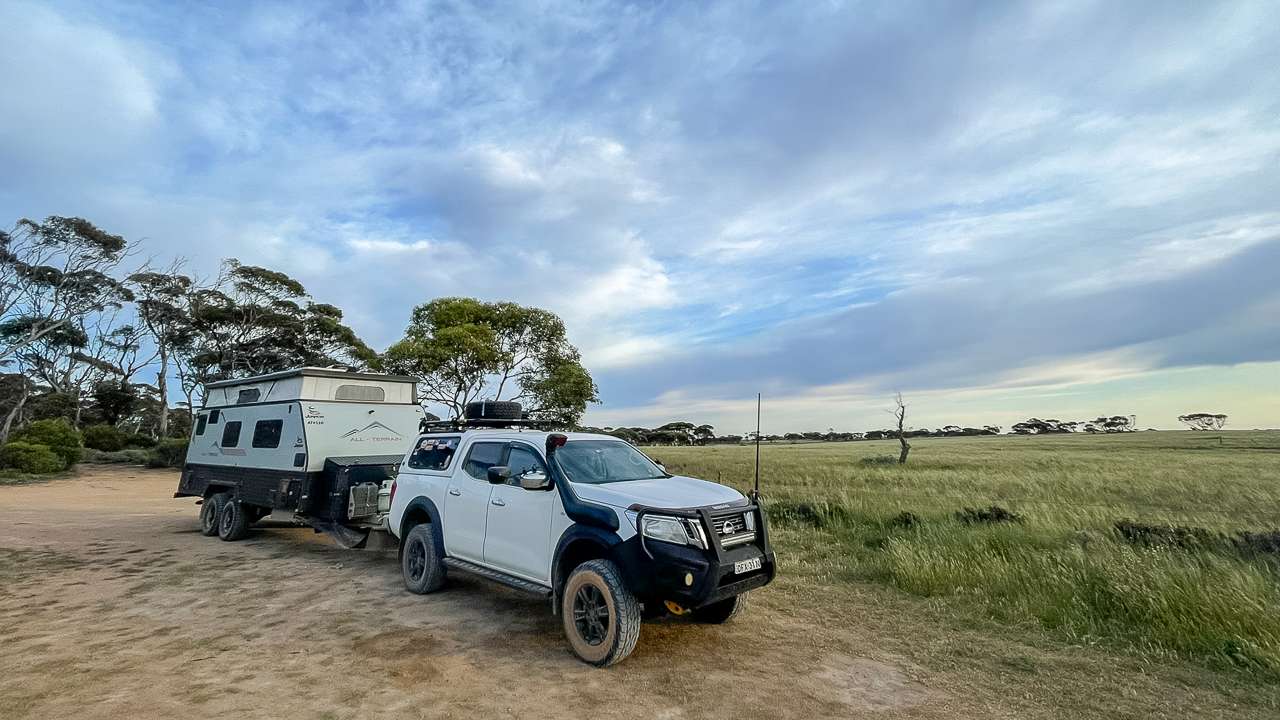
There are no toilets or other facilities. Campers must be self sufficient with their own toilet. Take all rubbish with you and leave no trace. Large flat area with some shade. Suitable for all size vehicles. Fires are are allowed.

Cost: Free
Type: Bush Camping
Location: Eyre Hwy, Penong, South Australia
GPS: -31.870960°, 132.884185°
Distance From Penong: 16km
Pet Friendly: Yes
Telstra Reception: Yes

Why Choose Free Camping Near Penong SA?

For many the appeal of free camping near Penong SA lies in its affordability and simplicity. Unlike crowded caravan parks, sites like Cohens Old School Site offer a back-to-basics experience. Here, campers can enjoy the simplicity of pitching a tent under open skies, cooking meals over a campfire and immersing themselves in the serenity of the Australian bush. Visitors can enjoy the peace of the Australian bush, complete with its unique flora and fauna, without the distractions of commercialised camping grounds.

Plenty Of Room For Free Camping Near Penong SA At Cohens Old School Site

Plenty Of Room For Free Camping Near Penong SA At Cohens Old School Site

What To Expect At Cohens Old School Site

Camping at Cohens Old School Site is an experience that harks back to simpler times. The site features large and flat open spaces suitable for tents, camper trailers and caravans. While facilities are basic (read non-existent) the sense of freedom and connection to nature is just awesome. Visitors must bring their own supplies as the site operates on a self-sufficient basis.

Key features of the site include:

  • A rustic, peaceful atmosphere.
  • Opportunities for stargazing under the vast outback skies.
  • Easy access to nearby walking trails and historical landmarks.

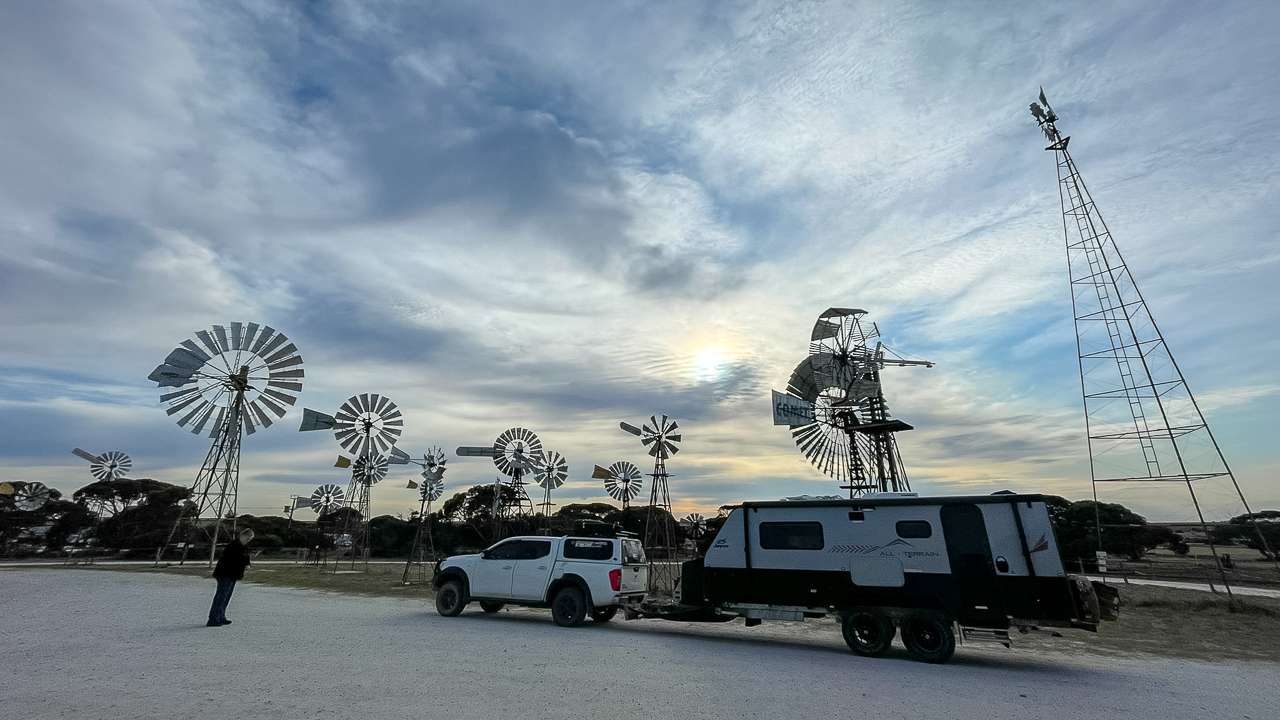
Penong Windmill Museum

Penong Windmill Museum

Natural Beauty And Wildlife

The region around Cohens Old School Site is a showcase of Australia’s diverse ecosystems, featuring salt lakes that glisten under the sun, vibrant wildflowers in spring and habitats teeming with native wildlife such as emus and kangaroos. From vibrant wildflowers in spring to the unmistakable calls of native birds, the area offers a sensory feast for nature enthusiasts. Kangaroos are frequent visitors and the nearby salt lakes shimmer in the distance, creating a picturesque backdrop for campers.

Activities For Campers

While the simplicity of free camping near Penong SA is a draw in itself, there’s no shortage of activities to enhance your stay. Hiking trails meander through the bush, offering opportunities to explore the local landscape and spot wildlife. History buffs can delve into the site’s past, imagining the lives of students who once walked its grounds. For photographers, the sunsets here are legendary, casting golden hues over the open plains.
Practical Tips For Visitors

To ensure a comfortable and enjoyable stay, campers should keep a few practical tips in mind:

  1. Pack Essentials: As a free camping site, Cohens Old School Site lacks the amenities of commercial parks. Bring enough water, food and camping supplies.
  2. Respect the Environment: Leave no trace of your visit to preserve the natural beauty and historical significance of the site.
  3. Check Weather Conditions: The Eyre Peninsula can experience extreme weather. Stay informed and plan accordingly.

Free Camping Near Penong SA At Cohens Old School Site

Free Camping Near Penong SA At Cohens Old School Site

Exploring Penong And Beyond

Cohens Old School Site is just the beginning of what the area has to offer. Penong known as the “Town of Windmills” is a short drive away and provides a great look at rural Australian life. Visitors can explore several nearby attractions:

  1. Penong Windmill Museum: Marvel at a collection of restored windmills, including the largest working windmill in Australia. Amanda and I absolutely love windmills – in fact we play a roadtrip game called “Windmill”.
  2. Cactus Beach: Known for its world class surf breaks it’s a hotspot for surfers and beach enthusiasts.
  3. Lake MacDonnell: Famous for its striking pink and blue waters, this natural wonder offers excellent photo opportunities and a surreal landscape to admire.

The Appeal Of Free Camping

In a world increasingly defined by convenience and luxury the beauty of free camping near Penong SA lies in its basic freedom. Sites like Cohens Old School Site allow travelers to disconnect from the digital world and reconnect with nature and history. It’s a chance to slow down, breathe deeply and appreciate the rugged beauty of the Australian outback.

Free Camping Near Penong SA At Cohens Old School Site A Lasting Impression

Whether you’re passing along the Eyre Highway near Penong SA or seeking a longer stay, Cohens Old School Site is a destination worth checking out. Its blend of history, nature and solitude makes it a standout choice for those in search of free camping near Penong SA.

At The Penong Windmill Museum

At The Penong Windmill Museum

FAQs Frequently Asked Questions About Free Camping Near Penong SA At Cohens Old School Site

Where is Cohens Old School Site near Penong located?

Cohens Old School Site is situated just off the Eyre Highway, about 16 kilometres east of Penong, South Australia. It’s an easy-to-find stop for travellers heading through the outback.

Is the camping at Cohens Old School Site really free?

Yes, camping at Cohens Old School Site is completely free. It’s an unregulated, self sufficient camping area, perfect for those looking to save on accommodation while enjoying the outback.

What facilities are available at Cohens Old School Site?

There are no formal facilities like toilets or showers, so campers need to be self sufficient. Make sure to bring enough water, food, and camping equipment for your stay.

Is there a time limit for camping at Cohens Old School Site?

The site doesn’t impose a strict time limit, but as with most free camping areas, it’s best to be respectful of others and stay for a reasonable time, typically a few days.

Is it safe to camp at Cohens Old School Site near Penong?

Yes, it’s generally considered safe for campers. However, as always when camping in remote areas, it’s important to be cautious, stay prepared for wildlife, and let someone know your plans.

Can I bring pets to Cohens Old School Site?

Pets are welcome at Cohens Old School Site, but they must be kept on a leash at all times. Be sure to clean up after your pets and respect the natural surroundings.

Camping And Exploring Eucla Western Australia, Australia

Camping And Exploring Eucla Western Australia, Australia

Camping And Exploring Eucla Western Australia, Australia

Experience camping and exploring Eucla Western Australia, Australia where the ruins meet the ocean and history tells its story in the sands.

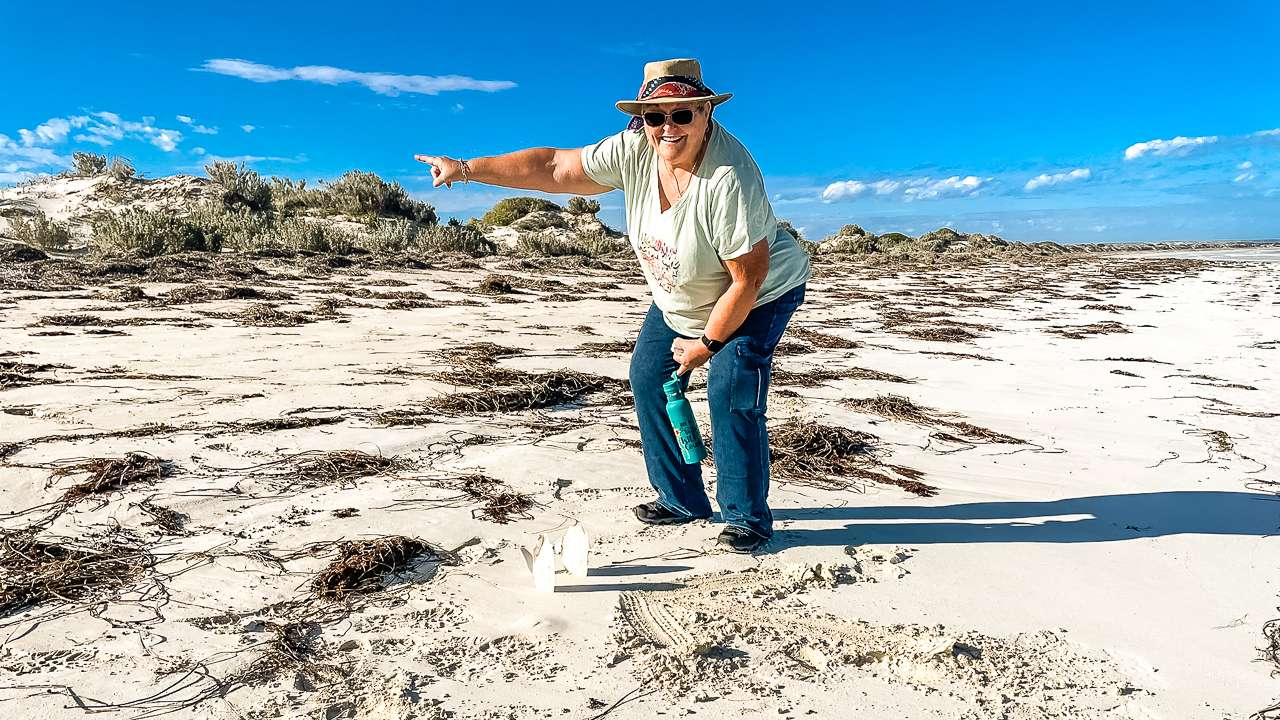
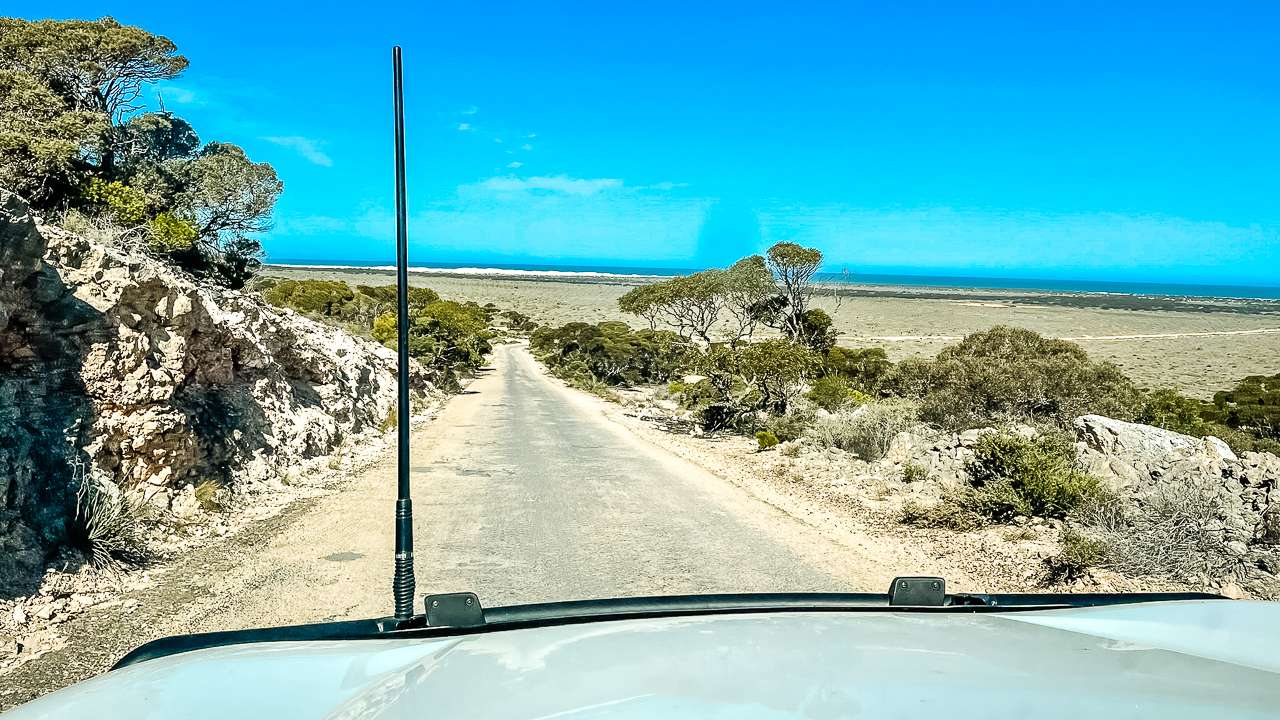
In September 2024 Amanda and I checked out trip to Eucla Western Australia, Australia. We camped the night at the Old Telegraph Station Campground. We spent more than half a day and the evening visiting the many historical sites.

History Of Eucla Western Australia, Australia

Eucla began as a vital communication hub in the late 19th century. The Eucla Telegraph Station, built in 1877, was a key link in the intercolonial telegraph line that connected South Australia and Western Australia.

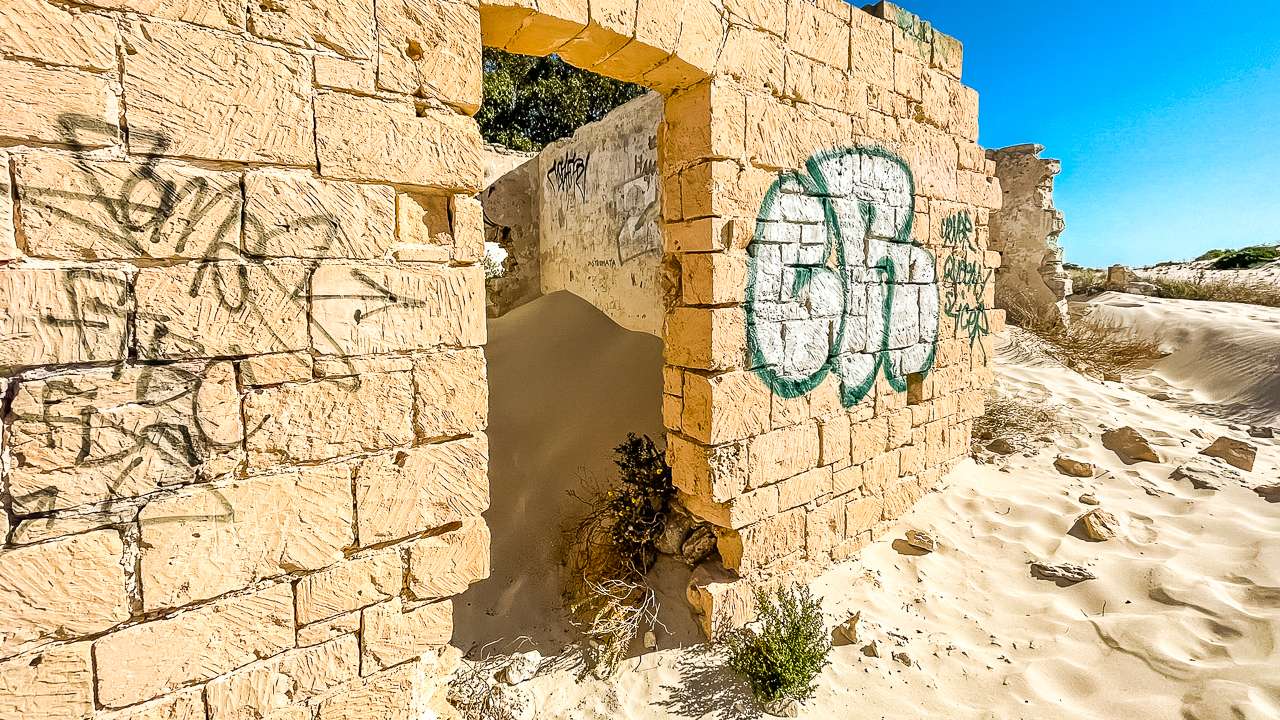
By the 1920s, Eucla faced problems from a rabbit plague and encroaching sand dunes. These issues forced the town to relocate closer to the highway and the telegraph station was abandoned. These days the ruins of the station are a reminder of the challenges faced by early settlers.

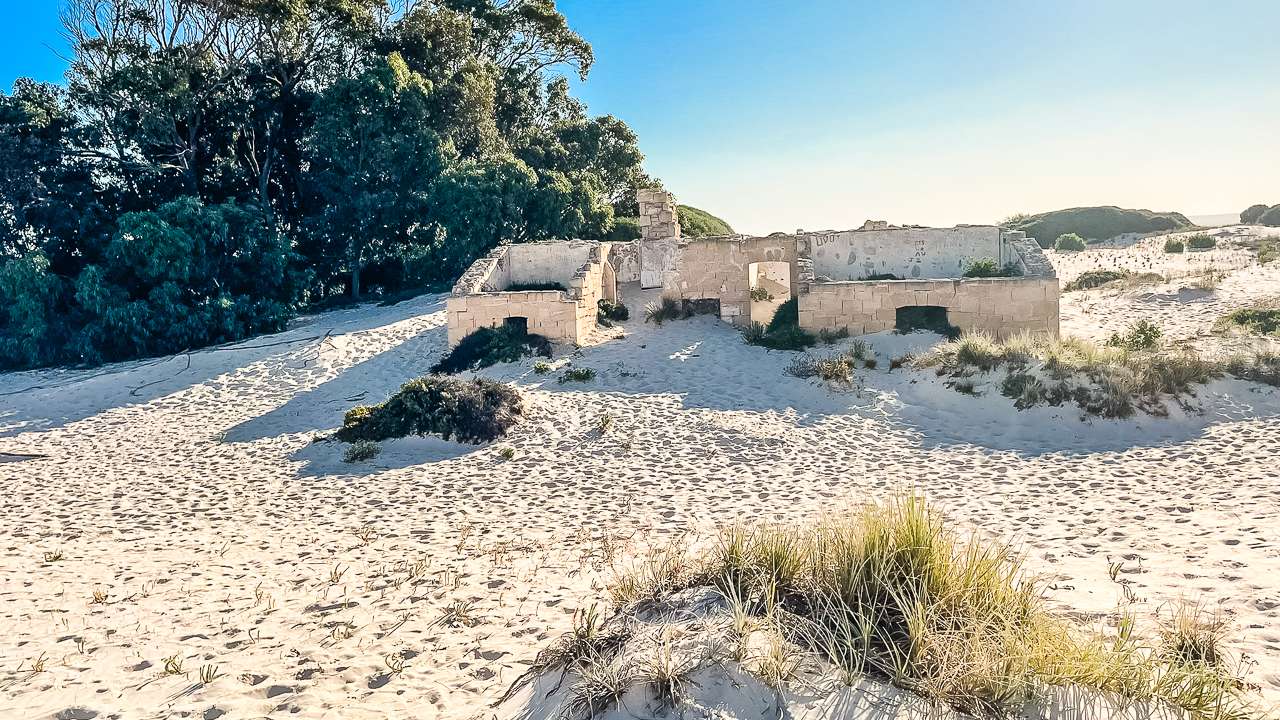
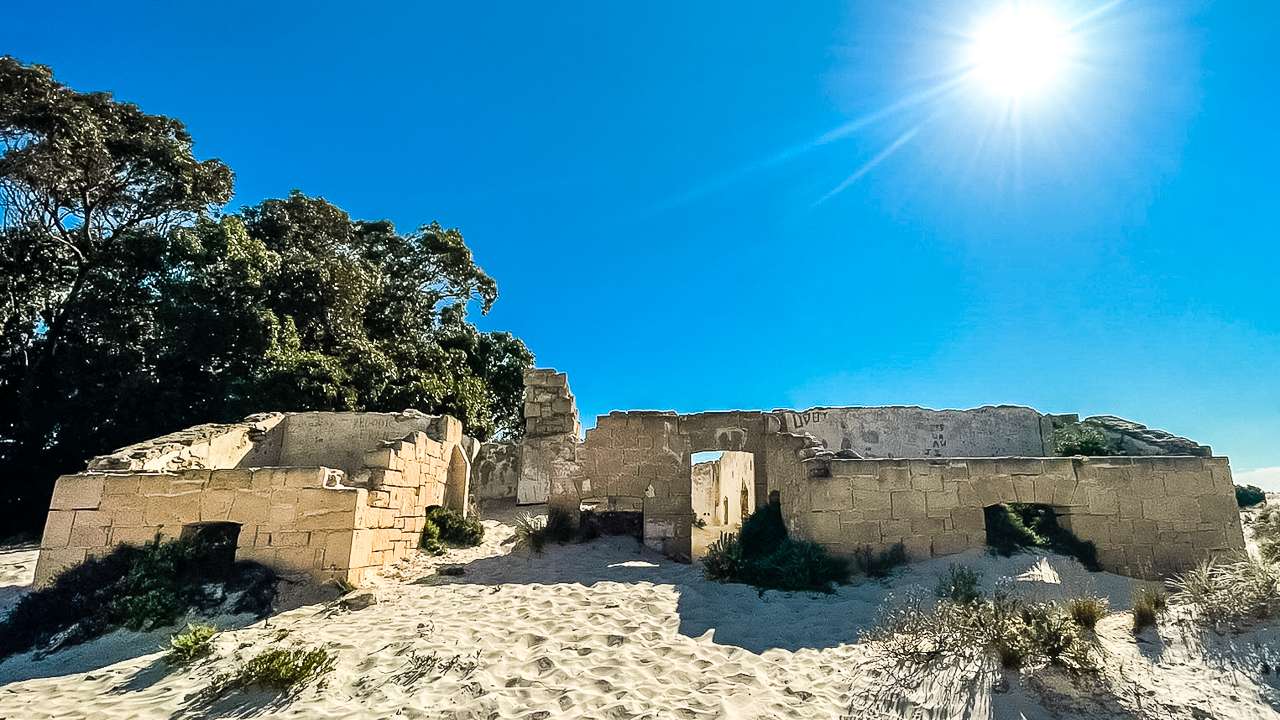
Abandoned Eucla Telegraph Station Ruins

Abandoned Eucla Telegraph Station Ruins

Exploring The Eucla Telegraph Station

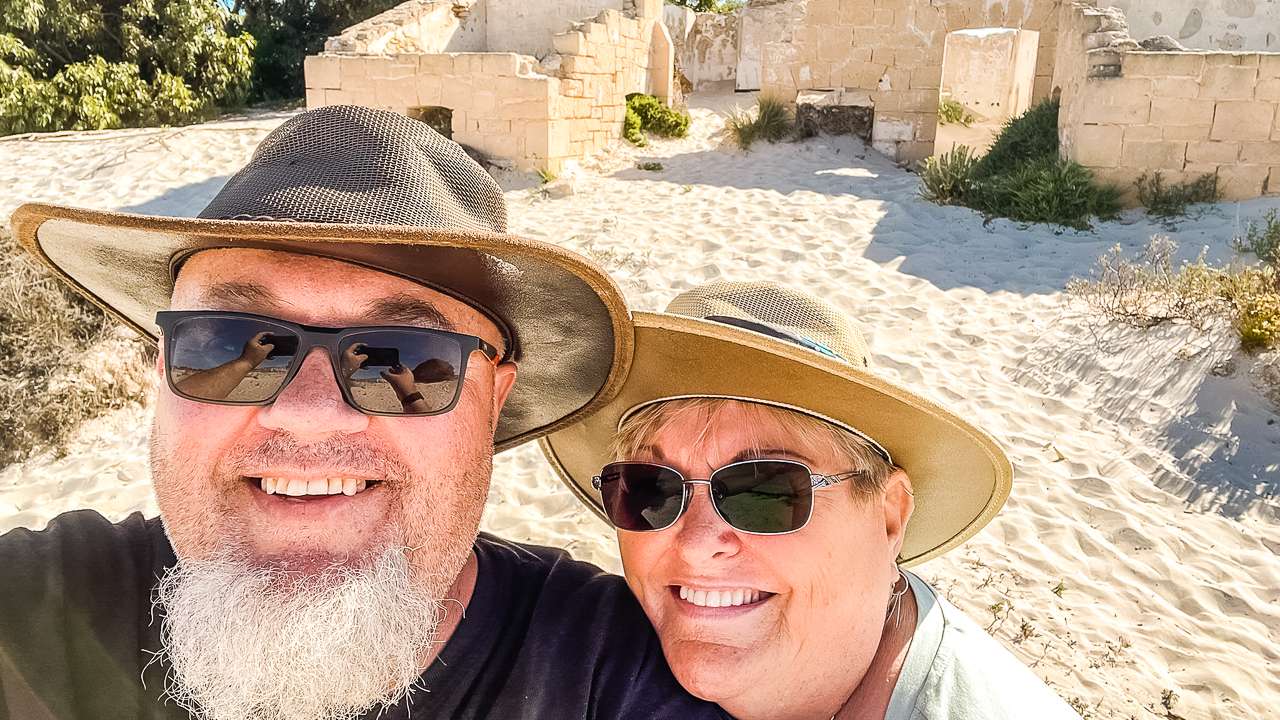
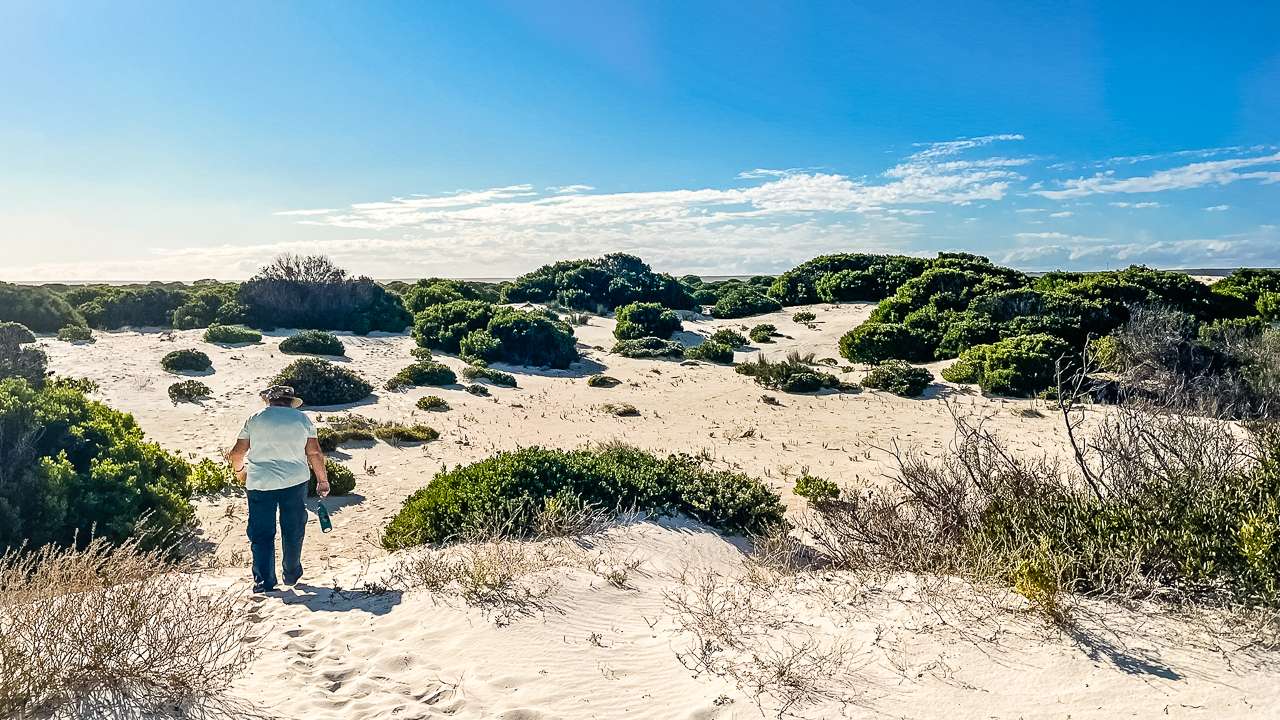
One of the highlights of our visit was a walk to the Old Telegraph Station ruins. It’s a short trek through the sand dunes that have partly buried the old buildings. What was left of the station gave us a sense of how isolated life must have been for the people who lived and worked there.

The surrounding dunes are constantly shifting, making the site feel unique and ever-changing. We spent time walking around, taking photos and soaking in the quiet atmosphere.

The Beach And Jetty

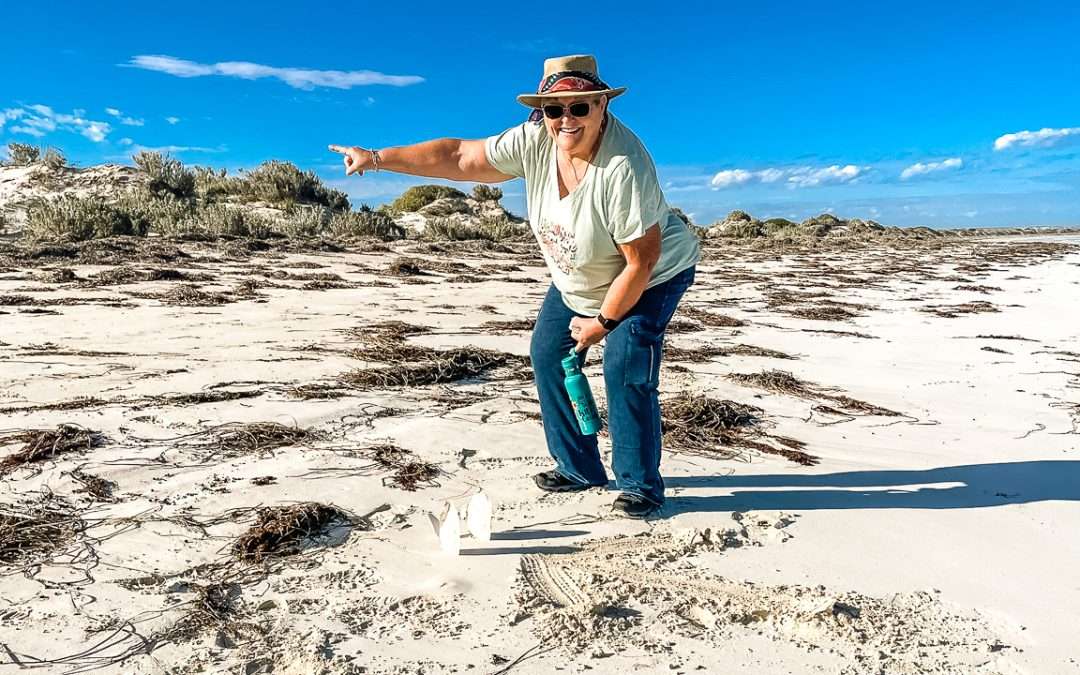
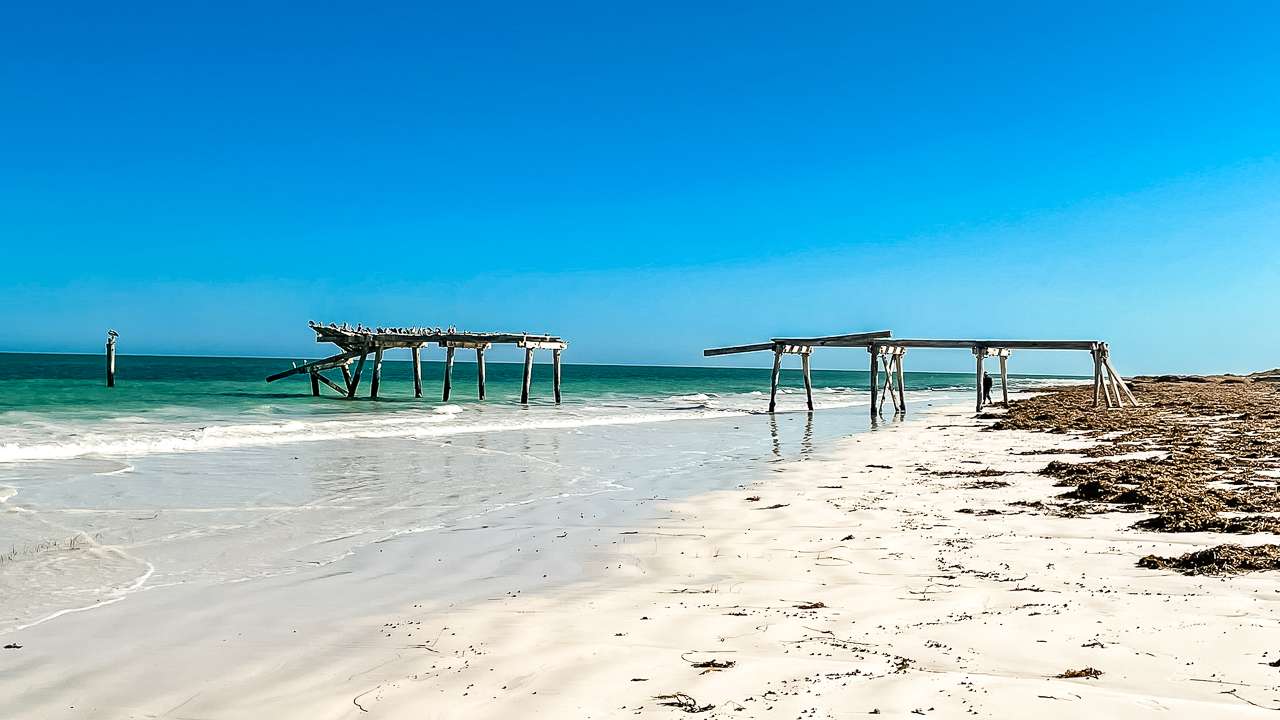
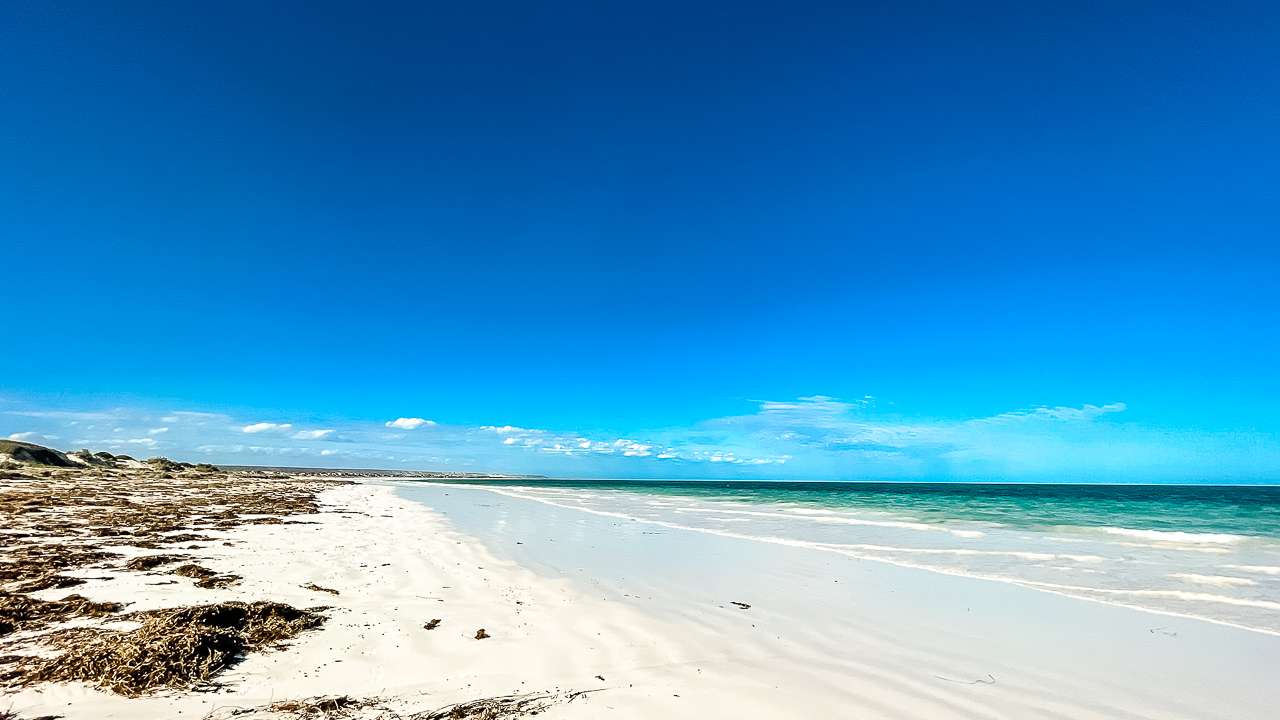
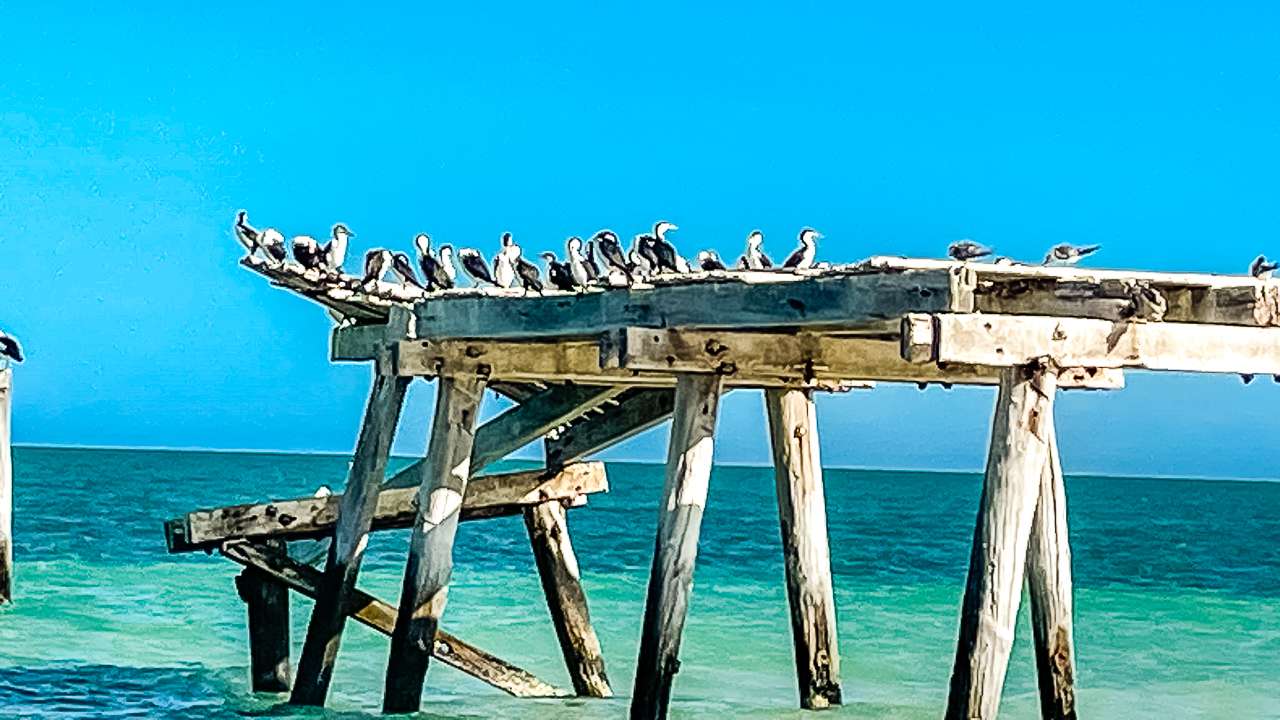
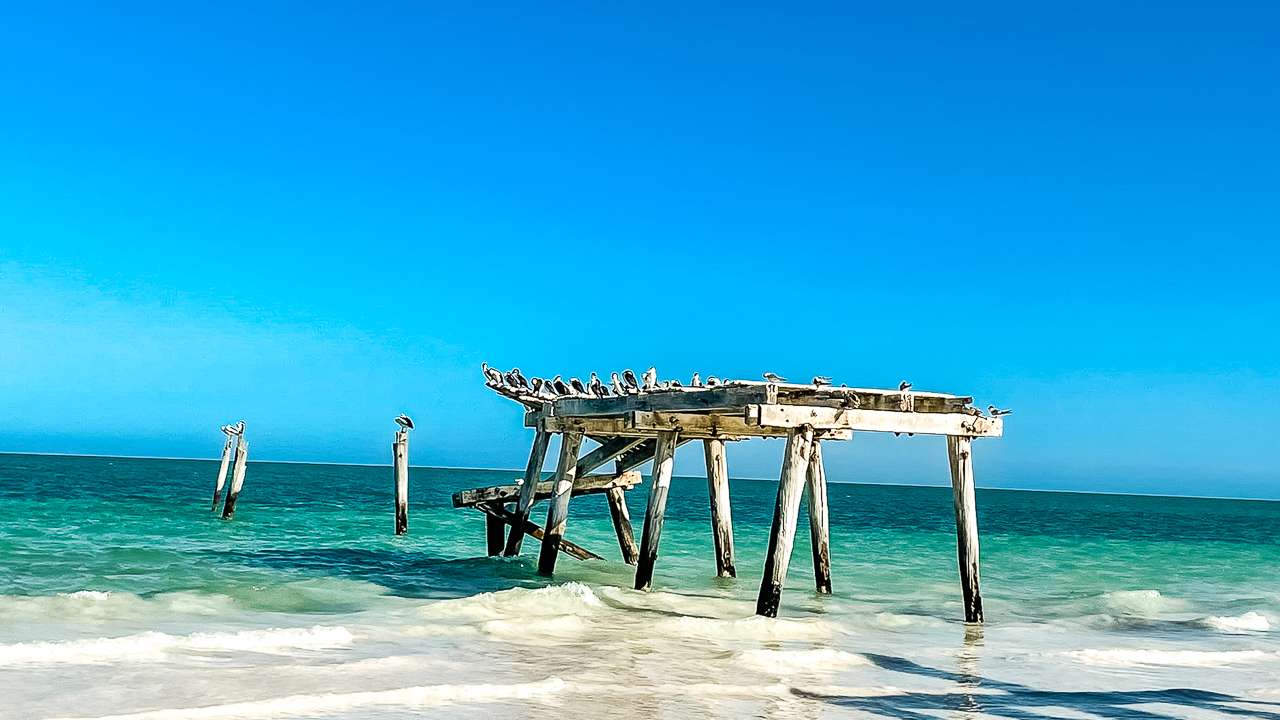
Eucla’s coastline is simple but beautiful. We walked along the beach and visited the remains of the old timber jetty, which was once used for transporting goods. The jetty is weathered and partially collapsed, but it’s still a striking sight.

The beach is also a good place for wildlife spotting. You might see seabirds and sometimes kangaroos are nearby. It’s a peaceful spot, perfect for taking photos or just enjoying the sea breeze.

Old Wooden Jetty At Eucla Western Australia Australia

Old Wooden Jetty At Eucla Western Australia Australia

Essentials: Fuel and Food

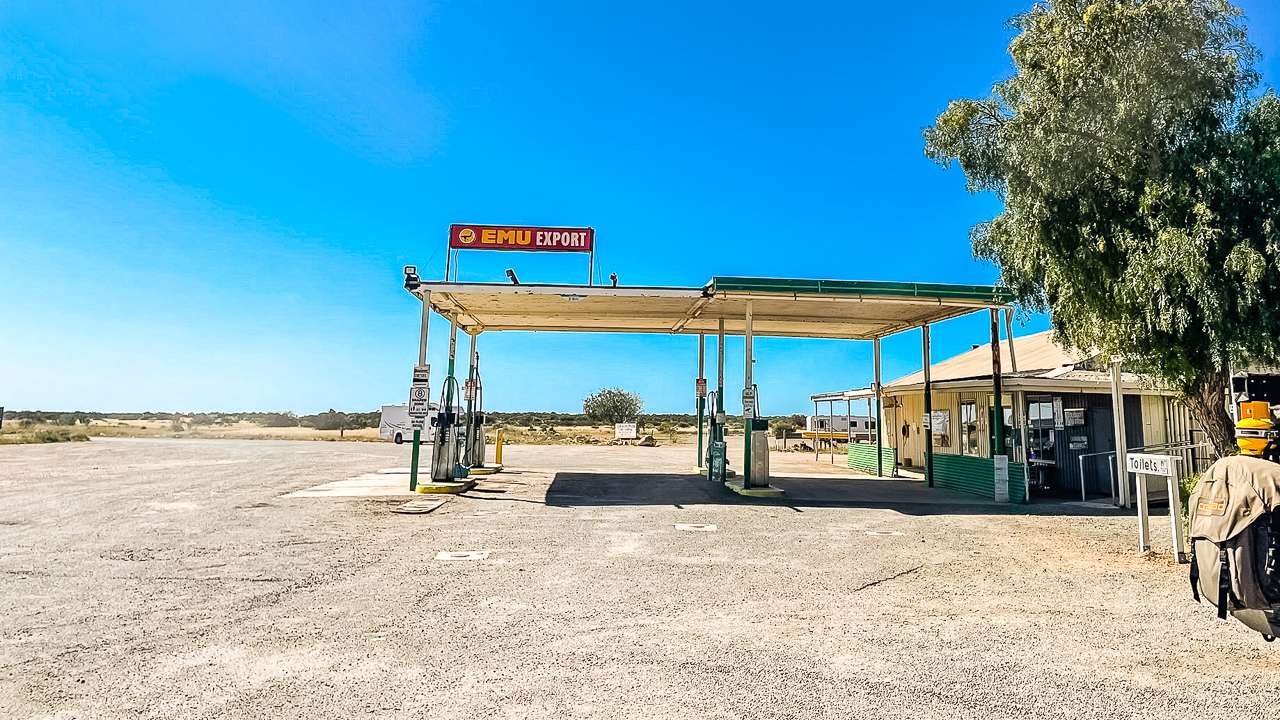
We refuelled at the Eucla Roadhouse, which is the main stop for travellers. It’s a convenient place to top up your fuel, buy snacks and grab basic supplies. After that, we had breakfast at the Eucla Motel. The food was simple but tasty and the café is a good spot to take a break.

Outside the motel, we found a geocache hidden near the big whale statue. If you’re into geocaching this is a fun little challenge to add to your visit.

Camping Options in Eucla, Western Australia, Australia

Whether you’re looking for a basic bush camping experience or a spot with modern amenities, Eucla, Western Australia, Australia, offers a range of camping options to suit different preferences and budgets. On our trip, Amanda and I camped at the Old Telegraph Station Campground, but we also explored other options for travellers passing through this historic area.

  1. Old Telegraph Station Campground
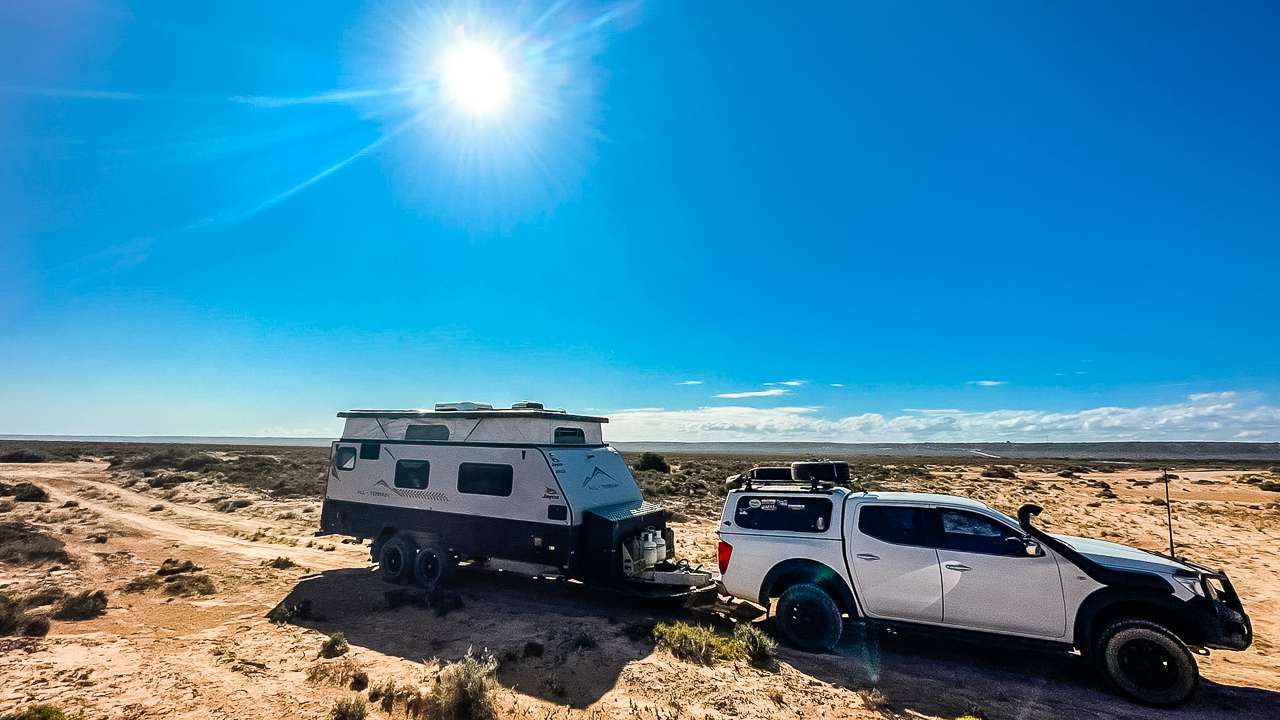
    This basic camping spot was our choice and it offered a peaceful stay with direct access to the telegraph station ruins. The lack of facilities means you need to be self-sufficient, so bring plenty of water, a portable toilet if needed and other essentials. The setting is simple but atmospheric with soft sand underfoot and a quiet, remote vibe. It’s perfect for history buffs or those looking to immerse themselves in Eucla’s unique landscape.
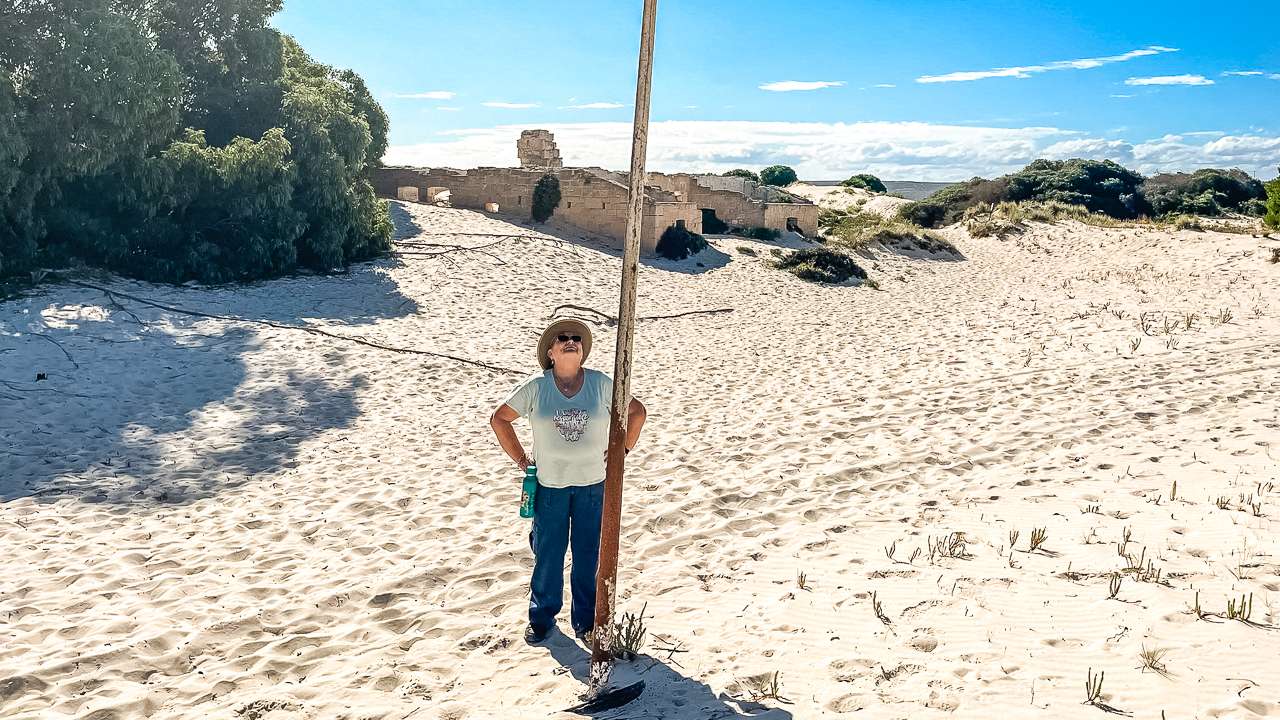
    Location: Near the ruins of the Eucla Telegraph Station
    Cost: Free or a small voluntary donation
    Facilities: None (no toilets, showers, or powered sites)
    How to Book: No booking required; first come, first served
  2. Eucla Caravan Park
    The Eucla Caravan Park is a convenient option for travellers who prefer some creature comforts. Located near the Eucla Roadhouse and the Eucla Motel, it’s ideal for those wanting easy access to fuel, food and supplies. We stopped by to check it out and the park is clean and well-maintained. It’s a great option for families or travellers with caravans who need powered sites. The park’s proximity to the highway makes it a popular stop, so calling ahead during peak travel seasons is a good idea.
    Location: Adjacent to the Eucla Motel, just off the Eyre Highway
    Cost: Powered sites $25–$30 per night / Unpowered sites Approximately $20 per night
    Facilities: Showers and toilets – laundry facilities – powered and unpowered sites – drinking water
    How to Book: Call the Eucla Motel directly or book on arrival
  3. Border Village Caravan Park
    While technically across the state border, the Border Village Caravan Park is a short drive from Eucla and offers similar amenities to the Eucla Caravan Park. It’s a great alternative if Eucla’s sites are full or if you want a change of scenery. The caravan park is part of a larger roadhouse complex, so you can also stock up on fuel and supplies. It’s a practical and comfortable option for travellers continuing their journey across the Nullarbor.
    Location: 12 kilometres east of Eucla, just across the South Australian border
    Cost: Powered sites $25–$35 per night / Unpowered sites: $20–$25 per night
    Facilities: Showers and toilets – Laundry facilities – BBQ area – Small general store – Playground for kids
    How to Book: Walk in or call Border Village directly
  4. Nullarbor Bush Camps (DIY Camping)
    For those seeking a more rugged camping experience, there are plenty of opportunities for bush camping in the surrounding area. If you’re travelling with a fully self-contained setup, you can pull over at various spots along the Eyre Highway and set up camp. Always ensure you’re on public land or have the landowner’s permission and follow Leave No Trace principles to protect the environment.
    Cost: Free
    Facilities: None
    How to Book: No booking required

Old Telegraph Station Campground Eucla

Old Telegraph Station Campground Eucla

Choosing The Right Spot

The best camping option depends on your preferences and needs:

  • For history and isolation: The Old Telegraph Station Campground offers proximity to the ruins and a peaceful atmosphere, but you’ll need to be self-sufficient.
  • For comfort and amenities: The Eucla Caravan Park or Border Village Caravan Park provide powered sites, showers and access to other facilities.
  • For offgrid adventurers: Bush camping along the Nullarbor is a great way to enjoy the wide-open landscapes, as long as you’re prepared.

Tips for Camping in Eucla

  • Be Self Sufficient: Water and supplies can be limited, especially at free campsites like the Old Telegraph Station. Bring everything you need, including water, food and garbage bags so you can take your rubbish with you.
  • Check the Weather: The weather in Eucla can be unpredictable. Bring layers for cooler nights and plenty of sun protection for the day.
  • Plan Ahead: While the free and bush camping options don’t require bookings, caravan parks can fill up, especially during peak travel seasons (spring and autumn). Call ahead to secure your spot.
  • Respect the Environment: Follow Leave No Trace principles, especially in remote areas, to keep the landscape clean and enjoyable for future travellers.
  • Watch for Wildlife: Kangaroos and other animals are common, particularly at dawn and dusk. Be careful when driving as there are plenty of the hoppy buggers around.

Camping with History And Comfort

Camping in Eucla, Western Australia, Australia, offers a mix of historical intrigue, natural beauty and practical amenities. Whether you’re exploring the Old Telegraph Station, relaxing at a caravan park, or enjoying the solitude of bush camping, Eucla has something for every type of traveller. Amanda and I loved the variety and simplicity of camping here. It’s a great way to experience this unique part of the country while staying connected to its fascinating past.

Weather in Eucla

In September, the weather was mild, with daytime temperatures between 15°C and 25°C. Nights were cooler, so we made sure to pack warm clothes. Spring is also a good time to see wildflowers in the area.

Things to Do in Eucla

Here’s what you can do while visiting Eucla:

  • Walk to the Old Telegraph Station ruins
  • Explore the beach and photograph the old jetty
  • Find the geocache near the big whale statue
  • Refuel and stock up at the Eucla Roadhouse
  • Have a meal at the Eucla Motel café
  • Look for wildlife in the dunes and along the coast
  • Visit Border Village for extra amenities

A Side Trip to Koonalda Homestead

A short drive from Eucla is the Koonalda Homestead, a historic site on the old Eyre Highway. It operated as a roadhouse during the mid-20th century, serving travellers crossing the Nullarbor. Now abandoned, it’s known for its corrugated iron buildings and a nearby car graveyard. The site offers a fascinating glimpse into a different era of travel.

A Detailed Look at the Eucla Telegraph Station

The Eucla Telegraph Station is one of the most significant historical sites in this remote part of Australia. It was built in 1877 and played an important role in the Australian communication network. Located near the border between South Australia and Western Australia, the station was part of the intercolonial telegraph line, which connected Perth to Adelaide and beyond.

This isolated station was staffed by operators who manually relayed messages sent via Morse code. Back then it was a cutting edge communication system reducing the time it took to send messages across the country from weeks to seconds.

Walking The Dunes At Eucla Western Australia Australia

Walking The Dunes At Eucla Western Australia Australia

The Early Days: A Vital Link
In the late 19th century, Australia’s colonies were largely disconnected from each other. The telegraph line between Adelaide and Perth was a monumental project aimed at bridging this gap. The Eucla Telegraph Station was strategically placed about halfway along the line, making it a key repeater station. Operators decoded incoming signals, checked for errors and retransmitted the messages along the line.

This was no easy task. The station’s remote Location: meant supplies had to be shipped in via a nearby jetty and then transported to the site. The staff lived in basic conditions, isolated from the rest of the world apart from the messages they relayed.

Challenges and Decline
Despite its importance, the Eucla Telegraph Station faced numerous challenges. One of the biggest was the rabbit plague of the early 20th century. Introduced to Australia in the 1850s, rabbits multiplied rapidly, devastating vegetation across the Nullarbor Plain. With little vegetation left, the sand dunes around Eucla began to shift, encroaching on the town and eventually burying parts of the station.

Advances in technology made the telegraph line obsolete. By the 1920s wireless radio communications began to take over and the telegraph system was gradually phased out. The Eucla station was officially closed in 1927 and the town moved closer to the highway, leaving the original site to the mercy of the elements.

What Remains Today
The Eucla Telegraph Station ruins are now a popular attraction, offering visitors a glimpse into the past. The buildings, made from limestone, are partially buried by sand dunes, giving the site a unique and almost surreal appearance.

When Amanda and I visited, we walked through the ruins, imagining what life must have been like for the people who worked there. The station’s thick limestone walls, now weathered and crumbling, are a testament to the craftsmanship of the builders.

You can still see remnants of the main office, living quarters and storage areas. Interpretive signs provide historical context, helping you understand the significance of what you’re seeing. The surrounding dunes add to the atmosphere, creating a sense of timelessness.

Visiting Tips
If you plan to visit the Eucla Telegraph Station, here’s what you need to know:

  • Accessibility: The site is a short walk from the Old Telegraph Station Campground. Sturdy shoes are recommended, as you’ll be walking through soft sand.
  • Best Time to Visit: Early morning or late afternoon is ideal, as the light is softer for photography and the temperatures are cooler.

Why The Eucla Telegraph Station Matters
The Eucla Telegraph Station is more than just a set of ruins. It represents an era of innovation and determination, showcasing how people overcame immense challenges to connect a vast and isolated continent. For Amanda and me, standing in the shadow of this once-thriving communication hub was a humbling experience.

If you’re travelling through Eucla Western Australia, Australia, make sure to take the time to explore this incredible piece of history. It’s a window into a time when technology, human effort and nature intersected in one of the most remote parts of the country.

Eucla Western Australia, Australia – Both Practical And Memorable

Our visit to Eucla, Western Australia, Australia was both practical and memorable. It’s a great stop for travellers on the Eyre Highway. It has a spot on mix of history, natural beauty and services like the Eucla Roadhouse and Eucla Motel. Whether you’re camping, exploring, or just passing through, Eucla has a little something for everyone.

– David & Amanda


Eucla Western Australia, Australia Photo Gallery

Frequently Asked Questions About Eucla, Western Australia, Australia

What is Eucla, and why should I visit?

Eucla is a small town on the Eyre Highway, near the border between Western Australia and South Australia. It’s famous for its rich history, including the ruins of the Old Telegraph Station, stunning coastal views, and its location as a key stop for travellers crossing the Nullarbor Plain. Whether you’re into history, photography, or just need a break on the road, Eucla has something to offer.

What is there to do in Eucla?

Eucla is known for its unique attractions. You can visit the ruins of the Old Telegraph Station, take a walk along the beach and see the remains of the old timber jetty, explore the surrounding sand dunes, and spot wildlife. The Eucla Motel and Roadhouse also provide good spots to refuel, grab a meal, or relax.

Where can I camp in Eucla?

There are several options for camping in and around Eucla. The Old Telegraph Station Campground offers free, no-frills camping near the historic site. The Eucla Caravan Park provides powered and unpowered sites with amenities like showers and toilets. Alternatively, you can bush camp along the Eyre Highway or stay at Border Village Caravan Park, just 12 kilometres away.

What is the weather like in Eucla?

Eucla Western Australia, Australia has a semi-arid climate. Summers can be hot, with temperatures often exceeding 30°C, while winters are mild, with daytime highs around 18°C. Spring and autumn offer the most pleasant weather, with cooler nights and comfortable daytime temperatures. Winds can be strong at times, so plan accordingly.

Is there much history to explore in Eucla?

Yes, Eucla Western Australia, Australia is steeped in history. The Old Telegraph Station, built in 1877, was a vital link in the intercolonial telegraph line connecting South Australia and Western Australia. The station played a key role in Australia’s early communication network before it was abandoned due to shifting sand dunes and technological advancements. The nearby Koonalda Homestead also offers a glimpse into the area’s roadhouse history.

Are there any facilities or services for travellers in Eucla?

Eucla Western Australia, Australia has basic but essential services for travellers. The Eucla Roadhouse provides fuel, snacks, and supplies, while the Eucla Motel offers accommodation, meals, and a place to rest. Caravan parks in the area offer amenities like showers, toilets, and powered sites. While it’s not a big town, Eucla has everything you need for a comfortable stop on your journey.

Pin It on Pinterest