Free Camping West Wyalong: 9 GREAT Locations
Free Camping West Wyalong: 9 GREAT Locations
Free Camping West Wyalong offers a chance to explore gold rush history and experience top activities while camping in this vibrant NSW town. West Wyalong is found in the heart of New South Wales’ Bland Shire. It is a great destination for anyone that likes free camping to explore Australia’s rich gold mining heritage and rural charm.
The twin towns of Wyalong and West Wyalong, with their distinctive curved main street and historical significance, provide the perfect base for travellers looking to experience authentic country hospitality while enjoying cost effective accommodation options. This comprehensive guide explores the history, attractions and practical information for anyone considering free camping in the West Wyalong region.
Table Of Contents
- 9 TOP Locations for Free Camping West Wyalong
- The Rich Golden History Of Wyalong And West Wyalong
- The Boom Years
- The Development Of Two Towns
- Decline And Transition
- A Mining Tragedy
- Getting to West Wyalong: Travel Times And Distances
- 10 Things to Do Near West Wyalong
- Why Choose West Wyalong For Free Camping
- Best Time To Visit West Wyalong
- Essential Tips For West Wyalong Free Camping
- Connecting With Local Heritage During Your Stay
- Free Camping In West Wyalong – Conclusion
9 TOP Locations for Free Camping West Wyalong
Free camping around West Wyalong provides an affordable way to explore this historic NSW region. Conveniently located near major highways some of these sites offer basic amenities like toilets and picnic areas, making them ideal for caravans, camper trailers and tents. Most are pet friendly and provide easy access to local attractions, allowing travellers to experience the area’s rich gold mining heritage and rural charm without breaking the budget. Some areHere’s a list of nine free camping sites in the West Wyalong area to help you plan your stay.
1. Cooinda Park Rest Area
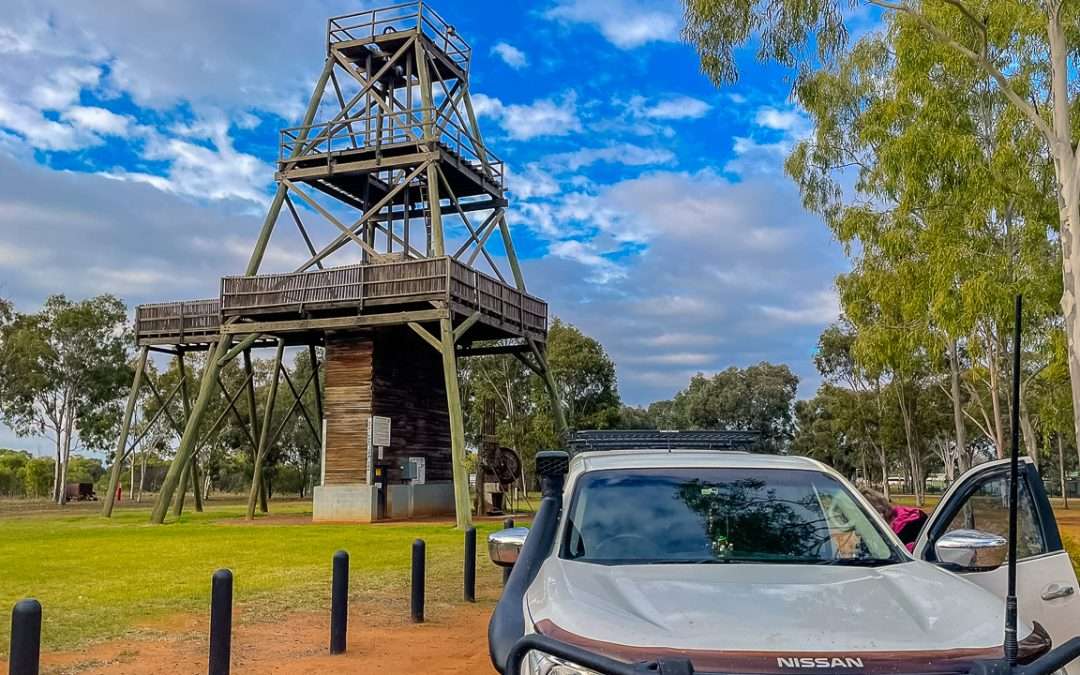
Cooinda Reserve is the perfect location to stop and relax with amenities, covered BBQ area and a place to let the dogs have a run. The huge Poppet Head and Neelds hut are a reminder of the historic past of West Wyalong and Wyalong. Read about the history and other secrets of our past on the interpretative panels in the area and check out the replica Malleefowl nest, metal junk art and history of eucalyptus oil in West Wyalong. If you feel like a long walk, Cooinda Park is the start of the Green Corridor walk along the water run off all the way to McCann Park in West Wyalong.
Across the road is a beautiful Wetlands which is a wonderful attraction for many birds.
It is accessible to motorbikes, RVs, camper trailers, caravans and big rigs. Large vehicles use caution as there are a few low branches. If you enter near the main road there is a big enough gap to get through.
Caution: The ground can be soft when wet.
Facilities
- Toilets.
- Potable water at the BBQ facility.
- Picnic tables.
- Rubbish bins.
- Dump point.
Type: Free Camping
Cost: Free
Location: Newell Highway, Wyalong, New South Wales
GPS: -33.924406°, 147.233254°
Pet Friendly: Yes
Toilets: Yes
Drinking Water: Yes
Dump Point: Yes
Phone: (02) 6972 2266
Website: https://www.blandshire.nsw.gov.au/Recreation/Parks-and-Gardens/Cooinda-Reserve
Email: council@blandshire.nsw.gov.au
Distance To West Wyalong: 0.8km
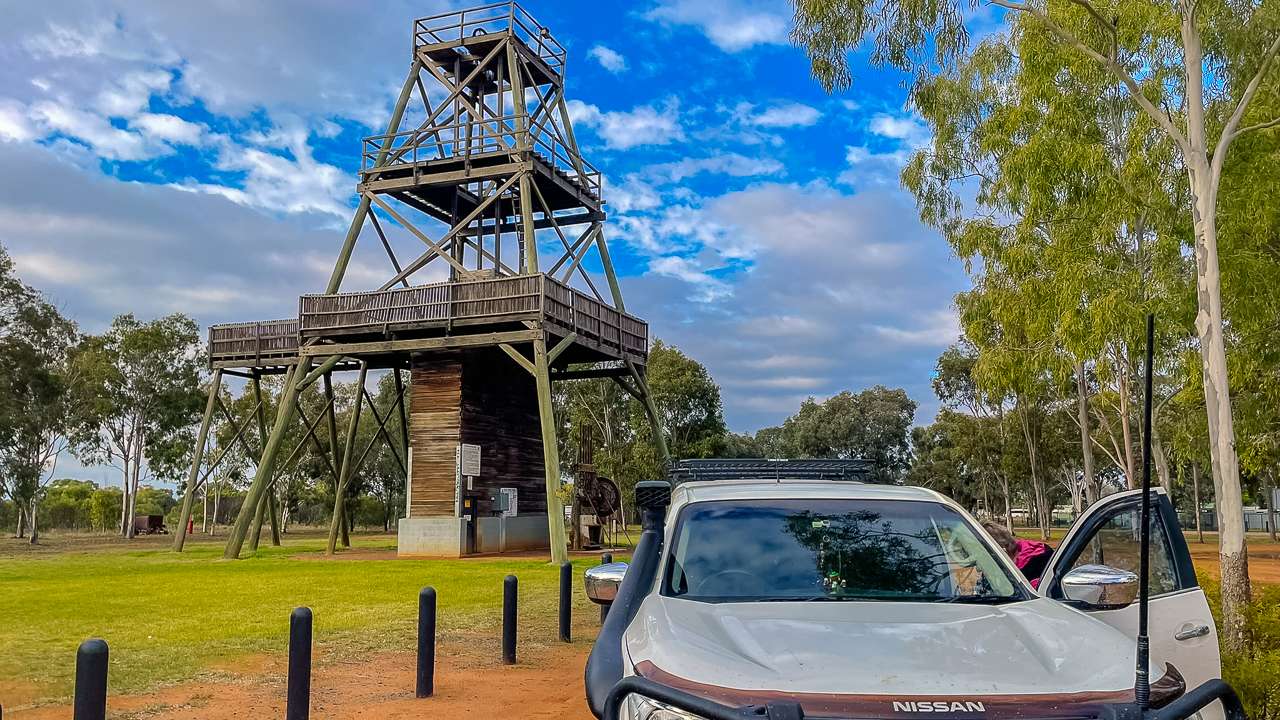
Cooinda Park Rest Area Free Camping West Wyalong
2. West Wyalong Showgrounds
The West Wyalong Showgrounds aren’t free however we’ve included it on the list as it’s very good value and is a viable low cost option.
Drive on in via the Showground Road entrance or via Duffs Road Entrance & find a site close to the amenities or further away for a more private area as there is plenty of space available. Caretakers Stephen & Joanna will find you to collect fees & assist with any enquiries. Powered Sites $25, Unpowered Sites $20, cash only.
This paid Campground offers new toilets, showers, disabled amenities, a camp kitchen, dump point and power & fresh water hookups. Dump Point is located on the Duffs Rd entrance near the Caretakers Residence.
- Dog friendly
- Accessible to motorbikes, RVs, camper trailers, caravans & big rigs.
- Camping in tents is also allowed.
- Horse Stables are available for $5 per night hire.
- Loading Ramp available for $10 hire. We hope you enjoy your stay.
Type: Showground Camping
Cost: Powered $25 p/n, Unpowered $20 p/n
Location: 190 Showground Rd, West Wyalong, New South Wales
GPS: -33.937317°, 147.210604°
Pet Friendly: Yes
Toilets: Yes
Showers: Yes
Drinking Water: Yes
Power: Yes
Dump Point: Yes
Laundry: Yes
Phone: Stephen Pope – 0492938457 / Joanna Pope – 0492920780
Email: stephenpope1982@yahoo.com
Distance To West Wyalong: 3.2km
3. Charcoal Tank Rest Area
This rest area is located on the Newell Highway 127km from Narrandera and 10km to West Wyalong and is accessible to vehicles travelling in both directions.
Rest areas are a place where you can stop and rest, making your journey safer and more enjoyable. You can stop at a rest area to rest and manage fatigue however they are not intended as camping sites and stays longer than 24 hours are not permitted. There are rubbish bins but no other facilities. This is a combined truck and car rest area. Please do not park in the truck parking area and ensure there is plenty of room for trucks to enter and exit the site and to park and take their mandatory rest.
Type: Rest Area
Cost: Free
Location: 12934 Newell Highway, West Wyalong, New South Wales
GPS: -33.983717°, 147.157456°
Pet Friendly: Yes
Toilets: No
Website: https://www.rms.nsw.gov.au/roads/using-roads/index.html
Distance To West Wyalong: 10km
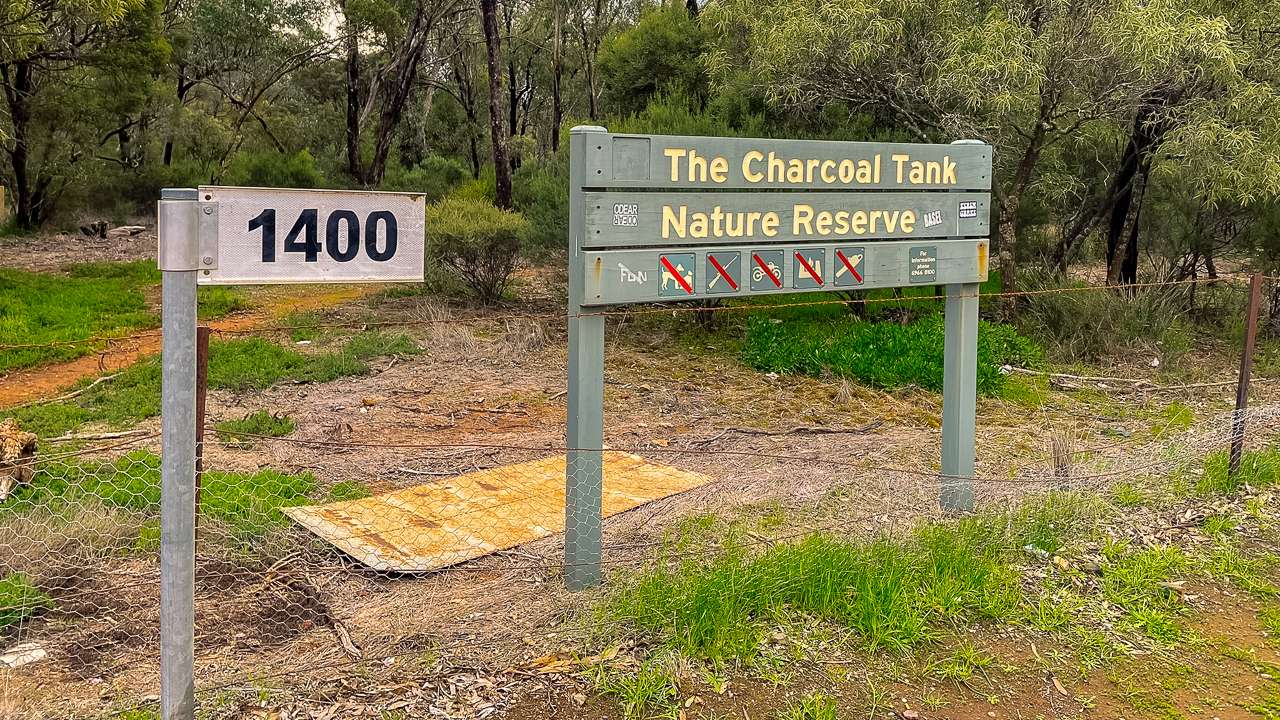
Free Camping West Wyalong Charcoal Tank Rest Area
4. Back Creek Rest Area
This rest area is located on the Newell Highway 19km from West Wyalong and 86km to Forbes and is accessible to vehicles travelling in both directions.
Rest areas are a place where you can stop and rest, making your journey safer and more enjoyable, You can stop at a rest area to rest and manage fatigue however they are not intended as camping sites and stays longer than 24 hours are not permitted.
There are rubbish bins but no other facilities. This is a combined truck and car rest area. Please do not park in the truck parking area and ensure there is plenty of room for trucks to enter and exit the site and to park and take their mandatory rest.
Type: Rest Area
Cost: Free
Location: Newell Highway, New South Wales
GPS: -33.854810°, 147.378107°
Pet Friendly: Yes
Toilets: No
Website: https://www.rms.nsw.gov.au/roads/using-roads/index.html
Distance To West Wyalong: 19km
5. Gravel Pit Unofficial Stop
- Unofficial overnight.
- No facilities.
- Leave no trace.
- No Fires.
Type: Gravel Pit
Cost: Free
Location: Mid Western Highway, New South Wales / ACT
GPS: -33.886663°, 147.047575°
Pet Friendly: Yes
Toilets: No
Distance To West Wyalong: 18km
6. Alleena Rest Stop
This rest area is located on the Newell Highway 26km from West Wyalong.
Rest areas are a place where you can stop and rest, making your journey safer and more enjoyable. You can stop at a rest area to rest and manage fatigue however they are not intended as camping sites and stays longer than 24 hours are not permitted.
- There are rubbish bins but no other facilities.
- This is a combined truck and car rest area.
- Please do not park in the truck parking area and ensure there is plenty of room for trucks to enter and exit the site and to park and take their mandatory rest.
Type: Rest Area
Cost: Free
Location: Bartels Lane, Alleena, New South Wales
GPS: -34.136776°, 147.120494°
Pet Friendly: Yes
Toilets: No
Distance To West Wyalong: 26km

Weighbridge Scales At Abandoned Buddigower Silos
7. Mahda Rest Area
This rest area is located on the Newell Highway 102km from Narrandera and 33km to West Wyalong. There is a rest area on both sides of the road, accessible to vehicles travelling in both directions.
Rest areas are a place where you can stop and rest, making your journey safer and more enjoyable. You can stop at a rest area to rest and manage fatigue however they are not intended as camping sites and stays longer than 24 hours are not permitted.
- There are rubbish bins but no other facilities.
- This is a combined truck and car rest area.
- Please do not park in the truck parking area and ensure there is plenty of room for trucks to enter and exit the site and to park and take their mandatory rest.
Type: Rest Area
Cost: Free
Location: Newell Hwy, Ariah Park, New South Wales
GPS: -34.199514°, 147.110311°
Pet Friendly: Yes
Toilets: No
Website: https://www.rms.nsw.gov.au/roads/using-roads/index.html
Distance To West Wyalong: 33km
8. Barmedman Mineral Pool
We’ve included Barmedman Mineral Pool as a viable low cost option. It’s about 30km from West Wyalong and is a fantastic camping area. We’ve been there quite a few times and can highly recommend it.
Barmedman Mineral Pool is a large relaxing pool with a naturally high mineral content. It’s the perfect picnic spot with BBQ facilities and free admission run by local volunteers,
Barmedman is famous for the mineral pool, which originated from the flooding of the Barmedman goldmines by an underground stream in the 1880’s. The pool is said to ease aches and pains due to the high mineral content. It is fed by an underground stream and is surrounded by shady grassed areas, open every summer between November and March.
- Camping is available at the pool ($10/night) with fees payable in the donation box at the pool area entry gates.
- Sites are suitable for tents, camper trailers, caravans, motorhomes and big rigs.
Facilities
- Toilets.
- Hot showers ($1).
- Picnic tables.
- BBQ.
- Bins.
Pets are permitted. (Pets are not permitted in the fenced pool area)
Pool Closed April – Oct
Type: Donation Camping
Cost: $10 p/n
Location: Nobbys Rd, Barmedman, New South Wales
GPS: -34.139979°, 147.386104°
Pet Friendly: Yes
Toilets: Yes
Showers: Yes
Drinking Water: Yes
Website: https://www.facebook.com/barmedmanmineralpool
Distance To West Wyalong: 30km
9. Barmedman Sport And Rec Area
We’ve included Barmedman Sport And Rec Area as a viable low cost option. It’s got everything you need and it’s only about 30km from West Wyalong.
Facilities
- Toilets.
- Showers.
- Drinking water.
- Dump point.
- Power hookups.
- Dog friendly.
- Free BBQs.
- Accessible to RVs, camper trailers, caravans and big rigs.
- Camping in tents is allowed.
- Playground and skate park for the kids.
Call Gary first up for Key to showers available from nearby at the Church 32 Queen St. Next to the Bowling Club.
Type: Showground Camping
Cost: $10 per person per night
Location: Cnr Star and Deboos St, New South Wales
GPS: -34.142312°, 147.388225°
Pet Friendly: Yes
Toilets: Yes
Showers: Yes
Dump Point: Yes
Drinking Water: Yes
Phone: 0405 554 347
Email: garybrobro@gmail.com
Distance To West Wyalong: 30km
The Rich Golden History Of Wyalong And West Wyalong
The story of West Wyalong is inextricably linked to gold, with the precious metal shaping the town’s development and character from its very beginnings. Gold was discovered near Wyalong Station in September 1893 by Joseph Neeld, a member of the Neeld family who had settled on a land selection in the area after moving from Victoria[18]. Joseph had considerable prior experience in gold mining at Bendigo, Ballarat and other Victorian goldfields, which helped him recognise the potential in the ironstone nodules and loose quartz fragments in the soil despite the area having virtually no rock outcrops.
Using a systematic approach of examining loose material through dollying and washing contained quartz and ironstone, Neeld eventually located a reef that became known as the Pioneer claim[18]. News of the discovery spread quickly and by the end of 1894, the population in Wyalong and West Wyalong had reached an impressive 4,215 with 300 mining claims being worked by four to eight men per claim[15]. The rapid development included the establishment of six crushing plants and two chlorination plants to process the gold-bearing ore.
The Boom Years
The gold production from the Wyalong goldfields increased dramatically between 1894 and 1897, reaching its peak in the latter year with 44,675 ounces from 15 tons of ore[15]. What made the West Wyalong goldfield particularly remarkable was the high-grade nature of its ore – the average yield up to the end of 1907 consistently exceeded 1 ounce per ton[15].
Intense prospecting at Wyalong discovered 12 significant lines of lode within an area of 4 square kilometres, with multiple claims taken up along the different lodes[18]. The main lines included the Mallee Bull, Santa Clause-Klink’s, Klondyke, Currajong and Barrier. Most of the claims were initially held by individuals, small groups and syndicates, with the field initially suffering from a lack of significant capital.
Major mines developed on the Mallee Bull line of lode included Neeld’s and the True Blue, with the latter worked to a depth of 411 metres, making it one of the deepest gold mines in NSW at the time[18]. Other important producing mines included the Golden Fleece, Homeward Bound, Kurrajong and Barrier.
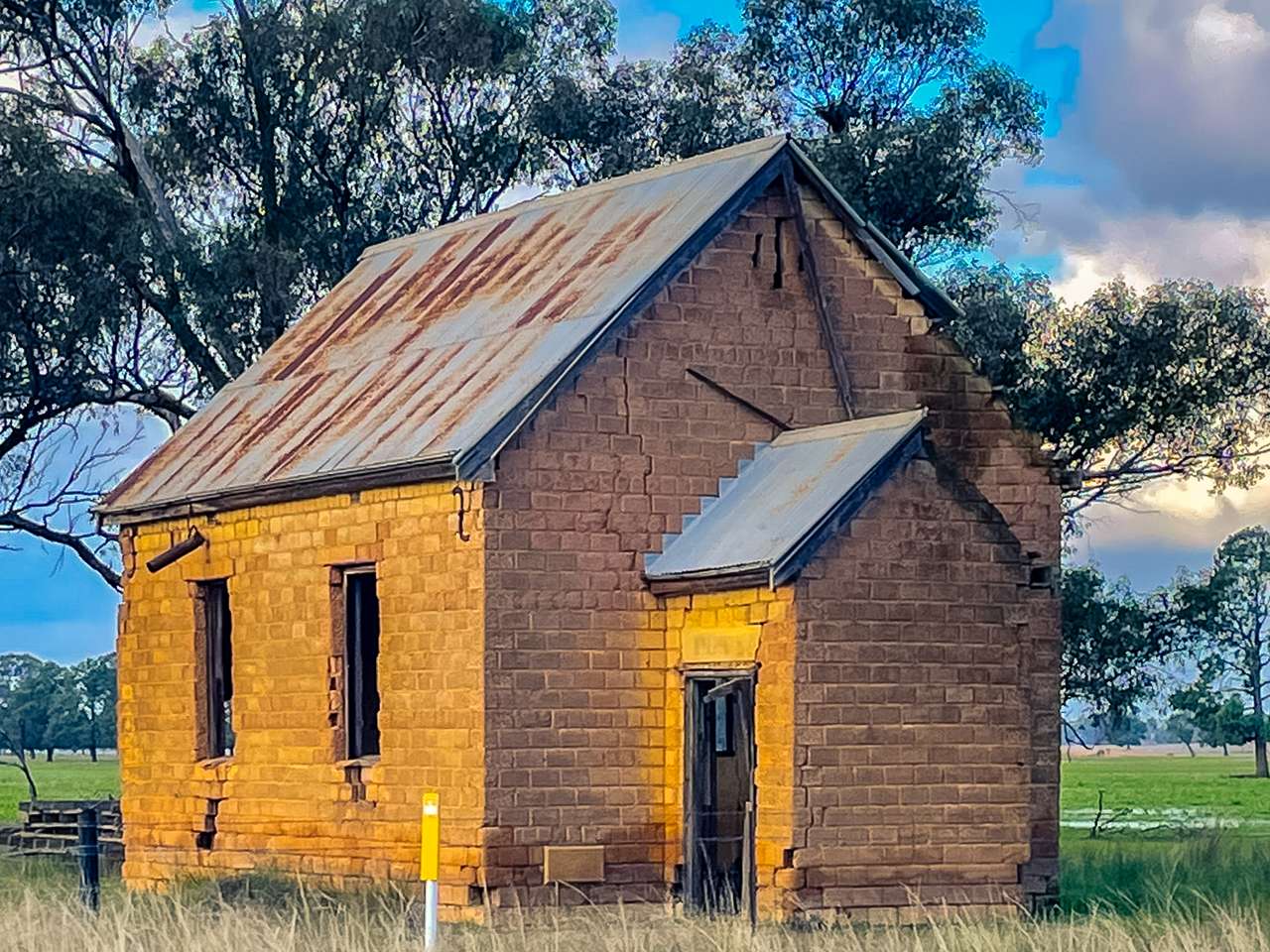
Old Abandoned Church Near West Wyalong
The Development Of Two Towns
Interestingly, the gold rush led to the development of two distinct settlements – Wyalong and West Wyalong. While gold was discovered at Wyalong, West Wyalong developed in 1895 about 5 kilometres away, forming around the bullock track without formal town planning[17]. This unplanned development resulted in the curious kinks in the main road where it avoided trees and buildings – a distinctive feature that remains visible today.
The goldfield was officially declared the most productive in the colony in 1899[17], with annual production from the Wyalong field peaking that year at 1.266 tonnes (44,657 ounces) of gold[18].
Decline And Transition
From 1900 to 1907, production was maintained at around 20,000 ounces per annum, but after 1907, production began to decline[15]. By 1920, gold mining had practically ceased in the area. From 1894 to 1915, total gold production was 5.4 tonnes (190,479 ounces)[18], with the total gold production from the Wyalong field estimated at 13.86 tonnes (488,897 ounces)[18].
As mining declined, West Wyalong transitioned to become the main service centre for agriculture in the surrounding district[17]. For many years, there was rivalry between the two towns. Both wanted the Temora railway line but settled on a compromise of a station midway between the two towns, called Wyalong Central.
A Mining Tragedy
The history of West Wyalong’s gold mining is not without its dark chapters. On January 13, 1912, six miners working at the Barrier Mine were asphyxiated by carbon monoxide gas[15][18]. This tragedy ranks amongst the worst metalliferous mining disasters to take place in NSW and a monument to the miners’ memory was erected in the town’s Barnardo Park[15].
Getting to West Wyalong: Travel Times And Distances
For travellers planning their journey to West Wyalong, understanding the travel times from major cities and regional centres is essential. The town’s central location in New South Wales makes it accessible from many directions, though distances can be substantial from some capital cities.
| Starting Point | Approximate Distance (km) | Estimated Travel Time |
|---|---|---|
| Sydney | 467km | 5 hours |
| Melbourne | 560km | 6 hours |
| Canberra | 312km | 3.5 hours |
| Brisbane | 950km | 10.5 hours |
| Adelaide | 970km | 10.5 hours |
| Wagga Wagga | 140km | 1.5 hours |
| Griffith | 130km | 1.5 hours |
| Forbes | 100km | 1 hour |
| Parkes | 120km | 1.25 hours |
| Temora | 90km | 1 hour |
| Condobolin | 120km | 1.25 hours |
| Hay | 240km | 2.5 hours |
These times are estimates based on normal driving conditions and may vary depending on road conditions, weather and stops along the way. West Wyalong sits at the crossroads of the Newell Highway and the Mid-Western Highway, making it a natural stopping point for travellers moving between various parts of the state.
10 Things to Do Near West Wyalong
When free camping in the West Wyalong area, there’s plenty to see and do beyond your campsite. Here are ten activities and attractions to enhance your stay in this historic region:
- Explore the Holland Park Swim Centre
Perfect for cooling off during the hot summer months, the Holland Park Swim Centre offers excellent facilities including a slide and splash park. Visitors consistently praise its cleanliness, well-maintained facilities and friendly kiosk service[16]. This is an ideal spot for families looking to relax and have some water-based fun after exploring the region. - Visit the Exclusive Hot Glass Gallery
Art enthusiasts will appreciate the Exclusive Hot Glass Gallery, which showcases stunning glass artwork and demonstrations of the glassblowing craft[16]. This unique attraction offers visitors the opportunity to see skilled artisans at work and purchase one-of-a-kind pieces as memorable souvenirs of their West Wyalong adventure. - Discover the West Wyalong Wetlands
Nature lovers and birdwatchers should make time for the West Wyalong Wetlands[16], a peaceful natural area that provides habitat for various bird species and native flora. Take a leisurely stroll along the walking paths, enjoy a picnic, or simply sit and observe the wildlife in this tranquil setting. - Photograph the Curved Main Street
West Wyalong’s main street, with its distinctive curves resulting from the town’s unplanned development around the original bullock track, offers a unique photographic opportunity. The street avoided trees and buildings, creating a charming and historically significant thoroughfare unlike any other in Australia[17]. Take a walking tour along the street to appreciate this unusual feature and explore the various shops and cafes. - Learn about Gold Mining History at Local Museums
Find out about the gold mining history that shaped West Wyalong by visiting local historical collections and displays. Discover artifacts, photographs and stories from the gold rush era that transformed this region from bushland to a thriving mining community. The exhibits provide fascinating insights into the techniques used to extract gold and the lives of the miners who sought their fortunes here. - Visit Barnardo Park and the Miners’ Memorial
Pay your respects at the memorial in Barnardo Park dedicated to the six miners who lost their lives in the 1912 Barrier Mine disaster[15]. The monument serves is a reminder of the dangers faced by early miners and the human cost of the gold that built West Wyalong. - Marvel at the Douglas DC3 Aircraft
Aviation enthusiasts will be delighted by the Douglas DC3 aircraft on display in West Wyalong[16]. This classic aircraft represents an important piece of aviation history and makes for a fascinating detour, especially for those interested in historical transportation and engineering. - Take a Day Trip to Barmedman Mineral Pool
Located approximately 30 kilometres from West Wyalong, the Barmedman Mineral Pool is a unique swimming spot fed by a subterranean stream from a nearby mine. The mineral-rich waters are said to have therapeutic properties and the pool remains a constant 24 degrees Celsius year-round[18]. The site includes picnic facilities, making it perfect for a relaxing day out. - Cycle the Wyalong-West Wyalong Bicycle Track
In 1994, a shared bicycle and pedestrian track was constructed to link Wyalong with West Wyalong[17]. This provides an excellent opportunity for visitors to explore both towns at a leisurely pace while enjoying the rural Australian landscape. The flat terrain makes this an accessible activity for most fitness levels. - Attend Local Events and Markets
Check the local event calendar for markets, agricultural shows and community festivals that may be happening during your visit. These events provide wonderful opportunities to meet locals, sample regional produce and experience authentic country Australian culture. The camaraderie and hospitality of rural events add a special dimension to any camping trip.
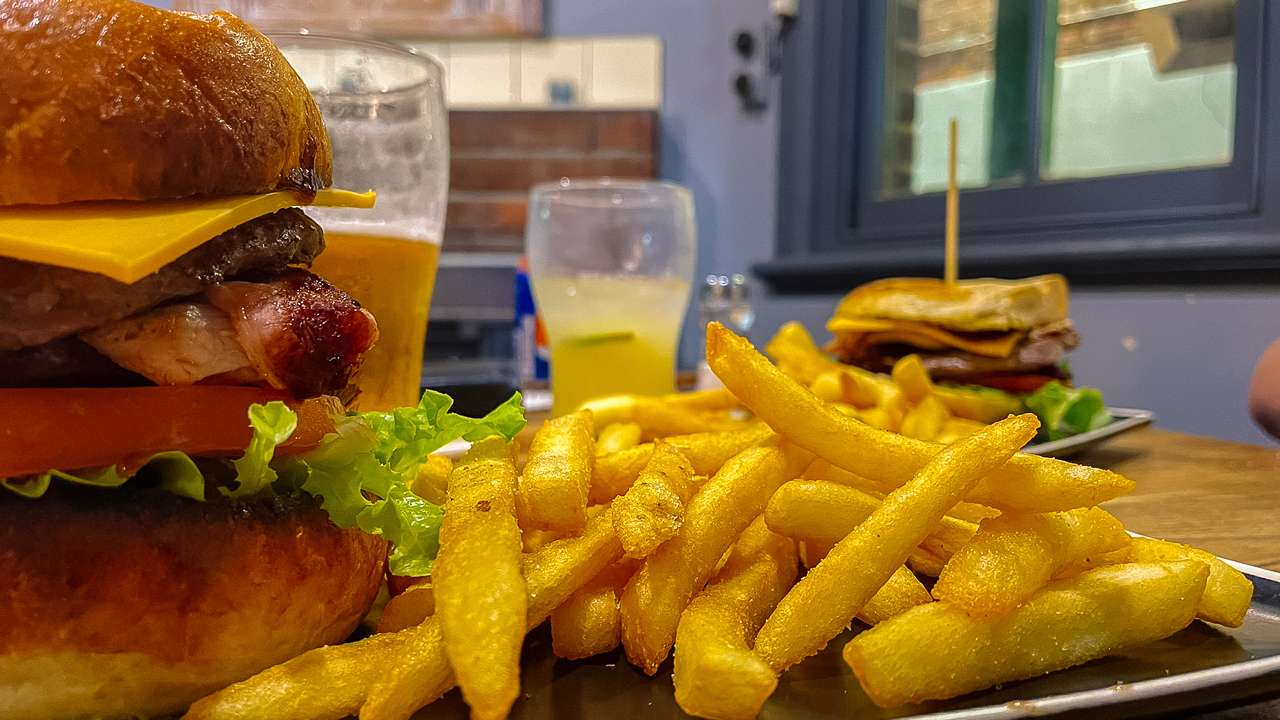
Great Lunch At Tattersalls Hotel In West Wyalong
Why Choose West Wyalong For Free Camping
West Wyalong offers several compelling reasons for free campers to choose it as a destination. Its rich gold mining heritage provides a fascinating historical backdrop, while its position at the intersection of major highways makes it an ideal stopover location for those travelling across New South Wales.
The town’s relatively remote location means less light pollution, offering excellent opportunities for stargazing – a favourite activity among many campers. The clear night skies of inland NSW can provide spectacular celestial views that are increasingly rare in more densely populated areas.
The surrounding agricultural landscape, with its golden canola fields (in season) and vast wheat paddocks, creates a quintessentially Australian rural setting that changes with the seasons. This ever-changing scenery offers photographers and nature lovers plenty to appreciate throughout the year.
Additionally West Wyalong’s position makes it an excellent base for exploring the broader Central West region of NSW, with numerous towns, natural attractions and historical sites within convenient driving distance.
Best Time To Visit West Wyalong
The climate in West Wyalong is characterised by hot summers and mild winters. Summer temperatures can regularly exceed 35°C (December to February), while winter nights can drop below 5°C (June to August).
For comfortable camping conditions, the shoulder seasons of autumn (March to May) and spring (September to November) typically offer the most pleasant weather, with mild days and cool but not freezing nights. These periods also often coincide with reduced tourist numbers compared to school holiday periods.
Spring brings the additional bonus of wildflowers and canola fields in bloom, creating spectacular yellow landscapes across the region. Autumn offers mild temperatures and often clear, calm days ideal for outdoor activities.
That said, each season offers its own unique experience:
- Summer: Hot days perfect for swimming at Holland Park Swim Centre or Barmedman Mineral Pool, but free camping requires good shade and cooling strategies.
- Autumn: Mild temperatures and potentially spectacular sunsets as the agricultural areas transition after harvest.
- Winter: Crisp, clear days with cool to cold nights requiring proper camping gear but offering excellent visibility for stargazing.
- Spring: Wildflowers, canola fields in bloom and gradually warming temperatures create an ideal setting for exploration.
Essential Tips For West Wyalong Free Camping
When preparing for a free camping trip to West Wyalong, consider these essential tips to ensure a comfortable and enjoyable experience:
Water Supply
The West Wyalong region can be quite dry, so carrying adequate drinking water is crucial. While the town itself has water available, free camping spots may not offer access to potable water. A good rule of thumb is to carry at least 5 litres of drinking water per person per day, plus additional water for cooking and basic hygiene.
Weather Preparedness
The inland climate means substantial temperature variations between day and night, particularly in spring and autumn. Pack clothing layers that can be added or removed as temperatures change. A good quality sleeping bag rated for temperatures lower than you expect to encounter ensures comfort during unexpectedly cold nights.
Bush Safety
When camping in the Australian bush, awareness of potential hazards is important:
- Check fire ban status before lighting any campfires
- Be aware of wildlife, including snakes during warmer months
- Carry a well stocked first aid kit
- Ensure someone knows your intended location and expected return
- Consider carrying a UHF radio or satellite phone for emergency communication in areas with poor mobile coverage
Waste Management
As responsible campers, adhering to the “leave no trace” principles is essential. Carry all rubbish out with you, including food scraps that might attract wildlife. For longer stays, biodegradable camping toilet solutions and proper disposal of grey water will help preserve the natural environment.
Local Facilities
West Wyalong itself offers a range of services helpful to campers, including:
- Supermarkets for provisioning
- Medical facilities for emergencies
- Automotive services for vehicle issues
- Visitor information for local advice
Connecting With Local Heritage During Your Stay
To fully appreciate the West Wyalong experience, take time to connect with the local heritage beyond simply visiting historical sites. Consider these approaches:
Talk To Locals
Many long term residents have family connections to the gold mining era and can share stories passed down through generations. Local businesses, especially cafes and pubs, often provide natural settings for these conversations.
Follow the Gold Trails
The region forms part of the broader Gold Trails tourism route connecting various gold rush towns across NSW. Gathering information about this wider historical context can enhance your understanding of West Wyalong’s place in Australian gold mining history[15].
Photography Projects
The juxtaposition of historical buildings against modern agricultural infrastructure creates interesting visual narratives. A photography project focusing on “then and now” or “traces of gold” might provide a creative framework for your exploration.
Seasonal Agricultural Activities
If your visit coincides with key agricultural periods (planting or harvest), observing these activities provides insight into the industry that replaced gold mining as the economic foundation of the region.
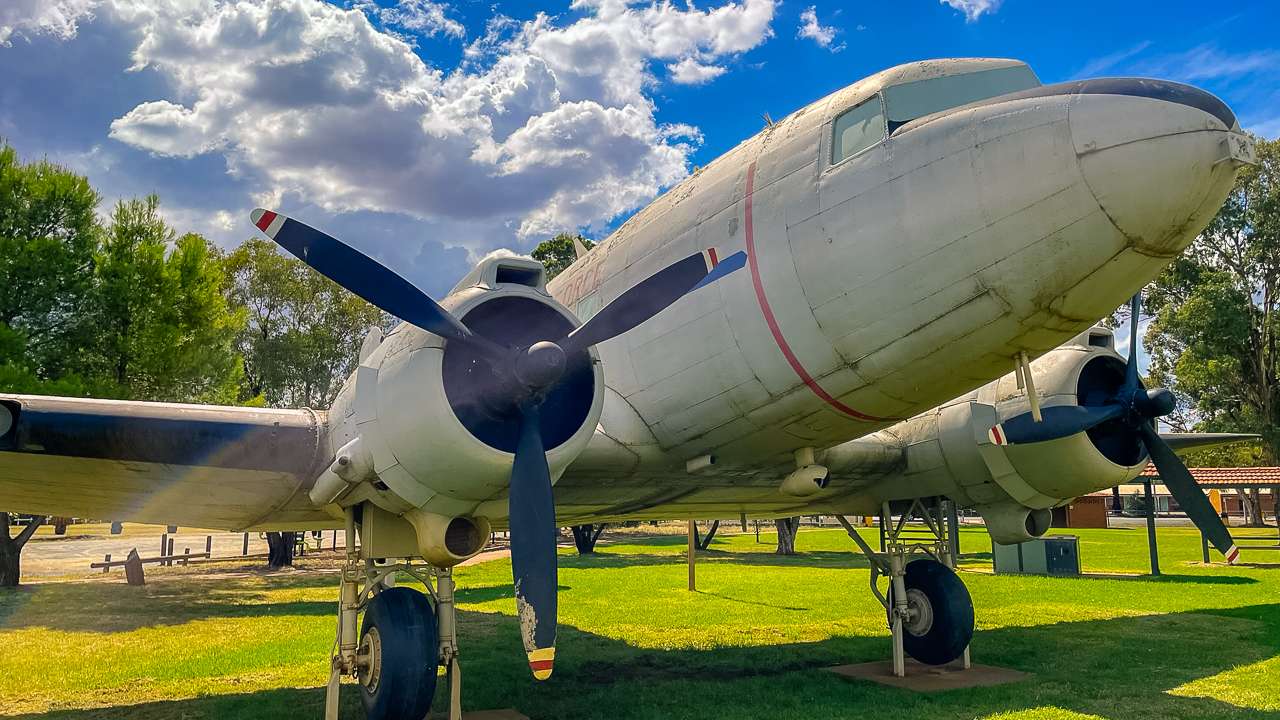
DC3 In Lions Park At West Wyalong
Free Camping In West Wyalong – Conclusion
Free camping in West Wyalong offers a perfect blend of historical discovery, natural beauty and authentic Australian rural experiences. From its fascinating gold mining origins to its current role as an agricultural hub, the area provides campers with diverse attractions and activities against the backdrop of classic inland New South Wales landscapes.
The town’s strategic location at the crossroads of major highways makes it both accessible and an ideal base for broader exploration of the Central West region. Whether you’re passing through on a longer journey or specifically targeting West Wyalong for its gold rush heritage, the area rewards visitors with its unique character and country hospitality.
As you set up your camp under the vast inland sky, you’ll be experiencing the same landscape that once drew thousands of hopeful miners seeking their fortune in gold. Today’s treasures may be different – found in meaningful connections, natural beauty and historical understanding rather than precious metal – but they remain just as valuable for the discerning traveller.
West Wyalong stands as a testament to Australia’s golden past and its agricultural present, offering free campers an authentic slice of rural Australian life that remains refreshingly connected to its historical roots.
References
- Gold Trails, NSW, Australia. “West Wyalong Goldfield history.” https://goldtrails.com.au/html_files/explore/wyalong-link-history/
- Tripadvisor. “THE 15 BEST Things to Do in West Wyalong (2025).” https://www.tripadvisor.com.au/Attractions-g529043-Activities-West_Wyalong_New_South_Wales.html
- Bland Shire Council. “West Wyalong.” https://www.blandshire.nsw.gov.au/Visitor-Information/Towns-and-Villages/West-Wyalong
- McQueen, K. & Ashley, R. “History of gold discovery and early mining in the East Riverina, New South Wales.” https://www.mininghistory.asn.au/wp-content/uploads/5.-McQueen-Ashley-v21.pdf
- Saturn Metals. “West Wyalong.” https://saturnmetals.com.au/projects/west-wyalong/
Citations
[2] https://www.goldindustrygroup.com.au/news/2023/10/17/west-wyalong-strikes-gold-town-sets-guinness-world-record-for-simultaneous-gold-panning
[3] https://www.aussietowns.com.au/town/west-wyalong
[4] https://www.visitnsw.com/destinations/country-nsw/riverina/west-wyalong/activities
[5] https://www.visitnsw.com/destinations/country-nsw/riverina/west-wyalong/attractions/green-corridor-walking-track
[6] https://www.visitnsw.com/destinations/country-nsw/riverina/west-wyalong
[7] https://au.drivebestway.com/distance/west-wyalong/adelaide-au/
[8] https://www.rome2rio.com/s/Perth/West-Wyalong
[9] https://au.drivebestway.com/distance/west-wyalong/parkes-nsw-au/
[10] https://au.drivebestway.com/distance/wyalong/temora/
[11] https://goldtrails.com.au/html_files/explore/wyalong/
[12] https://www.blandshire.nsw.gov.au/Visitor-Information/Things-to-See-and-Do
[13] https://www.rome2rio.com/s/Sydney/West-Wyalong
[14] https://www.trippy.com/drive/Perth-to-West-Wyalong
[15] https://goldtrails.com.au/html_files/explore/wyalong-link-history/
[16] https://www.tripadvisor.com.au/Attractions-g529043-Activities-West_Wyalong_New_South_Wales.html
[17] https://www.blandshire.nsw.gov.au/Visitor-Information/Towns-and-Villages/West-Wyalong
[18] https://www.mininghistory.asn.au/wp-content/uploads/5.-McQueen-Ashley-v21.pdf
[19] https://saturnmetals.com.au/projects/west-wyalong/
[20] https://www.britannica.com/place/West-Wyalong
[21] https://www.blandshire.nsw.gov.au/Visitor-Information/Things-to-See-and-Do/Wyalong-Heritage-Walk
[22] https://www.blandshire.nsw.gov.au/Visitor-Information/Things-to-See-and-Do/West-Wyalong-Heritage-Walk
[23] https://evolutionmining.com.au/case-study/guinness-world-record-set-for-gold-panning-at-west-wyalong/
[24] https://en.wikipedia.org/wiki/West_Wyalong
[25] http://www.maurice-robinson.net/the-robinson-family/2014/3/17/zfrg7ei1lpsj68lsf7fbq2my35tal7
[26] https://www.visitnsw.com/destinations/country-nsw/riverina/west-wyalong/destination-information/wyalong
[27] https://evolutionmining.com.au/wp-content/uploads/2017/01/Cowal-West-Wyalong-Relocation-Guide.pdf
[28] https://wyalongfamilyhistory.com
[29] https://www.visitnsw.com/destinations/country-nsw/riverina/west-wyalong/attractions/wyalong-museum
[30] https://mhnsw.au/webinars/archives-on-tour-west-wyalong-school-records/
[31] https://westwyalongcaravanpark.com.au/local-attractions/
[32] https://www.nsw.gov.au/visiting-and-exploring-nsw/locations-and-attractions/west-wyalong-visitor-information-centre
[33] https://www.eventbrite.com.au/d/australia–west-wyalong/west-wyalong/
[34] https://theriverina.com.au/destinations/west-wyalong/
[35] https://www.tripadvisor.com.au/Attraction_Review-g529043-d12683128-Reviews-West_Wyalong_Wetlands-West_Wyalong_New_South_Wales.html
[36] https://www.eventbrite.com.au/b/australia–west-wyalong/community/
[37] https://theriverina.com.au/listings/west-wyalong-heritage-walk/
[38] https://www.blandshire.nsw.gov.au/Recreation/Parks-and-Gardens
[39] https://www.mycommunitydirectory.com.au/info/more-events/STATE/NSW/UCL/West-Wyalong
[40] https://www.tripadvisor.com/Attractions-g529043-Activities-c42-West_Wyalong_New_South_Wales.html
[41] https://audio-tours.cyaontheroad.com/maps/1647993167.html
[42] https://www.trippy.com/drive/Perth-to-West-Wyalong
[43] https://www.trippy.com/drive/West-Wyalong-to-Sydney
[44] https://www.trippy.com/drive/West-Wyalong-to-Melbourne
[45] https://www.trippy.com/distance/West-Wyalong-to-Brisbane
[46] https://www.trippy.com/drive/Adelaide-to-West-Wyalong
[47] https://www.trippy.com/distance/Perth-to-West-Wyalong
[48] https://distancecalculator.globefeed.com/Australia_Distance_Calculator.asp?state=02
[49] https://distance-calculator.info/route/west-wyalong/melbourne
[50] https://www.rome2rio.com/s/Brisbane/West-Wyalong
[51] https://fromto.travel/en/l/australia/west-wyalong-new-south-wales/adelaide-south-australia
[52] https://www.rome2rio.com/s/Perth/West-Wyalong
[53] https://www.rome2rio.com/s/West-Wyalong/Sydney
[54] https://wikicamps.com.au/site/New+South+Wales+%252F+ACT/Campground/Cooinda+Park+Rest+Area/14295
[55] https://www.blandshire.nsw.gov.au/files/sharedassets/public/v/1/tourism/relocation-guide-update-april-2025.pdf
[56] https://www.instagram.com/reel/C6QkSrDSn6o/
[57] https://westwyalongcaravanpark.com.au
[58] https://www.anycamp.com.au/l/campsites/west-wyalong-nsw/free
[59] https://www.camptoo.com.au/campsites/nsw?page=22
[60] https://directory.fullrangecamping.com.au/item/bland-creek-rest-area-fc/
[61] https://www.blandshire.nsw.gov.au/files/sharedassets/public/v/1/tourism/new-folder/accommodation-guide-2024.pdf
[62] https://ratpacktravel.com/blog/free-camping-australia-guide/
[63] https://kissandfly.com/direction/perth-per/west-wyalong
[64] https://au.drivebestway.com/distance/parkes-nsw-au/west-wyalong/
[65] https://www.rome2rio.com/s/Temora/West-Wyalong
[66] https://www.blandshire.nsw.gov.au/Development/Building-and-Planning-Advice/Planning-Policies
[67] https://lismoreapp.com.au/NewsStory/is-there-free-camping-in-nsw-your-guide-to-free-campsites-and-tips/6703c7a1df451c00d69f0074
[68] https://www.nhvr.gov.au/road-access/route-planner
[69] https://www.trippy.com/drive/West-Wyalong-to-Parkes
[70] https://www.rome2rio.com/s/West-Wyalong/Temora
[71] https://www.blandshire.nsw.gov.au/Environment/Useful-Information
[72] https://www.planning.nsw.gov.au/sites/default/files/2023-03/planning-circular-ps-10-019-illegal-camping.pdf
[73] https://www.travelmath.com/time-change/from/Perth+Amboy,+NJ/to/West+Wyalong,+Australia
[74] https://www.visitnsw.com/destinations/country-nsw/riverina/west-wyalong
[75] https://www.travelnsw.com.au/westwyalong/
[76] https://cpsa.org.au/nsw-seniors-activities-by-suburb/west-wyalong/
[77] https://www.travelmath.com/distance/from/Sydney,+Australia/to/West+Wyalong,+Australia
[78] https://fromto.travel/en/l/australia/west-wyalong-new-south-wales/sydney-new-south-wales
[79] https://www.trippy.com/drive/Sydney-to-West-Wyalong
[80] https://www.trippy.com/drive/Melbourne-to-West-Wyalong
[81] https://www.trippy.com/drive/Brisbane-to-West-Wyalong
[82] https://www.anycamp.com.au/l/campsites/wyalong-nsw/free
[83] https://directory.fullrangecamping.com.au/item/west-wyalong-showgrounds-cg/
[84] https://wikicamps.com.au/site/New+South+Wales+%252F+ACT/Campground/West+Wyalong+Showgrounds/19277
[85] http://www.findacamp.com.au/search-camp-sites.php?pc=WEST+WYALONG_NSW_2671
[86] https://www.hipcamp.com/en-AU/d/australia/new-south-wales/west-wyalong/camping/pets
[87] https://www.camptoo.com.au/campsite/nsw/marsden-rest-area-south-bound
[88] https://www.blandshire.nsw.gov.au/Recreation/Parks-and-Gardens/Cooinda-Reserve
[89] https://www.hipcamp.com/en-AU/d/australia/new-south-wales/west-wyalong/camping/rv
[90] https://www.driving-route-planner.com/west-wyalong-perth
[91] https://www.rome2rio.com/s/Canberra/West-Wyalong
[92] https://ablis.business.gov.au/service/nsw/approval-to-operate-a-caravan-park-or-camping-ground-bland-shire-council/12538
![35 BEST Things To Do In Lightning Ridge In [2026]](https://www.followourtravels.com/wp-content/uploads/2025/04/Lightning-Ridge-Yellow-Car-Door-Tour-2025-1080x675.jpg)