Road Trip From Melbourne To Adelaide: 3 Unique Itineraries

Road Trip From Melbourne To Adelaide: 3 Unique Itineraries

Road Trip From Melbourne To Adelaide: 3 Unique Itineraries

Plan your ultimate road trip from Melbourne to Adelaide with 3 unique itineraries! Explore scenic stops, free camping spots and must see highlights for caravanners and campers. Adventure awaits! Embarking on a road trip from Melbourne to Adelaide is a quintessential Australian adventure.

Whether you’re a time pressed traveller or a leisurely explorer this journey offers something for everyone. With a road trip from Melbourne to Adelaide driving distance of approximately 900 kilometres, the route is packed with scenic coastal drives, historic landmarks and natural wonders.

Below we’ve come up with three distinct itineraries – 3 days, 7 days and a 14 Day return trip. Each taking a different route to minimise location duplication. All overnight stops prioritise free or low cost camping. Absolutely perfect for caravanners and campers.

Table Of Contents

Road Trip From Melbourne To Adelaide
Key Comparisons And Insights

Itinerary Duration Route Focus Overnight Stops Best For
3 Day Express 3 Days Coastal & Mountain Free Camping Time pressed travellers
7 Day Coastal 7 Days Limestone Coast Low Cost Camping Leisurely coastal explorers
14 Day Return 14 Days Inland & Coastal Mix of Free & Paid Camping Comprehensive exploration

Key Insights On Travel Times And Distances

  1. The 3 Day itinerary is the most time efficient, covering approximately 1,097 km in total, with daily driving times ranging from 3.5 to 6 hours.
  2. The 7 Day itinerary is more relaxed, totalling around 1,143 km, with most driving days under 4 hours.
  3. The 14 Day return trip is the most comprehensive, covering roughly 2,226 km round trip, with driving times averaging 3-5 hours per day.

Each itinerary offers a unique perspective on the Melbourne to Adelaide road trip stops, ensuring you’ll find one that suits your travel style.

3 Day Express Adventure: Coastal And Mountain Highlights

This fast-paced itinerary is ideal for those short on time but eager to experience the best of Victoria’s coastline and mountains.

Day 1: Melbourne to Port Campbell (285 km)

  • Stops: Torquay, Lorne, Apollo Bay
  • Overnight: Port Campbell Recreation Reserve (free camping).

Highlights

  • Twelve Apostles: Iconic limestone stacks rising from the Southern Ocean.
  • Loch Ard Gorge: A stunning gorge with a rich shipwreck history.

Day 2: Port Campbell to Halls Gap (287 km)

  • Stops: Warrnambool, Port Fairy
  • Overnight: Plantation Campground, Grampians (free camping).

Highlights

  • Tower Hill Wildlife Reserve: A volcanic crater teeming with native wildlife.
  • Grampians National Park: Spectacular mountain ranges and waterfalls.

Day 3: Halls Gap to Adelaide (525 km)

  • Stops: Horsham, Bordertown
  • Arrival in Adelaide.

Highlights

  • Little Desert National Park: A unique arid landscape.
  • The Bend Motorsport Park: A must visit for car enthusiasts.

Alternative Stops

Bells Beach, Otway National Park, Hamilton.

Road Trip From Melbourne To Adelaide

Road Trip From Melbourne To Adelaide

3 Day Express Adventure: Coastal And Mountain Highlights At A Glance

Day Route Distance Travel Time Stops Highlights Overnight Stay
1 Melbourne to Port Campbell 285 km 3.5 hours Torquay, Lorne, Apollo Bay Twelve Apostles, Loch Ard Gorge Port Campbell Recreation Reserve (Free)
2 Port Campbell to Halls Gap 287 km 3.5 hours Warrnambool, Port Fairy Tower Hill Wildlife Reserve, Grampians Plantation Campground, Grampians (Free)
3 Halls Gap to Adelaide 525 km 6 hours Horsham, Bordertown Little Desert NP, The Bend Motorsport Arrival in Adelaide

7 Day Coastal Expedition: Exploring the Limestone Coast

This relaxed route hugs the coastline, showcasing the beauty of Victoria and South Australia’s southern shores.

Day 1: Melbourne to Apollo Bay (187 km)

  • Stops: Geelong, Anglesea
  • Overnight: Apollo Bay Recreation Reserve (low-cost camping).

Highlights

  • Great Ocean Road Memorial Arch: The gateway to this iconic drive.
  • Erskine Falls: A picturesque waterfall near Lorne.

Day 2: Apollo Bay to Port Fairy (188 km)

  • Stops: Twelve Apostles, Port Campbell
  • Overnight: Southcombe Park, Port Fairy (low-cost camping).

Highlights

  • Gibson Steps: A dramatic coastal viewpoint.
  • The Arch: A natural rock formation.

Day 3: Port Fairy to Mount Gambier (178 km)

  • Stops: Portland, Nelson
  • Overnight: Mount Gambier Central Caravan Park.

Highlights

  • Cape Bridgewater: Known for its blowholes and seal colony.
  • Glenelg River: Perfect for kayaking or fishing.

Day 4: Mount Gambier to Robe (138 km)

  • Stops: Tantanoola Caves, Millicent
  • Overnight: Long Beach Campground, Robe (free camping).

Highlights

  • Blue Lake: A stunning crater lake that changes colour seasonally.
  • Umpherston Sinkhole: A sunken garden with lush greenery.

Day 5: Robe to Victor Harbor (367 km)

  • Stops: Kingston SE, Meningie
  • Overnight: Adare Camp and Caravan Park, Victor Harbor.

Highlights

  • Cape Jaffa Lighthouse: A historic maritime landmark.
  • Coorong National Park: A haven for birdwatchers.

Day 6: Victor Harbor to McLaren Vale (44 km)

  • Stops: Port Elliot, Goolwa
  • Overnight: Moana Beach Tourist Park.

Highlights

  • Granite Island: Home to a colony of little penguins.
  • Cockle Train: A heritage steam train ride.

Day 7: McLaren Vale to Adelaide (41 km)

  • Stops: Willunga, Hallett Cove
  • Arrival in Adelaide.

Highlights

  • McLaren Vale Wineries: Sample world class wines.
  • Hallett Cove Conservation Park: Known for its geological significance.

Alternative Stops

Cape Otway, Tower Hill, Naracoorte Caves, Currency Creek.

7 Day Coastal Expedition: Exploring the Limestone Coast At A Glance

Day Route Distance Travel Time Stops Highlights Overnight Stay
1 Melbourne to Apollo Bay 187 km 2.5 hours Geelong, Anglesea Great Ocean Road Memorial Arch, Erskine Falls Apollo Bay Recreation Reserve (Low-cost)
2 Apollo Bay to Port Fairy 188 km 2.5 hours Twelve Apostles, Port Campbell Gibson Steps, The Arch Southcombe Park, Port Fairy (Low-cost)
3 Port Fairy to Mount Gambier 178 km 2 hours Portland, Nelson Cape Bridgewater, Glenelg River Mount Gambier Central Caravan Park
4 Mount Gambier to Robe 138 km 1.5 hours Tantanoola Caves, Millicent Blue Lake, Umpherston Sinkhole Long Beach Campground, Robe (Free)
5 Robe to Victor Harbor 367 km 4 hours Kingston SE, Meningie Cape Jaffa Lighthouse, Coorong NP Adare Camp and Caravan Park, Victor Harbor
6 Victor Harbor to McLaren Vale 44 km 45 minutes Port Elliot, Goolwa Granite Island, Cockle Train Moana Beach Tourist Park
7 McLaren Vale to Adelaide 41 km 40 minutes Willunga, Hallett Cove McLaren Vale Wineries, Hallett Cove CP Arrival in Adelaide

14 Day Return Trip Odyssey: Inland and Coastal Exploration

This comprehensive itinerary combines inland and coastal routes, offering a diverse experience of Victoria and South Australia.

Days 1-2: Melbourne to Grampians (260 km)

  • Stops: Ballarat, Ararat
  • Overnight: Stapylton Campground, Grampians (free camping).

Highlights

  • Sovereign Hill: A living museum of the gold rush era.
  • Grampians National Park: Hiking trails and Aboriginal rock art.

Days 3-4: Grampians to Robe (435 km)

  • Stops: Naracoorte, Penola
  • Overnight: The Pines Campground, Little Dip Conservation Park (free camping).

Highlights

  • Naracoorte Caves: A UNESCO World Heritage Site.
  • Coonawarra Wine Region: Renowned for its Cabernet Sauvignon.

Days 5-6: Robe to Victor Harbor (367 km)

  • Stops: Kingston SE, Meningie
  • Overnight: Waitpinga Campground, Newland Head Conservation Park (low-cost camping).

Highlights

  • Cape Jaffa Lighthouse: A historic maritime landmark.
  • Coorong National Park: A haven for birdwatchers.

Days 7-8: Victor Harbor to Adelaide (83 km)

  • Stops: Port Elliot, McLaren Vale
  • Overnight: Adelaide Shores Caravan Park.

Highlights

  • Granite Island: Home to a colony of little penguins.
  • McLaren Vale Wineries: Sample world-class wines.

Days 9-10: Adelaide to Mount Gambier (449 km)

  • Stops: Murray Bridge, Keith
  • Overnight: Mount Gambier Central Caravan Park.

Highlights

  • Monarto Safari Park: An open-range zoo.
  • Blue Lake: A stunning crater lake.

Days 11-12: Mount Gambier to Port Campbell (267 km)

  • Stops: Portland, Warrnambool
  • Overnight: Port Campbell Recreation Reserve (free camping).

Highlights

  • Cape Bridgewater: Known for its blowholes and seal colony.
  • Flagstaff Hill Maritime Village: A recreated 19th-century port.

Days 13-14: Port Campbell to Melbourne (285 km)

  • Stops: Apollo Bay, Lorne
  • Return to Melbourne.

Highlights

  • Twelve Apostles: Iconic limestone stacks.
  • Great Otway National Park: Lush rainforests and waterfalls.

Alternative Stops: Horsham, Bordertown, Tailem Bend, Robe, Port Fairy, Torquay.

14 Day Return Trip Odyssey: Inland and Coastal Exploration At A Glance

Day Route Distance Travel Time Stops Highlights Overnight Stay
1-2 Melbourne to Grampians 260 km 3 hours Ballarat, Ararat Sovereign Hill, Grampians NP Stapylton Campground, Grampians (Free)
3-4 Grampians to Robe 435 km 5 hours Naracoorte, Penola Naracoorte Caves, Coonawarra Wine Region The Pines Campground, Little Dip CP (Free)
5-6 Robe to Victor Harbor 367 km 4 hours Kingston SE, Meningie Cape Jaffa Lighthouse, Coorong NP Waitpinga Campground, Newland Head CP (Low-cost)
7-8 Victor Harbor to Adelaide 83 km 1 hour Port Elliot, McLaren Vale Granite Island, McLaren Vale Wineries Adelaide Shores Caravan Park
9-10 Adelaide to Mount Gambier 449 km 5 hours Murray Bridge, Keith Monarto Safari Park, Blue Lake Mount Gambier Central Caravan Park
11-12 Mount Gambier to Port Campbell 267 km 3 hours Portland, Warrnambool Cape Bridgewater, Flagstaff Hill Port Campbell Recreation Reserve (Free)
13-14 Port Campbell to Melbourne 285 km 3.5 hours Apollo Bay, Lorne Twelve Apostles, Great Otway NP Return to Melbourne

Final Thoughts On A Road Trip From Melbourne To Adelaide

A road trip from Melbourne to Adelaide is more than just a drive – it’s an opportunity to explore Australia’s diverse landscapes and rich history. Whether you choose the 3 Day express, the 7 Day coastal route, or the 14 Day odyssey, each journey promises unforgettable memories. Amanda and I have done all of these routes in parts and visited all of the places outlined. We can highly recommend it.

Remember to check campground availability, especially during peak seasons and always practice responsible camping. Happy travels!

Road Trip From Melbourne To Adelaide Itinerary Decisions

Road Trip From Melbourne To Adelaide Itinerary Decisions

6 Frequently Asked Question FAQs About A Road Trip From Melbourne To Adelaide

What is the best route for a road trip from Melbourne to Adelaide?

The best route depends on your timeframe and interests. For a quick trip, take the Great Ocean Road and Grampians National Park (3-day itinerary). For a coastal adventure, explore the Limestone Coast (7-day itinerary). For a comprehensive journey, combine inland and coastal routes (14-day return trip).

How long does a road trip from Melbourne to Adelaide take?

The road trip from Melbourne to Adelaide can take anywhere from 3 days to 2 weeks, depending on your itinerary. The direct drive is about 9 hours (900 km), but exploring scenic stops and attractions will extend your travel time.

Where can I camp overnight on a road trip from Melbourne to Adelaide?

There are plenty of camping options, including free and low-cost sites. Popular stops include Port Campbell Recreation Reserve, Plantation Campground (Grampians), and Long Beach Campground (Robe). Always check availability and book in advance during peak seasons.

What are the must-see highlights on a road trip from Melbourne to Adelaide?

Key highlights include the Twelve Apostles, Grampians National Park, Blue Lake (Mount Gambier), and Coorong National Park. Each route offers unique attractions, from coastal views to historic landmarks and wildlife encounters.

Can I do a road trip from Melbourne to Adelaide on a budget?

Absolutely! Prioritise free camping sites like Port Campbell Recreation Reserve and The Pines Campground (Robe). Many attractions, such as the Twelve Apostles and Coorong National Park, are free to visit, making the road trip from Melbourne to Adelaide budget-friendly.

Is a road trip from Melbourne to Adelaide suitable for families?

Yes, the road trip from Melbourne to Adelaide is family-friendly. With stops like Tower Hill Wildlife Reserve, Granite Island, and Monarto Safari Park, there are plenty of activities for kids. Choose a relaxed itinerary, such as the 7-day coastal route, for a stress-free family adventure.

The Great Caravan Fridge Showdown: 3 Way vs 12v Compressor

The Great Caravan Fridge Showdown: 3 Way vs 12v Compressor

The Great Caravan Fridge Showdown: 3 Way vs 12v Compressor

Caravan Fridge Survival Guide: Which Type Keeps Food Coldest in Aussie Summers? (Spoiler: It’s Not What You Think!). For Australian caravanners, a reliable fridge is not merely a convenience – it is an essential component of life on the road.

Whether traversing the rugged Outback, coastal highways, or alpine regions, the choice between a caravan fridge 3 way and a 12 volt caravan fridge compressor will profoundly influence comfort, convenience and even safety. This guide offers an exhaustive comparison of these two dominant technologies, evaluates the viability of using domestic fridges in caravans and addresses common challenges faced in Australia’s diverse climates.

Caravan Fridge Comparison

Caravan Fridge Comparison

Caravan Fridge 3 Way: The Off Grid Champion

Absorption refrigerators, often referred to as 3 way fridges, operate using three power sources: liquefied petroleum gas (LPG), 12 volt battery power, or 240 volt mains electricity. This versatility has cemented their status as a staple for remote adventures, particularly in regions like the Kimberley or Cape York where grid power is scarce.

Advantages Of 3 Way Fridges

  1. Fuel Flexibility: A standard 9 kilogram gas bottle can sustain a 3 way fridge for up to three weeks, making it indispensable for extended off grid stays.
  2. Silent Operation: Without a compressor, these fridges produce no mechanical noise, preserving the tranquillity of campsites.
  3. Proven Reliability: Brands such as Thetford and Dometic have refined absorption fridge designs over decades, ensuring robust performance in harsh conditions.

Limitations Of 3 Way Fridges

  1. Heat Sensitivity: Performance declines sharply in ambient temperatures exceeding 35 degrees Celsius, necessitating shade, ventilation and sometimes auxiliary cooling fans.
  2. Levelling Requirements: These fridges must remain within 3 degrees of level to function correctly – a challenge on uneven terrain or during sudden stops.
  3. Slow Cooling: Achieving optimal temperatures can take 6 to 8 hours from a warm start, requiring pre-cooling on mains power before trips.

According to Marvel RV, adding a 12 volt vent fan to the fridge’s external casing can improve cooling efficiency by up to 30% in hot weather.

12 Volt Caravan Fridge Compressor: The Modern Cooling Solution

Compressor driven fridges, such as those manufactured by Bushman or Engel, rely on 12 or 24 volt DC power or 240 volt AC electricity. Their rapid cooling capabilities and resilience in extreme heat have made them a favourite among travellers prioritising performance.

Strengths Of 12 Volt Compressor Fridges

  1. Superior Cooling Capacity: These units can reach temperatures as low as minus 18 degrees Celsius, outperforming 3 way models during heatwaves.
  2. Terrain Versatility: Unlike absorption fridges, compressor models operate efficiently at any angle, making them ideal for corrugated roads or steep inclines.
  3. Energy Efficiency: Modern inverter compressors adjust cooling output based on demand, reducing power consumption by 30% compared to older fixed speed models.

Drawbacks Of 12 Volt Compressor Fridges

  1. Higher Power Demand: A 100 litre compressor fridge can deplete a 100 ampere hour battery in 12 to 18 hours without solar replenishment.
  2. Audible Operation: The compressor emits a low hum (40 to 50 decibels), which may disturb light sleepers in compact caravans.
  3. Initial Cost: Prices for compressor fridges start 20% to 40% higher than equivalent 3 way models, though long term energy savings can offset this.

Bushman’s buying guide recommends pairing these fridges with lithium iron phosphate (LiFePO4) batteries and a minimum of 200 watts of solar panels for extended off grid use.

Head To Head: 3 Way Vs. 12 Volt Compressor Caravan Fridges

To simplify the decision making process, the table below contrasts key features of both fridge types:

Feature 3 Way Fridge 12 Volt Compressor Fridge
Power Sources Gas, 12V, 240V 12V, 240V
Cooling Speed 6–8 hours to chill 2–4 hours to chill
Hot Weather Performance Struggles above 35°C; needs shade Maintains temps up to 45°C
Energy Consumption 0.2–0.3kg LPG/day; 10–12A/h on 12V 3–5A/h on 12V
Noise Level Silent Audible compressor hum
Optimal Use Case Long term off grid; quiet campsites Short trips; extreme heat; rough roads

Domestic Fridges In Caravans: A Practical Choice?

Some caravanners attempt to cut costs by installing household fridges with inverters. While this approach has merits, it introduces unique challenges.

Arguments In Favour Of Domestic Fridges

  1. Cost Efficiency: A $700 domestic fridge combined with a $300 inverter often costs less than a premium $2,000 caravan specific model.
  2. Energy Savings: Modern inverter driven domestic fridges consume as little as 0.8 to 1.2 kilowatt hours daily, rivaling dedicated caravan fridges.
  3. Familiar Features: Household fridges often include ice makers, water dispensers and adjustable shelving absent in caravan models.

Arguments Against Domestic Fridges

  1. Power Requirements: A 200 litre domestic fridge typically demands a 2000 watt pure sine wave inverter and a 400 ampere hour battery bank – impractical for most caravans.
  2. Durability Concerns: Domestic compressors are not engineered to withstand vibrations from corrugated roads, increasing failure risks.
  3. Space Constraints: Standard household fridges rarely fit caravan cabinetry, requiring custom modifications.

A Caravaners Forum discussion highlights mixed outcomes, with multiple users reporting inverter failures or fridge damage within months.

Head To Head 3 Way Vs 12 Volt Compressor Caravan Fridge Showdown Comparison

Head To Head 3 Way Vs 12 Volt Compressor Caravan Fridge Showdown Comparison

Caravan Fridge Hot Weather Performance: A Critical Analysis

Australia’s summer temperatures routinely exceed 40 degrees Celsius, testing the limits of both fridge types.

3 Way Fridges In Heat

In gas mode 3 way fridges function reliably up to 32 degrees Celsius. Beyond this, their ammonia based cooling cycle struggles as external heat reduces the temperature differential needed for refrigerant circulation. Solutions include:

  • Installing reflective foil on the fridge’s exterior.
  • Using 12 volt fans to boost airflow around the condenser.
  • Parking the caravan in shaded areas during peak heat.

12 Volt Compressor Fridges In Heat

Compressor fridges excel in hot conditions with models like the Bushman 4WD Fridge Freezer maintaining internal temperatures of minus 5 degrees Celsius even at 45 degrees Celsius ambient. Their hermetically sealed systems are unaffected by external heat, though excessive power draw can strain batteries.

Performance While Driving: 12 Volt Power Showdown

3 Way Fridges on 12 Volt

When switched to 12 volt mode during travel, 3 way fridges consume 10 to 12 amperes per hour – enough to drain a 100 ampere hour battery in under 9 hours. Consequently, most users switch to gas mode while driving, despite safety concerns about open flames in moving vehicles.

12 Volt Compressor Fridges While Driving

Compressor fridges draw 3 to 5 amperes per hour on 12 volt power, making them sustainable with a dual battery system. Advanced models like the Dometic CFX3 feature low voltage cutoffs to prevent starter battery depletion.

Common Caravan Fridge Problems And Solutions

3 Way Fridge Issues

  • Slow Cooling: Often caused by improper levelling or obstructed flues. Regularly check the fridge’s spirit level and clear debris from ventilation paths.
  • Excessive Gas Use: Dirty burners or faulty thermostats increase LPG consumption. Annual servicing by certified technicians is advised.
  • Ineffective 12 Volt Mode: Designed only for short term use, 12 volt mode should be avoided during extended drives.

12 Volt Compressor Fridge Issues

  • Rapid Battery Drain: Insufficient solar input or undersized batteries are common culprits. Monitor power usage with a battery management system.
  • Condensation Buildup: Frequent door openings in humid climates cause internal moisture. Use desiccant packs and minimise access during peak heat.
  • Compressor Failures: Voltage spikes or continuous operation on uneven surfaces can damage compressors. Invest in a surge protector and ensure stable mounting.

Allbrand Caravan Service reports that 70% of compressor fridge failures result from poor battery maintenance or incorrect installation.

Maximising Efficiency And Longevity

  • Precooling: Always cool the fridge on 240 volt power for 12 hours before departure.
  • Ventilation: Maintain at least 50 millimetres of clearance around the fridge’s vents and consider installing additional fans.
  • Battery Care: Keep lithium batteries above 20% charge and lead acid batteries above 50% to prolong lifespan.
  • Routine Maintenance: Clean door seals monthly, defrost freezer compartments quarterly and service gas components annually.

Regional Considerations For Australian Travellers

  • Tropical North: High humidity and temperatures favour compressor fridges, though 3 way models can suffice with diligent ventilation.
  • Arid Interior: Dust storms can clog 3 way fridge burners; compressor fridges with sealed systems are less vulnerable.
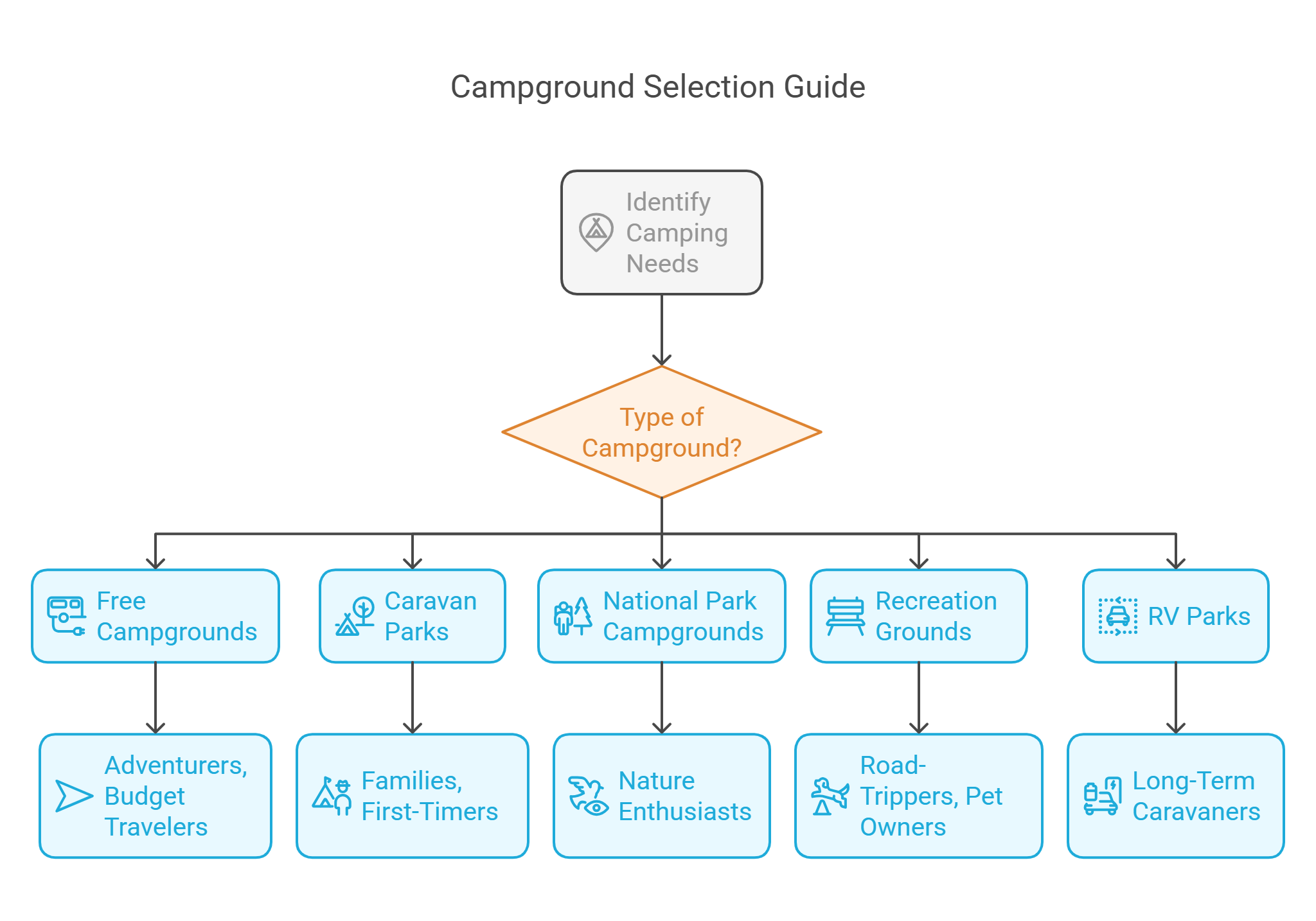
  • Alpine Regions: Both fridge types perform well in cold climates, though 3 way models may struggle if your gas bottle freezes.

Final Recommendations

Selecting the ideal caravan fridge hinges on travel habits, power resources and environmental conditions:

  • Frequent Off Grid Travellers: The 3 way fridge’s gas efficiency and quiet operation make it ideal for extended remote stays.
  • Weekend Adventurers: Opt for a 12 volt compressor fridge for rapid cooling and hassle free operation on short trips.
  • Tech Savvy Users: Consider hybrid systems combining a small compressor fridge for perishables and a 3 way unit for beverages.

Ultimately, pairing your fridge with a robust solar setup, quality batteries and smart energy practices will ensure reliable performance across Australia’s diverse landscapes.

List Of Australian Caravan Brands

Adventura Caravans, Adventure Caravans, Aliner Caravans, Alpha Fibreglass, AOR (Australian Off Road Caravans), Apollo Caravans, Aussie Wide Caravans, Australian Motor Homes Pty Ltd, Australian Off Road Caravans, Avan Campers, Avan Caravans, Avida RV, Bailey Caravans, Ballina Campervans, Beachmere Caravans, Big Red Caravan Co., Billabong Custom Caravans, Black Series Caravans, Broadwater Caravans, Bushtracker Caravans, Camprite Campers, Caravan Manufacturer, Caria Caravan Trailer, Challenge Camper Trailers Caravans, Chapman Caravans, Classic RTM Caravans, Concept Caravans, Coromal Caravans, Creative Caravans, Crusader Caravans, Customline Caravans, Davsher Caravans, Desert Edge Trailers, Designer Vans Caravans, Discoverer Campers, Dreamhaven Caravans, Dreamland Trailers, Driftaway Caravans, Dryden Trailers Caravans, Eagle Caravans, Elddis Caravans, Elross Caravans, Emerald Caravans, Evernew Caravans, Exodus Campers, Ezytrail Campers, Ezytrail Caravans, Galaxy Caravans, Goldstream Recreational Vehicles, Goldstream RV, Golf Caravans, Grand Tourer Caravans, Heaslip Campers, Horizon Motorhomes, I & D Industries, Imperial Caravans, Jayco, Jayco Caravans, Jurgens Australia, Jurgens Caravans, Kea Campers Australia Caravans, Kingdom Caravans, Knaus Caravans, La Vista Caravans, Lifestyle Leisure RV, Limit Seeker Camper Trailers Caravans, Lotus Caravans, Majestic Caravans, Mandurah Caravans, MARS Campers, MARS Caravans, May West Caravans, Melbourne RV, Metro Caravans, Millard Caravans, Montana Caravans, New Age Caravans, Nova Caravans, Olympic Caravans, Opalite Caravans, Outback Caravans, Paradise Caravans, Paradise Motor Homes, Paramount Caravans, Regal Caravans, Regent Caravans, Retreat Caravans, Rhinomax, Rivenlee Caravans, Roadstar Caravans, Roma Caravans, Royal Flair Caravans, Shasta Caravans, Snowy River Caravans, Spaceland Industries Caravans, Spinifex Caravans, Suncamper Caravans, Sunland Caravans, Sunliner Recreational Vehicles, Supreme Caravans, Swagman Aust Caravans, Toy Haulers Manufacturer, Track Trailer, Trackabout Caravan Co., Trailblazer Caravans, Trailblazers RV Caravans, Trailer Manufacturer, Trailstar Caravans, Trakka, Trakka Caravans, Trakmaster Caravans, Travelhome, Traveller Caravans, Truelux 5th Wheel, Universal Caravans, Vanguard Caravans, Victory Caravans, Western Caravans, Windsor Caravans, Winnebago Industries, Wirraway Motorhomes, Zone RV


2025’s Top Caravan TV: Best 12V & Smart Picks In Australia!

2025’s Top Caravan TV: Best 12V & Smart Picks In Australia!

2025’s Top Caravan TV: Best 12V & Smart Picks In Australia!

Don’t buy a caravan TV before reading this! 2025’s best 12V & smart models exposed. Find out the #1 pick now!

For modern caravanners a reliable TV is not just a luxury it’s a gateway to comfort on the road. Whether you’re streaming shows under the stars or catching the news during a rainstorm the right caravan TV can transform your mobile living experience. But with so many options available, how do you pick the perfect model? We’ve analysed Australia’s top 10 caravan TVs, weighing their pros, cons and unique features to help you decide.

Best Caravan TV: What Defines A Top Performer?

The best caravan TV balances durability, power efficiency and smart functionality. Size matters too: compact models suit smaller spaces, while larger screens enhance viewing without overwhelming your setup. Below, we break down the leading contenders in 2025.

Best 12v Caravan TV

Best 12v Caravan TV

Top 10 Caravan TVs In Australia In 2025

1. Englaon X90 Series

  • Pros: Google TV certified with built in Chromecast, voice activation and a vibration resistant 25 inch screen. Runs on 12V power with a 240V adaptor included.
  • Cons: Requires strong WiFi for smart features; pricier than rivals.
  • Models: X90 25 inch Smart TV.
  • Englaon’s 2024 guide highlights its rugged design for off grid use.

2. Aussie Traveller Smart TVs

  • Pros: Apps that come preloaded (Netflix, Disney+), AirPlay 2 support, lightweight frames. Available in 24″ and 32″.
  • Cons: Fewer size options.
  • Models: 24″ and 32″ Smart TVs.

3. RV Media Evolution Range

  • Pros: Integrated DVD player, HD digital tuner and USB media playback. Pioneered 12V Smart TVs.
  • Cons: Complex interface for less tech savvy users.
  • Models: Evolution 24″ and 32″ Smart TVs.

4. Sphere S8 Range

  • Pros: Auto tune feature, 3 year warranty and DVD compatibility.
  • Cons: Lacks advanced smart features.
  • Models: S8 22″, 24″, 32″.

5. Majestic Smart TVs

  • Pros: Android OS, Chromecast integration, intuitive operation.
  • Cons: Unclear durability for rough roads.
  • Models: 24″ and 32″ Smart TVs.

6. Camec 12V TVs

  • Pros: Tailored for RVs, strong after sales support.
  • Cons: Limited smart features.
  • Models: 24″ and 32″ 12V TVs.

7. Monster TVs

  • Pros: Robust build, sharp picture quality.
  • Cons: Sparse feature details.

8. Coast to Coast RV TVs

  • Pros: Travel proof design, simple interface.
  • Cons: Basic smart functions.

9. Aldi Caravan TVs

  • Pros: Affordable, decent value.
  • Cons: Limited availability and durability data.

10. Caravansplus Range

  • Pros: Diverse options for all budgets.
  • Cons: Vague model specifics.

12v Caravan TV: Why Power Efficiency Matters

A 12v caravan TV is essential for adventures off the grid, drawing power directly from your caravan battery. Models like the Englaon X90 and Camec 24″ excel here, eliminating the need for inverters. According to Caravansplus, 12V systems reduce energy waste, crucial for extended trips.

Best 12V Caravan TV: Top Picks For Energy Conscious Travellers

The best 12V caravan TV combines efficiency with performance. The RV Media Evolution 24″ stands out with its 12V Smart TV innovation, while the Sphere S8 offers reliability with minimal power drain. For Android enthusiasts, Majestic’s 32″ model integrates seamlessly with Google ecosystems.

Smart TV For Caravans: Balancing Connectivity And Practicality

A smart TV for caravans needs strong WiFi compatibility and offline features. The Aussie Traveller 32″ shines with apps that come preloaded, but as noted by [Caravan RV Camping](https://www.caravanrvcamping.com.au/our-guide-to-caravan-12v-tvs), remote areas may limit streaming. Consider models with USB ports or DVD players for entertainment without internet.

Caravan TV Comparisons At A Glance

Model Screen Size Power Smart Features Price Range
Englaon X90 25″ 12V/240V Google TV, Chromecast $$$
Aussie Traveller 32″ 32″ 12V Netflix, AirPlay 2 $$
RV Media Evolution 24″ 24″ 12V DVD Player, HD Tuner $$$
Sphere S8 22″-32″ 12V Auto Tune, DVD $$
Camec 24″ 24″ 12V Basic Smart Functions $

What To Consider Before Buying A Caravan TV

  1. Size vs. Space: Measure your caravan’s TV area. A 24″ screen suits compact vans; 32″ works for larger setups.
  2. Durability: Look for designs resistant to vibrations like Englaon’s or Coast to Coast’s rugged builds.
  3. Power Source: Stick to 12V models if you’re often off grid.
  4. Smart Features: Prioritise offline capabilities if travelling remotely.

Best Caravan TV Comparisons At A Glance

Best Caravan TV Comparisons At A Glance

Final Insights Into Caravan TVs

Choosing the right caravan TV hinges on your travel style. Frequent streamers will value the Englaon X90’s Chromecast, while buyers on a budget might prefer Aldi’s occasional deals. Always check warranty terms – Sphere’s 3 year coverage offers peace of mind, whereas lesser known brands may lack support.

As caravan tech evolves expect more energy efficient and compact models. For now balance your needs with the options above and you’ll never miss a moment of entertainment, no matter where the road takes you.

List Of Australian Caravan Brands

Adventura Caravans, Adventure Caravans, Aliner Caravans, Alpha Fibreglass, AOR (Australian Off Road Caravans), Apollo Caravans, Aussie Wide Caravans, Australian Motor Homes Pty Ltd, Australian Off Road Caravans, Avan Campers, Avan Caravans, Avida RV, Bailey Caravans, Ballina Campervans, Beachmere Caravans, Big Red Caravan Co., Billabong Custom Caravans, Black Series Caravans, Broadwater Caravans, Bushtracker Caravans, Camprite Campers, Caravan Manufacturer, Caria Caravan Trailer, Challenge Camper Trailers Caravans, Chapman Caravans, Classic RTM Caravans, Concept Caravans, Coromal Caravans, Creative Caravans, Crusader Caravans, Customline Caravans, Davsher Caravans, Desert Edge Trailers, Designer Vans Caravans, Discoverer Campers, Dreamhaven Caravans, Dreamland Trailers, Driftaway Caravans, Dryden Trailers Caravans, Eagle Caravans, Elddis Caravans, Elross Caravans, Emerald Caravans, Evernew Caravans, Exodus Campers, Ezytrail Campers, Ezytrail Caravans, Galaxy Caravans, Goldstream Recreational Vehicles, Goldstream RV, Golf Caravans, Grand Tourer Caravans, Heaslip Campers, Horizon Motorhomes, I & D Industries, Imperial Caravans, Jayco, Jayco Caravans, Jurgens Australia, Jurgens Caravans, Kea Campers Australia Caravans, Kingdom Caravans, Knaus Caravans, La Vista Caravans, Lifestyle Leisure RV, Limit Seeker Camper Trailers Caravans, Lotus Caravans, Majestic Caravans, Mandurah Caravans, MARS Campers, MARS Caravans, May West Caravans, Melbourne RV, Metro Caravans, Millard Caravans, Montana Caravans, New Age Caravans, Nova Caravans, Olympic Caravans, Opalite Caravans, Outback Caravans, Paradise Caravans, Paradise Motor Homes, Paramount Caravans, Regal Caravans, Regent Caravans, Retreat Caravans, Rhinomax, Rivenlee Caravans, Roadstar Caravans, Roma Caravans, Royal Flair Caravans, Shasta Caravans, Snowy River Caravans, Spaceland Industries Caravans, Spinifex Caravans, Suncamper Caravans, Sunland Caravans, Sunliner Recreational Vehicles, Supreme Caravans, Swagman Aust Caravans, Toy Haulers Manufacturer, Track Trailer, Trackabout Caravan Co., Trailblazer Caravans, Trailblazers RV Caravans, Trailer Manufacturer, Trailstar Caravans, Trakka, Trakka Caravans, Trakmaster Caravans, Travelhome, Traveller Caravans, Truelux 5th Wheel, Universal Caravans, Vanguard Caravans, Victory Caravans, Western Caravans, Windsor Caravans, Winnebago Industries, Wirraway Motorhomes, Zone RV


A Guide To Choosing The Right Caravan Jack For Your Needs

A Guide To Choosing The Right Caravan Jack For Your Needs

A Guide To Choosing The Right Caravan Jack For Your Needs

Need a caravan jack for tyre changes or bearing checks? Compare hydraulic, scissor, bottle & trolley jacks for Aussie adventurers. Expert safety tips, top brands & must know pros and cons inside!

For many Australians, caravanning isn’t just a hobby it’s a way of life. Whether you’re navigating the rugged Outback or setting up camp by the coast, having the right tools on hand is non negotiable. Among these, a reliable caravan jack stands out as a critical piece of gear for tasks like changing tyres, inspecting brake pads, or replacing wheel bearings. Choosing the wrong jack can turn a routine maintenance job into a dangerous ordeal. In this guide, we’ll dissect the pros, cons and standout models of caravan jacks suited for mechanical work including the often overlooked trolley jack – along with vital safety tips to keep you secure on the road.

Caravan Jack Using A Bottle Jack To Change A Caravan Tyre On The Oodnadatta Track

Caravan Jack Using A Bottle Jack To Change A Caravan Tyre On The Oodnadatta Track

Caravan Scissor Jack: Compact And Budget Friendly

Caravan scissor jacks are a staple for many travellers due to their simplicity and affordability. These manual jacks operate via a screw mechanism, which you crank by hand to lift the caravan. Brands like Camec and Coast to Coast offer models praised for their portability and ease of storage.

Pros

  • Lightweight and compact, making them ideal for caravanners with limited storage space.
  • Cost effective, with prices typically ranging from $50 to $150.
  • Suitable for light duty tasks like tyre changes on smaller caravans.

Cons

  • Can Be physically demanding: Cranking the screw mechanism can be tiring, especially for heavier caravans.
  • Limited lifting capacity (usually up to 2 tonnes), making them unsuitable for large rigs.
  • Slow operation compared to hydraulic or electric alternatives.

Top Models

  1. Camec Scissor Jack: A budget friendly option for smaller caravans.
  2. Coast to Coast Stabiliser Scissor Jack: Doubles as a stabiliser for added versatility.

While scissor jacks are a solid entry level choice, their limitations become apparent with frequent use or heavier loads. For those needing more power, upgrading to a hydraulic system may be worthwhile.
Caravan Jack Hydraulic: Power Meets Precision

When brute strength is required, a caravan jack hydraulic system shines. These jacks use pressurised fluid to lift heavy loads with minimal effort, offering capacities of up to 4 tonnes. The Purpleline Kojack Hydraulic Caravan Jack is a standout here, favoured for its durability and seamless operation.

Pros

  • Effortless lifting: Ideal for caravanners tackling tyre changes or bearing inspections on heavy rigs.
  • High weight capacity: Handles caravans up to 4 tonnes, perfect for off-road or large family setups.
  • Stable and reliable for prolonged mechanical work.

Cons

  • Higher cost: Prices range from $200 to $500, depending on capacity.
  • Bulkier design: Less convenient for storage than scissor jacks.
  • Requires occasional maintenance to prevent hydraulic fluid leaks.

Top Models

  1. Purpleline Kojack Hydraulic Jack: A 4 tonne powerhouse with a corrosion resistant build.
  2. Trail-A-Mate Hydraulic Jockey Wheel & Jack: Combines a jockey wheel and hydraulic lift for dual functionality.

Hydraulic jacks are a go to for serious travellers tackling Australia’s toughest terrains. However, their weight and price may deter casual users.

Caravan Bottle Jack: Compact Powerhouse

Caravan bottle jacks are a subtype of hydraulic jacks, distinguished by their stout, cylindrical design. Brands like Kincrome and Supatool offer models that pack serious lifting power into a small footprint. A major plus for a bottle jack is that it can usually be used for both the vehicle and the caravan.

Pros

  • High capacity in a small package: Ideal for caravanners needing heavy duty performance without bulk.
  • Affordable: Prices start around $80 for basic models.
  • Versatile: Can be used for both the vehicle and the caravan.

Cons

  • Limited lift height: Often max out at 400mm, which may not suffice for larger caravans or offroad models.
  • Requires a stable base: Uneven ground can compromise safety.

Top Models

  1. Kincrome Hydraulic Bottle Jack: A 4 tonne option with a reinforced steel frame.
  2. Supatool Hydraulic Bottle Jack: Budget friendly and reliable for occasional use.
Bottle jacks excel in emergencies but lack the versatility of full sized hydraulic systems.

Electric Caravan Jacks: Modern Convenience

For tech savvy travellers, electric jacks like the Black Jack Electric Trailer Jack offer push button convenience. Powered by your caravan’s 12V system, these jacks reduce physical strain and streamline setup.

Pros

  • Effortless operation: Ideal for those with mobility issues or repetitive tasks like brake pad inspections.
  • Integrated features: Some models include LED lights or wireless remotes.
  • Faster than manual alternatives.

Cons

  • Higher price tag: Expect to pay $300–$600.
  • Dependence on power: A flat battery can leave you stranded.
  • Complex mechanisms may require professional repairs.

Top Models

  • Black Jack Electric Trailer Jack: Boasts a 1600kg capacity and rustproof design.
  • Aussie Traveller Electric Jack: A mid range option with dual speed settings.
  • Electric jacks are a luxury, but their reliability in remote areas depends on consistent power access.

Trolley Jacks: Heavy Duty Mobility

Trolley jacks (also called floor jacks) are a popular choice for caravanners needing high capacity and mobility. These hydraulic jacks feature wheels and a long handle, allowing you to roll them into position effortlessly. Brands like Kincrome and Torin offer models tailored for caravan use.

Pros

  • Exceptional lifting capacity: Many trolley jacks handle 3–5 tonnes, ideal for large offroad caravans.
  • Easy positioning: Wheels and a low profile design simplify use on uneven ground.
  • Stable lifting: Wide bases reduce the risk of tipping during tyre changes or repairs.

Cons

  • Bulky and heavy: Not ideal for storage in compact caravans.
  • Higher cost: Premium models can exceed $600.
  • Requires a flat, solid surface for safe operation.

Top Models

  • Kincrome Low Profile Trolley Jack: A 3-tonne jack with a reinforced steel frame and smooth rolling castors.
  • Torin Big Red Hydraulic Trolley Jack: A 4-tonne option praised for its durability and ease of use.
  • Trolley jacks are a favourite among off-road enthusiasts, but their size makes them better suited for travellers with ample storage space.

Jockey Wheel Jacks: Dual Purpose Design

Combining a jockey wheel and jack, models like the Trail-A-Mate Jockey Wheel and Jack Kit save space and simplify hitching.

Pros

  • Space efficient: Eliminates the need for separate tools.
  • Convenient: Streamlines hitching and unhitching.

Cons

  • Lower capacity: Often limited to 1000kg.
  • Cost: Premium models can exceed $250.

Comparing Caravan Jacks: Which One Fits Your Needs?

To simplify your decision, here’s a quick comparison of the most popular types:

Type Capacity Range Ease of Use Price Range (AUD) Best For
Scissor Jack 500kg–2T Moderate $50–$150 Light duty tyre changes
Hydraulic Jack 2T–4T Easy $200–$500 Heavy rigs, bearing checks
Bottle Jack 2T–4T Moderate $80–$200 Emergency repairs
Electric Jack 1.6T–3T Very Easy $300–$600 Reduced effort, brake work
Trolley Jack 3T–5T Moderate $300–$800 Off-road, heavy lifting
Jockey Wheel Jack Up to 1T Easy $150–$300 Space-saving convenience

Safety First: Critical Tips When Using A Caravan Jack

When lifting your caravan for tyre changes or mechanical work safety is non-negotiable. Follow these guidelines to avoid accidents:

  1. Never Work Under a Caravan Supported Only by a Jack
    Jacks can fail due to mechanical issues or unstable ground. Always use jack stands rated for your caravan’s weight once it’s lifted. As emphasised by [Outback Travel Australia](https://outbacktravelaustralia.com.au/driving-towing-towing/safe-trailer-and-caravan-jacking/), relying solely on a jack is a recipe for disaster.
  2. Engage the Handbrake and Chock the Wheels
    Before lifting, ensure the caravan’s handbrake is fully engaged. Place wheel chocks on the opposite side of the axle you’re lifting to prevent rolling.
  3. Use Manufacturer Approved Jacking Points
    Lifting from incorrect points can damage your caravan’s chassis. Consult your owner’s manual for designated locations.
  4. 4. Check Ground Stability
    Soft sand, gravel, or uneven surfaces increase the risk of jack slippage. Use a solid base (like a thick plywood board) under the jack for stability.
  5. 5. Lift Gradually and Securely
    Avoid sudden movements. Raise the caravan slowly and double check that it’s stable before starting repairs.

Final Thoughts: Prioritise Safety And Suitability

Choosing the right caravan jack for mechanical tasks boils down to balancing convenience, capacity and cost. Whether you’re a weekender relying on a trusty scissor jack or a full time traveller investing in a heavy duty trolley jack, prioritise safety and suitability for your caravan needs. Remember: a well chosen jack isn’t just a tool – it’s your insurance policy against the unexpected.

Before hitting the road, double check your jack’s specifications and practice using it at home. After all, the Australian outback rewards preparedness as much as it tests it. Happy travels!

List Of Australian Caravan Brands

Adventura Caravans, Adventure Caravans, Aliner Caravans, Alpha Fibreglass, AOR (Australian Off Road Caravans), Apollo Caravans, Aussie Wide Caravans, Australian Motor Homes Pty Ltd, Australian Off Road Caravans, Avan Campers, Avan Caravans, Avida RV, Bailey Caravans, Ballina Campervans, Beachmere Caravans, Big Red Caravan Co., Billabong Custom Caravans, Black Series Caravans, Broadwater Caravans, Bushtracker Caravans, Camprite Campers, Caravan Manufacturer, Caria Caravan Trailer, Challenge Camper Trailers Caravans, Chapman Caravans, Classic RTM Caravans, Concept Caravans, Coromal Caravans, Creative Caravans, Crusader Caravans, Customline Caravans, Davsher Caravans, Desert Edge Trailers, Designer Vans Caravans, Discoverer Campers, Dreamhaven Caravans, Dreamland Trailers, Driftaway Caravans, Dryden Trailers Caravans, Eagle Caravans, Elddis Caravans, Elross Caravans, Emerald Caravans, Evernew Caravans, Exodus Campers, Ezytrail Campers, Ezytrail Caravans, Galaxy Caravans, Goldstream Recreational Vehicles, Goldstream RV, Golf Caravans, Grand Tourer Caravans, Heaslip Campers, Horizon Motorhomes, I & D Industries, Imperial Caravans, Jayco, Jayco Caravans, Jurgens Australia, Jurgens Caravans, Kea Campers Australia Caravans, Kingdom Caravans, Knaus Caravans, La Vista Caravans, Lifestyle Leisure RV, Limit Seeker Camper Trailers Caravans, Lotus Caravans, Majestic Caravans, Mandurah Caravans, MARS Campers, MARS Caravans, May West Caravans, Melbourne RV, Metro Caravans, Millard Caravans, Montana Caravans, New Age Caravans, Nova Caravans, Olympic Caravans, Opalite Caravans, Outback Caravans, Paradise Caravans, Paradise Motor Homes, Paramount Caravans, Regal Caravans, Regent Caravans, Retreat Caravans, Rhinomax, Rivenlee Caravans, Roadstar Caravans, Roma Caravans, Royal Flair Caravans, Shasta Caravans, Snowy River Caravans, Spaceland Industries Caravans, Spinifex Caravans, Suncamper Caravans, Sunland Caravans, Sunliner Recreational Vehicles, Supreme Caravans, Swagman Aust Caravans, Toy Haulers Manufacturer, Track Trailer, Trackabout Caravan Co., Trailblazer Caravans, Trailblazers RV Caravans, Trailer Manufacturer, Trailstar Caravans, Trakka, Trakka Caravans, Trakmaster Caravans, Travelhome, Traveller Caravans, Truelux 5th Wheel, Universal Caravans, Vanguard Caravans, Victory Caravans, Western Caravans, Windsor Caravans, Winnebago Industries, Wirraway Motorhomes, Zone RV


Camping Margaret River: Your Ultimate Guide

Camping Margaret River: Your Ultimate Guide

Camping Margaret River: Your Ultimate Guide

Discover the best camping sites in Margaret River WA. Compare free camps, national parks, caravan parks & glamping spots with our complete guide – perfect for budget-friendly adventures or luxury escapes.

Beautiful Margaret River. Famous for its world class wineries, epic surf breaks and towering karri forests. But for campers and caravanners, it’s also a paradise of diverse camping options from beachside caravan parks to secluded bush hideouts. Whether you’re chasing a budget friendly free camp or a glamping experience with a side of chardonnay, this guide breaks down every camping site in and around Margaret River. Let’s dive in!

Camping Margaret River: Where Nature Meets Adventure

Margaret River isn’t just a destination; it’s a vibe. Nestled in Western Australia’s Southwest, this region offers everything from rugged coastal cliffs to serene forest canopies. But with so many camping sites Margaret River options, choosing the right spot can feel overwhelming. Fear not! We’ve scouted the pros, cons and quirks of every caravan park, national park, free camp and even a permaculture farm.

This guide isn’t just a list – it’s your roadmap to balancing comfort, cost and connection with nature. We’ll compare amenities, highlight hidden gems and even throw in a few pro tips to help you dodge crowds or snag the best sunset views. Ready? Let’s explore!

Caravan Parks: Comfort Meets Convenience

If you’re after amenities like hot showers, powered sites and WiFi (because let’s face it, Instagramming your camp setup is half the fun), Margaret River’s caravan parks deliver. These spots are perfect for families, retirees, or anyone who wants a hassle free basecamp for exploring the region.

1. RAC Margaret River Nature Park

Nestled in Wooditjup National Park

Pros

  • Eco-friendly with solar powered facilities: This park takes sustainability seriously, offering solar heated showers and energy efficient lighting.
  • Options galore: Choose from cabins, safari tents, dormitories, or powered sites. The safari tents are a hit for glampers who want a touch of luxury without sacrificing the outdoorsy feel.
  • Proximity to town: Just 10 minutes from Margaret River’s cafes and shops, but surrounded by bushland for that “away from it all” vibe.
  • On site fun: Fire pits, BBQs and even table tennis keep everyone entertained after a day of wine tasting or surfing.

Cons

  • Pricey for budget campers: Powered sites start at around $50/night, which is steep compared to free camps. But for the location and facilities, many say it’s worth the splurge.
  • Bookings essential: Popular year round, especially during school holidays.

Learn more about their sustainability efforts here.

2. Margaret River Tourist Park

44 Station Rd, Margaret River

Pros

  • Central location: Walk to the town’s breweries, boutiques and the Margaret River Chocolate Company (dangerously close, if you ask us).
  • Family friendly: A pool, playground and BBQ areas make this a hit with kids.
  • Pet friendly: Dogs are welcome in selected areas—just keep them on a leash.
  • Spotless amenities: Recent visitors rave about the clean showers and friendly staff.

Cons

  • Peak season chaos: This park books out months in advance during summer. If you’re planning a December trip, set a reminder to reserve your spot!
  • Tight spaces: Some powered sites feel a bit snug for larger caravans or rigs.

Check availability here.

3. Discovery Parks – Margaret River

Bussell Hwy, Cowaramup

Pros

  • RV friendly: Designed for caravans and motorhomes, with electric and water hookups.
  • Accessibility: Wheelchair accessible facilities, including bathrooms and pathways.
  • Pet friendly: Another great option for traveling with furry friends.

Cons

  • Out of town: Located 10km north of Margaret River in Cowaramup (though this puts you closer to iconic spots like Canal Rocks and Injidup Natural Spa).
  • Basic vibe: Less “luxe” than RAC Nature Park, but ideal for no fuss stays.

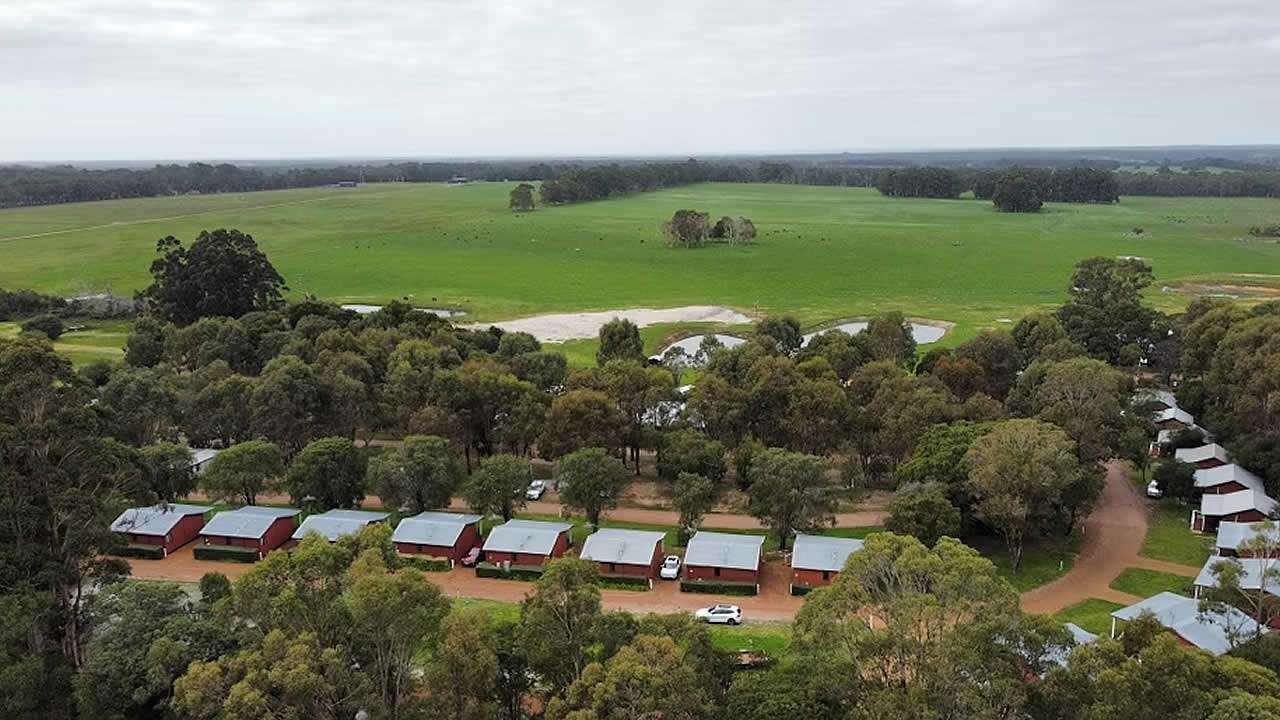
Camping Margaret River Discovery Parks Margaret River (Image Courtesy Discovery Parks)

Camping Margaret River Discovery Parks Margaret River (Image Courtesy Discovery Parks)

National Park & State Forest Camping Sites: For the Wild at Heart

Prefer waking up to birdsong rather than WiFi? These bush camps balance accessibility with raw natural beauty. They’re perfect for hikers, surfers and anyone craving a digital detox.

Conto Campground

Leeuwin-Naturaliste National Park

Pros

  • Surf and forest combo: Pitch your tent among jarrah trees, then walk 10 minutes to Conto’s surf breaks.
  • Family friendly: Flat, shaded sites and fire pits (bring your own wood!) make this a hit with kids.
  • Well maintained: Clean pit toilets and picnic tables, plus rangers often patrol the area.

Cons

  • No powered sites: Solar panels or generators are a must if you need electricity.
  • Basic facilities: No showers or drinking water – pack in, pack out.

Explore Conto’s hiking trails here.

Boranup Campground

Leeuwin-Naturaliste National Park

Pros

  • Magical karri forest setting: Towering trees create a cathedral-like atmosphere. Perfect for photographers and nature lovers.
  • Proximity to Boranup Beach: A short drive to this secluded stretch of sand, ideal for beachcombing or sunset picnics.
  • Stargazing heaven: Minimal light pollution = epic Milky Way views.

Cons

  • Crowds in peak season: Sites fill fast during school holidays. Arrive early or visit in shoulder seasons (autumn is divine).
  • No water: Bring plenty for drinking, cooking and cleaning.
  • Pro Tip: Combine Boranup with a drive through the Boranup Forest Loop Road – a 12km scenic route through some of WA’s tallest karri trees.

Camping Margaret River Seasonal Considerations - When To Visit Margaret River?

Camping Margaret River Seasonal Considerations – When To Visit Margaret River?

Free Camping Sites: Budget Friendly Bliss

For those who believe the best things in life are free (or at least under $10), these spots offer no-frills stays with killer views. Just remember: free camps require self sufficiency. Pack a portaloo, extra water and a sense of adventure!

Karri Gully Picnic Site

Pros

  • Free and serene: 10 designated spots nestled in a karri forest perfect for campervans and small trailers.
  • Close to town: Only 15 minutes from Margaret River, making it a handy base for day trips.

Cons

  • First come, first served: No bookings, so arrive early on weekends.
  • Basic amenities: Just a picnic table and pit toilet.

Brockman/Stewart Rest Area

Pros

  • Free overnight stop: Ideal for road trippers passing through.
  • Easy access: Right off Bussell Highway, with room for caravans and RVs.

Cons

  • Road noise: Not the quietest spot if you’re a light sleeper.
  • No facilities: Strictly for self contained vehicles.

Other Free Options

  • Capel RV Stop: Free 24-hour stays for self contained vehicles. Great for a quick pit stop north of Margaret River.
  • Darradup Roadside Rest Area: Riverside setting, but better suited for small vans due to tight spaces.

Check this guide for up to date info on time limits and vehicle restrictions.

Margaret River Camping Site: Unique Stays You Won’t Forget

Want to spice up your camping game? Try these quirky options that blend nature with novelty.

Olio Bello Lakeside Glamping

Pros

  • Luxe tents on an olive farm: Think king sized beds, private terraces and lake views. Perfect for anniversaries or romantic getaways.
  • On site café: Feast on wood fired pizzas and olive oil tastings—no camp cooking required!

Cons

Price tag: Starts at $300/night – ouch. But hey, you’re paying for the ‘grammable moments.

Glamp in style here.

Fair Harvest Permaculture Campground

Pros

  • Eco warriors rejoice: Learn about sustainable farming while camping on a working permaculture property.
  • Chill vibes: BYO tent or van and enjoy farm fresh eggs for breakfast.

Cons

  • Rustic facilities: Compost toilets and outdoor showers – embrace the simplicity!

The Great Comparison: Which Camping Style Suits You?

To simplify your decision, here’s a quick breakdown of what each camping style offers:

Camping Type Cost Amenities Best For Vibe
Caravan Parks $$$ Power, pools, Wi-Fi Families, comfort-seekers Social, lively
National Parks $ Basic toilets Hikers, nature lovers Rustic, tranquil
Free Camps Free – $ Minimal (self-contained) Budget travelers Adventurous, quiet
Glamping/Unique $$$$ Luxury/eco-focused Couples, special trips Romantic, Insta-worthy

Camping Murray River Seasonal Considerations: When To Visit

  • Summer (Dec-Feb): Warm and busy. Book caravan parks months in advance. Free camps get crowded – arrive early.
  • Autumn (Mar-May): Mild weather, fewer crowds. Ideal for national park stays.
  • Winter (Jun-Aug): Cool and rainy, but perfect for cozy cabin stays and storm watching.
  • Spring (Sep-Nov): Wildflowers bloom and surf swells pick up. A camper’s dream!

Pro Tips For Camping In Margaret River

  1. Fire Safety: Check [DFES alerts](https://www.emergency.wa.gov.au/) for fire bans. Many sites prohibit fires in summer.
  2. Wildlife Wisdom: Store food securely – quendas (bandicoots) and possums are cheeky thieves!
  3. Leave No Trace: Pack out all waste, especially in free camps and national parks.
  4. Water Wisdom: Many bush camps lack drinking water. Fill up at town visitor centres.

Key Takeaways for Your Margaret River Camping Adventure

  1. Book Ahead: Popular spots like Conto and RAC Nature Park fill fast in summer.
  2. Pack Smart: Free camps require self sufficiency – bring water, a porta-loo and firewood.
  3. Location Matters: Want surf? Prevelly Caravan Park. Want wine? Stay near town.

Final Thoughts: Margaret River Camping Site Perfection Awaits

Whether you’re pitching a tent under karri trees or sipping wine in a glamping tent, Margaret River’s camping scene has something for everyone. Weigh your priorities (budget vs. comfort, solitude vs. convenience) and you’ll find your perfect patch of paradise. Just don’t forget the marshmallows – you’re in for a treat.

Always check parks and caravan parks websites for fire bans and booking updates.

6 Frequently Asked Question FAQs About Camping Margaret River

What’s the best time of year for camping in Margaret River?

Autumn (March-May) and spring (September-November) offer mild weather and fewer crowds. Summer is popular but busy, while winter is ideal for storm-watching and cabin stays.

Are there pet-friendly camping sites in Margaret River?

Yes! Caravan parks like Margaret River Tourist Park and Discovery Parks allow dogs. Free camps like Karri Gully also permit pets, but always check leash rules.

Can I free camp near Margaret River?

Absolutely. Try Karri Gully Picnic Site (15 mins from town) or Brockman/Stewart Rest Area for quick stops. Note: Most free sites require self-contained vehicles.

Do I need to book campsites in advance?

For caravan parks (e.g., RAC Nature Park) and popular national parks like Conto Campground, book months ahead in peak season. Free camps are first-come, first-served.

Are there showers and drinking water at national park campsites?

Most, like Boranup Campground, have pit toilets but no showers or drinking water. Pack your own supply or fill up at town visitor centres.

What’s the best camping option for a romantic getaway?

Splurge on Olio Bello Lakeside Glamping for luxury tents and vineyard views, or try secluded free camps like Willow Springs for a private forest escape.