27 BEST Things To Do In YOUNG NSW

27 BEST Things To Do In YOUNG NSW

27 BEST Things To Do In YOUNG NSW

Explore Young New South Wales with our comprehensive guide. All the best things to do in Young NSW including festivals and attractions. Set in the heart of the Hilltops region. Young is a vibrant country town famous for its cherries and rich gold rush history.

What is there to do in Young New South Wales?
Young New South Wales offers visitors a rich blend of natural beauty, cultural heritage and seasonal activities throughout the year. From the famous National Cherry Festival in summer to wine tasting in the Hilltops region, exploring the Chinese Tribute Gardens, picking your own cherries, hiking local trails and discovering the town’s gold rush history. Young provides diverse experiences for travellers of all interests.

Whether you’re keen to pick your own cherries, wander heritage streets, enjoy local markets or discover the tranquil Chinese Tribute Gardens. Young New South Wales offers something for every traveller. This guide highlights must see events and local favourites. It’ll it easy to plan your perfect visit to this fantastic regional location.

Young Town Hall

Young Town Hall – Wikimedia Commons Licence – Author = Fae

Best Things To Do In Young New South Wales – By An Almost Local

Introduction

Located in the heart of the Hilltops region Young New South Wales is as a great country town with a rich history full of culture and natural beauty. Known as the Cherry Capital of Australia this destination offers visitors a perfect blend of rural charm and modern amenities. Whether you’re a history buff, nature lover, food enthusiast or simply seeking a getaway from the city. Young NSW has something special for everyone.

As an almost local I’ve had the privilege of exploring the the popular attractions (and not so popular ones too) that make Young a great place to visit. The town’s vibrant community, stunning landscapes and seasonal events create a year round appeal that keeps visitors coming back. From cherry picking in summer to wine tasting in autumn. There’s always something exciting happening in Young New South Wales.

In this comprehensive guide I’ll share the best things to do in Young NSW throughout the year grouped by month to help you plan your perfect visit. So pack your camping gear, hit the road and get ready to discover the treasures of this remarkable town in the South West Slopes region of New South Wales.

Getting To Young New South Wales

Before diving into the many activities Young New South Wales has to offer it’s helpful to understand how to get there. Young is conveniently located within driving distance of several major cities and towns. This makes it an ideal destination for a weekend getaway or longer stay.

City Distance Driving Time
Sydney
372km 4 hours
Canberra
135km 2 hours
Melbourne
735km 7.5 hours
Wagga Wagga
130km 1.5 hours
Bathurst
180km 2 hours
Orange
150km 1.75 hours
Cowra
70km 45 minutes
Goulburn
160km 1.75 hours

The most common way to reach Young NSW is by car. The town is situated on the Olympic Highway. If you’re coming from Sydney, take the Hume Highway to Yass, then follow the Lachlan Valley Way through Boorowa to Young. From Canberra it’s a straightforward drive north along good country roads.

Young does have an airport however there are no scheduled passenger services. The nearest airports with regular flights are in Canberra, Wagga Wagga and Sydney. For those travelling by public transport NSW Trainlink operates coach services to Young from various locations.

Young St John's Anglican Church

Young St John’s Anglican Church – Wikimedia Commons Licence – Author = Oronsay

What To Do In Young New South Wales – Summer (December to February)

Summer in Young New South Wales brings warm weather, ripe cherries and festive celebrations. This is perhaps the most popular time to visit, with the town coming alive during the cherry harvest season.

  1. National Cherry Festival (December)
    The highlight of Young’s calendar is undoubtedly the National Cherry Festival, held annually in early December. This fun celebration marks the peak of cherry season and attracts thousands of visitors from across Australia. The festival features a street parade, live music, market stalls, cherry pie eating competitions and the crowning of the Cherry King and Queen. Don’t miss the Celtic Tattoo Massed Band Spectacular and the spectacular fireworks display that lights up the night sky. The festival offers a perfect opportunity to immerse yourself in the local culture and enjoy the festive atmosphere of Young New South Wales.
  2. Cherry Picking Adventures
    Summer is the prime time for cherry picking in Young NSW, with numerous orchards opening their gates to visitors. Top of the Hill Orchard offers a delightful experience where you can roam through rows of cherry trees and hand select the juiciest fruits. The joy of picking your own cherries directly from the tree is an experience that grocery shopping simply can’t match. Ballinaclash Orchard and Cellar Door is another popular spot, where you can not only pick cherries but also sample and purchase their boutique wines. The orchard has been family owned since 1965 and prides itself on growing the best possible fruit.
  3. Visit The Big Cherries
    No visit to Young New South Wales would be complete without a photo stop at the iconic Big Cherries. Located outside the Young & Hilltops Region Information Centre in the Victorian railway station, these cheerful sculptures pay homage to the town’s status as the Cherry Capital of Australia. While not the largest of Australia’s ‘big things’, the Big Cherries are a beloved local landmark and make for a fun photo opportunity. The Information Centre itself is housed in an elegant 1885 railway station building and is a great place to gather information about things to do in Young NSW.
  4. Cool Off At The Local Swimming Pool
    When summer temperatures soar in Young New South Wales, the local swimming pool provides welcome relief. The pool offers clean facilities, shaded areas and a relaxed atmosphere perfect for families.
    Pack a picnic lunch, bring your swimming gear and spend a refreshing day by the water. The pool is well maintained and provides a safe environment for swimmers of all ages and abilities.
  5. Summer Markets And Shopping
    Young’s shopping district spans a full three blocks, offering everything from major retailers to quirky boutique shops. During summer, the town hosts various markets where you can find local produce, handmade crafts and unique souvenirs.
    Anderson Park regularly hosts the Lambing Flat markets on Saturdays, featuring homemade jams, local crafts and fresh produce. It’s a great place to pick up some authentic Young New South Wales mementos or gifts for friends back home.

Things To Do In Young NSW – Autumn (March to May)

As the heat of summer fades, Young New South Wales transforms into a tapestry of autumn colours. This season brings milder temperatures and a host of new activities to enjoy.

  1. Hilltops Wine Region Exploration
    Autumn is the perfect time to explore the Hilltops wine region, which is centred around Young NSW. This cool climate wine region is rapidly emerging as one of the most exciting viticultural areas in Australia, known for producing wines with great intensity of flavour and finesse. Visit Grove Estate Wines, just 4km from Young, for tastings and cellar door sales. The vineyard offers magnificent views and award winning wines that showcase the unique terroir of the region. Moppity Vineyards is another excellent choice, recognised for its premium cool climate wines.
  2. Lambing Flat Chinese Festival (March)
    March brings the Lambing Flat Chinese Festival to Young New South Wales, commemorating the Chinese contribution to the development of the town. This cultural celebration features a street parade, dragon dancers, live music, cultural performances and exhibitions that highlight the rich Chinese heritage of the area. The festival provides valuable insights into an important chapter of Young’s history and offers a chance to experience Chinese culture firsthand. It’s a family friendly event that educates as it entertains.
  3. Young Agricultural Show (March)
    The Young Agricultural Show is a popular annual event that takes place in March. This traditional country show features livestock exhibits, horse events, cooking competitions, art displays, home produce competitions and carnival rides.
    The show provides a glimpse into rural Australian life and celebrates the agricultural heritage of Young New South Wales. It’s a great opportunity to connect with locals and experience authentic country culture.
  4. Autumn Heritage Walks
    Autumn’s mild weather makes it ideal for exploring Young’s rich history through self guided heritage walks. The town boasts numerous grand 19th century buildings and beautiful 20th century streetscapes with gorgeous gardens that are particularly stunning in their autumn colours. Pick up a Heritage Walk brochure from the Visitor Information Centre and discover architectural gems like the Town Hall (the largest in country NSW), historic churches, banks and official buildings. Young has the distinction of having had the first electricity supply in the British Empire, even before London and Australia’s state capitals.
  5. Cycling The Young Circuit
    Autumn’s comfortable temperatures create perfect conditions for cycling around Young NSW. The Young circuit is a popular route that takes you through scenic countryside and past historic sites.
    The main circuit covers about 18.7km with moderate ascents and descents, making it suitable for cyclists of various fitness levels. For those seeking a longer ride, the extended Young circuit stretches to 26.4km and offers additional scenic views.

Young New South Wales Southern Cross Cinema

Young New South Wales Southern Cross Cinema

Best Things To Do In Young New South Wales – Winter (June to August)

Winter in Young NSW brings crisp, clear days and cool nights, creating a different but equally charming atmosphere. While cherry trees rest during this season, there are still plenty of things to do in Young New South Wales.

  1. Lambing Flat Chinese Tribute Garden
    The Lambing Flat Chinese Tribute Garden is a peaceful retreat that’s beautiful year round, including winter. Located at Chinaman’s Dam reserve, about four kilometres from the centre of Young, these gardens were built in 1992 to recognise the contribution of the Chinese community to Young in the 1860s. The entrance is guarded by two marble lion sculptures that were once the gateway to the panda exhibition at Taronga Park Zoo in Sydney. Inside, you’ll find the serene Pool of Tranquility, a magnificent bronze galloping horse and various rock formations and plants. The gardens offer a contemplative space to reflect on the complex history of Chinese Australian relations.
  2. Young Historical Museum
    Winter is the perfect time to delve into local history at the Young Historical Museum. Housed in a heritage 1883 school building in the heart of town, the museum preserves and shares stories from the early days of Burrangong and Lambing Flat through to the development of Young as it is today. One of the museum’s most significant exhibits is the NSW State Heritage listed “Roll Up Banner” carried during the 1861 Lambing Flat riots. Other highlights include a prayer book made by bushranger Frank Gardiner for his lover Catherine Brown in 1865 and a collection from world renowned glass artist Helmut Hiebl.
  3. Winter Wine Tasting
    While summer brings crowds to Young’s wineries, winter offers a more intimate wine tasting experience. Many cellar doors in the Hilltops region remain open throughout winter, allowing visitors to sample robust reds that are particularly appealing during the cooler months. The Hilltops wine region is known for its Shiraz and Cabernet, which have “achieved greatness” according to wine experts. Winter is also a good time to try Italian and Spanish varieties that are showing promise in this cool climate region.
  4. Cosy Café Culture
    Young NSW boasts a vibrant café scene that’s especially inviting during winter. Warm up with a hot drink and delicious meal at one of the town’s many charming cafés.
    Wilkies Café is highly rated by locals and visitors alike, offering international flavours like huevos rancheros, Indian fish curry and katsu chicken sushi bowls. Art of Espresso is another popular spot, known for its award winning specialty coffee and light lunches using local and sustainable ingredients.
  5. Winter Stargazing
    The clear winter skies around Young New South Wales provide excellent conditions for stargazing. Away from big city light pollution, the night sky reveals its full splendour, with countless stars, planets and even the Milky Way visible on clear nights.
    Pack warm clothes, a thermos of hot chocolate and a blanket, then head to a dark spot outside town for an unforgettable astronomical experience. Lion’s Lookout, on the road between Koorawatha and Young, offers a good vantage point.

What To Do In Young New South Wales – Spring (September to November)

Spring brings renewal to Young NSW as cherry blossoms burst into bloom and the countryside awakens with fresh greenery. This season of growth and colour offers its own unique set of activities.

  1. Cherry Blossom Viewing
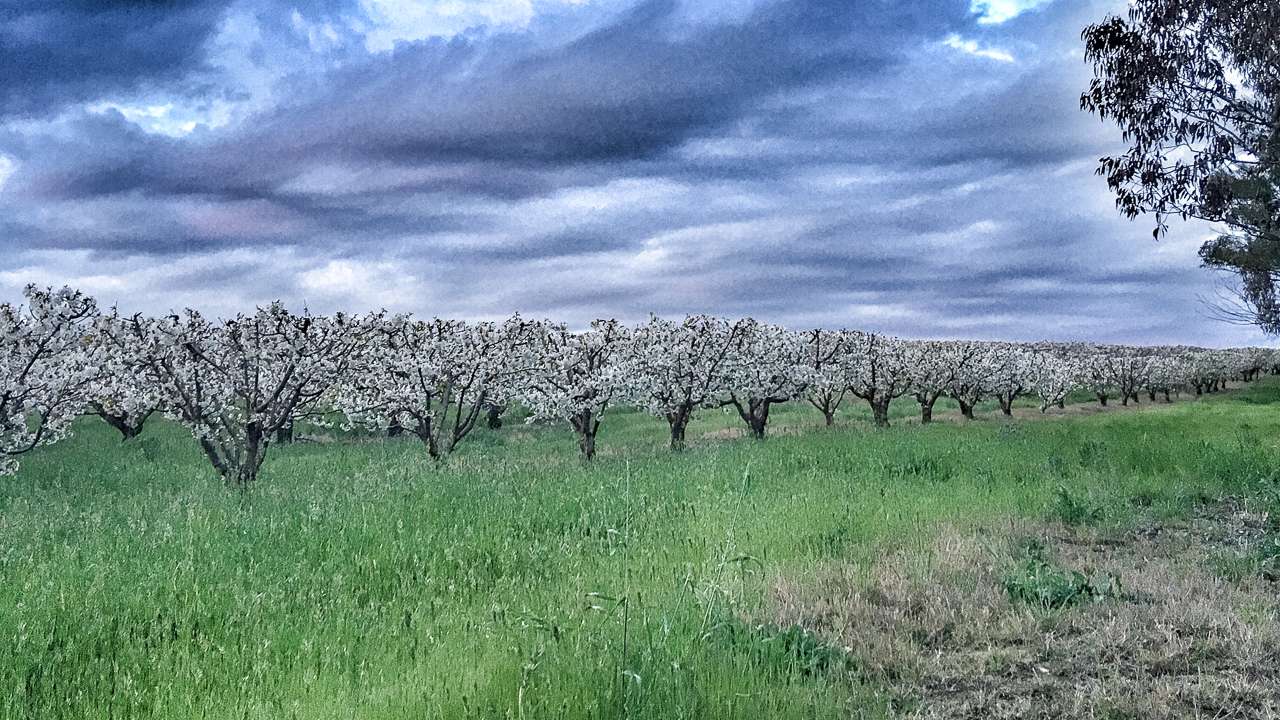
    Before the cherries appear, their blossoms create a spectacular display throughout Young New South Wales. The orchards transform into a sea of delicate pink and white flowers, creating picture perfect scenes that rival Japan’s famous sakura.
    Take a drive through the countryside surrounding Young to witness this natural spectacle. Many orchards welcome visitors during blossom time, offering a preview of the summer bounty to come.
  2. Spring Hiking And Nature Walks
    Spring’s mild weather and blooming wildflowers make it an ideal time for hiking and nature walks around Young NSW. While there aren’t major national parks in the immediate vicinity, the surrounding countryside offers pleasant walking trails and natural areas to explore. The short walk around Lambing Flat Chinese Tribute Garden is particularly lovely in spring, with new growth and flowers adding to its charm. For those seeking longer walks, the hills and valleys around Young provide scenic routes with views of orchards, vineyards and rolling farmland.
  3. Burrangong Gallery And Local Art
    Spring is a time of creativity, making it perfect for exploring Young’s art scene. The Burrangong Gallery showcases works by local artists, with exhibitions that often reflect the natural beauty and cultural heritage of the region. The Forever Young Gallery and Studio is another cultural highlight, offering a space where visitors can appreciate and purchase original artworks. These galleries provide insights into how local artists interpret and represent the unique character of Young New South Wales.
  4. Spring Picnics In Local Parks
    Young NSW is home to several beautiful parks that come alive in spring. Carrington Park, established on a former police paddock in 1888, offers undercover barbecue facilities, picnic tables and play equipment for children. Named after State Governor Lord Carrington, who visited Young to switch on the first electric power system, the park is conveniently located opposite St Mary’s Catholic Church and adjacent to the Hilltops Council Library. Anderson Park, with its war memorial and heritage listed railway station backdrop, is another excellent spot for a spring picnic.
  5. Local Food Exploration
    Spring brings fresh produce to Young’s eateries, making it a great time to explore the local food scene. From casual cafés to fine dining establishments, Young New South Wales offers diverse culinary experiences. The Cranfield restaurant, wine bar and providore, housed in the grand 1888 Masonic building, showcases produce from the surrounding Hilltops region. For something more casual, try Juicy Lucy’s Café or Wilkies Café, both popular with locals and visitors alike. wilkies cafe is my favourite place to get a coffee and breakfast. And Wilkies Cafe makes absolutely awesome bread rolls – we always get a bag of them when visiting.

Things To Do In Young NSW – Year Round Activities

Some of the best things to do in Young New South Wales can be enjoyed regardless of the season. These year round attractions offer consistent appeal and help make Young a destination worth visiting at any time.

  1. Explore The Town’s Gold Rush History
    Young, originally known as Lambing Flat, has a fascinating gold rush history that shaped not only the town but also Australian immigration policies. In 1860 – 1861, the area was the site of the infamous Lambing Flat riots, where European miners attacked Chinese miners in one of Australia’s worst anti Chinese disturbances. These events eventually led to the introduction of the Chinese Immigration Act in 1861, which severely limited Chinese immigration to Australia. Today, visitors can learn about this complex history through various historical sites and museums in Young New South Wales.
  2. Visit Local Boutiques And Shops
    Young’s shopping district offers a diverse range of stores, from practical to whimsical. The town centre spans “three blocks” – meaning the shopping strip covers a full three blocks – where you’ll find most services, including supermarkets, banks and specialty shops. Sandaj is a popular store offering homewares, coffee and snacks seven days a week. Many shops are open on Sundays, though some close on Saturday afternoons. Shopping in Young provides a more relaxed and personal experience than in larger cities.
  3. Hilltops Region Wine Cellar
    The Hilltops Region Wine Cellar offers a one stop opportunity to sample wines from across the region without visiting individual vineyards. This is especially useful if you’re short on time or visiting during off peak seasons when some cellar doors might have limited hours. The cellar showcases the distinctive cool climate wines that have put the Hilltops region on the map for wine enthusiasts. Staff can provide information about the different wineries and their specialties, helping you discover new favourites.
  4. Golden Glance Nursery
    Plant lovers will enjoy a visit to Golden Glance Nursery, a delightful garden centre in Young NSW. The nursery offers a wide selection of plants suited to the local climate, as well as garden accessories and expert advice.
    Wander through the displays for inspiration, or pick up some plants to take home as living souvenirs of your time in Young New South Wales. The nursery provides a peaceful environment where you can connect with nature regardless of the season.
  5. Young Visitor Information Centre
    The Young Visitor Information Centre, housed in the elegant 1885 railway station building, is an essential stop for all visitors to Young NSW. The centre provides maps, brochures and expert local advice to help you make the most of your stay.
    Staff can suggest activities based on your interests, the current season and local events happening during your visit. They can also provide information about the town’s Heritage Walks, combining exercise with historical interest.
  6. Southern Cross Cinema & Arts Complex
    Southern Cross Cinema and Arts Centre is Young’s own single screen cinema. It’s owned and run by volunteers. It’s a truely old school movie experience. Amanda and I love going there to see a movie whenever we can.
  7. Geocaching
    Ever heard of geocaching? It’s like a high tech treasure hunt that gets you out exploring your own backyard – or wherever you might be! Using GPS coordinates, you’re on a mission to find hidden “caches” that other people have stashed away in some pretty sneaky spots. There are plenty of geocaches hidden in and around Young New South Wales/

Geocaching In Young New South Wales

Geocaching In Young New South Wales

Accommodation Options In Young New South Wales

Young NSW offers a range of accommodation options to suit different preferences and budgets. Whether you’re looking for a comfortable motel, a self contained cabin, or a camping site, you’ll find suitable options in and around Young.

Camping And Caravanning

For camping enthusiasts, Young Tourist Park (also known as Young Caravan Park) provides an excellent base for exploring the region. Located just two hours’ drive from Canberra or four hours from Sydney, the park offers various cabin sizes as well as powered and unpowered sites for caravans and tents.

The Young Showground also offers camping facilities, with powered and unpowered sites available throughout the spacious grounds. The showground is pet friendly and located not far from the town centre, though amenities may be locked and camping might not be available during events.

Motels And Hotels

Young New South Wales has several quality motels and hotels for those seeking more conventional accommodation. Options include the Cherry Blossom Motel, Young Federation Motor Inn and Hilltops Retreat Motor Inn, all offering comfortable rooms and convenient locations.

The Australian Hotel Young and Commercial Hotel Young provide pub style accommodation with on site dining and entertainment options. These establishments offer a taste of traditional Australian country hospitality.

Conclusion

Young New South Wales truly offers something for everyone throughout the year. From the excitement of the National Cherry Festival in summer to the tranquility of the Chinese Tribute Gardens in winter, the town’s diverse attractions create a year round destination worth visiting.

The rich history, natural beauty and warm community spirit of Young NSW make it an ideal getaway for couples, families and solo travellers alike. Whether you’re picking cherries, sampling local wines, exploring historical sites, or simply relaxing in a café, Young provides authentic Australian experiences that leave lasting memories.

As an almost local, I can attest that Young New South Wales rewards those who take the time to discover its charms. So pack your bags, hit the road and come experience the best things to do in Young NSW for yourself. You might just find yourself returning season after season to uncover more of what this special town has to offer.

Cherry Blossoms In Young NSW

Cherry Blossoms In Young NSW

Projecta LCD Control Screen Not Working PM335J – Fixed

Projecta LCD Control Screen Not Working PM335J – Fixed

Projecta LCD Control Screen Not Working PM335J – Fixed

Trouble with your Projecta LCD Control Screen not working in your caravan? Follow this easy guide to diagnose, replace and get it working. Projecta LCD Control Screens are the primary interface between users and their power management units in Australian caravans and motorhomes. Like any electronic device, these screens can develop faults over time.

Is your Projecta LCD Control Screen not working properly?

When your Projecta LCD Control Screen develops faults like unresponsive power buttons or display issues the solution is usually a replacement screen. We sourced ours through Projecta’s excellent warranty service. From my research Projecta LCD Control Screen problems are generally fixed by replacement rather than DIY repairs.

Understanding Projecta LCD Control Screen Issues

One of the most common issue involves unresponsive power buttons – that’s what happened to ours. Some users may experience display problems, communication errors, or complete screen failures. Understanding these problems helps caravanners identify when their Projecta LCD Control Screen requires attention.

Removing Dress Ring From New Projecta LCD Screen

Removing Dress Ring From New Projecta LCD Screen

Common Symptoms & Causes Of A Faulty Projecta LCD Control Screen

  • Power buttons become unresponsive despite the system functioning through mobile apps
  • Screen displays show distorted information or fail to illuminate
  • Communication errors between the screen and BMS unit appear as error codes
  • Temperature related issues from extreme Australian heat conditions
  • Vibration during travel causes internal component failures – we’ve done lots of dirt roads that could have been the cause of our problem

Getting Help From The Community

Before contacting Projecta directly, the Projecta Switched On Tech Talk Facebook group provides excellent support for troubleshooting issues. This private group contains well over 10,000 members who share experiences and solutions.

Post detailed descriptions of your problem to help community members provide targeted assistance. Include photos of error messages or screen displays to aid in accurate diagnosis. Group recommendations often guide users toward appropriate solutions or direct contact with Projecta support.

Projecta Switched On Tech Talk Facebook Group

Projecta Switched On Tech Talk Facebook Group

Documenting Your Problem

Thorough documentation assists both community members and Projecta support staff:

  • Record specific symptoms affecting your screen functionality
  • Note environmental conditions when problems occur
  • Document error codes displayed on your PM335J unit
  • Record when problems first appeared

The PM335J manual contains comprehensive error code explanations for troubleshooting reference.

Contacting Projecta For Replacement

Projecta’s customer service department handles warranty claims efficiently. Their technical support team operates Monday through Friday, 8:30 AM to 5:00 PM AEST.

Contact Methods

  • Toll-free number: 1800 294 294 for direct technical specialist access
  • Email support through their official website for documented communication

Required Information

  • Your caravan’s chassis number for warranty verification
  • Complete postal address for accurate shipping
  • Detailed problem descriptions
  • Any associated error codes

The Warranty Process

Projecta’s warranty coverage extends three years from original purchase dates for manufacturing defects. This protection covers failures resulting from normal usage. Warranty assessments typically conclude within business days of initial contact.

Projecta typically responds to inquiries within one business day. Replacement screen shipments generally occur within 24-48 hours of approval. Australian postal services typically deliver replacement units within 2-3 business days.

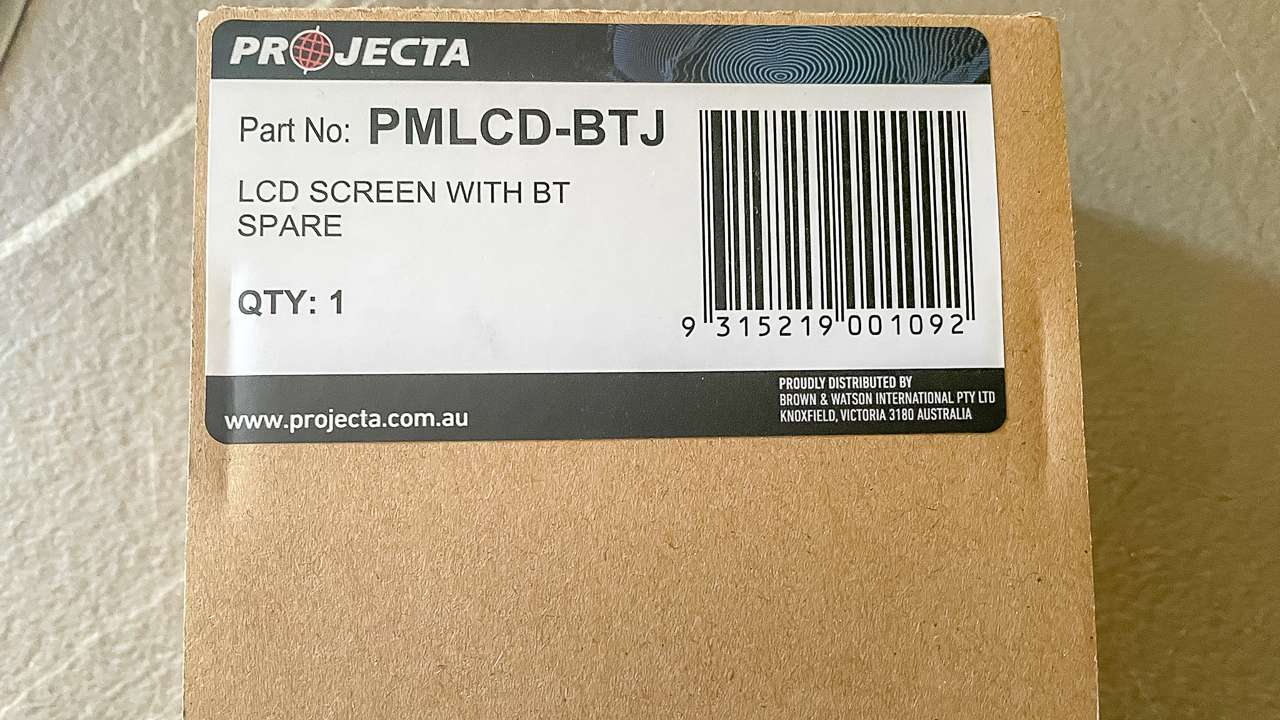
PMLCD BTJ Replaced By Projecta Under Warranty

PMLCD BTJ Replaced By Projecta Under Warranty

Safety Precautions

Before replacing your Projecta LCD control screen we need to make sure we’re doing it safely. Working with caravan electrical systems, even 12v ones like I did requires careful attention to safety:

  • Disconnect all power sources before beginning replacement work
  • Ensure battery isolation switches if installed are OFF throughout the process – otherwise disconnect the battery or batteries from the system
  • Use appropriate personal protective equipment
  • Ensure completely dry conditions before handling the new screen
  • Avoid working during rainy conditions or high humidity

Power Isolation Procedures

Proper power isolation prevents damage to both old and new units:

  1. Locate the main power switch on your BMS transformer unit
  2. Switch off the unit completely
  3. Disconnect battery power using isolation switches
  4. Wait several minutes for capacitors to discharge safely
  5. Test circuits with multimeters to confirm complete power isolation

Turning Power Off At The BMS

Turning Power Off At The BMS

Tools Required

  • Small flathead screwdriver for removing dress rings
  • Phillips head screwdrivers for mounting screws
  • Clean workspace
  • Proper lighting
  • Anti-static precautions

Removing The Faulty Screen

  1. Ensure complete power isolation
  2. Locate the dress ring surrounding your existing screen
  3. Carefully insert a thin blade behind the dress ring
  4. Apply gentle pressure to release retaining clips
  5. Remove the dress ring to expose mounting screws
  6. Unscrew the four mounting screws
  7. Carefully disconnect the communication cable by grasping connectors (not wires)
  8. Note cable orientations for proper reconnection
  9. Remove the faulty screen from its mounting position

Installing The Replacement Screen

  1. Remove all packaging materials from the new screen
  2. Remove protective films from the replacement unit
  3. Inspect the new screen for shipping damage
  4. Remove the dress ring from the replacement unit
  5. Position the new screen to align mounting holes
  6. Connect the communication cable securely
  7. Install the four mounting screws using diagonal pattern tightening
  8. Ensure the screen sits flush against mounting surfaces
  9. Install the dress ring by clicking it back in place

Reconnecting Power And Testing

  1. Reconnect battery power using isolation switches in ON position or reconnect the battery or batteries
  2. Activate the BMS unit’s main power switch
  3. Your replacement screen should illuminate immediately
  4. Test all button functions to confirm proper operation
  5. Verify power button works correctly (press for on, press again for off)

Reconnecting To Mobile Apps

New screens require fresh Bluetooth pairing with mobile devices:

  1. Download the latest PM200 & 300BTJ Remote App from your app store if you don’t have it already
  2. Ensure Bluetooth is enabled on your device
  3. Look for the pairing code in the top-left corner of your new screen
  4. Enter this code into your phone app (not the serial number on the back)
  5. Verify battery type and capacity settings match your specifications
  6. Update system firmware if prompted

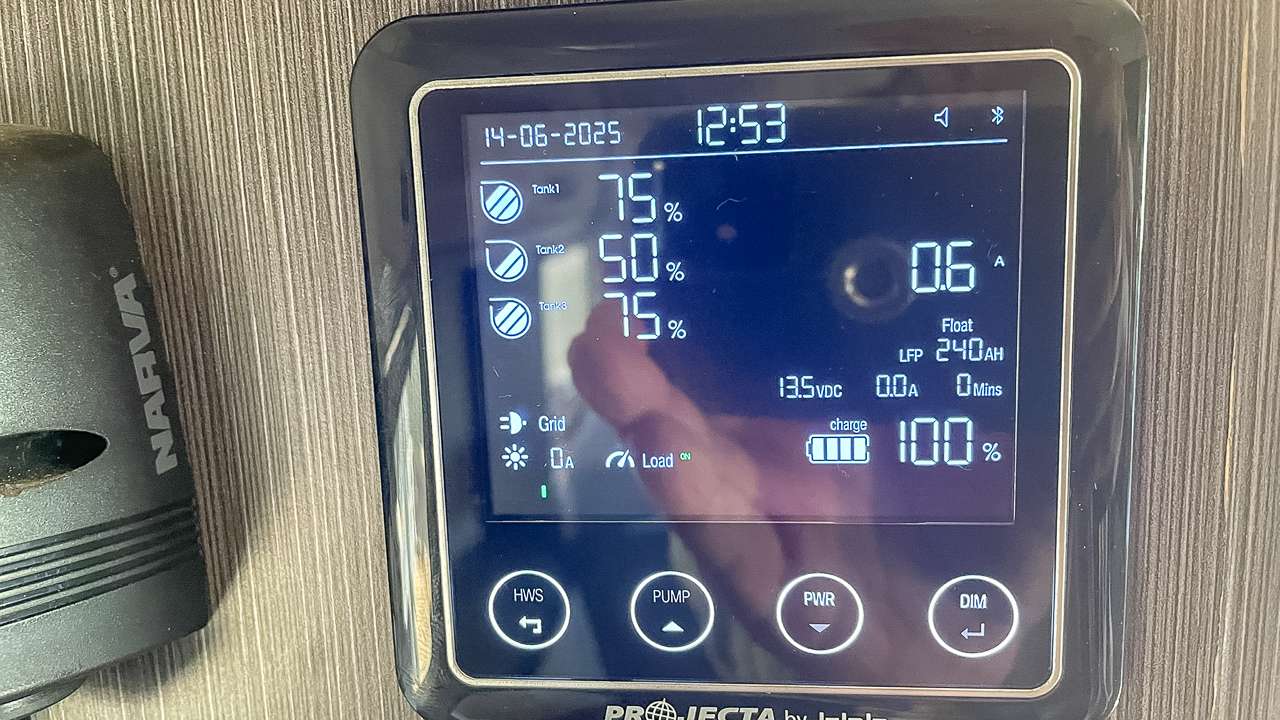
Top Left Is The Number You Need To Enter Into Your Phone App (Yours Will Be Different)

Top Left Is The Number You Need To Enter Into Your Phone App (Yours Will Be Different)

Troubleshooting Installation Issues

Communication Problems

  • Verify communication cable connections are secure
  • Inspect cables for installation damage
  • Check error codes 8001 or 8003 which indicate communication failures
  • Ensure cables follow proper routing paths

Display Or Button Malfunctions

  • Verify complete power cycling by disconnecting and reconnecting power
  • Confirm mounting screws are properly tightened without over-compression
  • Allow 24 hours of normal operation for calibration
  • Contact Projecta if problems persist

Maintenance Tips

Regular Cleaning

  • Use only soft, lint-free cloths for screen cleaning
  • Avoid harsh chemicals that might damage coatings
  • Clean monthly to prevent dust accumulation
  • Maintain screen visibility for optimal experience

Environmental Protection

  • Protect screens from extreme temperatures
  • Ensure adequate ventilation around mounting areas
  • Check seals and gaskets annually for weather resistance
  • Maintain moisture protection to prevent corrosion

When To Contact Support Again

  • Manufacturing defects appear within warranty periods
  • Problems recur despite proper installation
  • Error codes appear on your BMS unit or Projecta LCD control screen
  • You need comprehensive system diagnostics

Maintain detailed records including correspondence with support, installation photos, serial numbers, and installation dates for future warranty claims.

Mounting Screws Removed

Mounting Screws Removed

Conclusion

Successfully replacing a faulty Projecta LCD Control Screen demonstrates both Projecta’s excellent customer service and the accessibility of DIY repairs for Australian caravanners. This guide outlines every step necessary to diagnose, obtain, and install replacement screens safely. Projecta’s responsive warranty service ensures minimal downtime when your screen requires attention. Their technical support team’s expertise guides customers through troubleshooting procedures. The supportive community within Projecta’s Facebook group provides valuable peer assistance. The replacement process proves straightforward for most caravan owners with basic technical skills. Proper safety precautions ensure installation proceeds without complications. Regular maintenance and environmental protection will maximise your new screen’s service life, demonstrating the reliability that makes Projecta products a preferred choice for Australian caravan enthusiasts.

My Thoughts On Projecta Customer Service

Projecta customer service is awesome. Ours would have been one of the very early Jayco All-Terrains with these in them. When I contacted Projecta with a couple of previous problems they helped me out and got the problem sorted very quickly.

So once again Projecta have been very good to deal with. Fantastic customer service. I recommend them to everyone. Quentin and Ben Blood are both absolute legends. Great service and a big “thanks mate” to you both.

Disclaimer: The information provided in this article is intended as a general guide only. Always follow manufacturer instructions and safety guidelines when working with electrical systems. If you are unsure or not qualified, seek assistance from a licensed professional. The author and publisher accept no responsibility for loss, injury, or damage resulting from the use or misuse of the information provided. All trademarks and brand names are the property of their respective owners.

Projecta LCD Control Screen Photo Gallery

Oodnadatta Track Road Conditions – Access Latest Updates

Oodnadatta Track Road Conditions – Access Latest Updates

Oodnadatta Track Road Conditions – Access Latest Updates

Where Can I Find Reliable Oodnadatta Track Road Conditions Information?

Oodnadatta Track road conditions can change quickly. The list below outlines the best places to get current track conditions.

Oodnadatta Track Road Conditions

Multiple resources provide current Oodnadatta Track road conditions, including the official South Australian Department for Infrastructure and Transport website, automated phone services, local businesses along the route and mobile applications designed for outback travel. These resources offer real-time updates on closures, restrictions and weather related impacts that can change rapidly in outback conditions.

Planning an adventure along the iconic Oodnadatta Track requires careful preparation and constant vigilance regarding road conditions. This legendary 620-kilometre unsealed route connecting Marree to Marla represents one of Australia’s most significant outback driving experiences. However, the track’s remote location and exposure to extreme weather conditions make current road information absolutely essential for safe travel.

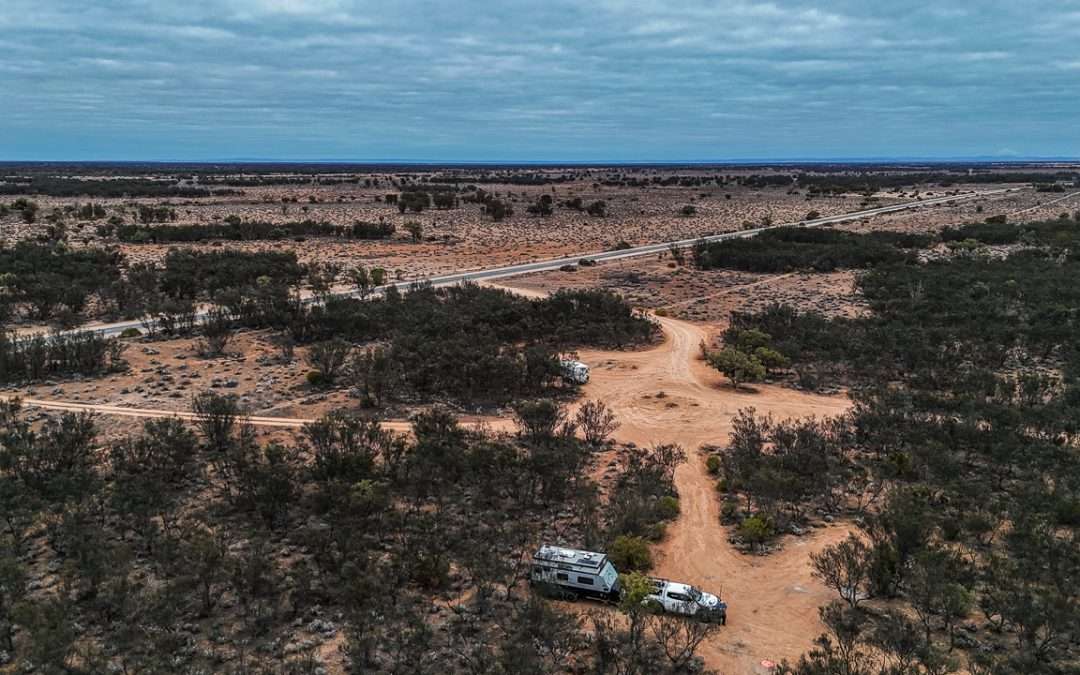
Oodnadatta Track Aerial View Near Curdimurka

Oodnadatta Track Aerial View Near Curdimurka

Official Government Resources For Oodnadatta Track Road Conditions

The South Australian Department for Infrastructure and Transport maintains the most authoritative source for outback road information. Their comprehensive Outback Roads Warnings website provides real time updates on Oodnadatta Track road conditions, road closures, restrictions and warnings across northern South Australia. Additionally, this official platform updates whenever conditions change, ensuring travellers receive the most current information available.

How Much Rain Does It Take To Close The Oodnadatta Track

Even small amounts of rainfall can dramatically impact track accessibility. Historical records show that as little as 20 millimetres of rain in 24 hours has triggered temporary closures of sections between major towns. The track’s clay based surfaces become extremely hazardous when wet creating conditions that can strand vehicles for days. Driving on the track when wet can cause damage to the road surface that is costly to repair in both time and monetary value.

The Department for Infrastructure and Transport monitors rainfall patterns closely and implements closures proactively to prevent travellers from becoming stranded. Consequently, understanding rainfall thresholds helps travellers appreciate why seemingly minor weather events can have major impacts on accessibility.

Automated Phone Services For Road Updates

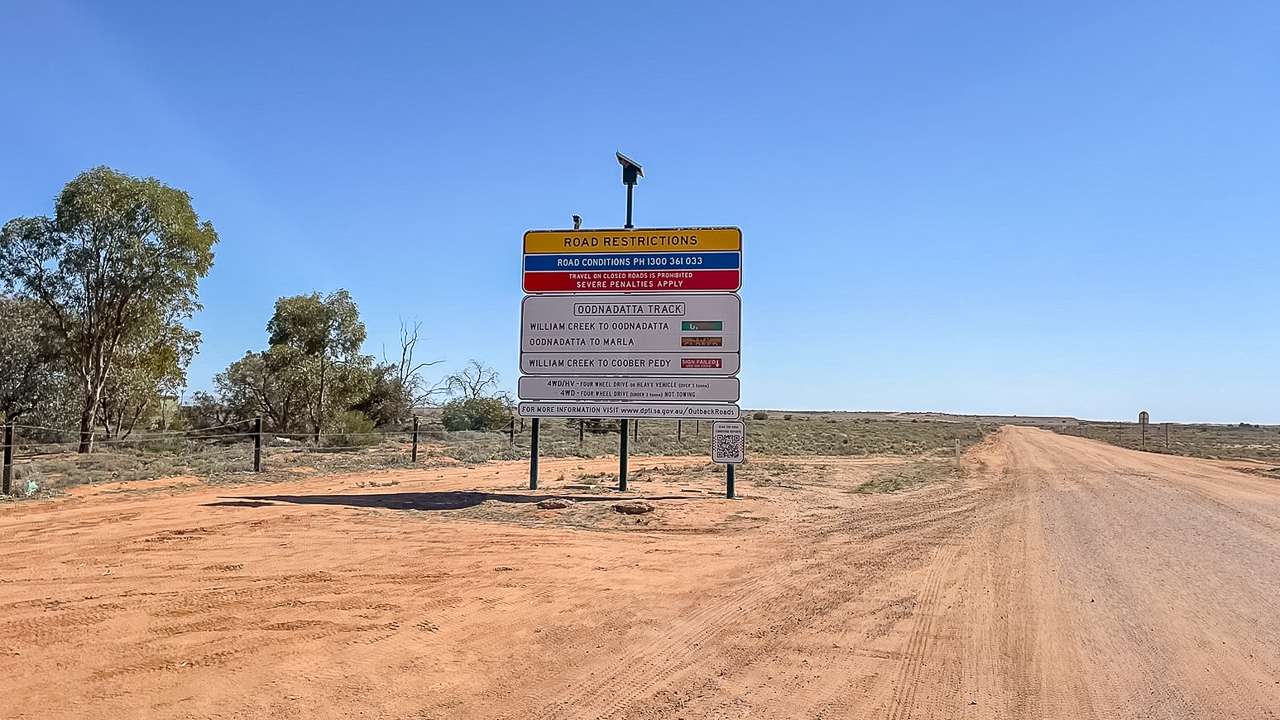
Travellers can access recorded road condition reports by calling 1300 361 033 which provides 24 hour automated updates. This service covers all major outback routes including detailed information about the Oodnadatta Track. The automated system updates regularly to reflect changing conditions across the region.

The phone service proves particularly valuable for travellers without reliable internet access in remote areas. Additionally, many experienced outback travellers recommend calling this number before departing and again at major stops along the route.

Technology Solutions For Tracking Oodnadatta Track Conditions Today

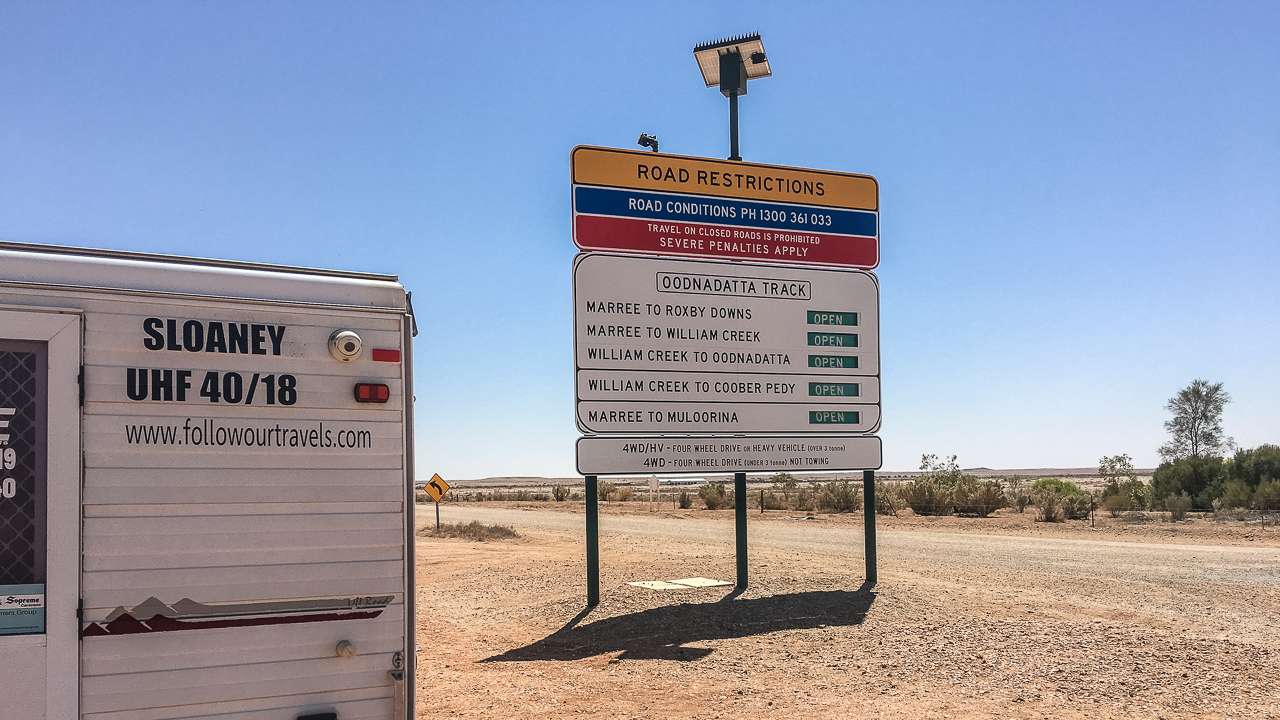
Modern technology has revolutionised how travellers access current road condition information. QR codes installed on roadside signs throughout the outback provide direct links to the latest warnings and closures. These codes work wherever mobile phone coverage exists giving travellers immediate access to updated information.

Mobile Applications And Digital Resources

The ExplorOz Traveller application offers comprehensive offline mapping capabilities specifically designed for Australian outback conditions. This platform includes community contributed road reports and track conditions from recent travellers. Similarly, the application provides valuable insights into current track conditions that official sources might not immediately reflect.

Drive Weather applications help travellers understand weather patterns along their planned route. These specialised tools predict conditions that could affect road accessibility hours or days in advance. Consequently, proactive planning using weather applications can prevent travellers from encountering unexpected closures.

Oodnadatta Track Sign At Marree In 2024 With QR Code

Oodnadatta Track Sign At Marree In 2024 With QR Code

Is The Oodnadatta Track Open – Real Time Monitoring

Real time monitoring systems provide continuous updates on track accessibility. The official DIT website features an interactive map showing current road statuses using colour-coded indicators. Green sections indicate open roads, while red areas show complete closures to all vehicle types.

However satellite outages occasionally disrupt automatic updates to roadside signs. During these periods, QR codes on signs provide alternative access to current information. Travellers should always verify conditions through multiple sources before departing.

Local Business Networks For Current Road Intelligence

William Creek Hotel Road Information Services

The William Creek Hotel serves as a crucial information hub for track conditions. Staff members receive regular updates from travellers and maintain close contact with maintenance crews. Moreover, the hotel’s strategic location halfway along the track makes it an ideal source for current conditions in both directions.

Travellers can contact the William Creek Hotel at (08) 8670 7880 for detailed local knowledge. The hotel staff understand seasonal variations and can provide advice about vehicle suitability for current conditions. Additionally, they offer insights into fuel availability and accommodation options along the route.

Marree Hotel Local Expertise

The historic Marree Hotel, located at the southern terminus of the track, provides invaluable local intelligence. Staff members regularly discuss road conditions with pastoralists and travellers who use the route daily. Furthermore, their experience with seasonal patterns helps them provide realistic assessments of track conditions.

Hotel representatives can advise on tyre pressures, travel times, and current hazards along specific sections. They also maintain awareness of alternative routes when main sections experience closures. Consequently, calling ahead to Marree Hotel often provides insights unavailable through official channels.

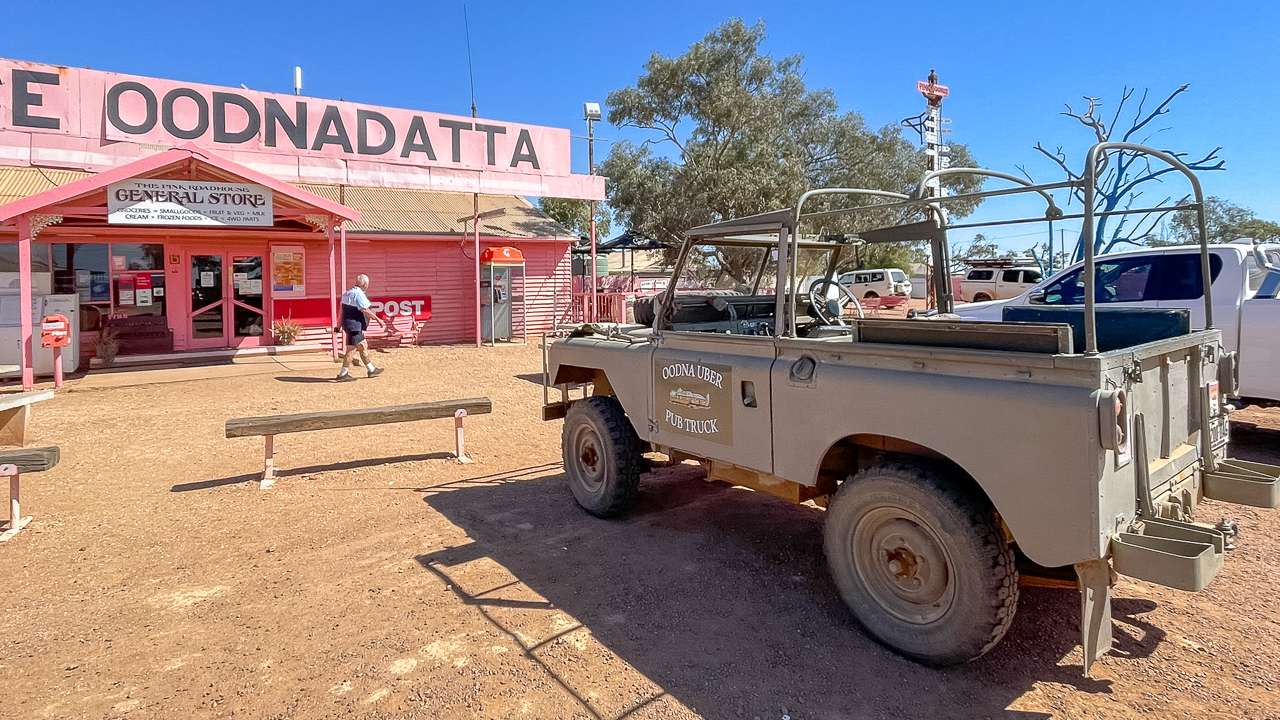
Oodnadatta Pink Roadhouse Intelligence Network

The Oodnadatta Pink Roadhouse operates a toll free information service on 1800 802 074 . This service provides current track conditions from the northern perspective. Staff members receive regular reports from freight operators and maintenance crews working on the track.

The Pink Roadhouse At Oodnadatta

The Pink Roadhouse At Oodnadatta

Weather Monitoring For Oodnadatta Track Planning

Bureau Of Meteorology Resources

The Bureau of Meteorology provides essential weather forecasting for outback regions. Their Oodnadatta weather station offers current conditions and forecasts that directly impact track accessibility. Additionally, rainfall warnings help travellers understand when conditions might deteriorate rapidly.

Understanding weather patterns proves crucial for successful track navigation. Even moderate rainfall can transform well-maintained sections into impassable quagmires within hours. Therefore, monitoring weather forecasts should form an integral part of pre-departure planning.

Rainfall Impact Assessment

Different sections of the track respond differently to rainfall events. The stretch between Marla and Oodnadatta includes several major floodways that become impassable during significant rain events. Recent infrastructure improvements have enhanced these sections, but they remain vulnerable to major weather events.

Clay surfaces throughout the middle sections become extremely slippery when wet. These areas can remain hazardous for days after rainfall events cease. Consequently, understanding which sections face the greatest weather-related risks helps travellers plan accordingly.

Resource Type Contact Details Information Provided Update Frequency
DIT Official Website dit.sa.gov.au/outbackroads Real-time closures, restrictions, warnings As conditions change
Automated Phone Service 1300 361 033 Recorded road conditions Multiple daily updates
William Creek Hotel (08) 8670 7880 Local conditions, fuel, accommodation Real-time local knowledge
Marree Hotel (08) 8675 8344 Southern access conditions Daily traveller reports
Pink Roadhouse 1800 802 074 Northern access conditions Regular operator updates
Bureau of Meteorology bom.gov.au Weather forecasts, warnings Hourly weather updates

Social Media And Community Networks

Department For Infrastructure And Transport Social Channels

The Department for Infrastructure and Transport maintains active social media channels providing regular updates. Their Facebook page ( facebook.com/DFITSA ) shares maintenance schedules and emergency closures. Twitter updates ( @DFIT_SA ) offer immediate notifications when conditions change rapidly.

Social media channels often provide faster updates than official websites during emergency situations. Maintenance crews post updates directly from work sites, giving travellers immediate awareness of changing conditions. Therefore, following these channels provides an additional layer of current information.

Facebook Group

There is a currently a very active Oodnadatta Track Facebook group that has a lot of posts and current up to date road conditions. Join the group if you want to see what they have going on.

ExplorOz Community Contributions

The ExplorOz community platform hosts active discussions about current track conditions. Experienced travellers share recent experiences and provide warnings about specific hazards. Moreover, these community reports often include photographs showing current road surfaces and obstacles.

Community contributions supplement official information with practical insights from recent travellers. Members frequently post updates about corrugations, creek crossings, and vehicle suitability for current conditions. Consequently, consulting community forums provides valuable real-world perspectives on track conditions.

Emergency Communication And Safety Resources

Emergency Contact Networks

Emergency communication becomes critical when travelling remote sections of the Oodnadatta Track. The Royal Flying Doctor Service maintains emergency contact numbers for outback regions. Additionally, the Automobile Association emergency service (131 111) provides 24-hour breakdown assistance.

Satellite communication devices offer reliable contact options in areas without mobile coverage. Personal locator beacons provide emergency services with precise location information when assistance becomes necessary. Therefore, carrying appropriate emergency communication equipment forms an essential safety requirement.

Is The Oodnadatta Track Open – Emergency Closures

Emergency closures can occur without warning when conditions deteriorate rapidly. Maintenance crews prioritise safety over convenience, implementing closures proactively when risks increase. Flash flooding events can close multiple sections simultaneously, stranding travellers at intermediate locations.

Understanding emergency procedures helps travellers respond appropriately when unexpected closures occur. Local businesses along the route provide accommodation and supplies during extended closure periods. Furthermore, maintaining flexible travel schedules allows for delays caused by emergency situations.

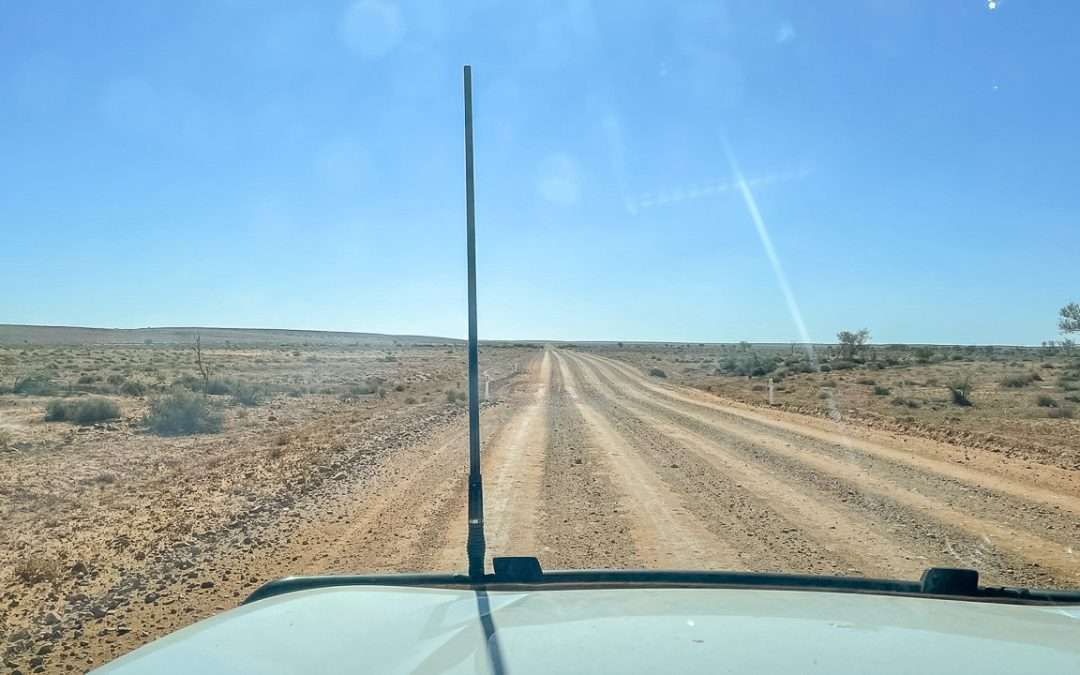
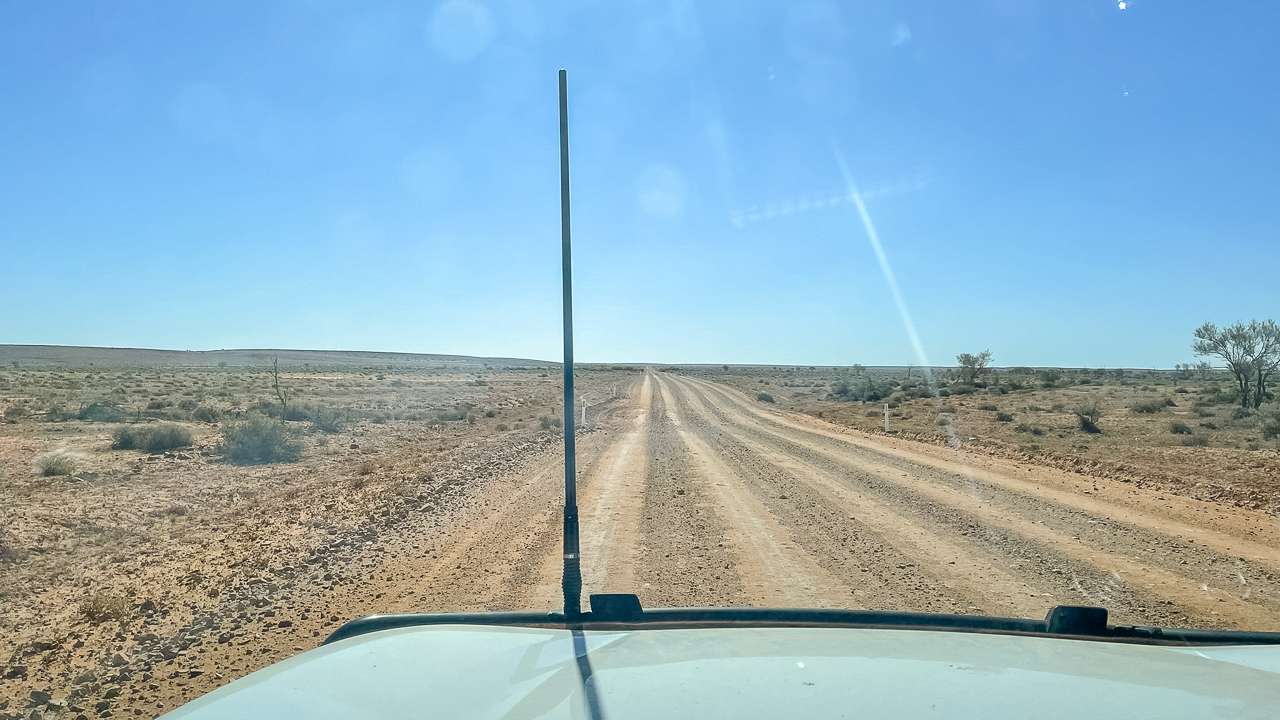
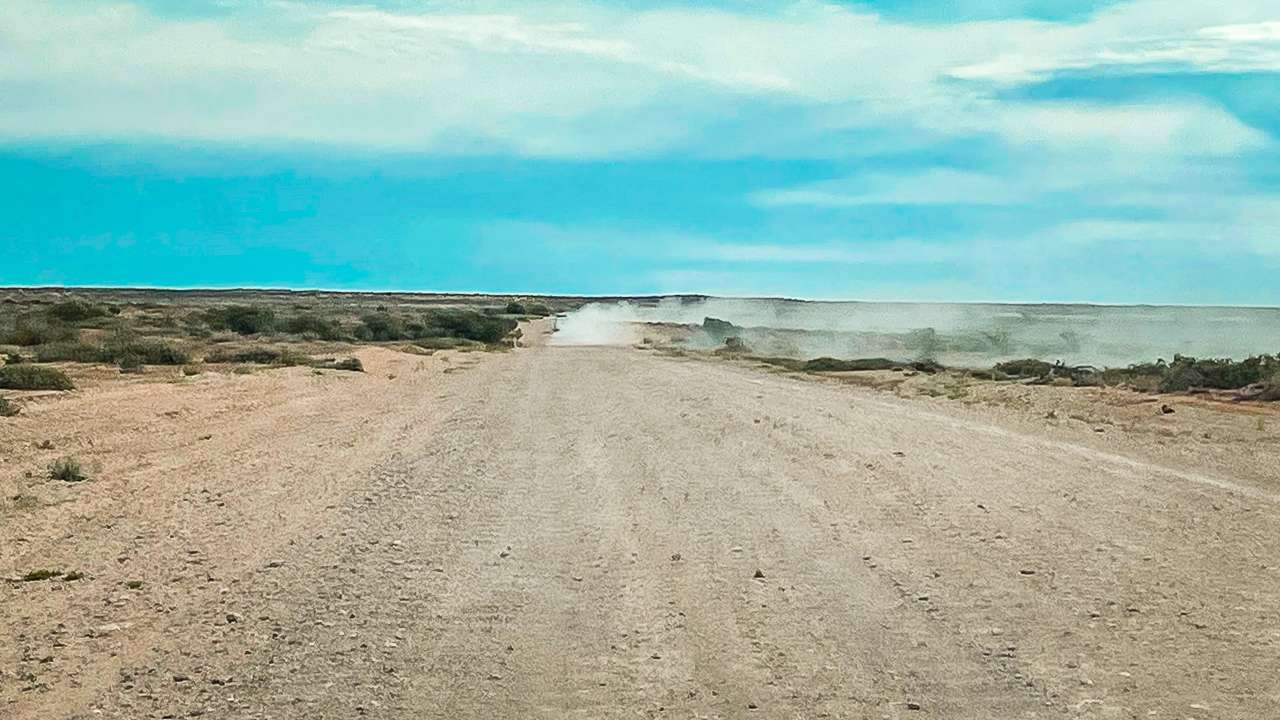
Oodnadatta Track In Good Condition

Oodnadatta Track In Good Condition

Seasonal Considerations For Track Conditions

Oodnadatta Track Conditions Today – Seasonal Variations

Track conditions vary dramatically between seasons, affecting accessibility and vehicle requirements. Winter months generally provide the most stable conditions, with minimal rainfall and moderate temperatures. However, overnight frosts can create slippery surfaces during early morning hours.

Summer conditions present extreme heat challenges, with temperatures regularly exceeding 40 degrees Celsius. Additionally, summer storms can produce intense rainfall that quickly transforms track surfaces. Spring and autumn offer transitional conditions that require careful weather monitoring.

Oodnadatta Track Road Conditions Photo Gallery

Beach Camping New South Wales – 25 Awesome Locations

Beach Camping New South Wales – 25 Awesome Locations

Beach Camping New South Wales – 25 Awesome Locations

All the best Beach Camping New South Wales has to offer with our guide to top coastal campgrounds, caravan parks and free camping spots. Whether you’re a seasoned caravanner or a first time camper NSW’s stunning coastline delivers unforgettable camping experiences.

From pristine national parks to family friendly holiday parks and hidden free camps, this guide highlights the most spectacular locations for your next beachside adventure. Get ready to wake up to the sound of the surf and explore the very best of beach camping in New South Wales.

Beach Camping New South Wales – what are the best locations?

The finest beach camping locations in New South Wales include Diamond Head in Crowdy Bay National Park, Trial Bay Gaol Campground in Arakoon National Park, Woody Head in Bundjalung National Park, and The Basin in Ku-ring-gai Chase National Park. These sites offer spectacular beachfront camping experiences with excellent facilities, stunning ocean views, and direct beach access for swimming, fishing, and surfing.

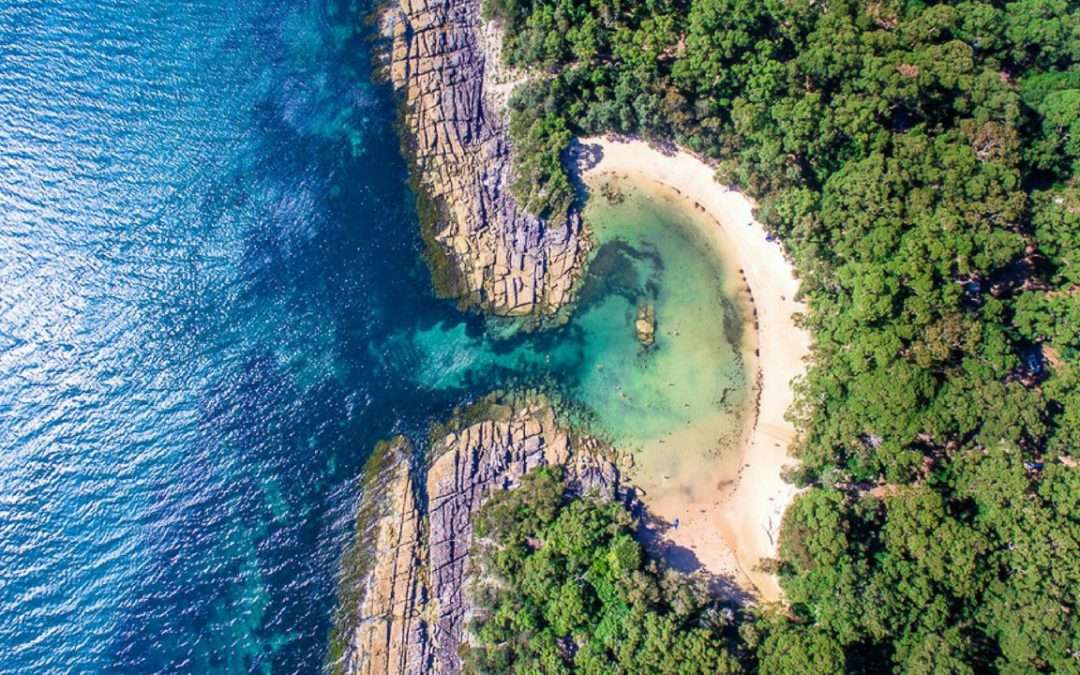
Honeymoon Bay Jervis Bay (Courtesy Shoalhaven Tourism) Beach Camping New South Wales

Honeymoon Bay Jervis Bay (Courtesy Shoalhaven Tourism) Beach Camping New South Wales

New South Wales boasts some of Australia’s most spectacular coastal camping destinations, stretching from pristine northern beaches to dramatic southern headlands. Whether you’re seeking adventure in national parks, comfort in caravan parks, or free camping experiences, the NSW coastline delivers unforgettable beach camping opportunities.

This comprehensive guide explores more than 25 premier beach camping destinations across New South Wales. Additionally, we’ll examine what makes each location special for caravanners and tent campers alike.

Why Choose Beach Camping New South Wales

Beach camping in New South Wales offers unparalleled diversity along 2,000 kilometres of stunning coastline. Furthermore, camping beside crashing waves provides therapeutic benefits while offering endless recreational opportunities.

The state’s coastal camping infrastructure accommodates all camping styles and budgets. From basic bush camping to resort-style caravan parks, NSW delivers exceptional beach camping experiences. Moreover, many locations provide direct beach access, essential facilities, and spectacular ocean views.

Beach Campgrounds NSW: National Park Locations

National parks across NSW offer some of the most pristine beach camping experiences in Australia. These protected environments combine natural beauty with excellent facilities while maintaining ecological integrity.

1. Diamond Head Campground, Crowdy Bay National Park

Diamond Head represents one of NSW’s most popular beach camping destinations. This spectacular location offers 75 campsites with direct beach access and comprehensive facilities. The campground features amenities blocks, hot showers, and gas barbecues right beside the beach.

Visitors enjoy excellent swimming, surfing, and fishing opportunities at this renowned location. Furthermore, the 4.8-kilometre Diamond Head loop walk provides panoramic coastal views. The campground accommodates tents, caravans, and motorhomes with suitable sites for all vehicle types.

2. Trial Bay Gaol Campground, Arakoon National Park

Trial Bay Gaol Campground delivers exceptional beachside camping with 97 sites available. This family-friendly location provides powered sites, amenities blocks, and the convenient Trial Bay Kiosk Restaurant. The campground sits directly beside Front Beach, offering immediate ocean access.

Consequently, campers enjoy swimming, fishing, snorkelling, and exploring the historic Trial Bay Gaol ruins. The location serves as an excellent whale watching vantage point during migration seasons. Additionally, the campground offers boat launching facilities and comprehensive picnic areas.

Beach Camping NSW: Byron Bay Region

The Byron Bay region encompasses some of Australia’s most celebrated beach camping locations. These destinations combine world-class surf breaks with laid-back coastal atmospheres.

3. Reflections Byron Bay Holiday Park

Reflections Byron Bay offers premium beach camping on stunning Clarkes Beach. The park provides both powered and unpowered sites nestled among native vegetation. Moreover, guests enjoy a ten-minute stroll to Byron Bay’s famous cafes, restaurants, and nightlife.

This location delivers direct beach access with excellent swimming and surfing conditions. Furthermore, the park features modern amenities, camp kitchens, and a convenient kiosk. The beachfront setting provides spectacular sunrise views over the Pacific Ocean.

4. First Sun Holiday Park, Byron Bay

First Sun Holiday Park sits directly on The Wreck beach in Byron Bay. This prime location offers camping sites, cabins, and various accommodation options. Additionally, guests access Byron Bay’s attractions without requiring vehicle transport.

The park provides first-class facilities including amenities blocks, barbecue areas, and recreational spaces. Moreover, campers enjoy immediate beach access and proximity to Byron Bay Lighthouse. The location offers world-renowned surfing conditions and spectacular coastal scenery.

Camping Sites In Byron Bay Byron Bay Holiday Caravan Park (Image Courtesy Reflections Holidays) Beach Camping New South Wales

Camping Sites In Byron Bay Byron Bay Holiday Caravan Park (Image Courtesy Reflections Holidays)

Beach Camping Spots NSW: Central Coast Destinations

The Central Coast region provides numerous beach camping options within easy reach of Sydney. These locations offer convenience without compromising natural beauty or recreational opportunities.

5. Little Beach Campground, Bouddi National Park

Little Beach Campground offers intimate beachfront camping for nature enthusiasts. This small campground features six sites tucked into a scenic cove surrounded by littoral rainforest. Furthermore, the location provides excellent surfing conditions and pristine swimming opportunities.

Access requires a 750-metre walk through bushland, ensuring a peaceful camping experience. The campground includes sheltered barbecues, toilets, and spectacular ocean views. Additionally, the Bouddi coastal walk begins from this scenic location.

6. Putty Beach Campground, Bouddi National Park

Putty Beach represents one of Bouddi National Park’s largest campgrounds with excellent facilities. The location offers 18 sites easily accessible by vehicle from Killcare. Moreover, campers enjoy flush toilets, drinking water, and free gas barbecues.

This family-friendly destination provides safe swimming conditions and excellent fishing opportunities. Furthermore, the campground serves as a base for exploring Bouddi’s coastal walks and scenic lookouts. The location accommodates tents, caravans, and motorhomes comfortably.

Camping Beach NSW: South Coast Beach Camping New South Wales Experiences

The South Coast delivers diverse beach camping experiences from pristine wilderness to well-appointed caravan parks. These destinations offer excellent fishing, surfing, and wildlife viewing opportunities.

Beach Campgrounds NSW: Jervis Bay Area

Jervis Bay provides world-renowned beach camping with crystal-clear waters and white sand beaches. The region offers both national park camping and commercial caravan parks.

7. Honeymoon Bay, Jervis Bay

Honeymoon Bay offers secluded beach camping in a pristine natural setting. This picturesque inlet provides excellent swimming conditions for families with young children. Furthermore, the location operates on weekends and school holidays with first-come, first-served allocation.

The campground requires self-sufficiency but rewards visitors with spectacular scenery. Additionally, kangaroos frequently visit the camping area, creating memorable wildlife encounters. The crystal-clear waters provide excellent snorkelling and fishing opportunities.

8. Green Patch, Booderee National Park

Green Patch offers exceptional beach camping within Booderee National Park. The campground provides hot showers, fresh water, and sheltered barbecue facilities. Moreover, the protected waters suit stand-up paddleboarding, snorkelling, and swimming.

Friendly kangaroos commonly graze throughout the campground area. Furthermore, the location provides access to Jervis Bay’s famous white sand beaches. Sites require advance booking with random allocation ensuring fair access.

9. Holiday Haven Huskisson Beach

Holiday Haven Huskisson Beach is a sought after destination within the Jervis Bay Camping Area, offering a blend of convenience and natural beauty. Located on the edge of Huskisson this holiday park provides direct beach access and a range of accommodation options, including powered sites, cabins and camping facilities.

10. Holiday Haven White Sands Huskisson

Holiday Haven White Sands in Huskisson offers a prime location for anyone exploring the Jervis Bay Camping Area. Nestled along the waterfront, this holiday park provides a mix of camping, caravanning and cabin accommodations to suit a variety of travel styles.

11. Jervis Bay Holiday Park

Jervis Bay Holiday Park is a standout choice for travellers seeking a relaxing escape within the Jervis Bay Camping Area. Located along the peaceful Currambene Creek, this park offers a variety of accommodations, including cabins, powered caravan sites and waterfront camping options.

12. Tasman Holiday Parks – Myola

Tasman Holiday Parks – Myola is a hidden gem within the Jervis Bay Camping Area, offering a serene retreat surrounded by natural beauty. Situated near the northern shores of Jervis Bay, this holiday park provides a peaceful atmosphere while remaining close to the region’s major attractions.

13. Hidden Creek Campsite

Hidden Creek Campsite, located near Huskisson, is a peaceful escape within the Jervis Bay Camping Area, perfect for those seeking a natural retreat. Surrounded by lush bushland, this campsite offers a secluded setting with easy access to the attractions of Jervis Bay.

Holiday Haven Currarong

Holiday Haven Currarong offers a scenic and comfortable camping experience just a short drive from the Jervis Bay Camping Area. Located at beautiful Currarong Beach this campground is perfect for those seeking a peaceful retreat. With its close proximity to pristine waters it provides ideal conditions for swimming, fishing and kayaking. The surrounding area is rich in natural beauty, with rugged cliffs and sandy beaches perfect for exploration.

Beach Camping NSW: Murramarang National Park

Murramarang National Park spans 44 kilometres of dramatic coastline with multiple camping options. The park combines spotted gum forests with pristine beaches, creating unique camping environments.

14. Pretty Beach Campground

Pretty Beach Campground offers 60 sites with comprehensive facilities including hot showers and powered sites. The spacious campground provides lovely ocean views and direct beach access. Furthermore, campers enjoy excellent wildlife viewing with kangaroos, lyrebirds, and possums commonly observed.

This location serves as an excellent base for coastal walks and fishing expeditions. Additionally, the campground accommodates tents, caravans, and offers cabin accommodation. The beach provides safe swimming conditions and spectacular scenery.

15. Depot Beach Campground

Depot Beach Campground nestles among spotted gums with a short walk to beautiful swimming beaches. This idyllic location provides excellent snorkelling opportunities and dolphin watching. Moreover, the campground offers modern facilities and scenic camping sites.

Nearby walking tracks provide excellent exploration opportunities. Furthermore, the location offers excellent fishing prospects and wildlife viewing. The campground accommodates various camping setups with suitable facilities.

Beach Camping Spots NSW: Northern Rivers Region

The Northern Rivers region encompasses diverse beach camping opportunities from Byron Bay to Tweed Heads. These locations combine excellent surf conditions with subtropical rainforest environments.

Beach Campgrounds NSW: Evans Head Area

Evans Head provides excellent beach camping with river and ocean access. The location offers both commercial caravan parks and national park camping options.

16. Reflections Evans Head Holiday Park

Reflections Evans Head occupies one of NSW’s most enviable positions with beach and river frontage. This expansive park accommodates various camping preferences with powered sites, cabins, and beach houses. Furthermore, the location provides excellent fishing, surfing, and kayaking opportunities.

The park offers comprehensive facilities including camp kitchens, amenities blocks, and recreational areas. Additionally, dog-friendly sites accommodate travelling families with pets. The location provides direct access to both Evans River and Main Beach.

Beach Camping NSW: Bundjalung National Park

Bundjalung National Park offers pristine beach camping experiences with excellent facilities. The park provides multiple campgrounds with varying levels of infrastructure.

17. Woody Head Campground

Woody Head Campground represents one of NSW’s premier family beach camping destinations. This large campground offers 94 sites with comprehensive facilities including hot showers and camp kitchens. Moreover, the protected sandy beach provides excellent swimming conditions for families.

The campground features a boat ramp, kiosk, and spectacular rock platform exploration opportunities. Furthermore, surrounding rainforest and shallow reefs provide excellent wildlife viewing. The location accommodates tents, caravans, and offers cabin accommodation.

Camping Beach NSW: Comprehensive Location Comparison

Location Park Type Sites Key Features Best For
Diamond Head National Park 75 Beach access, loop walk Families, hikers
Trial Bay Gaol National Park 97 Historic site, whale watching History buffs, families
Byron Bay Reflections Commercial Multiple Town access, surf beach Surf enthusiasts
Honeymoon Bay National Park Variable Pristine waters, wildlife Nature lovers
Woody Head National Park 94 Boat ramp, rainforest Families, fishing
Little Beach National Park 6 Secluded, surfing Surfers, privacy seekers
Pretty Beach National Park 60 Wildlife, facilities Wildlife watchers
Evans Head Commercial Multiple River/ocean access Water sports

Beach Camping NSW: Additional Premier Destinations

18. The Basin, Ku-ring-gai Chase National Park

The Basin offers unique waterfront camping accessible only by ferry or walking track. This car-free environment provides 350 camping spaces with excellent facilities. Furthermore, the location offers sheltered beach swimming and inland lagoon access.

19. Seal Rocks Caravan Park

Seal Rocks provides exceptional coastal camping between pristine beaches and rainforest. The location offers diverse accommodation options from tent sites to luxury cabins. Moreover, nearby Sugarloaf Point Lighthouse provides spectacular whale watching opportunities.

20. Yagon Campground, Myall Lakes National Park

Yagon Campground offers 33 sites with short beach access near Seal Rocks. The location provides excellent surfing, fishing, and swimming opportunities. Furthermore, walking tracks connect to extensive wetland systems.

21. Coledale Beach Camping Reserve

Coledale Beach features 42 sites running directly onto a beautiful surfing beach. This managed reserve provides excellent facilities while maintaining proximity to the ocean. Additionally, the location offers access to the iconic Seacliff Bridge and weekend markets.

22. Stockton Beach

Stockton Beach camping operates under strict guidelines following environmental impacts from major storms in 2012. Consequently, the traditional free camping that once characterised this coastal paradise has been replaced by the Ganyamalbaa Camping Trial. This managed approach protects the fragile dune ecosystem while providing controlled access to one of Australia’s most spectacular camping destinations. The Ganyamalbaa Camping Area, meaning “place to camp” in Worimi Gathang language, represents the only legal camping option within the Worimi Conservation Lands. Moreover camping elsewhere on the beach, including overnight stays in vehicles will result in penalties and potential vehicle removal. So as a result advance planning becomes essential for anyone seeking an authentic Stockton Beach camping experience.
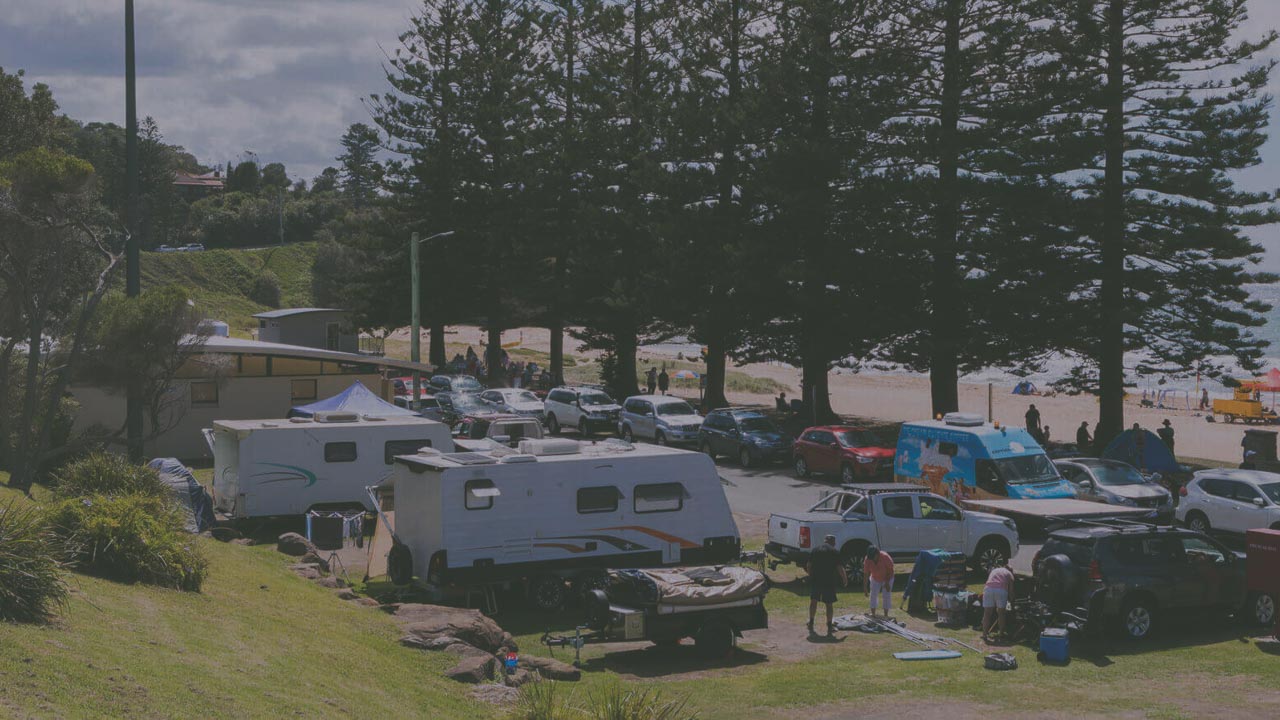
Coledale Camping Reserve

Coledale Camping Reserve Beach Camping New South Wales

Beach Camping Spots NSW: Far South Coast

23. Bittangabee Campground, Beowa National Park

Bittangabee offers 31 campsites with excellent beach access and comprehensive facilities. This remote location provides exceptional fishing, swimming, and snorkelling opportunities. Moreover, the campground serves as a stop on the renowned Light to Light walking track.

24. Mimosa Rocks National Park Campgrounds

Mimosa Rocks features three beachfront campgrounds between Bermagui and Tathra. These locations provide basic facilities with spectacular coastal settings. Furthermore, campers enjoy excellent fishing prospects and scenic walking opportunities.

Beach Campgrounds NSW: Essential Planning Information

Successful beach camping requires advance planning, particularly during peak seasons. Most national park campgrounds require online booking, while some commercial parks accept walk-ins. Additionally, school holidays and long weekends fill quickly, necessitating early reservations.

Weather conditions significantly impact beach camping experiences across NSW. Consequently, checking forecasts and park conditions before departure ensures safer, more enjoyable trips. Furthermore, many coastal locations experience strong winds and sudden weather changes.

Essential equipment for beach camping includes sun protection, wind-resistant camping gear, and water storage. Moreover, salt air accelerates equipment corrosion, requiring careful maintenance and protection. Additionally, many beach locations have limited freshwater availability.

Beach Camping NSW: Regional Seasonal Considerations

Northern NSW beaches offer year-round camping opportunities with mild winter conditions. However, summer brings humid conditions and potential severe weather. Furthermore, whale watching opportunities peak between May and November.

Central Coast locations provide excellent winter camping with moderate temperatures. Spring and autumn offer optimal conditions with comfortable temperatures and reduced crowds. Additionally, school holiday periods significantly increase visitor numbers.

Southern coastal areas experience cooler winter conditions but remain accessible. Summer provides excellent swimming conditions with warm water temperatures. Furthermore, many southern locations offer excellent fishing opportunities year-round.

Conclusion: Beach Camping New South Wales Excellence

Beach camping New South Wales delivers unmatched coastal experiences across diverse landscapes and climates. From pristine national park wilderness to well-appointed commercial facilities, NSW accommodates every camping preference. These 25+ premier destinations represent the finest beach camping opportunities available along Australia’s eastern coastline.

Whether seeking adventure, relaxation, or family experiences, NSW beach camping delivers memorable holidays. Furthermore, the combination of natural beauty, excellent facilities, and diverse activities ensures exceptional camping experiences. Plan your next beach camping adventure to discover why New South Wales remains Australia’s premier coastal camping destination.

Caravan Vs Camper Van: Which Is Better Pros And Cons

Caravan Vs Camper Van: Which Is Better Pros And Cons

Caravan Vs Camper Van: Which Is Better Pros And Cons

Caravan vs camper van – which suits Aussie travellers best? Discover pros, cons, costs & features to to help you make the right choice for your camping adventures. Planning your next Australian adventure involves a crucial decision between two popular options – caravan vs camper van.

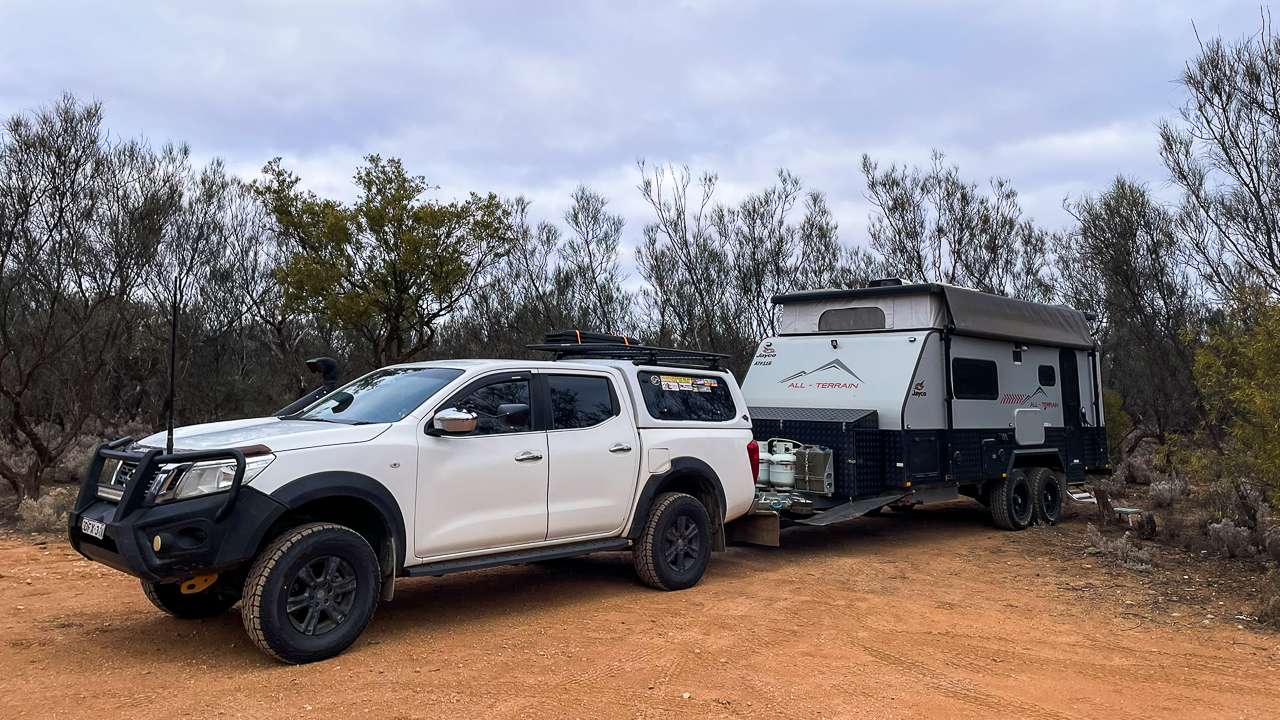
Caravan vs Camper Van – which option offers better value for Australian adventurers?The choice between a caravan and camper van depends on your travel style, budget, and camping preferences. Caravans provide more living space and can be detached for separate exploration, whilst campervans offer superior manoeuvrability and convenience for spontaneous travel across Australia’s diverse landscapes.

Planning your next Australian adventure involves a crucial decision between two popular accommodation options. Furthermore, understanding the differences between caravans and campervans helps determine which suits your travel needs best. Consequently, this comprehensive guide examines every aspect of the caravan vs camper van debate to help Australian camping enthusiasts make informed choices.

Caravan Vs Camper Van

Caravan Vs Camper Van

Caravan Vs Camper Van – Understanding The Basic Differences

What Defines A Caravan

A caravan represents a towable living space attached to a trailer chassis. Additionally, caravans require another vehicle such as a ute or larger car for mobility. Meanwhile, caravans connect to motor vehicles via towing connections and remain stationary when unhitched from the tow vehicle.

What Makes A Campervan Unique

Conversely, campervans integrate living spaces directly into the vehicle itself. Therefore, the interior of a van or larger vehicle receives conversion for living and sleeping purposes. Subsequently, campervans operate as fully mobile units without requiring separate towing vehicles.

Caravan Vs Camper Van: Initial Purchase Costs

Understanding the financial implications helps narrow your decision significantly. Moreover, several factors influence the total investment required for each option.

Caravan Purchase Prices

New caravans in Australia typically start around $50,000 for basic models. However, prices can start from as little as $32,000 up to well over $160,000 depending on size and features. Typically small caravans measuring 12-16 feet cost between $32,000 and $75,000. Meanwhile, larger caravans from 20 feet onwards start around $65,000.

Campervan Purchase Costs

$10,000 for a basic, used model to over $200,000 for a new, high end luxury motorhome.

Campervan Vs Caravan: Space And Comfort Comparison

Feature Caravan Campervan
Interior Space Larger living areas, multiple rooms Compact design, space at premium
Sleeping Capacity Full-size beds, bunk options Usually sleeps around 4 people
Kitchen Facilities Full-size appliances possible Compact kitchenette design
Bathroom Access Often includes full bathrooms Limited or shared facilities
Standing Room Full standing height available May require stooping in some areas

Caravan Space Advantages

Caravans provide spacious interiors with multiple rooms including bedrooms and kitchens. Additionally, they often feature full-size beds and kitchen appliances. Meanwhile, caravans typically allow full standing height without stooping.

Campervan Space Considerations

Campervans maximise compact spaces efficiently but compromise on room. Furthermore, space remains at a premium as a trade-off for travel convenience. However, modern campervans incorporate clever storage solutions throughout their design.

Driving And Manoeuvrability: Caravan Vs Camper Van

Caravan Driving Challenges

Towing caravans requires additional skill similar to driving with large trailers. Additionally, finding parking spots for car and towable combinations proves difficult. Meanwhile, quick roadside stops become challenging with caravan setups.

Consequently, caravans face speed limit restrictions and passing prohibitions in many areas. Furthermore, manoeuvring becomes much more difficult, particularly when reversing. Therefore, towing courses help drivers develop necessary confidence and skills.

Campervan Driving Benefits

Campervans offer superior manoeuvrability compared to caravan combinations. Moreover, their compact size makes driving simple, even on narrow country lanes. Subsequently, campervans fit into most parking spaces easily.

Additionally, campervans require no towing experience if you can drive cars. Furthermore, they navigate tight corners and country roads effectively. Consequently, campervans gain acceptance at more campsites than caravans.

Setup And Convenience: Campervan Vs Caravan

Caravan Setup Requirements

Setting up a caravan involves detaching it from your tow vehicle. Additionally, this process requires levelling the caravan and deploying steadies. Meanwhile, connecting electricity and water systems adds setup time.

However, caravans offer the advantage of being ready for occupation immediately after setup. Furthermore, minimal transformation occurs since caravans remain configured for living. Consequently, occupants can relax whilst others handle campervan conversions.

Campervan Setup Simplicity

Campervans require minimal setup procedures upon arrival. Moreover, setting up involves simply applying the handbrake and stopping. Additionally, no attachment or detachment procedures occur with campervans.

Therefore, campervans excel for spontaneous trips and quick getaways. Furthermore, packing up involves simply closing the door and departing. Subsequently, this convenience suits travellers preferring minimal preparation time.

Caravan Vs Camper Van: Mobility And Exploration

Caravan Exploration Benefits

Caravans provide significant advantages once established at campsites. Additionally, detaching caravans allows separate vehicle exploration. Meanwhile, tow vehicles explore surrounding areas without hauling living spaces.

Furthermore, this flexibility proves especially beneficial in narrow streets. Consequently, caravans offer superior local exploration capabilities once positioned. Moreover, grocery shopping and sightseeing become easier with detached vehicles.

Campervan Mobility Advantages

Campervans deliver unmatched freedom for continuous travel. Additionally, they allow easy packing and exploration anywhere at ease. Meanwhile, campervans enable stopping wherever desired during journeys.

Furthermore, campervans suit travellers visiting multiple destinations efficiently. Subsequently, they eliminate public transport dependency and accommodation booking stress. Therefore, campervans excel for touring multiple locations quickly.

Storage And Maintenance: Caravan Vs Camper Van

Caravan Storage Requirements

Caravans need dedicated storage spaces when not travelling. Additionally, this might involve driveways or rented storage yards. Meanwhile, storage costs range from $600 to $3,000 annually depending on coverage.

Furthermore, outdoor storage costs $600-1,200 yearly across most locations. Conversely, undercover storage ranges from $1,400-1,800 annually. Subsequently, enclosed storage costs $1,500-3,000 per year.

Campervan Storage Benefits

Campervans park easily kerbside without neighbourhood problems. Additionally, they remain ready for spontaneous weekend trips constantly. Moreover, campervans serve as daily vehicles when not travelling.

Furthermore, campervans eliminate separate storage facility requirements. Consequently, they offer multipurpose use including grocery shopping and day trips. Therefore, campervans provide better storage convenience overall.

Fuel Consumption And Running Costs

Caravan Fuel Impact

Towing caravans significantly increases fuel consumption for tow vehicles. Additionally, every additional kilometre per hour costs disproportionately large fuel amounts. Meanwhile, caravans face lower speed limits affecting journey efficiency.

Campervan Fuel Efficiency

Small campervans typically use around 1 litre per 8-10 kilometres driven. Larger motorhomes can easily use double or more. Furthermore, 2-6 berth campervans maintain reasonable fuel economy. Additionally, choosing fuel-efficient campervans reduces carbon footprints significantly.

Maintenance And Servicing Costs

Caravan Maintenance Requirements

Caravan servicing costs depend on size and axle type annually. Additionally, setting aside $500 to $1000 annually covers typical maintenance needs. Meanwhile, caravans require specialised mechanic attention every 10,000 kilometres.

Campervan Maintenance Considerations

Campervans require regular engine maintenance like standard vehicles. Furthermore, specialised components may increase repair costs occasionally. However, campervans eliminate separate tow vehicle maintenance requirements.

Legal Requirements And Weight Restrictions

Caravan Towing Regulations

Australian towing laws require matching caravan weight to vehicle capacity. Additionally, maximum unbraked towing limits typically reach 750kg. Meanwhile, braked trailers require vehicles with adequate towing capacity.

Furthermore, caravans exceeding 750kg gross trailer mass must have brakes. Consequently, tow vehicles need sufficient capacity for safe caravan handling. Therefore, checking towing specifications prevents legal complications.

Campervan Licence Requirements

Campervans under 3,500kg require standard car licences. Additionally, larger campervans may require truck licences depending on weight. Furthermore, width restrictions apply at construction sites including mirrors.

Environmental Impact: Caravan Vs Camper Van

Sustainable Caravan Travel

Caravans enable sustainable camping through renewable energy integration. Additionally, advanced solar panels provide clean energy for caravan operations. Meanwhile, efficient water usage systems minimise environmental impact.

Furthermore, sustainable caravanning involves harnessing solar energy effectively. Consequently, waste management solutions reduce environmental footprints significantly. Therefore, caravans support responsible outdoor recreation practices.

Eco-Friendly Campervan Options

Campervans offer fuel-efficient travel options reducing carbon emissions. Additionally, diesel-powered campervans provide better environmental performance. Meanwhile, hybrid or electric campervans further minimise environmental impact.

Furthermore, campervans enable eco-friendly travel through sustainable building materials. Consequently, choosing fuel-efficient campervans supports environmental conservation. Therefore, campervans contribute to sustainable tourism practices.

Family Considerations: Campervan Vs Caravan

Caravan Family Benefits

Caravans excel for families requiring substantial living space. Additionally, they provide comfortable accommodation for extended family trips. Meanwhile, multiple rooms offer privacy for different family members.

Furthermore, research shows 85% of campers feel closer to spouses. Additionally, 75% of campers feel closer to children during trips. Consequently, caravans facilitate quality family bonding experiences effectively.

Campervan Family Dynamics

Campervans bring families together in compact spaces naturally. Additionally, they eliminate unpacking and repacking stress during multi-location trips. Meanwhile, campervans teach children about self-sufficiency and adventure.

Furthermore, 97% believe camping allows children environmental learning. Additionally, 94% believe camping teaches children essential life skills. Therefore, campervans provide valuable educational opportunities for families.

Resale Value And Depreciation

Caravan Depreciation Rates

Caravans experience higher depreciation compared to campervans. Additionally, Australian Taxation Office rates show 16.67% diminishing value annually. Meanwhile, 20-year-old caravans retain significantly less value than equivalent campervans.

Campervan Resale Performance

Campervans maintain better resale values over extended periods. Furthermore, they run longer without major issues typically. Additionally, well-known brands like Jayco maintain higher resale values.

Consequently, campervans represent better long-term financial investments generally. Moreover, service history and maintenance records enhance resale appeal. Therefore, campervans offer superior depreciation resistance overall.

Insurance And Security Considerations

Caravan Insurance Requirements

Caravan insurance typically costs less than campervan coverage. Furthermore, multi-layered alarm systems provide robust caravan defence. Additionally, anti-tow systems prevent unauthorised caravan movement. Consequently, proper security measures protect caravan investments significantly.

Campervan Insurance Aspects

Campervan insurance varies based on vehicle type and usage. Additionally, liability reduction options help minimise financial exposure.

Campsite Acceptance And Restrictions

Caravan Park Policies

Many caravan parks accommodate both caravans and campervans equally. Additionally, some locations restrict certain vehicle types based on facilities.

Campervan Site Access

Campervans gain acceptance at more campsites than large caravans. Additionally, smaller campervans access sites refusing larger vehicles. Generally speaking campervans will navigate tight camping areas more effectively.

Weather And Seasonal Considerations

Caravan Weather Performance

Modern caravans include year-round comfort features effectively. Additionally, they provide superior insulation compared to compact campervans. Meanwhile, caravans offer better protection during extreme weather conditions.

Campervan Weather Capabilities

Campervans heat up faster upon arrival at winter destinations. Additionally, they maintain warmth more efficiently in compact spaces. However, extreme weather conditions may challenge smaller campervan designs.

Making Your Decision: Caravan Vs Camper Van

Consider your travel style when choosing between options. Additionally, evaluate your comfort requirements and space needs carefully. Meanwhile, assess your driving confidence and towing experience honestly.

Furthermore, examine your storage situation and ongoing cost tolerance. Subsequently, consider your typical trip duration and destination variety. Therefore, matching vehicle choice to personal circumstances ensures satisfaction.

Families requiring substantial space benefit from caravan selection typically. Additionally, adventurous travellers prefer campervan flexibility and convenience. Meanwhile, first-time buyers often choose campervans for simplicity.

Conclusion

The caravan vs camper van decision ultimately depends on individual priorities and circumstances. Additionally, caravans excel in providing spacious accommodation and local exploration flexibility. Meanwhile, campervans offer superior convenience, manoeuvrability, and spontaneous travel capabilities.

Furthermore, budget considerations influence choice through purchase prices and ongoing costs. Consequently, evaluating total ownership expenses helps determine long-term value. Therefore, considering all factors ensures the best choice for your Australian camping adventures.

Both options provide excellent opportunities for exploring Australia’s magnificent landscapes. Additionally, either choice facilitates memorable family experiences and outdoor adventures. Meanwhile, proper research and honest self-assessment guide optimal decisions.

Finally, remember that no perfect choice exists for everyone universally. Instead, the best option matches your specific needs, preferences, and circumstances. Consequently, thorough consideration of all factors leads to satisfying camping experiences across Australia’s diverse regions.

Infographic Caravan Vs Camper Van Which Is Better Pros And Cons

Infographic Caravan Vs Camper Van Which Is Better Pros And Cons

Legal Disclaimer: The information provided in this article, “Caravan Vs Camper Van Which Is Better Pros And Cons,” is intended for general informational purposes only and does not constitute professional, legal, financial, or technical advice. While every effort has been made to ensure the accuracy and currency of the content, no guarantees are made regarding its completeness or suitability for your individual circumstances. Readers are advised to conduct their own research and seek independent advice relevant to their specific needs before making any decisions regarding the purchase, use, or operation of caravans or camper vans. The authors and publishers accept no liability for any loss, damage, or injury incurred as a result of reliance on the information contained in this article. All product names, brands, and trademarks mentioned remain the property of their respective owners. Consumer rights under Australian Consumer Law (ACL) remain unaffected by the information in this article. For detailed guidance about your legal rights and obligations please refer to the ACCC or your local consumer protection agency.
Stockton Beach NSW Camping Made Easy: A Beginners Guide

Stockton Beach NSW Camping Made Easy: A Beginners Guide

Stockton Beach NSW Camping Made Easy: A Beginners Guide

Plan your Stockton Beach NSW camping adventure with permits, bookings & tips. Find where to camp and how to explore this iconic coastal dune.

Is Stockton Beach NSW camping allowed? Yes, Stockton Beach NSW Camping is allowed. But only at the designated Ganyamalbaa Camping Area through advance online bookings. Free camping and overnight stays in vehicles on the beach are strictly prohibited throughout the Worimi Conservation Lands.

Australia’s largest coastal dune system stretches across 32 kilometres of pristine coastline, offering adventure seekers an unparalleled camping experience. However, Stockton Beach camping has evolved significantly from its unrestricted past to become a carefully managed conservation initiative. Understanding current regulations, booking requirements and access conditions ensures your camping adventure proceeds smoothly whilst respecting this unique environment.

Stockton Beach Southern End

Stockton Beach Southern End – Wikimedia Commons Licence – Author = AussieLegend

Understanding Stockton Beach NSW Camping Regulations

Table Of Contents

Can You Camp On Stockton Beach?

Stockton Beach camping operates under strict guidelines following environmental impacts from major storms in 2012. Consequently, the traditional free camping that once characterised this coastal paradise has been replaced by the Ganyamalbaa Camping Trial. This managed approach protects the fragile dune ecosystem while providing controlled access to one of Australia’s most spectacular camping destinations. The Ganyamalbaa Camping Area, meaning “place to camp” in Worimi Gathang language, represents the only legal camping option within the Worimi Conservation Lands. Moreover camping elsewhere on the beach, including overnight stays in vehicles will result in penalties and potential vehicle removal. So as a result advance planning becomes essential for anyone seeking an authentic Stockton Beach camping experience.

Stockton Beach Free Camping – Why It’s No Longer Available

Previously Stockton Beach attracted thousands of campers seeking free camping opportunities along its expansive coastline. Unfortunately severe weather events in 2012 washed away significant portions of the beachfront, creating safety hazards and environmental damage. Additionally, uncontrolled camping led to vegetation destruction, erosion issues and cultural site disturbance. Consequently, authorities implemented the current permit-based system to balance recreational access with conservation needs.

While Stockton Beach free camping no longer exists, the structured approach ensures sustainable tourism that preserves this remarkable landscape for future generations. Furthermore, the camping fees directly support conservation efforts and facility maintenance within the Worimi Conservation Lands. So unfortunately Stockton Beach free camping is no longer allowed.

Ganyamalbaa Camping Area – Your Gateway To Stockton Beach NSW Camping

Essential Details For Stockton Beach Camping Bookings

The Ganyamalbaa Camping Area offers up to 30 designated campsites strategically located southwest of the famous Tin City settlement. Each campsite accommodates a maximum of eight campers, ensuring adequate spacing between groups whilst maintaining the remote camping atmosphere. Additionally, the sites welcome tents and single-axle camper trailers, though larger recreational vehicles cannot access these remote locations. Bookings operate exclusively through the Worimi Conservation Lands website, requiring advance payment before arrival. Currently, no walk-in camping options exist, making online reservations absolutely essential for securing your Stockton Beach camping experience. Furthermore, booking confirmation serves as your camping permit, which rangers verify electronically during regular patrols.

Stockton Beach Camping Facilities And Amenities

Remote camping means bringing everything you need for a comfortable stay. Consequently, campsites provide minimal infrastructure beyond designated fire places for approved timber only. Importantly, firewood collection within the conservation lands remains strictly prohibited, including driftwood gathering from the beach. Essential self-sufficiency requirements include portable camping toilets, as no sewage facilities exist at individual campsites. However, plans include constructing toilet facilities at the Lavis Lane entry point, potentially incorporating camping toilet dump points for visitor convenience. Additionally, all camping equipment, water supplies and food provisions must accompany your group to these remote locations.

Where To Buy Stockton Beach Permit – Essential Vehicle Access

Stockton Beach Permit Purchasing Locations

Vehicle access to Stockton Beach camping areas requires valid Worimi Conservation Lands permits, available from multiple convenient locations throughout the Hunter Region. Traditional permit retailers include service stations in Williamtown, Salt Ash and Anna Bay, providing 24-hour availability for last-minute purchases. Additionally, specialised retailers like Tackle Power in Mayfield West and ARB in Lambton cater specifically to four-wheel drive enthusiasts. Moreover, the Port Stephens Visitor Centre in Nelson Bay offers comprehensive information alongside permit sales during business hours. Meanwhile, the NSW National Parks & Wildlife Service office on Teramby Road provides official guidance for complex permit requirements. Furthermore, online purchasing options may become available, following trends established at nearby Belmont Wetlands State Park.

Stockton Beach NSW Camping Stockton Beach North Eastern End

Stockton Beach NSW Camping Stockton Beach North Eastern End – Wikimedia Commons Licence – Author = AussieLegend

Understanding Stockton Beach Permit Types And Costs

Multiple permit options accommodate different camping and recreation needs across the Worimi Conservation Lands. The annual permit, priced at $88, offers excellent value for frequent visitors planning multiple Stockton Beach camping trips. Alternatively, three day permits cost $33, perfect for weekend camping adventures or trial visits before committing to annual access. Pensioners benefit from discounted annual permits at $44, recognising the significant community of retirees enjoying four-wheel drive camping throughout Australia. Additionally, recreational vehicle permits cost $88 annually for conditionally registered quads and motorbikes accessing designated driving areas. Replacement permits, necessary for lost or damaged stickers, cost $20 regardless of remaining validity periods.

Permit Type Cost Validity Best For
Three-day permit $33 3 consecutive days Weekend camping trips
Annual permit $88 12 months Regular visitors
Pensioner annual $44 12 months Eligible concession holders
RV annual permit $88 12 months Quad/motorbike access
Replacement permit $20 Remaining validity Lost/damaged permits

Can You Drive On Stockton Beach – Access Requirements And Restrictions

Current Access Points For Stockton Beach Camping

Four-wheel drive capability remains mandatory for reaching Stockton Beach camping areas, as conventional vehicles cannot navigate the soft sand conditions. Currently, two main access points serve the Worimi Conservation Lands: Lavis Lane at Williamtown and Gan Gan Road at Anna Bay. However, recent weather events have temporarily closed the Fern Bay access track, limiting entry options for camping visitors. Importantly, beach driving conditions change rapidly due to tides, weather and seasonal variations. Therefore, drivers must exercise extreme caution, particularly avoiding sea water, foam and large water pools that can trap vehicles. Additionally, the Ganyamalbaa Campground itself remains temporarily closed following recent weather impacts, though authorities expect reopening once safety assessments conclude.

Stockton Beach Camping Vehicle Requirements

All vehicles accessing Stockton Beach camping areas must hold current NSW registration and display valid WCL permits. Furthermore, drivers must comply with standard road regulations, including speed limits, blood alcohol restrictions and licensing requirements. Recreational vehicles like quads and motorbikes require conditional registration from NSW Roads and Maritime Services for legal beach access. Consequently, vehicle preparation becomes crucial for successful Stockton Beach camping expeditions. Essential equipment includes tyre pressure gauges for sand driving, recovery gear for stuck vehicles and communication devices for emergency situations. Moreover, UHF radio channel 21 provides beach access coordination, while emergency situations require immediate 000 contact for police, fire, or ambulance services.

Planning Your Stockton Beach NSW Camping Adventure

Booking Process For Stockton Beach Camping

Securing your Stockton Beach camping reservation requires advance planning through the official Worimi Conservation Lands website. The online booking system operates continuously, allowing 24-hour reservation access for maximum convenience. Additionally, payment must accompany bookings, with confirmation emails serving as official camping permits for ranger verification. Booking demand varies seasonally, with summer months and school holidays experiencing highest competition for available campsites. Therefore, early booking ensures preferred dates, particularly for popular periods like Easter, Christmas and winter school holidays. Furthermore, group bookings may require special arrangements for parties exceeding eight people, necessitating direct contact with park management. Here’s the latest information for Stockton Beach, NSW, based on official sources (Newcastle City Council and NSW National Parks). Note: Always verify details before traveling, as conditions, fees and rules can change.

1. Stockton Beach Vehicle Permit Costs

A permit is required for all vehicles entering Stockton Beach. Current fees (as of 2025) are:

  • 1-Day Permit: $20
  • 3-Day Permit: $35
  • Annual Permit: $90
  • Concession discounts may apply for pensioners.
  • Permits cover vehicle access only. Camping fees are separate.

2. Where to Buy Stockton Beach Permits

Permits are sold online or in person.

Online

In Person

  1. Newcastle Council Customer Service Centre Address: 12 Stewart Avenue, Newcastle West, NSW 2302 Hours: Mon–Fri, 8:30 am – 4:30 pm. Phone: (02) 4974 2000
  2. Stockton Surf Life Saving Club (SLSC) Address: Pitt Street, Stockton, NSW 2295 Hours: Vary (typically weekends/public holidays during patrol season; call ahead). Phone: (02) 4928 1266
  3. Service NSW Centers (e.g., Newcastle, Raymond Terrace) – limited stock.

3. Booking Camping at Ganyamalbaa Beach Camping Area

Ganyamalbaa (formerly “Stockton Beach Camping Area”) is managed by NSW National Parks (NPWS). Key Details

  • Address: Lavis Lane, Williamtown, NSW 2318 (access via Lavis Lane; drive 7km north on the beach to reach the campsite).
  • Booking: Mandatory – Only via the NPWS website or phone.

Camping Fees (2025):

  • Adults: $10 per night
  • Children (5–15 years): $5 per night
  • Family (2 adults + 2 children): $25 per night
  • Infants (0–4 years): Free

How To Book

Online

Conditions

  • Permits Required: You must have a valid Stockton Beach Vehicle Permit (Section 2) to drive to the campsite.
  • Access: 4WD only. Check tide times – beach driving is safest 2 hours either side of low tide.
  • Facilities: Basic toilets; no showers, power, or drinking water. Bring all supplies.
  • Max Stay: 14 nights.

Important Reminders

  1. Beach Safety: Check tide charts, weather and beach conditions via Surf Life Saving NSW https://www.beachsafe.org.au or the Stockton Dune Driving Guide https://www.newcastle.nsw.gov.au/Explore/Beaches-and-coast/Stockton-Beach.
  2. Permits: Display permits clearly on your vehicle. Fines apply for non-compliance.
  3. Camping Rules: No pets, fires, or generators. Pack out all waste.

For real time updates

  1. Newcastle Council (Stockton Beach): https://www.newcastle.nsw.gov.au/stocktonbeach | Phone: (02) 4974 2000
  2. NPWS (Ganyamalbaa): Website https://www.nationalparks.nsw.gov.au/ganyamalbaa | Phone: (02) 4984 8200

Essential Preparation For Remote Stockton Beach Camping

Remote camping demands comprehensive preparation covering equipment, supplies and safety considerations. Consequently, camping checklists should include portable toilets, approved firewood, comprehensive first aid supplies and multiple days’ food and water provisions. Additionally, weather protection becomes crucial given the exposed coastal environment and rapidly changing conditions. Navigation equipment helps locate campsites within the expansive dune system, as GPS coordinates may prove unreliable in shifting sand environments. Therefore, traditional compass and map skills complement electronic navigation tools for safe travel to and from camping areas. Moreover, emergency communication devices provide essential safety backup for groups venturing into these remote locations.

Stockton Beach On Google Earth

Stockton Beach On Google Earth

Guide To Driving On Sand At Stockton Beach

Here’s a practical guide to driving on sand at Stockton Beach, NSW, including emergency contacts if you get bogged and can’t get yourself out.

Driving on Sand: Essential Tips for Stockton Beach Stockton Beach’s dynamic dunes and soft sand require specialised driving techniques.

Follow these key steps

1. Lower Tire Pressure

  • Deflate tires to 15–18 PSI (check your vehicle’s manual for limits). This increases traction by spreading the tire’s footprint.
  • Carry a quality air compressor to reinflate before hitting paved roads.

2. Momentum is Key

  • Maintain steady, gentle throttle – avoid sudden acceleration or braking.
  • If you slow down in soft sand, gradually increase speed to prevent bogging.

3. Tide & Terrain Awareness

Drive only 2 hours before/after low tide (check [tides via BeachSafe](https://beachsafe.org.au)). Stick to the hard-packed sand near the waterline – avoid dry, soft dunes unless necessary. Steer clear of vegetated areas (protected habitat) and obey signposted closures.

4. Use 4WD Correctly

  • Engage 4WD High before entering the beach. Use Low Range for steep dunes.
  • If bogged, stop immediately to avoid digging deeper.

5. Essential Gear

  • Recovery boards (e.g., Maxtrax), shovel, snatch strap and rated shackles.
  • UHF radio (Channel 18 for beach communications).

If You Get Bogged: Recovery Contacts & Costs

Despite precautions, vehicles can get stuck. Do not rely on NPWS or council for recovery – they won’t tow you. Instead:

  1. Self Recovery First
    • Dig sand from around tires/wheels.
    • Place recovery boards under driven wheels.
    • Gently roll forward or backward – don’t accelerate harshly.
  2. Call a Professional Tow Service
    • If self-recovery fails, contact specialized 4WD recovery operators:
    • Traction 4×4 Recovery Phone: 0403 288 625 Cost: From $400+ (depending on location/tide urgency).
    • Stockton Tilt Tray & Transport Phone: 0414 492 888 Cost: $350–$800 (tide-dependent).
    • Hunter 4×4 Recovery Phone: 0427 201 222 Cost: $300–$700.
  3. Critical Notes
    • Tides are life-threatening: If stuck near rising water, call 000 immediately.
    • Tow costs surge during high tide/night—budget $500–$1,500 for complex recoveries.
    • Never attach recovery straps to tow balls—use rated vehicle recovery points.
    • Prevention is Cheaper Than Recovery
    • Check conditions: Avoid driving 1–3 days after heavy rain (saturation = softer sand).
    • Travel with other 4WDs: Never drive alone.
    • Permit requirement: Unrecovered vehicles may incur council fines ($300+) if abandoned.
    • For real time beach status
    • Newcastle Council Beach Hotline: (02) 4974 2000
    • NSW NPWS Hunter Coast Office: (02) 4984 8200
    • Remember: Alcohol/drugs void insurance and increase recovery costs. Respect the beach – its beauty demands caution.

Exploring Stockton Beach While Camping

Stockton Beach Camping Near Tin City

The famous Tin City settlement provides a fascinating historical backdrop for your Stockton Beach camping experience. This unique collection of eleven self-built shacks represents Australia’s last surviving squatter community, operating under a 100-year lease since 1920. Consequently, visitors can observe this remarkable settlement while respecting private property boundaries and cultural significance. Additionally, Tin City serves as a navigation landmark for locating nearby camping areas within the Ganyamalbaa zone. The settlement’s off-grid lifestyle, powered by solar panels and wind turbines, demonstrates sustainable living principles relevant to modern camping practices. Furthermore, the constantly shifting dunes around Tin City illustrate the dynamic environment that camping visitors experience throughout their stay.

Recreational Activities During Stockton Beach Camping

Beyond the camping experience itself, Stockton Beach offers numerous recreational opportunities for adventurous visitors. The expansive dune system provides excellent four-wheel driving opportunities across 350 hectares of designated recreational vehicle areas. Additionally, the 19 kilometres of accessible beachfront accommodate fishing, swimming and beachcombing activities during suitable conditions. Photography enthusiasts particularly appreciate the dramatic landscape changes throughout different times of day. Golden hour lighting, occurring approximately 40 minutes before sunset, creates spectacular colour displays across the sand dunes. Moreover, drone photography remains permitted over the dunes, allowing unique aerial perspectives of this remarkable coastal environment.

Seasonal Considerations For Stockton Beach NSW Camping

Weather Impacts On Stockton Beach Camping

Coastal weather significantly influences Stockton Beach camping conditions throughout the year. Summer months bring warm temperatures and longer daylight hours, ideal for extended outdoor activities and beach exploration. However, afternoon thunderstorms and high UV exposure require appropriate preparation and protective equipment during these periods. Winter camping offers cooler temperatures and dramatic stormy weather that showcases the beach’s raw natural power. Consequently, winter visitors need comprehensive weather protection and emergency preparedness for rapidly changing conditions. Additionally, winter sunsets occur earlier, around 3:45-4:00pm, requiring adjusted planning for optimal photography and recreational timing.

Long Term Planning For Stockton Beach Camping

Regular Stockton Beach camping enthusiasts benefit from annual permit purchases and advanced seasonal planning. Understanding peak periods, weather patterns and facility maintenance schedules enables strategic booking decisions for optimal camping experiences. Furthermore, staying informed about conservation land management updates ensures compliance with evolving regulations and access restrictions. Additionally, building relationships with local retailers and park authorities provides valuable insights for successful camping adventures. Many experienced campers maintain equipment caches and establish preferred camping routines that maximise enjoyment whilst minimising environmental impact throughout their Stockton Beach camping journeys.

Conservation And Responsible Stockton Beach Camping

Environmental Protection During Stockton Beach Camping

Responsible camping practices ensure the preservation of Stockton Beach’s unique ecosystem for future generations. Consequently, all waste must be packed out, including food scraps that could attract pest animals or disrupt natural food chains. Additionally, vehicle movements should remain within designated tracks to prevent vegetation damage and erosion acceleration. Water conservation becomes particularly important given the remote location and limited natural freshwater sources. Therefore, greywater disposal requires careful consideration, with all wastewater transported off-site for appropriate treatment. Furthermore, soap and detergent use should minimise environmental impact through biodegradable product selection and responsible disposal practices.

Cultural Respect In Stockton Beach Camping Areas

The Worimi Conservation Lands hold significant cultural importance for Aboriginal communities, requiring respectful behaviour from all camping visitors. Traditional cultural sites may exist throughout the camping areas, necessitating careful observation and immediate reporting of any archaeological discoveries. Additionally, understanding and acknowledging the cultural significance enhances the camping experience whilst demonstrating appropriate respect. Moreover, the Ganyamalbaa name itself reflects the integration of traditional language and contemporary conservation management. This partnership between traditional owners and modern land management creates unique opportunities for cultural learning alongside recreational camping experiences throughout the Stockton Beach environment.

Stockton Beach NSW Camping: Future Developments

Upgraded Facilities For Stockton Beach NSW Camping

Planned improvements to Stockton Beach NSW camping infrastructure include new toilet facilities at Lavis Lane and expanded dump points for portable camping systems. These upgrades aim to enhance convenience while maintaining the remote character that defines Stockton Beach NSW camping adventures. Future initiatives may introduce interpretive signage detailing the area’s ecological and cultural significance.

Stockton Beach NSW Camping: Flora And Fauna Considerations

Birdwatching Opportunities During Stockton Beach NSW Camping

The adjacent Stockton Sandspit provides exceptional birdwatching opportunities for Stockton Beach NSW camping enthusiasts. Over 189 bird species frequent this area, including migratory wonders like the bar-tailed godwit that completes 11,000km non-stop flights from Alaska. These ecological treasures underscore why Stockton Beach NSW camping regulations prohibit disturbing coastal habitats beyond designated areas.

Protecting Native Vegetation During Stockton Beach NSW Camping

The foredune ecosystem supporting Stockton Beach NSW camping areas relies on critical native species like Spinifex sericeus, which stabilises shifting sands. Campers must avoid trampling these grasses or introducing invasive plants through equipment contamination. Recent flora surveys identified 159 plant species within the conservation lands, with managed camping helping protect vulnerable populations like the Senecio pinnatifolius found near Tin City.
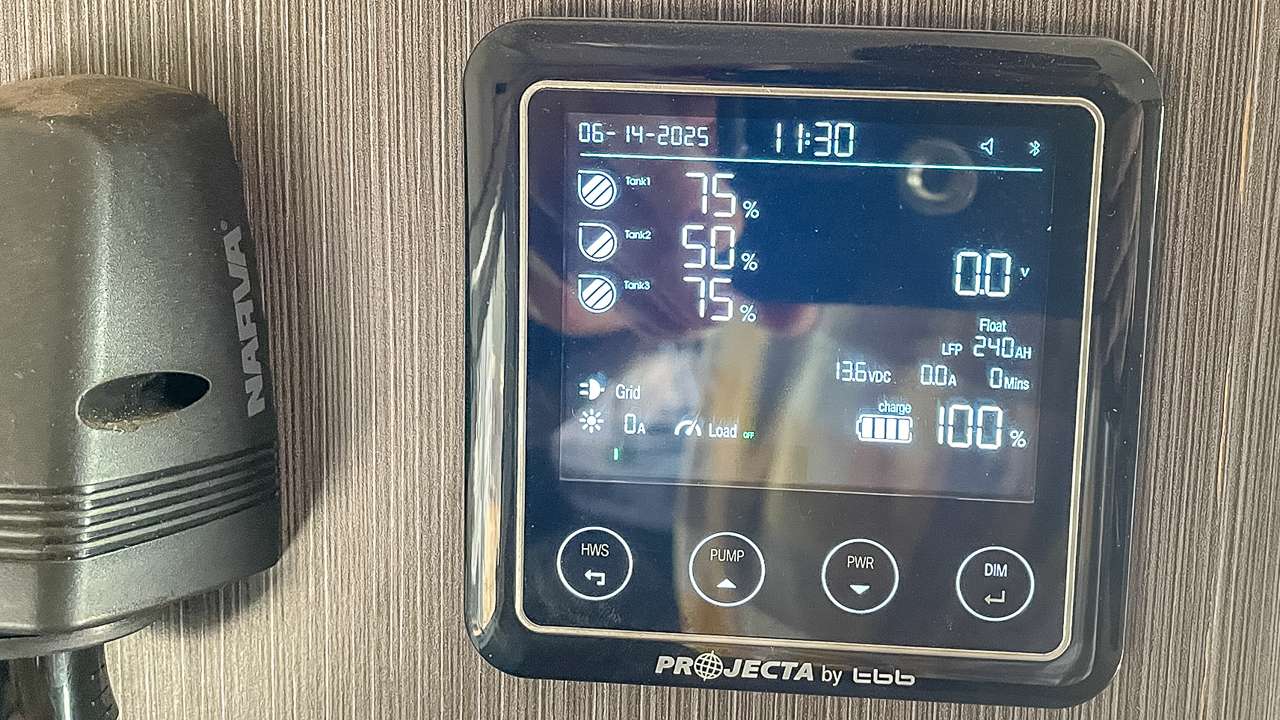
Enhancing Your Stockton Beach NSW Camping Experience

Cultural Immersion Through Stockton Beach NSW Camping

The Worimi people’s ongoing stewardship of their traditional lands adds profound cultural depth to Stockton Beach NSW camping experiences. Over 50 significant cultural sites exist within the conservation area, ranging from midden deposits to ceremonial grounds. Responsible Stockton Beach NSW camping involves respecting these sites by staying on marked trails and avoiding artifact collection.

Conclusion – Stockton Beach NSW Camping

Stockton Beach NSW camping represents a unique opportunity to experience Australia’s largest coastal dune system whilst supporting sustainable tourism practices. The transition from unrestricted free camping to the managed Ganyamalbaa Camping Trial demonstrates successful balance between recreational access and environmental protection. Understanding permit requirements, booking procedures and access conditions ensures your camping adventure proceeds smoothly whilst respecting this remarkable landscape.
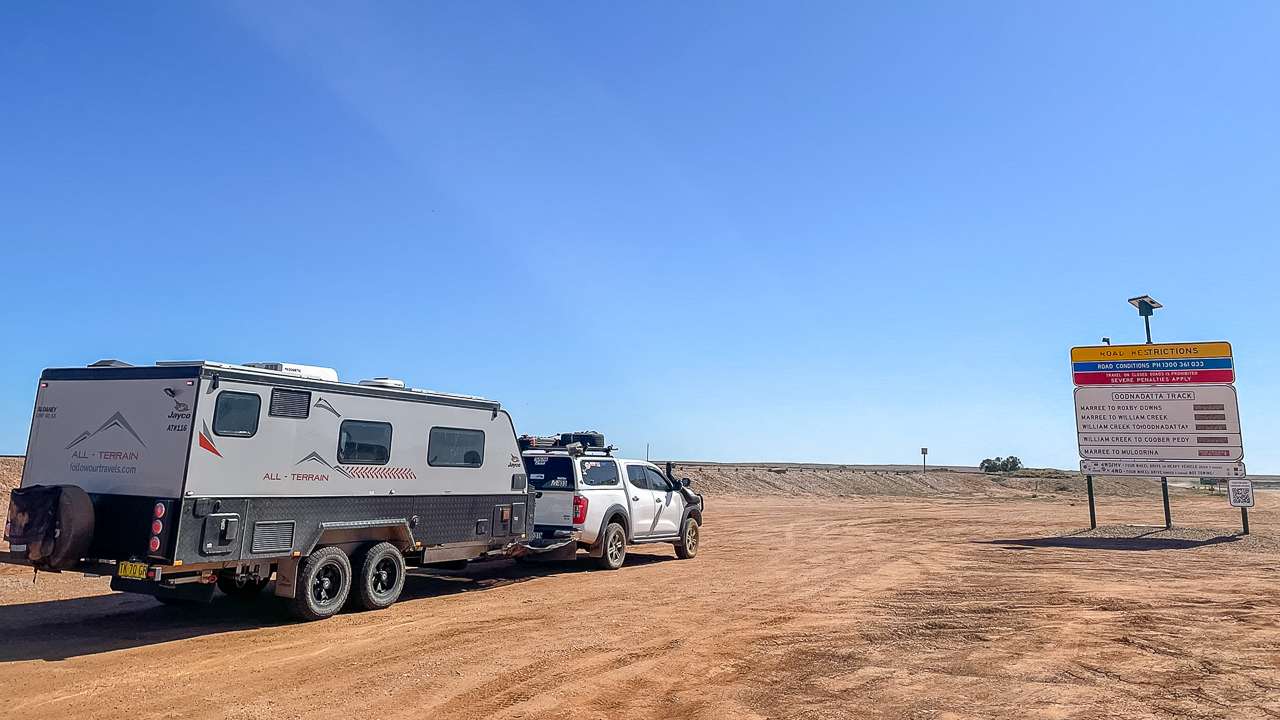
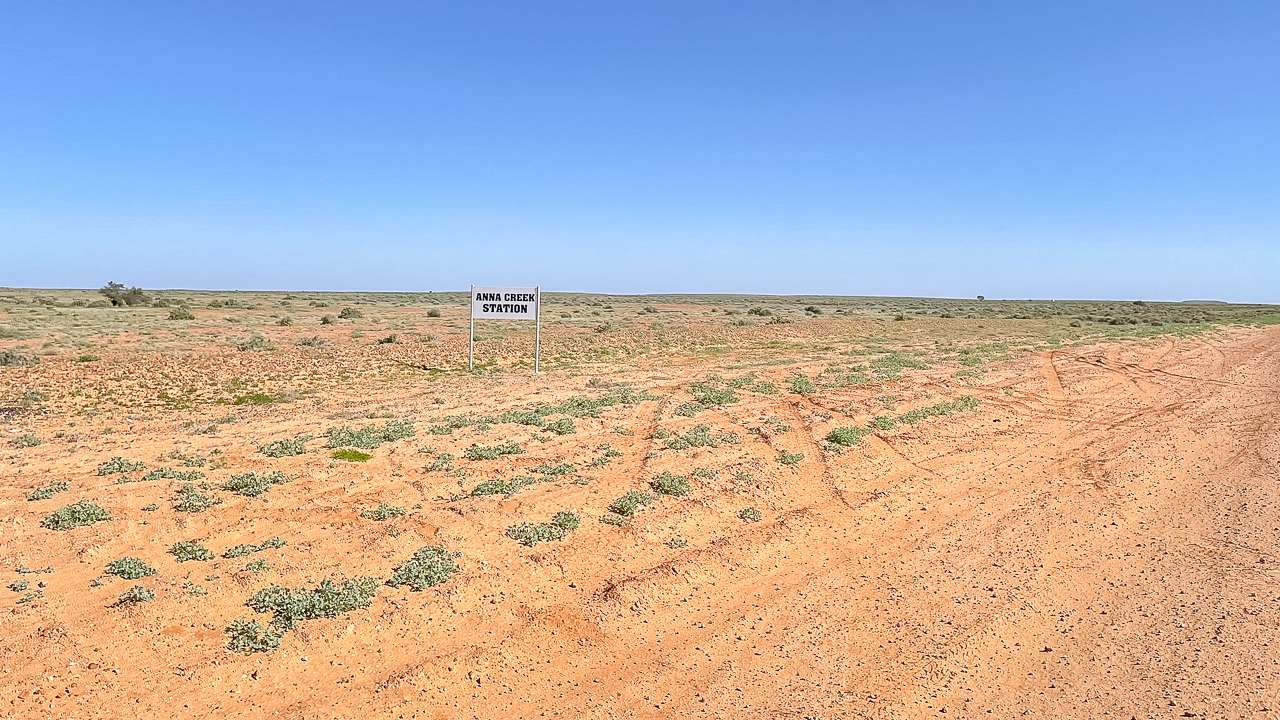
Consequently, advance planning becomes essential for successful Stockton Beach camping experiences. From securing appropriate permits and making online reservations to preparing comprehensive equipment lists and understanding current access restrictions, thorough preparation maximises enjoyment whilst ensuring compliance with conservation requirements. Furthermore, the remote camping environment offers authentic Australian outback experiences rarely available so close to major population centres. Whether you’re seeking weekend camping adventures or extended four-wheel drive expeditions, Stockton Beach camping delivers unforgettable experiences across one of NSW’s most spectacular coastal environments.

Embrace the planning requirements, respect the environmental constraints and prepare for camping adventures that showcase the very best of Australia’s unique coastal wilderness areas.

Stockton Beach NSW Camping Ganyamalbaa Beach Camping Area

Stockton Beach NSW Camping Ganyamalbaa Beach Camping Area