William Creek: An Easily Doable Remote Outback Adventure

William Creek: An Easily Doable Remote Outback Adventure

William Creek: An Easily Doable Remote Outback Adventure

From checking out and having a drink in the iconic William Creek Hotel to breathtaking flights over Lake Eyre. This is your ultimate guide to South Australia’s remote Outback.

William Creek is located in the heart of South Australia’s Outback. It’s a uniquely Aussie outback destination that provides a blend of natural beauty, history and adventure. Whether you’re interested in exploring the famous Lake Eyre Basin, experiencing the rugged terrain or simply soaking in the quiet charm of the area. Here’s a detailed look at what you can do in this remote corner of Australia.

Activities Around William Creek, South Australia

While it’s remote, it is by no means lacking in things to do. The surrounding area offers a variety of activities for those keen to explore the Outback.

One of the highlights is visiting Lake Eyre. It is accessible by road or air and the views are truly spectacular. Whether the lake is full or dry, the landscape is a photographer’s dream. There are many opportunities for birdwatching in the area, making it a great base for outdoor activities.

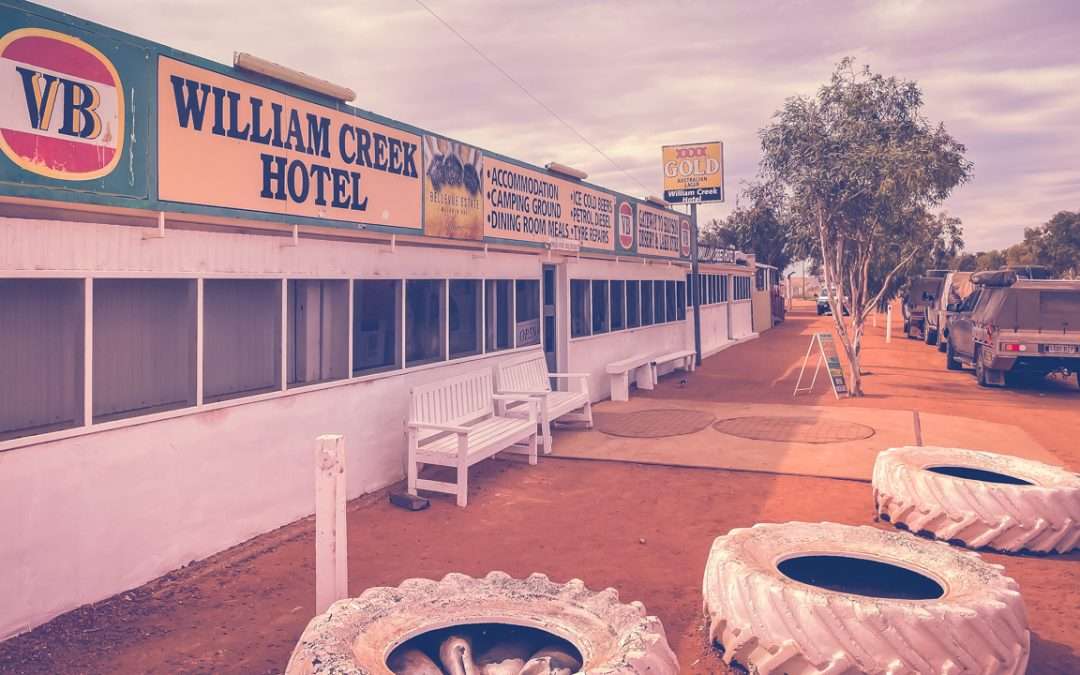
William Creek Hotel

William Creek Hotel

Exploring The Outback From William Creek

William Creek is an ideal starting point for exploring the vast and rugged Outback. From here you can travel along the Oodnadatta Track, an historic route that was once the railway line connecting Adelaide to Alice Springs. The track is full of fascinating sites, including the ruins of old telegraph stations and Aboriginal heritage sites.

If you’re in the mood for a scenic adventure, consider taking a flight over Lake Eyre. Several operators offer aerial tours that provide a unique perspective of the lake, the desert and the surrounding land. The Outback from above is truly an awe inspiring sight.

William Creek To Coober Pedy Road Trip

A road trip to Coober Pedy is an unforgettable adventure. The journey takes you through vast desert landscapes and wild outback desert terrain. Along the way, you’ll encounter ghost towns and historic ruins and experience the true spirit of Australia’s outback.

Coober Pedy, known as the opal capital of the world. Coober Pedy is just a few hours away from making it a perfect destination to pair with your Outback adventure. Once you arrive, you can explore the underground homes and opal mines that make this town so unique.

Visiting William Creek Hotel

The William Creek Hotel is the heart of the town and one of its most famous landmarks. Stepping into the historic pub is like stepping back in time. It’s a hub for locals and visitors alike, offering cold drinks, great food and a wealth of stories from the people who’ve passed through. The hotel also serves as a base for those looking to take scenic flights over Lake Eyre or explore the surrounding Outback. Make sure to stop by and soak up the unique atmosphere.

William Creek, Australia Attractions

While it may be small, it’s a gateway to some incredible attractions in the region. Lake Eyre, just a short drive away, is one of Australia’s most impressive natural wonders. It’s the largest saltwater lake in Australia. Depending on the rainfall it can either be a vast dry expanse or a thriving wetland teeming with birdlife. It’s the perfect spot for photography or simply appreciating the beauty of nature in its rawest form.

For history buffs, the Oodnadatta Track passes through William Creek. The oodnadatta Track is an historic route that was once used by the Ghan Railway. It’s a look back in time into Australia’s past and an important part of the region’s heritage.

Remote Camping In William Creek

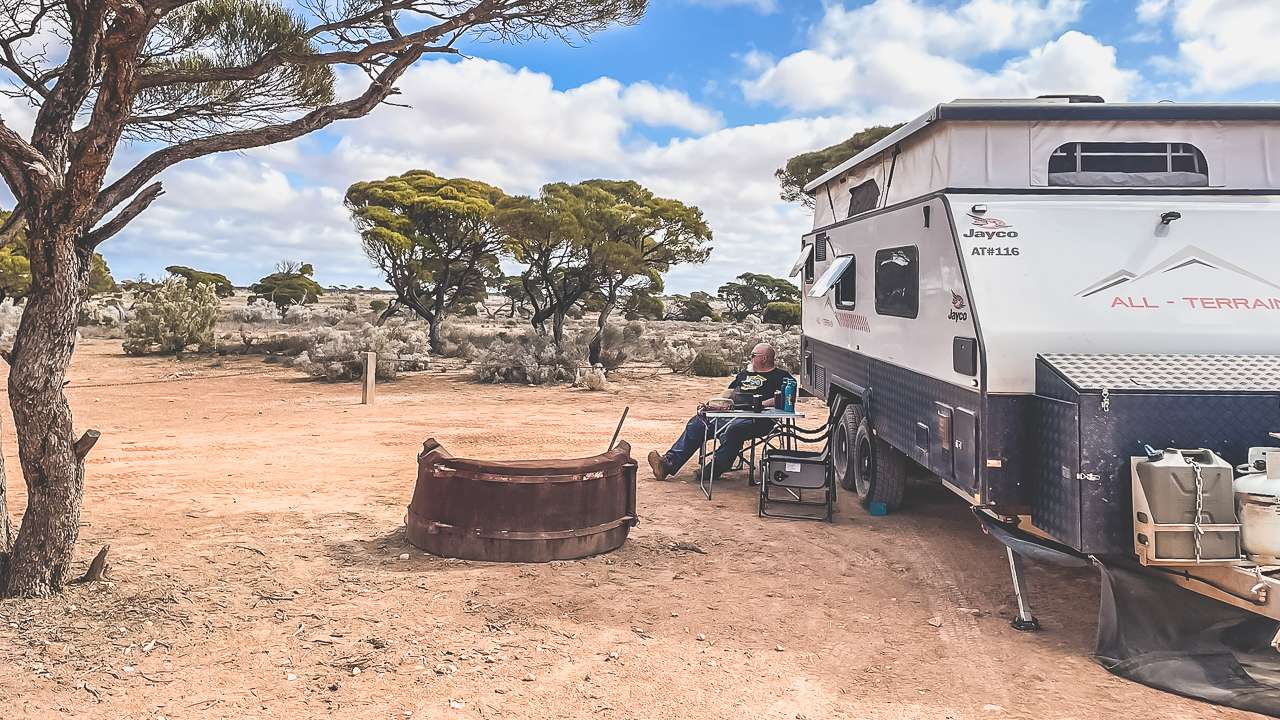
If you’re looking for true isolation, remote camping near William Creek is the way to go. There are a number of sites around the area that are off the beaten track. Camping spots near William Creek are perfect for people who want to escape the crowds and enjoy nature in its rawest of forms.

Whether you’re camping in a tent or in a caravan, you’ll find that the night sky here is like nothing you’ve seen before. The lack of light pollution gives you a clear view of the stars and it’s the ideal place for stargazing.
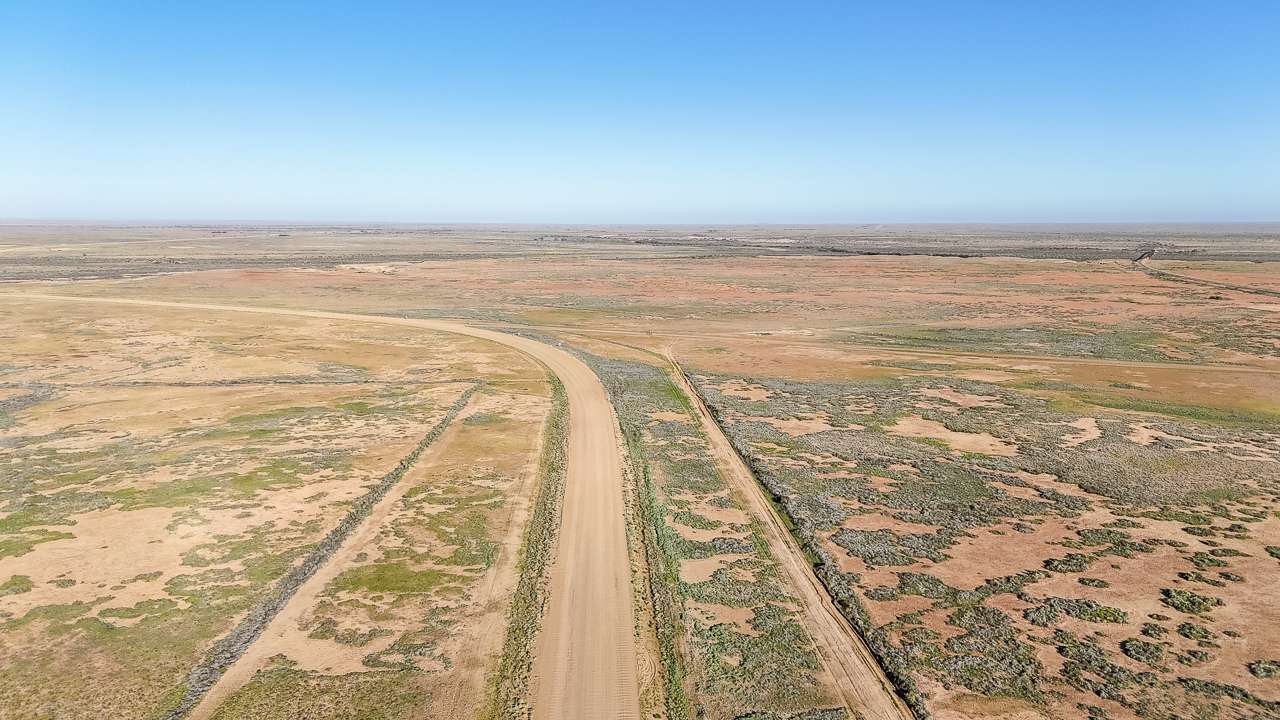
Oodnadatta Track Near Curdimurka

Oodnadatta Track Near Curdimurka

Historical Sites Near William Creek

If you happen to be interested in history there are a number of sites that offer a look backwards in time to the region’s past. The Old Ghan Railway, which once connected the south to the north of Australia, is a significant landmark. While some parts of the track are no longer in use it’s possible to visit sections of the old railway and learn about its importance to the country’s development.

There are also several Aboriginal cultural sites in the area that hold significant meaning to the local indigenous communities. These sites are usually not heavily advertised, but with the right guidance, you can learn about the region’s cultural heritage.

William Creek Lake Eyre Flight Tours

For those who want to see the full extent of Lake Eyre’s majesty, a flight tour is a must. The tours are run by local operators and offer sensational views of the lake, the surrounding desert and the Outback. Whether the lake is full or dry, the aerial view gives you a unique perspective that you simply cannot get from the ground.

The flights typically depart from the William Creek airstrip and take you over the salt flats, wetlands and nearby landmarks. These tours are also a great opportunity to spot wildlife and get a bird’s eye view of Australia’s outback like never before.

Best Time To Visit William Creek

The best time to visit William Creek largely depends on what kind of experience you’re after. The warmer months, from October to April, are ideal for those who want to see Lake Eyre in its most dramatic form. Temperatures during summer can be extreme to the max so it’s essential to be prepared for the heat.

Winter months (May to September) offer cooler temperatures and are a great time to visit if you prefer milder weather. This is also when stargazing is at its best, thanks to the clearer skies and cooler nights.

No matter what time of year you choose to visit it offers an experience that is as unique as it is unforgettable. Whether you’re taking in the beauty of Lake Eyre from the air or camping under the stars. It’s a destination that will stay with you long after you’ve left.

Scenic Flights Over Lake Eyre

One of the most popular activities is taking a scenic flight over Lake Eyre. Whether the lake is full or dry, the aerial view is breathtaking. You’ll witness a vast, seemingly endless landscape with its unique colours and contrasts. It’s an experience that will make you appreciate the scale of Australia’s Outback.

Where To Stay In William Creek

Accommodation in William Creek is limited but offers some great options for those wanting to stay close to nature. The pub is the focal point of the town. This iconic pub has been a favourite for locals and visitors alike for many years. It’s a great spot to relax after a long day of exploration, offering basic meals and drinks.

Camping is an excellent choice and the one we always go with. There are several camping grounds in and around William Creek, perfect for setting up under the stars. If you prefer something a bit more comfortable there is the William Creek caravan park nearby that has powered sites as well as all the usual amenities.

William Creek, Australia Travel Guide

Getting to William Creek requires a bit of preparation, as it is in a remote location. The journey is actually one of the main parts of the adventure. Located approximately 60 kilometres from the Oodnadatta Track and just over 500 kilometres from Coober Pedy, William Creek is far enough from major towns to offer a true Outback experience.

There are no major airports close to William Creek, so most visitors arrive by road. Whether you’re self driving or joining an organised tour, make sure your vehicle is in good condition and always carry extra supplies. The town is small (read tiny) but it has the essentials such as fuel, food and water.

William Creek Outback Adventure

For those seeking a true Outback adventure, William Creek offers a range of experiences. You can embark on a 4WD adventure across the desert, explore nearby dunes, or take a scenic flight to see the iconic salt lakes from the air. The isolation of the area gives you the opportunity to truly disconnect and experience the raw beauty of the Australian Outback.

The landscape around William Creek is harsh yet striking, offering both challenges and rewards for those who venture into it. Whether you’re camping in the wilderness or exploring by vehicle, there’s something profoundly rewarding about this remote region.

Road Conditions To William Creek

The road to William Creek is not for the faint hearted. The most common route is via the Oodnadatta Track, a well known 4WD track that spans 620 kilometres. While parts of the track are gravel, the road is generally well maintained, but it can be rough and dusty in places. It’s essential to have a reliable vehicle and preferably a 4WD with high clearance if you plan to drive.

Before you head out, check the road conditions, especially during the summer months when heavy rains can flood parts of the track. Ensure that your vehicle is equipped with enough water, spare tyres and other essential supplies. Travelling with a partner or group is always a good idea in case of emergencies.

How To Get To William Creek From Adelaide

Getting to William Creek from Adelaide is a straightforward journey, but it requires a bit of preparation. The most direct route is to take the Stuart Highway north towards Port Augusta, then turn east onto the Oodnadatta Track. The drive will take approximately 10-12 hours, depending on road conditions.

If you’re not keen on driving, you can also fly to Coober Pedy or a nearby airstrip and then travel to William Creek by road. There are also tour operators that offer guided trips to William Creek, providing an easy and stress free way to experience the Outback.

Leaving William Creek

William Creek And The Lake Eyre Basin

Situated in the Lake Eyre Basin, a vast inland drainage system that spans over 1 million square kilometres. The Lake Eyre Basin is one of the most important ecological areas in Australia. Lake Eyre is a significant natural landmark. The lake fills with water only during periods of extreme rainfall and when it does, it becomes a thriving wetland that attracts thousands of birds.

The Basin is an important site for conservation and research and visiting it is an opportunity to witness the delicate balance of Australia’s natural environment. The region is rich in biodiversity and the surrounding deserts and wetlands offer a glimpse into one of the world’s most unique ecosystems.

William Creek History

William Creek History traces its roots back to the early days of European exploration in South Australia. The town was originally established in the late 1800s as a pastoral station, named after the nearby creek that flows into the larger systems of Lake Eyre. Over the years William Creek history has been shaped by its remote location in the heart of the Outback. It became a key stop for those traveling along the Oodnadatta Track, once a significant route for the Ghan Railway.

In the early 20th century, the town’s history took another turn with the establishment of the iconic William Creek Hotel. The pub in typical Australian fashion became a hub for locals and passing travellers, further cementing the town’s status as an important Outback destination. William Creek Hotel remains a central landmark to this day.

Despite its isolation it’s closely tied to both Aboriginal and European histories. It had indigenous communities living in the area for thousands of years before European settlers arrived. The region’s history is a blend of ancient cultural significance and modern frontier life.

Top 10 Things To Do In William Creek

William Creek, a small settlement in South Australia’s Outback, offers a unique blend of history, adventure and stunning landscapes. While the area may be remote, it’s filled with opportunities for those seeking an authentic Outback experience. Here’s a list of the top 10 things to do in William Creek that will help you make the most of your visit.

  1. Take a Scenic Flight Over Lake Eyre
    One of the highlights of William Creek is its proximity to Lake Eyre, Australia’s largest saltwater lake. Taking a scenic flight from William Creek is an unforgettable experience. You’ll get a bird’s eye view of the vast lake, its dramatic salt flats and the surrounding desert landscape. Depending on the season, the lake can be either dry or full, but no matter the conditions, the aerial perspective is breathtaking.
  2. Visit the William Creek Hotel
    The William Creek Hotel is the heart of the town and an essential stop for visitors. This historic pub has been serving travellers for decades, offering cold drinks, hearty meals and a welcoming atmosphere. The walls are covered with photos and mementos from past visitors adding to the charm. It’s a great spot to unwind after a long day of exploring and soak up the local Outback culture.
  3. Explore the Oodnadatta Track
    The Oodnadatta Track is a famous Outback route that passes through William Creek. This historic track once home to the Ghan Railway is a must check out item for those interested in Australian history. The track is surrounded by stunning desert landscapes, ancient waterholes and a series of interesting landmarks. Old telegraph stations and relics from the railway. It’s perfect for 4WD enthusiasts and history minded people alike.
  4. Go Camping Under the Stars
    If you’re looking for a true Outback experience, camping near William Creek is a great option. Pretty much zero light pollution in the area makes it an ideal spot for stargazing. Whether you’re camping in a tent or with a caravan, you’ll enjoy the tranquillity of the vast desert surroundings. There are a few campsites in the area, offering the chance to disconnect from the world and enjoy nature in its rawest form.
  5. Experience Remote Fishing
    Fishing is another activity to enjoy in the region. With access to nearby waterfalls and creeks, fishing enthusiasts can try their luck at catching native fish species. The area is not heavily commercialised, so you can often fish in peace, surrounded by the beauty of the Outback. Just make sure to check local regulations and conditions before heading out. The main thing you need to check out is there water in any of the creeks!
  6. Take a Drive to Coober Pedy
    A visit to William Creek wouldn’t be complete without a road trip to Coober Pedy, a town known for its opal mines. Coober Pedy is only about 160 kilometres away and offers a fascinating glimpse into Australia’s mining history. The town is famous for its underground homes, where residents live to escape the extreme heat. It’s a great day trip and adds another layer to your Outback adventure.
  7. Learn About Aboriginal Culture
    The area around William Creek holds deep cultural significance for Aboriginal communities. While exploring, take the opportunity to learn more about the region’s traditional owners. Many guided tours offer insight into the local Aboriginal culture, stories and connections to the land. It’s a powerful experience that adds context to the landscapes you’re exploring.
  8. Go 4WDing in the Desert
    It’s surrounded by rugged Outback terrain, making it an excellent base for a 4WD adventure. The surrounding deserts and tracks offer plenty of opportunities for off-road driving. Whether you’re navigating sand dunes, rocky outcrops, or open plains, a 4WD adventure is a great way to explore the area. Just be sure to prepare your vehicle and carry plenty of water and supplies.
  9. Visit Lake Eyre from the Ground
    If you prefer to explore Lake Eyre on foot or by vehicle, there are several access points where you can get up close to the salt flats. The landscape around Lake Eyre is like nothing else in Australia. It’s vast, open and otherworldly. Whether you’re walking on the salt crust or just standing in awe of the horizon, the experience is humbling. It’s a perfect place for photography, as the light changes dramatically throughout the day.
  10. Experience the Outback Pub
    The William Creek Hotel is more than just a place to eat and drink. It’s a more than typical Outback Aussie pub that serves as a hub for the small community. Whether you’re staying for a meal or just stopping for a beer the hotel gives you a true taste of Outback hospitality.

In Summary

William Creek may be remote but it offers a wealth of experiences for those willing to venture into the heart of Australia’s Outback. From scenic flights over Lake Eyre to 4WDing across the desert, the town and its surroundings have plenty to offer. Whether you’re interested in history, nature, or simply enjoying the peace and beauty of the Outback, William Creek should be on your travel radar. It’s a destination that offers something for everyone.
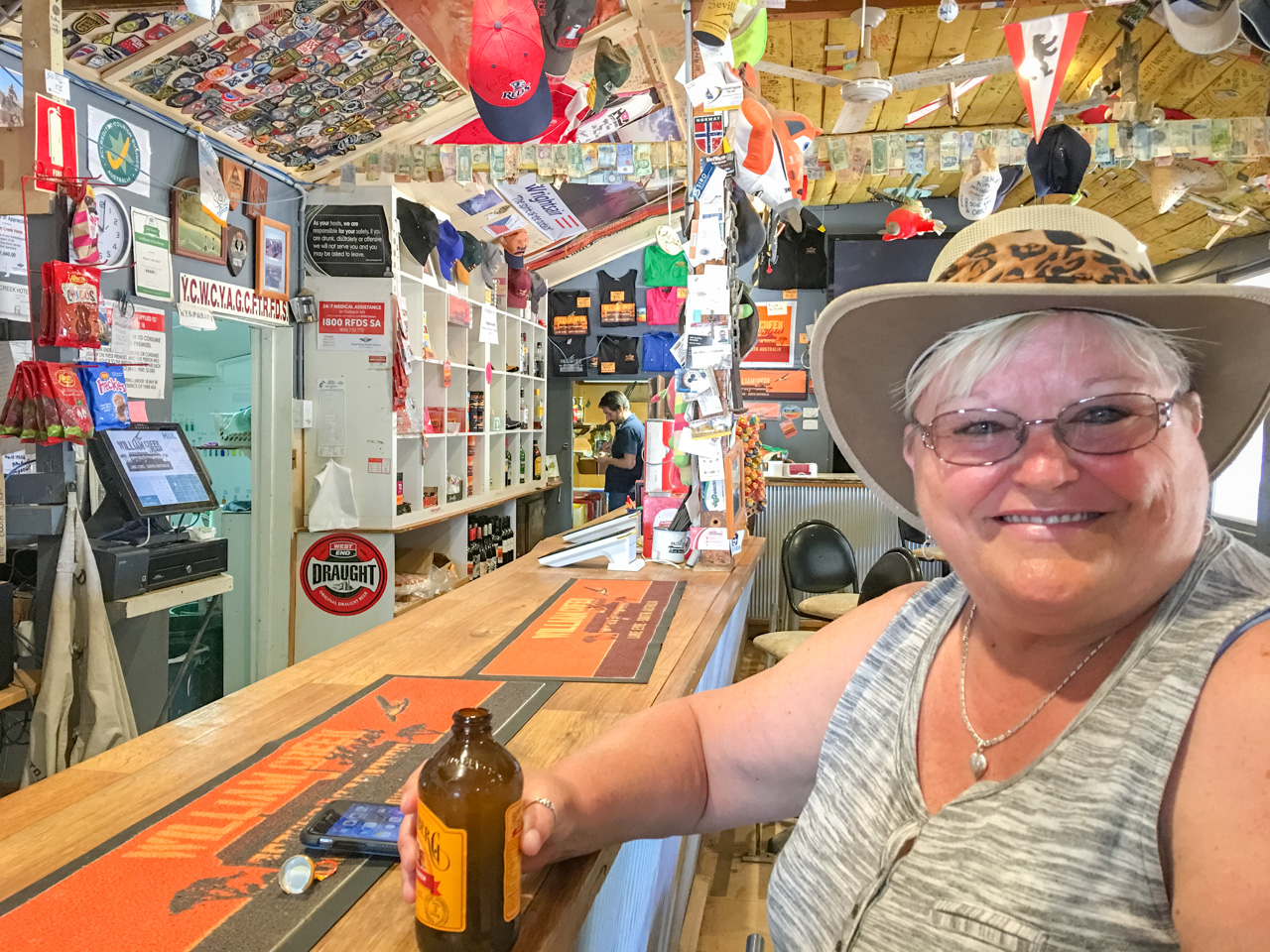
Amanda At William Creek Hotel
Amanda At William Creek Hotel
Frequently Asked Questions (FAQs) About William Creek

Where is William Creek located?

William Creek is a small settlement in South Australia, situated about 160 kilometres south of Coober Pedy and 500 kilometres north of Adelaide. It lies at the intersection of the Oodnadatta Track and the road leading to Lake Eyre.

What is the best way to get to William Creek?

The most common way to reach William Creek is by car, particularly 4WD, via the Oodnadatta Track or the Stuart Highway. While there is no direct commercial air service, visitors can fly to Coober Pedy or a nearby airstrip and then drive.

What can you do in William Creek?

William Creek offers a variety of activities including scenic flights over Lake Eyre, 4WD exploration of the surrounding Outback, camping, fishing and visits to historical sites like the hotel, one of the oldest pubs in the region. It’s also a gateway for exploring the Oodnadatta Track.

Is William Creek a good place for camping?

Yes, William Creek is an excellent spot for camping. There are several campgrounds in the area including options for tents and caravans. The remote location provides a peaceful environment, perfect for stargazing and disconnecting from the modern world.

What is the best time to visit William Creek?

The best time to visit William Creek is during the cooler months, from April to September, when temperatures are more manageable. The summer months can be extremely hot, so visiting during the shoulder seasons is ideal for outdoor activities.

Can you visit Lake Eyre from William Creek?

Yes, William Creek is one of the best starting points for visiting Lake Eyre. You can take scenic flights to see the vast salt flats or access the lake via road for a more ground level experience. The view of Lake Eyre, whether full or dry, is a remarkable sight and a must see when in the area.

Free Camping Overnight At Bottle Bend Conservation Reserve

Free Camping Overnight At Bottle Bend Conservation Reserve

Free Camping Overnight At Bottle Bend Conservation Reserve

Looking for a quiet stop near Mildura? Camping at Bottle Bend Conservation Reserve offers the perfect nature escape with Murray river views and abundant wildlife.

On our road trip back to Cootamundra from Western Australia, Amanda and I were looking for a nice quiet spot to rest before heading off home the following day. After camping the previous night at Cohens Schoolhouse near Penong South Australia we ended up spending the next evening at Bottle Bend Conservation Reserve Picnic Area just outside of Mildura. This awesome free camp on the Murray River offered the perfect mix of tranquillity, natural beauty and simplicity.

Free Camping Overnight At Bottle Bend Conservation Reserve

Free Camping Overnight At Bottle Bend Conservation Reserve

Why Choose Camping At Bottle Bend?

Camping At Bottle Bend Conservation Reserve Picnic Area is ideal for those seeking a quiet and scenic camping experience. Located a short drive from the Sturt Highway near Buronga, this conservation area is a slice of serenity. Surrounded by native bushland and the iconic Murray River, the area is a haven for nature lovers.

The picnic area is designed for those who appreciate minimalist camping. It’s not glamping or a caravan park – it’s pure bush camping. You’ll hear the sounds of birdsong in the morning and the rustle of the trees as the wind gently moves through. Amanda and I loved the simplicity and felt truly connected to the landscape.

What To Expect Free Camping At Bottle Bend Conservation Reserve

This isn’t a luxury campsite, but that’s part of its charm. The facilities at Bottle Bend Conservation Reserve Picnic Area are limited, so you’ll need to come prepared. There are no powered sites, running water, or flushing toilets. Bring enough water, a portable toilet if needed and a rubbish bag to carry out any waste.

There are picnic tables and some shaded areas for relaxing, but that’s about it in terms of amenities. For Amanda and me, this minimalist setup was perfect. It meant fewer crowds and more time to enjoy the peaceful surroundings.

default

default

Nature And Wildlife At Bottle Bend Conservation Reserve

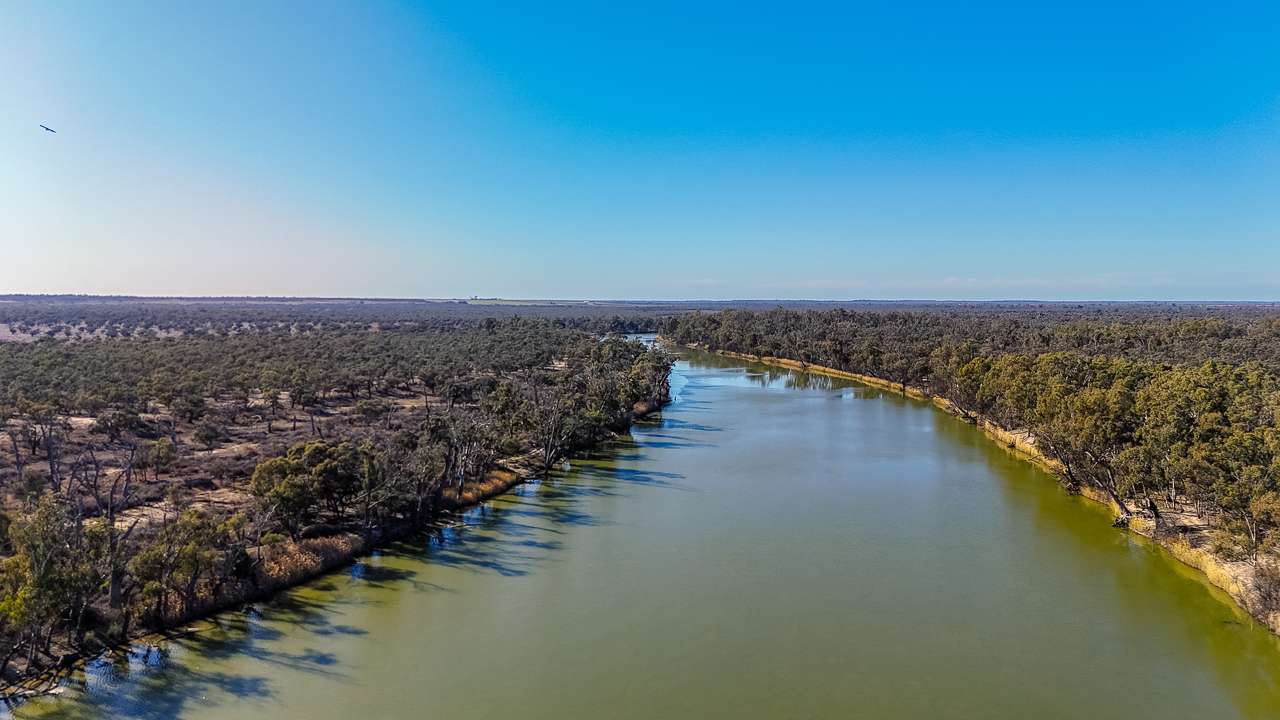
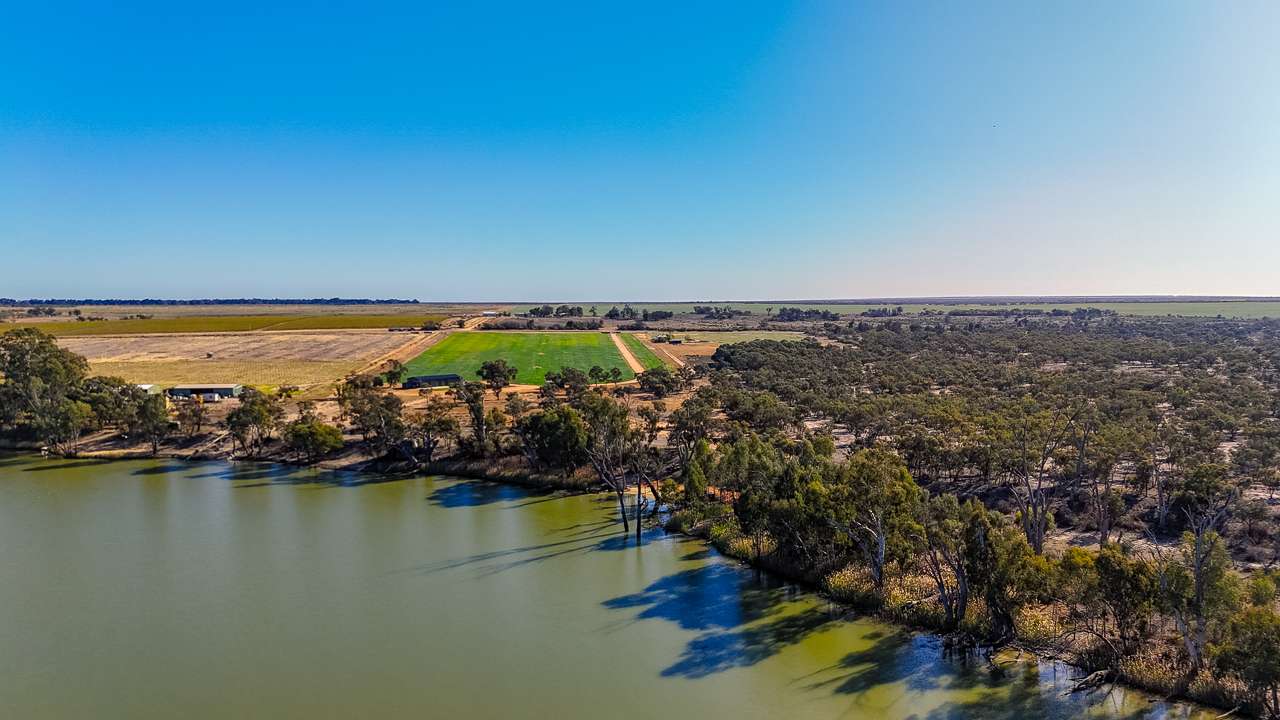
One of the highlights of Camping At Bottle Bend is the incredible scenery. The Murray River winds lazily past the campsite, offering a stunning backdrop for your stay. If you’re into birdwatching, this spot won’t disappoint. We spotted kookaburras, galahs and even a few pelicans by the water.

As the sun set, the sky lit up in shades of orange and pink, reflecting beautifully on the river. It was a moment of pure magic that reminded us why we love camping. At night, the stars were bright, undisturbed by city lights and we even caught a glimpse of a shooting star.

Our Camping Experience

We arrived at Bottle Bend in the late afternoon, just in time to set up our tent before dusk. Finding a flat spot was easy and there was plenty of room to spread out. After a simple meal cooked on our portable stove, we settled in for a quiet evening.

The air was fresh and the only sounds were the chirping of crickets and the occasional splash from the river. Amanda and I sat by a small campfire, chatting about our journey through Western Australia and South Australia. It’s moments like these that make road trips so special.

Murray River Near Mildura Free Camping

Murray River Near Mildura Free Camping

Tips for Camping At Bottle Bend Conservation Reserve

If you’re planning to camp here a bit of preparation goes a long way. Here are some tips based on our experience:

  1. Pack Supplies: Bring enough water, food and a first-aid kit. Remember, this is bush camping and there are no shops nearby.
  2. Arrive Early: To snag the best spot, aim to arrive in the early afternoon. This also gives you time to explore the area before nightfall.
  3. Be Self Sufficient: Bring all your camping gear, including a torch, portable toilet and rubbish bags. Leave no trace to keep the area pristine.
  4. Watch for Wildlife: While most of the wildlife is harmless, it’s always good to keep an eye out, especially near the water.
  5. Respect the Environment: This is a conservation area, so stick to designated areas and follow any signage.

Murray River Near Bottle Bend

Murray River Near Bottle Bend

Why Bottle Bend Conservation Reserve Is Worth Visiting

Camping At Bottle Bend Conservation Reserve Picnic Area is an experience that’s all about connecting with nature. It’s not about fancy facilities or endless activities; it’s about slowing down, soaking in the peaceful surroundings and enjoying the simple things.

For Amanda and I this spot was a perfect contrast to our night at Cohens Schoolhouse and the bustling roads of our journey. It’s a reminder that sometimes, the best camping spots are the quiet, unassuming ones.

If you’re travelling through South Australia or along the Murray River, Bottle Bend is worth adding to your itinerary. Whether you’re staying overnight or just stopping for a picnic, it’s a place that stays with you long after you’ve left.

Free Camping Near Penong SA At Cohens Old School Site

Free Camping Near Penong SA At Cohens Old School Site

Free Camping Near Penong SA At Cohens Old School Site

Free camping at Cohens Old School Site near Penong on the Eyre Highway is perfect if you’re looking to break up your trip with an overnight stop.

Located just off the Eyre Highway between Penong and Bookabie in South Australia. Cohens Old School Site offers a great overnight stop for travelers looking to break up their trip. This great free camp provides an authentic slice of outback Australia. Chuck in some historical intrigue with plenty of nature. And it’s the perfect place for adventurers in search of free camping near Penong SA. Amanda and I stayed here on our homeward leg across the Nullabor as part of our big 2024 Great Central Road trip.

A Glimpse Into History

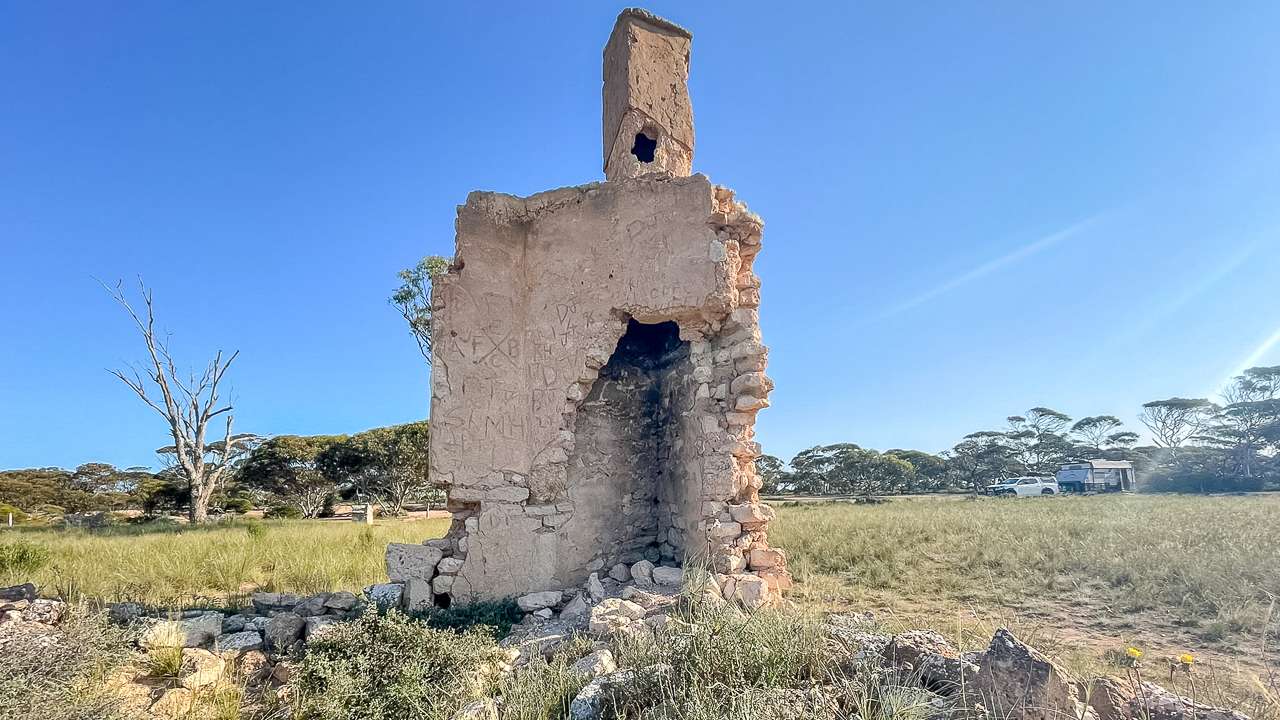
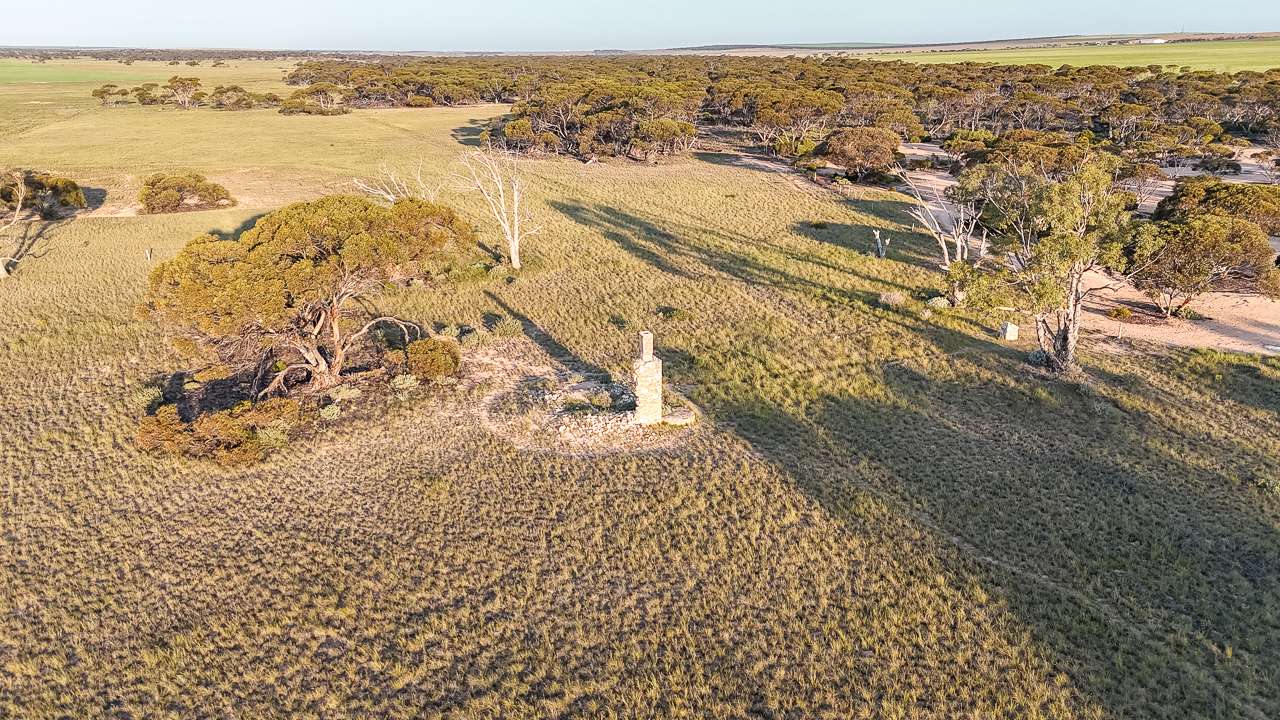
Cohens Old School Site stands as a testament to the resilience and ingenuity of early settlers in the Eyre Peninsula. Originally built as a modest schoolhouse in the late 19th century. The site once bustled with the laughter of children and the hum of community events. As things in the area died down the school closed its doors, but the remains of Cohens school became a notable local landmark. Today the area is a place for travellers on the Eyre Highway to pull over and rest for a night or two. Preserving the heritage of the area while offering a free camp for modern explorers.

Remains Of Cohens Schoolhouse

Remains Of Cohens Schoolhouse

Location And Accessibility

Strategically located near Penong, Cohens Old School Site is easily accessible from the Eyre Highway. Travelers can follow well-marked signs leading to this serene spot, which lies just a short drive from Penong’s iconic windmills and salt lakes. Its proximity to the highway makes it an ideal stop for those needing a break either before or after crossing the Nullarbor Plain.

Remains Of Cohens Old School Site

Remains Of Cohens Old School Site

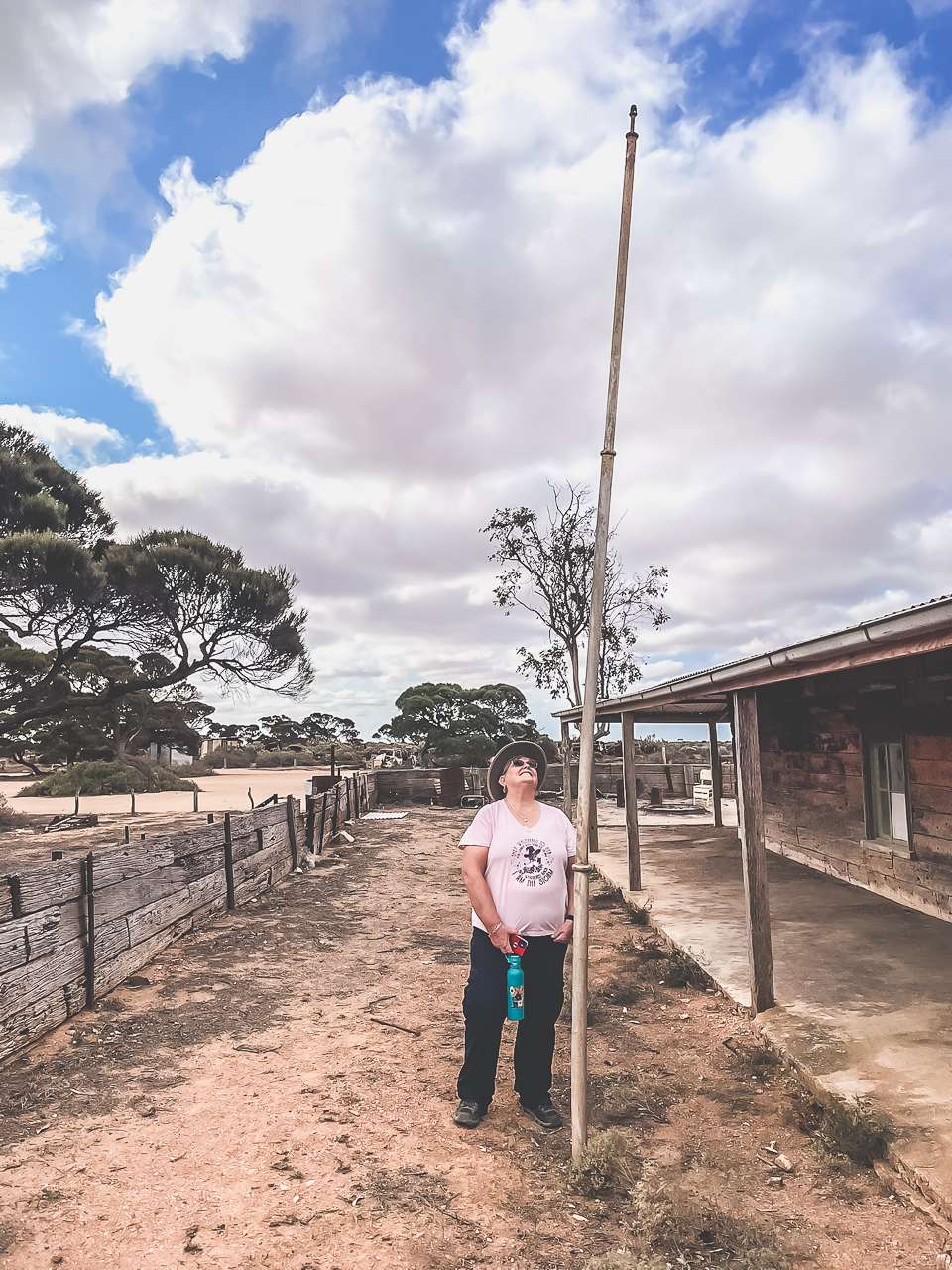
Bush Camping At The Ruins Of Old Cohen Public School

There are no toilets or other facilities. Campers must be self sufficient with their own toilet. Take all rubbish with you and leave no trace. Large flat area with some shade. Suitable for all size vehicles. Fires are are allowed.

Cost: Free
Type: Bush Camping
Location: Eyre Hwy, Penong, South Australia
GPS: -31.870960°, 132.884185°
Distance From Penong: 16km
Pet Friendly: Yes
Telstra Reception: Yes

Why Choose Free Camping Near Penong SA?

For many the appeal of free camping near Penong SA lies in its affordability and simplicity. Unlike crowded caravan parks, sites like Cohens Old School Site offer a back-to-basics experience. Here, campers can enjoy the simplicity of pitching a tent under open skies, cooking meals over a campfire and immersing themselves in the serenity of the Australian bush. Visitors can enjoy the peace of the Australian bush, complete with its unique flora and fauna, without the distractions of commercialised camping grounds.

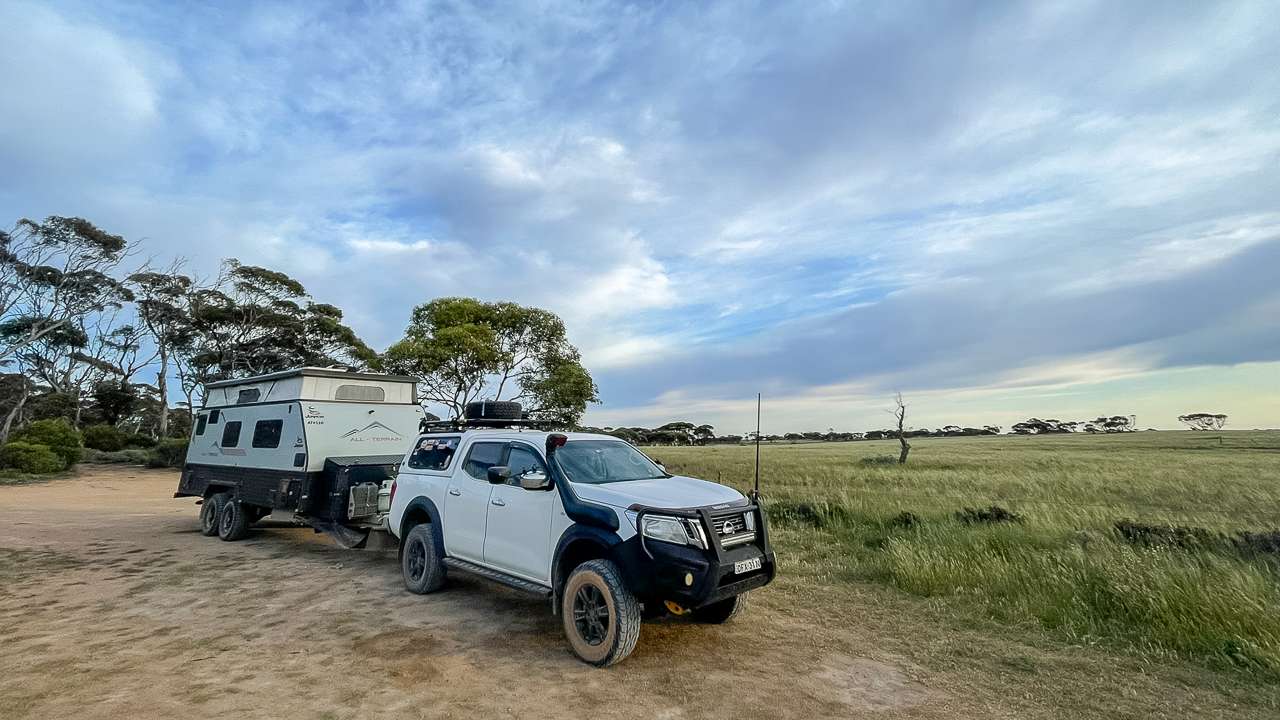
Plenty Of Room For Free Camping Near Penong SA At Cohens Old School Site

Plenty Of Room For Free Camping Near Penong SA At Cohens Old School Site

What To Expect At Cohens Old School Site

Camping at Cohens Old School Site is an experience that harks back to simpler times. The site features large and flat open spaces suitable for tents, camper trailers and caravans. While facilities are basic (read non-existent) the sense of freedom and connection to nature is just awesome. Visitors must bring their own supplies as the site operates on a self-sufficient basis.

Key features of the site include:

  • A rustic, peaceful atmosphere.
  • Opportunities for stargazing under the vast outback skies.
  • Easy access to nearby walking trails and historical landmarks.

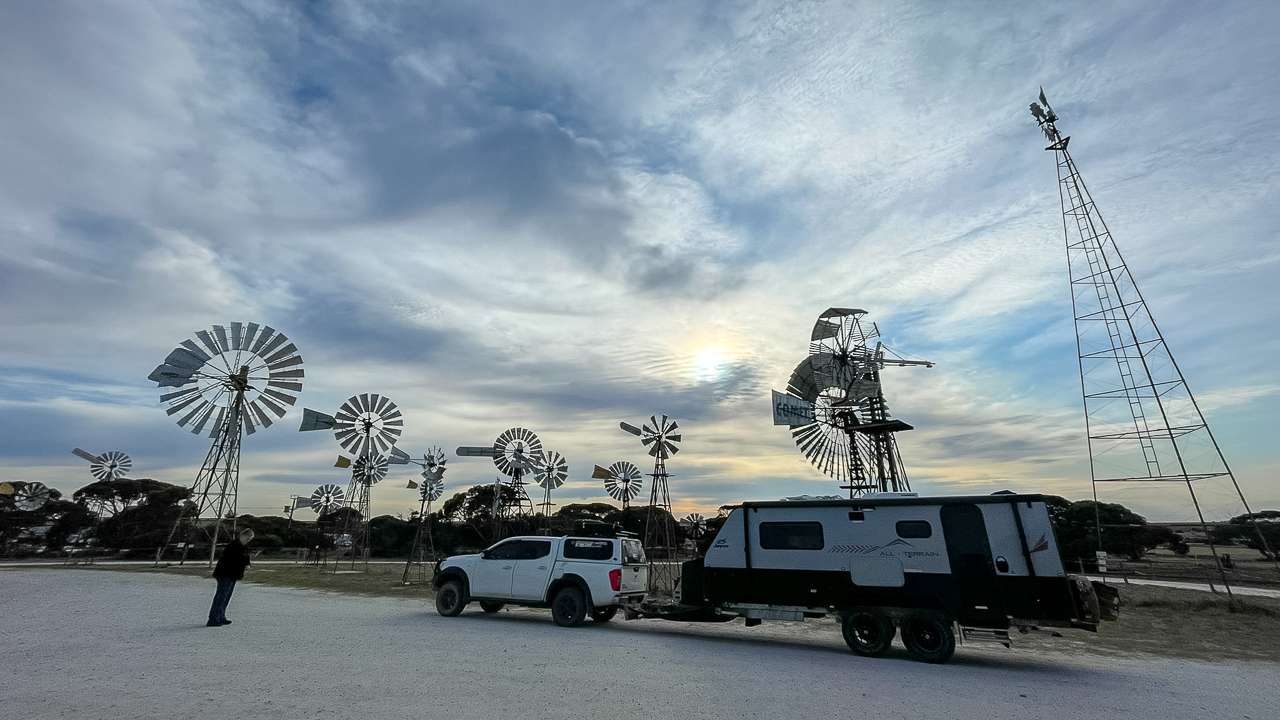
Penong Windmill Museum

Penong Windmill Museum

Natural Beauty And Wildlife

The region around Cohens Old School Site is a showcase of Australia’s diverse ecosystems, featuring salt lakes that glisten under the sun, vibrant wildflowers in spring and habitats teeming with native wildlife such as emus and kangaroos. From vibrant wildflowers in spring to the unmistakable calls of native birds, the area offers a sensory feast for nature enthusiasts. Kangaroos are frequent visitors and the nearby salt lakes shimmer in the distance, creating a picturesque backdrop for campers.

Activities For Campers

While the simplicity of free camping near Penong SA is a draw in itself, there’s no shortage of activities to enhance your stay. Hiking trails meander through the bush, offering opportunities to explore the local landscape and spot wildlife. History buffs can delve into the site’s past, imagining the lives of students who once walked its grounds. For photographers, the sunsets here are legendary, casting golden hues over the open plains.

Practical Tips For Visitors

To ensure a comfortable and enjoyable stay, campers should keep a few practical tips in mind:

  1. Pack Essentials: As a free camping site, Cohens Old School Site lacks the amenities of commercial parks. Bring enough water, food and camping supplies.
  2. Respect the Environment: Leave no trace of your visit to preserve the natural beauty and historical significance of the site.
  3. Check Weather Conditions: The Eyre Peninsula can experience extreme weather. Stay informed and plan accordingly.

Free Camping Near Penong SA At Cohens Old School Site

Free Camping Near Penong SA At Cohens Old School Site

Exploring Penong And Beyond

Cohens Old School Site is just the beginning of what the area has to offer. Penong known as the “Town of Windmills” is a short drive away and provides a great look at rural Australian life. Visitors can explore several nearby attractions:

  1. Penong Windmill Museum: Marvel at a collection of restored windmills, including the largest working windmill in Australia. Amanda and I absolutely love windmills – in fact we play a roadtrip game called “Windmill”.
  2. Cactus Beach: Known for its world class surf breaks it’s a hotspot for surfers and beach enthusiasts.
  3. Lake MacDonnell: Famous for its striking pink and blue waters, this natural wonder offers excellent photo opportunities and a surreal landscape to admire.

The Appeal Of Free Camping

In a world increasingly defined by convenience and luxury the beauty of free camping near Penong SA lies in its basic freedom. Sites like Cohens Old School Site allow travelers to disconnect from the digital world and reconnect with nature and history. It’s a chance to slow down, breathe deeply and appreciate the rugged beauty of the Australian outback.

Free Camping Near Penong SA At Cohens Old School Site A Lasting Impression

Whether you’re passing along the Eyre Highway near Penong SA or seeking a longer stay, Cohens Old School Site is a destination worth checking out. Its blend of history, nature and solitude makes it a standout choice for those in search of free camping near Penong SA.

At The Penong Windmill Museum

At The Penong Windmill Museum

FAQs Frequently Asked Questions About Free Camping Near Penong SA At Cohens Old School Site

Where is Cohens Old School Site near Penong located?

Cohens Old School Site is situated just off the Eyre Highway, about 16 kilometres east of Penong, South Australia. It’s an easy-to-find stop for travellers heading through the outback.

Is the camping at Cohens Old School Site really free?

Yes, camping at Cohens Old School Site is completely free. It’s an unregulated, self sufficient camping area, perfect for those looking to save on accommodation while enjoying the outback.

What facilities are available at Cohens Old School Site?

There are no formal facilities like toilets or showers, so campers need to be self sufficient. Make sure to bring enough water, food, and camping equipment for your stay.

Is there a time limit for camping at Cohens Old School Site?

The site doesn’t impose a strict time limit, but as with most free camping areas, it’s best to be respectful of others and stay for a reasonable time, typically a few days.

Is it safe to camp at Cohens Old School Site near Penong?

Yes, it’s generally considered safe for campers. However, as always when camping in remote areas, it’s important to be cautious, stay prepared for wildlife, and let someone know your plans.

Can I bring pets to Cohens Old School Site?

Pets are welcome at Cohens Old School Site, but they must be kept on a leash at all times. Be sure to clean up after your pets and respect the natural surroundings.

Camping And Exploring Eucla Western Australia, Australia

Camping And Exploring Eucla Western Australia, Australia

Camping And Exploring Eucla Western Australia, Australia

Experience camping and exploring Eucla Western Australia, Australia where the ruins meet the ocean and history tells its story in the sands.

In September 2024 Amanda and I checked out trip to Eucla Western Australia, Australia. We camped the night at the Old Telegraph Station Campground. We spent more than half a day and the evening visiting the many historical sites.

History Of Eucla Western Australia, Australia

Eucla began as a vital communication hub in the late 19th century. The Eucla Telegraph Station, built in 1877, was a key link in the intercolonial telegraph line that connected South Australia and Western Australia.

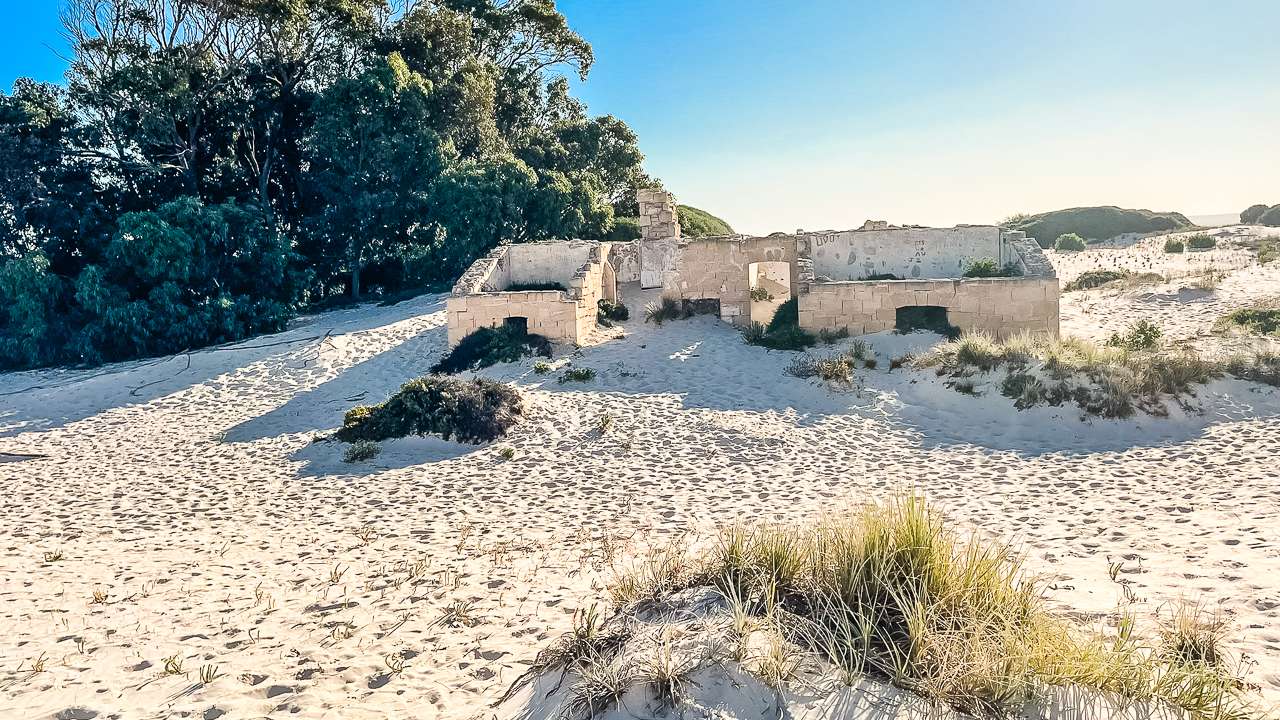
By the 1920s, Eucla faced problems from a rabbit plague and encroaching sand dunes. These issues forced the town to relocate closer to the highway and the telegraph station was abandoned. These days the ruins of the station are a reminder of the challenges faced by early settlers.

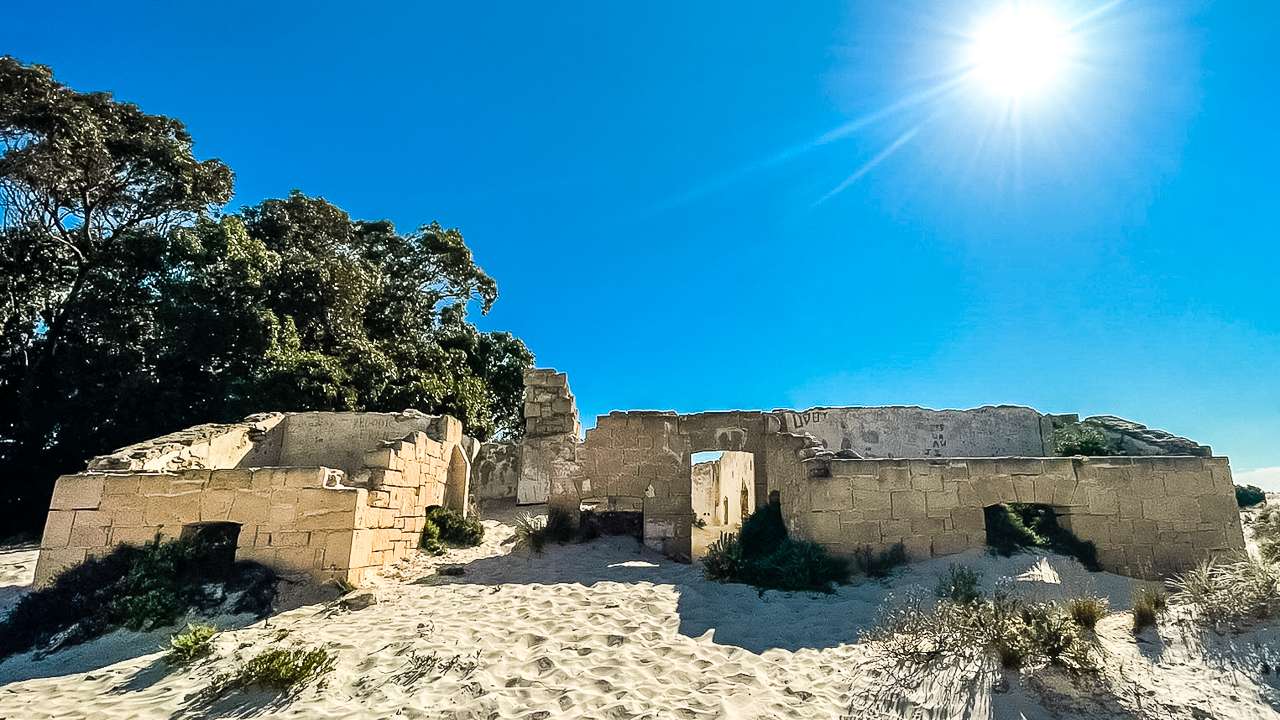
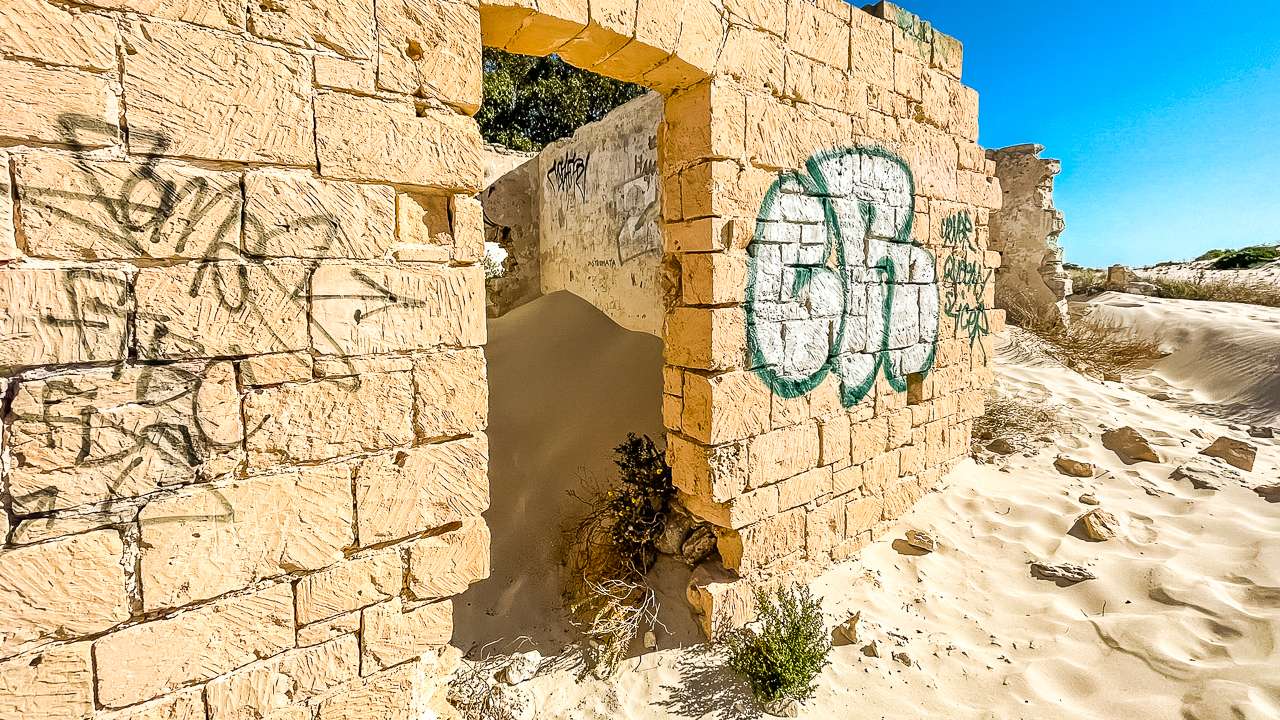
Abandoned Eucla Telegraph Station Ruins

Abandoned Eucla Telegraph Station Ruins

Exploring The Eucla Telegraph Station

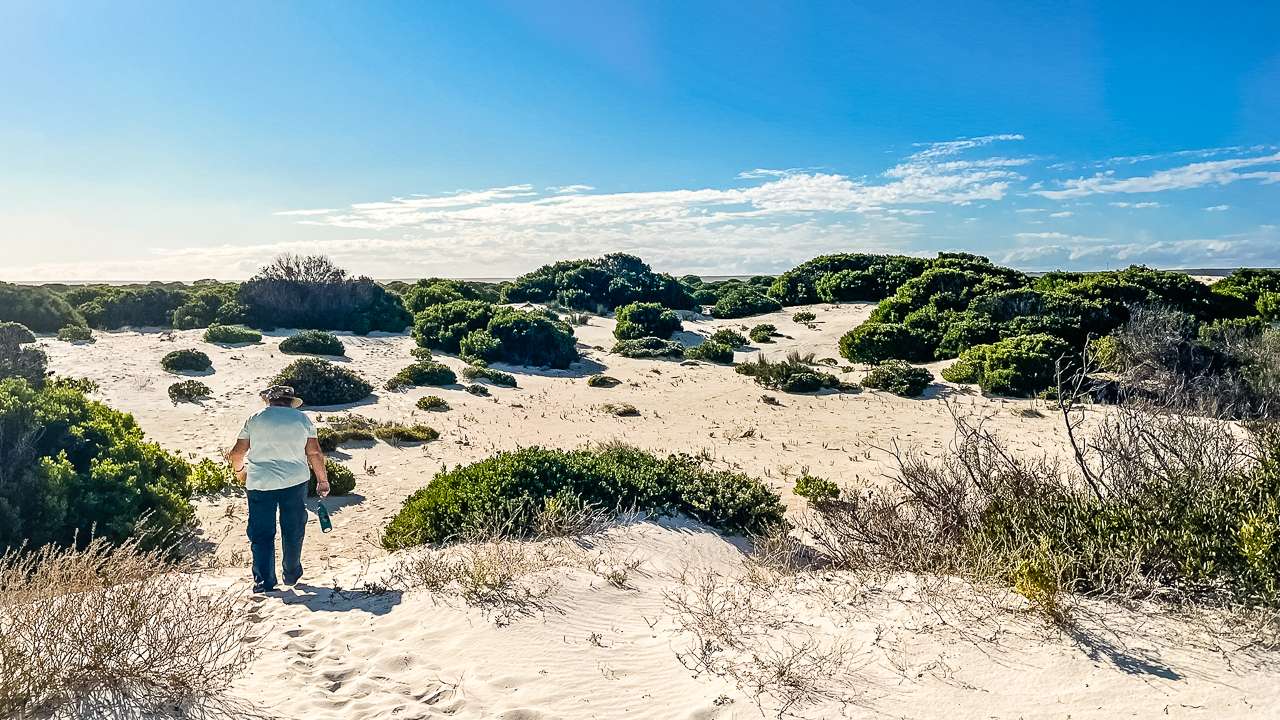
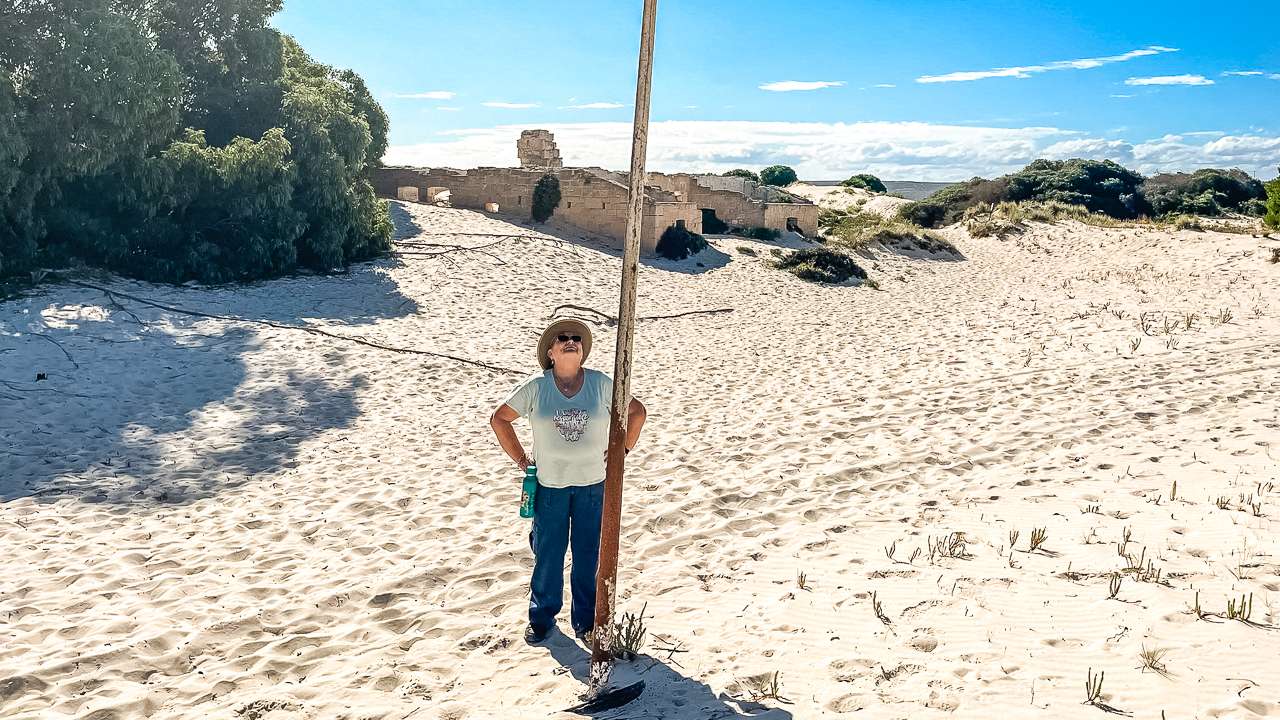
One of the highlights of our visit was a walk to the Old Telegraph Station ruins. It’s a short trek through the sand dunes that have partly buried the old buildings. What was left of the station gave us a sense of how isolated life must have been for the people who lived and worked there.

The surrounding dunes are constantly shifting, making the site feel unique and ever-changing. We spent time walking around, taking photos and soaking in the quiet atmosphere.

The Beach And Jetty

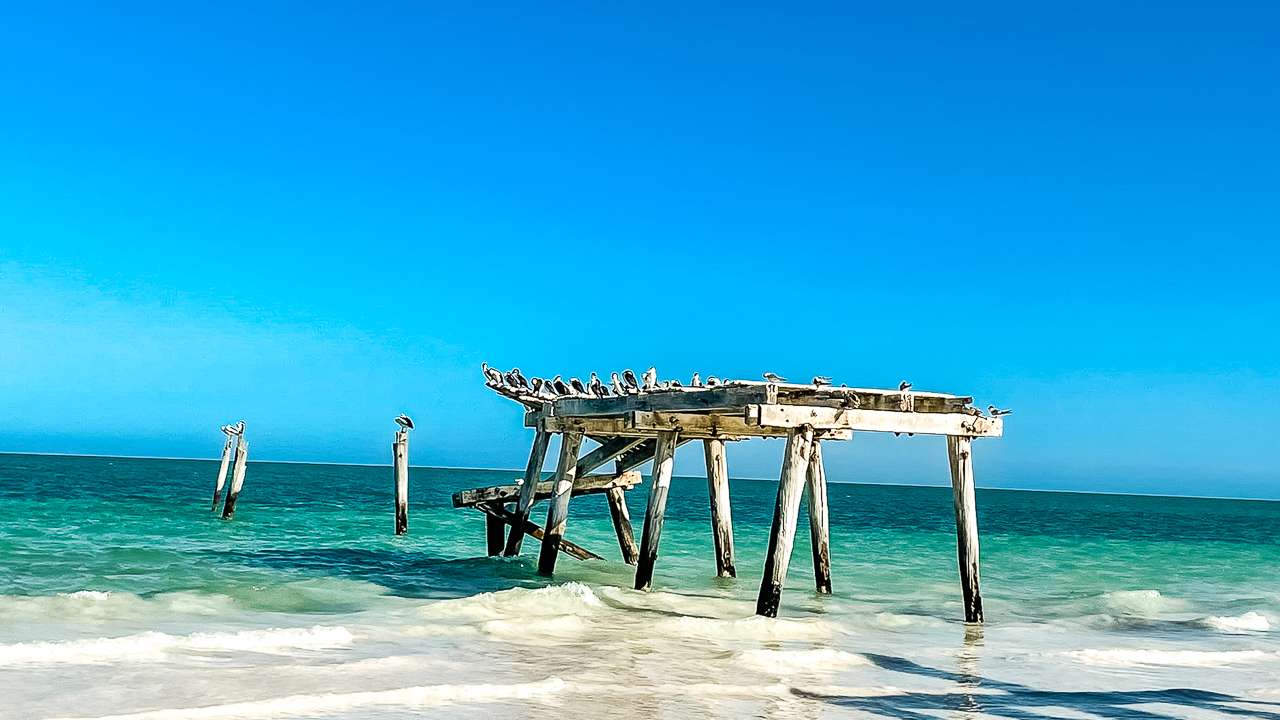
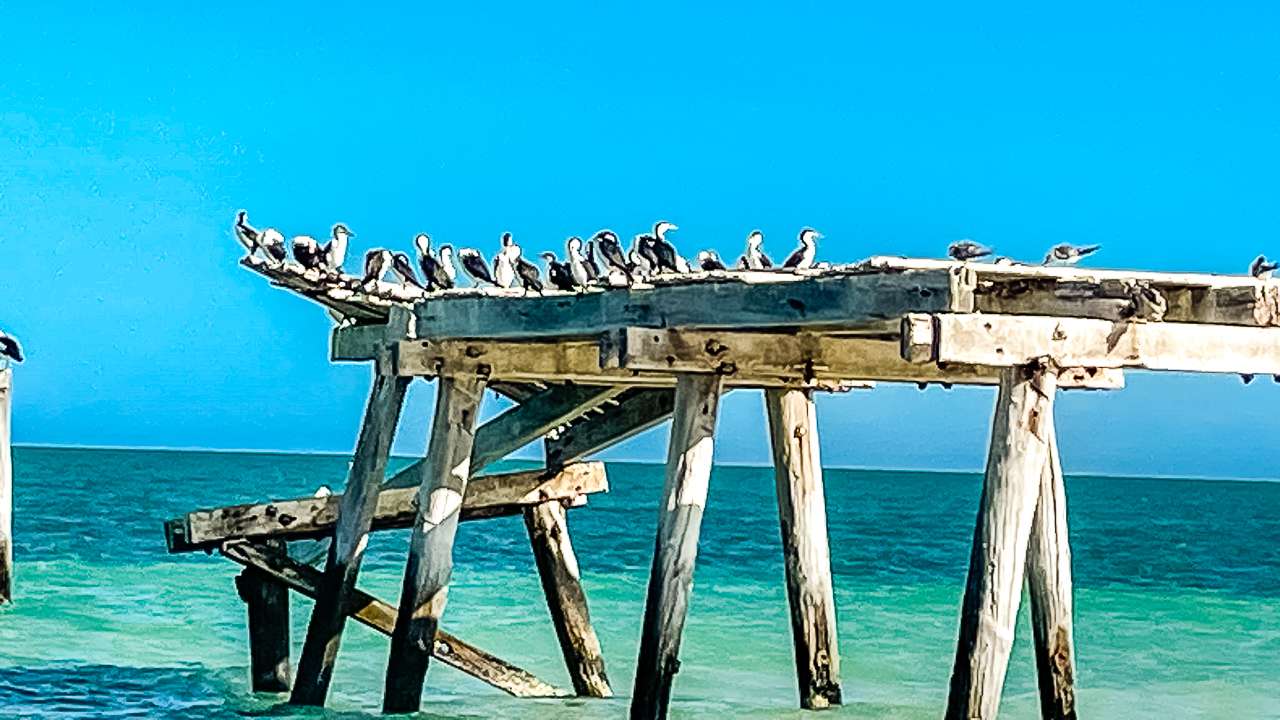
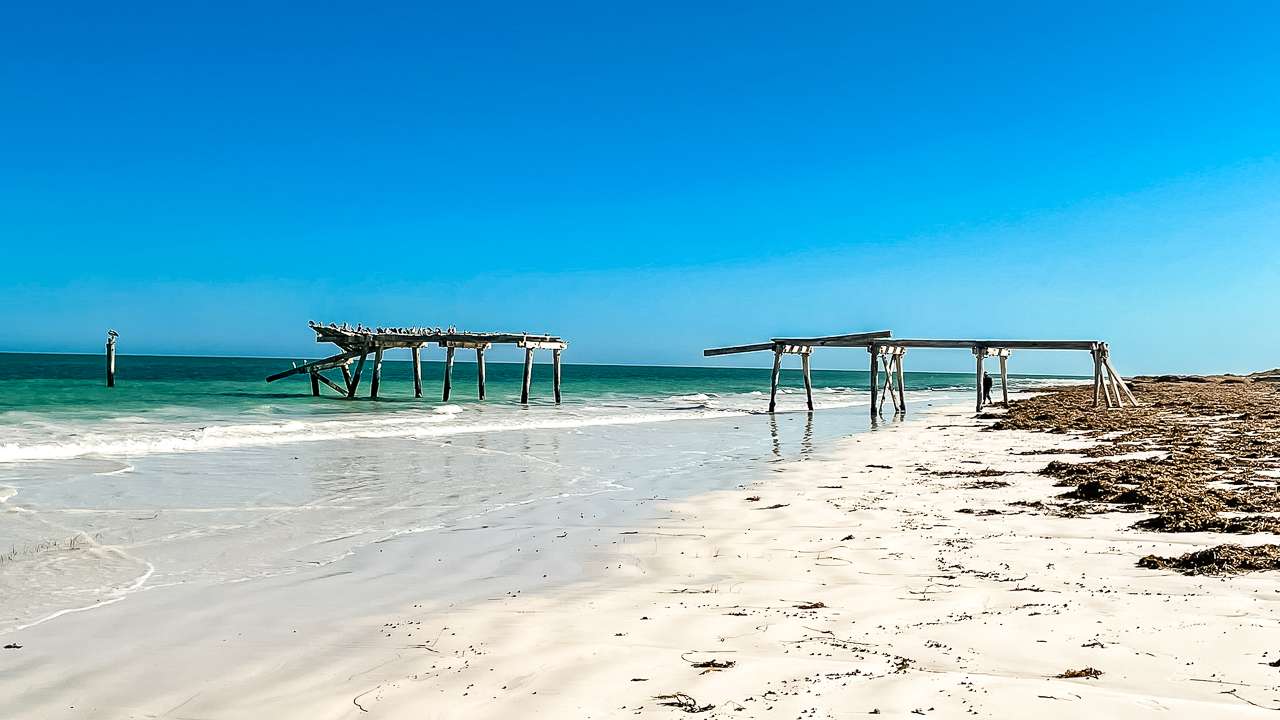
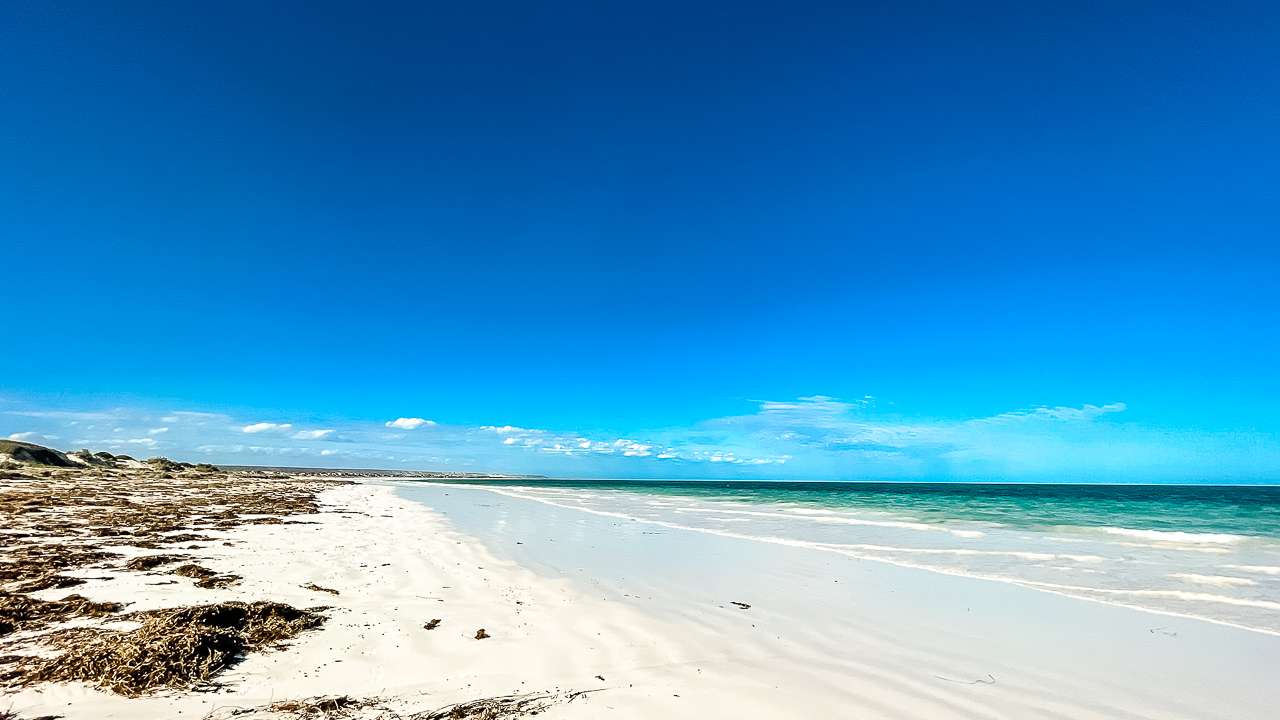
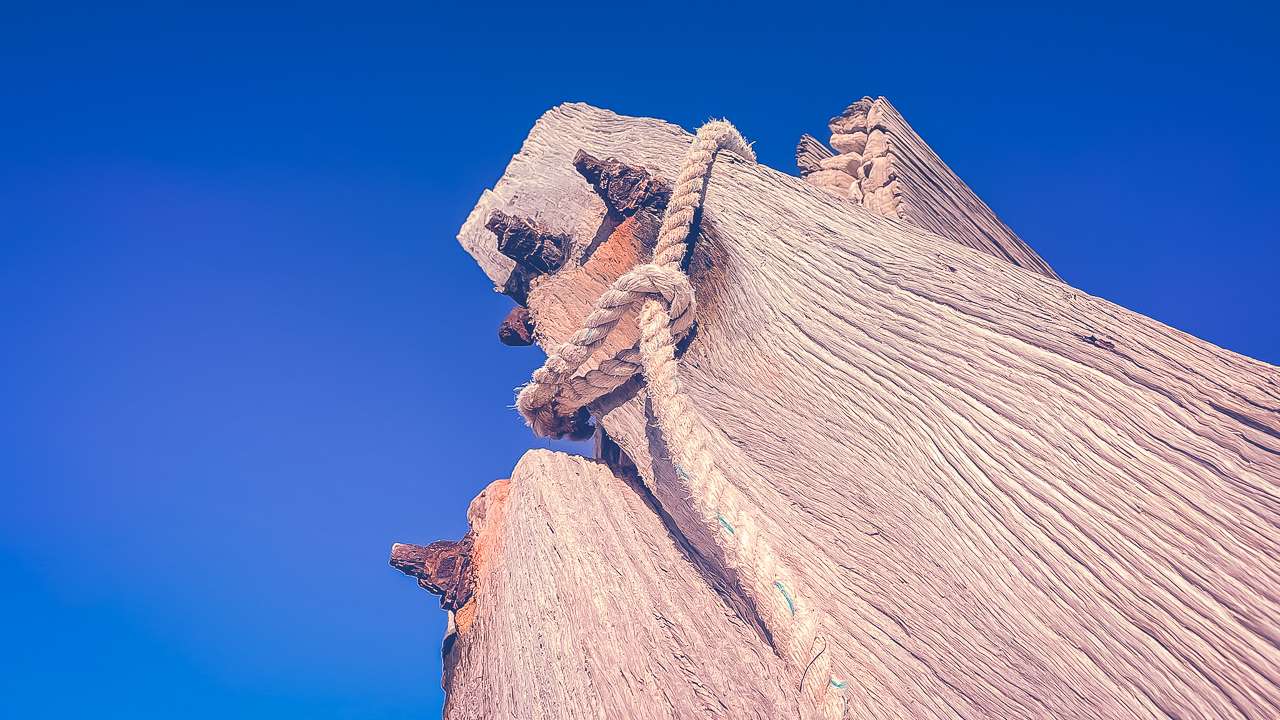
Eucla’s coastline is simple but beautiful. We walked along the beach and visited the remains of the old timber jetty, which was once used for transporting goods. The jetty is weathered and partially collapsed, but it’s still a striking sight.

The beach is also a good place for wildlife spotting. You might see seabirds and sometimes kangaroos are nearby. It’s a peaceful spot, perfect for taking photos or just enjoying the sea breeze.

Old Wooden Jetty At Eucla Western Australia Australia

Old Wooden Jetty At Eucla Western Australia Australia

Essentials: Fuel and Food

We refuelled at the Eucla Roadhouse, which is the main stop for travellers. It’s a convenient place to top up your fuel, buy snacks and grab basic supplies. After that, we had breakfast at the Eucla Motel. The food was simple but tasty and the café is a good spot to take a break.

Outside the motel, we found a geocache hidden near the big whale statue. If you’re into geocaching this is a fun little challenge to add to your visit.

Camping Options in Eucla, Western Australia, Australia

Whether you’re looking for a basic bush camping experience or a spot with modern amenities, Eucla, Western Australia, Australia, offers a range of camping options to suit different preferences and budgets. On our trip, Amanda and I camped at the Old Telegraph Station Campground, but we also explored other options for travellers passing through this historic area.

  1. Old Telegraph Station Campground
    This basic camping spot was our choice and it offered a peaceful stay with direct access to the telegraph station ruins. The lack of facilities means you need to be self-sufficient, so bring plenty of water, a portable toilet if needed and other essentials. The setting is simple but atmospheric with soft sand underfoot and a quiet, remote vibe. It’s perfect for history buffs or those looking to immerse themselves in Eucla’s unique landscape.
    Location: Near the ruins of the Eucla Telegraph Station
    Cost: Free or a small voluntary donation
    Facilities: None (no toilets, showers, or powered sites)
    How to Book: No booking required; first come, first served
  2. Eucla Caravan Park
    The Eucla Caravan Park is a convenient option for travellers who prefer some creature comforts. Located near the Eucla Roadhouse and the Eucla Motel, it’s ideal for those wanting easy access to fuel, food and supplies. We stopped by to check it out and the park is clean and well-maintained. It’s a great option for families or travellers with caravans who need powered sites. The park’s proximity to the highway makes it a popular stop, so calling ahead during peak travel seasons is a good idea.
    Location: Adjacent to the Eucla Motel, just off the Eyre Highway
    Cost: Powered sites $25–$30 per night / Unpowered sites Approximately $20 per night
    Facilities: Showers and toilets – laundry facilities – powered and unpowered sites – drinking water
    How to Book: Call the Eucla Motel directly or book on arrival
  3. Border Village Caravan Park
    While technically across the state border, the Border Village Caravan Park is a short drive from Eucla and offers similar amenities to the Eucla Caravan Park. It’s a great alternative if Eucla’s sites are full or if you want a change of scenery. The caravan park is part of a larger roadhouse complex, so you can also stock up on fuel and supplies. It’s a practical and comfortable option for travellers continuing their journey across the Nullarbor.
    Location: 12 kilometres east of Eucla, just across the South Australian border
    Cost: Powered sites $25–$35 per night / Unpowered sites: $20–$25 per night
    Facilities: Showers and toilets – Laundry facilities – BBQ area – Small general store – Playground for kids
    How to Book: Walk in or call Border Village directly
  4. Nullarbor Bush Camps (DIY Camping)
    For those seeking a more rugged camping experience, there are plenty of opportunities for bush camping in the surrounding area. If you’re travelling with a fully self-contained setup, you can pull over at various spots along the Eyre Highway and set up camp. Always ensure you’re on public land or have the landowner’s permission and follow Leave No Trace principles to protect the environment.
    Cost: Free
    Facilities: None
    How to Book: No booking required

Old Telegraph Station Campground Eucla

Old Telegraph Station Campground Eucla

Choosing The Right Spot

The best camping option depends on your preferences and needs:

  • For history and isolation: The Old Telegraph Station Campground offers proximity to the ruins and a peaceful atmosphere, but you’ll need to be self-sufficient.
  • For comfort and amenities: The Eucla Caravan Park or Border Village Caravan Park provide powered sites, showers and access to other facilities.
  • For offgrid adventurers: Bush camping along the Nullarbor is a great way to enjoy the wide-open landscapes, as long as you’re prepared.

Tips for Camping in Eucla

  • Be Self Sufficient: Water and supplies can be limited, especially at free campsites like the Old Telegraph Station. Bring everything you need, including water, food and garbage bags so you can take your rubbish with you.
  • Check the Weather: The weather in Eucla can be unpredictable. Bring layers for cooler nights and plenty of sun protection for the day.
  • Plan Ahead: While the free and bush camping options don’t require bookings, caravan parks can fill up, especially during peak travel seasons (spring and autumn). Call ahead to secure your spot.
  • Respect the Environment: Follow Leave No Trace principles, especially in remote areas, to keep the landscape clean and enjoyable for future travellers.
  • Watch for Wildlife: Kangaroos and other animals are common, particularly at dawn and dusk. Be careful when driving as there are plenty of the hoppy buggers around.

Camping with History And Comfort

Camping in Eucla, Western Australia, Australia, offers a mix of historical intrigue, natural beauty and practical amenities. Whether you’re exploring the Old Telegraph Station, relaxing at a caravan park, or enjoying the solitude of bush camping, Eucla has something for every type of traveller. Amanda and I loved the variety and simplicity of camping here. It’s a great way to experience this unique part of the country while staying connected to its fascinating past.

Weather in Eucla

In September, the weather was mild, with daytime temperatures between 15°C and 25°C. Nights were cooler, so we made sure to pack warm clothes. Spring is also a good time to see wildflowers in the area.

Things to Do in Eucla

Here’s what you can do while visiting Eucla:

  • Walk to the Old Telegraph Station ruins
  • Explore the beach and photograph the old jetty
  • Find the geocache near the big whale statue
  • Refuel and stock up at the Eucla Roadhouse
  • Have a meal at the Eucla Motel café
  • Look for wildlife in the dunes and along the coast
  • Visit Border Village for extra amenities

A Side Trip to Koonalda Homestead

A short drive from Eucla is the Koonalda Homestead, a historic site on the old Eyre Highway. It operated as a roadhouse during the mid-20th century, serving travellers crossing the Nullarbor. Now abandoned, it’s known for its corrugated iron buildings and a nearby car graveyard. The site offers a fascinating glimpse into a different era of travel.

A Detailed Look at the Eucla Telegraph Station

The Eucla Telegraph Station is one of the most significant historical sites in this remote part of Australia. It was built in 1877 and played an important role in the Australian communication network. Located near the border between South Australia and Western Australia, the station was part of the intercolonial telegraph line, which connected Perth to Adelaide and beyond.

This isolated station was staffed by operators who manually relayed messages sent via Morse code. Back then it was a cutting edge communication system reducing the time it took to send messages across the country from weeks to seconds.

Walking The Dunes At Eucla Western Australia Australia

Walking The Dunes At Eucla Western Australia Australia

The Early Days: A Vital Link
In the late 19th century, Australia’s colonies were largely disconnected from each other. The telegraph line between Adelaide and Perth was a monumental project aimed at bridging this gap. The Eucla Telegraph Station was strategically placed about halfway along the line, making it a key repeater station. Operators decoded incoming signals, checked for errors and retransmitted the messages along the line.

This was no easy task. The station’s remote Location: meant supplies had to be shipped in via a nearby jetty and then transported to the site. The staff lived in basic conditions, isolated from the rest of the world apart from the messages they relayed.

Challenges and Decline
Despite its importance, the Eucla Telegraph Station faced numerous challenges. One of the biggest was the rabbit plague of the early 20th century. Introduced to Australia in the 1850s, rabbits multiplied rapidly, devastating vegetation across the Nullarbor Plain. With little vegetation left, the sand dunes around Eucla began to shift, encroaching on the town and eventually burying parts of the station.

Advances in technology made the telegraph line obsolete. By the 1920s wireless radio communications began to take over and the telegraph system was gradually phased out. The Eucla station was officially closed in 1927 and the town moved closer to the highway, leaving the original site to the mercy of the elements.

What Remains Today
The Eucla Telegraph Station ruins are now a popular attraction, offering visitors a glimpse into the past. The buildings, made from limestone, are partially buried by sand dunes, giving the site a unique and almost surreal appearance.

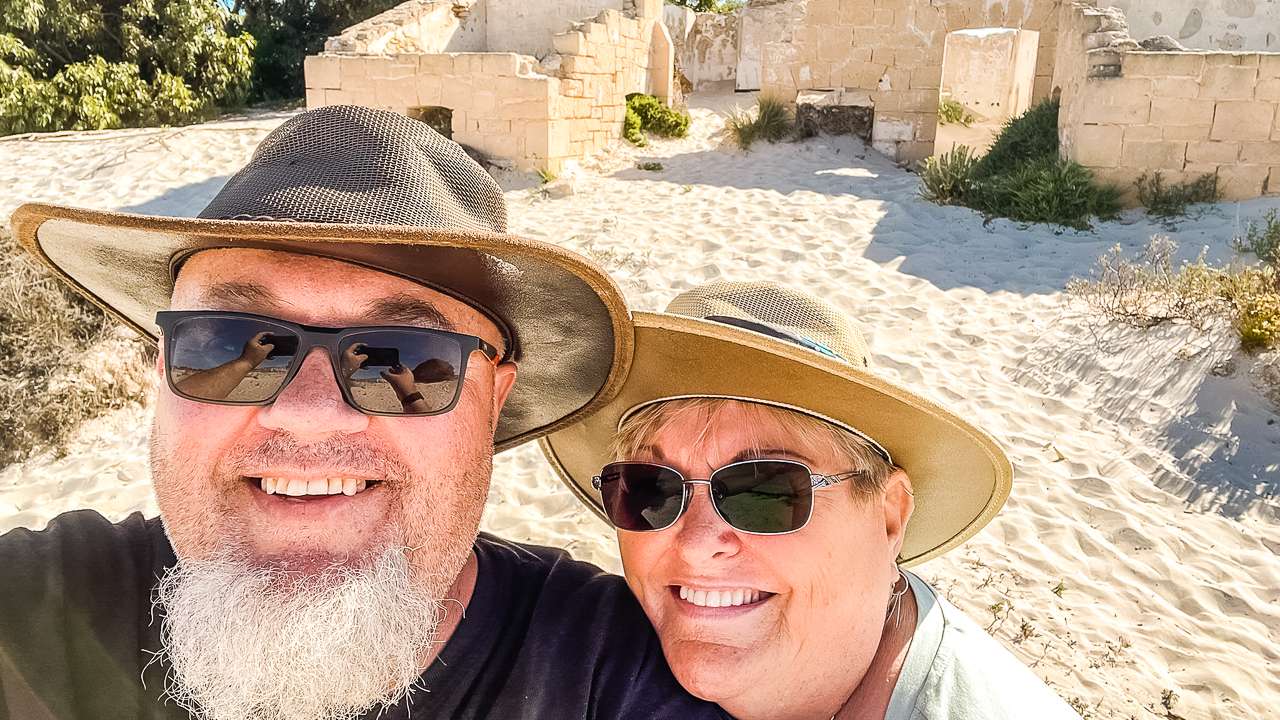
When Amanda and I visited, we walked through the ruins, imagining what life must have been like for the people who worked there. The station’s thick limestone walls, now weathered and crumbling, are a testament to the craftsmanship of the builders.

You can still see remnants of the main office, living quarters and storage areas. Interpretive signs provide historical context, helping you understand the significance of what you’re seeing. The surrounding dunes add to the atmosphere, creating a sense of timelessness.

Visiting Tips
If you plan to visit the Eucla Telegraph Station, here’s what you need to know:

  • Accessibility: The site is a short walk from the Old Telegraph Station Campground. Sturdy shoes are recommended, as you’ll be walking through soft sand.
  • Best Time to Visit: Early morning or late afternoon is ideal, as the light is softer for photography and the temperatures are cooler.

Why The Eucla Telegraph Station Matters
The Eucla Telegraph Station is more than just a set of ruins. It represents an era of innovation and determination, showcasing how people overcame immense challenges to connect a vast and isolated continent. For Amanda and me, standing in the shadow of this once-thriving communication hub was a humbling experience.

If you’re travelling through Eucla Western Australia, Australia, make sure to take the time to explore this incredible piece of history. It’s a window into a time when technology, human effort and nature intersected in one of the most remote parts of the country.

Eucla Western Australia, Australia – Both Practical And Memorable

Our visit to Eucla, Western Australia, Australia was both practical and memorable. It’s a great stop for travellers on the Eyre Highway. It has a spot on mix of history, natural beauty and services like the Eucla Roadhouse and Eucla Motel. Whether you’re camping, exploring, or just passing through, Eucla has a little something for everyone.

– David & Amanda


Eucla Western Australia, Australia Photo Gallery

Frequently Asked Questions About Eucla, Western Australia, Australia

What is Eucla, and why should I visit?

Eucla is a small town on the Eyre Highway, near the border between Western Australia and South Australia. It’s famous for its rich history, including the ruins of the Old Telegraph Station, stunning coastal views, and its location as a key stop for travellers crossing the Nullarbor Plain. Whether you’re into history, photography, or just need a break on the road, Eucla has something to offer.

What is there to do in Eucla?

Eucla is known for its unique attractions. You can visit the ruins of the Old Telegraph Station, take a walk along the beach and see the remains of the old timber jetty, explore the surrounding sand dunes, and spot wildlife. The Eucla Motel and Roadhouse also provide good spots to refuel, grab a meal, or relax.
Where can I camp in Eucla?

There are several options for camping in and around Eucla. The Old Telegraph Station Campground offers free, no-frills camping near the historic site. The Eucla Caravan Park provides powered and unpowered sites with amenities like showers and toilets. Alternatively, you can bush camp along the Eyre Highway or stay at Border Village Caravan Park, just 12 kilometres away.
What is the weather like in Eucla?

Eucla Western Australia, Australia has a semi-arid climate. Summers can be hot, with temperatures often exceeding 30°C, while winters are mild, with daytime highs around 18°C. Spring and autumn offer the most pleasant weather, with cooler nights and comfortable daytime temperatures. Winds can be strong at times, so plan accordingly.

Is there much history to explore in Eucla?

Yes, Eucla Western Australia, Australia is steeped in history. The Old Telegraph Station, built in 1877, was a vital link in the intercolonial telegraph line connecting South Australia and Western Australia. The station played a key role in Australia’s early communication network before it was abandoned due to shifting sand dunes and technological advancements. The nearby Koonalda Homestead also offers a glimpse into the area’s roadhouse history.

Are there any facilities or services for travellers in Eucla?

Eucla Western Australia, Australia has basic but essential services for travellers. The Eucla Roadhouse provides fuel, snacks, and supplies, while the Eucla Motel offers accommodation, meals, and a place to rest. Caravan parks in the area offer amenities like showers, toilets, and powered sites. While it’s not a big town, Eucla has everything you need for a comfortable stop on your journey.

Koonalda Homestead – Camping And Exploring History

Koonalda Homestead – Camping And Exploring History

Koonalda Homestead – Camping And Exploring History

We visited Koonalda Homestead and experienced the remains of an abandoned Nullarbor icon. We camped and explored including nearby Koonalda Cave. Amanda and I recently camped for two nights at Koonalda Homestead just off the Eyre Highway on the Nullarbor. Koonalda Homestead is an iconic slice of history tucked away in South Australia’s Nullarbor Plain.

This leg of our roadtrip journey started after we’d camped near Eucla at the Old Telegraph Station Campground. The drive to Koonalda Homestead after leaving the Eyre Highway was a bit more exciting than usual with rough roads and whackjob overtakers along the way. Let me tell you about it.

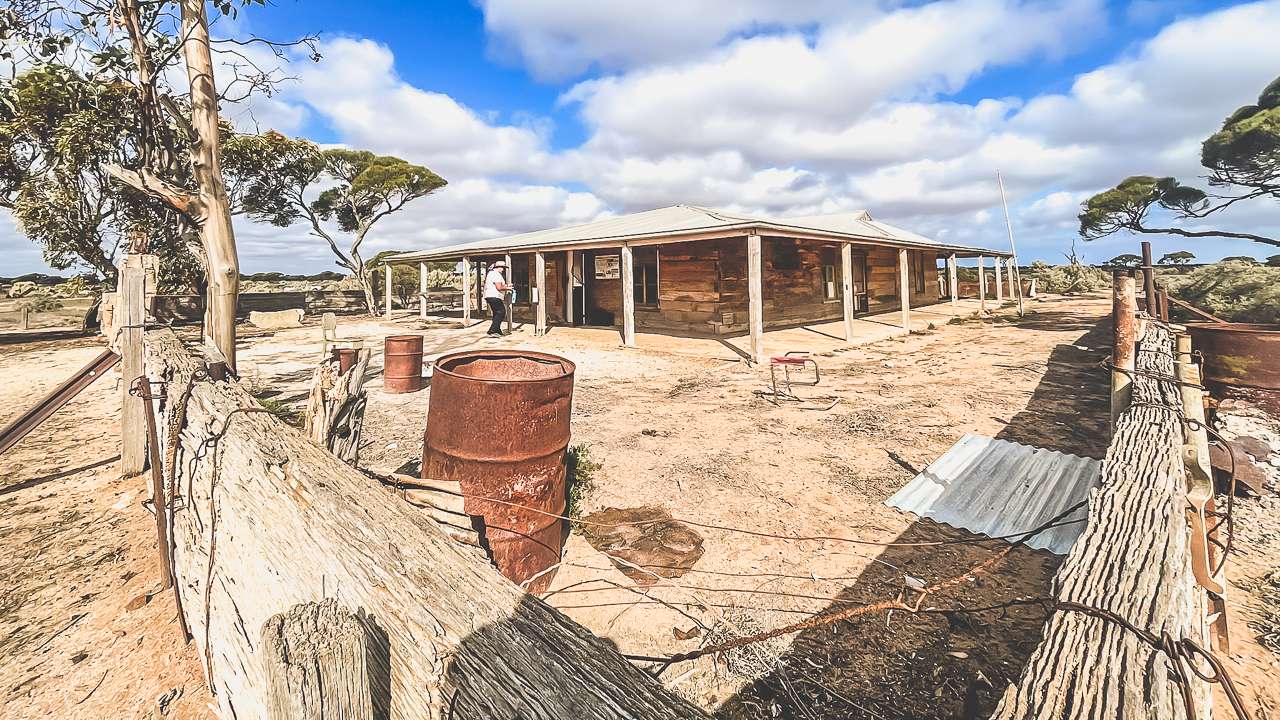
Koonalda Homestead

Koonalda Homestead

The Drive to Koonalda Homestead

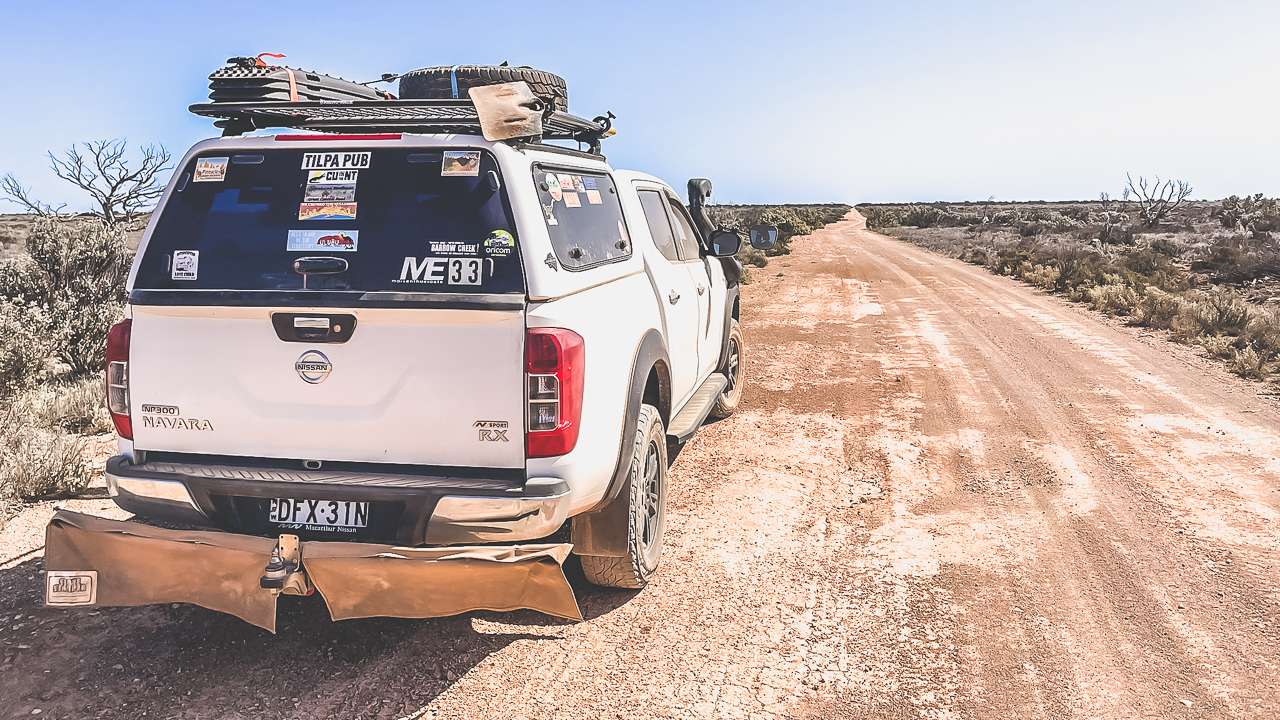
Leaving our campsite near Eucla we hit the Eyre Highway after breakfast at the Border Village Roadhouse. The road was long and straight as the Nullarbor tends to be with the occasional bit of roadkill to break the monotony. About 40km past Border Village, we reached the turnoff to Koonalda Homestead – marked by a small, easy to miss sign. From there it’s a 14km dirt road to the homestead itself.

The gravel road in is typical National Parks style that hasn’t seen any maintenance for a long time. It was as rough as guts, with corrugated sections that shook the bejeesus out of everything. We took it slow and steady, sticking to about 40-50 km/h to avoid shaking the car and caravan to bits. We’ve done thousands and thousands of kilometres on this kind of road over the years and have learned that a cautious approach saves you a world of trouble in the outback.

Unfortunately not everyone shares our patience. About halfway along the track an idiot in a big rig overtook us without so much as a call on the UHF. I continually check our mirrors but with the dust we were chucking up I didn’t see him coming. The dust cloud he kicked up was impressive and Amanda muttered a few colourful words as we waited for it to clear.

Three minutes later we found him pulled over on the side of the track. Turns out karma worked fast with this clown. Old mates’ caravan had lost a wheel. We slowed down and offered him a hand but he wasn’t in the mood for a chat. He just waved us on. He must have sorted it in some way shape or form as he wasn’t there the following day and we didn’t see his caravan or car in the Koonalda Homestead camping area.

Lesson of the day? Take it easy on these roads. They’ll catch you out if you’re not careful.

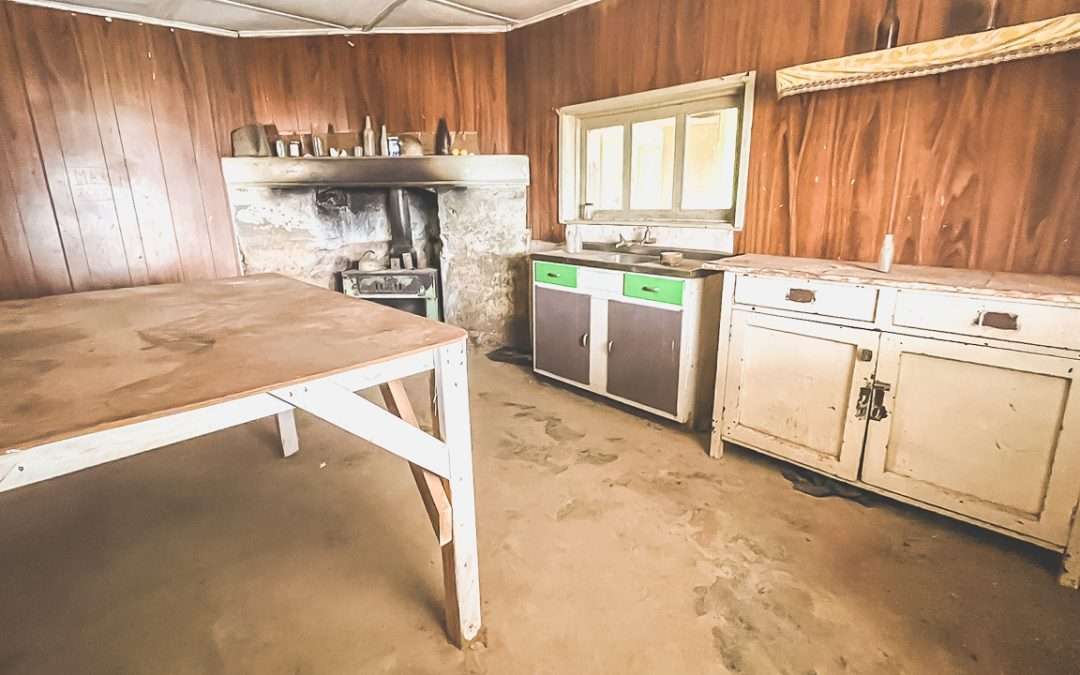
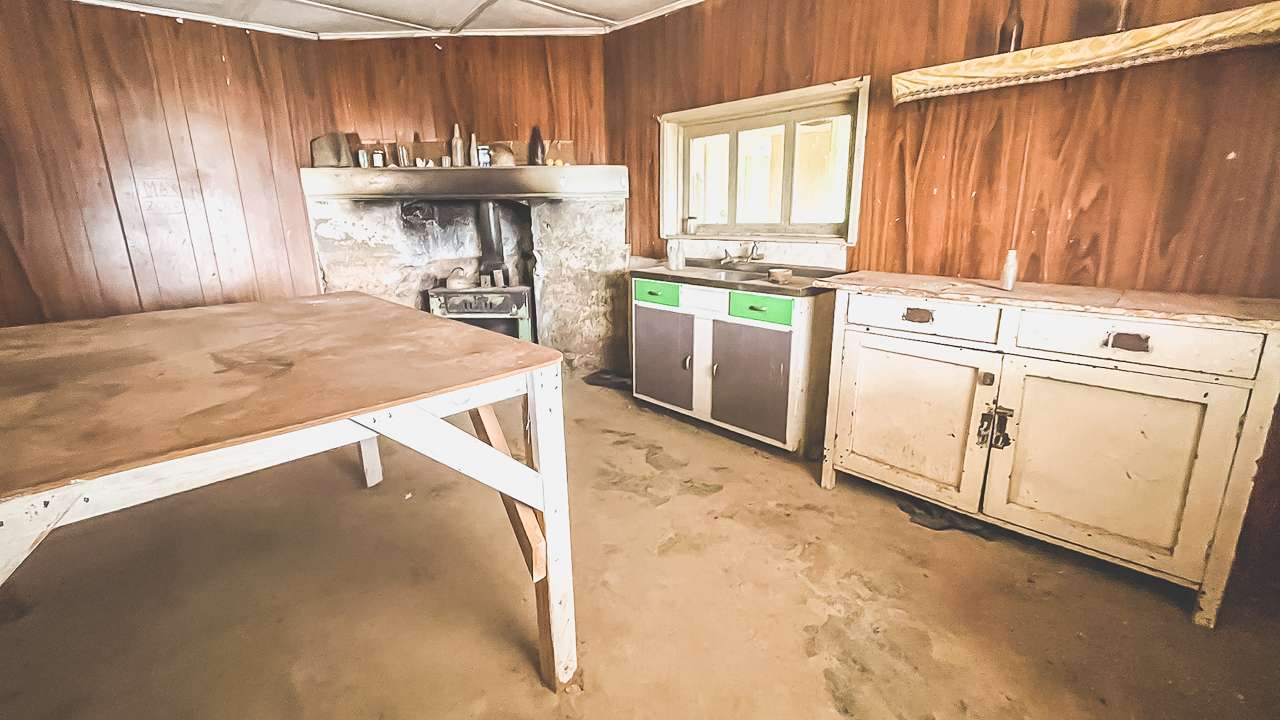
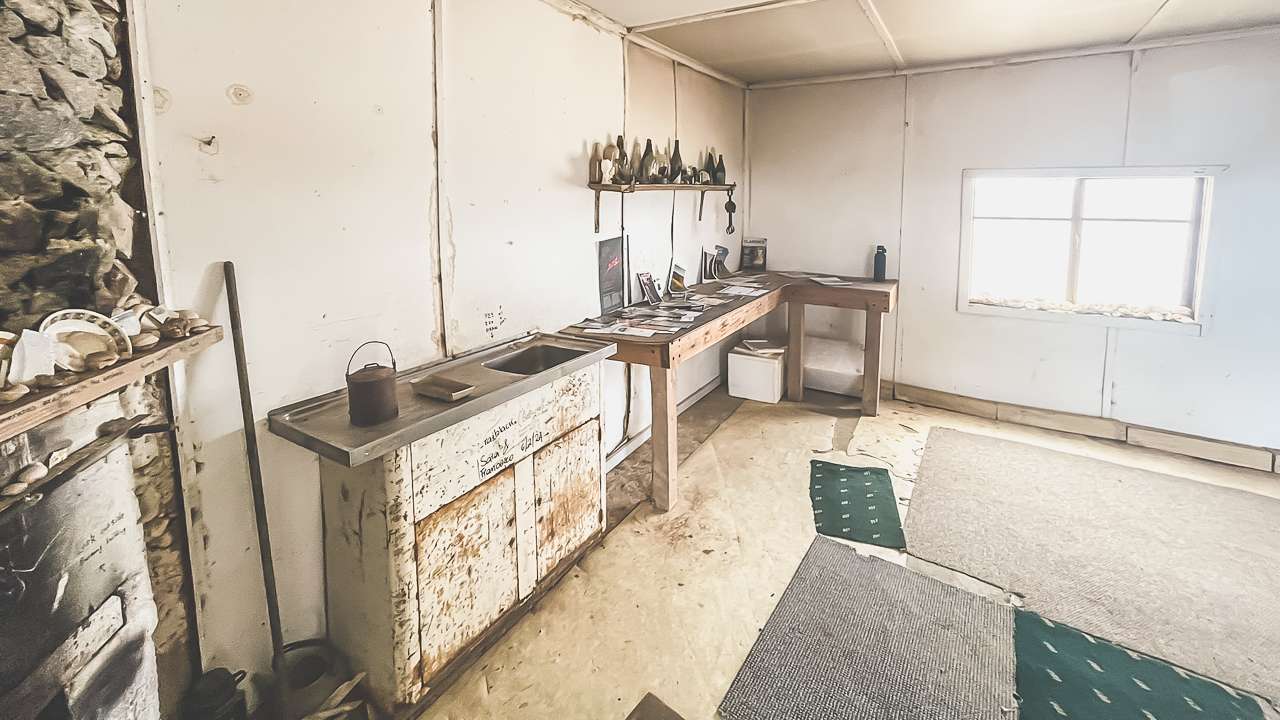
Kitchen At Koonalda Station

Kitchen At Koonalda Station

Koonalda Homestead: A Step Back in Time

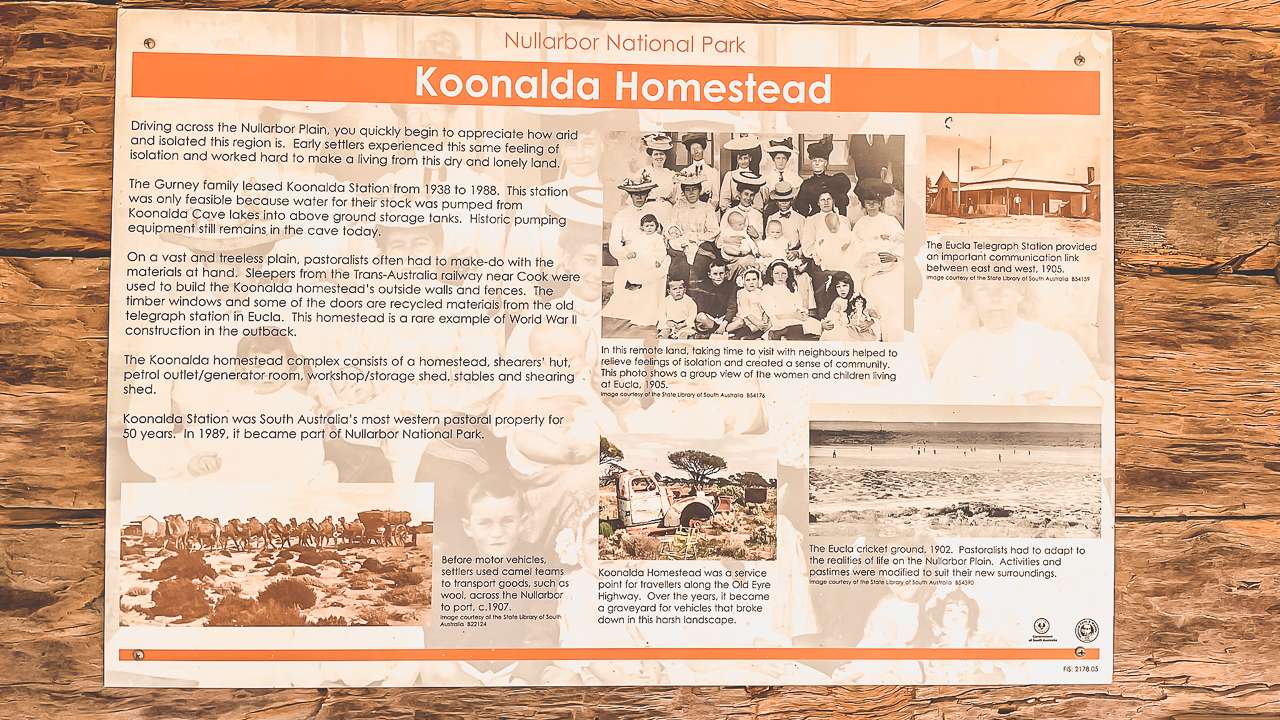
When we finally rolled into Koonalda Homestead the landscape opened up to reveal the remains of this Koonalda Homestead and the wrecked car graveyard at this historic site. Built in the 1930s Koonalda was originally a sheep station before becoming a roadhouse on the old Eyre Highway. From the 1950s to the 1970s it was a lifeline for travellers crossing the Nullarbor, offering fuel, food and a bit of human connection in the middle of nowhere.

But when the new Eyre Highway was built further south in the late 1970s Koonalda’s days as a roadhouse came to an end. What’s left today is an almost fully intact homestead surrounded by endless plains and steeped in stories of resilience and isolation.

The first thing Amanda and I did was set up camp at the national park campground just a short walk from the homestead ruins. At $13 per night it’s a bargain and booking online was straightforward – although we suspect not everyone bothers. Make sure to book before you get to the Koonalda Homestead camping area as unless you have Starlink you won’t have an internet connection. The campsite is basic but well maintained with flat areas for tents and caravans and a few fire pits.

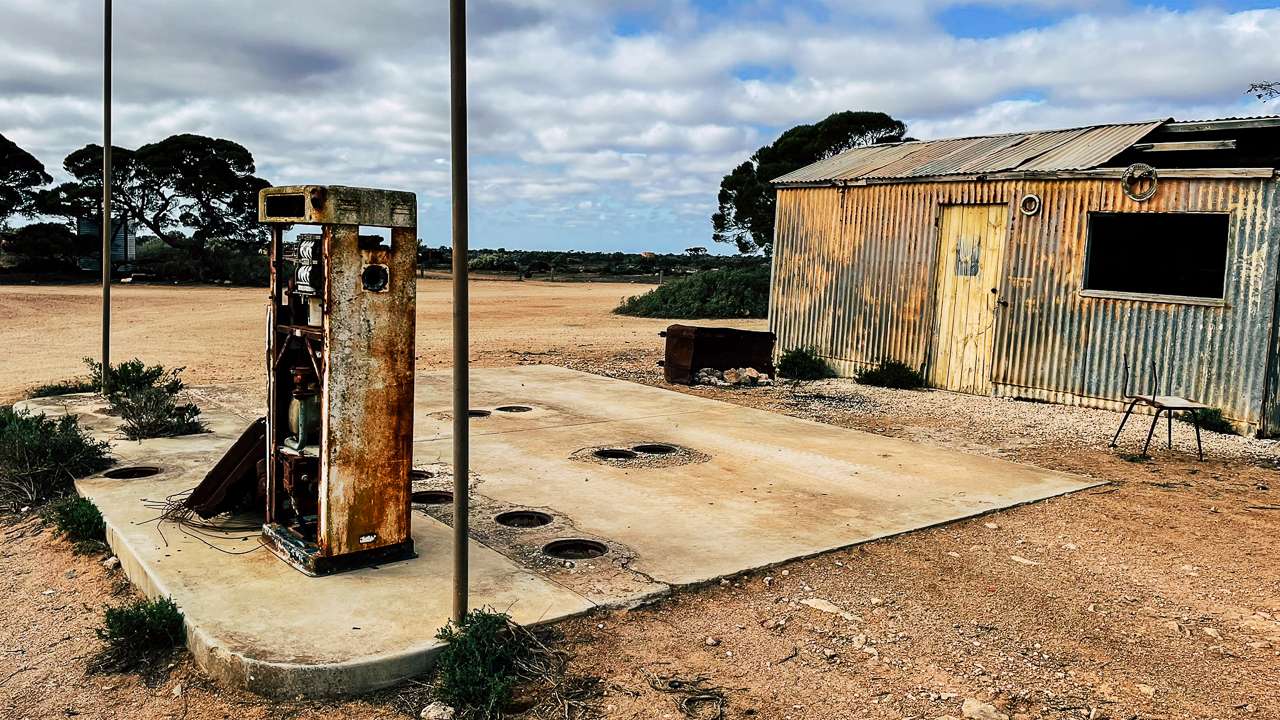
Inside The Abandoned Station Servo At Koonalda Homestead

Inside The Abandoned Station Servo At Koonalda Homestead

Exploring the Old Homestead

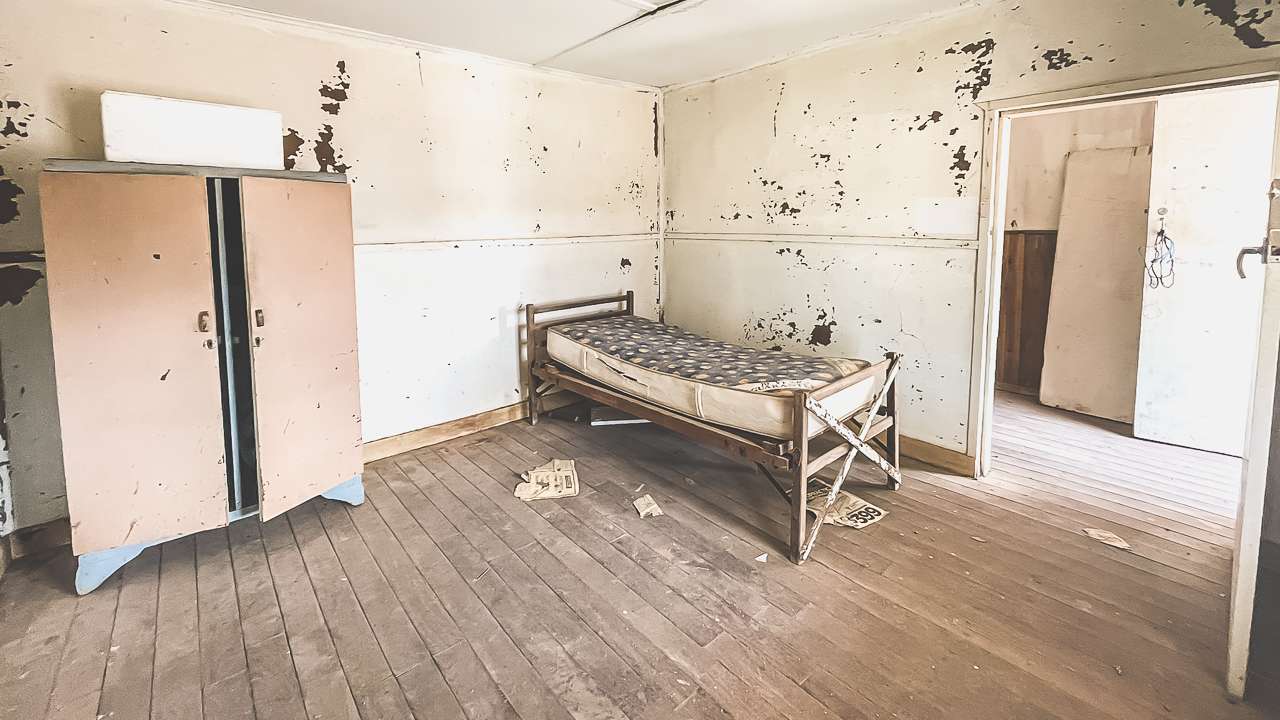
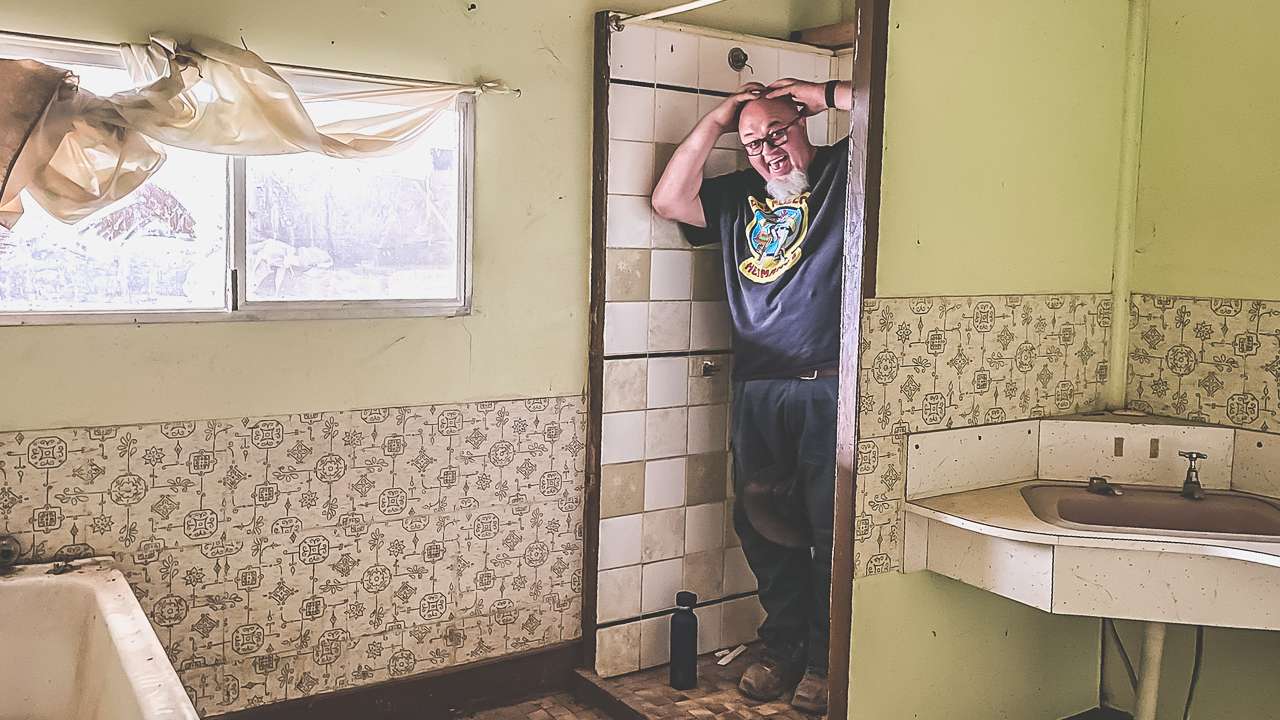
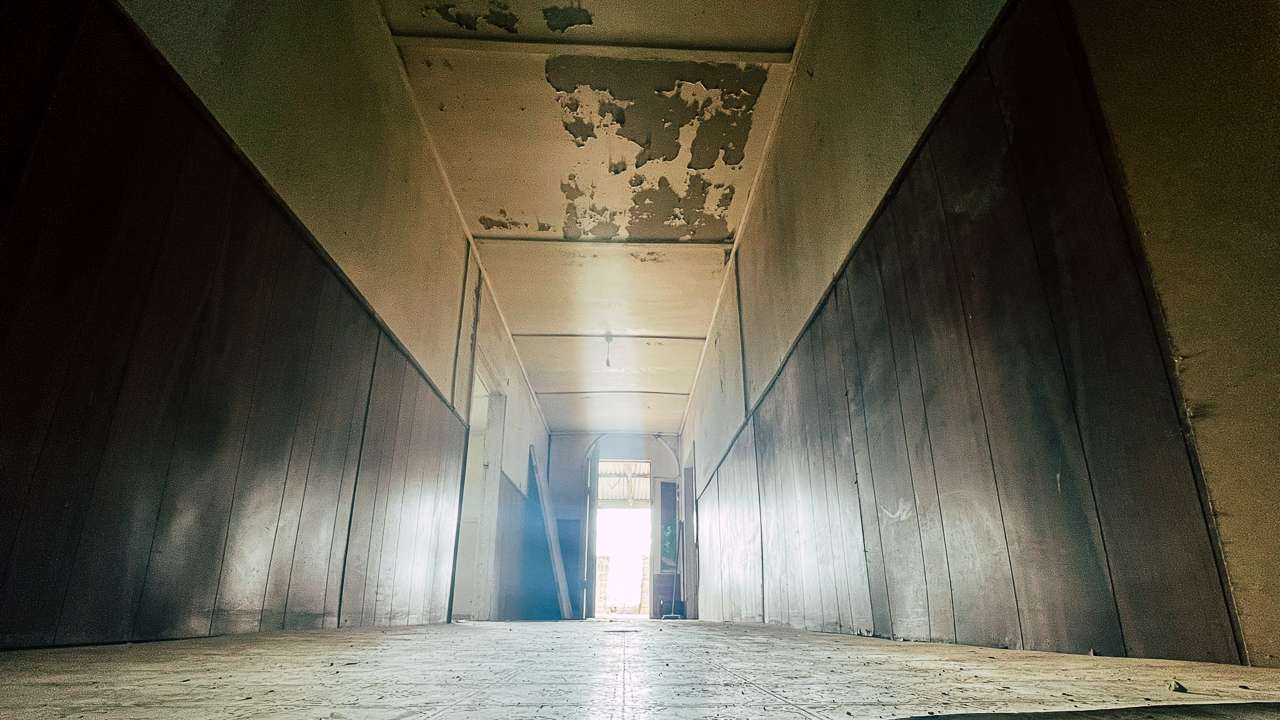
After setting up we spent hours exploring the old Koonalda Station buildings. The main roadhouse structure is still standing. The servo with its old abandoned pumps makes for some awesome photos. Its weathered timbers, rusting tin roofs and old walls tell a story of survival in one of Australia’s harshest environments.

I found myself imagining the bustling days of the 1960s when travellers and truckies would have gathered here swapping stories over cups of billy tea. Amanda on the other hand was fascinated by the little details – old bottles, rusting machinery and remnants of old gardens scattered around.

The Car Graveyard And A Geocache

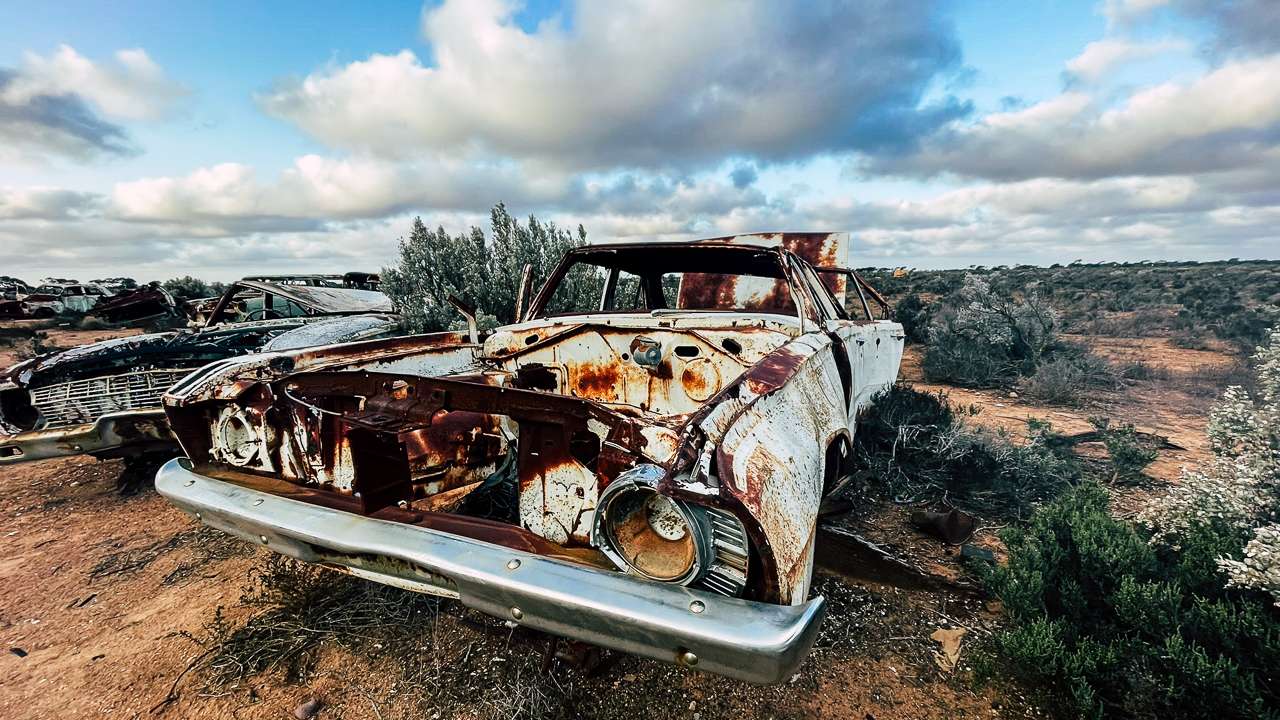
Not far from the homestead lies one of Koonalda’s best and most interesting attractions – the car graveyard. This sprawling collection of abandoned vehicles is a testament to the challenges of crossing the Nullarbor back in the day. Rusting sedans, utes and even quite a few trucks sit scattered like forgotten relics of the past.

While Amanda snapped photos of nature reclaiming these wrecks I set off on a geocaching mission. Somewhere in this mechanical graveyard, I knew there was a hidden cache. It took a bit of searching – and a lot of muttering when I walked through the car graveyard – but I finally found it tucked away under one of hundreds of sheets of corrugated iron. There’s something oddly satisfying about finding a geocache in such a remote and spooky spot.

Long Abandoned Vehicle At Koonalda Roadhouse

Long Abandoned Vehicle At Koonalda Roadhouse

Koonalda Cave: A Cultural and Geological Marvel

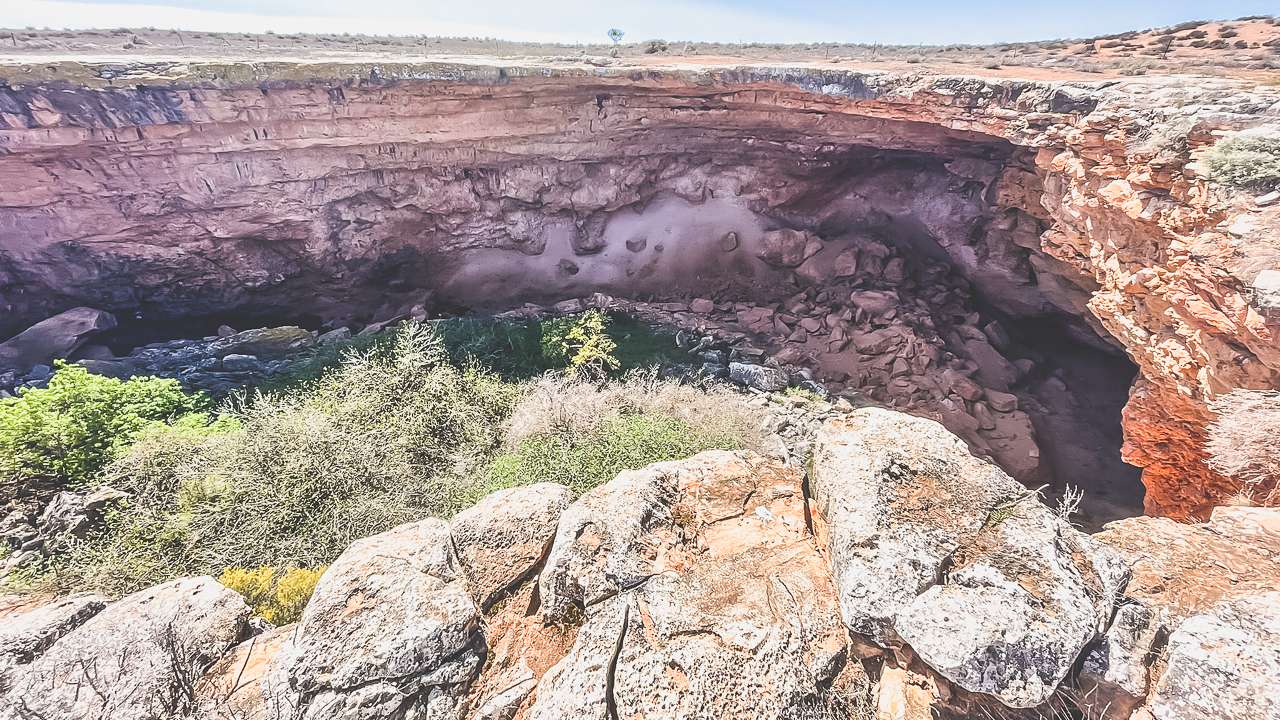
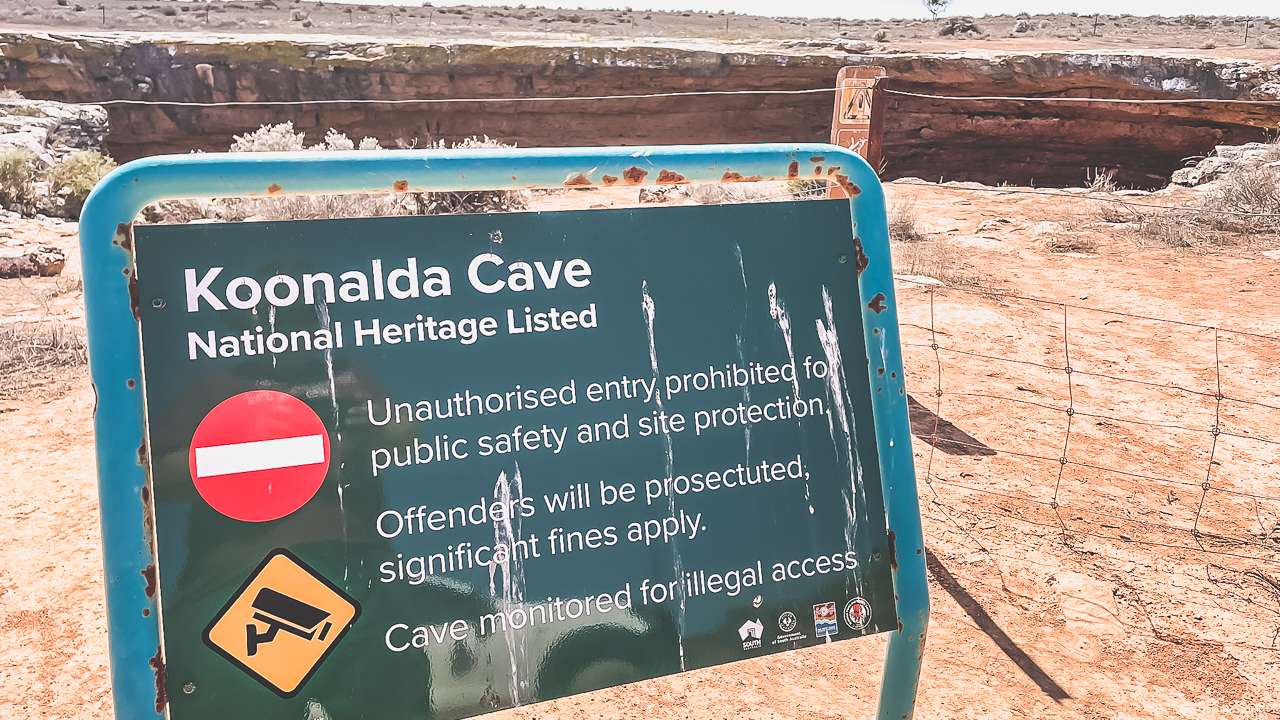
Day two took us to Koonalda Cave, a must-see for anyone visiting the area. This enormous sinkhole has deep cultural significance for the Mirning people and is one of the oldest archaeological sites in Australia. Artefacts found here date back tens of thousands of years, offering a glimpse into the lives of the Nullarbor’s earliest inhabitants.

The cave’s entrance is fenced off to protect it, but just standing near the edge and peering into the darkness is enough to give you chills. I asked Amanda if the fence hadn’t been there if she’d fancied climbing in for a closer look. Her response? Yeah I won’t repeat it but I will say it contained a few references to “idiot”.

Koonalda Cave

Koonalda Cave

The Hunt for the Koonalda Homestead Blowhole

Next on our list was the Koonalda Blowhole. Blowholes are natural vents in the limestone plains where air from underground caves escapes to the surface. Finding this one was a bit of an adventure in itself.

With little in the way of signage or directions we relied on a dodgy map and a lot of trial and error. After what felt like hours of walking around in circles searching we figured out we’d been standing next to it for an hour. It wasn’t what we were expecting!

While the Koonalda Blowhole wasn’t particularly active that day it was still a fascinating thing. Standing over a hidden cave system with air gushing up from below is pretty cool.

Driving the Old Eyre Highway

To round out our trip we decided to go for a drive along a section of the old Eyre Highway. This dirt track was once the main route across the Nullarbor and driving it is like stepping back in time.

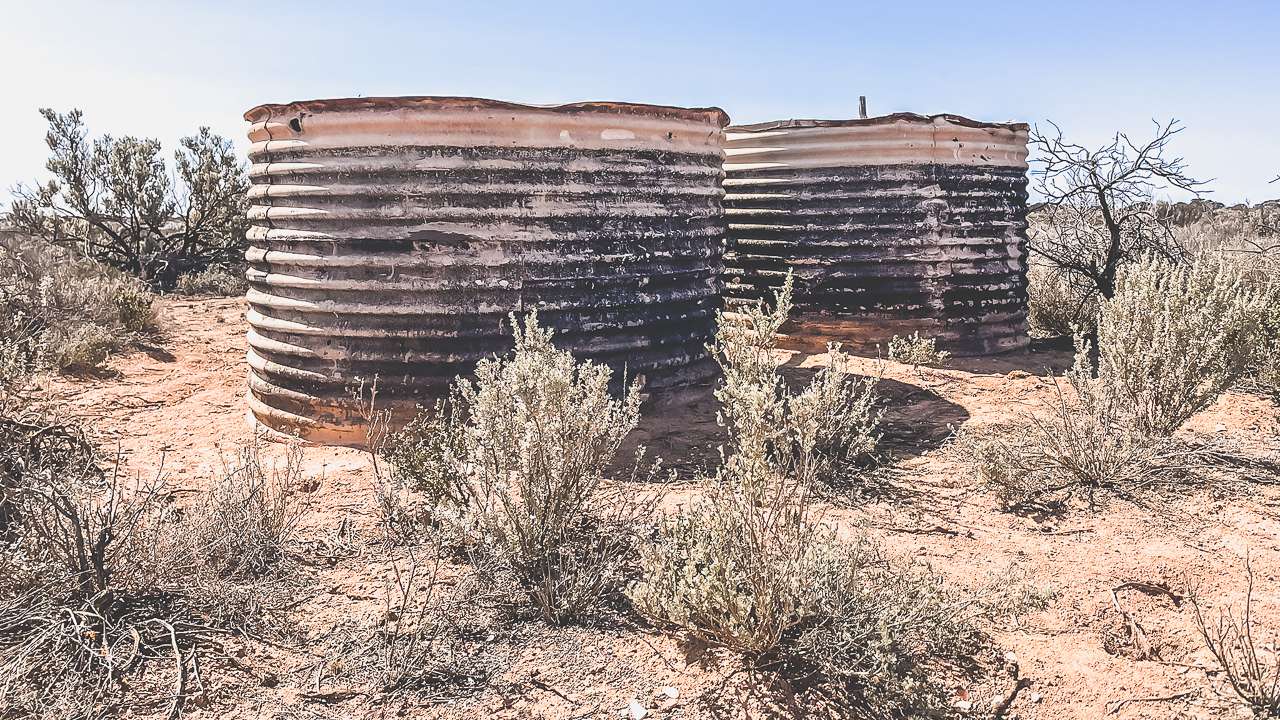
The road was rough and rugged, but it had a charm all its own. We managed about 30 km before turning back. We’d have liked to go further however it was getting late in the day. There were a surprising number of relics to be found including the remains of a substantial set of tanks. There were also a couple more sinkholes / caves.

Driving The Old Eyre Highway Near Koonalda

Driving The Old Eyre Highway Near Koonalda

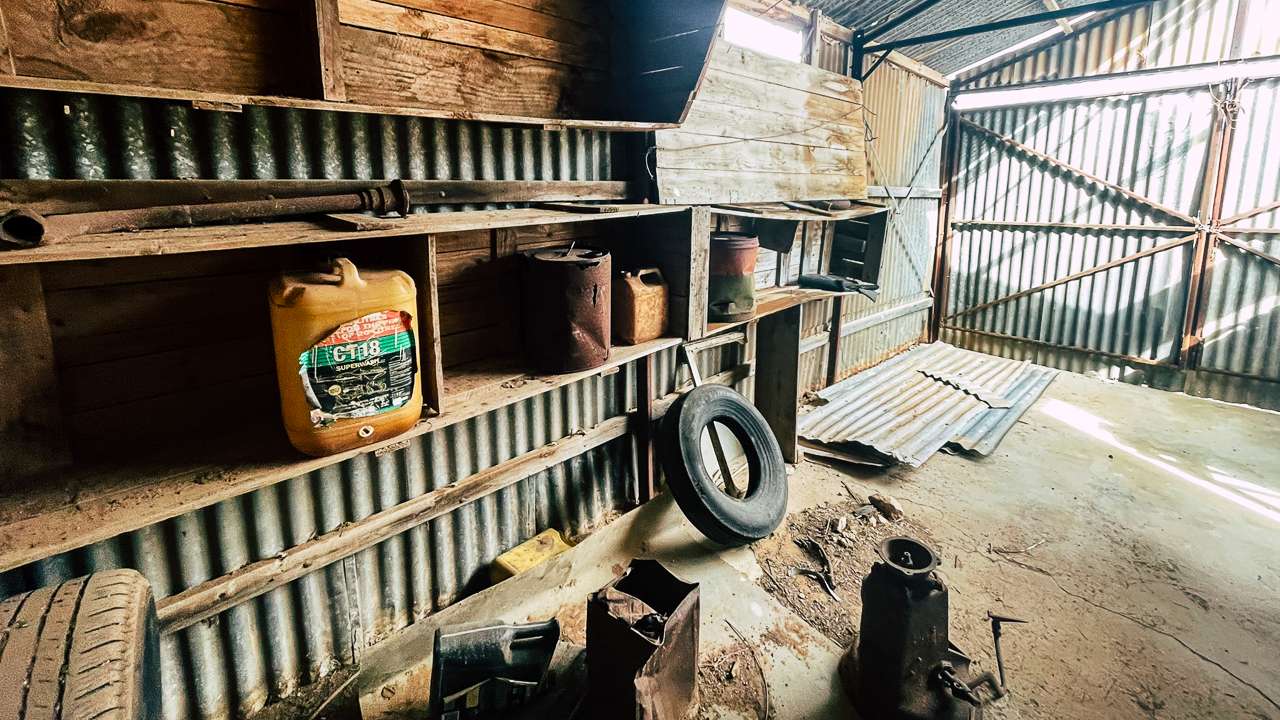
The Koonalda Homestead Shearing Shed

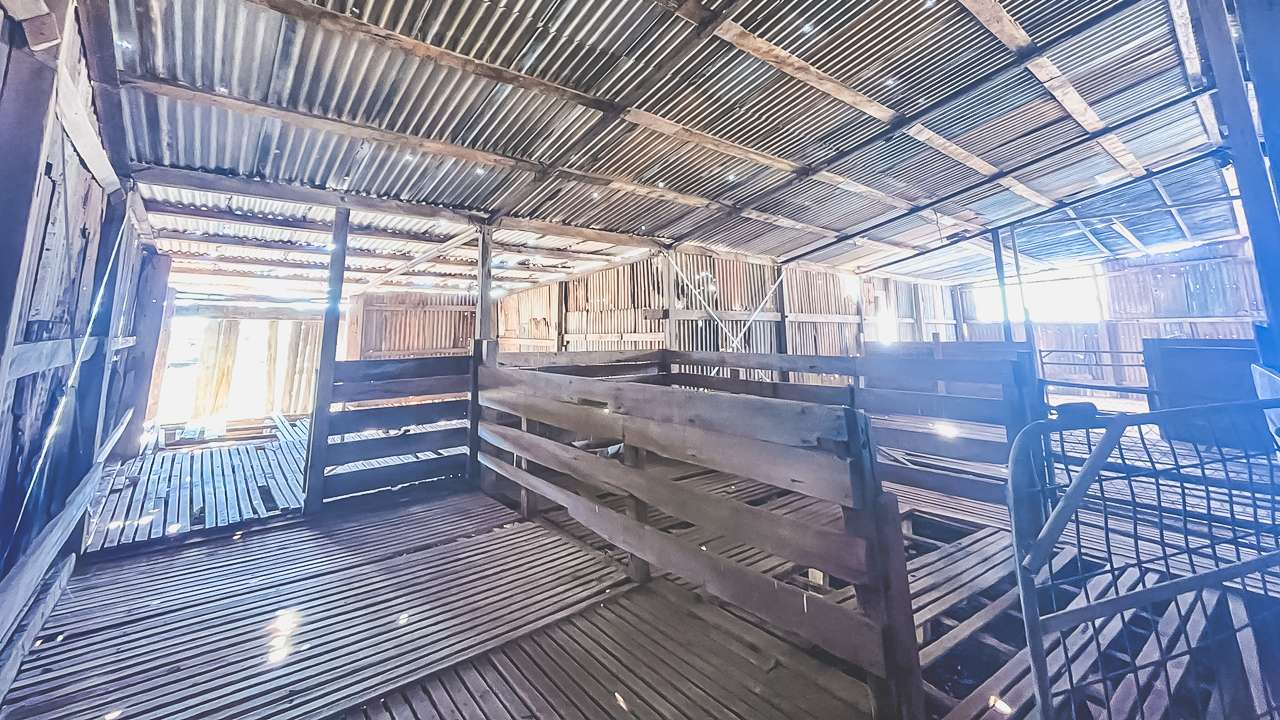
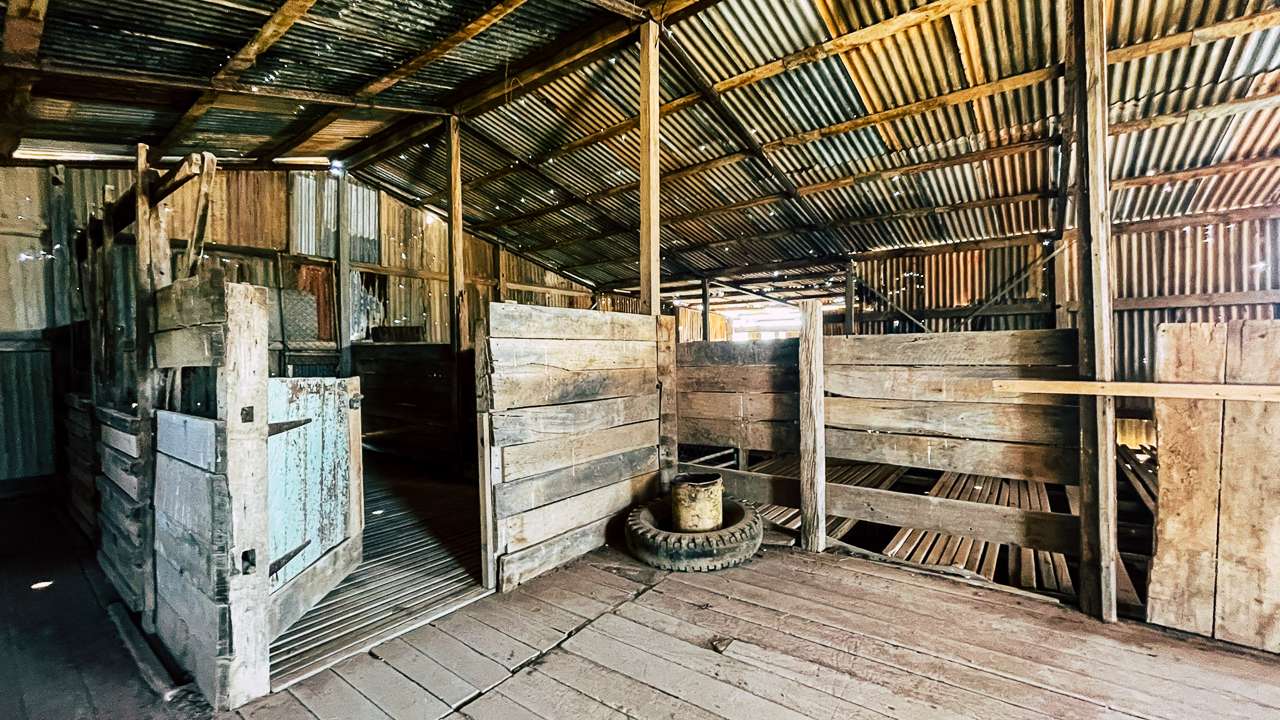
The Koonalda Homestead shearing shed stands as a testament to the rugged ingenuity of early Australian pastoral life. Constructed with timber and corrugated iron, this weathered structure echoes the days when wool production sustained remote communities.

Once the lifeblood of the station, the shed housed shearers who laboured tirelessly in harsh conditions, helping to shape the economic heartbeat of the Nullarbor Plain. Today, the shearing shed offers visitors a glimpse into a bygone era, with its rustic charm and utilitarian design. Its proximity to the decaying Koonalda Homestead further enhances the site’s historical significance, capturing the resilience of outback life.

The Koonalda Homestead Sleeper Hut

The Koonalda Homestead sleeper hut is a stark reminder of the resourceful practices that defined life on the Nullarbor. Constructed from railway sleepers, the hut exhibits a pragmatic design tailored to the harsh, arid environment. These heavy wooden beams, once intended for rail infrastructure, were repurposed to create sturdy, insulated walls capable of withstanding extreme weather. The sleeper hut, located near the iconic Koonalda Homestead, offers a tangible link to the past, showcasing the ingenuity and adaptability of those who lived and worked in isolation. This modest structure embodies the resilience required to thrive in one of Australia’s most unforgiving landscapes.

Inside The Sleeper Hut At Koonalda Homestead

Inside The Sleeper Hut At Koonalda Homestead

Weather and Camping Tips

In September, the Nullarbor weather was just about perfect. Days were sunny and mild, sitting around 20°C, while nights were cool enough for a campfire without being too chilly. But the Nullarbor is a place of extremes, so if you’re planning a visit at another time of year, be prepared for scorching summers or biting winter winds.

If you’re thinking of camping at Koonalda Homestead, here are a few tips:

  1. Book Ahead: Reserve your spot online for per night.
  2. Take It Slow: The road in is rough, so drive carefully and avoid rushing.
  3. Bring Supplies: There are no facilities, so pack plenty of water, food and fuel.
  4. Respect the Site: The homestead is fragile – look, but don’t touch.
  5. Check the Weather: Plan for hot days, cold nights and potential storms.

Final Thoughts

Koonalda Homestead is more than just a camping spot – it’s a step back in time, a slice of Aussie history and a reminder of how resilient people can be. Amanda and I left feeling inspired, a little dusty and with plenty of stories to share. If you’re looking for an outback adventure with a healthy dose of Aussie history then Koonalda Station is a place to go.

Just remember: take it slow, book ahead and don’t be the bloke who loses a wheel on the track in. Safe travels and happy camping!

-David & Amanda

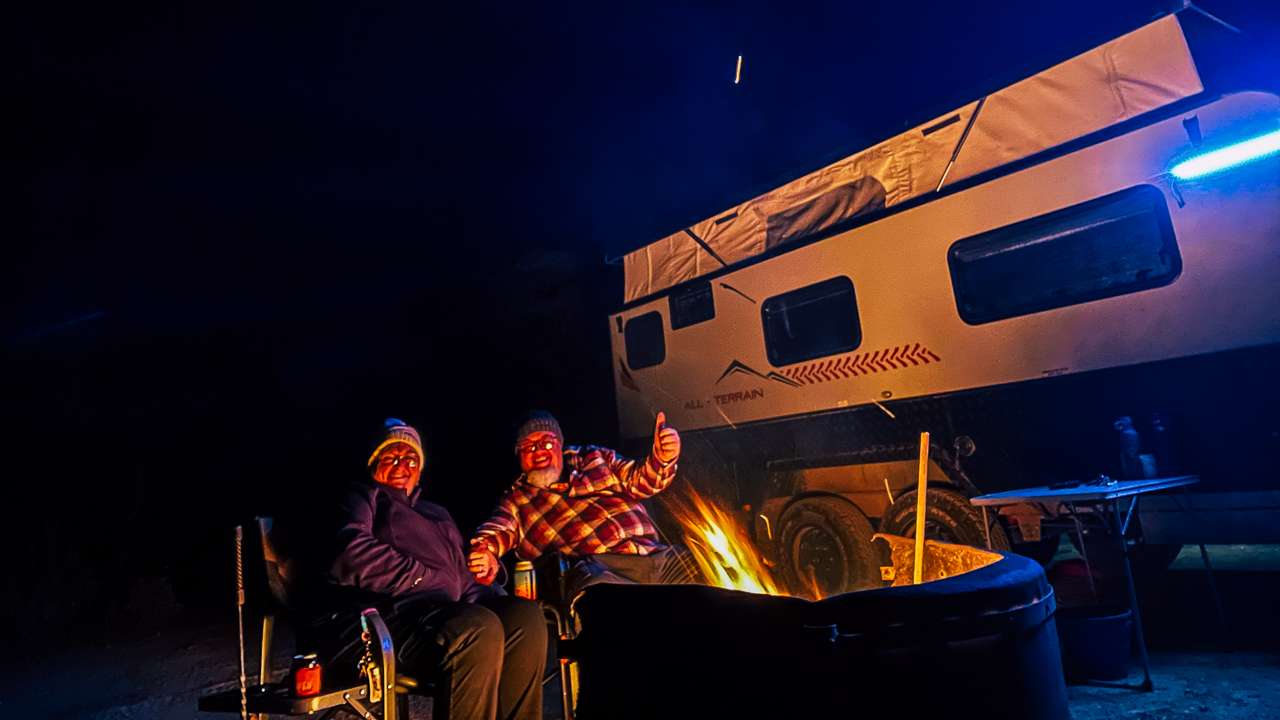
Camping With A Fire At Koonalda Homestead

Camping With A Fire At Koonalda Homestead

Koonalda Homestead Photos

FAQs About Koonalda Homestead Camping And Exploring

What is Koonalda Homestead and why is it significant?

Koonalda Homestead is a historic site on the Nullarbor Plain that once served as a sheep station and later as a roadhouse on the old Eyre Highway. It is significant for its connection to Australia’s outback history and the resilience of those who lived and worked in this isolated region.

How can I get to Koonalda Homestead?

Koonalda Homestead is located off the Eyre Highway, approximately 40km east of Border Village. A 14km dirt road leads to the site, but the track can be rough with corrugations. Driving carefully and allowing extra time is essential.

Can visitors camp at Koonalda Homestead?

Yes, you can camp at Koonalda Homestead within the national park-managed campground. It costs $13 per night, and bookings should be made online. Facilities are basic, so bring plenty of water, food, and other essentials.

What can I see and do at Koonalda Homestead?

Visitors can explore the ruins of the homestead, visit the nearby car graveyard, and take in the stark beauty of the surrounding Nullarbor Plain. Other attractions include Koonalda Cave, a site of archaeological significance, and the Koonalda Blowhole.

What is the history behind the car graveyard near Koonalda Homestead?

The car graveyard is a collection of abandoned vehicles left by travellers on the old Eyre Highway. It reflects the challenges of crossing the Nullarbor in earlier decades when breakdowns often meant leaving vehicles behind.

Is Koonalda Homestead part of a national park?

Yes, Koonalda Homestead is located within Nullarbor National Park. This status helps preserve the site’s historical and cultural significance while allowing visitors to experience its unique outback setting.

Free Camping Caiguna East Bush Camp On The Nullarbor

Free Camping Caiguna East Bush Camp On The Nullarbor

Free Camping Caiguna East Bush Camp On The Nullarbor

Free Camping Caiguna East Bush Camp on the Nullarbor: Easy access, campfires allowed, lots of space and star filled night skies for free.

Caiguna East Bush Camp – A Hidden Gem Along the Nullarbor

The Caiguna East Bush Camp is one of those places you could easily miss if you weren’t looking for it. Just 5 kilometres east of Caiguna and marked by a rusted 44-gallon drum on the edge of the Eyre Highway, this unassuming entrance hides an expansive bush retreat. Amanda and I camped there during our September 2024 road trip and it turned out to be one of the highlights of our journey across the Nullarbor.

Free Camping On The Nullarbor

Free Camping On The Nullarbor

Navigating The Labyrinth

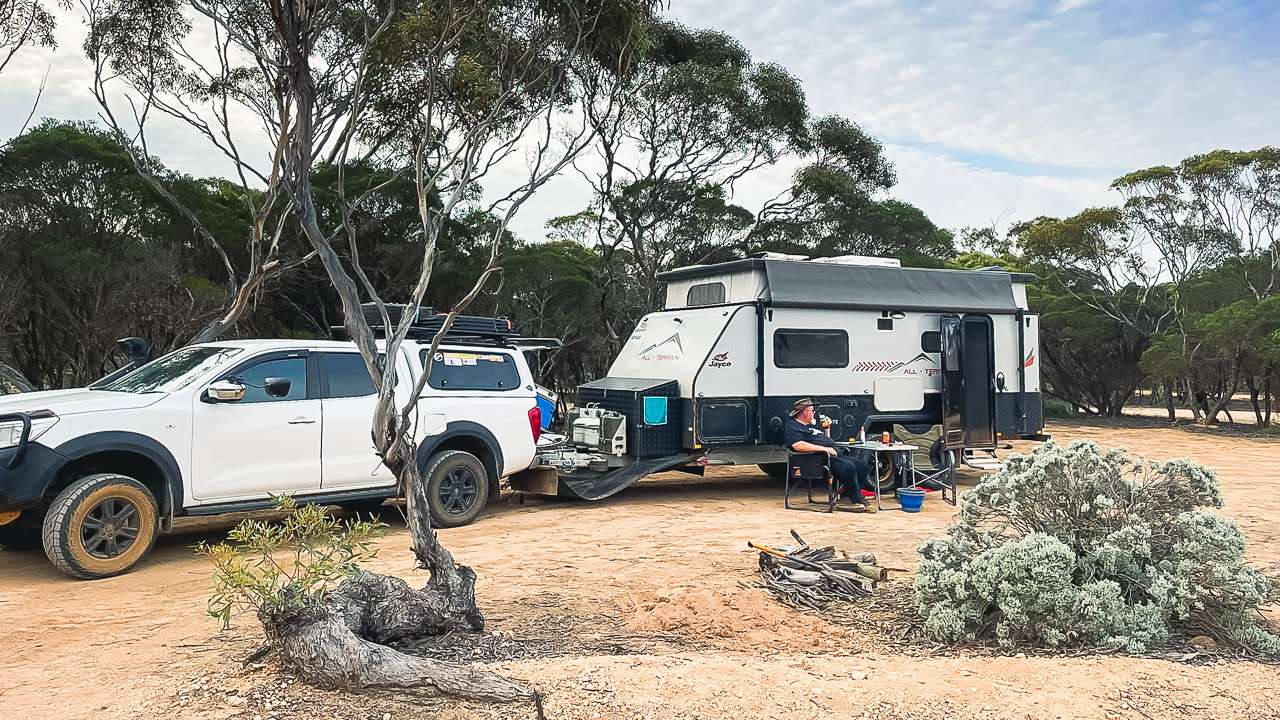
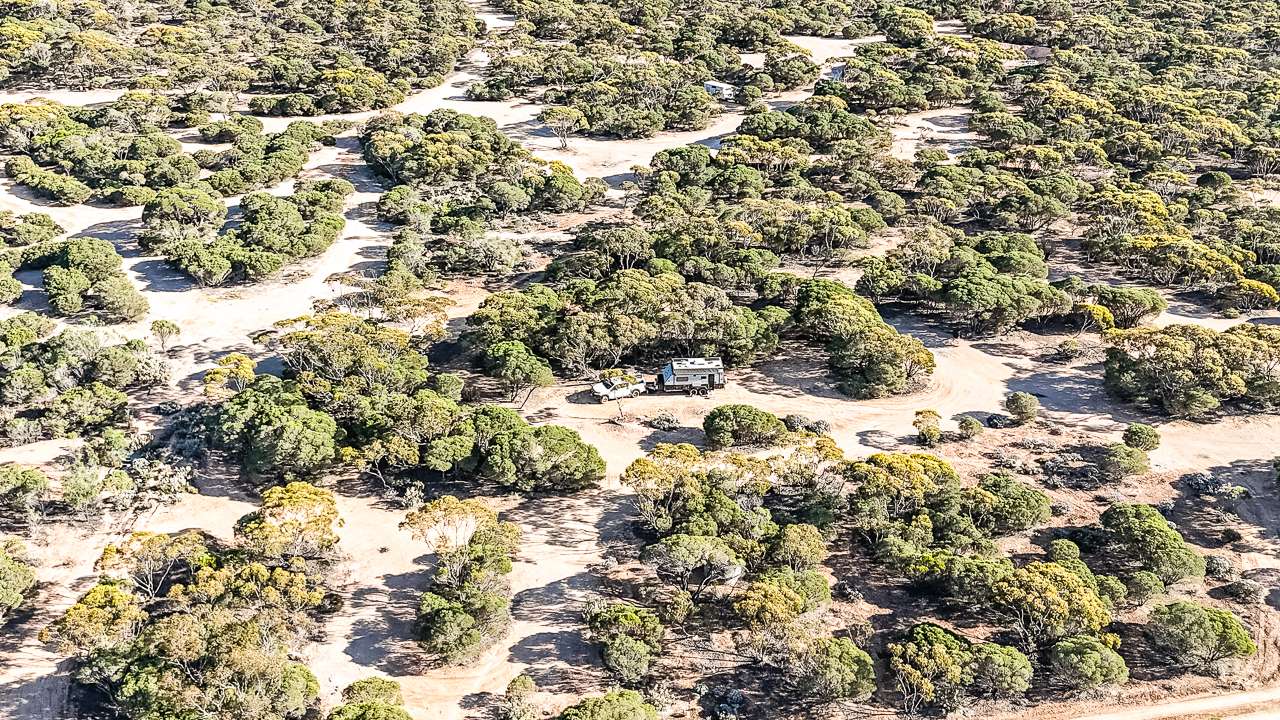
Turning off the highway, we were greeted by a network of tracks weaving through the bush. It felt a bit like entering a natural maze, but instead of dead ends, we stumbled upon private camping spots dotted throughout the landscape. The process of choosing a spot became part of the adventure. After ten minutes of leisurely exploration, we found the perfect nook—flat, quiet and far enough from the highway to drown out any residual traffic noise.

Caiguna East Bush Camp Is Spacious And Quiet

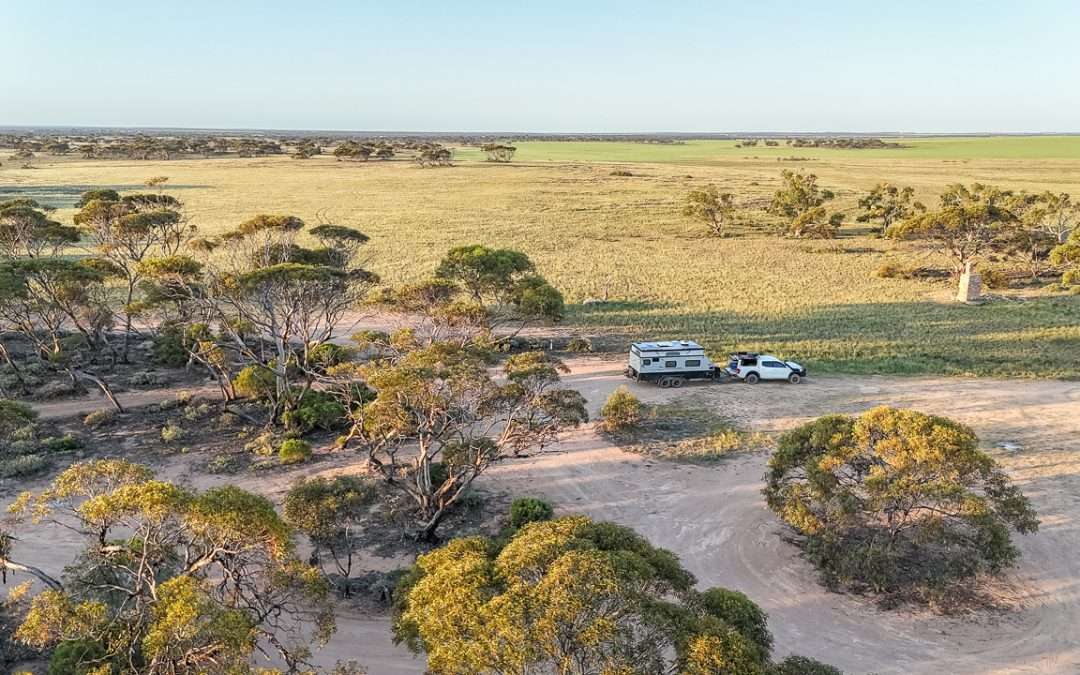
The camp itself is vast, offering plenty of room for vehicles of all shapes and sizes. Whether you’re in a compact campervan or towing a large caravan, you’ll find a spot that suits you. The beauty of this place lies in its tranquillity. We felt like we had the entire bush to ourselves, with only a few other campers tucked away in distant corners. It’s rare to find such a serene setting that’s still so accessible.

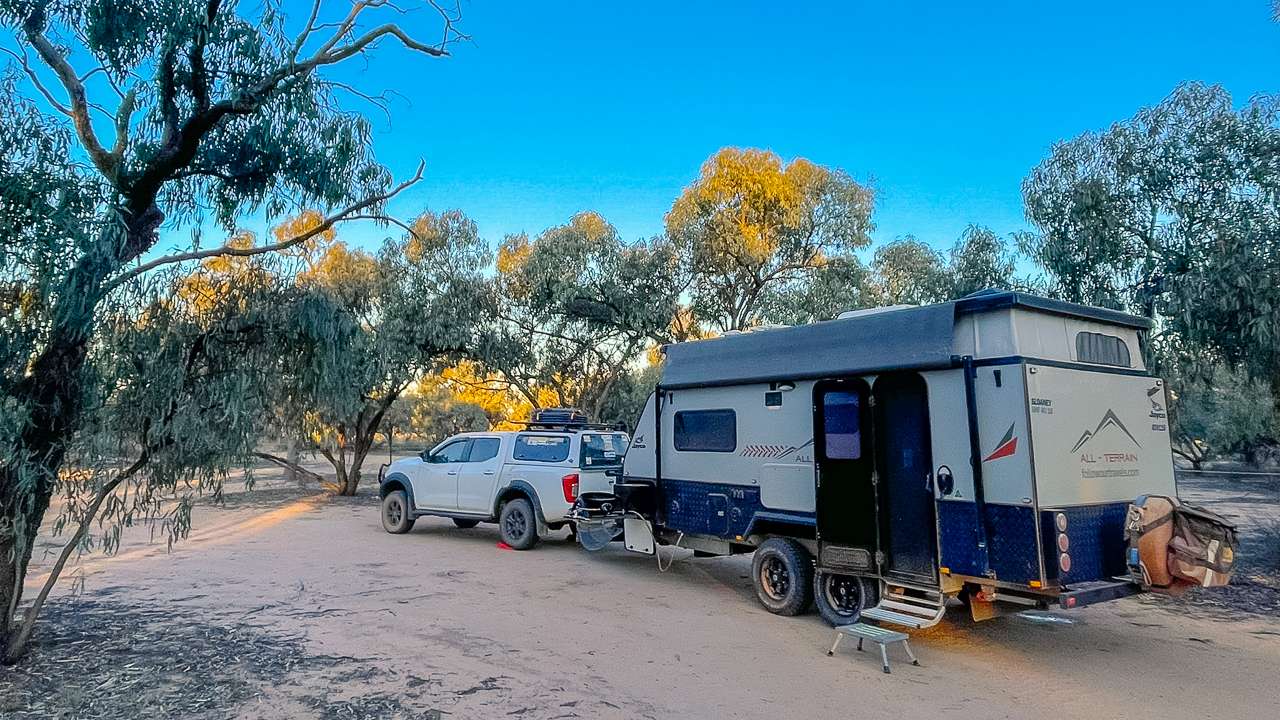
Free Camping On The Nullarbor At Caiguna Bush Camp

Free Camping On The Nullarbor At Caiguna Bush Camp

A Starry Night And The Joy Of A Campfire

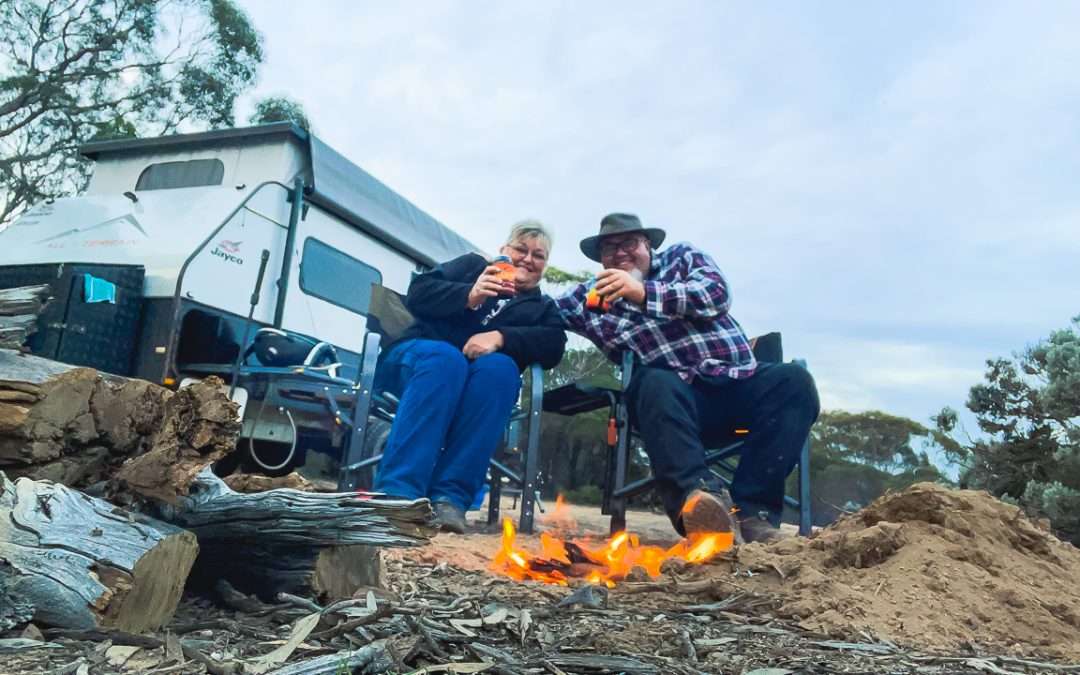
We came prepared with firewood knowing that local supplies have usually been picked clean in well used free camps. As the sun dipped below the horizon we lit a modest fire and sat next to it well into the evening. The flames crackled and above us the sky put on a display of millions of stars. Amanda spotted a satellite streaking across the heavens but whether it was that or just a particularly determined shooting star who knows. The view was fantastic.

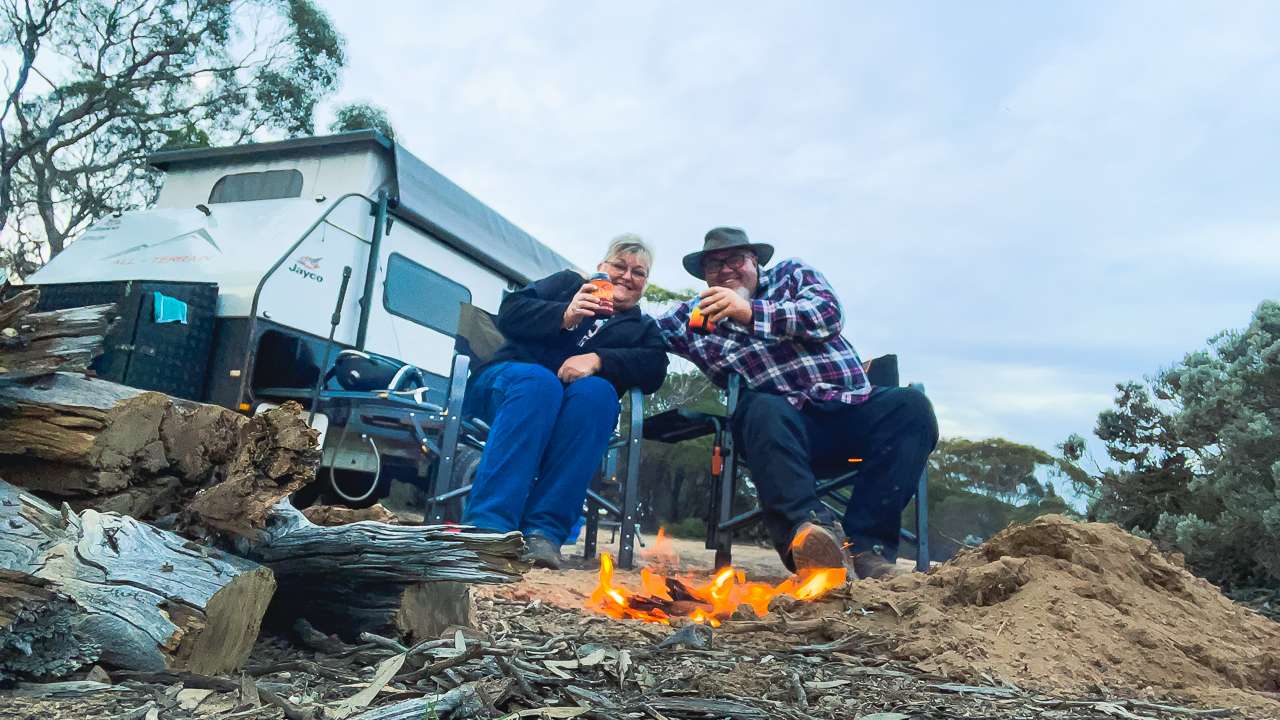
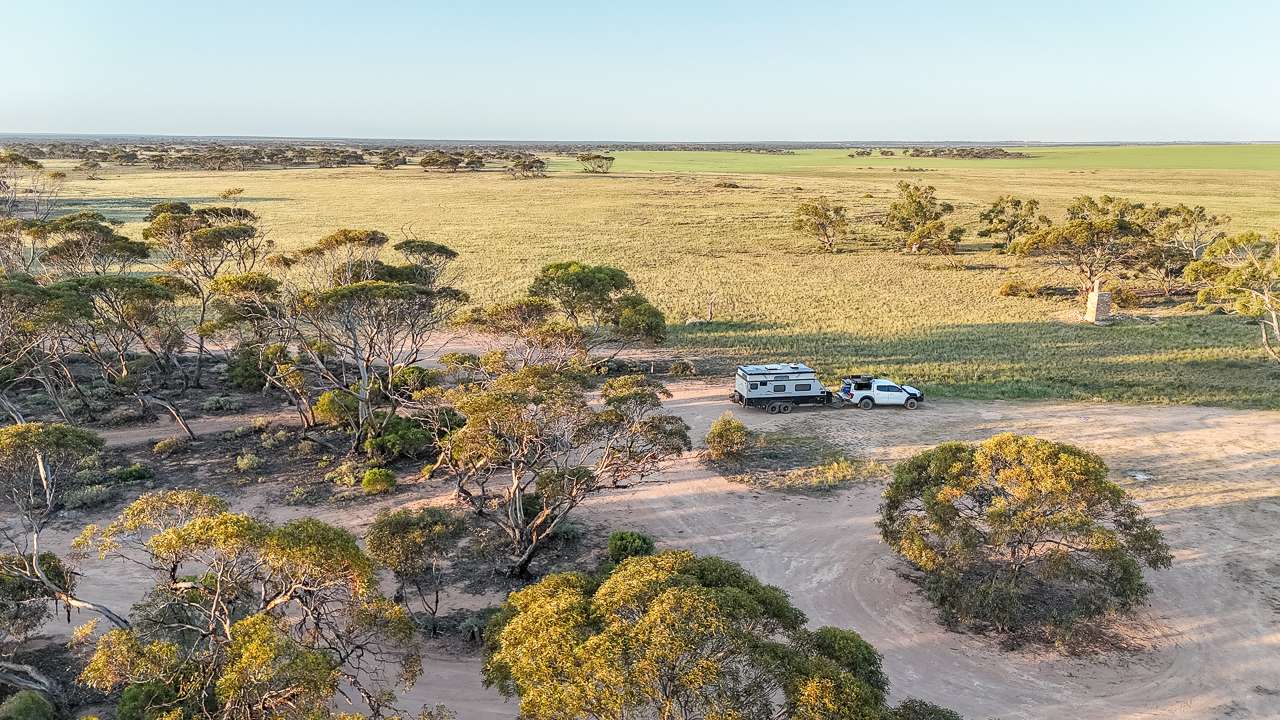
Free Camping On The Nullarbor At Caiguna East Bush Camp

Free Camping On The Nullarbor At Caiguna East Bush Camp

Challenges In Paradise

Like any bush camp Caiguna East isn’t without its quirks. The flies during the day were relentless turning simple tasks into exercises in patience and endurance. Thankfully they retreated with the setting sun leaving us to enjoy the evening in peace. The other challenge was the rubbish. It’s disheartening to see rubbish left behind in such a pristine environment. Amanda and I took the opportunity to tidy up around our area but it’s clear that more campers need to take responsibility for their waste.

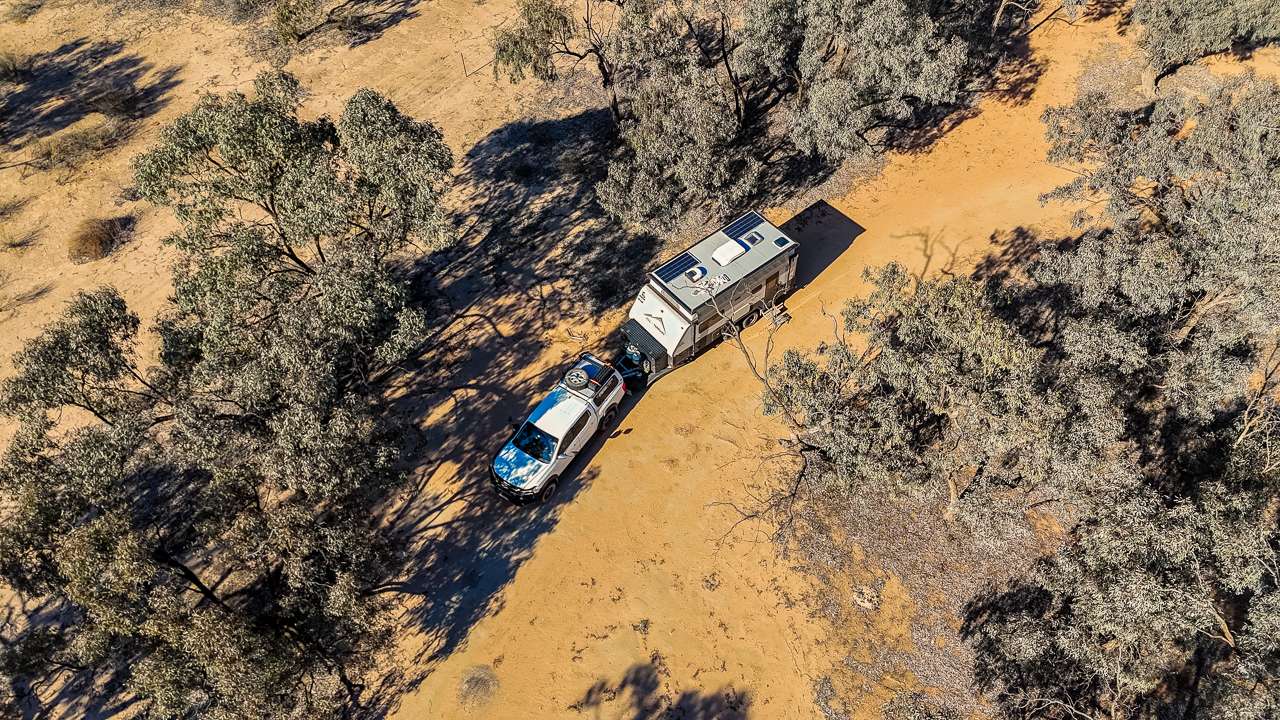
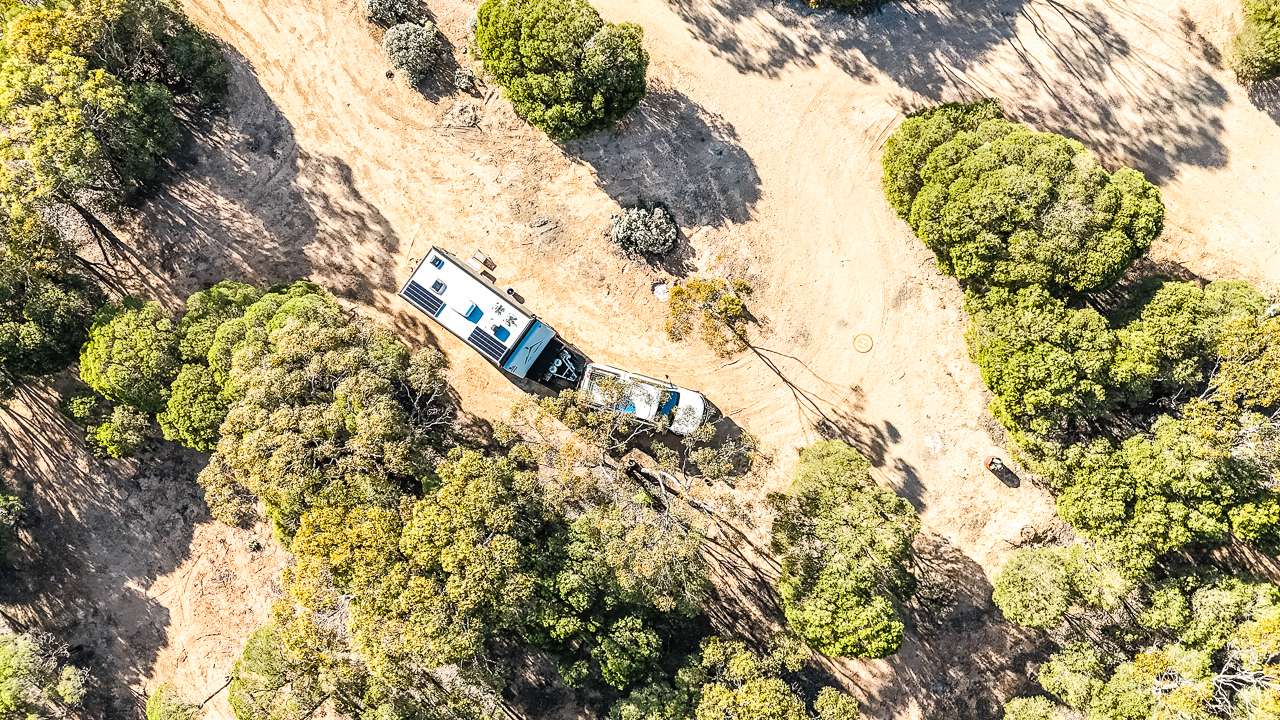
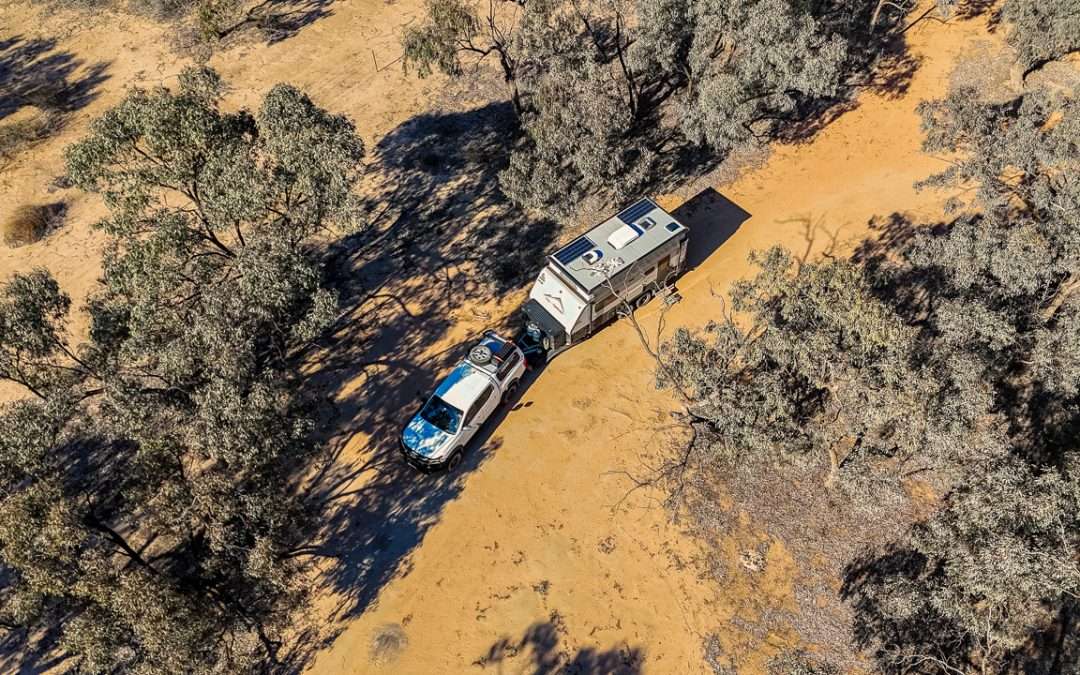
Free Camping On The Nullarbor At Caiguna East Bush Camp From Above

Free Camping On The Nullarbor At Caiguna East Bush Camp From Above

A Must Visit on the Nullarbor

The Caiguna East Bush Camp is more than just a convenient stopover; it’s a slice of Australian bushland that offers respite from the endless road. Whether you’re travelling solo, as a couple, or with a group, it’s the perfect spot to reconnect with nature, take a breather and soak in the beauty of the Nullarbor.

Just remember to bring your firewood, a sense of adventure and a commitment to leaving no trace. The rusted drum at the entrance might not look like much, but beyond it lies a camping experience worth seeking out.

-David & Amanda

FAQs About Free Camping Caiguna East Bush Camp

Where is Caiguna East Bush Camp located?

Caiguna East Bush Camp is located 5 kilometres east of Caiguna along the Eyre Highway. The entrance is marked by a rusted 44-gallon drum, making it an easy landmark for travellers.

What makes Free Camping Caiguna East Bush Camp unique?

This hidden gem offers an expansive bush retreat with secluded camping spots. Its tranquillity, vast open spaces, and starry night skies make it an unforgettable stop on the Nullarbor.

What facilities or features can I expect at Free Camping Caiguna?

While there are no formal facilities, the campsite provides plenty of flat, spacious areas for all types of vehicles. Campfires are a highlight, but visitors should bring their own firewood.

Are there any challenges when staying at Caiguna East Bush Camp?

The main challenges include flies during the day and litter left by previous visitors. Bringing insect repellent and taking responsibility for waste can greatly improve your experience.

Is Free Camping Caiguna suitable for all types of travellers?

Yes, the camp is ideal for solo travellers, couples, and groups. Its secluded spots and peaceful atmosphere cater to those seeking a quiet retreat in nature.

What should I bring when visiting Free Camping Caiguna?

Be sure to bring firewood, as local supplies are scarce. Pack essentials like insect repellent, rubbish bags to carry out your waste, and a sense of adventure to explore this natural bush retreat.