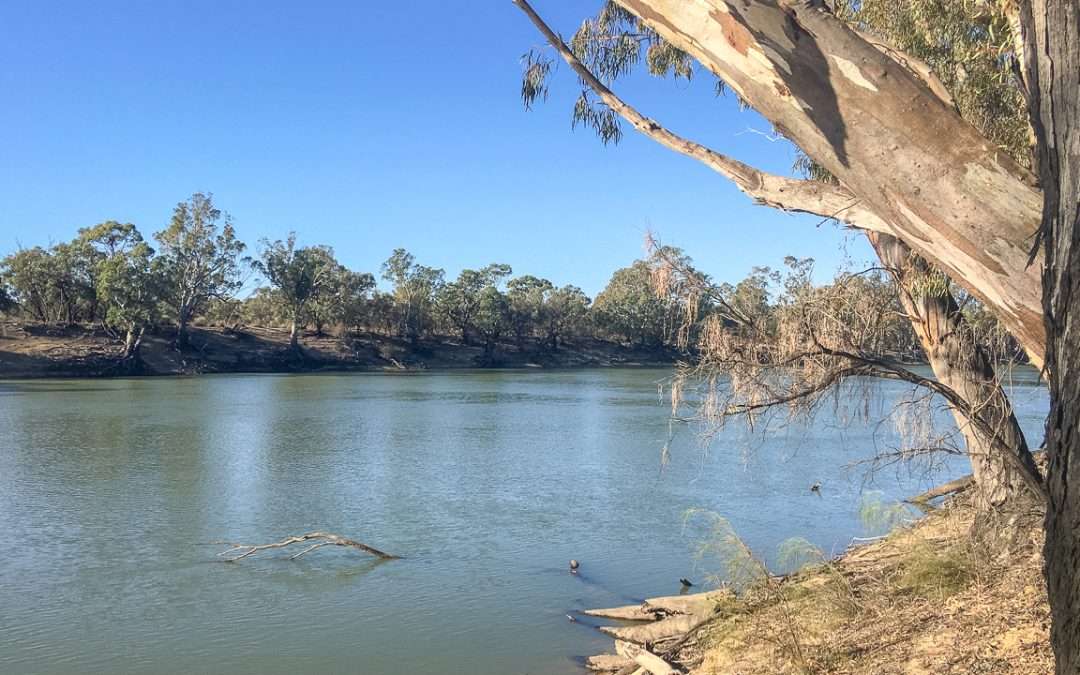
25 Swan Hill Free Camping Sites: Perfect For Swan Hill Camping

25 Swan Hill Free Camping Sites: Perfect For Swan Hill Camping

25 Swan Hill Free Camping Sites: Perfect For Swan Hill Camping

Swan Hill free Camping guide: Everything you need for Swan Hill Camping, Free Camping Swan hill tips, and top local activities along the Murray. Swan Hill is located on the mighty Murray River in Victoria. It’s a perfect destination for caravan and camping enthusiasts seeking an authentic Australian outback experience.

With a rich historical significance, abundant natural beauty and a diverse range of activities, Swan Hill free camping opportunities provide the ideal base for exploring this charming region. This comprehensive guide explores everything you need to know about free camping in Swan Hill, from its fascinating history to the top attractions that make this Victorian gem worth visiting.

25 Swan Hill Free Camping Sites: Swan Hill Free Camping At It’s Best!

If you’re planning a budget-friendly getaway, our list of 25 Swan Hill free camping sites offers plenty of options to enjoy the great outdoors without spending a cent. All of these free camping spots near Swan Hill VIC welcome campers looking for a peaceful bush or riverside retreat, with most allowing pets so you can bring your furry friends along for the adventure. While facilities are generally minimal, a couple of these sites provide basic toilets, making them a convenient choice for families and longer stays. Whether you’re travelling with a caravan, camper trailer, or tent, these Free Camping Swan Hill locations provide authentic, affordable ways to experience Swan Hill camping surrounded by nature and the iconic Murray River landscape.

1. Murray River Reserve

Great spot only 10 minutes from town. Plenty of room.

Type: Free Camping
Cost: Free
Location: 62 Runciman Road, , Victoria, Victoria
GPS: -35.290946°, 143.580764°
Distance To Swan Hill VIC: 5.8km
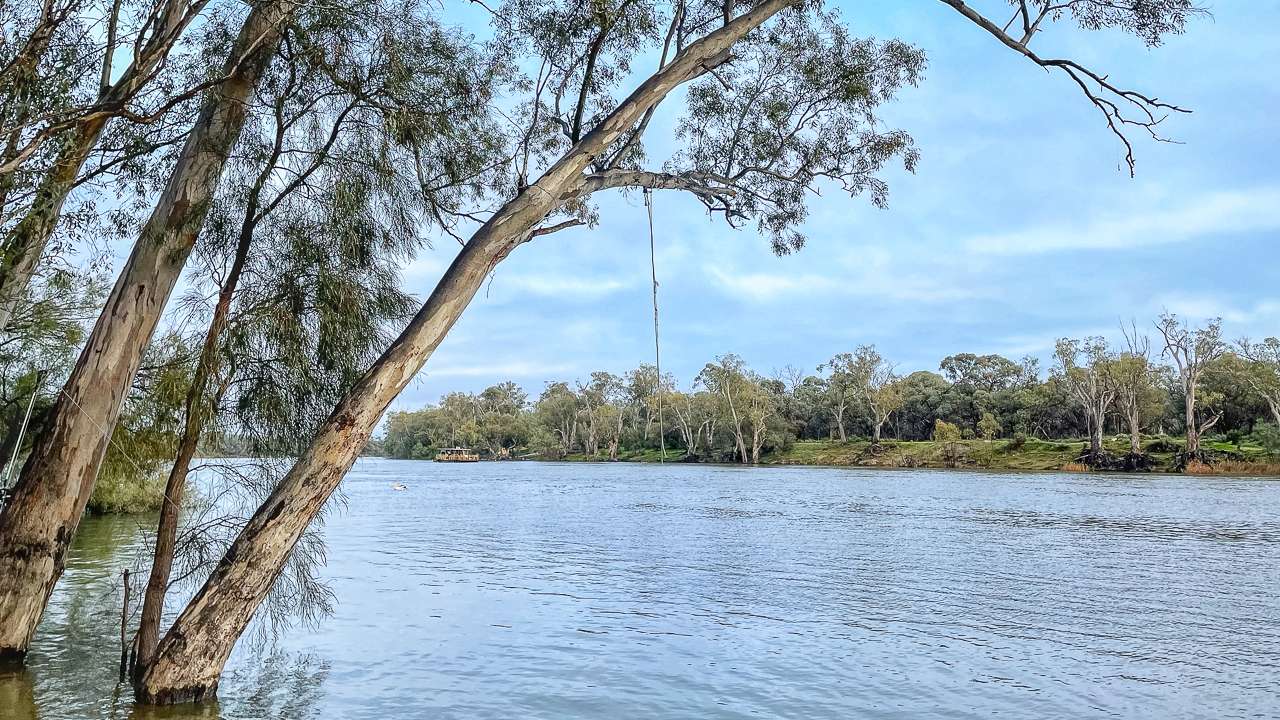
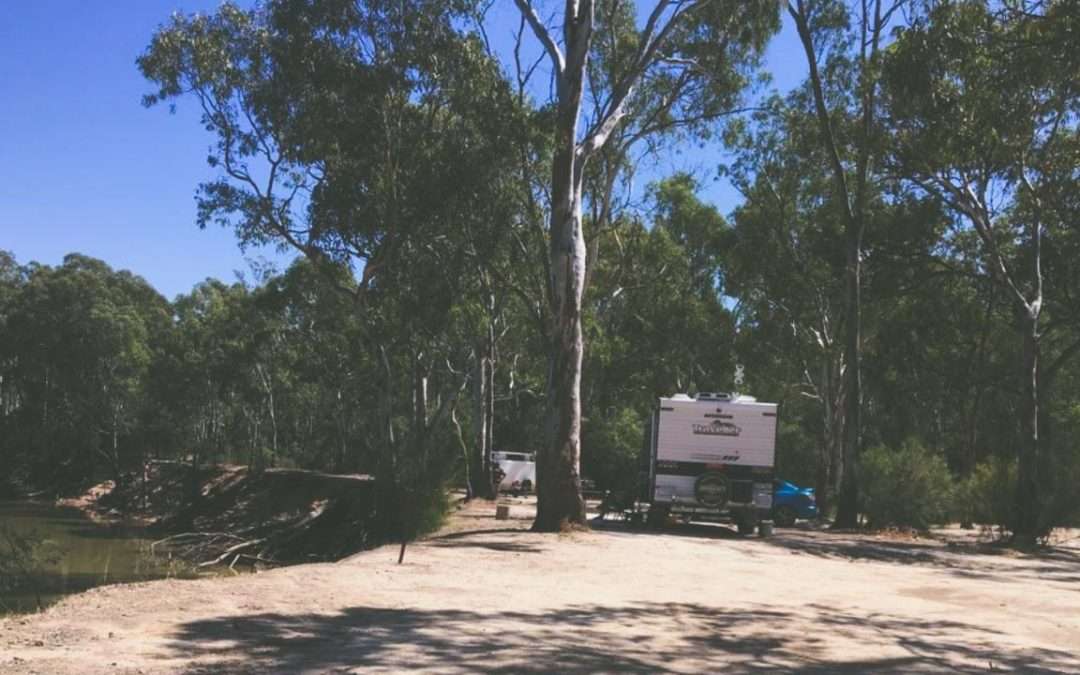
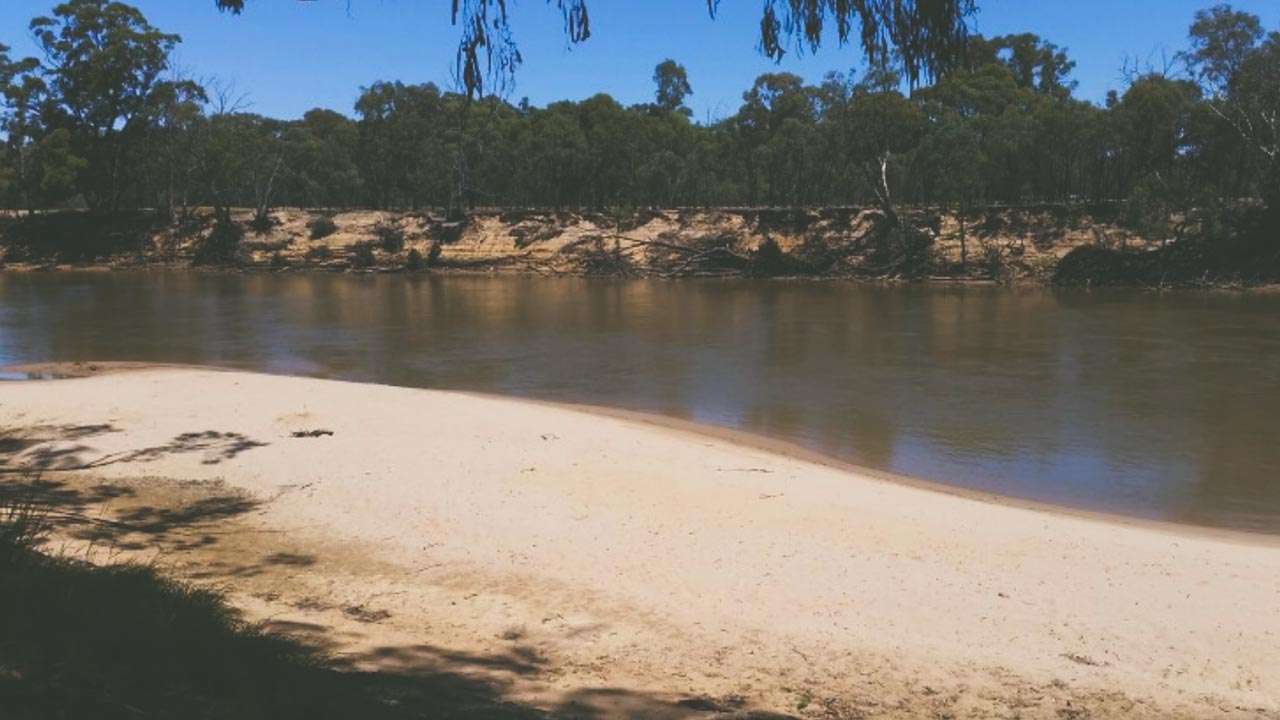
Free Camping On The Murray River

Free Camping On The Murray River

2. Tyntynder Central Reserve

This is a free campground. It is dog friendly. This campground is accessible to camper trailers, off road caravans and four wheel drives. Camping in tents is also allowed.

Type: Free Camping
Cost: Free
Location: Rural City of Swan Hill, Victoria
GPS: -35.256545°, 143.573292°
Pet Friendly: Yes
Distance To Swan Hill VIC: 9.4km

3. Loddon Floodway

This is a free campground. It is dog friendly. It is accessible to RVs, camper trailers and caravans. Camping in tents is allowed.

Type: Free Camping
Cost: Free
Location: Caelli Lane, Pental Island, Victoria
GPS: -35.377901°, 143.689672°
Pet Friendly: Yes
Distance To Swan Hill VIC: 12km

4. John’s Bend

Bush camp on the edge of the Murray River. If coming in from boat ramp take the right fork after boat ramp then 1st or 2nd track left. Left fork after boat ramp can be very rough.

Type: Free Camping
Cost: Free
Location: Caelli Lane, Victoria
GPS: -35.378046°, 143.692893°
Pet Friendly: Yes
Distance To Swan Hill VIC: 13km

5. Pental Island Bush Camping

This free campground offers swimming. It is dog friendly. It is accessible to RVs and caravans. You must be fully self-contained.

Type: Free Camping
Cost: Free
Location: Pental Island Rd, Pental Island, Victoria
GPS: -35.383700°, 143.692770°
Pet Friendly: Yes
Distance To Swan Hill VIC: 13km

6. Oak Bend

Reasonably flat river access ok for caravans access to river for fishing. Plenty of firewood. Loads of shade.

Type: Free Camping
Cost: Free
Location: Cealla lane, Victoria
GPS: -35.383334°, 143.697629°
Distance To Swan Hill VIC: 13KM
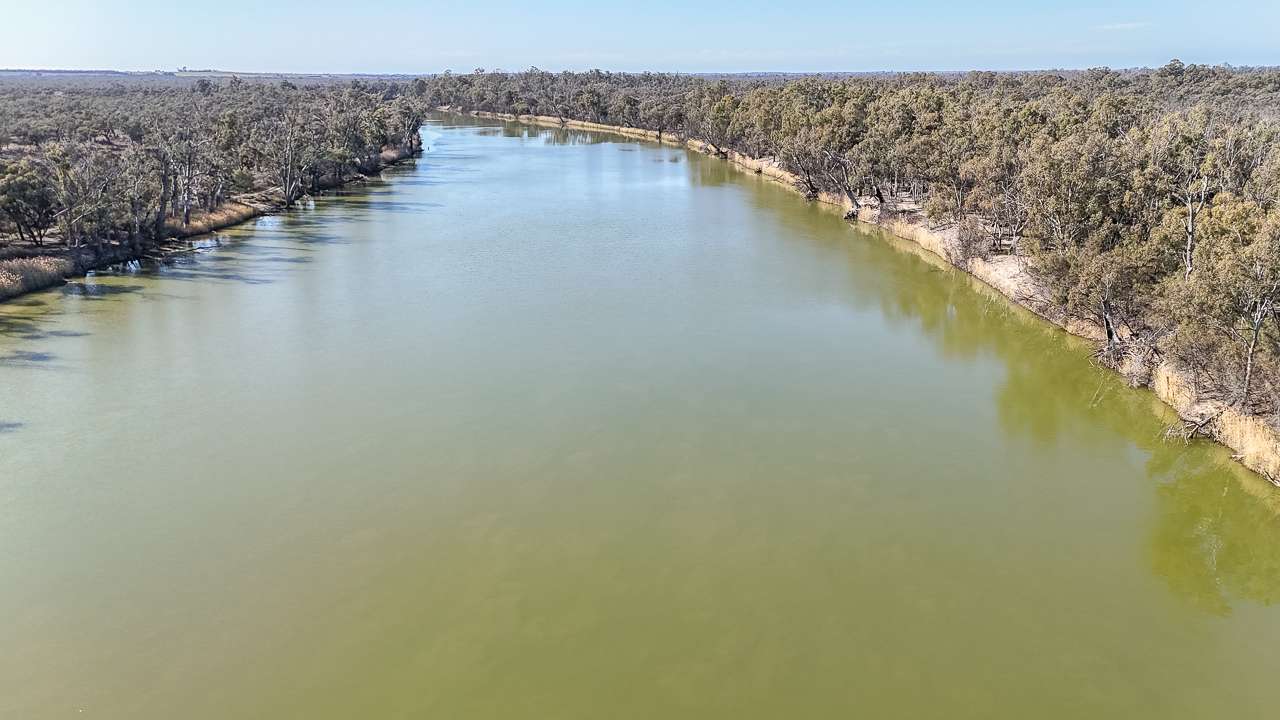
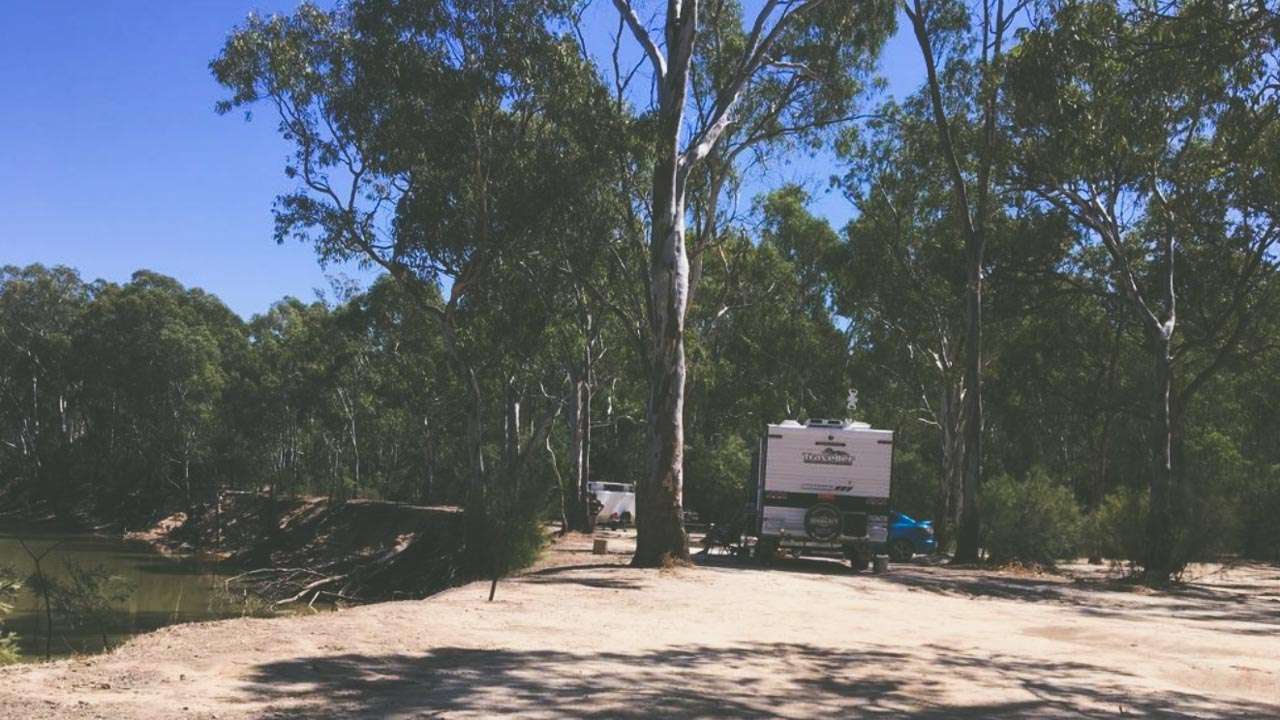
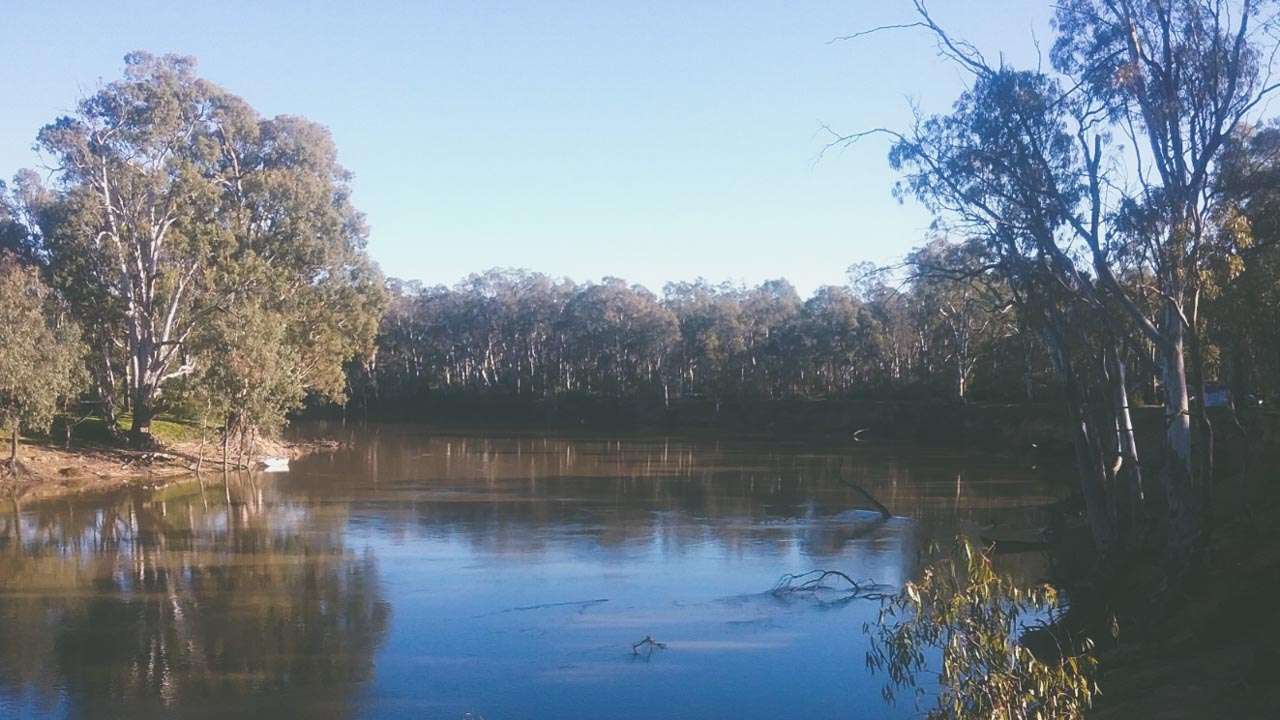
Free Camping Swan Hill On The Murray River

Free Camping Swan Hill On The Murray River

7. Caelli Lane Track Ext. Campsite

This free campground offers swimming. It is dog friendly. It is accessible to motorbikes, camper trailers and off road caravans. Camping in tents is allowed.

Go through Swan Hill and turn in at Pental Island at the Toyota dealer. Follow road and you’ll find a dirt track called Caelli Ln on your left. Turn in and then you will get to the river. Follow the dirt track to wherever you want to camp. Multiple camp sites. There are many spots but we strongly suggest you walk the track first as it is a dry weather road – just make sure you can get in and don’t go in if rain is likely.

Type: Free Camping
Cost: Free
Location: Rural City of Swan Hill, Victoria
GPS: -35.379700°, 143.701037°
Pet Friendly: Yes
Distance To Swan Hill VIC: 13km

8. Pental Island Camp Site 3

This is a free campground. It is dog friendly. It is accessible to RVs, camper trailers and caravans. Camping in tents is allowed.

Type: Free Camping
Cost: Free
Location: Pental Island, Victoria
GPS: -35.388086°, 143.706172°
Distance To Swan Hill VIC: 14km

9. Speewa Ferry Crossing Campsite

This free campground offers toilets and swimming. It is dog friendly. It is accessible to RVs, camper trailers and caravans. Camping in tents is allowed.

Type: Free Camping
Cost: Free
Location: Speewa punt rd, Victoria
GPS: -35.213915°, 143.508694°
Pet Friendly: Yes
Toilets: Yes
Distance To Swan Hill VIC: 15km

10. Pental Island Rd Campsite

This is a free campground. It is dog friendly. It is accessible to motorbikes, camper trailers and caravans. Camping in tents is allowed. You must be fully self-contained. If it starts to rain get out – it’s not a wet weather road.

Type: Free Camping
Cost: Free
Location: Pental Island Road, Victoria
GPS: -35.406349°, 143.703845°
Pet Friendly: Yes
Distance To Swan Hill VIC: 15km

11. Lake Boga Pub

Great spot for a stop over. Grassy area to park at the back of the pub. Dump point and water tap up the road at public toilets. Call before arriving due to limited area. Camping area closed Mondays but open every other day. Do the right thing and buy a meal and a few drinks in the pub, meals are great and the drinks are always cold!

Type: Pub Camping
Cost: Free but buy a meal in the pub
Location: 9 Marraboor St, Lake Boga, Victoria
GPS: -35.461175°, 143.630235°
Pet Friendly: Yes
Toilets: Yes
Drinking Water: Yes
Phone: (03) 5037 2140
Distance To Swan Hill VIC: 15km

12. Pental Island Little Murray River

This is a free campground. It is dog friendly. It is accessible to motorbikes, RVs, camper trailers and caravans. The area is larger in the front (possibly big enough area for 4 vans) alongside the river out the back would only be for tents or rooftop camping.

Type: Free Camping
Cost: Free
Location: Fish Point Road, Victoria
GPS: -35.435592°, 143.733210°
Pet Friendly: Yes
Distance To Swan Hill VIC: 19km
Murray River

Murray River

13. Wood Wood Vinifera

Free bush camping along the Murray River in Nyah-Vinifera Park. Dry weather access only. Entry via a rutted unsealed road. Access via Forest Rd. There are no facilities. Campers must self-sufficient. Take all rubbish with you and leave no trace. There are no toilet facilities at this site. Dogs are not allowed.

Type: State Forest Camping
Cost: Free
Location: Murray Hwy, Nyah, Victoria
GPS: -35.195008°, 143.417499°
Pet Friendly: No
Phone: 13 19 63
Website: https://parkweb.vic.gov.au/explore/parks/nyah-vinifera-park
Distance To Swan Hill VIC: 21km

14. Jibbjen

This free campground offers swimming. It is dog friendly. It is accessible to off road caravans. Access via Forest Rd or River Rd.

Type: State Forest Camping
Cost: Free
Location: Vinifera, New South Wales / ACT
GPS: -35.194264°, 143.410125°
Pet Friendly: Yes
Distance To Swan Hill VIC: 21km

15. Nayah-Vinifera Park #3

This is a free campground. It is dog friendly. It is accessible to camper trailers, off road caravans and four wheel drives. Camping in tents is allowed. Access via Forest Rd or River Rd.

Type: State Forest Camping
Cost: Free
Location: LOT 68S Murray Valley Hwy, Vinifera, Victoria
GPS: -35.193902°, 143.404813°
Pet Friendly: Yes
Drinking Water:
Phone: 13 19 63
Website: http://parkweb.vic.gov.au/explore/parks/nyah-vinifera-park
Distance To Swan Hill VIC: 22km

16. Vinifera Camping Area (Nyah-Vinifera Park)

Free bush camping along the Murray River in Nyah-Vinifera Park. There are no facilities. Campers must self-sufficient. Take all rubbish with you and leave no trace. There are no toilet facilities at this site. Dogs are allowed but must be on a leash.

Type: Free Camping
Cost: Free
Location: 299 River Road, Nyah, Victoria
GPS: -35.186476°, 143.388789°
Pet Friendly: Yes
Phone: 13 1963
Website: https://www.parks.vic.gov.au/places-to-see/sites/nyah-vinifera-park—vinifera-camping-area
Distance To Swan Hill VIC: 23km

17. Murray On Pental

This free campground offers swimming. It is dog friendly. It is accessible to motorbikes, RVs, camper trailers and caravans. Camping in tents is allowed.

Type: Free Camping
Cost: Free
Location: Brooke Lane, Pental Island, Victoria
GPS: -35.433347°, 143.799574°
Pet Friendly: Yes
Distance To Swan Hill VIC: 24km

18. Little Murray

This is a free campground. It is dog friendly. It is accessible to camper trailers and four wheel drives.

Type: Free Camping
Cost: Free
Location: 367 Little Murray Rd, Benjeroop, Victoria
GPS: -35.453098°, 143.800111°
Pet Friendly: Yes
Distance To Swan Hill VIC: 25km

19. Nyah State Forest Murray River Reserve

This is a free campground. It is dog friendly. It is accessible to RVs, camper trailers and caravans. Camping in tents is not permitted.

Type: State Forest Camping
Cost: Free
Location: Murray River, Nyah, Victoria
GPS: -35.163067°, 143.386035°
Pet Friendly: Yes
Distance To Swan Hill VIC: 25km

20. AnZ Campsite

On the River Bank with plenty of sun. Self contained only. Caution when wet.

Type: State Forest Camping
Cost: Free
Location: River Track, Nyah, Victoria
GPS: -35.162638°, 143.384704°
Pet Friendly: Yes
Distance To Swan Hill VIC: 25km
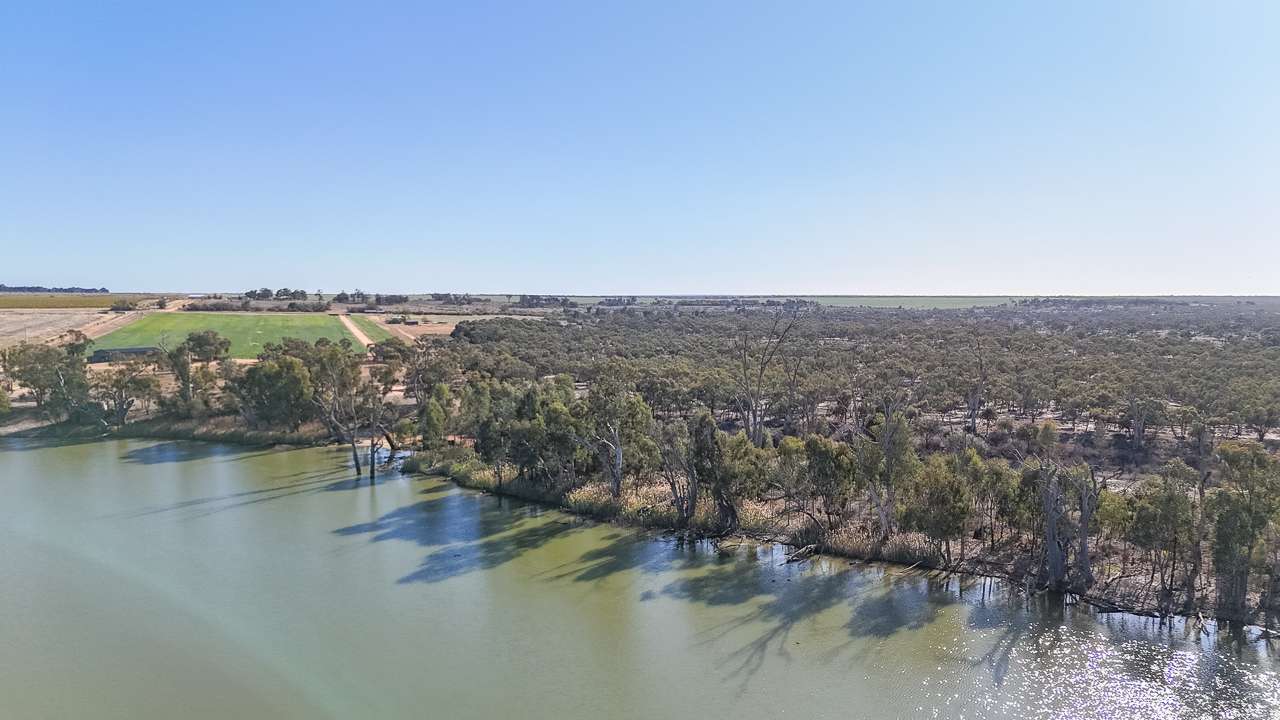
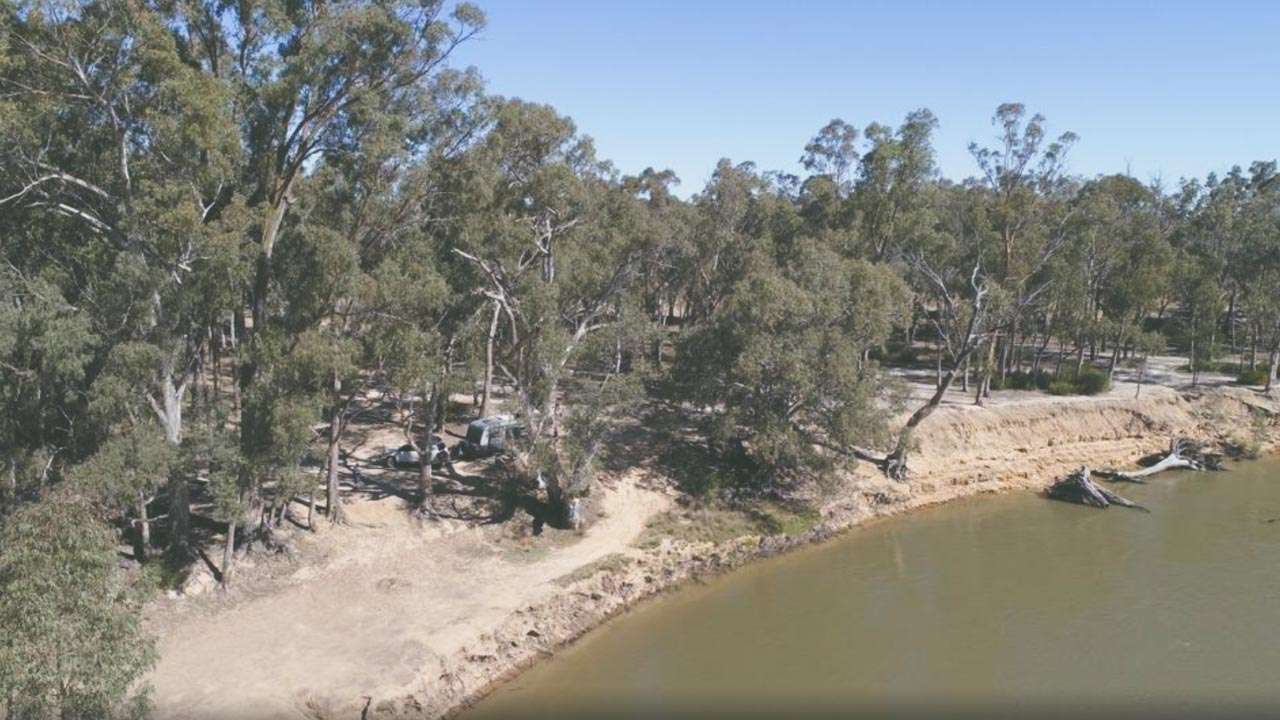
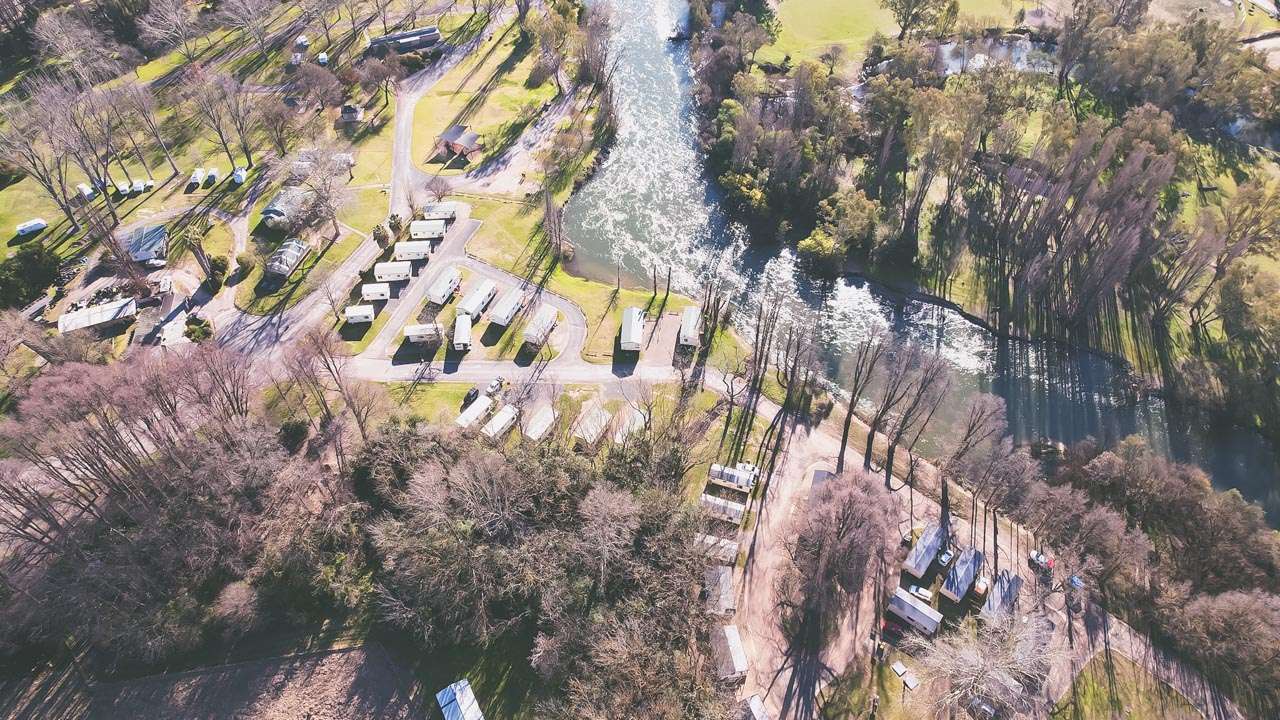
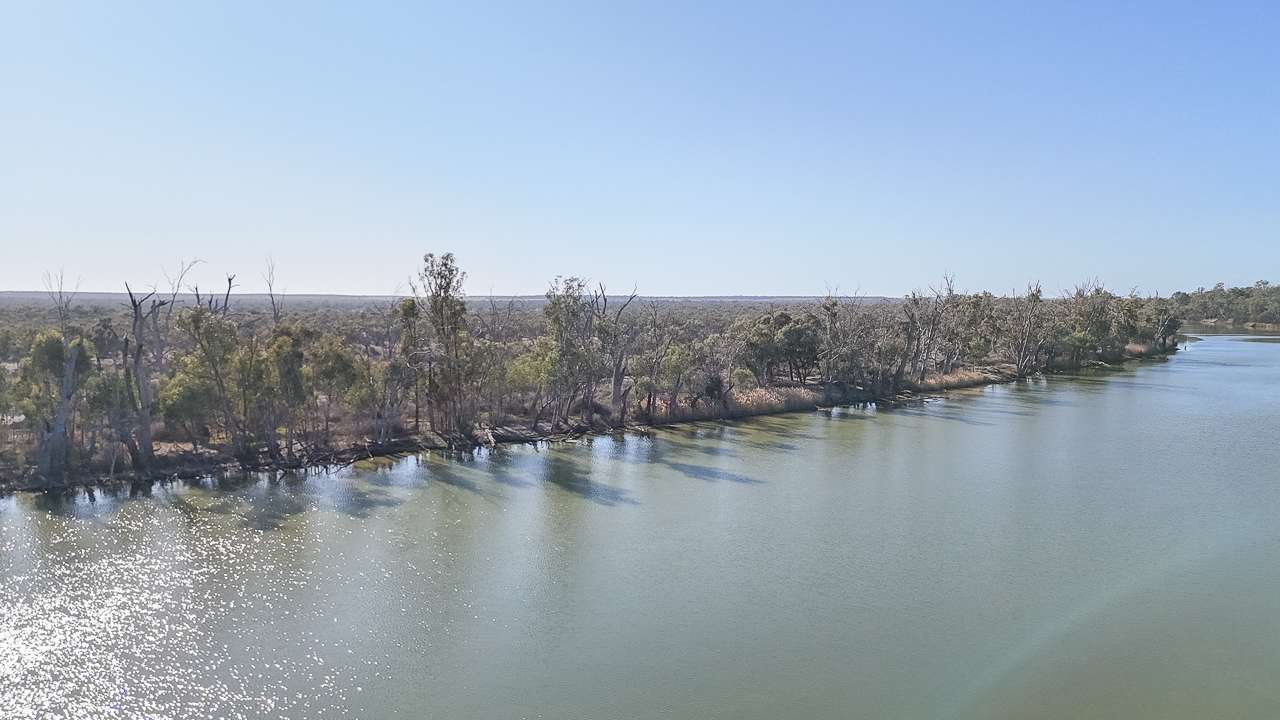
Murray River From The Air

Murray River From The Air

21. River Bend

Large area with river sweeping around a bend to form a peninsula. Big enough for large off road vans with multiple areas to park. The track in is bumpy but not too bad. Lots of shade with places to access the river with kayaks and canoes. Plenty of spots to drop a line in.

Type: Free Camping
Cost: Free
Location: River Track, Nyah, Victoria
GPS: -35.162154°, 143.387293°
Pet Friendly: Yes
Distance To Swan Hill VIC: 25km

22. Deb’s Camp

Free camp on the banks of the Murray River. It is dog friendly. It is accessible to RVs, camper trailers and caravans.

Type: Free Camping
Cost: Free
Location: River Track, Nyah, Victoria
GPS: -35.161901°, 143.382338°
Pet Friendly: Yes
Distance To Swan Hill VIC: 26km

23. Devils Elbow Bend

This is a free campground. It is dog friendly. It is accessible to RVs, camper trailers and caravans. Camping in tents is allowed.

Type: Free Camping
Cost: Free
Location: Unnamed Rd, Nyah, Victoria
GPS: -35.159490°, 143.386768°
Pet Friendly: Yes
Toilets:
Showers:
Drinking Water:
Phone:
Website:
Email:
Distance To Swan Hill VIC: 26km

24. Full Sun Riverside Camp

This camping area on the Murray River just 26km NW of Swan Hill is great. There’s plenty of sun at this camp site so it’s good for getting some amps into your solar panels. This is a free campground. It is dog friendly. It is accessible to RVs, camper trailers and caravans. You must be fully self contained.

Type: State Forest Camping
Cost: Free
Location: Off Byrnes Lane, Unnamed Road, Nyah, Victoria
GPS: -35.156725°, 143.382120°
Pet Friendly: Yes
Distance To Swan Hill VIC: 26km

25. Nyah Camp

This is a free campground. It is dog friendly. It is accessible to RVs, camper trailers and caravans. You must be fully self contained.

Type: Free Camping
Cost: Free
Location: Parnee Malloo Walk, Nyah, Victoria
GPS: -35.153518°, 143.383865°
Pet Friendly: Yes
Distance To Swan Hill VIC: 26km
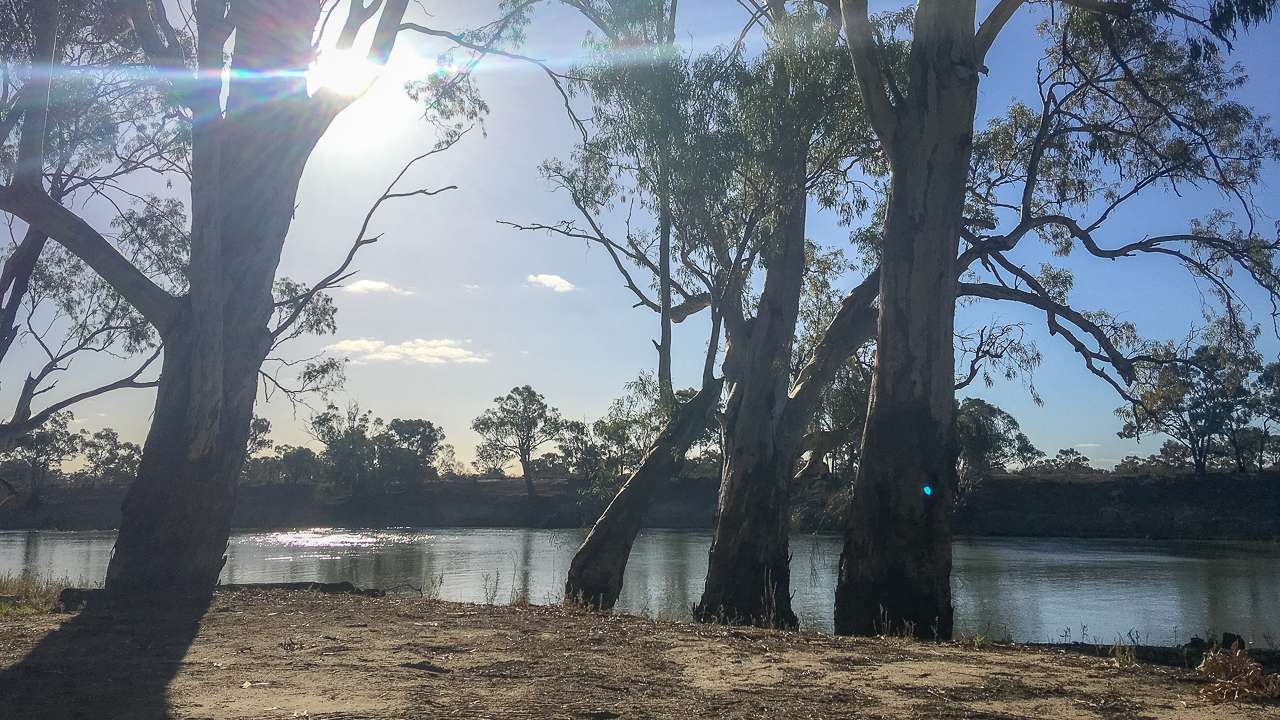
Nice Campsite On The Murray

Nice Campsite On The Murray

Swan Hill’s Rich History

Swan Hill’s story begins long before European settlement, with the area being home to the Wemba-Wemba (or Wamba-Wamba), Latji Latji, Tatti Tatti, Waddi Waddi and Barapa Barapa people for approximately 9,000-13,000 years[1]. The traditional owners called the area “Matakupaat,” meaning “place of the Platypus.”

The European history of Swan Hill dates back to 21 June 1836, when explorer Thomas Mitchell camped beside a hill and named the area after observing the abundance of swans in a shallow lagoon. Mitchell noted: “Among the reeds on the point of ground between the two rivers was a shallow lagoon where swans and other wild fowl so abounded that, although half a mile from our camp, their noise disturbed us through the night”[1].

The European community developed around a punt river crossing established around 1846, which served as the only river crossing for 100 kilometres. The Post Office opened on February 1, 1849, marking the establishment of more permanent settlement[1].

A significant milestone came in 1853 when Francis Cadell navigated the Murray River from South Australia to Swan Hill in his paddle steamer, Lady Augusta, demonstrating the feasibility of river traffic[1]. This river transport system flourished until the introduction of railways, with the railway from Bendigo being extended to Swan Hill in May 1890[1].

Infrastructure developments continued with the construction of the first of several red brick water towers in 1883 to supply water to the growing town. In 1896, the punt river crossing was replaced by a timber truss, steel lift span bridge, which is now listed on the Victorian Heritage Register[1][3].

An important agricultural milestone occurred in 1914 when Isaburo (Jo) Takasuka produced the first commercial rice crop in Australia, growing Japanese varieties on flood prone land near Swan Hill[1]. The town’s status was elevated when it became a city in 1965 and now forms part of the Rural City of Swan Hill, created in 1995 through amalgamation with the former Shire of Swan Hill and the Tresco district of the Shire of Kerang[2].

Swan Hill Free Camping: A Growing Trend

The Swan Hill region has become increasingly popular for free camping enthusiasts seeking to explore Victoria’s Murray River country without the constraints of commercial caravan parks. Free camping, also known as freedom camping or bush camping, allows travellers to experience the authentic Australian outback, connect with nature and enjoy the peaceful surroundings of the Murray River landscape.

The appeal of Swan Hill free camping lies in the opportunity to set up beside the iconic Murray River, wake to the sounds of native birds and witness stunning sunrises and sunsets over the water. While the town itself offers various amenities and services, the surrounding areas provide numerous spots where self sufficient campers can enjoy the natural environment.

Travel Times To Swan Hill

For travellers planning a Swan Hill free camping adventure, knowing the distance and driving times from major cities and regional centres is essential for effective trip planning. The following table provides approximate travel times to Swan Hill from key Australian locations:

Starting Point Distance (km) Driving Time
Melbourne, VIC 335 km 3 hours, 46 minutes[4]
Sydney, NSW 750 km Approximately 8 hours
Adelaide, SA 430 km Approximately 5 hours
Brisbane, QLD 1,500 km Approximately 15 hours
Canberra, ACT 639 km 7 hours, 28 minutes[6]
Bendigo, VIC 188 km 2 hours, 6 minutes[7]
Mildura, VIC 220 km Approximately 2 hours, 30 minutes
Echuca, VIC 130 km Approximately 1 hour, 30 minutes
Albury, NSW 350 km Approximately 4 hours

These driving times are based on typical traffic conditions and direct routes. It’s advisable to allow extra time for rest stops, fuel breaks and to account for varying road conditions, especially when towing a caravan.
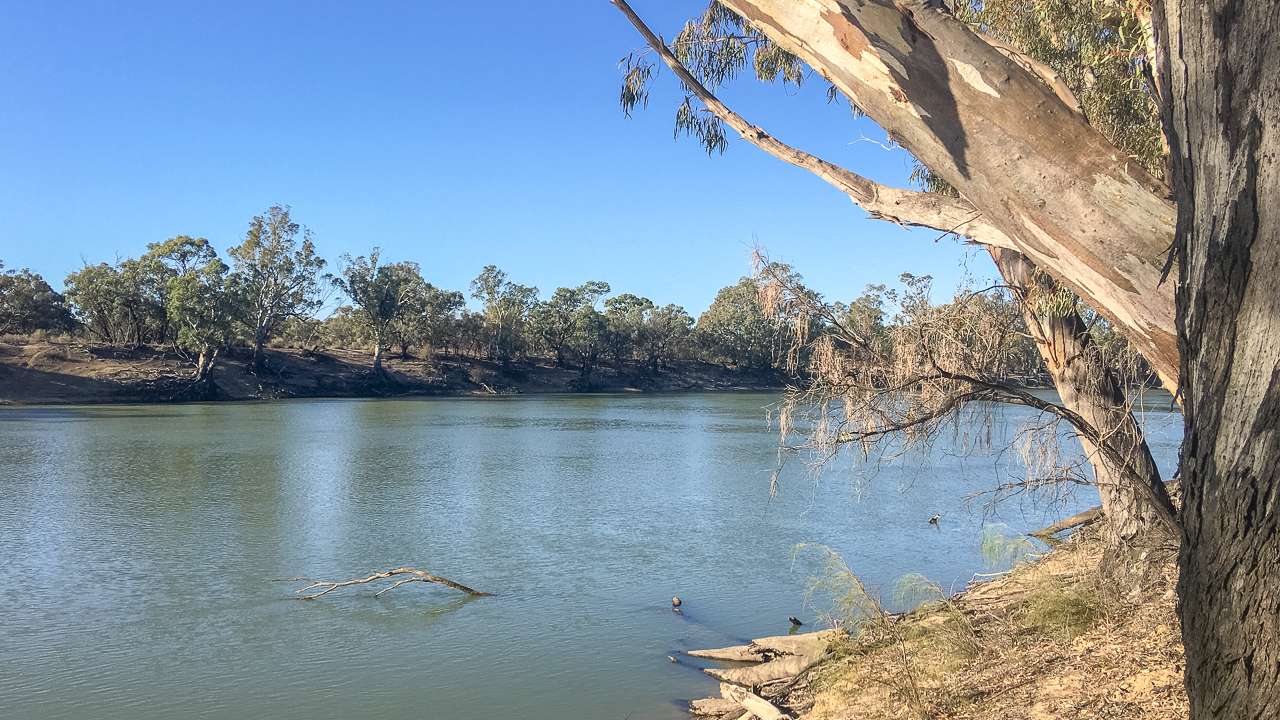
Swan Hill Camping

Swan Hill Camping

Swan Hill Camping: Seasonal Considerations

The Swan Hill region offers diverse camping experiences for all types of outdoor enthusiasts. From well equipped caravan parks to secluded free camping spots along the Murray River, the area caters to different preferences and camping styles. The region’s Mediterranean climate, characterised by hot, dry summers and mild winters, makes it suitable for camping year round, though each season offers a different experience.

Summer (December to February) brings warm to hot weather, perfect for water activities but requiring adequate sun protection and hydration. Autumn (March to May) offers milder temperatures and is often considered ideal for camping, with fewer tourists and comfortable conditions for outdoor activities. Winter (June to August) can be cool to cold, especially at night, but days are often clear and sunny, making it suitable for those prepared with appropriate gear. Spring (September to November) brings blooming wildflowers and increasing temperatures, offering pleasant conditions before the summer heat arrives.

When preparing for Swan Hill camping, essential items include appropriate sleeping gear for the season, adequate water supplies, sun protection, insect repellent and basic first aid supplies. Given the region’s distance from major urban centres, it’s also advisable to bring sufficient food, cooking equipment and any specialised medications or supplies needed during your stay.

10 Things to Do Near Swan Hill

The Swan Hill region offers a wealth of activities and attractions for visitors to enjoy during their free camping adventure. Here are ten outstanding options to enhance your Swan Hill experience:

  1. Pioneer Settlement – Step back in time at this open air museum that recreates an Australian pioneer township from the 1830s to the 1930s. The settlement offers interactive historical exhibits, vintage car and horse cart rides and a scenic paddle steamer cruise. The evening Heartbeat of the Murray laser and water show provides a dynamic retelling of the Murray River’s history[5].
  2. Swan Hill Regional Art Gallery – Art enthusiasts will appreciate this gallery’s collection of Australian art, including significant works focused on the Murray River region. The gallery regularly hosts changing exhibitions of contemporary and Indigenous art, providing cultural enrichment during your camping trip[5].
  3. Giant Murray Cod – Visit this iconic local landmark, a large fish sculpture that pays homage to one of the Murray River’s most famous native species. The oversized cod makes for a perfect photo opportunity and represents the region’s connection to fishing and river life[5].
  4. PS Gem Paddle Steamer – Explore this heritage listed paddle steamer located at the Pioneer Settlement. Built in 1876, the PS Gem offers visitors a glimpse into the river transport system that was vital to the development of communities along the Murray River before railways[3][5].
  5. Andrew Peace Wines – Take a break from camping to visit this local winery for tastings and tours. Located in nearby Piangil, the winery offers an opportunity to sample regional wines and learn about viticulture in the Murray Valley region[5].
  6. Lake Boga Flying Boat Museum – Visit this fascinating museum housed in the original Catalina flying boat repair depot from World War II. Listed on the Victorian Heritage Register, the museum showcases the No. 1 Flying Boat Repair Depot’s role during the war and features a restored Catalina flying boat[3].
  7. Murray River Exploration – The lifeblood of the region, the Murray River offers numerous recreational activities including fishing, boating, kayaking and swimming. Fishing enthusiasts can try their luck catching Murray cod, golden perch and redfin, while boating provides a different perspective of the river landscape.
  8. Tyntyndyer (Tyntynder) Homestead – Explore one of the oldest homesteads in the region, dating back to 1846. This heritage listed property offers insights into early European settlement and includes original buildings, period furnishings and a collection of Aboriginal artifacts[3].
  9. Swan Hill Region Information Centre – More than just an information point, the centre offers interactive displays about the region’s history, ecology and attractions. Staff can provide detailed advice about local free camping options and current river conditions[5].
  10. Day Trip to Manangatang – Take a drive to this nearby town to visit its heritage listed railway station built in 1916. The journey takes you through typical Mallee country landscapes and provides an opportunity to experience the agricultural heartland of Victoria[3].

Free Camping Swan Hill: What to Expect

Free camping around Swan Hill offers budget conscious travellers and those seeking a more authentic outdoor experience an alternative to commercial accommodation. The region’s connection to the Murray River creates numerous opportunities for scenic camping spots where visitors can immerse themselves in nature.

When engaging in free camping in the Swan Hill area, it’s important to understand that facilities are typically minimal compared to paid camping grounds. Most free camping areas provide basic amenities such as fire pits (subject to fire restrictions), while some may offer limited toilet facilities. Potable water is rarely available, so campers should bring adequate supplies for their entire stay.

Free camping in the region often places you closer to native wildlife and natural environments. Campers might spot kangaroos, emus and numerous bird species, particularly near water sources. The Murray River corridor is especially rich in birdlife, making it a paradise for birdwatchers and nature photographers.

Swan Hill Free Camping: Responsible Practices

Responsible camping practices are essential when enjoying Swan Hill free camping areas. The “leave no trace” principle should guide all camping activities, ensuring that future visitors can enjoy these natural spaces. This means packing out all rubbish, minimising impact on vegetation and respecting wildlife by observing from a distance and never feeding native animals.

Local regulations regarding free camping vary across the Swan Hill region, with some areas requiring permits or having time limitations. It’s advisable to check with the Swan Hill Rural City Council or the local visitor information centre before setting up camp to ensure compliance with current rules. Fire restrictions are particularly important to monitor, as they change seasonally and can impact whether campfires are permitted.

Water conservation is another crucial consideration when free camping in the region. The Murray Darling Basin, which includes the Swan Hill area, frequently experiences drought conditions, making water a precious resource. Campers should practice water saving techniques such as using biodegradable soaps, minimising water usage for washing and never disposing of wastewater directly into natural water bodies.

Swan Hill Camping: Safety Considerations

Safety considerations specific to Swan Hill camping include awareness of the river environment, changing weather conditions and local wildlife. The Murray River, while beautiful, can present hazards including strong currents, submerged objects and steep, unstable banks. Swimmers should always exercise caution, particularly in unfamiliar stretches of the river and children should be supervised at all times near water.

Weather in the region can change rapidly, with summer storms bringing lightning, strong winds and occasionally flash flooding. Winter nights can drop to near freezing temperatures despite mild daytime conditions. Campers should check weather forecasts regularly and be prepared with appropriate gear for changing conditions.

Wildlife safety is another important aspect of camping in the Swan Hill region. While dangerous encounters are rare, campers should be aware of potential hazards including snakes (particularly in warmer months) and spiders. Basic precautions include checking shoes before putting them on, keeping tent zippers closed and being cautious when gathering firewood or moving rocks and logs.

Murray River camping also puts visitors in close proximity to mosquitoes, particularly in the warmer months and near water. These can be both a nuisance and a potential health concern, with some mosquito species capable of transmitting diseases. Appropriate insect repellent, protective clothing (especially at dawn and dusk) and mosquito nets or screens are recommended.

Free Camping Swan Hill: Best Seasons to Visit

The best seasons for free camping around Swan Hill largely depend on personal preferences and the type of experience you’re seeking. Each season offers distinct advantages and challenges:

  • Summer (December to February) provides warm to hot days ideal for water activities, though temperatures can sometimes exceed 40°C. Summer camping requires good shade, adequate cooling and awareness of total fire ban days that may restrict cooking options. The longer daylight hours allow for extended exploration and evening activities.
  • Autumn (March to May) is considered by many to be the ideal time for Swan Hill free camping. Temperatures are moderate, tourist numbers decrease after the summer peak and the river is often still warm enough for swimming. The autumn colours along the river add visual appeal and flying insects typically become less problematic.
  • Winter (June to August) offers a different camping experience with cool to cold nights but generally clear, sunny days. Winter campers should be prepared with appropriate cold weather gear, particularly for overnight temperatures that can approach freezing. The advantage of winter camping includes fewer crowds, absence of many insects and the cosy atmosphere of a campfire (where permitted).
  • Spring (September to November) brings warming temperatures, blooming wildflowers and increased bird activity as native species begin breeding seasons. Spring can bring occasional rainfall and variable conditions, so flexible planning is advisable. This season offers a good balance of comfortable temperatures and natural beauty before the summer heat arrives.

Preparing For Your Swan Hill Free Camping Adventure

Successful free camping in the Swan Hill region requires thoughtful preparation and appropriate equipment. The remote nature of many camping spots means services and supplies may be limited or unavailable, necessitating self sufficiency.

Essential equipment for Swan Hill camping includes:

  • A reliable tent or caravan suitable for the season
  • Sleeping bags rated appropriately for expected temperatures
  • Sufficient water storage (recommend at least 5 litres per person per day)
  • Food storage that’s secure from wildlife
  • First aid kit with snake bite bandages
  • Navigation tools (maps, GPS, compass)
  • Communication devices (mobile phone with power bank and potentially a satellite phone for very remote areas)
  • Cooking equipment suitable for use during fire restriction periods
  • Waste management supplies including rubbish bags
  • Toilet supplies if camping in areas without facilities

Provisioning before arrival is important, as shopping options may be limited in smaller towns. Swan Hill itself offers supermarkets, specialty food stores and camping supplies, making it an ideal place to stock up before heading to more remote camping areas.

Swan Hill Free Camping: Environmental Considerations

The Murray River ecosystem around Swan Hill is both resilient and fragile, requiring conscientious camping practices to preserve its health. The river system contains a wide ranging array off different plant and animals that have evolved to thrive in this unique environment.

Water conservation remains a critical concern throughout the Murray Darling Basin. Free campers should minimise water usage and avoid introducing soaps, detergents, or other contaminants into natural water bodies. Even biodegradable products can disturb aquatic ecosystems, so washing activities should occur at least 50 metres from any water source.

Vegetation around camping areas provides crucial habitat for wildlife and prevents soil erosion along riverbanks. Campers should use established paths, avoid creating new tracks and never remove living vegetation for firewood or other purposes. When collecting fallen wood for campfires (where permitted), gather from wide areas rather than depleting a single location.

The Murray River’s banks are particularly vulnerable to erosion, a process exacerbated by inappropriate camping practices. Setting up camp at least 20 metres from the water’s edge helps protect these sensitive areas. Similarly, vehicles should remain on established tracks rather than creating new access points to the river.
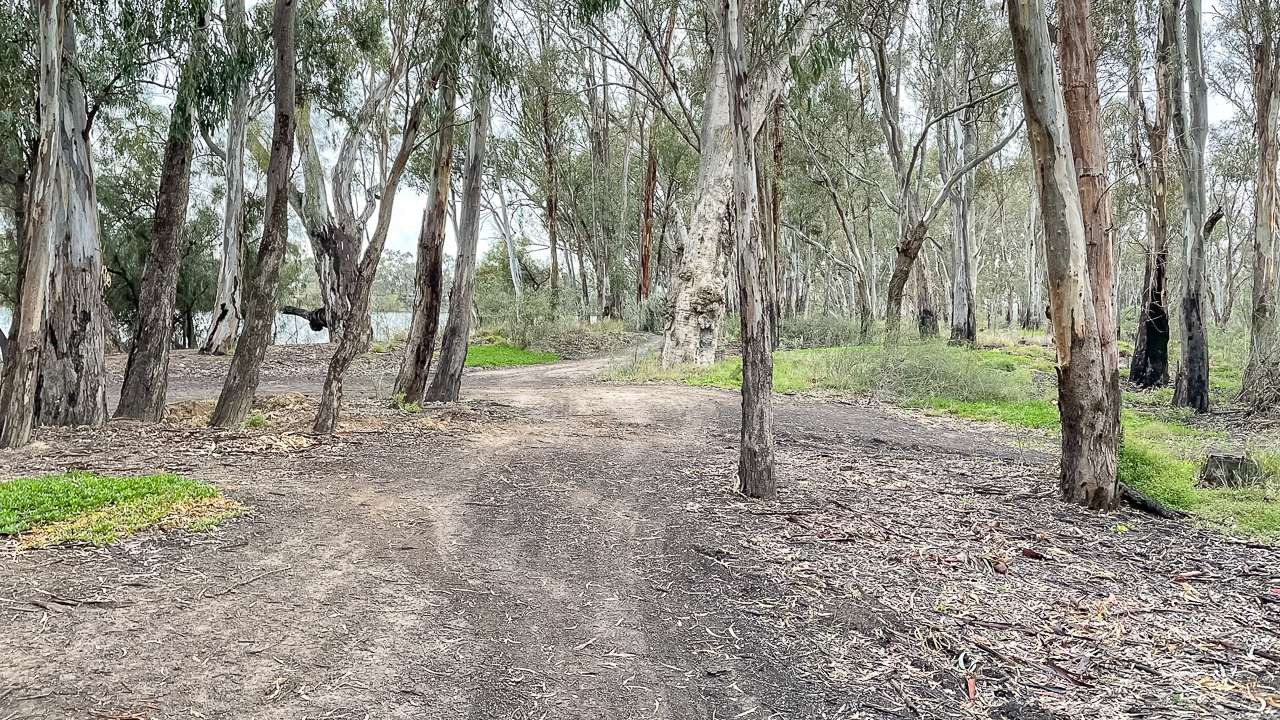
Swan Hill Free Camping

Swan Hill Free Camping

Swan Hill Camping: Cultural Significance

The Swan Hill area holds significant cultural importance for both Indigenous Australians and those descended from European settlers. For free campers interested in deeper connections with the region, understanding this cultural heritage enhances the experience.

The traditional owners of the Swan Hill region maintained a complex relationship with the land and river systems for thousands of years before European contact. Their knowledge of seasonal cycles, food sources and sustainable resource management allowed them to thrive in an environment that European settlers initially found challenging.

Evidence of this long occupation can be seen in shell middens, scar trees (where bark was removed for canoes and other purposes) and stone artifacts throughout the region. Free campers should be aware that disturbing or removing any Aboriginal artifacts is prohibited by law and culturally inappropriate.

European settlement brought dramatic changes to the landscape and traditional ways of life. The establishment of pastoral properties, irrigation systems and river transportation networks transformed the environment. Historic buildings, engineering works and agricultural patterns visible today tell the story of this transformation and adaptation.

Free Camping Swan Hill: Local Facilities And Support

While free camping emphasises self sufficiency, various facilities in and around Swan Hill support campers’ needs. Understanding what’s available aids you in your planning and helps reduce the chance of overpacking.

Swan Hill’s town centre offers comprehensive services including supermarkets, bakeries, butchers and specialty food shops for provisioning. Several outdoor and camping supply stores provide equipment, spare parts and emergency replacements for damaged gear.

For those requiring vehicle services, Swan Hill has mechanics, auto electricians and tyre services capable of handling most caravan and camping vehicle requirements. Fuel is readily available, though prices tend to be higher than in metropolitan areas.

Public facilities useful to free campers include:

  • Water filling stations in main towns (though these may have restrictions during drought periods)
  • Public toilets in parks and recreation areas
  • Dump points for caravan waste in designated locations
  • Laundromats for longer term travellers
  • Libraries with internet access and charging facilities
  • Medical services including a hospital, medical clinics, pharmacies and dental services

Conclusion To Swan Hill Camping

Swan Hill free camping offers a unique way to experience one of Victoria’s most historically significant river regions. With proper preparation, respect for the environment and understanding of local regulations, free camping provides an economical and rewarding alternative to commercial accommodation.

The combination of natural beauty, cultural heritage and diverse recreational opportunities makes Swan Hill an ideal destination for camping enthusiasts of all experience levels. Whether you’re seeking a peaceful riverside retreat, an exploration of Australia’s pioneer history, or an active outdoor adventure, the Swan Hill region delivers memorable experiences against the backdrop of the mighty Murray River.

By embracing responsible camping practices, visitors contribute to the preservation of this special environment for future generations while creating their own connections to one of Australia’s iconic river landscapes. Swan Hill camping, particularly free camping opportunities, continues to attract those seeking authentic experiences in Victoria’s beautiful Murray River region.
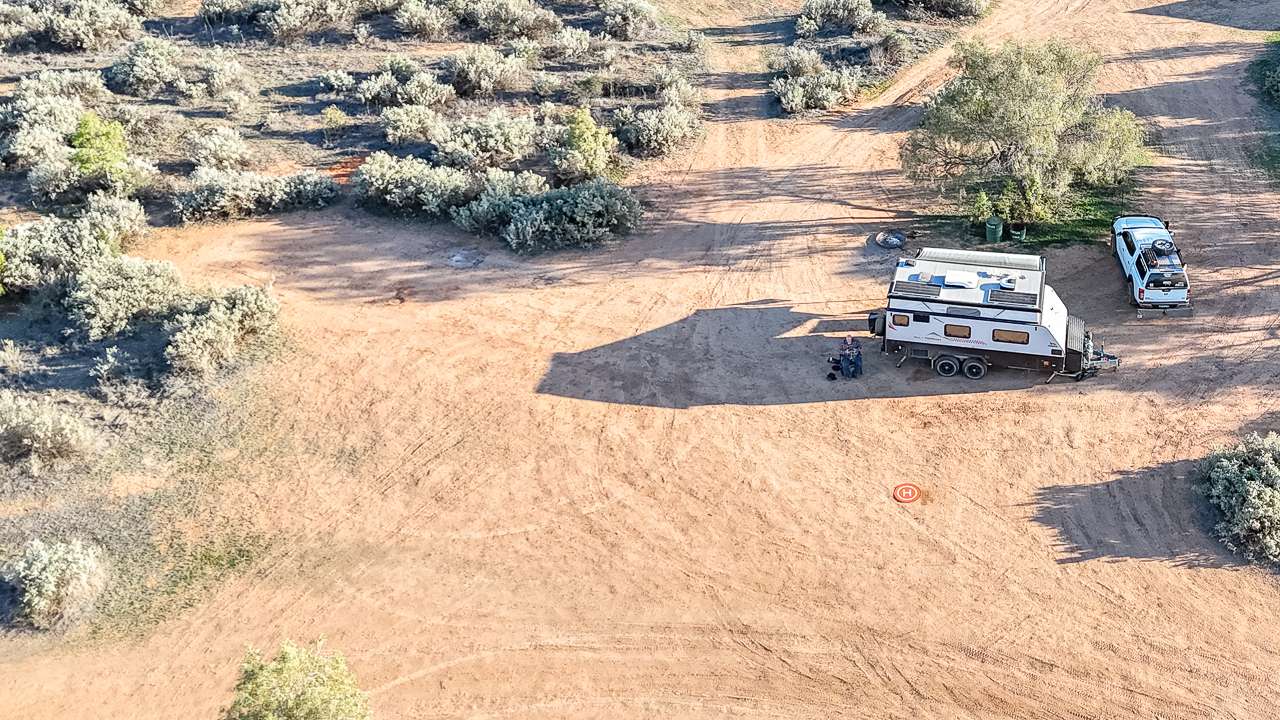
Swan Hill Camping On The Murray River

Swan Hill Camping On The Murray River

Citations:

[1] https://en.wikipedia.org/wiki/Swan_Hill
[2] https://en.wikipedia.org/wiki/Shire_of_Swan_Hill
[3] https://en.wikipedia.org/wiki/List_of_places_on_the_Victorian_Heritage_Register_in_the_Rural_City_of_Swan_Hill
[4] https://www.travelmath.com/driving-time/from/Melbourne,+Australia/to/Swan+Hill,+Australia
[5] https://www.tripadvisor.com.au/Attractions-g255361-Activities-Swan_Hill_Victoria.html
[6] https://www.rome2rio.com/s/Canberra/Swan-Hill
[7] https://www.trippy.com/distance/Swan-Hill-to-Bendigo
[8] https://www.trippy.com/distance/Swan-Hill-to-Echuca
[9] https://www.rome2rio.com/s/Swan-Hill/Deniliquin
[10] https://www.rome2rio.com/s/Ouyen/Swan-Hill
[11] https://www.trippy.com/distance/Mildura-to-Swan-Hill
[12] https://www.pioneersettlement.com.au/about/history/
[13] https://www.visitthemurray.com.au/places-to-go/west/swanhill/stay/getting-here
[14] https://traveltriangle.com/blog/things-to-do-in-swan-hill/
[15] https://www.rome2rio.com/s/Swan-Hill/Ouyen
[16] https://www.victorianplaces.com.au/swan-hill
[17] https://www.choicehotels.com/victoria/swan-hill/things-to-do-in-swan-hill
[18] https://au.drivebestway.com/distance/swan-hill-vic-au/ouyen/
[19] https://www.britannica.com/place/Swan-Hill
[20] https://www.visitswanhill.com.au/explore/history-heritage/
[21] https://www.australiangeographic.com.au/travel/2023/09/a-complete-guide-to-swan-hill-vic/
[22] https://www.pioneersettlement.com.au/about/history/pioneer-settlement-history/
[23] https://www.visitmelbourne.com/regions/the-murray/destinations/swan-hill
[24] https://www.swanhill.vic.gov.au/Community/Aboriginal-culture-and-heritage
[25] https://www.swanhill.vic.gov.au/Explore-our-region/Pioneer-Settlement
[26] https://www.pioneersettlement.com.au
[27] https://jajoowarrngara.org/community/wamba-wamba/
[28] https://en.wikipedia.org/wiki/City_of_Swan_Hill
[29] https://www.visitswanhill.com.au/?be_businessgroup=bookeasy_businessgroup_37232
[30] https://www.pioneersettlement.com.au/about/history/aboriginal-history/
[31] https://www.aussietowns.com.au/town/swan-hill-vic
[32] https://www.visitmelbourne.com/regions/the-murray/see-and-do/art-and-culture/history-and-heritage/pioneer-settlement
[33] https://www.trippy.com/distance/Swan-Hill-to-Canberra
[34] https://wanderlog.com/drive/between/82575/83015/melbourne-to-swan-hill-drive
[35] https://fromto.travel/en/l/australia/swan-hill-victoria/sydney-new-south-wales
[36] https://www.travelmath.com/driving-time/from/Swan+Hill,+Australia/to/Adelaide,+Australia
[37] https://www.trippy.com/drive/Brisbane-to-Swan-Hill
[38] https://www.trippy.com/drive/Canberra-to-Swan-Hill
[39] https://www.rome2rio.com/s/City-of-Melbourne/Swan-Hill
[40] https://www.trippy.com/drive/Sydney-to-Swan-Hill
[41] https://fromto.travel/en/l/australia/swan-hill-victoria/adelaide-south-australia
[42] https://www.rome2rio.com/s/Brisbane/Swan-Hill
[43] https://www.rome2rio.com/s/Canberra/Swan-Hill
[44] https://www.travelmath.com/drive-distance/from/Melbourne,+Australia/to/Swan+Hill,+Australia
[45] https://www.visitswanhill.com.au
[46] https://au.trip.com/travel-guide/attraction/swan-hill-16567/tourist-attractions/
[47] https://www.big4riversideswanhill.com.au/local-attractions
[48] https://www.visitvictoria.com/regions/the-murray/see-and-do/family
[49] https://www.travelvictoria.com.au/swanhill/attractions/
[50] https://www.swanhill.vic.gov.au/Explore-our-region
[51] https://au.drivebestway.com/distance/ouyen/swan-hill-vic-au/
[52] https://www.travelmath.com/distance/from/Swan+Hill,+Australia/to/Canberra,+Australia
[53] https://www.trippy.com/distance/Bendigo-to-Swan-Hill
[54] https://www.trippy.com/drive/Echuca-to-Swan-Hill
[55] https://www.driving-route-planner.com/deniliquin-swan-hill
[56] https://au.drivebestway.com/distance/swan-hill-vic-au/ouyen/
[57] https://wanderlog.com/drive/between/83015/82585/swan-hill-to-canberra-drive
[58] https://www.rome2rio.com/s/Bendigo/Swan-Hill
[59] https://wanderlog.com/drive/between/83015/82738/swan-hill-to-echuca-drive
[60] https://www.rome2rio.com/s/Deniliquin/Swan-Hill
[61] https://www.rome2rio.com/s/Swan-Hill/Ouyen
[62] https://www.visitthemurray.com.au/places-to-go/west/swanhill/stay/getting-here
[63] https://www.visitvictoria.com/practical-information/route-planner
[64] https://www.rome2rio.com/s/Mildura/Swan-Hill
[65] https://www.travelvictoria.com.au/ouyen/transport/
[66] https://www.rome2rio.com/s/Swan-Hill/Mildura
[67] https://www.ptv.vic.gov.au/search/getForm?Search=17533&action_getSearchResults=Go
[68] https://wanderlog.com/drive/between/83015/82675/swan-hill-to-mildura-drive
[69] https://www.lizsteel.com/roadtrip2021-my-big-driving-day-along-the-murray/
[70] https://www.ptv.vic.gov.au/route/1783/mildura-melbourne-via-swan-hill-and-bendigo
[71] https://www.racv.com.au/royalauto/travel/victoria/melbourne-to-mildura-road-trip.html
[72] https://www.visitswanhill.com.au/go-west-follow-the-murray-river-to-mildura/
[73] https://c21ch.newcastle.edu.au/colonialmassacres/detail.php?r=553
[74] https://www.travelonline.com/victoria/swan-hill/getting-to-swan-hill.html
[75] https://www.rome2rio.com/s/Melbourne/Swan-Hill
[76] https://www.trippy.com/drive/Melbourne-to-Swan-Hill
[77] https://www.trippy.com/distance/Sydney-to-Swan-Hill
[78] https://www.trippy.com/distance/Adelaide-to-Swan-Hill
[79] https://www.trippy.com/distance/Brisbane-to-Swan-Hill
[80] https://www.visitthemurray.com.au/places-to-go/west/swanhill
[81] https://www.swanhill.vic.gov.au/Explore-our-region/Visitor-information
[82] https://www.burkeandwillsswanhill.com.au/swan-hill
[83] https://www.rome2rio.com/s/Swan-Hill/Canberra
[84] https://au.drivebestway.com/distance/canberra/swan-hill-vic-au/
[85] https://takeiteasybiketouring.org/ouyen_swanhill.html
[86] https://www.trippy.com/drive/Mildura-to-Swan-Hill
Free Camping West Wyalong: 9 GREAT Locations

Free Camping West Wyalong: 9 GREAT Locations

Free Camping West Wyalong: 9 GREAT Locations

Free Camping West Wyalong offers a chance to explore gold rush history and experience top activities while camping in this vibrant NSW town. West Wyalong is found in the heart of New South Wales’ Bland Shire. It is a great destination for anyone that likes free camping to explore Australia’s rich gold mining heritage and rural charm.

The twin towns of Wyalong and West Wyalong, with their distinctive curved main street and historical significance, provide the perfect base for travellers looking to experience authentic country hospitality while enjoying cost effective accommodation options. This comprehensive guide explores the history, attractions and practical information for anyone considering free camping in the West Wyalong region.

9 TOP Locations for Free Camping West Wyalong

Free camping around West Wyalong provides an affordable way to explore this historic NSW region. Conveniently located near major highways some of these sites offer basic amenities like toilets and picnic areas, making them ideal for caravans, camper trailers and tents. Most are pet friendly and provide easy access to local attractions, allowing travellers to experience the area’s rich gold mining heritage and rural charm without breaking the budget. Some areHere’s a list of nine free camping sites in the West Wyalong area to help you plan your stay.

1. Cooinda Park Rest Area

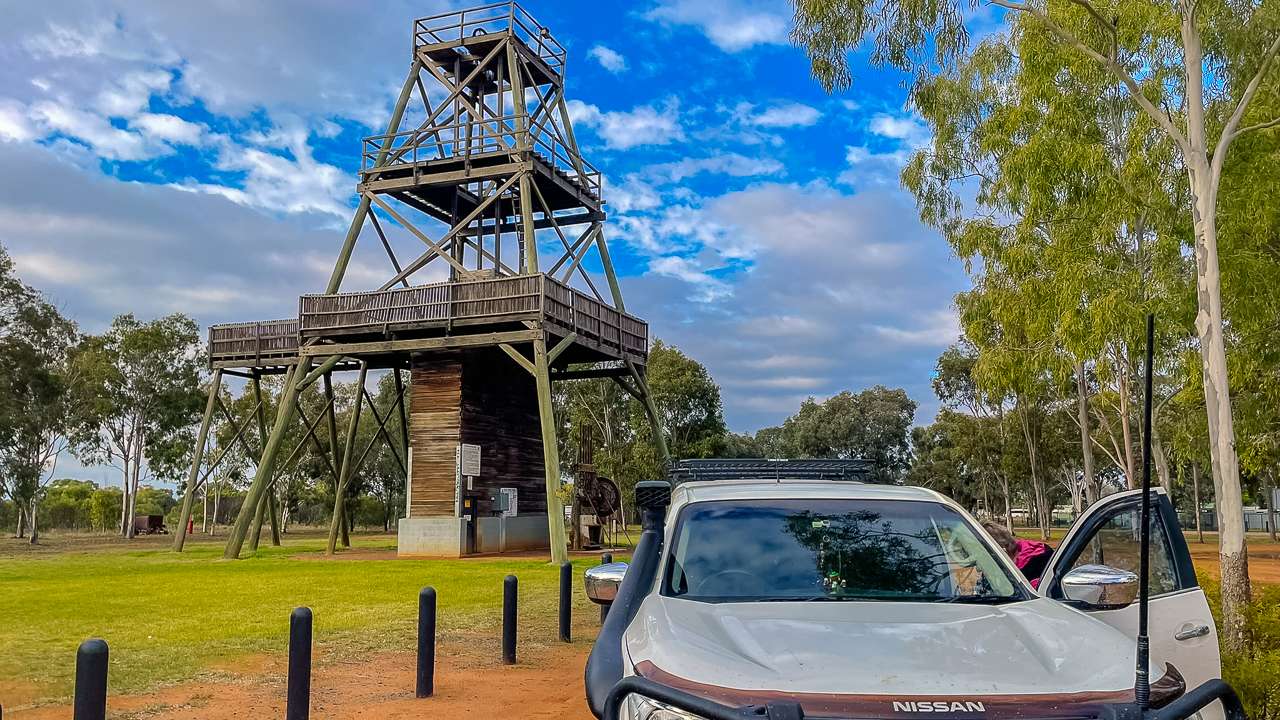
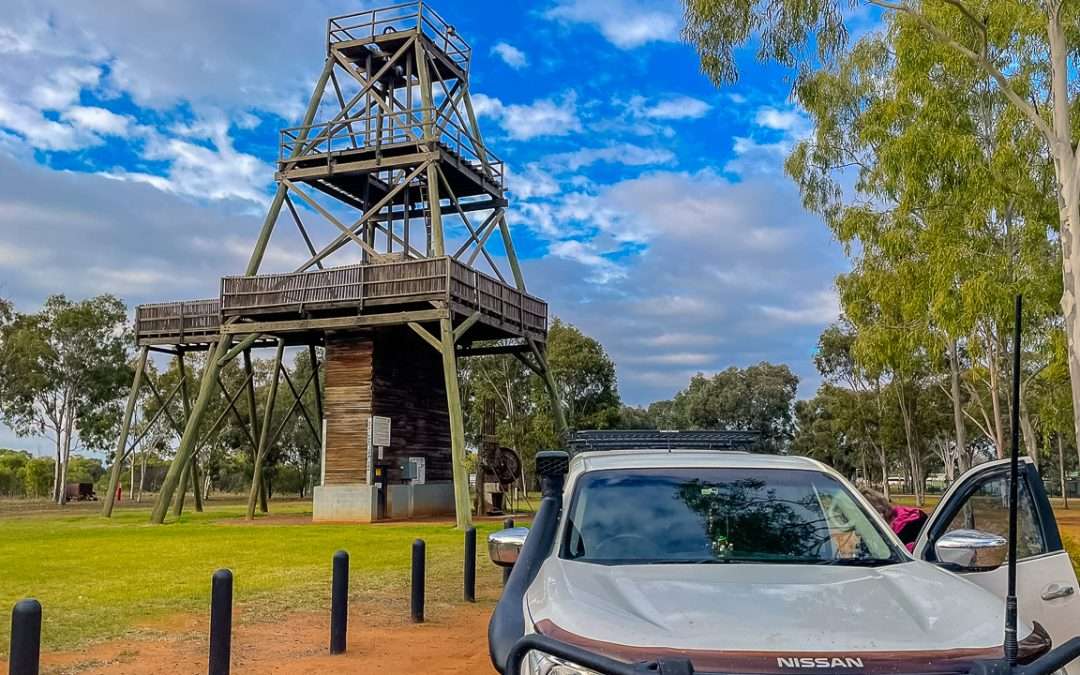
Cooinda Reserve is the perfect location to stop and relax with amenities, covered BBQ area and a place to let the dogs have a run. The huge Poppet Head and Neelds hut are a reminder of the historic past of West Wyalong and Wyalong. Read about the history and other secrets of our past on the interpretative panels in the area and check out the replica Malleefowl nest, metal junk art and history of eucalyptus oil in West Wyalong. If you feel like a long walk, Cooinda Park is the start of the Green Corridor walk along the water run off all the way to McCann Park in West Wyalong.

Across the road is a beautiful Wetlands which is a wonderful attraction for many birds.

It is accessible to motorbikes, RVs, camper trailers, caravans and big rigs. Large vehicles use caution as there are a few low branches. If you enter near the main road there is a big enough gap to get through.

Caution: The ground can be soft when wet.

Facilities

  • Toilets.
  • Potable water at the BBQ facility.
  • Picnic tables.
  • Rubbish bins.
  • Dump point.

Type: Free Camping
Cost: Free
Location: Newell Highway, Wyalong, New South Wales
GPS: -33.924406°, 147.233254°
Pet Friendly: Yes
Toilets: Yes
Drinking Water: Yes
Dump Point: Yes
Phone: (02) 6972 2266
Website: https://www.blandshire.nsw.gov.au/Recreation/Parks-and-Gardens/Cooinda-Reserve
Email: council@blandshire.nsw.gov.au
Distance To West Wyalong: 0.8km

Cooinda Park Rest Area Free Camping West Wyalong

Cooinda Park Rest Area Free Camping West Wyalong

2. West Wyalong Showgrounds

The West Wyalong Showgrounds aren’t free however we’ve included it on the list as it’s very good value and is a viable low cost option.

Drive on in via the Showground Road entrance or via Duffs Road Entrance & find a site close to the amenities or further away for a more private area as there is plenty of space available. Caretakers Stephen & Joanna will find you to collect fees & assist with any enquiries. Powered Sites $25, Unpowered Sites $20, cash only.

This paid Campground offers new toilets, showers, disabled amenities, a camp kitchen, dump point and power & fresh water hookups. Dump Point is located on the Duffs Rd entrance near the Caretakers Residence.

  • Dog friendly
  • Accessible to motorbikes, RVs, camper trailers, caravans & big rigs.
  • Camping in tents is also allowed.
  • Horse Stables are available for $5 per night hire.
  • Loading Ramp available for $10 hire. We hope you enjoy your stay.

Type: Showground Camping
Cost: Powered $25 p/n, Unpowered $20 p/n
Location: 190 Showground Rd, West Wyalong, New South Wales
GPS: -33.937317°, 147.210604°
Pet Friendly: Yes
Toilets: Yes
Showers: Yes
Drinking Water: Yes
Power: Yes
Dump Point: Yes
Laundry: Yes
Phone: Stephen Pope – 0492938457 / Joanna Pope – 0492920780
Email: stephenpope1982@yahoo.com
Distance To West Wyalong: 3.2km

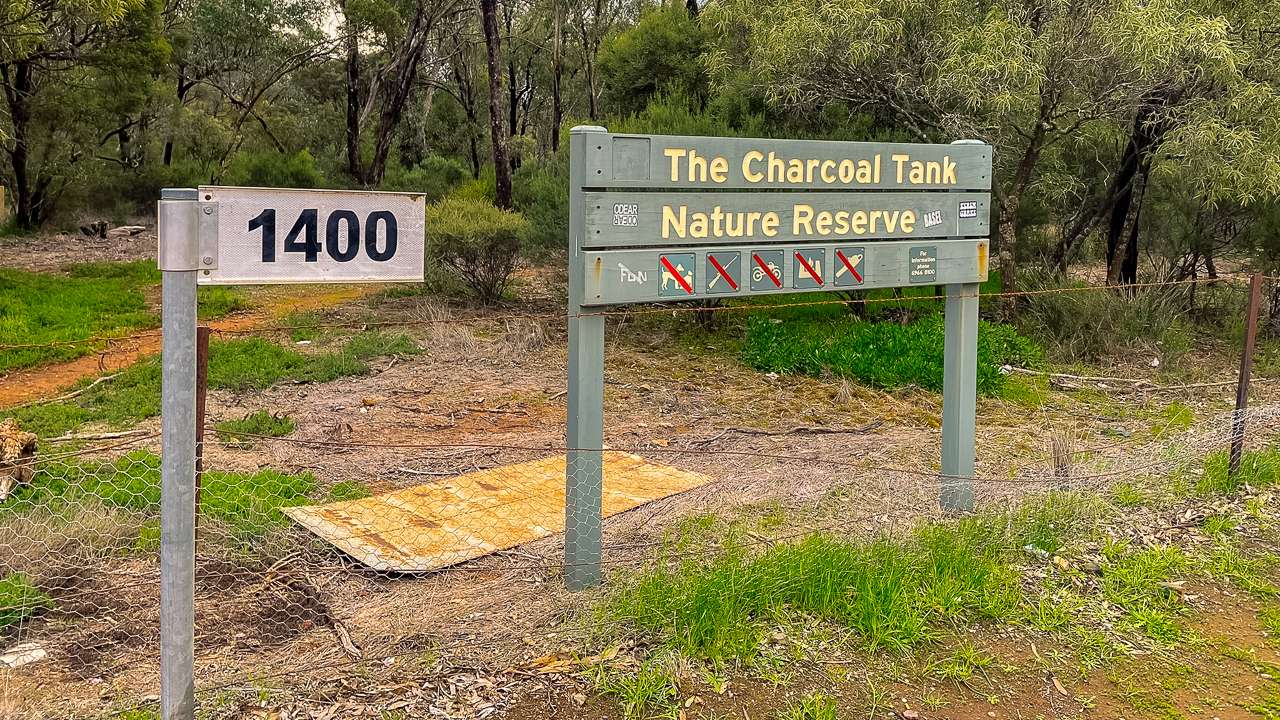
3. Charcoal Tank Rest Area

This rest area is located on the Newell Highway 127km from Narrandera and 10km to West Wyalong and is accessible to vehicles travelling in both directions.

Rest areas are a place where you can stop and rest, making your journey safer and more enjoyable. You can stop at a rest area to rest and manage fatigue however they are not intended as camping sites and stays longer than 24 hours are not permitted. There are rubbish bins but no other facilities. This is a combined truck and car rest area. Please do not park in the truck parking area and ensure there is plenty of room for trucks to enter and exit the site and to park and take their mandatory rest.

Type: Rest Area
Cost: Free
Location: 12934 Newell Highway, West Wyalong, New South Wales
GPS: -33.983717°, 147.157456°
Pet Friendly: Yes
Toilets: No
Website: https://www.rms.nsw.gov.au/roads/using-roads/index.html
Distance To West Wyalong: 10km

Free Camping West Wyalong Charcoal Tank Rest Area

Free Camping West Wyalong Charcoal Tank Rest Area

4. Back Creek Rest Area

This rest area is located on the Newell Highway 19km from West Wyalong and 86km to Forbes and is accessible to vehicles travelling in both directions.

Rest areas are a place where you can stop and rest, making your journey safer and more enjoyable, You can stop at a rest area to rest and manage fatigue however they are not intended as camping sites and stays longer than 24 hours are not permitted.

There are rubbish bins but no other facilities. This is a combined truck and car rest area. Please do not park in the truck parking area and ensure there is plenty of room for trucks to enter and exit the site and to park and take their mandatory rest.

Type: Rest Area
Cost: Free
Location: Newell Highway, New South Wales
GPS: -33.854810°, 147.378107°
Pet Friendly: Yes
Toilets: No
Website: https://www.rms.nsw.gov.au/roads/using-roads/index.html
Distance To West Wyalong: 19km

5. Gravel Pit Unofficial Stop

  • Unofficial overnight.
  • No facilities.
  • Leave no trace.
  • No Fires.

Type: Gravel Pit
Cost: Free
Location: Mid Western Highway, New South Wales / ACT
GPS: -33.886663°, 147.047575°
Pet Friendly: Yes
Toilets: No
Distance To West Wyalong: 18km

6. Alleena Rest Stop

This rest area is located on the Newell Highway 26km from West Wyalong.

Rest areas are a place where you can stop and rest, making your journey safer and more enjoyable. You can stop at a rest area to rest and manage fatigue however they are not intended as camping sites and stays longer than 24 hours are not permitted.

  • There are rubbish bins but no other facilities.
  • This is a combined truck and car rest area.
  • Please do not park in the truck parking area and ensure there is plenty of room for trucks to enter and exit the site and to park and take their mandatory rest.

Type: Rest Area
Cost: Free
Location: Bartels Lane, Alleena, New South Wales
GPS: -34.136776°, 147.120494°
Pet Friendly: Yes
Toilets: No
Distance To West Wyalong: 26km

Weighbridge Scales At Abandoned Buddigower Silos

Weighbridge Scales At Abandoned Buddigower Silos

7. Mahda Rest Area

This rest area is located on the Newell Highway 102km from Narrandera and 33km to West Wyalong. There is a rest area on both sides of the road, accessible to vehicles travelling in both directions.

Rest areas are a place where you can stop and rest, making your journey safer and more enjoyable. You can stop at a rest area to rest and manage fatigue however they are not intended as camping sites and stays longer than 24 hours are not permitted.

  • There are rubbish bins but no other facilities.
  • This is a combined truck and car rest area.
  • Please do not park in the truck parking area and ensure there is plenty of room for trucks to enter and exit the site and to park and take their mandatory rest.

Type: Rest Area
Cost: Free
Location: Newell Hwy, Ariah Park, New South Wales
GPS: -34.199514°, 147.110311°
Pet Friendly: Yes
Toilets: No
Website: https://www.rms.nsw.gov.au/roads/using-roads/index.html
Distance To West Wyalong: 33km

8. Barmedman Mineral Pool

We’ve included Barmedman Mineral Pool as a viable low cost option. It’s about 30km from West Wyalong and is a fantastic camping area. We’ve been there quite a few times and can highly recommend it.

Barmedman Mineral Pool is a large relaxing pool with a naturally high mineral content. It’s the perfect picnic spot with BBQ facilities and free admission run by local volunteers,

Barmedman is famous for the mineral pool, which originated from the flooding of the Barmedman goldmines by an underground stream in the 1880’s. The pool is said to ease aches and pains due to the high mineral content. It is fed by an underground stream and is surrounded by shady grassed areas, open every summer between November and March.

  • Camping is available at the pool ($10/night) with fees payable in the donation box at the pool area entry gates.
  • Sites are suitable for tents, camper trailers, caravans, motorhomes and big rigs.

Facilities

  • Toilets.
  • Hot showers ($1).
  • Picnic tables.
  • BBQ.
  • Bins.

Pets are permitted. (Pets are not permitted in the fenced pool area)

Pool Closed April – Oct

Type: Donation Camping
Cost: $10 p/n
Location: Nobbys Rd, Barmedman, New South Wales
GPS: -34.139979°, 147.386104°
Pet Friendly: Yes
Toilets: Yes
Showers: Yes
Drinking Water: Yes
Website: https://www.facebook.com/barmedmanmineralpool
Distance To West Wyalong: 30km

9. Barmedman Sport And Rec Area

We’ve included Barmedman Sport And Rec Area as a viable low cost option. It’s got everything you need and it’s only about 30km from West Wyalong.

Facilities

  • Toilets.
  • Showers.
  • Drinking water.
  • Dump point.
  • Power hookups.
  • Dog friendly.
  • Free BBQs.
  • Accessible to RVs, camper trailers, caravans and big rigs.
  • Camping in tents is allowed.
  • Playground and skate park for the kids.

Call Gary first up for Key to showers available from nearby at the Church 32 Queen St. Next to the Bowling Club.

Type: Showground Camping
Cost: $10 per person per night
Location: Cnr Star and Deboos St, New South Wales
GPS: -34.142312°, 147.388225°
Pet Friendly: Yes
Toilets: Yes
Showers: Yes
Dump Point: Yes
Drinking Water: Yes
Phone: 0405 554 347
Email: garybrobro@gmail.com
Distance To West Wyalong: 30km

The Rich Golden History Of Wyalong And West Wyalong

The story of West Wyalong is inextricably linked to gold, with the precious metal shaping the town’s development and character from its very beginnings. Gold was discovered near Wyalong Station in September 1893 by Joseph Neeld, a member of the Neeld family who had settled on a land selection in the area after moving from Victoria[18]. Joseph had considerable prior experience in gold mining at Bendigo, Ballarat and other Victorian goldfields, which helped him recognise the potential in the ironstone nodules and loose quartz fragments in the soil despite the area having virtually no rock outcrops.

Using a systematic approach of examining loose material through dollying and washing contained quartz and ironstone, Neeld eventually located a reef that became known as the Pioneer claim[18]. News of the discovery spread quickly and by the end of 1894, the population in Wyalong and West Wyalong had reached an impressive 4,215 with 300 mining claims being worked by four to eight men per claim[15]. The rapid development included the establishment of six crushing plants and two chlorination plants to process the gold-bearing ore.

The Boom Years

The gold production from the Wyalong goldfields increased dramatically between 1894 and 1897, reaching its peak in the latter year with 44,675 ounces from 15 tons of ore[15]. What made the West Wyalong goldfield particularly remarkable was the high-grade nature of its ore – the average yield up to the end of 1907 consistently exceeded 1 ounce per ton[15].

Intense prospecting at Wyalong discovered 12 significant lines of lode within an area of 4 square kilometres, with multiple claims taken up along the different lodes[18]. The main lines included the Mallee Bull, Santa Clause-Klink’s, Klondyke, Currajong and Barrier. Most of the claims were initially held by individuals, small groups and syndicates, with the field initially suffering from a lack of significant capital.

Major mines developed on the Mallee Bull line of lode included Neeld’s and the True Blue, with the latter worked to a depth of 411 metres, making it one of the deepest gold mines in NSW at the time[18]. Other important producing mines included the Golden Fleece, Homeward Bound, Kurrajong and Barrier.

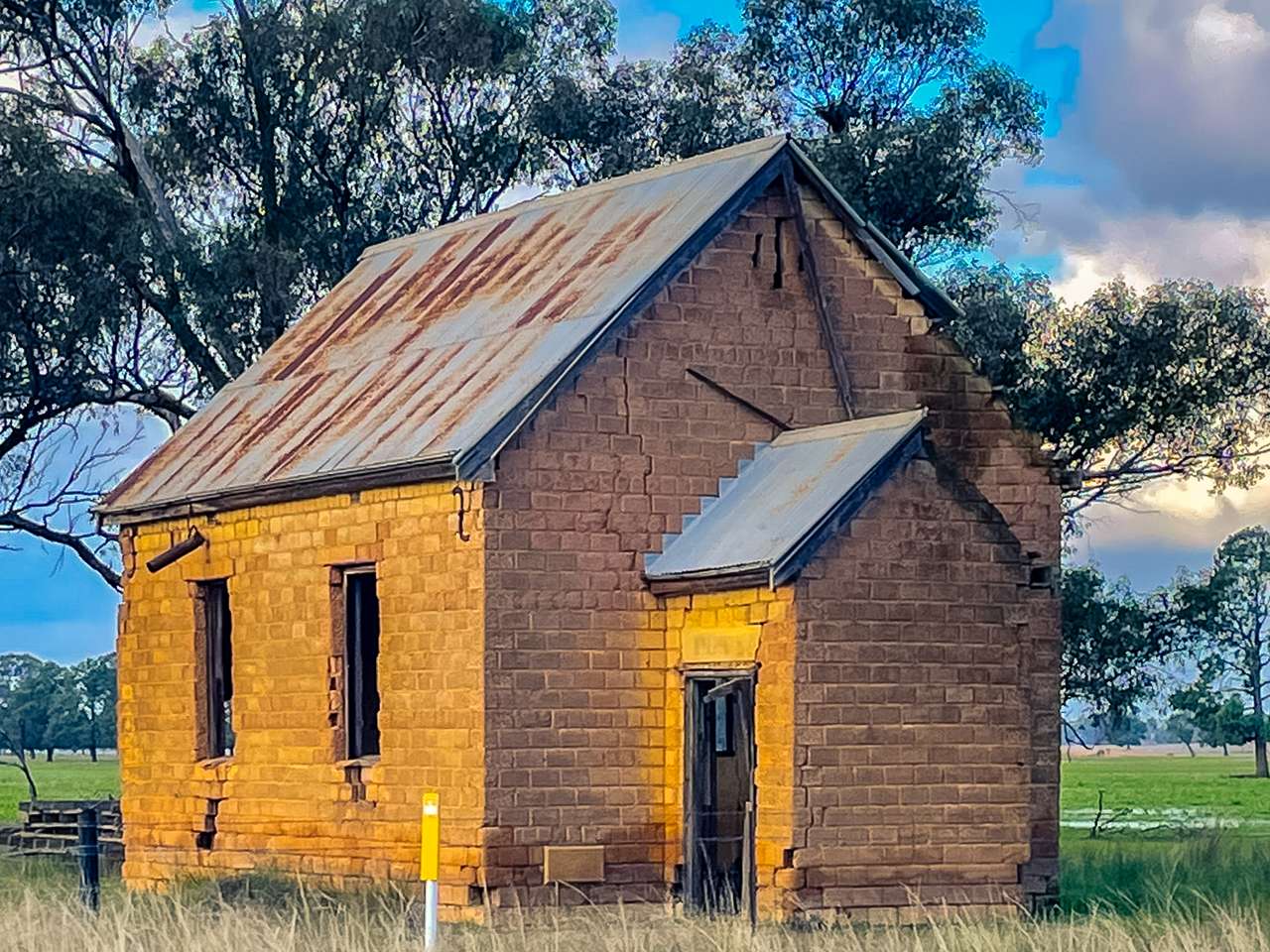
Old Abandoned Church Near West Wyalong

Old Abandoned Church Near West Wyalong

The Development Of Two Towns

Interestingly, the gold rush led to the development of two distinct settlements – Wyalong and West Wyalong. While gold was discovered at Wyalong, West Wyalong developed in 1895 about 5 kilometres away, forming around the bullock track without formal town planning[17]. This unplanned development resulted in the curious kinks in the main road where it avoided trees and buildings – a distinctive feature that remains visible today.

The goldfield was officially declared the most productive in the colony in 1899[17], with annual production from the Wyalong field peaking that year at 1.266 tonnes (44,657 ounces) of gold[18].

Decline And Transition

From 1900 to 1907, production was maintained at around 20,000 ounces per annum, but after 1907, production began to decline[15]. By 1920, gold mining had practically ceased in the area. From 1894 to 1915, total gold production was 5.4 tonnes (190,479 ounces)[18], with the total gold production from the Wyalong field estimated at 13.86 tonnes (488,897 ounces)[18].

As mining declined, West Wyalong transitioned to become the main service centre for agriculture in the surrounding district[17]. For many years, there was rivalry between the two towns. Both wanted the Temora railway line but settled on a compromise of a station midway between the two towns, called Wyalong Central.

A Mining Tragedy

The history of West Wyalong’s gold mining is not without its dark chapters. On January 13, 1912, six miners working at the Barrier Mine were asphyxiated by carbon monoxide gas[15][18]. This tragedy ranks amongst the worst metalliferous mining disasters to take place in NSW and a monument to the miners’ memory was erected in the town’s Barnardo Park[15].

Getting to West Wyalong: Travel Times And Distances

For travellers planning their journey to West Wyalong, understanding the travel times from major cities and regional centres is essential. The town’s central location in New South Wales makes it accessible from many directions, though distances can be substantial from some capital cities.

Starting Point Approximate Distance (km) Estimated Travel Time
Sydney 467km 5 hours
Melbourne 560km 6 hours
Canberra 312km 3.5 hours
Brisbane 950km 10.5 hours
Adelaide 970km 10.5 hours
Wagga Wagga 140km 1.5 hours
Griffith 130km 1.5 hours
Forbes 100km 1 hour
Parkes 120km 1.25 hours
Temora 90km 1 hour
Condobolin 120km 1.25 hours
Hay 240km 2.5 hours

These times are estimates based on normal driving conditions and may vary depending on road conditions, weather and stops along the way. West Wyalong sits at the crossroads of the Newell Highway and the Mid-Western Highway, making it a natural stopping point for travellers moving between various parts of the state.

10 Things to Do Near West Wyalong

When free camping in the West Wyalong area, there’s plenty to see and do beyond your campsite. Here are ten activities and attractions to enhance your stay in this historic region:

  1. Explore the Holland Park Swim Centre
    Perfect for cooling off during the hot summer months, the Holland Park Swim Centre offers excellent facilities including a slide and splash park. Visitors consistently praise its cleanliness, well-maintained facilities and friendly kiosk service[16]. This is an ideal spot for families looking to relax and have some water-based fun after exploring the region.
  2. Visit the Exclusive Hot Glass Gallery
    Art enthusiasts will appreciate the Exclusive Hot Glass Gallery, which showcases stunning glass artwork and demonstrations of the glassblowing craft[16]. This unique attraction offers visitors the opportunity to see skilled artisans at work and purchase one-of-a-kind pieces as memorable souvenirs of their West Wyalong adventure.
  3. Discover the West Wyalong Wetlands
    Nature lovers and birdwatchers should make time for the West Wyalong Wetlands[16], a peaceful natural area that provides habitat for various bird species and native flora. Take a leisurely stroll along the walking paths, enjoy a picnic, or simply sit and observe the wildlife in this tranquil setting.
  4. Photograph the Curved Main Street
    West Wyalong’s main street, with its distinctive curves resulting from the town’s unplanned development around the original bullock track, offers a unique photographic opportunity. The street avoided trees and buildings, creating a charming and historically significant thoroughfare unlike any other in Australia[17]. Take a walking tour along the street to appreciate this unusual feature and explore the various shops and cafes.
  5. Learn about Gold Mining History at Local Museums
    Find out about the gold mining history that shaped West Wyalong by visiting local historical collections and displays. Discover artifacts, photographs and stories from the gold rush era that transformed this region from bushland to a thriving mining community. The exhibits provide fascinating insights into the techniques used to extract gold and the lives of the miners who sought their fortunes here.
  6.  Visit Barnardo Park and the Miners’ Memorial
    Pay your respects at the memorial in Barnardo Park dedicated to the six miners who lost their lives in the 1912 Barrier Mine disaster[15]. The monument serves is a reminder of the dangers faced by early miners and the human cost of the gold that built West Wyalong.
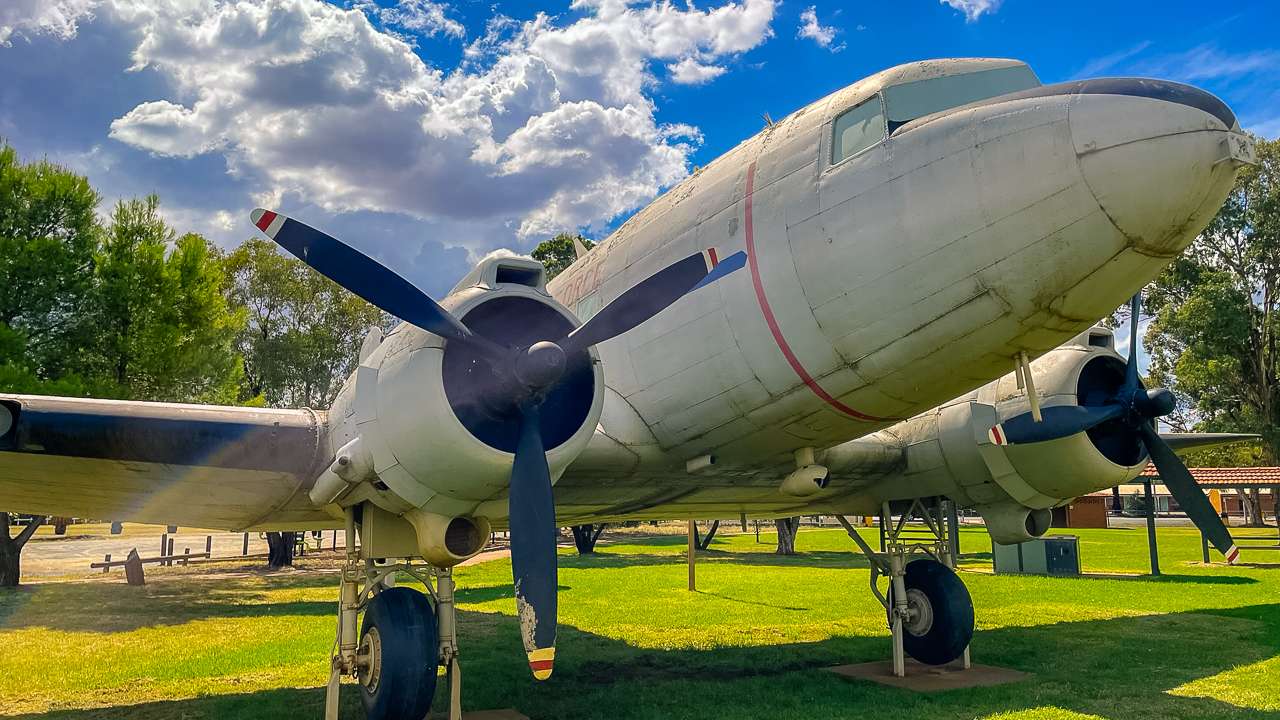
  7. Marvel at the Douglas DC3 Aircraft
    Aviation enthusiasts will be delighted by the Douglas DC3 aircraft on display in West Wyalong[16]. This classic aircraft represents an important piece of aviation history and makes for a fascinating detour, especially for those interested in historical transportation and engineering.
  8. Take a Day Trip to Barmedman Mineral Pool
    Located approximately 30 kilometres from West Wyalong, the Barmedman Mineral Pool is a unique swimming spot fed by a subterranean stream from a nearby mine. The mineral-rich waters are said to have therapeutic properties and the pool remains a constant 24 degrees Celsius year-round[18]. The site includes picnic facilities, making it perfect for a relaxing day out.
  9. Cycle the Wyalong-West Wyalong Bicycle Track
    In 1994, a shared bicycle and pedestrian track was constructed to link Wyalong with West Wyalong[17]. This provides an excellent opportunity for visitors to explore both towns at a leisurely pace while enjoying the rural Australian landscape. The flat terrain makes this an accessible activity for most fitness levels.
  10. Attend Local Events and Markets
    Check the local event calendar for markets, agricultural shows and community festivals that may be happening during your visit. These events provide wonderful opportunities to meet locals, sample regional produce and experience authentic country Australian culture. The camaraderie and hospitality of rural events add a special dimension to any camping trip.

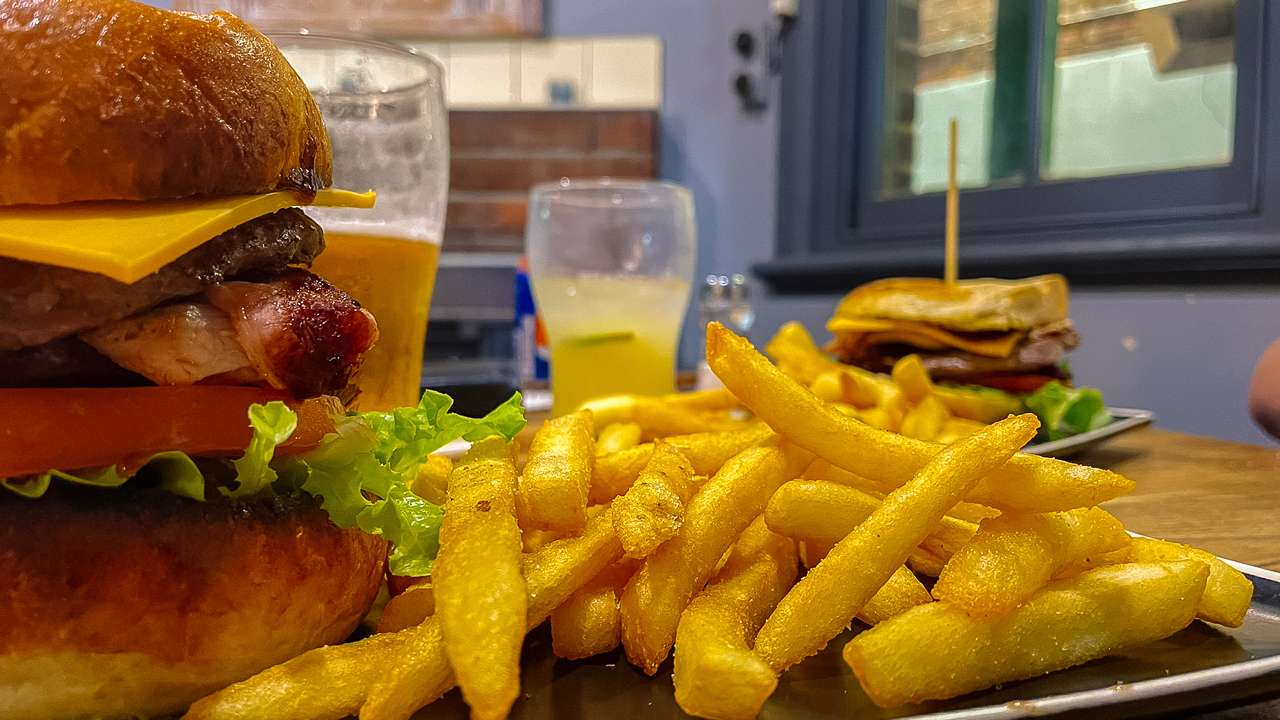
Great Lunch At Tattersalls Hotel In West Wyalong

Great Lunch At Tattersalls Hotel In West Wyalong

Why Choose West Wyalong For Free Camping

West Wyalong offers several compelling reasons for free campers to choose it as a destination. Its rich gold mining heritage provides a fascinating historical backdrop, while its position at the intersection of major highways makes it an ideal stopover location for those travelling across New South Wales.

The town’s relatively remote location means less light pollution, offering excellent opportunities for stargazing – a favourite activity among many campers. The clear night skies of inland NSW can provide spectacular celestial views that are increasingly rare in more densely populated areas.

The surrounding agricultural landscape, with its golden canola fields (in season) and vast wheat paddocks, creates a quintessentially Australian rural setting that changes with the seasons. This ever-changing scenery offers photographers and nature lovers plenty to appreciate throughout the year.

Additionally West Wyalong’s position makes it an excellent base for exploring the broader Central West region of NSW, with numerous towns, natural attractions and historical sites within convenient driving distance.

Best Time To Visit West Wyalong

The climate in West Wyalong is characterised by hot summers and mild winters. Summer temperatures can regularly exceed 35°C (December to February), while winter nights can drop below 5°C (June to August).

For comfortable camping conditions, the shoulder seasons of autumn (March to May) and spring (September to November) typically offer the most pleasant weather, with mild days and cool but not freezing nights. These periods also often coincide with reduced tourist numbers compared to school holiday periods.

Spring brings the additional bonus of wildflowers and canola fields in bloom, creating spectacular yellow landscapes across the region. Autumn offers mild temperatures and often clear, calm days ideal for outdoor activities.

That said, each season offers its own unique experience:

  • Summer: Hot days perfect for swimming at Holland Park Swim Centre or Barmedman Mineral Pool, but free camping requires good shade and cooling strategies.
  • Autumn: Mild temperatures and potentially spectacular sunsets as the agricultural areas transition after harvest.
  • Winter: Crisp, clear days with cool to cold nights requiring proper camping gear but offering excellent visibility for stargazing.
  • Spring: Wildflowers, canola fields in bloom and gradually warming temperatures create an ideal setting for exploration.

Essential Tips For West Wyalong Free Camping

When preparing for a free camping trip to West Wyalong, consider these essential tips to ensure a comfortable and enjoyable experience:

Water Supply
The West Wyalong region can be quite dry, so carrying adequate drinking water is crucial. While the town itself has water available, free camping spots may not offer access to potable water. A good rule of thumb is to carry at least 5 litres of drinking water per person per day, plus additional water for cooking and basic hygiene.

Weather Preparedness
The inland climate means substantial temperature variations between day and night, particularly in spring and autumn. Pack clothing layers that can be added or removed as temperatures change. A good quality sleeping bag rated for temperatures lower than you expect to encounter ensures comfort during unexpectedly cold nights.

Bush Safety
When camping in the Australian bush, awareness of potential hazards is important:

  • Check fire ban status before lighting any campfires
  • Be aware of wildlife, including snakes during warmer months
  • Carry a well stocked first aid kit
  • Ensure someone knows your intended location and expected return
  • Consider carrying a UHF radio or satellite phone for emergency communication in areas with poor mobile coverage

Waste Management
As responsible campers, adhering to the “leave no trace” principles is essential. Carry all rubbish out with you, including food scraps that might attract wildlife. For longer stays, biodegradable camping toilet solutions and proper disposal of grey water will help preserve the natural environment.

Local Facilities
West Wyalong itself offers a range of services helpful to campers, including:

  • Supermarkets for provisioning
  • Medical facilities for emergencies
  • Automotive services for vehicle issues
  • Visitor information for local advice

Connecting With Local Heritage During Your Stay

To fully appreciate the West Wyalong experience, take time to connect with the local heritage beyond simply visiting historical sites. Consider these approaches:

Talk To Locals
Many long term residents have family connections to the gold mining era and can share stories passed down through generations. Local businesses, especially cafes and pubs, often provide natural settings for these conversations.

Follow the Gold Trails
The region forms part of the broader Gold Trails tourism route connecting various gold rush towns across NSW. Gathering information about this wider historical context can enhance your understanding of West Wyalong’s place in Australian gold mining history[15].

Photography Projects
The juxtaposition of historical buildings against modern agricultural infrastructure creates interesting visual narratives. A photography project focusing on “then and now” or “traces of gold” might provide a creative framework for your exploration.

Seasonal Agricultural Activities
If your visit coincides with key agricultural periods (planting or harvest), observing these activities provides insight into the industry that replaced gold mining as the economic foundation of the region.

DC3 In Lions Park At West Wyalong

DC3 In Lions Park At West Wyalong

Free Camping In West Wyalong – Conclusion

Free camping in West Wyalong offers a perfect blend of historical discovery, natural beauty and authentic Australian rural experiences. From its fascinating gold mining origins to its current role as an agricultural hub, the area provides campers with diverse attractions and activities against the backdrop of classic inland New South Wales landscapes.

The town’s strategic location at the crossroads of major highways makes it both accessible and an ideal base for broader exploration of the Central West region. Whether you’re passing through on a longer journey or specifically targeting West Wyalong for its gold rush heritage, the area rewards visitors with its unique character and country hospitality.

As you set up your camp under the vast inland sky, you’ll be experiencing the same landscape that once drew thousands of hopeful miners seeking their fortune in gold. Today’s treasures may be different – found in meaningful connections, natural beauty and historical understanding rather than precious metal – but they remain just as valuable for the discerning traveller.

West Wyalong stands as a testament to Australia’s golden past and its agricultural present, offering free campers an authentic slice of rural Australian life that remains refreshingly connected to its historical roots.

References

  • Gold Trails, NSW, Australia. “West Wyalong Goldfield history.” https://goldtrails.com.au/html_files/explore/wyalong-link-history/
  • Tripadvisor. “THE 15 BEST Things to Do in West Wyalong (2025).” https://www.tripadvisor.com.au/Attractions-g529043-Activities-West_Wyalong_New_South_Wales.html
  • Bland Shire Council. “West Wyalong.” https://www.blandshire.nsw.gov.au/Visitor-Information/Towns-and-Villages/West-Wyalong
  • McQueen, K. & Ashley, R. “History of gold discovery and early mining in the East Riverina, New South Wales.” https://www.mininghistory.asn.au/wp-content/uploads/5.-McQueen-Ashley-v21.pdf
  • Saturn Metals. “West Wyalong.” https://saturnmetals.com.au/projects/west-wyalong/

Citations

[1] https://www.goldencross.com.au/west-wyalong/
[2] https://www.goldindustrygroup.com.au/news/2023/10/17/west-wyalong-strikes-gold-town-sets-guinness-world-record-for-simultaneous-gold-panning
[3] https://www.aussietowns.com.au/town/west-wyalong
[4] https://www.visitnsw.com/destinations/country-nsw/riverina/west-wyalong/activities
[5] https://www.visitnsw.com/destinations/country-nsw/riverina/west-wyalong/attractions/green-corridor-walking-track
[6] https://www.visitnsw.com/destinations/country-nsw/riverina/west-wyalong
[7] https://au.drivebestway.com/distance/west-wyalong/adelaide-au/
[8] https://www.rome2rio.com/s/Perth/West-Wyalong
[9] https://au.drivebestway.com/distance/west-wyalong/parkes-nsw-au/
[10] https://au.drivebestway.com/distance/wyalong/temora/
[11] https://goldtrails.com.au/html_files/explore/wyalong/
[12] https://www.blandshire.nsw.gov.au/Visitor-Information/Things-to-See-and-Do
[13] https://www.rome2rio.com/s/Sydney/West-Wyalong
[14] https://www.trippy.com/drive/Perth-to-West-Wyalong
[15] https://goldtrails.com.au/html_files/explore/wyalong-link-history/
[16] https://www.tripadvisor.com.au/Attractions-g529043-Activities-West_Wyalong_New_South_Wales.html
[17] https://www.blandshire.nsw.gov.au/Visitor-Information/Towns-and-Villages/West-Wyalong
[18] https://www.mininghistory.asn.au/wp-content/uploads/5.-McQueen-Ashley-v21.pdf
[19] https://saturnmetals.com.au/projects/west-wyalong/
[20] https://www.britannica.com/place/West-Wyalong
[21] https://www.blandshire.nsw.gov.au/Visitor-Information/Things-to-See-and-Do/Wyalong-Heritage-Walk
[22] https://www.blandshire.nsw.gov.au/Visitor-Information/Things-to-See-and-Do/West-Wyalong-Heritage-Walk
[23] https://evolutionmining.com.au/case-study/guinness-world-record-set-for-gold-panning-at-west-wyalong/
[24] https://en.wikipedia.org/wiki/West_Wyalong
[25] http://www.maurice-robinson.net/the-robinson-family/2014/3/17/zfrg7ei1lpsj68lsf7fbq2my35tal7
[26] https://www.visitnsw.com/destinations/country-nsw/riverina/west-wyalong/destination-information/wyalong
[27] https://evolutionmining.com.au/wp-content/uploads/2017/01/Cowal-West-Wyalong-Relocation-Guide.pdf
[28] https://wyalongfamilyhistory.com
[29] https://www.visitnsw.com/destinations/country-nsw/riverina/west-wyalong/attractions/wyalong-museum
[30] https://mhnsw.au/webinars/archives-on-tour-west-wyalong-school-records/
[31] https://westwyalongcaravanpark.com.au/local-attractions/
[32] https://www.nsw.gov.au/visiting-and-exploring-nsw/locations-and-attractions/west-wyalong-visitor-information-centre
[33] https://www.eventbrite.com.au/d/australia–west-wyalong/west-wyalong/
[34] https://theriverina.com.au/destinations/west-wyalong/
[35] https://www.tripadvisor.com.au/Attraction_Review-g529043-d12683128-Reviews-West_Wyalong_Wetlands-West_Wyalong_New_South_Wales.html
[36] https://www.eventbrite.com.au/b/australia–west-wyalong/community/
[37] https://theriverina.com.au/listings/west-wyalong-heritage-walk/
[38] https://www.blandshire.nsw.gov.au/Recreation/Parks-and-Gardens
[39] https://www.mycommunitydirectory.com.au/info/more-events/STATE/NSW/UCL/West-Wyalong
[40] https://www.tripadvisor.com/Attractions-g529043-Activities-c42-West_Wyalong_New_South_Wales.html
[41] https://audio-tours.cyaontheroad.com/maps/1647993167.html
[42] https://www.trippy.com/drive/Perth-to-West-Wyalong
[43] https://www.trippy.com/drive/West-Wyalong-to-Sydney
[44] https://www.trippy.com/drive/West-Wyalong-to-Melbourne
[45] https://www.trippy.com/distance/West-Wyalong-to-Brisbane
[46] https://www.trippy.com/drive/Adelaide-to-West-Wyalong
[47] https://www.trippy.com/distance/Perth-to-West-Wyalong
[48] https://distancecalculator.globefeed.com/Australia_Distance_Calculator.asp?state=02
[49] https://distance-calculator.info/route/west-wyalong/melbourne
[50] https://www.rome2rio.com/s/Brisbane/West-Wyalong
[51] https://fromto.travel/en/l/australia/west-wyalong-new-south-wales/adelaide-south-australia
[52] https://www.rome2rio.com/s/Perth/West-Wyalong
[53] https://www.rome2rio.com/s/West-Wyalong/Sydney
[54] https://wikicamps.com.au/site/New+South+Wales+%252F+ACT/Campground/Cooinda+Park+Rest+Area/14295
[55] https://www.blandshire.nsw.gov.au/files/sharedassets/public/v/1/tourism/relocation-guide-update-april-2025.pdf
[56] https://www.instagram.com/reel/C6QkSrDSn6o/
[57] https://westwyalongcaravanpark.com.au
[58] https://www.anycamp.com.au/l/campsites/west-wyalong-nsw/free
[59] https://www.camptoo.com.au/campsites/nsw?page=22
[60] https://directory.fullrangecamping.com.au/item/bland-creek-rest-area-fc/
[61] https://www.blandshire.nsw.gov.au/files/sharedassets/public/v/1/tourism/new-folder/accommodation-guide-2024.pdf
[62] https://ratpacktravel.com/blog/free-camping-australia-guide/
[63] https://kissandfly.com/direction/perth-per/west-wyalong
[64] https://au.drivebestway.com/distance/parkes-nsw-au/west-wyalong/
[65] https://www.rome2rio.com/s/Temora/West-Wyalong
[66] https://www.blandshire.nsw.gov.au/Development/Building-and-Planning-Advice/Planning-Policies
[67] https://lismoreapp.com.au/NewsStory/is-there-free-camping-in-nsw-your-guide-to-free-campsites-and-tips/6703c7a1df451c00d69f0074
[68] https://www.nhvr.gov.au/road-access/route-planner
[69] https://www.trippy.com/drive/West-Wyalong-to-Parkes
[70] https://www.rome2rio.com/s/West-Wyalong/Temora
[71] https://www.blandshire.nsw.gov.au/Environment/Useful-Information
[72] https://www.planning.nsw.gov.au/sites/default/files/2023-03/planning-circular-ps-10-019-illegal-camping.pdf
[73] https://www.travelmath.com/time-change/from/Perth+Amboy,+NJ/to/West+Wyalong,+Australia
[74] https://www.visitnsw.com/destinations/country-nsw/riverina/west-wyalong
[75] https://www.travelnsw.com.au/westwyalong/
[76] https://cpsa.org.au/nsw-seniors-activities-by-suburb/west-wyalong/
[77] https://www.travelmath.com/distance/from/Sydney,+Australia/to/West+Wyalong,+Australia
[78] https://fromto.travel/en/l/australia/west-wyalong-new-south-wales/sydney-new-south-wales
[79] https://www.trippy.com/drive/Sydney-to-West-Wyalong
[80] https://www.trippy.com/drive/Melbourne-to-West-Wyalong
[81] https://www.trippy.com/drive/Brisbane-to-West-Wyalong
[82] https://www.anycamp.com.au/l/campsites/wyalong-nsw/free
[83] https://directory.fullrangecamping.com.au/item/west-wyalong-showgrounds-cg/
[84] https://wikicamps.com.au/site/New+South+Wales+%252F+ACT/Campground/West+Wyalong+Showgrounds/19277
[85] http://www.findacamp.com.au/search-camp-sites.php?pc=WEST+WYALONG_NSW_2671
[86] https://www.hipcamp.com/en-AU/d/australia/new-south-wales/west-wyalong/camping/pets
[87] https://www.camptoo.com.au/campsite/nsw/marsden-rest-area-south-bound
[88] https://www.blandshire.nsw.gov.au/Recreation/Parks-and-Gardens/Cooinda-Reserve
[89] https://www.hipcamp.com/en-AU/d/australia/new-south-wales/west-wyalong/camping/rv
[90] https://www.driving-route-planner.com/west-wyalong-perth
[91] https://www.rome2rio.com/s/Canberra/West-Wyalong
[92] https://ablis.business.gov.au/service/nsw/approval-to-operate-a-caravan-park-or-camping-ground-bland-shire-council/12538
15 Camps For Free Camping In Moama On The Murray River

15 Camps For Free Camping In Moama On The Murray River

15 Camps For Free Camping In Moama On The Murray River

Discover the beauty of free camping in Moama along the Murray River. Enjoy nature at its best. Some of these camps are often not crowded.

In a world where everything seems to come with a price tag, there’s something refreshing about finding a place where you can escape the hustle and bustle of daily life without breaking the bank. That’s where free camping in Moama comes in. Nestled in the picturesque landscapes of New South Wales, Australia, Moama offers a haven for nature lovers and adventure seekers alike. And the best part? You can experience it all without spending a cent.

What is Free Camping?

Free camping also known as freedom camping or wild camping is outdoor recreation where individuals set up camp sites in designated areas without having to pay any fees. It’s a fantastic way to immerse yourself in nature, unwind from the stresses of urban life, and connect with the great outdoors.

Why Free Camp In Moama?

Moama, situated on the banks of the mighty Murray River, boasts stunning natural beauty and a wealth of outdoor activities. From tranquil bushwalks to adrenaline-pumping water sports, there’s something for everyone to enjoy. And with its free camping sites, you can explore all that Moama has to offer without worrying about accommodation costs. While none of these camps are situated within the town of Moama itself they are all only a very short drive away.

  • There’s a public dump point just across the river in Echuca.
  • There is potable water available in both Moama and Echuca.

We have listed 14 free camps near Moama. Ranging from free camping to State Forest camping there is something here for all camping styles. Pack your gear and hit the road. Let the Moama on the Murray River show you it’s beauty in the middle of the Australian bush.

Experience Free Camping Moama On The Murray River

Experience Free Camping Moama On The Murray River

1. Fats Cliff

This is a free campground. It is dog friendly. It is accessible to motorbikes, RVs, camper trailers and caravans. Camping in tents is allowed.

Type: Free Camping
Cost: Free
Location: Simmie Road, Victoria
GPS: -36.116030°, 144.812595°
Pet Friendly: Yes

2. Camp Spot On The Murray

Bush camping on the banks of the Murray River in the Echuca Regional Park, just outside Echuca. There are no facilities. Campers must be self-sufficient. Take all rubbish with you and leave no trace. Access via Simmie Road from Echuca.

Type: Free Camping
Cost: Free
Location: Simmie Road, Shire of Campaspe, Victoria
GPS: -36.114484°, 144.813702°
Web: https://www.visitmelbourne.com/Regions/The-Murray/Things-to-do/Outdoor-activities/Camping
Pet Friendly: Yes

3. Rivers Edge Bush Camp

Numerous bushes camping spots on the banks of the Murray River in the Echuca Regional Park, just outside Echuca. There are no facilities, just bush and sandy beaches, you need to be self sufficient. Take all rubbish with you and leave no trace. Access via Simmie Road from Echuca.

Type: Free Camping
Cost: Free
Location: Off Simmie Rd, Echuca Village, Victoria
GPS: -36.113301°, 144.808011°
Web: https://www.visitmelbourne.com/Regions/The-Murray/Things-to-do/Outdoor-activities/Camping
Pet Friendly: Yes

Free Camping Moama On The Murray

Free Camping Moama On The Murray

4. Betts Beach

Numerous bushes camping spots on the banks of the Murray River in the Echuca Regional Park, just outside Echuca. There are no facilities, just bush and sandy beaches, you need to be self sufficient. Take all rubbish with you and leave no trace. Access via Simmie Road from Echuca.

Type: State Forest Free Camping
Cost: Free
Location: Off Simmie Rd, Echuca Village, Victoria
GPS: -36.107470°, 144.806359°
Web: https://www.visitmelbourne.com/Regions/The-Murray/Things-to-do/Outdoor-activities/Camping
Pet Friendly: Yes

5. Murray Bend

Bush camping on the banks of the Murray River in the Echuca Regional Park, just outside Echuca. There are no facilities. Take all rubbish with you and leave no trace. Toilets are available further north at Christie’s Beach. Access via Simmie Road from Echuca.

Type: Free Camping
Cost: Free
Location: Enter Simmies Rd, Echuca Village, Victoria
GPS: -36.111079°, 144.814842°
Web: https://www.visitmelbourne.com/Regions/The-Murray/Things-to-do/Outdoor-activities/Camping
Pet Friendly: Yes

6. George’s Beach

Bush camping on the banks of the Murray River in the Echuca Regional Park, just outside Echuca. There are no facilities. Take all rubbish with you and leave no trace. Toilets are available further north at Christie’s Beach.

Type: Free Camping
Cost: Free
Location: Unnamed Road, Echuca Village, Victoria
GPS: -36.109091°, 144.816097°
Web: https://www.visitmelbourne.com/Regions/The-Murray/Things-to-do/Outdoor-activities/Camping
Pet Friendly: Yes

7. River Bend

This free campground offers swimming. It is dog friendly. It is accessible to camper trailers and off road caravans. Camping in tents is allowed. You must be fully self-contained.

Type: State Forest Free Camping
Cost: Free
Location: Unnamed Road, Echuca Village, Victoria
GPS: -36.104434°, 144.810783°
Pet Friendly: Yes

Free Camping Moama River Bend

Free Camping Moama River Bend

8. Christie’s Beach

Large open camp ground multiple spots, good access to the river, not much fire wood around.

Type: State Forest Free Camping
Cost: Free
Location: Unnamed Rd, Echuca, Victoria
GPS: -36.103711°, 144.811103°
Toilets: Yes
Pet Friendly: Yes

9. Rivers Edge Camping Spot

This is a free campground. It is dog friendly. It is accessible to motorbikes and camper trailers. Camping in tents is allowed.

Type: Free Camping
Cost: Free
Location: Unnamed Rd, Echuca, Victoria
GPS: -36.106958°, 144.817851°
Pet Friendly: Yes

10. Echuca Spots – Various Unofficial

Numerous spots along beach foreshore. Leave no trace. Adhere to fire regulations and distinguish responsibly.

Type: Free Camping
Cost: Free
Location: Unnamed Road, Echuca, Victoria
GPS: -36.108075°, 144.819953°
Pet Friendly: Yes

11. Looker Track

This free campground offers swimming. It is dog friendly. It is accessible to off road caravans and four wheel drives. Camping in tents is allowed.

Type: Free Camping
Cost: Free
Location: East Of Echuca, Victoria
GPS: -36.104882°, 144.823092°
Pet Friendly: Yes

12. Secluded Hideaway

Free bush camping near the Murray River, offering plenty of space and privacy. There are no facilities. Campers must be self-sufficient. Take all rubbish with you and leave no trace. Accessible to tents, camper trailers, motorhomes and caravans. May become inaccessible during wet weather.

Type: Free Camping
Cost: Free
Location: Unnamed Rd, Echuca Village, Victoria
GPS: -36.108200°, 144.827854°
Pet Friendly: Yes

13. Cochranes Bend Goulburn River

This is a free campground. It is dog friendly. It is accessible to motorbikes and camper trailers. Camping in tents is allowed.

Type: Free Camping
Cost: Free
Location: Off Bangerang Rd, Echuca, Victoria
GPS: -36.106883°, 144.847060°
Pet Friendly: Yes

14. The Beach

This is a free campground. It is dog friendly. It is accessible to motorbikes and camper trailers. Camping in tents is allowed.

Type: Free Camping
Cost: Free
Location: Stewarts Bridge Rd, Victoria
GPS: -36.094930°, 144.841916°
Pet Friendly: Yes

15. 1732 Murray River

This free campground offers swimming. It is dog friendly. It is accessible to camper trailers and caravans. Camping in tents is allowed. You must be fully self-contained.

Type: Free Camping
Cost: Free
Location: 212 Stewarts Bridge Rd, Lower Moira, Victoria
GPS: -36.093215°, 144.843503°
Pet Friendly: Yes

Free Camp Spot On The Murray Near Moama

Free Camp Spot On The Murray Near Moama

Tips for Free Camping In Moama

Before you pack your bags and head off on your Moama adventure, here are a few tips to ensure a smooth and enjoyable experience:

  • Leave No Trace: Respect the environment and leave your campsite as you found it. Dispose of rubbish properly and minimize your impact on the surrounding ecosystem.
  • Be Prepared: While free camping sites often provide basic amenities, it’s essential to come prepared with plenty of water, food, and other essentials. Additionally, check the weather forecast before you set off to ensure you’re ready for whatever Mother Nature throws your way.
  • Follow the Rules: Each free camping site may have its own set of rules and regulations, so be sure to familiarize yourself with them before you arrive. This will help ensure a harmonious experience for all campers.
  • Embrace the Experience: Free camping is all about embracing the simple joys of outdoor living. Take the time to disconnect from technology, soak up the natural beauty around you, and enjoy the freedom that comes with living off the grid.

In conclusion, free camping in Moama offers an incredible opportunity to experience the beauty of nature without breaking the bank. Whether you’re an avid adventurer or just looking for a budget-friendly getaway, Moama has something for everyone. So why wait? Pack your tent, grab your sense of adventure, and get ready to discover the magic of free camping in Moama.

Free Camping In Nyngan NSW At Nyngan Rest Area

Free Camping In Nyngan NSW At Nyngan Rest Area

Free Camping In Nyngan NSW At Nyngan Rest Area

This rest area is a great place for overnight free camping in Nyngan NSW. We’ve stayed here a couple of times on our travels. Nyngan is one of those places we are always passing through at the beginning or end of a trip and this free camp in Nyngan is just perfect to break up a long trip.

Overnight Free Camping In Nyngan 2019

Overnight Free Camping In Nyngan 2019

Free Camping In Nyngan NSW At Nyngan Rest Area

This free camp in Nyngan has toilets, drinking water and a dump point. It is dog friendly. It is accessible to motorbikes, RVs, camper trailers, caravans and big rigs. You can stay here for up to 24 hours. There is a dump point nearby.

Nyngan Dump Point

Nyngan Dump Point

It’s just a short walk across across the railway line into town. We highly recommend the Nyngan RSL club if you’re looking for dinner. The T-bone steaks are huge! You must be fully self-contained.

Darcy Freight Lines Abandoned Building In Nyngan NSW

Darcy Freight Lines Abandoned Building In Nyngan NSW

If you are looking for free camping in Nyngan NSW then this is the place to stop.

IMG 6714

IMG 6714

Top Ten Things To Do In Nyngan

Here’s a list of the top ten things to do in Nyngan New South Wales.

  1. Bogan River Walk – Go for a walk along the Bogan River. There are plenty of great views of the river and surrounding landscapes.
  2. Nyngan Riverside Camping Area – Set up camp at the Nyngan Riverside Camping Area and immerse yourself in the serene ambiance of the Bogan River. Enjoy fishing, kayaking, or simply relax by the riverside with your loved ones.
  3. Nyngan Museum – Check out the history of Nyngan at the Nyngan Museum. There are loads of exhibits and stories that showcase the town’s past beginning with its indigenous roots to its pioneer days.
  4. Nyngan Solar Farm –  Visit the Nyngan Solar Farm, one of the largest solar plants in the Southern Hemisphere.
  5. Girilambone Observatory – Goon a celestial journey at the Girilambone Observatory where you can marvel at the wonders of the night sky through powerful telescopes. Experience the magic of stargazing and gain insights into the universe.
  6. Nyngan Ag Expo – If you’re visiting during August, don’t miss the Nyngan Ag Expo, a celebration of agriculture and rural life.
  7. Cobb & Co. Changing Station – Step back in time at the Cobb & Co. Changing Station. The Cobb & Co changing station is a heritage listed building that once served as a vital stop for travellers and mail coaches. Have a good look around the restored station.
  8. Outdoor Recreation – Get out into the great outdoors with a range of recreational activities. You’ve got bushwalking, birdwatching, and photography. Nearby national parks, nature reserves and scenic viewpoints all close to town.
  9. Take Your Photo Alongside The Big Bogan – Go on, you know you want to do it! Located in the park in the middle of town is the iconic, some might even say world famous “Big Bogan”. Be a proud Aussie and unleash your inner bogan and get a happy snap with him.
  10. Community Events and Festivals – Immerse yourself in Nyngan’s vibrant community spirit by attending local events, festivals, and markets throughout the year.

The Big Bogan Nyngan NSW

The Big Bogan Nyngan NSW

Getting To Nyngan

From Sydney, take the M4 motorway heading west towards the Blue Mountains. Continue onto the Great Western Highway (A32), which will take you through the Blue Mountains and towards Bathurst. In Bathurst, take the Mitchell Highway (A32) towards Orange and continue along the highway towards Dubbo. From Dubbo, continue on the Mitchell Highway (A32) towards Nyngan. The total driving distance is approximately 550 kilometers, and the journey takes around 6 to 7 hours, depending on traffic and road conditions.

Travel From to Nyngan Distance Time
Adelaide 1,105km 11:44
Brisbane 929km 10:09
Melbourne 884km 09:25
Sydney 632km 05:38

Abandoned Pub In Nyngan NSW

Abandoned Pub In Nyngan NSW

Caravan Park In Tumut: Riverglade Caravan Park

Caravan Park In Tumut: Riverglade Caravan Park

Caravan Park In Tumut: Riverglade Caravan Park

Nestled along the picturesque banks of the Tumut River in New South Wales Riverglade Caravan Park in Tumut is a welcoming haven for travellers seeking both tranquillity and adventure. Spread across 7 magnificent hectares this caravan park in Tumut not only offers a breathtaking natural setting but also holds historical significance as an indigenous meeting place. The name “Tumut” is derived from a Wiradjuri word meaning a “Quiet resting place by the river”.

Whether you’re in search of a peaceful retreat, planning a family holiday, embarking on a Snowy Mountains adventure or simply passing through Riverglade Caravan Park in Tumut provides a diverse range of accommodation in a scenic riverside parkland setting. With almost a kilometre of pristine Tumut River frontage and convenient access to Kosciuszko National Park Riverglade Caravan Park is all set to be the gateway to an unforgettable experience in this beautiful region.

Looking for accommodation in Tumut or a fantastic base for a Snowy Mountains adventure? Riverglade Caravan Park occupies seven magnificent hectares beside the Tumut River. A significant indigenous meeting place, the name “Tumut” is derived from a Wiradjuri word meaning a “Quiet resting place by the river.”

With 7 hectares of grassy riverside parkland Riverglade Caravan Park is the perfect choice for large group gatherings, family holidays, adventure holidays exploring the region, a convenient break in your road trip.

Riverglade Caravan Park offers a wide range of accommodation and easy access to Kosciusko National Park. From local bush walks to easy low cost access to the ski fields Riverglade Caravan Park places visitors right on the doorstep of everything this region has to offer. Riverglade caravan park fronts more than a kilometre of the pristine Tumut River. Accommodation options are available to suit all budgets and needs. From unpowered sites perfect for camping to luxurious fully appointed cabins.

Exploring the Charm of Tumut, NSW: An Ultimate Guide to Outdoor Adventures, History, Cuisine, and More

Located right in the heart of New South Wales Tumut stands as a hidden gem waiting to be discovered. Tumut has loads of attractions. You won’t be left short of things to do ranging from outdoor adventure activities, a rich and colourful history, delicious cuisine through to vibrant festivals and celebrations.

We stayed at the Riverglade Caravan Park in Tumut mid November 2023 for a couple of night. The park was fairly quiet for a weekend which suited us well. The less people around the better for us. The park was very well priced, we stayed on a powered site with water and it cost us less than  per night. The amenities were large and cleaned. The showers were large and here were plenty of them. The park also has washing machines and dryers as well as loads of clotheslines.

Explore the Tumut River

Jump into your kayak or canoe and paddle down the river. Check out the scenery on either side. If you’re into fishing will find many spots along the riverbank offering the perfect opportunity to reel in a catch. For those seeking a more leisurely experience pack a picnic basket and relax by the riverside whilst soaking in the tranquillity that defines Tumut.

Riverglade Caravan Park Tumut Park Map

Riverglade Caravan Park Tumut Park Map

Tumut Valley Rail Trail

If you like to explore on foot or by bike the Tumut Valley Rail Trail is a must-visit. The Tumut Valley rail trail offers breathtaking views of the countryside and has  rich historical significance. As you wander along the path discover points of interest that tell the tale of Tumut’s history. Whether you’re an avid cyclist or a leisurely walker the Tumut Valley Rail Trail caters to everyone and delivers an adventure filled with discovery.
Hiking in the Snowy Mountains.

Riverglad Caravan Park Aerial Photo

Riverglad Caravan Park Aerial Photo

Nature enthusiasts will find solace in the proximity of Tumut to the Snowy Mountains. From Tumut you have easy access to loads of national park walking tracks that lead to awe inspiring viewpoints. Many unique plants and animals call this region home. From well trodden trails to well off the beaten track the Snowy Mountains is an awesome place for outdoor adventurers to explore the wonders of the great outdoors.

Tumut Broom Factory

Look into Tumut’s history at the Tumut Broom Factory where the artistry of the broom industry unfolds. Go on a tour of the factory learn the history of this unique trade and watch demonstrations showcasing the craftsmanship behind each broom. Finish you visit to the Tumut broom factory with a bit of souvenir shopping by bringing home a piece of Tumuts rich heritage. We have a couple of brooms from the Tumut Broom Factory and they are extremely practical and nice to use.

Tumut and District Historical Society Museum

Stop in at the Tumut and District Historical Society Museum and travel back to yesteryear. Look at artifacts and old photos that paint a picture of Tumuts evolution.

Riverglad Caravan Park Autumn Colours

Riverglad Caravan Park Autumn Colours

Adelong Falls Gold Mill Ruins

Adelong Falls

Adelong Falls

Immerse yourself in the historical significance of the Adelong Falls Gold Mill Ruins. Wander through the well-preserved remnants of a bygone era on self-guided tours, capturing the essence of the gold rush days. Photography enthusiasts will find ample opportunities to frame the haunting beauty of these ruins against the backdrop of Tumuts natural landscape.

Farm-to-table Experiences

Indulge your taste buds in farm-to-table experiences, where local produce takes centre stage. Explore vibrant markets showcasing the region’s bounty and take part in farm tours offering tastings of fresh seasonal delights.

Riverglade Caravan Park In Tumut Welcome Sign

Riverglade Caravan Park In Tumut Welcome Sign

Cafes and Restaurants

Get into the culinary scene at Tumut Cafes and restaurants offer a diverse array of different dishes. From hearty country style meals to inventive specialties Tumuts dining establishments cater to every one. From sausage rolls and spaghetti pies all the way through to caramel lattes there is something in Tumut for everyone. And don’t forget the counter lunches and one of the pubs!

Tumut Blues and Rock Festival

The Tumut Blues and Rock Festival is an annual event. A weekend of rhythm and blues in the heart of Tumut that is well worth a visit.

Ziggy BBQ Slide Jayco All Terrain

Ziggy BBQ Slide Jayco All Terrain

Tumut Festival of the Falling Leaf

Celebrate the beauty of autumn at the Tumut Festival of the Falling Leaf. There’s a colourful parade live music and activities for visitors of all ages. Tumut comes alive with the vibrant colours of falling leaves creating a warm and welcoming atmosphere.

Conclusion

From outdoor adventures along the Tumut River to historical explorations at the Broom Factory and Gold Mill Ruins there’s enough diversity to keep everyone interested. We encourage you to explore this historic NSW town. Explore it’s unique offerings and create memories that will last a lifetime. Tumut, NSW, awaits with open arms, ready to share its beauty and hospitality with those willing to venture into its embrace.

Getting To Tumut

Tumut is just over a 4-hr drive from Sydney and 2hr 15min drive from Canberra. You can also fly into Wagga Wagga Airport and hire a car for the 90min drive.

Travel From to Tumut Distance Time
Adelaide ,1,020km 10:53
Albury 197km 02:08
Brisbane 1,309km 14:04
Canberra 130km 02:12
Melbourne 523km 05:36
Sydney 410km 04:22

63 Free Camps On The Murrumbidgee River Camping At It’s Best

63 Free Camps On The Murrumbidgee River Camping At It’s Best

63 Free Camps On The Murrumbidgee River Camping At It’s Best

At Easter and Christmas you’ll always find thousands of people along the Murrumbidgee River Camping. Here are 63 free or low cost camps that are absolutely awesome. Lots have plenty of free space and can accommodate loads of campers. There are pet friendly sites, some with water available, a few with toilets and a few with showers. Many allow fires and have firewood available to collect.

We have listed 63 free and low cost camps along The Murrumbidgee River. Ranging from free camping to low cost National Park and State Forest camping there is something here for all budgets and camping styles. Pack your gear and hit the road. Let the Murrumbidgee River show you it’s beauty in the middle of the Australian Outback.

1. Woolpress Bend, Yanga National Park2. Maude Campspot3. River Campsite (Maude NSW)4. South Maude Day Spot5. Johnston Park Campground6. Wooloondool Campground7. Soapworks Bend Campsite8. Sandy Point Reserve9. Brandons Bend10. Pump Shed Bend11. Mulberrygong Reserve Camp Spot12. Mozzie Beach13. Campbells Reserve Camp Spot14. Pinkers Beach Carrathool15. Rudds Point Reserve Camp Spot16. Birdcage Reserve Rest Area17. Yarradda Forest & Lagoon Camp Area18. Nobles Beach Camp Spot19. Uri State Forest20. Alfies Beach, Willbriggee Regional Park21. Dolans Beach22. Horries Beach Camp Spot23. Wilbriggie State Forest Camp Area24. Bunyip Hole Campground25. Common Beach Camp Spot26. Whittakers Bend27. Darlington Lagoon28. Darlington Lagoon 229. Darlington Lagoon 330. Murrumbidgee (Not Suitable For Caravans)31. Murrumbidgee River View32. Cuba State Forest Riverside Camping33. MIA 3 National Park34. Sturt Canal35. Coleambally Water Ski Club36. Euroley Campsite On Bend37. Opposite Euroley Beach38. 39. Euroley Bridge (South Side)40. MIA 3 National Park41. 42. Horse Bend Camp (Murrumbidgee Valley)43. Markeys Beach44. 45. MIA 1 Graham’s Grave Entrance46. Tipi Beach (Not Suitable For Caravans)47. 48. 49. Sandy Bend50. Brewery Flat Reserve51. Buckingbong Reserve Narrandera52. 53. Pipers Reserve54. Currawarna State Forest55. Kohlhagens Beach56. Wilks Park – Wagga Wagga57. Shanty Reserve58. Oura Beach Wagga59. Sandy Beach Reserve60. Riverside Camping61. Morley’s Creek RV Rest Stop Reserve62. Morley’s Creek Pump House Reserve63. Jugiong Memorial Park & Showground

1. Woolpress Bend, Yanga National Park

Woolpress Bend campground in Yanga National Park offers secluded camping on the banks of the Murrumbidgee River. Spend your days paddling, fishing, birdwatching or explore the history of this remote and beautiful park. Woolpress Bend has 3 marked campsites located 500m apart. Suitable for tents, camper trailer, camping beside your vehicle and off-road caravans. Camping is free, however bookings are required for this campground. Contact Yanga National Park office to make your booking – in person, by phone or by UHF CH 2.

  • No fires from 1st Oct to 31st March.
  • Check for road closure, sign just off Sturt Hwy.
  • Follow signage to camps, 30km of bitumen, 17km of excellent gravel, 8km of well graded dirt which includes 5km from entry check in to the camping area.
  • Pin is at info board, 5km from the camping area.
  • This is a remote campground, please arrive well prepared.

Type: Paid Camping (National Park)
Cost: $6 booking fee
Booking Required: Yes
Location: Waugorah Rd Coates Rd Yanga National Park, New South Wales
GPS: -34.371701°, 143.896101°
Phone: (03) 5020 1764
Web: https://www.nationalparks.nsw.gov.au/camping-and-accommodation/campgrounds/woolpress-bend-campground
Email: npws.lowerdarling@environment.nsw.gov.au
Pet Friendly: No

Camping At Jugiong

Camping At Jugiong

2. Maude Campspot

This is a free campground. It is dog friendly. It is accessible to RVs, camper trailers and caravans. Camping in tents is allowed. Space for two or three groups or half a dozen vans in total. Near to pub and general store.

Type: Free Camping
Cost: Free
Location: Nap Nap road Maude, New South Wales
GPS: -34.477745°, 144.296980°
Pet Friendly: Yes

3. River Campsite (Maude NSW)

This is a free campground. It is dog friendly. It is accessible to RVs, camper trailers and caravans. Camping in tents is allowed.

Type: Free Camping
Cost: Free
Location: Yangang St, Maude, New South Wales
GPS: -34.476842°, 144.306501°
Pet Friendly: Yes

4. South Maude Day Spot

Just off main road beside river. No facilities.

Type: Free Camping
Cost: Free
Location: Maude Road, Maude, New South Wales
GPS: -34.499187°, 144.313482°
Pet Friendly: Yes

5. Johnston Park Campground

This is a free campground. It is dog friendly.

Type: Free Camping
Cost: Free
Location: Johnston Memorial Dr, Hay, New South Wales
GPS: -34.523764°, 144.712463°
Pet Friendly: Yes

6. Wooloondool Campground

This location is a free campground, however a booking fee of $6 per site applies. Money collected will be used to manage campground numbers and improve your safety. You are now required to make a booking for all campgrounds and campsites in NSW national parks. This includes locations that were previously available for use without a booking. This is necessary to protect our visitors and prevent the spread of COVID-19. Book online or contact the National Parks Contact Centre on 1300 072 757.

Wooloondool is in Murrumbidgee Valley Regional Park near the town of Hay. This dog-friendly location is ideal for camping, fishing, birdwatching, canoeing, swimming alongside the Murrumbidgee River. Wooloondool offers plenty of unpowered camping spots for caravans, campers, and tents, within groves of black box trees. Camping is free. There are no facilities. Take all rubbish with you and leave no trace. Access is suitable for 2WD, however 4WD may be required in wet weather as the road to Wooloondool can become boggy when it rains. A boat ramp for launching is nearby at 4 Mile Reserve, just before Wooloondool. Although the majestic river red gums that line the Murrumbidgee River create shady picnic spots, try to avoid sitting directly underneath as they are notorious for dropping large branches without warning.

You are encouraged to bring gas or fuel stoves, especially in summer during the fire season. Firewood is not supplied, so please bring your own. Firewood may not be collected from the park. NSW national parks are no smoking areas. There is limited mobile reception in the park.

Type: Paid Camping (National Park)
Cost: $6 booking fee
Booking Required: Yes
Location: Maude Rd Hay, New South Wales
GPS: -34.511189°, 144.767565°
Phone: 1300 072 757 or (03) 5483 9100
Web: https://www.nationalparks.nsw.gov.au/camping-and-accommodation/campgrounds/wooloondool-campground?utm_source=google&utm_medium=organic&utm_campaign=Google%20My%20Business&utm_term=plcid_1510964129657019108&utm_content=Wooloondool%20campground%20-%20Hay
Email: npws.riverina@environment.nsw.gov.au
Pet Friendly: No

Camping On The Banks Of The Murrumbidgee River

Camping On The Banks Of The Murrumbidgee River

7. Soapworks Bend Campsite

Free bush campsite on the Murrumbidgee River in Hay. This is the site of the old Soapworks Factory. Pit toilets are present, however they are not currently maintained. Enter via Jackson St.

  • It is dog friendly.
  • It is accessible to RVs, camper trailers and caravans.
  • Camping in tents is allowed.
  • Fire permitted.

Type: Free Camping
Cost: Free
Location: Jackson St, Hay, New South Wales
GPS: -34.507799°, 144.819687°
Pet Friendly: Yes

8. Sandy Point Reserve

If you are looking to go for a swim, put in a boat or throw in a fishing line this is the place to be. There is a sandy beach leading to the safe family swimming area. Majestic old River Red Gums provide shade to enjoy a relaxing swim or a picnic break. There are also picnic tables, BBQs and toilet facilities. Sandy Point is also home to a FREE primitive camp ground. You may stay for 2-3 days.

There are two entries to Sandy Point; one via Brunker Street adjacent the skate park and another at the western end of Water Street. Facilities include toilets, picnic tables, bbqs and bins. It is dog friendly. It is accessible to motorbikes, RVs, camper trailers, caravans and big rigs. Camping in tents is allowed. There is a lovely riverfront shared path into town, a flat well-formed pathway with several artworks and paintings along the way. It takes about 20minutes to reach the nearest coffee shop.

Type: Free Camping
Cost: Free
Location: Water Street, Hay, New South Wales
GPS: -34.510763°, 144.835973°
Pet Friendly: Yes

9. Brandons Bend

This is a free campground. It is dog friendly. It is accessible to motor bikes and camper trailers. Camping in tents is allowed.

Type: Free Camping
Cost: Free
Location: Sturt Highway, Hay Shire Council, New South Wales
GPS: -34.519647°, 144.865212°
Pet Friendly: Yes

10. Pump Shed Bend

Pump Shed Bend is just out of town. Easy access when dry for multiple caravans just off the Sturt Highway. Not recommended if wet. Nice open site on the banks of the Murrumbidgee River.

Type: Free Camping
Cost: Free
Location: Sturt Highway, Hay Shire Council, New South Wales
GPS: -34.519073°, 144.870398°
Pet Friendly: Yes

11. Mulberrygong Reserve Camp Spot

This is a free campground. It is dog friendly. It is accessible to RVs, camper trailers, caravans and big rigs. Camping in tents is allowed.

Type: Free Camping
Cost: Free
Location: Sturt Hwy, Hay South, New South Wales
GPS: -34.504165°, 145.236389°
Pet Friendly: Yes

12. Mozzie Beach

This free campground offers swimming. It is dog friendly. It is accessible to camper trailers. Camping in tents is allowed.

Type: Free Camping
Cost: Free
Location: Murrumbidgee River Rd, Carrathool, New South Wales
GPS: -34.452500°, 145.326524°
Pet Friendly: Yes

13. Campbells Reserve Camp Spot

This is a free campground. It is dog friendly. It is accessible to RVs, camper trailers, caravans and big rigs. Camping in tents is allowed.

Type: Free Camping
Cost: Free
Location: Sturt Hwy, Carrathool, New South Wales
GPS: -34.467290°, 145.390851°
Pet Friendly: Yes

14. Pinkers Beach Carrathool

This free campground offers toilets, drinking water and swimming. It is dog friendly. It is accessible to RVs, camper trailers and caravans. Camping in tents is allowed. You must be fully self-contained.

Type: Free Camping
Cost: Free
Location: Carrathool, New South Wales
GPS: -34.438393°, 145.428665°
Pet Friendly: Yes

Jugiong Showgrounds Murrumbidgee River Camping

Jugiong Showgrounds Murrumbidgee River Camping

15. Rudds Point Reserve Camp Spot

This is a free campground. It is dog friendly. It is accessible to RVs, camper trailers, caravans and big rigs. Camping in tents is allowed.

Type: Free Camping
Cost: Free
Location: Sturt Hwy, Carrathool, New South Wales
GPS: -34.467224°, 145.441389°
Pet Friendly: Yes

16. Birdcage Reserve Rest Area

Free Murrumbidgee River Camping. This free campground offers toilets. It is dog friendly. It is accessible to RVs, camper trailers, caravans and big rigs. Camping in tents is allowed. You can stay here for up to 24 hours.

Type: Free Camping
Cost: Free
Location: 18527 Sturt Hwy, Darlington Point, New South Wales
GPS: -34.523799°, 145.701689°
Pet Friendly: Yes

17. Yarradda Forest & Lagoon Camp Area

This is a free campground that is great for Murrumbidgee River camping. Dogs are not permitted. It is accessible to RVs, camper trailers and caravans.

Type: State Forest Free Camping
Cost: Free
Location: Sturt Hwy, Darlington Point, New South Wales
GPS: -34.562958°, 145.813980°
Pet Friendly: No

Loads Of Firewood Murrumbidgee River Camping

Loads Of Firewood Murrumbidgee River Camping

18. Nobles Beach Camp Spot

This is a free campground. Dogs are not permitted. It is accessible to RVs, camper trailers and caravans. Camping in tents is allowed.

Type: Free Camping
Cost: Free
Location: Murrumbidgee River Rd, Un East, New South Wales
GPS: -34.553948°, 145.904938°
Pet Friendly: No

19. Uri State Forest

This free campground offers swimming. It is dog friendly. It is accessible to RVs, camper trailers and caravans. Camping in tents is allowed.

Type: State Forest Free Camping
Cost: Free
Location: River Rd, Darlington Point, New South Wales
GPS: -34.559658°, 145.935180°
Pet Friendly: Yes

20. Alfies Beach, Willbriggee Regional Park

You are now required to make a booking for all campgrounds and campsites in NSW national parks. This includes locations that were previously available for use without a booking. This campground offers swimming. Dogs are not permitted. It is accessible to RVs, camper trailers and caravans. Camping in tents is allowed.

Type: Paid Camping (National Park)
Cost: $6 booking fee
Booking Required: Yes
Location: Britts Road, Darlington Point, New South Wales
GPS: -34.558989°, 145.958436°
Phone: 1300 072 757
Web: https://www.nationalparks.nsw.gov.au
Pet Friendly: No

21. Dolans Beach

This free campground offers swimming. It is dog friendly. It is accessible to camper trailers and caravans. You must book in advance.

Type: Paid Camping (National Park)
Cost: $6 booking fee
Booking Required: Yes
Location: Willbriggie Regional Park, New South Wales
GPS: -34.562827°, 145.966504°
Pet Friendly: Yes

Murrumbidgee River Camping

Murrumbidgee River Camping

22. Horries Beach Camp Spot

This is a free campground. It is accessible to RVs, camper trailers and caravans (with care!) Camping in tents is allowed.

Type: Free Camping
Cost: Free
Location: Darlington Point, New South Wales
GPS: -34.562377°, 145.978130°
Pet Friendly: Yes

23. Wilbriggie State Forest Camp Area

This is a free campground. It is dog friendly. It is accessible to RVs, camper trailers and caravans. Camping in tents is allowed.

Type: State Forest Free Camping
Cost: Free
Location: Darlington Point, New South Wales
GPS: -34.555555°, 145.986118°
Pet Friendly: Yes

Murrumbidgee River Camping Swinging Bridge Carrathool

Murrumbidgee River Camping Swinging Bridge Carrathool

24. Bunyip Hole Campground

Bunyip Hole campground is in the Willbriggie area of Murrumbidgee Valley Regional Park, near Griffith. This dog-friendly campground is a peaceful riverside escape, and offers unpowered sites with great fishing, paddling, walks and cycling. Bookings are required. Book online or call the National Parks Contact Centre on 1300 072 757. There are no camping fees at this campground but a $6 booking fee applies.

There are 15 unpowered campsites suitable for tents, camper trailers, caravans and camping beside your vehicle. Facilities include picnic tables and non-flush toilets. Bring your own drinking water. There are no designated fire pits at this campground, so you’ll need to bring your own gas stove, solid fuel burner and firewood. There are no bins so please take all rubbish away with you when you leave.

Although the majestic river red gums that line the Murrumbidgee River create shady picnic spots, try to avoid sitting directly underneath as they are notorious for dropping large branches without warning.

The sandy beaches are great for kids (and dogs) to run off their energy, while the calm river is perfect for kayaking and cooling off after a hot day.

From Narrandera: Follow the Newell Hwy/Stun Hwy/A20/A39 for 57km Turn right onto Kidman Way/B87 and continue for 4km through the town of Darlington Point Cross the Murrumbidgee River bridge and turn left onto Forest Drive in Murrumbidgee Valley Regional Park Follow Forest Drive for 5km, past Whittakers Bend, until you reach the campground.

From Griffith: Follow Kidman Way/B87 for 33km At the T-intersection, turn right and follow the signs to Darlington Point Just before the Murrumbidgee River bridge, turn right onto Forest Drive in Murrumbidgee Valley Regional Park Follow Forest Drive for 5km, past Whittakers Bend, until you reach the campground.

There’s limited mobile reception at this location.

Type: Paid Camping (National Park)
Cost: $6 booking fee
Booking Required: Yes
Location: Murrumbidgee Valley Regional Park, New South Wales
GPS: -34.559595°, 145.989379°
Phone: 1300 072 757
Web: https://www.nationalparks.nsw.gov.au/camping-and-accommodation/campgrounds/bunyip-hole-campground
Pet Friendly: No

25. Common Beach Camp Spot

This is a free campground. It is dog friendly. It is accessible to motorbikes, RVs, camper trailers and caravans. Camping in tents is allowed. You must be fully self-contained.

Type: Free Camping
Cost: Free
Location: Darlington Point, New South Wales
GPS: -34.562525°, 145.990262°
Pet Friendly: Yes

26. Whittakers Bend

This location is a free campground, however a booking fee of $6 per site applies. Money collected will be used to manage campground numbers and improve your safety. This free campground offers swimming. It is dog friendly. It is accessible to motorbikes, RVs, camper trailers and caravans. Camping in tents is allowed.

Type: Paid Camping (National Park)
Cost: $6 booking fee
Booking Required: Yes
Location: Unnamed Road, Darlington Point, New South Wales
GPS: -34.557832°, 145.992424°
Phone: 1300 072 757
Web: https://www.nationalparks.nsw.gov.au
Pet Friendly: No

Murrumbidgee River Carrathool Bridge

Murrumbidgee River Carrathool Bridge

27. Darlington Lagoon

This is a free campground. It is dog friendly. It is accessible to camper trailers and caravans. Camping in tents is allowed.

Type: Free Camping
Cost: Free
Location: Darlington Point, New South Wales
GPS: -34.573899°, 146.011090°
Pet Friendly: Yes

28. Darlington Lagoon 2

This is a free campground. It is dog friendly. It is accessible to camper trailers and caravans. Camping in tents is allowed.

Type: Free Camping
Cost: Free
Location: Darlington Point, New South Wales
GPS: -34.579375°, 146.013104°
Pet Friendly: No

29. Darlington Lagoon 3

This is a free campground. It is dog friendly. It is accessible to camper trailers and caravans. Camping in tents is allowed.

Type: Free Camping
Cost: Free
Location: Darlington Point, New South Wales
GPS: -34.582793°, 146.020722°
Pet Friendly: No

30. Murrumbidgee (Not Suitable For Caravans)

This free campground offers swimming. It is accessible to camper trailers NOT CARAVANS. Camping in tents is allowed.

Type: Free Camping
Cost: Free
Location: Darlington Point, New South Wales
GPS: -34.588642°, 146.024461°
Pet Friendly: Yes

Murrumbidgee River NSW

Murrumbidgee River NSW

31. Murrumbidgee River View

Clear area, steep bank but fine for older kids. Level ground, Campervan can access easy both ways. Take the right turn down the no through road if you have large off-road van. Adhere to seasonal fire restrictions.

You are now required to make a booking for all campgrounds and campsites in NSW national parks. This includes locations that were previously available for use without a booking. Book online or contact the National Parks Contact Centre on 1300 072 757. This location is a free campground, however a booking fee of $6 per site applies. Money collected will be used to manage campground numbers and improve your safety.

Type: Paid Camping (National Park)
Cost: $6 booking fee
Booking Required: Yes
Location: Unnamed Road, Darlington Point, New South Wales
GPS: -34.587586°, 146.050928°
Phone: 1300 072 757
Web: https://www.nationalparks.nsw.gov.au
Pet Friendly: No

32. Cuba State Forest Riverside Camping

Type: State Forest Free Camping
Cost: Free
Location: Unnamed Road, Whitton, New South Wales
GPS: -34.630635°, 146.111392°
Pet Friendly: Yes

33. MIA 3 National Park

This is a free campground. Dogs are not permitted. It is accessible to camper trailers.

You are now required to make a booking for all campgrounds and campsites in NSW national parks. This includes locations that were previously available for use without a booking. Book online or contact the National Parks Contact Centre on 1300 072 757. This location is a free campground, however a booking fee of $6 per site applies. Money collected will be used to manage campground numbers and improve your safety.

Type: Paid Camping (National Park)
Cost: $6 booking fee
Booking Required: Yes
Location: 1922 River Rd, Gogeldrie, New South Wales
GPS: -34.611453°, 146.220474°
Phone: 1300 072 757
Web: https://www.nationalparks.nsw.gov.au
Pet Friendly: No

34. Sturt Canal

This is a free campground. It is dog friendly. It is accessible to motorbikes, RVs, camper trailers and caravans. Camping in tents is allowed.

Type: Free Camping
Cost: Free
Location: Unnamed Rd, Gogeldrie, New South Wales
GPS: -34.611764°, 146.260091°
Pet Friendly: Yes

Pinkers Beach Camping Area

Pinkers Beach Camping Area

35. Coleambally Water Ski Club

This free campground offers toilets and swimming. It is dog friendly. It is accessible to motorbikes, RVs, camper trailers, caravans and big rigs. Camping in tents is allowed.

Type: Free Camping
Cost: Free
Location: Unnamed Road, Euroley, New South Wales
GPS: -34.631122°, 146.317014°
Pet Friendly: Yes

36. Euroley Campsite On Bend

There are around 47 campsites along the river in Murrumbidgee Valley National Park. Book your campsite and set up camp among the river red gums. Bookings are required. Book online or call the National Parks Contact Centre on 1300 072757. This location is a free campground, however a booking fee of $6 per site applies. Money collected will be used to manage campground numbers and improve your safety.

  • An ideal place to go canoeing, kayaking, fishing, swimming or picnicking.
  • There are no facilities. Take all rubbish with you and leave no trace.
  • Beware of falling tree branches and do not camp under trees,
  • Pets and domestic animals (other than certified assistance animals) are not permitted.

Type: Paid Camping (National Park)
Cost: $6 booking fee
Booking Required: Yes
Location: LOT 13 INNISVALE Lane, Euroley, New South Wales
GPS: -34.632022°, 146.347261°
Phone: 1300 072 757
Web: https://www.nationalparks.nsw.gov.au/camping-and-accommodation/campgrounds/murumbidgee-valley-campgrounds
Email: parks.info@environment.nsw.gov.au
Pet Friendly: No

37. Opposite Euroley Beach

You are now required to make a booking for all campgrounds and campsites in NSW national parks. This includes locations that were previously available for use without a booking. Book online or contact the National Parks Contact Centre on 1300 072 757.

This location is a free campground, however a booking fee of $6 per site applies. Money collected will be used to manage campground numbers and improve your safety.

  • This is a free campground.
  • Camping in tents is allowed.
  • You must be fully self-contained.
  • NSW national parks are no smoking areas.

Type: Paid Camping (National Park)
Cost: $6 booking fee
Booking Required: Yes
Location: Middle Beach Rd, Yanco, New South Wales
GPS: -34.628482°, 146.358858°
Phone: 1300 072 757
Web: https://www.nationalparks.nsw.gov.au
Pet Friendly: No

38. Middle Beach

You are now required to make a booking for all campgrounds and campsites in NSW national parks. This includes locations that were previously available for use without a booking. Book online or contact the National Parks Contact Centre on 1300 072 757. This location is a free campground, however a booking fee of $6 per site applies. Money collected will be used to manage campground numbers and improve your safety.

Middle Beach is in the MIA II precinct of Murrumbidgee Valley National Park. This sandy Murrumbidgee River haven, is an ideal place to go canoeing, kayaking, fishing, swimming or picnicking. Secluded camping spots can be found nearby, Toilet facilities are available.

  • It is accessible to RVs, camper trailers and caravans.
  • Camping in tents is allowed.
  • Beware of falling tree branches and do not camp under trees.
  • Keen birdwatchers should keep binoculars handy to get a closer look at olive-backed oriole, corellas and yellow rosellas,
  • Pets and domestic animals (other than certified assistance animals) are not permitted.
  • Take all rubbish with you and leave no trace.
  • NSW national parks are no smoking areas.

Type: Paid Camping (National Park)
Cost: $6 booking fee
Booking Required: Yes
Location: Euroley Road, New South Wales
GPS: -34.631564°, 146.361560°
Phone: 1300 072 757 or (02) 6966 8100
Web: https://www.nationalparks.nsw.gov.au/things-to-do/swimming-spots/middle-beach/visitor-info
Email: parks.info@environment.nsw.gov.au
Pet Friendly: No

39. Euroley Bridge (South Side)

  • This free campground offers swimming.
  • It is dog friendly.
  • It is accessible to RVs, camper trailers and caravans.

Type: Free Camping
Cost: Free
Location: Euroley Rd, Euroley, New South Wales
GPS: -34.637924°, 146.371336°
Pet Friendly: Yes

Pinkers Beach Free Camping

Pinkers Beach Free Camping

40. MIA 3 National Park

This is a free campground. Dogs are not permitted. It is accessible to motorbikes, RVs, caravans and camper trailers.

You are now required to make a booking for all campgrounds and campsites in NSW national parks. This includes locations that were previously available for use without a booking. Book online or contact the National Parks Contact Centre on 1300 072 757. This location is a free campground, however a booking fee of $6 per site applies. Money collected will be used to manage campground numbers and improve your safety.

Type: Paid Camping (National Park)
Cost: $6 booking fee
Booking Required: Yes
Location: Murrumbidgee Valley National Park Irrigation Way, Yanco, New South Wales
GPS: -34.648828°, 146.397203°
Phone: 1300 072 757
Web: https://www.nationalparks.nsw.gov.au
Pet Friendly: No

41. Yanco Weir Rest Area

  • This is a free campground.
  • It is dog friendly,
  • It is accessible to motorbikes, RVs, camper trailers, caravans and big rigs.

Type: Free Camping
Cost: Free
Location: Sturt Hwy, Euroley, New South Wales
GPS: -34.707678°, 146.416216°
Pet Friendly: Yes

42. Horse Bend Camp (Murrumbidgee Valley)

Murrumbidgee Valley National Park, situated along the Murrumbidgee River and near Narrandera, is a great place for fishing, camping, kayaking, cycling, hiking and birdwatching. Bookings are now required for all campgrounds and campsites in NSW national parks. This location is a free campground, however a booking fee of $6 per site applies. Book online or call the National Parks Contact Centre on 1300 072 757.

Large open flat area beside the Murrumbidgee River. There are no facilities at this site. Campers must be self-sufficient. Take all rubbish with you and leave no trace. A solid fuel fire ban applies between 31 October and 31 March each year. Park management may vary this if local conditions change. Small campfires are allowed in the river red gum forests outside of the solid fuel ban period. Gathering firewood in the park is prohibited because it provides important habitat for native species. Beware of falling tree branches.

This is a remote campground with limited phone reception. Please arrive well prepared. The campground can be muddy after rain. Please call the Griffith office before you leave to check if the road is accessible – (02) 6966 8100, Most roads suitable for 2WD vehicles, 4WD required in wet weather.

  • Pets and domestic animals (other than certified assistance animals) are not permitted.
  • NSW national parks are no smoking areas.

Type: Paid Camping (National Park)
Cost: $6 booking fee
Booking Required: Yes
Location: Unnamed Rd, Cudgel 2700, New South Wales
GPS: -34.705638°, 146.429502°
Phone: 1300 072 757
Web: https://www.nationalparks.nsw.gov.au/visit-a-park/parks/murrumbidgee-valley-national-park
Email: parks.info@environment.nsw.gov.au
Pet Friendly: No

Pinkers Beach Camping Murrumbidgee River

Pinkers Beach Camping Murrumbidgee River

43. Markeys Beach

Murrumbidgee Valley National Park, situated along the Murrumbidgee River and near Narrandera, is a great place for fishing, camping, kayaking, cycling, hiking and birdwatching. Bookings are now required for all campgrounds and campsites in NSW national parks. This location is a free campground, however a booking fee of $6 per site applies. Book online or call the National Parks Contact Centre on 1300 072 757.

Large open flat area beside the Murrumbidgee River. There are no facilities at this site. Campers must be self-sufficient. Take all rubbish with you and leave no trace. A solid fuel fire ban applies between 31 October and 31 March each year. Park management may vary this if local conditions change. Small campfires are allowed in the river red gum forests outside of the solid fuel ban period. Gathering firewood in the park is prohibited because it provides important habitat for native species. Beware of falling tree branches.

This is a remote campground with limited phone reception. Please arrive well prepared. The campground can be muddy after rain. Please call the Griffith office before you leave to check if the road is accessible – (02) 6966 8100, Most roads suitable for 2WD vehicles, 4WD required in wet weather.

  • Pets and domestic animals (other than certified assistance animals) are not permitted.
  • NSW national parks are no smoking areas.

Type: Paid Camping (National Park)
Cost: $6 booking fee
Booking Required: Yes
Location: Sturt Hwy, Narrandera, New South Wales
GPS: -34.714659°, 146.443589°
Phone: 1300 072 757 or (02) 6966 8100
Web: https://www.nationalparks.nsw.gov.au/visit-a-park/parks/murrumbidgee-valley-national-park
Email: parks.info@environment.nsw.gov.au
Pet Friendly: No

44. Sandy Beach Camp

Set up camp among the river red gums and enjoy fishing, boating and cycling at Sandy Beach campground in Murrumbidgee Valley National Park, near Leeton. Bookings are required. Book online or call the National Parks Contact Centre on 1300 072 757.

Camping is free. Sites are unmarked and unpowered and suitable for tents, camper trailers and camping beside your vehicle. Facilities include picnic tables, boat ramp and non-flush toilets. There are no rubbish bins available at this campground. Please take all rubbish with you when you leave. Generators are not permitted.

There are no designated fire pits at this campground, so please clear your campfire properly before you leave. Gathering firewood in the park is prohibited because it provides important habitat for native species. A solid fuel fire ban applies between 31 October and 31 March each year. Park management may vary this if local conditions change. Small campfires are allowed in the river red gum forests outside of the solid fuel ban period.

  • This is a remote campground with limited phone reception. Please arrive well prepared.
  • Sandy Beach campground can be muddy after rain. Please call the Griffith office before you leave to check if the road is accessible – (02) 6966 8100, Most roads suitable for 2WD vehicles, 4WD required in wet weather.
  • Pets and domestic animals (other than certified assistance animals) are not permitted.
  • NSW national parks are no smoking areas.

Type: Paid Camping (National Park)
Cost: $6 booking fee
Booking Required: Yes
Location: Murrumbidgee Valley National Park, New South Wales
GPS: -34.724385°, 146.466606°
Phone: 1300 072 757 or (02) 6966 8100
Web: https://www.nationalparks.nsw.gov.au/camping-and-accommodation/campgrounds/sandy-beach-campground
Email: npws.riverina@environment.nsw.gov.au
Pet Friendly: No

45. MIA 1 Graham’s Grave Entrance

Murrumbidgee Valley National Park, situated along the Murrumbidgee River and near Narrandera, Hay and Balranald, is a great place for fishing, camping, kayaking, cycling, hiking and birdwatching.

Bookings are now required for all campgrounds and campsites in NSW national parks. This location is a free campground, however a booking fee of $6 per site applies. Book online or call the National Parks Contact Centre on 1300 072 757.

A solid fuel fire ban applies between 31 October and 31 March each year. Park management may vary this if local conditions change. Small campfires are allowed in the river red gum forests outside of the solid fuel ban period. Gathering firewood in the park is prohibited because it provides important habitat for native species.

  • Pets and domestic animals (other than certified assistance animals) not permitted.
  • NSW national parks are no smoking areas.
  • There are no facilities at this site.
  • Campers must be self-sufficient.
  • Take all rubbish with you and leave no trace.
  • Beware of falling tree branches

This is a remote campground with limited phone reception. Please arrive well prepared. The campground can be muddy after rain. Please call the Griffith office before you leave to check if the road is accessible – (02) 6966 8100, Most roads suitable for 2WD vehicles, 4WD required in wet weather.

Type: Paid Camping (National Park)
Cost: $6 booking fee
Booking Required: Yes
Location: Murrumbidgee Valley National Park, Irrigation Way, Cudgel, New South Wales
GPS: -34.717382°, 146.475240°
Phone: 1300 072 757 or (02) 6966 8100
Web: https://www.nationalparks.nsw.gov.au/visit-a-park/parks/murrumbidgee-valley-national-park
Email: parks.info@environment.nsw.gov.au
Pet Friendly: No

46. Tipi Beach (Not Suitable For Caravans)

The first left after the metro servo heading west out of Narrandera or the first right after Weir Park road heading east into Narrandera on Irrigation Way. Go over the narrow white bridge. Once you go over the cattle grid follow the road through and past Punt Trail.

  • Not suitable for caravans.
  • Camper trailers and tents ok.
  • Great little beach for swimming and fishing.

Type: Free Camping
Cost: Free
Location: Narrandera, New South Wales
GPS: -34.746240°, 146.517931°
Pet Friendly: Yes

47. Narrandera Regional Park

Cast a line set up camp and launch the canoe. Narrandera Regional Park is the perfect place to enjoy the great outdoors. Take the dog for a walk and enjoy a swim off one of the sandy beaches.

If you plan to stay at an NPWS campground you’ll need to make a booking first. This also applies to campgrounds that did not require bookings previously. Book online (find under Murrumbidgee Valley National Park) or call the National Parks Contact Centre on 1300 072 757.

Narrandera Beach Campground access is off Sturt Highway. Narrandera Sand Mine Beach access off McLay’s Road / Irrigation Way.

  • This location is a free campground, however a booking fee of $6 per site applies.
  • There are no facilities.
  • Campers must be self-sufficient.
  • Take all rubbish with you and leave no trace.
  • A solid fuel fire ban applies between 31 October and 31 March each year.
  • Park management may vary this if local conditions change.
  • Beware of falling tree limbs.

Type: Paid Camping (National Park)
Cost: $6 booking fee
Booking Required: Yes
Location: McLays Rd, Narrandera, New South Wales
GPS: -34.742346°, 146.518659°
Phone: 1300 072 757
Web: https://www.nationalparks.nsw.gov.au/lesser-known-campgrounds
Pet Friendly: No

Sandy Creek Free Camp Murrumbidgee River

Sandy Creek Free Camp Murrumbidgee River

48. Sand Mine Camp

A number of good campsites. Lots of birds. Camp close to the river. Great views.

Type: Free Camping
Cost: Free
Location: Narrandera, New South Wales
GPS: -34.740795°, 146.523095°
Pet Friendly: No

49. Sandy Bend

Free camping on a fine sand beach on the inside bend of the Murrumbidgee River in the Narrandera State Forest. There are no facilities. Campers must be self-sufficient.

If you plan to stay at an NPWS campground you’ll need to make a booking first. This also applies to campgrounds that did not require bookings previously. Book online or phone: 1300 072 757.

Note that there is an access road but it’s not shown on Google Maps and it’s less than 1km from the state park access road. Please clean up and take all your garbage with you or put it in a pit where provided. Please bury all nightsoil at least 100m from any stream, waterhole or campsite. Please dispose of unwanted bait or fish at least 100 metres from camping areas. Fires are NOT permitted from 1 December to 31 March. Please report any fires during these months.

  • Be careful with fire and cooking appliances at all times of the year.
  • Make sure that your fire is out when you leave.
  • Make a two metre wide firebreak around your camp.
  • Do not leave any fire unattended.
  • Do not camp below large trees.
  • Do take the dog for a walk and enjoy a swim off one of the sandy beaches.

Type: Free Camping
Cost: Free
Location: Narrandera, New South Wales
GPS: -34.744102°, 146.523722°
Phone: 1300 072 757
Web: https://narrandera.com.au/project/camping-in-narrandera
Pet Friendly: Yes

50. Brewery Flat Reserve

This free campground offers toilets, drinking water and swimming. It is dog friendly.

  • It is accessible to RVs, caravans and big rigs.
  • Do not park caravans and motorhomes next to both shed and tables and in front of the toilet block as this is obstructing access to users and locals willing to use it.
  • Do not park the RVs on the driveways as this is obstructing traffic lane to the local residents and council.
  • Be mindful of wildlife and other travellers do not run your generators.

Type: Donation Camping
Cost: Donation
Location: Old Brewery Rd, Narrandera, New South Wales
GPS: -34.754022°, 146.550883°
Web: https://narrandera.com.au/project/brewery-flat
Pet Friendly: Yes

51. Buckingbong Reserve Narrandera

This free campground offers toilets. It is dog friendly. It is accessible to motorbikes, RVs, camper trailers, caravans and big rigs. Camping in tents is allowed.

Type: Free Camping
Cost: Free
Location: Buckingbong Rd, Gillenbah, New South Wales
GPS: -34.804201°, 146.615977°
Pet Friendly: Yes

52. The Dairy

This free campground offers swimming. It is accessible to motorbikes, camper trailers, caravans and big rigs. Camping in tents is allowed. You must be fully self-contained.

Type: Free Camping
Cost: Free
Location: Grong Grong River Rd, Grong Grong, New South Wales
GPS: -34.815056°, 146.756947°
Pet Friendly: Yes

53. Pipers Reserve

This is a free campground. It is dog friendly. It is accessible to RVs, camper trailers and caravans. Camping in tents is allowed.

Type: Free Camping
Cost: Free
Location: LOT 89 Weir Rd, Galore, (Signed River Reserve) Sturt Hwy Turnoff, New South Wales
GPS: -34.920598°, 146.860727°
Pet Friendly: Yes

54. Currawarna State Forest

This free campground offers swimming. It is dog friendly. It is accessible to camper trailers. Camping in tents is allowed. There is a dirt boat ramp

Type: State Forest Free Camping
Cost: Free
Location: Currawarna, New South Wales
GPS: -35.017239°, 147.059834°
Pet Friendly: Yes

55. Kohlhagens Beach

Free camping beside the Murrumbidgee River. There are no facilities, Campers must be self-sufficient and leave no trace. There is a sandy beach area suitable for kayaking and swimming. Pets are permitted.

Type: Free Camping
Cost: Free
Location: Kohlhagens Rd, Yarragundry, New South Wales
GPS: -35.082769°, 147.191524°
Pet Friendly: Yes

56. Wilks Park – Wagga Wagga

This free campground offers toilets, drinking water, swimming and a dump point. It is dog friendly. No tents allowed. It is accessible to RVs, camper trailers, caravans and big rigs. You must be fully self-contained.

Type: Free Camping
Cost: Free
Location: 20-24 Hampden Ave, North Wagga Wagga, New South Wales
GPS: -35.100332°, 147.371716°
Pet Friendly: Yes

57. Shanty Reserve

This free campground offers swimming. It is dog friendly. It is accessible to camper trailers and off road caravans. Camping in tents is allowed.

Type: Free Camping
Cost: Free
Location: River Rd, Alfredtown, New South Wales
GPS: -35.112097°, 147.520335°
Pet Friendly: Yes

Swinging Bridge Free Camp Carrathool

Swinging Bridge Free Camp Carrathool

58. Oura Beach Wagga

Oura Beach Reserve is a great spot to take in the Murrumbidgee River. Located around 20 minute drive from Wagga Wagga, the reserve is perfect for camping, fishing, or just enjoying a day out by the river with a picnic.

  • Caravan / Camper Trailer / Campervan Sites / Campsites
  • Family Friendly
  • Picnic Area
  • Public Toilet

Type: Free Camping
Cost: Free
Location: Oura Beach Rd, Oura, New South Wales
GPS: -35.122934°, 147.543548°
Phone: 1300 100 122
Web: https://visitwagga.com/seendo/product?productId=5aa211c20995eedc735cbd04
Email: visitors@wagga.nsw.gov.au
Pet Friendly: Yes

59. Sandy Beach Reserve

This free campground offers toilets and swimming. It is dog friendly. It is accessible to RVs, camper trailers, caravans and big rigs. Camping in tents is allowed. There are a large number of under cover tables, two larger covered areas, one with BBQs. Also a new toilet block. A boat ramp is provided for launching canoes and boats.

Type: Free Camping
Cost: Free
Location: River Rd, Wantabadgery, New South Wales
GPS: -35.068464°, 147.738883°
Pet Friendly: Yes

60. Riverside Camping

This is a free campground. It is dog friendly. It is accessible to RVs, camper trailers, caravans and big rigs. Camping in tents is allowed.

Type: Free Camping
Cost: Free
Location: Nangus Road, Gundagai, New South Wales
GPS: -35.075131°, 148.085546°
Pet Friendly: Yes

61. Morley’s Creek RV Rest Stop Reserve

A nice grassy area just across the creek from Gundagai’s shops and cafes. Nice walks around town, along the river and over the bridge to the south. For a greater walking challenge try the walks to the two town lookouts – well worth the effort. Self-contained vehicles only.

Type: Donation Camping
Cost: Donation
Location: Oibell Dr, Gundagai, New South Wales
GPS: -35.067945°, 148.106499°
Web: https://www.visitgundagai.com.au/rv-friendly
Pet Friendly: Yes

62. Morley’s Creek Pump House Reserve

Free campsite (donations accepted) for self contained RVs beside the river. Grassed area with space for long rigs close to town. Must be fully self contained.

Type: Donation Camping
Cost: Donation
Location: Pope St, Gundagai, New South Wales
GPS: -35.067114°, 148.118093°
Web: https://www.visitgundagai.com.au/rv-friendly
Pet Friendly: Yes

63. Jugiong Memorial Park & Showground

The campground area is adjacent to the Murrumbidgee River providing a picturesque and peaceful stay. Camping is by donation and you may stay up to 7 days.

  • Do not drive or park on the playing fields
  • Pets are permitted.
  • Secure horse yards available for use.

Donation boxes are provided at the entrance to help support the maintenance of the park areas and facilities. The park, playground and swimming pool are adjacent to the camping area. There are toilets, BBQ facilities and picnic tables located in the park. A dump point and potable water are also available. Campsites are unpowered and are suitable for tents, motorhomes, camper trailers, caravans and big buses. Recreational use of park is encouraged, however bookings such as sporting events take priority.

Type: Donation Camping
Cost: Donation
Location: Riverside Dr, Jugiong 2726, New South Wales
GPS: -34.824400°, 148.327295°
Web: https://www.visitjugiong.com.au/caravans-and-camping-information
Pet Friendly: Yes

Wagga Beach In Flood

Wagga Beach In Flood

About Murrumbidgee River Camping

Getting There

Before embarking on your Murrumbidgee camping adventure, you’ll want to plan your route. The river stretches over 1,600 kilometres, so there are numerous access points. We recommend starting your journey in the Australian Capital Territory (ACT) and gradually making your way downstream, exploring different camping spots along the way.

Things To Do While You Are Murrumbidgee River Camping

  1. Canoeing and Kayaking: Paddle along the river and discover its hidden coves and peaceful stretches.
  2. Birdwatching: The Murrumbidgee is a haven for bird enthusiasts, with various species of waterfowl and parrots.
  3. Fishing: Cast your line and try to catch Murray cod, golden perch, or silver perch.
  4. Stargazing: The remote camping spots along the Murrumbidgee provide excellent opportunities for stargazing, especially on clear nights.
  5. Wildlife Encounters: During our camping trip, we had the privilege of encountering kangaroos, wallabies, kookaburras, and even a platypus. The Murrumbidgee’s diverse ecosystem is a wildlife enthusiast’s dream.

Wagga Beach Murrumbidgee River

Wagga Beach Murrumbidgee River

About The Murrumbidgee River

The Murrumbidgee River is one of Australia’s significant waterways, known for its beauty, ecological importance, and cultural significance. Here’s some essential information about the river:

  • Location: The Murrumbidgee River flows through southeastern Australia. Its headwaters originate in the Snowy Mountains of New South Wales, near Kiandra, and it then travels approximately 1,600 kilometers (994 miles) before joining the Murray River.
  • Geography: The river meanders through diverse landscapes, including alpine regions, forests, farmland, and arid areas. It plays a vital role in supplying water to the surrounding regions and ecosystems.
  • Ecological Importance: The Murrumbidgee River is ecologically significant and supports a variety of flora and fauna. It’s home to several native fish species, including the Murray cod, golden perch, and silver perch. The river’s floodplains provide critical breeding and feeding grounds for numerous bird species and other wildlife.
  • Cultural Significance: The river holds cultural importance for Indigenous Australian communities, with many Aboriginal groups having connections to its waters and surrounding lands. The name “Murrumbidgee” is derived from the Wiradjuri language, spoken by the Wiradjuri people, who are the traditional custodians of the region.
  • Recreational Activities: The Murrumbidgee River offers a wide range of recreational activities, including camping, fishing, kayaking, canoeing, hiking, and birdwatching. Its clean waters and picturesque landscapes make it a popular destination for outdoor enthusiasts.
  • Conservation Efforts: Like many rivers around the world, the Murrumbidgee faces environmental challenges, including water management issues and habitat degradation. Various conservation organizations and government agencies work to protect and restore the river’s health and its associated ecosystems.
  • Water Management: The river plays a crucial role in Australia’s irrigation and agricultural industries. Water from the Murrumbidgee is diverted for irrigation, providing water for crops such as rice, cotton, and various fruits and vegetables.
  • Tourism and Attractions: Along the Murrumbidgee River, you’ll find a range of attractions, including national parks, nature reserves, and historical sites. Popular destinations include the Murrumbidgee Valley National Park, Tidbinbilla Nature Reserve, and the historic town of Gundagai.
  • River Health: Efforts are ongoing to monitor and maintain the health of the Murrumbidgee River, including water quality assessments, flow management, and conservation initiatives. These measures aim to ensure the long-term sustainability of the river and its ecosystems.

The Murrumbidgee River is a natural wonder that offers a glimpse into Australia’s diverse landscapes, wildlife, and cultural heritage. Whether you’re interested in outdoor adventures, ecological exploration, or simply appreciating the beauty of a pristine river, the Murrumbidgee has something to offer every visitor.

Conclusion

Camping along the Murrumbidgee River is a remarkable experience that allows you to reconnect with nature, explore pristine landscapes, and create lasting memories. Whether you’re an avid angler, a birdwatcher, or simply seeking a peaceful escape, the Murrumbidgee offers something for everyone. So, pack your camping gear, head out to this hidden gem, and immerse yourself in the serene beauty of the Murrumbidgee River. Your adventure awaits!