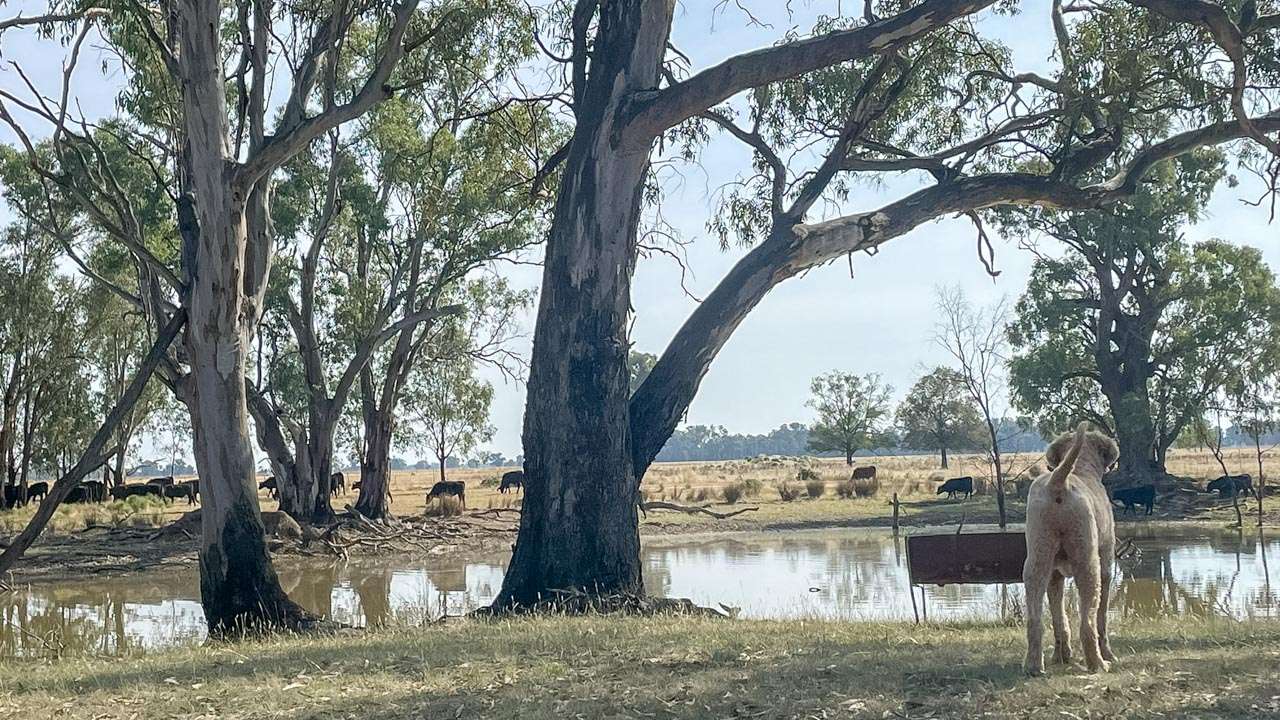
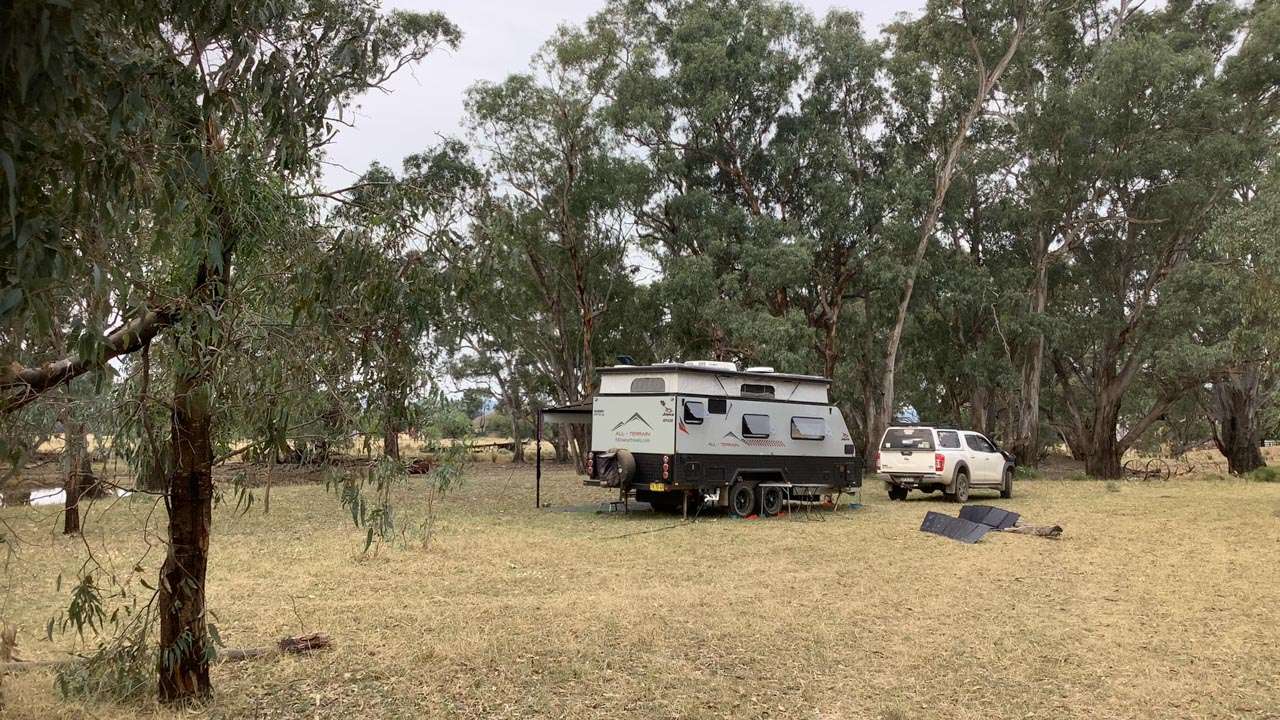
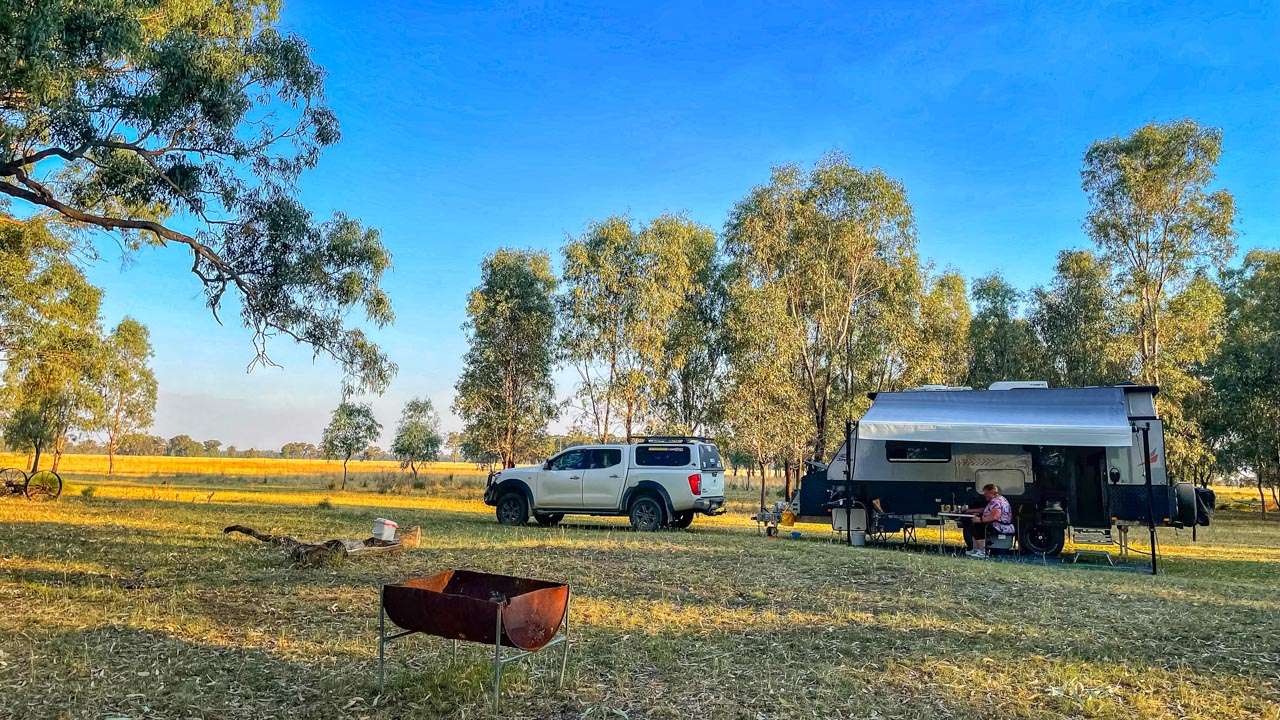
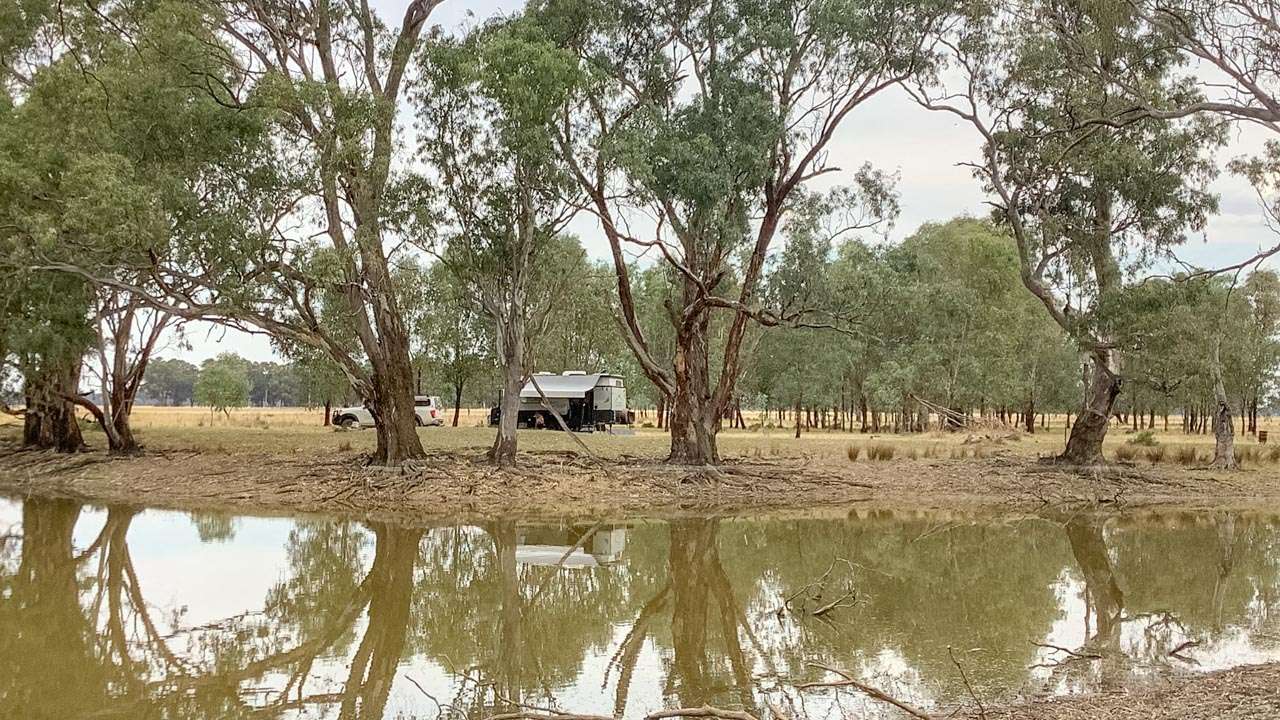
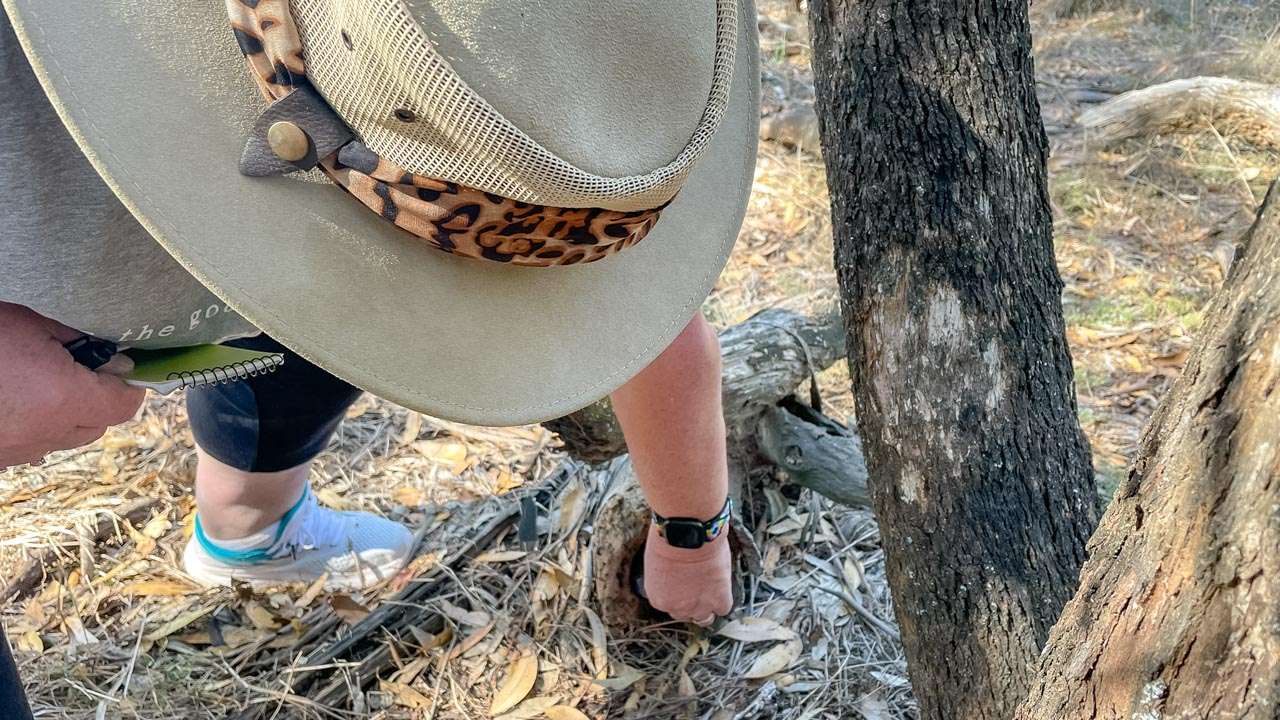
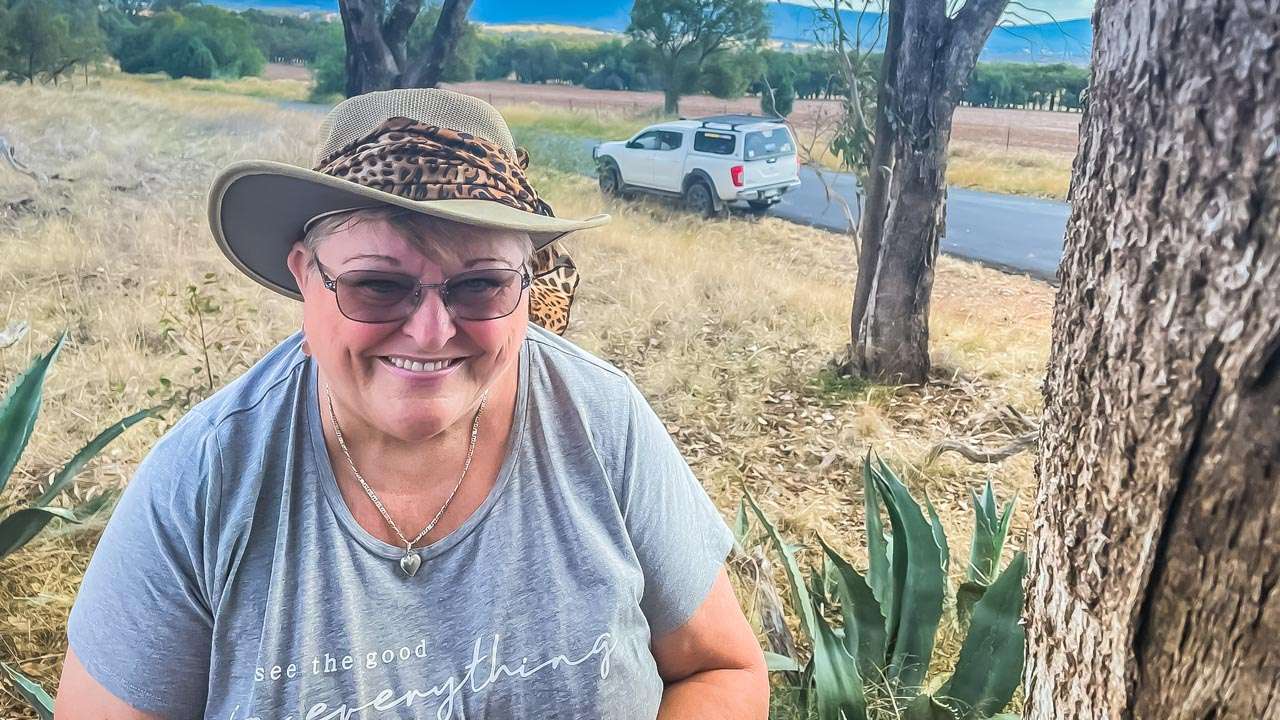
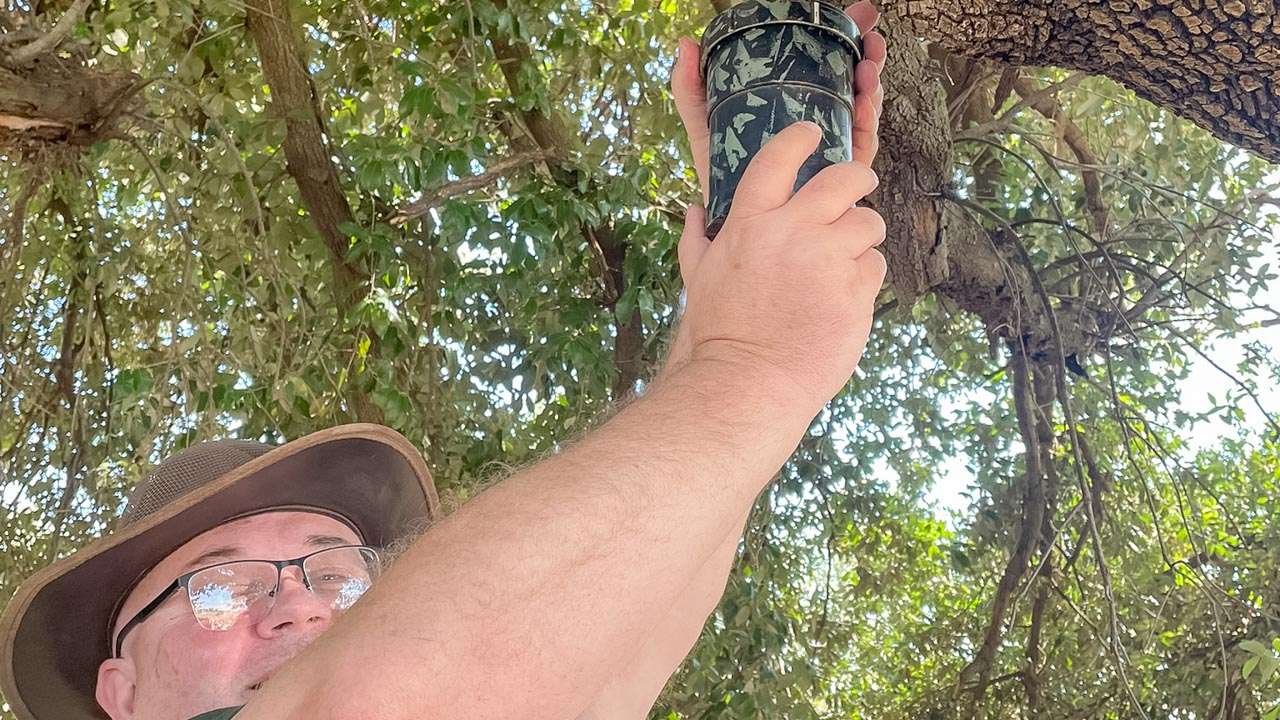
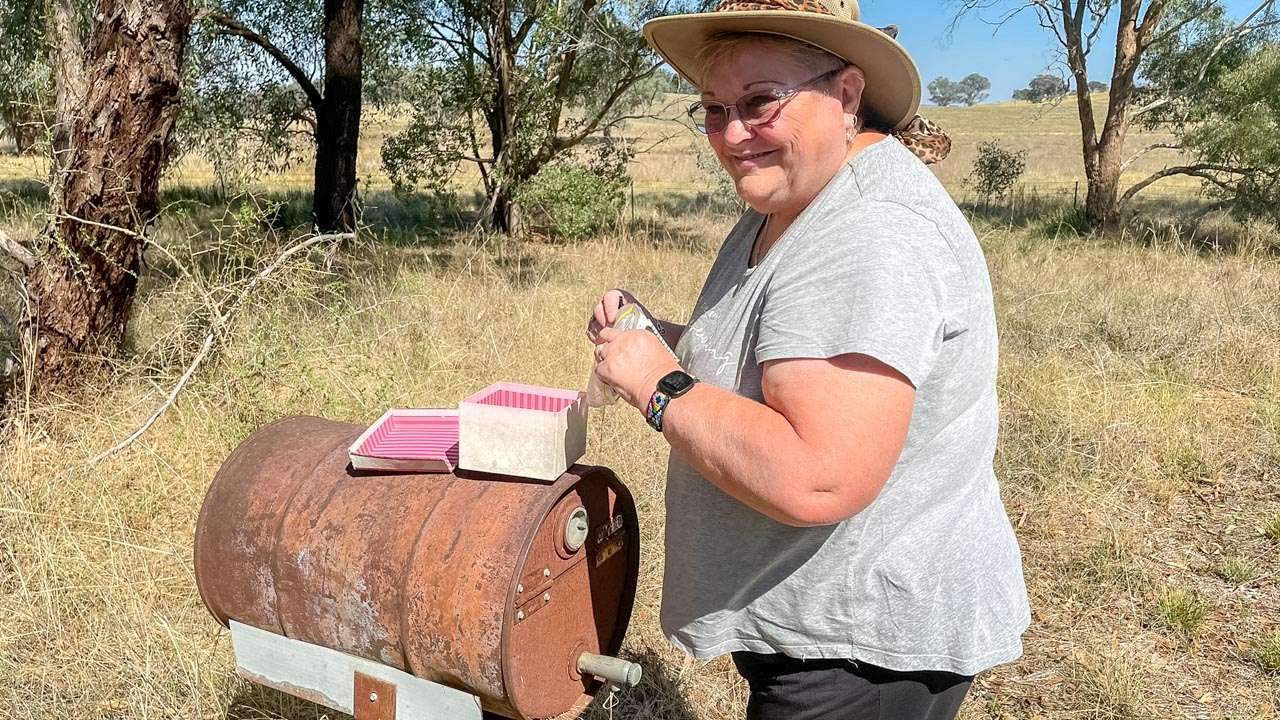
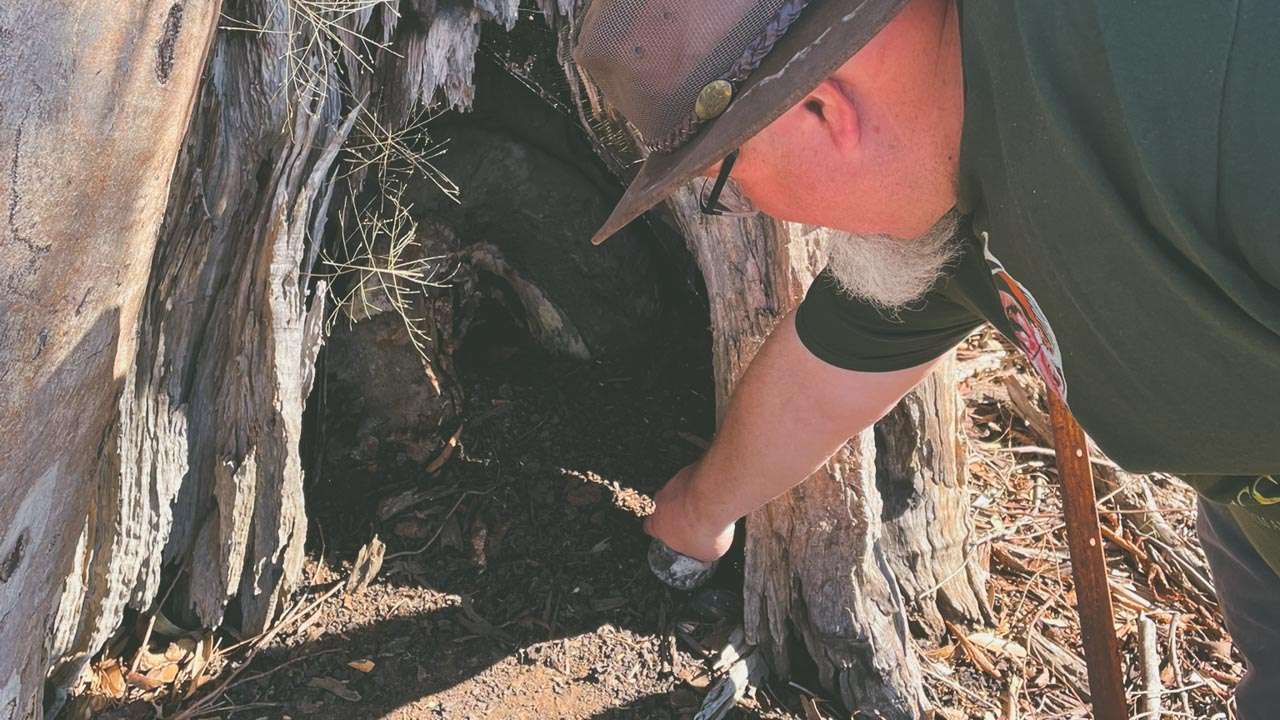
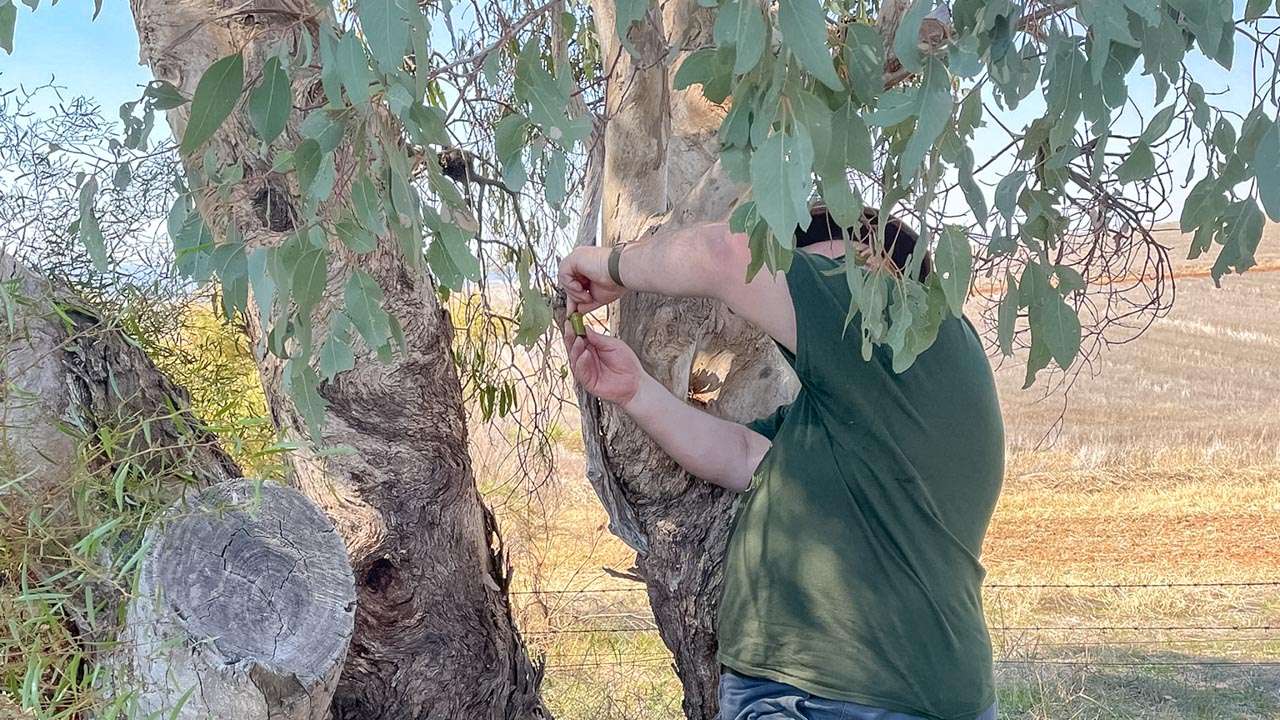
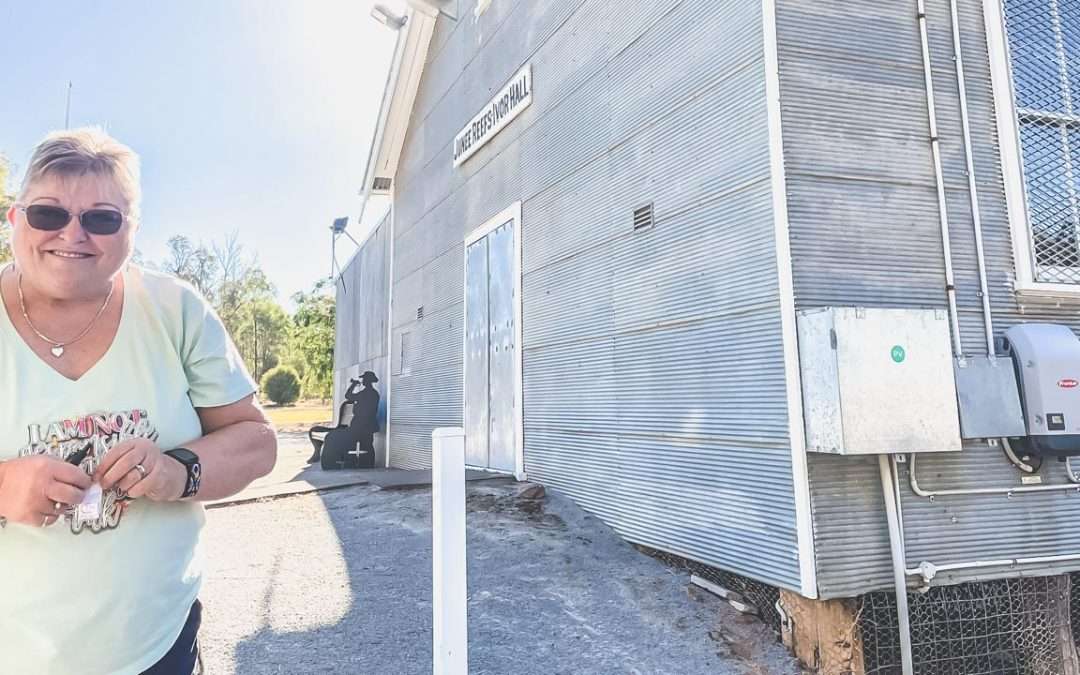
We found our first geocache and now we’re completely hooked! Geocaching is a perfect match for us and how we love to spend our free time. Here I will try to explain what a geocache and geocaching is all about and how you too can get into it.
Do you like being outdoors? Do you enjoy solving puzzles? If so, geocaching might just be the perfect activity for you. Imagine a treasure hunt where the world is your game board, and hidden treasures await discovery at every turn. Geocaching combines exploration with treasure hunting. It’s becoming a favourite pastime for people who love being outdoors and who enjoy problem solving.
What Is Geocaching?
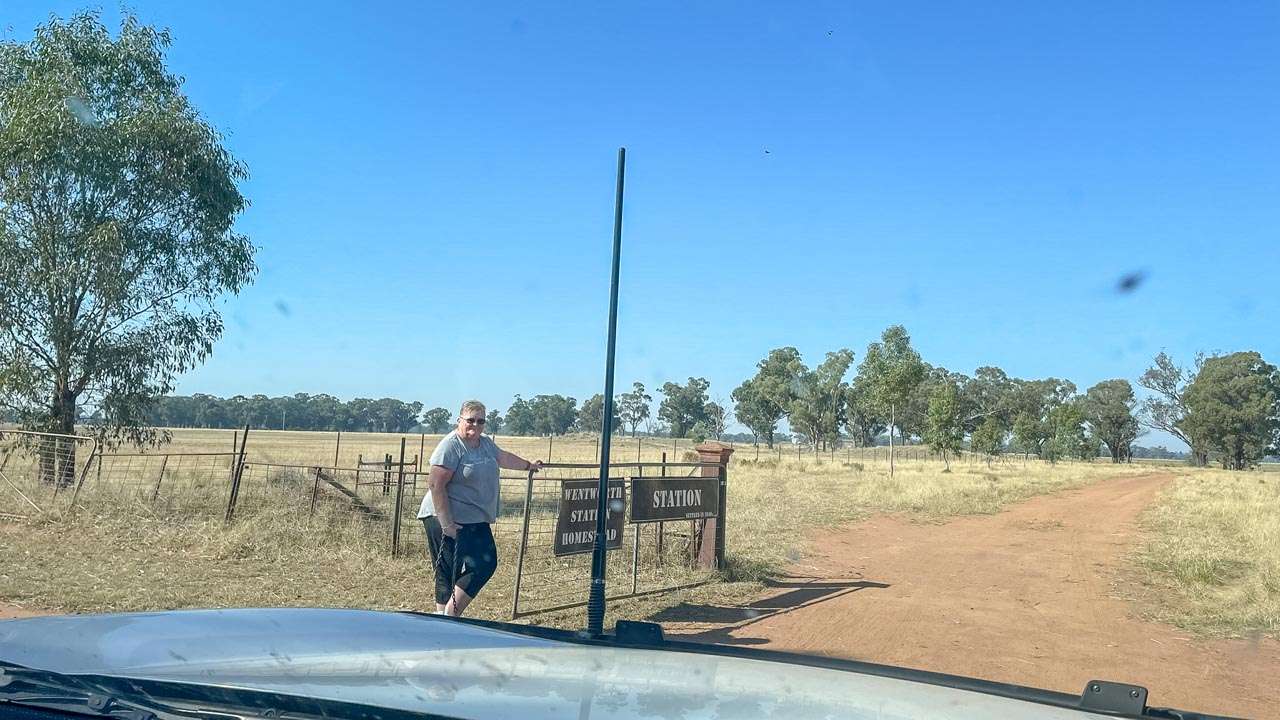
Pretty much geocaching is a treasure hunting game where participants known as geocachers get outdoors and use GPS devices to navigate to specific coordinates and find hidden containers called geocaches, placed by other players. The containers vary in size and appearance. They could be a small pill bottle or a large ammo cans. They can be found in a variety of locations varying from from urban streets to out in the middle of the bush up the end of a 4wd track.
How Does Geocaching Work?
- Finding A Geocache
To begin your geocaching adventure, you’ll need a GPS-enabled device, such as a smartphone or a handheld GPS device, and a sense of adventure. Start by visiting a geocaching website or app, where you can browse a database of geocaches hidden around the world. Choose a geocache that piques your interest and obtain its coordinates.
- Navigating To The Coordinates
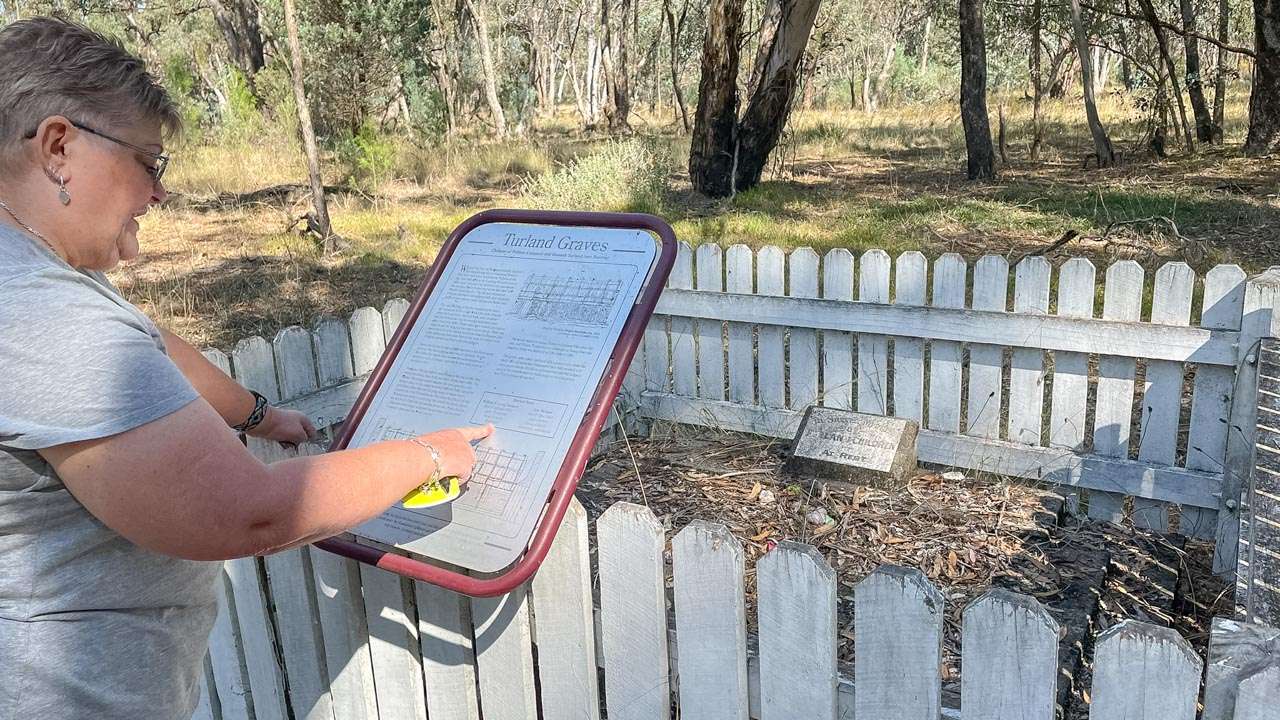
Once you have the coordinates, use your GPS device to navigate to the location of the geocache. This might lead you to a nearby park, a bustling city street, or a hidden trail in the woods. Stay alert as you navigate, as the geocache may be cleverly hidden to blend in with its surroundings.
- Discovering A Geocache
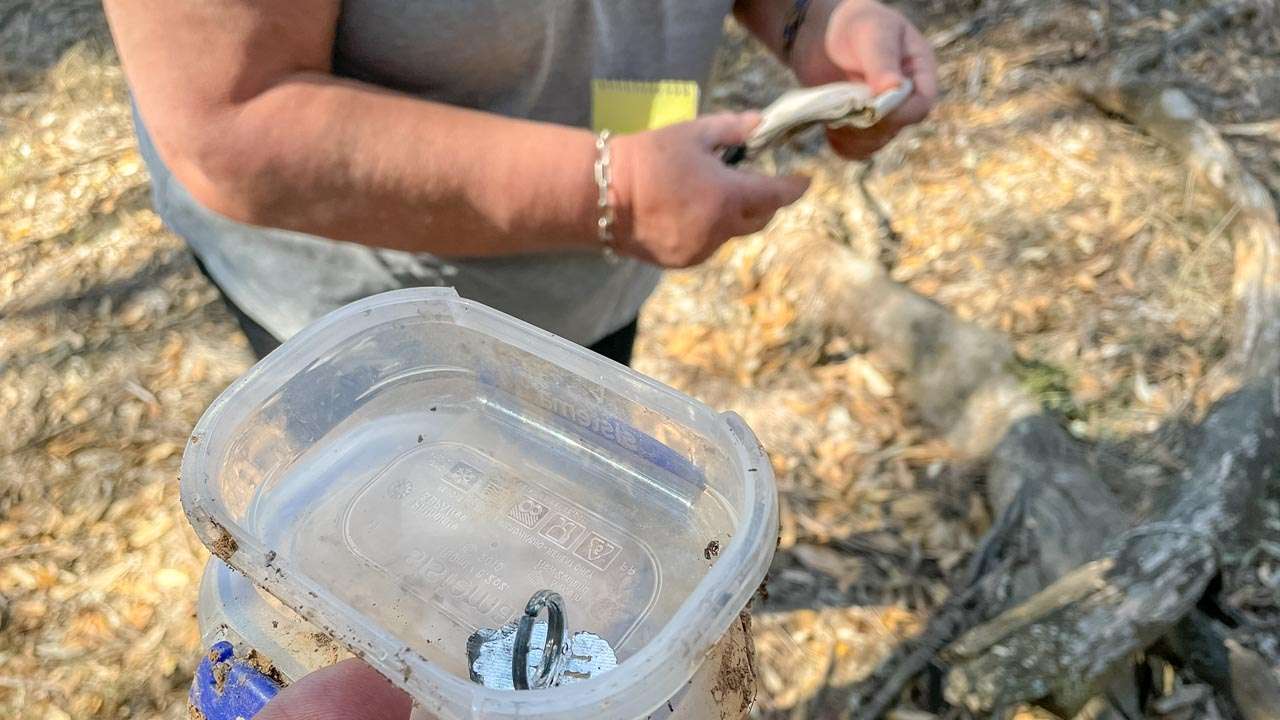
As you approach the coordinates, keep an eye out for anything that looks out of place or unusual. Geocaches are often hidden in plain sight but may require some creativity to find. Once you spot the geocache, open it up to reveal its contents, which typically include a logbook for you to sign and sometimes small trinkets or treasures for trading.
- Logging Your Find
After finding the geocache, be sure to sign the logbook with your geocaching username and the date of your find. If the geocache contains tradeable items, you can take one but remember to leave something of equal or greater value in return. Once you have located the geocache log your find on the paper log inside it and then go online or through a geocaching app and share your adventure with the geocaching community.
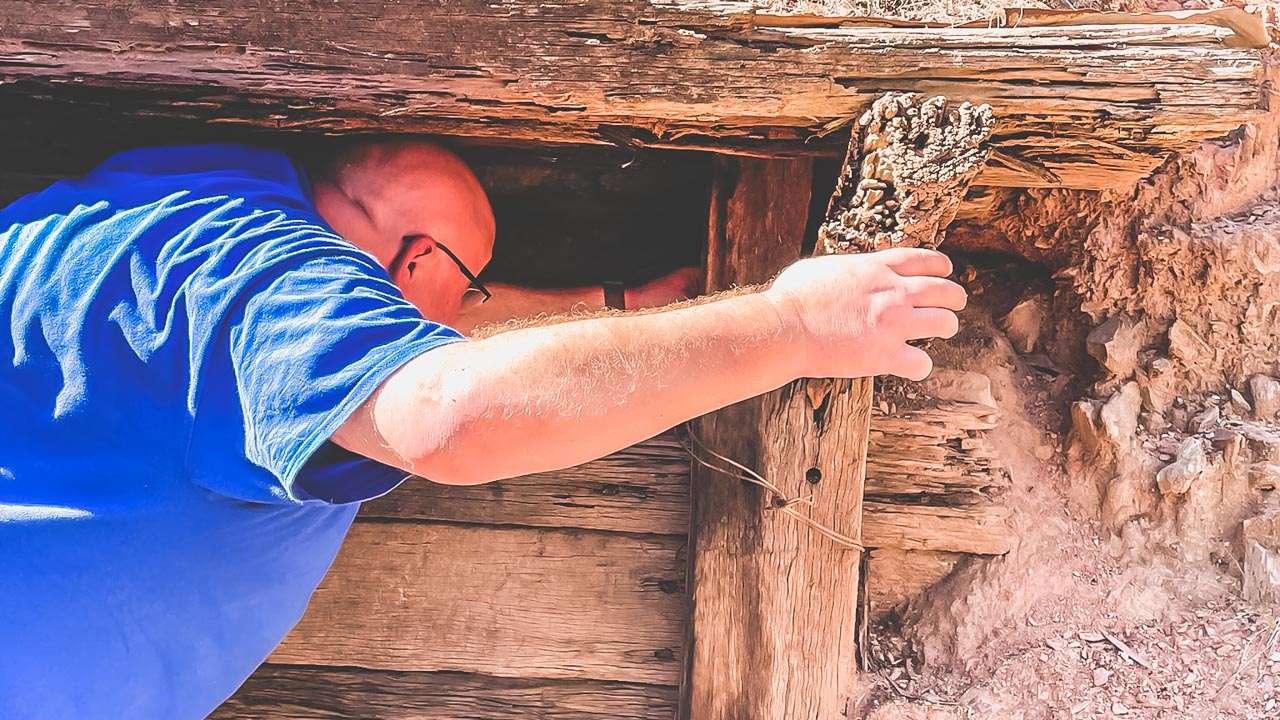
Geocache Find 102 GC3VE03 Old Gold Mine Workings At Temora NSW
The Appeal of Geocaching
- Adventure and Exploration
Geocaching takes you on a journey of discovery, leading you to hidden gems and scenic locations you may never have found otherwise. Whether you’re exploring your own region or travelling interstate geocaching adds adventure to your outdoor excursions.
- Community and Connection
While geocaching often involves solo expeditions, it also fosters a sense of community among participants. There are literally millions of geocaches hidden all around the globe. A bit like spiders you’re never that far from other geocachers who share your passion for getting outside and looking. Online forums, events, and meetups further strengthen the bonds within the geocaching community.
- Exercise and Fitness
Beyond the mental stimulation and adventure, geocaching also provides a fun way to stay active and fit. while you’re out and about bushwalking or riding your bike suburban bike tracks geocaching keeps you moving. It’s an ideal activity for people of all ages and fitness levels.
Geocaching Etiquette and Tips
- Respect the Environment
When geocaching, always practice Leave No Trace principles and respect the natural environment. Avoid trampling vegetation or disturbing wildlife habitats, and be mindful of any park regulations or restrictions.
- Rehide Carefully
After finding a geocache, rehide it exactly as you found it to ensure that it remains hidden for the next geocacher to discover. Use caution to avoid accidentally revealing its location to muggles (non-geocachers).
- Be Stealthy
While searching for geocaches in public areas, be discreet to avoid drawing attention to the hidden container. Stealthiness adds to the excitement of the hunt and helps preserve the integrity of the geocache.
Tips To Help You Find A Geocache
- Use the Hint: Geocaches often come with hints provided by the cache owner. These hints can be cryptic or straightforward and can give you valuable clues about the geocache’s hiding spot. Pay attention to the hint and use it to narrow down your search.
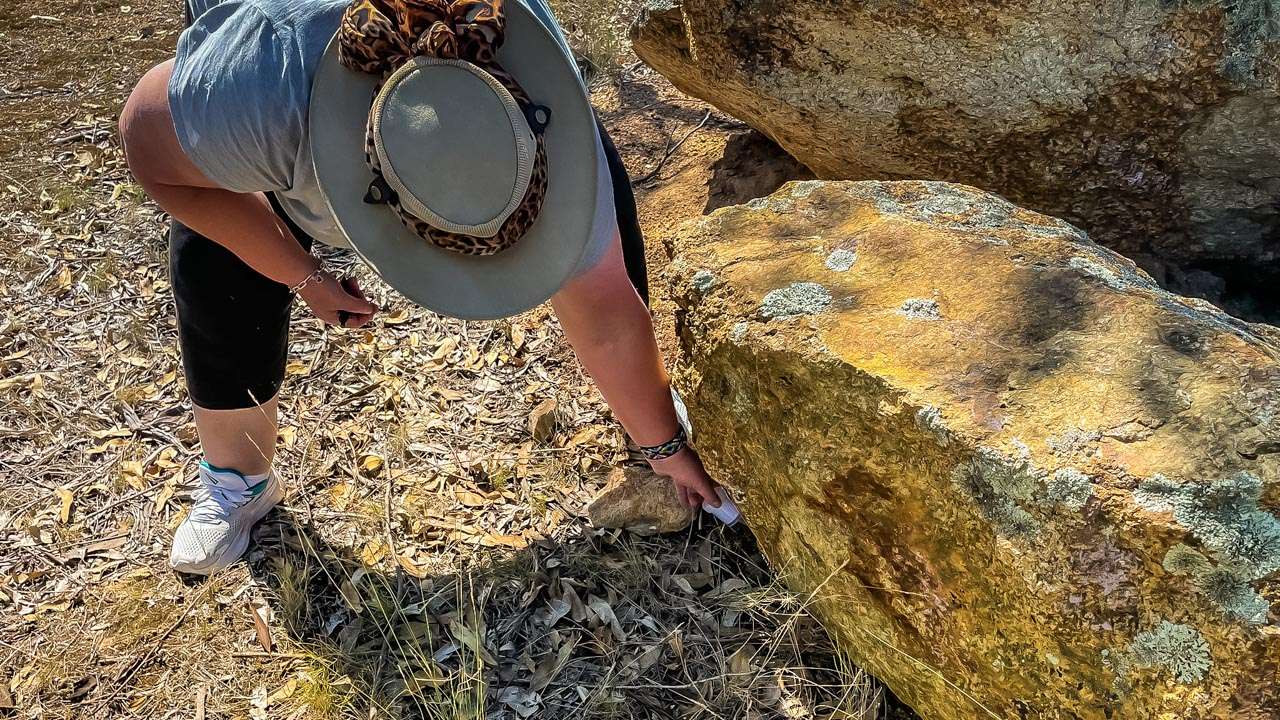
- Think Like a Geocacher: Consider the typical hiding spots for geocaches. They are often hidden in places that blend in with the surroundings but are still accessible to searchers. Common hiding spots include the base of trees, behind rocks or signs, under benches, and within hollowed-out logs.
- Search in Layers: When searching for a geocache, approach the area methodically and search in layers. Start by scanning the immediate area around the coordinates, then gradually expand your search radius outward. Look high and low, as geocaches can be hidden at various heights and depths.
- Pay Attention to Details: Geocaches are designed to blend in with their surroundings, so be observant of any details that seem out of place or unusual. Look for objects that appear slightly different from their surroundings, such as a rock that seems too perfectly shaped or a tree with an unnatural gap.
- Use Your Senses: Geocaching often involves using all of your senses to find hidden treasures. Listen for any sounds that might indicate the presence of a geocache, such as the rustling of leaves or the sound of something hidden moving. Use your sense of touch to feel for hidden containers or camouflaged objects.
- Be Patient and Persistent: Sometimes finding a geocache can be challenging, but don’t give up! Stay patient and persistent in your search, and don’t be afraid to revisit the area multiple times if needed. Remember, the thrill of discovery awaits just around the corner.
- Team Up: Geocaching with a partner or a group can make the search more enjoyable and increase your chances of finding the geocache. Two sets of eyes are better than one, and teamwork can lead to a successful discovery.
- Think Outside the Box: Geocaches can be hidden in unexpected places, so don’t limit your search to obvious locations. Be creative in your thinking and consider alternative hiding spots that others might overlook.
- Use Technology Wisely: Take advantage of your GPS device or smartphone to help navigate to the geocache coordinates accurately. However, remember that GPS signals can sometimes be imprecise, especially in dense forests or urban environments. Use other navigational aids, such as landmarks or compasses, to supplement your GPS navigation.
- Have Fun: Most importantly, enjoy the adventure! Geocaching is all about exploration, discovery, and having fun outdoors. Embrace the challenge, celebrate each find, and make lasting memories along the way.
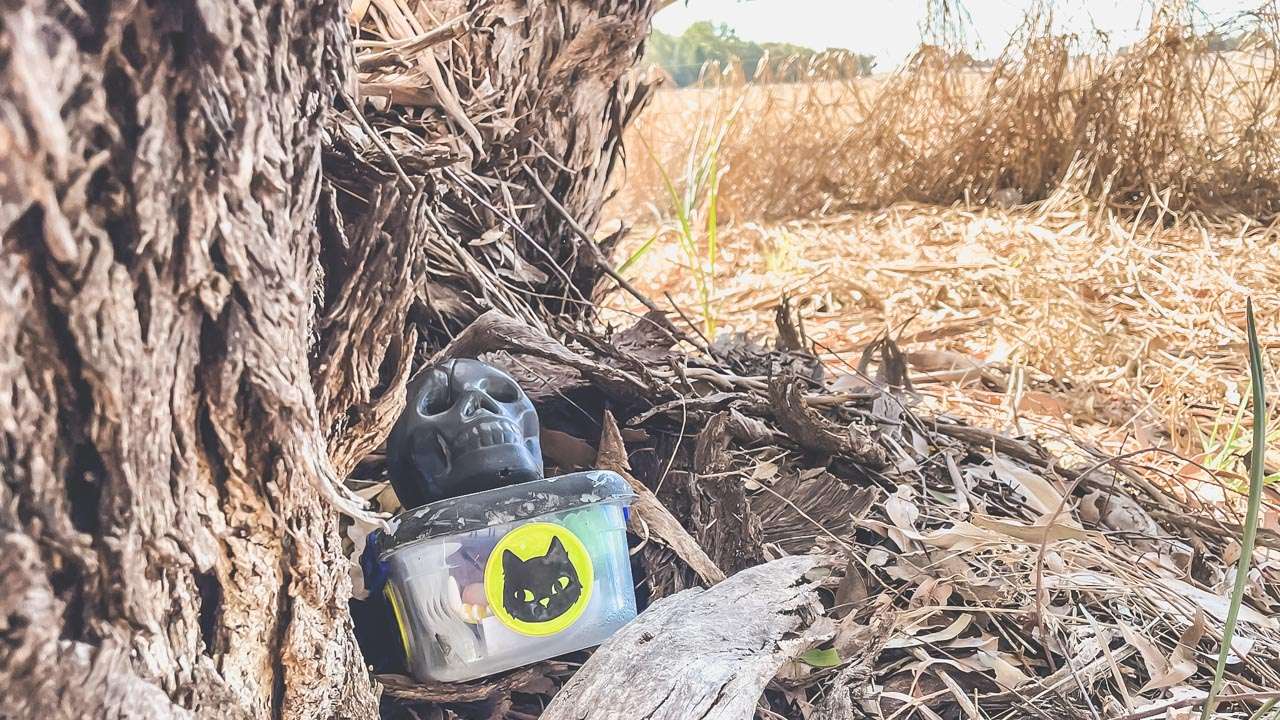
Happy Halloween Cache
Different Types Of Geocaches
There are several types of geocache, each offering a unique experience for geocachers. Here are some common types of geocaches you may encounter:
- Traditional Cache: The most common type of geocache, a traditional cache consists of a container hidden at specific coordinates. Geocachers navigate to the coordinates using GPS devices and search for the hidden container. Inside, they typically find a logbook to sign and sometimes small trinkets or treasures for trading.
- Multi-Cache: Multi-caches involve a series of locations, where each location provides clues or coordinates to the next stage of the cache. Geocachers follow a series of waypoints, solving puzzles or gathering information along the way until they reach the final container. Multi-caches can be more challenging and require problem-solving skills to complete.
- Mystery or Puzzle Cache: Mystery caches, also known as puzzle caches, require geocachers to solve a puzzle or mystery to uncover the cache’s coordinates. The puzzle could involve deciphering codes, solving riddles, or completing a series of tasks. Once the puzzle is solved, geocachers can navigate to the final location to find the hidden container.
- Letterbox Hybrid: A letterbox hybrid geocache combines elements of geocaching and letterboxing, another form of treasure hunting. These caches typically contain a logbook and a rubber stamp, which geocachers use to stamp their personal stamp into the cache’s logbook and vice versa. Letterbox hybrids often include clues or instructions for finding the cache, similar to letterboxing clues.
- EarthCache: EarthCaches are educational geocaches that focus on geology and earth science. Instead of containing physical containers, EarthCaches provide geological features or phenomena at specific coordinates. Geocachers visit these locations to learn about geological processes, formations, or natural landmarks, often answering questions or completing tasks to log their visit.
- Virtual Cache: Virtual caches are geocaches that exist only in the virtual realm, with no physical container to find. Instead, geocachers visit a location and complete a task or answer a question to log their find. Virtual caches often highlight historical landmarks, cultural sites, or points of interest, providing an opportunity for exploration and learning.
- Event Cache: Event caches are temporary gatherings or events organised by geocachers to meet, socialise, and exchange stories. These events can range from casual meetups at a local park to larger gatherings or mega-events with hundreds or even thousands of attendees. Event caches typically involve signing a logbook or logging attendance online to mark participation.
- Wherigo Cache: Wherigo caches combine geocaching with location-based gaming, using GPS-enabled devices to guide players through interactive storylines or adventures. Geocachers follow a series of virtual waypoints and complete tasks or challenges along the way, with the ultimate goal of finding a physical container hidden at the final location.
These are just a few examples of the diverse range of geocache types available to adventurers and treasure hunters. Each type offers its own set of challenges, experiences, and opportunities for exploration, ensuring that there’s something for everyone in the world of geocaching.
Geocaching Apps
There are loads of geocaching apps available to help you get into finding geocaches. Here are a few popular options:
- Geocaching by Groundspeak: The official Geocaching app by Groundspeak is one of the most widely used and trusted geocaching apps. It allows you to search for geocaches near your current location, view cache details, navigate to caches using GPS, log your finds, and connect with the geocaching community. The app is available for both iOS and Android devices.
- Cachly: Cachly is a feature-rich geocaching app designed for iOS devices. It offers a user-friendly interface, offline caching capabilities, advanced search filters, and customizable maps. With Cachly, you can easily explore nearby geocaches, track your finds, and log your experiences in the field.
- Cachebot: Cachebot is an Android geocaching app known for its simplicity and ease of use. It provides basic features for searching, navigating, and logging geocaches, making it ideal for beginners or casual geocachers. Cachebot also offers offline caching support, allowing you to download cache data for use in areas with limited or no internet connectivity.
- Looking4Cache: Looking4Cache is a geocaching app available for both iOS and Android devices. It offers a variety of features, including offline maps, advanced waypoint management, and support for multiple geocaching platforms. Looking4Cache also provides tools for solving puzzles, managing trackables, and organizing geocache lists.
- c:geo: c:geo is a popular open-source geocaching app for Android devices. It offers a wide range of features, including offline caching, live map updates, advanced search options, and support for multiple geocaching platforms. c:geo is highly customizable and actively developed by a community of geocaching enthusiasts.
These are a few examples of the many geocaching apps you can set yourself up with. Whether you’re an expert geocacher or just getting into the hobby there’s an app out there to enhance your geocaching experience and get you connected with fellow treasure hunters.
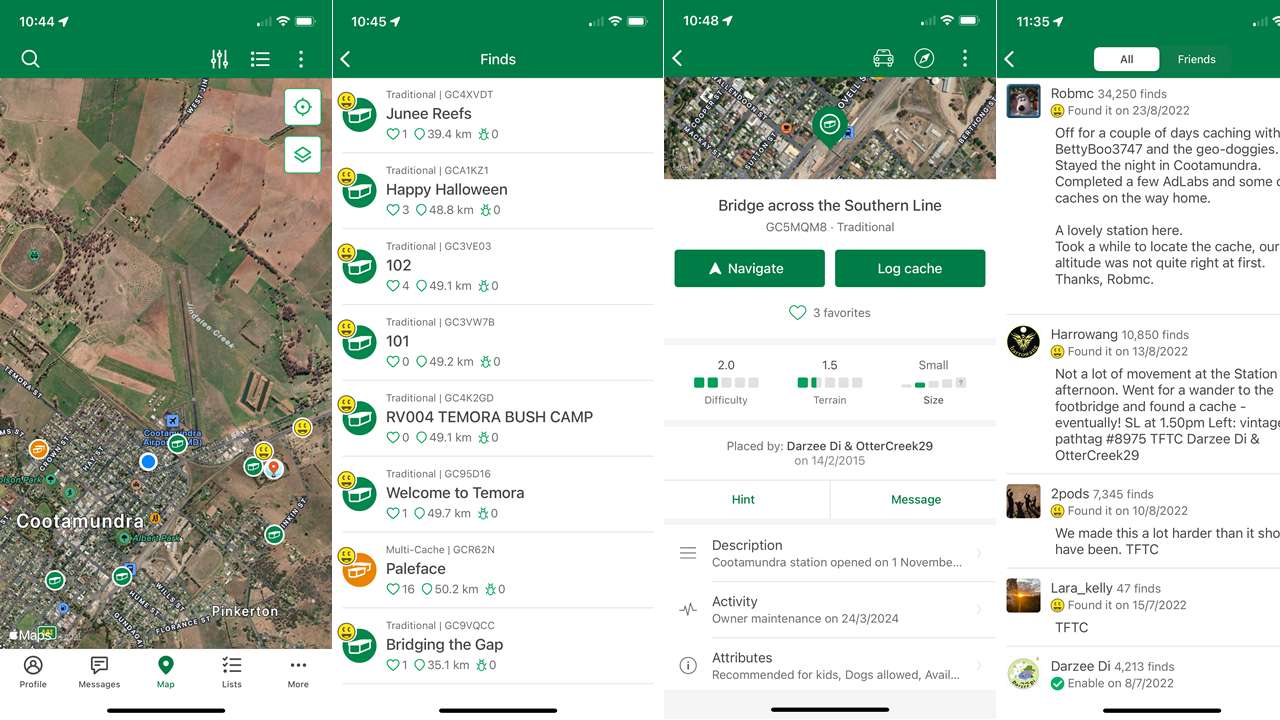
Geocaching App By Groundspeak Screenshots
Summary
Geocaching offers a blend of adventure, exploration, and community. Whether you’re a seasoned geocacher or just getting into it there’s always a new treasure waiting to be discovered just beyond the coordinates. Grab your GPS device, embrace the spirit of adventure, and get out and about on your next geocaching expedition today!