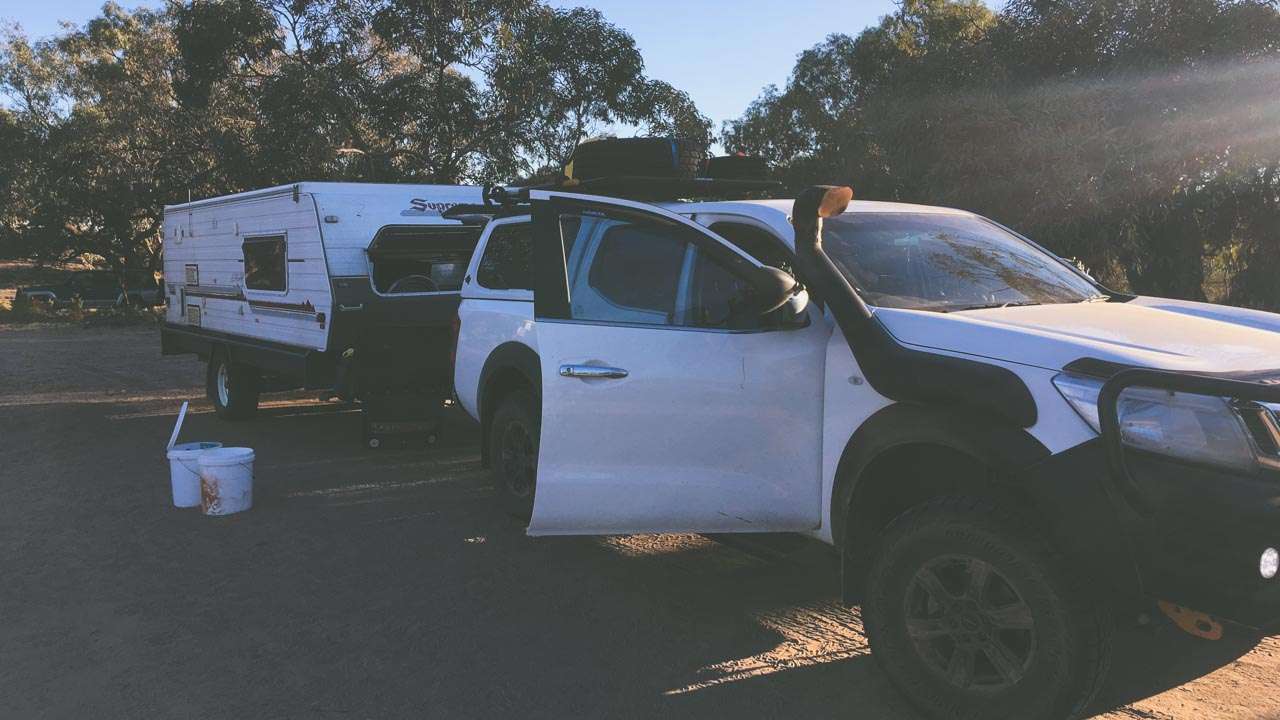
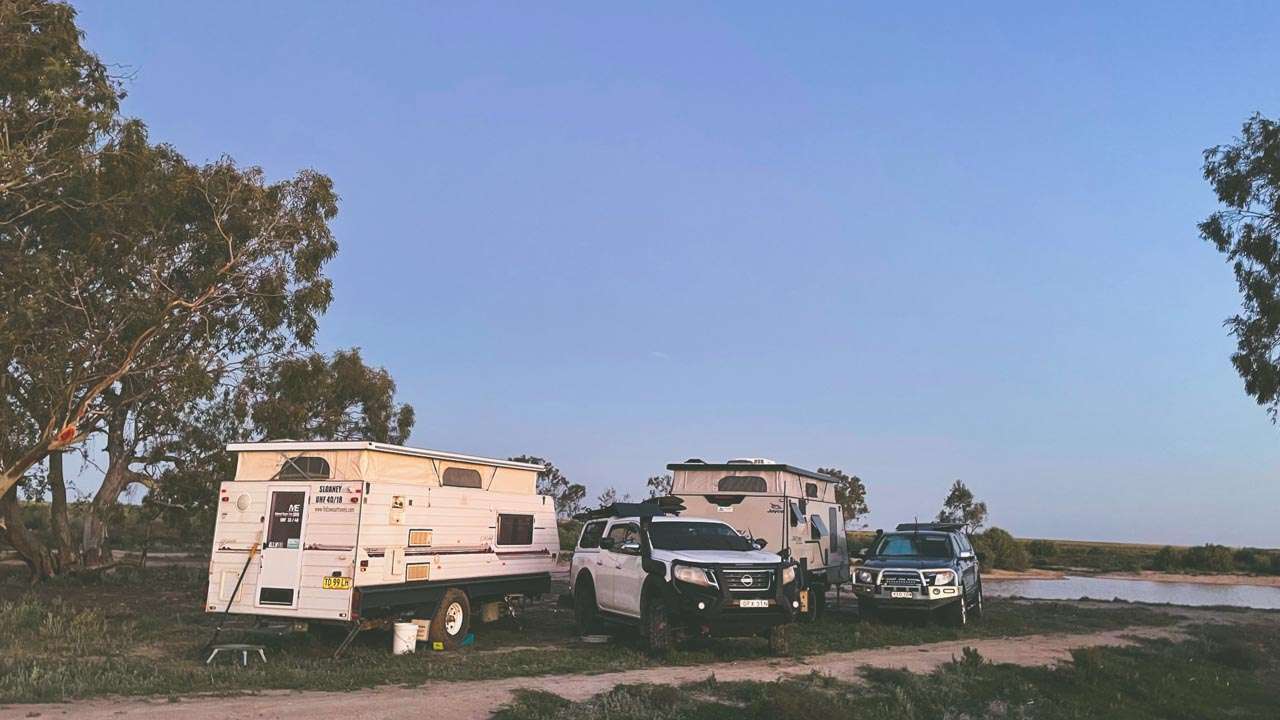
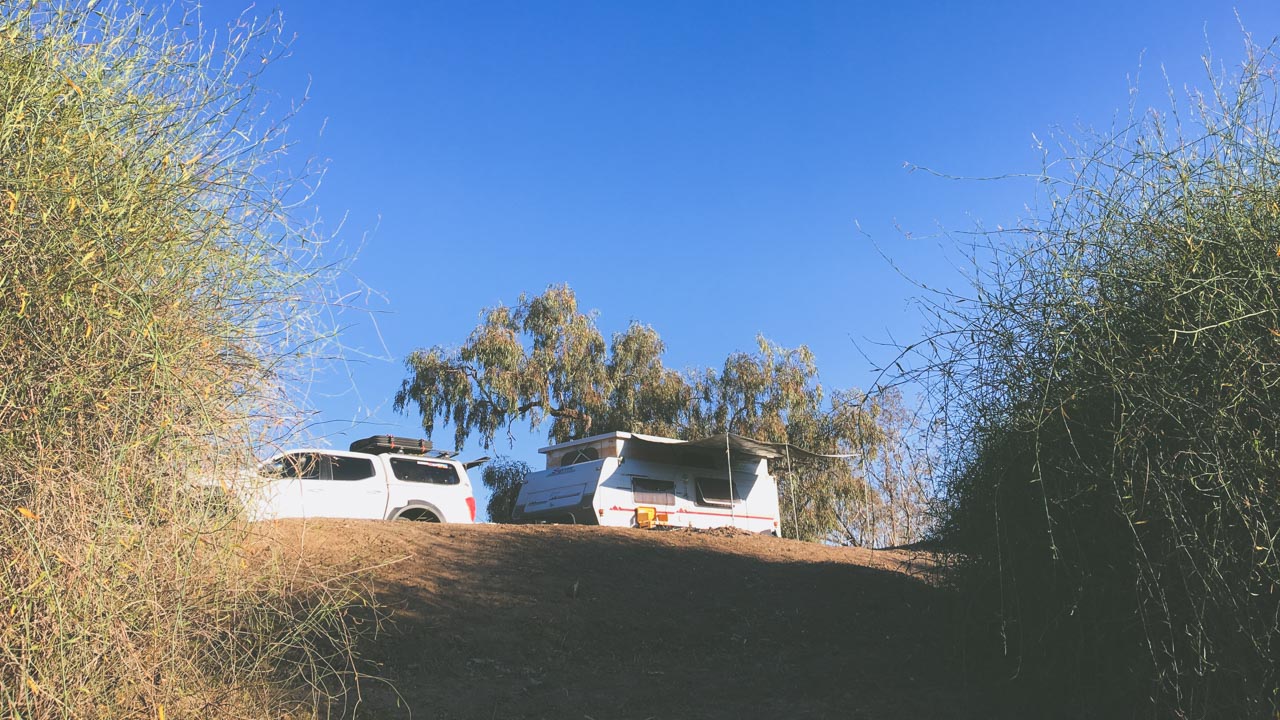
Want to camp near Sydney for free or on the cheap? We show you where with 17 awesome camp sites less than 2 hours from Sydney. Pet friendly sites are included. Some places you can camp near Sydney even include showers, toilets and potable water.
How We Qualified A Camp Near Sydney Listing
To make our list of camp sites near Sydney we had the following criteria that needed to be met.
- Less than two hours drive from Homebush Olympic Park – considered by many to be the new centre of Sydney.
- Accessible to all types of camping – such as tents, camper trailers and caravans.
- Not a caravan park – because caravan parks aren’t really camping now are they?
- Bush or beachside setting – gravel pits and showgrounds need not apply!
- We had to have actually been there – not just found it on a Google search and then tried to pretend we were experts on the place.
- Free or cheap camping – no big dollar Hipcamp sites here. Hipcamp sites have their place just not on this list.
Here They Are – Camp Sites Near Sydney Less Than Two Hours Drive
- Cattai Campground
- Coledale Camping Reserve
- Bents Basin
- Murphys Glen
- Burralow Creek
- Burralow Reserve
- Cathedral Reserve Mt Wilson
- Londonderry Reserve
- Penrose State Forest
- Belanglo State Forest
- Lake Wallace Recreation Area
- Lidsdale State Forest
- Gambells Rest
- Bendeela Camping Reserve
- Wollondilly River Station
- Wingello State Forest
- Bungonia National Park
1. Cattai Campground
Type: National Park
Distance From Sydney: 49km (0h 58m)
Location: Cattai NSW
GPS: -33.554836°, 150.891565°
Toilet: Yes
Showers: Yes
Potable Water: No
Pet Friendly: No
Fires: Yes When Not A Fire Ban
Booking Required: Yes
Price: $12per person per night plus park access fees
Web: https://www.nationalparks.nsw.gov.au/cattai-national-park/cattai-campground/camping
Enjoy camping in Cattai National Park on the Hawkesbury River. Go walking, canoeing and bike riding before cooking up a barbeque feast. Sites are unpowered and suitable for tents, camper trailers, motorhomes and caravans. Kids will love the wide open space that is great for bike riding, playing and running, plus the campground is right near the Hawkesbury River, meaning fishing, canoeing and kayaking opportunities are all nearby. There are shady spots to enjoy a barbecue dinner and the picnic area is nearby for lunchtime activities. There’s also the historic Cattai Homestead, a short walk or drive from campground. It’s an important part of Australian history so be sure to check it out. You’ll probably be woken by the call of birds in the morning, and you may see a kangaroo peeking at you through the bushland on a morning walk to the lookout over Hawkesbury River.
Cattai National Park is locked overnight, including the campground. An emergency after-hours gate code will be included in your booking confirmation. Pets, generators and gathering firewood are not permitted. NSW national parks are no smoking areas. Booking is required. Book online or call the National Parks Contact Centre on 1300 072 757. Park entry fees are not included in your camping fees.
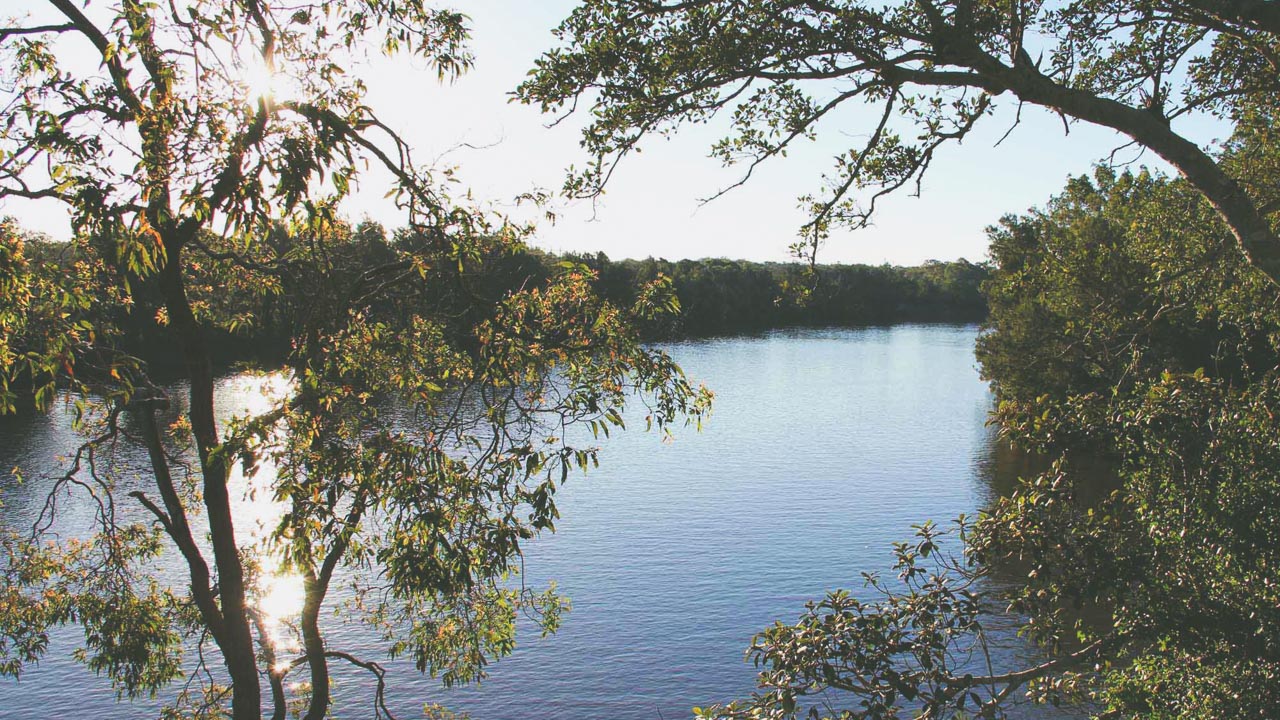
Cattai National Park River Lookout
2. Coledale Camping Reserve
Type: Paid Campground
Distance From Sydney: 63km (1h 3m)
Location: Coledale NSW
GPS: -34.287245°, 150.948447°
Toilet: Yes
Showers: Yes
Potable Water: Yes
Pet Friendly: No
Fires: No
Booking Required: Yes
Price: $30 per night
Web: https://www.coledalebeach.com.au/camping
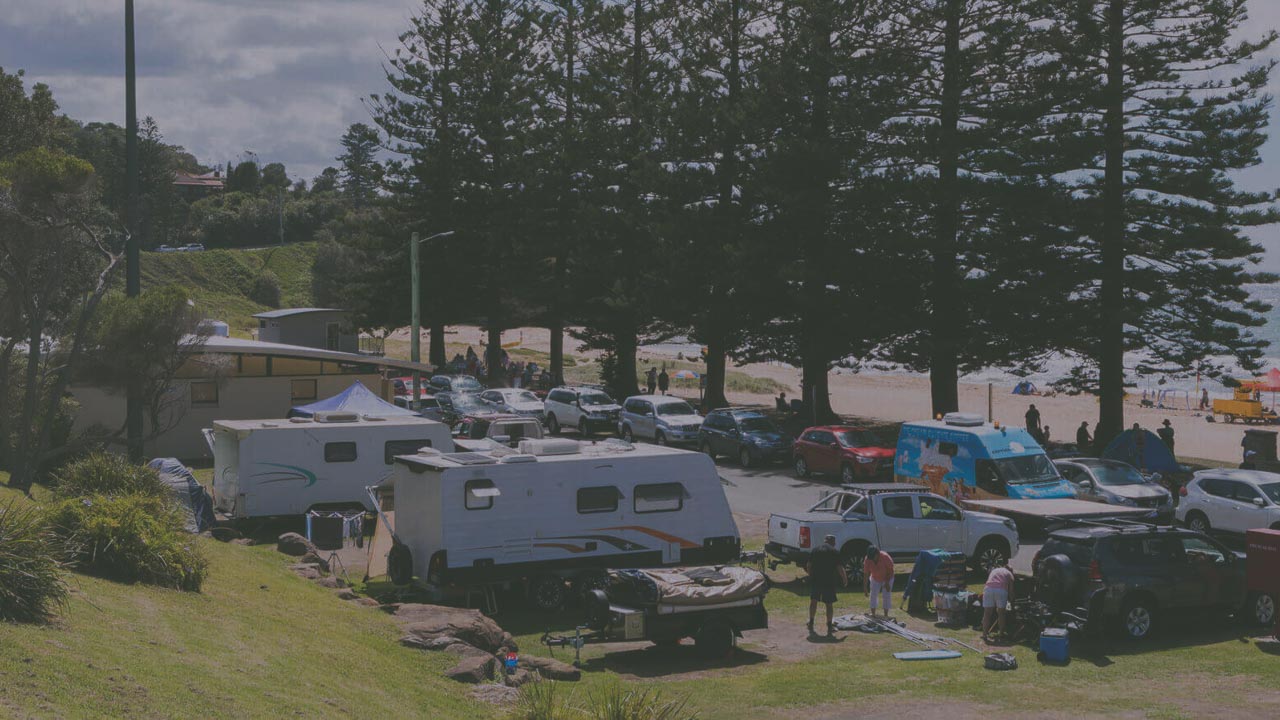
I (Dave) have camped here for probably around a full year spread across the first 20 years of my life. My grandparents camped here in a giant tent surrounded by my uncles and aunties and great uncles and great aunties and cousins for 6 weeks every Christmas for 50 years. In fact I was born in Coledale! It is without doubt my favourite place in the world to camp. Right on the beach. I probably know every fishing fishing spot and rock within 5km either side of the campground. if you want to camp near Sydney on a beach then this is the absolute best of the best.
The surf club operates a small and unique grassy campsite that borders right onto the beach. Coledale beach is sandwiched between the rolling blue surf of the pacific and the rolling green tree canopy of the Illawarra escarpment. Coledale is accessed by the spectacular Grand Pacific Drive via the stunning Sea Cliff Bridge. The beach is a great surfing spot, with the right conditions offering nice right and left hand breaks. Coledale Beach is a great location to enjoy the beach, swim, surf, fish, dive or just sit back, enjoy the views and sound of the surf at your doorstep. Regular visits by dolphins playing just off the beach and close views of migrating humpback and southern right whales just add to the experience. if you want to camp near Sydney practically on the the beach then this is the camp site for you.
- The Coledale Surf Life Saving Club Inc. manages the Camping Reserve under the License from Wollongong City Council.
- Book well in advance as there are often no vacancies.
- Check the website for availability.
Coledale Camping Reserve
3. Bents Basin
Type: National Park
Distance From Sydney: 64km (0h 51m)
Location: Greendale NSW
GPS: -3.931914°, 150.637168°
Toilet: Yes
Showers: Yes
Potable Water: Yes
Pet Friendly: No
Fires: Yes When Not A Fire Ban
Booking Required: Yes
Price: $12per person per night plus park access fees
Web: https://www.nationalparks.nsw.gov.au/visit-a-park/parks/bents-basin-state-conservation-area
If you want to camp near Sydney then you probably won’t find anything else this good this close. Bents Basin is a popular camping destination located in New South Wales, Australia. It is a natural waterhole situated along the Nepean River, approximately 20km southwest of Penrith. The basin offers a serene and picturesque setting for camping and outdoor activities.
- Camping Facilities: Bents Basin offers both powered and non-powered campsites, providing options for tents, caravans, and motorhomes. The campground features amenities such as toilets, hot showers, picnic tables, and barbecues. Drinking water is available on-site as well.
- Activities: The main attraction at Bents Basin is the waterhole, which is suitable for swimming and canoeing. The calm waters make it a great spot for families and individuals looking to relax and enjoy water-based activities. Additionally, you can explore the surrounding bushland by taking one of the walking trails, go fishing, or have a picnic along the riverbanks.
- Booking and Fees: To camp at Bents Basin, you typically need to make a booking in advance, especially during peak seasons. You can make a reservation through the New South Wales National Parks and Wildlife Service website or by contacting their customer service. Fees apply for camping, and the prices may vary depending on the type of campsite and the season.
- Nearby Attractions: If you want to explore beyond Bents Basin, there are several attractions in the vicinity. The Blue Mountains National Park is within driving distance, offering breathtaking views, hiking trails, and iconic landmarks like the Three Sisters. The town of Penrith also has attractions such as the Penrith Whitewater Stadium and the Museum of Fire.
- Important Considerations: When camping at Bents Basin, it’s essential to follow the campground rules and respect the environment. Remember to bring your camping gear, food, and other necessities as there are no shops available on-site. Also, be aware of the weather conditions and any fire restrictions in the area.
Before planning your trip, it’s advisable to check the latest information, availability, and any updated regulations regarding camping at Bents Basin. Contacting the New South Wales National Parks and Wildlife Service or visiting their official website will provide you with the most up-to-date information for a smooth camping experience.
4. Murphys Glen
Type: National Park
Distance From Sydney: 74km (1hr 18m)
Location: Near Woodford NSW (Blue Mountains National Park)
GPS: -33.768751°, 150.485910°
Toilet: Yes
Showers: No
Potable Water: No
Pet Friendly: No
Fires: Yes When Not A Fire Ban
Booking Required: Yes
Price: $6 Booking Fee
Web: http://www.nationalparks.nsw.gov.au/camping-and-accommodation/campgrounds/murphys-glen-campground
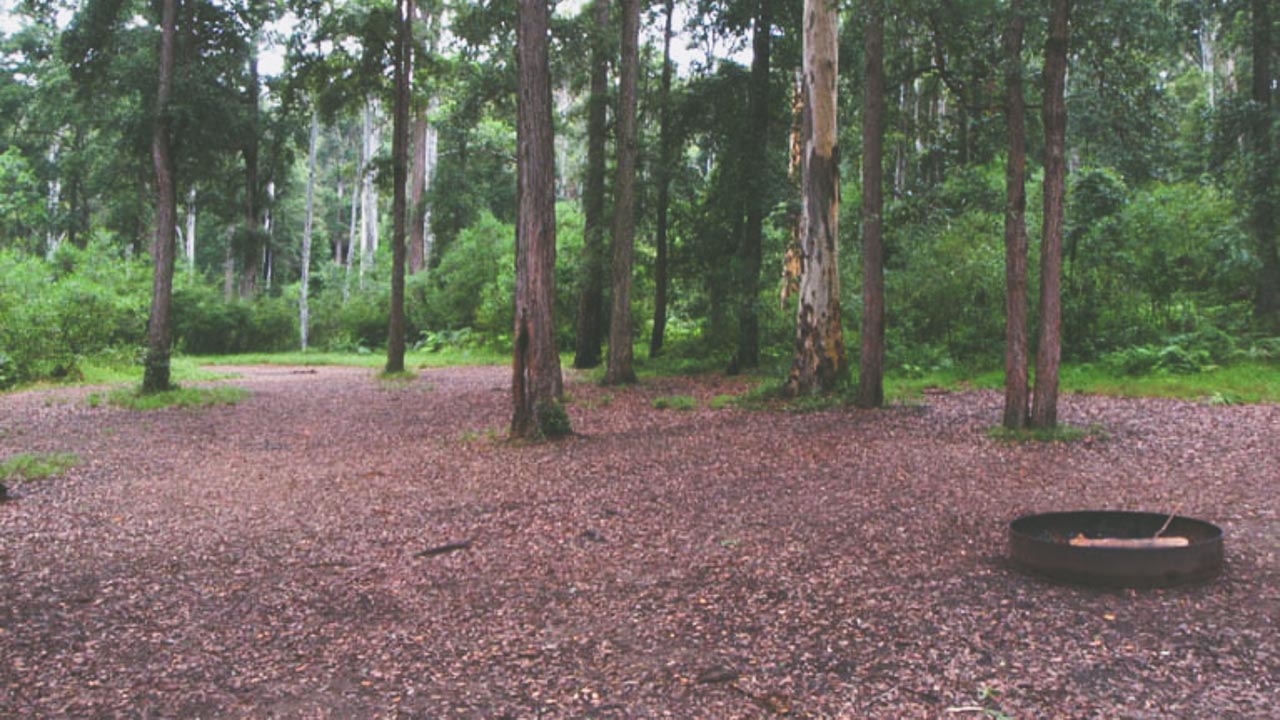
Murphys Glen camp ground near Woodford offers walking and birdwatching. It’s the perfect nature getaway if you have a 4WD and want to spend time in the Blue Mountains National Park. There are unpowered and unmarked sites suitable for tents, camper trailers, small offroad caravans and camping beside your vehicle. There’s space for family and friends at this spacious campground. When you’re ready to explore a short walking track will take you to several small pools. Another track leads to Murphys lookout. Enjoy the local nightlife with possums, sugar gliders and bats making a delightful racket.
- Facilities include BBQ’s and toilets. Camping is free.
- Check conditions before you set out. While 2WD vehicles can access this campground a 4WD is recommended, especially after rain.
This location is a free campground, however a booking fee of $6 per site applies. Money collected will be used to manage campground numbers and improve your safety. You are required to book for campgrounds and campsites in NSW national parks. This includes locations that were previously available for use without a booking. Book online or contact the National Parks Contact Centre on 1300 072 757.
Murphys Glen Campground Blue Mountains National Park
5. Burralow Creek
Type: National Park
Distance From Sydney: 81km (1hr 25m)
Location: The Devils Wilderness NSW (Blue Mountains National Park)
GPS: -33.555564°, 150.603623°
Toilet: Yes
Showers: No
Potable Water: No
Pet Friendly: No
Fires: Yes When Not A Fire Ban
Booking Required: Yes
Price: $8 Booking Fee
Web: https://www.nationalparks.nsw.gov.au/camping-and-accommodation/campgrounds/burralow-creek-campground-picnic-area
- No Caravan access – Tent, Camper trailer site, Camping vehicles only
- The fire trail access to this campground is recommended for 4WD vehicles only.
- Sites are unmarked.
- This campground is in a remote location, so it’s a good idea to pick up your supplies before you arrive.
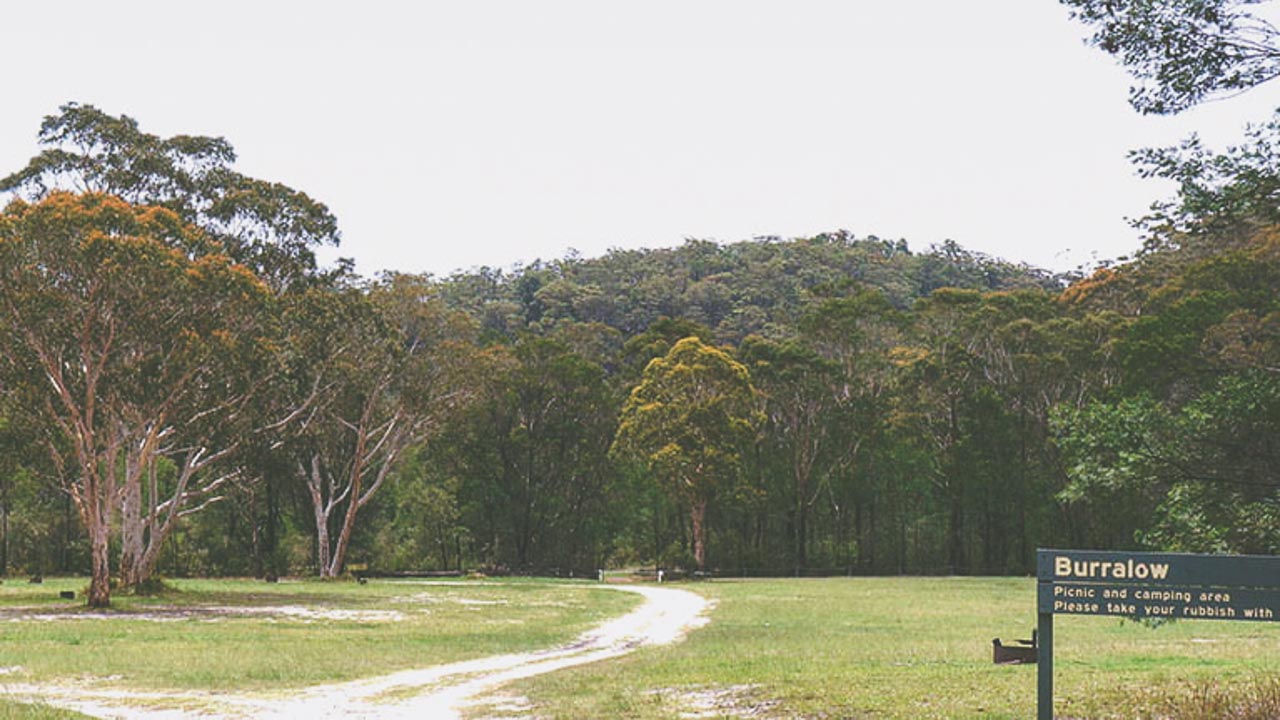
Get back to nature at secluded Burralow Creek campground and picnic area in Blue Mountains National Park, around 2 hours from Sydney. You’ll find walking and picnicking opportunities just moments from your tent. Burralow Creek campground and picnic area is nestled beside Burralow Creek, in the Lower Grose Valley area of Blue Mountains National Park. Set up camp on the grass, surrounded by native scribbly gums and a natural sandstone amphitheatre. This peaceful spot is popular with families and groups of friends looking for a remote bush escape close to Sydney. There’s plenty of space for the kids to roam free.
From your campsite, take an easy bushwalk past a convict-dug pit, along the creek and through a small rainforest gully to Bulcamatta Falls. The nearby Burralow peat swamps provide habitat for the nationally endangered giant dragonfly in summer, and keen birdwatchers should keep an eye out for the rare glossy black cockatoo. Cook up a barbecue feast for dinner and see if you can spot the nightlife, including swamp wallabies, sugar gliders, brushtail and ringtail possums, and several species of owl. Then settle in and watch the night sky fill with stars.
Burralow Creek Campground
6. Burralow Reserve
Type: National Park
Distance From Sydney: 81km (1h 31m)
Location: Bellbird Hill NSW
GPS: -33.555564°, 150.603623°
Toilet: Yes
Showers: No
Potable Water: No
Pet Friendly: No
Fires: Yes When Not A Fire Ban
Booking Required: Yes
Price: $8 Booking Fee
Web: https://www.nationalparks.nsw.gov.au/camping-and-accommodation/campgrounds/burralow-creek-campground-picnic-area
Camp near Sydney and get back to nature at secluded Burralow Creek campground and picnic area in Blue Mountains National Park. You’ll find walking and picnicking opportunities just moments from your tent. he fire trail access to this campground is recommended for 4WD vehicles only. Sites are unmarked.
This campground is in a remote location, so its a good idea to pick up your supplies before you arrive. Burralow Creek campground and picnic area is nestled beside Burralow Creek, in the Lower Grose Valley area of Blue Mountains National Park. Set up camp on the grass, surrounded by native scribbly gums and a natural sandstone amphitheatre. This peaceful spot is popular with families and groups of friends looking for a remote bush escape close to Sydney. There’s plenty of space for the kids to roam free. From your tent take an easy bushwalk past a convict-dug pit, along the creek and through a small rainforest gully to Bulcamatta Falls.
- This site is accessible by 4WD vehicles only and is suitable for tents, camper trailers and camping beside your vehicle.
- Facilities include BBQs and toilets.
- It can be a popular place, especially over long weekends, so make sure you arrive early to get the best spots.
- Book online or contact the National Parks Contact Centre on 1300 072 757.
- This location is a free campground, however a booking fee of $6 per site applies. Money collected will be used to manage campground numbers and improve your safety.
7. Cathedral Reserve Mt Wilson
Type: Free Camp
Distance From Sydney: 109km (1h 54m)
Location: Mt Wilson
GPS: -33.502094°, 150.390169°
Toilet: Yes
Showers: No
Potable Water: No
Pet Friendly: Yes
Fires: Yes When Not A Fire Ban
Booking Required: No
Price: Free
Web: https://www.mtwilson.com.au/mt-wilson-progress-association/sites-managed-by-the-mwpa?id=60
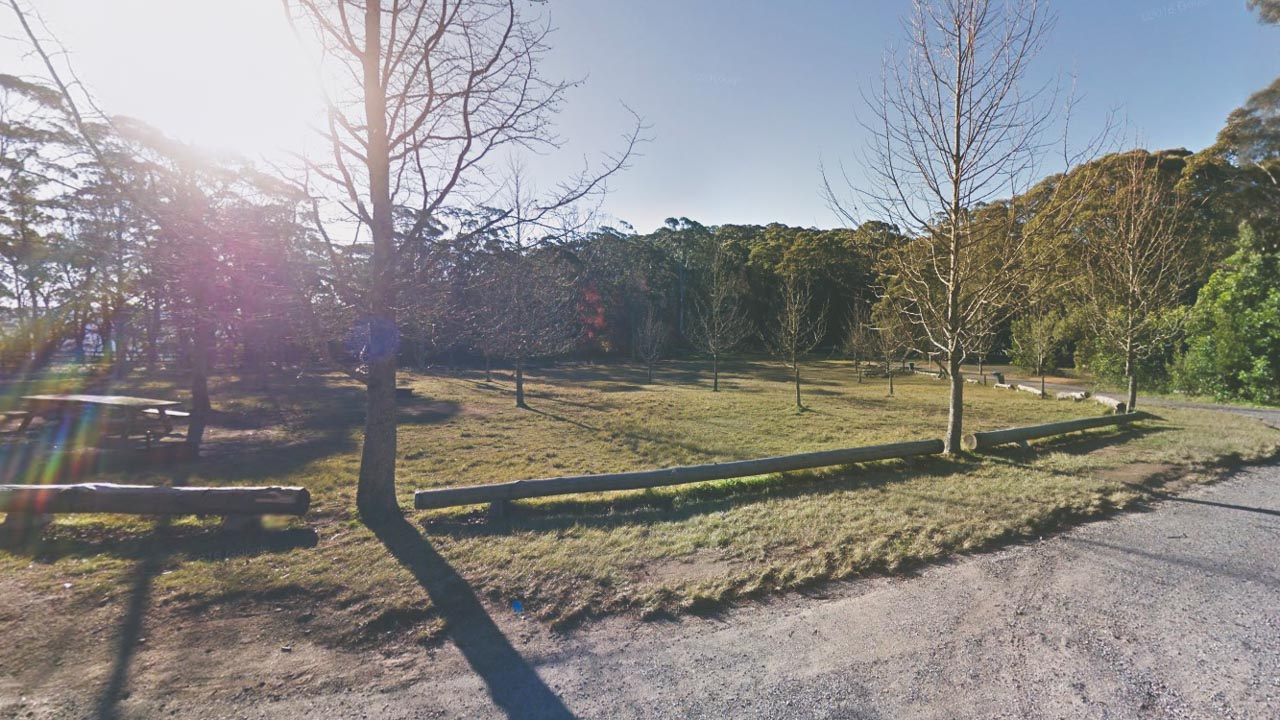
Cathedral Reserve is on the Mt Irvine Rd on the way out of the Mt Wilson village travelling towards Mt Irvine opposite the Cathedral of Ferns. It is a large open area with Liquidambers along the Mt Irvine Rd and rainforest behind the reserve.
The reserve has been extended several times giving picnickers and campers the choice of camping in the open or amongst the trees. It is suitable for camper trailers, caravans, motorhomes, and tents, particularly above and behind the central grassed area and back into the rainforest.
Bollards have been installed to prevent cars driving on the central grassed areas adjacent to Mt Irvine Rd so these can be used by tents and picnickers and are protected.
Recently a large number of open fireplaces with BBQ facilities have been installed by the Progress Association to aid campers and to discourage the lighting of fires in any other location. This destroyed the grass and increased the risk of bushfire at certain times of the year. Many people camp or picnic at Cathedral Reserve so it can get busy during peak times. Camping is free and no booking is required. There are toilets, fireplaces, picnic tables and garbage bins. Remember to bring your own drinking water, firewood, warm clothes (it gets cold at night), toilet paper and your own camping gear.
Dogs are allowed in the Mt Wilson Village and at Cathedral Reserve however dogs are not allowed in the National Park adjacent to the reserve and village. So walks around the village are ok providing they are not into the National Park. Near the Cathedral of Ferns a path has been made so that visitors can park in Cathedral Reserve and walk to the Cathedral of Ferns without having to walk along the road. This a narrow road on a bend where it is difficult for motorists to see people walking along the road.
Cathedral Reserve Mt Wilson
8. Londonderry Reserve
Type: Free Camp
Distance From Sydney: 114km (1h 41m)
Location: Hartley Vale
GPS: -33.528214°, 150.200416°
Toilet: No
Showers: No
Potable Water: No
Pet Friendly: No
Fires: No
Booking Required: No
Price: Free
A nice quiet spot to camp for a night or two. No facilities are available so you have to be self contained. You can park on the grass away from the road and have a fire. The road to and from Bell is good. Plenty of wood for fires and a couple of hot plates to cook on. When we camped there we saw yellow-tailed black cockatoos, crimson rosella, rabbits, crows and a couple of random emus. We even saw a platypus in the creek under the bridge.
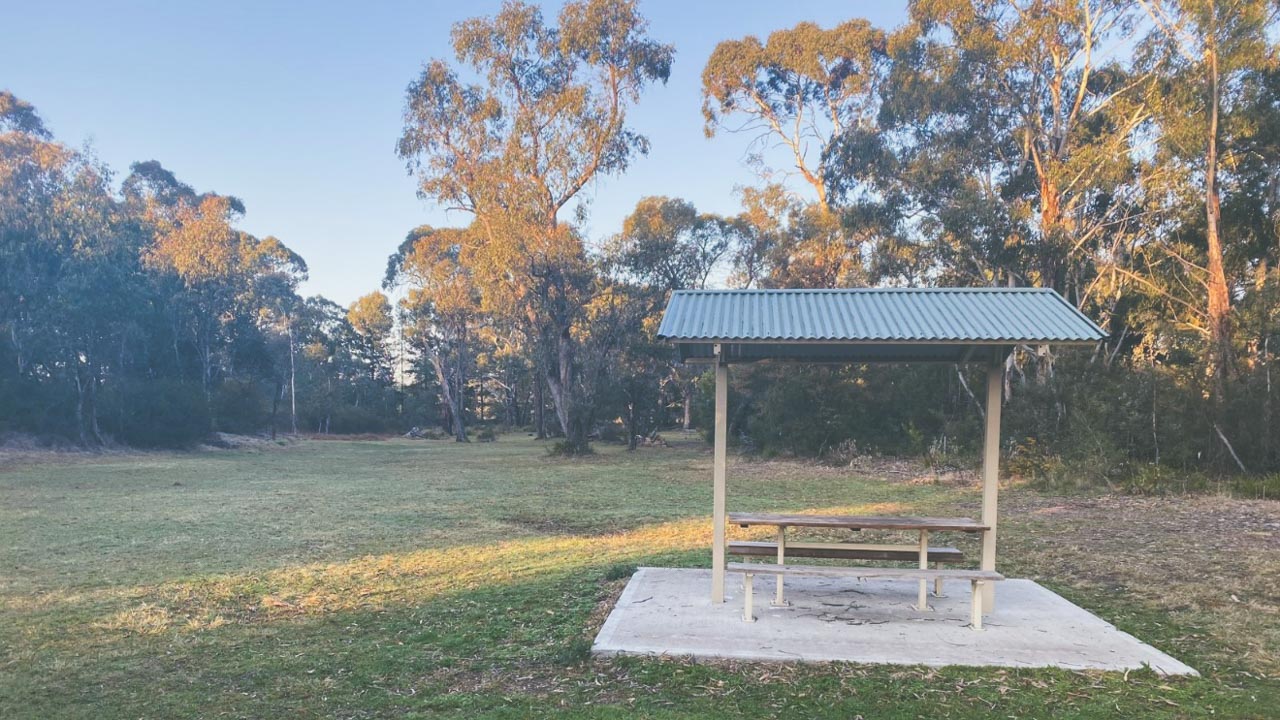
Londonderry Reserve Hartley Vale
9. Penrose State Forest
Type: Free Camping In State Forest
Distance From Sydney: 130km (1h 24m)
Location: Penrose NSW
GPS: -34.619495°, 150.214335°
Toilet: Yes at Kingsbury VC Rest Area
Showers: No
Potable Water: No
Pet Friendly: Yes
Booking Required: No
Fires: Yes When Not A Fire Ban
Price: Free
Web: https://www.forestrycorporation.com.au/visit/forests/penrose
You can camp near Sydney in Penrose State Forest for Free. It’s very close to Sydney and just off the Hume Highway. Camp near the Kingsbury VC Rest Area and you have access to toilets. The better camp sites are all out in the forest itself and there are lots of them. Depending upon how adventurous you are you can find some cracking great camp sites if you are willing to just have a look. Penrose State Forest is an ideal overnight spot if you are travelling through to Melbourne from north of Sydney. It’s also great for a long weekend or a one night getaway. There are loads of trails you can walk and explore and if you have a 4wd there are plenty of great tracks to have a go on.
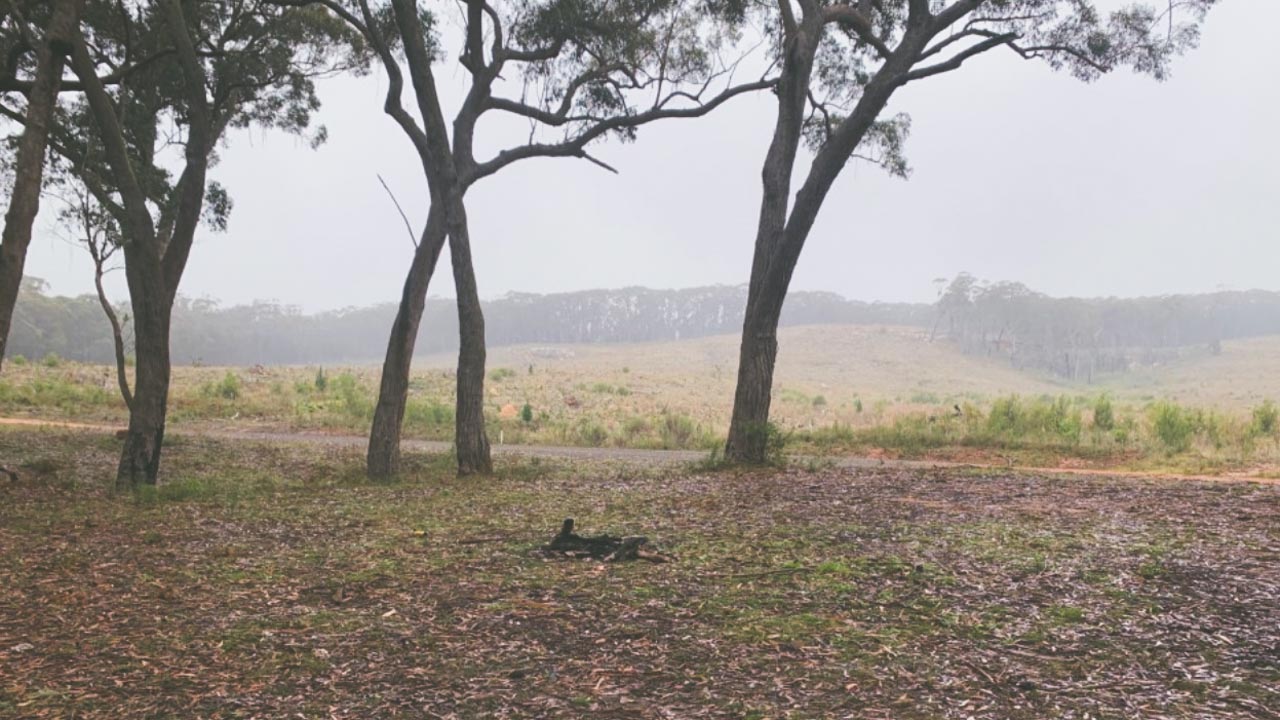
Penrose State Forest
10. Belanglo State Forest
Type: Free Camping In State Forest
Distance From Sydney: Belanglo NSW
Location: 136km (1h 25m)
GPS: -34.527643°, 150.241341°
Toilet: Yes At Dalys Clearing
Showers: No
Potable Water: No
Pet Friendly: Yes
Booking Required: No
Fires: Yes When Not A Fire Ban
Price: Free
Web: https://www.forestrycorporation.com.au/visit/forests/belanglo
Get over yourself and go and camp near Sydney in Belanglo State Forest – Ivan has been dead for a while now. It really is an awesome place to camp in fact it’s a bloody awesome place. Daly’s Clearing has a decent long drop dunny and there is a load of room for plenty of campers which is just as well because it gets busy. It’s mostly busy in the evenings with backpackers turning up in their vans and heading off the next morning. Most people camp in Daly’s Clearing however if you want to go for a drive further out into the forest there are a lot of more secluded places you can camp.
11. Lake Wallace Recreation Area
Type: Free Camping
Distance From Sydney: 136km (1hr 56m)
Location: Wallerawang (Lithgow) NSW
GPS: -33.415073°, 150.073976°
Toilet: Yes
Showers: Yes
Potable Water: Yes
Pet Friendly: Yes
Fires: No
Booking Required: No
Price: No
Web: https://www.visitnsw.com/destinations/blue-mountains/lithgow-area/lithgow/attractions/lake-wallace
We’ve camped here a few times and it’s a bloody ripper! Showers, toilets, a dump point and drinking water at a free camp? There sure is! By the way this is the place where Dave dropped the lid off the toilet canister down the dump point then rolled up his sleeve and stuck his arm in to get it back. Yeah – not good.
Only10 minutes on the Bathurst side of Lithgow Lake Wallace at Wallerawang or “Wang” as it is affectionately referred to by the locals is the ideal place to camp near Sydney with your caravan, swag or camper trailer Lake Wallace is designated an RV friendly campground and is the ideal location to set and camp for a couple of days. Facilities include a dump point, toilets and showers (open 24 hours), playground, barbecue facilities and off-leash dog area, with a great accessible fishing pontoon.
All greywater must be deposited in the dump point.
- Camping is allowed for a maximum of 48 hours in the designated areas.
- Wallerawang Town Centre is only a ten-minute walk or two-minute drive for a meal and extra supplies.
- An information bay is located at the entrance to Lake Wallace with suggestions of the multitude of things to see and do in the Lithgow destination.
12. Lidsdale State Forest
Type: Free Camping In State Forest
Distance From Sydney: 139km (2hr 0m)
Location: Near Rydal NSW
GPS: -33.492323°, 150.064685°
Toilet: No
Showers: No
Potable Water: No
Pet Friendly: Yes
Booking Required: No
Fires: Yes When Not A Fire Ban
Price: Free
Web: https://www.forestrycorporation.com.au/visit/forests/lidsdale-state-forest
Lidsdale State Forest is approximately 15km west of Lithgow along the Great Western Highway. It is adjacent to Marrangaroo National Park to the east and the small village of Rydal is nestled in the southwest corner. You’ll need a 4wd to get in here. There are lots of great spots, go for a drive around don’t just pick the first one you come to as there really are plenty available.
Mountain Biking in Lidsdale State Forest
The Central Tablelands Mountain Bike Club maintains trails throughout the Lidsdale State Forest under a Forest Permit arrangement. The trailhead is located within the showground of the village of Rydal. Trails head north past the Rydal Cemetery and into native bushland.
13. Gambells Rest
Type: National Park
Distance From Sydney: 149km (1h 42m)
Location: Bundanoon NSW
GPS: -34.668261°, 150.296205°
Toilet: Yes
Showers: Yes
Potable Water: No
Pet Friendly: No
Fires: No
Booking Required: Yes
Price: $12per person per night plus park access fees
Web: https://www.environment.nsw.gov.au/NationalParks/parkCarCamping.aspx?id=N0022
Located near Bundanoon in NSW’s southern highlands Gambells Rest campground offers tent, trailer and caravan sites plus a picnic area and walking and cycling trails. Gambells Rest campground gives you the best of both worlds. Serene bush campsites that are conveniently located close to the shops and services of Bundanoon. You’ll find more than ten popular walking tracks nearby, along with lookouts offering sensational views. Bike ride along the rocky roads to the trailheads or set out on a car tour of the park. After a day exploring the beauty of the southern highlands take advantage of the campground’s great modern facilities including barbecues, camp kitchen, toilets and hot showers.
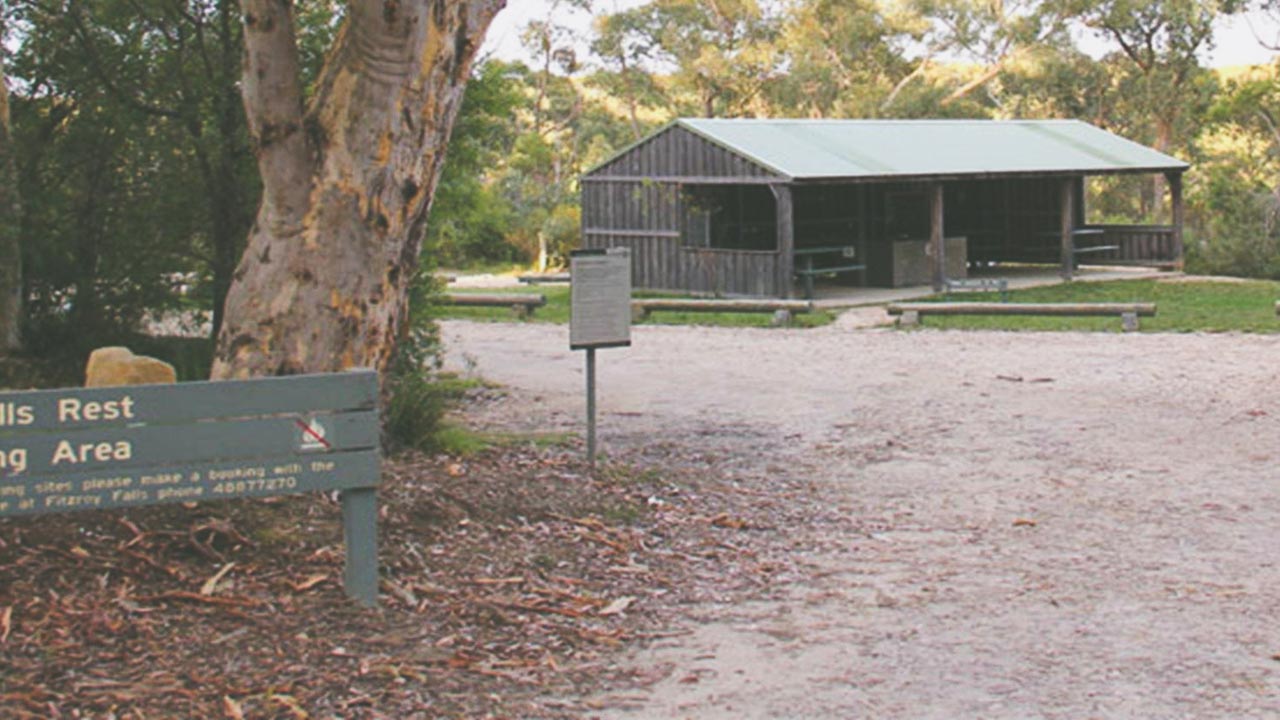
Gambells Rest Campground In Morton National Park
14. Bendeela Camping Reserve
Type: Free Camping (Booking Fee)
Distance From Sydney: 159km (2hr 4m)
Location: Kangaroo Valley NSW
GPS: -34.738819°, 150.470611°
Toilet: Yes
Showers: No
Potable Water: Yes
Pet Friendly: No
Fires: No
Booking Required: Yes
Price: Booking Fee $6
Web: https://www.visitnsw.com/destinations/south-coast/jervis-bay-and-shoalhaven/kangaroo-valley/attractions/bendeela-camping-and-picnic-area
Bendeela is a rustic camping ground and picnic area set in natural bushland on the banks of the Kangaroo River arm of Lake Yarrunga (Tallowa Dam) just out of Kangaroo Valley. Facilities include basic campsites (there is no power to the camping and picnic grounds), toilets and drinking water. No wood, charcoal or solid fuel barbecues or cooking devices can be used. Portable gas barbecues are permitted except during total fire bans. Permitted activities include fishing, swimming, bushwalking, canoeing and non-powered boating on the Kangaroo River and Lake Yarrunga. Picnic and camping sites are available on a ‘first in first served’ basis and cannot be reserved.
- All campers will be required to book in advance. No camping will be permitted without a booking.
- This picnic area may be closed during times of flooding or access to Lake Yarrunga is restricted when Tallowa Dam is spilling.
15. Wollondilly River Station
Type: Paid Campground
Distance From Sydney: 162km (2h 17m)
Location: Bullio NSW
GPS: -34.306472°, 150.066333°
Toilet: Yes
Showers: No
Potable Water: Yes
Pet Friendly: Yes
Fires: Yes (depending upon weather and restrictions)
Booking Required: Yes
Price: $20per adult per night – $20per school aged child per night
Web: http://www.wollondillyriverstation.com
This one is just over two hours from Sydney but it’s a great camp near Sydney. Possibly one of the best on this list so we have included it. You follow the picturesque Wombeyan Caves Road from Mittagong deep into the heart of the Wollondilly Rivers’ valley to reach Wollondilly River Station at Goodmans Ford. Wollondilly River Station straddles the Wollondilly River on both sides. It is full of natural beauty and rugged terrain. It’s a great place to camp with your dog and there were many families there and everyone was having an absolute ball. The river is fantastic for swimming and the facilities are more than enough for what you need. We can’t wait to come back for another stay.
- Camp fires (depending upon weather and restrictions)
- Riverside camping
- Pets welcome
- Swimming & canoeing
- Bushwalking & mountain biking
To get there you need to follow Wombeyan Caves Road from the Mittagong end. Wombeyan Caves road is all dirt, usually well maintained although it is very tight and has lots of hairpin bends and has a steep dropoff on one side for most of the way. It’s easily driven in a 2WD vehicle when it’s dry, but if it rains it is not advisable. You are ok towing a small offroad van, but anything over say about 17 feet in length and you would not attempt it. Long motorhomes, fifth wheelers, that kind of thing sorry but you’d be bonkers mad to try it. Don’t try it from the Wombeyan Caves end unless you are a very experienced 4wd operator with a decent vehicle. Towing anything from the Wombeyan Caves side is not recommended at all.
16. Wingello State Forest
Type: Free Camping In State Forest
Distance From Sydney: 163km (1h 43m)
Location: Wingello NSW
GPS: -34.715833°, 150.189104°
Toilet: Yes At Wingello HQ Camp
Showers: No
Potable Water: No
Pet Friendly: Yes
Booking Required: No
Fires: Yes When Not A Fire Ban
Price: Free
Web: https://www.forestrycorporation.com.au/visit/forests/wingello
You can camp in Wingello State Forest for Free. Camp at the Wingello HQ Camp and you have access to toilets. The better camp sites are all out in the forest itself and there are lots of them. There is a lot of room in Wingello State Forest and if you don’t need a spot in the HQ Camp with access to toilets you can find an almost limitless number of camp sites. You’ll always be able to find a place to camp here even at busy times. Depending upon how adventurous you are you can find some cracking great camp sites if you are willing to just have a look. It’s great for a long weekend or a one night getaway. There are loads of trails you can walk and explore and if you have a 4wd there are plenty of great tracks to drive.
If you are into mountain biking then wingello State Forest is a great place for you to spend a weekend or longer. It has three main trails as listed below however if you are adventurous have a crack and make your own!
Blue Trail
7km in length all formed roads and fire trails within pine plantation
Yellow Trail
18km in length all formed roads and fire trails through pine plantation and native forest
Red Trail
22km in length with a combination of formed roads and fire trails as well as sections of single track of varying degrees of difficulty
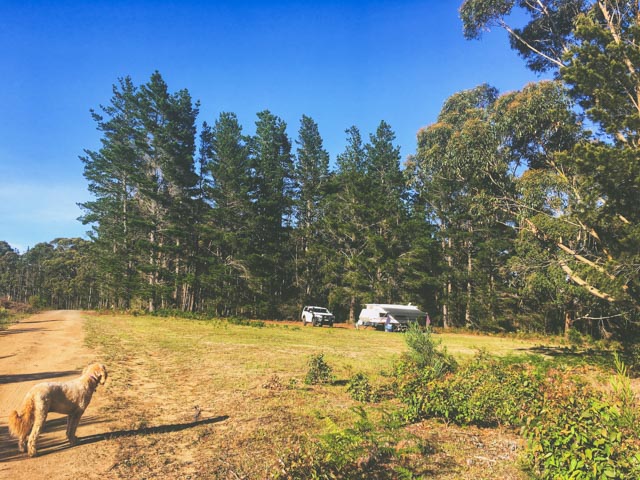
Dog Friendly Free Camping Wingello State Forest Two Hours From Sydney
17. Bungonia National Park
Type: National Park
Distance From Sydney: 193km (2h 0m)
Location: Bungonia NSW
GPS: -34.806951°, 150.003212°
Toilet: Yes
Showers: Yes
Potable Water: Yes
Pet Friendly: No
Fires: No
Booking Required: Yes
Price: $12per person per night plus park access fees
Web: https://www.nationalparks.nsw.gov.au/camping-and-accommodation/campgrounds/bungonia-campground
Bungonia campground combines a beautiful bushland setting with excellent camping facilities where you can camp near Sydney. From here, you can enjoy hiking, caving, or bushwalking.Sites are unmarked and unpowered. Facilities include amenities block with hot showers and flush toilets, communal camp kitchen with gas cooktops, drinking water, free gas/electric barbecues and picnic tables. Parking is available in the campground. Total campground capacity is 200 people. Bungonia campground gives you simple creature comforts and excellent camping facilities in a natural bushland setting within one of NSW’s most exciting national parks.
Whether you’re caving over a wintery weekend, canyoning Bungonia or Jerrara Creek. There is rock climbing the limestone cliffs of Bungonia Slot Canyon or tackling one of the many hiking trails on offer in the park this campground is an ideal base to come and go from. There are hot showers, an enclosed cooking area and gas heating in the camp kitchen over the winter months. Kangaroos can be seen grazing at dusk and dawn, goannas emerge from hibernation to patrol the campground over summer, and koalas have been spotted in nearby trees. From here a loop around the Green track offers a great overview of the park.
Conclusion
There are lots of places where you can camp near Sydney. And if you want to camp near Sydney it doesn’t have to be in a caravan park or an expensive Hipcamp site. All you need to do is get out and have a look.