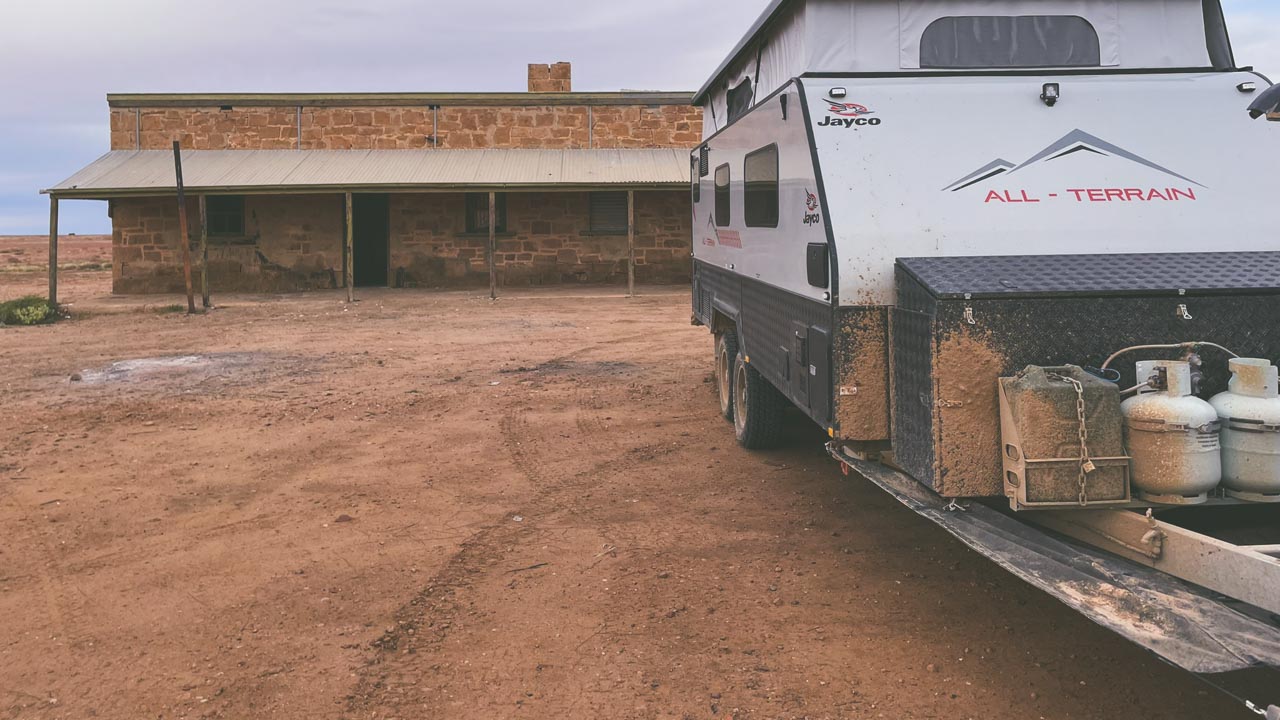
Projecta LCD Control Screen Not Working PM335J – Fixed

Projecta LCD Control Screen Not Working PM335J – Fixed

Projecta LCD Control Screen Not Working PM335J – Fixed

Trouble with your Projecta LCD Control Screen not working in your caravan? Follow this easy guide to diagnose, replace and get it working. Projecta LCD Control Screens are the primary interface between users and their power management units in Australian caravans and motorhomes. Like any electronic device, these screens can develop faults over time.

Is your Projecta LCD Control Screen not working properly?

When your Projecta LCD Control Screen develops faults like unresponsive power buttons or display issues the solution is usually a replacement screen. We sourced ours through Projecta’s excellent warranty service. From my research Projecta LCD Control Screen problems are generally fixed by replacement rather than DIY repairs.

Understanding Projecta LCD Control Screen Issues

One of the most common issue involves unresponsive power buttons – that’s what happened to ours. Some users may experience display problems, communication errors, or complete screen failures. Understanding these problems helps caravanners identify when their Projecta LCD Control Screen requires attention.

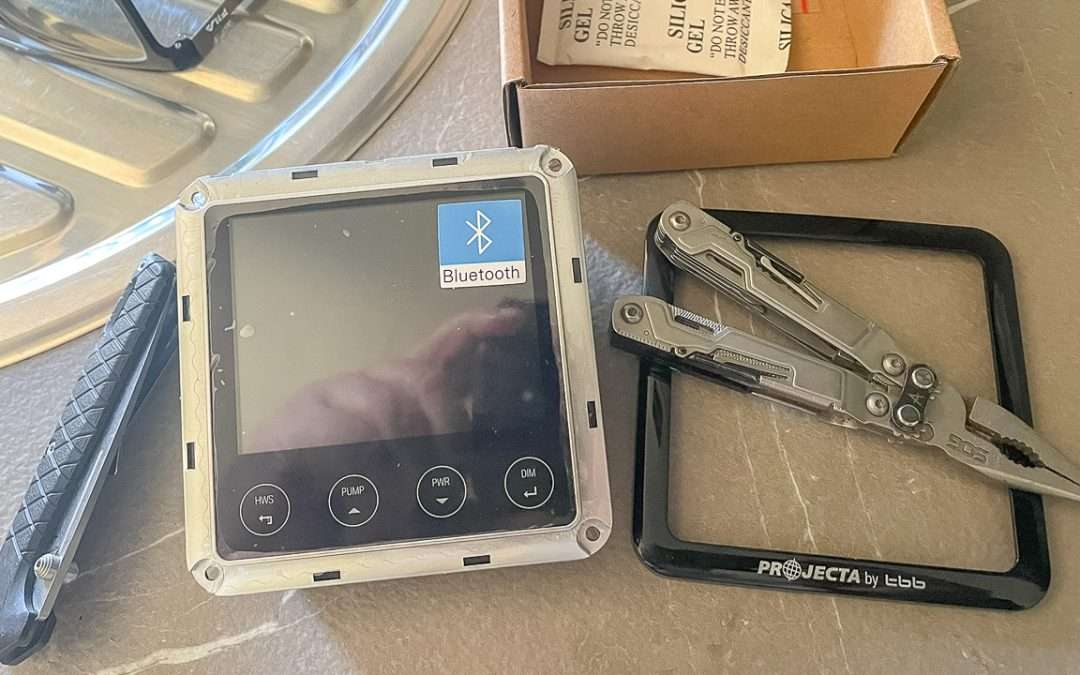
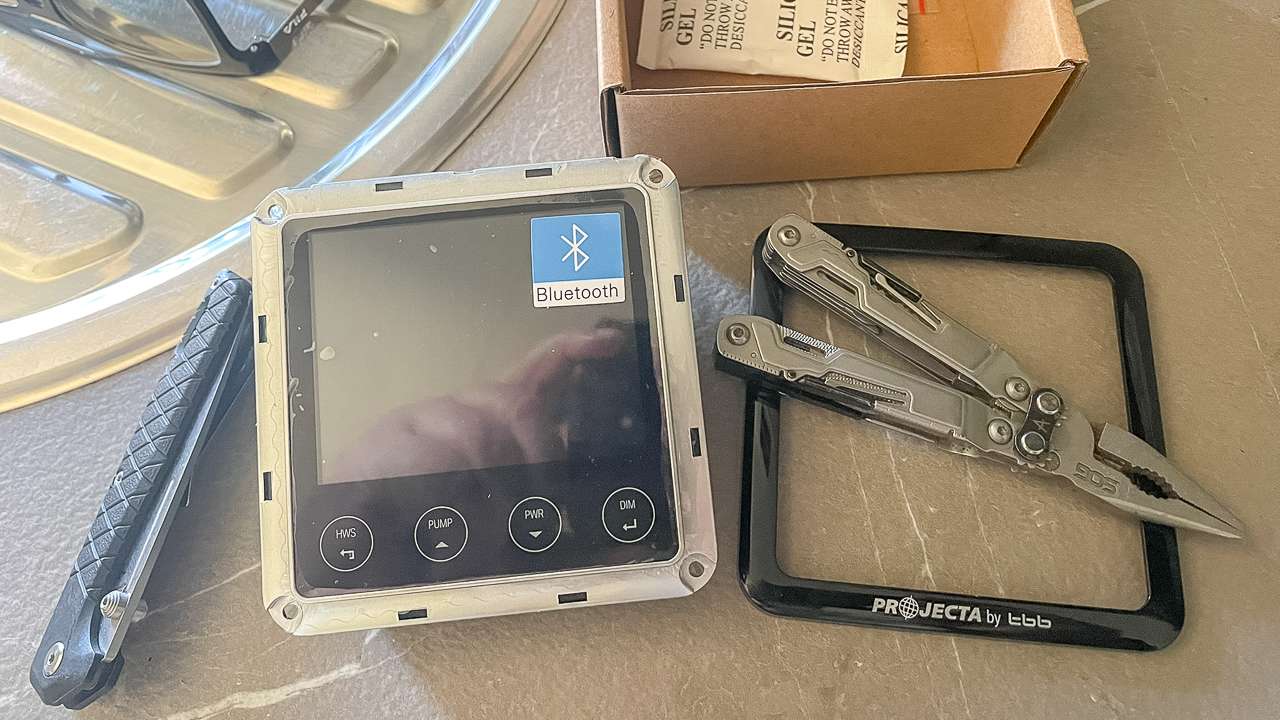
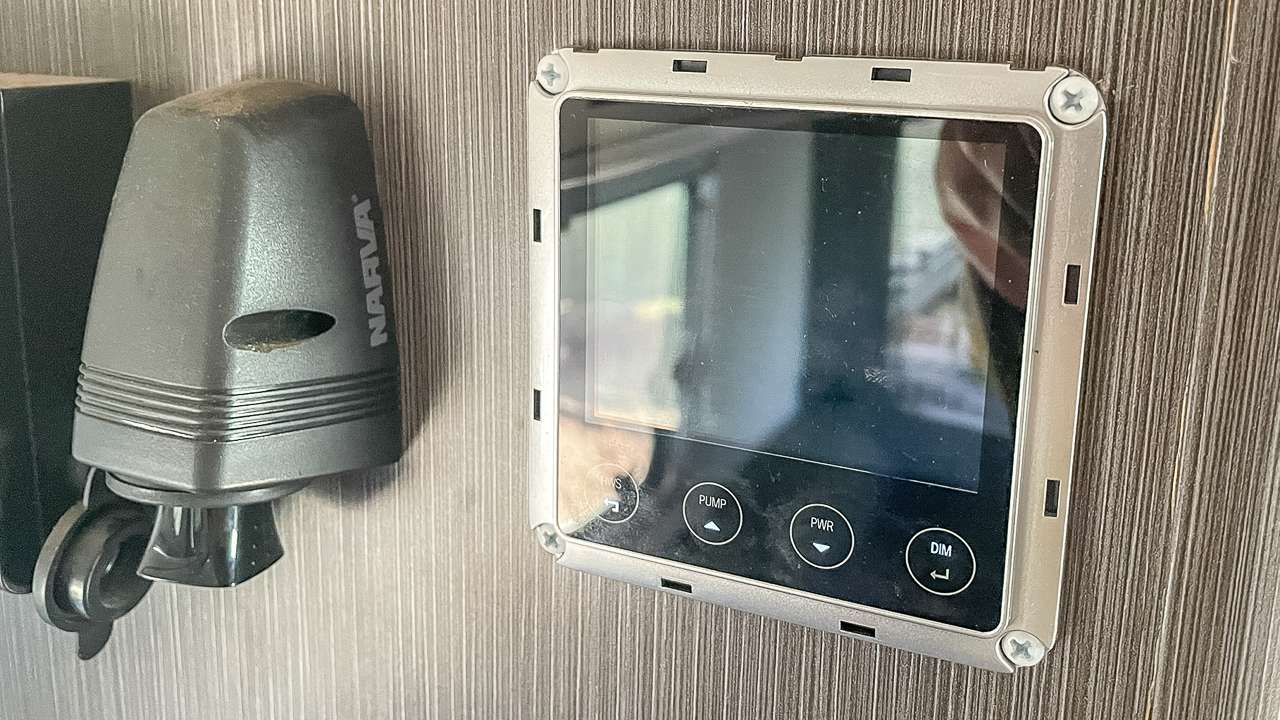
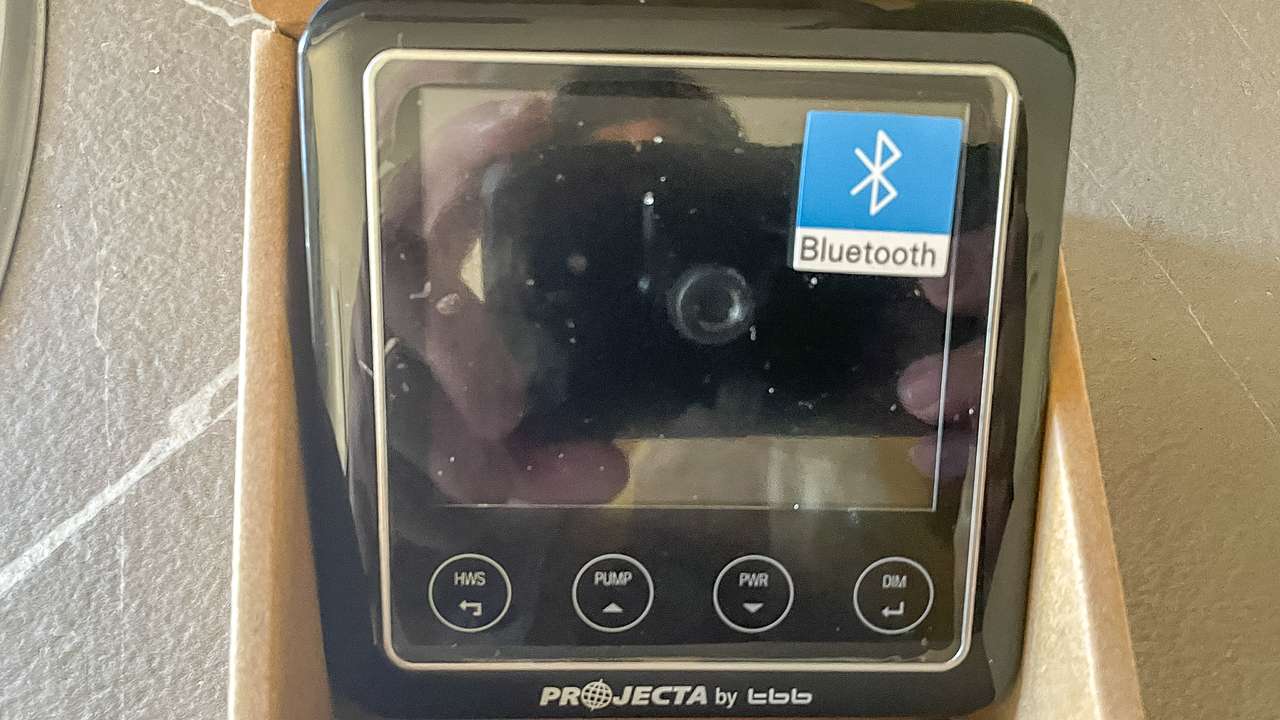
Removing Dress Ring From New Projecta LCD Screen

Removing Dress Ring From New Projecta LCD Screen

Common Symptoms & Causes Of A Faulty Projecta LCD Control Screen

  • Power buttons become unresponsive despite the system functioning through mobile apps
  • Screen displays show distorted information or fail to illuminate
  • Communication errors between the screen and BMS unit appear as error codes
  • Temperature related issues from extreme Australian heat conditions
  • Vibration during travel causes internal component failures – we’ve done lots of dirt roads that could have been the cause of our problem

Getting Help From The Community

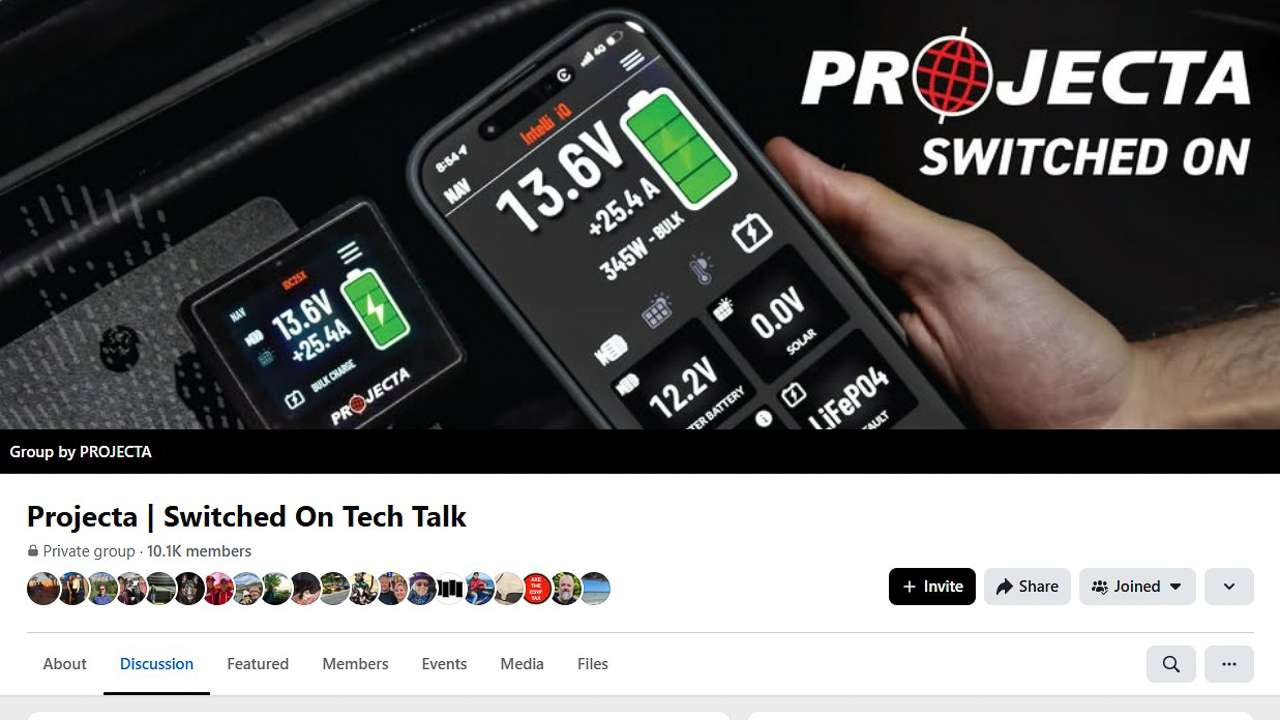
Before contacting Projecta directly, the Projecta Switched On Tech Talk Facebook group provides excellent support for troubleshooting issues. This private group contains well over 10,000 members who share experiences and solutions.

Post detailed descriptions of your problem to help community members provide targeted assistance. Include photos of error messages or screen displays to aid in accurate diagnosis. Group recommendations often guide users toward appropriate solutions or direct contact with Projecta support.

Projecta Switched On Tech Talk Facebook Group

Projecta Switched On Tech Talk Facebook Group

Documenting Your Problem

Thorough documentation assists both community members and Projecta support staff:

  • Record specific symptoms affecting your screen functionality
  • Note environmental conditions when problems occur
  • Document error codes displayed on your PM335J unit
  • Record when problems first appeared

The PM335J manual contains comprehensive error code explanations for troubleshooting reference.

Contacting Projecta For Replacement

Projecta’s customer service department handles warranty claims efficiently. Their technical support team operates Monday through Friday, 8:30 AM to 5:00 PM AEST.

Contact Methods

  • Toll-free number: 1800 294 294 for direct technical specialist access
  • Email support through their official website for documented communication

Required Information

  • Your caravan’s chassis number for warranty verification
  • Complete postal address for accurate shipping
  • Detailed problem descriptions
  • Any associated error codes

The Warranty Process

Projecta’s warranty coverage extends three years from original purchase dates for manufacturing defects. This protection covers failures resulting from normal usage. Warranty assessments typically conclude within business days of initial contact.

Projecta typically responds to inquiries within one business day. Replacement screen shipments generally occur within 24-48 hours of approval. Australian postal services typically deliver replacement units within 2-3 business days.

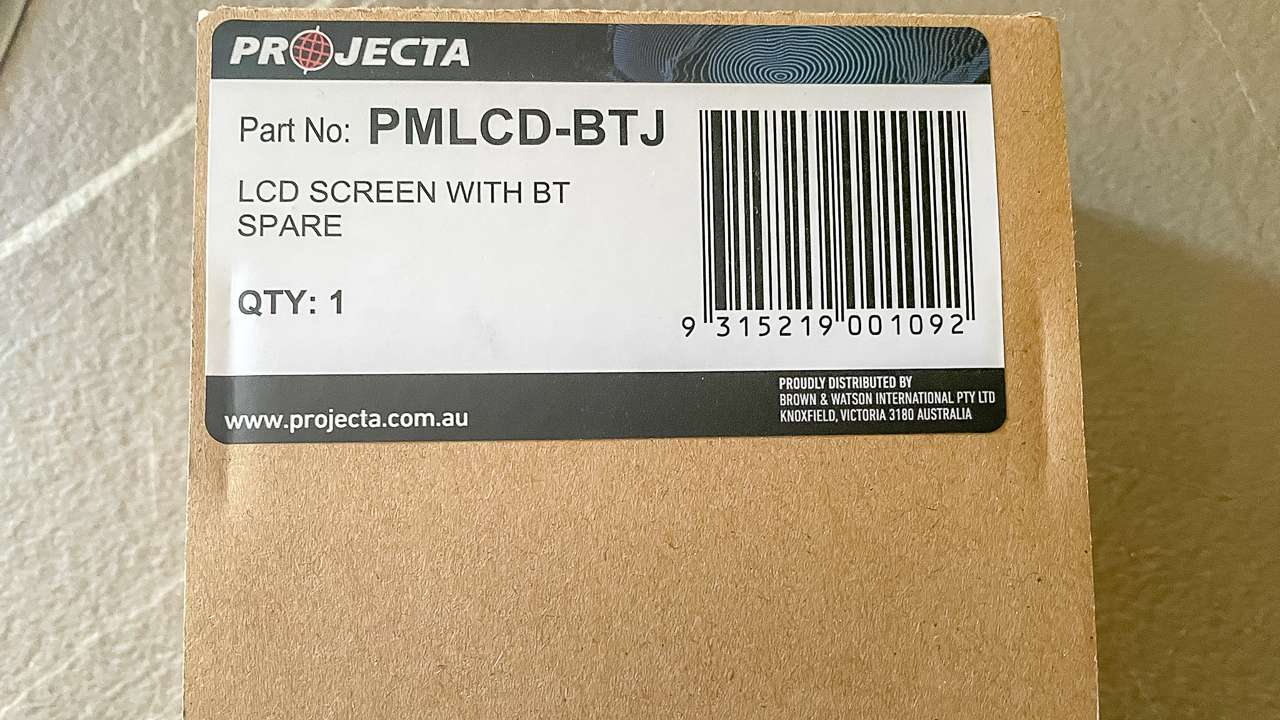
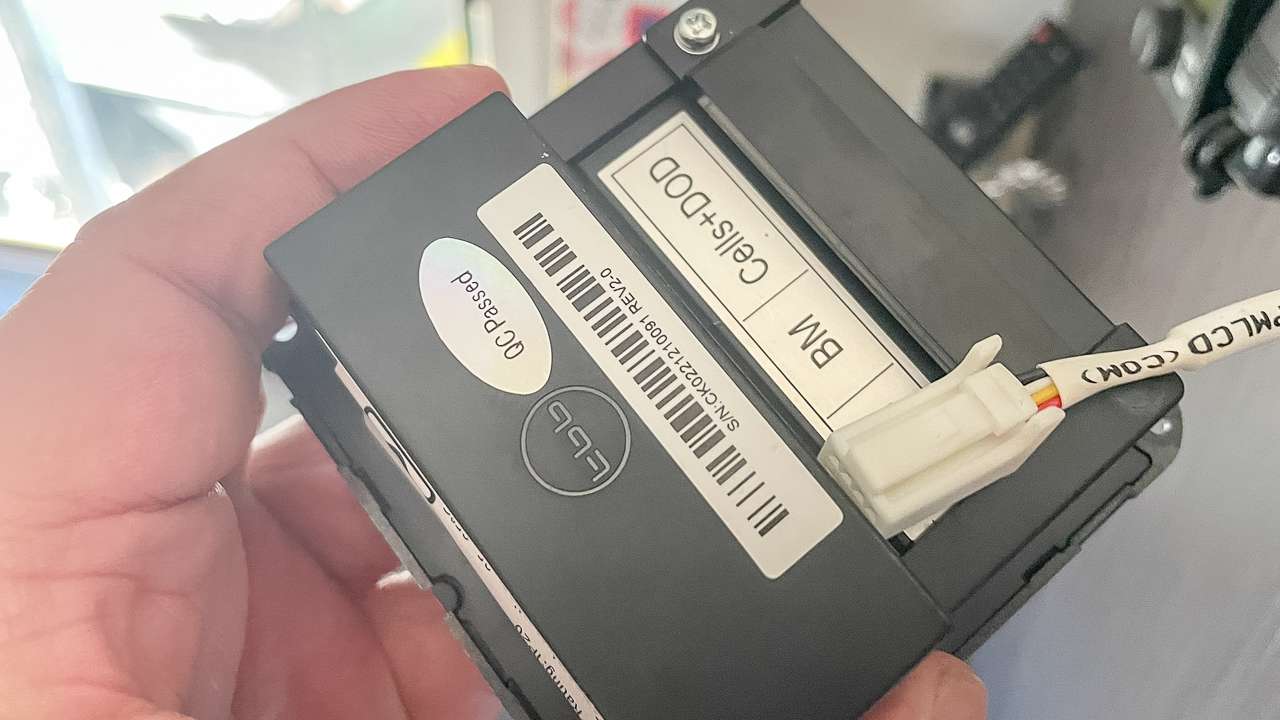
PMLCD BTJ Replaced By Projecta Under Warranty

PMLCD BTJ Replaced By Projecta Under Warranty

Safety Precautions

Before replacing your Projecta LCD control screen we need to make sure we’re doing it safely. Working with caravan electrical systems, even 12v ones like I did requires careful attention to safety:

  • Disconnect all power sources before beginning replacement work
  • Ensure battery isolation switches if installed are OFF throughout the process – otherwise disconnect the battery or batteries from the system
  • Use appropriate personal protective equipment
  • Ensure completely dry conditions before handling the new screen
  • Avoid working during rainy conditions or high humidity

Power Isolation Procedures

Proper power isolation prevents damage to both old and new units:

  1. Locate the main power switch on your BMS transformer unit
  2. Switch off the unit completely
  3. Disconnect battery power using isolation switches
  4. Wait several minutes for capacitors to discharge safely
  5. Test circuits with multimeters to confirm complete power isolation

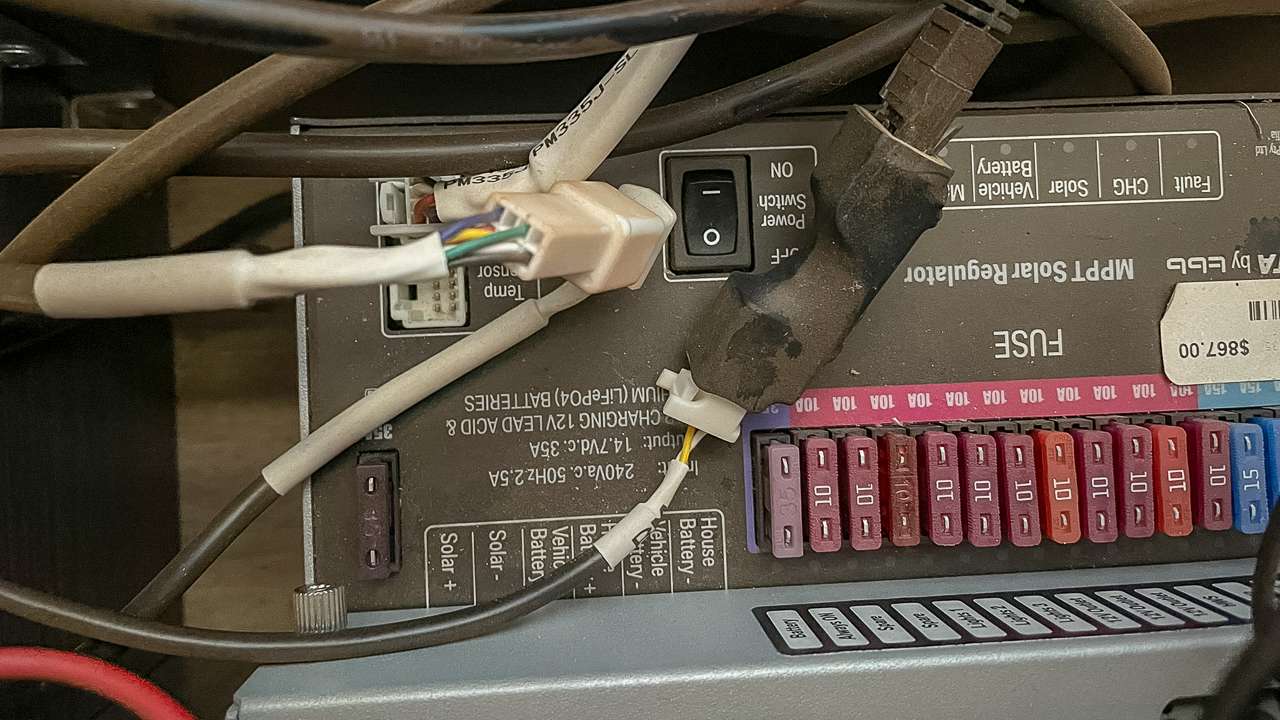
Turning Power Off At The BMS

Turning Power Off At The BMS

Tools Required

  • Small flathead screwdriver for removing dress rings
  • Phillips head screwdrivers for mounting screws
  • Clean workspace
  • Proper lighting
  • Anti-static precautions

Removing The Faulty Screen

  1. Ensure complete power isolation
  2. Locate the dress ring surrounding your existing screen
  3. Carefully insert a thin blade behind the dress ring
  4. Apply gentle pressure to release retaining clips
  5. Remove the dress ring to expose mounting screws
  6. Unscrew the four mounting screws
  7. Carefully disconnect the communication cable by grasping connectors (not wires)
  8. Note cable orientations for proper reconnection
  9. Remove the faulty screen from its mounting position

Installing The Replacement Screen

  1. Remove all packaging materials from the new screen
  2. Remove protective films from the replacement unit
  3. Inspect the new screen for shipping damage
  4. Remove the dress ring from the replacement unit
  5. Position the new screen to align mounting holes
  6. Connect the communication cable securely
  7. Install the four mounting screws using diagonal pattern tightening
  8. Ensure the screen sits flush against mounting surfaces
  9. Install the dress ring by clicking it back in place

Reconnecting Power And Testing

  1. Reconnect battery power using isolation switches in ON position or reconnect the battery or batteries
  2. Activate the BMS unit’s main power switch
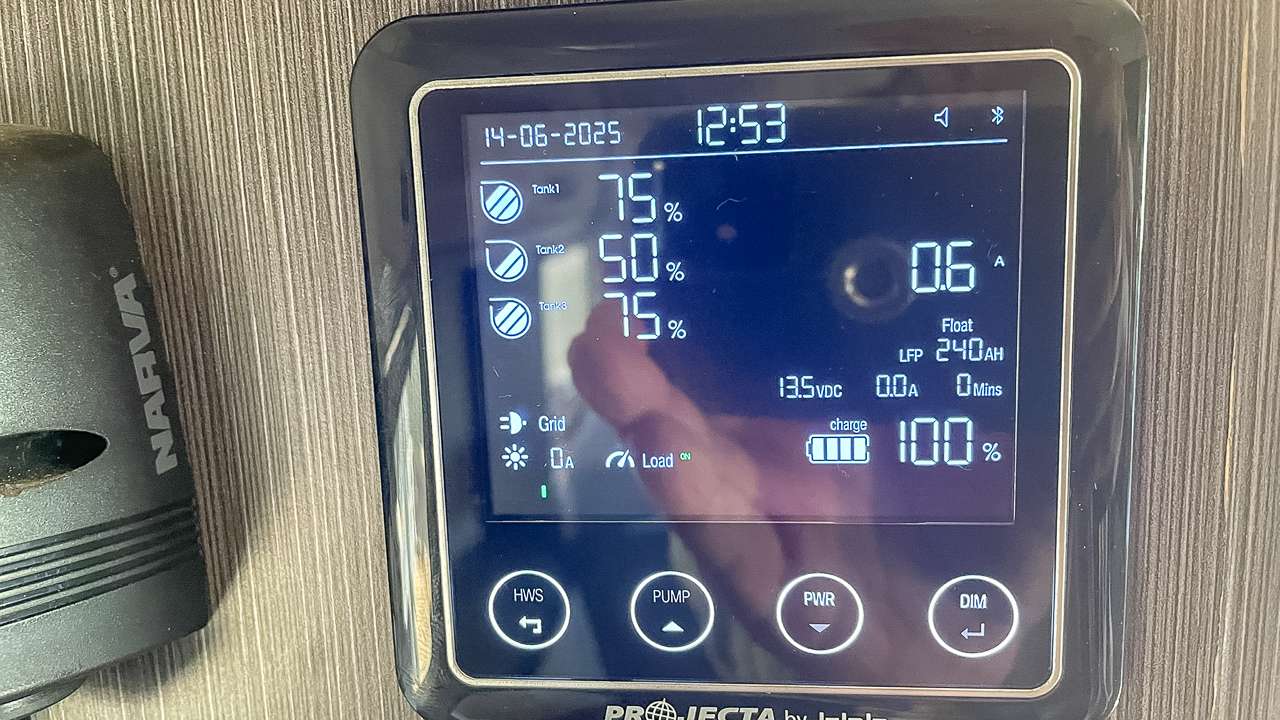
  3. Your replacement screen should illuminate immediately
  4. Test all button functions to confirm proper operation
  5. Verify power button works correctly (press for on, press again for off)

Reconnecting To Mobile Apps

New screens require fresh Bluetooth pairing with mobile devices:

  1. Download the latest PM200 & 300BTJ Remote App from your app store if you don’t have it already
  2. Ensure Bluetooth is enabled on your device
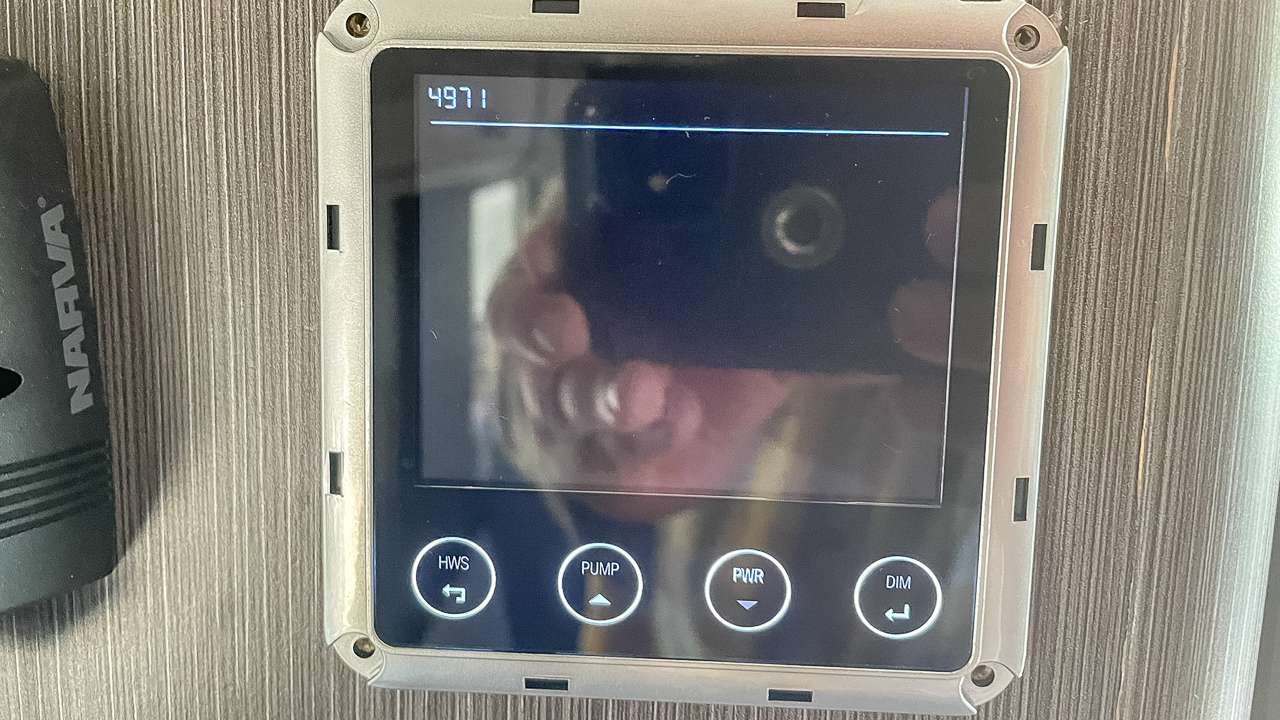
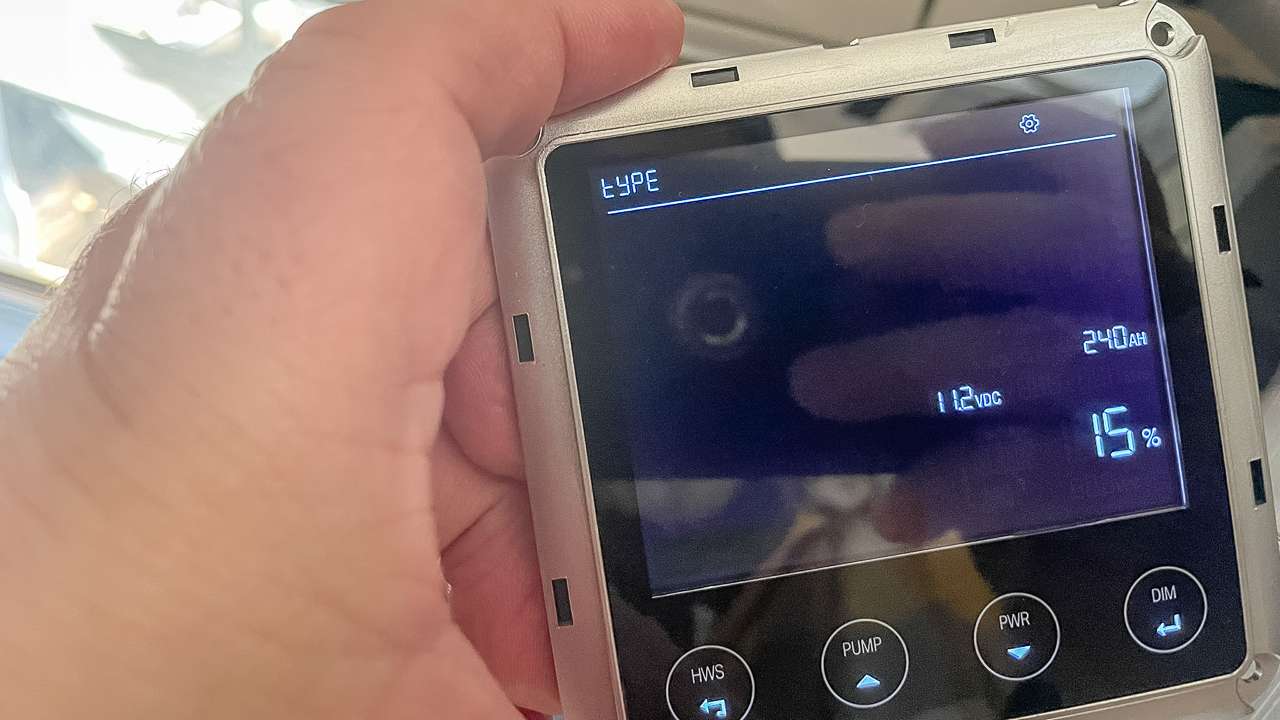
  3. Look for the pairing code in the top-left corner of your new screen
  4. Enter this code into your phone app (not the serial number on the back)
  5. Verify battery type and capacity settings match your specifications
  6. Update system firmware if prompted

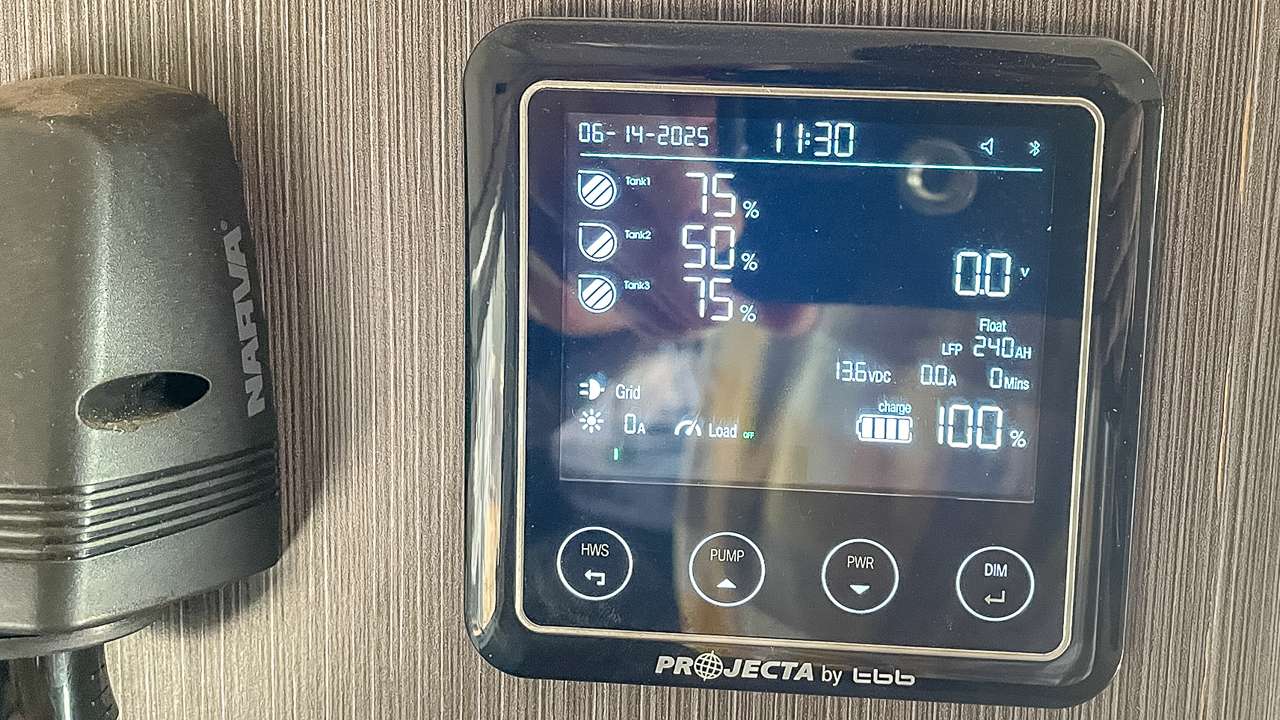
Top Left Is The Number You Need To Enter Into Your Phone App (Yours Will Be Different)

Top Left Is The Number You Need To Enter Into Your Phone App (Yours Will Be Different)

Troubleshooting Installation Issues

Communication Problems

  • Verify communication cable connections are secure
  • Inspect cables for installation damage
  • Check error codes 8001 or 8003 which indicate communication failures
  • Ensure cables follow proper routing paths

Display Or Button Malfunctions

  • Verify complete power cycling by disconnecting and reconnecting power
  • Confirm mounting screws are properly tightened without over-compression
  • Allow 24 hours of normal operation for calibration
  • Contact Projecta if problems persist

Maintenance Tips

Regular Cleaning

  • Use only soft, lint-free cloths for screen cleaning
  • Avoid harsh chemicals that might damage coatings
  • Clean monthly to prevent dust accumulation
  • Maintain screen visibility for optimal experience

Environmental Protection

  • Protect screens from extreme temperatures
  • Ensure adequate ventilation around mounting areas
  • Check seals and gaskets annually for weather resistance
  • Maintain moisture protection to prevent corrosion

When To Contact Support Again

  • Manufacturing defects appear within warranty periods
  • Problems recur despite proper installation
  • Error codes appear on your BMS unit or Projecta LCD control screen
  • You need comprehensive system diagnostics

Maintain detailed records including correspondence with support, installation photos, serial numbers, and installation dates for future warranty claims.

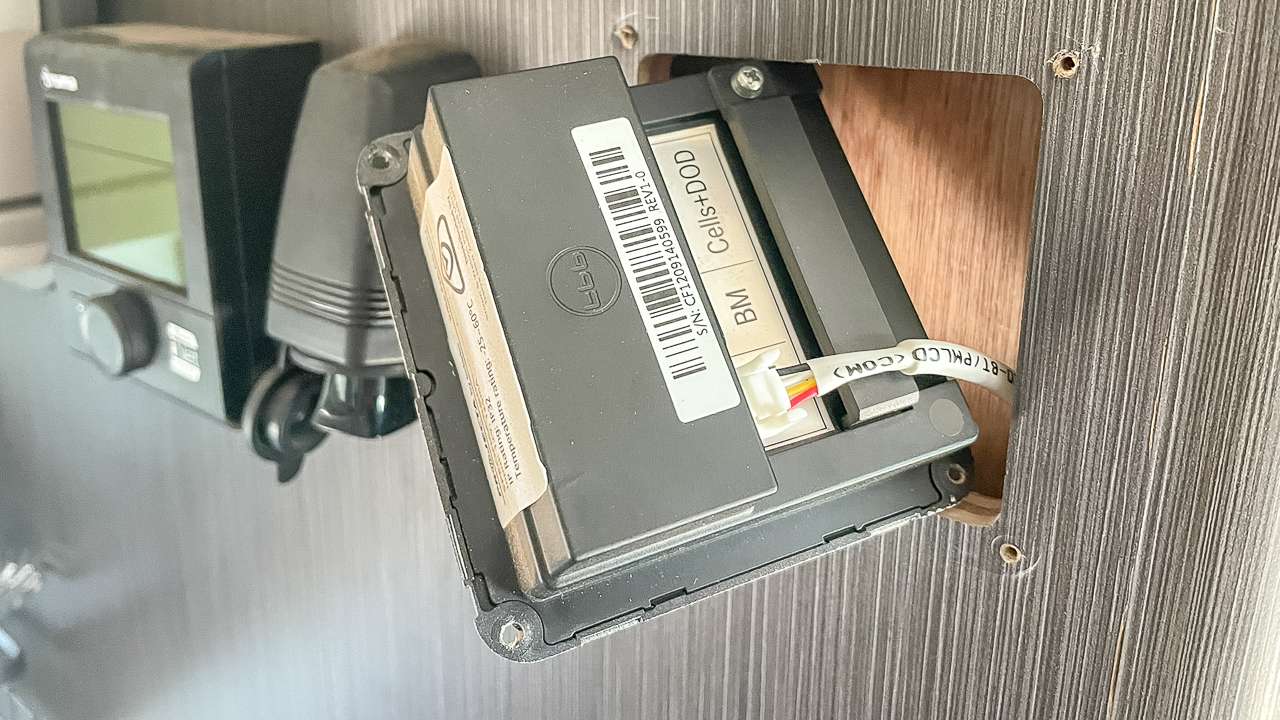
Mounting Screws Removed

Mounting Screws Removed

Conclusion

Successfully replacing a faulty Projecta LCD Control Screen demonstrates both Projecta’s excellent customer service and the accessibility of DIY repairs for Australian caravanners. This guide outlines every step necessary to diagnose, obtain, and install replacement screens safely. Projecta’s responsive warranty service ensures minimal downtime when your screen requires attention. Their technical support team’s expertise guides customers through troubleshooting procedures. The supportive community within Projecta’s Facebook group provides valuable peer assistance. The replacement process proves straightforward for most caravan owners with basic technical skills. Proper safety precautions ensure installation proceeds without complications. Regular maintenance and environmental protection will maximise your new screen’s service life, demonstrating the reliability that makes Projecta products a preferred choice for Australian caravan enthusiasts.

My Thoughts On Projecta Customer Service

Projecta customer service is awesome. Ours would have been one of the very early Jayco All-Terrains with these in them. When I contacted Projecta with a couple of previous problems they helped me out and got the problem sorted very quickly.

So once again Projecta have been very good to deal with. Fantastic customer service. I recommend them to everyone. Quentin and Ben Blood are both absolute legends. Great service and a big “thanks mate” to you both.

Disclaimer: The information provided in this article is intended as a general guide only. Always follow manufacturer instructions and safety guidelines when working with electrical systems. If you are unsure or not qualified, seek assistance from a licensed professional. The author and publisher accept no responsibility for loss, injury, or damage resulting from the use or misuse of the information provided. All trademarks and brand names are the property of their respective owners.

Projecta LCD Control Screen Photo Gallery

Caravan Vs Camper Van: Which Is Better Pros And Cons

Caravan Vs Camper Van: Which Is Better Pros And Cons

Caravan Vs Camper Van: Which Is Better Pros And Cons

Caravan vs camper van – which suits Aussie travellers best? Discover pros, cons, costs & features to to help you make the right choice for your camping adventures. Planning your next Australian adventure involves a crucial decision between two popular options – caravan vs camper van.

Caravan vs Camper Van – which option offers better value for Australian adventurers?The choice between a caravan and camper van depends on your travel style, budget, and camping preferences. Caravans provide more living space and can be detached for separate exploration, whilst campervans offer superior manoeuvrability and convenience for spontaneous travel across Australia’s diverse landscapes.

Planning your next Australian adventure involves a crucial decision between two popular accommodation options. Furthermore, understanding the differences between caravans and campervans helps determine which suits your travel needs best. Consequently, this comprehensive guide examines every aspect of the caravan vs camper van debate to help Australian camping enthusiasts make informed choices.

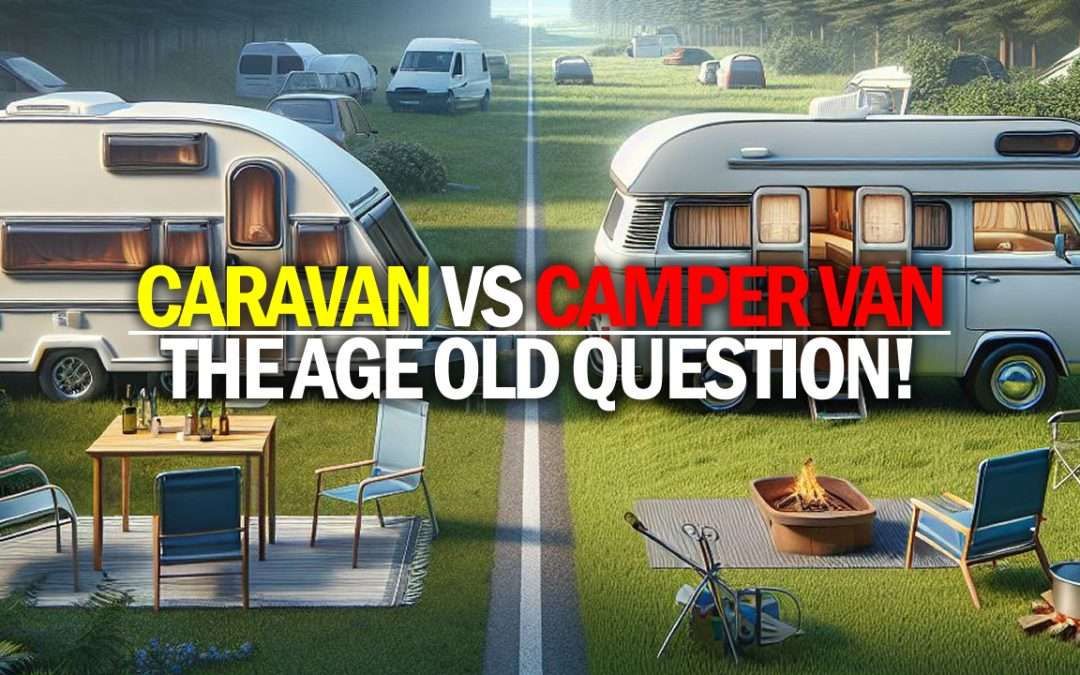
Caravan Vs Camper Van

Caravan Vs Camper Van

Caravan Vs Camper Van – Understanding The Basic Differences

What Defines A Caravan

A caravan represents a towable living space attached to a trailer chassis. Additionally, caravans require another vehicle such as a ute or larger car for mobility. Meanwhile, caravans connect to motor vehicles via towing connections and remain stationary when unhitched from the tow vehicle.

What Makes A Campervan Unique

Conversely, campervans integrate living spaces directly into the vehicle itself. Therefore, the interior of a van or larger vehicle receives conversion for living and sleeping purposes. Subsequently, campervans operate as fully mobile units without requiring separate towing vehicles.

Caravan Vs Camper Van: Initial Purchase Costs

Understanding the financial implications helps narrow your decision significantly. Moreover, several factors influence the total investment required for each option.

Caravan Purchase Prices

New caravans in Australia typically start around $50,000 for basic models. However, prices can start from as little as $32,000 up to well over $160,000 depending on size and features. Typically small caravans measuring 12-16 feet cost between $32,000 and $75,000. Meanwhile, larger caravans from 20 feet onwards start around $65,000.

Campervan Purchase Costs

$10,000 for a basic, used model to over $200,000 for a new, high end luxury motorhome.

Campervan Vs Caravan: Space And Comfort Comparison

Feature Caravan Campervan
Interior Space Larger living areas, multiple rooms Compact design, space at premium
Sleeping Capacity Full-size beds, bunk options Usually sleeps around 4 people
Kitchen Facilities Full-size appliances possible Compact kitchenette design
Bathroom Access Often includes full bathrooms Limited or shared facilities
Standing Room Full standing height available May require stooping in some areas

Caravan Space Advantages

Caravans provide spacious interiors with multiple rooms including bedrooms and kitchens. Additionally, they often feature full-size beds and kitchen appliances. Meanwhile, caravans typically allow full standing height without stooping.

Campervan Space Considerations

Campervans maximise compact spaces efficiently but compromise on room. Furthermore, space remains at a premium as a trade-off for travel convenience. However, modern campervans incorporate clever storage solutions throughout their design.

Driving And Manoeuvrability: Caravan Vs Camper Van

Caravan Driving Challenges

Towing caravans requires additional skill similar to driving with large trailers. Additionally, finding parking spots for car and towable combinations proves difficult. Meanwhile, quick roadside stops become challenging with caravan setups.

Consequently, caravans face speed limit restrictions and passing prohibitions in many areas. Furthermore, manoeuvring becomes much more difficult, particularly when reversing. Therefore, towing courses help drivers develop necessary confidence and skills.

Campervan Driving Benefits

Campervans offer superior manoeuvrability compared to caravan combinations. Moreover, their compact size makes driving simple, even on narrow country lanes. Subsequently, campervans fit into most parking spaces easily.

Additionally, campervans require no towing experience if you can drive cars. Furthermore, they navigate tight corners and country roads effectively. Consequently, campervans gain acceptance at more campsites than caravans.

Setup And Convenience: Campervan Vs Caravan

Caravan Setup Requirements

Setting up a caravan involves detaching it from your tow vehicle. Additionally, this process requires levelling the caravan and deploying steadies. Meanwhile, connecting electricity and water systems adds setup time.

However, caravans offer the advantage of being ready for occupation immediately after setup. Furthermore, minimal transformation occurs since caravans remain configured for living. Consequently, occupants can relax whilst others handle campervan conversions.

Campervan Setup Simplicity

Campervans require minimal setup procedures upon arrival. Moreover, setting up involves simply applying the handbrake and stopping. Additionally, no attachment or detachment procedures occur with campervans.

Therefore, campervans excel for spontaneous trips and quick getaways. Furthermore, packing up involves simply closing the door and departing. Subsequently, this convenience suits travellers preferring minimal preparation time.

Caravan Vs Camper Van: Mobility And Exploration

Caravan Exploration Benefits

Caravans provide significant advantages once established at campsites. Additionally, detaching caravans allows separate vehicle exploration. Meanwhile, tow vehicles explore surrounding areas without hauling living spaces.

Furthermore, this flexibility proves especially beneficial in narrow streets. Consequently, caravans offer superior local exploration capabilities once positioned. Moreover, grocery shopping and sightseeing become easier with detached vehicles.

Campervan Mobility Advantages

Campervans deliver unmatched freedom for continuous travel. Additionally, they allow easy packing and exploration anywhere at ease. Meanwhile, campervans enable stopping wherever desired during journeys.

Furthermore, campervans suit travellers visiting multiple destinations efficiently. Subsequently, they eliminate public transport dependency and accommodation booking stress. Therefore, campervans excel for touring multiple locations quickly.

Storage And Maintenance: Caravan Vs Camper Van

Caravan Storage Requirements

Caravans need dedicated storage spaces when not travelling. Additionally, this might involve driveways or rented storage yards. Meanwhile, storage costs range from $600 to $3,000 annually depending on coverage.

Furthermore, outdoor storage costs $600-1,200 yearly across most locations. Conversely, undercover storage ranges from $1,400-1,800 annually. Subsequently, enclosed storage costs $1,500-3,000 per year.

Campervan Storage Benefits

Campervans park easily kerbside without neighbourhood problems. Additionally, they remain ready for spontaneous weekend trips constantly. Moreover, campervans serve as daily vehicles when not travelling.

Furthermore, campervans eliminate separate storage facility requirements. Consequently, they offer multipurpose use including grocery shopping and day trips. Therefore, campervans provide better storage convenience overall.

Fuel Consumption And Running Costs

Caravan Fuel Impact

Towing caravans significantly increases fuel consumption for tow vehicles. Additionally, every additional kilometre per hour costs disproportionately large fuel amounts. Meanwhile, caravans face lower speed limits affecting journey efficiency.

Campervan Fuel Efficiency

Small campervans typically use around 1 litre per 8-10 kilometres driven. Larger motorhomes can easily use double or more. Furthermore, 2-6 berth campervans maintain reasonable fuel economy. Additionally, choosing fuel-efficient campervans reduces carbon footprints significantly.

Maintenance And Servicing Costs

Caravan Maintenance Requirements

Caravan servicing costs depend on size and axle type annually. Additionally, setting aside $500 to $1000 annually covers typical maintenance needs. Meanwhile, caravans require specialised mechanic attention every 10,000 kilometres.

Campervan Maintenance Considerations

Campervans require regular engine maintenance like standard vehicles. Furthermore, specialised components may increase repair costs occasionally. However, campervans eliminate separate tow vehicle maintenance requirements.

Legal Requirements And Weight Restrictions

Caravan Towing Regulations

Australian towing laws require matching caravan weight to vehicle capacity. Additionally, maximum unbraked towing limits typically reach 750kg. Meanwhile, braked trailers require vehicles with adequate towing capacity.

Furthermore, caravans exceeding 750kg gross trailer mass must have brakes. Consequently, tow vehicles need sufficient capacity for safe caravan handling. Therefore, checking towing specifications prevents legal complications.

Campervan Licence Requirements

Campervans under 3,500kg require standard car licences. Additionally, larger campervans may require truck licences depending on weight. Furthermore, width restrictions apply at construction sites including mirrors.

Environmental Impact: Caravan Vs Camper Van

Sustainable Caravan Travel

Caravans enable sustainable camping through renewable energy integration. Additionally, advanced solar panels provide clean energy for caravan operations. Meanwhile, efficient water usage systems minimise environmental impact.

Furthermore, sustainable caravanning involves harnessing solar energy effectively. Consequently, waste management solutions reduce environmental footprints significantly. Therefore, caravans support responsible outdoor recreation practices.

Eco-Friendly Campervan Options

Campervans offer fuel-efficient travel options reducing carbon emissions. Additionally, diesel-powered campervans provide better environmental performance. Meanwhile, hybrid or electric campervans further minimise environmental impact.

Furthermore, campervans enable eco-friendly travel through sustainable building materials. Consequently, choosing fuel-efficient campervans supports environmental conservation. Therefore, campervans contribute to sustainable tourism practices.

Family Considerations: Campervan Vs Caravan

Caravan Family Benefits

Caravans excel for families requiring substantial living space. Additionally, they provide comfortable accommodation for extended family trips. Meanwhile, multiple rooms offer privacy for different family members.

Furthermore, research shows 85% of campers feel closer to spouses. Additionally, 75% of campers feel closer to children during trips. Consequently, caravans facilitate quality family bonding experiences effectively.

Campervan Family Dynamics

Campervans bring families together in compact spaces naturally. Additionally, they eliminate unpacking and repacking stress during multi-location trips. Meanwhile, campervans teach children about self-sufficiency and adventure.

Furthermore, 97% believe camping allows children environmental learning. Additionally, 94% believe camping teaches children essential life skills. Therefore, campervans provide valuable educational opportunities for families.

Resale Value And Depreciation

Caravan Depreciation Rates

Caravans experience higher depreciation compared to campervans. Additionally, Australian Taxation Office rates show 16.67% diminishing value annually. Meanwhile, 20-year-old caravans retain significantly less value than equivalent campervans.

Campervan Resale Performance

Campervans maintain better resale values over extended periods. Furthermore, they run longer without major issues typically. Additionally, well-known brands like Jayco maintain higher resale values.

Consequently, campervans represent better long-term financial investments generally. Moreover, service history and maintenance records enhance resale appeal. Therefore, campervans offer superior depreciation resistance overall.

Insurance And Security Considerations

Caravan Insurance Requirements

Caravan insurance typically costs less than campervan coverage. Furthermore, multi-layered alarm systems provide robust caravan defence. Additionally, anti-tow systems prevent unauthorised caravan movement. Consequently, proper security measures protect caravan investments significantly.

Campervan Insurance Aspects

Campervan insurance varies based on vehicle type and usage. Additionally, liability reduction options help minimise financial exposure.

Campsite Acceptance And Restrictions

Caravan Park Policies

Many caravan parks accommodate both caravans and campervans equally. Additionally, some locations restrict certain vehicle types based on facilities.

Campervan Site Access

Campervans gain acceptance at more campsites than large caravans. Additionally, smaller campervans access sites refusing larger vehicles. Generally speaking campervans will navigate tight camping areas more effectively.

Weather And Seasonal Considerations

Caravan Weather Performance

Modern caravans include year-round comfort features effectively. Additionally, they provide superior insulation compared to compact campervans. Meanwhile, caravans offer better protection during extreme weather conditions.

Campervan Weather Capabilities

Campervans heat up faster upon arrival at winter destinations. Additionally, they maintain warmth more efficiently in compact spaces. However, extreme weather conditions may challenge smaller campervan designs.

Making Your Decision: Caravan Vs Camper Van

Consider your travel style when choosing between options. Additionally, evaluate your comfort requirements and space needs carefully. Meanwhile, assess your driving confidence and towing experience honestly.

Furthermore, examine your storage situation and ongoing cost tolerance. Subsequently, consider your typical trip duration and destination variety. Therefore, matching vehicle choice to personal circumstances ensures satisfaction.

Families requiring substantial space benefit from caravan selection typically. Additionally, adventurous travellers prefer campervan flexibility and convenience. Meanwhile, first-time buyers often choose campervans for simplicity.

Conclusion

The caravan vs camper van decision ultimately depends on individual priorities and circumstances. Additionally, caravans excel in providing spacious accommodation and local exploration flexibility. Meanwhile, campervans offer superior convenience, manoeuvrability, and spontaneous travel capabilities.

Furthermore, budget considerations influence choice through purchase prices and ongoing costs. Consequently, evaluating total ownership expenses helps determine long-term value. Therefore, considering all factors ensures the best choice for your Australian camping adventures.

Both options provide excellent opportunities for exploring Australia’s magnificent landscapes. Additionally, either choice facilitates memorable family experiences and outdoor adventures. Meanwhile, proper research and honest self-assessment guide optimal decisions.

Finally, remember that no perfect choice exists for everyone universally. Instead, the best option matches your specific needs, preferences, and circumstances. Consequently, thorough consideration of all factors leads to satisfying camping experiences across Australia’s diverse regions.
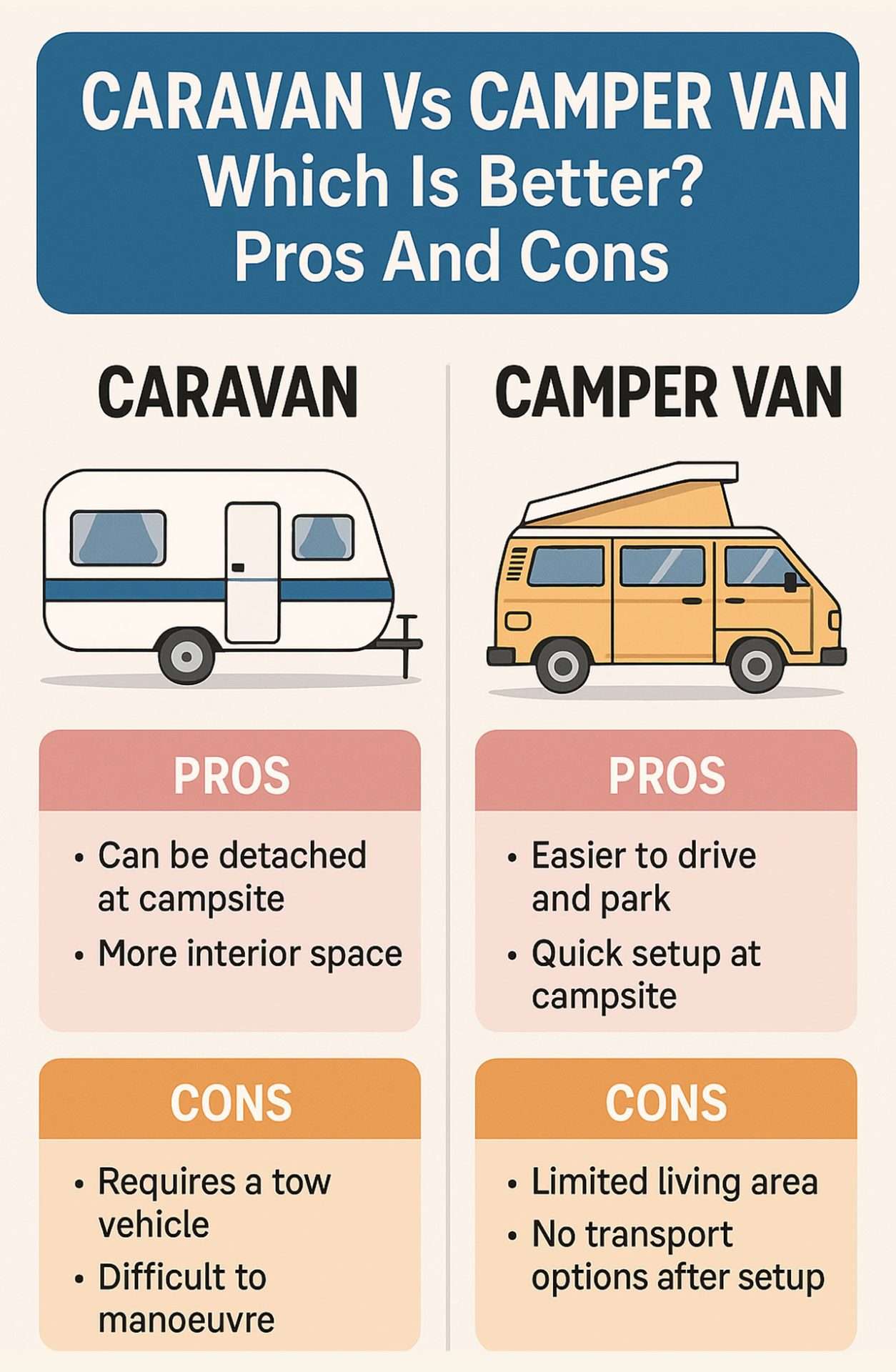
Infographic Caravan Vs Camper Van Which Is Better Pros And Cons

Infographic Caravan Vs Camper Van Which Is Better Pros And Cons
Legal Disclaimer: The information provided in this article, “Caravan Vs Camper Van Which Is Better Pros And Cons,” is intended for general informational purposes only and does not constitute professional, legal, financial, or technical advice. While every effort has been made to ensure the accuracy and currency of the content, no guarantees are made regarding its completeness or suitability for your individual circumstances. Readers are advised to conduct their own research and seek independent advice relevant to their specific needs before making any decisions regarding the purchase, use, or operation of caravans or camper vans. The authors and publishers accept no liability for any loss, damage, or injury incurred as a result of reliance on the information contained in this article. All product names, brands, and trademarks mentioned remain the property of their respective owners. Consumer rights under Australian Consumer Law (ACL) remain unaffected by the information in this article. For detailed guidance about your legal rights and obligations please refer to the ACCC or your local consumer protection agency.
How To Choose & Install A Caravan Reversing Camera

How To Choose & Install A Caravan Reversing Camera

How To Choose & Install A Caravan Reversing Camera

How to choose & install a caravan reversing camera in Australia. Compare top 10 models, wireless vs wired systems, night vision & troubleshooting tips.

Introduction: Revolutionising Safety With A Caravan Reversing Camera

Reversing a caravan remains one of the most challenging aspects of Australian caravanning, with insurance claims data showing 35% of caravan related incidents occur during reversing maneuvers[3]. Modern reversing camera systems transform this high stress task into a controlled operation, combining advanced technology with user-friendly design. This guide explores ten top rated systems, compares wired vs wireless technologies, and provides essential installation advice tailored for Australian conditions.

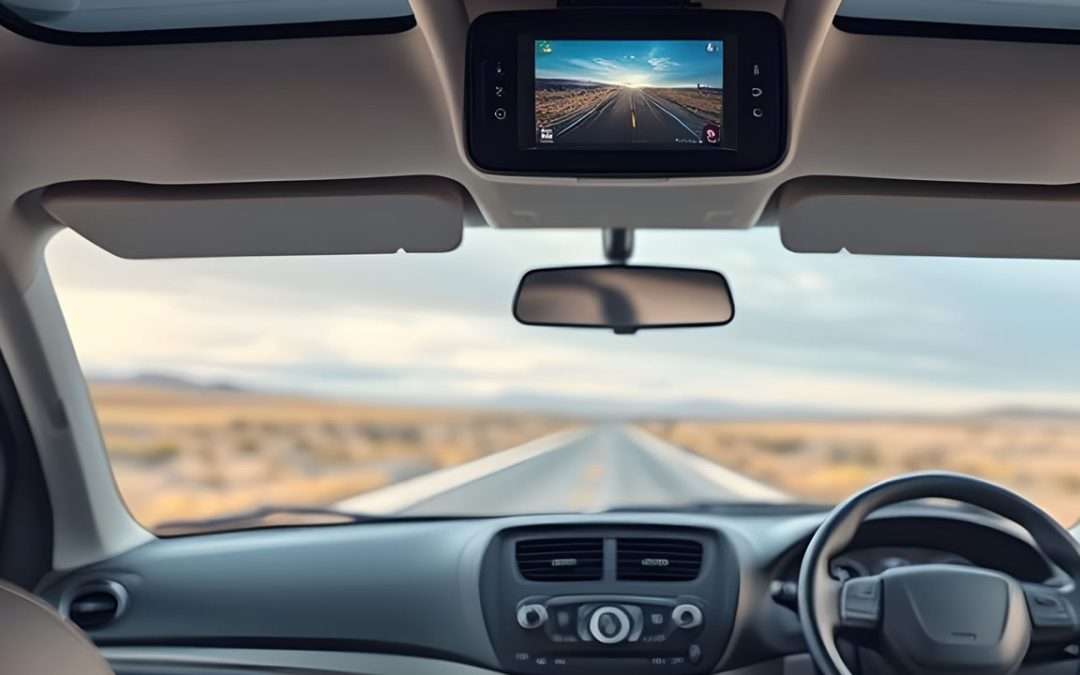
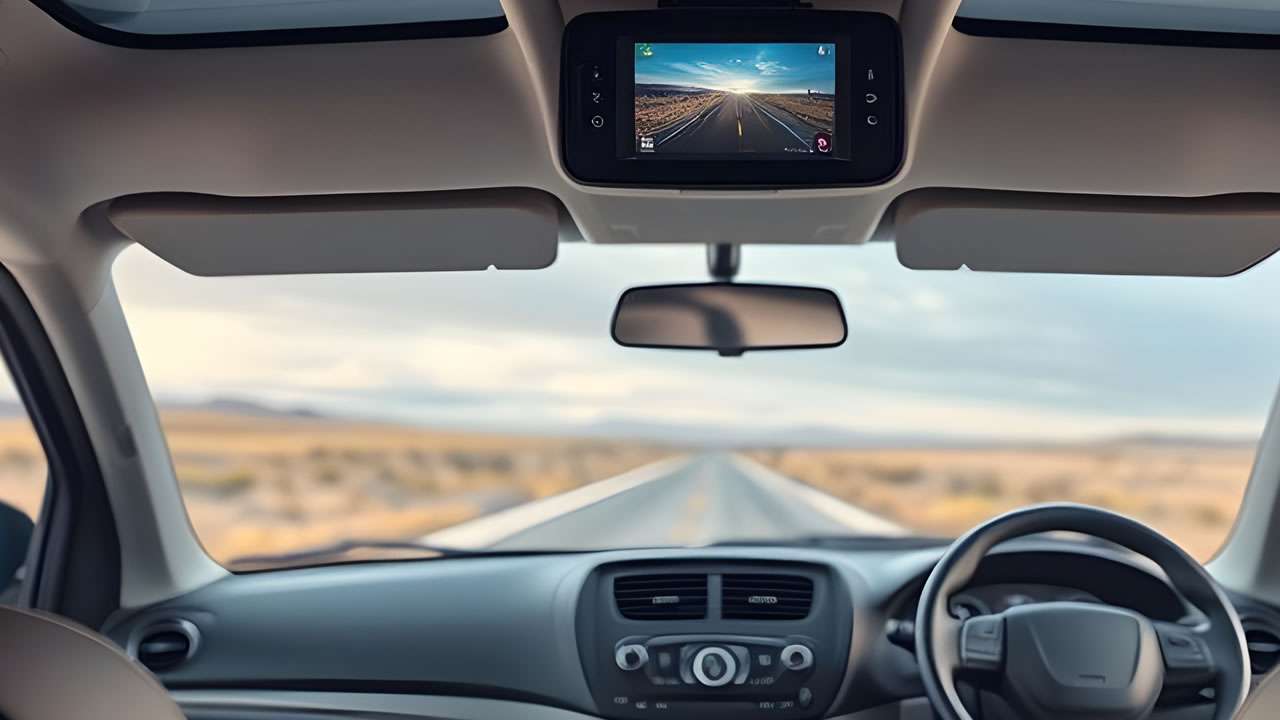
Caravan Reversing Camera

Caravan Reversing Camera

Top 10 Caravan Reversing Cameras In Australia

  1. Furrion Vision S Wireless System
    • Resolution: 1080p HD
    • Viewing Angle: 155° ultra-wide
    • Special Features: Motion detection alerts, built-in microphone, IP69K waterproof rating
    • Best For: Luxury caravans and off-road setups
    • Price Range: $1,100-$1,800[2]
  2. Dometic PerfectView HD
    • Display: 7″ Touchscreen
    • Night Vision: 10m infrared
    • Connectivity: Wired/Wireless hybrid
    • Standout Feature: Dual-camera compatibility
    • Price: $799-$1,299[2]
  3. Aussie Traveller Dual-Camera Pro
    • Cameras: 120°+150° combo
    • Monitor: Split-screen 7″ HD
    • Weatherproofing: IP68
    • Special: 15m heavy-duty cabling
    • Price: $650-$950[2]
  4. SPHERE Heavy-Duty Wireless
    • Construction: Military-grade aluminium
    • Temperature Range: -20°C to 70°C
    • Special: Solar-rechargeable option
    • Best For: Extreme outback conditions
    • Price: $899-$1,499[4]
  5. Carvision Bluetooth 7″ System
    • Connectivity: Bluetooth 5.0
    • Cameras: Supports 4-channel
    • Display: Anti-glare IPS screen
    • Special: Parking guidelines overlay
    • Price: $499-$799[2]
  6. Elinz Digital Wireless Pro
    • Resolution: 720p HD
    • Transmission: Digital 2.4GHz
    • Range: 25m line-of-sight
    • Standout: Choice Magazine recommended[1]
    • Price: $349-$599[1]
  7. Garmin BC 35 Wireless
    • Integration: Works with GPS units
    • Power: OBD-II connection
    • Special: Voice command compatible
    • Price: $399-$599
    • Best For: Tech integrated vehicles
  8. Oricom UHD450
    • Resolution: 4MP Ultra HD
    • Night Vision: 18 infrared LEDs
    • Storage: Built-in DVR
    • Price: $599-$899
    • Special: License plate camera option
  9. Uniden Guardian HD
    • Security Features: Motion-activated recording
    • Display: Mirror-mounted option
    • Connectivity: WiFi smartphone streaming
    • Price: $499-$799
    • Best For: Security conscious owners
  10. Safety Dave Dual Reverse Camera
    • Configuration: 45°+120° dual lenses
    • Resolution: AHD
    • Weatherproofing: IP67
    • Price: $193-$300
    • Special: Australian based support

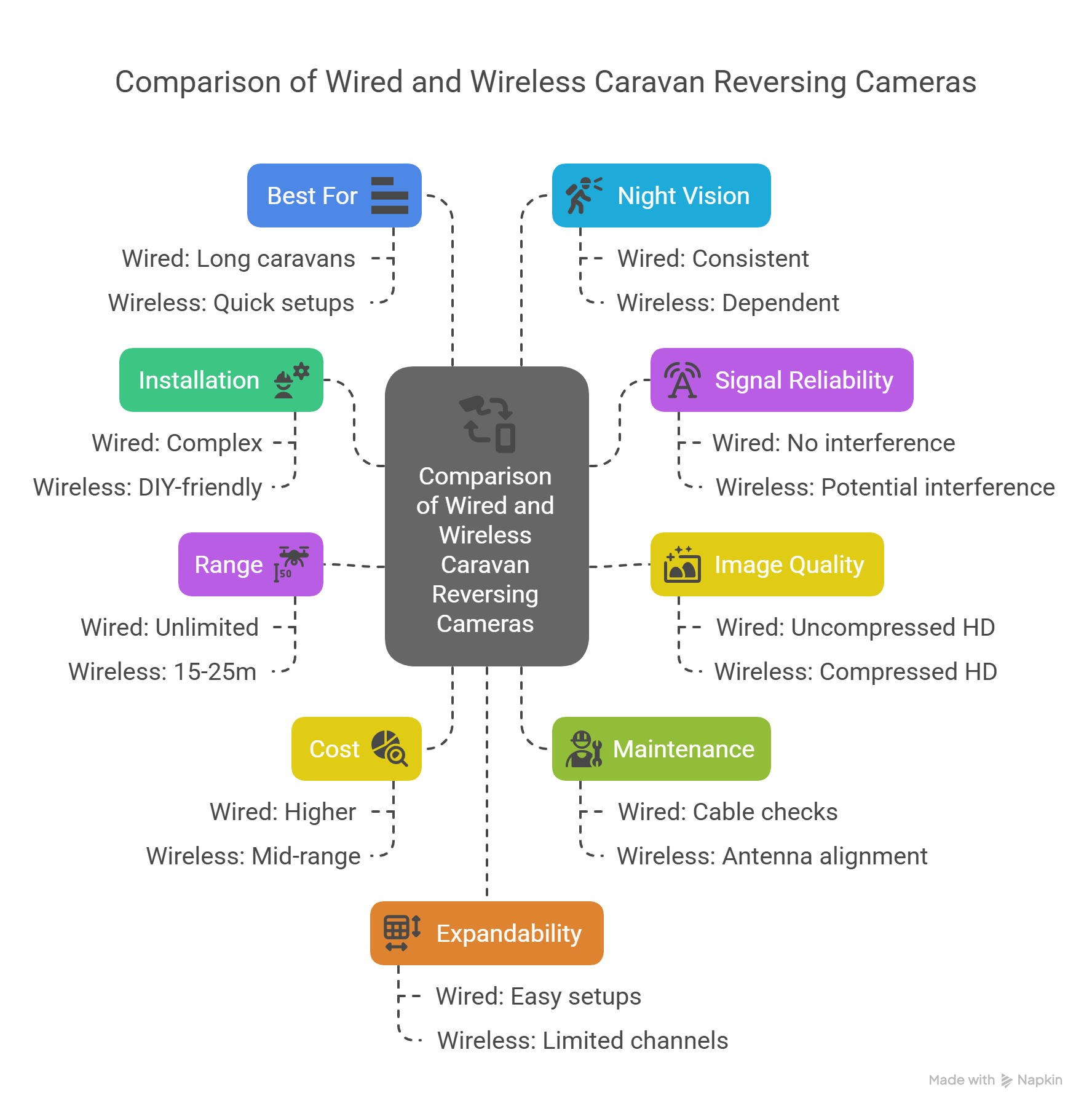
Comparison Table: Wired vs Wireless Caravan Reversing Cameras

Feature Wired Systems[3][5] Wireless Systems[3][5]
Installation Complex, professional recommended DIY-friendly
Signal Reliability No interference Potential 2.4GHz interference
Image Quality Uncompressed HD Digital compressed HD
Range Unlimited with boosters 15-25m typical
Cost Higher ($500-$2,500) Mid-range ($300-$1,500)
Maintenance Cable integrity checks Antenna alignment
Best For Long caravans (>8m) Quick setups
Night Vision Consistent performance Dependent on transmission
Expandability Easy multi-camera setups Limited by channels
Durability Vulnerable cable damage Weather-resistant units

In Depth Feature Analysis

1. Wireless Caravan Reversing Camera Technology

Modern wireless caravan reversing camera systems use 2.4GHz digital signals or Bluetooth 5.0 for transmission:

  • Digital Encryption prevents signal hijacking[3]
  • Auto-Channel Selection avoids frequency congestion[5]
  • Low-Latency Transmission (<0.3s delay) enables real-time maneuvering[3]

2. Bluetooth Caravan Reversing Camera Systems

Bluetooth models like Carvision’s 7″ system offer:

  • Smartphone Integration via dedicated apps
  • Multi-Device Pairing for different drivers
  • Audio Alerts through vehicle speakers[^2]
    [^2]: Based on Carvision product specifications

Comparison Wired Vs Wireless Caravan Reversing Cameras

Comparison Wired Vs Wireless Caravan Reversing Cameras

Installation Masterclass

How to Install a Caravan Reversing Camera: Wireless Systems

  1. Camera Positioning
    • Mount 1.8-2.2m above ground[^3]
    • Angle downward 10-15°[^3]
    • Avoid direct sun exposure[^3]
  2. Power Management
    • Connect to reverse light circuit[3]
    • Install 3A inline fuse[3]
    • Use marine-grade heat shrink connectors[3]
  3. Monitor Setup
    • Position below eye level[^3]
    • Secure with anti-vibration mount[3]
    • Connect to ACC-switched power[3]
      [^3]: Industry standard installation practices
  4. Wired System Installation Nuances
    • Cable Routing: Use existing chassis channels[3]
    • Grounding: Dedicated chassis ground points[3]
    • Signal Boosters: Required every 8m[3]
    • Testing: Multimeter continuity checks[3]

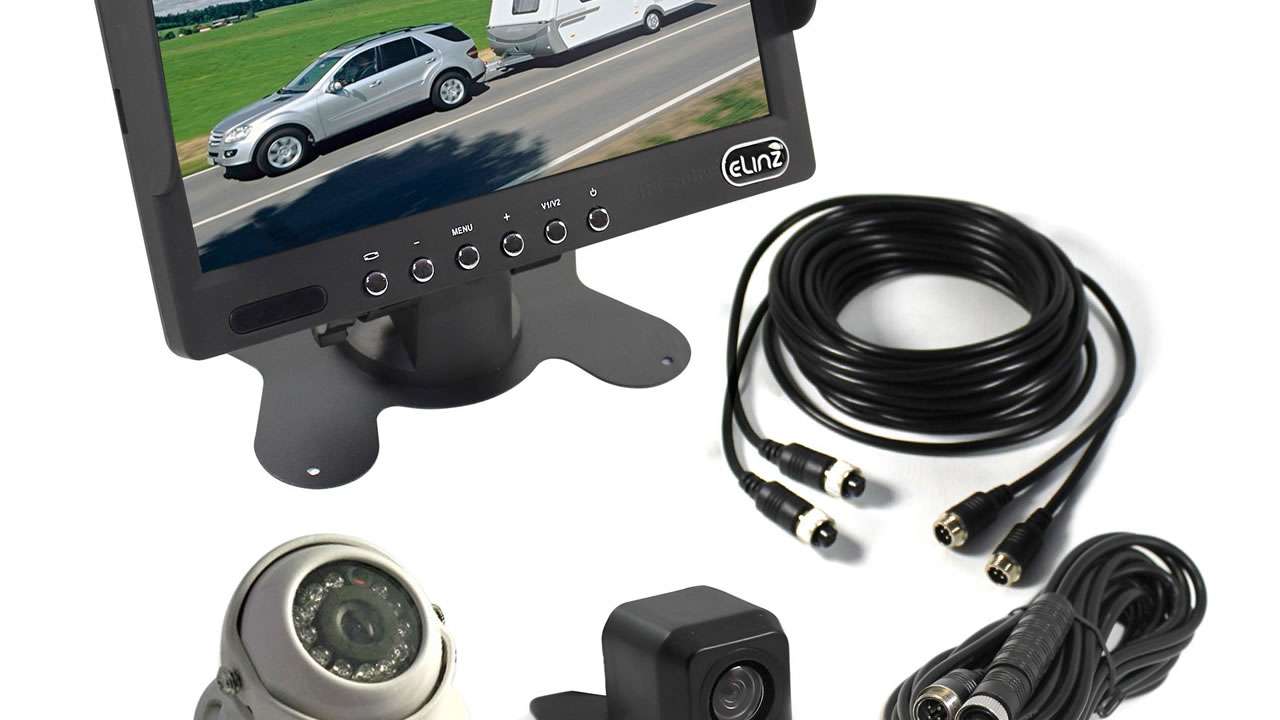
Elinz Caravan Reversing Camera

Elinz Caravan Reversing Camera

Technical Deep Dive: How Caravan Reversing Cameras Work

Image Processing Pipeline

  1. CMOS Sensor captures light through polycarbonate lens
  2. ISP Chip applies:
    • Auto-Exposure
    • White Balance
    • Noise Reduction
  3. Encoder compresses video (H.264/H.265)
  4. Transmitter sends via 2.4GHz/Bluetooth/wired
  5. Monitor decodes and displays with OSD overlays[3][5]

Night Vision Technology

  • IR Illuminators: 850nm wavelength (invisible)
  • L-CUT Filter: Removes IR pollution during daylight
  • Smart IR: Adjusts intensity based on distance[3]

Australian Specific Considerations

Regulatory Compliance

  • ADR 46/00: Voluntary standard for aftermarket systems
  • EMC Requirements: C-Tick certification mandatory[^4]
  • Mounting Laws: Must not obscure number plate[^4]
    [^4]Australian Design Rules for vehicle modifications

Climate Adaptations

  • Dust Sealing: IP68 minimum for outback[4]
  • UV Protection: Polycarbonate lens coating[4]
  • Corrosion Resistance: 316 marine-grade stainless[4]

Troubleshooting: Caravan Reversing Camera Not Working?

Diagnostic Flowchart

  1. Power Supply Check
    • Test camera voltage (12V±10%)
    • Verify ground connection
  2. Signal Path Validation
    • Check antenna orientation (wireless)
    • Test with replacement cables (wired)
  3. Environmental Factors
    • Remove 2.4GHz interference sources
    • Clean lens/IR illuminators
  4. Firmware Updates
    • Check manufacturer portals
    • Follow update protocols[3][5]

Cost Analysis: Budgeting Guide

Component Entry-Level ($) Mid-Range ($) Premium ($)
Camera Unit $80-$150 $150-$300 $300-$600
Monitor $100-$200 $200-$400 $400-$800
Installation DIY $200-$400 $400-$800
Accessories $50-$100 $100-$200 $200-$500
Total $230-$450 $450-$900 $900-$2,500

Emerging Technologies

AI-Powered Systems

  • Obstacle Classification: Pedestrian/vehicle detection
  • Predictive Pathing: Trajectory projection
  • Automatic Braking Integration: Emergency stop systems[^5]
    [^5]: Industry development trends

360° Bird’s-Eye View

  • Quad Camera Systems: 190° fisheye lenses
  • Real-Time Stitching: <1ms latency processing
  • Touchscreen Zones: Selectable viewing angles[3]

Brand Directory With Contact Details

Brand Website Contact Price Range Specialty
Aussie Traveller https://aussietraveller.com.au 1300 882 770 $400-$900 Dual-camera systems
Furrion https://furrion.com/au 1800 287 746 $800-$1,800 Luxury integration
Dometic https://dometic.com/en-au 02 9756 3955 $700-$1,500 Touring caravans
Safety Dave https://safetydave.com.au 1800 072 338 $100-$300 Budget-friendly options
SPHERE https://sphere.com.au Not specified $300-$600 Heavy-duty construction
Elinz https://elinz.com.au Not specified $200-$600 Wireless systems
Carvision https://carvision.com.au 1300 227 847 $400-$800 Bluetooth integration
Garmin https://garmin.com/au 1800 235 822 $300-$600 GPS integration
Oricom https://oricom.com.au 1300 884 672 $500-$900 Security features
Uniden https://uniden.com.au 1300 366 895 $400-$800 Smart connectivity
Legal Disclaimer: The information in this guide is provided for general informational purposes only. While we strive to ensure accuracy, specifications, pricing, and product availability may change. Always verify details directly with manufacturers before purchasing. Installation of caravan reversing cameras should comply with Australian Design Rules (ADRs) and local regulations. Professional installation is recommended for complex systems. The author and publisher disclaim all liability for any loss, damage, or injury arising from the use of this information. Reversing cameras are supplementary aids and do not replace proper driving practices or legally required safety equipment. Consult qualified experts for advice tailored to your specific vehicle and caravan setup. (Note: This disclaimer is a general template and does not constitute legal advice. For specific legal requirements consult a qualified professional.)

Citations
[1] https://www.elinz.com.au/shop/reverse-camera-system
[2] https://www.caravanrvcamping.com.au/caravan-reversing-cameras-buyers-guide
[3] https://www.caravanrvcamping.com.au/complete-buyers-guide-to-caravan-reversing-cameras
[4] https://www.outbackequipment.com.au/caravan-rv-trailer/towing-vehicle-accessories/reversing-cameras/
[5] https://www.rvpartsexpress.com.au/blog/post/which-is-better-wired-or-wireless-caravan-camera/
[6] https://aussietraveller.com.au/collections/reversing-cameras
[7] https://www.mygenerator.com.au/reversing-cameras/
[8] https://caravanmods.com.au/collections/reverse-cameras
[9] https://englaon.com.au/collections/rear-observation-system
[10] https://polarisgps.com.au/product-category/head-units/head-unit-accessories-add-ons/caravan-camera/
[11] https://polarisgps.com.au/product-category/rear-vision/carvan-trailer-cam-kits/
[12] https://safetydave.com.au/rear-vision/rear-vision-cameras/
[13] https://www.rvcs.com.au/caravan-rear-view-camera-kits/
[14] https://www.caravanersforum.com/viewtopic.php?t=87348
[15] https://www.naselectronics.com.au/reversing-cameras-for-caravan-towing-kits-include-woza-cable-nas/
[16] https://www.youtube.com/watch?v=dG-w8EH2Ryc
[17] https://adelaiderv.com.au/reversing-camera-systems-for-caravans/
[18] https://mobileaudioconcepts.com.au/wireless-vs-wired-cameras-four-essential-factors-to-consider-when-choosing-the-right-one/
[19] https://4x4offroad.au/guides/are-wireless-reversing-cameras-any-good/
[20] https://www.elinz.com.au/view/elinz-reverse-camera-system-buyers-guide/6408

Caravan Reversing Cameras: 6 Essential FAQs

What's the difference between a wired and a wireless caravan reversing camera?

Wired systems use physical cables for stable HD video but require complex installation, while wireless models offer easier DIY setup with potential signal interference in crowded areas. Modern digital wireless systems reduce lag and improve reliability.

Does a caravan reversing camera work at night?

Yes, most quality models feature infrared night vision (5-20m range) using 850nm LEDs. Look for IP67+ waterproof ratings to ensure reliability in all conditions.

What viewing angle is best for caravan reversing?

Opt for 120°-150° lenses for general reversing. Narrow 30°-45° angles suit hitching assistance, while 360° systems provide complete visibility but cost more.

How difficult is installation of a caravan reversing camera? Can I DIY?

Wireless systems are DIY-friendly with basic tools, while wired setups often require professional help for cable routing through chassis channels Safety Dave recommends silicone sealing and strategic cable management.

Which caravan reversing camera brands offer the best value in Australia?

Aussie Traveller provides rugged dual-camera systems, Safety Dave offers budget-friendly options, and Furrion delivers luxury integration (though pricier) SPHERE excels in heavy-duty construction.

Why does my caravan reversing camera keep disconnecting?

Common issues include 2.4GHz interference, loose antenna alignment, power supply problems, or damaged cables. Safety Dave recommends checking ground connections and using shielded cables.

List Of Australian Caravan Brands

Adventura Caravans, Adventure Caravans, Aliner Caravans, Alpha Fibreglass, AOR (Australian Off Road Caravans), Apollo Caravans, Aussie Wide Caravans, Australian Motor Homes Pty Ltd, Australian Off Road Caravans, Avan Campers, Avan Caravans, Avida RV, Bailey Caravans, Ballina Campervans, Beachmere Caravans, Big Red Caravan Co., Billabong Custom Caravans, Black Series Caravans, Broadwater Caravans, Bushtracker Caravans, Camprite Campers, Caravan Manufacturer, Caria Caravan Trailer, Challenge Camper Trailers Caravans, Chapman Caravans, Classic RTM Caravans, Concept Caravans, Coromal Caravans, Creative Caravans, Crusader Caravans, Customline Caravans, Davsher Caravans, Desert Edge Trailers, Designer Vans Caravans, Discoverer Campers, Dreamhaven Caravans, Dreamland Trailers, Driftaway Caravans, Dryden Trailers Caravans, Eagle Caravans, Elddis Caravans, Elross Caravans, Emerald Caravans, Evernew Caravans, Exodus Campers, Ezytrail Campers, Ezytrail Caravans, Galaxy Caravans, Goldstream Recreational Vehicles, Goldstream RV, Golf Caravans, Grand Tourer Caravans, Heaslip Campers, Horizon Motorhomes, I & D Industries, Imperial Caravans, Jayco, Jayco Caravans, Jurgens Australia, Jurgens Caravans, Kea Campers Australia Caravans, Kingdom Caravans, Knaus Caravans, La Vista Caravans, Lifestyle Leisure RV, Limit Seeker Camper Trailers Caravans, Lotus Caravans, Majestic Caravans, Mandurah Caravans, MARS Campers, MARS Caravans, May West Caravans, Melbourne RV, Metro Caravans, Millard Caravans, Montana Caravans, New Age Caravans, Nova Caravans, Olympic Caravans, Opalite Caravans, Outback Caravans, Paradise Caravans, Paradise Motor Homes, Paramount Caravans, Regal Caravans, Regent Caravans, Retreat Caravans, Rhinomax, Rivenlee Caravans, Roadstar Caravans, Roma Caravans, Royal Flair Caravans, Shasta Caravans, Snowy River Caravans, Spaceland Industries Caravans, Spinifex Caravans, Suncamper Caravans, Sunland Caravans, Sunliner Recreational Vehicles, Supreme Caravans, Swagman Aust Caravans, Toy Haulers Manufacturer, Track Trailer, Trackabout Caravan Co., Trailblazer Caravans, Trailblazers RV Caravans, Trailer Manufacturer, Trailstar Caravans, Trakka, Trakka Caravans, Trakmaster Caravans, Travelhome, Traveller Caravans, Truelux 5th Wheel, Universal Caravans, Vanguard Caravans, Victory Caravans, Western Caravans, Windsor Caravans, Winnebago Industries, Wirraway Motorhomes, Zone RV


Caravan Underbody Protection: The Essential Guide

Caravan Underbody Protection: The Essential Guide

Caravan Underbody Protection: The Essential Guide

Caravan underbody protection safeguards your caravan against stone chips, corrosion and costly repairs. Discover DIY tips, materials and cost saving strategies for Aussie adventurers!

Australia’s vast outback, corrugated tracks and gravel roads offer caravanners unparalleled freedom. However these same elements pose a constant threat to your caravan’s underbody. From stone chips to corrosion, neglecting this critical area can lead to costly repairs and safety hazards. Consider the story of John and Maria, a couple from Brisbane whose coastal caravan trip ended abruptly when saltwater corrosion destroyed their chassis. A $15,000 repair bill later, they vowed never to overlook underbody protection again. This guide unpacks the best DIY strategies for caravan underbody protection, compares materials, analyses costs and offers long-term maintenance tips – so you can explore with confidence.

Why Caravan Underbody Protection Matters

The underbody is your caravan’s first line of defence against road debris, moisture and corrosion. According to the [Caravan Council of Australia](https://caravancouncil.com.au/), unprotected wiring, plumbing and chassis components are vulnerable to damage, which can compromise safety systems like electric brakes or freshwater tanks. A 2022 survey by [Caravan World](https://www.caravanworld.com.au/) found that 68% of owners who experienced underbody damage spent over $3,000 on repairs – a cost easily mitigated with proactive measures.

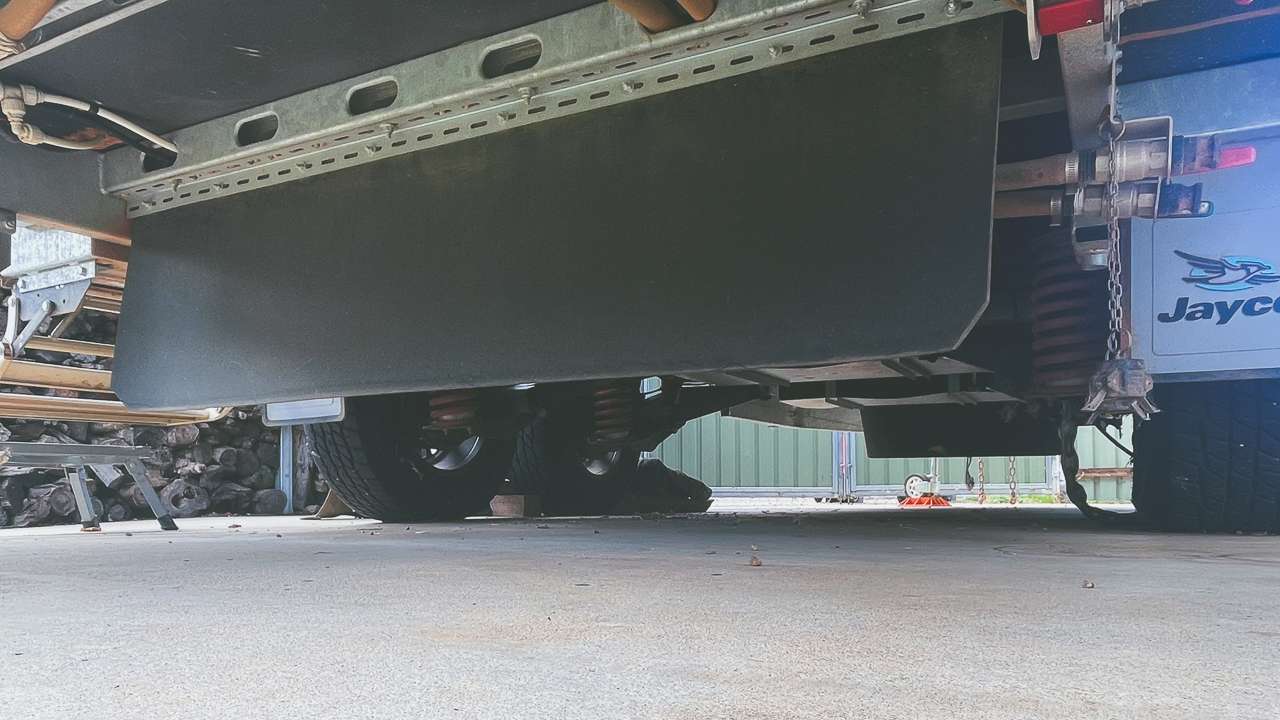
Caravan Underbody Protection Insertion Rubber Flap Protecting Plumbing Fittings

Caravan Underbody Protection Insertion Rubber Flap Protecting Plumbing Fittings

Key Caravan Underbody Protection Risks Explained

  1. Stone Strikes: Flying debris isn’t just a nuisance. A single rock can puncture a $1,500 freshwater tank or sever brake wiring, as reported in a 2023 case study by Outback Travel Australia.
  2. Corrosion: Coastal humidity and outback salt flats accelerate rust. The Australian National Transport Insurance notes that 40% of caravan insurance claims in Queensland relate to underbody corrosion.
  3. Resale Value: Visible underbody damage can deter buyers. Dealerships like Caravanland estimate a 30% price drop for caravans with unaddressed underbody issues.

Caravan Underbody Stone Protection: Materials Compared

When selecting protection, consider your travel style. Bitumen road travellers need lighter solutions, while off-road explorers require heavy duty armour. Below, we break down popular methods, their pros and cons, cost effectiveness and lifespan.

Material Pros Cons Cost (AUD) Lifespan Best For
Flexible Conduit Affordable, easy DIY install Limited sharp-object resistance $2–$5 per metre 3–5 years Wiring, plumbing
Aluminium Guards High impact resistance, customisable Requires fabrication skills $50–$200+ 10+ years Exposed fittings, tanks
Rubber Flaps Debris deflection, simple mounting May loosen on rough terrain $20–$100+ 2–4 years General stone deflection
Spray On Coating Corrosion prevention, uniform coverage Less effective against large impacts $50–$200+ (DIY kits) 5–8 years Rust-prone regions
Foam Sleeves / Pool Noodles Insulates pipes, cheap Low durability, visually bulky $3–$8 per metre 1–3 years Plumbing insulation
Polyurethane Sheets Lightweight, high abrasion resistance Difficult to shape without tools $30–$80 per sheet 5–7 years Floor protection

Caravan Stone Protection: Top DIY Solutions

1. Flexible Conduit for Wiring and Plumbing

Ideal for safeguarding electrical lines and PVC pipes, corrugated plastic conduit is a budget friendly choice. Slit tubing allows easy installation without disconnecting existing systems. However, as noted by Trader VS, it’s less effective against sharp rocks.

Implementation Tips

  • Tools Required: Cable ties, utility knife, measuring tape.
  • Time Estimate: 2–4 hours for a standard caravan.
  • Common Mistakes: Using undersized conduit (aim for 20% larger than the pipe/wire diameter).

2. Custom Aluminium or Steel Guards

For critical components like water tanks or gas lines, metal guards offer unmatched durability. While fabrication demands tools like angle grinders, forums like Caravaners Forum highlight their popularity among off-roaders.

Implementation Tips

  • Tools Required: Angle grinder, drill, rivet gun.
  • Case Study: Mick, a Grey Nomad, shares on Facebook: “After bending a chassis on the Gibb River Road, I installed 3mm steel guards. Five years later, not a dent!”

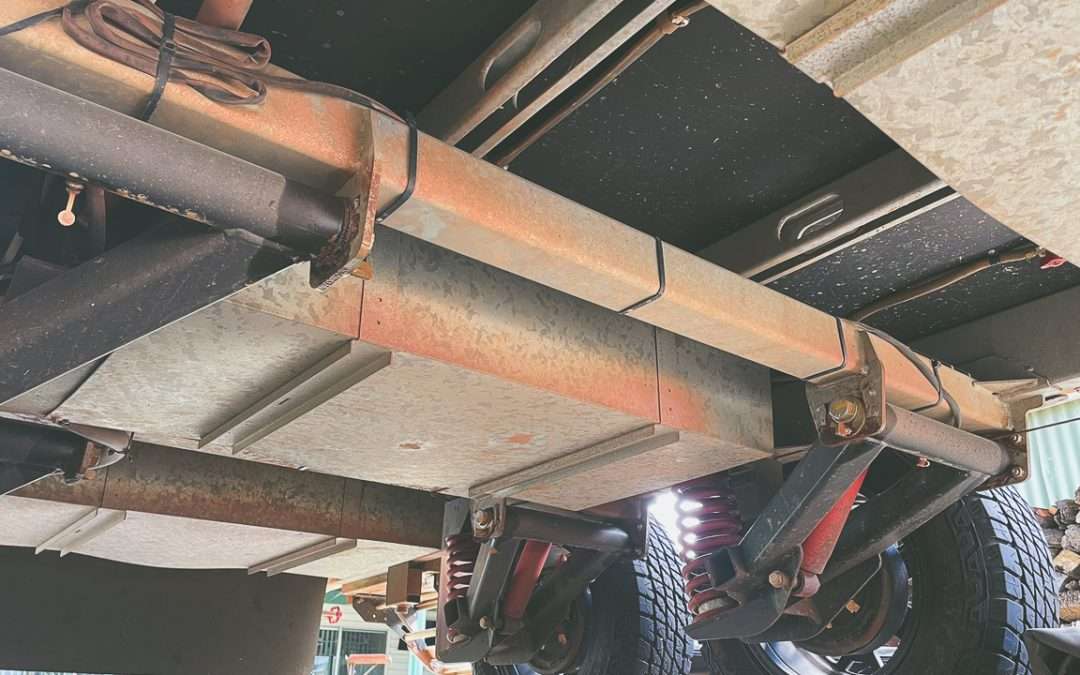
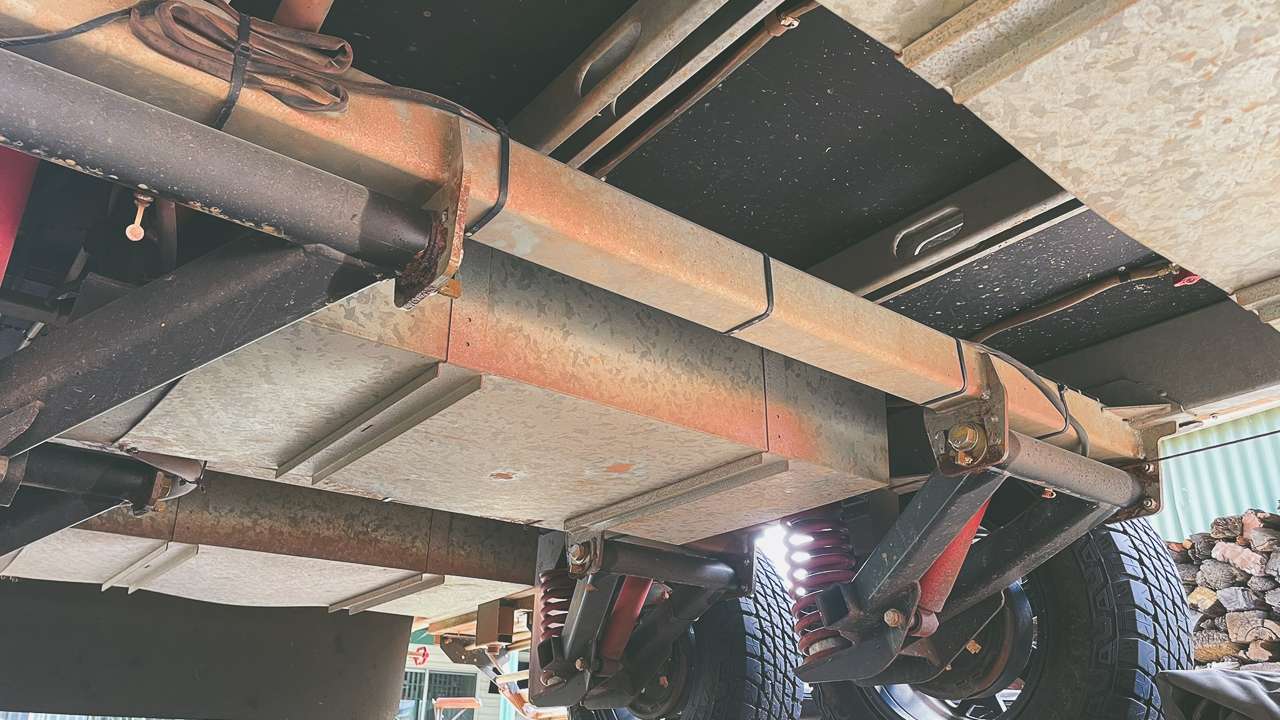
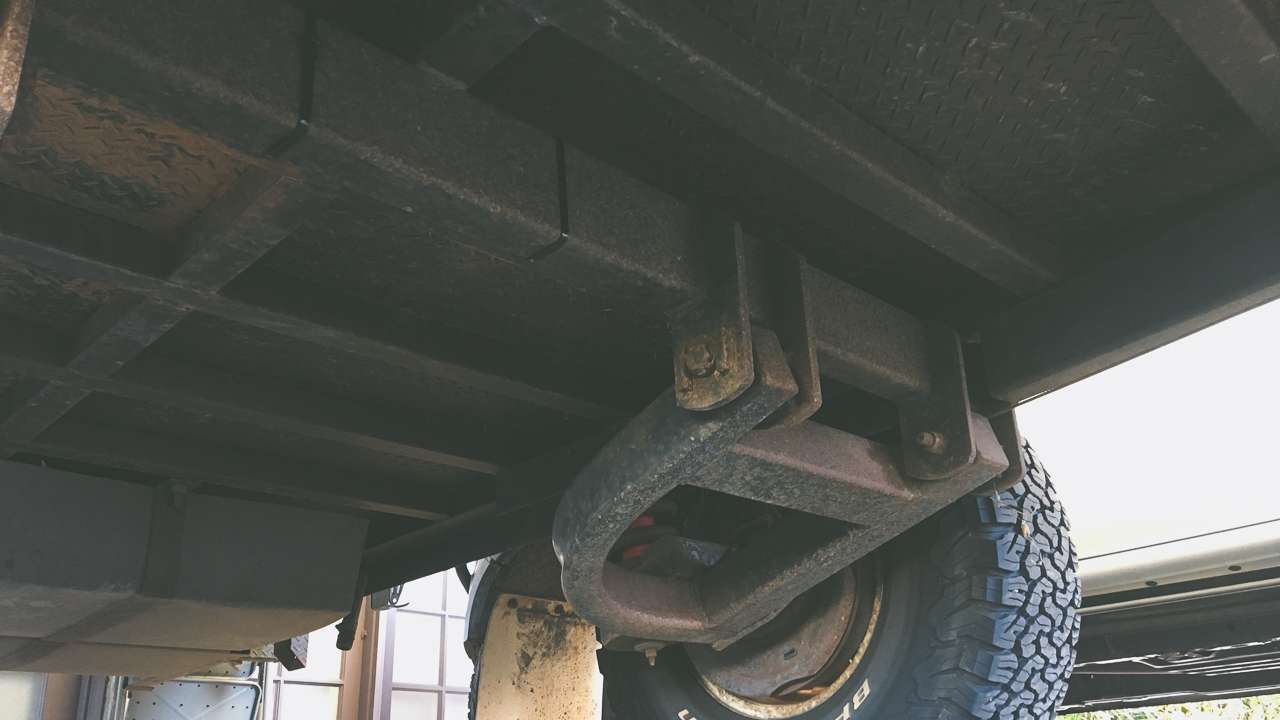
Protection Beneath Caravan

Protection Beneath Caravan

3. Rubber Mud Flaps

Heavy duty rubber flaps mounted behind wheels or along the chassis deflect stones effectively. Users on Facebook groups like “Aussie Caravan Adventures” recommend combining flaps with conduit for layered protection. Another great option is a fantastic Aussie made StoneStomper.

Implementation Tips

  • Optimal Positioning: Install flaps 10–15 cm above ground level to balance debris deflection and clearance.
  • Reinforcement: Use galvanised brackets to prevent tear offs on corrugations.

4. Spray On Underbody Coatings

Products like Raptor Coatings provide a waterproof, anti-corrosive barrier. While DIY kits are affordable, professional application ensures even coverage. A 2023 review by [Practical Caravan](https://www.practicalcaravan.com/) found spray coatings reduced road noise by 15%—a bonus for long hauls.

Implementation Tips

  • Surface Prep: Use a degreaser and wire brush to remove rust flakes.
  • Layering: Apply 3–4 thin coats instead of one thick layer to prevent drips.

5. Polyurethane Sheets for Floor Protection

A lesser known but effective option, 6mm polyurethane sheets shield the caravan floor from abrasion. Adhesive backed variants simplify installation.

Implementation Tips

  • Cutting: Use a jigsaw with a fine tooth blade for clean edges.
  • Sealing: Apply silicone sealant to sheet edges to prevent moisture ingress.

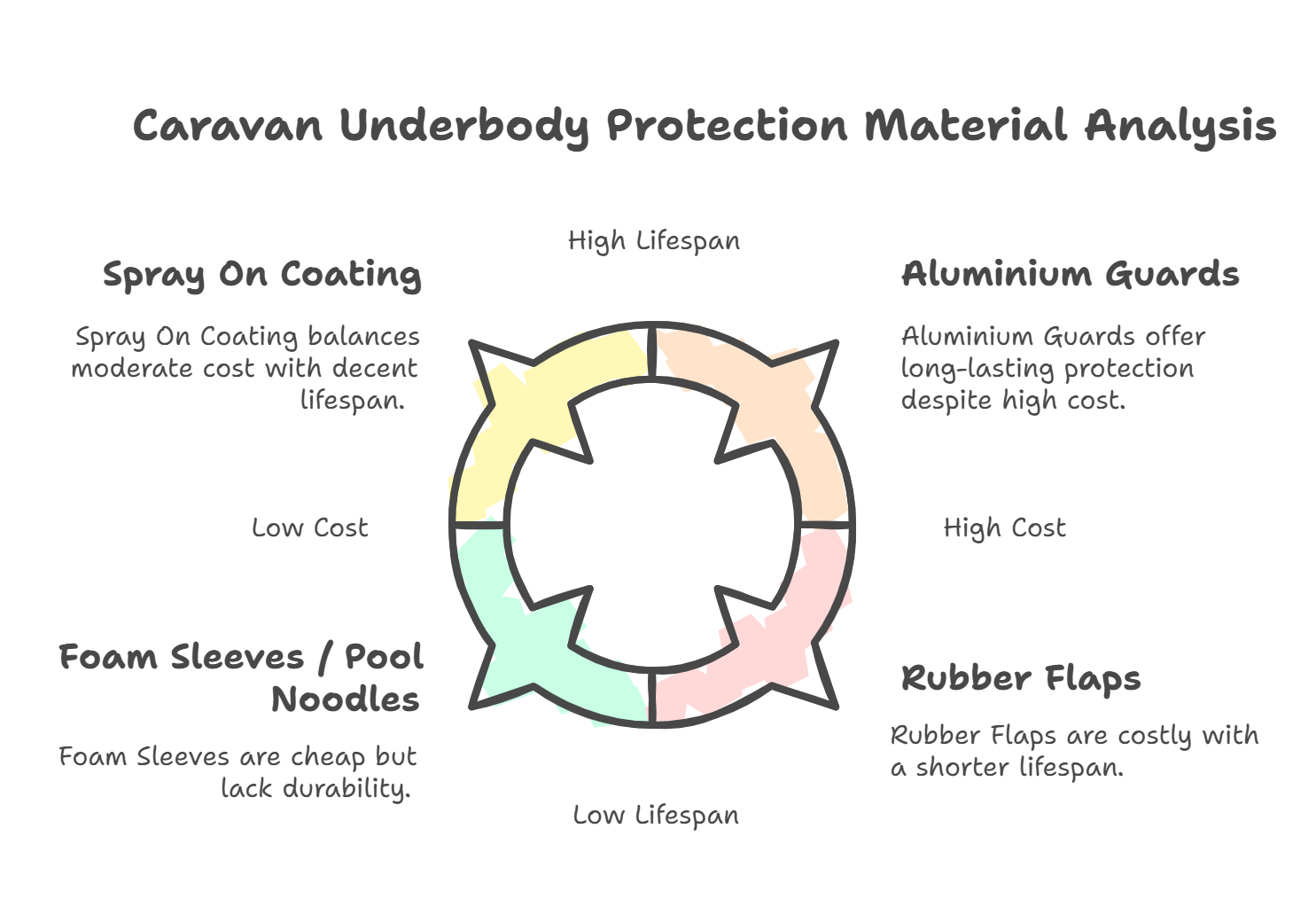
Infographic Caravan Underbody Protection Material Analysis

Infographic Caravan Underbody Protection Material Analysis

Cost Benefit Analysis: DIY vs. Professional Installation

Investing $300–$500 in materials can save thousands in repairs. For example:

  • Flexible conduit: A $50 investment protects $1,500+ in plumbing.
  • Aluminium water tank guards: A $200 setup shields a $3,000 water tank.
  • Spray coating: A $150 DIY kit prevents $2,000+ in rust repairs.

However, DIY isn’t always cheaper. Complex jobs like fabricating guards may require professional tools, costing $800+ if outsourced. Insurance providers like [Youi](https://www.youi.com.au/) also offer 5–10% premium discounts for caravans with certified underbody protection—a perk worth exploring.

Safety First: Avoiding Common Pitfalls

  1. Secure your caravan: Use axle stands rated for your caravan’s weight—never rely solely on jockey wheels.
  2. Galvanic corrosion: Match metals (e.g., stainless steel bolts with aluminium guards).
  3. Clearance checks: After installation, test ground clearance on a steep ramp or uneven surface.
  4. Ventilation: Ensure protective covers don’t block airflow to brakes or exhaust systems.

Maintenance: Extending The Life Of Your Underbody Protection

Even the best protections fail without upkeep. Follow this seasonal checklist:

Post Trip Inspection

  • Check for loose bolts, cracks, or abrasions on guards and flaps.
  • Clean mud and debris from conduits and coatings to prevent moisture traps.

Annual Deep Clean

  • Pressure wash the underbody (avoid direct spray on electrical components).
  • Reapply spray coatings every 3–5 years, depending on wear.

Corrosion Hotspots

  • Focus on weld points and bolt holes. Apply a rust converter like Penetrol at the first sign of oxidation.

Environmental Considerations: Tailoring Protection To Climate

Australia’s diverse climates demand tailored solutions:

  • Coastal Regions: Prioritise stainless steel fittings and anti corrosion sprays.
  • Outback: Opt for thick rubber flaps and metal guards to combat sharp rocks.
  • Tropical North: Use UV resistant materials to prevent sun degradation.

Expert Insights: What the Pros Say

We interviewed Dave – a mechanic at a Brisbane caravan repairer for insider tips:

  • “80% of underbody damage I see starts with poor installation. Never rush the prep work.”
  • “Composite materials like carbon-kevlar are gaining traction for high impact areas, but they’re pricey.”

Caravan Stone Protection: Long Term Strategies

Layering multiple methods yields the best results. For example:

  1. Spray coatings defend against corrosion.
  2. Rubber flaps deflect large debris.
  3. Conduit and foam sleeves protect pipes and wiring.

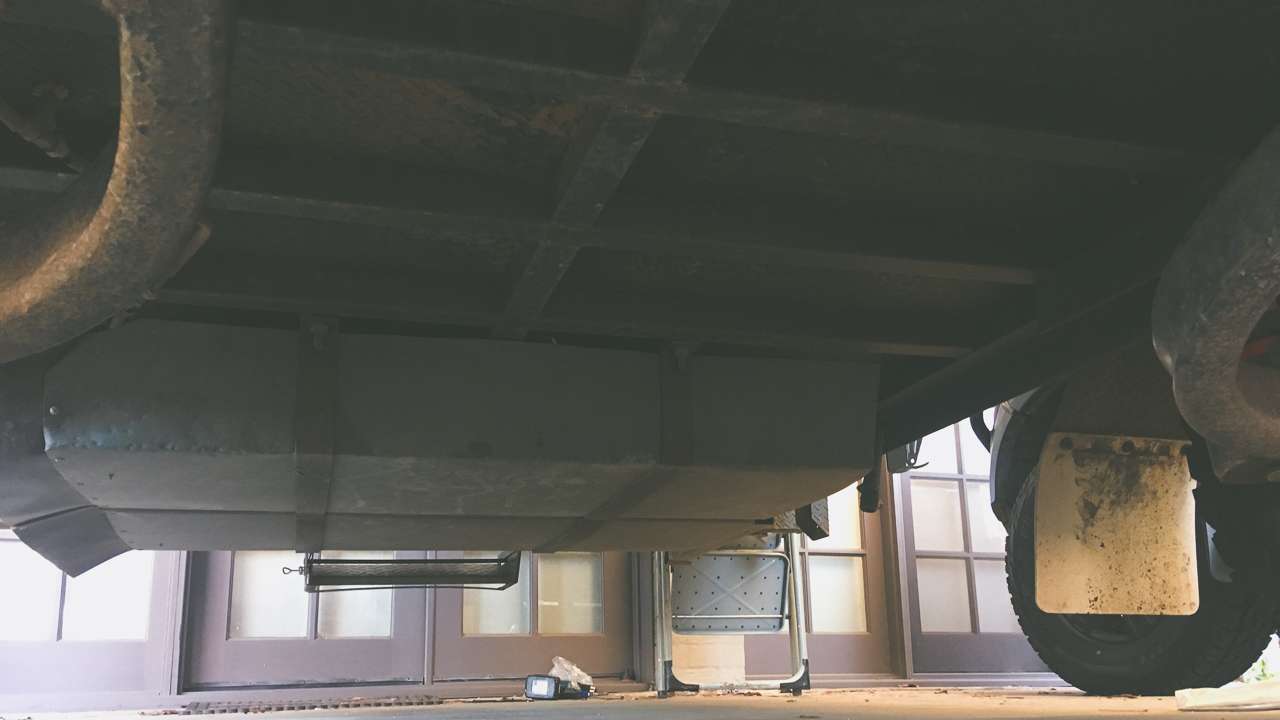
Protection Under Supreme Getaway Caravan

Protection Under Supreme Getaway Caravan

Case Study: A Success Story from the Simpson Desert

Karen and Tim, frequent outback travellers, shared their experience on [ExplorOz](https://www.exploroz.com.au/):

  • Challenge: Repeated stone damage to their greywater tank.
  • Solution: Installed 3mm aluminium guards and added rubber flaps.
  • Result: Zero damage after 15,000 km of outback travel.

Conclusion: Protect Your Investment, Embrace the Journey

Caravan underbody protection isn’t a luxury – it’s insurance for your caravanning lifestyle. By understanding the pros, cons and costs of each method, you can tailor a defence strategy that lets you conquer Australia’s toughest terrains without hesitation. As the saying goes in caravan circles: “Protect the bottom and the journey stays on top.”

Share your underbody protection tips in the comments or tag us in your DIY project photos on social media. Ready to start? Grab a torch and inspect your caravan’s underbody today – you might spot vulnerabilities you never knew existed!

Ultra Heavy Duty Underbody Protection On A Supreme Getaway Offroad Caravan

Ultra Heavy Duty Underbody Protection On A Supreme Getaway Offroad Caravan

Legal Disclaimer: The information provided in this blog post is for general guidance and educational purposes only. While we strive to ensure accuracy, caravan underbody protection methods and costs may vary based on individual circumstances, caravan models, and local conditions. Always consult a qualified professional or manufacturer before undertaking any modifications to your caravan. The author and publisher are not liable for any damages, injuries, or losses resulting from the use or misuse of this information. Travel safely and responsibly.
How To Secure A Caravan In A Cyclone Or High Wind

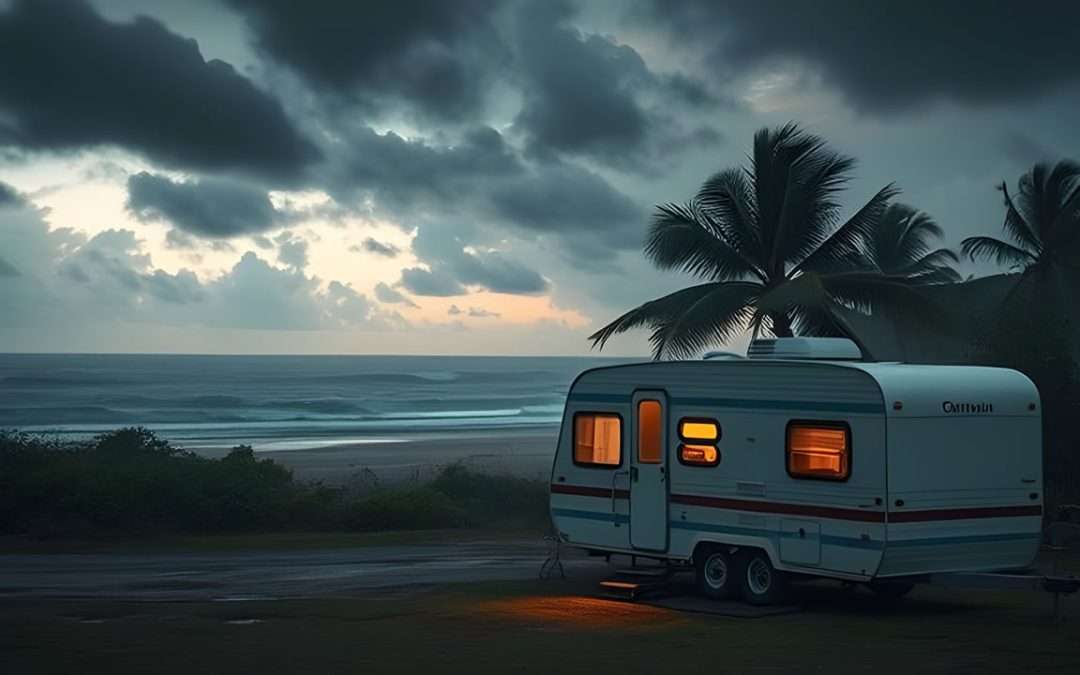
How To Secure A Caravan In A Cyclone Or High Wind

How To Secure A Caravan In A Cyclone Or High Wind

Learn how to secure a caravan in a cyclone with expert tips and step-by-step guidance. Protect your caravan from high winds, flying debris, and storm damage with this essential Australian safety guide.

Cyclones and high winds are among the most destructive weather events in Australia, posing significant risks to caravans. Whether you’ve been a caravanner for twenty years or you’re a new owner, knowing how to secure your caravan during extreme weather is essential. This guide will walk you through the best practices to protect your caravan, tailored specifically for Australian conditions.

Understanding The Risks Posed By A Caravan In A Cyclone

Cyclones and strong winds can cause severe damage to caravans, from lifting roofs to overturning entire structures. According to insurance claims wind damage is the leading cause of caravan related losses in Australia. Cyclones bring additional hazards like flying debris, flooding, and storm surges, making preparation critical.

The Australian Bureau of Meteorology (BOM) reports that cyclones can produce wind gusts exceeding 200 km/h, which can easily displace or destroy unsecured caravans. High winds, even without a cyclone, can cause significant damage, especially if caravans are not properly anchored or tied down.

Your number one option when it comes to ways to secure a caravan in a cyclone is to leave the area. Generally speaking cyclones don’t just turn up on your doorstep overnight. In just about all cases you have a lot of advanced warning. Pay attention to news broadcasts and if there’s a cyclone heading to where you are leave well ahead of time and move well away from it’s path.

How To Secure A Caravan In A Cyclone Or High Wind

How To Secure A Caravan In A Cyclone Or High Wind

How To Secure A Caravan In A Cyclone

Securing a caravan during a cyclone requires a proactive approach. Start by positioning your caravan with its narrow end facing the wind to reduce wind resistance. This minimises the surface area exposed to the wind, making it less likely to be overturned.

Avoid parking near trees, power lines, or unstable structures that could collapse. Instead, seek natural windbreaks like hills or sturdy buildings. If you’re in a caravan park, ask the management about designated safe zones for severe weather.

Anchoring your caravan is crucial. Use ground anchors, chains, or steel cables to tie down the chassis. If no anchor points are available, dig holes under the wheels and sink angle iron posts for added stability. Cross straps diagonally over the caravan to enhance security.

Best Ways To Protect A Caravan In High Winds

High winds can be just as damaging as cyclones. To protect your caravan, always engage the handbrake and chock the wheels on both sides to prevent rolling. Wheel chocks are inexpensive but highly effective tools that can make a significant difference in keeping your caravan stationary.

Secure the roof using a strong net or straps fixed at ground level to prevent lifting. The roof is one of the most vulnerable parts of a caravan during high winds, so ensuring it’s properly secured is essential.

Remove awnings and store outdoor furniture, bikes, and other loose items inside the caravan. Flying debris can cause significant damage, so ensure everything is tied down or stored safely. If you’re unable to remove the awning, ensure it’s tightly rolled and securely fastened to the caravan.

Anchoring A Caravan During A Cyclone

Anchoring is one of the most effective ways to secure your caravan. Use heavy-duty ground anchors such as star pickets and ensure they are firmly embedded in the ground. Tie the caravan’s chassis to these anchors using strong ropes (at least 10mm in diameter), very heavy duty ratchet straps or chains.

For added stability, consider using a combination of ground anchors and wheel chocks. This dual approach can significantly reduce the risk of your caravan being displaced during extreme weather. According to SecureNT, a well-anchored caravan is far less likely to suffer damage during a cyclone or high winds.

Tying Down A Caravan In Strong Winds

Tying down your caravan properly is essential. Use high quality straps or chains to secure the chassis to ground anchors. Cross the straps diagonally over the caravan to distribute the force of the wind evenly.

Ensure the roof is also secured. A strong net or straps fixed at ground level and passing over the full length of the caravan can prevent the roof from lifting. Regularly check the straps for wear and tear, as damaged straps can fail during extreme weather.

Caravan Safety Tips For Cyclones

  1. Turn Off Gas and Electricity: Switch off gas supplies and unplug electrical devices to prevent leaks or short circuits.
  2. Elevate Electrical Devices: Place electronics on higher surfaces to protect them from potential flooding.
  3. Monitor Weather Updates: Regularly check forecasts and cyclone warnings from reliable sources like the Bureau of Meteorology.
  4. Follow Campsite Guidelines: Adhere to campsite regulations and evacuation policies during severe weather.

How To Prepare A Caravan For A Cyclone

Preparation is key to protecting your caravan. Start by removing all loose items from the exterior, including awnings and outdoor furniture. Secure the roof and chassis using ground anchors and strong straps.

Pack an emergency kit with warm clothes, essential medications, and emergency supplies. Even if your caravan is securely tied down, seek safer shelter during cyclones or extreme wind events. The Department of Fire and Emergency Services (DFES) in Western Australia recommends having a plan in place for evacuation if necessary.

Securing A Caravan Roof In High Winds

The roof is particularly vulnerable during high winds – even more so with a pop-top caravan. Use a strong net or straps fixed at ground level and passing over the full length of the caravan to prevent lifting. Ensure the straps are tightly secured and check them regularly for wear and tear.

If your caravan has a pop-top roof, ensure it’s fully lowered and securely locked in place. Pop-top roofs are more prone to wind damage so taking extra precautions with them is important.

Caravan Awning Protection In Cyclones

Awnings are highly susceptible to wind damage. Remove them as soon as high winds are predicted. If removal isn’t possible, ensure they are tightly rolled and securely fastened to the caravan.

According to Xtend Outdoors awnings can act like sails in high winds, putting immense pressure on the caravan’s structure. Removing or securing them can prevent costly damage.

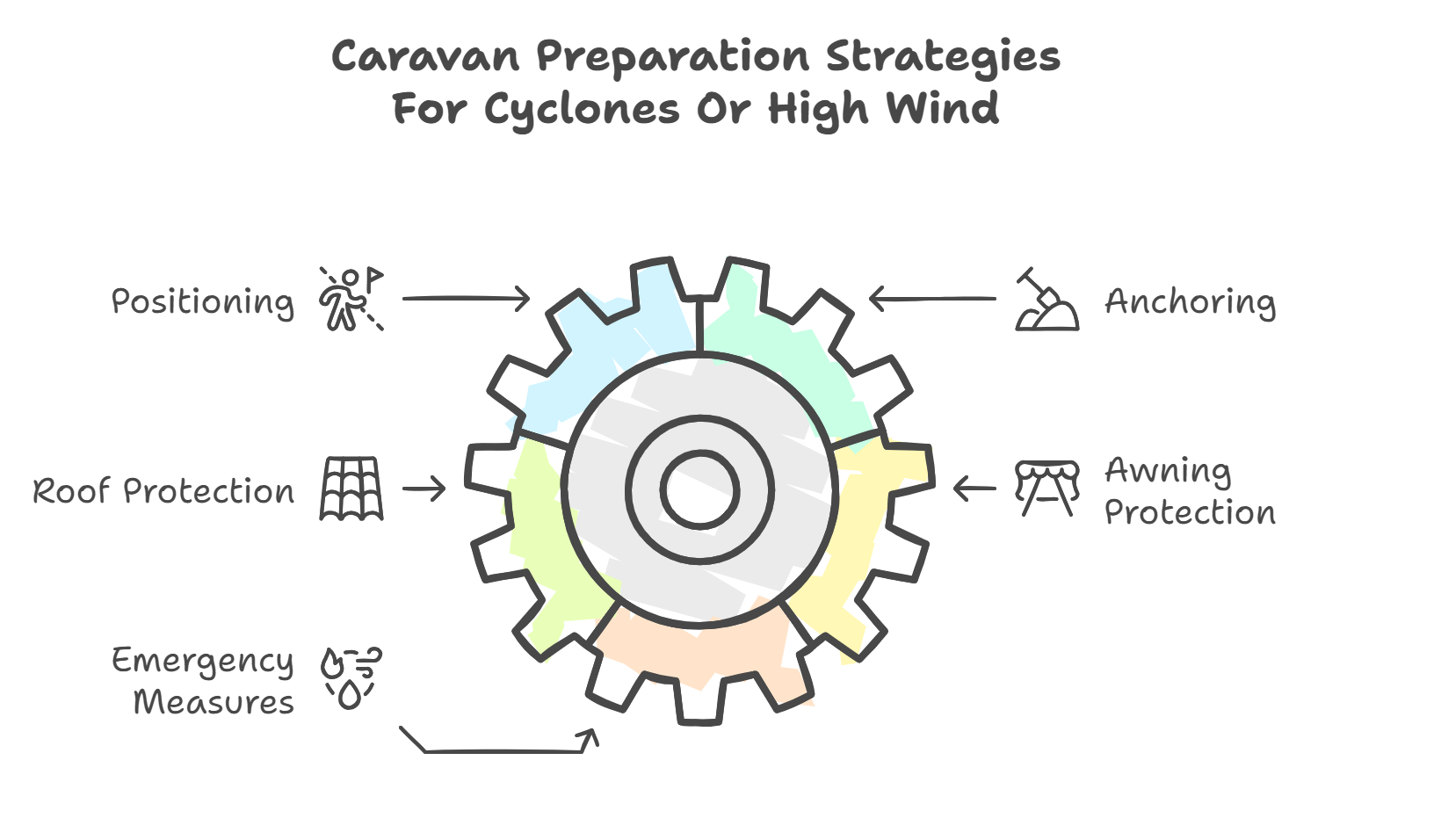
Key Comparisons: Cyclone vs. High Wind Preparation

Aspect Cyclone Preparation High Wind Preparation
Positioning Narrow end facing wind, seek natural windbreaks Narrow end facing wind, avoid hazardous areas
Anchoring Ground anchors, angle iron posts Ground anchors, wheel chocks
Roof Protection Strong net or straps Strong net or straps
Awning Protection Remove awnings Remove or tightly secure awnings
Emergency Measures Pack evacuation kit, seek shelter Monitor weather, secure loose items

Additional Safety Measures To Secure A Caravan In A Cyclone Or High Winds

  1. Stay Informed: Regularly check weather updates from reliable sources like the Bureau of Meteorology. A good old battery powered radio can be a great piece of gear to keep up to date with what’s happening. Your battery powered radio doesn’t rely on an external power source or internet connection.
  2. Follow Local Guidelines: Adhere to campsite regulations and evacuation policies.
  3. Emergency Kit: Include warm clothes, essential medications, and emergency supplies.
  4. Insurance: Ensure your caravan insurance policy covers cyclone and wind damage. Review your policy regularly to ensure adequate coverage.

Long Term Preparations

While immediate actions are crucial, long term preparations can also help protect your caravan. Consider buying a cyclone rated tie down kit. They’re designed specifically to withstand extreme weather conditions. Regularly inspect your caravan’s structural integrity, paying special attention to the roof, chassis, and anchor points.

If you frequently travel to cyclone prone areas consider upgrading to a caravan with reinforced construction.

Conclusion To This Article On How To Secure A Caravan In A Cyclone Or High Wind

Securing your caravan during cyclones or high winds requires careful planning and proactive measures. By following these steps, you can significantly reduce the risk of damage and ensure the safety of your caravan and its contents. Always stay informed, prioritise safety, and be prepared to act quickly in the face of severe weather.

For more detailed information, refer to resources like the Bureau of Meteorology and SecureNT.

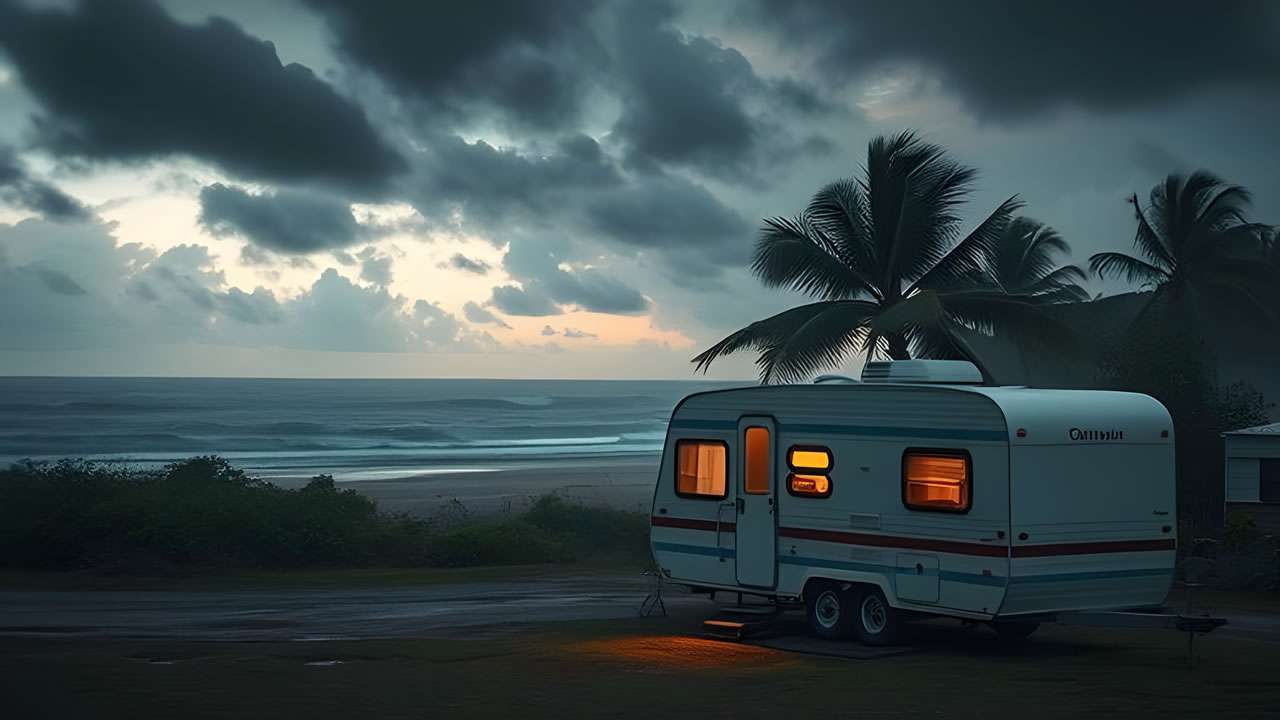
How To Secure A Caravan In A Cyclone

How To Secure A Caravan In A Cyclone

Legal Disclaimer: The information provided in this blog post is for general informational purposes only and should not be considered professional advice. While every effort has been made to ensure the accuracy and reliability of the content, the author and publisher are not liable for any errors, omissions, or damages arising from the use of this information. Always consult a qualified professional or follow official guidelines when securing your caravan or making safety-related decisions. The reader assumes full responsibility for any actions taken based on the information provided in this post.
The Great Caravan Fridge Showdown: 3 Way vs 12v Compressor

The Great Caravan Fridge Showdown: 3 Way vs 12v Compressor

The Great Caravan Fridge Showdown: 3 Way vs 12v Compressor

Caravan Fridge Survival Guide: Which Type Keeps Food Coldest in Aussie Summers? (Spoiler: It’s Not What You Think!). For Australian caravanners, a reliable fridge is not merely a convenience – it is an essential component of life on the road.

Whether traversing the rugged Outback, coastal highways, or alpine regions, the choice between a caravan fridge 3 way and a 12 volt caravan fridge compressor will profoundly influence comfort, convenience and even safety. This guide offers an exhaustive comparison of these two dominant technologies, evaluates the viability of using domestic fridges in caravans and addresses common challenges faced in Australia’s diverse climates.

Caravan Fridge Comparison

Caravan Fridge Comparison

Caravan Fridge 3 Way: The Off Grid Champion

Absorption refrigerators, often referred to as 3 way fridges, operate using three power sources: liquefied petroleum gas (LPG), 12 volt battery power, or 240 volt mains electricity. This versatility has cemented their status as a staple for remote adventures, particularly in regions like the Kimberley or Cape York where grid power is scarce.

Advantages Of 3 Way Fridges

  1. Fuel Flexibility: A standard 9 kilogram gas bottle can sustain a 3 way fridge for up to three weeks, making it indispensable for extended off grid stays.
  2. Silent Operation: Without a compressor, these fridges produce no mechanical noise, preserving the tranquillity of campsites.
  3. Proven Reliability: Brands such as Thetford and Dometic have refined absorption fridge designs over decades, ensuring robust performance in harsh conditions.

Limitations Of 3 Way Fridges

  1. Heat Sensitivity: Performance declines sharply in ambient temperatures exceeding 35 degrees Celsius, necessitating shade, ventilation and sometimes auxiliary cooling fans.
  2. Levelling Requirements: These fridges must remain within 3 degrees of level to function correctly – a challenge on uneven terrain or during sudden stops.
  3. Slow Cooling: Achieving optimal temperatures can take 6 to 8 hours from a warm start, requiring pre-cooling on mains power before trips.

According to Marvel RV, adding a 12 volt vent fan to the fridge’s external casing can improve cooling efficiency by up to 30% in hot weather.

12 Volt Caravan Fridge Compressor: The Modern Cooling Solution

Compressor driven fridges, such as those manufactured by Bushman or Engel, rely on 12 or 24 volt DC power or 240 volt AC electricity. Their rapid cooling capabilities and resilience in extreme heat have made them a favourite among travellers prioritising performance.

Strengths Of 12 Volt Compressor Fridges

  1. Superior Cooling Capacity: These units can reach temperatures as low as minus 18 degrees Celsius, outperforming 3 way models during heatwaves.
  2. Terrain Versatility: Unlike absorption fridges, compressor models operate efficiently at any angle, making them ideal for corrugated roads or steep inclines.
  3. Energy Efficiency: Modern inverter compressors adjust cooling output based on demand, reducing power consumption by 30% compared to older fixed speed models.

Drawbacks Of 12 Volt Compressor Fridges

  1. Higher Power Demand: A 100 litre compressor fridge can deplete a 100 ampere hour battery in 12 to 18 hours without solar replenishment.
  2. Audible Operation: The compressor emits a low hum (40 to 50 decibels), which may disturb light sleepers in compact caravans.
  3. Initial Cost: Prices for compressor fridges start 20% to 40% higher than equivalent 3 way models, though long term energy savings can offset this.

Bushman’s buying guide recommends pairing these fridges with lithium iron phosphate (LiFePO4) batteries and a minimum of 200 watts of solar panels for extended off grid use.

Head To Head: 3 Way Vs. 12 Volt Compressor Caravan Fridges

To simplify the decision making process, the table below contrasts key features of both fridge types:

Feature 3 Way Fridge 12 Volt Compressor Fridge
Power Sources Gas, 12V, 240V 12V, 240V
Cooling Speed 6–8 hours to chill 2–4 hours to chill
Hot Weather Performance Struggles above 35°C; needs shade Maintains temps up to 45°C
Energy Consumption 0.2–0.3kg LPG/day; 10–12A/h on 12V 3–5A/h on 12V
Noise Level Silent Audible compressor hum
Optimal Use Case Long term off grid; quiet campsites Short trips; extreme heat; rough roads

Domestic Fridges In Caravans: A Practical Choice?

Some caravanners attempt to cut costs by installing household fridges with inverters. While this approach has merits, it introduces unique challenges.

Arguments In Favour Of Domestic Fridges

  1. Cost Efficiency: A $700 domestic fridge combined with a $300 inverter often costs less than a premium $2,000 caravan specific model.
  2. Energy Savings: Modern inverter driven domestic fridges consume as little as 0.8 to 1.2 kilowatt hours daily, rivaling dedicated caravan fridges.
  3. Familiar Features: Household fridges often include ice makers, water dispensers and adjustable shelving absent in caravan models.

Arguments Against Domestic Fridges

  1. Power Requirements: A 200 litre domestic fridge typically demands a 2000 watt pure sine wave inverter and a 400 ampere hour battery bank – impractical for most caravans.
  2. Durability Concerns: Domestic compressors are not engineered to withstand vibrations from corrugated roads, increasing failure risks.
  3. Space Constraints: Standard household fridges rarely fit caravan cabinetry, requiring custom modifications.

A Caravaners Forum discussion highlights mixed outcomes, with multiple users reporting inverter failures or fridge damage within months.

Head To Head 3 Way Vs 12 Volt Compressor Caravan Fridge Showdown Comparison

Head To Head 3 Way Vs 12 Volt Compressor Caravan Fridge Showdown Comparison

Caravan Fridge Hot Weather Performance: A Critical Analysis

Australia’s summer temperatures routinely exceed 40 degrees Celsius, testing the limits of both fridge types.

3 Way Fridges In Heat

In gas mode 3 way fridges function reliably up to 32 degrees Celsius. Beyond this, their ammonia based cooling cycle struggles as external heat reduces the temperature differential needed for refrigerant circulation. Solutions include:

  • Installing reflective foil on the fridge’s exterior.
  • Using 12 volt fans to boost airflow around the condenser.
  • Parking the caravan in shaded areas during peak heat.

12 Volt Compressor Fridges In Heat

Compressor fridges excel in hot conditions with models like the Bushman 4WD Fridge Freezer maintaining internal temperatures of minus 5 degrees Celsius even at 45 degrees Celsius ambient. Their hermetically sealed systems are unaffected by external heat, though excessive power draw can strain batteries.

Performance While Driving: 12 Volt Power Showdown

3 Way Fridges on 12 Volt

When switched to 12 volt mode during travel, 3 way fridges consume 10 to 12 amperes per hour – enough to drain a 100 ampere hour battery in under 9 hours. Consequently, most users switch to gas mode while driving, despite safety concerns about open flames in moving vehicles.

12 Volt Compressor Fridges While Driving

Compressor fridges draw 3 to 5 amperes per hour on 12 volt power, making them sustainable with a dual battery system. Advanced models like the Dometic CFX3 feature low voltage cutoffs to prevent starter battery depletion.

Common Caravan Fridge Problems And Solutions

3 Way Fridge Issues

  • Slow Cooling: Often caused by improper levelling or obstructed flues. Regularly check the fridge’s spirit level and clear debris from ventilation paths.
  • Excessive Gas Use: Dirty burners or faulty thermostats increase LPG consumption. Annual servicing by certified technicians is advised.
  • Ineffective 12 Volt Mode: Designed only for short term use, 12 volt mode should be avoided during extended drives.

12 Volt Compressor Fridge Issues

  • Rapid Battery Drain: Insufficient solar input or undersized batteries are common culprits. Monitor power usage with a battery management system.
  • Condensation Buildup: Frequent door openings in humid climates cause internal moisture. Use desiccant packs and minimise access during peak heat.
  • Compressor Failures: Voltage spikes or continuous operation on uneven surfaces can damage compressors. Invest in a surge protector and ensure stable mounting.

Allbrand Caravan Service reports that 70% of compressor fridge failures result from poor battery maintenance or incorrect installation.

Maximising Efficiency And Longevity

  • Precooling: Always cool the fridge on 240 volt power for 12 hours before departure.
  • Ventilation: Maintain at least 50 millimetres of clearance around the fridge’s vents and consider installing additional fans.
  • Battery Care: Keep lithium batteries above 20% charge and lead acid batteries above 50% to prolong lifespan.
  • Routine Maintenance: Clean door seals monthly, defrost freezer compartments quarterly and service gas components annually.

Regional Considerations For Australian Travellers

  • Tropical North: High humidity and temperatures favour compressor fridges, though 3 way models can suffice with diligent ventilation.
  • Arid Interior: Dust storms can clog 3 way fridge burners; compressor fridges with sealed systems are less vulnerable.
  • Alpine Regions: Both fridge types perform well in cold climates, though 3 way models may struggle if your gas bottle freezes.

Final Recommendations

Selecting the ideal caravan fridge hinges on travel habits, power resources and environmental conditions:

  • Frequent Off Grid Travellers: The 3 way fridge’s gas efficiency and quiet operation make it ideal for extended remote stays.
  • Weekend Adventurers: Opt for a 12 volt compressor fridge for rapid cooling and hassle free operation on short trips.
  • Tech Savvy Users: Consider hybrid systems combining a small compressor fridge for perishables and a 3 way unit for beverages.

Ultimately, pairing your fridge with a robust solar setup, quality batteries and smart energy practices will ensure reliable performance across Australia’s diverse landscapes.

List Of Australian Caravan Brands

Adventura Caravans, Adventure Caravans, Aliner Caravans, Alpha Fibreglass, AOR (Australian Off Road Caravans), Apollo Caravans, Aussie Wide Caravans, Australian Motor Homes Pty Ltd, Australian Off Road Caravans, Avan Campers, Avan Caravans, Avida RV, Bailey Caravans, Ballina Campervans, Beachmere Caravans, Big Red Caravan Co., Billabong Custom Caravans, Black Series Caravans, Broadwater Caravans, Bushtracker Caravans, Camprite Campers, Caravan Manufacturer, Caria Caravan Trailer, Challenge Camper Trailers Caravans, Chapman Caravans, Classic RTM Caravans, Concept Caravans, Coromal Caravans, Creative Caravans, Crusader Caravans, Customline Caravans, Davsher Caravans, Desert Edge Trailers, Designer Vans Caravans, Discoverer Campers, Dreamhaven Caravans, Dreamland Trailers, Driftaway Caravans, Dryden Trailers Caravans, Eagle Caravans, Elddis Caravans, Elross Caravans, Emerald Caravans, Evernew Caravans, Exodus Campers, Ezytrail Campers, Ezytrail Caravans, Galaxy Caravans, Goldstream Recreational Vehicles, Goldstream RV, Golf Caravans, Grand Tourer Caravans, Heaslip Campers, Horizon Motorhomes, I & D Industries, Imperial Caravans, Jayco, Jayco Caravans, Jurgens Australia, Jurgens Caravans, Kea Campers Australia Caravans, Kingdom Caravans, Knaus Caravans, La Vista Caravans, Lifestyle Leisure RV, Limit Seeker Camper Trailers Caravans, Lotus Caravans, Majestic Caravans, Mandurah Caravans, MARS Campers, MARS Caravans, May West Caravans, Melbourne RV, Metro Caravans, Millard Caravans, Montana Caravans, New Age Caravans, Nova Caravans, Olympic Caravans, Opalite Caravans, Outback Caravans, Paradise Caravans, Paradise Motor Homes, Paramount Caravans, Regal Caravans, Regent Caravans, Retreat Caravans, Rhinomax, Rivenlee Caravans, Roadstar Caravans, Roma Caravans, Royal Flair Caravans, Shasta Caravans, Snowy River Caravans, Spaceland Industries Caravans, Spinifex Caravans, Suncamper Caravans, Sunland Caravans, Sunliner Recreational Vehicles, Supreme Caravans, Swagman Aust Caravans, Toy Haulers Manufacturer, Track Trailer, Trackabout Caravan Co., Trailblazer Caravans, Trailblazers RV Caravans, Trailer Manufacturer, Trailstar Caravans, Trakka, Trakka Caravans, Trakmaster Caravans, Travelhome, Traveller Caravans, Truelux 5th Wheel, Universal Caravans, Vanguard Caravans, Victory Caravans, Western Caravans, Windsor Caravans, Winnebago Industries, Wirraway Motorhomes, Zone RV