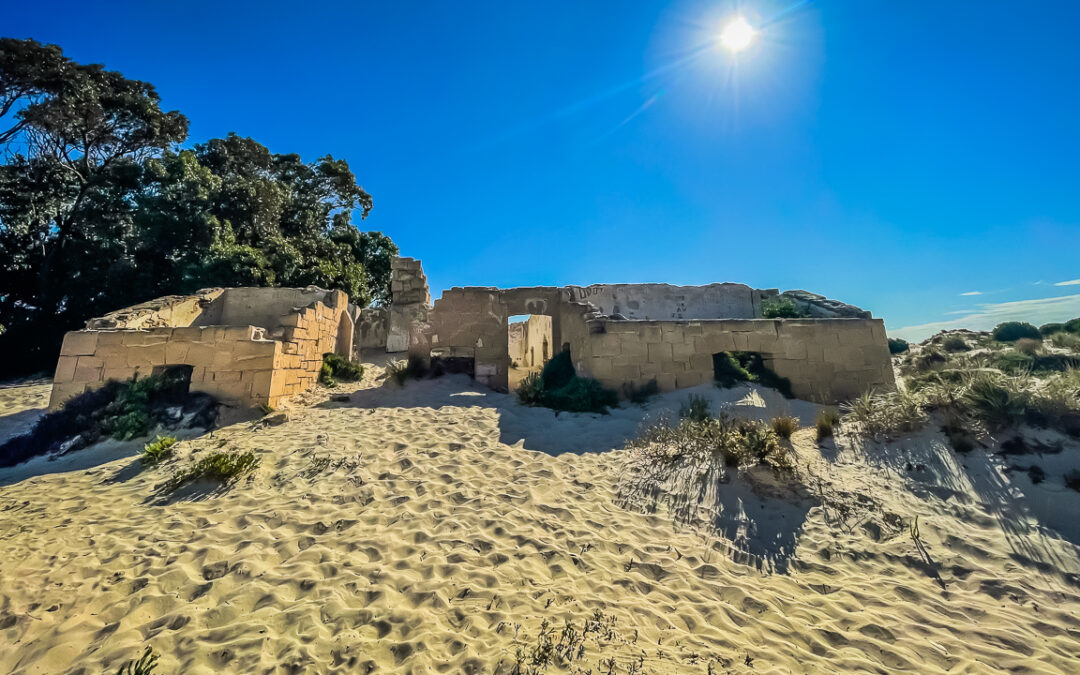
Eucla Telegraph Station Guide 2026 | Ruins, Jetty & Free Camping

Eucla Telegraph Station Guide 2026 | Ruins, Jetty & Free Camping

Eucla Telegraph Station Guide 2026 | Ruins, Jetty & Free Camping

Planning a Nullarbor trip? Visit the Eucla Telegraph Station ruins, walk to the old jetty, and camp near the coast. Our 2026 guide covers access, history, camping, and what to expect. The Eucla Telegraph Station is one of the most interesting historic stops on the Nullarbor.

Sitting among the sand dunes below the modern township of Eucla the ruins tell the story of how messages once crossed Australia long before mobile phones and the internet.

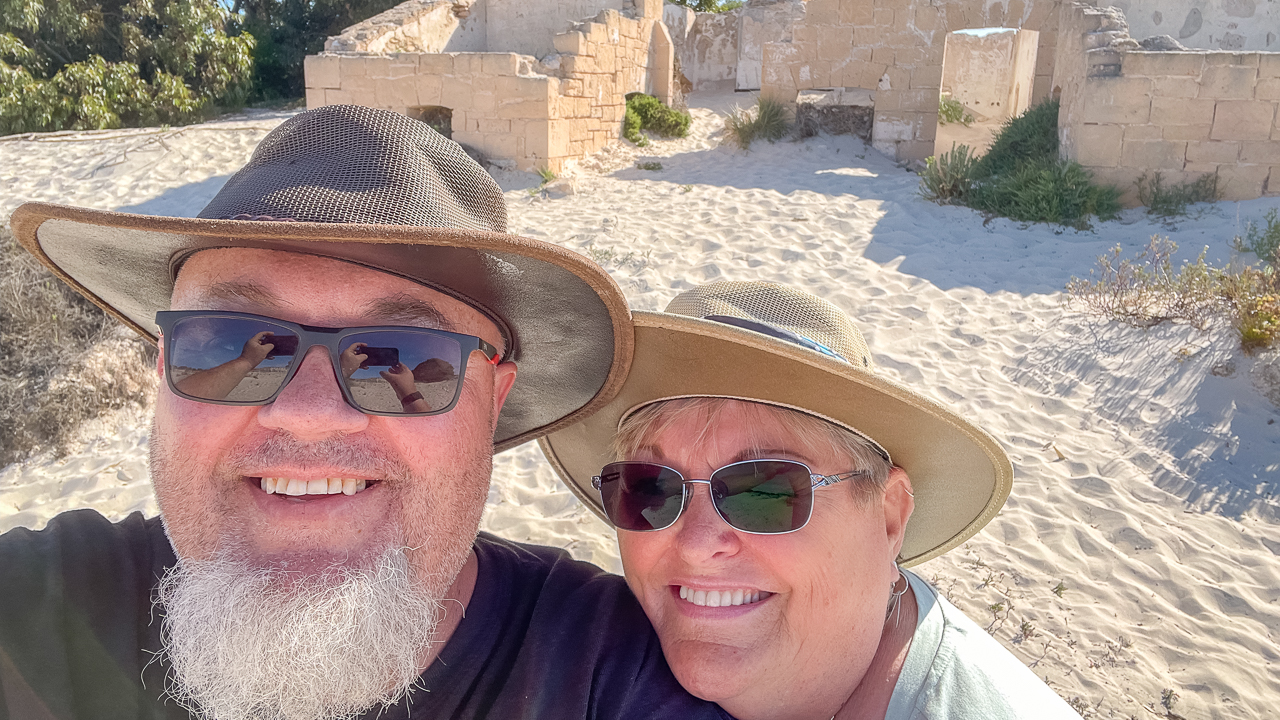
Amanda and I visited the Eucla Telegraph Station in 2024 while crossing the Nullarbor. During our visit we walked through the ruins, followed the track to the old jetty and spent a night at the nearby free campground. It was one of the highlights of our trip through this part of Western Australia. If you are travelling between South Australia and Western Australia this is a stop that deserves more than a quick photo.

Why Visit Eucla Telegraph Station?

Many travellers know Eucla as the border town on the Eyre Highway. However a short drive south reveals one of the most important communication sites in Australian history.

The station formed part of the East-West Telegraph Line which connected Western Australia with the eastern colonies in 1877. Before the telegraph messages could take weeks or months to arrive. After the line opened communication took minutes.

At its peak Eucla had homes, stores, staff accommodation and a busy jetty that supplied the settlement from the sea. Over time, shifting sand dunes swallowed much of the original town. Today the ruins remain partially buried beneath the sand.
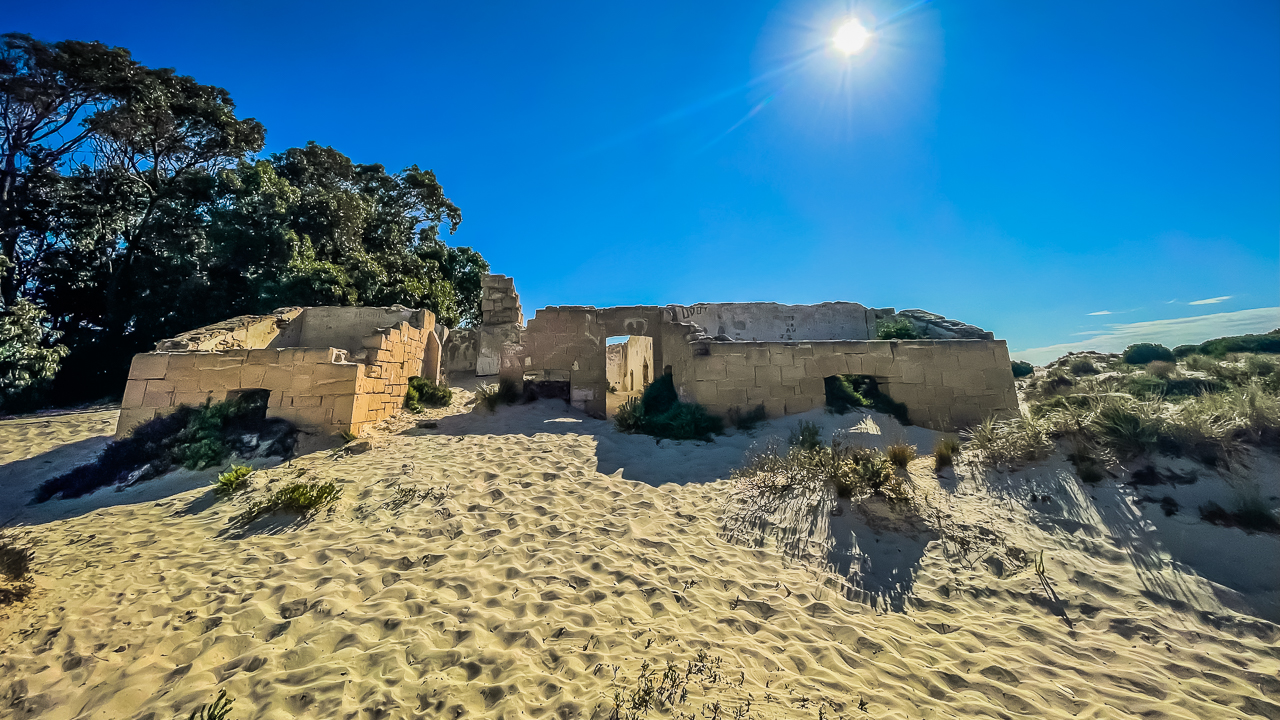
Old Eucla Telegraph Station

Old Eucla Telegraph Station

Quick Visitor Information

Item Details
Location Approximately 4km south of Eucla township
Access Unsealed road suitable for most vehicles in dry conditions
Entry Cost Free
Time Needed 1 to 2 hours
Camping Available Yes
Pet Friendly Generally yes at campground areas. Check current conditions.
Best Combined Attraction Head of Bight

Eucla Telegraph Station

The remaining ruins are easy to reach from Eucla. A short gravel road leads down from the Eyre Highway to the coast.

Once you arrive a walking track takes you directly to the main stone building. The structure visible today dates from the late 1890s and replaced the earlier timber station. Much of the building has been damaged by weather and moving sand, yet the remaining walls still give a good sense of its original size.

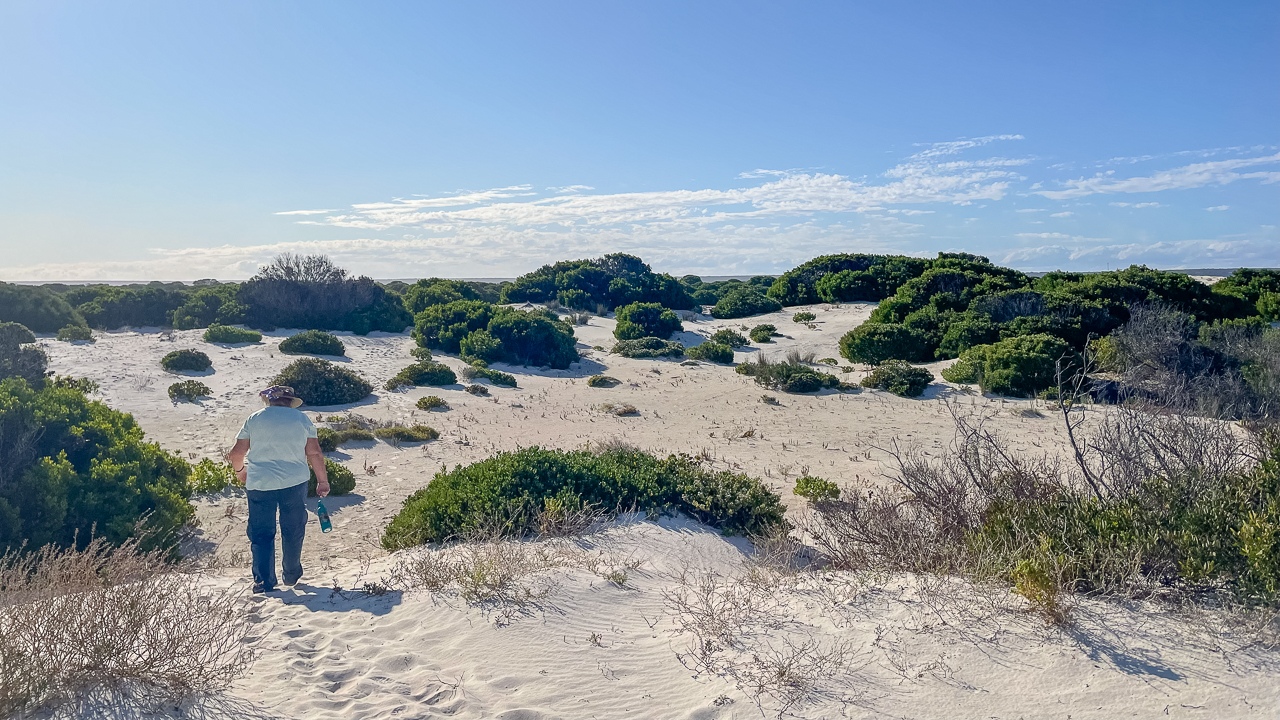
When we visited in 2024, the station was partly surrounded by sand dunes. The amount of exposed stonework changes over time as the dunes move. In some years more of the building becomes visible. In others, sections disappear beneath the sand.

The walk around the ruins is straightforward and suitable for most visitors.
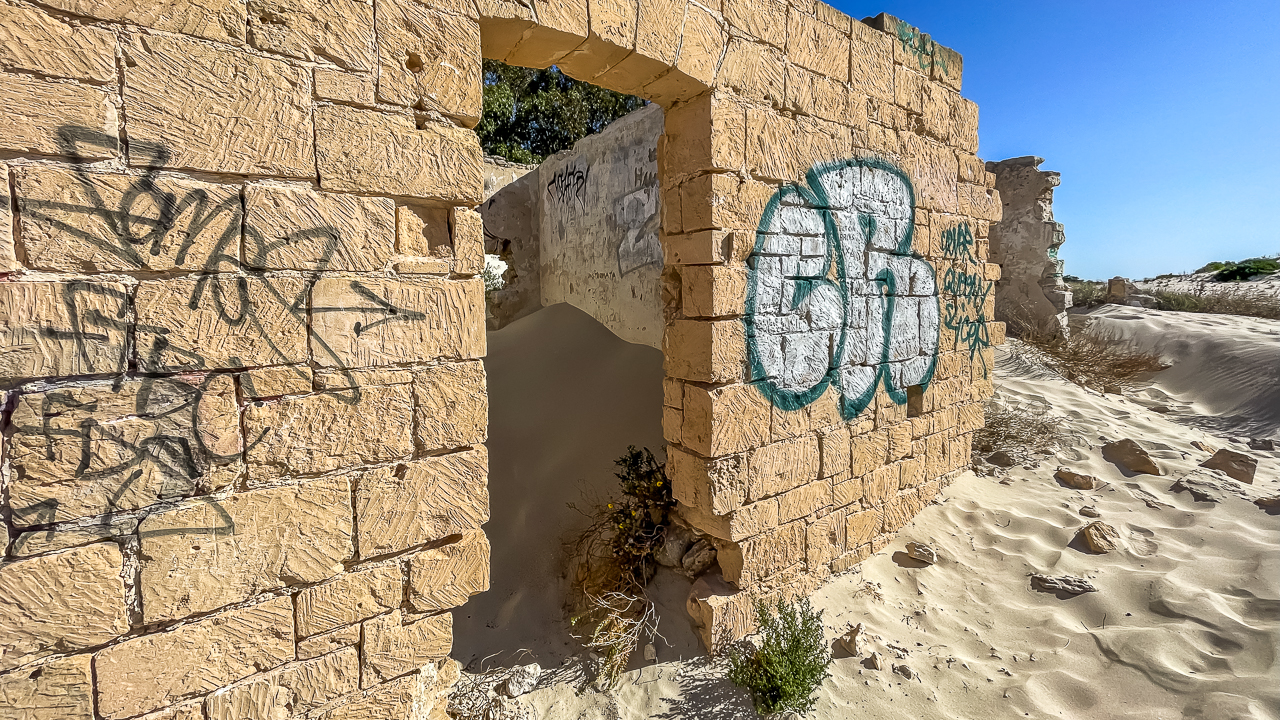
Remains Of Eucla Telegraph Station

Remains Of Eucla Telegraph Station

Eucla Telegraph Station Ruins

The Eucla Telegraph Station Ruins are among the best preserved telegraph relics on the Nullarbor.

Unlike many historic sites that have been heavily restored, these ruins remain largely untouched. As a result, visitors can see the effects of more than a century of wind, salt air and drifting sand.

One of the interesting aspects of the site is its isolation. Standing among the ruins makes it easier to understand how remote this settlement once was. Staff and their families lived here for decades while handling communications between Western Australia and the eastern colonies.

For photographers, early morning and late afternoon provide the best light. The contrast between the limestone walls and the surrounding dunes creates excellent photo opportunities.

As an interesting side note, some of the windows and doors used at Koonalda Homestead came from the Eucla Telegraph Station. A fantastic example of recycling – it’s been going on forever.
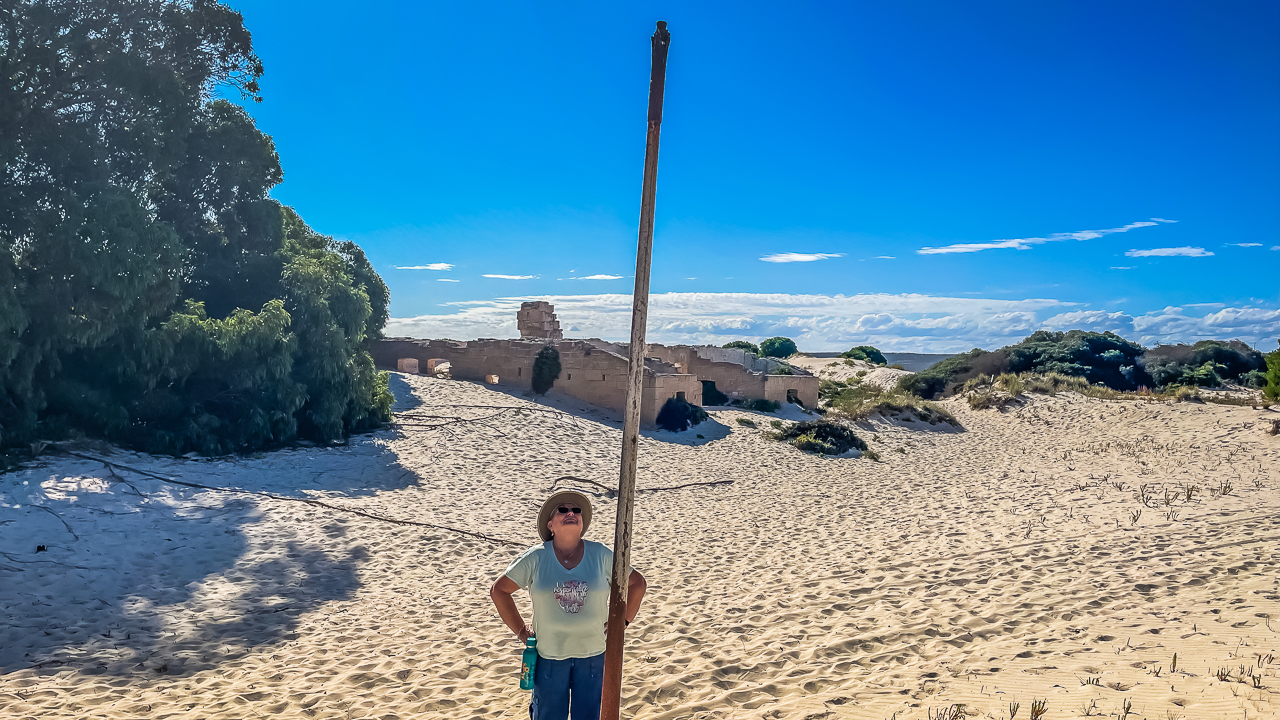
An Old Telegraph Post At Eucla Telegraph Station

An Old Telegraph Post At Eucla Telegraph Station

Eucla Telegraph Station Jetty

After visiting the ruins, continue along the walking track to the remains of the Eucla Telegraph Station Jetty.

The jetty played a critical role in supplying the settlement before reliable road transport existed. Ships delivered food, building materials and equipment directly to the coast below the station. A tramway then carried supplies inland.

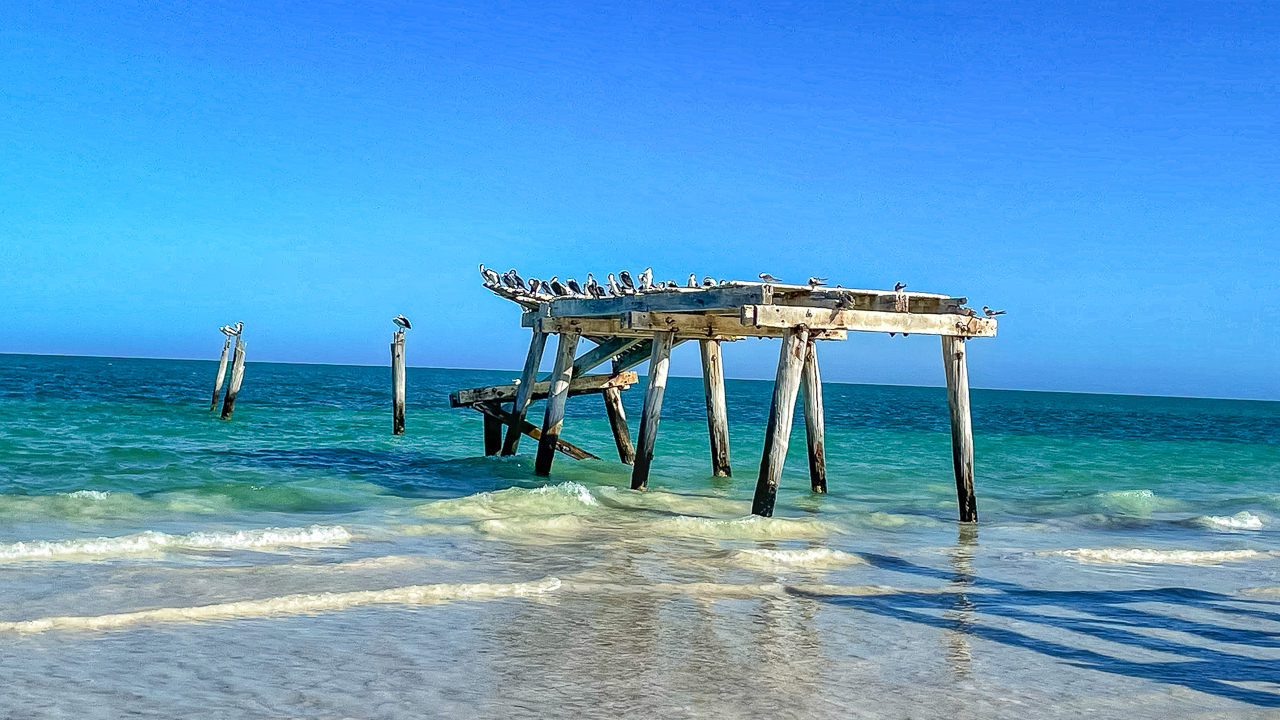
Today, only remnants of the jetty remain. Even so, it helps visitors understand how important maritime access once was to this isolated community.

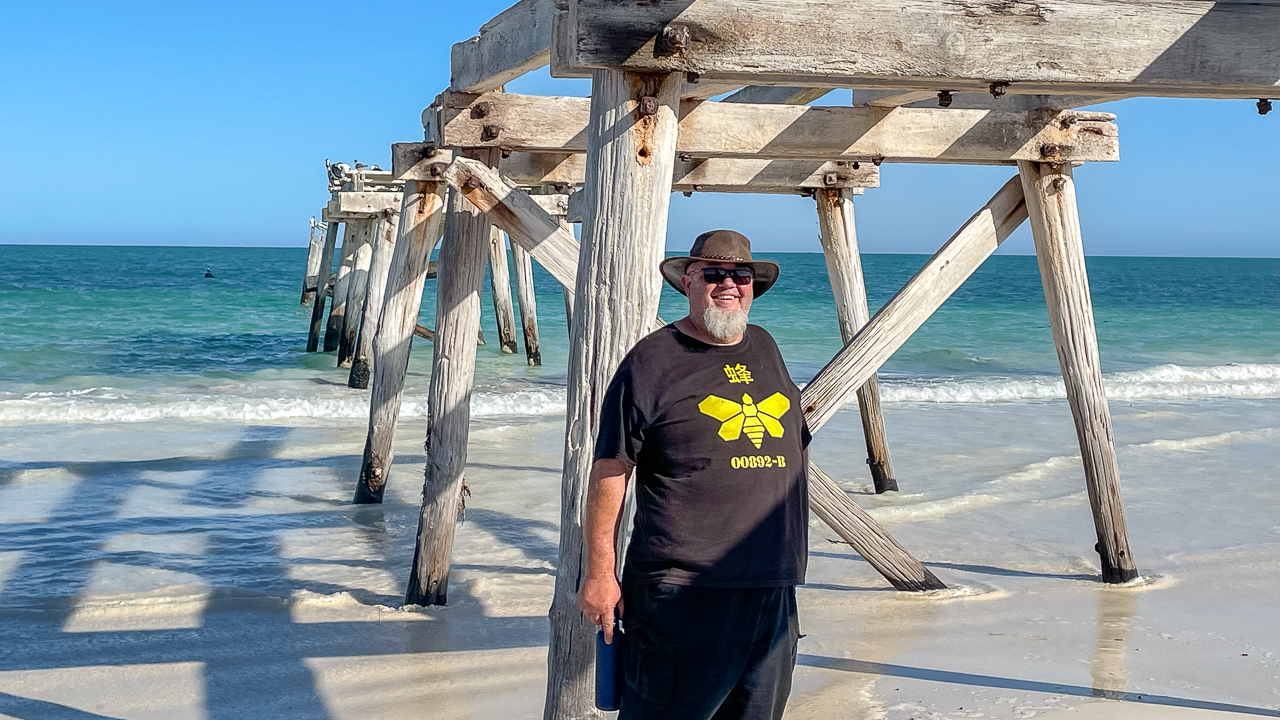
Amanda and I enjoyed the walk from the ruins to the beach. The coastline is quiet and the views across the Great Australian Bight are impressive. It also provides a different perspective of the station ruins sitting among the dunes above.
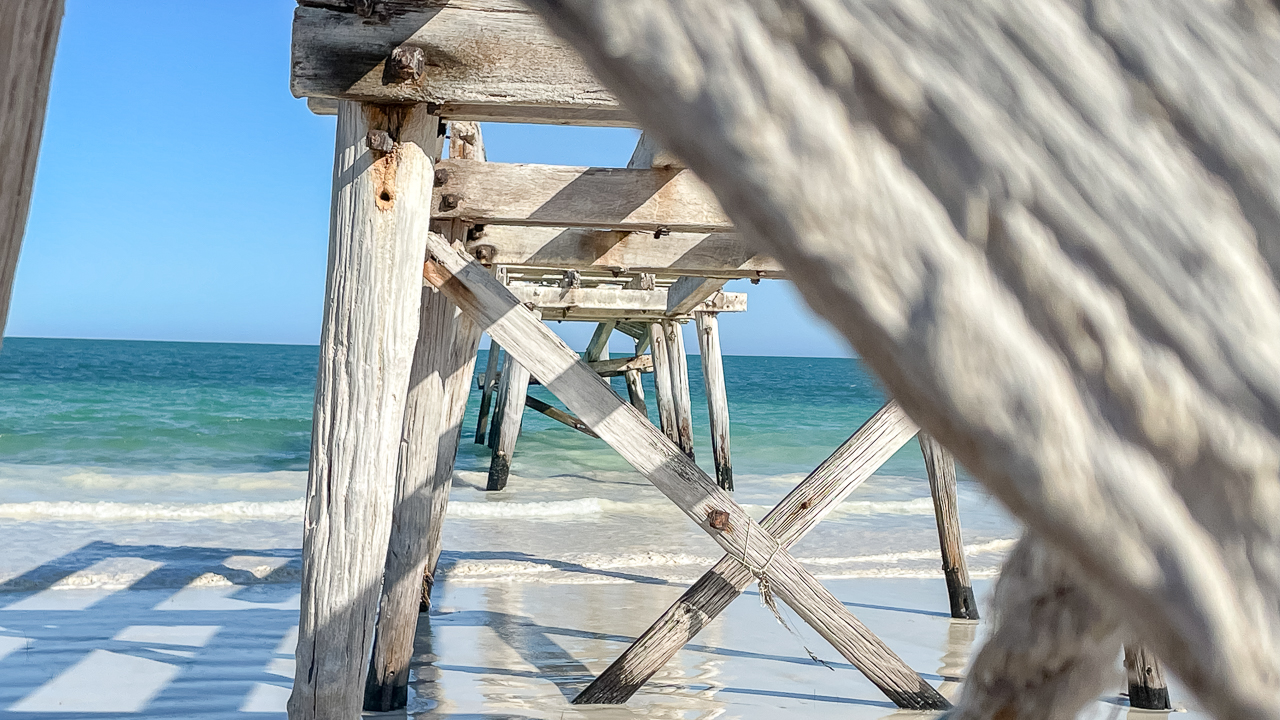
Eucla Jetty Remains Near Telegraph Station

Eucla Jetty Remains Near Telegraph Station

Eucla Telegraph Station Camping

Camping is available near the ruins at the Old Telegraph Station Campground.

This campground is popular with caravanners, camper trailers and motorhome travellers crossing the Nullarbor. Sites are spread out and the location offers easy access to both the ruins and the beach.

During our 2024 visit, we stayed here overnight. The campground provided a peaceful stop after a day on the road. Being able to walk to both the ruins and jetty without driving was a bonus.

Facilities can change over time, so check current conditions before arriving. Travellers should also carry enough water and supplies as services are limited.

Eucla Telegraph Station Free Camp

Many travellers search for Eucla Telegraph Station Free Camp options.

Historically, informal camping has occurred around the area. However, camping arrangements can change due to local management decisions and environmental concerns.

As of July 2026, travellers should confirm current camping rules locally before setting up. The nearby Eucla township remains the best source of up-to-date information. Avoid assuming older online reports are still accurate.

Checking locally helps protect the site and prevents issues with changing regulations.
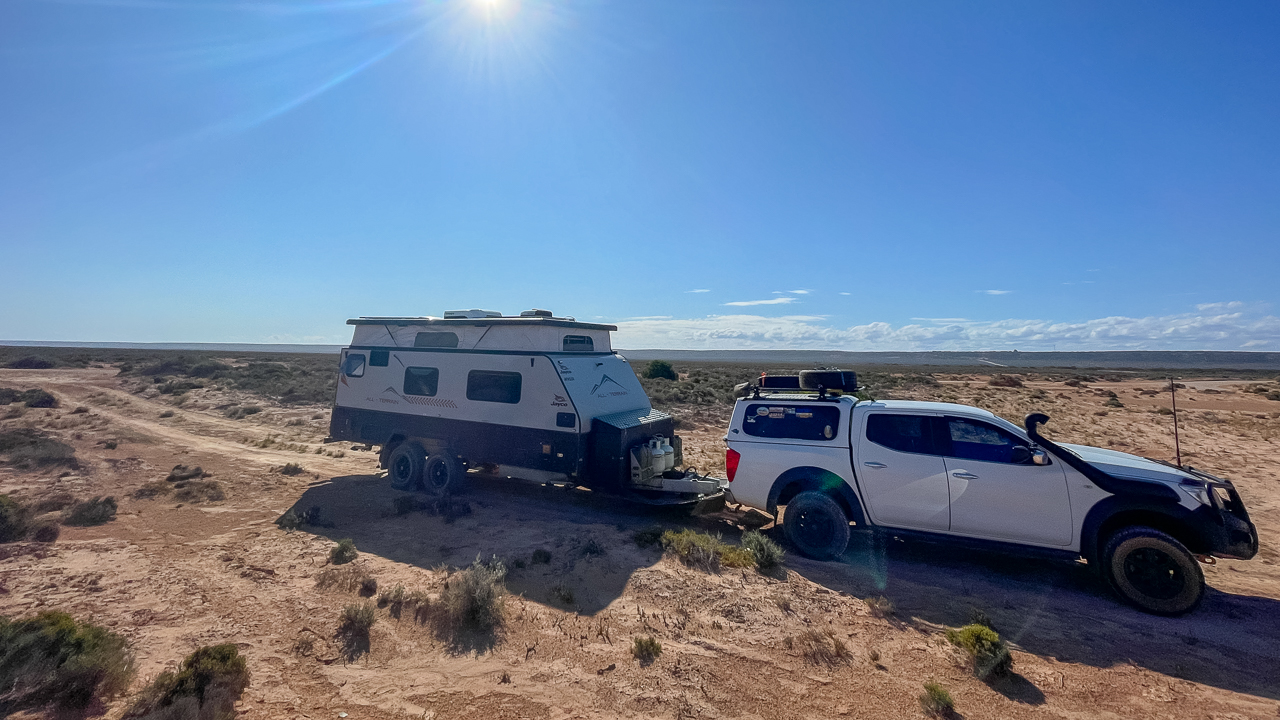
Free Camping Near Eucla Telegraph Station

Free Camping Near Eucla Telegraph Station

Eucla Telegraph Station Or Head Of Bight?

Travellers often ask whether they should visit the Eucla Telegraph Station or Head of Bight.

The answer is simple. Visit both if your schedule allows.

Attraction Best For
Eucla Telegraph Station History, photography, walking and camping
Head of Bight Whale watching, coastal views and visitor facilities

The Eucla Telegraph Station focuses on Australian history and the early communication network. Head of Bight focuses on natural attractions and Southern Right Whale viewing during the whale season.

The two locations complement each other well. Many travellers visit Head of Bight while crossing the Nullarbor and then continue west to Eucla later the same day.
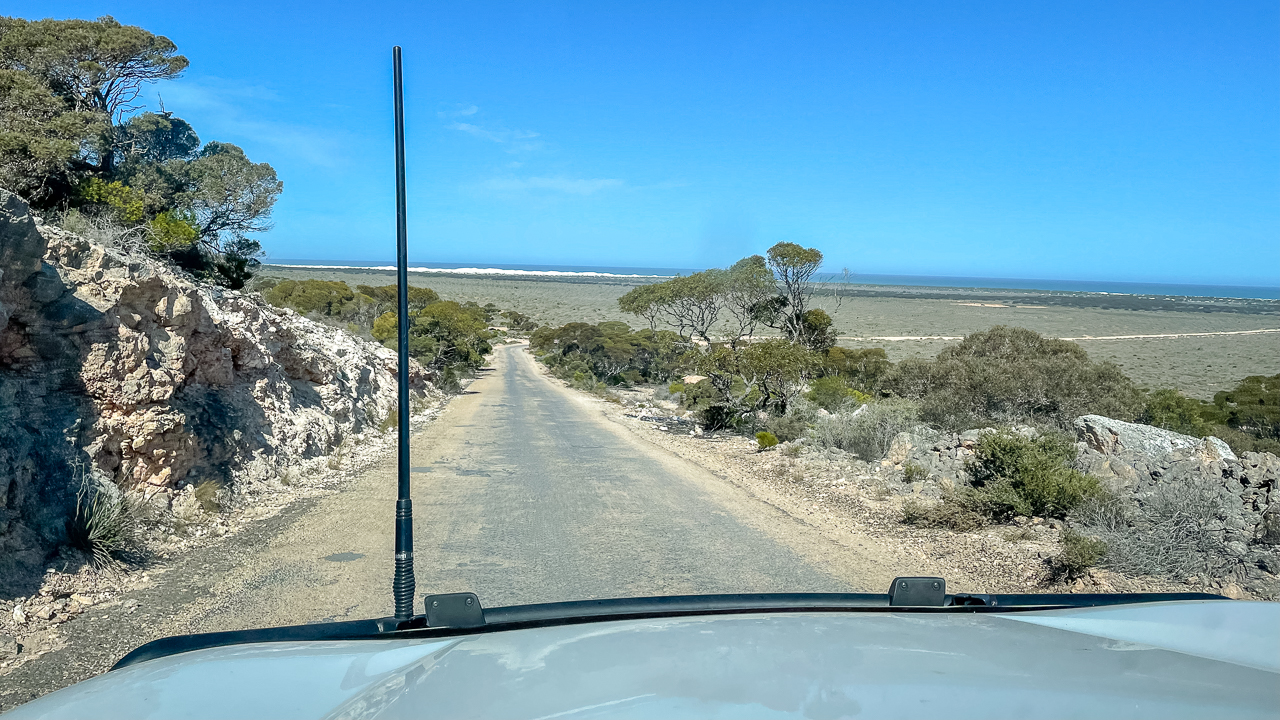
Heading Down To Eucla Telegraph Station Ruins

Heading Down To Eucla Telegraph Station Ruins

Tips For Visiting

  • Wear sturdy footwear for walking on soft sand.
  • Carry drinking water during warmer months.
  • Allow time to walk to the jetty remains.
  • Visit early or late in the day for better photography.
  • Check local road conditions after heavy rain.
  • Respect the historic ruins and avoid climbing on walls.

Is Eucla Telegraph Station Worth Visiting?

Yes. The Eucla Telegraph Station remains one of the most interesting historic stops on the Nullarbor.

It combines Australian history, coastal scenery, camping and easy walking access in one location. The moving sand dunes also make every visit slightly different.

Amanda and I found the site far more interesting than we expected during our 2024 visit. Walking through the ruins and along the beach helped bring the history of the Nullarbor to life.

If you are travelling between Western Australia and South Australia allow a few hours to visit. You will gain a much better understanding of how isolated this region once was and why Eucla played such an important role in connecting Australia.
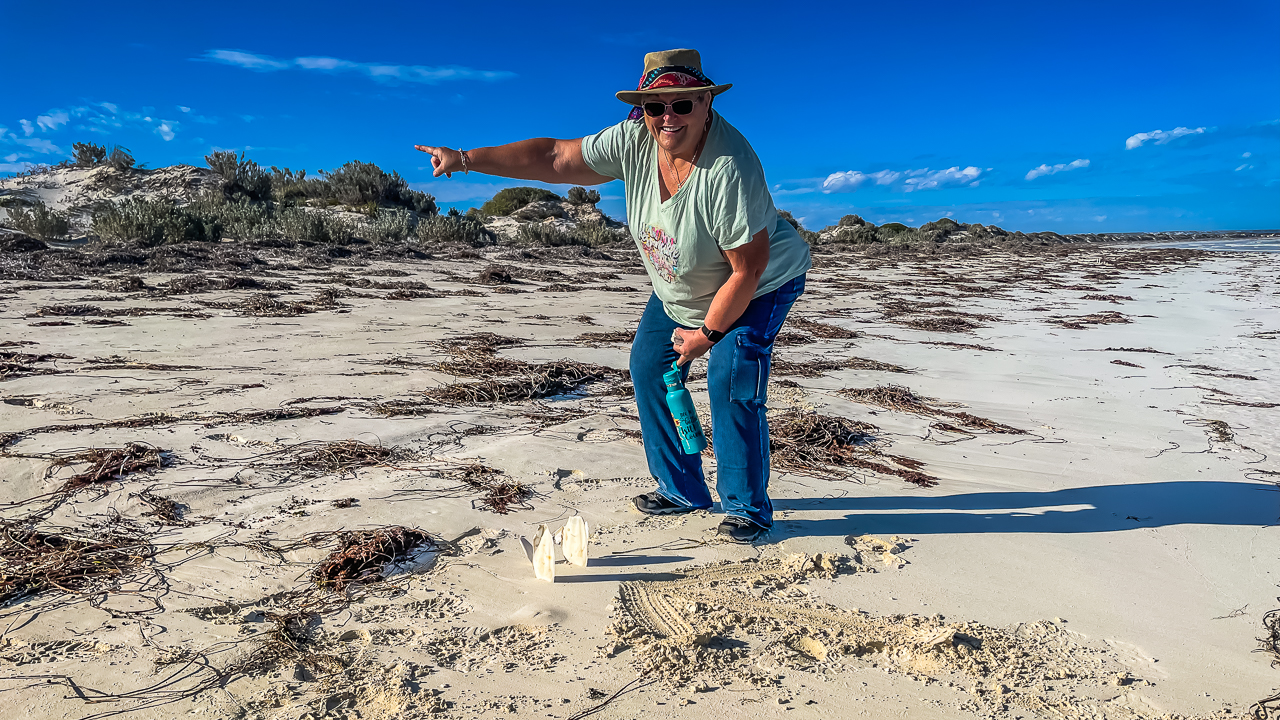
We Left A Mark On The Beach So We Could Find The Track

We Left A Mark On The Beach So We Could Find The Track
Eucla Telegraph Station Guide Photo Gallery

Eucla Telegraph Station FAQs – Things Travellers Ask About Eucla Telegraph Station

Where Is The Eucla Telegraph Station?

The Eucla Telegraph Station is located about 4 kilometres south of the township of Eucla in Western Australia. Access is via an unsealed road that branches off the Eyre Highway and leads down towards the coast.

Is The Eucla Telegraph Station Worth Visiting?

Yes. The ruins are one of the most significant historic sites on the Nullarbor. Visitors can see the remains of the former telegraph station, learn about Australia's early communication network and enjoy coastal views over the Great Australian Bight.

Can You Camp At Eucla Telegraph Station?

Yes. Camping is available at the Old Telegraph Station Campground near the ruins. The campground is popular with caravanners, motorhome travellers and campers crossing the Nullarbor. It also provides easy access to the ruins and beach.

Is There Free Camping At Eucla Telegraph Station?

Camping arrangements can change from time to time. While travellers have traditionally free camped in the area, it is best to check current local advice before arriving. This helps avoid issues with changing regulations or site management requirements.

How Long Does It Take To Visit The Eucla Telegraph Station Ruins?

Most visitors spend between one and two hours at the site. This allows enough time to walk through the Eucla Telegraph Station Ruins, visit the old jetty remains and enjoy the surrounding coastal scenery.

What Is The History Of Eucla Telegraph Station?
The Eucla Telegraph Station opened in 1877 as part of the East-West Telegraph Line linking Western Australia with the eastern colonies. The station played an important role in long distance communication before modern telecommunications existed. Over time, moving sand dunes buried much of the original settlement, leaving the ruins visible today.

Head Of Bight Visitor Guide 2026 |  Nullarbor Whale Watching

Head Of Bight Visitor Guide 2026 | Nullarbor Whale Watching

Head Of Bight Visitor Guide 2026 | Nullarbor Whale Watching

Planning a visit to Head Of Bight in 2026? Learn the best time to see whales, entry fees, opening hours, travel tips, facilities and what to expect from one of Australia’s best whale watching locations.

The Head Of Bight is one of the most popular stops on the Nullarbor Plain. Located on the far western coast of South Australia,it offers some of the best land based whale watching in Australia.

Many whale watching locations require a boat trip. Head Of Bight is different. Visitors can stand on elevated boardwalks and viewing platforms above the ocean and watch whales from the cliffs. At times whales will swim in very close to the viewing areas.

Amanda and I visited the Head Of Bight Visitor Centre in 2024 during a trip across the Nullarbor. The viewing platforms provided excellent views of the coastline. Mine and Amandas knees aren’t what they used to be but luckily the boardwalk made it easy to get around and spend time watching the whales and taking photos.

For caravanners and campers travelling between South Australia and Western Australia, it is one of the easiest wildlife experiences to add to a Nullarbor itinerary.

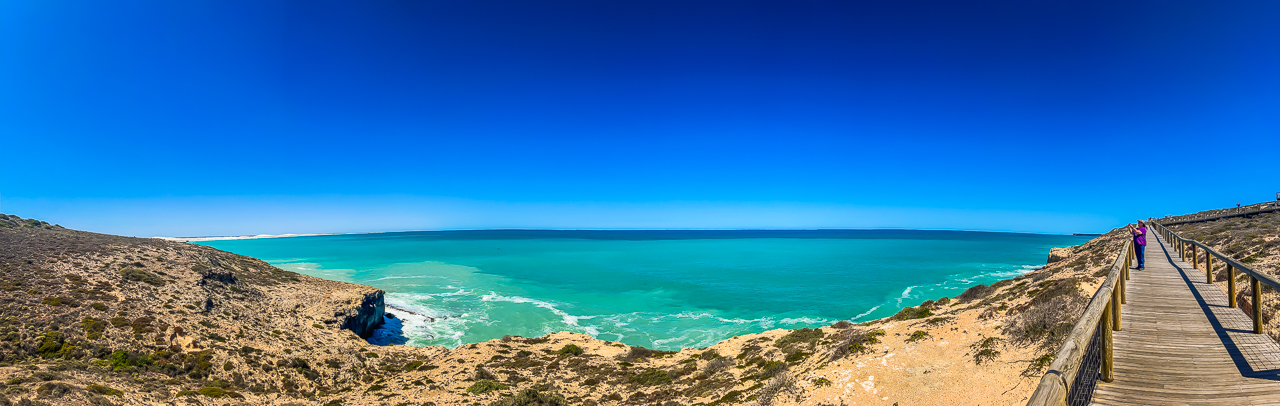
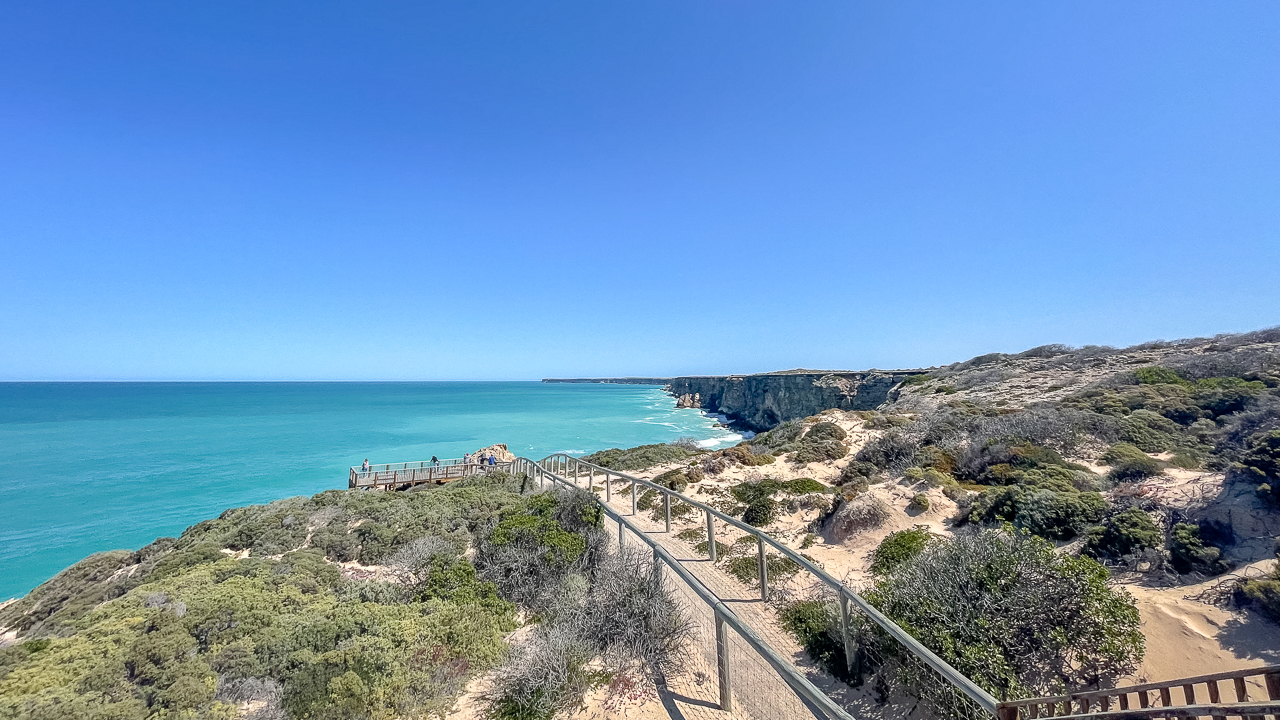
Panorama View From Head Of Bight Boardwalk

Panorama View From Head Of Bight Boardwalk

Head Of Bight

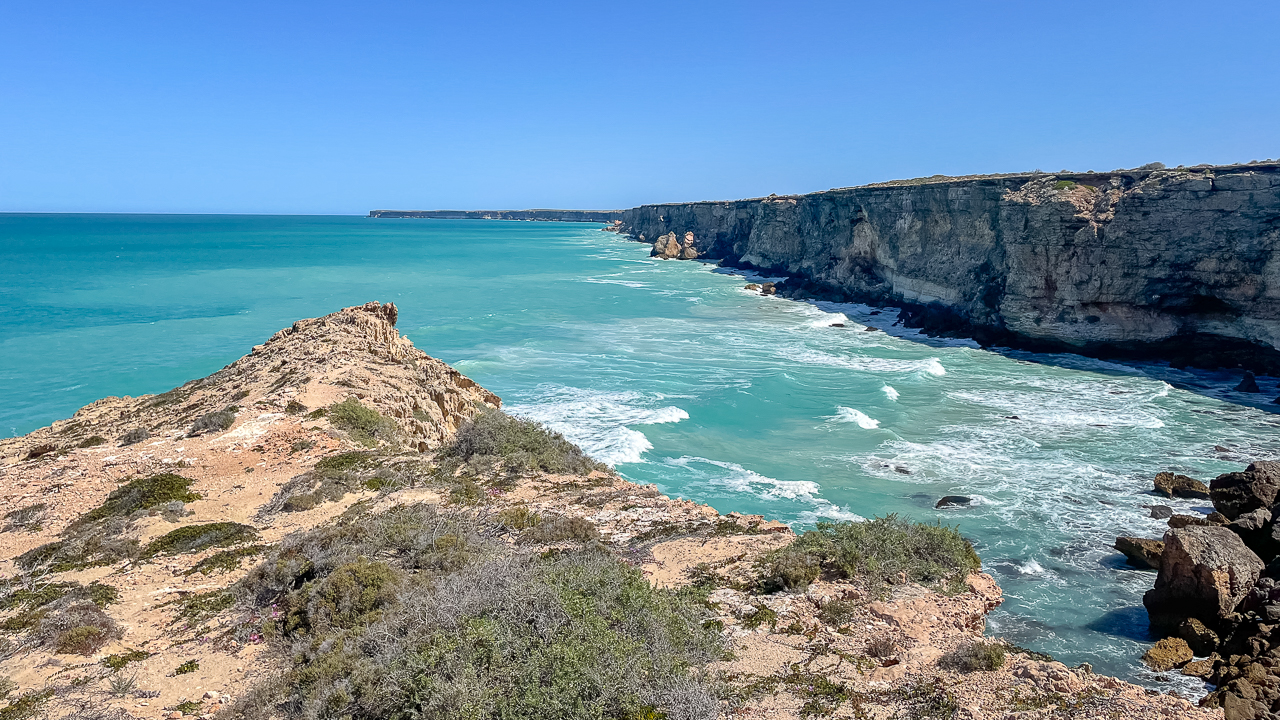
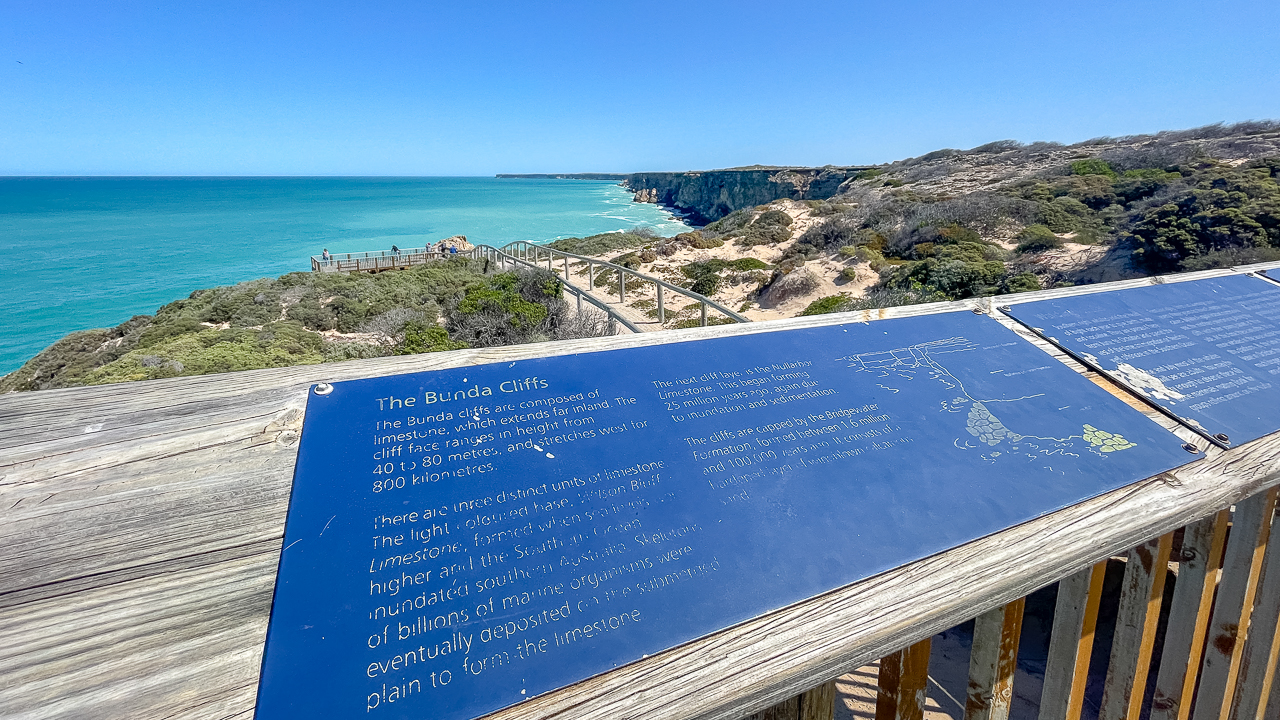
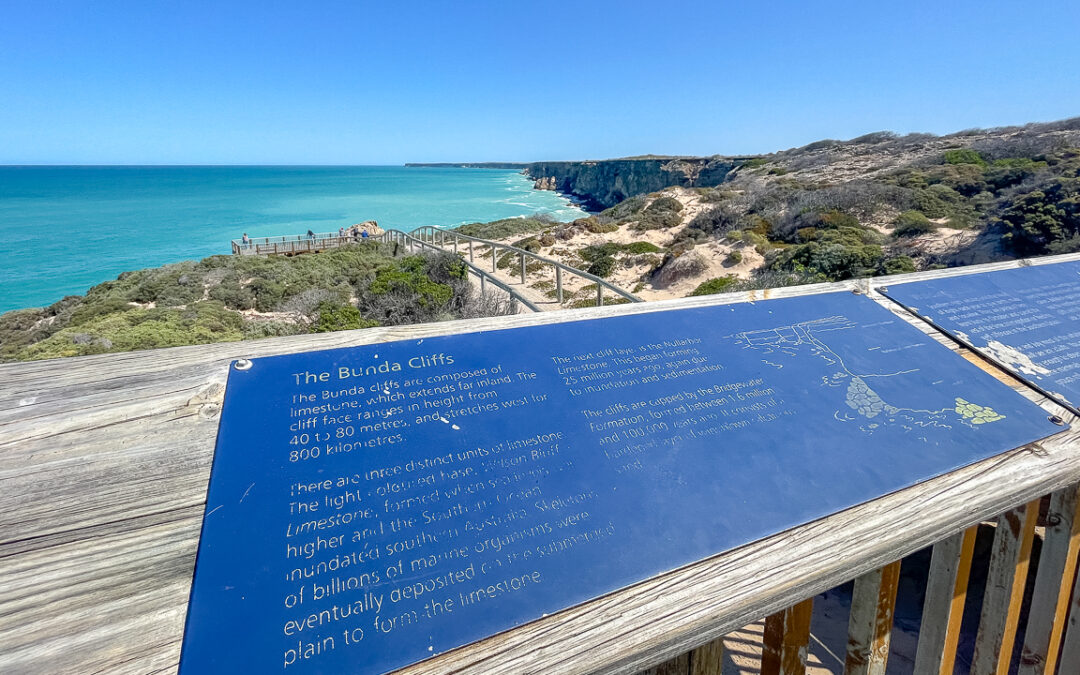
The Head Of Bight sits along the famous Bunda Cliffs on the southern edge of the Nullarbor Plain. The area forms part of the Great Australian Bight and is known as a breeding and nursery area for Southern Right Whales.

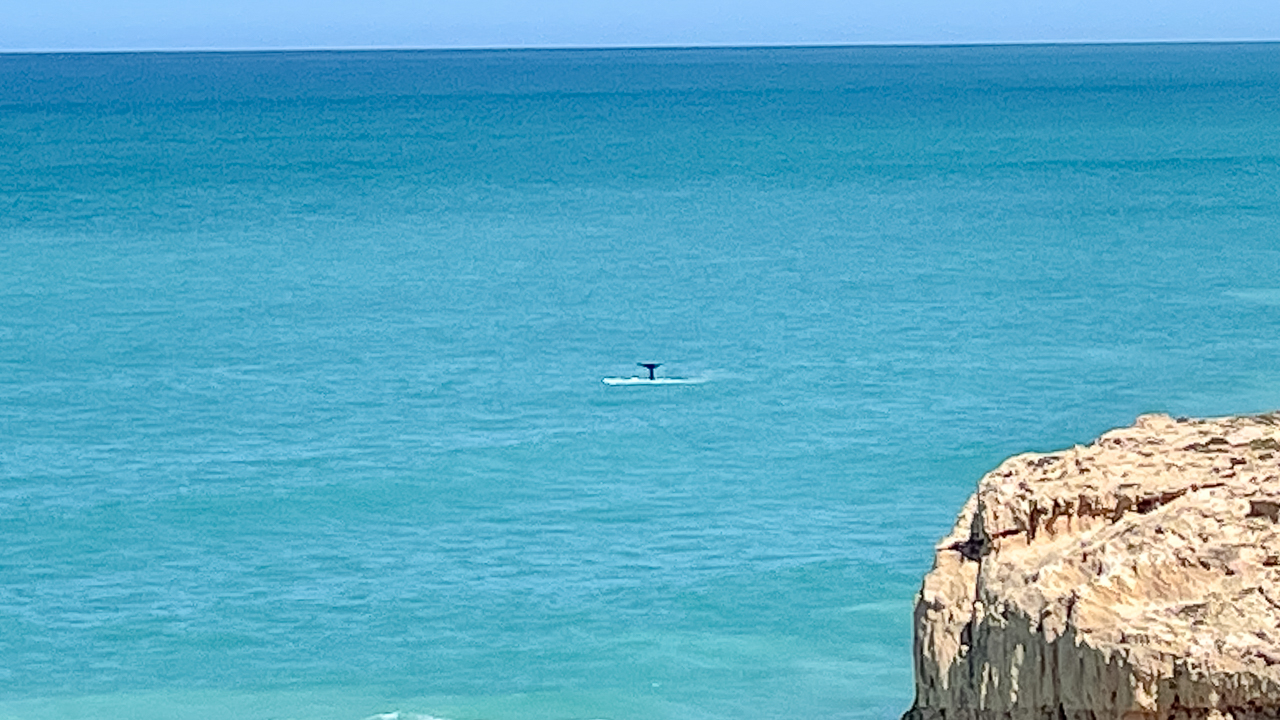
Each year, whales migrate into the sheltered waters to mate, give birth and raise calves before heading back into the Southern Ocean. The whale season generally runs from June through to October. During July and August, whale numbers are generally at their highest.

Unlike many whale watching destinations there is no need for a cruise. The boardwalk and viewing platforms allow visitors to watch whales from above.

In recent seasons, visitors have regularly reported seeing multiple whales at the same time, including mothers with calves. During peak periods many dozens of whales may be visible from the viewing platforms.

Bunda Cliffs Viewed From Head Of Bight Boardwalk

Bunda Cliffs Viewed From Head Of Bight Boardwalk

Why Head Of Bight Is Different

Australia has many whale watching locations. However, few offer the same combination of accessibility and viewing opportunities.

Feature Head Of Bight Typical Whale Watching Location
Boat required No Often
Viewing platform Yes Sometimes
Whale calves commonly seen Yes Depends on location
Suitable for caravanners Yes Varies
Easy highway access Yes Often limited
Viewing height above ocean High cliff top views Usually beach or boat level

This is one reason why so many travellers crossing the Nullarbor make the stop.

The experience is simple. Park your vehicle, walk the boardwalk and watch the ocean. There is no need to book a cruise or follow a tour schedule.

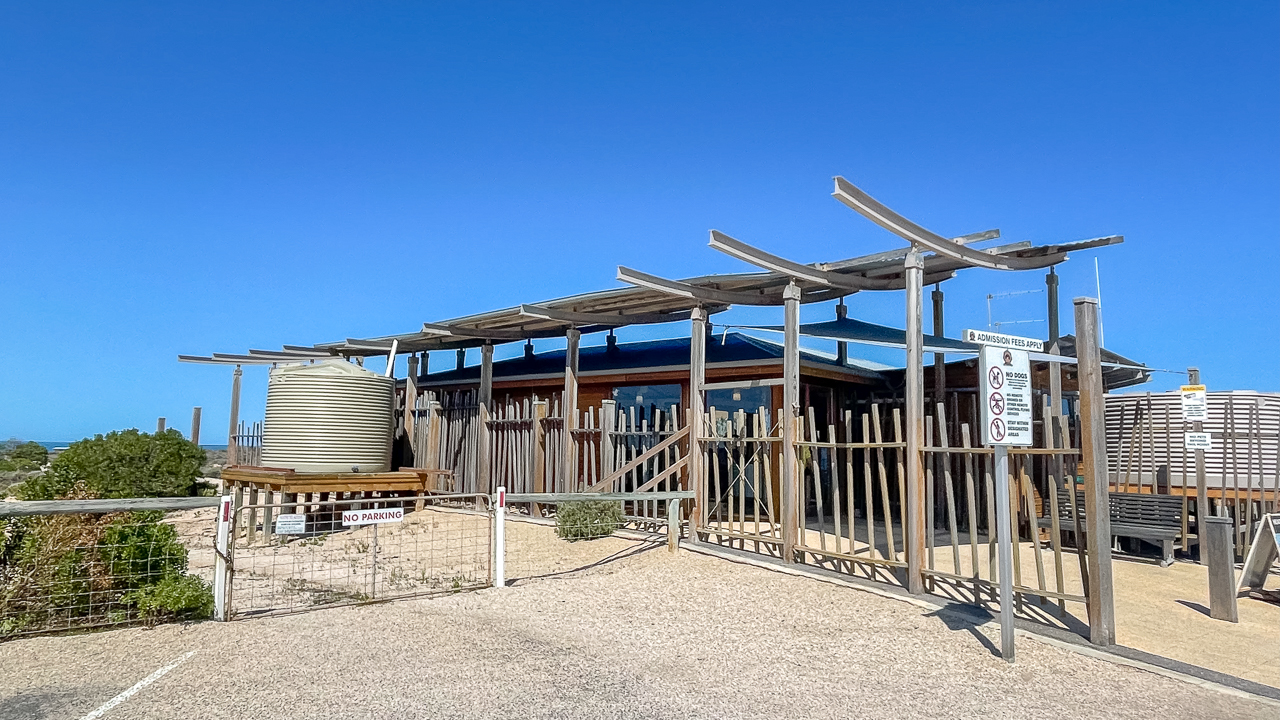
Entry Path To Head Of Bight Visitor Centre

Entry Path To Head Of Bight Visitor Centre

Head Of Bight Whale Watching

If your main goal is whale watching, timing matters.

The official whale season generally operates from 1 June to 30 October, depending on whale movements. During this period the visitor centre opens daily from 8:00am to 5:00pm – last entry is at 4:00pm.

June and July usually feature adult whales arriving in the bay. By late August and September, mothers with calves become more common. At times more than 70 whales can be visible from the platforms.

For the best experience:

  • Allow at least one to two hours.
  • Bring binoculars if you have them.
  • Visit early or late in the day for softer light.
  • Dress for wind, especially during winter.
  • Be patient between whale sightings.

Whales can remain underwater for extended periods before resurfacing.

Head Of Bight Boardwalk

Head Of Bight Boardwalk

Nullarbor Whales

The Nullarbor coastline supports one of Australia’s most important Southern Right Whale nursery areas.

The protected waters around Head Of Bight provide a safe environment for mothers and calves. As a result, the area has become one of the country’s best places to observe natural whale behaviour from land.

Visitors often see:

  • Tail slapping
  • Rolling
  • Spyhopping
  • Breaching
  • Mothers travelling with calves

Sea lions, dolphins and seabirds also appear regularly along the coastline.

Because the whales come so close to shore, photography opportunities can be excellent. Even basic cameras and smartphones can capture great images. All the photos attached to this article were snapped on an old iPhone 13.

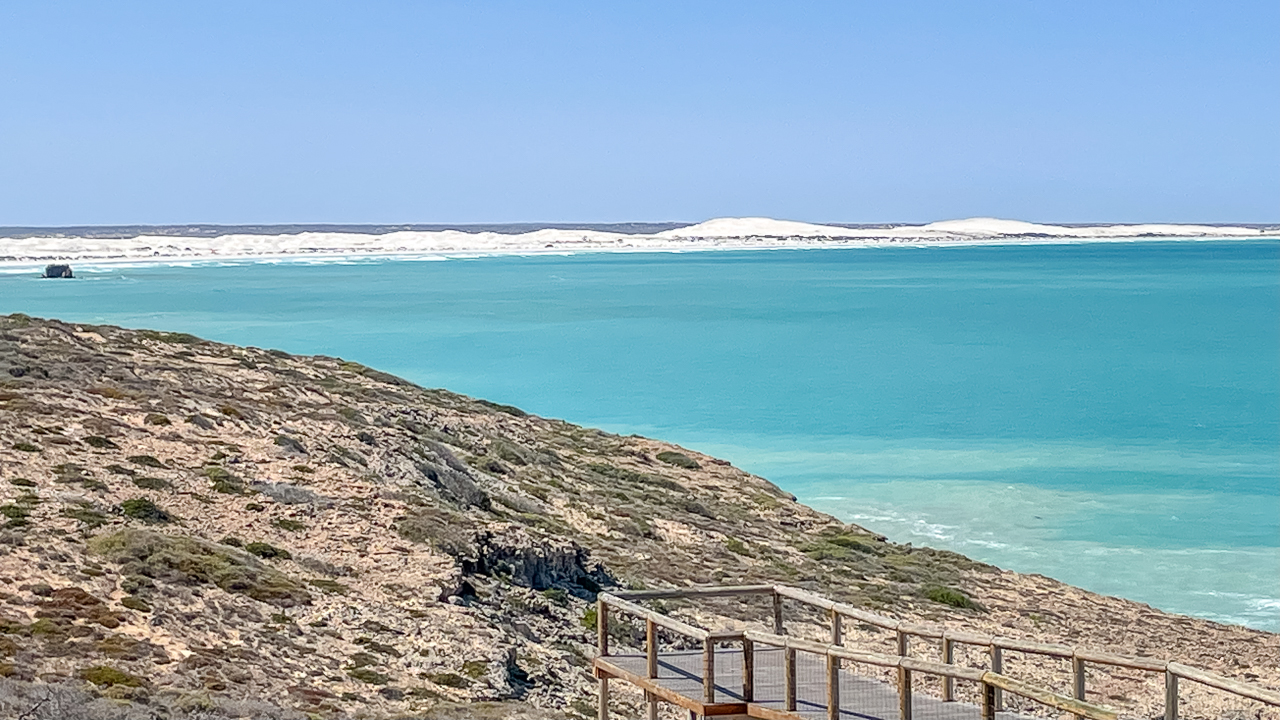
Head Of Bight Views

Head Of Bight Views

Southern Right Whales Nullarbor

Southern Right Whales were heavily hunted during the whaling era and their population declined dramatically.

Fortunately conservation efforts have helped numbers recover. The Head Of Bight has become one of the most reliable places in Australia to see these whales in their natural environment.

Adult Southern Right Whales can reach around 17 metres in length and weigh up to 70 tonnes. They are recognised by the rough white callosities on their heads (a bit like myself).

Watching a mother and calf moving beneath the cliffs provides a clear reminder of why these protected areas remain important.

Opening Times

Whale Season

1 June to 30 October (pending the arrival and departure of Southern Right Whales)

  • Open 8:00am to 5:00pm
  • Monday to Sunday, including Public Holidays
  • Last entry is 4:00pm

Off Season

1 November to 31 May (pending the arrival and departure of Southern Right Whales)

  • Open 8:30am to 4:00pm
  • Monday to Sunday, including Public Holidays
  • Closed on Christmas Day and Proclamation Day
  • Last entry is 3:00pm

To confirm opening hours, contact the Head Of Bight Visitor Centre on (08) 8625 6201.

Ticket Prices*

Ticket Type Whale Season Off Season
Adult $20 $10
Seniors Card Holders $17 $8
Child (5–15 Years) $9 Free
Family (2 Adults / 2 Children) $50 $20

*Prices correct as of July 2026

Visitor Information

As of July 2026 the visitor centre provides a range of facilities for travellers.

Information Details
Address Head Of Bight Visitor Centre, Eyre Highway, Nullarbor SA 5690
Phone (08) 8625 6201
Whale Season Hours 8:00am to 5:00pm
Last Entry 4:00pm
Wheelchair Access Available
Toilets Yes
Caravan Parking Yes
Boardwalk Access Yes
Food And Drinks Limited snacks and drinks available

The road from the Eyre Highway to the visitor centre is sealed, making access straightforward for caravans, motorhomes and camper trailers.

Pets are not permitted on the boardwalk or inside the visitor centre.

View Of The Bunda Cliffs

View Of The Bunda Cliffs

Where To Stay

There is no full service campground at the visitor centre itself. Most travellers stay at nearby Nullarbor Roadhouse, Nundroo, Ceduna or one of the recognised camping areas along the Eyre Highway.

If you are crossing the Nullarbor with a caravan, Head Of Bight works well as a half day stop before continuing west toward Eucla or east toward Ceduna.

Head Of Bight Whale Watching

Head Of Bight Whale Watching

Is Head Of Bight Worth Visiting?

For most travellers, the answer is yes.

The location combines dramatic cliffs, accessible viewing platforms and a strong chance of seeing whales without boarding a boat.

Many attractions along the Nullarbor focus on scenery. Head Of Bight adds wildlife to the experience. As a result, it offers something different from the lookouts, roadhouses and historic sites found elsewhere across the region.

Amanda and I found it to be one of the standout stops on our 2024 Nullarbor crossing. The boardwalk was easy to access, the views were excellent and the opportunity to watch whales from the cliffs made the visit memorable.

If you are travelling the Eyre Highway between South Australia and Western Australia, Head Of Bight deserves a place on your itinerary.

Panorama View From Head Of Bight Boardwalk

Panorama View From Head Of Bight Boardwalk

Head Of Bight FAQs: What You Need To Know

What Is The Best Time To Visit Head Of Bight?

The best time to visit Head Of Bight is during the whale season from June to October. July, August and September are often the most popular months because Southern Right Whales are commonly seen close to the viewing platforms.

Can You See Whales From The Cliffs At Head Of Bight?

Yes. Head Of Bight is one of Australia's best land based whale watching locations. Visitors can watch Southern Right Whales from elevated boardwalks and viewing platforms without needing to join a boat tour.

How Much Does It Cost To Visit Head Of Bight?

As of 2026, adult tickets cost $20 during whale season and $10 during the off season. Discounts are available for Seniors Card holders, and children aged 5 to 15 years receive free entry during the off season.

Is Head Of Bight Suitable For Caravans And Motorhomes?

Yes. The access road from the Eyre Highway is sealed and suitable for caravans, camper trailers and motorhomes. There is also ample parking available for larger vehicles.

How Long Should You Allow For A Visit?

Most travellers spend between one and two hours at Head Of Bight. This allows enough time to walk the boardwalk, visit the viewing platforms, take photos and watch for whale activity.

Are Dogs Allowed At Head Of Bight?

No. Pets are not permitted on the boardwalks or inside the visitor centre. Travellers with pets should plan accordingly before arriving at the attraction.

Free Camping At Bromus Dam WA: A Great Nullarbor Campsite

Free Camping At Bromus Dam WA: A Great Nullarbor Campsite

Free Camping At Bromus Dam WA: A Great Nullarbor Campsite

✔ Free camp
✔ Nullarbor location
✔ Lots of room
✔ Toilets

Free camping at Bromus Dam WA near Norseman. Honest review, facilities, access tips and what to expect at this quiet nullarbor stopover. If you’ve spent any time travelling across Western Australia you’ll know the value of a good, reliable free camp.  Bromus Dam is one of those spots that doesn’t get a lot of coverage or reviews – but after staying here ourselves it’s one we’d happily pull into again. It’s simple, it’s quiet and it provides exactly what you need after a day on the road.

Where is Bromus Dam?

Bromus Dam sits about 30 – 35km south of Norseman, just off the Coolgardie Esperance Highway. It’s an easy turn off and only a short drive in on a gravel access road so you don’t need to worry about rough tracks or tricky access.

  • Coordinates: -32.4585, 121.6837
  • Nearest town: Norseman (approx. 30 minutes)
  • Road access: Sealed highway + short gravel entry

It’s a handy stop if you’re heading towards Esperance or coming across from the Nullarbor.

Bromus Dam Camping And Info At A Glance

Bromus Dam Camping offers an affordable camping experience with toilets, picnic facilities, and ample camping areas. Situated 20 km east of Norseman, it’s a peaceful spot to relax and enjoy nature at an economical price.

Type: Nullarbor Free Camping
Amenities: Toilets, camping areas, picnic facilities
Location: Eyre Highway, 20 km east of Norseman
Cost: Free
GPS: -32.1695, 121.8808
Phone: N/A
Website: N/A
Pets: Yes
Distance From Norseman: 20 km
Distance From Ceduna: 1030 km

Free Camping Near Norseman WA Bromus Dam

Free Camping Near Norseman WA Bromus Dam

A Bit Bromus Dam History

Bromus Dam dates back to the late 1920s when it was used to supply water for steam trains running through the area. These days it’s a well maintained rest area and campsite.

Is Bromus Dam Free?

Yes – completely free.

Just pull in, pick a spot and set up. It’s first come, first served like most bush camps in WA.

Facilities For Camping At Bromus Dam

For a free camp, the facilities here are actually pretty decent. Camping at Bromus Dam has a lot more than many other Nullarbor free camps.

What You’ll Find

  • Toilets
  • Picnic tables
  • Rubbish bins
  • Fire pits
  • Large open camping area

What You Won’t Find

  • No drinking water
  • No power
  • No dump point
  • Patchy or no mobile reception. We had one bar of Telstra 4G

You’ll need to be fully self sufficient, especially with water.

Our Experience Camping At Bromus Dam

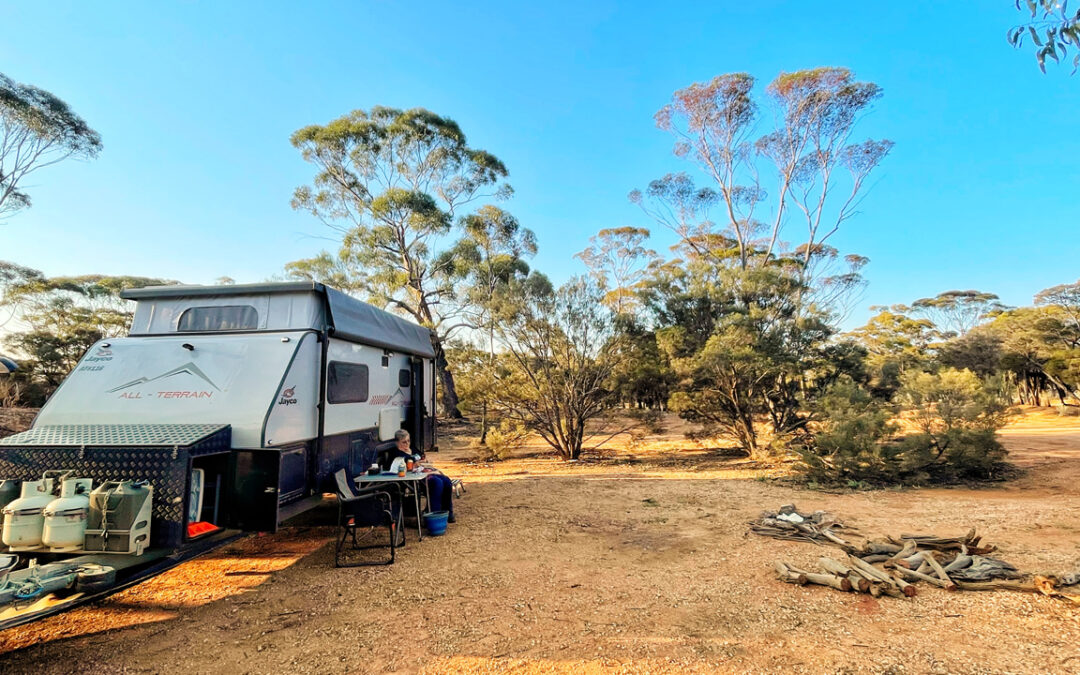
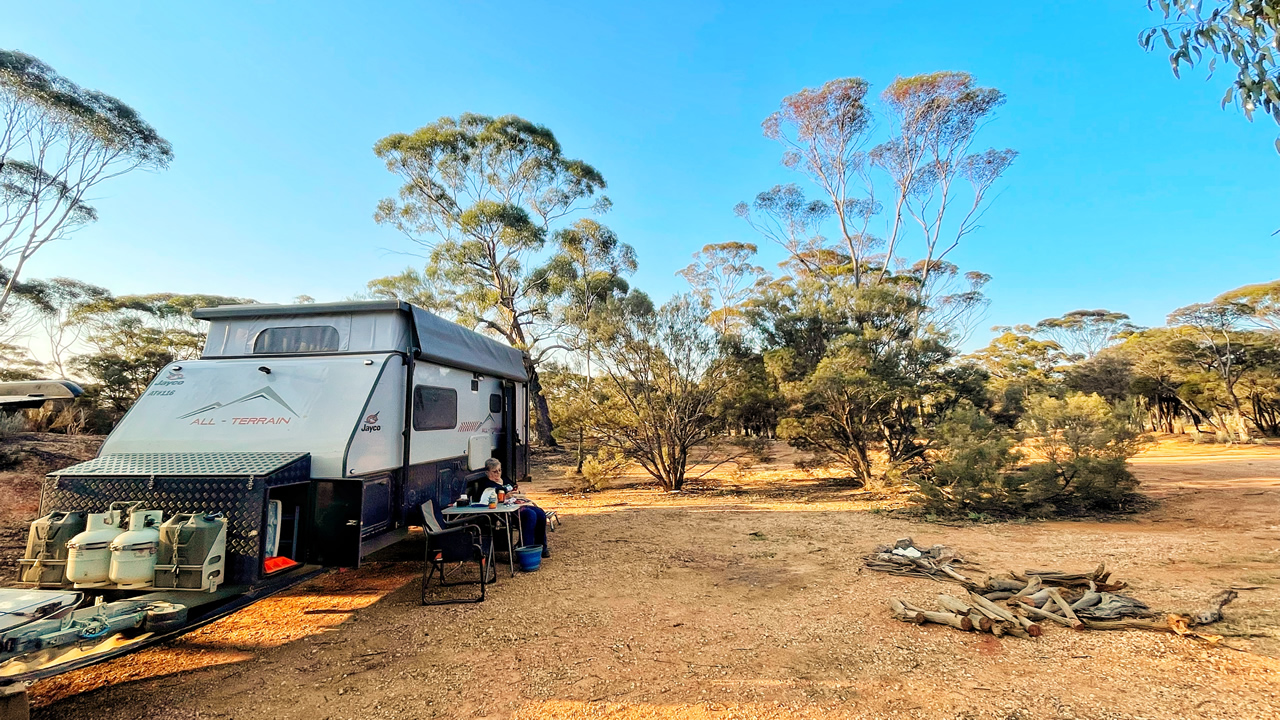
When we stayed here the first thing that stood out was how much space there is. You’re not crammed in next to others – even with a few vans around it still feels open. Head down the back to find some great sites suitable for caravans.

The ground is mostly gravel which makes it ideal for caravans and motorhomes and there are enough scattered trees to grab a bit of shade if you time it right.

Despite being close to the highway it was quiet overnight. We got the odd truck passing through but nothing that kept us awake.

It’s the kind of place where you pull up, cook a meal and have a campfire and a couple of beers.

Is it Caravan Friendly?

Yes – very much so.

This is one of the easier free camps in WA to access with a van:

  • Plenty of room to turn around
  • Flat areas for parking
  • No tight access points

We’d have no hesitation recommending it for caravans, motorhomes, or even bigger rigs.

Best Time Go Camping At bromus Dam

The cooler months (April through October) are the best time to stay here.

Summer can be extremely hot and shade is limited so it’s not the most comfortable stop in peak heat.

If you’re lucky enough to pass through in spring you may catch some wildflowers in the surrounding bush.

Things To Know Before You Go

  • Bring all your own drinking water
  • Check fire restrictions before lighting a fire
  • Arrive earlier in the day if you want a shaded spot
  • Don’t rely on mobile reception
  • Take your rubbish if bins are full

Pros And Cons

Pros

  • Free and easy to access
  • Good space for caravans
  • Toilets available
  • Quiet bush setting

Cons

  • No drinking water
  • Limited shade
  • Basic facilities only
  • Patchy phone signal

Final Thoughts

Bromus Dam isn’t a destination camp – but that’s not the point.

It’s a reliable, no fuss stopover in a part of WA where those matter. After staying here ourselves we’d absolutely use it again when passing through.

If you’re self contained and happy with a simple bush setup it’s a solid option to add to your route.

Information Sources

This article combines first-hand experience with publicly available, verifiable data from:

  • Shire of Dundas (local government tourism information)
  • Personal experience

Conclusion

Details such as location, facilities and access have been cross-checked across multiple sources and verified during our own visit.

And if you’re looking for even more great camps including many free camps on the Nullarbor check out this article – 91 EPIC Nullarbor Camping Sites To Add To Your List.

-David & Amanda

Frequently Asked Questions About Camping at Bromus Dam WA

Is Bromus Dam really free to camp at?

Yes, camping at Bromus Dam is completely free. There are no booking requirements or fees, and sites are unallocated so you can choose your own spot when you arrive.

Do you need a 4WD to access Bromus Dam?

No, you don’t need a 4WD. The site is accessed via a sealed highway with a short gravel track that is generally suitable for 2WD vehicles, caravans and motorhomes in normal conditions.

Are there toilets at Bromus Dam?

Yes, there are basic public toilets available at the site. However, there are no other major amenities, so you’ll still need to be largely self-sufficient.

Can you take caravans and big rigs into Bromus Dam?

Yes, the campground is very caravan friendly. There is plenty of space, relatively flat ground, and easy access, making it suitable for larger rigs and motorhomes.

Is there drinking water available at Bromus Dam?

No, there is no potable water available. You’ll need to bring all your own drinking and washing water with you.

Is Bromus Dam a good overnight stop?

Yes, it’s a great overnight stop if you’re travelling through the area. It’s quiet, easy to access, and offers enough basic facilities to make a comfortable break between long driving days.

Pin It on Pinterest