National Road Transport Hall Of Fame And Ghan Museum

National Road Transport Hall Of Fame And Ghan Museum

National Road Transport Hall Of Fame And Ghan Museum

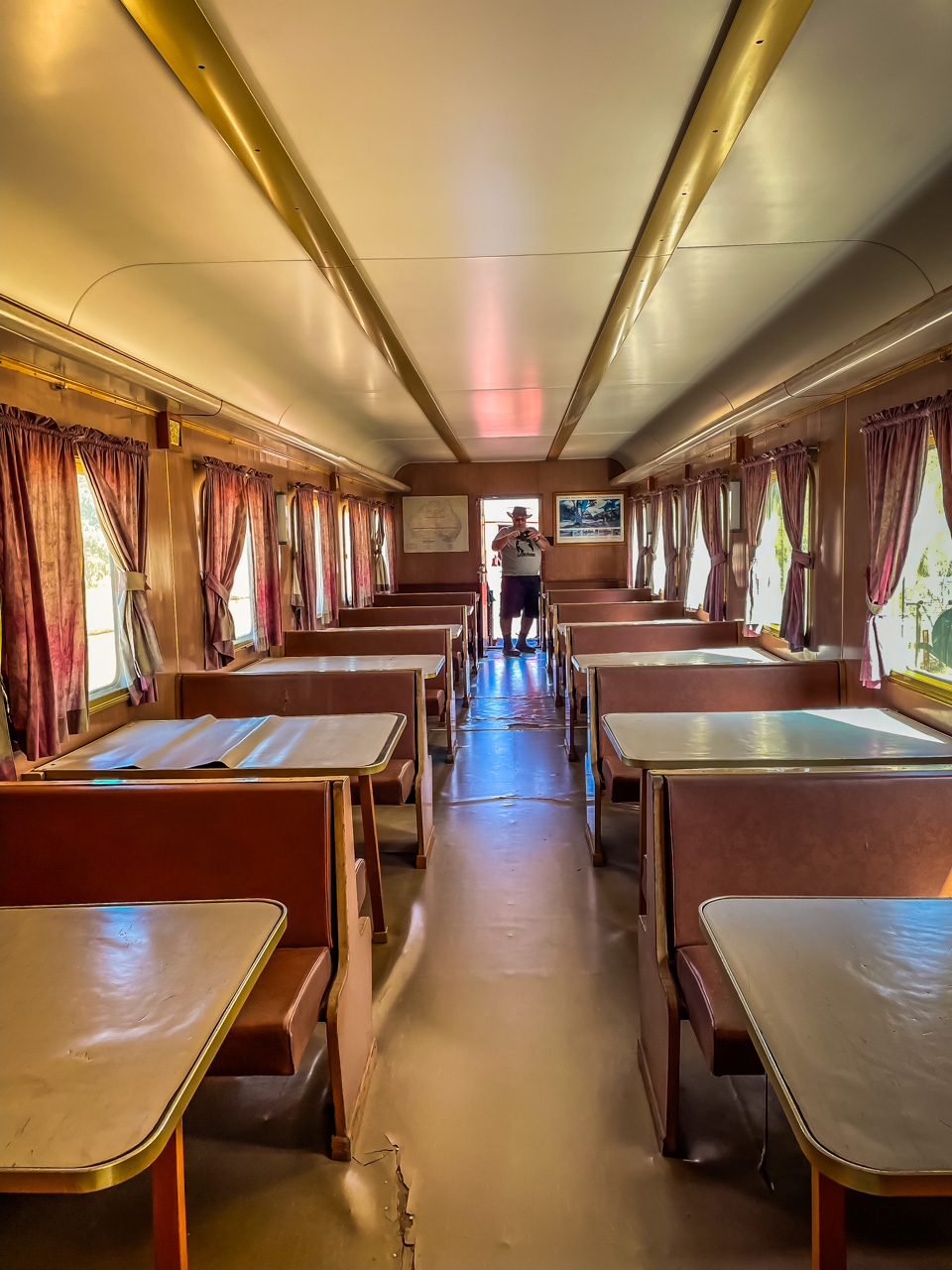
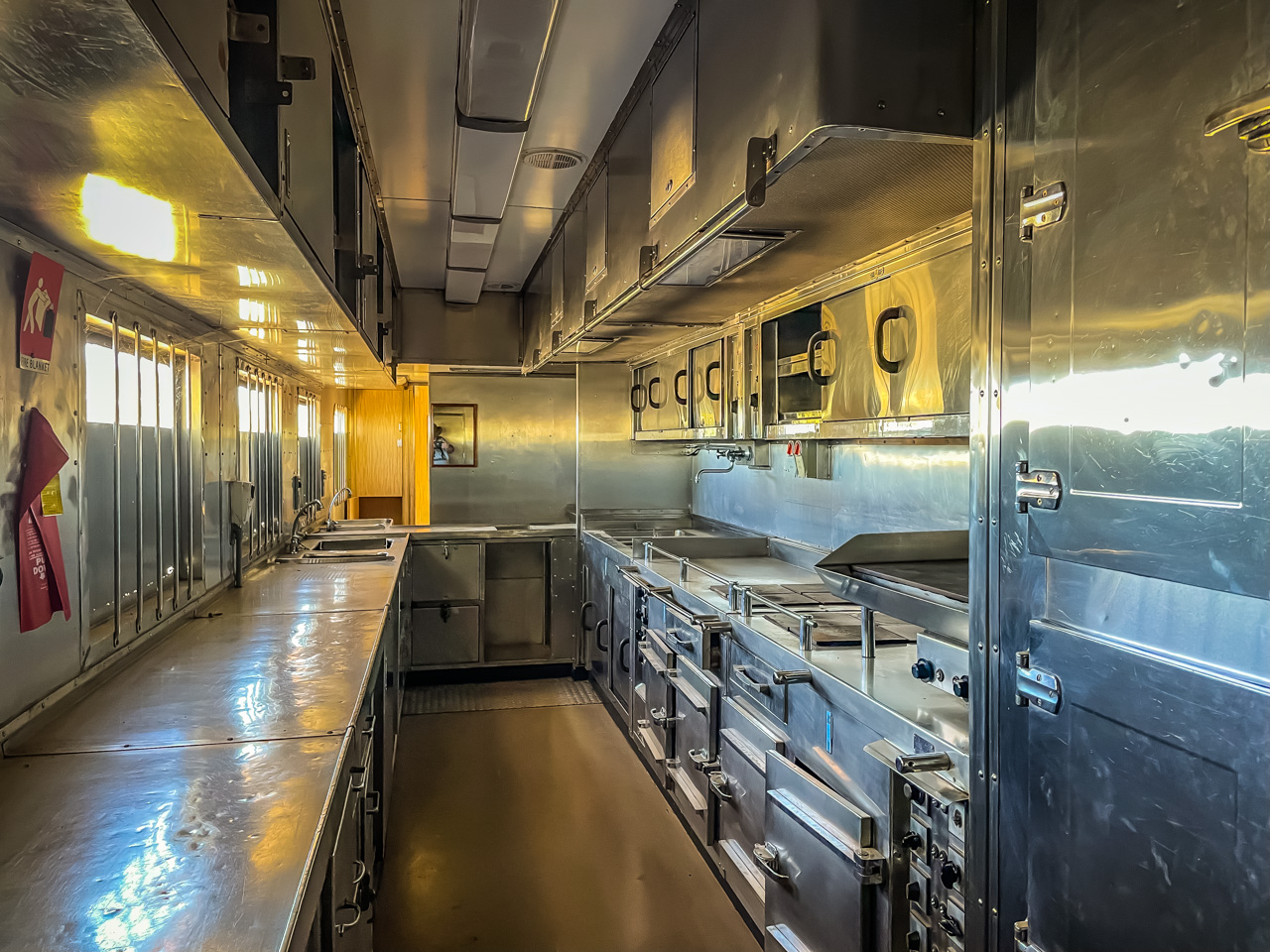
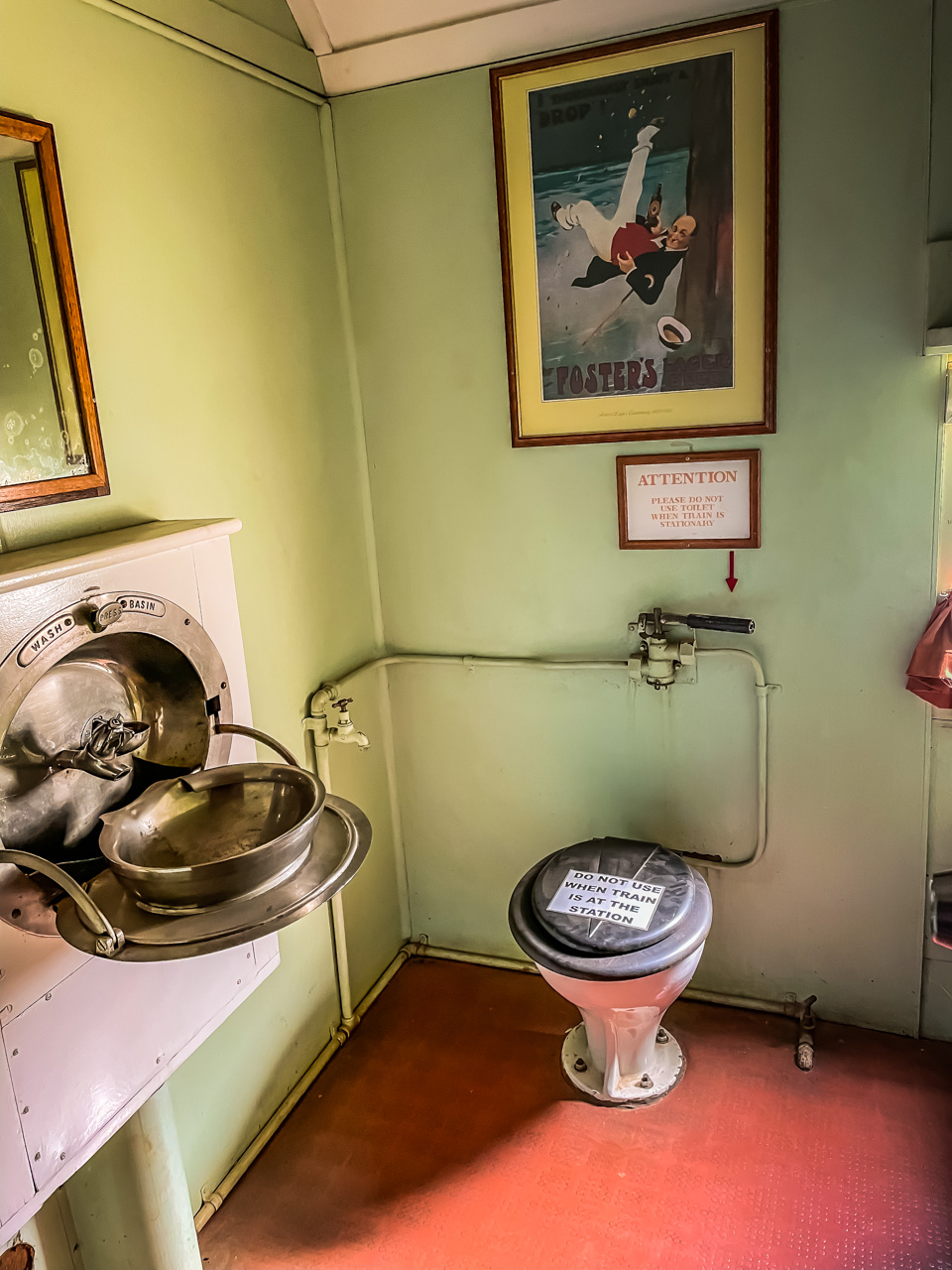
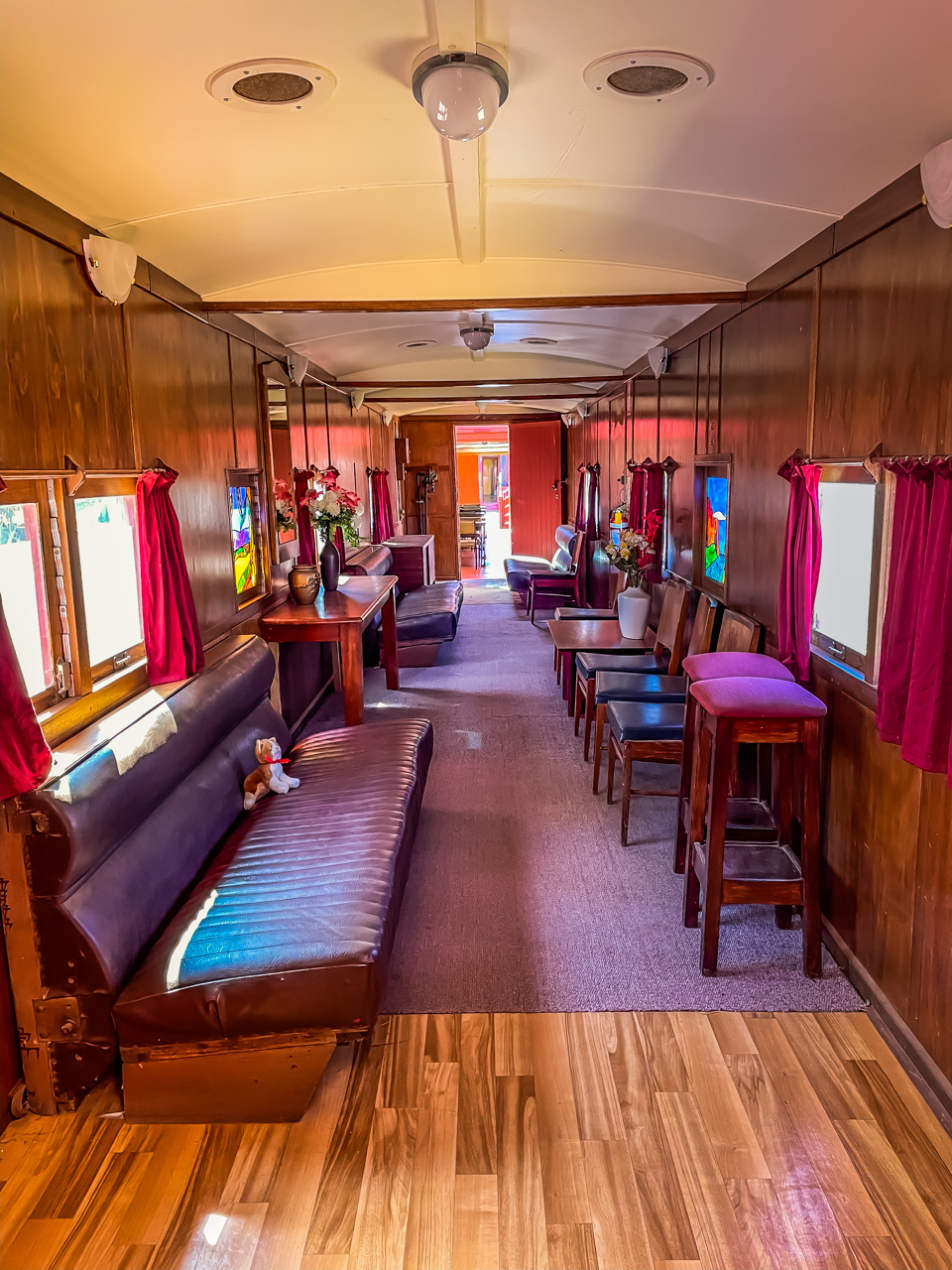
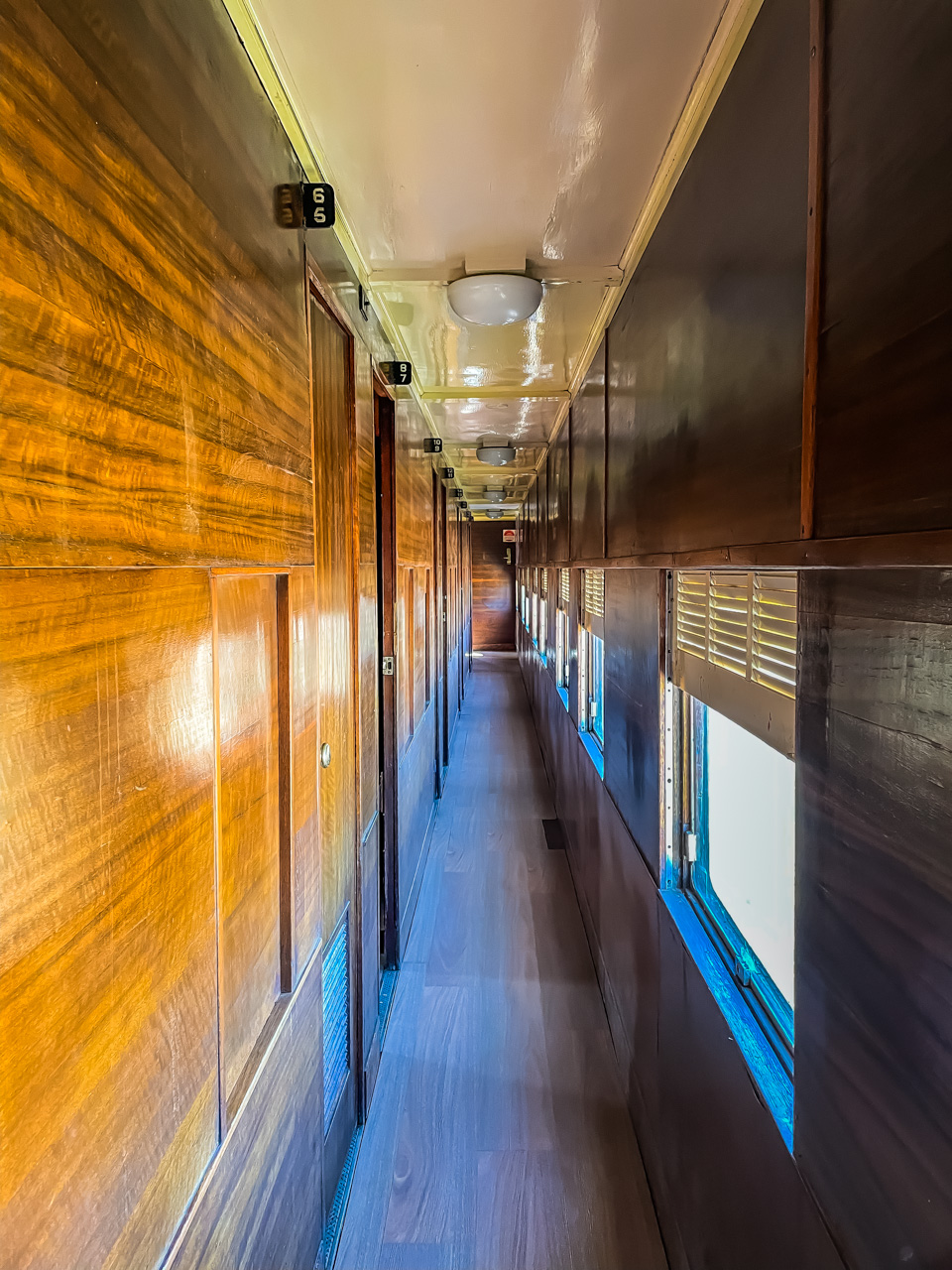
We highly recommend a visit to the National Road Transport Hall of Fame and Ghan Museum Alice Springs. The displays are fantastic and bring back memories of a bygone era. Amanda and I both work in the transport industry so this was an absolute visit for us. In particular I have a lifelong fascination with trains so to be able to get inside and up close and personal with many of the locomotives and rolling stock from the old Ghan Railway was a thing of joy for me.
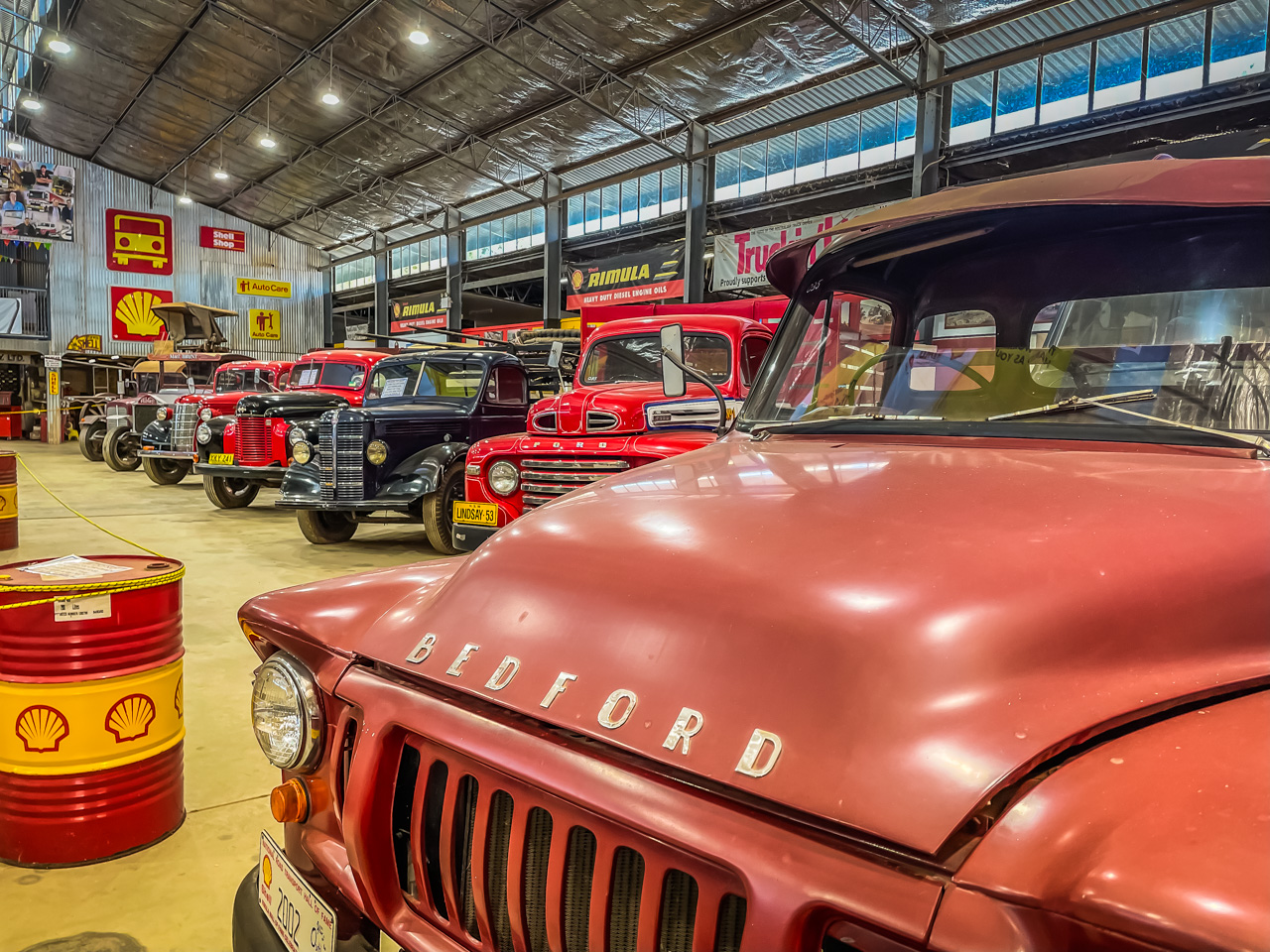
Line Up Of Restored Bedfords

Line Up Of Restored Bedfords

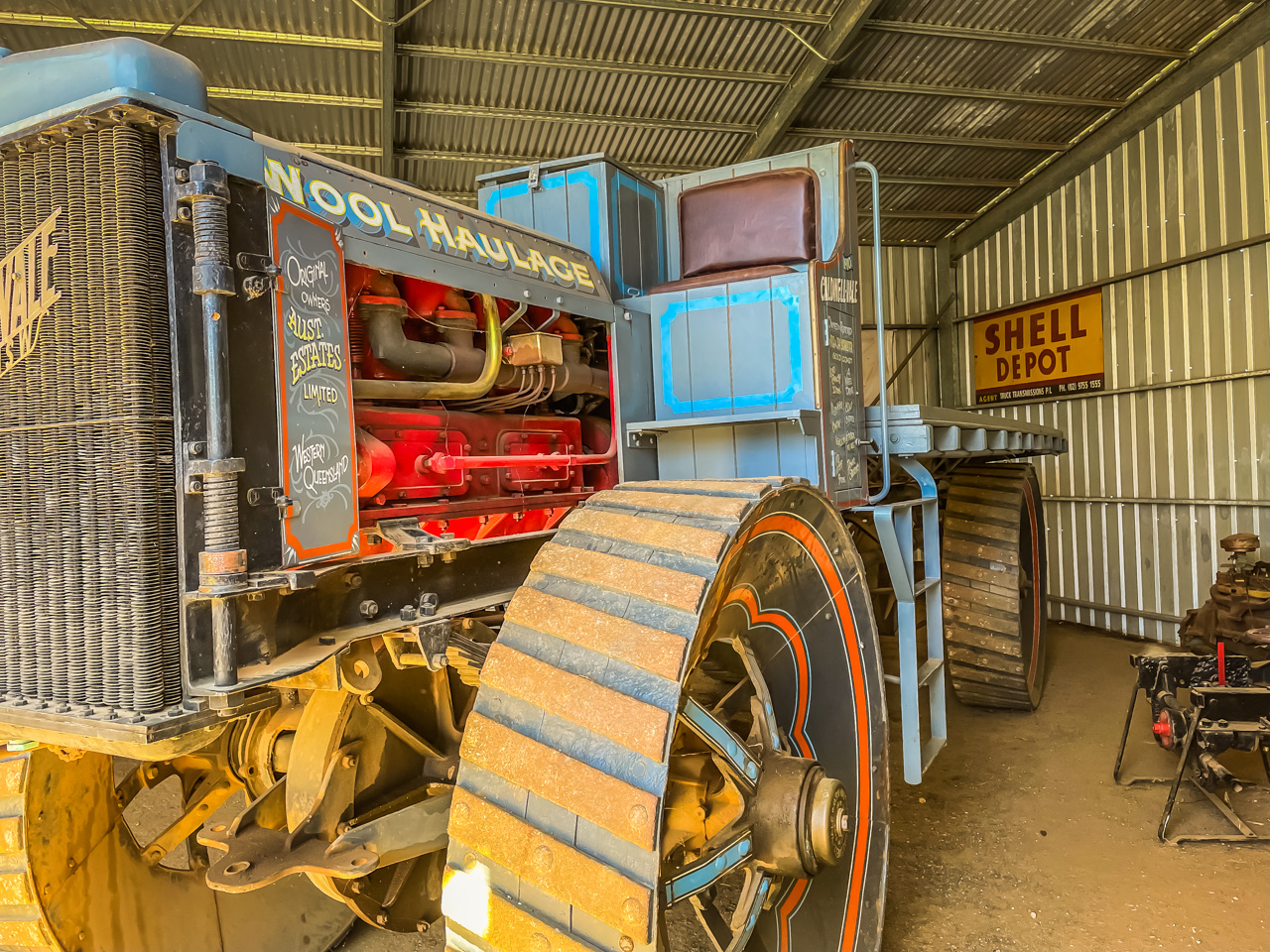
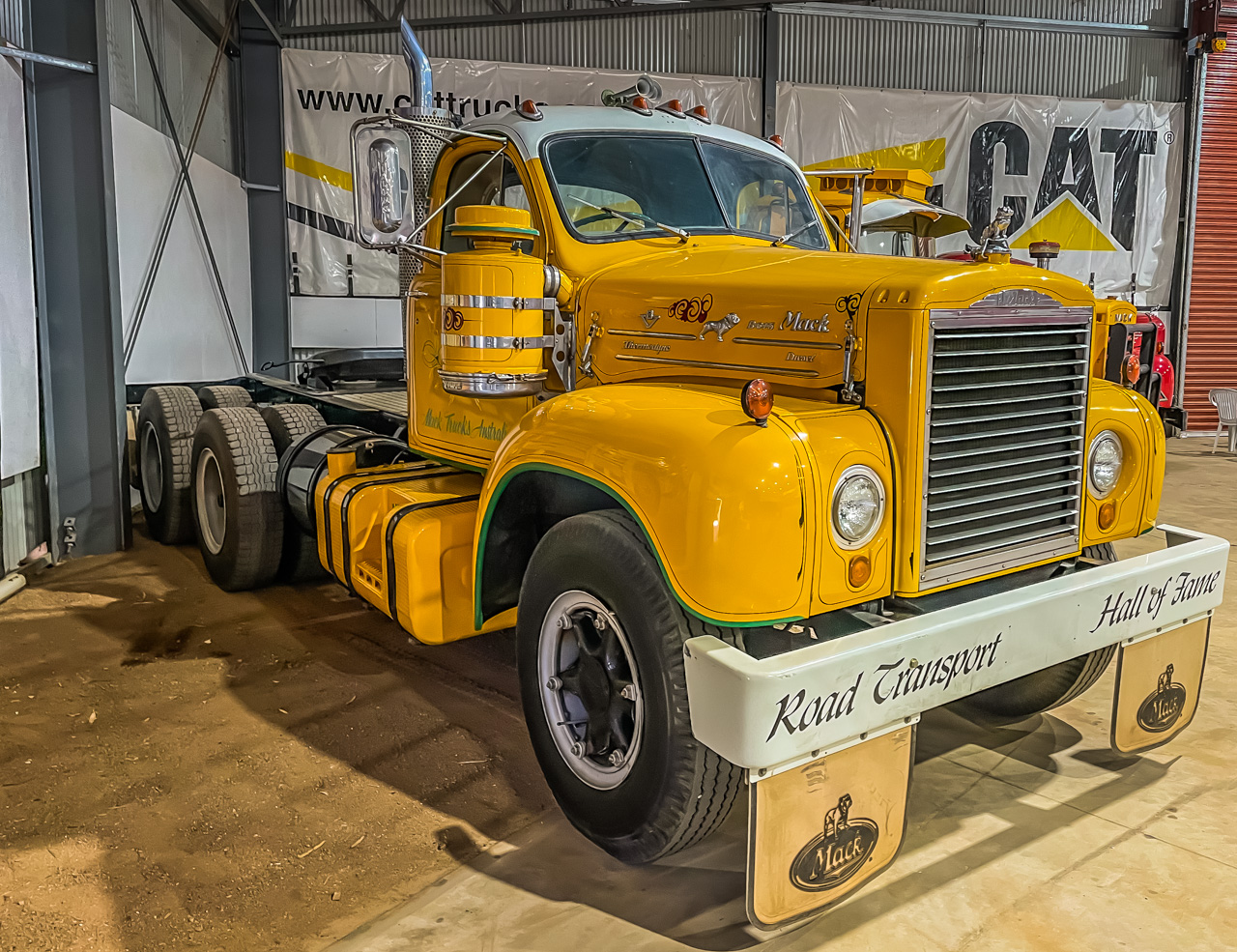
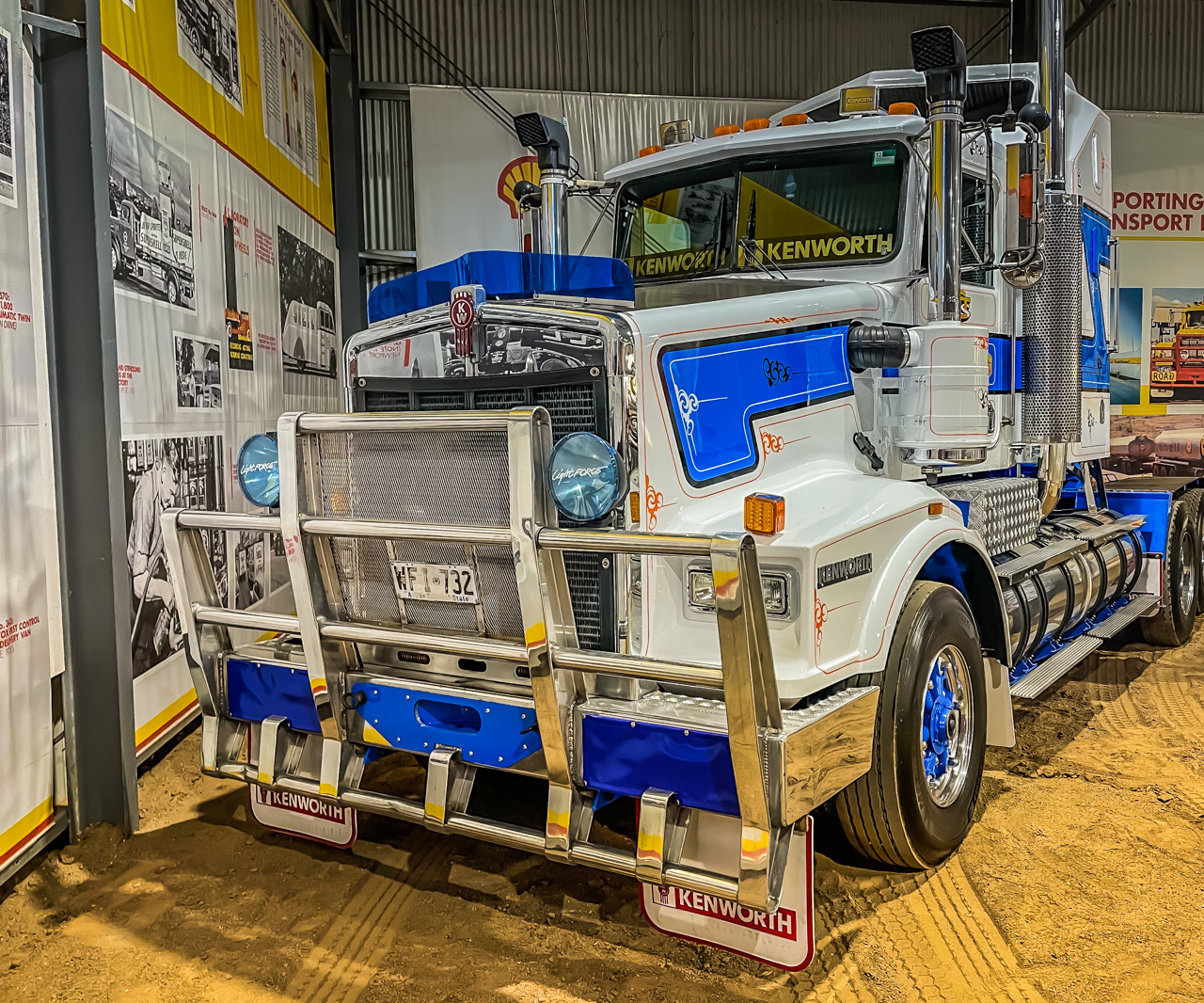
In addition to the chassis of the first Kenworth to roll off the production line in 1971, the National Road Transport Hall of Fame has quite a few old road trains. Many of the outback’s pioneering vehicles are on display, including over 100 restored trucks and vintage cars. Access to the Kenworth Dealer Truck Museum, the National Road Transport Museum and the Ghan Railway Museum is included in the one admission price.

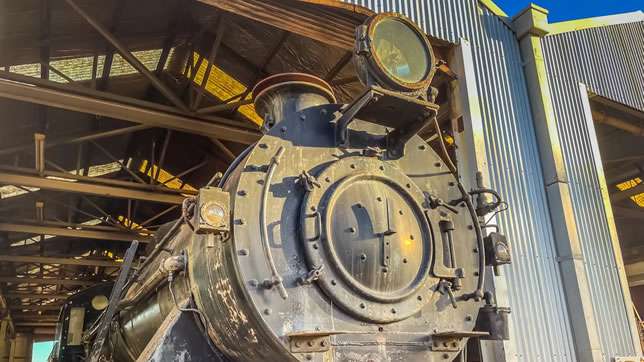
Old Ghan Railway Steam Locomotive

Old Ghan Railway Steam Locomotive

About The National Road Transport Hall of Fame and Ghan Museum Alice Springs

In 1995 the Road Transport Historical Society opened the National Road Transport Hall of Fame in Alice Springs, Northern Territory. On the adjoining site is the Old Ghan Heritage Railway and Museum, which the society also operates.

The museum preserves Australia’s road transport heritage as a community-based volunteer organization. The museum displays a variety of road transportation modes, including camel trains and road trains of today.
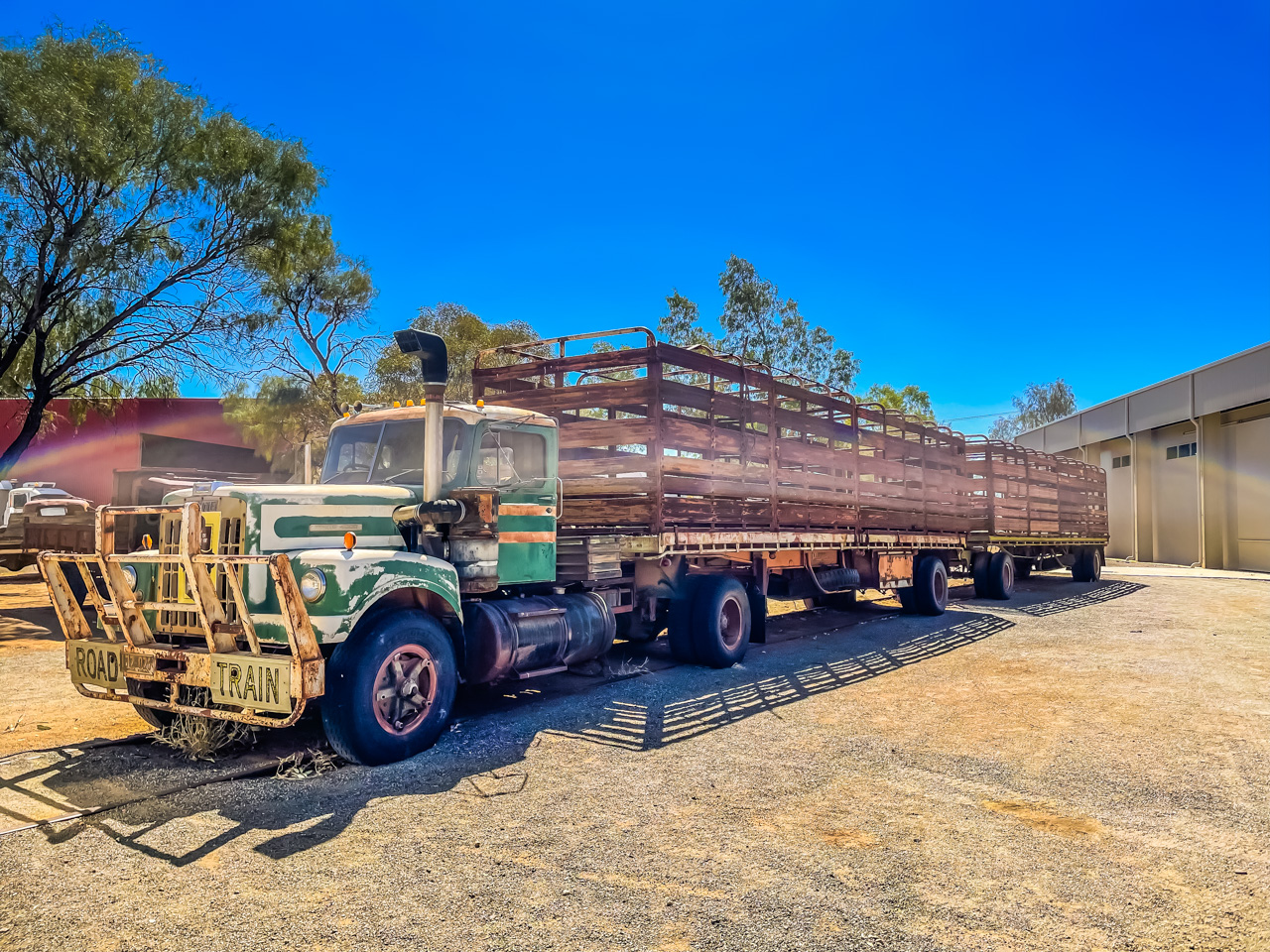
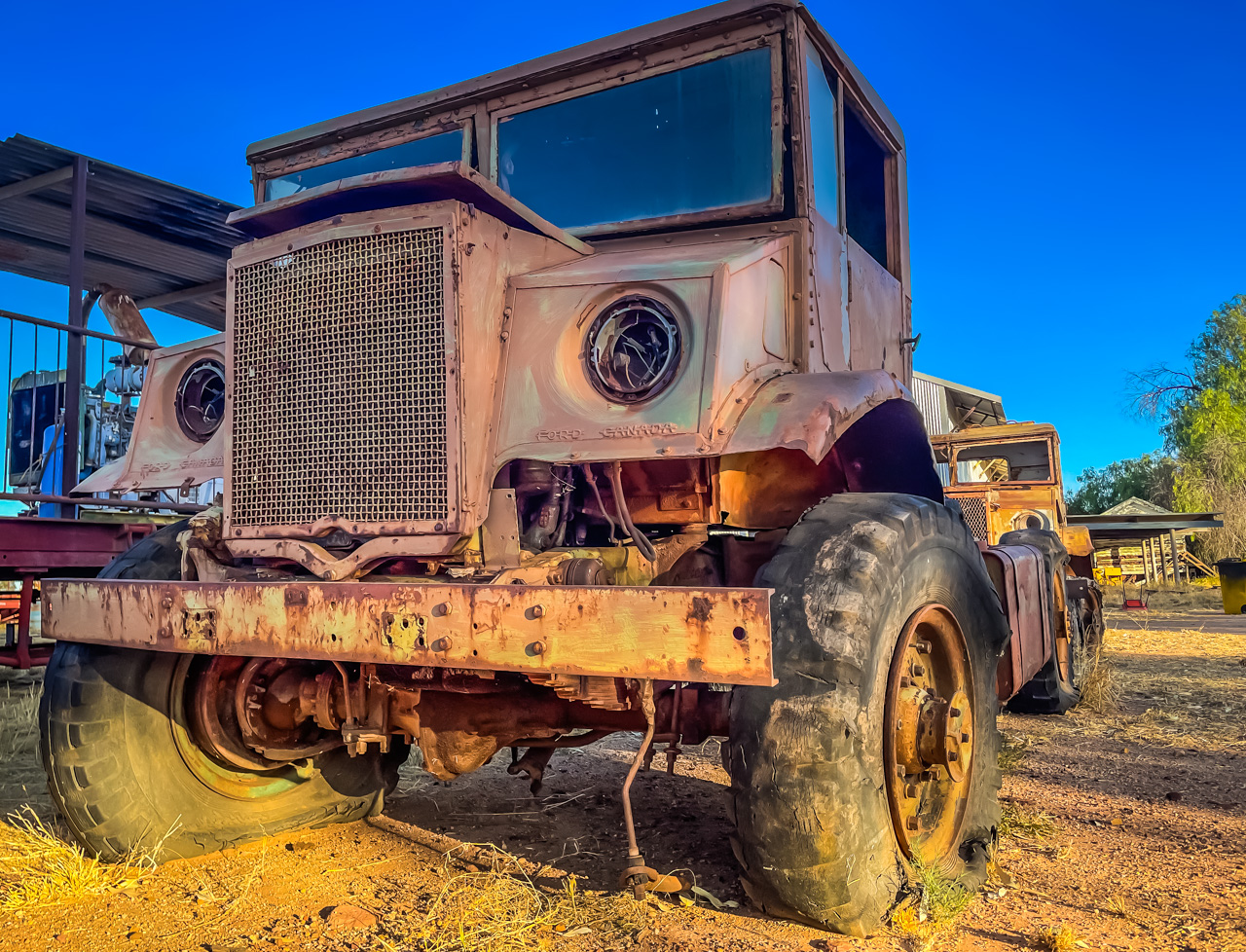
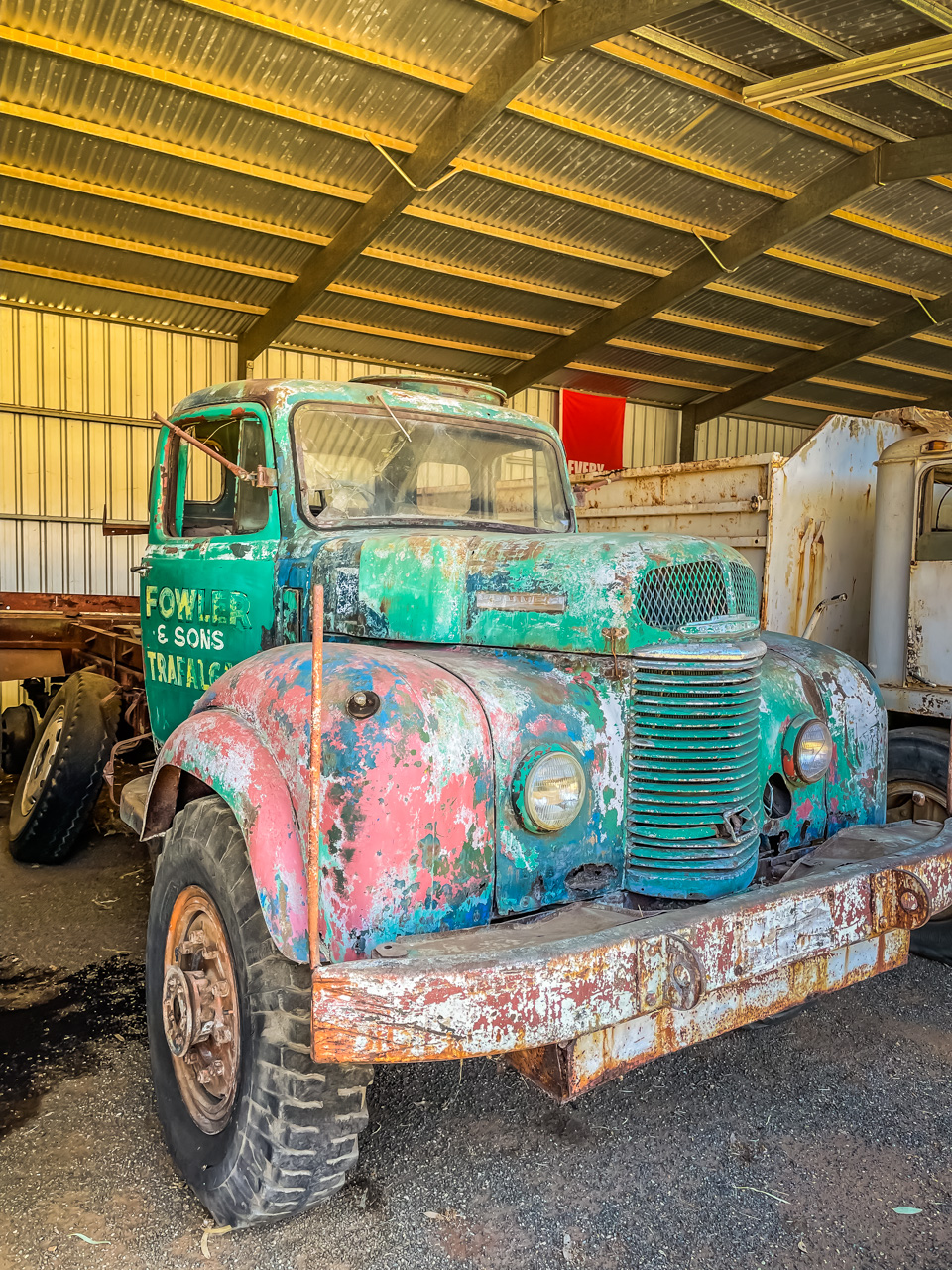
Old Road Train

Old Road Train

In order to restoring some vehicles, the museum has generally taken a lateral approach: instead of displaying them in off-production-line condition, they stand as they did in their working lives. Including the pragmatic often rough and ready modifications bush mechanics had to make to work in Australia’s harsh outback environment. They bear testimony to Australia’s pioneering road transport industry’s trials and tribulations.
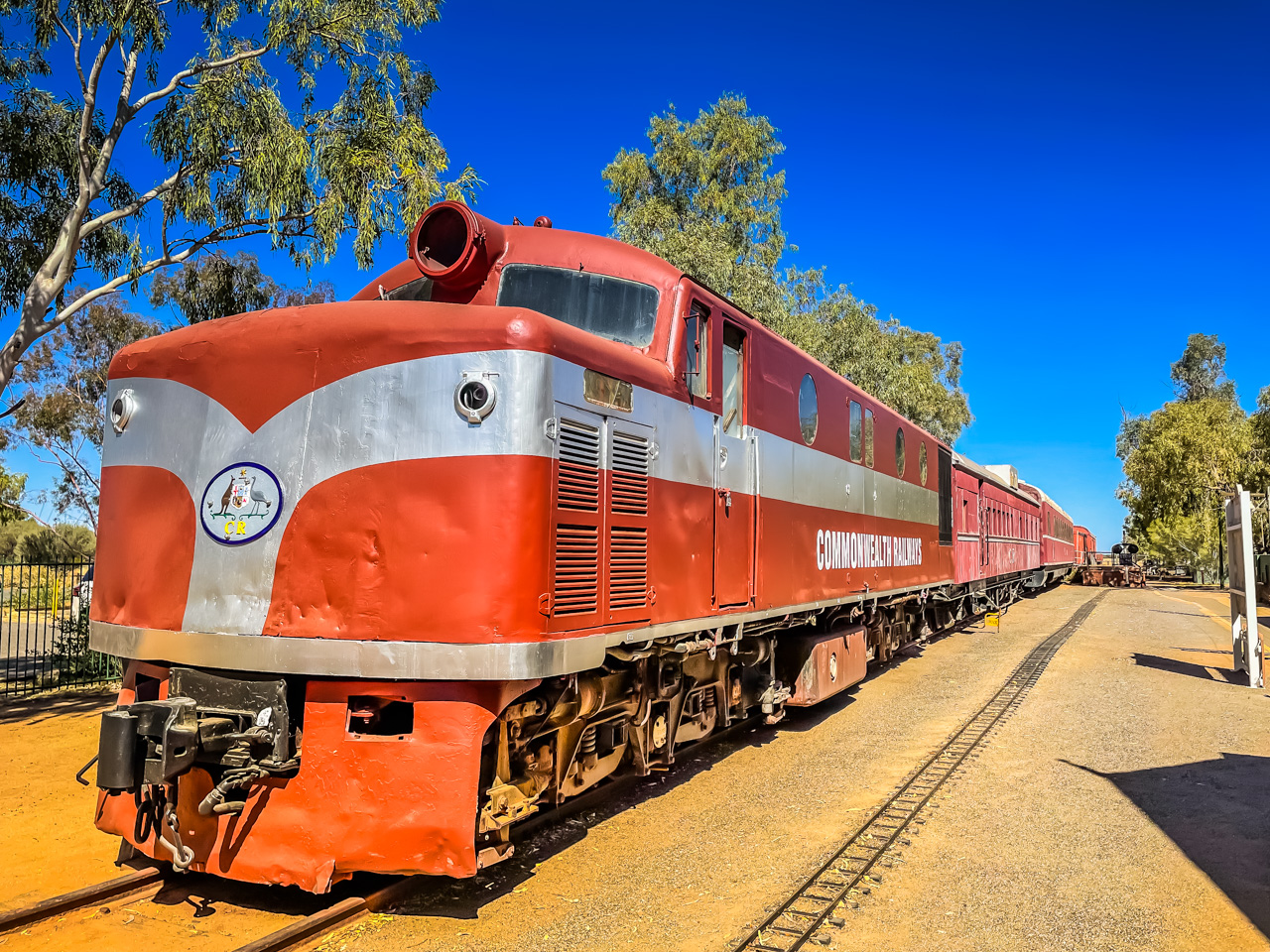
Old Ghan Railway Locomotive

Old Ghan Railway Locomotive

Photo Gallery

Alice Springs Telegraph Station Historical Reserve

Alice Springs Telegraph Station Historical Reserve

Alice Springs Telegraph Station Historical Reserve

We spent a fantastic morning exploring The Alice Springs Telegraph Station Historical Reserve. It is an absolute must see for anyone who goes to Alice Springs. It is the best preserved station along the ‘Overland Telegraph Line’ constructed in the early 1870s to relay messages between Darwin and Adelaide.

Entry To Alice Springs Telegraph Station

Entry To Alice Springs Telegraph Station

The Alice Springs Telegraph Station Historical Reserve marks the site of the first European settlement in the region and originally included the area now included in the township of Alice Springs.

The original Alice Springs was a water hole located some 3 km north of the present-day town. In 1870, the town was founded as a staging point for the overland telegraph line named after Alice Todd (wife of Superintendent of Post and Telegraph Sir Charles Todd). The current Alice Springs began life as Stuart, a telegraph station along the Adelaide to Darwin line, once the end of the Ghan railway line. Since renaming ‘The Alice’… as many locals call it is now a modern town in the middle of Australia.

Locals and tourists alike enjoy Alice Springs Telegraph Station Historical Reserve. In addition to the walking trails, visitors can learn about history and enjoy the green lawns and facilities. It is the best preserved station along the ‘Overland Telegraph Line’ constructed in the early 1870s to relay messages between Darwin and Adelaide. As a result of the completion of the line, fast direct communication between Britain and its independent Australian colonies was now possible.

Historic Alice Springs Telegraph Station

Historic Alice Springs Telegraph Station

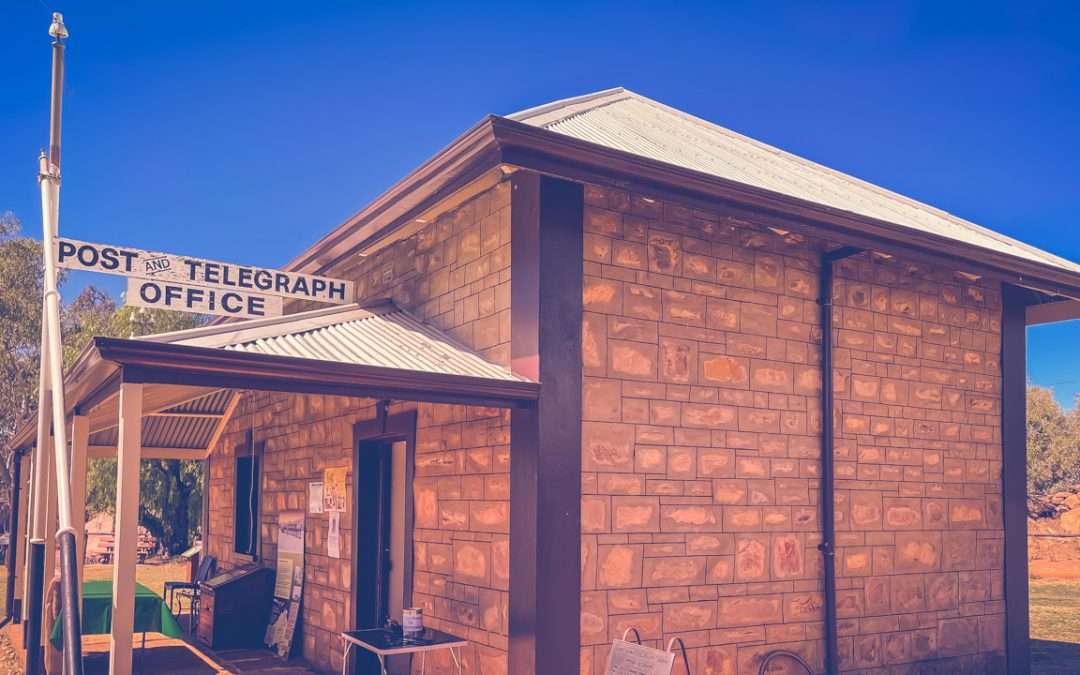
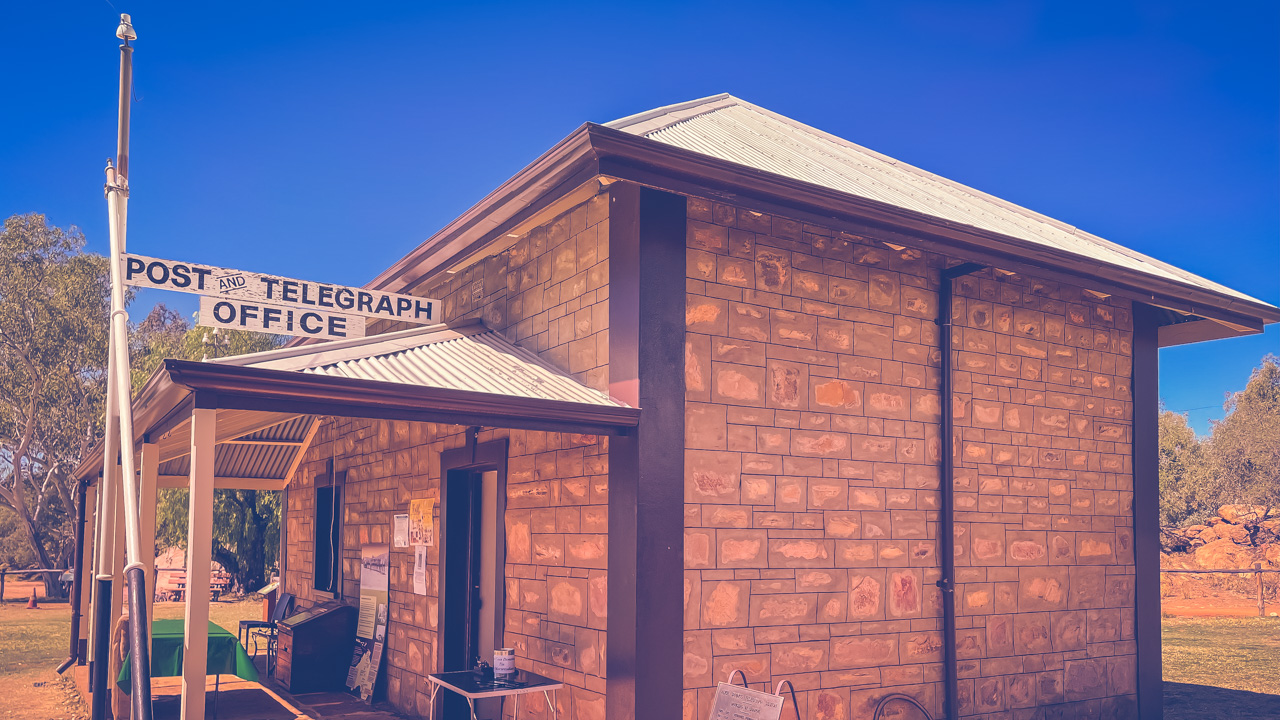
Originally operating for 60 years, and then serving as a school for Aboriginal children, visitors today can view many of the restored stone buildings, including furnishings from 1895-1905. There is still a Post and Telegraph Office, but it operates only on special occasions.

Telegraph Station Post Office At Alice Springs

Telegraph Station Post Office At Alice Springs

We were very fortunate to visit when the Alice Springs Telegraph Office was manned and doing demonstrations of morse code being sent and received. It was amazing to see a few old fellas tapping away and sending morse code off a sheet of paper only to see it transcribed in to text on the other side of the room.

Sending Morse Code At The Alice Springs Telegraph Station

Sending Morse Code At The Alice Springs Telegraph Station

Besides the historical Telegraph Station, the reserve has a picnic area and free electric barbeque grills. Public amenities are also available. A small cafe and kiosk offer food, cold drinks, and souvenirs.

Getting To The Alice Springs Telegraph Station Historical Reserve

This reserve is easily accessible by vehicle and is located 4 km north of Alice Springs along Herbert Heritage Drive. A walking and cycling path enters the Reserve via Schwartz Crescent, and a path along the west bank of the Todd River is known as the ‘Riverside Walk’.

We camped at the National Transport Museum just south of Alice springs and the Telegraph Station was only an easy 15 minute drive for us.

Alice Springs Telegraph Station Historic Buildings

Alice Springs Telegraph Station Historic Buildings

Alice Springs Camping Ground National Road Transport Museum

Alice Springs Camping Ground National Road Transport Museum

Alice Springs Camping Ground National Road Transport Museum

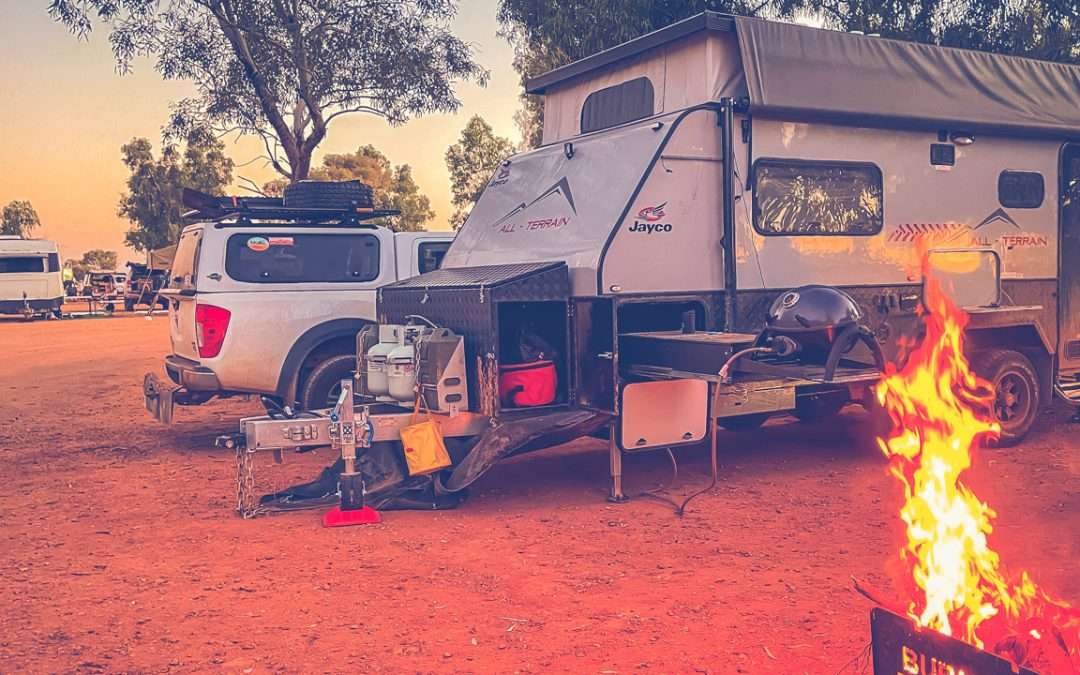
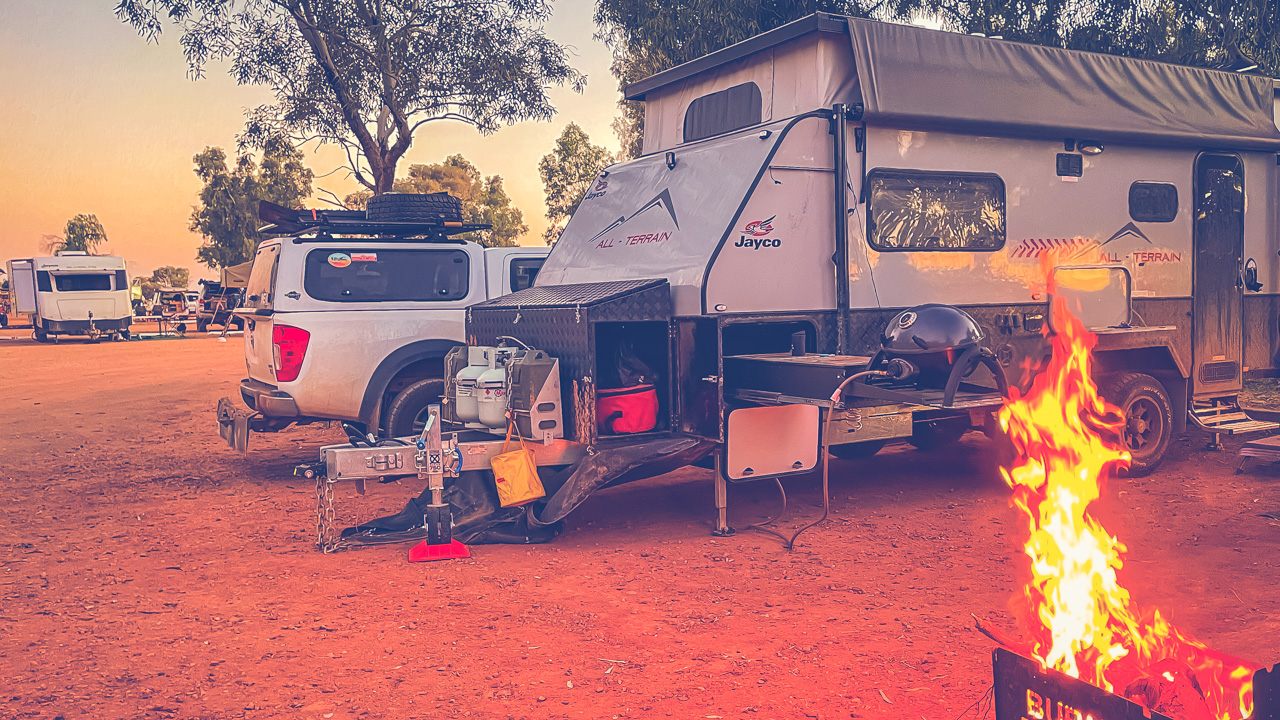
Alice Springs camping ground at the National Road Transport Museum is a surprisingly good hidden gem. It’s in a securely fenced area with full amenities and all for a great price. We highly recommend it if you’re looking for camping in Alice Springs.

Alice Springs Camping Ground National Road Transport Museum

Alice Springs Camping Ground National Road Transport Museum

Alice Springs Camping Ground Amenities

We spent three nights here for the princely sum of only $15 per night. Showers and flushing toilets as well as a washing machine are all provided for this small fee. The amenities are old and a bit run down however they are clean and tidy and do the job well.

Potable water is available to fill your tanks at a central filling point. Powered sites are also available for an extra $10 per night. We opted for unpowered as we just about always do as the unpowered sites are away from the vast majority of other campers who opted for power. The sites are all quite generous in size and they have a lot of them. Most of the powered sites were taken while we were there but there were plenty of unpowered sites available. Fires are allowed in contained fire pits so long as they are up off the ground.

The location is nice and close to central Alice Springs. Alice Springs is only a ten minute drive from the National Road Transport Museum campground.

To Book A Site

Camping and general inquiries call reception on (08) 8955 5047. After hours camping enquiries 3pm – 7pm Daily 0414 185 886.

About The Museums

One of Alice Springs’ most popular tourist attractions is the National Road Transport Hall of Fame. A number of buildings house old trucks and themed displays as well as the Kenworth Dealer Hall of Fame and Shell Rimula Wall of Fame, where road transport pioneers are remembered. There are also the Old Ghan Train, Museum and Tea Rooms, a cameleers garden, a resource library, three DVD rooms and several function and event venues within the precinct. In addition to three locomotives, the museum houses some of the rarest road vehicles in the country.

How To Get There

The Norris Bell Avenue turnoff is located 1.8km north of the Airport turnoff. Take a left at this intersection (Cemetery on corner). After driving south 6 km from The Gap roundabout, turn right onto Norris Bell Avenue.


Uluru Sunset Viewing Area: Witness the Magic Of The Rock

Uluru Sunset Viewing Area: Witness the Magic Of The Rock

Uluru Sunset Viewing Area: Witness the Magic Of The Rock

The Uluru Sunset Viewing Area is a superb place to watch the rock change colours and moods as the sun goes down late in the day. Amanda and I thoroughly enjoyed it.

Uluru From Uluru Sunset Viewing Area

Uluru From Uluru The Viewing Area

Today we drove out to the cultural centre and Uluṟu and had a look around. The cultural centre is superbly done. There are a lot of artefacts on display as well as a great overview of the history of the areas people.

After visiting the Uluru Cultural Centre we went to the Uluṟu Sunset Lookout and watched the sunset. The different colours and the shades and contrasts the rock went through while we watched were mesmerising. If I hadn’t seen it I wouldn’t have believed it. Uluṟu is something else. It gives off the feeling to me that it is alive and it knows who I am and who we all are and it is watching over us. It’s bloody awesome.

David And Amanda At Uluru Sunset Viewing Area

David And Amanda At Uluru Sunset

About The Uluru Sunset Viewing Area

A dramatic sunset at Uluru can be experienced from this vantage point. You can also visit this area at sunrise to capture Uluru silhouetted against the rising sun. It is only accessible by cars and small vehicles – buses must use the Bus Sunset and Dune Walk Viewing Areas.

Getting to Uluru Sunset Viewing Area From Yulara

We stayed at the Yulara Resort at Yulara so accessing Uluru was easy. Leave Yulara and head south. It’s about 15km to the Uluru Viewing Area. It will take you about 15 minutes. You will have to stop at the park boom gates to either scan the pass you bought online or to buy a parks pass. A three day pass is only $38 per person.

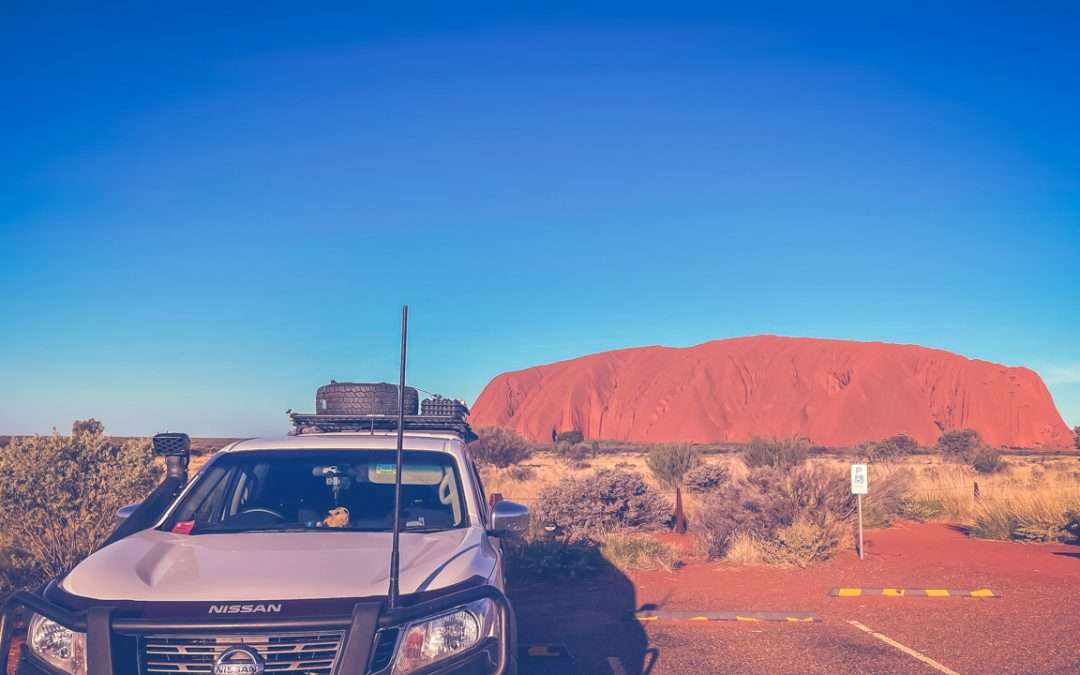
Parked At Uluru Sunset Viewing Area

Parked At Uluru Sunset Viewing Area


The Olga’s Kata Tjuta You Must Visit Them In (2026)

The Olga’s Kata Tjuta You Must Visit Them In (2026)

The Olga’s Kata Tjuta You Must Visit Them In (2026)

The Olga’s traditional name Kata Tjuta are an absolute must visit. We visited them and it was an awesome unbelievable mesmerising experience of epic proportions. Yeah sure that was a whole lot of superlatives in one sentence that probably doesn’t make any sense but I was just trying to encapsulate the feeling of being there.

Dave And Amanda At Kata Tjuta Dunes Viewing Area

Dave And Amanda At Kata Tjuta Dunes Viewing Area

Accessing The Uluru – Kata Tjuta National Park

You need a parks pass to visit the Uluru – Kata Tjuta National Park. You can get one at the gate or you can get one online. They are available at a cost of $38 per person for a three day pass. I reckon they represent great value.

Kata Tjuta The Olgas Valley Of The Winds Walk

Kata Tjuta The Olgas Valley Of The Winds Walk

Getting to The Olga’s – Kata Tjuta From Yulara

We stayed at the Yulara Resort at Yulara so accessing The Olgas was very easy for us. Leave Yulara and head west on Kata Tjuta Road. It’s about 53km to the start of the Valley Of The Winds walk. It will take you about 45 minutes. You will have to stop at the park boom gates to either scan the pass you bought online or to buy a parks pass. A three day pass is only $38 per person.

Kata Tjuta The Olgas Dunes Viewing Area

Kata Tjuta The Olgas Dunes Viewing Area

Walks At The Olgas

Walpa Gorge Walk

There is a lot of animal and plant life in Walpa Gorge, which is a desert refuge. In this area, they can find relief from the hot desert sun. Due to the refreshing winds that pass through the gorge, Walpa means windy. From the rocky path, a small track leads to a spearwood tree grove, passing rare plants. There may be a small stream running through the landscape depending on the weather. A sacred men’s site, Walpa Gorge is part of Kata Tjuta. Take plenty of drinking water and allow yourself at least an hour to complete the walk.

Kata Tjuta The Olgas Walpa Gorge

Kata Tjuta The Olgas Walpa Gorge

Valley Of The Winds Walk

Valley of the Winds is a must-see attraction for many people visiting Kata Tjuta – The Olga’s and it was for us. On the walk you can see Kata Tjuta’s formations from two lookouts. We made it as far as the first lookout.

On the Valley Of The Winds walk you’ll find yourself far from everyone and everything. Unless like us there are two tourist coaches there at the same time! Bring lots of drinking water, sturdy shoes, sunscreen and a hat. For people’s safety the parks people close the walk after 11 am if the temperature reaches 36 degrees Celsius. The Valley of the Winds walk is best done early in the morning, especially in summer. As a bonus for early risers it’s more likely that you’ll see kangaroos early in the morning.

Kata Tjuta The Olgas Valley Of The Winds Walk First Lookout

Kata Tjuta The Olgas Valley Of The Winds Walk First Lookout