2WD Accessible Murray River Camps

2WD Accessible Murray River Camps

2WD Accessible Murray River Camps

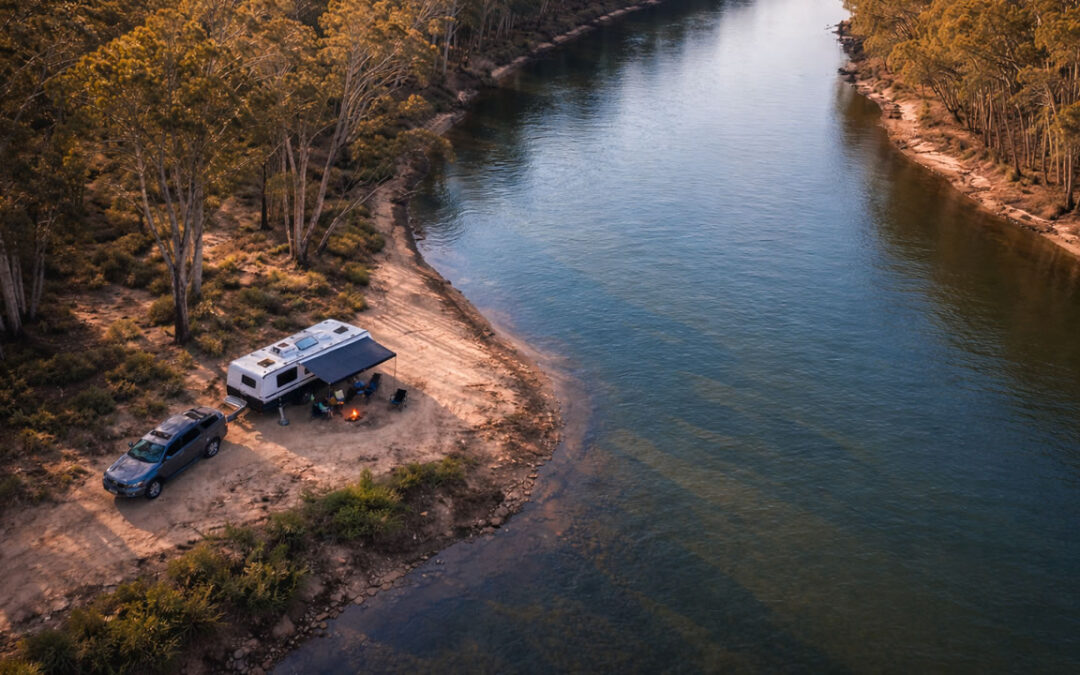
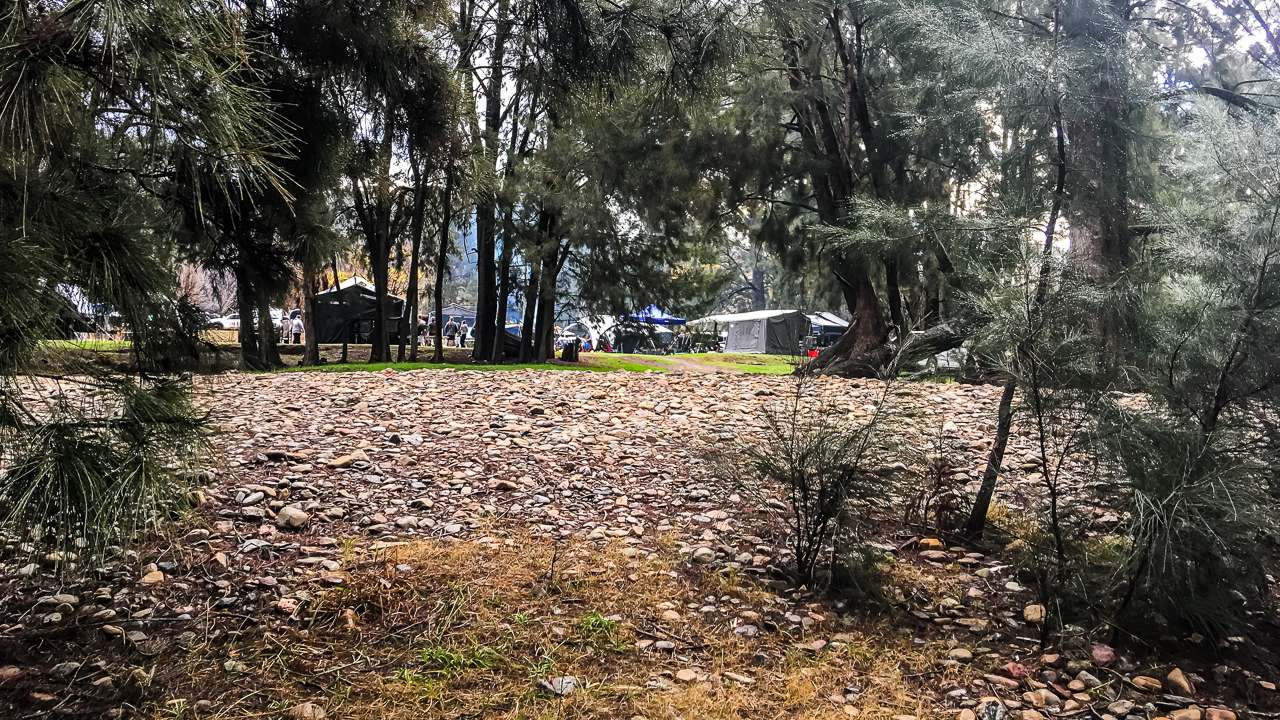
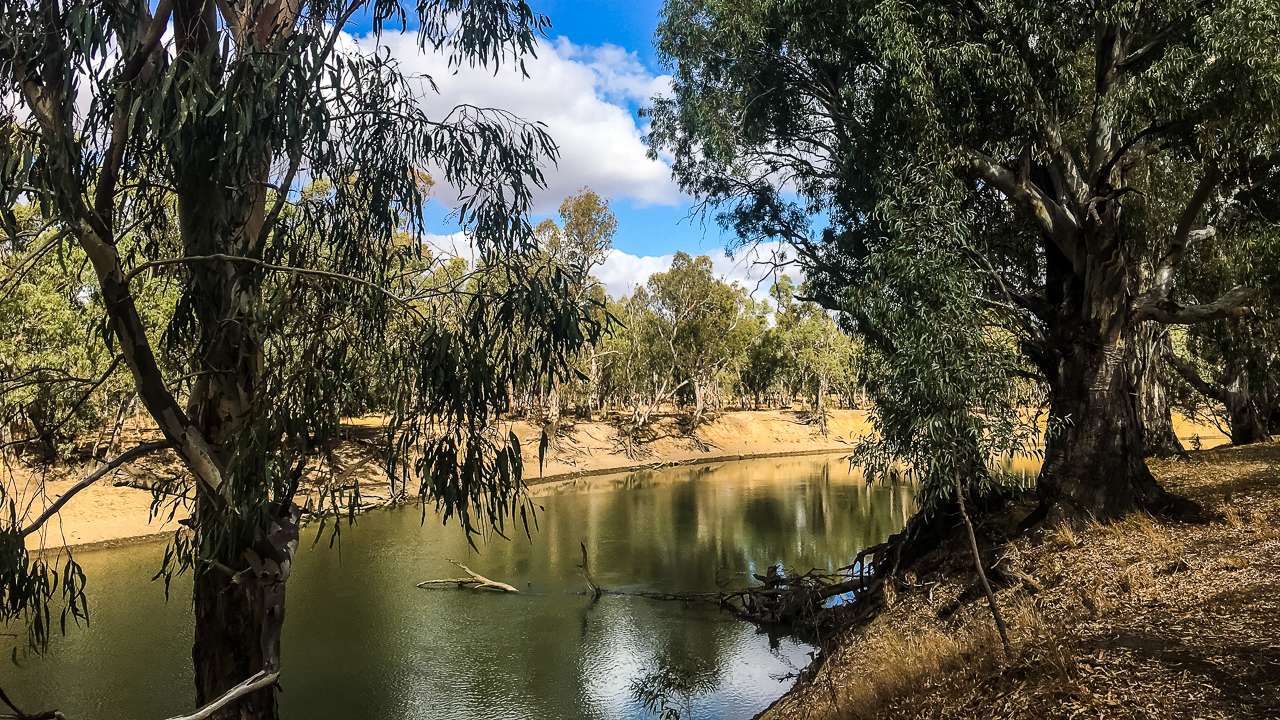
If you travel with a standard 2WD car and still want to reach the Murray River, you can still camp close to the water. Many 2WD accessible Murray River camps are reachable without a four‑wheel drive, as long as the ground is dry and you stay on formed or clearly marked tracks. The key is to choose sites that are known for 2WD friendly access and avoid sections that tend to get soft or rutted after rain.

✔ No need to own a 4WD
✔ Easy access riverfront camping
✔ 2WD + caravan friendly options

Why 2WD Access Makes A Difference

Many Australian campers do not own a 4WD, and many still want to camp on the Murray River. Sites that allow 2WD access make the river more practical for day trips, short weekends and longer road trips. This is useful for families, couples in small rigs and campers who share the car with non‑camping passengers.

However, 2WD friendly does not mean easy access in all conditions. Some sites are usable in dry weather but can turn boggy when the ground is wet. Campers must still check recent conditions and local warnings before heading out. Planning around river levels, recent rain and local advice helps avoid getting stuck or blocked.
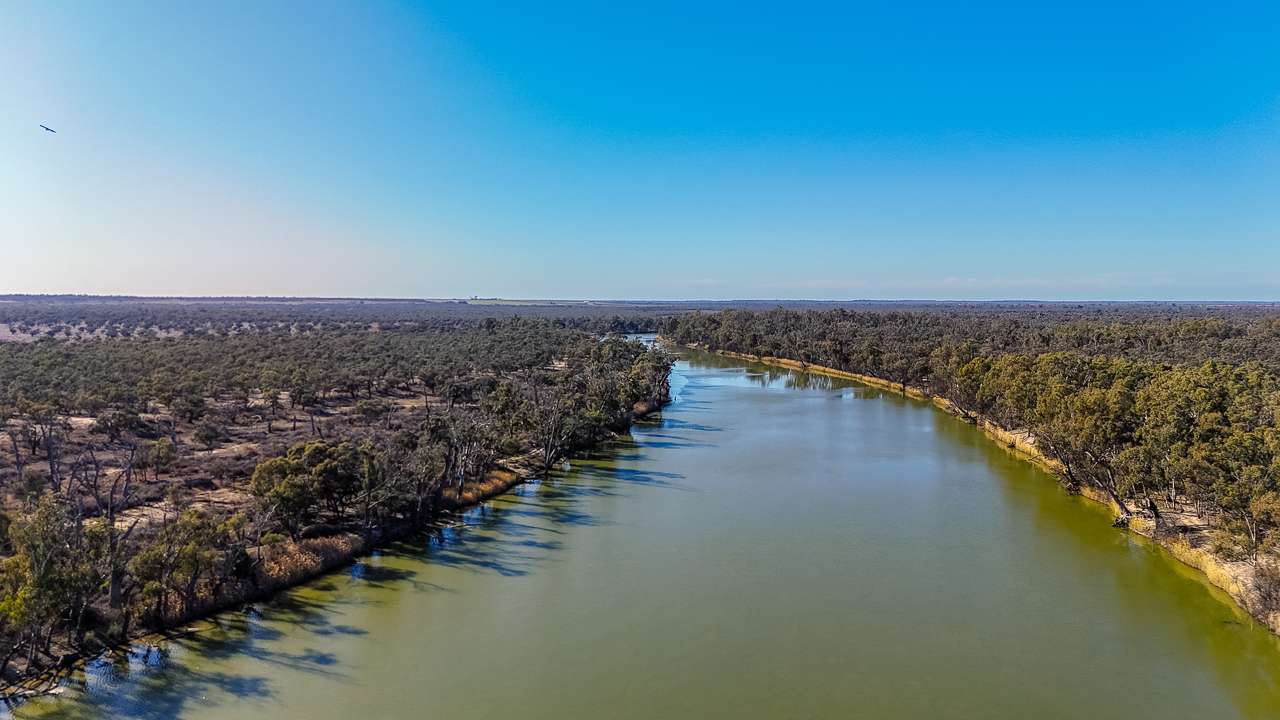
Murray River Near Mildura Free Camping

Murray River Near Mildura Free Camping

What “2WD Accessible” Really Means

When a site is described as 2WD accessible, it usually means:

  • The main access road is sealed or well formed gravel.
  • The final approach is short and not deeply rutted.
  • There is enough firm ground to park a car or small van.

This is not the same as “no issues in any weather”. Some 2WD‑accessible camps become 4WD territory after heavy rain or high river levels. That is why many Parks Victoria and council‑managed sites include disclaimers about access in wet conditions or after floods.

2WD Accessible Murray River Camps

For those who want to see more options along the full river corridor, our Murray River camping guide covers a wide range of sites from Victoria to South Australia.

2WD Accessible Murray River Camps span several states and local councils. Some are paid caravan parks, while others are free or low‑cost bush or reserve sites. Each has its own mix of river access, facilities and dog rules. This makes it important to match the site to your vehicle and camping style.

Site Type Typical Access Facilities Best For
2WD Caravan Park Sealed road to front gate Powered sites, toilets, showers, amenities Families, mixed rigs, first‑time campers
Council Run Riverfront Gravel or compacted road Basic toilets, picnic tables, some bins Day trips, short stays, mixed use
Free Bush Camp Dirt road, firm in dry weather No facilities Self‑contained 2WD campers, quiet stays
National Park Zone Mixed, some 2WD‑friendly areas Toilets, picnic spots, limited facilities Walking, fishing, dog‑free areas

This table shows that 2WD access alone does not tell the whole story. Facilities and rules matter just as much when choosing a campsite.

Top 10 2WD Accessible Murray River Camp Options

Here are 10 Murray River‑adjacent camps that are generally 2WD accessible in dry conditions or on well‑formed tracks. Always check local closures and conditions before you go.

  1. Barham Mill Bend Camping Area 2 (Gunbower, Victoria)
    This bush camping area sits in the River Murray Reserve and is reachable by 2WD on unsealed roads when the ground is dry. Campers must be self‑sufficient, with no toilets or water provided. It suits small rigs and those happy to camp without facilities.
  2. Koondrook Twin Bridges (Koondrook, Victoria)
    Koondrook offers riverfront camping with several 2WD‑accessible sites along the bend. Many spots are basic bush camps with minimal facilities, but they put you close to the river and local amenities. Access is short off the main road and usually fine for 2WD in dry weather.
  3. Quicks Beach Campground (Barooga, NSW)
    Located in Murray Valley National Park, this site is listed as 2WD accessible and within a short drive from town. It has toilets and plenty of room for caravans, camper trailers and tents. Drinking water must be brought in, and bookings are required with a small fee.
  4. Clarke Lagoon Wildlife Reserve (near Tintaldra, Victoria)
    This free reserve along the Murray River is accessible by 2WD, with a short drive from the highway. There are no toilets, so campers need to be fully self‑contained. The site is suitable for caravans and tents but does not allow dogs.
  5. Big4 Berri Riverside Holiday Park (Berri, South Australia)
    While not free, this park is 2WD accessible and right on the river, with powered sites and full amenities. It suits travellers who want comfort, toilets, showers and easy access from the main road. It is a good base for short stays or as a stopover on a longer trip.
  6. Murray River Campsites near Yarrawonga / Cobram (Victoria)
    Many free or low‑cost riverfront spots near Yarrawonga and Cobram are reachable by 2WD, especially on compacted tracks. Access can get sandy or soft after rain, so it pays to avoid heavy rain periods. These sites suit self‑contained campers with small rigs.
  7. Grometts Bend (near Gunbower, Victoria)
    Listed as a non‑commercial camp with 2WD access, Grometts Bend sits on the Murray River bend and offers simple bush camping. Facilities are minimal, and campers need to bring everything they need. The road is usually firm enough for 2WD in dry conditions.
  8. Casey Bend (near Wharparilla, Victoria)
    This 2WD‑accessible bend campground is set along the river and reached by a short off‑road track. It has limited facilities, so it suits campers who are self‑contained and after a quiet riverside spot. The track can deteriorate in wet weather, so checking conditions is important.
  9. Towong Flat Camp (near Towong, Victoria)
    Towong Flat is a flat, open riverside area that can handle even larger rigs while still being reachable by 2WD from the main road in many spots. It offers river access, basic bush setting and nearby highway access. Suitable for families and small caravans in dry conditions. We also have a page dedicated to Free Murray River camping in Victoria if you’re interested.
  10. Lyrup Flats (Murray River National Park, South Australia)
    Lyrup Flats is described as one of the most accessible parts of Murray River National Park, with 2WD‑friendly access in dry conditions. Campgrounds such as Colligans and Black Box suit caravans and larger groups, and there are toilets nearby. Campers still need to bring drinking water and follow local rules.

Key Notes For 2WD Accessible Murray River Camps

Choosing 2WD Accessible Murray River Camps comes with clear trade offs. Sites that are easy to reach often have fewer facilities. In many cases, you must bring your own water, toilets and waste management. However, you gain more flexibility and lower costs compared with paid parks.

Planning also needs to factor in the weather. A 2WD‑friendly camp in April can be out of bounds after a week of rain. That means campers should check local Parks Victoria, National Parks and council pages before leaving home. Some areas may close or restrict access due to river levels or ground conditions.

Finally, rules differ between states and council areas. Pet Friendly Murray River Camping, fires and noise may be allowed in one place and not in another. Reading the local conditions and campground rules helps avoid surprises on arrival.

Practical Tips For 2WD Accessible Murray River Camps

Here are a few straightforward tips for choosing and using 2WD‑accessible Murray River camps:

  • Confirm 2WD access on the site’s official page or council listing.
  • Check recent closure or fire‑danger notices.
  • Travel with enough water and waste‑management gear for a self‑contained stay.
  • Avoid soft, sandy or heavily rutted tracks if you are not confident in your vehicle.
  • Time your trip to avoid peak rain or flood periods.
  • Keep your rig as light as possible if you are on a dirt road.

Final Thoughts On 2WD Accessible Murray River Camps

2WD Accessible Murray River Camps give many Australian travellers a realistic way to reach the river without owning a 4WD. The sites vary from basic bush spots to well equipped caravan parks, but most prioritise 2WD friendly access over luxury. If you are prepared to camp with limited facilities and check conditions in advance, you can enjoy a good Murray River trip in a standard car. For caravanners and campers who want value and convenience, 2WD‑accessible sites are often the best balance. They open up the river to a wider audience and keep the focus on practical, realistic camping rather than off‑road adventure.

For a broader overview of camps along the Murray, you can also check our main guide to camping along the Murray River, which covers sites in Victoria, NSW and South Australia.

FAQs Frequently Asked Questions About 2WD Accessible Murray River Camps

What does 2WD accessible mean for Murray River camps?

2WD accessible generally means you can reach the campsite in a standard two‑wheel drive car on a sealed or well‑formed gravel road, in dry conditions. It does not guarantee easy access after heavy rain or flooding, so it is important to check local road and ground conditions before you go.

Are there 2WD accessible camps for caravans and motorhomes?

Yes. Several 2WD accessible sites along the Murray River can handle caravans and motorhomes. Examples include Barham Mill Bend, Towong Flat and some caravan parks like Big4 Berri Riverside. These sites usually have firm, level ground and easy access from the main road in dry weather.

Do all 2WD accessible camps have facilities like toilets and water?

No. Many 2WD accessible camps, especially free bush sites, have no toilets, no bins and no drinking water. Campers need to be self contained. Paid caravan parks and some council‑run areas usually offer toilets, bins and sometimes drinking water taps.

When is access likely to be poor for 2WD camps on the Murray River?

Access can be poor after rain, when tracks become soft, sandy or rutted. High river levels or flooding can also close low‑lying tracks or riverfront camps. Always check local Parks Victoria, National Parks or council pages for closure notices and current conditions before you leave.

Can dogs stay at 2WD accessible Murray River camps?

Dog rules vary. Some 2WD sites allow dogs on leash, while others are dog‑free, especially in national parks or wildlife reserves. Always confirm the pet policy for each camp and respect local rules about leashing and waste.

How can I check if a specific Murray River camp is 2WD accessible?
You can check a campsite’s access details on the official Parks Victoria, National Parks or local council website, or through camp‑guide apps and community listings. Look for notes about 2WD suitability and any warnings about wet‑weather access.
Murray River Camping South Australia – Top River Camps And Tips

Murray River Camping South Australia – Top River Camps And Tips

Murray River Camping South Australia – Top River Camps And Tips

Discover Murray River camping in South Australia, with details on popular riverfront camps, free sites, caravan parks, booking rules, and what to expect for facilities and fishing.

Murray River camping in South Australia runs along the border strip from Renmark up to the South Australian side of the river near Morgan and beyond. Campers can choose between town‑based caravan parks, riverfront recreation reserves, and remote bush camps. Sites often lean towards basic facilities so self containment is common.

Murray River Camping South Australia

Murray River camping in South Australia covers a long stretch of river between towns such as Renmark, Berri, Loxton, and Morgan. The river here feels more open and remote than the crowded stretches near Albury or Echuca which suits caravanners who want space and quiet.

Most South Australian river camps sit on the east side of the river, opposite New South Wales or Victoria. You can drive into town for fuel, fresh food, and medical services, then head back to a river camp that feels more like bush camping. The river banks are usually lined with red gums, regrowth, and some open grassy areas suitable for caravans and motorhomes.

Murray River Camping South Australia

Murray River Camping South Australia

Where To Camp In South Australia

Renmark is one of the main hubs for Murray River camping in South Australia. The town has several caravan parks and recreation areas that back right onto the river. These sites mix basic amenity blocks, powered sites, and some riverfront unpowered spots. Campers can walk to town shops or drive into town for a short errand and then return to the river.

Further along, Berri and Loxton each have at least one main riverfront caravan park plus nearby recreation reserves. Berri’s parks suit families and older travellers, while Loxton’s sites work well for caravans and motorhomes that need a bit of level space. Some sites book out in peak season, so checking availability early makes sense.

North of Adelaide, Morgan sits on the river’s south bank and offers a more remote feel. The town is small, but its riverfront reserves and nearby bush tracks suit campervans and swag campers. You can still find basic services, but you should plan for self‑containment if you stay for a few days.

Free And Low Cost Riverfront Camps

South Australia has several free or low‑cost riverfront camps along the Murray. Many fall under local council recreation reserves or State River Murray reserves. These sites usually offer basic toilets, picnic tables, and sometimes fire rings.

Most free camps are unpowered and have no showers. You must bring your own drinking water and separate greywater and sewage. Always check the specific site rules before you arrive, as some reserves ban fires or ban dogs in certain areas.

Other low cost sites sit on private land or farm stays near the river. These places often limit the number of vehicles or ban drive off camping. You can book some through platforms like Hipcamp or local booking boards.

Caravan Parks On The South Australian Murray

Caravan parks along the South Australian stretch of the river give you more comfort and services. Popular parks near Renmark, Berri, and Loxton often offer powered sites, cabin options, and amenities blocks with hot showers and laundry. Some also have playgrounds, jumping pillows, and indoor outdoor recreation rooms.

These parks suit families with kids, older travellers who want extra comfort, or couples who want a longer stay in one place. You can still walk to the river, but you are closer to town, shops, petrol, and medical services. The trade‑off is that nightly rates are higher than free recreation reserves or basic state parks.

When you book a caravan park, you usually choose powered or unpowered, check‑in and check‑out times, and whether you can bring a dog. Some parks allow dogs on leash in certain zones, while others keep pets away from shared areas.

A major benefit of using caravan parks instead of free camps is that caravan parks are usually 2WD accessible in most weather.

Key Comparison Types For Murray River Camping South Australia

Site Type Power Available Typical Fee Dogs Allowed Notes
Renmark Riverfront Recreation Reserves No Low or free Varies by reserve Basic toilets, picnic tables, close to town, often unpowered
Berri & Loxton Caravan Parks Powered and unpowered Per night, higher in peak Usually yes, on leash Full facilities, cabins, and easy access to town services
State River Murray Bush Camps No Low or free Varies by site Remote, basic, self‑containment essential, good for small rigs
Private Riverfront Stays And Bush Camps Some sites, not all Per night, varies by host Host rules apply Range from basic to near‑powered, often on private land

This table shows that South Australian Murray River camps sit between low‑cost riverfront sites and more serviced caravan parks. If you want a quieter bush feel, the free or low‑cost state and riverfront sites work well. If you want comfort and repeatable amenities, the caravan parks balance extra cost with more services.

What To Expect For Facilities And Fees When Murray River Camping South Australia

Most South Australian river camps keep facilities simple. You can expect basic toilets, picnic tables, and sometimes fire rings. Some sites offer rainwater, but you should not rely on it for drinking. Dump points are usually in nearby towns, not at every camp.

Fees vary by location. Many council run recreation reserves charge a small fee per night or per vehicle, while some remain free. Caravan parks set per night rates, which can rise in peak season. Extra fees may apply for powered sites, cabins, or late check‑out.

If you plan to fish, you need a South Australian fishing licence. You can buy this online or at local tackle shops and service stations. Many riverfront camps sit near known snag lines and deeper pools, so you can cast from the bank or use a small boat on the water.

Practical Tips For Murray River Camping South Australia

  • Book caravan parks in Renmark, Berri, or Loxton early if you travel in peak season.
  • Assume most free riverfront sites are unpowered and plan for self‑containment.
  • Carry your own drinking water and plan dump stops at town services.
  • Check fire rules before you light a campfire, especially in dry months.
  • Visit a Pet Friendly Murray River campsite if bringing your dog along.
  • Read local council or park rules before you book, including rules for rubbish and noise.

Another useful step is to check mobile coverage. Some riverfront camps sit in areas with patchy phone signal. If you work on the road or need stable internet, you can plan short stops in larger towns along the river.

Choosing The Right Camp For Your Style

Your best camp in South Australia depends on your travel style and what you bring. Families with kids often prefer a caravan park with a playground, easy access to town, and a bit more space. Couples in a small rig or campervan can move into quieter bush or riverfront camps that feel more remote.

If you fish a lot, you might prioritise a camp with direct river access and a few good snag lines. If you like to walk or birdwatch, you can look for a site near walking tracks or a riverfront trail. Some parks along the South Australian stretch have short walks, bird hides, or quiet red gum stands that keep the trip varied.

All up, Murray River camping in South Australia lets you mix comfort and bush. You can stay close to town when you need services, then move back to the river for a quieter, more relaxed pace. With a bit of planning, you can find a setup that suits your rig, your budget, and your style on the road.

Frequently Asked Questions About Murray River Camping South Australia

Which South Australian Murray River camps allow caravans?

Many South Australian Murray River camps accept caravans, especially those near Renmark, Berri, and Loxton. Some riverfront recreation reserves and bush sites suit only smaller rigs, so you should check the site details before booking.

Are South Australian Murray River camps pet friendly?

Some South Australian river camps allow dogs on leash, but rules vary by council and park. Many caravan parks permit dogs in certain zones, while some riverfront reserves ban pets altogether.

Do most South Australian Murray River camps have power points?

Most free or low cost riverfront recreation reserves and bush camps are unpowered. Caravan parks near Renmark, Berri, and Loxton tend to offer powered and unpowered sites, so you can choose based on your setup.

How far are the camps from town shops and services?

Many South Australian river camps are only a short drive from town. Renmark and Berri camps sit close to shops, petrol, and basic medical services, while more remote sites near Morgan or bush reserves need a longer drive to town.

How much do Murray River camps in South Australia cost?

Costs depend on the type of site. Council run recreation reserves often charge a small nightly or vehicle fee, while some remain free. Caravan parks charge per night, with higher rates in peak season.

Can I fish at Murray River camps in South Australia?

Yes, many South Australian Murray River camps sit near known fishing spots. You still need a South Australian fishing licence and must follow local rules for species, size, and bag limits when you fish from the bank or a boat.

Best Murray River Camps NSW – Caravan Parks & Free Camps

Best Murray River Camps NSW – Caravan Parks & Free Camps

Best Murray River Camps NSW – Caravan Parks & Free Camps

Discover the best Murray River camps in NSW for caravans, campers, and bush adventurers, with clear comparisons of National Parks sites, caravan parks, and private river camps.

✔ Easy water access, flat sites, and basic amenities.
✔ Popular spots include Barooga, Mulwala and Murray Valley National Park.
✔ Low cost National Parks sites and more serviced caravan parks.
✔ Pet friendly options.

Best Murray River Camps NSW

NSW camps along the Murray River work for caravans and small rigs. They spread from the upper river near Howlong and Albury down towards Deniliquin and Balranald. Each cluster offers a different mix of river access, facilities, and price.

Barooga is one of the stronger NSW Murray bases. The town sits in Murray Valley Regional Park and has six campgrounds along the river. These sites are sandy, shaded, and easy to reach from town shops and dump points. Most fit caravans and camper trailers, and dogs are allowed on leash.

Mulwala is another main hub on the NSW side. Apart from the big holiday park on the lakeshore, there are five NSW National Parks campgrounds along the river. Some sit directly on the water; others perch on higher banks. This range suits people who want a mix of town access and river views.

Best Murray River Camps NSW

Best Murray River Camps NSW

How The NSW River Camps Work

Most NSW Murray River camps use a simple booking system. You book online through the NSW National Parks site or by phone, then pay a small fee per site. This fee is often cheaper than the nightly rate in a caravan park, especially if you stay a week or more.

Many sites in Murray Valley Regional Park are unpowered. You can expect basic facilities like toilets and sometimes rainwater, but you should carry your own drinking water and be self‑contained. If you need power, showers, or a camp kitchen, you must look at nearby caravan parks or move your rig to a town based site.

Some camps get busy in peak season. Barooga and Mulwala can book out over long weekends, so it pays to check availability early. If you prefer a quieter trip, you can pick a mid‑week date or a smaller bush camp further from the main towns.

Barooga And Mulwala Campgrounds

Barooga’s six campgrounds – Wattle Tree Beach, Paradise Beach, Town Beach, Micks Beach, Dunns Beach, and 1904 Beach – all sit on the river. They are sandy, shaded, and close to the town centre. You can walk to shops, petrol, and a small medical clinic in less than ten minutes.

Dogs are allowed on leash at most Barooga campgrounds. Many sites suit caravans and camper trailers, though some spots are better for tents. Essentials like toilets and picnic tables are standard, but you should not expect power points or full showers.

Mulwala sits on the same stretch of the river and has five campgrounds inside Murray Valley Regional Park. Hinches Beach puts you right on the water, while Blue Hole, Loop, River, and Victoria sit on higher banks. These banks often give clearer views across the river and more open space.

Like Barooga, Mulwala sites are mostly low‑cost and unpowered. You can bring a caravan or motorhome, but you must plan for water, waste, and power. Being close to Yarrawonga‑Mulwala also means you can use town services and then return to the river for the night.

Free And Bush Camps In NSW

Beyond the main parks, NSW offers free or low cost bush camps along the Murray. Many sit in state forests, national parks, or red gum reserves. These spots suit campervans, swag campers and small rigs that can handle basic sites.

Some bush camps have no toilets or showers. You must be self‑contained and follow a “leave no trace” approach. Lights should not disturb wildlife, and fires are only allowed when permitted. Always check current fire rules before you arrive.

Other free or low‑cost sites run on private land or farm stays near the river. These places often set clear limits, such as no pets in certain areas or no drive‑off site access. You can also book them through platforms like Hipcamp, which list private bush camps and river front stays.

Caravan Parks On The NSW Murray

NSW caravan parks on the Murray give you more comfort and services. For example, Murraybank Caravan Park near Mathoura sits on the riverbank and offers powered and unpowered sites. It also has a small playground, a pool, and basic sports facilities.

Other caravan parks along the NSW stretch provide cabins, powered sites, and amenities blocks with hot showers and laundry. These spots suit families that want a more relaxed trip, or older travellers who prefer not to rough it.

The trade off is cost. A week at a caravan park can cost more than the same week at a low fee National Parks site. If you plan to move around a lot you might mix a few days in a caravan park with several nights in bush or riverfront camps.

A big benefit of Caravan parks is that they usually provide you with 2WD accessible Murray River Camps in most weather.

Key Comparison Of NSW Murray River Camp Styles

Site Type Power Available Typical Fee Dogs Allowed Notes
Barooga NSW National Parks Campgrounds Rarely Small booking fee per site Yes, on leash at most sites Sandy riverfront, easy town access, mostly unpowered
Mulwala NSW National Parks Campgrounds Rarely Small booking fee per site Yes, on leash at most sites Higher banks and direct river beach access, close to Yarrawonga
Murray Valley Regional Park Bush Camps No Low or free sites Pet Friendly Camping – Varies by site More remote, very basic, good for self‑contained campers
Private Bush & River Camps (Hipcamp etc.) Some sites, not all Per night, varies by host Host rules apply Wide range from basic to near‑powered, often on private land
NSW Caravan Parks (e.g. Murraybank, Deniliquin type) Mostly powered and unpowered Per night, higher in peak Usually yes, on leash More facilities, cabins, and services, but at higher cost

This table shows that NSW Murray camps sit between basic riverfront sites and more serviced caravan parks. If you want low cost and a strong bush feel, the National Parks and bush camps are a good fit. If you prefer comfort and more repeatable amenities, the caravan parks balance extra cost with more services.

What To Expect For Facilities And Fees

Many NSW Murray camps keep things simple. You can expect basic toilets, picnic tables, and sometimes fire rings. Some sites offer tank water or rainwater, but you should not rely on this for drinking. Dump points are usually in nearby towns, not at every camp.

Fees for NSW National Parks camps are usually a small booking fee per site, not a nightly per‑person charge. This can make long stays cheaper, especially for larger groups. Caravan parks, on the other hand, often charge per night and may add extra fees for powered sites, cabins, or late check‑out.

If you plan to fish, you need a NSW fishing licence. You can buy this online or at local shops. Many caravan parks and bush camps sit near known fishing spots, so you can cast a line from the bank or take a boat onto the river.

Practical Tips For A Murray River Trip

  • Book Barooga or Mulwala camps early if you travel in peak season.
  • Assume most sites are unpowered and plan for self containment.
  • Carry your own drinking water and dump at town services.
  • Check fire rules before you light a campfire.
  • Look for a dog friendly site if you travel with pets.

Another useful step is to check mobile coverage. Some NSW river camps sit in areas with patchy phone signal. If you work on the road or need stable internet, you can plan stops in larger towns along the river.

Murray River Options In other States

Choosing The Right Camp For Your Style

Your best camp depends on your travel style and what you bring. Families with kids often prefer a site with a playground, easy access to town, and a bit more space. Couples in a small rig or campervan can move into quieter bush or riverfront camps that feel more remote.

If you fish a lot, you might prioritise a camp with direct river access and a few good snag lines. If you like to walk or birdwatch, you can look for a site near walking tracks or a bird hide. Some NSW parks along the Murray have bird hides and short walking trails that keep the trip varied.

All up the best Murray River camps in NSW let you mix comfort and bush. You can stay close to town when you need services, then move back to the river for a more relaxed pace. With a bit of planning, you can find a setup that suits your rig, your budget, and your style on the road.

Frequently Asked Questions About The Best Murray River Camps NSW

Which NSW Murray River camps allow caravans?

Many NSW camps along the river accept caravans, especially Barooga and Mulwala in Murray Valley Regional Park. Check site details before you book, as some bush camps only suit small rigs or campervans.

Are Barooga and Mulwala camps dog‑friendly?

Yes, most Barooga and Mulwala NSW National Parks campgrounds allow dogs on leash. Always confirm rules for the specific campground, as some side tracks or sensitive areas ban pets.

Do most NSW Murray River camps have power?

Most NSW National Parks sites are unpowered. You can bring a caravan or camper trailer, but you need to be self‑contained. Caravan parks such as Murraybank or Deniliquin‑style parks offer powered and unpowered sites.

How far are the camps from town shops and services?

Barooga camps are usually within a ten‑minute walk of shops, petrol, and a small medical clinic. Mulwala sites sit close to the Yarrawonga‑Mulwala hub, so services are only a short drive away.

How much do NSW Murray River camps cost?

Most NSW National Parks camps charge a small booking fee per site, not a nightly per‑person rate. This can make long stays cheaper. Caravan parks charge per night and are higher, especially in peak season.

Can I fish at the NSW Murray River camps?

Yes, many NSW Murray River camps sit near known fishing spots. You still need a NSW fishing licence and must follow local rules about species, size, and bag limits when you fish from the bank or a boat.

Pet Friendly Murray River Camping

Pet Friendly Murray River Camping

Pet Friendly Murray River Camping

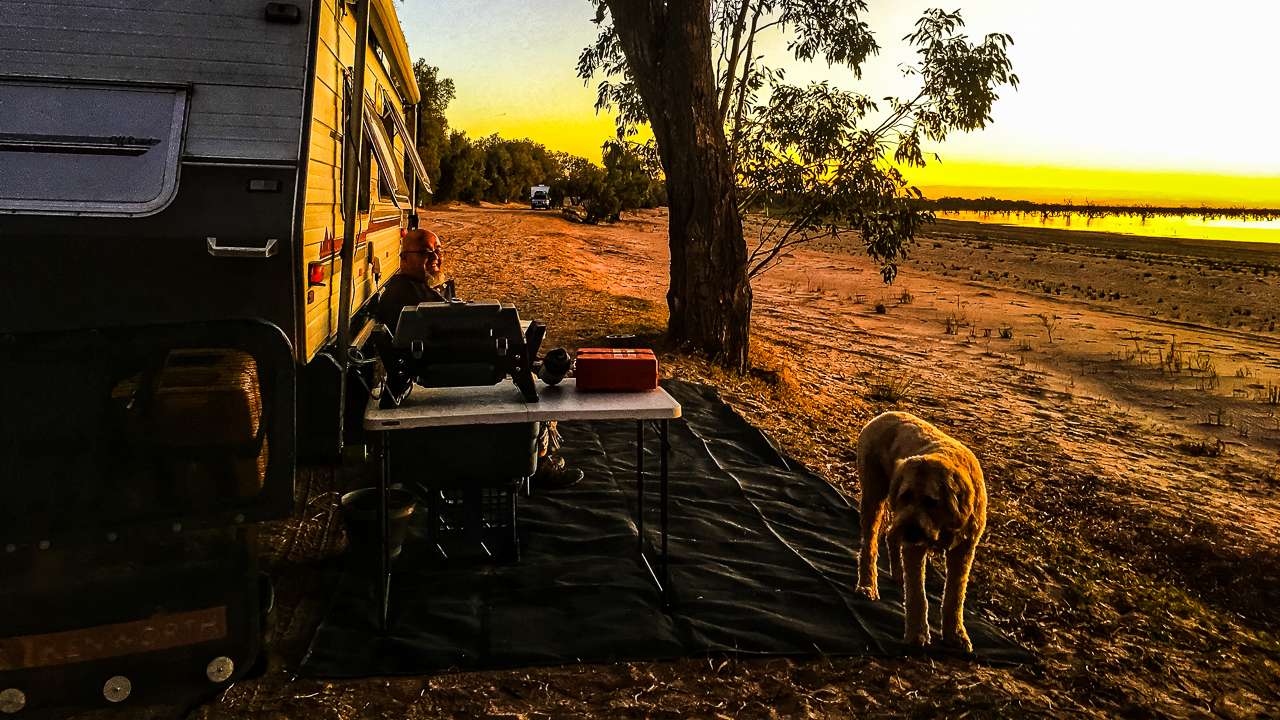
Pet friendly Murray River camping is a major draw for Australians who travel with dogs. Many caravanners and campers want to stay near the river while still bringing their pets along. The main challenge is that rules vary a lot. Some sites allow dogs, others do not. This shapes how people plan their trips.

✔ Cost effective
✔ Riverfront camping
✔ 2WD + caravan friendly options

Why Pet Friendly Camping Spots Matter

Camping with dogs is normal for many travellers. For them, a trip is not complete if the pets have to stay behind. That is why pet friendly sites along the Murray River are in demand. These places give owners a chance to fish, walk, and relax by the river while their dogs stay close.

However, pet friendly does not mean no rules. Most sites expect dogs to be under control, leashed where required, and cleaned up after. Campers also need to respect neighbours, wildlife and local guidelines. In return, they get a more relaxed trip and less stress about leaving pets elsewhere.

Pet Friendly Murray River Camping

Pet Friendly Murray River Camping

How Rules Change Along The River

The Murray River runs through several states and many local councils. Each area sets its own policy on dogs. Some parts of the river are national parks or reserves where dogs are not permitted. Others are local parks, riverfront areas or private campgrounds that allow dogs on leash.

In Victoria and New South Wales, many riverfront towns and caravan parks are pet friendly. At the same time, nearby national parks or conservation areas often ban dogs. This means campers can enjoy pet friendly camping near town but need to avoid certain bush tracks or reserves.

For example, some riverfront parks near Yarrawonga and Moama allow dogs. Nearby national park areas may not. That forces campers to switch between pet friendly and dog‑free zones during the same trip.

Pet Friendly Murray River Camping

Pet Friendly Murray River Camping covers a range of options. Some sites are formal caravan parks with powered sites, facilities and clear dog rules. Others are free or low‑cost riverfront areas that allow dogs under strict conditions.

Many travellers choose pet friendly caravan parks first. These parks usually have defined dog zones, waste bins and clear rules. Staff can answer questions about where dogs can walk and what happens in fire danger seasons. That makes planning easier.

At the same time, some campers prefer free or low‑cost riverfront spots. These can be quieter and more flexible. However, pet friendly rules may be less clear. Some sites allow dogs only at certain times. Others may ban dogs after rain or in busy periods.

Key Differences Between Pet Friendly Murray River Camping Sites

There is no single standard for dog friendly camping along the Murray. Campgrounds, parks and free sites all set their own rules. Campers need to read each site’s details before arriving.

Type Of Site Dog Rules Typical Facilities Best For
Pet Friendly Caravan Park Dogs allowed on leash, often in specific zones Powered sites, toilets, showers, amenities Families, winter trips, mixed setups
Council Park / Reserve Dogs allowed on leash in some areas Basic toilets, picnic tables, some bins Day visits, short stays, mixed use
Free Riverfront Area Often allows dogs, but rules vary Usually no facilities Self‑contained campers, quiet stays
National Park / Reserve Dogs usually not allowed Walking tracks, picnic spots, limited facilities Walking, fishing, dog‑free zones

This table shows the main point. Pet friendly does not mean the same thing everywhere. Caravanners and campers need to check what each place allows before they arrive.

Practical Implications For Travellers

The mixed rules along the Murray River have clear implications for dog owners. First, they need to plan ahead. A route that looks good on paper may include stretches where dogs cannot camp. That means some sections of the trip may be much more relaxed than others.

Second, campers must keep their dogs under control. Even in pet friendly areas, other visitors may be worried about dogs. Owners need to leash where required, prevent barking late at night and clean up after their pets. This helps keep pet friendly camping an option in the long term.

Third, owners should watch for local signs and restrictions. Some parks change rules during fire danger season or high‑use periods. Others may temporarily ban dogs after rain or flooding. Checking local council or park websites before arrival can avoid surprises.

Fire And Seasonal Rules

Fire weather and seasonal conditions also affect pet friendly camping. In many parts of the Murray River region, total fire bans are common in summer. During these times, campfires and barbecues may be banned. Some parks also restrict dog use in certain areas to protect wildlife.

In cooler months, some sites relax rules a little. Dogs may be allowed in more open areas or on extended walks. Owners should not assume that rules stay the same all year. What works in April may not work in December.

Safety And Wildlife

Pet friendly camping near the Murray River also raises safety issues. Dogs can scare wildlife, damage habitats and disturb nesting birds. In some areas, dogs can also trigger reactions from other animals, such as snakes or lizards. Owners need to keep dogs away from sensitive zones and follow local guidance.

There is another risk. Dogs can injure themselves on uneven ground, rocks or riverbanks. Owners should scan the camp area and plan where dogs can walk safely. A simple leash rule or a tie‑down area can make a big difference.

Costs And Amenities

Costs also shape pet friendly choices. Paid caravan parks usually charge a small fee for dogs. Some parks cap the number of dogs per site. Others may charge extra for larger dogs or multiple pets. This can add up on longer trips, so it is worth checking pricing in advance.

Free or low‑cost Murray River campsites may not charge at all. However, they also tend to have fewer facilities. That means owners must bring dog supplies, waste bags, food and water. Some sites may not have bins, so campers must pack everything out.

Tips For Picking A Pet Friendly Site

Travellers planning pet friendly Murray River camping can use a few simple steps:

  • Check whether the site allows dogs and what the leash rules are.
  • Look for nearby facilities such as toilets, bins and fresh water.
  • Read any seasonal restrictions, especially for fire season.
  • Confirm whether the site is suitable for caravans or only tents.
  • Check user reviews for recent comments on dog rules and conditions.

These checks help avoid last‑minute changes of plans. They also make it easier to choose a site that fits both the rig and the pets.

Murray River Camping By State

Final Thoughts On Pet Friendly Murray River Camping

Pet friendly Murray River camping suits many Australian travellers who do not want to leave their dogs behind. The river offers a mix of paid parks, council areas and free camping spots on the Murray River that allow dogs. However, rules are not the same everywhere. Owners must read the details, plan ahead and follow local guidelines.

For caravanners and campers the goal is simple. Use pet friendly camping to stay near the river, enjoy the outdoors and keep the whole family together. With the right preparation, it can be a practical and stress‑free part of the trip.

FAQs Frequently Asked Questions About Pet Friendly Murray River Camping

Where can I find pet friendly Murray River camping sites?

Pet friendly sites are usually listed on caravan park websites, local council camping pages and apps such as WikiCamps and CamperMate. Many riverfront caravan parks and some council‑managed parks along the Murray allow dogs on leash. Always check the specific site’s rules before booking.

Are dogs allowed on all Murray River campgrounds?

No. Some caravan parks and local parks are pet friendly, but many national parks and conservation reserves along the Murray River do not allow dogs. You often find a mix: dog‑friendly camping near towns, and dog‑free areas in nearby parks or reserves.

What are the typical rules for dogs at pet friendly campsites?

Most pet friendly sites require dogs to be under control and leashed where specified. Owners must clean up after their pets, avoid letting dogs bark late at night and keep them away from wildlife zones. Some parks also set noise and off‑leash limits in certain areas.

Do I need to pay extra for my dog at pet friendly campgrounds?

Many caravan parks charge a small per‑dog fee on top of the standard site rate. Some cap the number of dogs per site or charge more for larger dogs. Always confirm the pet fee and any size or quantity limits when you book.

Can I take my dog into national parks along the Murray River?

In most national parks and many conservation areas along the Murray River, dogs are not allowed. These areas usually ban pets to protect wildlife and habitats. Check the official park website or signage before heading into any national park with a dog.

How do fire bans and seasonal changes affect pet friendly camping?

During total fire bans and high‑risk periods, some parks may restrict campfires, barbecues or even the use of certain dog‑walking areas. Seasonal changes such as rain or flooding can also lead to temporary dog‑related rules. Always check local council or park pages before you travel.

Free Murray River Camping In Victoria

Free Murray River Camping In Victoria

Free Murray River Camping In Victoria

Free Murray River camping in Victoria is a strong option for caravanners and campers who want to save money without giving up a good riverside setting. Along the river, you will find a mix of basic bush camps, roadside stops and reserve camp areas that suit different setups. Some work well for self contained caravans, while others are better for tents, camper trailers and smaller rigs.

✔ Cost effective
✔ Riverfront camping
✔ 2WD + caravan friendly options

The main appeal is simple. You can stay near the Murray River, enjoy the scenery and keep costs down. However, most free camps along the river are basic. That means you need to arrive prepared and know what each site offers before you pull in.

Emu Bend Free Camping On The Murray River

Emu Bend Free Camping On The Murray River

Why Campers Choose Free Murray River Camping In Victoria

The Murray River is one of Victoria’s most popular camping regions because it offers variety. You can find quiet bush settings, river access, fishing spots and family friendly areas along the same stretch of water. That makes it easy for campers to match a site to their travel style.

It also suits different kinds of trips. Some travellers want a stopover on a road trip. Others want a longer stay near the river. In both cases free camping can make the trip more affordable. The sites are not all the same so it pays to compare them before deciding where to stay.

Free Murray River Camping Victoria

When people search for Free Murray River Camping Victoria, they are usually looking for places that are legal, affordable and practical for caravanning. Parks Victoria manages a number of camping areas in the River Murray Reserve, and these sites give travellers more choice than many expect. Some are close to towns such as Yarrawonga, Echuca and Moama, while others sit in quieter stretches of river country.

Site Access Facilities Best For Main Drawback
Trues Beach near Yarrawonga 2WD accessible Murray River Camp – can be difficult after rain No facilities Self contained campers Can get busy
Yarrawonga River Camp Good access Toilets nearby Families and mixed rigs Fire restrictions apply
Finley Beach near Tocumwal Suitable for caravans and motorhomes Toilets available River activities Dogs are not allowed
Meat Ant Beach near Maloga Park Easy access No facilities Self contained campers No services
Benarca Beach near Moama First in, first served No toilets Dog friendly camping Can be muddy after rain

This comparison shows the main point clearly. Some sites offer more convenience, while others give you more space and a quieter setting. The best choice depends on your setup and how much self sufficiency you have.

What To Expect At Free Camps

Most free camps along the Murray River do not offer the comforts of a caravan park. In many cases, there are no toilets, no drinking water, no bins and no powered sites. That is not a problem if you are prepared, but it does matter if you are travelling with a full van or a large family.

Access can also change with the weather. A site that looks fine in dry conditions may become difficult after rain. That is especially important for caravanners and motorhome travellers who need firm ground and easy entry. Because of this, checking current conditions before you travel is a smart move.

Rules You Need To Know

Free camping on the Murray River comes with clear responsibilities. Campers need to follow fire rules, take rubbish out and respect site limits. Fire restrictions can change quickly, especially in warmer months. At some Parks Victoria sites, campfires are only allowed in designated places and only when conditions allow.

Dogs are another issue. Some Murray River camps are pet friendly, but others are not. This makes it important to check the rules for each site before you arrive. If you are travelling with a dog, one wrong assumption can rule out a campsite completely[page:2].

Water is also a key point. River water should not be assumed safe to drink. Campers should carry their own drinking water unless a site clearly provides a safe supply.

What Makes These Sites Worth Considering

For many travellers, the real value of free Murray River camping is the flexibility. You can cut costs, stay near the water and avoid busy holiday parks. That is appealing for caravanners who already have their own facilities onboard.

At the same time, the free camp option works best for people who keep expectations realistic. You are not paying for a full set of park amenities, so you need to bring more of what you need with you. That includes water, power solutions, waste management and a setup that suits bush camping.

The other benefit is choice. Some travellers want a spot close to town. Others prefer a quieter river bend with less traffic. The Murray offers both. That is one reason it remains such a strong search term for campers planning Victoria road trips.

Tips For Choosing The Right Site

  • Confirm whether the site allows caravans.
  • Check if dogs are permitted.
  • Look for toilet access if you need it.
  • Read the current fire rules.
  • Check road and ground conditions after rain.
  • Bring enough drinking water for your stay.

These details matter because they affect comfort and safety. A free camp that suits one traveller may be a poor fit for another.

Murray River Camping In Other States

Our Final Thoughts On Free Murray River Camping In Victoria

Free Murray River camping in Victoria remains a practical choice for campers who want a low cost riverside stay. It suits self contained travellers, flexible road trippers and anyone happy to camp without full facilities. The key is to pick the right site, check the rules and arrive prepared. If you are planning a Murray River trip, free camping can be a useful part of the journey. It gives you access to one of Victoria’s best known camping regions without adding much to the budget.

Camping NSW: A Guide To Camping In New South Wales

Camping NSW: A Guide To Camping In New South Wales

Camping NSW: A Guide To Camping In New South Wales

Unlock the best campsites and tips for Camping NSW. A must read guide for what to do and where to go for camping in New South Wales. New South Wales (NSW) offers an unrivalled experience for campers, with diverse landscapes that range from rugged bushland to pristine beaches and towering mountains.

Whether you’re a first timer or a seasoned adventurer NSW has something for everyone. The state’s incredible range of environments provides ample opportunities to connect with nature, unwind and discover hidden gems. From the spectacular coastal  regions to tranquil national parks, camping in NSW is a gateway to some of Australia’s most iconic and breathtaking landscapes.

NSW caters to a variety of camping styles, including tent camping, caravan parks and luxury glamping options. No matter your level of experience, there is a perfect campsite waiting for you, whether it’s next to the ocean or deep in the wilderness.

Belanglo State Forest Camping

Belanglo State Forest Camping

Best Camping Regions In New South Wales

  1. Coastal Camping: Beaches, Cliffs and Ocean Views
    The NSW coastline stretches over 2,000 kilometres, offering some of the country’s most beautiful beaches and camping locations. From the white sand beaches of Jervis Bay to the dramatic cliffs of the Royal National Park coastal camping in NSW provides ample opportunities for swimming, fishing and water sports. Many campgrounds offer beach access or stunning ocean views. Bloody awesome to capture photos of sunrises and sunsets by the sea.
  2. Mountain and Wilderness Camping: A Retreat into Nature
    For those seeking solitude and serenity, the mountain regions of NSW are perfect for a nature retreat. The Snowy Mountains and the Blue Mountains are both long-time camping NSW favourites. Campers can go bushwalking through alpine lake areas and dense forests. These areas are perfect for those who enjoy bushwalking, birdwatching and escaping to the wilderness.
  3. Outback Camping: Discovering the Heart of Australia
    The vast outback regions of NSW provide a unique camping experience. With expansive desert landscapes, red rock formations and clear, star-filled skies, outback camping is ideal for adventure seekers. Classic outback places like Mungo National Park and the Corner Country offer a true outback experience, where visitors can explore ancient landscapes and rich Aboriginal history.
  4. National Parks and Reserves: Camping in Protected Landscapes
    NSW is home to over 870 national parks, making it a paradise for campers looking to immerse themselves in nature. From lush rainforests to arid deserts, the diversity of landscapes within these parks is astounding. Booderee National Park, Royal National Park and Kosciuszko National Park are some of the most popular choices for camping, offering everything from beachfront campsites to mountain escapes.
  5. Riverside Camping
    NSW has plenty to choose from when it comes to Riverside Camping – arguably more to choose from than any other state. You’ve got free camping on the Murrumbidgee River, free camping on the Murray River and you can also camp on the Darling River. Plus many more great river camps.

Camping At Wee Jasper

Camping At Wee Jasper

Top Campgrounds in New South Wales

  1. Family Friendly Campsites with Great Amenities
    For families seeking a safe and comfortable camping experience, campsites like Holiday Haven at Jervis Bay offer amenities such as powered sites, BBQ areas and playgrounds. These campsites cater to families with children, providing access to activities such as swimming, fishing and organised kids’ programs.
  2. Secluded Spots for Peace and Solitude
    Those looking for peace and tranquillity can find solace in remote campsites such as the Mungo National Park or remote areas in the Northern Rivers. These campsites are perfect for those who want to escape the hustle and bustle of everyday life and connect with nature in its purest form.
  3. Beachside Campgrounds with Stunning Views
    With miles of coastline, NSW is home to numerous beachside campsites. Some of the best include Hyams Beach and Pebbly Beach, both known for their crystal-clear waters and scenic views. These campgrounds offer the perfect setting for morning walks along the shore and evening relaxation with ocean breezes.
  4. Adventure Ready Sites for Hiking and Exploration
    For outdoor enthusiasts looking to explore by foot, campgrounds like those in the Blue Mountains or the Kanangra-Boyd National Park provide access to challenging hikes, spectacular waterfalls and mountain ranges. These campgrounds cater to adventurers seeking a more rugged and off the beaten path experience.

Camping In New South Wales On The Darling River

Camping In New South Wales On The Darling River

Camping NSW – Choosing the Right Campsite in NSW

  • What to Consider: Location, Facilities and Activities
    Choosing a campsite depends largely on what you’re looking for in your camping experience. Location plays a big role—do you want to be by the water, in the mountains, or near hiking trails? Amenities such as toilets, showers and cooking facilities can make a difference, especially for those who prefer comfort. Activities such as fishing, hiking and wildlife watching should also be considered when selecting your ideal campsite.
  • How to Find the Perfect Spot for Your Camping Style
    Whether you prefer a quiet retreat or a more social camping environment, understanding your preferences is essential. Some campgrounds cater to large groups or families, while others are designed for more intimate, solo experiences. Many websites and apps now offer reviews, ratings and detailed information on campsites, making it easier to find your ideal spot.
  • Free vs. Paid Campgrounds: Which is Right for You?
    Both free and paid campgrounds are plentiful in NSW. Free campgrounds are great for budget-conscious campers and those looking to experience nature in its purest form. Paid campsites often offer more facilities and amenities but come with a fee. Understanding the pros and cons of each option can help you choose the right one for your camping trip. Have a look at some top Murray River campsites that are completely free.

Camping In New South Wales On The Murrumbidgee River

Camping In New South Wales On The Murrumbidgee River

The Best Time to Go Camping in New South Wales

  • Weather Considerations for Every Season
    NSW’s diverse climate means there’s always an ideal time to camp. For coastal camping, summer is the prime season for enjoying the beach, though spring and autumn provide milder weather. The colder months are perfect for mountain and wilderness camping, especially in places like the Snowy Mountains.
  • Peak Season vs. Off-Season: When to Visit
    While summer is the most popular time for camping, it also means campgrounds can be busy. For a quieter experience, visiting during the shoulder seasons of spring or autumn allows campers to avoid the crowds and still enjoy pleasant weather.

Camping Activities in New South Wales

  • Hiking and Bushwalking Trails: Exploring the Outdoors
    NSW boasts hundreds of bushwalking and hiking trails, perfect for all skill levels. The Blue Mountains offer challenging hikes like the Six Foot Track, while the Royal National Park has shorter, family-friendly walks. Whether you prefer short strolls or multi-day treks, NSW has it all.
  • Water Sports: Swimming, Snorkelling and Kayaking
    NSW’s beaches, rivers and lakes provide ample opportunities for swimming, snorkelling and kayaking. Jervis Bay is renowned for its crystal-clear waters, perfect for snorkelling, while the Murray River offers excellent kayaking conditions.
  • Wildlife Watching: Encountering Native Animals
    NSW is home to a wide range of native animals. From kangaroos and koalas to all kinds of different birds, wildlife enthusiasts will find plenty of opportunities for animal encounters. Many campgrounds are situated in areas known for their rich biodiversity.
  • Fishing in NSW: A Camper’s Guide to Local Waters
    For campers who love to fish, NSW has some of the best spots. Whether you prefer freshwater fishing in the Snowy Mountains or saltwater fishing along the coast, there are countless rivers, lakes and beaches teeming with fish.

Camping for Families in NSW – Camping NSW

  • Kid-Friendly Campgrounds and Activities
    NSW is a great destination for family camping, with many campgrounds offering amenities like playgrounds, safe swimming areas and organised activities. Families can go on bush walks together or do some fishing or explore the local wildlife together.
  • Safety Tips for Camping with Children
    Ensure the safety of your little ones by choosing family-friendly campsites, keeping them close and teaching them basic outdoor safety rules. Always supervise children near water and fire pits and ensure they are dressed for the weather.
  • How to Keep the Little Ones Entertained During Your Stay
    Bring along toys, games, or educational materials for children to learn about nature. Most campgrounds have nature walks or animal sightings that can captivate kids’ attention, while some offer kids’ clubs or organised events.

Camping In NSW At Menindee

Camping In NSW At Menindee

Camping for Couples: Romantic Spots in NSW

  • Secluded Campsites for a Quiet Getaway
    NSW offers many secluded campsites, perfect for a romantic getaway. Find your private spot among the bushlands of the Blue Mountains or along the tranquil shores of a remote beach.
  • Stargazing and Sunset Views: Perfect for Two
    With its clear skies, NSW is an excellent destination for stargazing. Many campsites offer stunning views of the night sky, perfect for sharing quiet moments with your partner.
  • Romantic Activities to Enjoy While Camping
    Whether it’s a private hike, a beachside picnic, or simply watching the sunset together, NSW has plenty of romantic activities for couples looking to relax and reconnect with nature.

Camping with Pets in New South Wales

Pet-Friendly Campgrounds and Facilities
NSW has a growing number of pet-friendly campsites where you can bring your furry friends. Many of these campsites offer designated dog-friendly areas and even nearby trails and beaches for walks.

Tips for a Successful Pet Camping Trip
Keep your dog hydrated, ensure they’re safely leashed when necessary and always clean up after them. Many campgrounds have specific pet rules, so be sure to check in advance.

Where to Take Your Dog for Adventure
From hiking trails to pet-friendly beaches, NSW is full of pet-friendly camping locations. For a fun-filled trip, head to places like the Royal National Park or the beaches around Jervis Bay.

Eco-Friendly Camping in New South Wales

Sustainable Camping Practices: Leave No Trace
Practice Leave No Trace principles when camping in NSW. Pack out all waste, minimise campfire impact and respect wildlife and plants.

Green Campgrounds: Supporting the Environment
Look for campgrounds that support sustainability, offering eco-friendly amenities such as composting toilets, solar-powered lighting and waste recycling programs.

How to Minimise Your Environmental Impact
Reduce your carbon footprint by camping in low-impact areas, using eco-friendly products and avoiding overuse of natural resources.

Camping NSW Out Near Hay

Camping NSW Out Near Hay

Camping Near Iconic New South Wales Landmarks – Camping NSW

Camping in the Blue Mountains
Camping in the Blue Mountains offers a chance to explore dramatic cliff views, waterfalls and expansive hiking trails. It’s a popular spot for both seasoned hikers and casual visitors looking to enjoy the landscape.

Exploring the Royal National Park
Just south of Sydney, the Royal National Park offers beaches, bushland and coastal tracks. It’s one of the oldest national parks in the world and offers a wide variety of camping options.

Camping by the Jenolan Caves
The Jenolan Caves offer a unique experience for campers, where they can explore ancient limestone formations and camp near pristine wilderness areas.

Camping near the Hunter Valley Vineyards
The Hunter Valley offers a mix of camping and fine wine experiences. Campgrounds in the region are close to wineries, making it a great place for those looking for a relaxing weekend with scenic views.

Tips for Campers New to NSW

  1. How to Get Started with Camping in New South Wales
    For first-time campers, start by choosing easy-access campsites with good facilities. Learn about camping equipment and prepare for your adventure by checking the weather and reading reviews of the campsite.
  2. What to Expect from NSW Campgrounds
    Expect a mix of well-maintained facilities, natural beauty and sometimes remote locations. Some campgrounds offer modern amenities, while others are more basic, giving you a true nature experience.
  3. Safety Tips for First Time Campers
    Be aware of local weather patterns, pack appropriately and always let someone know your camping plans. Ensure you have a basic first-aid kit and understand the wildlife in the area.

Camping in NSW’s National Parks

A Guide to NSW National Parks for Campers
NSW is home to many iconic national parks, including Kosciuszko, Booderee and the Royal National Park. Each park offers a different camping experience, from alpine regions to coastal escapes.

Hidden Gems: Lesser-Known Parks and Campgrounds
Some of the state’s most beautiful and secluded camping spots are in lesser-known parks like Yengo National Park and Mungo National Park, where you can discover pristine landscapes and fewer crowds.

Booking and Permits for National Park Camping
Many national parks require permits for camping and some campgrounds can only be accessed with prior booking, especially during peak seasons.

Essential Camping Safety Tips for NSW

  • Understanding Weather Risks in NSW
    NSW can experience extreme weather, from bushfires in summer to snowstorms in the winter. Always check weather forecasts before heading out and be prepared for sudden changes in conditions.
  • Wildlife Safety: What to Watch Out For
    NSW is home to a wide variety of wildlife, including snakes, spiders and large mammals. Learn how to stay safe and interact responsibly with local fauna.
  • Fire Safety: Precautions and Regulations
    Always check fire bans before setting up campfires, especially during the hotter months when fire danger is higher. Stick to designated fire pits and never leave fires unattended.

Camping NSW South Coast

Camping NSW South Coast

How to Book a Campsite in New South Wales

Online Booking Systems for NSW Campgrounds
Most NSW campgrounds can be booked online through websites or apps like Reserve NSW, making it easy to plan your trip and secure a spot ahead of time.

How to Secure Your Spot During Peak Seasons
Book early during peak periods, like school holidays and summer months, when campsites tend to fill up quickly. It’s advisable to book several months in advance to guarantee your spot.

Cancellation Policies and Fees to Know
Always check the cancellation policy when booking your campsite, as some campgrounds may charge a fee or require a deposit. Familiarising yourself with these policies ensures you’re not caught off guard.

Camping in NSW with Limited Facilities

Self-Sufficient Camping: Going Off the Grid
For experienced campers, NSW offers the opportunity to camp without facilities. Bring all your own supplies and enjoy the freedom of remote areas where you can truly disconnect.

Preparing for Minimal Amenities
If you’re camping in remote areas with limited facilities, ensure you have all the essential camping gear, including portable water filters, solar-powered lighting and a well-stocked first-aid kit.

Where to Find Remote and Dispersed Camping Sites
Explore places like the Barrington Tops or the remote areas of the Snowy Mountains for dispersed camping opportunities, where you’ll experience the wild beauty of NSW away from the crowds.

Camping and Adventure in New South Wales’ Wilderness Areas

  1. NSW’s Wildest and Most Remote Campgrounds
    Some of NSW’s most remote and untouched campgrounds are located in the wilderness areas of Kosciuszko and the Greater Blue Mountains World Heritage Area. These sites are ideal for those seeking solitude and rugged terrain.
  2. What to Pack for a Wilderness Camping Trip
    When venturing into remote wilderness areas, pack extra supplies, including food, water, maps and navigation tools. Make sure your gear is suited for rugged environments and prepare for long hikes.
  3. Outdoor Survival Tips for Remote Camping
    Learn basic survival skills, including how to navigate in the bush, start a fire and signal for help. Being prepared for unexpected circumstances can make all the difference in remote areas.

Camping with a Caravan in New South Wales

Best Caravan Parks and Campgrounds in NSW
NSW is dotted with excellent caravan parks, from beachside parks in Byron Bay to bushland retreats in the Blue Mountains. Look for parks with good facilities, including powered sites and amenities for caravanners.

What to Know Before You Hit the Road with Your Caravan
Before setting off with your caravan, check weight limits, ensure your vehicle is roadworthy and familiarise yourself with local road conditions. Booking ahead during peak seasons is essential to secure a site.

Conclusion: Making the Most of Your Camping Adventure in New South Wales

NSW offers some of the most diverse and picturesque camping experiences in Australia. Whether you’re venturing into remote wilderness, staying by the beach, or enjoying the amenities of a family-friendly park, camping in NSW provides a chance to connect with nature in a way few other places can offer.

Outback NSW Camping Cameron Corner

Outback NSW Camping Cameron Corner

FAQs Frequently Asked Questions About Camping NSW

What are the best camping spots in NSW for beginners?

NSW has plenty of beginner-friendly sites with great facilities. Places like Green Patch in Jervis Bay or the Blue Mountains campgrounds are perfect to start with.

Do I need to book campsites in NSW in advance?

For popular spots, especially during holidays, booking is a must. National Parks and holiday parks often have online booking systems to make it easy.

Can I camp for free in NSW?

Yes, there are free camping spots across NSW, particularly in state forests and remote areas. Just check if camping is allowed and pack the essentials.

What’s the best time of year for camping in NSW?

Spring and autumn are ideal for mild weather. Summers are great for coastal spots, while winter suits bush and mountain camping.

Are dogs allowed at campsites in NSW?

Many campsites welcome pets, but it’s worth checking the rules. National Parks usually don’t allow dogs, but private campgrounds often do.

What gear should I bring for camping in NSW?

Basics include a tent, sleeping bag, cooking equipment, and sturdy footwear. Don’t forget sunscreen, insect repellent, and a first aid kit!