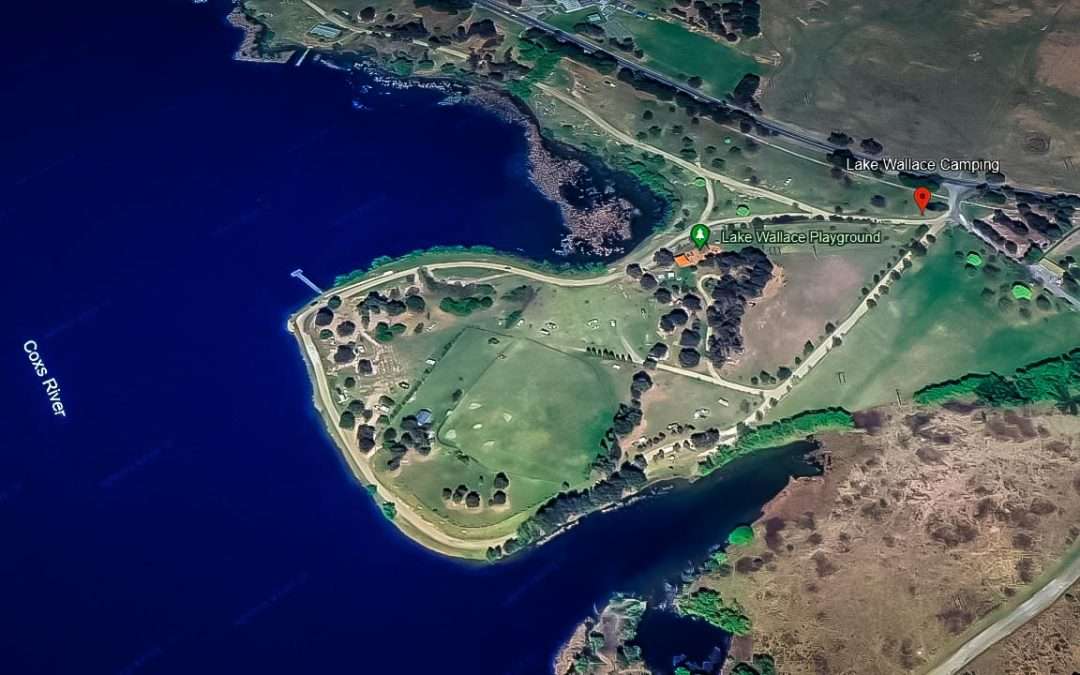
Lake Wallace Camping For Free – Full Amenities Near Sydney

Lake Wallace Camping For Free – Full Amenities Near Sydney

Lake Wallace Camping For Free – Full Amenities Near Sydney

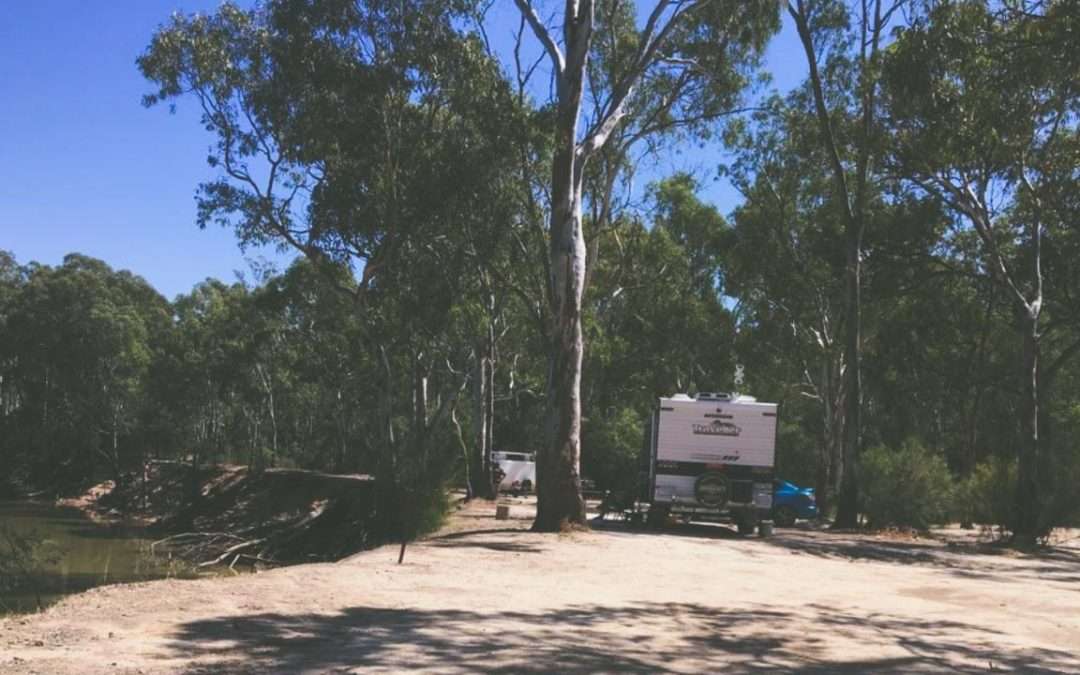
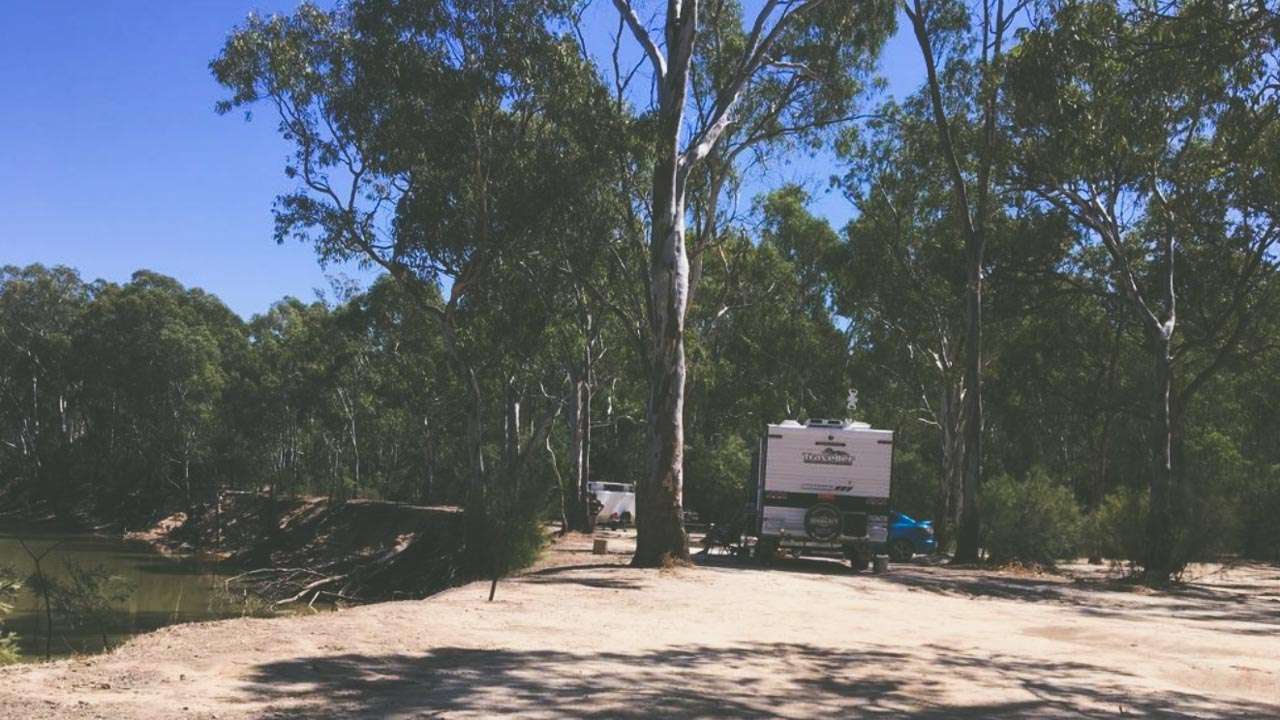
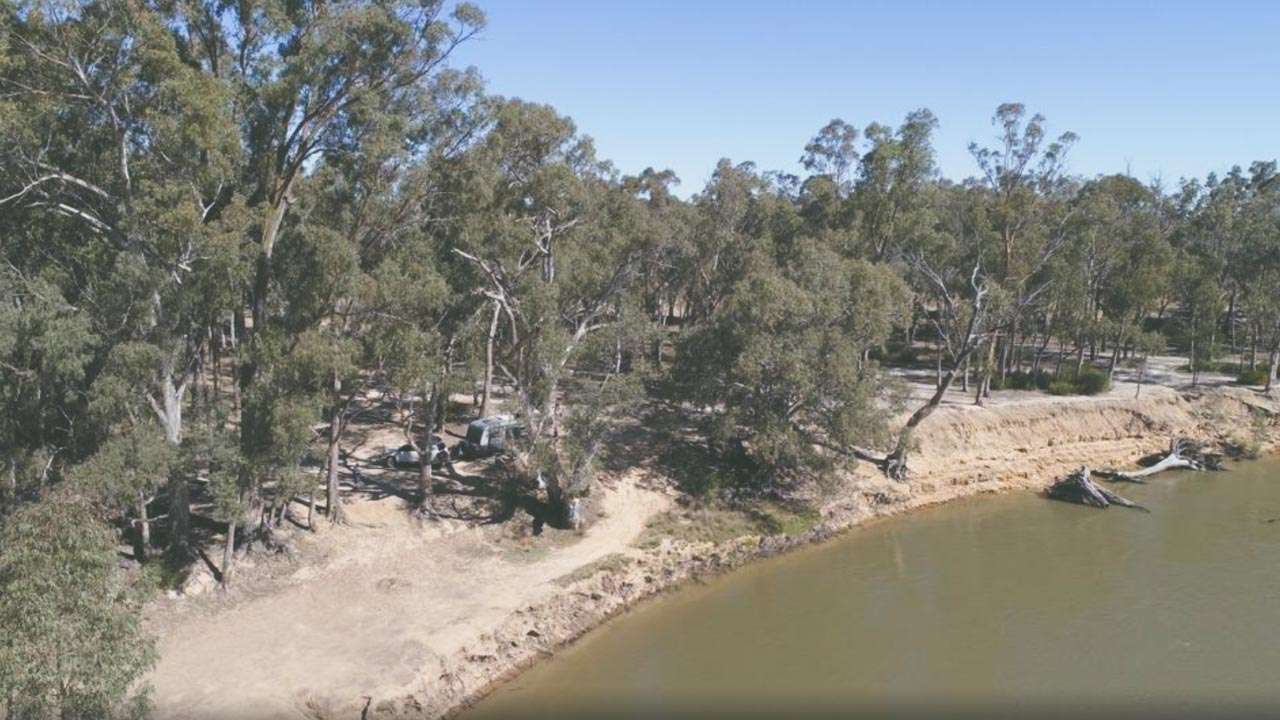
Lake Wallace Camping is a perfect spot for RVs and caravans. Free camping with toilets and showers close to Sydney with lots to explore and do. Located only ten minutes west of Lithgow Lake Wallace camping at Wallerawang or “Wang” as the locals lovingly refer to it is an awesome free camping campsite for self-contained recreational vehicles and caravans.

Lake Wallace offers an RV-friendly campsite in an impeccable location to station your RV or caravan for a couple of days. The amenities include an RV dump point, toilets and showers, a playground, barbecue facilities and a designated off-leash dog area. Lake Wallace Camping is just a few minutes over two hours drive from Sydney and is conveniently located only 15 minutes from Lithgow.

  • Camping is allowed for a maximum of 48 hours, with open fires strictly prohibited. The Wallerawang Town Centre is conveniently situated a ten-minute walk or a brief two-minute drive away, providing options for dining and additional supplies.
  • An information bay at the entrance to Lake Wallace outlines suggestions on w wide and varied array of activities and attractions within the Seven Valleys destination.
  • For further details on extending your stay or for any other inquiries visit the great friendly staff at the Seven Valleys Visitor Information Centre.
  • About Lake Wallace Camping Barton Avenue Wallerawang NSW
  • Located just 10 minutes on the Bathurst side of Lithgow, Lake Wallace is designated an RV friendly campground and is the ideal location to set up your RV or Caravan for a couple of days. Facilities include RV Dump point, nearby toilets and hot showers, playground, barbecue facilities and off leash dog area.
  • Self-contained RV’s and Caravans with on-board toilet facilities are allowed for a maximum of 48 hours in the designated areas.
  • The Lithgow area has an abundance of environmental areas that are a drawcard for visitors. Lake Wallace is an example. During holiday periods, the lake foreshores and water are heavily used. This requires careful management of some of the issues that can arise.
  • As of 22 May 2023, open fires will no longer be permitted within the bounds of Lake Wallace. Campfires/naked flames are no longer allowed.
  • While open fires are much loved by many campers they can create problems. This includes damage to the open spaces and the need to then remediate the affected areas. Vegetation which supports wildlife can also be damaged when people forage for kindling and firewood. The community has expressed concern that unattended fires impact the safety of other users, and result in negative impacts to the environment and amenity of the site. Signage advising of the changes has been erected to inform all users visiting the site. Please contact Lithgow City Council on 02 6354 9999 should open fires be identified.
  • Wallerawang Town Centre is only a ten minute walk or two minute drive for a meal and extra supplies.
  • Dogs are permitted on a leash.

Address: Barton Ave, Wallerawang NSW
Type: Free Camping
Cost: Free
GPS: -33.415073°, 150.073976°
Phone: 1300 760 276 or (02) 6352 9130
Email: tourism@sevenvalleys.com.au
Web: https://www.visitnsw.com/destinations/blue-mountains/lithgow-area/lithgow/attractions/lake-wallace
Fires: No
Toilets: Yes
Showers: Yes
Dump Point: Yes
Pet Friendly: Yes
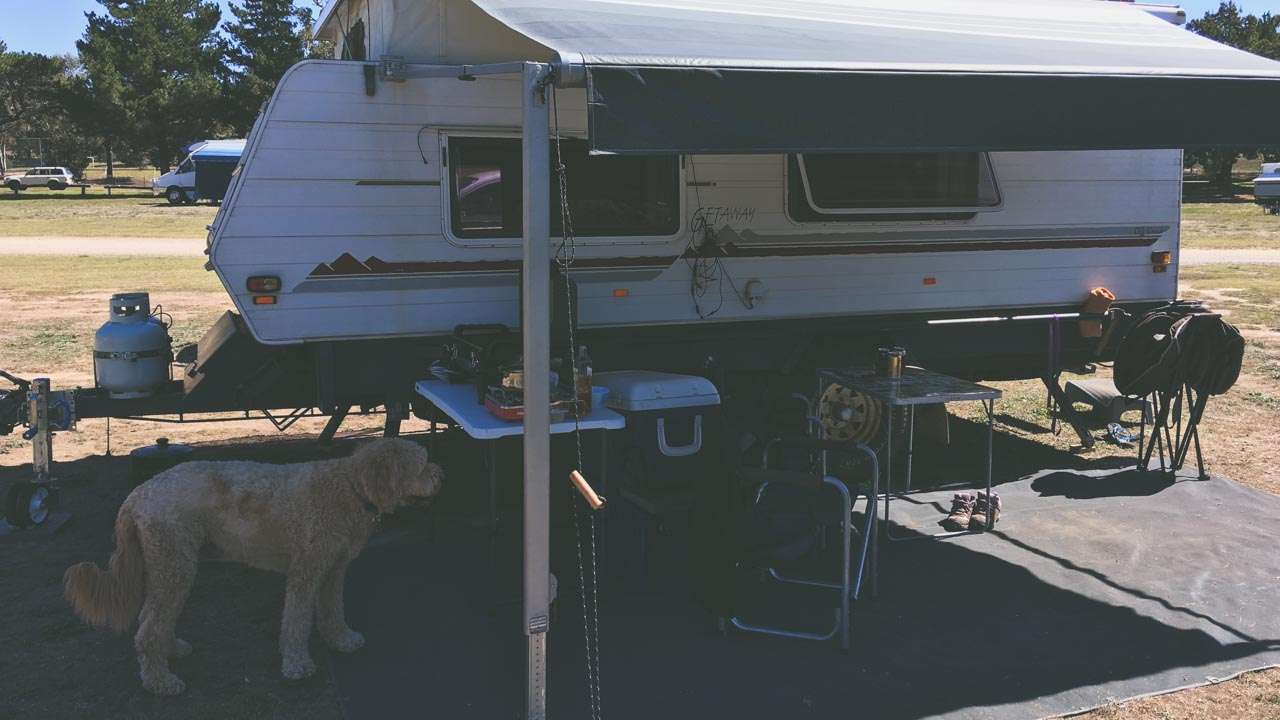
Lake Wallace Camping

Lake Wallace Camping

About Wallerawang

A settlement that emerged to accommodate the operational demands of the Wallerawang Power Station. Located beyond Lithgow on the western frontier of the Blue Mountains, it has garnered attention since the power station’s closure in 2015. The town is known for the frequently visited Lake Wallace, a charming recreation zone originally created to supply water to the power station, and the historic St John’s Church, designed by the illustrious colonial architect Edmund Blacket.

Location

Wallerawang is situated on the western edge of the Blue Mountains, 152 km north-west of Sydney via the Great Western Highway, and stands at an elevation of 900 meters above sea level.

Origin Of Name

The name “Wallerawang” originates from a Wiradjuri term believed to mean “place near wood and water” or “plenty of water.”

Things To See And Do

Lake Wallace

Lake Wallace is just a ten-minute walk from Wallerawang’s shopping centre. Lake Wallace is an artificial lake initially created to provide cooling water for the power station. Today, it offers numerous recreational activities such as fishing, sailing, trout fishing, and canoeing. The area also features camping grounds, picnic areas, barbecue facilities, and children’s play spaces. Birdlife is abundant, with black swans and white-faced herons being particularly notable.
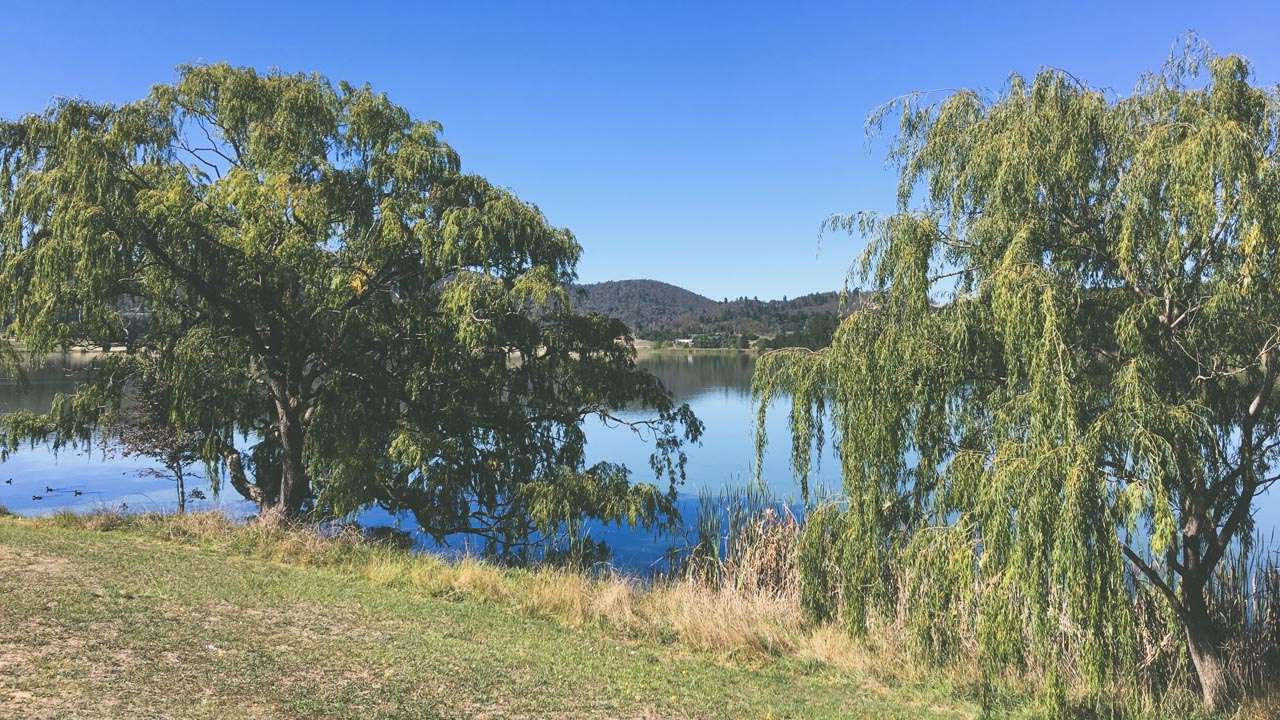
Camping Near Lithgow

Camping Near Lithgow

St John the Evangelist Church

Located on the Main Street, St John The Evangelist Church is a stone structure designed by Edmund Blacket and built between 1880-1881 at the request of Georgina Lyons Barton. It serves as a memorial to her parents, James and Robina Walker. The Barton family owned the old Wallerawang estate, then known as Barton Park. The Heritage Council of New South Wales notes: “this church was used by both Presbyterian and Anglican denominations and was jointly bequeathed to them on 18th November 1952. St John the Evangelist Church contains numerous significant movable objects and artifacts (e.g., main altar, pews, reader’s lectern, baptismal font, and other associated furnishings) that were purpose-built for the Church.” It received heritage listing in 2004.

The History Of The Wallerawang Power Station

The transformation in power generation has led to the closure and dismantling of the Wallerawang Power Station, which once served as the main employer in the area. This power station was pivotal in the development of the western coalfields of NSW for over 40 years. Commencing operations in 1957, it was integral in supplying power to the railways. With a total capacity of 1000 megawatts, it generated electricity through coal-fired boilers and steam-driven turbo-generators. Unlike coastal power stations that used salt water for cooling, Wallerawang employed a system of cooling towers with water sourced from Lake Wallace and Lake Lyell.

Over 75 percent of the power station’s coal was provided by the nearby Angus Place colliery, with the remainder supplied by local privately-owned mines. The coal was transported by conveyor to the power station’s pulverizing mills, where it was ground into a fine powder before being combusted in the furnace. At its peak, up to 2.2 million tonnes of coal were consumed annually.

History Of Wallerawang

  • Prior to European settlement, the area around Wallerawang was inhabited by the Wiradjuri and/or the Wywandy First Nation peoples.
  • The first European in the vicinity was James Blackman, who established the route from Bathurst to Wallerawang in 1820.
  • The “Wallerawong” station was claimed by James Walker in 1824.
  • In the late 1820s, Wallerawang became a significant stopover for travellers journeying between Sydney and the farming regions beyond Mudgee.
  • The renowned natural historian Charles Darwin stayed overnight at ‘Wallerawang’ farm in 1836.
  • Two of James Walker’s convict servants acquired land in the district in the 1850s.
  • James Walker’s widow established a modest stone school in 1860.
  • The railway reached Lithgow in 1869 and Wallerawang in 1870, facilitating closer settlement of the valley.
  • A town developed adjacent to Wallerawang station.
  • Until the line to Bathurst was completed in 1876, all passengers alighted at Wallerawang and joined a Cobb & Co. coach for the journey west to Bathurst or north to Mudgee.
  • St John’s Church of England was erected by 1881 to a design by Edmund Blacket, at the behest of James Walker’s daughter.
  • In 1942, Wallerawang became an inland fuel depot for the RAAF.
  • Around 1950, new town plans were drawn up for Wallerawang, which was planned as a coal centre for the railway line.
  • A new power station was proposed in 1950.
  • In 1957, Wallerawang Power Station started generating electricity.
  • In 1978, Lake Wallace was constructed.
  • By the mid-1980s, automation, computerisation, and rationalisation resulted in significant job losses from both the power station and the local collieries.
  • The railway to the town closed during the early 1990s.
  • In 1995, the present school in the town was opened.
  • In 2014, Energy Australia announced the permanent closure of Wallerawang power station.
  • Dismantling of Wallerawang Power Station commenced in May 2015.

Getting To Lake Wallace Camping And Recreation Area from Sydney

To get to Lake Wallace Recreation Area from Sydney follow these directions:

  1. Start from Sydney and head west on the M4 motorway. Continue on the M4 until you reach the Great Western Highway.
  2. Follow the Great Western Highway through the Blue Mountains and past Lithgow.
  3. Once you reach Wallerawang, turn onto Lake Wallace Road.
  4. Follow Lake Wallace Road until you reach the recreation area.
Travel From to Lake Wallace Camping Area And Recreation Area Distance Time
Adelaide 1,226km 13:31
Brisbane 1,023km 11:03
Canberra 831km 08:54
Melbourne 523km 05:36
Sydney 137km 01:57

Summary For Lake Wallace Camping

Located just 10 minutes west of Lithgow, Lake Wallace camping, known locally as “Wang,” is a popular free campsite for self-contained RVs and caravans. It offers an RV-friendly environment with amenities such as an RV dump point, toilets, showers, playground, barbecue facilities, and an off-leash dog area.

Lake Wallace camping is a convenient 2-hour drive from Sydney and only 15 minutes from Lithgow. Camping is allowed for a maximum of 48 hours, and open fires are strictly prohibited. The nearby Wallerawang Town Centre is easily accessible for dining and supplies.

An information bay at Lake Wallace provides suggestions for various activities and attractions in the Seven Valleys destination, enhancing the visitor experience.

  • Lake Wallace camping at Wallerawang offers free camping for self-contained RVs and caravans.
  • The campsite is RV-friendly with essential amenities and is conveniently located near Lithgow.
  • Visitors can enjoy a range of activities and attractions in the Seven Valleys area.
Camping At Wallerawang Near Lithgow


Camping At Wallerawang Near Lithgow

We Go Geocaching Around Tumut And Find Plenty!

We Go Geocaching Around Tumut And Find Plenty!

We Go Geocaching Around Tumut And Find Plenty!

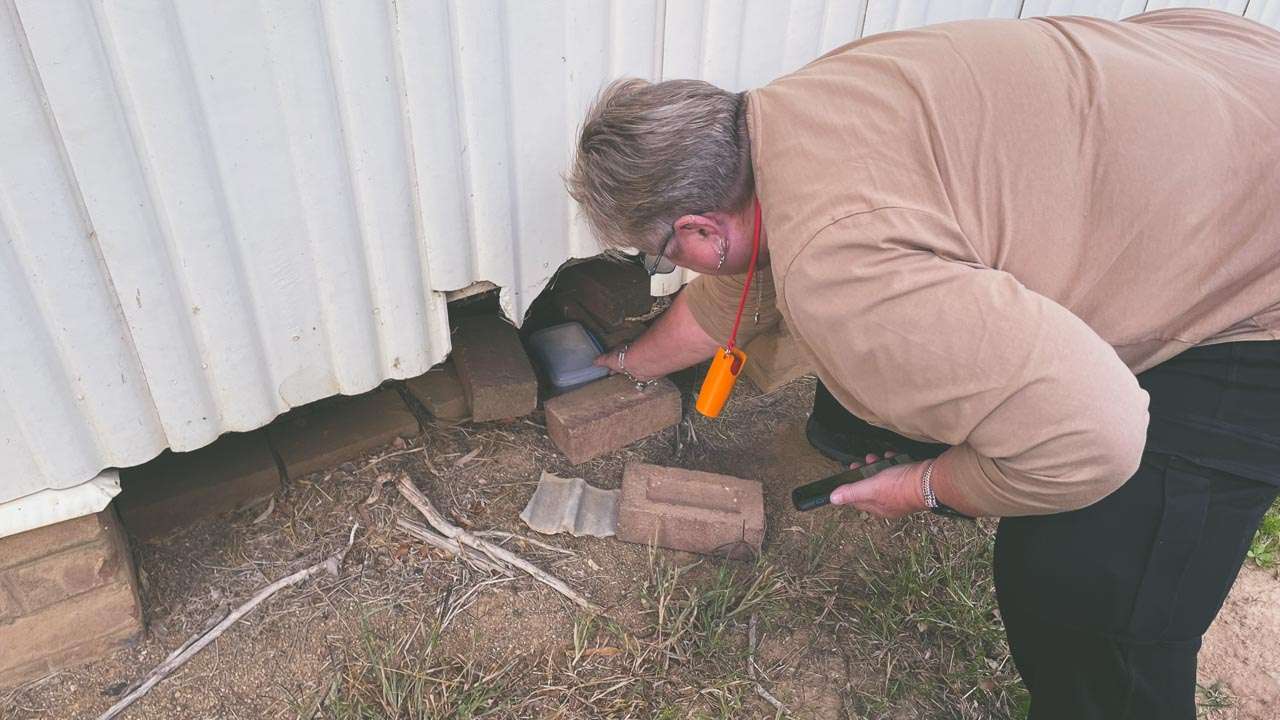
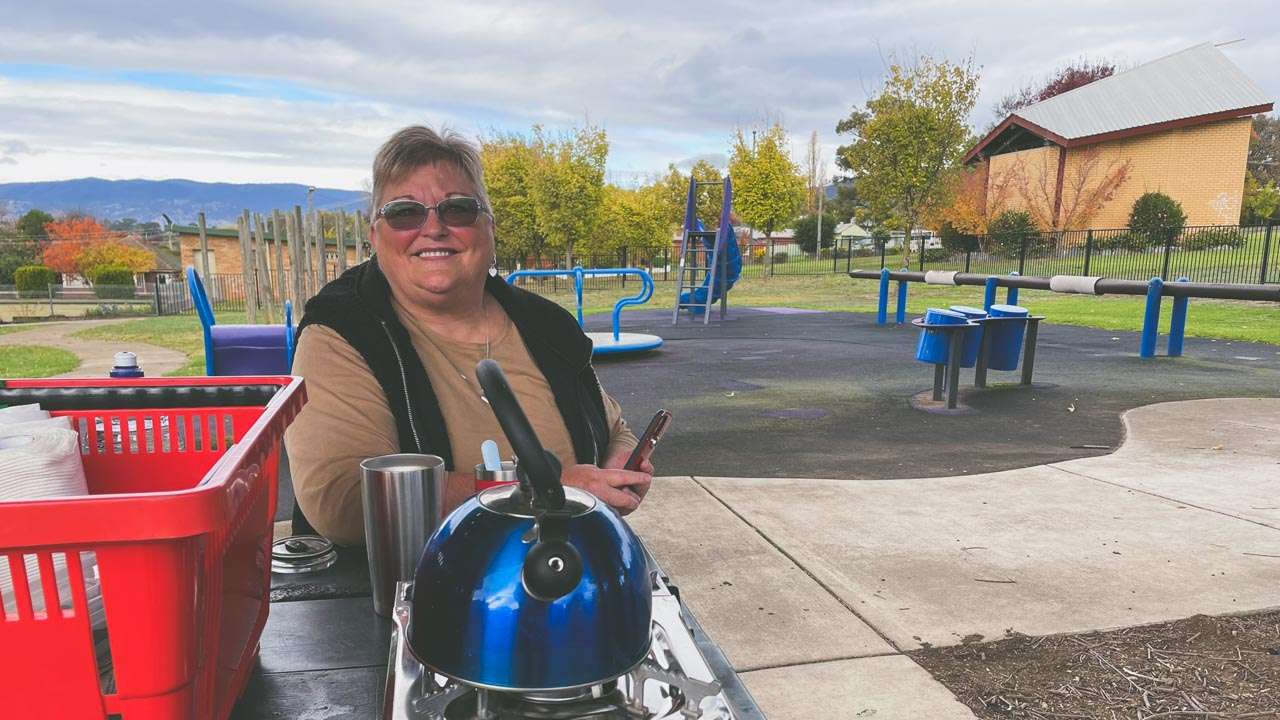
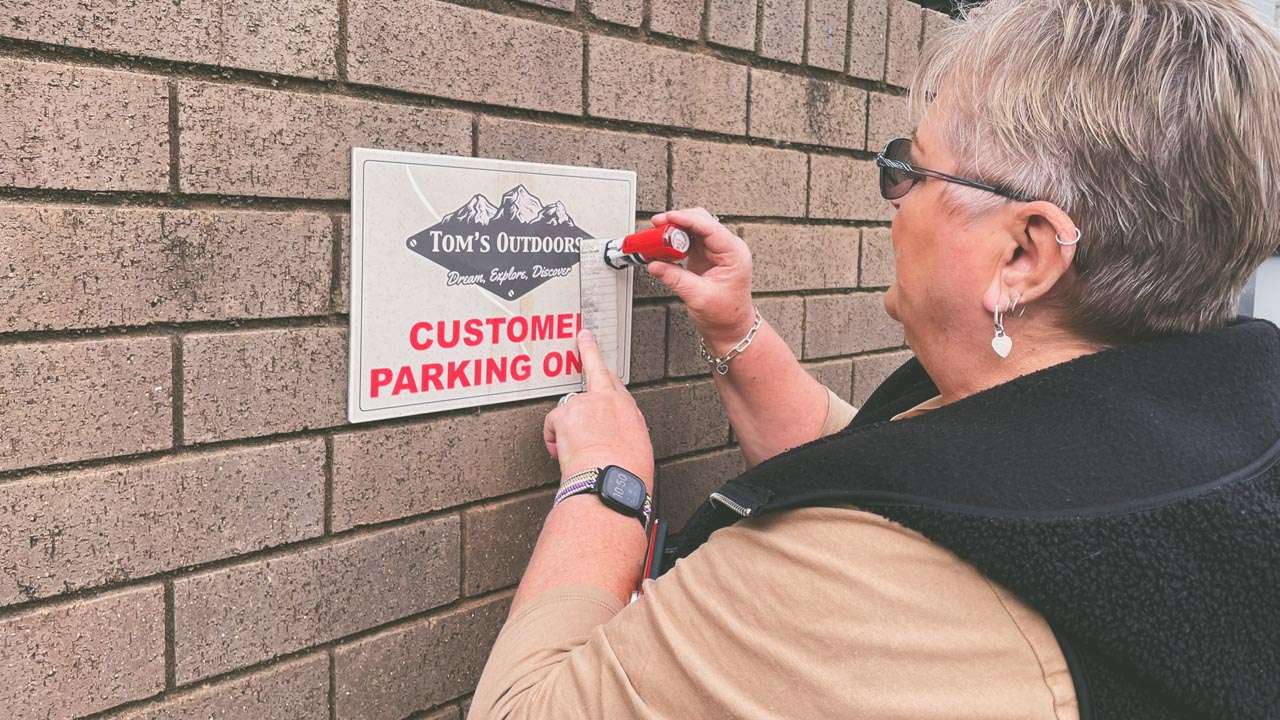
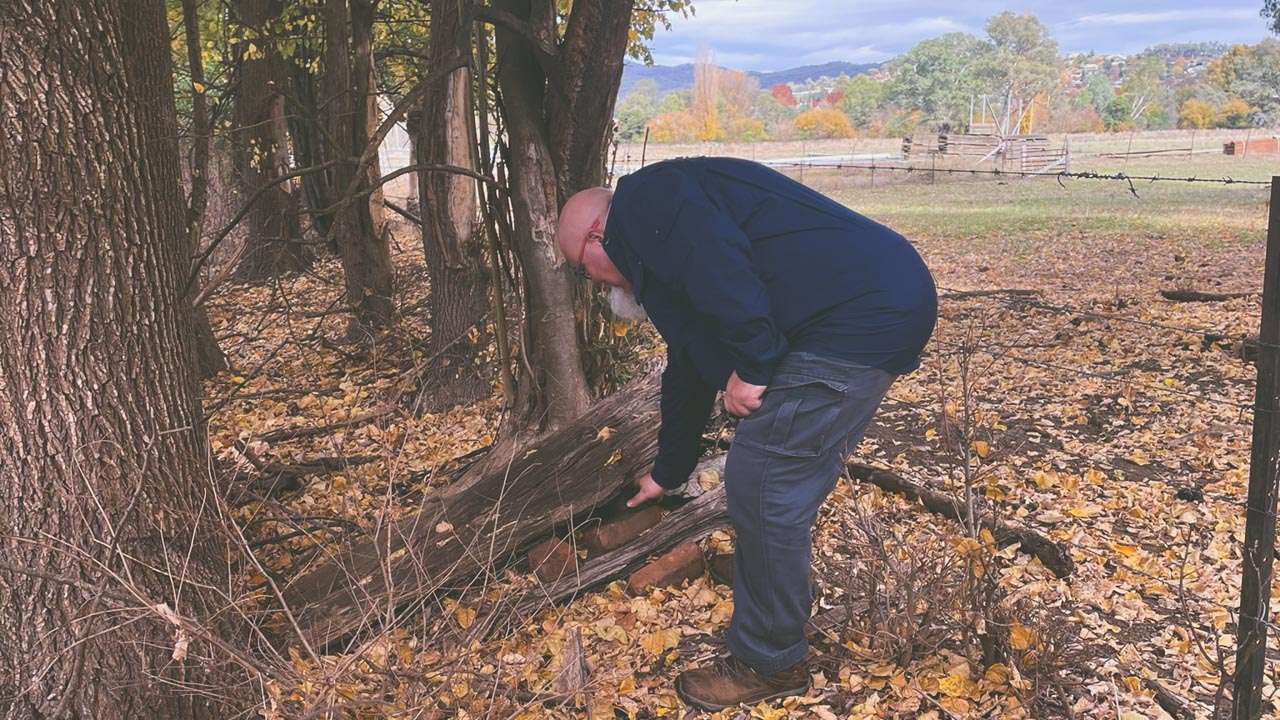
Another day out geocaching around Tumut NSW. We headed out from home at Cootamundra at about 8.00am and didn’t get home until about 4.30pm. It was a pretty full day. 

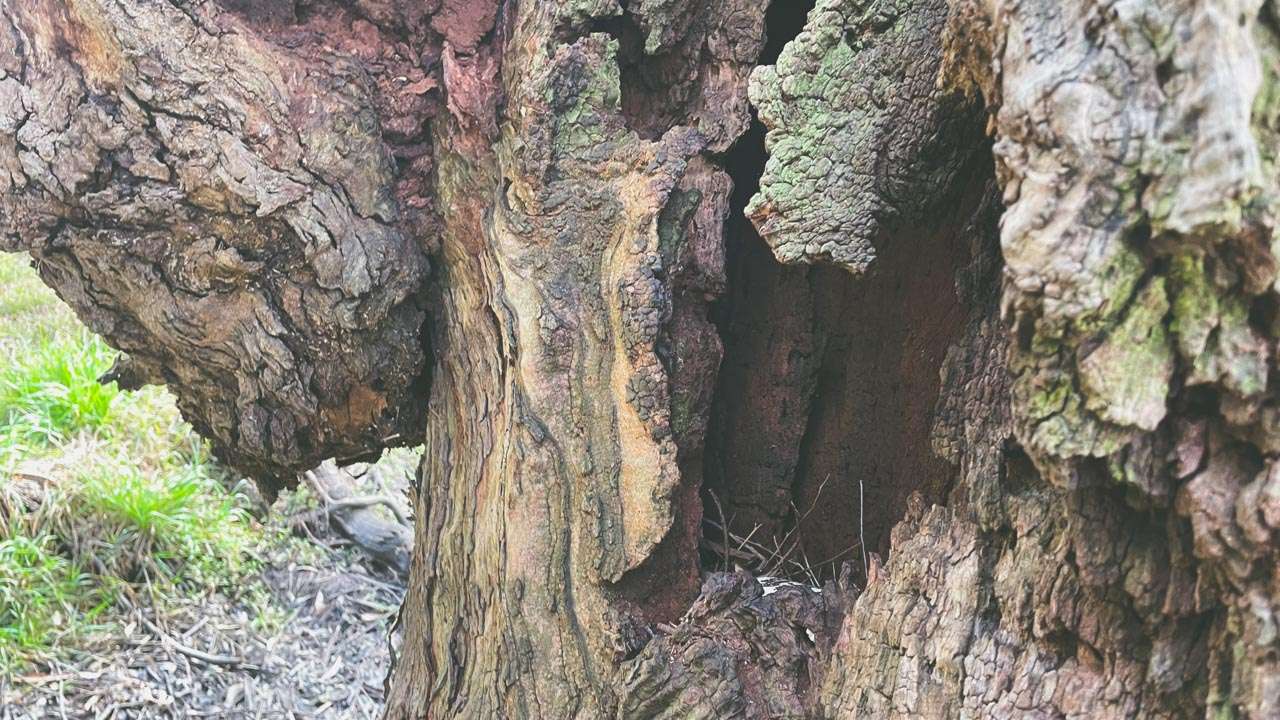
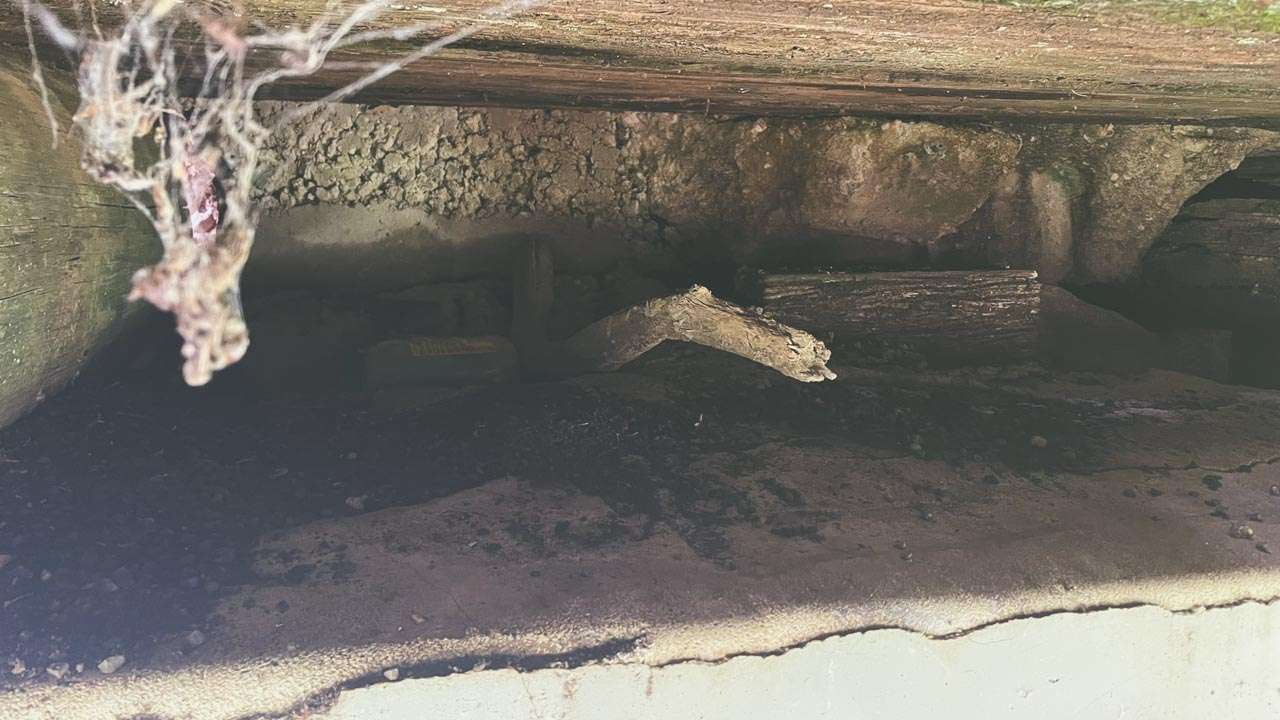
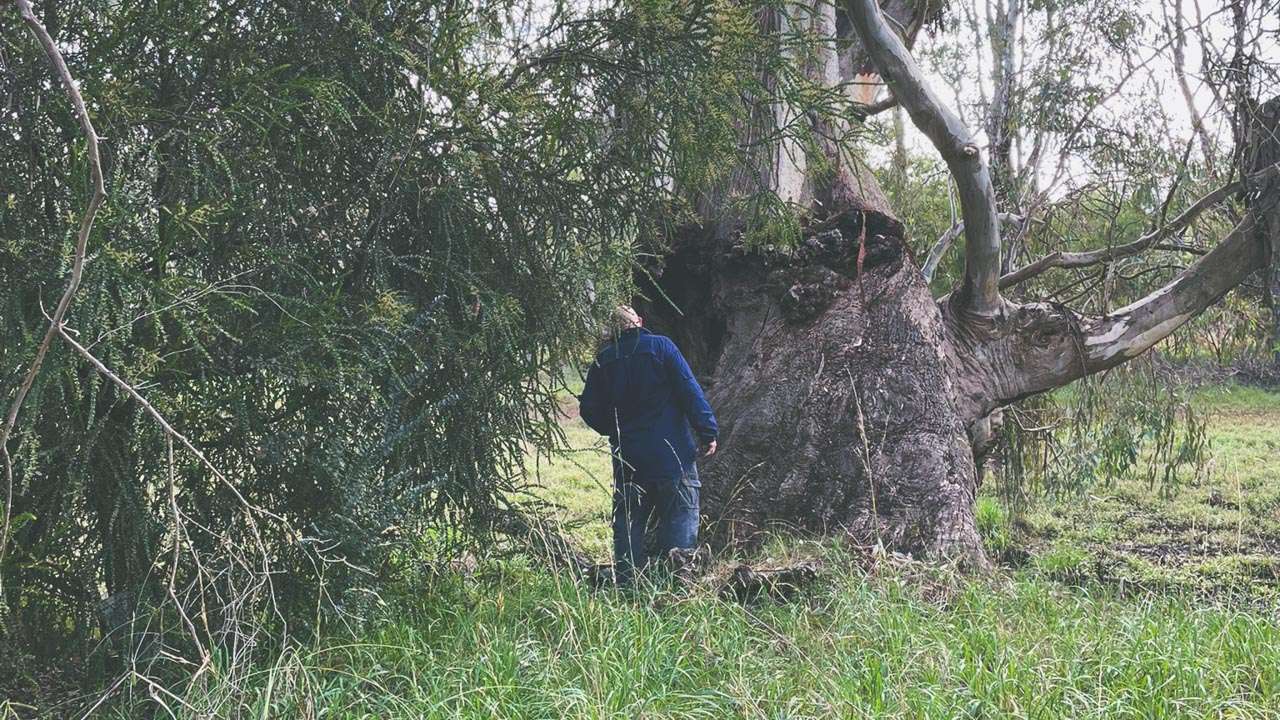
Out and about today doing some more geocaching this time around Tumut. We had a bit of a mixed bag success wise. I think there were about four we couldn’t find. I suspect that one was actually AWOL but the rest of them I think were just too deviously hidden for us to find. All in all though it was a good fun day – we can highly recommend getting off your arse and getting out and about and doing some geocaching around Tumut!

Geocaching At The Dirty Bird

Geocaching At The Dirty Bird

What Did We Find Geocaching Around Tumut NSW

  • Found Betelgeuse | GC62X7D
    Great hide found on our way home from Tumut
  • Found 397 Gocup | GC4F2M8
    Great hide and a nice chat to the farmer even wished me happy Mother’s Day
  • Found On Ya Bike | GC75BXC
    This was easy
  • Found Give It A Burl | GC1WZDF
    What a great hide and walk
  • Found Pirate’s Booty | GC43E2P
    Found thank goodness hubby has long arms
  • Found Roosta | GC7Z1WW
    Found it although my husband thinks he is a better looking rooster
  • Found Old Town Bridge | GC1YNZB
    Great hide definitely need a torch
  • Found Roostaman’s Nemesis | GC5F2JG
    Easy find this one
  • Found Roostaman’s Nemesis Too | GC7Z02Q
    This was a sneaky hide
  • Found Raz’s Stash | GCA26WR
    Breakfast in the park and then on to find

Geocaching Brings us Closer Together No Arguments Ever Yeah I'm A Liar

Geocaching Brings us Closer Together No Arguments Ever Yeah I’m A Liar

Geocaching Around Tumut Gallery

Getting To Tumut

Tumut is just over a 4-hr drive from Sydney and 2hr 15min drive from Canberra. You can also fly into Wagga Wagga Airport and hire a car for the 90min drive.

Travel From to Tumut Distance Time
Adelaide ,1,020km 10:53
Albury 197km 02:08
Brisbane 1,309km 14:04
Canberra 130km 02:12
Melbourne 523km 05:36
Sydney 410km 04:22
15 Camps For Free Camping In Moama On The Murray River

15 Camps For Free Camping In Moama On The Murray River

15 Camps For Free Camping In Moama On The Murray River

Discover the beauty of free camping in Moama along the Murray River. Enjoy nature at its best. Some of these camps are often not crowded.

In a world where everything seems to come with a price tag, there’s something refreshing about finding a place where you can escape the hustle and bustle of daily life without breaking the bank. That’s where free camping in Moama comes in. Nestled in the picturesque landscapes of New South Wales, Australia, Moama offers a haven for nature lovers and adventure seekers alike. And the best part? You can experience it all without spending a cent.

What is Free Camping?

Free camping also known as freedom camping or wild camping is outdoor recreation where individuals set up camp sites in designated areas without having to pay any fees. It’s a fantastic way to immerse yourself in nature, unwind from the stresses of urban life, and connect with the great outdoors.

Why Free Camp In Moama?

Moama, situated on the banks of the mighty Murray River, boasts stunning natural beauty and a wealth of outdoor activities. From tranquil bushwalks to adrenaline-pumping water sports, there’s something for everyone to enjoy. And with its free camping sites, you can explore all that Moama has to offer without worrying about accommodation costs. While none of these camps are situated within the town of Moama itself they are all only a very short drive away.

  • There’s a public dump point just across the river in Echuca.
  • There is potable water available in both Moama and Echuca.

We have listed 14 free camps near Moama. Ranging from free camping to State Forest camping there is something here for all camping styles. Pack your gear and hit the road. Let the Moama on the Murray River show you it’s beauty in the middle of the Australian bush.

Experience Free Camping Moama On The Murray River

Experience Free Camping Moama On The Murray River

1. Fats Cliff

This is a free campground. It is dog friendly. It is accessible to motorbikes, RVs, camper trailers and caravans. Camping in tents is allowed.

Type: Free Camping
Cost: Free
Location: Simmie Road, Victoria
GPS: -36.116030°, 144.812595°
Pet Friendly: Yes

2. Camp Spot On The Murray

Bush camping on the banks of the Murray River in the Echuca Regional Park, just outside Echuca. There are no facilities. Campers must be self-sufficient. Take all rubbish with you and leave no trace. Access via Simmie Road from Echuca.

Type: Free Camping
Cost: Free
Location: Simmie Road, Shire of Campaspe, Victoria
GPS: -36.114484°, 144.813702°
Web: https://www.visitmelbourne.com/Regions/The-Murray/Things-to-do/Outdoor-activities/Camping
Pet Friendly: Yes

3. Rivers Edge Bush Camp

Numerous bushes camping spots on the banks of the Murray River in the Echuca Regional Park, just outside Echuca. There are no facilities, just bush and sandy beaches, you need to be self sufficient. Take all rubbish with you and leave no trace. Access via Simmie Road from Echuca.

Type: Free Camping
Cost: Free
Location: Off Simmie Rd, Echuca Village, Victoria
GPS: -36.113301°, 144.808011°
Web: https://www.visitmelbourne.com/Regions/The-Murray/Things-to-do/Outdoor-activities/Camping
Pet Friendly: Yes

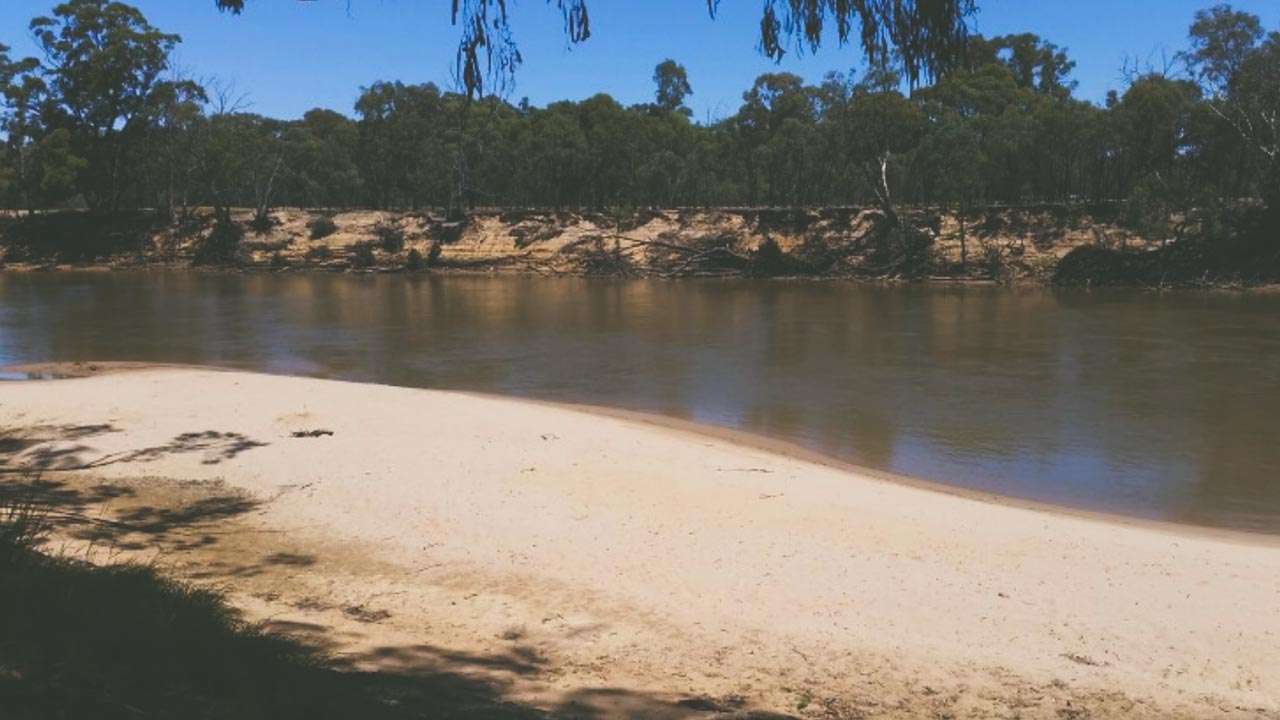
Free Camping Moama On The Murray

Free Camping Moama On The Murray

4. Betts Beach

Numerous bushes camping spots on the banks of the Murray River in the Echuca Regional Park, just outside Echuca. There are no facilities, just bush and sandy beaches, you need to be self sufficient. Take all rubbish with you and leave no trace. Access via Simmie Road from Echuca.

Type: State Forest Free Camping
Cost: Free
Location: Off Simmie Rd, Echuca Village, Victoria
GPS: -36.107470°, 144.806359°
Web: https://www.visitmelbourne.com/Regions/The-Murray/Things-to-do/Outdoor-activities/Camping
Pet Friendly: Yes

5. Murray Bend

Bush camping on the banks of the Murray River in the Echuca Regional Park, just outside Echuca. There are no facilities. Take all rubbish with you and leave no trace. Toilets are available further north at Christie’s Beach. Access via Simmie Road from Echuca.

Type: Free Camping
Cost: Free
Location: Enter Simmies Rd, Echuca Village, Victoria
GPS: -36.111079°, 144.814842°
Web: https://www.visitmelbourne.com/Regions/The-Murray/Things-to-do/Outdoor-activities/Camping
Pet Friendly: Yes

6. George’s Beach

Bush camping on the banks of the Murray River in the Echuca Regional Park, just outside Echuca. There are no facilities. Take all rubbish with you and leave no trace. Toilets are available further north at Christie’s Beach.

Type: Free Camping
Cost: Free
Location: Unnamed Road, Echuca Village, Victoria
GPS: -36.109091°, 144.816097°
Web: https://www.visitmelbourne.com/Regions/The-Murray/Things-to-do/Outdoor-activities/Camping
Pet Friendly: Yes

7. River Bend

This free campground offers swimming. It is dog friendly. It is accessible to camper trailers and off road caravans. Camping in tents is allowed. You must be fully self-contained.

Type: State Forest Free Camping
Cost: Free
Location: Unnamed Road, Echuca Village, Victoria
GPS: -36.104434°, 144.810783°
Pet Friendly: Yes

Free Camping Moama River Bend

Free Camping Moama River Bend

8. Christie’s Beach

Large open camp ground multiple spots, good access to the river, not much fire wood around.

Type: State Forest Free Camping
Cost: Free
Location: Unnamed Rd, Echuca, Victoria
GPS: -36.103711°, 144.811103°
Toilets: Yes
Pet Friendly: Yes

9. Rivers Edge Camping Spot

This is a free campground. It is dog friendly. It is accessible to motorbikes and camper trailers. Camping in tents is allowed.

Type: Free Camping
Cost: Free
Location: Unnamed Rd, Echuca, Victoria
GPS: -36.106958°, 144.817851°
Pet Friendly: Yes

10. Echuca Spots – Various Unofficial

Numerous spots along beach foreshore. Leave no trace. Adhere to fire regulations and distinguish responsibly.

Type: Free Camping
Cost: Free
Location: Unnamed Road, Echuca, Victoria
GPS: -36.108075°, 144.819953°
Pet Friendly: Yes

11. Looker Track

This free campground offers swimming. It is dog friendly. It is accessible to off road caravans and four wheel drives. Camping in tents is allowed.

Type: Free Camping
Cost: Free
Location: East Of Echuca, Victoria
GPS: -36.104882°, 144.823092°
Pet Friendly: Yes

12. Secluded Hideaway

Free bush camping near the Murray River, offering plenty of space and privacy. There are no facilities. Campers must be self-sufficient. Take all rubbish with you and leave no trace. Accessible to tents, camper trailers, motorhomes and caravans. May become inaccessible during wet weather.

Type: Free Camping
Cost: Free
Location: Unnamed Rd, Echuca Village, Victoria
GPS: -36.108200°, 144.827854°
Pet Friendly: Yes

13. Cochranes Bend Goulburn River

This is a free campground. It is dog friendly. It is accessible to motorbikes and camper trailers. Camping in tents is allowed.

Type: Free Camping
Cost: Free
Location: Off Bangerang Rd, Echuca, Victoria
GPS: -36.106883°, 144.847060°
Pet Friendly: Yes

14. The Beach

This is a free campground. It is dog friendly. It is accessible to motorbikes and camper trailers. Camping in tents is allowed.

Type: Free Camping
Cost: Free
Location: Stewarts Bridge Rd, Victoria
GPS: -36.094930°, 144.841916°
Pet Friendly: Yes

15. 1732 Murray River

This free campground offers swimming. It is dog friendly. It is accessible to camper trailers and caravans. Camping in tents is allowed. You must be fully self-contained.

Type: Free Camping
Cost: Free
Location: 212 Stewarts Bridge Rd, Lower Moira, Victoria
GPS: -36.093215°, 144.843503°
Pet Friendly: Yes

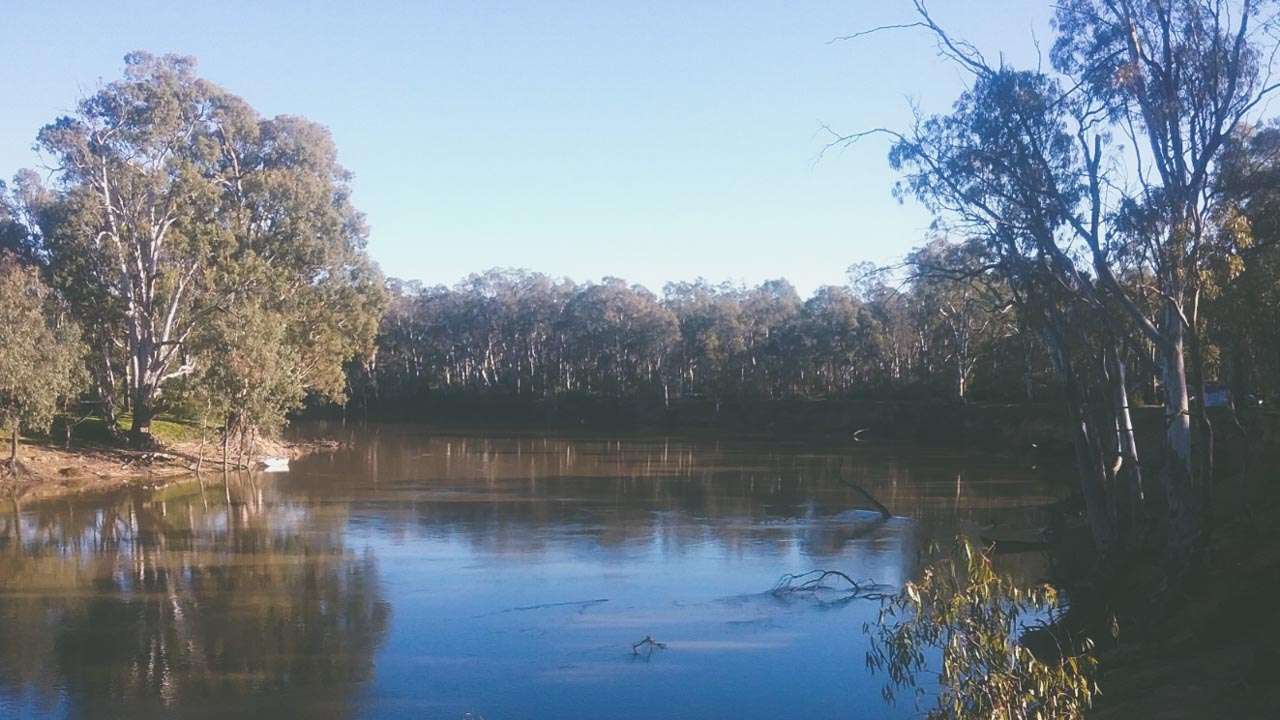
Free Camp Spot On The Murray Near Moama

Free Camp Spot On The Murray Near Moama

Tips for Free Camping In Moama

Before you pack your bags and head off on your Moama adventure, here are a few tips to ensure a smooth and enjoyable experience:

  • Leave No Trace: Respect the environment and leave your campsite as you found it. Dispose of rubbish properly and minimize your impact on the surrounding ecosystem.
  • Be Prepared: While free camping sites often provide basic amenities, it’s essential to come prepared with plenty of water, food, and other essentials. Additionally, check the weather forecast before you set off to ensure you’re ready for whatever Mother Nature throws your way.
  • Follow the Rules: Each free camping site may have its own set of rules and regulations, so be sure to familiarize yourself with them before you arrive. This will help ensure a harmonious experience for all campers.
  • Embrace the Experience: Free camping is all about embracing the simple joys of outdoor living. Take the time to disconnect from technology, soak up the natural beauty around you, and enjoy the freedom that comes with living off the grid.

In conclusion, free camping in Moama offers an incredible opportunity to experience the beauty of nature without breaking the bank. Whether you’re an avid adventurer or just looking for a budget-friendly getaway, Moama has something for everyone. So why wait? Pack your tent, grab your sense of adventure, and get ready to discover the magic of free camping in Moama.

Caravan Rear Bar Storage – Maximise Your Caravans Storage

Caravan Rear Bar Storage – Maximise Your Caravans Storage

Caravan Rear Bar Storage – Maximise Your Caravans Storage

Discover how caravan rear bar storage enhances organisation and convenience for your travel adventures. Free up space and stay organised! Are you tired of cramming all your gear into your caravan leaving little room to move? Do you dream of a more organised and spacious travel experience? Look no further than your caravan’s rear bar! In this comprehensive guide, we consider everything you need to know about caravan rear bar storage from its benefits to practical tips for maximising space. Let’s dive in and discover how you can enhance your caravan adventures with smart storage solutions.

Introduction: Unlocking Hidden Storage

Imagine having extra space to store all your camping essentials without cluttering your caravan’s interior. That’s where caravan rear bar storage comes in handy. By utilising the space at the rear of your caravan, you can free up valuable room inside. While keeping your gear easily accessible during your travels. From storage boxes to bike racks there are loads of options available to suit your needs and preferences. Let’s explore the benefits and practicalities of caravan rear bar storage in more detail.

Benefits Of Rear Bar Storage

  1. Maximising Storage Space: With rear bar storage, you can make the most of every inch of available space on your caravan. By mounting storage boxes or racks to the rear bar you can store bulky items. Items such as camping chairs, fishing gear, and outdoor equipment. Leaving more room inside for living and sleeping areas.
  2. Easy Access to Gear: Rear bar storage provides quick and convenient access to your gear. Saving you time and effort when setting up camp or embarking on outdoor activities. No more digging through crowded storage compartments. With rear bar storage everything you need is right at your fingertips.

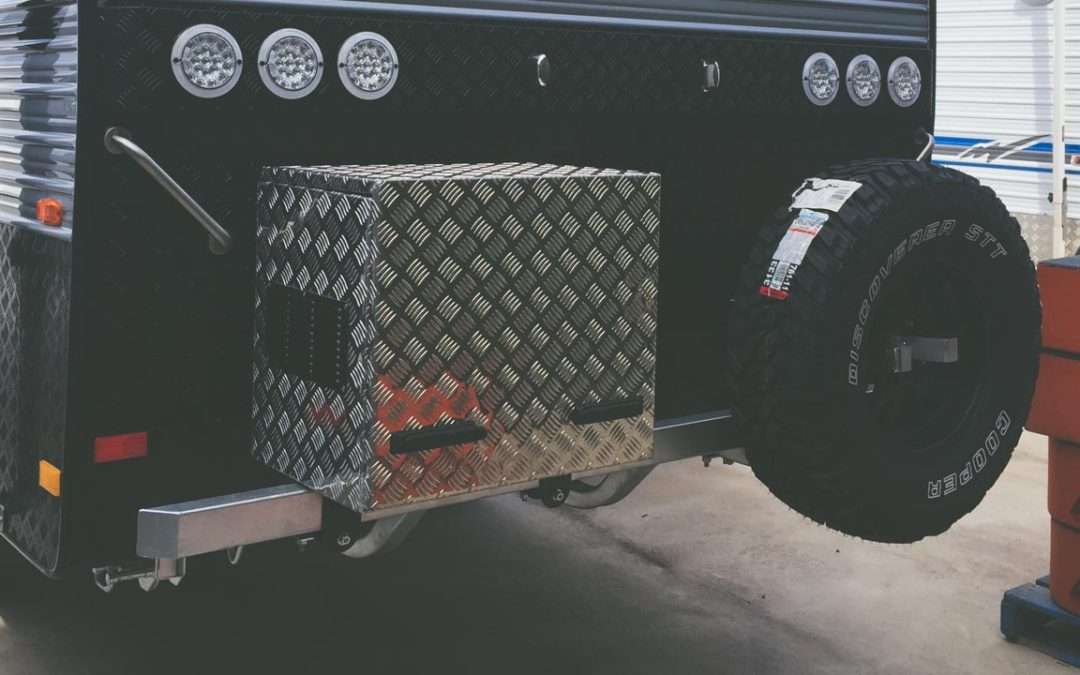
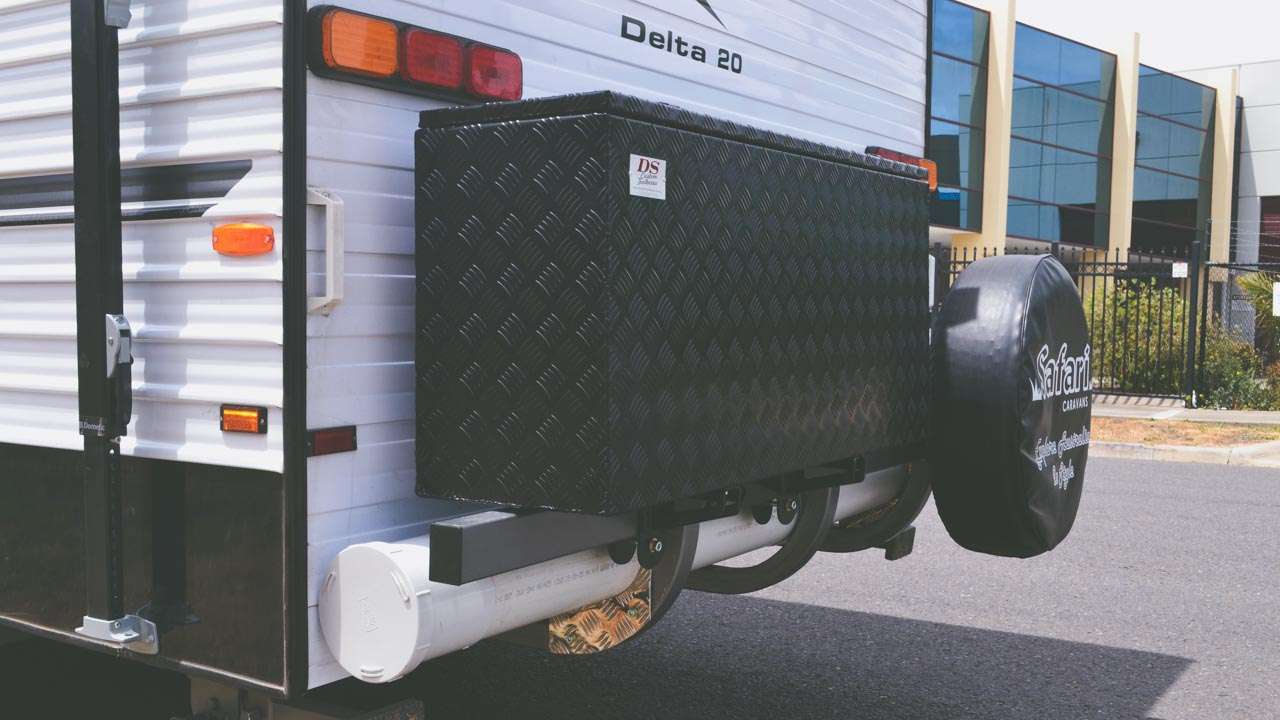
DS Custom Toolboxes Rear Bar Spare Tyre Mount (Photo Courtesy Of DS Custom Toolboxes)

DS Custom Toolboxes Rear Bar Spare Tyre Mount (Photo Courtesy Of DS Custom Toolboxes)

Types of Caravan Rear Bar Storage Solutions

  • Storage Boxes: Durable and weather-resistant storage boxes are a popular choice for caravan rear bar storage. Available in various sizes and designs, these boxes provide secure storage for tools, spare parts, and other essentials. Look for models with locking mechanisms to keep your belongings safe during travel.
  • Bike Racks: If you enjoy cycling adventures, a bike rack mounted to the rear bar of your caravan is a must-have accessory. These racks allow you to transport bicycles safely and securely, freeing up interior space for other items. Choose a rack that is compatible with your caravan’s rear bar and easy to install and use.

Installation And Maintenance Tips

  1. Installation: When installing rear bar storage solutions, follow the manufacturer’s instructions carefully to ensure proper installation and safe use. Use sturdy mounting brackets and hardware to secure storage boxes and racks to the rear bar. Regularly check for signs of wear and tear.
  2. Maintenance: To keep your rear bar storage system in top condition inspect storage boxes, bike racks and mounting hardware regularly. Check for any signs of damage or corrosion. Clean storage boxes and racks regularly to remove dirt, dust, and debris, and lubricate moving parts as needed for smooth operation.

Caravan Rear Bar Jerry Can Storage

Caravan rear bar jerry can storage is a convenient solution for carrying extra fuel or water on your travels. Jerry cans are sturdy containers designed to hold liquids such as petrol, diesel, or water. They can be securely attached to the rear bar of your caravan for easy access when needed. Here’s everything you need to know about caravan rear bar jerry can storage:

Benefits Of Caravan Rear Bar Jerry Can Storage

  • Extended Range: By carrying extra fuel in jerry cans on your caravan’s rear bar, you can extend your range and travel further between refuelling stops. This is especially useful when exploring remote areas or embarking on long journeys.
  • Emergency Preparedness: Having extra water stored in jerry cans on your caravan’s rear bar ensures that you always have access to clean drinking water. Even in emergencies or when camping in areas with limited water sources.
  • Convenience: Caravan rear bar jerry can storage provides a convenient way to carry extra fuel or water without taking up valuable space inside your caravan. This frees up room for other essentials and allows for more comfortable living and sleeping arrangements.

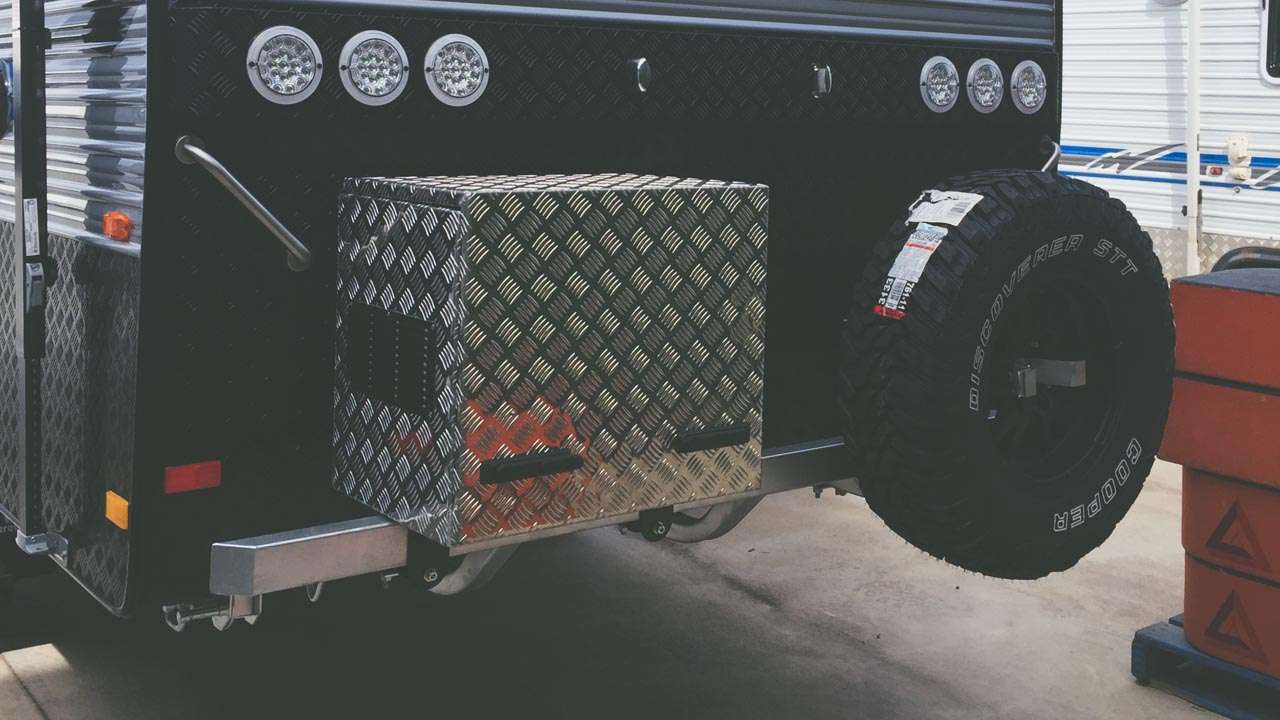
DS Custom Toolboxes Rear Bar Mounted Tool Box (Photo Courtesy Of DS Custom Toolboxes)

DS Custom Toolboxes Rear Bar Mounted Tool Box (Photo Courtesy Of DS Custom Toolboxes)

Types of Jerry Cans

  • Fuel Jerry Cans: Designed specifically for carrying petrol or diesel. Fuel jerry cans are typically made of durable metal or plastic and feature secure closures to prevent leaks and spills. They come in various sizes and capacities to suit your needs.
  • Water Jerry Cans: Water jerry cans are specifically designed for carrying potable water and are made from food-grade materials to ensure water safety. They are available in different sizes and colours, with built-in handles for easy carrying and pouring.

Installation And Safety Considerations

  • Secure Mounting: When installing jerry can holders on your caravan’s rear bar, ensure that they are securely mounted using sturdy brackets or straps. This prevents the jerry cans from shifting or falling off during travel. Reducing the risk of accidents or spills.
  • Weight Distribution: Distribute the weight of the jerry cans evenly on your caravan’s rear bar to maintain stability and towing performance. Avoid overloading the rear bar with too many jerry cans, as this can affect the handling of your caravan.
  • Ventilation: Ensure adequate ventilation around the jerry cans to prevent the build up of fumes and reduce the risk of fire or explosion. Avoid storing jerry cans containing fuel near heat sources or open flames.

Maintenance And Care

Regular Inspection: Inspect jerry cans regularly for signs of damage, corrosion, or leakage. Replace any damaged or worn-out jerry cans to ensure safe storage of fuel or water during your travels.

Cleaning: Clean jerry cans thoroughly before filling them with fuel or water to remove any dirt, debris, or residue. Use mild detergent and water to wash the inside and outside of the jerry cans, and allow them to dry completely before use.

Caravan rear bar jerry can storage is a practical and convenient solution for carrying extra fuel or water on your travels. By choosing high-quality jerry cans and securely mounting them to your caravan’s rear bar, you can extend your range, enhance your emergency preparedness, and enjoy greater convenience on your adventures. Just remember to follow safety guidelines and perform regular maintenance to ensure safe and reliable storage of fuel or water during your travels.

Caravan Rear Bar Spare Tyre Storage

Caravan rear bar spare tyre storage offers a convenient solution for carrying an extra tire while on the road. It ensures that you’re prepared for unexpected flat tires or emergencies without sacrificing valuable space inside your caravan. Here’s everything you need to know about caravan rear bar spare tyre storage.

DS Custom Toolboxes Rear Bar Jerry Can Holders (Photo Courtesy Of DS Custom Toolboxes)

DS Custom Toolboxes Rear Bar Jerry Can Holders (Photo Courtesy Of DS Custom Toolboxes)

Benefits Of Caravan Rear Bar Spare Tyre Storage

  1. Emergency Preparedness: Having a spare tyre readily accessible on your caravan’s rear bar ensures that you’re prepared for unexpected flat tires or blowouts during your travels. It provides peace of mind knowing that you can quickly replace a damaged tire and continue your journey with minimal disruption.
  2. Space Saving: Caravan rear bar spare tyre storage frees up valuable space inside your caravan by relocating the spare tyre to the exterior. This allows you to utilise interior space more efficiently for living and storage areas, making your travels more comfortable and organised.
  3. Convenience: With the spare tyre mounted securely on the rear bar of your caravan, it’s easily accessible whenever you need it. There’s no need to rummage through storage compartments or struggle to access the spare tyre stored in a separate location.

Types Of Spare Tyre Storage Solutions

1. Spare Tyre Mounts: These are specially designed brackets or carriers that securely hold the spare tyre in place on the rear bar of your caravan. They come in various styles and configurations to accommodate different tyre sizes and caravan models.

2. Spare Tyre Covers: To protect the spare tyre from the elements and keep it in good condition, consider using a spare tyre cover. These covers come in a range of materials and designs, including waterproof vinyl and durable canvas, and help prolong the life of the spare tyre.

Installation And Safety Considerations For Spare Tyre Storage Solutions

  1. Secure Mounting: When installing a spare tyre mount on your caravan’s rear bar ensure that it is securely attached using sturdy bolts or straps. The mount should be positioned in a way that distributes the weight of the spare tyre evenly and prevents it from shifting or falling off during travel.
  2. Weight Capacity: Check the weight capacity of the spare tyre mount to ensure that it can safely support the weight of your caravan’s spare tyre. Avoid overloading the mount with a tyre that exceeds its maximum weight capacity to prevent damage or failure.
  3. Visibility and Accessibility: Ensure that the spare tyre is mounted in a location that does not obstruct the visibility of rear lights, licence plates or registration stickers. Additionally, make sure that the spare tyre is easily accessible for quick removal and replacement when needed.

Maintenance And Care

  1. Regular Inspection: Inspect the spare tyre mount and spare tyre regularly for signs of damage, corrosion, or wear. Check for loose bolts, rust, or cracks in the mount, and replace any worn or damaged components as needed to ensure safe and reliable storage of the spare tyre.
  2. Tyre Pressure: Monitor the air pressure in the spare tyre regularly to ensure that it is properly inflated and ready for use in case of an emergency. Underinflated or overinflated tyres can affect handling and performance, so maintain the recommended air pressure levels at all times.

Caravan rear bar spare tyre storage is a practical and convenient solution for carrying an extra tyre on your travels. By securely mounting the spare tyre on the rear bar of your caravan, you can ensure that you’re prepared for unexpected flat tyres or emergencies while maximising interior space and convenience. Just remember to follow installation guidelines, perform regular maintenance, and keep the spare tyre properly inflated to ensure safe and reliable storage during your adventures.

Popular Accessories For Caravan Rear Bar Storage

  • Cargo Nets: Flexible cargo nets are ideal for organising and securing gear on your caravan’s rear bar. Stretch them over storage boxes or bike racks to keep items in place during travel, preventing them from shifting or falling off.
  • Tie-Down Straps: Strong tie-down straps are essential for securing larger items such as camping chairs, coolers, and kayaks to your caravan’s rear bar. Choose straps with adjustable lengths and sturdy buckles for maximum security and peace of mind on the road.

Caravan rear bar storage offers a practical and efficient solution for maximising storage space and organising gear during your travels. By utilising the space at the rear of your caravan, you can free up valuable room inside while keeping your belongings easily accessible. Whether you opt for storage boxes, bike racks, or a combination of both, rear bar storage can help you make the most of your caravan adventures. So, why wait? Start exploring the possibilities of rear bar storage and enjoy a more organised and enjoyable travel experience today!

Caravan With A Bike Rack On Rear Bar (Photo Courtesy Of Beastie Bikes)

Caravan With A Bike Rack On Rear Bar (Photo Courtesy Of Beastie Bikes)

What Else Can I Carry On My Caravan Rear Bar Storage Area?

On your caravan’s rear bar, you can carry a variety of items to enhance your outdoor adventures and make your travels more convenient. Here are some common items that can be safely and securely transported on a caravan rear bar:

  • Storage Boxes: Durable and weather-resistant storage boxes are perfect for carrying camping essentials such as cooking equipment, tools, spare parts, and outdoor gear. Choose boxes with secure locking mechanisms to keep your belongings safe during travel.
  • Bike Racks: If you enjoy cycling, a bike rack mounted to the rear bar of your caravan allows you to transport bicycles securely. This frees up interior space for other items while ensuring that your bikes are easily accessible when you reach your destination.
  • Kayak or Canoe: For water enthusiasts, a kayak or canoe can be securely attached to the rear bar of your caravan using specialised racks or straps. This allows you to bring your watercraft along on your adventures and explore lakes, rivers, and coastal areas.
  • Camping Chairs and Tables: Folding camping chairs and tables can be strapped to the rear bar of your caravan, providing comfortable seating and dining options at your campsite. Look for lightweight and compact chairs and tables that are easy to transport and set up.
  • Outdoor Equipment: From fishing rods and tackle boxes to hiking poles and backpacks, outdoor equipment can be securely stored on the rear bar of your caravan using straps or bungee cords. This keeps your gear organised and easily accessible for outdoor activities.
  • Cooler or Esky: A portable cooler or esky can be strapped to the rear bar of your caravan to keep food and beverages cold during your travels. This allows you to enjoy refreshing drinks and chilled snacks wherever your adventures take you.
  • Surfboard or SUP: If you’re headed to the beach, a surfboard or stand-up paddleboard (SUP) can be safely transported on the rear bar of your caravan using specialised racks or straps. This allows you to catch some waves and enjoy water sports during your trip.
  • Luggage and Gear: For longer journeys, luggage and gear can be strapped to the rear bar of your caravan to free up space inside. This includes suitcases, duffel bags, and backpacks containing clothing, toiletries, and personal belongings.

Remember to secure all items properly using straps, bungee cords, or specialised racks to prevent them from shifting or falling off during travel. Additionally be mindful of weight limits and distribution to ensure safe and stable towing of your caravan. With careful planning your caravan’s rear bar can become a versatile convenient storage solution for all your outdoor adventures.

Safety Considerations

Ensuring safety is paramount when it comes to caravan rear bar usage. Here’s a guide to caravan rear bar safety.

  1. Proper Installation
    • Ensure that the rear bar is installed correctly according to the manufacturer’s instructions.
    • Use sturdy mounting brackets or straps to secure the rear bar to the caravan frame.
    • Double-check all connections and fasteners to ensure they are tight and secure before each journey.
  2. Weight Distribution
    • Be mindful of the weight capacity of the rear bar and avoid overloading it with heavy items.
    • Distribute weight evenly across the rear bar to maintain stability and prevent swaying or imbalance during travel.
    • Consider the weight of items stored on the rear bar, including storage boxes, spare tyres, or jerry cans. Ensure they are within the recommended limits.
  3. Visibility
    • Ensure that the rear bar and any items mounted on it do not obstruct the visibility of rear lights, indicators, or licence plates.
    • Use reflective tape or markers to improve visibility of the rear bar, especially when travelling at night or in low-light conditions.
  4. Clearance
    • Check for adequate clearance between the rear bar and the ground, especially when navigating rough terrain or steep inclines.
    •  Avoid dragging or scraping the rear bar on uneven surfaces to prevent damage to both the rear bar and the caravan.
  5. Regular Inspections
    • Perform regular visual inspections of the rear bar to check for signs of wear, damage, or corrosion.
    • Pay special attention to mounting brackets, fasteners, and welds, and replace any worn or damaged components immediately.
    • Inspect any items mounted on the rear bar, such as storage boxes or spare tyres. Ensure they are securely attached and in good condition.
  6. Driving Considerations
    • Be mindful of the increased length and weight of the caravan with items mounted on the rear bar, especially when reversing or parking.
    • Allow for extra braking distance and take corners slowly to compensate for the additional weight and potential changes in handling.
    • Check rearward visibility using mirrors or a rear view camera system to monitor any items mounted on the rear bar while driving.
  7. Weather Conditions
    • Consider the impact of weather conditions, such as strong winds or heavy rain, on the stability and safety of the rear bar.
    • Securely fasten any loose items or covers to prevent them from becoming dislodged or causing a hazard to other road users.

By following these safety guidelines and practising responsible usage, you can ensure that your caravan rear bar enhances your travel experience while prioritising safety for you, your passengers, and other road users. Remember, safety always comes first when it comes to caravan accessories like rear bars.

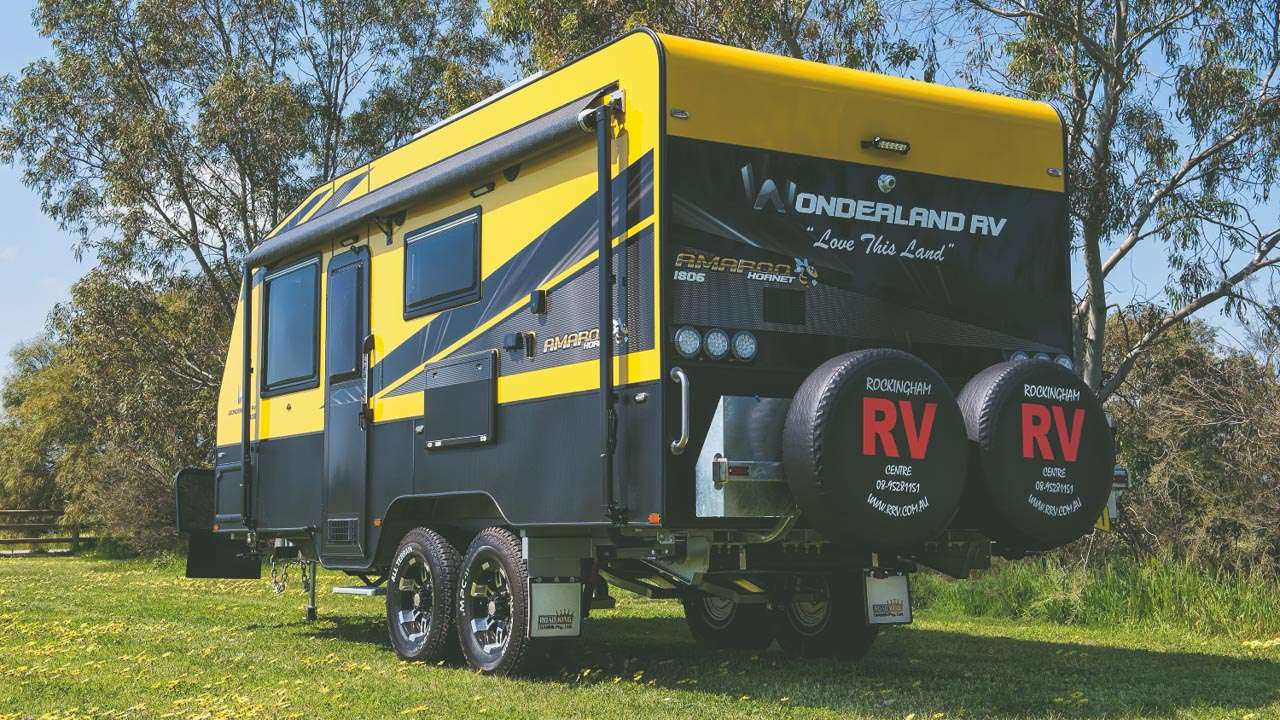
Caravan Rear Bar Storage Great Setup (Photo Courtesy Of RV Daily)

Caravan Rear Bar Storage Great Setup (Photo Courtesy Of RV Daily)

Caravan Rear Bar Storage Weight Limits

  • The weight limit of a caravan rear bar varies depending on its design, construction, and the manufacturer’s specifications. As a general guideline, most caravan rear bars have a weight capacity ranging from 50 kilograms to 150 kilograms.
  • It’s crucial to adhere to the specified weight limit to ensure the safety and stability of your caravan while towing. Exceeding the weight limit can lead to issues such as instability, swaying, or even structural damage to the caravan or rear bar.
  • Before loading any items onto your caravan rear bar, including storage boxes, spare tyres, or other accessories, check the manufacturer’s documentation or consult with a professional to determine the weight capacity of your specific rear bar model.
  • When loading items onto the rear bar, distribute the weight evenly to prevent imbalance and ensure proper towing performance. Avoid overloading the rear bar with heavy items, and periodically check for signs of wear or damage to the rear bar and mounting hardware.
  • By adhering to the weight limit and practising responsible loading practices, you can ensure the safety and longevity of your caravan rear bar while enjoying your travels with peace of mind.

Frequently Asked Questions About Caravan Rear Bar Storage

How much weight can a caravan rear bar typically support?

Most caravan rear bars can support anywhere from 50 kilograms to 150 kilograms, depending on their design and construction.

Are there any specific safety considerations to keep in mind when using caravan rear bar storage?

Yes, it's essential to ensure proper installation, weight distribution, and regular maintenance to minimise the risk of accidents or damage.

Can I use caravan rear bar storage to carry a spare tire?

While some rear bar storage solutions include provisions for spare tire storage, it's essential to check compatibility and weight limits before attempting to carry a spare tire.

How do I install jerry can holders on my caravan's rear bar?

Follow the manufacturer's instructions carefully, using sturdy mounting brackets or straps to secure the holders to the rear bar.

What types of liquids can I store in jerry cans attached to my caravan's rear bar?

Jerry cans are suitable for carrying liquids such as petrol, diesel, or water, depending on their intended use and construction materials.

Is it safe to store jerry cans containing fuel on the rear bar of my caravan?

Yes, but it's essential to follow safety guidelines, including proper ventilation and secure mounting, to prevent the risk of fire or explosion.

Summary

Caravan rear bar storage offers a practical and efficient solution for maximising storage space and organizing gear during your travels. By utilising the space at the rear of your caravan you can free up valuable room inside while keeping your belongings easily accessible. Whether you opt for storage boxes, bike racks, or a combination of both rear bar storage can help you make the most of your caravan adventures. Start exploring the possibilities of rear bar storage and enjoy a more organized and enjoyable travel experience today!

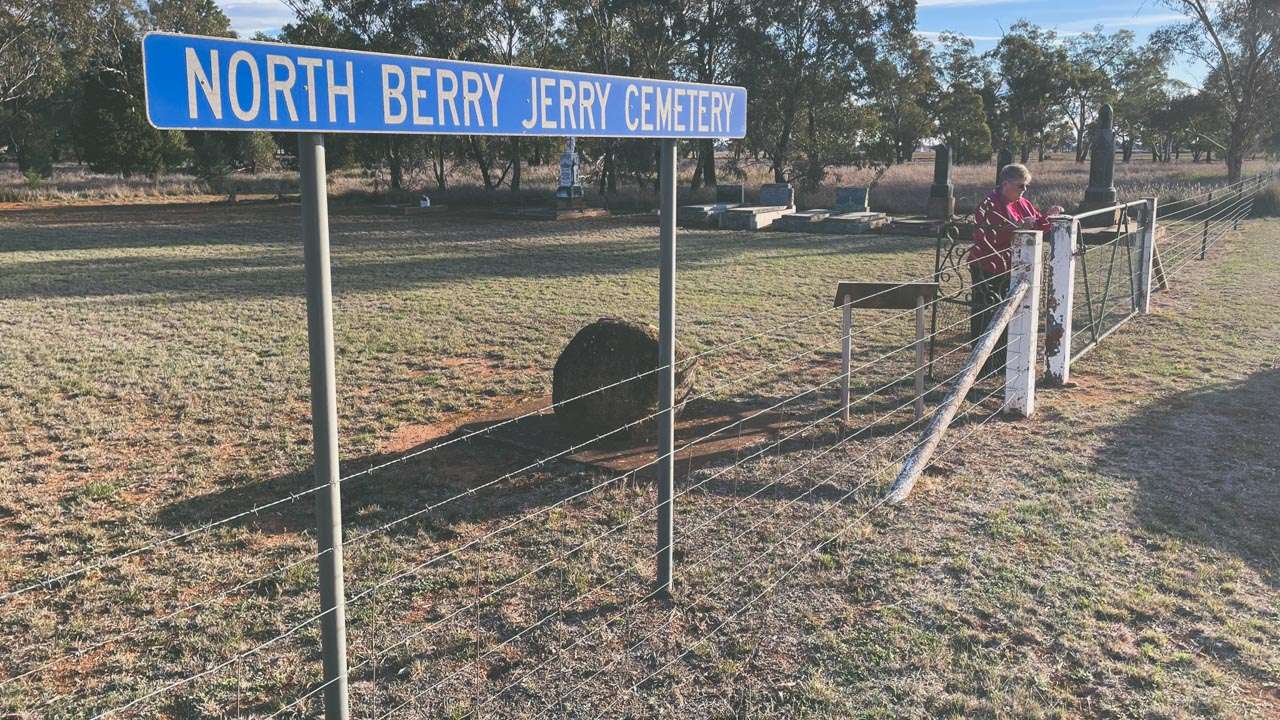
North Berry Jerry Cemetery In The Coolamon NSW Shire

North Berry Jerry Cemetery In The Coolamon NSW Shire

North Berry Jerry Cemetery In The Coolamon NSW Shire

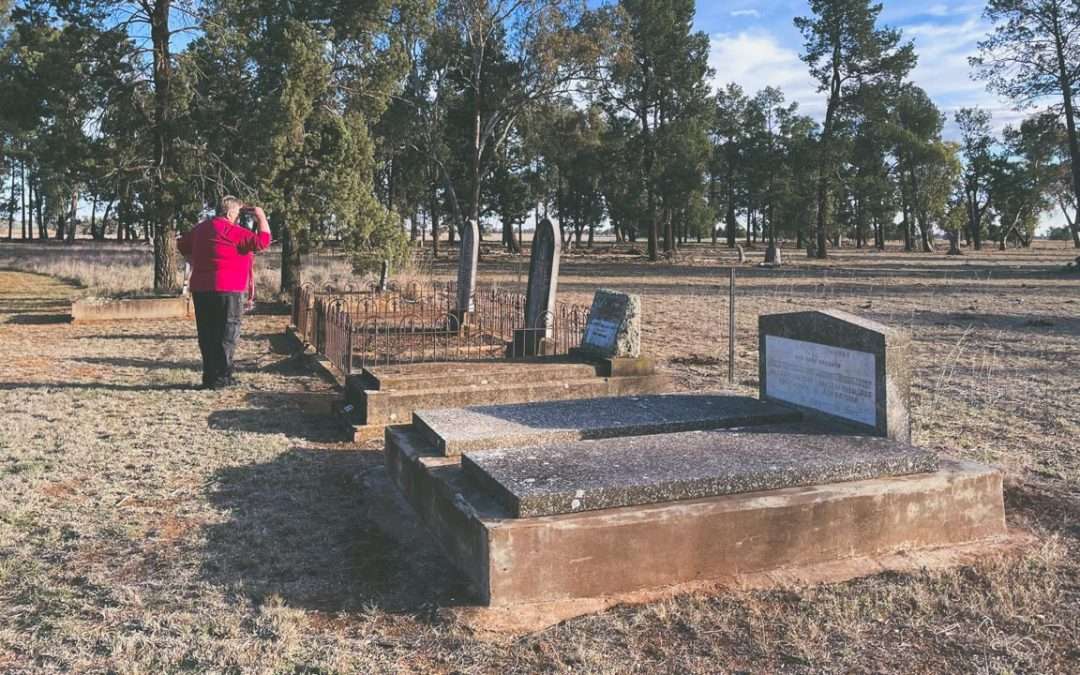
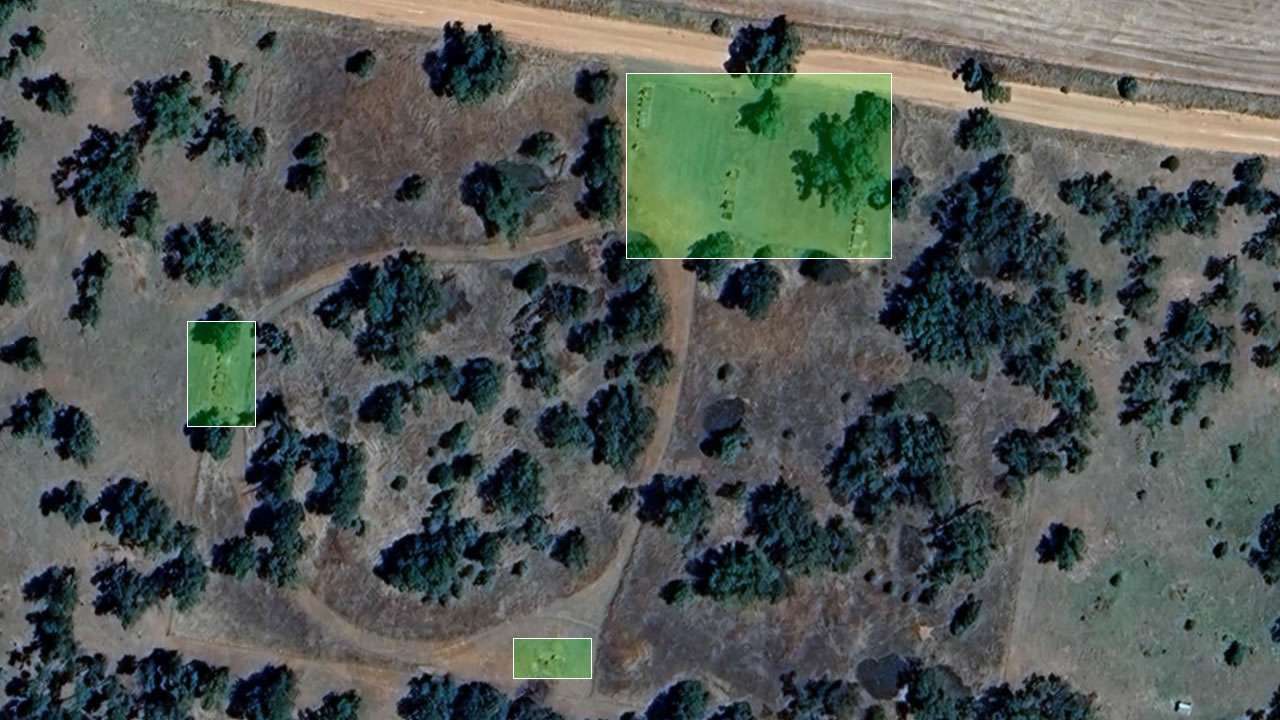
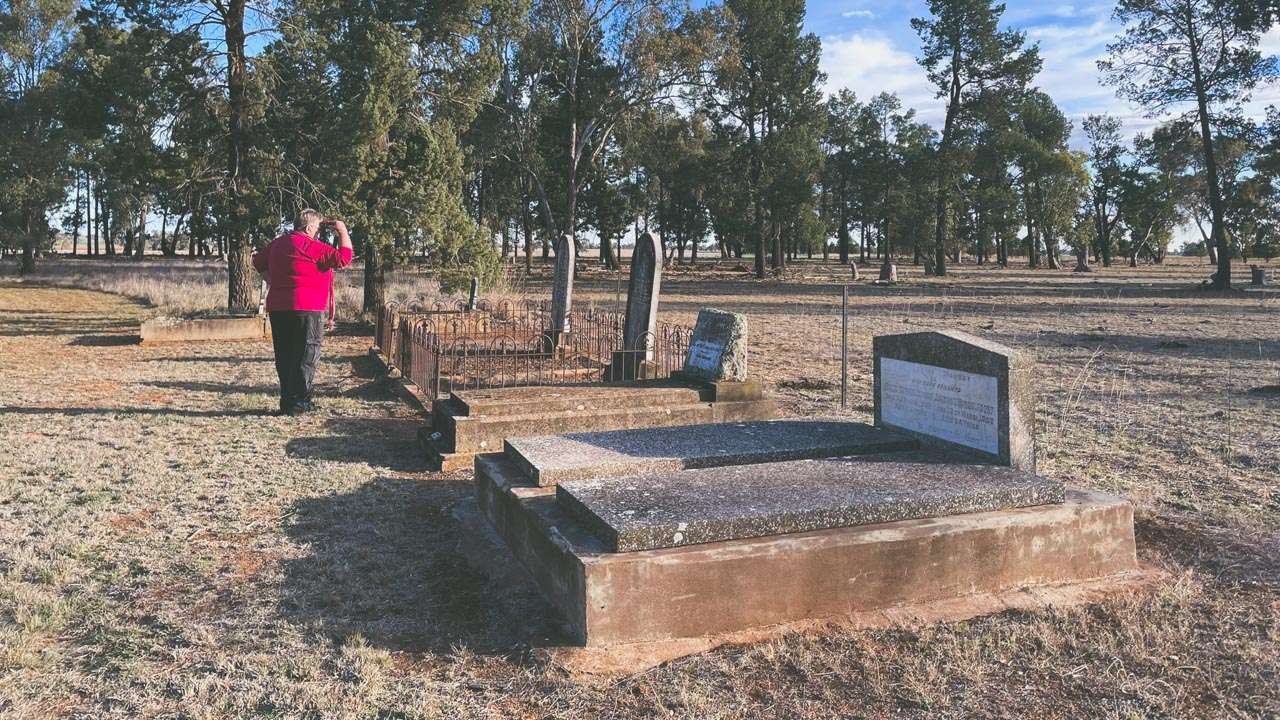
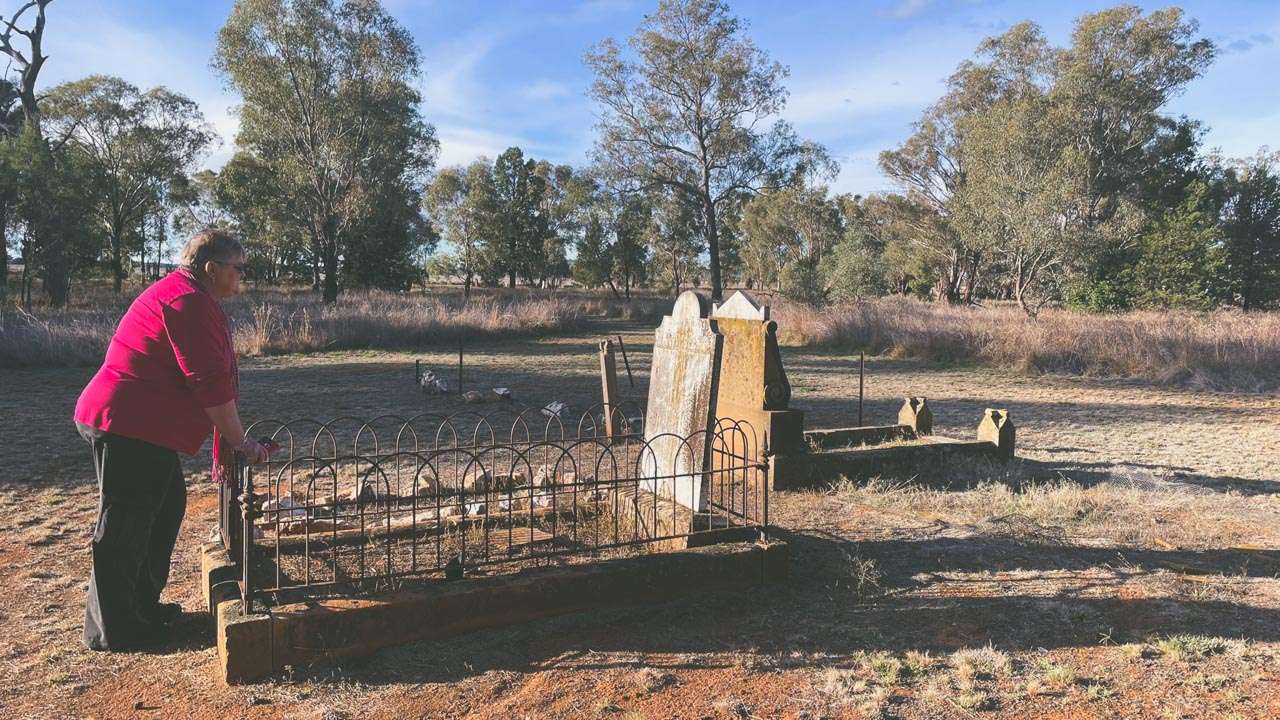
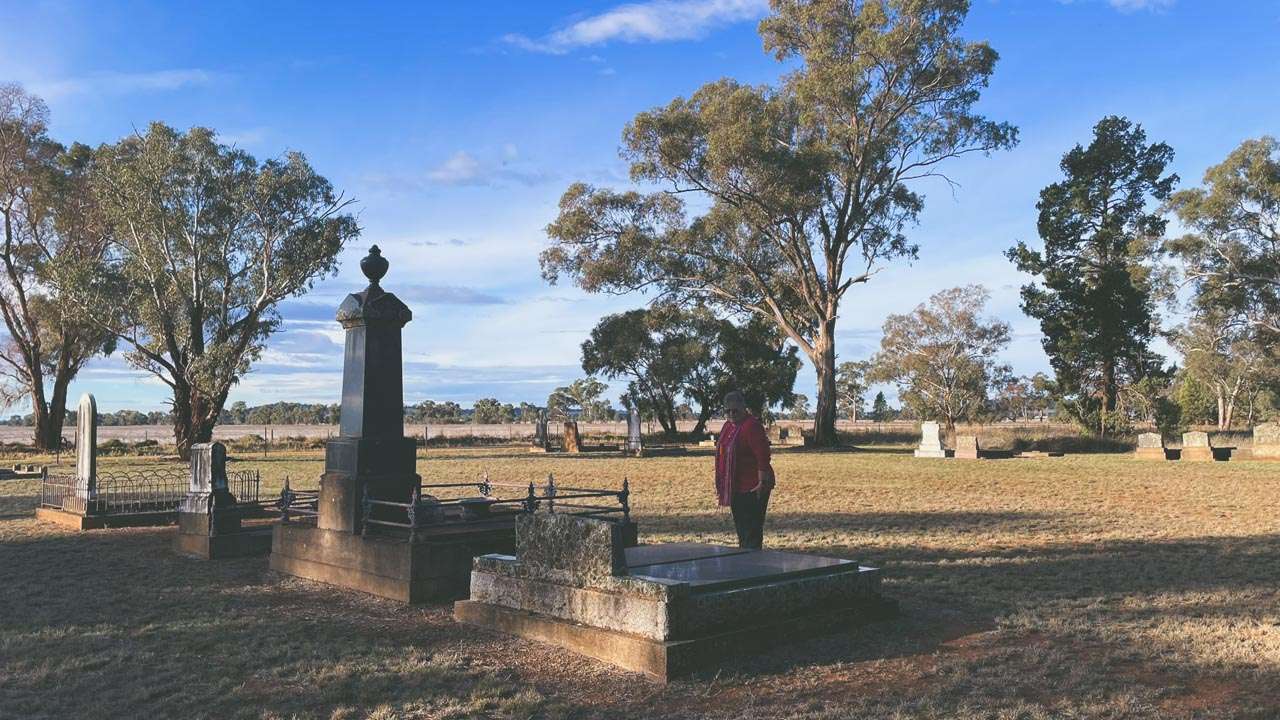
North Berry Jerry Cemetery is a very interesting place to visit. It is split into three sections and we can’t work out why. We think it’s because of a couple of family groups however it just seems odd.

We had a good walk around the cemetery and it’s of a fairly considerable size. A bit of research comes up with 59 graves between 1884 to 2003. It’s a really pretty cemetery on a very quiet road in the Coolamon Shire in the NSW Riverina area. It’s surrounded by farmland on all four sides.

One aspect of the cemetery that is odd is the separation of groups of graves. There is the main cemetery section when you walk in through the gates. You then have a small group of graves off to the right with the headstones all having the name Mangelsdorf on them and then walking further along a track takes you to another small group of graves. From here you can follow another track back to the main cemetery site. We spent about an hour walking through the cemetery and checking out the graves.

Overhead View Of Cemetery

Overhead View Of Cemetery

We came across the cemetery while we were out in the area doing some geocaching. There’s a geocache located just outside the cemetery and as we love to explore cemeteries whenever we can we too the time to have a look. It’s a nice place to end up.

North Berry Jerry Cemetery

North Berry Jerry Cemetery

List Of Graves In North Berry Jerry Cemetery

Surname Given Name (-Maiden name) Year
Bartlett Alma M. (-Stinson) 1974
Blair Annie I. (-Stevenson) 1991
Bradshaw David Martin 1965
Bradshaw Elizabeth 1930
Bradshaw Elizabeth 1899
Bradshaw James 1885
Bradshaw Letetia 1940
Bradshaw Mary Ann 1927
Bradshaw Robert Francis 1948
Bradshaw William 1941
Bryant Emma 1960
Bryant Henry 1904
Furner Charles James 1913
Furner George James 1902
Furner Leslie Carl 1920
Furner Leslie Charles Victor 1954
Furner Minnie Elizabeth (-Baur) 1976
Furner Phoebe (-Blencowe) 1927
Furner Victoria 1898
Higman Caroline (-Swann) 1904
Higman Richard 1916
Housden Beatrice Alice 1932
Housden Edith Ivy 1932
Jennings Effie M. 1900
Jennings Ernest C. 1896
Jennings George Webb 1922
Jennings Milbah Jane 1909
Jennings Victoria F. 1898
Mangelsdorf Frederick William 1951
Manglesdorf Ruby (- Crawford) 1942
Pearce Charles John 1924
Pearce Mary Jane (-Loard) 1929
Pearce Reginald Cecil 1889
Seckold Elizabeth Catherine (-Meister) 1900
Seckold Michael 1915
Stevenson Andrew George 1999
Stevenson Martha 1958
Stevenson Myrtle (-Evans) 1986
Stevenson R. Thomas 1976
Stevenson Robert 1949
Stevenson W. John 1993
Stinson Adah (- Furner) 1951
Stinson Afton Jamieson 1996
Stinson Anthony Howard 1995
Stinson Eliza Rosetta (-Halloran) 1935
Stinson Elizabeth Agnes Isabel 1904
Stinson Frederick William 2003
Stinson John William 1924
Stinson Nea Virginia (-Elliott) 1974
Stinson Rita Jean (-Belling) 1958
Stinson Samuel Steel 1943
Stinson William James 1954
Swan John [Swann] 1910
Swann Agnes 1884
Swann Agnes 1884
Swann Benjamin Thomas 1916
Thomas Evelyn Louisa 1917
Thomas William 1918
Tilyard Mary Elizabeth 1939
Tilyard Ronald Charles 1937

Gallery Photos