Uluru Rent A Car Your Guide To Renting A Car At Uluru/Yulara

Uluru Rent A Car Your Guide To Renting A Car At Uluru/Yulara

Uluru Rent A Car Your Guide To Renting A Car At Uluru/Yulara

When in Uluru rent a car for ultimate freedom and flexibility to explore Australia’s Red Centre at your own pace. Uluru is one of Australia’s most iconic landmarks and a must-visit destination for travellers seeking the raw beauty of the Australian Outback. While there are many ways to experience Uluru renting a car offers unparalleled flexibility and freedom. It will allow you to explore at your own pace and get to places that the tourist buses don’t go.

Why Would You Want To Rent A Car In Uluru?

Renting a car in Uluru is more than just a convenient way of getting about. It’s a game changer for your travel plans. With your own vehicle you can craft your itinerary, linger at scenic spots, and venture off the beaten path.

Flexibility And Freedom

Public transport options are zero around Uluru. Making a rental car the best way to ensure you can go wherever you want. In Uluru rent a car to go wherever and whenever you want. Whether it’s catching the sunrise at Uluru or exploring nearby attractions, having a car gives you the ultimate freedom.

Exploring At Your Own Pace

There’s no need to rush or adhere to a tour schedule. Want to spend an extra hour at a breathtaking lookout or take a detour to a less-visited site? With a rental car, it’s all possible.

Types Of Rental Cars Available

Depending on your needs and preferences, there are various types of rental cars available in Uluru.

Sedans And Hatchbacks

Perfect for solo travellers or couples, sedans and hatchbacks are economical and easy to drive. They’re ideal for paved roads and short distances.

SUVs And 4WDs

For those planning to explore more rugged terrain, an SUV or a 4WD vehicle is essential. SUVs and 4WDs give you more flexibility needed if you want to partake in off-road adventures.

Luxury Cars

If you prefer to travel in style, luxury cars offer enhanced comfort and features. An awesome option for those who like to travel in maximum comfort and style.

Top Car Rental Companies In Uluru

Several reputable car rental companies operate in Uluru, providing a range of options to suit different needs.

Avis

Avis is known for its wide selection of vehicles and excellent customer service. They offer various models ranging from compact cars through to 4WDs.

Avis Rent A Car From Uluru – Ayers Rock Airport
Are you looking for a rental car to explore Uluru and Alice Springs? If you’re ready to experience the Red Centre in full Avis can make their trip safer and more enjoyable. Avis offer car hire at Ayers Rock Airport, which is also known as Connellan Airport or Uluru Airport. AVIS specialise in 4WDs, with their vehicles perfect for weekends in the bush or extended outback adventures.

Avis car rental at Ayers Rock Airport is easy to find, with their office located at the Arrivals Hall in the main Terminal Building. The Avis Ayers Rock car rental office is open on Sundays from 9:00 AM to 1:45 PM, and Monday to Friday from 9:00 AM to 2:00 PM. Their rental car must be returned during office hours.

Avis Car Hire Fleet

Cars
If you need an Uluru rent a car, AVIS have a variety of vehicles to choose from. From compact cars to large sedans and SUVs, you’re sure to find exactly what you need. 4WDs are especially popular in the Red Centre, as they allow you to explore Uluru-Kata Tjuta National Park and get off the beaten track.

When it comes to 4WD hire at Ayers Rock Airport, AVIS combine fantastic off-road performance with modern comfort and advanced safety features. Their 4WDs and other vehicles go through a regular maintenance and cleaning program, so you can book 4WD hire at Uluru with complete confidence. Check out their Ayers Rock Airport car hire fleet today.

Commercial Vehicle Hire – Ute – Van – Truck – Bus
The car rental office at Uluru Airport also supplies commercial vehicles, from utes and vans to small trucks and buses. If you need a practical vehicle for work or recreation, AVIS are sure to have what you need. their commercial vehicles have been selected for outback conditions, with all cars kept in tip-top condition. If you need to visit the Red Centre for a contract or travel between Uluru and Alice for work, AVIS are there to help.

Avis Car Renting Deals & Offers
AVIS want to ensure their Uluru – Ayers Rock Airport car rental services are available to everyone. If you simply need to get from the airport to the city centre one-way car hire is perfect. However when you plan to spend a lot of time exploring Uluru try one of their long term car rentals. And to make sure you save money while hiring a car from Avis, try searching through car hire deals.

Uluru Rent A Car And Visit Yulara Resort

Uluru Rent A Car And Visit Yulara Resort

Hertz

Hertz provides competitive pricing and a large fleet. They are a reliable choice for both short and long-term rentals.

Experience The Quintessential Australian Outback Experience With Hertz
Alice Springs is one of only two major cities in Australia’s Northern Territory, so it stands to reason that much of the outback state is best explored from this central point. Most people come here to see the surrounding region and feast their eyes on some of Australia’s most iconic sights, such as Glen Helen Gorge, Ellery Creek Big Hole, and of course – the world-famous, Uluru. The Australian outback is a place of iconic beauty. For the best way to see it all, jump in a rental car and hit the road. Wherever you choose to explore, you’ll get there in a rental car from Hertz.

Pickup Locations Ayers Rock

Thrifty

Thrifty offers great deals and discounts, making it a popular choice among budget-conscious travellers.

Explore Nearby Natural Wonders In Your Car Hire
There’s more to nature in Uluru National Park and the Northern Territory than just Uluru. The Kata Tjuta is a lesser-known but also awe-inspiring geological formation. Located around a 40-minute drive west of Uluru, you will find Kata Tjuta, also referred to as the Olgas, meaning “many heads”. Holding great cultural significance, the Kata Tjuta consists of 36 large domes (or heads). Thought to be the homes to many spirit energies, the Anangu Aboriginal people still use the area for ceremonies and have inhabited the site for the past 22,000 years. Able to be viewed from several hiking trails, ranging from tough, challenging hikes to more relaxed walking paths, how you choose to experience these wonders is up to you.

At close to a three-and-a-half-hour drive, Kings Canyon is more suited as a multi-day exploration than a single day trip, mainly because it takes a couple of days to take in the natural splendour of the landscape. Dine under the stars at the Kings Canyon resort after a day of hiking and sightseeing, where you can see any number of the 600 species of native plants and animals that call Kings Canyon home.

Use Your Rental Car To Drive Down Red Centre Way
Regarded as one of the great drives on the planet, ‘Red Centre way’ takes you through the heart of Australia on an unforgettable week-long journey. Using your Thrifty car hire, you can cover Alice Springs, Uluru, Kings Canyon and Ormiston Gorge, with stunning red desert between each location.

Drive to Kings Creek Station to see a working cattle and camel station. At around a million camels, Australia has more camels than any country on earth, and you are bound to see more than a few on your drive. In fact, if you really love camels and just seeing them isn’t enough, and you want to get up close and personal, you can take in the sights from a Camel Tour, which will see you riding around stunning trails from atop your hairy steed.

If you’re thinking of something more modern, quad biking and motorcycle tours are also popular ways to see the sights. All of these adventures await you in the “Red Heart”. Hire a Thrifty car hire from Ayers Rock Airport to experience them at your leisure.

Where Is The Branch Located?
If you are coming off a flight at Ayers Rock, you can pick up a vehicle from the counter at the airport terminal. If you are already in the resort you can pick up a vehicle from the Tourist Information Centre at our Town Square in Yulara. If you have booked a vehicle and are already in the resort and you have been advised to collect from the airport, please contact us prior to going out to the Airport so that we can arrange for pick up at our Downtown office. The airport counter only operates when a commercial flight is arriving at the Resort at the times specified by the airline.

  • Address
    Ayers Rock Airport
    Coote Road, Ayers Rock, NT, 0872, Australia
  • Phone
    (08) 8956 2030
  • Opening Hours
    Monday:08:00-17:00
    Tuesday:08:00-17:00
    Wednesday:08:00-17:00
    Thursday:08:00-17:00
    Friday:08:00-17:00
    Saturday:08:00-17:00
    Sunday:08:00-17:00
  • Web
    https://www.thrifty.com.au/locations/ayers-rock-airport

Uluru Rent A Car And Visit Kata Tjuta The Olgas Valley Of The Winds Walk

Uluru Rent A Car And Visit Kata Tjuta The Olgas Valley Of The Winds Walk

How To Choose The Right Rental Car

Selecting the right rental car depends on several factors.

Consider Your Itinerary

Think about the places you plan to visit. If you’re sticking to main roads, a sedan might suffice. For off-road adventures go for for an SUV or 4WD.

Size And Comfort

Consider the number of passengers and the amount of luggage. A larger vehicle might be necessary for families or groups.

Fuel Efficiency

Fuel costs can add up especially if you plan to drive long distances. Choosing a more fuel efficient vehicle can save you money.

Booking Your Rental Car

Booking your rental car in advance is recommended, especially during peak travel seasons.

Online Booking vs. Walk-In

Online booking allows you to compare prices and secure your preferred vehicle. Walk-in bookings are possible but come with the risk of limited availability.

Best Time To Book

Booking at least a few weeks in advance can help you get better deals and ensure the car you want is available.

Necessary Documentation

Make sure to have your driver’s license, credit card, and any other required identification when picking up your rental car.

Cost Of Renting A Car In Uluru

Understanding the costs involved can help you budget for your trip.

Average Rental Prices

Rental prices vary depending on the type of car and rental duration. On average, expect to pay around $350 per day for a standard mid sized car.

Additional Fees To Consider

Be aware of additional fees such as insurance, fuel charges, and young driver fees. Reading the rental agreement carefully can help avoid surprises.

Tips for Saving Money

Booking in advance, choosing a fuel-efficient car, and avoiding unnecessary extras can help reduce rental costs.

Driving In Uluru

Driving in Uluru comes with its own set of challenges and considerations.

Road Conditions And Terrain

The roads around Uluru are generally well-maintained, but some areas, especially off-road tracks, can be rough. Ensure your vehicle is suitable for the terrain you plan to explore.

Weather Considerations

The Outback can experience extreme weather conditions. Keep an eye on the local weather forecast and be prepared for hot temperatures, sudden rain and dusty conditions.

Safety Tips

Always carry plenty of water, a spare tire, and a basic toolkit. Mobile phone coverage can be limited, so it’s wise to inform someone of your travel plans.

Must Visit Attractions Accessible By Car

Uluru is surrounded by stunning attractions that are easily accessible by car.

Uluru-Kata Tjuta National Park

This UNESCO World Heritage site is home to the famous Uluru rock formation and the equally impressive Kata Tjuta (the Olgas). Explore the park’s numerous walking trails and cultural sites.

Kings Canyon

A bit further afield, Kings Canyon offers spectacular hiking opportunities and breathtaking views. The Rim Walk is particularly popular.

Alice Springs

A few hours’ drive from Uluru, Alice Springs is a vibrant town with museums, galleries, and cultural experiences.

Day Trips From Uluru

There are several excellent day trip options for those looking to explore beyond Uluru.

The Olgas (Kata Tjuta)

This group of large, domed rock formations is just a short drive from Uluru and offers stunning scenery and hiking trails.

Mount Conner

Often mistaken for Uluru from a distance, Mount Conner is a striking flat-topped mountain worth visiting.

Aboriginal Cultural Experiences

Engage with the local Anangu people and learn about their rich cultural heritage through guided tours and workshops.

Packing Essentials For Your Road Trip

Preparation is key for a successful road trip in the Outback.

Water And Snacks

Always carry enough water and non-perishable snacks. The distances between service stations can be long.

Maps And GPS

While GPS is helpful, having a physical map as a backup is advisable in case of signal loss.

Emergency Kit

An emergency kit should include a first aid kit, flashlight, extra batteries, and basic tools.

Eco Friendly Driving Tips

Being mindful of the environment is important when driving through such a pristine area.

Minimising Fuel Consumption

Drive smoothly, avoid unnecessary idling, and keep your tires properly inflated to reduce fuel consumption.

Responsible Off-Road Driving

Stick to marked trails and avoid disturbing wildlife or plant life.

Local Etiquette And Respecting Indigenous Land

Respect for the local culture and land is paramount.

Cultural Sensitivity

Be aware of and respect the cultural significance of sites to the Anangu people. Follow guidelines and signs at cultural sites.

Permits And Permissions

Some areas require permits for entry. Ensure you have the necessary permissions before venturing into restricted zones.

Returning Your Rental Car

When your adventure concludes, follow these steps for a smooth return process.

Fuel Policy

Most rental companies require you to return the car with a full tank of fuel. Plan accordingly to avoid extra charges.

Inspection And Damage Checks

Inspect the car for any damage and ensure it’s clean. Report any issues to the rental company.

Returning At Odd Hours

If you need to return the car outside of business hours, confirm the procedure with the rental company to avoid any complications.

Conclusion

Renting a car in Uluru is the key to unlocking an unforgettable adventure in Australia’s Red Centre. With the freedom to explore at your own pace that renting a car in Uluru will give you can fully immerse yourself in the stunning landscapes and rich cultural heritage of the region.

Uluru Rent A Car FAQs Frequently Asked Questions

What is the minimum age to rent a car in Uluru?

The minimum age to rent a car in Uluru is typically 21 years, though some companies may charge an additional fee for drivers under 25.

Are there any additional insurance options available?

Yes, most rental companies offer additional insurance options such as collision damage waivers and personal accident insurance.

Can I rent a car one-way from Uluru?

Some rental companies offer one-way rentals, but it's best to check in advance and confirm any additional fees.

How reliable is GPS navigation in the area?

GPS navigation is generally reliable, but it's wise to have a physical map as a backup in case of signal loss.

What should I do in case of a breakdown?

In case of a breakdown, contact the rental company's roadside assistance service. It's also recommended that you inform someone of your travel plans and expected return time.

53 Best Camp Sites On The Great Central Road

53 Best Camp Sites On The Great Central Road

53 Best Camp Sites On The Great Central Road

Travel the Great Central Road (GCR) with our comprehensive planning guide. Learn about key stops, preparation tips and cultural significance. Are you ready for an adventure that takes you through the heart of Australia’s outback?

The Great Central Road runs from Laverton in Western Australia to Uluru in the Northern Territory. This outback road trip adventure takes you through awesome wide open deep red landscapes. It leaves you with the feeling of a deep connection to country. If you are a well experienced outback adventurer or planning your first outback trip. This guide will equip you with everything you need to know for an unforgettable experience.

Great Central Road Free Camp At Docker River

Great Central Road Free Camp At Docker River

Table Of Contents

History And Background

Origins Of The Great Central Road

The Great Central Road was initially developed as a series of tracks used by Aboriginal communities for trade and travel. Over the years it has been transformed into a defined route to facilitate mining operations and connect remote communities. The Great Central Road is now an important link between Western Australia and the Northern Territory. It is an adventurous path through some of the most remote parts outback Australia has to offer.

Historical Significance Of The Great Central Road

The Great Central Road is more than just a highway; it’s a journey through history. The road passes through lands inhabited by First Nation people for millennia. Their communities have rich traditions and a deep connection to country. This trip is not only a physical journey but it’s a cultural and very historic one as well.

Route Overview

Starting Point: Laverton, WA

Laverton marks the beginning of the Great Central Road. Laverton is steeped in gold mining history and offers travellers a last chance to stock up on essential supplies and services.

Ending Point: Uluru, NT

The route ends (or begins) at Uluru, one of Australia’s most iconic landmarks. This monolith stands as a pertinent example of the natural beauty and spiritual significance of the outback.
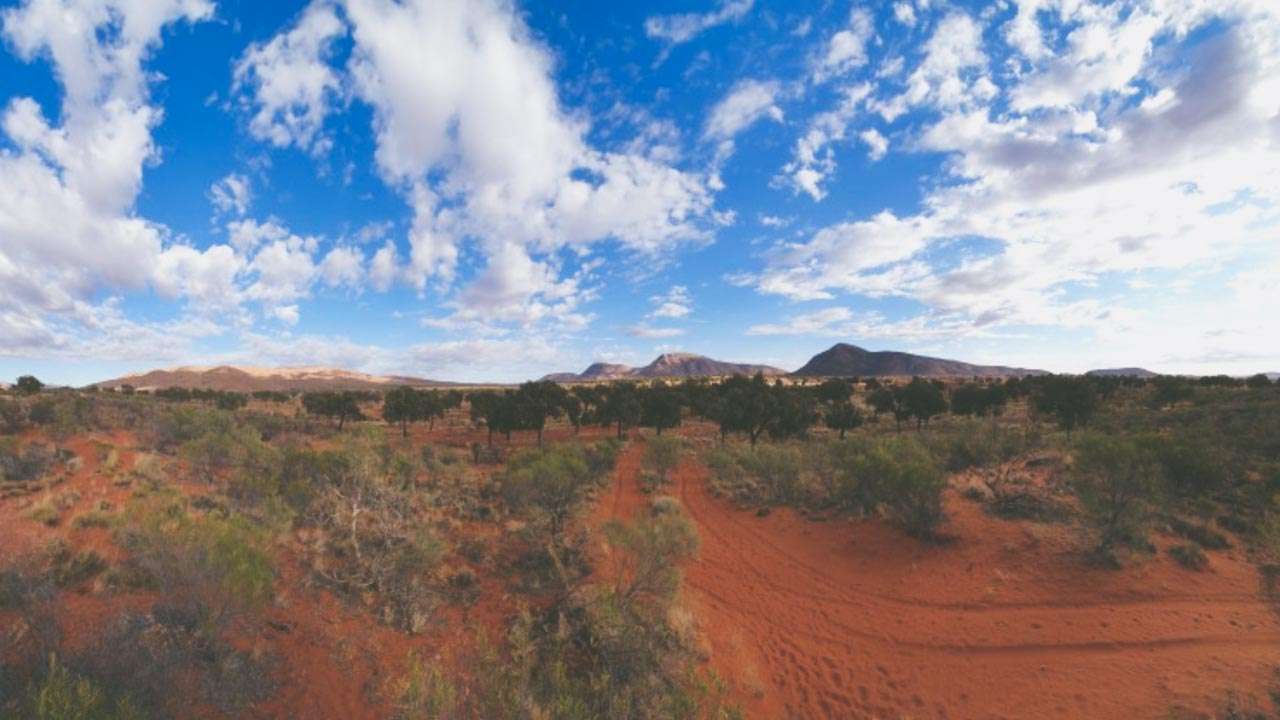
Docker River Camping On The Great Central Road

Docker River Camping On The Great Central Road

53 Camping Sites On The Great Central Road

There are numerous designated camping sites along the Great Central Road. These sites provide basic facilities and a safe place to rest.

1. Camp Sandalwood

This is a free campground accessible to camper trailers.

Cost: Free
Type: Bush Camping
Location: White Cliffs Rd, Laverton, Western Australia
GPS: -28.560606°, 122.584711°
Distance From Laverton WA: 20km
Distance From Uluru NT: 1,119km

2. Camp Brakesway

This is a free campground. It is dog friendly. It is accessible to camper trailers, off road caravans and four wheel drives. Camping in tents is allowed.

Cost: Free
Type: Bush Camping
Location: White Cliffs Road, Laverton, Western Australia
GPS: -28.480701°, 122.803377°
Distance From Laverton WA: 45km
Distance From Uluru NT: 1,143km
Pet Friendly: Yes

3. Road Side Stop With Telstra Coverage

This is a free campground. It is accessible to RVs, camper trailers and off road caravans.

Cost: Free
Type: Bush Camping
Location: White Cliffs-Yamarna Rd, Laverton, Western Australia
GPS: -28.400870°, 122.968969°
Distance From Laverton WA: 64km
Distance From Uluru NT: 1,067km

4. Condon Well Camp

This is a free campground. It is accessible to RVs, camper trailers and off road caravans.

Cost: Free
Type: Bush Camping
Location: White Cliffs-Yamarna Road, Laverton, Western Australia
GPS: -28.416255°, 123.099128°
Distance From Laverton WA: 77km
Distance From Uluru NT: 1,074km

5. New Rest Area

This is a new rest area replacing the old one 300m SW of here. Access to old site and Gnamma hole has been blocked with large rocks.

Cost: Free
Type: Bush Camping
Location: Laverton, Western Australia
GPS: -28.366170°, 122.598123°
Distance From Laverton WA: 37km
Distance From Uluru NT: 1,065km
Pet Friendly: Yes

6. Giles Breakaway

This is a free campground. It is accessible to RVs, camper trailers, caravans and big rigs. Camping in tents is allowed. We stayed at Giles Breakaway in August 2024 – click here to read our full rundown.

Cost: Free
Type: Bush Camping
Location: Great Central Rd, Laverton, Western Australia
GPS: -28.279715°, 122.702441°
Distance From Laverton WA: 51km
Distance From Uluru NT: 1,052km
Pet Friendly: Yes

7. Salt Lake Campsite

This is a free campground. It is dog friendly.

Cost: Free
Type: Bush Camping
Location: Great Central Rd, Cosmo Newbery, Western Australia
GPS: -28.208077°, 122.746484°
Distance From Laverton WA: 60km
Distance From Uluru NT: 1,042km
Pet Friendly: Yes

Free Camping On The Great Central Road In WA

Free Camping On The Great Central Road In WA

8. Overnight Stop

This is a free campground. It is dog friendly.

Cost: Free
Type: Bush Camping
Location: Great Central Road, Laverton, Western Australia
GPS: -28.045097°, 122.855767°
Distance From Laverton WA: 82km
Distance From Uluru NT: 1,021km
Pet Friendly: Yes

9. The Pines Rest Area

This is a free campground. It is dog friendly. It is accessible to RVs, camper trailers and caravans. Camping in tents is allowed. You must be fully self-contained.

Cost: Free
Type: Bush Camping
Location: Great Central Rd, Cosmo Newbery, Western Australia
GPS: -27.915623°, 123.178602°
Distance From Laverton WA: 119km
Distance From Uluru NT: 983km
Pet Friendly: Yes

10. Under The Southern Cross Windmill

This is a campground. It is accessible to motorbikes, camper trailers and off road caravans.

Cost: Free
Type: Bush Camping
Location: -27.92123, 123.378667 Is Entrance From GCR, Western Australia
GPS: -27.874536°, 123.342216°
Distance From Laverton WA: 152km
Distance From Uluru NT: 969km

11. Gravel Pit

This is a free campground. It is accessible to RVs, camper trailers, caravans and big rigs.

Cost: Free
Type: Bush Camping
Location: Great Central Road, Cosmo Newbery, Western Australia
GPS: -27.924011°, 123.430979°
Distance From Laverton WA: 144km
Distance From Uluru NT: 952km

12. Nankers Spot

This is a free campground. It is accessible to motorbikes, RVs, camper trailers and caravans. Camping in tents is allowed. You must be fully self-contained.

Cost: Free
Type: Bush Camping
Location: Great Central Road, Cosmo Newbery, Western Australia
GPS: -27.918001°, 123.617686°
Distance From Laverton WA: 163km
Distance From Uluru NT: 940km

13. Karl’s Campspot

This is a free bush campground with room for small the medium size rigs. Smaller units can navigate their rig a fair distance from the road into the bush. Larger units might be better off utilising the area closer to the road (hard to turn and sandy). All spots are sheltered from road and sun by trees and bushes. Campfires are being lit but check with shire regulations.

Cost: Free
Type: Bush Camping
Location: Great Central Road, Western Australia
GPS: -27.916891°, 123.619880°
Distance From Laverton WA: 163km
Distance From Uluru NT: 939km

14. Minnie Creek Road Rest Area

Accessible to motorbikes, camper trailers and off road caravans.

Cost: Free
Type: Bush Camping
Location: Great Central Road, Western Australia
GPS: -27.843846°, 123.917977°
Distance From Laverton WA: 196km
Distance From Uluru NT: 901km
Pet Friendly: Yes

15. Sandrifters Gravel Pit

This is a free campground. It is accessible to motorbikes, RVs, camper trailers and caravans. Camping in tents is allowed.

Cost: Free
Type: Bush Camping
Location: Lake Wells, Great Central Road, Western Australia
GPS: -27.758328°, 124.028482°
Distance From Laverton WA: 210km
Distance From Uluru NT: 886km
Pet Friendly: Yes

16. Rest Stop

This is a free campground.

Cost: Free
Type: Bush Camping / Rest Area
Location: Neale, Great Central Road, Western Australia
GPS: -27.742630°, 124.060603°
Distance From Laverton WA: 214km
Distance From Uluru NT: 889km

17. Shady Gum Camp

Unofficial small site – one car only, no room to turn caravan around if site already in use. Not far from the Hwy, no facilities. Lovely spot to spend the night round a fire.

Cost: Free
Type: Bush Camping
Location: Great Central Rd, Neale, Western Australia
GPS: -27.713851°, 124.140968°
Distance From Laverton WA: 223km
Distance From Uluru NT: 880km
Pet Friendly: Yes
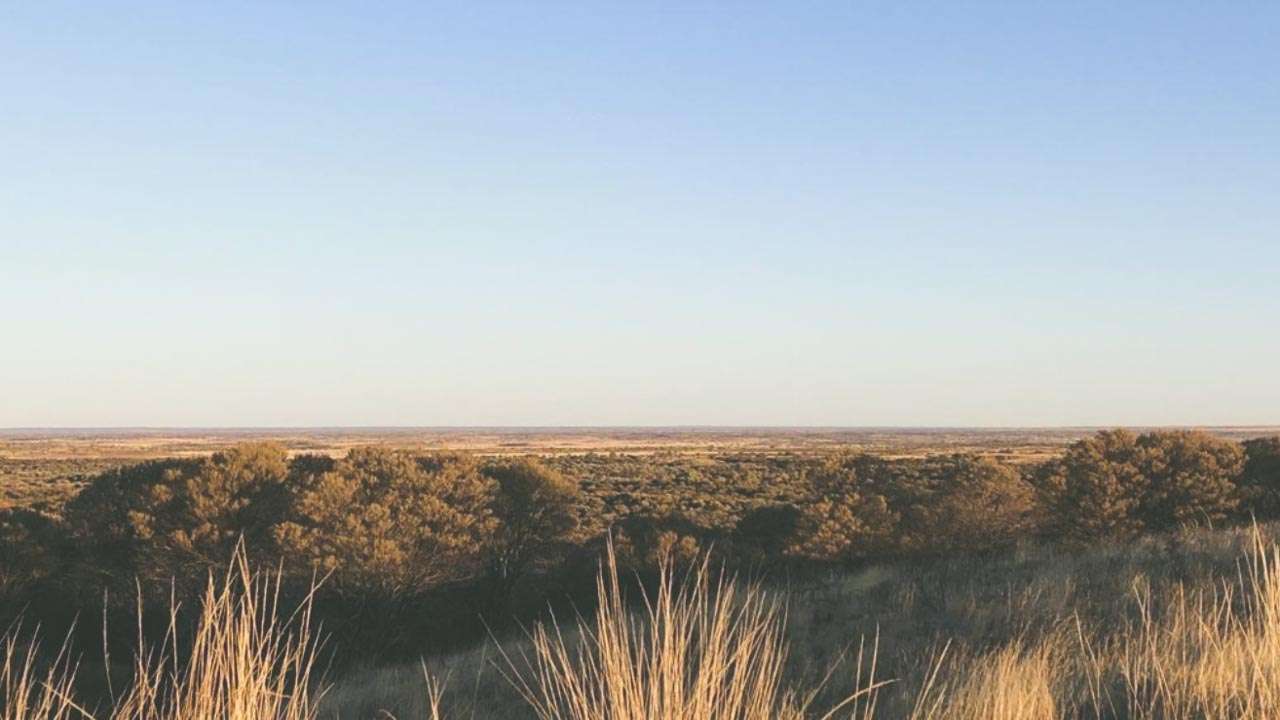
GCR Camping Near Warburton WA

GCR Camping Near Warburton WA

18. Eulalia’s Rest Spot

Turn off the road approximately 1km east of Shady Pines. The entrance is a dirt track south of the road. It may not be suitable for caravans. The spot is off the road, has plenty of firewood and is elevated. It’s obviously not used too much but is less exposed. There are numerous other tracks once you get to the spot.

Cost: Free
Type: Bush Camping
Location: Great Central Rd, Neale, Western Australia
GPS: -27.712349°, 124.157787°
Distance From Laverton WA: 225km
Distance From Uluru NT: 878km

19. Parking Diversion

Unofficial free camping in a long parking diversion off of the Great Central Road. There are no facilities. Campers must be self-sufficient. Take all rubbish with you and leave no trace. Pets are permitted.

Cost: Free
Type: Bush Camping
Location: Great Central Rd, Neale, Western Australia
GPS: -27.548748°, 124.297423°
Distance From Laverton WA: 249km
Distance From Uluru NT: 855km
Pet Friendly: Yes

20. Roadside Rest Area

This is a free campground. It is dog friendly. It is accessible to off road caravans and four wheel drives.

Cost: Free
Type: Bush Camping / Rest Area
Location: David Carnegie Rd, Neale, Western Australia
GPS: -27.220941°, 124.446485°
Distance From Laverton WA: 290km
Distance From Uluru NT: 813km
Pet Friendly: Yes

21. Nullye Soak

This is a free campground. It is dog friendly. It is accessible to camper trailers, off road caravans and four wheel drives. Camping in tents is allowed.

Cost: Free
Type: Bush Camping
Location: Great Central Rd, Lake Wells, Western Australia
GPS: -27.185306°, 124.487631°
Distance From Laverton WA: 295km
Distance From Uluru NT: 807km
Pet Friendly: Yes

22. Tjukayirla Roadhouse

This paid caravan park offers toilets, showers, drinking water and power hookups. It is dog friendly. It is accessible to motorbikes, RVs, camper trailers and caravans. Camping in tents is allowed. They do not take bookings. First in best dressed. Fuel is available.

Cost: Powered $40 / Unpowered $30 (as at June 2024)
Type: Roadhouse Caravan Park
Location: Great Central Rd, Neale, Western Australia
GPS: Great Central Rd, Neale, Western Australia
Distance From Laverton WA: 277km
Distance From Uluru NT: 819km
Phone: (08) 9037-1108
Email: tjukayirlaroadhouse@ngcouncil.org.au
Web: http://tjukayirlaroadhouse.com.au
Pet Friendly: Yes
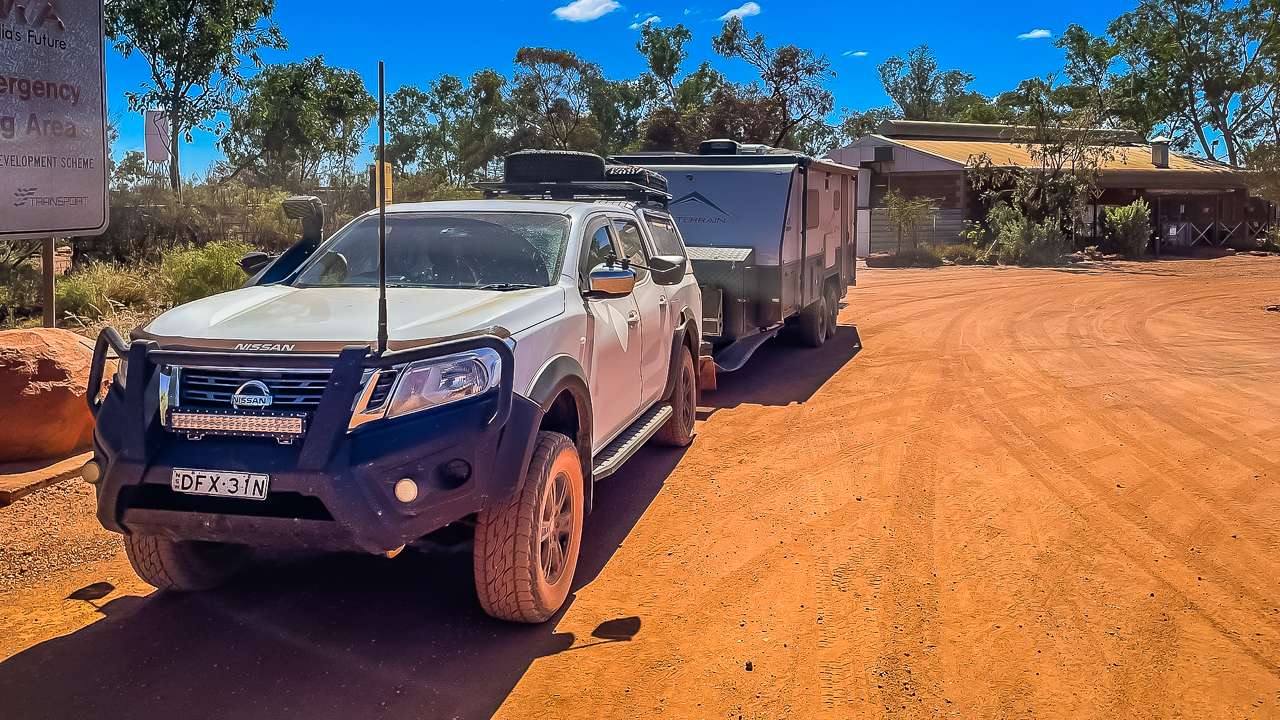
At Tjukayirla Roadhouse

At Tjukayirla Roadhouse

23. Old Roadworks Camp Site

Unofficial stop. Leave no trace.

Cost: Free
Type: Bush Camping
Location: Great Central Rd, Lake Wells, Western Australia
GPS: -27.048529°, 124.818914°
Distance From Laverton WA: 333km
Distance From Uluru NT: 770km
Pet Friendly: Yes

24. Wahlgu Rockholes

Unofficial stop. Leave no trace.

Cost: Free
Type: Bush Camping
Location: Great Central Rd, Western Australia
GPS: -27.061158°, 125.185781°
Distance From Laverton WA: 370km
Distance From Uluru NT: 727km

25. Corheads Kangaroo Camp

Off the highway. Easily accessible with turn around points and plenty of space trees for shade. Don’t go too far past the big opening as it does get rough & hard to turn around.

Cost: Free
Type: Bush Camping
Location: Great Central Road, Western Australia
GPS: -27.056238°, 125.183536°
Distance From Laverton WA: 370km
Distance From Uluru NT: 727km

26. Road Water Dam

This is a free campground. It is accessible to motorbikes, RVs, camper trailers and caravans.

Cost: Free
Type: Bush Camping
Location: Great Central Road, Western Australia
GPS: -27.050051°, 125.206958°
Distance From Laverton WA: 372km
Distance From Uluru NT: 724km
Pet Friendly: Yes

27. Road Realignment

This is a free campground. It is dog friendly. It is accessible to RVs, camper trailers and caravans.

Cost: Free
Type: Bush Camping
Location: Great Central Road, Western Australia
GPS: -27.034355°, 125.227917°
Distance From Laverton WA: 375km
Distance From Uluru NT: 722km
Pet Friendly: Yes

28. Gravel Pit – Paradise Camp

This is a free campground. An unofficial sign names it as Paradise Camp.

Cost: Free
Type: Bush Camping
Location: GCR, Western Australia
GPS: -26.972562°, 125.407069°
Distance From Laverton WA: 394km
Distance From Uluru NT: 708km

29. Ridge Camp

This is a free campground. It is dog friendly. It is accessible to RVs, big rigs, camper trailers and caravans.

Cost: Free
Type: Bush Camping
Location: Great Central Road, Western Australia
GPS: -26.965449°, 125.412748°
Distance From Laverton WA: 395km
Distance From Uluru NT: 707km

30. Desert Surf Central

This is a free campground. It is accessible to motorbikes, RVs, camper trailers, caravans and big rigs. Camping in tents is allowed. Heaps of room for a few camps, good firewood around and caves to explore. We stayed at Desert Surf Central in August 2024 – click here to read our full rundown.

Cost: Free
Type: Bush Camping
Location: Great Central Road, Western Australia
GPS: -26.836652°, 125.658008°
Distance From Laverton WA: 424km
Distance From Uluru NT: 679km
Pet Friendly: Yes
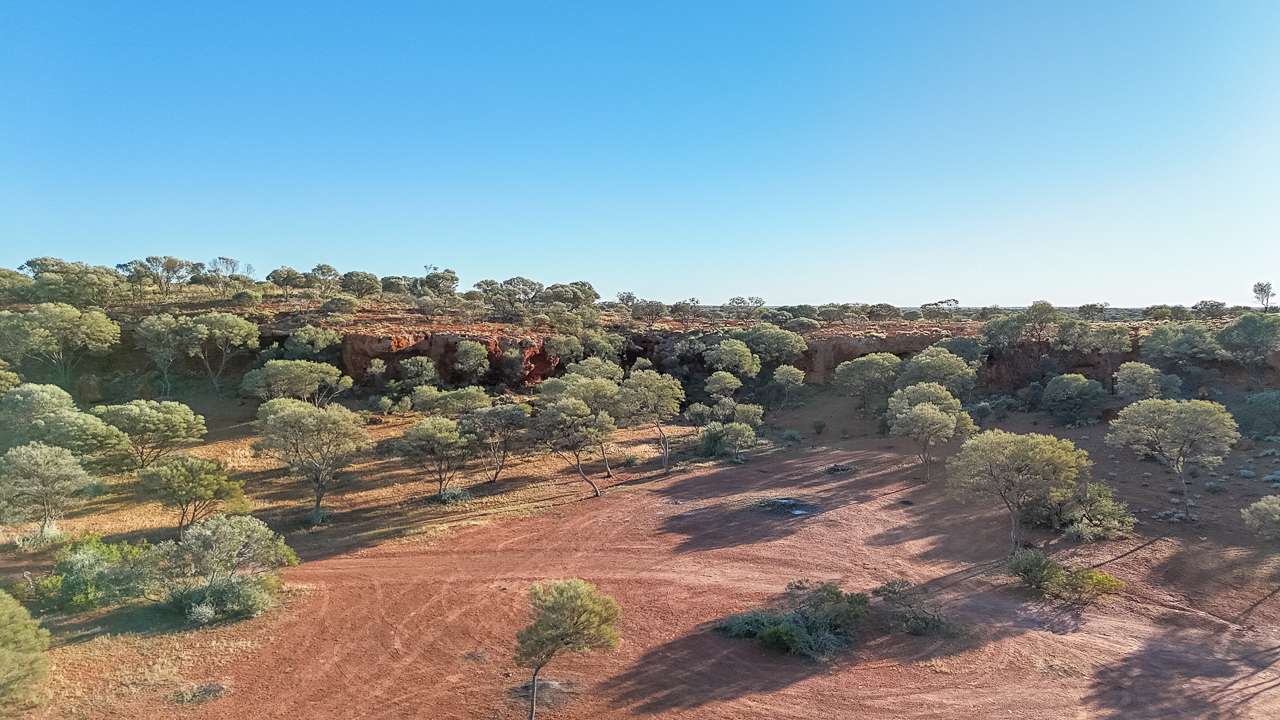
Breakaways At Desert Surf Central

Breakaways At Desert Surf Central

31. Off The Road

This is a free camping area. It’s dog friendly.

Cost: Free
Type: Bush Camping
Location: Great Central Road, Gibson Desert South, Western Australia
GPS: -26.816710°, 125.693160°
Distance From Laverton WA: 428km
Distance From Uluru NT: 675km
Pet Friendly: Yes
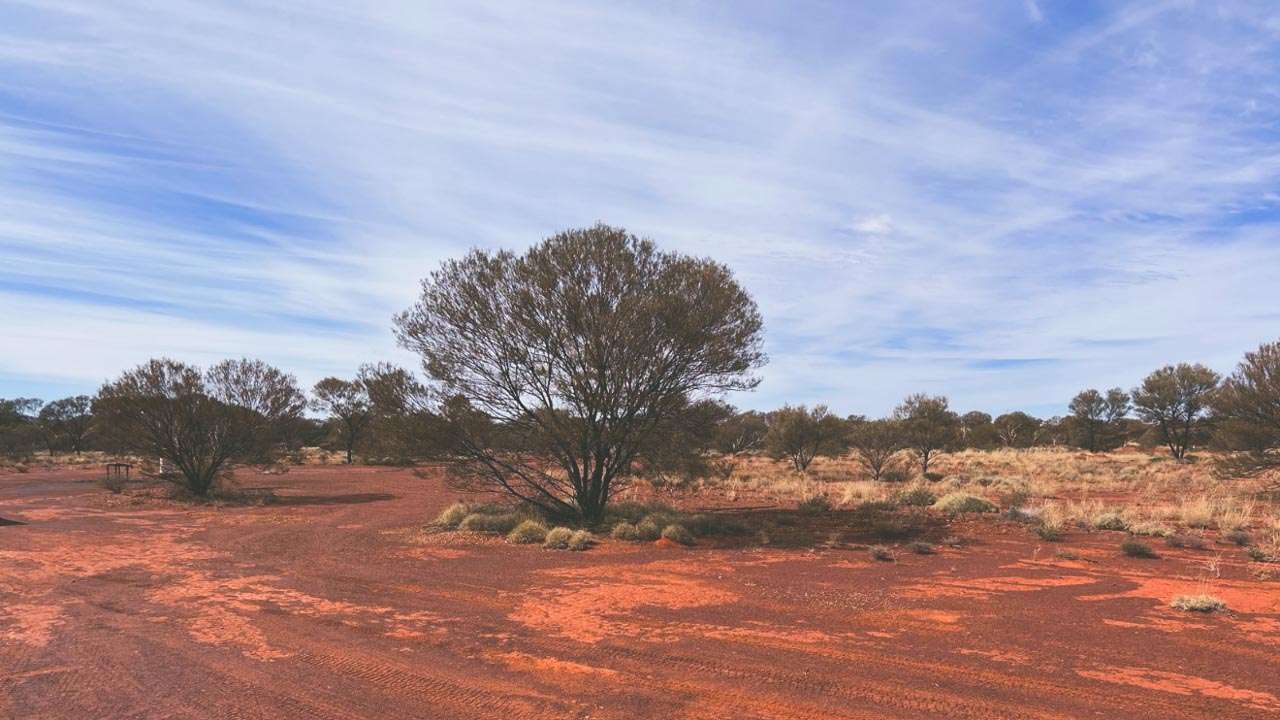
Old Roadworks Camp Site On Great Central Road 770km From Uluru

Old Roadworks Camp Site On Great Central Road 770km From Uluru

32. Gravel Dump

This is a free camping area. It’s dog friendly.

Cost: Free
Type: Bush Camping
Location: Great Central Road, Western Australia
GPS: -26.708662°, 125.766645°
Distance From Laverton WA: 442km
Distance From Uluru NT: 661km
Pet Friendly: Yes

33. Quarry

This is a free camping area.

Cost: Free
Type: Bush Camping
Location: Great Central Road, Gibson Desert South, Western Australia
GPS: -26.621734°, 125.875080°
Distance From Laverton WA: 457km
Distance From Uluru NT: 646km

34. Chris’s Place

This is a free campground. It is dog friendly. It is accessible to motorbikes, RVs, camper trailers, caravans and four wheel drives. Huge area in the bush. It used to be a quarry.

Cost: Free
Type: Bush Camping
Location: Great Central Road, Western Australia
GPS: -26.524739°, 126.029550°
Distance From Laverton WA: 476km
Distance From Uluru NT: 626km
Pet Friendly: Yes

35. Pete’s Bush Camp

This is a free campground. It is accessible to motorbikes, RVs, camper trailers, caravans and big rigs. Camping in tents is allowed.

Cost: Free
Type: Bush Camping
Location: Great Central Road, Gibson Desert South, Western Australia
GPS: -26.522112°, 126.027955°
Distance From Laverton WA: 476km
Distance From Uluru NT: 626km

36. Mikes Place – Near Pete’s

This is a free campground. It is accessible to motorbikes, RVs, camper trailers, caravans and big rigs. Camping in tents is allowed.

Cost: Free
Type: Bush Camping
Location: Great Central Road, Gibson Desert South, Western Australia
GPS: -26.522197°, 126.038044°
Distance From Laverton WA: 477km
Distance From Uluru NT: 625km

37. Micks Camp

Nice quiet spot off to the side of the plateau. A long way off the road pretty good views.

Cost: Free
Type: Bush Camping
Location: Great Central Road, Western Australia
GPS: -26.502166°, 126.056394°
Distance From Laverton WA: 480km
Distance From Uluru NT: 623km

38. Jonas Camp

This is a free camping area off to the side of the road.

Cost: Free
Type: Bush Camping
Location: Great Central Rd, Gibson Desert South, Western Australia
GPS: -26.421422°, 126.146363°
Distance From Laverton WA: 493km
Distance From Uluru NT: 610km

39. Rest Area Unofficial

This is a free campground. Camping in tents is allowed.

Cost: Free
Type: Bush Camping / Rest Area
Location: Great Central Rd, Gibson Desert South, Western Australia
GPS: -26.290962°, 126.234395°
Distance From Laverton WA: 511km
Distance From Uluru NT: 592km

40. Rest Area Along The Old GCR

Rest area along the old Great Central Road. About 30km west of Warburton WA.

Cost: Free
Type: Bush Camping
Location: Old Great Central Road, Western Australia
GPS: -26.219057°, 126.310647°
Distance From Laverton WA: 523km
Distance From Uluru NT: 580km

41. Rock Holes Via Old Great Central Road

This is a free campground. It is accessible to four wheel drives. Camping in tents is allowed. It has a bit of Telstra reception.

Cost: Free
Type: Bush Camping
Location: Great Central Road, Western Australia
GPS: -26.198019°, 126.384344°
Distance From Laverton WA: 530km
Distance From Uluru NT: 572km

42. Old Great Central Hwy Lookout / Rest Stop

This is a free campground. It is accessible to four wheel drives. Camping in tents is allowed. Telstra reception.

Cost: Free
Type: Bush Camping
Location: Old Great Central Hwy (Unsealed), Western Australia
GPS: -26.196682°, 126.390149°
Distance From Laverton WA: 531km
Distance From Uluru NT: 572km

43. Warburton Roadhouse

Congratulations you’re almost at exactly the half way point! For travellers crossing the Great Central Road, the Warburton Roadhouse is the perfect place to restock and refuel. With a variety of accommodation options and a good supply of both fresh and frozen food, Warburton Roadhouse is a welcome sight for many a weary traveller.

Facilities
The Roadhouse offers the following services.

  • Diesel and Opal* fuel (*Opal is a replacement for unleaded petrol.)
  • A takeaway food service and provision of breakfast and dinner if reserved in advance.
  • A well stocked store offering food and personal items including fresh fruit & veg, bread, drinks, ice, fuels, meat, basic grocery items and ice creams.
  • A range of accommodation options to suit everyone from the budget back-packer to the discerning traveller, as well as complete units that will act as a home away from home for persons employed on extended contracts in the community.
  • Tyre repair tools available for use.
  • 24 hour power.
  • The ability to cater for large groups and bus tours.
  • Telstra Network coverage (including 3G).

Cost: $15 per person per night (as on web site June 2024)
Type: Roadhouse Caravan Park
Location: Great Central Rd, Warburton, Western Australia
GPS: -26.131815°, 126.568548°
Distance From Laverton WA: 550km
Distance From Uluru NT: 552km
Phone: (08) 8956-7656
Web: https://warburtonroadhouse.com.au
Email: roadhouse.warbo@bigpond.com
Toilets: Yes
Showers: Yes
Power: Yes
Drinking Water: Yes
Laundry Facilities: Yes
Dump Point: Yes
Telstra Reception: Yes
Pet Friendly: Yes
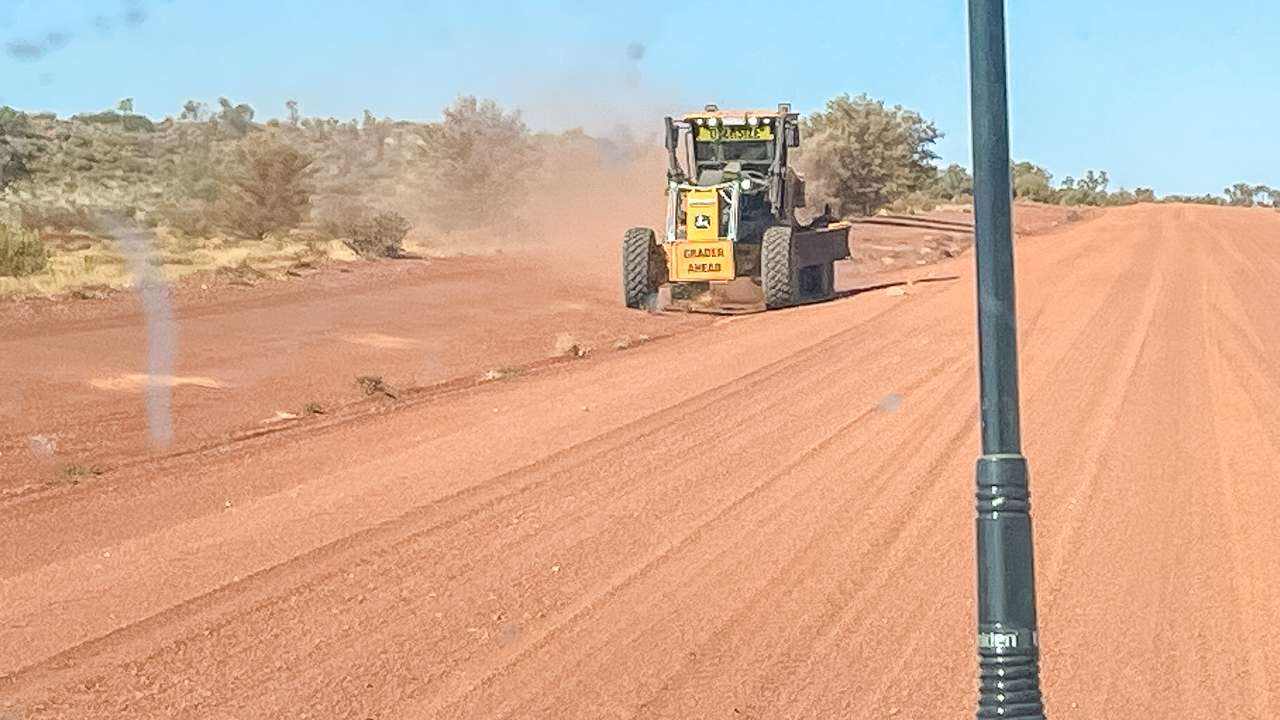
Grader On The Great Central Road Near Warburton

Grader On The Great Central Road Near Warburton

44. Piggies Place

This is a free campground. It is accessible to motorbikes, RVs, camper trailers, caravans and big rigs. Camping in tents is allowed. It’s dog friendly.

Cost: Free
Type: Bush Camping
Location: Great Central Rd, Ngaanyatjarra-Giles 0872, Western Australia
GPS: -25.927265°, 126.861635°
Distance From Laverton WA: 592km
Distance From Uluru NT: 510km
Pet Friendly: Yes

45. Yarla Kutjarra Camping

This is a free campground. It is accessible to motorbikes, RVs, camper trailers, caravans and big rigs. Camping in tents is allowed. It’s dog friendly. Telstra reception. We stayed at Yarla Kutjarra in August 2024 – click here to read our full rundown.

Cost: Free
Type: Bush Camping
Location: Great Central Rd, Between Warakurna and Warburton, Western Australia
GPS: -25.610328°, 127.223357°
Distance From Laverton WA: 646km
Distance From Uluru NT: 457km
Toilets: Yes
Non Potable Water: Yes
Pet Friendly: Yes
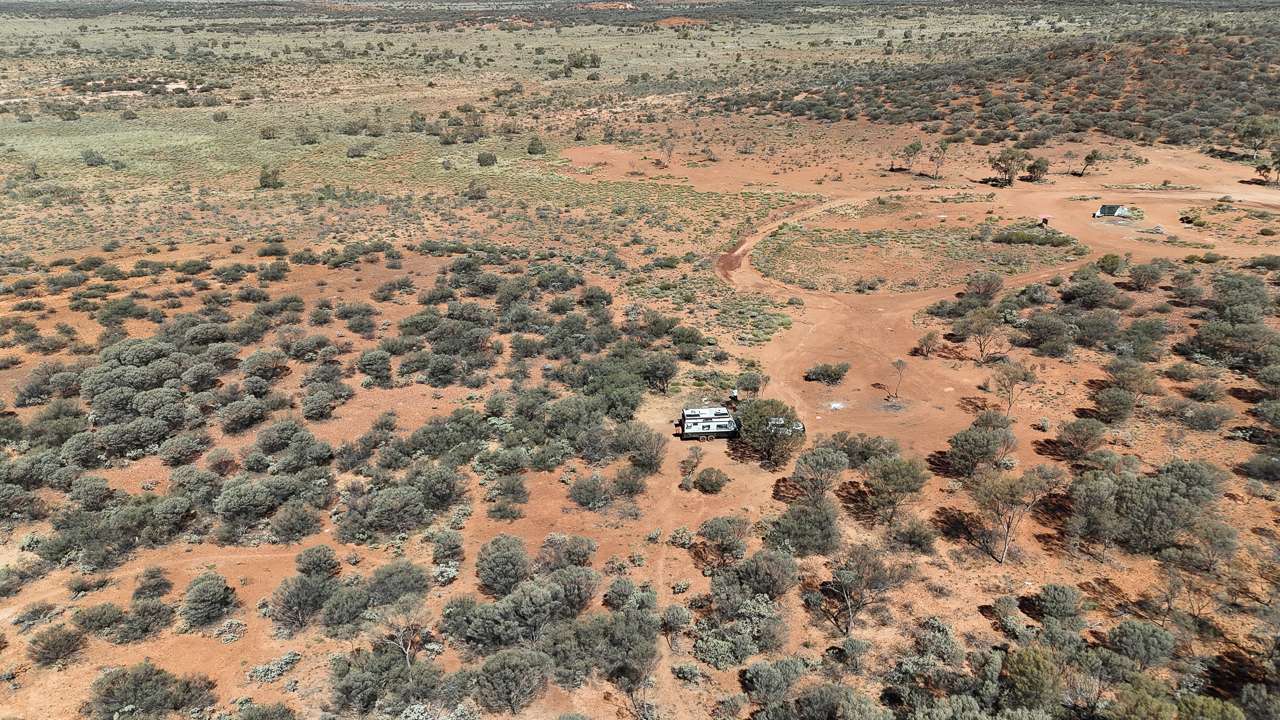
Our Camp On The Great Central Road Camping At Yarla Kutjarra

Our Camp On The Great Central Road Camping At Yarla Kutjarra

46. 2 GS Gravel Pit

Very big open area. Nice and flat. No firewood around so BYO. Loads of room here to turn around even the largest of rigs.

Cost: Free
Type: Bush Camping
Location: GCR, Western Australia
GPS: -25.518839°, 127.371185°
Distance From Laverton WA: 665km
Distance From Uluru NT: 438km
Pet Friendly: Yes

47. Gnamma Holes

This is a free campground. It is accessible to motorbikes, RVs, camper trailers, caravans and big rigs. Camping in tents is allowed. It’s dog friendly. Telstra reception.

Cost: Free
Type: Bush Camping
Location: Great Central Road, Ngaanyatjarra-Giles, Western Australia
GPS: -25.299460°, 127.817354°
Distance From Laverton WA: 717km
Distance From Uluru NT: 385km
Pet Friendly: Yes

48. Warakurna Roadhouse

The Warakurna Roadhouse is located along the Great Central Road, within the Great Victoria Desert, 781km west of Alice Springs and 331km from Yulara (Ayers Rock). Laverton is 811km to the west of the roadhouse and Kalgoorlie is 1163km west.

The Roadhouse offers the following services

  • Diesel and Opal fuel.
  • A takeaway food service.
  • A range of accommodation options to suit everyone from the budget back-packer to the discerning traveller. Including complete units that will act as a home away from home for persons employed on extended contracts in the community.
  • A well stocked store offering food and personal items including fresh fruit & veg, bread, drinks, ice, fuels, meat, basic grocery items and ice creams.
  • 24 hour power
  • An after-hours fuel service
  • Yurliya Gallery (High end Gallery exclusively selling works produced by Warakurna Artists)

Cost: Unpowered $20 – Powered $35 (as on web site June 2024)
Type: Roadhouse Caravan Park
Location: Great Central Rd, Warakurna, Western Australia
GPS: -25.043060°, 128.303328°
Distance From Laverton WA: 811km
Distance From Uluru NT: 331km
Phone: (08) 8956-7344
Web: https://warakurnaroadhouse.com.au
Toilets: Yes
Showers: Yes
Power: Yes
Drinking Water: Yes
Laundry Facilities: Yes
Dump Point: No
Telstra Reception: Yes
Pet Friendly: Yes
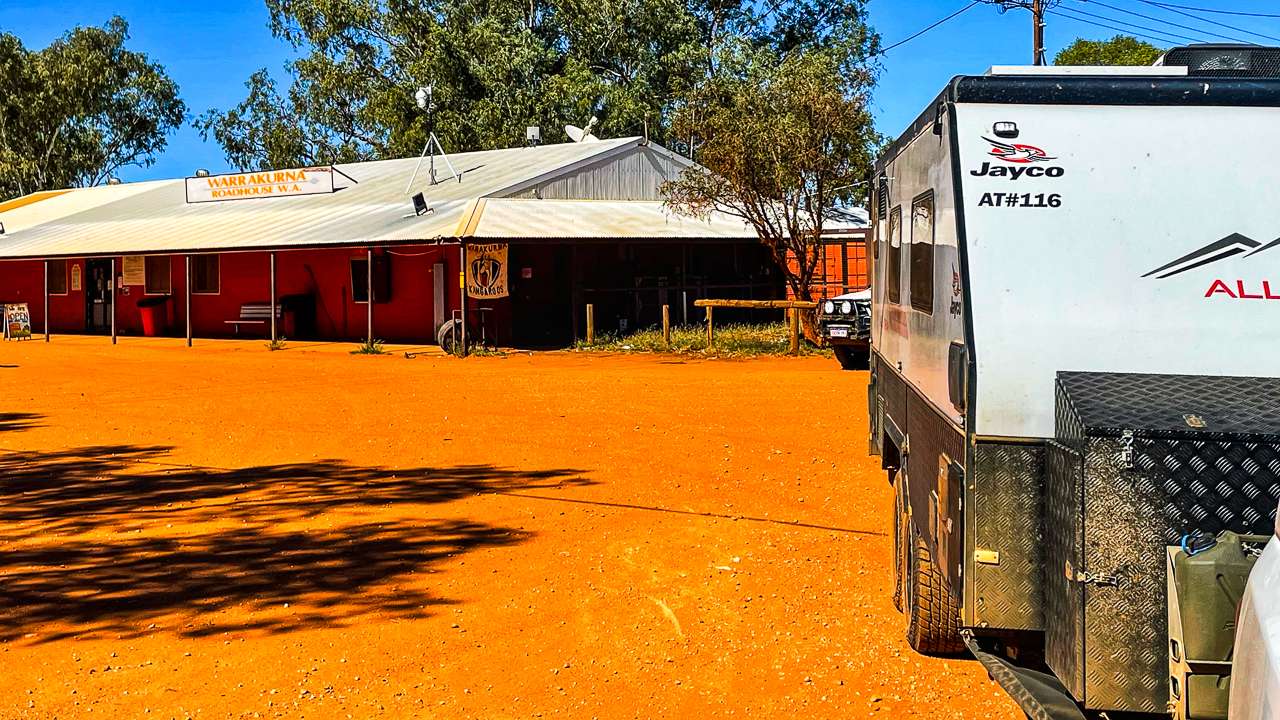
Warrakurna Roadhouse

Warakurna Roadhouse

49. Camel Last Resort

This is a free campground. It is accessible to motorbikes, camper trailers and caravans. Camping in tents is allowed. It’s dog friendly.

Cost: Free
Type: Bush Camping
Location: Great Central Road, Ngaanyatjarra-Giles, Western Australia
GPS: -25.155309°, 128.507698°
Distance From Laverton WA: 801km
Distance From Uluru NT: 302km
Pet Friendly: Yes

50. Giles Mulga Park Rd

This is a free campground. It is accessible to motorbikes, camper trailers and caravans. Camping in tents is allowed. It’s dog friendly.

Cost: Free
Type: Bush Camping
Location: Just Off Giles-Mulga Park Road, Western Australia
GPS: -25.167268°, 128.540448°
Distance From Laverton WA: 804km
Distance From Uluru NT: 298km
Pet Friendly: Yes

51. Docker River Camping

We stayed at Docker River in August 2024 – click here to read our full rundown.

  • This unpaid campground no longer offers toilets or showers.
  • It is dog friendly.
  • It is accessible to RVs, camper trailers, caravans and big rigs.
  • Local community (shop and diesel) closed to other than residents.
  • Camping in tents is allowed.
  • Telstra reception

NOTE: store/fuel at Docker River NOT OPEN SUNDAYS

Cost: Free
Type: Bush Camping
Location: Tjukaruru Rd, Docker River, Northern Territory
GPS: -24.865080°, 129.061564°
Distance From Laverton WA: 875km
Distance From Uluru NT: 228km
Pet Friendly: Yes

52. Ayers Rock Campground

Located 20km from Ayers Rock, Ayers Rock Campground is a great home base for truly experiencing the beauty of Ayers Rock. Unwind in air-conditioned cabins, hook up your caravan, campervan, motor home, or camper trailer at one of the powered campsites, or pitch your tent under the shade of native desert oaks and sleep under the stars. The camping ground also provides a range of services and facilities including a swimming pool, BBQ facilities and outdoor kitchen and self-service laundry facilities to make the great outdoors truly enjoyable.

**YOU CANNOT ENTER SITE IF YOU HAVE A CAT ON BOARD**

Hop on the complimentary shuttle bus for access to the Resort’s restaurants and bars, shops, a well-stocked IGA supermarket, petrol station, Tour & Information Centre, and art galleries. Participate in a range of free daily activities including guided garden walks and Indigenous bush yarns.

Pre-booking is essential. Especially during the Australian School Holiday periods and also peak season from May to August the campground sells out consistently. Contact number is 1300 134 044

Cost: Unpowered $50 – Powered $75 (as on web site June 2024)
Type: Resort / Caravan Park
Location: 173 Yulara Dr, Yulara 0872, Northern Territory
GPS: -25.238749°, 130.990129°
Distance From Laverton WA: 1,107km
Distance From Uluru NT: 15km
Phone: 0130 013 404
Web: https://ayersrockresort.com.au
Toilets: Yes
Showers: Yes
Power: Yes
Drinking Water: Yes
Laundry Facilities: Yes
Dump Point: Yes
Telstra Reception: Yes
Pet Friendly: Yes
Pet Sitting: Yes

53. Sandy View Roadside Rest Area

This is a free campground. It’s not on the Great Central Road however it’s the only listed free camping area anywhere near Uluru.

  • It is accessible to motorbikes, RVs, camper trailers and caravans.
  • Camping in tents is allowed.
  • You can stay here for up to 24 hours.
  • This is a roadside site only.
  • Free camping at Ayers Rock.
  • Free camping at Uluru.
  • Free camping at Yulara.

Cost: Free
Type: Roadside Camping
Location: Lasseter Hwy, Yulara, Northern Territory
GPS: -25.220208°, 131.229939°
Distance From Laverton WA: 1,133km
Distance From Uluru NT: 41km
Pet Friendly: Yes

Preparation For The Trip

Vehicle Requirements

Embarking on the Great Central Road requires a reliable 4WD vehicle. Ensure your vehicle is well-maintained and equipped for off-road conditions. Spare tyres, extra fuel, and a comprehensive toolkit are essential.

Essential Supplies

Pack enough food, water, and camping gear for the entire journey. Consider carrying extra supplies in case of emergencies. A first aid kit, navigation tools, and satellite phone are also crucial.

Permits And Regulations

Travelling through Aboriginal lands requires permits. Make sure to obtain the necessary permits for each section of the road. Respect local regulations and be aware of restricted areas.

Best Time to Travel

Seasonal Considerations

The best time to travel the Great Central Road is during the cooler months from April to October. This time of year offers more manageable temperatures and has the potential for fewer weather related disruptions.

Weather Conditions

Prepare yourself for extreme weather conditions including sudden storms and high temperatures. And don’t forget the temperature can also be very cold at night – even down below zero during the winter months. Check weather forecasts regularly and plan your journey to suit.

Major Attractions

Tjukayirla Roadhouse

This roadhouse is a popular stop for travellers, offering fuel, food, and basic accommodation. Refuel and have a break before continuing your journey.

Warburton Community

The Warburton Community is rich in First Nation culture and gives a view into the traditions and lifestyles of the local people. Visit the Tjulyuru Cultural and Civic Centre for an immersive cultural experience.

Docker River

Docker River is a small community with a stunning backdrop of red desert landscapes. It’s a fantastic place to camp. You can set up here and explore the surrounding area.

Kata Tjuta (The Olgas)

These impressive rock formations are located near Uluru and are a must-see. Kata Tjuta, meaning “many heads” is a sacred site with stunning walking trails.

Uluru (Ayers Rock)

The journey culminates at Uluru, a UNESCO World Heritage Site. Witness the changing colours of this iconic rock at sunrise and sunset, and learn about its cultural significance.

Cultural Significance

Aboriginal Communities

The Great Central Road passes through lands belonging to various Aboriginal groups. Remember to respect their customs, traditions and privacy. Engage with local communities to learn about their rich cultural heritage.

Respecting Local Traditions and Laws

Always seek permission before entering Aboriginal lands. Please follow and respect guidelines for behaviour and interactions and avoid disturbing sacred sites.

Flora and Fauna

Unique Wildlife

The outback is home to a big range of wildlife including kangaroos, emus and dingoes. Keep watch for these animals and maintain a safe distance so you don’t disturb them.

Plant Life

The desert landscape features unique vegetation adapted to the harsh conditions. Look for resilient plants like spinifex and mulga trees that thrive in the outback environment.

Roadhouses On The Great Central Road

Roadhouses are your best and most reliable sources of water, fuel and food along the Great Central Road. Generally in most circumstances these will be your only sources to purchase these items. So plan your journey carefully. and know where they are. And an old adage in the bush still holds true. Never drive past a roadhouse without filling up as you never know if the next one will be open or will have fuel.

Tjukayirla Roadhouse

Tjukayirla Roadhouse is located in the Great Victoria Desert, along the Great Central Road (Outback Way). A distance of 305 km separates the roadhouse from Laverton, and a distance of 245 km separates it from Warburton. The Tjukayirla Roadhouse was established and owned by the Blackstone Community. As part of the original survey route to Warburton, the surveyors placed a Paine and Barclay Surveyor marker next to the Tjukayirla Rockholes, which give the roadhouse its name. A visit to the desert breakaways and wildflowers is well worth the time. It is common to see dingoes, emus, kangaroos, camels, as well as a wide variety of birds around the roadhouse.

Trading Hours
Monday to Friday: 8am – 5pm
Saturday – Sunday: 9am – 5pm
After hours to 8pm: $20 fee to open

Fuel
Diesel and Opal fuel is available

Stores
Sit down or takeaway meals, hot & cold drinks, snacks, souvenirs, indigenous paintings, artefacts, basic food items, motor vehicle accessories and tyres

Accommodation

  • Twin share rooms with tea and coffee making facilities
  • 2 x self contained units with television (without bathroom)
  • Caravan and camping sites with or without power
  • Amenities block
  • 24 hour power

Pets
Pets are not permitted in rooms but are allowed outside on a leash. All pets must be under control at all times

Repairs
Minor mechanical, welding repairs, breakdown recovery, tow service to Perth

Managers: Andrew and Sussan Bignell

Contact Details
Postal Address: PMB 53 Alice Springs NT 0872
Phone: (08) 9037 1108
Fax: (08) 9037 1110
Email: tjukayirlaroadhouse@bigpond.com
Web: https://tjukayirlaroadhouse.com.au/

Warburton Roadhouse

The Warburton Roadhouse is located outside the community on the Great Central Road.

Trading Hours
Monday to Friday: 8am – 5pm (WST)
Saturday to Sunday: 9am – 3pm (WST)
Public Holidays: 9am – 12 midday (WST)

Please note: No shop or fuel sales are made outside of these hours.

Fuel
Diesel and Opal fuel is available

Stores
Takeaway food, fruit & veg, bread, drinks, ice, meat, basic grocery items, tyres and motor vehicle accessories

Accommodation

  • 2 x Self Contained Units
  • 12 x Double Ensuites
  • 11 x Single Budget
  • 20 x Single Ensuites
  • There are two toilet facilities and one laundry

The Roadhouse is able to cater for coach groups and have enough beds for approximately 63 people. As well as accommodation, dinner and breakfast are available with prior arrangements. Meals are available but orders are to be made when booking rooms. Anyone arriving after hours can come to the Manager’s house, which is located at the rear of the roadhouse, for accommodation and camping inquiries.

Pets
On arrival please notify managers if you have a pet with you. Pets only allowed if you are camping. No pets allowed to wander freely in the grounds and must be kept on a leash

Repairs
Tyre and other minor repairs including welding can be carried out in the community workshop

Manager: Scott Peers

Contact Details
Postal Address: Warburton Community, PMB 71 Kalgoorlie WA 6430
Phone: (08) 8956 7656
Fax: (08) 8956 7645
Email: roadhouse.warbo@bigpond.com
Web: https://warburtonroadhouse.com.au/

Warakurna Roadhouse

The Warakurna Roadhouse is located outside the community on the Great Central Road.

Trading Hours (Central Standard Time)
Monday to Friday: 8.30am – 5.00pm
Saturday-Sunday: 9.00am – 3.00pm
Public Holidays: 9.00am – 12.00 midday
Closed: Good Friday, Christmas Day and New Years Day.

Fuel
Diesel and Opal fuel is available.
After hours fuel only up to 8.00pm.
If fuel is required outside of trading hours then a fee of $20 will apply per vehicle.
Closed Good Friday, Christmas Day and New Years Day.

Stores
Takeaway food, drinks, basic grocery items and local artefacts

Accommodation

  • 5 x self contained units (sleeps 2-5 people)
  • 10 x backpacker style rooms
  • Powered camp sites
  • An after hours service is available (until 8pm CST), by going to the managers residence for camping and accommodation

Pets
Contact Managers

Repairs
Tyre repairs can be carried out in the workshop

Contact Details
Postal Address: C/- Warakurna Community, PMB 62 Alice Springs NT 0872
Phone: (08) 8956 7344
Fax: (08) 8956 2850
Email: warakurnaroadhouse@bigpond.com
Web: https://warakurnaroadhouse.com.au/

Safety Tips

Navigating Remote Areas

Always travel with a detailed map and GPS. Inform someone of your travel plans and estimated arrival times.

Health Precautions

Stay hydrated and protect yourself from the sun with appropriate clothing and sunscreen. Carry a well-stocked first aid kit for emergencies.

Travel Tips

Driving Advice

Drive cautiously and be prepared for varying road conditions. Reduce speed in sandy or rocky areas to avoid damage to your vehicle.

Communication

Mobile phone coverage is limited, so carry a satellite phone for emergencies. Inform others of your location and travel plans regularly.

Fuel Management

Plan your fuel stops carefully. Carry extra fuel in approved containers, and refuel whenever possible to avoid running out in remote areas.

Environmental Impacts Of The Great Central Road

Leave No Trace Principles

Follow Leave No Trace principles to minimise your environmental impact. Pack out all waste and avoid damaging vegetation and wildlife habitats.

Conservation Efforts On The Great Central Road

Help to assist local conservation efforts by respecting guidelines and participating in community led initiatives. Protecting the outback ensures its beauty for future generations.

Common Challenges And How To Overcome Them

Road Conditions

Road conditions can vary, with sections being sandy, rocky, or corrugated. Drive cautiously and adjust your speed to the conditions. You can check the current road conditions here > https://www.ngaanyatjarraku.wa.gov.au/road-conditions/road-conditions.aspx

Vehicle Breakdowns

Be prepared for potential vehicle issues. Carry spare parts and tools, and know basic repair techniques. Assistance can be far away, so self-sufficiency is crucial.

Weather Related Issues

A sudden weather change can bugger up your travel plans. Keep an eye on forecasts and be flexible with your itinerary to accommodate unexpected conditions. Check your weather apps whenever you have a viable internet connection. Remember that mobile phone connection can be spotty at best.

Valuable Resources

Conclusion

The Great Central Road offers a once in a lifetime adventure through Australia’s outback. From its rich cultural heritage to its stunning landscapes, this journey is as rewarding as it is challenging. By preparing adequately, respecting local traditions, and embracing the spirit of adventure, you’ll create unforgettable memories on this epic road trip. So, pack your gear, fuel up, and set off on the adventure of a lifetime along the Great Central Road.

FAQs – Frequently Asked Question About The Great Central Road

What permits do I need to travel the Great Central Road?

You'll need permits to travel through Aboriginal lands. These can be obtained online or at specific entry points along the route.

Is the Great Central Road suitable for beginners?

While it's a challenging route, beginners can undertake it with proper preparation and a reliable 4WD vehicle. Plan thoroughly and seek advice from experienced travellers.

How long does it take to drive the Great Central Road?

The journey typically takes 4-7 days, depending on your pace and the stops you make along the way. Allow extra time for exploration and rest.

Are there fuel stops along the Great Central Road?

Yes, there are several fuel stops, including roadhouses like Tjukayirla and Warburton. Plan your fuel stops carefully to avoid running out.

What is the best vehicle for the Great Central Road?

A well-maintained 4WD vehicle is essential for this journey. Ensure it is equipped for off-road conditions and carry necessary spare parts and tools.

Australian Caravan Towing Mirror Laws: What You Need to Know

Australian Caravan Towing Mirror Laws: What You Need to Know

Australian Caravan Towing Mirror Laws: What You Need to Know

Ensure you’re compliant with caravan towing mirror laws across Australia. Our detailed guide covers everything you need to know by state. Towing a caravan is a popular Australian activity. To ensure safety and compliance with local laws it’s crucial to understand the legal requirements for caravan towing mirrors. These mirrors are essential for maintaining visibility and control while towing, reducing the risk of accidents. In this article, we will outline the caravan towing mirror legal requirements listed by state in Australia, providing a clear and comprehensive guide for all caravan owners.

Why Australian Caravan Towing Mirror Laws Are Important

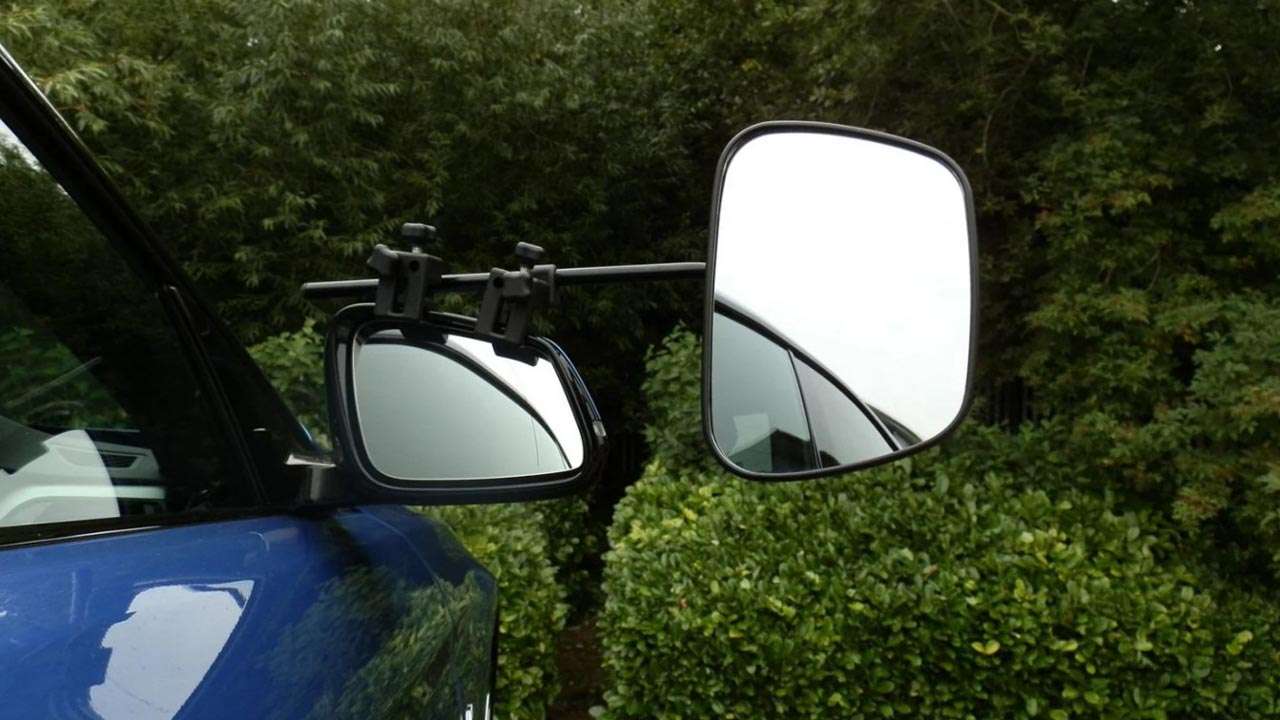
Caravan towing mirrors are designed to extend the driver’s field of vision, allowing them to see past the caravan and monitor the surrounding traffic. Here’s why they are essential.

  • Enhanced Visibility: Standard vehicle mirrors are often insufficient for towing, as they do not provide a clear view of the road behind the caravan.
  • Safety: Better visibility reduces the risk of accidents when changing lanes, turning, and reversing.
  • Legal Compliance: Australian road laws require that drivers have a clear view of the road and their surroundings when towing a caravan.

Field Of View when Towing Caravan Towing Mirror Legal Requirements

Field Of View when Towing Caravan Towing Mirror Legal Requirements

General Legal Requirements Across Australia

Before diving into Australian Caravan Towing Mirror Laws state specific requirements, it’s important to note some general rules that apply nationwide.

  • Clear View: Drivers must have a clear view of the road behind their caravan, which often necessitates the use of towing mirrors.
  • Mirror Size: Towing mirrors must be large enough to provide an adequate field of vision.
  • Stable Attachment: Towing mirrors must be securely attached and not prone to vibration or detachment.

New South Wales (NSW)

In New South Wales, the Road Transport (Vehicle Registration) Regulation 2017 outlines the requirements for towing mirrors:

  • Field of Vision: Drivers must be able to see 4 meters out from the side of their caravan at a distance of 20 meters behind the driver’s seating position.
  • Mirror Positioning: Mirrors must be adjustable to provide the necessary field of vision.
  • Secure Attachment: Mirrors must be securely attached to the vehicle.

Victoria (VIC)

Victoria’s Road Safety (Vehicles) Regulations 2009 provides guidelines for towing mirrors.

  • Visibility Requirements: Mirrors must provide a clear view of the road and traffic behind the caravan.
  • Adjustment: Mirrors should be adjustable to ensure optimal visibility.
  • Stability: Mirrors must remain stable and not vibrate excessively while driving.

Queensland (QLD)

In Queensland, the Transport Operations (Road Use Management—Vehicle Standards and Safety) Regulation 2010 governs towing mirror requirements.

  • Clear Vision: Drivers must have a clear and unobstructed view of the road behind the caravan.
  • Mirror Size and Position: Mirrors should be large and positioned to cover blind spots.
  • Secure Installation: Mirrors must be securely installed and stable.

South Australia (SA)

South Australia’s Motor Vehicles Act 1959 and Road Traffic (Light Vehicle Standards) Rules 2018 outline the requirements for towing mirrors.

  • Field of View: Mirrors must provide a wide field of view, allowing drivers to see past the caravan.
  • Adjustability: Mirrors must be adjustable to ensure they provide the required field of view.
  • Attachment: Mirrors must be securely attached and not prone to movement.

Western Australia (WA)

Western Australia’s Road Traffic Code 2000 specifies the requirements for towing mirrors.

  • Visibility: Drivers must be able to see the road and traffic behind the caravan clearly.
  • Mirror Positioning: Mirrors should be positioned to eliminate blind spots.
  • Secure Mounting: Mirrors must be securely mounted and stable.

Tasmania (TAS)

In Tasmania, the Vehicle and Traffic (Vehicle Standards) Regulations 2014 govern towing mirror requirements.

  • Clear View: Drivers must have a clear view of the road and traffic behind the caravan.
  • Mirror Size and Adjustment: Mirrors should be large and adjustable to provide optimal visibility.
  • Secure Attachment: Mirrors must be securely attached and stable.

Australian Capital Territory (ACT)

The ACT’s Road Transport (Vehicle Registration) Regulation 2000 provides guidelines for towing mirrors.

  • Field of Vision: Mirrors must provide a clear and unobstructed view of the road behind the caravan.
  • Adjustability: Mirrors should be adjustable to ensure the required field of view.
  • Stability: Mirrors must remain stable and not vibrate excessively.

Northern Territory (NT)

In the Northern Territory, the Motor Vehicles (Standards) Regulations outline the requirements for towing mirrors.

  • Visibility Requirements: Mirrors must provide a clear view of the road and traffic behind the caravan.
  • Mirror Adjustment: Mirrors should be adjustable to ensure optimal visibility.
  • Secure Mounting: Mirrors must be securely mounted and stable.

Milenco Grand Aero 4 Caravan Mirrors

Milenco Grand Aero 4 Caravan Mirrors

Key Points to Remember

When towing a caravan in Australia, it’s essential to adhere to the following key points with regard to Australian caravan towing mirror laws.

  • Clear View: Ensure your towing mirrors provide a clear and unobstructed view of the road and traffic behind your caravan.
  • Adjustability: Choose mirrors that are adjustable to provide the best possible field of vision.
  • Secure Attachment: Make sure your towing mirrors are securely attached and stable, with minimal vibration.
  • Compliance with Local Laws: Familiarise yourself with the specific requirements in your state or territory to ensure compliance with local laws.

Choosing the Right Towing Mirrors

Selecting the right towing mirrors is crucial for safety and legal compliance. Here are some tips to help you choose the best mirrors:

  • Compatibility: Ensure the mirrors are compatible with your vehicle make and model.
  • Size and Coverage: Choose mirrors that provide adequate coverage and eliminate blind spots.
  • Ease of Installation: Opt for mirrors that are easy to install and remove.
  • Durability: Look for mirrors made from high-quality, durable materials that can withstand various weather conditions.
  • Anti-Vibration Features: Select mirrors with anti-vibration features for a stable and clear view.

Conclusion

Australian caravan towing mirror laws are a vital component of safe towing practices in Australia. Understanding the legal requirements in each Australian state and territory ensures compliance with the law and enhances safety on the road. Buying and using the correct mirrors and maintaining them properly, caravan owners can enjoy a safer and more enjoyable towing experience. Whether you’re a seasoned grey nomad or new to caravanning, investing in high-quality towing mirrors is a decision that promotes safety and peace of mind. By following these guidelines and legal requirements, caravan owners in Australia can ensure a safe and compliant towing experience. For more detailed information, always refer to the specific regulations in your state or territory.

FAQs Australian Caravan Towing Mirror Laws Frequently Asked Questions


DISCLAIMER
Information presented on FollowOurTravels.com is intended for informational and entertainment purposes only. We love camping and caravanning and we love sharing our stories with you, so we hope you enjoy them and maybe learn a little something too. Neither FollowOurTravels.com nor its members make any representations as to the validity, accuracy, completeness, or suitability of any claims made here. We try to keep everything on our site up-to-date but things change all the time even in the camping and caravanning world. FollowOurTravels.com nor its members assume any liability with regard to results based on the information provided here. We may share a podcast about how people save money free camping and running a hairdressing salon out of a tent but it’s not in our power to guarantee you can have such success too.

List Of Australian Caravan Brands

Adventura Caravans, Adventure Caravans, Aliner Caravans, Alpha Fibreglass, AOR (Australian Off Road Caravans), Apollo Caravans, Aussie Wide Caravans, Australian Motor Homes Pty Ltd, Australian Off Road Caravans, Avan Campers, Avan Caravans, Avida RV, Bailey Caravans, Ballina Campervans, Beachmere Caravans, Big Red Caravan Co., Billabong Custom Caravans, Black Series Caravans, Broadwater Caravans, Bushtracker Caravans, Camprite Campers, Caravan Manufacturer, Caria Caravan Trailer, Challenge Camper Trailers Caravans, Chapman Caravans, Classic RTM Caravans, Concept Caravans, Coromal Caravans, Creative Caravans, Crusader Caravans, Customline Caravans, Davsher Caravans, Desert Edge Trailers, Designer Vans Caravans, Discoverer Campers, Dreamhaven Caravans, Dreamland Trailers, Driftaway Caravans, Dryden Trailers Caravans, Eagle Caravans, Elddis Caravans, Elross Caravans, Emerald Caravans, Evernew Caravans, Exodus Campers, Ezytrail Campers, Ezytrail Caravans, Galaxy Caravans, Goldstream Recreational Vehicles, Goldstream RV, Golf Caravans, Grand Tourer Caravans, Heaslip Campers, Horizon Motorhomes, I & D Industries, Imperial Caravans, Jayco, Jayco Caravans, Jurgens Australia, Jurgens Caravans, Kea Campers Australia Caravans, Kingdom Caravans, Knaus Caravans, La Vista Caravans, Lifestyle Leisure RV, Limit Seeker Camper Trailers Caravans, Lotus Caravans, Majestic Caravans, Mandurah Caravans, MARS Campers, MARS Caravans, May West Caravans, Melbourne RV, Metro Caravans, Millard Caravans, Montana Caravans, New Age Caravans, Nova Caravans, Olympic Caravans, Opalite Caravans, Outback Caravans, Paradise Caravans, Paradise Motor Homes, Paramount Caravans, Regal Caravans, Regent Caravans, Retreat Caravans, Rhinomax, Rivenlee Caravans, Roadstar Caravans, Roma Caravans, Royal Flair Caravans, Shasta Caravans, Snowy River Caravans, Spaceland Industries Caravans, Spinifex Caravans, Suncamper Caravans, Sunland Caravans, Sunliner Recreational Vehicles, Supreme Caravans, Swagman Aust Caravans, Toy Haulers Manufacturer, Track Trailer, Trackabout Caravan Co., Trailblazer Caravans, Trailblazers RV Caravans, Trailer Manufacturer, Trailstar Caravans, Trakka, Trakka Caravans, Trakmaster Caravans, Travelhome, Traveller Caravans, Truelux 5th Wheel, Universal Caravans, Vanguard Caravans, Victory Caravans, Western Caravans, Windsor Caravans, Winnebago Industries, Wirraway Motorhomes, Zone RV


The Ultimate Guide To Choosing And Using A Jerry Can Holder

The Ultimate Guide To Choosing And Using A Jerry Can Holder

The Ultimate Guide To Choosing And Using A Jerry Can Holder

Uncover the ultimate jerry can holder! Secure your fuel effortlessly and travel worry-free. Must-have for every adventurer! When heading out to travel this great country whether it’s off-roading, camping, or a long-distance road trip fuel management becomes a critical aspect of the journey. A jerry can holder is an indispensable accessory for safely transporting extra fuel.

What Is A Jerry Can Holder?

A jerry can holder is a specially designed bracket or container used to securely hold a jerry can. Jerry cans, originally designed for military use, are robust fuel containers that come in various sizes, typically 20 litres. The holder ensures that the jerry can is securely fastened to your vehicle or storage area, preventing it from moving around during transit and reducing the risk of spills or accidents.

Types of Jerry Can Holders

Vehicle Mounted Holders

These holders are designed to attach to various parts of your vehicle, such as the roof rack, rear bumper, or spare tire mount. Vehicle mounted holders are ideal for off-road vehicles, ensuring easy access to extra fuel without compromising interior space.

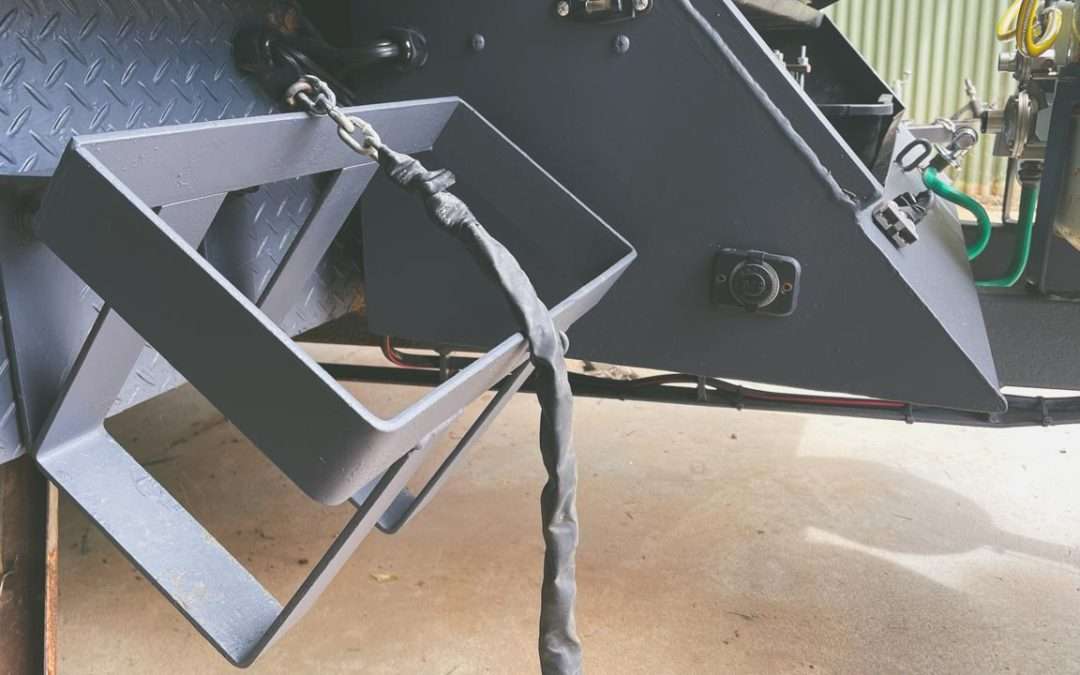
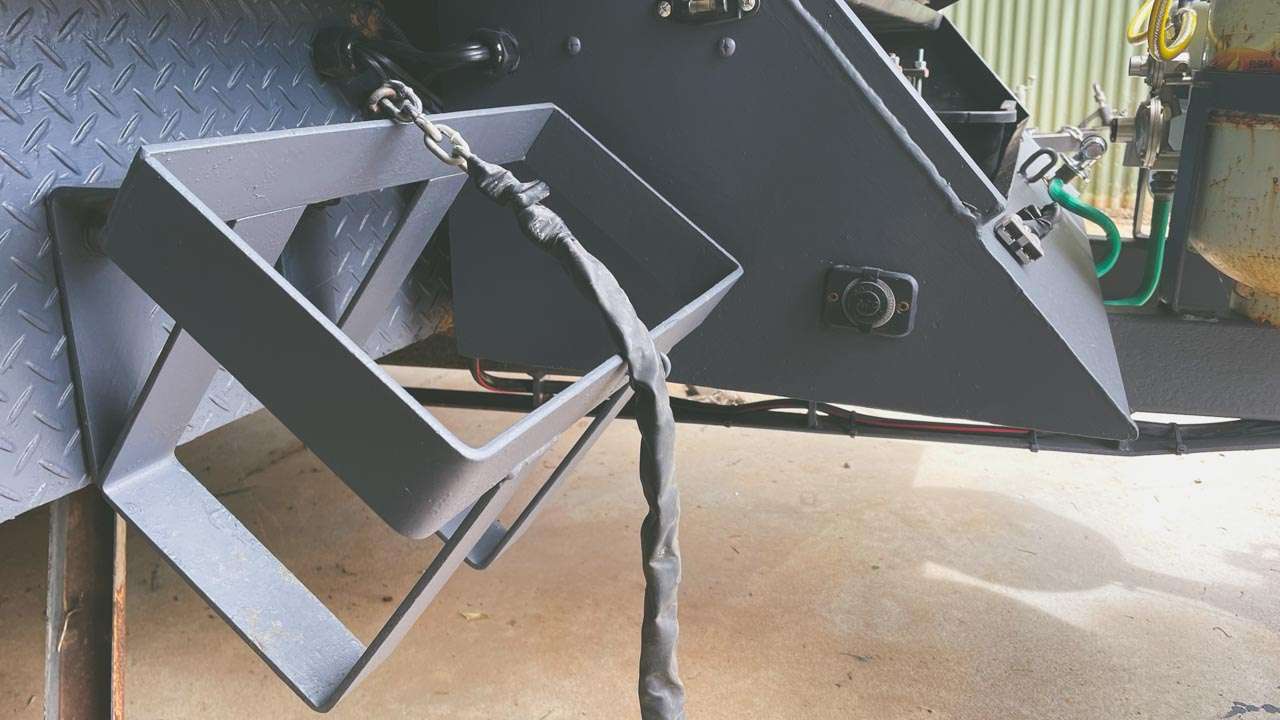
Supreme Getaway Front Mounted Jerry Can Holders

Supreme Getaway Front Mounted Jerry Can Holders

Rear Bar Mounted Jerry Can Holders

Perfect for those who have a caravan. A jerry can holder mounted to the rear bar of your caravan or RV is a perfect and very popular way to mount to and carry your jerry cans.

If using a rear bar mounted jerry holder it is very important to do both of the below things.

Check the legality of carrying jerry cans of fuel in the impact zone of your caravan or RV in the states and territories you plan to travel in.

Check with your caravan or RV manufacturer if the rear bar you are going to use to mount your jerry can holders on is rated to carry the rate of the holder, jerry can and jerry can contents.

Wall Mounted Holders

Wall mounted holders are ideal for garage and workshops. They keep your jerry cans organised and up off the ground, reducing clutter and making it easy to access fuel when needed.

Materials Used In Jerry Can Holders

The material a jerry can holder is manufactured from is crucial to it’s reliability, durability and safety. Some commonly used materials include,

Steel

Steel holders are incredibly durable and can withstand harsh conditions. They are often powder-coated or galvanised to prevent rust and corrosion.

Aluminium

Lighter than steel, aluminium holders offer good durability and are resistant to rust. They are an excellent choice for weight sensitive applications such as ute tray canopies.

Plastic

Plastic holders are lightweight and are a no rust option. However they may not be as durable as steel or aluminium making them better suited for lighter loads or less extreme conditions.

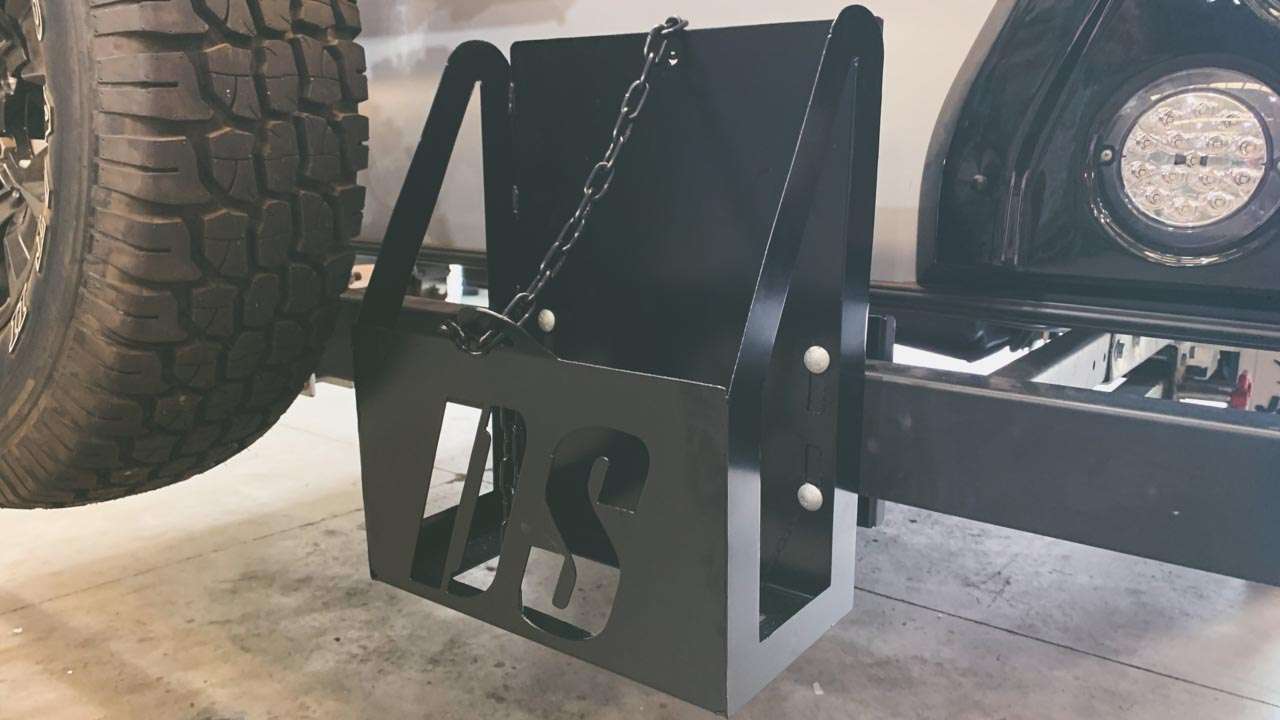
Rear Bar Jerry Can Holder (Photo Courtesy DS Custom Toolboxes)

Rear Bar Jerry Can Holder (Photo Courtesy DS Custom Toolboxes)

Key Features to Look For

When choosing a jerry can holder consider the following features:

Security

A good jerry can holder should have secure locking mechanisms to prevent theft and ensure the jerry can stays in place during transit.

Ease of Access

Consider how easily you can access the jerry can when it’s in the holder. Some designs allow for quick removal and replacement, which can be crucial during emergencies.

Compatibility

Ensure the holder is compatible with the type and size of jerry can you use. Some holders are designed for specific jerry cans, while others are more universal.

Durability

Choose a holder made from high-quality materials that can withstand the conditions you’ll be exposing it to. Durability is key for both safety and longevity.

Mounting Options

Different holders offer various mounting options. Ensure the holder you choose can be mounted in a way that suits your needs and vehicle or storage setup.

Drawbar Jerry Can Holders Jayco All Terrain

Drawbar Jerry Can Holders Jayco All Terrain

Benefits of Using a Jerry Can Holder

Safety

Safety is the primary benefit of using a jerry can holder. It secures the jerry can, preventing it from moving around and potentially causing spills or accidents.

Convenience

A jerry can holder provides easy access to extra fuel, which is particularly useful during long trips or in remote areas where fuel stations are scarce.

Space Efficiency

By mounting the jerry can outside the vehicle or in an organised manner, you free up valuable interior space for other essential gear and supplies.

Protection

A good jerry can holder protects the jerry can from damage and weather elements, prolonging its lifespan and ensuring the fuel remains uncontaminated.

Installation Tips

Read the Manual

Always read the installation manual provided by the manufacturer. Make sure you understand the specific requirements and steps for your holder model.

Use Proper Tools

Make sure you have the right tools for the job. Using the wrong tools or type of tool can lead to a dodgy installation which can end with dodgy results!

Secure Mounting Points

Ensure the mounting points on your vehicle or storage area are secure and capable of handling the weight and stress of the jerry can and holder.

Double Check

After installation double check all fastenings and connections. Ensure the jerry can is securely held and there is no movement during transit.

Maintenance and Care

Regular Inspection

Regularly inspect the jerry can holder for any signs of wear and tear. Check for rust, cracks, or any damage that could compromise its integrity.

Cleanliness

Keep the holder and the jerry can clean. Dirt and debris can cause wear and rust, especially in metal holders.

Lubrication

For holders with moving parts or locks occasional lubrication can keep them functioning smoothly and prevent rust.

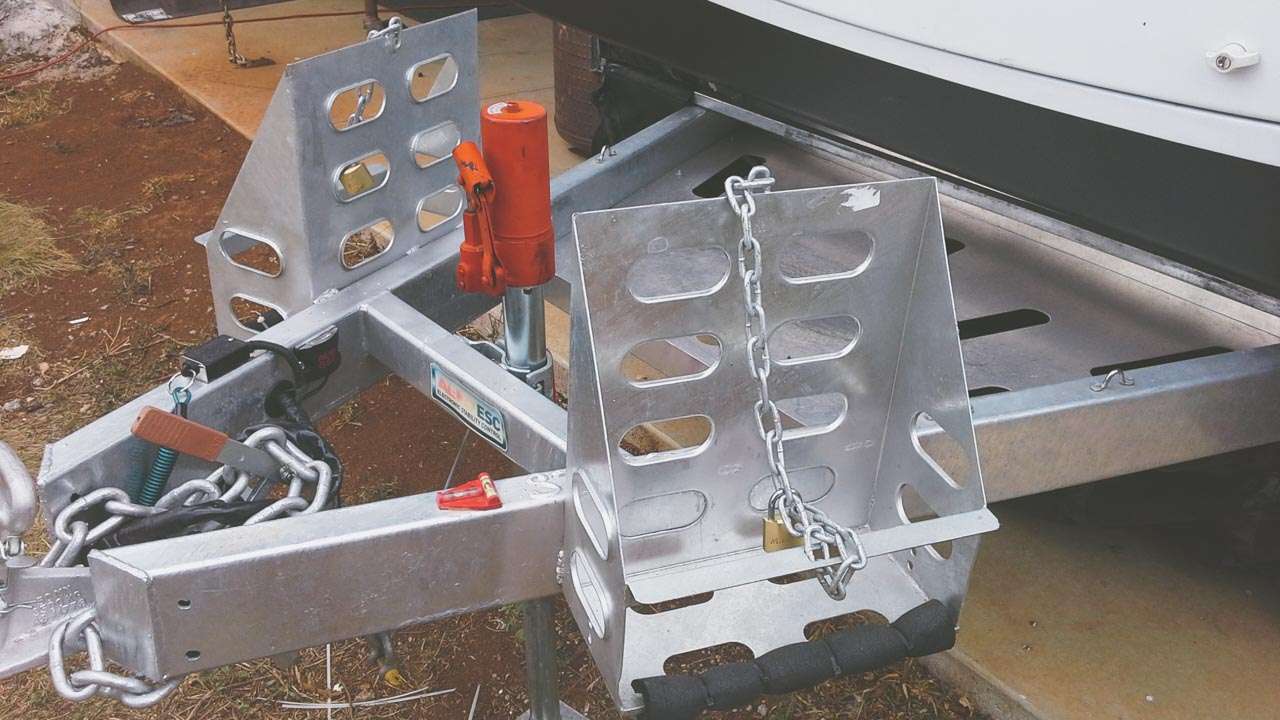
Caravan Drawbar Jerry Can Holder (Photo Courtesy Expandas Downunder)

Caravan Drawbar Jerry Can Holder (Photo Courtesy Expandas Downunder)

Storage

When not in use, store the jerry can and holder in a dry, sheltered area to prevent exposure to harsh weather conditions.

Popular Brands and Models

Aussie Traveller

The Aussie Traveller Jerry Can Holder provides a safe and secure storage solution for standard 20 litre metal jerry cans. It features mounting holes to secure your holder to your caravan, RV or vehicle for permanent storage, as well as rubber pads to protect against damage and reduce rattling when your on the road.

EZ Toolboxes

EZ Toolboxes make a range of aluminium jerry can holders. Light strong and good looking they are perfect for your canopy and toolboxes.

Dunn & Watson

A trusted name in the off-road community Dunn & Watson jerry can holders are designed to withstand the toughest conditions.

ARK

ARKcorp offer innovative holders that are popular among off-road enthusiasts for their versatility and ease of use.

Tips for Safe Fuel Storage

Use Approved Containers

Always use approved jerry cans designed for fuel storage. Improper containers can leak or break, posing serious safety risks.

Avoid Overfilling

Never overfill the jerry can. Leave some space to allow for fuel expansion, especially in hot weather.

Store in a Cool, Ventilated Area

Store fuel in a cool, ventilated area away from direct sunlight and heat sources to prevent pressure build-up and reduce the risk of fire.

Label Your Containers

Label your jerry cans clearly to avoid confusion. This is important if you’re carrying different types of fuel or other liquids. Nobody wants to accidentally upend a jerry can full of diesel into their caravans fresh water tank.

Common Mistakes to Avoid

Ignoring Manufacturer Guidelines

Always follow the manufacturer’s guidelines for both the jerry can and holder. Ignoring these can lead to improper use and potential safety hazards.

Poor Installation

Improper installation of the holder can result in the jerry can becoming loose during transit. Ensure all fittings are secure and checked regularly.

Overloading

Don’t overload your vehicle or holder with more weight than it can handle. This can cause damage and increase the risk of accidents – and we don’t want that eh!

Neglecting Maintenance

Regular maintenance of both the jerry can and holder is crucial. Neglecting this can lead to premature wear and potential safety issues.

Conclusion

A jerry can holder is an essential accessory for anyone who needs to carry extra fuel safely and efficiently. By choosing the right holder, properly installing it, and maintaining it well, you can ensure a safe and convenient fuel transportation solution. Whether you’re an off-road adventurer, a camper, or someone who just loves a good road trip investing in a high quality jerry can holder will improve your adventures and provide peace of mind. Prioritise safety, compatibility, and durability to make the most out of your jerry can holder and enjoy your journeys without fuel worries.

List Of Australian Caravan Brands

Adventura Caravans, Adventure Caravans, Aliner Caravans, Alpha Fibreglass, AOR (Australian Off Road Caravans), Apollo Caravans, Aussie Wide Caravans, Australian Motor Homes Pty Ltd, Australian Off Road Caravans, Avan Campers, Avan Caravans, Avida RV, Bailey Caravans, Ballina Campervans, Beachmere Caravans, Big Red Caravan Co., Billabong Custom Caravans, Black Series Caravans, Broadwater Caravans, Bushtracker Caravans, Camprite Campers, Caravan Manufacturer, Caria Caravan Trailer, Challenge Camper Trailers Caravans, Chapman Caravans, Classic RTM Caravans, Concept Caravans, Coromal Caravans, Creative Caravans, Crusader Caravans, Customline Caravans, Davsher Caravans, Desert Edge Trailers, Designer Vans Caravans, Discoverer Campers, Dreamhaven Caravans, Dreamland Trailers, Driftaway Caravans, Dryden Trailers Caravans, Eagle Caravans, Elddis Caravans, Elross Caravans, Emerald Caravans, Evernew Caravans, Exodus Campers, Ezytrail Campers, Ezytrail Caravans, Galaxy Caravans, Goldstream Recreational Vehicles, Goldstream RV, Golf Caravans, Grand Tourer Caravans, Heaslip Campers, Horizon Motorhomes, I & D Industries, Imperial Caravans, Jayco, Jayco Caravans, Jurgens Australia, Jurgens Caravans, Kea Campers Australia Caravans, Kingdom Caravans, Knaus Caravans, La Vista Caravans, Lifestyle Leisure RV, Limit Seeker Camper Trailers Caravans, Lotus Caravans, Majestic Caravans, Mandurah Caravans, MARS Campers, MARS Caravans, May West Caravans, Melbourne RV, Metro Caravans, Millard Caravans, Montana Caravans, New Age Caravans, Nova Caravans, Olympic Caravans, Opalite Caravans, Outback Caravans, Paradise Caravans, Paradise Motor Homes, Paramount Caravans, Regal Caravans, Regent Caravans, Retreat Caravans, Rhinomax, Rivenlee Caravans, Roadstar Caravans, Roma Caravans, Royal Flair Caravans, Shasta Caravans, Snowy River Caravans, Spaceland Industries Caravans, Spinifex Caravans, Suncamper Caravans, Sunland Caravans, Sunliner Recreational Vehicles, Supreme Caravans, Swagman Aust Caravans, Toy Haulers Manufacturer, Track Trailer, Trackabout Caravan Co., Trailblazer Caravans, Trailblazers RV Caravans, Trailer Manufacturer, Trailstar Caravans, Trakka, Trakka Caravans, Trakmaster Caravans, Travelhome, Traveller Caravans, Truelux 5th Wheel, Universal Caravans, Vanguard Caravans, Victory Caravans, Western Caravans, Windsor Caravans, Winnebago Industries, Wirraway Motorhomes, Zone RV


Lake Wallace Camping For Free – Full Amenities Near Sydney

Lake Wallace Camping For Free – Full Amenities Near Sydney

Lake Wallace Camping For Free – Full Amenities Near Sydney

Lake Wallace Camping is a perfect spot for RVs and caravans. Free camping with toilets and showers close to Sydney with lots to explore and do. Located only ten minutes west of Lithgow Lake Wallace camping at Wallerawang or “Wang” as the locals lovingly refer to it is an awesome free camping campsite for self-contained recreational vehicles and caravans.

Lake Wallace offers an RV-friendly campsite in an impeccable location to station your RV or caravan for a couple of days. The amenities include an RV dump point, toilets and showers, a playground, barbecue facilities and a designated off-leash dog area. Lake Wallace Camping is just a few minutes over two hours drive from Sydney and is conveniently located only 15 minutes from Lithgow.

  • Camping is allowed for a maximum of 48 hours, with open fires strictly prohibited. The Wallerawang Town Centre is conveniently situated a ten-minute walk or a brief two-minute drive away, providing options for dining and additional supplies.
  • An information bay at the entrance to Lake Wallace outlines suggestions on w wide and varied array of activities and attractions within the Seven Valleys destination.
  • For further details on extending your stay or for any other inquiries visit the great friendly staff at the Seven Valleys Visitor Information Centre.
  • About Lake Wallace Camping Barton Avenue Wallerawang NSW
  • Located just 10 minutes on the Bathurst side of Lithgow, Lake Wallace is designated an RV friendly campground and is the ideal location to set up your RV or Caravan for a couple of days. Facilities include RV Dump point, nearby toilets and hot showers, playground, barbecue facilities and off leash dog area.
  • Self-contained RV’s and Caravans with on-board toilet facilities are allowed for a maximum of 48 hours in the designated areas.
  • The Lithgow area has an abundance of environmental areas that are a drawcard for visitors. Lake Wallace is an example. During holiday periods, the lake foreshores and water are heavily used. This requires careful management of some of the issues that can arise.
  • As of 22 May 2023, open fires will no longer be permitted within the bounds of Lake Wallace. Campfires/naked flames are no longer allowed.
  • While open fires are much loved by many campers they can create problems. This includes damage to the open spaces and the need to then remediate the affected areas. Vegetation which supports wildlife can also be damaged when people forage for kindling and firewood. The community has expressed concern that unattended fires impact the safety of other users, and result in negative impacts to the environment and amenity of the site. Signage advising of the changes has been erected to inform all users visiting the site. Please contact Lithgow City Council on 02 6354 9999 should open fires be identified.
  • Wallerawang Town Centre is only a ten minute walk or two minute drive for a meal and extra supplies.
  • Dogs are permitted on a leash.

Address: Barton Ave, Wallerawang NSW
Type: Free Camping
Cost: Free
GPS: -33.415073°, 150.073976°
Phone: 1300 760 276 or (02) 6352 9130
Email: tourism@sevenvalleys.com.au
Web: https://www.visitnsw.com/destinations/blue-mountains/lithgow-area/lithgow/attractions/lake-wallace
Fires: No
Toilets: Yes
Showers: Yes
Dump Point: Yes
Pet Friendly: Yes

Lake Wallace Camping

Lake Wallace Camping

About Wallerawang

A settlement that emerged to accommodate the operational demands of the Wallerawang Power Station. Located beyond Lithgow on the western frontier of the Blue Mountains, it has garnered attention since the power station’s closure in 2015. The town is known for the frequently visited Lake Wallace, a charming recreation zone originally created to supply water to the power station, and the historic St John’s Church, designed by the illustrious colonial architect Edmund Blacket.

Location

Wallerawang is situated on the western edge of the Blue Mountains, 152 km north-west of Sydney via the Great Western Highway, and stands at an elevation of 900 meters above sea level.

Origin Of Name

The name “Wallerawang” originates from a Wiradjuri term believed to mean “place near wood and water” or “plenty of water.”

Things To See And Do

Lake Wallace

Lake Wallace is just a ten-minute walk from Wallerawang’s shopping centre. Lake Wallace is an artificial lake initially created to provide cooling water for the power station. Today, it offers numerous recreational activities such as fishing, sailing, trout fishing, and canoeing. The area also features camping grounds, picnic areas, barbecue facilities, and children’s play spaces. Birdlife is abundant, with black swans and white-faced herons being particularly notable.

Camping Near Lithgow

Camping Near Lithgow

St John the Evangelist Church

Located on the Main Street, St John The Evangelist Church is a stone structure designed by Edmund Blacket and built between 1880-1881 at the request of Georgina Lyons Barton. It serves as a memorial to her parents, James and Robina Walker. The Barton family owned the old Wallerawang estate, then known as Barton Park. The Heritage Council of New South Wales notes: “this church was used by both Presbyterian and Anglican denominations and was jointly bequeathed to them on 18th November 1952. St John the Evangelist Church contains numerous significant movable objects and artifacts (e.g., main altar, pews, reader’s lectern, baptismal font, and other associated furnishings) that were purpose-built for the Church.” It received heritage listing in 2004.

The History Of The Wallerawang Power Station

The transformation in power generation has led to the closure and dismantling of the Wallerawang Power Station, which once served as the main employer in the area. This power station was pivotal in the development of the western coalfields of NSW for over 40 years. Commencing operations in 1957, it was integral in supplying power to the railways. With a total capacity of 1000 megawatts, it generated electricity through coal-fired boilers and steam-driven turbo-generators. Unlike coastal power stations that used salt water for cooling, Wallerawang employed a system of cooling towers with water sourced from Lake Wallace and Lake Lyell.

Over 75 percent of the power station’s coal was provided by the nearby Angus Place colliery, with the remainder supplied by local privately-owned mines. The coal was transported by conveyor to the power station’s pulverizing mills, where it was ground into a fine powder before being combusted in the furnace. At its peak, up to 2.2 million tonnes of coal were consumed annually.

History Of Wallerawang

  • Prior to European settlement, the area around Wallerawang was inhabited by the Wiradjuri and/or the Wywandy First Nation peoples.
  • The first European in the vicinity was James Blackman, who established the route from Bathurst to Wallerawang in 1820.
  • The “Wallerawong” station was claimed by James Walker in 1824.
  • In the late 1820s, Wallerawang became a significant stopover for travellers journeying between Sydney and the farming regions beyond Mudgee.
  • The renowned natural historian Charles Darwin stayed overnight at ‘Wallerawang’ farm in 1836.
  • Two of James Walker’s convict servants acquired land in the district in the 1850s.
  • James Walker’s widow established a modest stone school in 1860.
  • The railway reached Lithgow in 1869 and Wallerawang in 1870, facilitating closer settlement of the valley.
  • A town developed adjacent to Wallerawang station.
  • Until the line to Bathurst was completed in 1876, all passengers alighted at Wallerawang and joined a Cobb & Co. coach for the journey west to Bathurst or north to Mudgee.
  • St John’s Church of England was erected by 1881 to a design by Edmund Blacket, at the behest of James Walker’s daughter.
  • In 1942, Wallerawang became an inland fuel depot for the RAAF.
  • Around 1950, new town plans were drawn up for Wallerawang, which was planned as a coal centre for the railway line.
  • A new power station was proposed in 1950.
  • In 1957, Wallerawang Power Station started generating electricity.
  • In 1978, Lake Wallace was constructed.
  • By the mid-1980s, automation, computerisation, and rationalisation resulted in significant job losses from both the power station and the local collieries.
  • The railway to the town closed during the early 1990s.
  • In 1995, the present school in the town was opened.
  • In 2014, Energy Australia announced the permanent closure of Wallerawang power station.
  • Dismantling of Wallerawang Power Station commenced in May 2015.

Getting To Lake Wallace Camping And Recreation Area from Sydney

To get to Lake Wallace Recreation Area from Sydney follow these directions:

  1. Start from Sydney and head west on the M4 motorway. Continue on the M4 until you reach the Great Western Highway.
  2. Follow the Great Western Highway through the Blue Mountains and past Lithgow.
  3. Once you reach Wallerawang, turn onto Lake Wallace Road.
  4. Follow Lake Wallace Road until you reach the recreation area.
Travel From to Lake Wallace Camping Area And Recreation Area Distance Time
Adelaide 1,226km 13:31
Brisbane 1,023km 11:03
Canberra 831km 08:54
Melbourne 523km 05:36
Sydney 137km 01:57

Summary For Lake Wallace Camping

Located just 10 minutes west of Lithgow, Lake Wallace camping, known locally as “Wang,” is a popular free campsite for self-contained RVs and caravans. It offers an RV-friendly environment with amenities such as an RV dump point, toilets, showers, playground, barbecue facilities, and an off-leash dog area.

Lake Wallace camping is a convenient 2-hour drive from Sydney and only 15 minutes from Lithgow. Camping is allowed for a maximum of 48 hours, and open fires are strictly prohibited. The nearby Wallerawang Town Centre is easily accessible for dining and supplies.

An information bay at Lake Wallace provides suggestions for various activities and attractions in the Seven Valleys destination, enhancing the visitor experience.

  • Lake Wallace camping at Wallerawang offers free camping for self-contained RVs and caravans.
  • The campsite is RV-friendly with essential amenities and is conveniently located near Lithgow.
  • Visitors can enjoy a range of activities and attractions in the Seven Valleys area.

Camping At Wallerawang Near Lithgow

Camping At Wallerawang Near Lithgow

Caravan Rear Bar Storage – Maximise Your Caravans Storage

Caravan Rear Bar Storage – Maximise Your Caravans Storage

Caravan Rear Bar Storage – Maximise Your Caravans Storage

Discover how caravan rear bar storage enhances organisation and convenience for your travel adventures. Free up space and stay organised! Are you tired of cramming all your gear into your caravan leaving little room to move? Do you dream of a more organised and spacious travel experience? Look no further than your caravan’s rear bar! In this comprehensive guide, we consider everything you need to know about caravan rear bar storage from its benefits to practical tips for maximising space. Let’s dive in and discover how you can enhance your caravan adventures with smart storage solutions.

Introduction: Unlocking Hidden Storage

Imagine having extra space to store all your camping essentials without cluttering your caravan’s interior. That’s where caravan rear bar storage comes in handy. By utilising the space at the rear of your caravan, you can free up valuable room inside. While keeping your gear easily accessible during your travels. From storage boxes to bike racks there are loads of options available to suit your needs and preferences. Let’s explore the benefits and practicalities of caravan rear bar storage in more detail.

Benefits Of Rear Bar Storage

  1. Maximising Storage Space: With rear bar storage, you can make the most of every inch of available space on your caravan. By mounting storage boxes or racks to the rear bar you can store bulky items. Items such as camping chairs, fishing gear, and outdoor equipment. Leaving more room inside for living and sleeping areas.
  2. Easy Access to Gear: Rear bar storage provides quick and convenient access to your gear. Saving you time and effort when setting up camp or embarking on outdoor activities. No more digging through crowded storage compartments. With rear bar storage everything you need is right at your fingertips.

DS Custom Toolboxes Rear Bar Spare Tyre Mount (Photo Courtesy Of DS Custom Toolboxes)

DS Custom Toolboxes Rear Bar Spare Tyre Mount (Photo Courtesy Of DS Custom Toolboxes)

Types of Caravan Rear Bar Storage Solutions

  • Storage Boxes: Durable and weather-resistant storage boxes are a popular choice for caravan rear bar storage. Available in various sizes and designs, these boxes provide secure storage for tools, spare parts, and other essentials. Look for models with locking mechanisms to keep your belongings safe during travel.
  • Bike Racks: If you enjoy cycling adventures, a bike rack mounted to the rear bar of your caravan is a must-have accessory. These racks allow you to transport bicycles safely and securely, freeing up interior space for other items. Choose a rack that is compatible with your caravan’s rear bar and easy to install and use.

Installation And Maintenance Tips

  1. Installation: When installing rear bar storage solutions, follow the manufacturer’s instructions carefully to ensure proper installation and safe use. Use sturdy mounting brackets and hardware to secure storage boxes and racks to the rear bar. Regularly check for signs of wear and tear.
  2. Maintenance: To keep your rear bar storage system in top condition inspect storage boxes, bike racks and mounting hardware regularly. Check for any signs of damage or corrosion. Clean storage boxes and racks regularly to remove dirt, dust, and debris, and lubricate moving parts as needed for smooth operation.

Caravan Rear Bar Jerry Can Storage

Caravan rear bar jerry can storage is a convenient solution for carrying extra fuel or water on your travels. Jerry cans are sturdy containers designed to hold liquids such as petrol, diesel, or water. They can be securely attached to the rear bar of your caravan for easy access when needed. Here’s everything you need to know about caravan rear bar jerry can storage:

Benefits Of Caravan Rear Bar Jerry Can Storage

  • Extended Range: By carrying extra fuel in jerry cans on your caravan’s rear bar, you can extend your range and travel further between refuelling stops. This is especially useful when exploring remote areas or embarking on long journeys.
  • Emergency Preparedness: Having extra water stored in jerry cans on your caravan’s rear bar ensures that you always have access to clean drinking water. Even in emergencies or when camping in areas with limited water sources.
  • Convenience: Caravan rear bar jerry can storage provides a convenient way to carry extra fuel or water without taking up valuable space inside your caravan. This frees up room for other essentials and allows for more comfortable living and sleeping arrangements.

DS Custom Toolboxes Rear Bar Mounted Tool Box (Photo Courtesy Of DS Custom Toolboxes)

DS Custom Toolboxes Rear Bar Mounted Tool Box (Photo Courtesy Of DS Custom Toolboxes)

Types of Jerry Cans

  • Fuel Jerry Cans: Designed specifically for carrying petrol or diesel. Fuel jerry cans are typically made of durable metal or plastic and feature secure closures to prevent leaks and spills. They come in various sizes and capacities to suit your needs.
  • Water Jerry Cans: Water jerry cans are specifically designed for carrying potable water and are made from food-grade materials to ensure water safety. They are available in different sizes and colours, with built-in handles for easy carrying and pouring.

Installation And Safety Considerations

  • Secure Mounting: When installing jerry can holders on your caravan’s rear bar, ensure that they are securely mounted using sturdy brackets or straps. This prevents the jerry cans from shifting or falling off during travel. Reducing the risk of accidents or spills.
  • Weight Distribution: Distribute the weight of the jerry cans evenly on your caravan’s rear bar to maintain stability and towing performance. Avoid overloading the rear bar with too many jerry cans, as this can affect the handling of your caravan.
  • Ventilation: Ensure adequate ventilation around the jerry cans to prevent the build up of fumes and reduce the risk of fire or explosion. Avoid storing jerry cans containing fuel near heat sources or open flames.

Maintenance And Care

Regular Inspection: Inspect jerry cans regularly for signs of damage, corrosion, or leakage. Replace any damaged or worn-out jerry cans to ensure safe storage of fuel or water during your travels.

Cleaning: Clean jerry cans thoroughly before filling them with fuel or water to remove any dirt, debris, or residue. Use mild detergent and water to wash the inside and outside of the jerry cans, and allow them to dry completely before use.

Caravan rear bar jerry can storage is a practical and convenient solution for carrying extra fuel or water on your travels. By choosing high-quality jerry cans and securely mounting them to your caravan’s rear bar, you can extend your range, enhance your emergency preparedness, and enjoy greater convenience on your adventures. Just remember to follow safety guidelines and perform regular maintenance to ensure safe and reliable storage of fuel or water during your travels.

Caravan Rear Bar Spare Tyre Storage

Caravan rear bar spare tyre storage offers a convenient solution for carrying an extra tire while on the road. It ensures that you’re prepared for unexpected flat tires or emergencies without sacrificing valuable space inside your caravan. Here’s everything you need to know about caravan rear bar spare tyre storage.

DS Custom Toolboxes Rear Bar Jerry Can Holders (Photo Courtesy Of DS Custom Toolboxes)

DS Custom Toolboxes Rear Bar Jerry Can Holders (Photo Courtesy Of DS Custom Toolboxes)

Benefits Of Caravan Rear Bar Spare Tyre Storage

  1. Emergency Preparedness: Having a spare tyre readily accessible on your caravan’s rear bar ensures that you’re prepared for unexpected flat tires or blowouts during your travels. It provides peace of mind knowing that you can quickly replace a damaged tire and continue your journey with minimal disruption.
  2. Space Saving: Caravan rear bar spare tyre storage frees up valuable space inside your caravan by relocating the spare tyre to the exterior. This allows you to utilise interior space more efficiently for living and storage areas, making your travels more comfortable and organised.
  3. Convenience: With the spare tyre mounted securely on the rear bar of your caravan, it’s easily accessible whenever you need it. There’s no need to rummage through storage compartments or struggle to access the spare tyre stored in a separate location.

Types Of Spare Tyre Storage Solutions

1. Spare Tyre Mounts: These are specially designed brackets or carriers that securely hold the spare tyre in place on the rear bar of your caravan. They come in various styles and configurations to accommodate different tyre sizes and caravan models.

2. Spare Tyre Covers: To protect the spare tyre from the elements and keep it in good condition, consider using a spare tyre cover. These covers come in a range of materials and designs, including waterproof vinyl and durable canvas, and help prolong the life of the spare tyre.

Installation And Safety Considerations For Spare Tyre Storage Solutions

  1. Secure Mounting: When installing a spare tyre mount on your caravan’s rear bar ensure that it is securely attached using sturdy bolts or straps. The mount should be positioned in a way that distributes the weight of the spare tyre evenly and prevents it from shifting or falling off during travel.
  2. Weight Capacity: Check the weight capacity of the spare tyre mount to ensure that it can safely support the weight of your caravan’s spare tyre. Avoid overloading the mount with a tyre that exceeds its maximum weight capacity to prevent damage or failure.
  3. Visibility and Accessibility: Ensure that the spare tyre is mounted in a location that does not obstruct the visibility of rear lights, licence plates or registration stickers. Additionally, make sure that the spare tyre is easily accessible for quick removal and replacement when needed.

Maintenance And Care

  1. Regular Inspection: Inspect the spare tyre mount and spare tyre regularly for signs of damage, corrosion, or wear. Check for loose bolts, rust, or cracks in the mount, and replace any worn or damaged components as needed to ensure safe and reliable storage of the spare tyre.
  2. Tyre Pressure: Monitor the air pressure in the spare tyre regularly to ensure that it is properly inflated and ready for use in case of an emergency. Underinflated or overinflated tyres can affect handling and performance, so maintain the recommended air pressure levels at all times.

Caravan rear bar spare tyre storage is a practical and convenient solution for carrying an extra tyre on your travels. By securely mounting the spare tyre on the rear bar of your caravan, you can ensure that you’re prepared for unexpected flat tyres or emergencies while maximising interior space and convenience. Just remember to follow installation guidelines, perform regular maintenance, and keep the spare tyre properly inflated to ensure safe and reliable storage during your adventures.

Popular Accessories For Caravan Rear Bar Storage

  • Cargo Nets: Flexible cargo nets are ideal for organising and securing gear on your caravan’s rear bar. Stretch them over storage boxes or bike racks to keep items in place during travel, preventing them from shifting or falling off.
  • Tie-Down Straps: Strong tie-down straps are essential for securing larger items such as camping chairs, coolers, and kayaks to your caravan’s rear bar. Choose straps with adjustable lengths and sturdy buckles for maximum security and peace of mind on the road.

Caravan rear bar storage offers a practical and efficient solution for maximising storage space and organising gear during your travels. By utilising the space at the rear of your caravan, you can free up valuable room inside while keeping your belongings easily accessible. Whether you opt for storage boxes, bike racks, or a combination of both, rear bar storage can help you make the most of your caravan adventures. So, why wait? Start exploring the possibilities of rear bar storage and enjoy a more organised and enjoyable travel experience today!

Caravan With A Bike Rack On Rear Bar (Photo Courtesy Of Beastie Bikes)

Caravan With A Bike Rack On Rear Bar (Photo Courtesy Of Beastie Bikes)

What Else Can I Carry On My Caravan Rear Bar Storage Area?

On your caravan’s rear bar, you can carry a variety of items to enhance your outdoor adventures and make your travels more convenient. Here are some common items that can be safely and securely transported on a caravan rear bar:

  • Storage Boxes: Durable and weather-resistant storage boxes are perfect for carrying camping essentials such as cooking equipment, tools, spare parts, and outdoor gear. Choose boxes with secure locking mechanisms to keep your belongings safe during travel.
  • Bike Racks: If you enjoy cycling, a bike rack mounted to the rear bar of your caravan allows you to transport bicycles securely. This frees up interior space for other items while ensuring that your bikes are easily accessible when you reach your destination.
  • Kayak or Canoe: For water enthusiasts, a kayak or canoe can be securely attached to the rear bar of your caravan using specialised racks or straps. This allows you to bring your watercraft along on your adventures and explore lakes, rivers, and coastal areas.
  • Camping Chairs and Tables: Folding camping chairs and tables can be strapped to the rear bar of your caravan, providing comfortable seating and dining options at your campsite. Look for lightweight and compact chairs and tables that are easy to transport and set up.
  • Outdoor Equipment: From fishing rods and tackle boxes to hiking poles and backpacks, outdoor equipment can be securely stored on the rear bar of your caravan using straps or bungee cords. This keeps your gear organised and easily accessible for outdoor activities.
  • Cooler or Esky: A portable cooler or esky can be strapped to the rear bar of your caravan to keep food and beverages cold during your travels. This allows you to enjoy refreshing drinks and chilled snacks wherever your adventures take you.
  • Surfboard or SUP: If you’re headed to the beach, a surfboard or stand-up paddleboard (SUP) can be safely transported on the rear bar of your caravan using specialised racks or straps. This allows you to catch some waves and enjoy water sports during your trip.
  • Luggage and Gear: For longer journeys, luggage and gear can be strapped to the rear bar of your caravan to free up space inside. This includes suitcases, duffel bags, and backpacks containing clothing, toiletries, and personal belongings.

Remember to secure all items properly using straps, bungee cords, or specialised racks to prevent them from shifting or falling off during travel. Additionally be mindful of weight limits and distribution to ensure safe and stable towing of your caravan. With careful planning your caravan’s rear bar can become a versatile convenient storage solution for all your outdoor adventures.

Safety Considerations

Ensuring safety is paramount when it comes to caravan rear bar usage. Here’s a guide to caravan rear bar safety.

  1. Proper Installation
    • Ensure that the rear bar is installed correctly according to the manufacturer’s instructions.
    • Use sturdy mounting brackets or straps to secure the rear bar to the caravan frame.
    • Double-check all connections and fasteners to ensure they are tight and secure before each journey.
  2. Weight Distribution
    • Be mindful of the weight capacity of the rear bar and avoid overloading it with heavy items.
    • Distribute weight evenly across the rear bar to maintain stability and prevent swaying or imbalance during travel.
    • Consider the weight of items stored on the rear bar, including storage boxes, spare tyres, or jerry cans. Ensure they are within the recommended limits.
  3. Visibility
    • Ensure that the rear bar and any items mounted on it do not obstruct the visibility of rear lights, indicators, or licence plates.
    • Use reflective tape or markers to improve visibility of the rear bar, especially when travelling at night or in low-light conditions.
  4. Clearance
    • Check for adequate clearance between the rear bar and the ground, especially when navigating rough terrain or steep inclines.
    •  Avoid dragging or scraping the rear bar on uneven surfaces to prevent damage to both the rear bar and the caravan.
  5. Regular Inspections
    • Perform regular visual inspections of the rear bar to check for signs of wear, damage, or corrosion.
    • Pay special attention to mounting brackets, fasteners, and welds, and replace any worn or damaged components immediately.
    • Inspect any items mounted on the rear bar, such as storage boxes or spare tyres. Ensure they are securely attached and in good condition.
  6. Driving Considerations
    • Be mindful of the increased length and weight of the caravan with items mounted on the rear bar, especially when reversing or parking.
    • Allow for extra braking distance and take corners slowly to compensate for the additional weight and potential changes in handling.
    • Check rearward visibility using mirrors or a rear view camera system to monitor any items mounted on the rear bar while driving.
  7. Weather Conditions
    • Consider the impact of weather conditions, such as strong winds or heavy rain, on the stability and safety of the rear bar.
    • Securely fasten any loose items or covers to prevent them from becoming dislodged or causing a hazard to other road users.

By following these safety guidelines and practising responsible usage, you can ensure that your caravan rear bar enhances your travel experience while prioritising safety for you, your passengers, and other road users. Remember, safety always comes first when it comes to caravan accessories like rear bars.

Caravan Rear Bar Storage Great Setup (Photo Courtesy Of RV Daily)

Caravan Rear Bar Storage Great Setup (Photo Courtesy Of RV Daily)

Caravan Rear Bar Storage Weight Limits

  • The weight limit of a caravan rear bar varies depending on its design, construction, and the manufacturer’s specifications. As a general guideline, most caravan rear bars have a weight capacity ranging from 50 kilograms to 150 kilograms.
  • It’s crucial to adhere to the specified weight limit to ensure the safety and stability of your caravan while towing. Exceeding the weight limit can lead to issues such as instability, swaying, or even structural damage to the caravan or rear bar.
  • Before loading any items onto your caravan rear bar, including storage boxes, spare tyres, or other accessories, check the manufacturer’s documentation or consult with a professional to determine the weight capacity of your specific rear bar model.
  • When loading items onto the rear bar, distribute the weight evenly to prevent imbalance and ensure proper towing performance. Avoid overloading the rear bar with heavy items, and periodically check for signs of wear or damage to the rear bar and mounting hardware.
  • By adhering to the weight limit and practising responsible loading practices, you can ensure the safety and longevity of your caravan rear bar while enjoying your travels with peace of mind.

Frequently Asked Questions About Caravan Rear Bar Storage

How much weight can a caravan rear bar typically support?

Most caravan rear bars can support anywhere from 50 kilograms to 150 kilograms, depending on their design and construction.

Are there any specific safety considerations to keep in mind when using caravan rear bar storage?

Yes, it's essential to ensure proper installation, weight distribution, and regular maintenance to minimise the risk of accidents or damage.

Can I use caravan rear bar storage to carry a spare tire?

While some rear bar storage solutions include provisions for spare tire storage, it's essential to check compatibility and weight limits before attempting to carry a spare tire.

How do I install jerry can holders on my caravan's rear bar?

Follow the manufacturer's instructions carefully, using sturdy mounting brackets or straps to secure the holders to the rear bar.

What types of liquids can I store in jerry cans attached to my caravan's rear bar?

Jerry cans are suitable for carrying liquids such as petrol, diesel, or water, depending on their intended use and construction materials.

Is it safe to store jerry cans containing fuel on the rear bar of my caravan?

Yes, but it's essential to follow safety guidelines, including proper ventilation and secure mounting, to prevent the risk of fire or explosion.

Summary

Caravan rear bar storage offers a practical and efficient solution for maximising storage space and organizing gear during your travels. By utilising the space at the rear of your caravan you can free up valuable room inside while keeping your belongings easily accessible. Whether you opt for storage boxes, bike racks, or a combination of both rear bar storage can help you make the most of your caravan adventures. Start exploring the possibilities of rear bar storage and enjoy a more organized and enjoyable travel experience today!