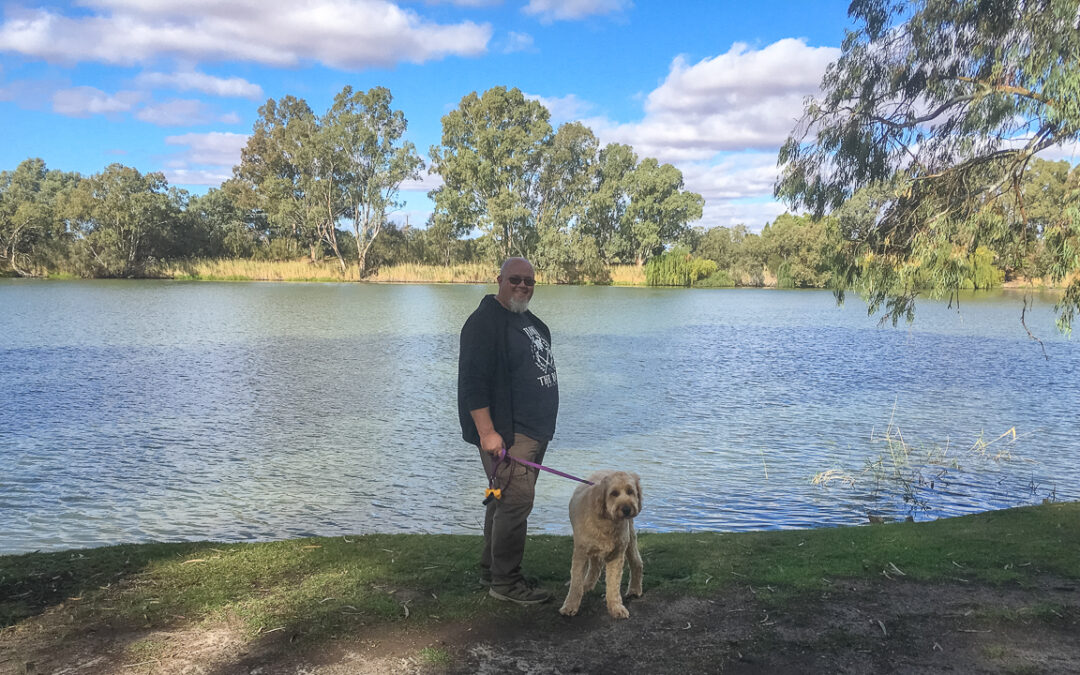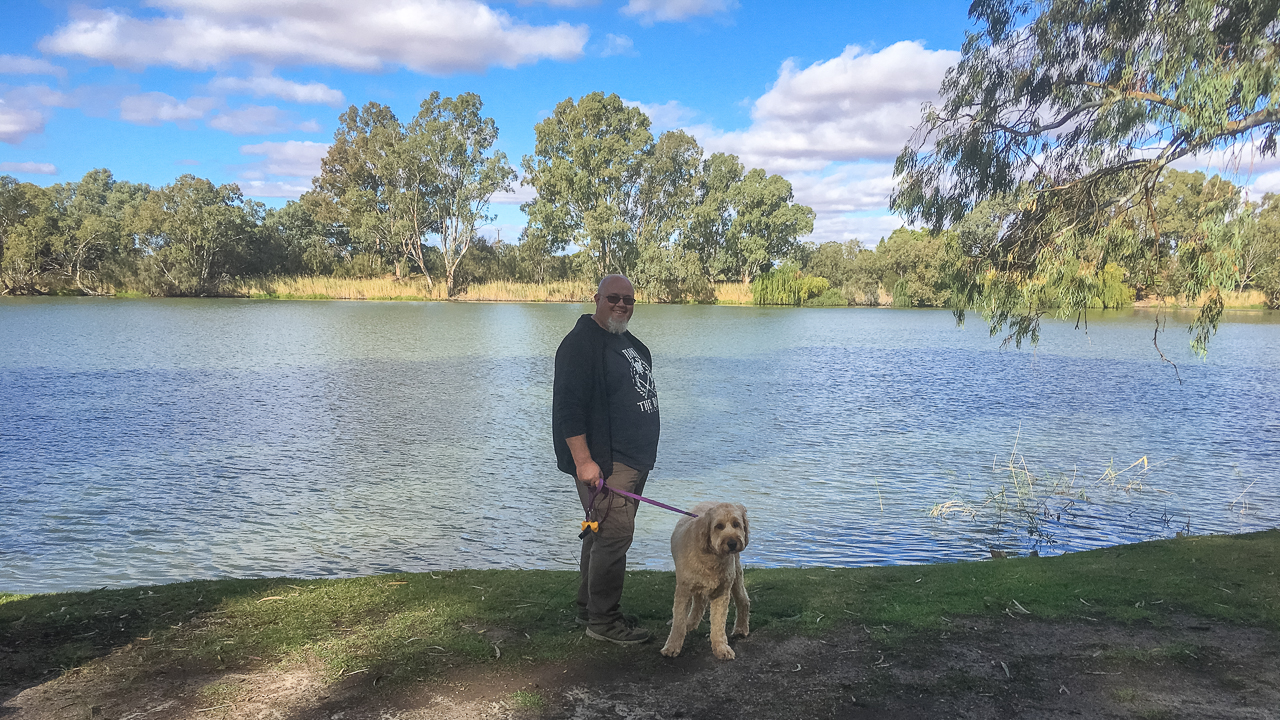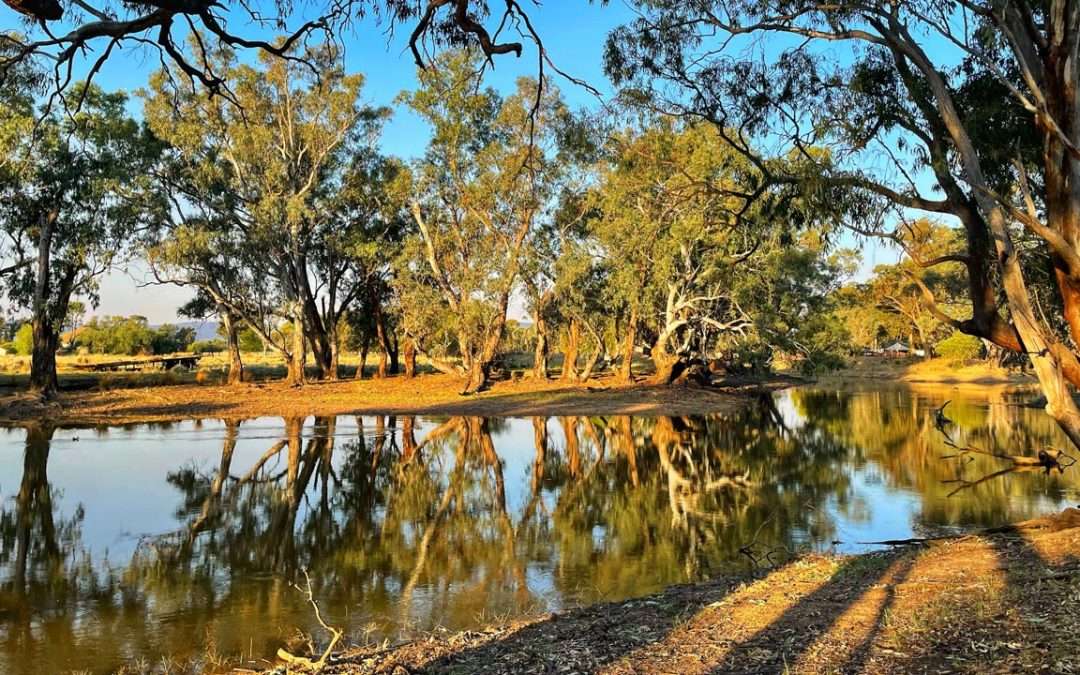
Ben Hall Creek Camp Near Grenfell – Hipcamp

Ben Hall Creek Camp Near Grenfell – Hipcamp

Ben Hall Creek Camp Near Grenfell – Hipcamp

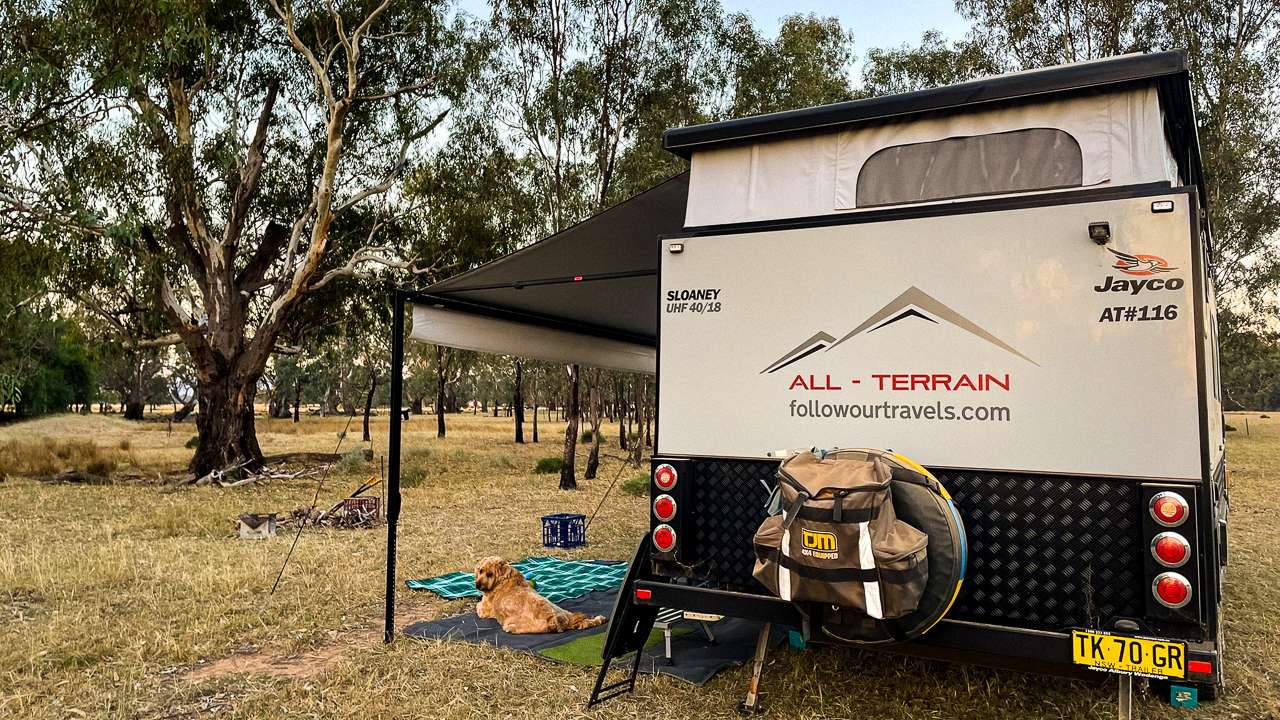
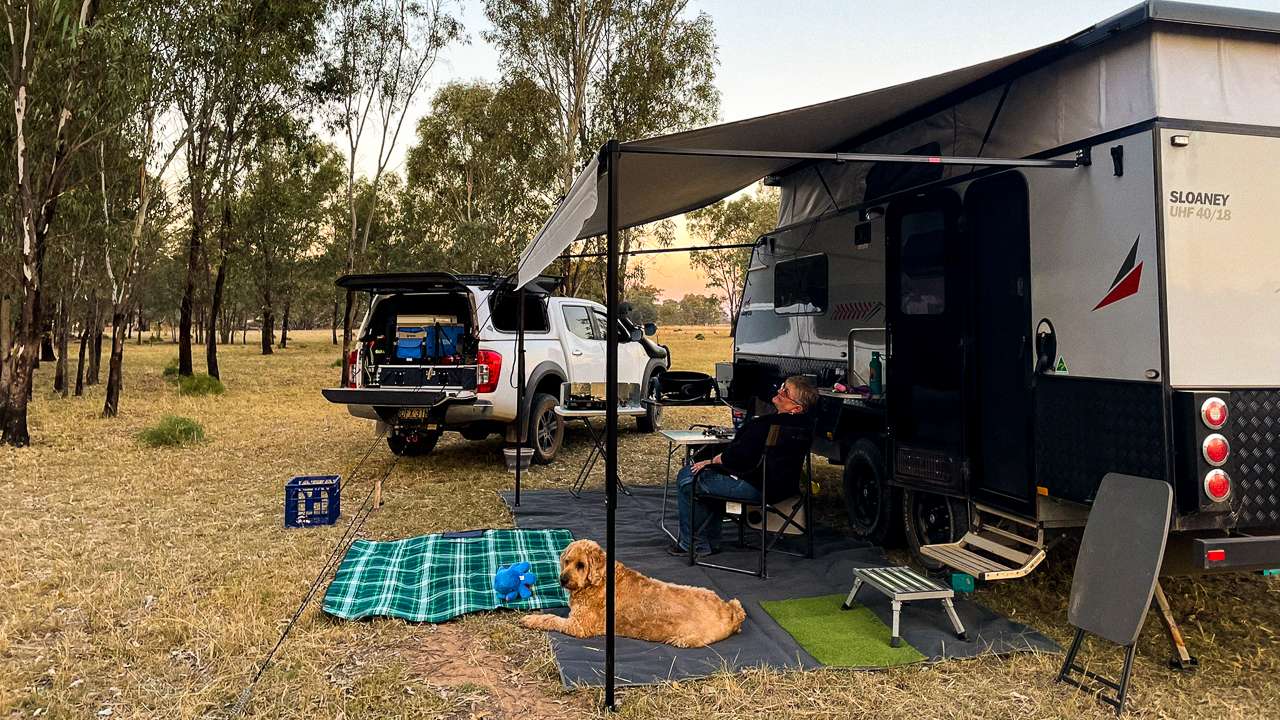
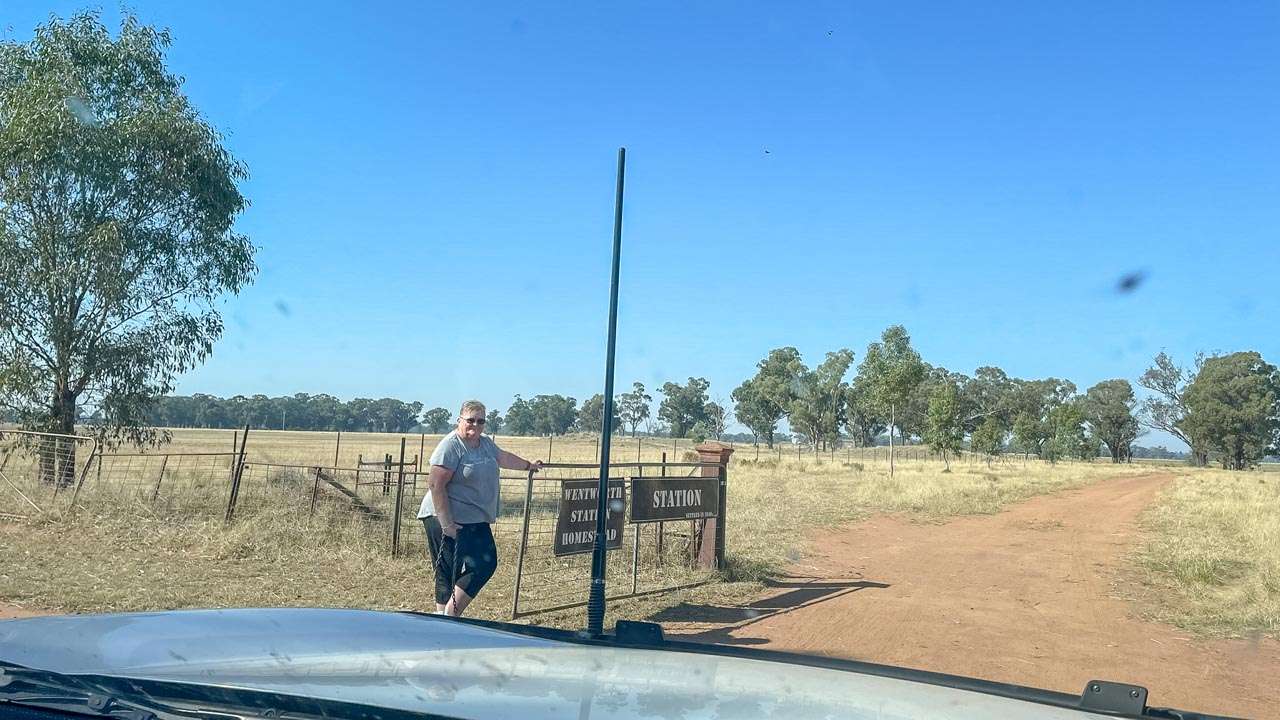
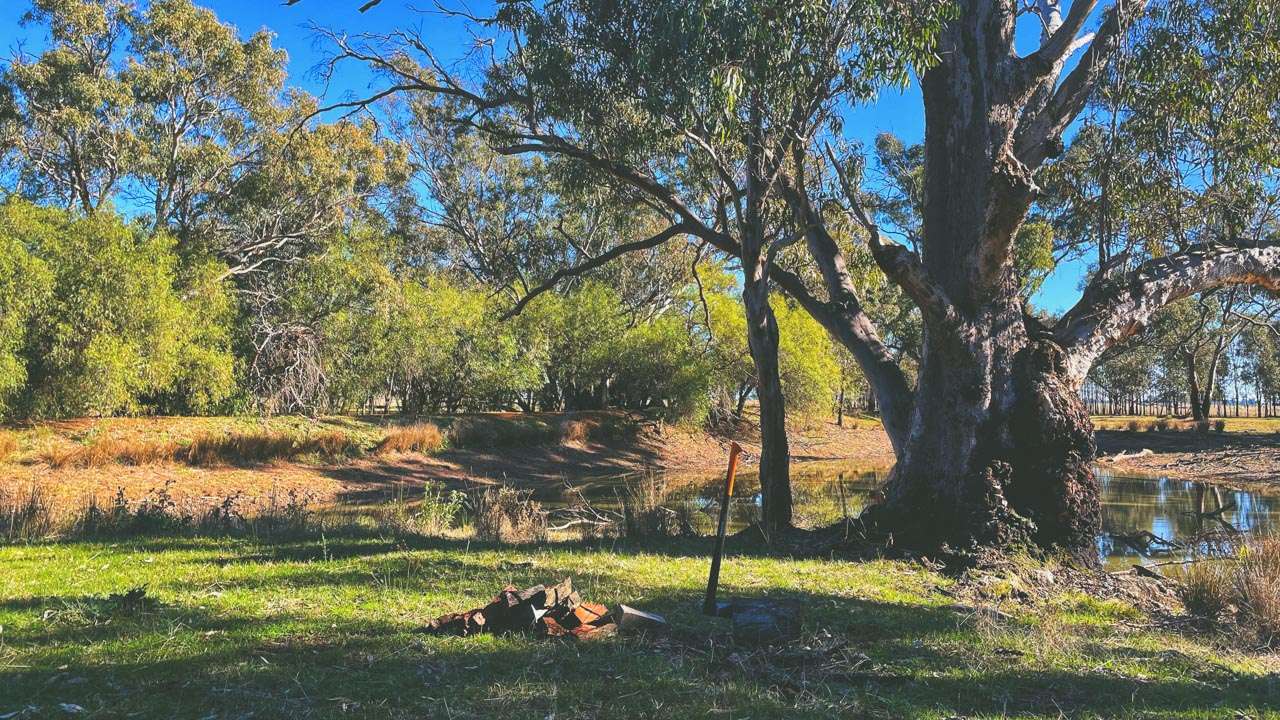
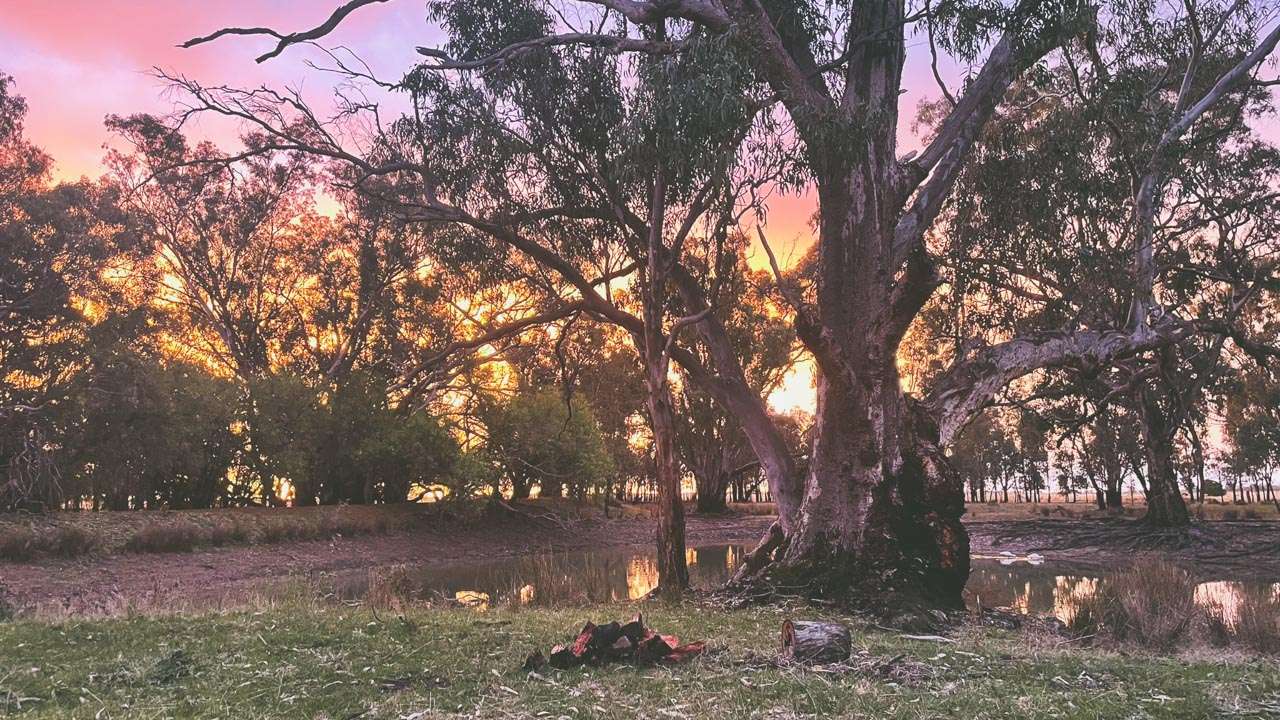
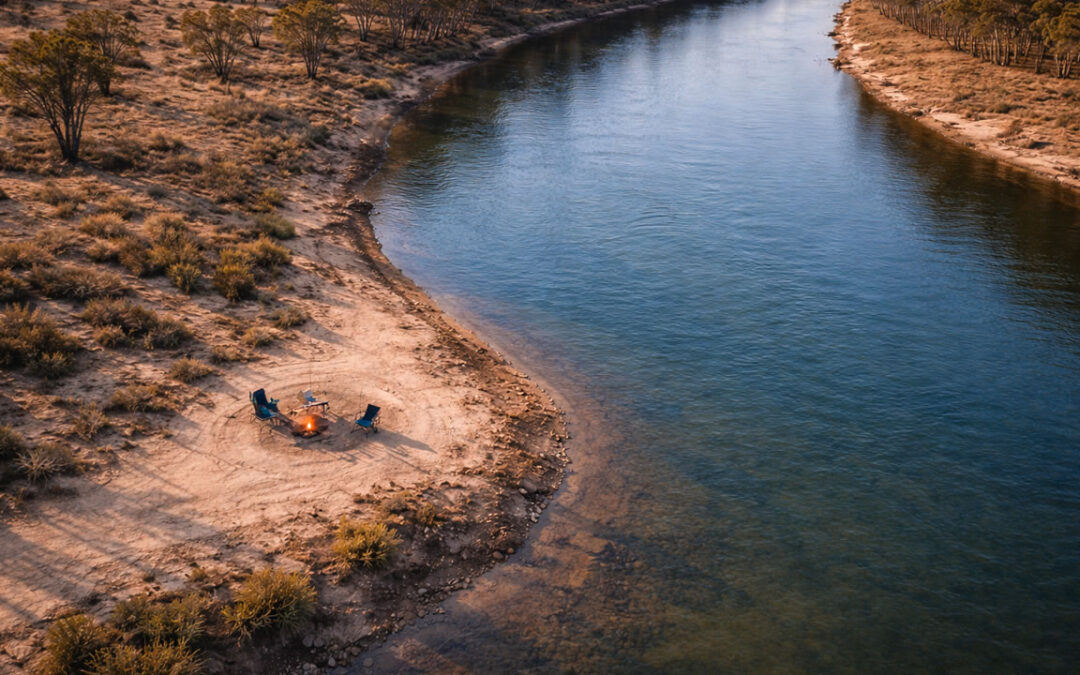
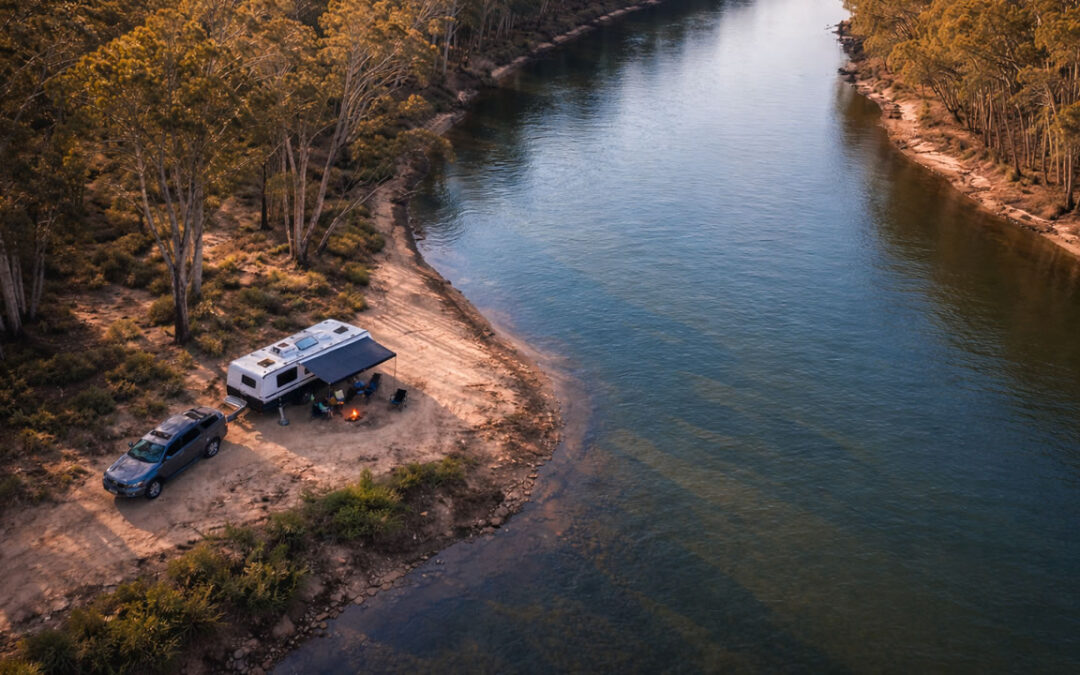
Camping at Ben Hall Creek Camp – Hipcamp Near the Weddin Mountains. We were back at Wentworth Station for the 2025 Easter long weekend, where the same bushland that once hid bushranger Ben Hall now welcomes campers seeking starry skies and campfire stories.

This historic 1840s property – part of the Hipcamp network a platform for unique camping experiences on private land. The Ben Hall Creek Camp at wentworth Station near Grenfell remains a top pick for its pet friendly freedom, rugged trails and close proximity to the Weddin Mountains. Located roughly an hour’s drive from Young, Forbes, West Wyalong and Cowra and just 1 hour 15 minutes from Cootamundra. It’s ideal for explorers seeking outback charm with modern conveniences close by.
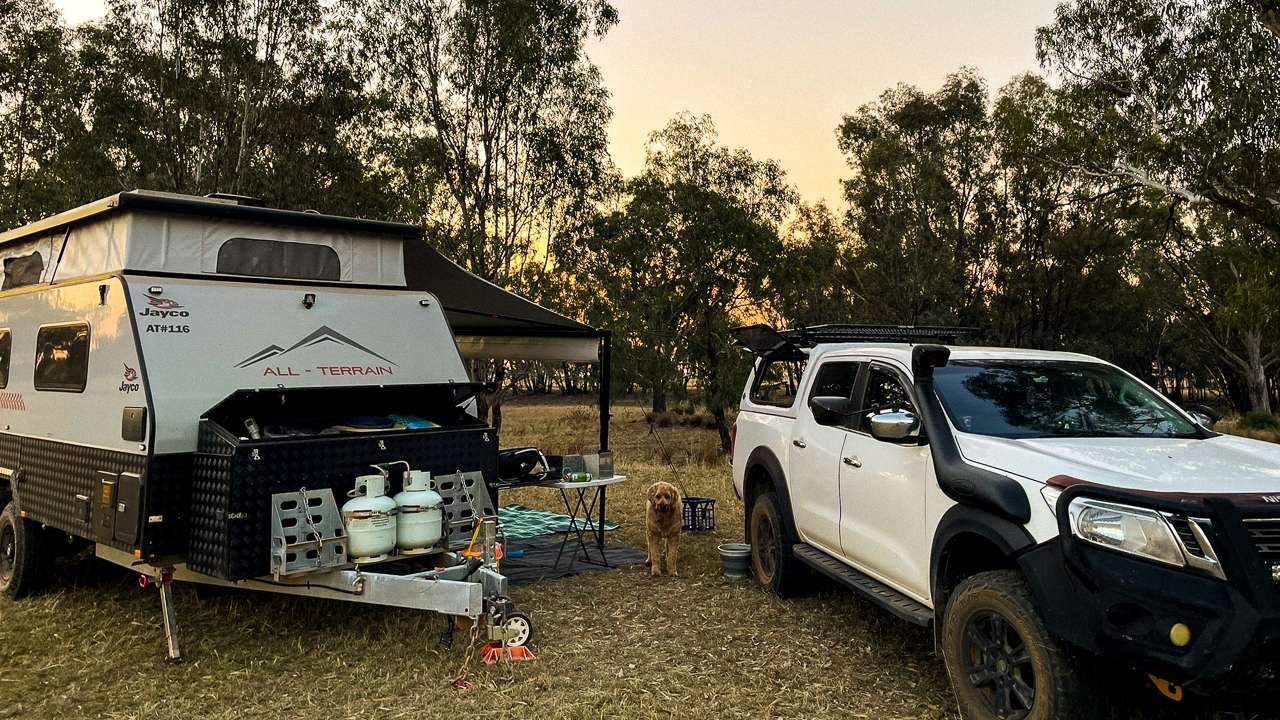
Ben Hall Creek Camp Near Grenfell Hipcamp

Ben Hall Creek Camp Near Grenfell Hipcamp

Why Camp At The Ben Hall Creek Hipcamp Near The Weddin Mountains?

  1. Bushranger history: Trace Ben Hall’s hideouts along the same creeks he used.
  2. Hipcamp perks: Book directly through the platform, with options for campfires and pet-friendly stays.
  3. Nature access: Explore Weddin Mountains National Park’s trails or Bimbi State Forest’s towering gums.

Top 10 Things To Do In And Around Grenfell

Here are the top 10 things to do in and around Grenfell, NSW:

  1. Explore Weddin Mountains National Park, including scenic drives, bushwalks, and wildlife spotting such as wedge-tailed eagles and peregrine falcons.
  2. Walk the Ben Hall’s Cave Walking Track, a historic bushranger hideout with rugged scenery and panoramic views.
  3. Visit the Grenfell Commodities Silos, featuring large-scale artwork by Heesco Khosnaran, a striking cultural landmark in town.
  4. Discover the Big Gold Pick and Pan, one of Australia’s iconic “big things” celebrating Grenfell’s gold mining heritage.
  5. Go geocaching, there are many geocaches spread throughout the Grenfell area.
  6. Take a self guided walking tour of Grenfell’s historic streetscape, including notable buildings like the former Union Bank and Band Hall.
  7. Visit Iandra Castle (Mt Oriel Homestead), an impressive early 20th-century mansion with open days for tours.
  8. Enjoy the Wallangreen Sculpture Garden, home to over 100 steel sculptures made from recycled farm machinery.
  9. Explore the Mount Grenfell Historic Site, featuring ancient Ngiyampaa Aboriginal rock art and walking trails with cultural significance.
  10. Attend local events such as the Henry Lawson Festival, Grenfell Gold Fest, and the Grenfell Picnic Races, which celebrate the town’s heritage and community spirit.

These activities offer a rich mix of natural beauty, history, culture, and community events that highlight Grenfell’s unique character in central New South Wales.
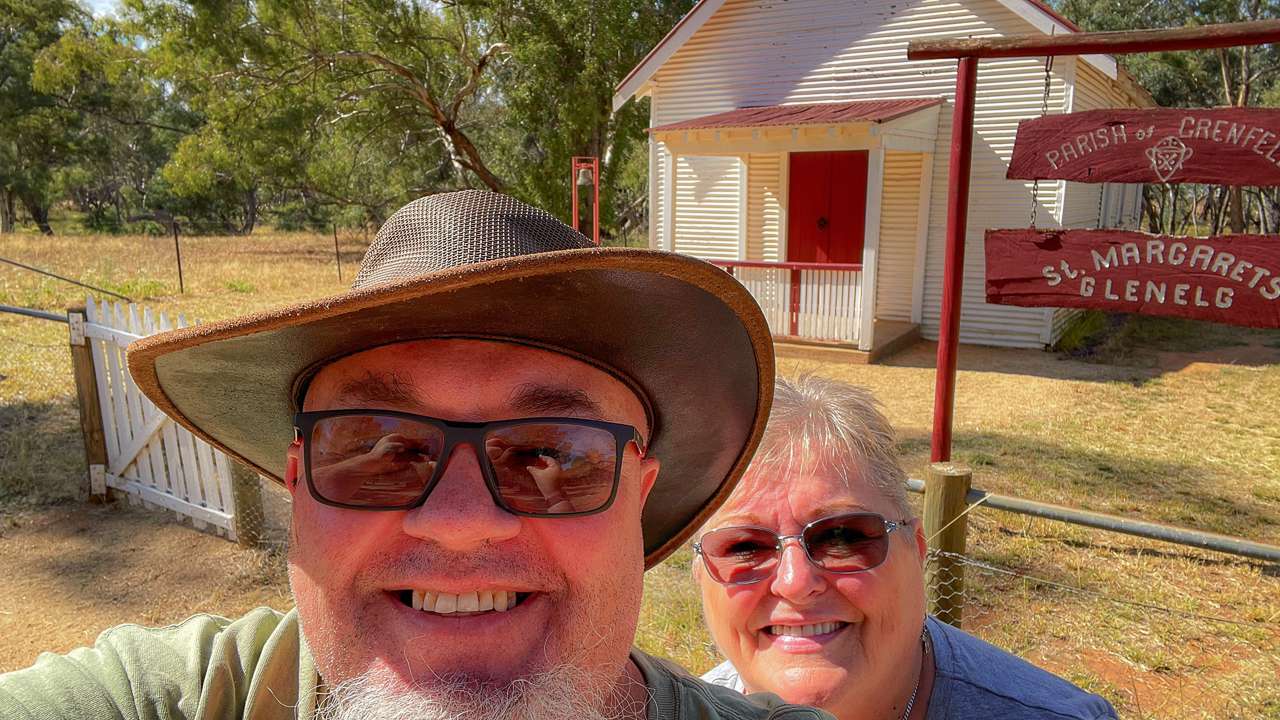
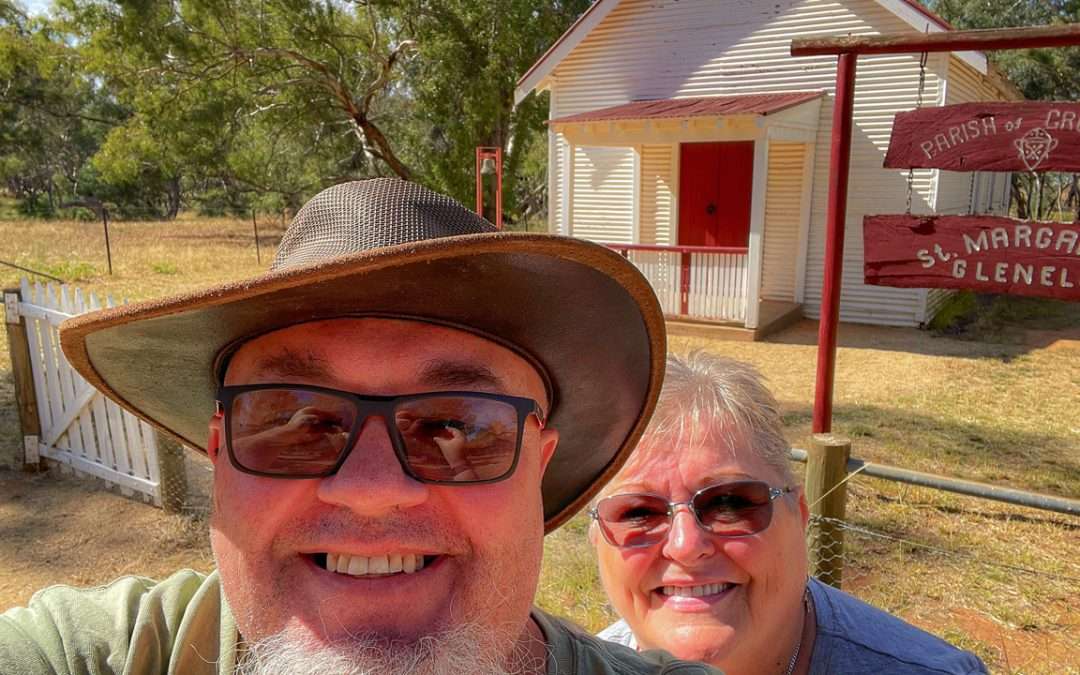
St Margarets Glenelg Church Near Grenfell Selfie

St Margarets Glenelg Church Near Grenfell Selfie

Getting To Ben Hall Creek Hipcamp

From Sydney, take the M4 and Great Western Highway (A32) through the Blue Mountains, Bathurst, and Cowra. Turn onto the Olympic Highway (B41) to Bimbi—allow 4.5 hours (380 km). Check real-time traffic via Live Traffic NSW.

Travel From Distance Time
Sydney 380 km 4.5 hrs
Adelaide 981 km 10.5 hrs
Canberra 211 km 2.5 hrs
Melbourne 606 km 6.5 hrs
Wagga 156 km 1.75 hrs

Pro Tips

  • Book early: Hipcamp sites like Wentworth Station fill fast for Easter.
  • Pack smart: April nights dip below 10°C – bring layers and marshmallows.
  • Local secret: Ask hosts about the hidden waterfall near Bimbi State Forest for a sunrise hike.

Why Ben Hall Creek Hipcamp At Wentworth Station Is Still a Winner

If you’re looking for somewhere to camp over easter that isn’t too far from Sydney give it a go. It’s only about 4.5 hours easy drive from Sydney. And being a Hipcamp site you are guaranteed to get a spot when you arrive. As a Hipcamp listed site Ben Hall Creek Hipamp at Wentworth Station balances basic bush camping with easy booking and and a confirmed site – important at busy periods such as Easter. Whether swapping tales by the fire or day tripping to Grenfell’s gold rush sites Ben Hall Creek Camp Hipcamp offers outback magic without sacrificing practicality. Just don’t forget the bug spray – and maybe keep an ear out for Ben Hall’s ghost!
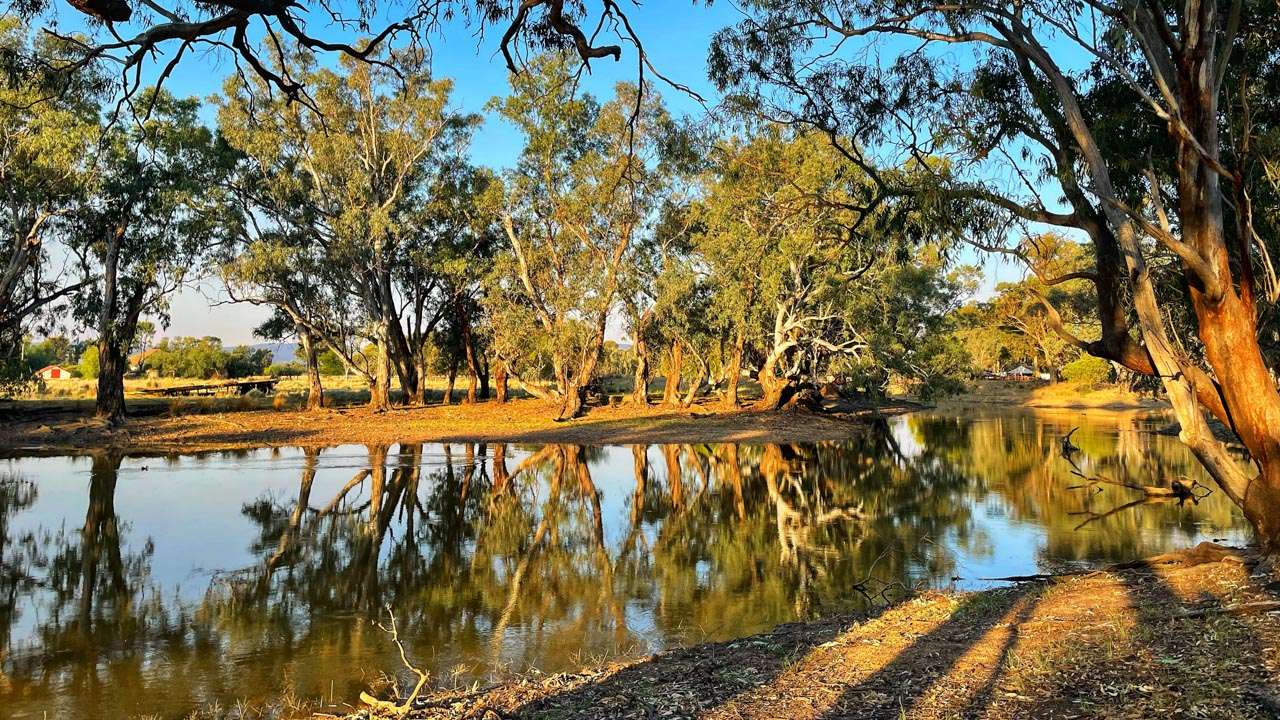
Ben Hall Camped Here A Few Times

Ben Hall Camped Here A Few Times

Ben Hall Creek Hipcamp At Wentworth Station Photo Gallery
Geocaching Near Grenfell NSW & St Margarets Church Glenelg

Geocaching Near Grenfell NSW & St Margarets Church Glenelg

Geocaching Near Grenfell NSW & St Margarets Church Glenelg

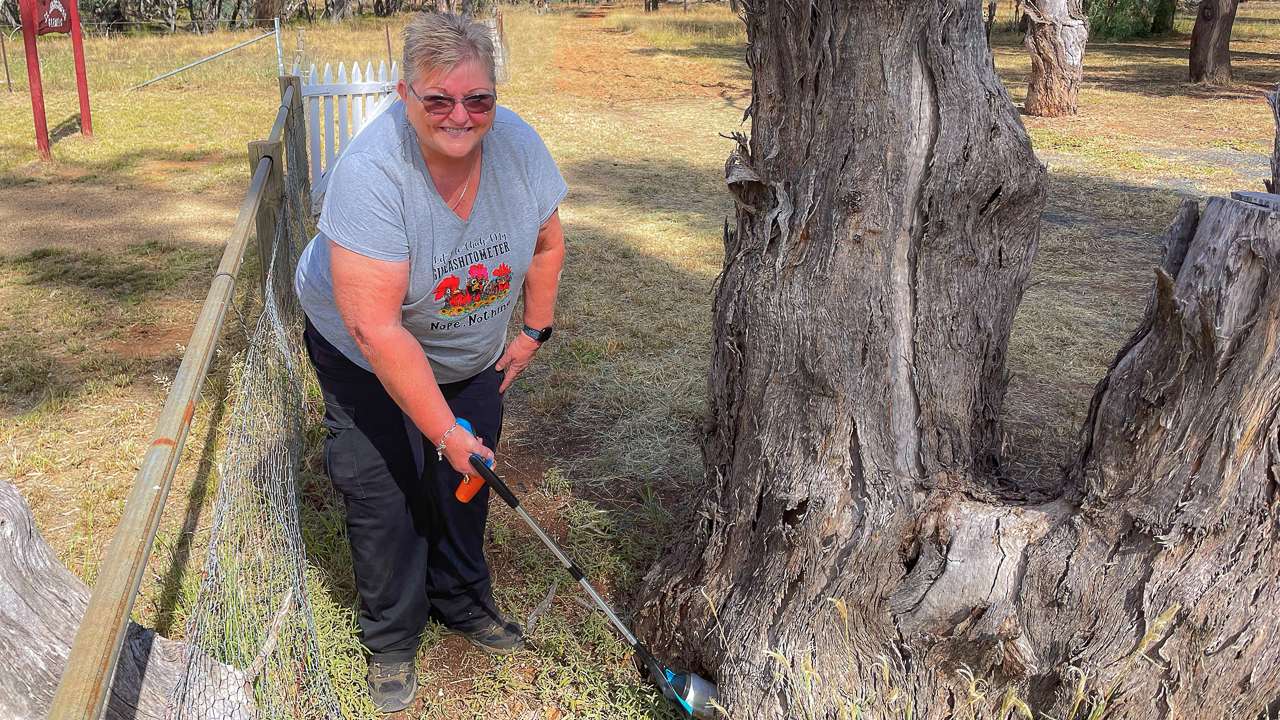
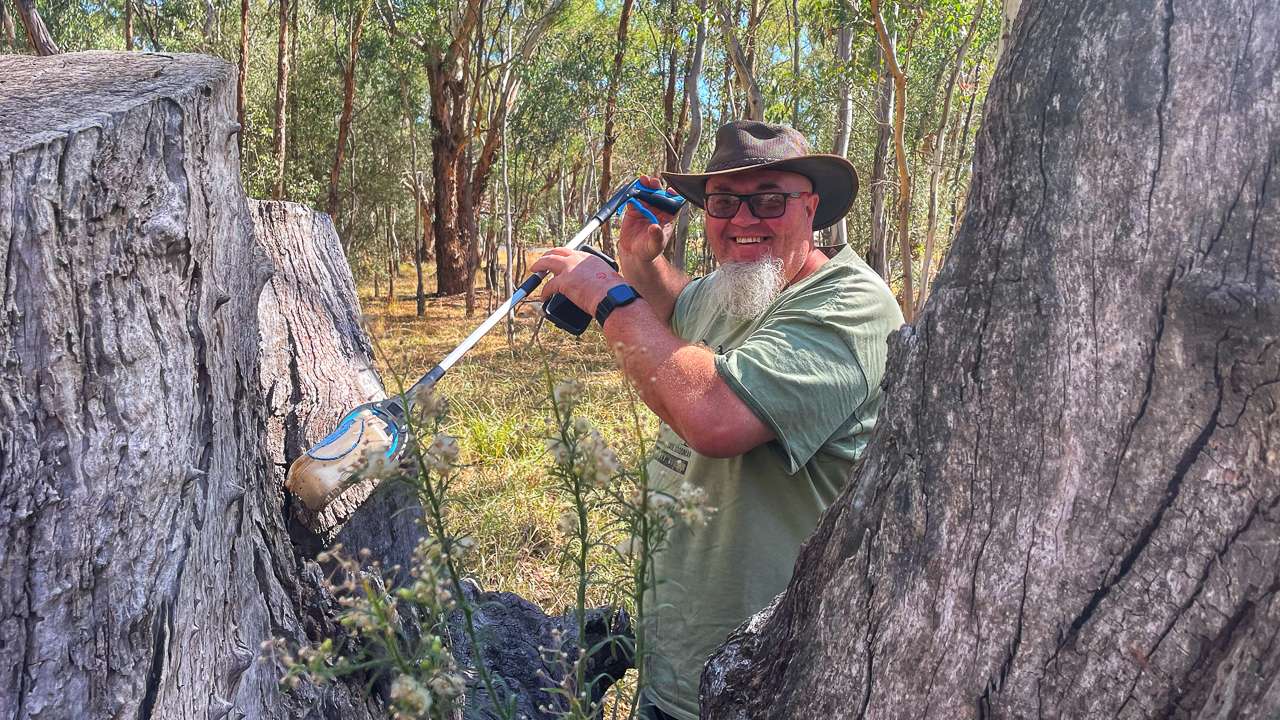
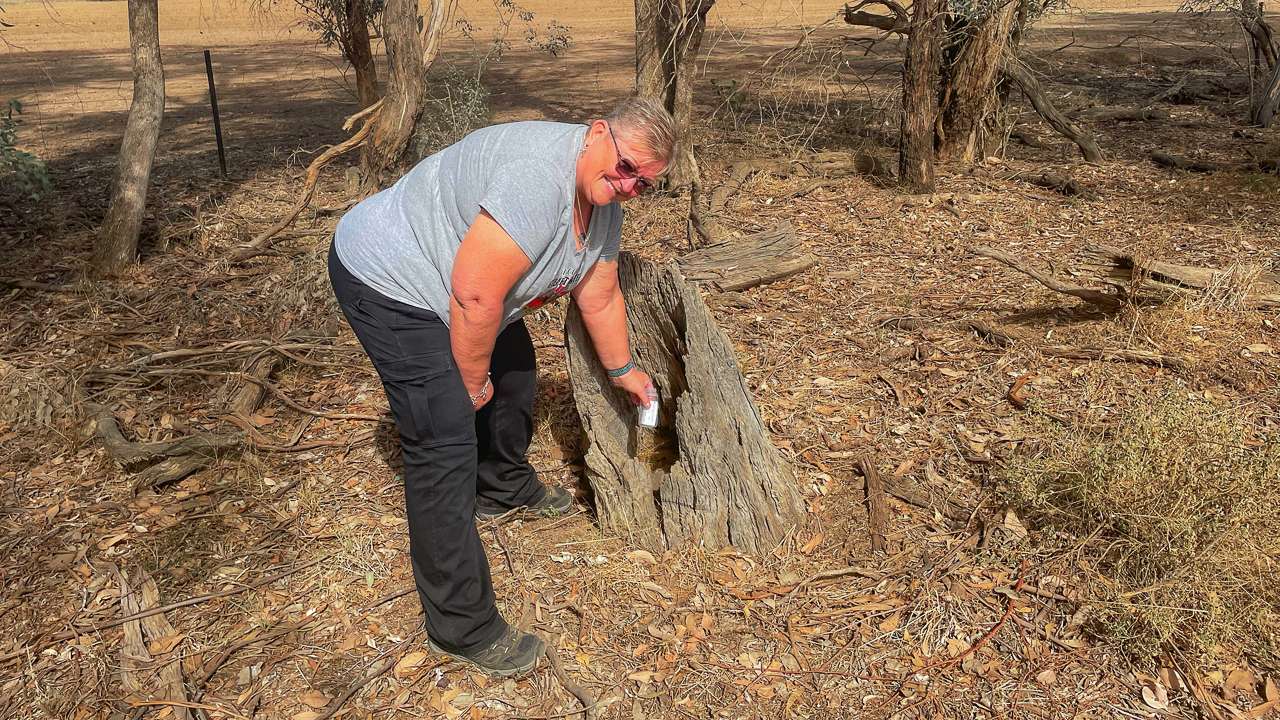
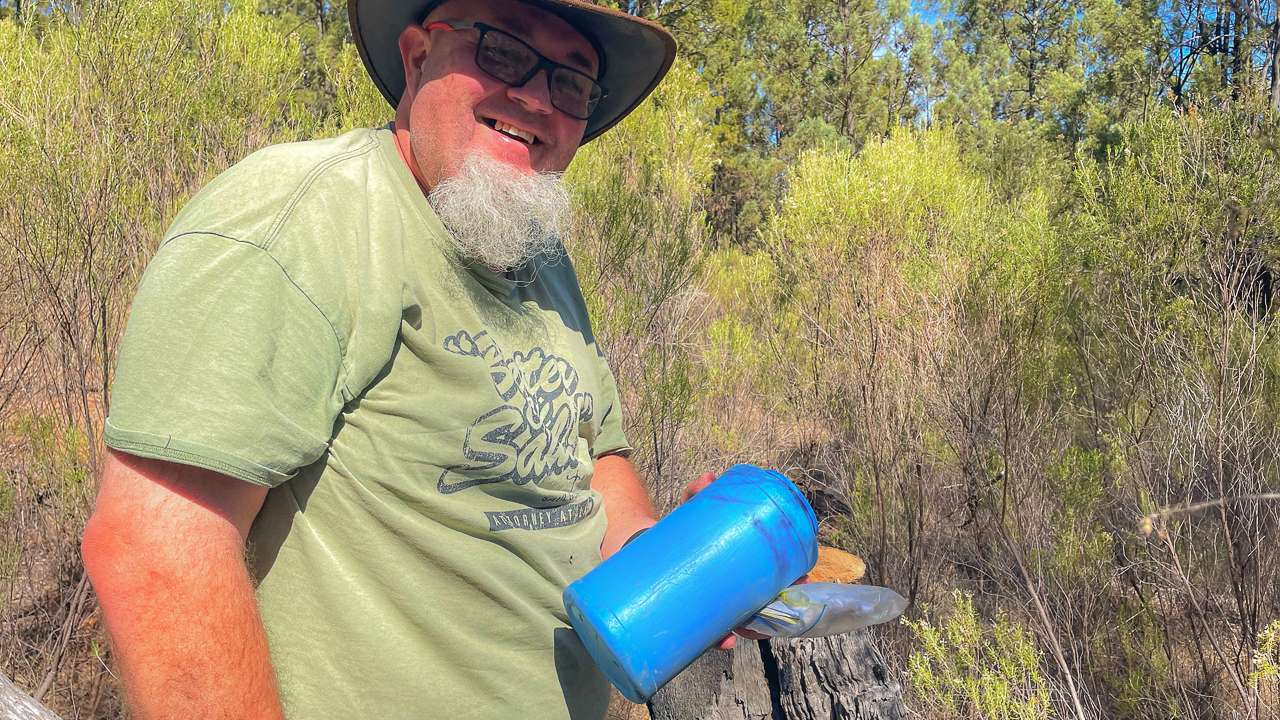
Another day out geocaching near Grenfell. We spent the Easter long weekend camped at Ben Hall camp near Bimbi NSW again. We figured it would be rude to not get out and grab some nearby geocaches that we didn’t collect last time we stayed here.

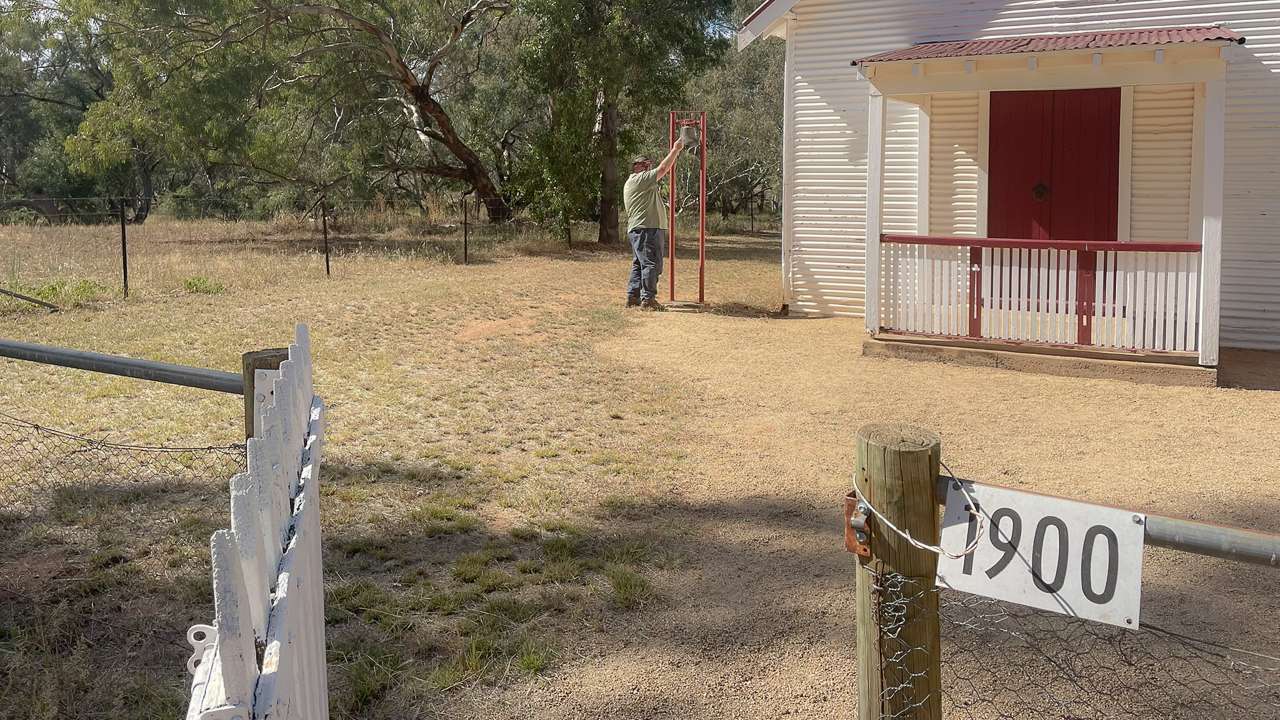
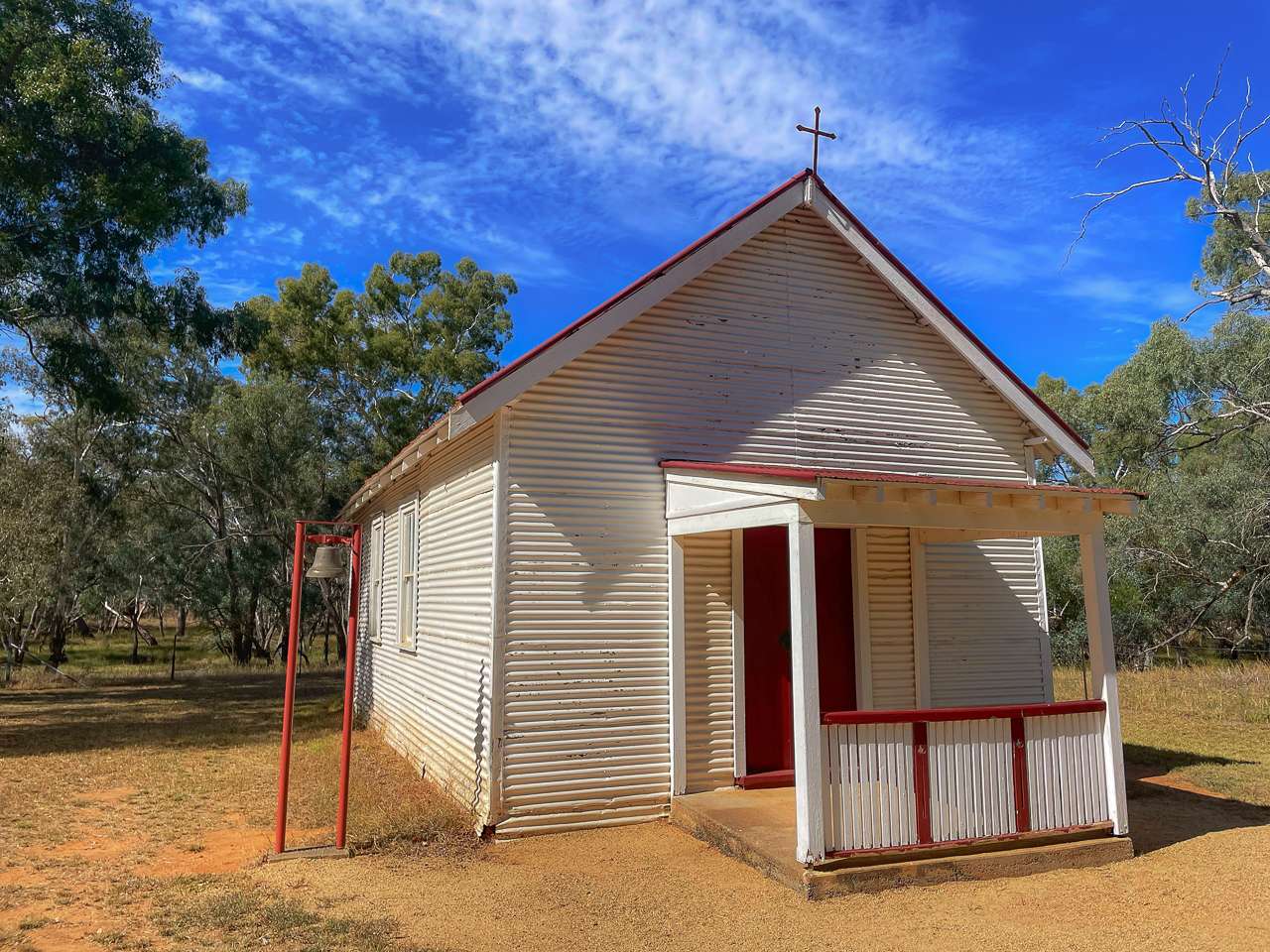
All up we found 5 geocaches and didn’t have any DNFs. The one at St Margarets Church located at Glenelg about 15 minutes north of Grenfell was our favourite. It was such a nice old church that even had a bell in the churchyard that of course had to be rung!

Geocaching Around Glenelg Near Grenfell

Geocaching Around Glenelg Near Grenfell

What Did We Find Geocaching Around Grenfell NSW

  1. Found Eualdrie Views | GC4PKN4
    What a great Cache. TFTC
  2. Found Back Straight | GC4TQFD
    TFTC not quite where the coordinates say but found nevertheless
  3. Found Ooma goodness, stop nagging! | GC4WR90
    TFTC. Log was missing so replaced with a sheet of paper. Container lid is non existent but we didn’t have one to replace we did however put everything in a new sealed bag
  4. Found Sins of the past | GCQDAP
    What a beautiful little church. TFTC
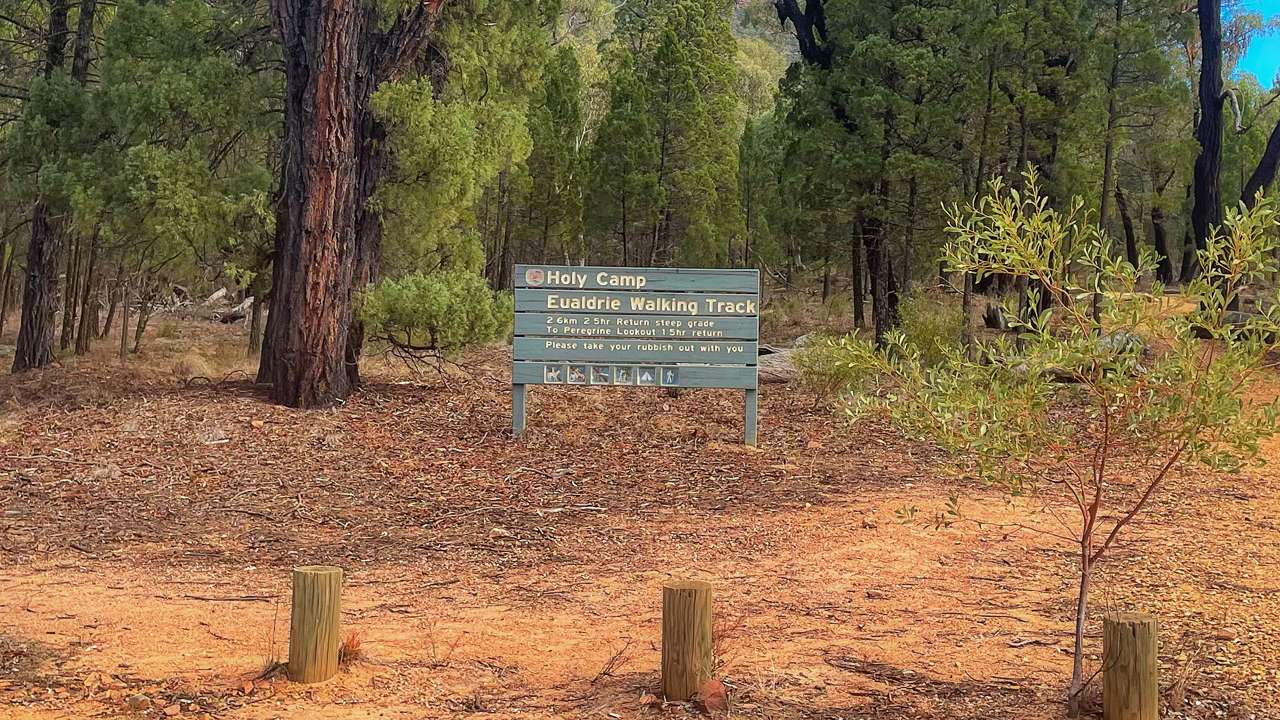
  5. Found Holy Camp, Batman! | GC843YT
    Oh but yes this too me Batman. TFTC

A Bit Of History About St Margaret’s Anglican Church In Glenelg, New South Wales

St Margaret’s Anglican Church in Glenelg, New South Wales, has been a cornerstone of the local community since its establishment. Situated along Henry Lawson Way the church is part of the Anglican Diocese of Bathurst and is also known as the Parish of Grenfell and Saint Margaret’s.

The Glenelg area itself is rich in history, with deep roots extending well before European settlement. Originally inhabited by Aboriginal people who made use of the local environment for shelter, hunting and gathering. With European colonisation came change. By the early 1840s, Glenelg had evolved from a small cluster of houses into a more established village.

The St Margaret’s Anglican Church, Glenelg is part of the Parish of Grenfell and the Diocese of Bathurst. The church building was a gift from Mr Bert Priddle who purchased it from the village of Wyangala before the construction of the dam. It was a Roman Catholic Church building and Mr Priddle had the building moved in two parts and re-erected at the present site. It was licensed for public worship on 17th November 1935 and consecrated by Bishop Wylde on 19th August 1953.

Ringing The Church Bell At St Margarets Glenelg Church Near Grenfell

Ringing The Church Bell At St Margarets Glenelg Church Near Grenfell

St Margaret’s Milestones

The church has celebrated several significant milestones. The church was officially licensed for public worship on 17 November 1935, marking its formal role as a spiritual centre for the rural community. It was later consecrated by Bishop Wylde on 19 August 1953, further cementing its place within the Anglican Diocese of Bathurst.

St Margaret’s continues to serve as a hub for regular worship and community gatherings. Services are held on the fourth Sunday of each month as well as during major Christian festivals. Attracting members from various denominations in the area. The church also hosts ecumenical services in collaboration with other Christian groups in Weddin Shire, especially when there is a fifth Sunday in a month, fostering interdenominational unity. Support is ongoing with community events such as the annual Carols in the Park and participates in broader parish activities.

Holy Camp Eualdrie Walking Track

Holy Camp Eualdrie Walking Track

A Slightly Less Important Bit Of St Margaret’s History!

A more recent highlight in the church’s story occurred over the 2025 Easter long weekend, when Dave and Amanda discovered a geocache hidden on the church grounds. Having a geocache located here adds a modern twist to the site’s ongoing history, drawing new visitors and connecting the present day community to this historic landmark in a unique and memorable way.

Geocaching Near Grenfell Photo Gallery

Coward Springs Oodnadatta Track: We’ve Camped There Twice

Coward Springs Oodnadatta Track: We’ve Camped There Twice

Coward Springs Oodnadatta Track: We’ve Camped There Twice

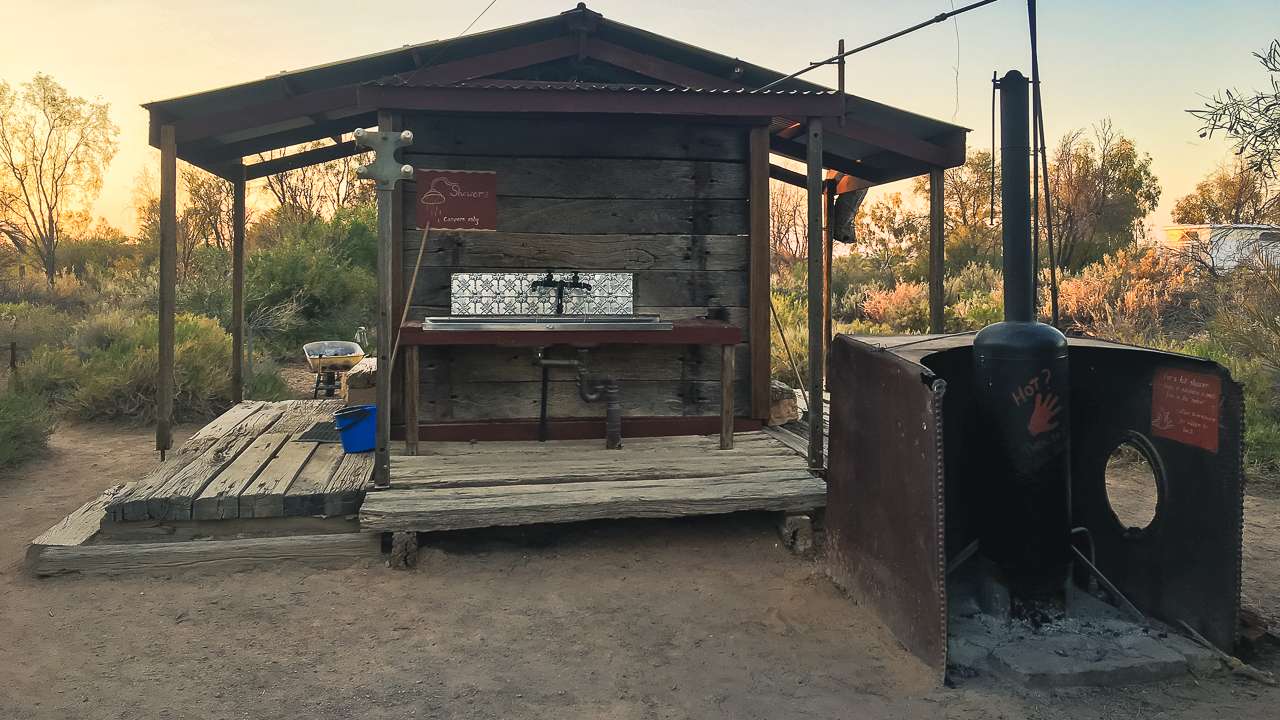
Our two stays at Coward Springs Campground: Oodnadatta Track advice, donkey boiler showers and the springs – caravanning in SA’s outback.

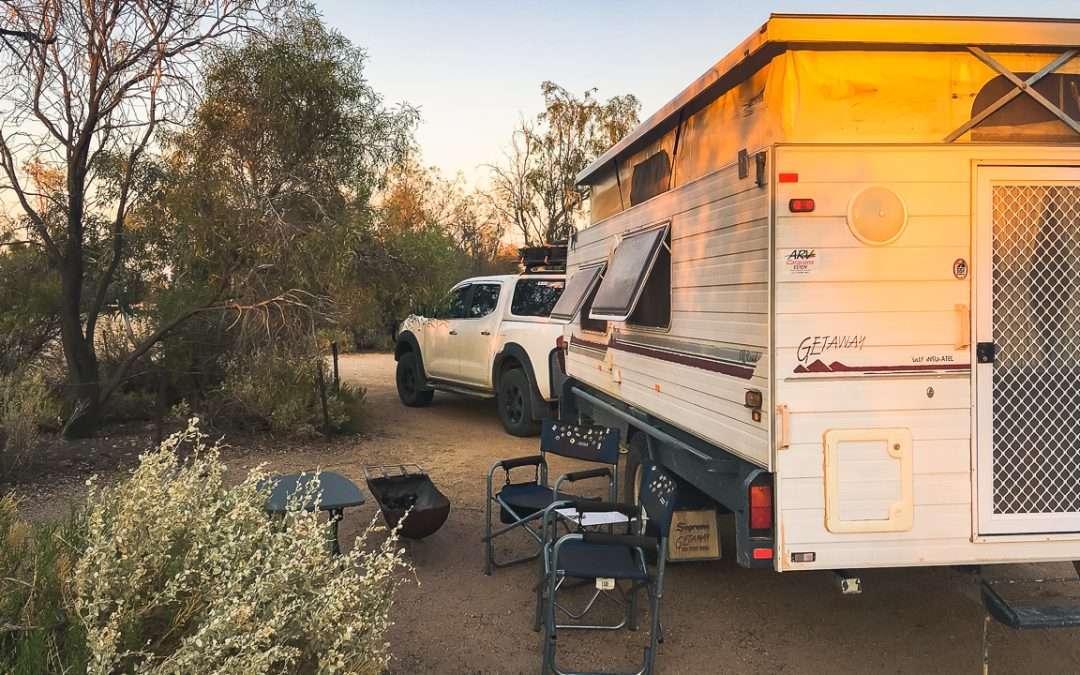
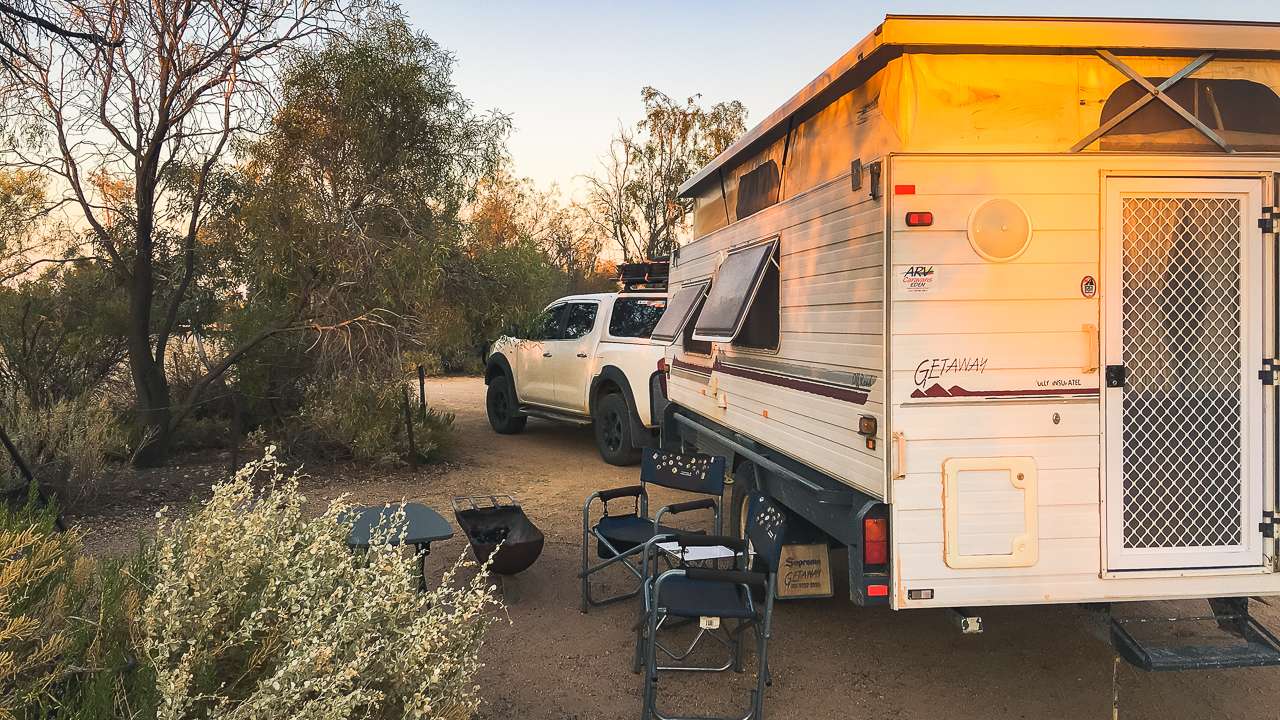
Coward Springs campgrounds is a desert stop on the Oodnadatta Track that is full of history. Located along the famous Oodnadatta Track in South Australia’s outback, Coward Springs mixes history, nature and adventure. We first camped here in September 2019 with our Supreme Getaway off-road caravan and returned in August 2022 while on another trip. Both trips showed us what makes this spot special – and what challenges to expect.

Camping At Coward Springs Campground

Camping At Coward Springs Campground

Coward Springs Campground

Address: Oodnadatta Track, Stuarts Creek, South Australia 5733
GPS: -29.401325°, 136.813945°
Pet Friendly: Yes
Email: contact@cowardsprings.com.au
Website: http://www.cowardsprings.com.au
Phone: +61 8 8675 8336
Cost: (2025) $18 per adult & Children (3–15 years) half price
Adults: $15 per night
Bookings: https://cowardsprings.com.au/booking/

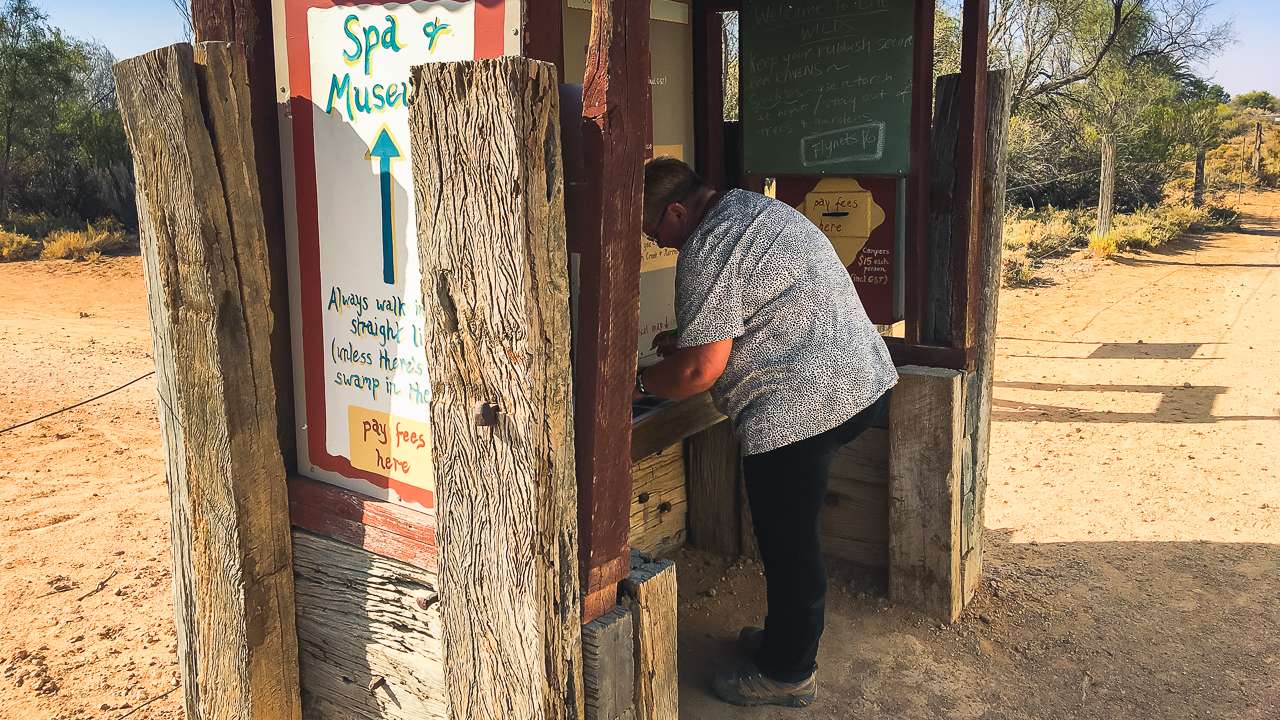
Amanda Checking In At Coward Springs

Amanda Checking In At Coward Springs

The Story Of Coward Springs

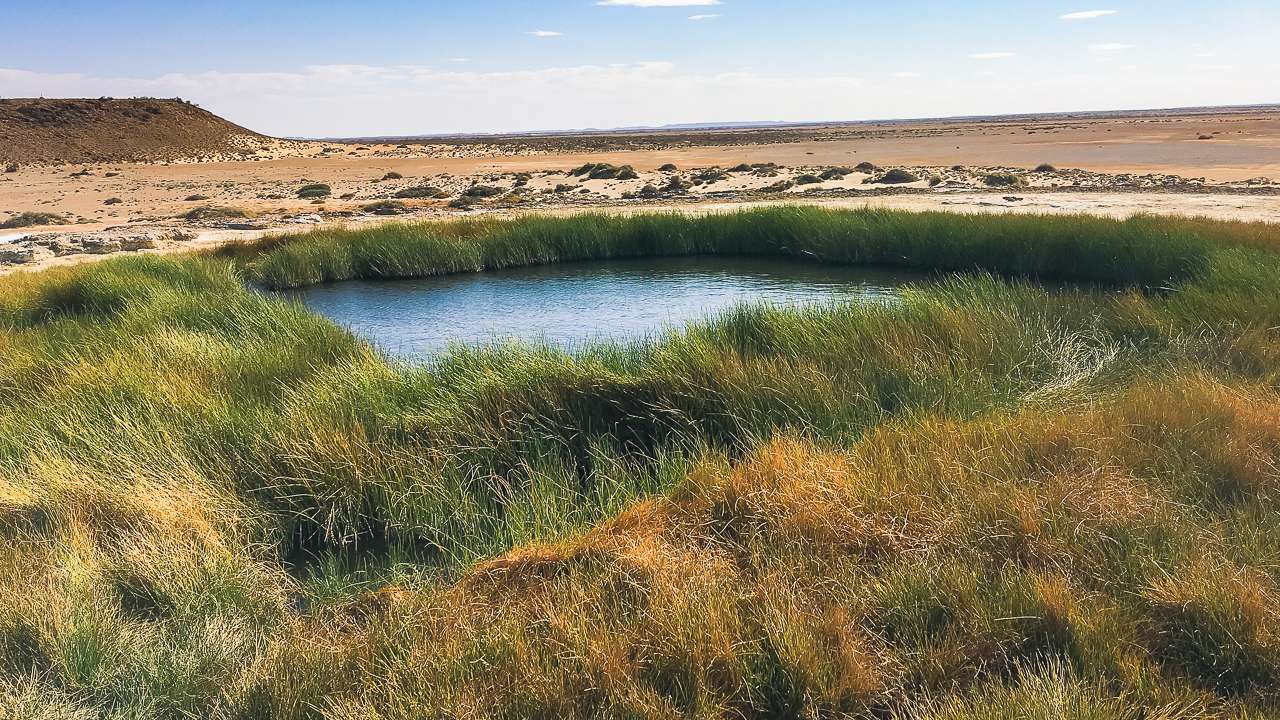
Coward Springs started as a stop for the Old Ghan Railway in the late 1800s, using water from the Great Artesian Basin to power steam trains. When the railway closed, the site nearly vanished until locals restored it in the 1990s. Today, you can explore the old railway workers’ huts, a small museum and the natural springs that keep this place alive.

Our 2019 vs. 2022 Experience

We’ve compared our two visits to help you plan better. We loved both stays!

Aspect September 2019 August 2022
Crowds Busy by 4 PM; all 20 campsites full. Quieter, with half the sites empty midweek.
Weather Warm days (25-30°C), chilly nights (5°C). Cooler days (18–22°C), freezing nights (0-3°C) – bring something warm to sleep in!
Natural Spring Waited 20 minutes for a soak. Walked straight in – no queues.
Road Conditions Dry, smooth gravel roads from William Creek. Recent rain caused minor rutting and corrugations; 4WD recommended.
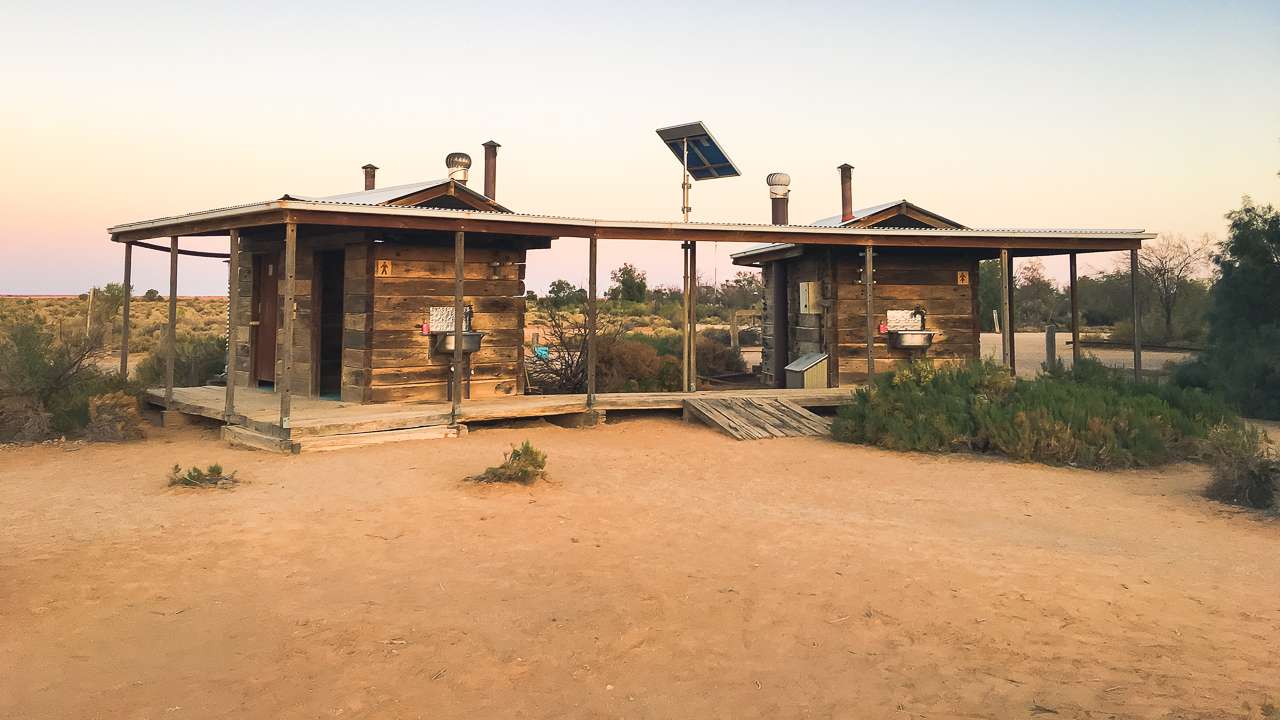
Facilities Donkey boiler showers worked well. New compost toilets added.

10 Activities Near Coward Springs

  1. Wabma Kadarbu Mound Springs
    Visited twice – the bright blue water of Blanche Cup never gets old!
  2. William Creek Pub
    Ate their famous pie in 2019; tried lamb shanks in 2022. Both meals hit the spot.
  3. Lake Eyre (Kati Thanda)
    Flew over in 2019 (water present), drove to Lake Eyre South in 2022 (bone-dry).
  4. Strangways Springs Ruins
    More signage added by 2022 – easier to understand the history.
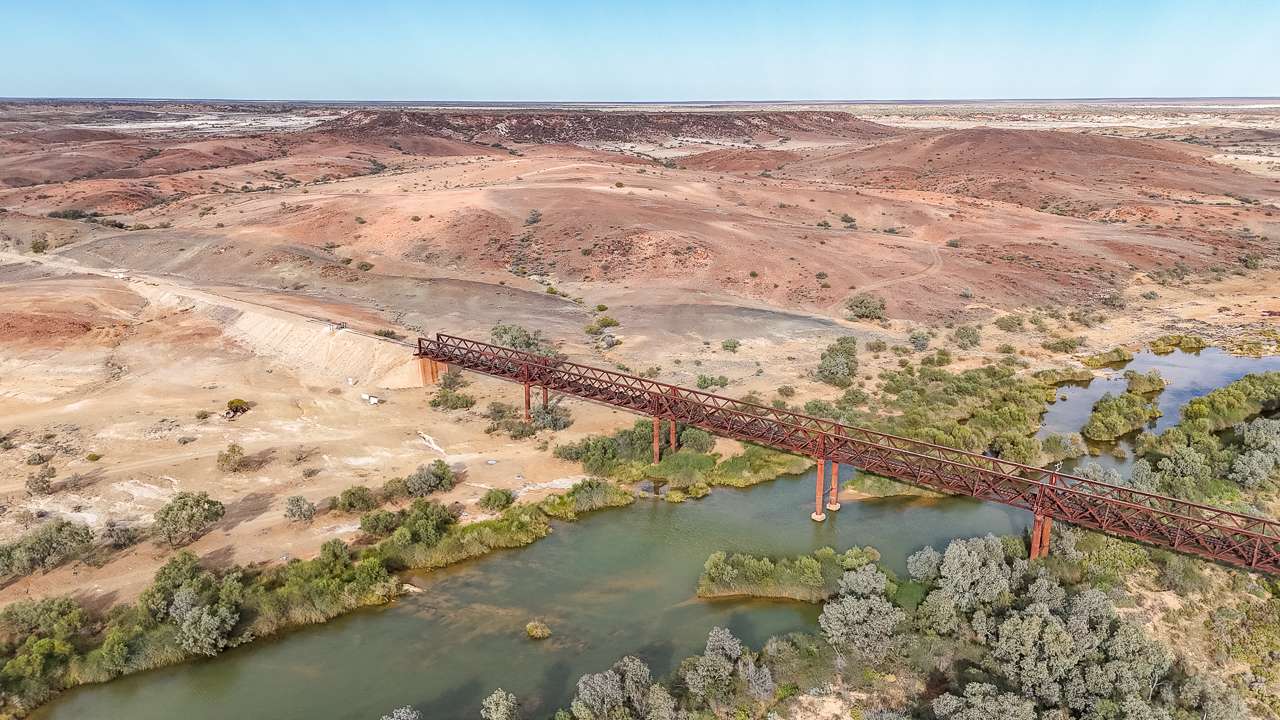
  5. Algebuckina Bridge
    Have camped there three times. Great for sunset photos. See if you can find the graves.
  6. Coward Springs Walk
    The 1.5 km loop felt quicker in 2022 with cooler weather.
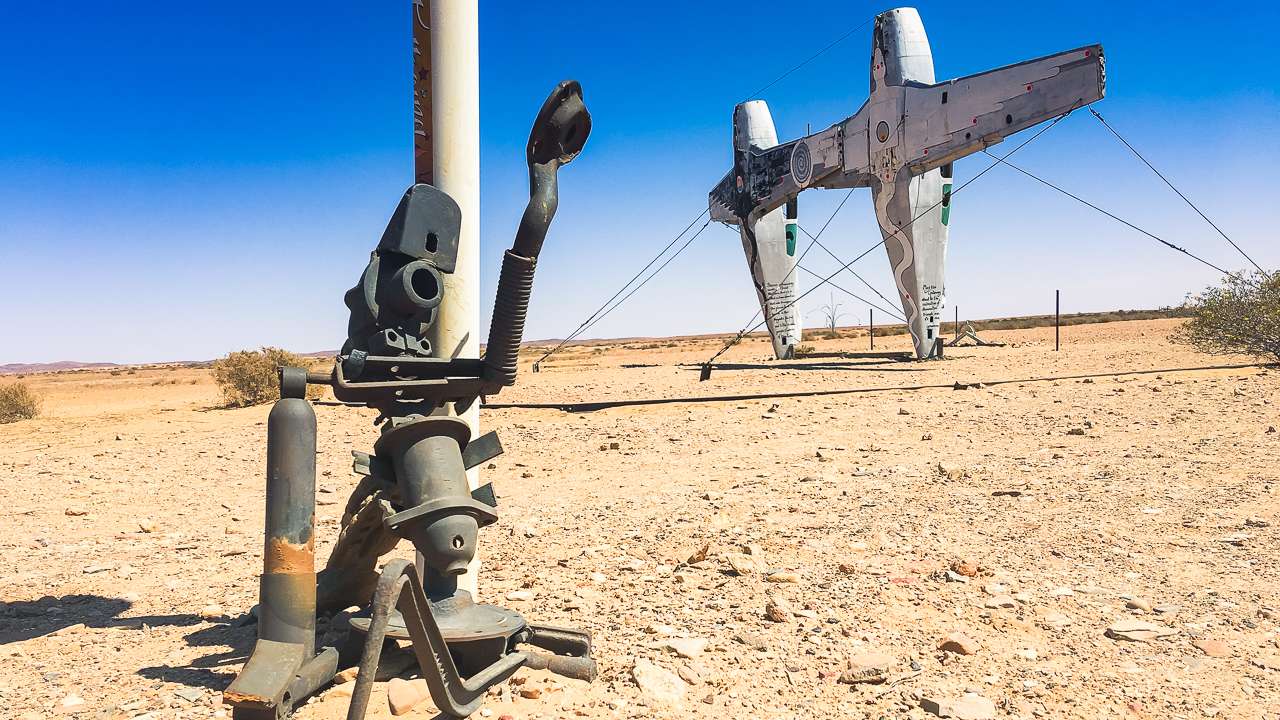
  7. Mutonia Sculpture Park
    New plane wreck art added near Lake Eyre since 2019. we’ve called in here every time we’ve travelled the Oodnadatta Track.
  8. Stargazing
    Clearer skies in August 2022 – saw the Southern Cross and Orion.
  9. Oodnadatta Track Drive
    Noticed more roadside rest areas by 2022.
  10. Chat with Travellers
    Met more international visitors in 2022 post-COVID border reopenings.

What We Learned Across Both Trips

  1. Best Time to Visit
    1. September: Warmer days but crowded. Book early.
    2. August: Quieter but pack warm clothes and bedding for freezing nights.
  2. Packing Tips
    1. 2019 Misses: Forgot to bring firewood with us. We ran out the night before.
    2. 2022 Wins: New caravan had a gas heater installed.
  3. Campground Changes (2019 vs. 2022)
    1. Improved: New compost toilets, better signage for walks.
    2. Same: No drinking water, power, or phone reception.

How To Drive To Coward Springs, South Australia

Reaching Coward Springs requires careful planning due to its remote location on the Oodnadatta Track, a historic outback route in northern South Australia. The track is largely unsealed, with gravel, corrugations, and occasional rutting after rain. A 4WD vehicle is recommended although 2WDs can manage in dry conditions if driven cautiously. From Adelaide, most travellers take the Princess Highway to Port Augusta, then head north via Leigh Creek to Marree—the official start of the Oodnadatta Track. From Marree, it’s a 160 km drive north to Coward Springs. Fuel, water, and spare tires are essential, as services are limited beyond Marree and William Creek. Always check the [SA Outback Roads Report](https://www.dpti.sa.gov.au/OutbackRoads) before departing.

Donkey Boiler

Donkey Boiler

Driving Distances And Times

From Capital Cities

Starting Point Distance to Coward Springs Estimated Driving Time Key Route Notes
Adelaide, SA 845 km 9–10 hours Via Port Augusta, Leigh Creek, and Marree. Mix of sealed and unsealed roads.
Melbourne, VIC 1,200 km 13–14 hours Follow Mallee Highway to Adelaide route, then north via Port Augusta.
Sydney, NSW 1,500 km 16–17 hours Via Broken Hill and Port Augusta. Mostly sealed until Marree.
Brisbane, QLD 2,000 km 22+ hours Through Bourke, Broken Hill, and Port Augusta. Long stretches of sealed highways.
Perth, WA 2,700 km 30+ hours Cross Nullarbor to Ceduna, then Port Augusta. Requires multiple overnight stops.
Darwin, NT 2,300 km 25+ hours Stuart Highway to Alice Springs, then south via Kulgera. Mostly sealed.

Along The Oodnadatta Track

Starting Point Distance to Coward Springs Estimated Driving Time Road Conditions
Marree, SA 160 km 2 hours Unsealed, corrugated. 2WD possible in dry weather.
William Creek, SA 90 km 1.5 hours Gravel with occasional washouts. 4WD advised after rain.
Oodnadatta, SA 280 km 3.5 hours Rough, sandy sections. 4WD essential.
Coober Pedy, SA 236 km 3 hours Unsealed via William Creek. Carry extra fuel.
Lake Eyre South (Halligan Bay) 110 km 2 hours Requires detour from William Creek. Check access permits.

Key Tips For Driving

  1. Fuel Up: Last reliable fuel stops are in Marree (south) or Oodnadatta (north).
  2. Water & Supplies: Carry 10L water/person/day. No shops between Marree and William Creek.
  3. Tyres: Reduce tire pressure to 28–32 PSI for corrugations.
  4. Weather: Avoid travel after rain – roads close quickly.
  5. Permits: Some detours (e.g., Lake Eyre) require National Parks permits.

By planning ahead and respecting the outback’s challenges, your drive to Coward Springs will be an unforgettable adventure.

Conclusion: Why Coward Springs Deserves A Spot On Your Outback Itinerary

Coward Springs, South Australia, is more than a campground – it’s a portal to the raw beauty and layered history of the outback. From its bubbling artesian spa to the echoes of the Old Ghan Railway, this remote oasis rewards travellers willing to embrace its rugged simplicity. Our two visits – in September 2019 and August 2022 – taught us that timing is key: spring brings warmth and crowds, while winter offers solitude (and chilly nights). The journey here, whether from Adelaide or Darwin, is part of the adventure. The Oodnadatta Track’s corrugations and dust test your preparation, but the payoff – soaking in 29°C mineral waters under a desert sky – is unmatched. While facilities remain basic (donkey boilers and compost toilets included), the camaraderie among campers and the haunting beauty of nearby sites like Wabma Kadarbu Springs elevate the experience.

For caravanners, Coward Springs is a rite of passage. It demands self sufficiency, extra water, firewood and patience – but delivers an authenticity that glossy resorts can’t replicate. Whether you’re tracing Aboriginal trade routes, photographing wedge-tailed eagles or swapping stories at William Creek Pub this corner of South Australia etches itself into your memory.

Final Tip: Plan meticulously, pack your sense of humour and let the outback work its magic. As we’ve learned twice now, Coward Springs isn’t just a destination – it’s a story waiting to unfold.

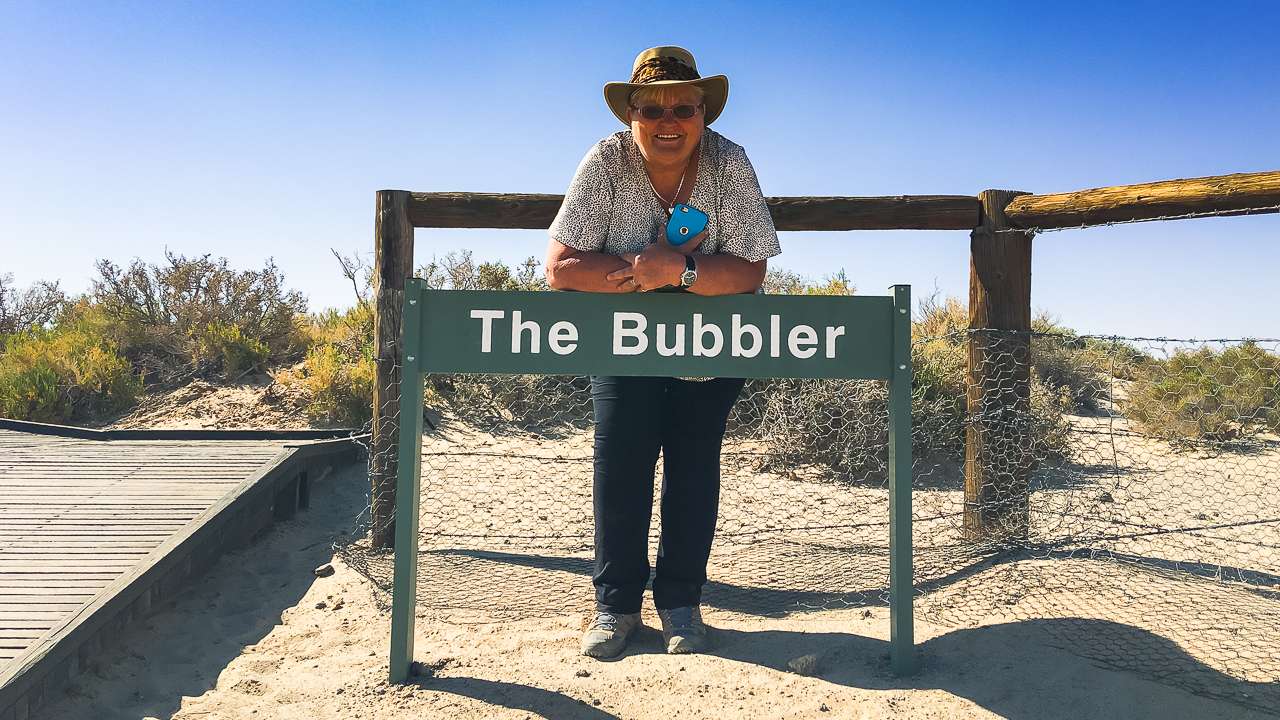
The Bubbler Moundspring On The Oodnadatta Track

The Bubbler Moundspring On The Oodnadatta Track

Final Thoughts

  • 2019 vs. 2022: Both trips had pros. September’s warmth suited swimming, while August’s quiet let us enjoy the springs alone.
  • Would We Return? Yes – but in late autumn (April/May) to avoid extremes.
  • Biggest Surprise: The museum expanded by 2022 with railway artifacts dug up locally.
  • Essential Tip: Bring 20% more water than you think you’ll need. Both times we ran low.

Helpful Links:

Coward Springs Campground Photos

Murray River Camping South Australia – Top River Camps And Tips

Murray River Camping South Australia – Top River Camps And Tips

Murray River Camping South Australia – Top River Camps And Tips

Discover Murray River camping in South Australia, with details on popular riverfront camps, free sites, caravan parks, booking rules, and what to expect for facilities and fishing.

Murray River camping in South Australia runs along the border strip from Renmark up to the South Australian side of the river near Morgan and beyond. Campers can choose between town‑based caravan parks, riverfront recreation reserves, and remote bush camps. Sites often lean towards basic facilities so self containment is common.

Murray River Camping South Australia

Murray River camping in South Australia covers a long stretch of river between towns such as Renmark, Berri, Loxton, and Morgan. The river here feels more open and remote than the crowded stretches near Albury or Echuca which suits caravanners who want space and quiet.

Most South Australian river camps sit on the east side of the river, opposite New South Wales or Victoria. You can drive into town for fuel, fresh food, and medical services, then head back to a river camp that feels more like bush camping. The river banks are usually lined with red gums, regrowth, and some open grassy areas suitable for caravans and motorhomes.

Murray River Camping South Australia

Murray River Camping South Australia

Where To Camp In South Australia

Renmark is one of the main hubs for Murray River camping in South Australia. The town has several caravan parks and recreation areas that back right onto the river. These sites mix basic amenity blocks, powered sites, and some riverfront unpowered spots. Campers can walk to town shops or drive into town for a short errand and then return to the river.

Further along, Berri and Loxton each have at least one main riverfront caravan park plus nearby recreation reserves. Berri’s parks suit families and older travellers, while Loxton’s sites work well for caravans and motorhomes that need a bit of level space. Some sites book out in peak season, so checking availability early makes sense.

North of Adelaide, Morgan sits on the river’s south bank and offers a more remote feel. The town is small, but its riverfront reserves and nearby bush tracks suit campervans and swag campers. You can still find basic services, but you should plan for self‑containment if you stay for a few days.

Free And Low Cost Riverfront Camps

South Australia has several free or low‑cost riverfront camps along the Murray. Many fall under local council recreation reserves or State River Murray reserves. These sites usually offer basic toilets, picnic tables, and sometimes fire rings.

Most free camps are unpowered and have no showers. You must bring your own drinking water and separate greywater and sewage. Always check the specific site rules before you arrive, as some reserves ban fires or ban dogs in certain areas.

Other low cost sites sit on private land or farm stays near the river. These places often limit the number of vehicles or ban drive off camping. You can book some through platforms like Hipcamp or local booking boards.

Caravan Parks On The South Australian Murray

Caravan parks along the South Australian stretch of the river give you more comfort and services. Popular parks near Renmark, Berri, and Loxton often offer powered sites, cabin options, and amenities blocks with hot showers and laundry. Some also have playgrounds, jumping pillows, and indoor outdoor recreation rooms.

These parks suit families with kids, older travellers who want extra comfort, or couples who want a longer stay in one place. You can still walk to the river, but you are closer to town, shops, petrol, and medical services. The trade‑off is that nightly rates are higher than free recreation reserves or basic state parks.

When you book a caravan park, you usually choose powered or unpowered, check‑in and check‑out times, and whether you can bring a dog. Some parks allow dogs on leash in certain zones, while others keep pets away from shared areas.

A major benefit of using caravan parks instead of free camps is that caravan parks are usually 2WD accessible in most weather.

Key Comparison Types For Murray River Camping South Australia

Site Type Power Available Typical Fee Dogs Allowed Notes
Renmark Riverfront Recreation Reserves No Low or free Varies by reserve Basic toilets, picnic tables, close to town, often unpowered
Berri & Loxton Caravan Parks Powered and unpowered Per night, higher in peak Usually yes, on leash Full facilities, cabins, and easy access to town services
State River Murray Bush Camps No Low or free Varies by site Remote, basic, self‑containment essential, good for small rigs
Private Riverfront Stays And Bush Camps Some sites, not all Per night, varies by host Host rules apply Range from basic to near‑powered, often on private land

This table shows that South Australian Murray River camps sit between low‑cost riverfront sites and more serviced caravan parks. If you want a quieter bush feel, the free or low‑cost state and riverfront sites work well. If you want comfort and repeatable amenities, the caravan parks balance extra cost with more services.

What To Expect For Facilities And Fees When Murray River Camping South Australia

Most South Australian river camps keep facilities simple. You can expect basic toilets, picnic tables, and sometimes fire rings. Some sites offer rainwater, but you should not rely on it for drinking. Dump points are usually in nearby towns, not at every camp.

Fees vary by location. Many council run recreation reserves charge a small fee per night or per vehicle, while some remain free. Caravan parks set per night rates, which can rise in peak season. Extra fees may apply for powered sites, cabins, or late check‑out.

If you plan to fish, you need a South Australian fishing licence. You can buy this online or at local tackle shops and service stations. Many riverfront camps sit near known snag lines and deeper pools, so you can cast from the bank or use a small boat on the water.

Practical Tips For Murray River Camping South Australia

  • Book caravan parks in Renmark, Berri, or Loxton early if you travel in peak season.
  • Assume most free riverfront sites are unpowered and plan for self‑containment.
  • Carry your own drinking water and plan dump stops at town services.
  • Check fire rules before you light a campfire, especially in dry months.
  • Visit a Pet Friendly Murray River campsite if bringing your dog along.
  • Read local council or park rules before you book, including rules for rubbish and noise.

Another useful step is to check mobile coverage. Some riverfront camps sit in areas with patchy phone signal. If you work on the road or need stable internet, you can plan short stops in larger towns along the river.

Choosing The Right Camp For Your Style

Your best camp in South Australia depends on your travel style and what you bring. Families with kids often prefer a caravan park with a playground, easy access to town, and a bit more space. Couples in a small rig or campervan can move into quieter bush or riverfront camps that feel more remote.

If you fish a lot, you might prioritise a camp with direct river access and a few good snag lines. If you like to walk or birdwatch, you can look for a site near walking tracks or a riverfront trail. Some parks along the South Australian stretch have short walks, bird hides, or quiet red gum stands that keep the trip varied.

All up, Murray River camping in South Australia lets you mix comfort and bush. You can stay close to town when you need services, then move back to the river for a quieter, more relaxed pace. With a bit of planning, you can find a setup that suits your rig, your budget, and your style on the road.

Frequently Asked Questions About Murray River Camping South Australia

Which South Australian Murray River camps allow caravans?

Many South Australian Murray River camps accept caravans, especially those near Renmark, Berri, and Loxton. Some riverfront recreation reserves and bush sites suit only smaller rigs, so you should check the site details before booking.

Are South Australian Murray River camps pet friendly?

Some South Australian river camps allow dogs on leash, but rules vary by council and park. Many caravan parks permit dogs in certain zones, while some riverfront reserves ban pets altogether.

Do most South Australian Murray River camps have power points?

Most free or low cost riverfront recreation reserves and bush camps are unpowered. Caravan parks near Renmark, Berri, and Loxton tend to offer powered and unpowered sites, so you can choose based on your setup.

How far are the camps from town shops and services?

Many South Australian river camps are only a short drive from town. Renmark and Berri camps sit close to shops, petrol, and basic medical services, while more remote sites near Morgan or bush reserves need a longer drive to town.

How much do Murray River camps in South Australia cost?

Costs depend on the type of site. Council run recreation reserves often charge a small nightly or vehicle fee, while some remain free. Caravan parks charge per night, with higher rates in peak season.

Can I fish at Murray River camps in South Australia?

Yes, many South Australian Murray River camps sit near known fishing spots. You still need a South Australian fishing licence and must follow local rules for species, size, and bag limits when you fish from the bank or a boat.

Best Murray River Camps NSW – Caravan Parks & Free Camps

Best Murray River Camps NSW – Caravan Parks & Free Camps

Best Murray River Camps NSW – Caravan Parks & Free Camps

Discover the best Murray River camps in NSW for caravans, campers, and bush adventurers, with clear comparisons of National Parks sites, caravan parks, and private river camps.

✔ Easy water access, flat sites, and basic amenities.
✔ Popular spots include Barooga, Mulwala and Murray Valley National Park.
✔ Low cost National Parks sites and more serviced caravan parks.
✔ Pet friendly options.

Best Murray River Camps NSW

NSW camps along the Murray River work for caravans and small rigs. They spread from the upper river near Howlong and Albury down towards Deniliquin and Balranald. Each cluster offers a different mix of river access, facilities, and price.

Barooga is one of the stronger NSW Murray bases. The town sits in Murray Valley Regional Park and has six campgrounds along the river. These sites are sandy, shaded, and easy to reach from town shops and dump points. Most fit caravans and camper trailers, and dogs are allowed on leash.

Mulwala is another main hub on the NSW side. Apart from the big holiday park on the lakeshore, there are five NSW National Parks campgrounds along the river. Some sit directly on the water; others perch on higher banks. This range suits people who want a mix of town access and river views.

Best Murray River Camps NSW

Best Murray River Camps NSW

How The NSW River Camps Work

Most NSW Murray River camps use a simple booking system. You book online through the NSW National Parks site or by phone, then pay a small fee per site. This fee is often cheaper than the nightly rate in a caravan park, especially if you stay a week or more.

Many sites in Murray Valley Regional Park are unpowered. You can expect basic facilities like toilets and sometimes rainwater, but you should carry your own drinking water and be self‑contained. If you need power, showers, or a camp kitchen, you must look at nearby caravan parks or move your rig to a town based site.

Some camps get busy in peak season. Barooga and Mulwala can book out over long weekends, so it pays to check availability early. If you prefer a quieter trip, you can pick a mid‑week date or a smaller bush camp further from the main towns.

Barooga And Mulwala Campgrounds

Barooga’s six campgrounds – Wattle Tree Beach, Paradise Beach, Town Beach, Micks Beach, Dunns Beach, and 1904 Beach – all sit on the river. They are sandy, shaded, and close to the town centre. You can walk to shops, petrol, and a small medical clinic in less than ten minutes.

Dogs are allowed on leash at most Barooga campgrounds. Many sites suit caravans and camper trailers, though some spots are better for tents. Essentials like toilets and picnic tables are standard, but you should not expect power points or full showers.

Mulwala sits on the same stretch of the river and has five campgrounds inside Murray Valley Regional Park. Hinches Beach puts you right on the water, while Blue Hole, Loop, River, and Victoria sit on higher banks. These banks often give clearer views across the river and more open space.

Like Barooga, Mulwala sites are mostly low‑cost and unpowered. You can bring a caravan or motorhome, but you must plan for water, waste, and power. Being close to Yarrawonga‑Mulwala also means you can use town services and then return to the river for the night.

Free And Bush Camps In NSW

Beyond the main parks, NSW offers free or low cost bush camps along the Murray. Many sit in state forests, national parks, or red gum reserves. These spots suit campervans, swag campers and small rigs that can handle basic sites.

Some bush camps have no toilets or showers. You must be self‑contained and follow a “leave no trace” approach. Lights should not disturb wildlife, and fires are only allowed when permitted. Always check current fire rules before you arrive.

Other free or low‑cost sites run on private land or farm stays near the river. These places often set clear limits, such as no pets in certain areas or no drive‑off site access. You can also book them through platforms like Hipcamp, which list private bush camps and river front stays.

Caravan Parks On The NSW Murray

NSW caravan parks on the Murray give you more comfort and services. For example, Murraybank Caravan Park near Mathoura sits on the riverbank and offers powered and unpowered sites. It also has a small playground, a pool, and basic sports facilities.

Other caravan parks along the NSW stretch provide cabins, powered sites, and amenities blocks with hot showers and laundry. These spots suit families that want a more relaxed trip, or older travellers who prefer not to rough it.

The trade off is cost. A week at a caravan park can cost more than the same week at a low fee National Parks site. If you plan to move around a lot you might mix a few days in a caravan park with several nights in bush or riverfront camps.

A big benefit of Caravan parks is that they usually provide you with 2WD accessible Murray River Camps in most weather.

Key Comparison Of NSW Murray River Camp Styles

Site Type Power Available Typical Fee Dogs Allowed Notes
Barooga NSW National Parks Campgrounds Rarely Small booking fee per site Yes, on leash at most sites Sandy riverfront, easy town access, mostly unpowered
Mulwala NSW National Parks Campgrounds Rarely Small booking fee per site Yes, on leash at most sites Higher banks and direct river beach access, close to Yarrawonga
Murray Valley Regional Park Bush Camps No Low or free sites Pet Friendly Camping – Varies by site More remote, very basic, good for self‑contained campers
Private Bush & River Camps (Hipcamp etc.) Some sites, not all Per night, varies by host Host rules apply Wide range from basic to near‑powered, often on private land
NSW Caravan Parks (e.g. Murraybank, Deniliquin type) Mostly powered and unpowered Per night, higher in peak Usually yes, on leash More facilities, cabins, and services, but at higher cost

This table shows that NSW Murray camps sit between basic riverfront sites and more serviced caravan parks. If you want low cost and a strong bush feel, the National Parks and bush camps are a good fit. If you prefer comfort and more repeatable amenities, the caravan parks balance extra cost with more services.

What To Expect For Facilities And Fees

Many NSW Murray camps keep things simple. You can expect basic toilets, picnic tables, and sometimes fire rings. Some sites offer tank water or rainwater, but you should not rely on this for drinking. Dump points are usually in nearby towns, not at every camp.

Fees for NSW National Parks camps are usually a small booking fee per site, not a nightly per‑person charge. This can make long stays cheaper, especially for larger groups. Caravan parks, on the other hand, often charge per night and may add extra fees for powered sites, cabins, or late check‑out.

If you plan to fish, you need a NSW fishing licence. You can buy this online or at local shops. Many caravan parks and bush camps sit near known fishing spots, so you can cast a line from the bank or take a boat onto the river.

Practical Tips For A Murray River Trip

  • Book Barooga or Mulwala camps early if you travel in peak season.
  • Assume most sites are unpowered and plan for self containment.
  • Carry your own drinking water and dump at town services.
  • Check fire rules before you light a campfire.
  • Look for a dog friendly site if you travel with pets.

Another useful step is to check mobile coverage. Some NSW river camps sit in areas with patchy phone signal. If you work on the road or need stable internet, you can plan stops in larger towns along the river.

Murray River Options In other States

Choosing The Right Camp For Your Style

Your best camp depends on your travel style and what you bring. Families with kids often prefer a site with a playground, easy access to town, and a bit more space. Couples in a small rig or campervan can move into quieter bush or riverfront camps that feel more remote.

If you fish a lot, you might prioritise a camp with direct river access and a few good snag lines. If you like to walk or birdwatch, you can look for a site near walking tracks or a bird hide. Some NSW parks along the Murray have bird hides and short walking trails that keep the trip varied.

All up the best Murray River camps in NSW let you mix comfort and bush. You can stay close to town when you need services, then move back to the river for a more relaxed pace. With a bit of planning, you can find a setup that suits your rig, your budget, and your style on the road.

Frequently Asked Questions About The Best Murray River Camps NSW

Which NSW Murray River camps allow caravans?

Many NSW camps along the river accept caravans, especially Barooga and Mulwala in Murray Valley Regional Park. Check site details before you book, as some bush camps only suit small rigs or campervans.

Are Barooga and Mulwala camps dog‑friendly?

Yes, most Barooga and Mulwala NSW National Parks campgrounds allow dogs on leash. Always confirm rules for the specific campground, as some side tracks or sensitive areas ban pets.

Do most NSW Murray River camps have power?

Most NSW National Parks sites are unpowered. You can bring a caravan or camper trailer, but you need to be self‑contained. Caravan parks such as Murraybank or Deniliquin‑style parks offer powered and unpowered sites.

How far are the camps from town shops and services?

Barooga camps are usually within a ten‑minute walk of shops, petrol, and a small medical clinic. Mulwala sites sit close to the Yarrawonga‑Mulwala hub, so services are only a short drive away.

How much do NSW Murray River camps cost?

Most NSW National Parks camps charge a small booking fee per site, not a nightly per‑person rate. This can make long stays cheaper. Caravan parks charge per night and are higher, especially in peak season.

Can I fish at the NSW Murray River camps?

Yes, many NSW Murray River camps sit near known fishing spots. You still need a NSW fishing licence and must follow local rules about species, size, and bag limits when you fish from the bank or a boat.

Pet Friendly Murray River Camping

Pet Friendly Murray River Camping

Pet Friendly Murray River Camping

Pet friendly Murray River camping is a major draw for Australians who travel with dogs. Many caravanners and campers want to stay near the river while still bringing their pets along. The main challenge is that rules vary a lot. Some sites allow dogs, others do not. This shapes how people plan their trips.

✔ Cost effective
✔ Riverfront camping
✔ 2WD + caravan friendly options

Why Pet Friendly Camping Spots Matter

Camping with dogs is normal for many travellers. For them, a trip is not complete if the pets have to stay behind. That is why pet friendly sites along the Murray River are in demand. These places give owners a chance to fish, walk, and relax by the river while their dogs stay close.

However, pet friendly does not mean no rules. Most sites expect dogs to be under control, leashed where required, and cleaned up after. Campers also need to respect neighbours, wildlife and local guidelines. In return, they get a more relaxed trip and less stress about leaving pets elsewhere.

Pet Friendly Murray River Camping

Pet Friendly Murray River Camping

How Rules Change Along The River

The Murray River runs through several states and many local councils. Each area sets its own policy on dogs. Some parts of the river are national parks or reserves where dogs are not permitted. Others are local parks, riverfront areas or private campgrounds that allow dogs on leash.

In Victoria and New South Wales, many riverfront towns and caravan parks are pet friendly. At the same time, nearby national parks or conservation areas often ban dogs. This means campers can enjoy pet friendly camping near town but need to avoid certain bush tracks or reserves.

For example, some riverfront parks near Yarrawonga and Moama allow dogs. Nearby national park areas may not. That forces campers to switch between pet friendly and dog‑free zones during the same trip.

Pet Friendly Murray River Camping

Pet Friendly Murray River Camping covers a range of options. Some sites are formal caravan parks with powered sites, facilities and clear dog rules. Others are free or low‑cost riverfront areas that allow dogs under strict conditions.

Many travellers choose pet friendly caravan parks first. These parks usually have defined dog zones, waste bins and clear rules. Staff can answer questions about where dogs can walk and what happens in fire danger seasons. That makes planning easier.

At the same time, some campers prefer free or low‑cost riverfront spots. These can be quieter and more flexible. However, pet friendly rules may be less clear. Some sites allow dogs only at certain times. Others may ban dogs after rain or in busy periods.

Key Differences Between Pet Friendly Murray River Camping Sites

There is no single standard for dog friendly camping along the Murray. Campgrounds, parks and free sites all set their own rules. Campers need to read each site’s details before arriving.

Type Of Site Dog Rules Typical Facilities Best For
Pet Friendly Caravan Park Dogs allowed on leash, often in specific zones Powered sites, toilets, showers, amenities Families, winter trips, mixed setups
Council Park / Reserve Dogs allowed on leash in some areas Basic toilets, picnic tables, some bins Day visits, short stays, mixed use
Free Riverfront Area Often allows dogs, but rules vary Usually no facilities Self‑contained campers, quiet stays
National Park / Reserve Dogs usually not allowed Walking tracks, picnic spots, limited facilities Walking, fishing, dog‑free zones

This table shows the main point. Pet friendly does not mean the same thing everywhere. Caravanners and campers need to check what each place allows before they arrive.

Practical Implications For Travellers

The mixed rules along the Murray River have clear implications for dog owners. First, they need to plan ahead. A route that looks good on paper may include stretches where dogs cannot camp. That means some sections of the trip may be much more relaxed than others.

Second, campers must keep their dogs under control. Even in pet friendly areas, other visitors may be worried about dogs. Owners need to leash where required, prevent barking late at night and clean up after their pets. This helps keep pet friendly camping an option in the long term.

Third, owners should watch for local signs and restrictions. Some parks change rules during fire danger season or high‑use periods. Others may temporarily ban dogs after rain or flooding. Checking local council or park websites before arrival can avoid surprises.

Fire And Seasonal Rules

Fire weather and seasonal conditions also affect pet friendly camping. In many parts of the Murray River region, total fire bans are common in summer. During these times, campfires and barbecues may be banned. Some parks also restrict dog use in certain areas to protect wildlife.

In cooler months, some sites relax rules a little. Dogs may be allowed in more open areas or on extended walks. Owners should not assume that rules stay the same all year. What works in April may not work in December.

Safety And Wildlife

Pet friendly camping near the Murray River also raises safety issues. Dogs can scare wildlife, damage habitats and disturb nesting birds. In some areas, dogs can also trigger reactions from other animals, such as snakes or lizards. Owners need to keep dogs away from sensitive zones and follow local guidance.

There is another risk. Dogs can injure themselves on uneven ground, rocks or riverbanks. Owners should scan the camp area and plan where dogs can walk safely. A simple leash rule or a tie‑down area can make a big difference.

Costs And Amenities

Costs also shape pet friendly choices. Paid caravan parks usually charge a small fee for dogs. Some parks cap the number of dogs per site. Others may charge extra for larger dogs or multiple pets. This can add up on longer trips, so it is worth checking pricing in advance.

Free or low‑cost Murray River campsites may not charge at all. However, they also tend to have fewer facilities. That means owners must bring dog supplies, waste bags, food and water. Some sites may not have bins, so campers must pack everything out.

Tips For Picking A Pet Friendly Site

Travellers planning pet friendly Murray River camping can use a few simple steps:

  • Check whether the site allows dogs and what the leash rules are.
  • Look for nearby facilities such as toilets, bins and fresh water.
  • Read any seasonal restrictions, especially for fire season.
  • Confirm whether the site is suitable for caravans or only tents.
  • Check user reviews for recent comments on dog rules and conditions.

These checks help avoid last‑minute changes of plans. They also make it easier to choose a site that fits both the rig and the pets.

Murray River Camping By State

Final Thoughts On Pet Friendly Murray River Camping

Pet friendly Murray River camping suits many Australian travellers who do not want to leave their dogs behind. The river offers a mix of paid parks, council areas and free camping spots on the Murray River that allow dogs. However, rules are not the same everywhere. Owners must read the details, plan ahead and follow local guidelines.

For caravanners and campers the goal is simple. Use pet friendly camping to stay near the river, enjoy the outdoors and keep the whole family together. With the right preparation, it can be a practical and stress‑free part of the trip.

FAQs Frequently Asked Questions About Pet Friendly Murray River Camping

Where can I find pet friendly Murray River camping sites?

Pet friendly sites are usually listed on caravan park websites, local council camping pages and apps such as WikiCamps and CamperMate. Many riverfront caravan parks and some council‑managed parks along the Murray allow dogs on leash. Always check the specific site’s rules before booking.

Are dogs allowed on all Murray River campgrounds?

No. Some caravan parks and local parks are pet friendly, but many national parks and conservation reserves along the Murray River do not allow dogs. You often find a mix: dog‑friendly camping near towns, and dog‑free areas in nearby parks or reserves.

What are the typical rules for dogs at pet friendly campsites?

Most pet friendly sites require dogs to be under control and leashed where specified. Owners must clean up after their pets, avoid letting dogs bark late at night and keep them away from wildlife zones. Some parks also set noise and off‑leash limits in certain areas.

Do I need to pay extra for my dog at pet friendly campgrounds?

Many caravan parks charge a small per‑dog fee on top of the standard site rate. Some cap the number of dogs per site or charge more for larger dogs. Always confirm the pet fee and any size or quantity limits when you book.

Can I take my dog into national parks along the Murray River?

In most national parks and many conservation areas along the Murray River, dogs are not allowed. These areas usually ban pets to protect wildlife and habitats. Check the official park website or signage before heading into any national park with a dog.

How do fire bans and seasonal changes affect pet friendly camping?

During total fire bans and high‑risk periods, some parks may restrict campfires, barbecues or even the use of certain dog‑walking areas. Seasonal changes such as rain or flooding can also lead to temporary dog‑related rules. Always check local council or park pages before you travel.

Pin It on Pinterest