5 Great Outback Trips From Melbourne For Adventure Seekers

5 Great Outback Trips From Melbourne For Adventure Seekers

5 Great Outback Trips From Melbourne For Adventure Seekers

Explore 5 great outback trips from Melbourne. Experience the breathtaking landscapes and unique adventures these destinations have to offer. Exploring The Australian Outback Is An Unparalleled Adventure. It Offers A Unique Chance To Immerse Yourself In The Rugged Beauty, Diverse Wildlife And Rich Cultural Heritage Of This Vast And Iconic Landscape.

For Those Based In Melbourne, The Outback Is Closer Than You Might Think. This Guide Will Take You Through Five Incredible Outback Trips From Melbourne That Promise Unforgettable Experiences And Breathtaking Scenery.

Trip 1: Grampians National Park

Location And Accessibility
Grampians National Park Is Located Approximately 260 Kilometres West Of Melbourne. It’s Accessible Via A Scenic Drive, Making It A Perfect Road Trip Destination. The Journey Typically Takes Around 3 Hours By Car.

Highlights And Attractions

  • Hiking Trails
    Grampians National Park is renowned for its extensive network of hiking trails that cater to all levels of fitness. From short walks to challenging hikes, the park offers stunning views of rugged mountains, lush forests and cascading waterfalls.
  • Wildlife
    The park is a haven for wildlife enthusiasts. Look out for kangaroos, wallabies, emus and an array of bird species that call this area home.
  • Aboriginal Culture And Art
    Grampians National Park is rich in Aboriginal heritage. Explore the rock art sites and learn about the cultural significance of these ancient artworks.
  • Best Time To Visit
    The best time to visit Grampians National Park is during the cooler months from March to November. The weather is more comfortable for hiking and exploring and the wildflowers are in bloom during spring.

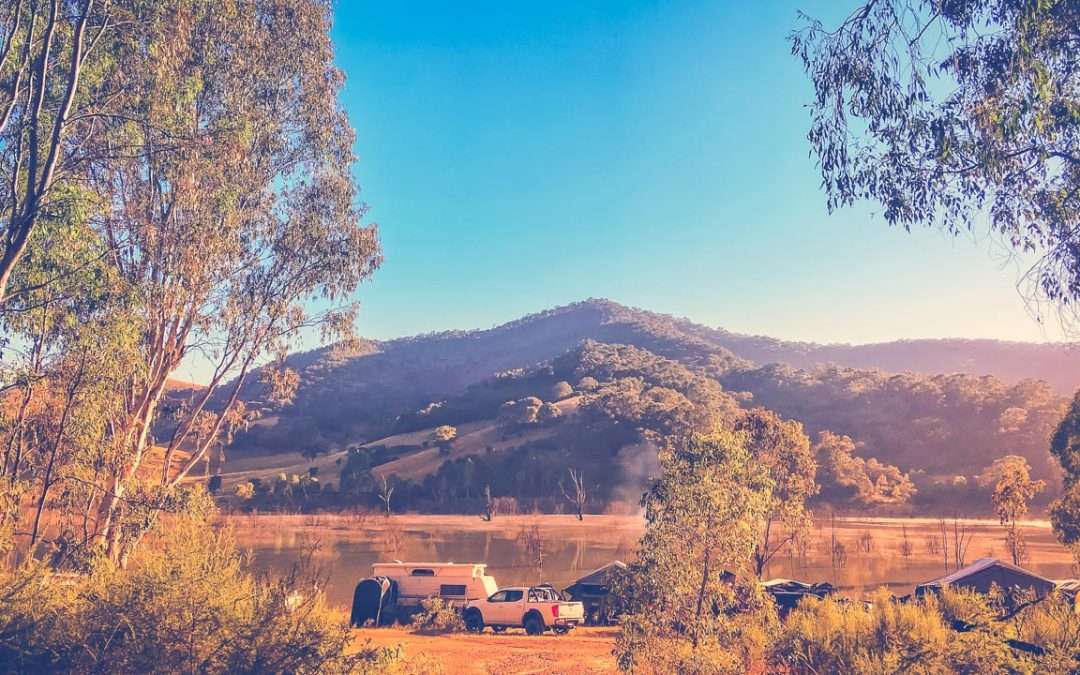
Lake Eildon Free Bush Camping

Lake Eildon Free Bush Camping

Trip 2: Great Ocean Road And The Otways

Location And Accessibility
The Great Ocean Road is one of the world’s most scenic coastal drives, stretching about 240 kilometres southwest of Melbourne. It’s easily accessible by car and offers stunning coastal views and lush rainforests.

Highlights And Attractions

  • Coastal Scenery
    The Great Ocean Road is famous for its breathtaking coastal scenery, including the iconic Twelve Apostles, Loch Ard Gorge and London Bridge. These natural rock formations are a must-see.
  • Rainforest Walks
    Explore the lush rainforests of the Otway Ranges. The Otway Fly Treetop Walk offers a unique perspective from high above the forest floor.
  • Wildlife Encounters
    Keep an eye out for koalas, kangaroos and a variety of bird species along the Great Ocean Road. Visit the Great Otway National Park for more wildlife encounters.
  • Best Time To Visit
    The best time to visit the Great Ocean Road and the Otways is from November to April when the weather is warm and ideal for coastal activities.

Trip 3: Wilsons Promontory National Park

Location And Accessibility
Wilsons Promontory National Park, affectionately known as “The Prom,” is located about 220 kilometres southeast of Melbourne. It’s accessible by car, making it a perfect weekend getaway.

Highlights And Attractions

  • Beaches And Coastal Views
    Wilsons Promontory boasts some of the most beautiful beaches in Australia. Squeaky Beach, with its white quartz sand, is a must-visit. The coastal views from the park’s numerous lookouts are simply stunning.
  • Hiking And Wildlife
    The Prom offers a variety of hiking trails that cater to different fitness levels. You’ll likely encounter wombats, kangaroos and emus as you explore the park.
  • Marine National Park
    The surrounding waters of Wilsons Promontory are a Marine National Park, making it a great spot for snorkelling and diving. Explore the vibrant underwater world teeming with marine life.
  • Best Time To Visit
    The best time to visit Wilsons Promontory is during the warmer months from November to April. The weather is ideal for beach activities and exploring the park.

Trip 4: The High Country – Loads Of Great Outback Trips From Melbourne

Location And Accessibility
The High Country is a mountainous region located about 300 kilometres northeast of Melbourne. It’s accessible by car and offers a range of outdoor activities year round.

Highlights And Attractions

  • Alpine Scenery
    The High Country is renowned for its stunning alpine scenery. During winter, it transforms into a winter wonderland with snow-covered peaks, while in summer, it offers lush green landscapes.
  • Historic Towns
    Explore charming historic towns like Beechworth and Bright. These towns are known for their well-preserved architecture, local produce and friendly atmosphere.
  • Outdoor Activities
    The High Country offers a wide range of outdoor activities, including skiing and snowboarding in winter and hiking, mountain biking and fishing in summer.
  • Best Time To Visit
    The best time to visit the High Country depends on your preferred activities. Winter (June to August) is ideal for snow sports, while summer (December to February) is perfect for hiking and other outdoor activities.

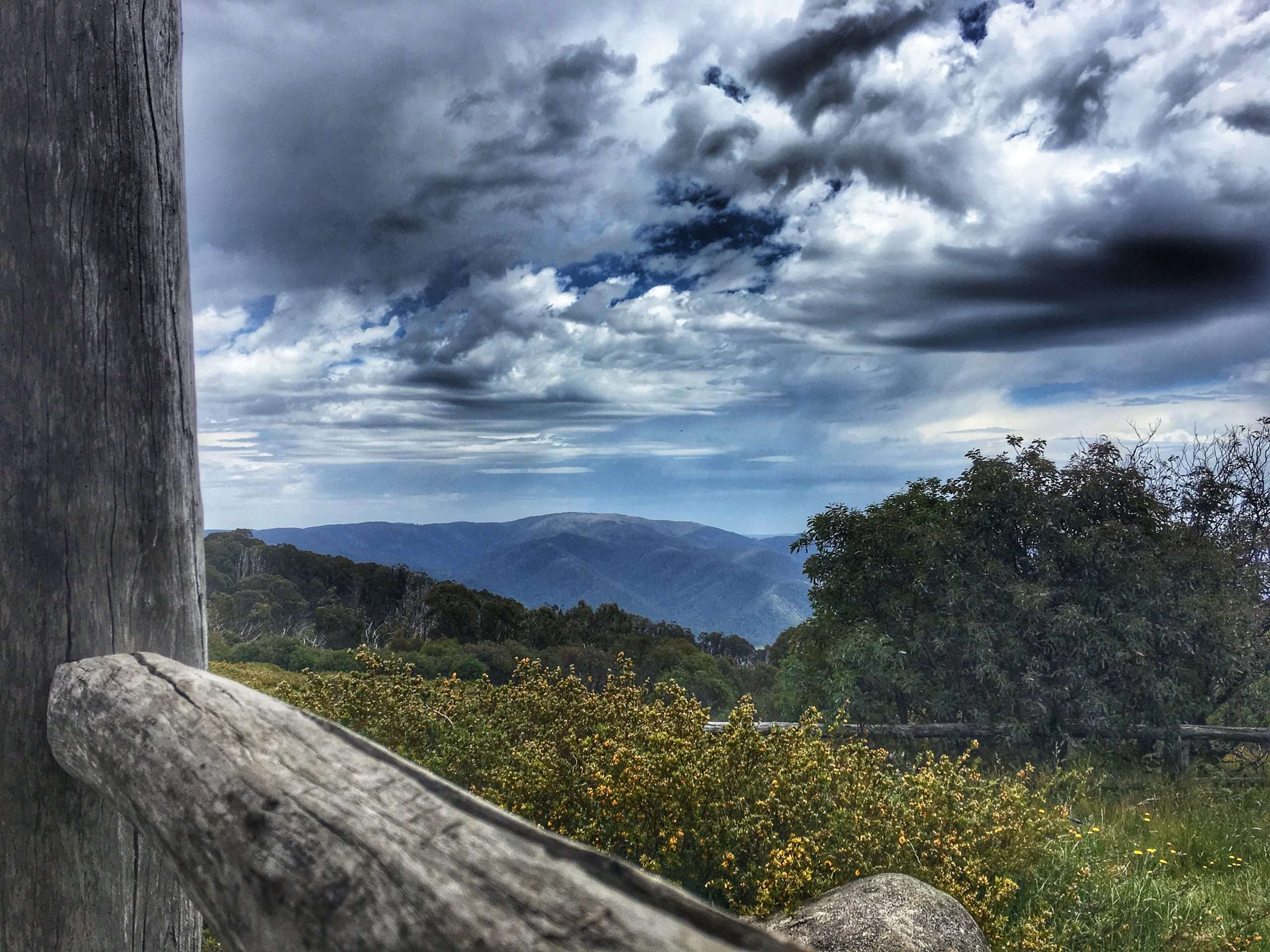
View From the Back Verandah of Craigs Hut

View From the Back Verandah of Craigs Hut

Trip 5: Mungo National Park

Location And Accessibility
Mungo National Park is located approximately 560 kilometres northwest of Melbourne. It’s accessible via a scenic drive and offers a glimpse into Australia’s ancient past.

Highlights And Attractions

  • Ancient Landscapes
    Mungo National Park is part of the Willandra Lakes Region, a UNESCO World Heritage site. The park is famous for its ancient landscapes including the striking Walls of China which feature impressive sand formations.
  • Aboriginal Heritage
    The park is rich in Aboriginal heritage with evidence of human habitation dating back over 40,000 years. Explore the ancient burial sites and learn about the cultural significance of this area.
  • Unique Wildlife
    Mungo National Park is home to a variety of unique wildlife, including kangaroos, emus and a range of bird species. The park’s diverse habitats make it a great destination for wildlife enthusiasts.
  • Best Time To Visit
    The best time to visit Mungo National Park is during the cooler months from April to September. The weather is more comfortable for exploring the park’s ancient landscapes.

Preparation And Safety Tips

What To Pack
When heading out on an Outback adventure, it’s essential to pack wisely. Bring plenty of water, sunscreen, a hat, comfortable clothing, sturdy shoes and a first aid kit. Don’t forget your camera to capture the stunning scenery.

Safety Precautions
Safety should always be a priority. Inform someone of your travel plans, check weather conditions and be prepared for emergencies. Ensure your vehicle is in good condition, especially if you’re heading to remote areas.

Environmental Responsibility
Respect the environment by following Leave No Trace principles. Dispose of waste properly, avoid disturbing wildlife and stick to designated trails to minimize your impact on the natural surroundings.

Conclusion

Exploring the Outback from Melbourne opens up a world of adventure and natural beauty. From the rugged landscapes of Grampians National Park to the pristine beaches of Wilsons Promontory, each trip offers unique experiences and unforgettable memories. So pack your bags, hit the road and embark on an Outback adventure that will leave you in awe of Australia’s incredible landscapes.

FAQs Frequently Asked Questions About Outback Trips From Melbourne

What is the best time of year to visit the Outback from Melbourne?

The best time to visit the Outback is during the cooler months from April to September, when the weather is more comfortable for outdoor activities.

Are these trips suitable for families?

Yes these trips are suitable for families. Many destinations offer activities and attractions that cater to all ages, making them perfect for family adventures.

What kind of vehicle is needed for these trips?

While some trips can be done with a regular car, others, like Mungo National Park, may require a 4WD vehicle for better access to remote areas.

How long should I plan for each trip?

Plan for at least 2-3 days for each destination to fully explore and enjoy the experiences they offer.

Are there guided tours available for these destinations?

Yes guided tours are available for many of these destinations. They provide valuable insights and enhance your overall experience by offering expert knowledge and local stories.

5 Popular Outback Trips From Brisbane For Your Bucket List

5 Popular Outback Trips From Brisbane For Your Bucket List

5 Popular Outback Trips From Brisbane For Your Bucket List

For those based in Brisbane the Outback is closer than you might think. Add these five outback trips from Brisbane to your bucket list. Experience the stunning scenery and wildlife that make them unforgettable. Exploring the Australian Outback is an adventure like no other. It offers a unique opportunity to experience the rugged beauty, diverse wildlife and rich cultural heritage of our vast and iconic landscape.

In this guide we’ll take you through five incredible Outback trips from Brisbane that’ll get your adrenaline flowing and create some awesome memories.

Trip 1: Carnarvon Gorge

Location And Accessibility
Carnarvon Gorge is located approximately 720 kilometres northwest of Brisbane. It’s easily accessible via a scenic drive making it a perfect road trip destination. The journey typically takes around 8-9 hours by car.

Highlights and Attractions

  • Hiking Trails
    Carnarvon Gorge is renowned for its extensive network of hiking trails that cater to all levels of fitness. From short walks to challenging hikes the gorge offers stunning views of sandstone cliffs, lush rainforests and tranquil waterholes.
  • Wildlife
    The gorge is a haven for wildlife enthusiasts. Keep an eye out for kangaroos, wallabies and an array of bird species that call this area home. You’re also a chance to see a platypus if you know where to look.
  • Aboriginal Art
    One of the most fascinating aspects of Carnarvon Gorge is its rich Aboriginal heritage. Explore the rock art sites and learn about the cultural significance of these ancient artworks.
  • Best Time To Visit
    The best time to visit Carnarvon Gorge is during the cooler months from April to September. The weather is more comfortable for hiking and exploring and the risk of flooding is lower.

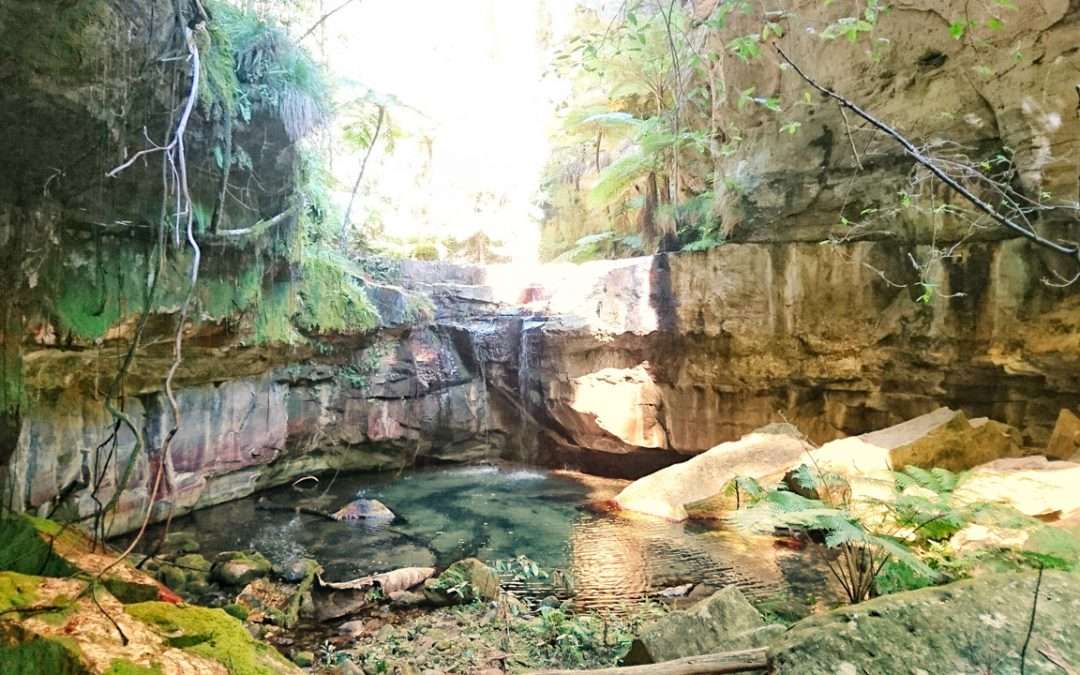
Carnarvon Gorge National Park Walk Out To Art Gallery Moss Gallery

Carnarvon Gorge National Park Walk Out To Art Gallery Moss Gallery

Trip 2: Fraser Island (now called K’gari)

Location And Accessibility
Fraser Island K’gari the world’s largest sand island is located about 250 kilometres north of Brisbane. Accessible by ferry from Hervey Bay this UNESCO World Heritage site is a must-visit.

Highlights and Attractions

  • 4WD Adventures
    Fraser Island K’gari is a 4WD enthusiast’s paradise. Drive along the sandy beaches and navigate through the island’s rugged interior for an adrenaline pumping adventure.
  • Lake McKenzie
    Lake McKenzie is a stunning freshwater lake with crystal-clear waters and white sandy shores. It’s the perfect spot for swimming and relaxing.
  • Maheno Shipwreck
    The Maheno Shipwreck is one of the island’s most iconic landmarks. This rusting relic offers a glimpse into the island’s maritime history and is a favourite photo spot.
  • Best Time To Visit
    The best time to visit Fraser Island is from August to October when the weather is mild and the chances of spotting humpback whales are high.

Trip 3: Moreton Island

Location and Accessibility
Moreton Island is a short ferry ride from Brisbane making it an ideal weekend getaway. It’s the third-largest sand island in the world and is known for its pristine beaches and diverse marine life.

Highlights and Attractions

Tangalooma Wrecks
The Tangalooma Wrecks are a series of sunken ships that have created an artificial reef perfect for snorkelling and diving. The clear waters around the wrecks are teeming with fish and other marine creatures.

Sandboarding
For a unique adventure, try sandboarding down the island’s massive sand dunes. It’s an exhilarating activity that’s fun for all ages.

Snorkeling And Diving
Moreton Island offers excellent snorkelling and diving opportunities. Explore the vibrant coral reefs and encounter colourful fish, turtles and even dolphins.

Best Time To Visit
Visit Moreton Island from March to May for pleasant weather and fewer crowds. The island’s natural beauty is at its best during these months.

Trip 4: Girraween National Park

Location And Accessibility
Girraween National Park is located about 260 kilometres southwest of Brisbane, near the Queensland-New South Wales border. It’s easily accessible by car and makes for a perfect weekend escape.

Highlights And Attractions

  • Granite Formations
    Girraween is famous for its striking granite formations including the Pyramid and the Sphinx. These massive rock structures provide excellent hiking and rock-climbing opportunities.
  • Flora And Fauna
    The park is home to a diverse range of flora and fauna. In spring the wildflowers bloom creating a colourful landscape that’s a delight to explore.
  • Walking Tracks
    Girraween offers a variety of walking tracks that cater to different fitness levels. Whether you’re looking for a leisurely stroll or a challenging hike, there’s something for everyone.
  • Best Time To Visit
    The best time to visit Girraween National Park is during spring (September to November) when the wildflowers are in full bloom and the weather is perfect for outdoor activities.

Trip 5: Scenic Rim

Location And Accessibility
The Scenic Rim is a picturesque region located about 70 kilometres south of Brisbane. It’s easily accessible by car and offers a range of attractions and activities.

Highlights And Attractions

  • Tamborine Mountain
    Tamborine Mountain is a popular destination within the Scenic Rim. Explore its lush rainforests, stunning waterfalls and charming villages. Don’t miss the Tamborine Rainforest Skywalk for a unique perspective.
  • Lamington National Park
    Lamington National Park is a haven for nature lovers. With its ancient rainforests, diverse wildlife and extensive network of walking tracks it’s a great place to reconnect with nature.
  • Wine Tours
    The Scenic Rim is also known for its vineyards and wineries. Take a wine tour and sample some of the region’s finest wines while enjoying the beautiful countryside.
  • Best Time To Visit
    The Scenic Rim is beautiful year-round, but the best time to visit is during autumn (March to May) and spring (September to November) when the weather is mild and the landscape is vibrant.

Preparation And Safety Tips

What to Pack
When heading out on an Outback adventure it’s essential to pack wisely. Bring plenty of water, sunscreen, a hat, comfortable clothing, sturdy shoes and a first aid kit. Don’t forget your camera to capture the stunning scenery.

Safety Precautions
Safety should always be a priority. Inform someone of your travel plans, check weather conditions and be prepared for emergencies. Ensure your vehicle is in good condition, especially if you’re heading to remote areas.

Environmental Responsibility
Respect the environment by following Leave No Trace principles. Dispose of waste properly, avoid disturbing wildlife and stick to designated trails to minimise your impact on the natural surroundings.

Carnarvon Gorge National Park The Art Gallery

Carnarvon Gorge National Park The Art Gallery

Outback Trips From Brisbane – Conclusion

Exploring the Outback from Brisbane opens up a world of adventure and natural beauty. From the rugged landscapes of Carnarvon Gorge to the pristine beaches of Fraser Island, each trip offers unique experiences and unforgettable memories. So pack your bags, hit the road and embark on an Outback adventure that will leave you in awe of Australia’s incredible landscapes. Outback trips from Brisbane are a lot easier to get to than you think.

FAQs About 5 Iconic Outback Trips From Brisbane Frequently Asked Questions

What is the best time of year to visit the Outback?

The best time to visit the Outback is during the cooler months from April to September, when the weather is more comfortable for outdoor activities.

Are these trips suitable for families?

Yes these trips are suitable for families. Many destinations offer activities and attractions that cater to all ages, making them perfect for family adventures.

What kind of vehicle is needed for these trips?

While some trips can be done with a regular car, others, like Fraser Island and Moreton Island, require a 4WD vehicle due to the sandy terrain and off-road conditions.

How long should I plan for each trip?

The duration of each trip depends on your preferences and the activities you want to do. Generally, plan for at least 2-3 days for each destination to fully explore and enjoy the experience.

Are there guided tours available for these destinations?

Yes guided tours are available for many of these destinations. They offer the benefit of local knowledge and can enhance your overall experience by providing insights into the area’s history, culture and natural features.

25 Best Camp Sites For Free Camping In Echuca

25 Best Camp Sites For Free Camping In Echuca

25 Best Camp Sites For Free Camping In Echuca

The best sites for free camping in Echuca for 2024. Top locations, tips & essential information. Echuca is a riverside town alongside the Murray River in Victoria Australia. Echuca blends history and natural beauty with recreational activities. Known for its paddle steamers and historic port Echuca is a popular destination for campers seeking a mix of relaxation and adventure. In this article outline the best free camping spots in and around Echuca.

We’ll chuck in some tips for an enjoyable camping experience and showcase some of the must see attractions in the area.

Reasons Why You Should Give Free Camping In Echuca A Go

Free camping in Echuca provides a unique opportunity to experience Echuca’s natural beauty and historic charm without the cost and overcrowding associated with traditional caravan parks. Here are some of the key reasons why free camping in Echuca is so appealing worth a go.

  • Cost Effective: Save money on accommodation, leaving more in your budget for activities and dining.
  • Scenic Location: Enjoy picturesque views of the Murray River and surrounding bushland.
  • Peace and Tranquillity: Escape the hustle and bustle of city life and unwind in a serene environment.
  • Adventure and Exploration: Engage in activities like fishing, hiking, and birdwatching right from your campsite.

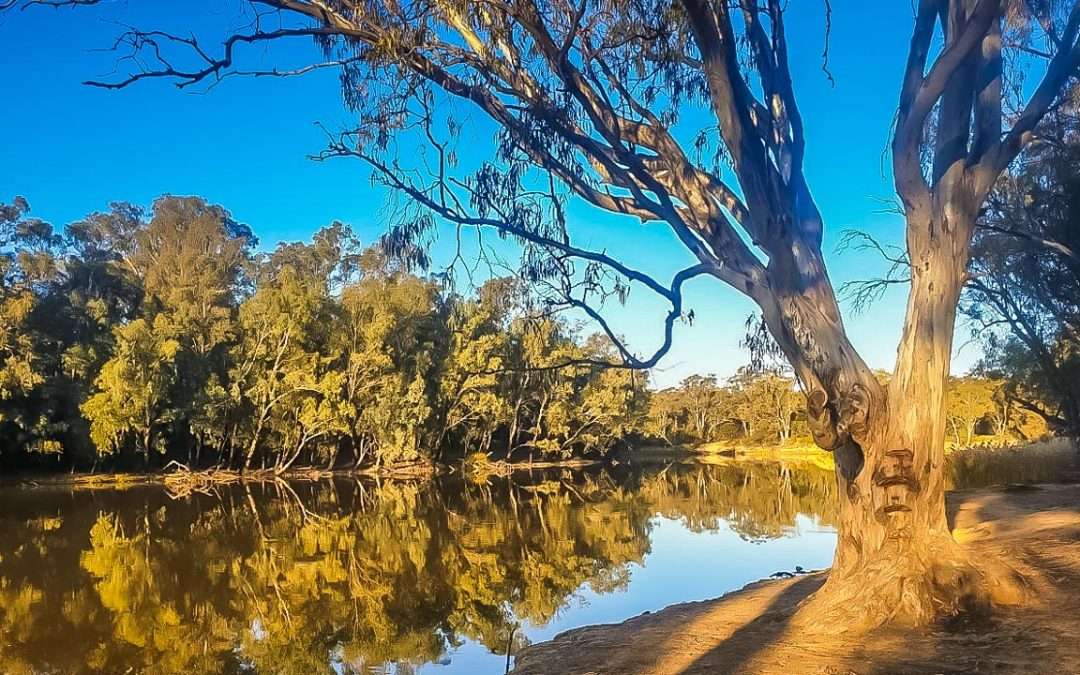
Benarca Campground Free Camping In Echuca

Benarca Campground Free Camping In Echuca

Best Free Camping Spots in Echuca

1. Djarring (White Cockatoo)

Located within Benarca (Murray Valley Regional Park). Flat campground with steep access to water. Plenty of shade. Booking required. There is some Telstra reception.

Cost: Free
Type: Bush Camping
Location: Benarca Forest Rd, Moama, New South Wales / ACT
GPS: -36.059452°, 144.611957°
Web: https://www.nationalparks.nsw.gov.au/camping-and-accommodation/campgrounds/benarca-campground
Distance From Echuca: 22km
Pet Friendly: No

2. Benarca Beach Camp Site

Benarca precinct provides bush camps and is an ideal spot to fish right along Murray River in Murray Valley Regional Park not far from Echuca.

  • Bookings are not required at this campground.
  • Campsites are available on a first-in first-served basis.
  • Sites are unpowered and unmarked.
  • Benarca campground can be muddy following rain.

Benarca campground is in the Benarca precinct of Murray Valley National Park. To get there;

  • From Moama, head north along Cobb Highway.
  • Turn left onto Perricoota Road and continue for approximately 15km; it becomes Moama-Barnham Road.
  • Turn left onto Benarca Forest Road and follow the signs to the campground

Cost: Free
Type: Bush Camping
Location: Sarandu Road, Wharparilla, Victoria
GPS: -36.071431°, 144.612352°
Phone: 1300 072 757
Email: parks.info@environment.nsw.gov.au
Web: https://www.nationalparks.nsw.gov.au/camping-and-accommodation/campgrounds/benarca-campground
Distance From Echuca: 23km
Pet Friendly: Yes

3. Benarca (Sand Hill) Campground

Benarca precinct provides bush camps and is an ideal spot to fish right along Murray River in Murray Valley Regional Park, only 15km from Moama. Enjoy a walk along the river, mountain bike ride at the nearby Five Mile mountain bike trail, or a spot of birdwatching. For those who don’t mind getting their feet wet, there’s paddling, fishing and swimming. Its location in Murray Valley Regional Park means it’s dog friendly too, so your four-legged friends are welcome to join in on the family camping trip. The town of Echuca is nearby so its easy to head in for an evening meal or to pick up some supplies. You’ll also find museums and galleries and it’s the place to book a trip along the Murray on a paddle steamer.

  • Bookings are not required at this campground.
  • Campsites are available on a first-in first served basis.
  • Sites are unpowered and unmarked.
  • Benarca campground can be muddy following rain.

Cost: Free
Type: Bush Camping
Location: Benarca Forest Rd, Moama, New South Wales / ACT
GPS: -36.071328°, 144.619745°
Web: https://www.nationalparks.nsw.gov.au/murray-valley-national-park/benarca-campground/camping
Distance From Echuca: 23km
Pet Friendly: Yes

4. Millers Rise

Millers Rise offers free camping in Echuca (or pretty close to it) within the Benarca precinct. It is an ideal spot to fish right along Murray River in Murray Valley Regional Park, only 15km from Moama. Enjoy a walk along the river, mountain bike ride at the nearby Five Mile mountain bike trail, or a spot of birdwatching. For those who don’t mind getting their feet wet, there’s paddling, fishing and swimming. Its location in Murray Valley Regional Park means it’s dog friendly too, so your four-legged friends are welcome to join in on the family camping trip. The town of Echuca is nearby so its easy to head in for an evening meal or to pick up some supplies. You’ll also find museums and galleries and it’s the place to book a trip along the Murray on a paddle steamer.

  • Bookings are not required at this campground.
  • Campsites are available on a first-in first served basis.
  • Sites are unpowered and unmarked.
  • Millers Rise campground can be muddy following rain.

Cost: Free
Type: Bush Camping
Location: Murray River, New South Wales / ACT
GPS: -36.064247°, 144.620269°
Phone: 1300 072 757
Email: parks.info@environment.nsw.gov.au
Web: https://www.nationalparks.nsw.gov.au/camping-and-accommodation/campgrounds/benarca-campground
Distance From Echuca: 22km
Pet Friendly: Yes

5. Emu Bend Wharparilla

Dispersed bush camping beside the Murray River, in the Murray River Reserve. There are no facilities, campers must be self-sufficient. Take all rubbish with you and leave no trace.

  • This site is accessible to tents and camper trailers. You won’t get a caravan in here.
  • Pets are not permitted.
  • Avoid resting, picnics or camping under or close to trees. They may drop heavy branches at any time without warning.

The Upper Murray parks and reserves are in the North-East fire ban district. Bushfire safety is a personal responsibility. Anyone entering parks and forests during the bushfire season needs to stay aware of forecast weather conditions. Check for the Fire Danger Rating and days of Total Fire Ban at www.cfa.vic.gov.au or call the Vic Emergency Hotline on 1800 226 226. On Code Red Fire Danger Rating days these parks will be closed for public safety. Do not expect an official warning. Check the latest conditions at www.parks.vic.gov.au or by calling 13 1963

Cost: Free
Type: Bush Camping
Location: Unnamed Road, Wharparilla, Victoria
GPS: -36.061088°, 144.623290°
Phone: 13 19 63
Web: https://www.parks.vic.gov.au/places-to-see/sites/emu-bend-site-1-
Distance From Echuca: 19km
Pet Friendly: No

6. Shaes Bend

Small area off the main track suitable for camper trailer and small caravans. Medium or larger caravans won’t get in (or out). Max 1-2 cars/caravans in area. Easy access to water down a few steps.

Cost: Free
Type: Bush Camping
Location: Wharparilla, Victoria
GPS: -36.062088°, 144.625254°
Distance From Echuca: 18km
Pet Friendly: Yes

Casey Bend Free Camping In Echuca

Casey Bend Free Camping In Echuca

7. Benarca Camp

Benarca Camp provides free camping in Echuca (or pretty close to it) within the Benarca precinct. It is an ideal spot to fish right along Murray River in Murray Valley Regional Park, only 15km from Moama. Enjoy a walk along the river, mountain bike ride at the nearby Five Mile mountain bike trail, or a spot of birdwatching. For those who don’t mind getting their feet wet, there’s paddling, fishing and swimming. Its location in Murray Valley Regional Park means it’s dog friendly too, so your four-legged friends are welcome to join in on the family camping trip. The town of Echuca is nearby so its easy to head in for an evening meal or to pick up some supplies. You’ll also find museums and galleries and it’s the place to book a trip along the Murray on a paddle steamer. Bookings are required.

Cost: Free
Type: Bush Camping
Location: Benarca Forest Rd, Moama, New South Wales / ACT
GPS: -36.056353°, 144.624859°
Phone: 0130 007 275
Email: parks.info@environment.nsw.gov.au
Web: https://www.nationalparks.nsw.gov.au/camping-and-accommodation/campgrounds/benarca-campground
Distance From Echuca: 21km
Pet Friendly:

8. Wills Bend Sandbar No2

Basic bush camping along the Murray River. There are designated camping areas at Wills Bend near Echuca with toilets provided.

  • Campsites must be located at least 20m from any water source.
  • Take all rubbish with you and leave no trace.
  • Avoid resting, picnics or camping under or close to trees. They may drop heavy branches at any time without warning.
  • Toilets provided.

The Upper Murray parks and reserves are in the North-East fire ban district. Bushfire safety is a personal responsibility. Anyone entering parks and forests during the bushfire season needs to stay aware of forecast weather conditions. Check for the Fire Danger Rating and days of Total Fire Ban at www.cfa.vic.gov.au or call the Vic Emergency Hotline on 1800 226 226. On Code Red Fire Danger Rating days these parks will be closed for public safety. Do not expect an official warning. Check the latest conditions at www.parks.vic.gov.au or by calling 13 1963

Cost: Free
Type: Bush Camping
Location: Off Odwyer Rd, Echuca, Victoria
GPS: -36.053354°, 144.627201°
Phone: 13 19 63
Web: https://parkweb.vic.gov.au/explore/parks/river-murray-reserve/things-to-do/wills-bend
Distance From Echuca: 18km
Pet Friendly: Yes

9. Wills Bend

Basic bush camping along the Murray River. There are designated camping areas at Wills Bend near Echuca with toilets provided.

  • Campsites must be located at least 20m from any water source.
  • Take all rubbish with you and leave no trace.
  • Avoid resting, picnics or camping under or close to trees. They may drop heavy branches at any time without warning.
  • Toilets provided.

The Upper Murray parks and reserves are in the North-East fire ban district. Bushfire safety is a personal responsibility. Anyone entering parks and forests during the bushfire season needs to stay aware of forecast weather conditions. Check for the Fire Danger Rating and days of Total Fire Ban at www.cfa.vic.gov.au or call the VicEmergency Hotline on 1800 226 226. On Code Red Fire Danger Rating days these parks will be closed for public safety. Do not expect an official warning. Check the latest conditions at www.parks.vic.gov.au or by calling 13 1963

Cost: Free
Type: Bush Camping
Location: O’Dwyer Rd, Victoria
GPS: -36.049149°, 144.635722°
Phone: 13 19 63
Web: https://parkweb.vic.gov.au/explore/parks/river-murray-reserve/things-to-do/wills-bend
Distance From Echuca: 17km
Pet Friendly: Yes

10. Casey Bend

Dispersed bush camping near Echuca beside the Murray River in the Murray River Reserve.

  • There are no facilities, campers must be self-sufficient.
  • Take all rubbish with you and leave no trace.
  • This site is accessible to tents and camper trailers.
  • Pets are not permitted.
  • Avoid resting, picnics or camping under or close to trees. They may drop heavy branches at any time without warning.
  • Toilets provided.
  • Non-potable water available.
  • Telstra reception.

The Upper Murray parks and reserves are in the North-East fire ban district. Bushfire safety is a personal responsibility. Anyone entering parks and forests during the bushfire season needs to stay aware of forecast weather conditions. Check for the Fire Danger Rating and days of Total Fire Ban at www.cfa.vic.gov.au or call the Vic Emergency Hotline on 1800 226 226. On Code Red Fire Danger Rating days these parks will be closed for public safety. Do not expect an official warning. Check the latest conditions at www.parks.vic.gov.au or by calling 13 1963

Cost: Free
Type: Bush Camping
Location: 178 Casey Rd, Wharparilla, Victoria
GPS: -36.072745°, 144.659824°
Phone: 13 19 63
Web: https://www.parks.vic.gov.au/places-to-see/sites/casey-bend-site-1-
Distance From Echuca: 13km
Pet Friendly: No

11. Fats Cliff

This is a free campground. It is dog friendly. It is accessible to motorbikes, RVs, camper trailers and caravans. Camping in tents is allowed.

Cost: Free
Type: Bush Camping
Location: Simmie Road, Victoria
GPS: -36.116030°, 144.812595°
Distance From Echuca: 9km
Pet Friendly: Yes

12. Camp Spot On The Murray

Bush camping on the banks of the Murray River in the Echuca Regional Park, just outside Echuca.

  • There are no facilities.
  • Campers must be self-sufficient.
  • Take all rubbish with you and leave no trace.
  • Access via Simmie Road from Echuca.
  • Dogs allowed
  • Telstra reception.
  • Other mobile reception.

Cost: Free
Type: Bush Camping
Location: Simmie Road, Shire of Campaspe, Victoria
GPS: -36.114484°, 144.813702°
Web: https://www.visitmelbourne.com/Regions/The-Murray/Things-to-do/Outdoor-activities/Camping
Distance From Echuca: 9km
Pet Friendly: Yes

13. Rivers Edge Bush Camp

Numerous bushes camping spots on the banks of the Murray River in the Echuca Regional Park just outside Echuca. There are no facilities just bush and sandy beaches. You need to be self sufficient. Take all rubbish with you and leave no trace. Access via Simmie Road from Echuca.

  • Dogs allowed.
  • Telstra reception.
  • Other mobile reception.

Cost: Free
Type: Bush Camping
Location: Off Simmie Rd, Echuca Village, Victoria
GPS: -36.113301°, 144.808011°
Phone: 13 19 63
Web: https://www.visitmelbourne.com/Regions/The-Murray/Things-to-do/Outdoor-activities/Camping
Distance From Echuca: 9km
Pet Friendly: Yes

Emu Bend Free Camping On The Murray River

Emu Bend Free Camping On The Murray River

14. Betts Beach

Numerous bushes camping spots on the banks of the Murray River in the Echuca Regional Park just outside Echuca. There are no facilities just bush and sandy beaches. You need to be self sufficient. Take all rubbish with you and leave no trace.

  • Access via Simmie Road from Echuca.
  • Dogs allowed.
  • Telstra reception.
  • Other mobile reception.

Cost: Free
Type: State Forest Camping
Location: Access Via Simmie Road, Echuca Village, Victoria
GPS: -36.107470°, 144.806359°
Phone: 13 19 63
Web: https://www.visitmelbourne.com/Regions/The-Murray/Things-to-do/Outdoor-activities/Camping
Distance From Echuca: 10km
Pet Friendly: Yes

15. Murray Bend

Bush camping on the banks of the Murray River in the Echuca Regional Park, just outside Echuca. There are no facilities. Take all rubbish with you and leave no trace. Toilets are available further north at Christie’s Beach.

  • Access via Simmie Road from Echuca.
  • Dogs allowed.
  • Telstra reception.
  • Other mobile reception.
  • Good TV reception.

Cost: Free
Type: Bush Camping
Location: Enter Simmies Rd, Echuca Village, Victoria
GPS: -36.111079°, 144.814842°
Phone: 13 19 63
Web: https://www.visitmelbourne.com/Regions/The-Murray/Things-to-do/Outdoor-activities/Camping
Distance From Echuca: 10km
Pet Friendly: Yes

16. George’s Beach

Free camping in Echuca on the banks of the Murray River in the Echuca Regional Park just outside Echuca. There are no facilities. Take all rubbish with you and leave no trace. Toilets are available further north at Christie’s Beach.

  • Access via Simmie Road from Echuca.
  • Dogs allowed.
  • Telstra reception.
  • Other mobile reception.
  • Good TV reception.

Cost: Free
Type: Bush Camping
Location: Unnamed Road, Echuca Village, Victoria
GPS: -36.109091°, 144.816097°
Phone: 13 19 63
Web: https://www.visitmelbourne.com/Regions/The-Murray/Things-to-do/Outdoor-activities/Camping
Distance From Echuca: 11km
Pet Friendly: Yes

17. Christie’s Beach

Large open camp ground multiple spots. Good access to the river. BYO firewood the area has been picked clean.

  • Dogs allowed.
  • Telstra reception.
  • Other mobile reception.
  • Toilets available.

Cost: Free
Type: Sate Forest Bush Camping
Location: Unnamed Rd, Echuca, Victoria
GPS: -36.103711°, 144.811103°
Distance From Echuca: 12km
Pet Friendly: Yes

18. Rivers Edge Camping Spot

This is a free campground. It is dog friendly. It is accessible to motorbikes and camper trailers. Camping in tents is allowed.

  • Dogs allowed.
  • Telstra reception.
  • Other mobile reception.

Cost: Free
Type: Bush Camping
GPS: -36.106958°, 144.817851°
Distance From Echuca: 12km
Pet Friendly: Yes

19. Drifters Bend

Great hidden spot. Can access the river on foot. Great open spot for tents or swags.

Cost: Free
Type: Bush Camping
Location: End Road, Moama, New South Wales / ACT
GPS: -36.106806°, 144.821284°
Distance From Echuca: 11km
Pet Friendly: Yes

20. Looker Track

This free campground offers swimming. It is accessible to off road caravans and four wheel drives. Camping in tents is allowed.

  • It is dog friendly.
  • Telstra reception.

Cost: Free
Type: Bush Camping
Location: East Of Echuca, Victoria
GPS: -36.104882°, 144.823092°
Distance From Echuca: 11km
Pet Friendly: Yes

Murray Bend Free Camping In Echuca On The Murray River

Murray Bend Free Camping In Echuca On The Murray River

21. Secluded Hideaway

Free bush camping near the Murray River, offering plenty of space and privacy.

  • There are no facilities.
  • Campers must be self-sufficient.
  • Take all rubbish with you and leave no trace.
  • Accessible to tents, camper trailers, motorhomes and caravans. May become inaccessible during wet weather.
  • It is dog friendly.
  • Telstra reception.
  • Other mobile reception.

Cost: Free
Type: Bush Camping
Location: Unnamed Rd, Echuca Village, Victoria
GPS: -36.108200°, 144.827854°
Distance From Echuca: 10km
Pet Friendly: Yes

22. Cochranes Bend Goulburn River

This free campground offers swimming. It is accessible to motorbikes, RVs, camper trailers and caravans.

  • Camping in tents is allowed.
  • It is dog friendly.
  • Telstra reception.

Cost: Free
Type: Bush Camping
Location: Off Bangerang Rd, Echuca, Victoria
GPS: -36.106883°, 144.847060°
Distance From Echuca: 12km
Pet Friendly: Yes

23. The Beach

This free campground offers swimming. It is accessible to motorbikes, RVs, camper trailers and caravans.

  • Camping in tents is allowed.
  • It is dog friendly.
  • Telstra reception.
  • Good TV reception.
  • Non potable water available (not drinkable).

Cost: Free
Type: Bush Camping
Location: Stewarts Bridge Rd,, Victoria
GPS: -36.094930°, 144.841916°
Distance From Echuca: 14km
Pet Friendly: Yes

24. 1732 Murray River

This free campground offers swimming. It is accessible to motorbikes, RVs, camper trailers and caravans.

  • Camping in tents is allowed.
  • It is dog friendly.
  • Telstra reception.
  • Good TV reception.
  • Non potable water available (not drinkable).

Cost: Free
Type: State Forest Bush Camping
Location: 212 Stewarts Bridge Rd, Lower Moira, Victoria
GPS: -36.093215°, 144.843503°
Distance From Echuca: 14km
Pet Friendly: Yes

25. 1734 Murray River

This free campground offers swimming. It is accessible to camper trailers. You wouldn’t be able to get a caravan in here not even a small one.

  • Camping in tents is allowed.
  • It is dog friendly.
  • Non potable water available (not drinkable).
  • You must be fully self-contained.

Cost: Free
Type: Bush Camping
Location: 212 Stewarts Bridge Rd, Lower Moira, Victoria
GPS: -36.085381°, 144.843313°
Distance From Echuca: 15km
Pet Friendly: Yes

Rivers Edge Bush Camp Free Camping In Echuca

Rivers Edge Bush Camp Free Camping In Echuca

Dump Points In Echuca

There are two publicly accessible dump points in Echuca.

1. BP Echuca Dump Point

Dump point is in the parking lot of the BP service station. Free for public. Drinking water is also available form here.

Location: 73/85 Murray Vally Hwy, Echuca, Victoria
GPS: -36.132222°, 144.727201°

2. Echuca Rotary Community Park Dump Point

Dump point is located in This dump point is provided by the Rotary Club of Echuca Moama. Use of dump point is by a $5 donation- the donation box is out the front of the first building. Please drive at the speed recommended and be safe for other campers as well as making our road surface last. Rotary has listened to reviews and spent a lot of money improving surfaces for wet weather.

Location: Rose St, Echuca, Victoria
GPS: -36.145897°, 144.733412°

Essential Tips For Free Camping

Pack Wisely

When free camping it’s important to be self sufficient. Ensure you pack all necessary supplies, including:

  • Food and Water: Bring enough for the duration of your stay.
  • Camping Gear: Tent, sleeping bags, cooking equipment, and lighting.
  • First Aid Kit: Be prepared for minor injuries and emergencies.
  • Waste Management: Bring bags to collect and dispose of your rubbish responsibly.

Respect Nature

Leave No Trace: Clean up after yourself and leave the campsite as you found it.
Wildlife: Observe animals from a distance and do not feed them.
Campfires: Only light fires in designated areas and ensure they are fully extinguished before leaving.

Top 5 Best Things To Do In Echuca

The Port of Echuca
The Port of Echuca is an historic site that offers a look back into the town’s past as a major river port. Take a stroll along the port’s boardwalk, explore the museum, and enjoy a ride on a historic paddle steamer.

Murray River Paddlesteamers
No visit to Echuca is complete without a cruise on a paddle steamer. These former workhorses of the river offer a unique way to explore the Murray River and take in the stunning scenery. Various operators offer tours ranging from short excursions to full-day trips.

Echuca Moama Bridge
The Echuca Moama Bridge connects the twin towns of Echuca and Moama. The bridge is an impressive structure and offers great views of the river.

Echuca Historical Society Museum
The Echuca Historical Society Museum is in the old police station. It houses an extensive collection of artifacts and exhibits detailing the region’s history. It’s well worth a visit if you’re into history.

Local Wildlife And Flora
Echuca is home to a diverse range of wildlife and plant species. You’ll likely be visited by kangaroos and a variety of bird species. The region’s flora includes river red gums and various native shrubs. Always respect wildlife and be mindful of their habitats.

Best Time To Visit Echuca

Echuca can be visited year round, but the best time to camp is during the spring and autumn months when the weather is mild and pleasant. Summer can be quite hot, while winter may bring cooler temperatures and occasional rain.

Stay Safe

  • Weather Conditions: Check the weather forecast and be prepared for changes.
  • Emergency Plan: Know the location of the nearest town or ranger station in case of an emergency.
  • Communication: Ensure you have a charged mobile phone and possibly a portable charger.

Will No2 Sandbar Murray River Camping

Will No2 Sandbar Murray River Camping

How To Get To Echuca From Melbourne

To get to Echuca by car from Melbourne, follow these step-by-step directions:

  1. Step 1: Start from Melbourne CBD
    Enter the Citylink Tollway (M2): From Melbourne CBD, head northwest on Elizabeth St toward Collins St. Turn left onto Lonsdale St, then take the ramp to Citylink/State Route 43.
  2. Step 2: Take the Tullamarine Freeway (M2)
    Continue on the Tullamarine Freeway (M2): Merge onto the Tullamarine Freeway (M2). Stay on this route following signs for Airport/State Route 43.
  3. Step 3: Exit to Calder Freeway (M79)
    Exit onto Calder Freeway (M79): After about 14 kilometres, use the left 2 lanes to take the Calder Freeway/M79 exit toward Bendigo. Continue on the Calder Freeway for approximately 90 kilometres.
  4. Step 4: Exit to Northern Highway (B75)
    Exit onto Northern Highway (B75): Take the exit toward Northern Highway/B75/Echuca from the Calder Freeway. Merge onto Northern Highway (B75).
  5. Step 5: Follow the Northern Highway to Echuca
    Drive through Heathcote: Continue on the Northern Highway passing through Heathcote. Keep following signs for Echuca.
    Pass through Rochester: Continue driving through the town of Rochester, staying on the Northern Highway.
  6. Step 6: Arrive in Echuca
    Enter Echuca: As you approach Echuca, you will continue on the Northern Highway. Follow the road signs to reach the town centre.

Travel Tips

Distance and Duration: The total driving distance from Melbourne to Echuca is approximately 220 kilometres and typically takes around 2.5 to 3 hours, depending on traffic and road conditions.

  • Fuel Stops: There are several service stations along the way, especially in larger towns like Heathcote and Rochester.
  • Rest Areas: Consider stopping in Heathcote or Rochester for a break, as both towns offer facilities for food and rest.
  • Navigation Tools: Use a GPS device or a map application on your smartphone to ensure you stay on the correct route. Most navigation apps will offer real-time traffic updates and alternative routes if needed.

Things to Check Before Departure:

  • Vehicle Condition: Ensure your car is in good working condition with sufficient fuel and check tire pressure and oil levels.
  • Weather Conditions: Check the weather forecast for both Melbourne and Echuca as well as any areas in between to avoid any unexpected weather-related issues.
  • Travel Restrictions: Verify if there are any roadworks, detours or travel restrictions along the route that could affect your journey.
Travel From to Echuca Distance Time
Adelaide 661km 07:11
Albury 226km 02:35
Brisbane 1,507km 16:44
Canberra 563km 06:03
Melbourne 227km 02:43
Sydney 774km 08:12

Conclusion

Free camping in Echuca gives you an awesome chance to connect with nature and explore the rich history of this charming town. With several beautiful camping spots to choose from and a variety of attractions to visit, Echuca is a perfect destination for campers seeking both adventure and relaxation. Remember to respect the environment, pack wisely, and enjoy all that Echuca has to offer.

FAQs Frequently Asked Questions About Free Camping In Echuca

Is it safe to swim in the Murray River?

Yes, it is generally safe to swim in the Murray River, but always be cautious of currents and submerged objects. It's best to swim in designated areas.

Are there any restrictions on campfires?

Campfire restrictions can vary, especially during fire season. Always check local regulations and only light fires in designated areas.

Can I bring my pet when camping in Echuca?

Pets are allowed in some camping areas but not all. Always check the specific rules for each campsite before bringing your pet.

What is the best time of year to visit Echuca?

The best times to visit are during the spring and autumn months when the weather is mild and enjoyable for camping and outdoor activities.

Are there any guided tours available in Echuca?

Yes there are several guided tours available, including paddle steamer cruises, historic port tours and winery tours. These tours offer a great way to learn more about the region and its history.

10 Best Campsites For Camping In Uluru

10 Best Campsites For Camping In Uluru

10 Best Campsites For Camping In Uluru

Explore the best campsites in Uluru. Get details on amenities, location, and what makes each spot unique for a perfect outback camping trip. Camping in Uluru offers a unique opportunity to connect with the heart of Australia’s Red Centre. The red rock and its surrounding landscape provides a spectacular backdrop for an unforgettable time away. Read on to find out what you need to know about camping in Uluru from the best campsites to essential tips and activities.

Camping in Uluru is a dream for many outdoor enthusiasts and adventurers. The striking beauty of Uluru also known as Ayers Rock combined with the unique cultural and natural experiences in the region makes it an exceptional destination. Use this blog post to help you plan your camping trip and make the most of your time in this iconic part of Australia.

Why Go Camping In Uluru?

Uluru is not just a rock; it’s a place of deep cultural significance and natural wonder. Camping in Uluru allows you the time to begin to appreciate the stunning landscape. Spend time camping in Uluru so you can feel serene beauty of the desert, and experience the rich Aboriginal culture that goes deep in the area. Waking up to the sight of Uluru bathed in the morning light is an experience that stays with you forever.

Top Campsites In Uluru

Ok so I’m going to let you in on a secret. There really isn’t much camping in Uluru or near Uluru. That all died out way back around the time Michael and Lindy Chamberlain were putting their tent up for the night back in 1980.

The closest you’ll get is Ayers Rock Campground. We’ve stayed there before and it really is an excellent caravan park. It’s got everything you need. As you’ll be aware of if you’ve read our blog before we’re generally not caravan park people but when you have to you have to sort of thing. As massive bonus to staying at Ayers Rock Campground is being able to take part in all of the daily activities throughout the resort. The didgeridoo workshop, painting workshop, bush tucker presentations and talks in the town square given by the very knowledgeable indigenous guides are NOT to be missed.

So what we’ve done is listed all of the place you can camp as close as you can get to Uluru. At the bottom of each listing you’ll find the distances to the Uluru Sunset Viewing platform displayed. To be honest the furthest you’d want to travel to Uluru from daily would be Curtin Springs I reckon. Keep in mind that even from Curtin Springs you’ll have an hour each way commute to the rock or the Olgas. And remember if if you are coming back from viewing a sunset that’s an hour in the dark on outback roads with the hoppy buggers leaping around all over the place.

So anyway without any further waffling on here are the 10 Top Campsites In Uluru or as close as you can get!

1. Ayers Rock Campground

Ayers Rock Campground is one of the most popular camping options near Uluru, located within Ayers Rock Resort. Close to Uluru and Kata Tjuta Ayers Rock Campground is ideal for visitors wanting to explore the national park.

  • Facilities: Showers, toilets, laundry facilities, swimming pool.
  • Accommodation Options: Powered and unpowered sites suitable for tents, caravans, and campervans.
  • Activities: Guided tours, cultural experiences, and sunset viewing.

Cost: Powered $90 / Unpowered $70* as at June 2024 (check their web site as it varies according to season)
Type: Caravan Park
Location: 173 Yulara Dr, Yulara 0872, Northern Territory
GPS: -25.238749°, 130.990129°
Phone: 0130 013 404
Web: https://ayersrockresort.com.au
Pet Friendly: Yes
Distance To Uluru Sunset Viewing Area: 15km

2. Yulara Overflow

Yulara Overflow offers a convenient location within Ayers Rock Resort. It gives you access to local amenities and attractions. It is only open when Ayers Rock Campground is full. Located in Yulara this campground is close to the visitor centre and cultural centre of Ayers Rock Resort.

  • Facilities: Showers, toilets, camp kitchen, swimming pool.
  • Accommodation Options: Powered and unpowered sites.

Cost: Unpowered $60* as at June 2024 (varies according to season)
Type: Caravan Park Overflow
Location: Yulara, Northern Territory
GPS: -25.233358°, 130.989135°
Pet Friendly: Yes
Distance To Uluru Sunset Viewing Area: 15km

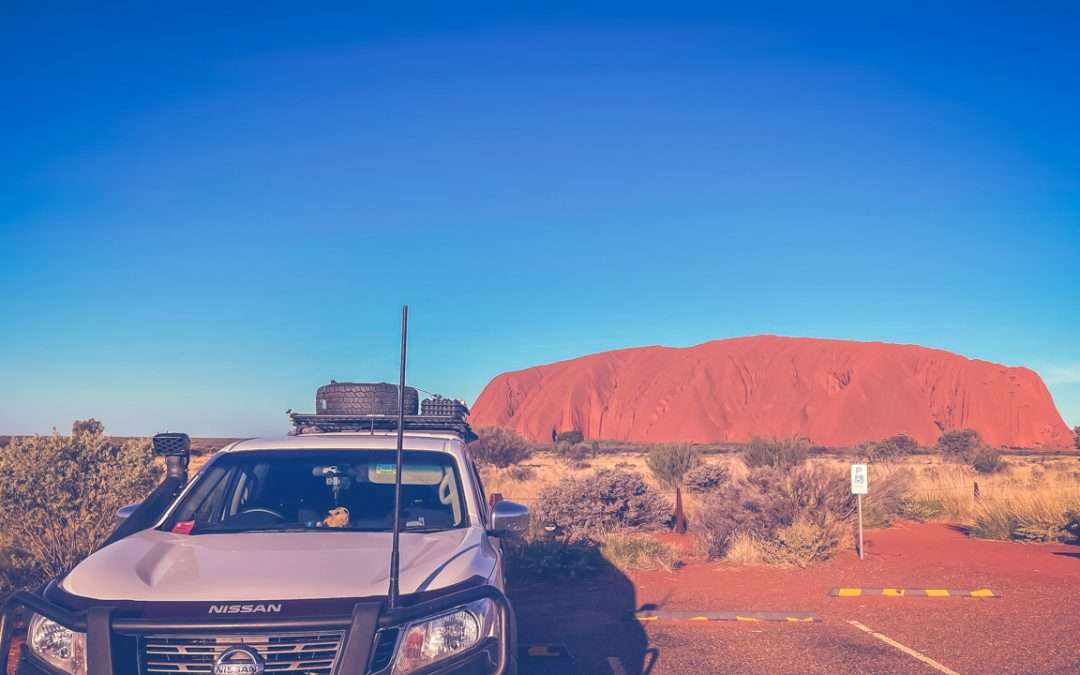
Uluru Rent A Car And Visit Yulara Resort

Uluru Rent A Car And Visit Yulara Resort

3. Sandy View Roadside Rest Area

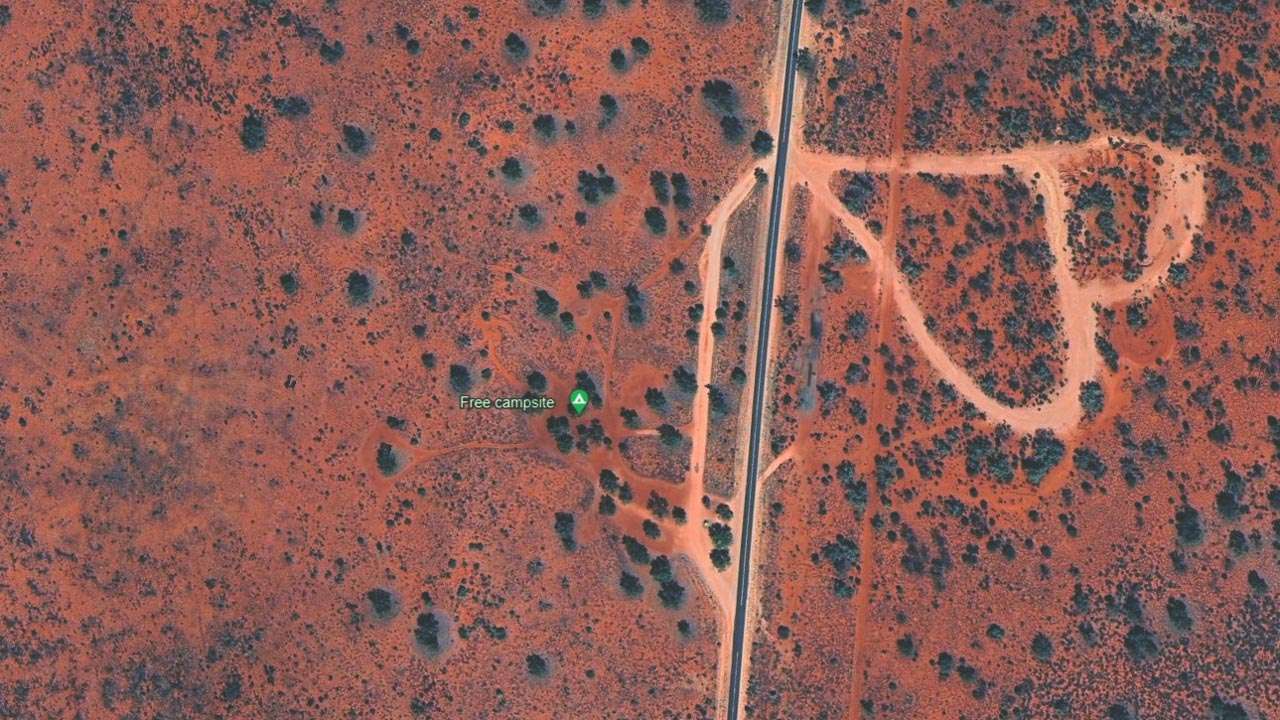
This is a free campground. It’s the only currently listed free camping area anywhere near Uluru.

  • It is accessible to motorbikes, RVs, camper trailers and caravans.
  • Camping in tents is allowed.
  • You can stay here for up to 24 hours.
  • This is a roadside site only.
  • Free camping at Ayers Rock.
  • Free camping at Uluru.
  • Free camping at Yulara.

Cost: Free
Type: Roadside Camping
Location: Lasseter Hwy, Yulara, Northern Territory
GPS: -25.220208°, 131.229939°
Distance From Laverton WA: 1,133km
Distance From Uluru NT: 41km
Pet Friendly: Yes

Sandy View Roadside Rest Area

Sandy View Roadside Rest Area

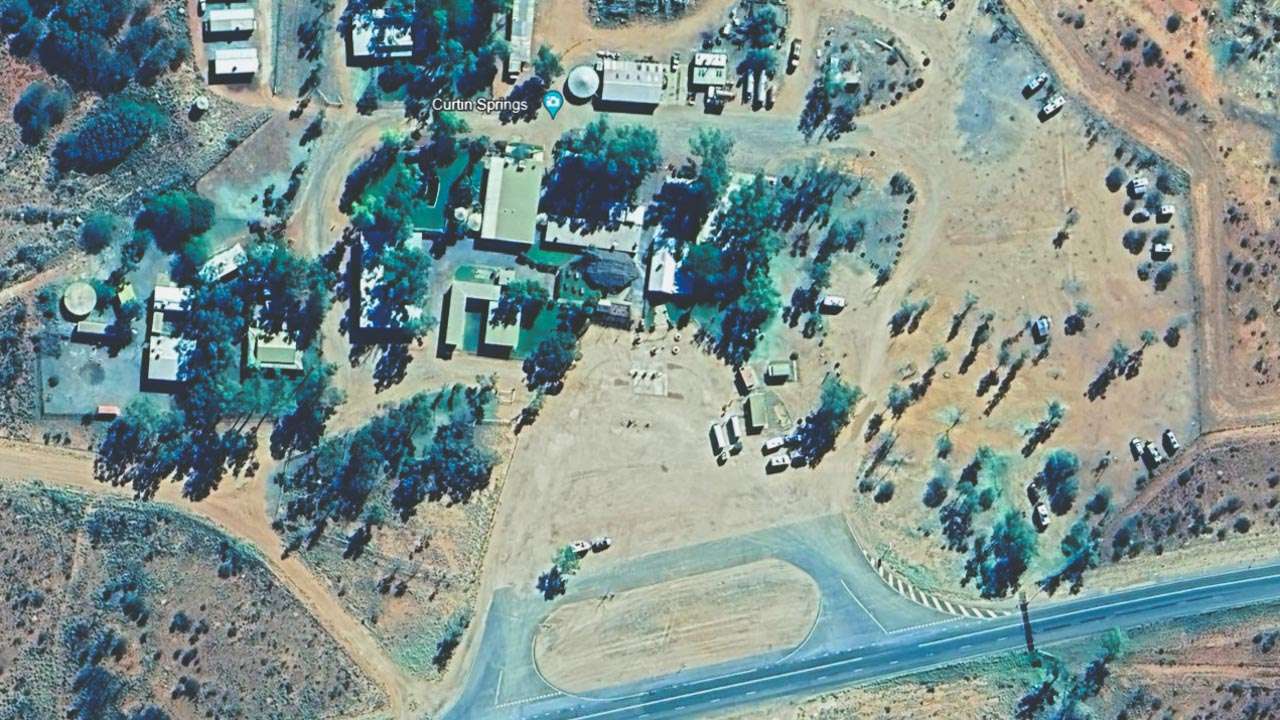
4. Curtin Springs Wayside Inn & Campground

On your arrival, please come into the store and obtain the information as to how the campground works, where you can set up and just as importantly, where you can’t set up. Curtin Springs is a very special part of Central Australia, owned by a family who have made this remote place their home. Curtin Springs Wayside Inn provides 27 accommodation rooms, campground, fuel, store and great homestyle meals for visitors when they are exploring the region. We have a small number of powered sites and unlimited unpowered sites. There is no charge for unpowered sites, there is a charge for powered sites. It is important to book your powered sites in advance.

  • There is a per person/per shower charge that applies to everyone in the campground, whether in powered or unpowered sites.
  • If you wish to fill your water tanks, please make a $10 donation into one of the charity tins in the store.
  • Curtin Springs offers a perfect base from which to visit the Ayers Rock and Kings Canyon areas.
  • ULP and Diesel are available.
  • Good 4G Telstra coverage, we do have a small Optus satellite cell that gives limited Optus mobile coverage.

Amenities

  • Facilities: Basic amenities including showers and toilets.
  • Accommodation Options: Unpowered and powered sites.
  • Activities: Stargazing, bird watching and cattle station tours.

Cost: Free / Showers $4 / Fee For Powered Sites / Fill Water Tanks $10 Donation
Type: Roadhouse
Location: Lasseter Hwy, Petermann, Northern Territory
GPS: -25.315585°, 131.756900°
Phone: (08) 8956 2906
Email: enquiries@curtinsprings.com
Web: https://www.curtinsprings.com
Pet Friendly: Yes
Distance To Uluru Sunset Viewing Area: 97km

Curtin Springs Not Quite Camping In Uluru

Curtin Springs Not Quite Camping In Uluru

5. Petermann Rest Stop (Curtin Springs East)

This is a free campground. It is accessible to RVs, camper trailers, caravans and big rigs. Camping in tents is allowed. You can stay here for up to 24 hours. You must be fully self-contained.

Cost: Free
Type: Roadside Rest Area
Location: Lasseter Hwy, Petermann, Northern Territory
GPS: -25.265822°, 131.978467°
Distance To Uluru Sunset Viewing Area: 125km

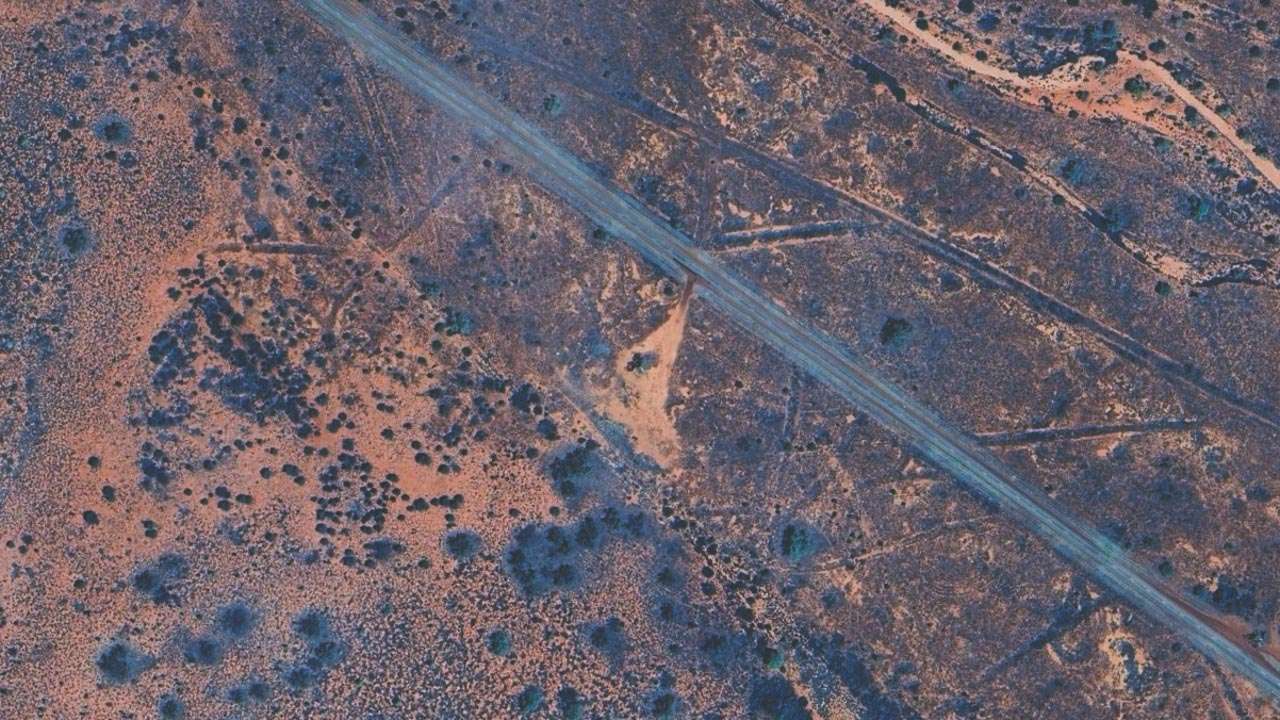
Petermann Rest Area Lasseter Highway Camping In Uluru

Petermann Rest Area Lasseter Highway Camping In Uluru

6. Kernot Range Rest Area

This is a free campground. It is accessible to RVs, camper trailers, caravans and big rigs. Camping in tents is allowed. You can stay here for up to 24 hours. You must be fully self-contained.

Cost: Free
Type: Roadside Rest Area
Location: Lasseter Hwy, Petermann, Northern Territory
GPS: -25.176982°, 132.252288°
Dog Friendly: Yes
Distance To Uluru Sunset Viewing Area: 157km

Kernot Range Rest Area

Kernot Range Rest Area

7. Salt Creek Rest Area

Rest area located 48km N Lasseter Hwy, on Luritja Road, approximately 110km from Kings Canyon. You may stay up to 24 hours. Facilities include picnic tables, shelters and rubbish bins. Please DO NOT drive across or camp behind the sand dune. The area behind the dune is part of the Angas Downs Indigenous Protected Area, where the Imanpa community and Anangu traditional owners are looking after their country to protect animals, plants, culture and heritage. Access onto Angas Downs IPA without permission disrespects the Anangu custodians. Traditional owners have expressly asked that tourists do not camp behind the dunes and make sure they leave the area tidy. Bury your toilet waste properly and take your rubbish with you. Angas Downs Rangers are conducting patrols and will ask campers behind the dunes to relocate to the rest area beside the Luritja Road.

Cost: Free
Type: Roadside Rest Area
Location: Luritja Rd, Petermann, Northern Territory
GPS: -24.772757°, 132.306874°
Pet Friendly: Yes
Distance To Uluru Sunset Viewing Area: 201km

8. Gumtree Circuit Campground

This is a free campground. It is accessible to RVs, camper trailers, caravans and big rigs. Camping in tents is allowed. You can stay here for up to 24 hours. You must be fully self-contained.

Cost: Free
Type: Campground
Location: Luritja Rd, Petermann, Northern Territory
GPS: -24.639554°, 132.308414°
Pet Friendly: Yes
Distance To Uluru Sunset Viewing Area: 218km

Gumtree Circuit Campground

Gumtree Circuit Campground

9. Docker River Camping

  • This unpaid campground no longer offers toilets or showers.
  • It is dog friendly.
  • It is accessible to RVs, camper trailers, caravans and big rigs.
  • Local community (shop and diesel) closed to other than residents.
  • Camping in tents is allowed.
  • Telstra reception
  • NOTE: store/fuel at Docker River NOT OPEN SUNDAYS

Cost: Free
Type: Bush Camping
Location: Tjukaruru Rd, Docker River, Northern Territory
GPS: -24.865080°, 129.061564°
Pet Friendly: Yes
Distance To Uluru Sunset Viewing Area: 228km

10. Longitude 131°

Longitude 131° provides luxury camping (glamping) near Uluru. Nestled among ancient dunes, Longitude 131° is a gathering of sixteen tented pavilions designed to offer both luxurious sanctuary and a profound sense of place. Unparalleled views of Uluru’s changing lights play out from the end of the bed, or on balconies from the warmth of a luxury swag unfurled in the cool night air. Custom furnishings invite stylish lounging, while works by local Indigenous artists offer inspiration. Guests observe the sights of the outback through floor to ceiling windows, relax on outdoor decks and sleep under a blanket of stars. Located within the national park, offering stunning views of Uluru.

  • Facilities: Luxury tents with ensuite bathrooms.
  • Activities: Exclusive tours, gourmet dining experiences.

Cost: From $3,780 per night in a Luxury Tent* (price as per web site June 2024)
Type: Luxury Pavilion Style Tents
Location: Yulara, Northern Territory
GPS: -25.250038°, 131.008477°
Phone: +61 299 184 355
Email: reserve@baillielodges.com.au
Web: https://longitude131.com.au/stay/#luxury-tent
Distance To Uluru Sunset Viewing Area: 17km

Best Time For Camping In Uluru

The best time to camp in Uluru is during the cooler months from May to September. Temperatures are way more more comfortable at this time of year making outdoor activities possible. Summer months (December to February) can be extremely hot with daytime temperatures often exceeding 40°C (104°F). Even in Autumn and Spring the area can just be too damn hot to do anything outdoors without dripping buckets of sweat.

Respecting Indigenous Culture and Heritage

Uluru is a sacred site to the Anangu people. It’s important to show respect for their culture and traditions it’s also just basic good manners. Visitors are encouraged to learn about the significance of Uluru and to follow guidelines set by the traditional owners such as not climbing the rock.

Safety Tips for Camping in the Outback

  • Stay Hydrated: Carry plenty of water and drink regularly.
  • Be Prepared for Weather: Pack for both hot days and cold nights.
  • Emergency Supplies: Have a basic emergency kit including a flashlight, extra batteries, and a whistle.
  • Inform Others: Let someone know your itinerary and expected return.
  • Stay on Marked Trails: To avoid getting lost and to protect the environment.

Top Activities Near Uluru

Sunrise and Sunset Viewing
The changing colours of Uluru at sunrise and sunset are truly mesmerising. Viewing platforms around the park offer the best vantage points. Make sure to arrive early to secure a good spot.

Guided Tours
Join guided tours to gain deeper insights into the geology, ecology, and cultural history of Uluru. Options include walking tours, segway tours, and helicopter flights.

Cultural Experiences
Participate in cultural activities offered by the Anangu people. These can include traditional dot painting workshops, storytelling sessions and guided walks. If you are camping in Uluru at the walk most of these activities are included.

Hiking and Walking Trails
Explore the various trails in Uluru-Kata Tjuta National Park. The Uluru Base Walk is a must do offering a close up view of the rock and its surroundings. The Valley of the Winds walk at Kata Tjuta is another excellent option. Make sure to take PLENTY of water with you on these walks and wear good solid hiking shoes. Hats are mandatory as is slopping on plenty of sunscreen.

Stargazing
The clear outback skies provide a perfect canvas for stargazing. Without the interference of city lights, you can enjoy a breathtaking view of the Milky Way and other celestial wonders.

Wildlife to Watch For
The Uluru region is home to a large assortment of wildlife. Things you might be privileged to see include kangaroos, emus, dingoes and numerous bird species. Early morning and late afternoon are the best times for wildlife spotting.

Environmental Considerations While Camping In Uluru

  • Leave No Trace: Ensure you leave your campsite as you found it. Dispose of waste properly.
  • Use Eco-Friendly Products: Biodegradable soap and shampoo are recommended.
  • Conserve Water: Use water sparingly and be mindful of the limited resources.

Local Food And Dining Options

While camping, you might want to try some local cuisine. Ayers Rock Resort offers loads of dining options from casual cafes to fine dining. Don’t miss the chance to try bush tucker, traditional Aboriginal foods.

How to Get to Uluru

Uluru is accessible by road or air. The nearest airport is Ayers Rock Airport (Connellan Airport), with regular flights from major Australian cities. If driving, it’s about a 4.5-hour drive from Alice Springs.

Camping Etiquette

  • Respect Quiet Hours: Be mindful of noise levels especially at night.
  • Follow Campground Rules: Adhere to posted guidelines and instructions.
  • Be Considerate of Others: Share communal facilities respectfully.

Conclusion

Camping in Uluru is a unique experience that allows you to connect deeply with the natural and cultural wonders of Australia’s Red Centre. By choosing the right campsite, packing essentials, and respecting the environment and local traditions, you can ensure a safe and memorable adventure.

Camping In Uluru FAQs Frequently Asked Questions

What is the best time of year to camp in Uluru?

The best time to camp in Uluru is during the cooler months from May to September when temperatures are more comfortable.

Can you camp inside Uluru-Kata Tjuta National Park?

No, camping is not allowed inside the park. However, there are several excellent campgrounds nearby in Yulara and surrounding areas.

Are pets allowed at the campgrounds near Uluru?

Pets are not allowed in national parks to protect the local wildlife and environment. Campgrounds near Uluru that aren't inside the national park may allow pets.

What activities can I do while camping near Uluru?

Activities include sunrise and sunset viewing, guided tours, cultural experiences, hiking and stargazing.

Is it safe to drink water from natural sources near Uluru?

No, it’s recommended to bring your own water or use water provided at the campgrounds as natural sources may not be safe to drink.

Uluru Rent A Car Your Guide To Renting A Car At Uluru/Yulara

Uluru Rent A Car Your Guide To Renting A Car At Uluru/Yulara

Uluru Rent A Car Your Guide To Renting A Car At Uluru/Yulara

When in Uluru rent a car for ultimate freedom and flexibility to explore Australia’s Red Centre at your own pace. Uluru is one of Australia’s most iconic landmarks and a must-visit destination for travellers seeking the raw beauty of the Australian Outback. While there are many ways to experience Uluru renting a car offers unparalleled flexibility and freedom. It will allow you to explore at your own pace and get to places that the tourist buses don’t go.

Why Would You Want To Rent A Car In Uluru?

Renting a car in Uluru is more than just a convenient way of getting about. It’s a game changer for your travel plans. With your own vehicle you can craft your itinerary, linger at scenic spots, and venture off the beaten path.

Flexibility And Freedom

Public transport options are zero around Uluru. Making a rental car the best way to ensure you can go wherever you want. In Uluru rent a car to go wherever and whenever you want. Whether it’s catching the sunrise at Uluru or exploring nearby attractions, having a car gives you the ultimate freedom.

Exploring At Your Own Pace

There’s no need to rush or adhere to a tour schedule. Want to spend an extra hour at a breathtaking lookout or take a detour to a less-visited site? With a rental car, it’s all possible.

Types Of Rental Cars Available

Depending on your needs and preferences, there are various types of rental cars available in Uluru.

Sedans And Hatchbacks

Perfect for solo travellers or couples, sedans and hatchbacks are economical and easy to drive. They’re ideal for paved roads and short distances.

SUVs And 4WDs

For those planning to explore more rugged terrain, an SUV or a 4WD vehicle is essential. SUVs and 4WDs give you more flexibility needed if you want to partake in off-road adventures.

Luxury Cars

If you prefer to travel in style, luxury cars offer enhanced comfort and features. An awesome option for those who like to travel in maximum comfort and style.

Top Car Rental Companies In Uluru

Several reputable car rental companies operate in Uluru, providing a range of options to suit different needs.

Avis

Avis is known for its wide selection of vehicles and excellent customer service. They offer various models ranging from compact cars through to 4WDs.

Avis Rent A Car From Uluru – Ayers Rock Airport
Are you looking for a rental car to explore Uluru and Alice Springs? If you’re ready to experience the Red Centre in full Avis can make their trip safer and more enjoyable. Avis offer car hire at Ayers Rock Airport, which is also known as Connellan Airport or Uluru Airport. AVIS specialise in 4WDs, with their vehicles perfect for weekends in the bush or extended outback adventures.

Avis car rental at Ayers Rock Airport is easy to find, with their office located at the Arrivals Hall in the main Terminal Building. The Avis Ayers Rock car rental office is open on Sundays from 9:00 AM to 1:45 PM, and Monday to Friday from 9:00 AM to 2:00 PM. Their rental car must be returned during office hours.

Avis Car Hire Fleet

Cars
If you need an Uluru rent a car, AVIS have a variety of vehicles to choose from. From compact cars to large sedans and SUVs, you’re sure to find exactly what you need. 4WDs are especially popular in the Red Centre, as they allow you to explore Uluru-Kata Tjuta National Park and get off the beaten track.

When it comes to 4WD hire at Ayers Rock Airport, AVIS combine fantastic off-road performance with modern comfort and advanced safety features. Their 4WDs and other vehicles go through a regular maintenance and cleaning program, so you can book 4WD hire at Uluru with complete confidence. Check out their Ayers Rock Airport car hire fleet today.

Commercial Vehicle Hire – Ute – Van – Truck – Bus
The car rental office at Uluru Airport also supplies commercial vehicles, from utes and vans to small trucks and buses. If you need a practical vehicle for work or recreation, AVIS are sure to have what you need. their commercial vehicles have been selected for outback conditions, with all cars kept in tip-top condition. If you need to visit the Red Centre for a contract or travel between Uluru and Alice for work, AVIS are there to help.

Avis Car Renting Deals & Offers
AVIS want to ensure their Uluru – Ayers Rock Airport car rental services are available to everyone. If you simply need to get from the airport to the city centre one-way car hire is perfect. However when you plan to spend a lot of time exploring Uluru try one of their long term car rentals. And to make sure you save money while hiring a car from Avis, try searching through car hire deals.

Uluru Rent A Car And Visit Yulara Resort

Uluru Rent A Car And Visit Yulara Resort

Hertz

Hertz provides competitive pricing and a large fleet. They are a reliable choice for both short and long-term rentals.

Experience The Quintessential Australian Outback Experience With Hertz
Alice Springs is one of only two major cities in Australia’s Northern Territory, so it stands to reason that much of the outback state is best explored from this central point. Most people come here to see the surrounding region and feast their eyes on some of Australia’s most iconic sights, such as Glen Helen Gorge, Ellery Creek Big Hole, and of course – the world-famous, Uluru. The Australian outback is a place of iconic beauty. For the best way to see it all, jump in a rental car and hit the road. Wherever you choose to explore, you’ll get there in a rental car from Hertz.

Pickup Locations Ayers Rock

Thrifty

Thrifty offers great deals and discounts, making it a popular choice among budget-conscious travellers.

Explore Nearby Natural Wonders In Your Car Hire
There’s more to nature in Uluru National Park and the Northern Territory than just Uluru. The Kata Tjuta is a lesser-known but also awe-inspiring geological formation. Located around a 40-minute drive west of Uluru, you will find Kata Tjuta, also referred to as the Olgas, meaning “many heads”. Holding great cultural significance, the Kata Tjuta consists of 36 large domes (or heads). Thought to be the homes to many spirit energies, the Anangu Aboriginal people still use the area for ceremonies and have inhabited the site for the past 22,000 years. Able to be viewed from several hiking trails, ranging from tough, challenging hikes to more relaxed walking paths, how you choose to experience these wonders is up to you.

At close to a three-and-a-half-hour drive, Kings Canyon is more suited as a multi-day exploration than a single day trip, mainly because it takes a couple of days to take in the natural splendour of the landscape. Dine under the stars at the Kings Canyon resort after a day of hiking and sightseeing, where you can see any number of the 600 species of native plants and animals that call Kings Canyon home.

Use Your Rental Car To Drive Down Red Centre Way
Regarded as one of the great drives on the planet, ‘Red Centre way’ takes you through the heart of Australia on an unforgettable week-long journey. Using your Thrifty car hire, you can cover Alice Springs, Uluru, Kings Canyon and Ormiston Gorge, with stunning red desert between each location.

Drive to Kings Creek Station to see a working cattle and camel station. At around a million camels, Australia has more camels than any country on earth, and you are bound to see more than a few on your drive. In fact, if you really love camels and just seeing them isn’t enough, and you want to get up close and personal, you can take in the sights from a Camel Tour, which will see you riding around stunning trails from atop your hairy steed.

If you’re thinking of something more modern, quad biking and motorcycle tours are also popular ways to see the sights. All of these adventures await you in the “Red Heart”. Hire a Thrifty car hire from Ayers Rock Airport to experience them at your leisure.

Where Is The Branch Located?
If you are coming off a flight at Ayers Rock, you can pick up a vehicle from the counter at the airport terminal. If you are already in the resort you can pick up a vehicle from the Tourist Information Centre at our Town Square in Yulara. If you have booked a vehicle and are already in the resort and you have been advised to collect from the airport, please contact us prior to going out to the Airport so that we can arrange for pick up at our Downtown office. The airport counter only operates when a commercial flight is arriving at the Resort at the times specified by the airline.

  • Address
    Ayers Rock Airport
    Coote Road, Ayers Rock, NT, 0872, Australia
  • Phone
    (08) 8956 2030
  • Opening Hours
    Monday:08:00-17:00
    Tuesday:08:00-17:00
    Wednesday:08:00-17:00
    Thursday:08:00-17:00
    Friday:08:00-17:00
    Saturday:08:00-17:00
    Sunday:08:00-17:00
  • Web
    https://www.thrifty.com.au/locations/ayers-rock-airport

Uluru Rent A Car And Visit Kata Tjuta The Olgas Valley Of The Winds Walk

Uluru Rent A Car And Visit Kata Tjuta The Olgas Valley Of The Winds Walk

How To Choose The Right Rental Car

Selecting the right rental car depends on several factors.

Consider Your Itinerary

Think about the places you plan to visit. If you’re sticking to main roads, a sedan might suffice. For off-road adventures go for for an SUV or 4WD.

Size And Comfort

Consider the number of passengers and the amount of luggage. A larger vehicle might be necessary for families or groups.

Fuel Efficiency

Fuel costs can add up especially if you plan to drive long distances. Choosing a more fuel efficient vehicle can save you money.

Booking Your Rental Car

Booking your rental car in advance is recommended, especially during peak travel seasons.

Online Booking vs. Walk-In

Online booking allows you to compare prices and secure your preferred vehicle. Walk-in bookings are possible but come with the risk of limited availability.

Best Time To Book

Booking at least a few weeks in advance can help you get better deals and ensure the car you want is available.

Necessary Documentation

Make sure to have your driver’s license, credit card, and any other required identification when picking up your rental car.

Cost Of Renting A Car In Uluru

Understanding the costs involved can help you budget for your trip.

Average Rental Prices

Rental prices vary depending on the type of car and rental duration. On average, expect to pay around $350 per day for a standard mid sized car.

Additional Fees To Consider

Be aware of additional fees such as insurance, fuel charges, and young driver fees. Reading the rental agreement carefully can help avoid surprises.

Tips for Saving Money

Booking in advance, choosing a fuel-efficient car, and avoiding unnecessary extras can help reduce rental costs.

Driving In Uluru

Driving in Uluru comes with its own set of challenges and considerations.

Road Conditions And Terrain

The roads around Uluru are generally well-maintained, but some areas, especially off-road tracks, can be rough. Ensure your vehicle is suitable for the terrain you plan to explore.

Weather Considerations

The Outback can experience extreme weather conditions. Keep an eye on the local weather forecast and be prepared for hot temperatures, sudden rain and dusty conditions.

Safety Tips

Always carry plenty of water, a spare tire, and a basic toolkit. Mobile phone coverage can be limited, so it’s wise to inform someone of your travel plans.

Must Visit Attractions Accessible By Car

Uluru is surrounded by stunning attractions that are easily accessible by car.

Uluru-Kata Tjuta National Park

This UNESCO World Heritage site is home to the famous Uluru rock formation and the equally impressive Kata Tjuta (the Olgas). Explore the park’s numerous walking trails and cultural sites.

Kings Canyon

A bit further afield, Kings Canyon offers spectacular hiking opportunities and breathtaking views. The Rim Walk is particularly popular.

Alice Springs

A few hours’ drive from Uluru, Alice Springs is a vibrant town with museums, galleries, and cultural experiences.

Day Trips From Uluru

There are several excellent day trip options for those looking to explore beyond Uluru.

The Olgas (Kata Tjuta)

This group of large, domed rock formations is just a short drive from Uluru and offers stunning scenery and hiking trails.

Mount Conner

Often mistaken for Uluru from a distance, Mount Conner is a striking flat-topped mountain worth visiting.

Aboriginal Cultural Experiences

Engage with the local Anangu people and learn about their rich cultural heritage through guided tours and workshops.

Packing Essentials For Your Road Trip

Preparation is key for a successful road trip in the Outback.

Water And Snacks

Always carry enough water and non-perishable snacks. The distances between service stations can be long.

Maps And GPS

While GPS is helpful, having a physical map as a backup is advisable in case of signal loss.

Emergency Kit

An emergency kit should include a first aid kit, flashlight, extra batteries, and basic tools.

Eco Friendly Driving Tips

Being mindful of the environment is important when driving through such a pristine area.

Minimising Fuel Consumption

Drive smoothly, avoid unnecessary idling, and keep your tires properly inflated to reduce fuel consumption.

Responsible Off-Road Driving

Stick to marked trails and avoid disturbing wildlife or plant life.

Local Etiquette And Respecting Indigenous Land

Respect for the local culture and land is paramount.

Cultural Sensitivity

Be aware of and respect the cultural significance of sites to the Anangu people. Follow guidelines and signs at cultural sites.

Permits And Permissions

Some areas require permits for entry. Ensure you have the necessary permissions before venturing into restricted zones.

Returning Your Rental Car

When your adventure concludes, follow these steps for a smooth return process.

Fuel Policy

Most rental companies require you to return the car with a full tank of fuel. Plan accordingly to avoid extra charges.

Inspection And Damage Checks

Inspect the car for any damage and ensure it’s clean. Report any issues to the rental company.

Returning At Odd Hours

If you need to return the car outside of business hours, confirm the procedure with the rental company to avoid any complications.

Conclusion

Renting a car in Uluru is the key to unlocking an unforgettable adventure in Australia’s Red Centre. With the freedom to explore at your own pace that renting a car in Uluru will give you can fully immerse yourself in the stunning landscapes and rich cultural heritage of the region.

Uluru Rent A Car FAQs Frequently Asked Questions

What is the minimum age to rent a car in Uluru?

The minimum age to rent a car in Uluru is typically 21 years, though some companies may charge an additional fee for drivers under 25.

Are there any additional insurance options available?

Yes, most rental companies offer additional insurance options such as collision damage waivers and personal accident insurance.

Can I rent a car one-way from Uluru?

Some rental companies offer one-way rentals, but it's best to check in advance and confirm any additional fees.

How reliable is GPS navigation in the area?

GPS navigation is generally reliable, but it's wise to have a physical map as a backup in case of signal loss.

What should I do in case of a breakdown?

In case of a breakdown, contact the rental company's roadside assistance service. It's also recommended that you inform someone of your travel plans and expected return time.

53 Best Camp Sites On The Great Central Road

53 Best Camp Sites On The Great Central Road

53 Best Camp Sites On The Great Central Road

Travel the Great Central Road (GCR) with our comprehensive planning guide. Learn about key stops, preparation tips and cultural significance. Are you ready for an adventure that takes you through the heart of Australia’s outback?

The Great Central Road runs from Laverton in Western Australia to Uluru in the Northern Territory. This outback road trip adventure takes you through awesome wide open deep red landscapes. It leaves you with the feeling of a deep connection to country. If you are a well experienced outback adventurer or planning your first outback trip. This guide will equip you with everything you need to know for an unforgettable experience.

Great Central Road Free Camp At Docker River

Great Central Road Free Camp At Docker River

Table Of Contents

History And Background

Origins Of The Great Central Road

The Great Central Road was initially developed as a series of tracks used by Aboriginal communities for trade and travel. Over the years it has been transformed into a defined route to facilitate mining operations and connect remote communities. The Great Central Road is now an important link between Western Australia and the Northern Territory. It is an adventurous path through some of the most remote parts outback Australia has to offer.

Historical Significance Of The Great Central Road

The Great Central Road is more than just a highway; it’s a journey through history. The road passes through lands inhabited by First Nation people for millennia. Their communities have rich traditions and a deep connection to country. This trip is not only a physical journey but it’s a cultural and very historic one as well.

Route Overview

Starting Point: Laverton, WA

Laverton marks the beginning of the Great Central Road. Laverton is steeped in gold mining history and offers travellers a last chance to stock up on essential supplies and services.

Ending Point: Uluru, NT

The route ends (or begins) at Uluru, one of Australia’s most iconic landmarks. This monolith stands as a pertinent example of the natural beauty and spiritual significance of the outback.
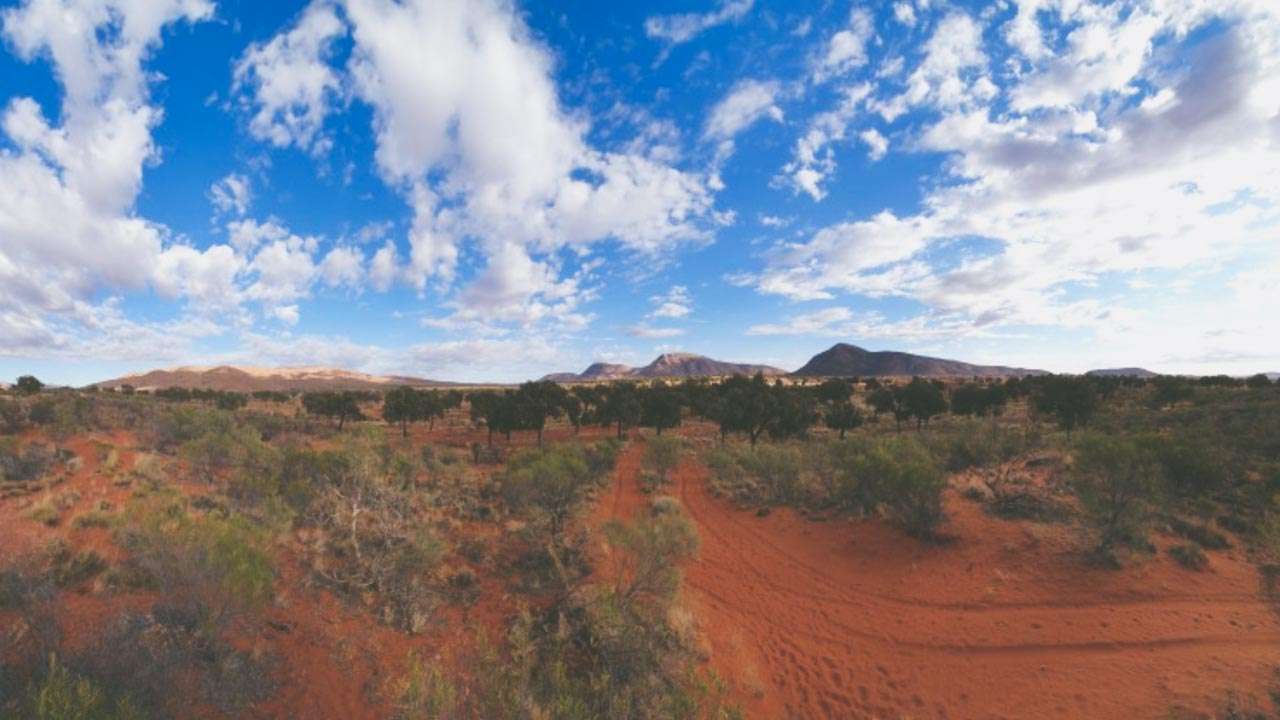
Docker River Camping On The Great Central Road

Docker River Camping On The Great Central Road

53 Camping Sites On The Great Central Road

There are numerous designated camping sites along the Great Central Road. These sites provide basic facilities and a safe place to rest.

1. Camp Sandalwood

This is a free campground accessible to camper trailers.

Cost: Free
Type: Bush Camping
Location: White Cliffs Rd, Laverton, Western Australia
GPS: -28.560606°, 122.584711°
Distance From Laverton WA: 20km
Distance From Uluru NT: 1,119km

2. Camp Brakesway

This is a free campground. It is dog friendly. It is accessible to camper trailers, off road caravans and four wheel drives. Camping in tents is allowed.

Cost: Free
Type: Bush Camping
Location: White Cliffs Road, Laverton, Western Australia
GPS: -28.480701°, 122.803377°
Distance From Laverton WA: 45km
Distance From Uluru NT: 1,143km
Pet Friendly: Yes

3. Road Side Stop With Telstra Coverage

This is a free campground. It is accessible to RVs, camper trailers and off road caravans.

Cost: Free
Type: Bush Camping
Location: White Cliffs-Yamarna Rd, Laverton, Western Australia
GPS: -28.400870°, 122.968969°
Distance From Laverton WA: 64km
Distance From Uluru NT: 1,067km

4. Condon Well Camp

This is a free campground. It is accessible to RVs, camper trailers and off road caravans.

Cost: Free
Type: Bush Camping
Location: White Cliffs-Yamarna Road, Laverton, Western Australia
GPS: -28.416255°, 123.099128°
Distance From Laverton WA: 77km
Distance From Uluru NT: 1,074km

5. New Rest Area

This is a new rest area replacing the old one 300m SW of here. Access to old site and Gnamma hole has been blocked with large rocks.

Cost: Free
Type: Bush Camping
Location: Laverton, Western Australia
GPS: -28.366170°, 122.598123°
Distance From Laverton WA: 37km
Distance From Uluru NT: 1,065km
Pet Friendly: Yes

6. Giles Breakaway

This is a free campground. It is accessible to RVs, camper trailers, caravans and big rigs. Camping in tents is allowed. We stayed at Giles Breakaway in August 2024 – click here to read our full rundown.

Cost: Free
Type: Bush Camping
Location: Great Central Rd, Laverton, Western Australia
GPS: -28.279715°, 122.702441°
Distance From Laverton WA: 51km
Distance From Uluru NT: 1,052km
Pet Friendly: Yes

7. Salt Lake Campsite

This is a free campground. It is dog friendly.

Cost: Free
Type: Bush Camping
Location: Great Central Rd, Cosmo Newbery, Western Australia
GPS: -28.208077°, 122.746484°
Distance From Laverton WA: 60km
Distance From Uluru NT: 1,042km
Pet Friendly: Yes

Free Camping On The Great Central Road In WA

Free Camping On The Great Central Road In WA

8. Overnight Stop

This is a free campground. It is dog friendly.

Cost: Free
Type: Bush Camping
Location: Great Central Road, Laverton, Western Australia
GPS: -28.045097°, 122.855767°
Distance From Laverton WA: 82km
Distance From Uluru NT: 1,021km
Pet Friendly: Yes

9. The Pines Rest Area

This is a free campground. It is dog friendly. It is accessible to RVs, camper trailers and caravans. Camping in tents is allowed. You must be fully self-contained.

Cost: Free
Type: Bush Camping
Location: Great Central Rd, Cosmo Newbery, Western Australia
GPS: -27.915623°, 123.178602°
Distance From Laverton WA: 119km
Distance From Uluru NT: 983km
Pet Friendly: Yes

10. Under The Southern Cross Windmill

This is a campground. It is accessible to motorbikes, camper trailers and off road caravans.

Cost: Free
Type: Bush Camping
Location: -27.92123, 123.378667 Is Entrance From GCR, Western Australia
GPS: -27.874536°, 123.342216°
Distance From Laverton WA: 152km
Distance From Uluru NT: 969km

11. Gravel Pit

This is a free campground. It is accessible to RVs, camper trailers, caravans and big rigs.

Cost: Free
Type: Bush Camping
Location: Great Central Road, Cosmo Newbery, Western Australia
GPS: -27.924011°, 123.430979°
Distance From Laverton WA: 144km
Distance From Uluru NT: 952km

12. Nankers Spot

This is a free campground. It is accessible to motorbikes, RVs, camper trailers and caravans. Camping in tents is allowed. You must be fully self-contained.

Cost: Free
Type: Bush Camping
Location: Great Central Road, Cosmo Newbery, Western Australia
GPS: -27.918001°, 123.617686°
Distance From Laverton WA: 163km
Distance From Uluru NT: 940km

13. Karl’s Campspot

This is a free bush campground with room for small the medium size rigs. Smaller units can navigate their rig a fair distance from the road into the bush. Larger units might be better off utilising the area closer to the road (hard to turn and sandy). All spots are sheltered from road and sun by trees and bushes. Campfires are being lit but check with shire regulations.

Cost: Free
Type: Bush Camping
Location: Great Central Road, Western Australia
GPS: -27.916891°, 123.619880°
Distance From Laverton WA: 163km
Distance From Uluru NT: 939km

14. Minnie Creek Road Rest Area

Accessible to motorbikes, camper trailers and off road caravans.

Cost: Free
Type: Bush Camping
Location: Great Central Road, Western Australia
GPS: -27.843846°, 123.917977°
Distance From Laverton WA: 196km
Distance From Uluru NT: 901km
Pet Friendly: Yes

15. Sandrifters Gravel Pit

This is a free campground. It is accessible to motorbikes, RVs, camper trailers and caravans. Camping in tents is allowed.

Cost: Free
Type: Bush Camping
Location: Lake Wells, Great Central Road, Western Australia
GPS: -27.758328°, 124.028482°
Distance From Laverton WA: 210km
Distance From Uluru NT: 886km
Pet Friendly: Yes

16. Rest Stop

This is a free campground.

Cost: Free
Type: Bush Camping / Rest Area
Location: Neale, Great Central Road, Western Australia
GPS: -27.742630°, 124.060603°
Distance From Laverton WA: 214km
Distance From Uluru NT: 889km

17. Shady Gum Camp

Unofficial small site – one car only, no room to turn caravan around if site already in use. Not far from the Hwy, no facilities. Lovely spot to spend the night round a fire.

Cost: Free
Type: Bush Camping
Location: Great Central Rd, Neale, Western Australia
GPS: -27.713851°, 124.140968°
Distance From Laverton WA: 223km
Distance From Uluru NT: 880km
Pet Friendly: Yes
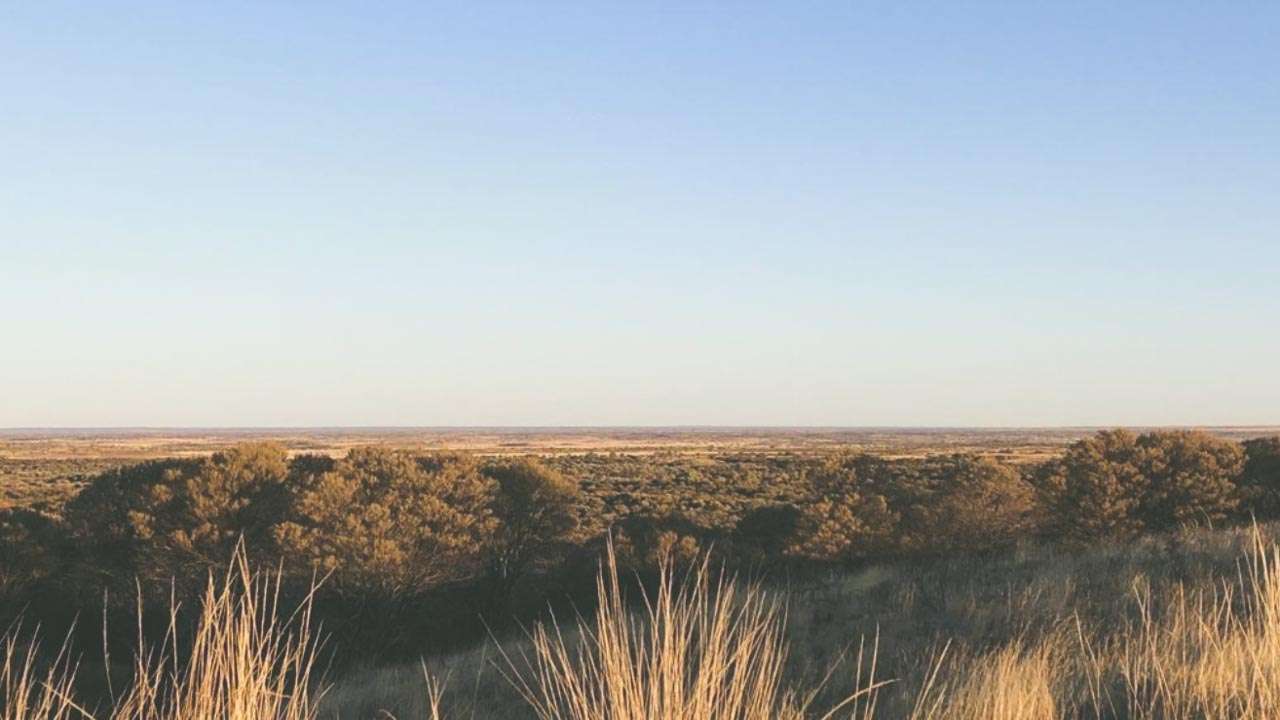
GCR Camping Near Warburton WA

GCR Camping Near Warburton WA

18. Eulalia’s Rest Spot

Turn off the road approximately 1km east of Shady Pines. The entrance is a dirt track south of the road. It may not be suitable for caravans. The spot is off the road, has plenty of firewood and is elevated. It’s obviously not used too much but is less exposed. There are numerous other tracks once you get to the spot.

Cost: Free
Type: Bush Camping
Location: Great Central Rd, Neale, Western Australia
GPS: -27.712349°, 124.157787°
Distance From Laverton WA: 225km
Distance From Uluru NT: 878km

19. Parking Diversion

Unofficial free camping in a long parking diversion off of the Great Central Road. There are no facilities. Campers must be self-sufficient. Take all rubbish with you and leave no trace. Pets are permitted.

Cost: Free
Type: Bush Camping
Location: Great Central Rd, Neale, Western Australia
GPS: -27.548748°, 124.297423°
Distance From Laverton WA: 249km
Distance From Uluru NT: 855km
Pet Friendly: Yes

20. Roadside Rest Area

This is a free campground. It is dog friendly. It is accessible to off road caravans and four wheel drives.

Cost: Free
Type: Bush Camping / Rest Area
Location: David Carnegie Rd, Neale, Western Australia
GPS: -27.220941°, 124.446485°
Distance From Laverton WA: 290km
Distance From Uluru NT: 813km
Pet Friendly: Yes

21. Nullye Soak

This is a free campground. It is dog friendly. It is accessible to camper trailers, off road caravans and four wheel drives. Camping in tents is allowed.

Cost: Free
Type: Bush Camping
Location: Great Central Rd, Lake Wells, Western Australia
GPS: -27.185306°, 124.487631°
Distance From Laverton WA: 295km
Distance From Uluru NT: 807km
Pet Friendly: Yes

22. Tjukayirla Roadhouse

This paid caravan park offers toilets, showers, drinking water and power hookups. It is dog friendly. It is accessible to motorbikes, RVs, camper trailers and caravans. Camping in tents is allowed. They do not take bookings. First in best dressed. Fuel is available.

Cost: Powered $40 / Unpowered $30 (as at June 2024)
Type: Roadhouse Caravan Park
Location: Great Central Rd, Neale, Western Australia
GPS: Great Central Rd, Neale, Western Australia
Distance From Laverton WA: 277km
Distance From Uluru NT: 819km
Phone: (08) 9037-1108
Email: tjukayirlaroadhouse@ngcouncil.org.au
Web: http://tjukayirlaroadhouse.com.au
Pet Friendly: Yes
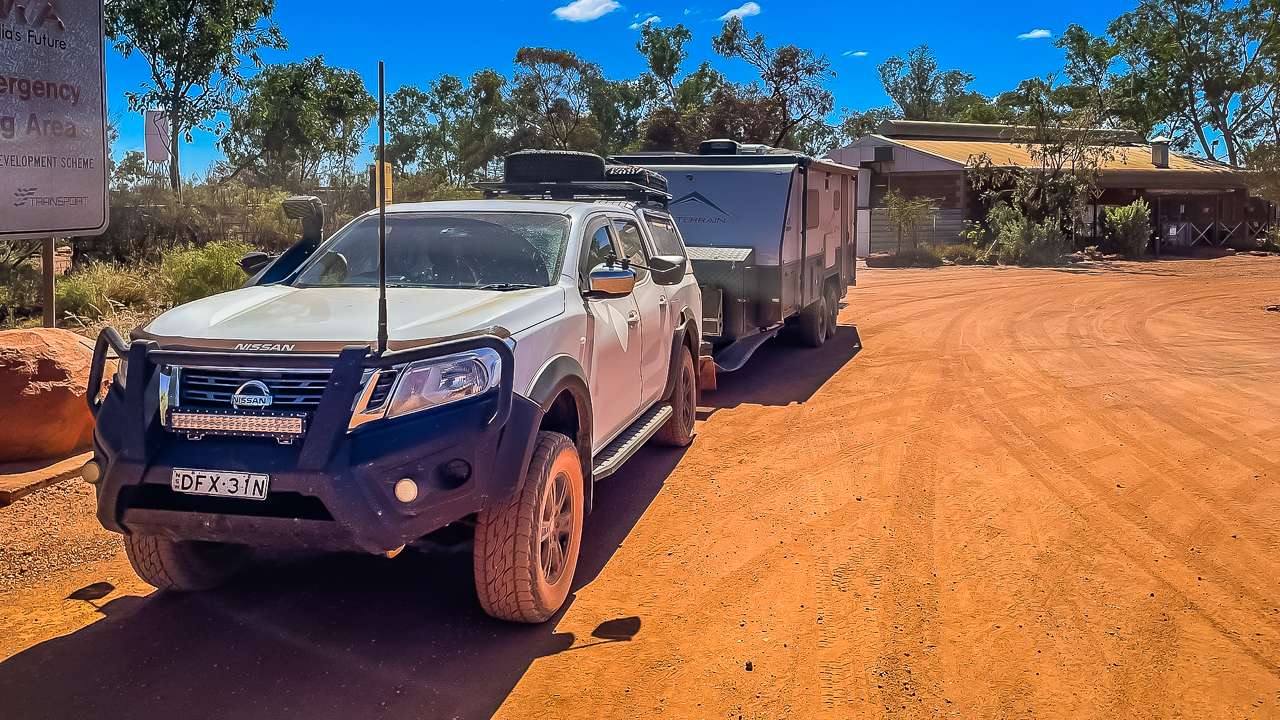
At Tjukayirla Roadhouse

At Tjukayirla Roadhouse

23. Old Roadworks Camp Site

Unofficial stop. Leave no trace.

Cost: Free
Type: Bush Camping
Location: Great Central Rd, Lake Wells, Western Australia
GPS: -27.048529°, 124.818914°
Distance From Laverton WA: 333km
Distance From Uluru NT: 770km
Pet Friendly: Yes

24. Wahlgu Rockholes

Unofficial stop. Leave no trace.

Cost: Free
Type: Bush Camping
Location: Great Central Rd, Western Australia
GPS: -27.061158°, 125.185781°
Distance From Laverton WA: 370km
Distance From Uluru NT: 727km

25. Corheads Kangaroo Camp

Off the highway. Easily accessible with turn around points and plenty of space trees for shade. Don’t go too far past the big opening as it does get rough & hard to turn around.

Cost: Free
Type: Bush Camping
Location: Great Central Road, Western Australia
GPS: -27.056238°, 125.183536°
Distance From Laverton WA: 370km
Distance From Uluru NT: 727km

26. Road Water Dam

This is a free campground. It is accessible to motorbikes, RVs, camper trailers and caravans.

Cost: Free
Type: Bush Camping
Location: Great Central Road, Western Australia
GPS: -27.050051°, 125.206958°
Distance From Laverton WA: 372km
Distance From Uluru NT: 724km
Pet Friendly: Yes

27. Road Realignment

This is a free campground. It is dog friendly. It is accessible to RVs, camper trailers and caravans.

Cost: Free
Type: Bush Camping
Location: Great Central Road, Western Australia
GPS: -27.034355°, 125.227917°
Distance From Laverton WA: 375km
Distance From Uluru NT: 722km
Pet Friendly: Yes

28. Gravel Pit – Paradise Camp

This is a free campground. An unofficial sign names it as Paradise Camp.

Cost: Free
Type: Bush Camping
Location: GCR, Western Australia
GPS: -26.972562°, 125.407069°
Distance From Laverton WA: 394km
Distance From Uluru NT: 708km

29. Ridge Camp

This is a free campground. It is dog friendly. It is accessible to RVs, big rigs, camper trailers and caravans.

Cost: Free
Type: Bush Camping
Location: Great Central Road, Western Australia
GPS: -26.965449°, 125.412748°
Distance From Laverton WA: 395km
Distance From Uluru NT: 707km

30. Desert Surf Central

This is a free campground. It is accessible to motorbikes, RVs, camper trailers, caravans and big rigs. Camping in tents is allowed. Heaps of room for a few camps, good firewood around and caves to explore. We stayed at Desert Surf Central in August 2024 – click here to read our full rundown.

Cost: Free
Type: Bush Camping
Location: Great Central Road, Western Australia
GPS: -26.836652°, 125.658008°
Distance From Laverton WA: 424km
Distance From Uluru NT: 679km
Pet Friendly: Yes
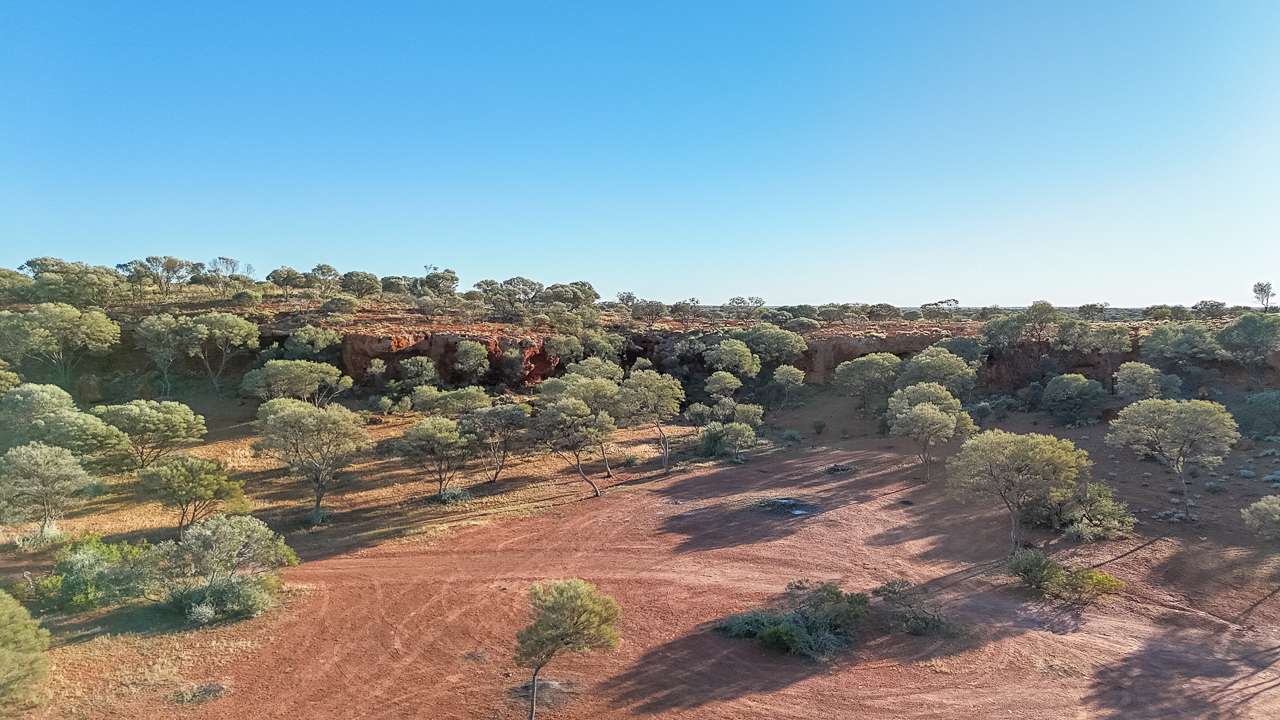
Breakaways At Desert Surf Central

Breakaways At Desert Surf Central

31. Off The Road

This is a free camping area. It’s dog friendly.

Cost: Free
Type: Bush Camping
Location: Great Central Road, Gibson Desert South, Western Australia
GPS: -26.816710°, 125.693160°
Distance From Laverton WA: 428km
Distance From Uluru NT: 675km
Pet Friendly: Yes
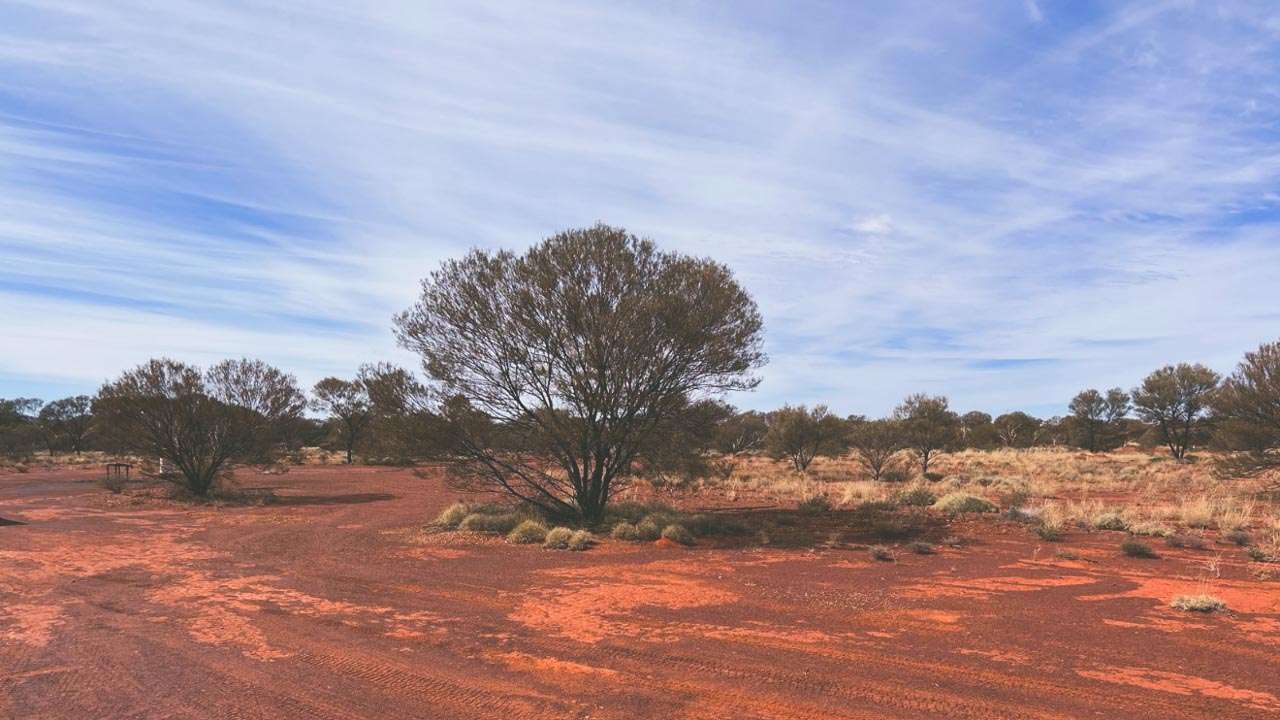
Old Roadworks Camp Site On Great Central Road 770km From Uluru

Old Roadworks Camp Site On Great Central Road 770km From Uluru

32. Gravel Dump

This is a free camping area. It’s dog friendly.

Cost: Free
Type: Bush Camping
Location: Great Central Road, Western Australia
GPS: -26.708662°, 125.766645°
Distance From Laverton WA: 442km
Distance From Uluru NT: 661km
Pet Friendly: Yes

33. Quarry

This is a free camping area.

Cost: Free
Type: Bush Camping
Location: Great Central Road, Gibson Desert South, Western Australia
GPS: -26.621734°, 125.875080°
Distance From Laverton WA: 457km
Distance From Uluru NT: 646km

34. Chris’s Place

This is a free campground. It is dog friendly. It is accessible to motorbikes, RVs, camper trailers, caravans and four wheel drives. Huge area in the bush. It used to be a quarry.

Cost: Free
Type: Bush Camping
Location: Great Central Road, Western Australia
GPS: -26.524739°, 126.029550°
Distance From Laverton WA: 476km
Distance From Uluru NT: 626km
Pet Friendly: Yes

35. Pete’s Bush Camp

This is a free campground. It is accessible to motorbikes, RVs, camper trailers, caravans and big rigs. Camping in tents is allowed.

Cost: Free
Type: Bush Camping
Location: Great Central Road, Gibson Desert South, Western Australia
GPS: -26.522112°, 126.027955°
Distance From Laverton WA: 476km
Distance From Uluru NT: 626km

36. Mikes Place – Near Pete’s

This is a free campground. It is accessible to motorbikes, RVs, camper trailers, caravans and big rigs. Camping in tents is allowed.

Cost: Free
Type: Bush Camping
Location: Great Central Road, Gibson Desert South, Western Australia
GPS: -26.522197°, 126.038044°
Distance From Laverton WA: 477km
Distance From Uluru NT: 625km

37. Micks Camp

Nice quiet spot off to the side of the plateau. A long way off the road pretty good views.

Cost: Free
Type: Bush Camping
Location: Great Central Road, Western Australia
GPS: -26.502166°, 126.056394°
Distance From Laverton WA: 480km
Distance From Uluru NT: 623km

38. Jonas Camp

This is a free camping area off to the side of the road.

Cost: Free
Type: Bush Camping
Location: Great Central Rd, Gibson Desert South, Western Australia
GPS: -26.421422°, 126.146363°
Distance From Laverton WA: 493km
Distance From Uluru NT: 610km

39. Rest Area Unofficial

This is a free campground. Camping in tents is allowed.

Cost: Free
Type: Bush Camping / Rest Area
Location: Great Central Rd, Gibson Desert South, Western Australia
GPS: -26.290962°, 126.234395°
Distance From Laverton WA: 511km
Distance From Uluru NT: 592km

40. Rest Area Along The Old GCR

Rest area along the old Great Central Road. About 30km west of Warburton WA.

Cost: Free
Type: Bush Camping
Location: Old Great Central Road, Western Australia
GPS: -26.219057°, 126.310647°
Distance From Laverton WA: 523km
Distance From Uluru NT: 580km

41. Rock Holes Via Old Great Central Road

This is a free campground. It is accessible to four wheel drives. Camping in tents is allowed. It has a bit of Telstra reception.

Cost: Free
Type: Bush Camping
Location: Great Central Road, Western Australia
GPS: -26.198019°, 126.384344°
Distance From Laverton WA: 530km
Distance From Uluru NT: 572km

42. Old Great Central Hwy Lookout / Rest Stop

This is a free campground. It is accessible to four wheel drives. Camping in tents is allowed. Telstra reception.

Cost: Free
Type: Bush Camping
Location: Old Great Central Hwy (Unsealed), Western Australia
GPS: -26.196682°, 126.390149°
Distance From Laverton WA: 531km
Distance From Uluru NT: 572km

43. Warburton Roadhouse

Congratulations you’re almost at exactly the half way point! For travellers crossing the Great Central Road, the Warburton Roadhouse is the perfect place to restock and refuel. With a variety of accommodation options and a good supply of both fresh and frozen food, Warburton Roadhouse is a welcome sight for many a weary traveller.

Facilities
The Roadhouse offers the following services.

  • Diesel and Opal* fuel (*Opal is a replacement for unleaded petrol.)
  • A takeaway food service and provision of breakfast and dinner if reserved in advance.
  • A well stocked store offering food and personal items including fresh fruit & veg, bread, drinks, ice, fuels, meat, basic grocery items and ice creams.
  • A range of accommodation options to suit everyone from the budget back-packer to the discerning traveller, as well as complete units that will act as a home away from home for persons employed on extended contracts in the community.
  • Tyre repair tools available for use.
  • 24 hour power.
  • The ability to cater for large groups and bus tours.
  • Telstra Network coverage (including 3G).

Cost: $15 per person per night (as on web site June 2024)
Type: Roadhouse Caravan Park
Location: Great Central Rd, Warburton, Western Australia
GPS: -26.131815°, 126.568548°
Distance From Laverton WA: 550km
Distance From Uluru NT: 552km
Phone: (08) 8956-7656
Web: https://warburtonroadhouse.com.au
Email: roadhouse.warbo@bigpond.com
Toilets: Yes
Showers: Yes
Power: Yes
Drinking Water: Yes
Laundry Facilities: Yes
Dump Point: Yes
Telstra Reception: Yes
Pet Friendly: Yes
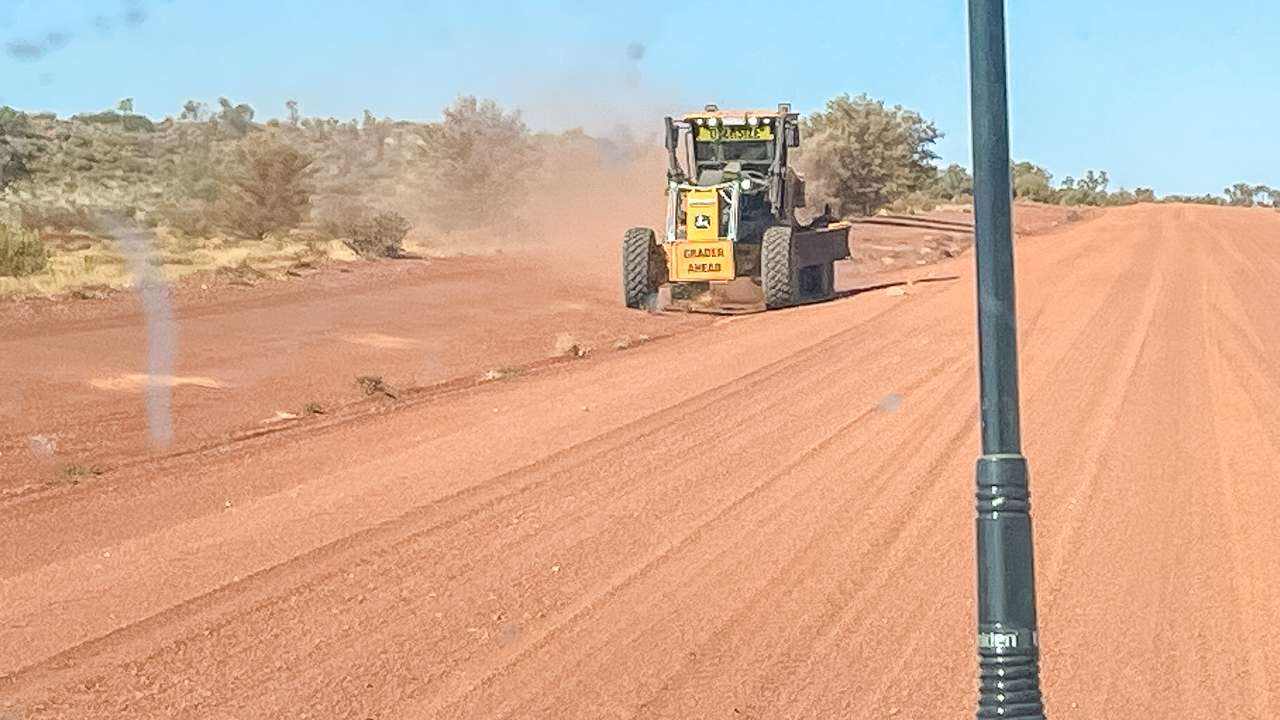
Grader On The Great Central Road Near Warburton

Grader On The Great Central Road Near Warburton

44. Piggies Place

This is a free campground. It is accessible to motorbikes, RVs, camper trailers, caravans and big rigs. Camping in tents is allowed. It’s dog friendly.

Cost: Free
Type: Bush Camping
Location: Great Central Rd, Ngaanyatjarra-Giles 0872, Western Australia
GPS: -25.927265°, 126.861635°
Distance From Laverton WA: 592km
Distance From Uluru NT: 510km
Pet Friendly: Yes

45. Yarla Kutjarra Camping

This is a free campground. It is accessible to motorbikes, RVs, camper trailers, caravans and big rigs. Camping in tents is allowed. It’s dog friendly. Telstra reception. We stayed at Yarla Kutjarra in August 2024 – click here to read our full rundown.

Cost: Free
Type: Bush Camping
Location: Great Central Rd, Between Warakurna and Warburton, Western Australia
GPS: -25.610328°, 127.223357°
Distance From Laverton WA: 646km
Distance From Uluru NT: 457km
Toilets: Yes
Non Potable Water: Yes
Pet Friendly: Yes
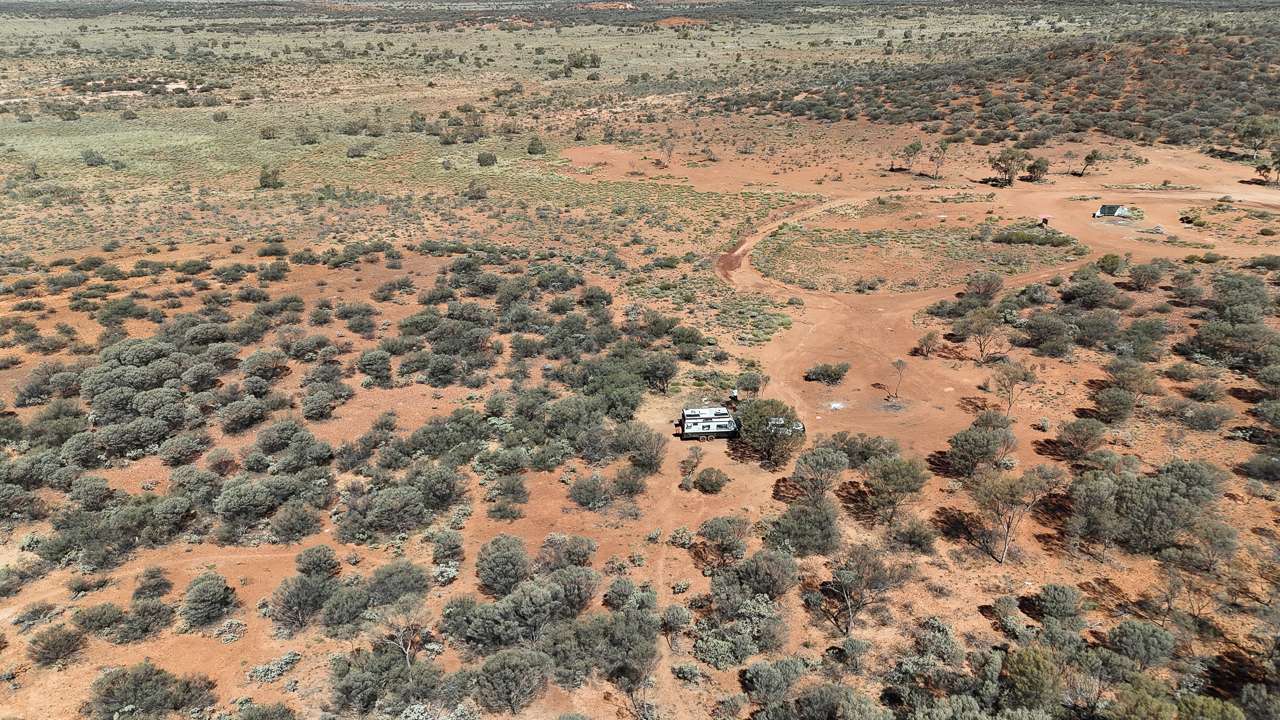
Our Camp On The Great Central Road Camping At Yarla Kutjarra

Our Camp On The Great Central Road Camping At Yarla Kutjarra

46. 2 GS Gravel Pit

Very big open area. Nice and flat. No firewood around so BYO. Loads of room here to turn around even the largest of rigs.

Cost: Free
Type: Bush Camping
Location: GCR, Western Australia
GPS: -25.518839°, 127.371185°
Distance From Laverton WA: 665km
Distance From Uluru NT: 438km
Pet Friendly: Yes

47. Gnamma Holes

This is a free campground. It is accessible to motorbikes, RVs, camper trailers, caravans and big rigs. Camping in tents is allowed. It’s dog friendly. Telstra reception.

Cost: Free
Type: Bush Camping
Location: Great Central Road, Ngaanyatjarra-Giles, Western Australia
GPS: -25.299460°, 127.817354°
Distance From Laverton WA: 717km
Distance From Uluru NT: 385km
Pet Friendly: Yes

48. Warakurna Roadhouse

The Warakurna Roadhouse is located along the Great Central Road, within the Great Victoria Desert, 781km west of Alice Springs and 331km from Yulara (Ayers Rock). Laverton is 811km to the west of the roadhouse and Kalgoorlie is 1163km west.

The Roadhouse offers the following services

  • Diesel and Opal fuel.
  • A takeaway food service.
  • A range of accommodation options to suit everyone from the budget back-packer to the discerning traveller. Including complete units that will act as a home away from home for persons employed on extended contracts in the community.
  • A well stocked store offering food and personal items including fresh fruit & veg, bread, drinks, ice, fuels, meat, basic grocery items and ice creams.
  • 24 hour power
  • An after-hours fuel service
  • Yurliya Gallery (High end Gallery exclusively selling works produced by Warakurna Artists)

Cost: Unpowered $20 – Powered $35 (as on web site June 2024)
Type: Roadhouse Caravan Park
Location: Great Central Rd, Warakurna, Western Australia
GPS: -25.043060°, 128.303328°
Distance From Laverton WA: 811km
Distance From Uluru NT: 331km
Phone: (08) 8956-7344
Web: https://warakurnaroadhouse.com.au
Toilets: Yes
Showers: Yes
Power: Yes
Drinking Water: Yes
Laundry Facilities: Yes
Dump Point: No
Telstra Reception: Yes
Pet Friendly: Yes
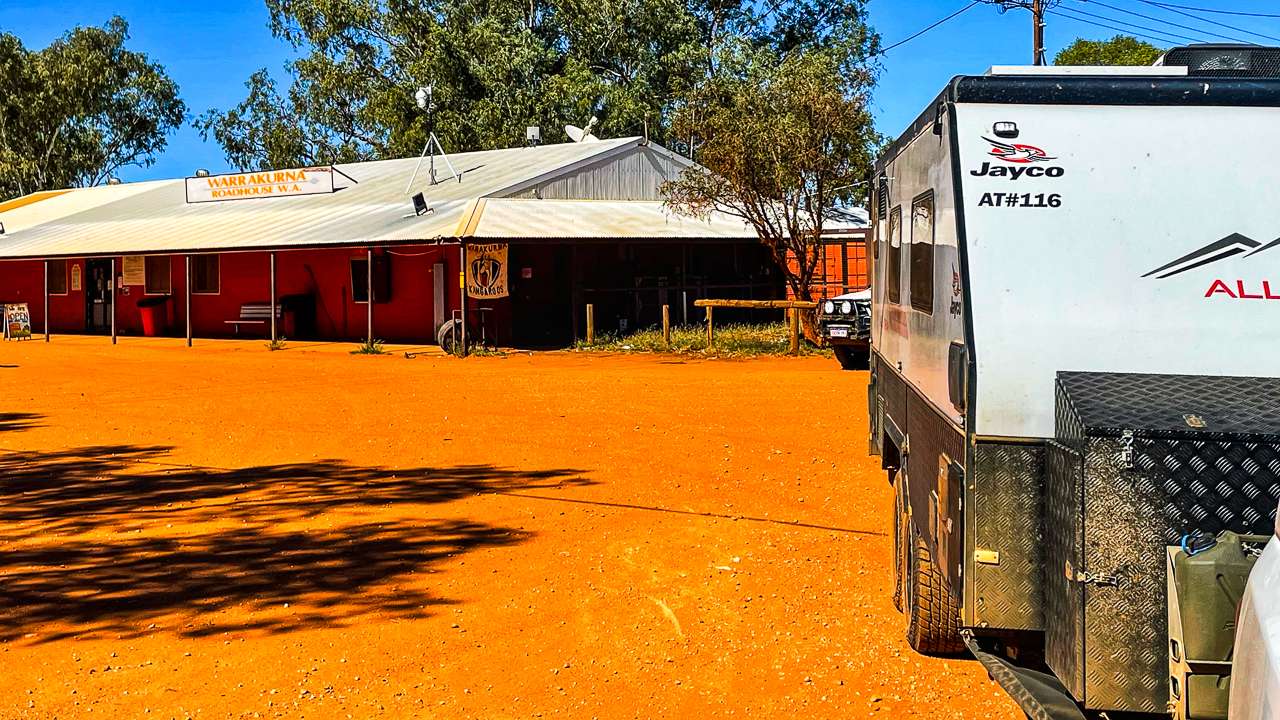
Warrakurna Roadhouse

Warakurna Roadhouse

49. Camel Last Resort

This is a free campground. It is accessible to motorbikes, camper trailers and caravans. Camping in tents is allowed. It’s dog friendly.

Cost: Free
Type: Bush Camping
Location: Great Central Road, Ngaanyatjarra-Giles, Western Australia
GPS: -25.155309°, 128.507698°
Distance From Laverton WA: 801km
Distance From Uluru NT: 302km
Pet Friendly: Yes

50. Giles Mulga Park Rd

This is a free campground. It is accessible to motorbikes, camper trailers and caravans. Camping in tents is allowed. It’s dog friendly.

Cost: Free
Type: Bush Camping
Location: Just Off Giles-Mulga Park Road, Western Australia
GPS: -25.167268°, 128.540448°
Distance From Laverton WA: 804km
Distance From Uluru NT: 298km
Pet Friendly: Yes

51. Docker River Camping

We stayed at Docker River in August 2024 – click here to read our full rundown.

  • This unpaid campground no longer offers toilets or showers.
  • It is dog friendly.
  • It is accessible to RVs, camper trailers, caravans and big rigs.
  • Local community (shop and diesel) closed to other than residents.
  • Camping in tents is allowed.
  • Telstra reception

NOTE: store/fuel at Docker River NOT OPEN SUNDAYS

Cost: Free
Type: Bush Camping
Location: Tjukaruru Rd, Docker River, Northern Territory
GPS: -24.865080°, 129.061564°
Distance From Laverton WA: 875km
Distance From Uluru NT: 228km
Pet Friendly: Yes

52. Ayers Rock Campground

Located 20km from Ayers Rock, Ayers Rock Campground is a great home base for truly experiencing the beauty of Ayers Rock. Unwind in air-conditioned cabins, hook up your caravan, campervan, motor home, or camper trailer at one of the powered campsites, or pitch your tent under the shade of native desert oaks and sleep under the stars. The camping ground also provides a range of services and facilities including a swimming pool, BBQ facilities and outdoor kitchen and self-service laundry facilities to make the great outdoors truly enjoyable.

**YOU CANNOT ENTER SITE IF YOU HAVE A CAT ON BOARD**

Hop on the complimentary shuttle bus for access to the Resort’s restaurants and bars, shops, a well-stocked IGA supermarket, petrol station, Tour & Information Centre, and art galleries. Participate in a range of free daily activities including guided garden walks and Indigenous bush yarns.

Pre-booking is essential. Especially during the Australian School Holiday periods and also peak season from May to August the campground sells out consistently. Contact number is 1300 134 044

Cost: Unpowered $50 – Powered $75 (as on web site June 2024)
Type: Resort / Caravan Park
Location: 173 Yulara Dr, Yulara 0872, Northern Territory
GPS: -25.238749°, 130.990129°
Distance From Laverton WA: 1,107km
Distance From Uluru NT: 15km
Phone: 0130 013 404
Web: https://ayersrockresort.com.au
Toilets: Yes
Showers: Yes
Power: Yes
Drinking Water: Yes
Laundry Facilities: Yes
Dump Point: Yes
Telstra Reception: Yes
Pet Friendly: Yes
Pet Sitting: Yes

53. Sandy View Roadside Rest Area

This is a free campground. It’s not on the Great Central Road however it’s the only listed free camping area anywhere near Uluru.

  • It is accessible to motorbikes, RVs, camper trailers and caravans.
  • Camping in tents is allowed.
  • You can stay here for up to 24 hours.
  • This is a roadside site only.
  • Free camping at Ayers Rock.
  • Free camping at Uluru.
  • Free camping at Yulara.

Cost: Free
Type: Roadside Camping
Location: Lasseter Hwy, Yulara, Northern Territory
GPS: -25.220208°, 131.229939°
Distance From Laverton WA: 1,133km
Distance From Uluru NT: 41km
Pet Friendly: Yes

Preparation For The Trip

Vehicle Requirements

Embarking on the Great Central Road requires a reliable 4WD vehicle. Ensure your vehicle is well-maintained and equipped for off-road conditions. Spare tyres, extra fuel, and a comprehensive toolkit are essential.

Essential Supplies

Pack enough food, water, and camping gear for the entire journey. Consider carrying extra supplies in case of emergencies. A first aid kit, navigation tools, and satellite phone are also crucial.

Permits And Regulations

Travelling through Aboriginal lands requires permits. Make sure to obtain the necessary permits for each section of the road. Respect local regulations and be aware of restricted areas.

Best Time to Travel

Seasonal Considerations

The best time to travel the Great Central Road is during the cooler months from April to October. This time of year offers more manageable temperatures and has the potential for fewer weather related disruptions.

Weather Conditions

Prepare yourself for extreme weather conditions including sudden storms and high temperatures. And don’t forget the temperature can also be very cold at night – even down below zero during the winter months. Check weather forecasts regularly and plan your journey to suit.

Major Attractions

Tjukayirla Roadhouse

This roadhouse is a popular stop for travellers, offering fuel, food, and basic accommodation. Refuel and have a break before continuing your journey.

Warburton Community

The Warburton Community is rich in First Nation culture and gives a view into the traditions and lifestyles of the local people. Visit the Tjulyuru Cultural and Civic Centre for an immersive cultural experience.

Docker River

Docker River is a small community with a stunning backdrop of red desert landscapes. It’s a fantastic place to camp. You can set up here and explore the surrounding area.

Kata Tjuta (The Olgas)

These impressive rock formations are located near Uluru and are a must-see. Kata Tjuta, meaning “many heads” is a sacred site with stunning walking trails.

Uluru (Ayers Rock)

The journey culminates at Uluru, a UNESCO World Heritage Site. Witness the changing colours of this iconic rock at sunrise and sunset, and learn about its cultural significance.

Cultural Significance

Aboriginal Communities

The Great Central Road passes through lands belonging to various Aboriginal groups. Remember to respect their customs, traditions and privacy. Engage with local communities to learn about their rich cultural heritage.

Respecting Local Traditions and Laws

Always seek permission before entering Aboriginal lands. Please follow and respect guidelines for behaviour and interactions and avoid disturbing sacred sites.

Flora and Fauna

Unique Wildlife

The outback is home to a big range of wildlife including kangaroos, emus and dingoes. Keep watch for these animals and maintain a safe distance so you don’t disturb them.

Plant Life

The desert landscape features unique vegetation adapted to the harsh conditions. Look for resilient plants like spinifex and mulga trees that thrive in the outback environment.

Roadhouses On The Great Central Road

Roadhouses are your best and most reliable sources of water, fuel and food along the Great Central Road. Generally in most circumstances these will be your only sources to purchase these items. So plan your journey carefully. and know where they are. And an old adage in the bush still holds true. Never drive past a roadhouse without filling up as you never know if the next one will be open or will have fuel.

Tjukayirla Roadhouse

Tjukayirla Roadhouse is located in the Great Victoria Desert, along the Great Central Road (Outback Way). A distance of 305 km separates the roadhouse from Laverton, and a distance of 245 km separates it from Warburton. The Tjukayirla Roadhouse was established and owned by the Blackstone Community. As part of the original survey route to Warburton, the surveyors placed a Paine and Barclay Surveyor marker next to the Tjukayirla Rockholes, which give the roadhouse its name. A visit to the desert breakaways and wildflowers is well worth the time. It is common to see dingoes, emus, kangaroos, camels, as well as a wide variety of birds around the roadhouse.

Trading Hours
Monday to Friday: 8am – 5pm
Saturday – Sunday: 9am – 5pm
After hours to 8pm: $20 fee to open

Fuel
Diesel and Opal fuel is available

Stores
Sit down or takeaway meals, hot & cold drinks, snacks, souvenirs, indigenous paintings, artefacts, basic food items, motor vehicle accessories and tyres

Accommodation

  • Twin share rooms with tea and coffee making facilities
  • 2 x self contained units with television (without bathroom)
  • Caravan and camping sites with or without power
  • Amenities block
  • 24 hour power

Pets
Pets are not permitted in rooms but are allowed outside on a leash. All pets must be under control at all times

Repairs
Minor mechanical, welding repairs, breakdown recovery, tow service to Perth

Managers: Andrew and Sussan Bignell

Contact Details
Postal Address: PMB 53 Alice Springs NT 0872
Phone: (08) 9037 1108
Fax: (08) 9037 1110
Email: tjukayirlaroadhouse@bigpond.com
Web: https://tjukayirlaroadhouse.com.au/

Warburton Roadhouse

The Warburton Roadhouse is located outside the community on the Great Central Road.

Trading Hours
Monday to Friday: 8am – 5pm (WST)
Saturday to Sunday: 9am – 3pm (WST)
Public Holidays: 9am – 12 midday (WST)

Please note: No shop or fuel sales are made outside of these hours.

Fuel
Diesel and Opal fuel is available

Stores
Takeaway food, fruit & veg, bread, drinks, ice, meat, basic grocery items, tyres and motor vehicle accessories

Accommodation

  • 2 x Self Contained Units
  • 12 x Double Ensuites
  • 11 x Single Budget
  • 20 x Single Ensuites
  • There are two toilet facilities and one laundry

The Roadhouse is able to cater for coach groups and have enough beds for approximately 63 people. As well as accommodation, dinner and breakfast are available with prior arrangements. Meals are available but orders are to be made when booking rooms. Anyone arriving after hours can come to the Manager’s house, which is located at the rear of the roadhouse, for accommodation and camping inquiries.

Pets
On arrival please notify managers if you have a pet with you. Pets only allowed if you are camping. No pets allowed to wander freely in the grounds and must be kept on a leash

Repairs
Tyre and other minor repairs including welding can be carried out in the community workshop

Manager: Scott Peers

Contact Details
Postal Address: Warburton Community, PMB 71 Kalgoorlie WA 6430
Phone: (08) 8956 7656
Fax: (08) 8956 7645
Email: roadhouse.warbo@bigpond.com
Web: https://warburtonroadhouse.com.au/

Warakurna Roadhouse

The Warakurna Roadhouse is located outside the community on the Great Central Road.

Trading Hours (Central Standard Time)
Monday to Friday: 8.30am – 5.00pm
Saturday-Sunday: 9.00am – 3.00pm
Public Holidays: 9.00am – 12.00 midday
Closed: Good Friday, Christmas Day and New Years Day.

Fuel
Diesel and Opal fuel is available.
After hours fuel only up to 8.00pm.
If fuel is required outside of trading hours then a fee of $20 will apply per vehicle.
Closed Good Friday, Christmas Day and New Years Day.

Stores
Takeaway food, drinks, basic grocery items and local artefacts

Accommodation

  • 5 x self contained units (sleeps 2-5 people)
  • 10 x backpacker style rooms
  • Powered camp sites
  • An after hours service is available (until 8pm CST), by going to the managers residence for camping and accommodation

Pets
Contact Managers

Repairs
Tyre repairs can be carried out in the workshop

Contact Details
Postal Address: C/- Warakurna Community, PMB 62 Alice Springs NT 0872
Phone: (08) 8956 7344
Fax: (08) 8956 2850
Email: warakurnaroadhouse@bigpond.com
Web: https://warakurnaroadhouse.com.au/

Safety Tips

Navigating Remote Areas

Always travel with a detailed map and GPS. Inform someone of your travel plans and estimated arrival times.

Health Precautions

Stay hydrated and protect yourself from the sun with appropriate clothing and sunscreen. Carry a well-stocked first aid kit for emergencies.

Travel Tips

Driving Advice

Drive cautiously and be prepared for varying road conditions. Reduce speed in sandy or rocky areas to avoid damage to your vehicle.

Communication

Mobile phone coverage is limited, so carry a satellite phone for emergencies. Inform others of your location and travel plans regularly.

Fuel Management

Plan your fuel stops carefully. Carry extra fuel in approved containers, and refuel whenever possible to avoid running out in remote areas.

Environmental Impacts Of The Great Central Road

Leave No Trace Principles

Follow Leave No Trace principles to minimise your environmental impact. Pack out all waste and avoid damaging vegetation and wildlife habitats.

Conservation Efforts On The Great Central Road

Help to assist local conservation efforts by respecting guidelines and participating in community led initiatives. Protecting the outback ensures its beauty for future generations.

Common Challenges And How To Overcome Them

Road Conditions

Road conditions can vary, with sections being sandy, rocky, or corrugated. Drive cautiously and adjust your speed to the conditions. You can check the current road conditions here > https://www.ngaanyatjarraku.wa.gov.au/road-conditions/road-conditions.aspx

Vehicle Breakdowns

Be prepared for potential vehicle issues. Carry spare parts and tools, and know basic repair techniques. Assistance can be far away, so self-sufficiency is crucial.

Weather Related Issues

A sudden weather change can bugger up your travel plans. Keep an eye on forecasts and be flexible with your itinerary to accommodate unexpected conditions. Check your weather apps whenever you have a viable internet connection. Remember that mobile phone connection can be spotty at best.

Valuable Resources

Conclusion

The Great Central Road offers a once in a lifetime adventure through Australia’s outback. From its rich cultural heritage to its stunning landscapes, this journey is as rewarding as it is challenging. By preparing adequately, respecting local traditions, and embracing the spirit of adventure, you’ll create unforgettable memories on this epic road trip. So, pack your gear, fuel up, and set off on the adventure of a lifetime along the Great Central Road.

FAQs – Frequently Asked Question About The Great Central Road

What permits do I need to travel the Great Central Road?

You'll need permits to travel through Aboriginal lands. These can be obtained online or at specific entry points along the route.

Is the Great Central Road suitable for beginners?

While it's a challenging route, beginners can undertake it with proper preparation and a reliable 4WD vehicle. Plan thoroughly and seek advice from experienced travellers.

How long does it take to drive the Great Central Road?

The journey typically takes 4-7 days, depending on your pace and the stops you make along the way. Allow extra time for exploration and rest.

Are there fuel stops along the Great Central Road?

Yes, there are several fuel stops, including roadhouses like Tjukayirla and Warburton. Plan your fuel stops carefully to avoid running out.

What is the best vehicle for the Great Central Road?

A well-maintained 4WD vehicle is essential for this journey. Ensure it is equipped for off-road conditions and carry necessary spare parts and tools.