Find The Safest Caravan Park in Alice Springs – Top Picks

Find The Safest Caravan Park in Alice Springs – Top Picks

Find The Safest Caravan Park in Alice Springs – Top Picks

Find the safest caravan park in Alice Springs with our top picks. Enjoy a secure and comfortable stay with peace of mind. Alice Springs is a vibrant town in the heart of Australia, known for its stunning landscapes and rich cultural heritage. For caravanners seeking a safe and comfortable place to stay, selecting the right caravan park is crucial.

I’d like to preface this article by saying that we’ve stayed in Alice Springs a few times and had absolutely no problems at all. we like the place. There is a heap to do so go there and get out and explore. Just like anywhere keep your wits about you and lock your things up overnight and you’ll be fine. You’re just as likely (or more likely) to got robbed in many suburban Western Sydney suburbs!

Safest Caravan Park In Alice Springs Welcome To Alice Springs

Safest Caravan Park In Alice Springs Welcome To Alice Springs

Top 6 Safest Caravan Parks In Alice Springs

  1. BIG4 MacDonnell Range Holiday Park
    • Address: Palm Place, Ross NT 0870, Australia
    • Contact: +61 8 8952 6111>
    • Overview: This park is renowned for its excellent facilities and security measures. With a range of accommodation options, including cabins and powered sites, it’s ideal for families and solo travellers alike.
  2. Alice Springs Tourist Park
    • Address: 70 Larapinta Drive, Gillen NT 0870, Australia
    • Contact: +61 8 8952 2547
    • Overview: Located close to the town centre, this park offers a secure environment with modern amenities. It’s a great base for exploring the local attractions.
  3. G’day Mate Tourist Park
    • Address: 40 Stuart Highway, Alice Springs NT 0870, Australia
    • Contact: +61 8 8952 5918
    • Overview: Known for its friendly staff and secure premises, G’day Mate Tourist Park provides a safe haven for travellers. The park is well-maintained and offers a range of facilities.
  4. Heritage Caravan Park
    • Address: 40 Ragonesi Road, Alice Springs NT 0870, Australia
    • Contact: +61 8 8952 1018
    • Overview: This park is set in a serene environment with top-notch security. It’s perfect for those looking to enjoy a peaceful stay while being close to nature.
  5. Alice Springs Tourist Park and Cabins
    • Address: 16 Priest Street, Alice Springs NT 0870, Australia
    • Contact: +61 8 8952 6114
    • Overview: Offering a variety of accommodation options, this park is well-regarded for its safety and cleanliness. It’s a popular choice among tourists for its convenient location and secure setting.
  6. Wintersun Cabin & Caravan Park
    • Address: 31 Palm Circuit, Ross NT 0870, Australia
    • Contact: +61 8 8952 8299
    • Overview: Wintersun is known for its friendly atmosphere and excellent security measures. The park offers a range of amenities and is a great option for those seeking a safe and comfortable stay.

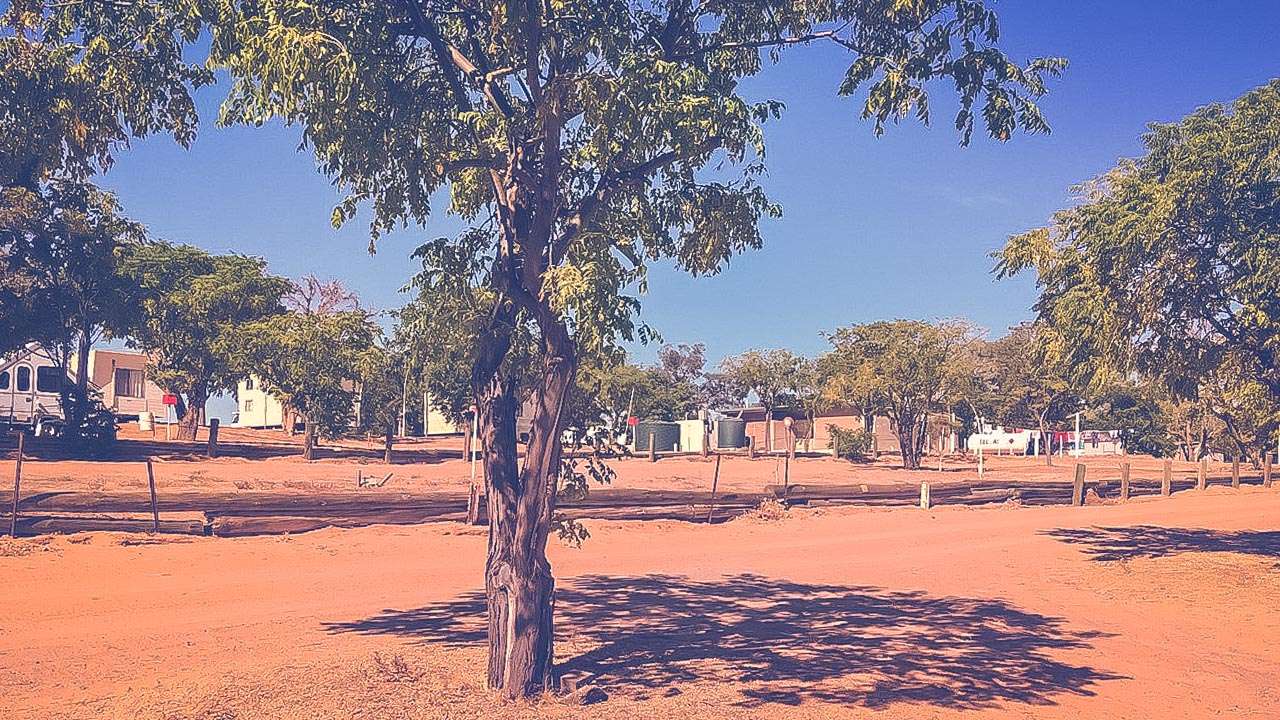
Safest Caravan Park In Alice Springs (Photo Courtesy Of Wintersun Caravan Park)

Safest Caravan Park In Alice Springs (Photo Courtesy Of Wintersun Caravan Park)

Overview Of Crime Rate In Alice Springs

Alice Springs, like many towns, has areas with varying levels of safety. According to recent crime statistics, the town has faced challenges with property crime and antisocial behaviour. However, local authorities and communities are actively working to improve safety and security. It’s always advisable to stay informed about local conditions and choose accommodation with good security measures.

Tips To Find The Safest Caravan Park In Alice Springs And Staying Safe In Alice Springs

  • Stay Informed: Keep up-to-date with local news and advice from local authorities.
  • Choose Secure Accommodation: Opt for caravan parks with good reviews and visible security measures.
  • Stay Vigilant: Be aware of your surroundings, especially at night.
  • Secure Your Belongings: Always lock your caravan and secure valuable items.

Entry To Alice Springs Telegraph Station

Entry To Alice Springs Telegraph Station

Conclusion

Alice Springs is a fascinating destination with much to offer. By choosing one of the safest caravan parks listed above, you can ensure a secure and enjoyable stay. Whether you’re exploring the local attractions such as the Telegraph Station or simply enjoying the unique landscapes, peace of mind about your accommodation allows you to make the most of your trip. For more information on travelling safely, planning your trip and to find the safest caravan park in Alice Springs feel free to reach out to local tourist information centres or visit reputable travel websites.

Safe travels!

Menindee Lakes Caravan Park: YES – There Are Two!

Menindee Lakes Caravan Park: YES – There Are Two!

Menindee Lakes Caravan Park: YES – There Are Two!

Where Is Menindee Lakes Caravan Park?

Menindee Lakes Caravan park is in Menindee NSW, right in the heart of NSW Outback Territory. And even better, there are two Menindee Lakes Caravan parks to choose from! Read on to find out all about the two Menindee Lakes Caravan Park options.

Plan your trip to a Menindee Lakes Caravan Park. We’ve listed accommodation options at both Menindee Lakes Caravan Parks to help you choose. Menindee is a small town in New South Wales. It’s a really popular destination with caravanners. With its rich history, stunning natural landscapes and the iconic Menindee Lakes it’s a perfect destination for those looking to explore the Australian outback. Here’s a concise guide to the top caravan parks in Menindee, NSW.

Menindee Lakes Caravan Park Choices

1. Menindee Lakes Caravan Park

If you need a peaceful escape and want to experience the beauty of the Australian Outback Menindee Lakes Caravan Park is a ripper of a destination. Located near the stunning Menindee Lakes in New South Wales this caravan park offers a unique combination of relaxation and outdoor activities. Here’s what you need to know about this great caravan park.

Menindee Lakes Caravan Park

Menindee Lakes Caravan Park

Location and Setting
Menindee Lakes Caravan Park is situated in the small town of Menindee, approximately 110 kilometres southeast of Broken Hill. Menindee Lakes Caravan Park is set along the shores of the Menindee Lakes, a series of large, interconnected lakes that are part of the Darling River system. It’s located within a serene environment with picturesque views making it an ideal spot for both relaxation and adventure.

Accommodation Options
The caravan park offers a range of accommodation options to suit different needs and budgets:

  • Powered Sites: Perfect for caravans and campervans, these sites come with electricity and water connections.
  • Unpowered Sites: Ideal for those who prefer a more traditional camping experience, these sites offer a closer connection to nature.
  • Cabins: For those who prefer a bit more comfort, the park has well-equipped cabins with beds, kitchen facilities and bathrooms.

Facilities and Amenities
Menindee Lakes Caravan Park provides a variety of facilities to ensure a comfortable stay:

  • Amenities Block: Clean and modern amenities block with showers and toilets.
  • Camp Kitchen: Equipped with BBQs, picnic tables and cooking facilities.
  • Laundry: Available for guests to do their laundry during their stay.
  • Shop: A small shop on-site for basic supplies and snacks.

Things to Do
There’s plenty to keep you occupied at Menindee Lakes:

  • Fishing: The lakes are renowned for their fishing opportunities. You can catch species such as yellowbelly, redfin and silver perch.
  • Bird Watching: The area is a haven for bird watchers, with numerous species to observe, including pelicans and various waterfowl.
  • Walking and Cycling: Explore the surrounding natural beauty through walking tracks and cycling paths.
  • Relaxing by the Lake: Enjoy the peaceful ambiance of the lakeside, perfect for a relaxing afternoon or sunset.

Nearby Attractions
While Menindee Lakes Caravan Park offers plenty to do on-site, there are also nearby attractions worth exploring:

  • Menindee Historic Cemetery: Get a look into the town’s past with graves dating back to the early settlers.
  • Kinchega National Park: Located a short drive away, this park features diverse landscapes, including wetlands, woodlands and rugged outcrops.
  • Broken Hill: A larger town with more amenities, museums and art galleries, situated about an hour and a half away.

Travel Tips

  • Best Time to Visit: The best time to visit is during the cooler months from April to September when temperatures are more pleasant.
  • What to Bring: Don’t forget to pack essentials such as sun protection, insect repellent and plenty of water. Bring your fishing gear (and don’t forget a NSW fishing licence) if you plan to take advantage of the lakes.
  • Booking: It’s a good idea to book your site or cabin in advance, especially during peak holiday seasons or school holidays.

Contact Information For Menindee Lakes Caravan Park
Address: Menindee Lakes Caravan Park, Menindee Rd, Menindee NSW, Australia, Menindee 2879
Phone: 0418 734 428
Email: menindeelakescp@outlook.com

Menindee Lakes Caravan Park offers a peaceful retreat with plenty of opportunities for outdoor activity and relaxation. Whether you’re looking to fish, observe wildlife or simply unwind by the water this caravan park provides a perfect base for exploring the natural beauty of the Australian Outback.

2. Copi Hollow Caravan Park

Located at Menindee Lakes in New South Wales Copi Hollow Caravan Park offers an ideal escape for nature lovers and outdoor enthusiasts. This Menindee caravan park provides a perfect blend of relaxation and adventure. It’s a really popular destination for families, solo travellers and groups. Here’s a comprehensive guide to what you can expect at Copi Hollow Caravan Park.

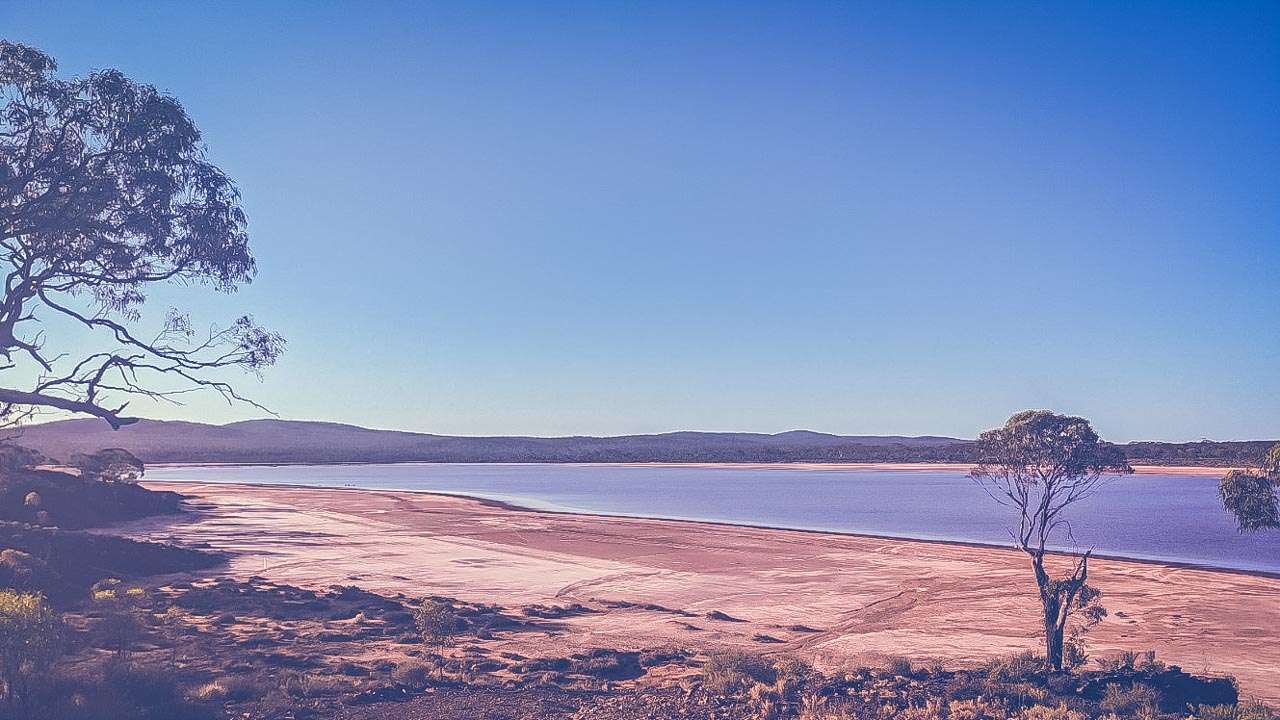
View From Copi Hollow Caravan Park Site

View From Copi Hollow Caravan Park Site

Location and Setting
Copi Hollow Caravan Park is nestled on the banks of Copi Hollow, one of the lakes that form the Menindee Lakes system. The park is approximately 13 kilometres from the town of Menindee and around 110 kilometres from Broken Hill. This location offers stunning views, peaceful surroundings and easy access to water activities.

Accommodation Options
The park offers a variety of accommodation options to suit different preferences and budgets:

  • Powered Sites: Ideal for caravans and campervans, these sites come with electricity and water hookups.
  • Unpowered Sites: Perfect for traditional camping enthusiasts who prefer a more rustic experience.
  • Cabins: Comfortable cabins equipped with basic amenities like beds, kitchenettes and bathrooms for a cosy stay.

Facilities and Amenities
To ensure a comfortable and enjoyable stay, Copi Hollow Caravan Park provides several facilities and amenities:

  • Modern Amenities Block: Clean and well-maintained showers and toilets.
  • Camp Kitchen: Equipped with BBQs, picnic tables and cooking facilities for preparing meals.
  • Laundry Facilities: Available for guests to keep their clothes clean during their stay.
  • On-Site Store: A small shop offering essential supplies and snacks.

Activities and Attractions
Copi Hollow Caravan Park offers numerous activities and attractions to keep visitors entertained:

  • Water Sports: The lake is perfect for swimming, kayaking and water skiing.
  • Fishing: The lake is well-stocked with fish, making it a great spot for fishing enthusiasts.
  • Bird Watching: The area is home to a variety of bird species, ideal for bird watchers.
  • Walking and Cycling: Explore the scenic surroundings on foot or by bike.
  • Relaxing by the Lake: Enjoy the peaceful ambiance and beautiful views while relaxing by the water.

Nearby Attractions
While Copi Hollow Caravan Park offers plenty to do on-site, there are also several nearby attractions worth exploring:

  • Menindee Lakes: Explore the network of lakes, perfect for boating, fishing and picnicking.
  • Kinchega National Park: A short drive away, this park offers diverse landscapes, historical sites and abundant wildlife.
  • Menindee: The nearby town offers historical sites, local shops and a welcoming community.

Contact Information For Copi Hollow Caravan Park
Address
: Steve Hutton Drive, Menindee NSW, Australia, Menindee 2879
Phone: (08) 8091 4880
Website: http://www.bhsbc.com.au
Email: admin@bhsbc.com.au

Why Visit A Menindee Caravan Park?

  • Natural Beauty: Menindee is known for its beautiful lakes, river systems and unique outback landscapes. The Menindee Lakes system is particularly stunning at sunrise and sunset.
  • Historical Significance: The area is rich in history, including the Burke and Wills expedition and indigenous heritage.
  • Outdoor Activities: From fishing and boating to bushwalking and bird watching, there’s no shortage of outdoor adventures.
  • Peaceful Retreat: Away from the hustle and bustle, Menindee offers a serene escape with plenty of open space and fresh air.

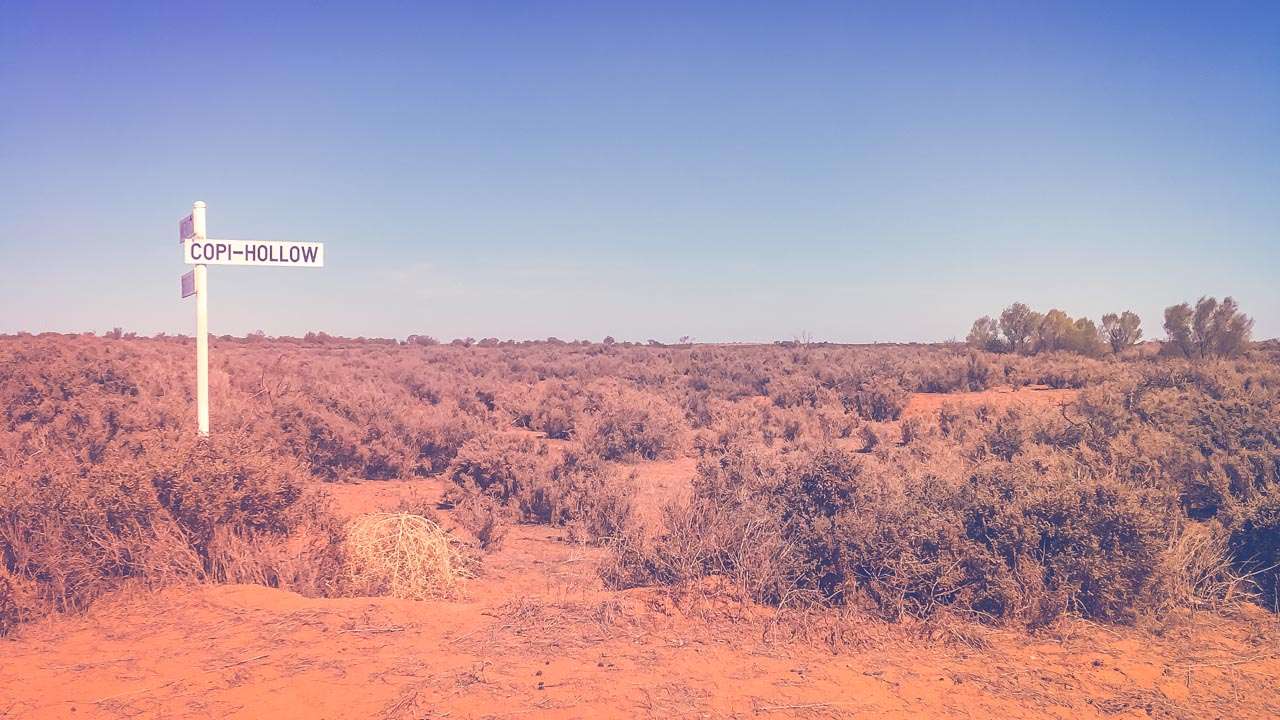
Back Way To Copi Hollow

Back Way To Copi Hollow

Travel Tips for Menindee

  • Best Time to Visit: Cooler months from April to September are ideal.
  • What to Pack: Sun protection, insect repellent, water and supplies if you plan on camping in more remote areas.
  • Booking: It’s a good idea to book in advance, especially during peak travel seasons.

Conclusion

Menindee caravan parks provide a gateway to the natural and historical wonders of the Australian outback. Whether you’re seeking adventure or relaxation, the caravan parks in Menindee, NSW, offer a perfect base for exploring this unique and beautiful region. Pack your bags, hit the road and discover the excitement of Menindee for yourself!

Cameron Corner Survey Marker: Where Three States Meet

Cameron Corner Survey Marker: Where Three States Meet

Cameron Corner Survey Marker: Where Three States Meet

Learn about the Cameron Corner Survey Marker, its history and role in defining three borders plus how and why you really need to go there. Located at the intersection of three Australian states – Queensland, New South Wales and South Australia – Cameron Corner is a destination like no other. This remote spot offers a unique experience for adventurers looking to explore Australia’s outback.

What Is Cameron Corner?

Cameron Corner marks the point where the borders of Queensland, New South Wales and South Australia meet. It’s named after John Brewer Cameron who surveyed the border in the late 19th century. So in a way you could say that Cameron Corner is really Camerons Corner. Do you see what I did there? It’s a place of historical significance and a popular stop for adventurers and outback enthusiasts.

Getting There

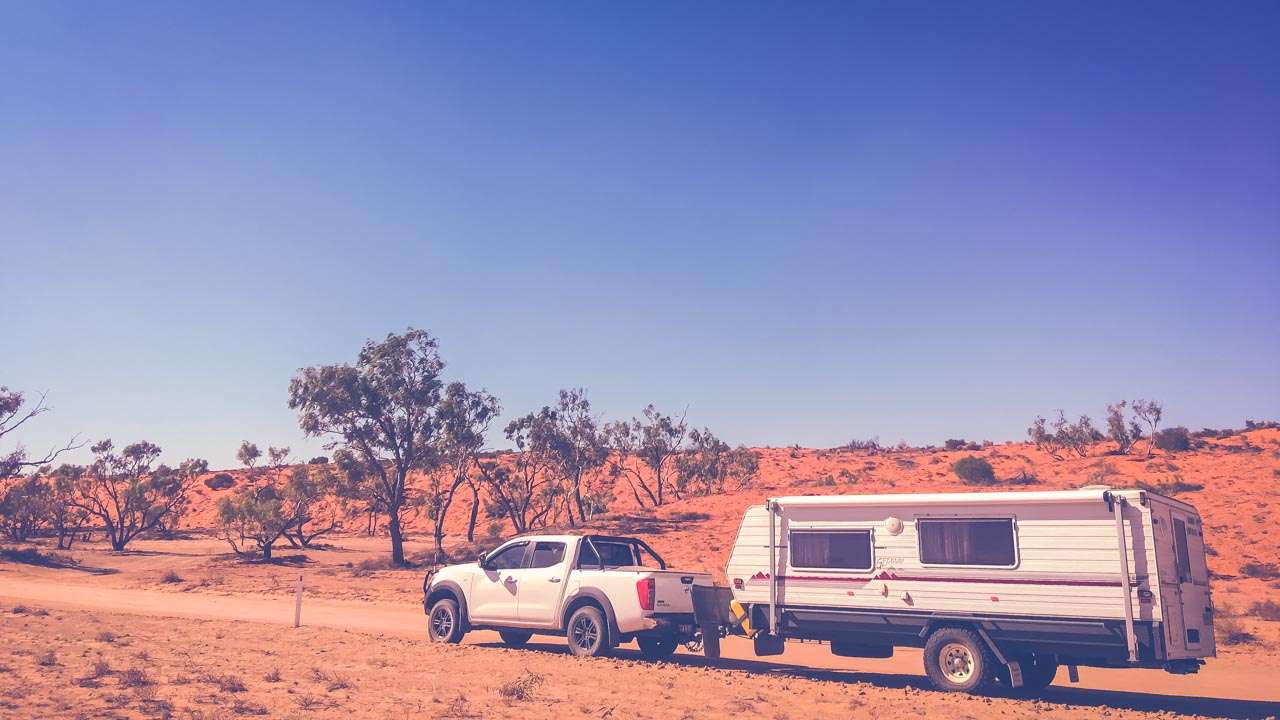
Reaching Camerons Corner is part of the adventure. Most travellers set out from towns like Tibooburra in New South Wales or Thargomindah in Queensland. The journey involves driving on unsealed roads so it’s essential to have a suitable vehicle usually a 4WD and to check road conditions before you go.

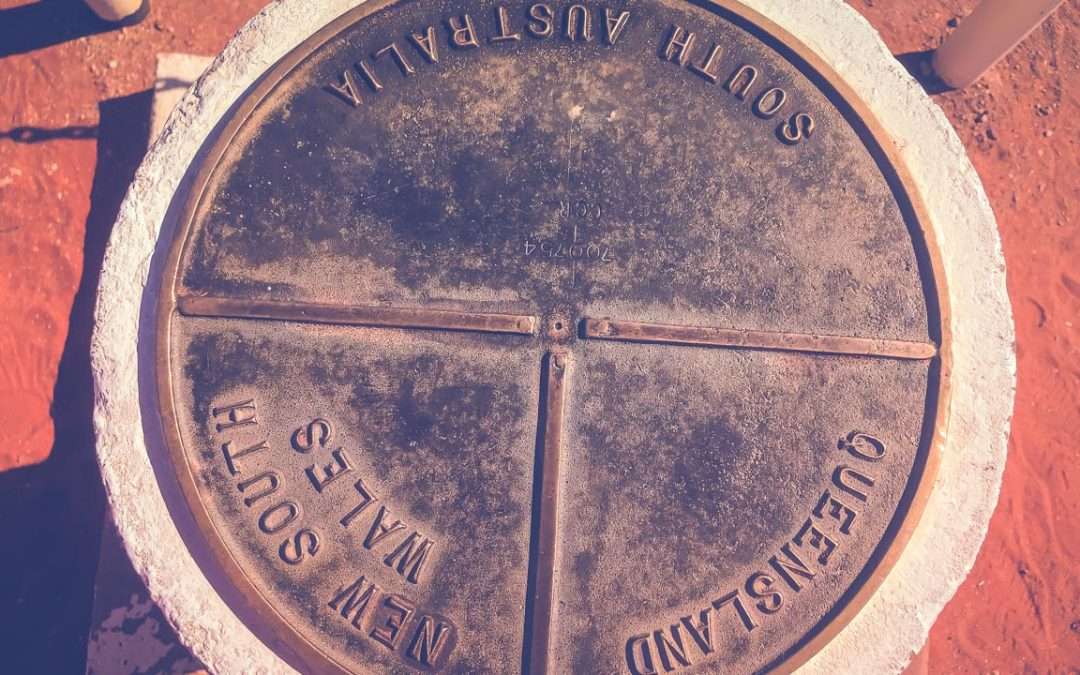
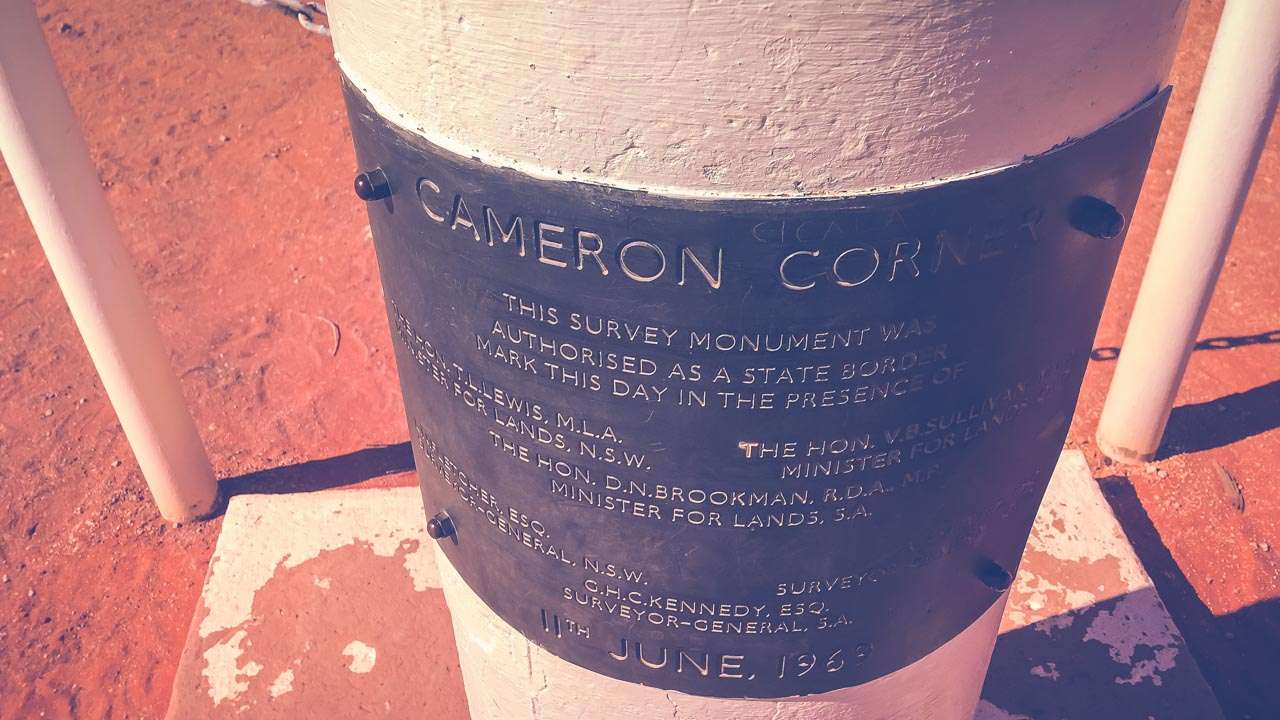
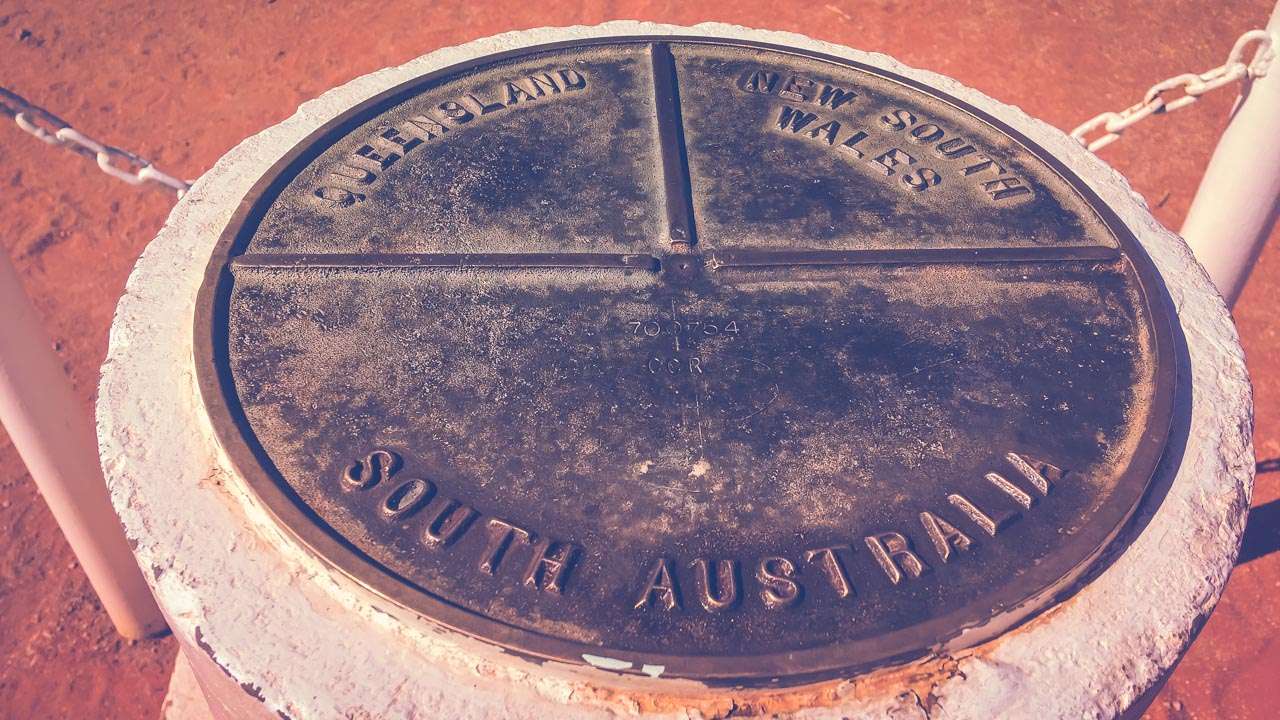
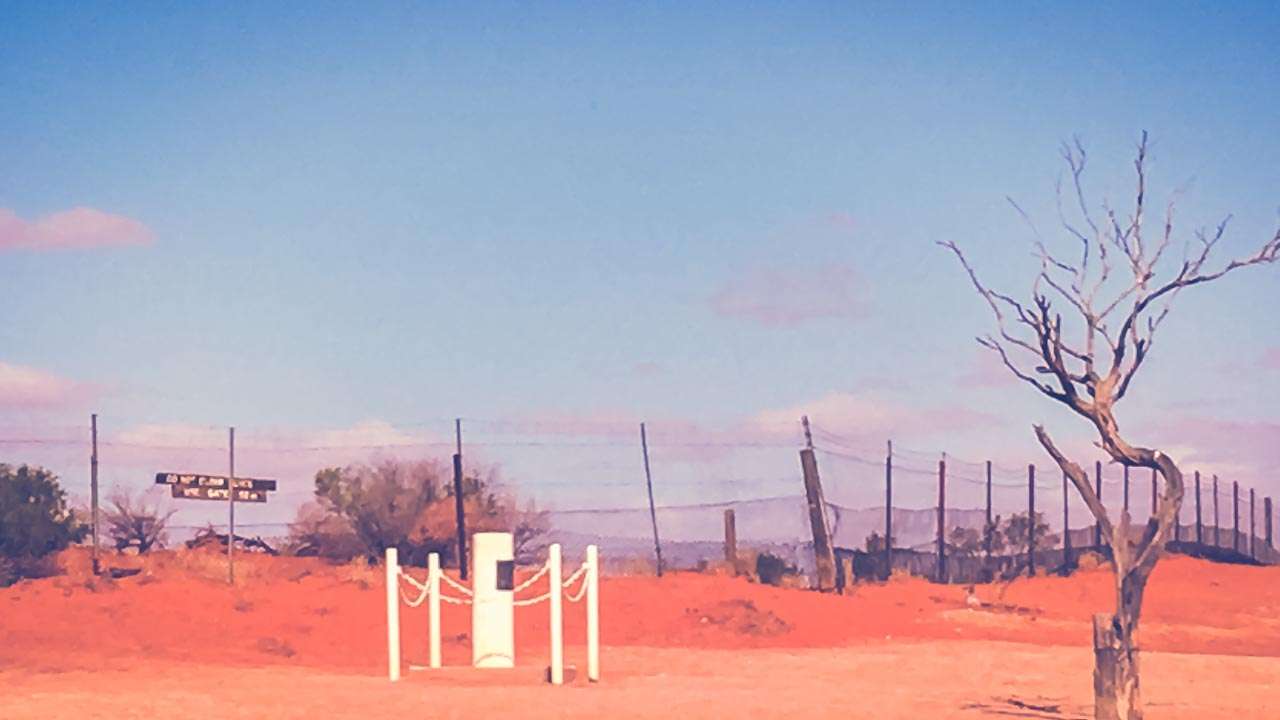
Three State Survey Marker

Three State Survey Marker

What to See and Do

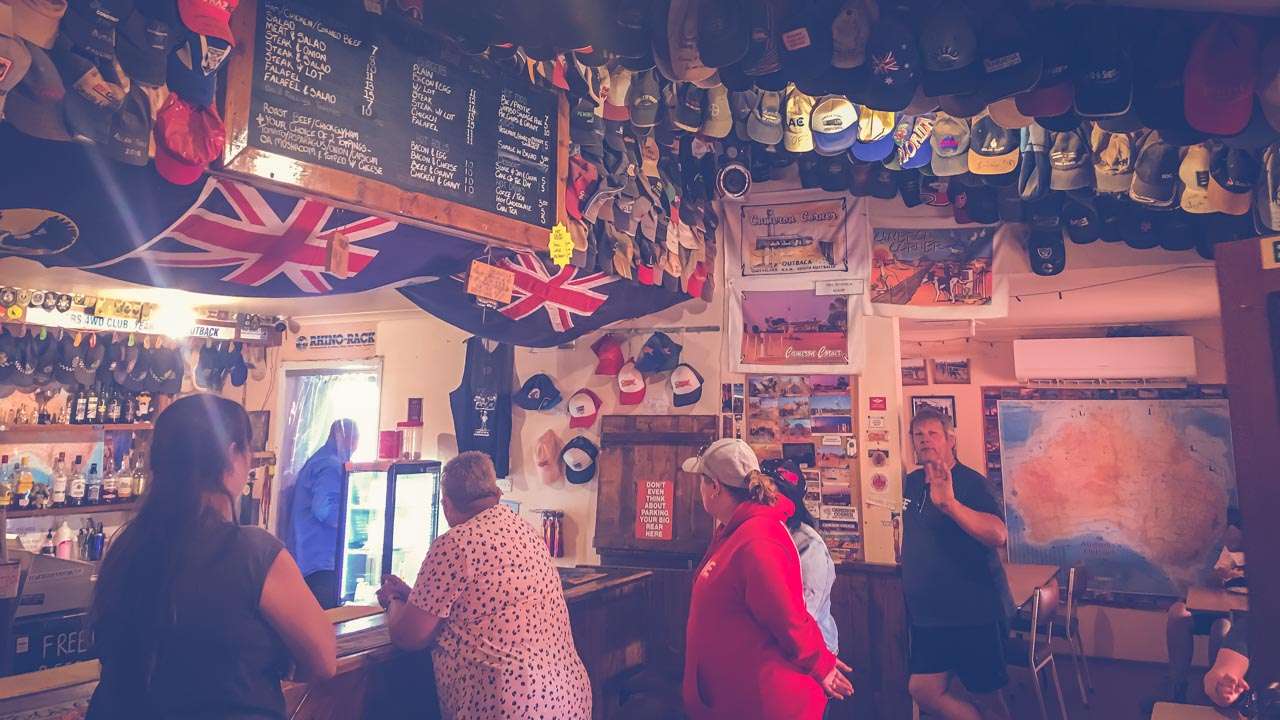
  1. Cameron Corner Store: This iconic establishment is the heart of corner country. It’s not just a store but also a pub, fuel stop and a place to meet fellow travellers. Enjoy a cold drink, grab some supplies and chat with the owners about their unique stories.
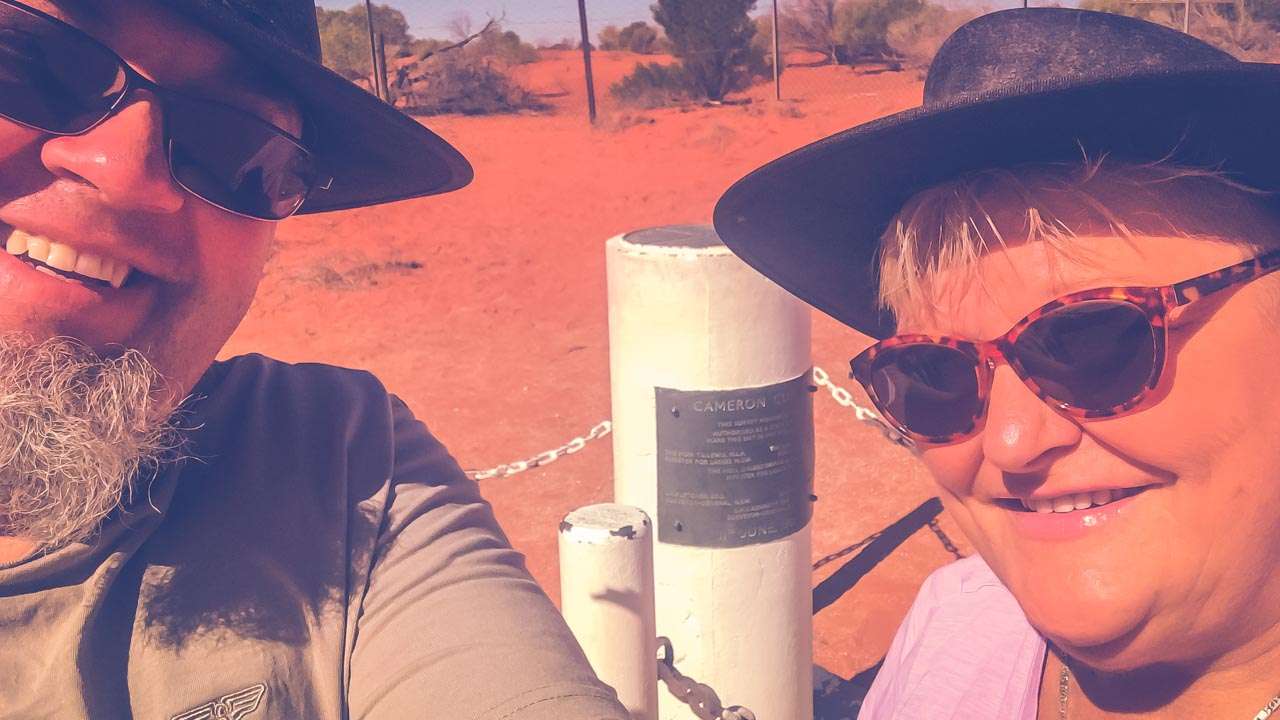
  2. Three States Marker: Take a photo at the famous marker where you can stand in Queensland, New South Wales and South Australia simultaneously. The Cameron Corner survey marker is a must do for anyone visiting Cameron Corner. To be honest it’s 100% the main reason why you’d visit!
  3. Sturt National Park: Sturt National Park is situated in far north west New South Wales. Sturt National Park has awesomely stunning landscapes including vast red sand plains, rocky outcrops and unique flora and fauna. Enjoy bushwalking, birdwatching and the incredible outback scenery.
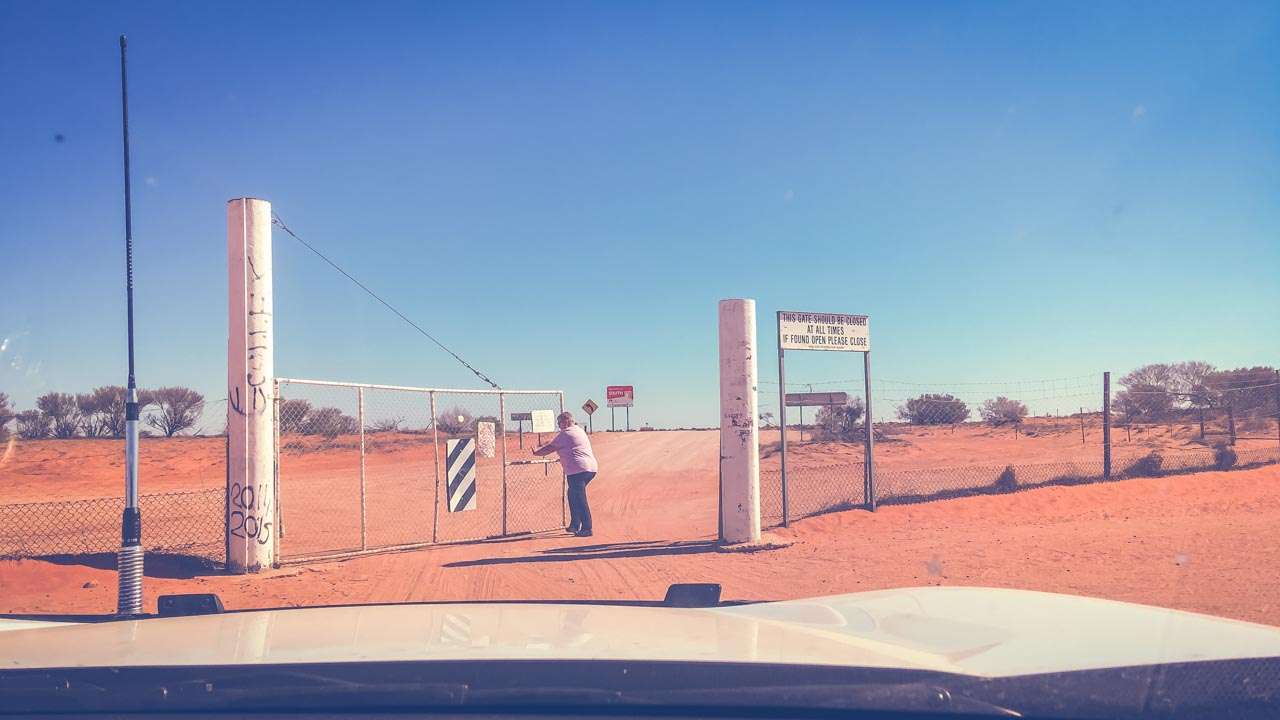
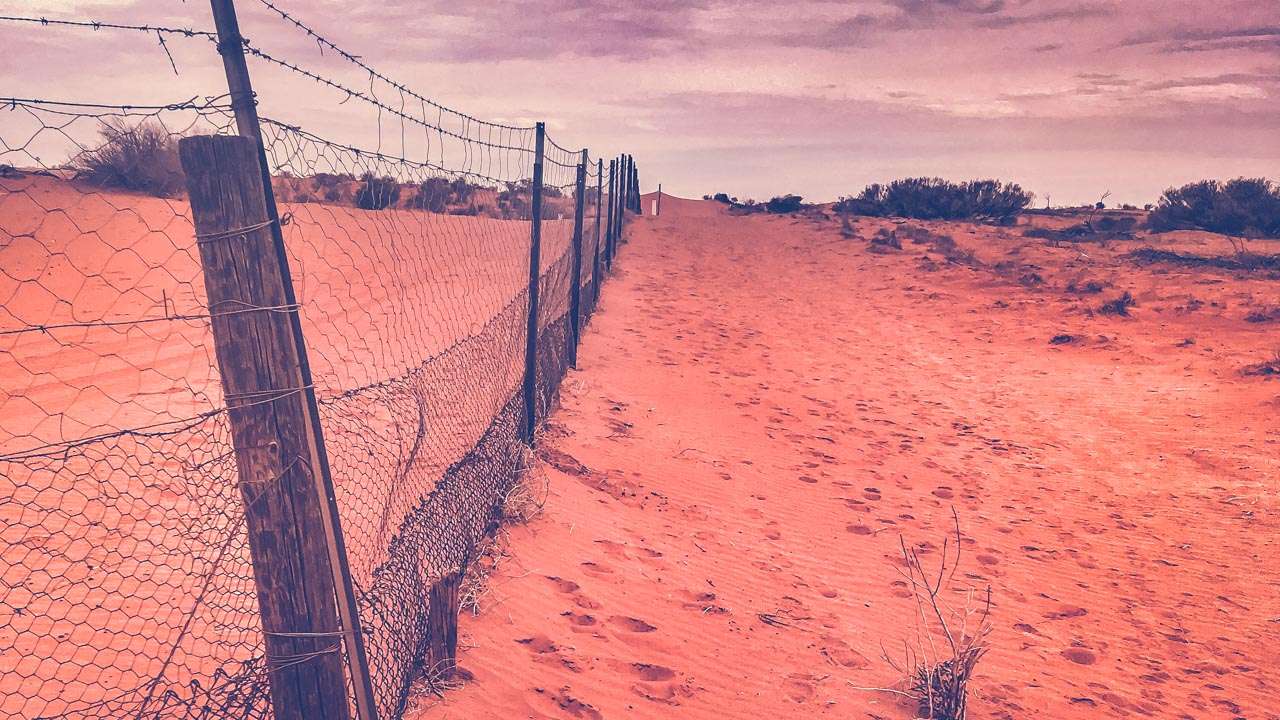
  4. The Dingo Fence: Cameron Corner is home to a section of the world’s longest fence, built to keep dingoes out of the fertile southeast. Learn about its history and significance while taking in the sheer scale of this impressive structure.

Camping at Cameron Corner

Camping at Cameron Corner is a proper outback experience. The Cameron Corner Store has basic camping facilities, including toilets and showers. Camerons Corner is a great spot to set up camp and enjoy the vast night skies and the peace and quiet that comes from being in the outback.

Camping Tips
It’s always a good idea to be prepared when setting up camp particularly when you are a long way from civilisation. Below are some tips for getting the most out of your camping trip.

  • Bring Supplies: The store has basic supplies, but it’s a good idea to bring enough food, water and fuel for your journey.
  • Check Conditions: Weather and road conditions can change rapidly. As with any outback destination particularly where dirt roads are involved you absolutely have to check conditions before heading off. The TJ’s Roadhouse (08) 8091 3477 at Tibooburra as well as the Cameron Corner store (08) 8091 3872 are both the best sources of information.
  • Respect the Environment: Take all rubbish with you and respect the natural surroundings.

Best Time to Visit
The best time to visit Cameron Corner is during the cooler months, from April to September. Summer temperatures are just about always extremely high and this makes travel and outdoor activities challenging.

Why Visit Cameron Corner?
Visiting Camerons Corner is about more than just reaching a geographical point. It’s about getting there by traversing through some of Australia’s more remote and rugged landscapes. It’s about the sense of adventure you need to get there. It’s about history. Whether you’re standing at the Cameron Corner survey marker, having a look through Sturt National Park or simply enjoying a drink at the Camerons Corner Store. This destination offers an unforgettable outback experience.

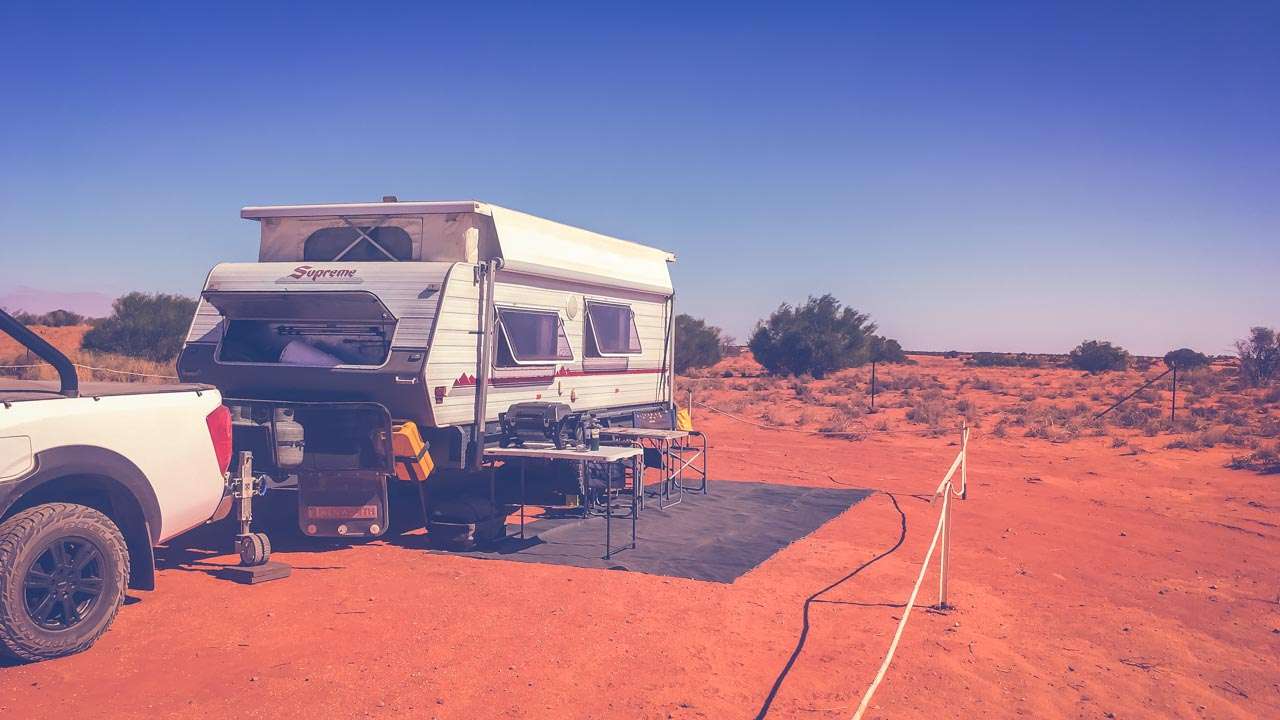
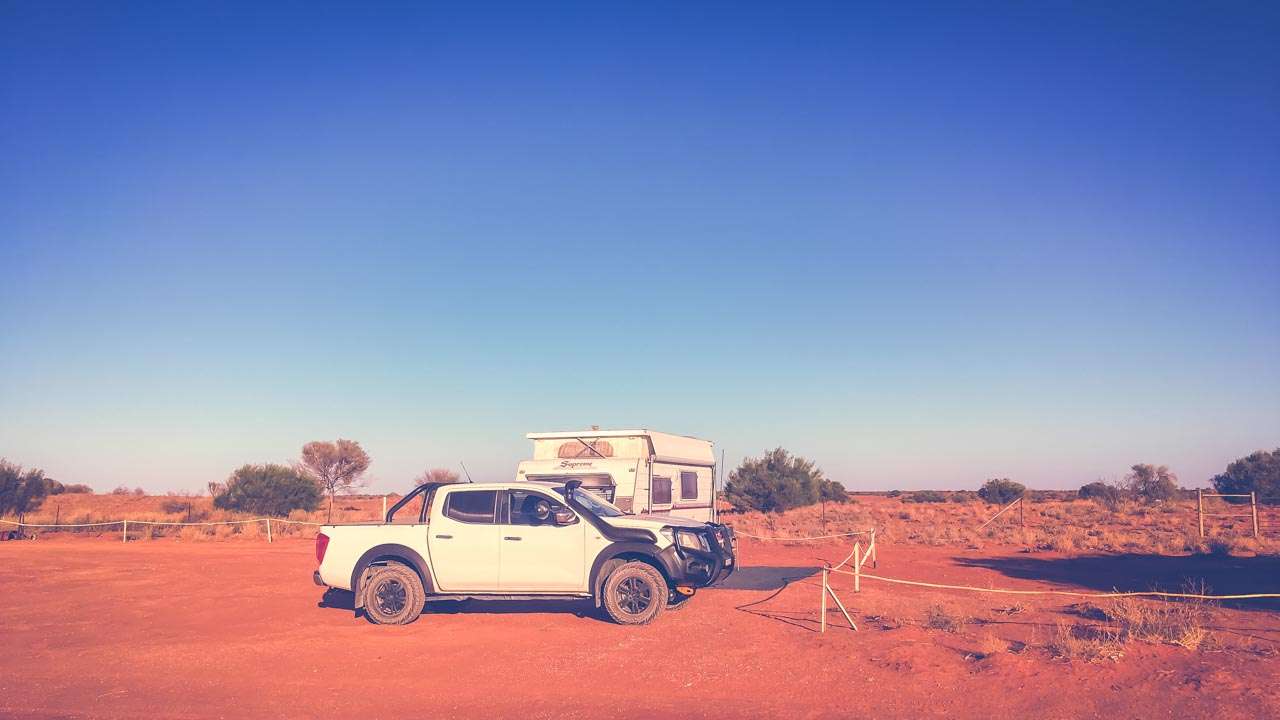
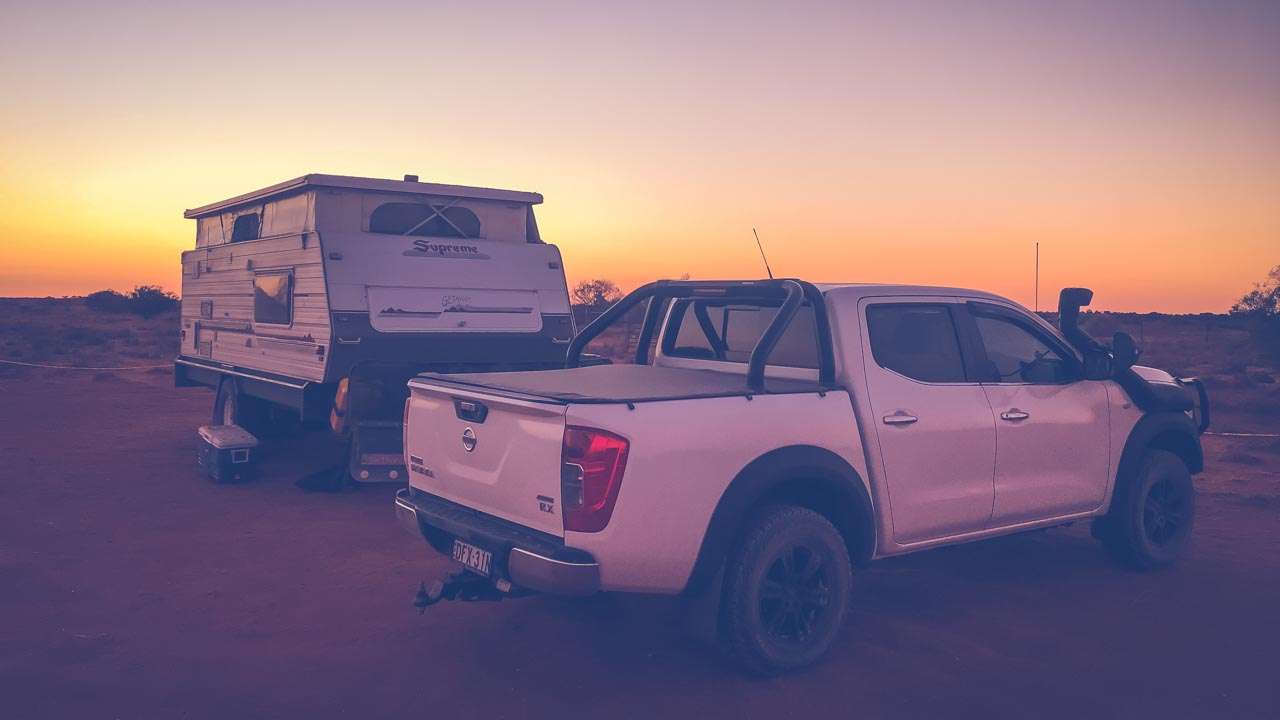
Supreme Getaway Caravan Camping At Cameron Corner

Supreme Getaway Caravan Camping At Cameron Corner

The Cameron Corner Survey Marker

Cameron Corner, where the borders of Queensland, New South Wales and South Australia meet, is a significant historical site marked by survey markers. These markers have a fascinating history linked with both the exploration and the mapping of Australia’s vast outback.

The Origins of Cameron Corner
Cameron Corner is named after John Brewer Cameron, a surveyor tasked with marking the border between Queensland and New South Wales in the late 19th century. Cameron’s work was important in defining the state boundaries that we recognise today.

The Survey Mission
In 1880, John Brewer Cameron embarked on the challenging task of surveying the 29th parallel of south latitude. Over two years Cameron and his team covered about 650 kilometres. Setting posts and markers along the way. This mammoth task required immense precision and determination as they worked their way through the remote and harsh terrain.

The Importance of Survey Markers
Survey markers play a substantial role in mapping and land management. At Camerons Corner these markers denote the precise meeting point of three states. The main marker, often photographed by visitors, symbolises the completion of a significant surveying feat.

Challenges Faced
Cameron and his team faced many and varied challenges. Including extreme weather, tough sandy desert terrain and limited supplies. Such perseverance under these conditions is a testament to their skill and dedication to accurately mapping our borders.

The Legacy Of The Survey
The work of John Brewer Cameron and his team laid the foundation for future surveys and mapping efforts. Their accuracy and detailed records continue to serve as a reference for modern mapping and land management.

Visiting Cameron Corner
These days the Cameron Corner survey marker is a popular destination for sightseers exploring Australia’s outback. These days the Cameron Corner survey marker is a popular destination for sightseers exploring Australia’s outback. You can stand at the tri-state marker while you think on the history and significance of the survey. The Cameron Corner Store endeavours to provide a glimpse into the area’s unique culture and history providing a perfect stop for adventurers.

The Cameron Corner Survey Marker Itself

The original survey marker at Cameron Corner is a simple post but its significance is far reaching. It acts as the intersection of three vast regions and commemorates the meticulous work of our early surveyors. Nowadays a more substantial concrete marker has replaced the original ensuring its preservation and continued recognition.

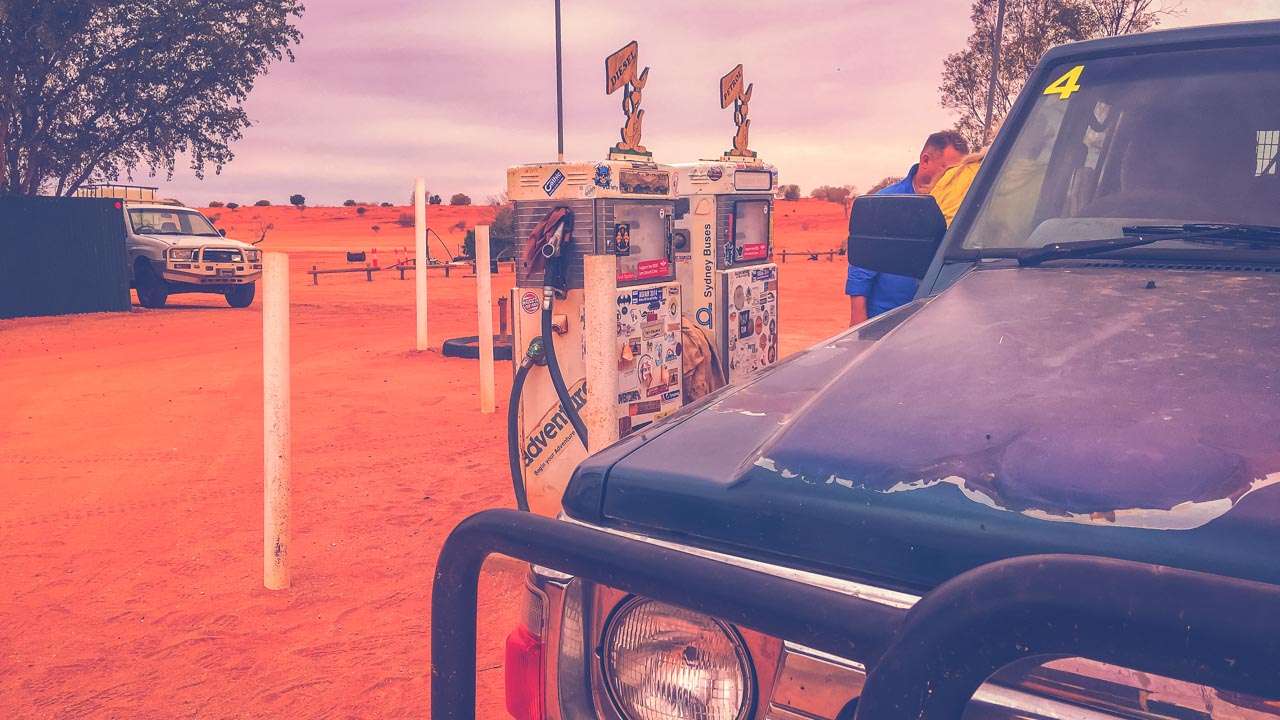
Perhaps The Most Famous Fuel Bowsers In Australia

Perhaps The Most Famous Fuel Bowsers In Australia

Conclusion

The history of the Cameron Corner survey marker is a story of exploration, determination and precision. John Brewer Cameron’s work in the late 19th century continues to impact land management and mapping in Australia. Checking out Cameron Corner and the surrounding areas offers a unique opportunity to connect with this important piece of Australian history.

So whether you’re a history enthusiast or just an adventurous traveller looking to go and see something different Cameron Corner is a destination that offers both insight and inspiration. Standing at the Cameron Corner survey marker you can appreciate the hard work and dedication that went into defining Australia’s borders. Plan your trip, pack your essentials and set out on an adventure to Cameron Corner – a true crossroads of Australia where history, nature and the spirit of exploration meet.

Cameron Corner Survey Marker Photo Gallery

Uluru Caravan Park (Ayers Rock Campground Yulara)

Uluru Caravan Park (Ayers Rock Campground Yulara)

Uluru Caravan Park (Ayers Rock Campground Yulara)

Uluru Caravan Park (Ayers Rock Campground Yulara) is a comfortable base for exploring Uluru & Kata Tjuta. Modern amenities in the heart of Australia’s outback. When planning a trip to Uluru, one of Australia’s most iconic landmarks finding the perfect place to stay is essential.

For those who enjoy the great outdoors with their caravan the Uluru Caravan Park (Ayers Rock Campground) is a ripper of a choice. This blog post provides you with the information you need about the Uluru Caravan Park (Ayers Rock Campground) ensuring a comfortable and memorable stay.

Location And Accessibility

The Uluru Caravan Park (Ayers Rock Campground) is located in the heart of the Red Centre within the Ayers Rock Resort complex. This prime location provides easy access to Uluru (Ayers Rock) and Kata Tjuta (the Olgas) making it a convenient base for your adventures. The park is just a short drive from Ayers Rock Airport with daily flights from major Australian cities.

Only 20km from Uluru Caravan Park (Ayers Rock Campground) makes the best base for experiencing the beauty of Uluru. Stay in an air-conditioned cabin or hook up your caravan, campervan, motor home, or camper trailer at one of the powered campsites. Or if you prefer camp in your tent under the shade of native desert oaks and sleep under the stars. The camping ground also provides a range of services and facilities including a swimming pool, BBQ facilities and outdoor kitchen and self-service laundry facilities.

Hop on the complimentary shuttle bus for access to the Resort’s restaurants and bars, shops, a well-stocked IGA supermarket, petrol station, Tour & Information Centre and art galleries. Participate in a range of free daily activities including guided garden walks and Indigenous bush yarns.

In The Caravan Park At Uluru Ayers Rock Campground Yulara

In The Caravan Park At Uluru Ayers Rock Campground Yulara

Uluru Caravan Park Phone Contact For Bookings

To speak directly with one of their reservations specialists please call them on 1300 134 044.

Accommodation Options

The Uluru Caravan Park (Ayers Rock Campground) offers a range of accommodation options to suit different needs and budgets:

  1. Powered Sites: These sites are perfect for caravans, motorhomes and camper trailers. They come with electricity, water and access to all the park’s facilities.
  2. Unpowered Sites: Ideal for those who prefer a more rustic camping experience. These sites still offer access to the park’s amenities.
  3. Cabins and Lodges: For those who prefer a bit more comfort, the park offers cabins and lodges equipped with beds, kitchens and private bathrooms.

Facilities and Amenities

The Uluru Caravan Park (Ayers Rock Campground) is well-equipped with a variety of facilities to ensure a comfortable stay:

  • Camp Kitchens: Fully equipped kitchens where you can prepare your meals.
  • BBQ Areas: Perfect for outdoor cooking and socializing.
  • Laundry Facilities: They have coin operated washing machines and dryers.
  • Swimming Pool: A great place to cool off after a day of exploring.
  • Playground: For families traveling with children, the playground is a hit.
  • Wi-Fi: Stay connected with free Wi-Fi available throughout the park.

Things to Do

Staying at the Uluru Caravan Park (Ayers Rock Campground) puts you in the perfect position to explore the natural wonders of the area. Here are some must-do activities:

  1. Uluru Sunrise and Sunset: Witnessing the changing colours of Uluru at sunrise and sunset is a magical experience. There are designated viewing areas where you can capture the perfect photo.
  2. Base Walk: The base walk is a 10.6 kilometre walk around the base of Uluru. It lets you get a close-up view of the rock and its unique features. It’s an easy walk, suitable for all fitness levels.
  3. Kata Tjuta: Also known as the Olgas this group of large, domed rock formations is a short drive from Uluru. The Valley of the Winds walk is a popular hike that offers stunning views.
  4. Cultural Centre: Learn about the Anangu people, the traditional owners of Uluru and their rich culture and history. The centre offers exhibits, workshops and guided tours.
  5. Field of Light: This art installation by Bruce Munro features over 50,000 solar-powered lights, creating a mesmerizing display in the desert night.

At Uluru Caravan Park

At Uluru Caravan Park


Tips For a Great Stay

  1. Book in Advance: The Uluru Caravan Park (Ayers Rock Campground) is a popular destination, especially during peak seasons. Make sure to book your site or accommodation well in advance.
  2. Pack Accordingly: The weather in the Red Centre can be extreme. Bring appropriate clothing for both hot days and cool nights and don’t forget sun protection.
  3. Respect the Culture: Uluru is a sacred site to the Anangu people. Be mindful of cultural sensitivities and follow all guidelines provided by the park and the cultural centre.

Conclusion

The Uluru Caravan Park (Ayers Rock Campground) is an excellent choice for travellers looking to experience the beauty and culture of the Red Centre while enjoying the comforts of modern amenities. With its convenient location, range of accommodation options and excellent facilities it really is the ideal base from which to launch your Uluru adventure.

Note: No takeaway alcohol of any kind is available for purchase at the Resort.

Uluru Weather Including Month By Month Statistics

Uluru Weather Including Month By Month Statistics

Uluru Weather Including Month By Month Statistics

Understand the Uluru Weather with this comprehensive guide including month by month statistics. Find out what to expect each season and plan your trip knowing full well what to expect. Planning a trip to Uluru also known as Ayers Rock is an exciting adventure.

When planning a trip it’s important that you understand the weather conditions you might encounter. Uluru’s weather can significantly impact your experience, so being well-prepared is key. This guide provides an overview of Uluru’s climate, including seasonal variations and what to expect during your visit.

Overview of Uluru Weather (Climate)

Uluru, located in the heart of Australia’s Northern Territory, experiences a semi-arid climate. This means that the area has hot summers, mild winters and minimal rainfall. Understanding the weather patterns throughout the year will help you choose the best time to visit and pack accordingly.

Summer (December to February)

Summer in Uluru is scorching hot, with temperatures often exceeding 40°C (104°F). The days are long and dry and the sun is intense. Here’s what you need to know:

  • Average Temperature: 25°C to 40°C (77°F to 104°F)
  • Rainfall: Uluru weather in summer is the wettest season but rainfall is still relatively low only averaging around 40mm per month.
  • Daylight: Up to 14 hours of daylight, perfect for exploring early in the morning or late in the evening.

Tips for Visiting in Summer:

  1. Stay Hydrated: Carry loads of water and drink frequently.
  2. Sun Protection: Wear a wide-brimmed hat, sunglasses and sunscreen.
  3. Timing: Plan activities for early morning or late afternoon to avoid the midday heat.
  4. Light Clothing: Wear lightweight, breathable clothing to stay cool.

Perfect Uluru Weather

Perfect Uluru Weather

Autumn (March to May)

Autumn brings more comfortable temperatures to Uluru. It’s a great time to visit as the weather is milder and the crowds are fewer compared to the peak tourist season.

  • Average Temperature: 15°C to 30°C (59°F to 86°F)
  • Rainfall: Around 20-30mm per month, with the occasional thunderstorm.
  • Daylight: Around 12 hours of daylight, providing ample time for sightseeing.

Tips for Visiting in Autumn:

  1. Layer Up: Mornings and evenings can be cool, so bring layers.
  2. Exploration: This is a perfect time for long walks and hikes around Uluru.
  3. Photography: The softer light during autumn is ideal for capturing stunning photos of Uluru.

Winter (June to August)

Winter in Uluru is mild and pleasant making it one of the most popular times to visit. The cooler temperatures are better suited to outdoor activities.

  • Average Temperature: 5°C to 20°C (41°F to 68°F)
  • Rainfall: Minimal, with an average of 10-20mm per month.
  • Daylight: Around 10-11 hours of daylight.

Tips for Visiting in Winter:

  1. Warm Clothing: Mornings and evenings can be quite chilly, so pack warm clothing.
  2. Active Days: Enjoy long hikes and explore the area comfortably.
  3. Stargazing: Clear winter skies are perfect for stargazing at Uluru.

Typical Uluru Weather Over The Olgas

Typical Uluru Weather Over The Olgas

Spring (September to November)

Spring sees a gradual increase in temperatures, with blooming wildflowers adding colour to the landscape. It’s a beautiful time to visit Uluru. Uluru weather in spring is almost guaranteed to be perfect.

  • Average Temperature: 15°C to 30°C (59°F to 86°F)
  • Rainfall: Around 20-30mm per month, similar to autumn.
  • Daylight: Around 12-13 hours of daylight.

Tips for Visiting in Spring:

  1. Wildflowers: Take time to enjoy the blooming wildflowers in the region.
  2. Comfortable Clothing: Dress in layers to adjust to varying temperatures throughout the day.
  3. Nature Walks: Uluru weather in spring is ideal for nature walks and exploring the diverse flora and fauna.

Statistics and Weather Averages

Here’s a quick overview of the average temperatures and rainfall at Uluru throughout the year. If you are looking for always up to date Uluru weather statistics then the BOM has just the page for you!

Month Average High (°C) Average Low (°C) Rainfall (mm)
January 38 22 40
February 37 21 40
March 34 19 30
April 29 14 20
May 24 9 20
June 20 5 10
July 20 4 10
August 23 7 10
September 28 12 20
October 32 16 30
November 35 19 30
December 37 21 40

Final Tips for Your Trip to Uluru

  1. Stay Informed: Check the Uluru weather forecast before your trip and during your stay.
  2. Pack Accordingly: Bring clothing suitable for the season along with essentials like sunscreen, hats and water bottles.
  3. Stay Safe: Follow park guidelines, especially regarding heat and hydration.
  4. Enjoy the Experience: Uluru is a magnificent destination with rich cultural and natural significance. Take the time to fully immerse yourself in its beauty.

Conclusion

Planning a trip to Uluru with an understanding of its weather patterns will ensure a safe and enjoyable experience. Whether you’re hiking around the base watching the sunrise or stargazing, being prepared will help you make the most of your visit to this iconic Australian landmark.

The Dig Tree Location And Camping

The Dig Tree Location And Camping

The Dig Tree Location And Camping

Learn about the Dig Tree location and its historical significance and plan your camping trip. Find out about activities and travel tips. The Dig Tree is not just a tree it is a living monument to one of the most gripping stories of survival and exploration in Australian history.

Located on the banks of Cooper Creek in Queensland, this tree stands as a silent witness to the legendary Burke and Wills expedition of the early 1860s. For those who love history and adventure, camping at the Dig Tree offers a unique opportunity to step back in time and immerse yourself in the tale of these brave explorers.

The Dig Tree Location Geographical Information

Where is the Dig Tree?

The Dig Tree is situated in the Bulloo Shire in southwestern Queensland, Australia. It is approximately 330 kilometres from Thargomindah, the closest town with basic amenities. The coordinates for the Dig Tree are approximately 27°37′43″S 141°04′31″E, placing it in a remote and rugged part of the Australian outback.

Dig Tree Carving

Dig Tree Carving

How to Get There

  • By Car: The journey to the Dig Tree is best undertaken with a 4WD vehicle due to the unsealed and sometimes challenging road conditions. From Thargomindah, follow the signs toward the Dig Tree, ensuring your vehicle is well-prepared for off-road travel.
  • By Air: The nearest airstrip is at Innamincka in South Australia. From there, you can drive to the Dig Tree site, which is approximately 60 kilometres away.

Best Time to Visit
The most favourable time to visit the Dig Tree is during the cooler months, from April to September. During these months, the temperatures are milder, making it more comfortable for travel and camping. Avoid the peak summer months when the heat can be extreme.

Historical Context

The Burke and Wills Expedition

The Burke and Wills expedition, officially known as the Victorian Exploring Expedition, set out from Melbourne in 1860 with the ambitious goal of crossing Australia from south to north. Led by Robert O’Hara Burke and William John Wills, the expedition faced numerous challenges, including harsh terrain, extreme weather and logistical difficulties.

The Story Behind the Dig Tree
The Dig Tree gained its name from the instructions carved into its bark by William Brahe, a member of the expedition who left supplies for Burke and Wills. The carving included the word “DIG,” indicating where supplies were buried. Tragically, when Burke and Wills returned to the Dig Tree, they found it deserted and had missed Brahe’s departure by only a few hours, leading to their eventual demise.

Cooper Creek Dig Tree Location

Cooper Creek Dig Tree Location

Camping at the Dig Tree

Camping Facilities

Camping at the Dig Tree offers a unique and immersive way to experience this historic site. There are designated camping areas near the Dig Tree with basic facilities, including:

  • Toilets: Basic but clean facilities.
  • BBQ Areas: Designated spots for cooking.
  • Shade: Some shaded areas to set up camp.

What to Pack

  • Water and Food Supplies: There are no stores nearby, so bring sufficient supplies for your stay.
  • Camping Gear: Tent, sleeping bags and other essentials.
  • Sun Protection: Sunscreen, hats and sunglasses.
  • Navigation Tools: GPS or detailed maps.
  • First-Aid Kit: Essential for any remote travel.

Things to Do While Camped at the Dig Tree

Explore the Historical Site

  • The Dig Tree: Start by visiting the tree itself. Examine the carvings and learn about their significance.
  • Interpretive Signs: Read the signs around the site to gain more insights into the expedition’s history.
  • Burke’s Memorial: A short walk from the Dig Tree, this memorial honours the expedition leader.

Nature Walks and Wildlife Watching

  • Cooper Creek: Go for a walk along the banks of Cooper Creek. The area is rich in birdlife and other native wildlife.
  • Wildlife Watching: Look out for kangaroos, emus and various bird species. Early morning and late afternoon are the best times for wildlife spotting.

MARS Enthusiasts Muster At The Dig Tree

MARS Enthusiasts Muster At The Dig Tree

Photography

  • Historical Landmarks: Capture the essence of the site with photos of the Dig Tree, Burke’s Memorial and the surrounding landscape.
  • Sunsets and Sunrises: The outback skies offer stunning sunrise and sunset views, perfect for photography.

Stargazing

  • Clear Skies: The remote location of the Dig Tree means minimal light pollution, making it an excellent spot for stargazing. Bring a telescope or a pair of binoculars or simply lie back and enjoy the night sky.

Guided Tours

  • Local Guides: Consider joining a guided tour to get a deeper understanding of the site. Local guides offer detailed knowledge and personal anecdotes about the history of the Burke and Wills expedition.

Fishing

  • Cooper Creek: If you enjoy fishing try your luck in Cooper Creek. Make sure to check local regulations and obtain any necessary permits.

Travel Tips

Plan Ahead

  • Research: Do thorough research before your trip. Understand the route, road conditions and weather forecasts.
  • Permits: Check if you need any permits for camping or fishing.
  • Safety First Inform Others: Let someone know your travel plans and expected return date. Safety First
  • Inform Others: Let someone know your travel plans and expected return date.
  • Emergency Kit: Carry a comprehensive emergency kit, including a satellite phone or other means of communication.

Honesty Box Camping At The Dig Tree Location

Honesty Box Camping At The Dig Tree Location

Respect the Site

  • Leave No Trace: Follow the principles of leave no trace. Take all your rubbish with you and respect the natural environment.
  • Respect Cultural Significance: Be mindful of the site’s historical and cultural importance.

On Location Camping At The Dig Tree Cooper Creek

On Location Camping At The Dig Tree Cooper Creek

Conclusion

Camping at the Dig Tree is a unique way to connect with a pivotal moment in Australian history. The remote location combined with the site’s historical significance provides a deep and memorable experience for visitors. Whether you’re a history buff, nature enthusiast or are looking for a unique adventure the Dig Tree offers something for everyone.

Plan your visit carefully, respect the environment and immerse yourself in the story of Burke and Wills. It’s like a journey through time. Camping at the dig tree will not only educate you but also leave you with a deep appreciation for the challenges faced by early explorers. Start planning your trip to the Dig Tree today. Experience the history rugged beauty of this remarkable site. By doing so you’ll be preserving and honouring a significant part of Australia’s heritage. Happy camping!

FAQs Frequently Asked Questions About The Dig Tree Location

What is the Dig Tree?

The Dig Tree is an historically significant site in Australia, marking a critical point in the Burke and Wills expedition.

How do I get to the Dig Tree?

The Dig Tree is accessible by 4WD from Thargomindah or by air to Innamincka, followed by a short drive.

What is the best time to visit the Dig Tree?

The best time to visit is during the cooler months, from April to September.

Are there any guided tours available?

Yes, guided tours are available and provide in-depth historical insights.

What should I pack for a trip to the Dig Tree?

Pack essentials like water, food, sunscreen, comfortable clothing and navigation tools.

Is the Dig Tree site safe for visitors?

Yes, but visitors should take standard precautions for remote travel and wildlife encounters.

What is the historical significance of the Dig Tree?

It marks a crucial point in the Burke and Wills expedition, symbolising their struggles and the harshness of the Australian outback.

Are there any accommodation options near the Dig Tree?

Yes, there are camping facilities and lodging options in nearby towns like Innamincka.

Can I visit the Dig Tree year-round?

While it is accessible year-round, the best time to visit is during the cooler months.

What should I know about the local wildlife?

Be aware of potential wildlife encounters and take necessary precautions to ensure safety.

Are there any nearby attractions to visit?

Yes, nearby attractions include King's Marker and the Innamincka Regional Reserve, offering additional historical and natural sites to explore.

The Dig Tree location Photo Gallery