Tibooburra Is The Ultimate Outback Destination

Tibooburra Is The Ultimate Outback Destination

Tibooburra Is The Ultimate Outback Destination

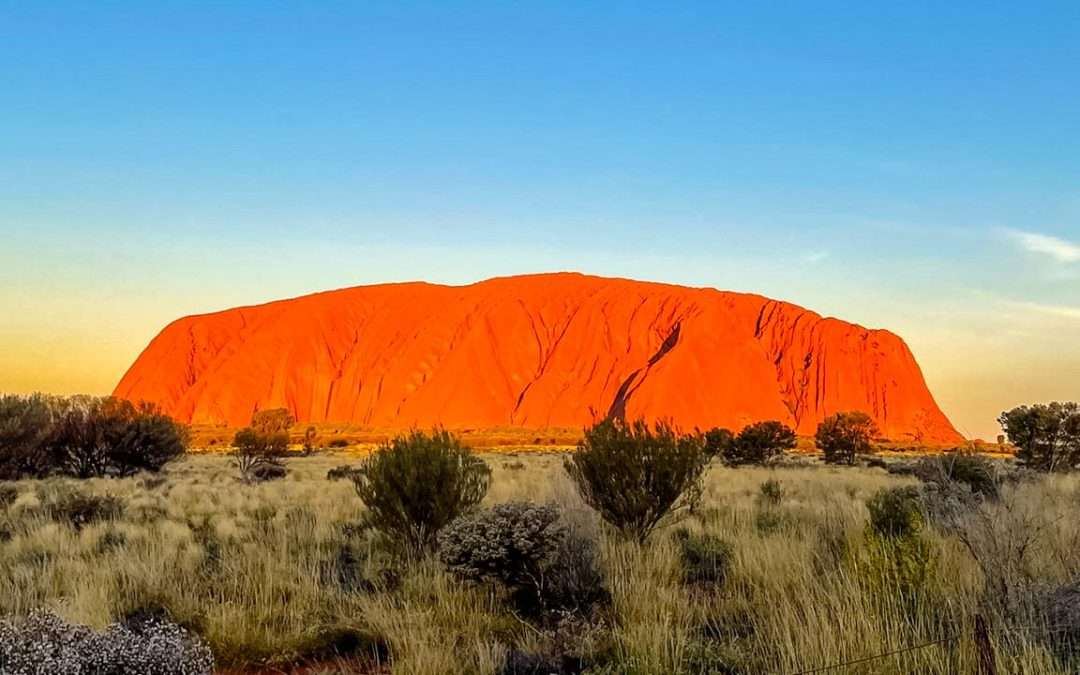
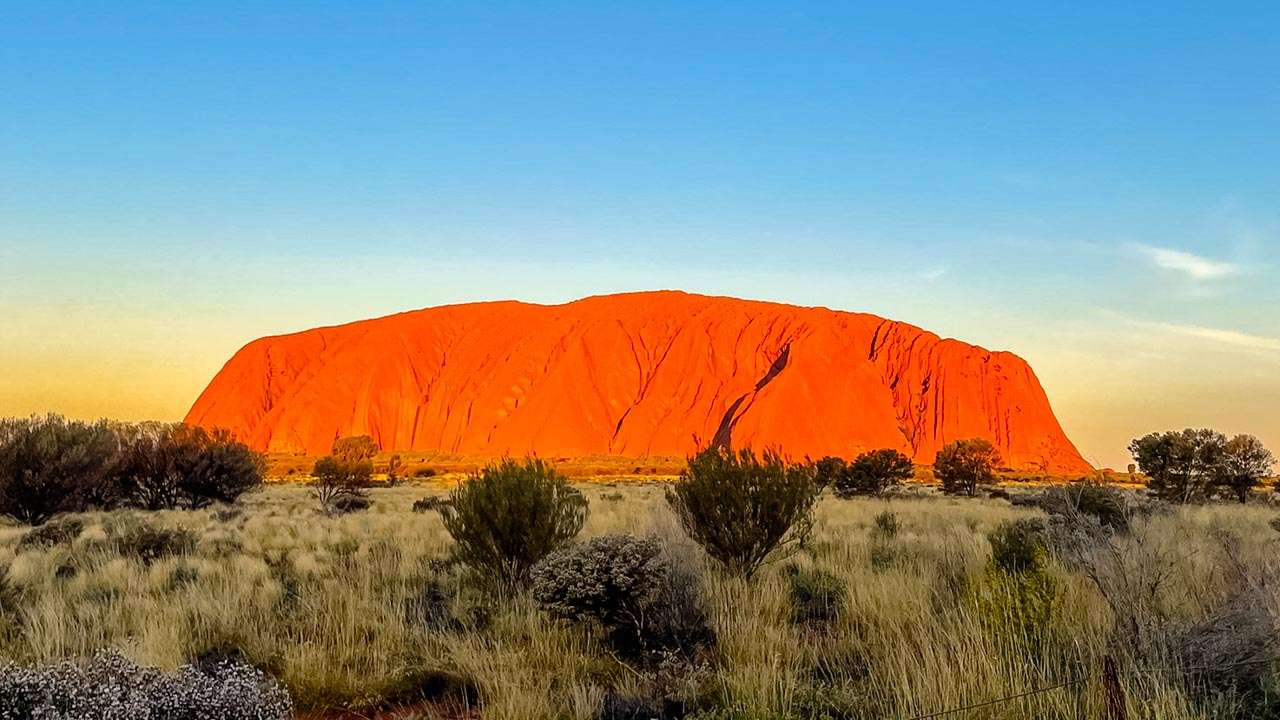
Explore Tibooburra a remote town in Outback NSW known for its rich history and stunning landscapes. Tibooburra accommodation options as well as what to do and how to get there. Tucked away in the remote north-western corner of New South Wales, Tibooburra is a hidden gem waiting to be discovered.

Known as the gateway to the Corner Country this small outback town offers a unique blend of history, culture and natural beauty. Whether you’re an adventurer seeking rugged landscapes or a history buff interested in Australia’s gold rush and explorer era Tibooburra has something for everyone.
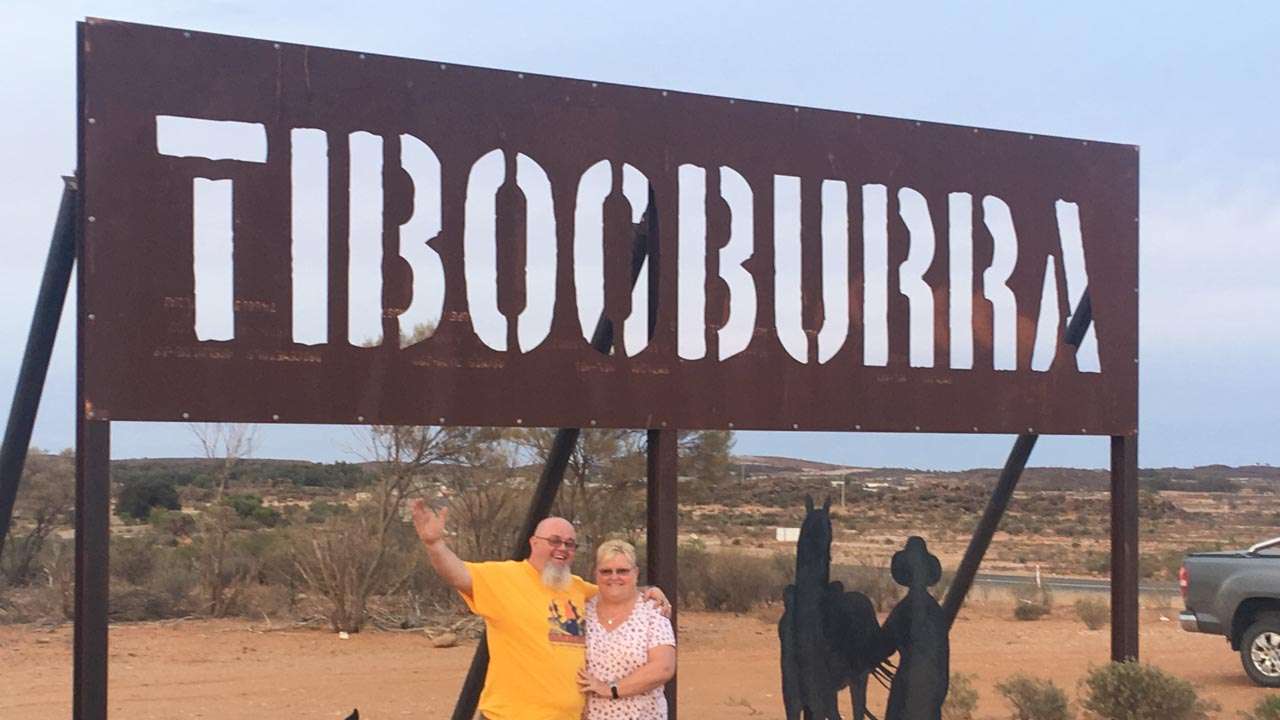
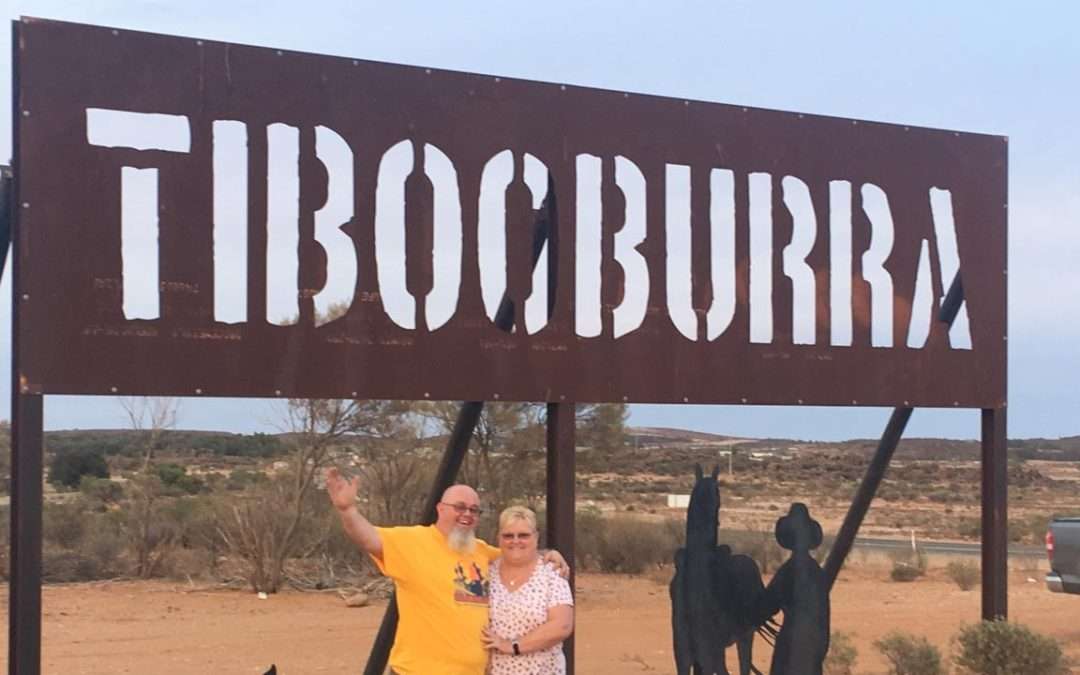
Welcome To Tibooburra Sign

Welcome To Tibooburra Sign

History Of Tibooburra

Early Indigenous History
Long before European settlers arrived, the area now known as Tibooburra was home to the Wangkumara people. Their rich cultural heritage is evident in the numerous rock carvings and ancient artefacts found throughout the region.

European Exploration and Settlement
European exploration began in the mid-19th century, with explorers like Charles Sturt and Thomas Mitchell passing through the area. The discovery of gold in the late 1800s brought a surge of prospectors and settlers, transforming Tibooburra into a bustling outback town.

Gold Rush Era
The gold rush era left an indelible mark on Tibooburra. The town’s population swelled as hopeful miners flocked to the area, seeking their fortunes. Today, remnants of this golden age can still be seen in the town’s heritage buildings and historical sites.
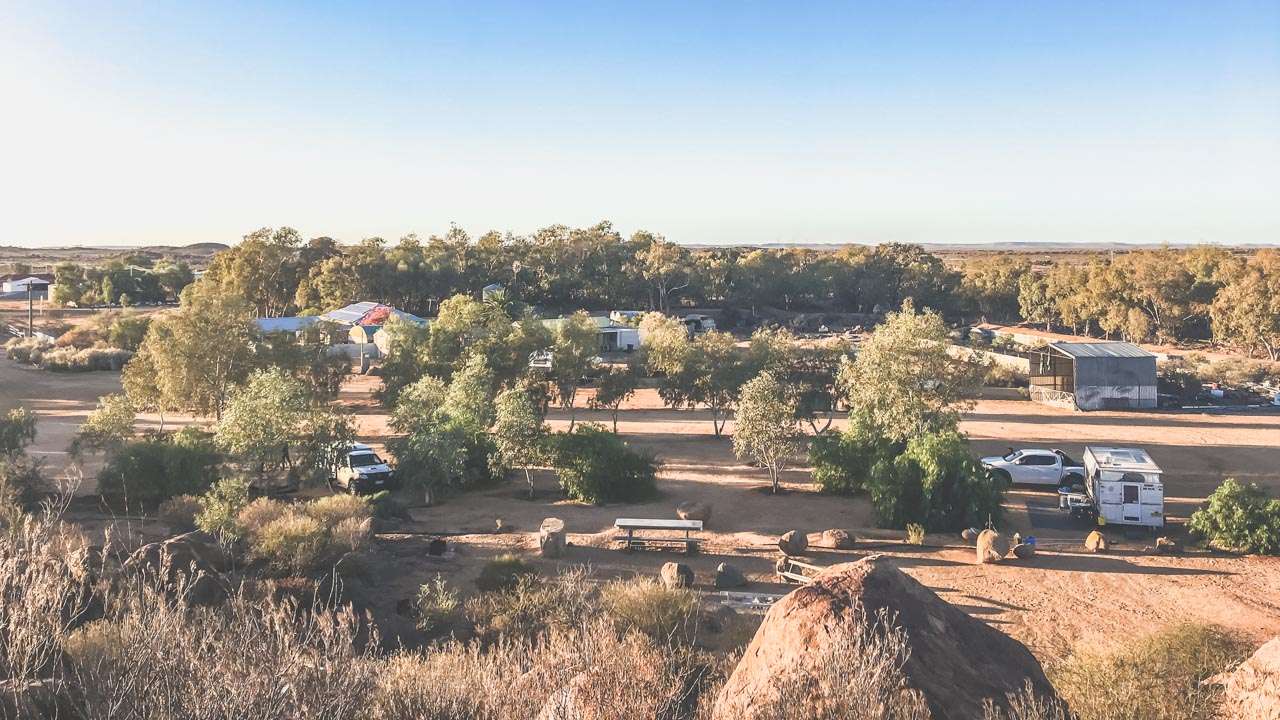
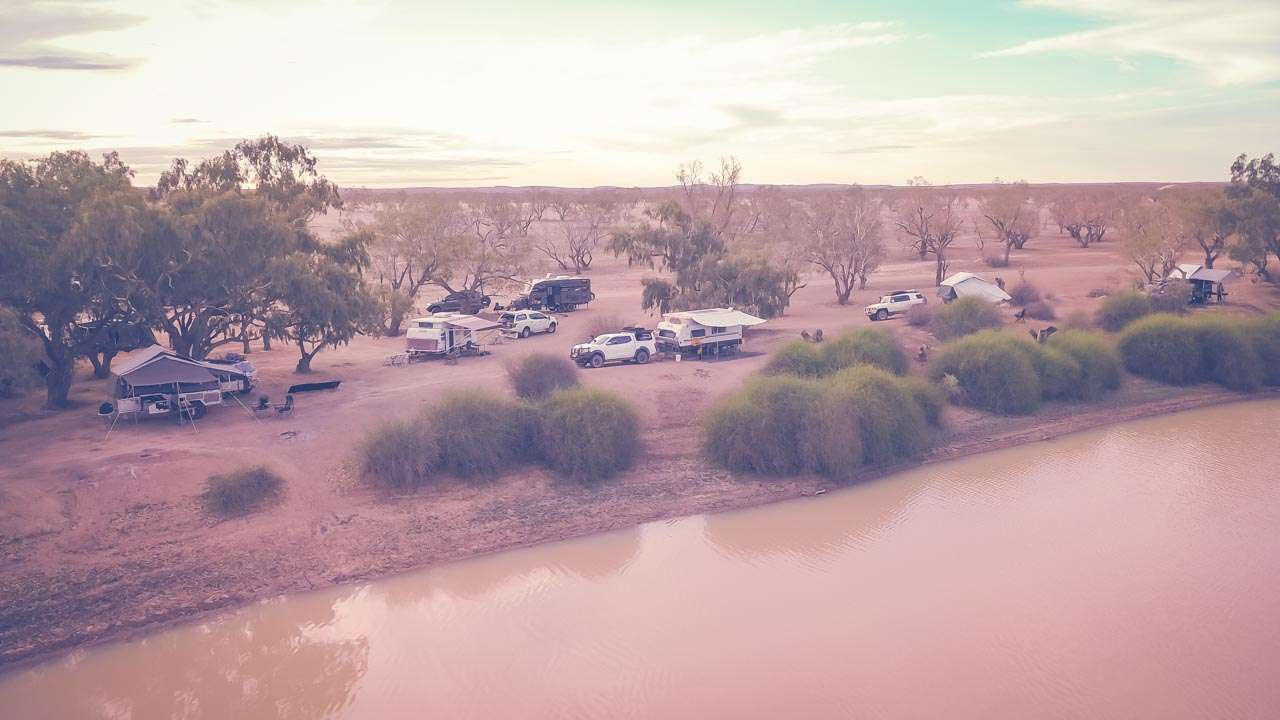
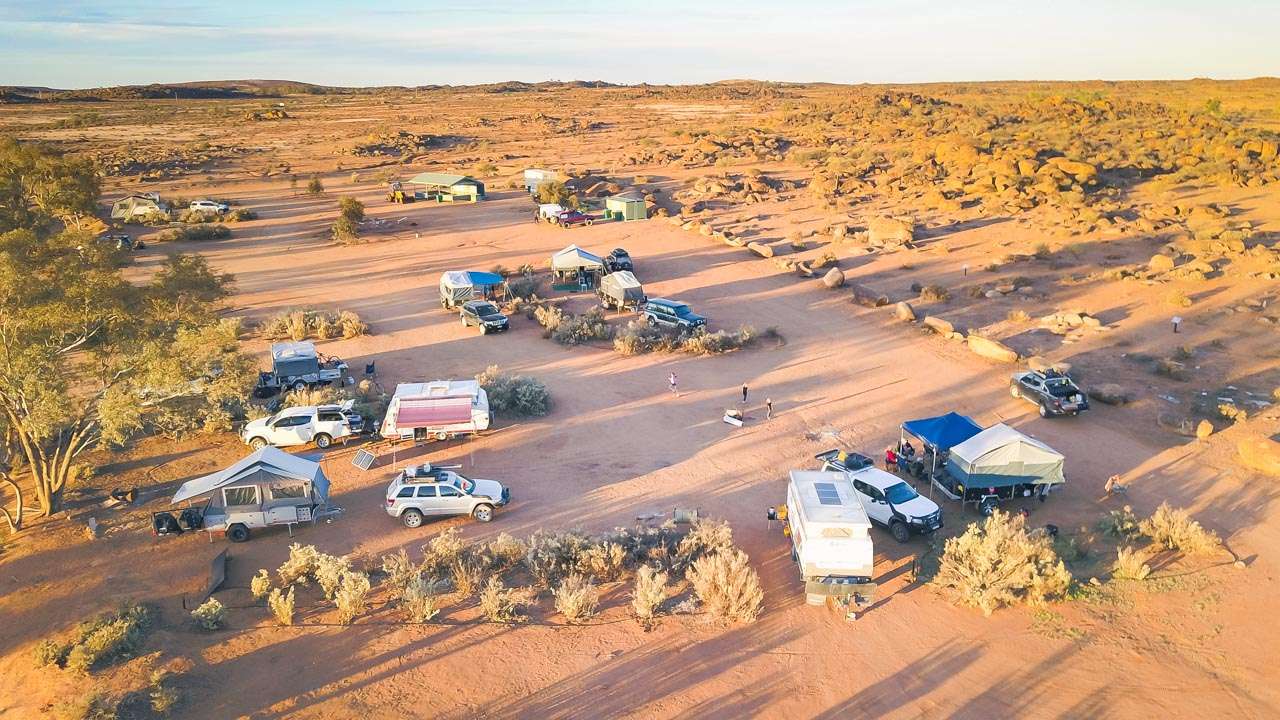
Tibooburra Caravan Park Unpowered Section

Tibooburra Caravan Park Unpowered Section

Geography

Location And Accessibility
Tibooburra is situated approximately 1,200 kilometres from Sydney making it a remote but easily accessible destination for Aussie travellers. The town is best reached by car with well maintained roads leading through stunning outback scenery.

Unique Geographical Features
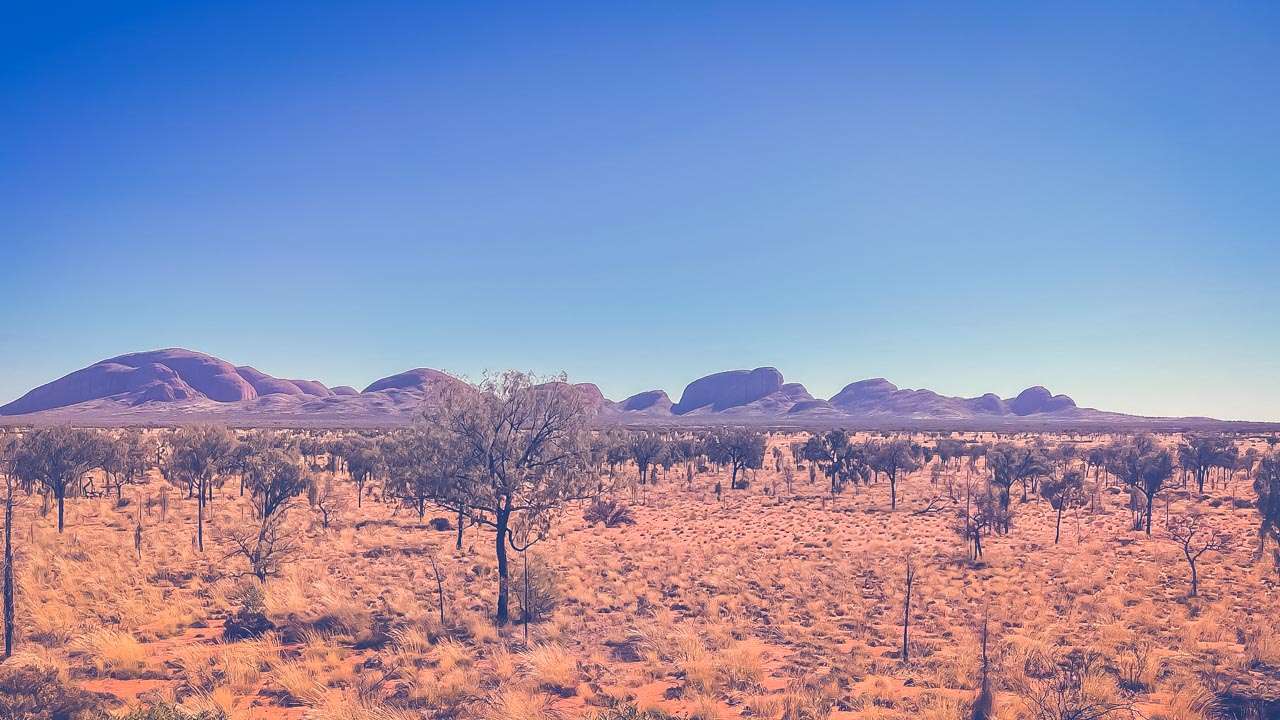
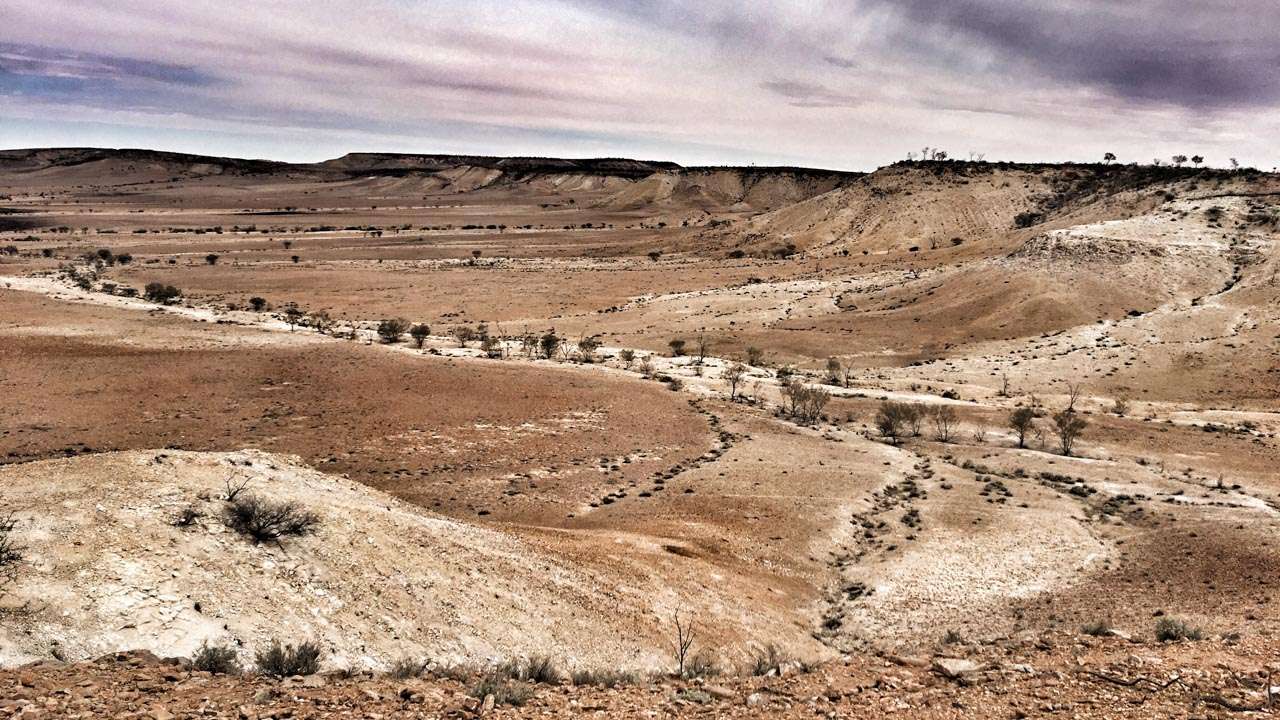
The town is surrounded by striking landscapes, including the red sand dunes of the Strzelecki Desert and the rocky outcrops of Sturt National Park. These unique geographical features make Tibooburra a photographer’s paradise.
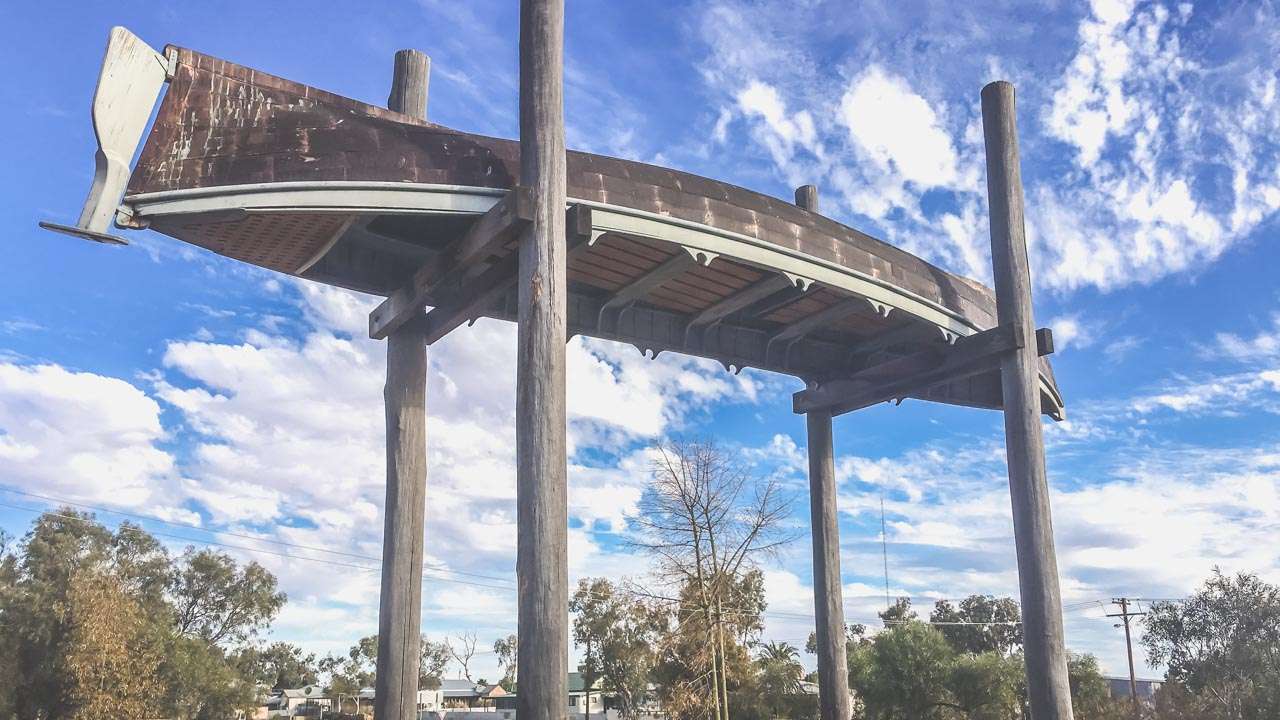
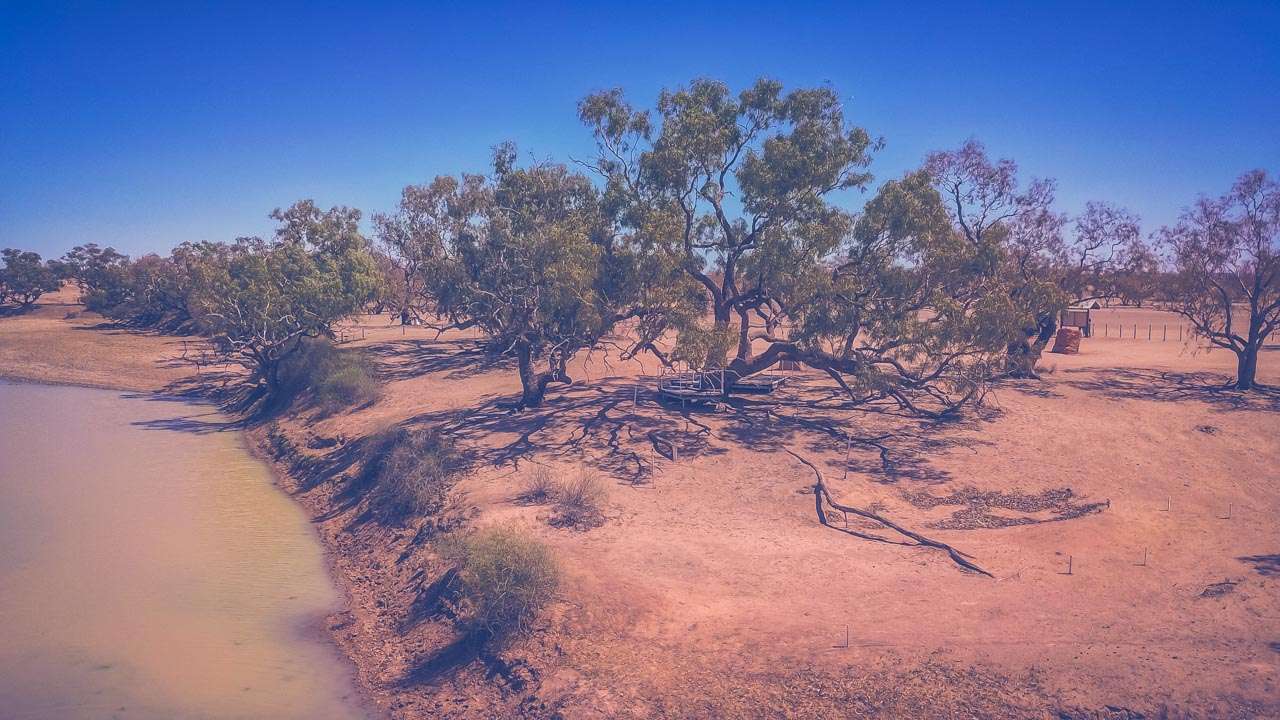
Replica Of Sturts Whaleboat At Tibooburra

Replica Of Sturts Whaleboat At Tibooburra

Tibooburra Attractions

Tibooburra Hotel
A visit to Tibooburra wouldn’t be complete without stopping by the historic Tibooburra Hotel. Established in the late 19th century, this iconic pub offers a glimpse into the town’s past and a chance to mingle with friendly locals.

National Parks: Sturt National Park
Sturt National Park located on the outskirts of Tibooburra is a must-visit for nature enthusiasts. The park boasts diverse wildlife, rugged landscapes and numerous walking trails, providing endless opportunities for exploration.

Tibooburra Courthouse Museum
For those interested in the town’s history, the Tibooburra Museum offers a fascinating collection of artefacts, photographs and exhibits detailing the area’s past. It’s a great place to learn more about the gold rush era and indigenous heritage.

Aboriginal Rock Carvings
Scattered throughout the region, the Aboriginal rock carvings offer a unique insight into the cultural history of the Wangkumara people. These ancient artworks are a testament to the deep connection between the indigenous community and the land.

Amanda Outside Family Hotel At Tibooburra

Amanda Outside Family Hotel At Tibooburra

Outdoor Activities

Bushwalking And Hiking Trails
Tibooburra is a haven for outdoor enthusiasts, with numerous bushwalking and hiking trails crisscrossing the surrounding landscapes. Whether you’re a seasoned hiker or a casual walker there’s a walking track to suit every fitness level.

Bird Watching
The area’s diverse habitats attract a wide variety of bird species making Tibooburra a prime destination for bird watchers. Bring your binoculars and keep an eye out for native species like the majestic wedge-tailed eagle.

Off-Road Adventures
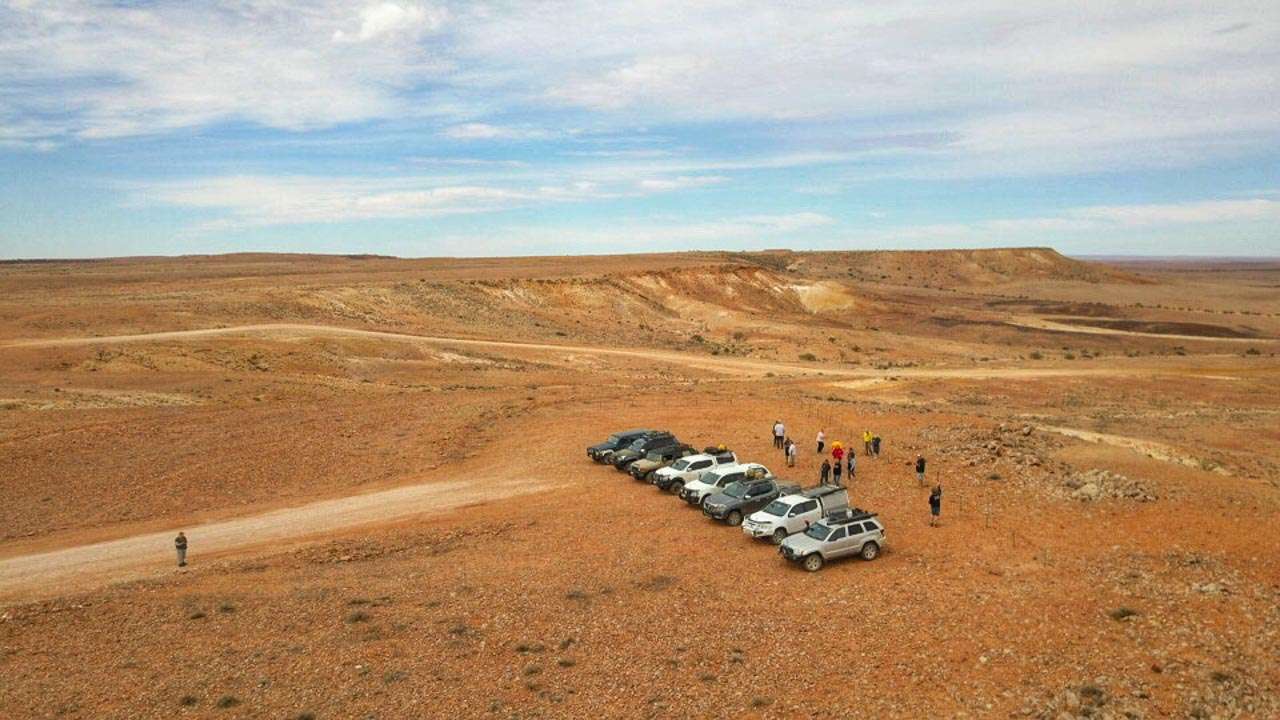
For those seeking a bit more excitement, Tibooburra offers plenty of off-road adventures. The rugged terrain and open spaces are perfect for four-wheel driving providing an adrenaline pumping way to explore the outback.

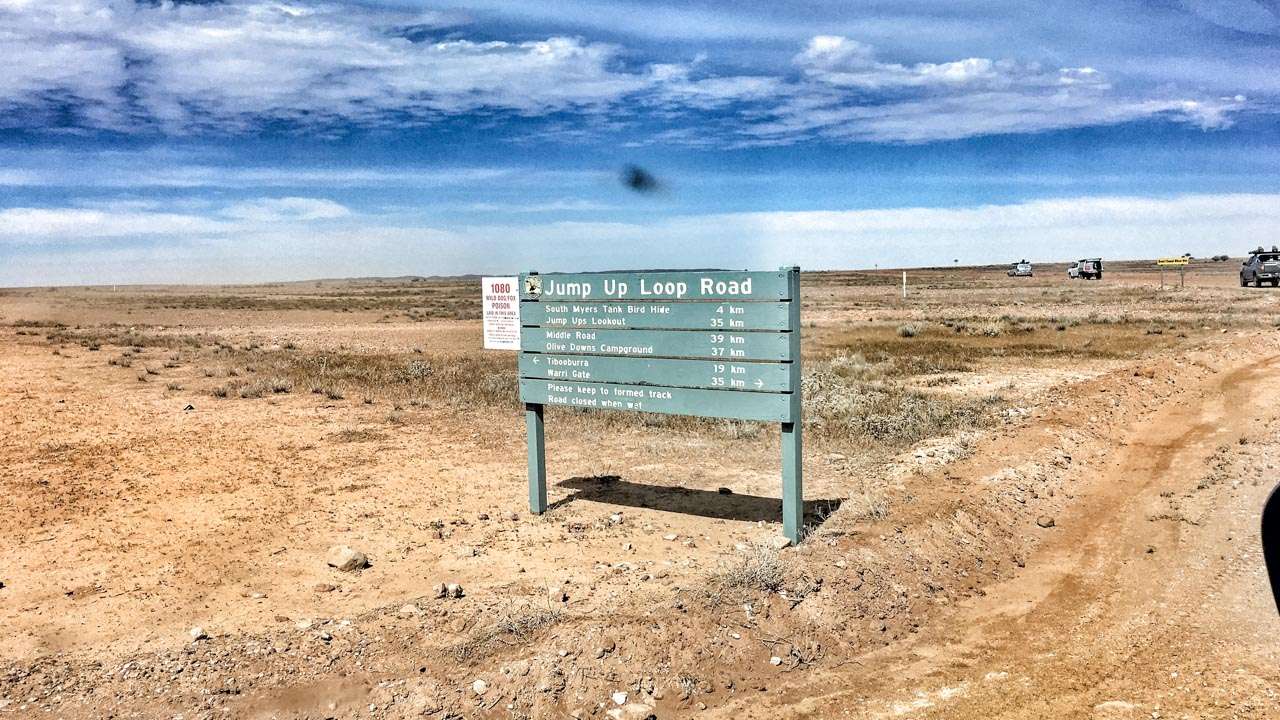
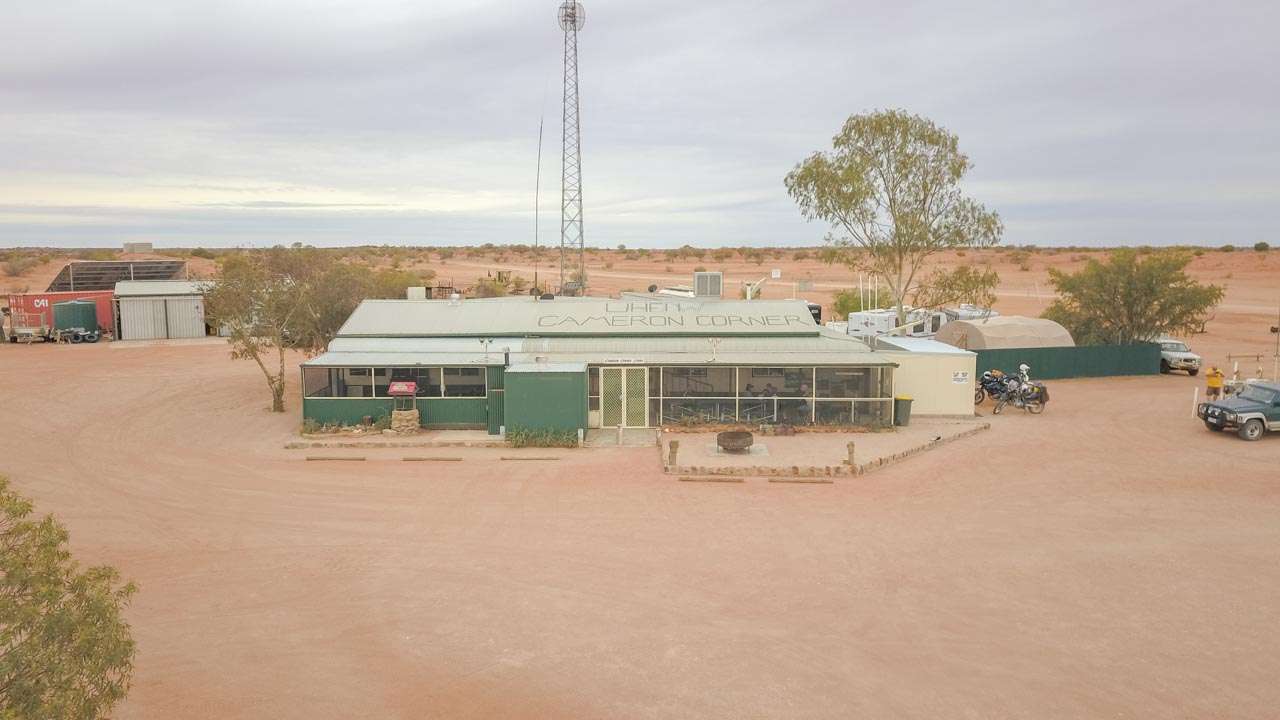
  • Take the jump up loop road to visit the spectacular jump ups and drive on through to Cameron Corner for lunch then return to town. Mud maps are available from the roadhouse.
  • Drive an out and back trip to Cameron Corner.
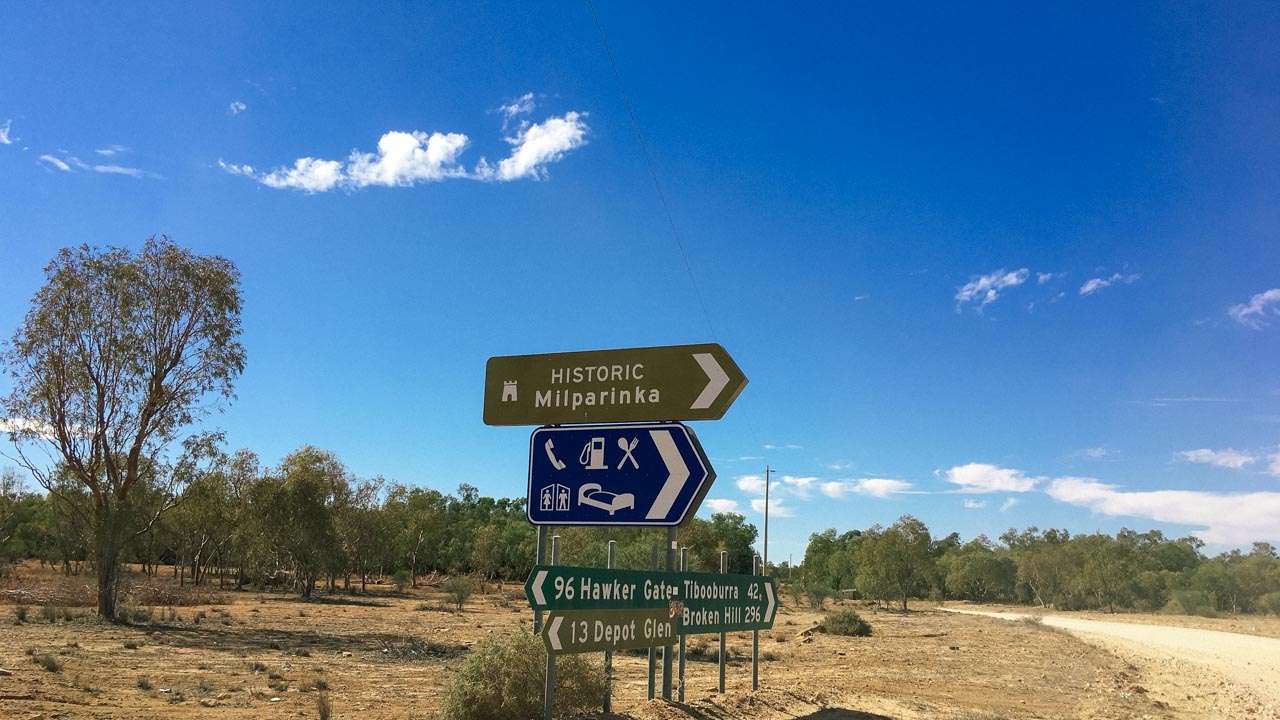
  • Do a day trip out to Milparinka and visit Pooles Grave and Depot Glen where Sturt holed up waiting for rain.
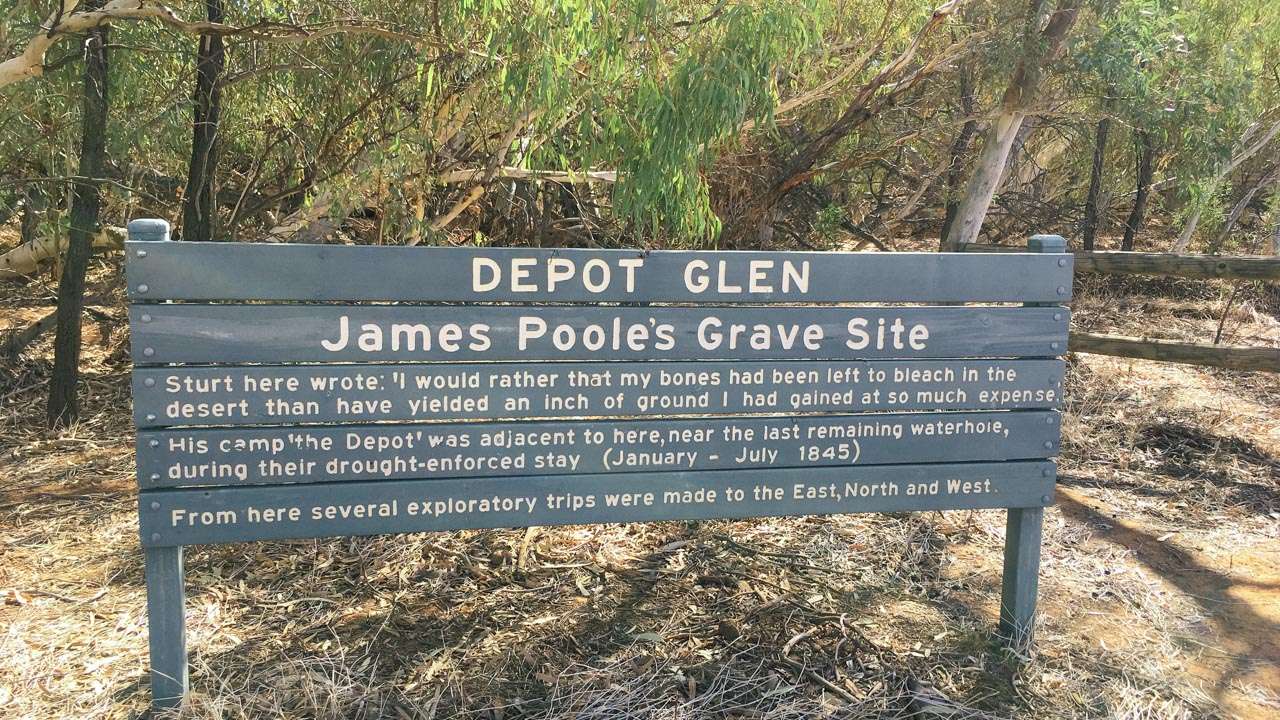
Depot Glen Near Milparinka

Depot Glen Near Milparinka

Tibooburra Accommodation: Your Guide To Staying In The Heart Of The Outback

When planning a trip to Tibooburra one of the most crucial aspects to consider is accommodation. Tibooburra, located in the far northwest of New South Wales, is a fascinating destination known for its rugged landscapes, rich history and rugged outback charm. Whether you’re visiting for its historical significance, the stunning natural scenery or the sense of adventure finding the right Tibooburra accommodation will significantly enhance your experience.

Types of Accommodation In Tibooburra

Hotels And Motels
Tibooburra offers a variety of hotels and motels, each with its own unique charm. These establishments provide comfortable lodgings with essential amenities making them a popular choice for visitors looking for convenience and comfort.

Experience The Best Of Tibooburra At Tibooburra Caravan Park

Introduction To Tibooburra Caravan Park
Tibooburra Caravan Park is your gateway to the stunning landscapes of Outback New South Wales. Whether you’re seeking adventure or relaxation, this park provides the perfect setting.

Tibooburra Accommodation Options At Tibooburra Caravan Park

Caravan Sites
The caravan sites at Tibooburra Caravan Park are spacious and well-maintained. Each site is equipped with power and water connections, ensuring a comfortable stay for all visitors.

Cabins
For those preferring a bit more comfort, the park offers a range of cabins. These cabins come with modern amenities, including air conditioning, kitchen facilities and comfortable beds.
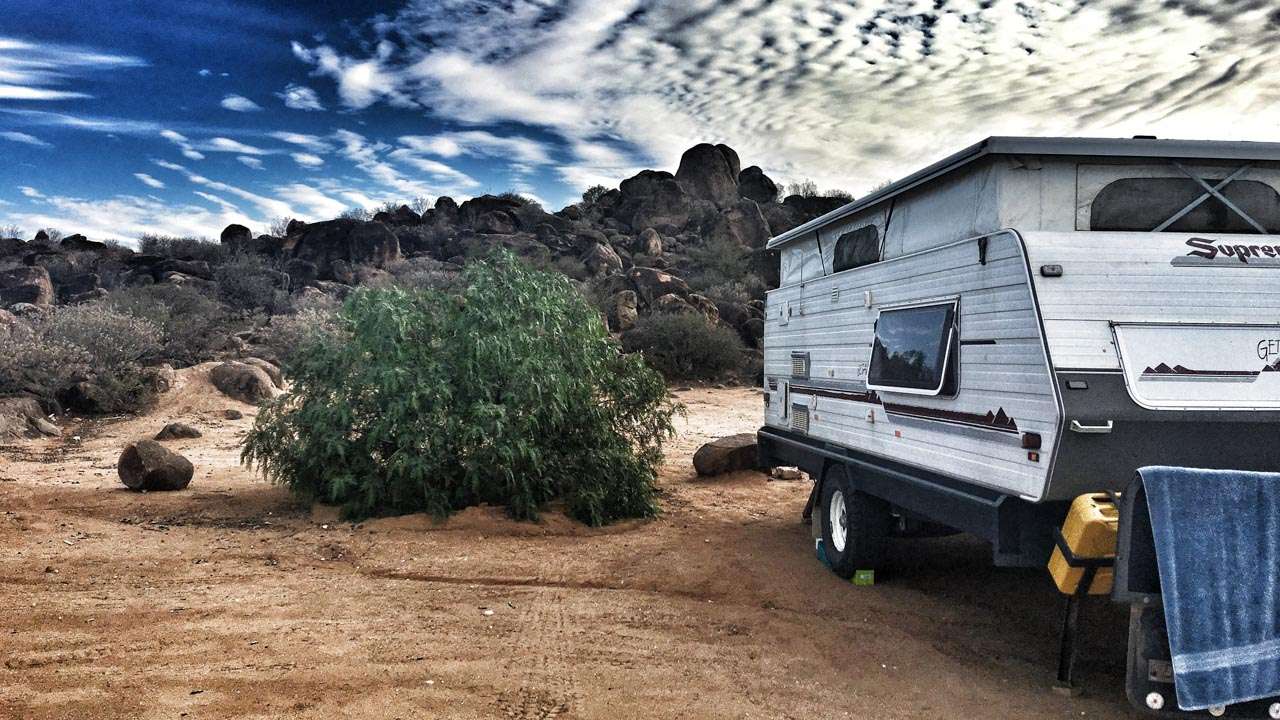
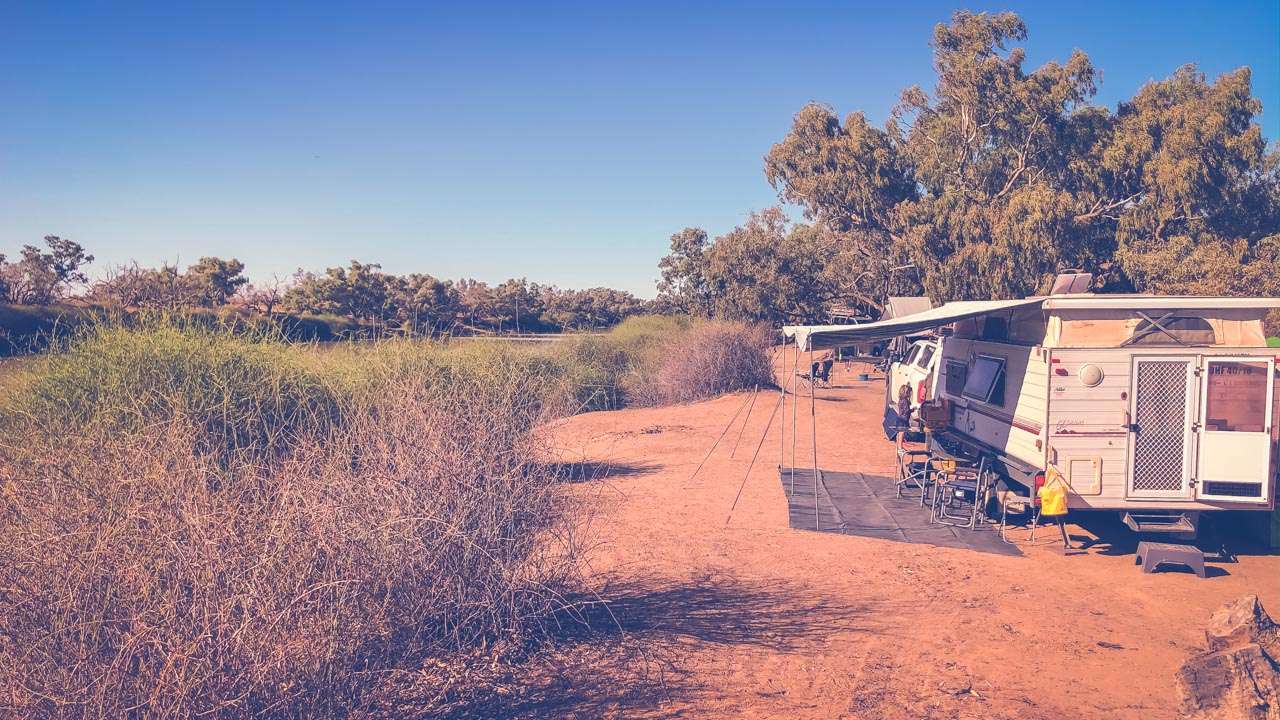
Our Supreme Getaway Caravan At Tibooburra Caravan Park

Our Supreme Getaway Caravan At Tibooburra Caravan Park

Amenities and Facilities

  • Camp Kitchen
    The camp kitchen is fully equipped with cooking facilities, allowing guests to prepare their meals. It’s a great spot to meet fellow travellers and share stories over a hearty meal.
  • BBQ Area
    Enjoy a traditional Australian BBQ in the designated BBQ area. It’s perfect for social gatherings and enjoying the great outdoors.
  • Laundry Facilities
    The park provides laundry facilities, making it convenient for long-term stays. The machines are modern and easy to use.

Booking in Advance
Due to its popularity, it’s advisable to book your accommodation at Tibooburra Caravan Park in advance. This ensures you get the best spot and avoids any last-minute hassles.

Conclusion To Tibooburra Accommodation Options At Tibooburra Caravan Park

Tibooburra Caravan Park offers a unique blend of comfort and adventure. With its excellent facilities, beautiful surroundings and a range of activities, it’s the perfect destination for your next outback escape.

Camping Sites
Camping is a great way to immerse yourself in the natural beauty of Tibooburra. With several designated camping areas, particularly within Sturt National Park, you can enjoy the serenity of the outback under the stars.

Tibooburra Hotel

Tibooburra Hotel was constructed from locally quarried sandstone during the Australian Gold Rush in 1882. While the beloved Hotel has faced some challenges recently, it still stands proudly today and continues to provide a much-loved oasis in the harsh Australian Outback. For visitors to Corner Country, it is a must-see attraction affectionately called “The Two Storey.”.

The “Two Storey” is overflowing with unique history & special details, including recycled timbers & gold (and other treasures) embedded in the bar. Tibooburra Hotel also offers a variety of accommodation options with eight luxury rooms out the back and five stylish pub rooms on the second floor.

There’s an award-winning menu, 8 cold beers on tap and a great beer garden & stage. You’ll receive nothing but good ol’ Country Pub hospitality from your hosts Tracey & Craig Hotchin!

The Fire & Rebuild At The Tibooburra Hotel
As some may be unaware, the newly renovated Tibooburra Hotel was destroyed by a fire in February 2021 & reconstruction is still ongoing. Fire seems to have destroyed every iconic pub at some point in its history, so we are committed to restoring her to her original glory and beyond! Different stages of our rebuild are currently operational, are almost complete and are yet to start. It is our sincere gratitude to all guests for their understanding during the hotel’s reconstruction phase and their support during the work.

Family Hotel

Another iconic place to stay is the Family Hotel. Known for its unique murals painted by famous artists, this hotel offers a blend of history and art, providing a memorable stay for guests.
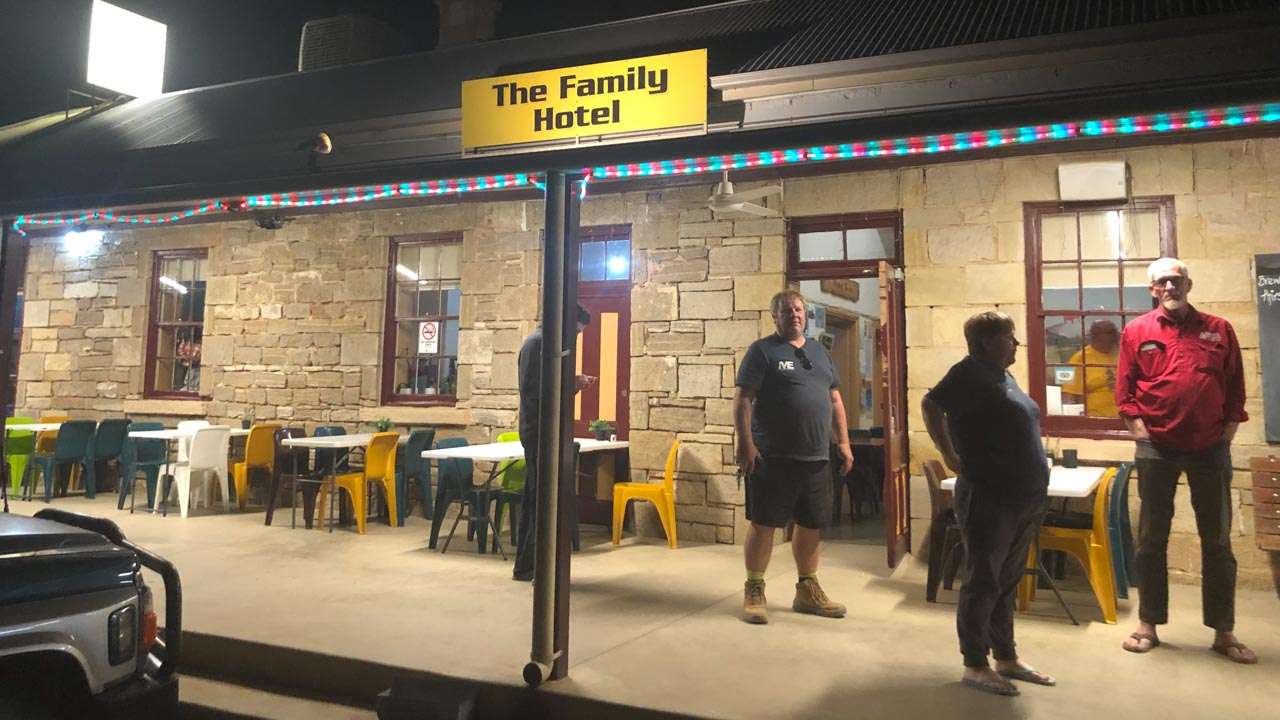
Family Hotel Tibooburra

Family Hotel Tibooburra

Camping In Tibooburra

Sturt National Park Camping Sites
Camping in Sturt National Park is an unforgettable experience. The park offers several camping sites each providing a unique perspective of the outback landscape. These sites are equipped with basic facilities like toilets and picnic tables.

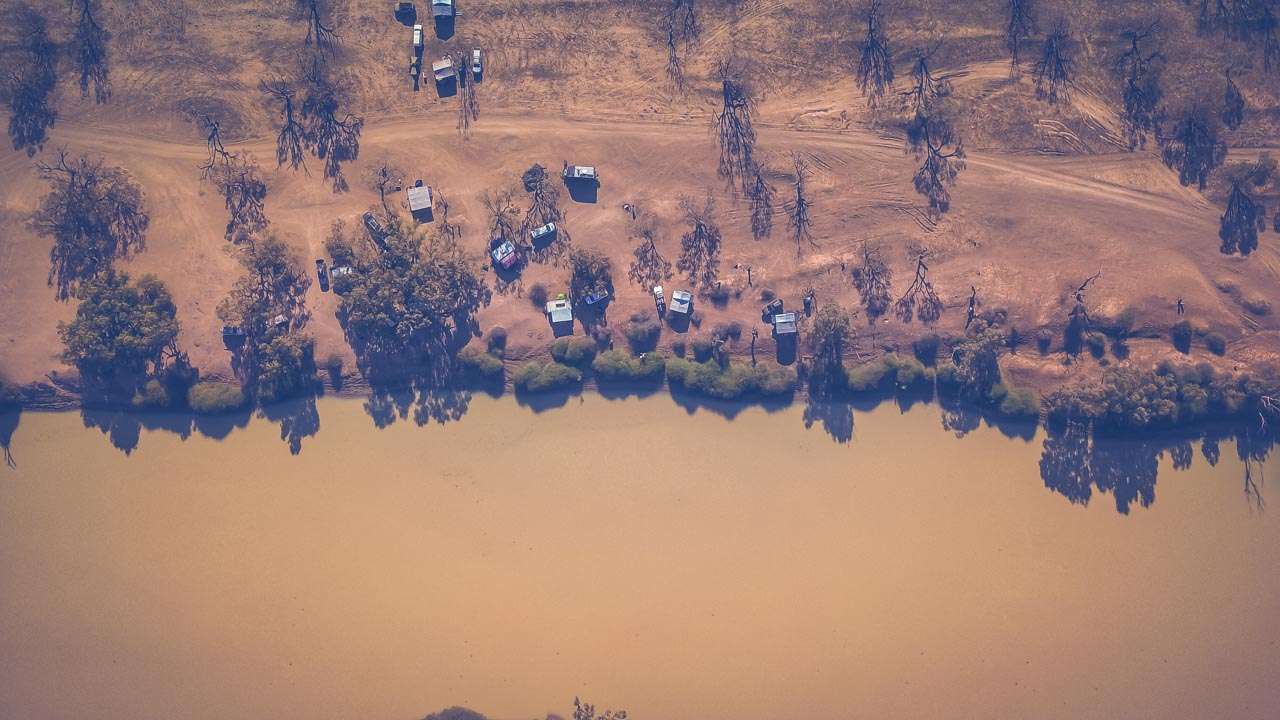
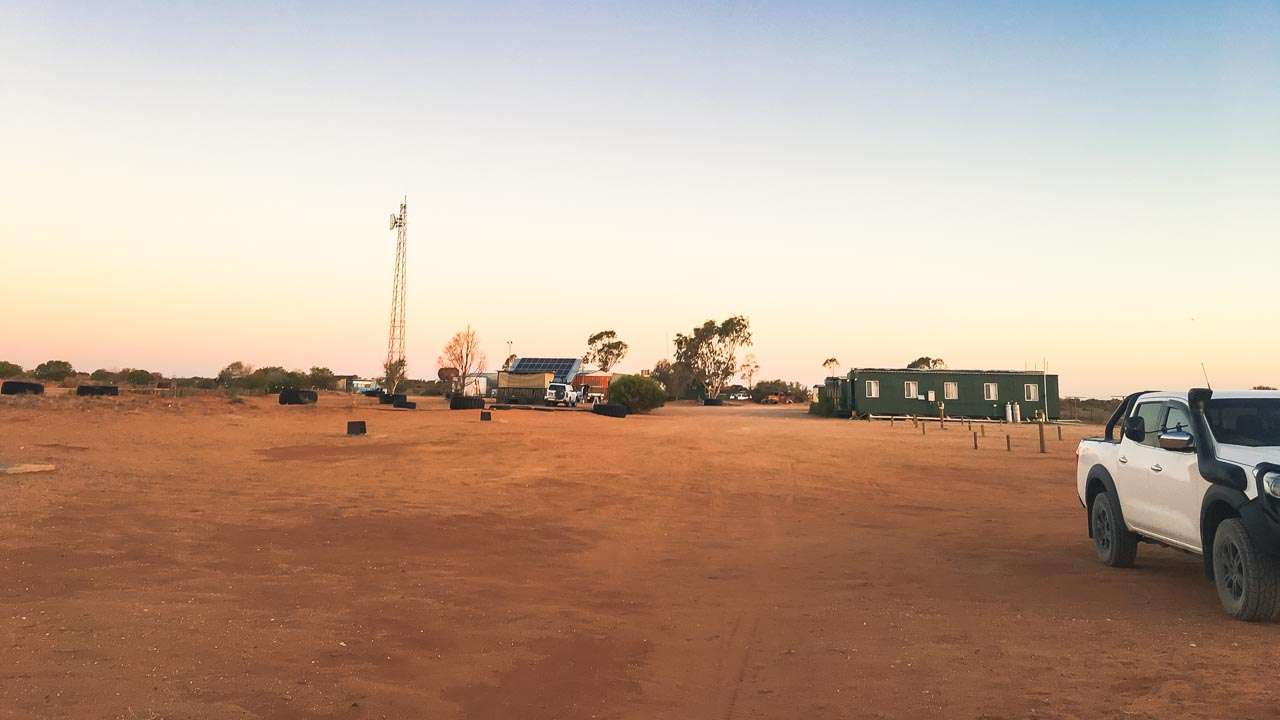
Aboriginal Land Council Camp Site At Tibooburra
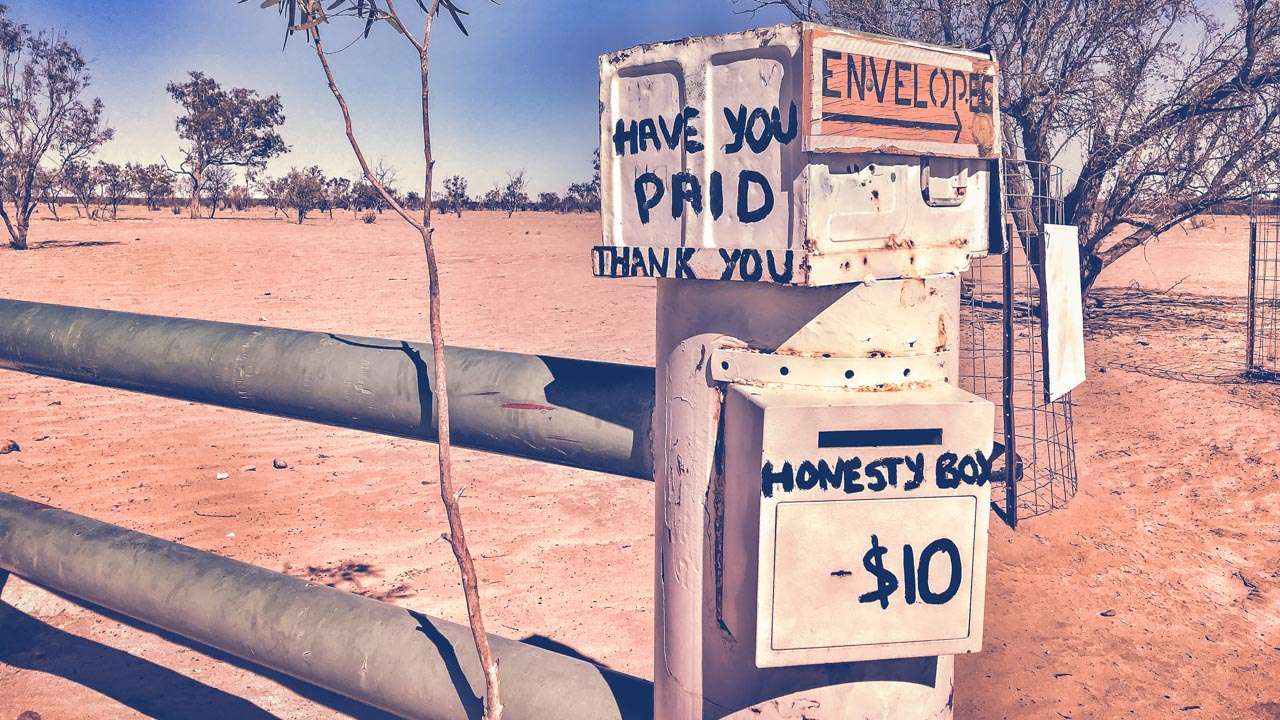
The Aboriginal Land Council camp site at Tibooburra is a really awesomely great camp site. They have hot showers and flushing toilets all in an outback setting and it was only $15 a night when we were there in 2019. We’ll be there again in 2025 so I must do an update if anything changes with the price. It really is a superb spot to set up camp for a night or two. They have drinking water available and it is good, clean and tastes excellent. There is a walk you can do from the Aboriginal Land Council camp site. It leaves the back of the park and loops out and around and works its way back to aboriginal burial grounds near the main Tibooburra sign on the way into town. At the corner where the road heads out to Cameron Corner. It’s a nice, easy, interesting walk.

Tips for Camping in the Outback
When camping in Tibooburra it’s important to be well-prepared. Bring plenty of water, a good supply of food and all necessary camping gear. Be mindful of the weather conditions and always inform someone about your plans.

Tibooburra Weather: A Comprehensive Guide

Tibooburra situated in the far northwest corner of New South Wales is known for its unique outback climate. Understanding the weather patterns of Tibooburra weather is crucial for anyone planning a visit or for those living in the region. This guide provides a detailed look at Tibooburra’s weather throughout the year helping you prepare for the conditions you might encounter.

Overview Of Tibooburra’s Climate
Tibooburra experiences a semi-arid climate characterised by hot summers, mild winters and low rainfall. The weather can be extreme, with significant temperature fluctuations between day and night.

Tibooburra Weather – Summer

Summer in Tibooburra, which spans from December to February, is typically very hot. Daytime temperatures often exceed 40°C (104°F), making it one of the hottest regions in New South Wales. The heat can be intense so it’s crucial to stay hydrated and seek shade during peak sun hours.

Rainfall during summer is generally sparse, but when it does occur, it can result in sudden and heavy downpours. These rain events can lead to temporary flooding, as the dry, hard ground is unable to absorb water quickly.

David Inside The Family Hotel Tibooburra

David Inside The Family Hotel Tibooburra

Tibooburra Weather Summer Tips

  • Hydrate regularly and avoid prolonged exposure to the sun.
  • Wear lightweight, breathable clothing and a wide-brimmed hat.
  • Be prepared for sudden rain showers and potential flooding.

Tibooburra Weather – Autumn

Autumn from March to May brings a slight relief from the scorching summer heat. Temperatures start to drop with daytime highs averaging between 25°C to 35°C (77°F to 95°F). Nights can be cooler providing a welcome respite from the daytime warmth.

Rainfall remains low, but the occasional thunderstorm is not uncommon. The landscape begins to recover from the harsh summer, with sparse vegetation showing signs of life.

Tibooburra Weather Autumn Tips

  • Enjoy the milder temperatures for outdoor activities.
  • Be aware of thunderstorm warnings and take necessary precautions.
  • Evenings can be cooler so pack a light jacket.

Tibooburra Weather – Winter

Winter in Tibooburra in the months from June to August is mild compared to other regions. Daytime temperatures range from 15°C to 25°C (59°F to 77°F), while night-time temperatures can drop significantly, sometimes reaching as low as 0°C (32°F).

Frost is rare but can occur on particularly cold mornings. Rainfall is minimal during winter, contributing to the overall dryness of the region.

Tibooburra Weather Winter Tips

  • Layer your clothing to adapt to fluctuating temperatures.
  • Mornings and evenings can be quite chilly so pack warm clothes.
  • Despite cooler temperatures sun protection remains important.

Tibooburra Weather – Spring

Spring from September to November, sees a gradual warming trend. Temperatures climb back up with daytime highs ranging between 25°C to 35°C (77°F to 95°F). Nights are warmer compared to winter making for comfortable sleeping conditions.

Spring is one of the most pleasant times to visit Tibooburra as the landscape often bursts into bloom following the sparse winter rains. Wildflowers and green shoots add a touch of colour to the otherwise arid environment.

Tibooburra Weather Spring Tips

  • Spring is ideal for hiking and exploring the outback.
  • Be prepared for warmer days as the season progresses.
  • Keep an eye out for wildlife and blooming flowers.

Tibooburra Weather Related Considerations For Visitors

Heat Precautions
The extreme heat in Tibooburra especially during summer requires visitors to take adequate precautions. Heat exhaustion and dehydration are real risks. Always carry enough water, wear sunscreen and limit physical activities during peak heat hours.

Road Conditions
Weather can affect road conditions in and around Tibooburra. Heavy rains can lead to flash flooding, making some roads impassable. Always check the latest road conditions and weather forecasts before embarking on a journey.

Wildlife
Tibooburra weather influences local wildlife behaviour. During the cooler month, you might see more wildlife activity, as animals take advantage of the milder temperatures. Conversely the intense summer heat often drives animals to seek shelter, reducing daytime sightings.

Best Time to Visit Tibooburra
The best time to visit Tibooburra largely depends on your tolerance for heat and your planned activities. For most visitors, the cooler months from April to October offer the most comfortable conditions for outdoor activities and sightseeing.

Spring (September to November) and autumn (March to May) are particularly favourable, providing a balance between temperature extremes and scenic beauty. However, those interested in experiencing the raw, intense heat of the outback might find the summer months fascinating, albeit challenging.

Preparing For Your Trip
When planning a trip to Tibooburra, consider the following:

  • Pack appropriate clothing for the season, including sun protection and warm layers for cool nights.
  • Stay informed about the latest weather forecasts and road conditions.
  • Plan your activities around the weather to ensure a safe and enjoyable visit.
  • Hydrate regularly and carry sufficient water supplies especially during summer.

Tibooburra weather is a defining feature of this outback town. Understanding the seasonal variations and preparing accordingly can enhance your visit, ensuring you have a safe and memorable experience. Whether you’re drawn to the vibrant blooms of spring, the mild days of autumn, or the rugged heat of summer, Tibooburra offers a unique glimpse into the Australian outback’s diverse climate.

Cultural Significance

  • Indigenous Culture and Heritage
    The indigenous culture and heritage of the Wangkumara people are integral to Tibooburra’s identity. Visitors can learn about their traditions, stories and connection to the land through various cultural experiences and guided tours.
  • Best Times For Wildlife Spotting
    The best times for wildlife spotting are during the cooler months, when animals are more active. Early morning and late afternoon are ideal times to catch a glimpse of the region’s unique wildlife.
  • Travel Tips
  • Best Time To Visit
    The best time to visit Tibooburra is during the cooler months of April to October, when temperatures are more manageable for outdoor activities. However, each season offers its own unique charm and opportunities for exploration.
  • What To Pack
    When packing for a trip to Tibooburra, be sure to include essentials like sunscreen, a hat, sturdy walking shoes and plenty of water. It’s also a good idea to bring a camera to capture the stunning landscapes.
  • Safety Tips For Travelers
    Safety is paramount when travelling in remote areas like Tibooburra. Always let someone know your travel plans, carry a first aid kit and be prepared for extreme weather conditions. It’s also important to respect local customs and wildlife.

Photography Hotspots

  • Scenic Viewpoints
    Tibooburra is a photographer’s paradise, with numerous scenic viewpoints offering breathtaking vistas. Be sure to visit popular spots like the Sturt National Park lookout for stunning panoramic views.
  • Iconic Landmarks
    The town is home to several iconic landmarks that make for great photo opportunities. Capture the charm of heritage buildings, the rugged beauty of the outback and the unique character of Tibooburra.
  • Tips For Capturing The Best Shots
    To capture the best shots in Tibooburra, plan your photography sessions around the golden hours of sunrise and sunset. These times offer the best lighting conditions and can add a magical quality to your photos.

Historical Sites

Heritage Buildings
Tibooburra’s heritage buildings offer a glimpse into the town’s rich history. Take a stroll through the town and admire the well-preserved architecture that tells the story of its past.

Gold Rush Relics
Remnants of the gold rush era can still be found throughout Tibooburra. Explore old mining sites and relics that serve as a reminder of the town’s golden history.

Notable Landmarks
In addition to heritage buildings and gold rush relics, Tibooburra boasts several notable landmarks. These include the Tibooburra Hotel, the Sturt National Park and various historical markers that highlight the town’s unique heritage.
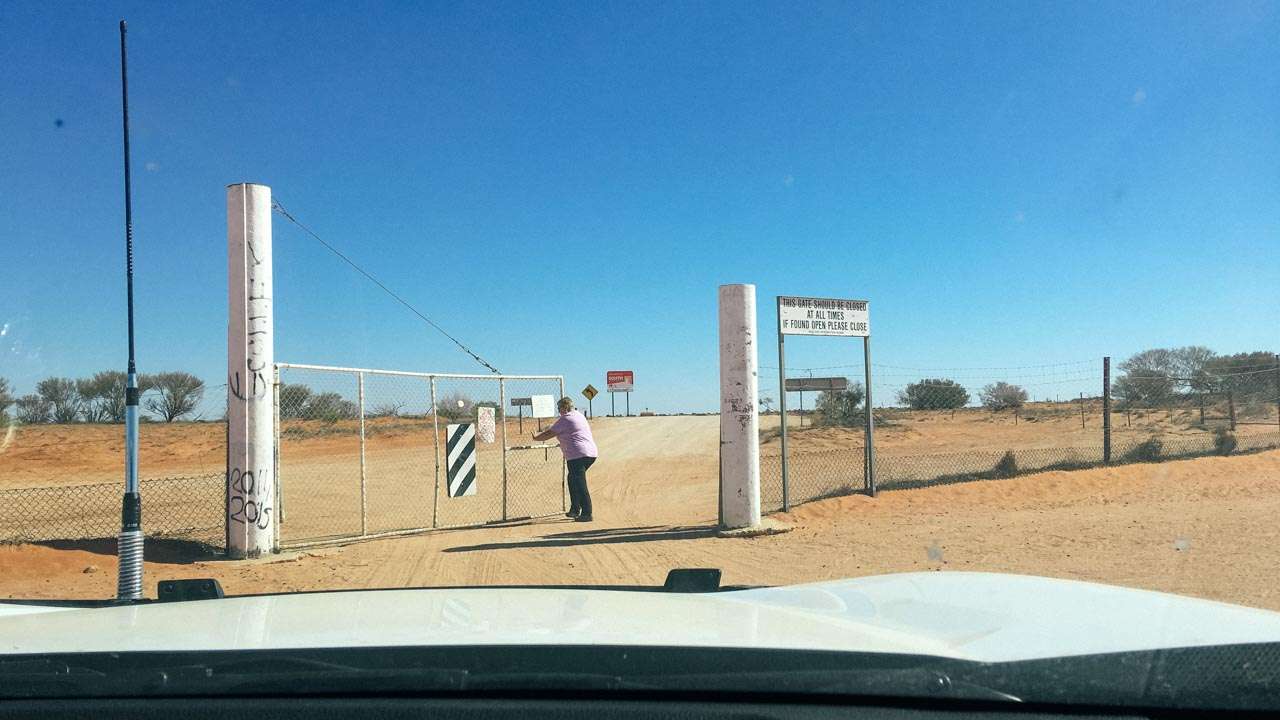
Cameron Corner Gates

Cameron Corner Gates

Getting Around Tibooburra

Transportation Options
While Tibooburra is remote, getting around the town and its surrounding areas is relatively easy. Rental cars and guided tours are popular options for exploring the region.

Road Conditions
The roads leading to and around Tibooburra are generally well-maintained, but it’s important to check conditions before embarking on your journey. Be prepared for unsealed roads and always carry a spare tire and emergency supplies.

Local Tour Guides And Services
For a more in-depth experience, consider hiring a local tour guide. These knowledgeable guides can provide valuable insights into the area’s history, culture and natural wonders.

Nearby Destinations

Places To Visit Within A Day’s Drive
Tibooburra is an excellent base for exploring other destinations within a day’s drive. Nearby attractions include the iconic Cameron Corner, the historic town of Broken Hill and the scenic beauty of the Strzelecki Desert. Milparinka is also definitely worth a look.
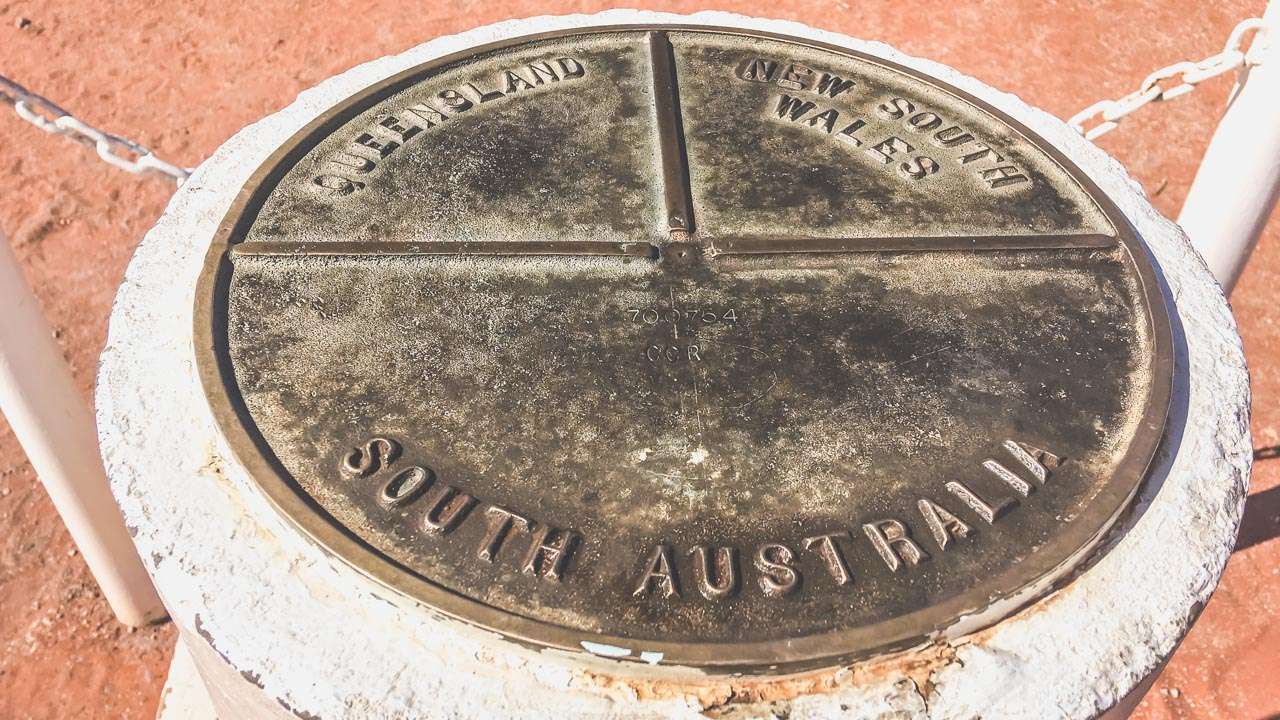
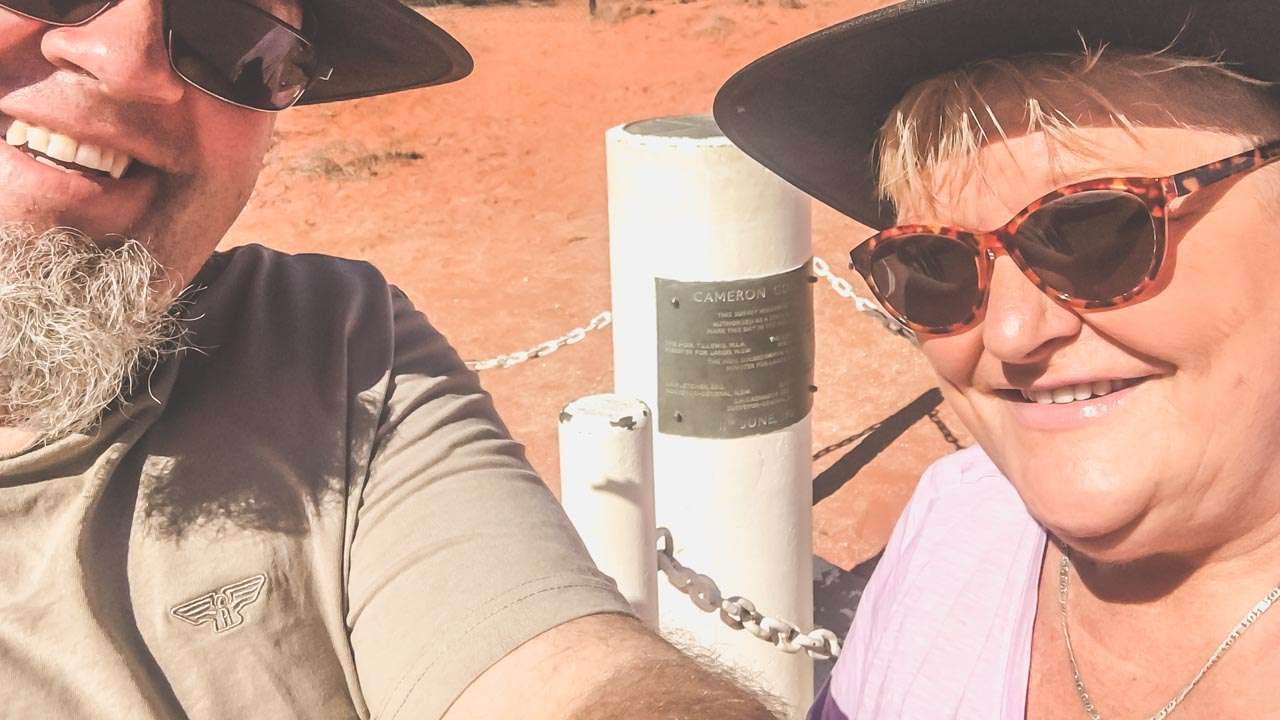
Cameron Corner Marker

Cameron Corner Marker

Road Trip Itineraries
Planning a road trip through the outback? Tibooburra can be part of a larger itinerary that includes other notable destinations in the Corner Country. Create a customised road trip plan to make the most of your journey.

Connecting With Other Outback Towns
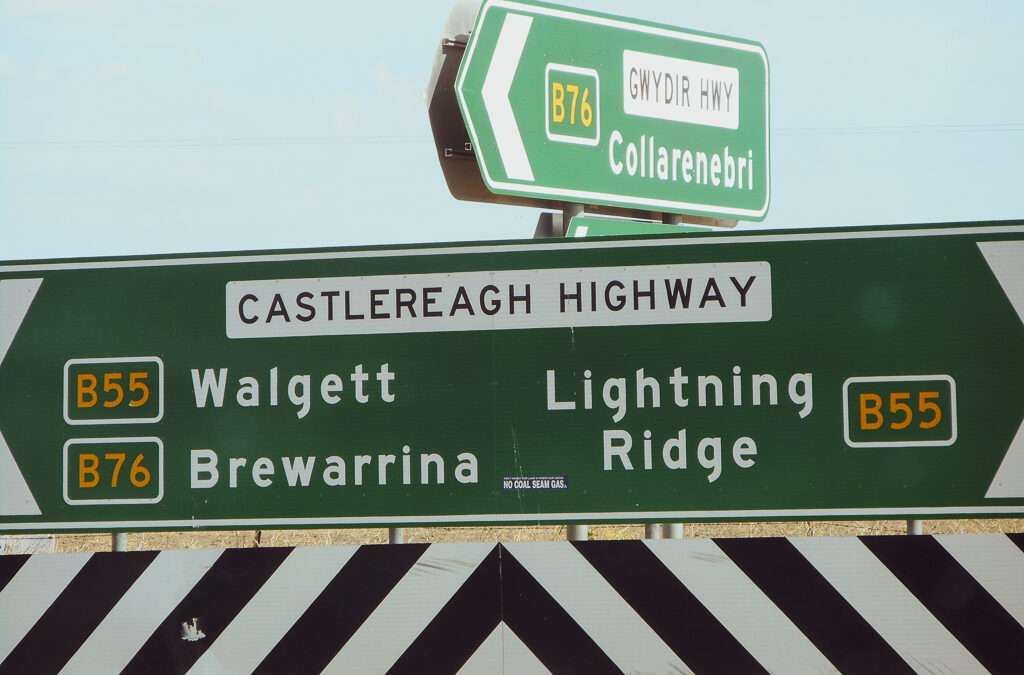
Tibooburra is part of a network of outback towns that offer unique experiences and adventures. Connect with other towns like White Cliffs and Lightning Ridge to explore the diverse landscapes and cultures of the Australian outback.

Conclusion

Tibooburra is a destination like no other. Its rich history, stunning landscapes and vibrant culture make it a must-visit for anyone looking to experience the true essence of the Australian outback. Whether you’re exploring its historical sites, embarking on outdoor adventures, or simply soaking in the unique atmosphere, Tibooburra promises an unforgettable journey.

Directions For Driving From Sydney To Tibooburra Via Broken Hill

Follow these simple step-by-step driving instructions to get from Sydney to Tibooburra via Broken Hill. The trip covers approximately 1,200 kilometres and will take you through some beautiful and diverse landscapes of New South Wales.

  1. Start in Sydney
    Route: Take the Western Distributor Freeway.
    Highway: Merge onto the M4 Motorway.
  2. Travel Through the Blue Mountains
    Route: Continue on the M4, which turns into the Great Western Highway (A32).
    Towns: Pass through Penrith, Katoomba, and Lithgow.
  3. Head to Dubbo
    Route: Stay on the Great Western Highway (A32) to Bathurst.
    Route: From Bathurst, take the Mitchell Highway (A32) to Orange and then to Dubbo.
  4. Drive to Nyngan
    Route: Continue on the Mitchell Highway (A32) from Dubbo to Nyngan.
  5. Proceed to Cobar
    Route: Take the Barrier Highway (A32) from Nyngan to Cobar.
  6. Continue to Wilcannia
    Route: Stay on the Barrier Highway (A32) from Cobar to Wilcannia.
  7. Drive to Broken Hill
    Route: Continue on the Barrier Highway (A32) from Wilcannia to Broken Hill.
  8. Head to Packsaddle
    Route: From Broken Hill, take the Silver City Highway (B79) north to Packsaddle.
  9. Final Stretch to Tibooburra
    Route: Continue on the Silver City Highway (B79) from Packsaddle to Tibooburra.
Travel From to Old Tibooburra Distance Time
Adelaide 847km 09:01
Brisbane 1,335km 15:01
Melbourne 1.178km 12:26
Sydney 1,182km 13:35

FAQs Frequently Asked Questions About Tibooburra

How do I get to Tibooburra?

Tibooburra is best reached by car, with well-maintained roads leading from major cities like Sydney and Broken Hill. It's approximately 1,200 kilometres from Sydney.

What is the best time of year to visit?

The best time to visit Tibooburra is during the cooler months of April to October, when temperatures are more manageable for outdoor activities.

Are there any safety concerns?

While Tibooburra is generally safe, it's important to be prepared for remote travel. Always let someone know your travel plans, carry a first aid kit, and be prepared for extreme weather conditions.

What should I pack for a trip to Tibooburra?

Pack essentials like sunscreen, a hat, sturdy walking shoes, and plenty of water. Also, bring a camera to capture the stunning landscapes and unique wildlife.

Can I see wildlife in Tibooburra?

Yes, Tibooburra is home to a diverse range of wildlife. Best times for spotting wildlife are during the cooler months, and early morning or late afternoon.

Tibooburra Photo Gallery

5 Must Do Outback Trips From Sydney

5 Must Do Outback Trips From Sydney

5 Must Do Outback Trips From Sydney

Explore 5 awesome outback trips from Sydney. Experience stunning landscapes and unique adventures just a drive away from Sydney. Exploring the Australian Outback offers an incredible journey into the heart of the country’s rugged beauty, diverse wildlife and rich cultural heritage.

For those based in Sydney the Outback is more accessible than you might think. Here are five remarkable Outback trips from Sydney that promise unforgettable experiences and breathtaking scenery.

Trip 1: Broken Hill

Location And Accessibility
Broken Hill is located approximately 1,100 kilometres west of Sydney. It’s accessible by car, train or a short flight, making it a versatile destination for an Outback adventure.

Highlights and Attractions

  • Mining History
    Broken Hill is a historic mining town known for its rich mineral deposits. Visit the many mining museums and heritage sites to learn about its pivotal role in Australia’s mining industry.
  • Art And Culture
    The town is also a hub for artists, featuring numerous galleries and the famous Broken Hill Regional Art Gallery. The Living Desert and Sculptures is a must see outdoor gallery set amidst stunning desert scenery.
  • Unique Landscapes
    Explore the unique landscapes surrounding Broken Hill including the Menindee Lakes and Mutawintji National Park. These areas offer breathtaking views and abundant wildlife.
  • Best Time To Visit
    The best time to visit Broken Hill is during the cooler months from April to October. The weather is more comfortable for exploring the outdoors.

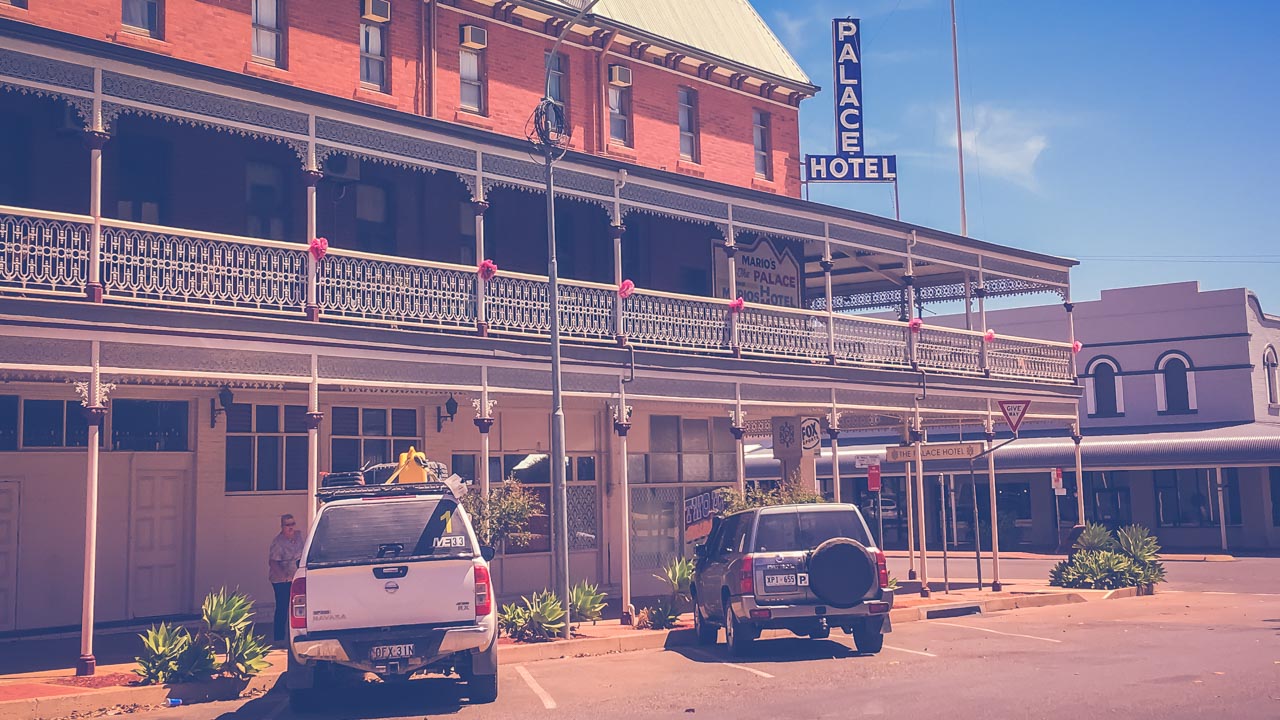
The Palace Hotel Broken Hill

The Palace Hotel Broken Hill

Trip 2: Blue Mountains National Park

Location And Accessibility
The Blue Mountains are located just 60 kilometres west of Sydney making it an easy day trip or weekend getaway by car or train. Whilst not a true outback trip near Sydney the Blue Mountains are still the closest and best way to experience the Australian bush without having to travel very far.

Highlights And Attractions

  • Scenic Lookouts
    The Blue Mountains are renowned for their dramatic scenery. Visit lookouts like Echo Point and Govetts Leap for panoramic views of the valleys and sandstone cliffs.
  • Walking Tracks
    With over 140 kilometres of walking tracks the Blue Mountains offer trails for all levels. Popular hikes include the Grand Canyon Walk and the Six Foot Track.
  • Wildlife And Flora
    The park is home to a diverse range of wildlife and flora. Keep an eye out for lyrebirds, kangaroos and an array of native plants especially in the spring when the wildflowers are in bloom.
  • Best Time To Visit
    The best time to visit the Blue Mountains is during the spring (September to November) and autumn (March to May) when the weather is mild and the scenery is at its most vibrant.

Trip 3: Lightning Ridge – One Of The Best Outback Trips From Sydney

Location And Accessibility
Now it’s getting interesting. Lightning Ridge is a true outback trip from Sydney. It’s not as wild or remote as it was 20+ years ago but it’s still a great way to get a taste of the Aussie Outback. Lightning Ridge is located about 720 kilometres northwest of Sydney. It’s best accessed by car allowing you to enjoy the changing landscapes along the way.

Highlights And Attractions

  • Opal Mining
    Lightning Ridge is famous for its black opals. Visit the opal mines, take a tour and try your hand at fossicking for your own gemstones.
  • Artesian Bore Baths
    Relax in the naturally heated Artesian Bore Baths which are open 24/7 and offer a unique Outback spa experience.
  • Fossicking And Tours
    Join a guided tour to learn about the local geology and the fascinating history of opal mining in the area. There are plenty of opportunities to buy opals directly from the source.
  • Best Time To Visit
    The best time to visit Lightning Ridge is during the cooler months from April to September. The milder temperatures make it more comfortable to explore the area.

Lightning Ridge Artesian Bore Baths

Lightning Ridge Artesian Bore Baths

Trip 4: Mungo National Park

Location And Accessibility
Mungo National Park is located approximately 1,000 kilometres southwest of Sydney. It’s accessible by car with the journey taking you through some of the most remote and beautiful parts of New South Wales. This is one of the better outback trips from Sydney.

Highlights And Attractions

  • Ancient Landscapes
    Mungo National Park is part of the Willandra Lakes Region, a UNESCO World Heritage site. The park is famous for its ancient landscapes including the iconic Walls of China which feature dramatic sand and clay formations.
  • Aboriginal Heritage
    The park is rich in Aboriginal heritage, with evidence of human habitation dating back over 40,000 years. Explore the ancient burial sites and learn about the cultural significance of this area.
  • Unique Wildlife
    Mungo National Park is home to a variety of unique wildlife, including kangaroos, emus and a range of bird species. The park’s diverse habitats make it a great destination for wildlife enthusiasts.
  • Best Time To Visit
    The best time to visit Mungo National Park is during the cooler months from April to September. The weather is more comfortable for exploring the park’s ancient landscapes.

Trip 5: Outback New South Wales Loop

Location and Accessibility
The Outback New South Wales Loop is a comprehensive road trip that covers several key destinations including Bourke, Cobar and White Cliffs. The loop covers over 2,000 kilometres making it a true Outback adventure accessible by car.

Highlights and Attractions

  • Darling River
    Follow the course of the Darling River and explore the rich history and diverse ecosystems along its banks. Enjoy fishing, kayaking and the serene beauty of the river.
  • Historic Towns
    Visit historic towns like Bourke and Cobar, which offer a glimpse into the pioneering past of New South Wales. These towns feature museums, heritage buildings and friendly locals.
  • National Parks
    Explore the many national parks along the loop, including Gundabooka National Park and Kinchega National Park. These parks offer stunning landscapes, unique wildlife and plenty of opportunities for outdoor activities.
  • Best Time To Visit
    The best time to embark on the Outback New South Wales Loop is during the cooler months from April to October. The milder weather is perfect for road trips and outdoor exploration.

Kinchega National Park Darling River NSW

Kinchega National Park Darling River NSW

Preparation And Safety Tips

What to Pack
When heading out on an Outback adventure it’s essential to pack wisely. Bring plenty of water, sunscreen, a hat, comfortable clothing, sturdy shoes and a first aid kit. Don’t forget your camera to capture the stunning scenery.

Safety Precautions
Safety should always be a priority. Inform someone of your travel plans, check weather conditions and be prepared for emergencies. Ensure your vehicle is in good condition, especially if you’re heading to remote areas.

Environmental Responsibility
Respect the environment by following Leave No Trace principles. Dispose of waste properly, avoid disturbing wildlife and stick to designated trails to minimize your impact on the natural surroundings.

Conclusion

Exploring the Outback from Sydney opens up a world of adventure and natural beauty. From the historic mining town of Broken Hill to the ancient landscapes of Mungo National Park, each trip offers unique experiences and unforgettable memories. Load up your car hit the road and embark on an Outback adventure that will leave you in awe of Australia’s incredible landscapes.

FAQs On Outback Trips From Sydney Frequently Asked Questions

What is the best time of year to visit the Outback from Sydney?

The best time to visit the Outback is during the cooler months from April to September, when the weather is more comfortable for outdoor activities.

Are these trips suitable for families?

Yes, these trips are suitable for families. Many destinations offer activities and attractions that cater to all ages, making them perfect for family adventures.

What kind of vehicle is needed for these trips?

While some trips can be done with a regular car, others, like Mungo National Park, may require a 4WD vehicle for better access to remote areas.

How long should I plan for each trip?

Plan for at least 2-3 days for each destination to fully explore and enjoy the experiences they offer.

Are there guided tours available for these destinations?

Yes, guided tours are available for many of these destinations. They provide valuable insights and enhance your overall experience by offering expert knowledge and local stories.

5 Great Outback Trips From Melbourne

5 Great Outback Trips From Melbourne

5 Great Outback Trips From Melbourne

Explore 5 great outback trips from Melbourne. Experience the breathtaking landscapes and unique adventures these destinations have to offer. Exploring The Australian Outback Is An Unparalleled Adventure. It Offers A Unique Chance To Immerse Yourself In The Rugged Beauty, Diverse Wildlife And Rich Cultural Heritage Of This Vast And Iconic Landscape.

For Those Based In Melbourne, The Outback Is Closer Than You Might Think. This Guide Will Take You Through Five Incredible Outback Trips From Melbourne That Promise Unforgettable Experiences And Breathtaking Scenery.

Trip 1: Grampians National Park

Location And Accessibility
Grampians National Park Is Located Approximately 260 Kilometres West Of Melbourne. It’s Accessible Via A Scenic Drive, Making It A Perfect Road Trip Destination. The Journey Typically Takes Around 3 Hours By Car.

Highlights And Attractions

  • Hiking Trails
    Grampians National Park is renowned for its extensive network of hiking trails that cater to all levels of fitness. From short walks to challenging hikes, the park offers stunning views of rugged mountains, lush forests and cascading waterfalls.
  • Wildlife
    The park is a haven for wildlife enthusiasts. Look out for kangaroos, wallabies, emus and an array of bird species that call this area home.
  • Aboriginal Culture And Art
    Grampians National Park is rich in Aboriginal heritage. Explore the rock art sites and learn about the cultural significance of these ancient artworks.
  • Best Time To Visit
    The best time to visit Grampians National Park is during the cooler months from March to November. The weather is more comfortable for hiking and exploring and the wildflowers are in bloom during spring.

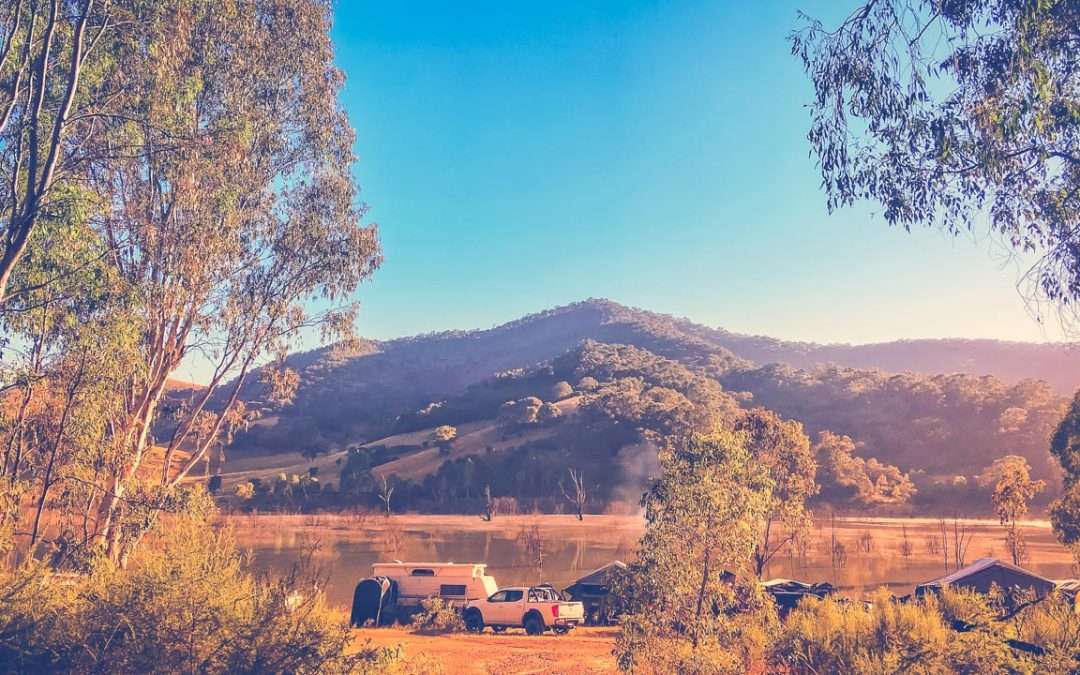
Lake Eildon Free Bush Camping

Lake Eildon Free Bush Camping

Trip 2: Great Ocean Road And The Otways

Location And Accessibility
The Great Ocean Road is one of the world’s most scenic coastal drives, stretching about 240 kilometres southwest of Melbourne. It’s easily accessible by car and offers stunning coastal views and lush rainforests.

Highlights And Attractions

  • Coastal Scenery
    The Great Ocean Road is famous for its breathtaking coastal scenery, including the iconic Twelve Apostles, Loch Ard Gorge and London Bridge. These natural rock formations are a must-see.
  • Rainforest Walks
    Explore the lush rainforests of the Otway Ranges. The Otway Fly Treetop Walk offers a unique perspective from high above the forest floor.
  • Wildlife Encounters
    Keep an eye out for koalas, kangaroos and a variety of bird species along the Great Ocean Road. Visit the Great Otway National Park for more wildlife encounters.
  • Best Time To Visit
    The best time to visit the Great Ocean Road and the Otways is from November to April when the weather is warm and ideal for coastal activities.

Trip 3: Wilsons Promontory National Park

Location And Accessibility
Wilsons Promontory National Park, affectionately known as “The Prom,” is located about 220 kilometres southeast of Melbourne. It’s accessible by car, making it a perfect weekend getaway.

Highlights And Attractions

  • Beaches And Coastal Views
    Wilsons Promontory boasts some of the most beautiful beaches in Australia. Squeaky Beach, with its white quartz sand, is a must-visit. The coastal views from the park’s numerous lookouts are simply stunning.
  • Hiking And Wildlife
    The Prom offers a variety of hiking trails that cater to different fitness levels. You’ll likely encounter wombats, kangaroos and emus as you explore the park.
  • Marine National Park
    The surrounding waters of Wilsons Promontory are a Marine National Park, making it a great spot for snorkelling and diving. Explore the vibrant underwater world teeming with marine life.
  • Best Time To Visit
    The best time to visit Wilsons Promontory is during the warmer months from November to April. The weather is ideal for beach activities and exploring the park.

Trip 4: The High Country – Loads Of Great Outback Trips From Melbourne

Location And Accessibility
The High Country is a mountainous region located about 300 kilometres northeast of Melbourne. It’s accessible by car and offers a range of outdoor activities year round.

Highlights And Attractions

  • Alpine Scenery
    The High Country is renowned for its stunning alpine scenery. During winter, it transforms into a winter wonderland with snow-covered peaks, while in summer, it offers lush green landscapes.
  • Historic Towns
    Explore charming historic towns like Beechworth and Bright. These towns are known for their well-preserved architecture, local produce and friendly atmosphere.
  • Outdoor Activities
    The High Country offers a wide range of outdoor activities, including skiing and snowboarding in winter and hiking, mountain biking and fishing in summer.
  • Best Time To Visit
    The best time to visit the High Country depends on your preferred activities. Winter (June to August) is ideal for snow sports, while summer (December to February) is perfect for hiking and other outdoor activities.

View From the Back Verandah of Craigs Hut

View From the Back Verandah of Craigs Hut

Trip 5: Mungo National Park

Location And Accessibility
Mungo National Park is located approximately 560 kilometres northwest of Melbourne. It’s accessible via a scenic drive and offers a glimpse into Australia’s ancient past.

Highlights And Attractions

  • Ancient Landscapes
    Mungo National Park is part of the Willandra Lakes Region, a UNESCO World Heritage site. The park is famous for its ancient landscapes including the striking Walls of China which feature impressive sand formations.
  • Aboriginal Heritage
    The park is rich in Aboriginal heritage with evidence of human habitation dating back over 40,000 years. Explore the ancient burial sites and learn about the cultural significance of this area.
  • Unique Wildlife
    Mungo National Park is home to a variety of unique wildlife, including kangaroos, emus and a range of bird species. The park’s diverse habitats make it a great destination for wildlife enthusiasts.
  • Best Time To Visit
    The best time to visit Mungo National Park is during the cooler months from April to September. The weather is more comfortable for exploring the park’s ancient landscapes.

Preparation And Safety Tips

What To Pack
When heading out on an Outback adventure, it’s essential to pack wisely. Bring plenty of water, sunscreen, a hat, comfortable clothing, sturdy shoes and a first aid kit. Don’t forget your camera to capture the stunning scenery.

Safety Precautions
Safety should always be a priority. Inform someone of your travel plans, check weather conditions and be prepared for emergencies. Ensure your vehicle is in good condition, especially if you’re heading to remote areas.

Environmental Responsibility
Respect the environment by following Leave No Trace principles. Dispose of waste properly, avoid disturbing wildlife and stick to designated trails to minimize your impact on the natural surroundings.

Conclusion

Exploring the Outback from Melbourne opens up a world of adventure and natural beauty. From the rugged landscapes of Grampians National Park to the pristine beaches of Wilsons Promontory, each trip offers unique experiences and unforgettable memories. So pack your bags, hit the road and embark on an Outback adventure that will leave you in awe of Australia’s incredible landscapes.

FAQs Frequently Asked Questions About Outback Trips From Melbourne

What is the best time of year to visit the Outback from Melbourne?

The best time to visit the Outback is during the cooler months from April to September, when the weather is more comfortable for outdoor activities.

Are these trips suitable for families?

Yes these trips are suitable for families. Many destinations offer activities and attractions that cater to all ages, making them perfect for family adventures.

What kind of vehicle is needed for these trips?

While some trips can be done with a regular car, others, like Mungo National Park, may require a 4WD vehicle for better access to remote areas.

How long should I plan for each trip?

Plan for at least 2-3 days for each destination to fully explore and enjoy the experiences they offer.

Are there guided tours available for these destinations?

Yes guided tours are available for many of these destinations. They provide valuable insights and enhance your overall experience by offering expert knowledge and local stories.

5 Popular Outback Trips From Brisbane For Your Bucket List

5 Popular Outback Trips From Brisbane For Your Bucket List

5 Popular Outback Trips From Brisbane For Your Bucket List

For those based in Brisbane the Outback is closer than you might think. Add these five outback trips from Brisbane to your bucket list. Experience the stunning scenery and wildlife that make them unforgettable. Exploring the Australian Outback is an adventure like no other. It offers a unique opportunity to experience the rugged beauty, diverse wildlife and rich cultural heritage of our vast and iconic landscape.

In this guide we’ll take you through five incredible Outback trips from Brisbane that’ll get your adrenaline flowing and create some awesome memories.

Trip 1: Carnarvon Gorge

Location And Accessibility
Carnarvon Gorge is located approximately 720 kilometres northwest of Brisbane. It’s easily accessible via a scenic drive making it a perfect road trip destination. The journey typically takes around 8-9 hours by car.

Highlights and Attractions

  • Hiking Trails
    Carnarvon Gorge is renowned for its extensive network of hiking trails that cater to all levels of fitness. From short walks to challenging hikes the gorge offers stunning views of sandstone cliffs, lush rainforests and tranquil waterholes.
  • Wildlife
    The gorge is a haven for wildlife enthusiasts. Keep an eye out for kangaroos, wallabies and an array of bird species that call this area home. You’re also a chance to see a platypus if you know where to look.
  • Aboriginal Art
    One of the most fascinating aspects of Carnarvon Gorge is its rich Aboriginal heritage. Explore the rock art sites and learn about the cultural significance of these ancient artworks.
  • Best Time To Visit
    The best time to visit Carnarvon Gorge is during the cooler months from April to September. The weather is more comfortable for hiking and exploring and the risk of flooding is lower.

Carnarvon Gorge National Park Walk Out To Art Gallery Moss Gallery
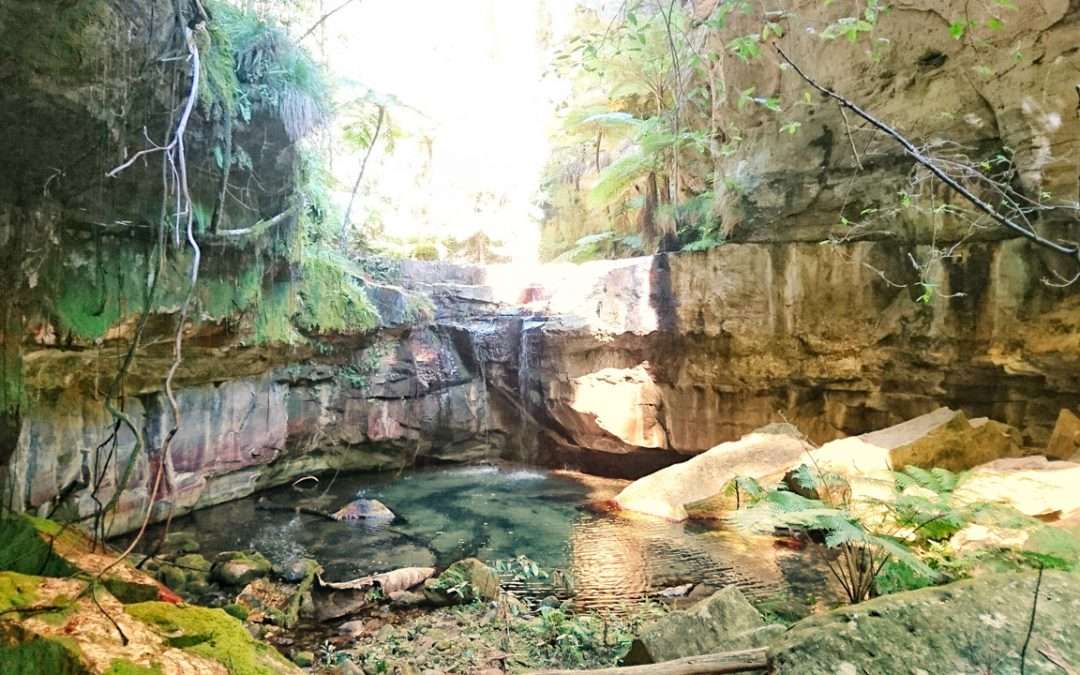
Carnarvon Gorge National Park Walk Out To Art Gallery Moss Gallery

Trip 2: Fraser Island (now called K’gari)

Location And Accessibility
Fraser Island K’gari the world’s largest sand island is located about 250 kilometres north of Brisbane. Accessible by ferry from Hervey Bay this UNESCO World Heritage site is a must-visit.

Highlights and Attractions

  • 4WD Adventures
    Fraser Island K’gari is a 4WD enthusiast’s paradise. Drive along the sandy beaches and navigate through the island’s rugged interior for an adrenaline pumping adventure.
  • Lake McKenzie
    Lake McKenzie is a stunning freshwater lake with crystal-clear waters and white sandy shores. It’s the perfect spot for swimming and relaxing.
  • Maheno Shipwreck
    The Maheno Shipwreck is one of the island’s most iconic landmarks. This rusting relic offers a glimpse into the island’s maritime history and is a favourite photo spot.
  • Best Time To Visit
    The best time to visit Fraser Island is from August to October when the weather is mild and the chances of spotting humpback whales are high.

Trip 3: Moreton Island

Location and Accessibility
Moreton Island is a short ferry ride from Brisbane making it an ideal weekend getaway. It’s the third-largest sand island in the world and is known for its pristine beaches and diverse marine life.

Highlights and Attractions

Tangalooma Wrecks
The Tangalooma Wrecks are a series of sunken ships that have created an artificial reef perfect for snorkelling and diving. The clear waters around the wrecks are teeming with fish and other marine creatures.

Sandboarding
For a unique adventure, try sandboarding down the island’s massive sand dunes. It’s an exhilarating activity that’s fun for all ages.

Snorkeling And Diving
Moreton Island offers excellent snorkelling and diving opportunities. Explore the vibrant coral reefs and encounter colourful fish, turtles and even dolphins.

Best Time To Visit
Visit Moreton Island from March to May for pleasant weather and fewer crowds. The island’s natural beauty is at its best during these months.

Trip 4: Girraween National Park

Location And Accessibility
Girraween National Park is located about 260 kilometres southwest of Brisbane, near the Queensland-New South Wales border. It’s easily accessible by car and makes for a perfect weekend escape.

Highlights And Attractions

  • Granite Formations
    Girraween is famous for its striking granite formations including the Pyramid and the Sphinx. These massive rock structures provide excellent hiking and rock-climbing opportunities.
  • Flora And Fauna
    The park is home to a diverse range of flora and fauna. In spring the wildflowers bloom creating a colourful landscape that’s a delight to explore.
  • Walking Tracks
    Girraween offers a variety of walking tracks that cater to different fitness levels. Whether you’re looking for a leisurely stroll or a challenging hike, there’s something for everyone.
  • Best Time To Visit
    The best time to visit Girraween National Park is during spring (September to November) when the wildflowers are in full bloom and the weather is perfect for outdoor activities.

Trip 5: Scenic Rim

Location And Accessibility
The Scenic Rim is a picturesque region located about 70 kilometres south of Brisbane. It’s easily accessible by car and offers a range of attractions and activities.

Highlights And Attractions

  • Tamborine Mountain
    Tamborine Mountain is a popular destination within the Scenic Rim. Explore its lush rainforests, stunning waterfalls and charming villages. Don’t miss the Tamborine Rainforest Skywalk for a unique perspective.
  • Lamington National Park
    Lamington National Park is a haven for nature lovers. With its ancient rainforests, diverse wildlife and extensive network of walking tracks it’s a great place to reconnect with nature.
  • Wine Tours
    The Scenic Rim is also known for its vineyards and wineries. Take a wine tour and sample some of the region’s finest wines while enjoying the beautiful countryside.
  • Best Time To Visit
    The Scenic Rim is beautiful year-round, but the best time to visit is during autumn (March to May) and spring (September to November) when the weather is mild and the landscape is vibrant.

Preparation And Safety Tips

What to Pack
When heading out on an Outback adventure it’s essential to pack wisely. Bring plenty of water, sunscreen, a hat, comfortable clothing, sturdy shoes and a first aid kit. Don’t forget your camera to capture the stunning scenery.

Safety Precautions
Safety should always be a priority. Inform someone of your travel plans, check weather conditions and be prepared for emergencies. Ensure your vehicle is in good condition, especially if you’re heading to remote areas.

Environmental Responsibility
Respect the environment by following Leave No Trace principles. Dispose of waste properly, avoid disturbing wildlife and stick to designated trails to minimise your impact on the natural surroundings.

Carnarvon Gorge National Park The Art Gallery

Carnarvon Gorge National Park The Art Gallery

Outback Trips From Brisbane – Conclusion

Exploring the Outback from Brisbane opens up a world of adventure and natural beauty. From the rugged landscapes of Carnarvon Gorge to the pristine beaches of Fraser Island, each trip offers unique experiences and unforgettable memories. So pack your bags, hit the road and embark on an Outback adventure that will leave you in awe of Australia’s incredible landscapes. Outback trips from Brisbane are a lot easier to get to than you think.

FAQs About 5 Iconic Outback Trips From Brisbane Frequently Asked Questions

What is the best time of year to visit the Outback?

The best time to visit the Outback is during the cooler months from April to September, when the weather is more comfortable for outdoor activities.

Are these trips suitable for families?

Yes these trips are suitable for families. Many destinations offer activities and attractions that cater to all ages, making them perfect for family adventures.

What kind of vehicle is needed for these trips?

While some trips can be done with a regular car, others, like Fraser Island and Moreton Island, require a 4WD vehicle due to the sandy terrain and off-road conditions.

How long should I plan for each trip?

The duration of each trip depends on your preferences and the activities you want to do. Generally, plan for at least 2-3 days for each destination to fully explore and enjoy the experience.

Are there guided tours available for these destinations?

Yes guided tours are available for many of these destinations. They offer the benefit of local knowledge and can enhance your overall experience by providing insights into the area’s history, culture and natural features.

25 Best Camp Sites For Free Camping In Echuca

25 Best Camp Sites For Free Camping In Echuca

25 Best Camp Sites For Free Camping In Echuca

The best sites for free camping in Echuca for 2024. Top locations, tips & essential information. Echuca is a riverside town alongside the Murray River in Victoria Australia. Echuca blends history and natural beauty with recreational activities. Known for its paddle steamers and historic port Echuca is a popular destination for campers seeking a mix of relaxation and adventure. In this article outline the best free camping spots in and around Echuca.

We’ll chuck in some tips for an enjoyable camping experience and showcase some of the must see attractions in the area.

Reasons Why You Should Give Free Camping In Echuca A Go

Free camping in Echuca provides a unique opportunity to experience Echuca’s natural beauty and historic charm without the cost and overcrowding associated with traditional caravan parks. Here are some of the key reasons why free camping in Echuca is so appealing worth a go.

  • Cost Effective: Save money on accommodation, leaving more in your budget for activities and dining.
  • Scenic Location: Enjoy picturesque views of the Murray River and surrounding bushland.
  • Peace and Tranquillity: Escape the hustle and bustle of city life and unwind in a serene environment.
  • Adventure and Exploration: Engage in activities like fishing, hiking, and birdwatching right from your campsite.

Benarca Campground Free Camping In Echuca

Benarca Campground Free Camping In Echuca

Best Free Camping Spots in Echuca

1. Djarring (White Cockatoo)

Located within Benarca (Murray Valley Regional Park). Flat campground with steep access to water. Plenty of shade. Booking required. There is some Telstra reception.

Cost: Free
Type: Bush Camping
Location: Benarca Forest Rd, Moama, New South Wales / ACT
GPS: -36.059452°, 144.611957°
Web: https://www.nationalparks.nsw.gov.au/camping-and-accommodation/campgrounds/benarca-campground
Distance From Echuca: 22km
Pet Friendly: No

2. Benarca Beach Camp Site

Benarca precinct provides bush camps and is an ideal spot to fish right along Murray River in Murray Valley Regional Park not far from Echuca.

  • Bookings are not required at this campground.
  • Campsites are available on a first-in first-served basis.
  • Sites are unpowered and unmarked.
  • Benarca campground can be muddy following rain.

Benarca campground is in the Benarca precinct of Murray Valley National Park. To get there;

  • From Moama, head north along Cobb Highway.
  • Turn left onto Perricoota Road and continue for approximately 15km; it becomes Moama-Barnham Road.
  • Turn left onto Benarca Forest Road and follow the signs to the campground

Cost: Free
Type: Bush Camping
Location: Sarandu Road, Wharparilla, Victoria
GPS: -36.071431°, 144.612352°
Phone: 1300 072 757
Email: parks.info@environment.nsw.gov.au
Web: https://www.nationalparks.nsw.gov.au/camping-and-accommodation/campgrounds/benarca-campground
Distance From Echuca: 23km
Pet Friendly: Yes

3. Benarca (Sand Hill) Campground

Benarca precinct provides bush camps and is an ideal spot to fish right along Murray River in Murray Valley Regional Park, only 15km from Moama. Enjoy a walk along the river, mountain bike ride at the nearby Five Mile mountain bike trail, or a spot of birdwatching. For those who don’t mind getting their feet wet, there’s paddling, fishing and swimming. Its location in Murray Valley Regional Park means it’s dog friendly too, so your four-legged friends are welcome to join in on the family camping trip. The town of Echuca is nearby so its easy to head in for an evening meal or to pick up some supplies. You’ll also find museums and galleries and it’s the place to book a trip along the Murray on a paddle steamer.

  • Bookings are not required at this campground.
  • Campsites are available on a first-in first served basis.
  • Sites are unpowered and unmarked.
  • Benarca campground can be muddy following rain.

Cost: Free
Type: Bush Camping
Location: Benarca Forest Rd, Moama, New South Wales / ACT
GPS: -36.071328°, 144.619745°
Web: https://www.nationalparks.nsw.gov.au/murray-valley-national-park/benarca-campground/camping
Distance From Echuca: 23km
Pet Friendly: Yes

4. Millers Rise

Millers Rise offers free camping in Echuca (or pretty close to it) within the Benarca precinct. It is an ideal spot to fish right along Murray River in Murray Valley Regional Park, only 15km from Moama. Enjoy a walk along the river, mountain bike ride at the nearby Five Mile mountain bike trail, or a spot of birdwatching. For those who don’t mind getting their feet wet, there’s paddling, fishing and swimming. Its location in Murray Valley Regional Park means it’s dog friendly too, so your four-legged friends are welcome to join in on the family camping trip. The town of Echuca is nearby so its easy to head in for an evening meal or to pick up some supplies. You’ll also find museums and galleries and it’s the place to book a trip along the Murray on a paddle steamer.

  • Bookings are not required at this campground.
  • Campsites are available on a first-in first served basis.
  • Sites are unpowered and unmarked.
  • Millers Rise campground can be muddy following rain.

Cost: Free
Type: Bush Camping
Location: Murray River, New South Wales / ACT
GPS: -36.064247°, 144.620269°
Phone: 1300 072 757
Email: parks.info@environment.nsw.gov.au
Web: https://www.nationalparks.nsw.gov.au/camping-and-accommodation/campgrounds/benarca-campground
Distance From Echuca: 22km
Pet Friendly: Yes

5. Emu Bend Wharparilla

Dispersed bush camping beside the Murray River, in the Murray River Reserve. There are no facilities, campers must be self-sufficient. Take all rubbish with you and leave no trace.

  • This site is accessible to tents and camper trailers. You won’t get a caravan in here.
  • Pets are not permitted.
  • Avoid resting, picnics or camping under or close to trees. They may drop heavy branches at any time without warning.

The Upper Murray parks and reserves are in the North-East fire ban district. Bushfire safety is a personal responsibility. Anyone entering parks and forests during the bushfire season needs to stay aware of forecast weather conditions. Check for the Fire Danger Rating and days of Total Fire Ban at www.cfa.vic.gov.au or call the Vic Emergency Hotline on 1800 226 226. On Code Red Fire Danger Rating days these parks will be closed for public safety. Do not expect an official warning. Check the latest conditions at www.parks.vic.gov.au or by calling 13 1963

Cost: Free
Type: Bush Camping
Location: Unnamed Road, Wharparilla, Victoria
GPS: -36.061088°, 144.623290°
Phone: 13 19 63
Web: https://www.parks.vic.gov.au/places-to-see/sites/emu-bend-site-1-
Distance From Echuca: 19km
Pet Friendly: No

6. Shaes Bend

Small area off the main track suitable for camper trailer and small caravans. Medium or larger caravans won’t get in (or out). Max 1-2 cars/caravans in area. Easy access to water down a few steps.

Cost: Free
Type: Bush Camping
Location: Wharparilla, Victoria
GPS: -36.062088°, 144.625254°
Distance From Echuca: 18km
Pet Friendly: Yes

Casey Bend Free Camping In Echuca

Casey Bend Free Camping In Echuca

7. Benarca Camp

Benarca Camp provides free camping in Echuca (or pretty close to it) within the Benarca precinct. It is an ideal spot to fish right along Murray River in Murray Valley Regional Park, only 15km from Moama. Enjoy a walk along the river, mountain bike ride at the nearby Five Mile mountain bike trail, or a spot of birdwatching. For those who don’t mind getting their feet wet, there’s paddling, fishing and swimming. Its location in Murray Valley Regional Park means it’s dog friendly too, so your four-legged friends are welcome to join in on the family camping trip. The town of Echuca is nearby so its easy to head in for an evening meal or to pick up some supplies. You’ll also find museums and galleries and it’s the place to book a trip along the Murray on a paddle steamer. Bookings are required.

Cost: Free
Type: Bush Camping
Location: Benarca Forest Rd, Moama, New South Wales / ACT
GPS: -36.056353°, 144.624859°
Phone: 0130 007 275
Email: parks.info@environment.nsw.gov.au
Web: https://www.nationalparks.nsw.gov.au/camping-and-accommodation/campgrounds/benarca-campground
Distance From Echuca: 21km
Pet Friendly:

8. Wills Bend Sandbar No2

Basic bush camping along the Murray River. There are designated camping areas at Wills Bend near Echuca with toilets provided.

  • Campsites must be located at least 20m from any water source.
  • Take all rubbish with you and leave no trace.
  • Avoid resting, picnics or camping under or close to trees. They may drop heavy branches at any time without warning.
  • Toilets provided.

The Upper Murray parks and reserves are in the North-East fire ban district. Bushfire safety is a personal responsibility. Anyone entering parks and forests during the bushfire season needs to stay aware of forecast weather conditions. Check for the Fire Danger Rating and days of Total Fire Ban at www.cfa.vic.gov.au or call the Vic Emergency Hotline on 1800 226 226. On Code Red Fire Danger Rating days these parks will be closed for public safety. Do not expect an official warning. Check the latest conditions at www.parks.vic.gov.au or by calling 13 1963

Cost: Free
Type: Bush Camping
Location: Off Odwyer Rd, Echuca, Victoria
GPS: -36.053354°, 144.627201°
Phone: 13 19 63
Web: https://parkweb.vic.gov.au/explore/parks/river-murray-reserve/things-to-do/wills-bend
Distance From Echuca: 18km
Pet Friendly: Yes

9. Wills Bend

Basic bush camping along the Murray River. There are designated camping areas at Wills Bend near Echuca with toilets provided.

  • Campsites must be located at least 20m from any water source.
  • Take all rubbish with you and leave no trace.
  • Avoid resting, picnics or camping under or close to trees. They may drop heavy branches at any time without warning.
  • Toilets provided.

The Upper Murray parks and reserves are in the North-East fire ban district. Bushfire safety is a personal responsibility. Anyone entering parks and forests during the bushfire season needs to stay aware of forecast weather conditions. Check for the Fire Danger Rating and days of Total Fire Ban at www.cfa.vic.gov.au or call the VicEmergency Hotline on 1800 226 226. On Code Red Fire Danger Rating days these parks will be closed for public safety. Do not expect an official warning. Check the latest conditions at www.parks.vic.gov.au or by calling 13 1963

Cost: Free
Type: Bush Camping
Location: O’Dwyer Rd, Victoria
GPS: -36.049149°, 144.635722°
Phone: 13 19 63
Web: https://parkweb.vic.gov.au/explore/parks/river-murray-reserve/things-to-do/wills-bend
Distance From Echuca: 17km
Pet Friendly: Yes

10. Casey Bend

Dispersed bush camping near Echuca beside the Murray River in the Murray River Reserve.

  • There are no facilities, campers must be self-sufficient.
  • Take all rubbish with you and leave no trace.
  • This site is accessible to tents and camper trailers.
  • Pets are not permitted.
  • Avoid resting, picnics or camping under or close to trees. They may drop heavy branches at any time without warning.
  • Toilets provided.
  • Non-potable water available.
  • Telstra reception.

The Upper Murray parks and reserves are in the North-East fire ban district. Bushfire safety is a personal responsibility. Anyone entering parks and forests during the bushfire season needs to stay aware of forecast weather conditions. Check for the Fire Danger Rating and days of Total Fire Ban at www.cfa.vic.gov.au or call the Vic Emergency Hotline on 1800 226 226. On Code Red Fire Danger Rating days these parks will be closed for public safety. Do not expect an official warning. Check the latest conditions at www.parks.vic.gov.au or by calling 13 1963

Cost: Free
Type: Bush Camping
Location: 178 Casey Rd, Wharparilla, Victoria
GPS: -36.072745°, 144.659824°
Phone: 13 19 63
Web: https://www.parks.vic.gov.au/places-to-see/sites/casey-bend-site-1-
Distance From Echuca: 13km
Pet Friendly: No

11. Fats Cliff

This is a free campground. It is dog friendly. It is accessible to motorbikes, RVs, camper trailers and caravans. Camping in tents is allowed.

Cost: Free
Type: Bush Camping
Location: Simmie Road, Victoria
GPS: -36.116030°, 144.812595°
Distance From Echuca: 9km
Pet Friendly: Yes

12. Camp Spot On The Murray

Bush camping on the banks of the Murray River in the Echuca Regional Park, just outside Echuca.

  • There are no facilities.
  • Campers must be self-sufficient.
  • Take all rubbish with you and leave no trace.
  • Access via Simmie Road from Echuca.
  • Dogs allowed
  • Telstra reception.
  • Other mobile reception.

Cost: Free
Type: Bush Camping
Location: Simmie Road, Shire of Campaspe, Victoria
GPS: -36.114484°, 144.813702°
Web: https://www.visitmelbourne.com/Regions/The-Murray/Things-to-do/Outdoor-activities/Camping
Distance From Echuca: 9km
Pet Friendly: Yes

13. Rivers Edge Bush Camp

Numerous bushes camping spots on the banks of the Murray River in the Echuca Regional Park just outside Echuca. There are no facilities just bush and sandy beaches. You need to be self sufficient. Take all rubbish with you and leave no trace. Access via Simmie Road from Echuca.

  • Dogs allowed.
  • Telstra reception.
  • Other mobile reception.

Cost: Free
Type: Bush Camping
Location: Off Simmie Rd, Echuca Village, Victoria
GPS: -36.113301°, 144.808011°
Phone: 13 19 63
Web: https://www.visitmelbourne.com/Regions/The-Murray/Things-to-do/Outdoor-activities/Camping
Distance From Echuca: 9km
Pet Friendly: Yes

Emu Bend Free Camping On The Murray River

Emu Bend Free Camping On The Murray River

14. Betts Beach

Numerous bushes camping spots on the banks of the Murray River in the Echuca Regional Park just outside Echuca. There are no facilities just bush and sandy beaches. You need to be self sufficient. Take all rubbish with you and leave no trace.

  • Access via Simmie Road from Echuca.
  • Dogs allowed.
  • Telstra reception.
  • Other mobile reception.

Cost: Free
Type: State Forest Camping
Location: Access Via Simmie Road, Echuca Village, Victoria
GPS: -36.107470°, 144.806359°
Phone: 13 19 63
Web: https://www.visitmelbourne.com/Regions/The-Murray/Things-to-do/Outdoor-activities/Camping
Distance From Echuca: 10km
Pet Friendly: Yes

15. Murray Bend

Bush camping on the banks of the Murray River in the Echuca Regional Park, just outside Echuca. There are no facilities. Take all rubbish with you and leave no trace. Toilets are available further north at Christie’s Beach.

  • Access via Simmie Road from Echuca.
  • Dogs allowed.
  • Telstra reception.
  • Other mobile reception.
  • Good TV reception.

Cost: Free
Type: Bush Camping
Location: Enter Simmies Rd, Echuca Village, Victoria
GPS: -36.111079°, 144.814842°
Phone: 13 19 63
Web: https://www.visitmelbourne.com/Regions/The-Murray/Things-to-do/Outdoor-activities/Camping
Distance From Echuca: 10km
Pet Friendly: Yes

16. George’s Beach

Free camping in Echuca on the banks of the Murray River in the Echuca Regional Park just outside Echuca. There are no facilities. Take all rubbish with you and leave no trace. Toilets are available further north at Christie’s Beach.

  • Access via Simmie Road from Echuca.
  • Dogs allowed.
  • Telstra reception.
  • Other mobile reception.
  • Good TV reception.

Cost: Free
Type: Bush Camping
Location: Unnamed Road, Echuca Village, Victoria
GPS: -36.109091°, 144.816097°
Phone: 13 19 63
Web: https://www.visitmelbourne.com/Regions/The-Murray/Things-to-do/Outdoor-activities/Camping
Distance From Echuca: 11km
Pet Friendly: Yes

17. Christie’s Beach

Large open camp ground multiple spots. Good access to the river. BYO firewood the area has been picked clean.

  • Dogs allowed.
  • Telstra reception.
  • Other mobile reception.
  • Toilets available.

Cost: Free
Type: Sate Forest Bush Camping
Location: Unnamed Rd, Echuca, Victoria
GPS: -36.103711°, 144.811103°
Distance From Echuca: 12km
Pet Friendly: Yes

18. Rivers Edge Camping Spot

This is a free campground. It is dog friendly. It is accessible to motorbikes and camper trailers. Camping in tents is allowed.

  • Dogs allowed.
  • Telstra reception.
  • Other mobile reception.

Cost: Free
Type: Bush Camping
GPS: -36.106958°, 144.817851°
Distance From Echuca: 12km
Pet Friendly: Yes

19. Drifters Bend

Great hidden spot. Can access the river on foot. Great open spot for tents or swags.

Cost: Free
Type: Bush Camping
Location: End Road, Moama, New South Wales / ACT
GPS: -36.106806°, 144.821284°
Distance From Echuca: 11km
Pet Friendly: Yes

20. Looker Track

This free campground offers swimming. It is accessible to off road caravans and four wheel drives. Camping in tents is allowed.

  • It is dog friendly.
  • Telstra reception.

Cost: Free
Type: Bush Camping
Location: East Of Echuca, Victoria
GPS: -36.104882°, 144.823092°
Distance From Echuca: 11km
Pet Friendly: Yes

Murray Bend Free Camping In Echuca On The Murray River

Murray Bend Free Camping In Echuca On The Murray River

21. Secluded Hideaway

Free bush camping near the Murray River, offering plenty of space and privacy.

  • There are no facilities.
  • Campers must be self-sufficient.
  • Take all rubbish with you and leave no trace.
  • Accessible to tents, camper trailers, motorhomes and caravans. May become inaccessible during wet weather.
  • It is dog friendly.
  • Telstra reception.
  • Other mobile reception.

Cost: Free
Type: Bush Camping
Location: Unnamed Rd, Echuca Village, Victoria
GPS: -36.108200°, 144.827854°
Distance From Echuca: 10km
Pet Friendly: Yes

22. Cochranes Bend Goulburn River

This free campground offers swimming. It is accessible to motorbikes, RVs, camper trailers and caravans.

  • Camping in tents is allowed.
  • It is dog friendly.
  • Telstra reception.

Cost: Free
Type: Bush Camping
Location: Off Bangerang Rd, Echuca, Victoria
GPS: -36.106883°, 144.847060°
Distance From Echuca: 12km
Pet Friendly: Yes

23. The Beach

This free campground offers swimming. It is accessible to motorbikes, RVs, camper trailers and caravans.

  • Camping in tents is allowed.
  • It is dog friendly.
  • Telstra reception.
  • Good TV reception.
  • Non potable water available (not drinkable).

Cost: Free
Type: Bush Camping
Location: Stewarts Bridge Rd,, Victoria
GPS: -36.094930°, 144.841916°
Distance From Echuca: 14km
Pet Friendly: Yes

24. 1732 Murray River

This free campground offers swimming. It is accessible to motorbikes, RVs, camper trailers and caravans.

  • Camping in tents is allowed.
  • It is dog friendly.
  • Telstra reception.
  • Good TV reception.
  • Non potable water available (not drinkable).

Cost: Free
Type: State Forest Bush Camping
Location: 212 Stewarts Bridge Rd, Lower Moira, Victoria
GPS: -36.093215°, 144.843503°
Distance From Echuca: 14km
Pet Friendly: Yes

25. 1734 Murray River

This free campground offers swimming. It is accessible to camper trailers. You wouldn’t be able to get a caravan in here not even a small one.

  • Camping in tents is allowed.
  • It is dog friendly.
  • Non potable water available (not drinkable).
  • You must be fully self-contained.

Cost: Free
Type: Bush Camping
Location: 212 Stewarts Bridge Rd, Lower Moira, Victoria
GPS: -36.085381°, 144.843313°
Distance From Echuca: 15km
Pet Friendly: Yes

Rivers Edge Bush Camp Free Camping In Echuca

Rivers Edge Bush Camp Free Camping In Echuca

Dump Points In Echuca

There are two publicly accessible dump points in Echuca.

1. BP Echuca Dump Point

Dump point is in the parking lot of the BP service station. Free for public. Drinking water is also available form here.

Location: 73/85 Murray Vally Hwy, Echuca, Victoria
GPS: -36.132222°, 144.727201°

2. Echuca Rotary Community Park Dump Point

Dump point is located in This dump point is provided by the Rotary Club of Echuca Moama. Use of dump point is by a $5 donation- the donation box is out the front of the first building. Please drive at the speed recommended and be safe for other campers as well as making our road surface last. Rotary has listened to reviews and spent a lot of money improving surfaces for wet weather.

Location: Rose St, Echuca, Victoria
GPS: -36.145897°, 144.733412°

Essential Tips For Free Camping

Pack Wisely

When free camping it’s important to be self sufficient. Ensure you pack all necessary supplies, including:

  • Food and Water: Bring enough for the duration of your stay.
  • Camping Gear: Tent, sleeping bags, cooking equipment, and lighting.
  • First Aid Kit: Be prepared for minor injuries and emergencies.
  • Waste Management: Bring bags to collect and dispose of your rubbish responsibly.

Respect Nature

Leave No Trace: Clean up after yourself and leave the campsite as you found it.
Wildlife: Observe animals from a distance and do not feed them.
Campfires: Only light fires in designated areas and ensure they are fully extinguished before leaving.

Top 5 Best Things To Do In Echuca

The Port of Echuca
The Port of Echuca is an historic site that offers a look back into the town’s past as a major river port. Take a stroll along the port’s boardwalk, explore the museum, and enjoy a ride on a historic paddle steamer.

Murray River Paddlesteamers
No visit to Echuca is complete without a cruise on a paddle steamer. These former workhorses of the river offer a unique way to explore the Murray River and take in the stunning scenery. Various operators offer tours ranging from short excursions to full-day trips.

Echuca Moama Bridge
The Echuca Moama Bridge connects the twin towns of Echuca and Moama. The bridge is an impressive structure and offers great views of the river.

Echuca Historical Society Museum
The Echuca Historical Society Museum is in the old police station. It houses an extensive collection of artifacts and exhibits detailing the region’s history. It’s well worth a visit if you’re into history.

Local Wildlife And Flora
Echuca is home to a diverse range of wildlife and plant species. You’ll likely be visited by kangaroos and a variety of bird species. The region’s flora includes river red gums and various native shrubs. Always respect wildlife and be mindful of their habitats.

Best Time To Visit Echuca

Echuca can be visited year round, but the best time to camp is during the spring and autumn months when the weather is mild and pleasant. Summer can be quite hot, while winter may bring cooler temperatures and occasional rain.

Stay Safe

  • Weather Conditions: Check the weather forecast and be prepared for changes.
  • Emergency Plan: Know the location of the nearest town or ranger station in case of an emergency.
  • Communication: Ensure you have a charged mobile phone and possibly a portable charger.

Will No2 Sandbar Murray River Camping

Will No2 Sandbar Murray River Camping

How To Get To Echuca From Melbourne

To get to Echuca by car from Melbourne, follow these step-by-step directions:

  1. Step 1: Start from Melbourne CBD
    Enter the Citylink Tollway (M2): From Melbourne CBD, head northwest on Elizabeth St toward Collins St. Turn left onto Lonsdale St, then take the ramp to Citylink/State Route 43.
  2. Step 2: Take the Tullamarine Freeway (M2)
    Continue on the Tullamarine Freeway (M2): Merge onto the Tullamarine Freeway (M2). Stay on this route following signs for Airport/State Route 43.
  3. Step 3: Exit to Calder Freeway (M79)
    Exit onto Calder Freeway (M79): After about 14 kilometres, use the left 2 lanes to take the Calder Freeway/M79 exit toward Bendigo. Continue on the Calder Freeway for approximately 90 kilometres.
  4. Step 4: Exit to Northern Highway (B75)
    Exit onto Northern Highway (B75): Take the exit toward Northern Highway/B75/Echuca from the Calder Freeway. Merge onto Northern Highway (B75).
  5. Step 5: Follow the Northern Highway to Echuca
    Drive through Heathcote: Continue on the Northern Highway passing through Heathcote. Keep following signs for Echuca.
    Pass through Rochester: Continue driving through the town of Rochester, staying on the Northern Highway.
  6. Step 6: Arrive in Echuca
    Enter Echuca: As you approach Echuca, you will continue on the Northern Highway. Follow the road signs to reach the town centre.

Travel Tips

Distance and Duration: The total driving distance from Melbourne to Echuca is approximately 220 kilometres and typically takes around 2.5 to 3 hours, depending on traffic and road conditions.

  • Fuel Stops: There are several service stations along the way, especially in larger towns like Heathcote and Rochester.
  • Rest Areas: Consider stopping in Heathcote or Rochester for a break, as both towns offer facilities for food and rest.
  • Navigation Tools: Use a GPS device or a map application on your smartphone to ensure you stay on the correct route. Most navigation apps will offer real-time traffic updates and alternative routes if needed.
  • Make It part Of A Road Trip: There are plenty of others places to free camp along the Murray River.

Things to Check Before Departure:

  • Vehicle Condition: Ensure your car is in good working condition with sufficient fuel and check tire pressure and oil levels.
  • Weather Conditions: Check the weather forecast for both Melbourne and Echuca as well as any areas in between to avoid any unexpected weather-related issues.
  • Travel Restrictions: Verify if there are any roadworks, detours or travel restrictions along the route that could affect your journey.
Travel From to Echuca Distance Time
Adelaide 661km 07:11
Albury 226km 02:35
Brisbane 1,507km 16:44
Canberra 563km 06:03
Melbourne 227km 02:43
Sydney 774km 08:12

Conclusion

Free camping in Echuca gives you an awesome chance to connect with nature and explore the rich history of this charming town. With several beautiful camping spots to choose from and a variety of attractions to visit, Echuca is a perfect destination for campers seeking both adventure and relaxation. Remember to respect the environment, pack wisely, and enjoy all that Echuca has to offer.

You might also want to have a look at our blog post on free camping spots on the Murray River to see some options in different locations.

FAQs Frequently Asked Questions About Free Camping In Echuca

Is it safe to swim in the Murray River?

Yes, it is generally safe to swim in the Murray River, but always be cautious of currents and submerged objects. It's best to swim in designated areas.

Are there any restrictions on campfires?

Campfire restrictions can vary, especially during fire season. Always check local regulations and only light fires in designated areas.

Can I bring my pet when camping in Echuca?

Pets are allowed in some camping areas but not all. Always check the specific rules for each campsite before bringing your pet.

What is the best time of year to visit Echuca?

The best times to visit are during the spring and autumn months when the weather is mild and enjoyable for camping and outdoor activities.

Are there any guided tours available in Echuca?

Yes there are several guided tours available, including paddle steamer cruises, historic port tours and winery tours. These tours offer a great way to learn more about the region and its history.

10 Best Campsites For Camping In Uluru

10 Best Campsites For Camping In Uluru

10 Best Campsites For Camping In Uluru

Explore the best campsites in Uluru. Get details on amenities, location, and what makes each spot unique for a perfect outback camping trip. Camping in Uluru offers a unique opportunity to connect with the heart of Australia’s Red Centre. The red rock and its surrounding landscape provides a spectacular backdrop for an unforgettable time away. Read on to find out what you need to know about camping in Uluru from the best campsites to essential tips and activities.

Camping in Uluru is a dream for many outdoor enthusiasts and adventurers. The striking beauty of Uluru also known as Ayers Rock combined with the unique cultural and natural experiences in the region makes it an exceptional destination. Use this blog post to help you plan your camping trip and make the most of your time in this iconic part of Australia.

Why Go Camping In Uluru?

Uluru is not just a rock; it’s a place of deep cultural significance and natural wonder. Camping in Uluru allows you the time to begin to appreciate the stunning landscape. Spend time camping in Uluru so you can feel serene beauty of the desert, and experience the rich Aboriginal culture that goes deep in the area. Waking up to the sight of Uluru bathed in the morning light is an experience that stays with you forever.

Top Campsites In Uluru

Ok so I’m going to let you in on a secret. There really isn’t much camping in Uluru or near Uluru. That all died out way back around the time Michael and Lindy Chamberlain were putting their tent up for the night back in 1980.

The closest you’ll get is Ayers Rock Campground. We’ve stayed there before and it really is an excellent caravan park. It’s got everything you need. As you’ll be aware of if you’ve read our blog before we’re generally not caravan park people but when you have to you have to sort of thing. As massive bonus to staying at Ayers Rock Campground is being able to take part in all of the daily activities throughout the resort. The didgeridoo workshop, painting workshop, bush tucker presentations and talks in the town square given by the very knowledgeable indigenous guides are NOT to be missed.

So what we’ve done is listed all of the place you can camp as close as you can get to Uluru. At the bottom of each listing you’ll find the distances to the Uluru Sunset Viewing platform displayed. To be honest the furthest you’d want to travel to Uluru from daily would be Curtin Springs I reckon. Keep in mind that even from Curtin Springs you’ll have an hour each way commute to the rock or the Olgas. And remember if if you are coming back from viewing a sunset that’s an hour in the dark on outback roads with the hoppy buggers leaping around all over the place.

So anyway without any further waffling on here are the 10 Top Campsites In Uluru or as close as you can get!

1. Ayers Rock Campground

Ayers Rock Campground is one of the most popular camping options near Uluru, located within Ayers Rock Resort. Close to Uluru and Kata Tjuta Ayers Rock Campground is ideal for visitors wanting to explore the national park.

  • Facilities: Showers, toilets, laundry facilities, swimming pool.
  • Accommodation Options: Powered and unpowered sites suitable for tents, caravans, and campervans.
  • Activities: Guided tours, cultural experiences, and sunset viewing.

Cost: Powered $90 / Unpowered $70* as at June 2024 (check their web site as it varies according to season)
Type: Caravan Park
Location: 173 Yulara Dr, Yulara 0872, Northern Territory
GPS: -25.238749°, 130.990129°
Phone: 0130 013 404
Web: https://ayersrockresort.com.au
Pet Friendly: Yes
Distance To Uluru Sunset Viewing Area: 15km

2. Yulara Overflow

Yulara Overflow offers a convenient location within Ayers Rock Resort. It gives you access to local amenities and attractions. It is only open when Ayers Rock Campground is full. Located in Yulara this campground is close to the visitor centre and cultural centre of Ayers Rock Resort.

  • Facilities: Showers, toilets, camp kitchen, swimming pool.
  • Accommodation Options: Powered and unpowered sites.

Cost: Unpowered $60* as at June 2024 (varies according to season)
Type: Caravan Park Overflow
Location: Yulara, Northern Territory
GPS: -25.233358°, 130.989135°
Pet Friendly: Yes
Distance To Uluru Sunset Viewing Area: 15km

Uluru Rent A Car And Visit Yulara Resort

Uluru Rent A Car And Visit Yulara Resort

3. Sandy View Roadside Rest Area

This is a free campground. It’s the only currently listed free camping area anywhere near Uluru.

  • It is accessible to motorbikes, RVs, camper trailers and caravans.
  • Camping in tents is allowed.
  • You can stay here for up to 24 hours.
  • This is a roadside site only.
  • Free camping at Ayers Rock.
  • Free camping at Uluru.
  • Free camping at Yulara.

Cost: Free
Type: Roadside Camping
Location: Lasseter Hwy, Yulara, Northern Territory
GPS: -25.220208°, 131.229939°
Distance From Laverton WA: 1,133km
Distance From Uluru NT: 41km
Pet Friendly: Yes

Sandy View Roadside Rest Area

Sandy View Roadside Rest Area

4. Curtin Springs Wayside Inn & Campground

On your arrival, please come into the store and obtain the information as to how the campground works, where you can set up and just as importantly, where you can’t set up. Curtin Springs is a very special part of Central Australia, owned by a family who have made this remote place their home. Curtin Springs Wayside Inn provides 27 accommodation rooms, campground, fuel, store and great homestyle meals for visitors when they are exploring the region. We have a small number of powered sites and unlimited unpowered sites. There is no charge for unpowered sites, there is a charge for powered sites. It is important to book your powered sites in advance.

  • There is a per person/per shower charge that applies to everyone in the campground, whether in powered or unpowered sites.
  • If you wish to fill your water tanks, please make a $10 donation into one of the charity tins in the store.
  • Curtin Springs offers a perfect base from which to visit the Ayers Rock and Kings Canyon areas.
  • ULP and Diesel are available.
  • Good 4G Telstra coverage, we do have a small Optus satellite cell that gives limited Optus mobile coverage.

Amenities

  • Facilities: Basic amenities including showers and toilets.
  • Accommodation Options: Unpowered and powered sites.
  • Activities: Stargazing, bird watching and cattle station tours.

Cost: Free / Showers $4 / Fee For Powered Sites / Fill Water Tanks $10 Donation
Type: Roadhouse
Location: Lasseter Hwy, Petermann, Northern Territory
GPS: -25.315585°, 131.756900°
Phone: (08) 8956 2906
Email: enquiries@curtinsprings.com
Web: https://www.curtinsprings.com
Pet Friendly: Yes
Distance To Uluru Sunset Viewing Area: 97km

Curtin Springs Not Quite Camping In Uluru

Curtin Springs Not Quite Camping In Uluru

5. Petermann Rest Stop (Curtin Springs East)

This is a free campground. It is accessible to RVs, camper trailers, caravans and big rigs. Camping in tents is allowed. You can stay here for up to 24 hours. You must be fully self-contained.

Cost: Free
Type: Roadside Rest Area
Location: Lasseter Hwy, Petermann, Northern Territory
GPS: -25.265822°, 131.978467°
Distance To Uluru Sunset Viewing Area: 125km

Petermann Rest Area Lasseter Highway Camping In Uluru

Petermann Rest Area Lasseter Highway Camping In Uluru

6. Kernot Range Rest Area

This is a free campground. It is accessible to RVs, camper trailers, caravans and big rigs. Camping in tents is allowed. You can stay here for up to 24 hours. You must be fully self-contained.

Cost: Free
Type: Roadside Rest Area
Location: Lasseter Hwy, Petermann, Northern Territory
GPS: -25.176982°, 132.252288°
Dog Friendly: Yes
Distance To Uluru Sunset Viewing Area: 157km

Kernot Range Rest Area

Kernot Range Rest Area

7. Salt Creek Rest Area

Rest area located 48km N Lasseter Hwy, on Luritja Road, approximately 110km from Kings Canyon. You may stay up to 24 hours. Facilities include picnic tables, shelters and rubbish bins. Please DO NOT drive across or camp behind the sand dune. The area behind the dune is part of the Angas Downs Indigenous Protected Area, where the Imanpa community and Anangu traditional owners are looking after their country to protect animals, plants, culture and heritage. Access onto Angas Downs IPA without permission disrespects the Anangu custodians. Traditional owners have expressly asked that tourists do not camp behind the dunes and make sure they leave the area tidy. Bury your toilet waste properly and take your rubbish with you. Angas Downs Rangers are conducting patrols and will ask campers behind the dunes to relocate to the rest area beside the Luritja Road.

Cost: Free
Type: Roadside Rest Area
Location: Luritja Rd, Petermann, Northern Territory
GPS: -24.772757°, 132.306874°
Pet Friendly: Yes
Distance To Uluru Sunset Viewing Area: 201km

8. Gumtree Circuit Campground

This is a free campground. It is accessible to RVs, camper trailers, caravans and big rigs. Camping in tents is allowed. You can stay here for up to 24 hours. You must be fully self-contained.

Cost: Free
Type: Campground
Location: Luritja Rd, Petermann, Northern Territory
GPS: -24.639554°, 132.308414°
Pet Friendly: Yes
Distance To Uluru Sunset Viewing Area: 218km

Gumtree Circuit Campground

Gumtree Circuit Campground

9. Docker River Camping

  • This unpaid campground no longer offers toilets or showers.
  • It is dog friendly.
  • It is accessible to RVs, camper trailers, caravans and big rigs.
  • Local community (shop and diesel) closed to other than residents.
  • Camping in tents is allowed.
  • Telstra reception
  • NOTE: store/fuel at Docker River NOT OPEN SUNDAYS

Cost: Free
Type: Bush Camping
Location: Tjukaruru Rd, Docker River, Northern Territory
GPS: -24.865080°, 129.061564°
Pet Friendly: Yes
Distance To Uluru Sunset Viewing Area: 228km

10. Longitude 131°

Longitude 131° provides luxury camping (glamping) near Uluru. Nestled among ancient dunes, Longitude 131° is a gathering of sixteen tented pavilions designed to offer both luxurious sanctuary and a profound sense of place. Unparalleled views of Uluru’s changing lights play out from the end of the bed, or on balconies from the warmth of a luxury swag unfurled in the cool night air. Custom furnishings invite stylish lounging, while works by local Indigenous artists offer inspiration. Guests observe the sights of the outback through floor to ceiling windows, relax on outdoor decks and sleep under a blanket of stars. Located within the national park, offering stunning views of Uluru.

  • Facilities: Luxury tents with ensuite bathrooms.
  • Activities: Exclusive tours, gourmet dining experiences.

Cost: From $3,780 per night in a Luxury Tent* (price as per web site June 2024)
Type: Luxury Pavilion Style Tents
Location: Yulara, Northern Territory
GPS: -25.250038°, 131.008477°
Phone: +61 299 184 355
Email: reserve@baillielodges.com.au
Web: https://longitude131.com.au/stay/#luxury-tent
Distance To Uluru Sunset Viewing Area: 17km

Best Time For Camping In Uluru

The best time to camp in Uluru is during the cooler months from May to September. Temperatures are way more more comfortable at this time of year making outdoor activities possible. Summer months (December to February) can be extremely hot with daytime temperatures often exceeding 40°C (104°F). Even in Autumn and Spring the area can just be too damn hot to do anything outdoors without dripping buckets of sweat.

Respecting Indigenous Culture and Heritage

Uluru is a sacred site to the Anangu people. It’s important to show respect for their culture and traditions it’s also just basic good manners. Visitors are encouraged to learn about the significance of Uluru and to follow guidelines set by the traditional owners such as not climbing the rock.

Safety Tips for Camping in the Outback

  • Stay Hydrated: Carry plenty of water and drink regularly.
  • Be Prepared for Weather: Pack for both hot days and cold nights.
  • Emergency Supplies: Have a basic emergency kit including a flashlight, extra batteries, and a whistle.
  • Inform Others: Let someone know your itinerary and expected return.
  • Stay on Marked Trails: To avoid getting lost and to protect the environment.

Top Activities Near Uluru

Sunrise and Sunset Viewing
The changing colours of Uluru at sunrise and sunset are truly mesmerising. Viewing platforms around the park offer the best vantage points. Make sure to arrive early to secure a good spot.

Guided Tours
Join guided tours to gain deeper insights into the geology, ecology, and cultural history of Uluru. Options include walking tours, segway tours, and helicopter flights.

Cultural Experiences
Participate in cultural activities offered by the Anangu people. These can include traditional dot painting workshops, storytelling sessions and guided walks. If you are camping in Uluru at the walk most of these activities are included.

Hiking and Walking Trails
Explore the various trails in Uluru-Kata Tjuta National Park. The Uluru Base Walk is a must do offering a close up view of the rock and its surroundings. The Valley of the Winds walk at Kata Tjuta is another excellent option. Make sure to take PLENTY of water with you on these walks and wear good solid hiking shoes. Hats are mandatory as is slopping on plenty of sunscreen.

Stargazing
The clear outback skies provide a perfect canvas for stargazing. Without the interference of city lights, you can enjoy a breathtaking view of the Milky Way and other celestial wonders.

Wildlife to Watch For
The Uluru region is home to a large assortment of wildlife. Things you might be privileged to see include kangaroos, emus, dingoes and numerous bird species. Early morning and late afternoon are the best times for wildlife spotting.

Environmental Considerations While Camping In Uluru

  • Leave No Trace: Ensure you leave your campsite as you found it. Dispose of waste properly.
  • Use Eco-Friendly Products: Biodegradable soap and shampoo are recommended.
  • Conserve Water: Use water sparingly and be mindful of the limited resources.

Local Food And Dining Options

While camping, you might want to try some local cuisine. Ayers Rock Resort offers loads of dining options from casual cafes to fine dining. Don’t miss the chance to try bush tucker, traditional Aboriginal foods.

How to Get to Uluru

Uluru is accessible by road or air. The nearest airport is Ayers Rock Airport (Connellan Airport), with regular flights from major Australian cities. If driving, it’s about a 4.5-hour drive from Alice Springs.

Camping Etiquette

  • Respect Quiet Hours: Be mindful of noise levels especially at night.
  • Follow Campground Rules: Adhere to posted guidelines and instructions.
  • Be Considerate of Others: Share communal facilities respectfully.

Conclusion

Camping in Uluru is a unique experience that allows you to connect deeply with the natural and cultural wonders of Australia’s Red Centre. By choosing the right campsite, packing essentials, and respecting the environment and local traditions, you can ensure a safe and memorable adventure.

Camping In Uluru FAQs Frequently Asked Questions

What is the best time of year to camp in Uluru?

The best time to camp in Uluru is during the cooler months from May to September when temperatures are more comfortable.

Can you camp inside Uluru-Kata Tjuta National Park?

No, camping is not allowed inside the park. However, there are several excellent campgrounds nearby in Yulara and surrounding areas.

Are pets allowed at the campgrounds near Uluru?

Pets are not allowed in national parks to protect the local wildlife and environment. Campgrounds near Uluru that aren't inside the national park may allow pets.

What activities can I do while camping near Uluru?

Activities include sunrise and sunset viewing, guided tours, cultural experiences, hiking and stargazing.

Is it safe to drink water from natural sources near Uluru?

No, it’s recommended to bring your own water or use water provided at the campgrounds as natural sources may not be safe to drink.