Disused Grain Silos Buddigower NSW

Disused Grain Silos Buddigower NSW

Disused Grain Silos Buddigower NSW

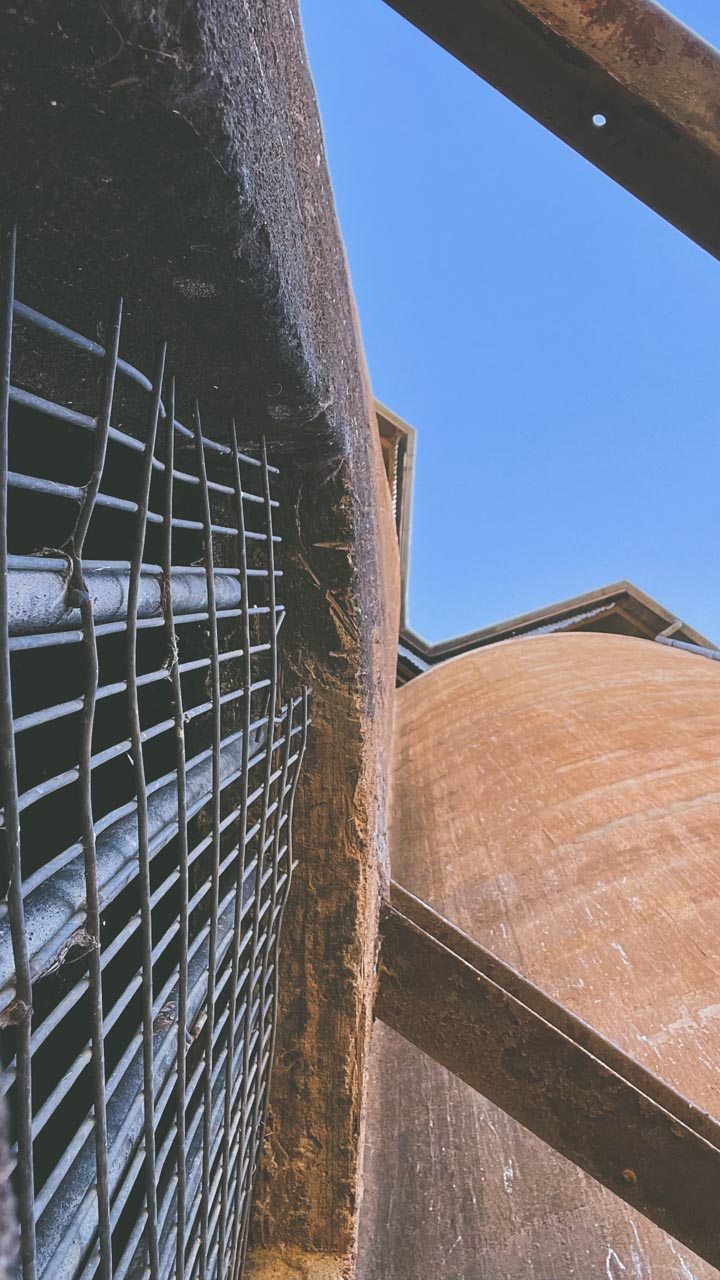
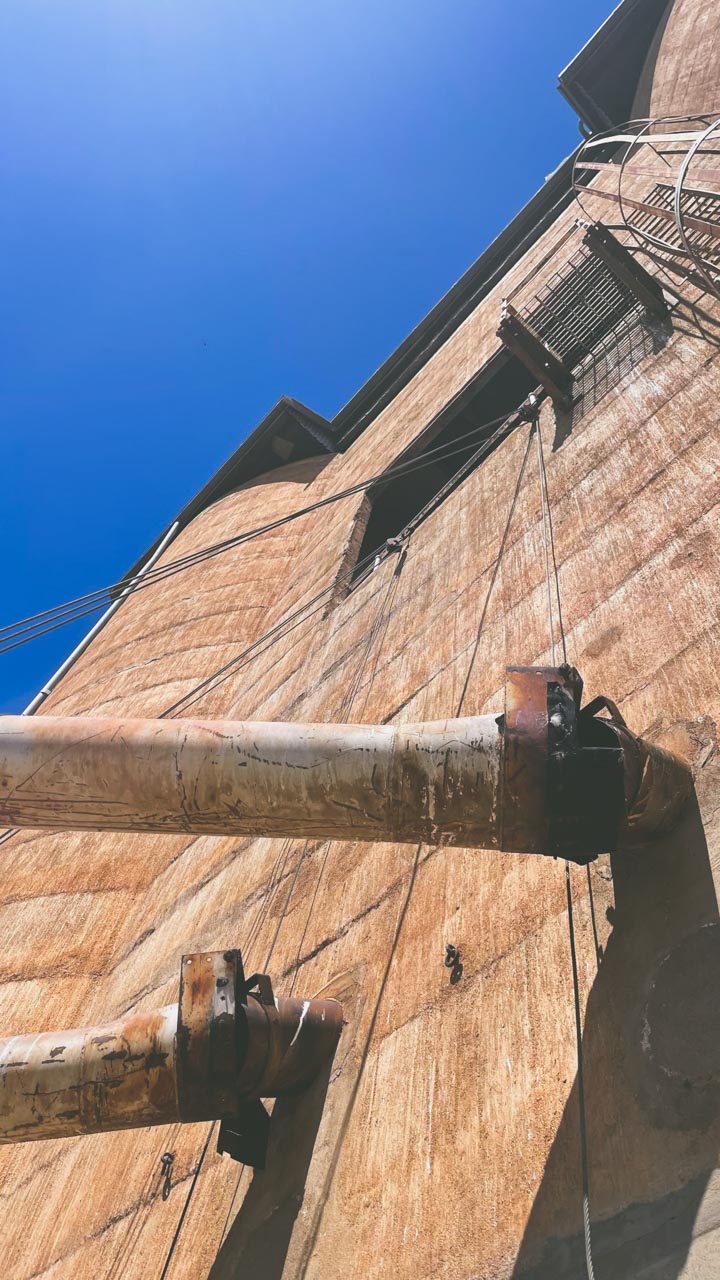
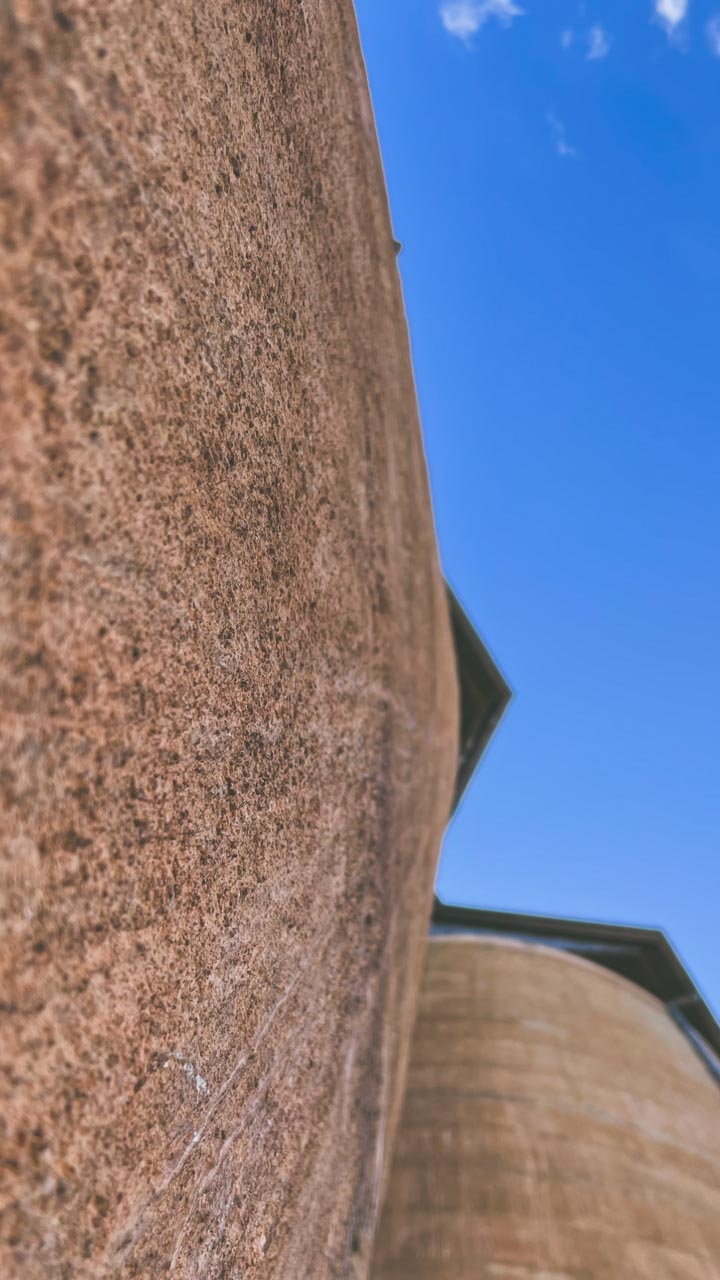
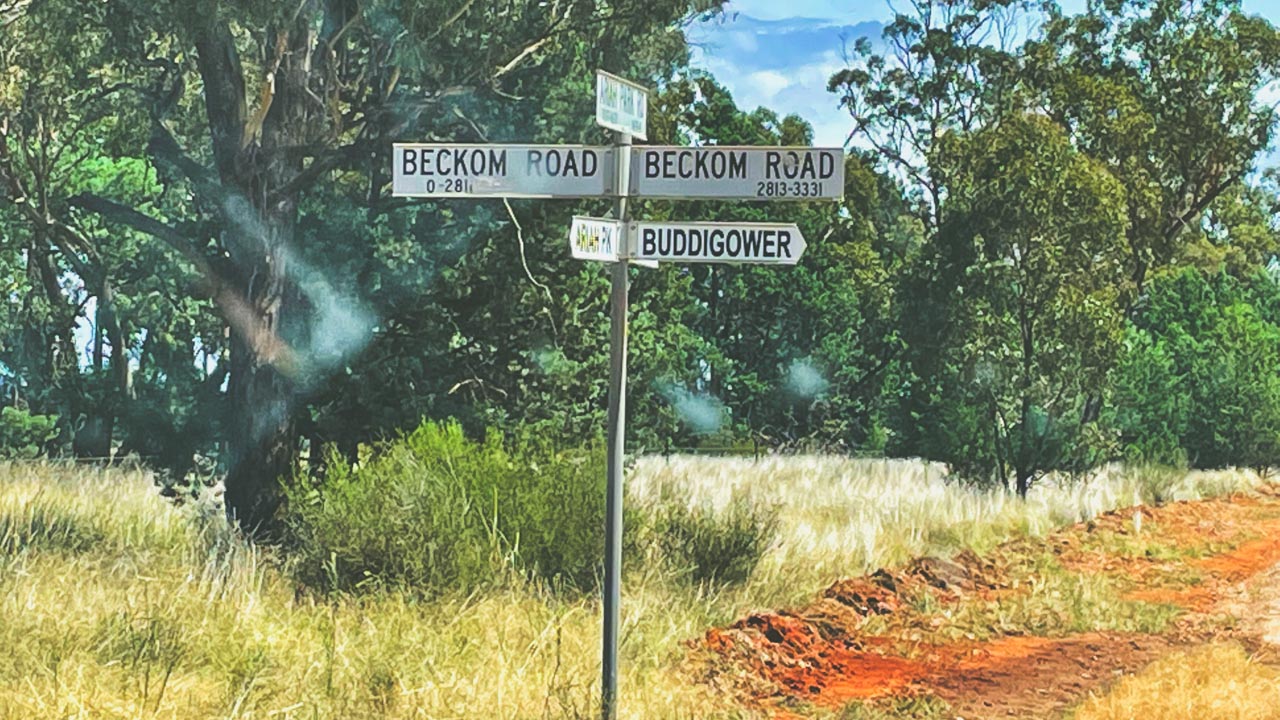
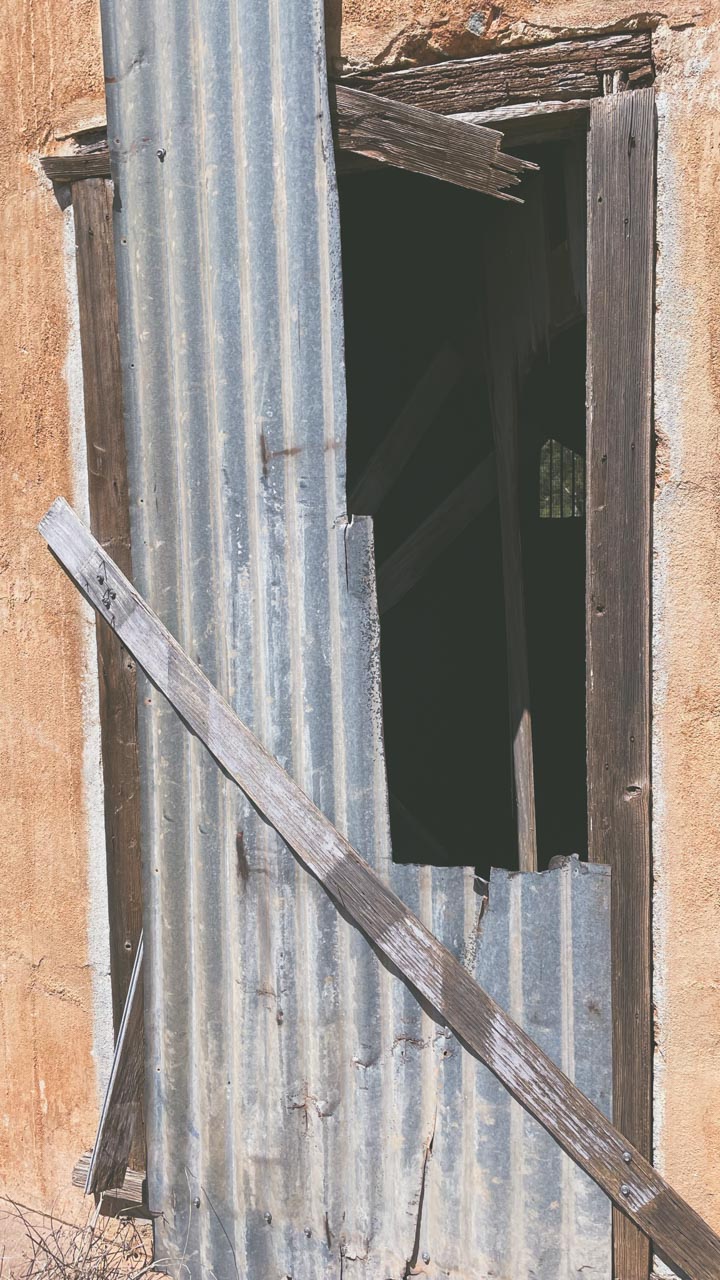
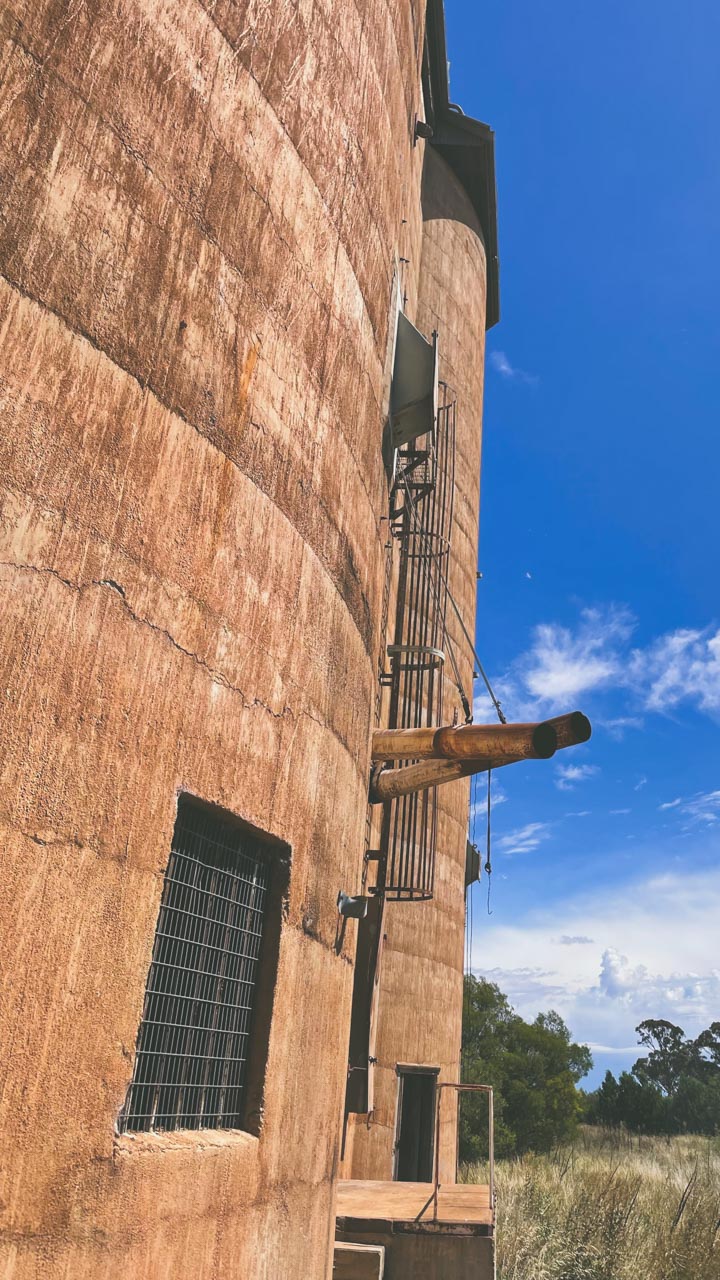
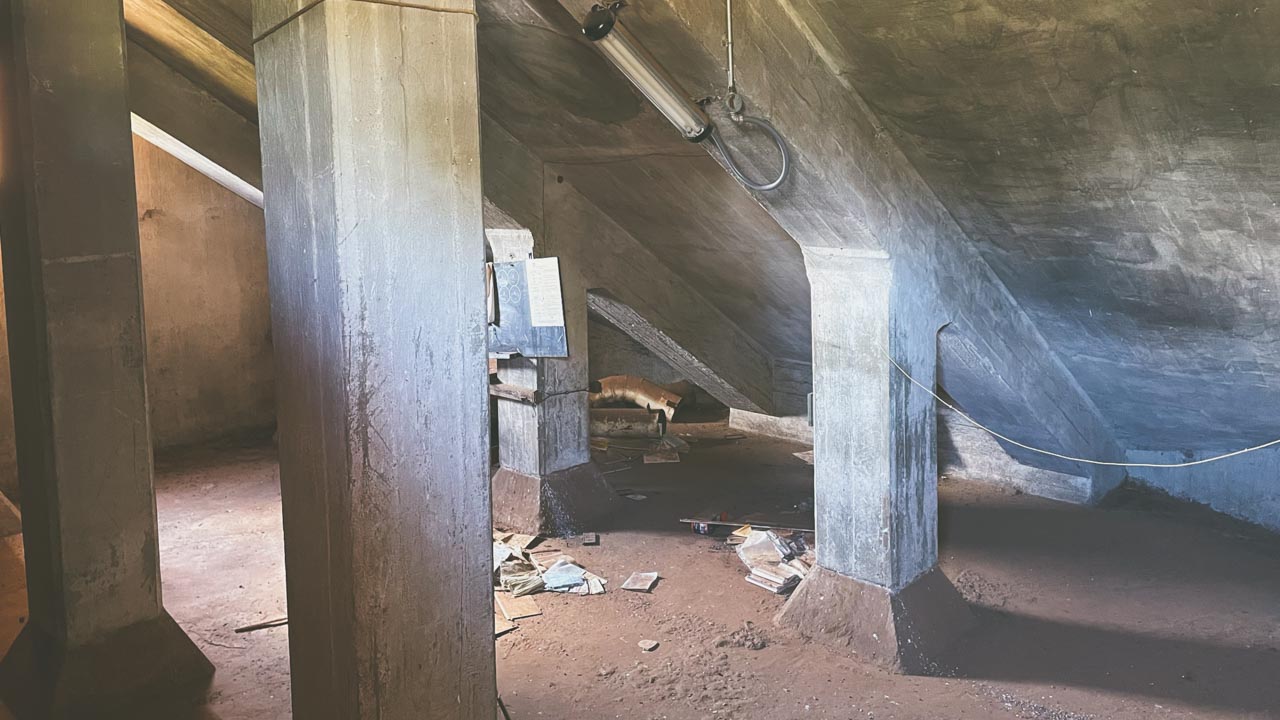
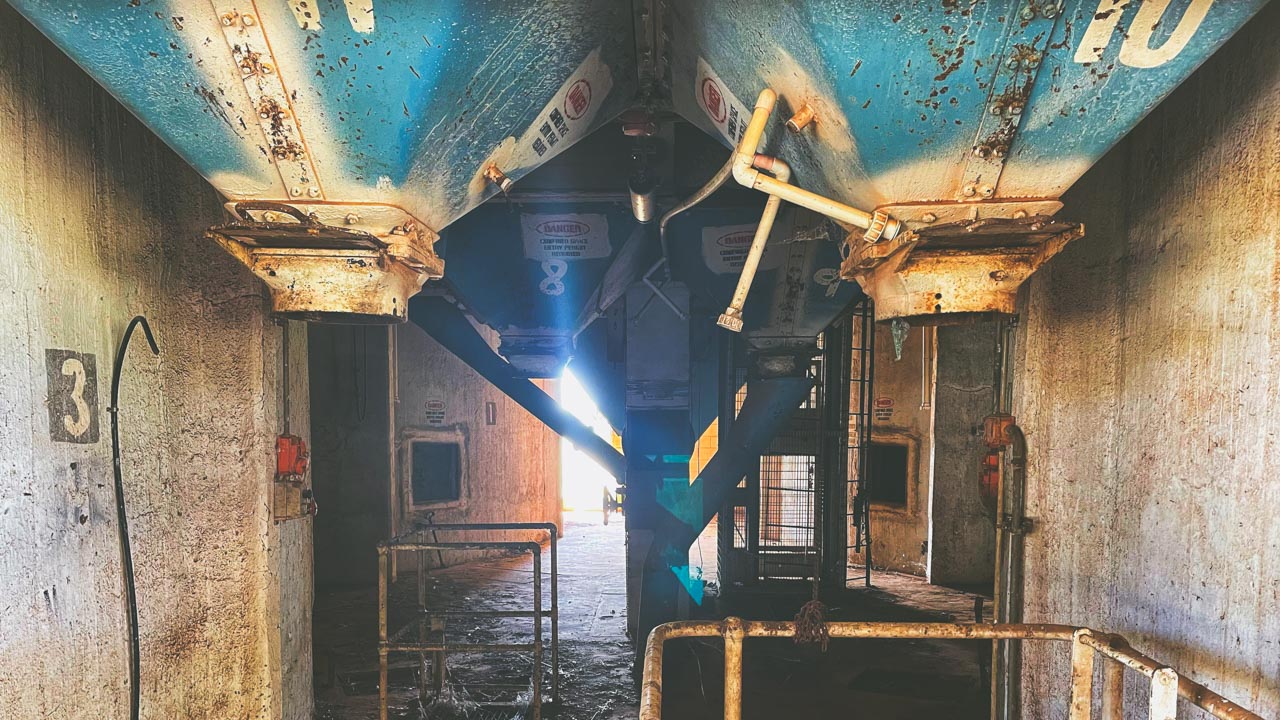
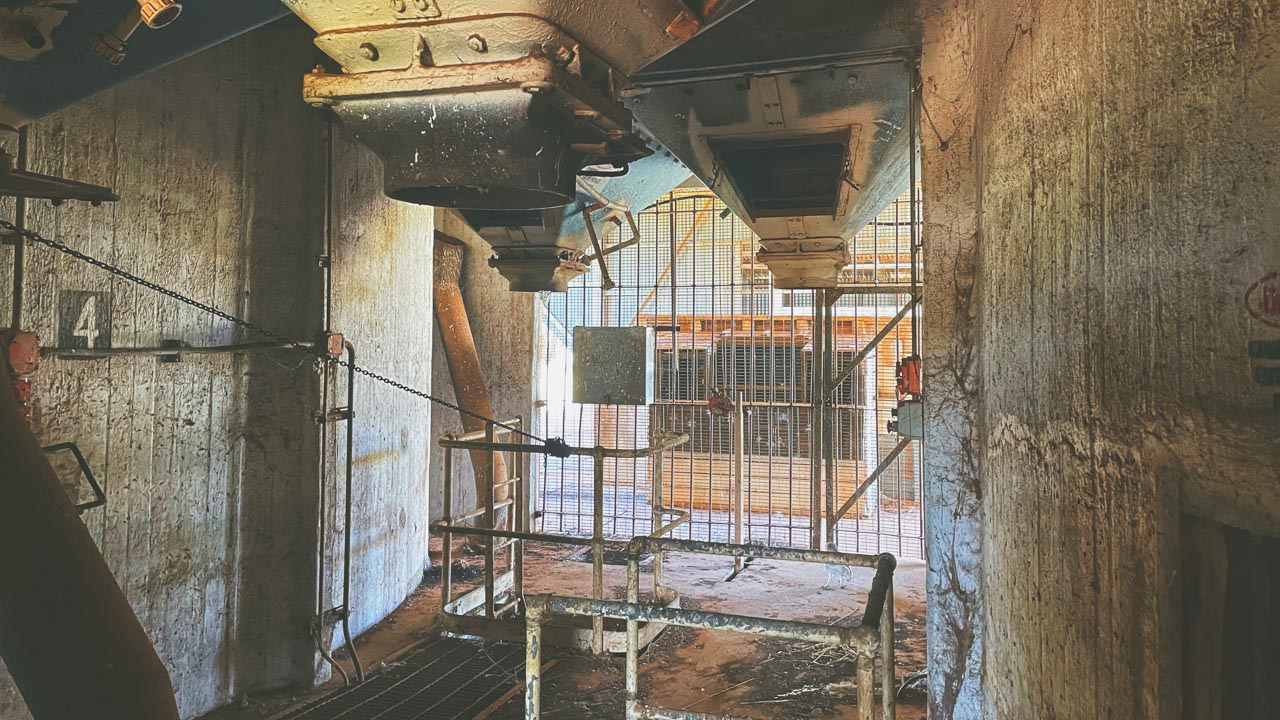
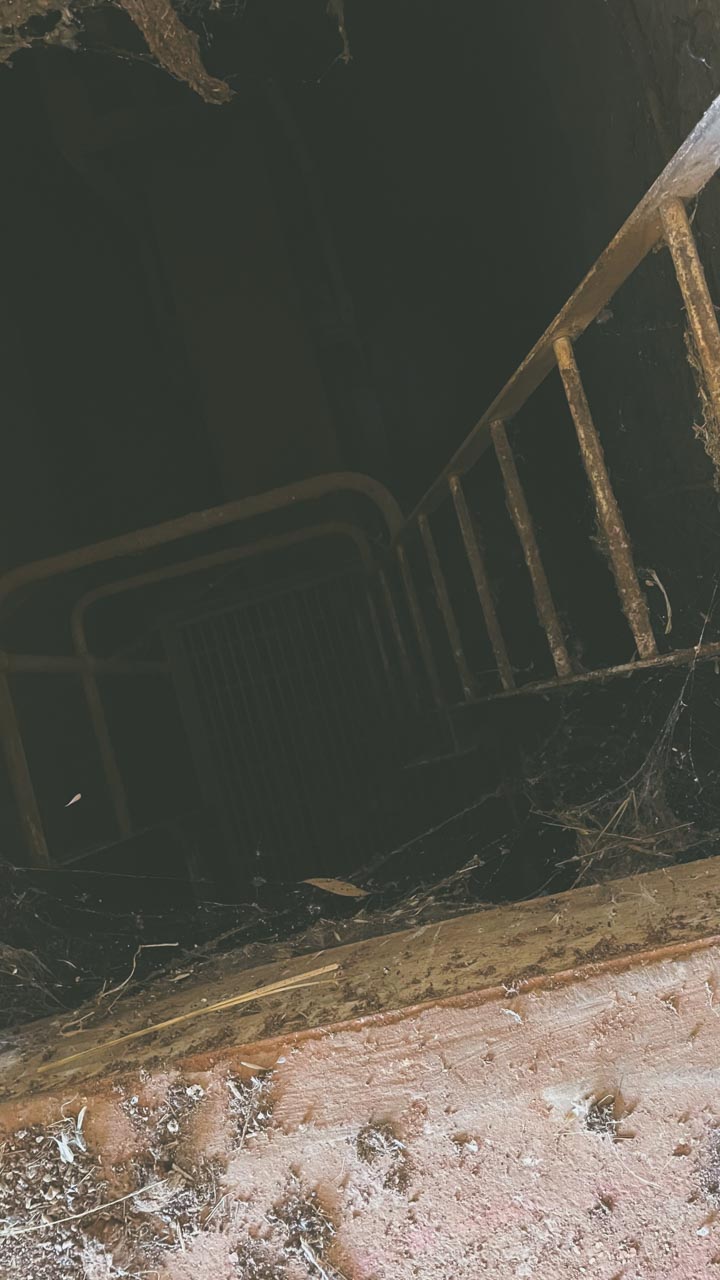
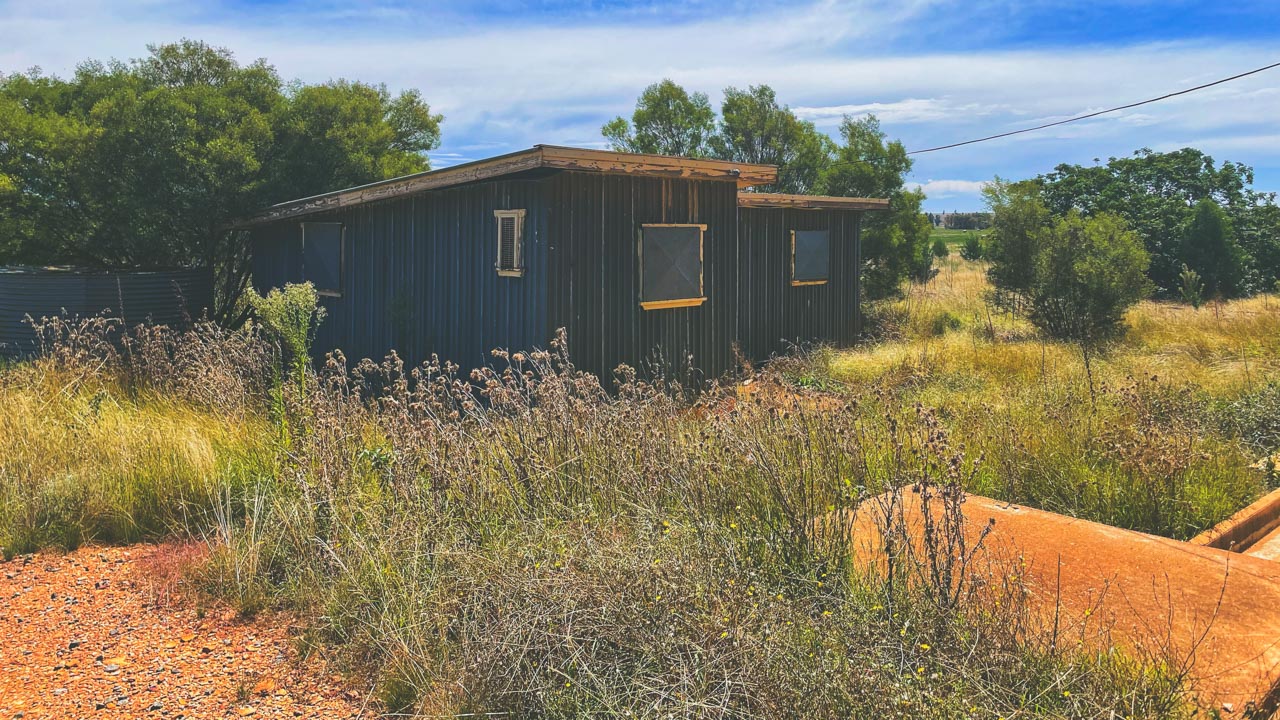
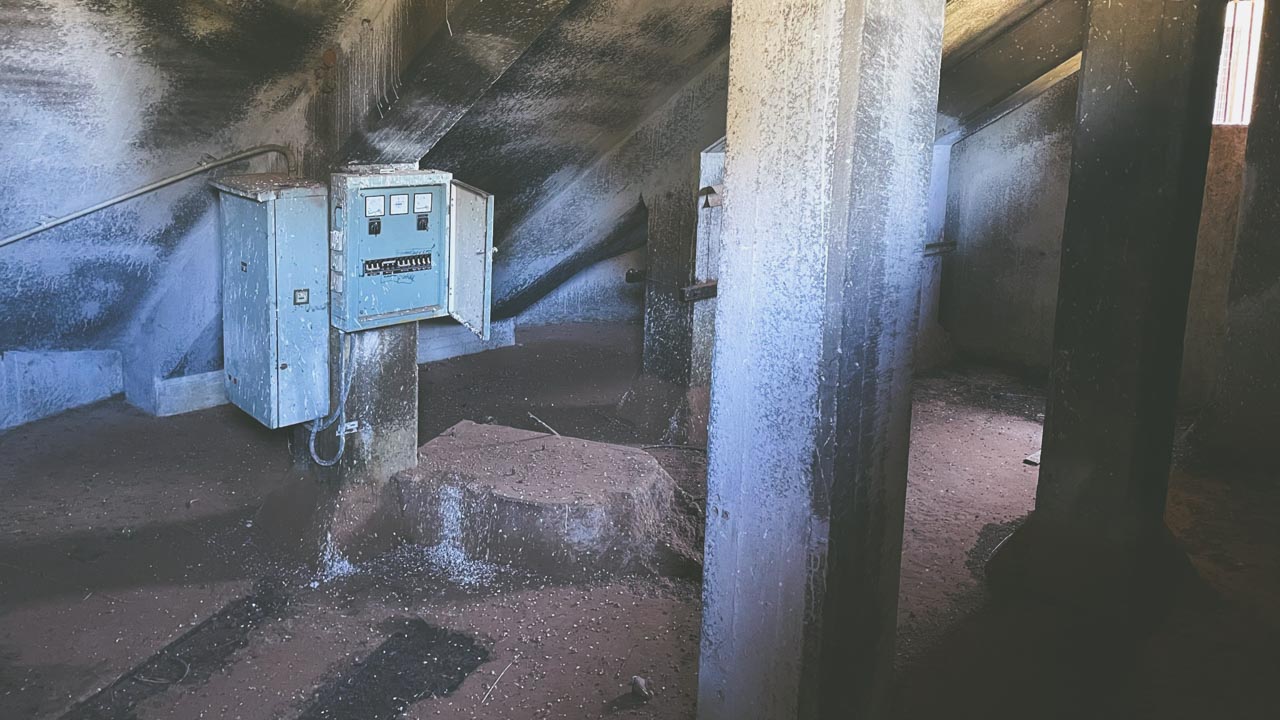
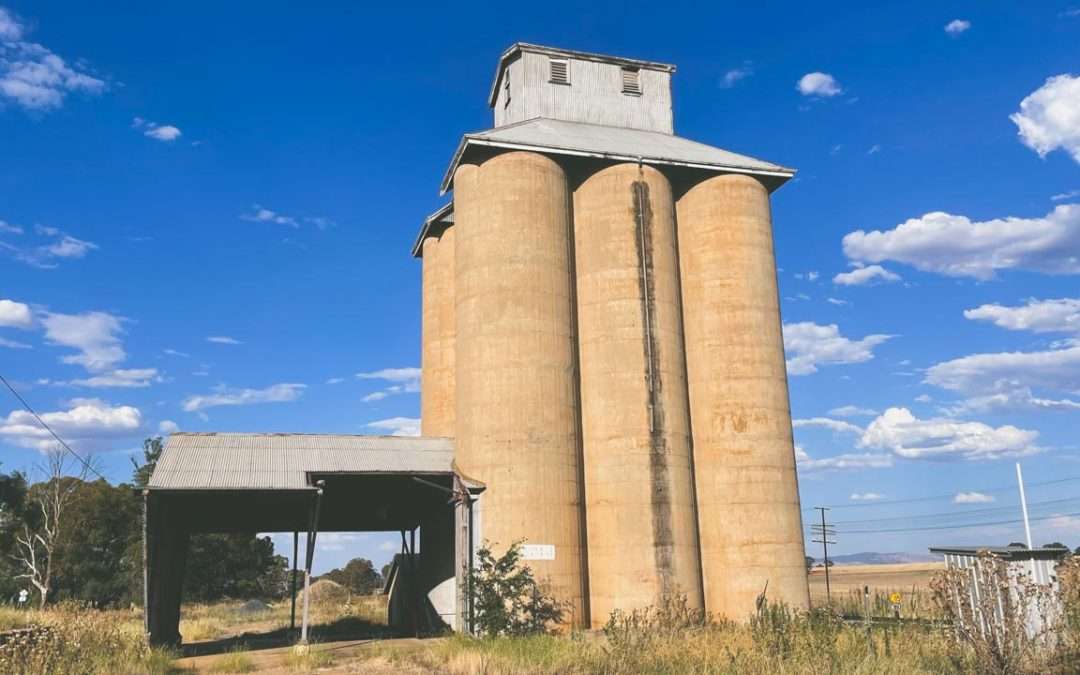
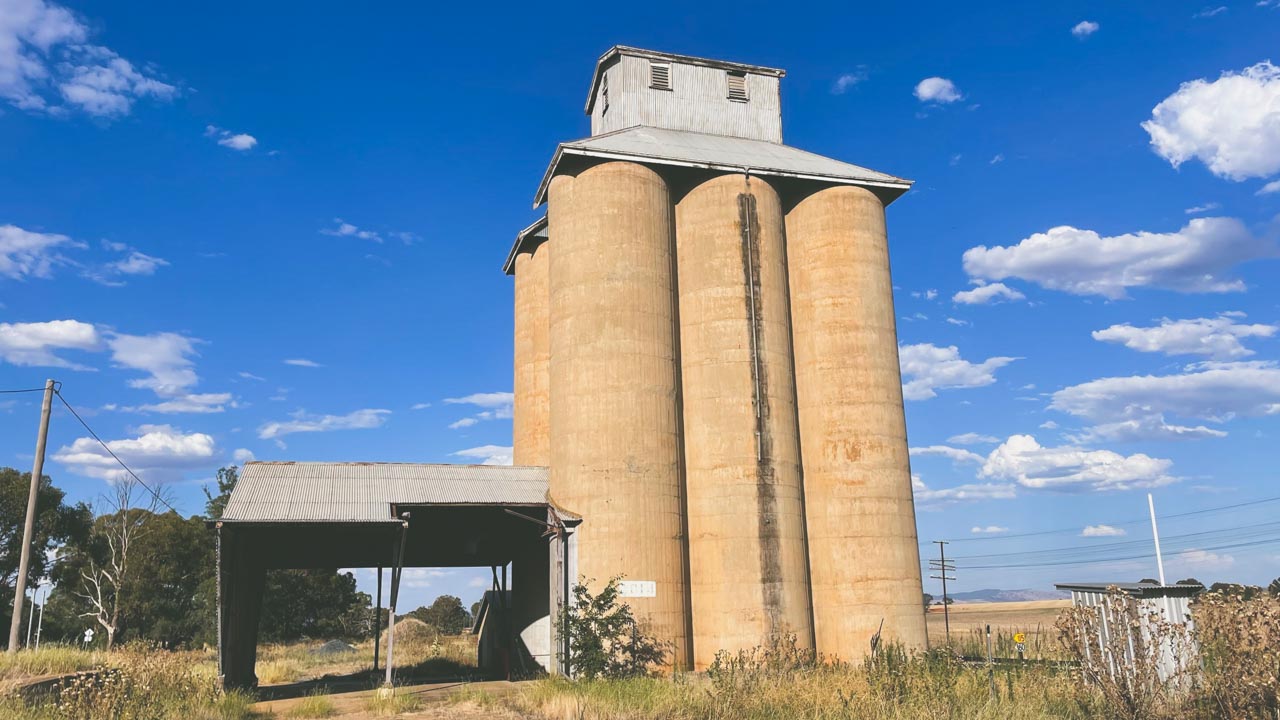
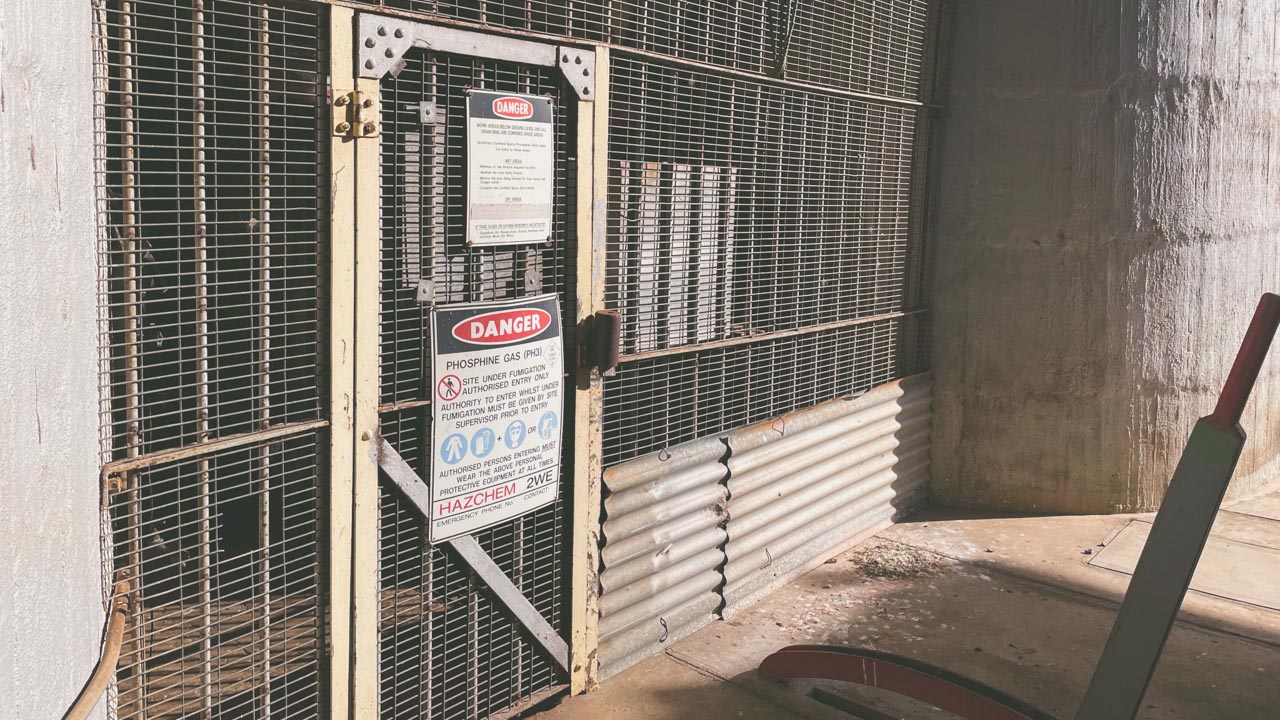
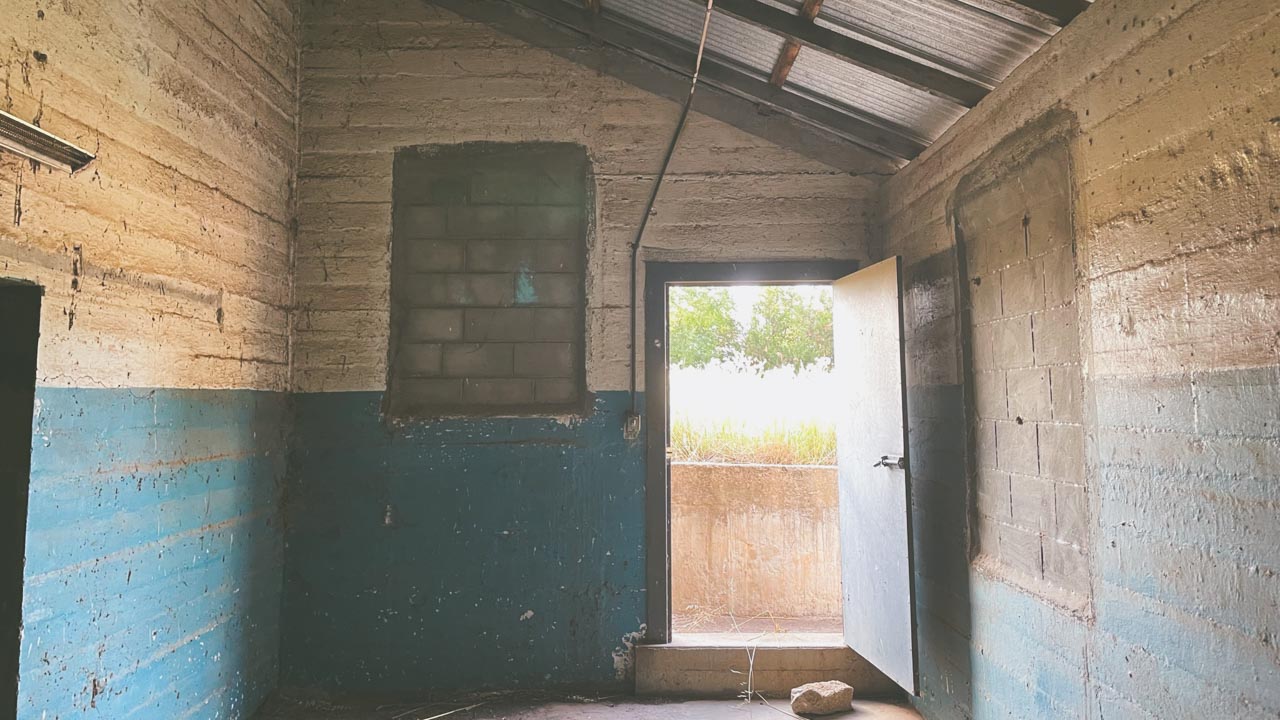
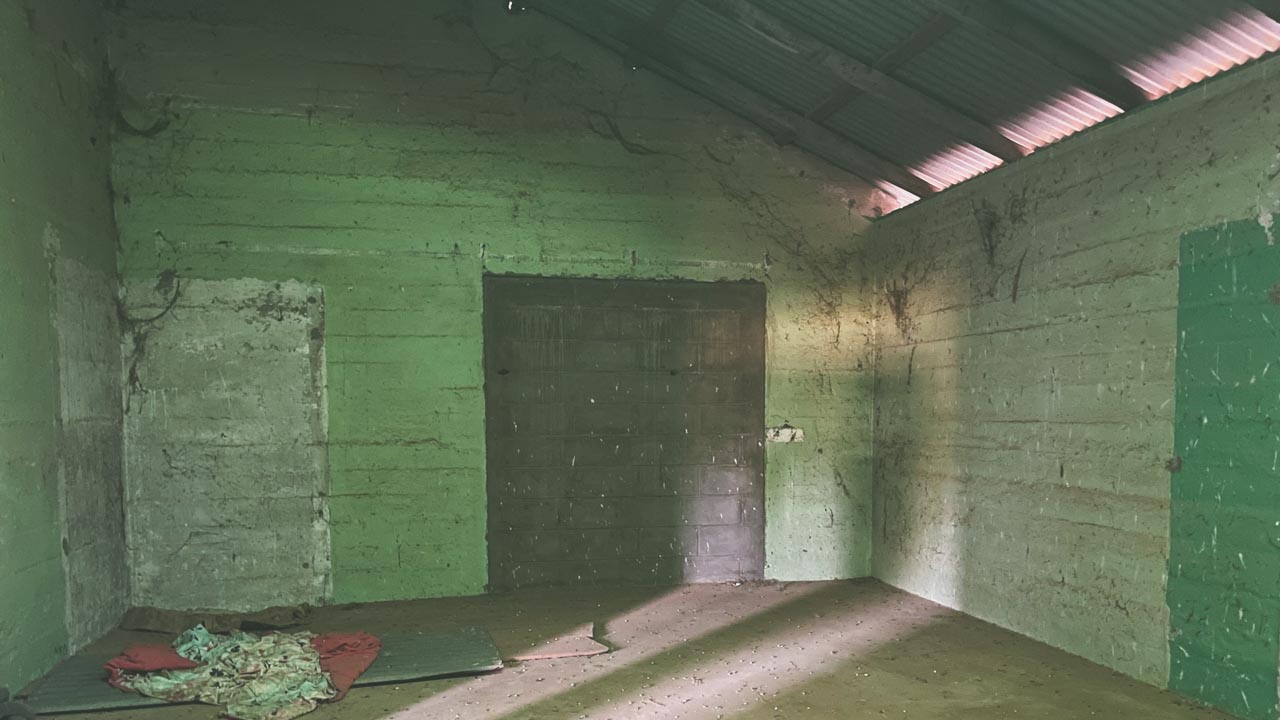
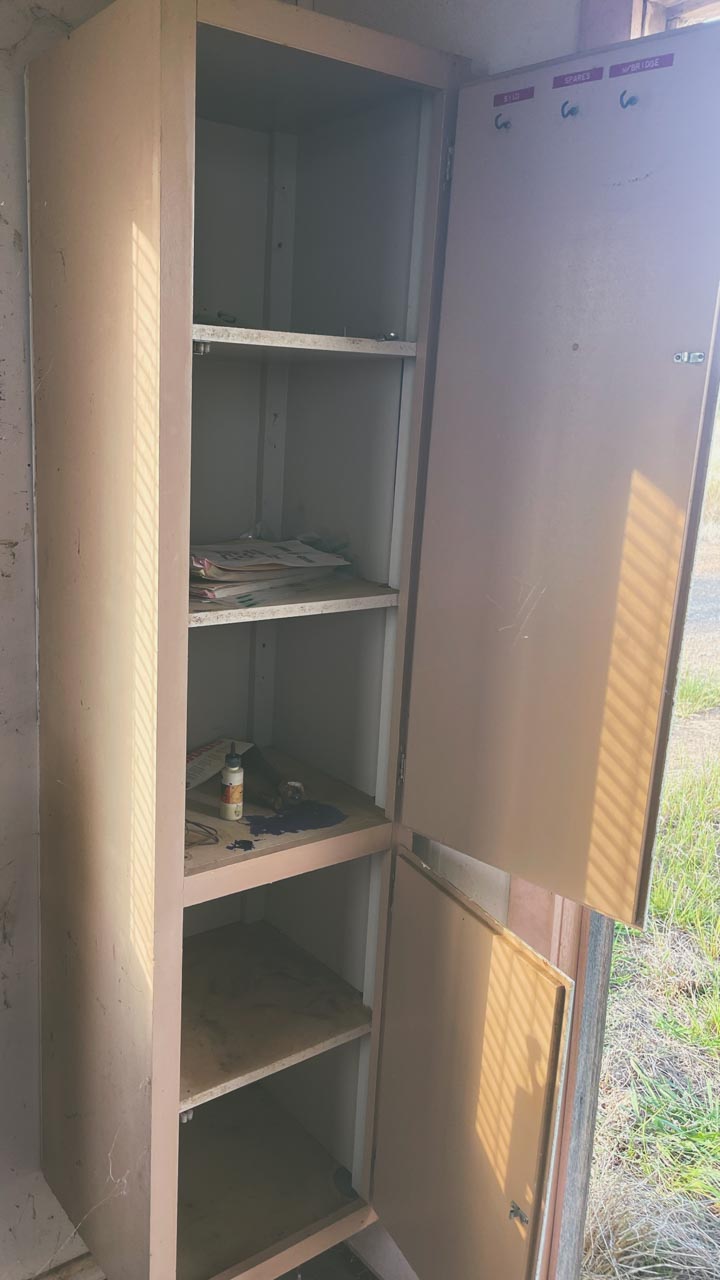
Disused grain silos Australia is a really interesting subject and a favourite of mine. I had a look through the now disused grain silo at Buddigower in March 2022.

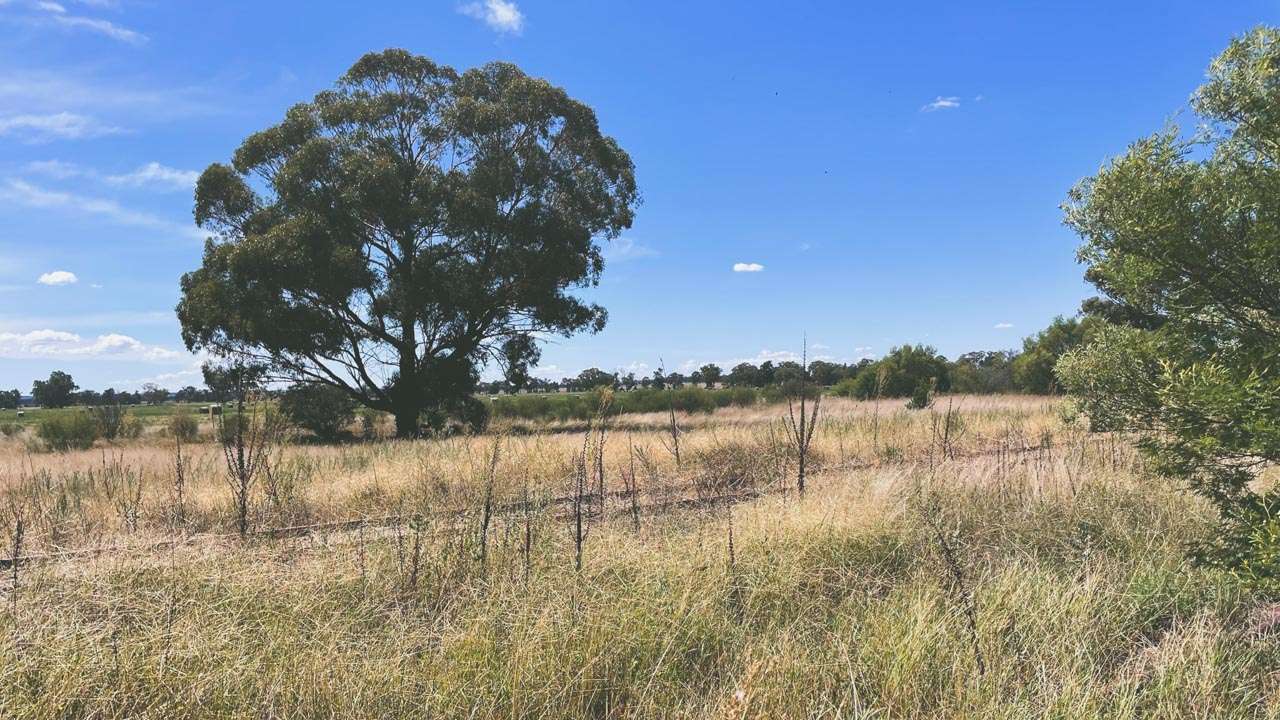
The now disused grain silos at Buddigower were in almost constant use up until 2002. They are now in a fairly overgrown state having closed over 20 years ago. There isn’t very much left of the once thriving village of Buddigower NSW Riverina except for the grain silos and some footings in the old village precinct.
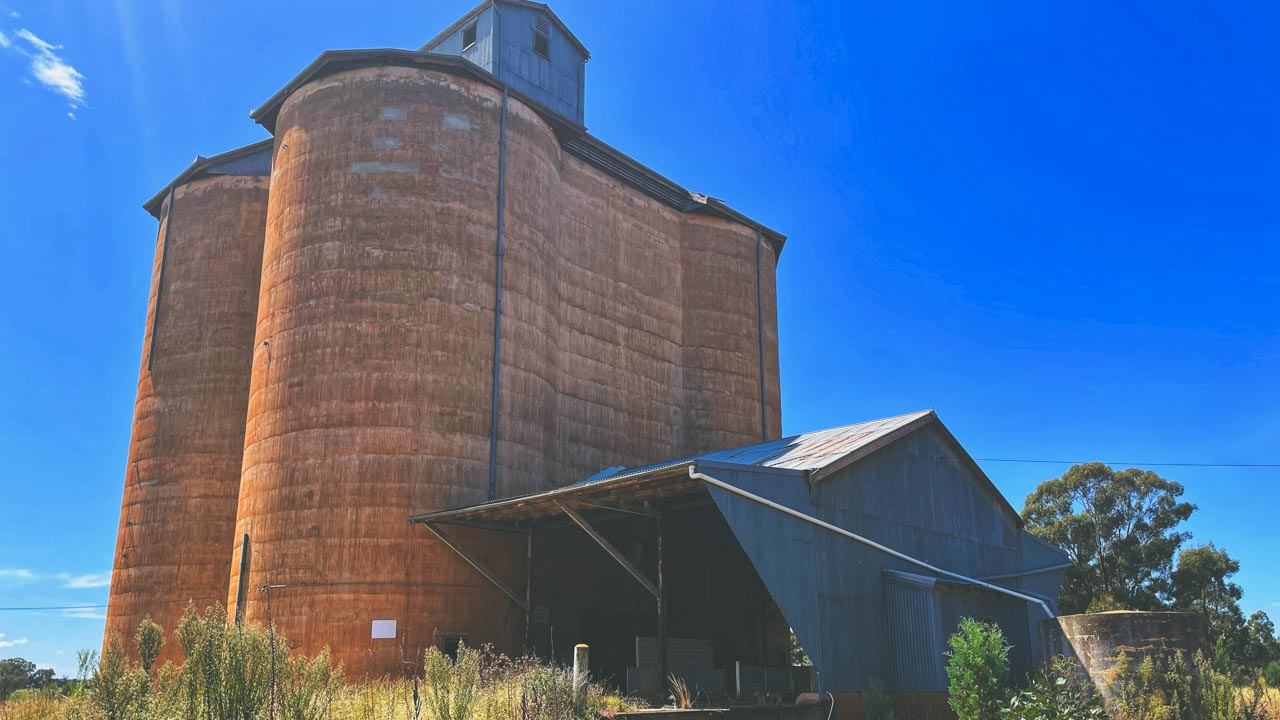
Disused Grain Silos At Buddigower NSW

Disused Grain Silos At Buddigower NSW

Grain Silos Australia – Why Do we have Them?

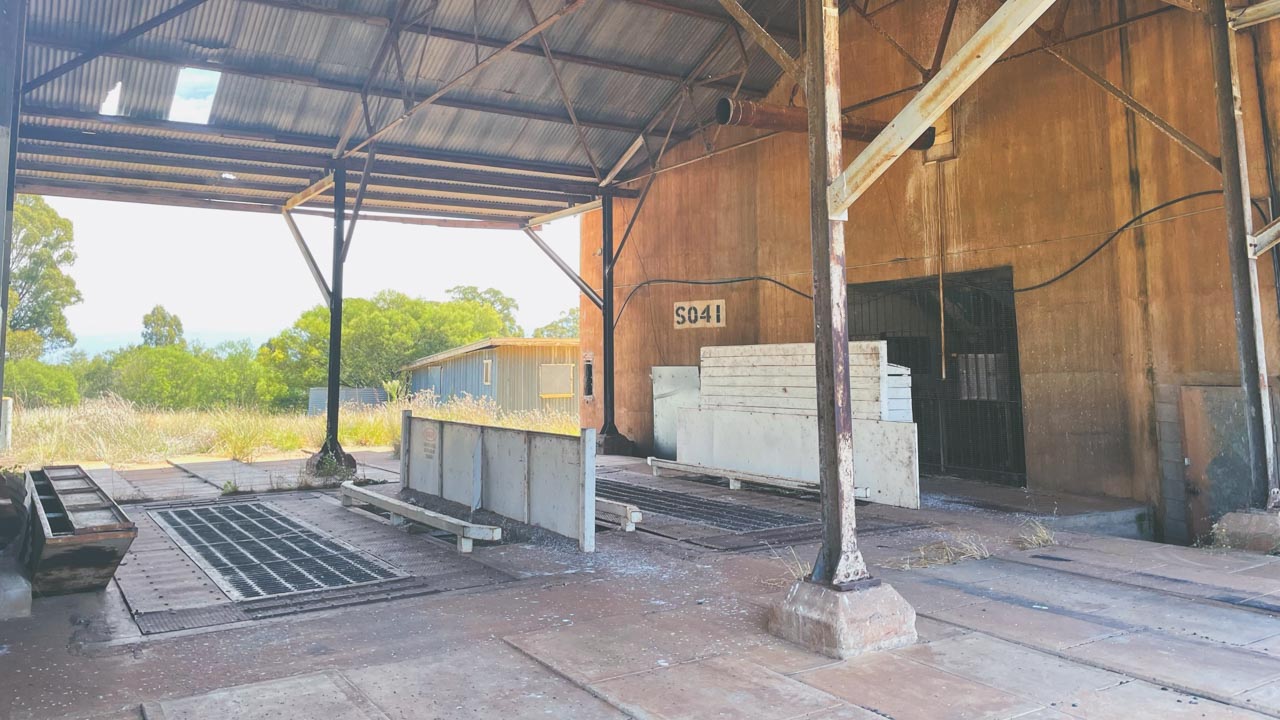
An Australian Wheat Board was formed under the War Precautions Act 1914. After formation of the Australian Wheat Board (AWB) the federal government began building grain silos across the wheat-producing regions. A concrete silo type S041 [4100 tonnes capacity] was built at Buddigower in 1928 on the Barmedman to Rankins Springs railway line.
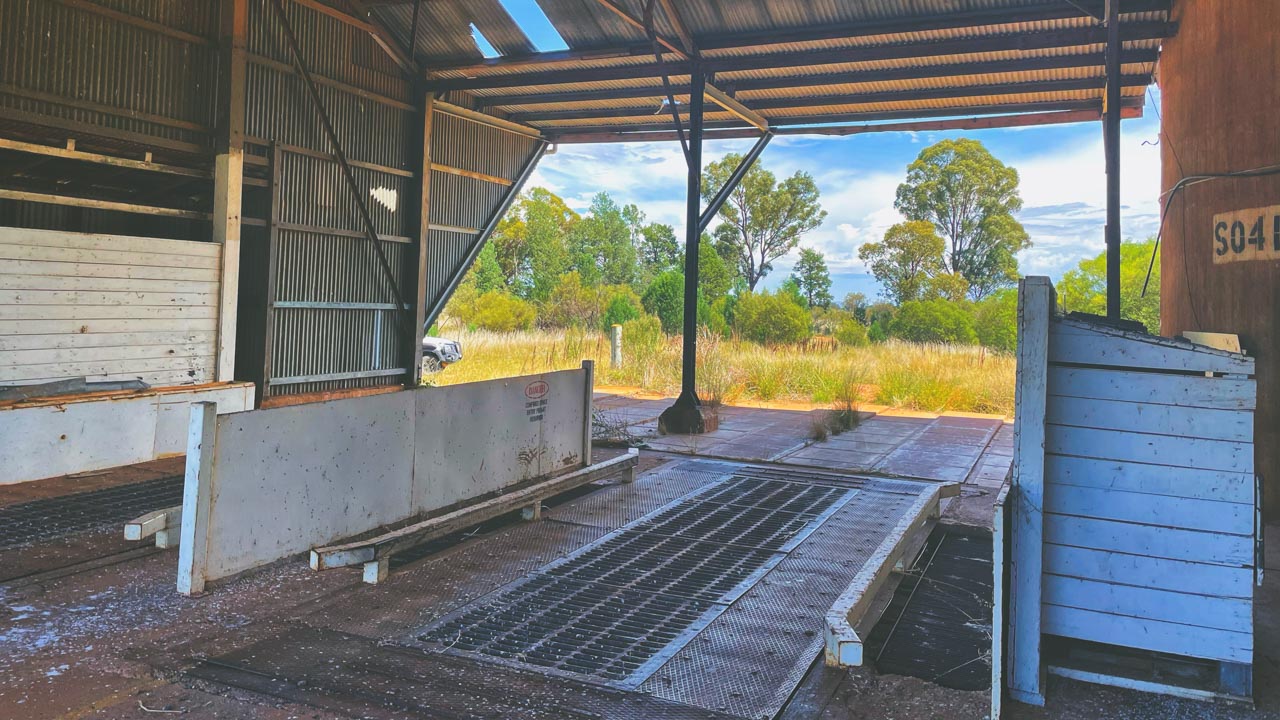
Buddigower Grain Silo Weighbridge

Buddigower Grain Silo Weighbridge

The Grain Silo Weighbridge At Buddigower

The grain silo weighbridge at Buddigower appears to be fully intact. With a clean-up and a service I think it would be ready to use. The scale section of the weighbridge is clearly marked as having been made by Asco and it has a label on it with the last calibration date of the 6th of July 2000.

Weighbridge Scales At Abandoned Buddigower Silos

Weighbridge Scales At Abandoned Buddigower Silos

About Buddigower

The village of Buddigower was first surveyed in 1922 by Councillor Holland and declared before Mr H.R Helyar JP at West Wyalong in 1925. The lease of “Buddigower Run” was first gazetted on September 29, 1862 and was held by William Marshall. The native name means “Smoke in a hollow tree”.

Buddigower Information Board

Buddigower Information Board

At it’s peak Buddigower village consisted of the following buildings,

  • Rail workers cottages
  • Shop and Post Office
  • School teachers residence
  • Boarding house
  • Public hall
  • Tennis courts
  • Public school
  • Train passenger platform
  • Train goods platform
  • Silos and sample stand

Important Events Of Buddigower Village

  • Rail Siding: Opened January 8, 1923 and closed July 19, 1975
  • Buddigower School: Opened 1923 and closed 1972
  • Telephone Exchange: Opened 1925
  • Buddigower Post Office (un-official): Opened 1926 and closed 1966
  • Buddigower Silos: Erected 1928 opened December 1929 and closed 2002
  • Public Hall: Built 1923

Buddigower Nature Reserve

Buddigower Nature Reserve was created in November 1963. It covers an area of 327ha. Grey box, mugga iron bark and white cypress are found growing on lower slopes. Areas of blue mallee, bull mallee, green mallee and congoo mallee are found on low gravelly ridges. The reserve provides typical habitat for the endangered malleefowl, shy heathwren and southern scrub robin. Buddigower Nature Reserve is designed to protect mallee and woodland habitat by minimising disturbance and visitation.

Grain Silos Australia Gallery – Buddigower
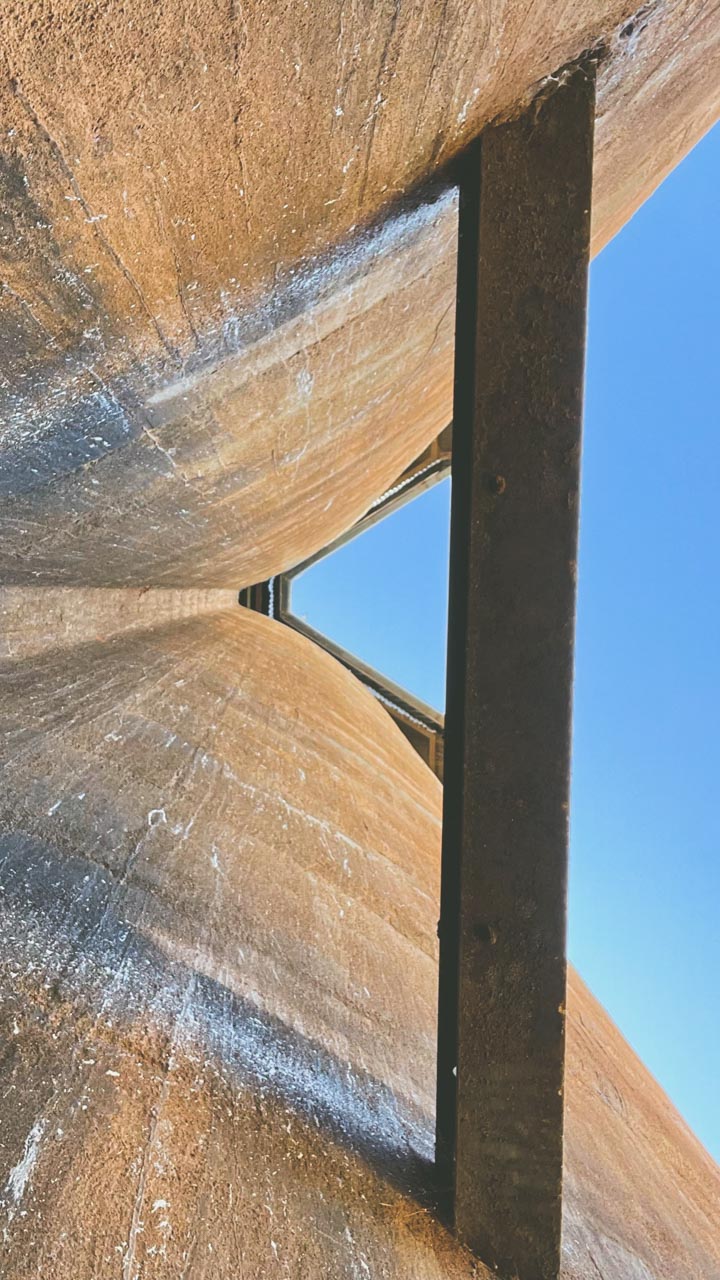
Disused Grain Silos Australia – Marinna

Disused Grain Silos Australia – Marinna

Disused Grain Silos Australia – Marinna

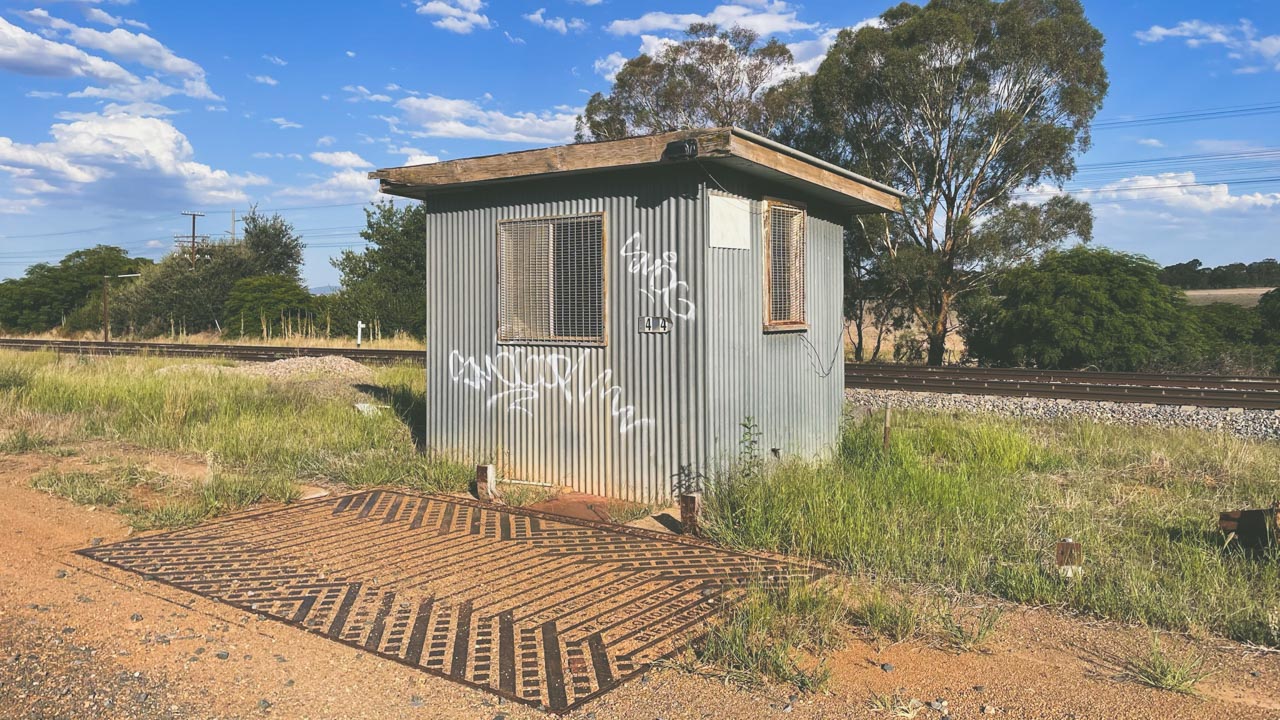
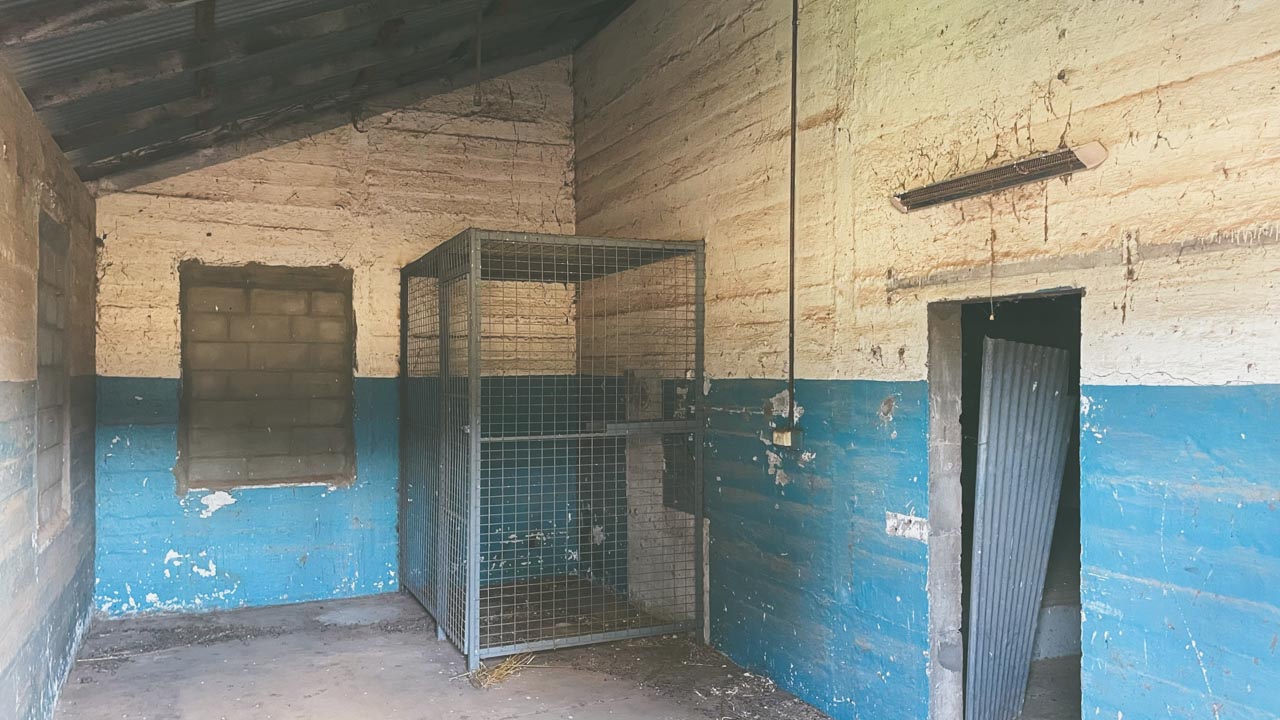
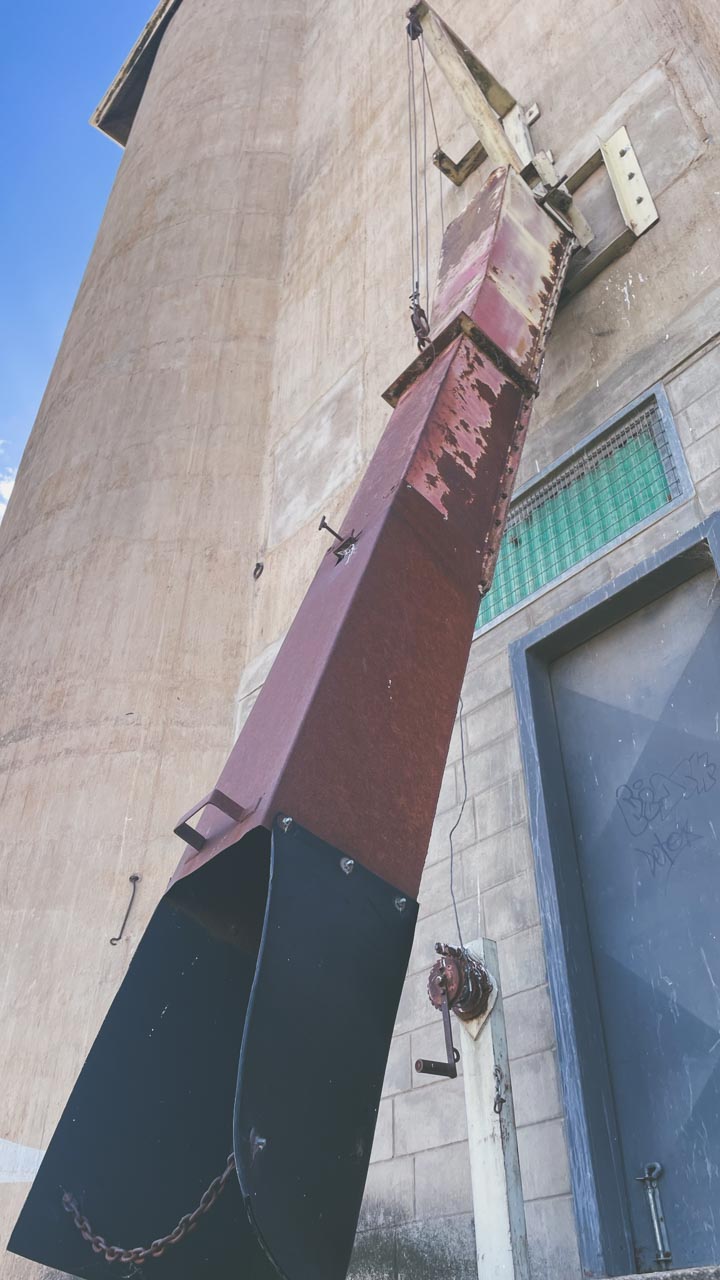
Disused grain silos Australia is a really interesting subject and a favourite of mine. I had a look through the now disused grain silo at Marinna in February 2023.

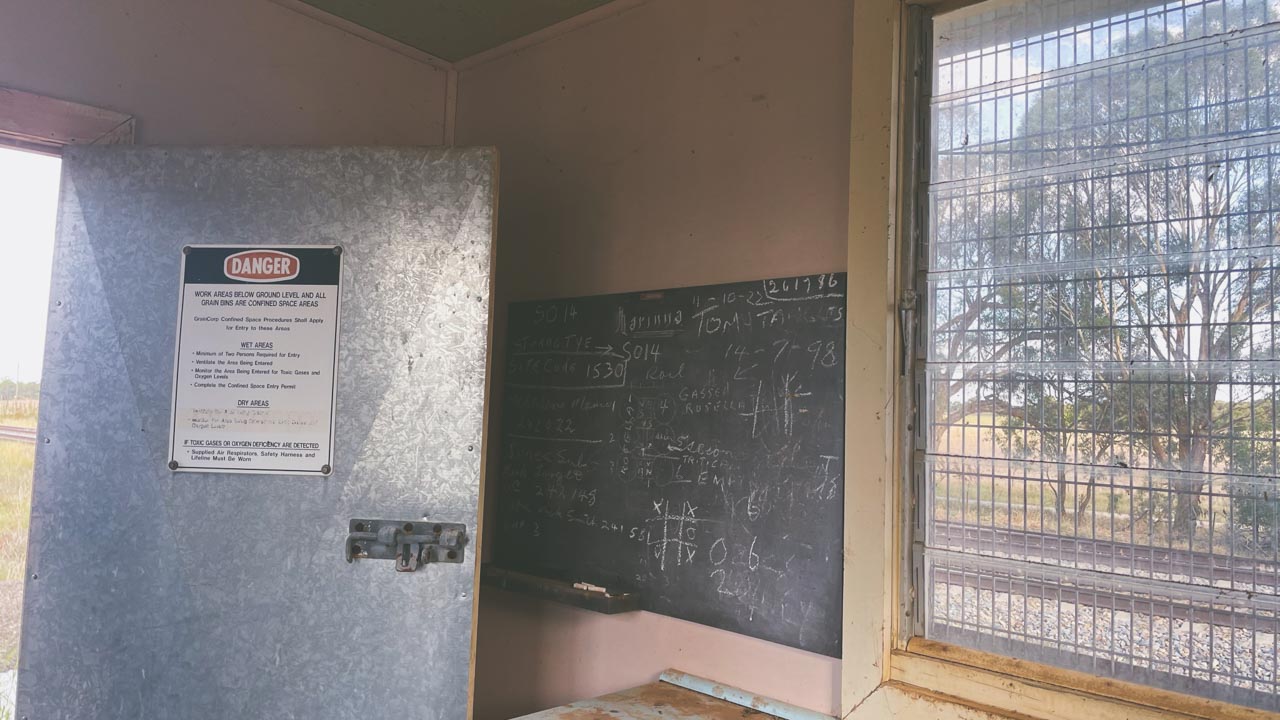
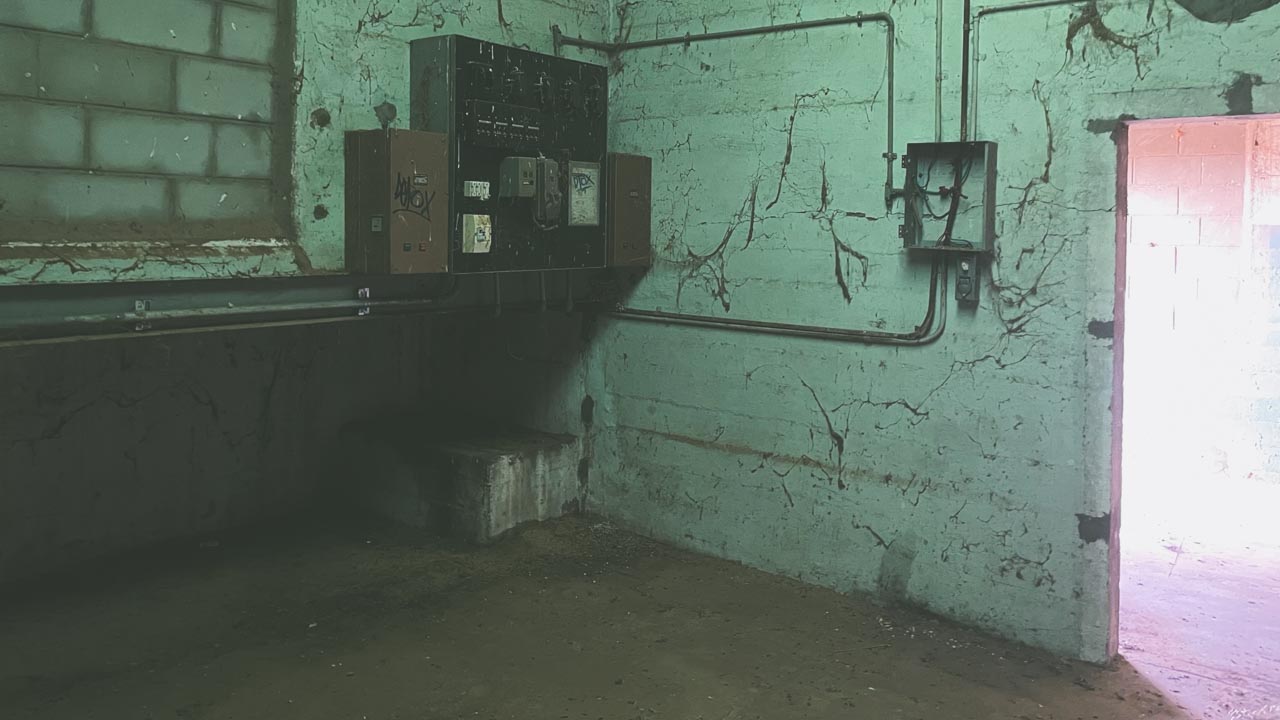
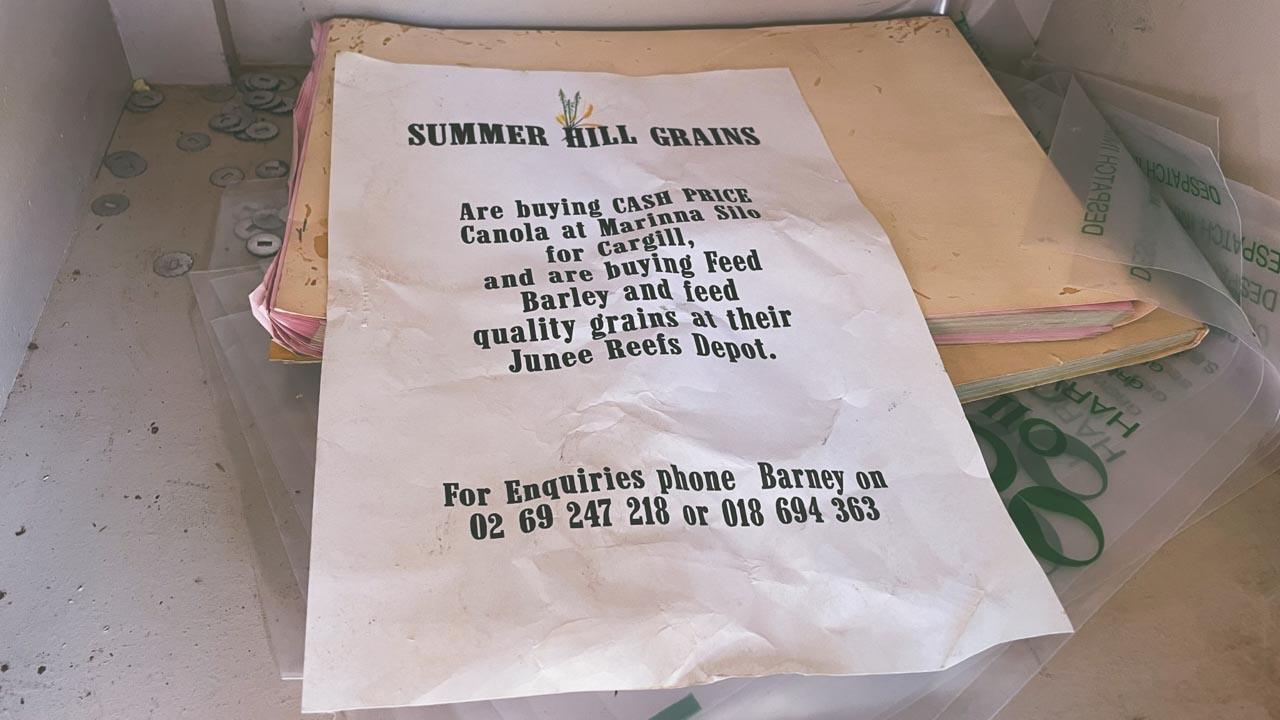
On the wall inside the weighbridge hut there was a blackboard that still had writing on it. There were dates marked on the blackboard that indicated the last time grain was received at the Marinna grain silos was in 1998. There was also an old “Yellow Pages” telephone book inside the weighbridge hut with the year 1991 on the cover.

Blackboard Inside Weighbridge Hut At Marinna NSW Grain Silos Australia

Blackboard Inside Weighbridge Hut At Marinna NSW Grain Silos Australia

Grain Silos Australia – Why Do we have Them?

An Australian Wheat Board was formed under the War Precautions Act 1914. After formation of the Australian Wheat Board (AWB) the federal government began building grain silos across the wheat-producing regions. A concrete silo type S014 Metcalf [1400 tonnes capacity] was built at Marinna in 1925 on the Main South railway line.

Disused Grain Silos Australia Marinna NSW

Disused Grain Silos Australia Marinna NSW

The Grain Silo Weighbridge At Marinna

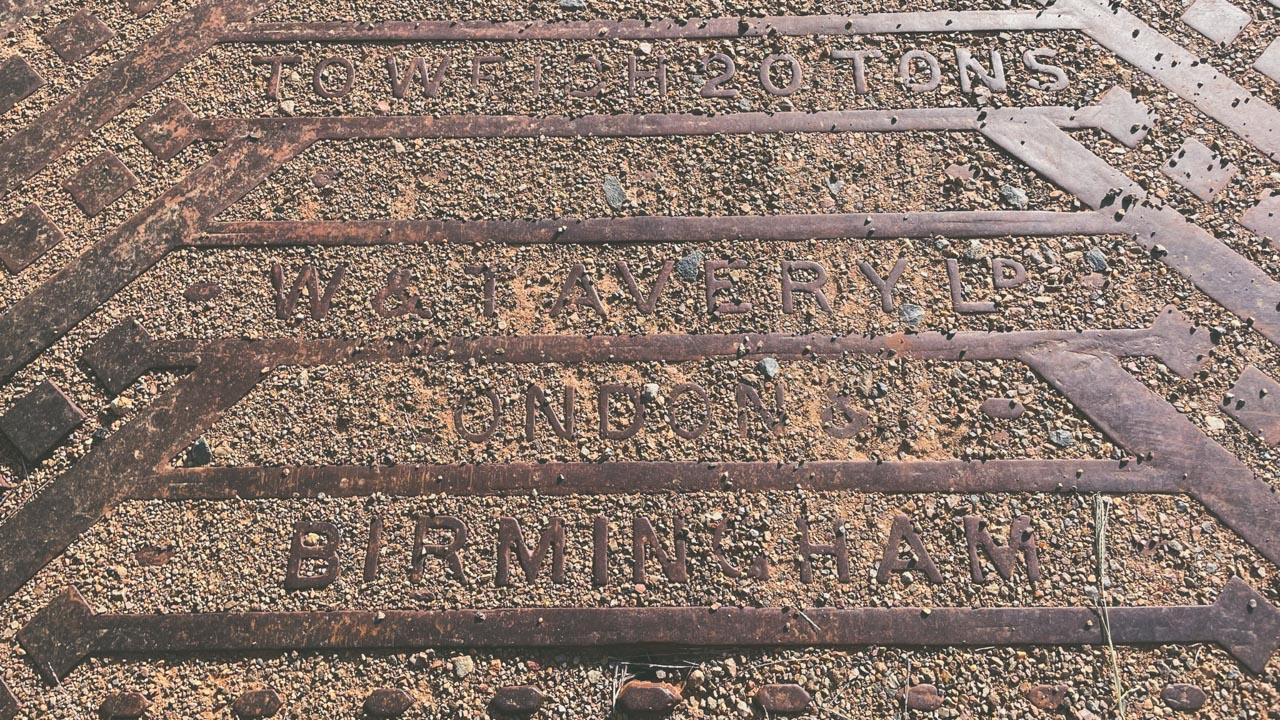
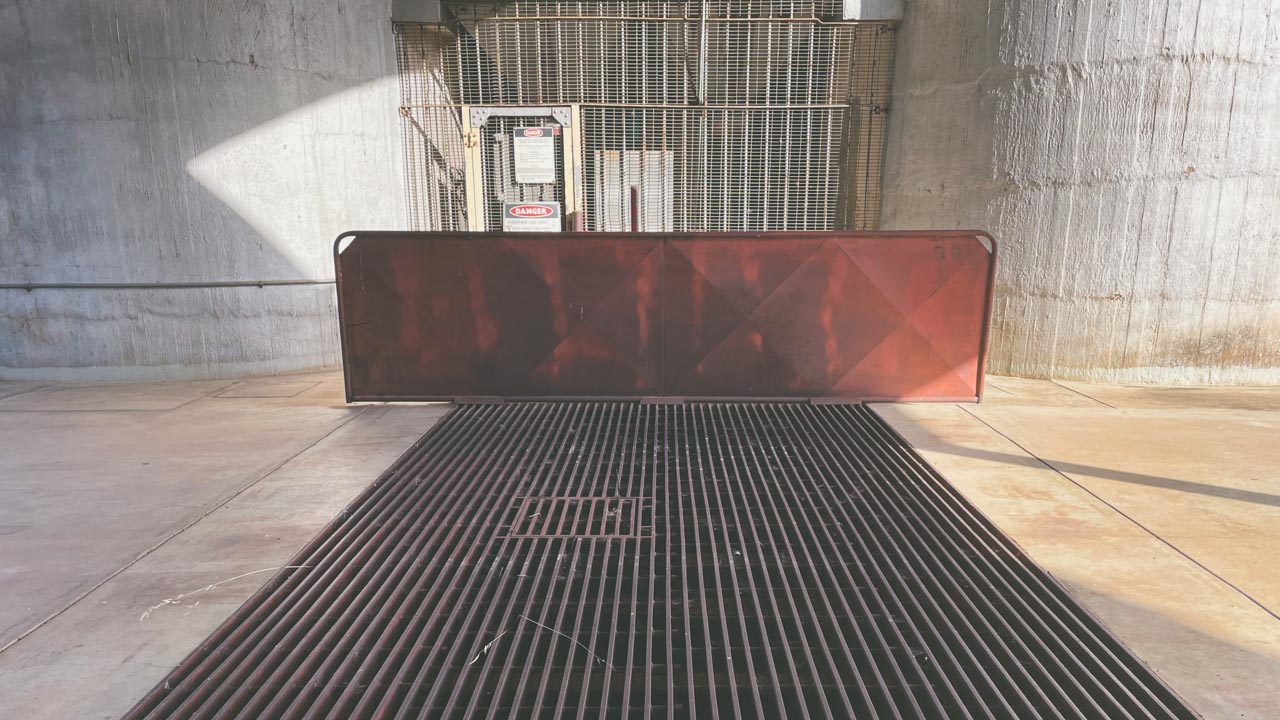
The grain silo weighbridge at Marinna appears to be fully intact. I’m no expert on old weighbridges but this one looks as if with a bit of a clean-up and a service it’d be good to go. It has a maximum weight capacity of only 20 tonnes which is low by todays standards but it would have been plenty big enough back in 1925 when I am guessing it was installed at Marinna grain silos. Trucks by the later part of the twentieth century were a lot heavier than in 1925 so I am guessing they must have weighed the individual axle groups for the heavier, more modern trucks then in use.

Grain Silos Australia Weighbridge At Marinna NSW

Grain Silos Australia Weighbridge At Marinna NSW

The platform of the weighbridge is clearly marked as having been made by W&T Avery LD London & Birmingham. The inside part of the grain silo weighbridge scales is similarly marked AVERY B’HAM. I was really tempted to see if I could remove the padlock on the inside part of the weighbridge scales and roll the ute on to the bridge and check it’s accuracy. I didn’t do it but I was really tempted to.

Grain Silo Weighbridge Platform WT Avery LD London Birmingham

Grain Silo Weighbridge Platform WT Avery LD London Birmingham

About Marinna NSW

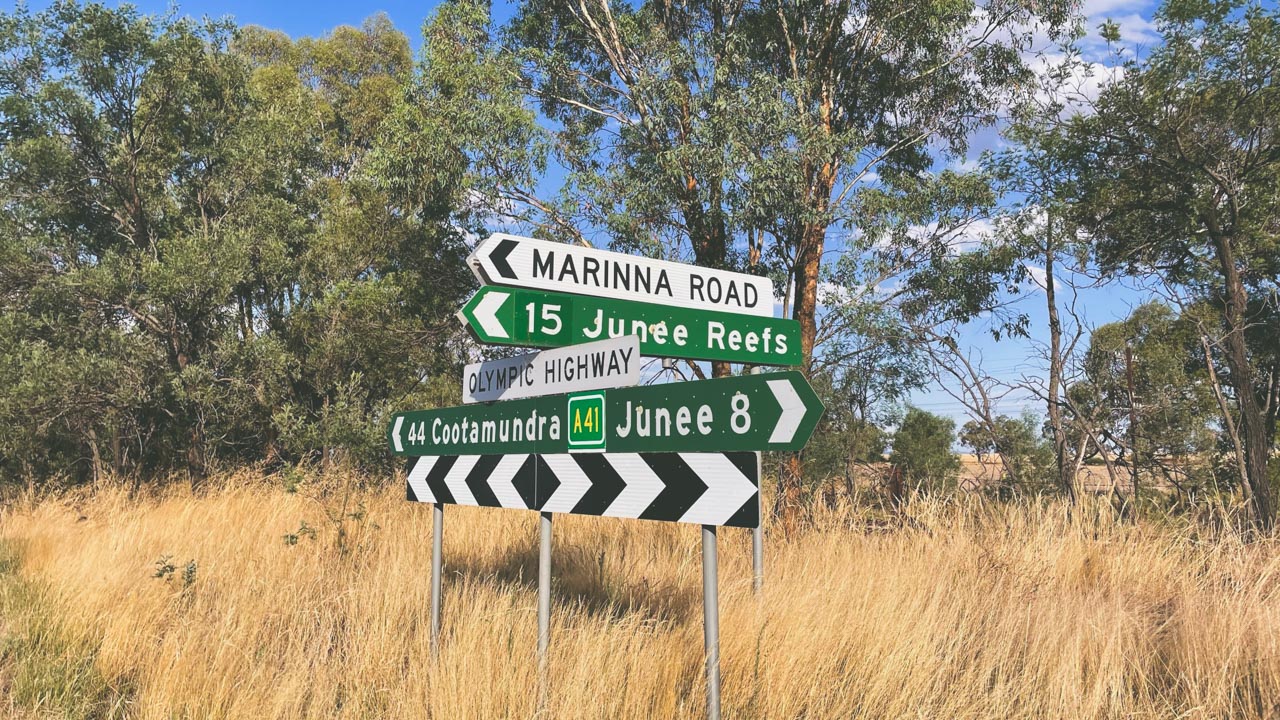
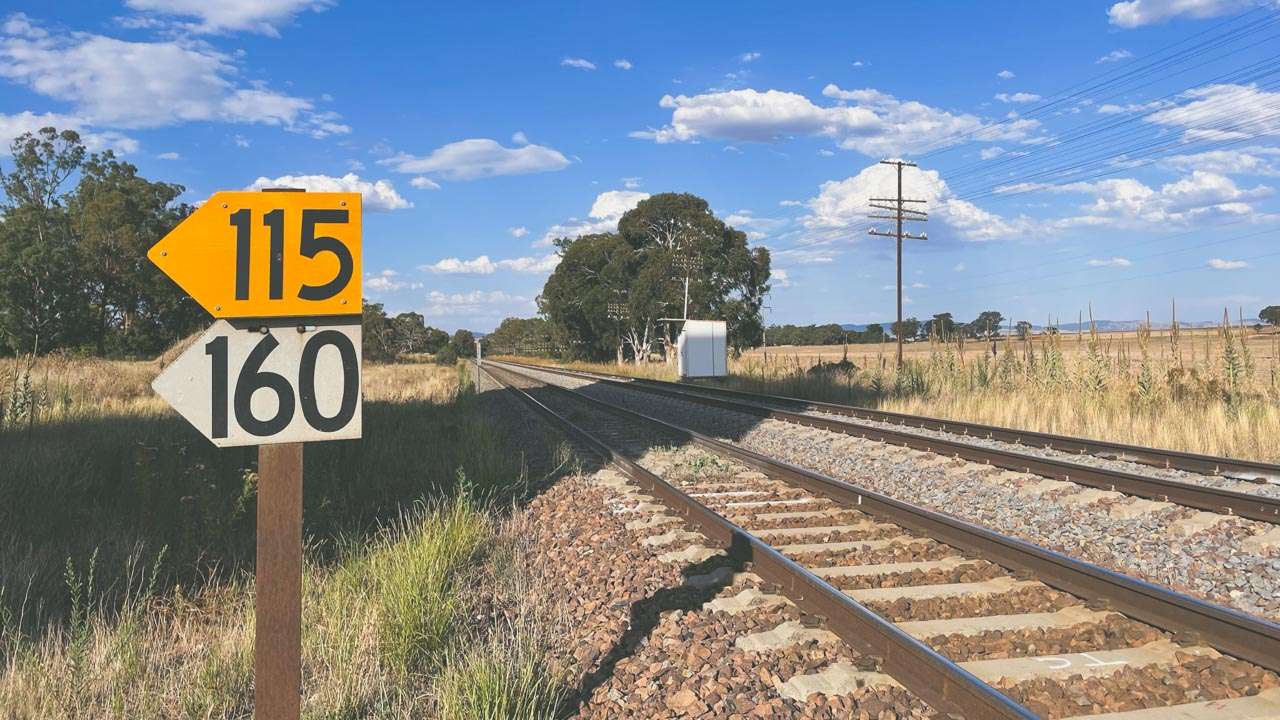
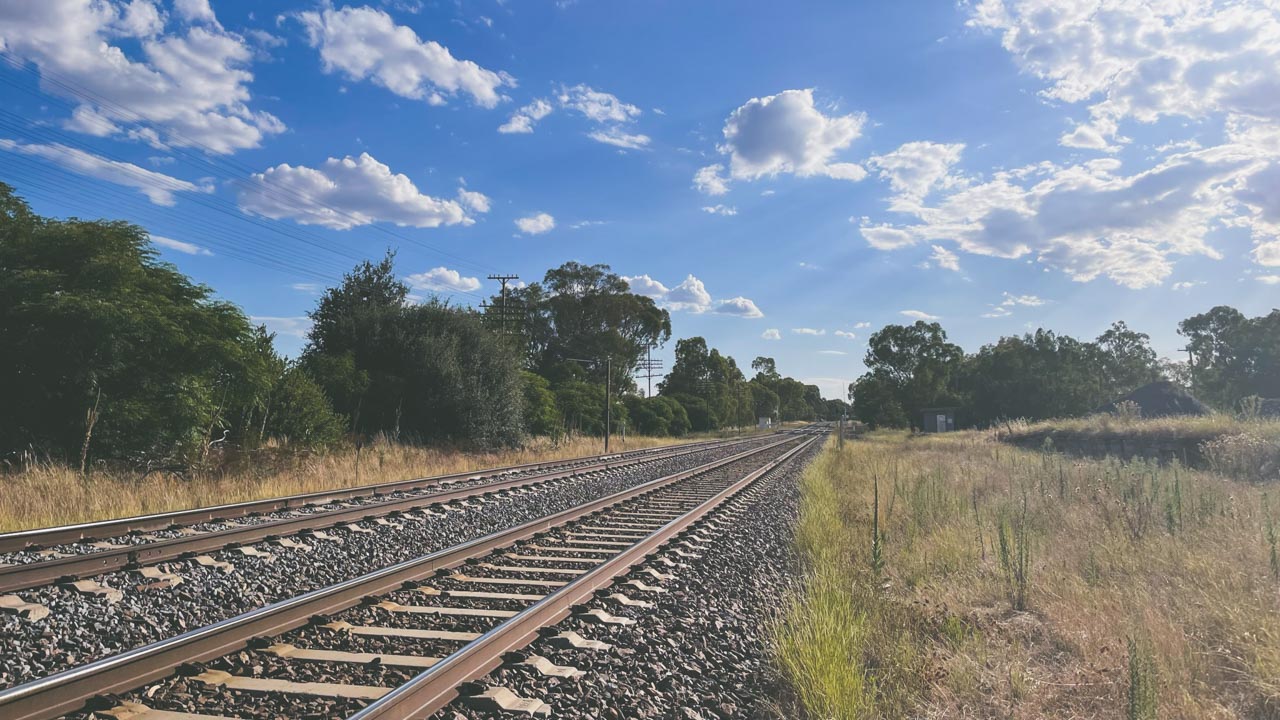
Marinna is a locality in Junee Shire in southern New South Wales, Australia on the Olympic Highway. It’s main feature is a grain silo on the Main Southern railway line. A station was opened in the locality between 1897 and 1975. Marinna Post Office opened on 7 December 1925 and closed in 1968.

Main Southern Railway Line Marinna NSW

Main Southern Railway Line Marinna NSW

Grain Silos Australia Gallery – Marinna

Top 10 Free Bush Camping Locations in Australia

Top 10 Free Bush Camping Locations in Australia

Top 10 Free Bush Camping Locations in Australia

Looking to get away and experience the beauty of the Australian bush, but don’t want to spend a fortune? Look no further – we have found 10 amazing free bush camping locations across Australia where you can enjoy unlimited camping experiences amongst nature with no cost to you.

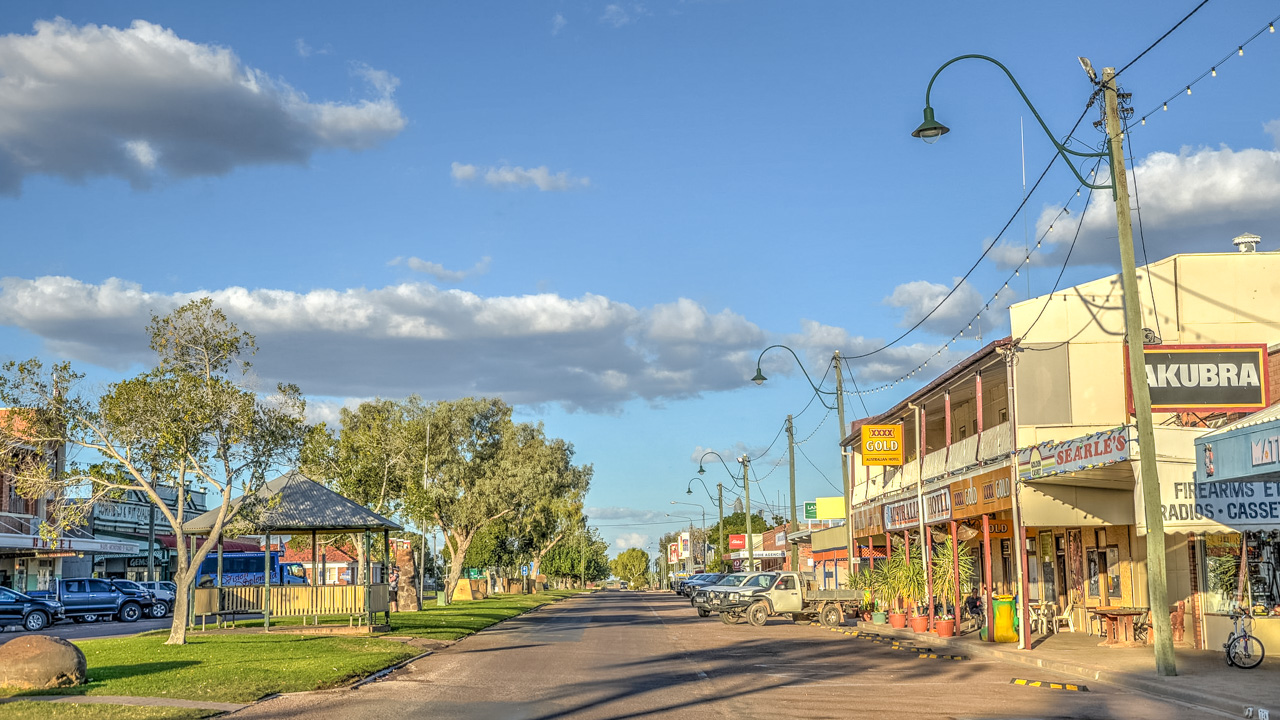
Free Bush Camping At Agnes Creek, Northern Territory

Agnes Creek on the Stuart Highway is one of the best free camping sites we have camped at. It’s well back off the road with loads of room and firewood. There is abundant birdlife if that’s your thing. This is a free campground. It is dog friendly. It is accessible to motorbikes, RVs, camper trailers, caravans and big rigs. Free bush camping in tents is allowed. At Agnes Creek, there is a mile of space for camping. It does not have any services, that is, no toilets, no showers, no potable water. The only water is from the creek and it’s not a permanent source. It was dry when we camped there – you’d have to treat it before use. Dogs are allowed. There is no mobile reception. Fires are allowed and there is plenty of firewood around if you don’t mind going for a walk to find it.

Free Camping Alongside Stuart Highway SA Agnes Creek

Free Camping Alongside Stuart Highway SA Agnes Creek

Free Bush Camping At Coober Pedy, South Australia

Free camping in Coober Pedy is the way to go. We camped for three nights on The Commons at Coober Pedy. The Commons at Coober Pedy is a free camping area just out of town. It is a huge area with enough space to easily fit a couple of hundred vans, motorhomes or camper trailers. There are no services at The Commons Free Camp at Coober Pedy so you must be self sufficient however there were no signs or information saying that you have to be self contained. We had absolutely zero security problems at the Coober Pedy Free Camp despite what we’d been told and had read. This was even with us and one other van being about the only vans there each day and night. We happily left the vans at the commons each day and went out and explored. As always when free camping we take simple security precautions. We put our chairs, table and BBQ away inside the van. We make sure the vans toolboxes and hatches are all closed and locked. Any valuables such as computers and iPads come with us in the car.

Loads Of Room On The Commons At Coober Pedy

Loads Of Room On The Commons At Coober Pedy

Cape Hillsborough National Park, Queensland

Get close to nature, complete with plush rainforest and some awe-inspiring mountains at Cape Hillsborough National Park. There are three unofficial free bush camping campsites here – Blooming Point Beach Campsite, Emu Beach Campsite and the Coconut Beach Campground – where you can set up for a night or two for free. Cape Hillsborough also offers plenty of unforgettable walks that take in breathtaking coastal views and plant-filled verges.

Dorrigo National Park, New South Wales

Dorrigo National Park, located in the northern part of New South Wales, is a popular spot for free bush camping as it offers 35 kilometres of walking tracks. What’s even better? It’s absolutely free to camp here. Enjoy breathtaking views from the top of Rainforest Mountain boardwalk or journey along the Waterfall Way track which runs through verdant valleys and rainforest before mysteriously disappearing into the depths of India pencil pine forest. There’s also Corangamite camping area which slopes down towards the river below.

Warlu Way Bush Camping Grounds, Western Australia

Enjoy the tranquillity of Warlu Way in the stunning regions of Western Australia. The bush camping grounds are great for families or couples looking to connect with nature. There’s nothing quite like watching a blazing sunset from beneath a broad gum tree canopy, and being able to camp here for free is an added bonus! Fishing and swimming are popular activities at nearby Lake Indoon, but if you’re more inclined towards midday strolls, you can take in some lovely bushwalking trails in the area before settling down for another peaceful night under the stars.

Myall Lakes National Park, New South Wales

Enjoy the beautiful views of Myall Lakes National Park for free! This stunning park stretches along the coast in New South Wales and provides plenty of opportunities for leisurely exploring. Get back to basic with a bush camping experience, or find yourself set up by a serene lake. Whether you’re new to bush camping or an experienced camper, there’s something here for everyone. From fishing and swimming to spending time blissfully birdwatching, Myall offers all of these activities without breaking your bank!

Karijini National Park, Western Australia

Karijini National Park is a stunning natural haven located in the rugged Pilbara region of northern Western Australia. Easily one of Australia’s best camping spots, the park is home to ancient landscapes, awe-inspiring gorges and numerous walkways winding through spectacular scenery. With plenty of trails to explore, bush campers can take advantage of the free bush camping throughout the park to set up shop and make more time to appreciate all the sights and sounds this place has to offer. Experience nature in its rawest form with an unforgettable adventure at Karijini National Park – completely cost-free!

Long Waterhole, Winton Queensland

Amazing sunsets over the billabong and surrounding trees offering shade. A peaceful camp with plenty of wildlife only two kilometres from Winton on the Winton-Jundah Road in the middle of the Queensland outback. Only self-sufficient campers as there are no facilities on site. The area can be affected by rain and floodwater so keep an eye on the weather. Long Waterhole makes a great base camp while exloring the Winton leg of Australia’s Dinosaur Trail. It’s also an ideal place to camp when attending the camel races.

Winton Queensland We Want To Check Out The Pubs

Winton Queensland We Want To Check Out The Pubs

Lake Eildon National Park, Victoria

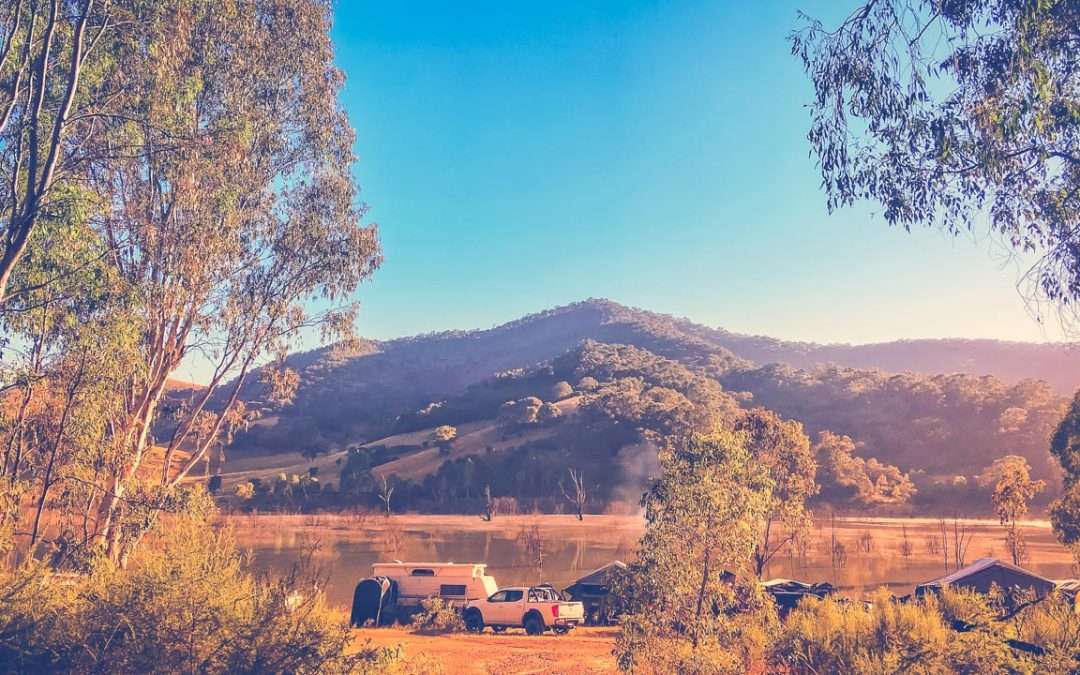
Lake Eildon National Park is located in the northern foothills of the Central Highlands of Victoria Australia. About 150 km north-east of Melbourne. Lake Eildon is huge, about 27,750 hectares in size consisting of rugged hills, open woodlands and and lots of forest. Bushwalking, boating, mountain biking and fishing are all popular things to do at Lake eildon National Park. Campers at Lake Eildon and day visitors can enjoy a range of bushwalks ranging from gentle lakeside walks from the camping areas to longer hikes where you can explore some of the more remote and picturesque areas of this popular National Park. Most longer walks are of moderate to steep grade and generally better suited to the cooler months.

Lake Eildon Free Bush Camping

Lake Eildon Free Bush Camping

Diggers Rest, Northern Territory

The Tanami Road is a familiar track well known to Aussie adventurers. Crossing from the middle of the Northern Territory across the border into Western Australia. it is a stern test of you driving skills and your vehicle’s capabilities. The Diggers Rest campground is found near Anmatjere. It is frequented by wild camels and varied birdlife. 4WD and off-road set-ups are a necessity. And you need to bring everything you need to live off-grid as there are no facilities here. With hardly anyone else within cooee enjoy the view of incredible sunsets behind the old windmill.

Understanding Your Caravan Compliance Plate

Understanding Your Caravan Compliance Plate

Understanding Your Caravan Compliance Plate

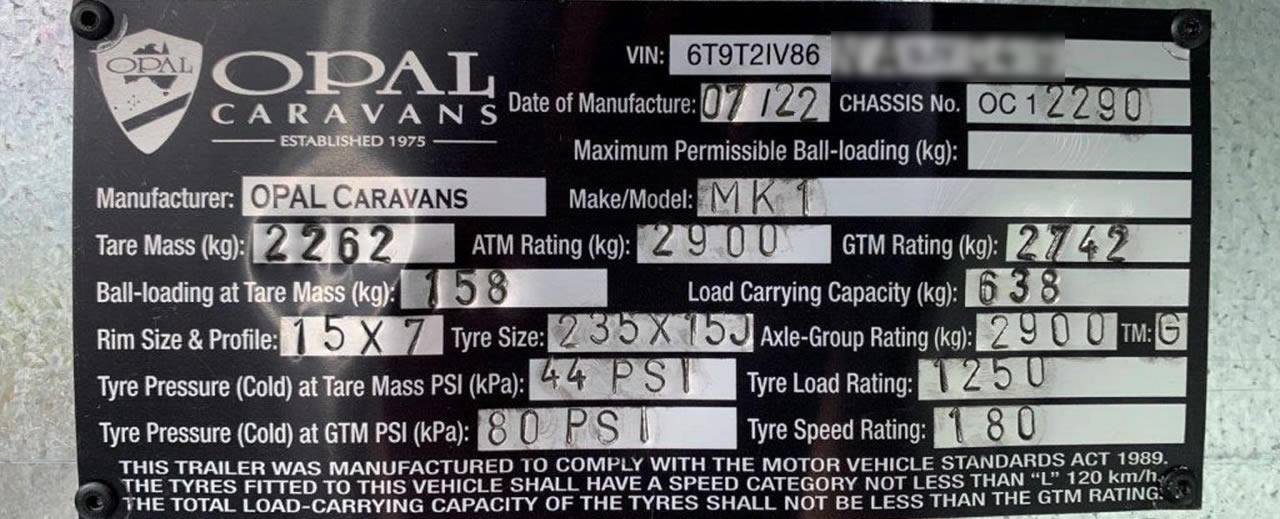
What is a caravan compliance plate and what do the numbers and other things listed on it mean? They all mean something and can often be confusing if you don’t know what you are looking at.

Locating Your Caravan Compliance Plate

The first thing you need to do is find where it is. Common locations are on the drawbar, in the tunnel boot, in the front boot or just inside the entry door. Once you find yours take a photo of it and have a read.

It became law in 1989 for ALL vehicles including home built trailers to have a compliance plate fitted. If your caravan was built before 1989 then chances are it may not have one fitted.

If your caravan doesn’t have a compliance plate fitted and it was built after 1989 the first thing you should do is contact the manufacturer and talk to them. Possibilities are it was overlooked and not fitted or it has been removed by a previous owner. Personally if I was looking to purchase a used caravan and I couldn’t find the compliance plate I would save myself a potential headache move on to looking at something else. Not having a compliance plate fitted will make it difficult to prove that the caravan is the one listed on the registration papers.

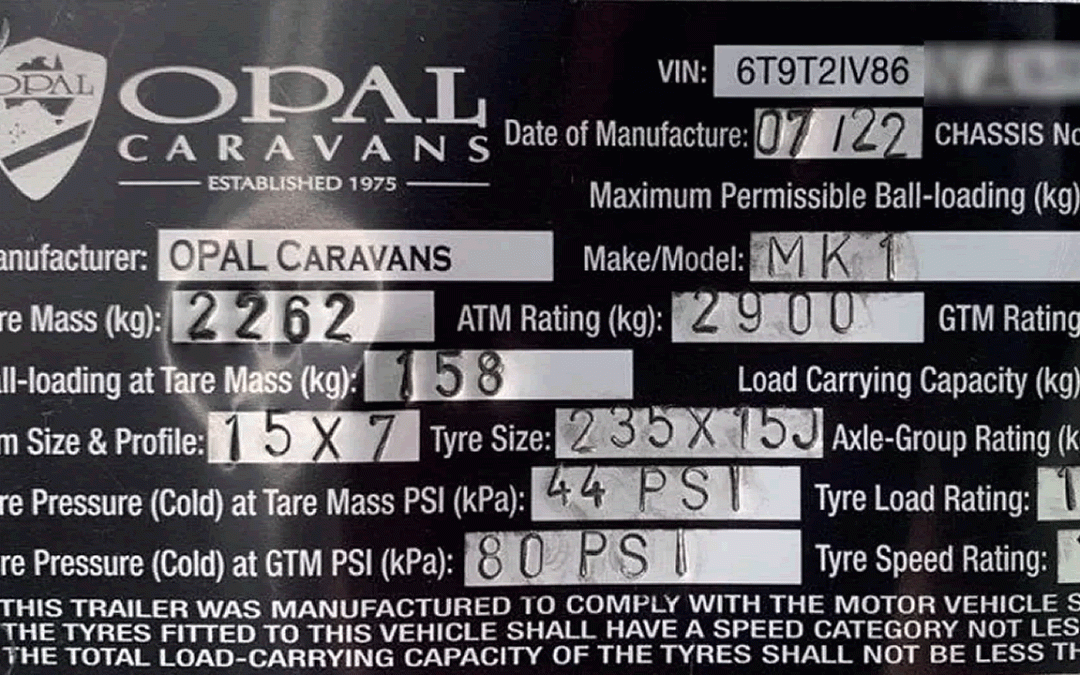
Caravan Compliance Plate

Caravan Compliance Plate

Things Commonly Listed On a Caravan Compliance Plate

Manufacturer

The name of the manufacturer of the caravan

Make/Model

The model of the caravan as built by the manufacturer.

VIN Number

This is a unique number belonging to this vehicle used by RMS and/or police to identify the caravan – check registration is current etc. Your caravan insurance company will also want to know the VIN Number. The VIN number will often also be welded on to or etched in to the chassis usually on the drawbar as confirmation.

Date of Manufacture

The date the caravan was made

Tare Mass

The weight of the caravan as manufactured. It doesn’t include extras ordered after manufacture or added to the caravan by the dealership. It won’t include include gas (sometimes even the bottles) or water in your caravans water tanks. A lot of caravans being made by major manufacturers are weighed when manufactured. It doesn’t appear that there is any legal obligation for them to do so as they can calculate it based on build specifications. If a manufacturer hasn’t weighed your caravan when applying the compliance plate then there is a possibility that your caravan may be heavier when empty than you thought. It’s probably a good idea to call in at a public weighbridge on your way home from picking up your caravan and checking it out.

ATM Rating

Maximum allowable weight of the caravan when not hitched to a vehicle

GTM Rating

Maximum allowable weight of the caravan whilst hitched to the tow vehicle. For more information on GTM, ATM read Caravan Weights Explained.

Axle Group Rating

Maximum allowable weight specified by the axle manufacturer. this is often higher than the GTM or ATM Rating (but should never be lower).

Ball Loading at TARE

Ball loading at TARE can be mistaken as a ball weight recommendation however this is not the case. Ball Loading at TARE is meant to be the ball weight of the caravan as manufactured. Taken when empty it is often misleading as the ball weight will change as soon as you load anything in to the caravan.

Maximum Permissible Ball Loading

The maximum allowable weight the tow ball weight can be when the caravan is fully loaded.

Tyres

Instead of asking your question about what is the recommended tyre pressure, size or type for caravan maybe a look at your caravan compliance plate would be a better starting point.

  • Rim Size and Profile
  • Tyre Size
  • Tyre Pressure cold at TARE
  • Tyre Pressure cold at GTM
  • Tyre Speed Rating

If you have any questions about tyre pressures don’t take my recommendation or the internets recommendation. Instead go to your your local tyre dealer.

Chassis Plate

The chassis plate is NOT the caravan compliance plate. Often a caravans chassis will have been built by a third party and they supply caravan chassis to many different caravan manufacturers. The chassis builder will often rate the chassis to a certain weight. This can be more than the GTM or ATM. Under no circumstances does it mean you can legally load your caravan to this weight.

Caravan Weights Explained With Easy Examples

Caravan Weights Explained With Easy Examples

Caravan Weights Explained With Easy Examples

Caravan weights explained. Use the examples below to help you with weighing your vehicles to maximise your safety on the road. It is important to know the various weight criteria of your towing vehicle and caravan in order to stay legal. Your caravan will have its tare mass, maximum aggregate trailer mass (ATM) and maximum gross trailer mass (GTM) on the compliance plate. It is important to weigh your caravan to ensure that you do not exceed these maximum capacities.

Caravan weights Explained – Weighing Your Caravan

Caravan weights explained. Use the examples below to help you with weighing your vehicles to maximise your safety on the road. You can find the location of public weighbridges on the Department of Industry website.

There are also many companies that offer mobile weighing services. When weighing your caravan and tow vehicle it is important to know the level of accuracy of the weighbridge or mobile scales to make ensure your vehicles stay below the maximum carrying capacities. If you aren’t sure read the rest of this article caravan weights explained to find out more.

Tare Mass

Tare Mass is the weight of the caravan with no load. It includes all standard equipment and any options fitted. Think of it as the weight of the caravan when received brand new from the dealer. Tare mass is measured with all fluid reservoirs, if fitted and required for transport, filled to nominal capacity for service, however, non-transport fluid reservoirs such as water tanks and wastewater tanks fitted to caravans are measured empty. After-market optional add-ons (TV, mattresses, extra gas bottles, awnings etc) are not included in the tare mass and are considered as a load, so must be included in your ATM measurement. The tare mass weight of your caravan can be found on the cplate or in the manufacturer’s handbook.

Tare Mass Caravan Weights Explained

Tare Mass (Caravan)

Tow Ball Mass (tow ball download)

Tow ball mass (tow ball download) is the maximum mass allowed to be put on the tow ball of the towing vehicle. You can find the tow ball mass capacity in your coupling manufacturer’s handbook. To measure the tow ball mass you can use a ball weight scale. You must not exceed the tow ball mass capacity.

Tow Ball Download Caravan Weights Explained

Tow Ball Mass

Aggregate Trailer Mass (ATM)

Aggregate Trailer Mass (ATM) is the total mass of the trailer when carrying the maximum load recommended by the manufacturer. The ATM is generally measured with the caravan unhitched from your towing vehicle and resting on its jockey wheel. The maximum ATM of your caravan can be found on the vehicle plate or in the manufacturer’s handbook and must not be exceeded. To measure your ATM, weigh your loaded caravan resting on its jockey wheel, including full water tank, gas tanks and everything you would pack to go travelling. Ensure that your measured mass does not exceed your specified ATM capacity.

ATM Aggregate Trailer Mass Caravan Weights Explained

ATM Aggregate Trailer Mass

Gross Trailer Mass (GTM)

Gross Trailer Mass (GTM) is the maximum mass recommeded by the manufacturer of your fully loaded caravan when it is hitched to your tow vehicle. The GTM of the caravan is transmitted to the ground by only the caravan tyres and excludes the mass distributed to the towing vehicle through the coupling. The GTM of your caravan can be found on the vehicle plate or in the manufacturer’s handbook and must not be exceeded. To measure your GTM, weigh your loaded caravan when it is attached to your towing vehicle, and make sure your measured mass does not exceed your specified GTM capacity.

GTM Gross Trailer Mass Caravan Weights Explained

GTM Gross Trailer Mass

Gross Vehicle Mass (GVM)

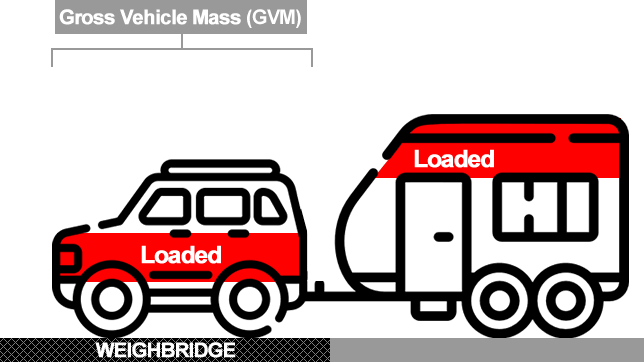
Gross Vehicle Mass (GVM) is the maximum total mass of a fully loaded motor vehicle as specified by the vehicle manufacturer. For some passenger vehicles, it might be known as the Maximum Loaded Vehicle Mass (MLVM). To measure your loaded vehicle mass, weigh your fully packed towing vehicle, including passengers, with the caravan hitched and ensure it is less than your vehicle’s maximum GVM or MLVM.

GVM Gross Vehicle Mass Caravan Weights Explained

GVM Gross Vehicle Mass

Gross Combination Mass (GCM)

Gross Combination Mass (GCM) is the maximum mass set by your tow vehicle’s manufacturer and refers to the maximum combined mass of your loaded tow vehicle and your loaded caravan hitched together. Not all vehicles are provided with a GCM, but if it is, your vehicle manufacturer’s guide will provide you with the GCM of your tow vehicle. To measure the GCM, weigh your fully loaded towing vehicle hitched to your fully loaded caravan. Legally, you must not exceed the specified GCM capacity of your vehicle if a GCM is specified.

GCM Gross Combined Mass Caravan Weights Explained

GCM Gross Combined Mass

Bethungra Dam Free Camping – What A Great Place!

Bethungra Dam Free Camping – What A Great Place!

Bethungra Dam Free Camping – What A Great Place!

Bethungra Dam is a great free camp site. Located in the NSW Riverina it has loads of room and basic facilities. We camp there a lot. It’s one of our local go to camping areas. It’s great in dry weather as well as wet weather. There is so much room available there that you are all but guaranteed a spot to set up and enjoy the scenery.

Amanda and I camp here quite often as it’s close to where we live so we know it very well. Bethungra Dam is a great place for free camping near Junee NSW or for free camping near Cootamundra NSW. The campground is large and grassy with very basic facilities. The camping area does not have a lot of shade. If you’re in a camper trailer or caravan levelling blocks will be necessary as most of the camping areas are gently sloped.

As well as picnic tables and barbecue grills, there are rubbish bins and long drop toilets. It is recommended that you bring your own firewood and drinking water.

Bethungra Dam Reserve Free Camping Campfires Allowed

Bethungra Dam Reserve Free Camping Campfires Allowed

Most of the time, the campground is quiet, but during holidays and weekends during warmer weather it gets very busy.

Bethungra dam was originally built for water storage for the town of Junee. Its use was discontinued in 1906 due to water quality problems. Bird life is abundant in this wetland area. It is considered one of Australia’s important wetlands for this reason.

Fishing at Bethungra Dam can be really good. When Redfin and Yellow Belly fishing is in season kayaks or tinnies are a great option for getting to the right spots.

Free Camping Winter Fire

Bethungra Dam Reserve Free Camping Winter Fire

Camping Facilities & Activities At Bethungra Dam Reserve

  • Number of Sites: About 50 some are flat some are not so flat
  • Camping Fees: Free
  • Bookings: Not Applicable
  • Toilets: Longdrop x 4
  • Pets: Yes
  • Drinking Water: Not Available
  • Camp Fires: Fires allowed in provided fire places outside of fire ban times. Check with Junee Council for more information
  • Barbeques: Wood barbeques are available. There are also two gas/electric BBQs up under the new shelter
  • Fishing: Yes
  • Picnic Tables: Yes.
  • Canoeing/Kayaking: The dam is awesome for canoeing and kayaking
  • Access: Accessible by caravans in good weather. 2wd accessible except after a lot of rain
  • Bushwalking: There is a walk to the old Eulolo Homestead nearby that I highly recommend

Dam Wall

Bethungra Dam Wall

About Bethungra

Bethungra is in the Junee Shire in the South West Slopes region of New South Wales. Situated on the Olympic Highway about 13 kilometres northeast of Illabo and 24 kilometres southwest of Cootamundra.

Bethungra History

Bethungra Post Office opened on 1 December 1875. Just to the north of the town lies the Bethungra Spiral. You can access a viewing platform to view the spiral on the road out to the dam. There is an area where you can pull in off the road. It’s a rail spiral on the Main South railway line. It was built to help ease the gradients when the line was duplicated between 1941 and 1946. Bethungra did have its own railway station located in the town between 1878 and the 1980s. The railway station has long since been demolished. In 1885 a major railway accident occurred near Bethungra when a train derailed at a washed away culvert resulting in the death of five people.

Bethungra Dam Reserve Free Camping Dogs Allowed

Bethungra Dam Reserve Free Camping Dogs Allowed

Where Is Bethungra Dam?

Bethungra Dam is near Bethungra in the NSW Riverina district. Bethungra NSW is about 20km South of Cootumundra or about 30km North-East of Junee. From Bethungra turn on to the Bethungra Waterworks Road and follow it to the end (about 4km)

Travel From Distance Time
Adelaide to Bethungra 953km 10:00
Albury to Bethungra 208km 02:14
Brisbane to Bethungra 1186km 13:00
Canberra to Bethungra 197km 02:17
Melbourne to Bethungra 533km 05:26
Sydney to Bethungra 403km 04:08

Location Map

Bethungra Dam Location Map

Bethungra Dam Location Map

Where is Bethungra Dam?

Bethungra Dam is near Bethungra in the NSW Riverina district. Bethungra NSW is about 20km South of Cootumundra or about 30km North-East of Junee. From Bethungra turn on to the Bethungra Waterworks Road and follow it to the end (about 4km).

How many camp sites are there at Bethungra Dam?

About 50 some are flat some are not so flat. The best sites fill up fast on weekends and more so on long weekends. There are about 6 sites available on hard packed gravel down near the water - these sites have fire pits.

Are camp fires allowed at Bethungra Dam?

Camp fires are allowed in provided fire places outside of fire ban times. Check with Junee Council for more information.

Is there any free camping near Junee NSW?

There is an absolutely awesome free camp at Bethungra Dam about 30km from Junee. It has about 50 sites available. There are toilets available.

Is there any free camping near Cootamundra NSW?

There is an absolutely awesome free camp at Bethungra Dam about 20km from Cootamundra. It has about 50 sites available. There are toilets available.

Pin It on Pinterest