Alberrie Creek Bridge: Free Camp Site On The Oodnadatta Track

Alberrie Creek Bridge: Free Camp Site On The Oodnadatta Track

Alberrie Creek Bridge: Free Camp Site On The Oodnadatta Track

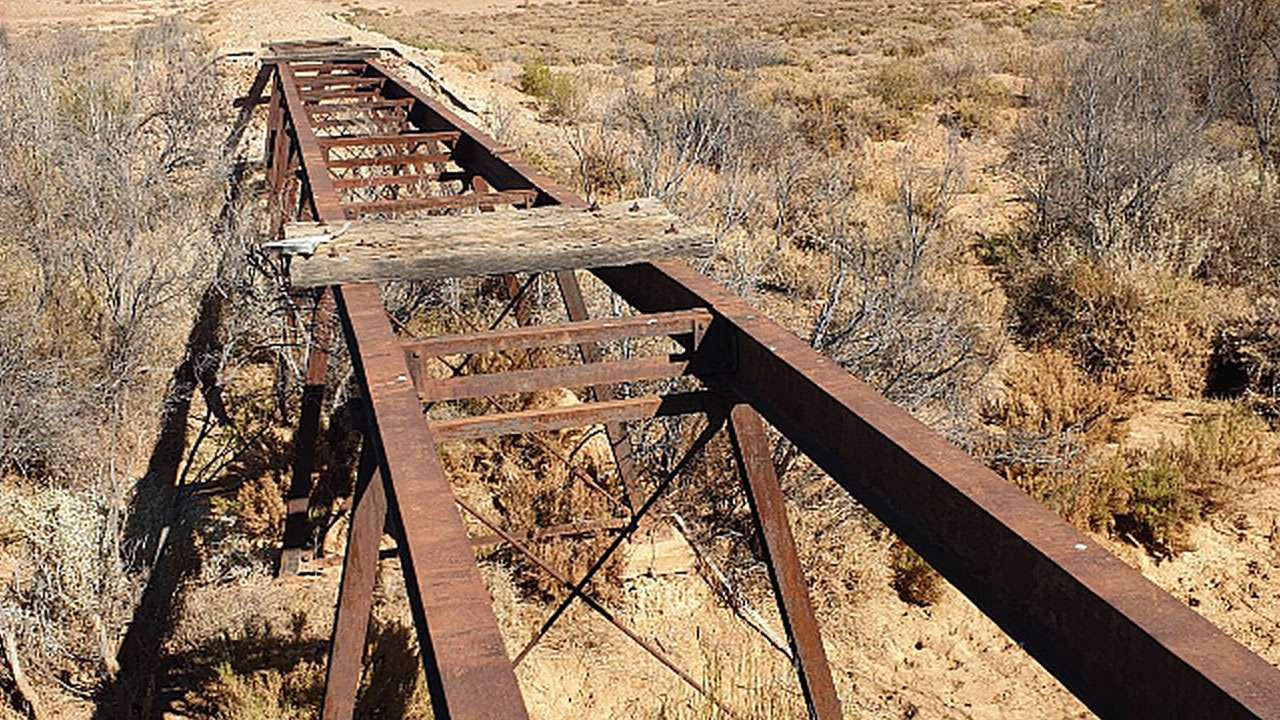
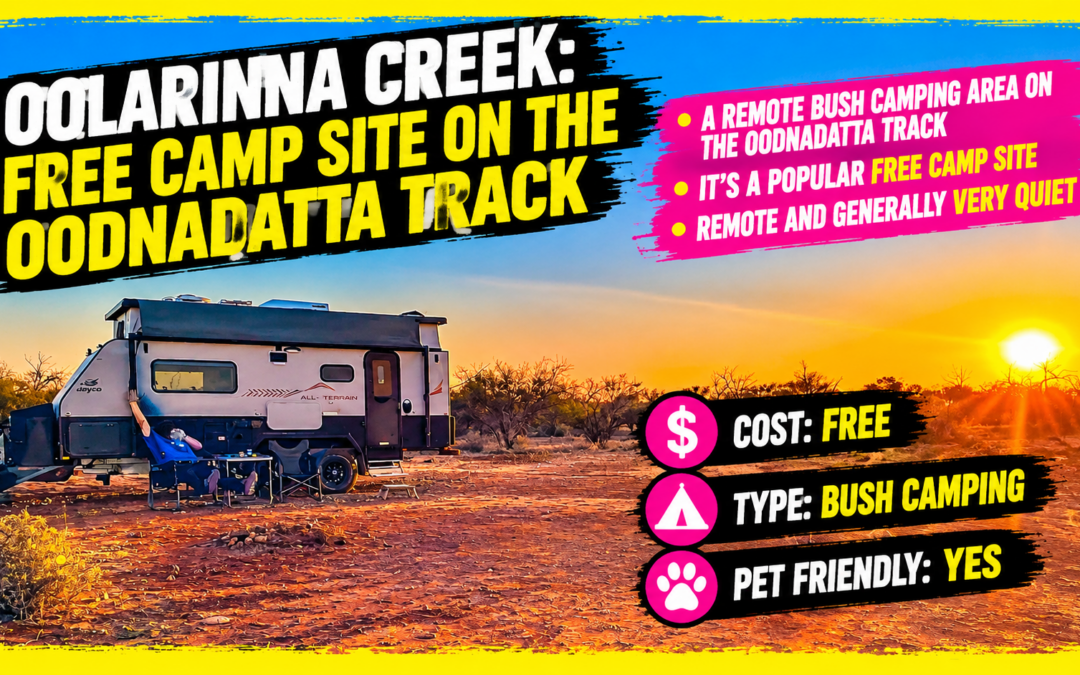
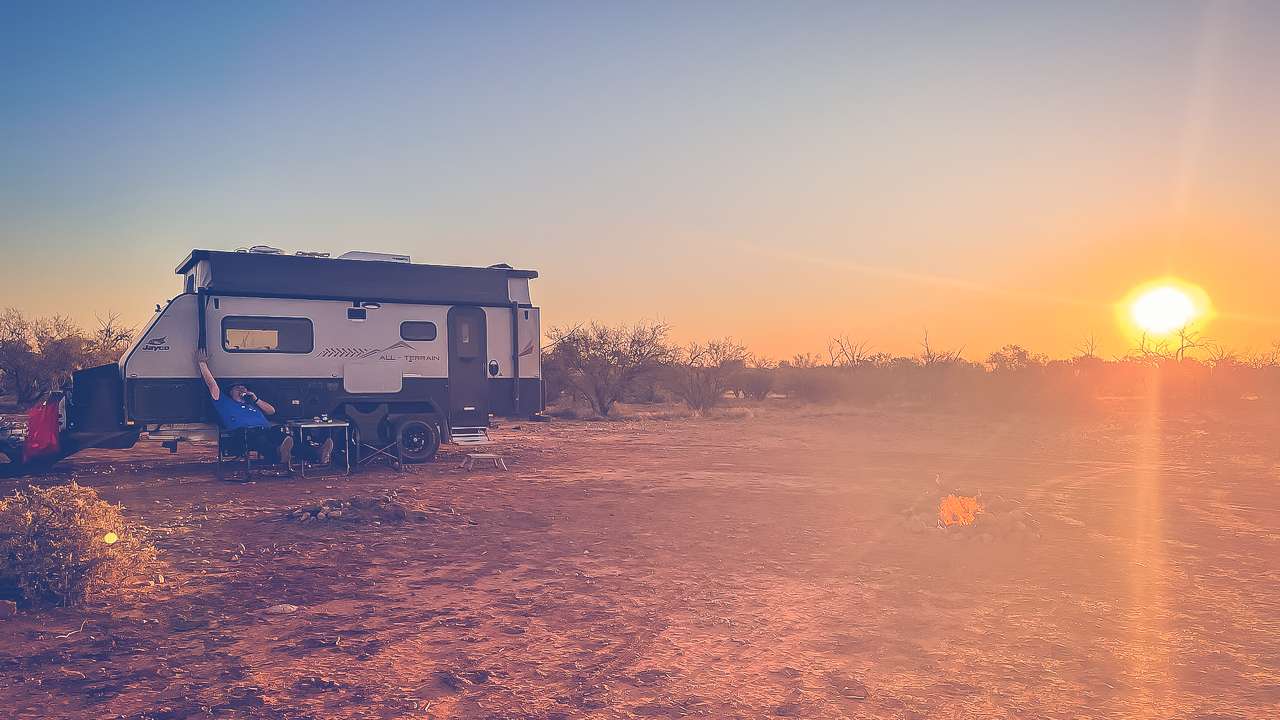
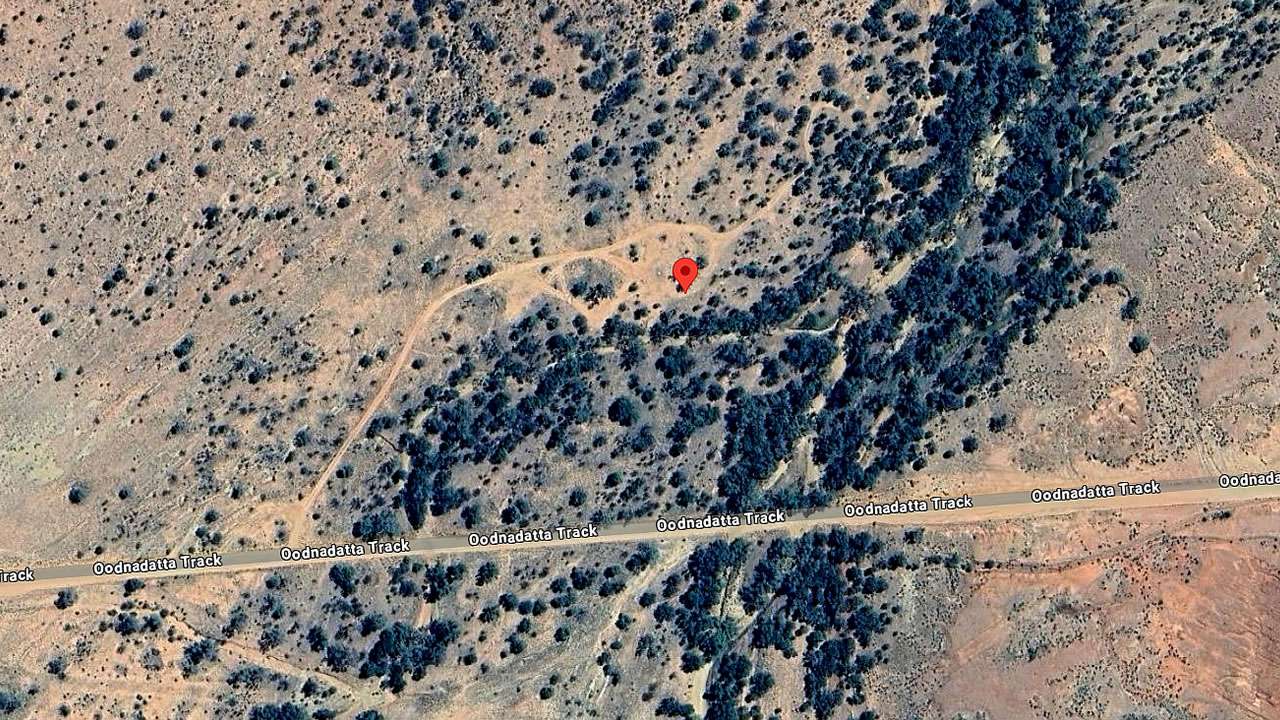
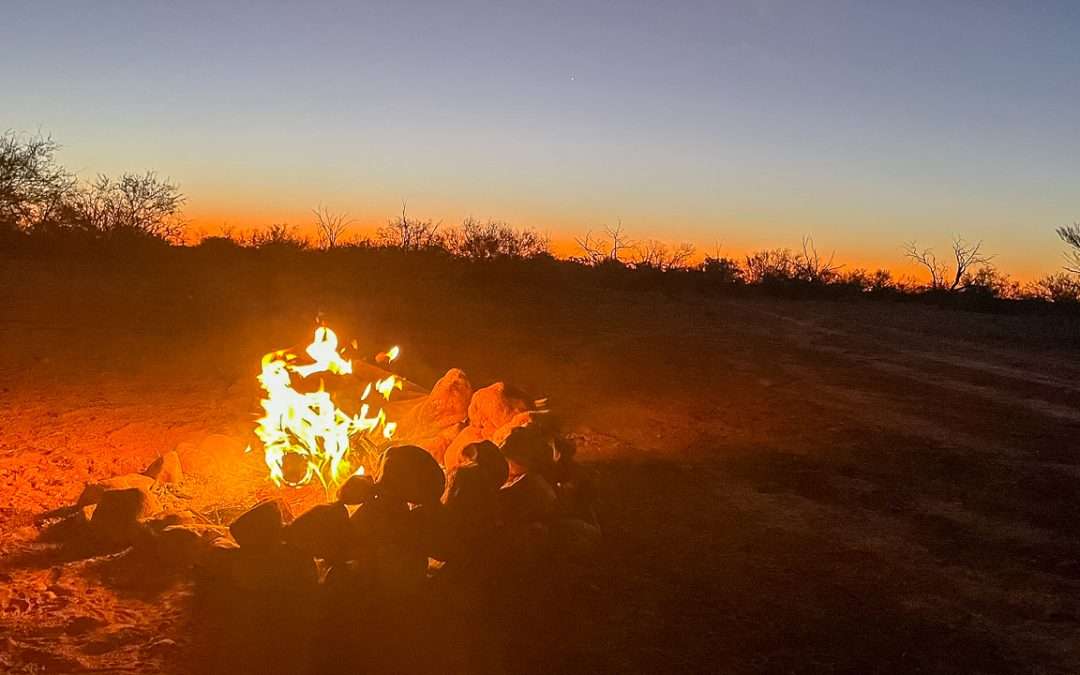
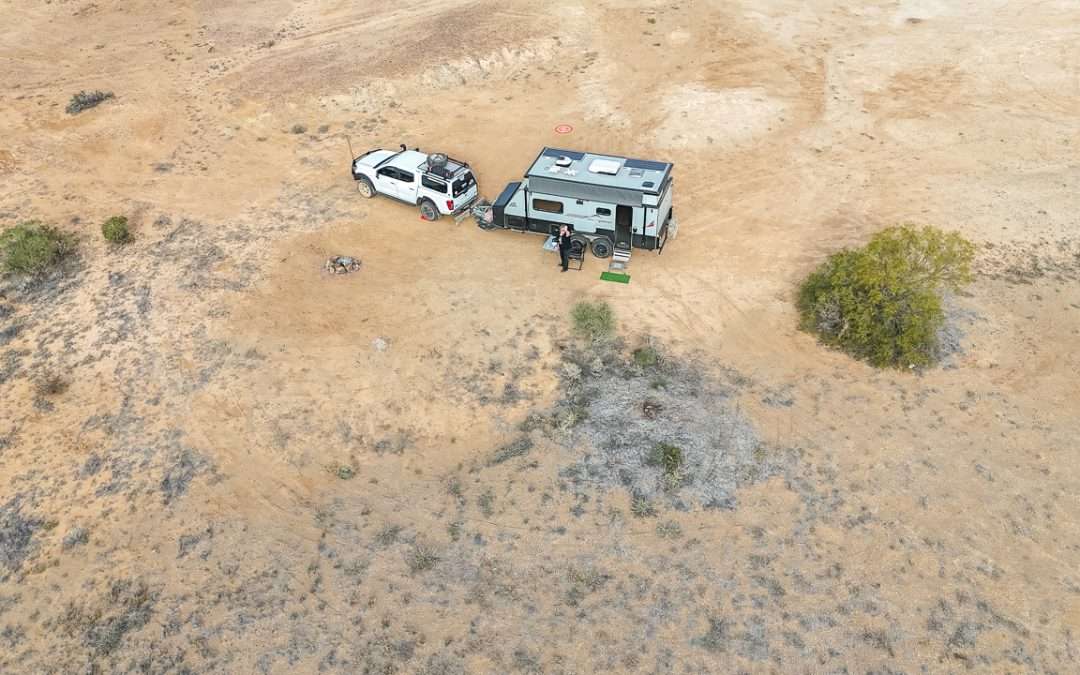
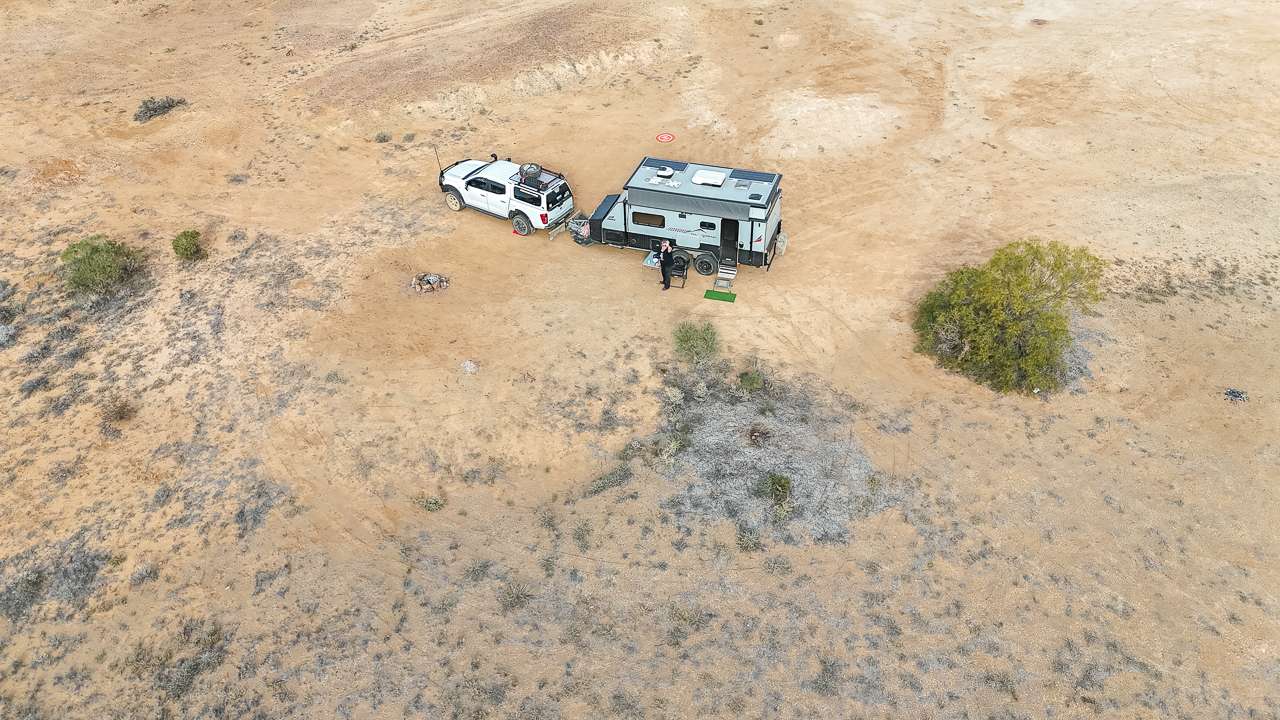
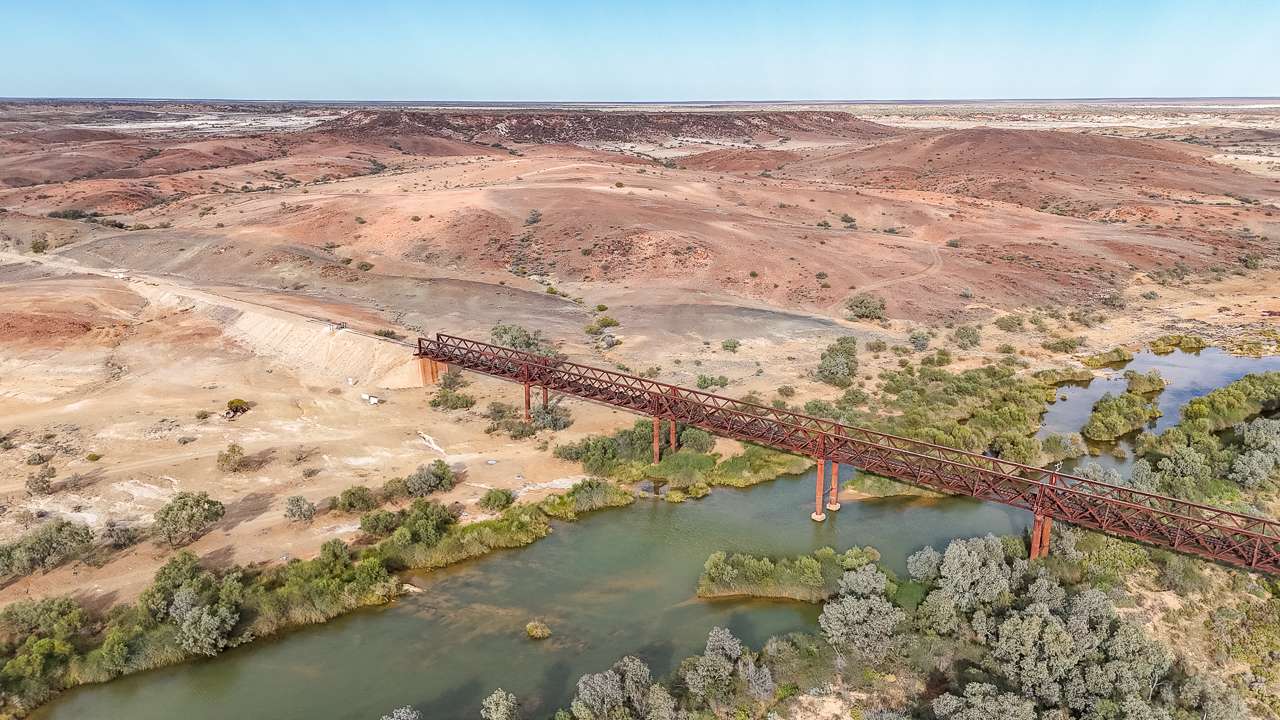
Alberrie Creek Bridge is a remote free camp site on the Oodnadatta Track in northern South Australia. It’s a popular free camping spot. There are no amenities of any sort so make sure you’re prepared for bush camping are self sufficient.

Alberrie Creek Bridge Location And Info At A Glance

Cost: Free
Type: Free Camping / Bush Camping
Pet Friendly: Yes
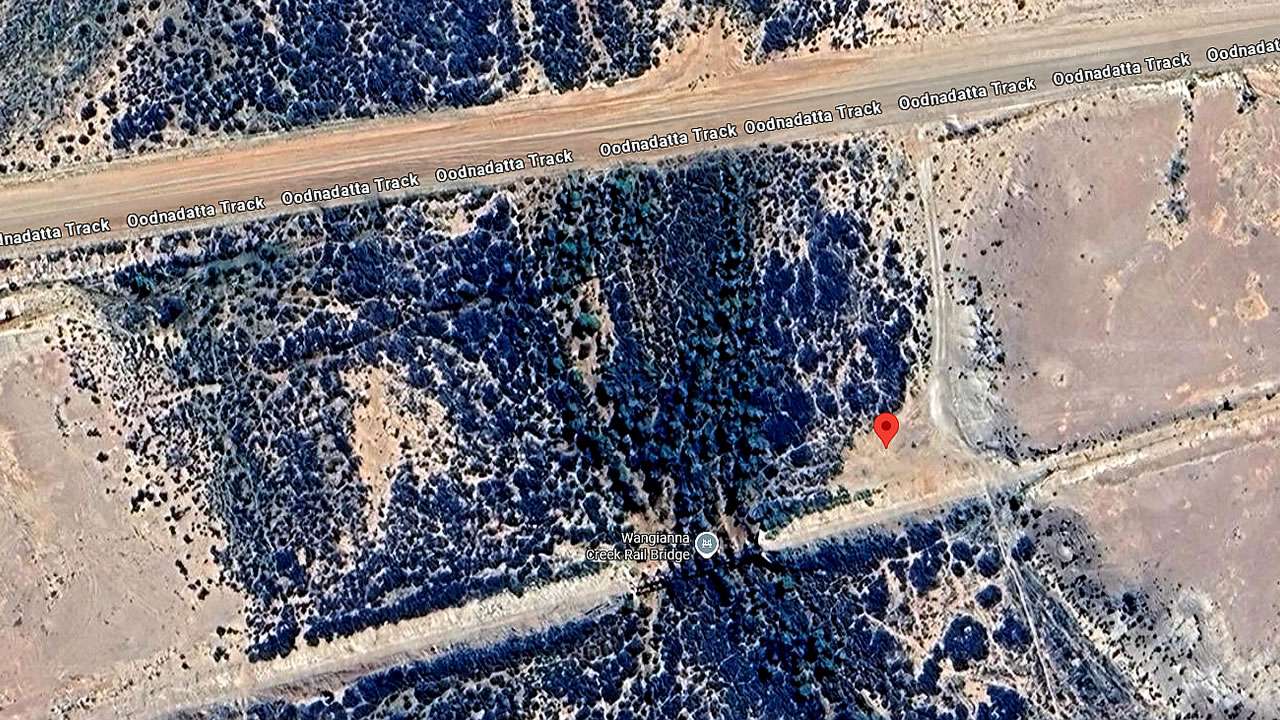
Location: -29.647019°, 137.639436°
Distance From Marree: 42km
Distance From Oodnadatta: 363km
Distance From Marla: 617km

Alberrie Creek Bridge Campsite On Oodnadatta Track

Alberrie Creek Bridge Campsite On Oodnadatta Track

Location And Surroundings

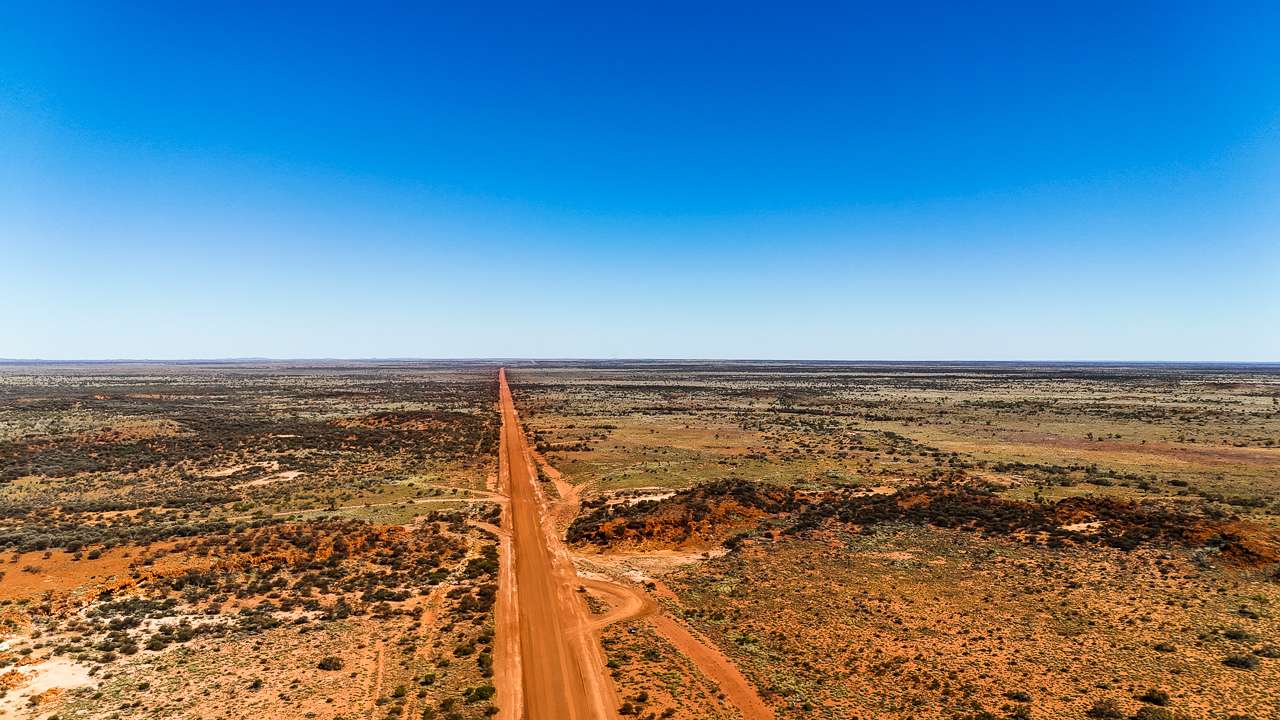
Alberrie Creek Bridge is situated roughly halfway along the Oodnadatta Track making it an awesome place to stop and camp up for the night. The landscape is your usual Oodnadatta Track vast plains and red dirt. Free Camping At Alberrie creek Bridge on the Oodnadatta Track is a classic outback experience.

Alberrie Creek Bridge Camp Site Facilities

There are no facilities on site. You need to bring all of your own supplies including water. What firewood was once available has long since been scavenged and used so if you want to have a campfire you’ll need to bring your own wood. Make sure you take all of your rubbish with you – do the right thing to help keep the area clean.

Nearby Points of Interest

The nearest “town” is William Creek which has fuel, basic supplies and a ripper of a pub. Further along the track heading towards Oodnadatta the Algebuckina Bridge – another very popular free camping location on the Oodnadatta Track.

It’s On The Oodnadatta Track

  • The Oodnadatta Track is a famous 620 km unsealed outback road stretching from Marree in the south to Marla in the north. It closely follows the path of the old Ghan Railway and the Overland Telegraph Line.
  • Sites along the track include historic railway bridges, telegraph relics and remains of old abandoned settlements.

Key Features Of Alberrie Creek Bridge

  • Location: About halfway along the Oodnadatta Track makes it a practical free camping spot.
  • No Facilities: There are no toilets, water or amenities on site. Come prepared.
  • Surroundings: The bridge is set in a classic outback landscape. You’ve got your typical open gibber plains and red dirt.
  • Close To William Creek: Alberrie Creek is not far from William Creek.

Summary

This is a basic remote camp site on the Oodnadatta Track. With no facilities on site you have to be prepared and self sufficient.

Coward Springs Oodnadatta Track: We’ve Camped There Twice

Coward Springs Oodnadatta Track: We’ve Camped There Twice

Coward Springs Oodnadatta Track: We’ve Camped There Twice

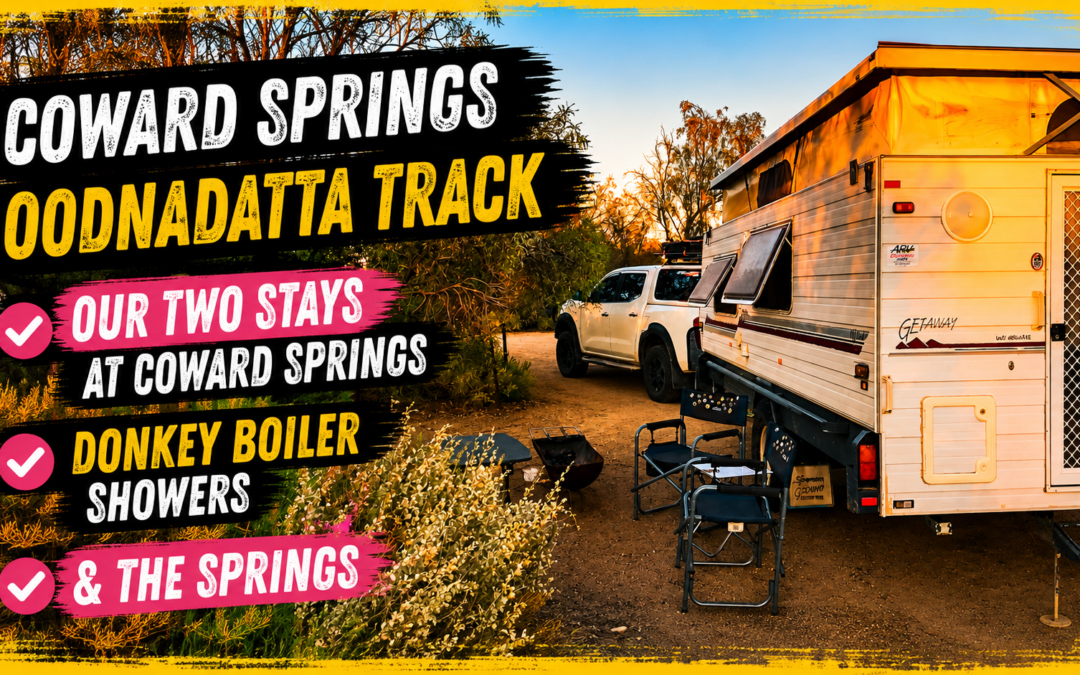
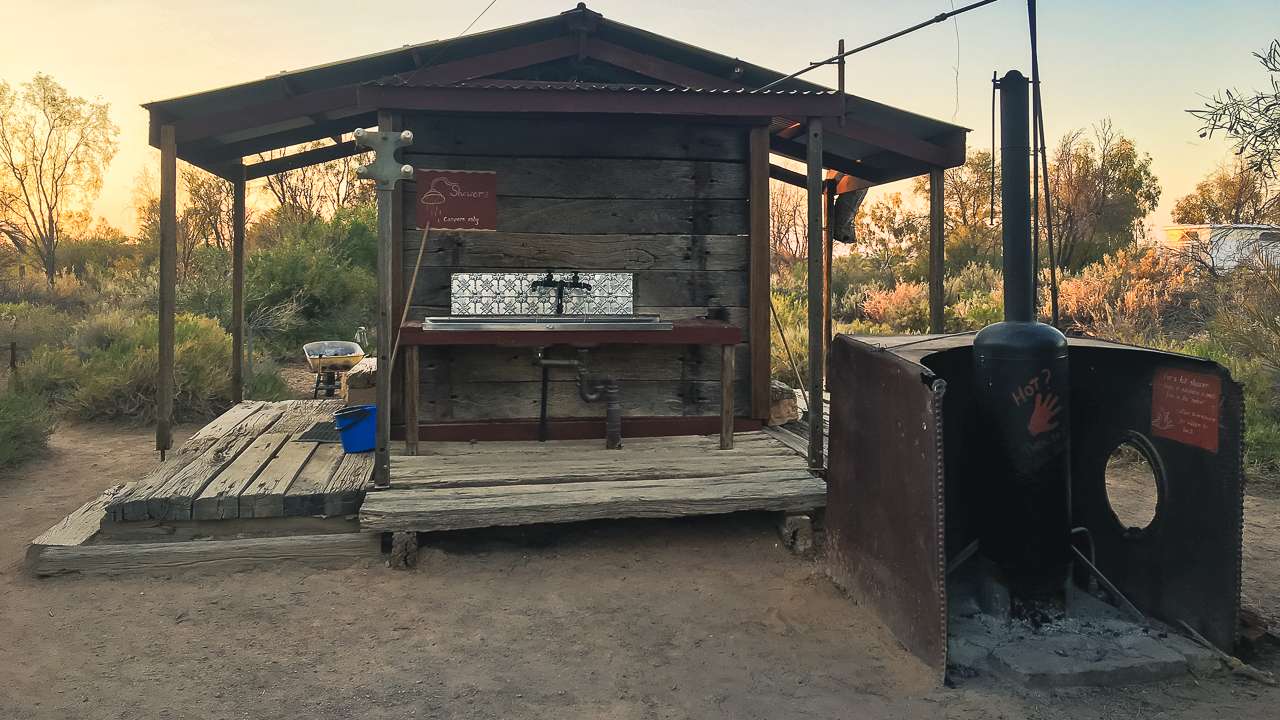
Our two stays at Coward Springs Campground: Oodnadatta Track advice, donkey boiler showers and the springs – caravanning in SA’s outback.

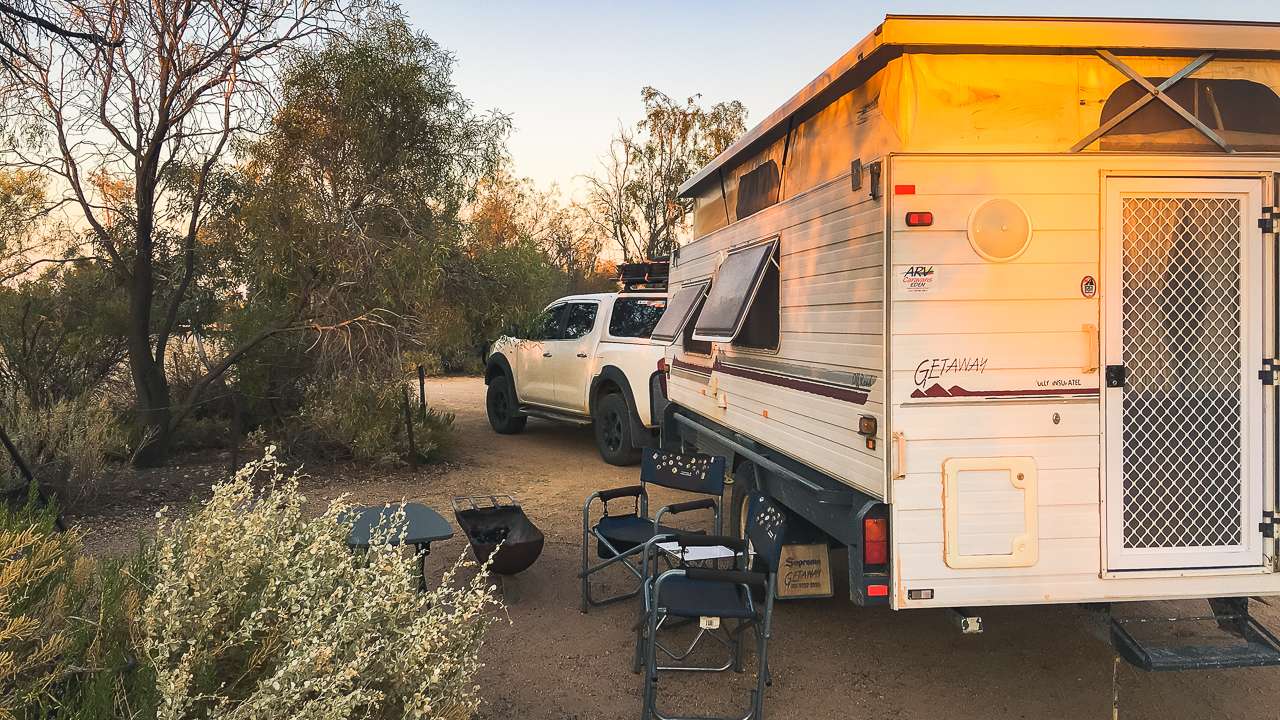
Coward Springs campgrounds is a desert stop on the Oodnadatta Track that is full of history. Located along the famous Oodnadatta Track in South Australia’s outback, Coward Springs mixes history, nature and adventure. We first camped here in September 2019 with our Supreme Getaway off-road caravan and returned in August 2022 while on another trip. Both trips showed us what makes this spot special – and what challenges to expect.

Camping At Coward Springs Campground

Camping At Coward Springs Campground

Coward Springs Campground

Address: Oodnadatta Track, Stuarts Creek, South Australia 5733
GPS: -29.401325°, 136.813945°
Pet Friendly: Yes
Email: contact@cowardsprings.com.au
Website: http://www.cowardsprings.com.au
Phone: +61 8 8675 8336
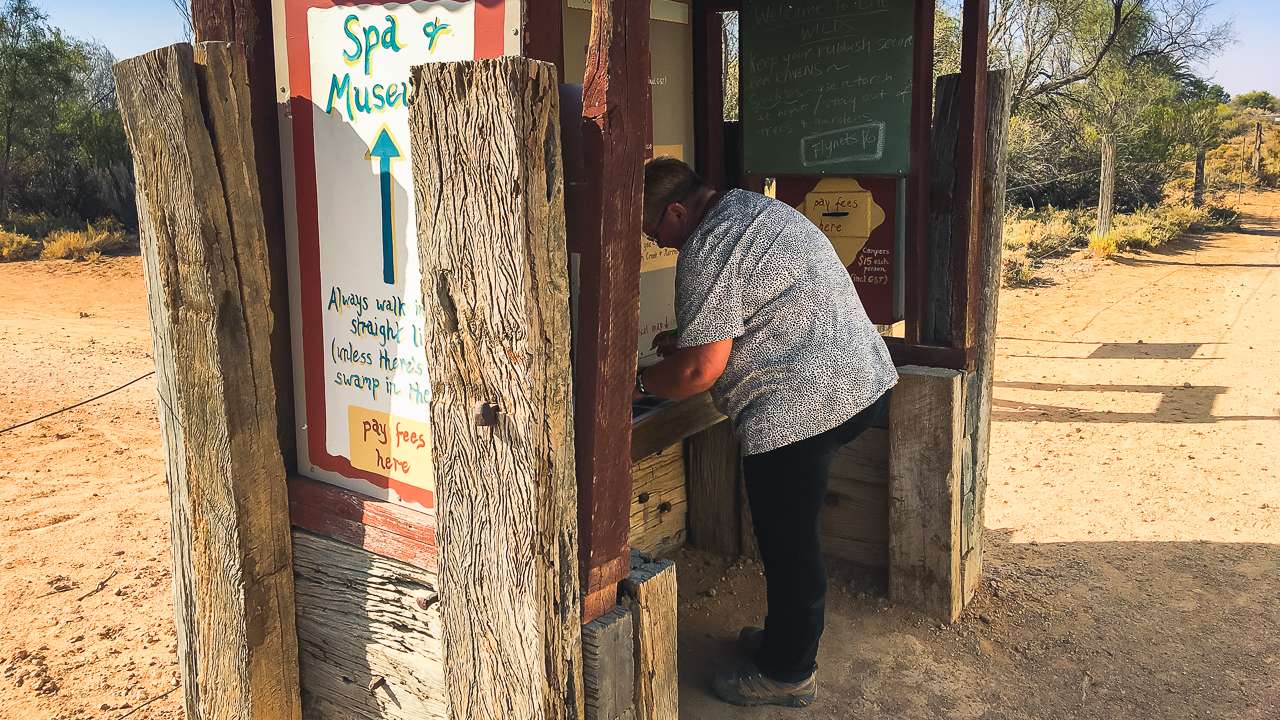
Cost: (2025) $18 per adult & Children (3–15 years) half price
Adults: $15 per night
Bookings: https://cowardsprings.com.au/booking/

Amanda Checking In At Coward Springs

Amanda Checking In At Coward Springs

The Story Of Coward Springs

Coward Springs started as a stop for the Old Ghan Railway in the late 1800s, using water from the Great Artesian Basin to power steam trains. When the railway closed, the site nearly vanished until locals restored it in the 1990s. Today, you can explore the old railway workers’ huts, a small museum and the natural springs that keep this place alive.

Our 2019 vs. 2022 Experience

We’ve compared our two visits to help you plan better. We loved both stays!

Aspect September 2019 August 2022
Crowds Busy by 4 PM; all 20 campsites full. Quieter, with half the sites empty midweek.
Weather Warm days (25-30°C), chilly nights (5°C). Cooler days (18–22°C), freezing nights (0-3°C) – bring something warm to sleep in!
Natural Spring Waited 20 minutes for a soak. Walked straight in – no queues.
Road Conditions Dry, smooth gravel roads from William Creek. Recent rain caused minor rutting and corrugations; 4WD recommended.
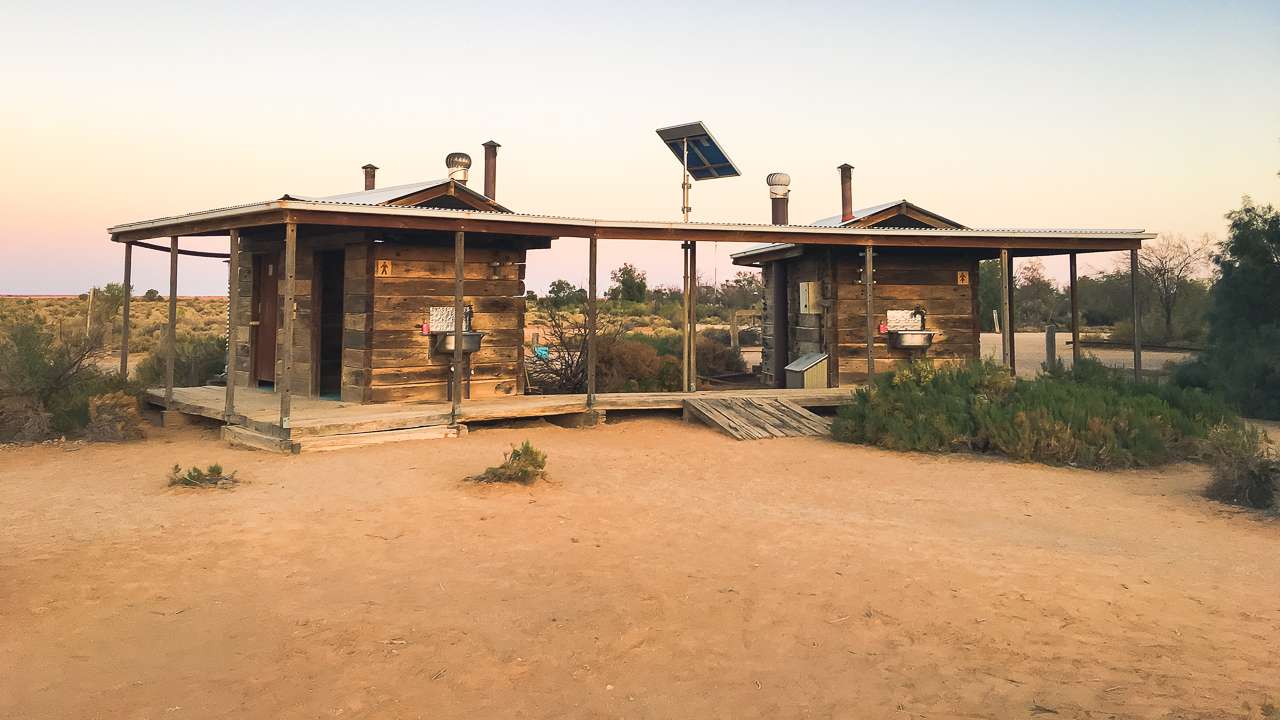
Facilities Donkey boiler showers worked well. New compost toilets added.

10 Activities Near Coward Springs

  1. Wabma Kadarbu Mound Springs
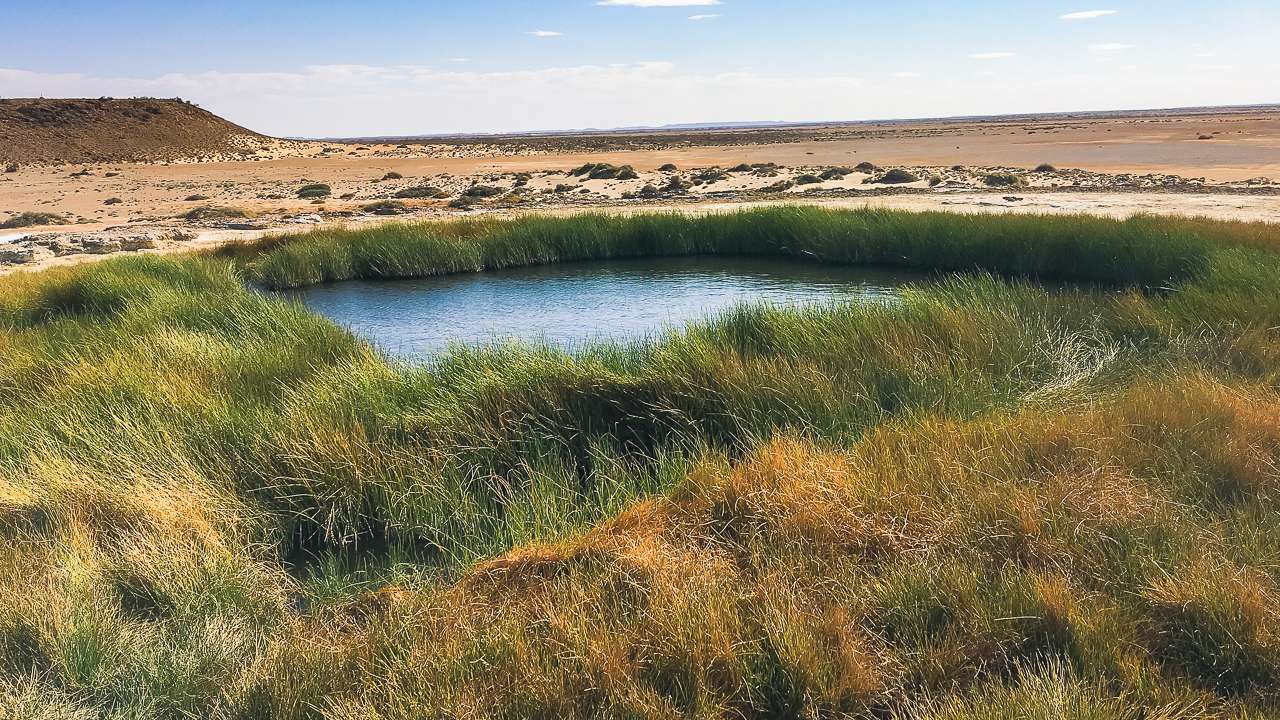
    Visited twice – the bright blue water of Blanche Cup never gets old!
  2. William Creek Pub
    Ate their famous pie in 2019; tried lamb shanks in 2022. Both meals hit the spot.
  3. Lake Eyre (Kati Thanda)
    Flew over in 2019 (water present), drove to Lake Eyre South in 2022 (bone-dry).
  4. Strangways Springs Ruins
    More signage added by 2022 – easier to understand the history.
  5. Algebuckina Bridge
    Have camped there three times. Great for sunset photos. See if you can find the graves.
  6. Coward Springs Walk
    The 1.5 km loop felt quicker in 2022 with cooler weather.
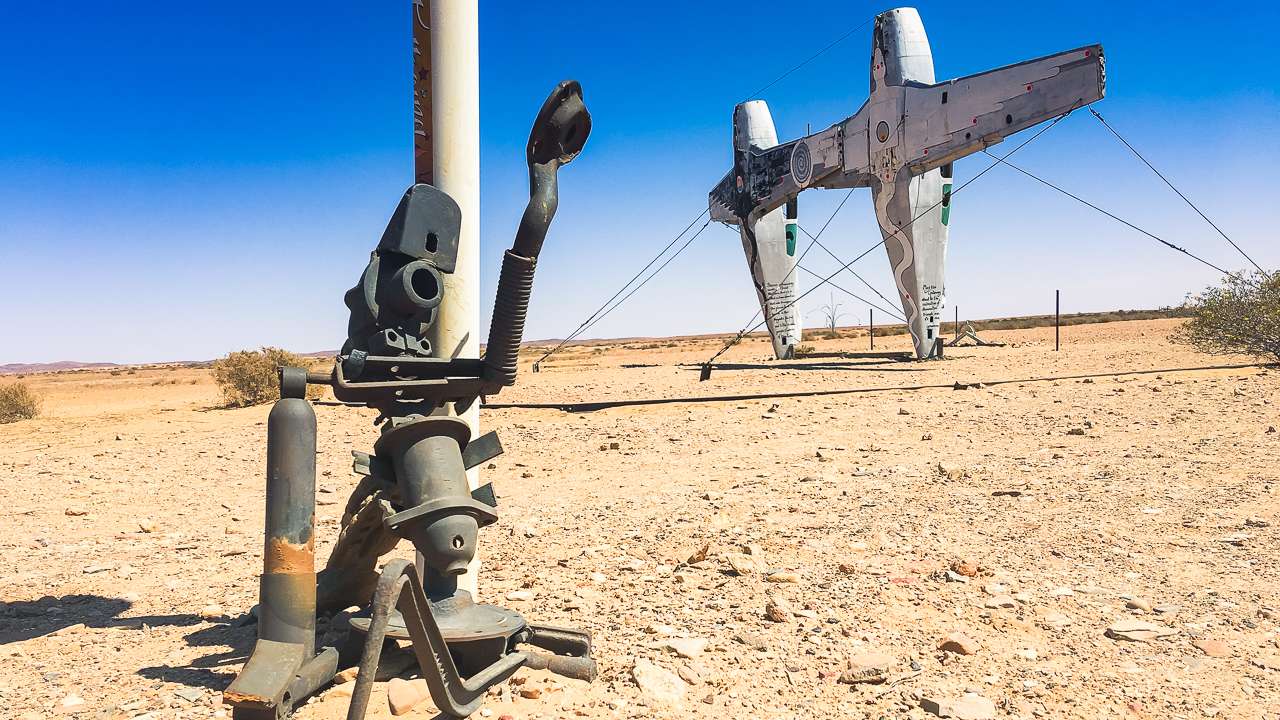
  7. Mutonia Sculpture Park
    New plane wreck art added near Lake Eyre since 2019. we’ve called in here every time we’ve travelled the Oodnadatta Track.
  8. Stargazing
    Clearer skies in August 2022 – saw the Southern Cross and Orion.
  9. Oodnadatta Track Drive
    Noticed more roadside rest areas by 2022.
  10. Chat with Travellers
    Met more international visitors in 2022 post-COVID border reopenings.

What We Learned Across Both Trips

  1. Best Time to Visit
    1. September: Warmer days but crowded. Book early.
    2. August: Quieter but pack warm clothes and bedding for freezing nights.
  2. Packing Tips
    1. 2019 Misses: Forgot to bring firewood with us. We ran out the night before.
    2. 2022 Wins: New caravan had a gas heater installed.
  3. Campground Changes (2019 vs. 2022)
    1. Improved: New compost toilets, better signage for walks.
    2. Same: No drinking water, power, or phone reception.

How To Drive To Coward Springs, South Australia

Reaching Coward Springs requires careful planning due to its remote location on the Oodnadatta Track, a historic outback route in northern South Australia. The track is largely unsealed, with gravel, corrugations, and occasional rutting after rain. A 4WD vehicle is recommended although 2WDs can manage in dry conditions if driven cautiously. From Adelaide, most travellers take the Princess Highway to Port Augusta, then head north via Leigh Creek to Marree—the official start of the Oodnadatta Track. From Marree, it’s a 160 km drive north to Coward Springs. Fuel, water, and spare tires are essential, as services are limited beyond Marree and William Creek. Always check the [SA Outback Roads Report](https://www.dpti.sa.gov.au/OutbackRoads) before departing.

Donkey Boiler

Donkey Boiler

Driving Distances And Times

From Capital Cities

Starting Point Distance to Coward Springs Estimated Driving Time Key Route Notes
Adelaide, SA 845 km 9–10 hours Via Port Augusta, Leigh Creek, and Marree. Mix of sealed and unsealed roads.
Melbourne, VIC 1,200 km 13–14 hours Follow Mallee Highway to Adelaide route, then north via Port Augusta.
Sydney, NSW 1,500 km 16–17 hours Via Broken Hill and Port Augusta. Mostly sealed until Marree.
Brisbane, QLD 2,000 km 22+ hours Through Bourke, Broken Hill, and Port Augusta. Long stretches of sealed highways.
Perth, WA 2,700 km 30+ hours Cross Nullarbor to Ceduna, then Port Augusta. Requires multiple overnight stops.
Darwin, NT 2,300 km 25+ hours Stuart Highway to Alice Springs, then south via Kulgera. Mostly sealed.

Along The Oodnadatta Track

Starting Point Distance to Coward Springs Estimated Driving Time Road Conditions
Marree, SA 160 km 2 hours Unsealed, corrugated. 2WD possible in dry weather.
William Creek, SA 90 km 1.5 hours Gravel with occasional washouts. 4WD advised after rain.
Oodnadatta, SA 280 km 3.5 hours Rough, sandy sections. 4WD essential.
Coober Pedy, SA 236 km 3 hours Unsealed via William Creek. Carry extra fuel.
Lake Eyre South (Halligan Bay) 110 km 2 hours Requires detour from William Creek. Check access permits.

Key Tips For Driving

  1. Fuel Up: Last reliable fuel stops are in Marree (south) or Oodnadatta (north).
  2. Water & Supplies: Carry 10L water/person/day. No shops between Marree and William Creek.
  3. Tyres: Reduce tire pressure to 28–32 PSI for corrugations.
  4. Weather: Avoid travel after rain – roads close quickly.
  5. Permits: Some detours (e.g., Lake Eyre) require National Parks permits.

By planning ahead and respecting the outback’s challenges, your drive to Coward Springs will be an unforgettable adventure.

Conclusion: Why Coward Springs Deserves A Spot On Your Outback Itinerary

Coward Springs, South Australia, is more than a campground – it’s a portal to the raw beauty and layered history of the outback. From its bubbling artesian spa to the echoes of the Old Ghan Railway, this remote oasis rewards travellers willing to embrace its rugged simplicity. Our two visits – in September 2019 and August 2022 – taught us that timing is key: spring brings warmth and crowds, while winter offers solitude (and chilly nights). The journey here, whether from Adelaide or Darwin, is part of the adventure. The Oodnadatta Track’s corrugations and dust test your preparation, but the payoff – soaking in 29°C mineral waters under a desert sky – is unmatched. While facilities remain basic (donkey boilers and compost toilets included), the camaraderie among campers and the haunting beauty of nearby sites like Wabma Kadarbu Springs elevate the experience.

For caravanners, Coward Springs is a rite of passage. It demands self sufficiency, extra water, firewood and patience – but delivers an authenticity that glossy resorts can’t replicate. Whether you’re tracing Aboriginal trade routes, photographing wedge-tailed eagles or swapping stories at William Creek Pub this corner of South Australia etches itself into your memory.

Final Tip: Plan meticulously, pack your sense of humour and let the outback work its magic. As we’ve learned twice now, Coward Springs isn’t just a destination – it’s a story waiting to unfold.

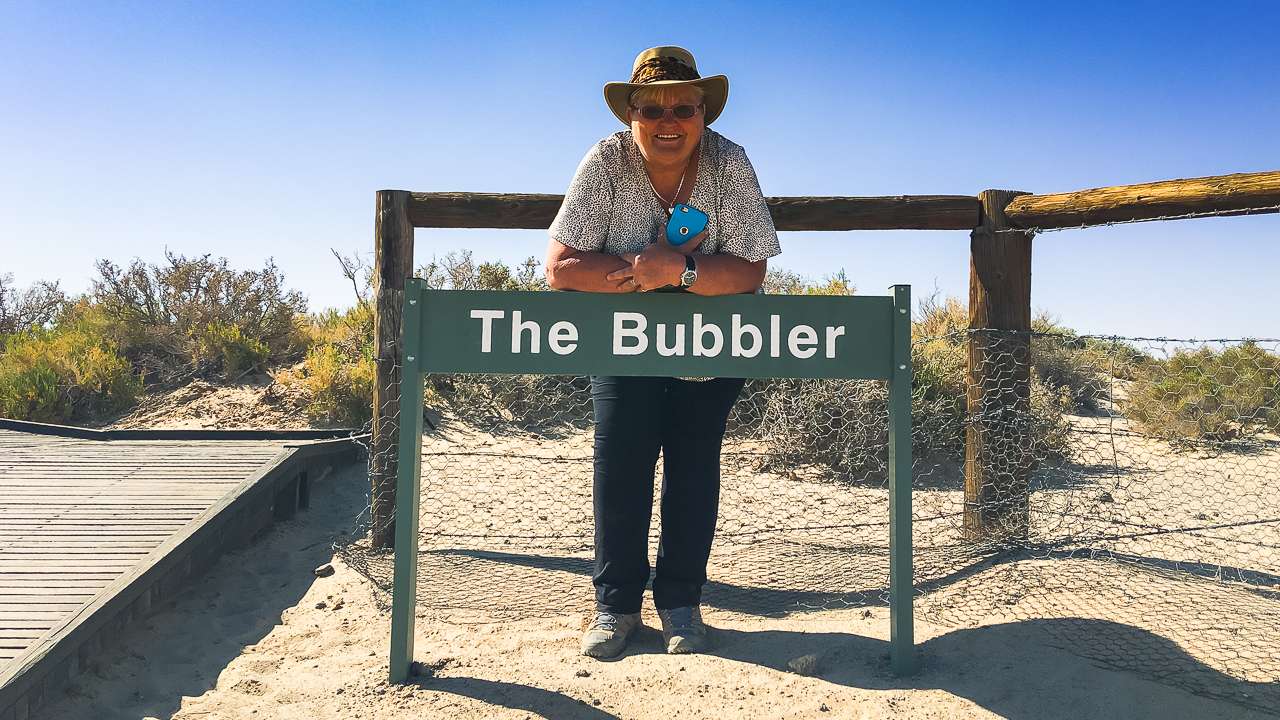
The Bubbler Moundspring On The Oodnadatta Track

The Bubbler Moundspring On The Oodnadatta Track

Final Thoughts

  • 2019 vs. 2022: Both trips had pros. September’s warmth suited swimming, while August’s quiet let us enjoy the springs alone.
  • Would We Return? Yes – but in late autumn (April/May) to avoid extremes.
  • Biggest Surprise: The museum expanded by 2022 with railway artifacts dug up locally.
  • Essential Tip: Bring 20% more water than you think you’ll need. Both times we ran low.

Helpful Links:

Coward Springs Campground Photos

Towing A Caravan On The Great Central Road

Towing A Caravan On The Great Central Road

Towing A Caravan On The Great Central Road

Towing A Caravan On The Great Central Road is a true test of resilience and preparation. Find out how to make it a trip to remember. The Great Central Road is an iconic outback route spanning over 1,100 kilometres, is a bucket list destination for adventurers seeking a true taste of Australia’s rugged heartland.

Stretching from Laverton in Western Australia to Yulara in the Northern Territory, this remote journey traverses some of the country’s most breathtaking and desolate landscapes. Towing a caravan on the Great Central Road is a challenging yet rewarding experience, demanding preparation, resilience and a sense of adventure.

We Completed The Great Central Road Towing A Caravan In August 2024

We did the trip back in August 2024 and a really great time. We travelled from Yulara all the way through to Laverton in WA. Amanda was interested in seeing camels and brumbies and we got to see both. One of the highlights for me was calling in to see Lasseters Cave.

The campsites we stayed at were,

  1. Docker River
  2. Yarla Kutjarra
  3. Desert Surf Central
  4. Giles Breakaway

The Road Less Travelled

The Great Central Road is mostly unsealed, with stretches of gravel, corrugations and occasional soft sand. It cuts through diverse terrains, from the red dunes of the Gibson Desert to vast open plains and rocky outcrops. For those considering towing a caravan on the Great Central Road, understanding the road’s conditions is crucial. While the route is navigable by high clearance vehicles, towing adds complexity, especially when navigating loose gravel or uneven surfaces.

Towing A Caravan On The Great Central Road

Towing A Caravan On The Great Central Road

Preparing Your Vehicle and Caravan

Preparation is key when undertaking this journey. Vehicles must be robust and well maintained, with a capable towing setup. A reliable 4WD with sufficient ground clearance is strongly recommended. For caravans, an off-road or semi-off-road model is ideal, as standard caravans may struggle to withstand the harsh conditions. Reinforced suspension, all terrain tyres and a strong chassis are essential for towing a caravan on the Great Central Road.

Equally important is adjusting your tyre pressures to match the terrain. Lower tyre pressures reduce stress on your vehicle and caravan, providing better traction and a smoother ride over corrugations. Carrying a tyre repair kit and a compressor is non-negotiable, as punctures are common on this track.

Fuel And Water: The Lifelines

Fuel stops along the Great Central Road are infrequent, with major refuelling points at Laverton, Warburton, Warakurna and Docker River. Travellers should plan fuel usage carefully, as running out in this remote region can be both inconvenient and dangerous. A long range fuel tank or extra jerry cans are indispensable for towing a caravan on the Great Central Road.

Water is another critical resource. The arid environment means water sources are scarce and temperatures can soar. Carry enough drinking water for the duration of your journey, along with additional reserves for emergencies.

The Challenges Of Remote Travel

While the scenery along the Great Central Road is captivating, the remoteness poses unique challenges. Communication can be limited, with patchy mobile reception at best. A UHF radio or satellite phone is highly recommended for safety. Travellers should also carry a comprehensive first aid kit and a detailed map of the area, as GPS devices can occasionally fail in such remote conditions.

Permits are required to travel the Great Central Road, as it passes through Aboriginal lands. These permits are easy to obtain online and help support local communities. Always make sure that you have respect for the land and its cultural significance throughout your journey along the GCR.

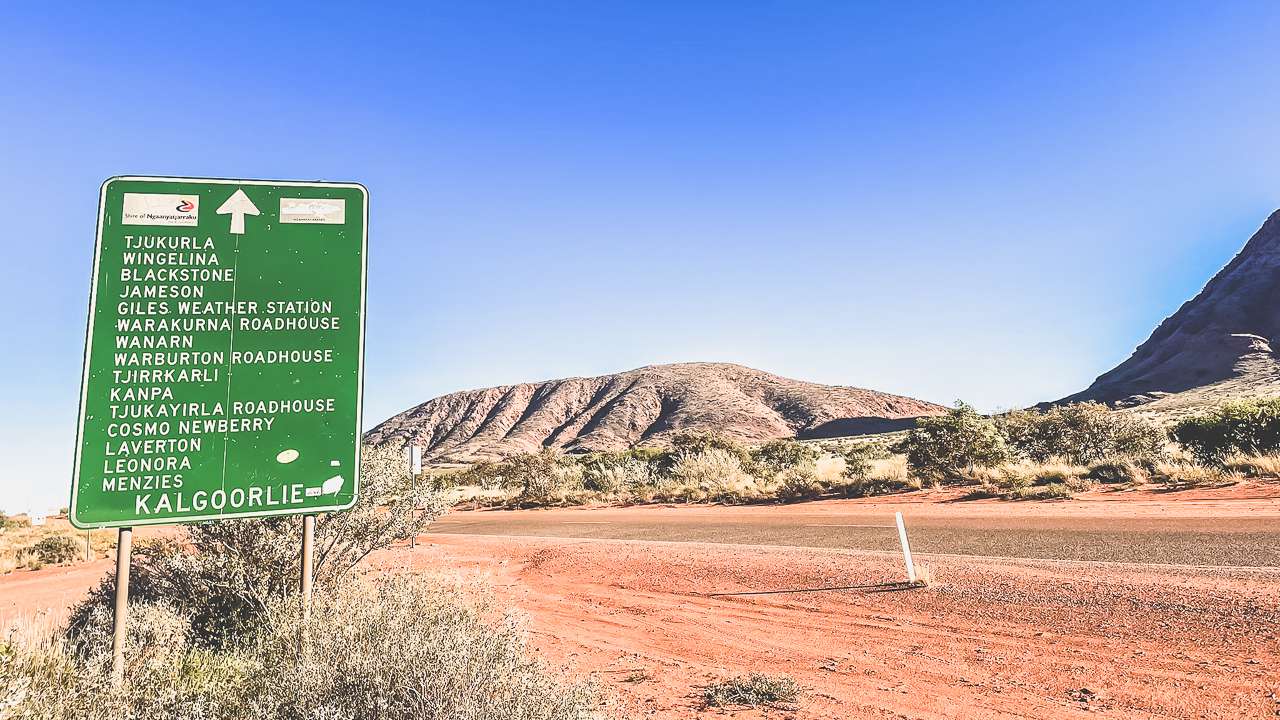
Sign At The Start Of The Great Central Road

Sign At The Start Of The Great Central Road

The Rewards Of The Great Central Road (GCR)

For those willing to have a crack at the challenge towing a caravan on the Great Central Road is an unforgettable experience. The landscapes are awe-inspiring, with endless horizons, ochre-red dunes and dramatic sunsets that light up the vast skies. Wildlife sightings are common, with kangaroos, emus and wedge-tailed eagles dotting the terrain.

The route also offers the chance to connect with Australia’s Indigenous culture. Passing through several Aboriginal communities, travellers can learn about local traditions, art and history. The cultural richness adds depth to the adventure, transforming it into more than just a scenic drive.

Great Central Road Near Yarla Kutjarra

Great Central Road Near Yarla Kutjarra

Tips For A Successful Journey

  1. Plan thoroughly: Research the route, obtain permits and check road conditions before departure.
  2. Pack strategically: Include spare tyres, a toolkit, extra fuel and plenty of water.
  3. Drive cautiously: Maintain moderate speeds to minimise wear on your caravan and reduce the risk of accidents on uneven surfaces.
  4. Communicate effectively: Use a UHF radio to stay in touch with other travellers and monitor road conditions.
  5. Respect the environment: Leave no trace and honour the cultural significance of the lands you traverse.

Conclusion To Towing A Caravan On The Great Central Road

Undertaking the challenge of towing a caravan on the Great Central Road is not for the faint-hearted, but for those prepared to take it on, the rewards are immense. From the awesome beauty of the outback to the cultural experiences along the way, this journey gives you the very best of remote Australian travel. With the right preparation, the Great Central Road can be the adventure of a lifetime, offering both trials and triumphs in equal measure.

William Creek: An Easily Doable Remote Outback Adventure

William Creek: An Easily Doable Remote Outback Adventure

William Creek: An Easily Doable Remote Outback Adventure

From checking out and having a drink in the iconic William Creek Hotel to breathtaking flights over Lake Eyre. This is your ultimate guide to South Australia’s remote Outback.

William Creek is located in the heart of South Australia’s Outback. It’s a uniquely Aussie outback destination that provides a blend of natural beauty, history and adventure. Whether you’re interested in exploring the famous Lake Eyre Basin, experiencing the rugged terrain or simply soaking in the quiet charm of the area. Here’s a detailed look at what you can do in this remote corner of Australia.

Activities Around William Creek, South Australia

While it’s remote, it is by no means lacking in things to do. The surrounding area offers a variety of activities for those keen to explore the Outback.

One of the highlights is visiting Lake Eyre. It is accessible by road or air and the views are truly spectacular. Whether the lake is full or dry, the landscape is a photographer’s dream. There are many opportunities for birdwatching in the area, making it a great base for outdoor activities.

William Creek Hotel

William Creek Hotel

Exploring The Outback From William Creek

William Creek is an ideal starting point for exploring the vast and rugged Outback. From here you can travel along the Oodnadatta Track, an historic route that was once the railway line connecting Adelaide to Alice Springs. The track is full of fascinating sites, including the ruins of old telegraph stations and Aboriginal heritage sites.

If you’re in the mood for a scenic adventure, consider taking a flight over Lake Eyre. Several operators offer aerial tours that provide a unique perspective of the lake, the desert and the surrounding land. The Outback from above is truly an awe inspiring sight.

William Creek To Coober Pedy Road Trip

A road trip to Coober Pedy is an unforgettable adventure. The journey takes you through vast desert landscapes and wild outback desert terrain. Along the way, you’ll encounter ghost towns and historic ruins and experience the true spirit of Australia’s outback.

Coober Pedy, known as the opal capital of the world. Coober Pedy is just a few hours away from making it a perfect destination to pair with your Outback adventure. Once you arrive, you can explore the underground homes and opal mines that make this town so unique.

Visiting William Creek Hotel

The William Creek Hotel is the heart of the town and one of its most famous landmarks. Stepping into the historic pub is like stepping back in time. It’s a hub for locals and visitors alike, offering cold drinks, great food and a wealth of stories from the people who’ve passed through. The hotel also serves as a base for those looking to take scenic flights over Lake Eyre or explore the surrounding Outback. Make sure to stop by and soak up the unique atmosphere.

William Creek, Australia Attractions

While it may be small, it’s a gateway to some incredible attractions in the region. Lake Eyre, just a short drive away, is one of Australia’s most impressive natural wonders. It’s the largest saltwater lake in Australia. Depending on the rainfall it can either be a vast dry expanse or a thriving wetland teeming with birdlife. It’s the perfect spot for photography or simply appreciating the beauty of nature in its rawest form.

For history buffs, the Oodnadatta Track passes through William Creek. The oodnadatta Track is an historic route that was once used by the Ghan Railway. It’s a look back in time into Australia’s past and an important part of the region’s heritage.

Remote Camping In William Creek

If you’re looking for true isolation, remote camping near William Creek is the way to go. There are a number of sites around the area that are off the beaten track. Camping spots near William Creek are perfect for people who want to escape the crowds and enjoy nature in its rawest of forms.

Whether you’re camping in a tent or in a caravan, you’ll find that the night sky here is like nothing you’ve seen before. The lack of light pollution gives you a clear view of the stars and it’s the ideal place for stargazing.

Oodnadatta Track Near Curdimurka

Oodnadatta Track Near Curdimurka

Historical Sites Near William Creek

If you happen to be interested in history there are a number of sites that offer a look backwards in time to the region’s past. The Old Ghan Railway, which once connected the south to the north of Australia, is a significant landmark. While some parts of the track are no longer in use it’s possible to visit sections of the old railway and learn about its importance to the country’s development.

There are also several Aboriginal cultural sites in the area that hold significant meaning to the local indigenous communities. These sites are usually not heavily advertised, but with the right guidance, you can learn about the region’s cultural heritage.

William Creek Lake Eyre Flight Tours

For those who want to see the full extent of Lake Eyre’s majesty, a flight tour is a must. The tours are run by local operators and offer sensational views of the lake, the surrounding desert and the Outback. Whether the lake is full or dry, the aerial view gives you a unique perspective that you simply cannot get from the ground.

The flights typically depart from the William Creek airstrip and take you over the salt flats, wetlands and nearby landmarks. These tours are also a great opportunity to spot wildlife and get a bird’s eye view of Australia’s outback like never before.

Best Time To Visit William Creek

The best time to visit William Creek largely depends on what kind of experience you’re after. The warmer months, from October to April, are ideal for those who want to see Lake Eyre in its most dramatic form. Temperatures during summer can be extreme to the max so it’s essential to be prepared for the heat.

Winter months (May to September) offer cooler temperatures and are a great time to visit if you prefer milder weather. This is also when stargazing is at its best, thanks to the clearer skies and cooler nights.

No matter what time of year you choose to visit it offers an experience that is as unique as it is unforgettable. Whether you’re taking in the beauty of Lake Eyre from the air or camping under the stars. It’s a destination that will stay with you long after you’ve left.

Scenic Flights Over Lake Eyre

One of the most popular activities is taking a scenic flight over Lake Eyre. Whether the lake is full or dry, the aerial view is breathtaking. You’ll witness a vast, seemingly endless landscape with its unique colours and contrasts. It’s an experience that will make you appreciate the scale of Australia’s Outback.

Where To Stay In William Creek

Accommodation in William Creek is limited but offers some great options for those wanting to stay close to nature. The pub is the focal point of the town. This iconic pub has been a favourite for locals and visitors alike for many years. It’s a great spot to relax after a long day of exploration, offering basic meals and drinks.

Camping is an excellent choice and the one we always go with. There are several camping grounds in and around William Creek, perfect for setting up under the stars. If you prefer something a bit more comfortable there is the William Creek caravan park nearby that has powered sites as well as all the usual amenities.

William Creek, Australia Travel Guide

Getting to William Creek requires a bit of preparation, as it is in a remote location. The journey is actually one of the main parts of the adventure. Located approximately 60 kilometres from the Oodnadatta Track and just over 500 kilometres from Coober Pedy, William Creek is far enough from major towns to offer a true Outback experience.

There are no major airports close to William Creek, so most visitors arrive by road. Whether you’re self driving or joining an organised tour, make sure your vehicle is in good condition and always carry extra supplies. The town is small (read tiny) but it has the essentials such as fuel, food and water.

William Creek Outback Adventure

For those seeking a true Outback adventure, William Creek offers a range of experiences. You can embark on a 4WD adventure across the desert, explore nearby dunes, or take a scenic flight to see the iconic salt lakes from the air. The isolation of the area gives you the opportunity to truly disconnect and experience the raw beauty of the Australian Outback.

The landscape around William Creek is harsh yet striking, offering both challenges and rewards for those who venture into it. Whether you’re camping in the wilderness or exploring by vehicle, there’s something profoundly rewarding about this remote region.

Road Conditions To William Creek

The road to William Creek is not for the faint hearted. The most common route is via the Oodnadatta Track, a well known 4WD track that spans 620 kilometres. While parts of the track are gravel, the road is generally well maintained, but it can be rough and dusty in places. It’s essential to have a reliable vehicle and preferably a 4WD with high clearance if you plan to drive.

Before you head out, check the road conditions, especially during the summer months when heavy rains can flood parts of the track. Ensure that your vehicle is equipped with enough water, spare tyres and other essential supplies. Travelling with a partner or group is always a good idea in case of emergencies.

How To Get To William Creek From Adelaide

Getting to William Creek from Adelaide is a straightforward journey, but it requires a bit of preparation. The most direct route is to take the Stuart Highway north towards Port Augusta, then turn east onto the Oodnadatta Track. The drive will take approximately 10-12 hours, depending on road conditions.

If you’re not keen on driving, you can also fly to Coober Pedy or a nearby airstrip and then travel to William Creek by road. There are also tour operators that offer guided trips to William Creek, providing an easy and stress free way to experience the Outback.

Leaving William Creek

William Creek And The Lake Eyre Basin

Situated in the Lake Eyre Basin, a vast inland drainage system that spans over 1 million square kilometres. The Lake Eyre Basin is one of the most important ecological areas in Australia. Lake Eyre is a significant natural landmark. The lake fills with water only during periods of extreme rainfall and when it does, it becomes a thriving wetland that attracts thousands of birds.

The Basin is an important site for conservation and research and visiting it is an opportunity to witness the delicate balance of Australia’s natural environment. The region is rich in biodiversity and the surrounding deserts and wetlands offer a glimpse into one of the world’s most unique ecosystems.

William Creek History

William Creek History traces its roots back to the early days of European exploration in South Australia. The town was originally established in the late 1800s as a pastoral station, named after the nearby creek that flows into the larger systems of Lake Eyre. Over the years William Creek history has been shaped by its remote location in the heart of the Outback. It became a key stop for those traveling along the Oodnadatta Track, once a significant route for the Ghan Railway.

In the early 20th century, the town’s history took another turn with the establishment of the iconic William Creek Hotel. The pub in typical Australian fashion became a hub for locals and passing travellers, further cementing the town’s status as an important Outback destination. William Creek Hotel remains a central landmark to this day.

Despite its isolation it’s closely tied to both Aboriginal and European histories. It had indigenous communities living in the area for thousands of years before European settlers arrived. The region’s history is a blend of ancient cultural significance and modern frontier life.

Top 10 Things To Do In William Creek

William Creek, a small settlement in South Australia’s Outback, offers a unique blend of history, adventure and stunning landscapes. While the area may be remote, it’s filled with opportunities for those seeking an authentic Outback experience. Here’s a list of the top 10 things to do in William Creek that will help you make the most of your visit.

  1. Take a Scenic Flight Over Lake Eyre
    One of the highlights of William Creek is its proximity to Lake Eyre, Australia’s largest saltwater lake. Taking a scenic flight from William Creek is an unforgettable experience. You’ll get a bird’s eye view of the vast lake, its dramatic salt flats and the surrounding desert landscape. Depending on the season, the lake can be either dry or full, but no matter the conditions, the aerial perspective is breathtaking.
  2. Visit the William Creek Hotel
    The William Creek Hotel is the heart of the town and an essential stop for visitors. This historic pub has been serving travellers for decades, offering cold drinks, hearty meals and a welcoming atmosphere. The walls are covered with photos and mementos from past visitors adding to the charm. It’s a great spot to unwind after a long day of exploring and soak up the local Outback culture.
  3. Explore the Oodnadatta Track
    The Oodnadatta Track is a famous Outback route that passes through William Creek. This historic track once home to the Ghan Railway is a must check out item for those interested in Australian history. The track is surrounded by stunning desert landscapes, ancient waterholes and a series of interesting landmarks. Old telegraph stations and relics from the railway. It’s perfect for 4WD enthusiasts and history minded people alike.
  4. Go Camping Under the Stars
    If you’re looking for a true Outback experience, camping near William Creek is a great option. Pretty much zero light pollution in the area makes it an ideal spot for stargazing. Whether you’re camping in a tent or with a caravan, you’ll enjoy the tranquillity of the vast desert surroundings. There are a few campsites in the area, offering the chance to disconnect from the world and enjoy nature in its rawest form.
  5. Experience Remote Fishing
    Fishing is another activity to enjoy in the region. With access to nearby waterfalls and creeks, fishing enthusiasts can try their luck at catching native fish species. The area is not heavily commercialised, so you can often fish in peace, surrounded by the beauty of the Outback. Just make sure to check local regulations and conditions before heading out. The main thing you need to check out is there water in any of the creeks!
  6. Take a Drive to Coober Pedy
    A visit to William Creek wouldn’t be complete without a road trip to Coober Pedy, a town known for its opal mines. Coober Pedy is only about 160 kilometres away and offers a fascinating glimpse into Australia’s mining history. The town is famous for its underground homes, where residents live to escape the extreme heat. It’s a great day trip and adds another layer to your Outback adventure.
  7. Learn About Aboriginal Culture
    The area around William Creek holds deep cultural significance for Aboriginal communities. While exploring, take the opportunity to learn more about the region’s traditional owners. Many guided tours offer insight into the local Aboriginal culture, stories and connections to the land. It’s a powerful experience that adds context to the landscapes you’re exploring.
  8. Go 4WDing in the Desert
    It’s surrounded by rugged Outback terrain, making it an excellent base for a 4WD adventure. The surrounding deserts and tracks offer plenty of opportunities for off-road driving. Whether you’re navigating sand dunes, rocky outcrops, or open plains, a 4WD adventure is a great way to explore the area. Just be sure to prepare your vehicle and carry plenty of water and supplies.
  9. Visit Lake Eyre from the Ground
    If you prefer to explore Lake Eyre on foot or by vehicle, there are several access points where you can get up close to the salt flats. The landscape around Lake Eyre is like nothing else in Australia. It’s vast, open and otherworldly. Whether you’re walking on the salt crust or just standing in awe of the horizon, the experience is humbling. It’s a perfect place for photography, as the light changes dramatically throughout the day.
  10. Experience the Outback Pub
    The William Creek Hotel is more than just a place to eat and drink. It’s a more than typical Outback Aussie pub that serves as a hub for the small community. Whether you’re staying for a meal or just stopping for a beer the hotel gives you a true taste of Outback hospitality.

In Summary

William Creek may be remote but it offers a wealth of experiences for those willing to venture into the heart of Australia’s Outback. From scenic flights over Lake Eyre to 4WDing across the desert, the town and its surroundings have plenty to offer. Whether you’re interested in history, nature, or simply enjoying the peace and beauty of the Outback, William Creek should be on your travel radar. It’s a destination that offers something for everyone.

Amanda At William Creek Hotel

Amanda At William Creek Hotel

Free Camping Overnight At Bottle Bend Conservation Reserve

Free Camping Overnight At Bottle Bend Conservation Reserve

Free Camping Overnight At Bottle Bend Conservation Reserve

Looking for a quiet stop near Mildura? Camping at Bottle Bend Conservation Reserve offers the perfect nature escape with Murray river views and abundant wildlife.

✔ FREE Murray River campsite
✔ You can camp close to the highway for an easy overnight stop
✔ Easy river access

On our road trip back to Cootamundra from Western Australia, Amanda and I were looking for a nice quiet spot to rest before heading off home the following day. After camping the previous night at Cohens Schoolhouse near Penong South Australia we ended up spending the next evening at Bottle Bend Conservation Reserve Picnic Area just outside of Mildura. This awesome free camp on the Murray River offered the perfect mix of tranquillity, natural beauty and simplicity.

Free Camping Overnight At Bottle Bend Conservation Reserve

Free Camping Overnight At Bottle Bend Conservation Reserve

Why Choose Camping At Bottle Bend?

Camping At Bottle Bend Conservation Reserve Picnic Area is ideal for those seeking a quiet and scenic camping experience. Located a short drive from the Sturt Highway near Buronga, this conservation area is a slice of serenity. Surrounded by native bushland and the iconic Murray River, the area is a haven for nature lovers.

The picnic area is designed for those who appreciate minimalist camping. It’s not glamping or a caravan park – it’s pure bush camping. You’ll hear the sounds of birdsong in the morning and the rustle of the trees as the wind gently moves through. Amanda and I loved the simplicity and felt truly connected to the landscape.

What To Expect Free Camping At Bottle Bend Conservation Reserve

This isn’t a luxury campsite, but that’s part of its charm. The facilities at Bottle Bend Conservation Reserve Picnic Area are limited, so you’ll need to come prepared. There are no powered sites, running water, or flushing toilets. Bring enough water, a portable toilet if needed and a rubbish bag to carry out any waste.

There are picnic tables and some shaded areas for relaxing, but that’s about it in terms of amenities. For Amanda and me, this minimalist setup was perfect. It meant fewer crowds and more time to enjoy the peaceful surroundings.

default

default

Nature And Wildlife At Bottle Bend Conservation Reserve

One of the highlights of Camping At Bottle Bend is the incredible scenery. The Murray River winds lazily past the campsite, offering a stunning backdrop for your stay. If you’re into birdwatching, this spot won’t disappoint. We spotted kookaburras, galahs and even a few pelicans by the water.

As the sun set, the sky lit up in shades of orange and pink, reflecting beautifully on the river. It was a moment of pure magic that reminded us why we love camping. At night, the stars were bright, undisturbed by city lights and we even caught a glimpse of a shooting star.

Our Camping Experience

We arrived at Bottle Bend in the late afternoon, just in time to set up our tent before dusk. Finding a flat spot was easy and there was plenty of room to spread out. After a simple meal cooked on our portable stove, we settled in for a quiet evening.

The air was fresh and the only sounds were the chirping of crickets and the occasional splash from the river. Amanda and I sat by a small campfire, chatting about our journey through Western Australia and South Australia. It’s moments like these that make road trips so special.

Murray River Near Mildura Free Camping

Murray River Near Mildura Free Camping

Tips for Camping At Bottle Bend Conservation Reserve

If you’re planning to camp here a bit of preparation goes a long way. Here are some tips based on our experience:

  1. Pack Supplies: Bring enough water, food and a first-aid kit. Remember, this is bush camping and there are no shops nearby.
  2. Arrive Early: To snag the best spot, aim to arrive in the early afternoon. This also gives you time to explore the area before nightfall.
  3. Be Self Sufficient: Bring all your camping gear, including a torch, portable toilet and rubbish bags. Leave no trace to keep the area pristine.
  4. Watch for Wildlife: While most of the wildlife is harmless, it’s always good to keep an eye out, especially near the water.
  5. Respect the Environment: This is a conservation area, so stick to designated areas and follow any signage.

Murray River Near Bottle Bend

Murray River Near Bottle Bend

Why Bottle Bend Conservation Reserve Is Worth Visiting

Camping At Bottle Bend Conservation Reserve Picnic Area is an experience that’s all about connecting with nature. It’s not about fancy facilities or endless activities; it’s about slowing down, soaking in the peaceful surroundings and enjoying the simple things.

For Amanda and I this spot was a perfect contrast to our night at Cohens Schoolhouse and the bustling roads of our journey. It’s a reminder that sometimes, the best camping spots are the quiet, unassuming ones.

If you’re travelling through South Australia or along the Murray River, Bottle Bend is worth adding to your itinerary. Whether you’re staying overnight or just stopping for a picnic, it’s a place that stays with you long after you’ve left.

There are plenty of other free Murray River campsites in the area if this one isn’t to your liking.

Free Camping Near Penong SA At Cohens Old School Site

Free Camping Near Penong SA At Cohens Old School Site

Free Camping Near Penong SA At Cohens Old School Site

Free camping at Cohens Old School Site near Penong on the Eyre Highway is perfect if you’re looking to break up your trip with an overnight stop.

Located just off the Eyre Highway between Penong and Bookabie in South Australia. Cohens Old School Site offers a great overnight stop for travelers looking to break up their trip. This great free camp provides an authentic slice of outback Australia. Chuck in some historical intrigue with plenty of nature. And it’s the perfect place for adventurers in search of free camping near Penong SA. Amanda and I stayed here on our homeward leg across the Nullabor as part of our big 2024 Great Central Road trip.

A Glimpse Into History

Cohens Old School Site stands as a testament to the resilience and ingenuity of early settlers in the Eyre Peninsula. Originally built as a modest schoolhouse in the late 19th century. The site once bustled with the laughter of children and the hum of community events. As things in the area died down the school closed its doors, but the remains of Cohens school became a notable local landmark. Today the area is a place for travellers on the Eyre Highway to pull over and rest for a night or two. Preserving the heritage of the area while offering a free camp for modern explorers.

Remains Of Cohens Schoolhouse

Remains Of Cohens Schoolhouse

Location And Accessibility

Strategically located near Penong, Cohens Old School Site is easily accessible from the Eyre Highway. Travelers can follow well-marked signs leading to this serene spot, which lies just a short drive from Penong’s iconic windmills and salt lakes. Its proximity to the highway makes it an ideal stop for those needing a break either before or after crossing the Nullarbor Plain.

Remains Of Cohens Old School Site

Remains Of Cohens Old School Site

Bush Camping At The Ruins Of Old Cohen Public School

There are no toilets or other facilities. Campers must be self sufficient with their own toilet. Take all rubbish with you and leave no trace. Large flat area with some shade. Suitable for all size vehicles. Fires are are allowed.

Cost: Free
Type: Bush Camping
Location: Eyre Hwy, Penong, South Australia
GPS: -31.870960°, 132.884185°
Distance From Penong: 16km
Pet Friendly: Yes
Telstra Reception: Yes

Why Choose Free Camping Near Penong SA?

For many the appeal of free camping near Penong SA lies in its affordability and simplicity. Unlike crowded caravan parks, sites like Cohens Old School Site offer a back-to-basics experience. Here, campers can enjoy the simplicity of pitching a tent under open skies, cooking meals over a campfire and immersing themselves in the serenity of the Australian bush. Visitors can enjoy the peace of the Australian bush, complete with its unique flora and fauna, without the distractions of commercialised camping grounds.

Plenty Of Room For Free Camping Near Penong SA At Cohens Old School Site

Plenty Of Room For Free Camping Near Penong SA At Cohens Old School Site

What To Expect At Cohens Old School Site

Camping at Cohens Old School Site is an experience that harks back to simpler times. The site features large and flat open spaces suitable for tents, camper trailers and caravans. While facilities are basic (read non-existent) the sense of freedom and connection to nature is just awesome. Visitors must bring their own supplies as the site operates on a self-sufficient basis.

Key features of the site include:

  • A rustic, peaceful atmosphere.
  • Opportunities for stargazing under the vast outback skies.
  • Easy access to nearby walking trails and historical landmarks.

Penong Windmill Museum

Penong Windmill Museum

Natural Beauty And Wildlife

The region around Cohens Old School Site is a showcase of Australia’s diverse ecosystems, featuring salt lakes that glisten under the sun, vibrant wildflowers in spring and habitats teeming with native wildlife such as emus and kangaroos. From vibrant wildflowers in spring to the unmistakable calls of native birds, the area offers a sensory feast for nature enthusiasts. Kangaroos are frequent visitors and the nearby salt lakes shimmer in the distance, creating a picturesque backdrop for campers.

Activities For Campers

While the simplicity of free camping near Penong SA is a draw in itself, there’s no shortage of activities to enhance your stay. Hiking trails meander through the bush, offering opportunities to explore the local landscape and spot wildlife. History buffs can delve into the site’s past, imagining the lives of students who once walked its grounds. For photographers, the sunsets here are legendary, casting golden hues over the open plains.

Practical Tips For Visitors

To ensure a comfortable and enjoyable stay, campers should keep a few practical tips in mind:

  1. Pack Essentials: As a free camping site, Cohens Old School Site lacks the amenities of commercial parks. Bring enough water, food and camping supplies.
  2. Respect the Environment: Leave no trace of your visit to preserve the natural beauty and historical significance of the site.
  3. Check Weather Conditions: The Eyre Peninsula can experience extreme weather. Stay informed and plan accordingly.

Free Camping Near Penong SA At Cohens Old School Site

Free Camping Near Penong SA At Cohens Old School Site

Exploring Penong And Beyond

Cohens Old School Site is just the beginning of what the area has to offer. Penong known as the “Town of Windmills” is a short drive away and provides a great look at rural Australian life. Visitors can explore several nearby attractions:

  1. Penong Windmill Museum: Marvel at a collection of restored windmills, including the largest working windmill in Australia. Amanda and I absolutely love windmills – in fact we play a roadtrip game called “Windmill”.
  2. Cactus Beach: Known for its world class surf breaks it’s a hotspot for surfers and beach enthusiasts.
  3. Lake MacDonnell: Famous for its striking pink and blue waters, this natural wonder offers excellent photo opportunities and a surreal landscape to admire.

The Appeal Of Free Camping

In a world increasingly defined by convenience and luxury the beauty of free camping near Penong SA lies in its basic freedom. Sites like Cohens Old School Site allow travelers to disconnect from the digital world and reconnect with nature and history. It’s a chance to slow down, breathe deeply and appreciate the rugged beauty of the Australian outback.

Free Camping Near Penong SA At Cohens Old School Site A Lasting Impression

Whether you’re passing along the Eyre Highway near Penong SA or seeking a longer stay, Cohens Old School Site is a destination worth checking out. Its blend of history, nature and solitude makes it a standout choice for those in search of free camping near Penong SA.

At The Penong Windmill Museum

At The Penong Windmill Museum

FAQs Frequently Asked Questions About Free Camping Near Penong SA At Cohens Old School Site

Where is Cohens Old School Site near Penong located?

Cohens Old School Site is situated just off the Eyre Highway, about 16 kilometres east of Penong, South Australia. It’s an easy-to-find stop for travellers heading through the outback.

Is the camping at Cohens Old School Site really free?

Yes, camping at Cohens Old School Site is completely free. It’s an unregulated, self sufficient camping area, perfect for those looking to save on accommodation while enjoying the outback.

What facilities are available at Cohens Old School Site?

There are no formal facilities like toilets or showers, so campers need to be self sufficient. Make sure to bring enough water, food, and camping equipment for your stay.

Is there a time limit for camping at Cohens Old School Site?

The site doesn’t impose a strict time limit, but as with most free camping areas, it’s best to be respectful of others and stay for a reasonable time, typically a few days.

Is it safe to camp at Cohens Old School Site near Penong?

Yes, it’s generally considered safe for campers. However, as always when camping in remote areas, it’s important to be cautious, stay prepared for wildlife, and let someone know your plans.

Can I bring pets to Cohens Old School Site?

Pets are welcome at Cohens Old School Site, but they must be kept on a leash at all times. Be sure to clean up after your pets and respect the natural surroundings.

Pin It on Pinterest