Mound Springs On The Oodnadatta Track

Mound Springs On The Oodnadatta Track

Mound Springs On The Oodnadatta Track

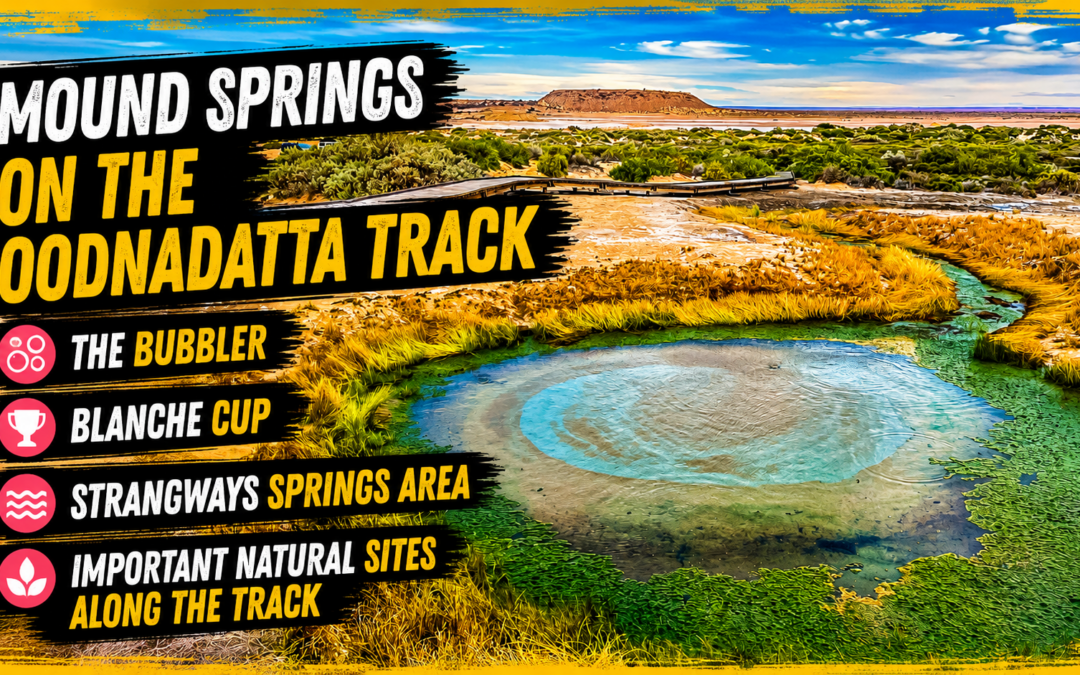
Amanda and I have visited the mound springs several times over the years. We visited The Bubbler and Blanche Cup in 2016, 2019 and 2022. Then in 2024 we stopped again at the Strangways Springs area and saw the mound springs there while travelling the Oodnadatta Track.

Each visit looked a little different. Water levels changed, tracks varied, and the wetlands shifted with the seasons. Even so, the springs always stood out as one of the most important natural sites along the track.

The mound springs along the Oodnadatta Track are one of the more interesting stops in outback South Australia. Most people come for the old Ghan history and remote scenery. However, the mound springs often end up being a highlight of the trip.

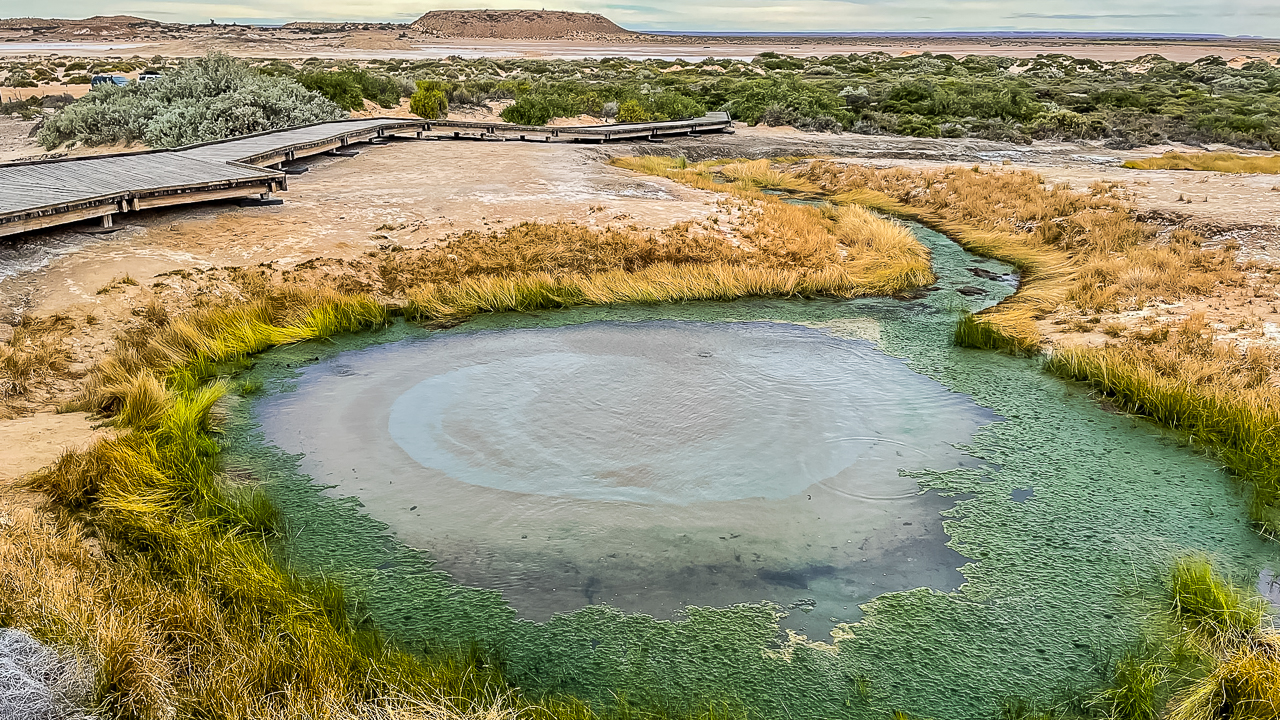
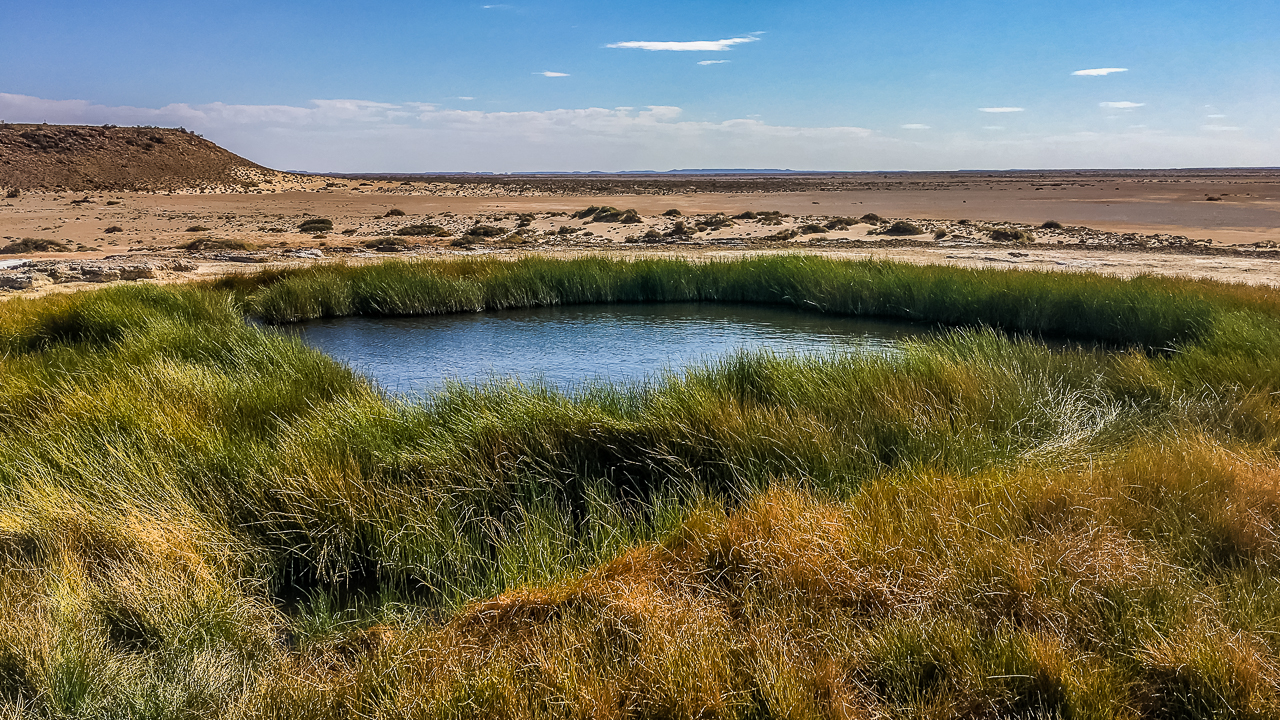
My Photo Of The Bubbler Mound Spring Taken In 2022

My Photo Of The Bubbler Mound Spring Taken In 2022

What Are Mound Springs?

Mound springs are natural springs fed by the Great Artesian Basin. Water travels underground for thousands of years before reaching the surface through cracks in the earth.

Over long periods minerals build up around the water source. As a result, small hills or “mounds” form around the spring outlets.

These springs were very important to Aboriginal people, early explorers, railway workers and cattle stations. In such a dry part of Australia, permanent water changed everything.

Today, many mound springs remain protected because they support rare plants and animals found nowhere else.

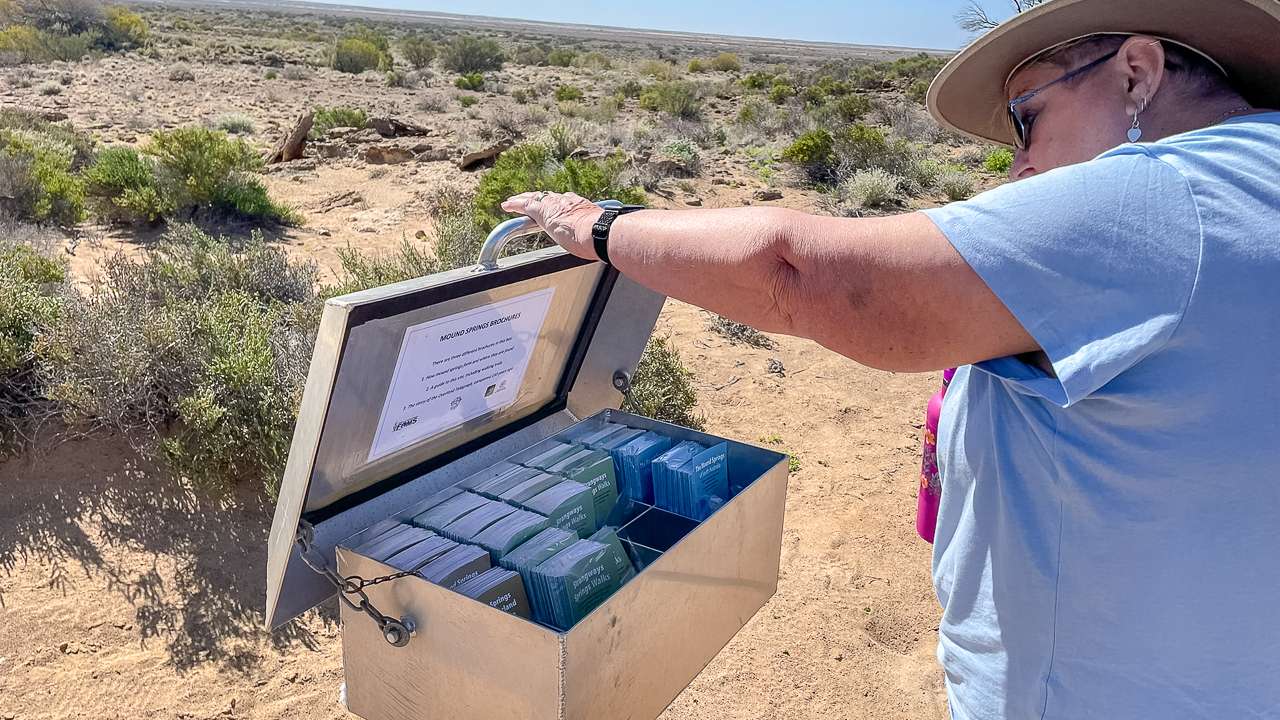
Friends Of Mound Springs Information

Amanda At The Top Of The Bubbler Boardwalk

Amanda At The Top Of The Bubbler Boardwalk

Mound Springs On The Oodnadatta Track

The best known mound springs on the Oodnadatta Track are:

Mound Spring Location What To Expect Access
The Bubbler Wabma Kadarbu Conservation Park Bubbling artesian water and wetland area Easy walk from car park
Blanche Cup Near The Bubbler Large mound spring with boardwalk access Easy walk
Strangways Springs Near Strangways ruins Smaller springs with railway history nearby Dirt track and short walks

The Bubbler And Blanche Cup

The Bubbler and Blanche Cup are the easiest mound springs to visit on the Oodnadatta Track. They sit inside Wabma Kadarbu Mound Springs Conservation Park between Marree and William Creek.

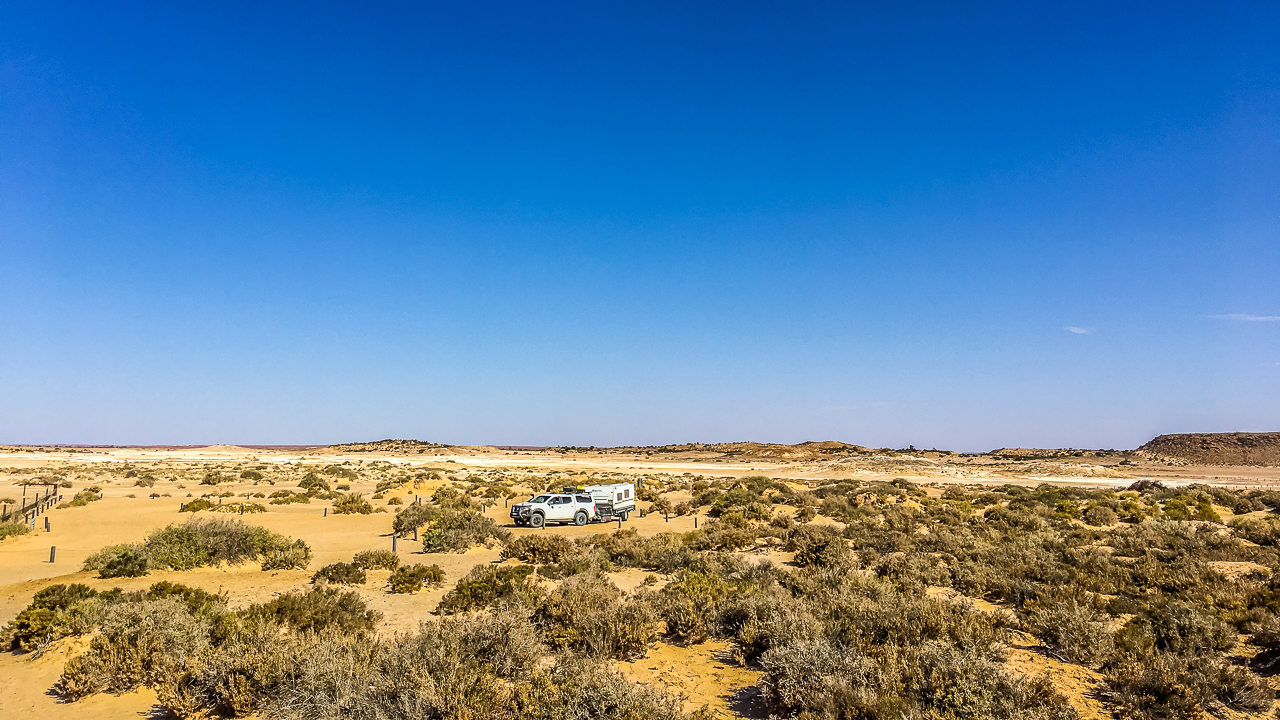
The turn off is about 10km east of Coward Springs and roughly 130km north west of Marree. The access road is suitable for most vehicles in dry conditions however it can be very corrugated and rough. When we visited the first time we towed the van in all the way. The second two visits we unhooked the van and went in with just the car. When you turn in to the access road just to the left is a big open area you can unhitch and leave your caravan.

Official Mound Springs Visitor Information

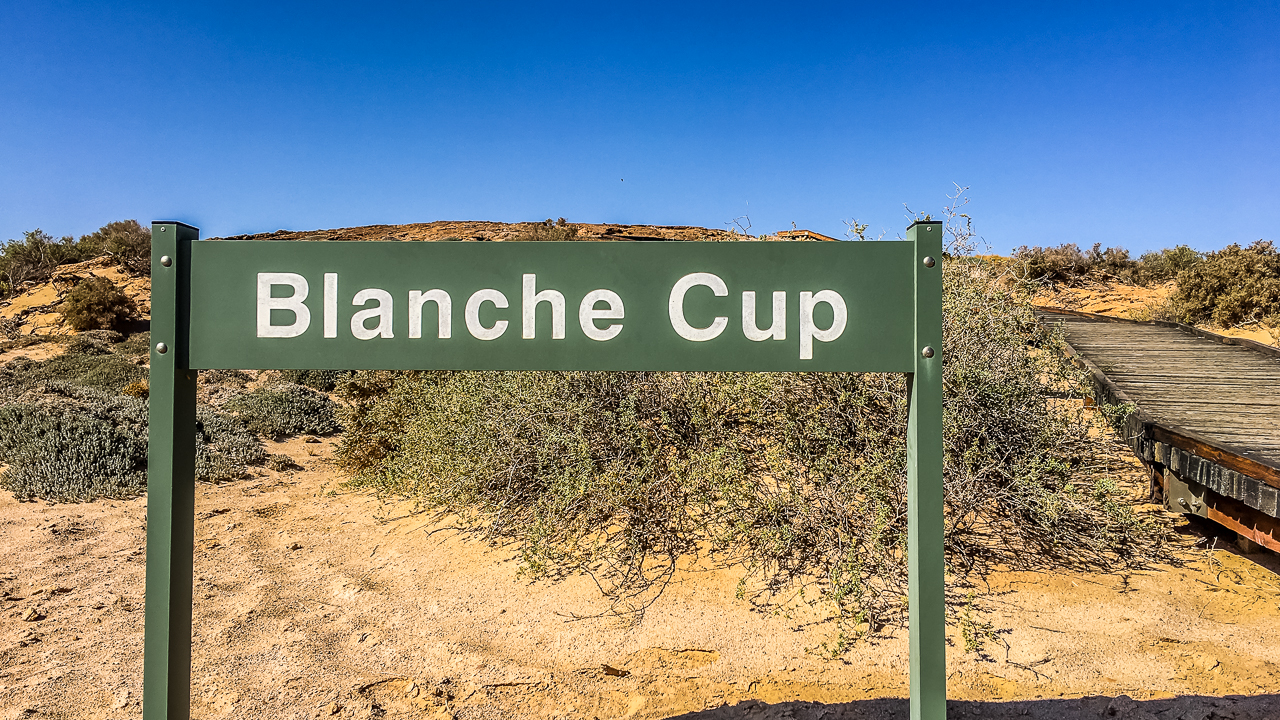
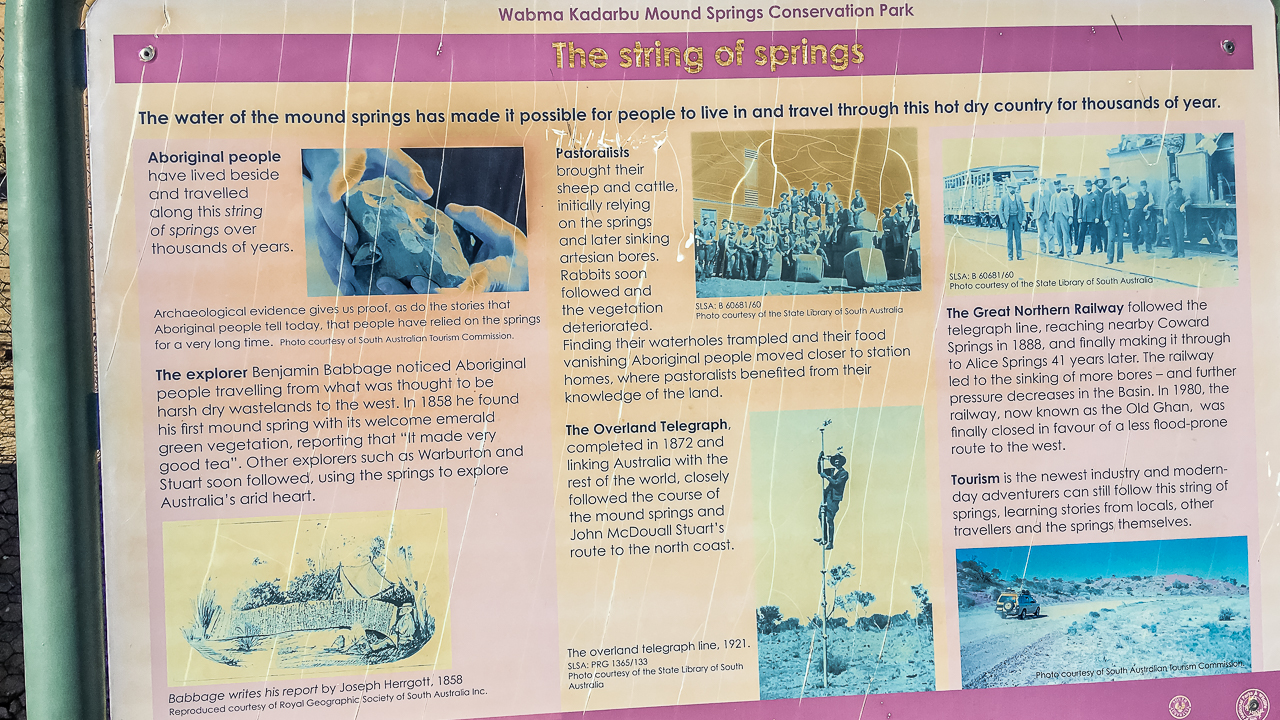
Blanche Cup Noticeboard In Wabma Kadarbu Mound Springs Conservation Park

Blanche Cup Noticeboard In Wabma Kadarbu Mound Springs Conservation Park

We find these springs worth visiting most times we travelled the track. Even after several trips, the contrast between dry desert country and bright green wetlands still stood out.

The Bubbler is known for the bubbling action caused by gases rising through the artesian water. At times the bubbling is strong. During other visits it was more subtle. Water flow can vary between years depending on pressure changes in the basin.

Blanche Cup looks very different. It has a larger mound with a more open pool structure. The boardwalk gives a good view without damaging the fragile ground around the spring.

Importantly, visitors should stay on the marked tracks and boardwalks. The ground near the springs is soft and easily damaged. Swimming is not allowed.

Wabma Kadarbu Conservation Park Information

Why The Springs Matter

The mound springs are far more than a roadside stop.

For thousands of years, Aboriginal groups relied on these permanent water sources. The springs also played a major role during European exploration and the construction of the old Ghan railway.

Without reliable water, many sections of inland Australia could not support travel or settlement.

The springs also support rare wildlife. Some tiny snails and aquatic species only exist in single spring systems. That makes these sites environmentally important as well as historically important.

More About The Environmental Importance Of Mound Springs

Compared with many outback attractions, the mound springs are easy to access and do not require long walks. That makes them popular with caravanners, camper trailer travellers and families.

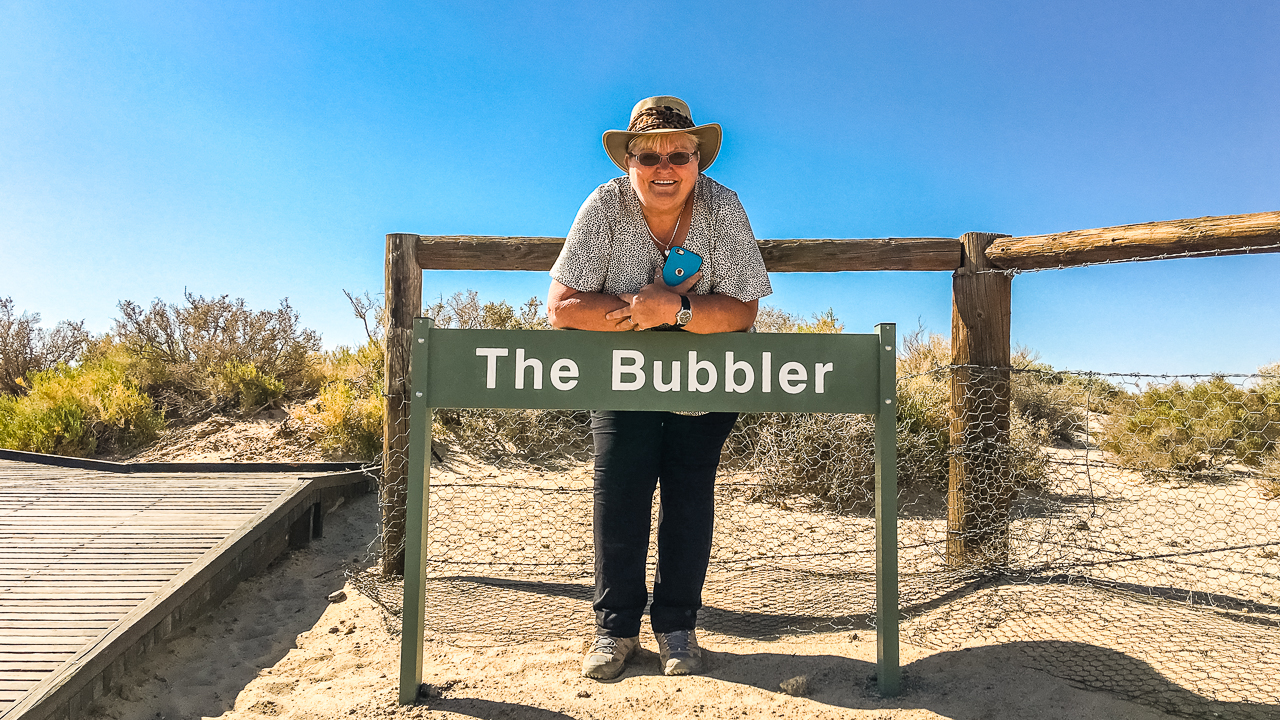
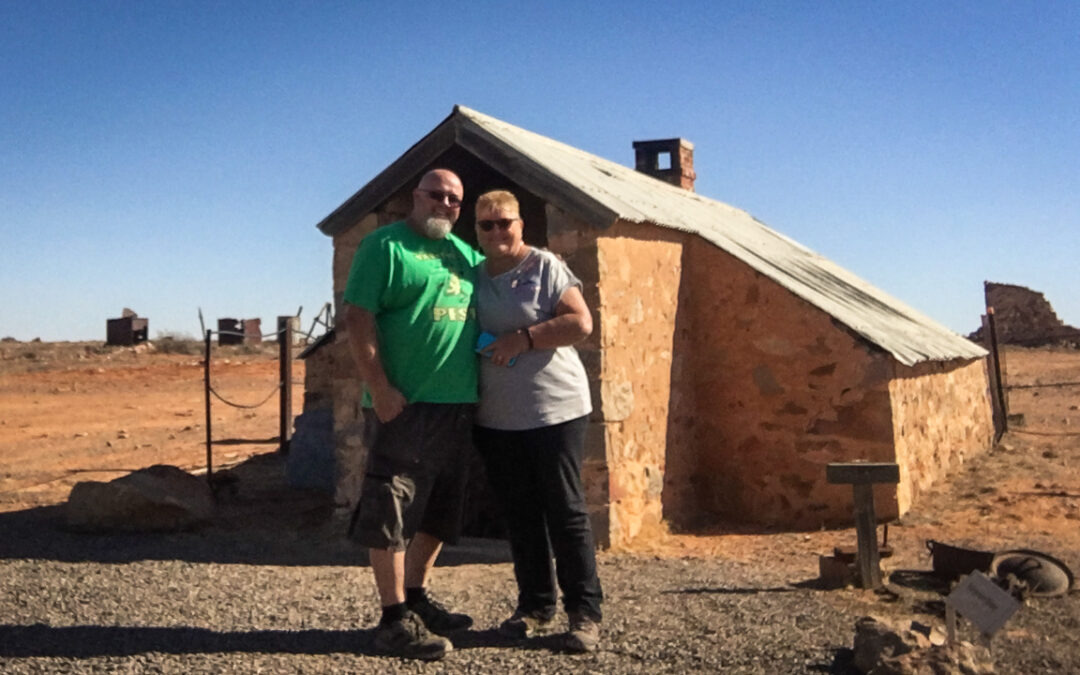
Amanda And I In Front Of The Bubbler Mound Spring

Amanda And I In Front Of The Bubbler Mound Spring

Strangways Springs

Strangways Springs gives a different experience compared with The Bubbler and Blanche Cup.

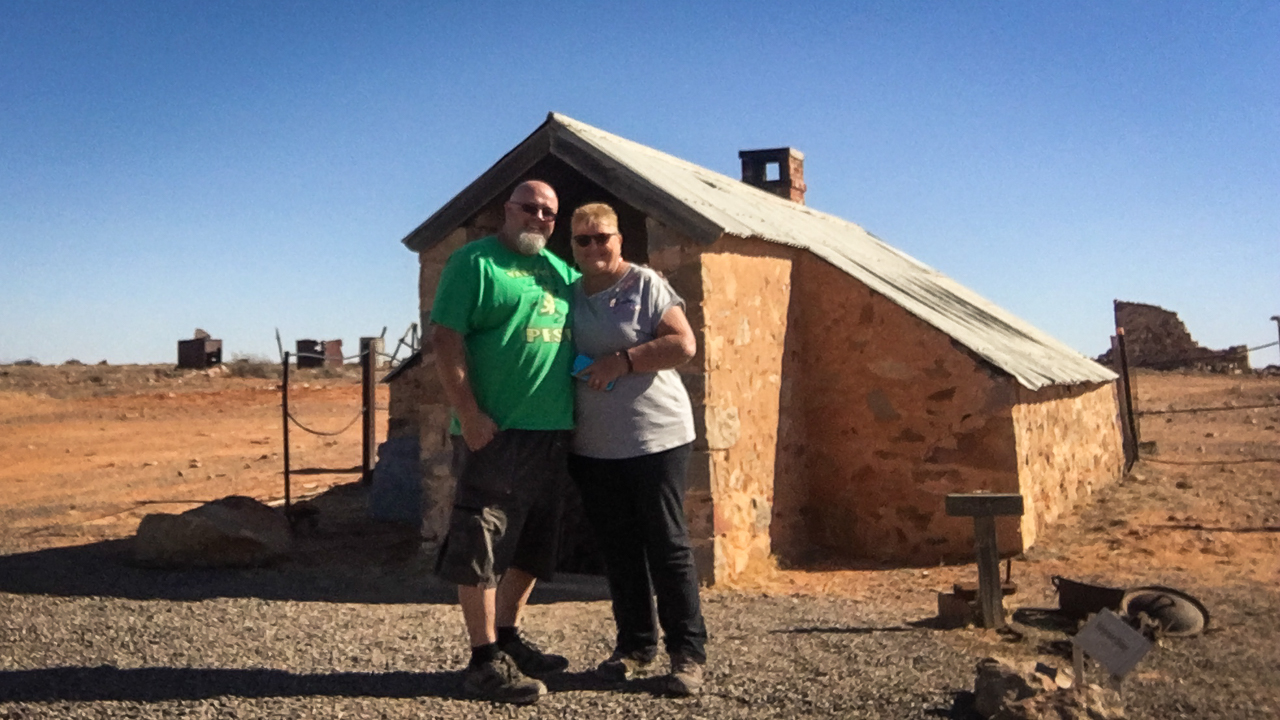
We visited the Strangways area in 2024 while travelling between William Creek and Oodnadatta. The spring area itself is quieter and less developed. However, the nearby ruins and telegraph history add another layer to the stop.

Instead of boardwalks and viewing platforms, Strangways feels more remote and untouched.

The old stone ruins nearby are part of the former Overland Telegraph station and railway history. Because of that, many travellers combine the springs visit with a walk through the historic site.

Track conditions into Strangways can vary. After rain, sections may become rough or muddy. Therefore, checking road conditions before leaving is always a good idea.

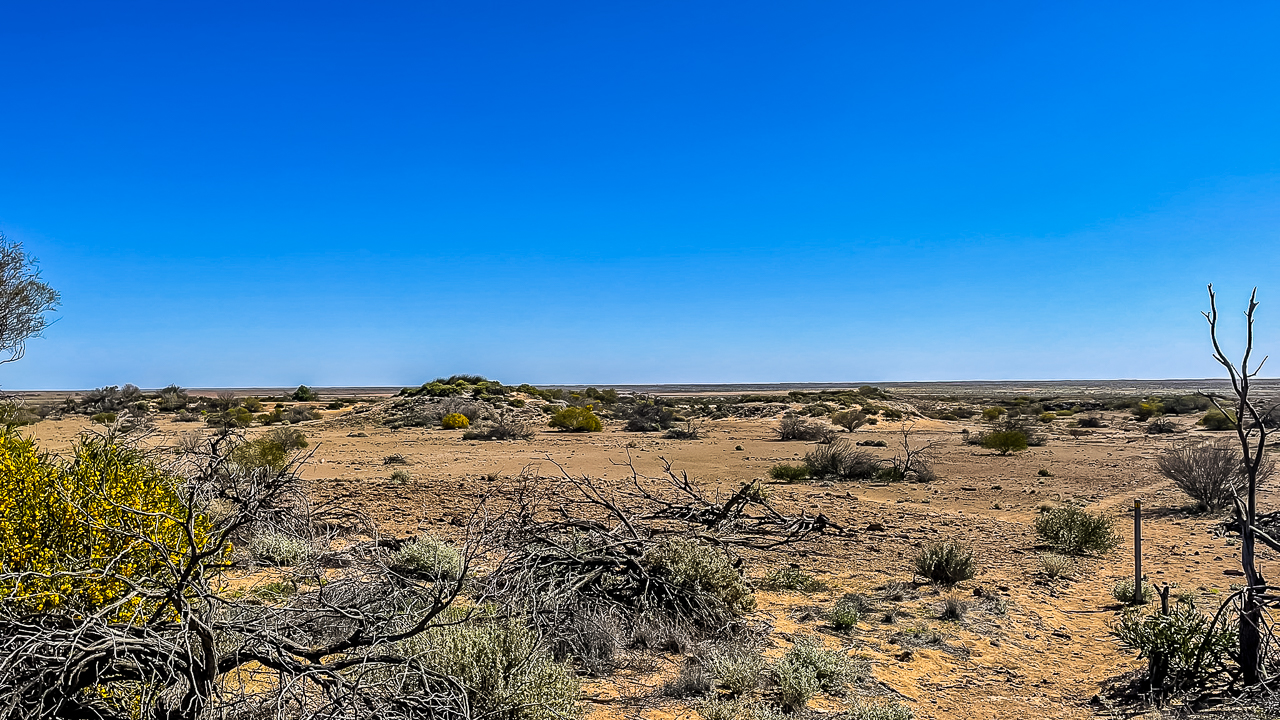
Strangway Springs Mound Springs On The Oodnadatta Track In 2024

Strangway Springs Mound Springs On The Oodnadatta Track In 2024

Best Time To Visit The Mound Springs On The Oodnadatta Track

The cooler months from May to September are usually the best time to travel the Oodnadatta Track.

Daytime temperatures are more comfortable and road conditions are often better after summer.

Even so, weather still affects the track. Heavy rain can close roads quickly. Corrugations also change throughout the season.

Before travelling, check current conditions through the official South Australian Outback Roads Report and the South Australian National Parks website.

South Australian Outback Roads Report

South Australian National Parks Information

As of May 2026, The Bubbler and Blanche Cup remain accessible through the Wabma Kadarbu conservation area. Visitors should still check local reports before travel due to changing outback conditions.

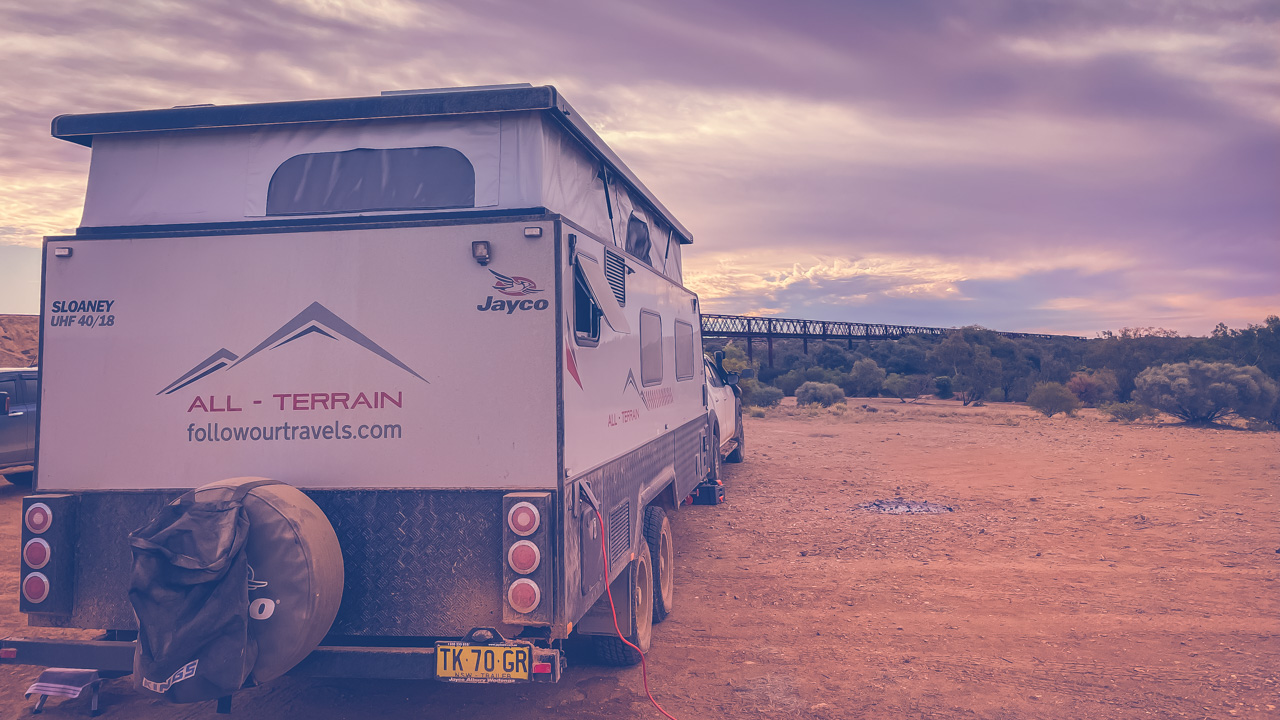
In We Towed The Van Out To The Mound Springs On The Oodnadatta Track

In We Towed The Van Out To The Mound Springs On The Oodnadatta Track

Camping Near The Mound Springs On The Oodnadatta Track

Most travellers stay nearby at Coward Springs.

Coward Springs is one of the better known campgrounds on the Oodnadatta Track. It offers toilets, hot showers and the well known artesian spa.

From there, the mound springs are only a short drive away.

William Creek and Marree also work well as overnight stops depending on your direction of travel.

Things We Noticed Across Multiple Visits

After visiting across several years, a few things stood out to us:

  • Water movement at The Bubbler changed between visits
  • Wetland growth varied each year
  • Visitor numbers increased noticeably after 2020
  • Boardwalks and signage improved over time
  • Track conditions changed more than the springs themselves

Those changes are part of what makes repeat visits worthwhile.

The springs may seem simple at first. However, once you understand their history and importance, they become one of the more memorable stops along the track.

Information Board At Wabma Kadarbu Mound Springs Conservation Park

Information Board At Wabma Kadarbu Mound Springs Conservation Park

Final Thoughts

The mound springs are one of the most worthwhile stops on the Oodnadatta Track. They combine history, geology and outback scenery in one easy visit.

The Bubbler and Blanche Cup are the best known sites and suit almost every traveller. Meanwhile, Strangways Springs gives a quieter and more historic feel.

For us, the springs have been worth stopping at on every trip across the track. They break up the drive, add context to the region, and show just how important water is in the South Australian outback.

The Bubbler Mound Spring On The Oodnadatta Track

The Bubbler Mound Spring On The Oodnadatta Track

FAQs About The Mound Springs On The Oodnadatta Track

What are mound springs on the Oodnadatta Track?

Mound springs are natural springs fed by underground water from the Great Artesian Basin. Minerals build up over time around the water outlet and form raised mounds. They are an important part of South Australia’s outback history and environment.

Where are the main mound springs located on the Oodnadatta Track?

The best known mound springs are The Bubbler and Blanche Cup inside Wabma Kadarbu Conservation Park between Marree and William Creek. Strangways Springs is further north near the Strangways ruins.

Can you swim in the mound springs?

No, swimming is not allowed at The Bubbler or Blanche Cup. The springs are protected environmental sites and visitors must stay on the marked walking tracks and boardwalks.

Are the mound springs easy to access with a caravan?

Yes, The Bubbler and Blanche Cup are easy to access in dry conditions. Most caravanners and camper trailer travellers can reach the parking area without problems when the Oodnadatta Track is open. The track can be quite corrugated and rough. You can unhitch and park your van in an area to the left of the road in when you first turn in off the Oodnadatta Track.

What is the best time of year to visit the mound springs?

The cooler months from May to September are usually the best time to visit. Temperatures are lower and road conditions are often more comfortable for outback travel.

How far are The Bubbler and Blanche Cup from Marree?

The mound springs are about 130km north west of Marree and around 10km east of Coward Springs.

Why are mound springs important?

Mound springs provided permanent water in dry outback areas for thousands of years. Aboriginal groups, early explorers, railway workers and cattle stations all relied on them.

What makes The Bubbler different from Blanche Cup?

The Bubbler is known for its bubbling artesian water caused by underground gases. Blanche Cup has a larger open spring area and a raised mound with boardwalk access.

Is Strangways Springs worth visiting?

Yes, Strangways Springs is worth visiting for travellers interested in history and quieter stops. The nearby ruins and old telegraph station add extra interest to the area.

Where can you camp near the mound springs?

Coward Springs is the most popular campground near the mound springs. It offers camping, toilets, hot showers and an artesian spa. William Creek and Marree are also common overnight stops nearby.

Farina Underground Bakery Opening Dates 2026 + What To Expect

Farina Underground Bakery Opening Dates 2026 + What To Expect

Farina Underground Bakery Opening Dates 2026 + What To Expect

The Farina Underground Bakery is open in 2026 between the following dates and times.

Sat May 23 2026 to Sunday July 19 2026
8.30am to 3.30pm

The Farina Underground Bakery is one of the most popular stops in outback South Australia and after visiting Farina at least six times over the years between 2016 and 2026 including twice when the bakery was open we can see why.

You’ll find the bakery among the ruins of the old Farina township. The bakery is well known for its fresh bread, pies, pastries and famous my favourite – the custard tarts. During winter, travellers from all over Australia stop here while exploring places like Marree, Lake Eyre, William Creek and the Oodnadatta Track.

For us Farina is always worth the stop. The bakery is great, but it is also the history and atmosphere of the old town remains that makes this place special.

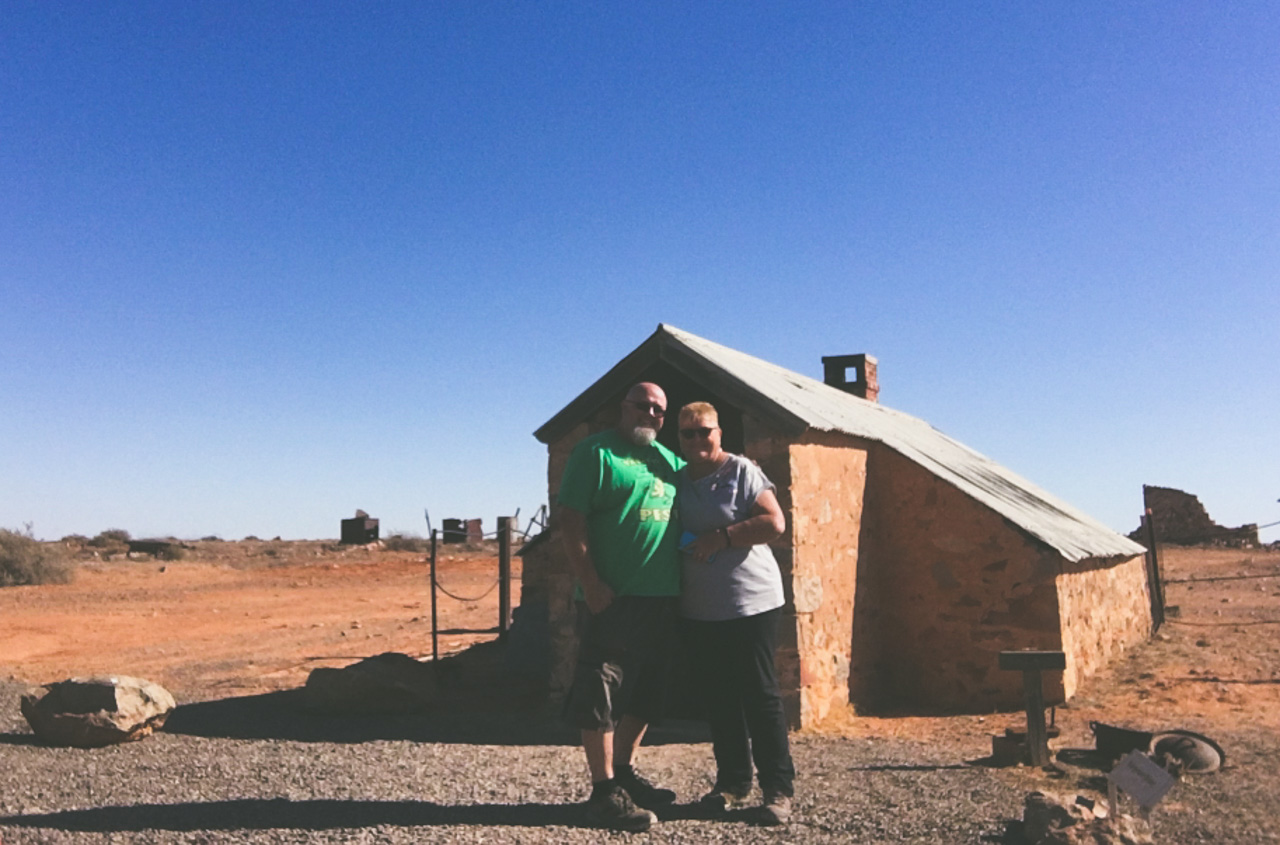
Us Standing Outside The Farina Underground Bakery

Us Standing Outside The Farina Underground Bakery

Where Is The Farina Underground Bakery?

Farina is located about 42km south of Marree in outback South Australia – between Lyndhurst and Marree.

The underground bakery is part of the Farina Restoration Project, where volunteers work to restore buildings and keep the history of the town alive.

When Is The Farina Bakery Open In 2026?

The Farina Underground Bakery is open in 2026 between the following dates and times.

Sat May 23 2026 to Sunday July 19 2026
8.30am to 3.30pm

We have visited Farina lots of times when the bakery was closed and still enjoyed exploring the ruins and camping. To be honest we’ve preferred Farina for camping and exploring the town when the bakery has been closed as it is a LOT quieter.

If you want to buy food from the bakery, it is a good idea to check opening dates before you travel.

What Food Does The Bakery Sell?

When we visited during bakery season, there was a good range of fresh food available including:

  • Bread
  • Bread rolls
  • Pies
  • Pasties
  • Sausage rolls
  • Cakes
  • Slices
  • Donuts
  • Custard tarts
  • Coffee and drinks

On both of our bakery visits there were already plenty of customers lined up not long after opening time.

Our Experience Visiting Farina

We have stopped at Farina many times and always enjoy visiting.

The bakery itself is a great stop but we also recommend spending time walking around the old ruins. There is a lot more to see than many people expect.

Some of the things you can explore include:

  • Old stone buildings
  • Underground rooms
  • Railway remains
  • Historic ruins
  • Information signs
  • Restored heritage areas

Sitting in the middle of the old town with a fresh pastry and coffee is one of those simple outback experiences that is hard to beat. Even when it gets busy, the volunteers running the bakery have always been friendly and organised during our visits.

Why Is The Farina Underground Bakery So Popular?

It Is Different

There are not many places in Australia where you can visit an underground bakery inside an old ghost town.

It Has Real History

Farina was once a busy railway town and you can still see plenty of that history today.

The Food Is Good

After a long drive through the outback, fresh bakery food always goes down well.

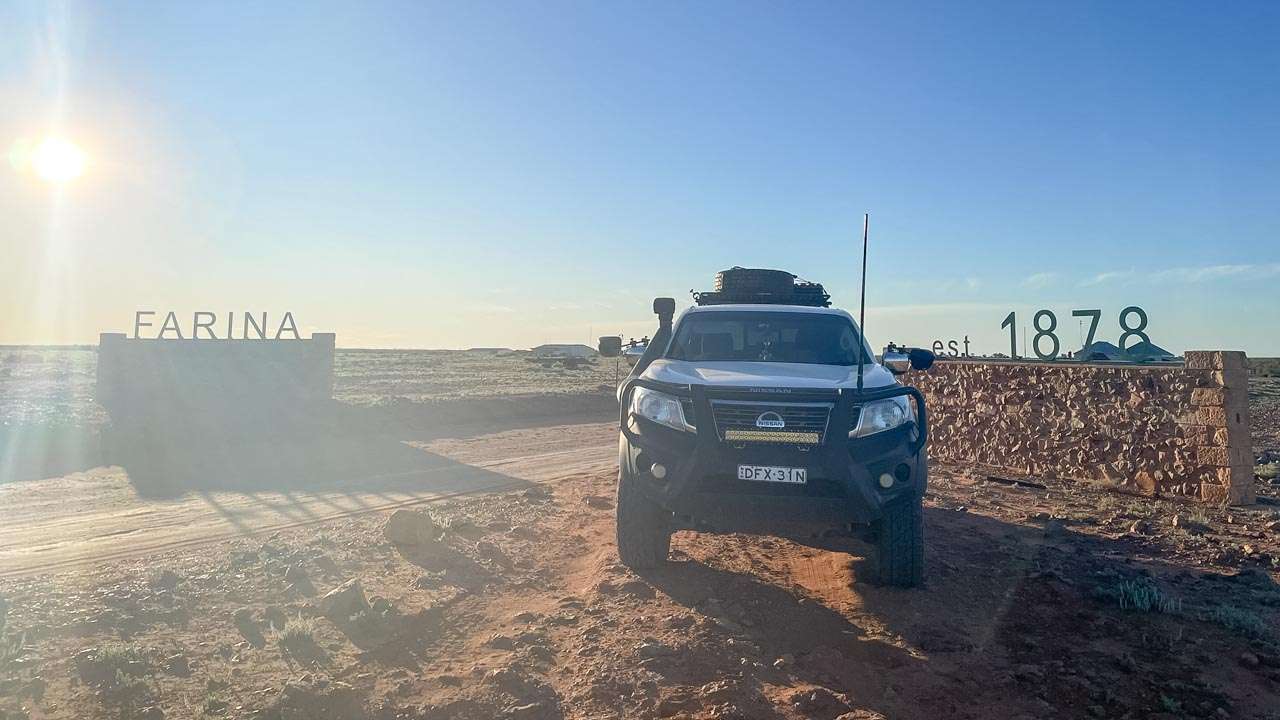
Us Parked Up At The Farina Town Entry

Us Parked Up At The Farina Town Entry

It Helps Restore Farina

Money raised through the bakery helps support ongoing restoration work around the town.

You Can Camp At Farina

We’ve camped at Farina more than half a dozen times and will do so plenty more. It’s one of our favourite places to camp.

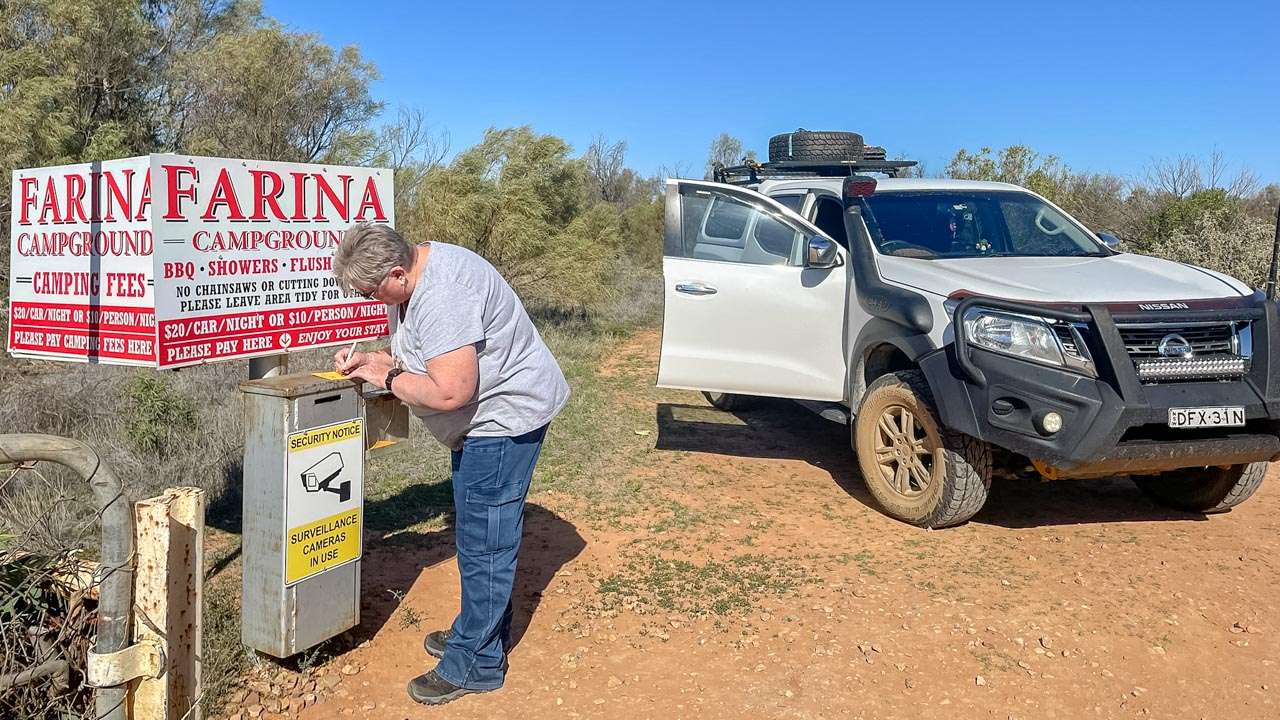
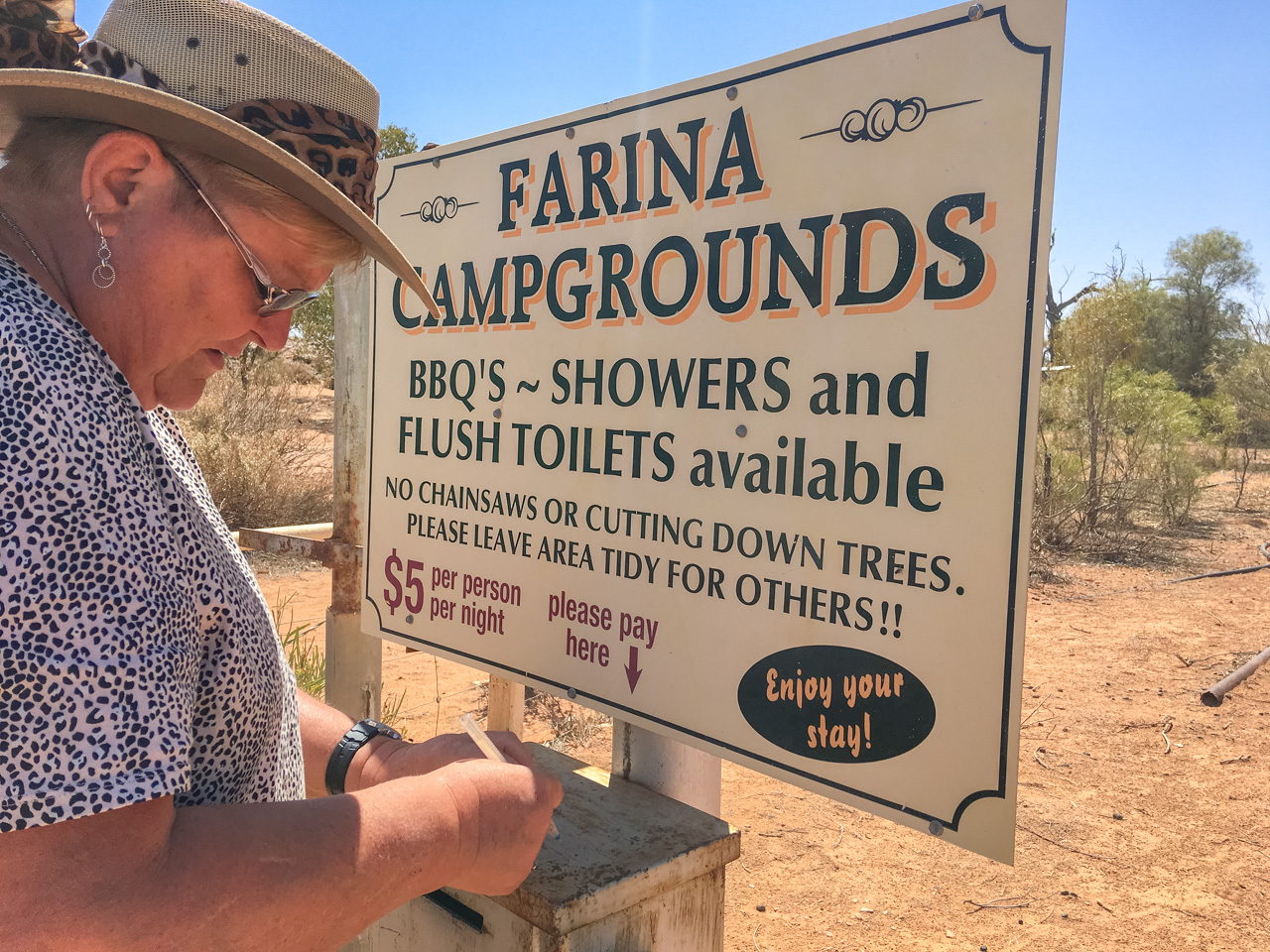
Amanda Paying Our Camping Fees At Farina

Amanda Paying Our Camping Fees At Farina

Tips For Visiting The Farina Underground Bakery

Arrive Early

Popular food items can sell out during busy periods.

Allow Time To Explore

Farina is worth more than just a quick bakery stop.

Carry Water And Supplies

You are in a remote part of South Australia.

Check Road Conditions

Road conditions in the outback can change quickly after rain.

Visit In Winter

The cooler months are the best time to travel through this area.

Is The Farina Underground Bakery Worth Visiting?

Yes, definitely.

After visiting Farina at least six times, including twice during bakery season we reckon it is one of the best stops in outback South Australia.

The bakery, the ruins and the history all make it a memorable place to visit.

If you are travelling north through Marree, heading towards Lake Eyre or driving the Oodnadatta Track we would absolutely recommend stopping at Farina.

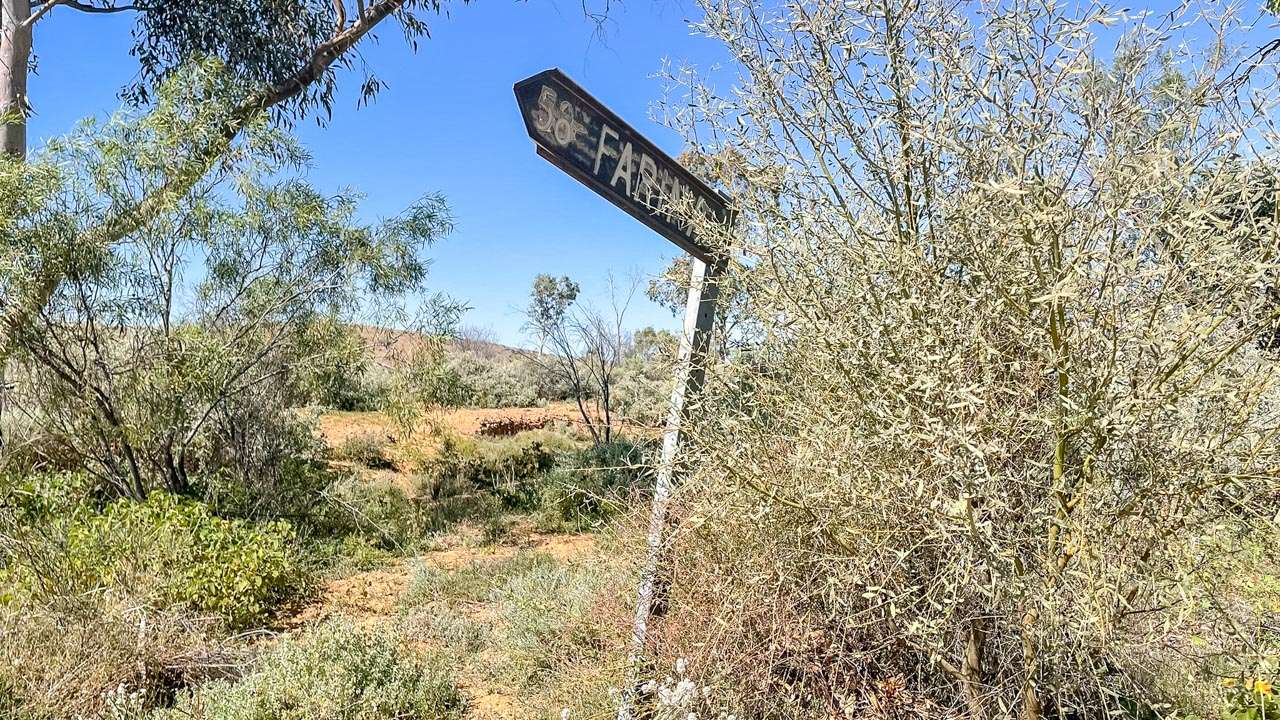
We Took The Directions To Farina Near Witchelina On Mularia Road In 2024

We Took The Directions To Farina Near Witchelina On Mularia Road In 2024

Farina Photo Gallery

FAQs About The Farina Underground Bakery

Is the Farina Underground Bakery open all year?

No. The bakery normally operates during the cooler months between around May and July.

Where is Farina located?

Farina is located about 42 kilometres south of Marree in South Australia.

What is the Farina Underground Bakery famous for?

It is best known for its pies, sausage rolls, pasties, bread and bread rolls plus a range of fresh baked food and it's uniquely original underground bakery setup.

Is Farina worth visiting if the bakery is closed?

Yes. The old ruins and historic township are still well worth seeing.

Can caravans and motorhomes get to Farina?

Yes. Farina is a very popular stop for caravans, campers and four wheel drives.

How much time should you allow at Farina?

We would recommend allowing at the very least a couple of hours to explore the ruins and enjoy the bakery if it is open. To be honest though you really need a couple of days to do any justice to the remains of the old town.
Oodnadatta Track Road Conditions (2026) – Access Latest Updates

Oodnadatta Track Road Conditions (2026) – Access Latest Updates

Oodnadatta Track Road Conditions (2026) – Access Latest Updates

Updated May 2026: all links and information have been checked and verified.

We’ve done six separate trips along the Oodnadatta Track between 2016 and 2025 and the road conditions have been different each time. Oodnadatta Track road conditions can change quickly. The list below outlines the best places to get current track conditions.

Where Can I Find Reliable Oodnadatta Track Road Condition Information?

Oodnadatta Track Road Conditions

Multiple resources provide current Oodnadatta Track road conditions, including the official South Australian Department for Infrastructure and Transport website, automated phone services, local businesses along the route and mobile applications designed for outback travel. These resources offer real-time updates on closures, restrictions and weather related impacts that can change rapidly in outback conditions.

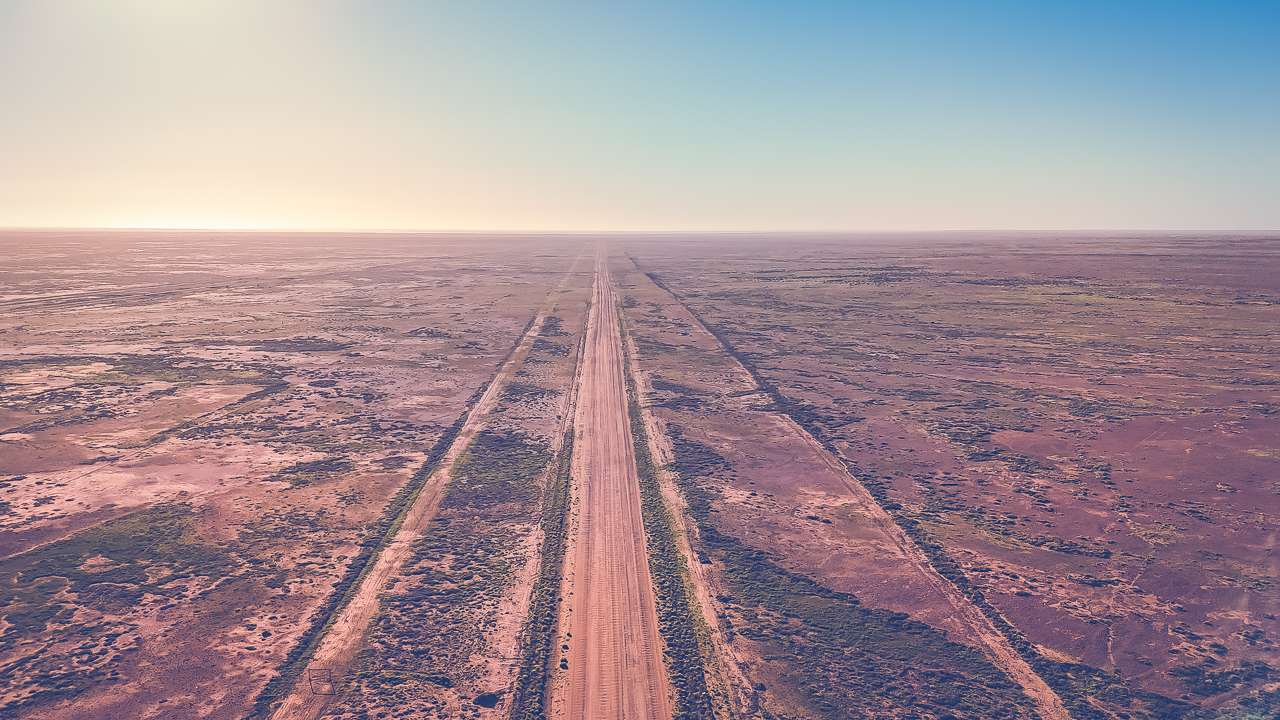
Oodnadatta Track Aerial View Near Curdimurka

Oodnadatta Track Aerial View Near Curdimurka

Official Government Resources For Oodnadatta Track Road Conditions

The South Australian Department for Infrastructure and Transport maintains the most authoritative source for outback road information. Their comprehensive Outback Roads Warnings website provides real time updates on Oodnadatta Track road conditions, road closures, restrictions and warnings across northern South Australia. Additionally, this official platform updates whenever conditions change, ensuring travellers receive the most current information available.

How Much Rain Does It Take To Close The Oodnadatta Track

Even small amounts of rainfall can dramatically impact track accessibility. Historical records show that as little as 5 millimetres of rain has caused temporary closures of sections between major towns. The track’s surface can become extremely hazardous when wet creating conditions that can strand vehicles for days. Driving on the track when wet can cause damage to the road surface that is costly to repair in both time and money.

The Department for Infrastructure and Transport monitors rainfall patterns closely and implements closures proactively to prevent travellers from becoming stranded. Consequently, understanding rainfall thresholds helps travellers appreciate why seemingly minor weather events can have major impacts on accessibility.

Automated Phone Services For Road Updates

Travellers can access recorded road condition reports by calling 1300 361 033 which provides 24 hour automated updates. This service covers all major outback routes including detailed information about the Oodnadatta Track. The automated system updates regularly to reflect changing conditions across the region.

The phone service proves particularly valuable for travellers without reliable internet access in remote areas. Additionally, many experienced outback travellers recommend calling this number before departing and again at major stops along the route.

Technology Solutions For Tracking Oodnadatta Track Conditions Today

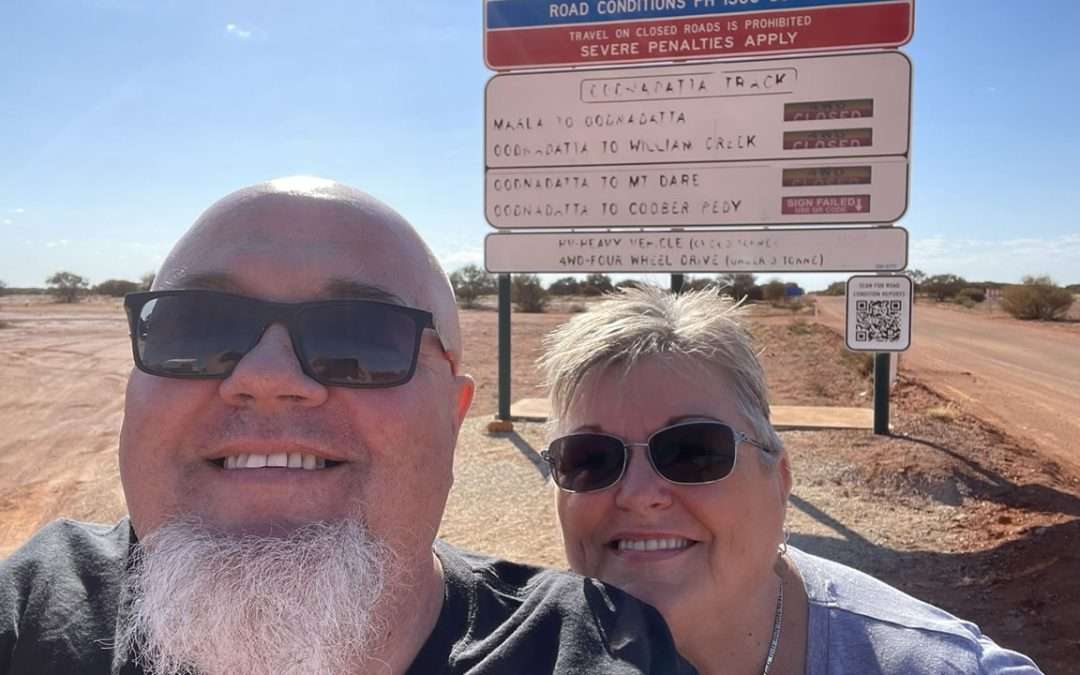
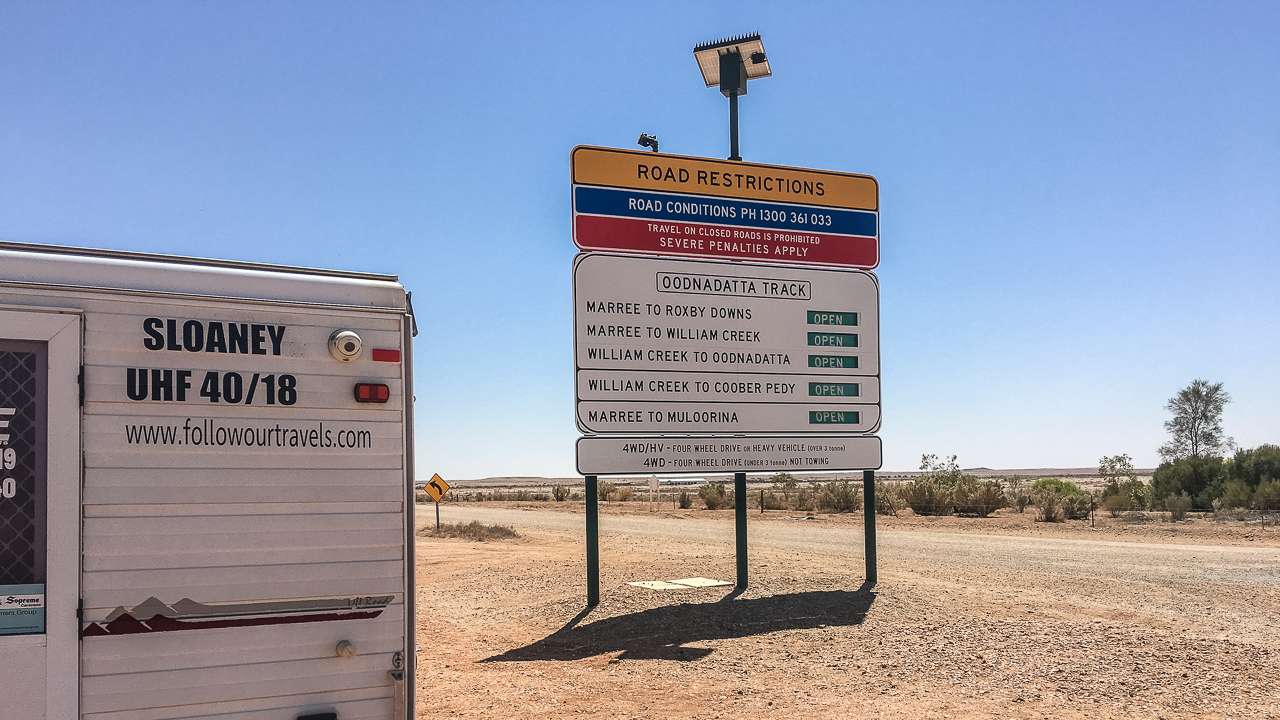
Modern technology has revolutionised how travellers access current road condition information. QR codes installed on roadside signs throughout the outback provide direct links to the latest warnings and closures. These codes work wherever mobile phone coverage exists giving travellers immediate access to updated information.

Mobile Applications And Digital Resources

The ExplorOz Traveller application offers comprehensive offline mapping capabilities specifically designed for Australian outback conditions. This platform includes community contributed road reports and track conditions from recent travellers. Similarly, the application provides valuable insights into current track conditions that official sources might not immediately reflect.

Drive Weather applications help travellers understand weather patterns along their planned route. These specialised tools predict conditions that could affect road accessibility hours or days in advance. Consequently, proactive planning using weather applications can prevent travellers from encountering unexpected closures.

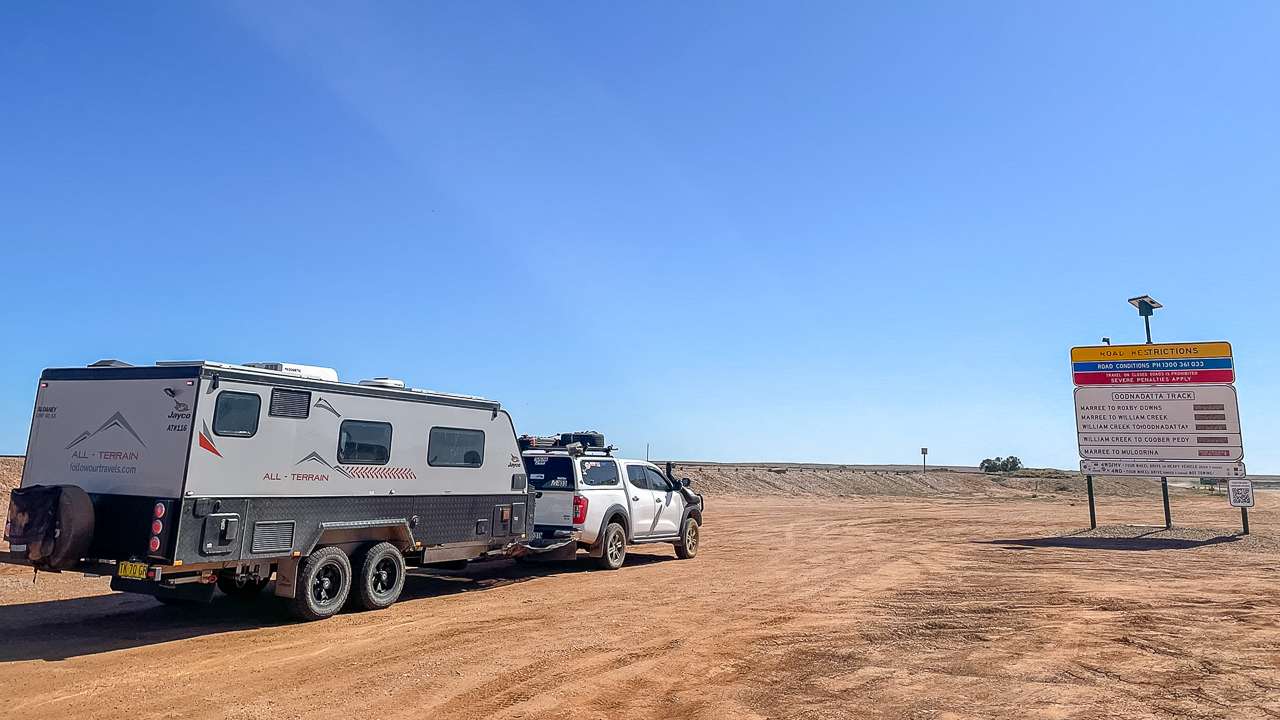
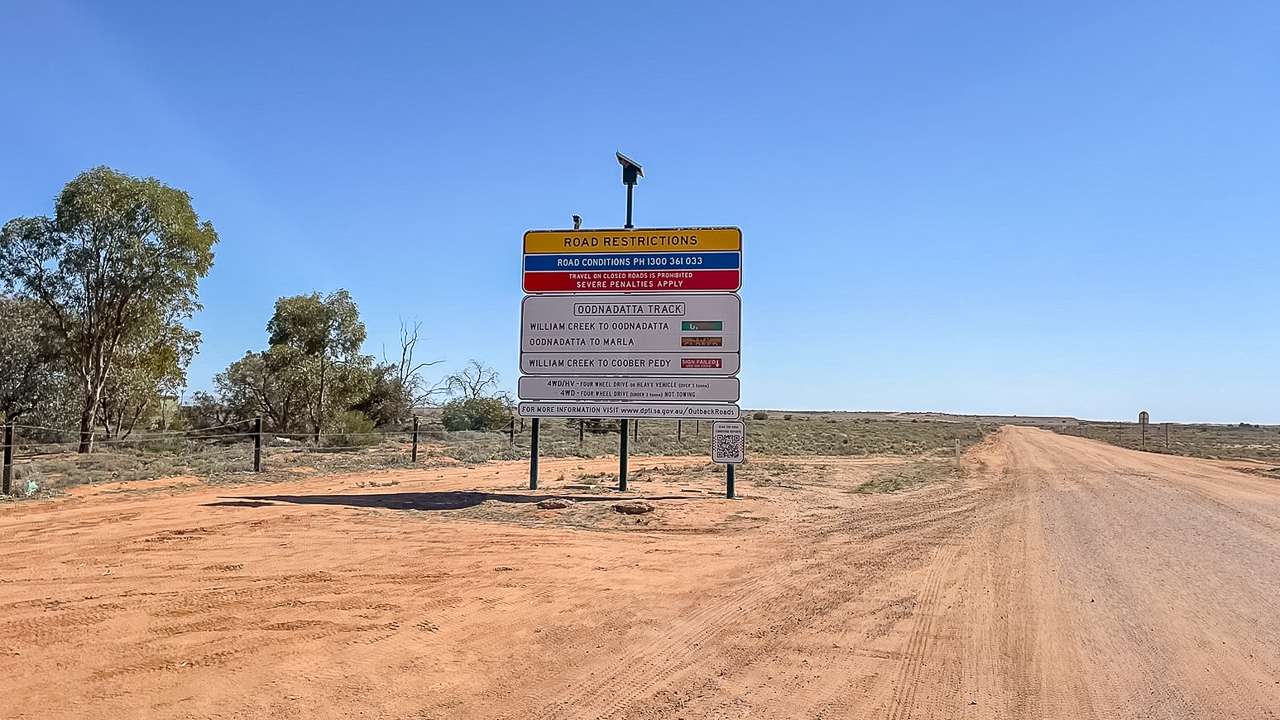
Us At The Oodnadatta Track Sign At Marree In 2024 With QR Code

Us At The Oodnadatta Track Sign At Marree In 2024 With QR Code

Is The Oodnadatta Track Open – Real Time Monitoring

Real time monitoring systems provide continuous updates on track accessibility. The official DIT website features an interactive map showing current road statuses using colour-coded indicators. Green sections indicate open roads, while red areas show complete closures to all vehicle types.

However satellite outages occasionally disrupt automatic updates to roadside signs. During these periods, QR codes on signs provide alternative access to current information. Travellers should always verify conditions through multiple sources before departing.

Local Business Network For Current Road Information

William Creek Hotel

The William Creek Hotel serves as a crucial information hub for track conditions. Staff members receive regular updates from travellers and maintain close contact with maintenance crews. Moreover, the hotel’s strategic location halfway along the track makes it an ideal source for current conditions in both directions.

Travellers can contact the William Creek Hotel at (08) 8670 7880 for detailed local knowledge. The hotel staff understand seasonal variations and can provide advice about vehicle suitability for current conditions. Additionally, they offer insights into fuel availability and accommodation options along the route.

Marree Hotel

The historic Marree Hotel, located at the southern terminus of the track, provides invaluable local intelligence. Staff members regularly discuss road conditions with pastoralists and travellers who use the route daily. Furthermore, their experience with seasonal patterns helps them provide realistic assessments of track conditions.

Hotel representatives can advise on tyre pressures, travel times, and current hazards along specific sections. They also maintain awareness of alternative routes when main sections experience closures. Consequently, calling ahead to Marree Hotel often provides insights unavailable through official channels.

Oodnadatta Pink Roadhouse

The Oodnadatta Pink Roadhouse operates a toll free information service on 1800 802 074 . This service provides current track conditions from the northern perspective. Staff members receive regular reports from freight operators and maintenance crews working on the track.

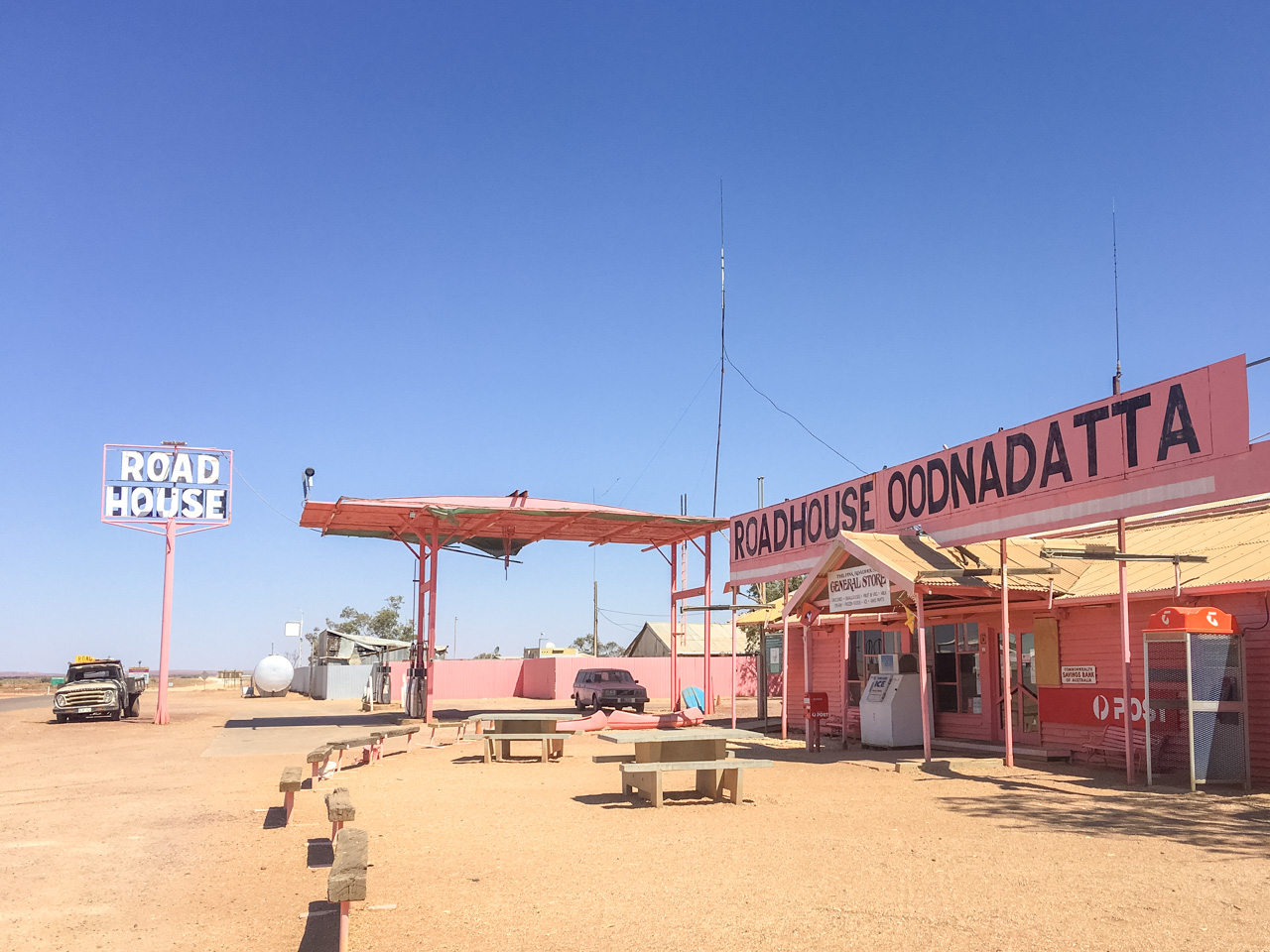
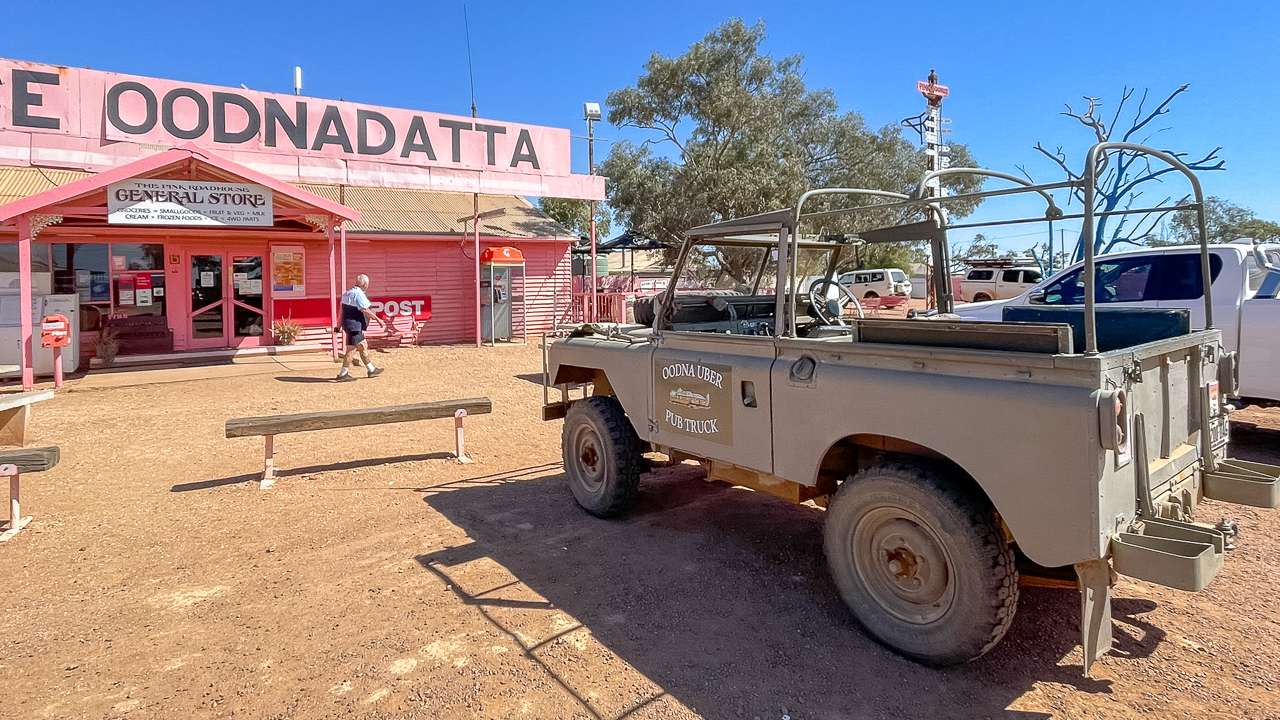
The Pink Roadhouse At Oodnadatta

The Pink Roadhouse At Oodnadatta

Weather Monitoring For Oodnadatta Track Planning

Bureau Of Meteorology Resources

The Bureau of Meteorology provides essential weather forecasting for outback regions. Their Oodnadatta weather station offers current conditions and forecasts that directly impact track accessibility. Additionally, rainfall warnings help travellers understand when conditions might deteriorate rapidly.

Understanding weather patterns proves crucial for successful track navigation. Even moderate rainfall can transform well-maintained sections into impassable quagmires within hours. Therefore, monitoring weather forecasts should form an integral part of pre-departure planning.

Rainfall Impact Assessment

Different sections of the track respond differently to rainfall events. The stretch between Marla and Oodnadatta includes several major floodways that become impassable during significant rain events. Recent infrastructure improvements have enhanced these sections, but they remain vulnerable to major weather events.

Clay surfaces throughout the middle sections become extremely slippery when wet. These areas can remain hazardous for days after rainfall events cease. Consequently, understanding which sections face the greatest weather-related risks helps travellers plan accordingly.

Resource Type Contact Details Information Provided Update Frequency
DIT Official Website dit.sa.gov.au/outbackroads Real-time closures, restrictions, warnings As conditions change
Automated Phone Service 1300 361 033 Recorded road conditions Multiple daily updates
William Creek Hotel (08) 8670 7880 Local conditions, fuel, accommodation Real-time local knowledge
Marree Hotel (08) 8675 8344 Southern access conditions Daily traveller reports
Pink Roadhouse 1800 802 074 Northern access conditions Regular operator updates
Bureau of Meteorology bom.gov.au Weather forecasts, warnings Hourly weather updates

Social Media And Community Networks

Department For Infrastructure And Transport Social Channels

The Department for Infrastructure and Transport maintains active social media channels providing regular updates. Their Facebook page ( facebook.com/DFITSA ) shares maintenance schedules and emergency closures. Twitter updates ( @DFIT_SA ) offer immediate notifications when conditions change rapidly.

Social media channels often provide faster updates than official websites during emergency situations. Maintenance crews post updates directly from work sites, giving travellers immediate awareness of changing conditions. Therefore, following these channels provides an additional layer of current information.

Facebook Group

There is a currently a very active Oodnadatta Track Facebook group that has a lot of posts and current up to date road conditions. Join the group if you want to see what they have going on.

ExplorOz Community Contributions

The ExplorOz community platform hosts active discussions about current track conditions. Experienced travellers share recent experiences and provide warnings about specific hazards. Moreover, these community reports often include photographs showing current road surfaces and obstacles.

Community contributions supplement official information with practical insights from recent travellers. Members frequently post updates about corrugations, creek crossings, and vehicle suitability for current conditions. Consequently, consulting community forums provides valuable real-world perspectives on track conditions.

Emergency Communication And Safety Resources

Emergency Contact Networks

Emergency communication becomes critical when travelling remote sections of the Oodnadatta Track. The Royal Flying Doctor Service maintains emergency contact numbers for outback regions. Additionally, the Automobile Association emergency service (131 111) provides 24-hour breakdown assistance.

Satellite communication devices offer reliable contact options in areas without mobile coverage. Personal locator beacons provide emergency services with precise location information when assistance becomes necessary. Therefore, carrying appropriate emergency communication equipment forms an essential safety requirement.

Is The Oodnadatta Track Open – Emergency Closures

Emergency closures can occur without warning when conditions deteriorate rapidly. Maintenance crews prioritise safety over convenience, implementing closures proactively when risks increase. Flash flooding events can close multiple sections simultaneously, stranding travellers at intermediate locations.

Understanding emergency procedures helps travellers respond appropriately when unexpected closures occur. Local businesses along the route provide accommodation and supplies during extended closure periods. Furthermore, maintaining flexible travel schedules allows for delays caused by emergency situations.

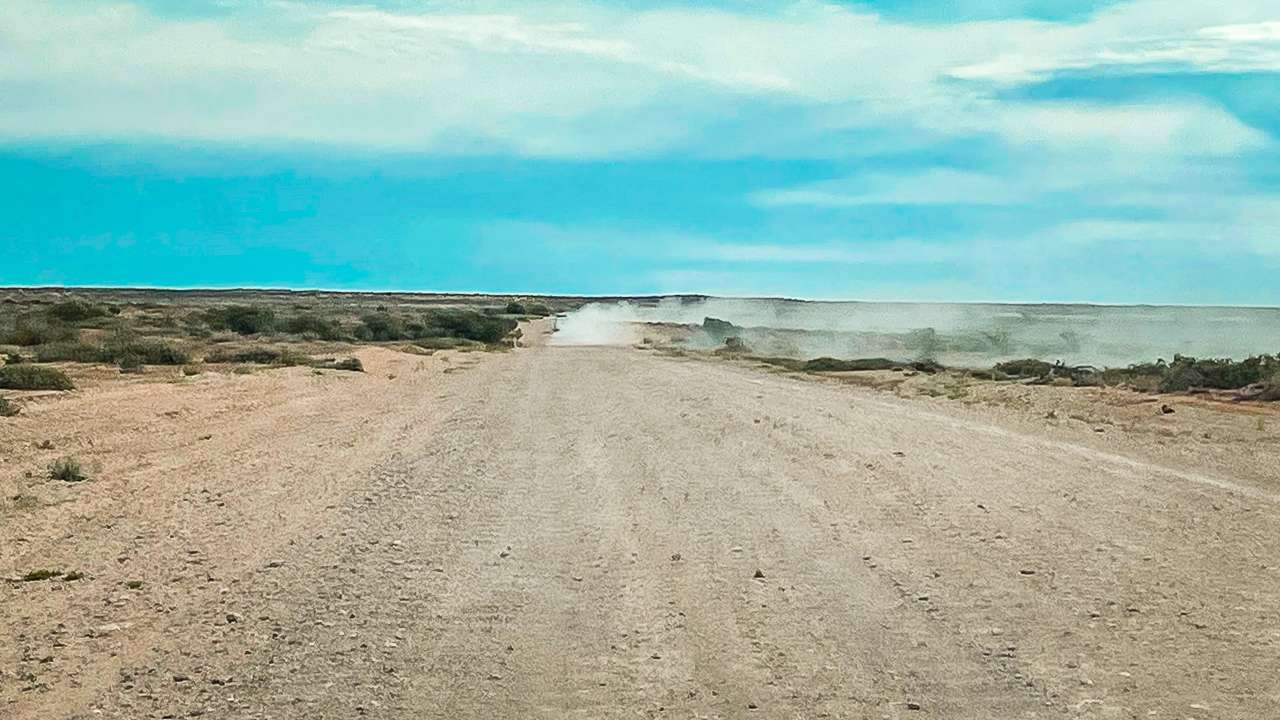
Us Travelling The Oodnadatta Track In Good Condition In 2022

Us Travelling The Oodnadatta Track In Good Condition In 2022

Seasonal Considerations For Track Conditions

Oodnadatta Track Conditions Today – Seasonal Variations

Track conditions vary dramatically between seasons, affecting accessibility and vehicle requirements. Winter months generally provide the most stable conditions, with minimal rainfall and moderate temperatures. However, overnight frosts can create slippery surfaces during early morning hours.

Summer conditions present extreme heat challenges, with temperatures regularly exceeding 40 degrees Celsius. Additionally, summer storms can produce intense rainfall that quickly transforms track surfaces. Spring and autumn offer transitional conditions that require careful weather monitoring.

Oodnadatta Track Road Conditions Photo Gallery

Oodnadatta Track Guide 2026: Road Conditions, Camping & Tips

Oodnadatta Track Guide 2026: Road Conditions, Camping & Tips

Oodnadatta Track Guide 2026: Road Conditions, Camping & Tips

Updated May 2026 after six separate trips along the Oodnadatta Track between 2016 and 2025.

The Oodnadatta Track is one of Australia’s most iconic outback driving routes, stretching approximately 620 kilometres between Marree and Marla in remote northern South Australia. It follows the path of the historic Old Ghan railway and passes through some of the most isolated and visually striking desert landscapes in the country.

This is a complete travel guide to the Oodnadatta Track, designed to help you plan, prepare and confidently drive the route. It covers road conditions, distances, fuel stops, camping, attractions, safety considerations and seasonal travel advice based on real-world experience.

We have driven the Oodnadatta Track six times between 2016 and 2025, in varying conditions including freshly graded roads, heavily corrugated sections, and during peak travel periods such as the 2025 Lake Eyre filling event. This repeated experience provides a practical, on-the-ground understanding of how the track changes over time and what travellers should realistically expect.

While often described as an outback “adventure drive”, the Oodnadatta Track is accessible to most well-prepared travellers in dry conditions. However, conditions can vary significantly between seasons, and proper planning is essential due to long distances between fuel, limited services, and rapidly changing road surfaces.

In this guide, you’ll find everything needed to plan the journey properly — including segment-by-segment driving breakdowns, fuel strategy, road condition insights, camping options, and key attractions along the route.


Table Of Contents

Oodnadatta Track Quick Facts

Topic Information
Distance Approx. 620km
Starts Marree, South Australia
Ends Marla, South Australia
Road Type Unsealed outback track
Best Time To Visit May to September
Fuel Stops Marree, William Creek, Oodnadatta, Marla
2WD Suitable Usually in dry conditions
Caravan Friendly Yes, ideally off-road or semi off-road
Mobile Reception Extremely limited
Time Required 3–7 days recommended

What Is The Oodnadatta Track?

The Oodnadatta Track is a remote outback route running through South Australia’s far north, roughly following the route of the original Central Australian Railway, commonly known as the old Ghan line.

Today the track attracts travellers looking for:

  • Remote outback scenery
  • Free camping
  • Historic railway ruins
  • Access to Lake Eyre
  • Desert landscapes
  • Outback towns like William Creek and Oodnadatta

Despite its reputation, the track is not an extreme four-wheel-drive route in dry conditions. However, conditions can change rapidly depending on rainfall, grading and traffic levels.

Airing Our Tyres Back Up At Marla After Completing The Oodnadatta Track

Airing Our Tyres Back Up At Marla After Completing The Oodnadatta Track


Our Experience Driving The Oodnadatta Track

We’ve travelled the Oodnadatta Track six times over nearly a decade, and one of the biggest lessons we’ve learned is how dramatically conditions can change between trips.

During our earlier trips in 2016 and 2018, sections of the track were rough and heavily corrugated, particularly north of William Creek. In contrast, some parts were freshly graded during our 2024 trip and significantly smoother.

The 2025 Lake Eyre filling event created an entirely different atmosphere again, with noticeably larger crowds, busier campgrounds and far more caravans travelling through William Creek, Halligan Bay and Oodnadatta.

Repeated travel has also shown us how important preparation is out here. Lower tyre pressures make a huge difference on corrugations, fuel planning matters due to long distances between services, and carrying extra water is essential.


How to Drive the Oodnadatta Track (Segment System Map)

To properly understand and plan the Oodnadatta Track, it helps to break the route into logical driving segments rather than viewing it as one long remote road. This approach makes it easier to plan fuel stops, manage fatigue, and anticipate changes in road conditions along the way.

Below is a practical segment-by-segment breakdown based on our six trips along the track between 2016 and 2025.

Us Driving Along The Oodnadatta Track in 2020

Us Driving Along The Oodnadatta Track in 2020


Segment 1: Marree to Coward Springs

  • Distance: ~120 km
  • Driving time: 1.5–2.5 hours
  • Road conditions: Generally the smoothest section of the track

This section is often well-maintained and provides an easier introduction to outback driving. The road is typically compacted gravel with occasional corrugations depending on recent grading and traffic.

This is a good adjustment period for tyre pressures, vehicle setup and dust management before entering more remote sections.


Segment 2: Coward Springs to William Creek

  • Distance: ~110 km
  • Driving time: 2–3 hours
  • Road conditions: Variable, increasing corrugations

This section begins to feel more remote, with wider open desert landscapes and less consistent road maintenance. Corrugations become more noticeable depending on traffic levels and season.

Conditions here can vary significantly between trips, with some years being relatively smooth and others heavily corrugated.


Segment 3: William Creek to Oodnadatta

  • Distance: ~200 km
  • Driving time: 3–5 hours
  • Road conditions: Typically the roughest section of the track

This is usually the most challenging part of the Oodnadatta Track. Corrugations can be severe, and speeds often drop significantly to maintain vehicle control and comfort.

Fuel and services are available at William Creek and Oodnadatta, making this a key planning segment for stops and rest breaks.


Segment 4: Oodnadatta to Marla

  • Distance: ~200 km
  • Driving time: 3–4.5 hours
  • Road conditions: Generally improving toward Marla

The final section of the track gradually becomes smoother as you approach the Stuart Highway. While still unsealed, it is often less heavily corrugated than the central sections.

This section provides a gradual transition back to sealed roads and marks the end of the Oodnadatta Track journey.


Why This Segment Approach Matters

Breaking the Oodnadatta Track into segments helps with:

  • Planning realistic daily driving distances
  • Managing fuel consumption between stops
  • Understanding where road conditions change
  • Reducing fatigue on long remote driving days
  • Improving overall trip safety and enjoyment

This structured approach is particularly useful for first-time travellers who may underestimate how different each section of the track can feel in practice.


Seasonal Driving Conditions + Segment Risk Map

The Oodnadatta Track changes significantly depending on the time of year, recent weather events, and traffic levels. Understanding these seasonal variations is essential for planning a safe and comfortable trip.

While the track is generally accessible in dry conditions, each section behaves differently depending on the season. Below is a practical breakdown of what to expect across the four main segments of the route.


Season Overview (When to Travel)

  • May to September (Best Season): Cooler temperatures, generally stable road conditions, highest travel volume.
  • October to April (Hot Season): Extreme heat, increased breakdown risk, soft road surfaces after storms.
  • After Rain Events: Potential closures, boggy sections, and rapidly deteriorating gravel surfaces.

Based on our six trips between 2016 and 2025, winter and early spring consistently provide the safest and most enjoyable driving conditions.


Segment Risk Map Overview

The risk level of the Oodnadatta Track is not uniform. Some sections remain relatively stable year-round, while others deteriorate quickly depending on traffic and weather conditions.

Segment Risk Level (Dry Season) Risk Level (Wet / Post-Rain) Main Issues
Marree → Coward Springs Low Medium Minor corrugations, soft patches after rain
Coward Springs → William Creek Medium High Corrugations, variable grading, loose gravel
William Creek → Oodnadatta High Very High Severe corrugations, washouts, dust conditions
Oodnadatta → Marla Medium High Soft gravel, occasional rough patches after rain

Seasonal Impact by Segment

Marree → Coward Springs

This section remains relatively stable year-round. In wet conditions, minor soft patches may form but it is usually one of the safer sections of the track.

Coward Springs → William Creek

This section begins to show more variation between seasons. In peak travel months, corrugations can develop quickly due to higher traffic volumes.

William Creek → Oodnadatta

This is the most sensitive section of the track. In hotter months, surface degradation accelerates, and after rain it can become unpredictable with washouts and soft shoulders.

Oodnadatta → Marla

Generally more forgiving than the central section, but can still deteriorate after rain events. Conditions usually improve closer to the Stuart Highway.


Key Seasonal Driving Risks

  • Heat exposure: High summer temperatures increase vehicle and driver fatigue risk.
  • Corrugation fatigue: Prolonged rough sections can affect vehicles and towing setups.
  • Dust conditions: Reduced visibility in convoy traffic during dry peak season.
  • Post-rain damage: Rapid track deterioration after storms or flooding events.

Why This Matters for Trip Planning

Understanding seasonal and segment-based risk is critical when planning the Oodnadatta Track. It allows travellers to:

  • Choose safer travel windows
  • Plan realistic daily distances
  • Prepare for variable road conditions
  • Reduce mechanical stress on vehicles and caravans

This seasonal breakdown also helps first-time travellers set realistic expectations and improve overall safety on the journey.

Oodnadatta Track Route System Map + Itinerary Planning Layer

To fully understand the Oodnadatta Track as a travel route, it helps to view it as a complete driving system rather than just a single road. This section brings together the full route structure, key stop sequencing, and practical itinerary planning based on real-world travel experience.

We have driven the Oodnadatta Track six times between 2016 and 2025, and one of the most important lessons is that successful trips are not just about distance — they are about pacing, fuel strategy, and understanding how each section flows into the next.


Oodnadatta Track Full Route Flow

The Oodnadatta Track runs in a clear north–south corridor between Marree and Marla, with natural stopping points that divide the journey into manageable travel segments.

Core Route Sequence
  • Marree (Start Point – fuel, supplies, final preparation)
  • Coward Springs (First major stop – camping, artesian spa)
  • William Creek (Mid-route hub – fuel, accommodation, flights)
  • Oodnadatta (Northern service point – fuel, supplies)
  • Marla (End point – return to Stuart Highway)

This natural flow forms the backbone of all realistic itinerary planning on the Oodnadatta Track.


Recommended Itinerary Options

🚗 3-Day Transit Itinerary (Minimum Practical Drive)
  • Day 1: Marree → Coward Springs → William Creek
  • Day 2: William Creek → Oodnadatta
  • Day 3: Oodnadatta → Marla

This option is suitable for experienced outback travellers who are primarily transiting the route rather than exploring in depth.


🌄 5-Day Balanced Exploration Itinerary
  • Day 1: Marree → Coward Springs (overnight camping)
  • Day 2: Coward Springs → William Creek
  • Day 3: William Creek → Lake Eyre viewpoints / exploration day
  • Day 4: William Creek → Oodnadatta
  • Day 5: Oodnadatta → Marla

This is the most commonly recommended balance between travel time and experience quality.


🏕 7-Day Full Experience Itinerary (Recommended)
  • Day 1: Marree → Strangways Springs → Coward Springs
  • Day 2: Coward Springs exploration day
  • Day 3: Coward Springs → William Creek (slow travel with stops)
  • Day 4: William Creek (Lake Eyre scenic flights / rest day)
  • Day 5: William Creek → Oodnadatta (via key sidings and ruins)
  • Day 6: Oodnadatta exploration day
  • Day 7: Oodnadatta → Marla

This itinerary allows proper time to experience the route without rushing and is the closest to how we personally prefer to travel the track.


How the Route System Affects Your Trip Planning

Breaking the Oodnadatta Track into a structured system helps travellers:

  • Plan realistic daily driving distances
  • Match fuel stops with natural overnight locations
  • Reduce fatigue by avoiding long continuous driving days
  • Time travel around weather and road conditions
  • Build flexibility into remote travel planning

This system-based approach is particularly important on the Oodnadatta Track due to the long distances between services and the variability of road conditions throughout the year.


Why This Section Improves Travel Planning Clarity

Understanding the Oodnadatta Track as a connected route system rather than isolated towns or attractions is key to safe and enjoyable travel. Each stop naturally supports the next, and successful trips are built around pacing rather than distance alone.

This structured approach improves both trip safety and overall experience quality, especially for first-time travellers in the South Australian outback.

Oodnadatta Track Road Conditions

Road conditions on the Oodnadatta Track vary enormously throughout the year.

In dry weather, much of the route is generally suitable for:

  • High-clearance SUVs
  • 4WD vehicles
  • Camper trailers
  • Caravans
  • Some 2WD vehicles

However, after rain the track can deteriorate quickly and closures are common. Corrugations are one of the biggest challenges on the track and can become severe in busy periods.

Always check current South Australian outback road reports before travelling.

We have a comprehensive guide on where to get Oodnadatta Track road condition information from


Best Time To Drive The Oodnadatta Track

The best time to drive the Oodnadatta Track is generally between May and September.

These cooler months provide:

  • More comfortable camping temperatures
  • Safer travel conditions
  • Reduced heat stress
  • Better sightseeing opportunities

Summer temperatures regularly exceed 45°C and can become dangerous if you experience vehicle problems in remote areas.


Is The Oodnadatta Track Suitable For Caravans?

Yes — many travellers tow caravans along the Oodnadatta Track every year.

Across our trips we’ve seen:

  • Compact camper trailers
  • Hybrid caravans
  • Full off-road caravans
  • Larger touring vans
  • Motorhomes
  • Ute toppers

Conditions can become rough enough to damage poorly prepared caravans, especially during heavy corrugations.


Fuel Stops Along The Oodnadatta Track

Fuel availability is limited, so planning ahead is important.

Fuel is available at:

  • Marree
  • William Creek
  • Oodnadatta
  • Marla

Fuel prices are considerably higher than larger regional towns. For more information on Oodnadatta Track Fuel Stops and planning fuel strategies for the Oodnadatta Track check out our Oodnadatta Track Fuel stop in 2026 post.


Attractions Along The Oodnadatta Track

William Creek

William Creek is one of the iconic outback towns in Australia and a popular stop for fuel, camping and scenic flights over Lake Eyre. We have used the dump point at William Creek lots of times to empty our toilet canister.

Coward Springs

Coward Springs is one of our favourite stops anywhere on the route. The artesian spa, date palms and restored railway buildings create a completely different atmosphere compared to the surrounding desert landscapes.

Algebuckina Bridge

The historic Algebuckina Bridge is one of the most photographed locations on the Oodnadatta Track.

Strangways Springs

Strangways Springs is one of the most historically significant locations along the route and well worth allowing extra time to explore.

Lake Eyre Access

The Oodnadatta Track also provides access to Kati Thanda-Lake Eyre via William Creek and Halligan Bay.


Camping On The Oodnadatta Track

Camping is one of the biggest highlights of the journey, ranging from remote bush camps beside old railway sidings through to caravan parks and station stays.

Some of the best-known camping areas include:

  • Coward Springs
  • Algebuckina Bridge
  • William Creek
  • Beresford Railway Siding
  • Oodnadatta
  • Marree

For a full campsite breakdown, see our dedicated guide:

Oodnadatta Track Campsites Guide


Suggested Oodnadatta Track Itinerary

3 Day Itinerary

  • Day 1: Marree to William Creek
  • Day 2: William Creek to Oodnadatta
  • Day 3: Oodnadatta to Marla

5–7 Day Itinerary

Allow extra time for:

  • Lake Eyre flights
  • Remote camping
  • Visiting Strangways
  • Checking out the Mound Springs – we think they’re very interesting and they change each time we visit
  • Exploring railway ruins
  • Photography
  • Side trips
  • Relaxing at Coward Springs

Essential Safety Tips

  • Carry extra water
  • Lower tyre pressures
  • Carry at least one full-size spare tyre
  • Avoid travel immediately after heavy rain
  • Check road reports daily
  • Carry emergency communications if possible
  • Avoid driving at dusk due to wildlife

Mobile reception is extremely limited outside major stops. We have found that the only reliable mobile connection spots are at Marree, William Creek, Oodnadatta and Marla. we now have Starlink and highly recommend it.


Complete Driving Guide to the Oodnadatta Track

The Oodnadatta Track is not just a scenic outback route — it is a long-distance desert drive where planning, fuel management and road awareness are essential. While the track is generally accessible in dry conditions, conditions vary significantly between sections and seasons.

This section breaks down the route into practical driving segments, including distances, estimated drive times, fuel strategy and expected road conditions based on our six trips between 2016 and 2025.


Oodnadatta Track Distances & Drive Segments

The Oodnadatta Track runs between Marree and Marla, with several key stops along the way.

Key Driving Distances

  • Marree → Coward Springs: ~120 km
  • Coward Springs → William Creek: ~110 km
  • William Creek → Oodnadatta: ~200 km
  • Oodnadatta → Marla: ~200 km
  • Full Track (Marree → Marla): ~620 km

These distances can feel longer than expected due to road surface conditions and reduced speeds on corrugations.


Drive Time Breakdown (Realistic Outback Timing)

Typical Travel Times

  • Marree → William Creek: 3–5 hours
  • William Creek → Oodnadatta: 4–6 hours
  • Oodnadatta → Marla: 3–5 hours
  • Full Track (no stops): 10–14 hours driving time

Realistic Travel Plan

  • 3 days minimum (basic transit)
  • 5–7 days recommended (ideal for exploration and camping)

Slower travel improves safety and allows time for key attractions along the route.


Fuel Strategy (Critical Planning Section)

Fuel availability on the Oodnadatta Track is limited, expensive and spread far apart. Careful planning is essential.

Oodnadatta Track Fuel Stops Map Infographic

Oodnadatta Track Fuel Stops Map (Not To Scale)

Fuel Stops Along the Route

  • Marree (start point)
  • William Creek (mid-route)
  • Oodnadatta (north section)
  • Marla (end point)

Fuel Planning Advice

  • Always start with a full tank
  • Do not rely on topping up later
  • Expect higher fuel prices at remote stops
  • Carry at least 200–300 km fuel buffer
  • Caravans significantly increase fuel use

Fuel consumption can vary significantly depending on road conditions, wind and towing load.


Road Surface Breakdown by Segment

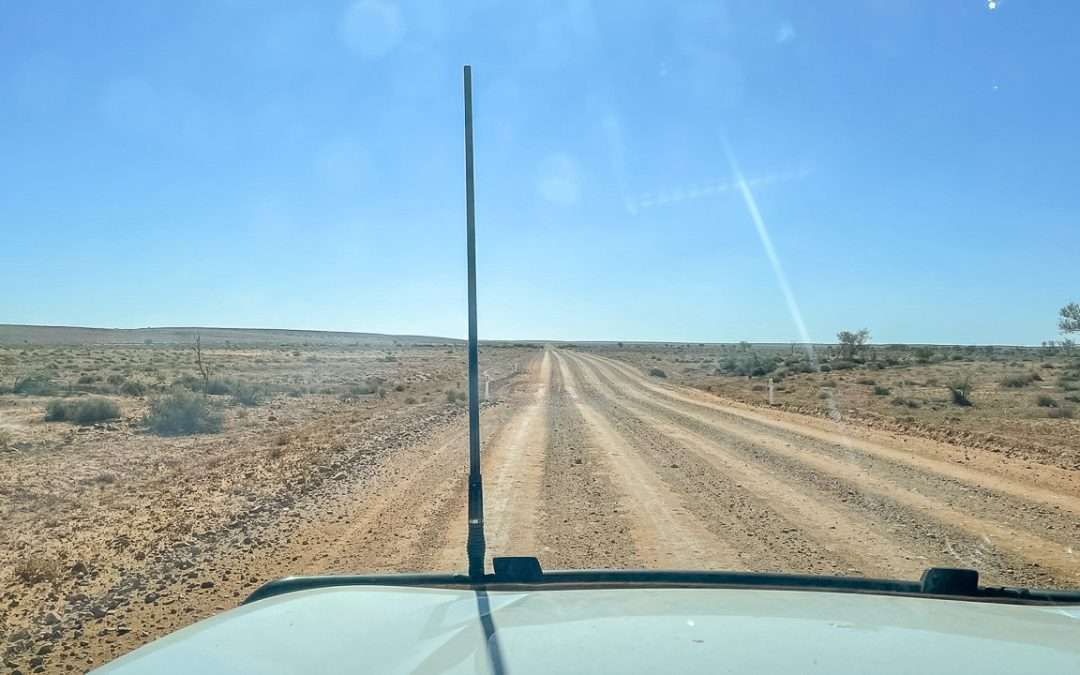
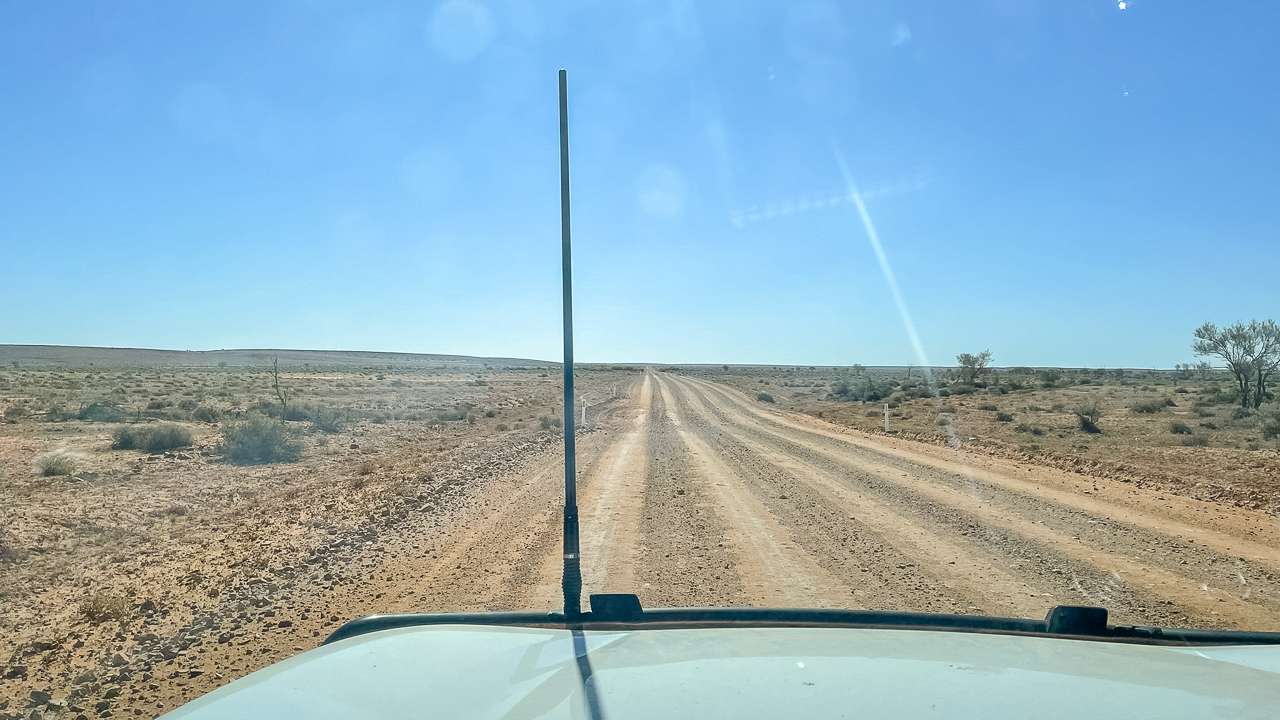
Oodnadatta Track Road Surface From Inside Our Vehicle

Oodnadatta Track Road Surface From Inside Our Vehicle

Marree → Coward Springs

  • Generally well-maintained
  • Mixed gravel and compacted dirt
  • Occasional corrugations

Our experience: Often the smoothest section, especially after grading.

Coward Springs → William Creek

  • Increasing corrugations
  • Wide open desert terrain
  • Soft gravel sections in places

Our experience: Conditions vary significantly between trips.

William Creek → Oodnadatta

  • Typically the roughest section
  • Heavy corrugations common
  • Washboard surfaces in busy periods

Our experience: Consistently the most challenging section.

Oodnadatta → Marla

  • Gradually improves toward Marla
  • Mixed gravel and graded surfaces
  • Less traffic overall

Our experience: Generally smoother than the central sections.


Key Driving Considerations

  • Reduce tyre pressure for corrugations
  • Expect dust and reduced visibility in convoys
  • Avoid driving at dusk due to wildlife
  • Road conditions can change quickly after weather or grading
  • Allow extra time for slower travel on rough sections

Final Thoughts

After six separate trips between 2016 and 2025, the Oodnadatta Track remains one of our favourite outback journeys anywhere in Australia.

What makes the track special is that every trip feels different. Weather, road conditions, traveller numbers and even the desert landscapes can change dramatically from year to year.

Whether you’re visiting for remote camping, Lake Eyre, outback history or simply the experience of crossing one of Australia’s most famous desert tracks, the Oodnadatta Track is an unforgettable adventure when approached with proper preparation and realistic expectations.

FAQs

How long does it take to drive the Oodnadatta Track?

Most travellers allow between 3 and 7 days depending on road conditions and sightseeing.

Do you need a 4WD for the Oodnadatta Track?

Not always in dry conditions, although a high-clearance vehicle is strongly recommended.

Is the Oodnadatta Track difficult?

In dry conditions the track is usually manageable for prepared travellers, although corrugations can be severe.

Can you tow a caravan on the Oodnadatta Track?

Yes, although off-road or semi off-road caravans are best suited.

Is there phone reception on the Oodnadatta Track?

Reception is extremely limited outside towns like Marree, William Creek and Oodnadatta.

What is the best month to drive the Oodnadatta Track?

May through September generally provides the best balance of weather and road conditions.
Oodnadatta Track Campsites Map & Full List (2026 Guide)
Oodnadatta Track Campsites Map & Full List (2026 Guide)
Oodnadatta Track Campsites Map & Full List (2026 Guide)
Updated May 2026 after six separate trips along the Oodnadatta Track between 2016 and 2025.

The Oodnadatta Track stretches more than 600km through remote South Australia between Marree and Marla. This page lists every known campsite along the route, based on multiple real world trips and on the ground experience.

Topic Info
Best Campsite Coward Springs
Best Free Camp Algebuckina Bridge
Best Time To Visit May–September
2WD Suitable Usually in dry conditions
Caravan Friendly Yes (conditions dependent)
Fuel Stops Marree, William Creek, Oodnadatta, Marla


Related guide: Oodnadatta Track South Australia Full Guide

Map Of All Oodnadatta Track Campsites


North Of Marree (Southern Section Campsites)

Farina Campground

Restored ghost town campground with hot showers, toilets and seasonal volunteer operations. One of the most popular pre-track stops. The Farina campground is an absolute must visit for us. We stay here whenever we travel the Oodnadatta Track.

Amanda Paying Our Camping Fees At Farina

Amanda Paying Our Camping Fees At Farina

Marree Hotel Campground

Basic outback pub camping behind the iconic Marree Hotel with food, fuel and a strong outback atmosphere. Marree Hotel Campground is a great place to camp up for a day before heading your trip along the track or when you’ve finished.

Marree Oasis Caravan Park

Powered and unpowered sites with full amenities, commonly used as a staging point before entering the track. We’ve never actually stayed at the Oasis Caravan Park however we’ve called in and paid to use their dump point three or four times.

Bridge Ruins Campsite

Simple free camp near historic railway infrastructure. Quiet, and close to the track. The Bridge Ruins Campsite has plenty of room for caravans and rigs of all sizes.

Alberrie Creek Bridge (Near Mutonia Sculpture Park)

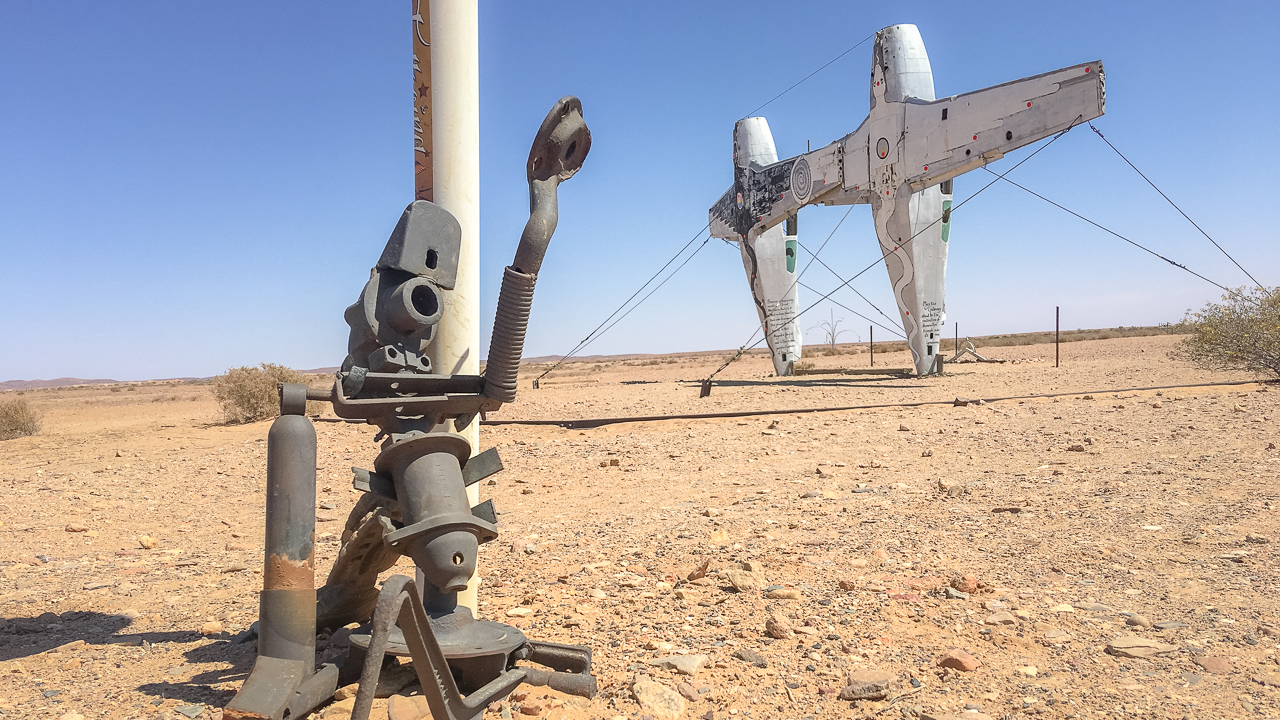
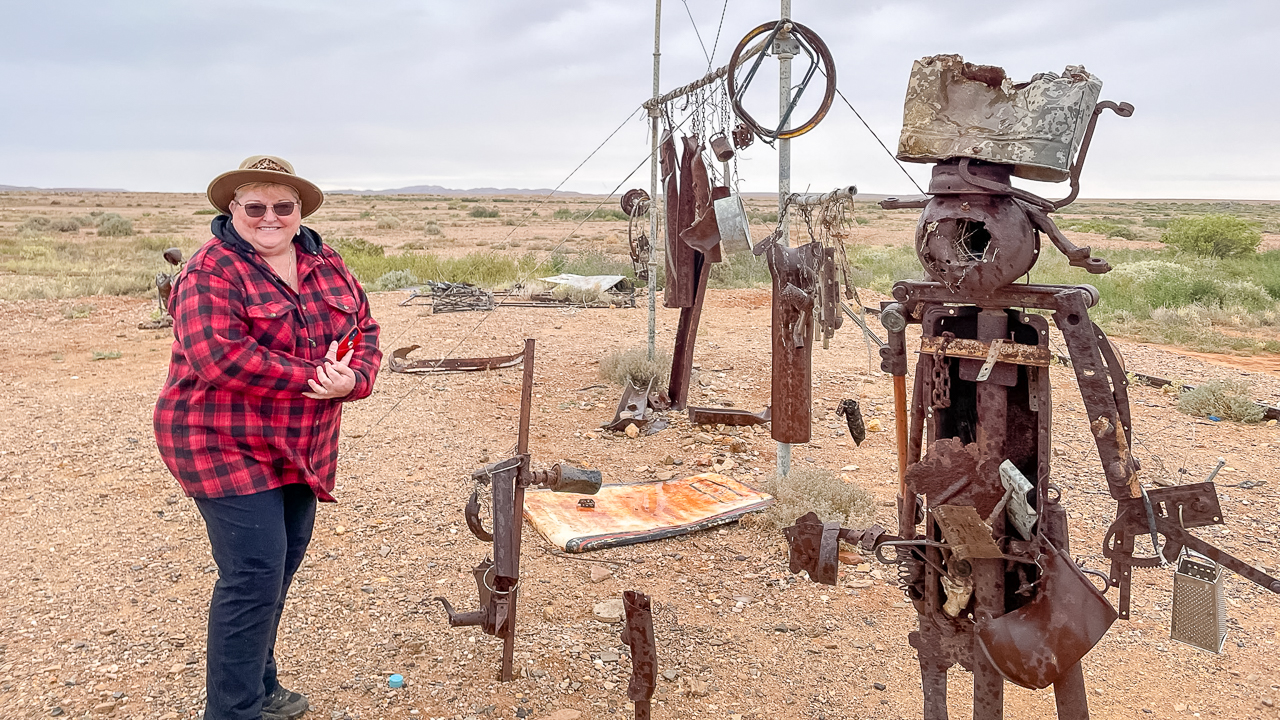
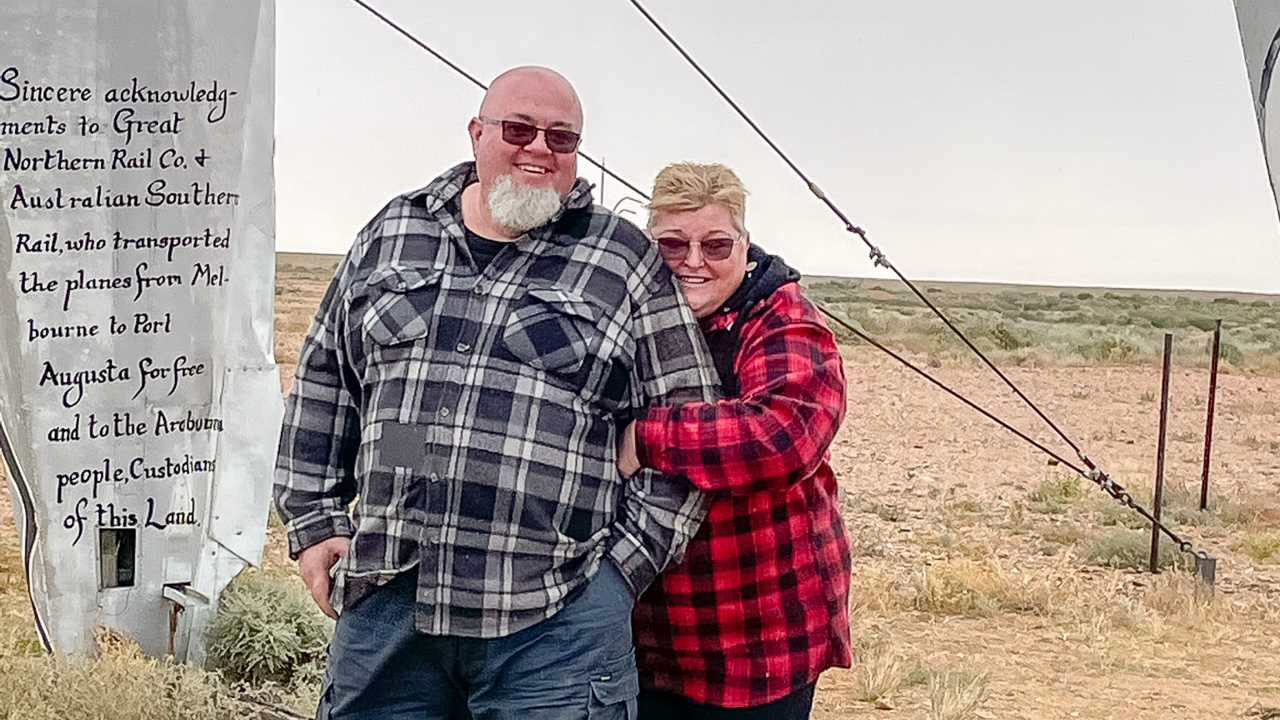
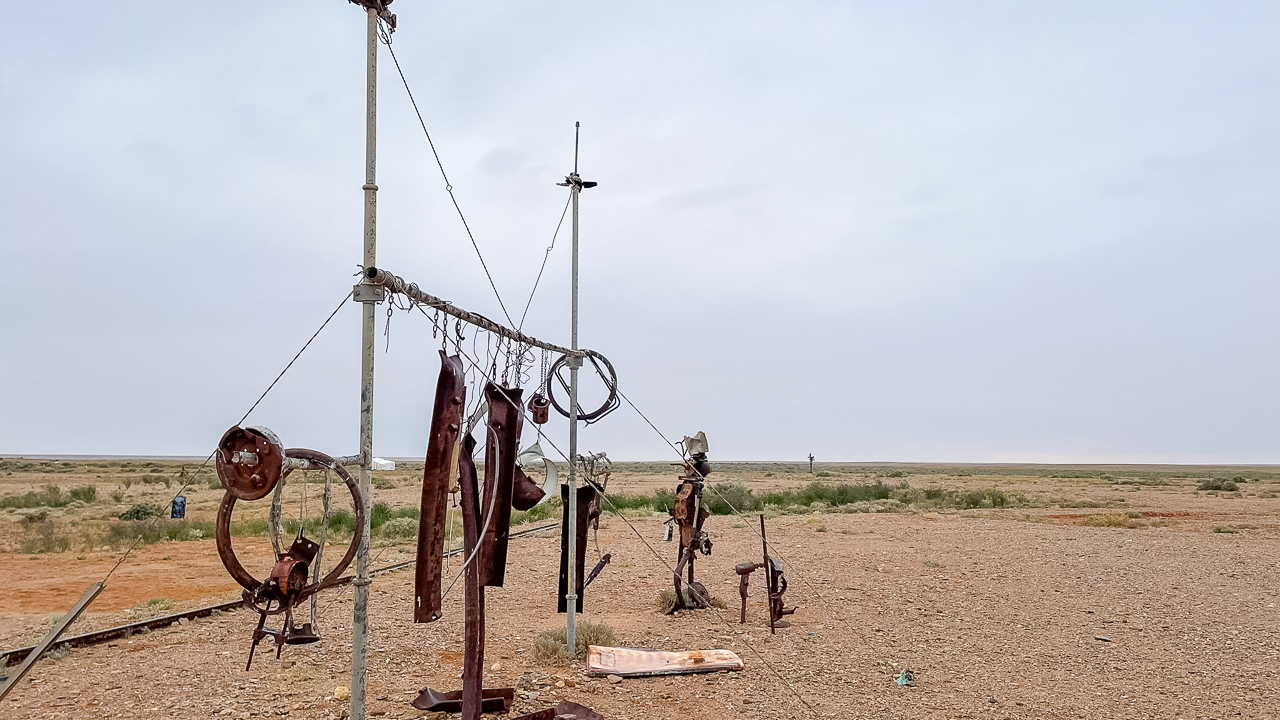
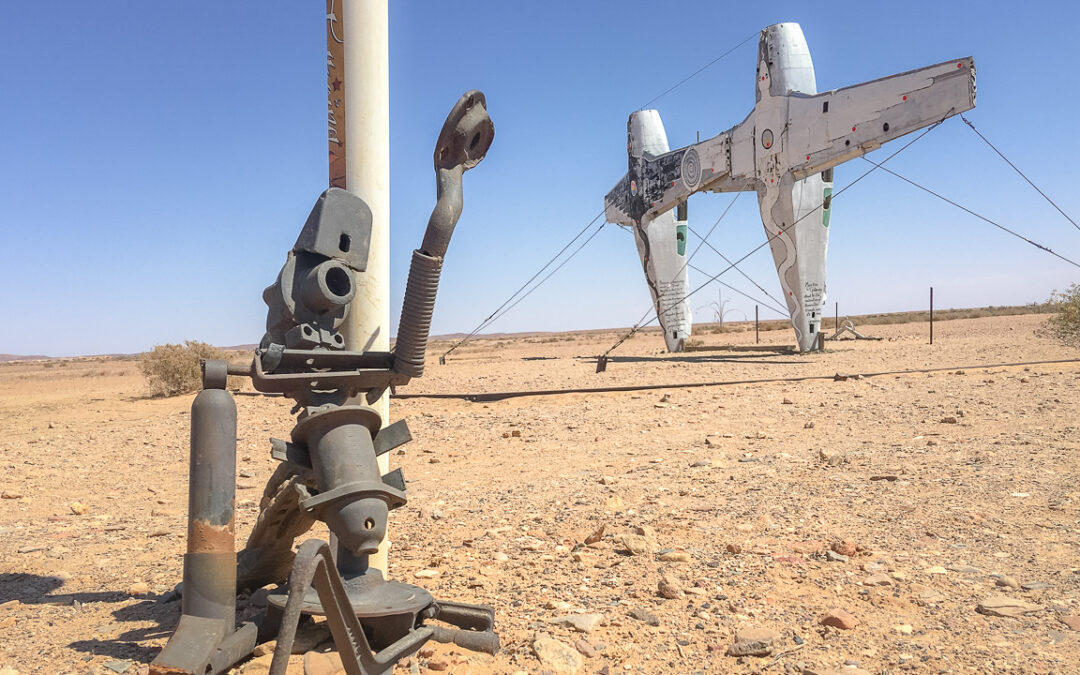
Quirky sculpture site with informal bush camping nearby. No facilities but a memorable stop. Alberrie Creek Bridge is one of the typical Oodnadatta Track Campsites.

Gregory Creek Campsite

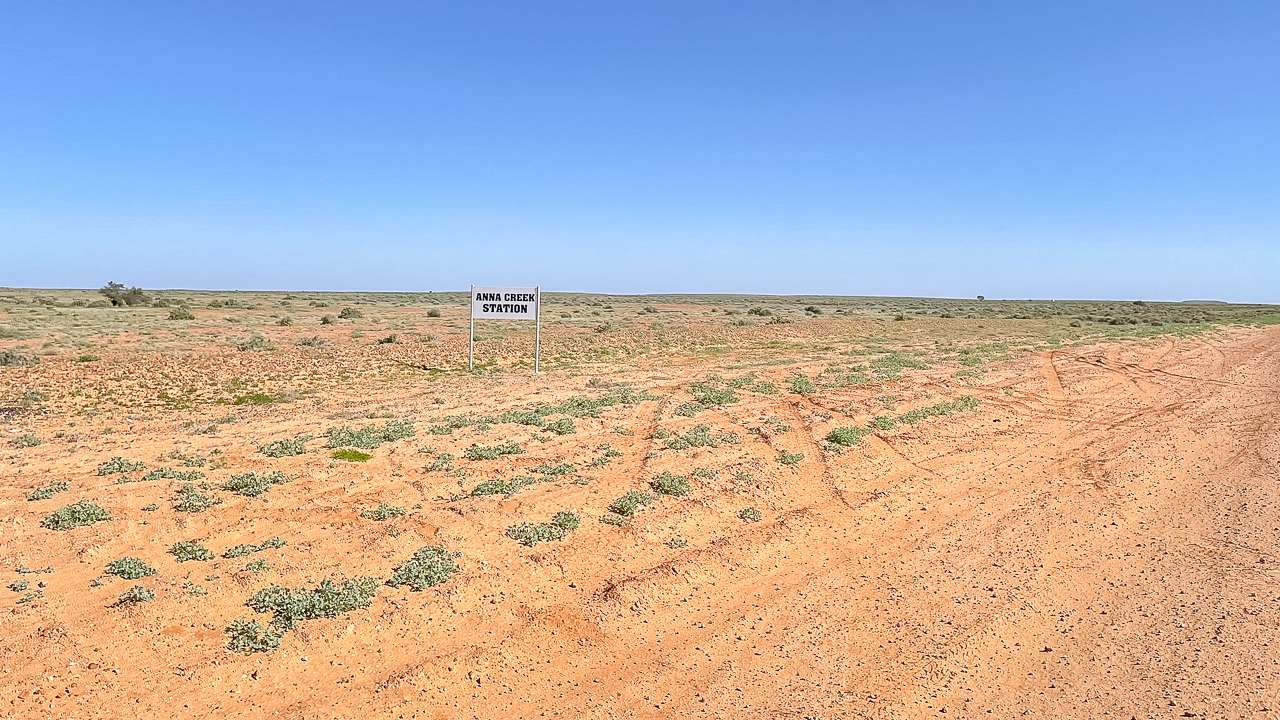
Wide open bush camping area suitable for caravans with basic roadside access. Gregory Creek Campsite is right alongside the old Ghan Railway as are many of the Oodnadatta Track Campsites.

Free Camping At Algebuckina Bridge On The Oodnadatta Track

Free Camping At Algebuckina Bridge On The Oodnadatta Track


Historic Railway & Mid-Track Campsites

Curdimurka Railway Siding

An almost intact railway siding with flat camping areas beside old Ghan infrastructure and strong photography appeal. Curdimurka Railway Siding has one of the Old Ghan Railway water conditioners still in place which is worth a look. This is one of our preferred Oodnadatta Track Campsites. There’s loads of room here for rigs of all sizes. There’s a geocache hidden here if you can find it! We camped here in 2019 and again in 2024.

Here I Am At The Curdimurka Siding Station Board - I Need To Pull My Pants Up A Bit!

Here I Am At The Curdimurka Siding Station Board – I Need To Pull My Pants Up A Bit!

Stuart Creek Campsite

Large open bush camp with easy access and space for larger rigs and caravans. Stuart Creek Campsite is one of the lesser known Oodnadatta Track Campsites but it’s definitely a good ‘un!

Coward Springs Campground

One of the most established camps on the track. We’ve stayed here multiple times across different trips. Known for the artesian spa, shaded campsites and restored railway buildings. Can be busy during peak travel events. We’ve camped at Coward Springs Campground twice and highly recommend it.

Us Camping At Coward Springs Campground In 2018

Us Camping At Coward Springs Campground In 2018

The Amphitheatre Campsite

Former quarry turned bush camp with wide open space and excellent solitude. Popular with self contained travellers. The Amphitheatre Campsite is well worth a look.

Beresford Bore Railway Siding

Historic siding with basic bush camping near railway ruins. Quiet and atmospheric. We camped here with friends back in 2022 and Beresford Bore Railway Siding was an awesome experience.

Us Camped At Beresford Siding In 2022

Us Camped At Beresford Siding In 2022

Warriner Creek Bridge Camp

Remote bridge crossing camp with no facilities and minimal traffic. Warriner Creek Bridge Camp is a great spot to go for a walk along the Old Ghan Railway from of an afternoon.


William Creek Region Campsites

William Creek Campground

Basic campground in the heart of the track with fuel, food and access to scenic flights over Lake Eyre. William Creek Campground is right across the road from the hotel.

Box Creek Bush Camp

Remote creek crossing camp suitable for self sufficient travellers. The creek that Box Creek Bush Camp is located on has been empty all six times we’ve travelled the Oodnadatta Track.

Quilters Ruins Campsite

Quilters Ruins Campsite is a quiet bush camp with historic railway ruins nearby. One of the more peaceful stops along the track.

Duff Creek Bridge Campsite

Simple roadside camp beside an old railway bridge crossing. Duff Creek Bridge Campsite is easy to get into and has lots of room. It’s usually quiet and you’ll be the only one there on most occasions.

Irrapatana Sand Hills Campsite

Dune backed bush camp with soft sand terrain and no facilities. Be careful getting in and out of Irrapatana Sand Hills Campsite as it’s quite sandy and soft.


Algebuckina & Central Track Campsites

Algebuckina Bridge Campground

One of the most iconic camps on the Oodnadatta Track. Free camping beside the massive historic railway bridge over the Neales River. We’ve camped here three times and will do so again. There is an absolutely massive amount of room at the Algebuckina Bridge Campground. It doesn’t matter how many campers are in there you’ll always be able to get a spot that feels like you’re on your own.

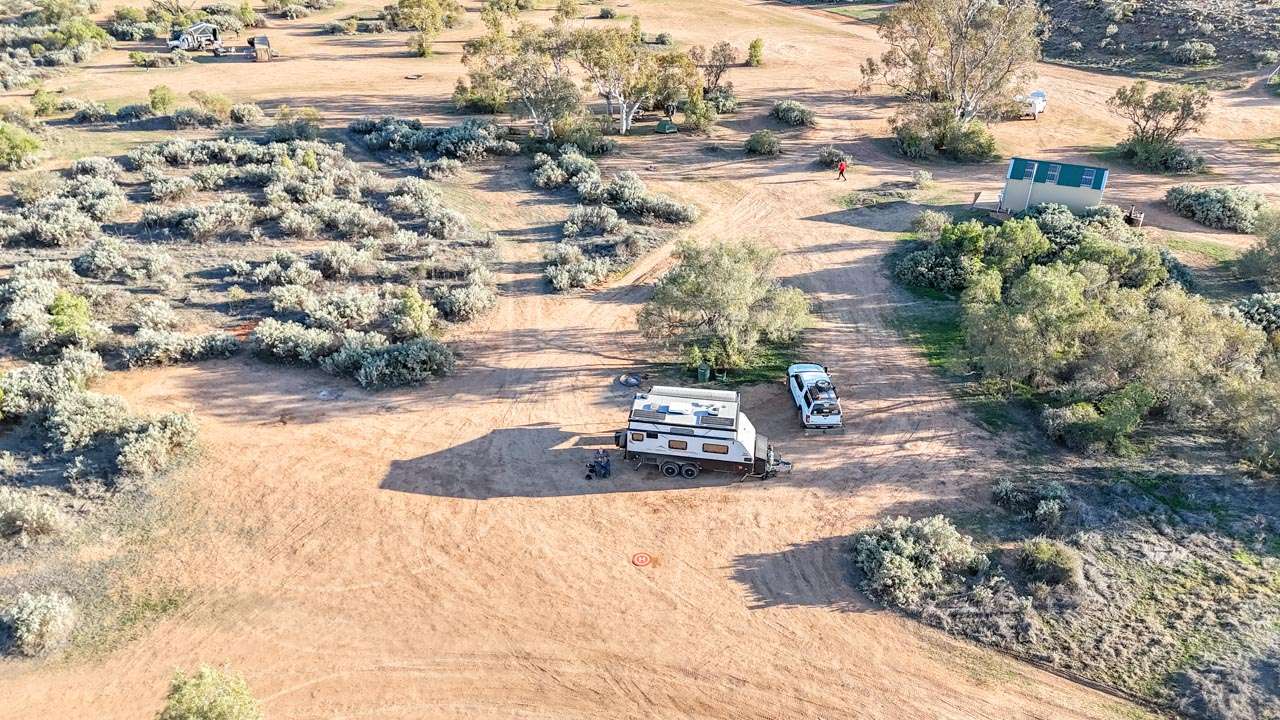
Drone Shot Of Our Campsite On Oodnadatta Track At Algebuckina Bridge

Drone Shot Of Our Campsite On Oodnadatta Track At Algebuckina Bridge

Algebuckina Waterhole (The Peake)
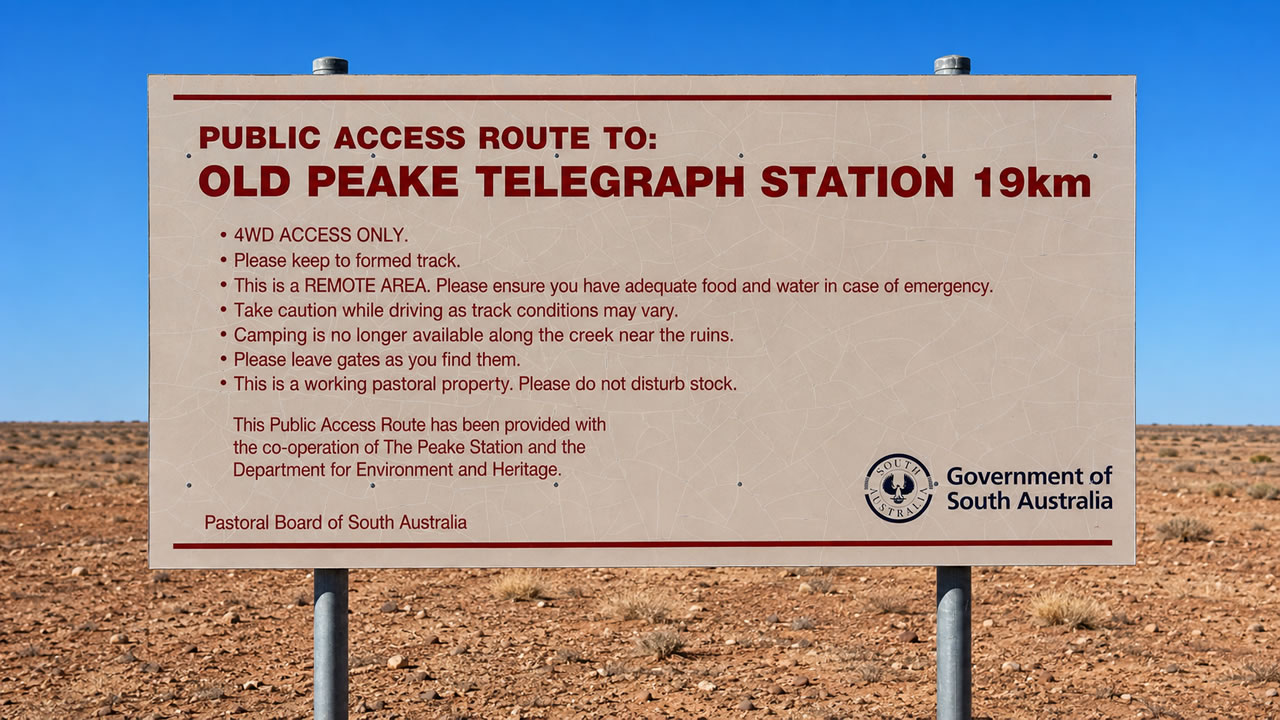
Seasonal waterhole camping area with scenic desert surroundings. Conditions vary depending on rainfall. We got a flat tyre getting into Algebuckina Waterhole in 2024 but it was easily plugged. There’s not a lot of room in here, I’d say half a dozen spots at most.


Oodnadatta Region Campsites

Oodnadatta Free Camp

Oodnadatta Free Camp is a council run free camp with basic facilities near town and walking access to the Pink Roadhouse.

Oodnadatta Pink Roadhouse Campground

Paid campground with toilets, showers and fuel access at the iconic Pink Roadhouse Campground.

Angle Pole Area Bush Camp

Angle Pole Bush Camp is an open desert camping area north of Oodnadatta with minimal facilities.

Kathleen Creek Campsite

Remote roadside bush camp with no facilities. Kathleen Creek is very quiet. It’s ideal.

Oolarinna Creek Campsite

Oolarinna Creek Campsite is a simple creek crossing camp suitable for self contained travellers.

Coongra Creek Campsite

Quiet bush camping area along the track with minimal infrastructure. Coongra Creek Campsite is an absolute ripper of a campsite. WikiCamps will tell you it’s on the left when travelling towards Marla however instead of going left head across the track and head in along the track on the right hand side. There’s an absolute mile of room and plenty of wood well back off the track. We’ve camped in here a few times.


Northern Section (Toward Marla)
Marla Travellers Rest

Full service stop at the northern end of the track with fuel, powered sites and amenities. Marla Travellers Rest is an ideal spot to camp up before or after the Oodnadatta Track.


Oodnadatta Track Campsite Types Explained

Across all our trips, campsites along the track generally fall into four categories:

Free Bush Camps

  • No facilities
  • Remote locations
  • Best for self-sufficient travellers
  • Examples: Algebuckina, Quilters Ruins, Duff Creek

Historic Railway Camps

  • Old Ghan infrastructure
  • Flat open camping areas
  • Strong photography appeal
  • Examples: Curdimurka, Beresford

Station / Paid Camps

  • Toilets and showers
  • Managed sites
  • Examples: Coward Springs, Farina

Pub / Town Camps

  • Fuel + food access
  • Social atmosphere
  • Examples: Marree, William Creek, Oodnadatta

Planning Notes (Based on Six Trips)

From our six trips along the Oodnadatta Track a few consistent patterns stand out:

  • Camps near Coward Springs and William Creek are the busiest in peak season
  • Free camps north of William Creek are generally quieter
  • Weather will strongly influence campsite selection (you may change plans daily)
  • Water availability and flies vary massively year to year
  • Lake Eyre flooding events significantly increase traffic and campsite occupancy

Oodnadatta Track Free Camping At Curdimurka Siding

Oodnadatta Track Free Camping At Curdimurka Siding

FAQs

How many campsites are on the Oodnadatta Track?

There are dozens of formal and informal campsites ranging from station stays to remote bush camps.

Do you need a 4WD for these campsites?

Not always in dry conditions, but a high-clearance vehicle is strongly recommended.

Are free camps available?

Yes, many free bush camps exist along the full length of the track.

Can caravans access these campsites?

Yes, but conditions vary. Off-road caravans are best suited.

Which campsite is the most popular?

Coward Springs and Algebuckina Bridge are among the most visited.

Oodnadatta Pink Roadhouse Camping And Caravan Park

Oodnadatta Pink Roadhouse Camping And Caravan Park

Oodnadatta Pink Roadhouse Camping And Caravan Park

The Pink Roadhouse at Oodnadatta has been serving visitors to the region for decades. It’s a great overnight stop for caravans and campers tackling the Oodnadatta Track. Located behind the pink roadhouse the camping and caravan park has all the basics you need.

Pink Roadhouse Camping & Caravan Park Location And Info At A Glance

Cost: About $35 per night powered and $20 per night unpowered. Varies depending upon season.
Type: Caravan Park / Paid Campground
Location: -27.549235°, 135.447553°
Distance From Marree: 406km
Distance From Oodnadatta: 0km
Distance From Marla: 254km

Accommodation Options At The Pink Roadhouse Camping & Caravan Park

The Pink Roadhouse Camping and Caravan Park has powered and unpowered sites. They also have a limited range of cabins available ranging from basic to not so basic (still a bit basic).

Pink Roadhouse Oodnadatta

Pink Roadhouse Oodnadatta

Facilities

Amenities are a mixed bag – some are new and some show their age. The newer shower and laundry block is excellent, with clean facilities that are a welcome sight after long days on rough roads. Pro tip: use the showers next to the laundry block as they’re the newest and cleanest.

The camp kitchen provides a decent space to prepare meals, though it’s seen better days. Water is available from taps around the site for filling bottles and jerry cans, with desalinated water available out the front. Tank water can be filled at the shared tap on the back fence.

The Roadhouse Experience

The Pink Roadhouse itself is part of the experience. It’s weathered but functional, stocking fuel, groceries, and a good range of essentials. The general store covers most needs with dry goods, some fresh produce, frozen meat, and the usual tourist souvenirs. Coffee is decent, and the food menu includes solid pub meals like parmas and the local Oodna Burger.

Staff are helpful and knowledgeable about local tracks and conditions – worth having a chat if you’re planning to explore further. Joe in particular is a wealth of information about surrounding tracks and points of interest.

What Works Well

  • Dogs allowed
  • Clean powered and unpowered sites
  • Knowledgeable staff for track advice
  • Well stocked store for restocking basic supplies
  • Good water quality

The Pink Roadhouse At Oodnadatta

The Pink Roadhouse At Oodnadatta

The Reality Check

This isn’t a resort – it’s a working roadhouse in the middle of nowhere. Some facilities are old and functional rather than flash. Prices reflect the remote location on the Oodnadatta Track as you’d expect. The older amenities block shows wear but remains usable.

Summary

The Pink Roadhouse serves is a reliable place to pull up for an overnight stop. It’s clean, it’s functional and has the basics of what you need. It’s an awesome place you don’t want to miss when driving along the Oodnadatta Track.

Whether restocking supplies, refuelling or you need a quick meal and a cold drink the Pink Roadhouse delivers the essentials with genuine outback hospitality.

Pin It on Pinterest