Goyder Highway Free Camping At Lindley SA

Goyder Highway Free Camping At Lindley SA

Goyder Highway Free Camping At Lindley SA

Find out why Lindley Off The Road is a favourite Goyder Highway free camping site for travellers heading through South Australia’s Mid North. This Goyder Highway free camp is between Morgan and Burra. It’s a handy spot to break up a long drive across South Australia.

What is the best free camping spot on the Goyder Highway near Lindley SA?
The Lindley Off The Road camping area is a great spot for free camping on the Goyder Highway. It’s close to Morgan SA and offers a quiet, easy stop for caravanners and motorhomes exploring South Australia’s Mid North.

Lindley Off The Road Goyder Highway Free Camping At A Glance

Camping Type: Free Camping
Cost: Free
Location: Goyder Highway, Lindley SA
GPS: -33.9589710, 139.5621190
Pet Friendly: Yes
Toilets: No
Bins: No
Campfires: Yes

Lindley Off The Road Free Camping

Lindley Off The Road Free Camping

Discover Why Lindley Off The Road Is The Best Free Camping Spot On The Goyder Highway Near Lindley, SA.

  • Prime Location: Conveniently situated just minutes from the Goyder Highway, making access easy for travellers.
  • Self Contained Friendly: Specifically caters to self-contained campers, ensuring a comfortable and private experience.
  • Scenic Surroundings: Surrounded by natural beauty, the site offers peaceful views and a relaxing atmosphere.

Goyder Highway Free Camping At Lindley SA

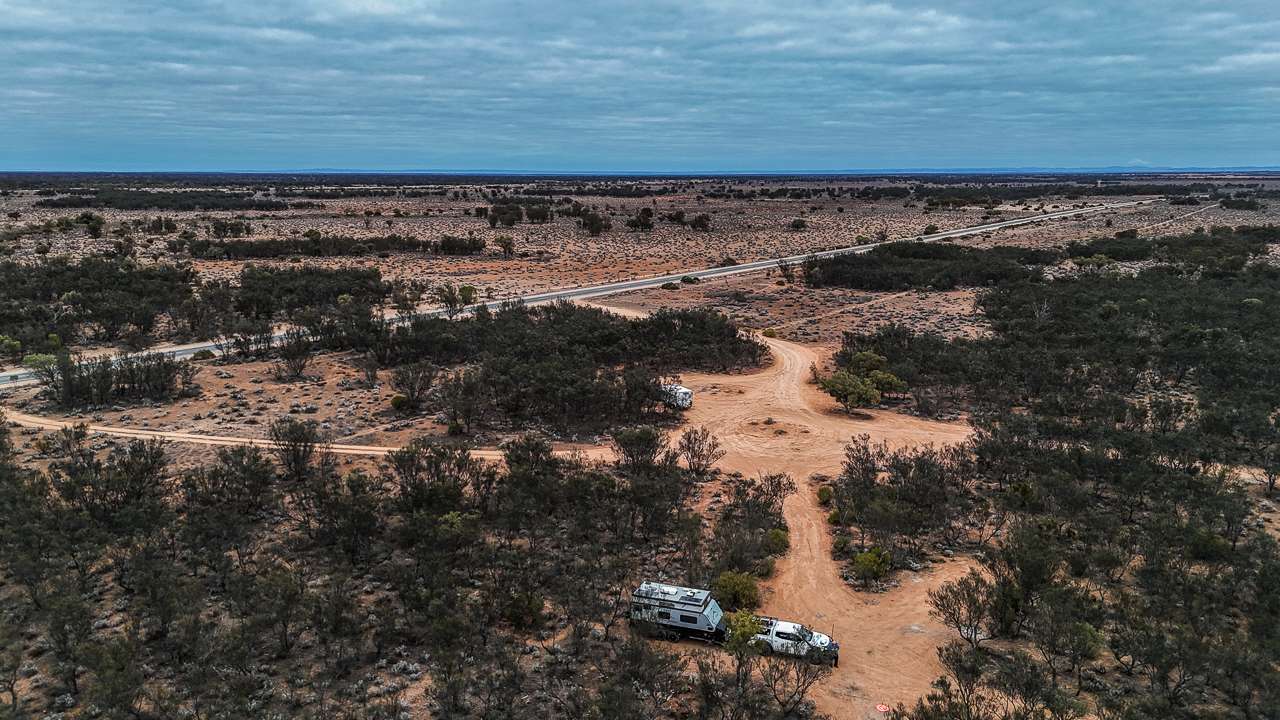
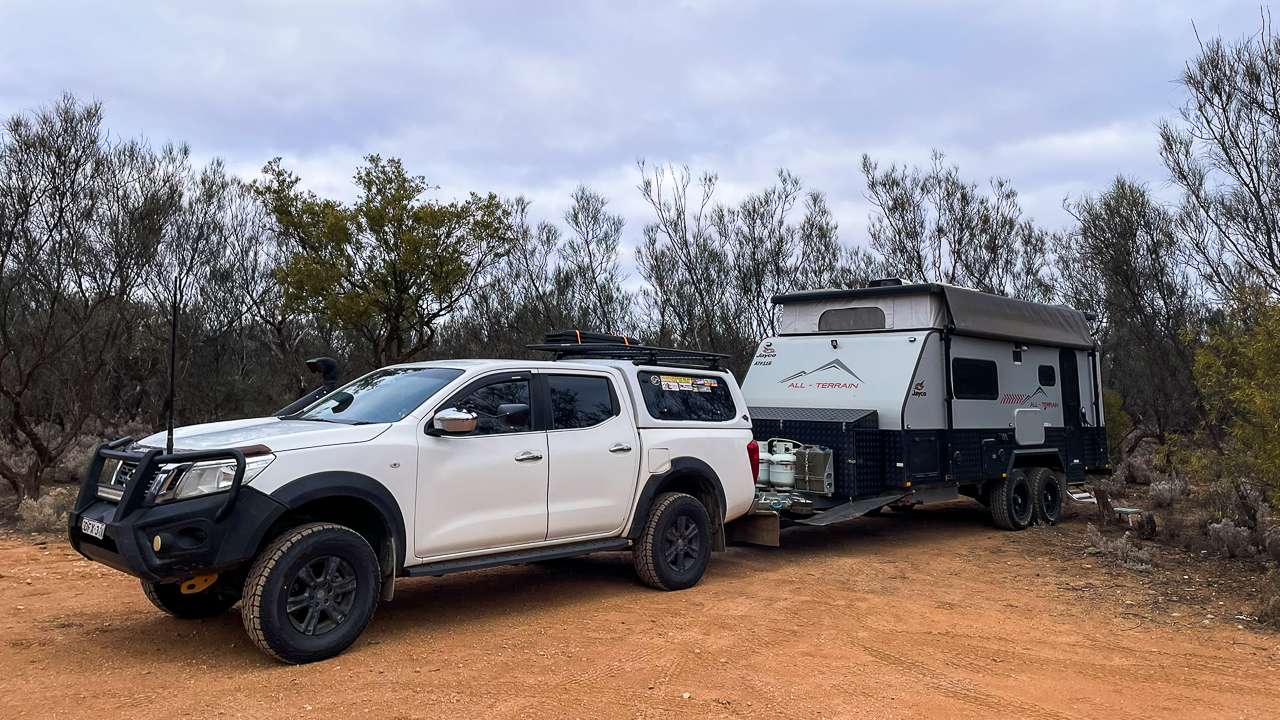
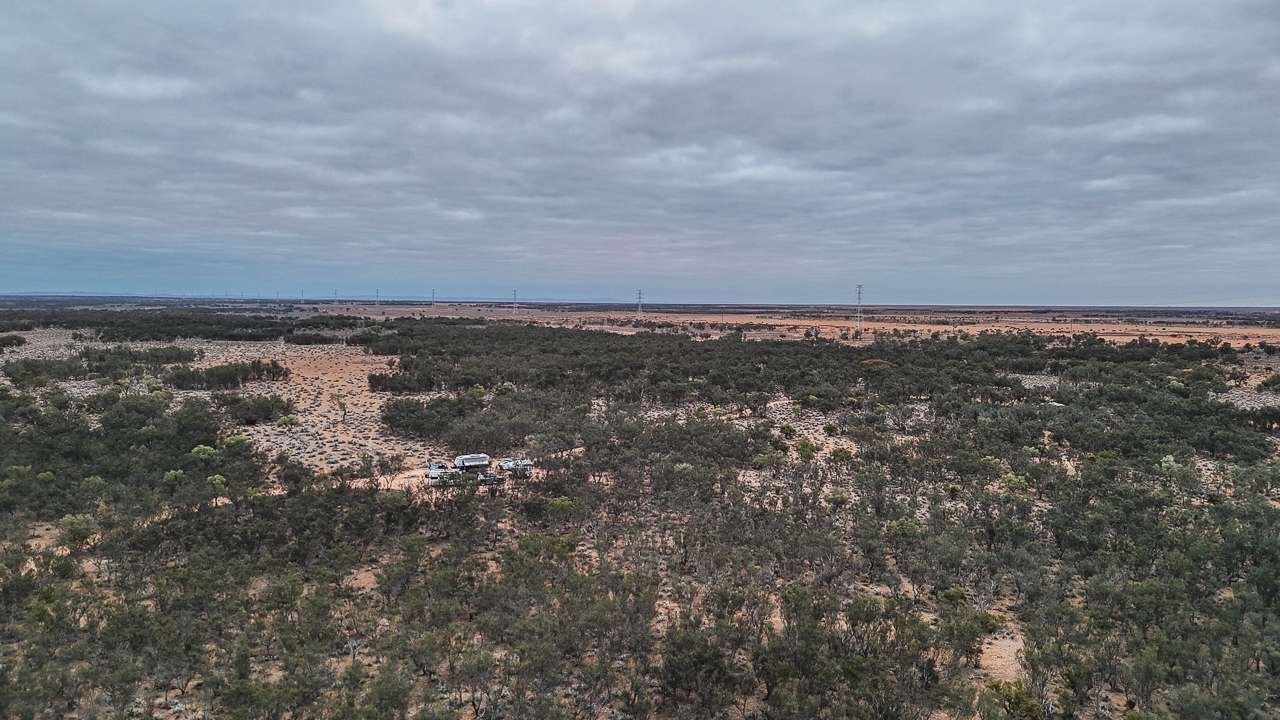
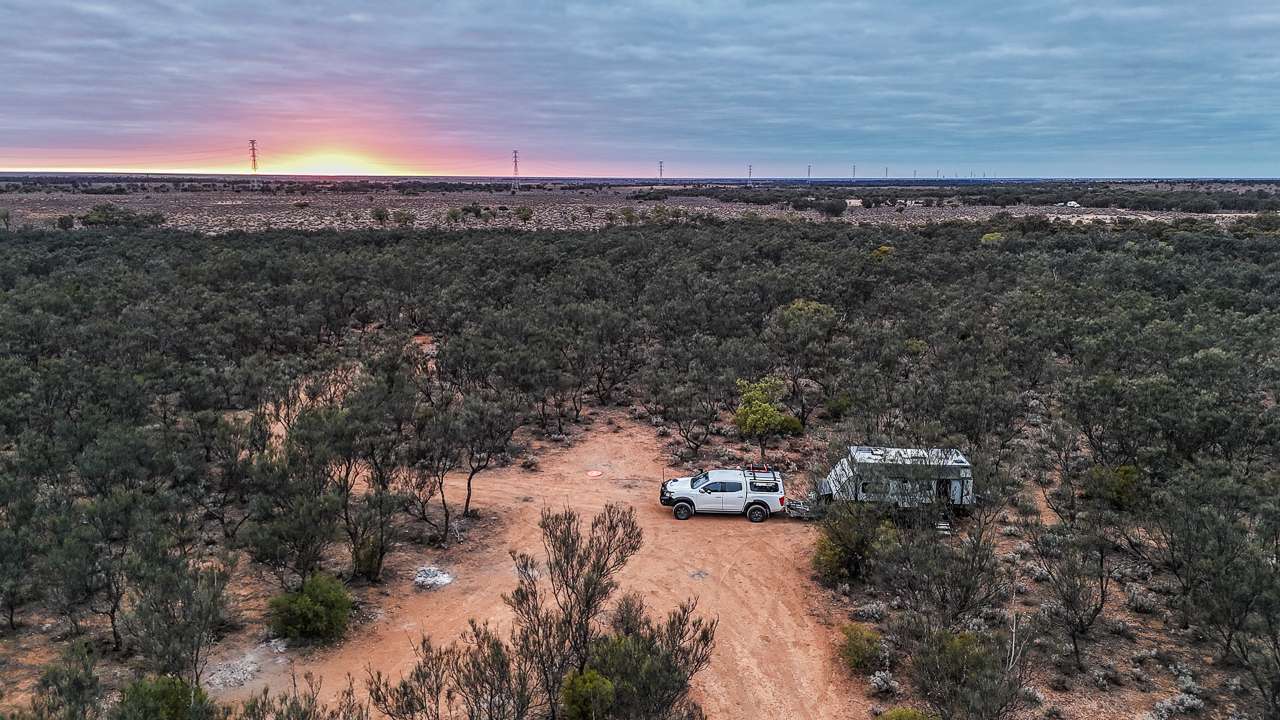
My wife Amanda and I found this spot in June 2025 on our way to the Marree camel races. We’ve tried many free camps along the Goyder Highway, but this one is a favourite. It’s simple, quiet, and perfect for an overnight stay without any fees.

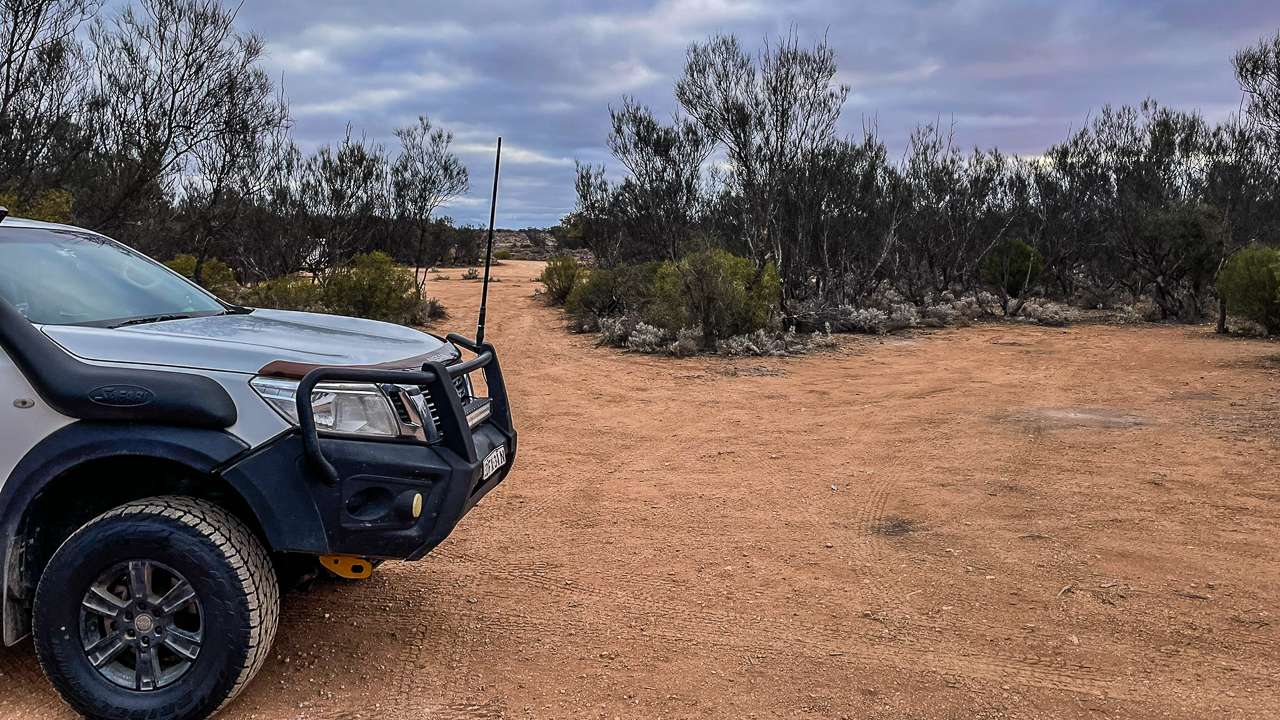
Good Hard Flat Surface At Lindley Off The Road Camping Area

Good Hard Flat Surface At Lindley Off The Road Camping Area

Free Camping Near Lindley SA

Finding free camping near Lindley SA is a real win these days. The Lindley Off The Road camping area is one of the best places for travellers who want to save money. We’ve come back here a few times on our trips.

This Goyder Highway free camp is between Morgan and Burra. It’s a handy spot to break up a long drive across South Australia. The site is for self-contained vehicles and has what you need for a comfortable night.

Location And Access For Goyder Highway Free Camping

The camp is about 15 km north of Morgan SA, right off the Goyder Highway. You don’t need to drive on rough dirt roads. It’s easy to get to from both directions.

The camp is in the Hundred of Lindley area, surrounded by open farmland. The spot is a bit higher up, so you get nice views of the countryside.

Nice Claen Camping Area Goyder Highway Free Camping

Nice Claen Camping Area Goyder Highway Free Camping

Finding The Perfect Goyder Highway Free Camp Spot

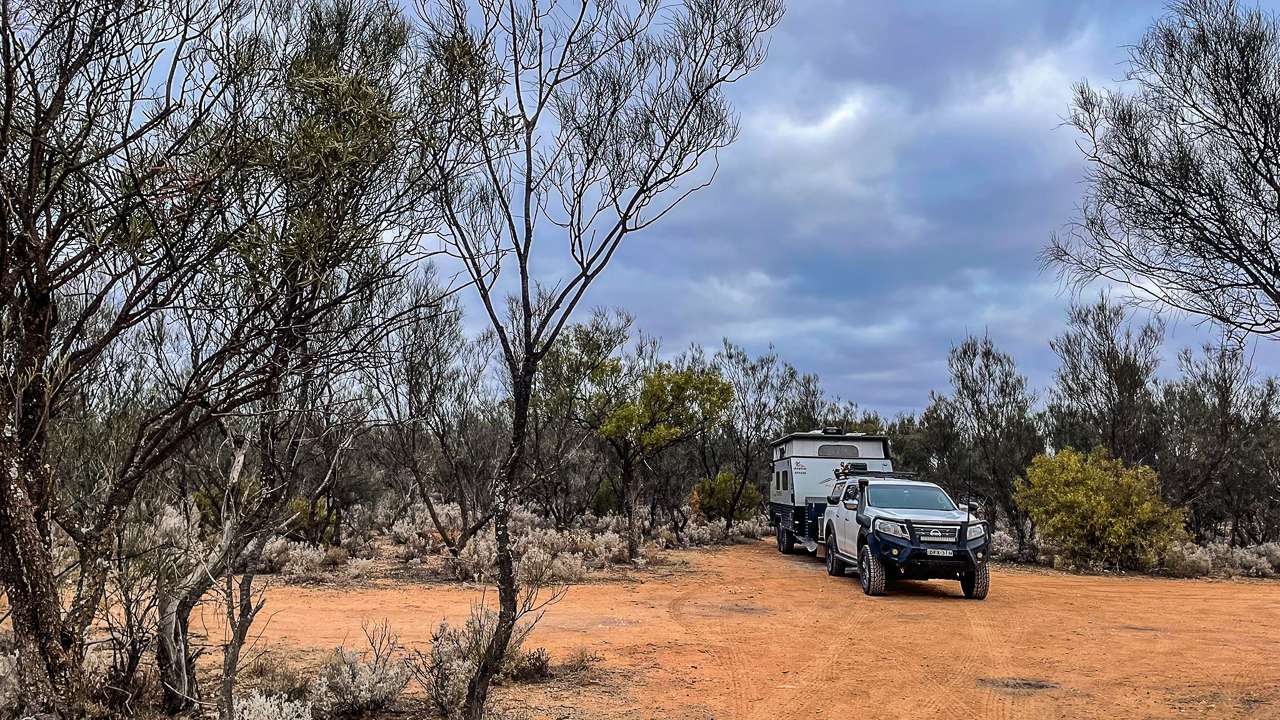
When we visited in June 2025, we found it easy to get in and set up. There are plenty of spots for caravans, campervans, and motorhomes.

The weather was cool the day we were there overcast and 12°C and overnight it got down to 0°C. We packed warm clothes for the chilly nights.

Facilities And Amenities At Lindley Off The Road

This Goyder Highway free camping spot is basic but has what you need if you’re self contained. Dogs are welcome, so it’s good for families with pets. Bring your own water, food, and take your rubbish with you.

There’s enough space for lots of campers and you won’t feel crowded. If you arrive early, you can pick the best, most level spots.

Goyder Highway Free Camping At Lindley SA

Goyder Highway Free Camping At Lindley SA

Essential Amenities For Free Camping Near Lindley SA

The area is tidy and well looked after. We didn’t see any bins for rubbish however there were loads of spots for campfires when it’s safe. You’ll need your own toilet, water and power.

Camping Rules And Regulations

Please keep the area clean and respect the land. Take all your rubbish with you and leave the site as you found it. Campfires are allowed in the right season, but check for fire bans first. Don’t take too much firewood from the area.

Road Noise From The Goyder Highway

The spot we chose was maybe 150m off the Goyder Highway so road noise was quite minimal. Once inside the caravan with the gas heater going we didn’t hear anything at all from the highway. You can also get back further in off the highway. We were heading off early the following so just grabbed the first decent spot we saw that was well away from other campers.

Staying Safe During Goyder Highway Free Camping

Nights can get cold, so bring warm clothes. Phone signal can be patchy, so let someone know your plans. Carry a backup way to call for help if you can.

Journey To The Marree Camel Races

We stopped here on our way to the Marree camel races. The event is a big deal, with camel races, donkey races, and lots of fun. There’s also free camping at Marree during the races.

Plenty Of Room Near Lindley SA Camping On The Goyder Highway

Plenty Of Room Near Lindley SA Camping On The Goyder Highway

Planning Your Route To Marree

From Lindley Off The Road, it’s about 550km to Marree, all on sealed roads. Head east to Burra, then north on the Barrier Highway, and follow the signs to Marree. Fill up with fuel at Burra (we also topped up at Lyndhurst) as it’s the last big town before heading north. For fuel at Burra we used the IOR unmanned fuel depot as it was the cheapest and very easy to get into to fill.

Distances And Driving Times To Lindley SA

City Distance Driving Time
Adelaide, SA 160km 1 hr 45 min
Melbourne, VIC 290km 3 hr 15 min
Sydney, NSW 530km 5 hr 45 min
Perth, WA 670km 7 hr 30 min
Brisbane, QLD 980km 10 hr 30 min
Port Augusta, SA 130km 1 hr 25 min
Burra, SA 35km 35 min
Morgan, SA 15km 15 min
Murray Bridge, SA 120km 1 hr 20 min
Renmark, SA 90km 1 hr
Loxton, SA 75km 50 min
Waikerie, SA 50km 35 min
Berri, SA 85km 55 min

The Goyder Highway Experience

Driving the Goyder Highway shows you South Australia’s farming and mining history. The road is named after George Goyder, who marked the line between good farming land and drier country. You’ll see the land change as you drive.

South of Goyder’s Line you’ll see wheat fields. Near Morgan the land changes to farms that need irrigation. Heading up to Burra, you’ll spot old mining towns.

Weather Patterns Along The Goyder Highway

June is a good time for Goyder Highway free camping. Days are mild, and nights are clear for stargazing. Bring layers for the cold mornings and warm afternoons.

Sometimes there’s frost in the morning, but it melts quickly. The air is dry, so you won’t get much condensation in your van.

Exploring The Mid North Region

There’s more to do than just free camping near Lindley SA. Burra is close by and has lots of old buildings and mining history. Red Banks Conservation Park is good for walks and seeing wildlife.

Local Services And Supplies

Morgan is 15 minutes away and has fuel and some groceries. Burra has more shops, places to eat, and a visitor centre with maps and local info. It’s a good idea to stock up before you camp.

Environmental Considerations For Goyder Highway Free Camp

Please use water carefully and take all rubbish with you. The area is home to kangaroos, echidnas, and birds. Keep pets under control and don’t disturb the wildlife.

Sustainable Camping Practices

We used as little water as possible and took all our rubbish to the bins. Solar panels are a good way to keep things quiet and save power. LED lights use less energy and are bright enough for camp.

Getting The Most From Your Visit

Try to arrive early especially on weekends or holidays to get a good spot. Walking around the area is a good way to see birds and take photos. Sunsets and sunrises are beautiful from the camp.

Well Off The Goyder Highway Camping Near Lindley SA

Well Off The Goyder Highway Camping Near Lindley SA

Photography And Wildlife Viewing

The light at sunrise and sunset is great for photos. You can see far across the fields to the hills. Early mornings and evenings are the best times to spot animals like kangaroos and wombats.

Future Of Goyder Highway Free Camping

This Goyder Highway free camp will stay open if everyone looks after it. Local councils check on these sites, so good behaviour helps keep them free. Support local shops and leave the camp clean for the next travellers. Amanda and I loved our stay here. We hope you enjoy it too and help keep it special for everyone.

Firetail Rest Area – Free Camping Near Grong Grong NSW

Firetail Rest Area – Free Camping Near Grong Grong NSW

Firetail Rest Area – Free Camping Near Grong Grong NSW

Free overnight camping at Firetail Rest Area on the Newell Highway near grong Grong. Perfect overnight stop for caravanners & RVs. Our complete guide covers everything from facilities to travel distances.

What is the Firetail Rest Area?
The Firetail Rest Area is a roadside rest stop located on Moorlands Road near Grong Grong, NSW, approximately 27km North of Narrandera. This heavy and light vehicle rest area offers basic facilities including toilets and non-drinking water, making it suitable for overnight free camping for up to 24 hours.

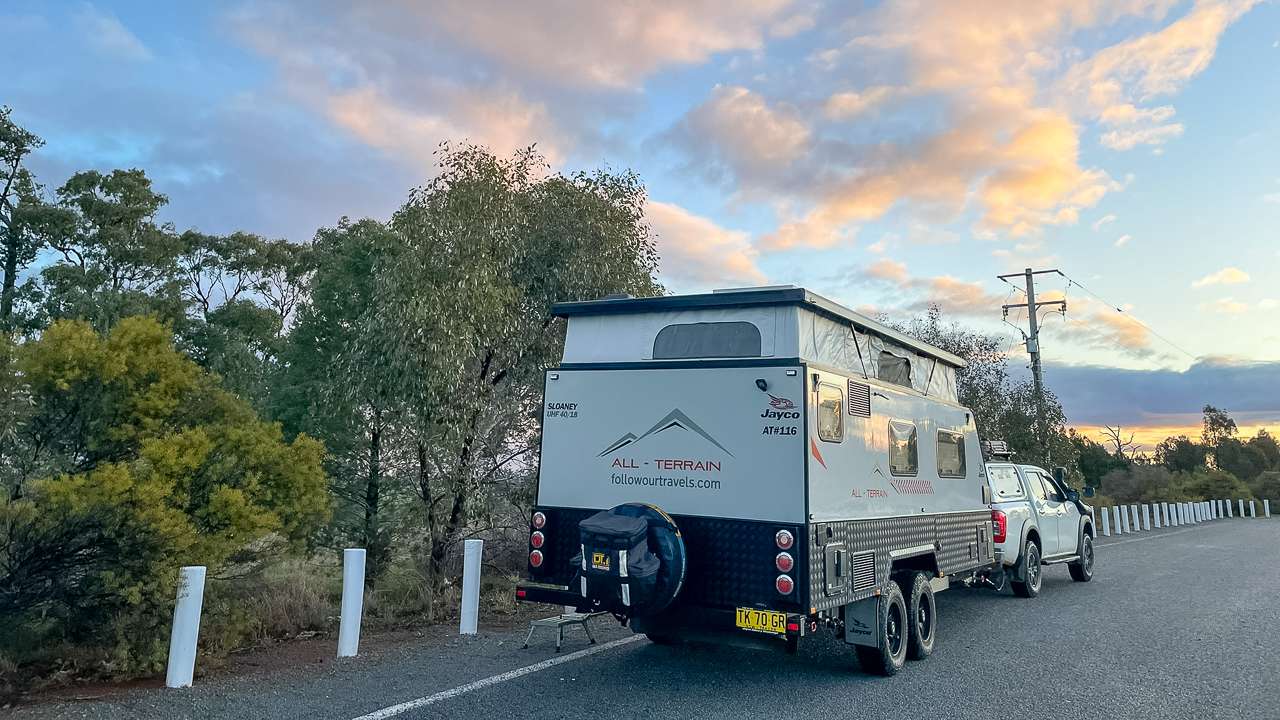
Amanda and I have overnighted at Firetail Rest Area four times now. This spot has become one of our go-to stops when travelling through the Riverina. Located just off the beaten track near Grong Grong, this rest area has served us well as an overnight camping spot. Most recently at the end of June 2025 on our recent journey to the camel races at Marree in South Australia.

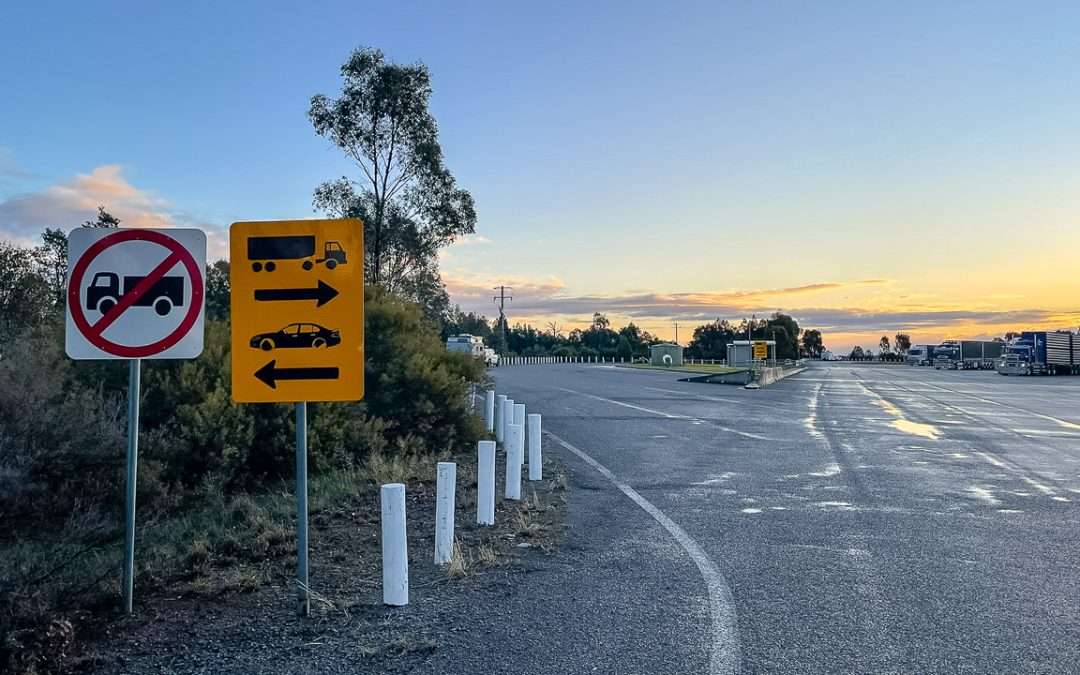
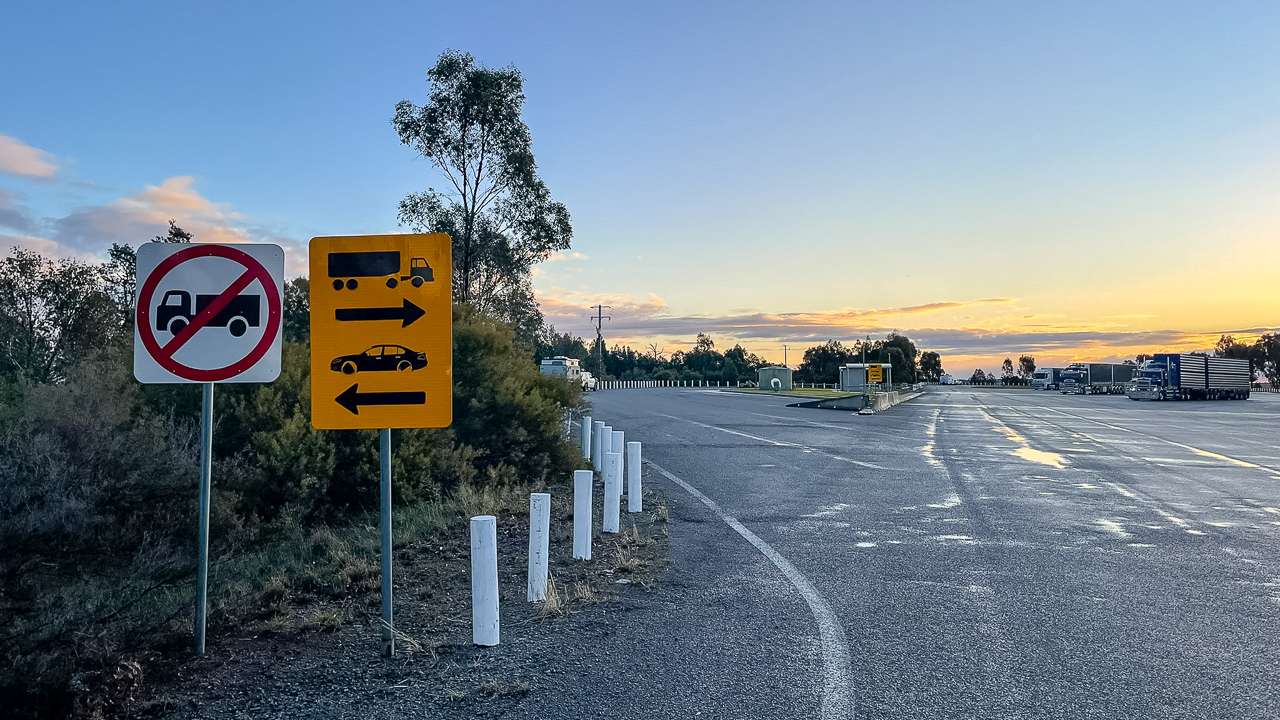
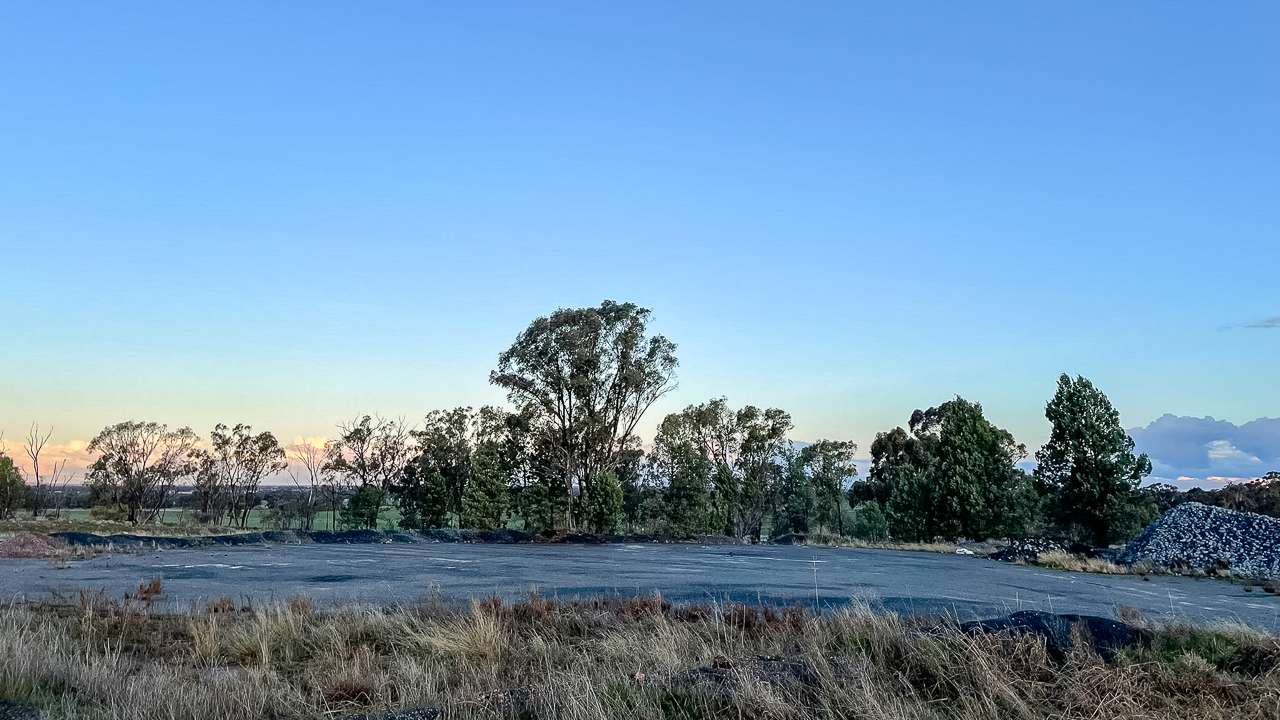
Trucks To The Right Cars And Caravans To The Left Firetail Rest Area

Trucks To The Right Cars And Caravans To The Left Firetail Rest Area

Firetail Rest Area Location And Access

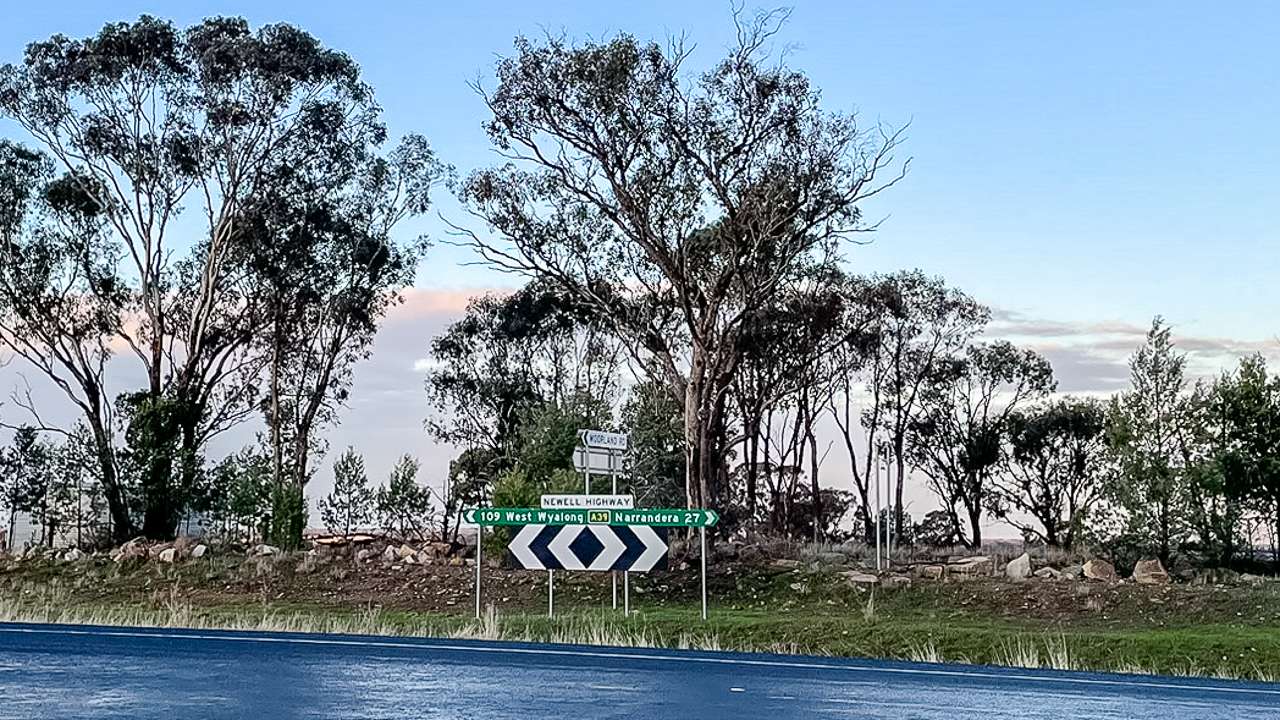
The Firetail Rest Area Grong Grong sits conveniently positioned on Moorlands Road so is easily accessible for both northbound and southbound travellers on the Newell Highway. The location is roughly 27 kilometres North of Narrandera and 109 kilometres to West Wyalong. The rest area provides excellent access for caravans and larger rigs which has been useful for our travel plans with our van.

During our visits, we’ve appreciated how the rest area accommodates various vehicle sizes. The area features both heavy and light vehicle sections, ensuring adequate space for trucks, caravans and motorhomes alike. The car and caravan section is to the far left. The sealed road access means you can reach the site year round without worrying about weather conditions affecting your journey.

Firetail Rest Area Gravel Pit

There is also a gravel pit to the front of the entry on the left if we want to camp well away from the trucks in the rest area. You are well away from cattle trucks and fridge motors in the gravel pit. However you are also closer to the Newell Highway so I doubt it’d end up being quieter.

Gravel Pit Camping Area On The Newell Highway Near Grong Grong

Gravel Pit Camping Area On The Newell Highway Near Grong Grong

Firetail Rest Area Camping Facilities

The Firetail Rest Area Camping experience offers basic but essential amenities for overnight stays. The site provides toilet facilities, which are particularly welcome after long driving days. However, it’s important to note that the water available is non drinking water so travellers need to bring their own supply for consumption.

Phone reception at the site includes both Telstra 4G and Optus 4G coverage, allowing you to stay connected with family or check weather updates. This connectivity has proved invaluable during our trips as it’s enable us to hotspot the tv off our phones so we can watch the footy.

Pets are welcome at the rest area, which is excellent news for fellow travellers with furry companions. Fires are allowed when permitted, though you should always check current fire restrictions before lighting up.

Firetail Rest Area Free Camping Regulations

Understanding the rules around Firetail Rest Area Free Camping helps ensure everyone can enjoy these facilities responsibly. NSW rest areas typically allow stays of up to 24 hours, which aligns with general road safety principles of managing driver fatigue. Transport for NSW supports short breaks of up to 24 hours to ensure drivers have sufficient rest before continuing their journey.

Rest areas aren’t intended as long term camping sites. Authorities encourage travellers seeking longer stays to consider commercial camping grounds with appropriate amenities. This approach keeps rest areas available for all road users who need breaks during travel.

Firetail Rest Area Overnight Free Camping Experience

Our Firetail Rest Area Overnight Free Camping experiences have consistently been positive. The area provides adequate space for setting up without feeling crowded, even when other travellers are present. During our stays, we’ve encountered fellow caravanners heading to various destinations.

The location offers reasonable peace and quiet, though some road noise is expected given its proximity to transport routes. Also be aware that cattle trucks use the rest area overnight as do refrigerated trucks. However this minor inconvenience is offset by the convenience of the location and the cost savings compared to commercial camping grounds.

Weather protection at the site is limited so it’s essential to be prepared for changing conditions. During our winter visits, we’ve experienced freezing cold nights below zero. We haven’t stayed here in summer however I reckon it’d get pretty bloody hot.

Firetail Rest Area Free Overnight Camping Near Grong Grong

Firetail Rest Area Free Overnight Camping Near Grong Grong

Firetail Rest Area Overnight Free Camp Safety

Safety considerations for Firetail Rest Area Overnight Free Camp stays should always be a priority. We recommend securing valuables inside your vehicle, as any roadside location can attract opportunistic behaviour. Additionally, positioning your caravan or motorhome well away from the road edge provides extra safety margins.

The site’s solid mobile coverage means you can contact emergency services if needed. Regular traffic flow also offers reassurance, though it’s always wise to trust your instincts if anything feels off.

Lighting at the rest area is limited so pack torches or headlamps to navigate after dark. Keeping a first aid kit handy is smart for any camping situation.

Travel Times And Distances From Major Centres

City / Town Distance (km) Driving Time
Sydney 503 5 h 45 m
Melbourne 420 4 h 45 m
Brisbane 850 9 h 30 m
Adelaide 580 6 h 30 m
Canberra 370 4 h 15 m
Wagga Wagga 80 1 h 15 m
Narrandera 22 20 m
Griffith 105 1 h 30 m
Leeton 45 45 m
Hay 140 1 h 45 m
Albury 110 1 h 20 m
Coolamon 35 40 m

Newell Highway Near Grong Grong NSW

Newell Highway Near Grong Grong NSW

Local Area Attractions And Services

The nearby town of Grong Grong offers basic services including a general store, post office and the historic Royal Hotel. The town features Grong Grong Earth Park with natural playscapes and food gardens, plus Grong Grong Park with free BBQ facilities and playground equipment.

Narrandera just 22 kilometres away provides broader services like shops, restaurants and Lake Talbot Tourist Park for those wanting upgraded facilities. The town also offers various recreational activities and serves as a handy supply point.

Our Journey To Marree Camel Races

Firetail Rest Area served as our first overnight stop to the recent Marree camel races in South Australia. This annual event celebrates the region’s Afghan heritage and the historic role of cameleers in opening up Australia’s outback. The carnival atmosphere includes thrilling camel and donkey races alongside live entertainment.

The distance from Grong Grong to Marree is roughly 850 kilometres making strategic overnight stop planning vital. The Firetail Rest Area provides a perfect first night’s accommodation for us as it’s not far from home and lets us head off after work and be camped up before dark.

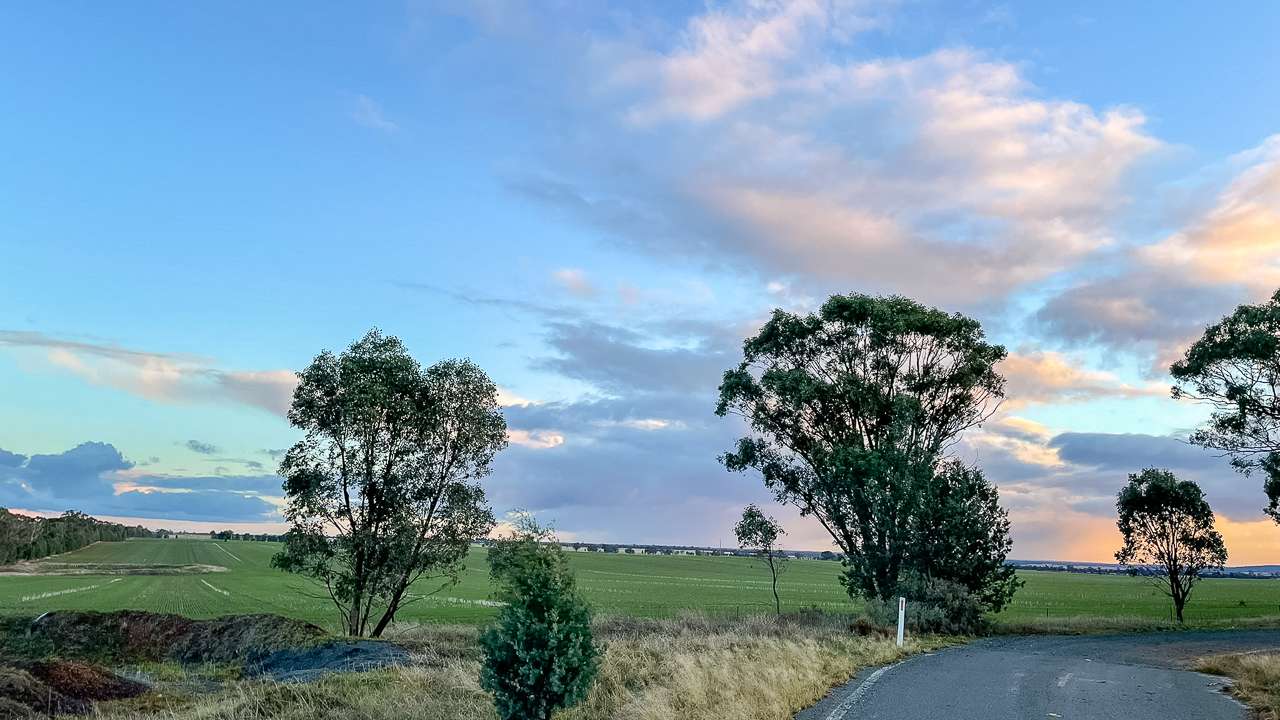
Moorland Road Grong Grong NSW Next To Firetail Rest Area Overnight Stop

Moorland Road Grong Grong NSW Next To Firetail Rest Area Overnight Stop

Tips For A Successful Stay

Based on our four visits, a few practical tips can enhance your stay. Arrive with enough drinking water, as only non-drinking water is on site. Portable chairs and a small table boost comfort levels.

Try to arrive outside peak travel times if you can, though the area usually offers ample space even when busy.

Weather Considerations

The Riverina region experiences a continental climate with hot summers and cold winters. Summer days can exceed 35 °C, so ventilation and shade are vital. Winter nights can approach freezing, so adequate heating and insulation are necessary.

Spring and autumn generally provide the most pleasant camping conditions. Regardless of season, it pays to monitor forecasts for sudden changes.

Environmental Responsibility

Practising environmental responsibility keeps Firetail Rest Area Free Camping open for everyone. Pack out all rubbish, use toilet facilities properly and limit impact on surrounding vegetation.

Bring your own drinking water and use the site’s non-potable supply for cleaning only. Follow any fire restrictions and always extinguish campfires completely.

The Firetail Rest Area continues to offer excellent value for budget-conscious travellers seeking overnight accommodation near Grong Grong. Its strategic location, basic facilities and free access make it a top choice for caravanners and motorhome enthusiasts exploring the Riverina or travelling longer distances through NSW.

Our four experiences here have always met expectations for a clean, safe and convenient overnight stop. While facilities are basic, they serve responsible travellers who value a cost free rest break.

For anyone planning journeys through this region, whether bound for unique events like the Marree camel races or simply exploring rural NSW, the Firetail Rest Area deserves serious consideration as an overnight camp. Its mix of accessibility, essential amenities and zero cost makes it a worthy addition to any Riverina travel itinerary.


27 BEST Things To Do In YOUNG NSW

27 BEST Things To Do In YOUNG NSW

27 BEST Things To Do In YOUNG NSW

Explore Young New South Wales with our comprehensive guide. All the best things to do in Young NSW including festivals and attractions. Set in the heart of the Hilltops region. Young is a vibrant country town famous for its cherries and rich gold rush history.

What is there to do in Young New South Wales?
Young New South Wales offers visitors a rich blend of natural beauty, cultural heritage and seasonal activities throughout the year. From the famous National Cherry Festival in summer to wine tasting in the Hilltops region, exploring the Chinese Tribute Gardens, picking your own cherries, hiking local trails and discovering the town’s gold rush history. Young provides diverse experiences for travellers of all interests.

Whether you’re keen to pick your own cherries, wander heritage streets, enjoy local markets or discover the tranquil Chinese Tribute Gardens. Young New South Wales offers something for every traveller. This guide highlights must see events and local favourites. It’ll it easy to plan your perfect visit to this fantastic regional location.

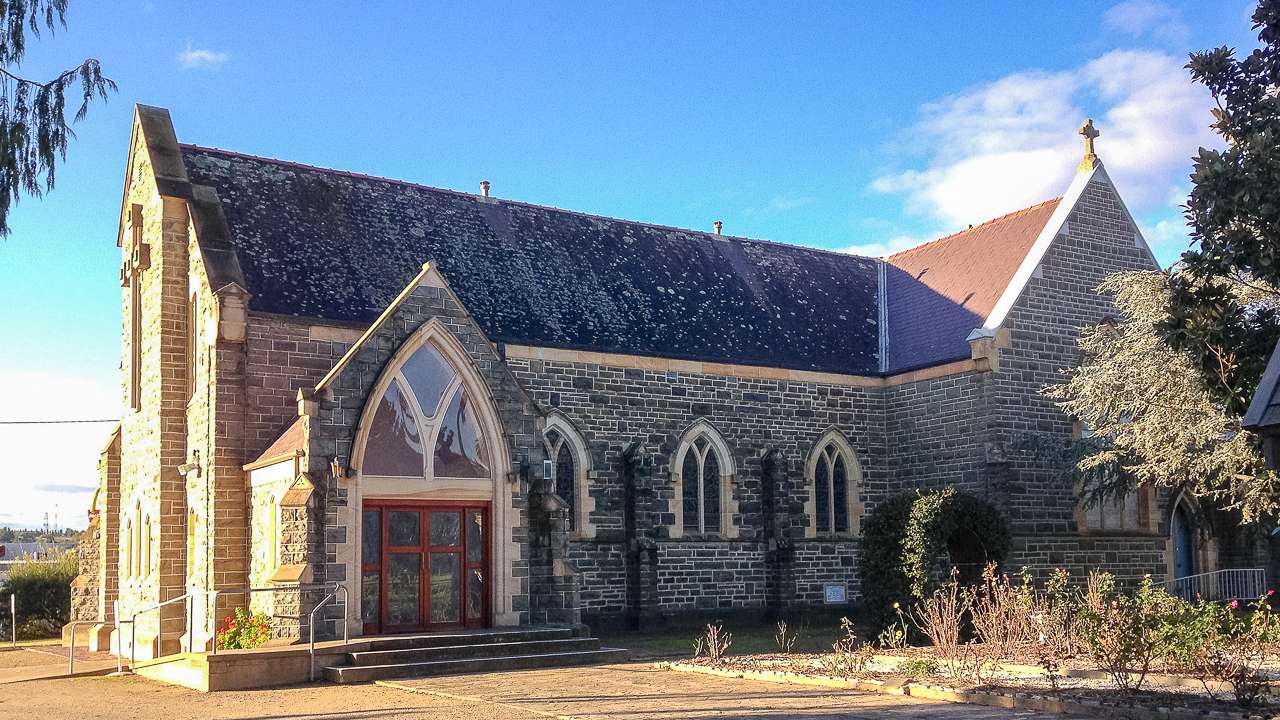
Young Town Hall

Young Town Hall – Wikimedia Commons Licence – Author = Fae

Best Things To Do In Young New South Wales – By An Almost Local

Introduction

Located in the heart of the Hilltops region Young New South Wales is as a great country town with a rich history full of culture and natural beauty. Known as the Cherry Capital of Australia this destination offers visitors a perfect blend of rural charm and modern amenities. Whether you’re a history buff, nature lover, food enthusiast or simply seeking a getaway from the city. Young NSW has something special for everyone.

As an almost local I’ve had the privilege of exploring the the popular attractions (and not so popular ones too) that make Young a great place to visit. The town’s vibrant community, stunning landscapes and seasonal events create a year round appeal that keeps visitors coming back. From cherry picking in summer to wine tasting in autumn. There’s always something exciting happening in Young New South Wales.

In this comprehensive guide I’ll share the best things to do in Young NSW throughout the year grouped by month to help you plan your perfect visit. So pack your camping gear, hit the road and get ready to discover the treasures of this remarkable town in the South West Slopes region of New South Wales.

Getting To Young New South Wales

Before diving into the many activities Young New South Wales has to offer it’s helpful to understand how to get there. Young is conveniently located within driving distance of several major cities and towns. This makes it an ideal destination for a weekend getaway or longer stay.

City Distance Driving Time
Sydney
372km 4 hours
Canberra
135km 2 hours
Melbourne
735km 7.5 hours
Wagga Wagga
130km 1.5 hours
Bathurst
180km 2 hours
Orange
150km 1.75 hours
Cowra
70km 45 minutes
Goulburn
160km 1.75 hours

The most common way to reach Young NSW is by car. The town is situated on the Olympic Highway. If you’re coming from Sydney, take the Hume Highway to Yass, then follow the Lachlan Valley Way through Boorowa to Young. From Canberra it’s a straightforward drive north along good country roads.

Young does have an airport however there are no scheduled passenger services. The nearest airports with regular flights are in Canberra, Wagga Wagga and Sydney. For those travelling by public transport NSW Trainlink operates coach services to Young from various locations.

Young St John's Anglican Church

Young St John’s Anglican Church – Wikimedia Commons Licence – Author = Oronsay

What To Do In Young New South Wales – Summer (December to February)

Summer in Young New South Wales brings warm weather, ripe cherries and festive celebrations. This is perhaps the most popular time to visit, with the town coming alive during the cherry harvest season.

  1. National Cherry Festival (December)
    The highlight of Young’s calendar is undoubtedly the National Cherry Festival, held annually in early December. This fun celebration marks the peak of cherry season and attracts thousands of visitors from across Australia. The festival features a street parade, live music, market stalls, cherry pie eating competitions and the crowning of the Cherry King and Queen. Don’t miss the Celtic Tattoo Massed Band Spectacular and the spectacular fireworks display that lights up the night sky. The festival offers a perfect opportunity to immerse yourself in the local culture and enjoy the festive atmosphere of Young New South Wales.
  2. Cherry Picking Adventures
    Summer is the prime time for cherry picking in Young NSW, with numerous orchards opening their gates to visitors. Top of the Hill Orchard offers a delightful experience where you can roam through rows of cherry trees and hand select the juiciest fruits. The joy of picking your own cherries directly from the tree is an experience that grocery shopping simply can’t match. Ballinaclash Orchard and Cellar Door is another popular spot, where you can not only pick cherries but also sample and purchase their boutique wines. The orchard has been family owned since 1965 and prides itself on growing the best possible fruit.
  3. Visit The Big Cherries
    No visit to Young New South Wales would be complete without a photo stop at the iconic Big Cherries. Located outside the Young & Hilltops Region Information Centre in the Victorian railway station, these cheerful sculptures pay homage to the town’s status as the Cherry Capital of Australia. While not the largest of Australia’s ‘big things’, the Big Cherries are a beloved local landmark and make for a fun photo opportunity. The Information Centre itself is housed in an elegant 1885 railway station building and is a great place to gather information about things to do in Young NSW.
  4. Cool Off At The Local Swimming Pool
    When summer temperatures soar in Young New South Wales, the local swimming pool provides welcome relief. The pool offers clean facilities, shaded areas and a relaxed atmosphere perfect for families.
    Pack a picnic lunch, bring your swimming gear and spend a refreshing day by the water. The pool is well maintained and provides a safe environment for swimmers of all ages and abilities.
  5. Summer Markets And Shopping
    Young’s shopping district spans a full three blocks, offering everything from major retailers to quirky boutique shops. During summer, the town hosts various markets where you can find local produce, handmade crafts and unique souvenirs.
    Anderson Park regularly hosts the Lambing Flat markets on Saturdays, featuring homemade jams, local crafts and fresh produce. It’s a great place to pick up some authentic Young New South Wales mementos or gifts for friends back home.

Things To Do In Young NSW – Autumn (March to May)

As the heat of summer fades, Young New South Wales transforms into a tapestry of autumn colours. This season brings milder temperatures and a host of new activities to enjoy.

  1. Hilltops Wine Region Exploration
    Autumn is the perfect time to explore the Hilltops wine region, which is centred around Young NSW. This cool climate wine region is rapidly emerging as one of the most exciting viticultural areas in Australia, known for producing wines with great intensity of flavour and finesse. Visit Grove Estate Wines, just 4km from Young, for tastings and cellar door sales. The vineyard offers magnificent views and award winning wines that showcase the unique terroir of the region. Moppity Vineyards is another excellent choice, recognised for its premium cool climate wines.
  2. Lambing Flat Chinese Festival (March)
    March brings the Lambing Flat Chinese Festival to Young New South Wales, commemorating the Chinese contribution to the development of the town. This cultural celebration features a street parade, dragon dancers, live music, cultural performances and exhibitions that highlight the rich Chinese heritage of the area. The festival provides valuable insights into an important chapter of Young’s history and offers a chance to experience Chinese culture firsthand. It’s a family friendly event that educates as it entertains.
  3. Young Agricultural Show (March)
    The Young Agricultural Show is a popular annual event that takes place in March. This traditional country show features livestock exhibits, horse events, cooking competitions, art displays, home produce competitions and carnival rides.
    The show provides a glimpse into rural Australian life and celebrates the agricultural heritage of Young New South Wales. It’s a great opportunity to connect with locals and experience authentic country culture.
  4. Autumn Heritage Walks
    Autumn’s mild weather makes it ideal for exploring Young’s rich history through self guided heritage walks. The town boasts numerous grand 19th century buildings and beautiful 20th century streetscapes with gorgeous gardens that are particularly stunning in their autumn colours. Pick up a Heritage Walk brochure from the Visitor Information Centre and discover architectural gems like the Town Hall (the largest in country NSW), historic churches, banks and official buildings. Young has the distinction of having had the first electricity supply in the British Empire, even before London and Australia’s state capitals.
  5. Cycling The Young Circuit
    Autumn’s comfortable temperatures create perfect conditions for cycling around Young NSW. The Young circuit is a popular route that takes you through scenic countryside and past historic sites.
    The main circuit covers about 18.7km with moderate ascents and descents, making it suitable for cyclists of various fitness levels. For those seeking a longer ride, the extended Young circuit stretches to 26.4km and offers additional scenic views.

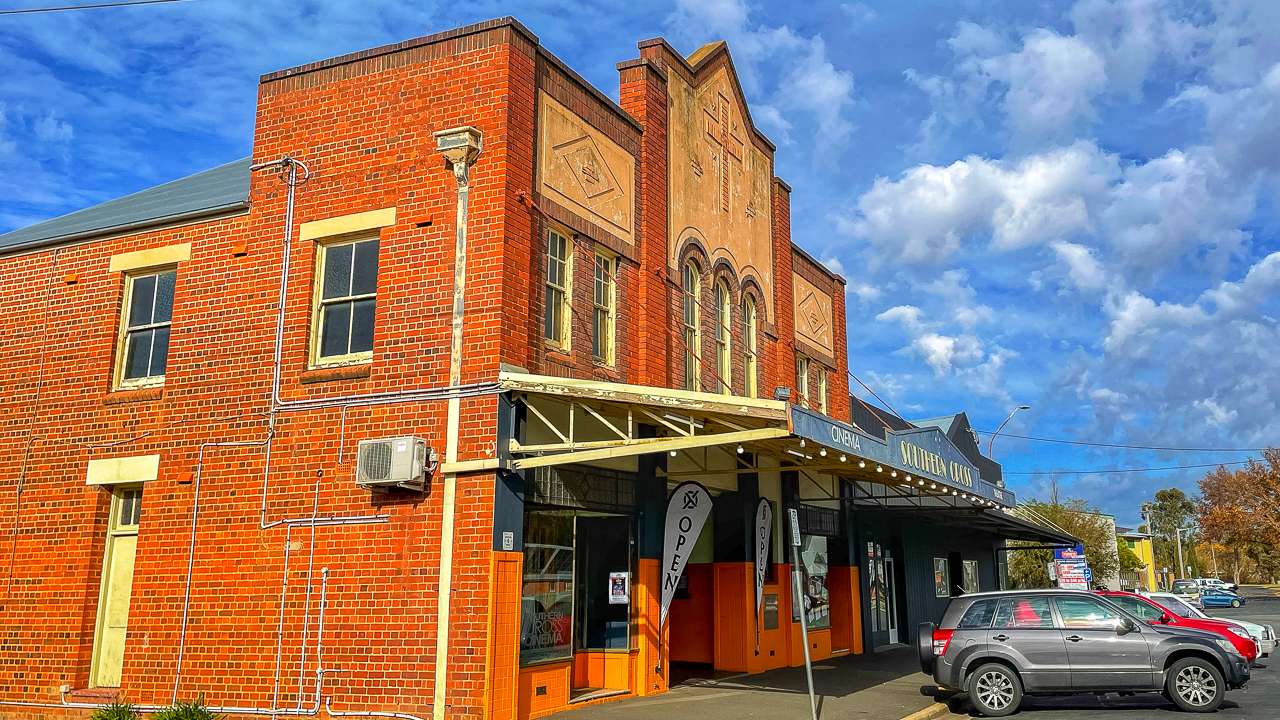
Young New South Wales Southern Cross Cinema

Young New South Wales Southern Cross Cinema

Best Things To Do In Young New South Wales – Winter (June to August)

Winter in Young NSW brings crisp, clear days and cool nights, creating a different but equally charming atmosphere. While cherry trees rest during this season, there are still plenty of things to do in Young New South Wales.

  1. Lambing Flat Chinese Tribute Garden
    The Lambing Flat Chinese Tribute Garden is a peaceful retreat that’s beautiful year round, including winter. Located at Chinaman’s Dam reserve, about four kilometres from the centre of Young, these gardens were built in 1992 to recognise the contribution of the Chinese community to Young in the 1860s. The entrance is guarded by two marble lion sculptures that were once the gateway to the panda exhibition at Taronga Park Zoo in Sydney. Inside, you’ll find the serene Pool of Tranquility, a magnificent bronze galloping horse and various rock formations and plants. The gardens offer a contemplative space to reflect on the complex history of Chinese Australian relations.
  2. Young Historical Museum
    Winter is the perfect time to delve into local history at the Young Historical Museum. Housed in a heritage 1883 school building in the heart of town, the museum preserves and shares stories from the early days of Burrangong and Lambing Flat through to the development of Young as it is today. One of the museum’s most significant exhibits is the NSW State Heritage listed “Roll Up Banner” carried during the 1861 Lambing Flat riots. Other highlights include a prayer book made by bushranger Frank Gardiner for his lover Catherine Brown in 1865 and a collection from world renowned glass artist Helmut Hiebl.
  3. Winter Wine Tasting
    While summer brings crowds to Young’s wineries, winter offers a more intimate wine tasting experience. Many cellar doors in the Hilltops region remain open throughout winter, allowing visitors to sample robust reds that are particularly appealing during the cooler months. The Hilltops wine region is known for its Shiraz and Cabernet, which have “achieved greatness” according to wine experts. Winter is also a good time to try Italian and Spanish varieties that are showing promise in this cool climate region.
  4. Cosy Café Culture
    Young NSW boasts a vibrant café scene that’s especially inviting during winter. Warm up with a hot drink and delicious meal at one of the town’s many charming cafés.
    Wilkies Café is highly rated by locals and visitors alike, offering international flavours like huevos rancheros, Indian fish curry and katsu chicken sushi bowls. Art of Espresso is another popular spot, known for its award winning specialty coffee and light lunches using local and sustainable ingredients.
  5. Winter Stargazing
    The clear winter skies around Young New South Wales provide excellent conditions for stargazing. Away from big city light pollution, the night sky reveals its full splendour, with countless stars, planets and even the Milky Way visible on clear nights.
    Pack warm clothes, a thermos of hot chocolate and a blanket, then head to a dark spot outside town for an unforgettable astronomical experience. Lion’s Lookout, on the road between Koorawatha and Young, offers a good vantage point.

What To Do In Young New South Wales – Spring (September to November)

Spring brings renewal to Young NSW as cherry blossoms burst into bloom and the countryside awakens with fresh greenery. This season of growth and colour offers its own unique set of activities.

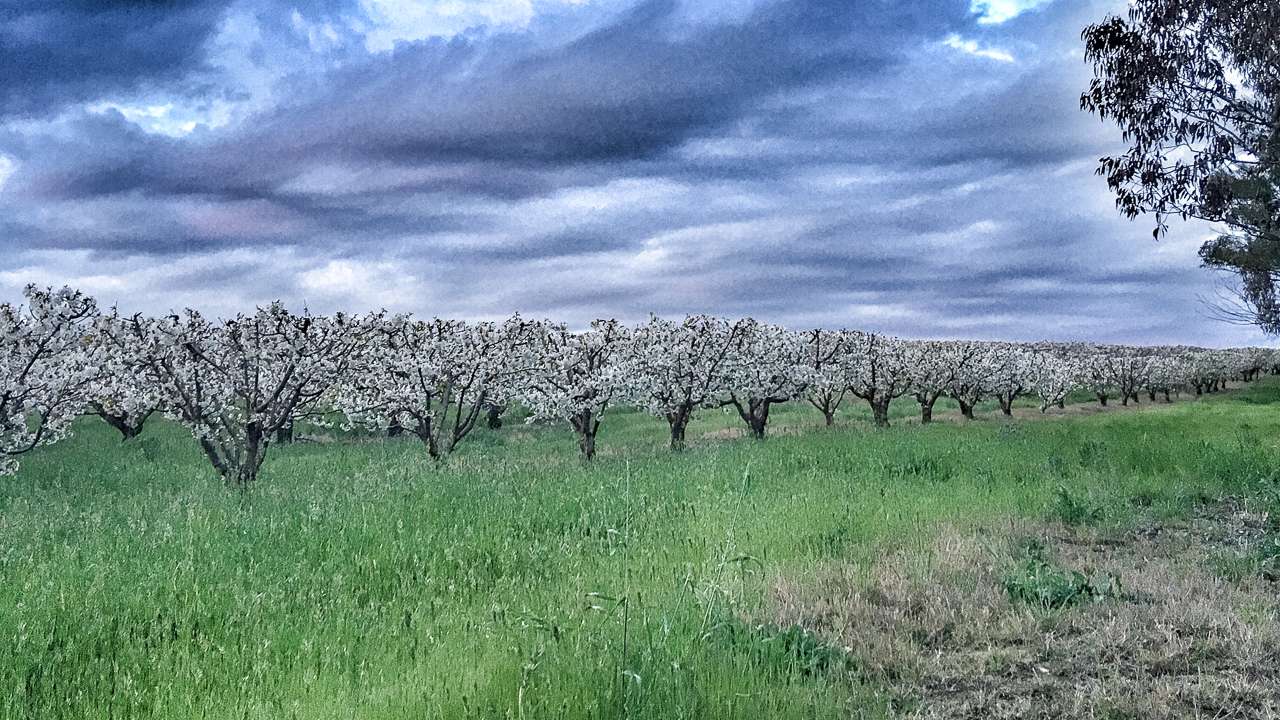
  1. Cherry Blossom Viewing
    Before the cherries appear, their blossoms create a spectacular display throughout Young New South Wales. The orchards transform into a sea of delicate pink and white flowers, creating picture perfect scenes that rival Japan’s famous sakura.
    Take a drive through the countryside surrounding Young to witness this natural spectacle. Many orchards welcome visitors during blossom time, offering a preview of the summer bounty to come.
  2. Spring Hiking And Nature Walks
    Spring’s mild weather and blooming wildflowers make it an ideal time for hiking and nature walks around Young NSW. While there aren’t major national parks in the immediate vicinity, the surrounding countryside offers pleasant walking trails and natural areas to explore. The short walk around Lambing Flat Chinese Tribute Garden is particularly lovely in spring, with new growth and flowers adding to its charm. For those seeking longer walks, the hills and valleys around Young provide scenic routes with views of orchards, vineyards and rolling farmland.
  3. Burrangong Gallery And Local Art
    Spring is a time of creativity, making it perfect for exploring Young’s art scene. The Burrangong Gallery showcases works by local artists, with exhibitions that often reflect the natural beauty and cultural heritage of the region. The Forever Young Gallery and Studio is another cultural highlight, offering a space where visitors can appreciate and purchase original artworks. These galleries provide insights into how local artists interpret and represent the unique character of Young New South Wales.
  4. Spring Picnics In Local Parks
    Young NSW is home to several beautiful parks that come alive in spring. Carrington Park, established on a former police paddock in 1888, offers undercover barbecue facilities, picnic tables and play equipment for children. Named after State Governor Lord Carrington, who visited Young to switch on the first electric power system, the park is conveniently located opposite St Mary’s Catholic Church and adjacent to the Hilltops Council Library. Anderson Park, with its war memorial and heritage listed railway station backdrop, is another excellent spot for a spring picnic.
  5. Local Food Exploration
    Spring brings fresh produce to Young’s eateries, making it a great time to explore the local food scene. From casual cafés to fine dining establishments, Young New South Wales offers diverse culinary experiences. The Cranfield restaurant, wine bar and providore, housed in the grand 1888 Masonic building, showcases produce from the surrounding Hilltops region. For something more casual, try Juicy Lucy’s Café or Wilkies Café, both popular with locals and visitors alike. wilkies cafe is my favourite place to get a coffee and breakfast. And Wilkies Cafe makes absolutely awesome bread rolls – we always get a bag of them when visiting.

Things To Do In Young NSW – Year Round Activities

Some of the best things to do in Young New South Wales can be enjoyed regardless of the season. These year round attractions offer consistent appeal and help make Young a destination worth visiting at any time.

  1. Explore The Town’s Gold Rush History
    Young, originally known as Lambing Flat, has a fascinating gold rush history that shaped not only the town but also Australian immigration policies. In 1860 – 1861, the area was the site of the infamous Lambing Flat riots, where European miners attacked Chinese miners in one of Australia’s worst anti Chinese disturbances. These events eventually led to the introduction of the Chinese Immigration Act in 1861, which severely limited Chinese immigration to Australia. Today, visitors can learn about this complex history through various historical sites and museums in Young New South Wales.
  2. Visit Local Boutiques And Shops
    Young’s shopping district offers a diverse range of stores, from practical to whimsical. The town centre spans “three blocks” – meaning the shopping strip covers a full three blocks – where you’ll find most services, including supermarkets, banks and specialty shops. Sandaj is a popular store offering homewares, coffee and snacks seven days a week. Many shops are open on Sundays, though some close on Saturday afternoons. Shopping in Young provides a more relaxed and personal experience than in larger cities.
  3. Hilltops Region Wine Cellar
    The Hilltops Region Wine Cellar offers a one stop opportunity to sample wines from across the region without visiting individual vineyards. This is especially useful if you’re short on time or visiting during off peak seasons when some cellar doors might have limited hours. The cellar showcases the distinctive cool climate wines that have put the Hilltops region on the map for wine enthusiasts. Staff can provide information about the different wineries and their specialties, helping you discover new favourites.
  4. Golden Glance Nursery
    Plant lovers will enjoy a visit to Golden Glance Nursery, a delightful garden centre in Young NSW. The nursery offers a wide selection of plants suited to the local climate, as well as garden accessories and expert advice.
    Wander through the displays for inspiration, or pick up some plants to take home as living souvenirs of your time in Young New South Wales. The nursery provides a peaceful environment where you can connect with nature regardless of the season.
  5. Young Visitor Information Centre
    The Young Visitor Information Centre, housed in the elegant 1885 railway station building, is an essential stop for all visitors to Young NSW. The centre provides maps, brochures and expert local advice to help you make the most of your stay.
    Staff can suggest activities based on your interests, the current season and local events happening during your visit. They can also provide information about the town’s Heritage Walks, combining exercise with historical interest.
  6. Southern Cross Cinema & Arts Complex
    Southern Cross Cinema and Arts Centre is Young’s own single screen cinema. It’s owned and run by volunteers. It’s a truely old school movie experience. Amanda and I love going there to see a movie whenever we can.
  7. Geocaching
    Ever heard of geocaching? It’s like a high tech treasure hunt that gets you out exploring your own backyard – or wherever you might be! Using GPS coordinates, you’re on a mission to find hidden “caches” that other people have stashed away in some pretty sneaky spots. There are plenty of geocaches hidden in and around Young New South Wales/

Geocaching In Young New South Wales

Geocaching In Young New South Wales

Accommodation Options In Young New South Wales

Young NSW offers a range of accommodation options to suit different preferences and budgets. Whether you’re looking for a comfortable motel, a self contained cabin, or a camping site, you’ll find suitable options in and around Young.

Camping And Caravanning

For camping enthusiasts, Young Tourist Park (also known as Young Caravan Park) provides an excellent base for exploring the region. Located just two hours’ drive from Canberra or four hours from Sydney, the park offers various cabin sizes as well as powered and unpowered sites for caravans and tents.

The Young Showground also offers camping facilities, with powered and unpowered sites available throughout the spacious grounds. The showground is pet friendly and located not far from the town centre, though amenities may be locked and camping might not be available during events.

Motels And Hotels

Young New South Wales has several quality motels and hotels for those seeking more conventional accommodation. Options include the Cherry Blossom Motel, Young Federation Motor Inn and Hilltops Retreat Motor Inn, all offering comfortable rooms and convenient locations.

The Australian Hotel Young and Commercial Hotel Young provide pub style accommodation with on site dining and entertainment options. These establishments offer a taste of traditional Australian country hospitality.

Conclusion

Young New South Wales truly offers something for everyone throughout the year. From the excitement of the National Cherry Festival in summer to the tranquility of the Chinese Tribute Gardens in winter, the town’s diverse attractions create a year round destination worth visiting.

The rich history, natural beauty and warm community spirit of Young NSW make it an ideal getaway for couples, families and solo travellers alike. Whether you’re picking cherries, sampling local wines, exploring historical sites, or simply relaxing in a café, Young provides authentic Australian experiences that leave lasting memories.

As an almost local, I can attest that Young New South Wales rewards those who take the time to discover its charms. So pack your bags, hit the road and come experience the best things to do in Young NSW for yourself. You might just find yourself returning season after season to uncover more of what this special town has to offer.

Cherry Blossoms In Young NSW

Cherry Blossoms In Young NSW

Visiting Tooma Inn For Lunch & Geocaching In The Snowy Valleys

Visiting Tooma Inn For Lunch & Geocaching In The Snowy Valleys

Visiting Tooma Inn For Lunch & Geocaching In The Snowy Valleys

We visit the historic Tooma Inn, enjoy a hearty pub lunch and explore more geocaching adventures. Our guide to Tooma Inn includes delicious meals, the Southern Cloud Memorial and stunning scenery.

“Why should you visit the Tooma Inn? Because it’s more than just a pub – it’s a slice of Australian history offering hearty meals, warm country hospitality and a perfect base to explore the stunning Snowy Valleys and nearby hidden gems like the Southern Cloud Memorial Lookout.”

Visiting Tooma Inn: A Classic Country Pub Lunch And Exploring The Snowy Valleys

If you’re looking for a true country pub experience in the Snowy Valleys, the Tooma Inn is a must visit. Our recent lunch stop at this historic pub turned into a day packed with great food, geocaching adventures, and a brush with aviation history at the Southern Cloud Memorial Lookout.

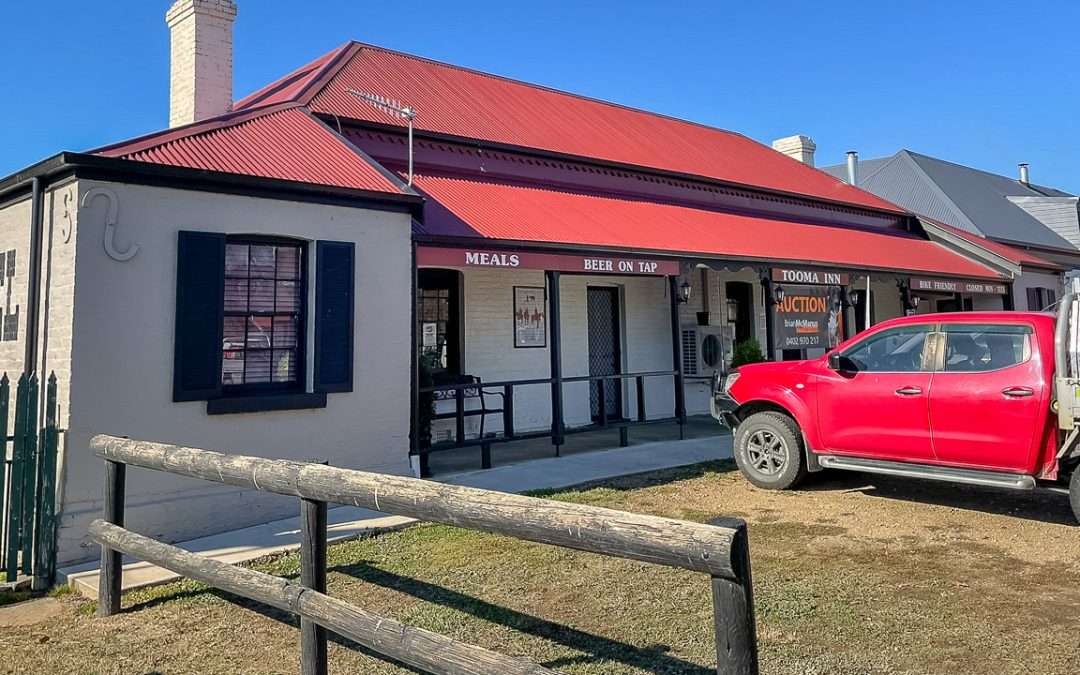
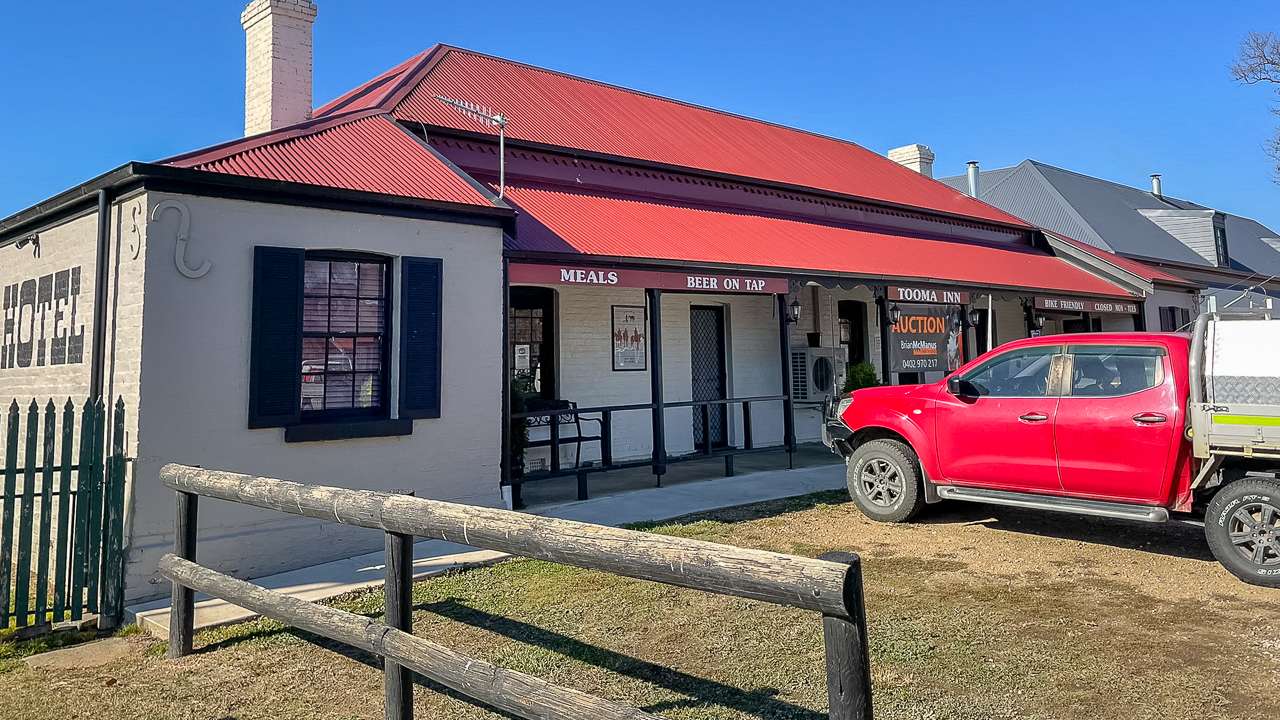
Tooma Inn

Tooma Inn

Discovering Tooma Inn

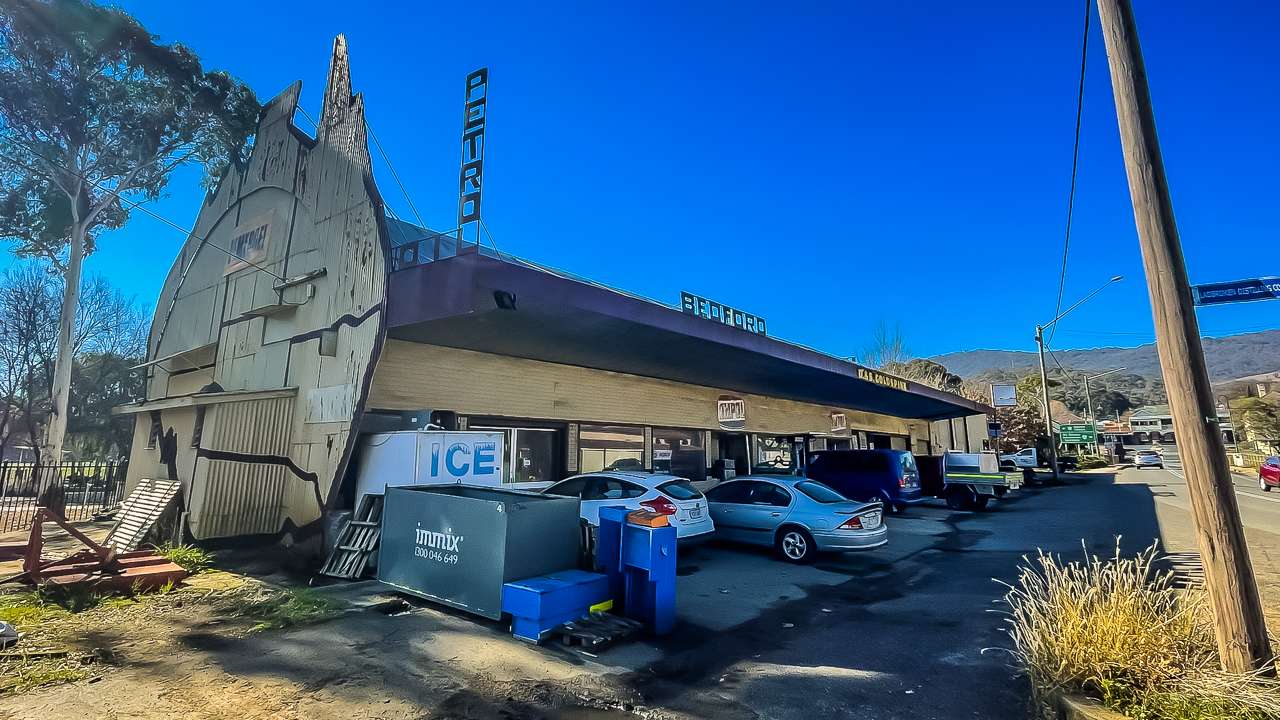
You probably don’t know this but I work from home a couple a days a week and Amanda works from home full time. A couple of days ago I was booking a truck to deliver some stock to Tooma and Amanda heard me making the booking. She asked me the obvious question: “Where the f*** is Tooma?”. I told her it was down in the high country near the VIC border so Amanda’s next question was wanting to know if they had a pub. We looked it up and hey – they do so what we were doing the following Sunday was immediately decided!

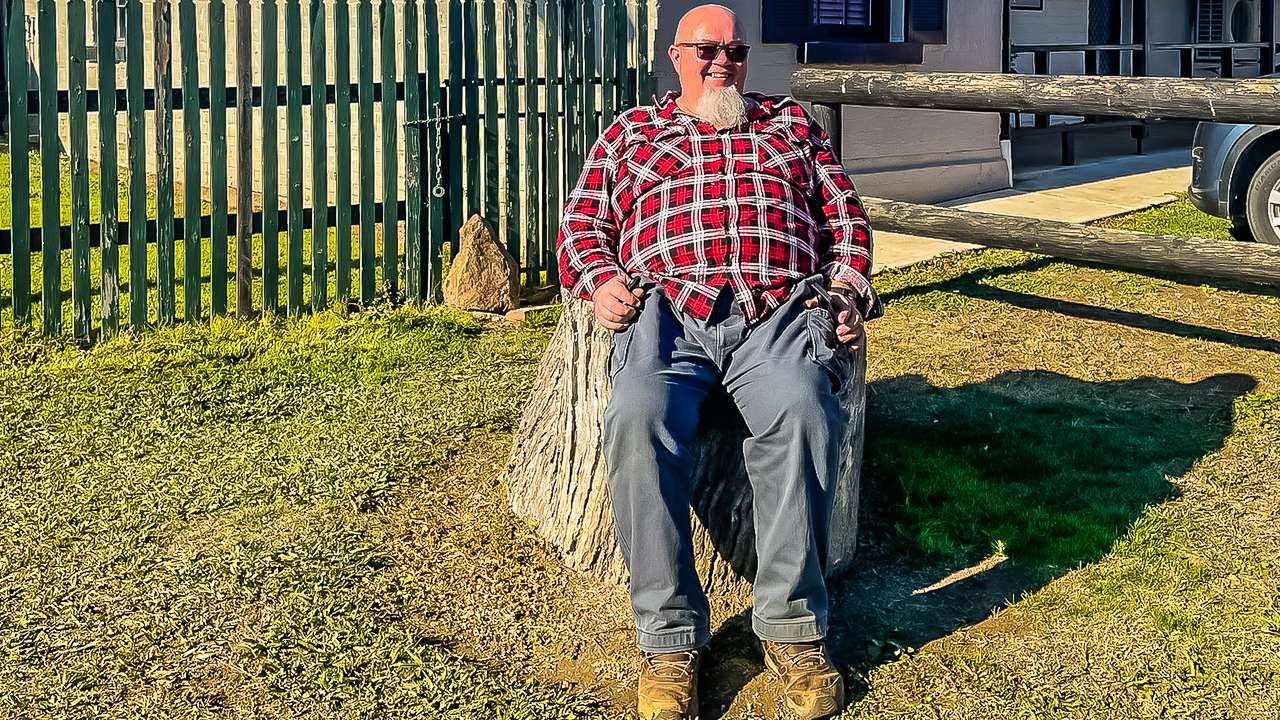
Situated in the tiny village of Tooma, the Tooma Inn stands as a testament to the region’s rich history. Built in 1879 from locally fired bricks, the inn has survived floods, droughts, fires, and even bushrangers. With less than two dozen locals, Tooma is one of the most peaceful places you’ll find in New South Wales. Friendly staff and locals make every visitor feel welcome, treating newcomers as friends they haven’t met yet. The pub is open Wednesday to Sunday serving hearty meals and cold drinks – perfect after a day on the road or the trails. Free camping is available right behind for those travelling with a caravan or tent, making it an ideal stop for campers and caravanners alike.

Getting To The Tooma Inn

Tooma Inn is located at 9 Possum Point Road, Tooma, in the heart of the Snowy Valleys. Here’s how to get there from several well-known locations:

Starting Point Distance to Tooma Inn Approximate Drive Time Route Highlights
Tumbarumba 30 km south 25 minutes Scenic drive via Tooma Road, passing lush farmland
Albury-Wodonga 140 km northeast 1 hour 45 minutes Via Murray Valley Hwy and Jingellic Rd
Canberra 220 km southwest 2 hours 45 minutes Via Hume Hwy, Tumut, and Tumbarumba
Wagga Wagga 150 km southeast 2 hours Via Holbrook, Jingellic, and Tooma Rd
Corryong (VIC) 40 km north 35 minutes Via Murray Valley Hwy and Tooma Rd

The drive from Tumbarumba to Tooma is especially beautiful with the valley opening up to reveal rolling green pastures and distant mountain ranges.

Tooma Inn Opening Hours & Details

Address: 9 Possum Point Road, Tooma NSW
Phone: 0417 728 315
Website: https://www.facebook.com/p/The-Tooma-Inn-100063789120866/
Open: Wednesday To Sunday

Lunch At The Tooma Inn

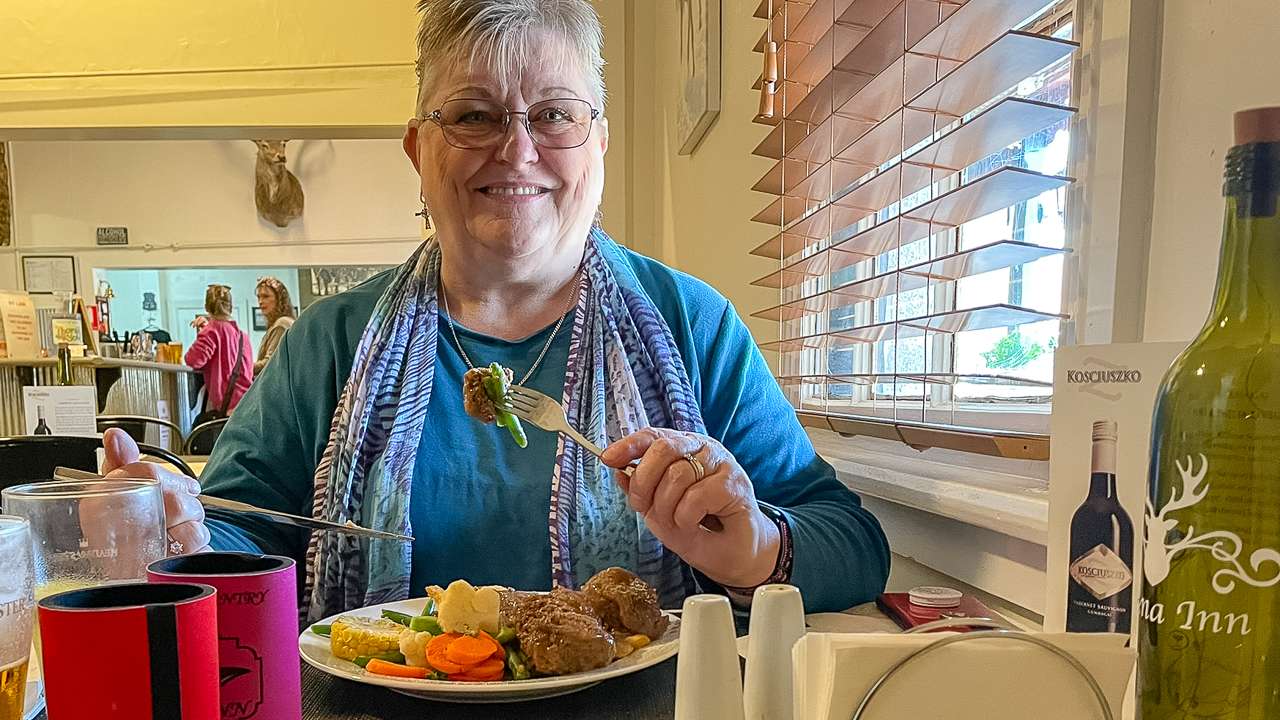
We arrived at the Tooma Inn ready for a classic country lunch. Dave ordered the Guinness stew, which was rich, hearty and full of flavour – perfect for a cool day in the mountains. Amanda chose the meatballs with pepper steak gravy and they were equally fantastic: tender, savoury and served with generous sides. The menu caters to hungry travellers and the portions won’t leave you wanting. The friendly service and welcoming atmosphere made us feel right at home.

Lunch At The Tooma inn

Lunch At The Tooma inn

Geocaching Adventures: Tumbarumba And Paddy’s River Falls

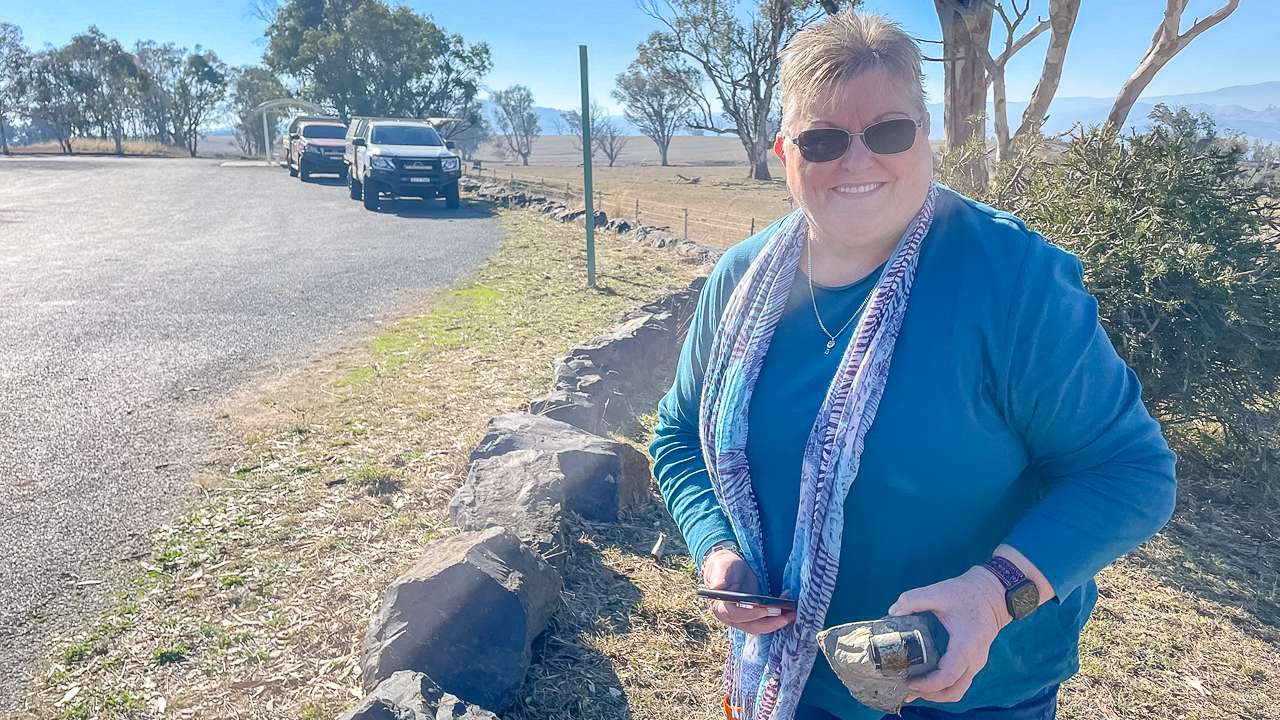
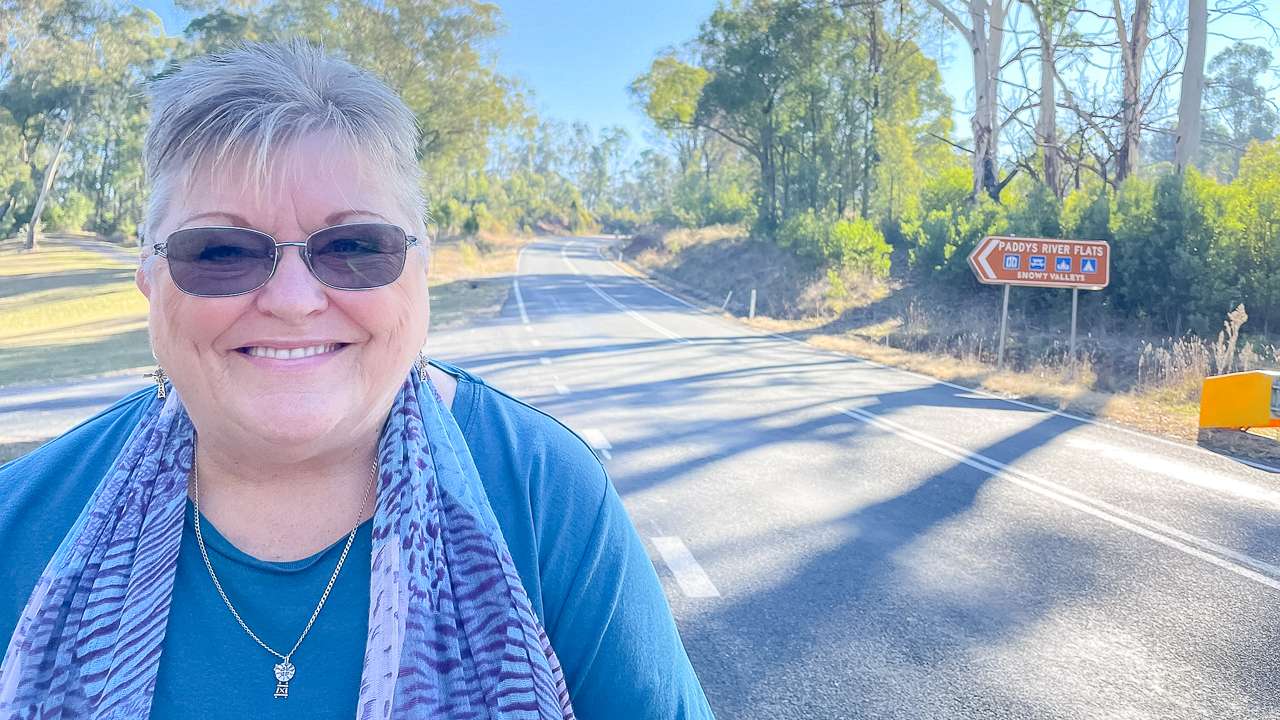
Travelling to Tooma we made a few stops for geocaching – a popular outdoor treasure hunt using GPS coordinates. At Paddy’s River Falls, just 15 kilometres south of Tumbarumba, we found several geocaches while taking in the impressive waterfall and scenic lookouts. The falls are easily accessed via a well maintained road and offer a refreshing swimming stop, especially in warmer months.

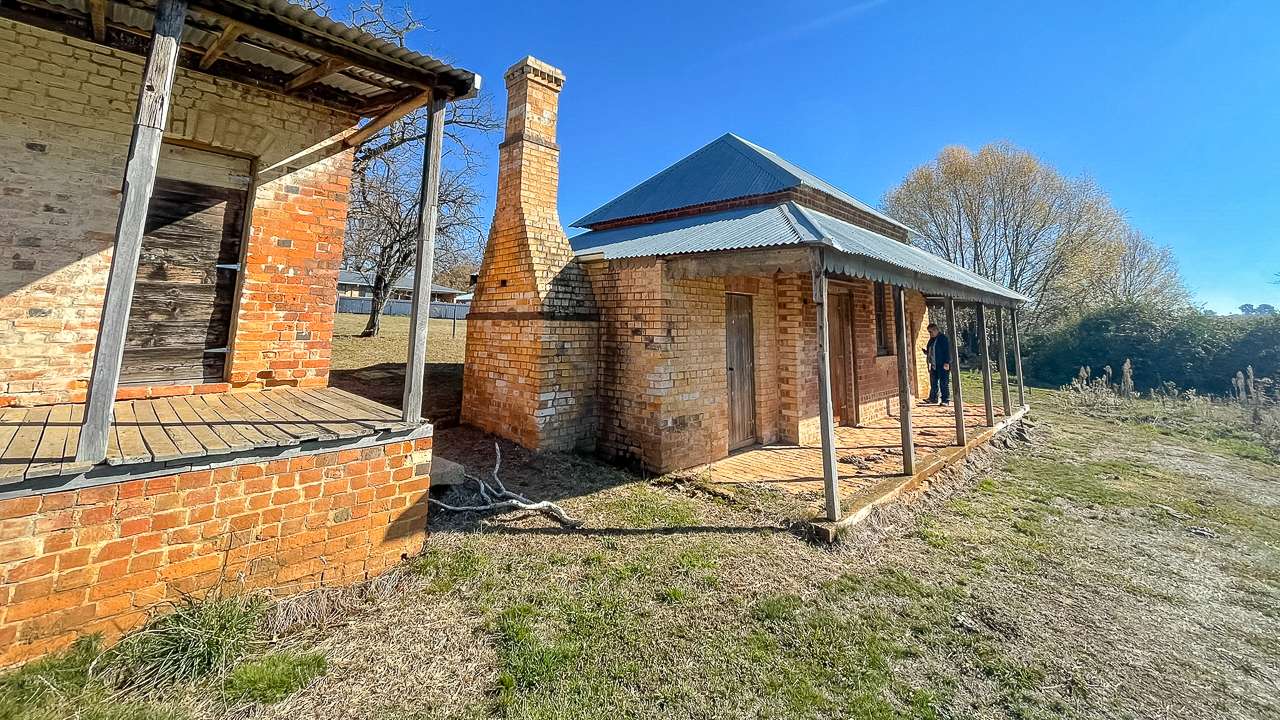
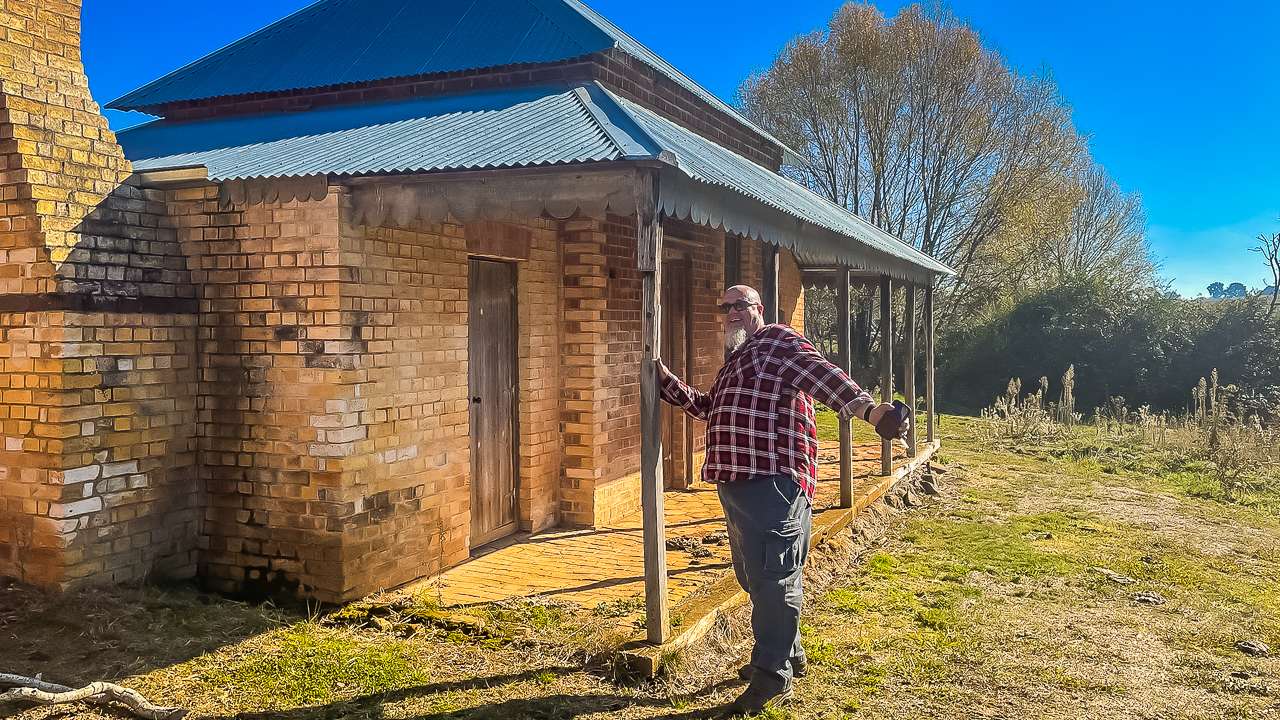
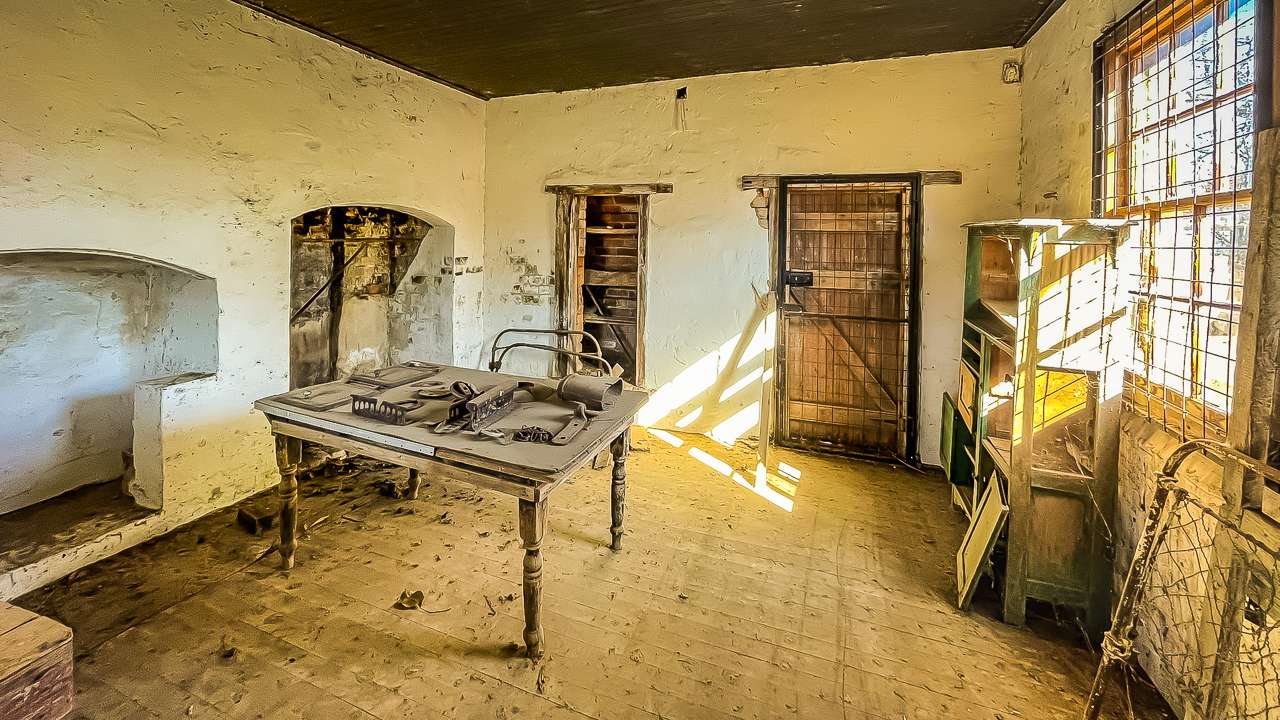
In Tumbarumba, geocaching led us to a number of interesting sites, including historic Wolter’s Cottages. These heritage listed buildings from the 1870s mark the start of the Tumbarumba to Rosewood Rail Trail and feature a small historical display. The area is rich in local history and the cottages are a great spot to stretch your legs and learn more about the region.

View Of Wolter's Cottages

View Of Wolter’s Cottages

Southern Cloud Memorial Lookout

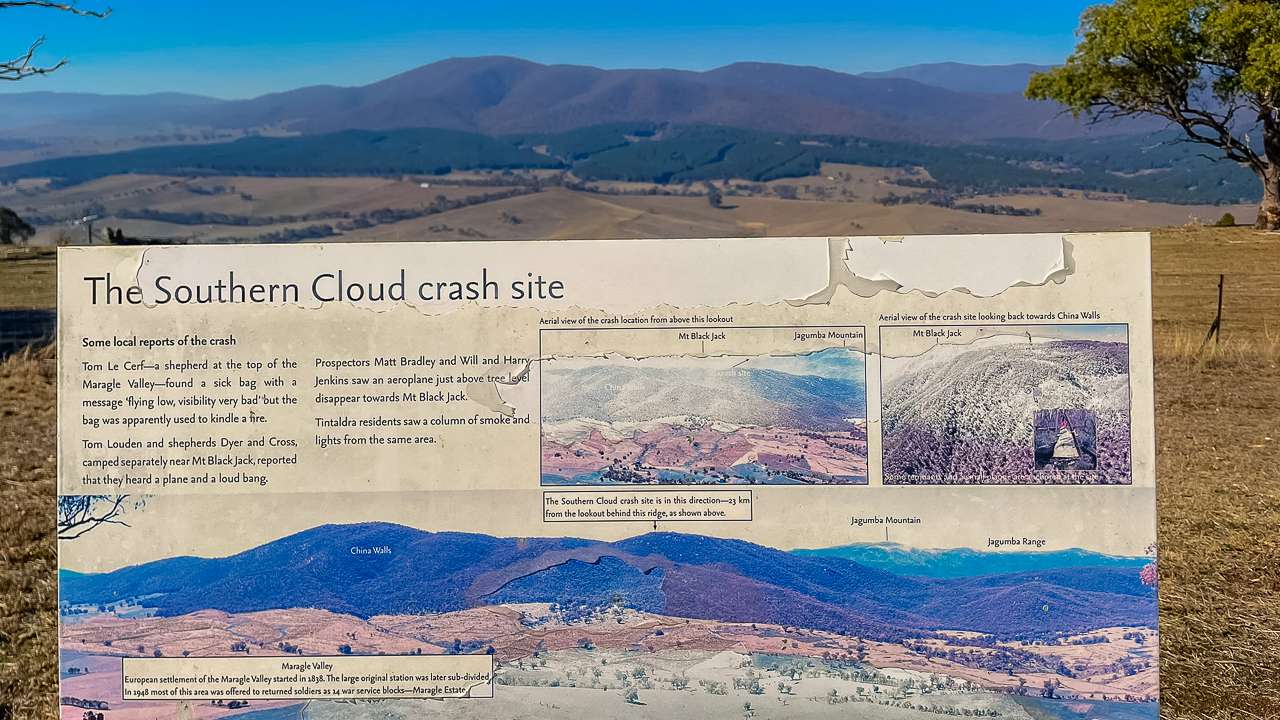
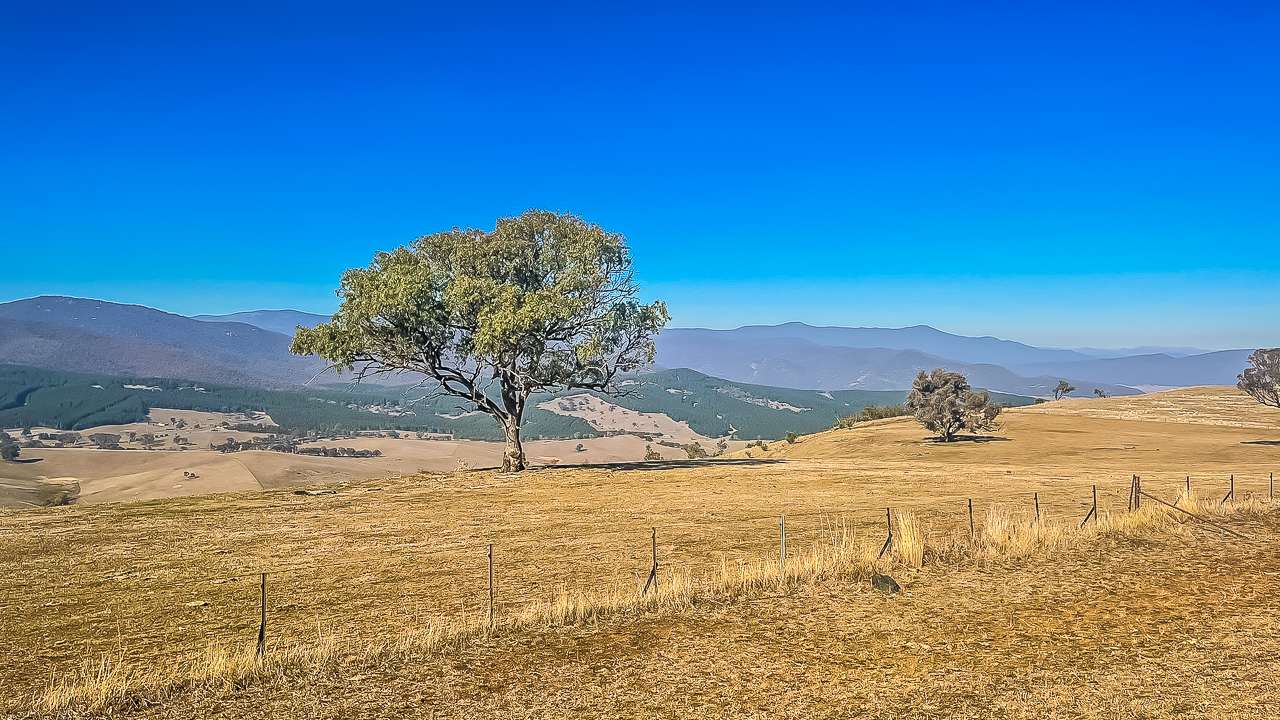
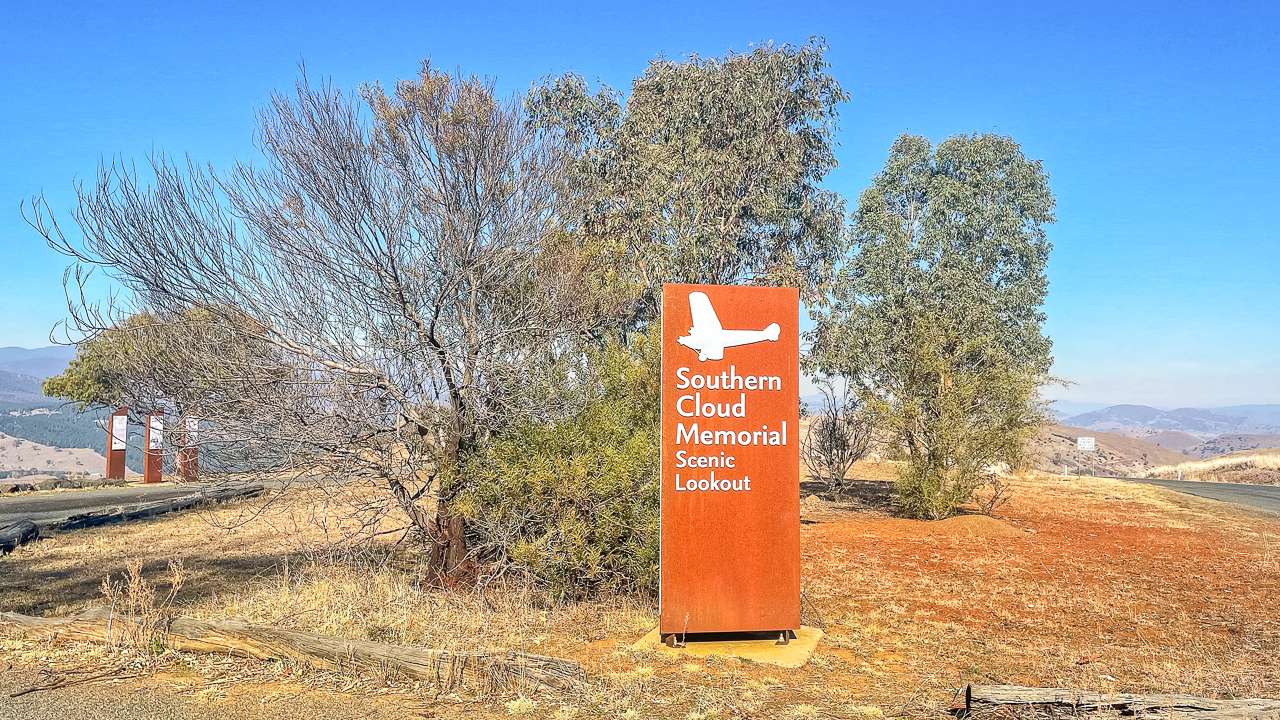
One of the most memorable geocaches we found was at the Southern Cloud Memorial Lookout, just five kilometres from Tooma on Tooma Road. This lookout offers sweeping views of the Maragle and Tooma Valleys, with the Snowy Mountains as a dramatic backdrop. The site features an undercover picnic area and interpretive storyboards that tell the story of the Southern Cloud disaster. I’ve always known the story of the Southern Cloud tragedy but had never been to the memorial before. It would be even better if some day I was able to walk out to the site. Will have to do some research to find out if it’s possible.

The Southern Cloud Crash Site

The Southern Cloud Crash Site

The Southern Cloud Crash

On 21 March 1931, the Avro 618 Ten aircraft known as the Southern Cloud disappeared during a flight from Sydney to Melbourne. Severe weather forced the plane off course, and it crashed in the Snowy Mountains, killing all eight people on board. Despite an extensive search, the wreckage was not found until 1958, when a worker on the Snowy Mountains Scheme stumbled upon it. The tragedy was Australia’s first major airline disaster and led to significant changes in aviation safety, including the introduction of two-way radios on passenger planes and the establishment of ground radio stations (Wikipedia, Monument Australia).

The Southern Cloud Memorial Lookout commemorates the lives lost and the impact the crash had on Australian aviation. It’s a moving place to reflect on history while enjoying some of the best views in the region.

View From Southern Cloud Memorial Lookout

View From Southern Cloud Memorial Lookout

What Did We Find While Geocaching In The Snowy Valleys?

We found 9 of them with no DNFs! It was a really awesome day of geocaching in a particularly beautiful part of the country.

  1. Found Paddys River Flats | GCA8A07
    What a beautiful spot TFTC
  2. Found Established when? | GC4ZNW2
    Great find and awesome meal at the Pub. TFTC
  3. Found Southern Comfort, Southern Cloud or Southern Storm | GC40TVM
    Another great piece of history thanks TFTC. Log was very wet so replaced the paper
  4. Found More Lorenz (Warning this cache is in a cemetery) | GC4528B
    Love these hides in the Cemeteries. TFTC. PS. Cache container lid was missing and paper very damp. Replaced container paper and clip seal bag.
  5. Found Punter lost! | GC41K97
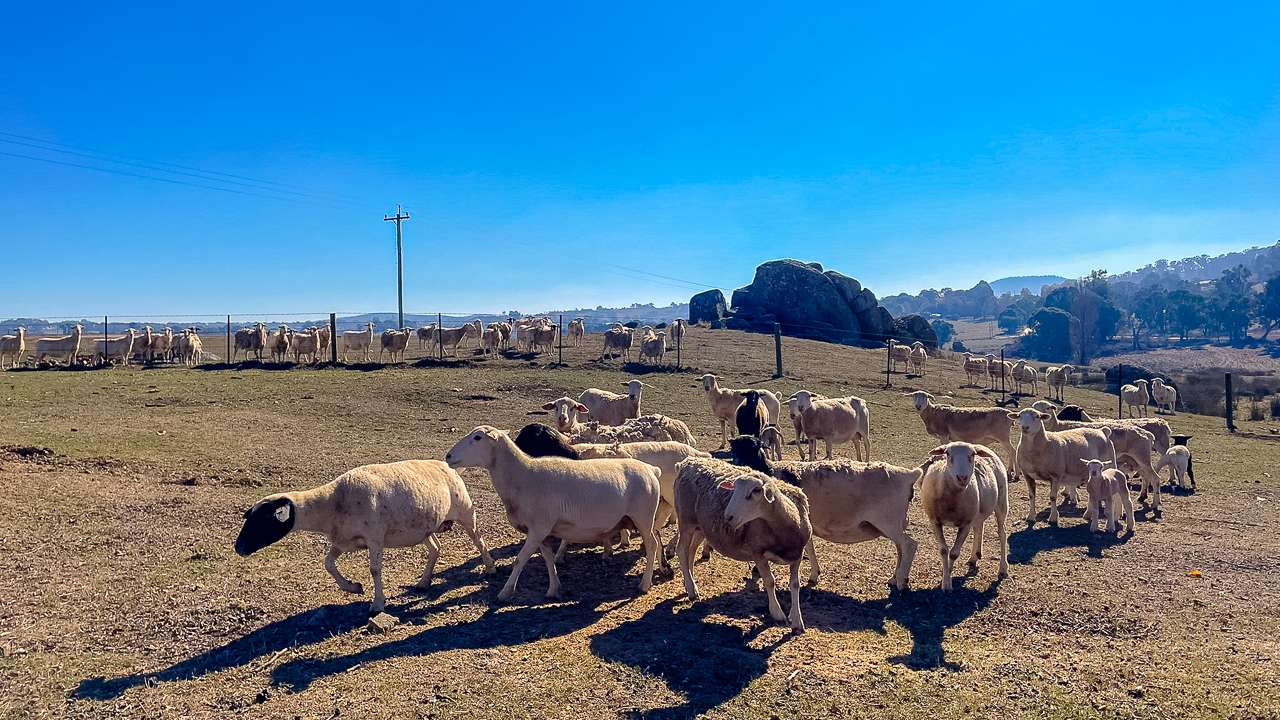
    Nice easy find. I’m sure the sheep thought we were there to feed them as they came running from all directions. TFTC
  6. Found A most unusual Lorenz | GC41K9M
    What a fantastic piece of history thank you for bringing us to a place we would not have known was there.
  7. Found Mica’s Leap | GC9QVYJ
    Great piece of history thanks for bring us here TFTC
  8. Found In Memory of Herb | GC2VENJ
    Great little park and hide TFTC
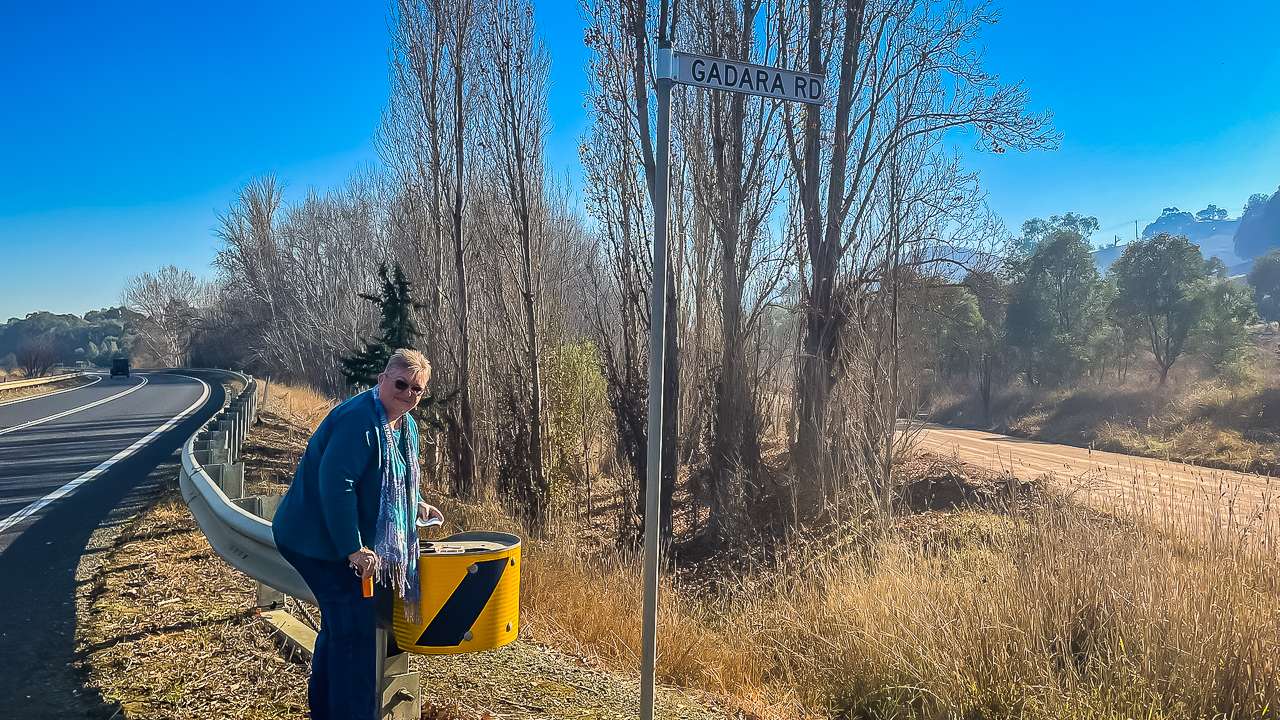
  9. Found Cnr Gadara Rd | GC45RPK
    On our way to Tooma for the day and found this quick find TFTC

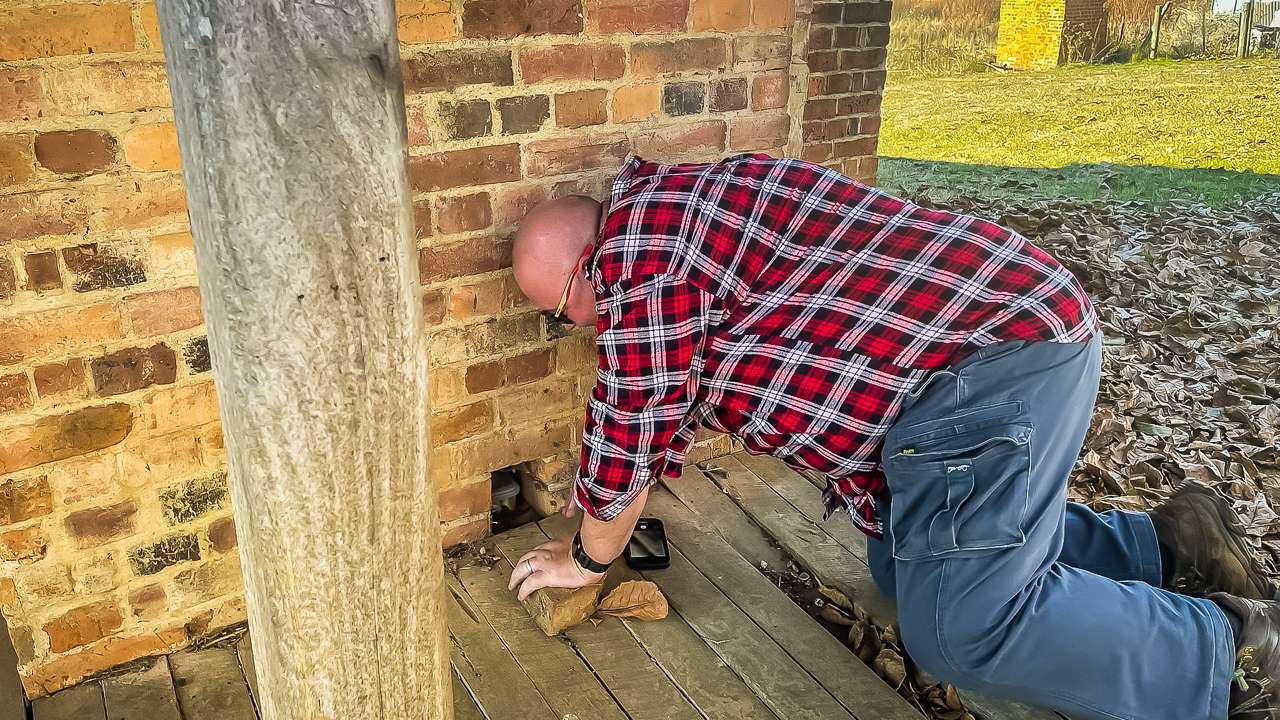
Found A Geocache At Wolter's Cottages In Tumbarumba

Found A Geocache At Wolter’s Cottages In Tumbarumba

Why Tooma Inn Is A Must Visit For Caravanners And Campers

  • Historic charm: The Tooma Inn is a living piece of local history, offering a true country pub experience.
  • Great food: Generous, hearty meals perfect for hungry travellers.
  • Free camping: Park your caravan or pitch a tent behind the Inn for a peaceful night in the valley.
  • Adventure nearby: Geocaching, waterfalls and historic sites are all within easy reach.
  • Stunning scenery: The Snowy Valleys region is renowned for its dramatic landscapes and friendly communities.

Final Thoughts

Our visit to the Tooma Inn was more than just a lunch stop – it was a journey through history, nature, and country hospitality. Whether you’re chasing geocaches at Paddy’s River Falls, exploring Tumbarumba’s heritage, or paying your respects at the Southern Cloud Memorial Lookout, Tooma is the perfect base for adventure in the Snowy Valleys.

Sources

Beach Camping New South Wales – 25 Awesome Locations

Beach Camping New South Wales – 25 Awesome Locations

Beach Camping New South Wales – 25 Awesome Locations

All the best Beach Camping New South Wales has to offer with our guide to top coastal campgrounds, caravan parks and free camping spots. Whether you’re a seasoned caravanner or a first time camper NSW’s stunning coastline delivers unforgettable camping experiences.

From pristine national parks to family friendly holiday parks and hidden free camps, this guide highlights the most spectacular locations for your next beachside adventure. Get ready to wake up to the sound of the surf and explore the very best of beach camping in New South Wales.

Beach Camping New South Wales – what are the best locations?

The finest beach camping locations in New South Wales include Diamond Head in Crowdy Bay National Park, Trial Bay Gaol Campground in Arakoon National Park, Woody Head in Bundjalung National Park, and The Basin in Ku-ring-gai Chase National Park. These sites offer spectacular beachfront camping experiences with excellent facilities, stunning ocean views, and direct beach access for swimming, fishing, and surfing.
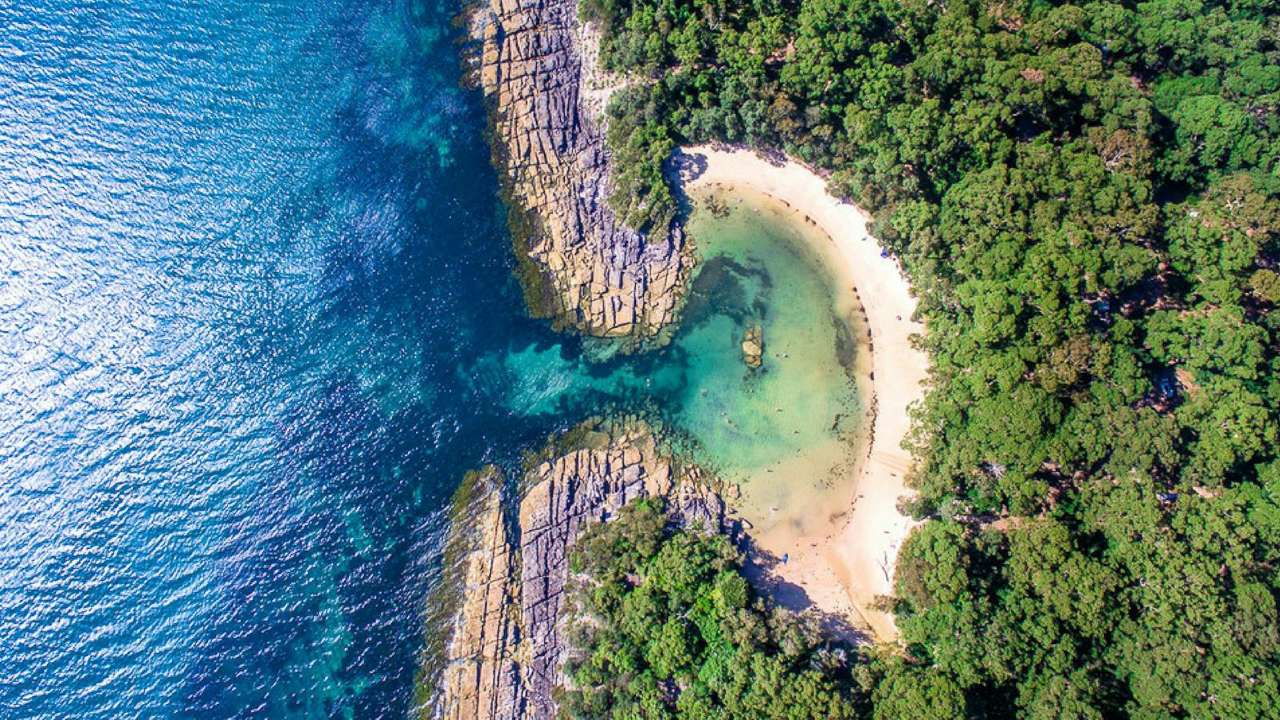
Honeymoon Bay Jervis Bay (Courtesy Shoalhaven Tourism) Beach Camping New South Wales

Honeymoon Bay Jervis Bay (Courtesy Shoalhaven Tourism) Beach Camping New South Wales

New South Wales boasts some of Australia’s most spectacular coastal camping destinations, stretching from pristine northern beaches to dramatic southern headlands. Whether you’re seeking adventure in national parks, comfort in caravan parks, or free camping experiences, the NSW coastline delivers unforgettable beach camping opportunities.

This comprehensive guide explores more than 25 premier beach camping destinations across New South Wales. Additionally, we’ll examine what makes each location special for caravanners and tent campers alike.

Why Choose Beach Camping New South Wales

Beach camping in New South Wales offers unparalleled diversity along 2,000 kilometres of stunning coastline. Furthermore, camping beside crashing waves provides therapeutic benefits while offering endless recreational opportunities.

The state’s coastal camping infrastructure accommodates all camping styles and budgets. From basic bush camping to resort-style caravan parks, NSW delivers exceptional beach camping experiences. Moreover, many locations provide direct beach access, essential facilities, and spectacular ocean views.

Beach Campgrounds NSW: National Park Locations

National parks across NSW offer some of the most pristine beach camping experiences in Australia. These protected environments combine natural beauty with excellent facilities while maintaining ecological integrity.

1. Diamond Head Campground, Crowdy Bay National Park

Diamond Head represents one of NSW’s most popular beach camping destinations. This spectacular location offers 75 campsites with direct beach access and comprehensive facilities. The campground features amenities blocks, hot showers, and gas barbecues right beside the beach.

Visitors enjoy excellent swimming, surfing, and fishing opportunities at this renowned location. Furthermore, the 4.8-kilometre Diamond Head loop walk provides panoramic coastal views. The campground accommodates tents, caravans, and motorhomes with suitable sites for all vehicle types.

2. Trial Bay Gaol Campground, Arakoon National Park

Trial Bay Gaol Campground delivers exceptional beachside camping with 97 sites available. This family-friendly location provides powered sites, amenities blocks, and the convenient Trial Bay Kiosk Restaurant. The campground sits directly beside Front Beach, offering immediate ocean access.

Consequently, campers enjoy swimming, fishing, snorkelling, and exploring the historic Trial Bay Gaol ruins. The location serves as an excellent whale watching vantage point during migration seasons. Additionally, the campground offers boat launching facilities and comprehensive picnic areas.

Beach Camping NSW: Byron Bay Region

The Byron Bay region encompasses some of Australia’s most celebrated beach camping locations. These destinations combine world-class surf breaks with laid-back coastal atmospheres.

3. Reflections Byron Bay Holiday Park

Reflections Byron Bay offers premium beach camping on stunning Clarkes Beach. The park provides both powered and unpowered sites nestled among native vegetation. Moreover, guests enjoy a ten-minute stroll to Byron Bay’s famous cafes, restaurants, and nightlife.

This location delivers direct beach access with excellent swimming and surfing conditions. Furthermore, the park features modern amenities, camp kitchens, and a convenient kiosk. The beachfront setting provides spectacular sunrise views over the Pacific Ocean.

4. First Sun Holiday Park, Byron Bay

First Sun Holiday Park sits directly on The Wreck beach in Byron Bay. This prime location offers camping sites, cabins, and various accommodation options. Additionally, guests access Byron Bay’s attractions without requiring vehicle transport.

The park provides first-class facilities including amenities blocks, barbecue areas, and recreational spaces. Moreover, campers enjoy immediate beach access and proximity to Byron Bay Lighthouse. The location offers world-renowned surfing conditions and spectacular coastal scenery.

Camping Sites In Byron Bay Byron Bay Holiday Caravan Park (Image Courtesy Reflections Holidays) Beach Camping New South Wales

Camping Sites In Byron Bay Byron Bay Holiday Caravan Park (Image Courtesy Reflections Holidays)

Beach Camping Spots NSW: Central Coast Destinations

The Central Coast region provides numerous beach camping options within easy reach of Sydney. These locations offer convenience without compromising natural beauty or recreational opportunities.

5. Little Beach Campground, Bouddi National Park

Little Beach Campground offers intimate beachfront camping for nature enthusiasts. This small campground features six sites tucked into a scenic cove surrounded by littoral rainforest. Furthermore, the location provides excellent surfing conditions and pristine swimming opportunities.

Access requires a 750-metre walk through bushland, ensuring a peaceful camping experience. The campground includes sheltered barbecues, toilets, and spectacular ocean views. Additionally, the Bouddi coastal walk begins from this scenic location.

6. Putty Beach Campground, Bouddi National Park

Putty Beach represents one of Bouddi National Park’s largest campgrounds with excellent facilities. The location offers 18 sites easily accessible by vehicle from Killcare. Moreover, campers enjoy flush toilets, drinking water, and free gas barbecues.

This family-friendly destination provides safe swimming conditions and excellent fishing opportunities. Furthermore, the campground serves as a base for exploring Bouddi’s coastal walks and scenic lookouts. The location accommodates tents, caravans, and motorhomes comfortably.

Camping Beach NSW: South Coast Beach Camping New South Wales Experiences

The South Coast delivers diverse beach camping experiences from pristine wilderness to well-appointed caravan parks. These destinations offer excellent fishing, surfing, and wildlife viewing opportunities.

Beach Campgrounds NSW: Jervis Bay Area

Jervis Bay provides world-renowned beach camping with crystal-clear waters and white sand beaches. The region offers both national park camping and commercial caravan parks.

7. Honeymoon Bay, Jervis Bay

Honeymoon Bay offers secluded beach camping in a pristine natural setting. This picturesque inlet provides excellent swimming conditions for families with young children. Furthermore, the location operates on weekends and school holidays with first-come, first-served allocation.

The campground requires self-sufficiency but rewards visitors with spectacular scenery. Additionally, kangaroos frequently visit the camping area, creating memorable wildlife encounters. The crystal-clear waters provide excellent snorkelling and fishing opportunities.

8. Green Patch, Booderee National Park

Green Patch offers exceptional beach camping within Booderee National Park. The campground provides hot showers, fresh water, and sheltered barbecue facilities. Moreover, the protected waters suit stand-up paddleboarding, snorkelling, and swimming.

Friendly kangaroos commonly graze throughout the campground area. Furthermore, the location provides access to Jervis Bay’s famous white sand beaches. Sites require advance booking with random allocation ensuring fair access.

9. Holiday Haven Huskisson Beach

Holiday Haven Huskisson Beach is a sought after destination within the Jervis Bay Camping Area, offering a blend of convenience and natural beauty. Located on the edge of Huskisson this holiday park provides direct beach access and a range of accommodation options, including powered sites, cabins and camping facilities.

10. Holiday Haven White Sands Huskisson

Holiday Haven White Sands in Huskisson offers a prime location for anyone exploring the Jervis Bay Camping Area. Nestled along the waterfront, this holiday park provides a mix of camping, caravanning and cabin accommodations to suit a variety of travel styles.

11. Jervis Bay Holiday Park

Jervis Bay Holiday Park is a standout choice for travellers seeking a relaxing escape within the Jervis Bay Camping Area. Located along the peaceful Currambene Creek, this park offers a variety of accommodations, including cabins, powered caravan sites and waterfront camping options.

12. Tasman Holiday Parks – Myola

Tasman Holiday Parks – Myola is a hidden gem within the Jervis Bay Camping Area, offering a serene retreat surrounded by natural beauty. Situated near the northern shores of Jervis Bay, this holiday park provides a peaceful atmosphere while remaining close to the region’s major attractions.

13. Hidden Creek Campsite

Hidden Creek Campsite, located near Huskisson, is a peaceful escape within the Jervis Bay Camping Area, perfect for those seeking a natural retreat. Surrounded by lush bushland, this campsite offers a secluded setting with easy access to the attractions of Jervis Bay.

Holiday Haven Currarong

Holiday Haven Currarong offers a scenic and comfortable camping experience just a short drive from the Jervis Bay Camping Area. Located at beautiful Currarong Beach this campground is perfect for those seeking a peaceful retreat. With its close proximity to pristine waters it provides ideal conditions for swimming, fishing and kayaking. The surrounding area is rich in natural beauty, with rugged cliffs and sandy beaches perfect for exploration.

Beach Camping NSW: Murramarang National Park

Murramarang National Park spans 44 kilometres of dramatic coastline with multiple camping options. The park combines spotted gum forests with pristine beaches, creating unique camping environments.

14. Pretty Beach Campground

Pretty Beach Campground offers 60 sites with comprehensive facilities including hot showers and powered sites. The spacious campground provides lovely ocean views and direct beach access. Furthermore, campers enjoy excellent wildlife viewing with kangaroos, lyrebirds, and possums commonly observed.

This location serves as an excellent base for coastal walks and fishing expeditions. Additionally, the campground accommodates tents, caravans, and offers cabin accommodation. The beach provides safe swimming conditions and spectacular scenery.

15. Depot Beach Campground

Depot Beach Campground nestles among spotted gums with a short walk to beautiful swimming beaches. This idyllic location provides excellent snorkelling opportunities and dolphin watching. Moreover, the campground offers modern facilities and scenic camping sites.

Nearby walking tracks provide excellent exploration opportunities. Furthermore, the location offers excellent fishing prospects and wildlife viewing. The campground accommodates various camping setups with suitable facilities.

Beach Camping Spots NSW: Northern Rivers Region

The Northern Rivers region encompasses diverse beach camping opportunities from Byron Bay to Tweed Heads. These locations combine excellent surf conditions with subtropical rainforest environments.

Beach Campgrounds NSW: Evans Head Area

Evans Head provides excellent beach camping with river and ocean access. The location offers both commercial caravan parks and national park camping options.

16. Reflections Evans Head Holiday Park

Reflections Evans Head occupies one of NSW’s most enviable positions with beach and river frontage. This expansive park accommodates various camping preferences with powered sites, cabins, and beach houses. Furthermore, the location provides excellent fishing, surfing, and kayaking opportunities.

The park offers comprehensive facilities including camp kitchens, amenities blocks, and recreational areas. Additionally, dog-friendly sites accommodate travelling families with pets. The location provides direct access to both Evans River and Main Beach.

Beach Camping NSW: Bundjalung National Park

Bundjalung National Park offers pristine beach camping experiences with excellent facilities. The park provides multiple campgrounds with varying levels of infrastructure.

17. Woody Head Campground

Woody Head Campground represents one of NSW’s premier family beach camping destinations. This large campground offers 94 sites with comprehensive facilities including hot showers and camp kitchens. Moreover, the protected sandy beach provides excellent swimming conditions for families.

The campground features a boat ramp, kiosk, and spectacular rock platform exploration opportunities. Furthermore, surrounding rainforest and shallow reefs provide excellent wildlife viewing. The location accommodates tents, caravans, and offers cabin accommodation.

Camping Beach NSW: Comprehensive Location Comparison

Location Park Type Sites Key Features Best For
Diamond Head National Park 75 Beach access, loop walk Families, hikers
Trial Bay Gaol National Park 97 Historic site, whale watching History buffs, families
Byron Bay Reflections Commercial Multiple Town access, surf beach Surf enthusiasts
Honeymoon Bay National Park Variable Pristine waters, wildlife Nature lovers
Woody Head National Park 94 Boat ramp, rainforest Families, fishing
Little Beach National Park 6 Secluded, surfing Surfers, privacy seekers
Pretty Beach National Park 60 Wildlife, facilities Wildlife watchers
Evans Head Commercial Multiple River/ocean access Water sports

Beach Camping NSW: Additional Premier Destinations

18. The Basin, Ku-ring-gai Chase National Park

The Basin offers unique waterfront camping accessible only by ferry or walking track. This car-free environment provides 350 camping spaces with excellent facilities. Furthermore, the location offers sheltered beach swimming and inland lagoon access.

19. Seal Rocks Caravan Park

Seal Rocks provides exceptional coastal camping between pristine beaches and rainforest. The location offers diverse accommodation options from tent sites to luxury cabins. Moreover, nearby Sugarloaf Point Lighthouse provides spectacular whale watching opportunities.

20. Yagon Campground, Myall Lakes National Park

Yagon Campground offers 33 sites with short beach access near Seal Rocks. The location provides excellent surfing, fishing, and swimming opportunities. Furthermore, walking tracks connect to extensive wetland systems.

21. Coledale Beach Camping Reserve

Coledale Beach features 42 sites running directly onto a beautiful surfing beach. This managed reserve provides excellent facilities while maintaining proximity to the ocean. Additionally, the location offers access to the iconic Seacliff Bridge and weekend markets.

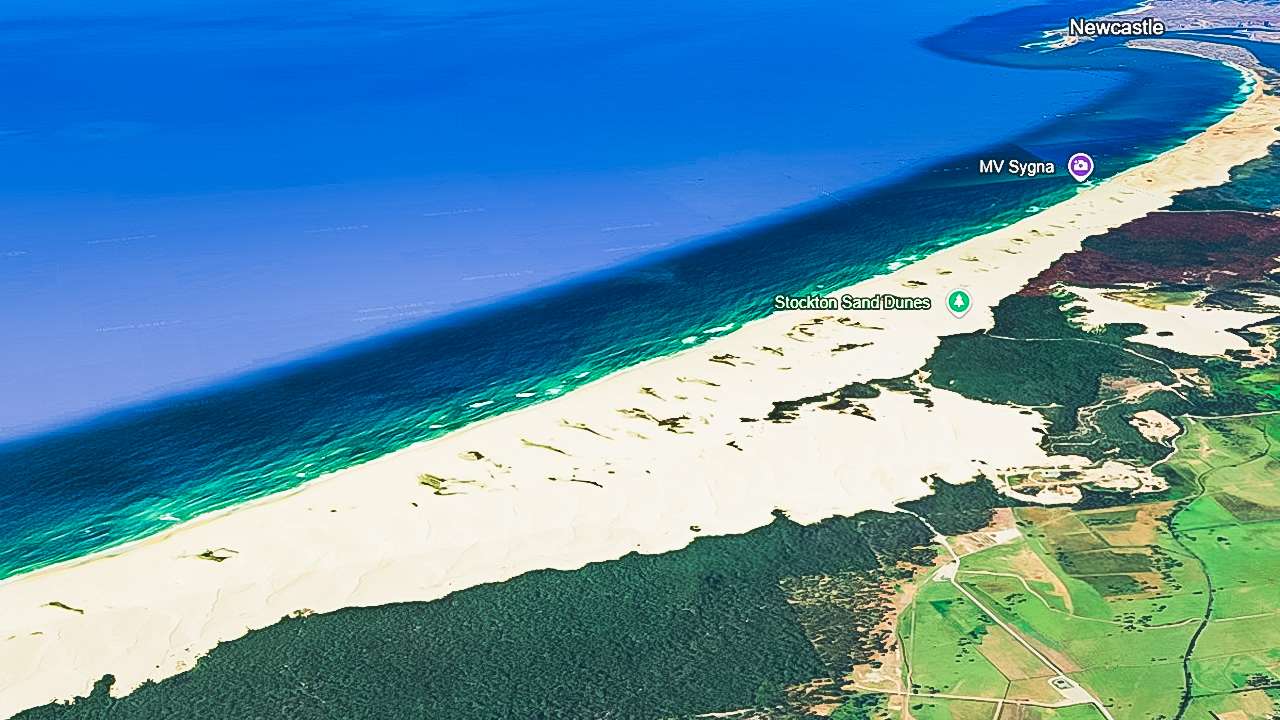
22. Stockton Beach

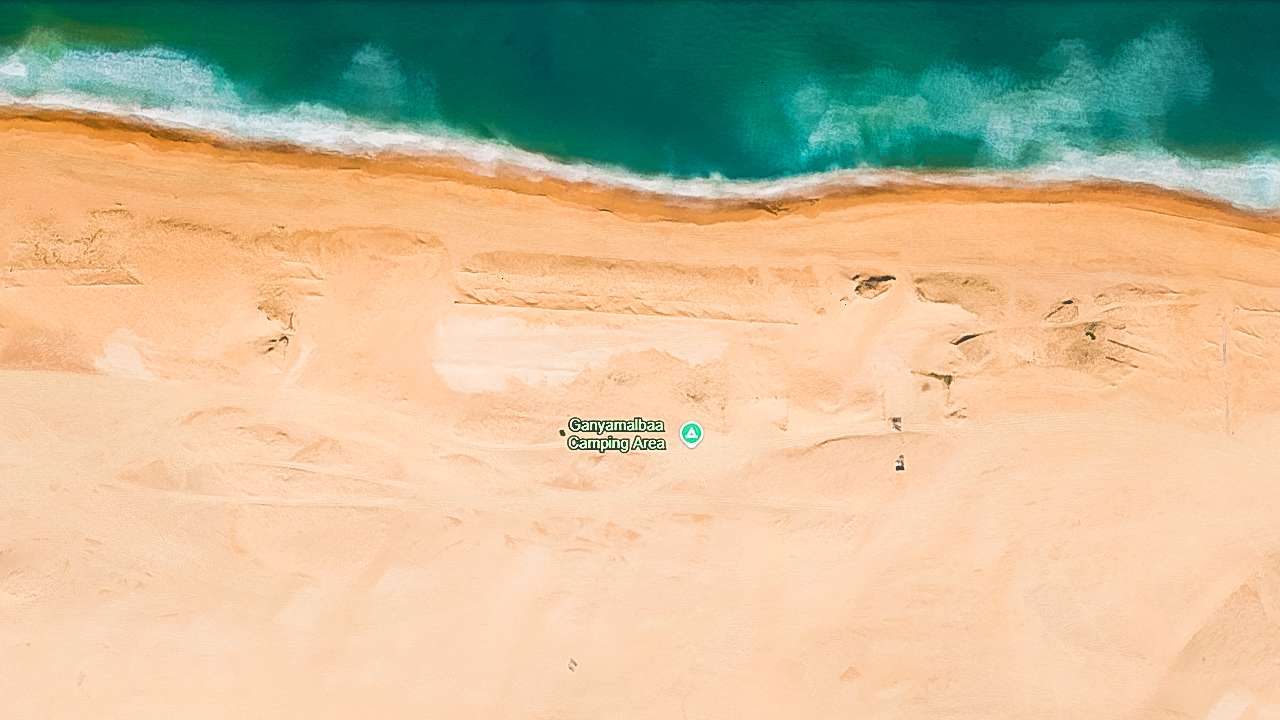
Stockton Beach camping operates under strict guidelines following environmental impacts from major storms in 2012. Consequently, the traditional free camping that once characterised this coastal paradise has been replaced by the Ganyamalbaa Camping Trial. This managed approach protects the fragile dune ecosystem while providing controlled access to one of Australia’s most spectacular camping destinations. The Ganyamalbaa Camping Area, meaning “place to camp” in Worimi Gathang language, represents the only legal camping option within the Worimi Conservation Lands. Moreover camping elsewhere on the beach, including overnight stays in vehicles will result in penalties and potential vehicle removal. So as a result advance planning becomes essential for anyone seeking an authentic Stockton Beach camping experience.
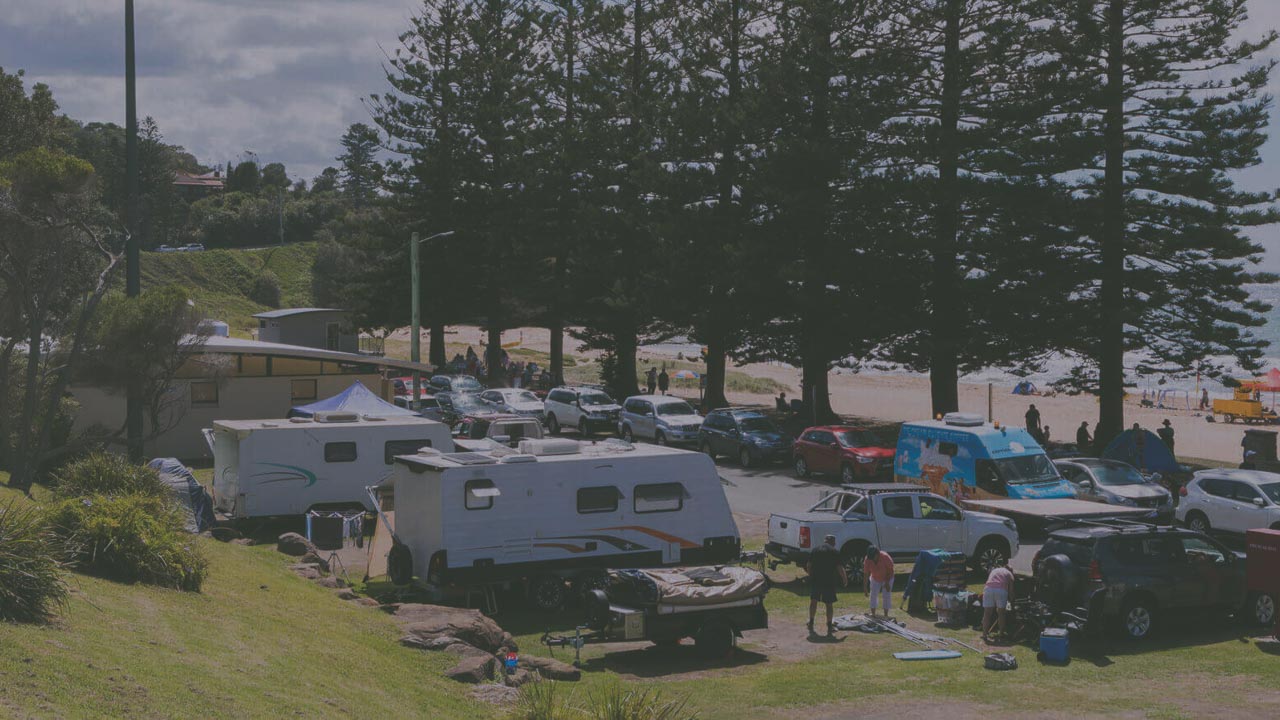
Coledale Camping Reserve

Coledale Camping Reserve Beach Camping New South Wales

Beach Camping Spots NSW: Far South Coast

23. Bittangabee Campground, Beowa National Park

Bittangabee offers 31 campsites with excellent beach access and comprehensive facilities. This remote location provides exceptional fishing, swimming, and snorkelling opportunities. Moreover, the campground serves as a stop on the renowned Light to Light walking track.

24. Mimosa Rocks National Park Campgrounds

Mimosa Rocks features three beachfront campgrounds between Bermagui and Tathra. These locations provide basic facilities with spectacular coastal settings. Furthermore, campers enjoy excellent fishing prospects and scenic walking opportunities.

Beach Campgrounds NSW: Essential Planning Information

Successful beach camping requires advance planning, particularly during peak seasons. Most national park campgrounds require online booking, while some commercial parks accept walk-ins. Additionally, school holidays and long weekends fill quickly, necessitating early reservations.

Weather conditions significantly impact beach camping experiences across NSW. Consequently, checking forecasts and park conditions before departure ensures safer, more enjoyable trips. Furthermore, many coastal locations experience strong winds and sudden weather changes.

Essential equipment for beach camping includes sun protection, wind-resistant camping gear, and water storage. Moreover, salt air accelerates equipment corrosion, requiring careful maintenance and protection. Additionally, many beach locations have limited freshwater availability.

Beach Camping NSW: Regional Seasonal Considerations

Northern NSW beaches offer year-round camping opportunities with mild winter conditions. However, summer brings humid conditions and potential severe weather. Furthermore, whale watching opportunities peak between May and November.

Central Coast locations provide excellent winter camping with moderate temperatures. Spring and autumn offer optimal conditions with comfortable temperatures and reduced crowds. Additionally, school holiday periods significantly increase visitor numbers.

Southern coastal areas experience cooler winter conditions but remain accessible. Summer provides excellent swimming conditions with warm water temperatures. Furthermore, many southern locations offer excellent fishing opportunities year-round.

Conclusion: Beach Camping New South Wales Excellence

Beach camping New South Wales delivers unmatched coastal experiences across diverse landscapes and climates. From pristine national park wilderness to well-appointed commercial facilities, NSW accommodates every camping preference. These 25+ premier destinations represent the finest beach camping opportunities available along Australia’s eastern coastline.

Whether seeking adventure, relaxation, or family experiences, NSW beach camping delivers memorable holidays. Furthermore, the combination of natural beauty, excellent facilities, and diverse activities ensures exceptional camping experiences. Plan your next beach camping adventure to discover why New South Wales remains Australia’s premier coastal camping destination.

Stockton Beach NSW Camping Made Easy: A Beginners Guide

Stockton Beach NSW Camping Made Easy: A Beginners Guide

Stockton Beach NSW Camping Made Easy: A Beginners Guide

Plan your Stockton Beach NSW camping adventure with permits, bookings & tips. Find where to camp and how to explore this iconic coastal dune.

Is Stockton Beach NSW camping allowed? Yes, Stockton Beach NSW Camping is allowed. But only at the designated Ganyamalbaa Camping Area through advance online bookings. Free camping and overnight stays in vehicles on the beach are strictly prohibited throughout the Worimi Conservation Lands.

Australia’s largest coastal dune system stretches across 32 kilometres of pristine coastline, offering adventure seekers an unparalleled camping experience. However, Stockton Beach camping has evolved significantly from its unrestricted past to become a carefully managed conservation initiative. Understanding current regulations, booking requirements and access conditions ensures your camping adventure proceeds smoothly whilst respecting this unique environment.

Stockton Beach Southern End

Stockton Beach Southern End – Wikimedia Commons Licence – Author = AussieLegend

Understanding Stockton Beach NSW Camping Regulations

Can You Camp On Stockton Beach?

Stockton Beach camping operates under strict guidelines following environmental impacts from major storms in 2012. Consequently, the traditional free camping that once characterised this coastal paradise has been replaced by the Ganyamalbaa Camping Trial. This managed approach protects the fragile dune ecosystem while providing controlled access to one of Australia’s most spectacular camping destinations. The Ganyamalbaa Camping Area, meaning “place to camp” in Worimi Gathang language, represents the only legal camping option within the Worimi Conservation Lands. Moreover camping elsewhere on the beach, including overnight stays in vehicles will result in penalties and potential vehicle removal. So as a result advance planning becomes essential for anyone seeking an authentic Stockton Beach camping experience.

Stockton Beach Free Camping – Why It’s No Longer Available

Previously Stockton Beach attracted thousands of campers seeking free camping opportunities along its expansive coastline. Unfortunately severe weather events in 2012 washed away significant portions of the beachfront, creating safety hazards and environmental damage. Additionally, uncontrolled camping led to vegetation destruction, erosion issues and cultural site disturbance. Consequently, authorities implemented the current permit-based system to balance recreational access with conservation needs.

While Stockton Beach free camping no longer exists, the structured approach ensures sustainable tourism that preserves this remarkable landscape for future generations. Furthermore, the camping fees directly support conservation efforts and facility maintenance within the Worimi Conservation Lands. So unfortunately Stockton Beach free camping is no longer allowed.

Ganyamalbaa Camping Area – Your Gateway To Stockton Beach NSW Camping

Essential Details For Stockton Beach Camping Bookings

The Ganyamalbaa Camping Area offers up to 30 designated campsites strategically located southwest of the famous Tin City settlement. Each campsite accommodates a maximum of eight campers, ensuring adequate spacing between groups whilst maintaining the remote camping atmosphere. Additionally, the sites welcome tents and single-axle camper trailers, though larger recreational vehicles cannot access these remote locations. Bookings operate exclusively through the Worimi Conservation Lands website, requiring advance payment before arrival. Currently, no walk-in camping options exist, making online reservations absolutely essential for securing your Stockton Beach camping experience. Furthermore, booking confirmation serves as your camping permit, which rangers verify electronically during regular patrols.

Stockton Beach Camping Facilities And Amenities

Remote camping means bringing everything you need for a comfortable stay. Consequently, campsites provide minimal infrastructure beyond designated fire places for approved timber only. Importantly, firewood collection within the conservation lands remains strictly prohibited, including driftwood gathering from the beach. Essential self-sufficiency requirements include portable camping toilets, as no sewage facilities exist at individual campsites. However, plans include constructing toilet facilities at the Lavis Lane entry point, potentially incorporating camping toilet dump points for visitor convenience. Additionally, all camping equipment, water supplies and food provisions must accompany your group to these remote locations.

Where To Buy Stockton Beach Permit – Essential Vehicle Access

Stockton Beach Permit Purchasing Locations

Vehicle access to Stockton Beach camping areas requires valid Worimi Conservation Lands permits, available from multiple convenient locations throughout the Hunter Region. Traditional permit retailers include service stations in Williamtown, Salt Ash and Anna Bay, providing 24-hour availability for last-minute purchases. Additionally, specialised retailers like Tackle Power in Mayfield West and ARB in Lambton cater specifically to four-wheel drive enthusiasts. Moreover, the Port Stephens Visitor Centre in Nelson Bay offers comprehensive information alongside permit sales during business hours. Meanwhile, the NSW National Parks & Wildlife Service office on Teramby Road provides official guidance for complex permit requirements. Furthermore, online purchasing options may become available, following trends established at nearby Belmont Wetlands State Park.

Stockton Beach NSW Camping Stockton Beach North Eastern End

Stockton Beach NSW Camping Stockton Beach North Eastern End – Wikimedia Commons Licence – Author = AussieLegend

Understanding Stockton Beach Permit Types And Costs

Multiple permit options accommodate different camping and recreation needs across the Worimi Conservation Lands. The annual permit, priced at $88, offers excellent value for frequent visitors planning multiple Stockton Beach camping trips. Alternatively, three day permits cost $33, perfect for weekend camping adventures or trial visits before committing to annual access. Pensioners benefit from discounted annual permits at $44, recognising the significant community of retirees enjoying four-wheel drive camping throughout Australia. Additionally, recreational vehicle permits cost $88 annually for conditionally registered quads and motorbikes accessing designated driving areas. Replacement permits, necessary for lost or damaged stickers, cost $20 regardless of remaining validity periods.

Permit Type Cost Validity Best For
Three-day permit $33 3 consecutive days Weekend camping trips
Annual permit $88 12 months Regular visitors
Pensioner annual $44 12 months Eligible concession holders
RV annual permit $88 12 months Quad/motorbike access
Replacement permit $20 Remaining validity Lost/damaged permits

Can You Drive On Stockton Beach – Access Requirements And Restrictions

Current Access Points For Stockton Beach Camping

Four-wheel drive capability remains mandatory for reaching Stockton Beach camping areas, as conventional vehicles cannot navigate the soft sand conditions. Currently, two main access points serve the Worimi Conservation Lands: Lavis Lane at Williamtown and Gan Gan Road at Anna Bay. However, recent weather events have temporarily closed the Fern Bay access track, limiting entry options for camping visitors. Importantly, beach driving conditions change rapidly due to tides, weather and seasonal variations. Therefore, drivers must exercise extreme caution, particularly avoiding sea water, foam and large water pools that can trap vehicles. Additionally, the Ganyamalbaa Campground itself remains temporarily closed following recent weather impacts, though authorities expect reopening once safety assessments conclude.

Stockton Beach Camping Vehicle Requirements

All vehicles accessing Stockton Beach camping areas must hold current NSW registration and display valid WCL permits. Furthermore, drivers must comply with standard road regulations, including speed limits, blood alcohol restrictions and licensing requirements. Recreational vehicles like quads and motorbikes require conditional registration from NSW Roads and Maritime Services for legal beach access. Consequently, vehicle preparation becomes crucial for successful Stockton Beach camping expeditions. Essential equipment includes tyre pressure gauges for sand driving, recovery gear for stuck vehicles and communication devices for emergency situations. Moreover, UHF radio channel 21 provides beach access coordination, while emergency situations require immediate 000 contact for police, fire, or ambulance services.

Planning Your Stockton Beach NSW Camping Adventure

Booking Process For Stockton Beach Camping

Securing your Stockton Beach camping reservation requires advance planning through the official Worimi Conservation Lands website. The online booking system operates continuously, allowing 24-hour reservation access for maximum convenience. Additionally, payment must accompany bookings, with confirmation emails serving as official camping permits for ranger verification. Booking demand varies seasonally, with summer months and school holidays experiencing highest competition for available campsites. Therefore, early booking ensures preferred dates, particularly for popular periods like Easter, Christmas and winter school holidays. Furthermore, group bookings may require special arrangements for parties exceeding eight people, necessitating direct contact with park management. Here’s the latest information for Stockton Beach, NSW, based on official sources (Newcastle City Council and NSW National Parks). Note: Always verify details before traveling, as conditions, fees and rules can change.

1. Stockton Beach Vehicle Permit Costs

A permit is required for all vehicles entering Stockton Beach. Current fees (as of 2025) are:

  • 1-Day Permit: $20
  • 3-Day Permit: $35
  • Annual Permit: $90
  • Concession discounts may apply for pensioners.
  • Permits cover vehicle access only. Camping fees are separate.

2. Where to Buy Stockton Beach Permits

Permits are sold online or in person.

Online

In Person

  1. Newcastle Council Customer Service Centre Address: 12 Stewart Avenue, Newcastle West, NSW 2302 Hours: Mon–Fri, 8:30 am – 4:30 pm. Phone: (02) 4974 2000
  2. Stockton Surf Life Saving Club (SLSC) Address: Pitt Street, Stockton, NSW 2295 Hours: Vary (typically weekends/public holidays during patrol season; call ahead). Phone: (02) 4928 1266
  3. Service NSW Centers (e.g., Newcastle, Raymond Terrace) – limited stock.

3. Booking Camping at Ganyamalbaa Beach Camping Area

Ganyamalbaa (formerly “Stockton Beach Camping Area”) is managed by NSW National Parks (NPWS). Key Details

  • Address: Lavis Lane, Williamtown, NSW 2318 (access via Lavis Lane; drive 7km north on the beach to reach the campsite).
  • Booking: Mandatory – Only via the NPWS website or phone.

Camping Fees (2025):

  • Adults: $10 per night
  • Children (5–15 years): $5 per night
  • Family (2 adults + 2 children): $25 per night
  • Infants (0–4 years): Free

How To Book

Online

Conditions

  • Permits Required: You must have a valid Stockton Beach Vehicle Permit (Section 2) to drive to the campsite.
  • Access: 4WD only. Check tide times – beach driving is safest 2 hours either side of low tide.
  • Facilities: Basic toilets; no showers, power, or drinking water. Bring all supplies.
  • Max Stay: 14 nights.

Important Reminders

  1. Beach Safety: Check tide charts, weather and beach conditions via Surf Life Saving NSW https://www.beachsafe.org.au or the Stockton Dune Driving Guide https://www.newcastle.nsw.gov.au/Explore/Beaches-and-coast/Stockton-Beach.
  2. Permits: Display permits clearly on your vehicle. Fines apply for non-compliance.
  3. Camping Rules: No pets, fires, or generators. Pack out all waste.

For real time updates

  1. Newcastle Council (Stockton Beach): https://www.newcastle.nsw.gov.au/stocktonbeach | Phone: (02) 4974 2000
  2. NPWS (Ganyamalbaa): Website https://www.nationalparks.nsw.gov.au/ganyamalbaa | Phone: (02) 4984 8200

Essential Preparation For Remote Stockton Beach Camping

Remote camping demands comprehensive preparation covering equipment, supplies and safety considerations. Consequently, camping checklists should include portable toilets, approved firewood, comprehensive first aid supplies and multiple days’ food and water provisions. Additionally, weather protection becomes crucial given the exposed coastal environment and rapidly changing conditions. Navigation equipment helps locate campsites within the expansive dune system, as GPS coordinates may prove unreliable in shifting sand environments. Therefore, traditional compass and map skills complement electronic navigation tools for safe travel to and from camping areas. Moreover, emergency communication devices provide essential safety backup for groups venturing into these remote locations.

Stockton Beach On Google Earth

Stockton Beach On Google Earth

Guide To Driving On Sand At Stockton Beach

Here’s a practical guide to driving on sand at Stockton Beach, NSW, including emergency contacts if you get bogged and can’t get yourself out.

Driving on Sand: Essential Tips for Stockton Beach Stockton Beach’s dynamic dunes and soft sand require specialised driving techniques.

Follow these key steps

1. Lower Tire Pressure

  • Deflate tires to 15–18 PSI (check your vehicle’s manual for limits). This increases traction by spreading the tire’s footprint.
  • Carry a quality air compressor to reinflate before hitting paved roads.

2. Momentum is Key

  • Maintain steady, gentle throttle – avoid sudden acceleration or braking.
  • If you slow down in soft sand, gradually increase speed to prevent bogging.

3. Tide & Terrain Awareness

Drive only 2 hours before/after low tide (check [tides via BeachSafe](https://beachsafe.org.au)). Stick to the hard-packed sand near the waterline – avoid dry, soft dunes unless necessary. Steer clear of vegetated areas (protected habitat) and obey signposted closures.

4. Use 4WD Correctly

  • Engage 4WD High before entering the beach. Use Low Range for steep dunes.
  • If bogged, stop immediately to avoid digging deeper.

5. Essential Gear

  • Recovery boards (e.g., Maxtrax), shovel, snatch strap and rated shackles.
  • UHF radio (Channel 18 for beach communications).

If You Get Bogged: Recovery Contacts & Costs

Despite precautions, vehicles can get stuck. Do not rely on NPWS or council for recovery – they won’t tow you. Instead:

  1. Self Recovery First
    • Dig sand from around tires/wheels.
    • Place recovery boards under driven wheels.
    • Gently roll forward or backward – don’t accelerate harshly.
  2. Call a Professional Tow Service
    • If self-recovery fails, contact specialized 4WD recovery operators:
    • Traction 4×4 Recovery Phone: 0403 288 625 Cost: From $400+ (depending on location/tide urgency).
    • Stockton Tilt Tray & Transport Phone: 0414 492 888 Cost: $350–$800 (tide-dependent).
    • Hunter 4×4 Recovery Phone: 0427 201 222 Cost: $300–$700.
  3. Critical Notes
    • Tides are life-threatening: If stuck near rising water, call 000 immediately.
    • Tow costs surge during high tide/night—budget $500–$1,500 for complex recoveries.
    • Never attach recovery straps to tow balls—use rated vehicle recovery points.
    • Prevention is Cheaper Than Recovery
    • Check conditions: Avoid driving 1–3 days after heavy rain (saturation = softer sand).
    • Travel with other 4WDs: Never drive alone.
    • Permit requirement: Unrecovered vehicles may incur council fines ($300+) if abandoned.
    • For real time beach status
    • Newcastle Council Beach Hotline: (02) 4974 2000
    • NSW NPWS Hunter Coast Office: (02) 4984 8200
    • Remember: Alcohol/drugs void insurance and increase recovery costs. Respect the beach – its beauty demands caution.

Exploring Stockton Beach While Camping

Stockton Beach Camping Near Tin City

The famous Tin City settlement provides a fascinating historical backdrop for your Stockton Beach camping experience. This unique collection of eleven self-built shacks represents Australia’s last surviving squatter community, operating under a 100-year lease since 1920. Consequently, visitors can observe this remarkable settlement while respecting private property boundaries and cultural significance. Additionally, Tin City serves as a navigation landmark for locating nearby camping areas within the Ganyamalbaa zone. The settlement’s off-grid lifestyle, powered by solar panels and wind turbines, demonstrates sustainable living principles relevant to modern camping practices. Furthermore, the constantly shifting dunes around Tin City illustrate the dynamic environment that camping visitors experience throughout their stay.

Recreational Activities During Stockton Beach Camping

Beyond the camping experience itself, Stockton Beach offers numerous recreational opportunities for adventurous visitors. The expansive dune system provides excellent four-wheel driving opportunities across 350 hectares of designated recreational vehicle areas. Additionally, the 19 kilometres of accessible beachfront accommodate fishing, swimming and beachcombing activities during suitable conditions. Photography enthusiasts particularly appreciate the dramatic landscape changes throughout different times of day. Golden hour lighting, occurring approximately 40 minutes before sunset, creates spectacular colour displays across the sand dunes. Moreover, drone photography remains permitted over the dunes, allowing unique aerial perspectives of this remarkable coastal environment.

Seasonal Considerations For Stockton Beach NSW Camping

Weather Impacts On Stockton Beach Camping

Coastal weather significantly influences Stockton Beach camping conditions throughout the year. Summer months bring warm temperatures and longer daylight hours, ideal for extended outdoor activities and beach exploration. However, afternoon thunderstorms and high UV exposure require appropriate preparation and protective equipment during these periods. Winter camping offers cooler temperatures and dramatic stormy weather that showcases the beach’s raw natural power. Consequently, winter visitors need comprehensive weather protection and emergency preparedness for rapidly changing conditions. Additionally, winter sunsets occur earlier, around 3:45-4:00pm, requiring adjusted planning for optimal photography and recreational timing.

Long Term Planning For Stockton Beach Camping

Regular Stockton Beach camping enthusiasts benefit from annual permit purchases and advanced seasonal planning. Understanding peak periods, weather patterns and facility maintenance schedules enables strategic booking decisions for optimal camping experiences. Furthermore, staying informed about conservation land management updates ensures compliance with evolving regulations and access restrictions. Additionally, building relationships with local retailers and park authorities provides valuable insights for successful camping adventures. Many experienced campers maintain equipment caches and establish preferred camping routines that maximise enjoyment whilst minimising environmental impact throughout their Stockton Beach camping journeys.

Conservation And Responsible Stockton Beach Camping

Environmental Protection During Stockton Beach Camping

Responsible camping practices ensure the preservation of Stockton Beach’s unique ecosystem for future generations. Consequently, all waste must be packed out, including food scraps that could attract pest animals or disrupt natural food chains. Additionally, vehicle movements should remain within designated tracks to prevent vegetation damage and erosion acceleration. Water conservation becomes particularly important given the remote location and limited natural freshwater sources. Therefore, greywater disposal requires careful consideration, with all wastewater transported off-site for appropriate treatment. Furthermore, soap and detergent use should minimise environmental impact through biodegradable product selection and responsible disposal practices.

Cultural Respect In Stockton Beach Camping Areas

The Worimi Conservation Lands hold significant cultural importance for Aboriginal communities, requiring respectful behaviour from all camping visitors. Traditional cultural sites may exist throughout the camping areas, necessitating careful observation and immediate reporting of any archaeological discoveries. Additionally, understanding and acknowledging the cultural significance enhances the camping experience whilst demonstrating appropriate respect. Moreover, the Ganyamalbaa name itself reflects the integration of traditional language and contemporary conservation management. This partnership between traditional owners and modern land management creates unique opportunities for cultural learning alongside recreational camping experiences throughout the Stockton Beach environment.

Stockton Beach NSW Camping: Future Developments

Upgraded Facilities For Stockton Beach NSW Camping

Planned improvements to Stockton Beach NSW camping infrastructure include new toilet facilities at Lavis Lane and expanded dump points for portable camping systems. These upgrades aim to enhance convenience while maintaining the remote character that defines Stockton Beach NSW camping adventures. Future initiatives may introduce interpretive signage detailing the area’s ecological and cultural significance.

Stockton Beach NSW Camping: Flora And Fauna Considerations

Birdwatching Opportunities During Stockton Beach NSW Camping

The adjacent Stockton Sandspit provides exceptional birdwatching opportunities for Stockton Beach NSW camping enthusiasts. Over 189 bird species frequent this area, including migratory wonders like the bar-tailed godwit that completes 11,000km non-stop flights from Alaska. These ecological treasures underscore why Stockton Beach NSW camping regulations prohibit disturbing coastal habitats beyond designated areas.

Protecting Native Vegetation During Stockton Beach NSW Camping

The foredune ecosystem supporting Stockton Beach NSW camping areas relies on critical native species like Spinifex sericeus, which stabilises shifting sands. Campers must avoid trampling these grasses or introducing invasive plants through equipment contamination. Recent flora surveys identified 159 plant species within the conservation lands, with managed camping helping protect vulnerable populations like the Senecio pinnatifolius found near Tin City.
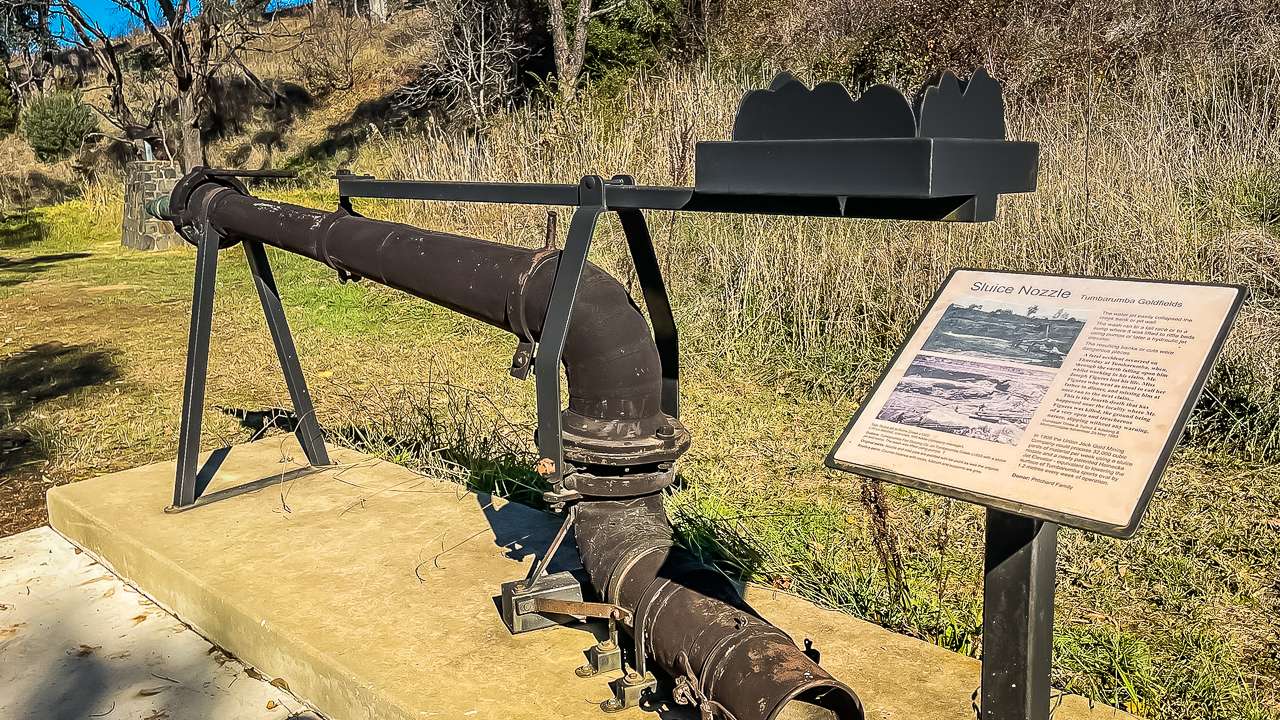
Enhancing Your Stockton Beach NSW Camping Experience

Cultural Immersion Through Stockton Beach NSW Camping

The Worimi people’s ongoing stewardship of their traditional lands adds profound cultural depth to Stockton Beach NSW camping experiences. Over 50 significant cultural sites exist within the conservation area, ranging from midden deposits to ceremonial grounds. Responsible Stockton Beach NSW camping involves respecting these sites by staying on marked trails and avoiding artifact collection.
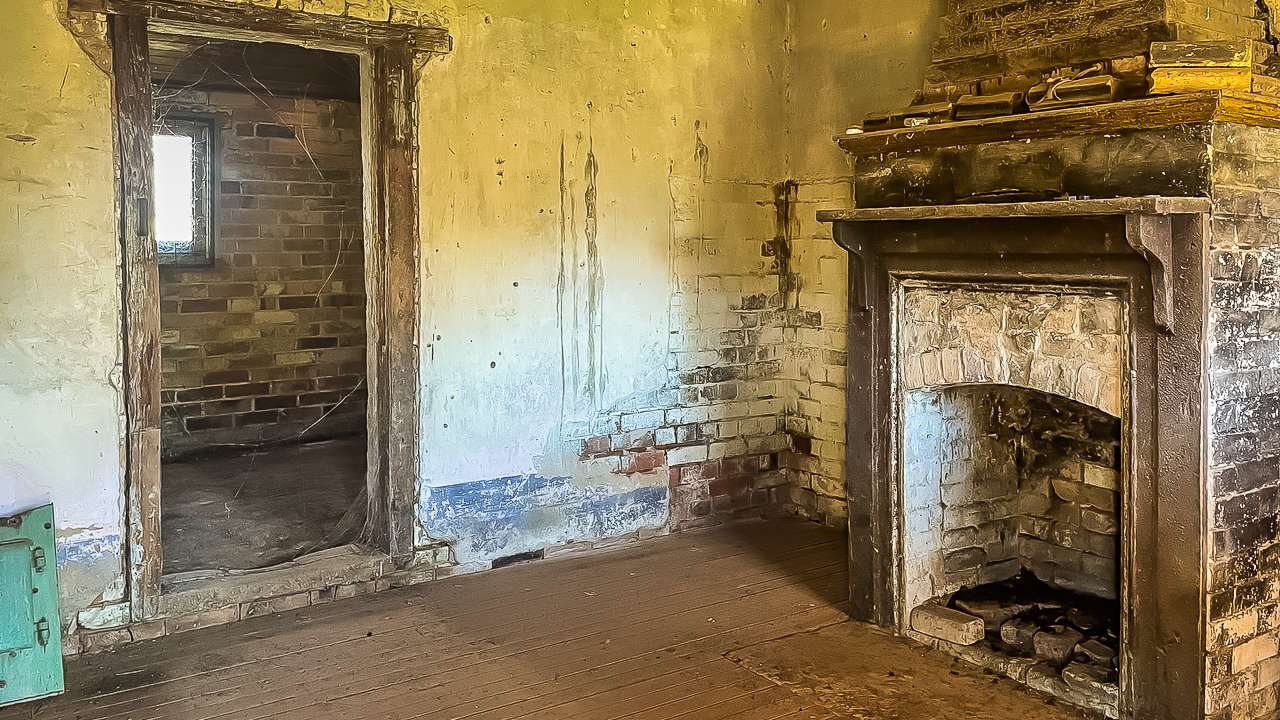
Conclusion – Stockton Beach NSW Camping

Stockton Beach NSW camping represents a unique opportunity to experience Australia’s largest coastal dune system whilst supporting sustainable tourism practices. The transition from unrestricted free camping to the managed Ganyamalbaa Camping Trial demonstrates successful balance between recreational access and environmental protection. Understanding permit requirements, booking procedures and access conditions ensures your camping adventure proceeds smoothly whilst respecting this remarkable landscape.
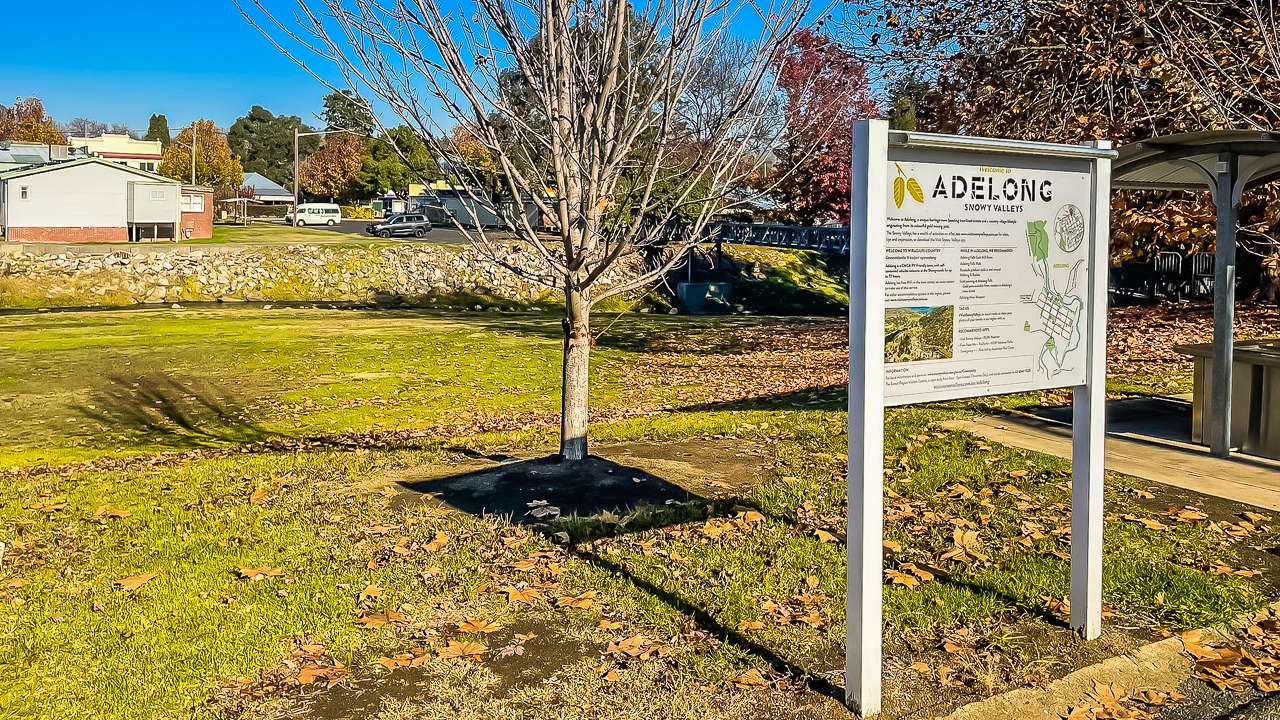
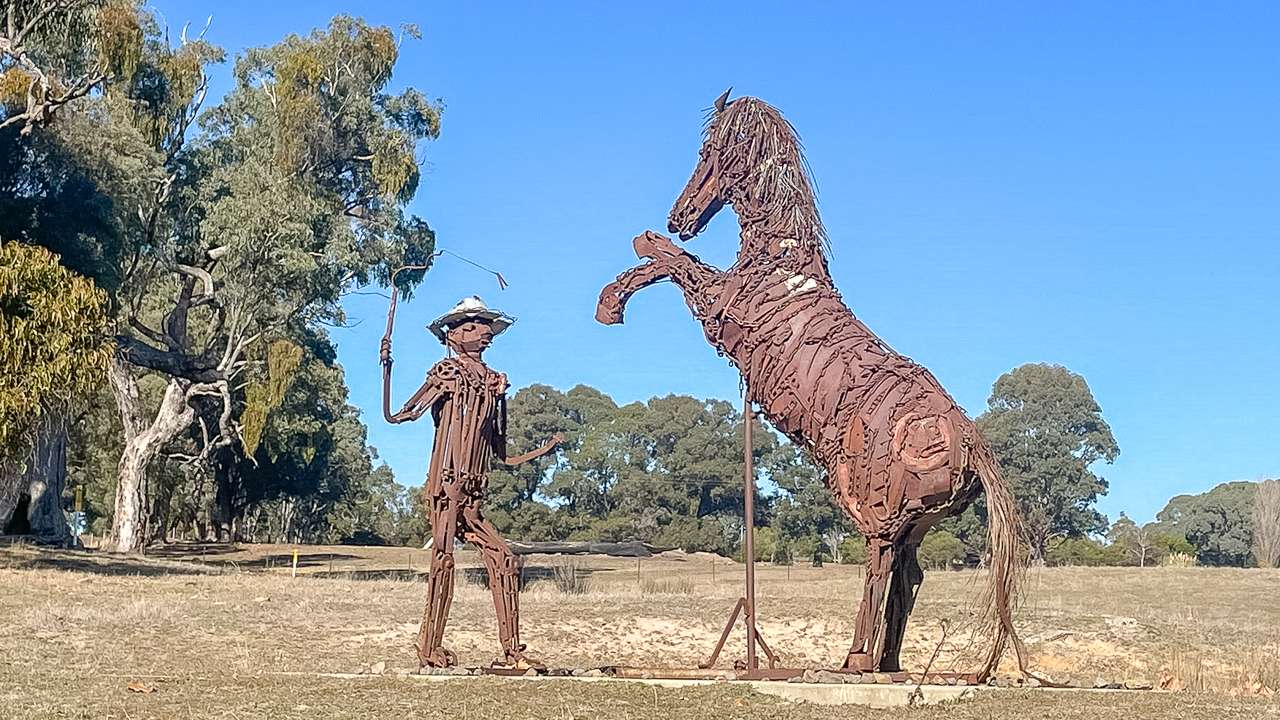
Consequently, advance planning becomes essential for successful Stockton Beach camping experiences. From securing appropriate permits and making online reservations to preparing comprehensive equipment lists and understanding current access restrictions, thorough preparation maximises enjoyment whilst ensuring compliance with conservation requirements. Furthermore, the remote camping environment offers authentic Australian outback experiences rarely available so close to major population centres. Whether you’re seeking weekend camping adventures or extended four-wheel drive expeditions, Stockton Beach camping delivers unforgettable experiences across one of NSW’s most spectacular coastal environments.

Embrace the planning requirements, respect the environmental constraints and prepare for camping adventures that showcase the very best of Australia’s unique coastal wilderness areas.

Stockton Beach NSW Camping Ganyamalbaa Beach Camping Area

Stockton Beach NSW Camping Ganyamalbaa Beach Camping Area

Pin It on Pinterest