Tibooburra Is The Ultimate Outback Destination

Tibooburra Is The Ultimate Outback Destination

Tibooburra Is The Ultimate Outback Destination

Explore Tibooburra a remote town in Outback NSW known for its rich history and stunning landscapes. Tibooburra accommodation options as well as what to do and how to get there. Tucked away in the remote north-western corner of New South Wales, Tibooburra is a hidden gem waiting to be discovered.

Known as the gateway to the Corner Country this small outback town offers a unique blend of history, culture and natural beauty. Whether you’re an adventurer seeking rugged landscapes or a history buff interested in Australia’s gold rush and explorer era Tibooburra has something for everyone.
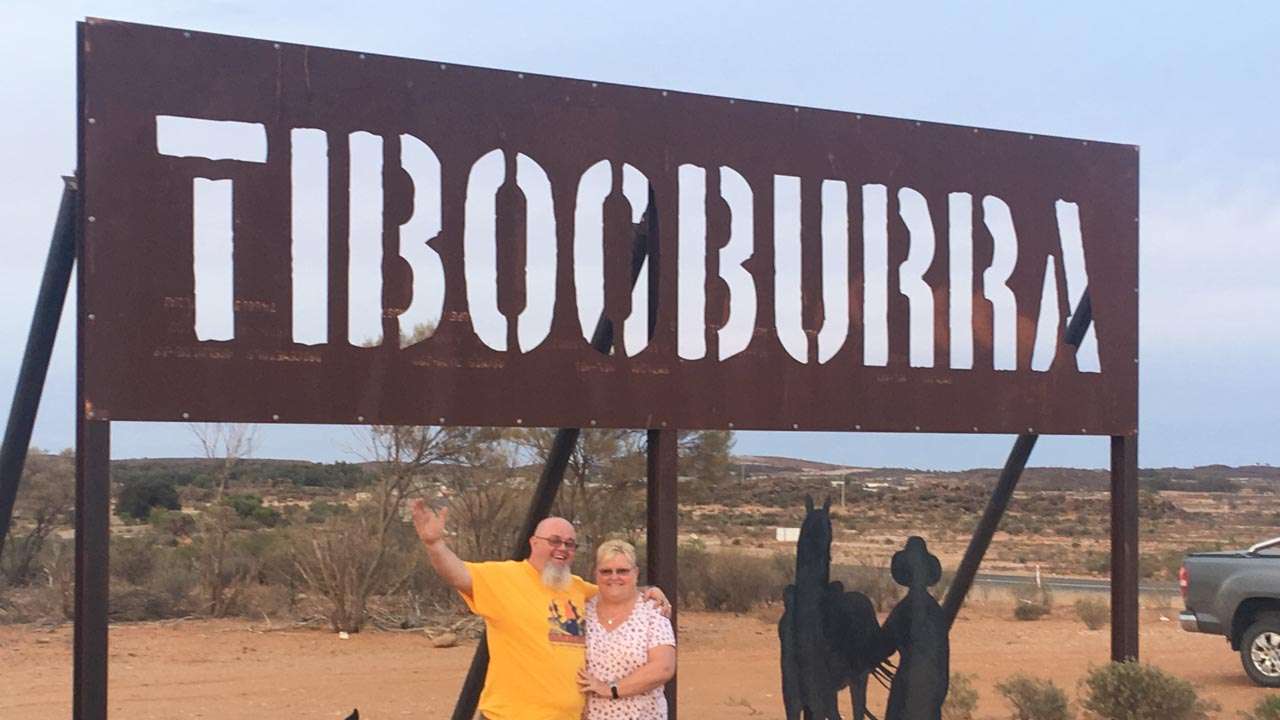
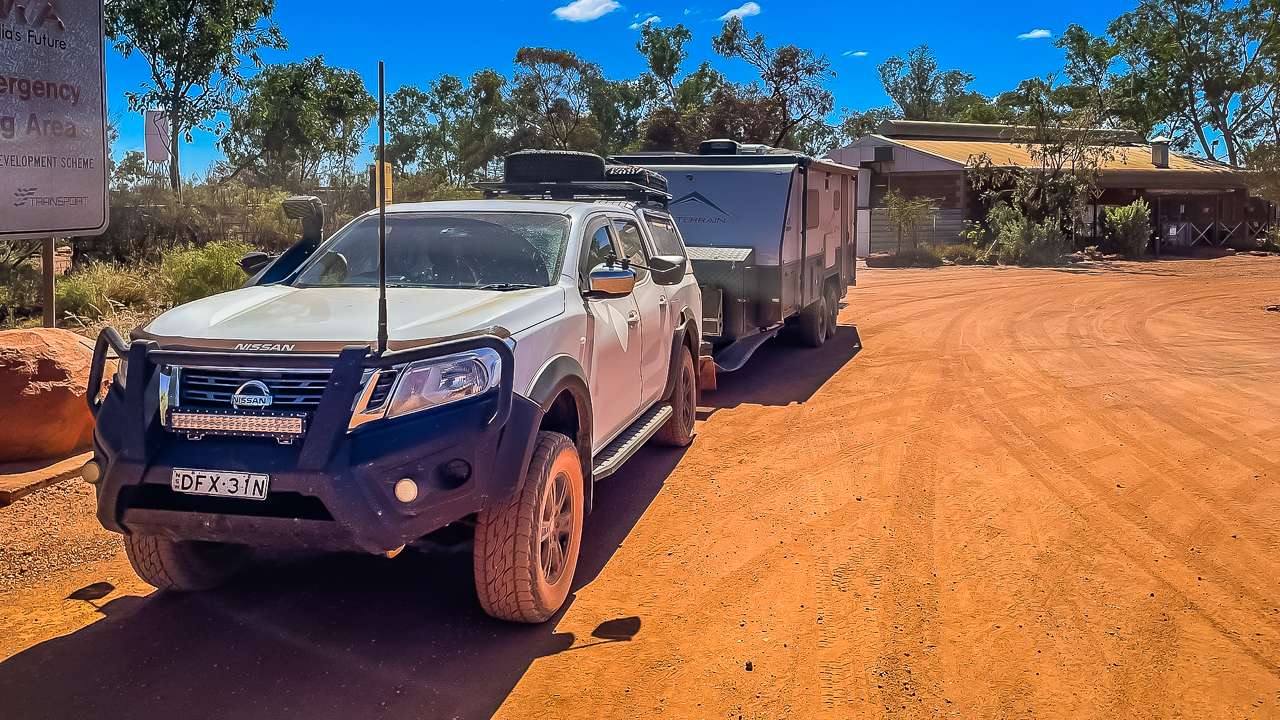
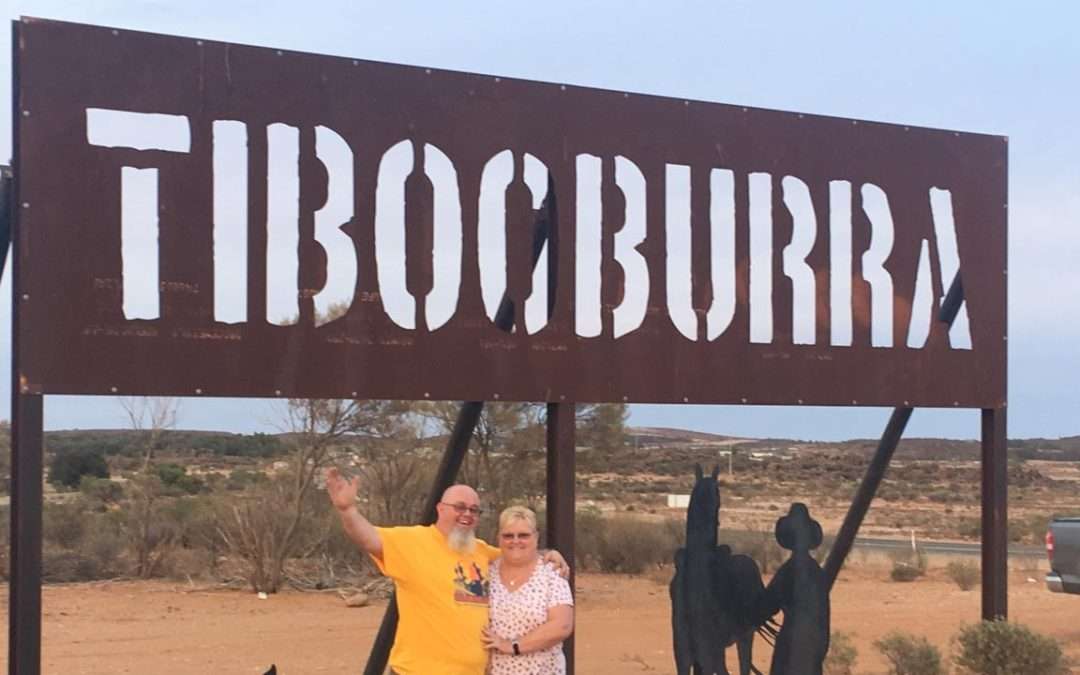
Welcome To Tibooburra Sign

Welcome To Tibooburra Sign

History Of Tibooburra

Early Indigenous History
Long before European settlers arrived, the area now known as Tibooburra was home to the Wangkumara people. Their rich cultural heritage is evident in the numerous rock carvings and ancient artefacts found throughout the region.

European Exploration and Settlement
European exploration began in the mid-19th century, with explorers like Charles Sturt and Thomas Mitchell passing through the area. The discovery of gold in the late 1800s brought a surge of prospectors and settlers, transforming Tibooburra into a bustling outback town.

Gold Rush Era
The gold rush era left an indelible mark on Tibooburra. The town’s population swelled as hopeful miners flocked to the area, seeking their fortunes. Today, remnants of this golden age can still be seen in the town’s heritage buildings and historical sites.
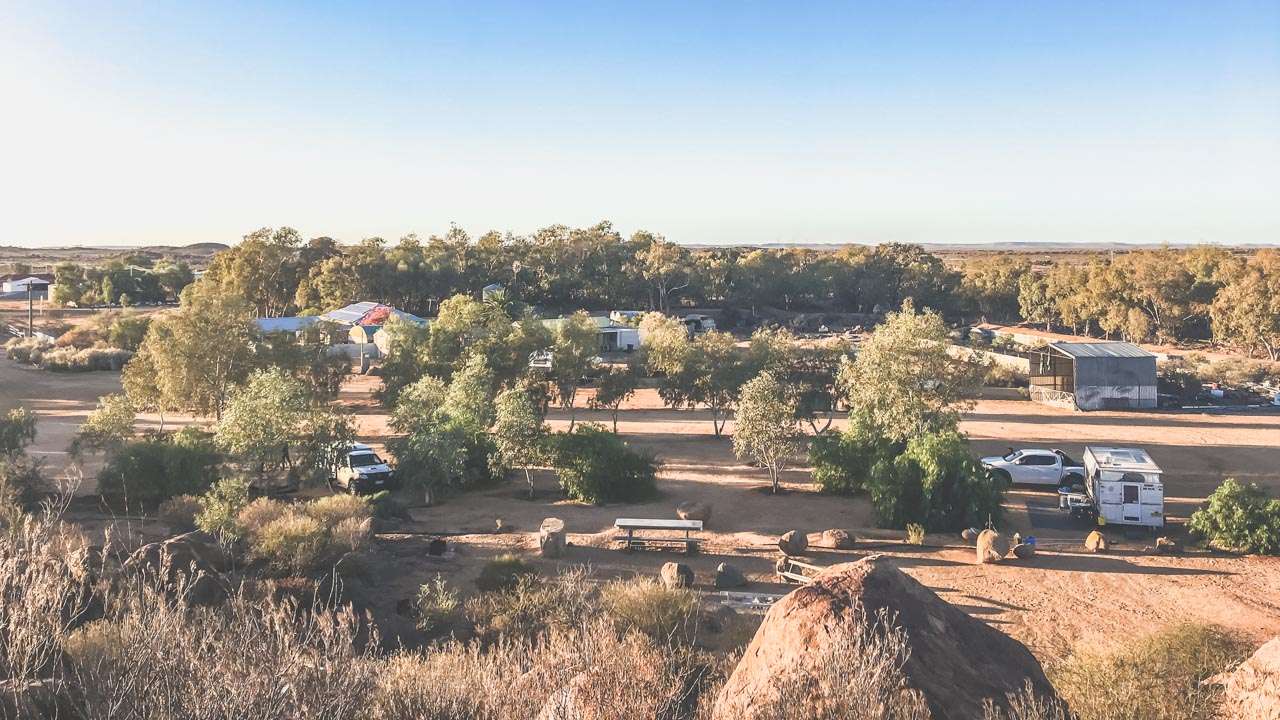
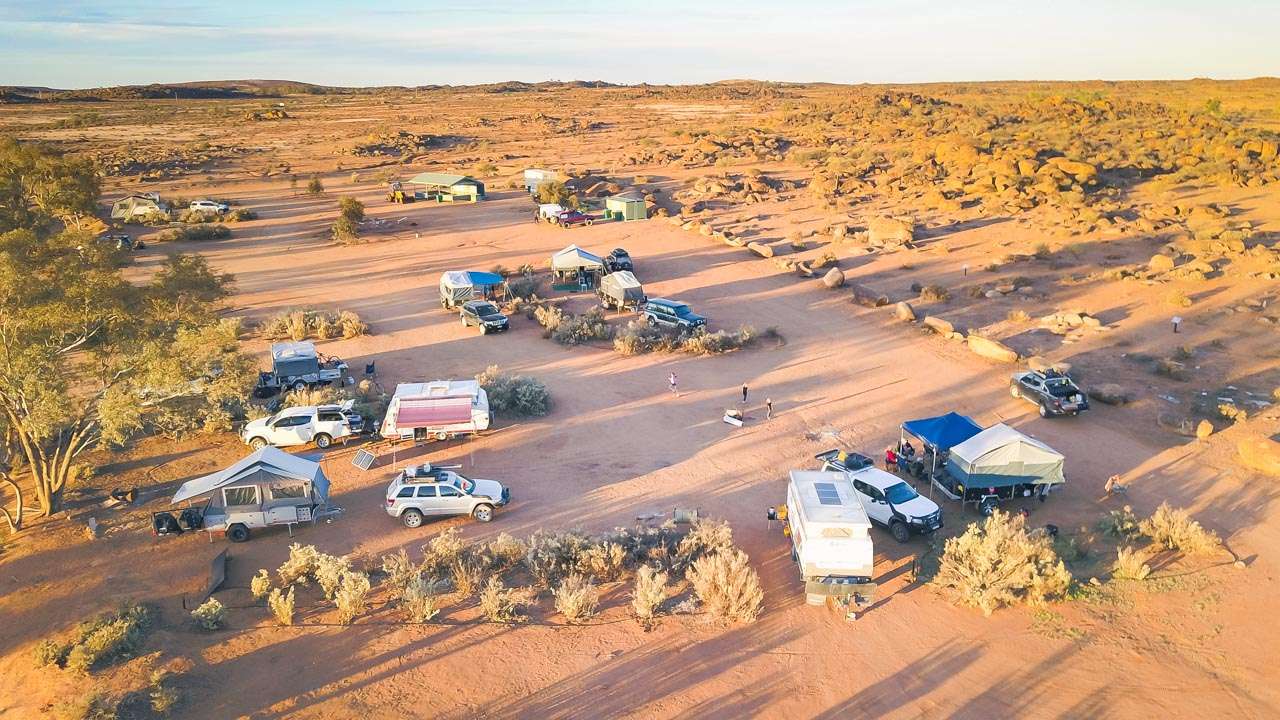
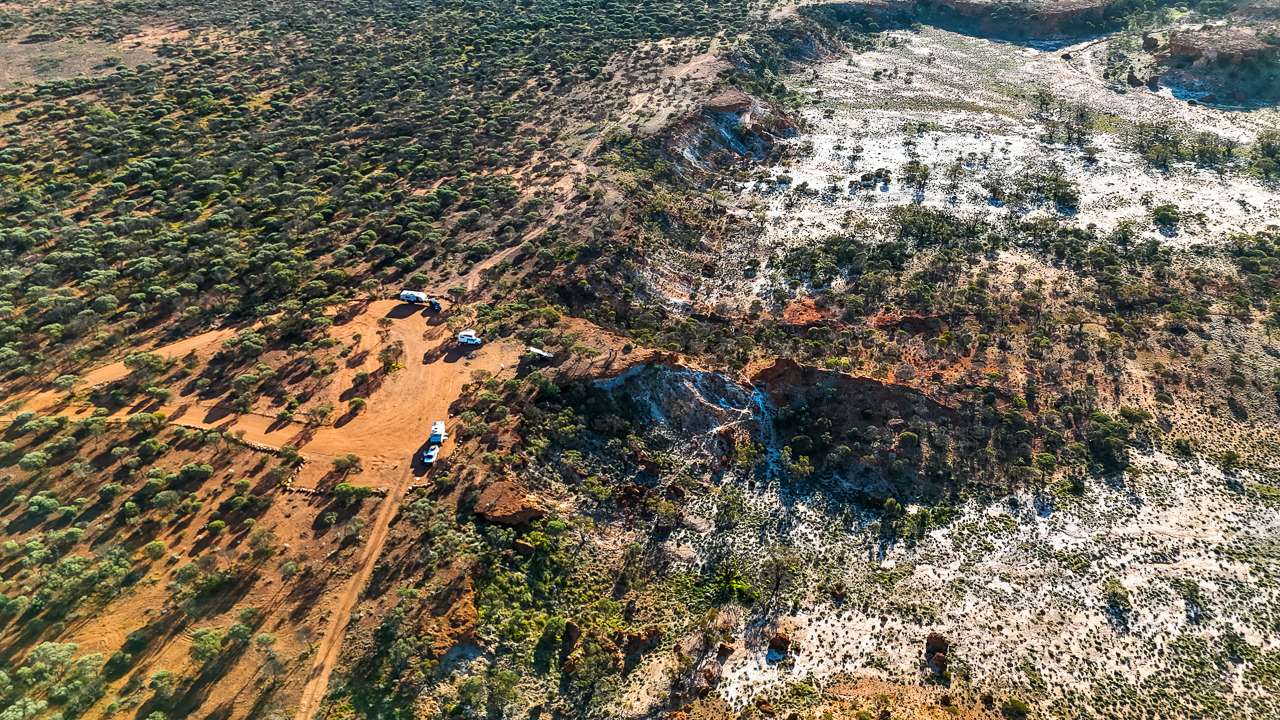
Tibooburra Caravan Park Unpowered Section

Tibooburra Caravan Park Unpowered Section

Geography

Location And Accessibility
Tibooburra is situated approximately 1,200 kilometres from Sydney making it a remote but easily accessible destination for Aussie travellers. The town is best reached by car with well maintained roads leading through stunning outback scenery.

Unique Geographical Features
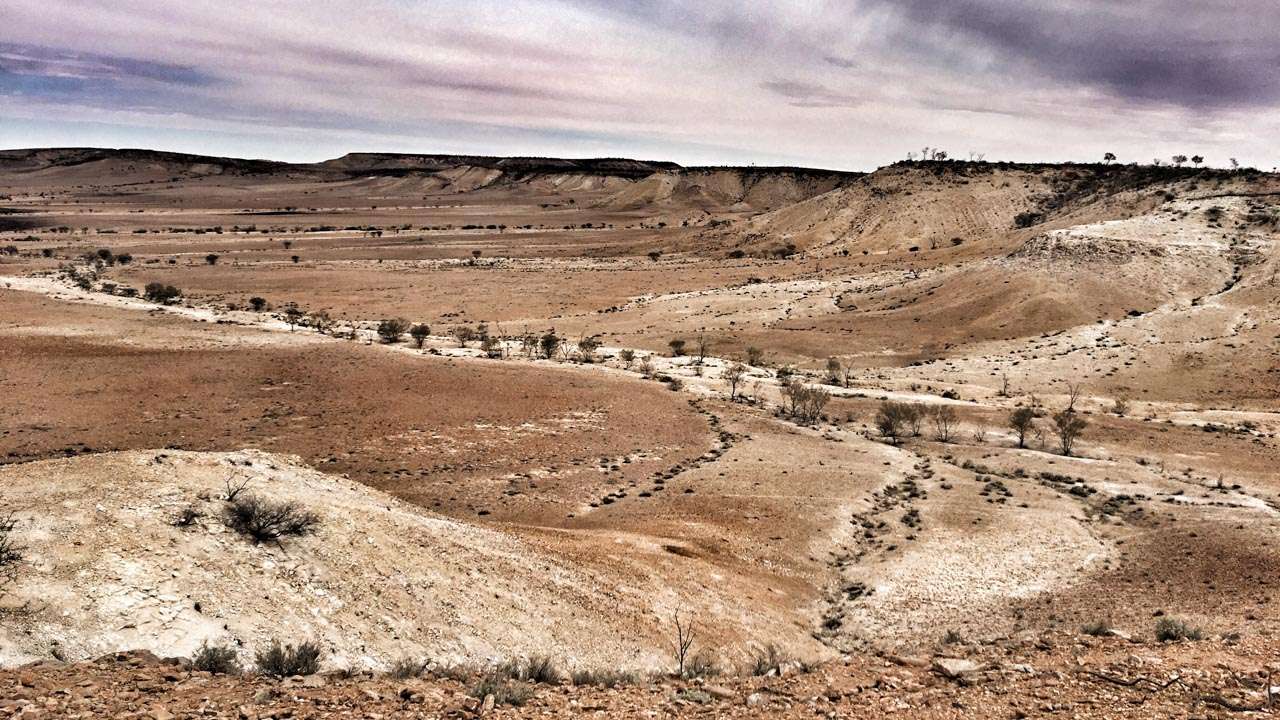
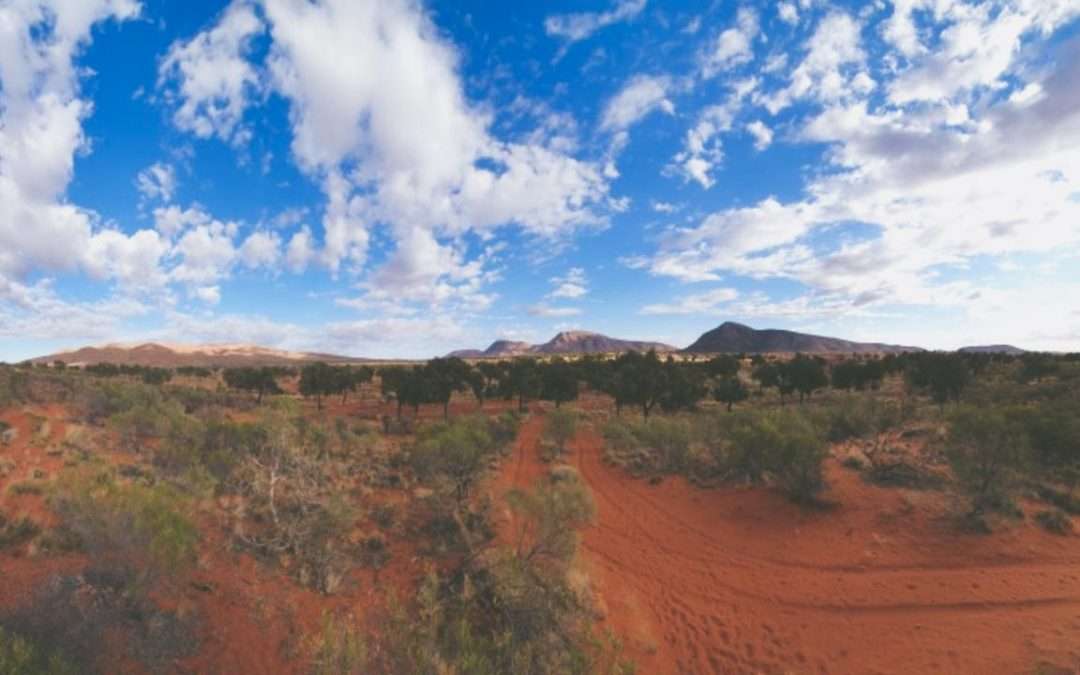
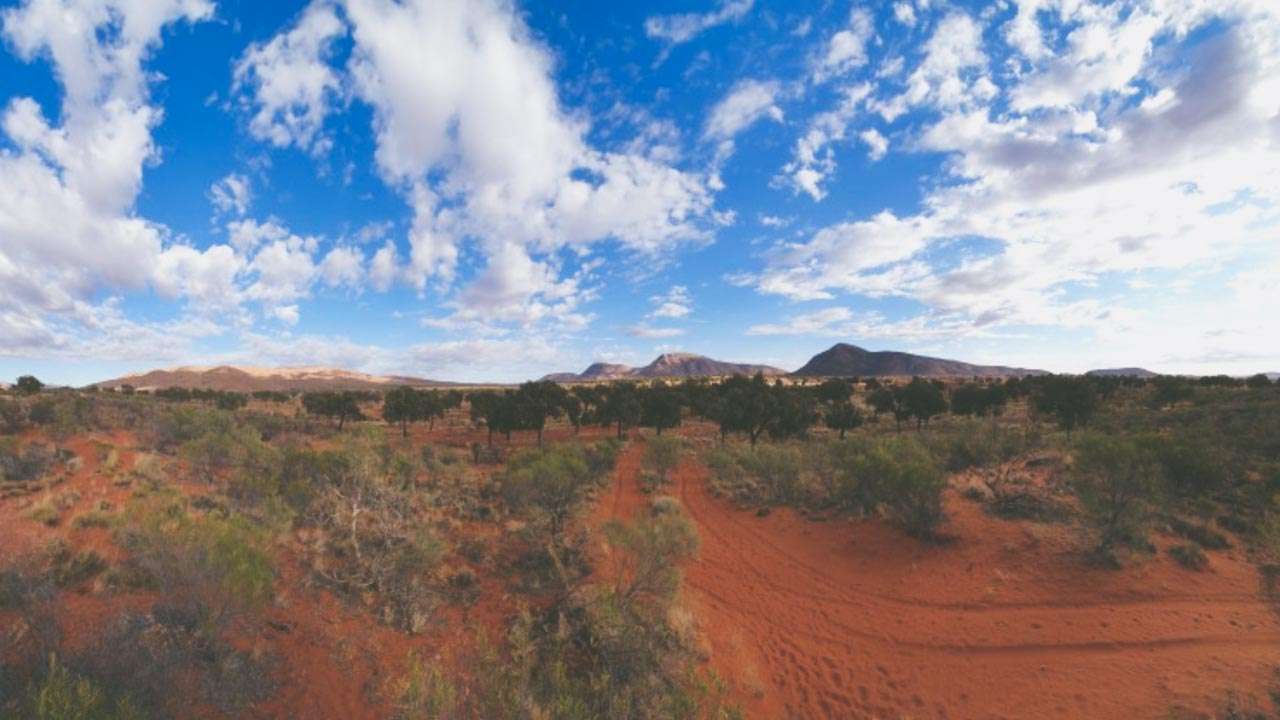
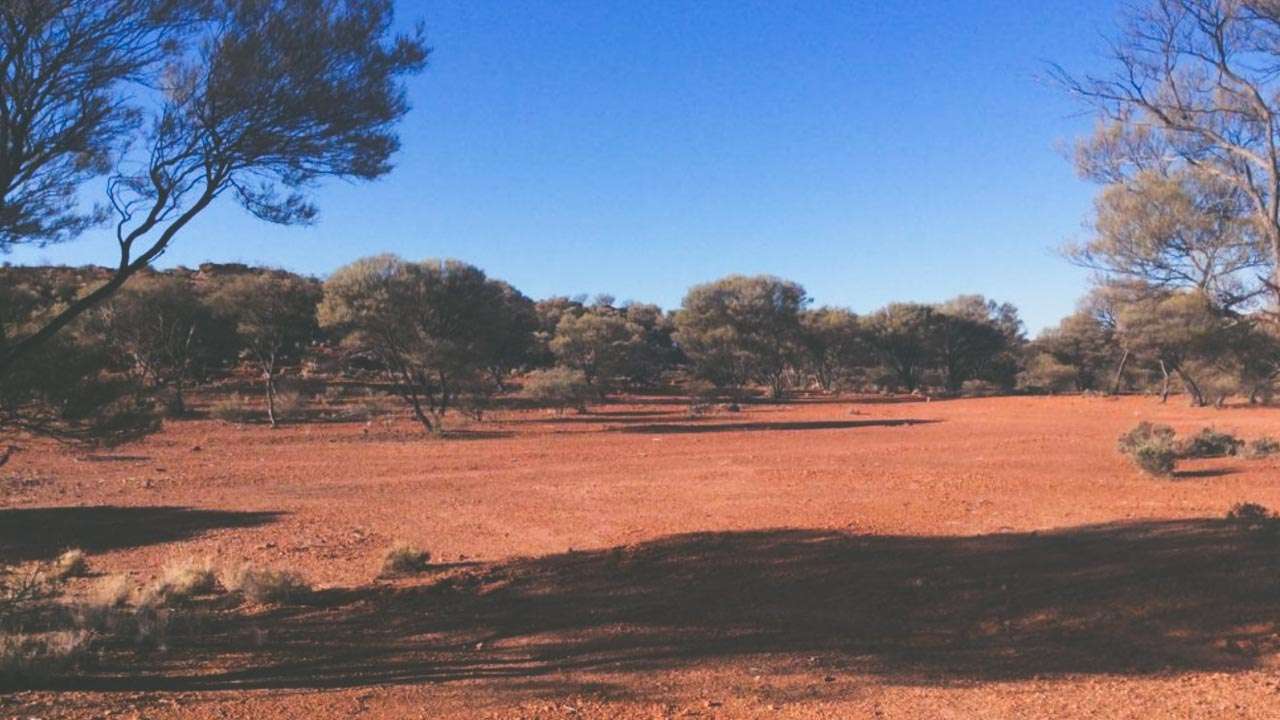
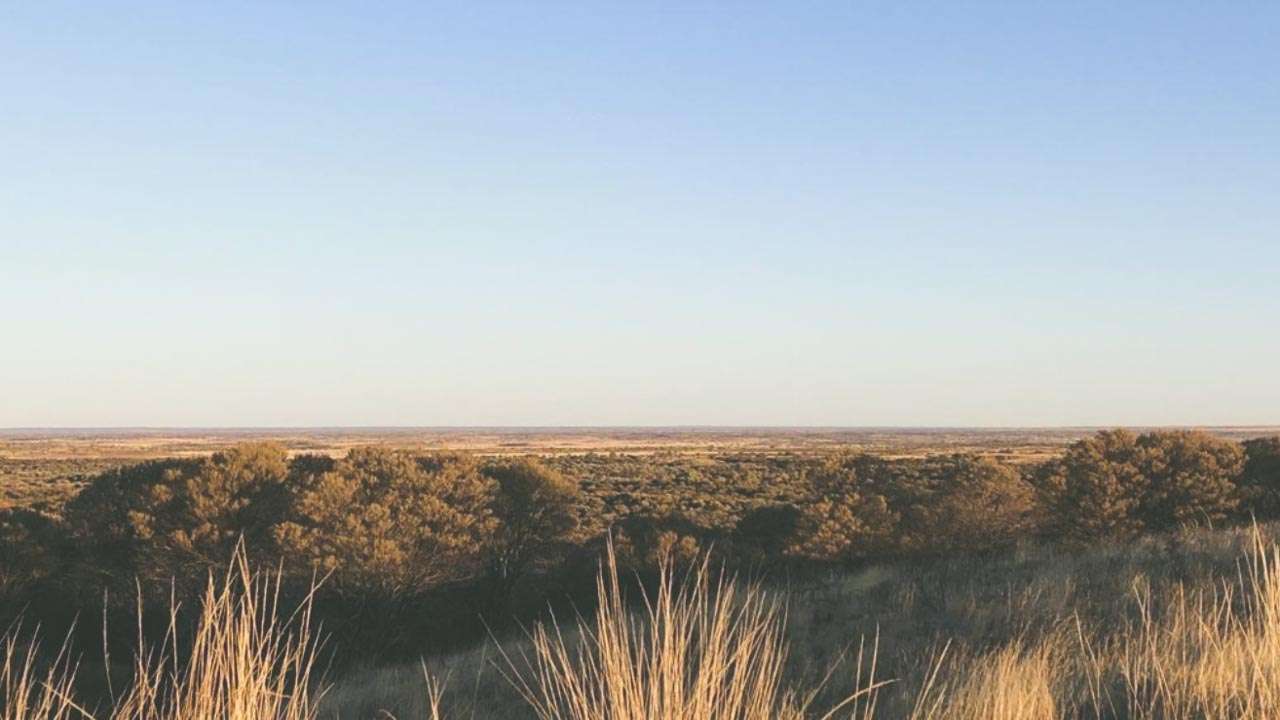
The town is surrounded by striking landscapes, including the red sand dunes of the Strzelecki Desert and the rocky outcrops of Sturt National Park. These unique geographical features make Tibooburra a photographer’s paradise.
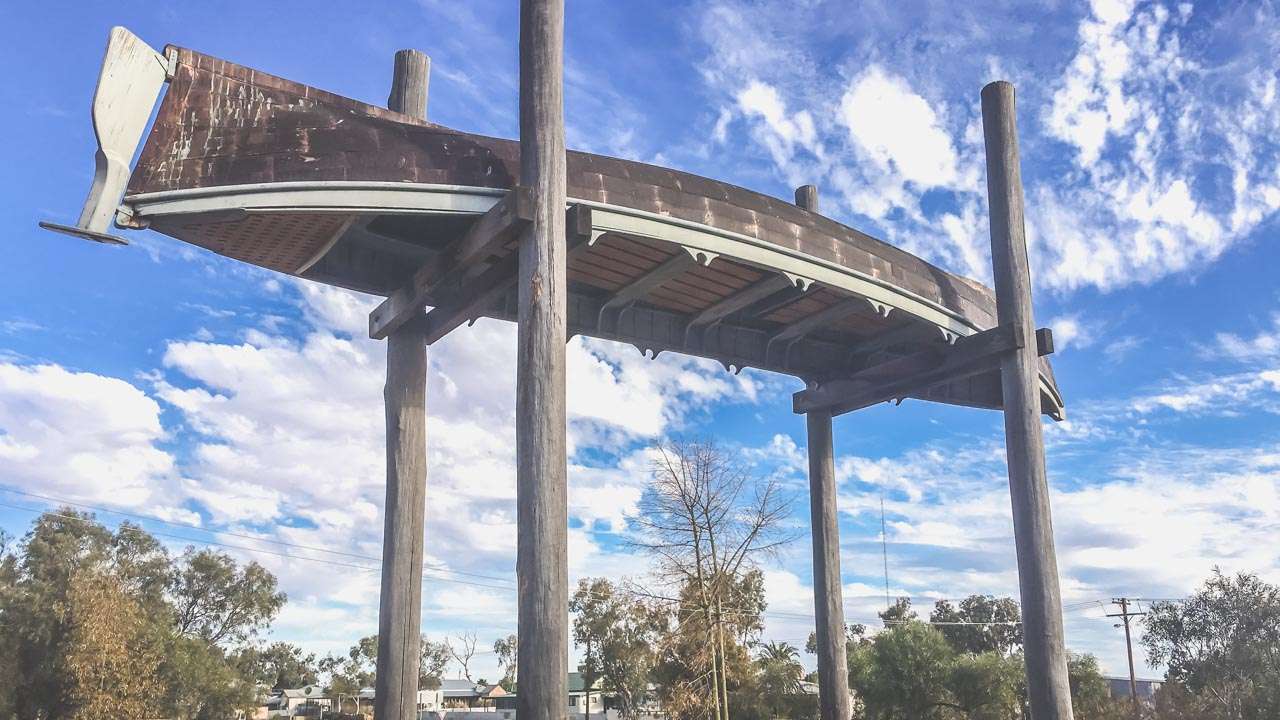
Replica Of Sturts Whaleboat At Tibooburra

Replica Of Sturts Whaleboat At Tibooburra

Tibooburra Attractions

Tibooburra Hotel
A visit to Tibooburra wouldn’t be complete without stopping by the historic Tibooburra Hotel. Established in the late 19th century, this iconic pub offers a glimpse into the town’s past and a chance to mingle with friendly locals.

National Parks: Sturt National Park
Sturt National Park located on the outskirts of Tibooburra is a must-visit for nature enthusiasts. The park boasts diverse wildlife, rugged landscapes and numerous walking trails, providing endless opportunities for exploration.

Tibooburra Courthouse Museum
For those interested in the town’s history, the Tibooburra Museum offers a fascinating collection of artefacts, photographs and exhibits detailing the area’s past. It’s a great place to learn more about the gold rush era and indigenous heritage.

Aboriginal Rock Carvings
Scattered throughout the region, the Aboriginal rock carvings offer a unique insight into the cultural history of the Wangkumara people. These ancient artworks are a testament to the deep connection between the indigenous community and the land.

Amanda Outside Family Hotel At Tibooburra

Amanda Outside Family Hotel At Tibooburra

Outdoor Activities

Bushwalking And Hiking Trails
Tibooburra is a haven for outdoor enthusiasts, with numerous bushwalking and hiking trails crisscrossing the surrounding landscapes. Whether you’re a seasoned hiker or a casual walker there’s a walking track to suit every fitness level.

Bird Watching
The area’s diverse habitats attract a wide variety of bird species making Tibooburra a prime destination for bird watchers. Bring your binoculars and keep an eye out for native species like the majestic wedge-tailed eagle.

Off-Road Adventures
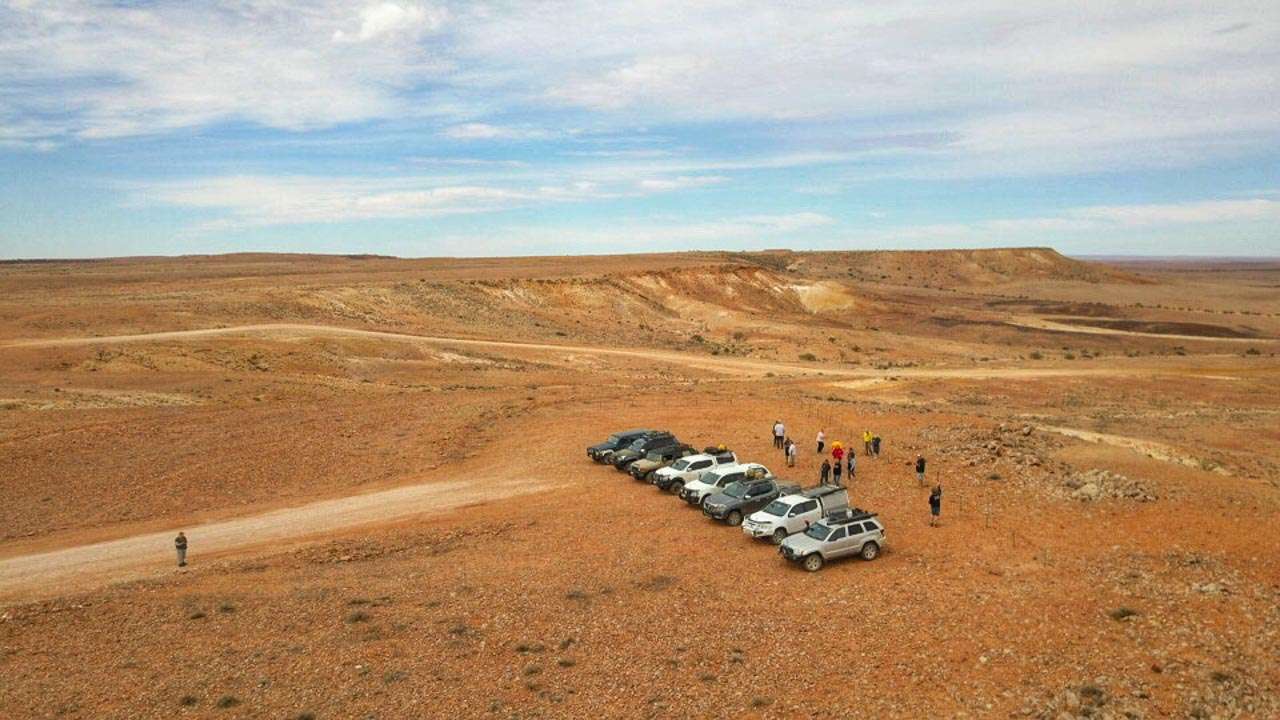
For those seeking a bit more excitement, Tibooburra offers plenty of off-road adventures. The rugged terrain and open spaces are perfect for four-wheel driving providing an adrenaline pumping way to explore the outback.

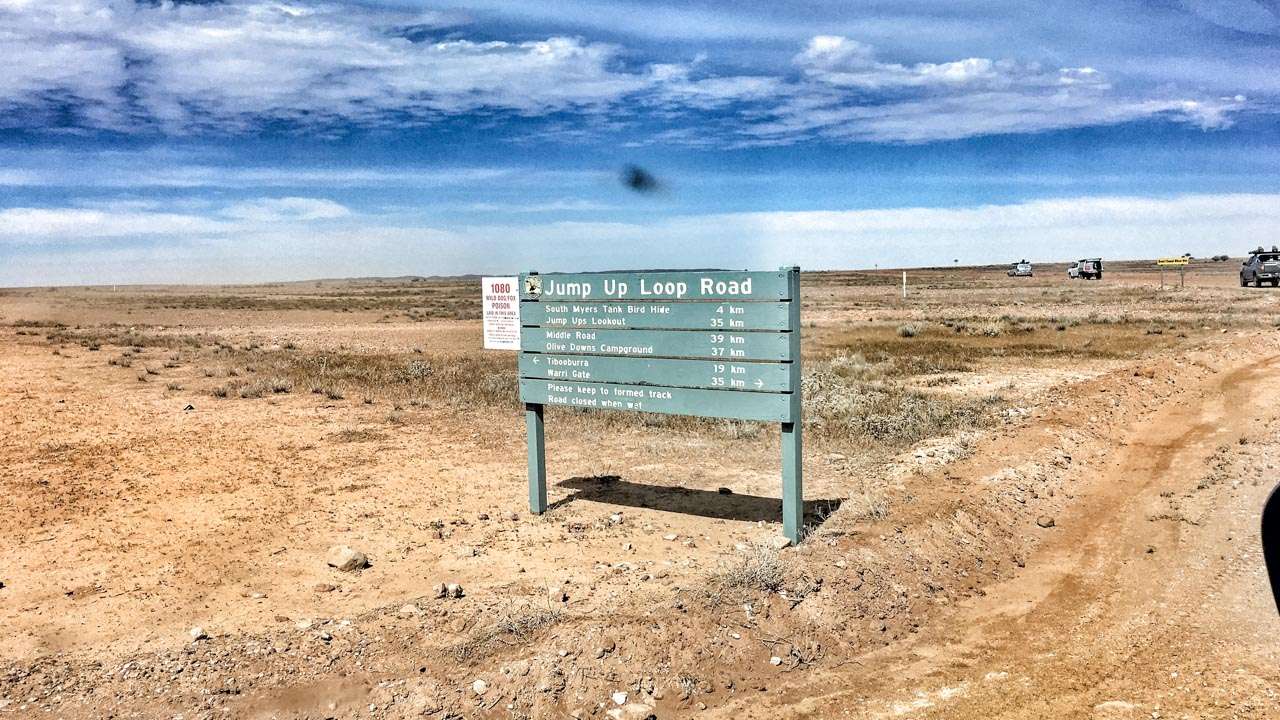
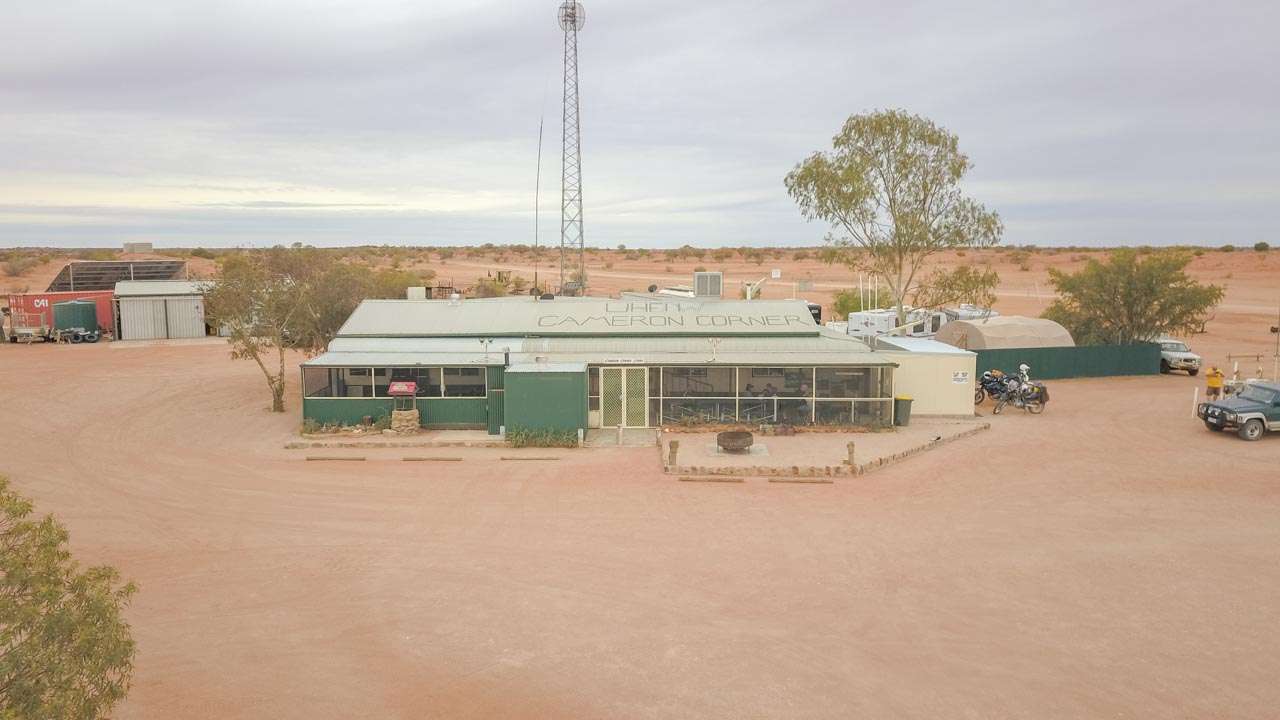
  • Take the jump up loop road to visit the spectacular jump ups and drive on through to Cameron Corner for lunch then return to town. Mud maps are available from the roadhouse.
  • Drive an out and back trip to Cameron Corner.
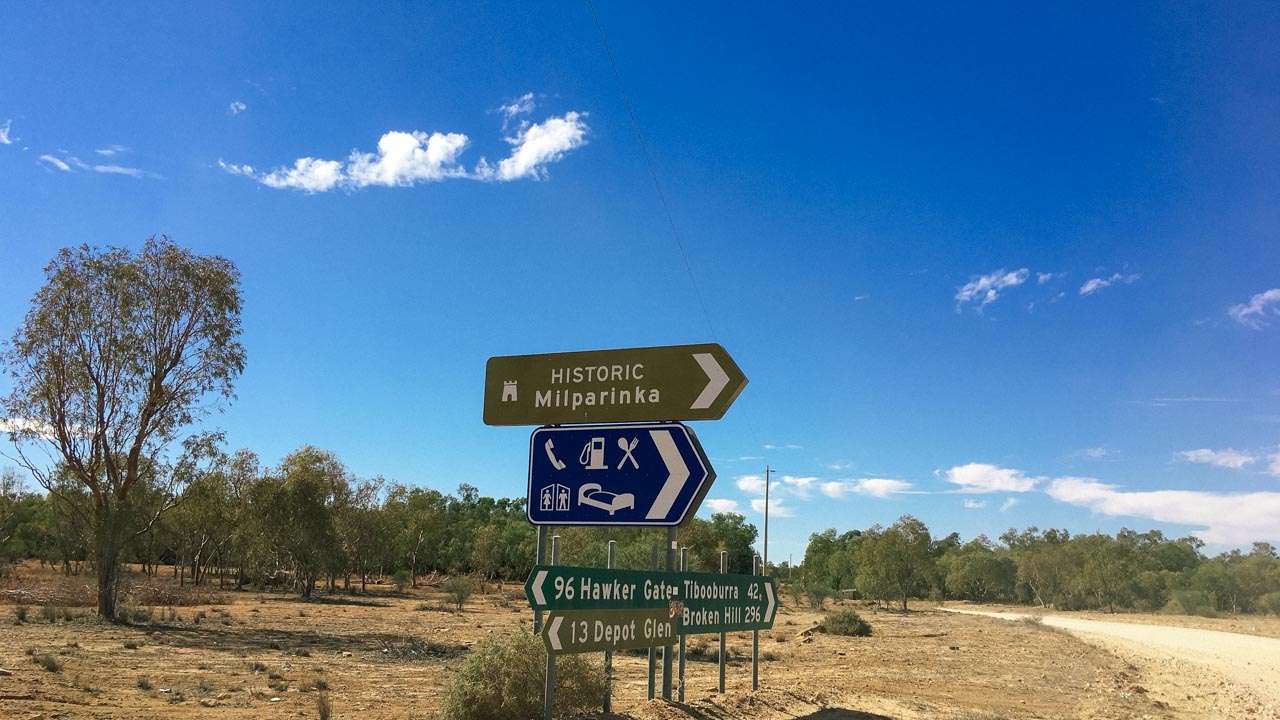
  • Do a day trip out to Milparinka and visit Pooles Grave and Depot Glen where Sturt holed up waiting for rain.
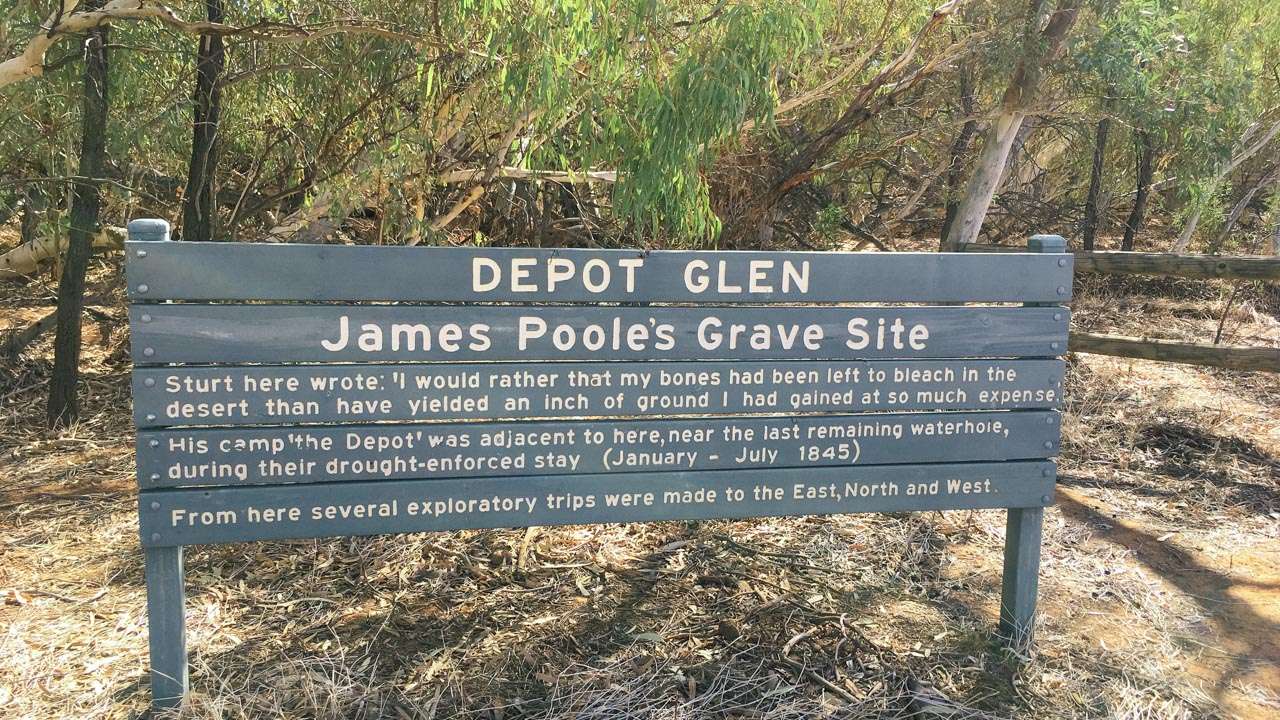
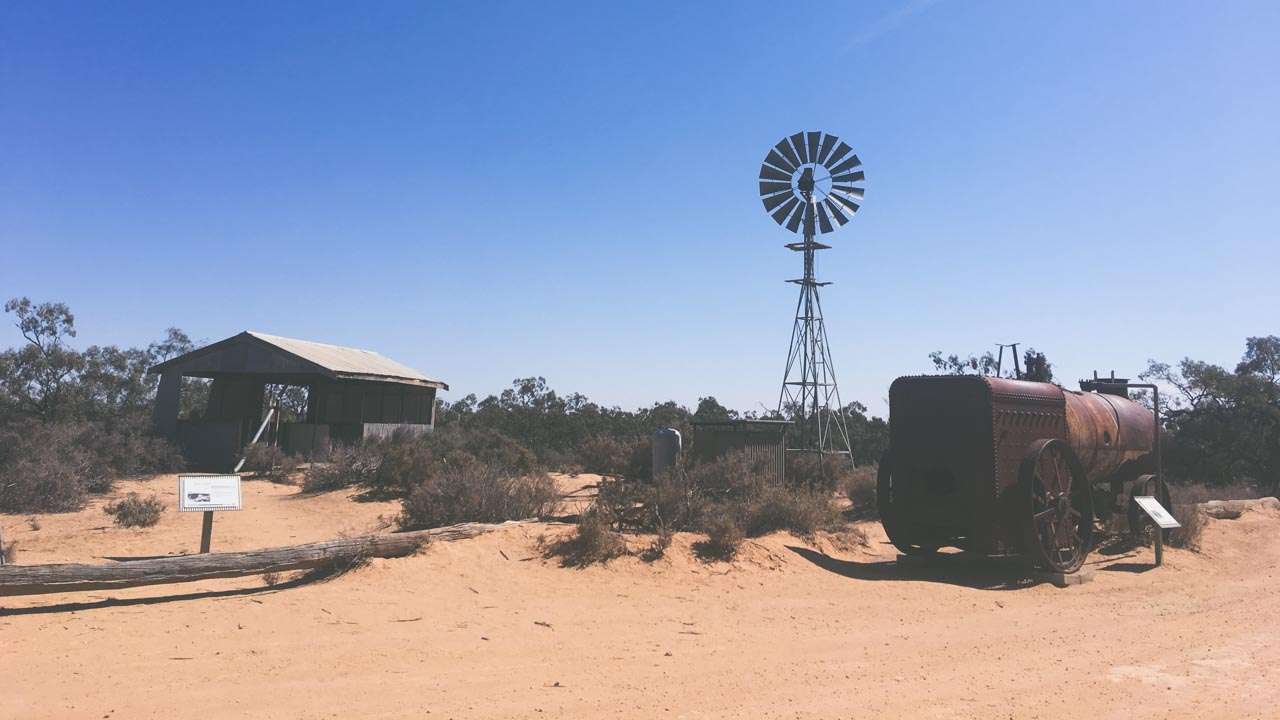
Depot Glen Near Milparinka

Depot Glen Near Milparinka

Tibooburra Accommodation: Your Guide To Staying In The Heart Of The Outback

When planning a trip to Tibooburra one of the most crucial aspects to consider is accommodation. Tibooburra, located in the far northwest of New South Wales, is a fascinating destination known for its rugged landscapes, rich history and rugged outback charm. Whether you’re visiting for its historical significance, the stunning natural scenery or the sense of adventure finding the right Tibooburra accommodation will significantly enhance your experience.

Types of Accommodation In Tibooburra

Hotels And Motels
Tibooburra offers a variety of hotels and motels, each with its own unique charm. These establishments provide comfortable lodgings with essential amenities making them a popular choice for visitors looking for convenience and comfort.

Experience The Best Of Tibooburra At Tibooburra Caravan Park

Introduction To Tibooburra Caravan Park
Tibooburra Caravan Park is your gateway to the stunning landscapes of Outback New South Wales. Whether you’re seeking adventure or relaxation, this park provides the perfect setting.

Tibooburra Accommodation Options At Tibooburra Caravan Park

Caravan Sites
The caravan sites at Tibooburra Caravan Park are spacious and well-maintained. Each site is equipped with power and water connections, ensuring a comfortable stay for all visitors.

Cabins
For those preferring a bit more comfort, the park offers a range of cabins. These cabins come with modern amenities, including air conditioning, kitchen facilities and comfortable beds.
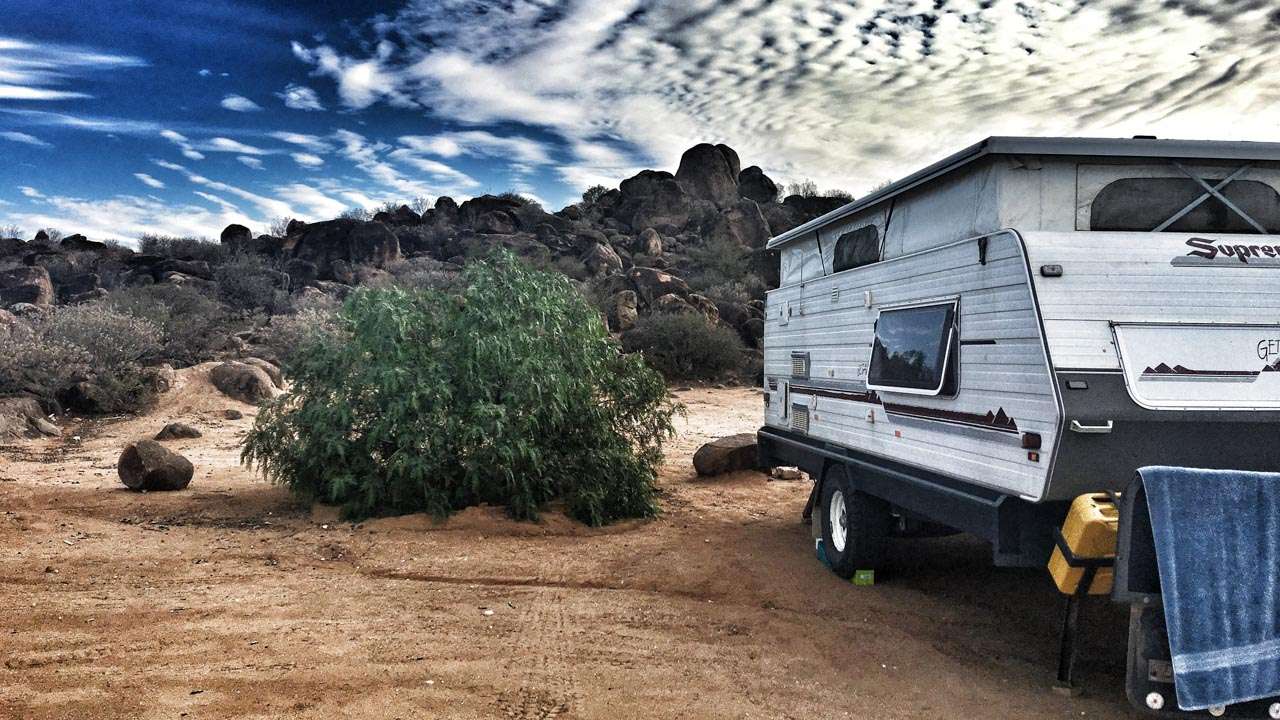
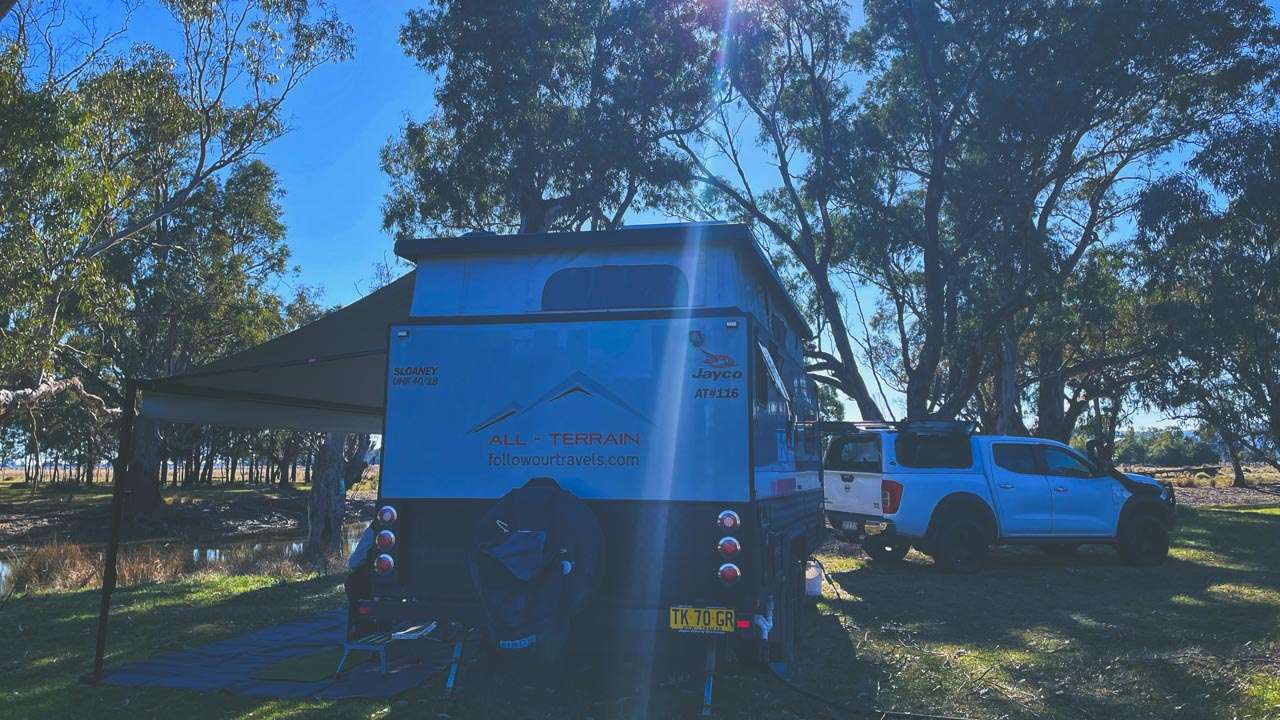
Our Supreme Getaway Caravan At Tibooburra Caravan Park

Our Supreme Getaway Caravan At Tibooburra Caravan Park

Amenities and Facilities

  • Camp Kitchen
    The camp kitchen is fully equipped with cooking facilities, allowing guests to prepare their meals. It’s a great spot to meet fellow travellers and share stories over a hearty meal.
  • BBQ Area
    Enjoy a traditional Australian BBQ in the designated BBQ area. It’s perfect for social gatherings and enjoying the great outdoors.
  • Laundry Facilities
    The park provides laundry facilities, making it convenient for long-term stays. The machines are modern and easy to use.

Booking in Advance
Due to its popularity, it’s advisable to book your accommodation at Tibooburra Caravan Park in advance. This ensures you get the best spot and avoids any last-minute hassles.

Conclusion To Tibooburra Accommodation Options At Tibooburra Caravan Park

Tibooburra Caravan Park offers a unique blend of comfort and adventure. With its excellent facilities, beautiful surroundings and a range of activities, it’s the perfect destination for your next outback escape.

Camping Sites
Camping is a great way to immerse yourself in the natural beauty of Tibooburra. With several designated camping areas, particularly within Sturt National Park, you can enjoy the serenity of the outback under the stars.

Tibooburra Hotel

Tibooburra Hotel was constructed from locally quarried sandstone during the Australian Gold Rush in 1882. While the beloved Hotel has faced some challenges recently, it still stands proudly today and continues to provide a much-loved oasis in the harsh Australian Outback. For visitors to Corner Country, it is a must-see attraction affectionately called “The Two Storey.”.

The “Two Storey” is overflowing with unique history & special details, including recycled timbers & gold (and other treasures) embedded in the bar. Tibooburra Hotel also offers a variety of accommodation options with eight luxury rooms out the back and five stylish pub rooms on the second floor.

There’s an award-winning menu, 8 cold beers on tap and a great beer garden & stage. You’ll receive nothing but good ol’ Country Pub hospitality from your hosts Tracey & Craig Hotchin!

The Fire & Rebuild At The Tibooburra Hotel
As some may be unaware, the newly renovated Tibooburra Hotel was destroyed by a fire in February 2021 & reconstruction is still ongoing. Fire seems to have destroyed every iconic pub at some point in its history, so we are committed to restoring her to her original glory and beyond! Different stages of our rebuild are currently operational, are almost complete and are yet to start. It is our sincere gratitude to all guests for their understanding during the hotel’s reconstruction phase and their support during the work.

Family Hotel

Another iconic place to stay is the Family Hotel. Known for its unique murals painted by famous artists, this hotel offers a blend of history and art, providing a memorable stay for guests.
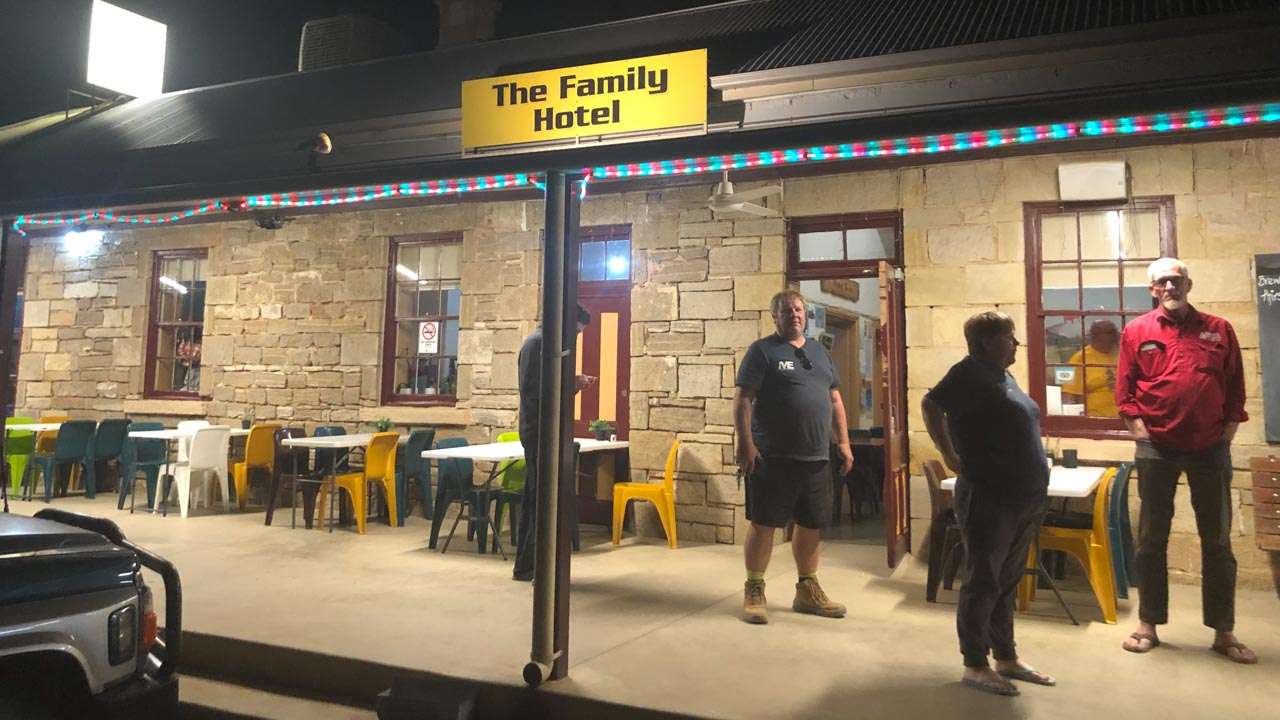
Family Hotel Tibooburra

Family Hotel Tibooburra

Camping In Tibooburra

Sturt National Park Camping Sites
Camping in Sturt National Park is an unforgettable experience. The park offers several camping sites each providing a unique perspective of the outback landscape. These sites are equipped with basic facilities like toilets and picnic tables.

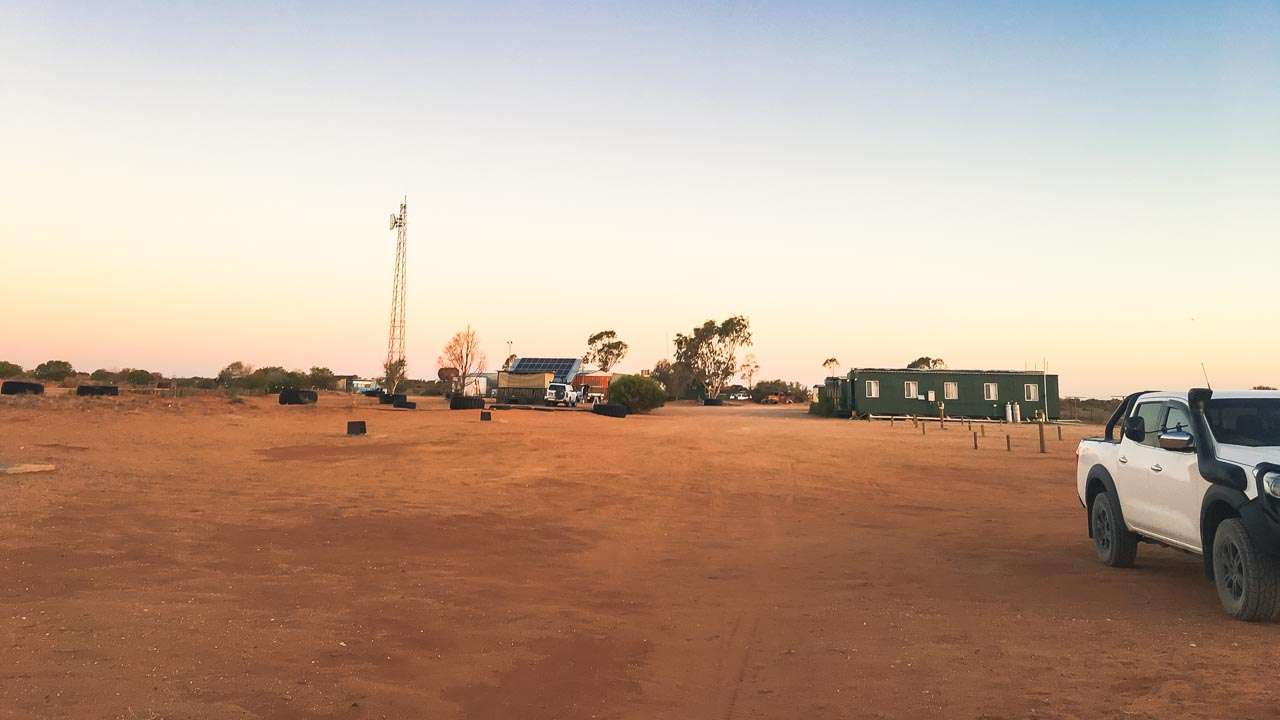
Aboriginal Land Council Camp Site At Tibooburra
The Aboriginal Land Council camp site at Tibooburra is a really awesomely great camp site. They have hot showers and flushing toilets all in an outback setting and it was only $15 a night when we were there in 2019. We’ll be there again in 2025 so I must do an update if anything changes with the price. It really is a superb spot to set up camp for a night or two. They have drinking water available and it is good, clean and tastes excellent. There is a walk you can do from the Aboriginal Land Council camp site. It leaves the back of the park and loops out and around and works its way back to aboriginal burial grounds near the main Tibooburra sign on the way into town. At the corner where the road heads out to Cameron Corner. It’s a nice, easy, interesting walk.

Tips for Camping in the Outback
When camping in Tibooburra it’s important to be well-prepared. Bring plenty of water, a good supply of food and all necessary camping gear. Be mindful of the weather conditions and always inform someone about your plans.

Tibooburra Weather: A Comprehensive Guide

Tibooburra situated in the far northwest corner of New South Wales is known for its unique outback climate. Understanding the weather patterns of Tibooburra weather is crucial for anyone planning a visit or for those living in the region. This guide provides a detailed look at Tibooburra’s weather throughout the year helping you prepare for the conditions you might encounter.

Overview Of Tibooburra’s Climate
Tibooburra experiences a semi-arid climate characterised by hot summers, mild winters and low rainfall. The weather can be extreme, with significant temperature fluctuations between day and night.

Tibooburra Weather – Summer

Summer in Tibooburra, which spans from December to February, is typically very hot. Daytime temperatures often exceed 40°C (104°F), making it one of the hottest regions in New South Wales. The heat can be intense so it’s crucial to stay hydrated and seek shade during peak sun hours.

Rainfall during summer is generally sparse, but when it does occur, it can result in sudden and heavy downpours. These rain events can lead to temporary flooding, as the dry, hard ground is unable to absorb water quickly.

David Inside The Family Hotel Tibooburra

David Inside The Family Hotel Tibooburra

Tibooburra Weather Summer Tips

  • Hydrate regularly and avoid prolonged exposure to the sun.
  • Wear lightweight, breathable clothing and a wide-brimmed hat.
  • Be prepared for sudden rain showers and potential flooding.

Tibooburra Weather – Autumn

Autumn from March to May brings a slight relief from the scorching summer heat. Temperatures start to drop with daytime highs averaging between 25°C to 35°C (77°F to 95°F). Nights can be cooler providing a welcome respite from the daytime warmth.

Rainfall remains low, but the occasional thunderstorm is not uncommon. The landscape begins to recover from the harsh summer, with sparse vegetation showing signs of life.

Tibooburra Weather Autumn Tips

  • Enjoy the milder temperatures for outdoor activities.
  • Be aware of thunderstorm warnings and take necessary precautions.
  • Evenings can be cooler so pack a light jacket.

Tibooburra Weather – Winter

Winter in Tibooburra in the months from June to August is mild compared to other regions. Daytime temperatures range from 15°C to 25°C (59°F to 77°F), while night-time temperatures can drop significantly, sometimes reaching as low as 0°C (32°F).

Frost is rare but can occur on particularly cold mornings. Rainfall is minimal during winter, contributing to the overall dryness of the region.

Tibooburra Weather Winter Tips

  • Layer your clothing to adapt to fluctuating temperatures.
  • Mornings and evenings can be quite chilly so pack warm clothes.
  • Despite cooler temperatures sun protection remains important.

Tibooburra Weather – Spring

Spring from September to November, sees a gradual warming trend. Temperatures climb back up with daytime highs ranging between 25°C to 35°C (77°F to 95°F). Nights are warmer compared to winter making for comfortable sleeping conditions.

Spring is one of the most pleasant times to visit Tibooburra as the landscape often bursts into bloom following the sparse winter rains. Wildflowers and green shoots add a touch of colour to the otherwise arid environment.

Tibooburra Weather Spring Tips

  • Spring is ideal for hiking and exploring the outback.
  • Be prepared for warmer days as the season progresses.
  • Keep an eye out for wildlife and blooming flowers.

Tibooburra Weather Related Considerations For Visitors

Heat Precautions
The extreme heat in Tibooburra especially during summer requires visitors to take adequate precautions. Heat exhaustion and dehydration are real risks. Always carry enough water, wear sunscreen and limit physical activities during peak heat hours.

Road Conditions
Weather can affect road conditions in and around Tibooburra. Heavy rains can lead to flash flooding, making some roads impassable. Always check the latest road conditions and weather forecasts before embarking on a journey.

Wildlife
Tibooburra weather influences local wildlife behaviour. During the cooler month, you might see more wildlife activity, as animals take advantage of the milder temperatures. Conversely the intense summer heat often drives animals to seek shelter, reducing daytime sightings.

Best Time to Visit Tibooburra
The best time to visit Tibooburra largely depends on your tolerance for heat and your planned activities. For most visitors, the cooler months from April to October offer the most comfortable conditions for outdoor activities and sightseeing.

Spring (September to November) and autumn (March to May) are particularly favourable, providing a balance between temperature extremes and scenic beauty. However, those interested in experiencing the raw, intense heat of the outback might find the summer months fascinating, albeit challenging.

Preparing For Your Trip
When planning a trip to Tibooburra, consider the following:

  • Pack appropriate clothing for the season, including sun protection and warm layers for cool nights.
  • Stay informed about the latest weather forecasts and road conditions.
  • Plan your activities around the weather to ensure a safe and enjoyable visit.
  • Hydrate regularly and carry sufficient water supplies especially during summer.

Tibooburra weather is a defining feature of this outback town. Understanding the seasonal variations and preparing accordingly can enhance your visit, ensuring you have a safe and memorable experience. Whether you’re drawn to the vibrant blooms of spring, the mild days of autumn, or the rugged heat of summer, Tibooburra offers a unique glimpse into the Australian outback’s diverse climate.

Cultural Significance

  • Indigenous Culture and Heritage
    The indigenous culture and heritage of the Wangkumara people are integral to Tibooburra’s identity. Visitors can learn about their traditions, stories and connection to the land through various cultural experiences and guided tours.
  • Best Times For Wildlife Spotting
    The best times for wildlife spotting are during the cooler months, when animals are more active. Early morning and late afternoon are ideal times to catch a glimpse of the region’s unique wildlife.
  • Travel Tips
  • Best Time To Visit
    The best time to visit Tibooburra is during the cooler months of April to October, when temperatures are more manageable for outdoor activities. However, each season offers its own unique charm and opportunities for exploration.
  • What To Pack
    When packing for a trip to Tibooburra, be sure to include essentials like sunscreen, a hat, sturdy walking shoes and plenty of water. It’s also a good idea to bring a camera to capture the stunning landscapes.
  • Safety Tips For Travelers
    Safety is paramount when travelling in remote areas like Tibooburra. Always let someone know your travel plans, carry a first aid kit and be prepared for extreme weather conditions. It’s also important to respect local customs and wildlife.

Photography Hotspots

  • Scenic Viewpoints
    Tibooburra is a photographer’s paradise, with numerous scenic viewpoints offering breathtaking vistas. Be sure to visit popular spots like the Sturt National Park lookout for stunning panoramic views.
  • Iconic Landmarks
    The town is home to several iconic landmarks that make for great photo opportunities. Capture the charm of heritage buildings, the rugged beauty of the outback and the unique character of Tibooburra.
  • Tips For Capturing The Best Shots
    To capture the best shots in Tibooburra, plan your photography sessions around the golden hours of sunrise and sunset. These times offer the best lighting conditions and can add a magical quality to your photos.

Historical Sites

Heritage Buildings
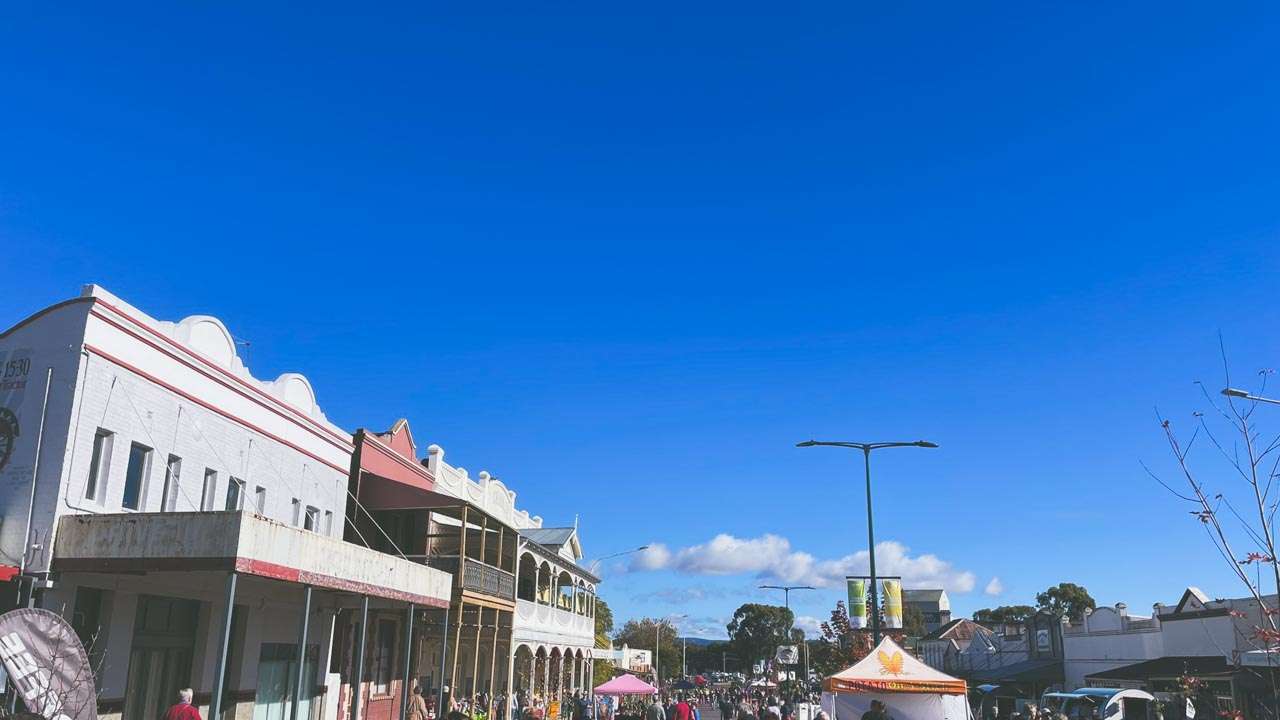
Tibooburra’s heritage buildings offer a glimpse into the town’s rich history. Take a stroll through the town and admire the well-preserved architecture that tells the story of its past.

Gold Rush Relics
Remnants of the gold rush era can still be found throughout Tibooburra. Explore old mining sites and relics that serve as a reminder of the town’s golden history.

Notable Landmarks
In addition to heritage buildings and gold rush relics, Tibooburra boasts several notable landmarks. These include the Tibooburra Hotel, the Sturt National Park and various historical markers that highlight the town’s unique heritage.
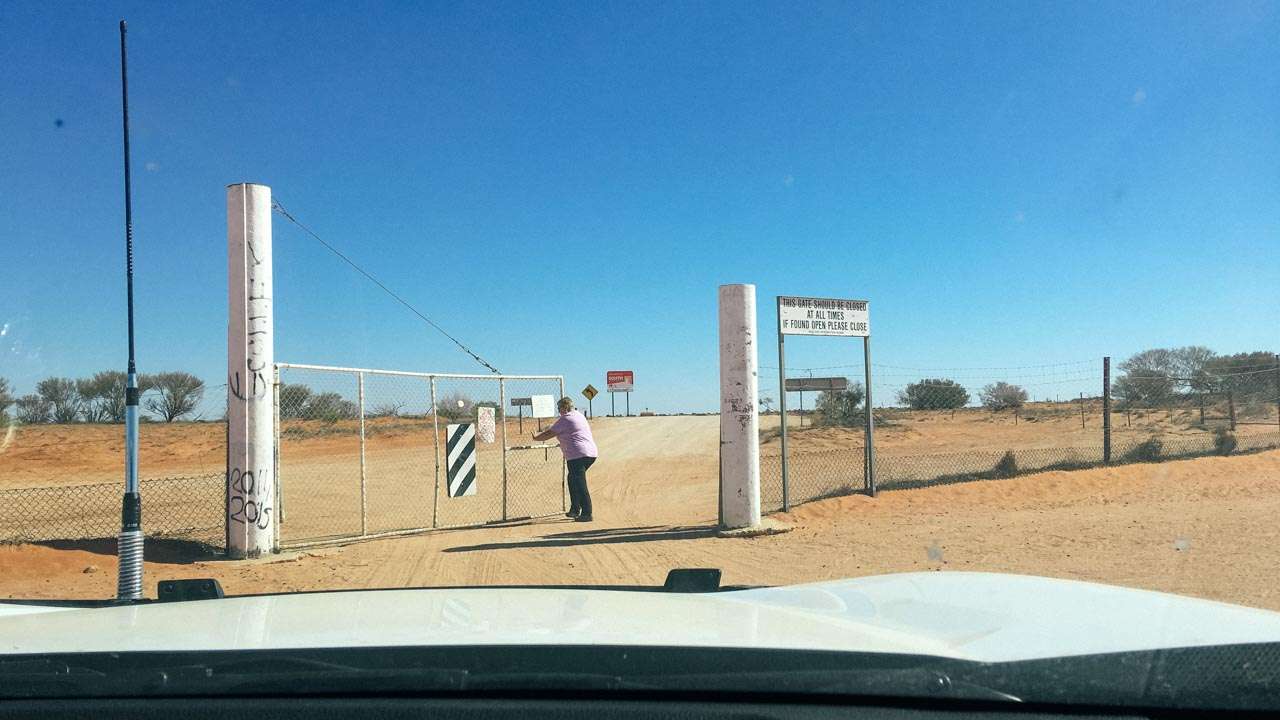
Cameron Corner Gates

Cameron Corner Gates

Getting Around Tibooburra

Transportation Options
While Tibooburra is remote, getting around the town and its surrounding areas is relatively easy. Rental cars and guided tours are popular options for exploring the region.

Road Conditions
The roads leading to and around Tibooburra are generally well-maintained, but it’s important to check conditions before embarking on your journey. Be prepared for unsealed roads and always carry a spare tire and emergency supplies.

Local Tour Guides And Services
For a more in-depth experience, consider hiring a local tour guide. These knowledgeable guides can provide valuable insights into the area’s history, culture and natural wonders.

Nearby Destinations

Places To Visit Within A Day’s Drive
Tibooburra is an excellent base for exploring other destinations within a day’s drive. Nearby attractions include the iconic Cameron Corner, the historic town of Broken Hill and the scenic beauty of the Strzelecki Desert. Milparinka is also definitely worth a look.
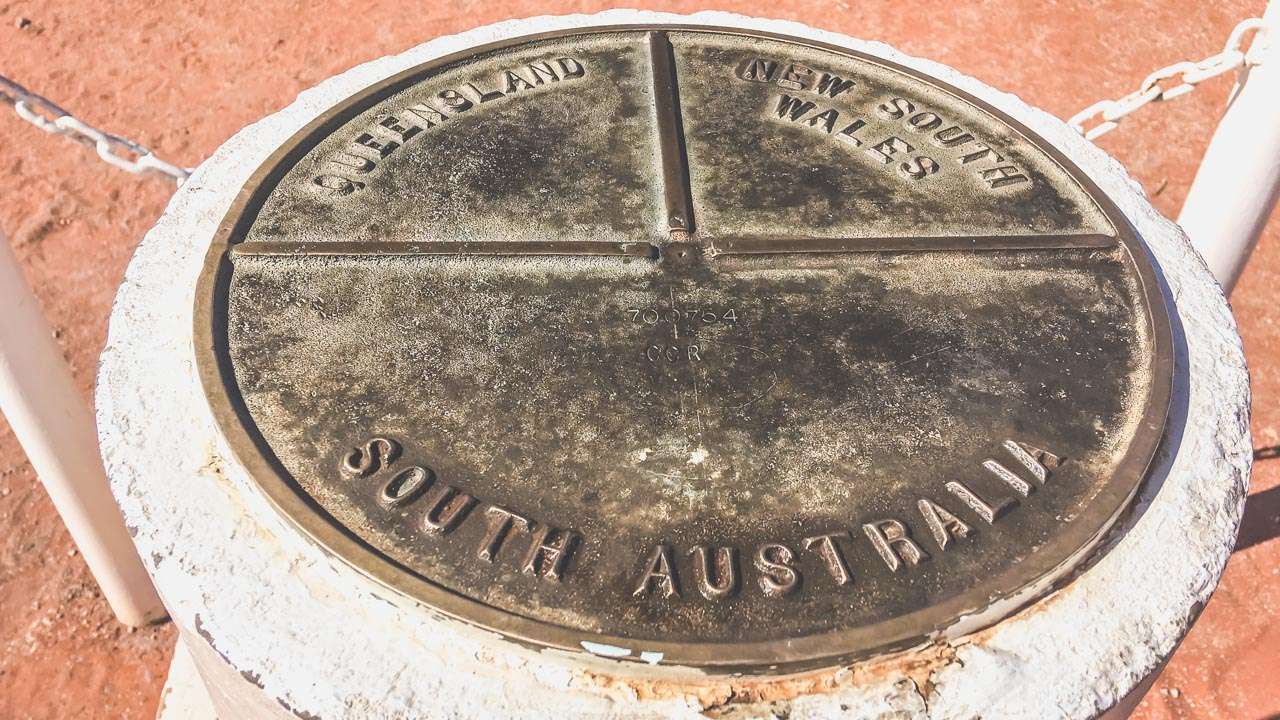
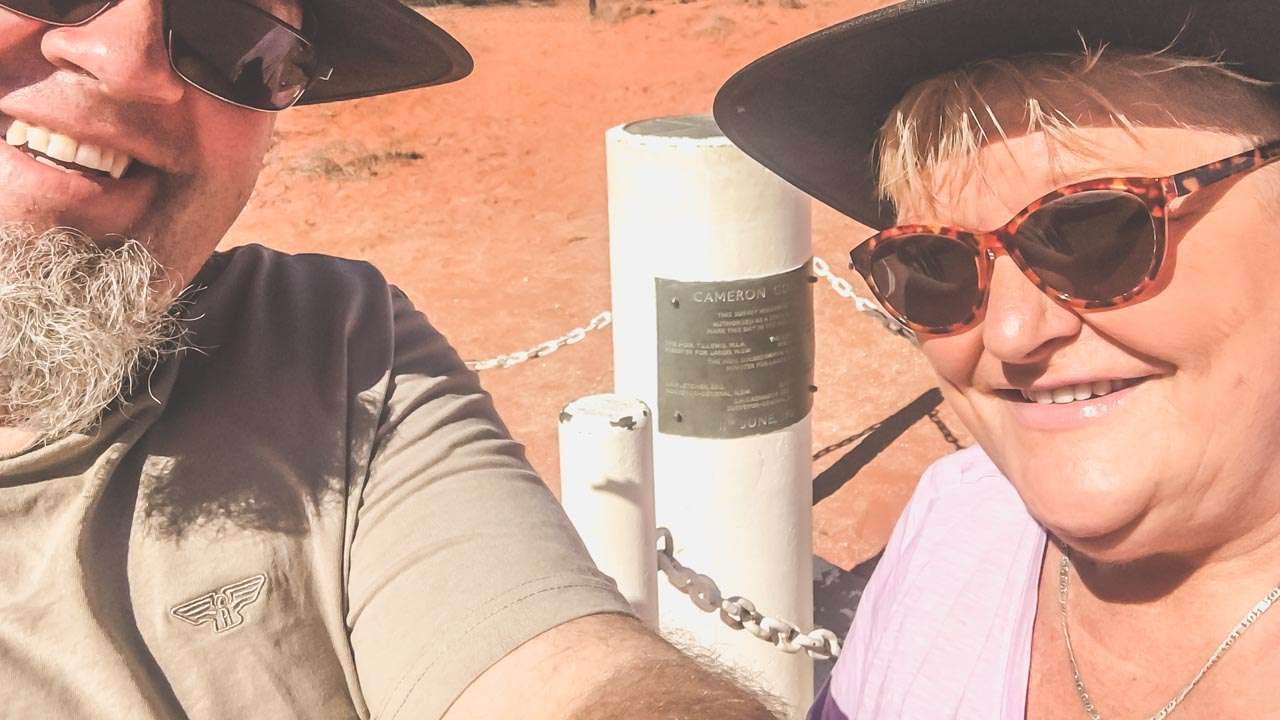
Cameron Corner Marker

Cameron Corner Marker
Road Trip Itineraries
Planning a road trip through the outback? Tibooburra can be part of a larger itinerary that includes other notable destinations in the Corner Country. Create a customised road trip plan to make the most of your journey.
Connecting With Other Outback Towns
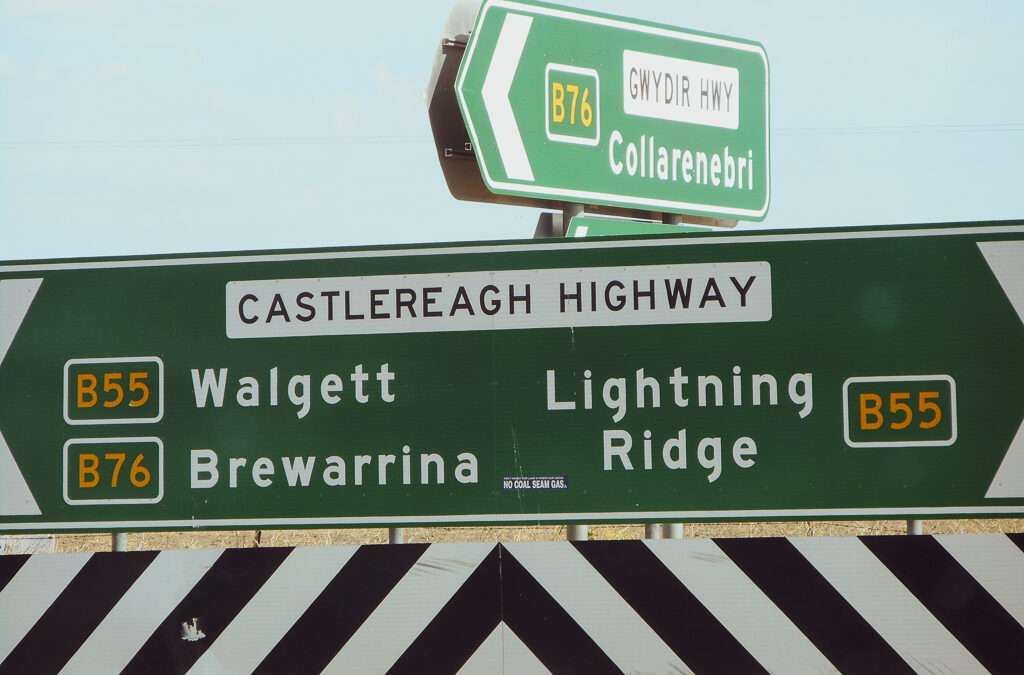
Tibooburra is part of a network of outback towns that offer unique experiences and adventures. Connect with other towns like White Cliffs and Lightning Ridge to explore the diverse landscapes and cultures of the Australian outback.
Conclusion

Tibooburra is a destination like no other. Its rich history, stunning landscapes and vibrant culture make it a must-visit for anyone looking to experience the true essence of the Australian outback. Whether you’re exploring its historical sites, embarking on outdoor adventures, or simply soaking in the unique atmosphere, Tibooburra promises an unforgettable journey.
Directions For Driving From Sydney To Tibooburra Via Broken Hill
Follow these simple step-by-step driving instructions to get from Sydney to Tibooburra via Broken Hill. The trip covers approximately 1,200 kilometres and will take you through some beautiful and diverse landscapes of New South Wales.
  1. Start in Sydney
    Route: Take the Western Distributor Freeway.
    Highway: Merge onto the M4 Motorway.
  2. Travel Through the Blue Mountains
    Route: Continue on the M4, which turns into the Great Western Highway (A32).
    Towns: Pass through Penrith, Katoomba, and Lithgow.
  3. Head to Dubbo
    Route: Stay on the Great Western Highway (A32) to Bathurst.
    Route: From Bathurst, take the Mitchell Highway (A32) to Orange and then to Dubbo.
  4. Drive to Nyngan
    Route: Continue on the Mitchell Highway (A32) from Dubbo to Nyngan.
  5. Proceed to Cobar
    Route: Take the Barrier Highway (A32) from Nyngan to Cobar.
  6. Continue to Wilcannia
    Route: Stay on the Barrier Highway (A32) from Cobar to Wilcannia.
  7. Drive to Broken Hill
    Route: Continue on the Barrier Highway (A32) from Wilcannia to Broken Hill.
  8. Head to Packsaddle
    Route: From Broken Hill, take the Silver City Highway (B79) north to Packsaddle.
  9. Final Stretch to Tibooburra
    Route: Continue on the Silver City Highway (B79) from Packsaddle to Tibooburra.
Travel From to Old Tibooburra Distance Time
Adelaide 847km 09:01
Brisbane 1,335km 15:01
Melbourne 1.178km 12:26
Sydney 1,182km 13:35

FAQs Frequently Asked Questions About Tibooburra

How do I get to Tibooburra?

Tibooburra is best reached by car, with well-maintained roads leading from major cities like Sydney and Broken Hill. It's approximately 1,200 kilometres from Sydney.

What is the best time of year to visit?

The best time to visit Tibooburra is during the cooler months of April to October, when temperatures are more manageable for outdoor activities.

Are there any safety concerns?

While Tibooburra is generally safe, it's important to be prepared for remote travel. Always let someone know your travel plans, carry a first aid kit, and be prepared for extreme weather conditions.

What should I pack for a trip to Tibooburra?

Pack essentials like sunscreen, a hat, sturdy walking shoes, and plenty of water. Also, bring a camera to capture the stunning landscapes and unique wildlife.

Can I see wildlife in Tibooburra?

Yes, Tibooburra is home to a diverse range of wildlife. Best times for spotting wildlife are during the cooler months, and early morning or late afternoon.

Tibooburra Photo Gallery

5 Must Do Outback Trips From Sydney

5 Must Do Outback Trips From Sydney

5 Must Do Outback Trips From Sydney

Explore 5 awesome outback trips from Sydney. Experience stunning landscapes and unique adventures just a drive away from Sydney. Exploring the Australian Outback offers an incredible journey into the heart of the country’s rugged beauty, diverse wildlife and rich cultural heritage.

For those based in Sydney the Outback is more accessible than you might think. Here are five remarkable Outback trips from Sydney that promise unforgettable experiences and breathtaking scenery.

Trip 1: Broken Hill

Location And Accessibility
Broken Hill is located approximately 1,100 kilometres west of Sydney. It’s accessible by car, train or a short flight, making it a versatile destination for an Outback adventure.

Highlights and Attractions

  • Mining History
    Broken Hill is a historic mining town known for its rich mineral deposits. Visit the many mining museums and heritage sites to learn about its pivotal role in Australia’s mining industry.
  • Art And Culture
    The town is also a hub for artists, featuring numerous galleries and the famous Broken Hill Regional Art Gallery. The Living Desert and Sculptures is a must see outdoor gallery set amidst stunning desert scenery.
  • Unique Landscapes
    Explore the unique landscapes surrounding Broken Hill including the Menindee Lakes and Mutawintji National Park. These areas offer breathtaking views and abundant wildlife.
  • Best Time To Visit
    The best time to visit Broken Hill is during the cooler months from April to October. The weather is more comfortable for exploring the outdoors.

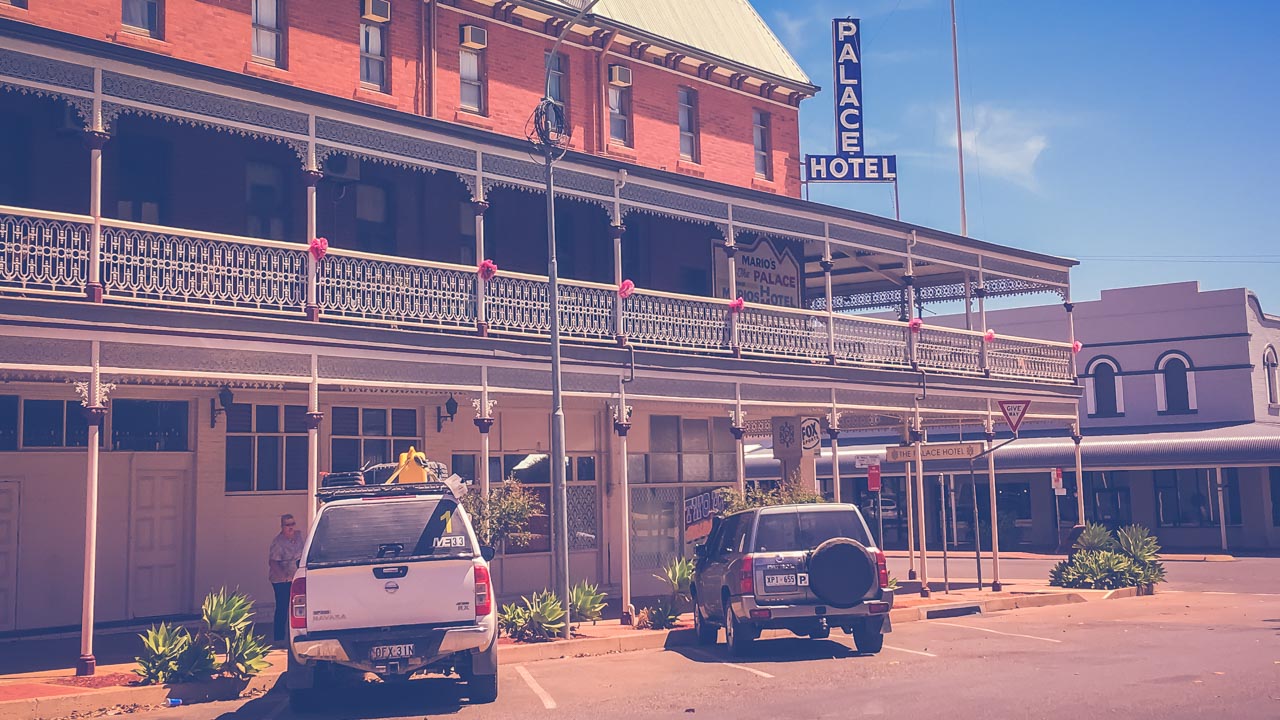
The Palace Hotel Broken Hill

The Palace Hotel Broken Hill

Trip 2: Blue Mountains National Park

Location And Accessibility
The Blue Mountains are located just 60 kilometres west of Sydney making it an easy day trip or weekend getaway by car or train. Whilst not a true outback trip near Sydney the Blue Mountains are still the closest and best way to experience the Australian bush without having to travel very far.

Highlights And Attractions

  • Scenic Lookouts
    The Blue Mountains are renowned for their dramatic scenery. Visit lookouts like Echo Point and Govetts Leap for panoramic views of the valleys and sandstone cliffs.
  • Walking Tracks
    With over 140 kilometres of walking tracks the Blue Mountains offer trails for all levels. Popular hikes include the Grand Canyon Walk and the Six Foot Track.
  • Wildlife And Flora
    The park is home to a diverse range of wildlife and flora. Keep an eye out for lyrebirds, kangaroos and an array of native plants especially in the spring when the wildflowers are in bloom.
  • Best Time To Visit
    The best time to visit the Blue Mountains is during the spring (September to November) and autumn (March to May) when the weather is mild and the scenery is at its most vibrant.

Trip 3: Lightning Ridge – One Of The Best Outback Trips From Sydney

Location And Accessibility
Now it’s getting interesting. Lightning Ridge is a true outback trip from Sydney. It’s not as wild or remote as it was 20+ years ago but it’s still a great way to get a taste of the Aussie Outback. Lightning Ridge is located about 720 kilometres northwest of Sydney. It’s best accessed by car allowing you to enjoy the changing landscapes along the way.

Highlights And Attractions

  • Opal Mining
    Lightning Ridge is famous for its black opals. Visit the opal mines, take a tour and try your hand at fossicking for your own gemstones.
  • Artesian Bore Baths
    Relax in the naturally heated Artesian Bore Baths which are open 24/7 and offer a unique Outback spa experience.
  • Fossicking And Tours
    Join a guided tour to learn about the local geology and the fascinating history of opal mining in the area. There are plenty of opportunities to buy opals directly from the source.
  • Best Time To Visit
    The best time to visit Lightning Ridge is during the cooler months from April to September. The milder temperatures make it more comfortable to explore the area.

Lightning Ridge Artesian Bore Baths

Lightning Ridge Artesian Bore Baths

Trip 4: Mungo National Park

Location And Accessibility
Mungo National Park is located approximately 1,000 kilometres southwest of Sydney. It’s accessible by car with the journey taking you through some of the most remote and beautiful parts of New South Wales. This is one of the better outback trips from Sydney.

Highlights And Attractions

  • Ancient Landscapes
    Mungo National Park is part of the Willandra Lakes Region, a UNESCO World Heritage site. The park is famous for its ancient landscapes including the iconic Walls of China which feature dramatic sand and clay formations.
  • Aboriginal Heritage
    The park is rich in Aboriginal heritage, with evidence of human habitation dating back over 40,000 years. Explore the ancient burial sites and learn about the cultural significance of this area.
  • Unique Wildlife
    Mungo National Park is home to a variety of unique wildlife, including kangaroos, emus and a range of bird species. The park’s diverse habitats make it a great destination for wildlife enthusiasts.
  • Best Time To Visit
    The best time to visit Mungo National Park is during the cooler months from April to September. The weather is more comfortable for exploring the park’s ancient landscapes.

Trip 5: Outback New South Wales Loop

Location and Accessibility
The Outback New South Wales Loop is a comprehensive road trip that covers several key destinations including Bourke, Cobar and White Cliffs. The loop covers over 2,000 kilometres making it a true Outback adventure accessible by car.

Highlights and Attractions

  • Darling River
    Follow the course of the Darling River and explore the rich history and diverse ecosystems along its banks. Enjoy fishing, kayaking and the serene beauty of the river.
  • Historic Towns
    Visit historic towns like Bourke and Cobar, which offer a glimpse into the pioneering past of New South Wales. These towns feature museums, heritage buildings and friendly locals.
  • National Parks
    Explore the many national parks along the loop, including Gundabooka National Park and Kinchega National Park. These parks offer stunning landscapes, unique wildlife and plenty of opportunities for outdoor activities.
  • Best Time To Visit
    The best time to embark on the Outback New South Wales Loop is during the cooler months from April to October. The milder weather is perfect for road trips and outdoor exploration.

Kinchega National Park Darling River NSW

Kinchega National Park Darling River NSW

Preparation And Safety Tips

What to Pack
When heading out on an Outback adventure it’s essential to pack wisely. Bring plenty of water, sunscreen, a hat, comfortable clothing, sturdy shoes and a first aid kit. Don’t forget your camera to capture the stunning scenery.

Safety Precautions
Safety should always be a priority. Inform someone of your travel plans, check weather conditions and be prepared for emergencies. Ensure your vehicle is in good condition, especially if you’re heading to remote areas.

Environmental Responsibility
Respect the environment by following Leave No Trace principles. Dispose of waste properly, avoid disturbing wildlife and stick to designated trails to minimize your impact on the natural surroundings.

Conclusion

Exploring the Outback from Sydney opens up a world of adventure and natural beauty. From the historic mining town of Broken Hill to the ancient landscapes of Mungo National Park, each trip offers unique experiences and unforgettable memories. Load up your car hit the road and embark on an Outback adventure that will leave you in awe of Australia’s incredible landscapes.

FAQs On Outback Trips From Sydney Frequently Asked Questions

What is the best time of year to visit the Outback from Sydney?

The best time to visit the Outback is during the cooler months from April to September, when the weather is more comfortable for outdoor activities.

Are these trips suitable for families?

Yes, these trips are suitable for families. Many destinations offer activities and attractions that cater to all ages, making them perfect for family adventures.

What kind of vehicle is needed for these trips?

While some trips can be done with a regular car, others, like Mungo National Park, may require a 4WD vehicle for better access to remote areas.

How long should I plan for each trip?

Plan for at least 2-3 days for each destination to fully explore and enjoy the experiences they offer.

Are there guided tours available for these destinations?

Yes, guided tours are available for many of these destinations. They provide valuable insights and enhance your overall experience by offering expert knowledge and local stories.

5 Great Outback Trips From Melbourne

5 Great Outback Trips From Melbourne

5 Great Outback Trips From Melbourne

Explore 5 great outback trips from Melbourne. Experience the breathtaking landscapes and unique adventures these destinations have to offer. Exploring The Australian Outback Is An Unparalleled Adventure. It Offers A Unique Chance To Immerse Yourself In The Rugged Beauty, Diverse Wildlife And Rich Cultural Heritage Of This Vast And Iconic Landscape.

For Those Based In Melbourne, The Outback Is Closer Than You Might Think. This Guide Will Take You Through Five Incredible Outback Trips From Melbourne That Promise Unforgettable Experiences And Breathtaking Scenery.

Trip 1: Grampians National Park

Location And Accessibility
Grampians National Park Is Located Approximately 260 Kilometres West Of Melbourne. It’s Accessible Via A Scenic Drive, Making It A Perfect Road Trip Destination. The Journey Typically Takes Around 3 Hours By Car.

Highlights And Attractions

  • Hiking Trails
    Grampians National Park is renowned for its extensive network of hiking trails that cater to all levels of fitness. From short walks to challenging hikes, the park offers stunning views of rugged mountains, lush forests and cascading waterfalls.
  • Wildlife
    The park is a haven for wildlife enthusiasts. Look out for kangaroos, wallabies, emus and an array of bird species that call this area home.
  • Aboriginal Culture And Art
    Grampians National Park is rich in Aboriginal heritage. Explore the rock art sites and learn about the cultural significance of these ancient artworks.
  • Best Time To Visit
    The best time to visit Grampians National Park is during the cooler months from March to November. The weather is more comfortable for hiking and exploring and the wildflowers are in bloom during spring.

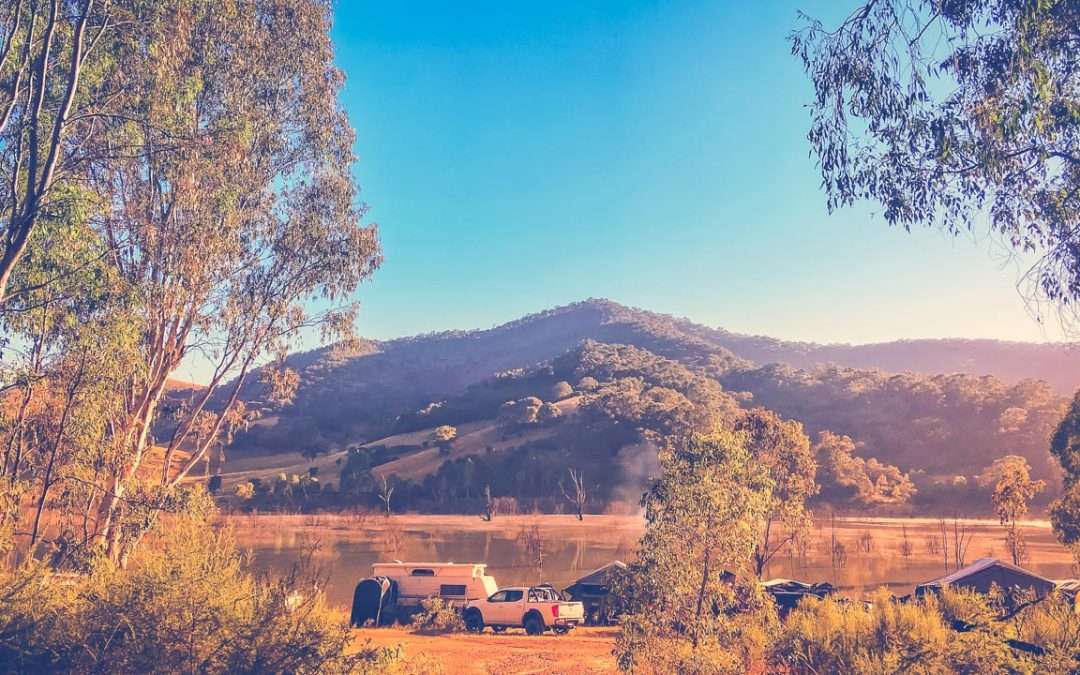
Lake Eildon Free Bush Camping

Lake Eildon Free Bush Camping

Trip 2: Great Ocean Road And The Otways

Location And Accessibility
The Great Ocean Road is one of the world’s most scenic coastal drives, stretching about 240 kilometres southwest of Melbourne. It’s easily accessible by car and offers stunning coastal views and lush rainforests.

Highlights And Attractions

  • Coastal Scenery
    The Great Ocean Road is famous for its breathtaking coastal scenery, including the iconic Twelve Apostles, Loch Ard Gorge and London Bridge. These natural rock formations are a must-see.
  • Rainforest Walks
    Explore the lush rainforests of the Otway Ranges. The Otway Fly Treetop Walk offers a unique perspective from high above the forest floor.
  • Wildlife Encounters
    Keep an eye out for koalas, kangaroos and a variety of bird species along the Great Ocean Road. Visit the Great Otway National Park for more wildlife encounters.
  • Best Time To Visit
    The best time to visit the Great Ocean Road and the Otways is from November to April when the weather is warm and ideal for coastal activities.

Trip 3: Wilsons Promontory National Park

Location And Accessibility
Wilsons Promontory National Park, affectionately known as “The Prom,” is located about 220 kilometres southeast of Melbourne. It’s accessible by car, making it a perfect weekend getaway.

Highlights And Attractions

  • Beaches And Coastal Views
    Wilsons Promontory boasts some of the most beautiful beaches in Australia. Squeaky Beach, with its white quartz sand, is a must-visit. The coastal views from the park’s numerous lookouts are simply stunning.
  • Hiking And Wildlife
    The Prom offers a variety of hiking trails that cater to different fitness levels. You’ll likely encounter wombats, kangaroos and emus as you explore the park.
  • Marine National Park
    The surrounding waters of Wilsons Promontory are a Marine National Park, making it a great spot for snorkelling and diving. Explore the vibrant underwater world teeming with marine life.
  • Best Time To Visit
    The best time to visit Wilsons Promontory is during the warmer months from November to April. The weather is ideal for beach activities and exploring the park.

Trip 4: The High Country – Loads Of Great Outback Trips From Melbourne

Location And Accessibility
The High Country is a mountainous region located about 300 kilometres northeast of Melbourne. It’s accessible by car and offers a range of outdoor activities year round.

Highlights And Attractions

  • Alpine Scenery
    The High Country is renowned for its stunning alpine scenery. During winter, it transforms into a winter wonderland with snow-covered peaks, while in summer, it offers lush green landscapes.
  • Historic Towns
    Explore charming historic towns like Beechworth and Bright. These towns are known for their well-preserved architecture, local produce and friendly atmosphere.
  • Outdoor Activities
    The High Country offers a wide range of outdoor activities, including skiing and snowboarding in winter and hiking, mountain biking and fishing in summer.
  • Best Time To Visit
    The best time to visit the High Country depends on your preferred activities. Winter (June to August) is ideal for snow sports, while summer (December to February) is perfect for hiking and other outdoor activities.

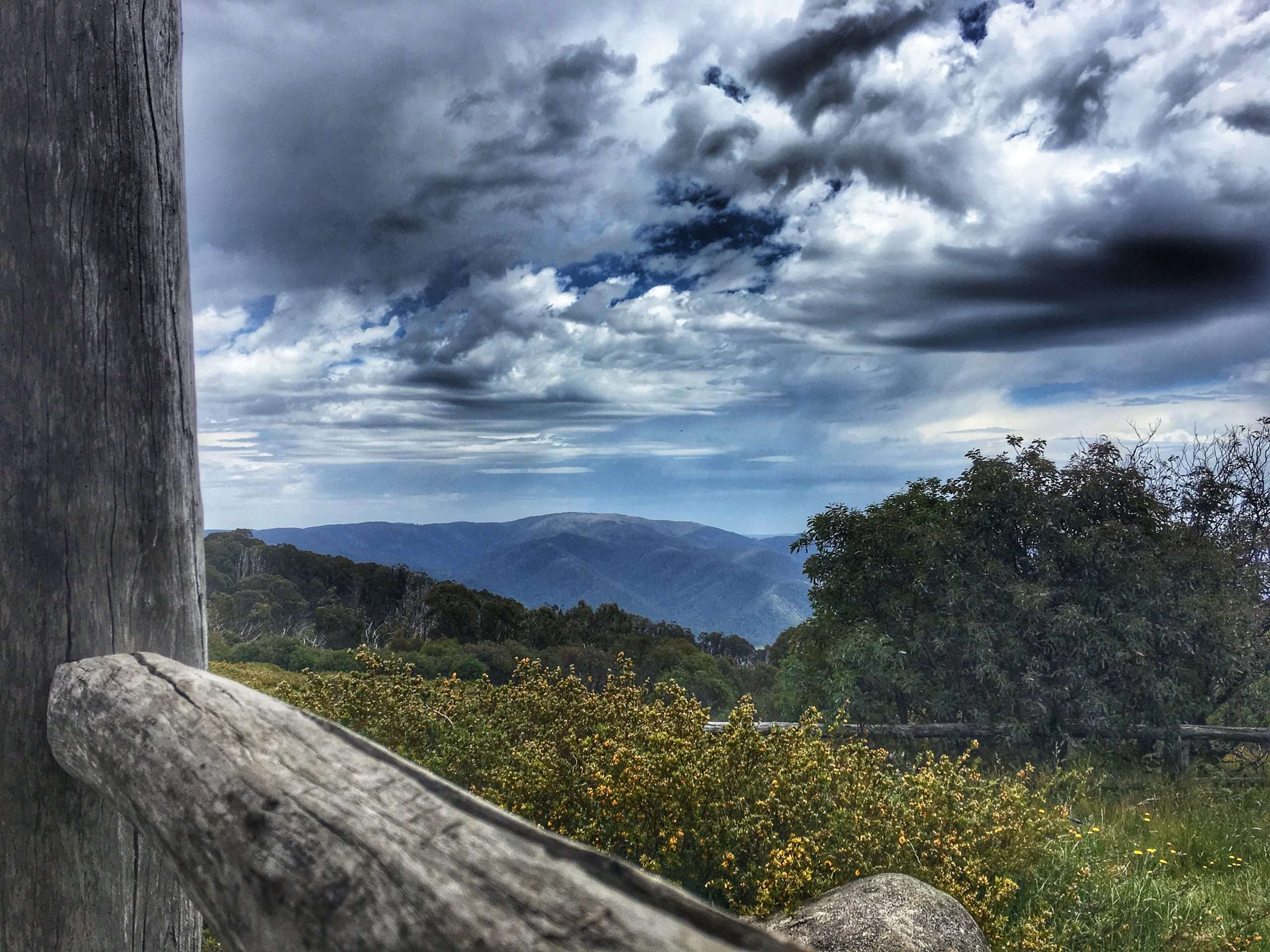
View From the Back Verandah of Craigs Hut

View From the Back Verandah of Craigs Hut

Trip 5: Mungo National Park

Location And Accessibility
Mungo National Park is located approximately 560 kilometres northwest of Melbourne. It’s accessible via a scenic drive and offers a glimpse into Australia’s ancient past.

Highlights And Attractions

  • Ancient Landscapes
    Mungo National Park is part of the Willandra Lakes Region, a UNESCO World Heritage site. The park is famous for its ancient landscapes including the striking Walls of China which feature impressive sand formations.
  • Aboriginal Heritage
    The park is rich in Aboriginal heritage with evidence of human habitation dating back over 40,000 years. Explore the ancient burial sites and learn about the cultural significance of this area.
  • Unique Wildlife
    Mungo National Park is home to a variety of unique wildlife, including kangaroos, emus and a range of bird species. The park’s diverse habitats make it a great destination for wildlife enthusiasts.
  • Best Time To Visit
    The best time to visit Mungo National Park is during the cooler months from April to September. The weather is more comfortable for exploring the park’s ancient landscapes.

Preparation And Safety Tips

What To Pack
When heading out on an Outback adventure, it’s essential to pack wisely. Bring plenty of water, sunscreen, a hat, comfortable clothing, sturdy shoes and a first aid kit. Don’t forget your camera to capture the stunning scenery.

Safety Precautions
Safety should always be a priority. Inform someone of your travel plans, check weather conditions and be prepared for emergencies. Ensure your vehicle is in good condition, especially if you’re heading to remote areas.

Environmental Responsibility
Respect the environment by following Leave No Trace principles. Dispose of waste properly, avoid disturbing wildlife and stick to designated trails to minimize your impact on the natural surroundings.

Conclusion

Exploring the Outback from Melbourne opens up a world of adventure and natural beauty. From the rugged landscapes of Grampians National Park to the pristine beaches of Wilsons Promontory, each trip offers unique experiences and unforgettable memories. So pack your bags, hit the road and embark on an Outback adventure that will leave you in awe of Australia’s incredible landscapes.

FAQs Frequently Asked Questions About Outback Trips From Melbourne

What is the best time of year to visit the Outback from Melbourne?

The best time to visit the Outback is during the cooler months from April to September, when the weather is more comfortable for outdoor activities.

Are these trips suitable for families?

Yes these trips are suitable for families. Many destinations offer activities and attractions that cater to all ages, making them perfect for family adventures.

What kind of vehicle is needed for these trips?

While some trips can be done with a regular car, others, like Mungo National Park, may require a 4WD vehicle for better access to remote areas.

How long should I plan for each trip?

Plan for at least 2-3 days for each destination to fully explore and enjoy the experiences they offer.

Are there guided tours available for these destinations?

Yes guided tours are available for many of these destinations. They provide valuable insights and enhance your overall experience by offering expert knowledge and local stories.

5 Popular Outback Trips From Brisbane For Your Bucket List

5 Popular Outback Trips From Brisbane For Your Bucket List

5 Popular Outback Trips From Brisbane For Your Bucket List

For those based in Brisbane the Outback is closer than you might think. Add these five outback trips from Brisbane to your bucket list. Experience the stunning scenery and wildlife that make them unforgettable. Exploring the Australian Outback is an adventure like no other. It offers a unique opportunity to experience the rugged beauty, diverse wildlife and rich cultural heritage of our vast and iconic landscape.

In this guide we’ll take you through five incredible Outback trips from Brisbane that’ll get your adrenaline flowing and create some awesome memories.

Trip 1: Carnarvon Gorge

Location And Accessibility
Carnarvon Gorge is located approximately 720 kilometres northwest of Brisbane. It’s easily accessible via a scenic drive making it a perfect road trip destination. The journey typically takes around 8-9 hours by car.

Highlights and Attractions

  • Hiking Trails
    Carnarvon Gorge is renowned for its extensive network of hiking trails that cater to all levels of fitness. From short walks to challenging hikes the gorge offers stunning views of sandstone cliffs, lush rainforests and tranquil waterholes.
  • Wildlife
    The gorge is a haven for wildlife enthusiasts. Keep an eye out for kangaroos, wallabies and an array of bird species that call this area home. You’re also a chance to see a platypus if you know where to look.
  • Aboriginal Art
    One of the most fascinating aspects of Carnarvon Gorge is its rich Aboriginal heritage. Explore the rock art sites and learn about the cultural significance of these ancient artworks.
  • Best Time To Visit
    The best time to visit Carnarvon Gorge is during the cooler months from April to September. The weather is more comfortable for hiking and exploring and the risk of flooding is lower.

Carnarvon Gorge National Park Walk Out To Art Gallery Moss Gallery

Carnarvon Gorge National Park Walk Out To Art Gallery Moss Gallery

Trip 2: Fraser Island (now called K’gari)

Location And Accessibility
Fraser Island K’gari the world’s largest sand island is located about 250 kilometres north of Brisbane. Accessible by ferry from Hervey Bay this UNESCO World Heritage site is a must-visit.

Highlights and Attractions

  • 4WD Adventures
    Fraser Island K’gari is a 4WD enthusiast’s paradise. Drive along the sandy beaches and navigate through the island’s rugged interior for an adrenaline pumping adventure.
  • Lake McKenzie
    Lake McKenzie is a stunning freshwater lake with crystal-clear waters and white sandy shores. It’s the perfect spot for swimming and relaxing.
  • Maheno Shipwreck
    The Maheno Shipwreck is one of the island’s most iconic landmarks. This rusting relic offers a glimpse into the island’s maritime history and is a favourite photo spot.
  • Best Time To Visit
    The best time to visit Fraser Island is from August to October when the weather is mild and the chances of spotting humpback whales are high.

Trip 3: Moreton Island

Location and Accessibility
Moreton Island is a short ferry ride from Brisbane making it an ideal weekend getaway. It’s the third-largest sand island in the world and is known for its pristine beaches and diverse marine life.

Highlights and Attractions

Tangalooma Wrecks
The Tangalooma Wrecks are a series of sunken ships that have created an artificial reef perfect for snorkelling and diving. The clear waters around the wrecks are teeming with fish and other marine creatures.

Sandboarding
For a unique adventure, try sandboarding down the island’s massive sand dunes. It’s an exhilarating activity that’s fun for all ages.

Snorkeling And Diving
Moreton Island offers excellent snorkelling and diving opportunities. Explore the vibrant coral reefs and encounter colourful fish, turtles and even dolphins.

Best Time To Visit
Visit Moreton Island from March to May for pleasant weather and fewer crowds. The island’s natural beauty is at its best during these months.

Trip 4: Girraween National Park

Location And Accessibility
Girraween National Park is located about 260 kilometres southwest of Brisbane, near the Queensland-New South Wales border. It’s easily accessible by car and makes for a perfect weekend escape.

Highlights And Attractions

  • Granite Formations
    Girraween is famous for its striking granite formations including the Pyramid and the Sphinx. These massive rock structures provide excellent hiking and rock-climbing opportunities.
  • Flora And Fauna
    The park is home to a diverse range of flora and fauna. In spring the wildflowers bloom creating a colourful landscape that’s a delight to explore.
  • Walking Tracks
    Girraween offers a variety of walking tracks that cater to different fitness levels. Whether you’re looking for a leisurely stroll or a challenging hike, there’s something for everyone.
  • Best Time To Visit
    The best time to visit Girraween National Park is during spring (September to November) when the wildflowers are in full bloom and the weather is perfect for outdoor activities.

Trip 5: Scenic Rim

Location And Accessibility
The Scenic Rim is a picturesque region located about 70 kilometres south of Brisbane. It’s easily accessible by car and offers a range of attractions and activities.

Highlights And Attractions

  • Tamborine Mountain
    Tamborine Mountain is a popular destination within the Scenic Rim. Explore its lush rainforests, stunning waterfalls and charming villages. Don’t miss the Tamborine Rainforest Skywalk for a unique perspective.
  • Lamington National Park
    Lamington National Park is a haven for nature lovers. With its ancient rainforests, diverse wildlife and extensive network of walking tracks it’s a great place to reconnect with nature.
  • Wine Tours
    The Scenic Rim is also known for its vineyards and wineries. Take a wine tour and sample some of the region’s finest wines while enjoying the beautiful countryside.
  • Best Time To Visit
    The Scenic Rim is beautiful year-round, but the best time to visit is during autumn (March to May) and spring (September to November) when the weather is mild and the landscape is vibrant.

Preparation And Safety Tips

What to Pack
When heading out on an Outback adventure it’s essential to pack wisely. Bring plenty of water, sunscreen, a hat, comfortable clothing, sturdy shoes and a first aid kit. Don’t forget your camera to capture the stunning scenery.

Safety Precautions
Safety should always be a priority. Inform someone of your travel plans, check weather conditions and be prepared for emergencies. Ensure your vehicle is in good condition, especially if you’re heading to remote areas.

Environmental Responsibility
Respect the environment by following Leave No Trace principles. Dispose of waste properly, avoid disturbing wildlife and stick to designated trails to minimise your impact on the natural surroundings.

Carnarvon Gorge National Park The Art Gallery

Carnarvon Gorge National Park The Art Gallery

Outback Trips From Brisbane – Conclusion

Exploring the Outback from Brisbane opens up a world of adventure and natural beauty. From the rugged landscapes of Carnarvon Gorge to the pristine beaches of Fraser Island, each trip offers unique experiences and unforgettable memories. So pack your bags, hit the road and embark on an Outback adventure that will leave you in awe of Australia’s incredible landscapes. Outback trips from Brisbane are a lot easier to get to than you think.

FAQs About 5 Iconic Outback Trips From Brisbane Frequently Asked Questions

What is the best time of year to visit the Outback?

The best time to visit the Outback is during the cooler months from April to September, when the weather is more comfortable for outdoor activities.

Are these trips suitable for families?

Yes these trips are suitable for families. Many destinations offer activities and attractions that cater to all ages, making them perfect for family adventures.

What kind of vehicle is needed for these trips?

While some trips can be done with a regular car, others, like Fraser Island and Moreton Island, require a 4WD vehicle due to the sandy terrain and off-road conditions.

How long should I plan for each trip?

The duration of each trip depends on your preferences and the activities you want to do. Generally, plan for at least 2-3 days for each destination to fully explore and enjoy the experience.

Are there guided tours available for these destinations?

Yes guided tours are available for many of these destinations. They offer the benefit of local knowledge and can enhance your overall experience by providing insights into the area’s history, culture and natural features.

53 Best Camp Sites On The Great Central Road

53 Best Camp Sites On The Great Central Road

53 Best Camp Sites On The Great Central Road

Travel the Great Central Road (GCR) with our comprehensive planning guide. Learn about key stops, preparation tips and cultural significance. Are you ready for an adventure that takes you through the heart of Australia’s outback?

The Great Central Road runs from Laverton in Western Australia to Uluru in the Northern Territory. This outback road trip adventure takes you through awesome wide open deep red landscapes. It leaves you with the feeling of a deep connection to country. If you are a well experienced outback adventurer or planning your first outback trip. This guide will equip you with everything you need to know for an unforgettable experience.

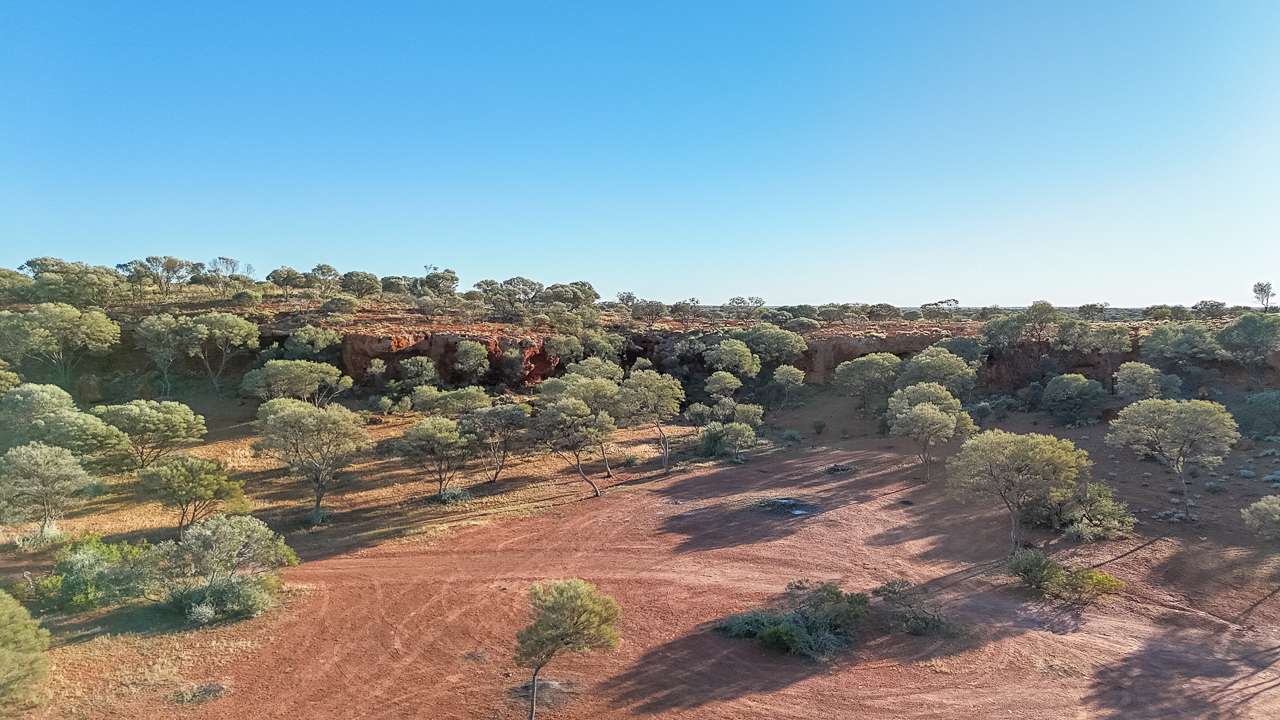
Great Central Road Free Camp At Docker River

Great Central Road Free Camp At Docker River

History And Background

Origins Of The Great Central Road

The Great Central Road was initially developed as a series of tracks used by Aboriginal communities for trade and travel. Over the years it has been transformed into a defined route to facilitate mining operations and connect remote communities. The Great Central Road is now an important link between Western Australia and the Northern Territory. It is an adventurous path through some of the most remote parts outback Australia has to offer.

Historical Significance Of The Great Central Road

The Great Central Road is more than just a highway; it’s a journey through history. The road passes through lands inhabited by First Nation people for millennia. Their communities have rich traditions and a deep connection to country. This trip is not only a physical journey but it’s a cultural and very historic one as well.

Route Overview

Starting Point: Laverton, WA

Laverton marks the beginning of the Great Central Road. Laverton is steeped in gold mining history and offers travellers a last chance to stock up on essential supplies and services.

Ending Point: Uluru, NT

The route ends (or begins) at Uluru, one of Australia’s most iconic landmarks. This monolith stands as a pertinent example of the natural beauty and spiritual significance of the outback.

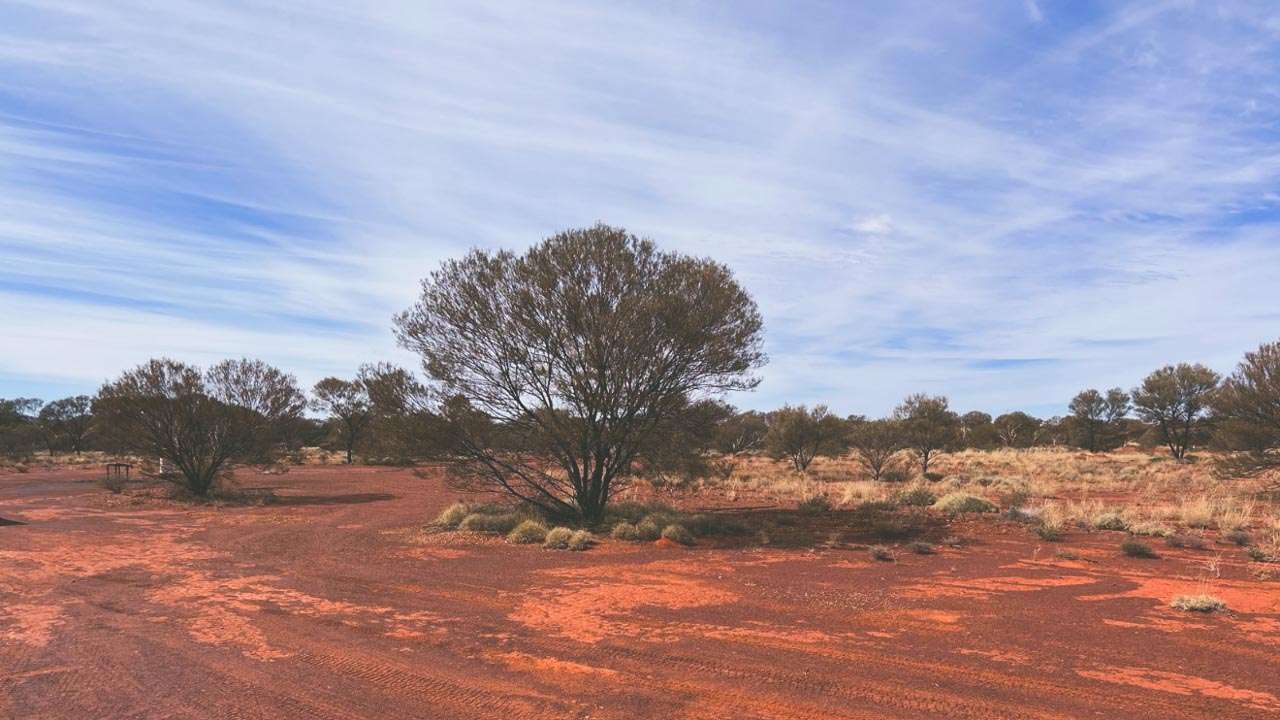
Docker River Camping On The Great Central Road

Docker River Camping On The Great Central Road

53 Camping Sites On The Great Central Road

There are numerous designated camping sites along the Great Central Road. These sites provide basic facilities and a safe place to rest.

1. Camp Sandalwood

This is a free campground accessible to camper trailers.

Cost: Free
Type: Bush Camping
Location: White Cliffs Rd, Laverton, Western Australia
GPS: -28.560606°, 122.584711°
Distance From Laverton WA: 20km
Distance From Uluru NT: 1,119km

2. Camp Brakesway

This is a free campground. It is dog friendly. It is accessible to camper trailers, off road caravans and four wheel drives. Camping in tents is allowed.

Cost: Free
Type: Bush Camping
Location: White Cliffs Road, Laverton, Western Australia
GPS: -28.480701°, 122.803377°
Distance From Laverton WA: 45km
Distance From Uluru NT: 1,143km
Pet Friendly: Yes

3. Road Side Stop With Telstra Coverage

This is a free campground. It is accessible to RVs, camper trailers and off road caravans.

Cost: Free
Type: Bush Camping
Location: White Cliffs-Yamarna Rd, Laverton, Western Australia
GPS: -28.400870°, 122.968969°
Distance From Laverton WA: 64km
Distance From Uluru NT: 1,067km

4. Condon Well Camp

This is a free campground. It is accessible to RVs, camper trailers and off road caravans.

Cost: Free
Type: Bush Camping
Location: White Cliffs-Yamarna Road, Laverton, Western Australia
GPS: -28.416255°, 123.099128°
Distance From Laverton WA: 77km
Distance From Uluru NT: 1,074km

5. New Rest Area

This is a new rest area replacing the old one 300m SW of here. Access to old site and Gnamma hole has been blocked with large rocks.

Cost: Free
Type: Bush Camping
Location: Laverton, Western Australia
GPS: -28.366170°, 122.598123°
Distance From Laverton WA: 37km
Distance From Uluru NT: 1,065km
Pet Friendly: Yes

6. Giles Breakaway

This is a free campground. It is accessible to RVs, camper trailers, caravans and big rigs. Camping in tents is allowed. We stayed at Giles Breakaway in August 2024 – click here to read our full rundown.

Cost: Free
Type: Bush Camping
Location: Great Central Rd, Laverton, Western Australia
GPS: -28.279715°, 122.702441°
Distance From Laverton WA: 51km
Distance From Uluru NT: 1,052km
Pet Friendly: Yes

7. Salt Lake Campsite

This is a free campground. It is dog friendly.

Cost: Free
Type: Bush Camping
Location: Great Central Rd, Cosmo Newbery, Western Australia
GPS: -28.208077°, 122.746484°
Distance From Laverton WA: 60km
Distance From Uluru NT: 1,042km
Pet Friendly: Yes

Free Camping On The Great Central Road In WA

Free Camping On The Great Central Road In WA

8. Overnight Stop

This is a free campground. It is dog friendly.

Cost: Free
Type: Bush Camping
Location: Great Central Road, Laverton, Western Australia
GPS: -28.045097°, 122.855767°
Distance From Laverton WA: 82km
Distance From Uluru NT: 1,021km
Pet Friendly: Yes

9. The Pines Rest Area

This is a free campground. It is dog friendly. It is accessible to RVs, camper trailers and caravans. Camping in tents is allowed. You must be fully self-contained.

Cost: Free
Type: Bush Camping
Location: Great Central Rd, Cosmo Newbery, Western Australia
GPS: -27.915623°, 123.178602°
Distance From Laverton WA: 119km
Distance From Uluru NT: 983km
Pet Friendly: Yes

10. Under The Southern Cross Windmill

This is a campground. It is accessible to motorbikes, camper trailers and off road caravans.

Cost: Free
Type: Bush Camping
Location: -27.92123, 123.378667 Is Entrance From GCR, Western Australia
GPS: -27.874536°, 123.342216°
Distance From Laverton WA: 152km
Distance From Uluru NT: 969km

11. Gravel Pit

This is a free campground. It is accessible to RVs, camper trailers, caravans and big rigs.

Cost: Free
Type: Bush Camping
Location: Great Central Road, Cosmo Newbery, Western Australia
GPS: -27.924011°, 123.430979°
Distance From Laverton WA: 144km
Distance From Uluru NT: 952km

12. Nankers Spot

This is a free campground. It is accessible to motorbikes, RVs, camper trailers and caravans. Camping in tents is allowed. You must be fully self-contained.

Cost: Free
Type: Bush Camping
Location: Great Central Road, Cosmo Newbery, Western Australia
GPS: -27.918001°, 123.617686°
Distance From Laverton WA: 163km
Distance From Uluru NT: 940km

13. Karl’s Campspot

This is a free bush campground with room for small the medium size rigs. Smaller units can navigate their rig a fair distance from the road into the bush. Larger units might be better off utilising the area closer to the road (hard to turn and sandy). All spots are sheltered from road and sun by trees and bushes. Campfires are being lit but check with shire regulations.

Cost: Free
Type: Bush Camping
Location: Great Central Road, Western Australia
GPS: -27.916891°, 123.619880°
Distance From Laverton WA: 163km
Distance From Uluru NT: 939km

14. Minnie Creek Road Rest Area

Accessible to motorbikes, camper trailers and off road caravans.

Cost: Free
Type: Bush Camping
Location: Great Central Road, Western Australia
GPS: -27.843846°, 123.917977°
Distance From Laverton WA: 196km
Distance From Uluru NT: 901km
Pet Friendly: Yes

15. Sandrifters Gravel Pit

This is a free campground. It is accessible to motorbikes, RVs, camper trailers and caravans. Camping in tents is allowed.

Cost: Free
Type: Bush Camping
Location: Lake Wells, Great Central Road, Western Australia
GPS: -27.758328°, 124.028482°
Distance From Laverton WA: 210km
Distance From Uluru NT: 886km
Pet Friendly: Yes

16. Rest Stop

This is a free campground.

Cost: Free
Type: Bush Camping / Rest Area
Location: Neale, Great Central Road, Western Australia
GPS: -27.742630°, 124.060603°
Distance From Laverton WA: 214km
Distance From Uluru NT: 889km

17. Shady Gum Camp

Unofficial small site – one car only, no room to turn caravan around if site already in use. Not far from the Hwy, no facilities. Lovely spot to spend the night round a fire.

Cost: Free
Type: Bush Camping
Location: Great Central Rd, Neale, Western Australia
GPS: -27.713851°, 124.140968°
Distance From Laverton WA: 223km
Distance From Uluru NT: 880km
Pet Friendly: Yes

GCR Camping Near Warburton WA

GCR Camping Near Warburton WA

18. Eulalia’s Rest Spot

Turn off the road approximately 1km east of Shady Pines. The entrance is a dirt track south of the road. It may not be suitable for caravans. The spot is off the road, has plenty of firewood and is elevated. It’s obviously not used too much but is less exposed. There are numerous other tracks once you get to the spot.

Cost: Free
Type: Bush Camping
Location: Great Central Rd, Neale, Western Australia
GPS: -27.712349°, 124.157787°
Distance From Laverton WA: 225km
Distance From Uluru NT: 878km

19. Parking Diversion

Unofficial free camping in a long parking diversion off of the Great Central Road. There are no facilities. Campers must be self-sufficient. Take all rubbish with you and leave no trace. Pets are permitted.

Cost: Free
Type: Bush Camping
Location: Great Central Rd, Neale, Western Australia
GPS: -27.548748°, 124.297423°
Distance From Laverton WA: 249km
Distance From Uluru NT: 855km
Pet Friendly: Yes

20. Roadside Rest Area

This is a free campground. It is dog friendly. It is accessible to off road caravans and four wheel drives.

Cost: Free
Type: Bush Camping / Rest Area
Location: David Carnegie Rd, Neale, Western Australia
GPS: -27.220941°, 124.446485°
Distance From Laverton WA: 290km
Distance From Uluru NT: 813km
Pet Friendly: Yes

21. Nullye Soak

This is a free campground. It is dog friendly. It is accessible to camper trailers, off road caravans and four wheel drives. Camping in tents is allowed.

Cost: Free
Type: Bush Camping
Location: Great Central Rd, Lake Wells, Western Australia
GPS: -27.185306°, 124.487631°
Distance From Laverton WA: 295km
Distance From Uluru NT: 807km
Pet Friendly: Yes

22. Tjukayirla Roadhouse

This paid caravan park offers toilets, showers, drinking water and power hookups. It is dog friendly. It is accessible to motorbikes, RVs, camper trailers and caravans. Camping in tents is allowed. They do not take bookings. First in best dressed. Fuel is available.

Cost: Powered $40 / Unpowered $30 (as at June 2024)
Type: Roadhouse Caravan Park
Location: Great Central Rd, Neale, Western Australia
GPS: Great Central Rd, Neale, Western Australia
Distance From Laverton WA: 277km
Distance From Uluru NT: 819km
Phone: (08) 9037-1108
Email: tjukayirlaroadhouse@ngcouncil.org.au
Web: http://tjukayirlaroadhouse.com.au
Pet Friendly: Yes

At Tjukayirla Roadhouse

At Tjukayirla Roadhouse

23. Old Roadworks Camp Site

Unofficial stop. Leave no trace.

Cost: Free
Type: Bush Camping
Location: Great Central Rd, Lake Wells, Western Australia
GPS: -27.048529°, 124.818914°
Distance From Laverton WA: 333km
Distance From Uluru NT: 770km
Pet Friendly: Yes

24. Wahlgu Rockholes

Unofficial stop. Leave no trace.

Cost: Free
Type: Bush Camping
Location: Great Central Rd, Western Australia
GPS: -27.061158°, 125.185781°
Distance From Laverton WA: 370km
Distance From Uluru NT: 727km

25. Corheads Kangaroo Camp

Off the highway. Easily accessible with turn around points and plenty of space trees for shade. Don’t go too far past the big opening as it does get rough & hard to turn around.

Cost: Free
Type: Bush Camping
Location: Great Central Road, Western Australia
GPS: -27.056238°, 125.183536°
Distance From Laverton WA: 370km
Distance From Uluru NT: 727km

26. Road Water Dam

This is a free campground. It is accessible to motorbikes, RVs, camper trailers and caravans.

Cost: Free
Type: Bush Camping
Location: Great Central Road, Western Australia
GPS: -27.050051°, 125.206958°
Distance From Laverton WA: 372km
Distance From Uluru NT: 724km
Pet Friendly: Yes

27. Road Realignment

This is a free campground. It is dog friendly. It is accessible to RVs, camper trailers and caravans.

Cost: Free
Type: Bush Camping
Location: Great Central Road, Western Australia
GPS: -27.034355°, 125.227917°
Distance From Laverton WA: 375km
Distance From Uluru NT: 722km
Pet Friendly: Yes

28. Gravel Pit – Paradise Camp

This is a free campground. An unofficial sign names it as Paradise Camp.

Cost: Free
Type: Bush Camping
Location: GCR, Western Australia
GPS: -26.972562°, 125.407069°
Distance From Laverton WA: 394km
Distance From Uluru NT: 708km

29. Ridge Camp

This is a free campground. It is dog friendly. It is accessible to RVs, big rigs, camper trailers and caravans.

Cost: Free
Type: Bush Camping
Location: Great Central Road, Western Australia
GPS: -26.965449°, 125.412748°
Distance From Laverton WA: 395km
Distance From Uluru NT: 707km

30. Desert Surf Central

This is a free campground. It is accessible to motorbikes, RVs, camper trailers, caravans and big rigs. Camping in tents is allowed. Heaps of room for a few camps, good firewood around and caves to explore. We stayed at Desert Surf Central in August 2024 – click here to read our full rundown.

Cost: Free
Type: Bush Camping
Location: Great Central Road, Western Australia
GPS: -26.836652°, 125.658008°
Distance From Laverton WA: 424km
Distance From Uluru NT: 679km
Pet Friendly: Yes

Breakaways At Desert Surf Central

Breakaways At Desert Surf Central

31. Off The Road

This is a free camping area. It’s dog friendly.

Cost: Free
Type: Bush Camping
Location: Great Central Road, Gibson Desert South, Western Australia
GPS: -26.816710°, 125.693160°
Distance From Laverton WA: 428km
Distance From Uluru NT: 675km
Pet Friendly: Yes

Old Roadworks Camp Site On Great Central Road 770km From Uluru

Old Roadworks Camp Site On Great Central Road 770km From Uluru

32. Gravel Dump

This is a free camping area. It’s dog friendly.

Cost: Free
Type: Bush Camping
Location: Great Central Road, Western Australia
GPS: -26.708662°, 125.766645°
Distance From Laverton WA: 442km
Distance From Uluru NT: 661km
Pet Friendly: Yes

33. Quarry

This is a free camping area.

Cost: Free
Type: Bush Camping
Location: Great Central Road, Gibson Desert South, Western Australia
GPS: -26.621734°, 125.875080°
Distance From Laverton WA: 457km
Distance From Uluru NT: 646km

34. Chris’s Place

This is a free campground. It is dog friendly. It is accessible to motorbikes, RVs, camper trailers, caravans and four wheel drives. Huge area in the bush. It used to be a quarry.

Cost: Free
Type: Bush Camping
Location: Great Central Road, Western Australia
GPS: -26.524739°, 126.029550°
Distance From Laverton WA: 476km
Distance From Uluru NT: 626km
Pet Friendly: Yes

35. Pete’s Bush Camp

This is a free campground. It is accessible to motorbikes, RVs, camper trailers, caravans and big rigs. Camping in tents is allowed.

Cost: Free
Type: Bush Camping
Location: Great Central Road, Gibson Desert South, Western Australia
GPS: -26.522112°, 126.027955°
Distance From Laverton WA: 476km
Distance From Uluru NT: 626km

36. Mikes Place – Near Pete’s

This is a free campground. It is accessible to motorbikes, RVs, camper trailers, caravans and big rigs. Camping in tents is allowed.

Cost: Free
Type: Bush Camping
Location: Great Central Road, Gibson Desert South, Western Australia
GPS: -26.522197°, 126.038044°
Distance From Laverton WA: 477km
Distance From Uluru NT: 625km

37. Micks Camp

Nice quiet spot off to the side of the plateau. A long way off the road pretty good views.

Cost: Free
Type: Bush Camping
Location: Great Central Road, Western Australia
GPS: -26.502166°, 126.056394°
Distance From Laverton WA: 480km
Distance From Uluru NT: 623km

38. Jonas Camp

This is a free camping area off to the side of the road.

Cost: Free
Type: Bush Camping
Location: Great Central Rd, Gibson Desert South, Western Australia
GPS: -26.421422°, 126.146363°
Distance From Laverton WA: 493km
Distance From Uluru NT: 610km

39. Rest Area Unofficial

This is a free campground. Camping in tents is allowed.

Cost: Free
Type: Bush Camping / Rest Area
Location: Great Central Rd, Gibson Desert South, Western Australia
GPS: -26.290962°, 126.234395°
Distance From Laverton WA: 511km
Distance From Uluru NT: 592km

40. Rest Area Along The Old GCR

Rest area along the old Great Central Road. About 30km west of Warburton WA.

Cost: Free
Type: Bush Camping
Location: Old Great Central Road, Western Australia
GPS: -26.219057°, 126.310647°
Distance From Laverton WA: 523km
Distance From Uluru NT: 580km

41. Rock Holes Via Old Great Central Road

This is a free campground. It is accessible to four wheel drives. Camping in tents is allowed. It has a bit of Telstra reception.

Cost: Free
Type: Bush Camping
Location: Great Central Road, Western Australia
GPS: -26.198019°, 126.384344°
Distance From Laverton WA: 530km
Distance From Uluru NT: 572km

42. Old Great Central Hwy Lookout / Rest Stop

This is a free campground. It is accessible to four wheel drives. Camping in tents is allowed. Telstra reception.

Cost: Free
Type: Bush Camping
Location: Old Great Central Hwy (Unsealed), Western Australia
GPS: -26.196682°, 126.390149°
Distance From Laverton WA: 531km
Distance From Uluru NT: 572km

43. Warburton Roadhouse

Congratulations you’re almost at exactly the half way point! For travellers crossing the Great Central Road, the Warburton Roadhouse is the perfect place to restock and refuel. With a variety of accommodation options and a good supply of both fresh and frozen food, Warburton Roadhouse is a welcome sight for many a weary traveller.

Facilities
The Roadhouse offers the following services.

  • Diesel and Opal* fuel (*Opal is a replacement for unleaded petrol.)
  • A takeaway food service and provision of breakfast and dinner if reserved in advance.
  • A well stocked store offering food and personal items including fresh fruit & veg, bread, drinks, ice, fuels, meat, basic grocery items and ice creams.
  • A range of accommodation options to suit everyone from the budget back-packer to the discerning traveller, as well as complete units that will act as a home away from home for persons employed on extended contracts in the community.
  • Tyre repair tools available for use.
  • 24 hour power.
  • The ability to cater for large groups and bus tours.
  • Telstra Network coverage (including 3G).

Cost: $15 per person per night (as on web site June 2024)
Type: Roadhouse Caravan Park
Location: Great Central Rd, Warburton, Western Australia
GPS: -26.131815°, 126.568548°
Distance From Laverton WA: 550km
Distance From Uluru NT: 552km
Phone: (08) 8956-7656
Web: https://warburtonroadhouse.com.au
Email: roadhouse.warbo@bigpond.com
Toilets: Yes
Showers: Yes
Power: Yes
Drinking Water: Yes
Laundry Facilities: Yes
Dump Point: Yes
Telstra Reception: Yes
Pet Friendly: Yes

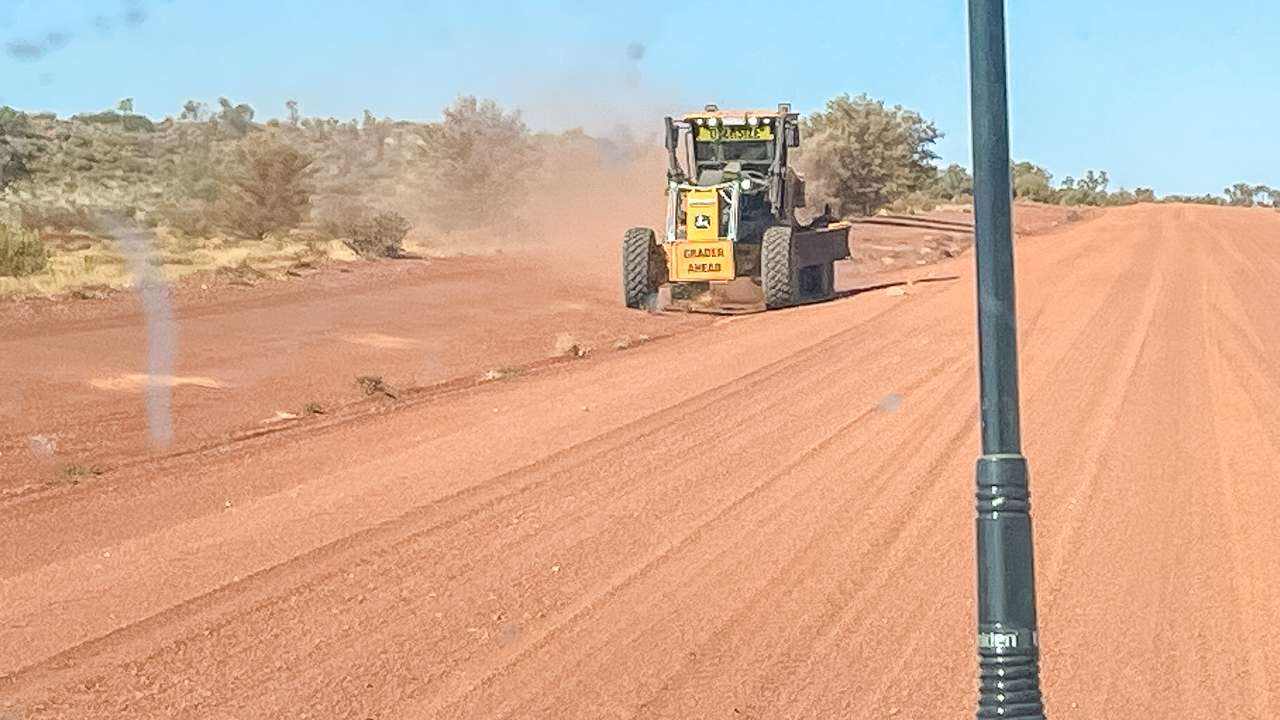
Grader On The Great Central Road Near Warburton

Grader On The Great Central Road Near Warburton

44. Piggies Place

This is a free campground. It is accessible to motorbikes, RVs, camper trailers, caravans and big rigs. Camping in tents is allowed. It’s dog friendly.

Cost: Free
Type: Bush Camping
Location: Great Central Rd, Ngaanyatjarra-Giles 0872, Western Australia
GPS: -25.927265°, 126.861635°
Distance From Laverton WA: 592km
Distance From Uluru NT: 510km
Pet Friendly: Yes

45. Yarla Kutjarra Camping

This is a free campground. It is accessible to motorbikes, RVs, camper trailers, caravans and big rigs. Camping in tents is allowed. It’s dog friendly. Telstra reception. We stayed at Yarla Kutjarra in August 2024 – click here to read our full rundown.

Cost: Free
Type: Bush Camping
Location: Great Central Rd, Between Warakurna and Warburton, Western Australia
GPS: -25.610328°, 127.223357°
Distance From Laverton WA: 646km
Distance From Uluru NT: 457km
Toilets: Yes
Non Potable Water: Yes
Pet Friendly: Yes

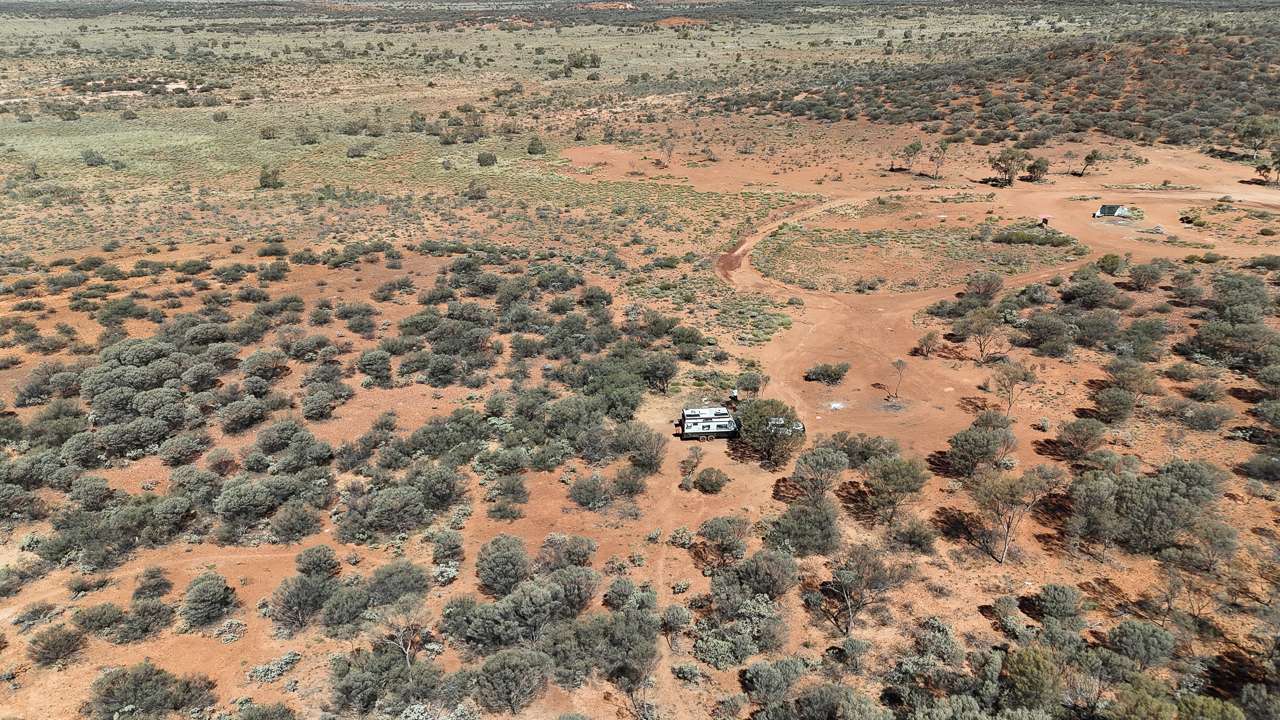
Our Camp On The Great Central Road Camping At Yarla Kutjarra

Our Camp On The Great Central Road Camping At Yarla Kutjarra

46. 2 GS Gravel Pit

Very big open area. Nice and flat. No firewood around so BYO. Loads of room here to turn around even the largest of rigs.

Cost: Free
Type: Bush Camping
Location: GCR, Western Australia
GPS: -25.518839°, 127.371185°
Distance From Laverton WA: 665km
Distance From Uluru NT: 438km
Pet Friendly: Yes

47. Gnamma Holes

This is a free campground. It is accessible to motorbikes, RVs, camper trailers, caravans and big rigs. Camping in tents is allowed. It’s dog friendly. Telstra reception.

Cost: Free
Type: Bush Camping
Location: Great Central Road, Ngaanyatjarra-Giles, Western Australia
GPS: -25.299460°, 127.817354°
Distance From Laverton WA: 717km
Distance From Uluru NT: 385km
Pet Friendly: Yes

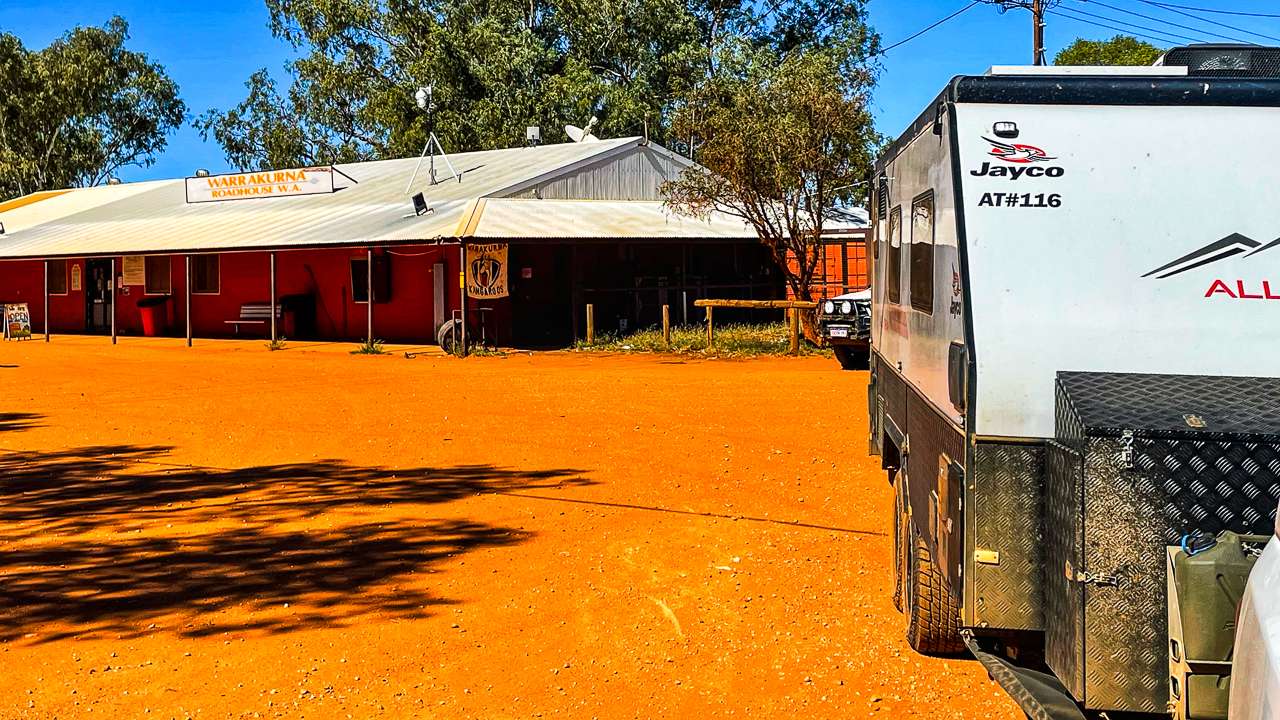
48. Warakurna Roadhouse

The Warakurna Roadhouse is located along the Great Central Road, within the Great Victoria Desert, 781km west of Alice Springs and 331km from Yulara (Ayers Rock). Laverton is 811km to the west of the roadhouse and Kalgoorlie is 1163km west.

The Roadhouse offers the following services

  • Diesel and Opal fuel.
  • A takeaway food service.
  • A range of accommodation options to suit everyone from the budget back-packer to the discerning traveller. Including complete units that will act as a home away from home for persons employed on extended contracts in the community.
  • A well stocked store offering food and personal items including fresh fruit & veg, bread, drinks, ice, fuels, meat, basic grocery items and ice creams.
  • 24 hour power
  • An after-hours fuel service
  • Yurliya Gallery (High end Gallery exclusively selling works produced by Warakurna Artists)

Cost: Unpowered $20 – Powered $35 (as on web site June 2024)
Type: Roadhouse Caravan Park
Location: Great Central Rd, Warakurna, Western Australia
GPS: -25.043060°, 128.303328°
Distance From Laverton WA: 811km
Distance From Uluru NT: 331km
Phone: (08) 8956-7344
Web: https://warakurnaroadhouse.com.au
Toilets: Yes
Showers: Yes
Power: Yes
Drinking Water: Yes
Laundry Facilities: Yes
Dump Point: No
Telstra Reception: Yes
Pet Friendly: Yes

Warrakurna Roadhouse

Warakurna Roadhouse

49. Camel Last Resort

This is a free campground. It is accessible to motorbikes, camper trailers and caravans. Camping in tents is allowed. It’s dog friendly.

Cost: Free
Type: Bush Camping
Location: Great Central Road, Ngaanyatjarra-Giles, Western Australia
GPS: -25.155309°, 128.507698°
Distance From Laverton WA: 801km
Distance From Uluru NT: 302km
Pet Friendly: Yes

50. Giles Mulga Park Rd

This is a free campground. It is accessible to motorbikes, camper trailers and caravans. Camping in tents is allowed. It’s dog friendly.

Cost: Free
Type: Bush Camping
Location: Just Off Giles-Mulga Park Road, Western Australia
GPS: -25.167268°, 128.540448°
Distance From Laverton WA: 804km
Distance From Uluru NT: 298km
Pet Friendly: Yes

51. Docker River Camping

We stayed at Docker River in August 2024 – click here to read our full rundown.

  • This unpaid campground no longer offers toilets or showers.
  • It is dog friendly.
  • It is accessible to RVs, camper trailers, caravans and big rigs.
  • Local community (shop and diesel) closed to other than residents.
  • Camping in tents is allowed.
  • Telstra reception

NOTE: store/fuel at Docker River NOT OPEN SUNDAYS

Cost: Free
Type: Bush Camping
Location: Tjukaruru Rd, Docker River, Northern Territory
GPS: -24.865080°, 129.061564°
Distance From Laverton WA: 875km
Distance From Uluru NT: 228km
Pet Friendly: Yes

52. Ayers Rock Campground

Located 20km from Ayers Rock, Ayers Rock Campground is a great home base for truly experiencing the beauty of Ayers Rock. Unwind in air-conditioned cabins, hook up your caravan, campervan, motor home, or camper trailer at one of the powered campsites, or pitch your tent under the shade of native desert oaks and sleep under the stars. The camping ground also provides a range of services and facilities including a swimming pool, BBQ facilities and outdoor kitchen and self-service laundry facilities to make the great outdoors truly enjoyable.

**YOU CANNOT ENTER SITE IF YOU HAVE A CAT ON BOARD**

Hop on the complimentary shuttle bus for access to the Resort’s restaurants and bars, shops, a well-stocked IGA supermarket, petrol station, Tour & Information Centre, and art galleries. Participate in a range of free daily activities including guided garden walks and Indigenous bush yarns.

Pre-booking is essential. Especially during the Australian School Holiday periods and also peak season from May to August the campground sells out consistently. Contact number is 1300 134 044

Cost: Unpowered $50 – Powered $75 (as on web site June 2024)
Type: Resort / Caravan Park
Location: 173 Yulara Dr, Yulara 0872, Northern Territory
GPS: -25.238749°, 130.990129°
Distance From Laverton WA: 1,107km
Distance From Uluru NT: 15km
Phone: 0130 013 404
Web: https://ayersrockresort.com.au
Toilets: Yes
Showers: Yes
Power: Yes
Drinking Water: Yes
Laundry Facilities: Yes
Dump Point: Yes
Telstra Reception: Yes
Pet Friendly: Yes
Pet Sitting: Yes

53. Sandy View Roadside Rest Area

This is a free campground. It’s not on the Great Central Road however it’s the only listed free camping area anywhere near Uluru.

  • It is accessible to motorbikes, RVs, camper trailers and caravans.
  • Camping in tents is allowed.
  • You can stay here for up to 24 hours.
  • This is a roadside site only.
  • Free camping at Ayers Rock.
  • Free camping at Uluru.
  • Free camping at Yulara.

Cost: Free
Type: Roadside Camping
Location: Lasseter Hwy, Yulara, Northern Territory
GPS: -25.220208°, 131.229939°
Distance From Laverton WA: 1,133km
Distance From Uluru NT: 41km
Pet Friendly: Yes

Preparation For The Trip

Vehicle Requirements

Embarking on the Great Central Road requires a reliable 4WD vehicle. Ensure your vehicle is well-maintained and equipped for off-road conditions. Spare tyres, extra fuel, and a comprehensive toolkit are essential.

Essential Supplies

Pack enough food, water, and camping gear for the entire journey. Consider carrying extra supplies in case of emergencies. A first aid kit, navigation tools, and satellite phone are also crucial.

Permits And Regulations

Travelling through Aboriginal lands requires permits. Make sure to obtain the necessary permits for each section of the road. Respect local regulations and be aware of restricted areas.

Best Time to Travel

Seasonal Considerations

The best time to travel the Great Central Road is during the cooler months from April to October. This time of year offers more manageable temperatures and has the potential for fewer weather related disruptions.

Weather Conditions

Prepare yourself for extreme weather conditions including sudden storms and high temperatures. And don’t forget the temperature can also be very cold at night – even down below zero during the winter months. Check weather forecasts regularly and plan your journey to suit.

Major Attractions

Tjukayirla Roadhouse

This roadhouse is a popular stop for travellers, offering fuel, food, and basic accommodation. Refuel and have a break before continuing your journey.

Warburton Community

The Warburton Community is rich in First Nation culture and gives a view into the traditions and lifestyles of the local people. Visit the Tjulyuru Cultural and Civic Centre for an immersive cultural experience.

Docker River

Docker River is a small community with a stunning backdrop of red desert landscapes. It’s a fantastic place to camp. You can set up here and explore the surrounding area.

Kata Tjuta (The Olgas)

These impressive rock formations are located near Uluru and are a must-see. Kata Tjuta, meaning “many heads” is a sacred site with stunning walking trails.

Uluru (Ayers Rock)

The journey culminates at Uluru, a UNESCO World Heritage Site. Witness the changing colours of this iconic rock at sunrise and sunset, and learn about its cultural significance.

Cultural Significance

Aboriginal Communities

The Great Central Road passes through lands belonging to various Aboriginal groups. Remember to respect their customs, traditions and privacy. Engage with local communities to learn about their rich cultural heritage.

Respecting Local Traditions and Laws

Always seek permission before entering Aboriginal lands. Please follow and respect guidelines for behaviour and interactions and avoid disturbing sacred sites.

Flora and Fauna

Unique Wildlife

The outback is home to a big range of wildlife including kangaroos, emus and dingoes. Keep watch for these animals and maintain a safe distance so you don’t disturb them.

Plant Life

The desert landscape features unique vegetation adapted to the harsh conditions. Look for resilient plants like spinifex and mulga trees that thrive in the outback environment.

Roadhouses On The Great Central Road

Roadhouses are your best and most reliable sources of water, fuel and food along the Great Central Road. Generally in most circumstances these will be your only sources to purchase these items. So plan your journey carefully. and know where they are. And an old adage in the bush still holds true. Never drive past a roadhouse without filling up as you never know if the next one will be open or will have fuel.

Tjukayirla Roadhouse

Tjukayirla Roadhouse is located in the Great Victoria Desert, along the Great Central Road (Outback Way). A distance of 305 km separates the roadhouse from Laverton, and a distance of 245 km separates it from Warburton. The Tjukayirla Roadhouse was established and owned by the Blackstone Community. As part of the original survey route to Warburton, the surveyors placed a Paine and Barclay Surveyor marker next to the Tjukayirla Rockholes, which give the roadhouse its name. A visit to the desert breakaways and wildflowers is well worth the time. It is common to see dingoes, emus, kangaroos, camels, as well as a wide variety of birds around the roadhouse.

Trading Hours
Monday to Friday: 8am – 5pm
Saturday – Sunday: 9am – 5pm
After hours to 8pm: $20 fee to open

Fuel
Diesel and Opal fuel is available

Stores
Sit down or takeaway meals, hot & cold drinks, snacks, souvenirs, indigenous paintings, artefacts, basic food items, motor vehicle accessories and tyres

Accommodation

  • Twin share rooms with tea and coffee making facilities
  • 2 x self contained units with television (without bathroom)
  • Caravan and camping sites with or without power
  • Amenities block
  • 24 hour power

Pets
Pets are not permitted in rooms but are allowed outside on a leash. All pets must be under control at all times

Repairs
Minor mechanical, welding repairs, breakdown recovery, tow service to Perth

Managers: Andrew and Sussan Bignell

Contact Details
Postal Address: PMB 53 Alice Springs NT 0872
Phone: (08) 9037 1108
Fax: (08) 9037 1110
Email: tjukayirlaroadhouse@bigpond.com
Web: https://tjukayirlaroadhouse.com.au/

Warburton Roadhouse

The Warburton Roadhouse is located outside the community on the Great Central Road.

Trading Hours
Monday to Friday: 8am – 5pm (WST)
Saturday to Sunday: 9am – 3pm (WST)
Public Holidays: 9am – 12 midday (WST)

Please note: No shop or fuel sales are made outside of these hours.

Fuel
Diesel and Opal fuel is available

Stores
Takeaway food, fruit & veg, bread, drinks, ice, meat, basic grocery items, tyres and motor vehicle accessories

Accommodation

  • 2 x Self Contained Units
  • 12 x Double Ensuites
  • 11 x Single Budget
  • 20 x Single Ensuites
  • There are two toilet facilities and one laundry

The Roadhouse is able to cater for coach groups and have enough beds for approximately 63 people. As well as accommodation, dinner and breakfast are available with prior arrangements. Meals are available but orders are to be made when booking rooms. Anyone arriving after hours can come to the Manager’s house, which is located at the rear of the roadhouse, for accommodation and camping inquiries.

Pets
On arrival please notify managers if you have a pet with you. Pets only allowed if you are camping. No pets allowed to wander freely in the grounds and must be kept on a leash

Repairs
Tyre and other minor repairs including welding can be carried out in the community workshop

Manager: Scott Peers

Contact Details
Postal Address: Warburton Community, PMB 71 Kalgoorlie WA 6430
Phone: (08) 8956 7656
Fax: (08) 8956 7645
Email: roadhouse.warbo@bigpond.com
Web: https://warburtonroadhouse.com.au/

Warakurna Roadhouse

The Warakurna Roadhouse is located outside the community on the Great Central Road.

Trading Hours (Central Standard Time)
Monday to Friday: 8.30am – 5.00pm
Saturday-Sunday: 9.00am – 3.00pm
Public Holidays: 9.00am – 12.00 midday
Closed: Good Friday, Christmas Day and New Years Day.

Fuel
Diesel and Opal fuel is available.
After hours fuel only up to 8.00pm.
If fuel is required outside of trading hours then a fee of $20 will apply per vehicle.
Closed Good Friday, Christmas Day and New Years Day.

Stores
Takeaway food, drinks, basic grocery items and local artefacts

Accommodation

  • 5 x self contained units (sleeps 2-5 people)
  • 10 x backpacker style rooms
  • Powered camp sites
  • An after hours service is available (until 8pm CST), by going to the managers residence for camping and accommodation

Pets
Contact Managers

Repairs
Tyre repairs can be carried out in the workshop

Contact Details
Postal Address: C/- Warakurna Community, PMB 62 Alice Springs NT 0872
Phone: (08) 8956 7344
Fax: (08) 8956 2850
Email: warakurnaroadhouse@bigpond.com
Web: https://warakurnaroadhouse.com.au/

Safety Tips

Navigating Remote Areas

Always travel with a detailed map and GPS. Inform someone of your travel plans and estimated arrival times.

Health Precautions

Stay hydrated and protect yourself from the sun with appropriate clothing and sunscreen. Carry a well-stocked first aid kit for emergencies.

Travel Tips

Driving Advice

Drive cautiously and be prepared for varying road conditions. Reduce speed in sandy or rocky areas to avoid damage to your vehicle.

Communication

Mobile phone coverage is limited, so carry a satellite phone for emergencies. Inform others of your location and travel plans regularly.

Fuel Management

Plan your fuel stops carefully. Carry extra fuel in approved containers, and refuel whenever possible to avoid running out in remote areas.

Environmental Impacts Of The Great Central Road

Leave No Trace Principles

Follow Leave No Trace principles to minimise your environmental impact. Pack out all waste and avoid damaging vegetation and wildlife habitats.

Conservation Efforts On The Great Central Road

Help to assist local conservation efforts by respecting guidelines and participating in community led initiatives. Protecting the outback ensures its beauty for future generations.

Common Challenges And How To Overcome Them

Road Conditions

Road conditions can vary, with sections being sandy, rocky, or corrugated. Drive cautiously and adjust your speed to the conditions. You can check the current road conditions here > https://www.ngaanyatjarraku.wa.gov.au/road-conditions/road-conditions.aspx

Vehicle Breakdowns

Be prepared for potential vehicle issues. Carry spare parts and tools, and know basic repair techniques. Assistance can be far away, so self-sufficiency is crucial.

Weather Related Issues

A sudden weather change can bugger up your travel plans. Keep an eye on forecasts and be flexible with your itinerary to accommodate unexpected conditions. Check your weather apps whenever you have a viable internet connection. Remember that mobile phone connection can be spotty at best.

Valuable Resources

Conclusion

The Great Central Road offers a once in a lifetime adventure through Australia’s outback. From its rich cultural heritage to its stunning landscapes, this journey is as rewarding as it is challenging. By preparing adequately, respecting local traditions, and embracing the spirit of adventure, you’ll create unforgettable memories on this epic road trip. So, pack your gear, fuel up, and set off on the adventure of a lifetime along the Great Central Road.

FAQs – Frequently Asked Question About The Great Central Road

What permits do I need to travel the Great Central Road?

You'll need permits to travel through Aboriginal lands. These can be obtained online or at specific entry points along the route.

Is the Great Central Road suitable for beginners?

While it's a challenging route, beginners can undertake it with proper preparation and a reliable 4WD vehicle. Plan thoroughly and seek advice from experienced travellers.

How long does it take to drive the Great Central Road?

The journey typically takes 4-7 days, depending on your pace and the stops you make along the way. Allow extra time for exploration and rest.

Are there fuel stops along the Great Central Road?

Yes, there are several fuel stops, including roadhouses like Tjukayirla and Warburton. Plan your fuel stops carefully to avoid running out.

What is the best vehicle for the Great Central Road?

A well-maintained 4WD vehicle is essential for this journey. Ensure it is equipped for off-road conditions and carry necessary spare parts and tools.

Camping Near Grenfell NSW At Wentworth Station

Camping Near Grenfell NSW At Wentworth Station

Camping Near Grenfell NSW At Wentworth Station

We spent the Kings Birthday long weekend camping near Grenfell at Wentworth Station in the foothills of the Weddin Mountains. The bushranger Ben Hall used to camp along the banks of a creek here with his horses.

Wentworth Station is a great place to camp near Grenfell. Miles of room. The hosts are very friendly and informative. There were some other campers there but the area is so large that everyone had their own spot to to set up. Nice and close to Grenfell. We only live an hour or so away but we will be back for sure. I highly recommend it.

We camped near Grenfell because we wanted to visit Grenfell to go to the Henry Lawson Festival. The Henry Lawson Festival of Arts is an annual event held in Grenfell NSW. The event showcases the life and works of the Australian poet and writer Henry Lawson. The festival takes place over the June long weekend. There’s a large variety of things going on all weekend that attract visitors from far and wide.

Camping Near Grenfell

Camping Near Grenfell

Key Features Of The Henry Lawson Festival

  • Parade
    The festival features a street parade with floats, performers and community groups showcasing their creativity and celebrating local culture.
  • Art And Photography Exhibitions
    Art and photography competitions and exhibitions are a central part of the festival highlighting the talents of local and regional artists.
  • Poetry And Short Story Competitions
    In memory of Henry Lawson’s contributions to literature the festival includes poetry and short story competitions. They encourage writers of all ages to participate.
  • Live Performances
    There are live music performances, theatrical productions and street performers providing entertainment throughout the festival.
  • Markets And Stalls
    There are stalls in the main street with a large variety including crafts, food and souvenirs. It’s an opportunity to give visitors to town a chance to support local businesses.
  • Historical Tours
    Guided tours exploring the history of Grenfell and its connection to Henry Lawson provide educational insights into the town’s heritage.
  • Children’s Activities
    The festival includes activities and events specifically designed for children such as face painting, games and workshops.
  • Community Events
    Various community events and gatherings including sports competitions, car shows and family friendly activities that add to the festive atmosphere.

Henry Lawson Festival 2024

Henry Lawson Festival 2024

Tips for Attending The Henry Lawson Festival

  • Accommodation: Book your accommodation early, as the festival attracts many visitors and local lodging can fill up quickly.
  • Parking: Be prepared for limited parking in the town centre. Consider using public transportation or parking on the outskirts and walking to the festival venues.
  • Weather: June in Grenfell can be chilly, so dress warmly and be prepared for changing weather conditions.
  • Schedule: Check the festival’s official website or local information sources for a detailed schedule of events to plan your visit accordingly.

The Henry Lawson Festival of Arts in Grenfell is a wonderful opportunity to celebrate Australian literature, arts, and community spirit.

Camping Near Grenfell Gallery

Step-by-Step Driving Directions from Sydney to Grenfell, NSW

  1. Starting Point: Sydney, NSW
    – Begin your journey by getting onto the M1 (Pacific Motorway) from the city centre.
  2. Follow M1 and M2
    – Head north on the M1 towards North Sydney.
    – Follow the signs for Epping/Newcastle.
    – Merge onto the M2 Motorway towards the west.
  3. Continue on M2, then onto the M7
    – Stay on the M2 Motorway for about 21 km.
    – Continue onto the M7 (Hills M2 Motorway) and follow the signs for Western Sydney.
  4. Exit onto M4
    – Take the exit onto the M4 Motorway towards Penrith/Blue Mountains.
    – Stay on the M4 Motorway for about 47 km, heading west.
  5. Continue onto Great Western Highway (A32)
    The M4 will eventually become the Great Western Highway (A32).
    Follow the A32 through the Blue Mountains, passing towns like Katoomba and Lithgow.
  6. Take Castlereagh Highway (B55)
    – After passing through Lithgow, take the exit towards the Castlereagh Highway (B55) heading towards Bathurst.
    – Continue on the B55 for approximately 55 km.
  7. Merge onto Mid Western Highway (B64)
    – In Bathurst, follow the signs for the Mid Western Highway (B64) towards Cowra.
    – Continue on the B64 for about 90 km until you reach Cowra.
  8. Proceed on Mid Western Highway to Grenfell
    – From Cowra, continue on the Mid Western Highway (B64) towards Grenfell.
    – Stay on the B64 for approximately 57 km until you reach Grenfell.

Key Points

  • Total distance is approximately 370 km.
  • The journey will take around 4 to 5 hours depending on traffic and road conditions.
  • Ensure your vehicle is fuelled up and ready for a long drive.
  • Take breaks as needed, especially while driving through the Blue Mountains due to winding roads.
  • Check for any road closures or conditions before you start your journey.
Travel From to Grenfell Distance Time
Adelaide 1,013km 10:51
Albury 330km 03:27
Canberra 209km 02:31
Melbourne 655km 06:46
Sydney 361km 04:41
Wagga Wagga 189km 02:06

Pin It on Pinterest